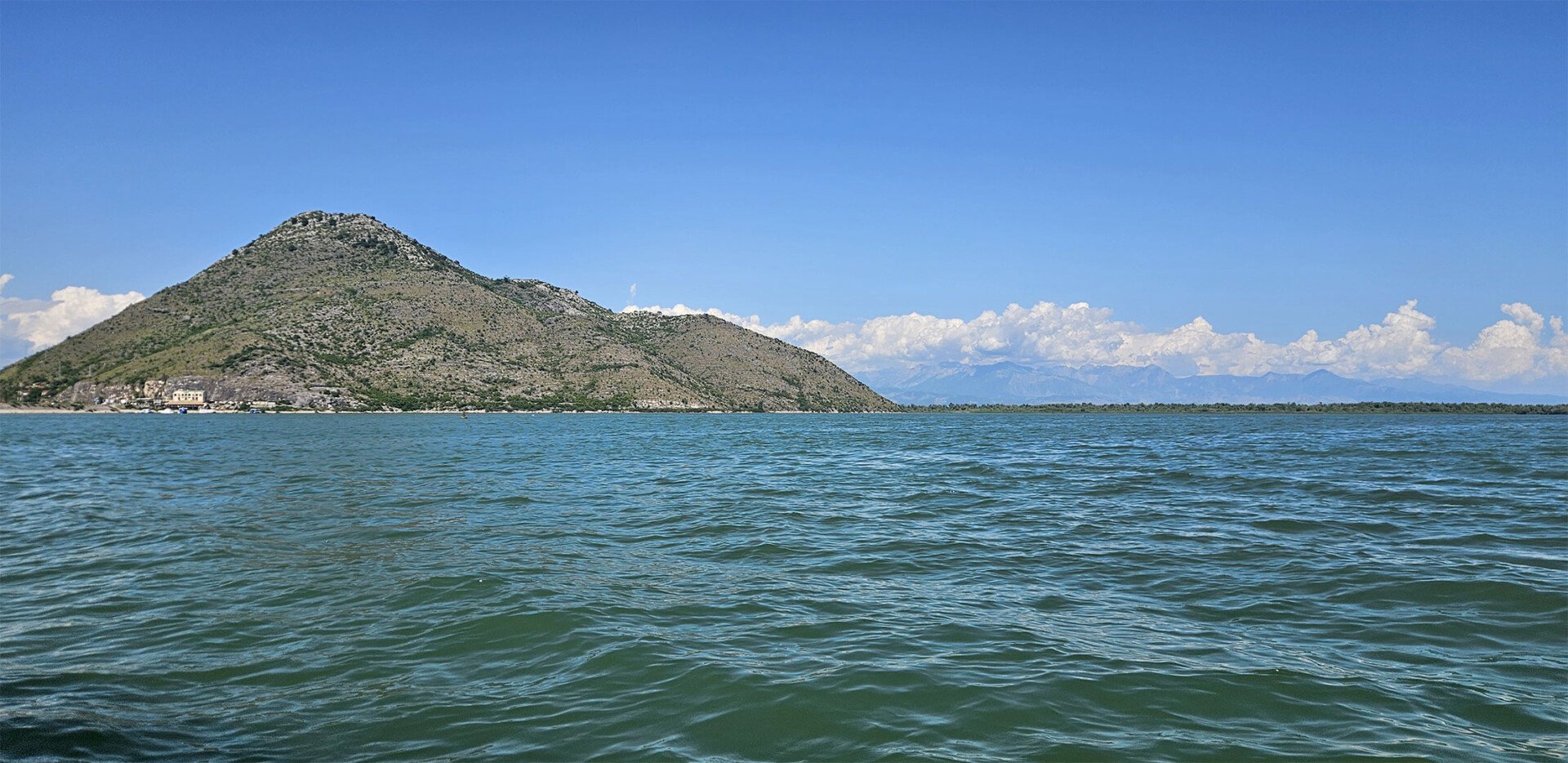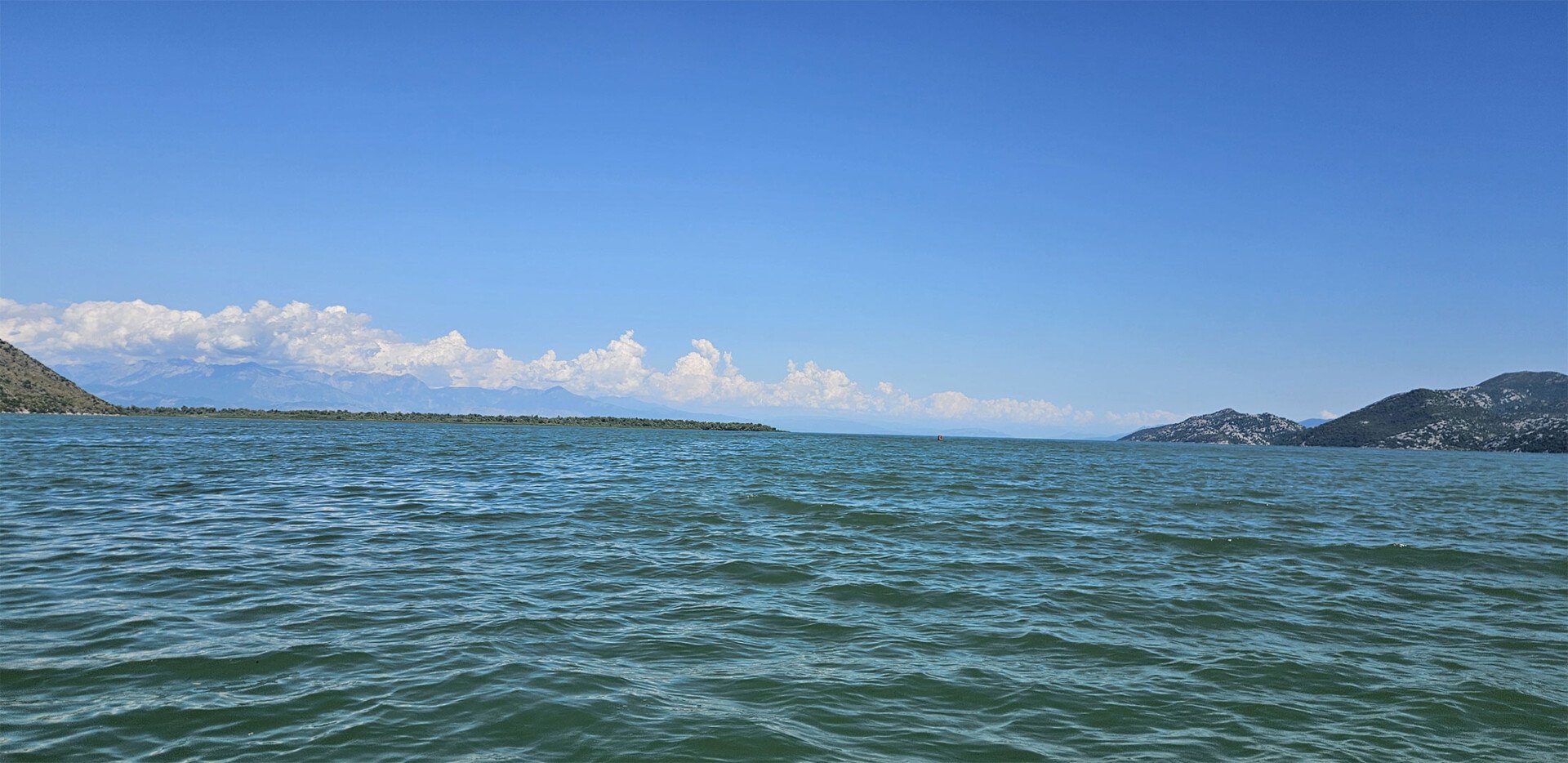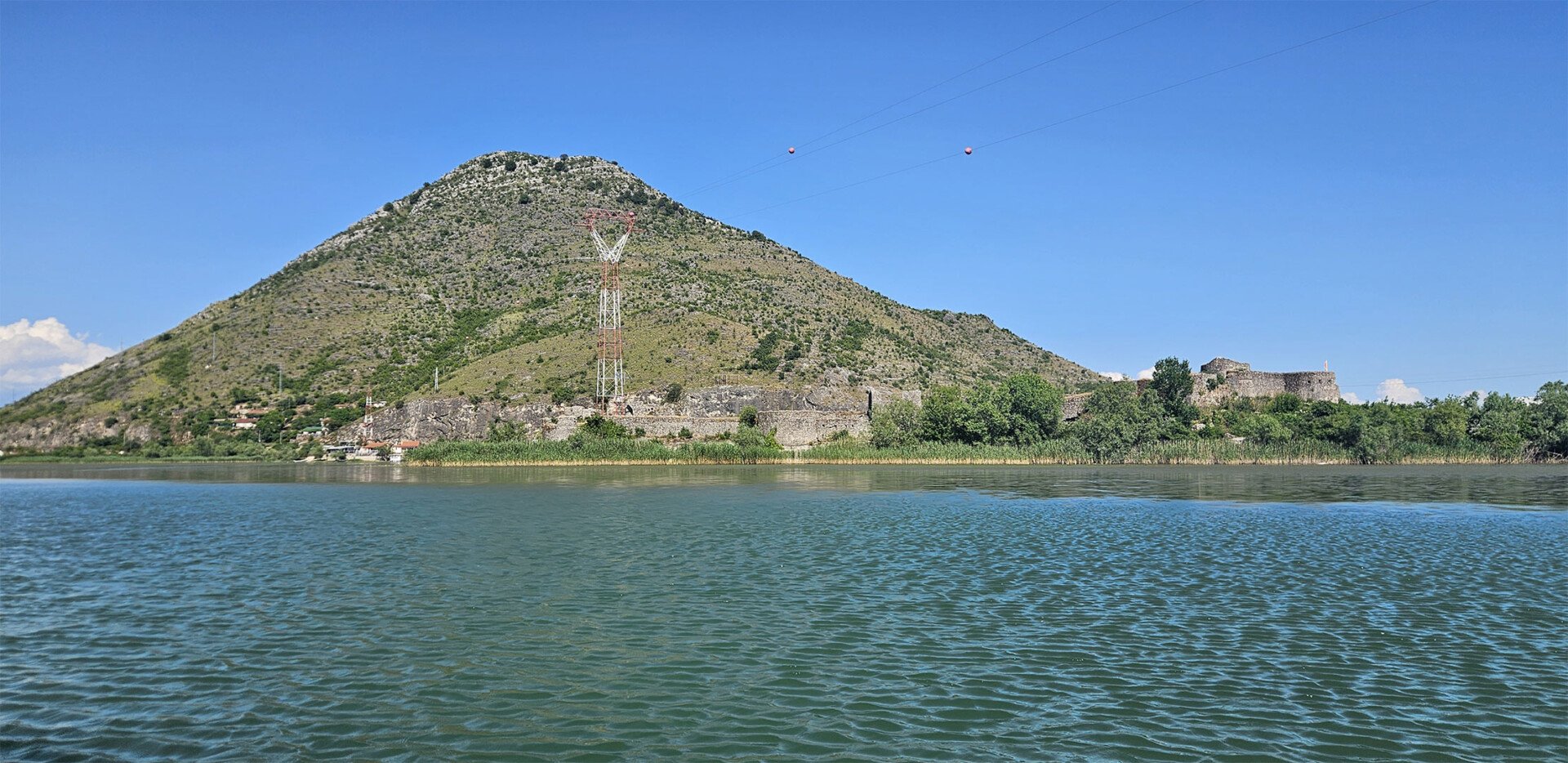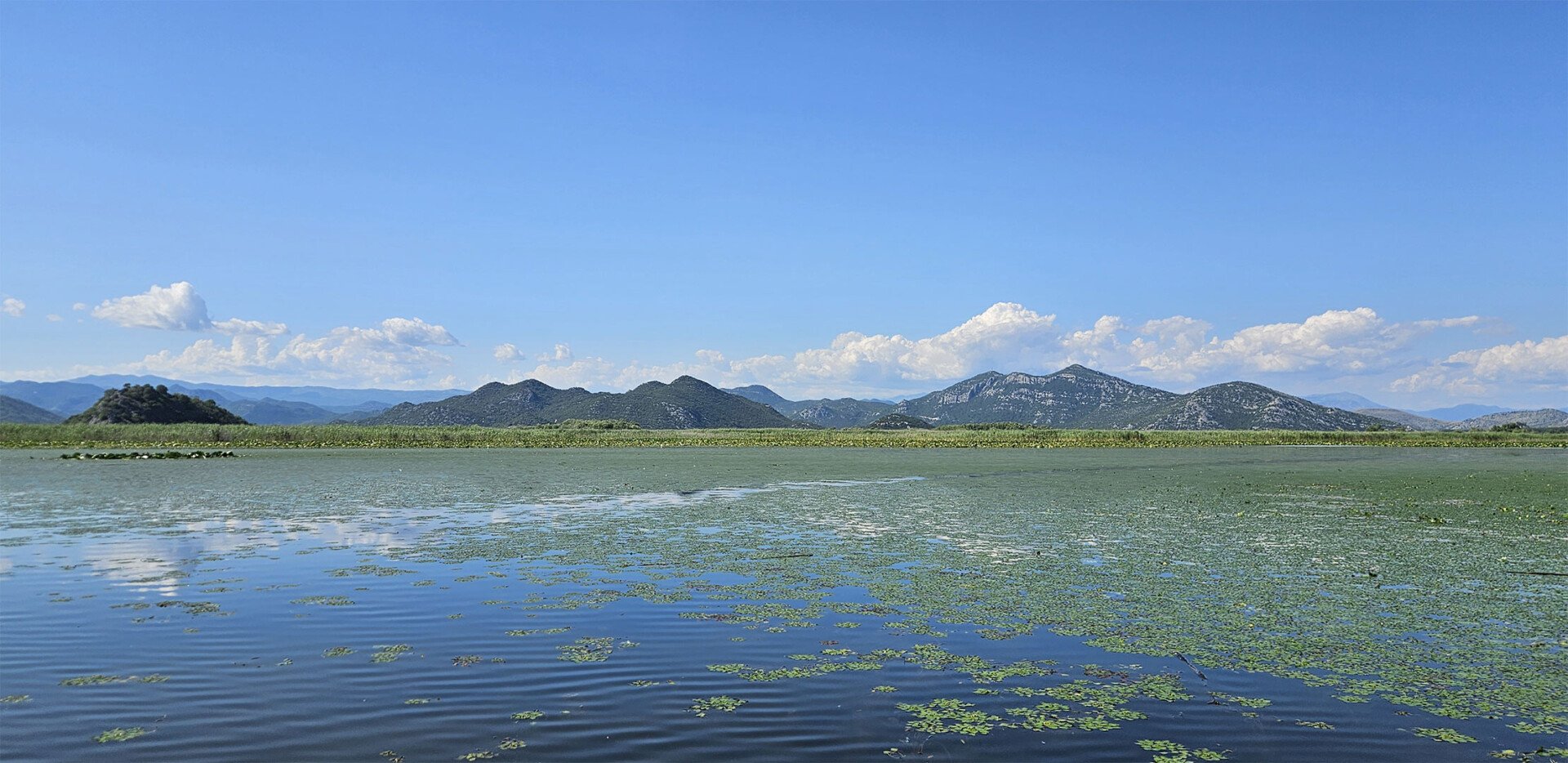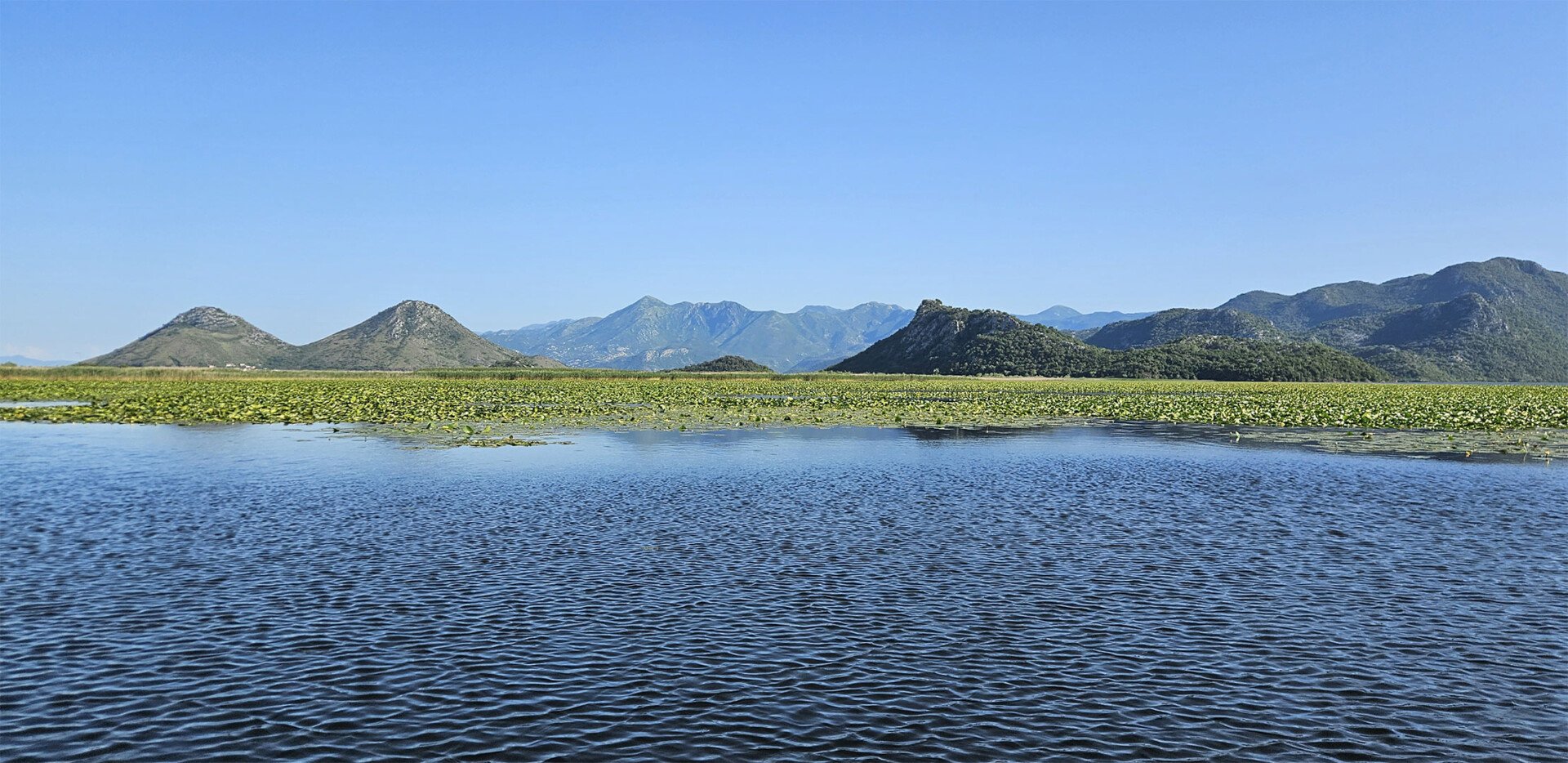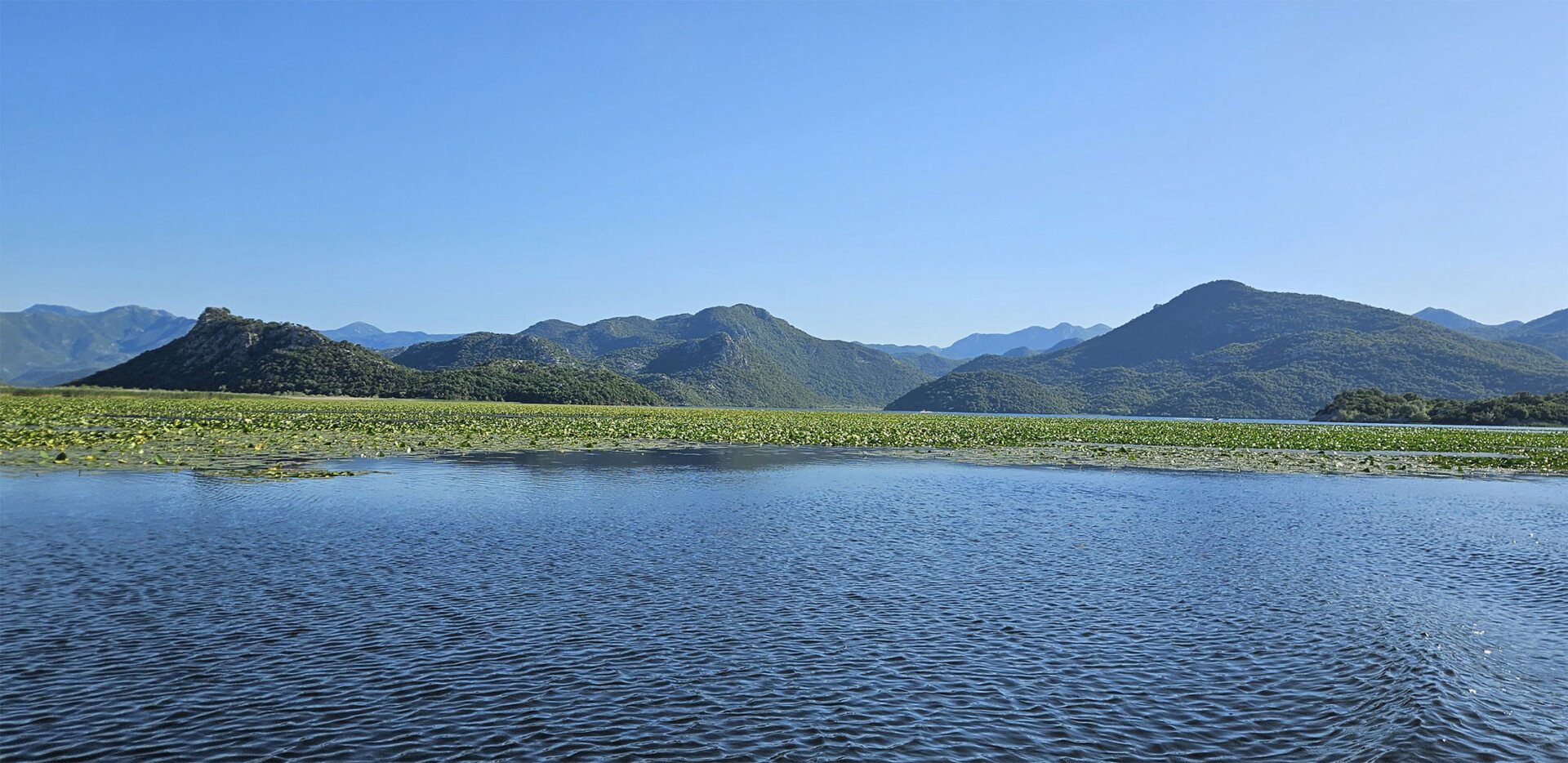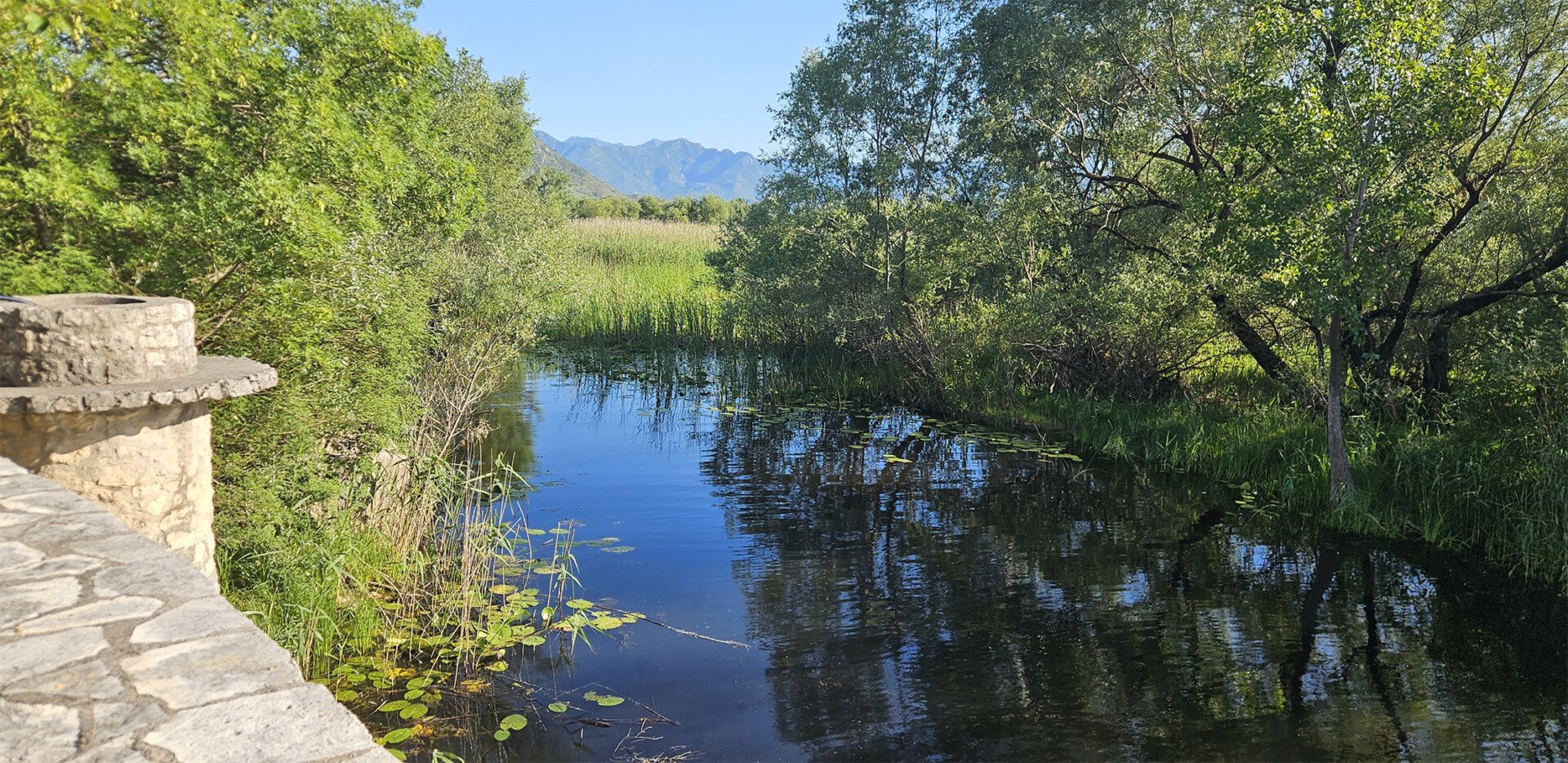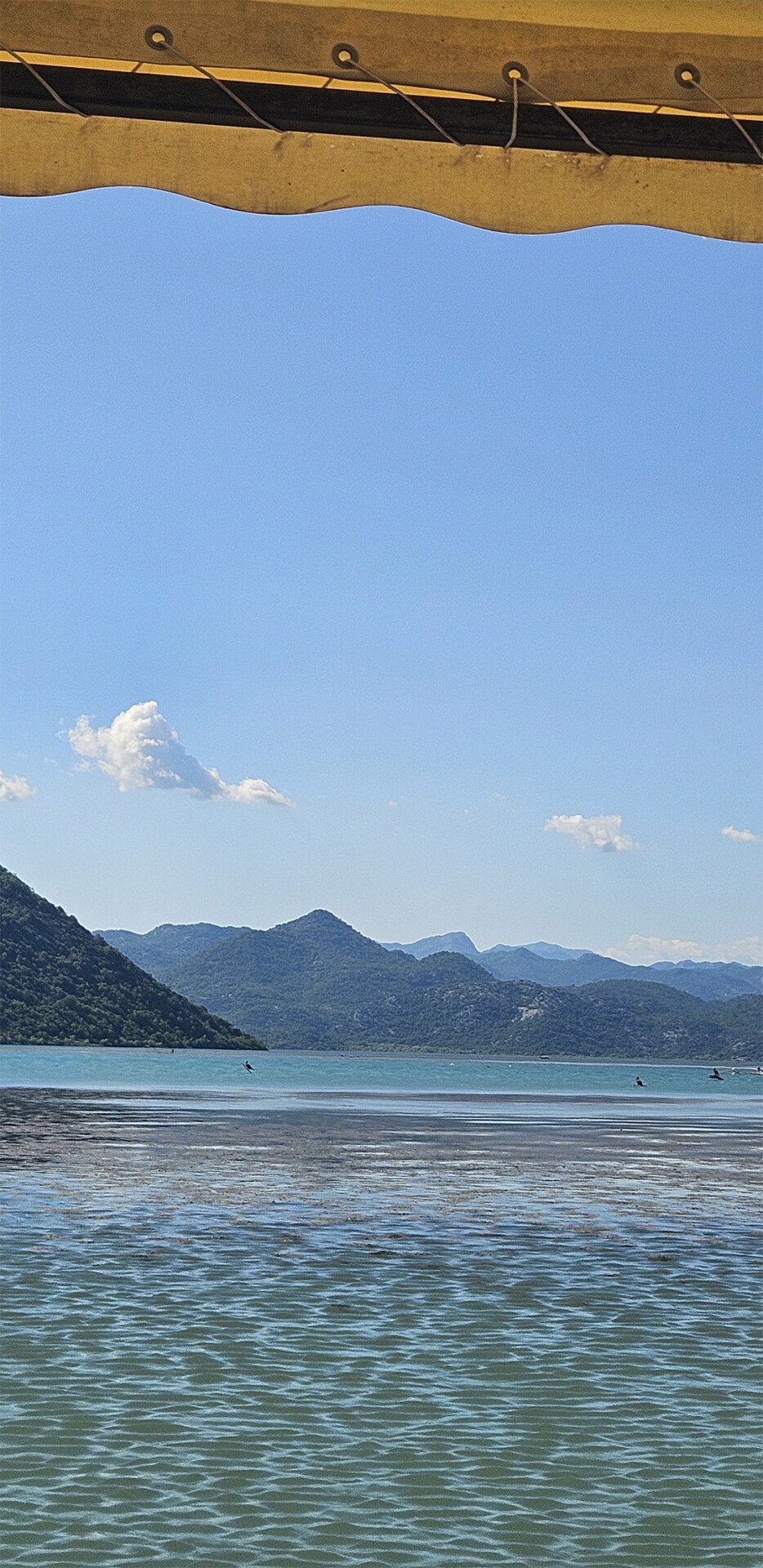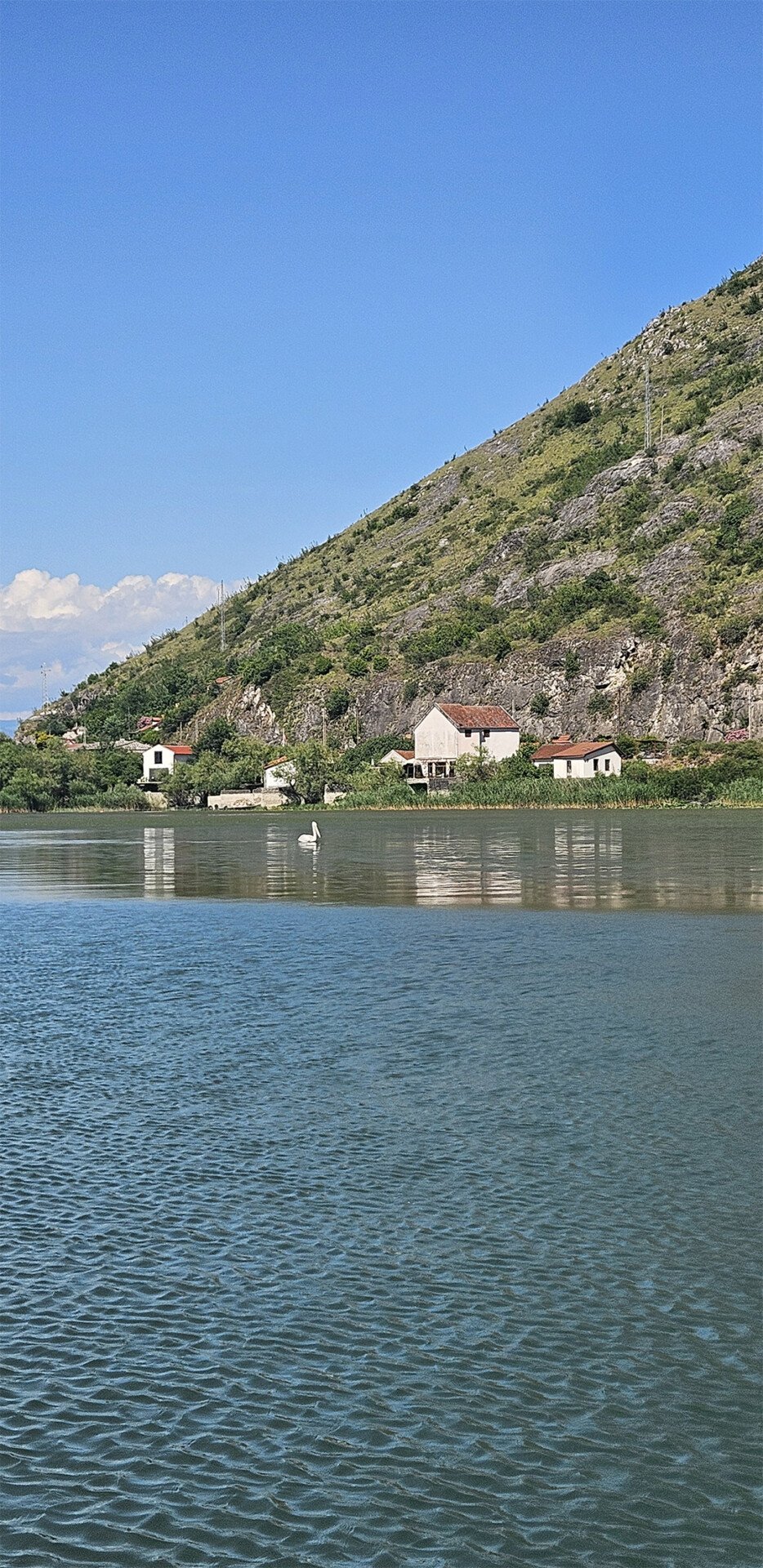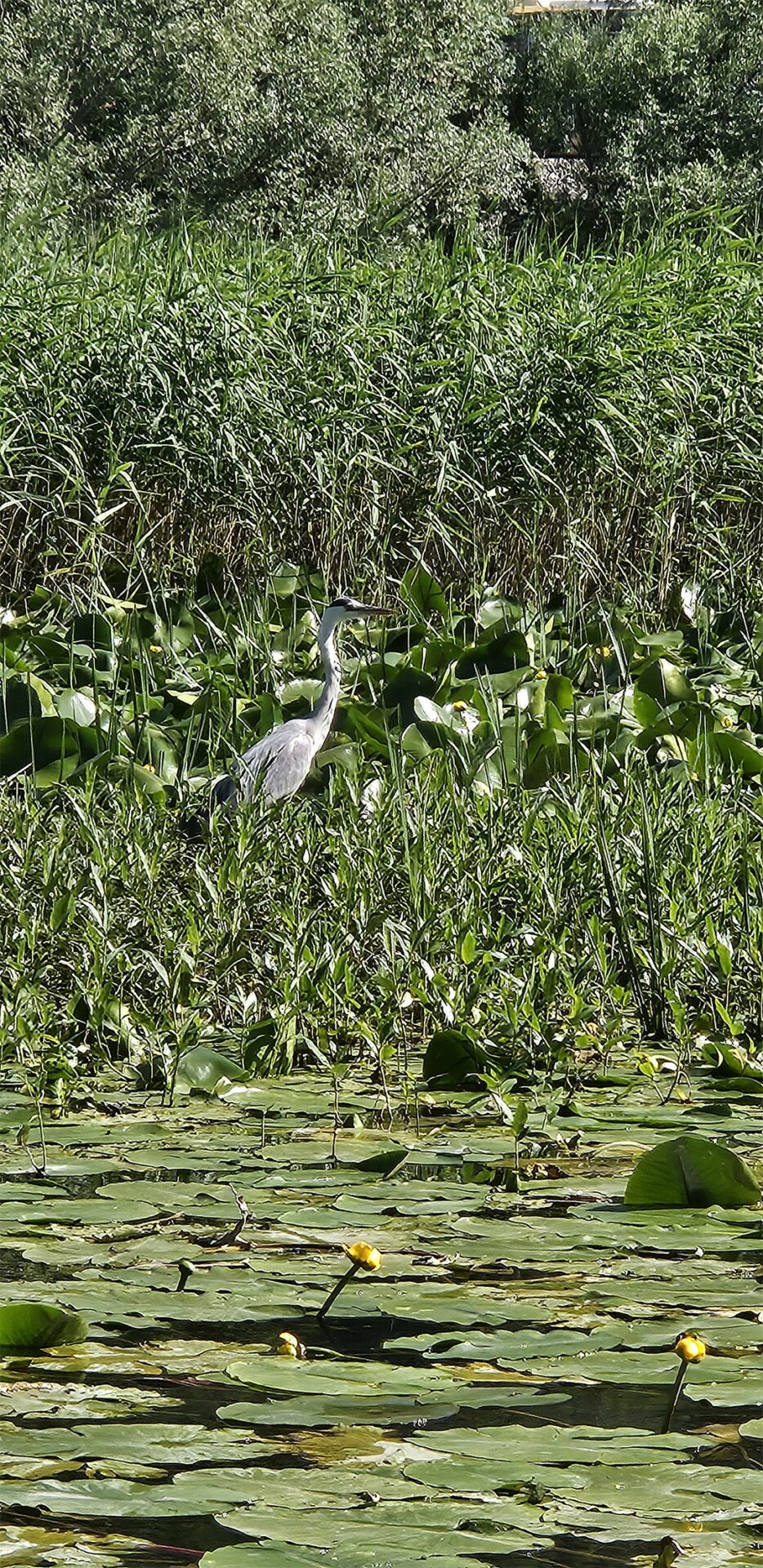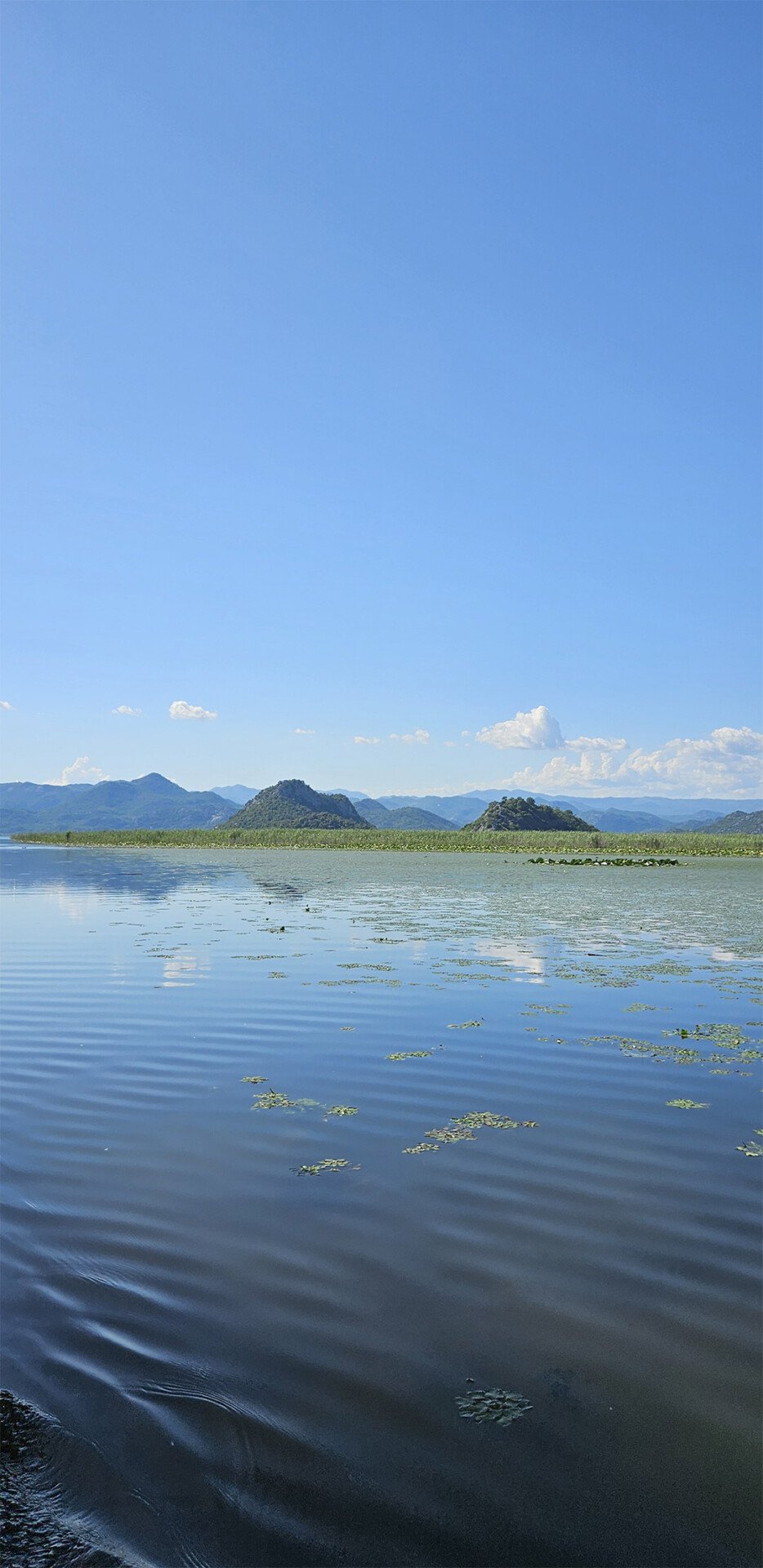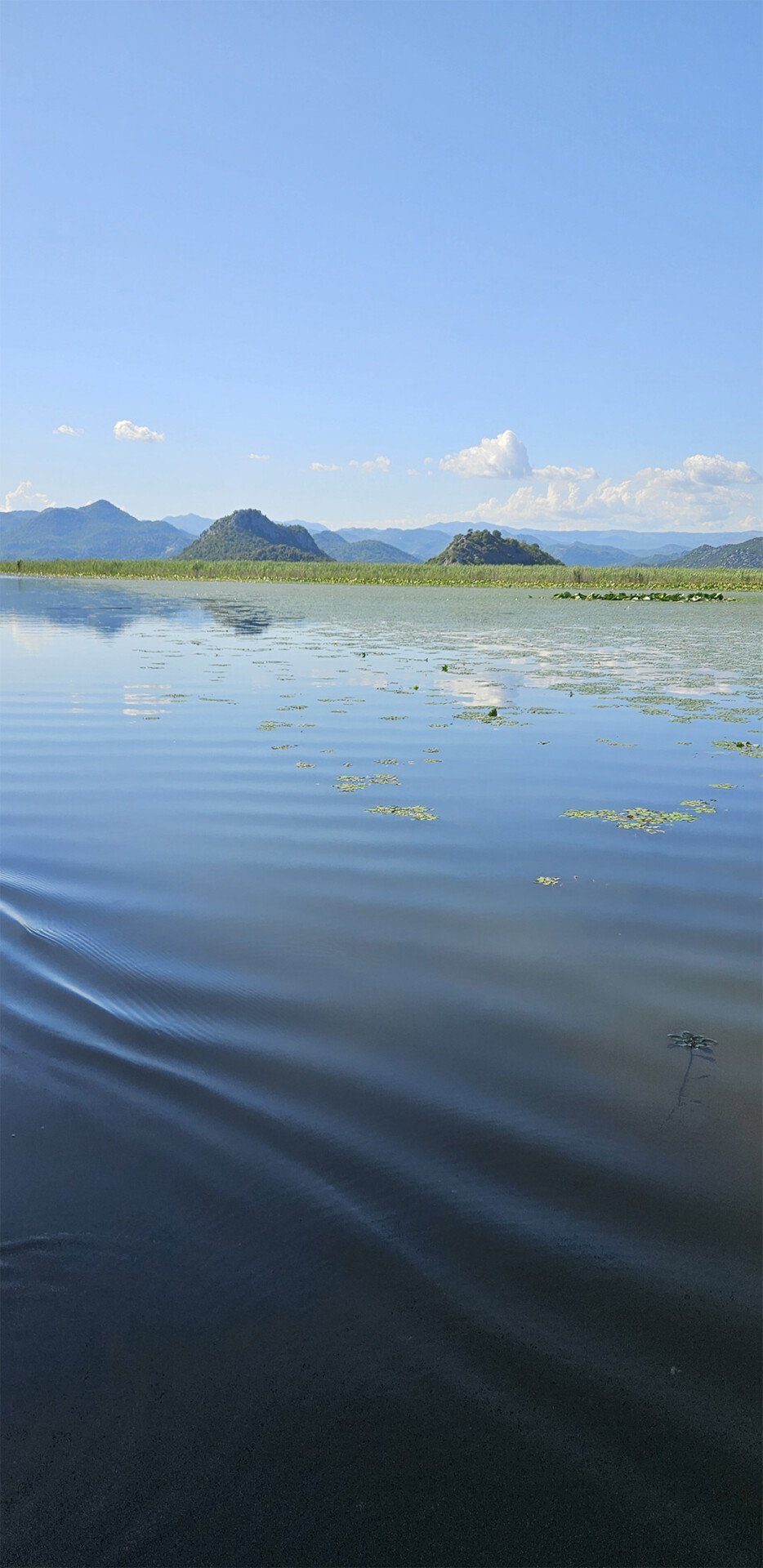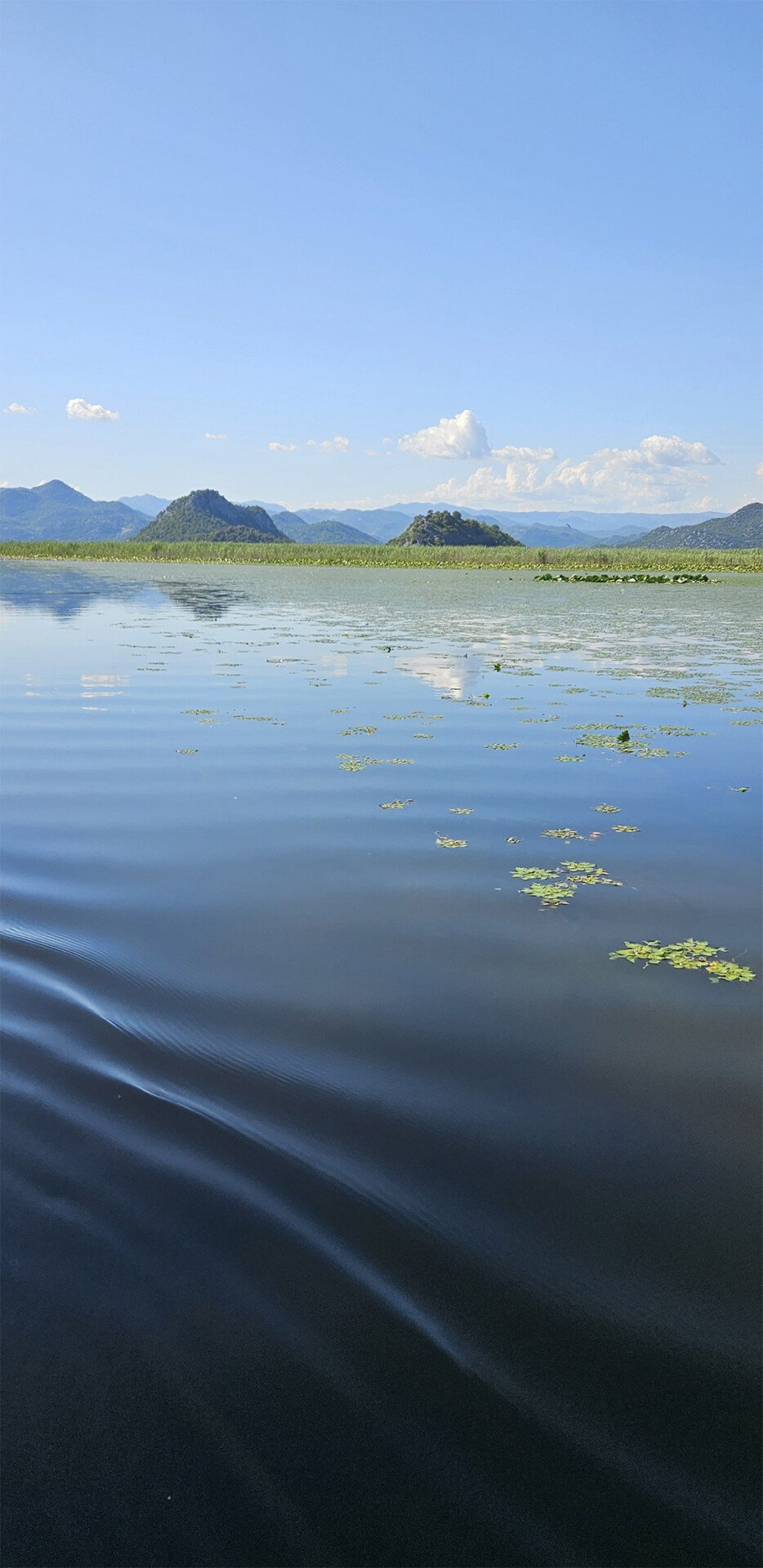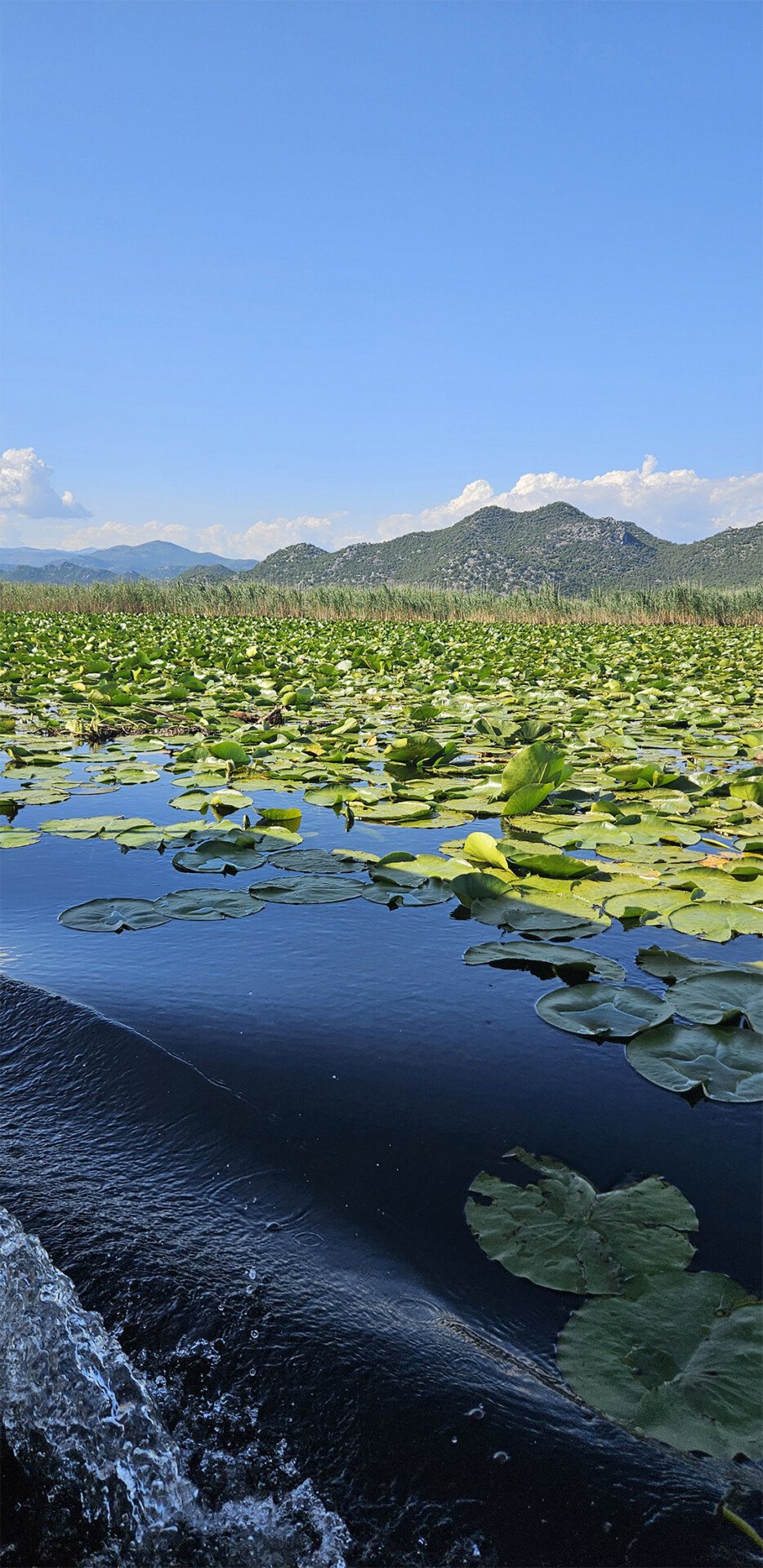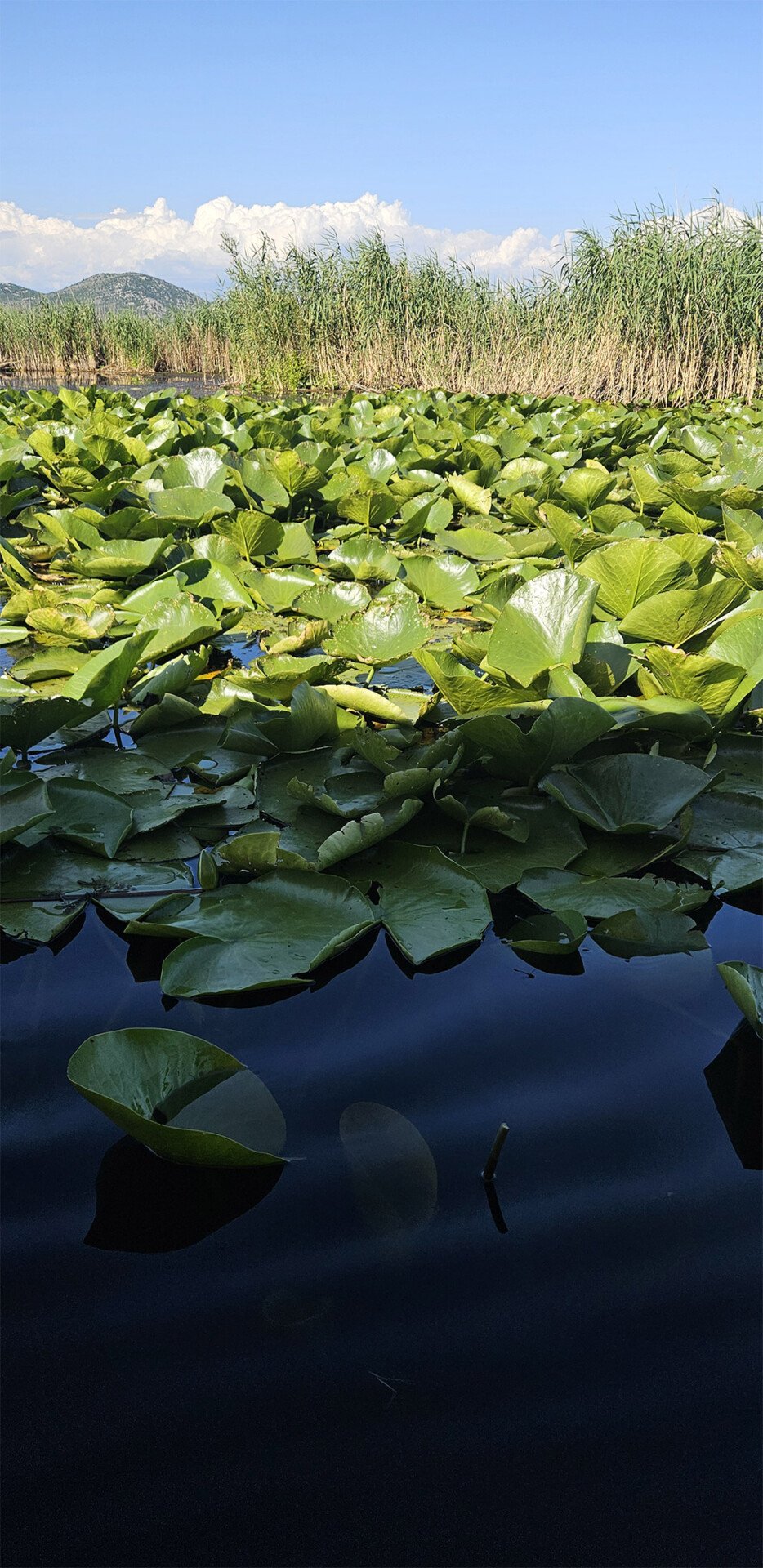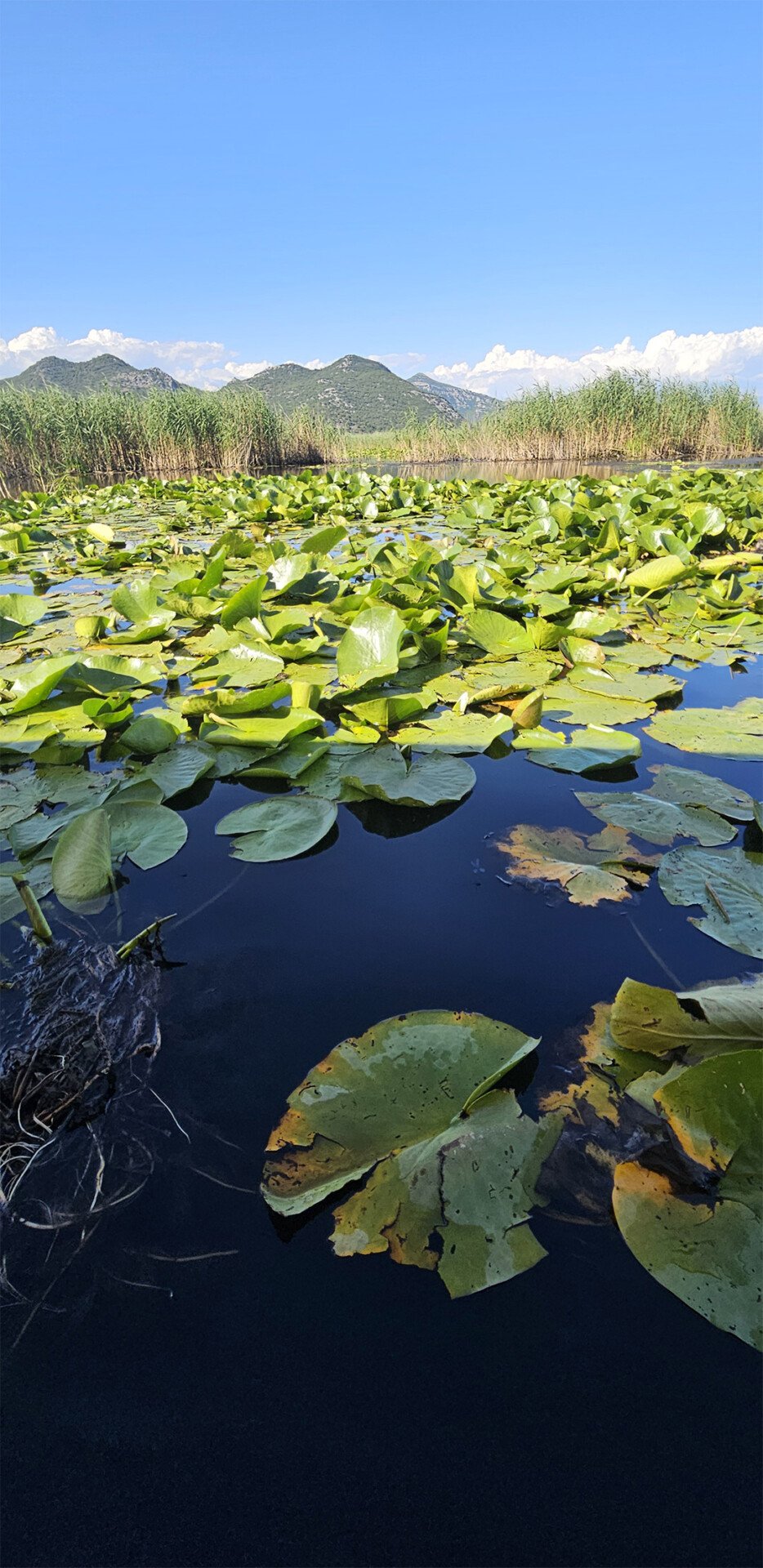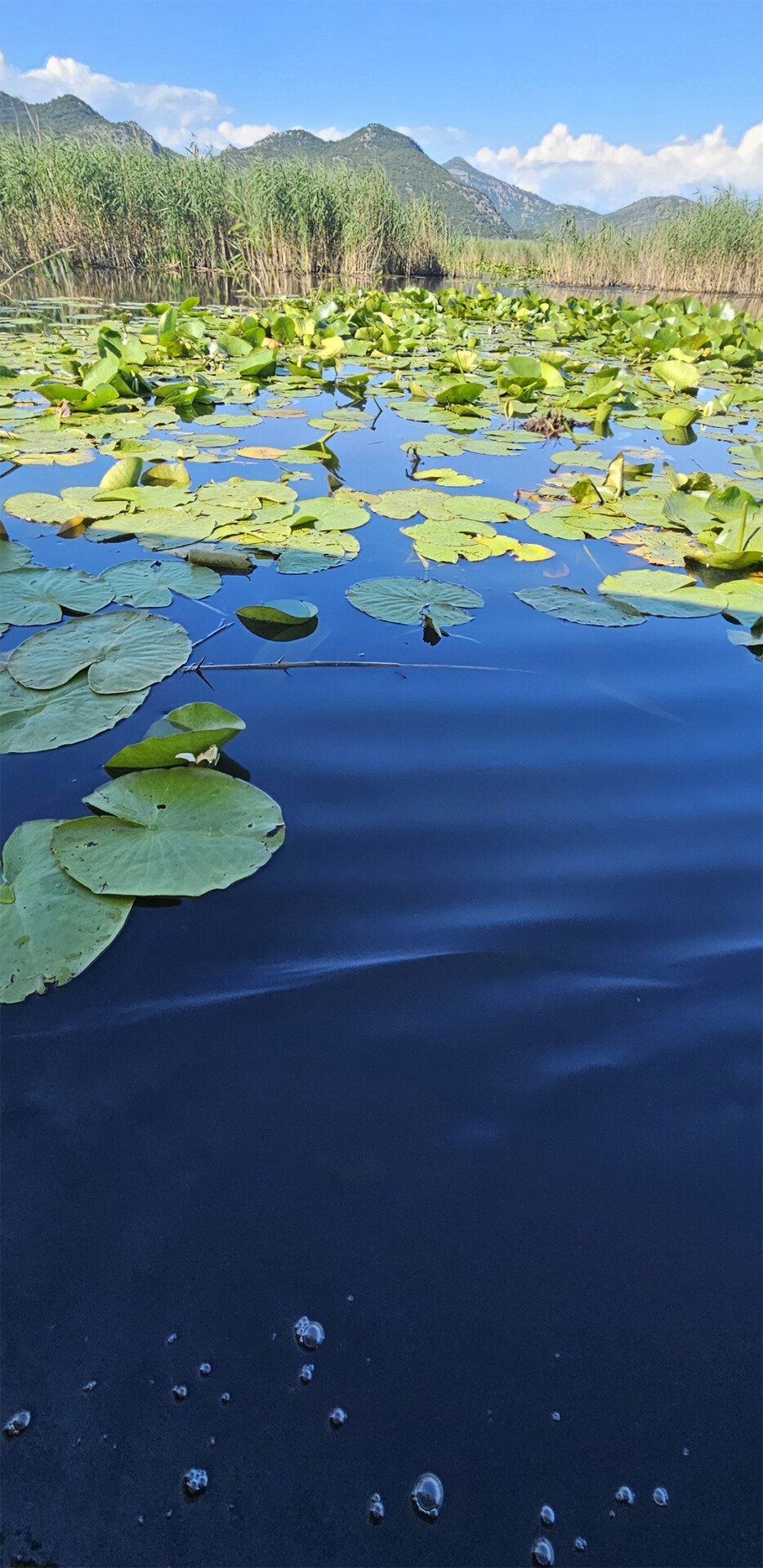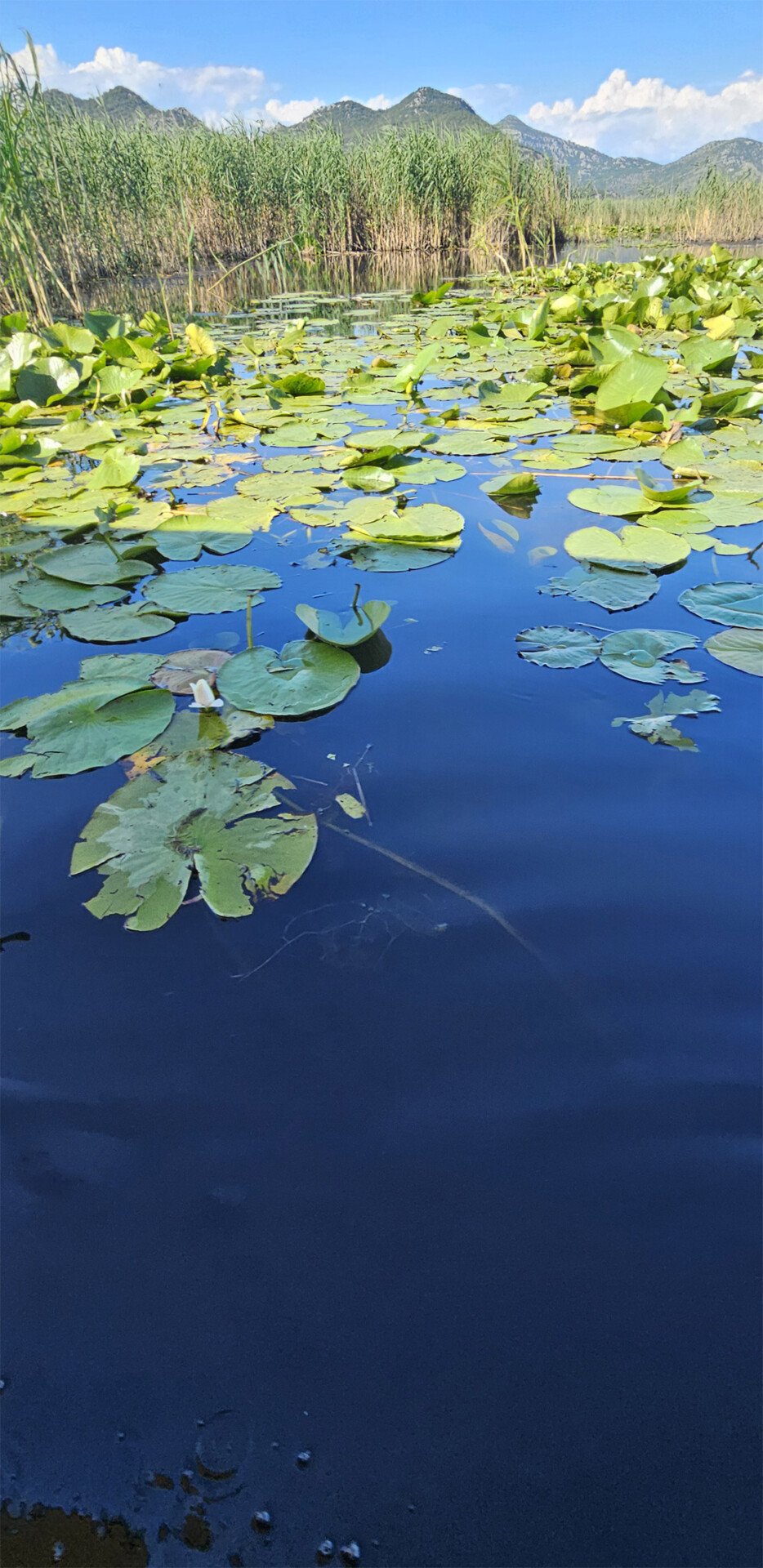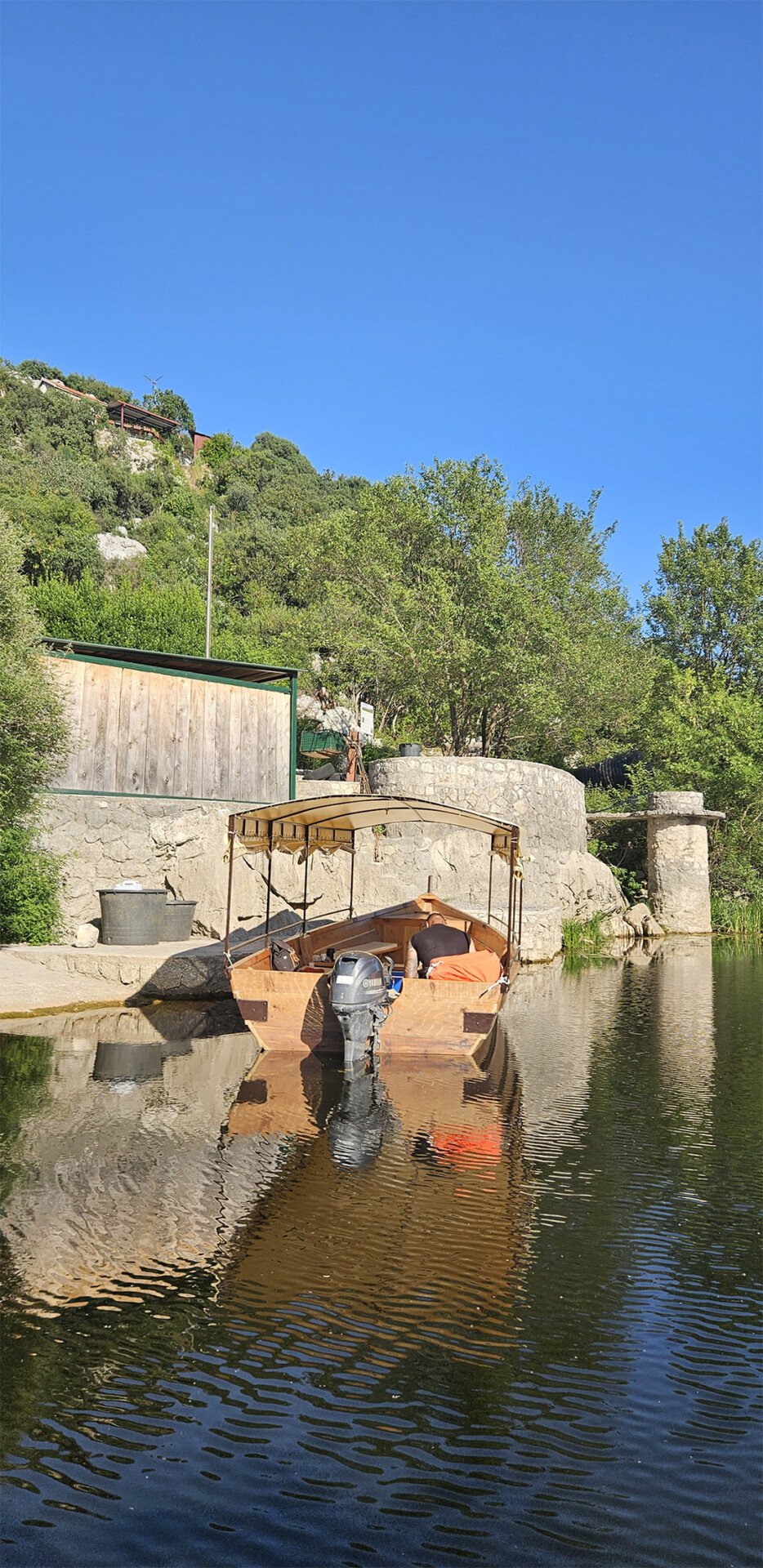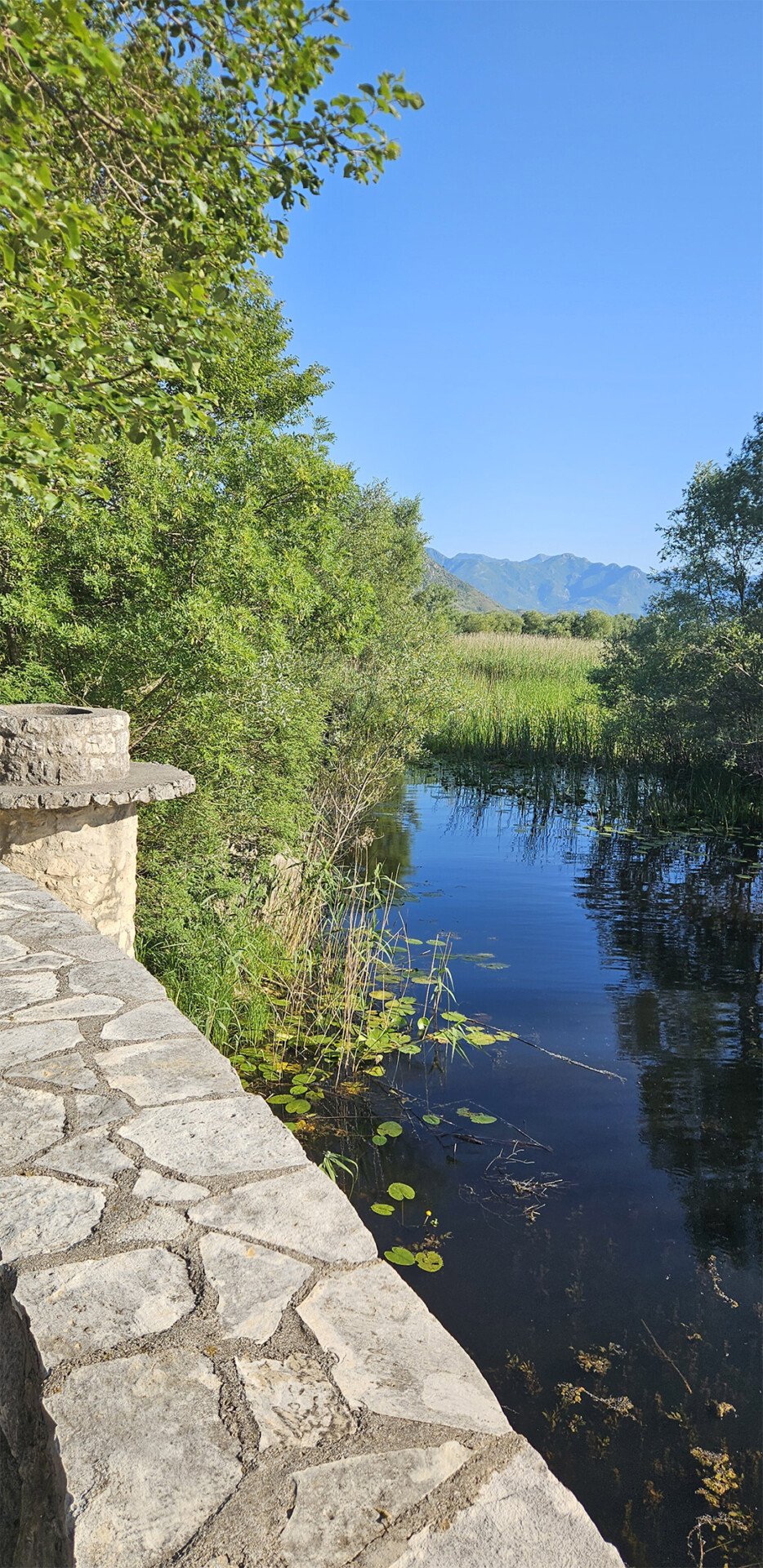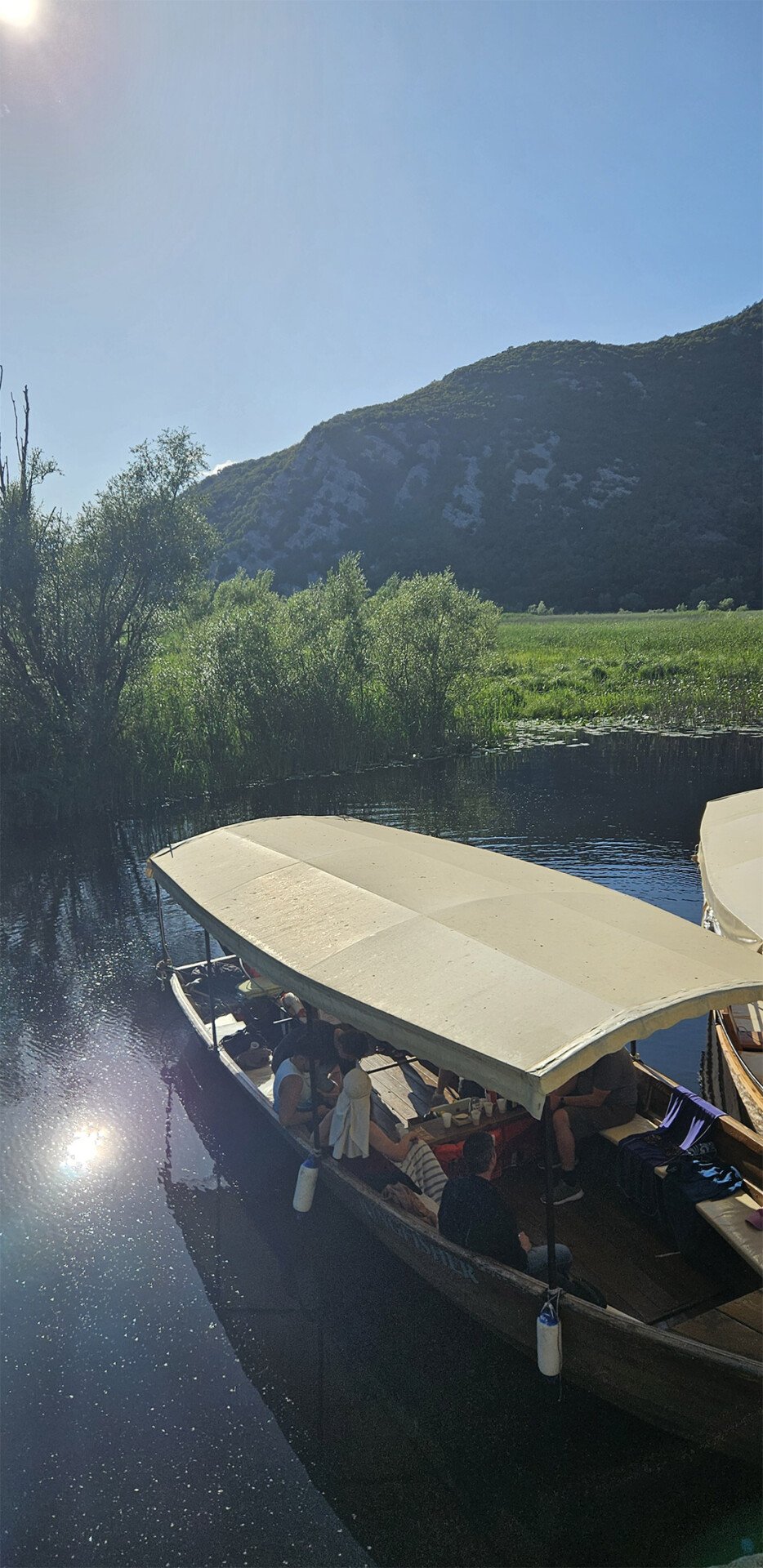


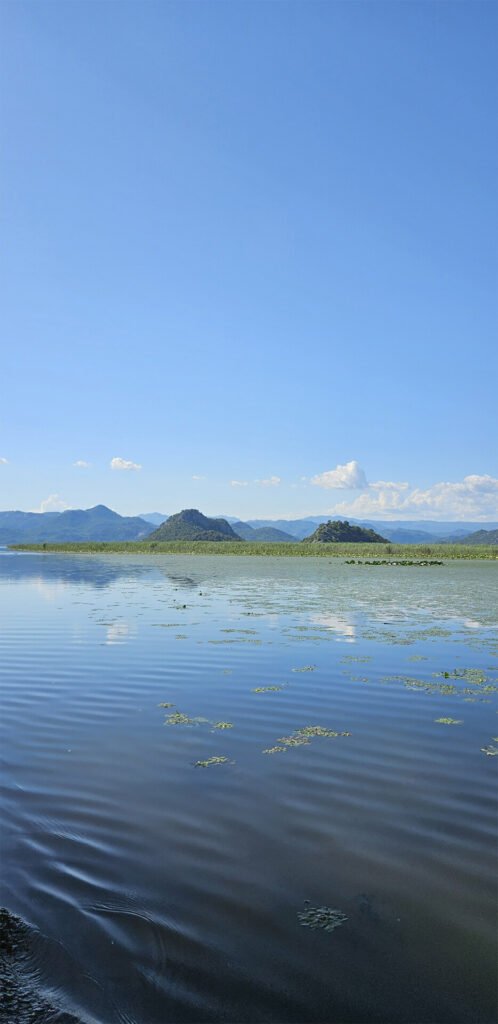
Lake Skadar is one of those places where Montenegro reveals itself in a completely different way. There are no bustling embankments or large resort complexes here. Instead, there are calm waters, reed-lined channels, fishing villages, island monasteries, and mountains reflected in the lake with virtually no ripples.
The lake is located on the border between Montenegro and Albania. Its area varies depending on the season: from approximately 370 square kilometers in summer to 540 square kilometers in winter. The Montenegrin part of the lake has been designated a national park since 1983. The shoreline within the country extends over 110 kilometers, and the average depth of the lake is approximately five meters.
The main starting points for exploring Lake Skadar are Virpazar and Rijeka Crnojevića. Virpazar is more convenient for classic tourist excursions, while Rijeka Crnojevića attracts with its more intimate atmosphere, stone bridges, and winding river routes.
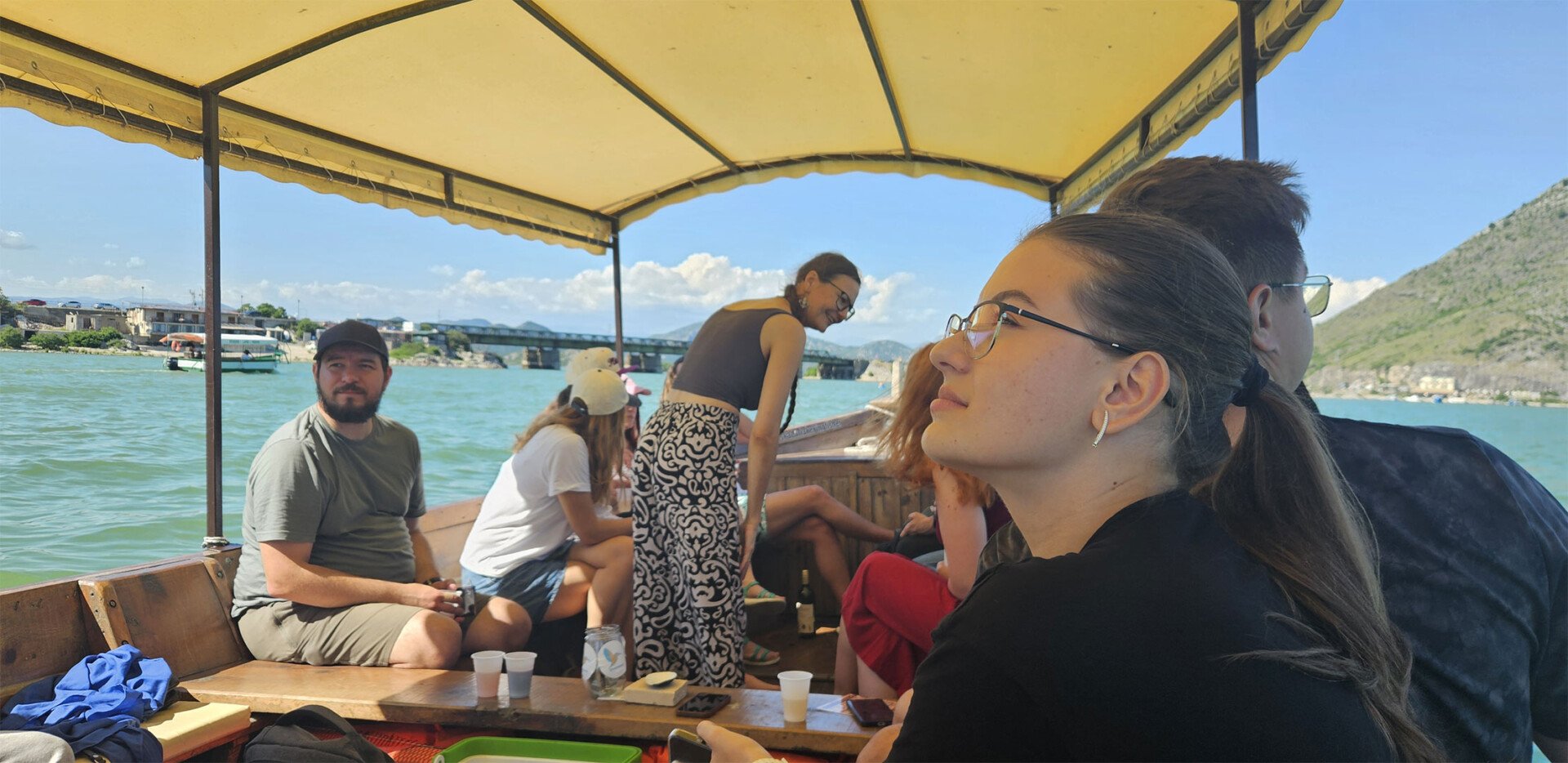
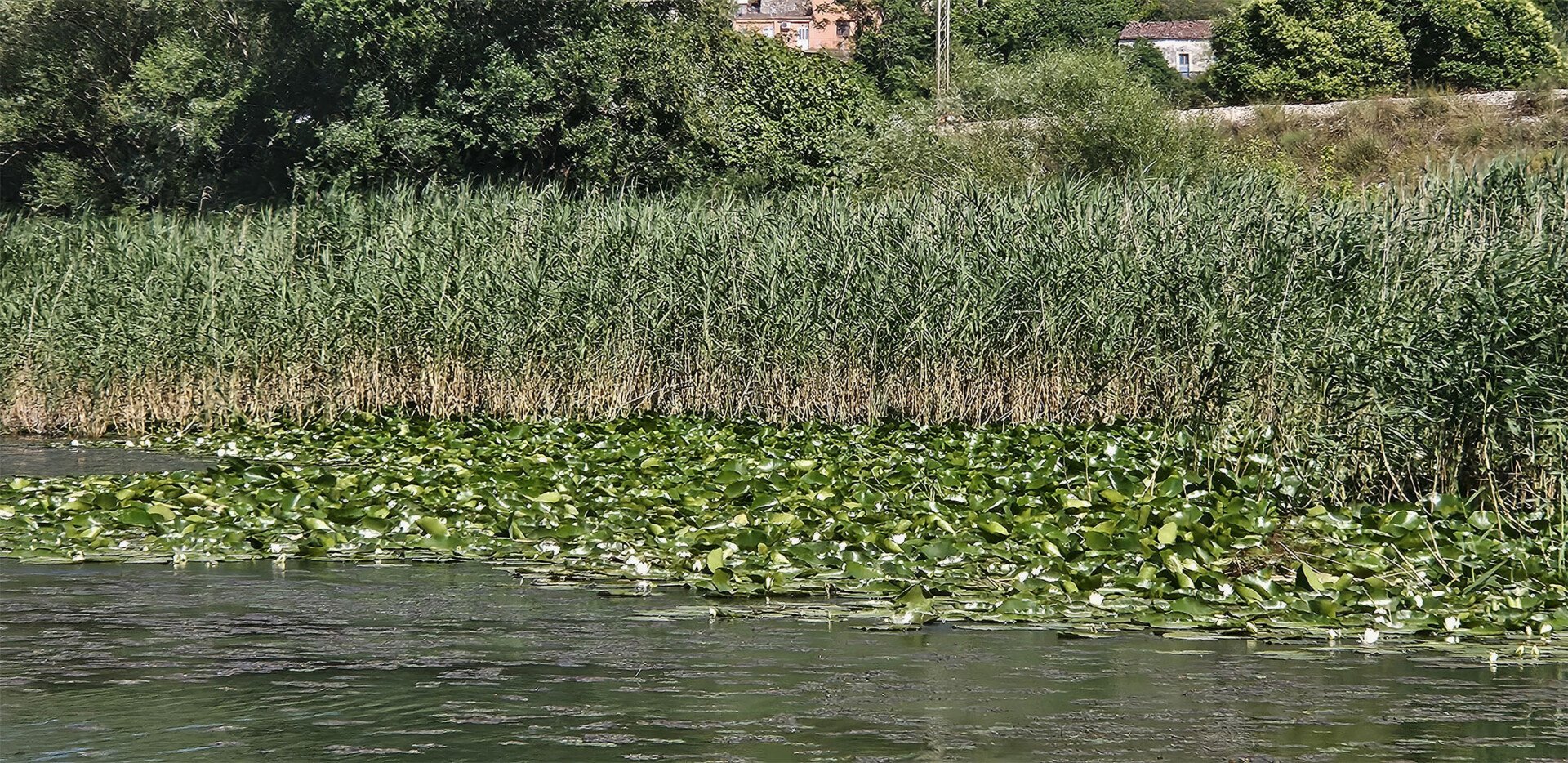
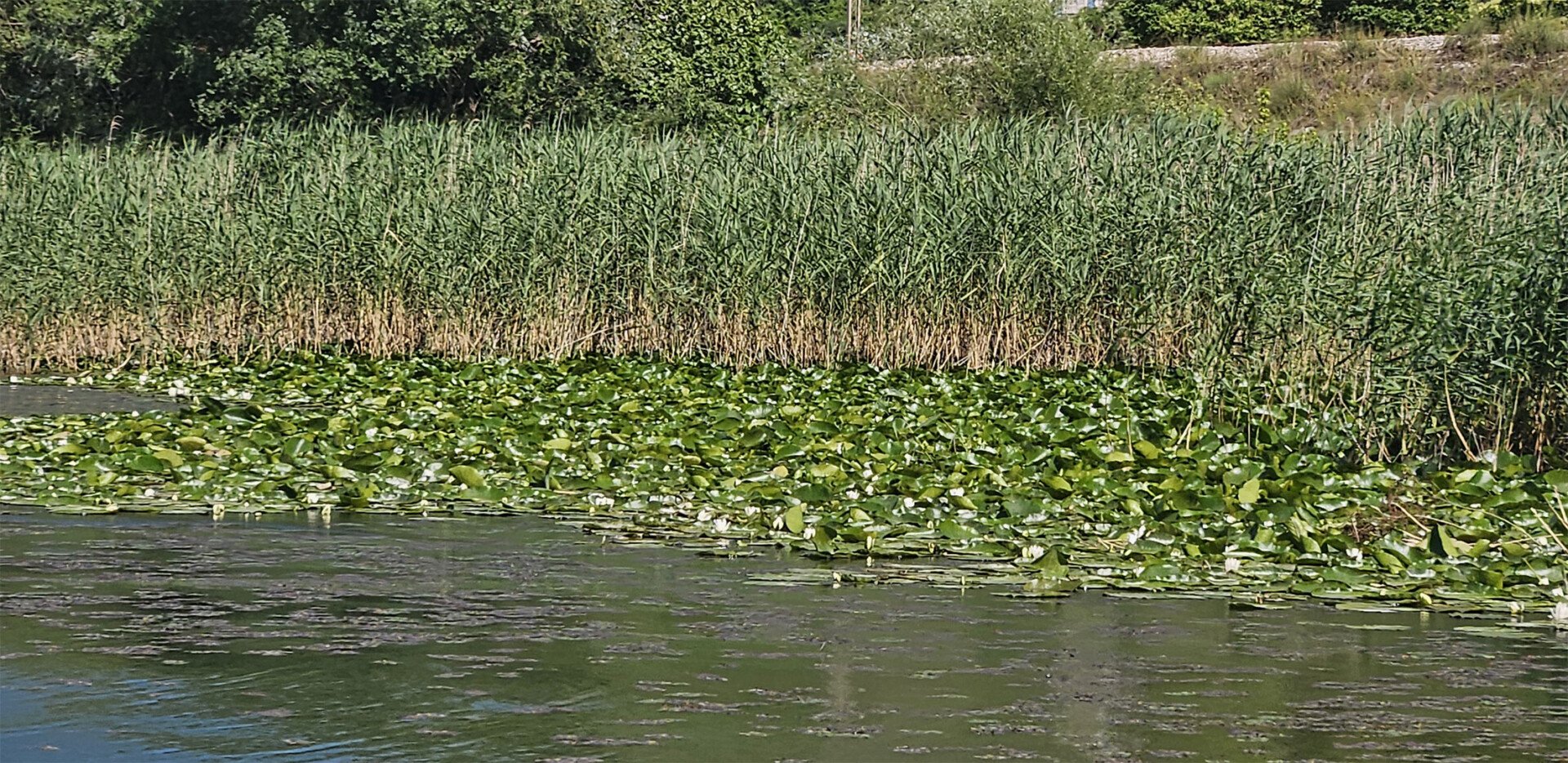
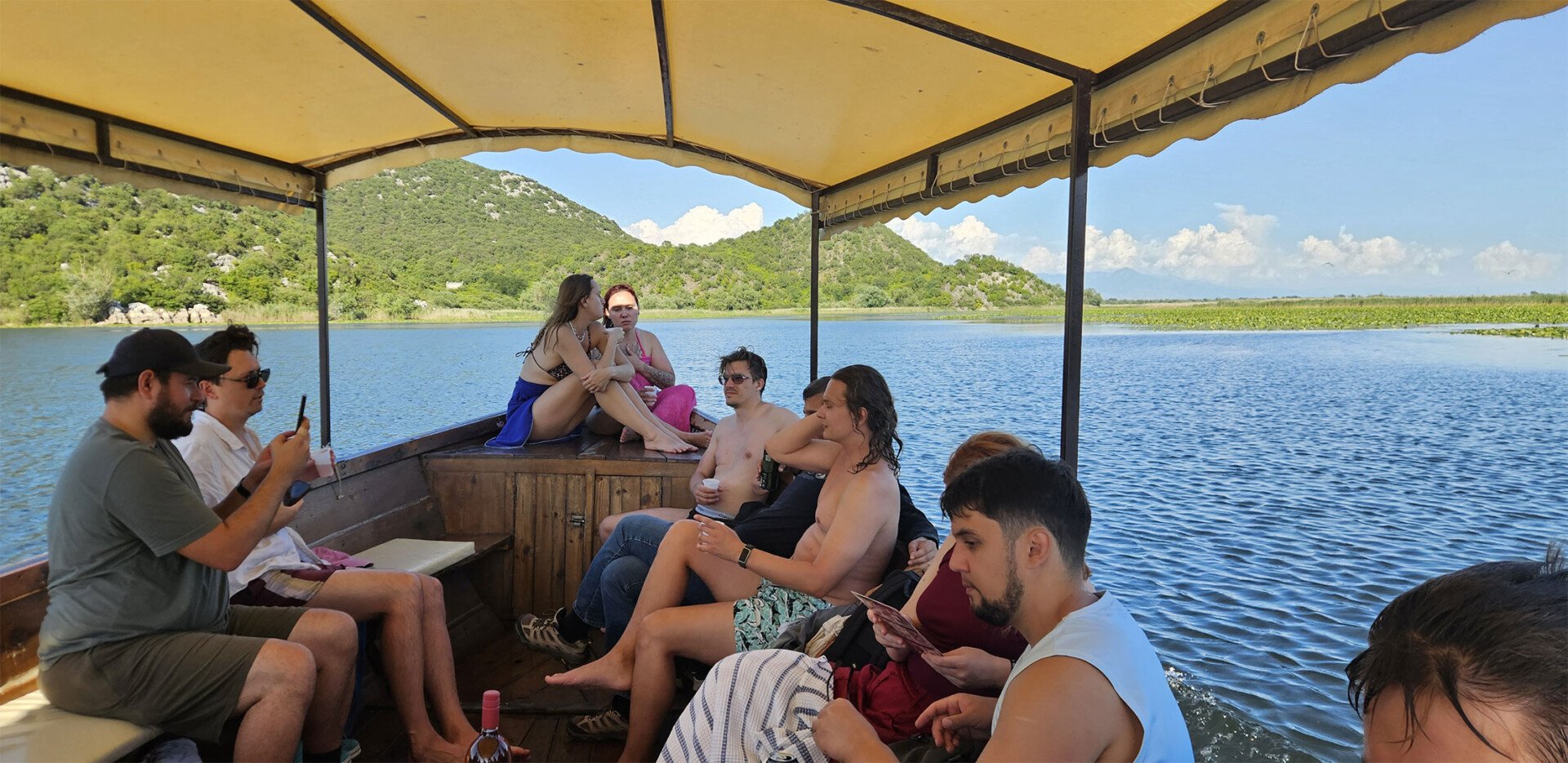
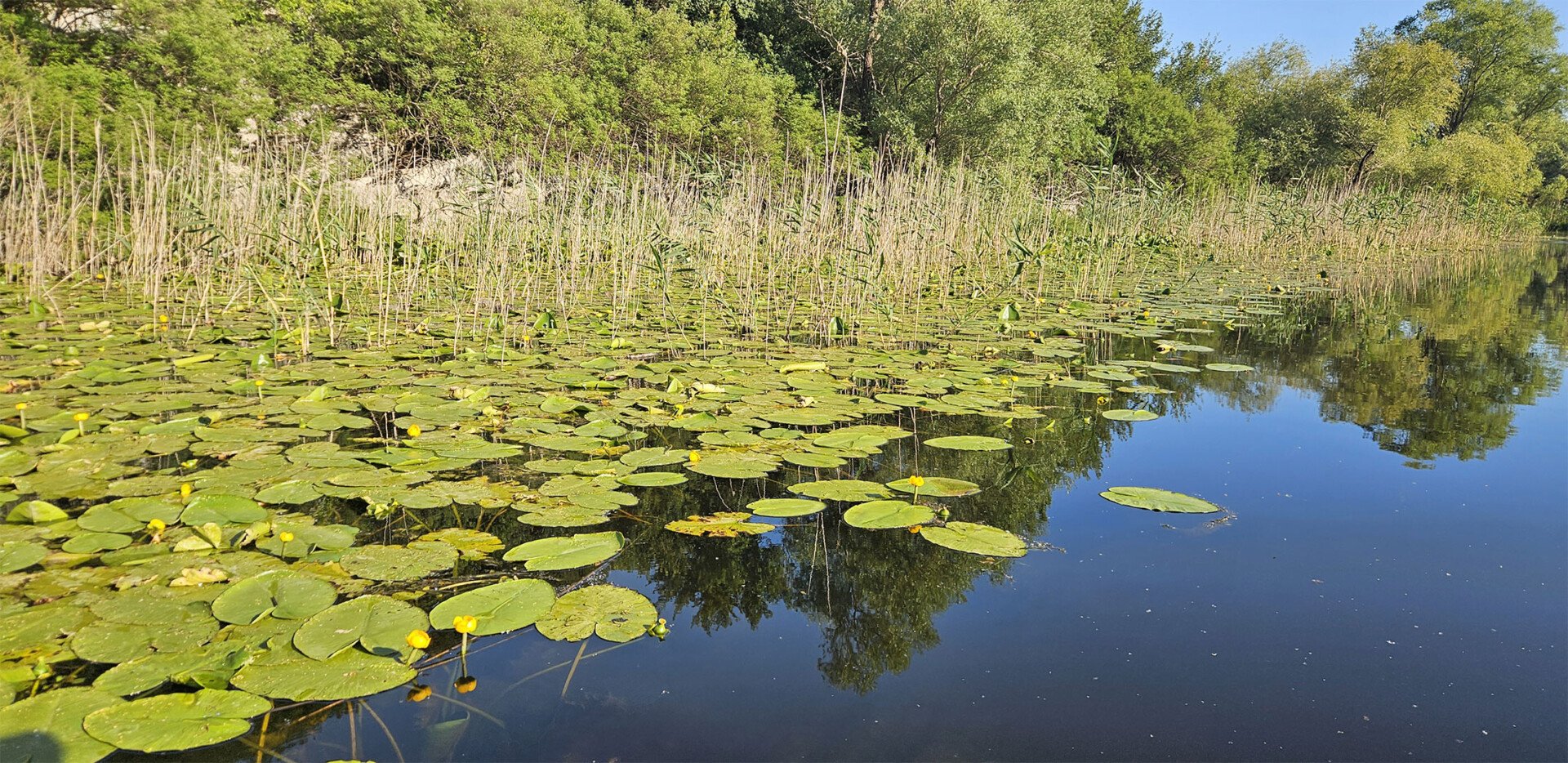
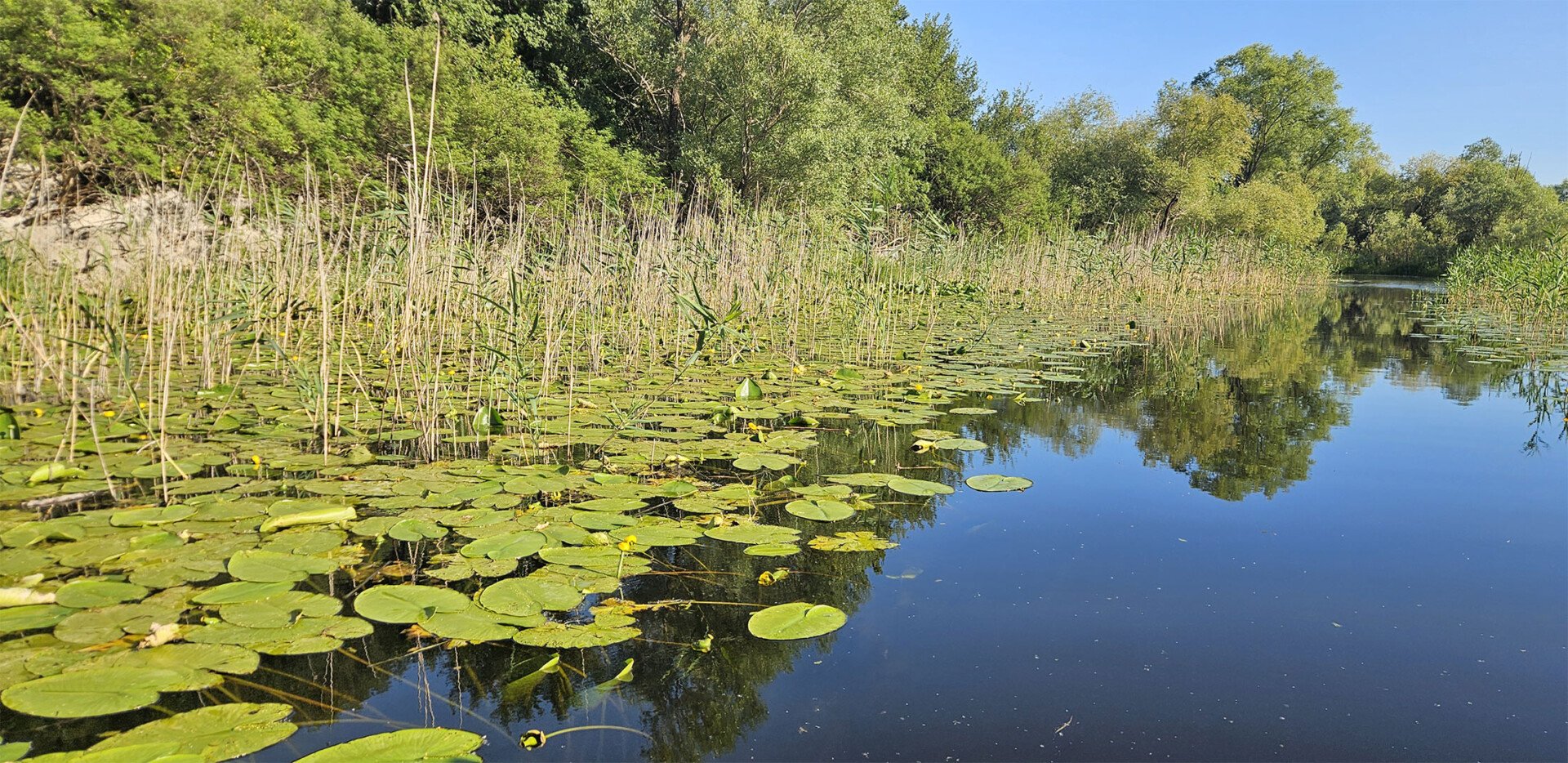
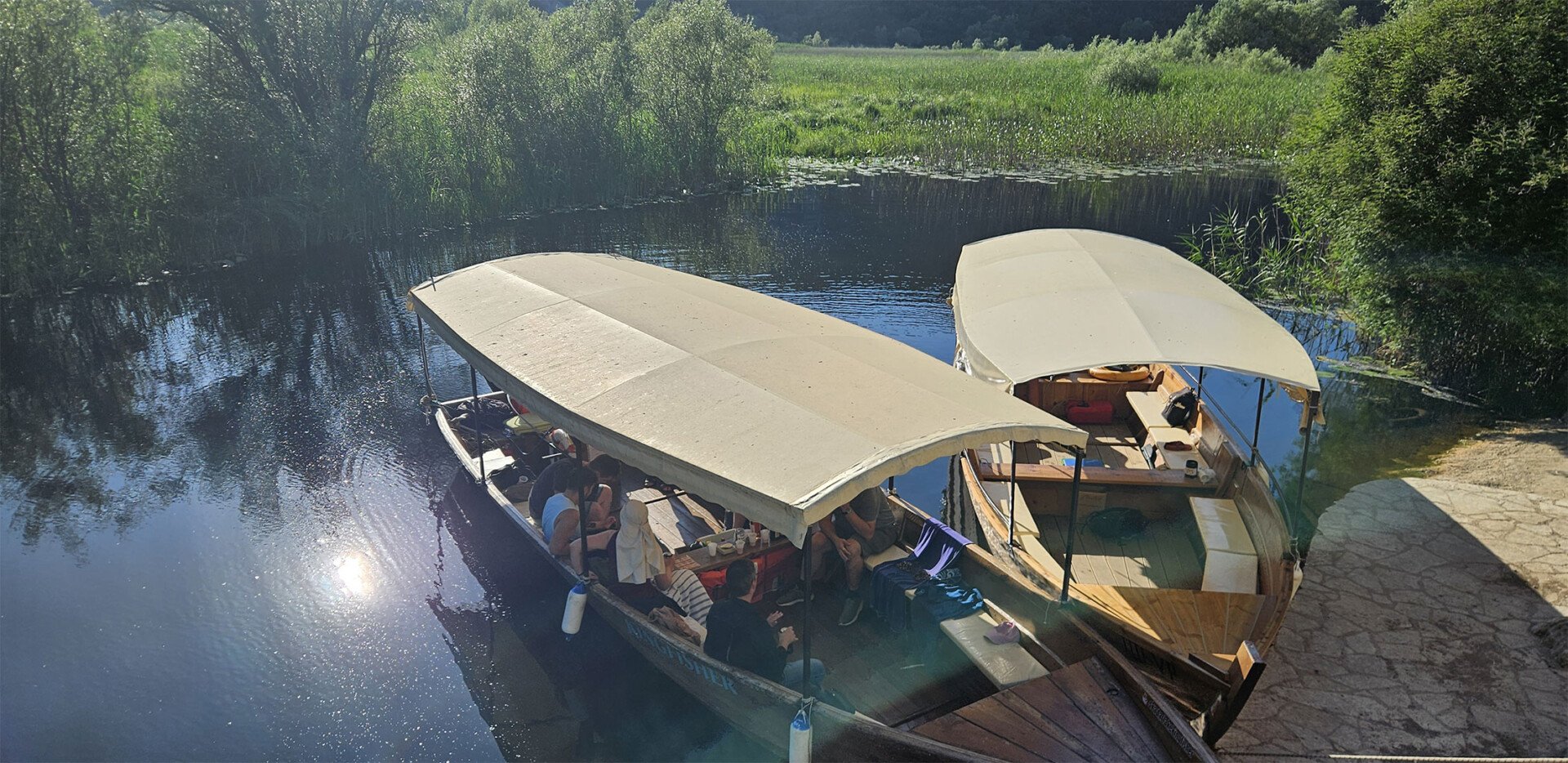
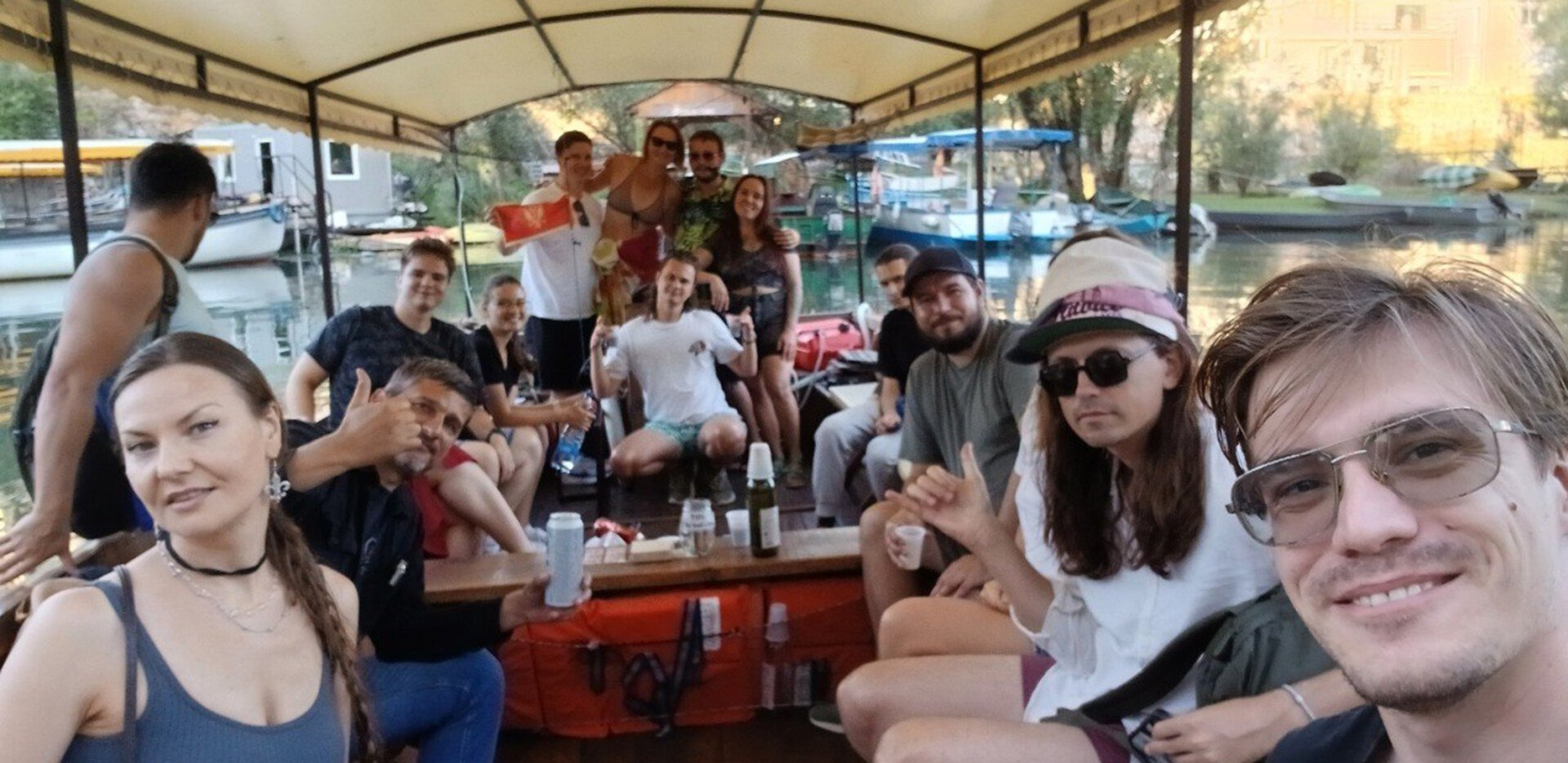
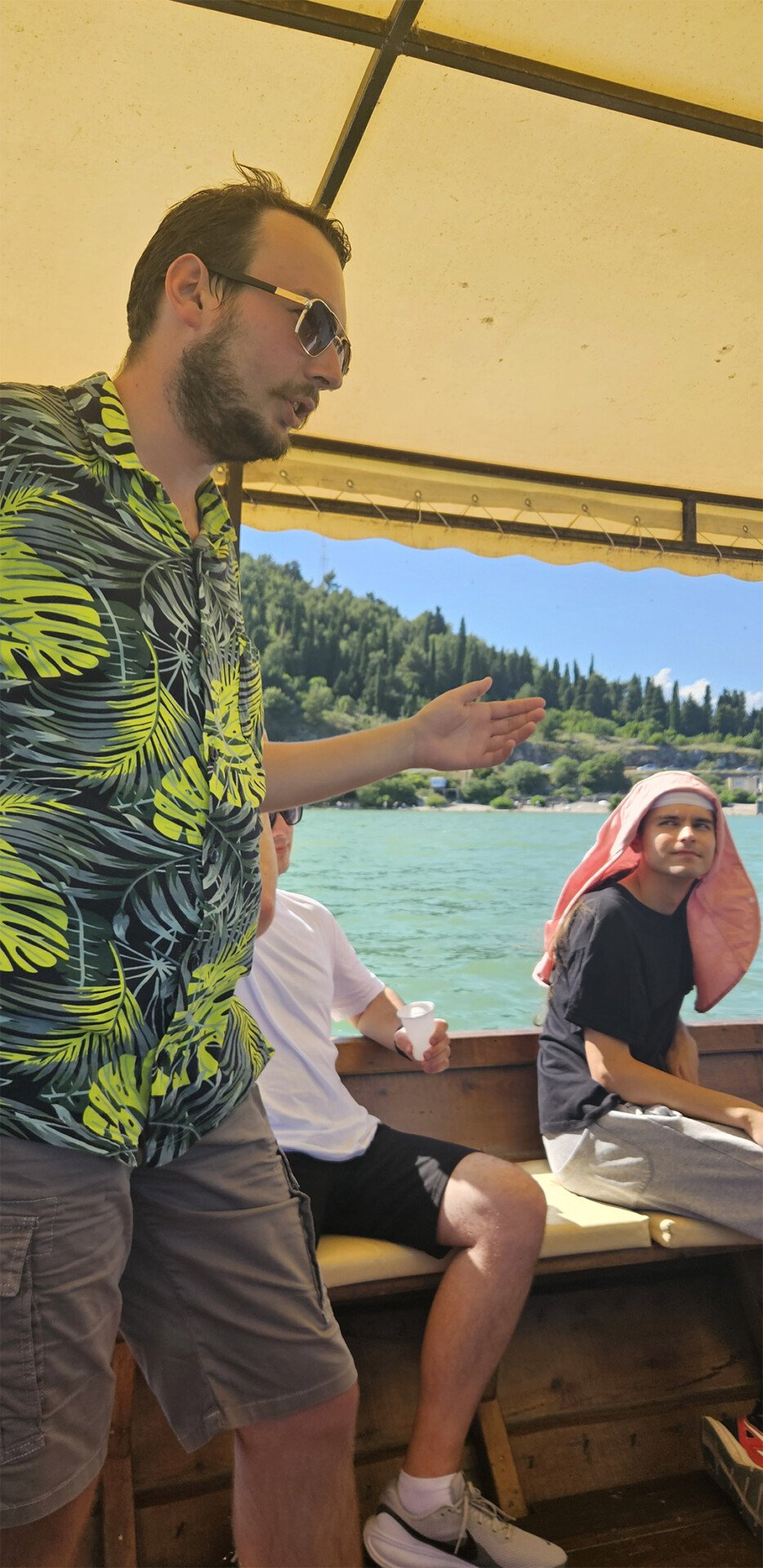
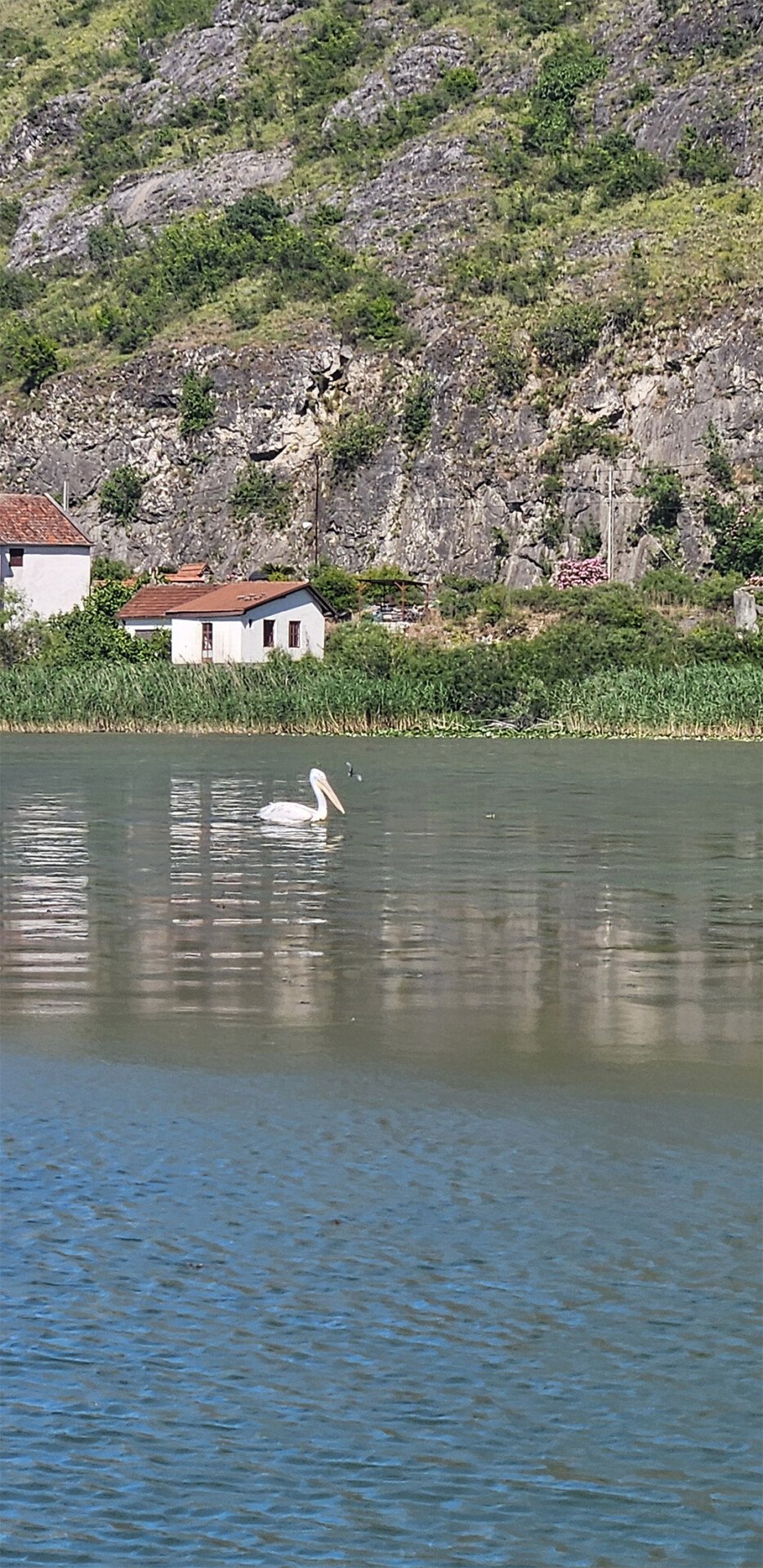
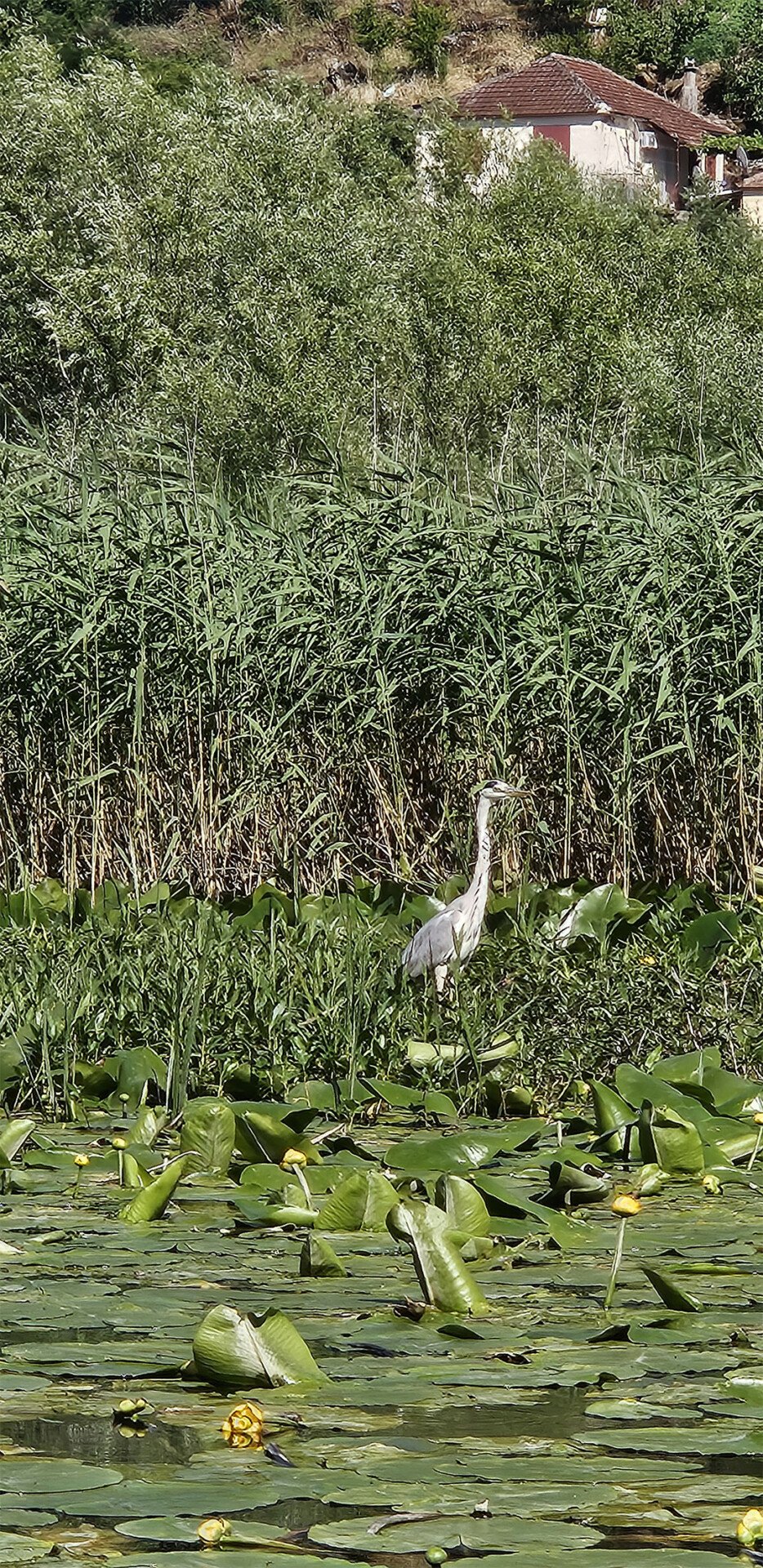
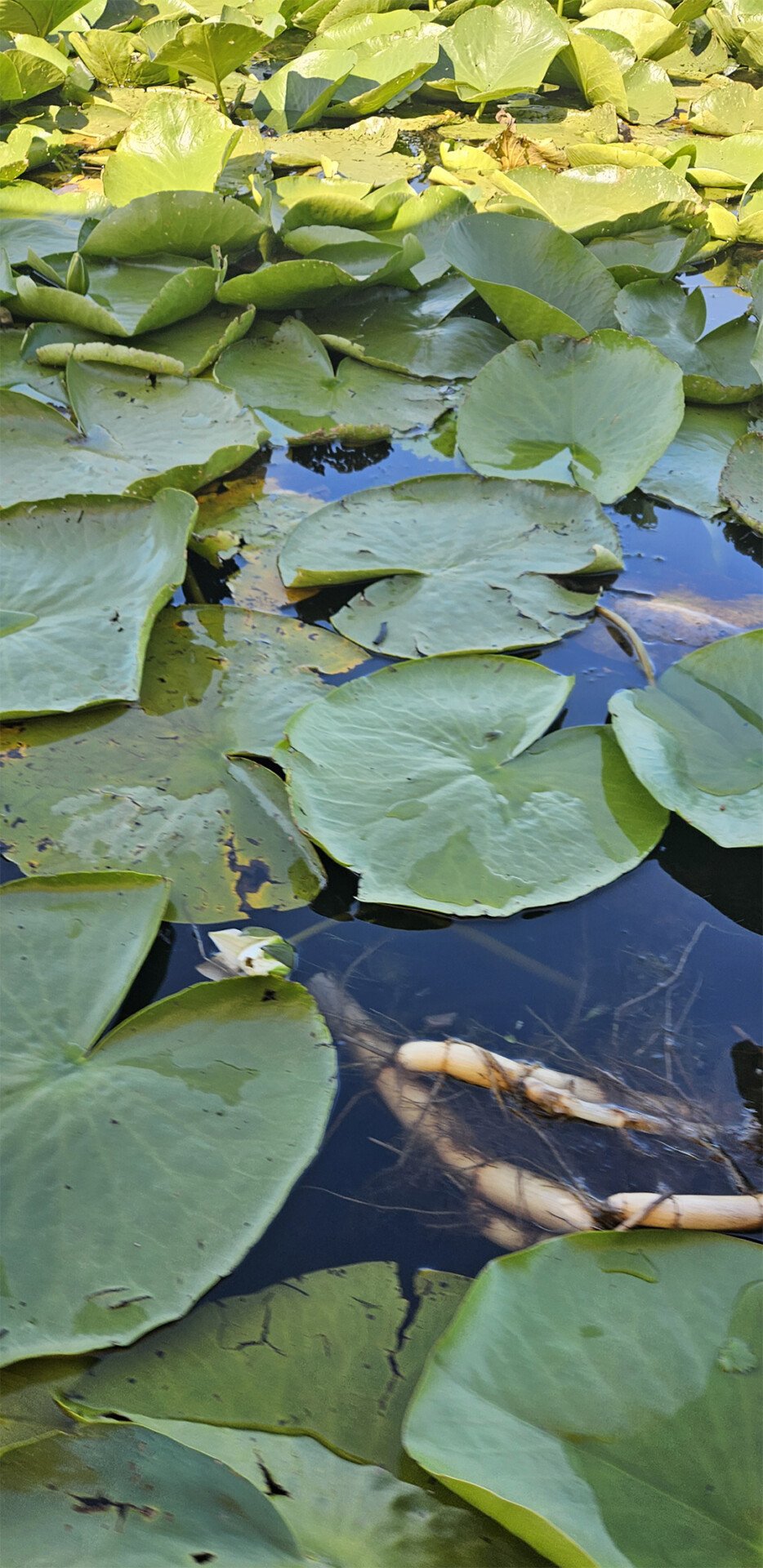
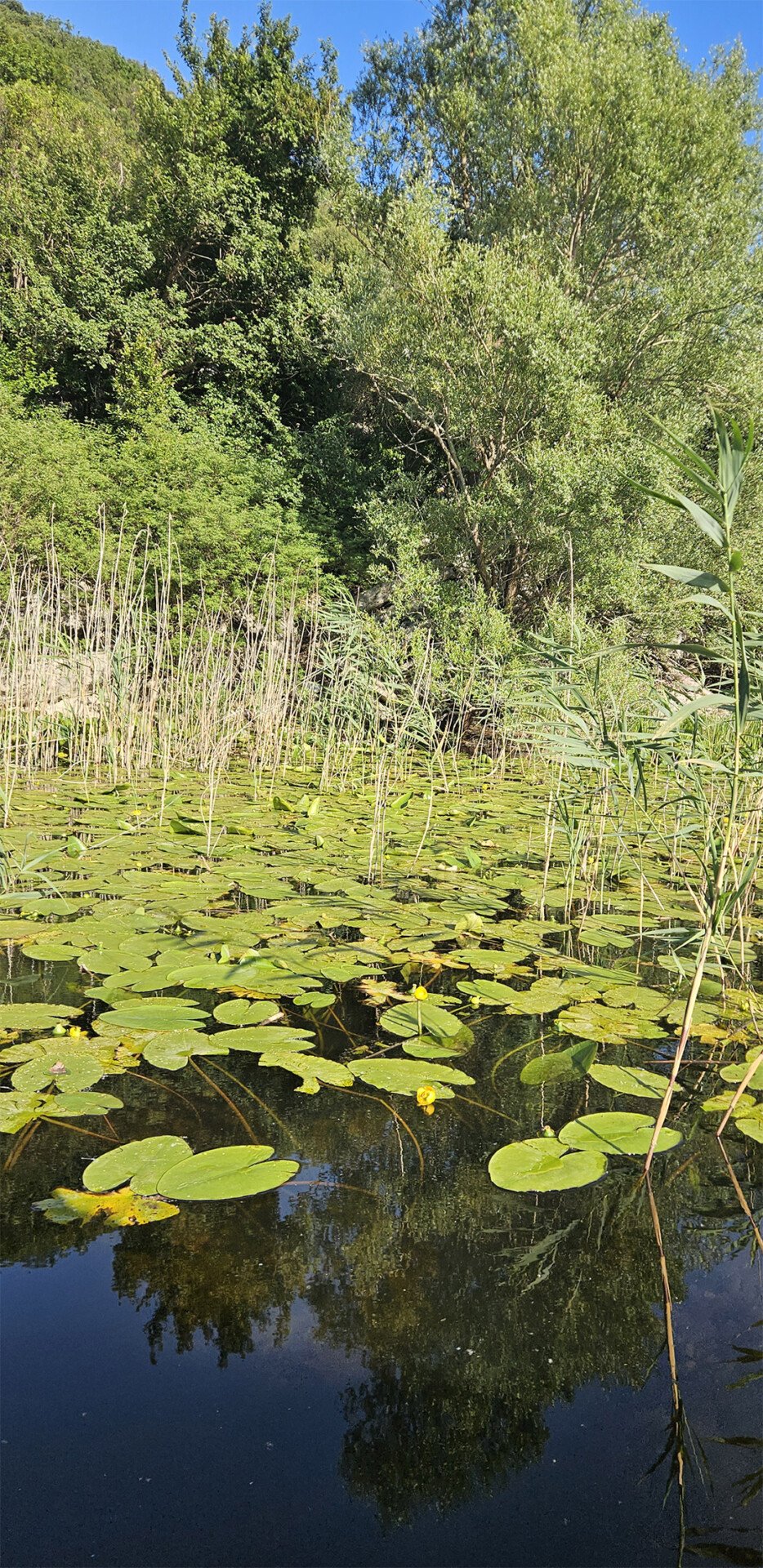
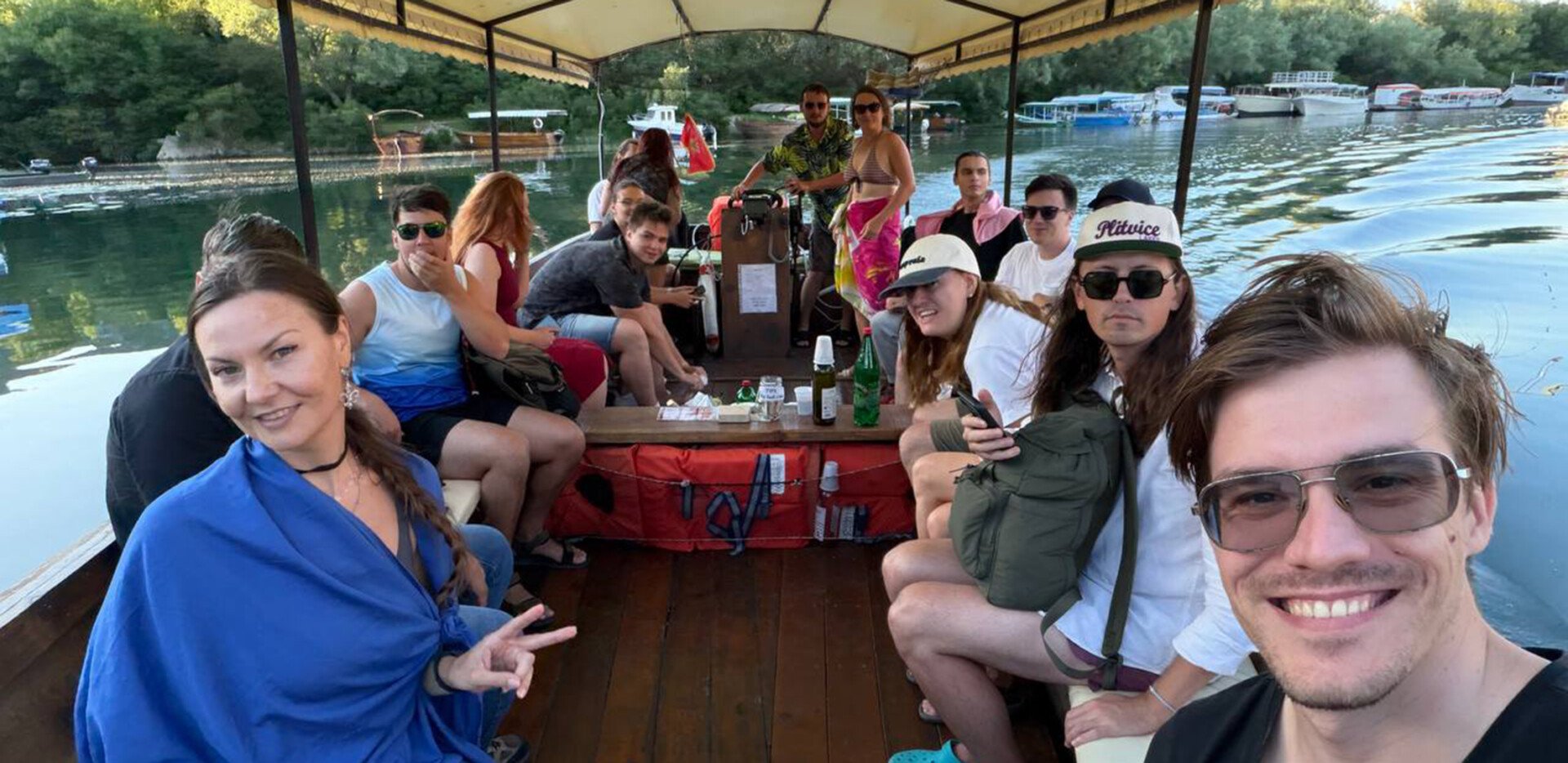
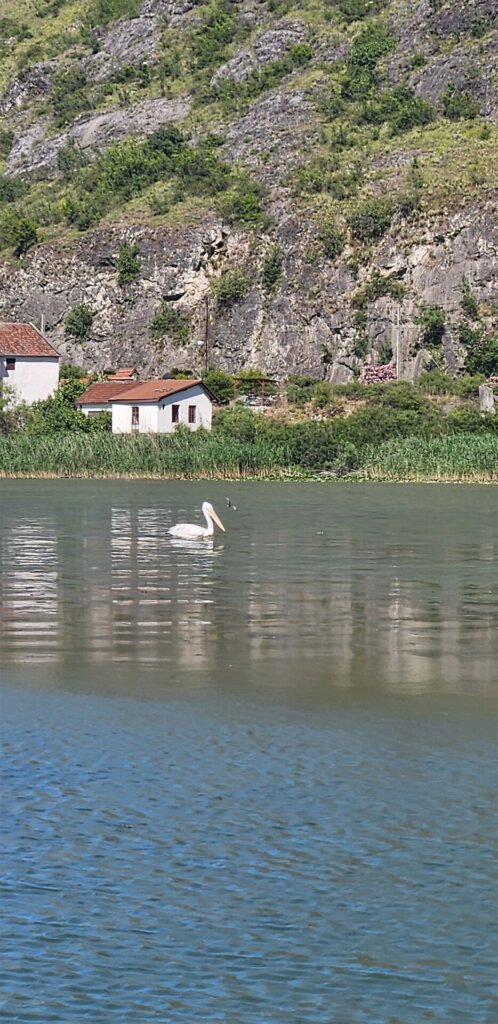
On June 7, 2026, the Starlight group of 16 people (the boat’s maximum capacity; many more wanted to join) under the careful guidance of Captain Nikolaj Buhić took a boat tour of Lake Skadar, including a visit to Kom Monastery and a swim in the open water. We caught the water lilies in bloom, but by evening they had closed. It’s worth noting that yellow water lilies, or water lilies, bloom throughout the season. We were able to observe Dalmatian pelicans, red and gray herons, and other birds. The trip was a success, and everyone was very pleased!
National Park and Birdlife
Lake Skadar is not only a picturesque place but also one of the most important wetland areas in the region. Around 280 species of birds inhabit the lake, including herons, cormorants, kingfishers, and the rare Dalmatian pelicans. The lake is listed as a Ramsar wetland of international importance.
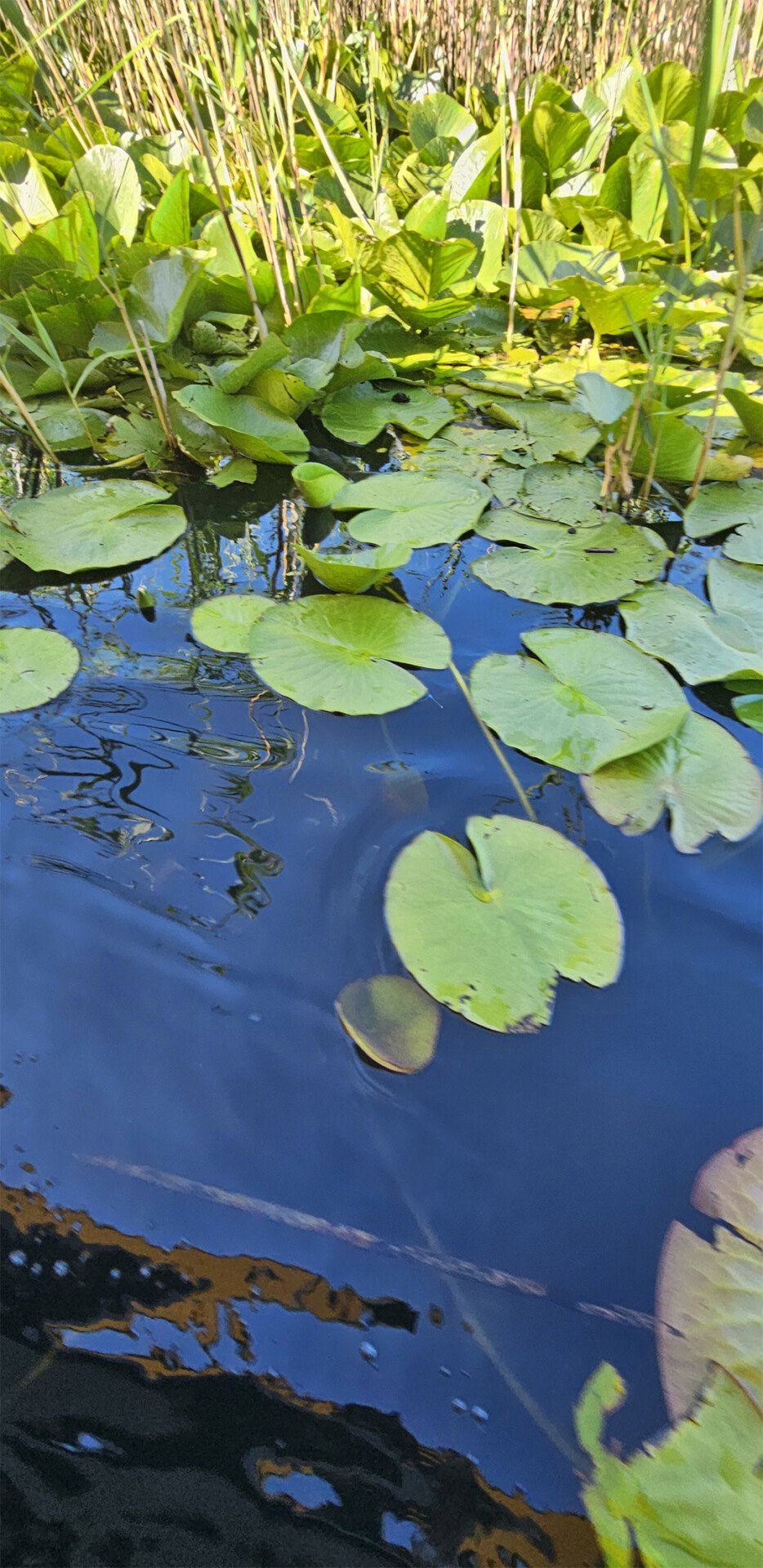
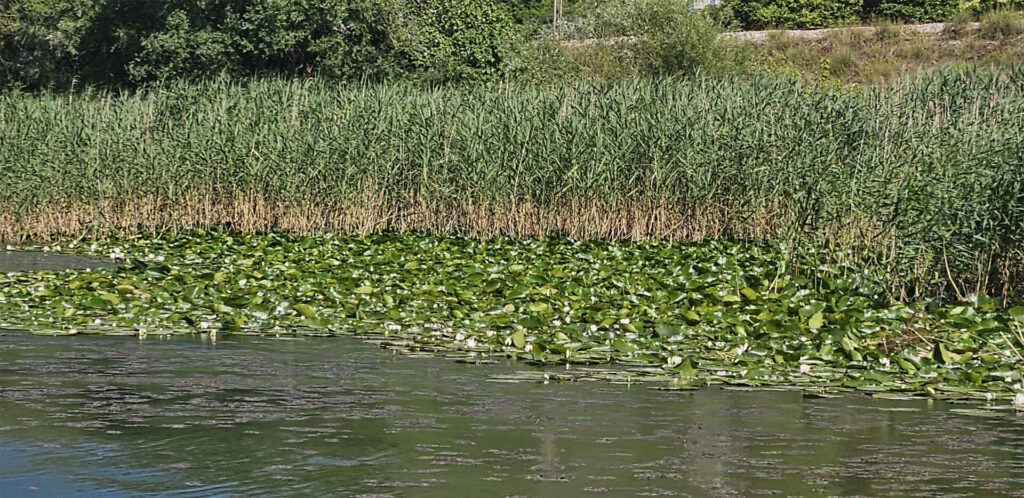
The northern part of the lake is particularly spectacular in late spring and summer, when the calm bays are covered with leaves and water lilies. Boats navigate narrow channels between green fields, and high walls of reeds conceal small coves and nesting sites.
For serious migratory birdwatching, autumn and winter are particularly interesting. In summer, early morning hours are best: it’s cooler on the water, there are fewer boats, and birds are more active and often appear near the channels.
Virpazar – the main gateway to the lake
The small Virpazar is located where the Crmnica and Orahovshtica rivers flow into Lake Skadar. Today, it is the most popular departure point for boat excursions. The waterfront features piers, restaurants, small hotels, and kayak rentals.
The Besac Fortress towers over the village. Built by the Ottomans, it was used to control the road and waterways. Its grounds offer views of Virpazar, the Crmnica Valley, and the northern part of the lake.
Virpazar is also considered the center of the Crmnica wine region. Therefore, a lakeside cruise is often combined with a visit to a family-run winery and a tasting of red wine made from the local Vranac grape.
Rijeka Crnoevicha
Rijeka Crnojevica is a small historical settlement on the river of the same name. Its recognizable symbol is an old stone bridge built in the 19th century. From here, boats travel along a picturesque river canyon, gradually reaching an open lake.
The banks of the river are covered with dense vegetation, and in summer the surface of the water is almost completely hidden under the leaves of water lilies. Routes from Rijeka Crnojevica usually pass through narrower and quieter channels than excursions from Virpazar. It is especially interesting to watch herons and other waterfowl here.
Nearby is the famous Pavlova Strana – an observation deck above a large bend in the river. This is one of the most recognizable landscapes of Montenegro. During the long boat ride, travelers walk through the water inside this bend, and a panoramic view from above can be seen by driving up to the site by car.
Fortresses and monasteries
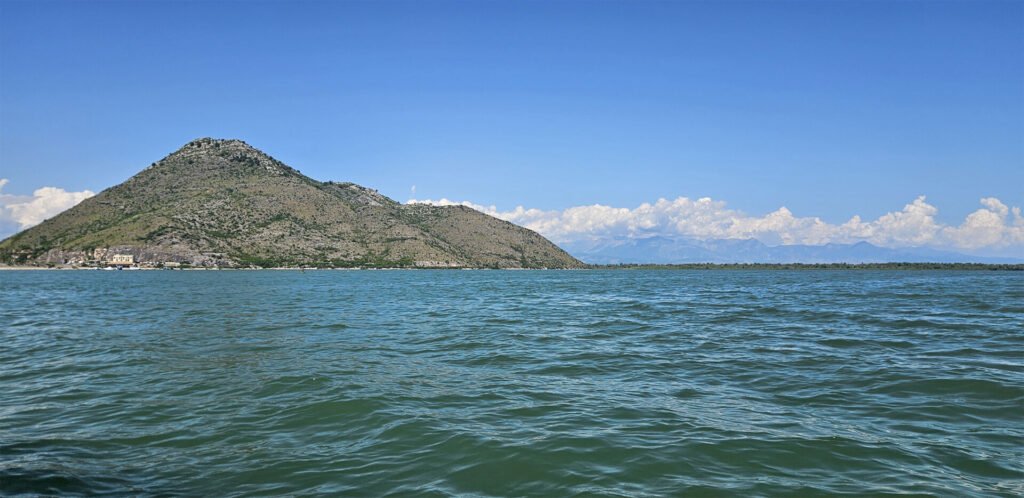
Many historical monuments have been preserved on the islands and shores of the lake. Some of them are accessible almost only from water.
Lecendro is a 19th-century fortress near a dam and a railway line. It controlled an important trade route and passed back and forth between the Montenegrins and the Ottomans several times. Most short routes from Virpazar pass close to its walls.
Grmožur is a small island fortress, which is often called the “Montenegrin Alcatraz”. At various times it was used as a fortification and a prison. Now its dilapidated walls are surrounded by water and serve as a refuge for birds.
Kom Monastery is located on a secluded island hill among the marshy northern part of the lake. You can get there by small boat. The monastery is famous for its ancient church and frescoes, as well as its unusually quiet atmosphere. The official tourism portal of Montenegro includes Kom among the most interesting objects of long lake routes.
Longer excursions can also see the monastic islands of the southern part of the lake, old fishing villages and remote coves.
Fishing villages
The culture of Lake Skadar is closely connected with fishing. On its banks there are preserved villages with stone houses, boat docks and small family restaurants.
One of the most picturesque places is Karuch. Near the village there is a powerful underwater spring Karuchko-oko. In the past, the winter residence of Peter I Petrovich Njegos was located here. Today Karuc is included in boat routes both from Rijeka Crnojevic and in longer excursions around the western part of the lake.
The village of Dodoshi is famous for its old bridge, clear water and small swimming spots. It is often visited during private walks from Rijeka Crnojevic.
On the southwestern shore is Murici, a village with one of the most famous beaches on Lake Skadar. This is a suitable stop for a long summer excursion with swimming and lunch.
What to try
Lake fish is a staple of the local cuisine. Restaurants in Virpazar and the coastal villages serve fried or smoked carp, trout, and eel. Homemade cheese, vegetables, cornbread, and wine from the Crmnica vineyards are offered with the fish.
A tour with a stop at a winery is a culinary complement to the walk. Travelers are typically offered vranac, Montenegrin white wines, homemade rakija, cheese, and prosciutto.
When to go
The best time to explore Lake Skadar is April, May, the first half of June, September, and early October. In spring, the shores are especially green, and the temperatures are suitable for both walking and birdwatching.
In July and August, the lake looks spectacular thanks to its water lilies, but it can be hot during the day. During these months, it’s best to go on the water in the morning or around sunset. Autumn and winter are ideal for birdwatching and observing large flocks of migratory birds. However, in winter, the selection of regular boat excursions may be limited.
Boat Tours on Lake Skadar
Itineraries depend on the departure point, excursion duration, water levels, and weather conditions. Most excursions begin in Virpazar or Rijeka Crnojevića. Group excursions and private boat rentals are also available.
- Short Panoramic Boat Trip from Virpazar
Duration: approximately 1–1.5 hours.
Route: Virpazar – river channels – open part of the lake – Lesendro Fortress – Virpazar.
The boat exits the narrow Virpazar canal, passes through reed beds, and gradually enters open water. Along the way, views of the mountains of Montenegro and Albania, islands, and Lesendro Fortress open up.
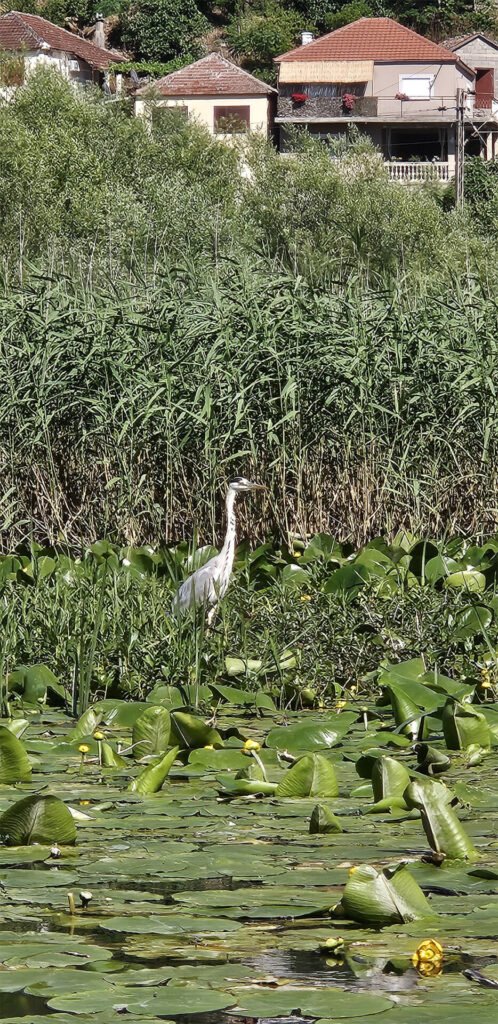
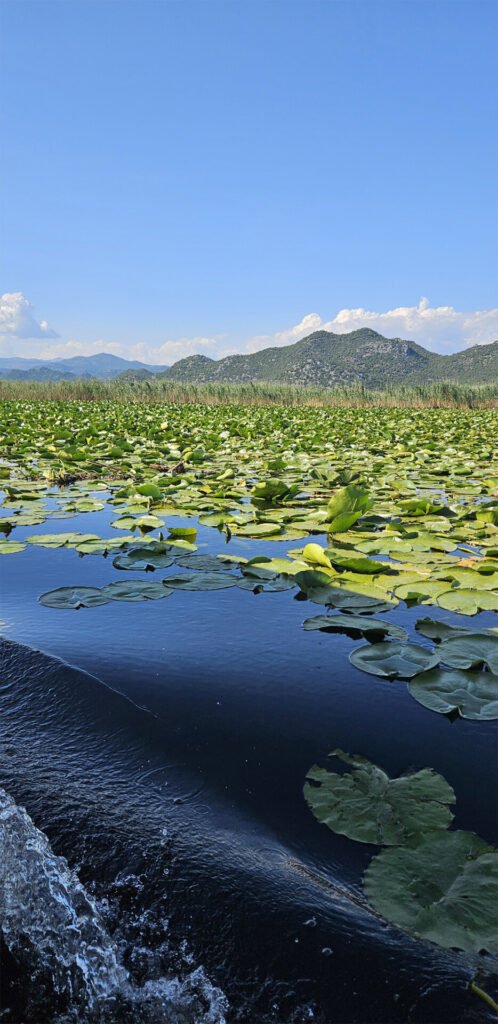
This is a good option for travelers with limited time, families with small children, and first-time visitors to the lake. During the tour, you can see herons, cormorants, and other waterfowl. One local operator offers a similar route lasting 1 hour and 15 minutes.
- Water Lilies and the “Little Amazon”
Duration: approximately 2 hours.
Route: Virpazar – Canals – Lesendro – Fishing Villages – Overgrown Channels – Čakovića Island Area – Virpazar.
After leaving Virpazar, the boat passes Lesendro and heads into narrower channels. Due to the dense vegetation and high reed walls, some sections are called the “Little Amazon.”
The main part of the route is calm bays and channels covered with water lilies. This is one of the most photogenic options and a good choice for your first full-fledged lake excursion. Some excursions include a stop for swimming.
- Virpazar – Grmožur Fortress
Duration: approximately 2-3 hours.
Route: Virpazar – open lake – Grmožur island fortress – water lily bays – Virpazar.
The route leads to a dilapidated fortress on a small island. Disembarkation is not always possible, depending on water conditions, the boat, and current environmental restrictions.
This excursion is suitable for those interested in history and want to spend more time on the open part of the lake. Cormorants, seagulls, and pelicans are often seen near Grmožur, but boats should keep a distance from the birds’ resting and nesting areas.
- Route to Kom Monastery
Duration: approximately 3-4 hours.
Route: Virpazar or Vranjina – Lesendro – marshy canals – Odrinska Gora island – Kom Monastery – return.
Along the way, the boat crosses open areas and enters quiet northern channels. Travelers then hike up to the monastery from a small pier. This is a more in-depth cultural excursion, combining nature, history, and a visit to an active religious site. For the monastery visit, it’s recommended to wear clothing that covers your shoulders and knees. The National Tourism Organization of Montenegro also recommends routes that include Kom.
- Rijeka Crnojevića – Three Rivers and Overgrown Canals
Duration: 1 to 1.5 hours.
Itinerary: Rijeka Crnojevića – old bridges – the confluence of several streams – reed canals – the lake – return.
This tour takes you through a particularly green and tranquil part of the national park. The boat passes under stone bridges, between water lilies, and through narrow corridors where herons are often seen.
This route is suitable for nature and photography enthusiasts. Compared to the Virpazar departure, less time is spent on open water and more time is spent within the river landscape.
- The Long Route to Rijeka Crnojevića and Pavlova Strana
Duration: approximately 4-6 hours.
Route: Virpazar – Lesendro – water lily canals – western part of the lake – Crnojevića River – Pavlova Strana area – return.
This is a long excursion for those who want to see a variety of landscapes in one day: open water, forts, overgrown canals, a river canyon, and the famous river bend.
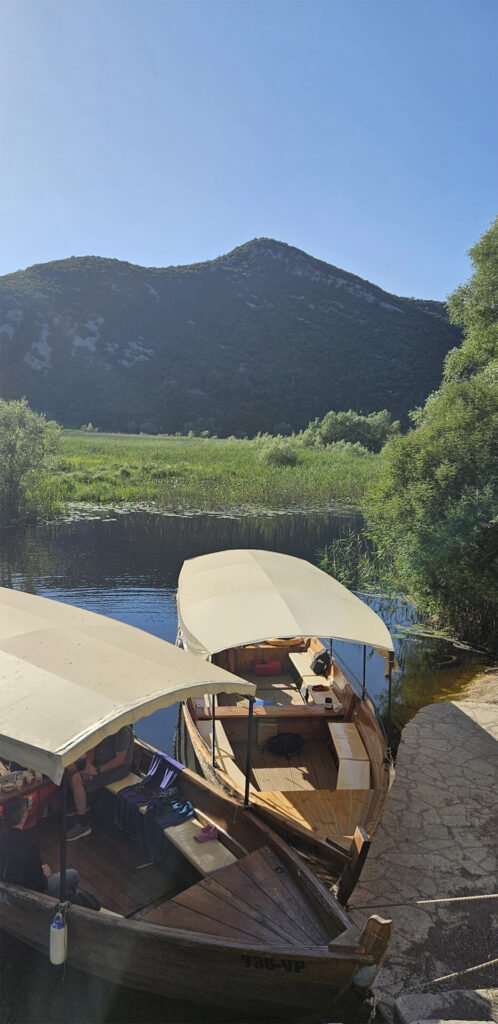
Please note that Pavlova Strana is a land-based observation point. From a boat, travelers can see the bend and surrounding slopes from below, but for a classic photo from above, a separate drive is required. Some four-hour programs from Virpazar pass through the Pavlova Strana area after visiting the water lily fields.
The official tourist portal lists Karuč, Rijeka Crnojevića, Žabljak Crnojevića, Lesendro, Dodoši, Kom, and Murići as the main lake excursion destinations. Practical Information
The main boat tour season runs from spring to mid-autumn. During peak season, it’s best to arrange excursions in advance, especially for private tours and sunset trips.
Entrance to the national park costs €5 per person per day and includes access to the visitor centers in Vranjine and Virpazar. Check whether this fee is included in the tour price or is paid separately.
Before booking, it’s a good idea to find out:
- whether the tour is private or group;
- whether a roof or awning is provided;
- whether disembarkation is included;
- whether there will be a swimming stop;
- what language the captain or guide speaks;
- whether life jackets are provided;
- whether drinks, food, and the national park entrance fee are included.
A hat, sunscreen, drinking water, and a light windbreaker are useful for the trip. Even on a hot day, there can be a cool breeze on the open lake. Binoculars are recommended for birdwatching, and protective clothing is recommended for the monastery routes. It’s best not to rush through Lake Skadar. Even a two-hour walk allows you to escape the roads and city noise, finding yourself among the water, mountains, and lily pads. But it’s a longer route, with a village, monastery, or swimming stop, that truly captures the character of this amazing corner of Montenegro.