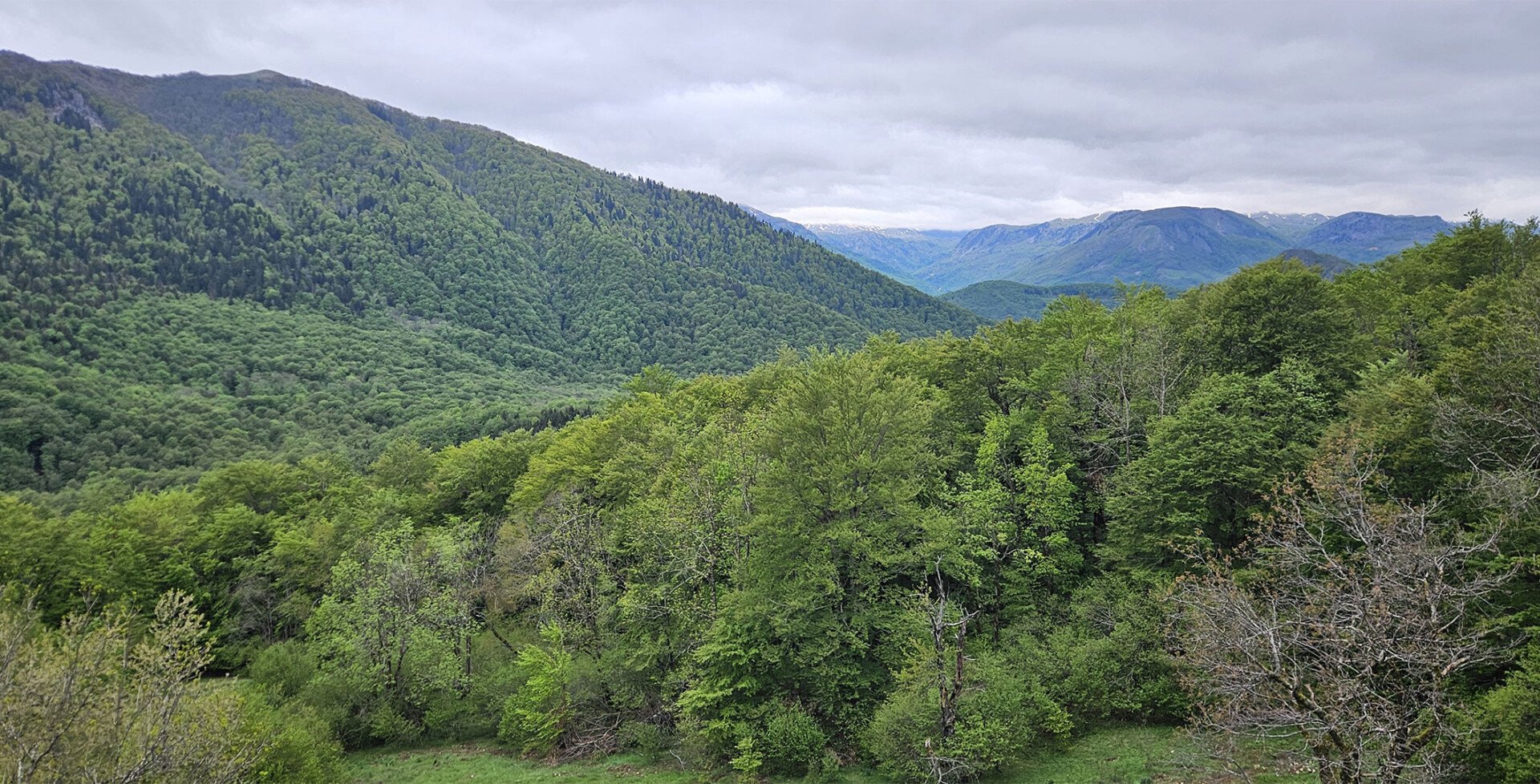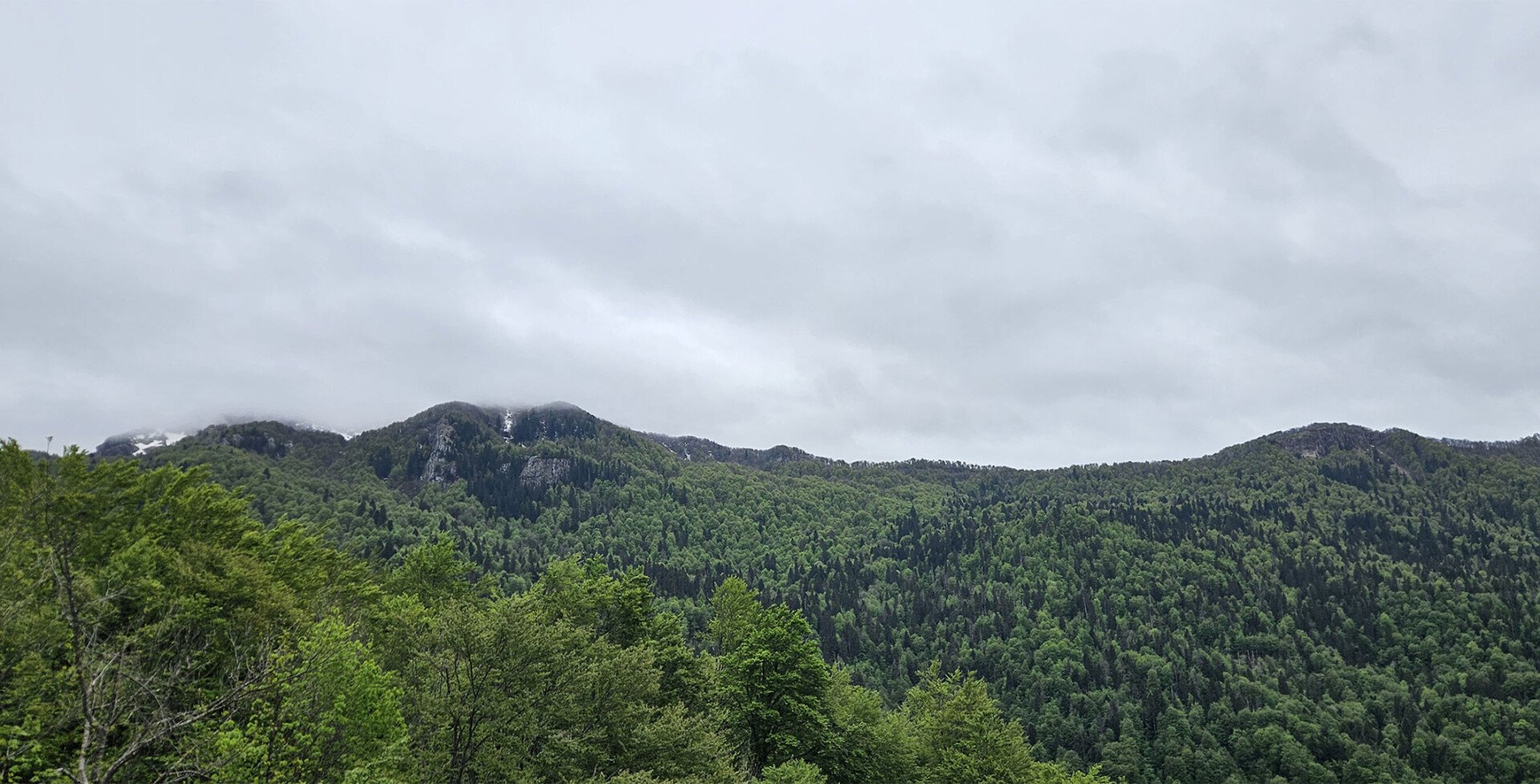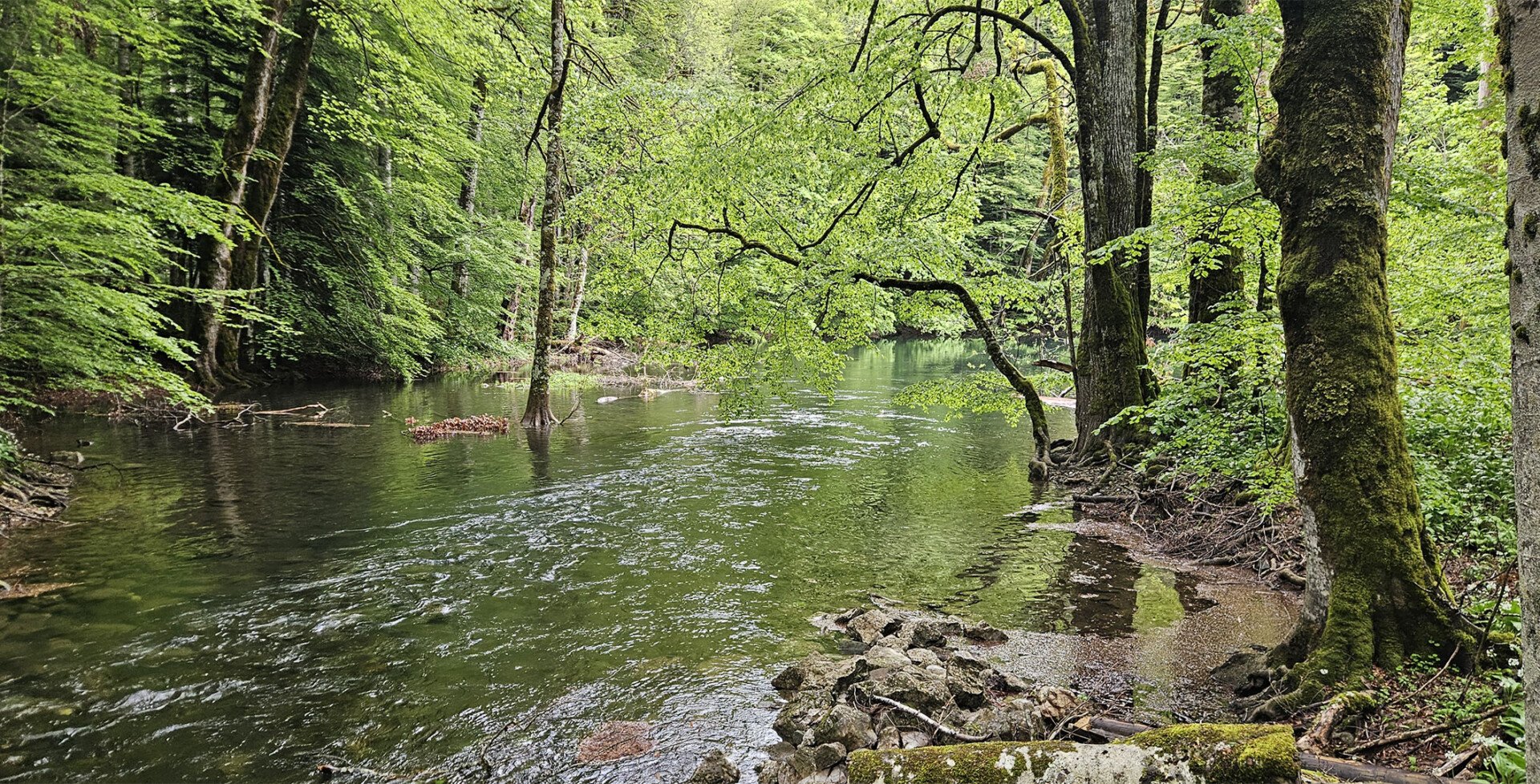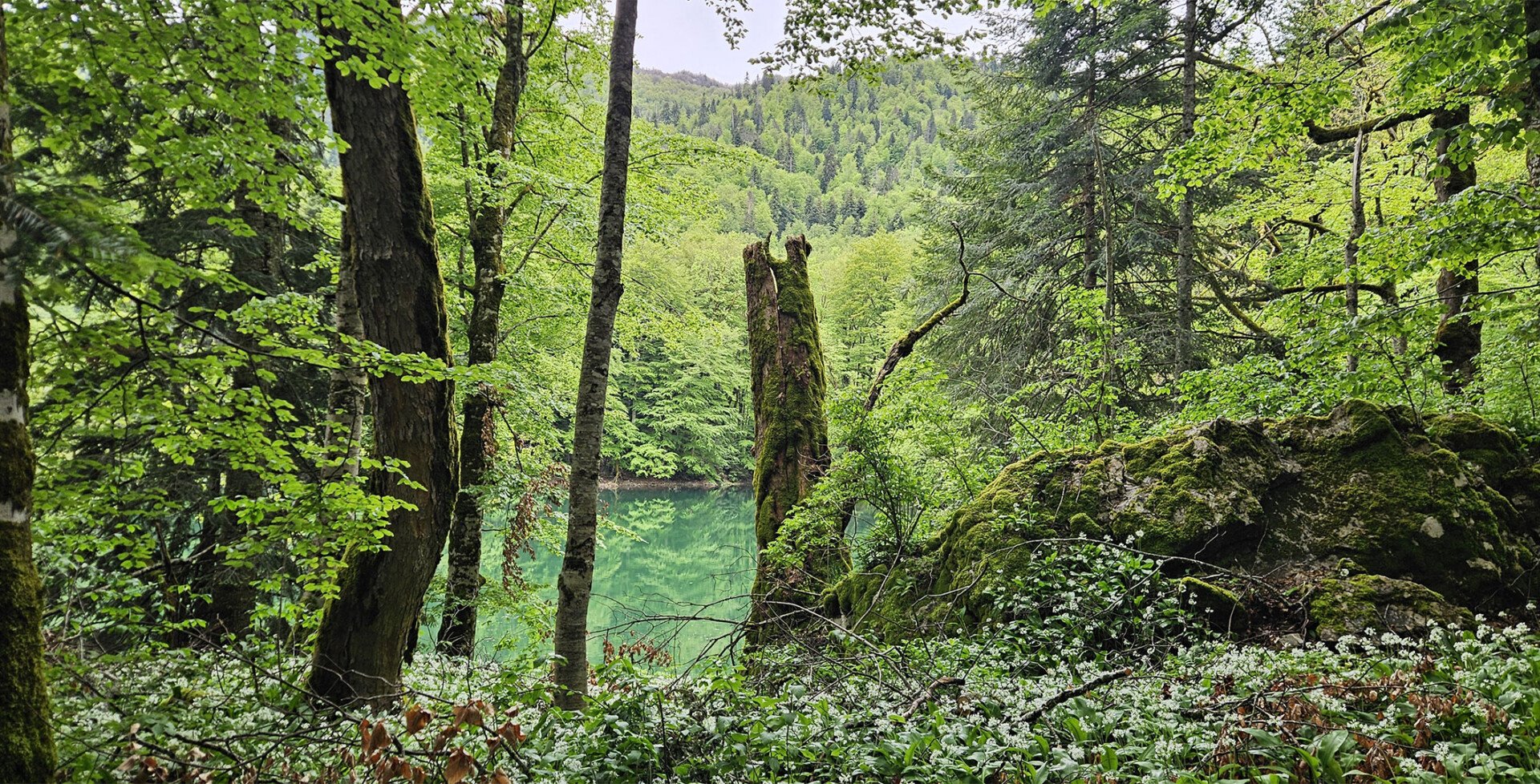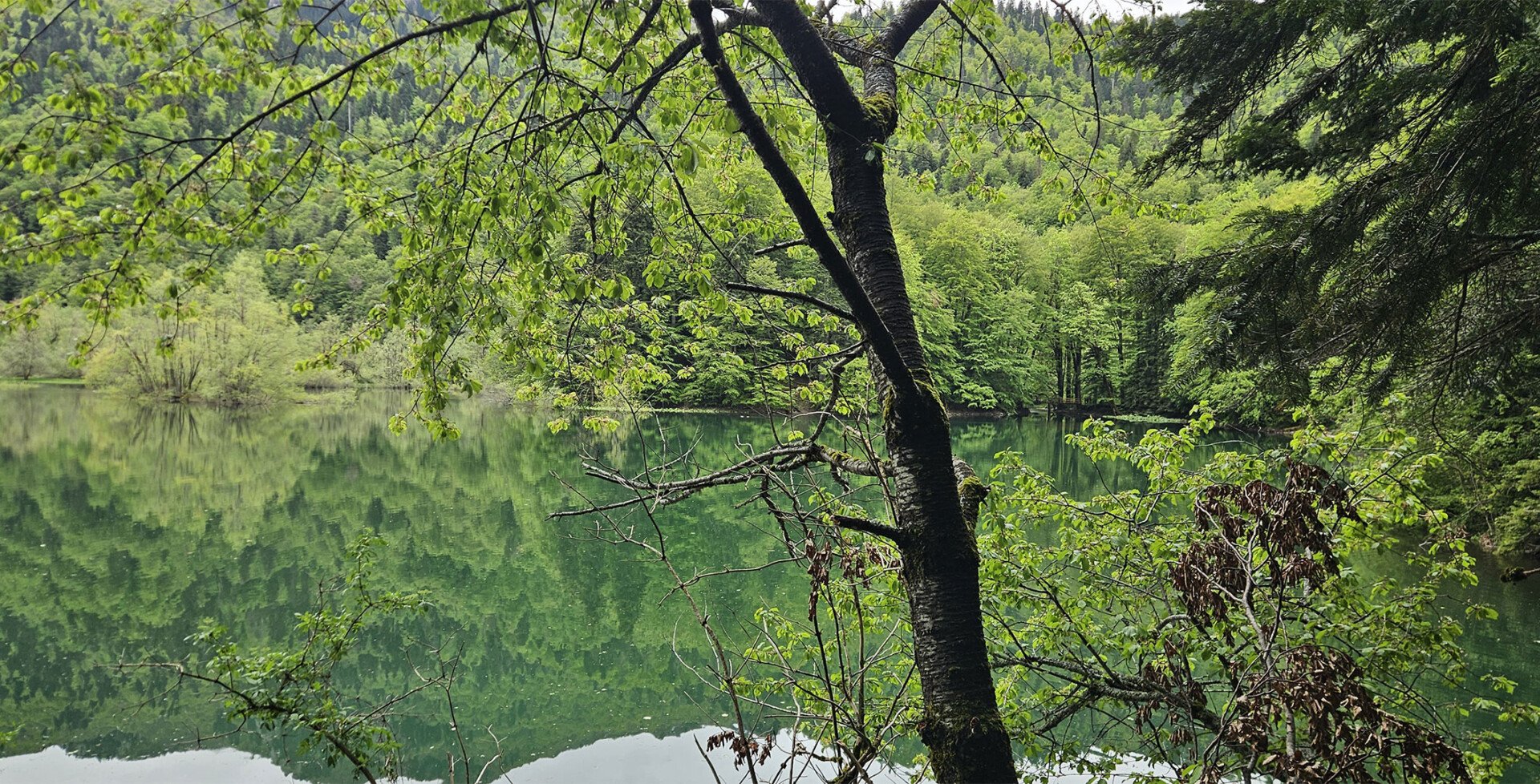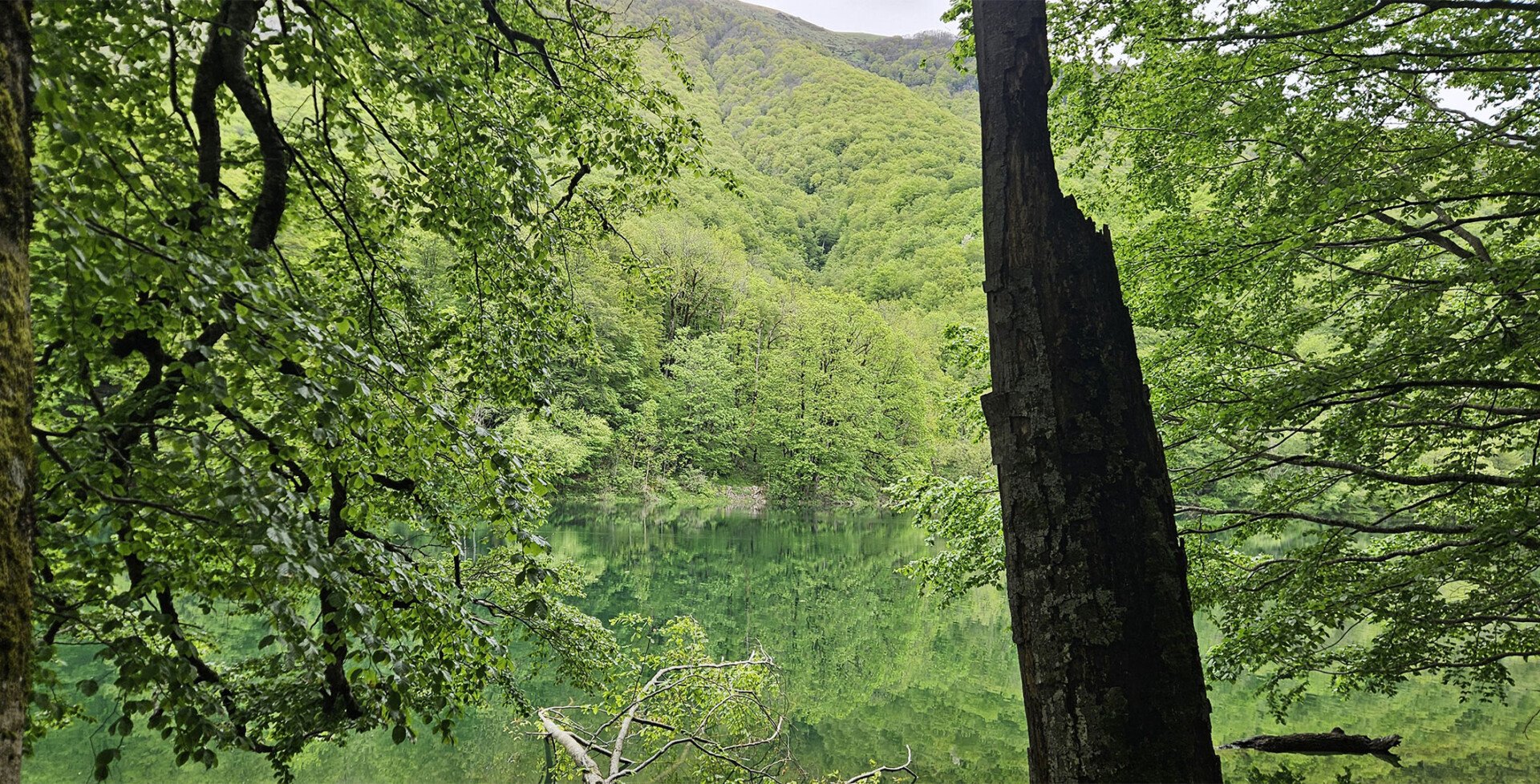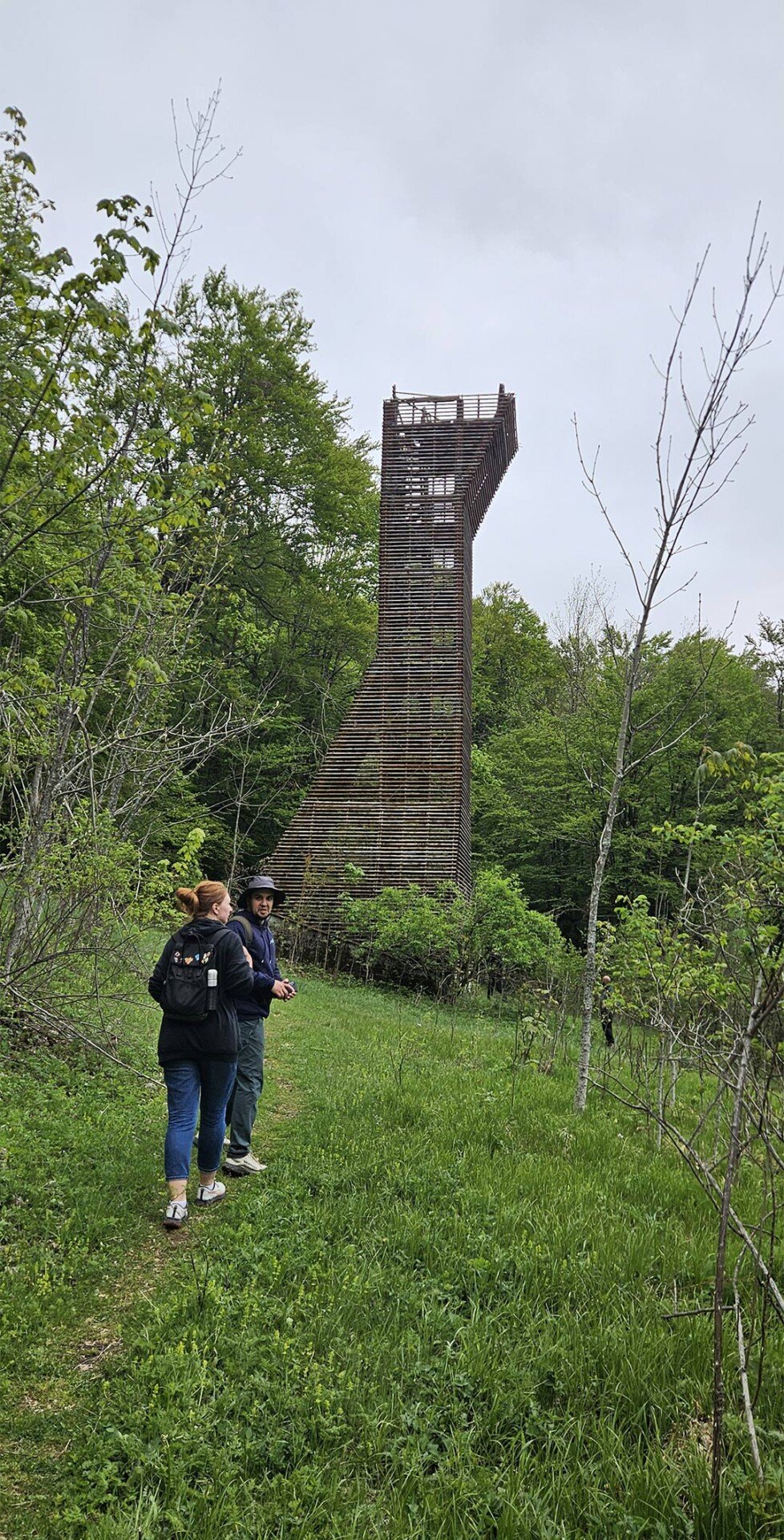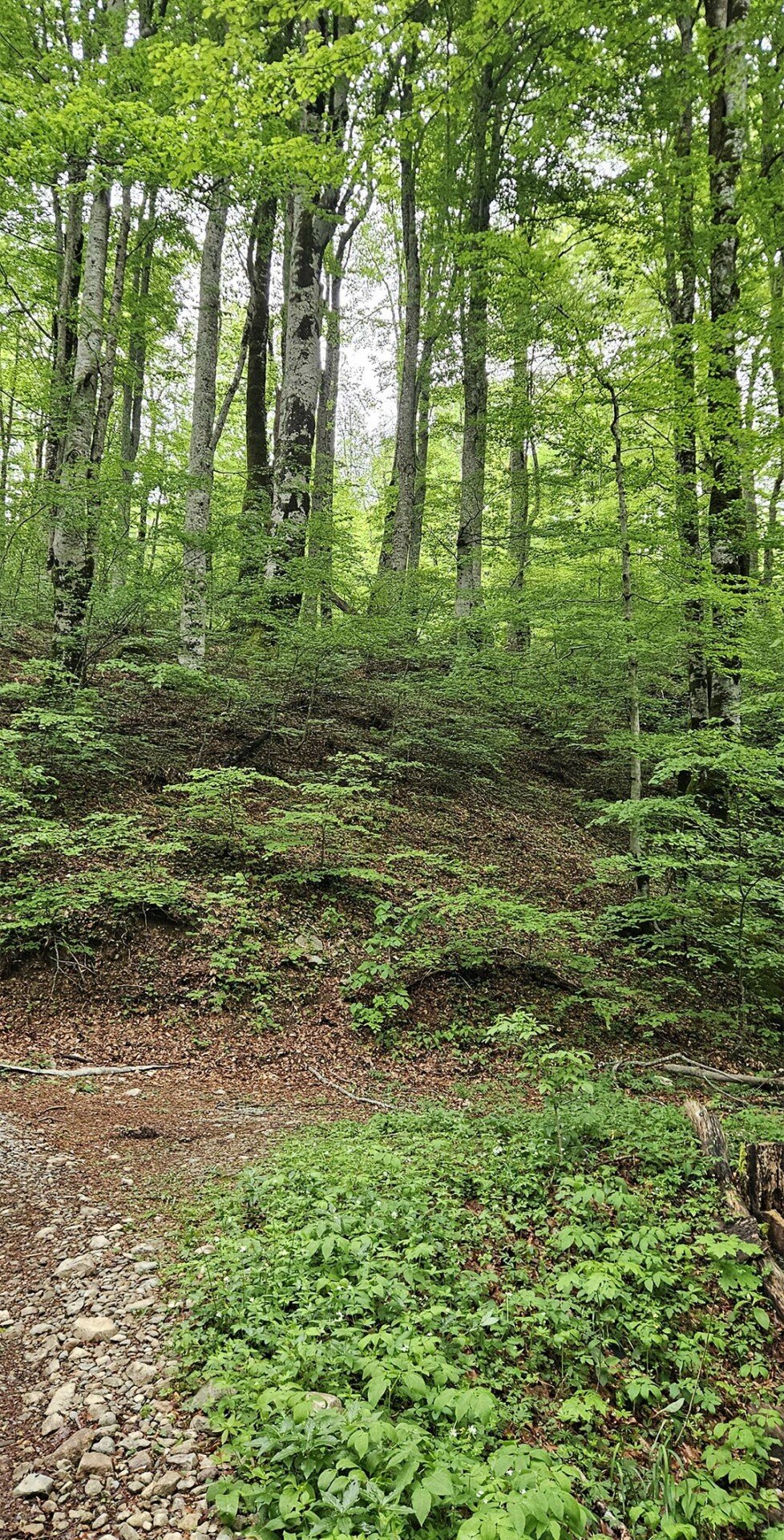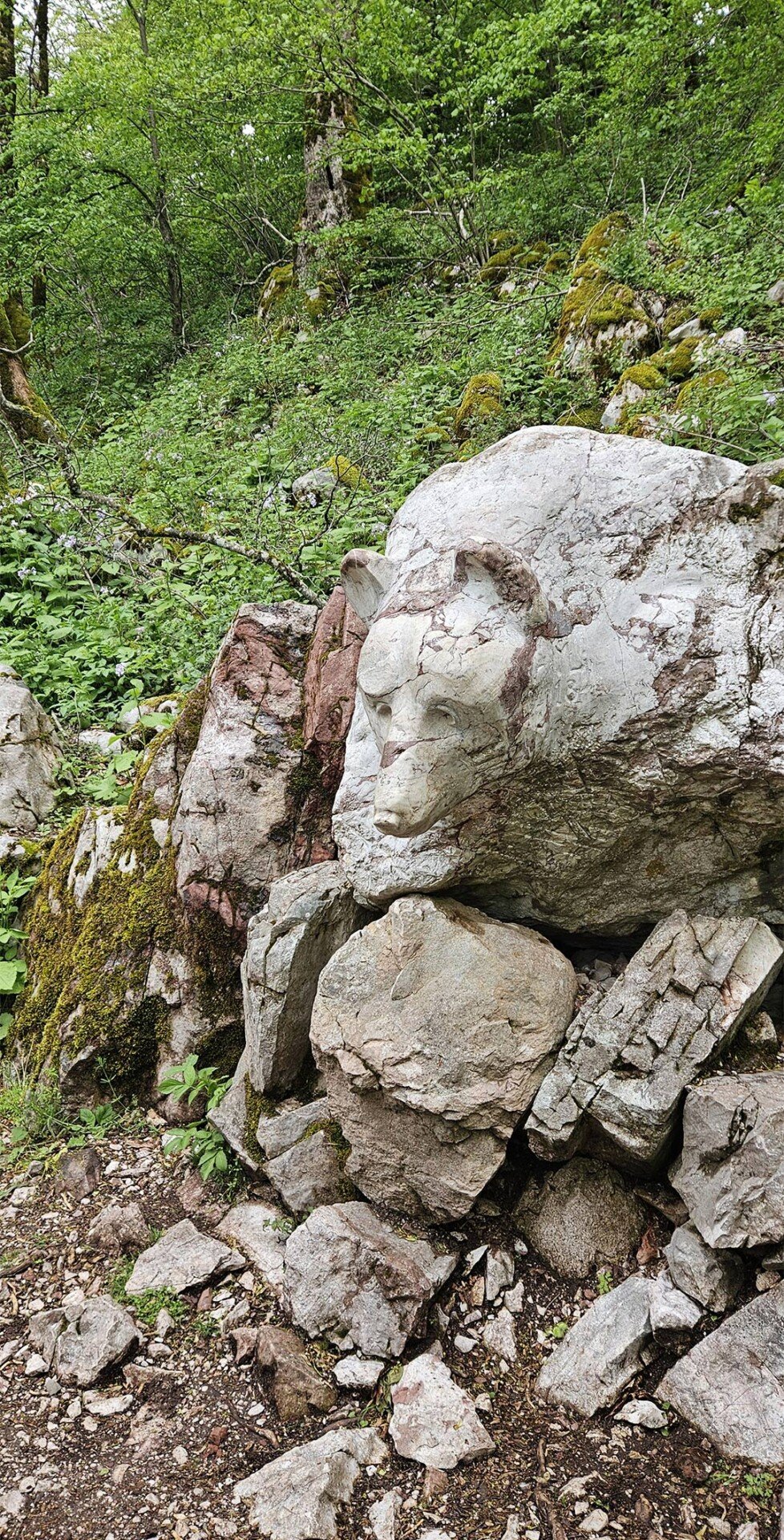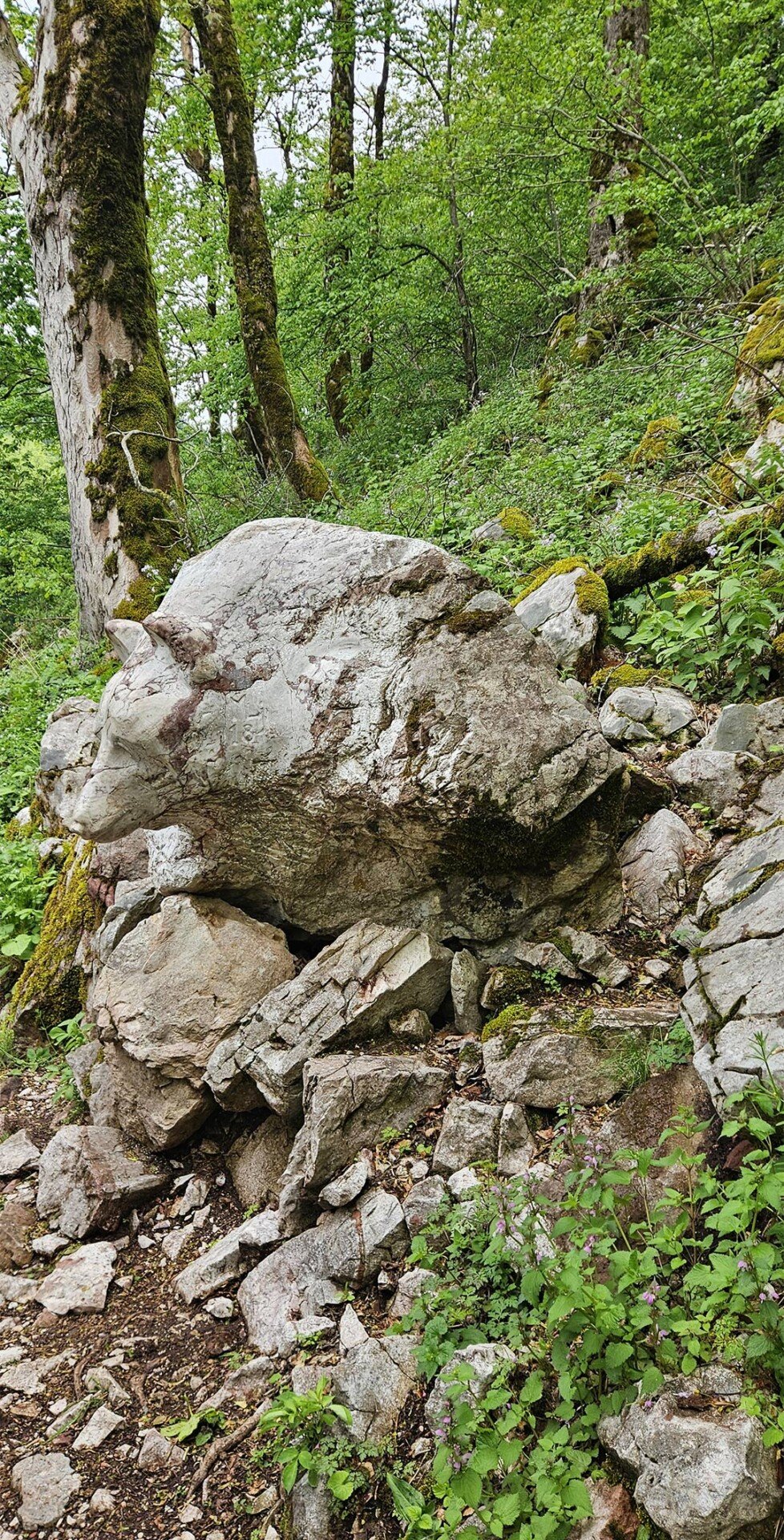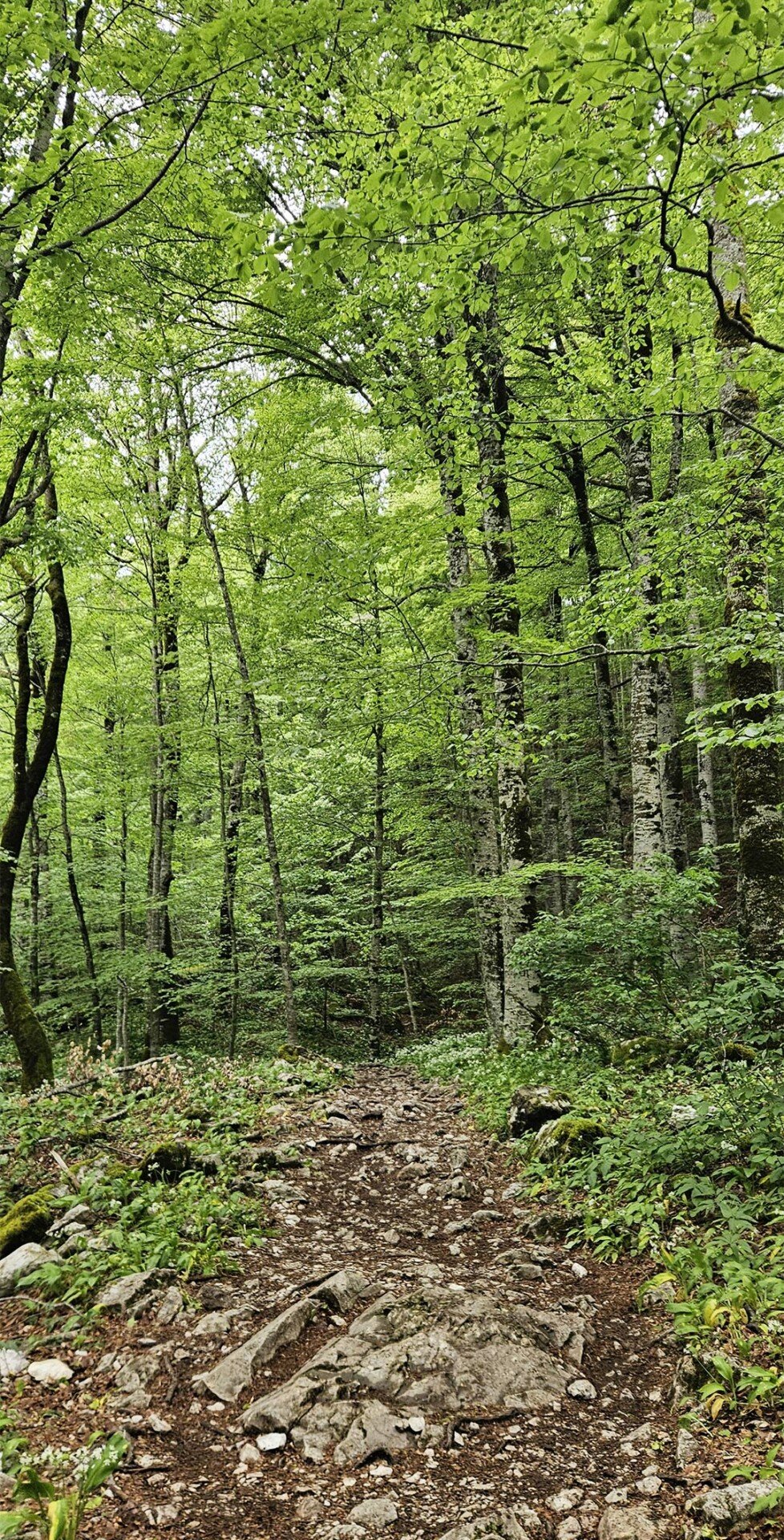


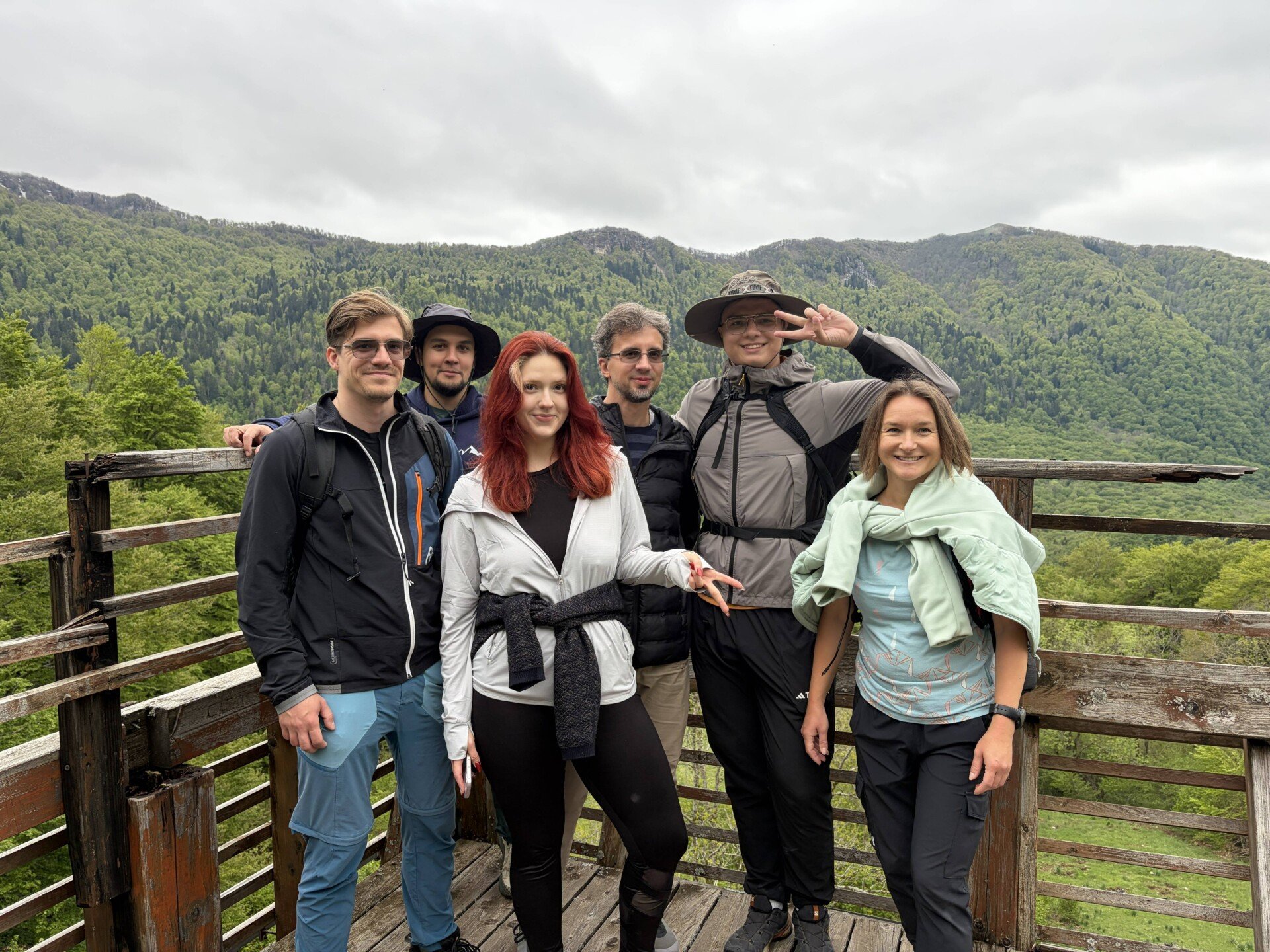
Biogradska Gora National Park is one of the most valuable natural areas in Montenegro and the entire Balkan Peninsula. It is located in the northeastern part of the country, in the central region of the Bjelasica mountain range, between the Tara and Lim river basins. The park is relatively small, covering an area of approximately 56.5 km², yet it boasts an exceptional diversity of landscapes—from ancient broadleaf and coniferous forests and river valleys to high-mountain meadows and glacial lakes.
Elevations within the national park range from approximately 832 to 2,139 meters above sea level. The highest point of the range is Crna Glava. The significant elevation changes, complex topography, and diverse microclimatic conditions have led to the formation of numerous natural communities, making Biogradska Gora one of the most important centers of biological diversity in the Balkans.
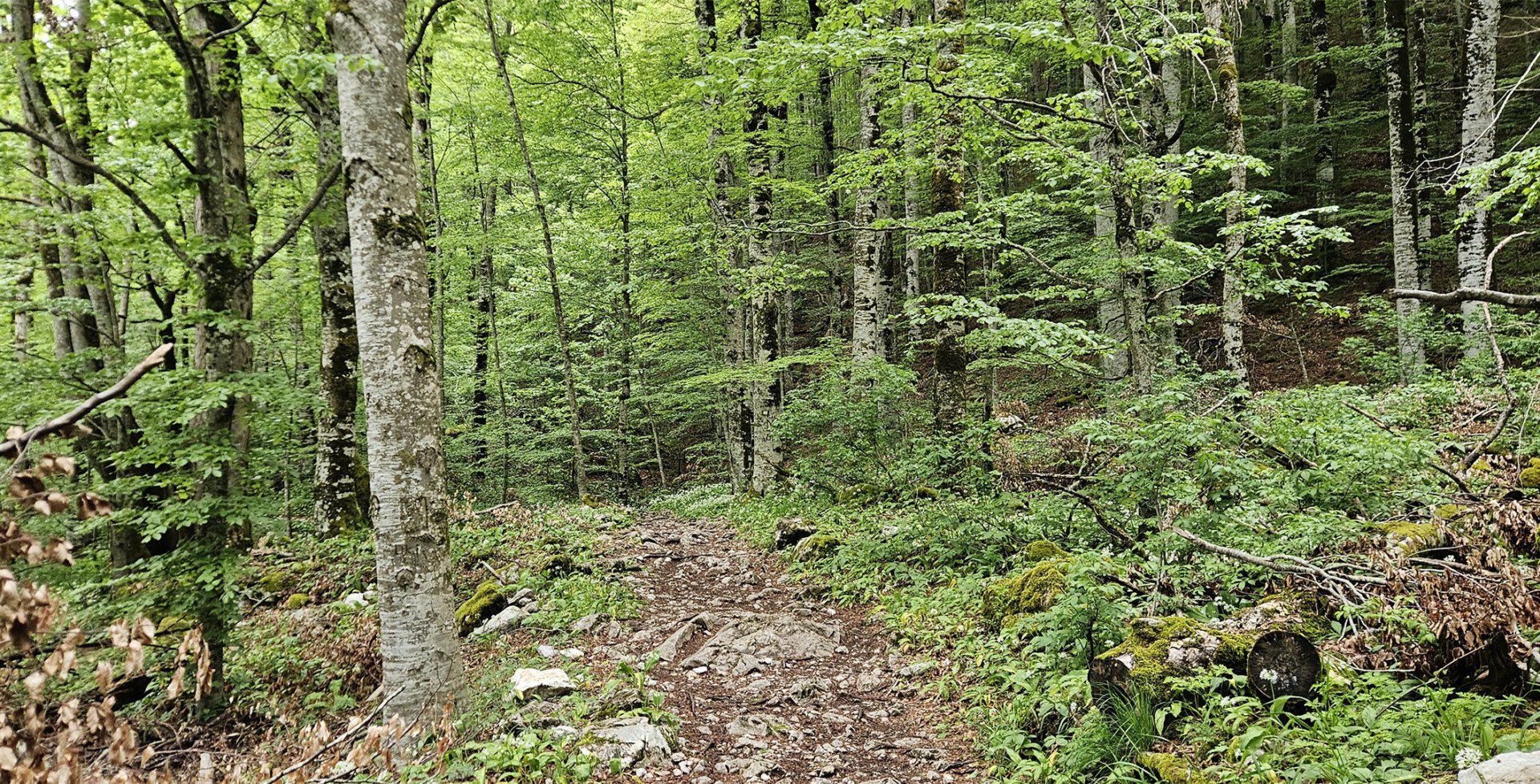
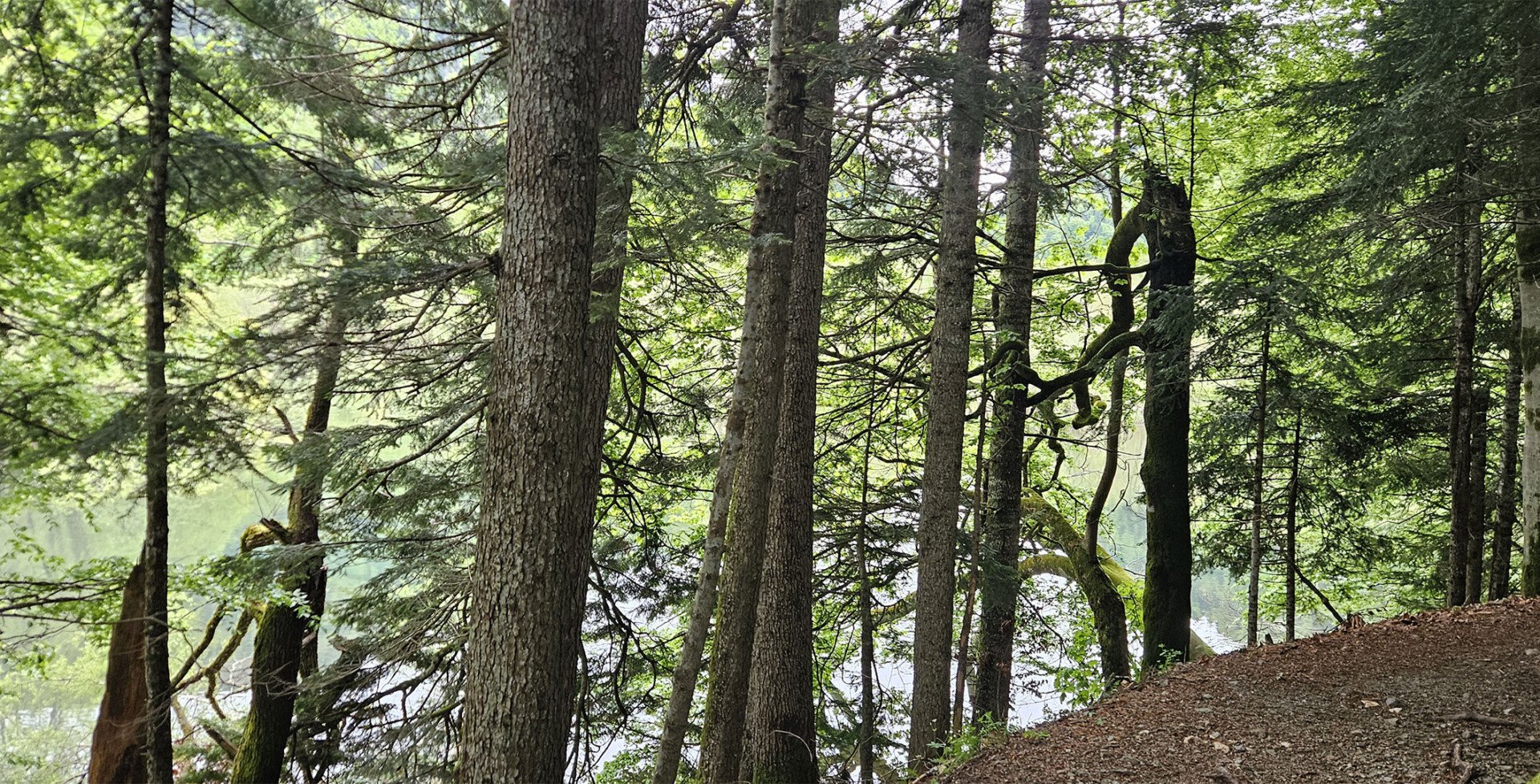
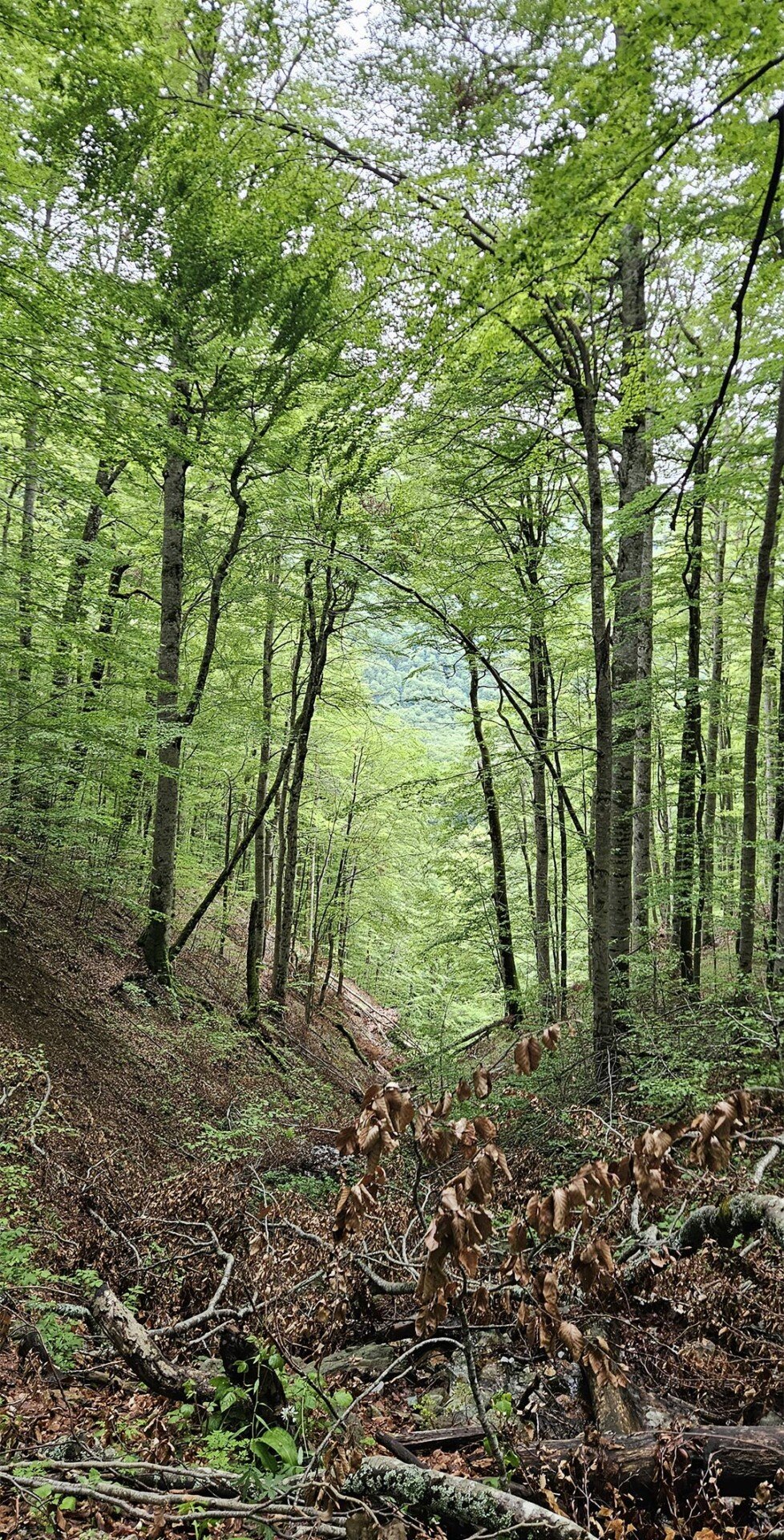
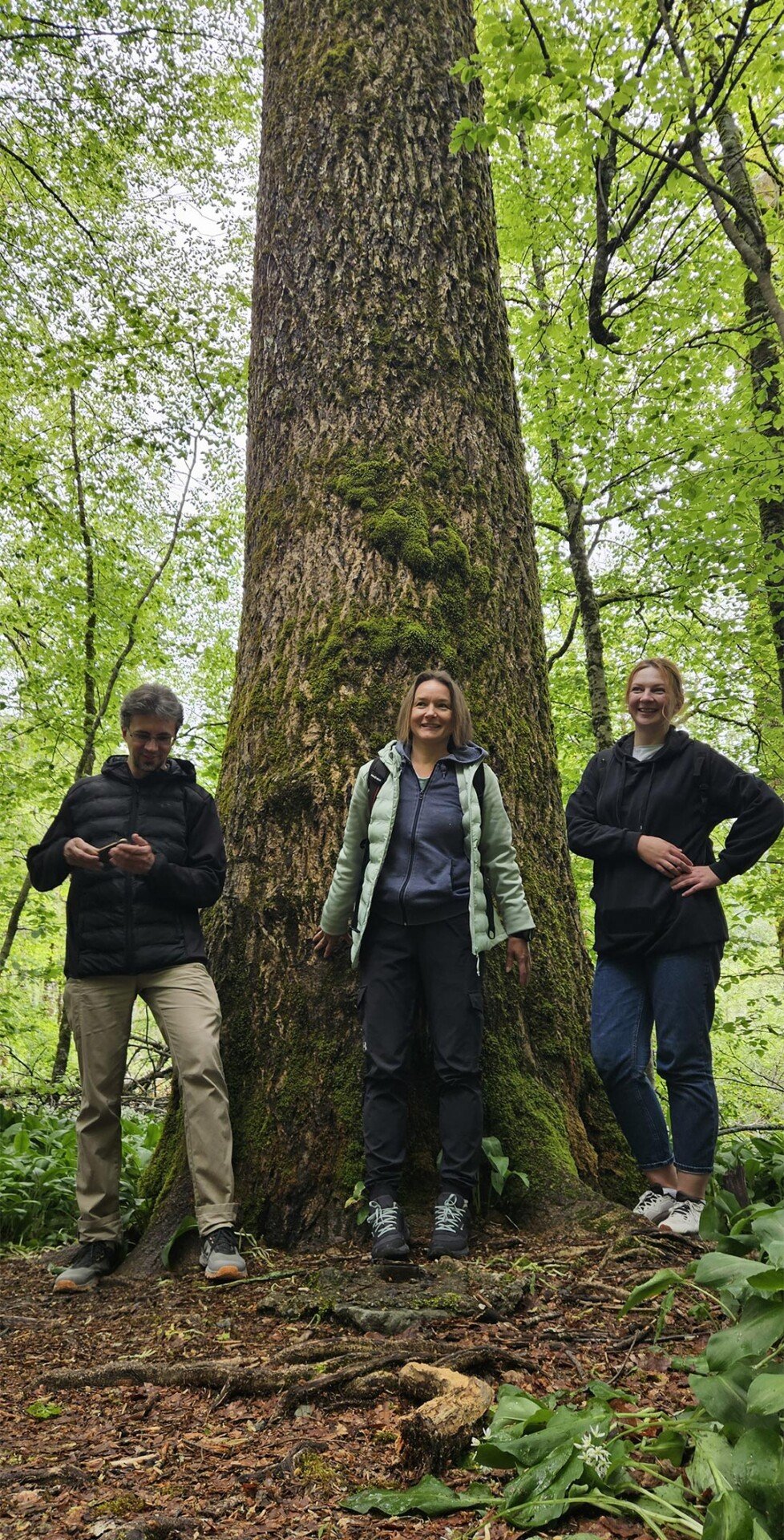
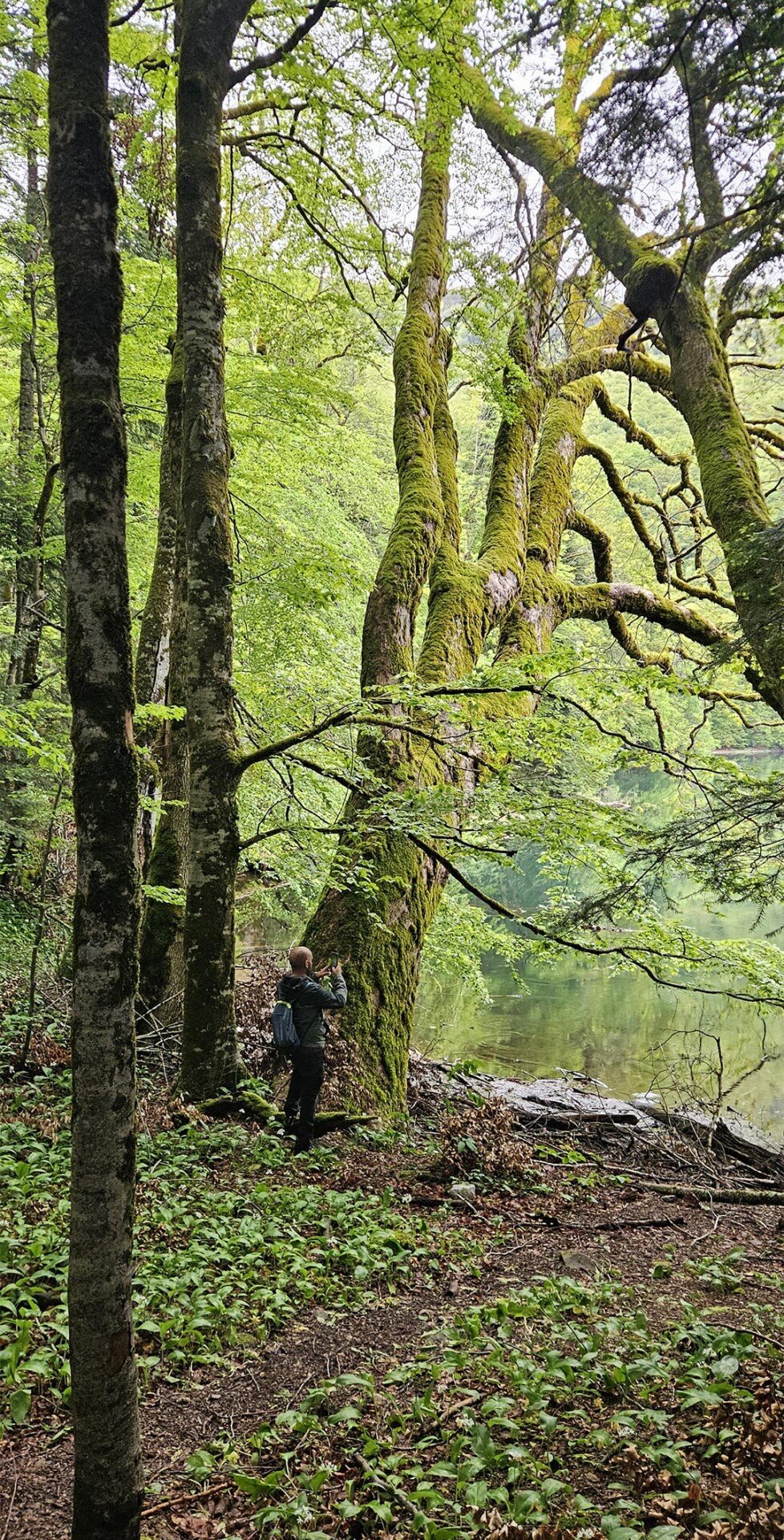
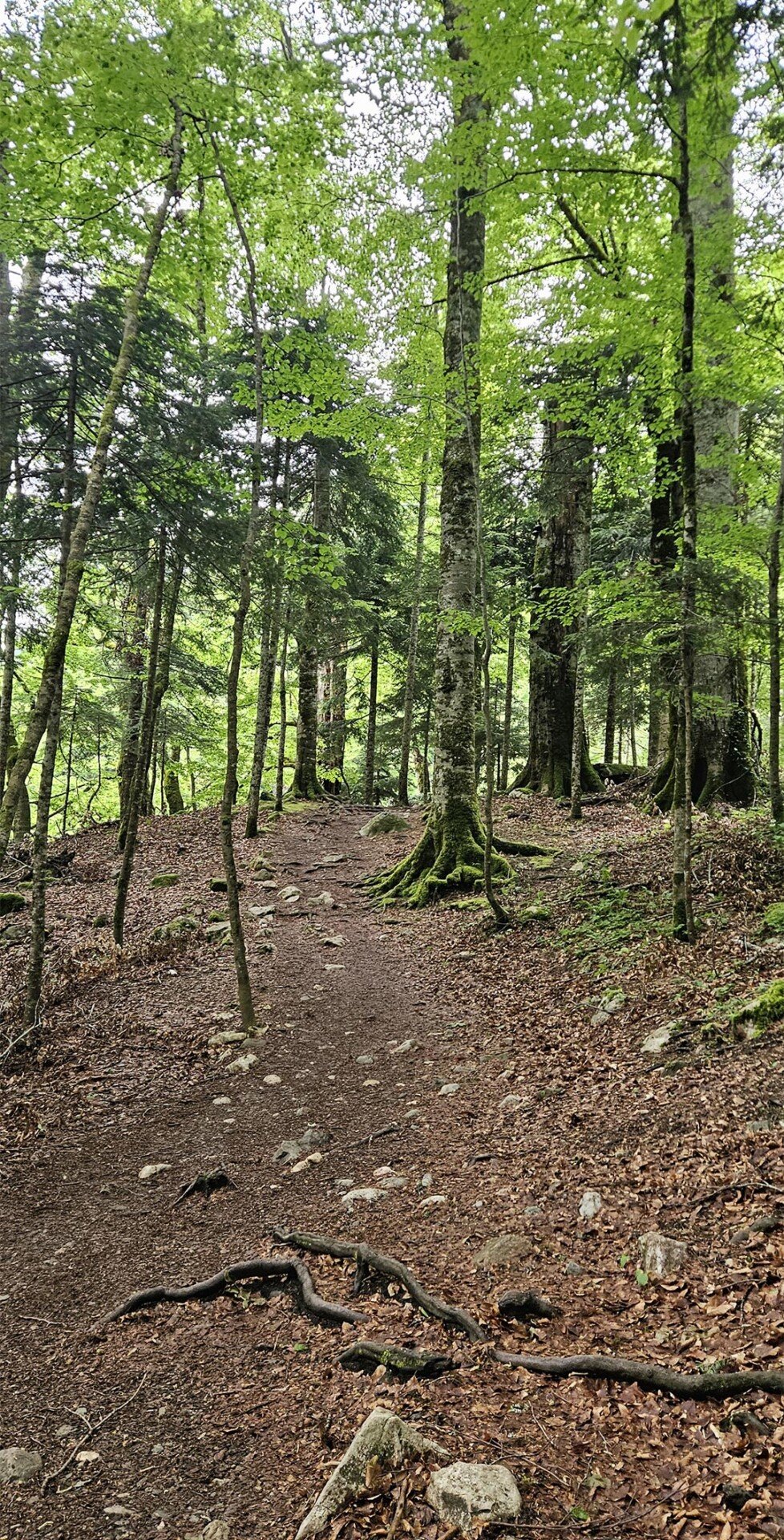
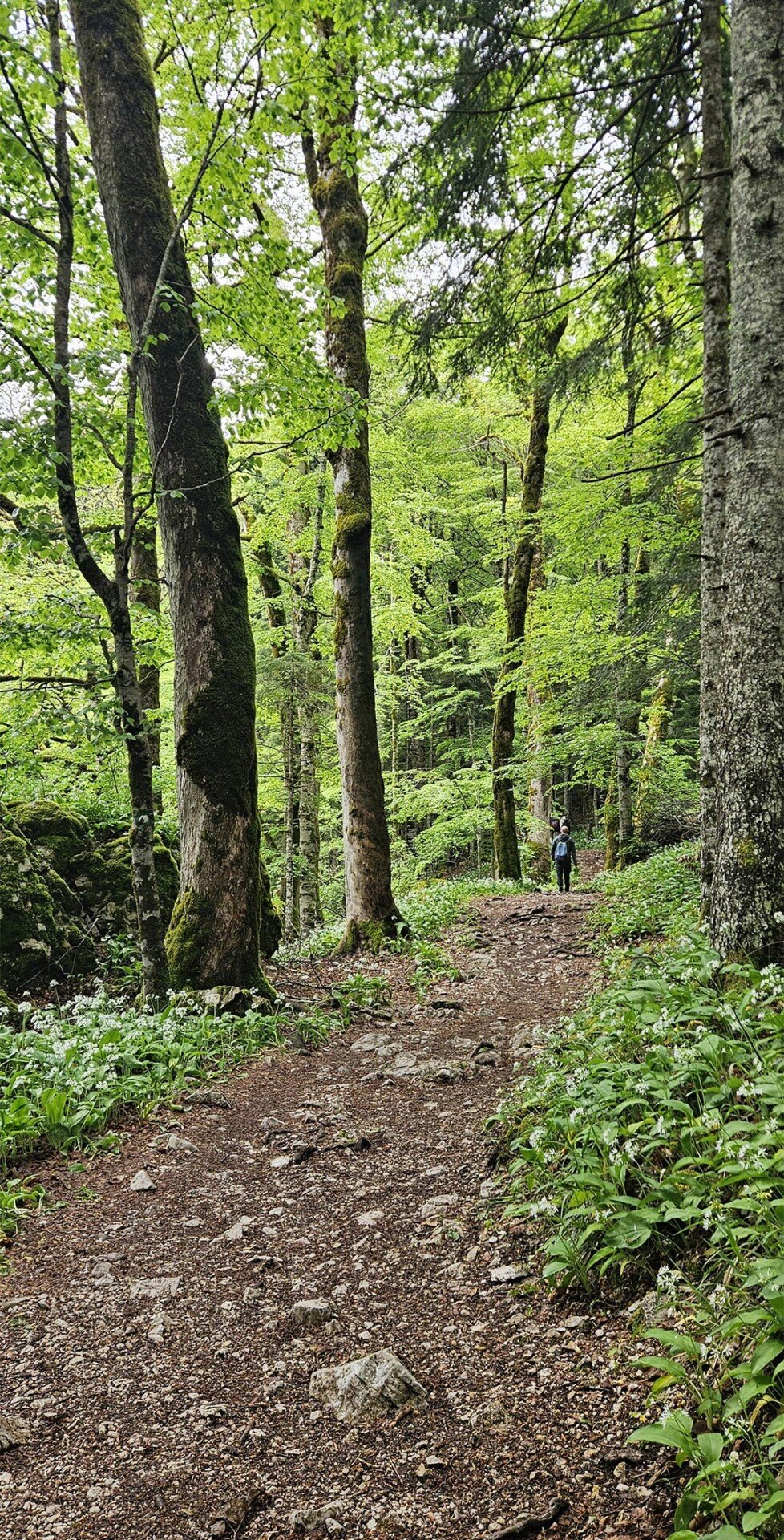
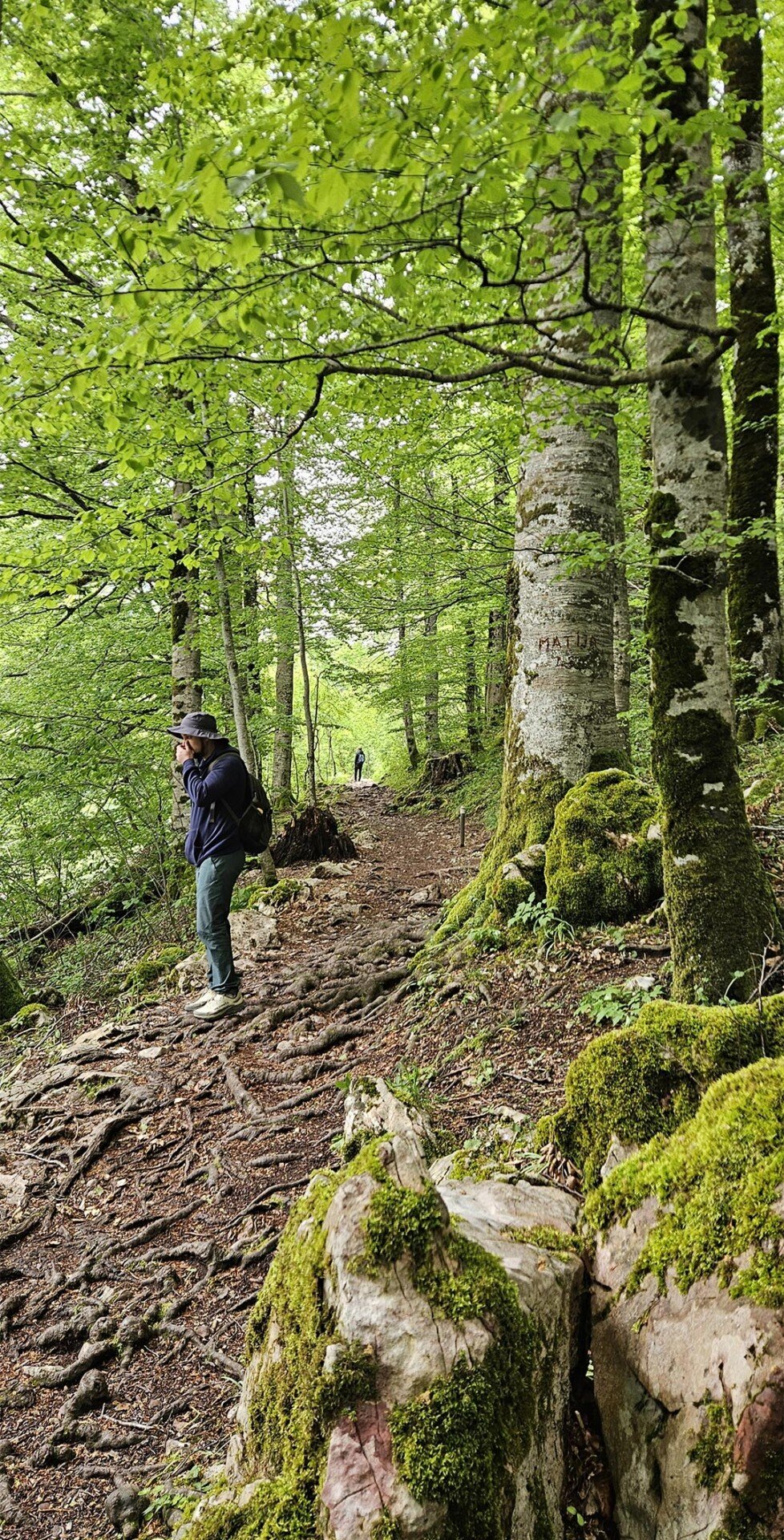
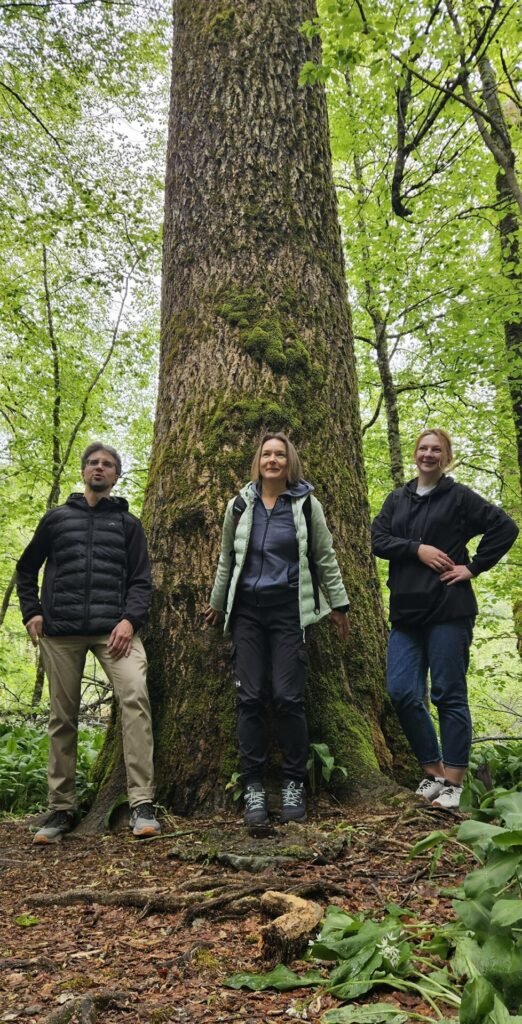
The park’s main treasure is the virgin forest surrounding Lake Biogradsko and the valleys of the Biogradska and Jezeršica rivers. It covers approximately 1,600 hectares. It is one of the most famous preserved forest areas in Europe, having developed for centuries without intensive human intervention. Trees over 40 meters tall are found here, and some specimens are hundreds of years old.
History of the National Park
The history of protecting Biogradska Gora began long before the advent of modern nature conservation institutions. In 1878, after the Kolašin region became part of Montenegro, representatives of the local tribes donated part of the forest lands to the country’s ruler, Prince Nikola Petrović-Njegoš. This territory subsequently received the status of a princely domain, where commercial exploitation of the forest was limited.
Sources mention two dates associated with this. 1878 is considered the beginning of the systematic protection of Biogradska Gora, while in 1885 the forests were officially declared a “Gospodarev Ban”—a protected area also known as “Branik.” Logging and commercial timber use were significantly restricted. For the late 19th century, this decision was extremely progressive: it was adopted just a few years after the establishment of Yellowstone National Park in the United States, considered the first modern national park.
The protection regime did not always remain equally strict. In the first half of the 20th century, the forests were repeatedly threatened by industrial development. A particularly serious threat was posed by plans to exploit old-growth timber, and after World War II, by uncontrolled logging associated with the restoration of destroyed settlements.
Biogradska Gora received official national park status in 1952. This allowed for the recognition of its conservation importance at the state level and the creation of a management system focused on the preservation of forests, water bodies, and high-mountain ecosystems. The area’s international significance has also been recognized. Since 1977, the Tara River basin, of which Biogradska Gora is a part, has been part of the World Network of Biosphere Reserves under the UNESCO “Man and the Biosphere” program. The national park itself is on the UNESCO Tentative List of World Heritage Sites. This means that the area is being considered for inclusion as a potential World Heritage site, but has not yet been included on the main list.
Terrain and Natural Landscapes
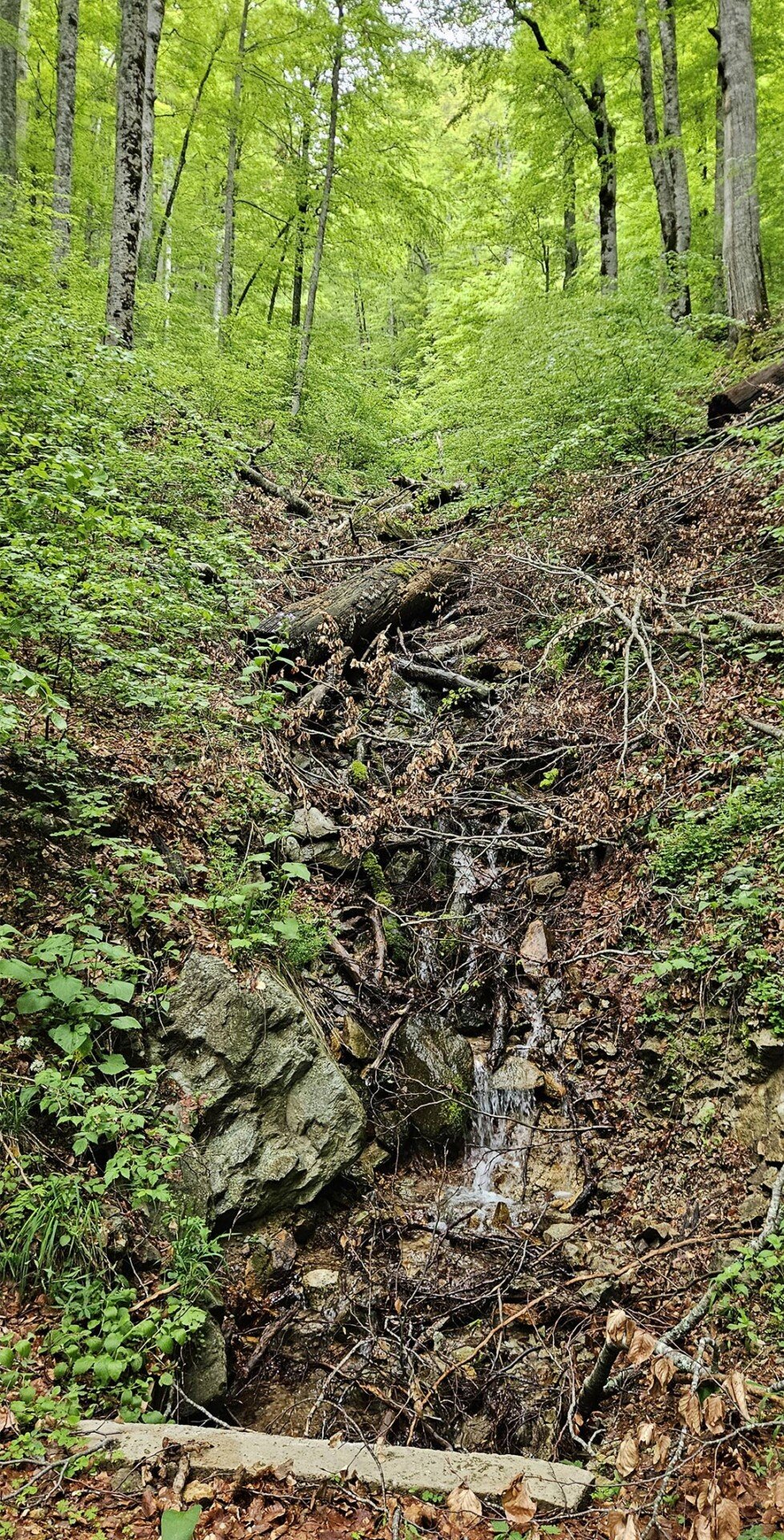
The modern appearance of Biogradska Gora was shaped by complex geological and climatic processes. The Bjelasica massif is composed predominantly of silicate rocks, which distinguishes it from many neighboring areas of the Dinaric Alps, where limestone is widespread. The low permeability of some of the rocks has resulted in the development of a dense network of streams, rivers, and high-mountain lakes.
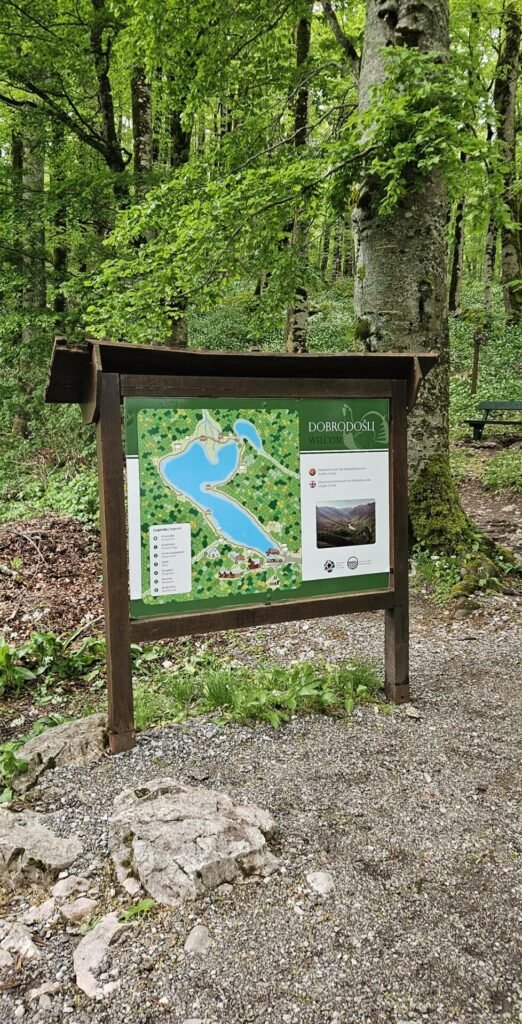
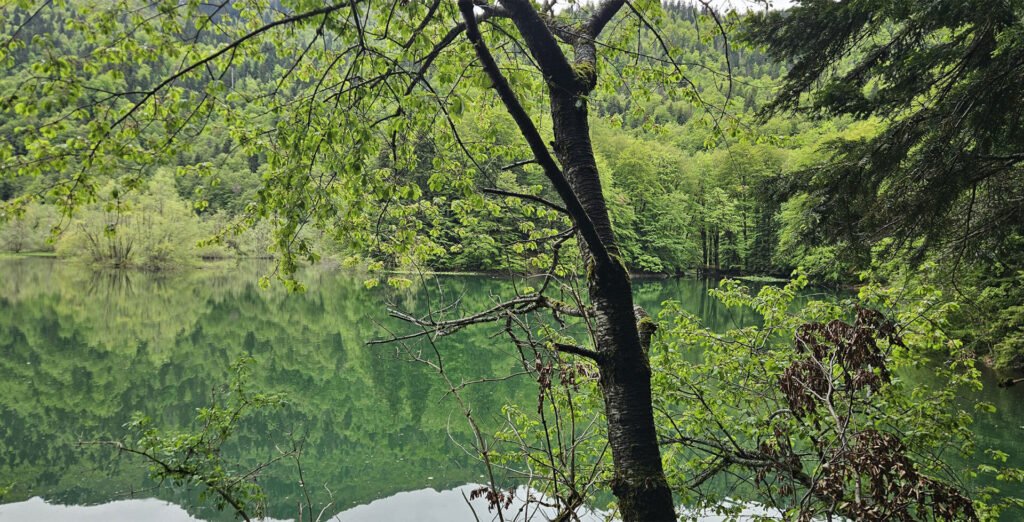
Pleistocene glaciation left a particularly noticeable mark on the terrain. The movement of glaciers formed wide valleys, moraine ridges, and natural depressions, which filled with water after the ice retreated. Within the national park are six glacial lakes:
- Biogradsko;
- Pešića;
- Veliko and Malo Ursulovacki;
- Veliko and Malo Šišski.
They are located at elevations ranging from approximately 1,094 to 1,895 meters. The largest, lowest-lying, and best-known of these is Lake Biogradsko.
The park’s landscape structure exhibits distinct altitudinal zonation. Forest communities predominate in the lower and middle parts of the slopes, while higher up are subalpine shrublands, mountain meadows, and pastures. The peaks of Bjelasica have soft, rounded contours, characteristic of an ancient mountain range. In summer, their slopes are covered with grasses, while in winter, much of the highlands are covered with snow.
Flora
The flora of Biogradska Gora is exceptionally rich. About 2,000 species and subspecies of higher plants have been registered in the park. Approximately 400 of them are Balkan endemics – plants whose natural range is limited to the Balkan Peninsula. This species richness is explained by a combination of altitudinal zones, different soil types, humid mountain climate and the historical stability of local ecosystems.
Prales of Biograd Mountain
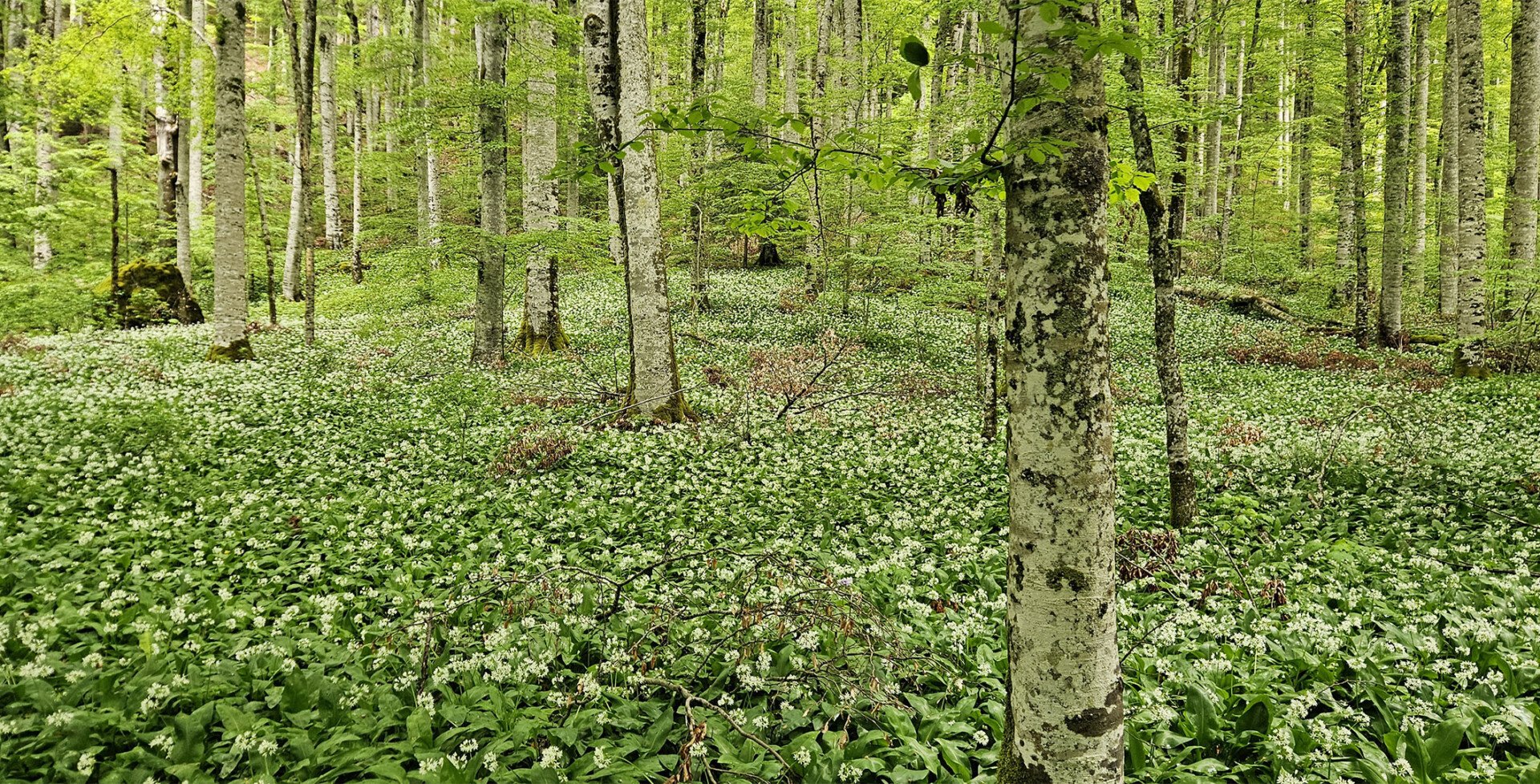
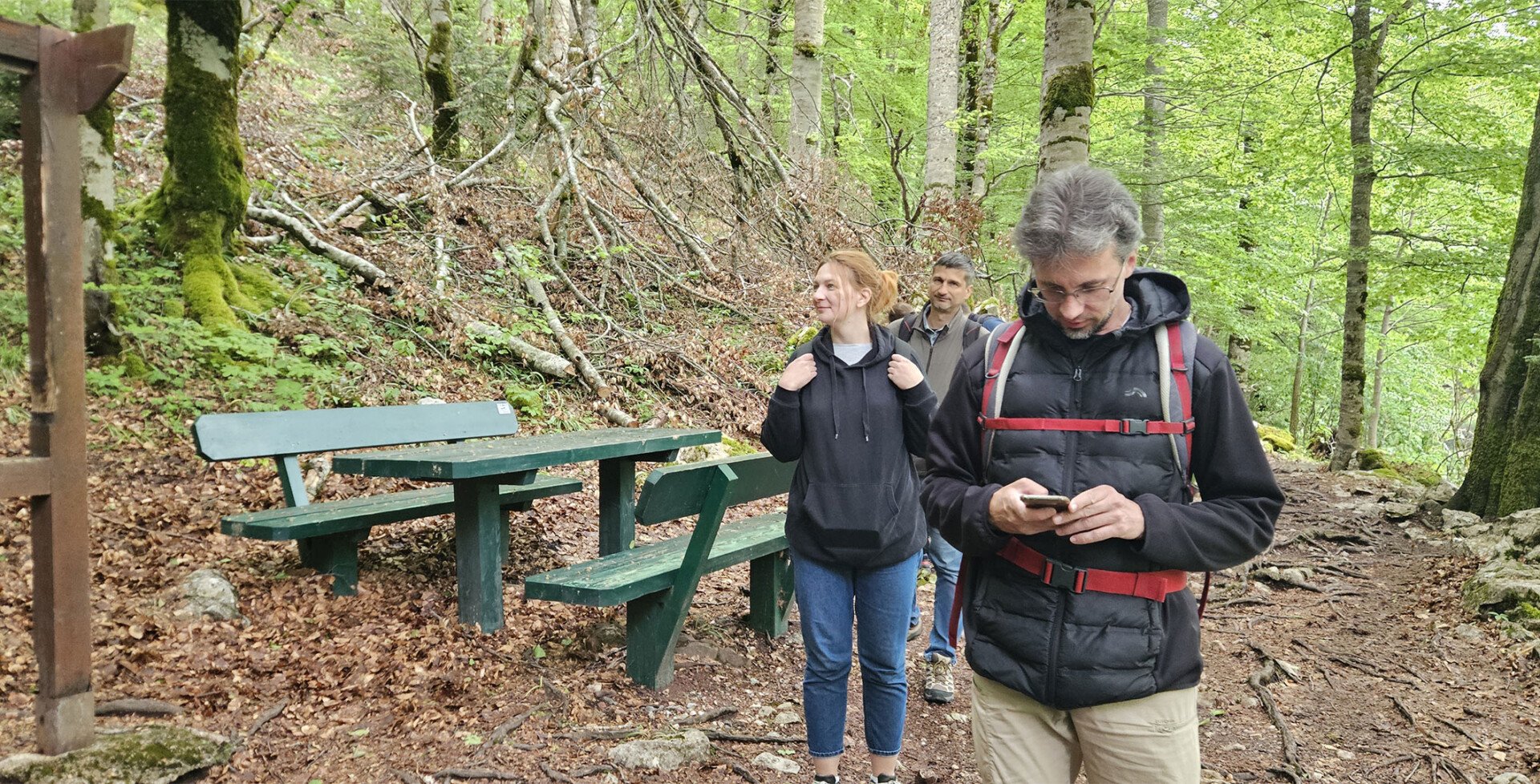
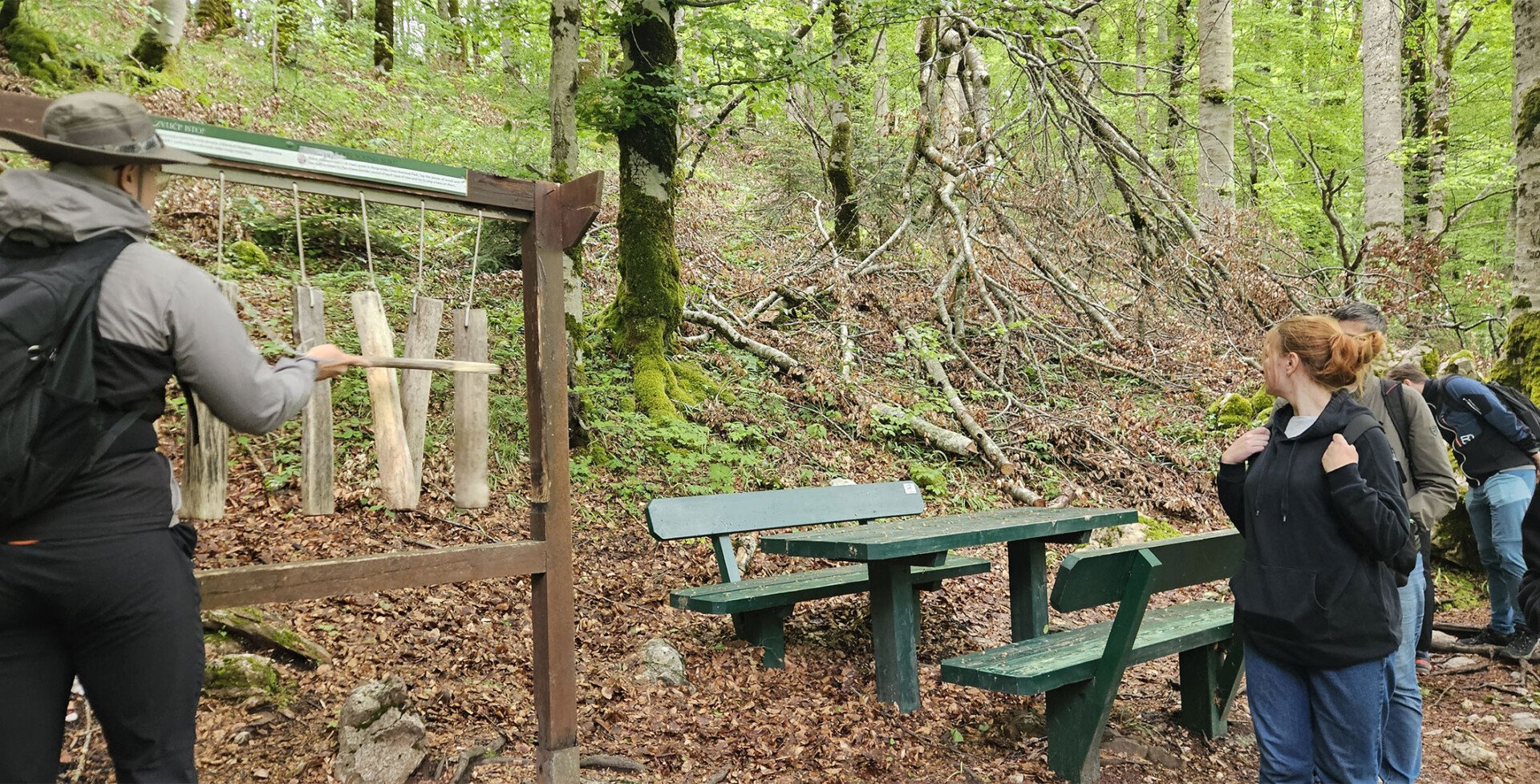
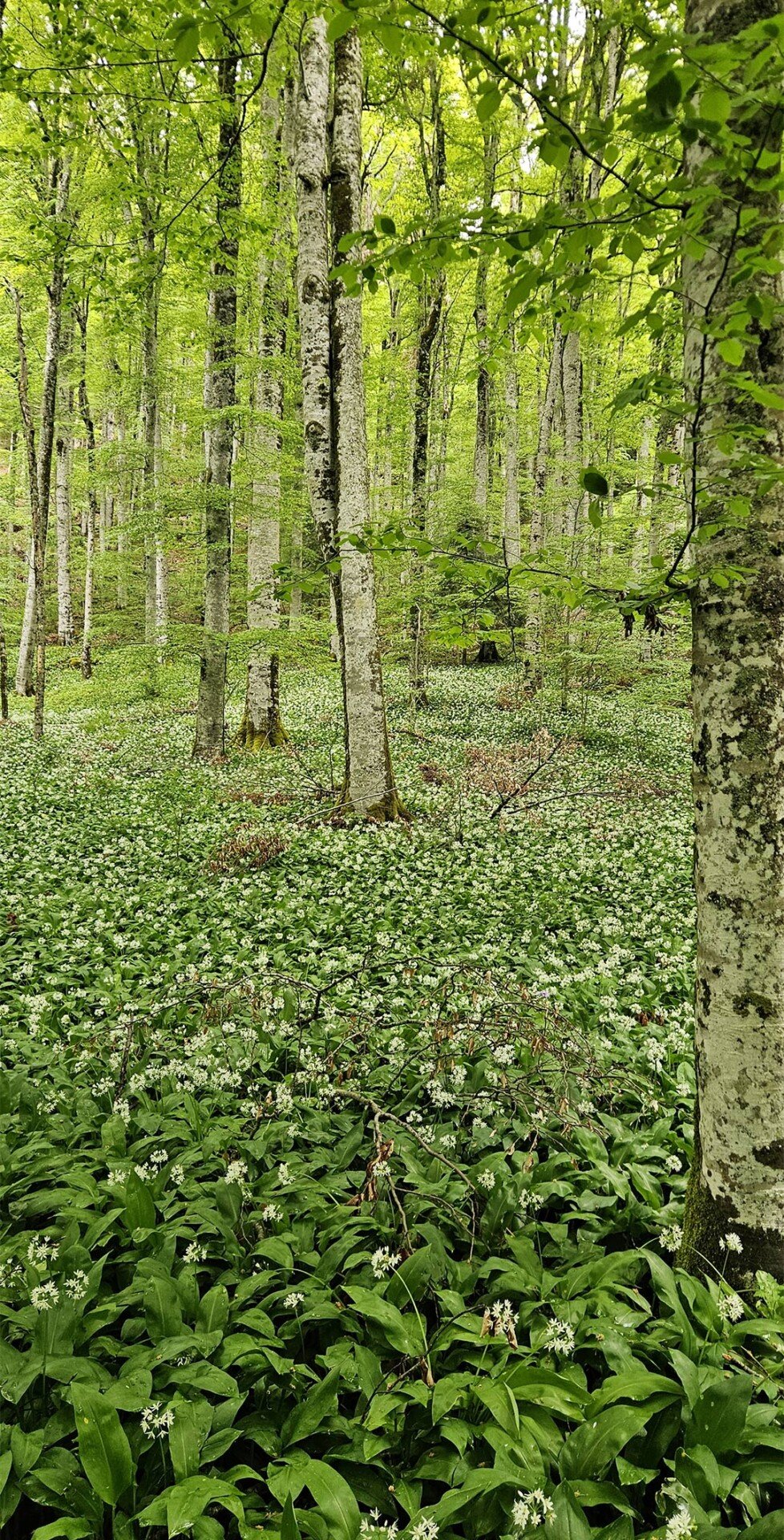
The old-growth forest is the central element of the natural complex. This is not a homogeneous massif, but a complex system of communities in which trees of different ages form a multi-tiered canopy. Centuries-old giants grow next to young plants, and fallen trunks gradually decompose, returning nutrients to the soil.
In the forests of Biogradska Gora there are:
- European beech;
- white fir;
- Norway spruce;
- sycamore maple;
- Balkan, or Greek, maple;
- white ash;
- mountain elm;
- gray alder;
- Rumelian pine, also known as Macedonian pine;
- yew berry.
Of particular importance are mixed maple and ash communities, which are considered one of the characteristic features of local vegetation. In general, more than 80 species of tree and shrub plants have been recorded in the original forest reserve.
An interesting ecological phenomenon can be observed near the shores of Lake Biograd – temperature inversion of vegetation. Cold air flows down the slopes and accumulates in the basin, so the valley floor sometimes creates colder conditions than in the areas located above. As a result, conifers can be found surrounded by broad-leaved forest at relatively low altitudes.
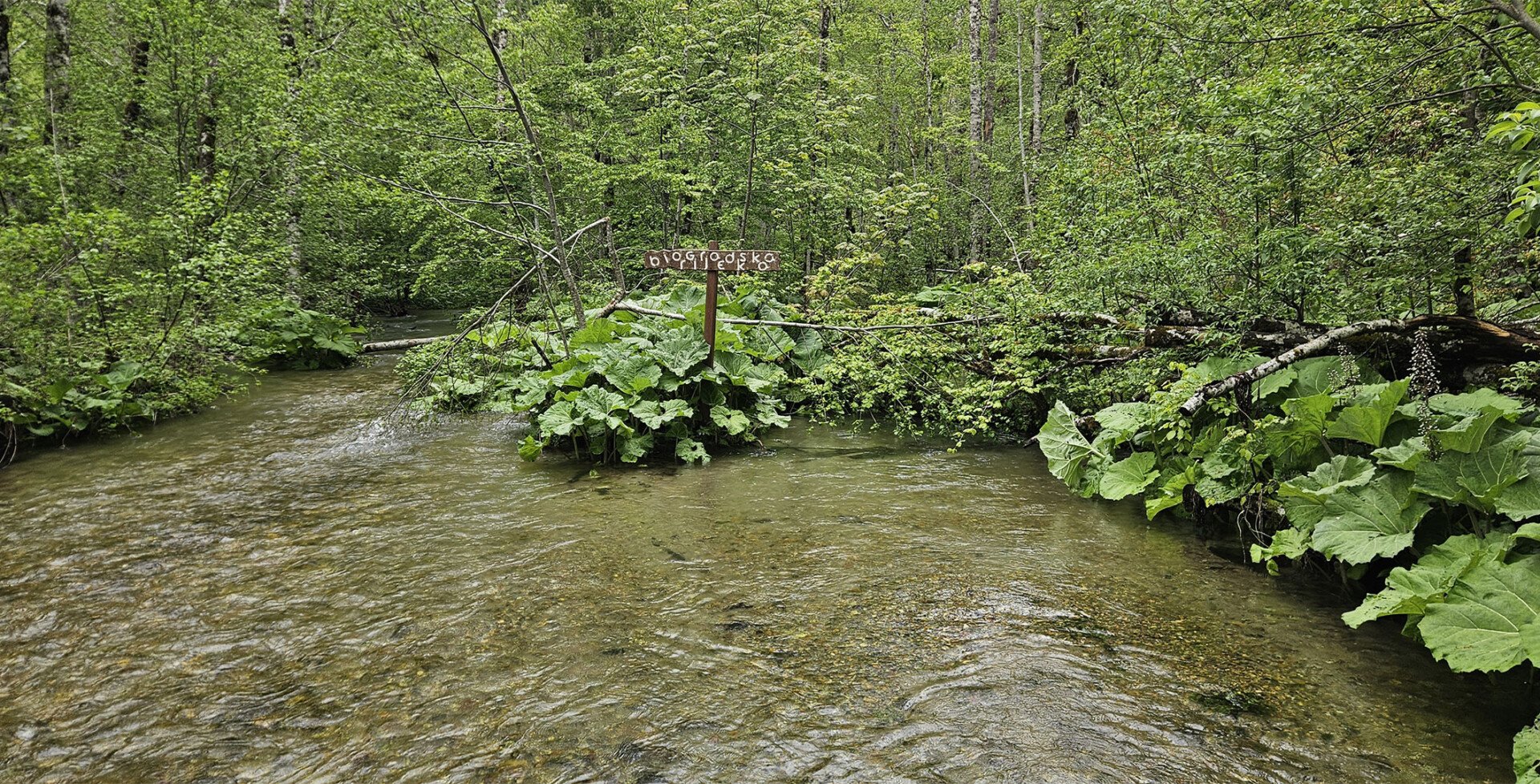
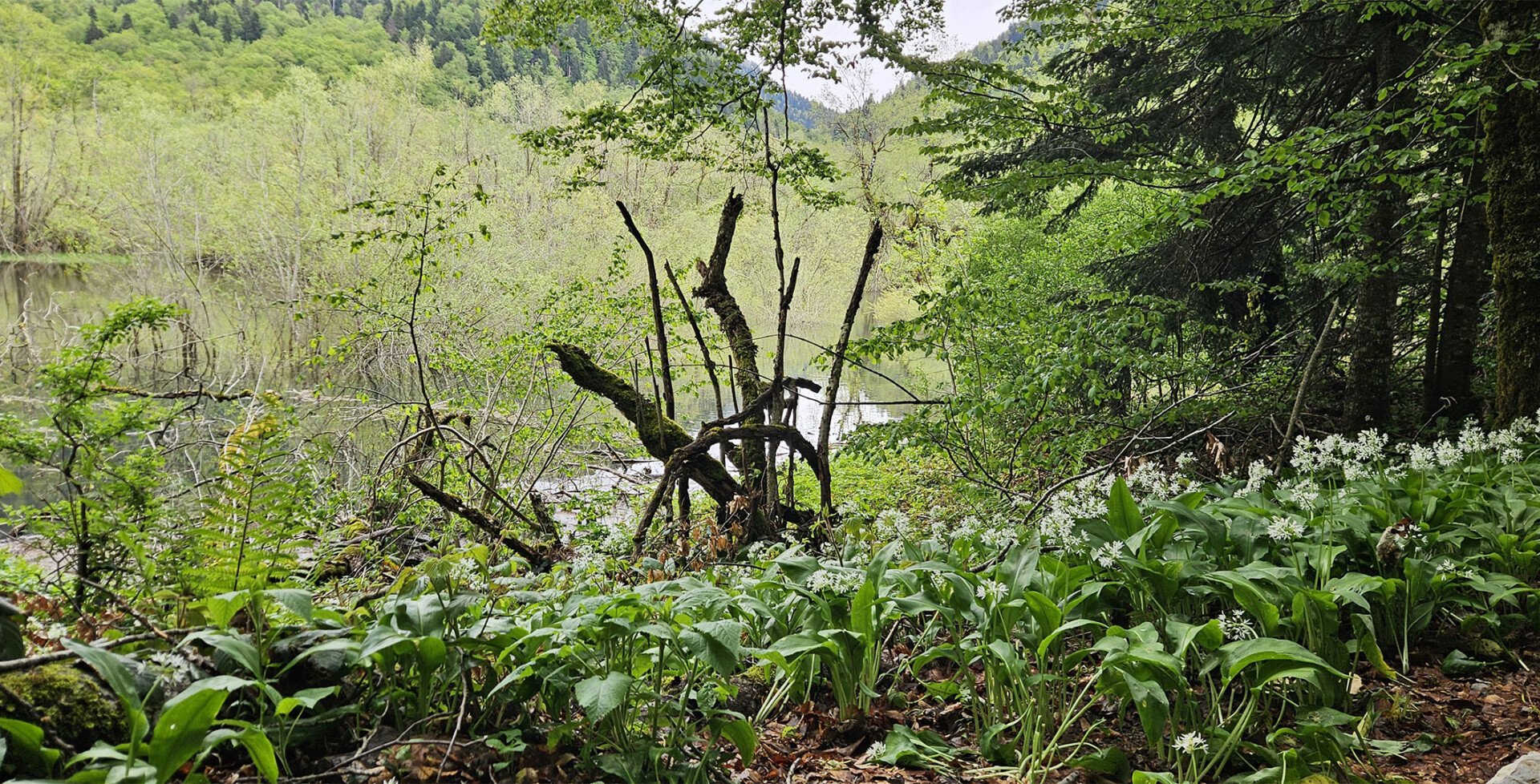
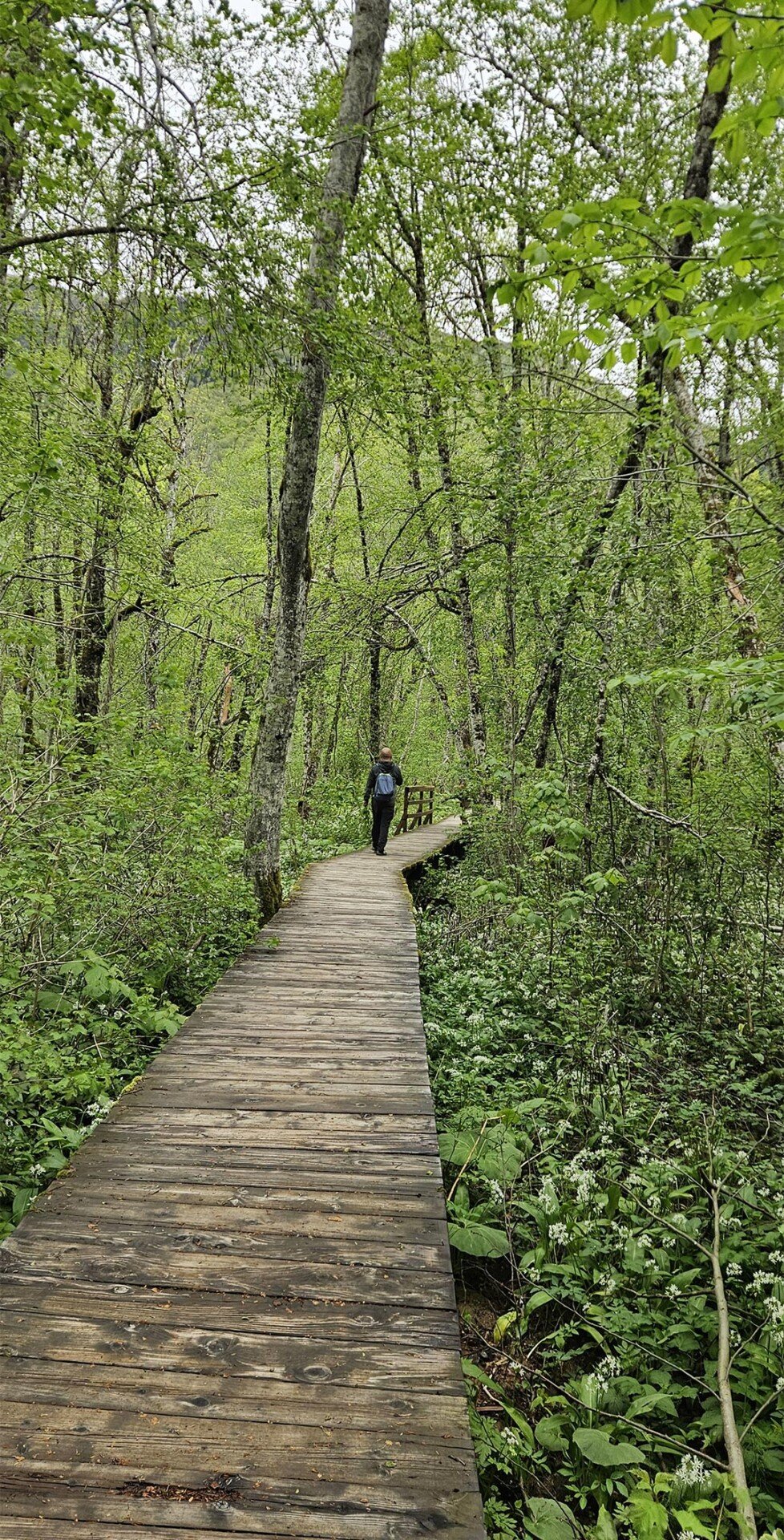
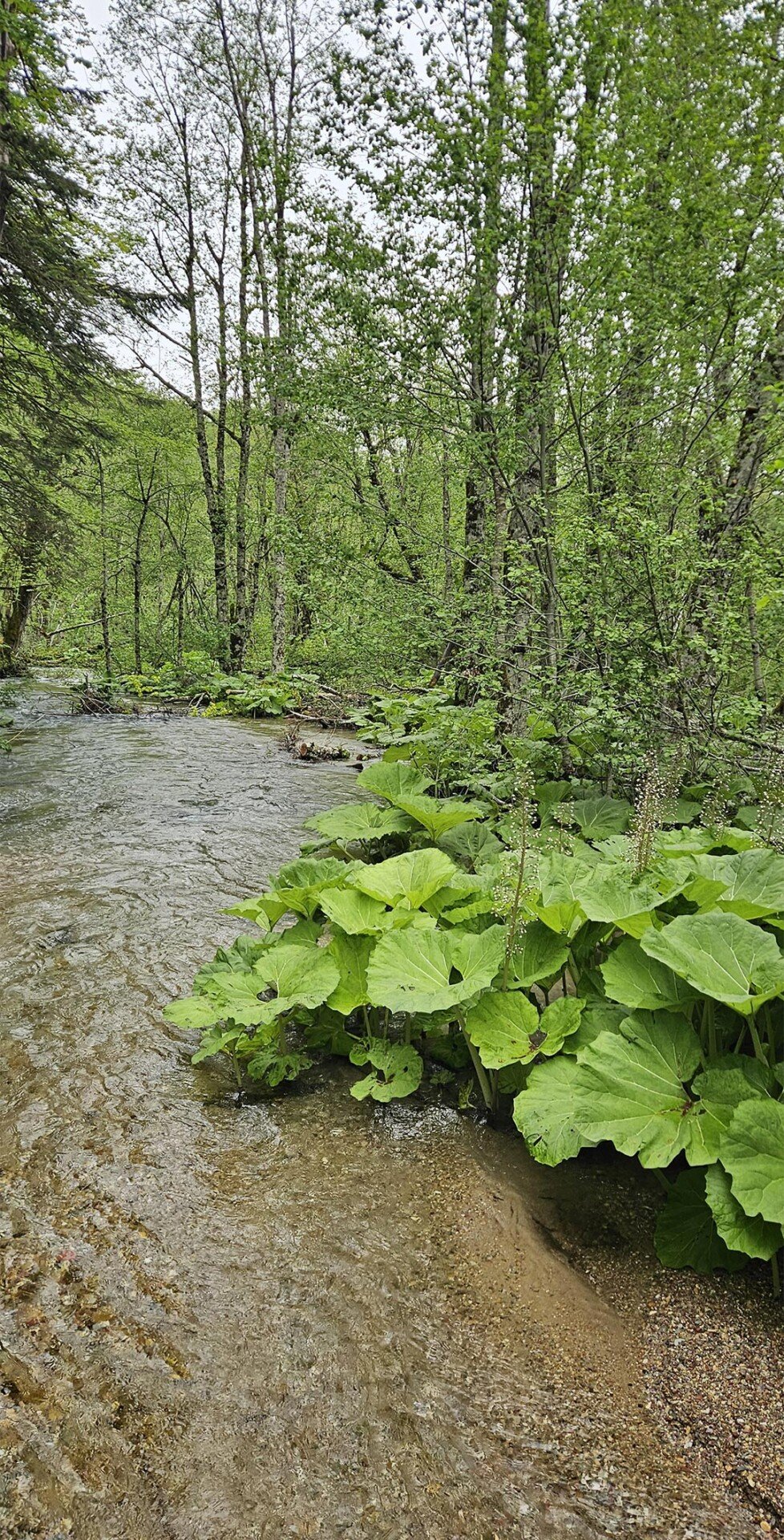
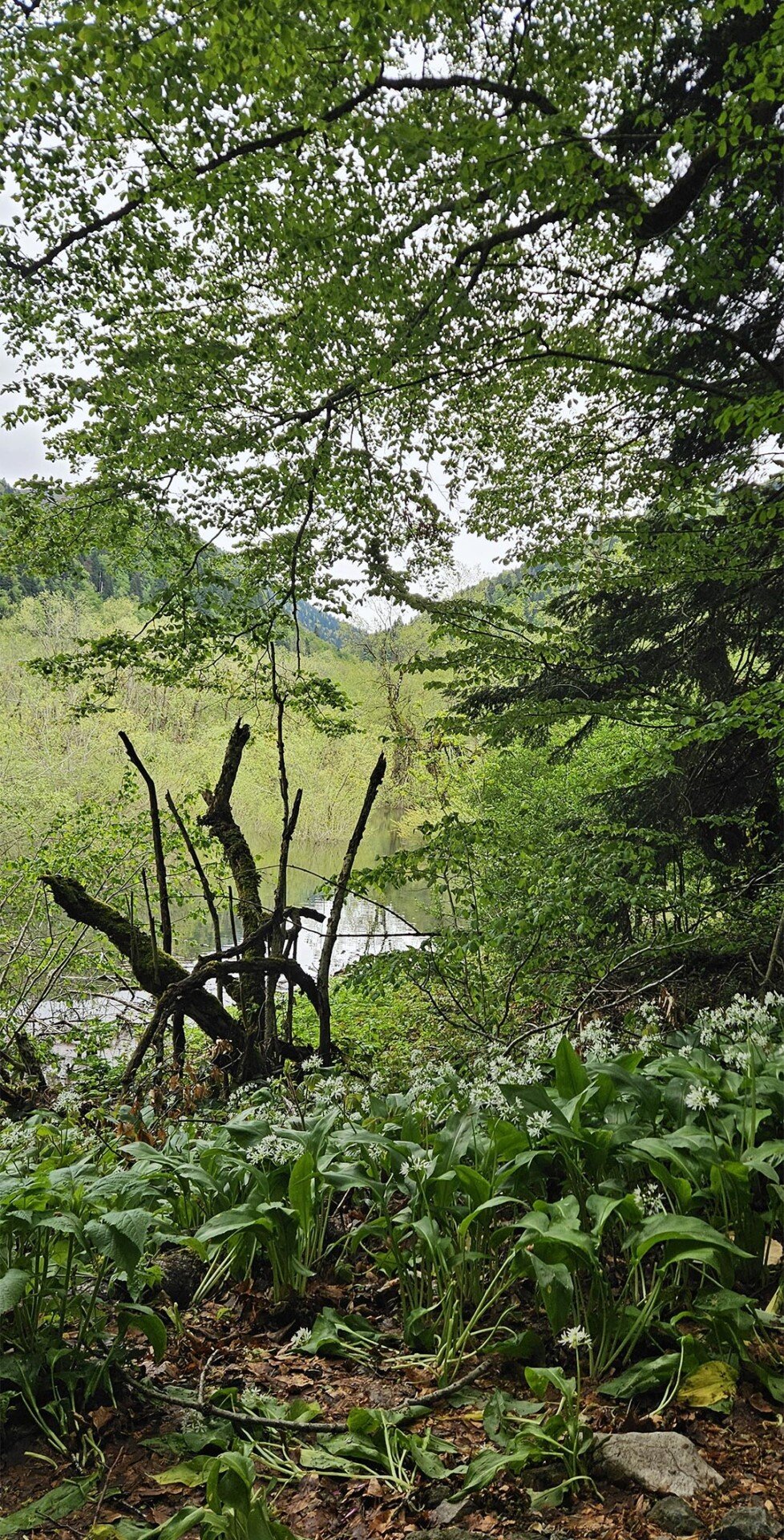
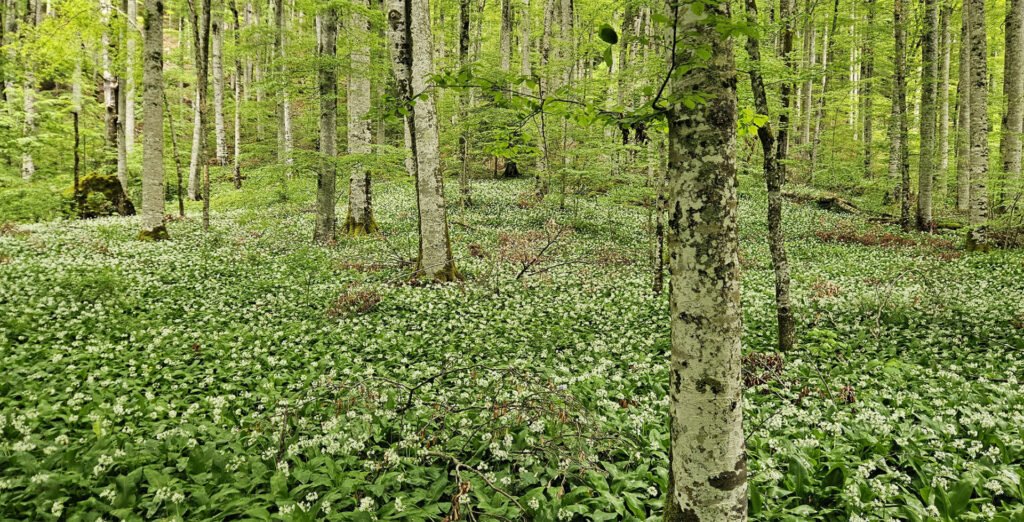
Alder, ash, ferns and large-leaved grasses grow in damp areas around the lake and along rivers. In spring, the forest cover is decorated with thickets of wild garlic, or bear’s onion. Butterbur is also found here, the leaves of which can reach impressive sizes.
Alpine and meadow vegetation
Above the border of continuous forest, subalpine and alpine meadows begin. They grow gentians, bells, lilies, saxifrage, carnations and numerous medicinal plants. Typical species include thyme, St. John’s wort, yarrow and heather plants.
Rare and locally widespread species are of particular conservation value: wulfenia, gentians, club mosses, low-growing mountain pine, Balkan saxifrage species and Rumelian pine. Some plants are relics of colder geological eras and have been preserved on Bjelasitsa due to suitable microclimatic conditions.
Mushrooms
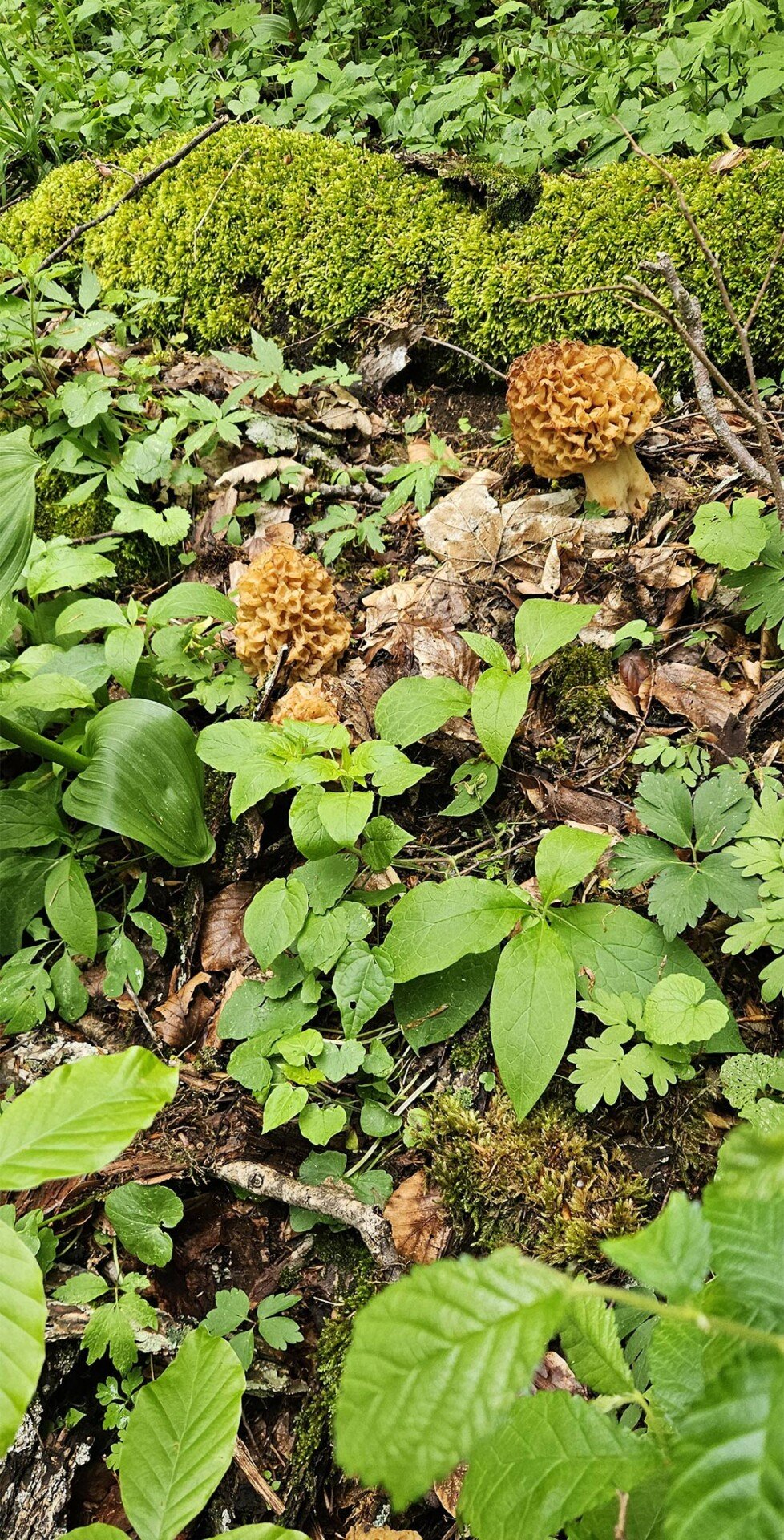
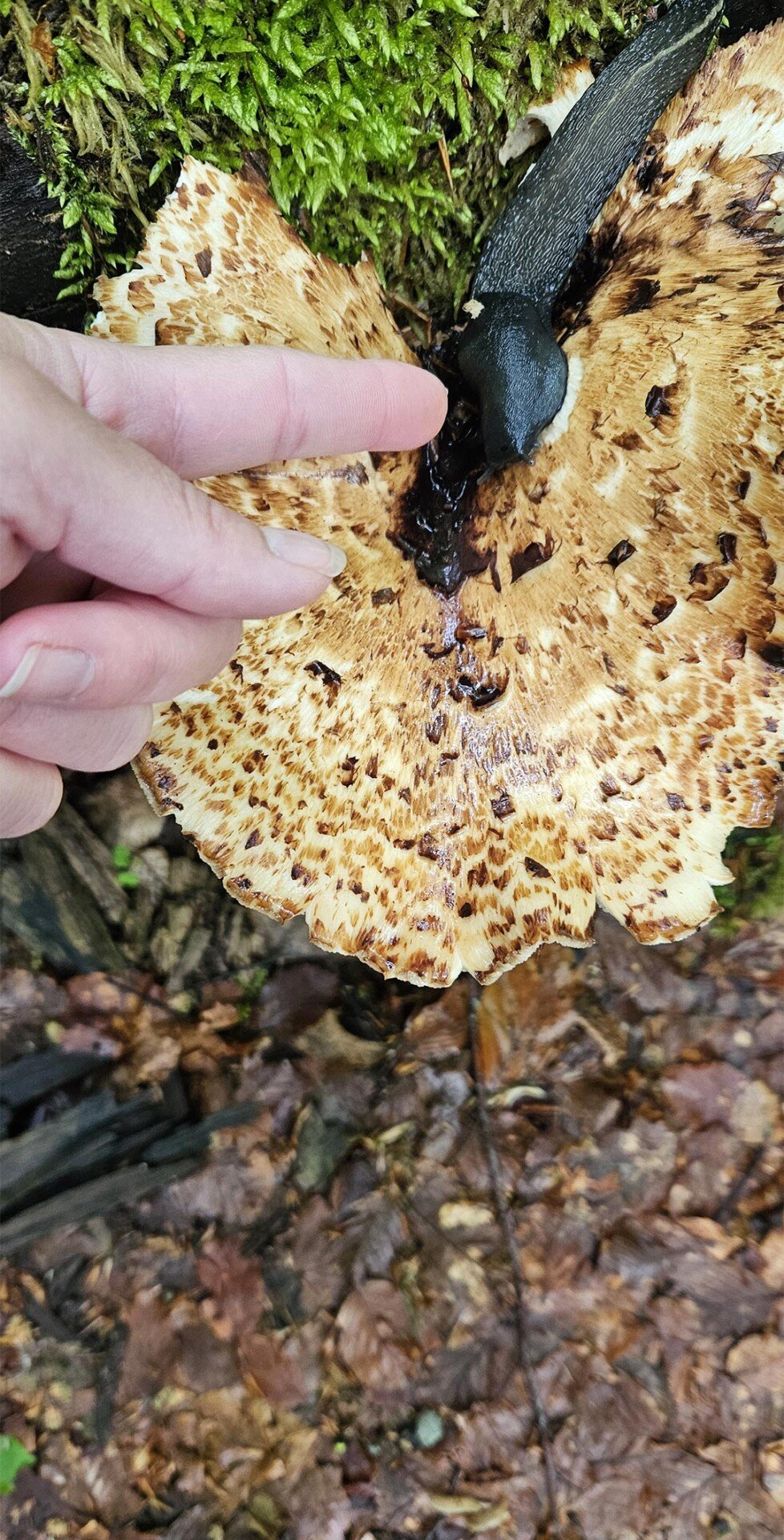
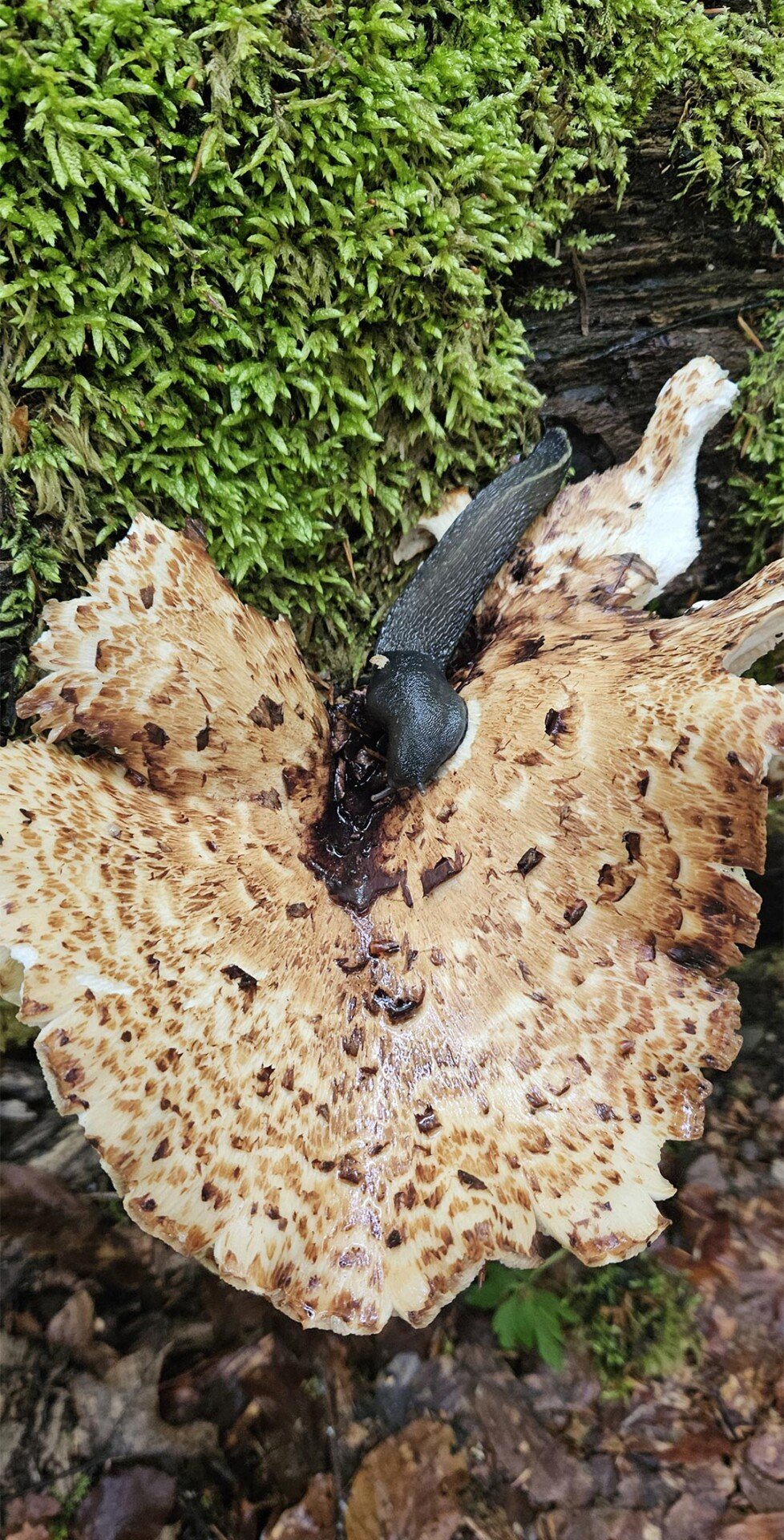
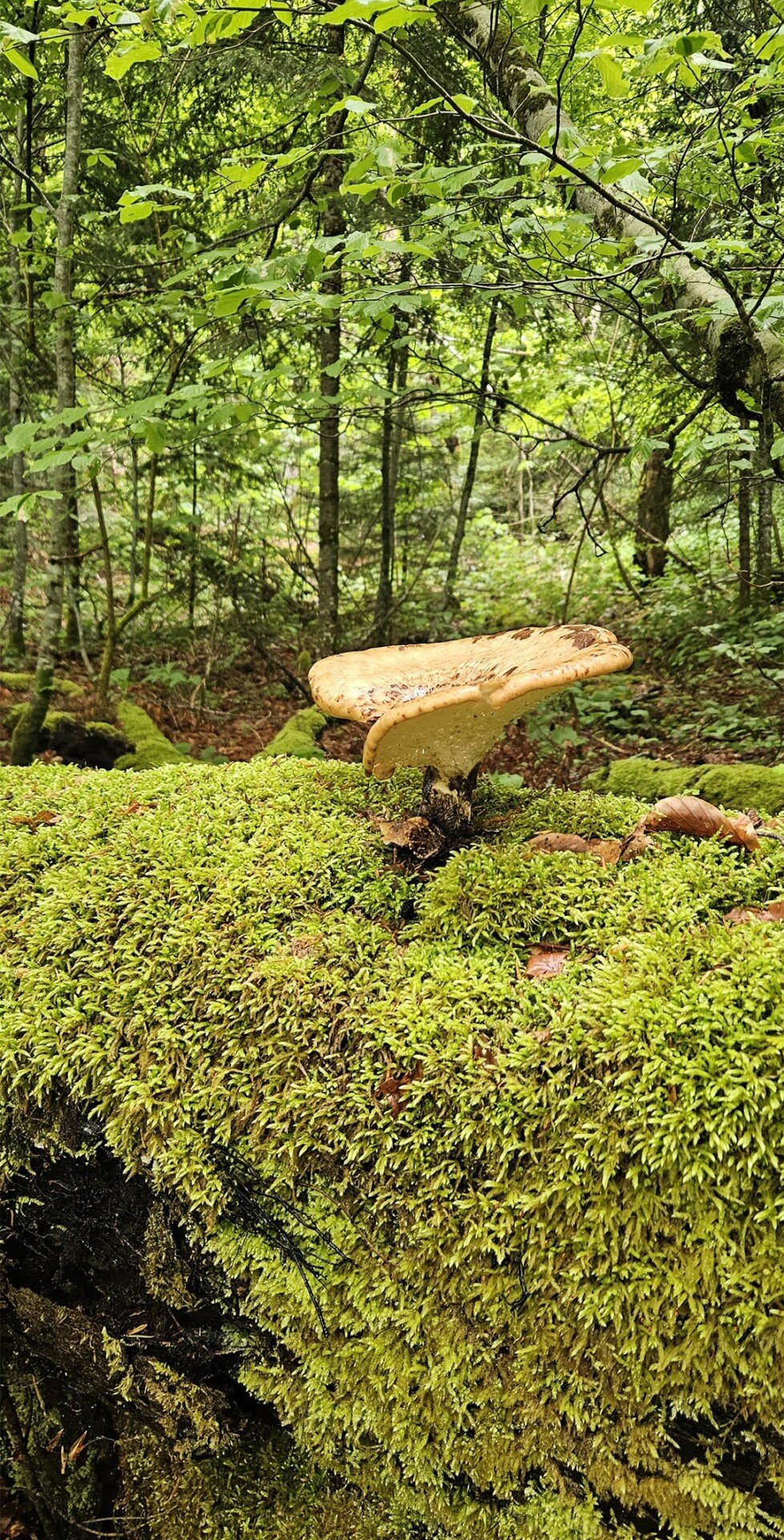
An integral part of the forest ecosystem are mushrooms. More than 700 species have been identified in the national park, including rare and protected at the European level. Fungi participate in the decomposition of wood and forest litter, form symbiotic relationships with plant roots and ensure the natural circulation of substances.
A large number of old, damaged and fallen trees create conditions for the existence of organisms that have practically disappeared from economically used forests. Therefore, the original forest of Biogradska Gora is valuable not only as a collection of ancient trees, but also as an integral system, including fungi, mosses, lichens, invertebrates and soil microorganisms.
Fauna
The diverse landscapes—from lakes and wetlands to dense forests and open highlands—provide habitat for a wide variety of animals. According to UNESCO, 38 mammal species and approximately 200 bird species belonging to 43 families have been confirmed in the park.
Mammals
Large predators include brown bears and wolves. They occupy the upper levels of the food chain and play a vital role in maintaining the natural balance of the ecosystem. The forests are also home to foxes, wild boars, red deer, and roe deer.
Small mammals include squirrels, dormice, hares, moles, shrews, wood mice, and voles. Many of these are invisible to visitors, but they are essential for seed dispersal, soil formation, and food for birds of prey and other mammals.
Birds
The bird population varies depending on the altitude and vegetation type. Tits, warblers, finches, and several species of woodpeckers are common in the forests. Old and hollow trees provide nesting sites for owls, woodpeckers, and other birds dependent on mature forest stands.
Characteristic forest and mountain species include:
- Capercaillie;
- Forest owls;
- Common buzzard;
- Goshawk;
- Peregrine falcon;
- Golden eagle;
- Common kestrel;
- Snow sparrow;
- Alpine accentor.
The highest peaks of Belasitsa serve as habitat for birds adapted to cold climates and open, rocky areas. Its significant species diversity has led to the recognition of Belasitsa as an Important Bird Area of International Importance for bird conservation.
Amphibians, Reptiles, and Invertebrates
The lakes, streams, and damp forest areas are inhabited by frogs, newts, and other amphibians. The spotted salamander, especially active after rain, can be found in the forest. Reptiles include lizards, water snakes, and other snakes.
Of particular conservation interest is the meadow viper (Vipera ursinii), a rare species associated primarily with high-mountain meadows. The park also boasts a rich invertebrate fauna: numerous beetles, butterflies, dipterans, mollusks, and aquatic insect larvae inhabit the park. The entomofauna is characterized by a high proportion of endemic species.
Biogradsko Lake
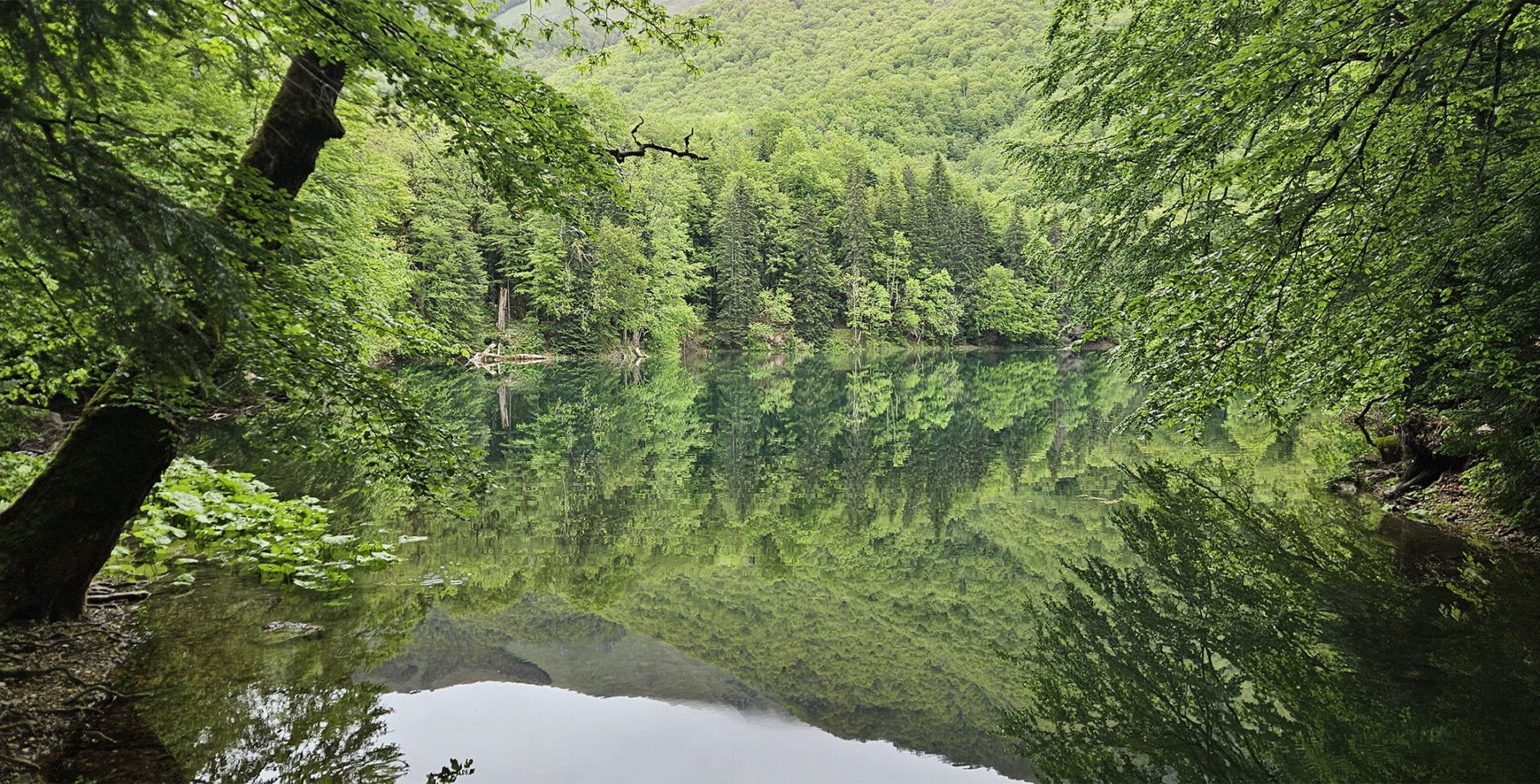
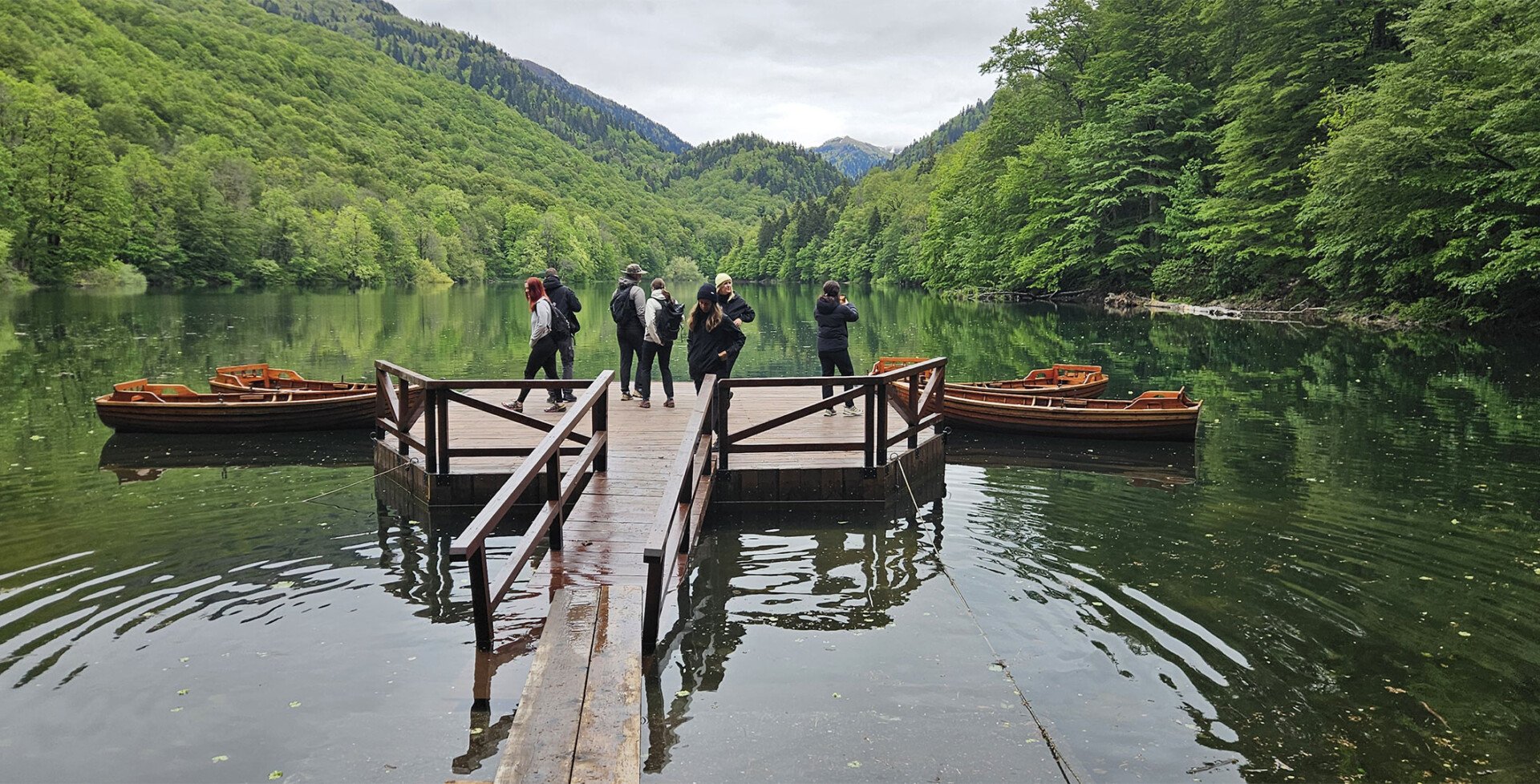
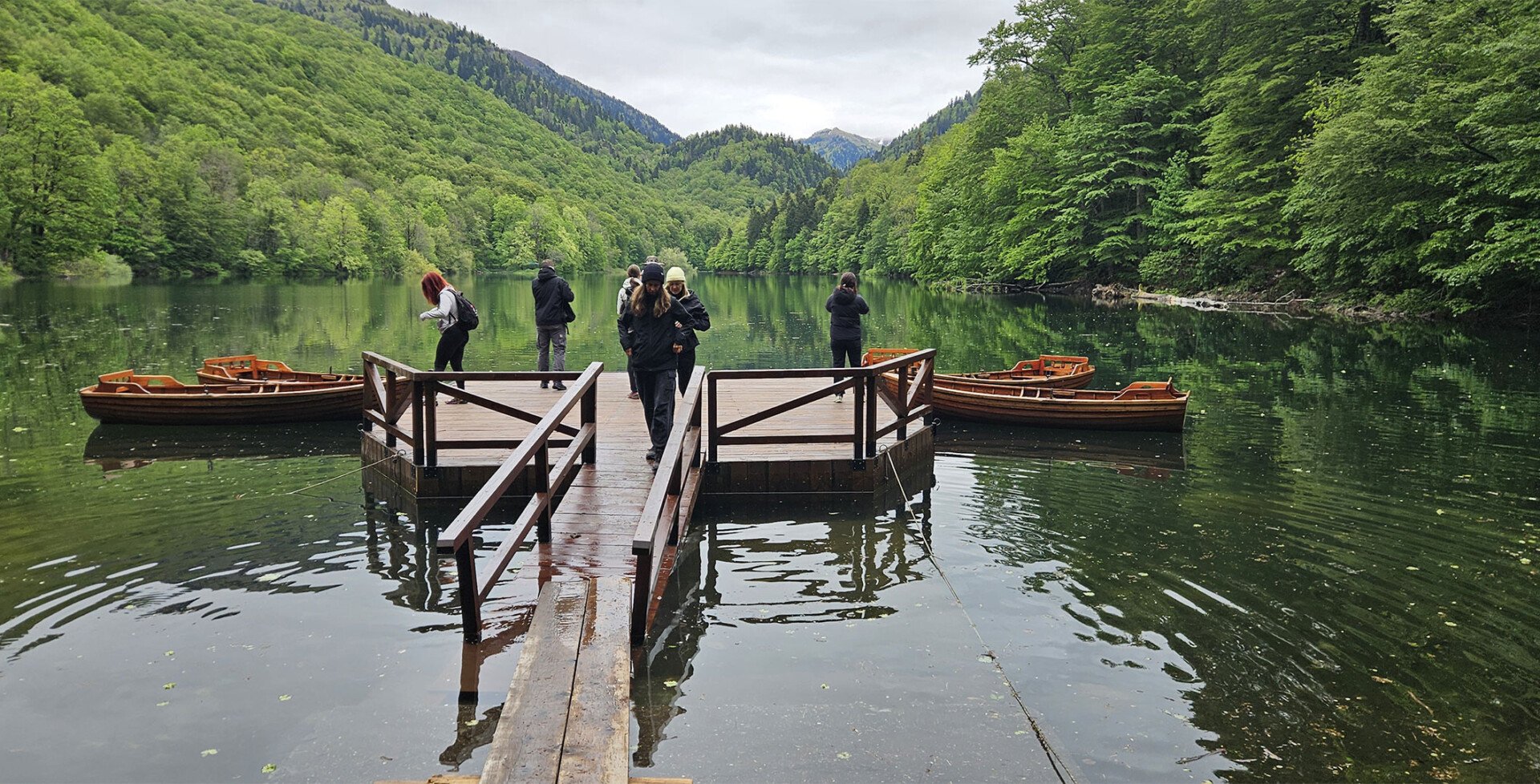
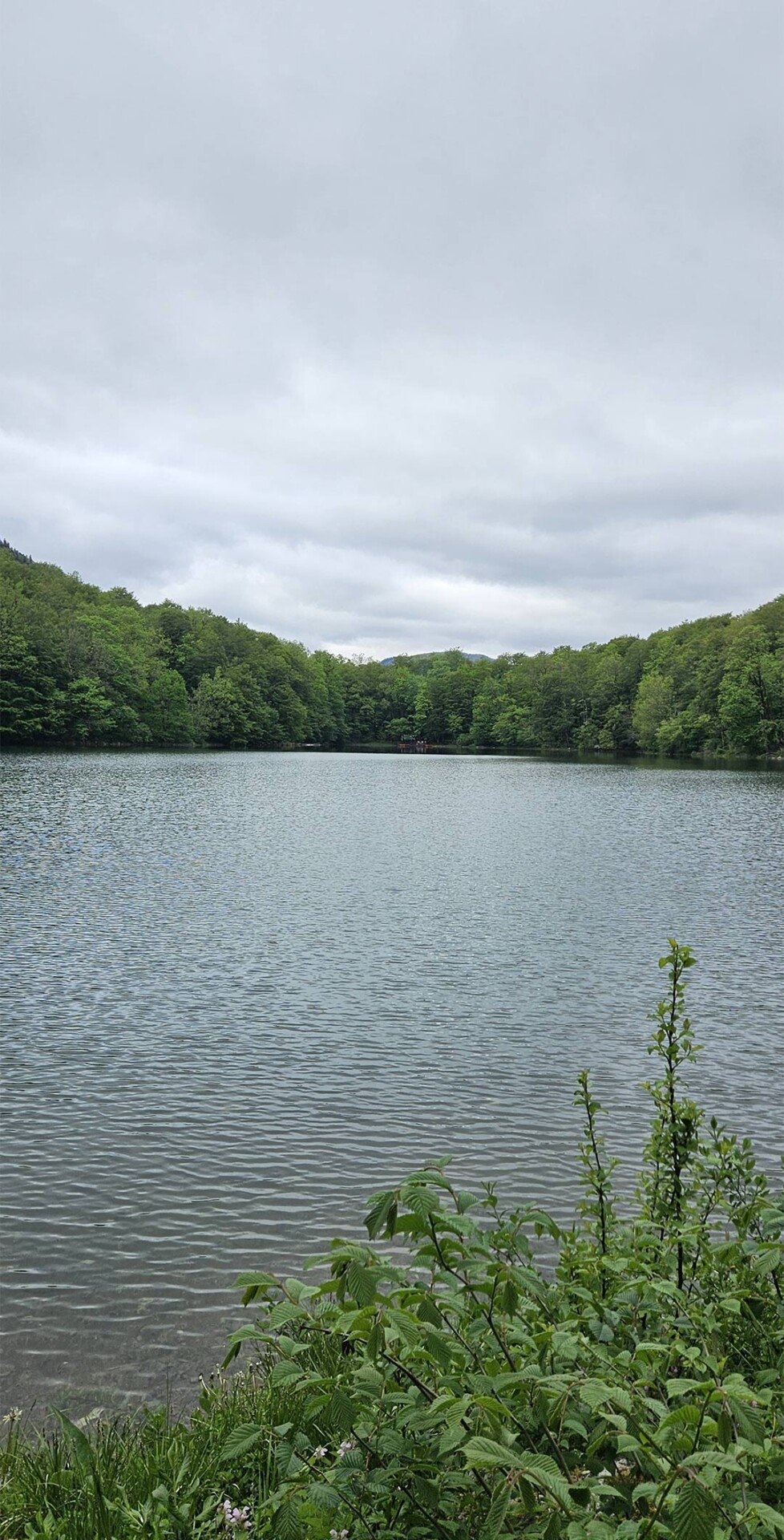
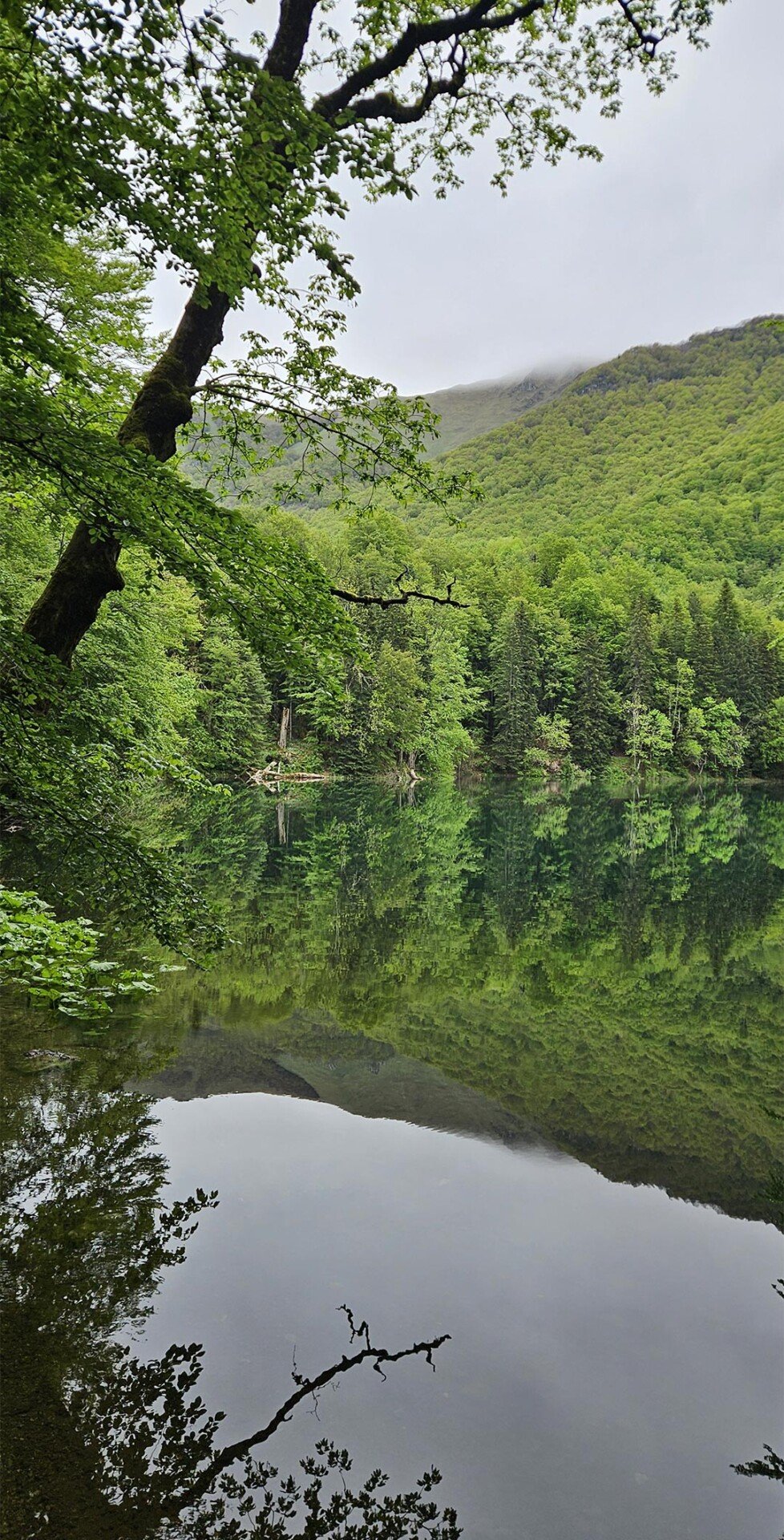
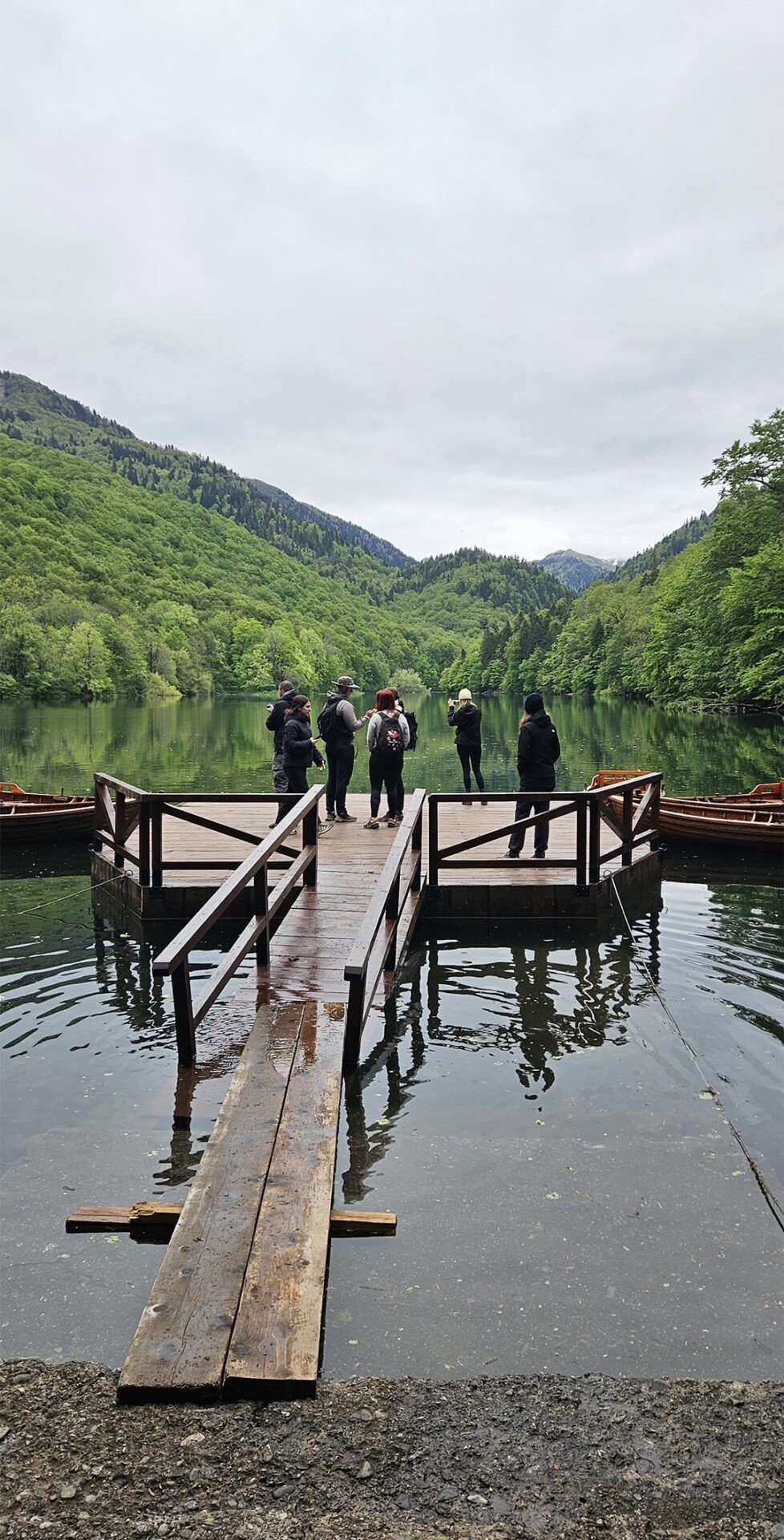
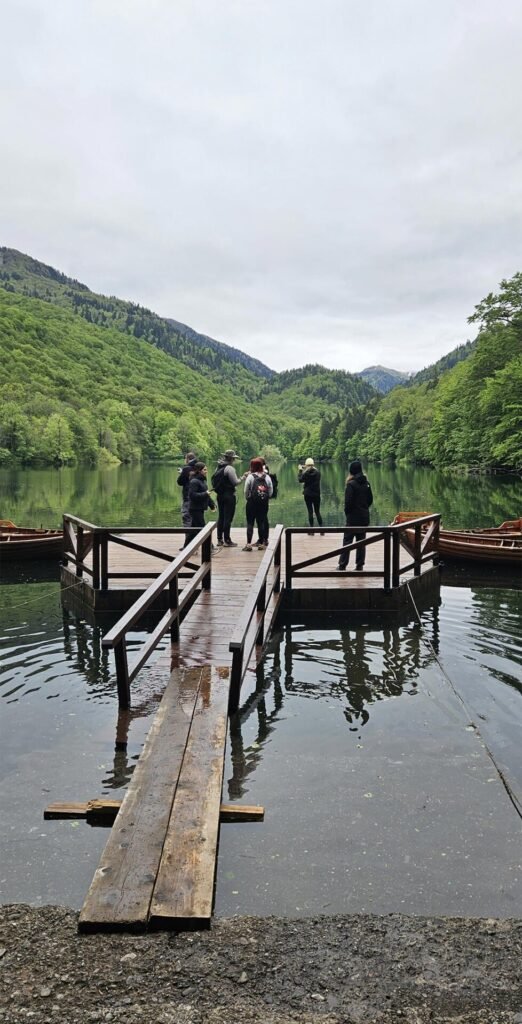
Biogradsko Lake, or Biogradsko Jezero, is located in the central part of the national park at an altitude of 1,094 meters above sea level. It lies in a deep forest basin and is surrounded on all sides by virgin forest. Thanks to its calm waters and dense vegetation, the lake often resembles a natural mirror, reflecting the trees and slopes of Belasitsa.
The lake is of glacial origin. During the last glaciation, a glacier moved through the valley, deepening it and transporting debris. After the ice retreated, a terminal moraine blocked the valley, forming a natural dam. Water gradually accumulated in the resulting depression.
At high water levels, the lake covers an area of approximately 228,500 square meters, or approximately 22.85 hectares. Its length reaches approximately 875 meters, its maximum width is approximately 410 meters, and its shoreline extends for approximately 3.3 kilometers. Its greatest depth is approximately 12 meters, and its water volume exceeds one million cubic meters. The size and shape of the lake can vary slightly depending on the season and precipitation.
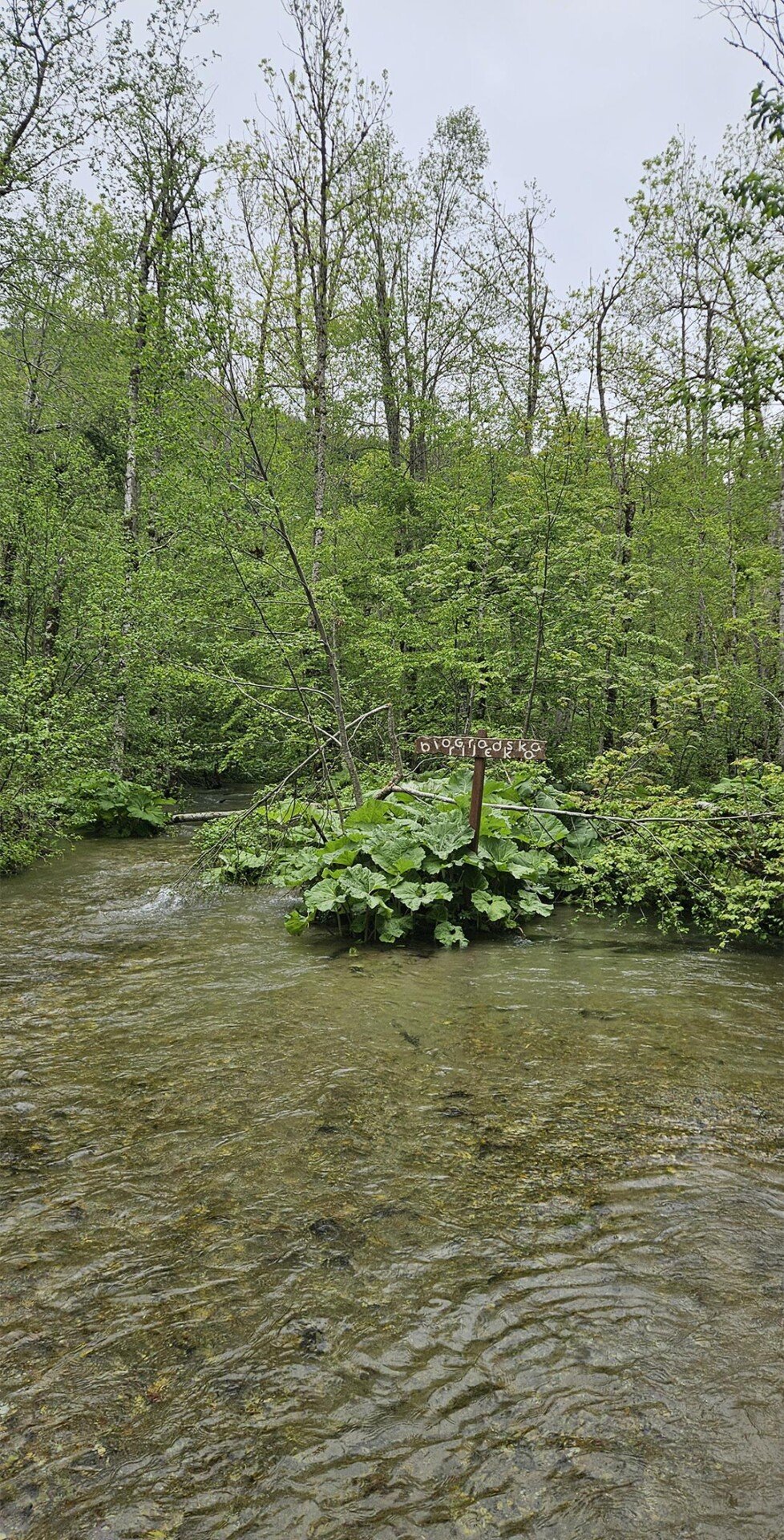
The lake is fed primarily by the Biogradska River, as well as smaller permanent and temporary streams. The Jezerščica River flows out of the lake and then into the Tara. Thus, Lake Biogradsko is part of a unified hydrological system and depends on the state of the entire surrounding drainage basin.
At the mouth of the Biogradska River, a wide, humid delta with dense woody and herbaceous vegetation forms. These areas act as a natural filter: they retain some sediment, provide shelter for amphibians, aquatic invertebrates, and birds, and connect the lake ecosystem with the surrounding forest.
Three native fish species are found in the lake: brook trout (Salmo trutta fario), common minnow (Phoxinus phoxinus), and bullhead (Cottus gobio). In addition to fish, the lake and its coastal zone are home to frogs, newts, water snakes, mollusks, small crustaceans, leeches, and insect larvae.
The lake’s ecological significance extends far beyond its borders. It regulates the local water regime, maintains increased humidity in the surrounding forest, and creates a unique microclimate. The interaction of water, marshy shores, and old-growth forest creates a complex habitat complex, in which even slight changes in water level can affect the flora and fauna.
Conservation Importance
Biogradska Gora is a rare example of a site where a virtually complete sequence of mountain ecosystems has been preserved within a small area—from river valleys and rainforests to subalpine meadows and high-mountain lakes. The continuity of natural processes in the virgin forest reserve is particularly important: trees undergo a complete life cycle here, and fallen timber remains part of the ecosystem.
The park fulfills several conservation functions. It preserves the genetic diversity of forest species, protects the habitats of endemic and rare species, maintains the water regime of the Tara River basin, and serves as a natural scientific laboratory for the study of old-growth European forests.
At the same time, Biogradska Gora remains vulnerable. The mountain lakes are sensitive to changes in precipitation, rising temperatures, and disturbance of catchment areas. Old forests are slow to recover from severe damage, and excessive recreational use can lead to trampling of vegetation, soil erosion, and disturbance of animals. Therefore, preserving the park requires a combination of strict protection of the most valuable areas, scientific monitoring, and responsible nature tourism.
Заключение
Biogradska Gora National Park is more than just a picturesque mountain landscape; it is a complex natural system that has evolved over millennia. Its virgin forest preserves the structure of ancient European forests, its high-mountain meadows boast a wealth of endemic plants, and its glacial lakes bear witness to Bjelasica’s geological past.
Biogradsko Lake remains the park’s central symbol. Surrounded by centuries-old trees, it unites the area’s fundamental natural elements—water, forest, mountainous terrain, and abundant wildlife. The history of its conservation, which began in the 19th century, demonstrates that the value of Biogradska Gora was recognized long before the formation of modern environmental policy. Today, this national park is one of Montenegro’s most important natural heritage sites and a significant example of a preserved mountain forest ecosystem in Europe.