

Trip to Bosnia and Herzegovina, April 24–26, 2026
The first day of this short trip was more than just a transfer from Montenegro to Bosnia and Herzegovina, but a true journey through different landscapes and eras. From coastal Bar, the road leads through the Nikšić Mountains, bordering Herzegovina, tranquil Trebinje, the vast Bilečko Lake, ancient Stolac—and ends in Mostar, the city of the famous Old Bridge over the emerald Neretva River.
Day’s Route: Bar – Nikšić – Slano Lake – Klobuk Checkpoint – Trebinje – Bilečko Lake – Stolac – Mostar.
Morning: Bar – Nikšić and a Panoramic View of Slano Lake
We left Bar early in the morning, while the Adriatic was still shrouded in a soft haze. The further the road traveled from the coast, the more noticeably the landscape changed: the sea green gave way to rugged karst, rocky slopes, and spacious highland plateaus.
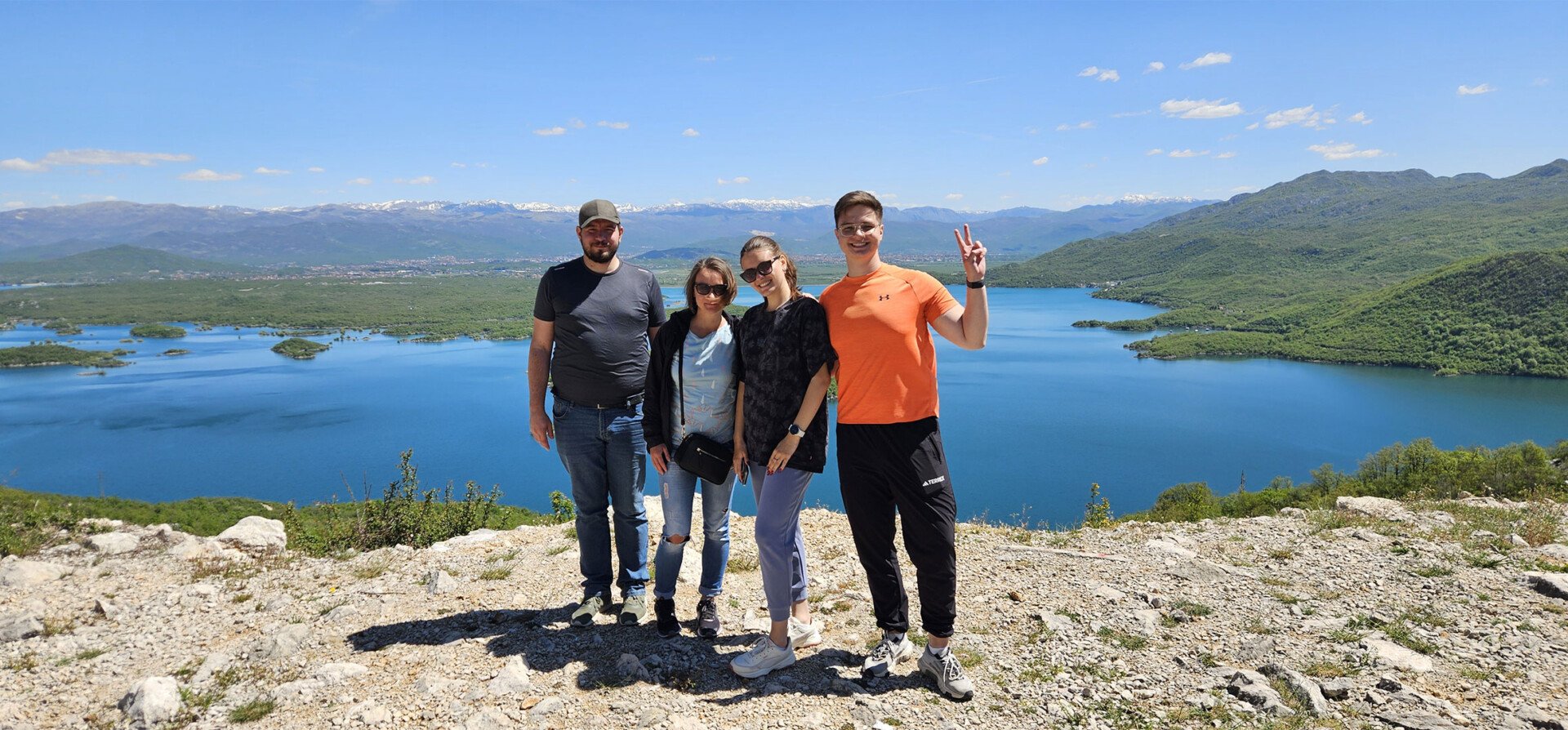
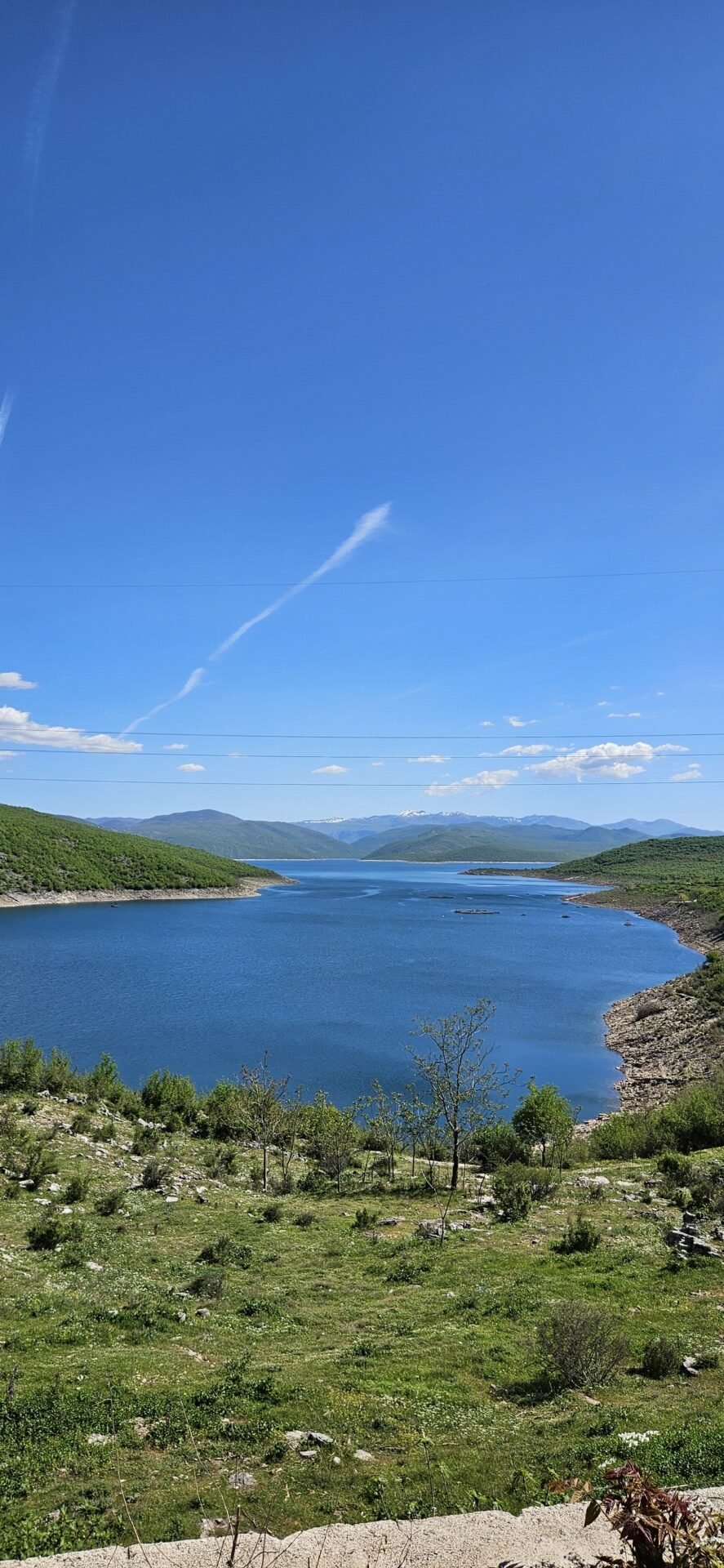
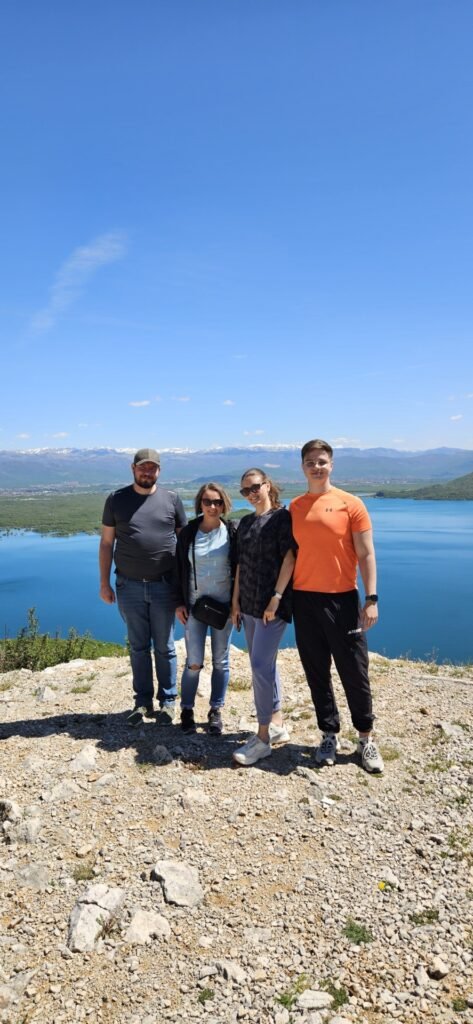
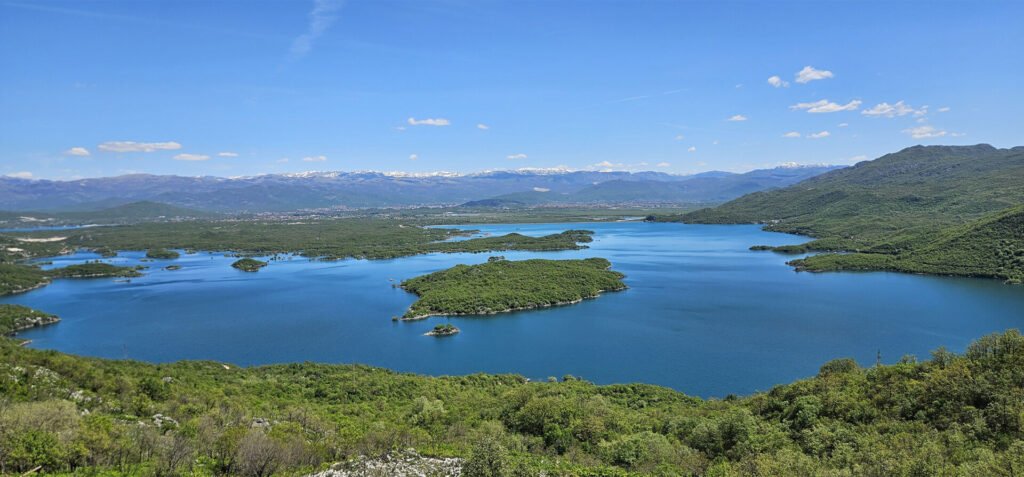
After Nikšić, a particularly memorable stop was at Slano Lake. It looks like a natural part of the mountain landscape, although it is actually an artificial reservoir. The lake was created in the mid-20th century to power the Perućica hydroelectric power station. Its shoreline is heavily indented, and small islands and light limestone shores are visible in the water.
The name “Slano” translates as “salty.” According to local legend, caravans carrying salt from the coast once passed through this field; some of the goods spilled along the way, and the land was named Slano Polje. A more prosaic explanation relates to the brackish springs and water from karst caves. Today, it is a quiet spot, especially pleasant for a short break, a coffee from a thermos, and watching the wind change the color of the water. Slano Jezero is a good example of how an engineering structure can become part of the landscape and an almost inseparable part of the local environment: the Nikšić Field reservoirs are important for both energy and migratory birds.
Border: Klobuk – Ilino Brdo
The next important point on the route is the Klobuk border crossing, connected to the Montenegrin border crossing of Ilino Brdo. This is one of the international road crossings between Montenegro and Bosnia and Herzegovina, located on the road towards Trebinje.
Here, the transition from one country to another is especially noticeable: road signs, currency, the language of announcements, and the very atmosphere change. Beyond the border, Eastern Herzegovina begins—a land of limestone, vineyards, old stone houses, and rare Mediterranean light.
Even if the crossing is usually peaceful, it’s worth allowing some extra time during the trip: queues and entry regulations are subject to change.
Trebinje: A Grocery Stop and First Encounter with Herzegovina
After the border, the road leads to Trebinje, one of the most pleasant and sunniest cities in Bosnia and Herzegovina. A short, practical stop at Lidl was planned: to buy water, fruit, some travel essentials, and some supplies for the following days.
But Trebinje is a city where even a simple grocery stop easily turns into a stroll. Its old center grew around the Trebišnjica River and retains traces of the Ottoman period: narrow streets, stone walls, mosques, plane trees, and bridges.
The city’s main symbol is the Arslanagić, or Perović, Bridge. It was built in 1574 as a waqf for Grand Vizier Mehmed Paša Sokolović. In the 20th century, the bridge was flooded during the construction of the Trebišnjica hydroelectric system: it was dismantled stone by stone and later rebuilt in a new location. This is an almost unbelievable story of how a monument was saved—the bridge was literally moved, preserving its shape and stone form.
Even a short stop in Trebinje gives a sense of the region’s character: here the Balkans meet the Mediterranean, and everyday city life takes place amid centuries-old architecture.
Lunch at Bilečko Lake: Restaurant Jezero
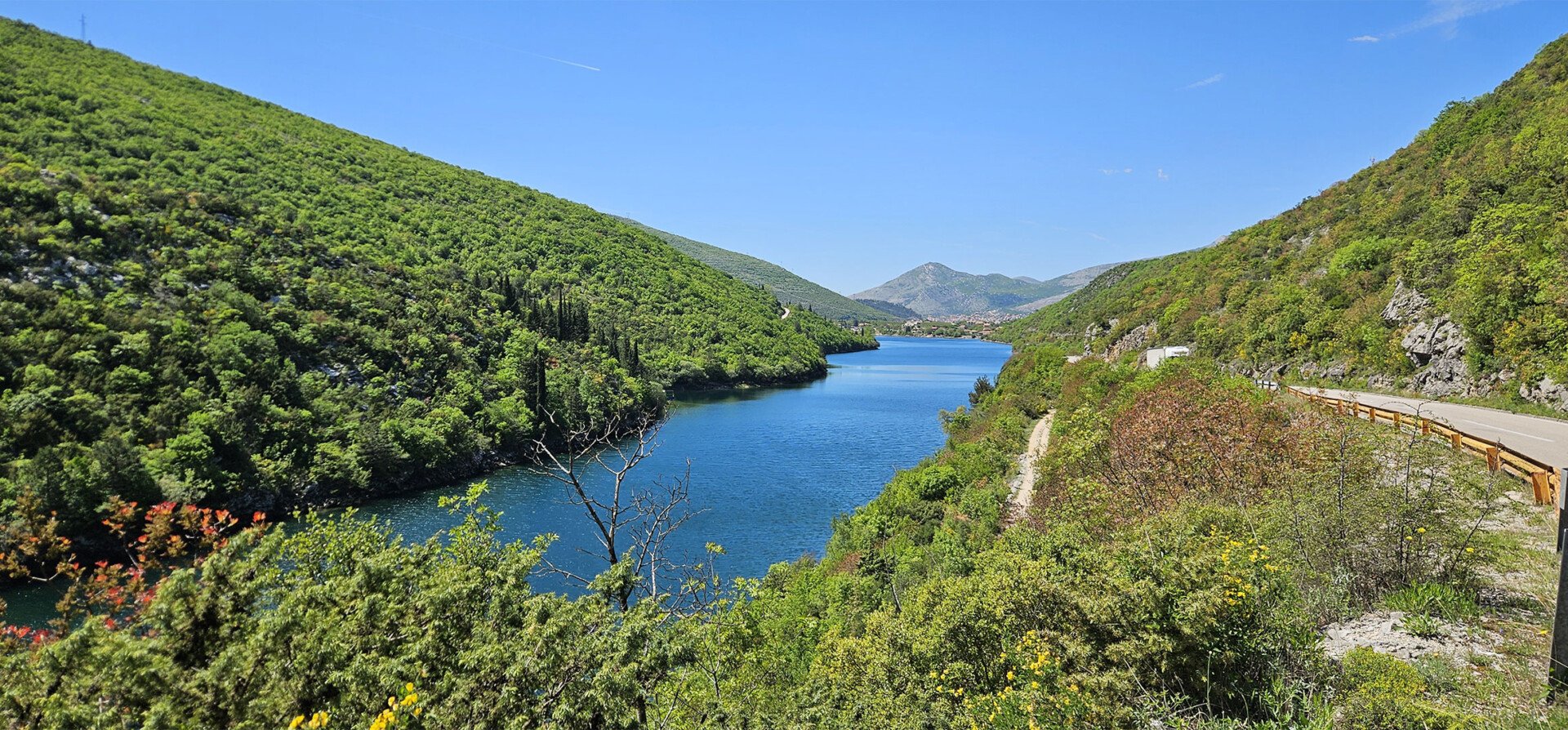
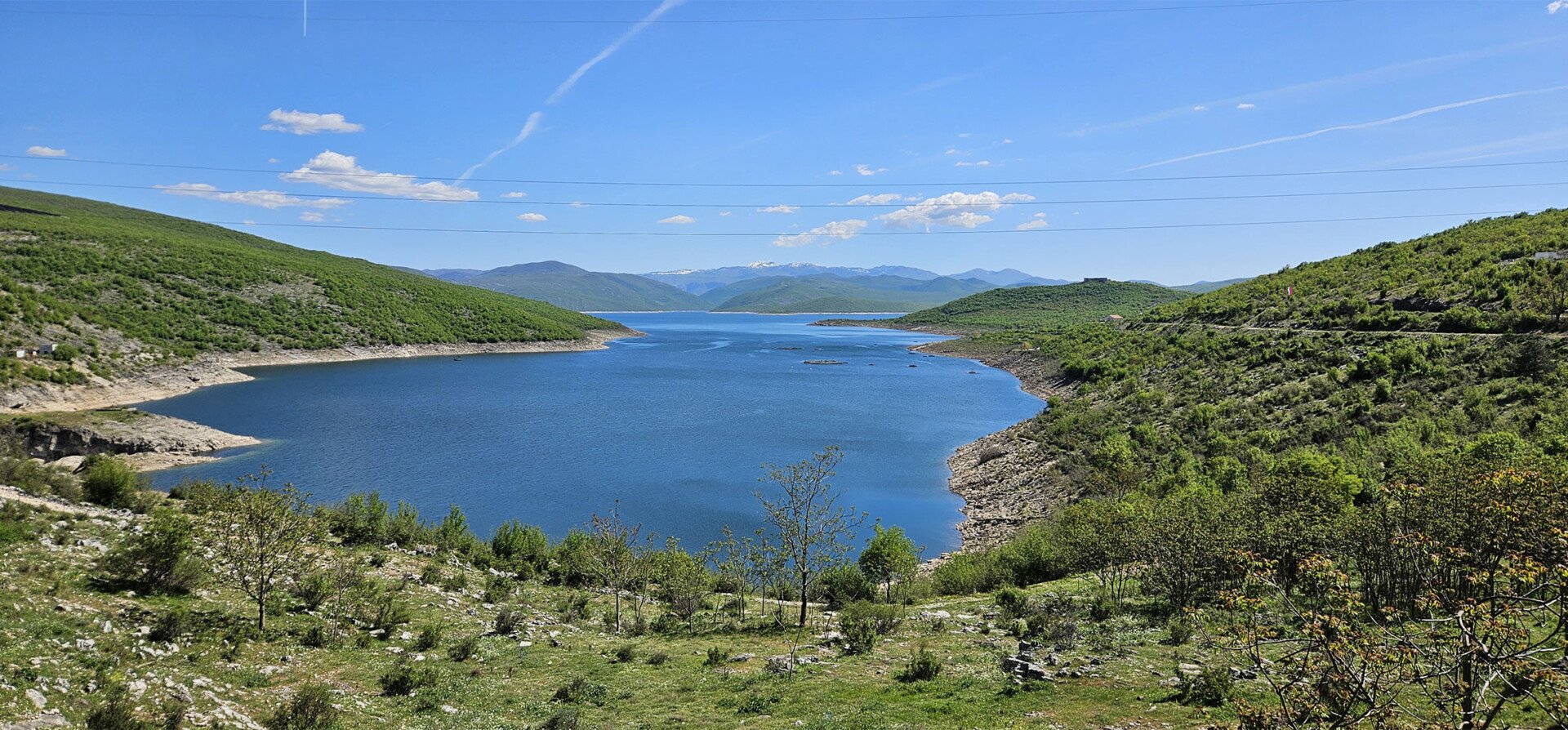
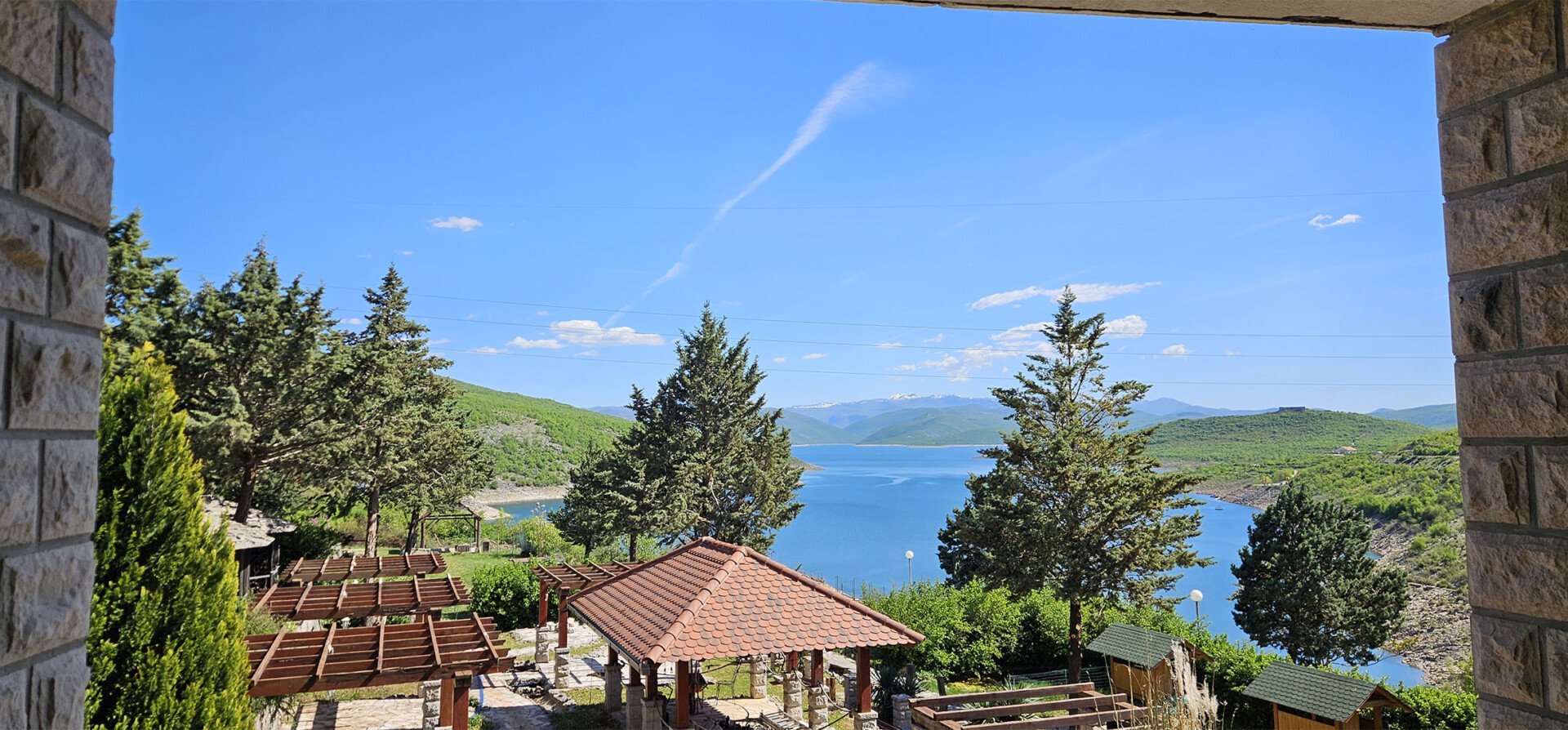
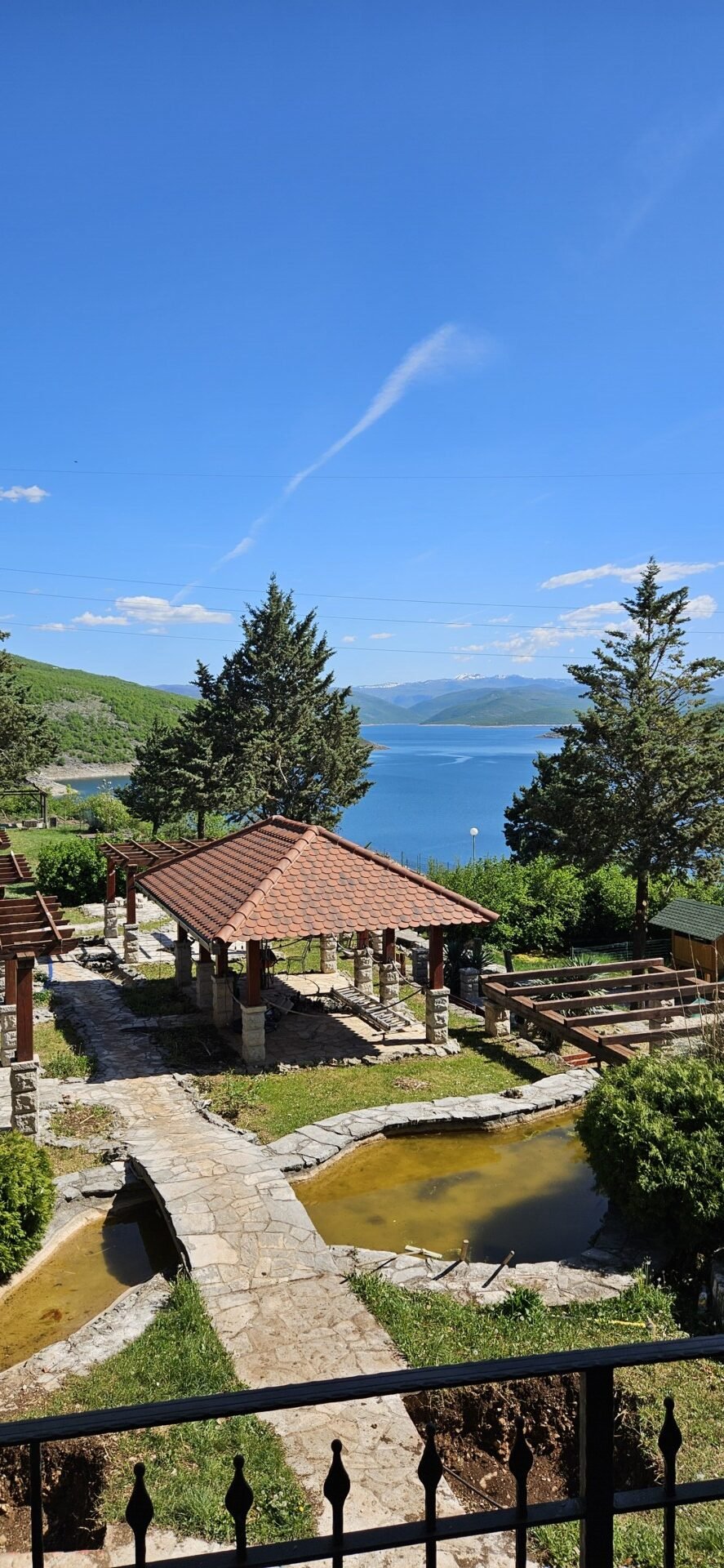
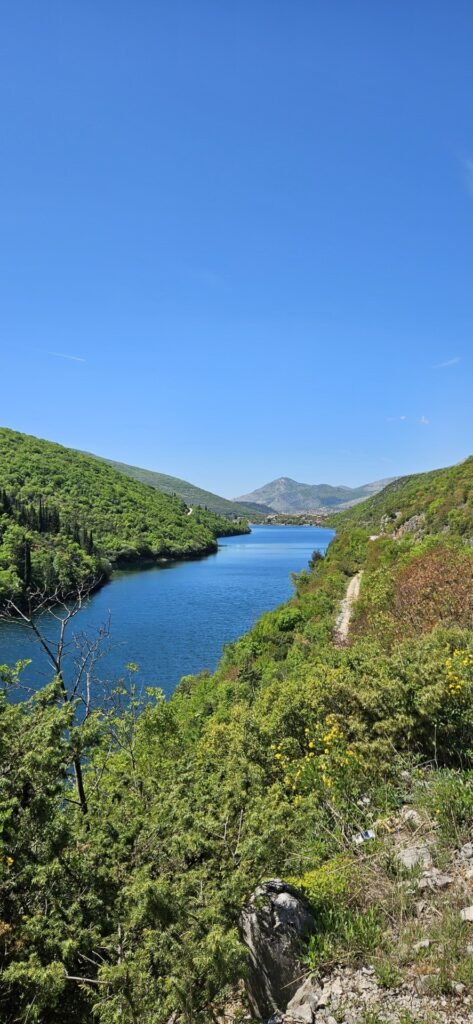
The route continues to Bilečko Lake, where lunch was planned at the Jezero Restaurant overlooking the water. After the mountain road, this is a particularly opportune stop: you can take a breather, have a quiet lunch, and gaze at the vast expanse of the lake, wedged between the hills of Herzegovina.
Bilečko Lake is not natural, but man-made. It was created in the 1960s after the construction of the Grančarevo Dam on the Trebišnjica River and became part of a major hydroelectric system in the region. The lake is considered one of the largest and deepest artificial reservoirs in Bosnia and Herzegovina.
There’s a certain contrast here: on the one hand, the almost wild beauty of karst cliffs and clear water is before your eyes; on the other, the lake reminds you how radically humans can change the landscape. Former valleys, roads, and sections of the old Trebišnjica riverbed are now underwater.
Lunch at a restaurant with a panoramic view of Bilečko Lake is more than just a gastronomic break. It’s that moment in the journey when the route ceases to be a list of points on a map and becomes a restful experience.
Radimilja: A Stone Book of the Middle Ages
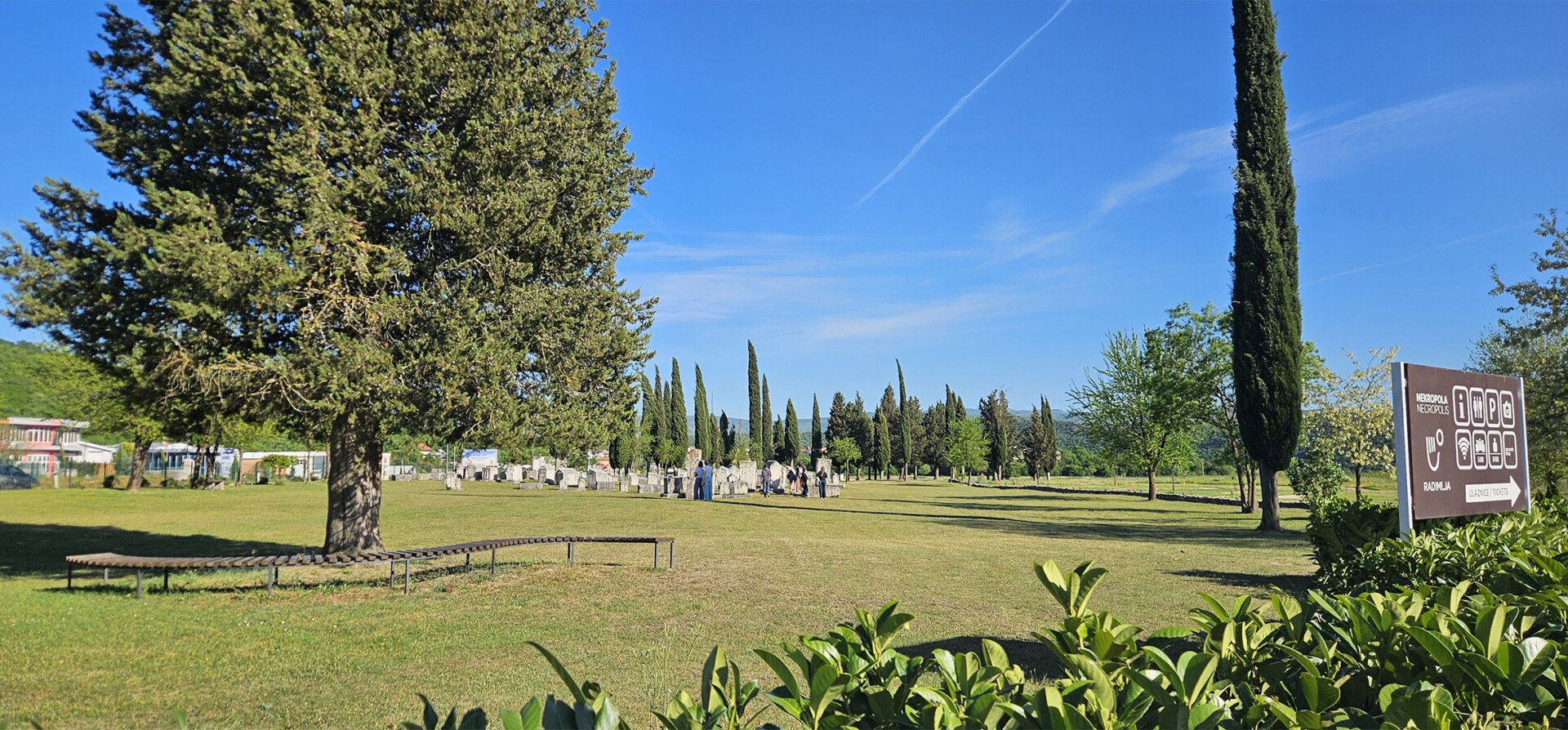
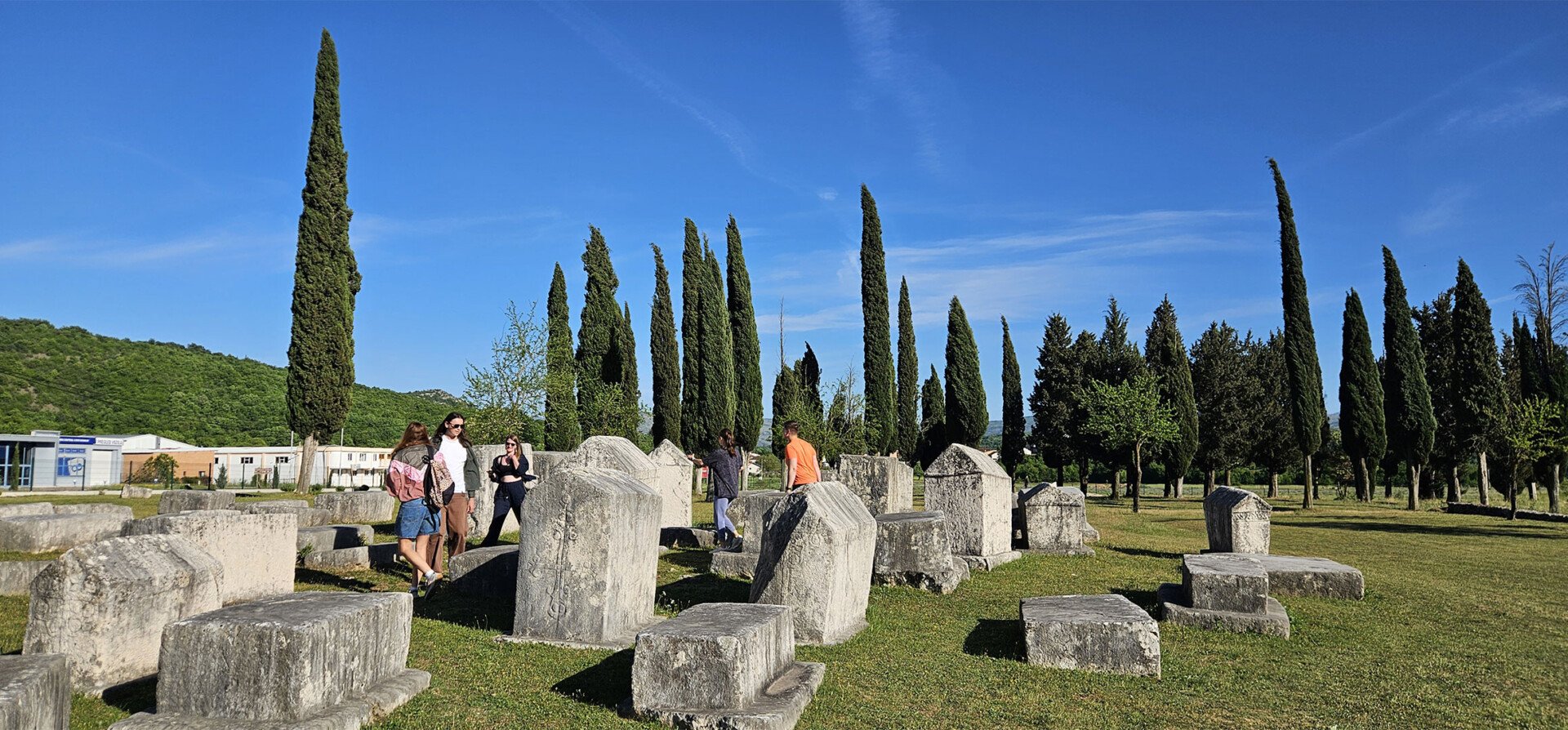
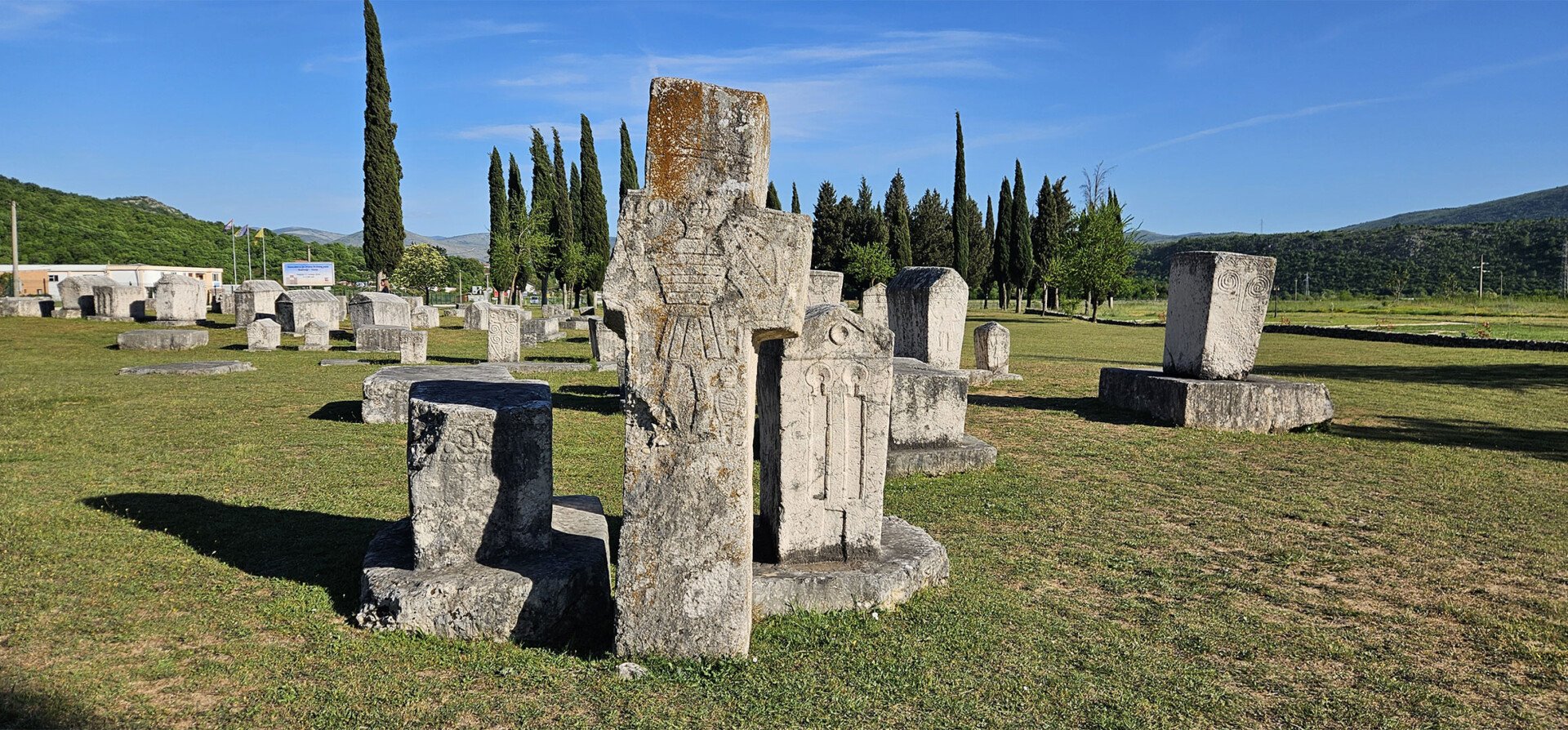
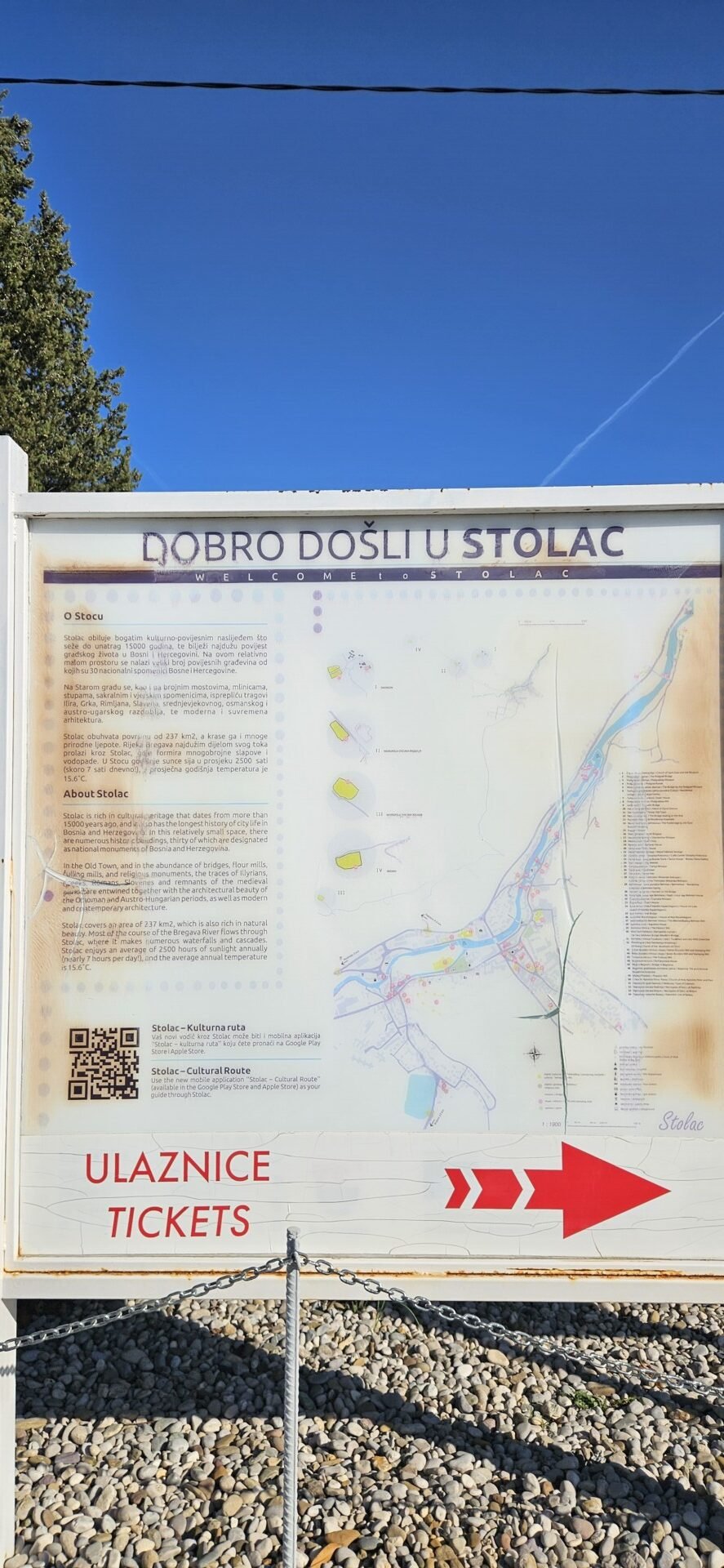
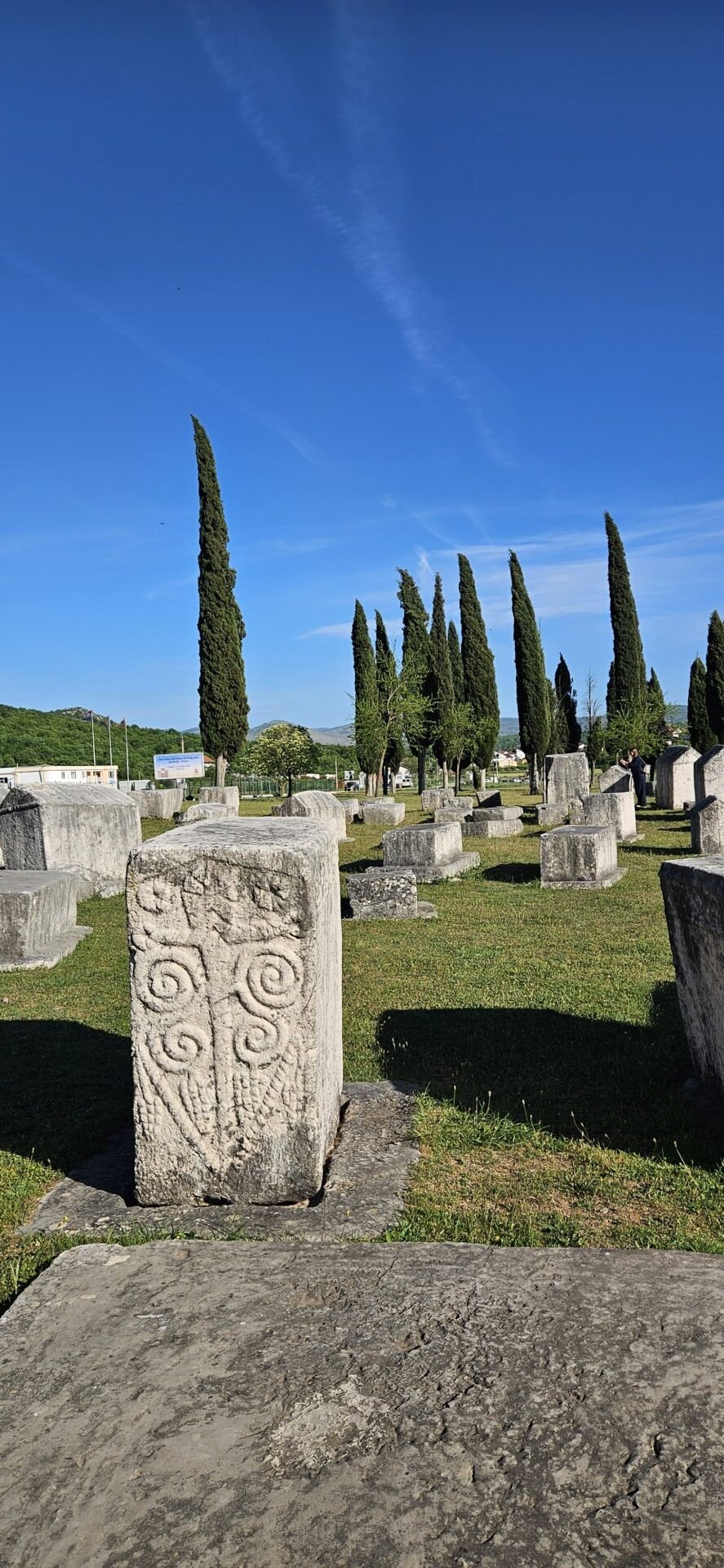
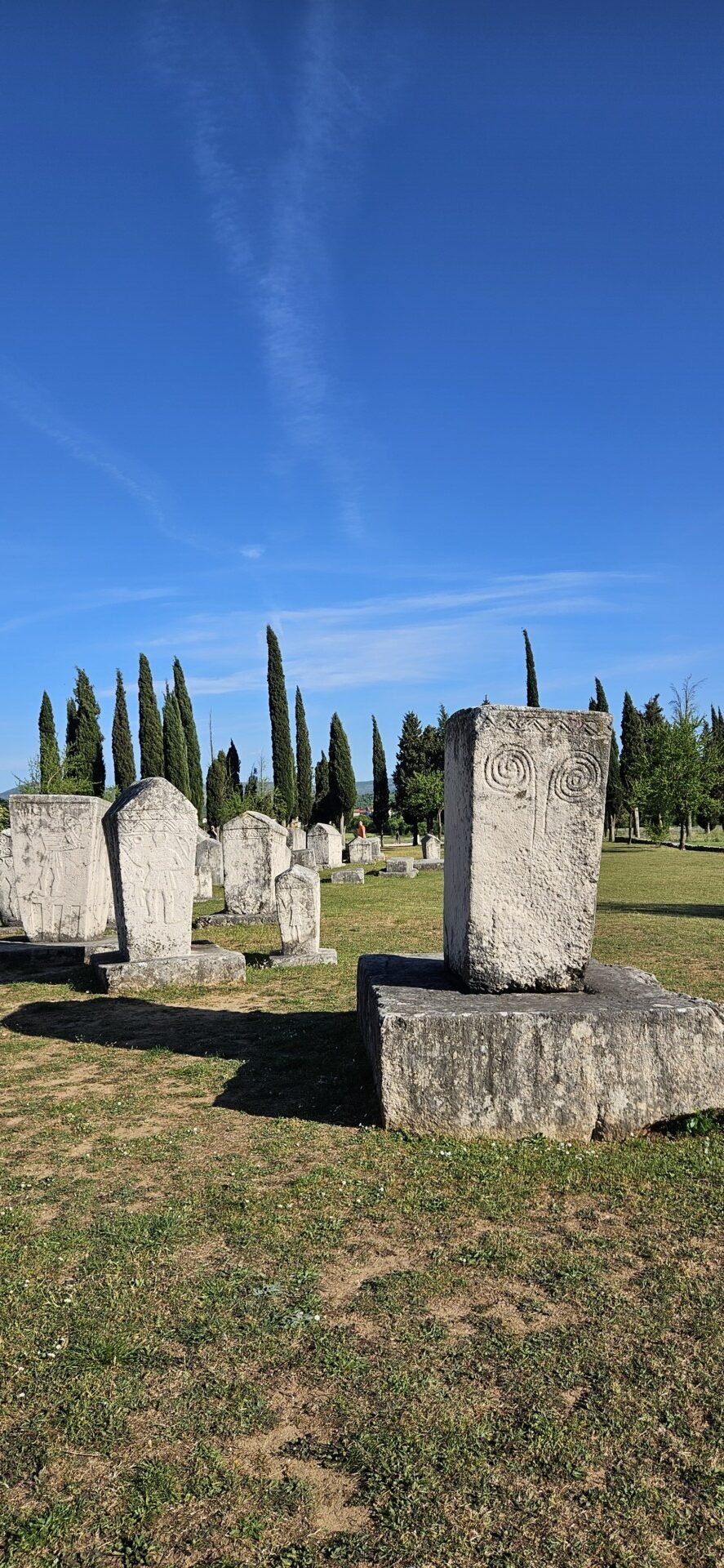
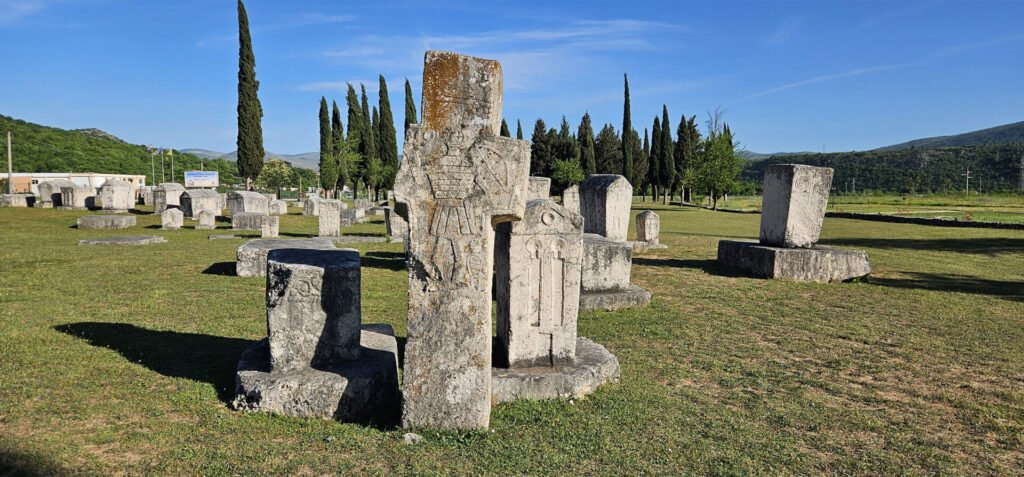
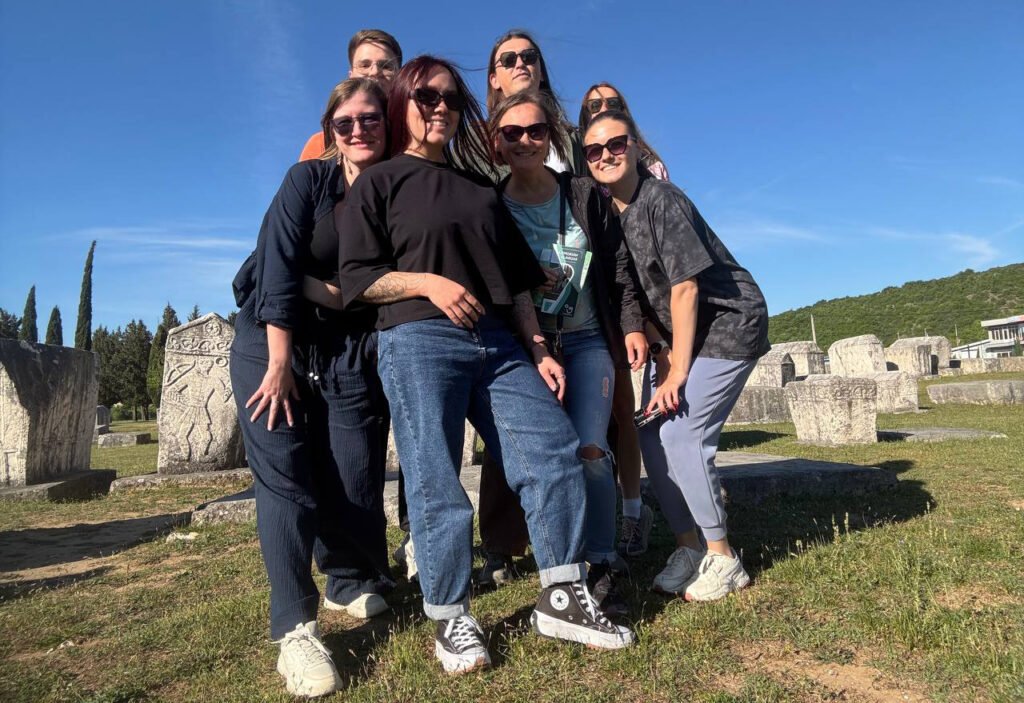
After lunch, the journey leads us to Stolac, one of Herzegovina’s most powerful historical sites—the Radimilja necropolis.
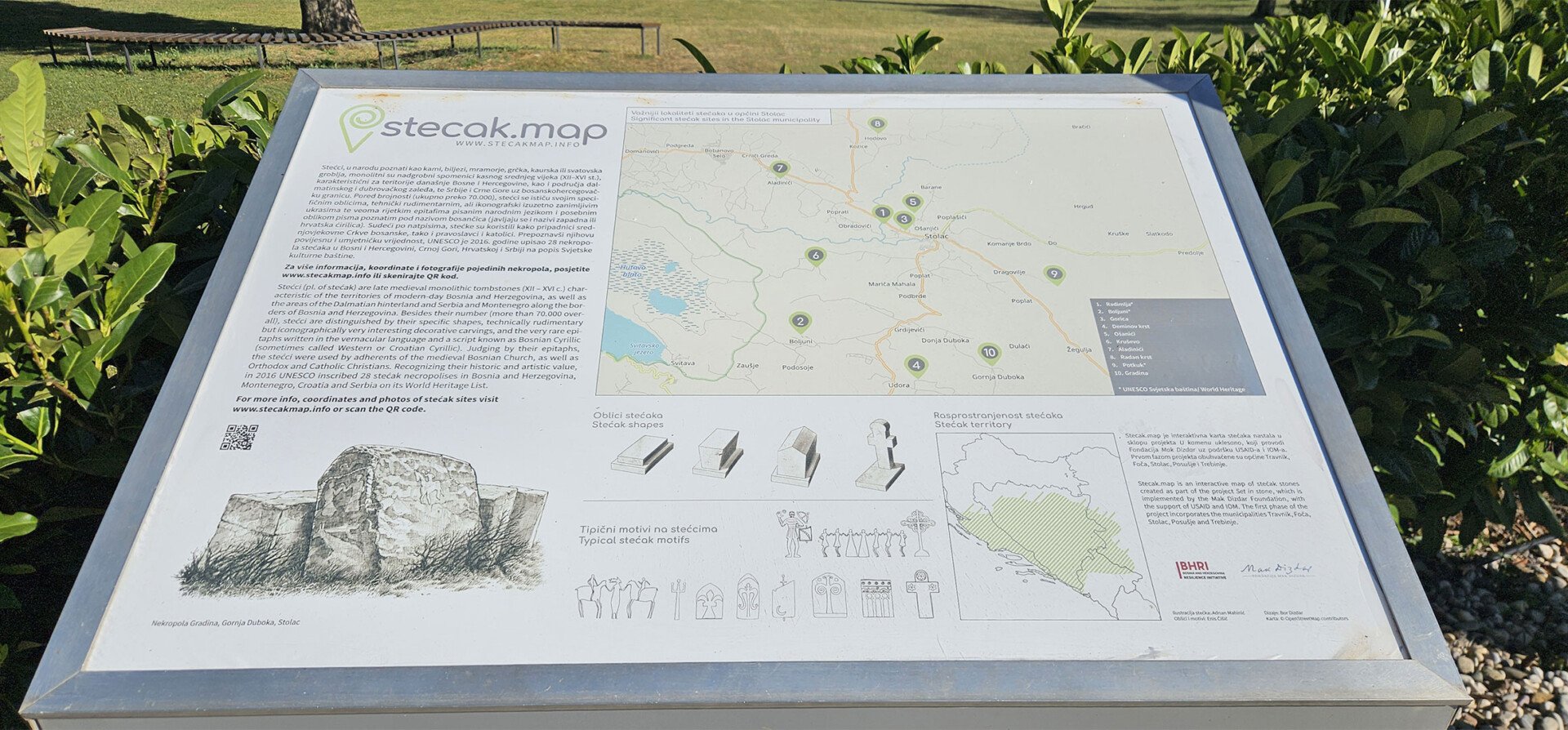
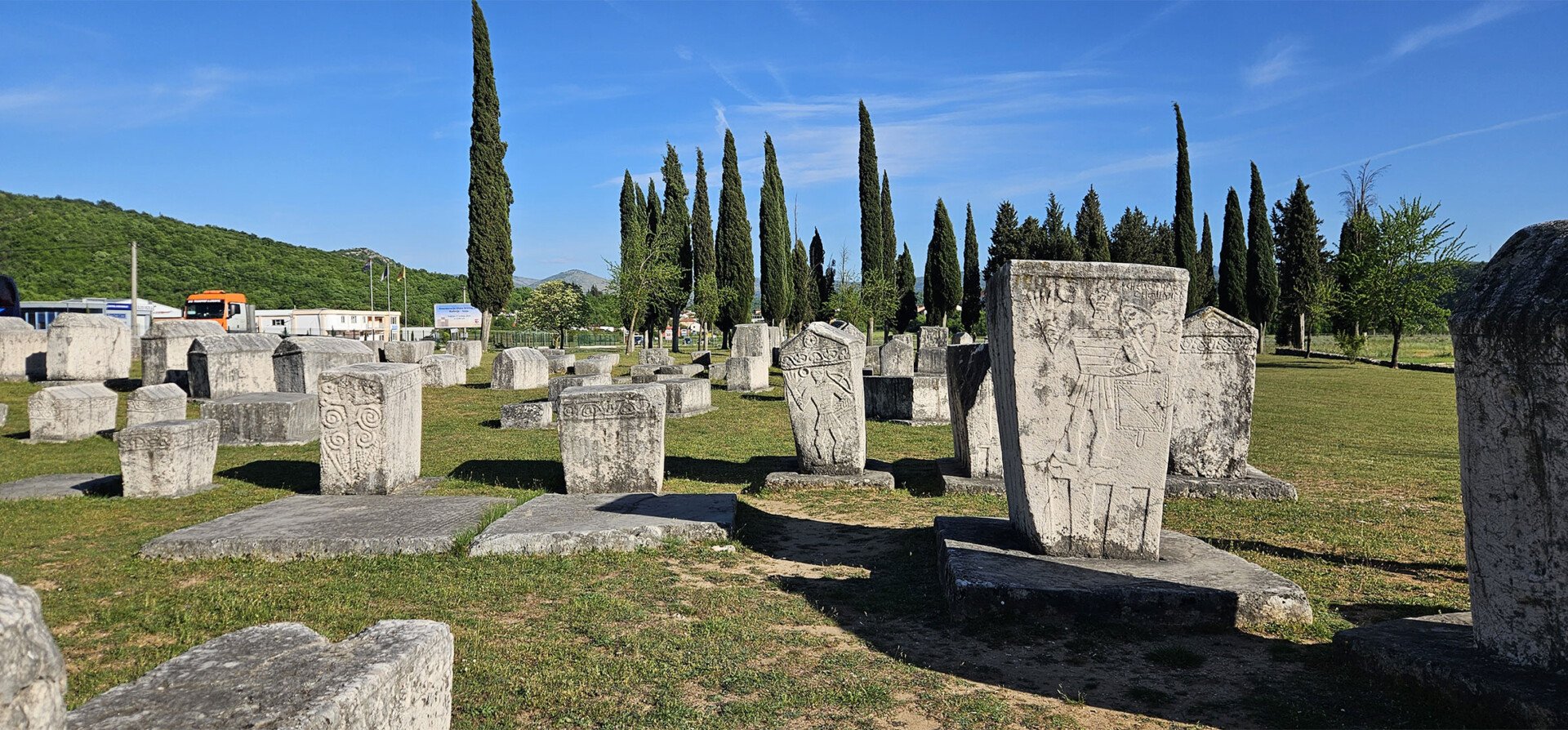
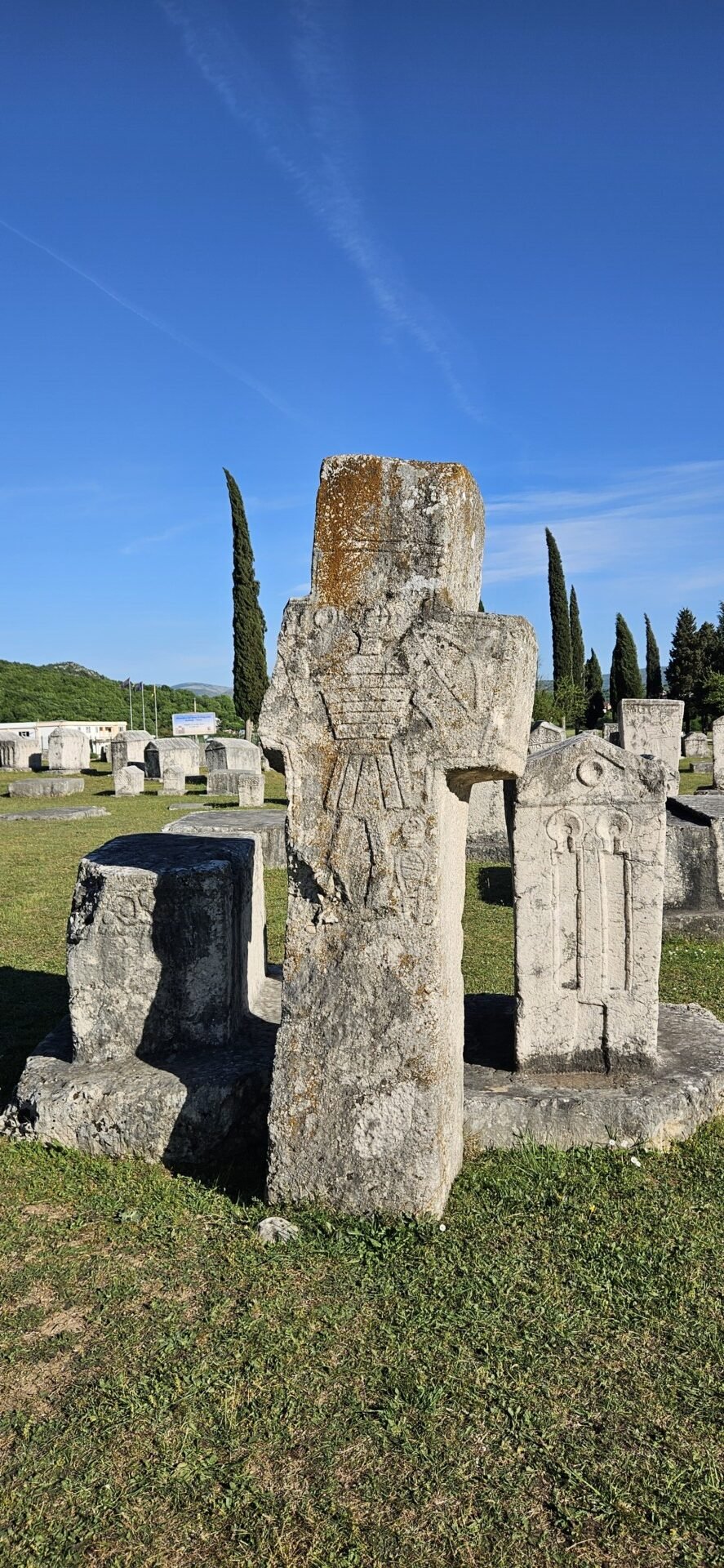
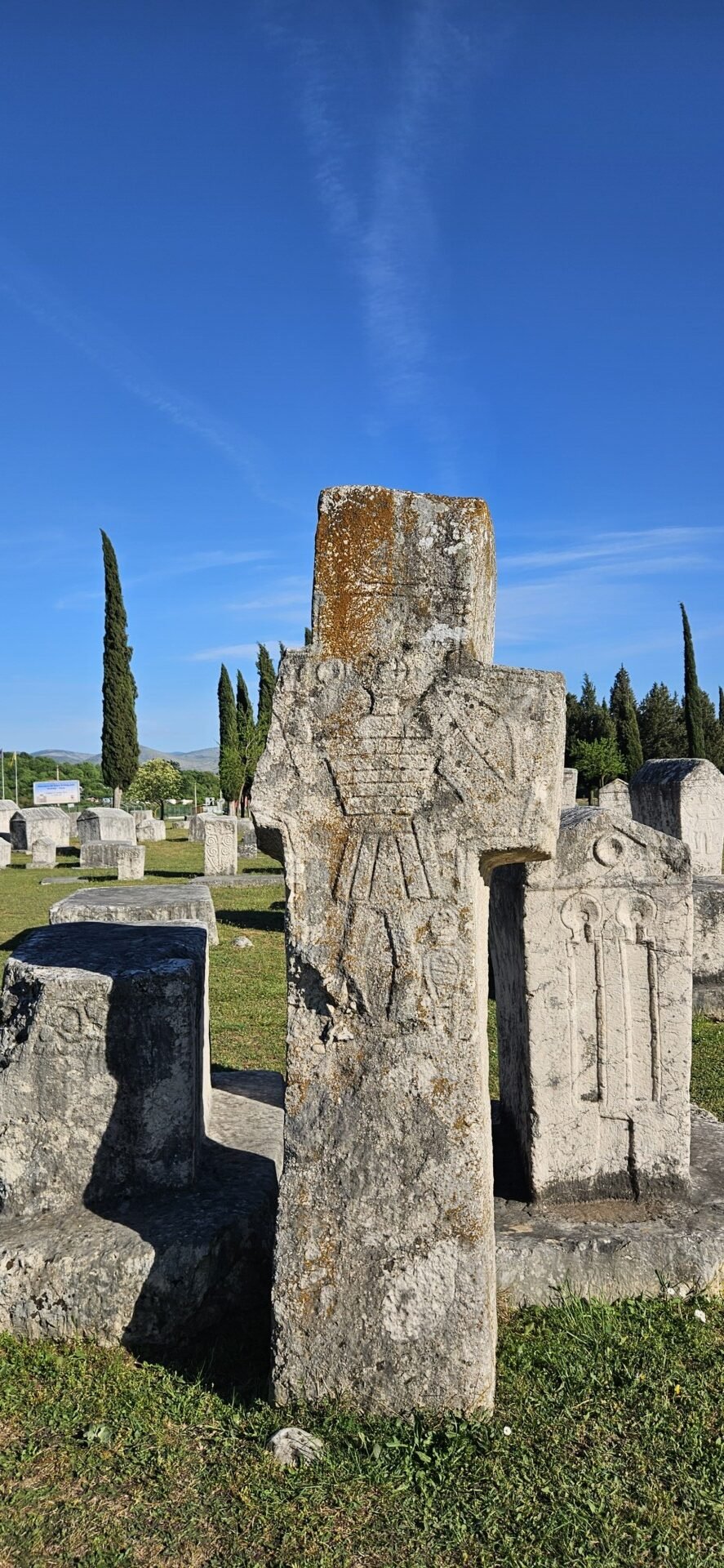
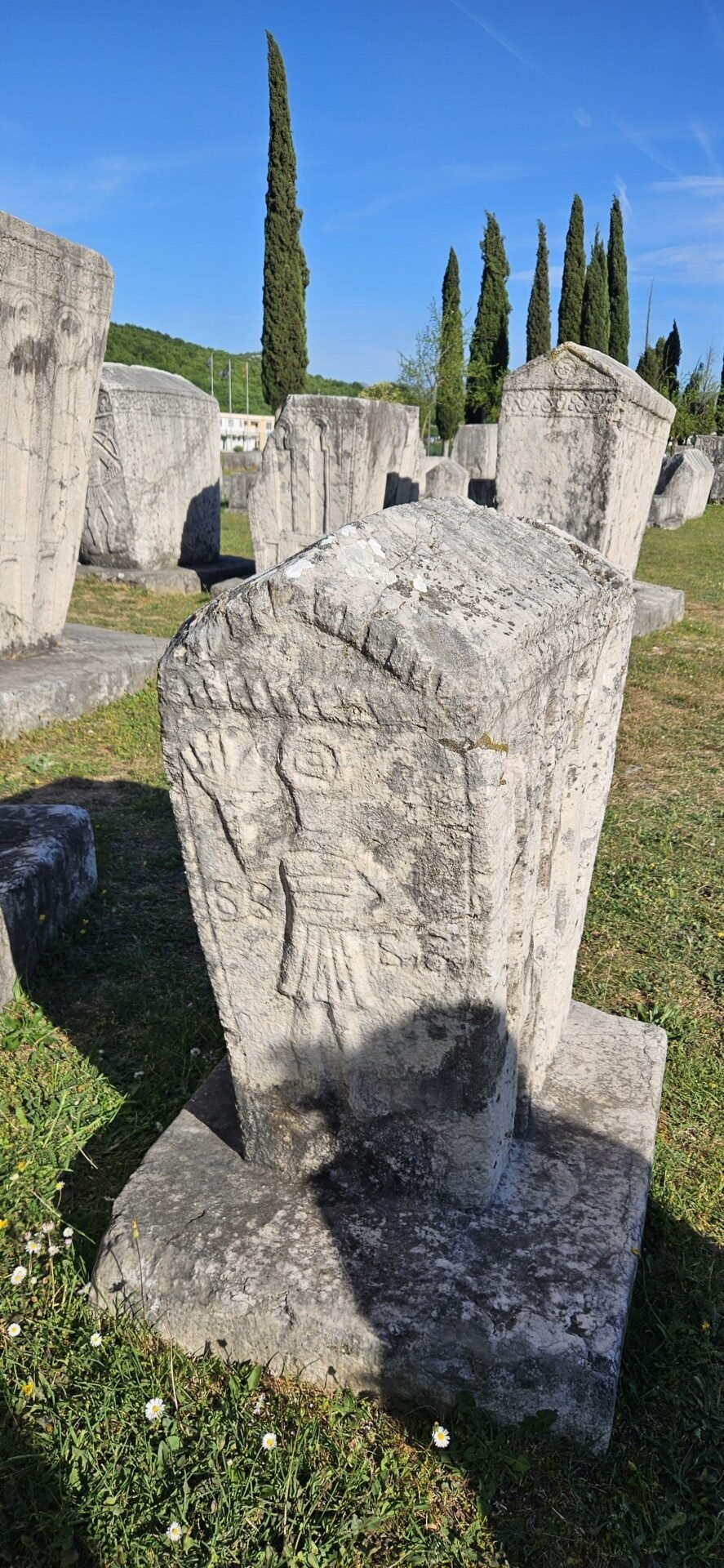
Radimilja is a field of medieval tombstones, locally known as stećki. These massive stone slabs, sarcophagi, and steles were created approximately between the 12th and 16th centuries. At first glance, they appear austere and taciturn, but upon closer inspection, the stone reveals hunting scenes, horsemen, grapevines, shields, crosses, animals, and human figures.
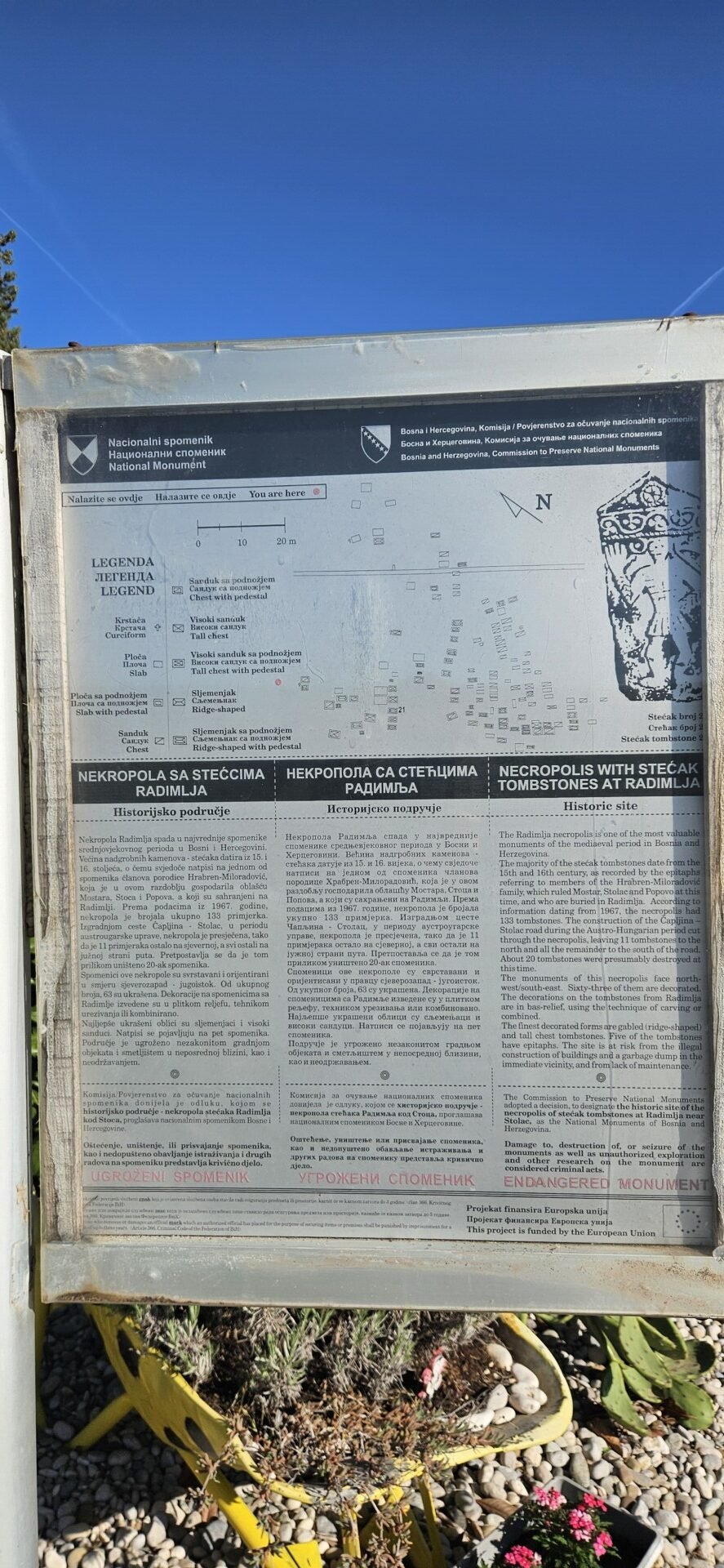
There are 133 stećki preserved in the Radimilja area, 63 of which are decorated with carvings. The most recognizable motif is a male figure with a raised palm. It is often perceived as a greeting to a traveler from the past, although the exact meaning of the image remains a subject of interpretation. The necropolis is associated with the influential medieval Miloradović-Stepanović family. Radimilja is part of the UNESCO World Heritage Site “Medieval Cemeteries with Steći.”
Evening in Mostar: Checking in at Mostar House
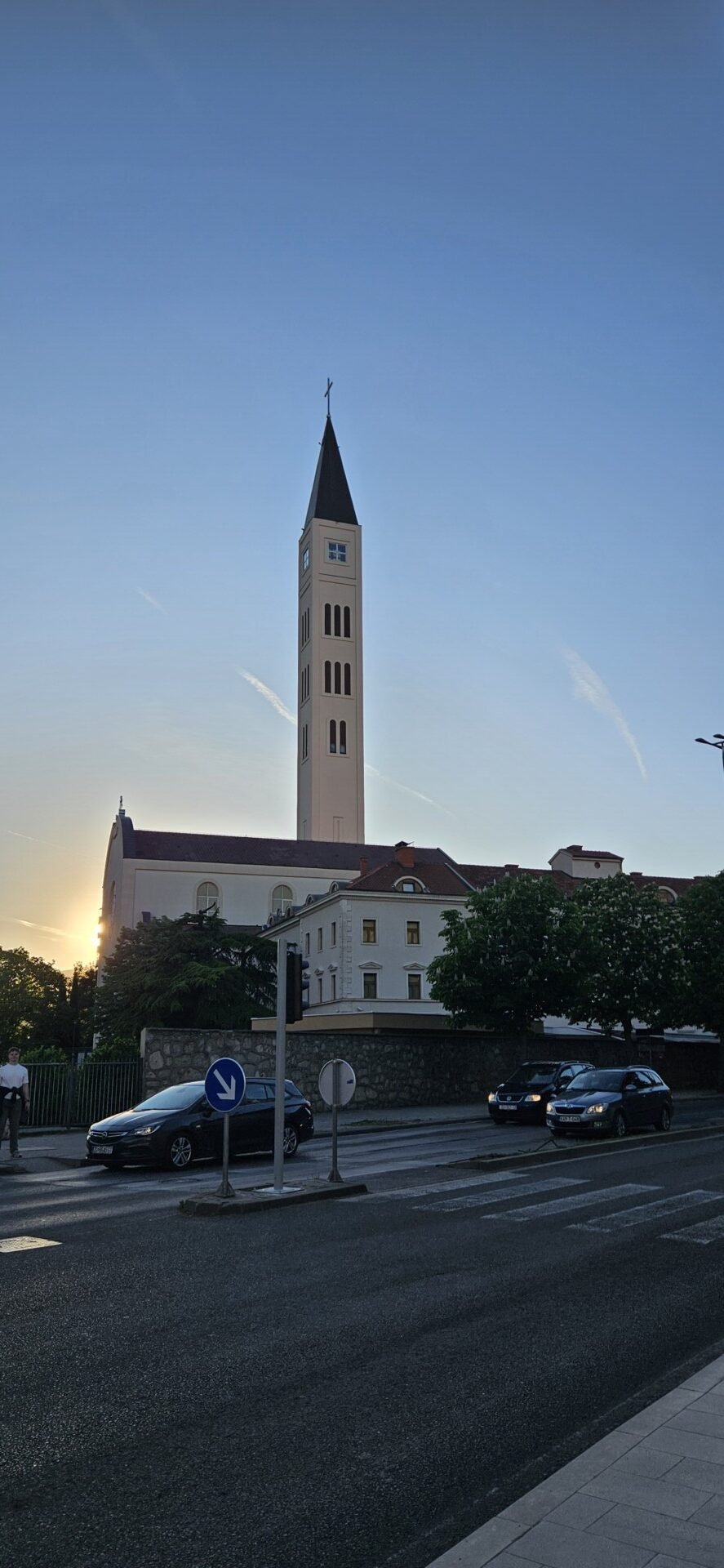
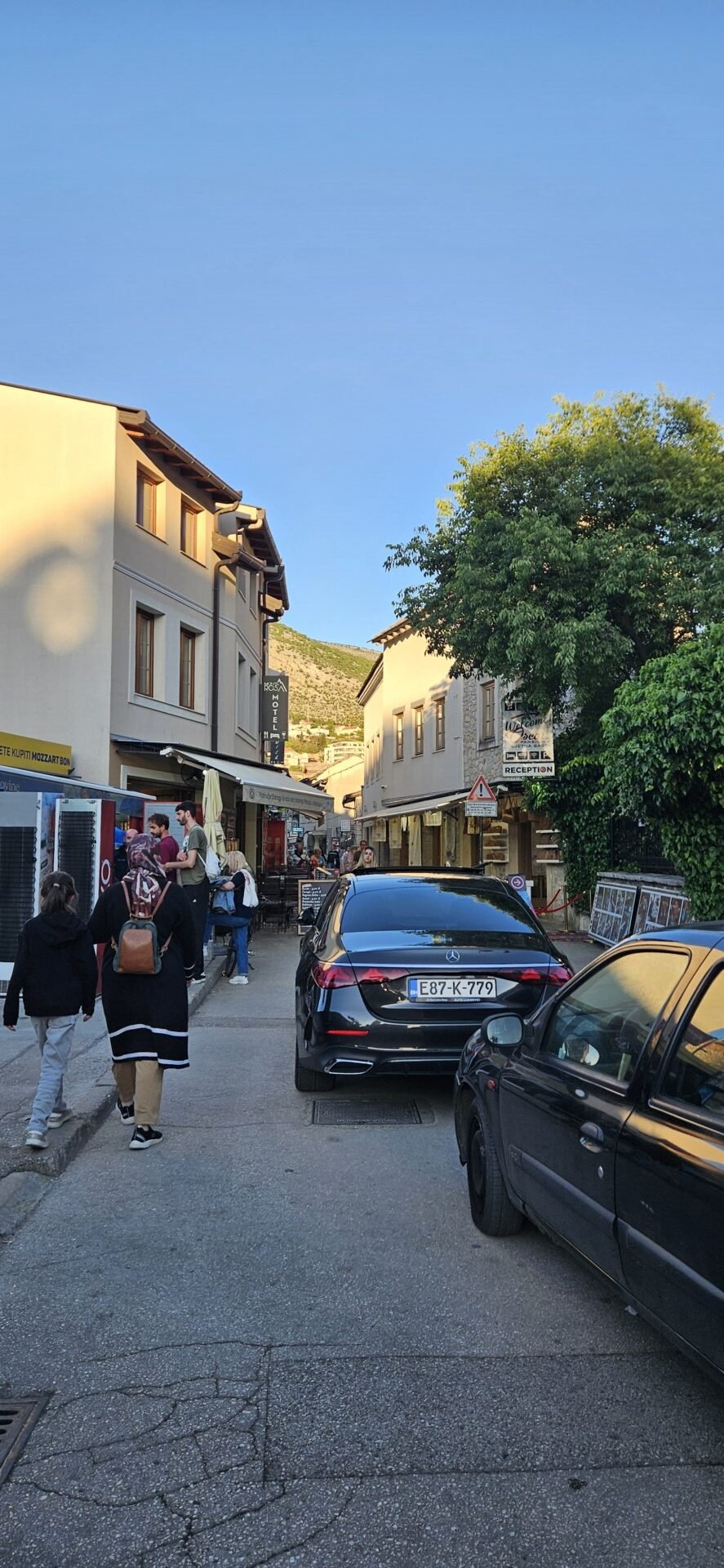
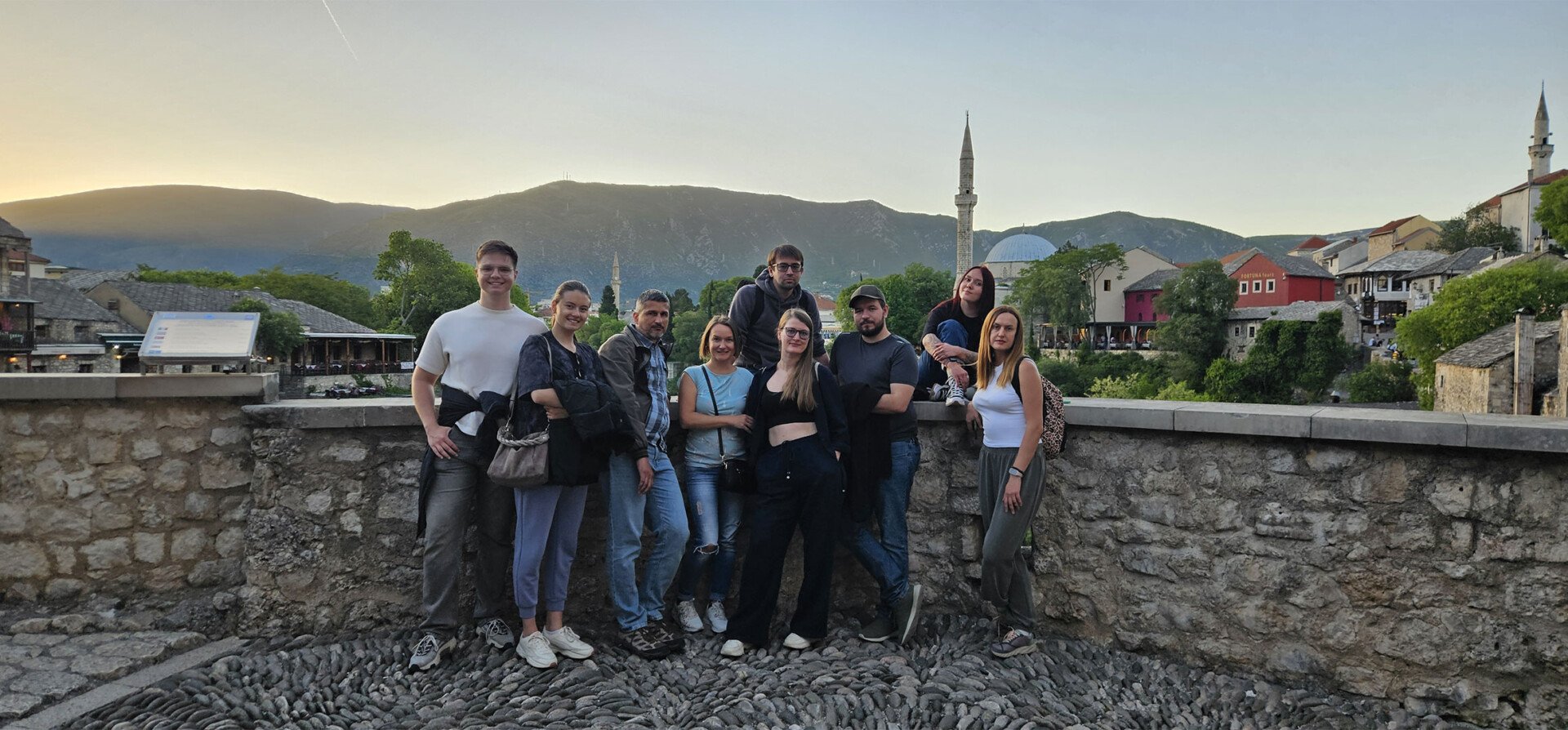
We arrived in Mostar by evening and checked into the Mostar House guesthouse. This is a convenient overnight stop: the house is located near the historic center, so after a long drive, you can leave the car, rest a bit, and go for an evening stroll.
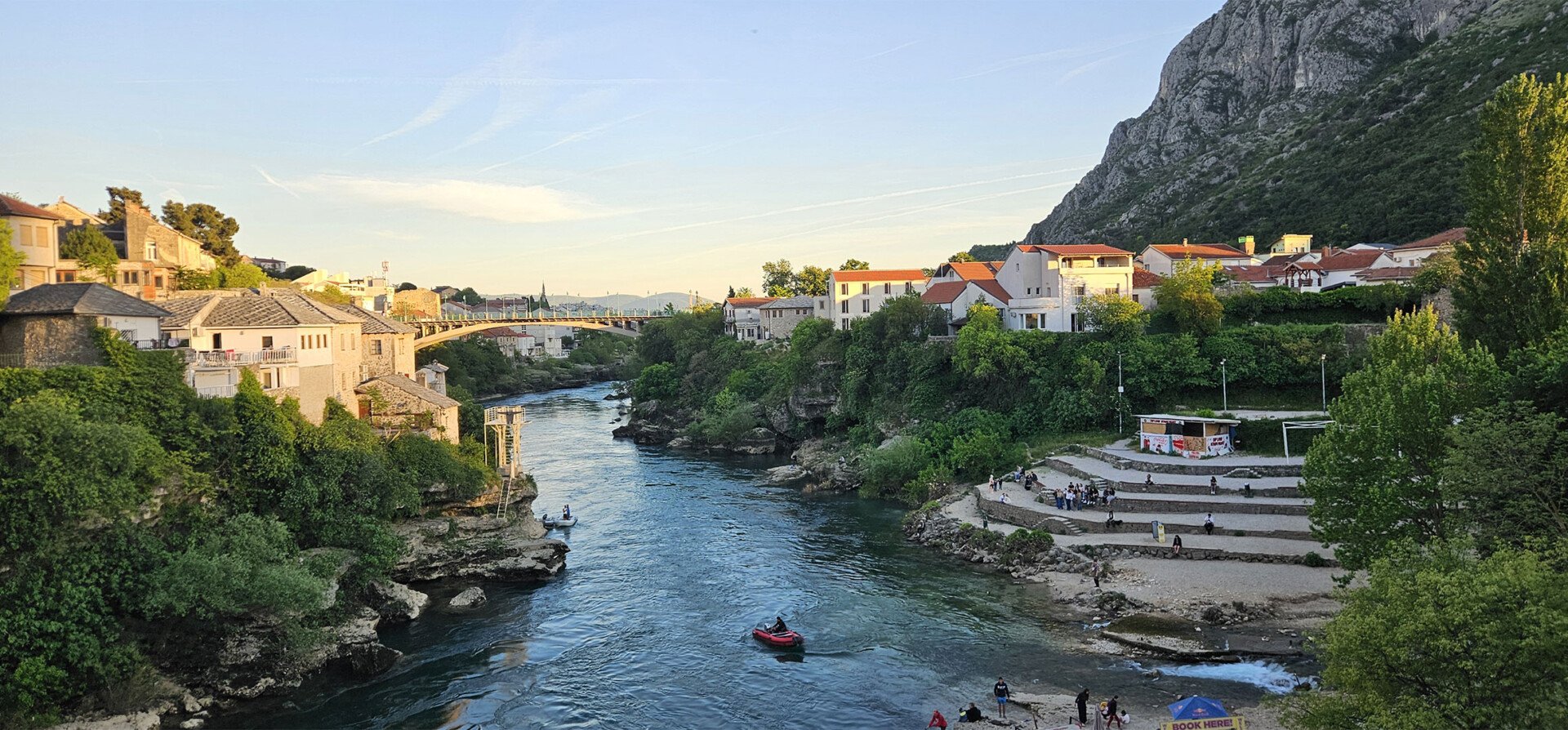
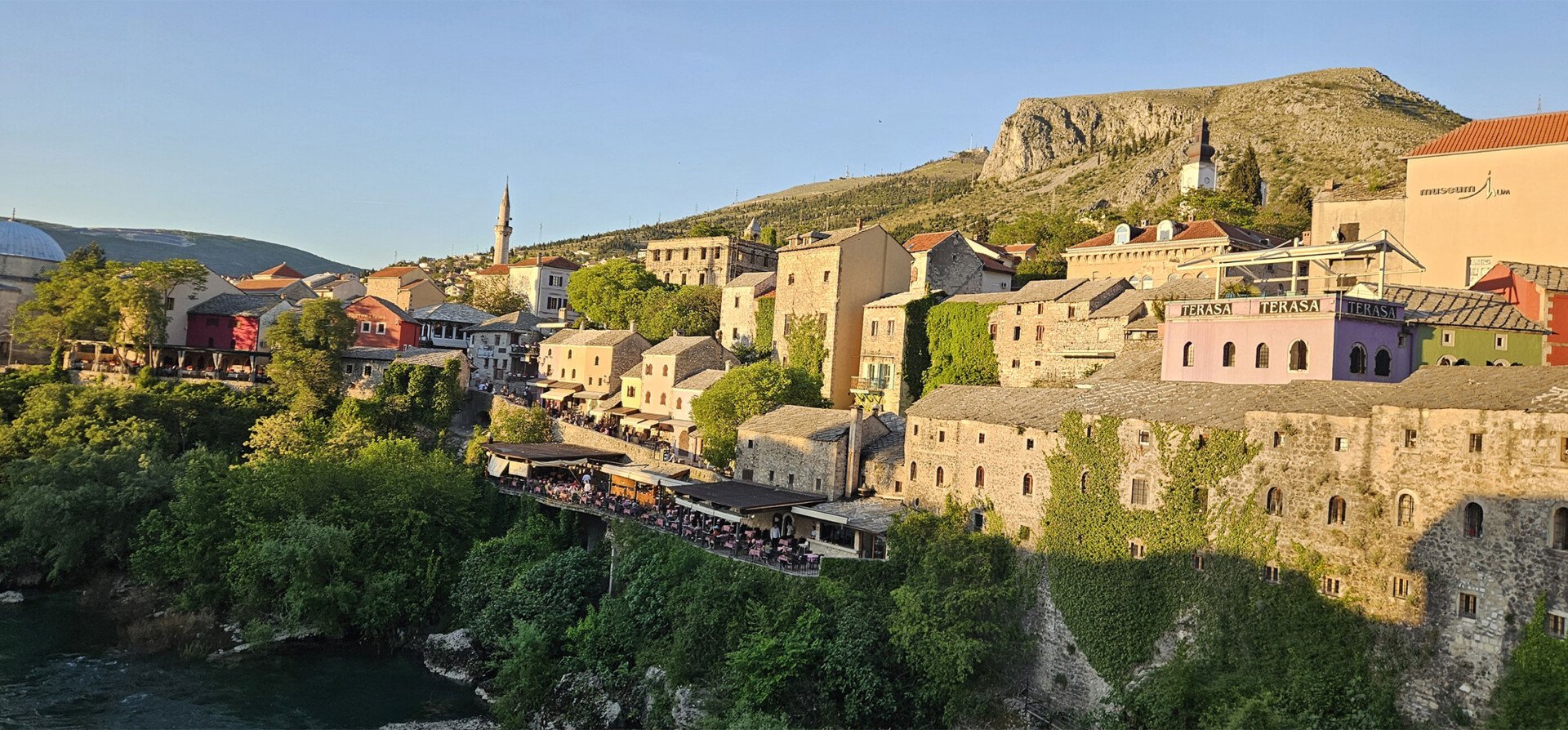
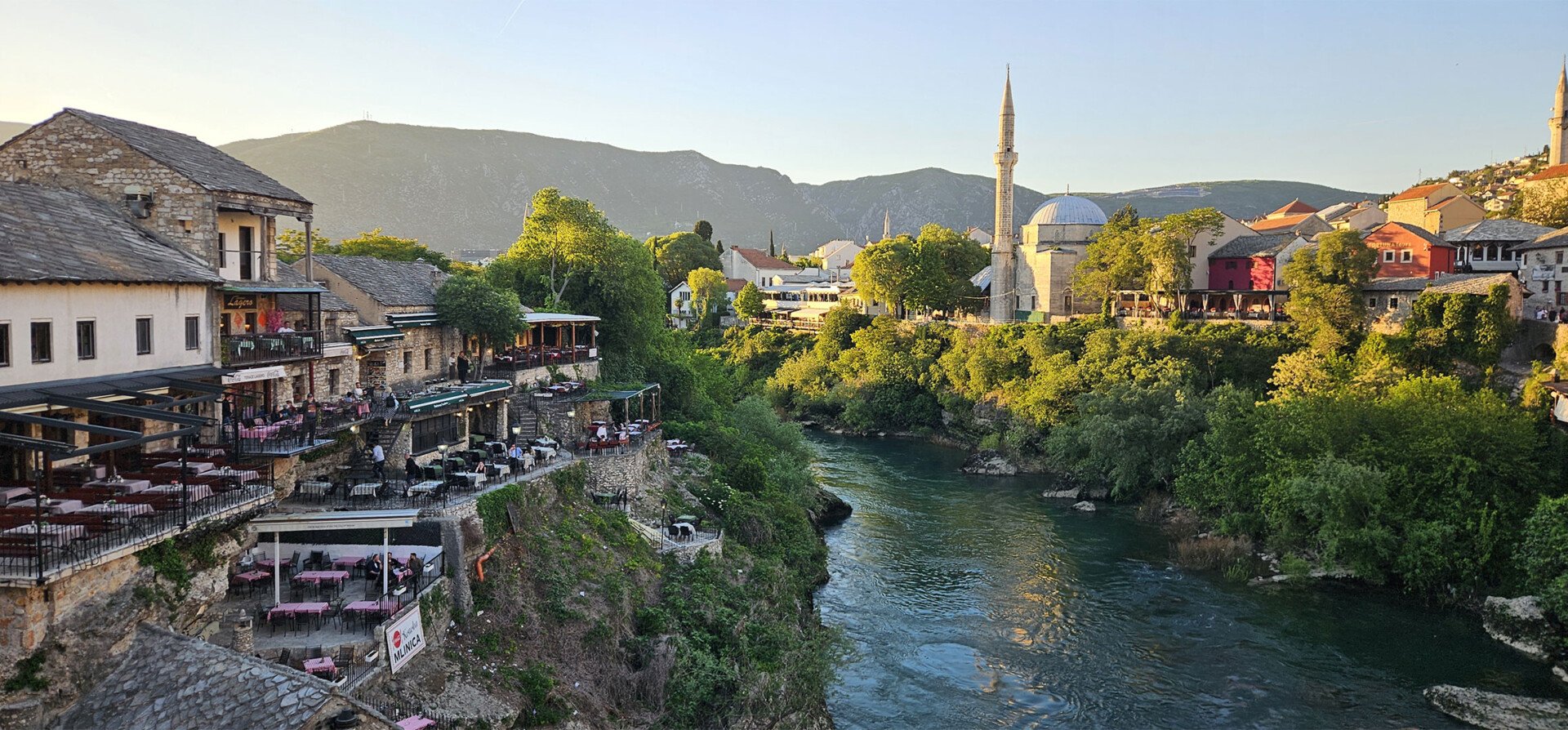
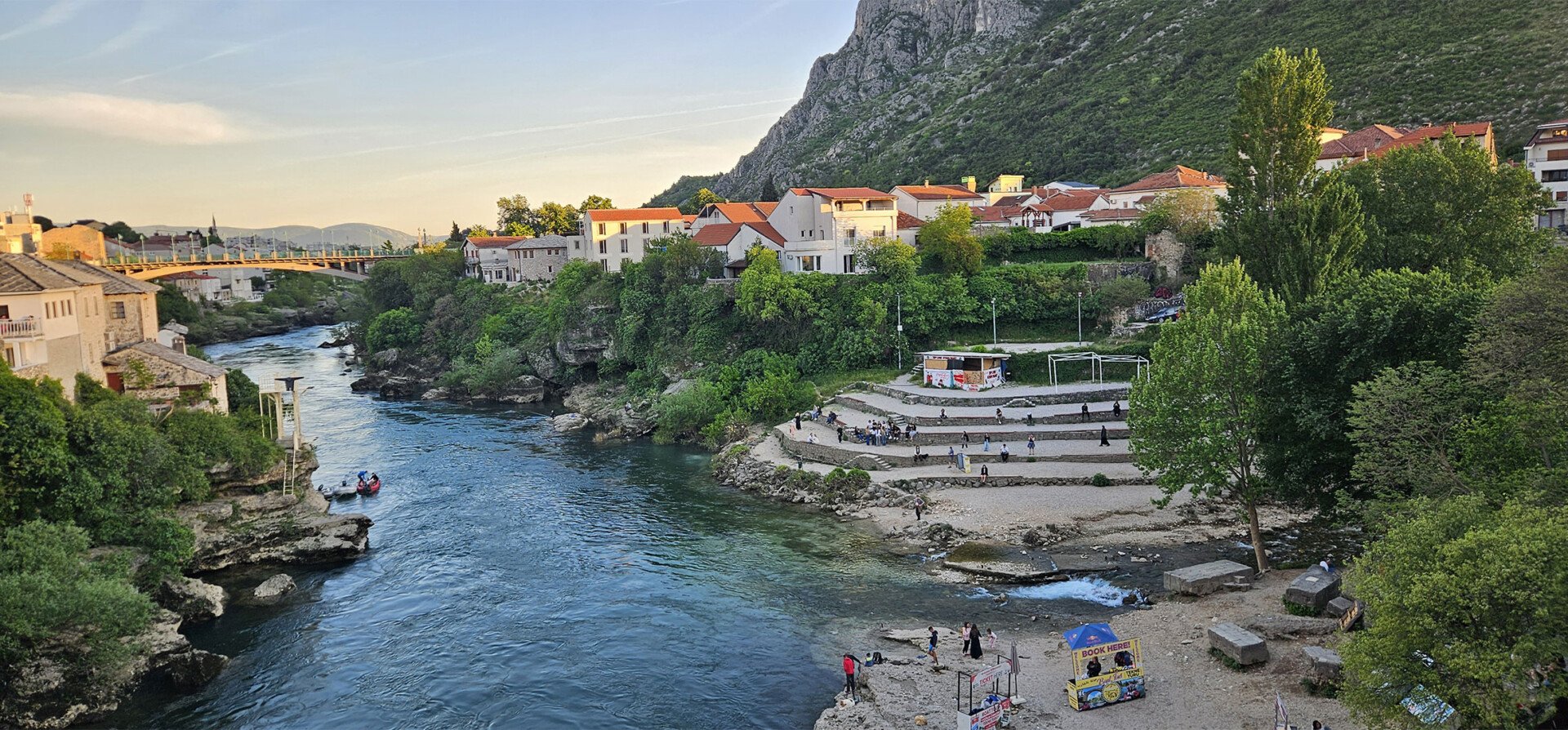
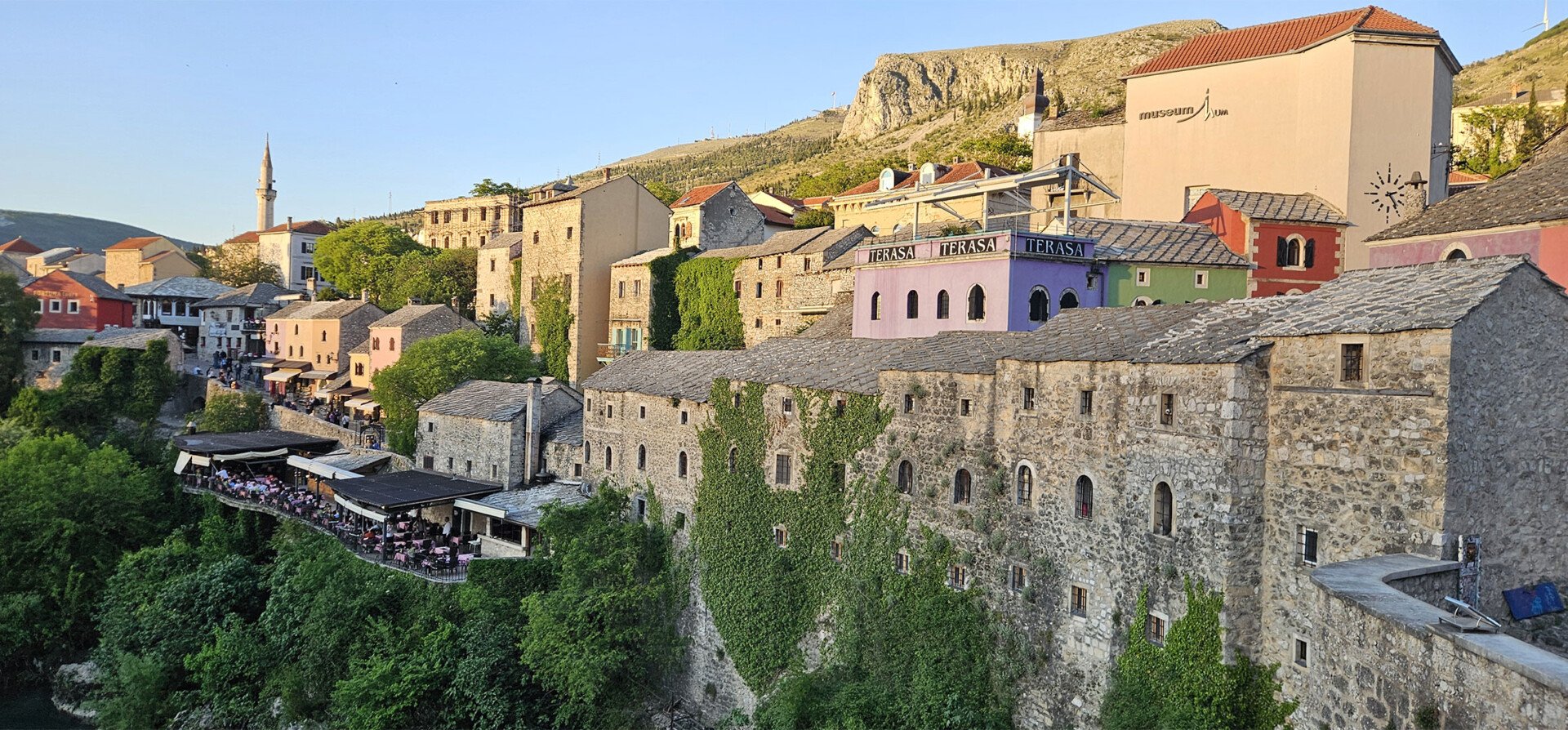
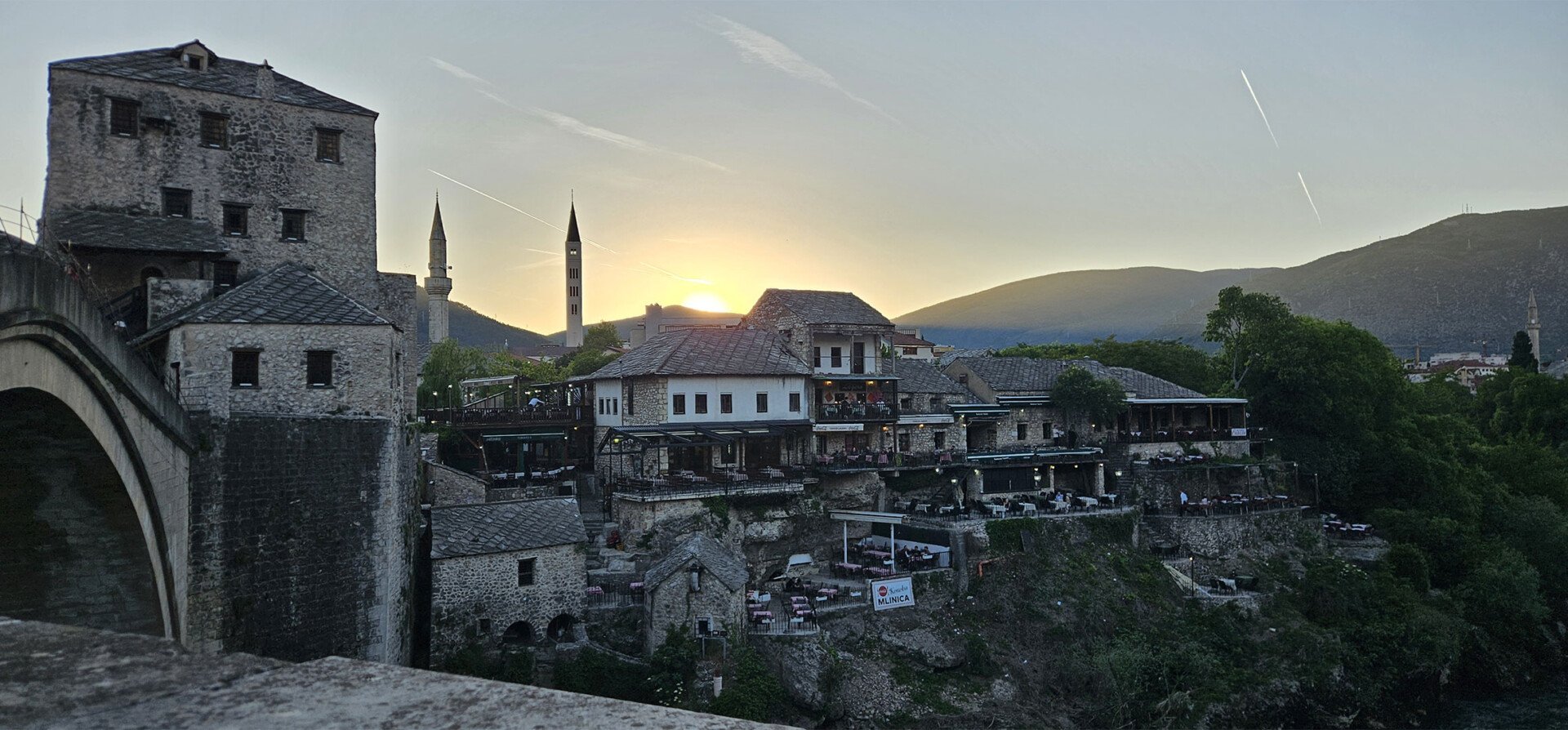
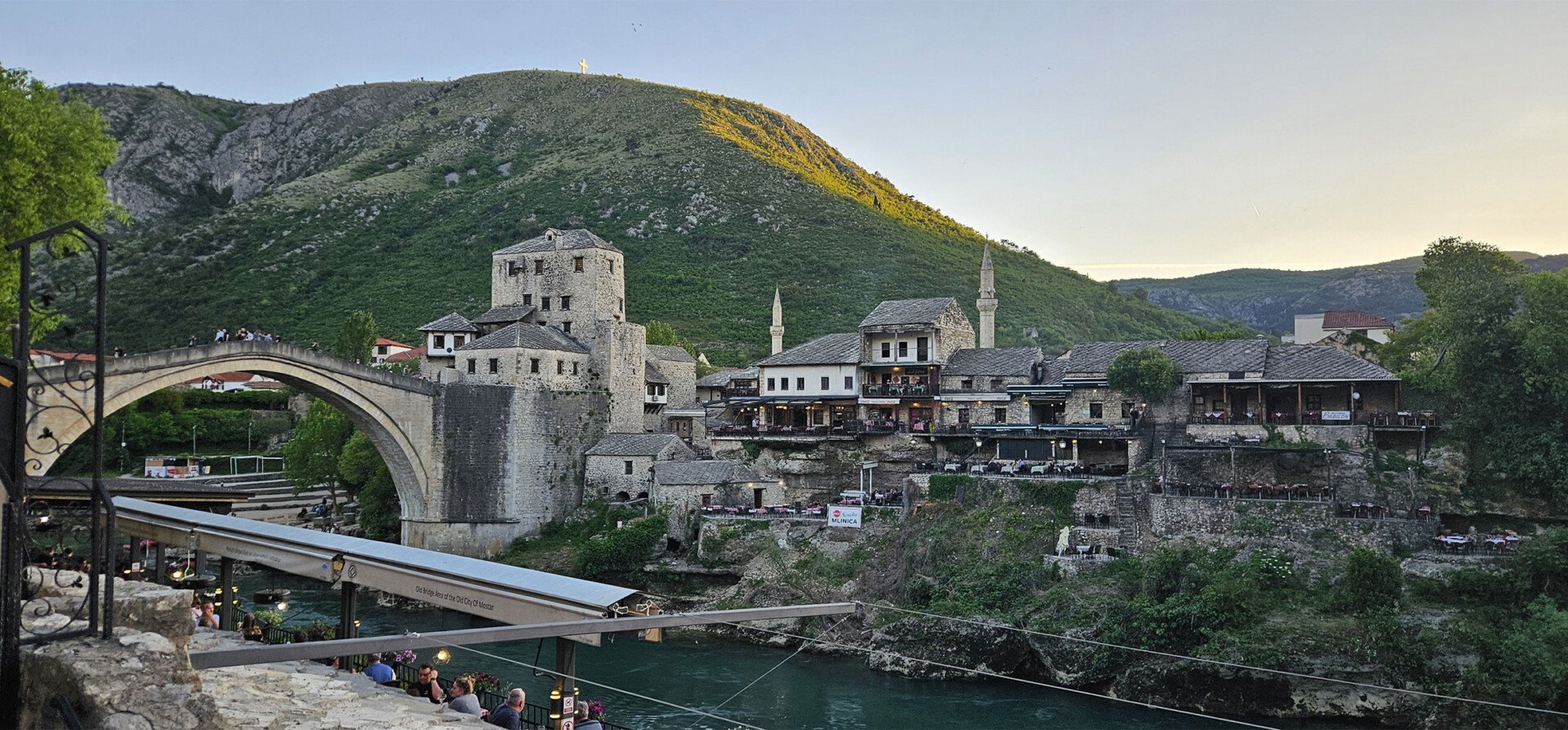
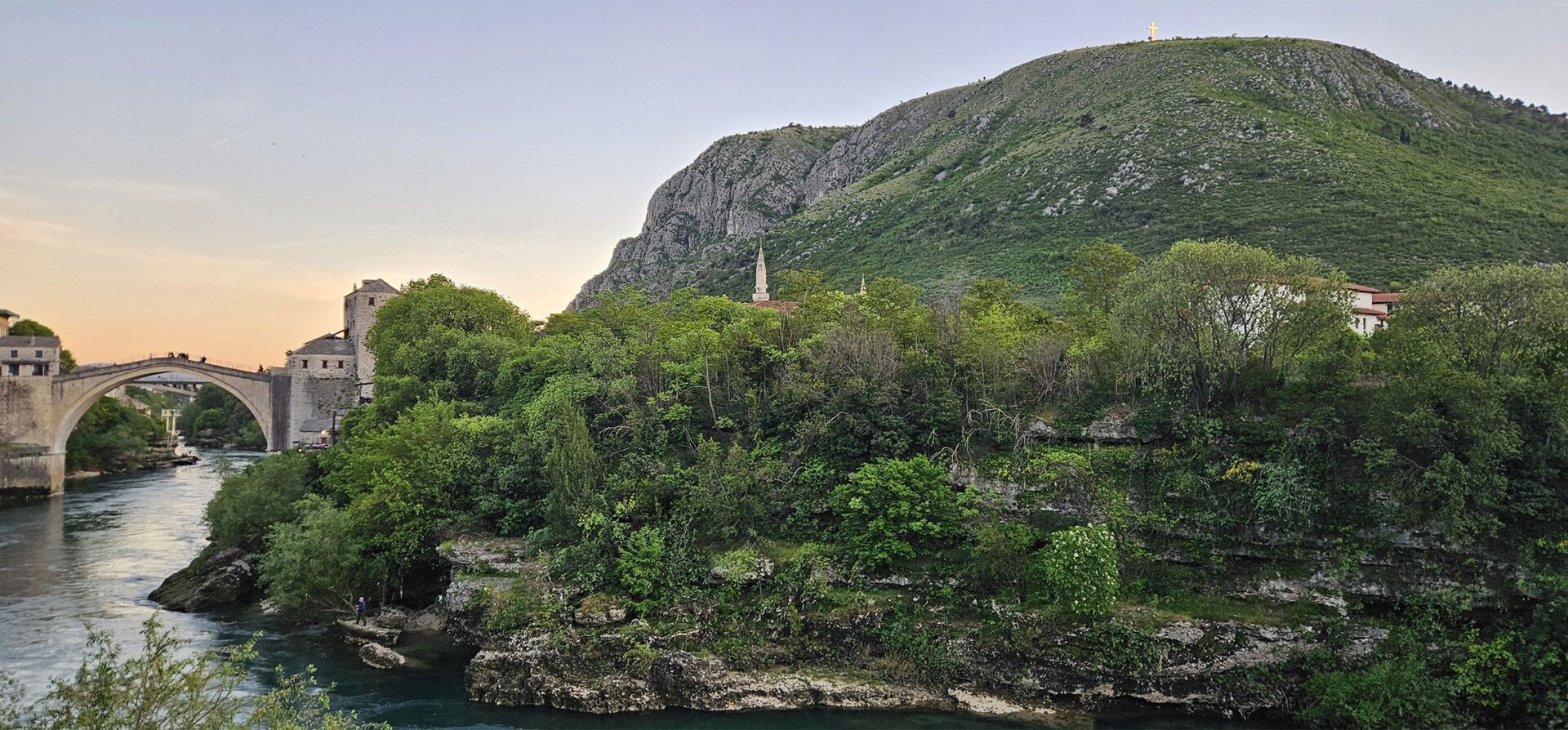
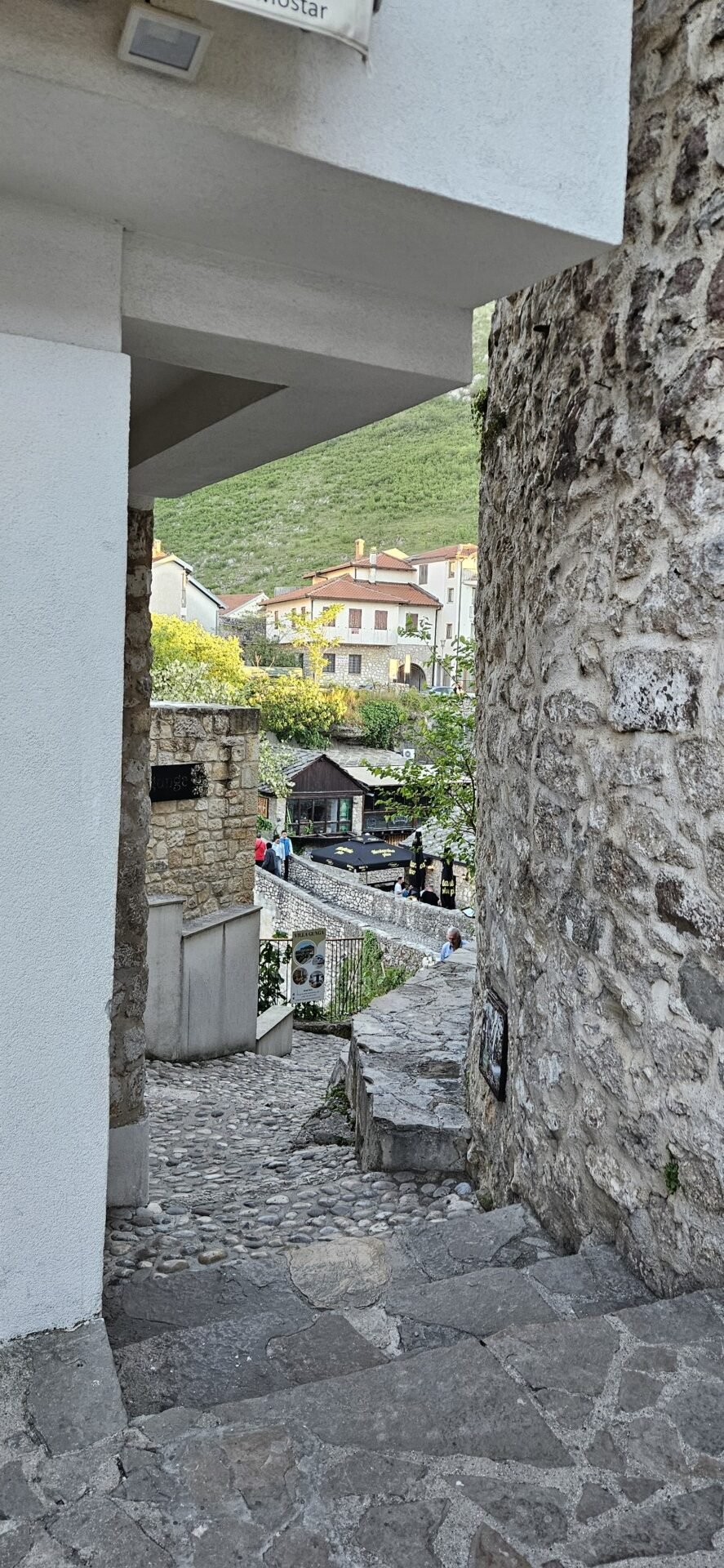
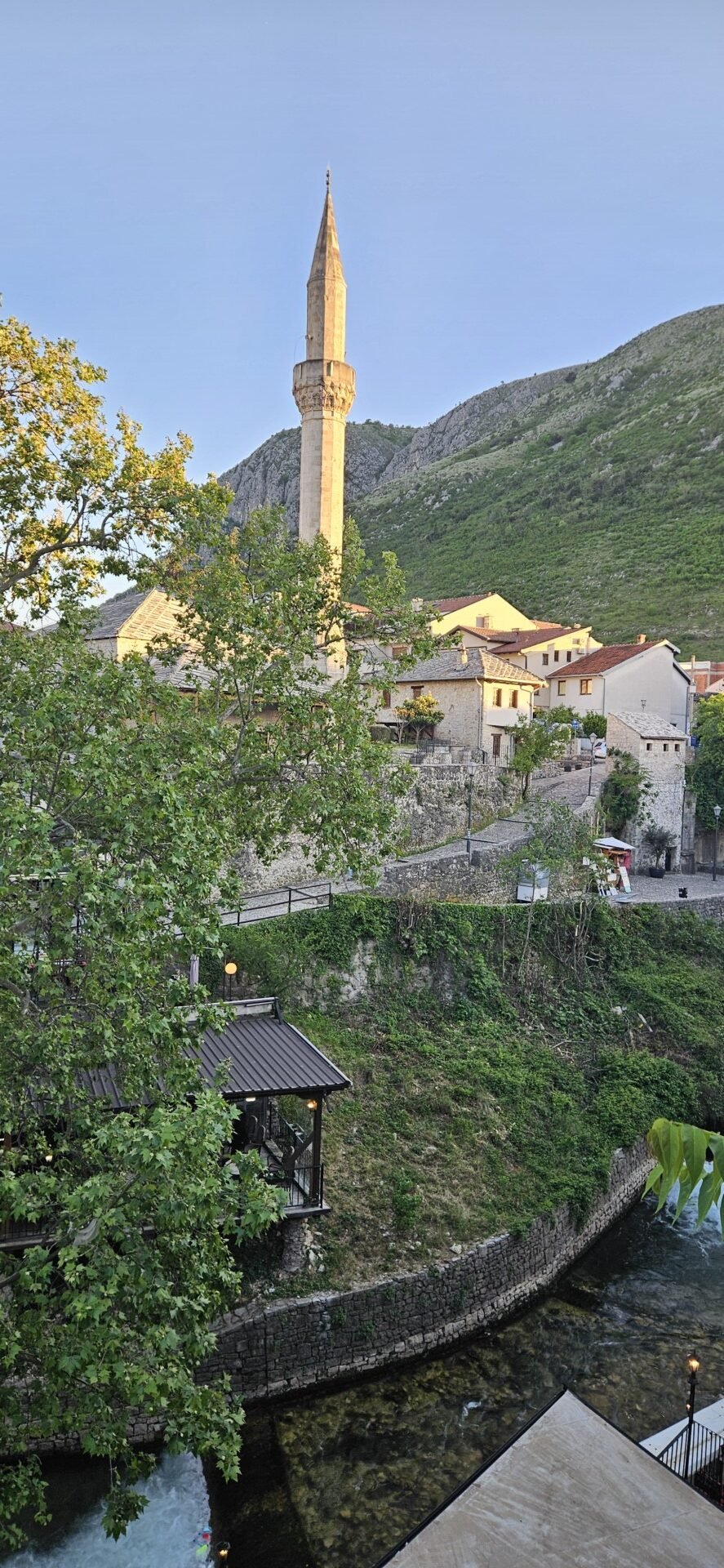
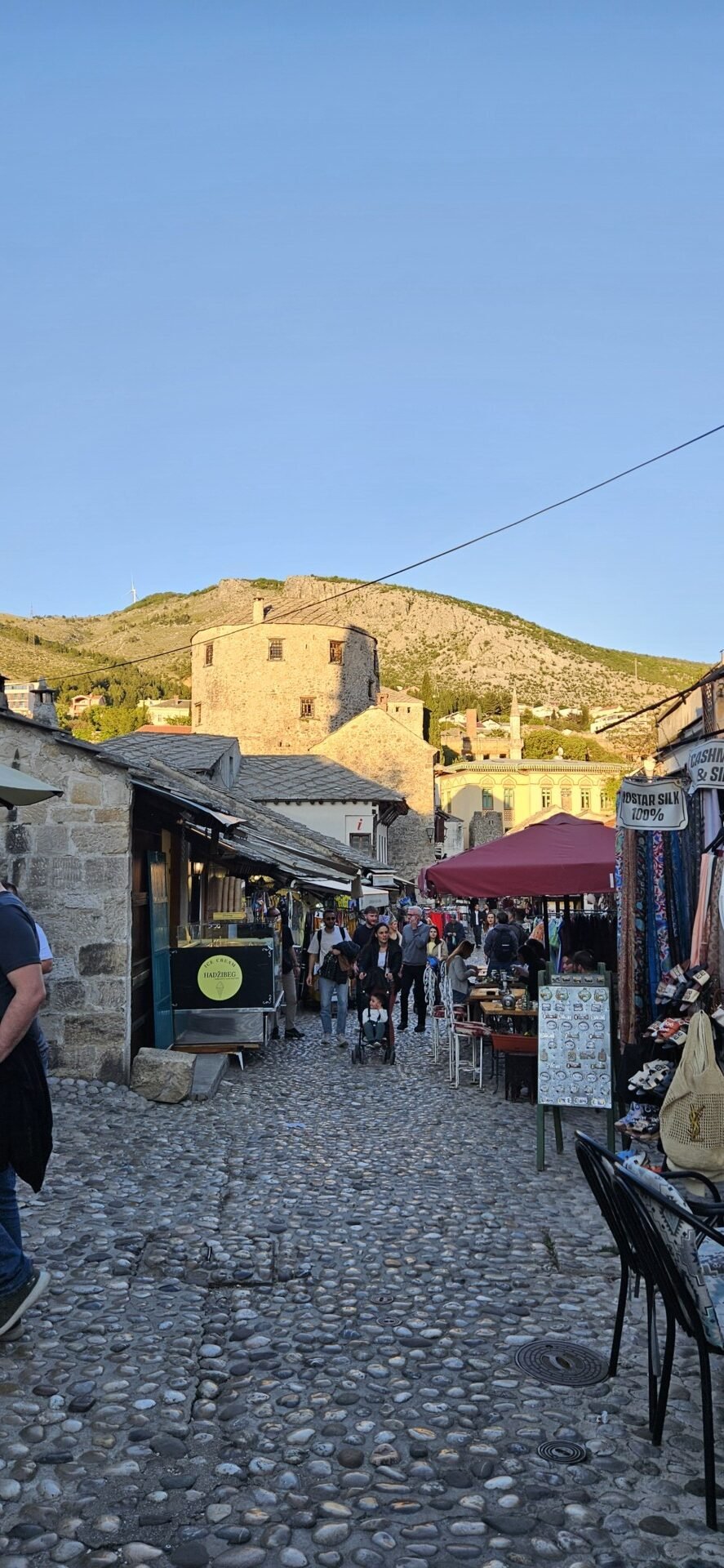
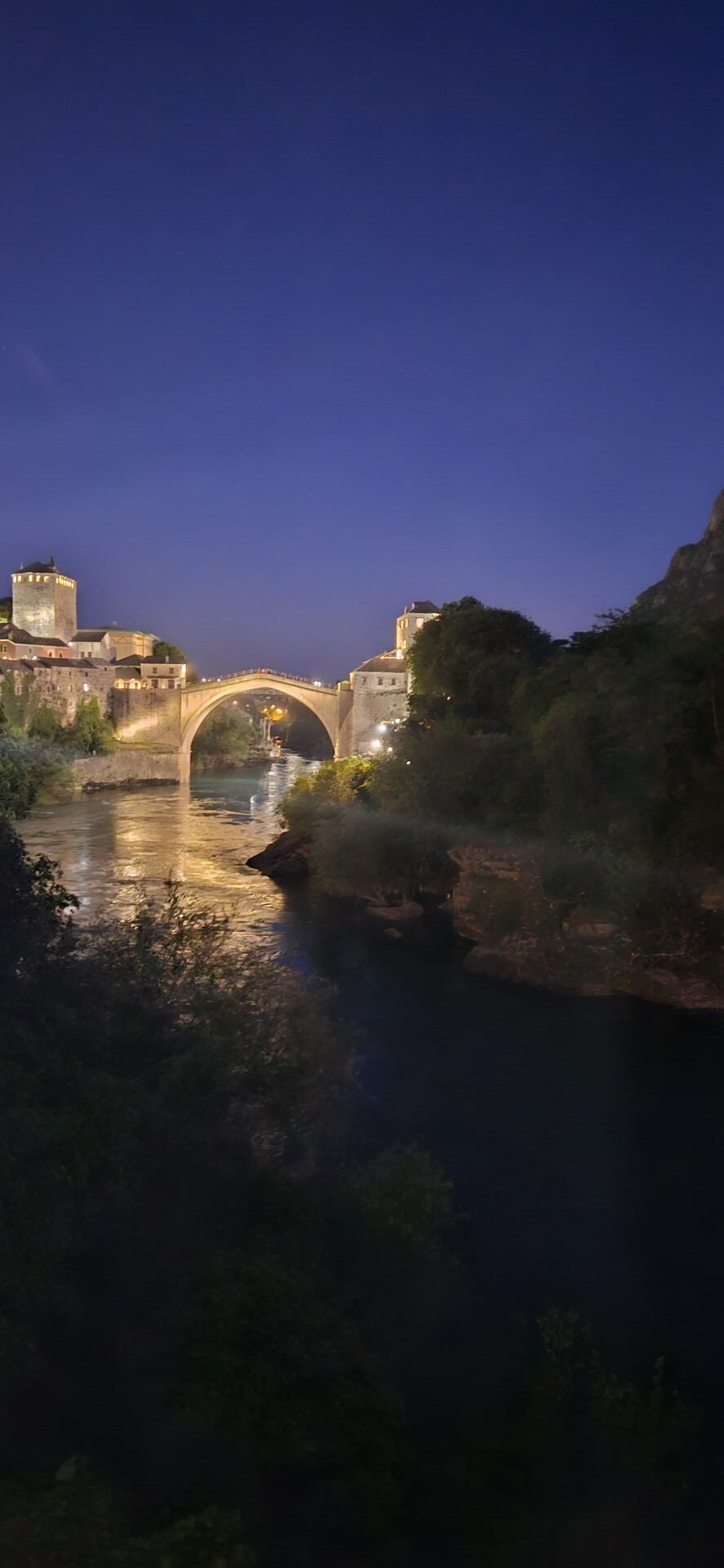
Mostar is especially beautiful in the hours before sunset, when the warm light falls on the stone walls of the old town and the Neretva River takes on an almost turquoise color. The city’s name comes from the word “mostari,” the name given to the keepers of the bridge. The name Mostar was first mentioned in 1474.
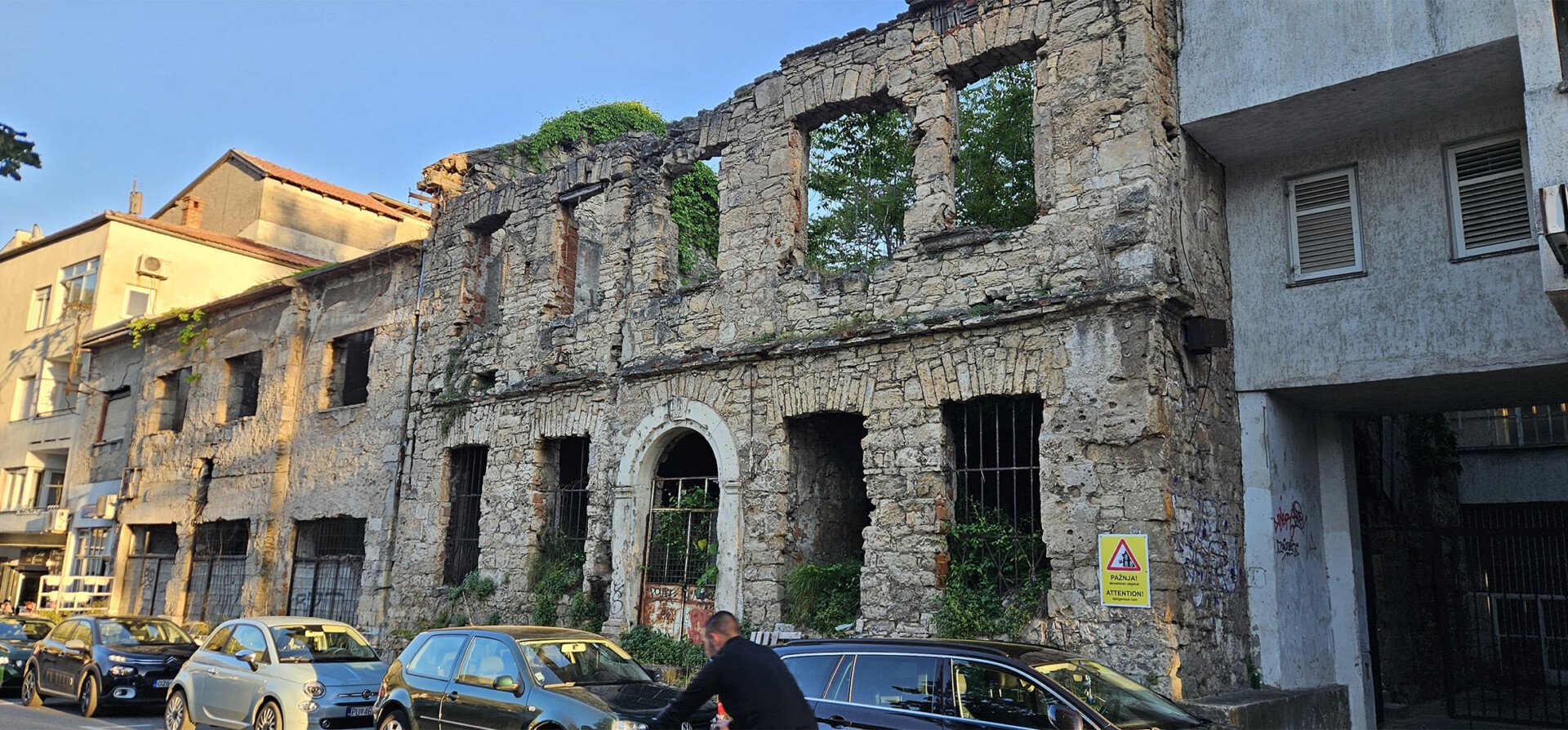
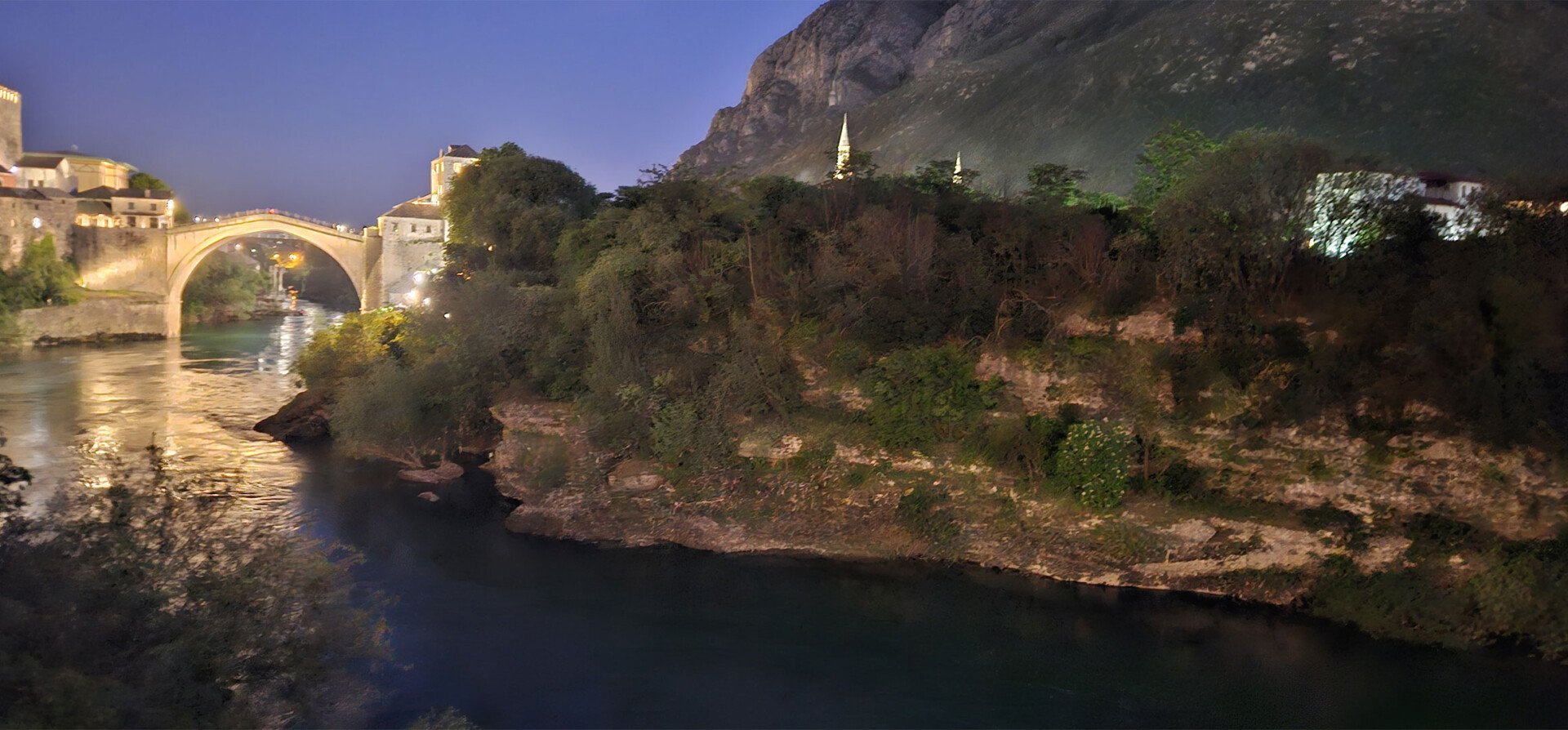
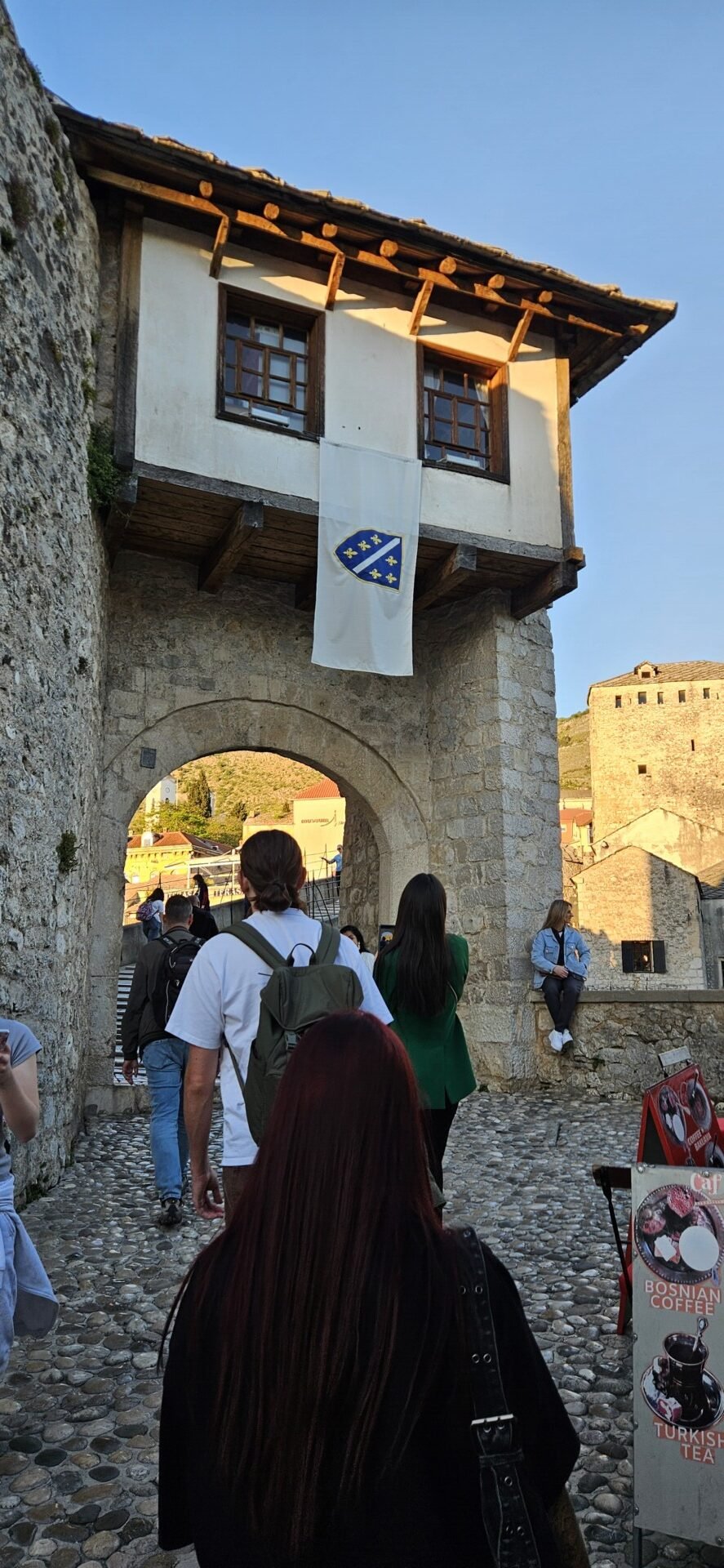
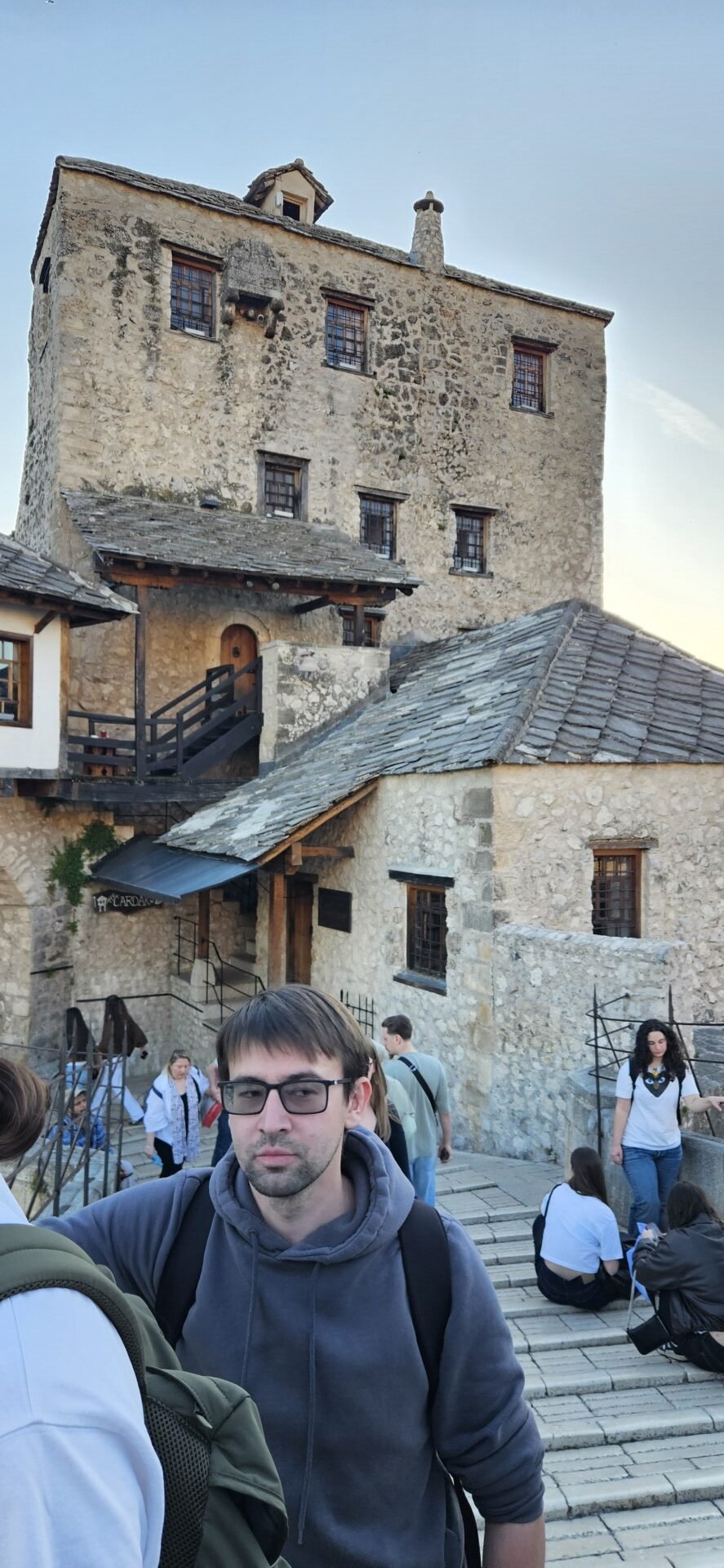
The city’s main symbol is the Old Bridge, built in 1566 by the Ottoman architect Mimar Hajruddin. Its single stone arch was a remarkable engineering achievement of its time. Destroyed during the 1990s war, the bridge was later rebuilt and reopened in 2004. Today, it is not only a famous landmark but also a symbol of restoration, remembrance, and cultural coexistence.
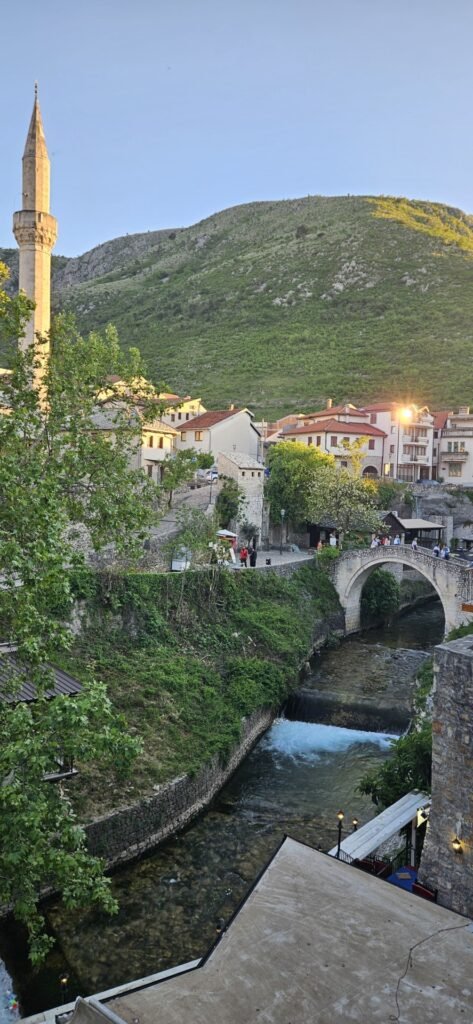
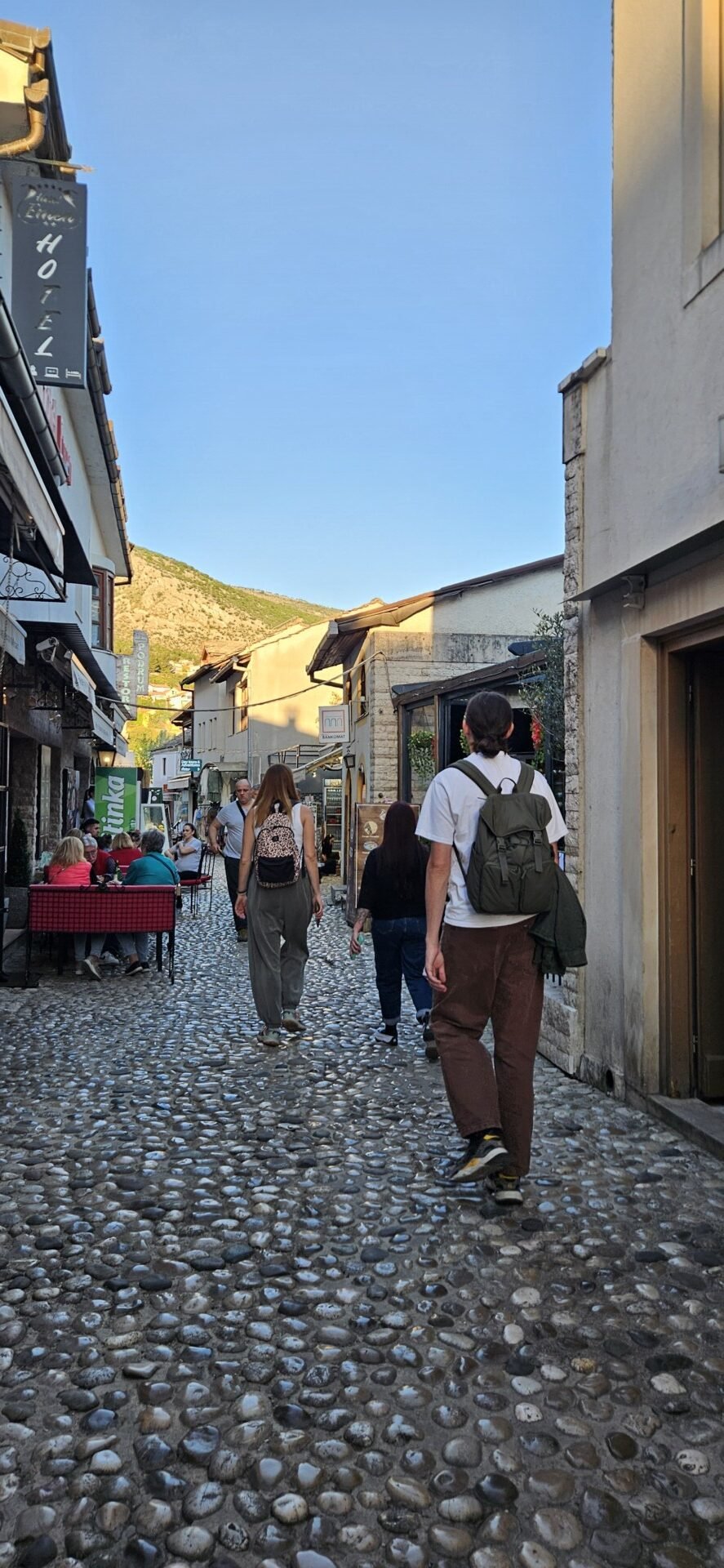
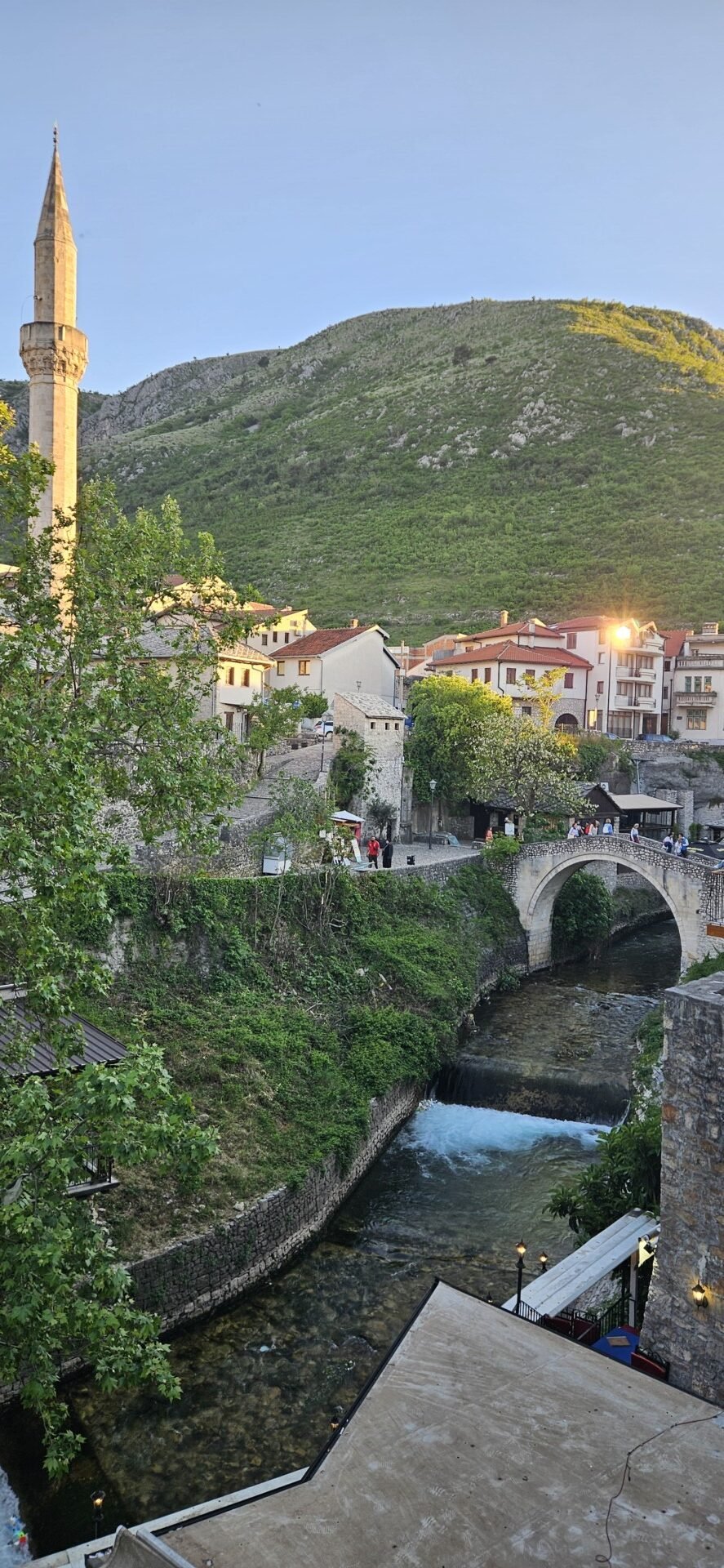
In the evening, Mostar is best experienced rather than “sightseeing”: stroll along the cobblestone streets of the Old Town, listen to the sounds of the Neretva River, pop into the small shops, sip Bosnian coffee, and let the day finally end without rushing.
Day Summary
The first day of the trip from Bar to Mostar was eventful, but logical: from the Montenegrin mountains and Slano Lake, across the border and Trebinje, to Bilečko Lake, the medieval stečki of Radimilji, and evening Mostar.
This is a route that gives a particularly good feel to Herzegovina: stone, water, old roads, Ottoman bridges, traces of ancient civilizations and the rare Balkan ability to connect everyday life with history.