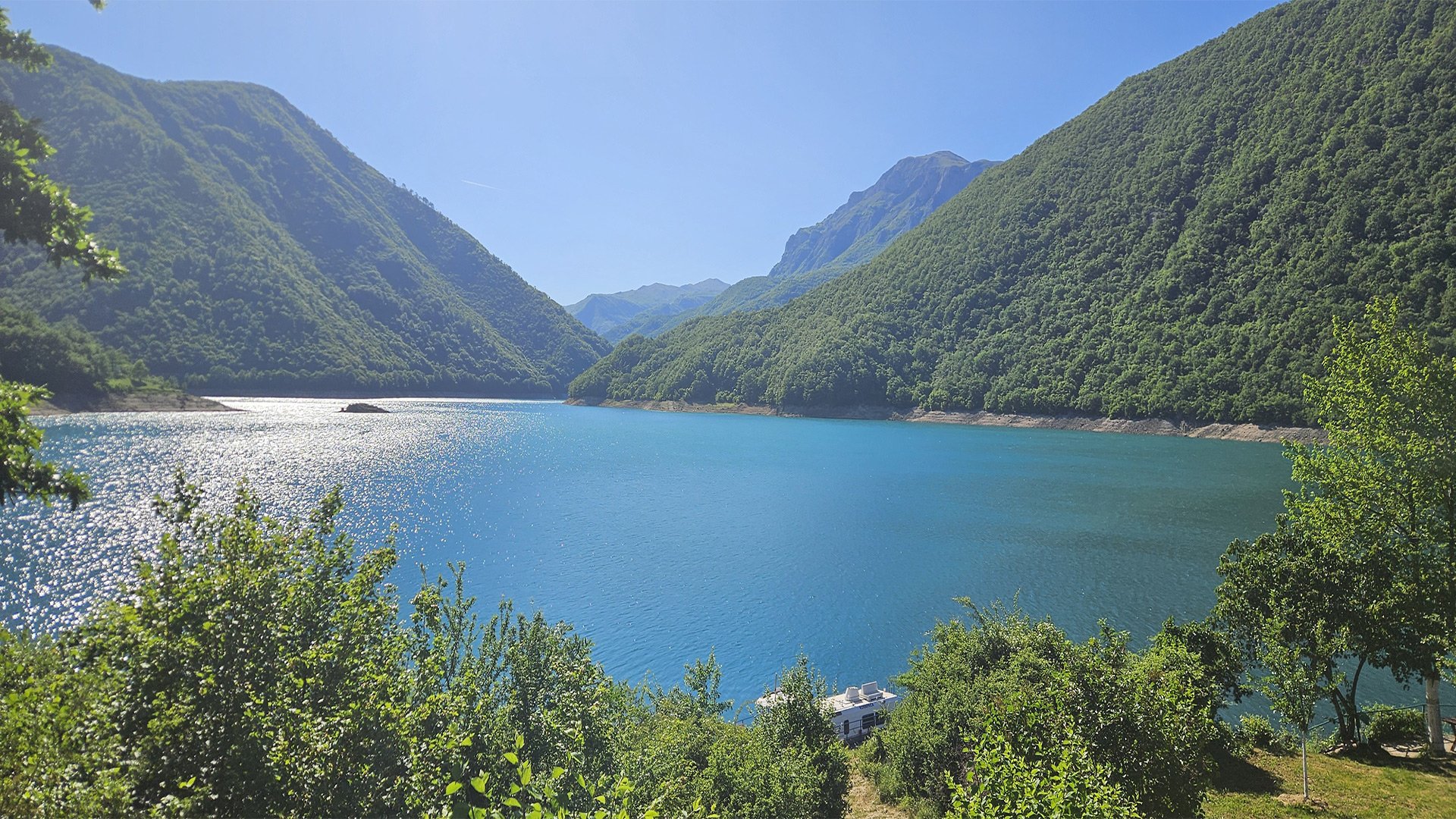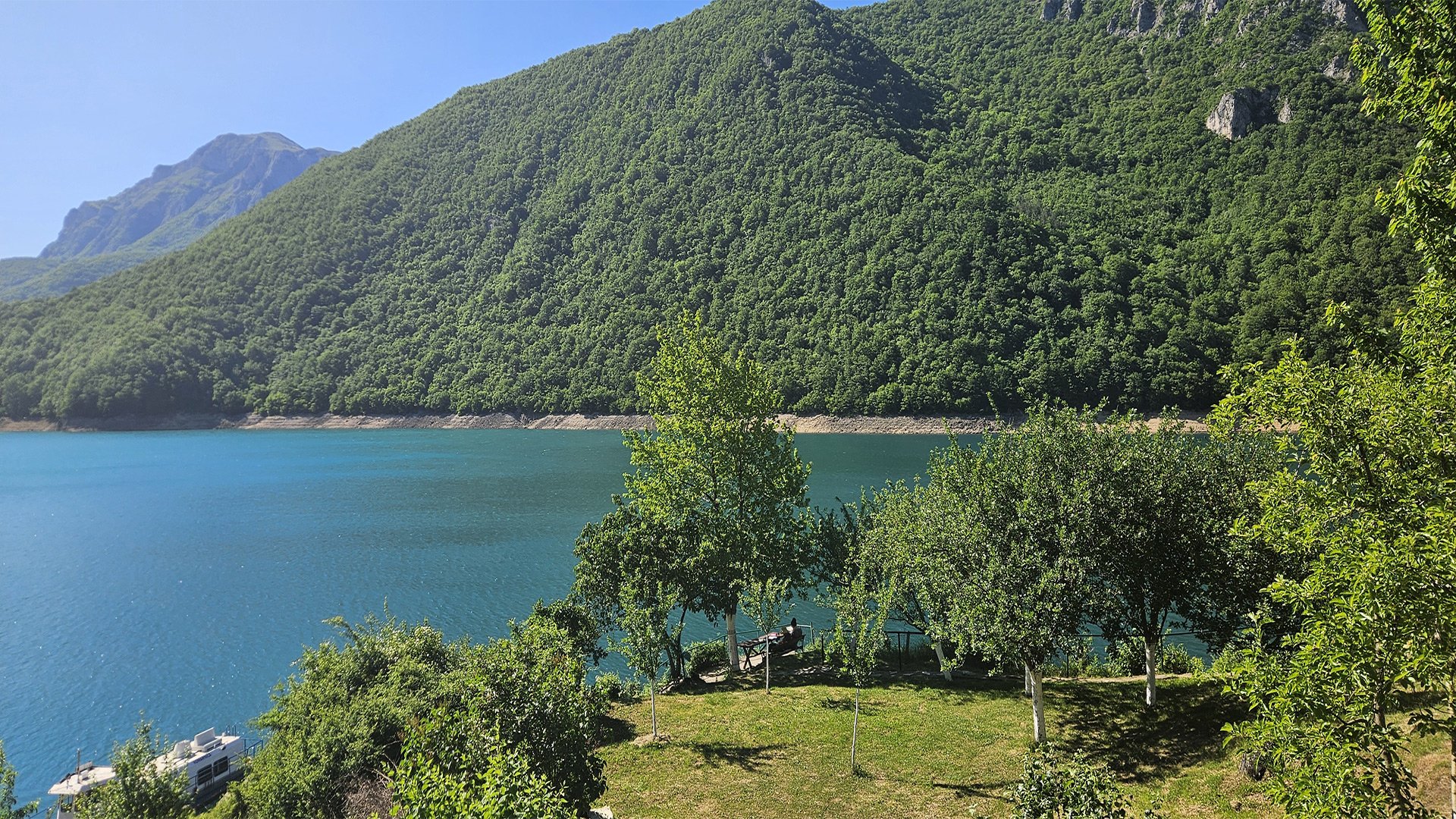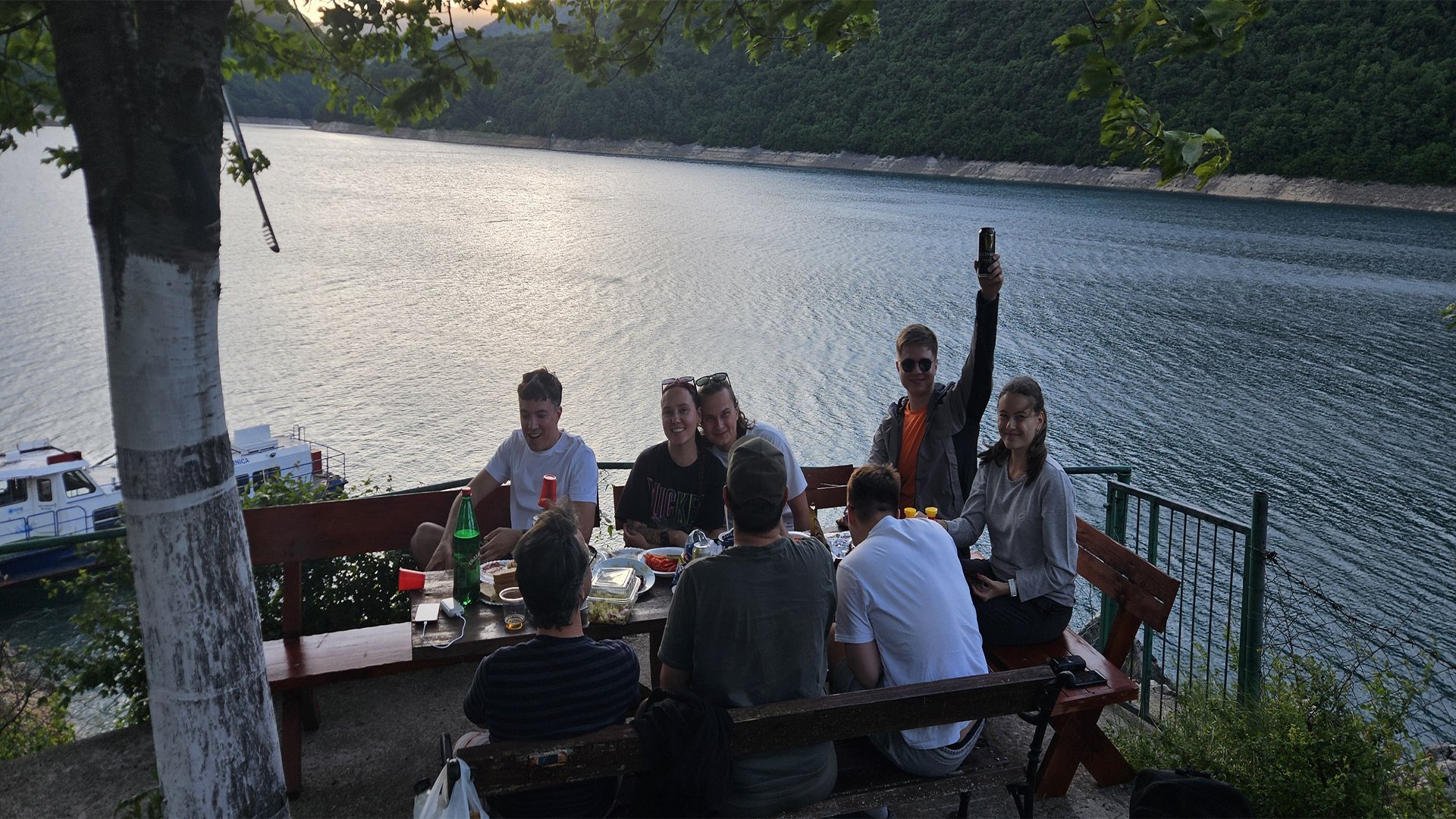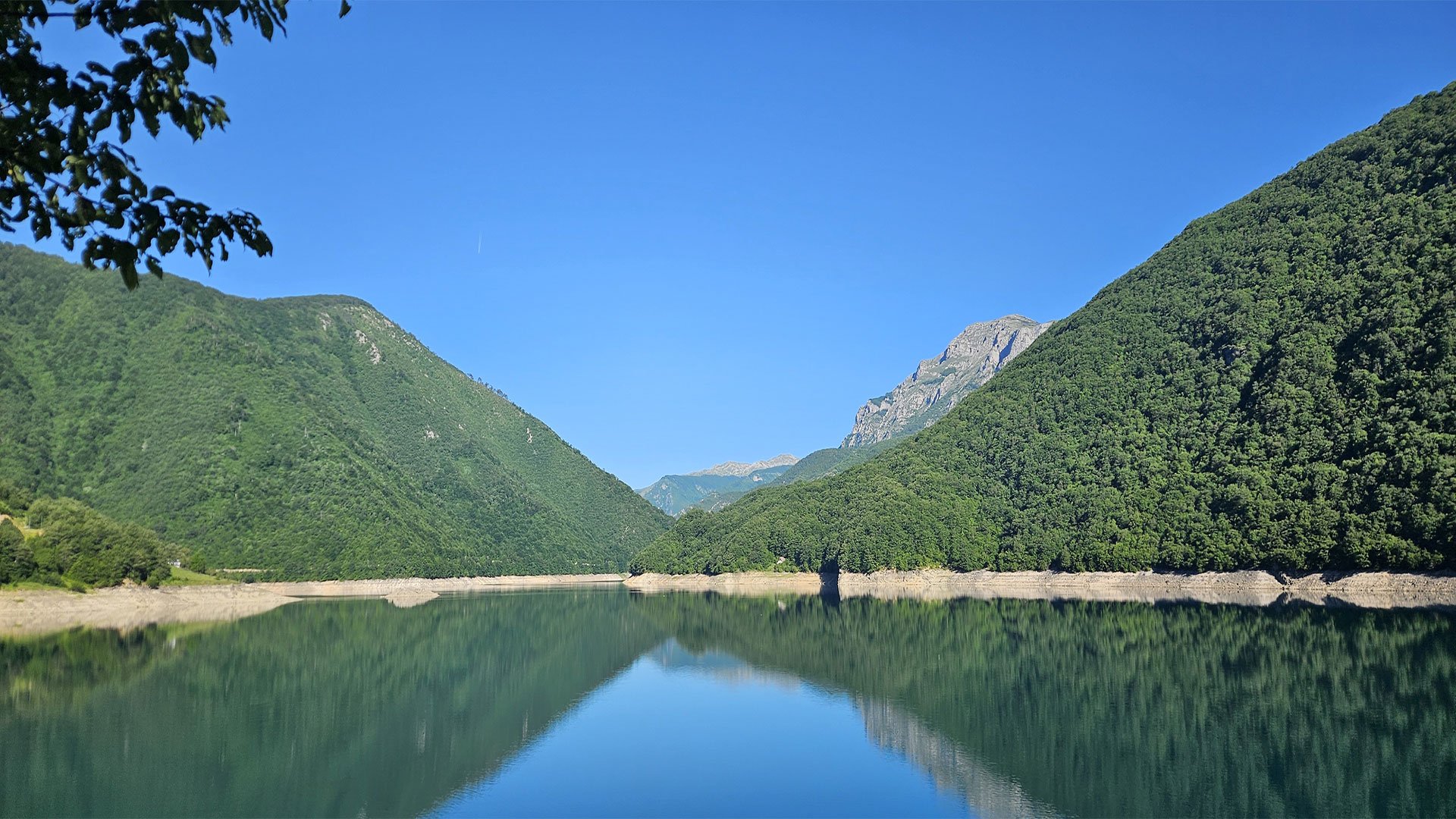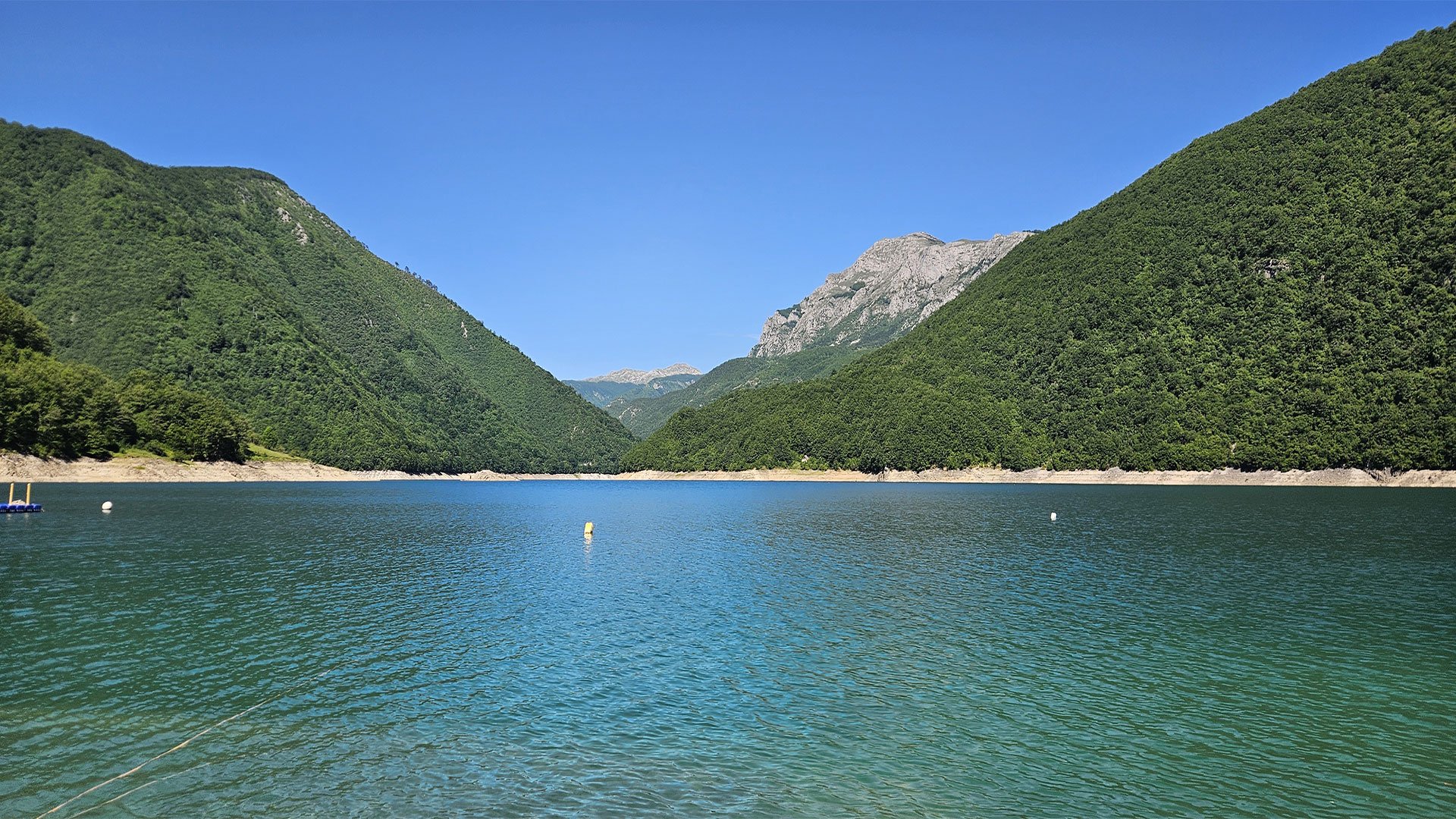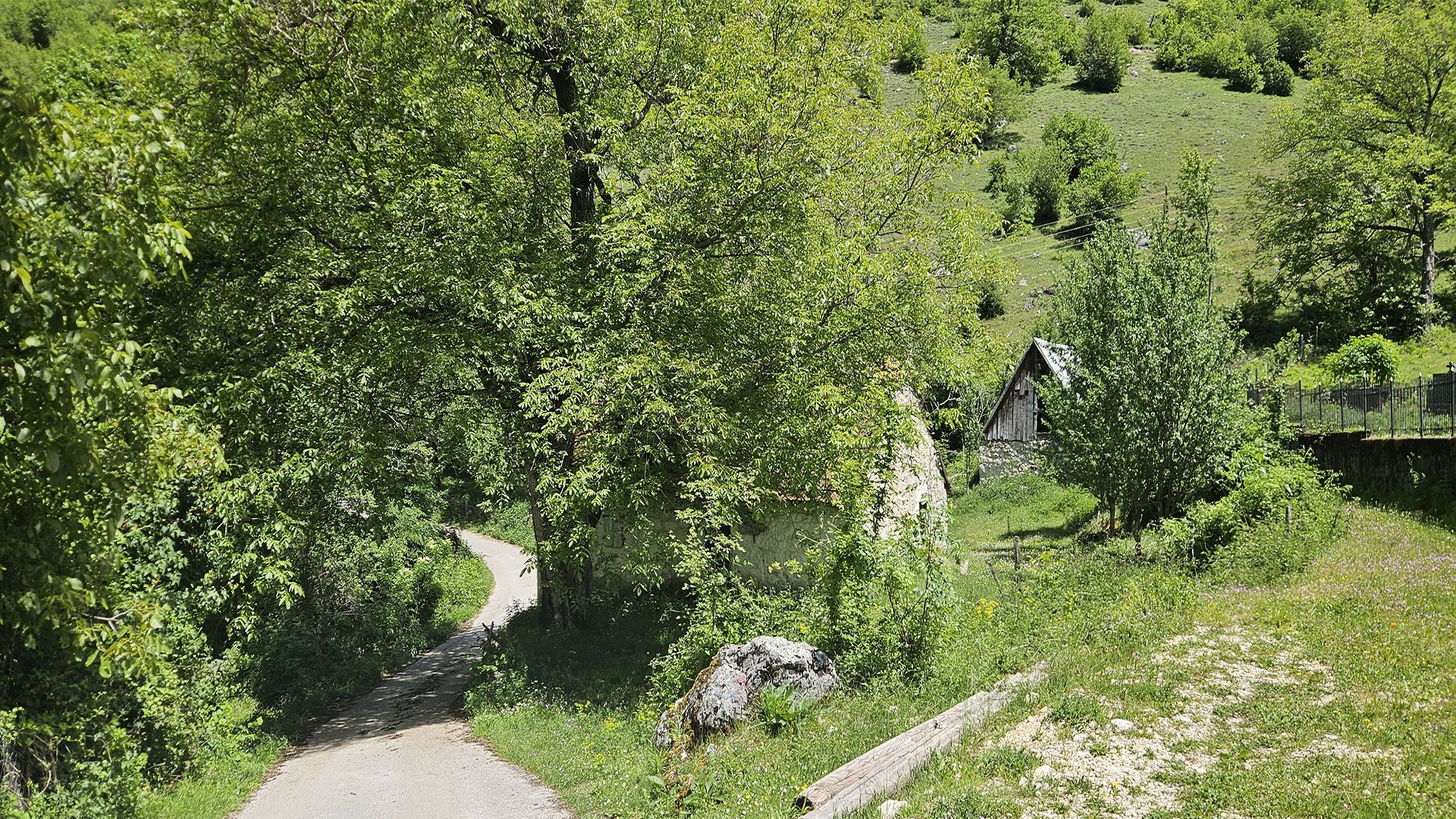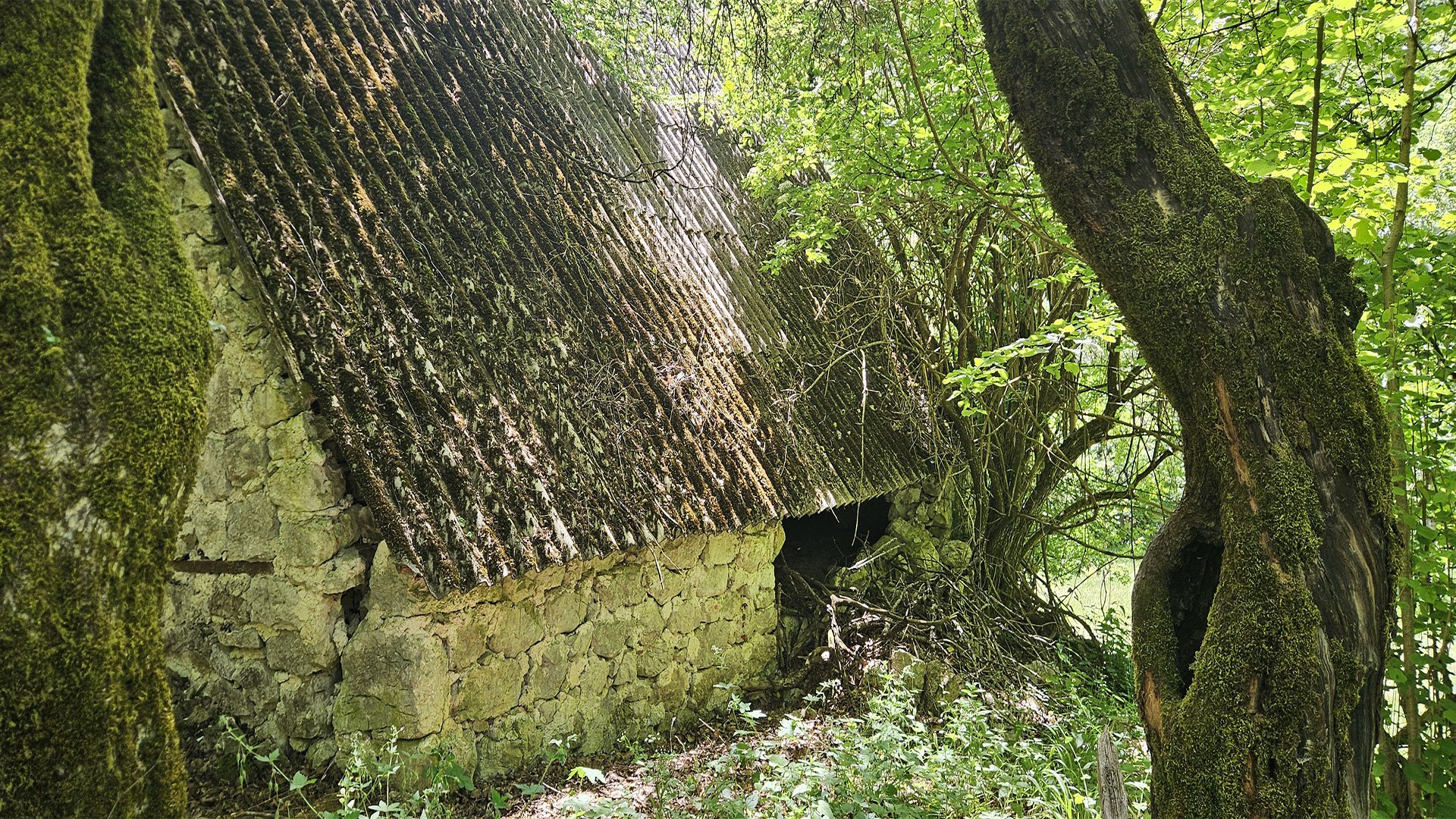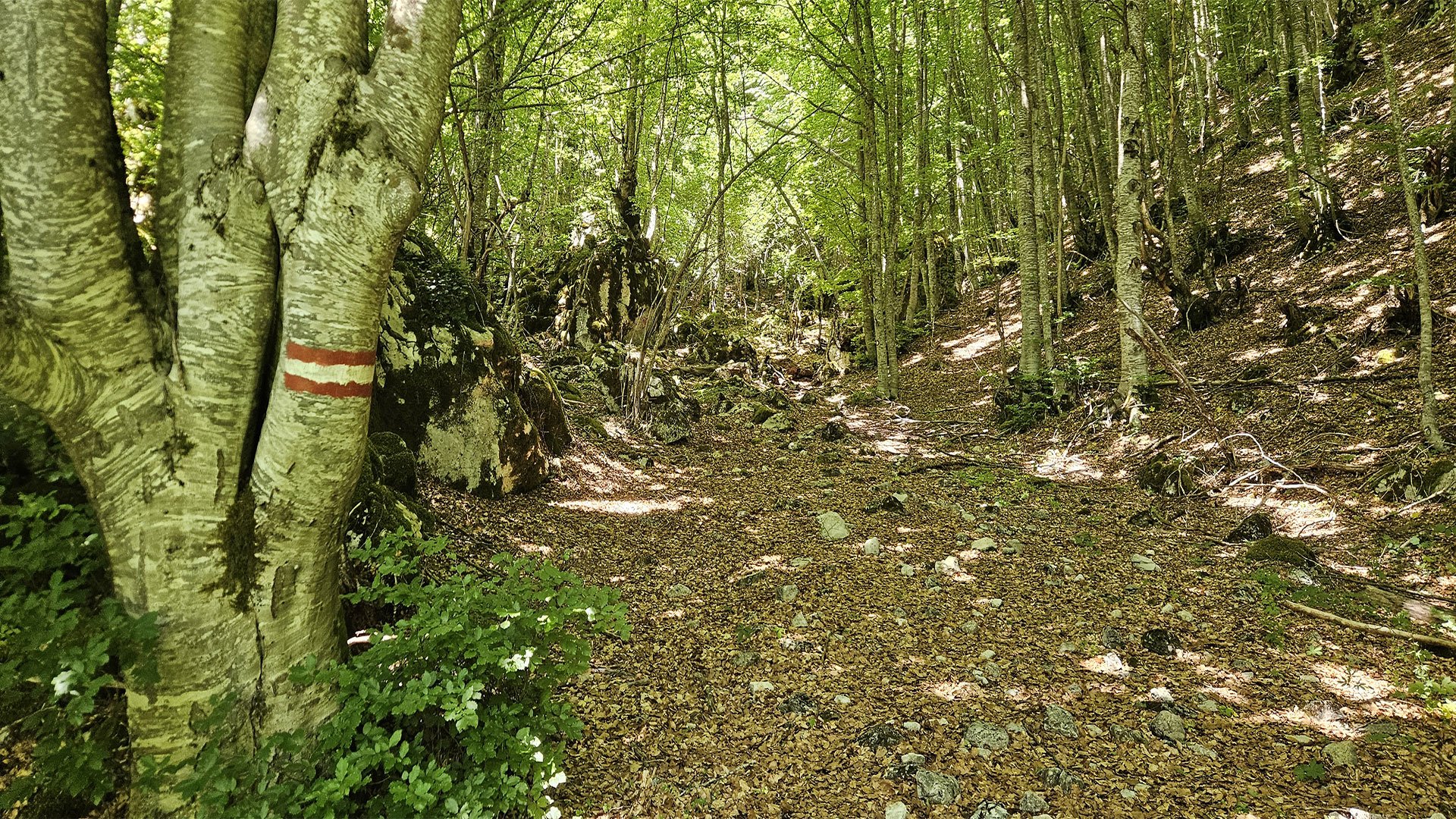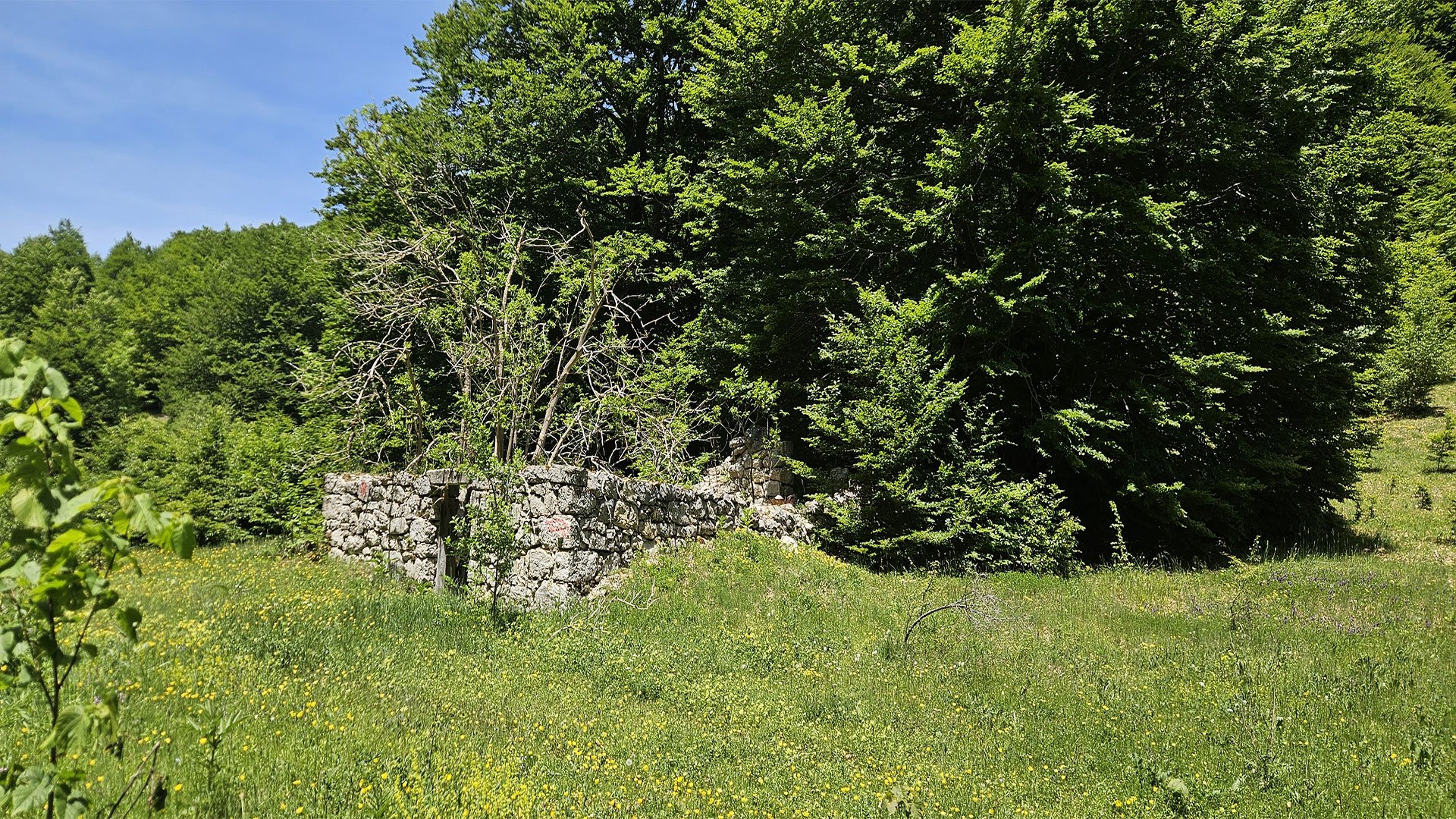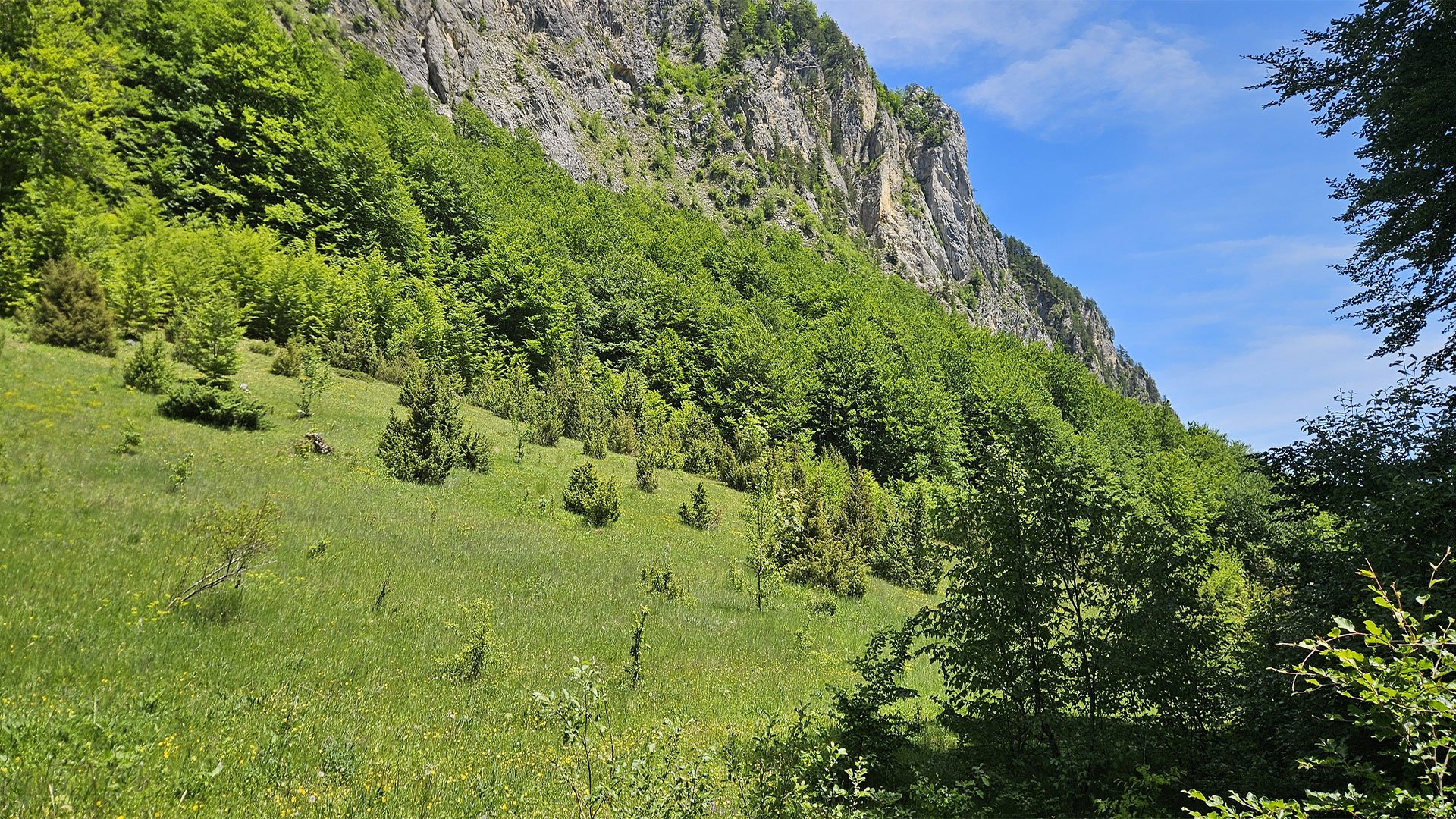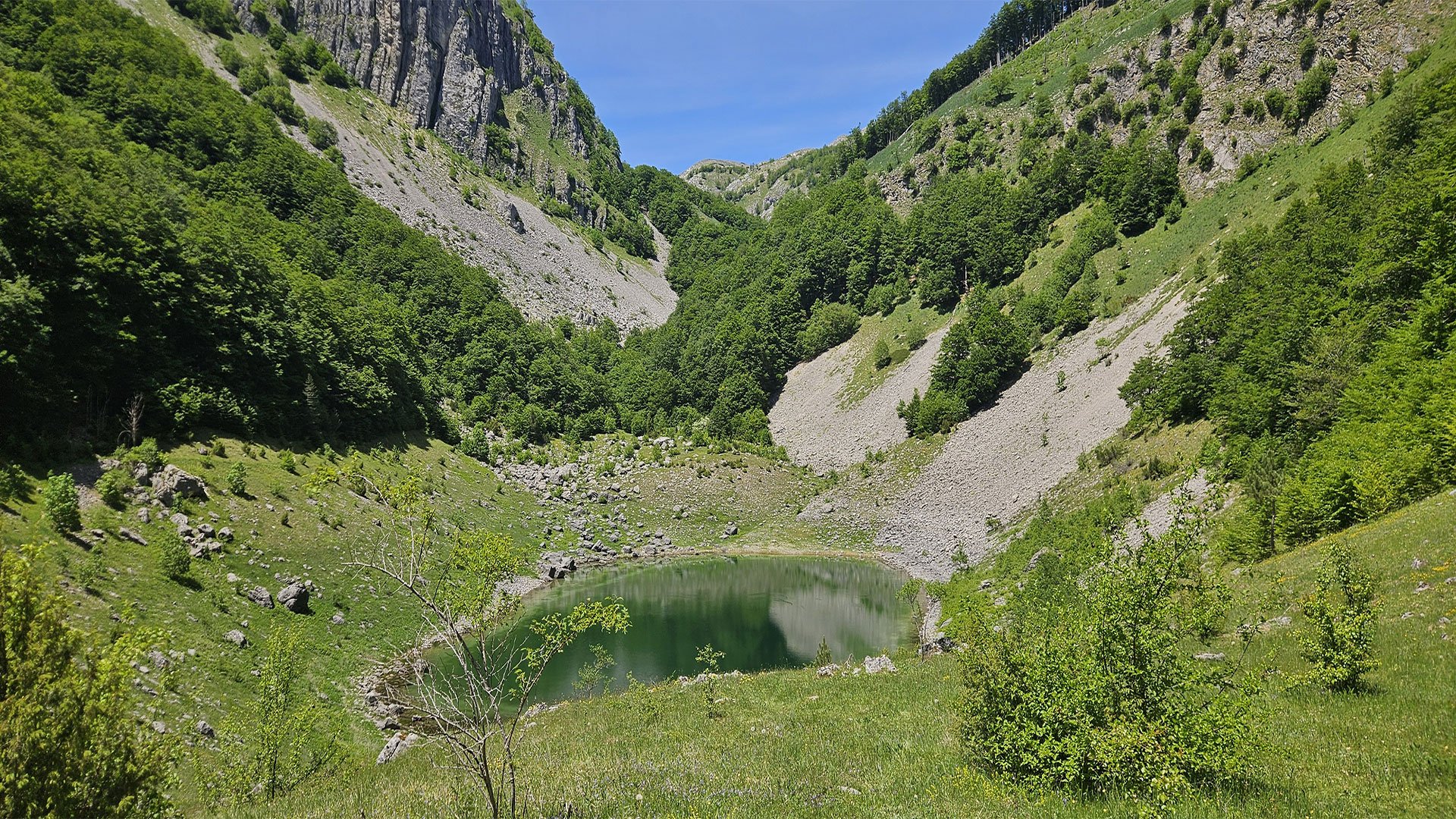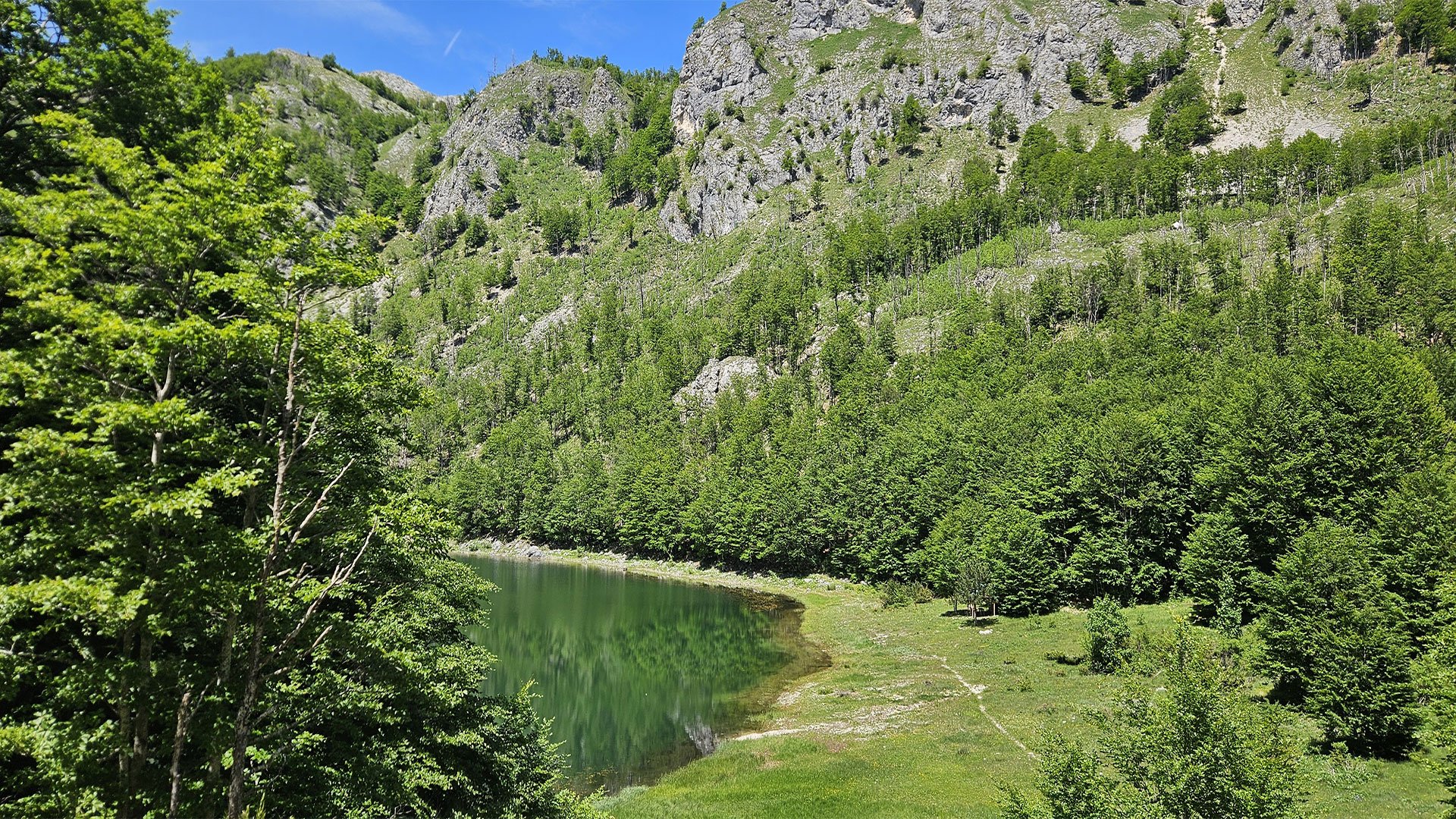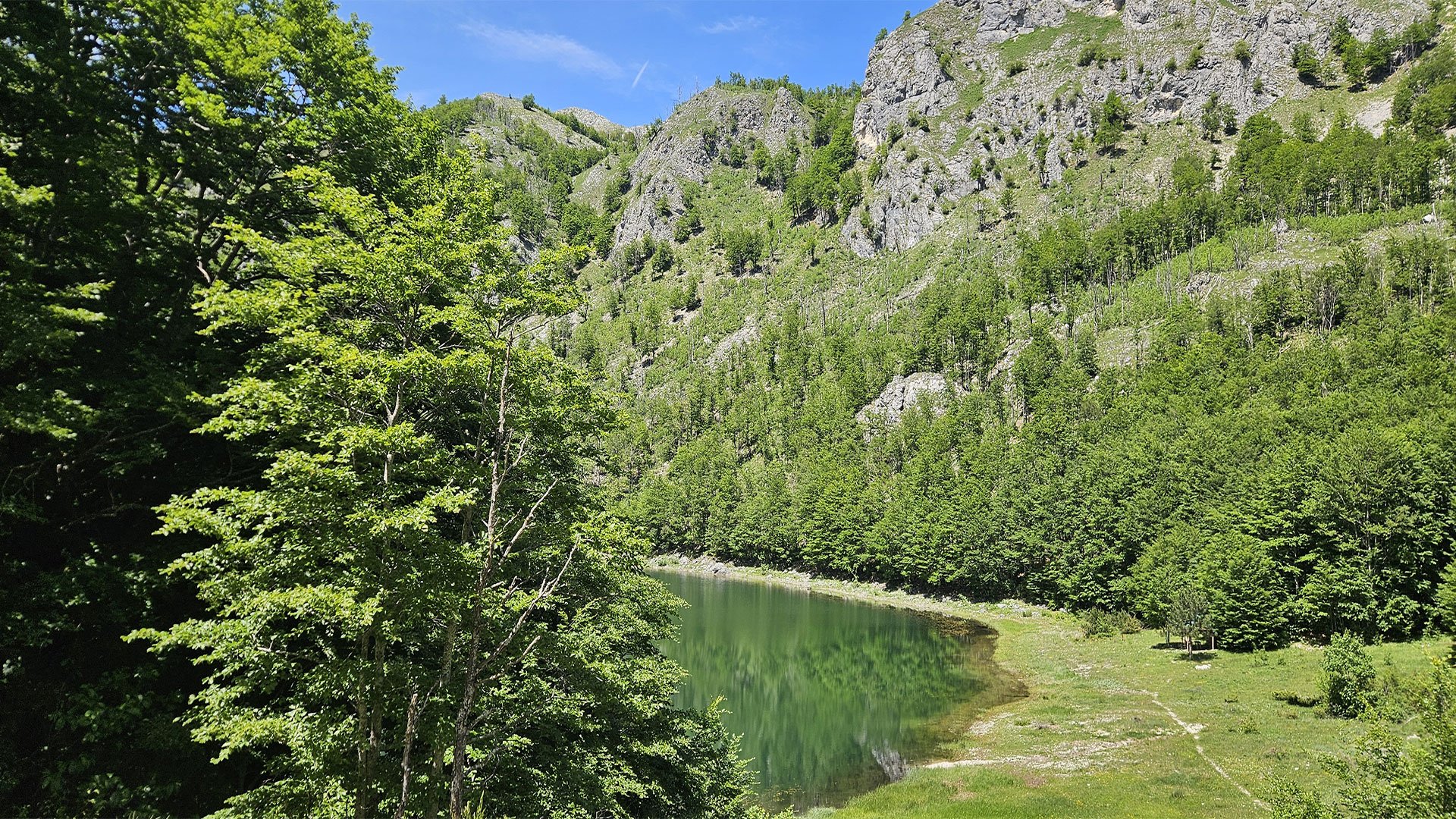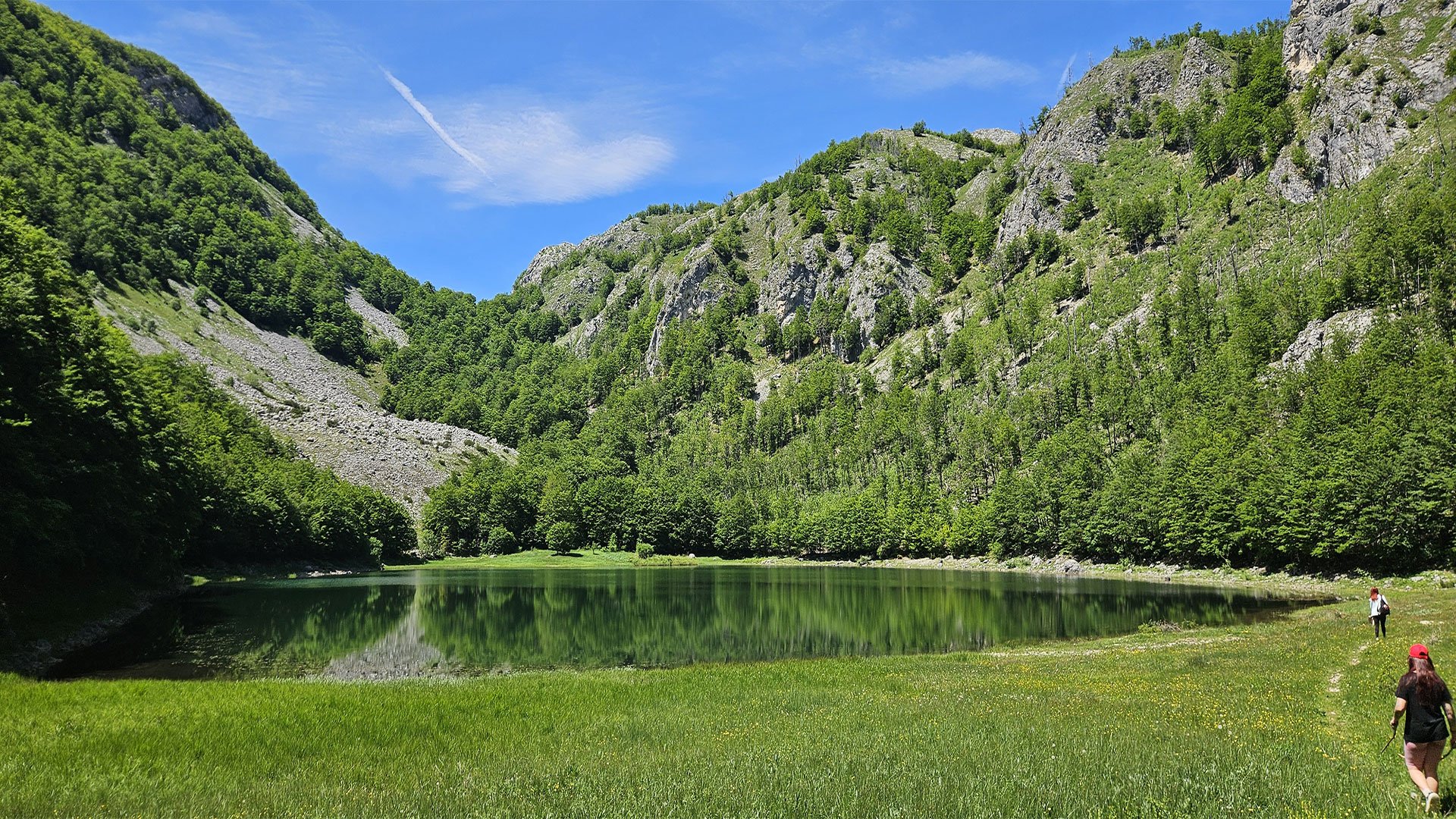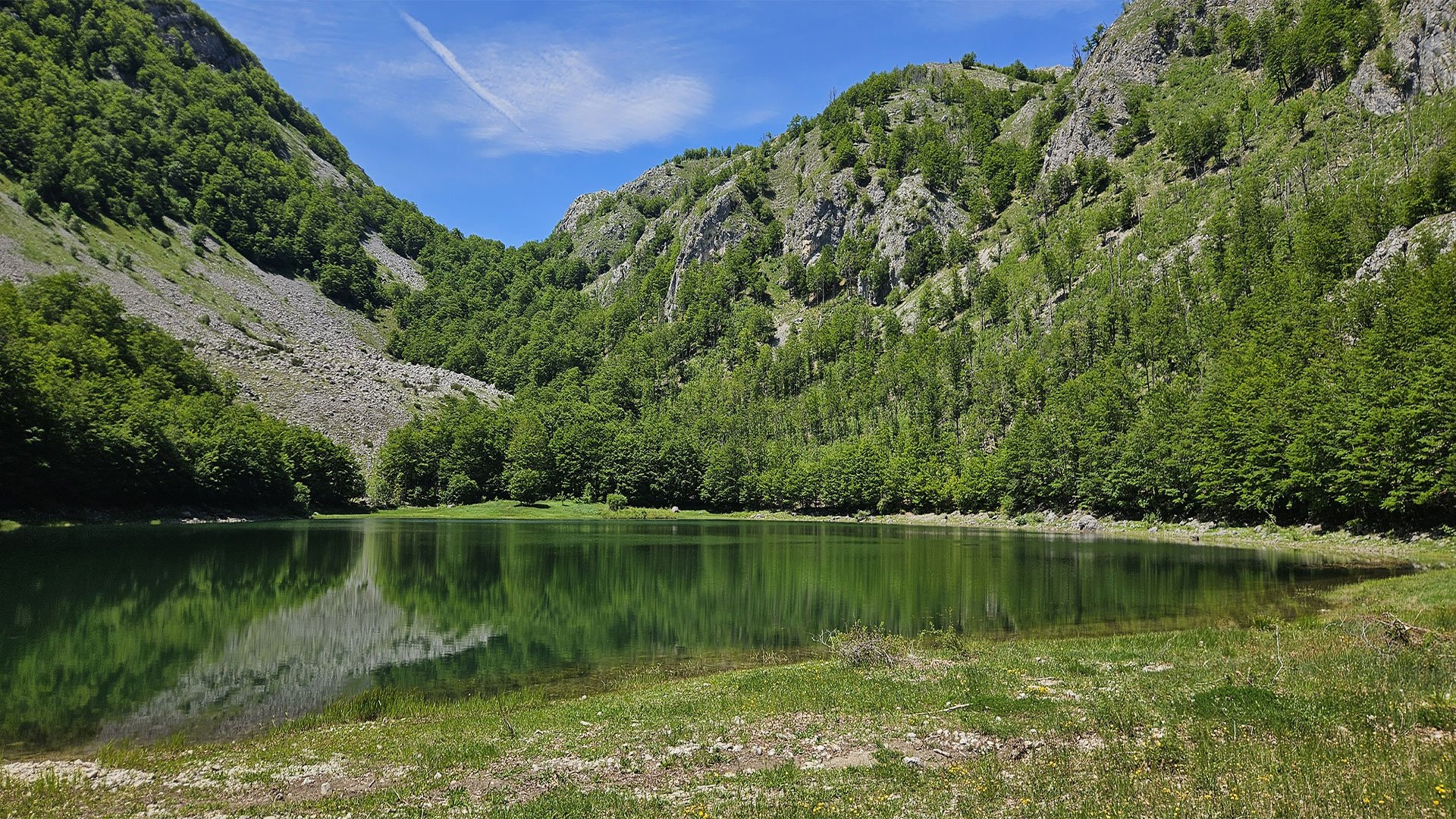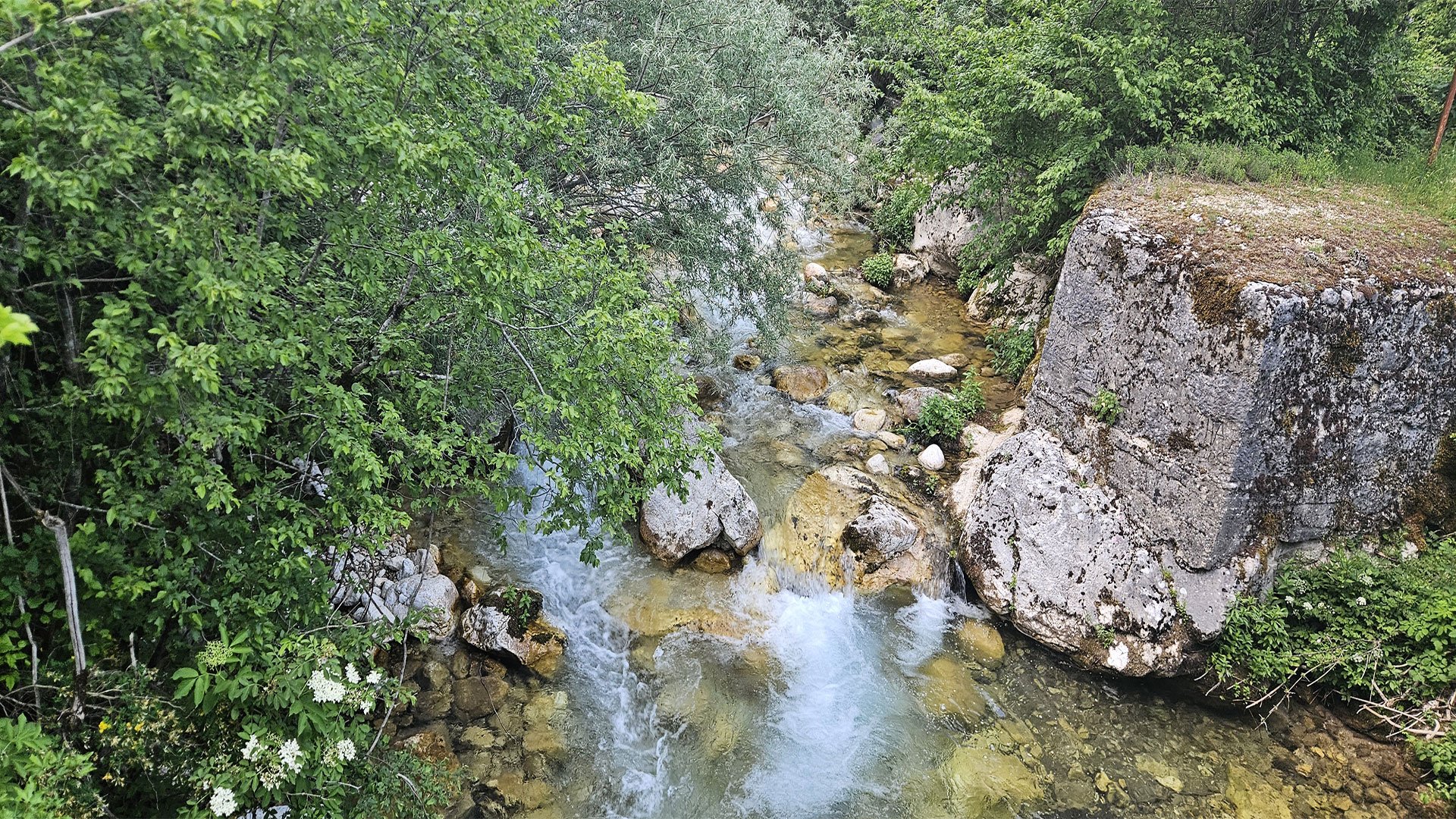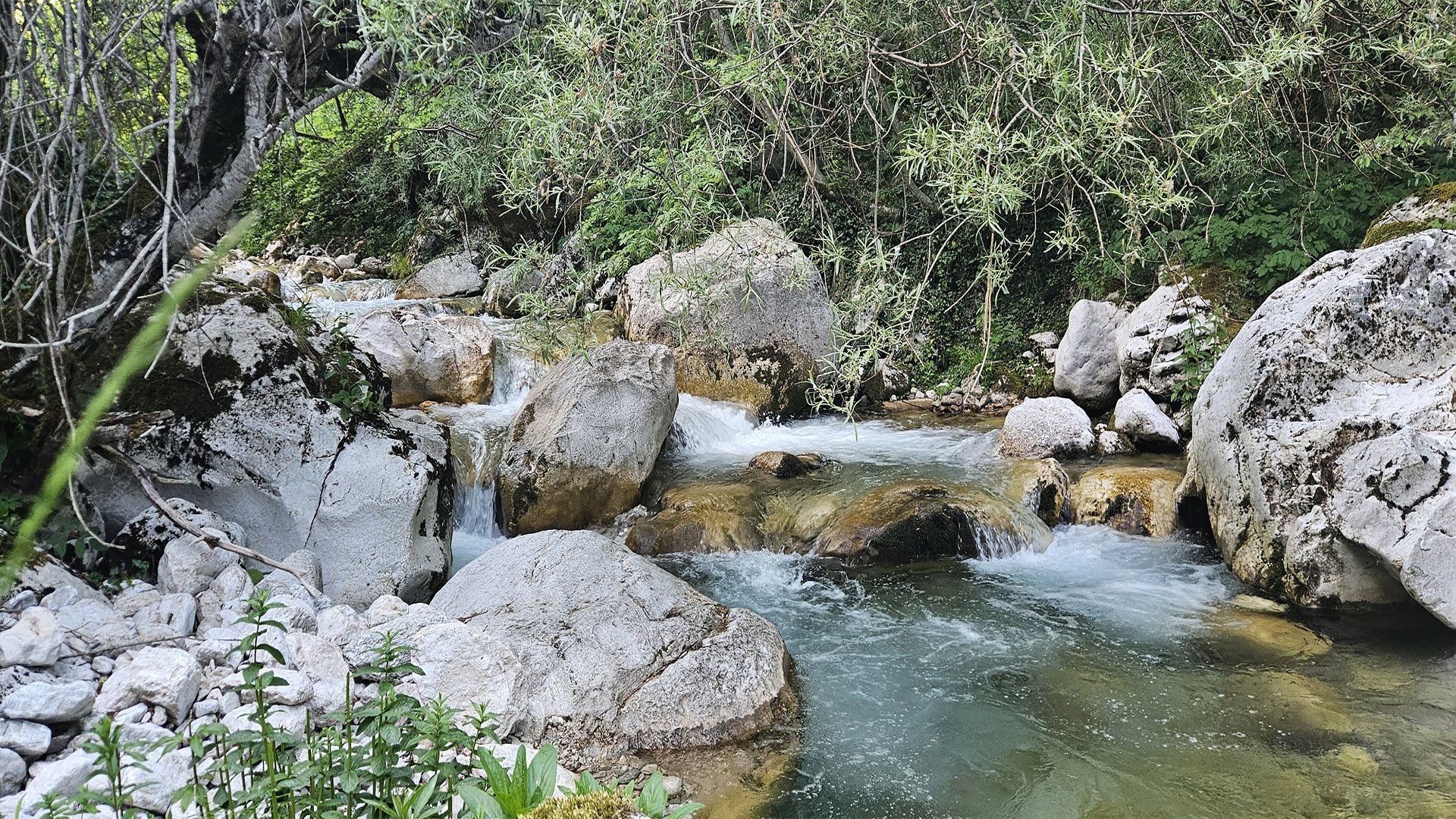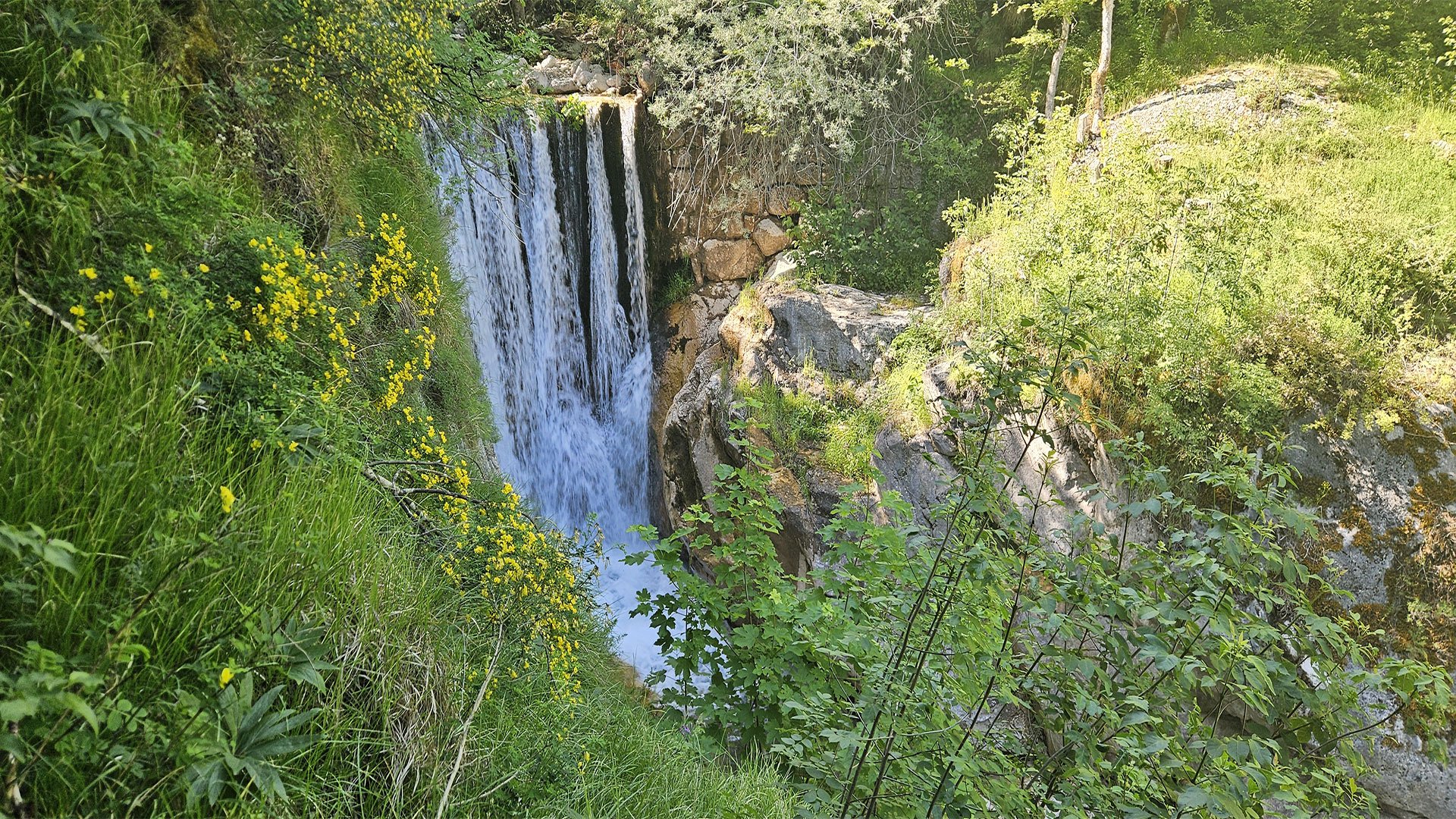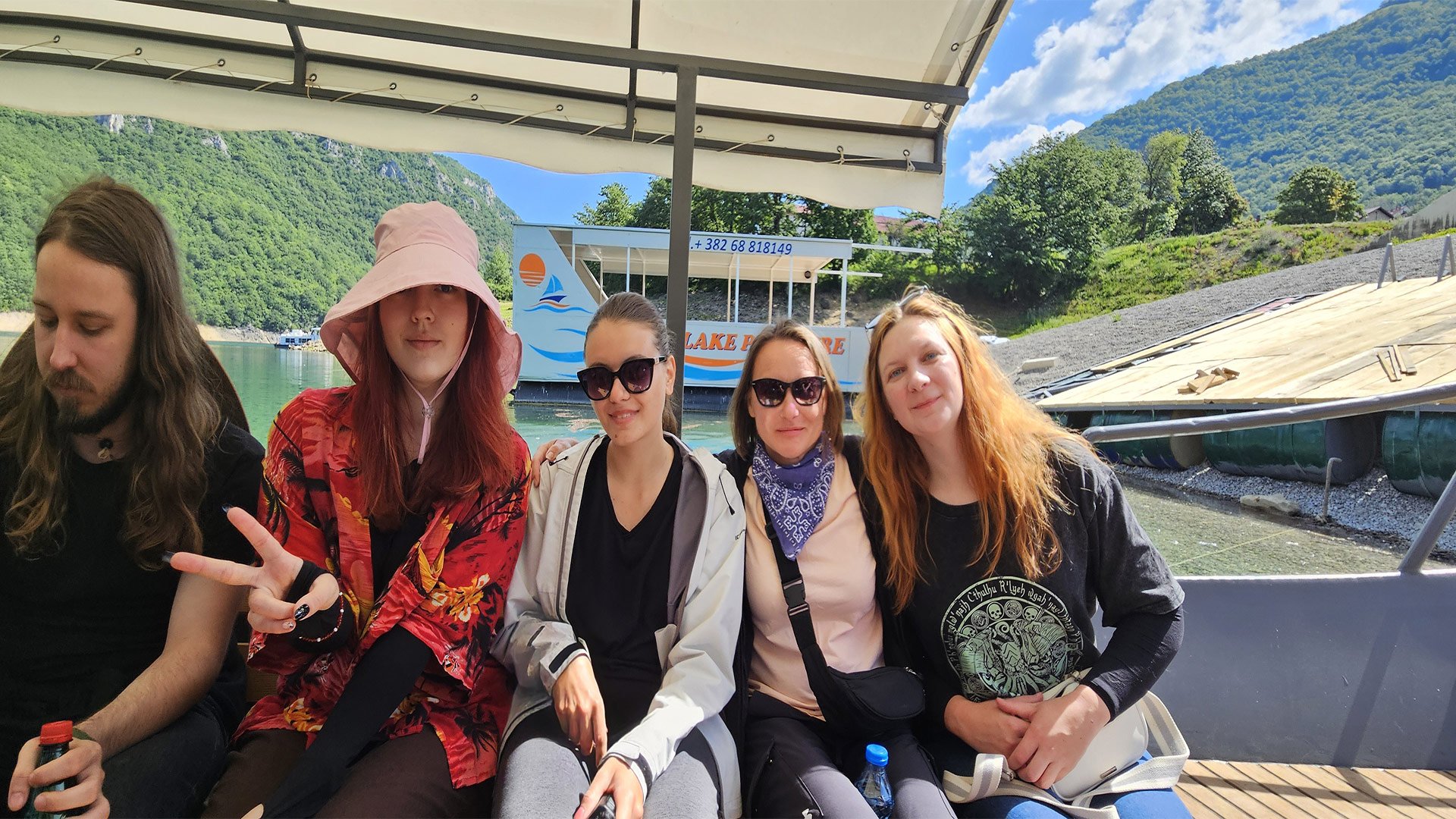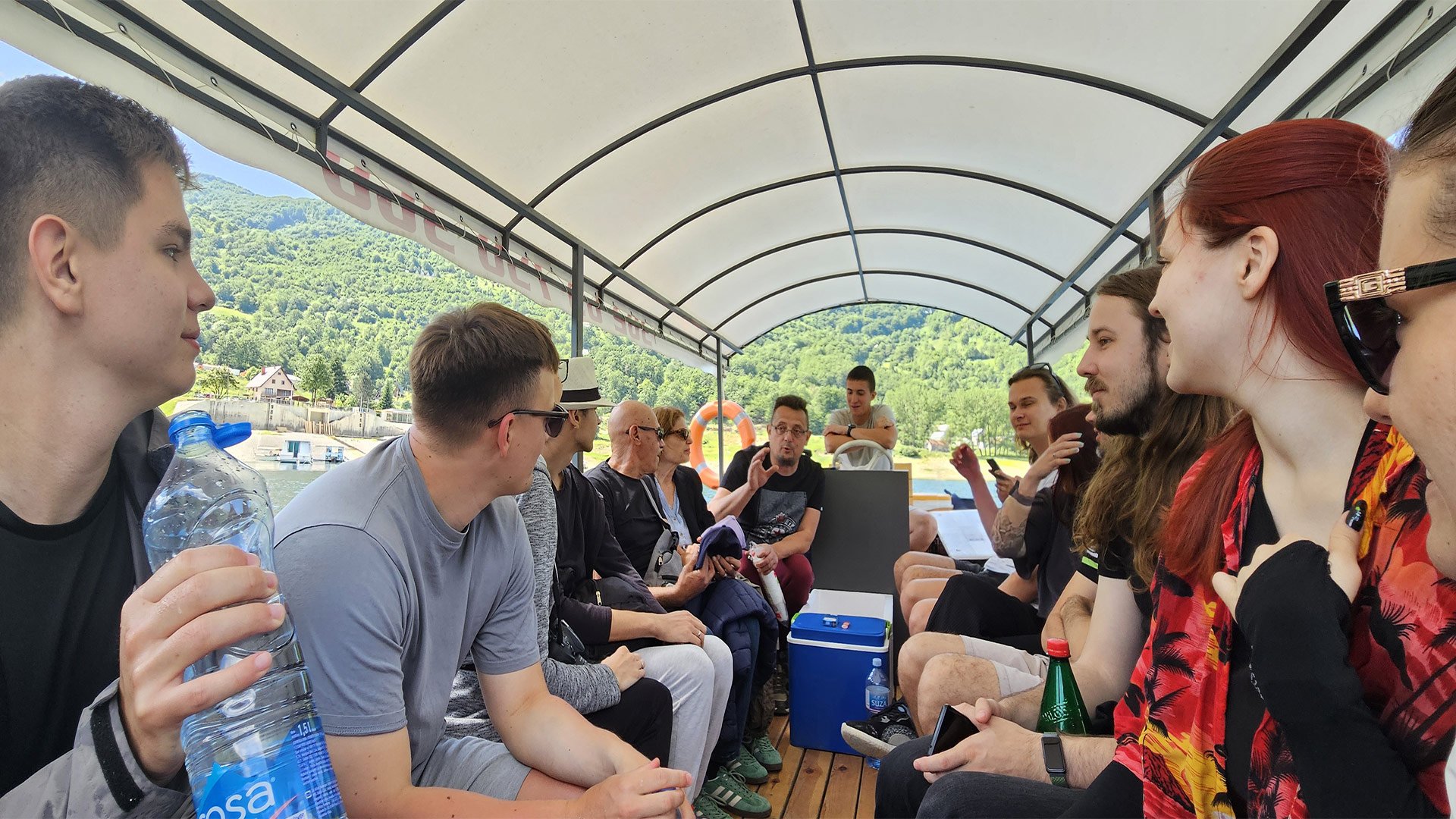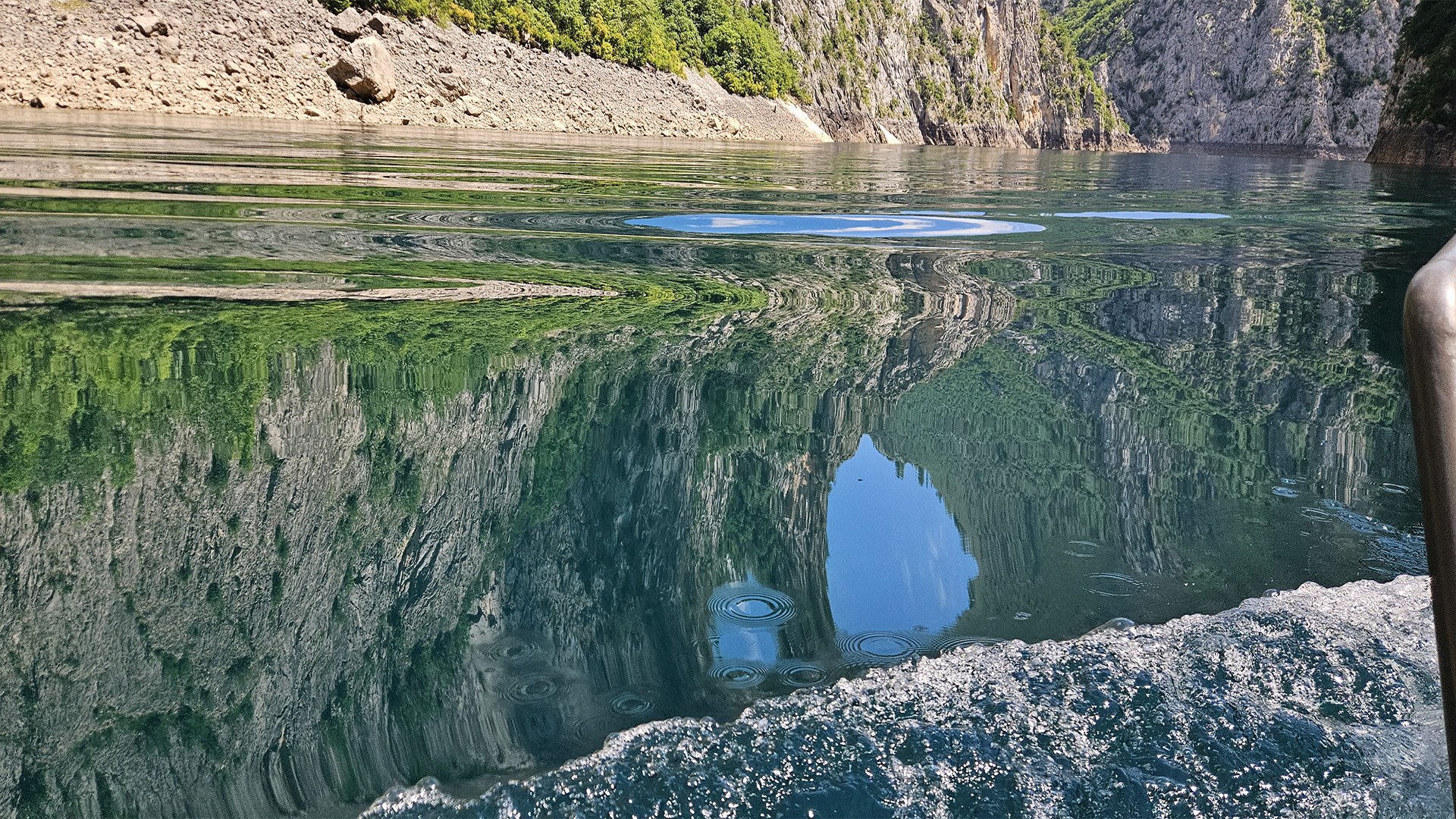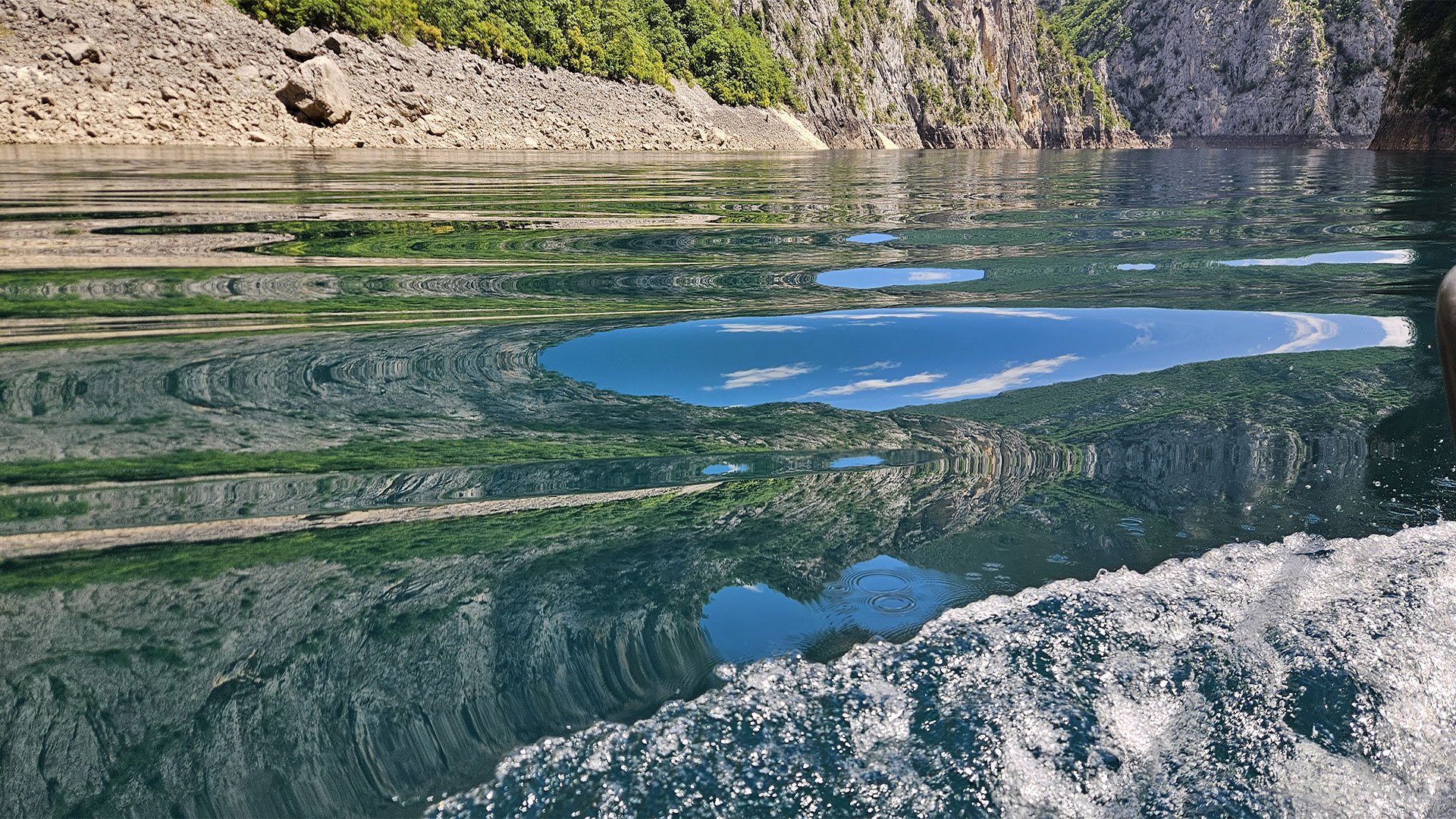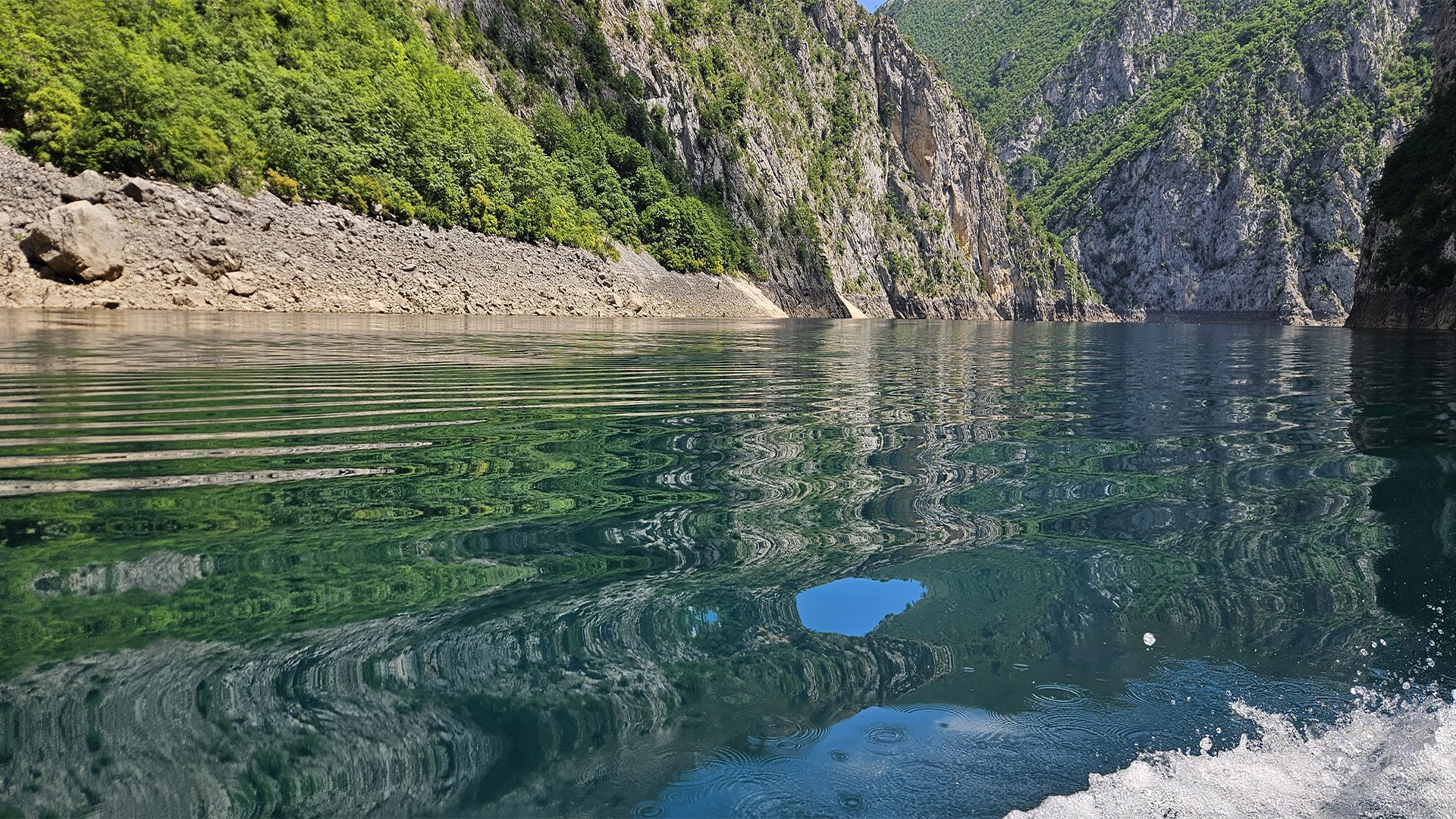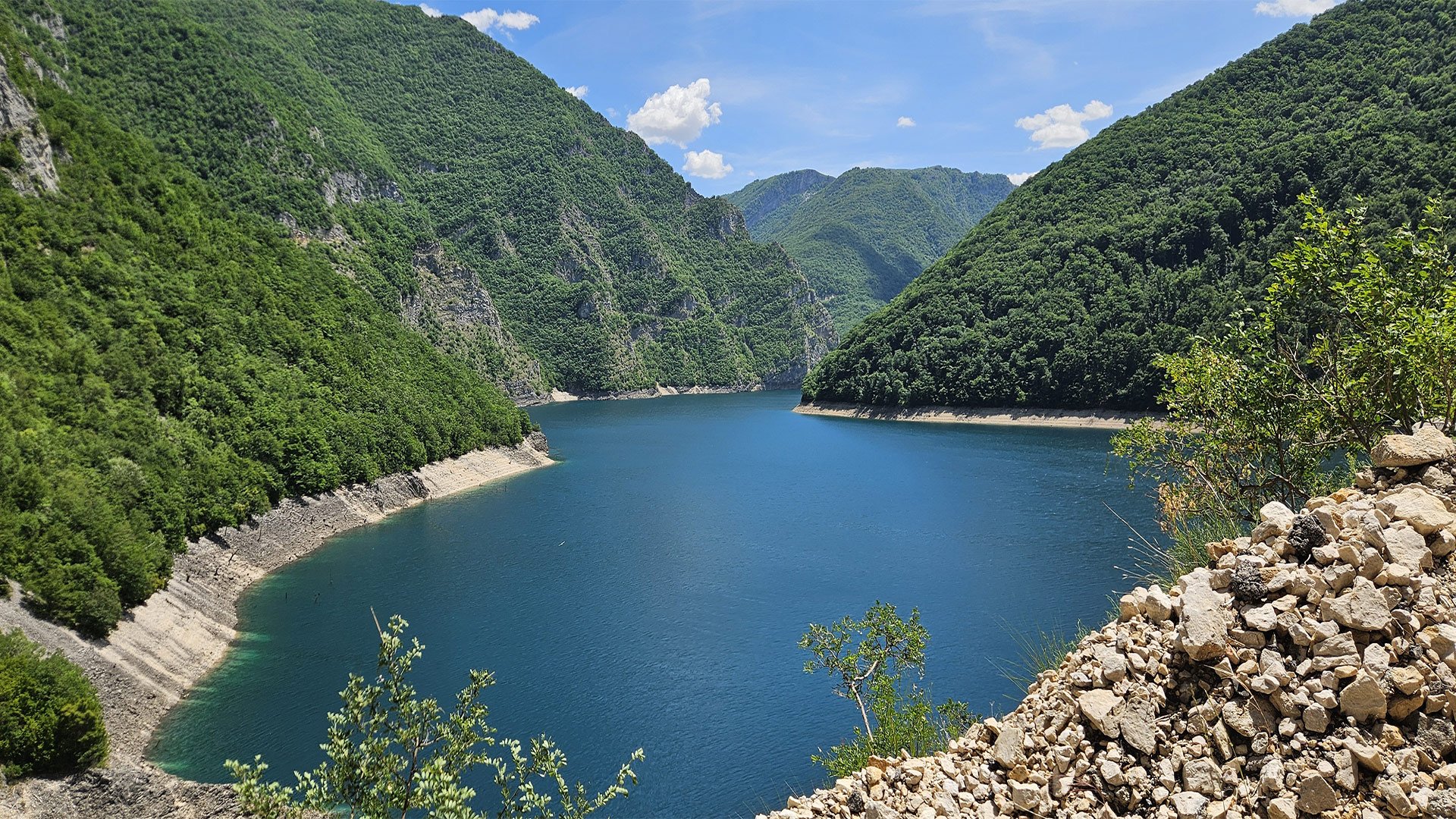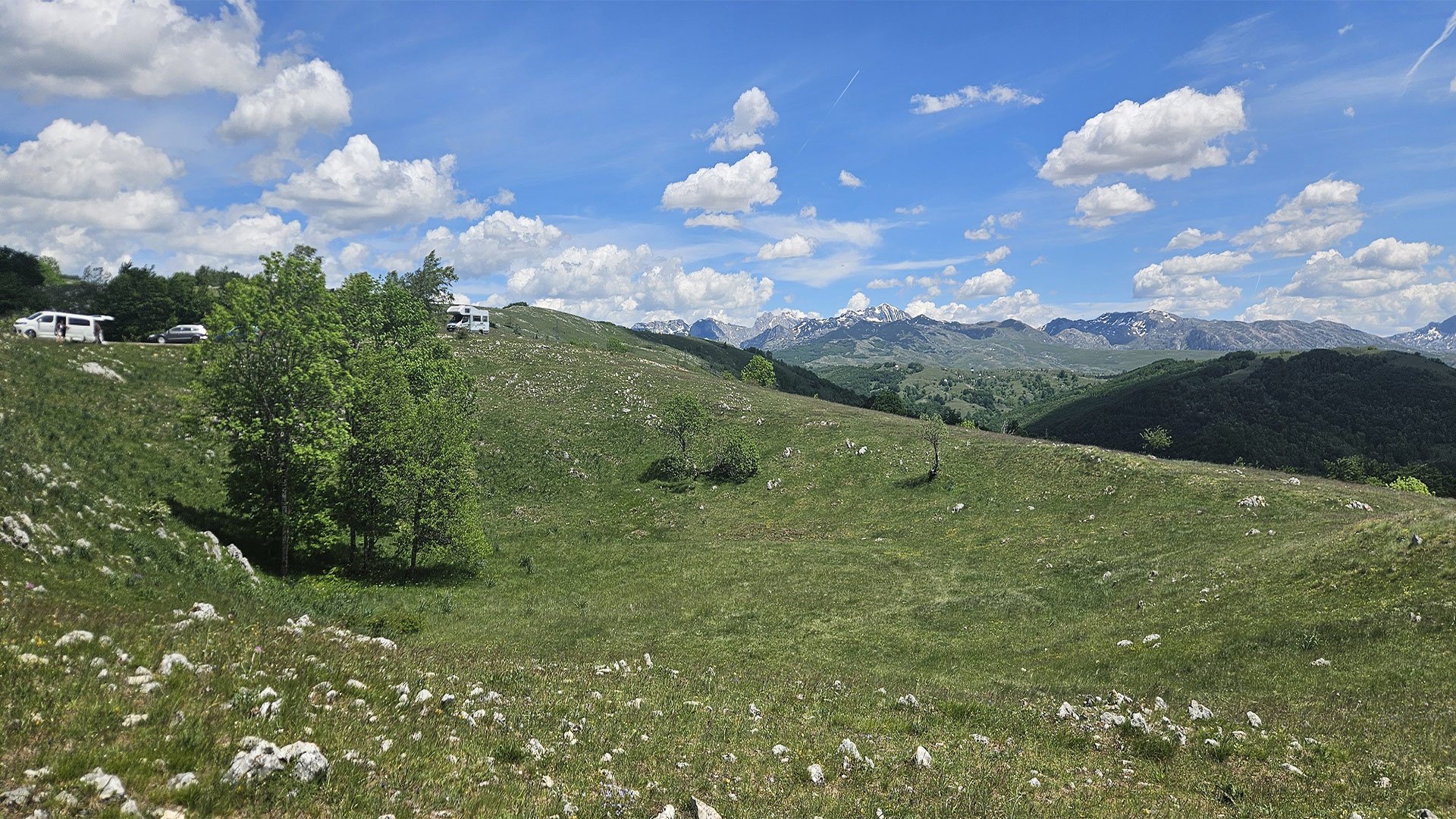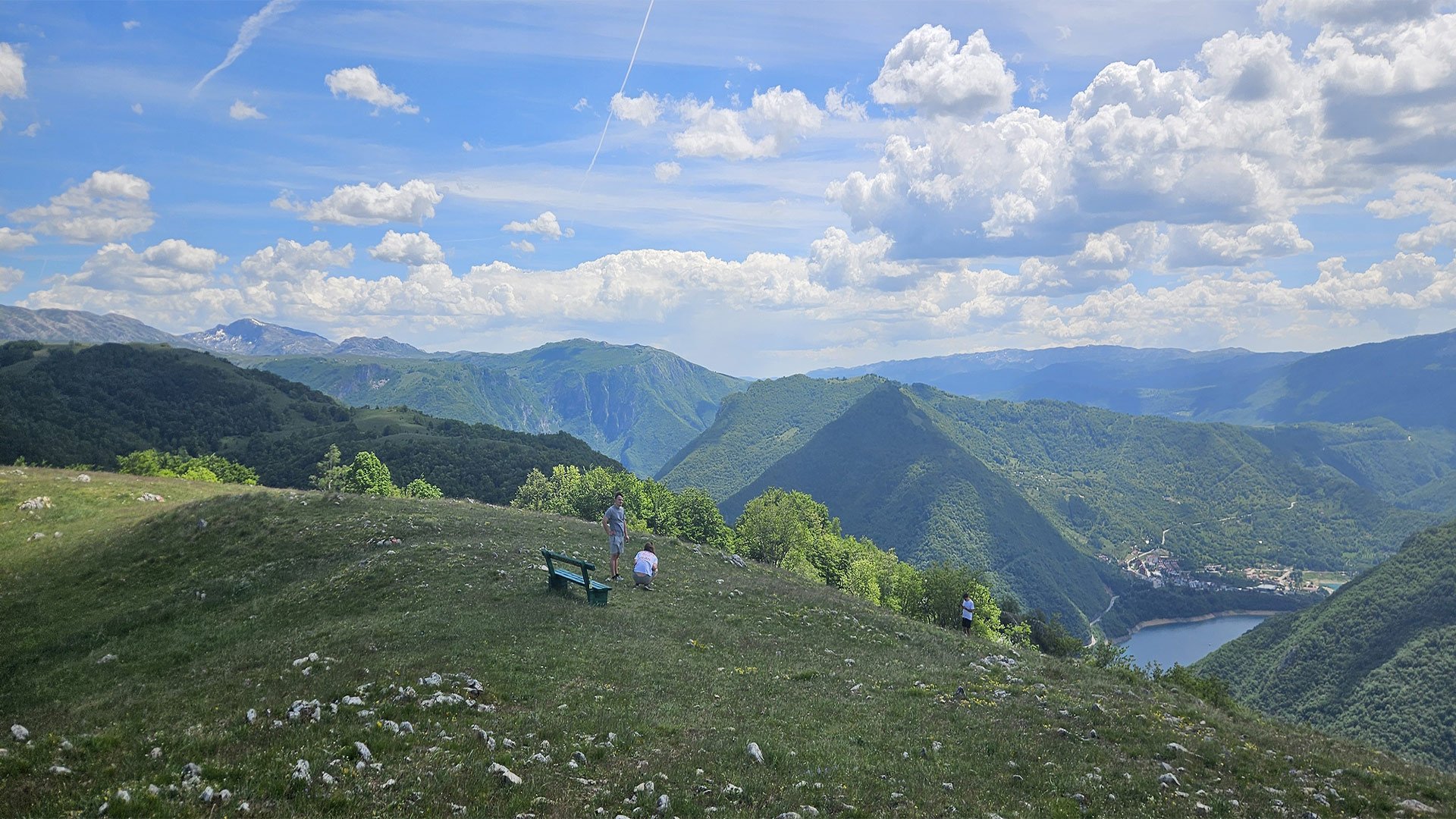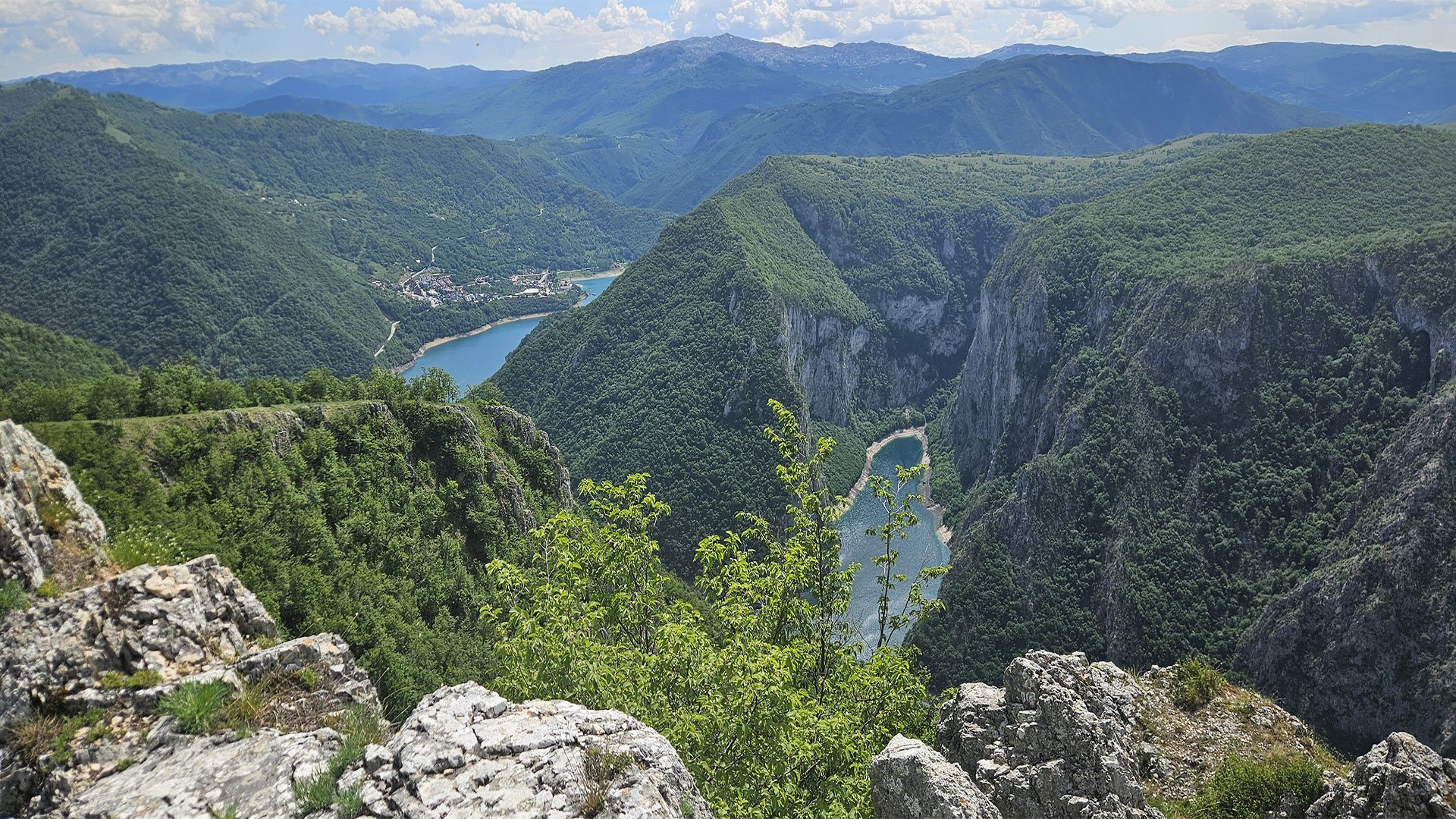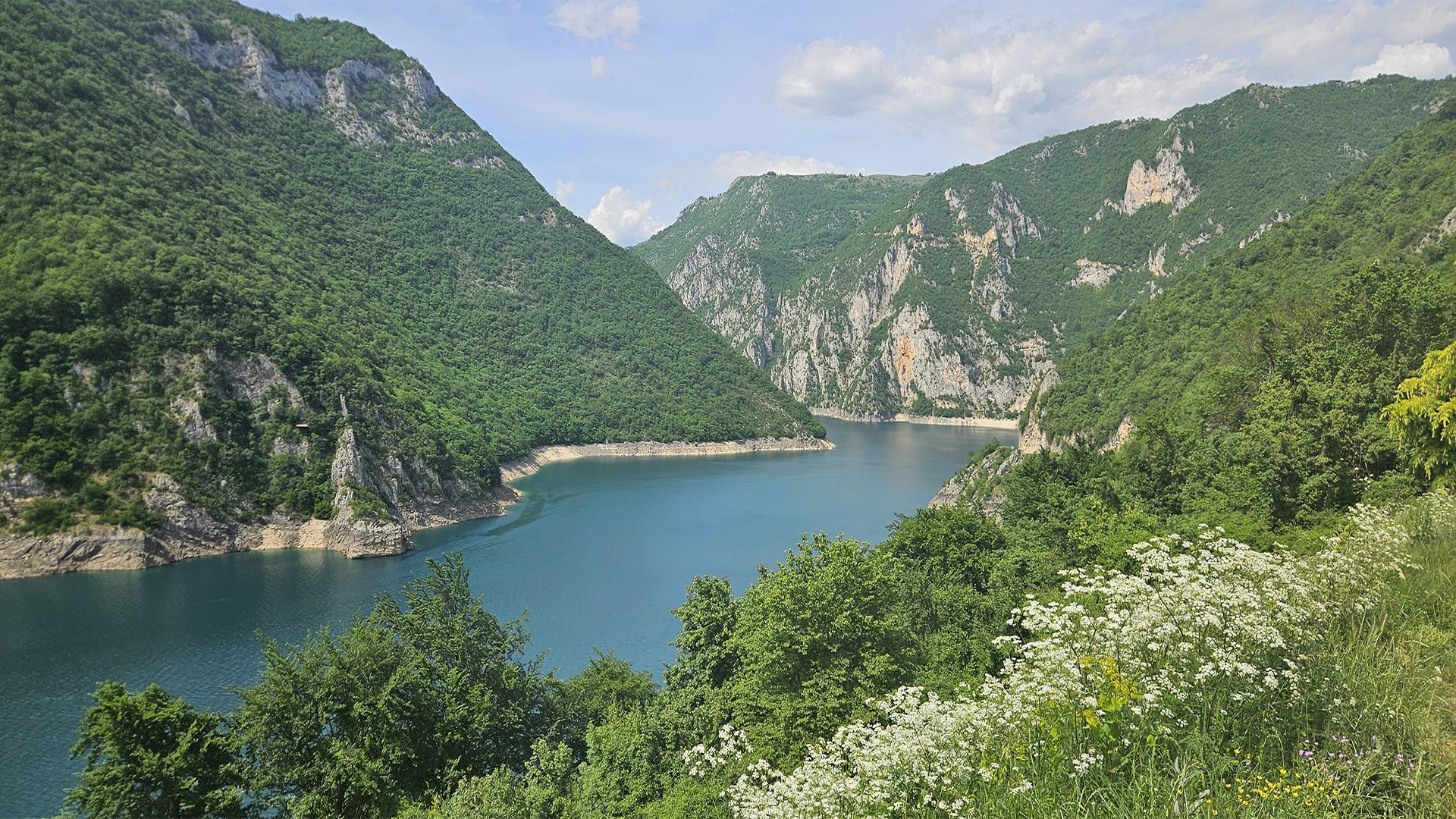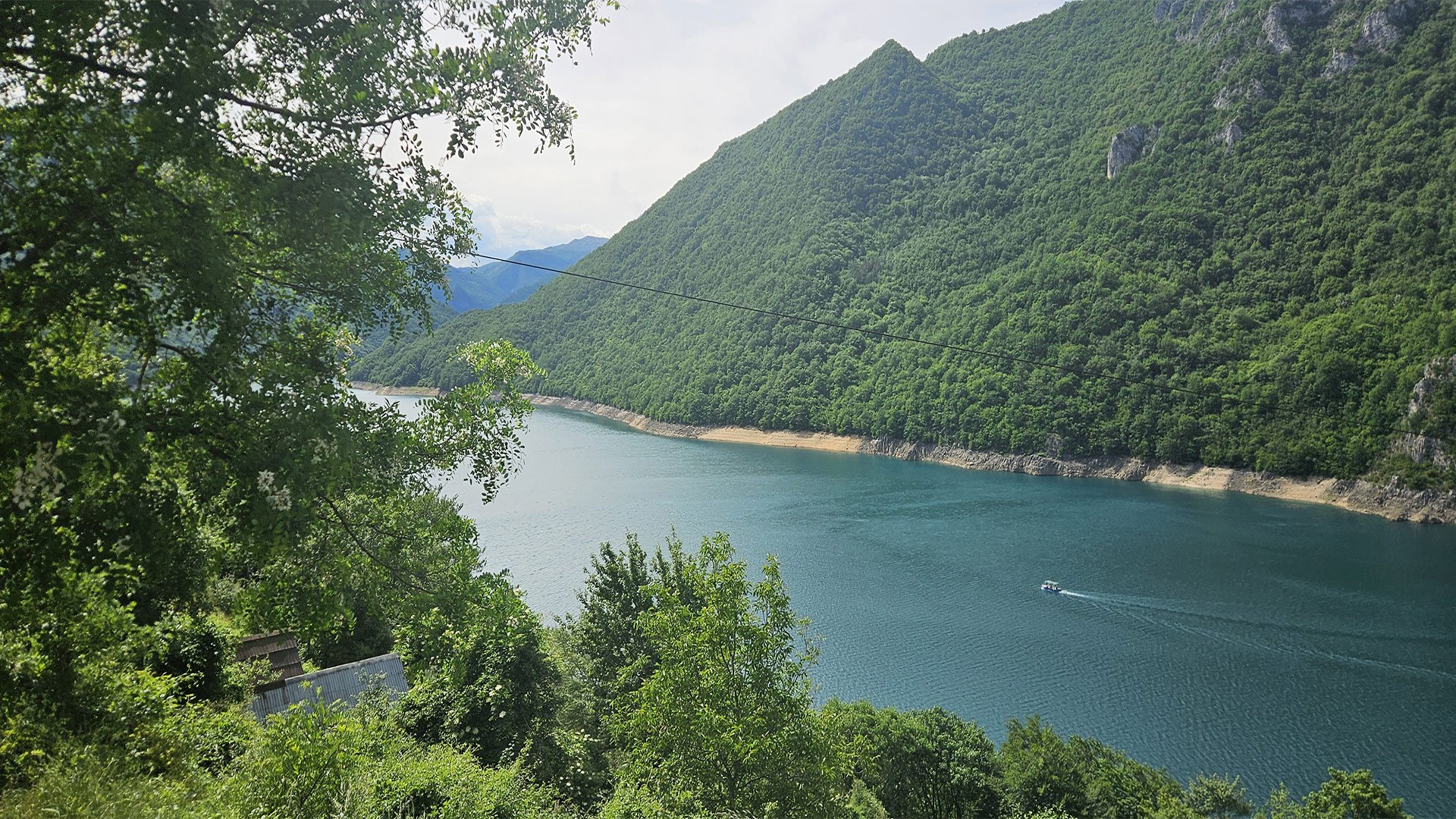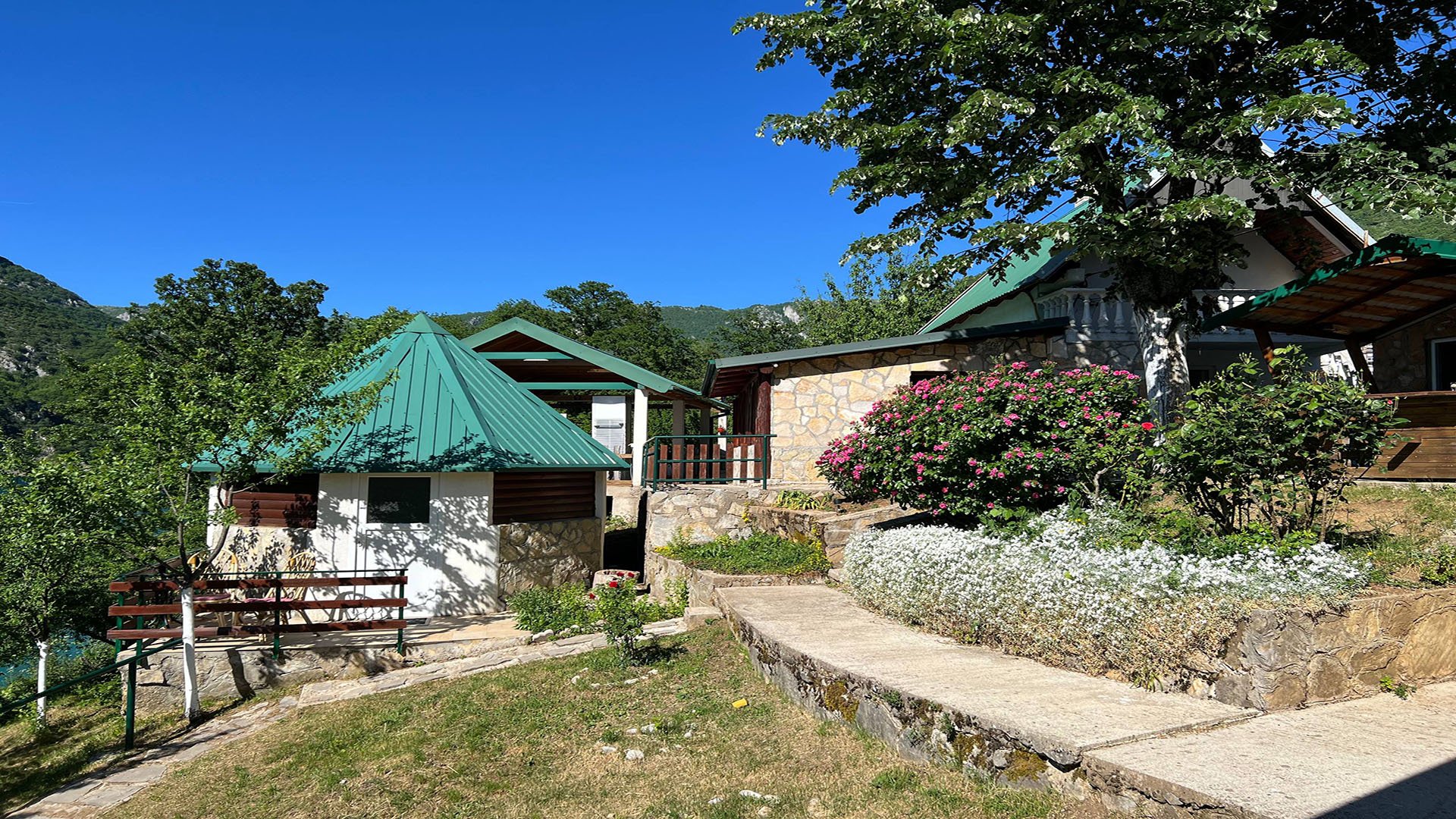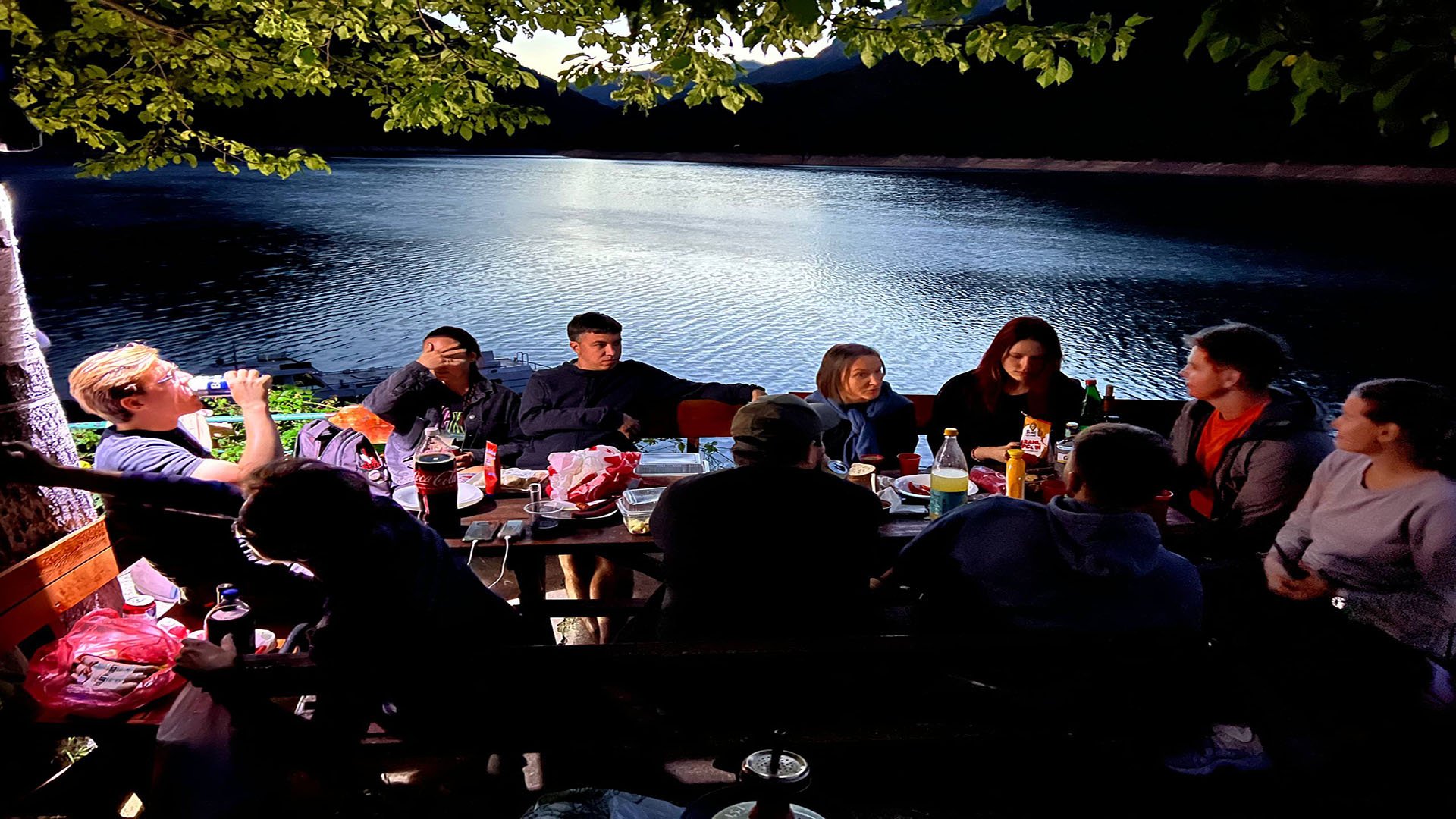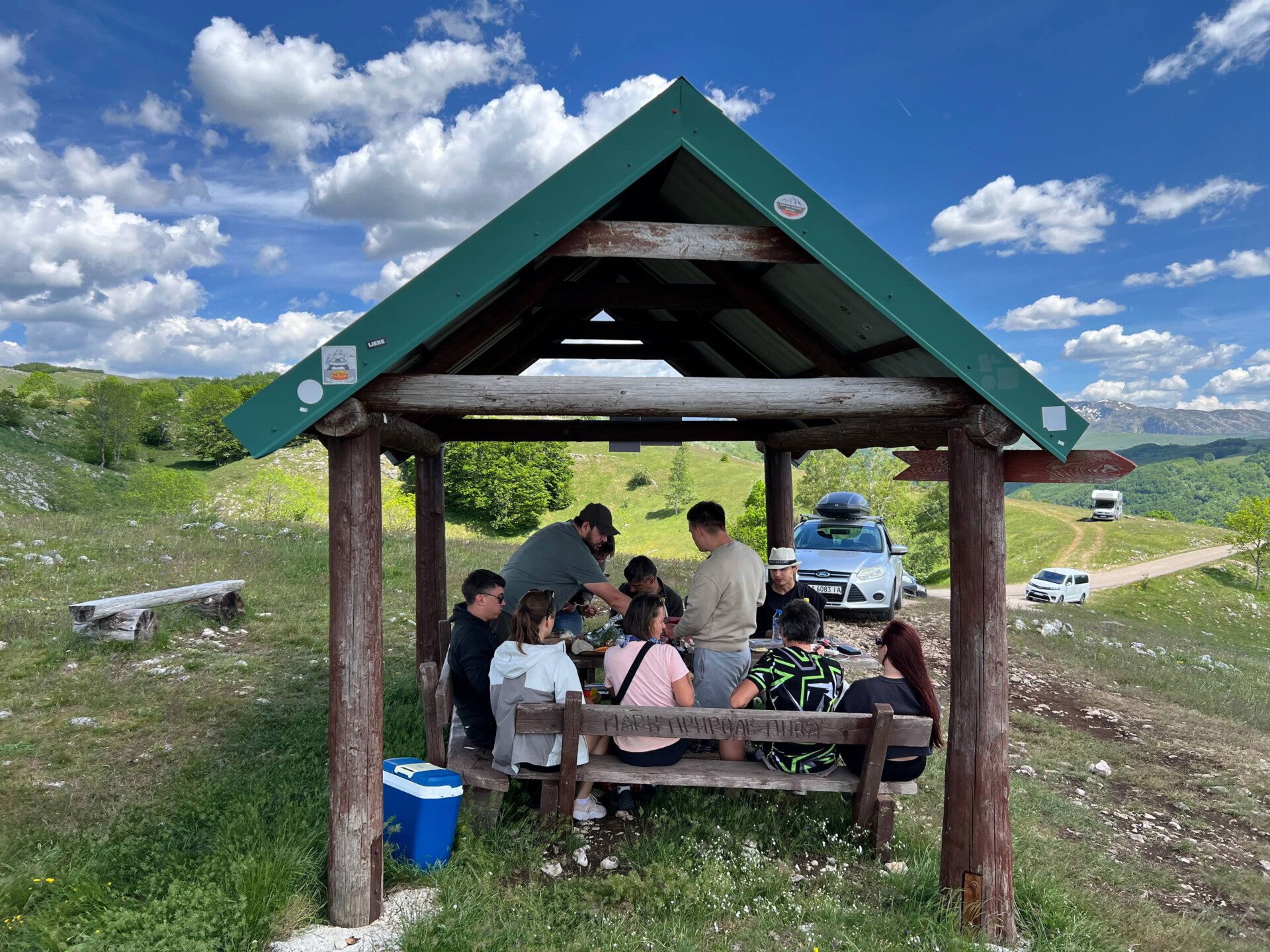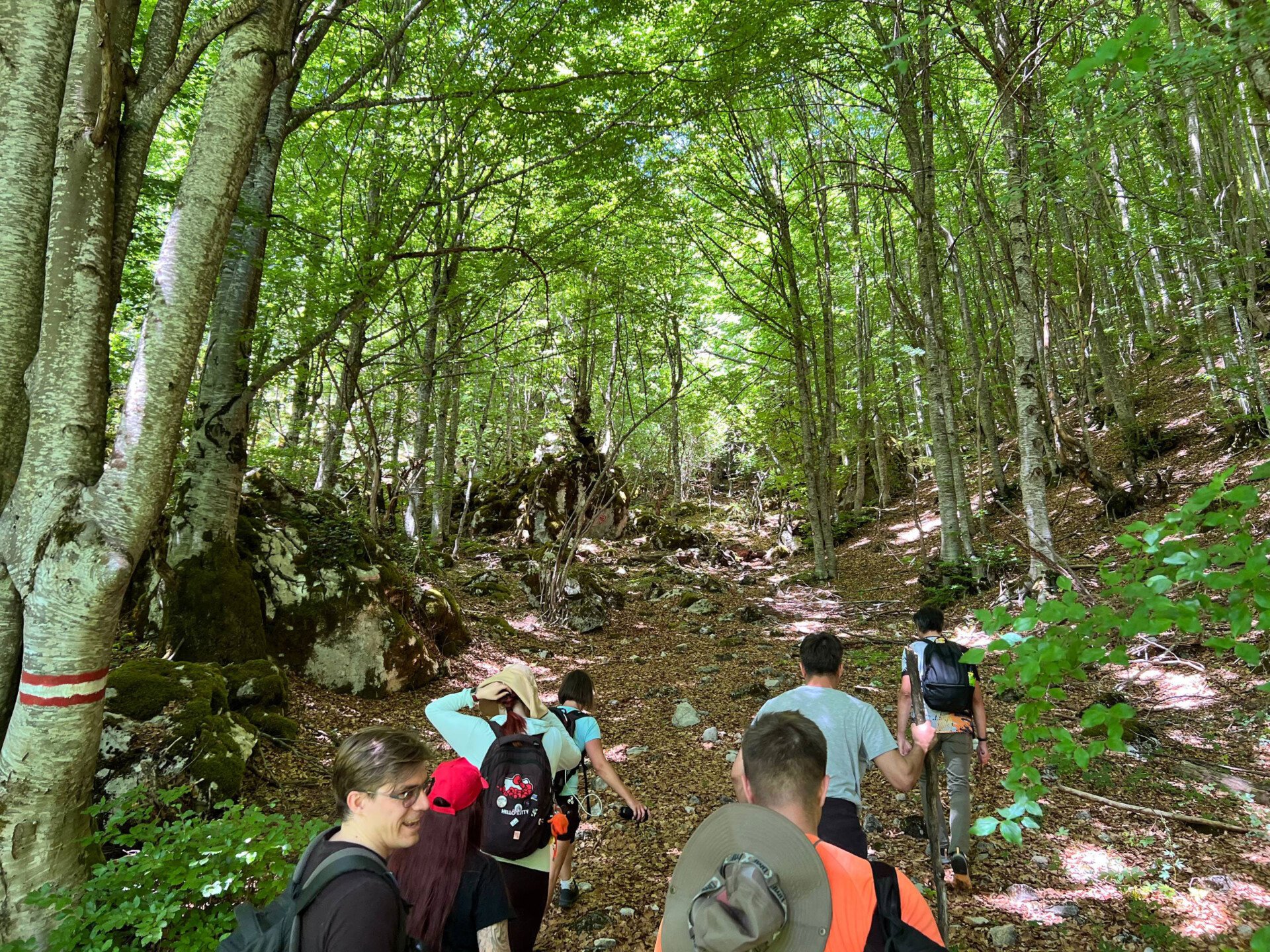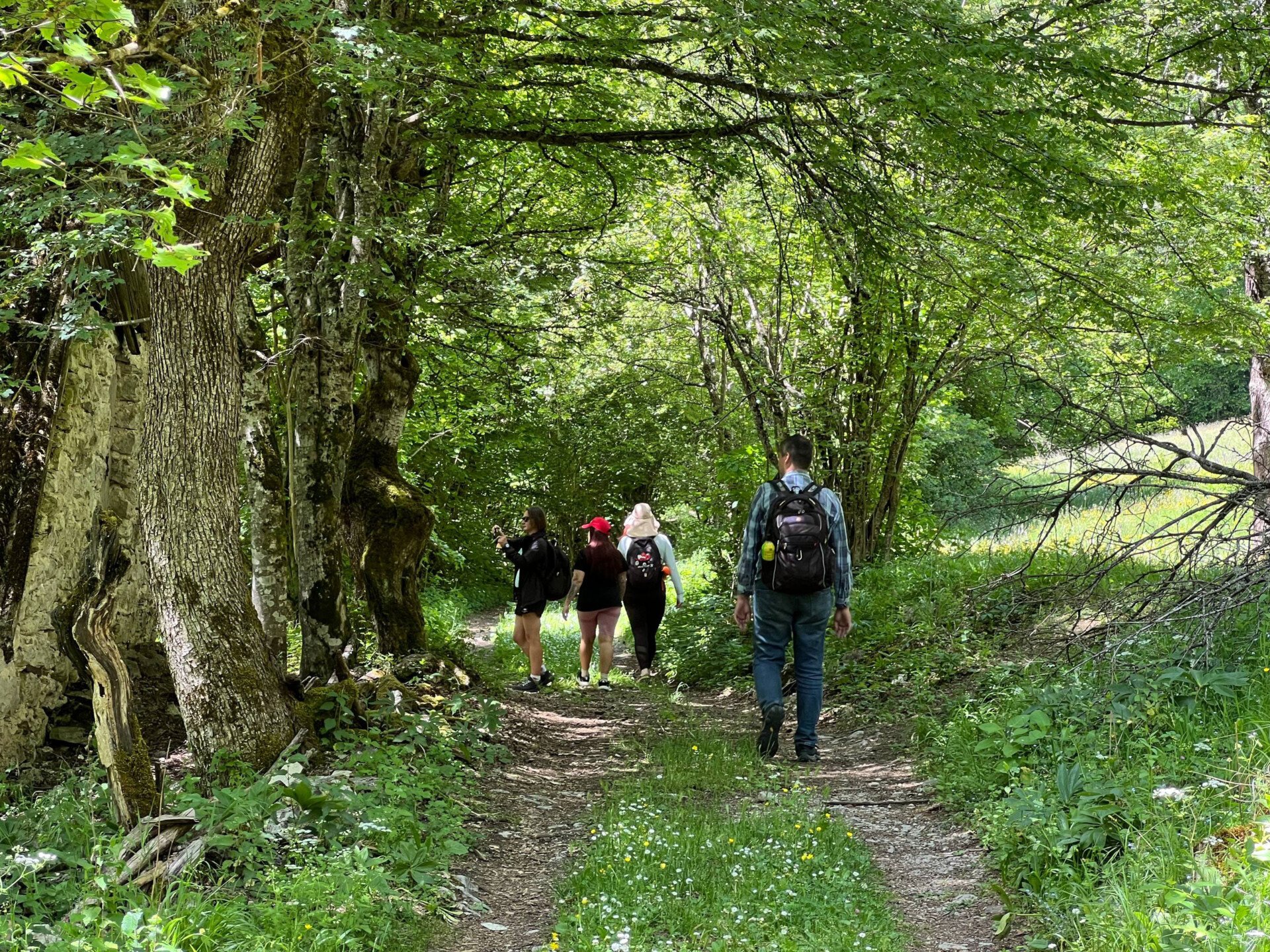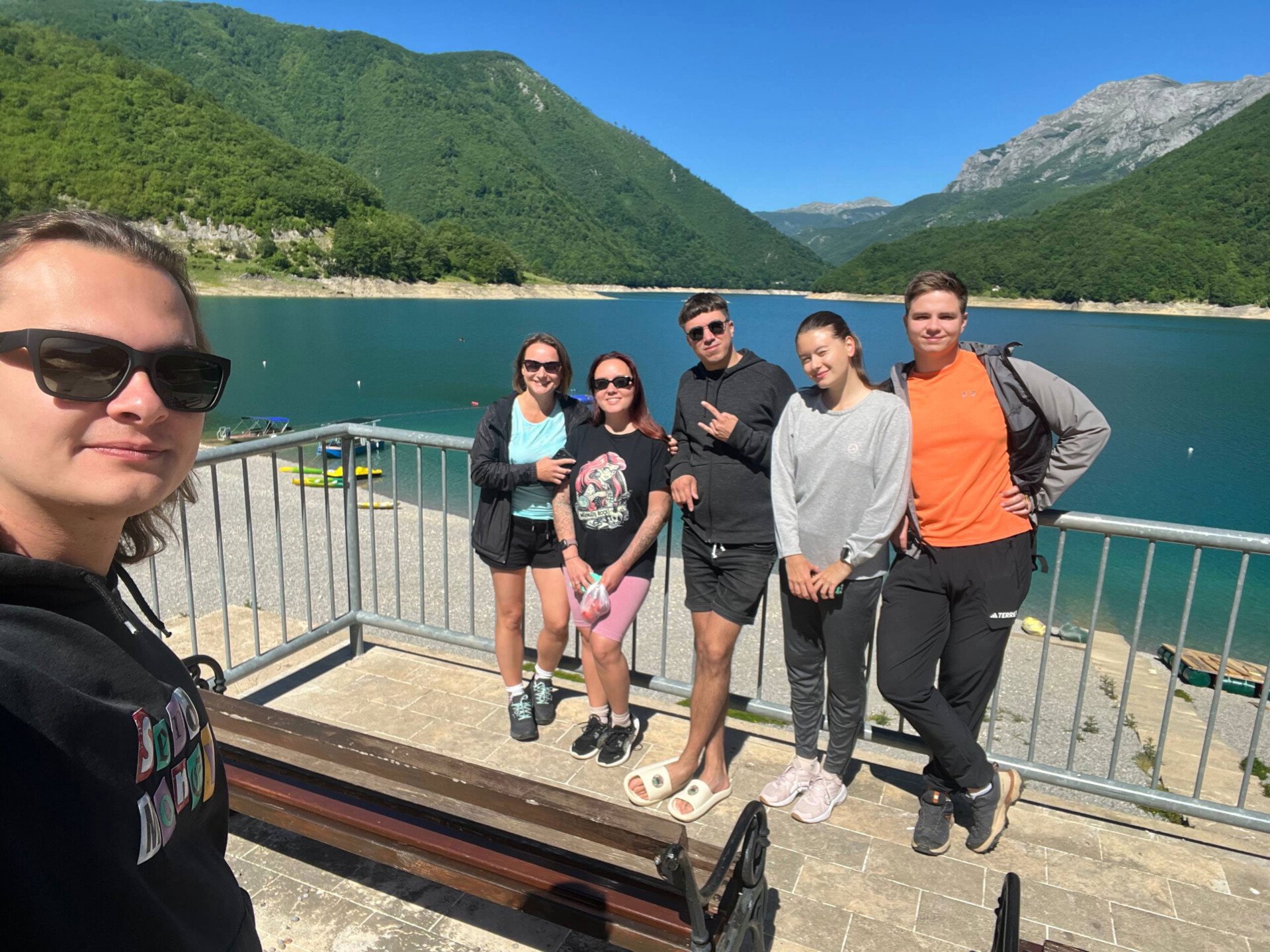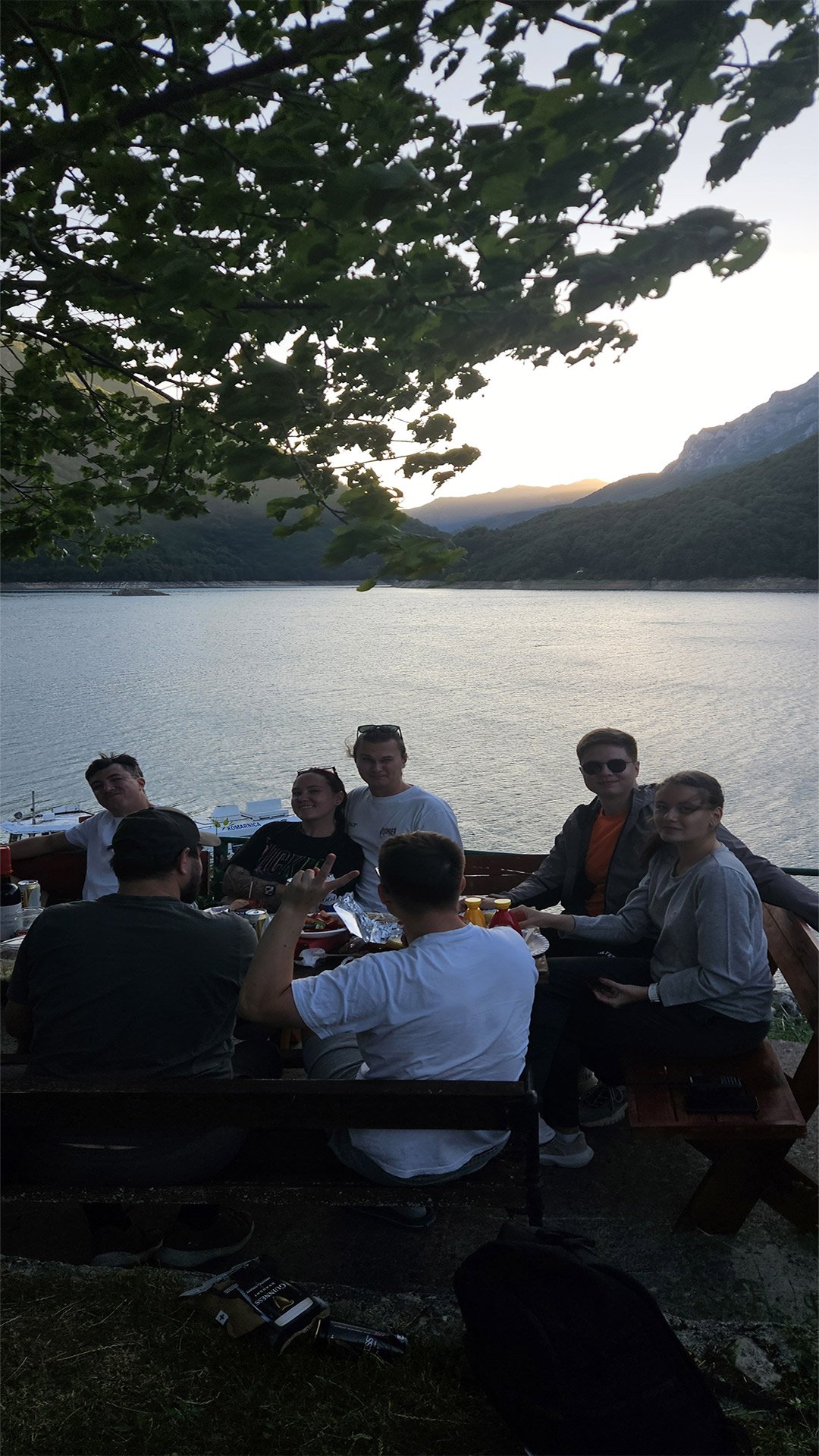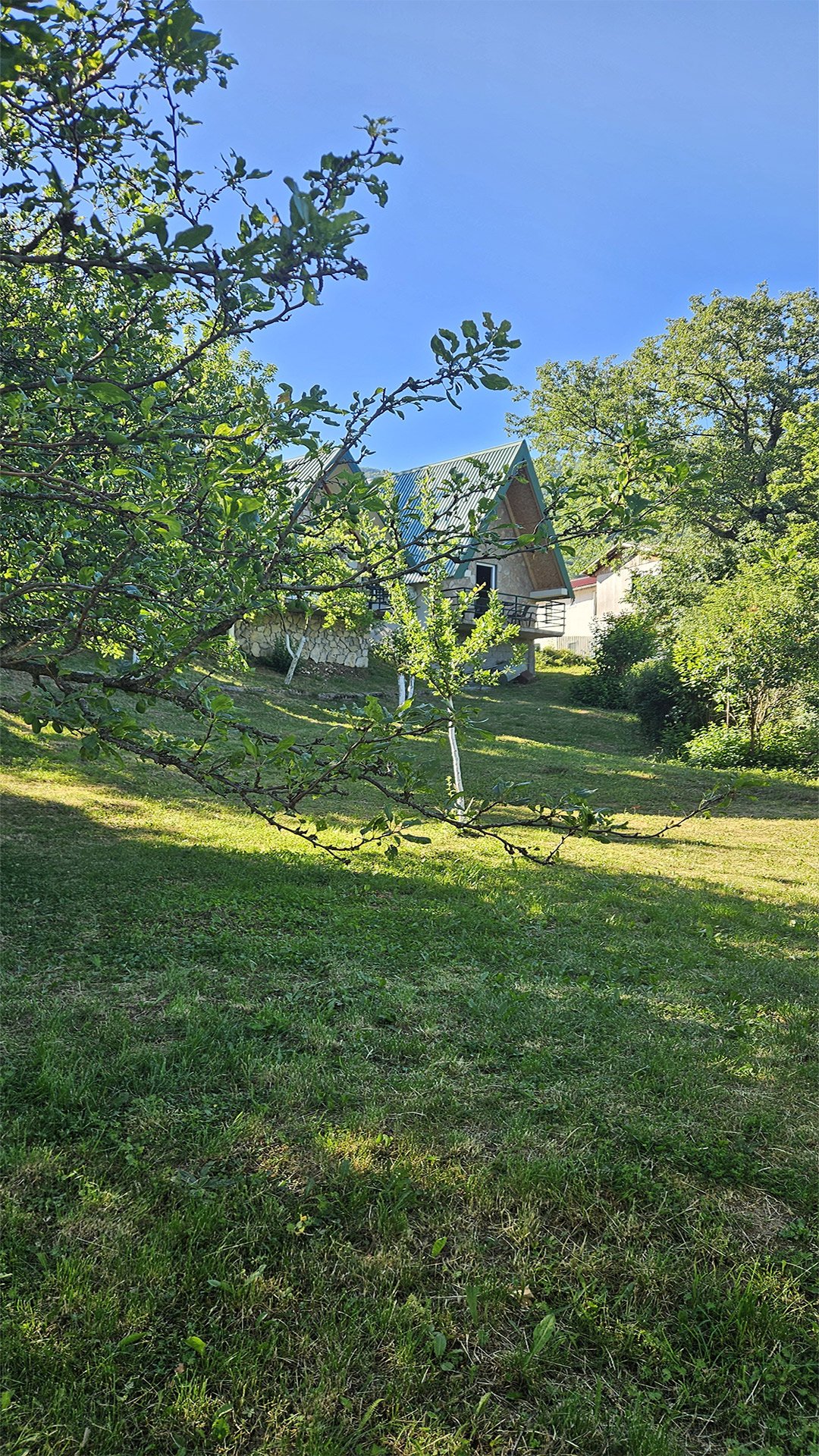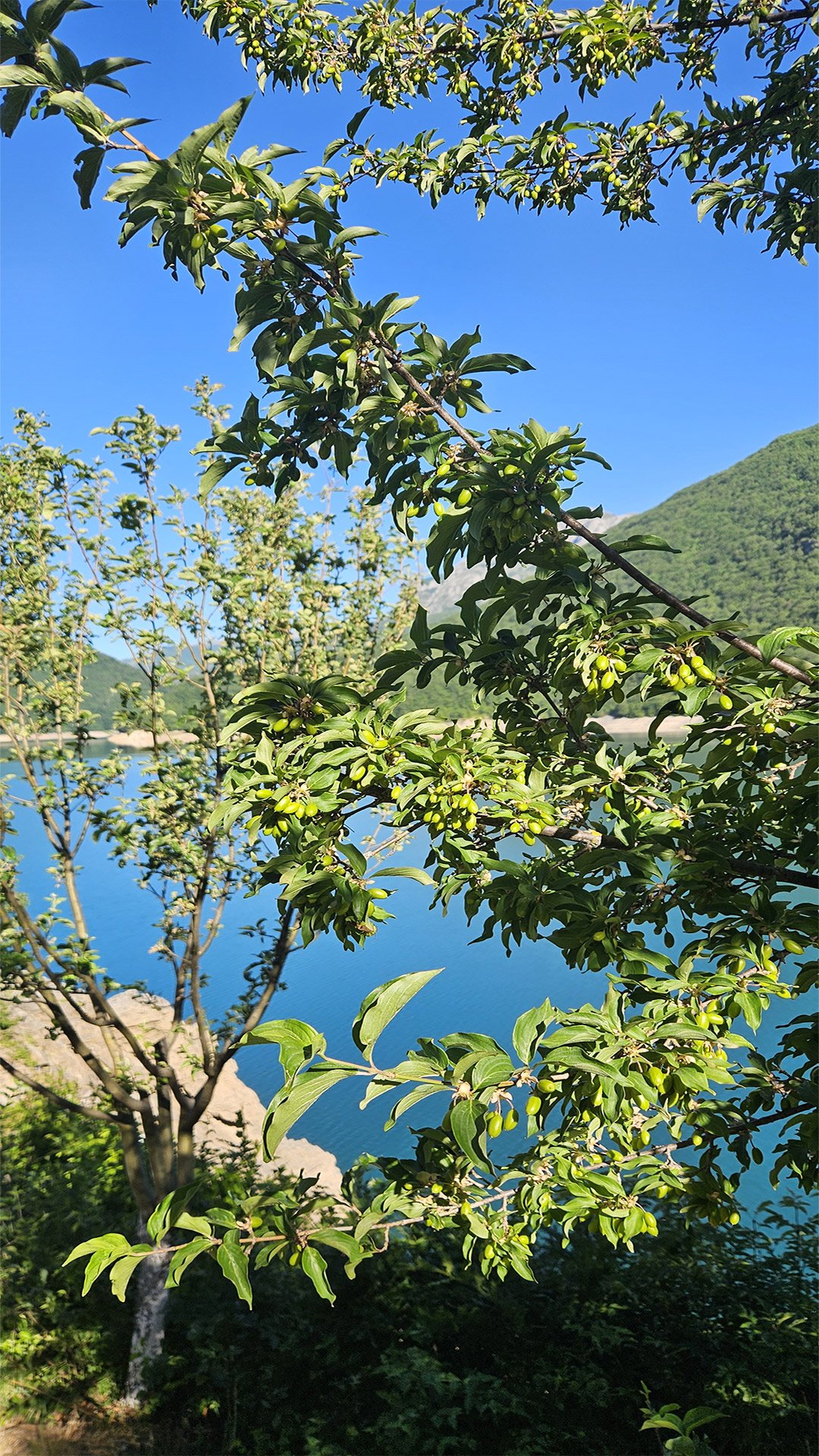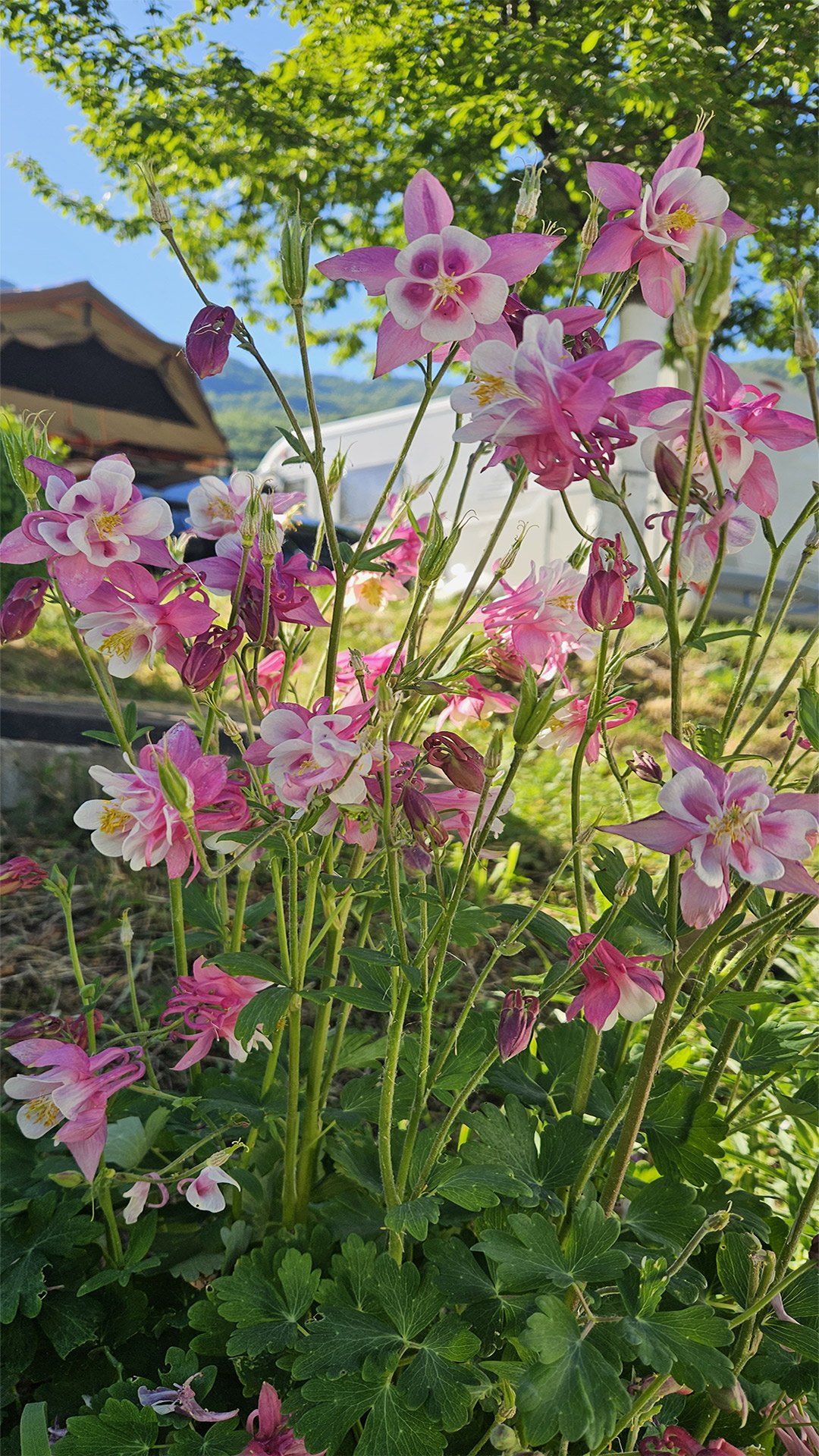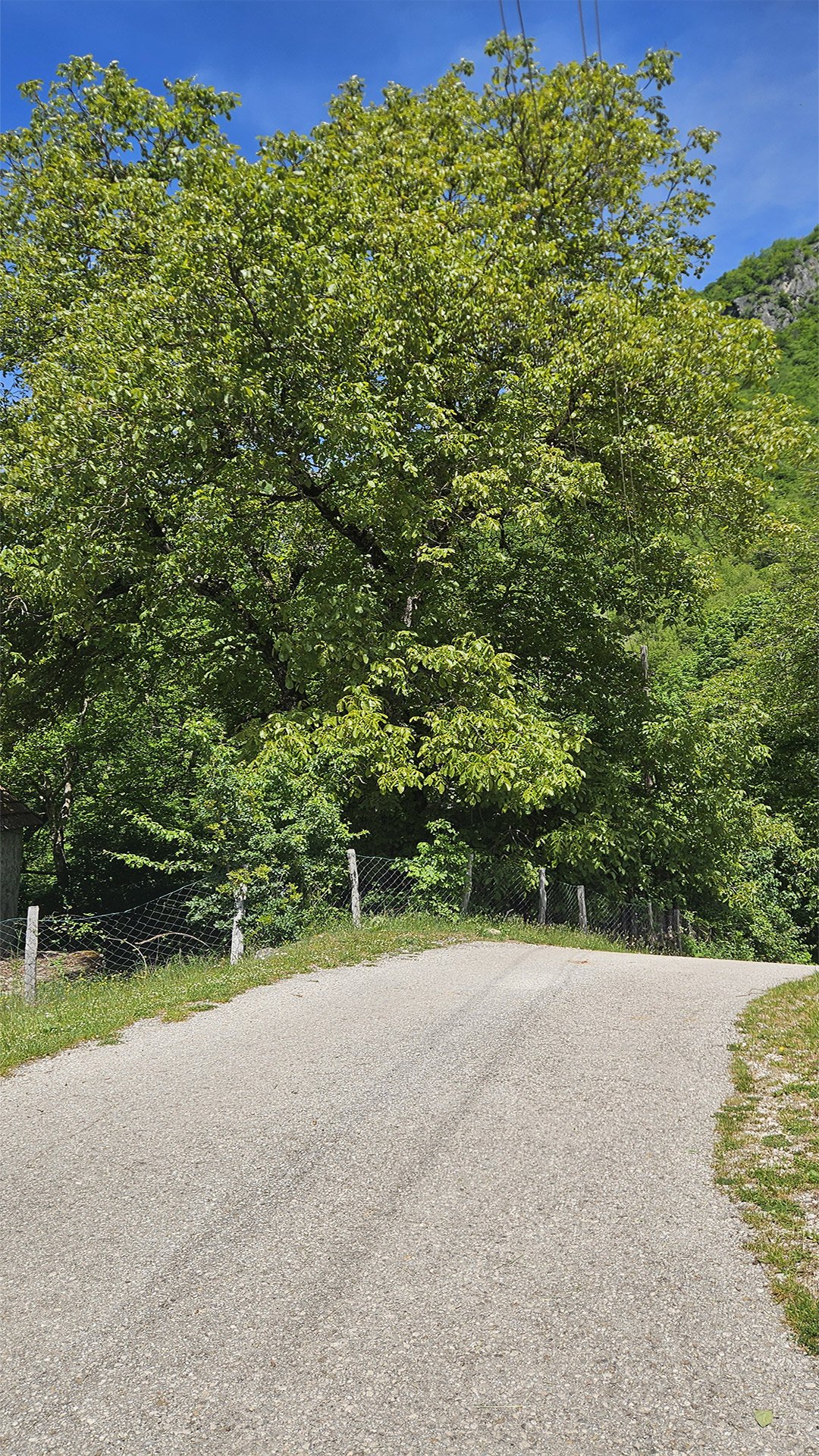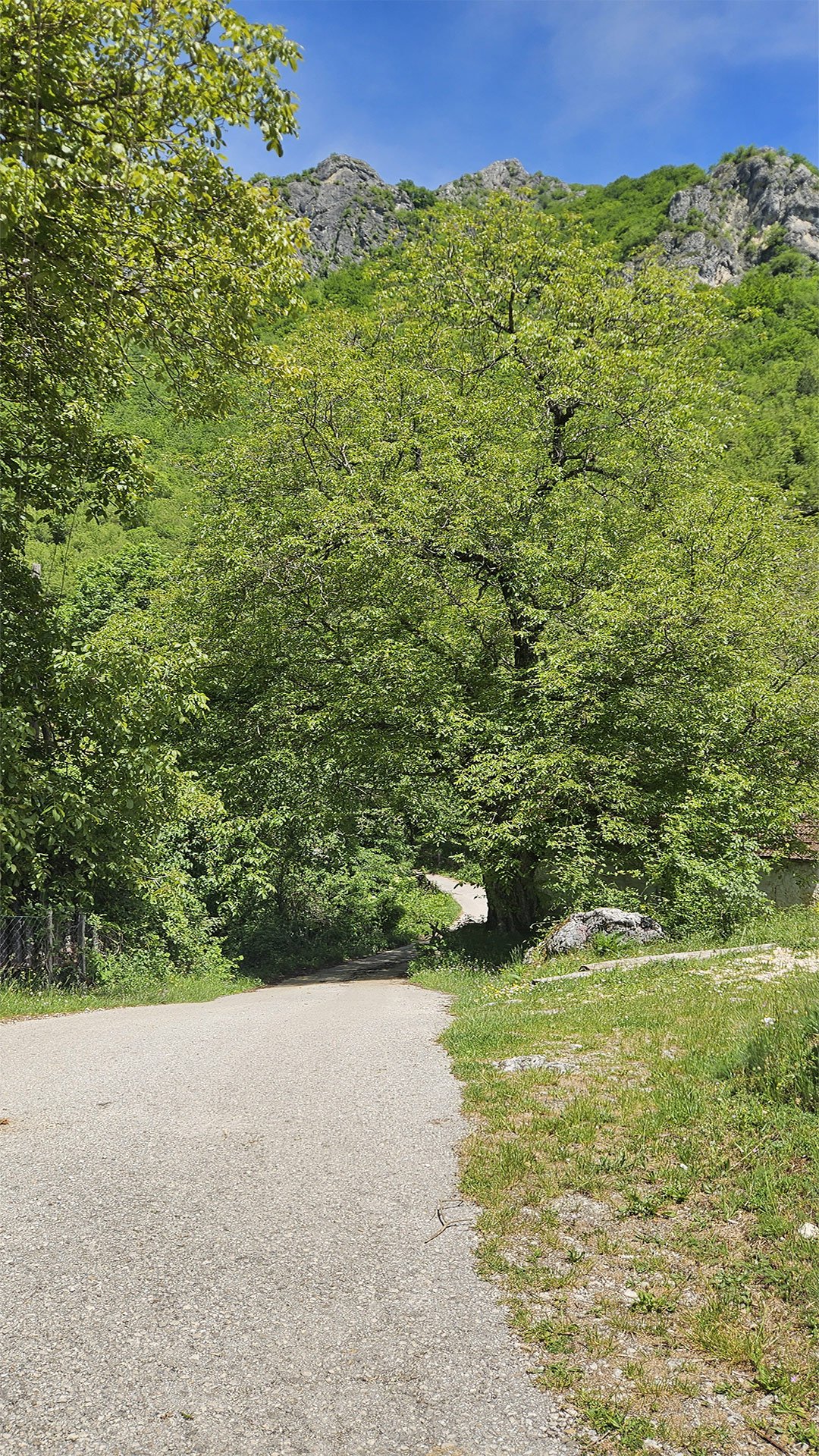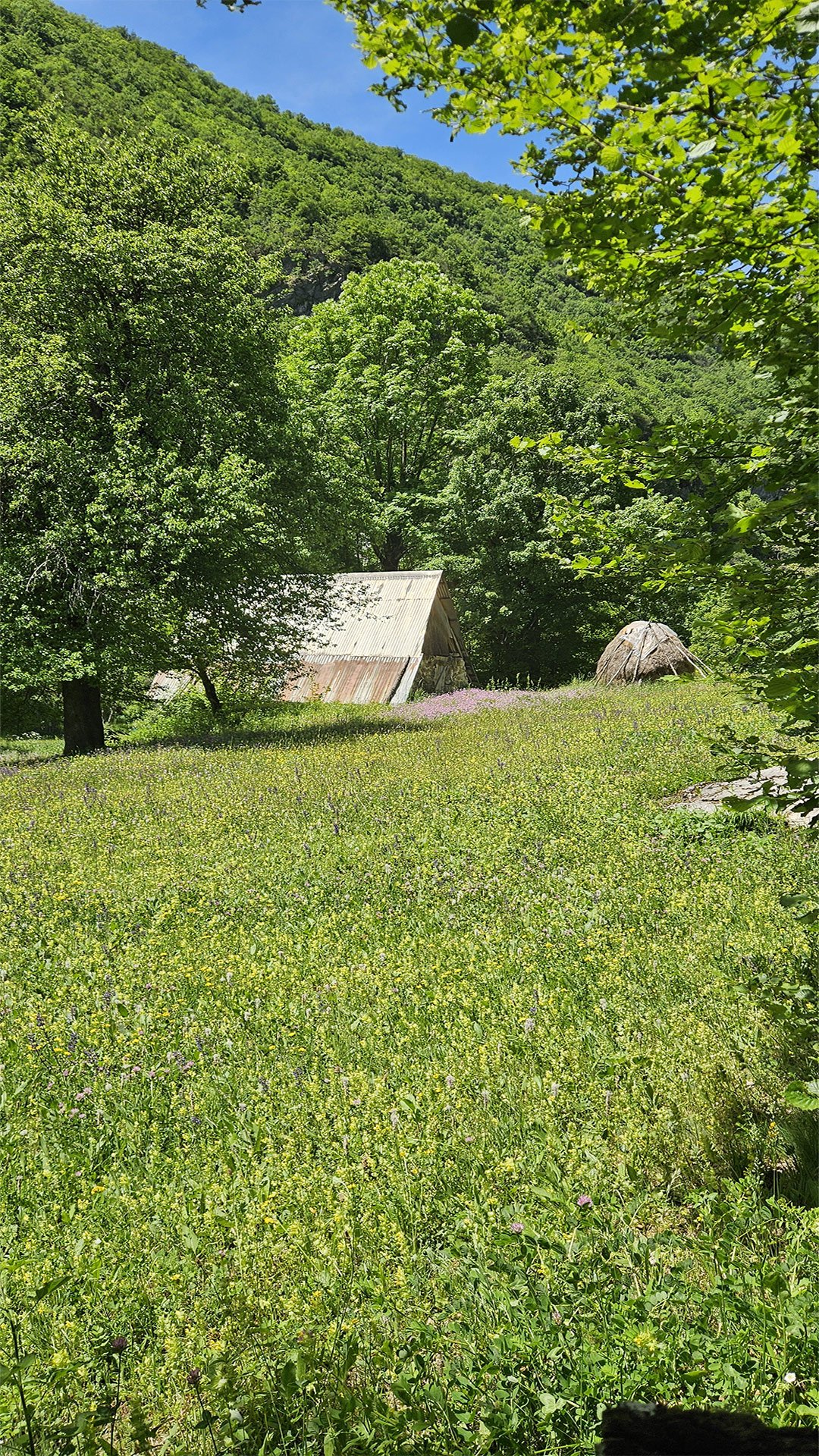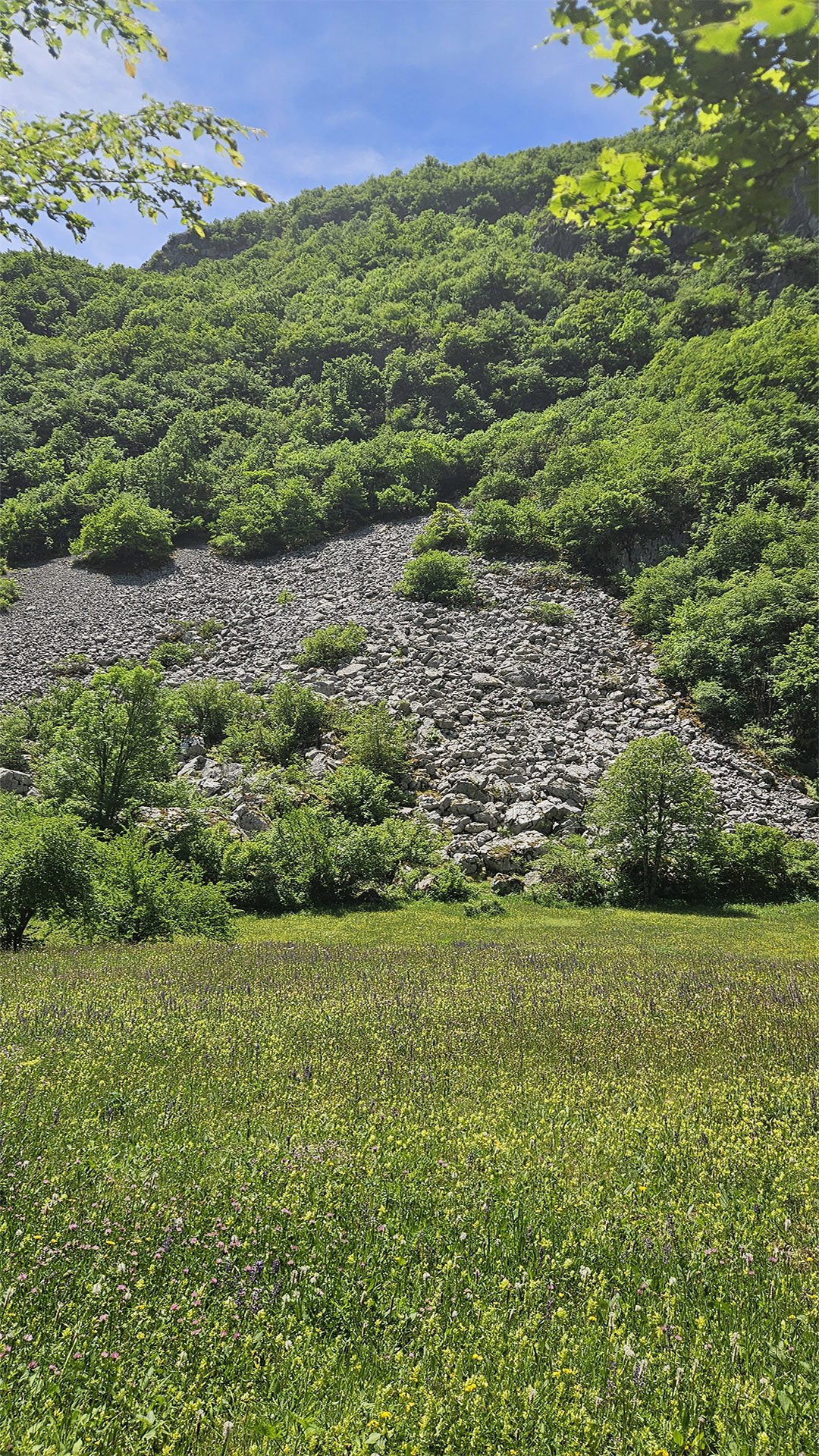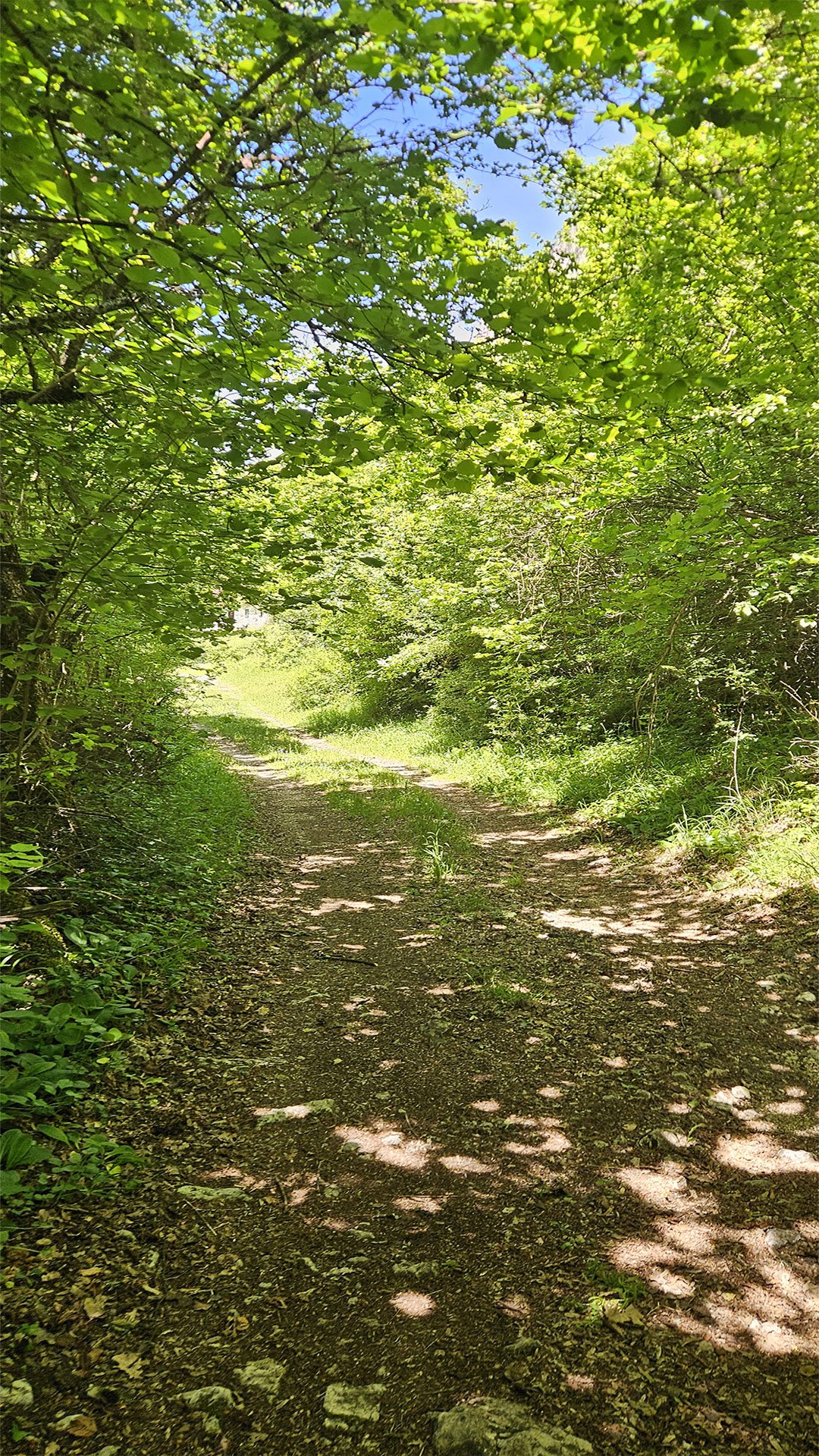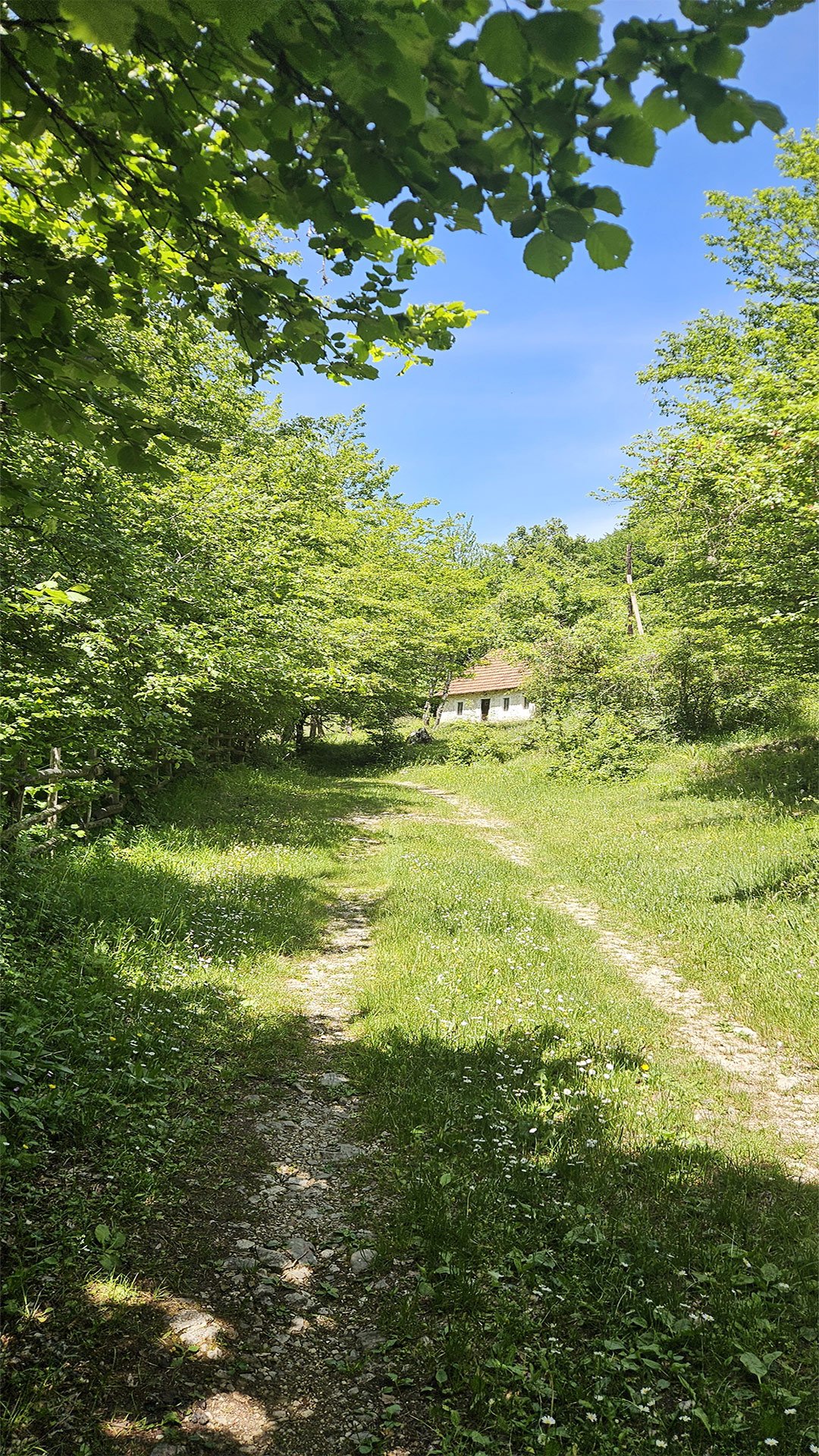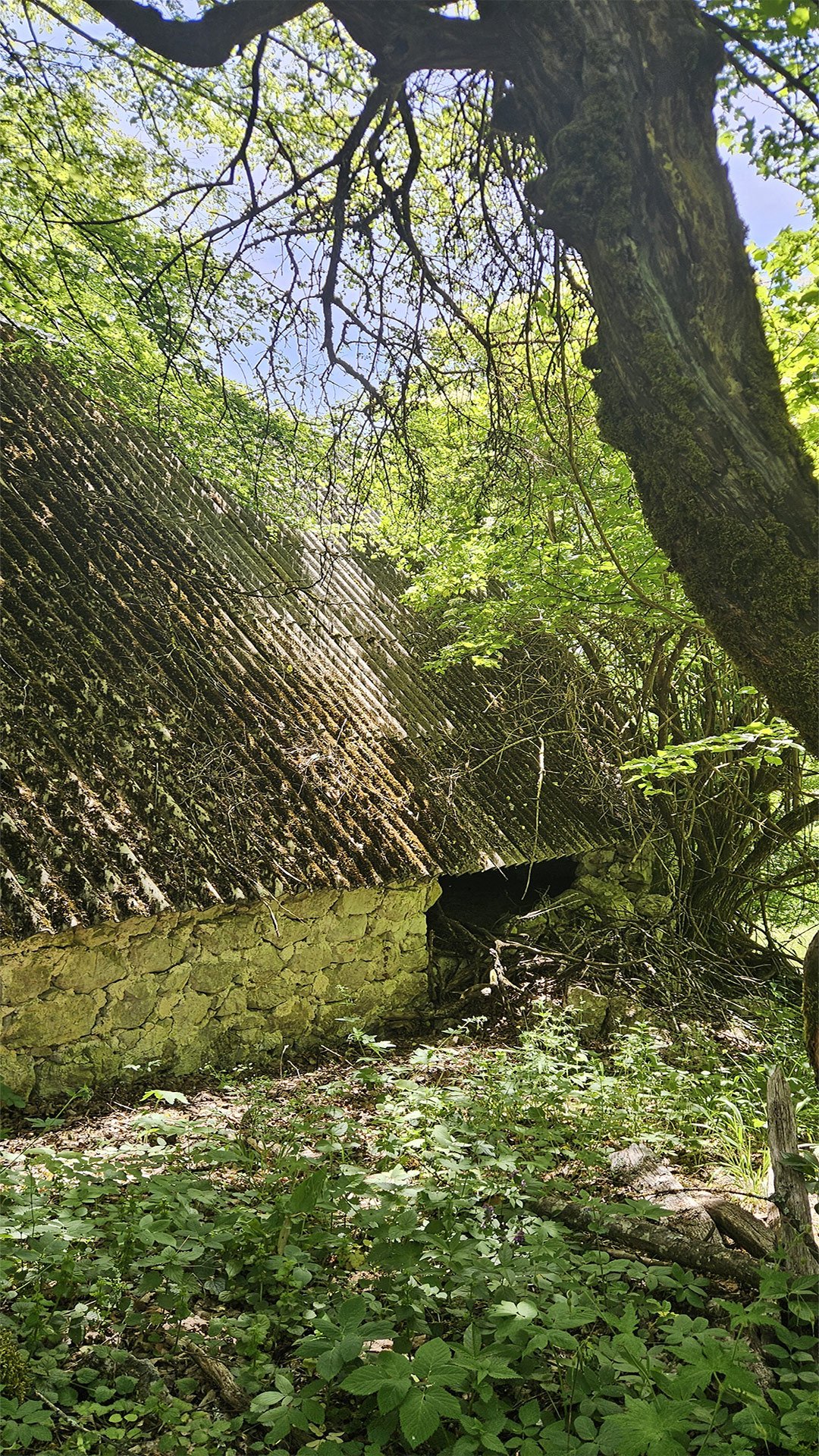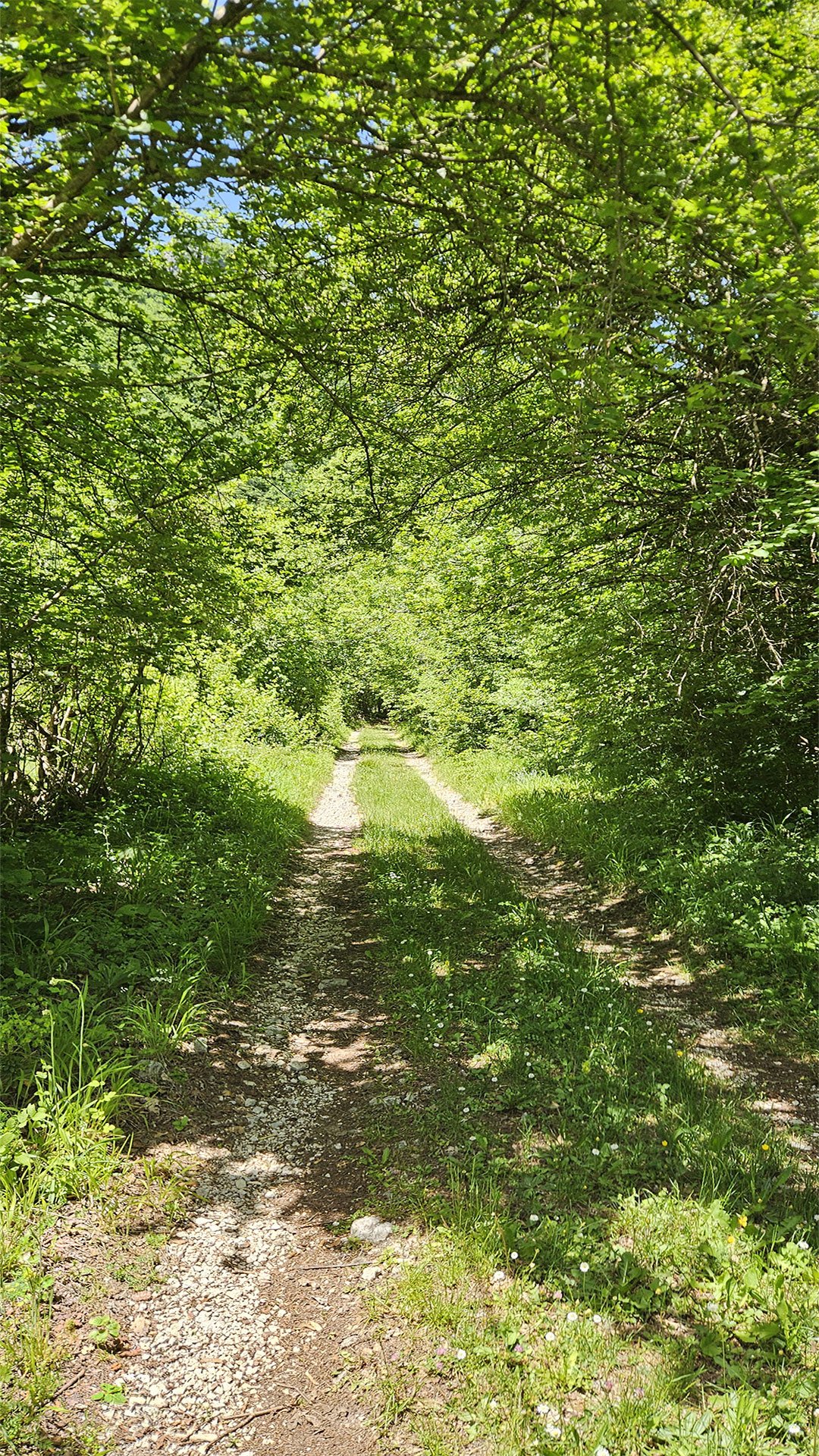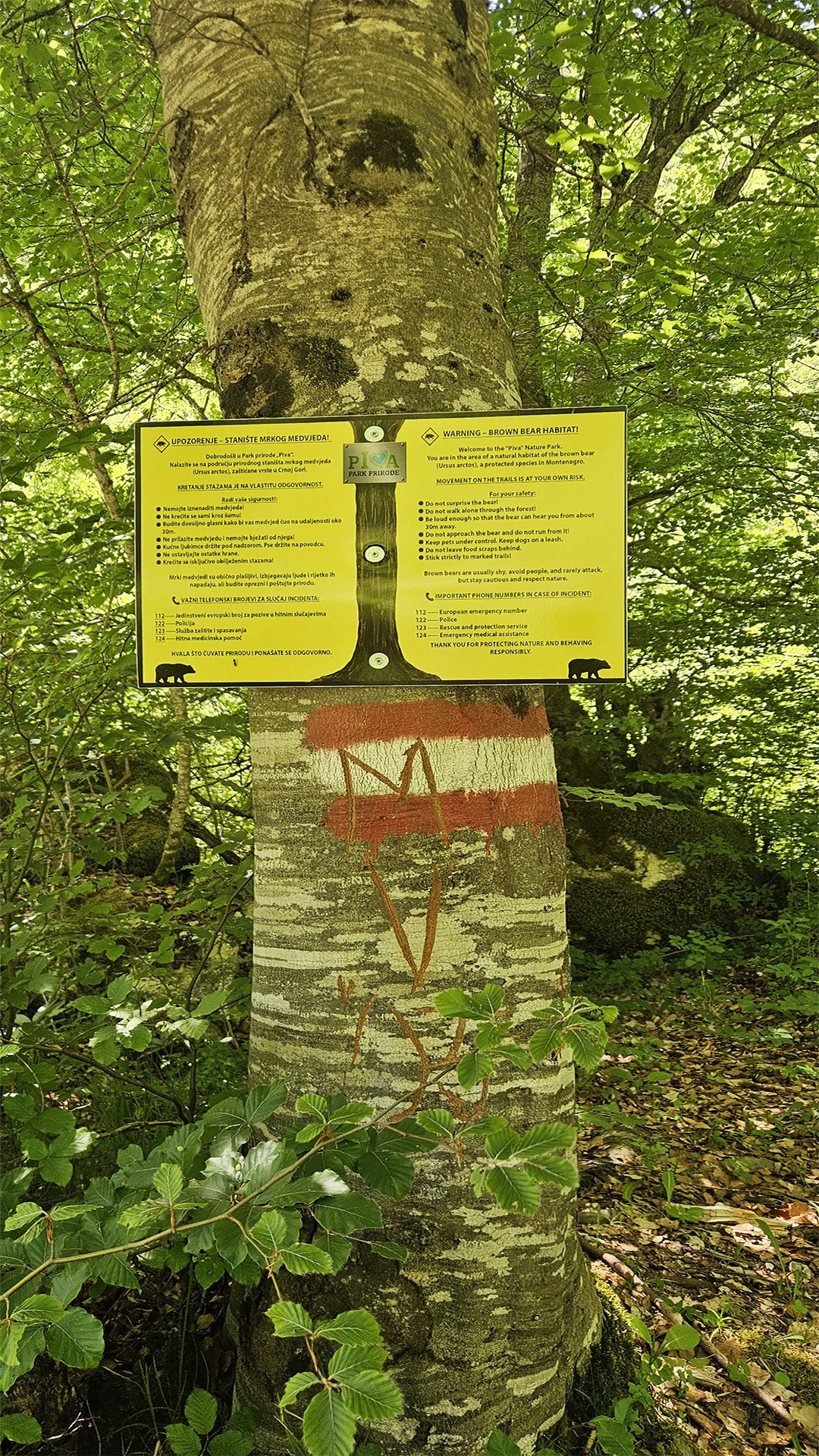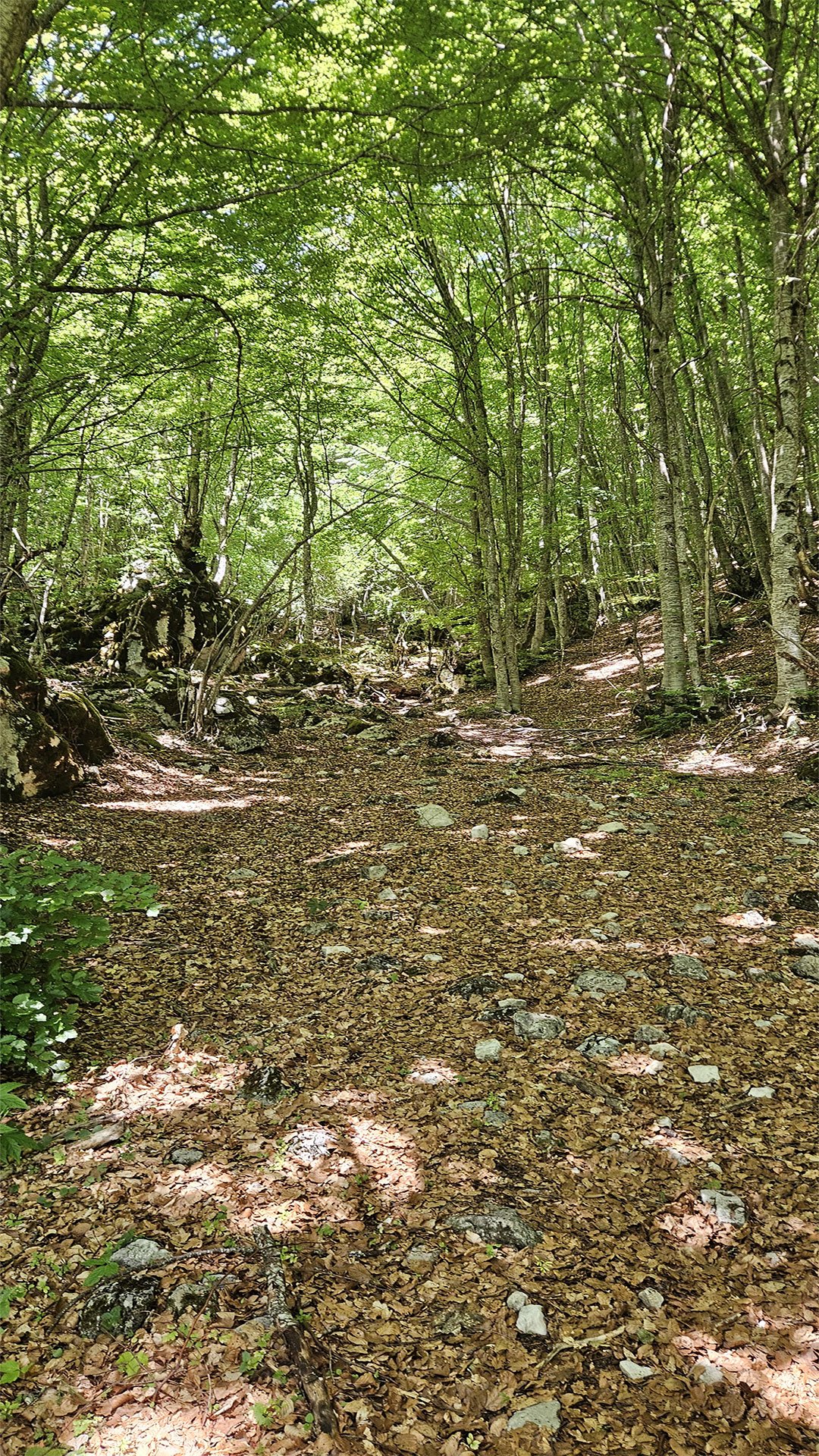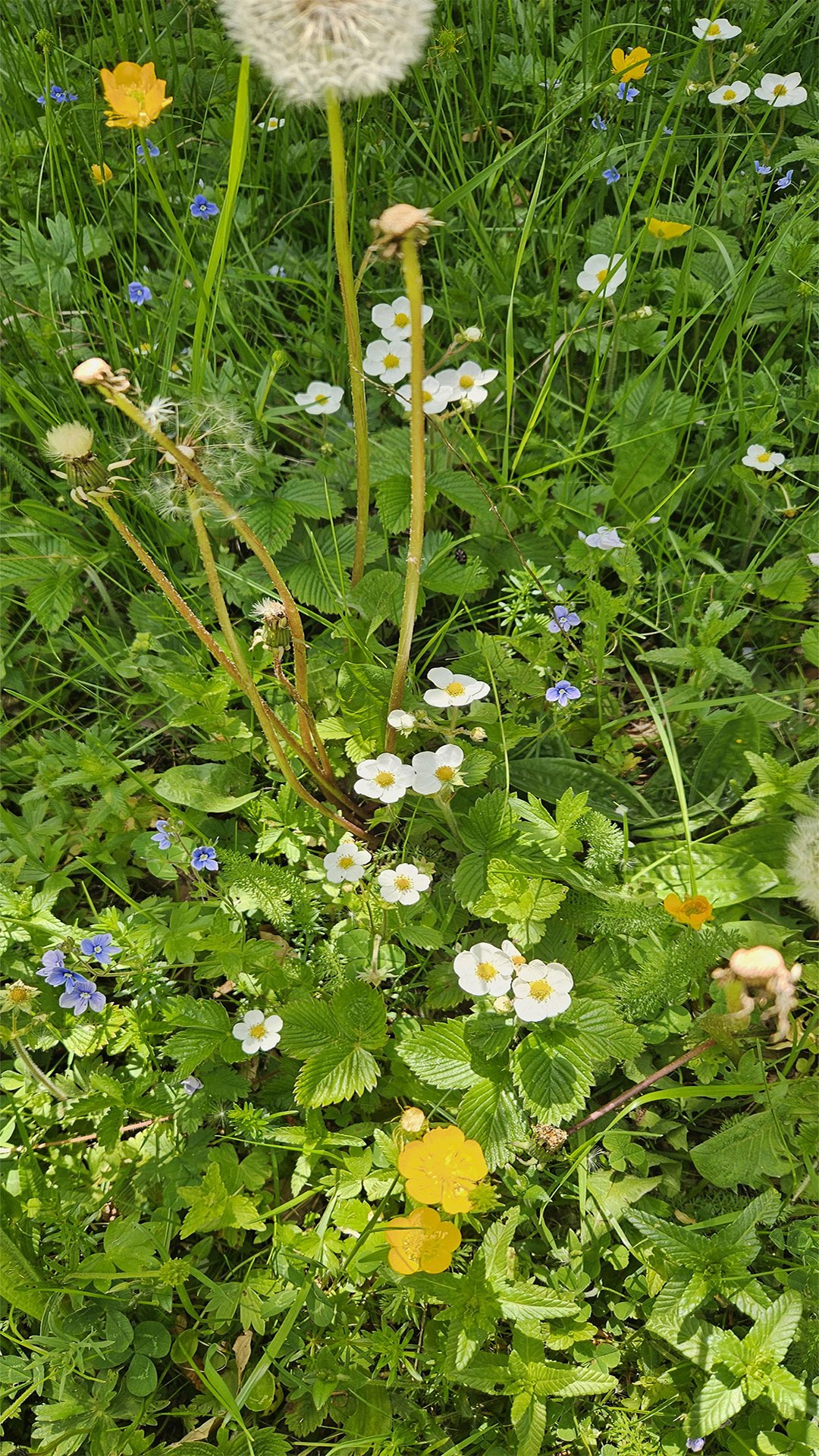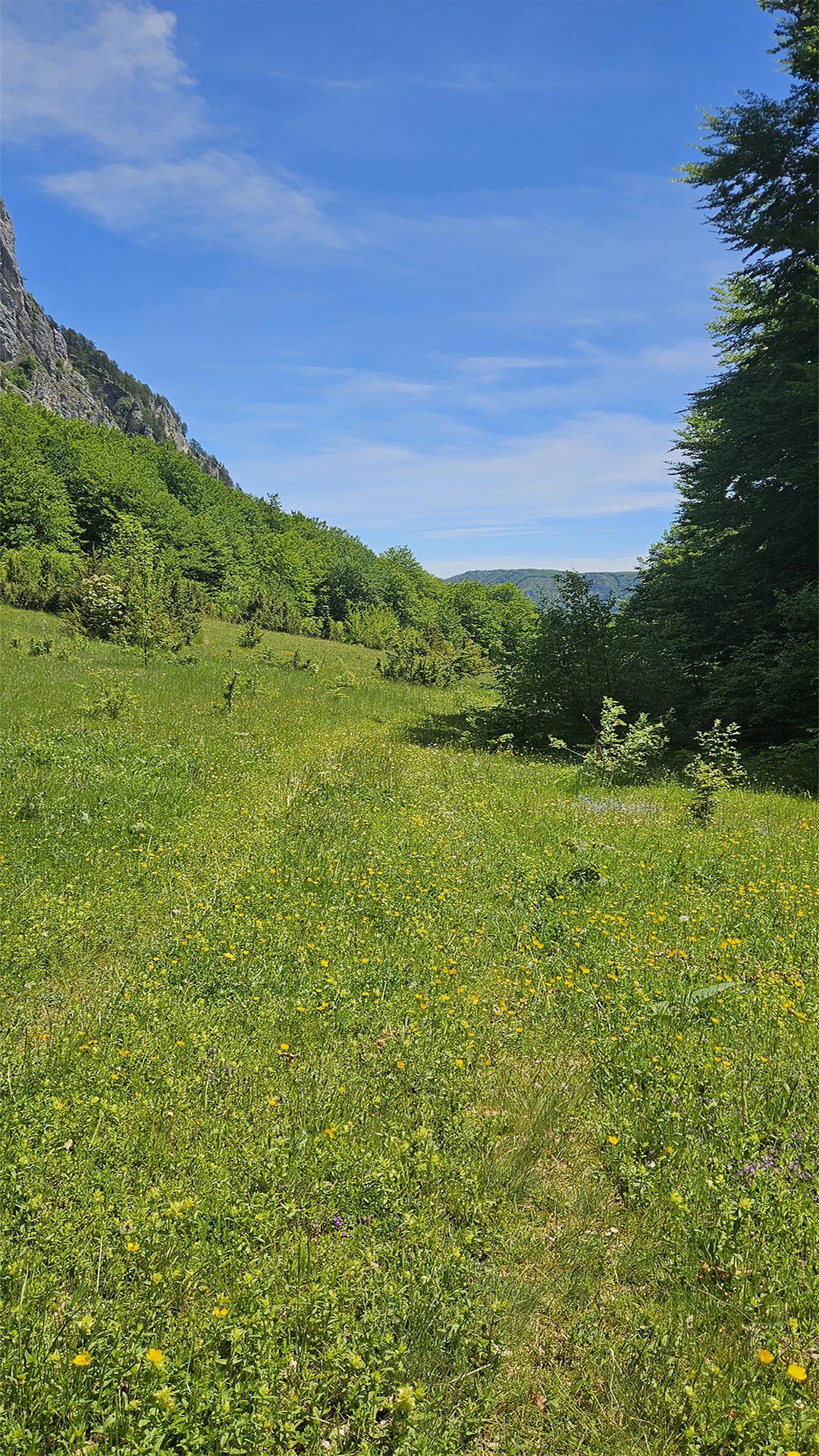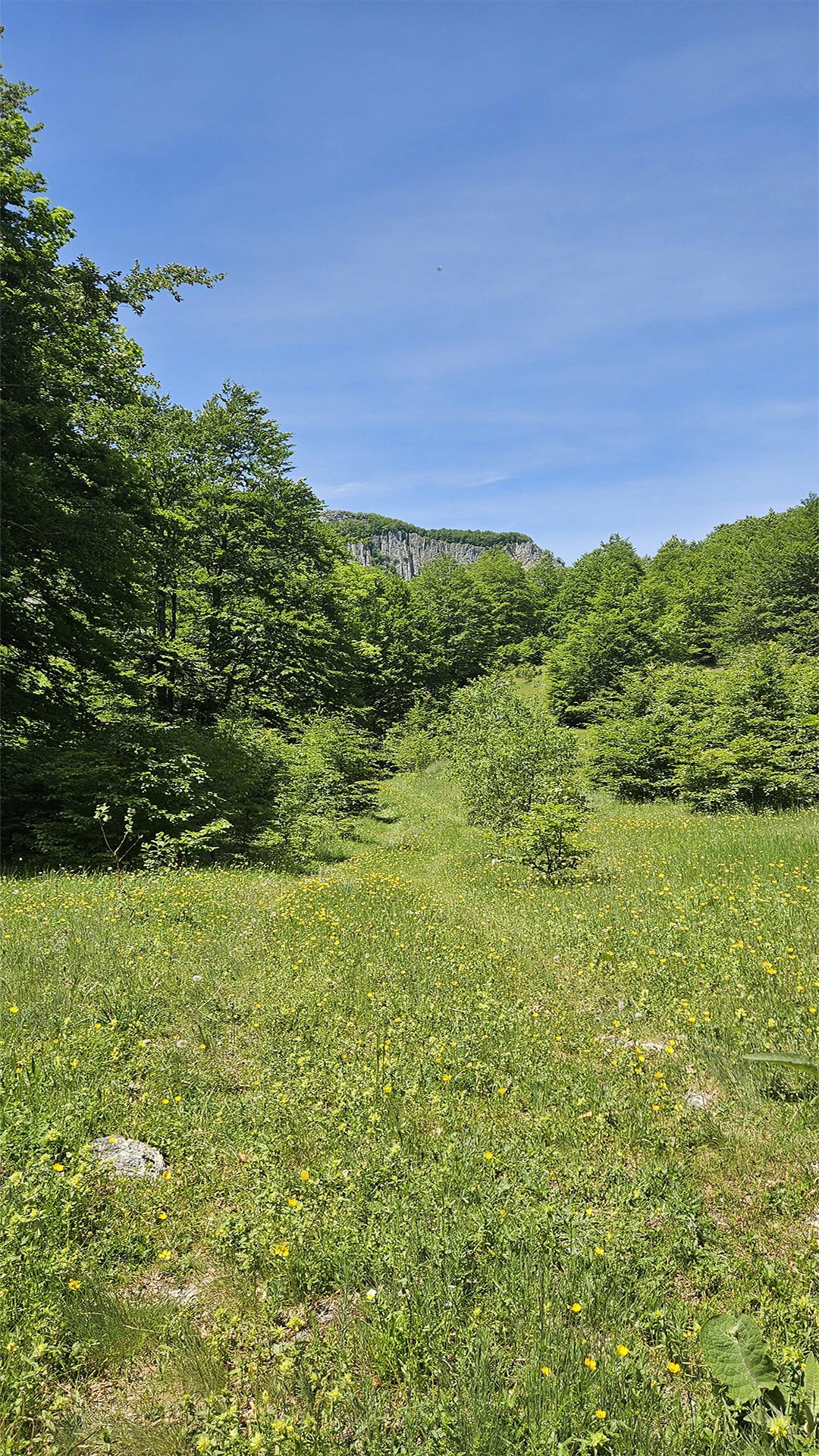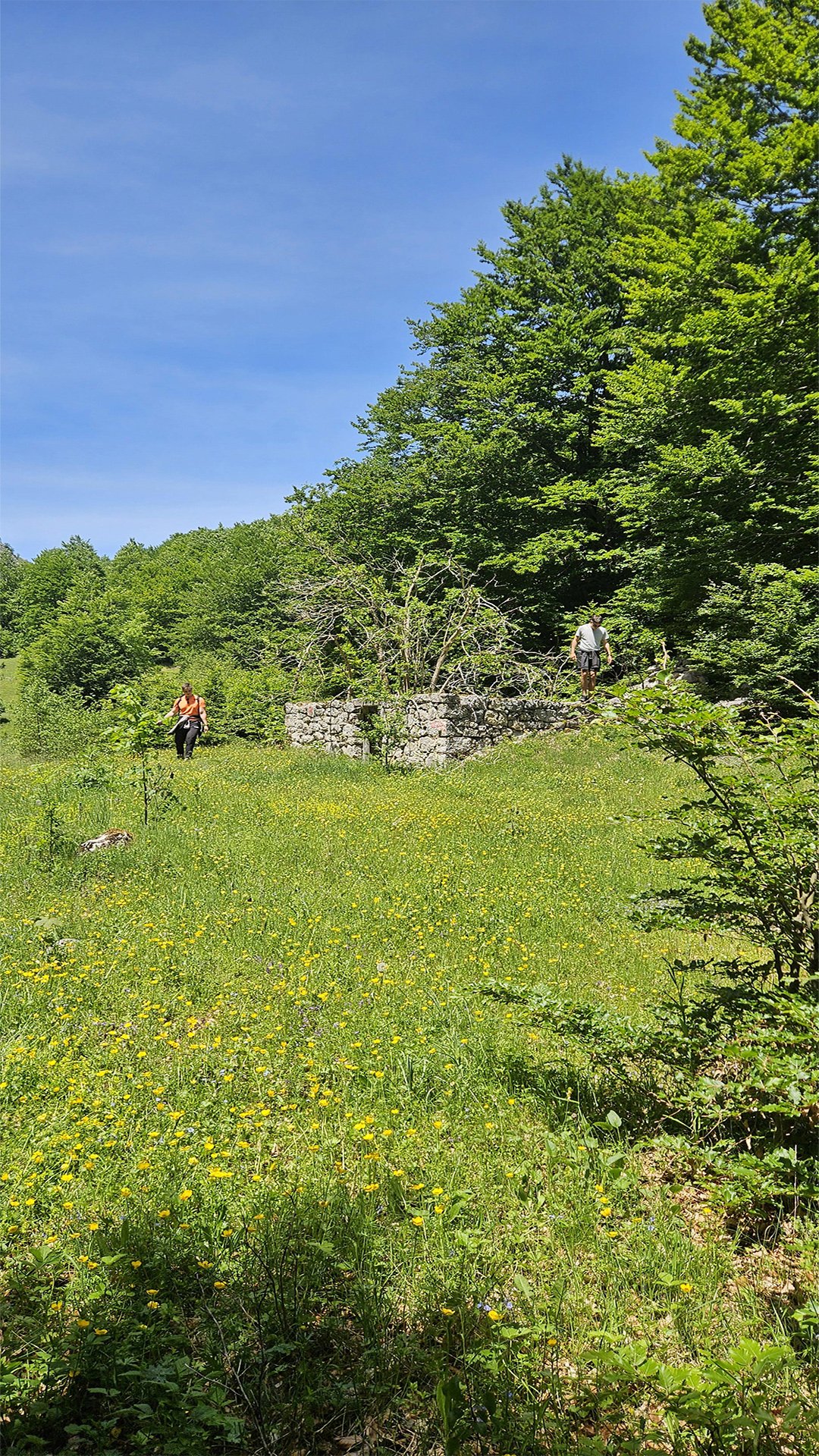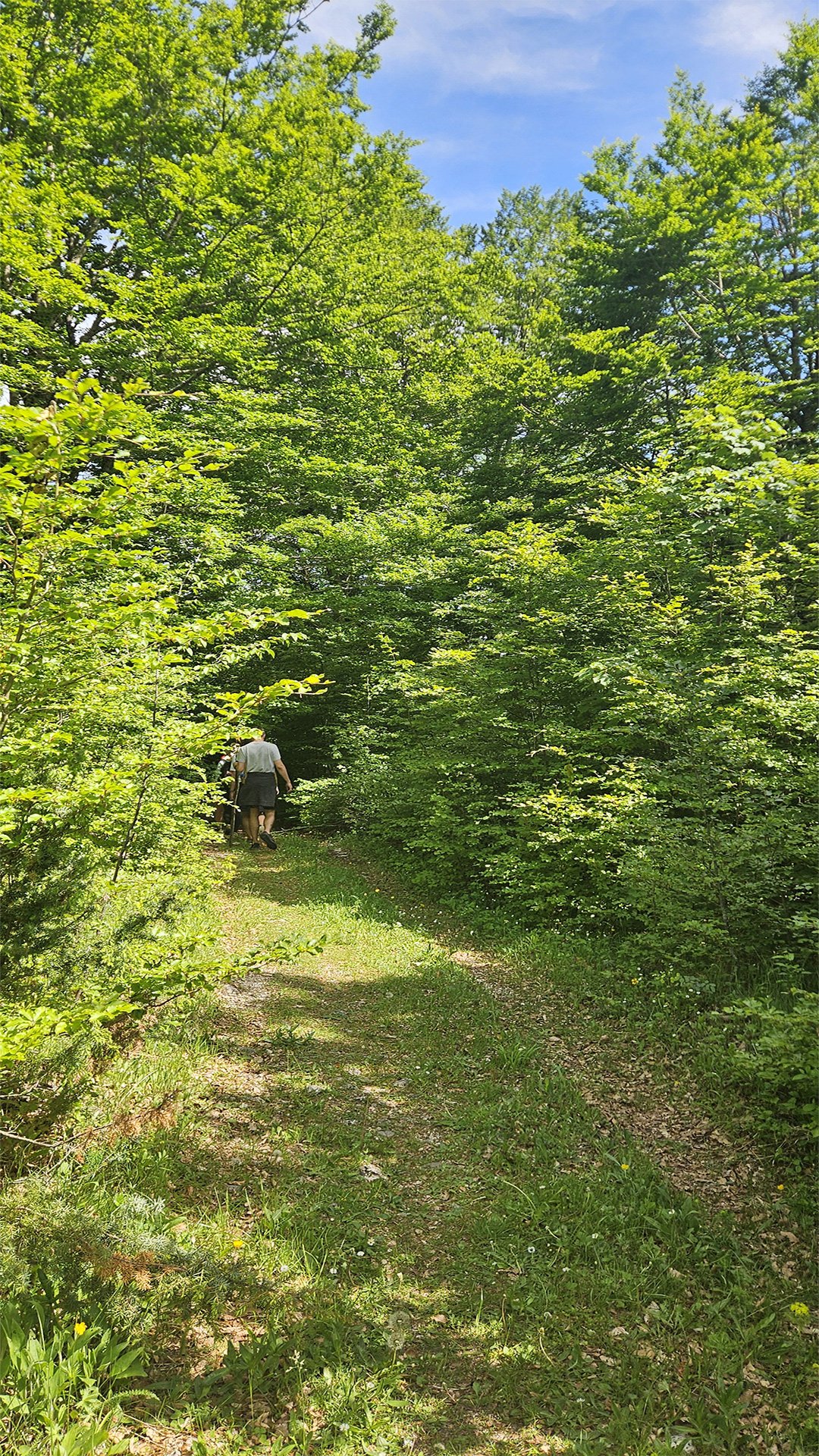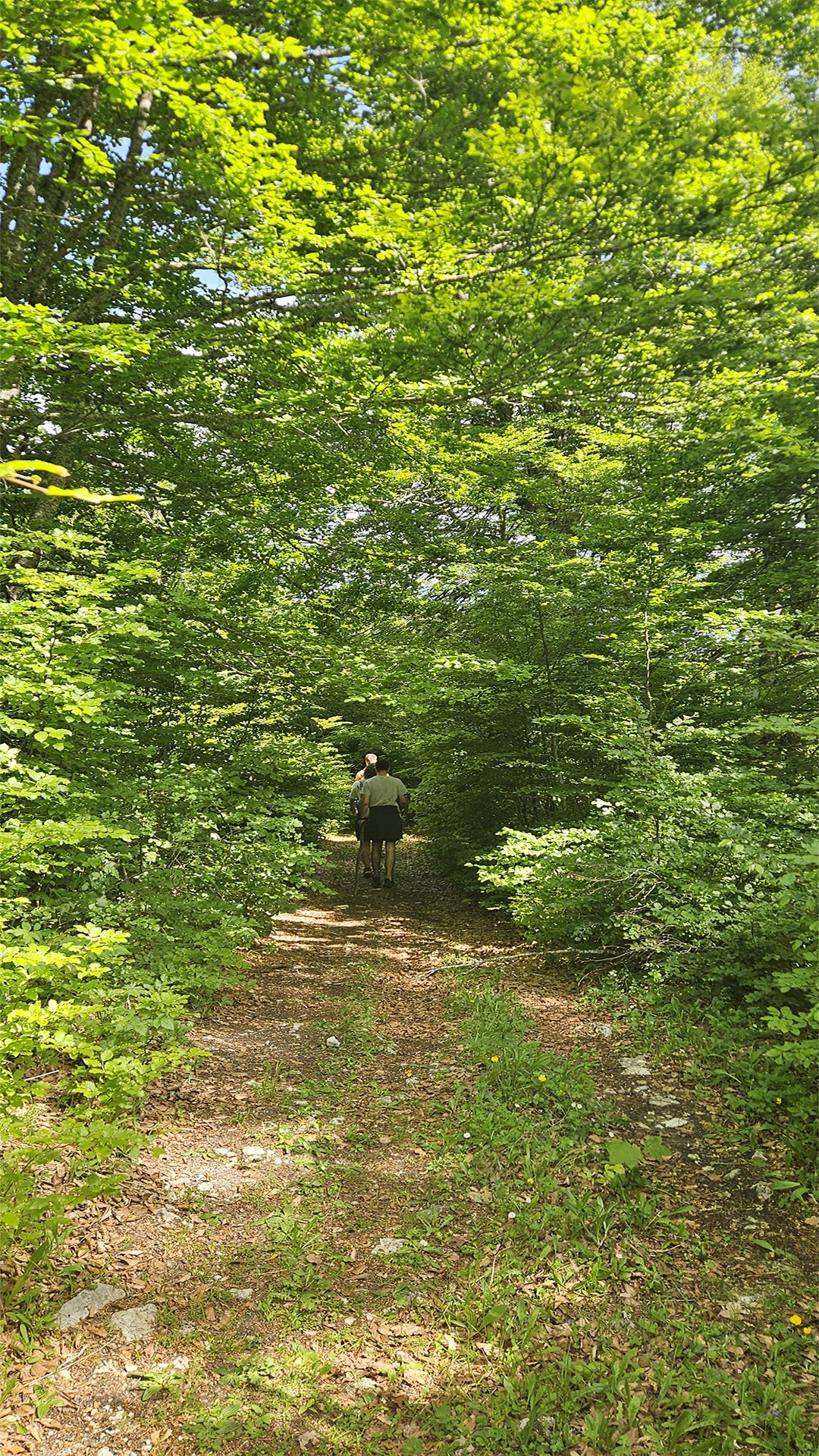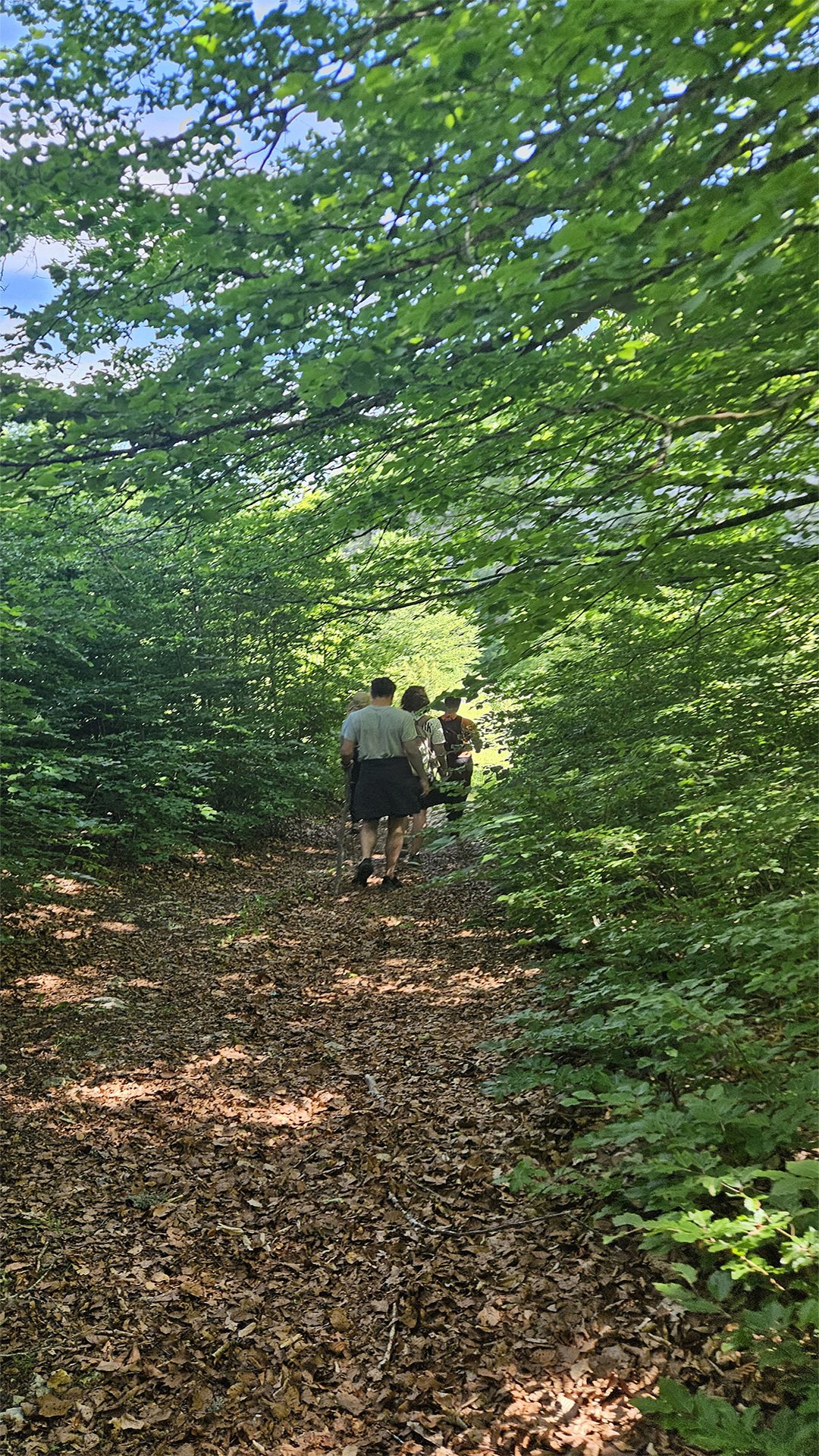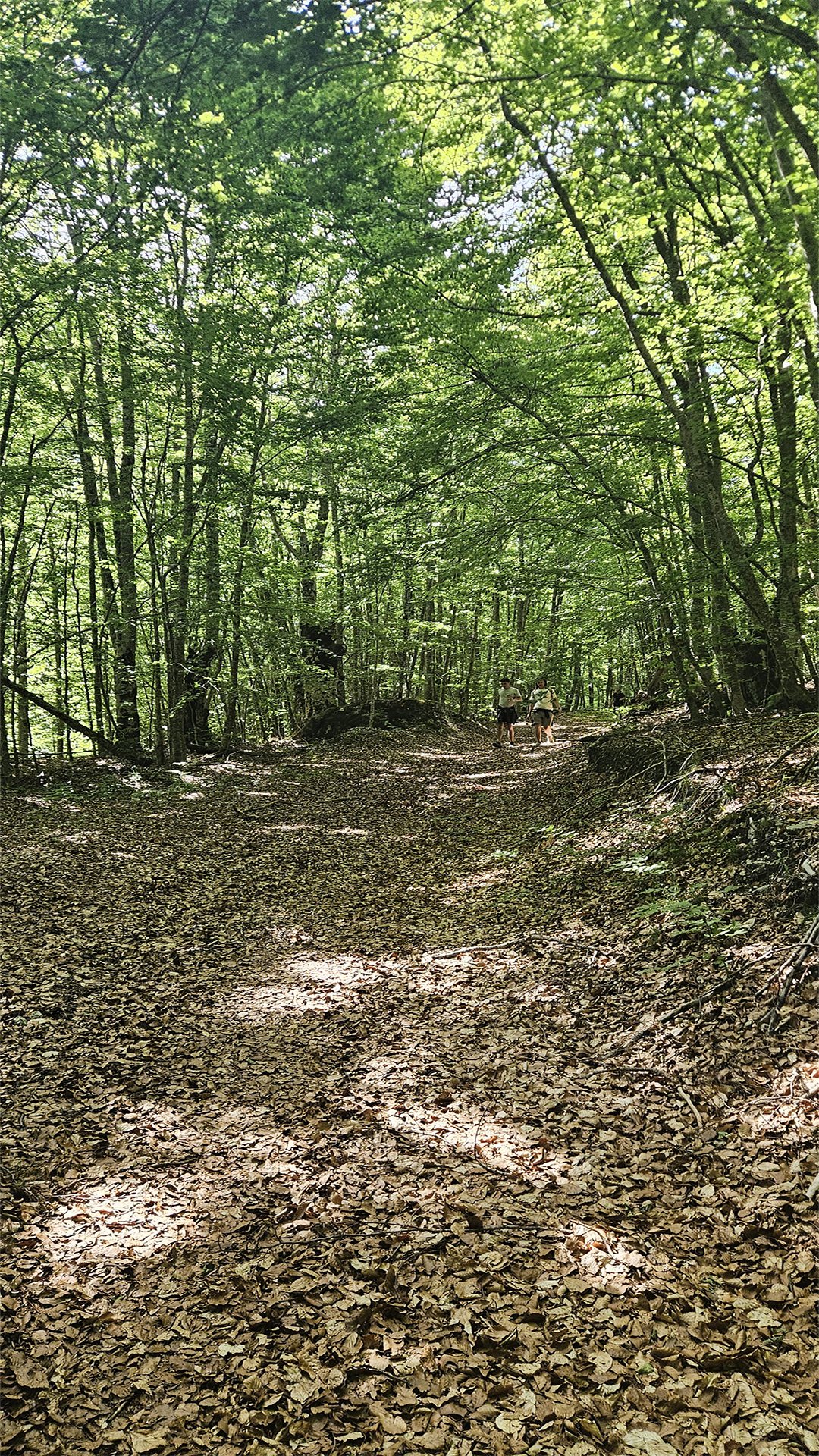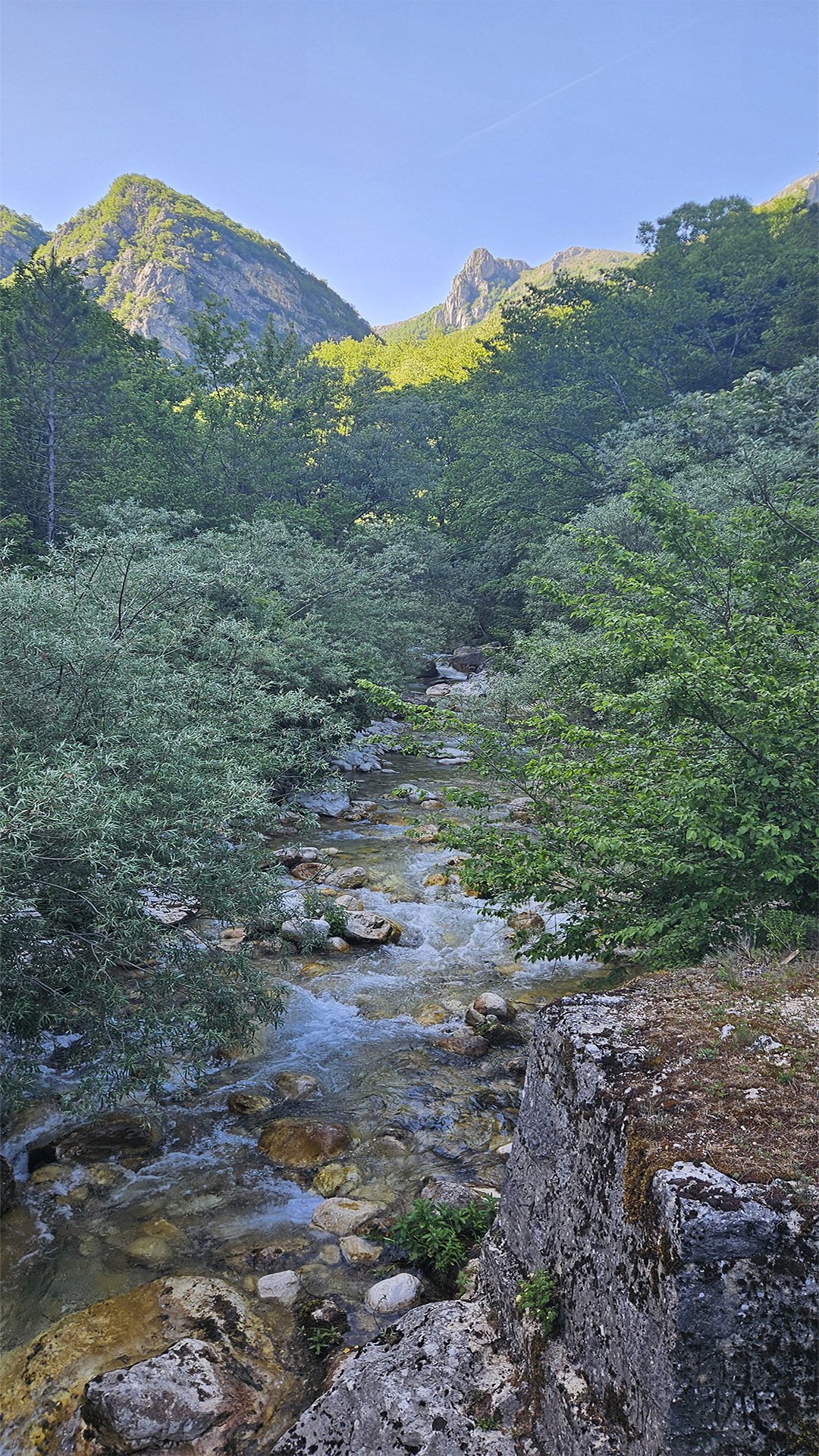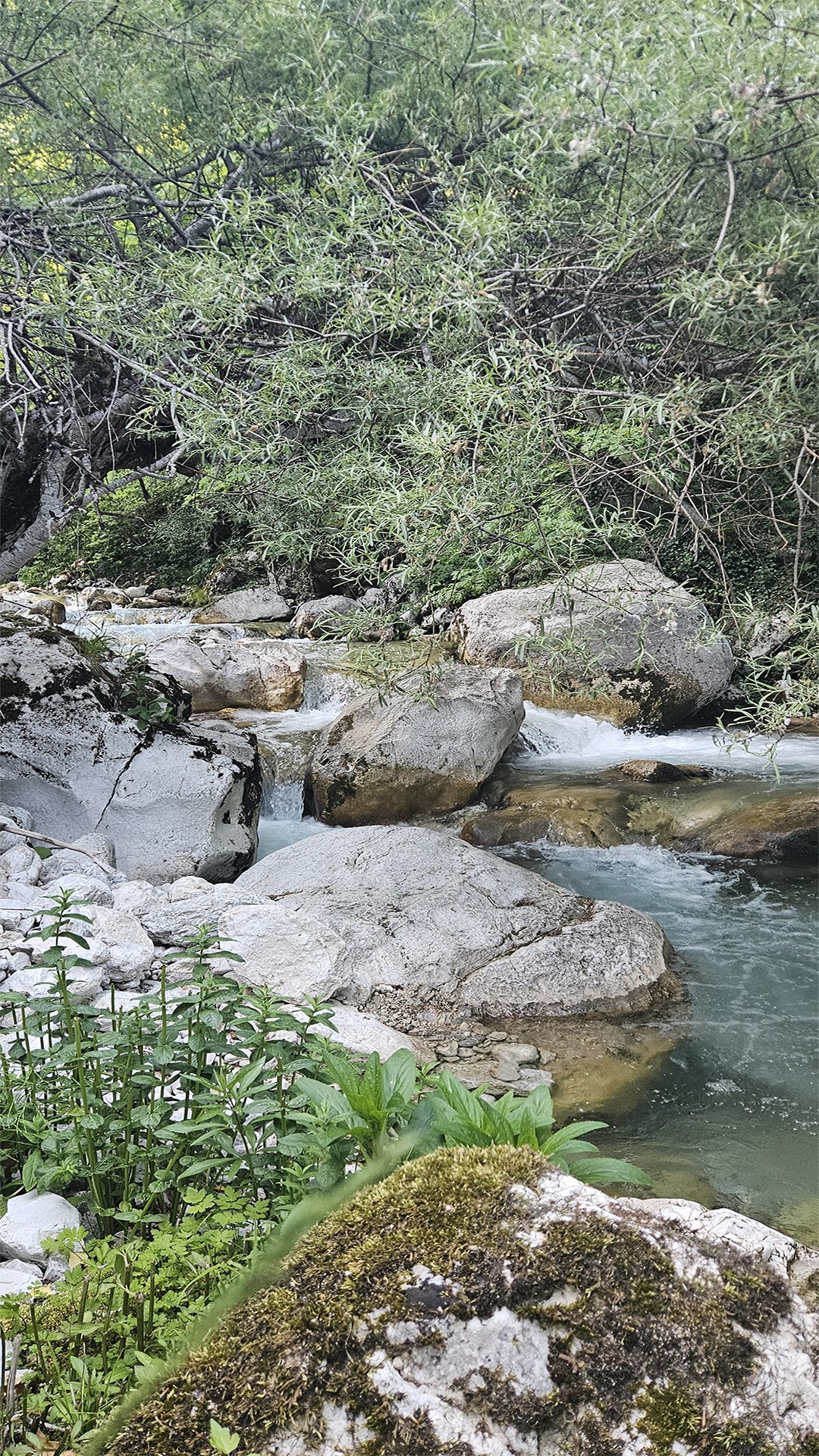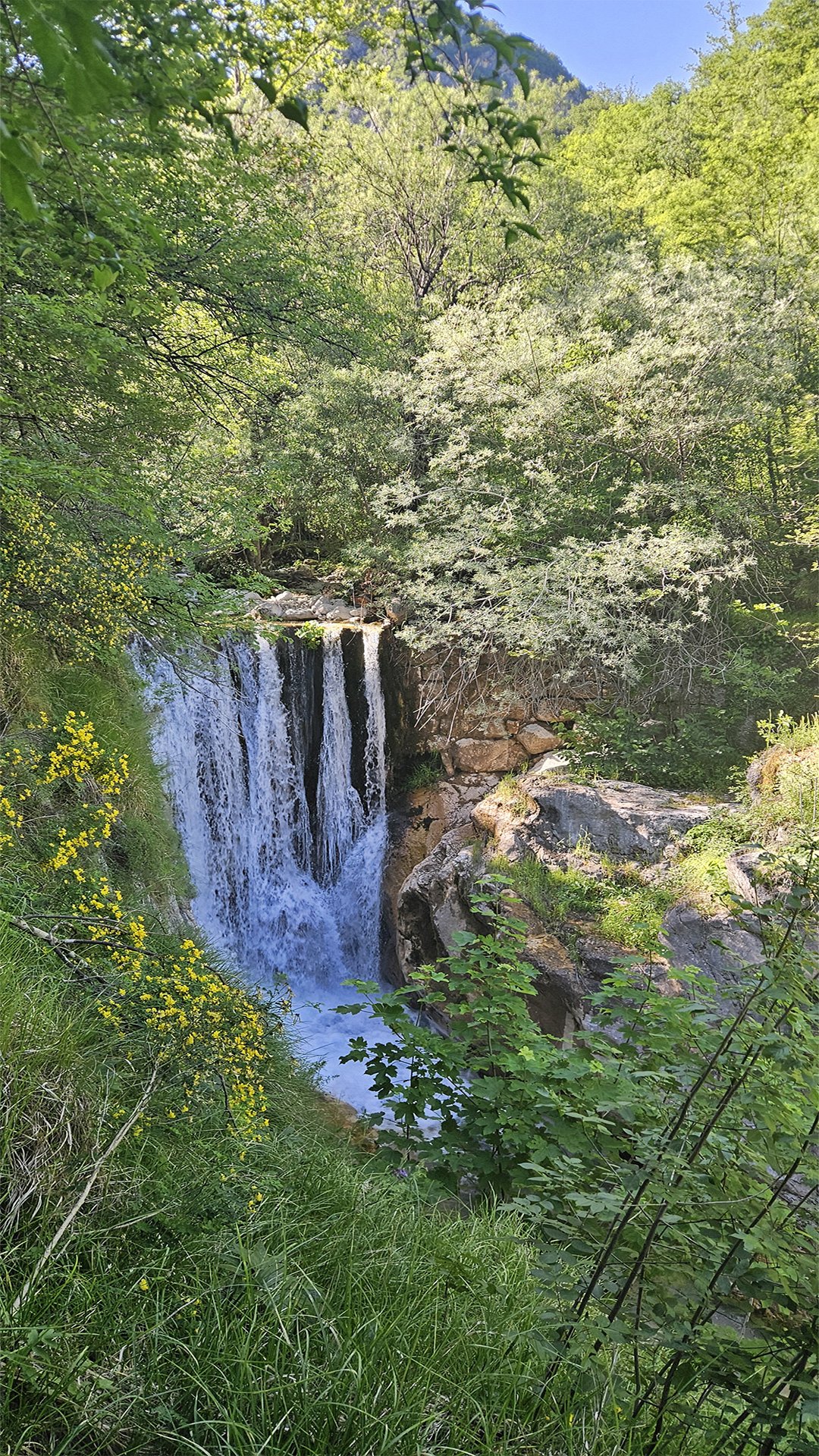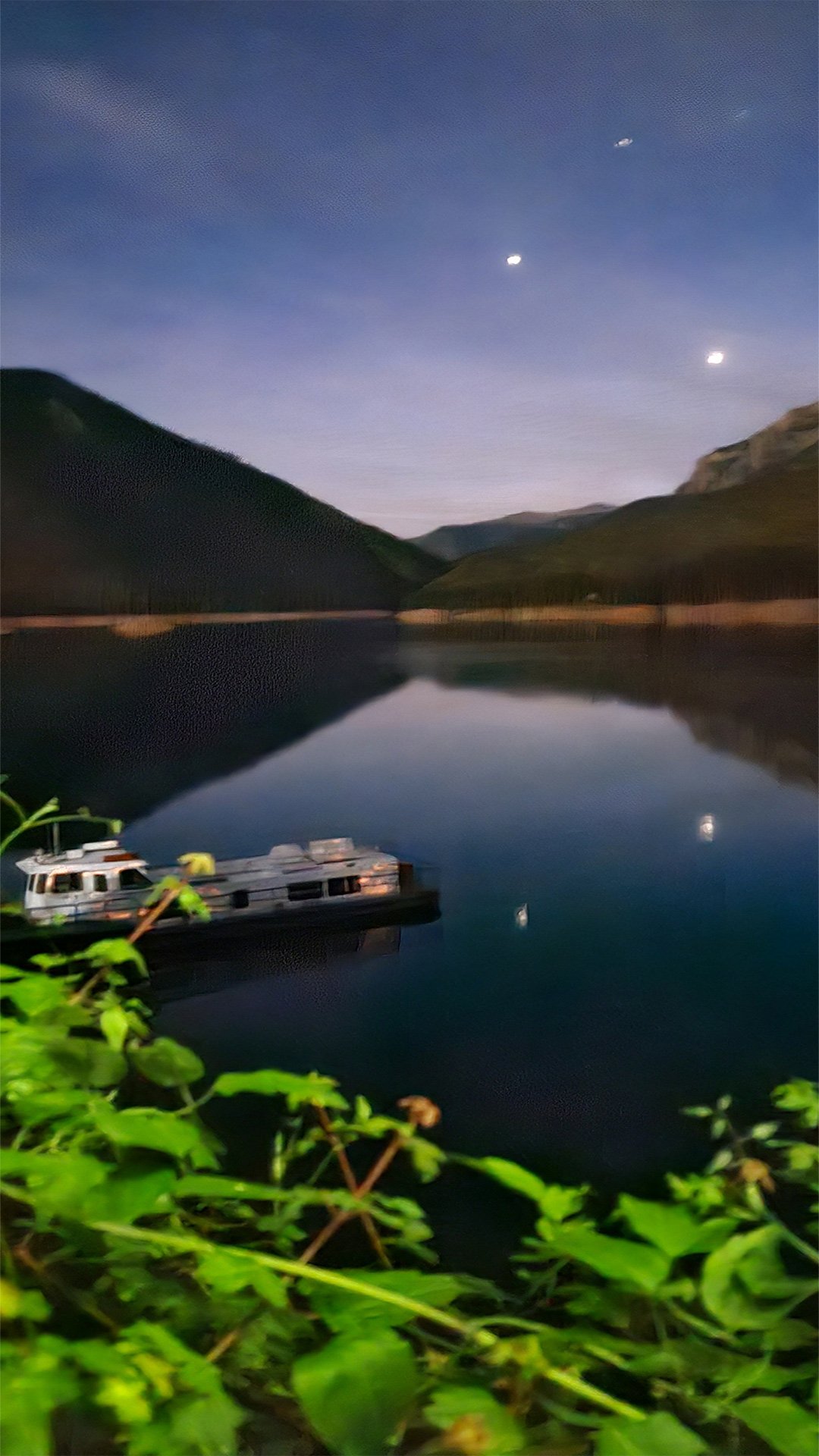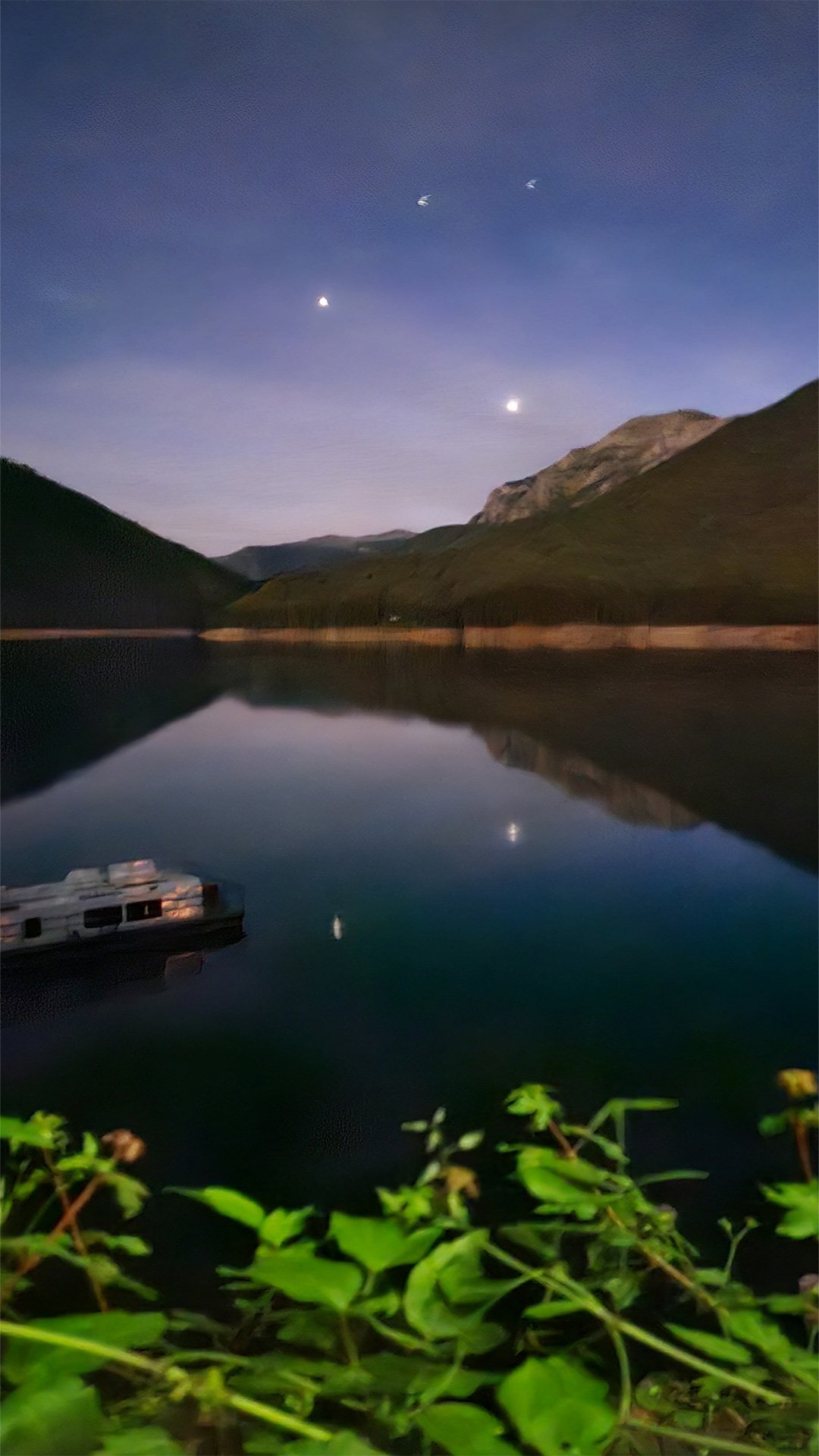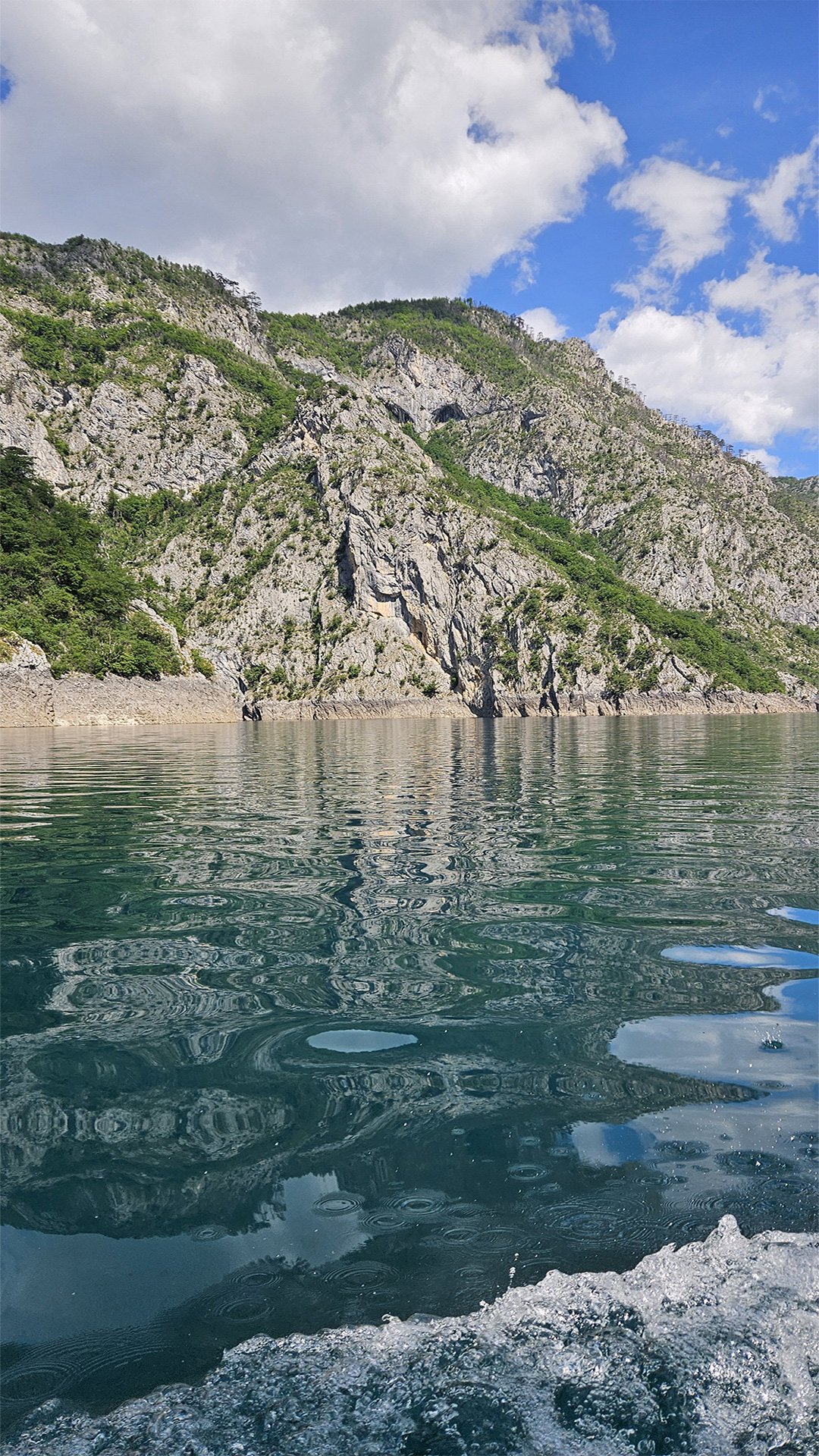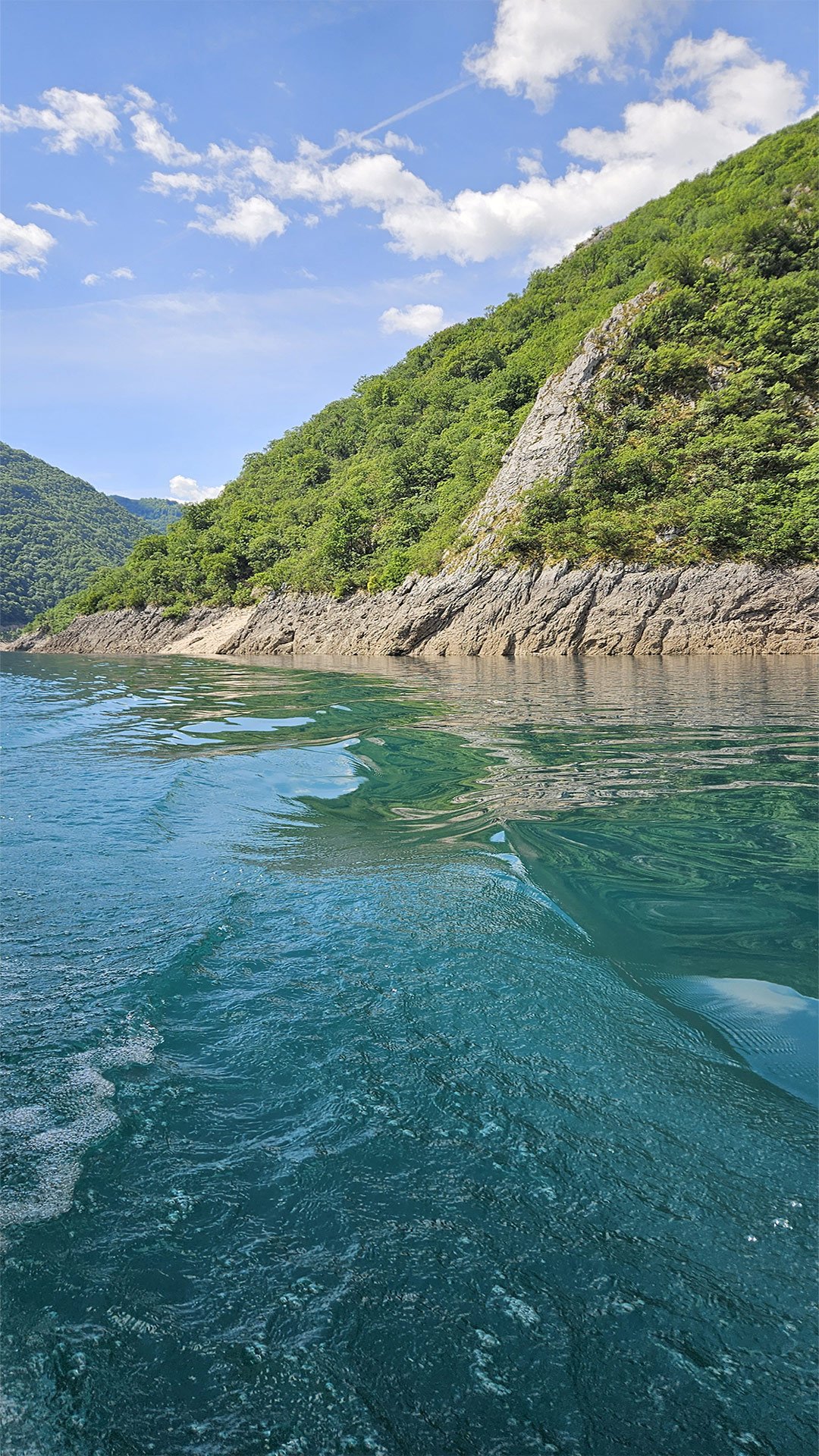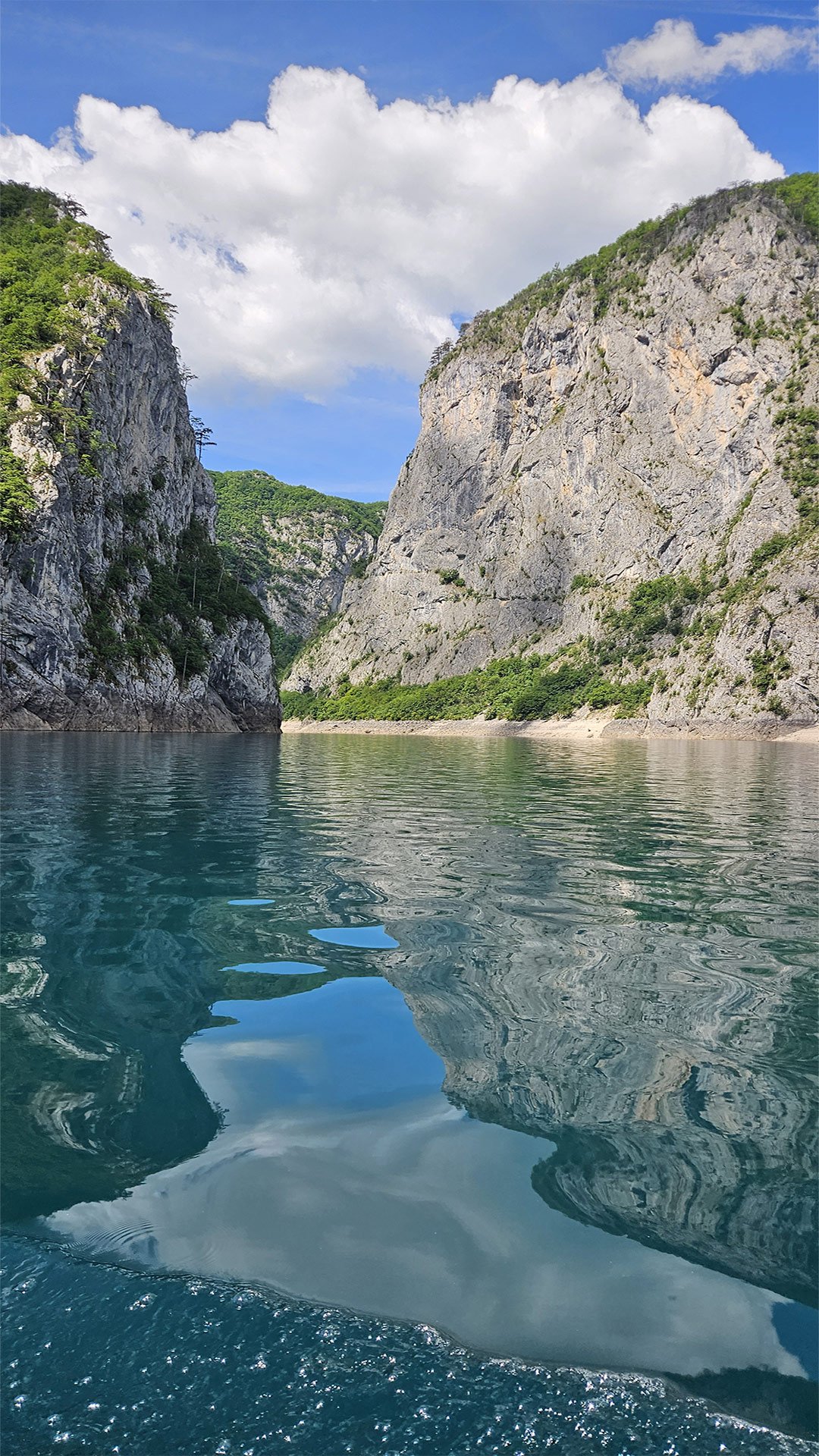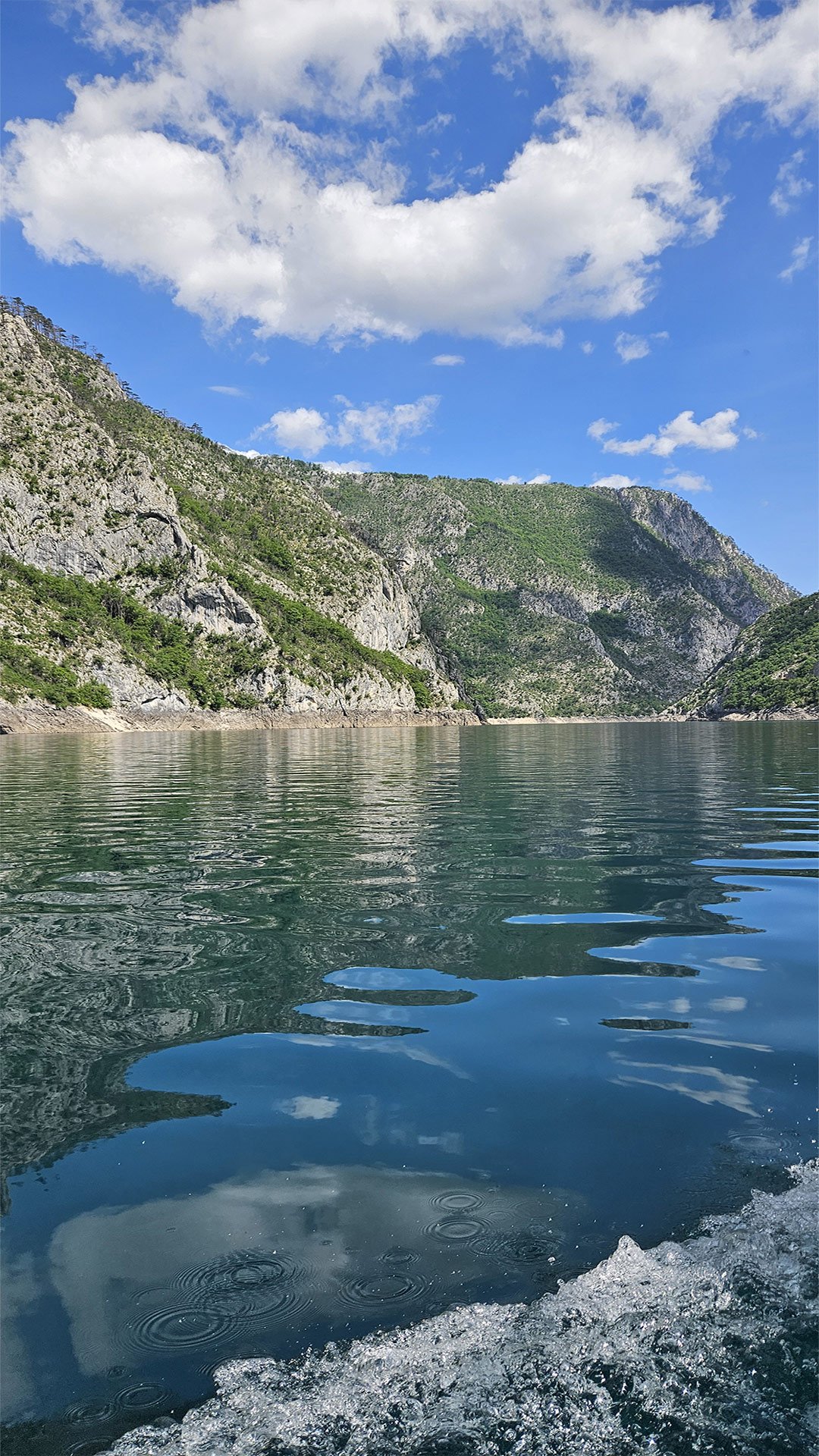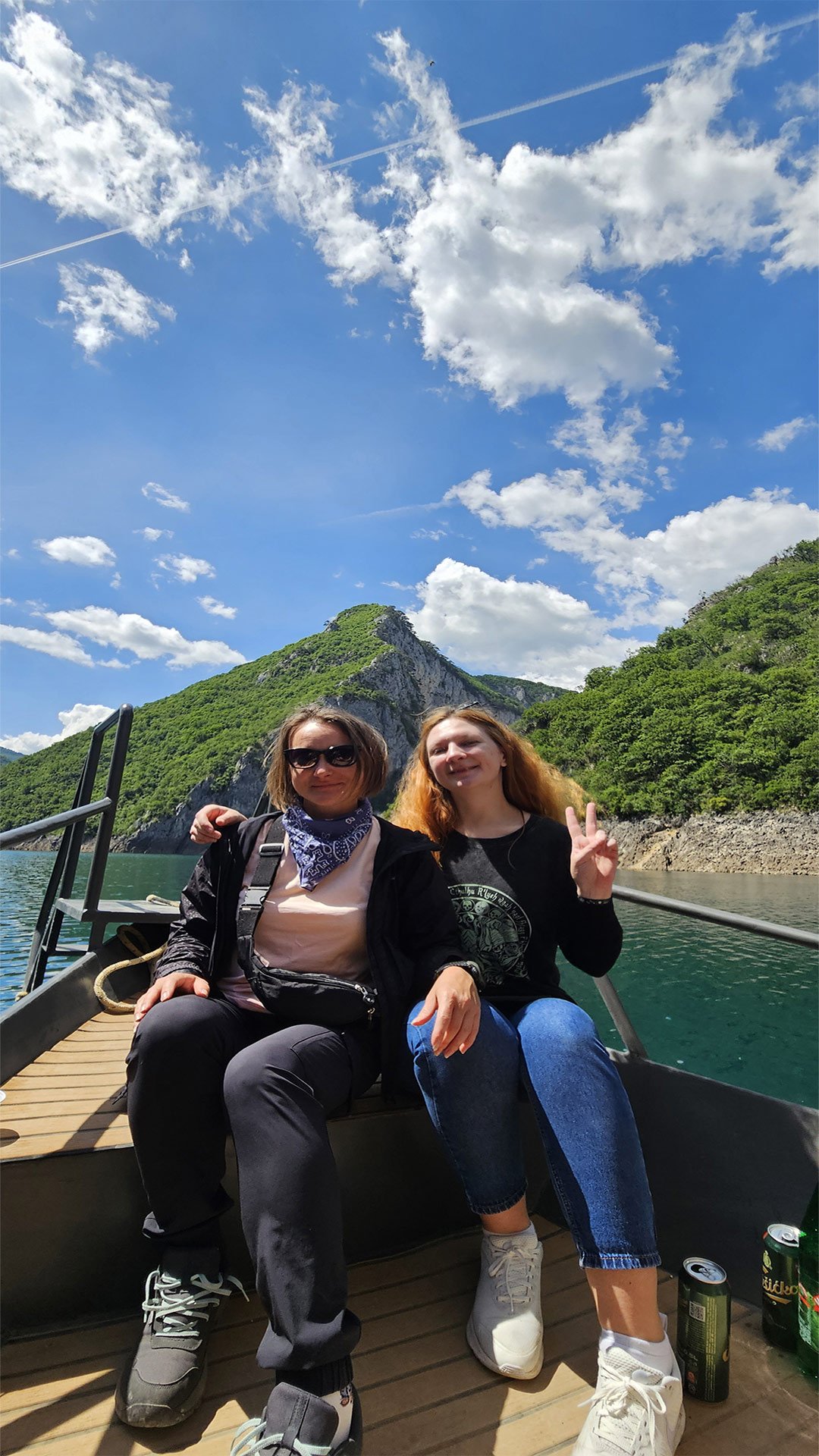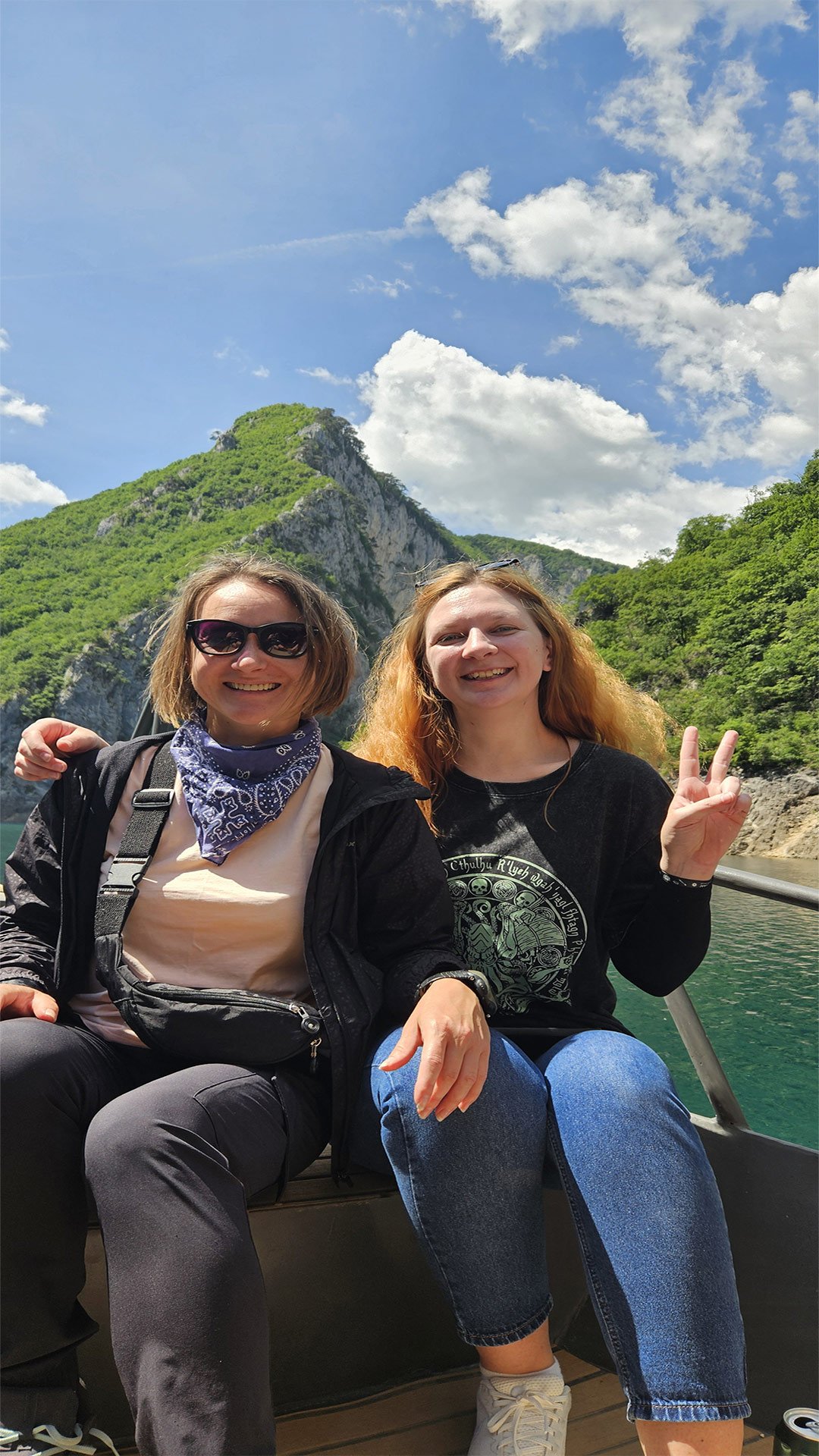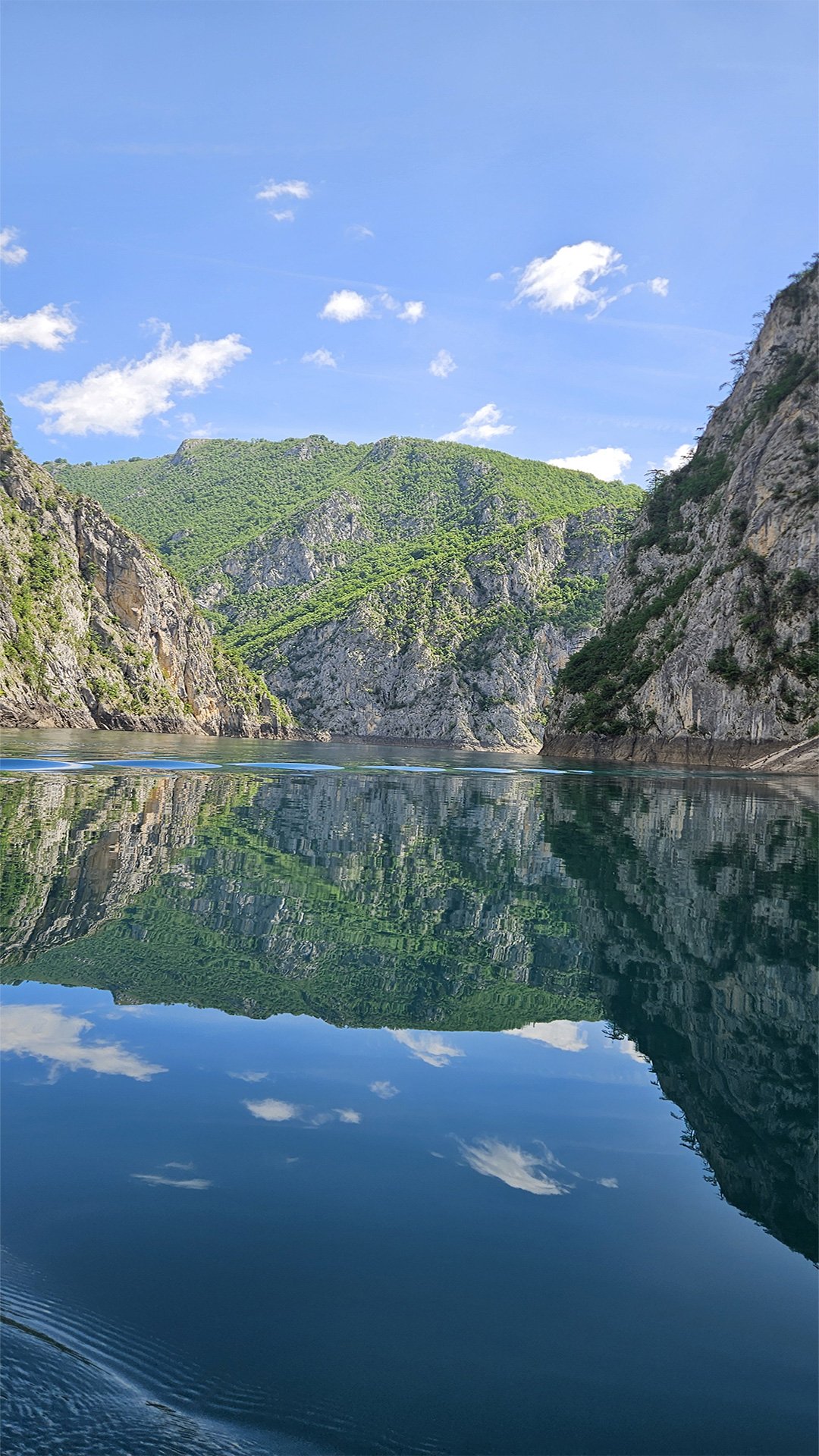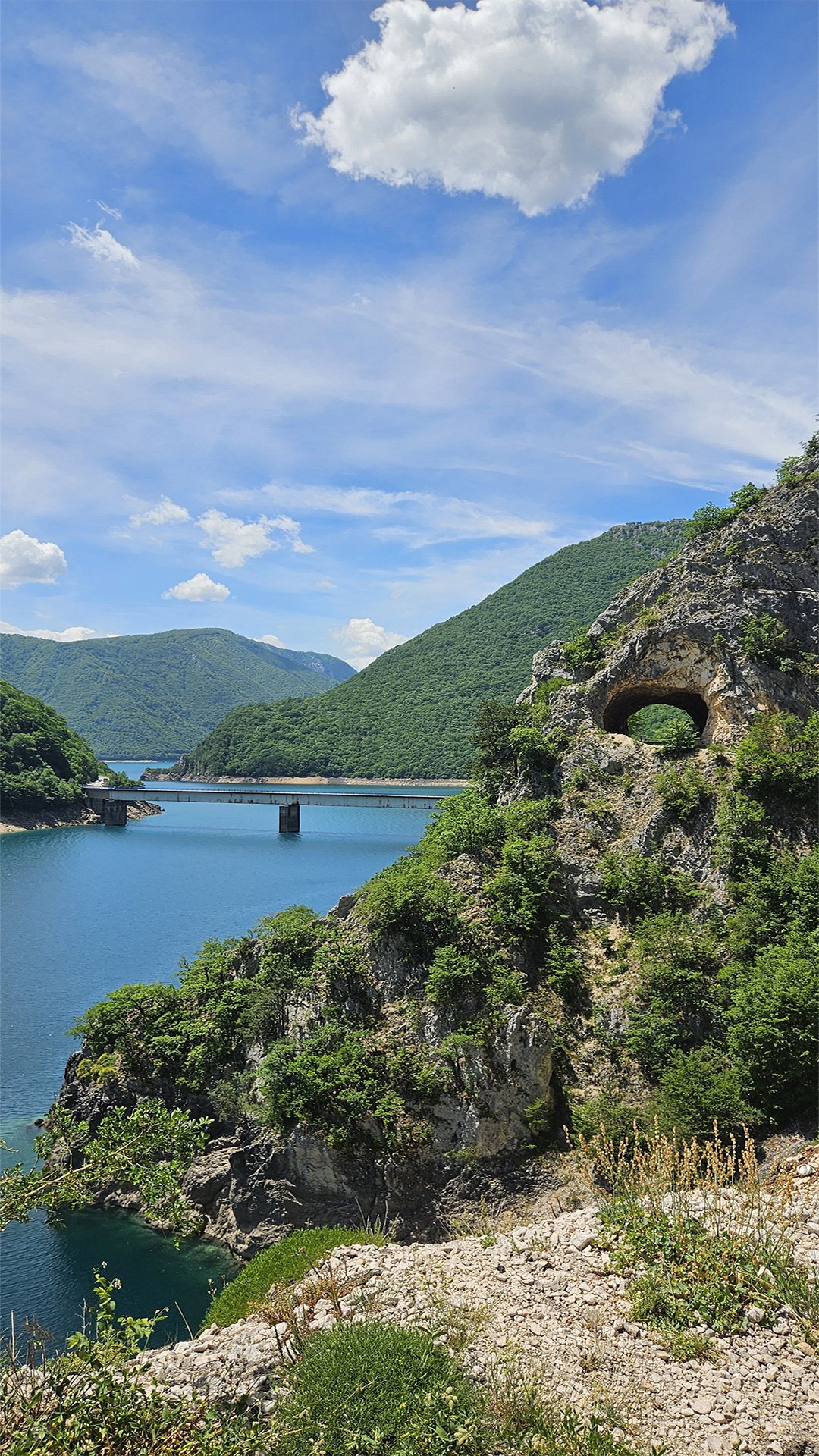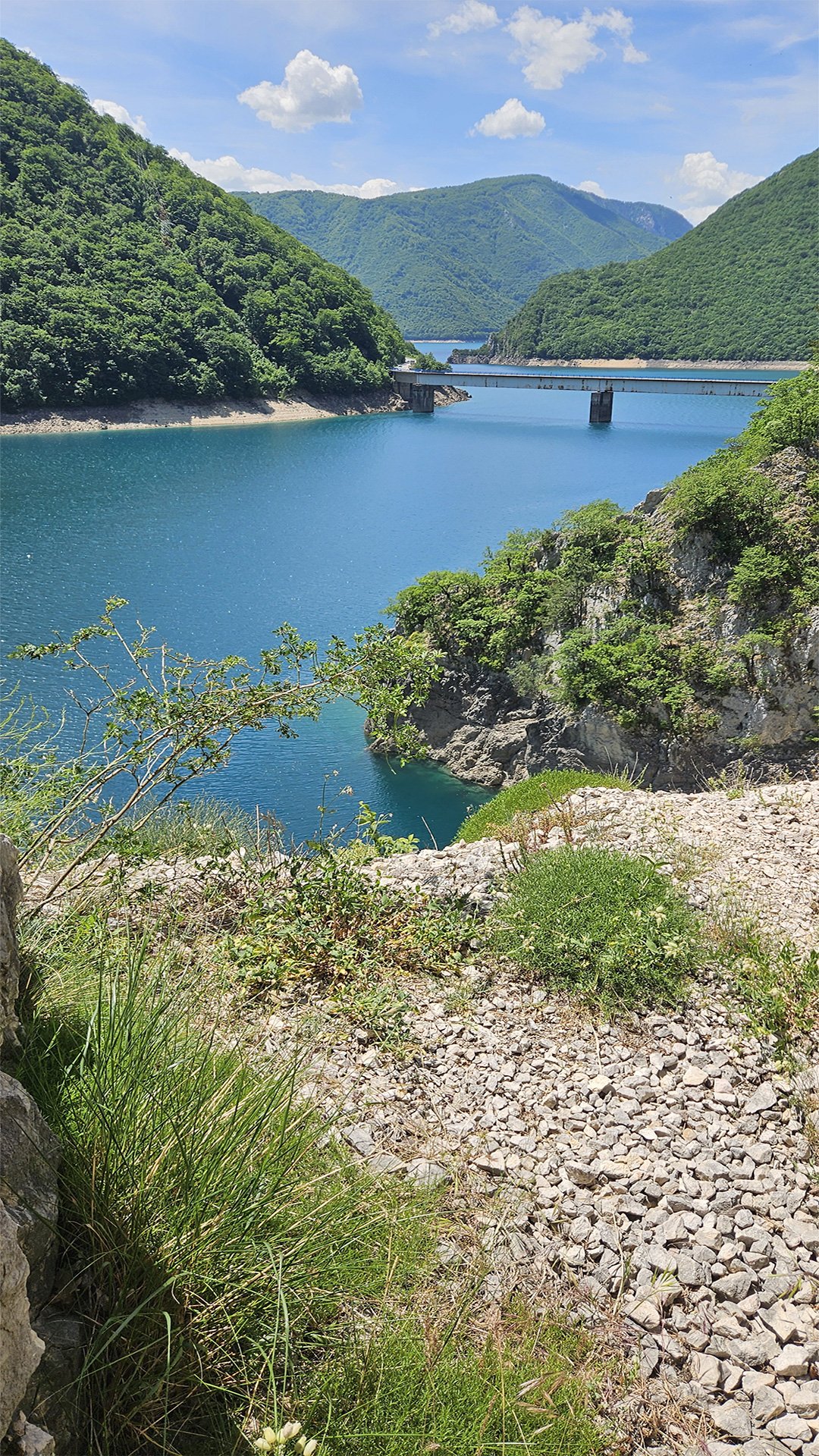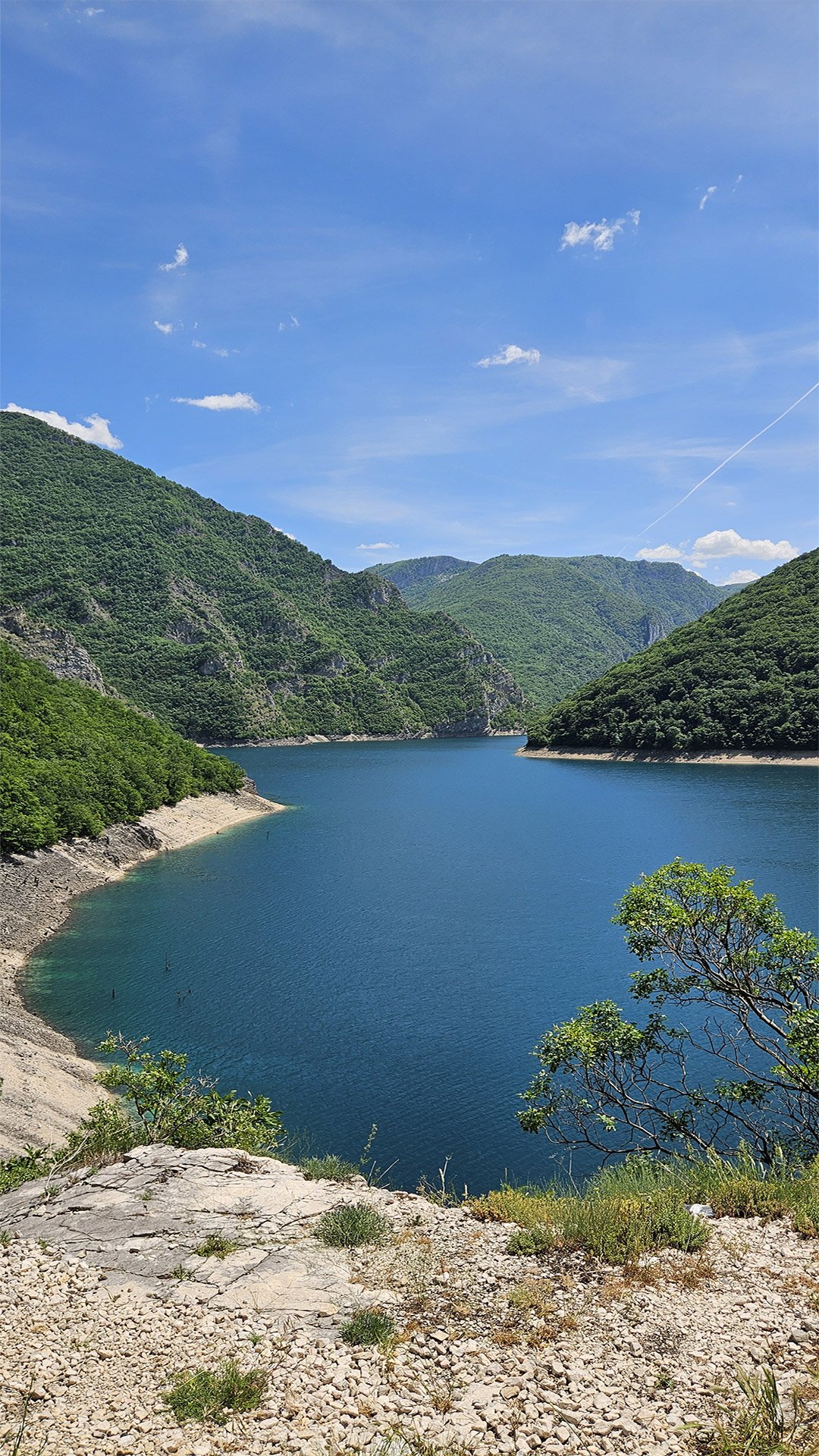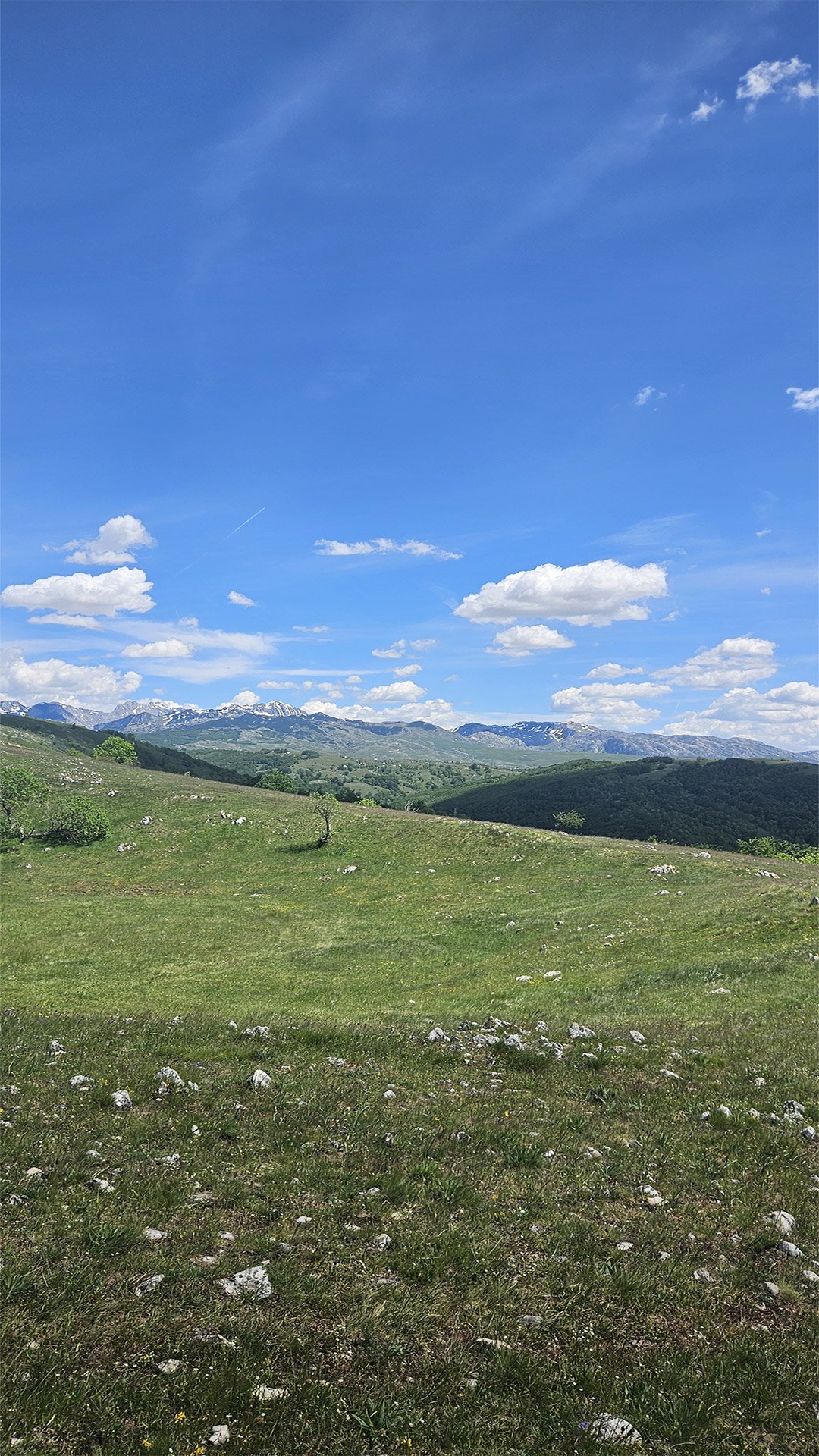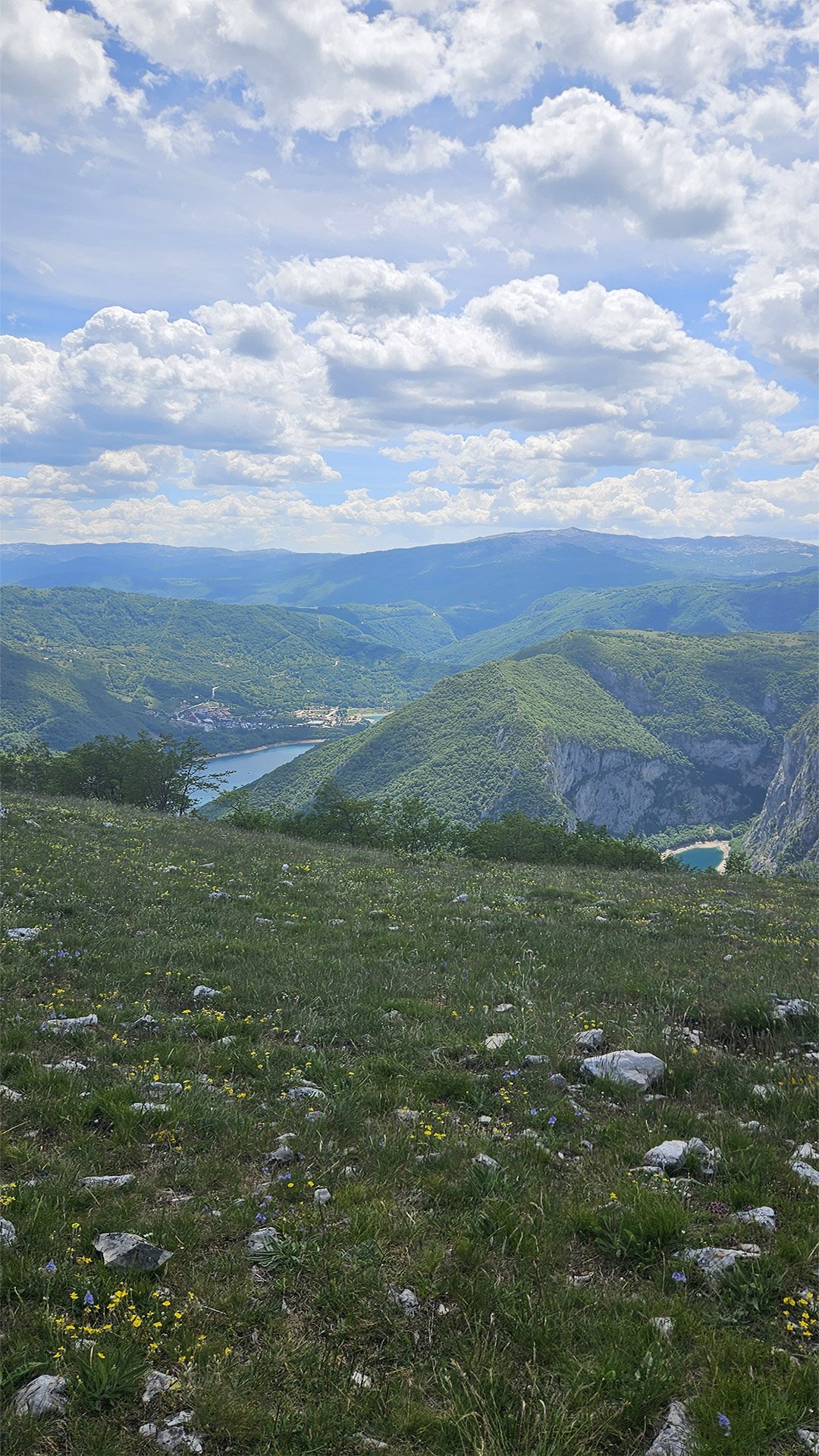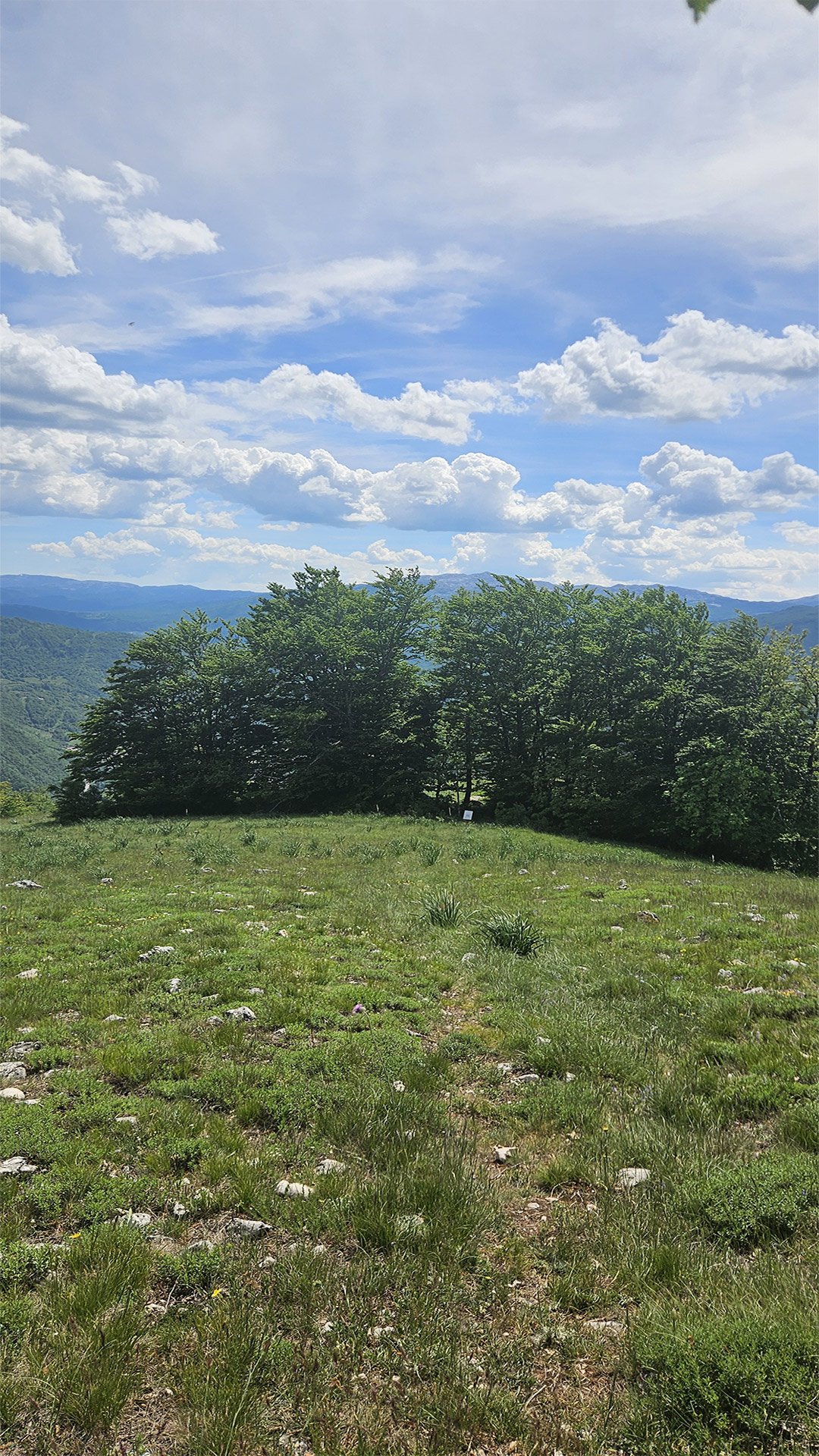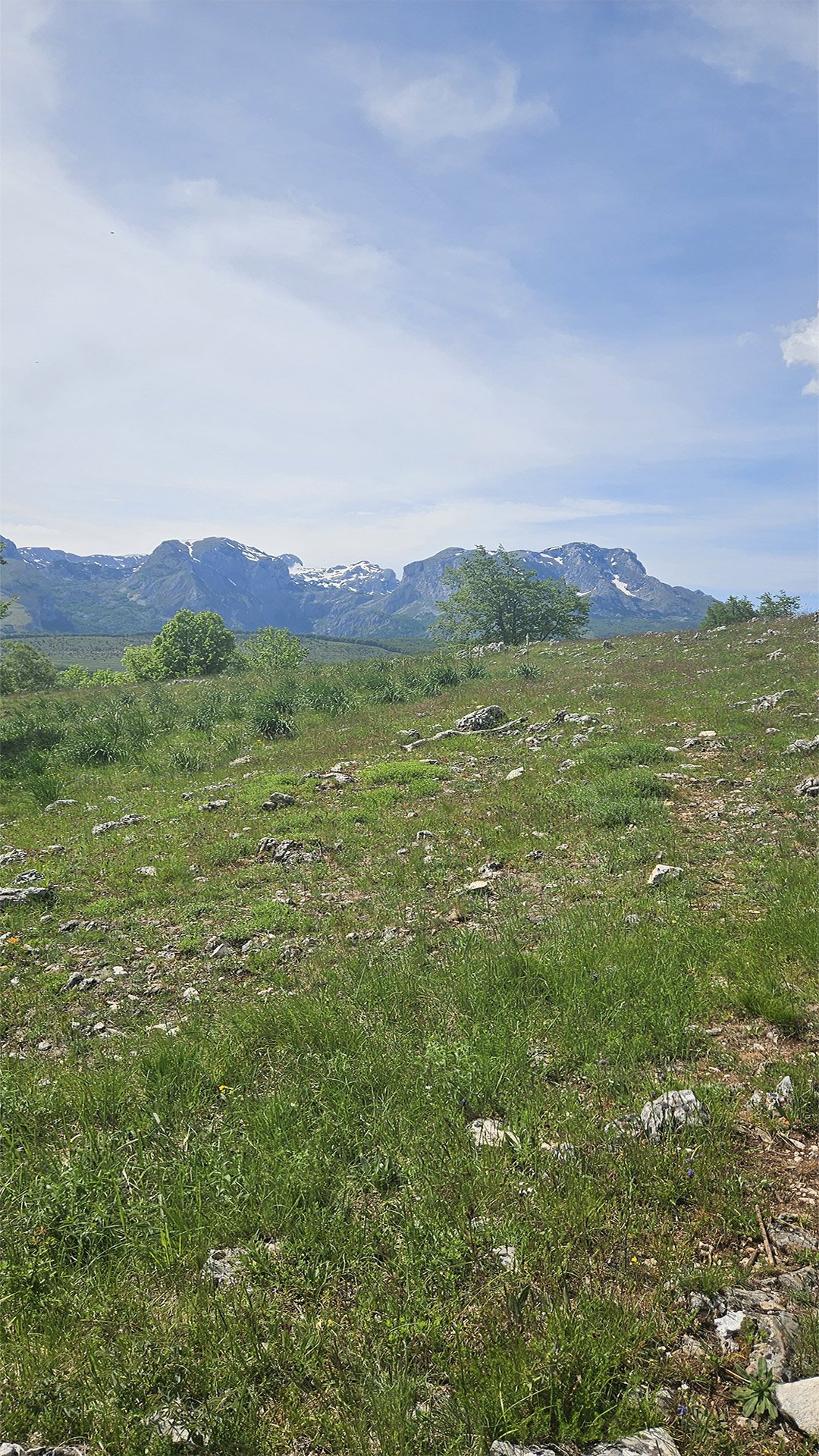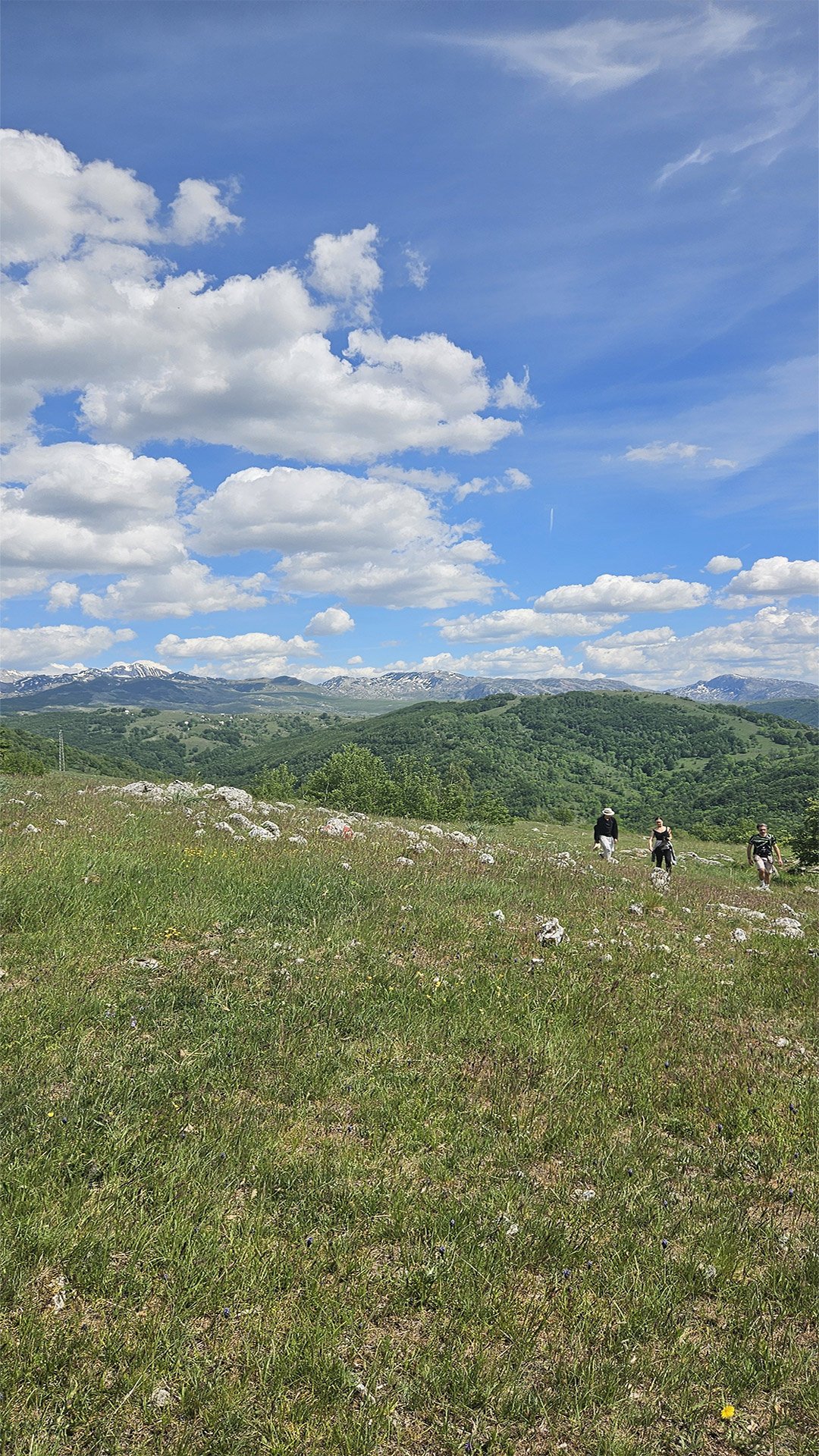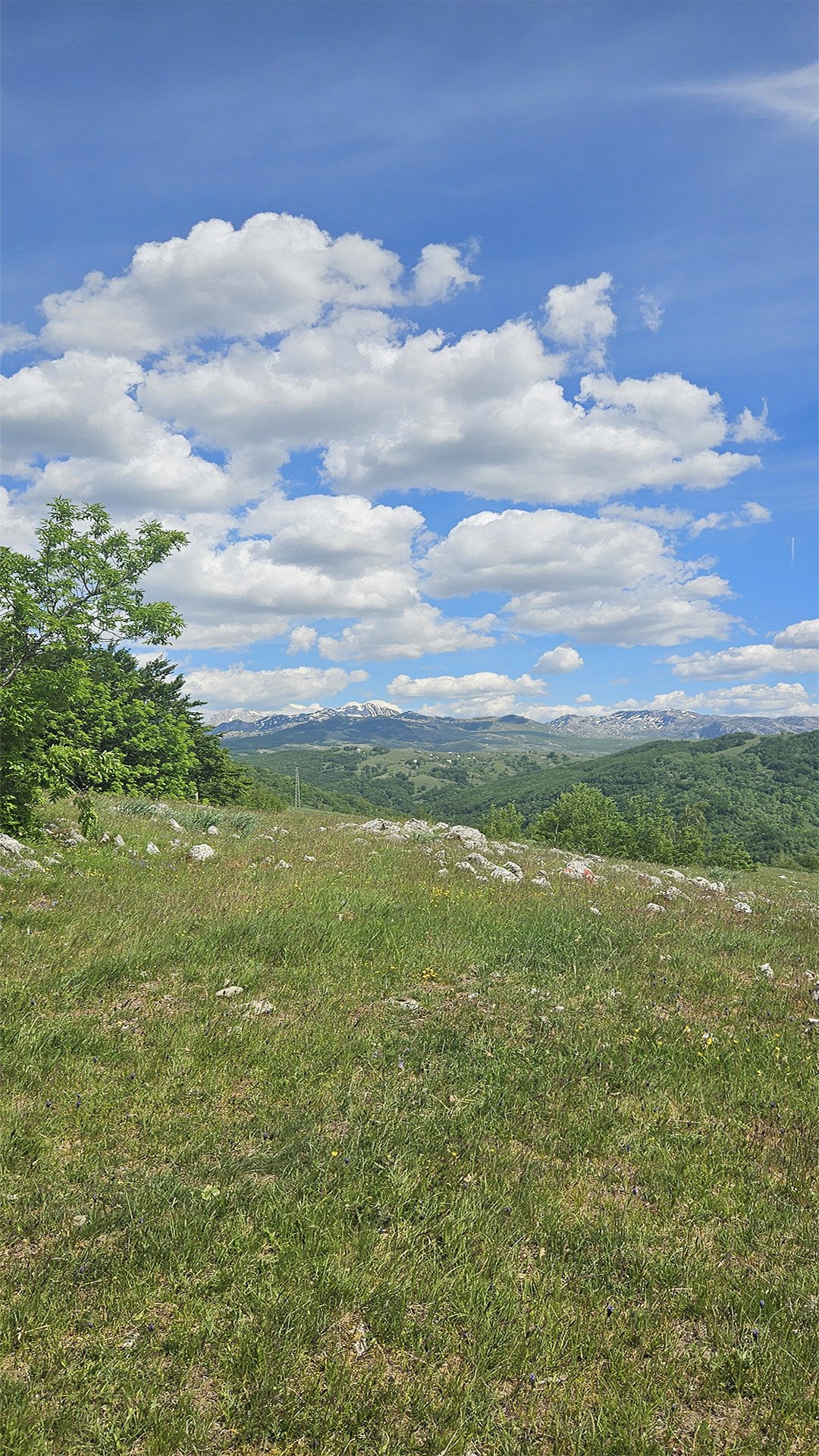
From May 29th to 31st, 2026, the Starlight Group embarked on a journey to this amazing corner of Montenegro. Awaiting us were the Piva Reservoir with its stunning turquoise water, the small mountain town of Plužine, two picturesque glacial lakes—Malo Stabansko and Veliko Stabansko—and one of the country’s most important Orthodox monuments, the Piva Monastery. Late May is a particularly exciting time for a mountain trip. Spring has not yet given way to summer: the altitudes remain cool, mountain streams are filled with meltwater, meadows are covered in fresh greenery, and the peaks of the surrounding mountains may still retain their snow caps.
Plužine – a town born a second time
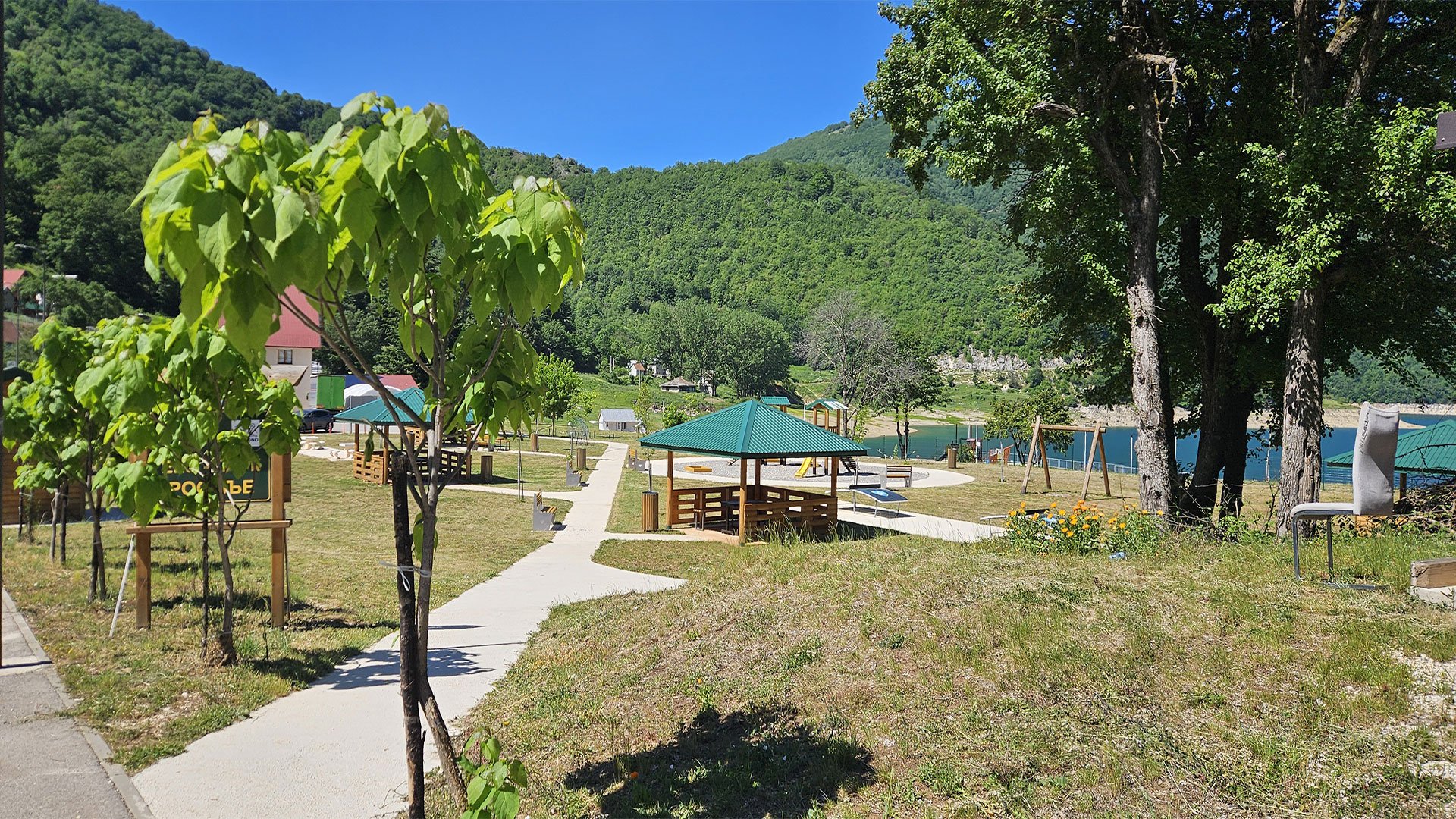
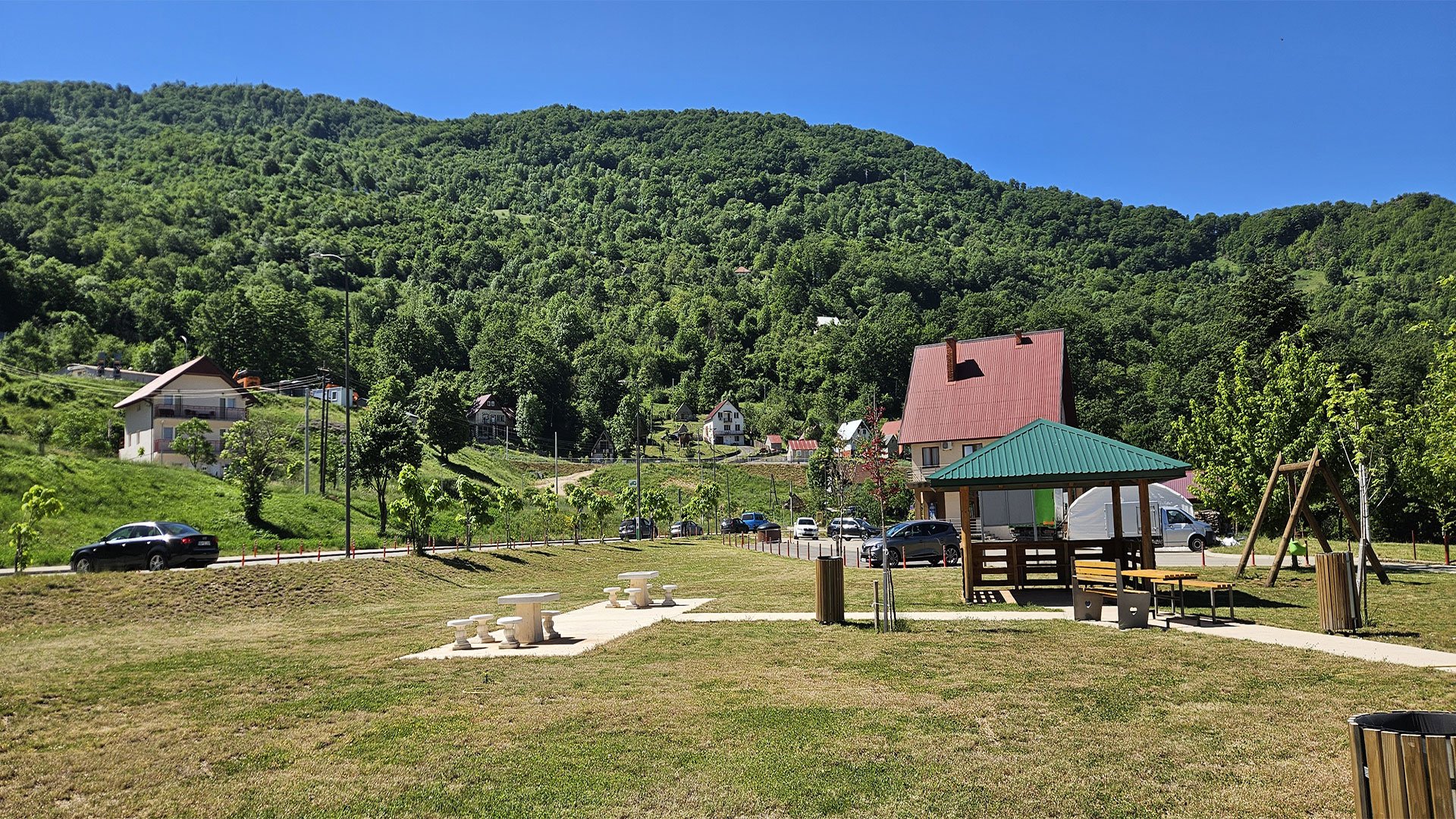
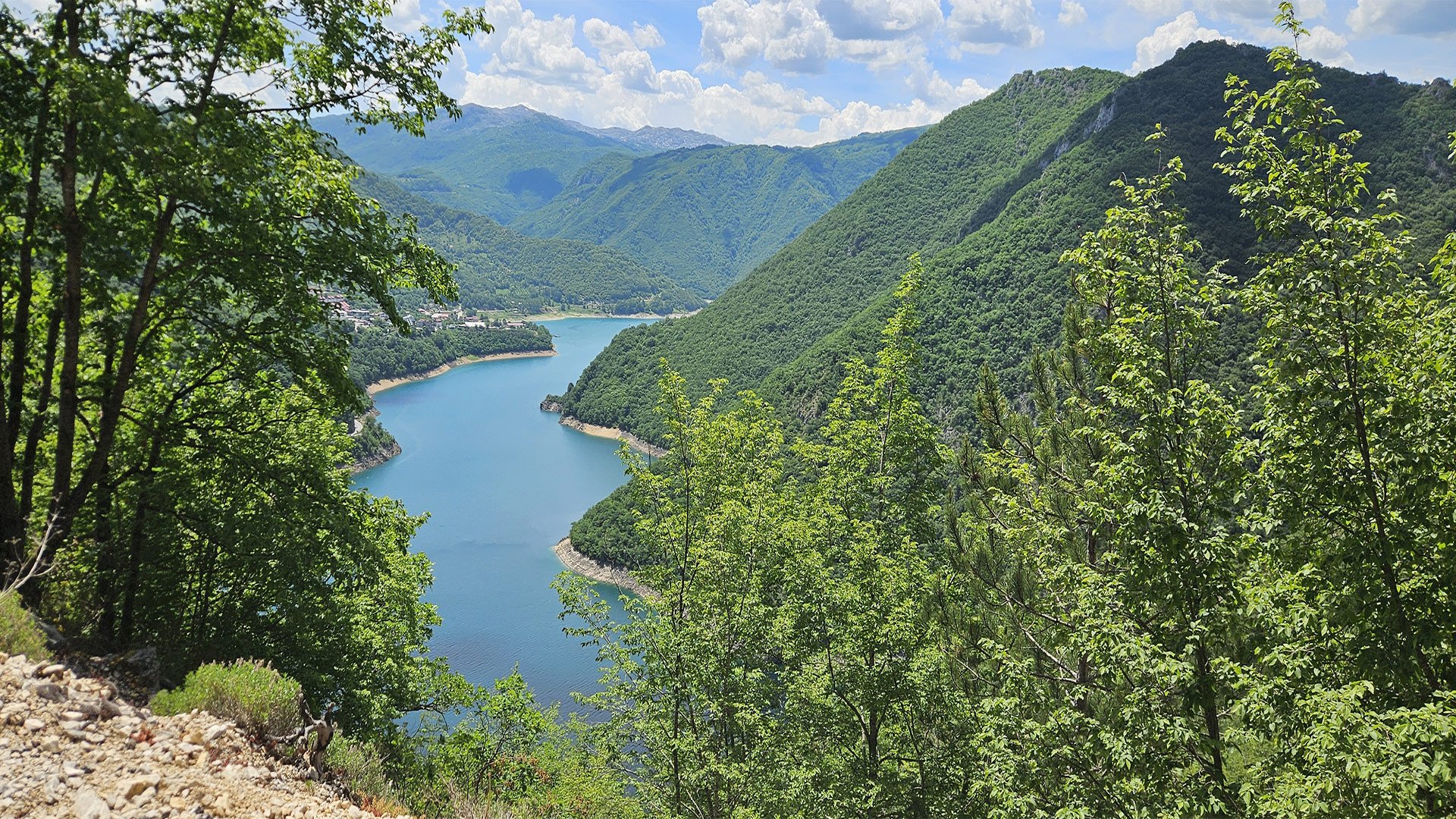
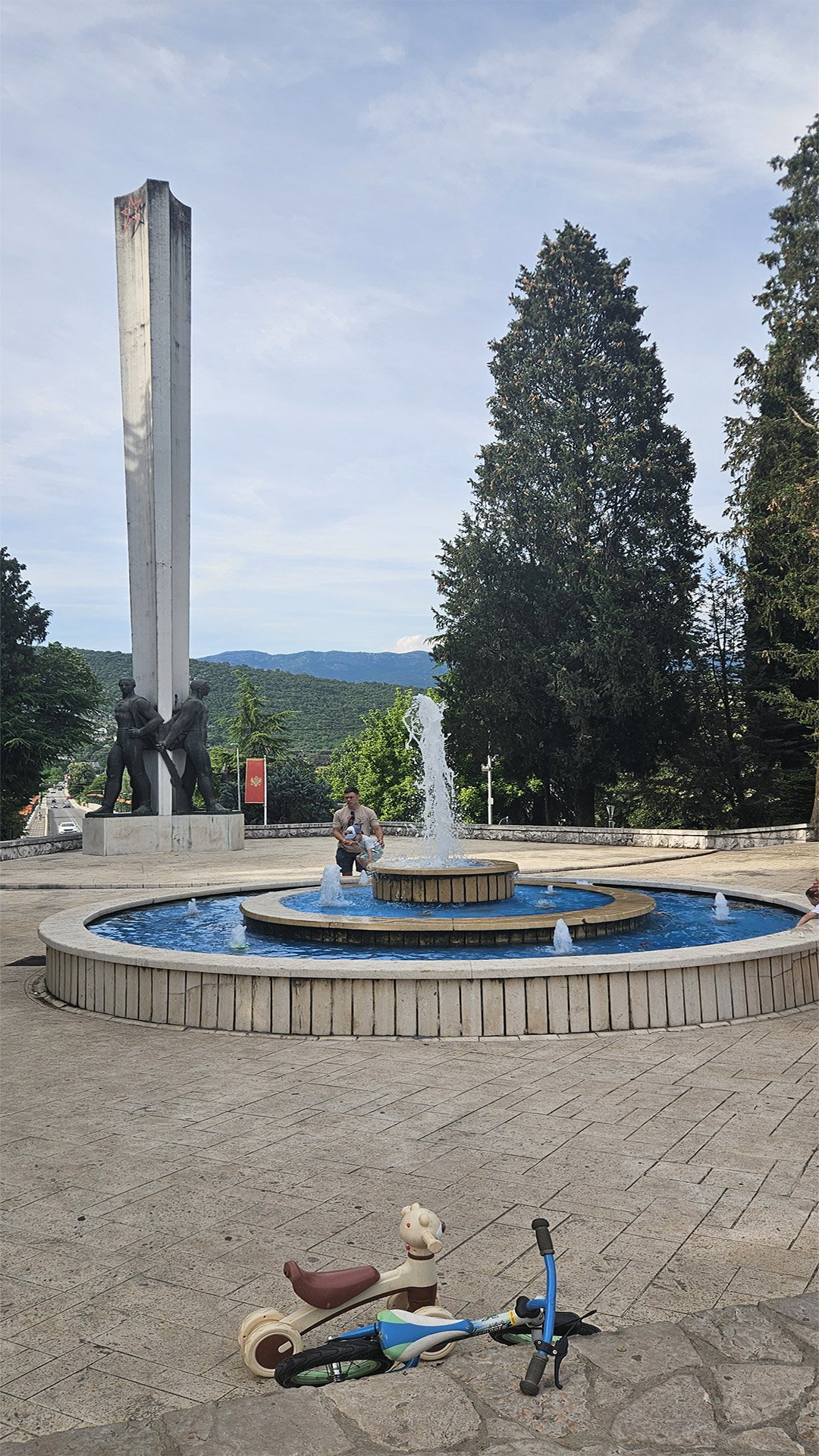
The small town of Plužine is located on the shores of the Piva Reservoir, approximately 675 meters above sea level. It is surrounded by mountain ranges, forests, and rocky slopes, creating the impression of complete isolation from the bustle of large cities. Today, Plužine is the administrative center of the municipality of the same name, an important tourist destination, and a starting point for excursions into the Piva Nature Park. But its modern appearance conceals an unusual history. Plužine is a town that essentially had to be rebuilt from scratch.
History of Plužine: From an Old Settlement to a Modern Town
Historically, the Piva region was part of medieval Herzegovina. Its development was determined by the rugged mountainous terrain, its remoteness from major centers, and the peculiarities of life of the local population. Highlanders, engaged in cattle breeding, agriculture, hunting, and trade, have long inhabited the area. Mountain valleys served as natural communication routes between settlements, while rivers and numerous springs provided water. At various historical periods, these lands were under the rule of various rulers.
After the Ottoman conquest of the Balkans, the Piva region fell under the Ottoman Empire’s influence. The local population preserved the Orthodox faith, traditions, and distinctive way of life. The Piva Monastery played a crucial role in the region’s cultural and spiritual life, becoming not only a religious center but also a place for preserving writing, art, and historical memory. In 1878, following the Congress of Berlin, the Piva region became part of the internationally recognized independent state of Montenegro. However, in the 20th century, the city’s fate changed dramatically.
The City That Sunk
In the 1960s and 1970s, Yugoslavia saw active development of energy infrastructure. Montenegro’s mountain rivers were seen as an important source of hydroelectric power. The Piva River, with its deep and narrow canyon, proved particularly suitable for the construction of a large hydroelectric power station. The project envisioned the construction of a massive dam in the Mratinje area and the creation of a huge artificial reservoir. This meant that the old settlement of Plužine and part of the surrounding valley would be submerged. Residents were forced to abandon their homes and move to the new site. Construction of a modern town began on the elevated ground above the future reservoir. In 1975, the dam was completed, and the reservoir began filling. Old Plužine gradually disappeared beneath the waves. Thus emerged an unusual town, which today seems to observe its own past from the heights of the mountainside.
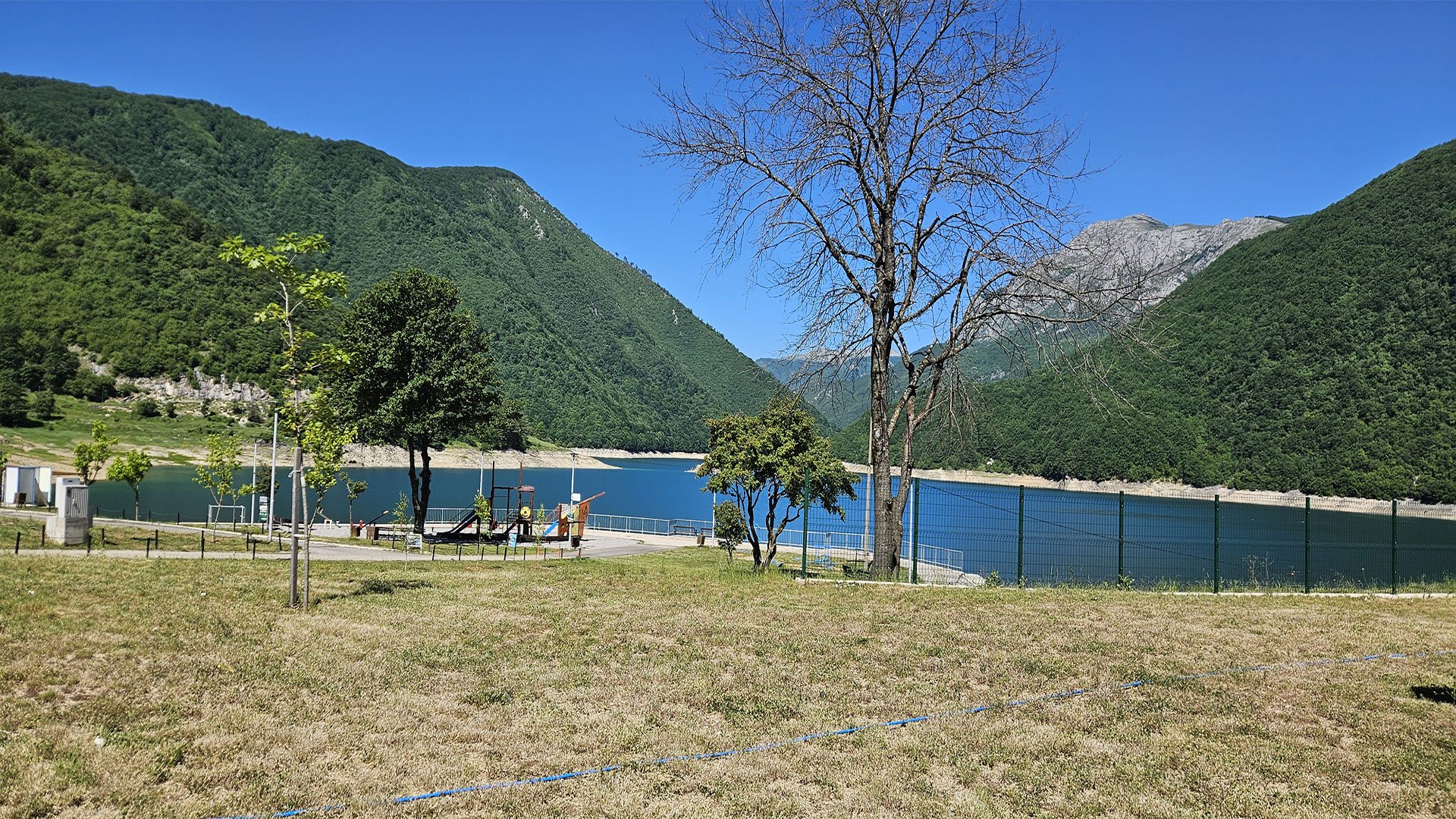
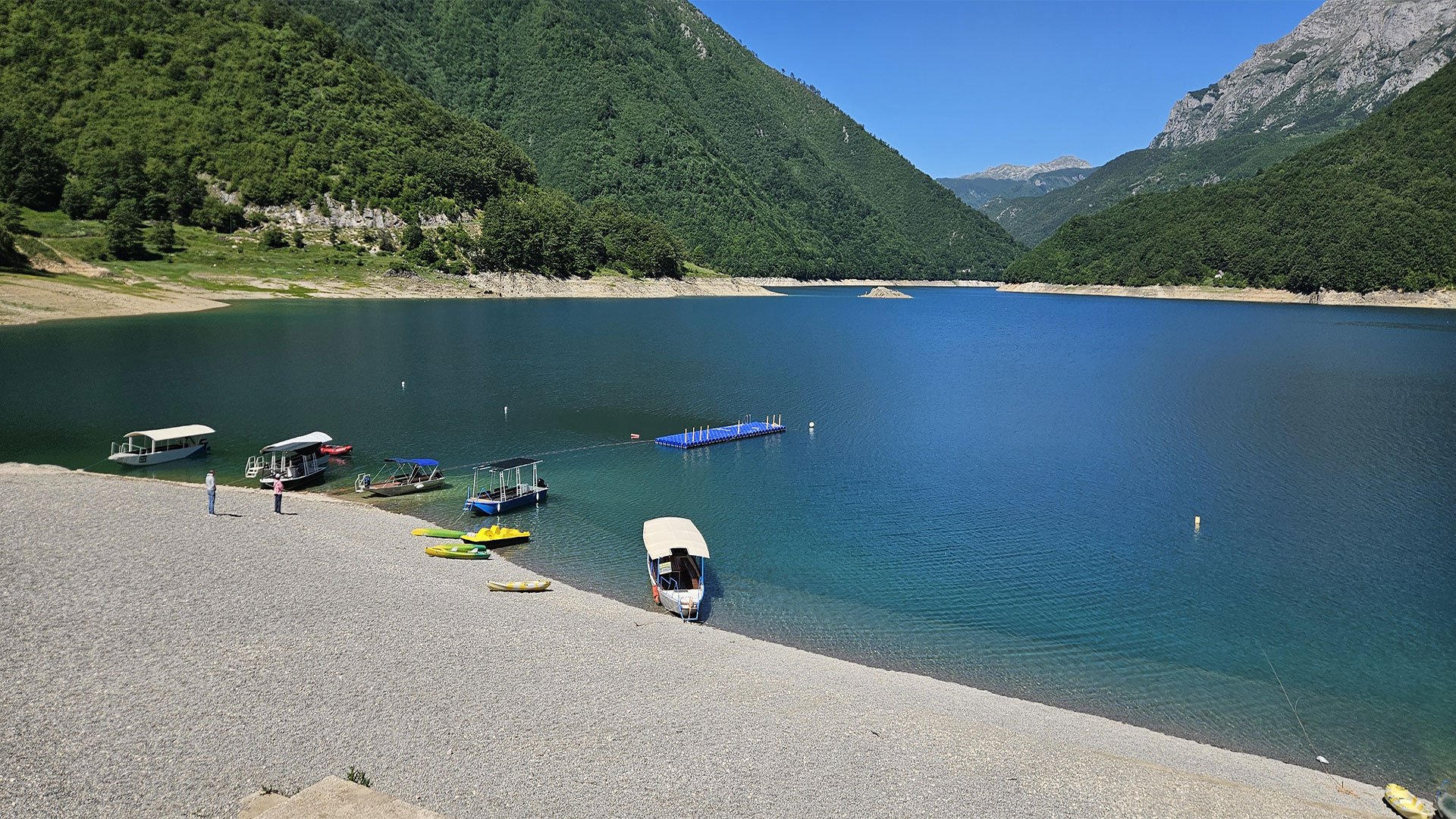
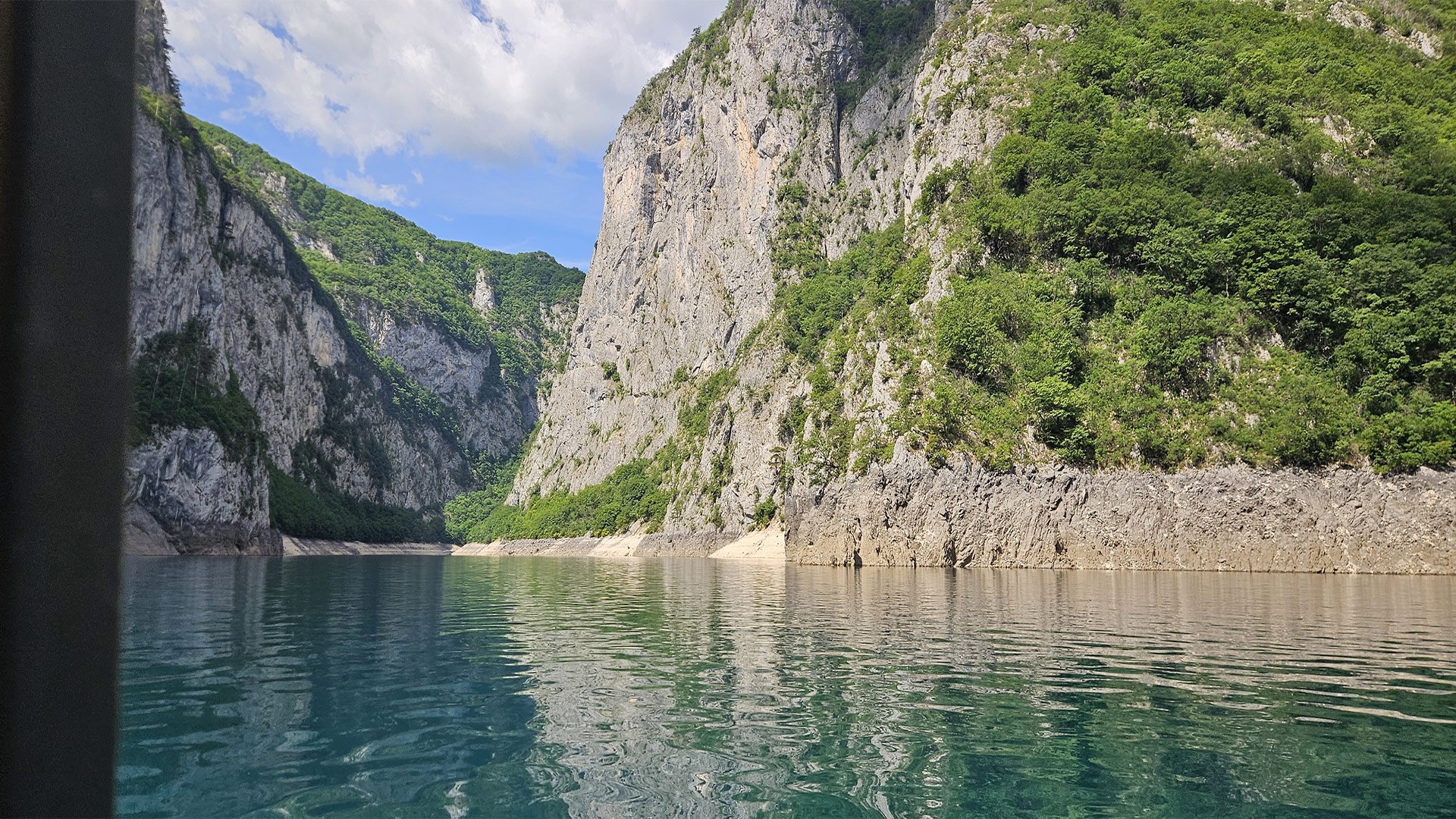
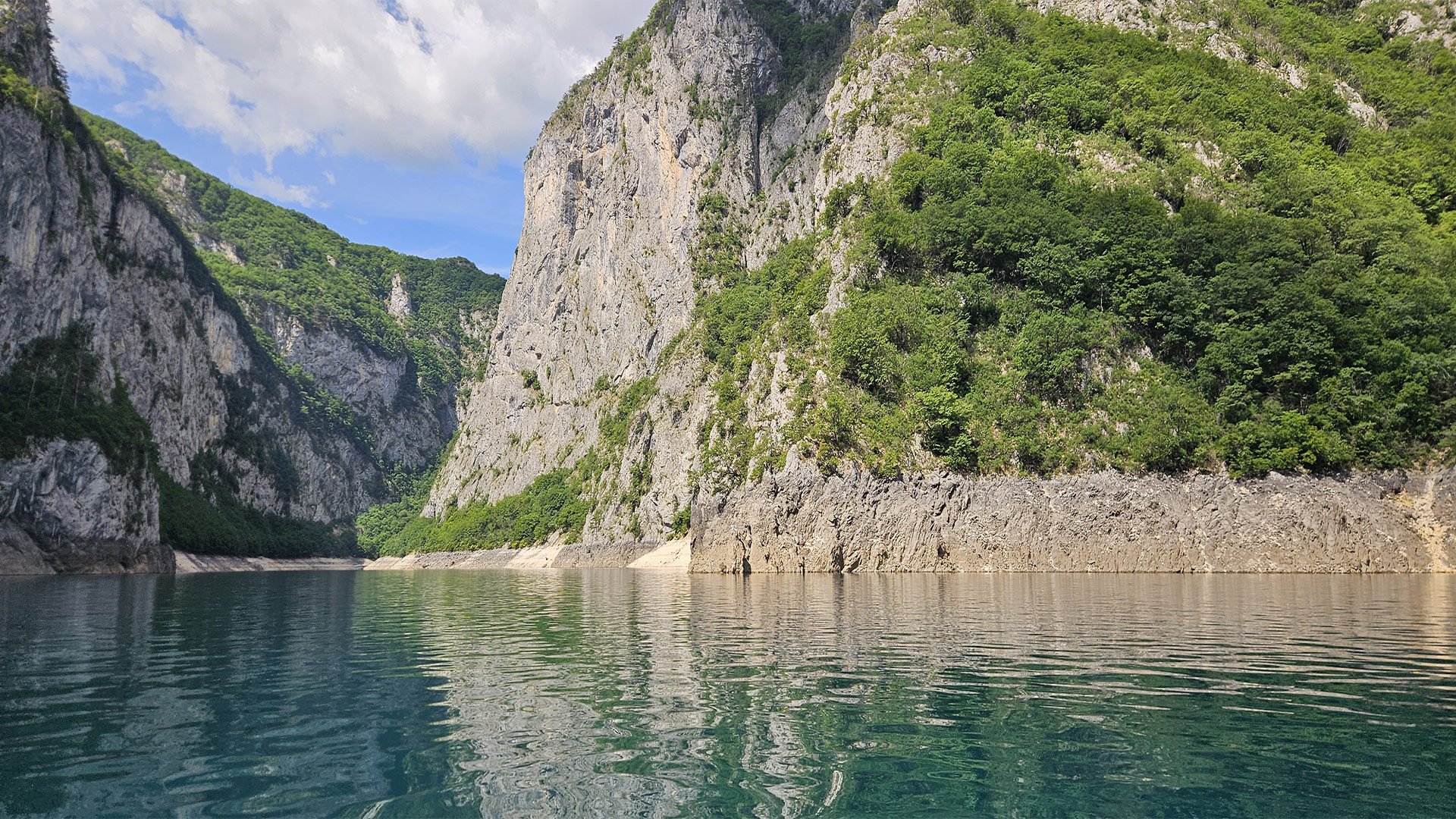
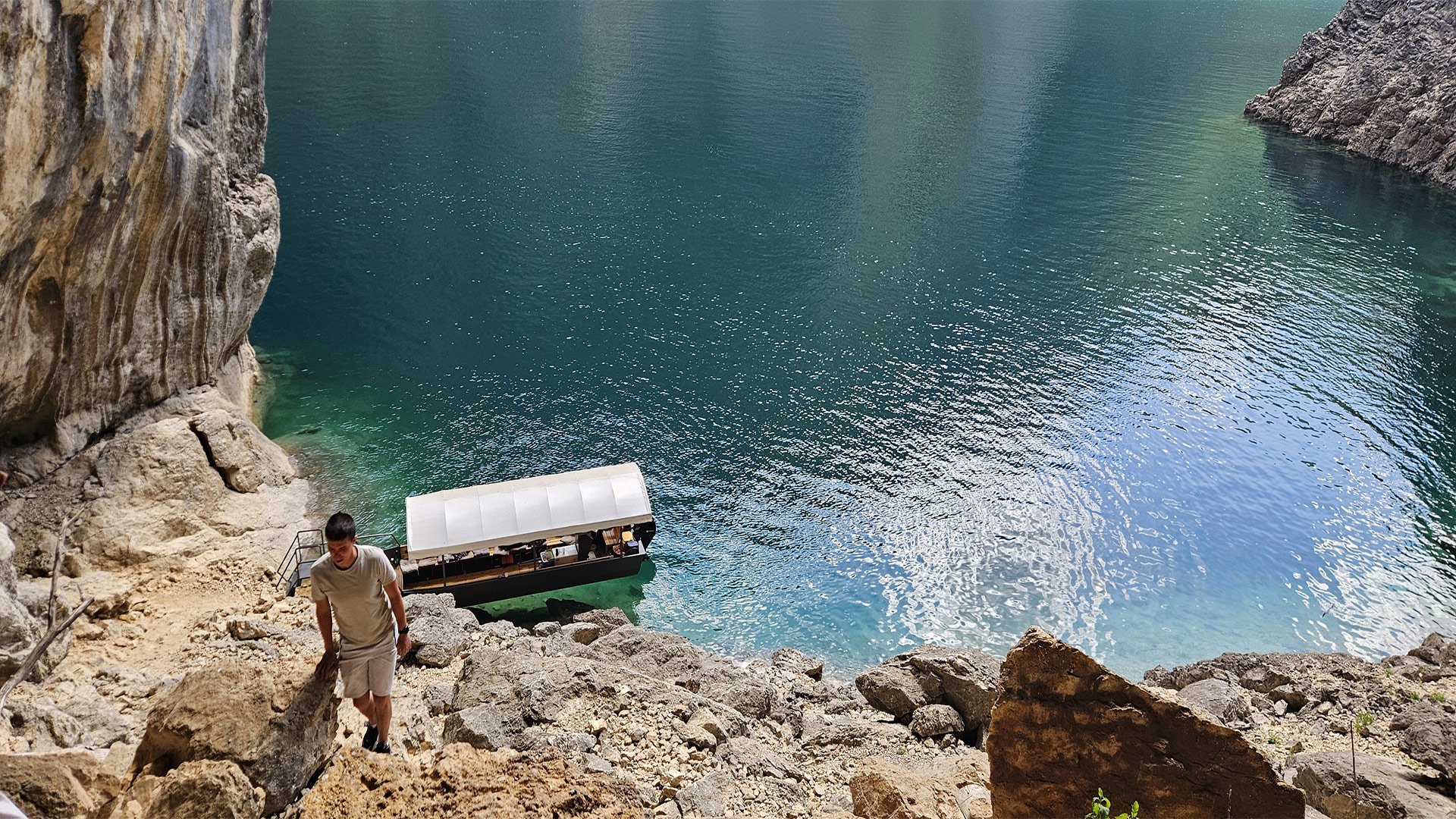
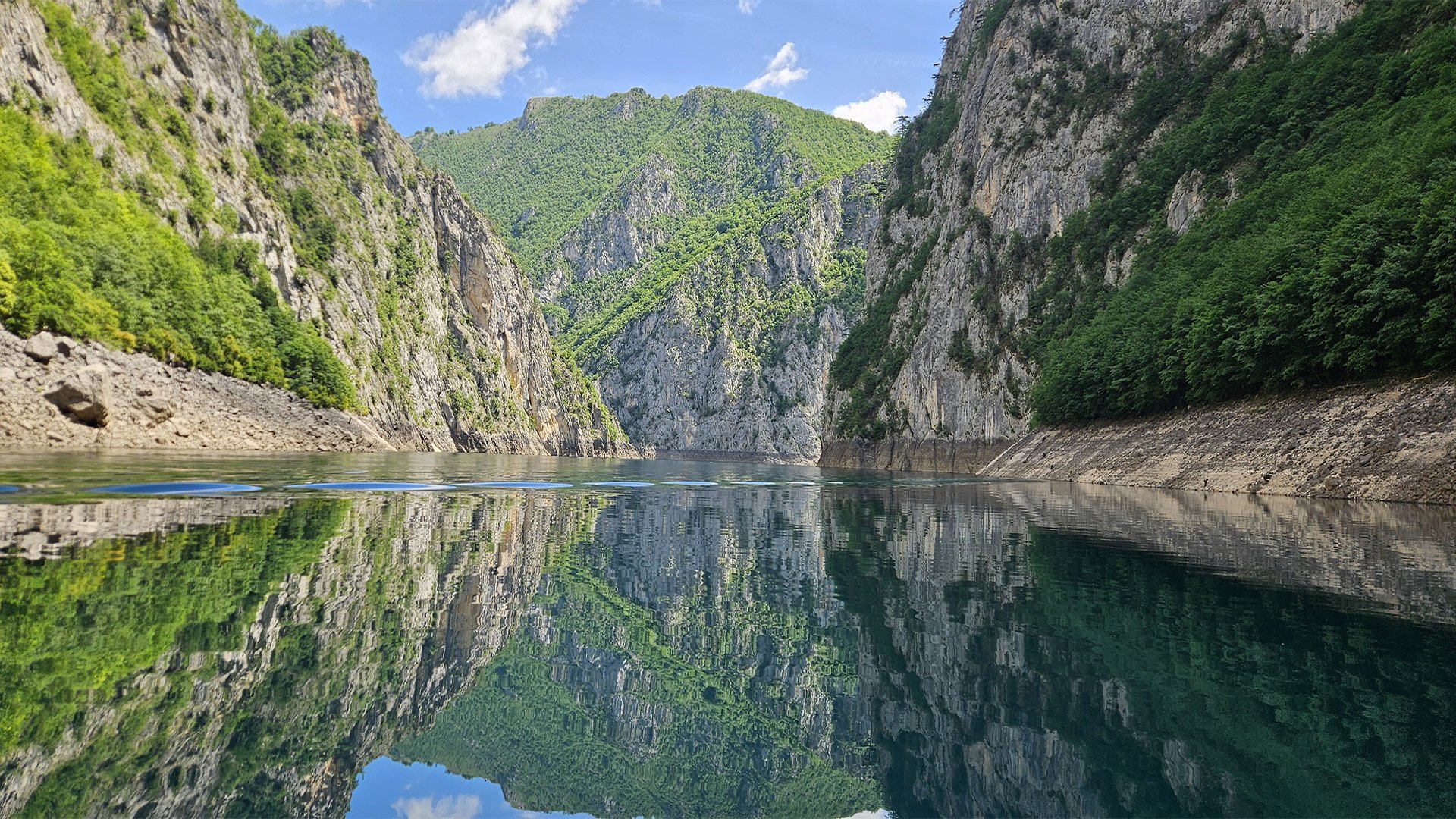
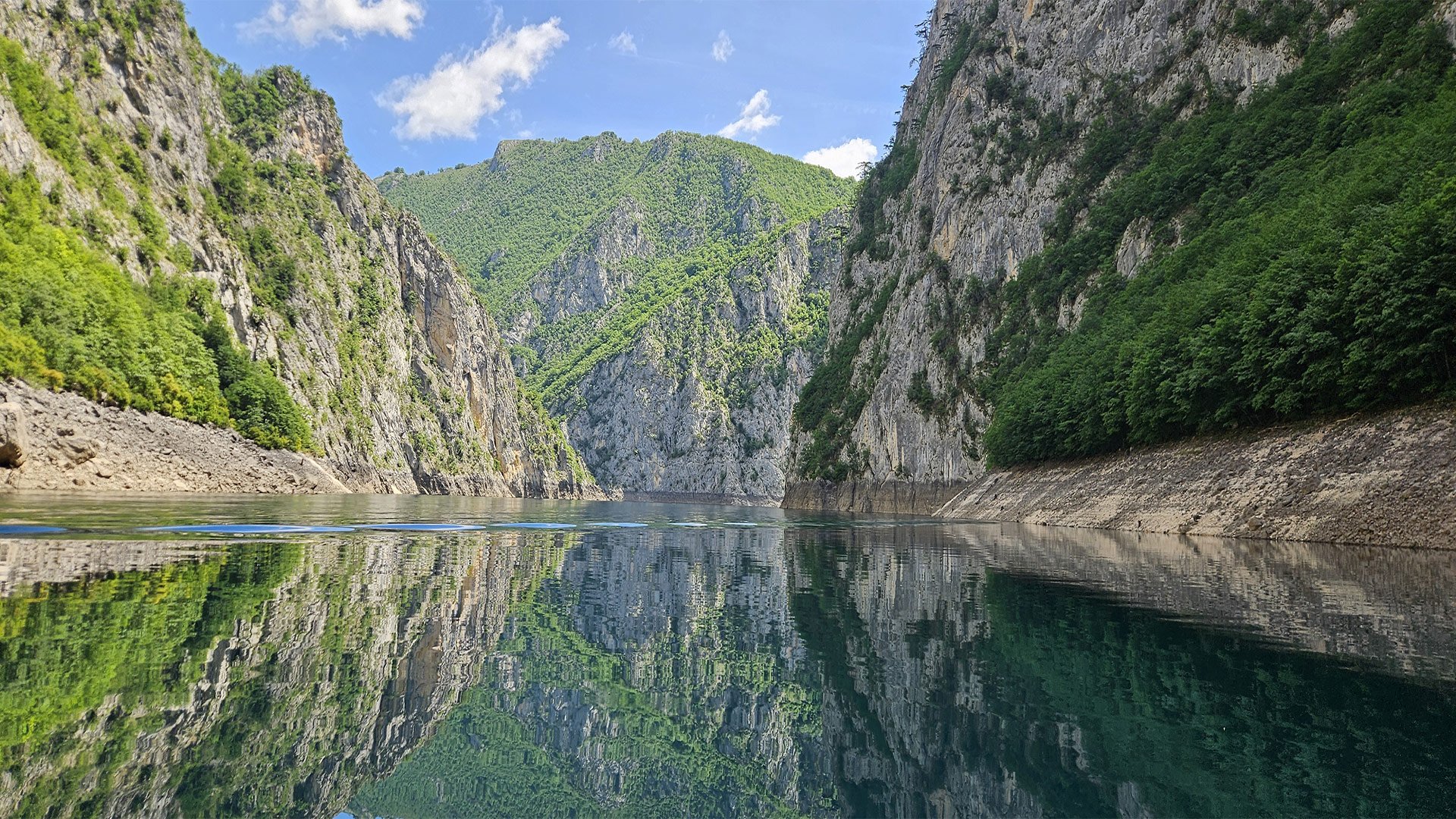
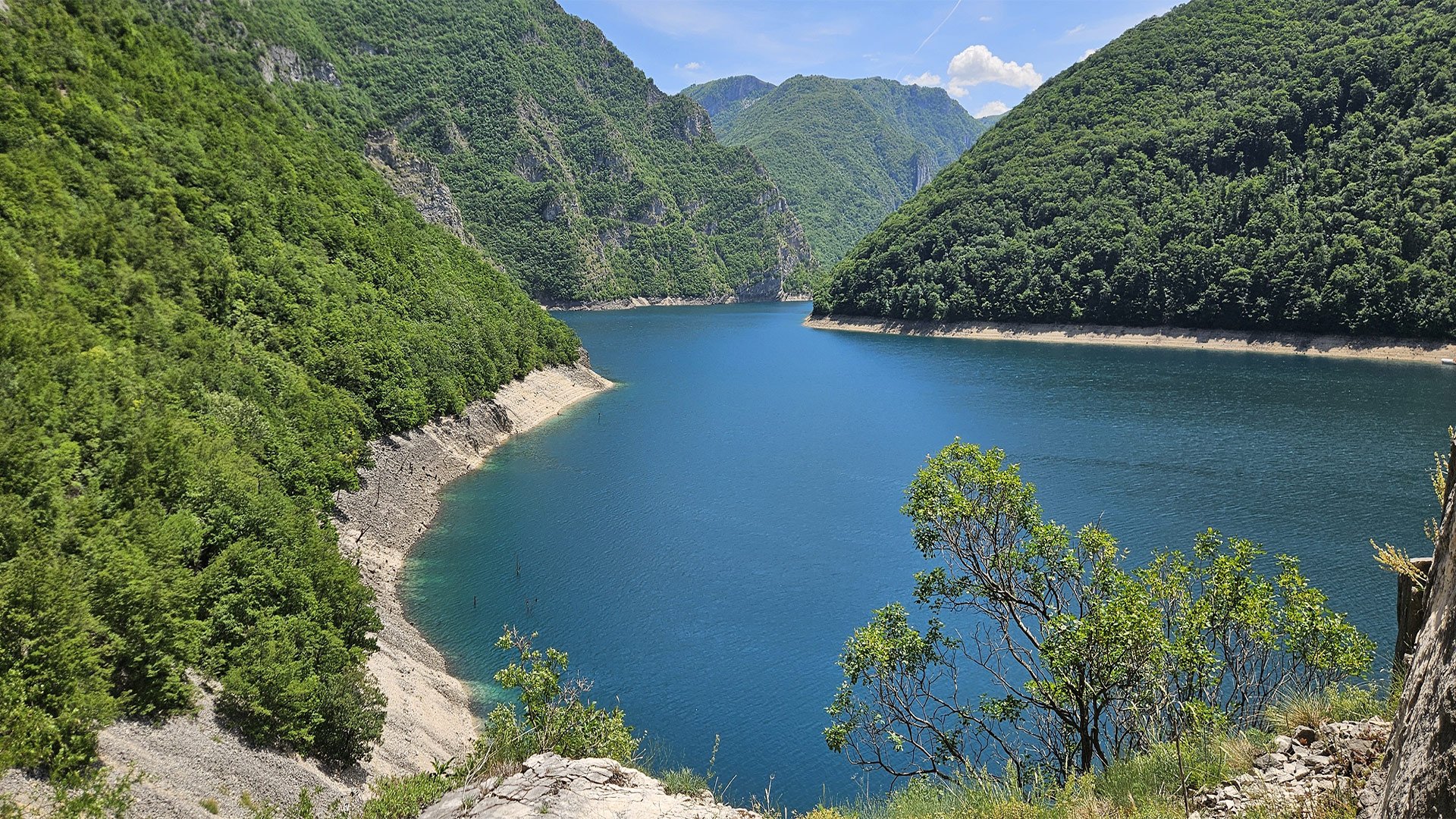
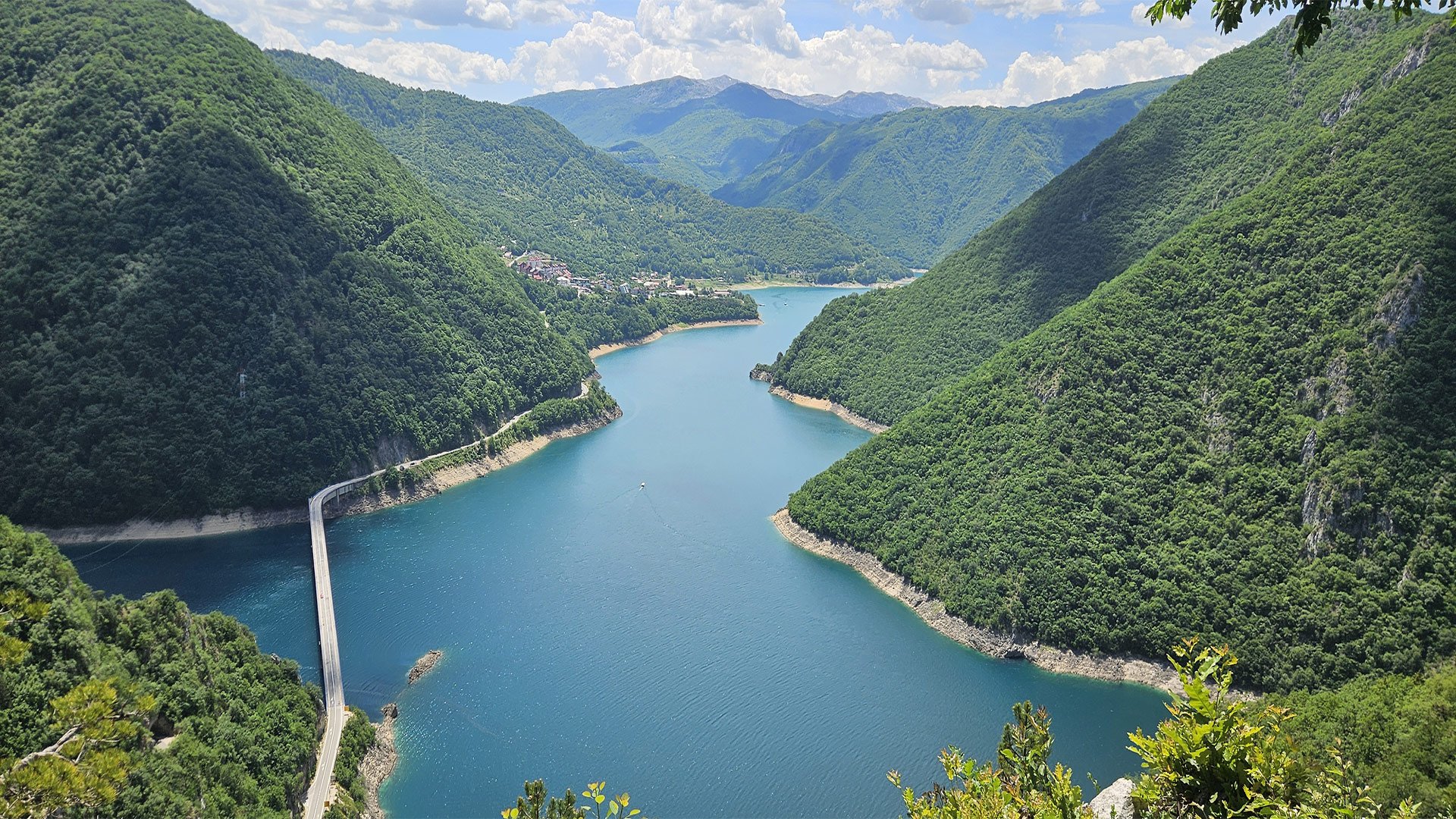
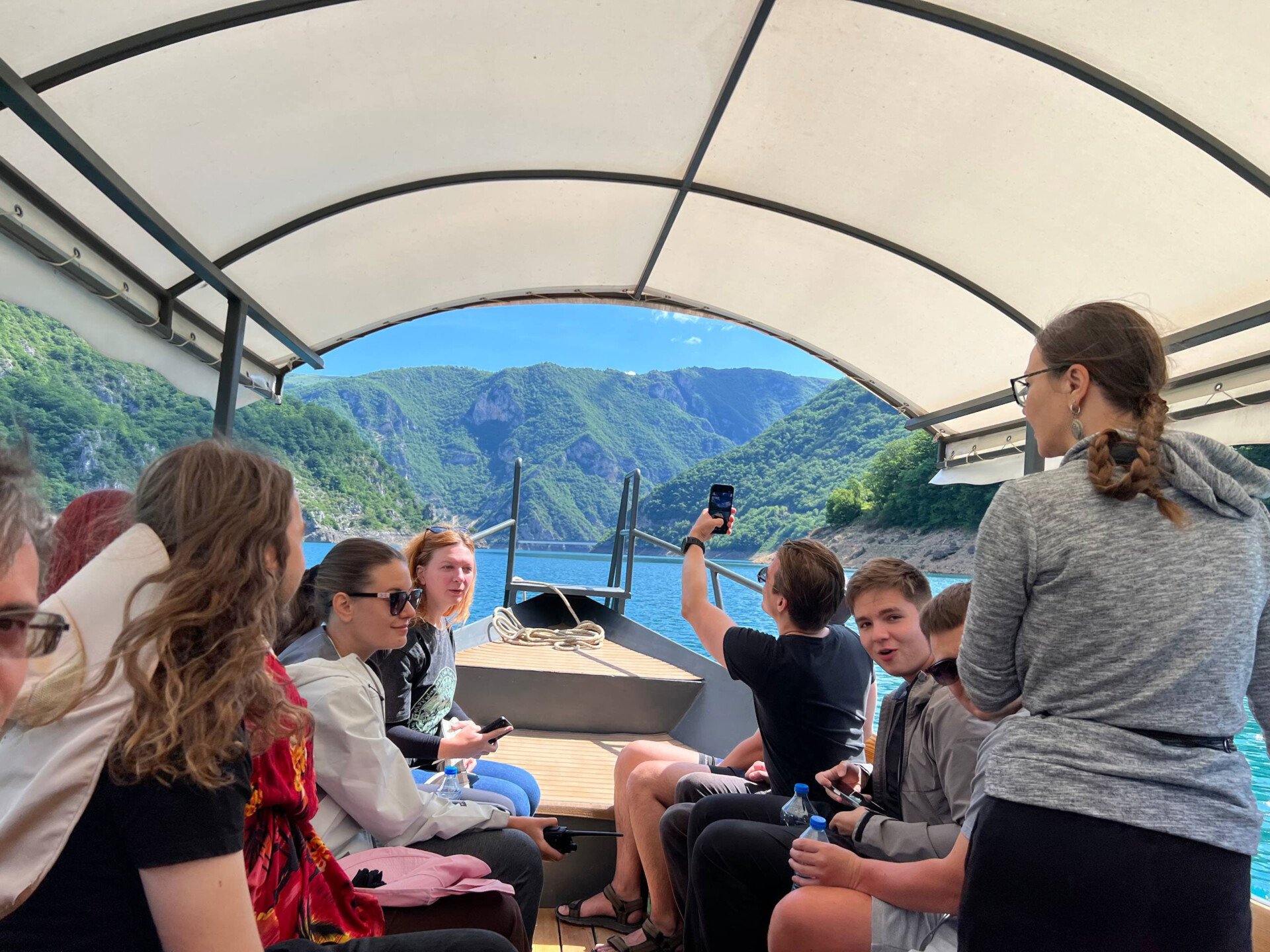
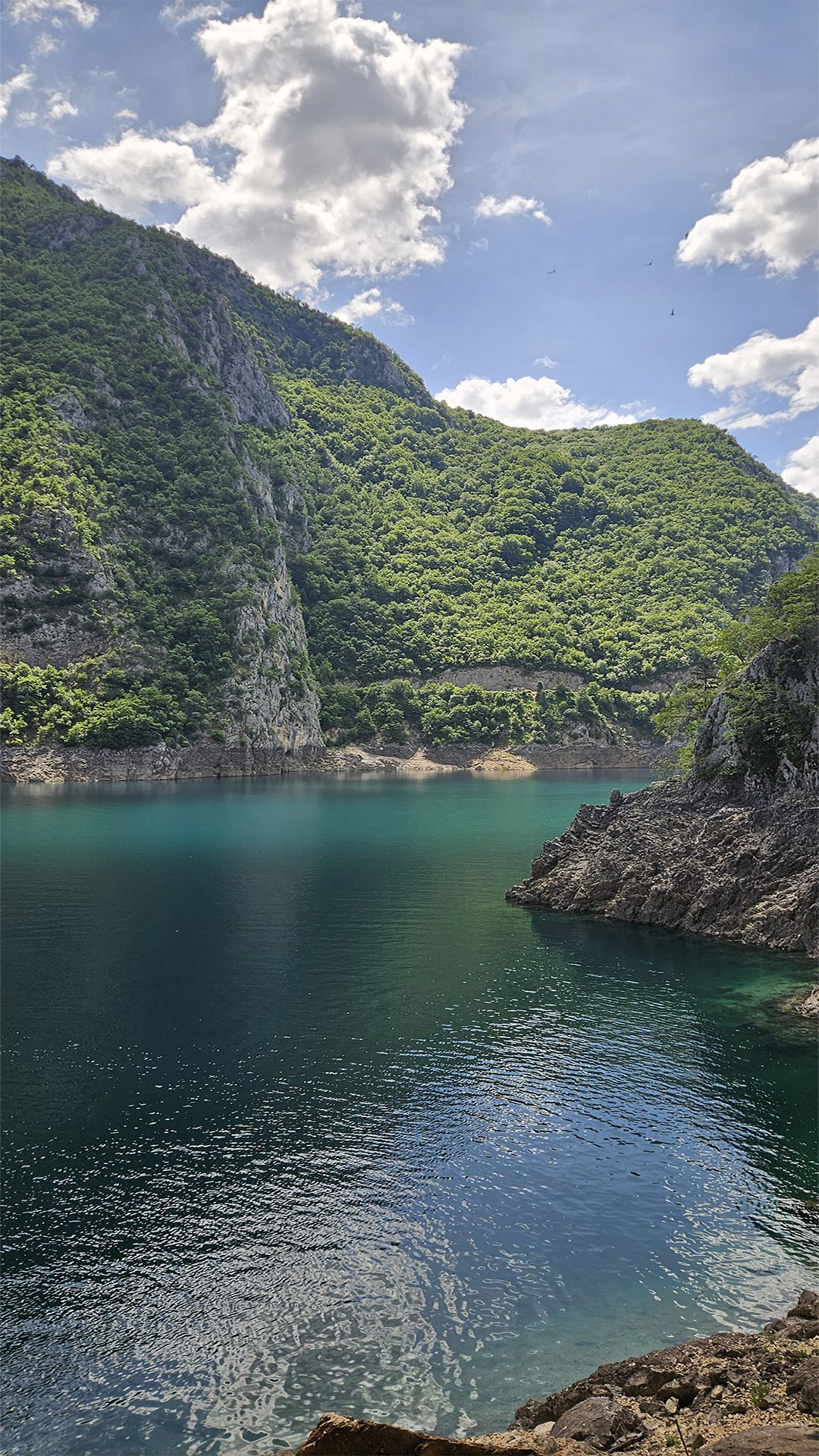
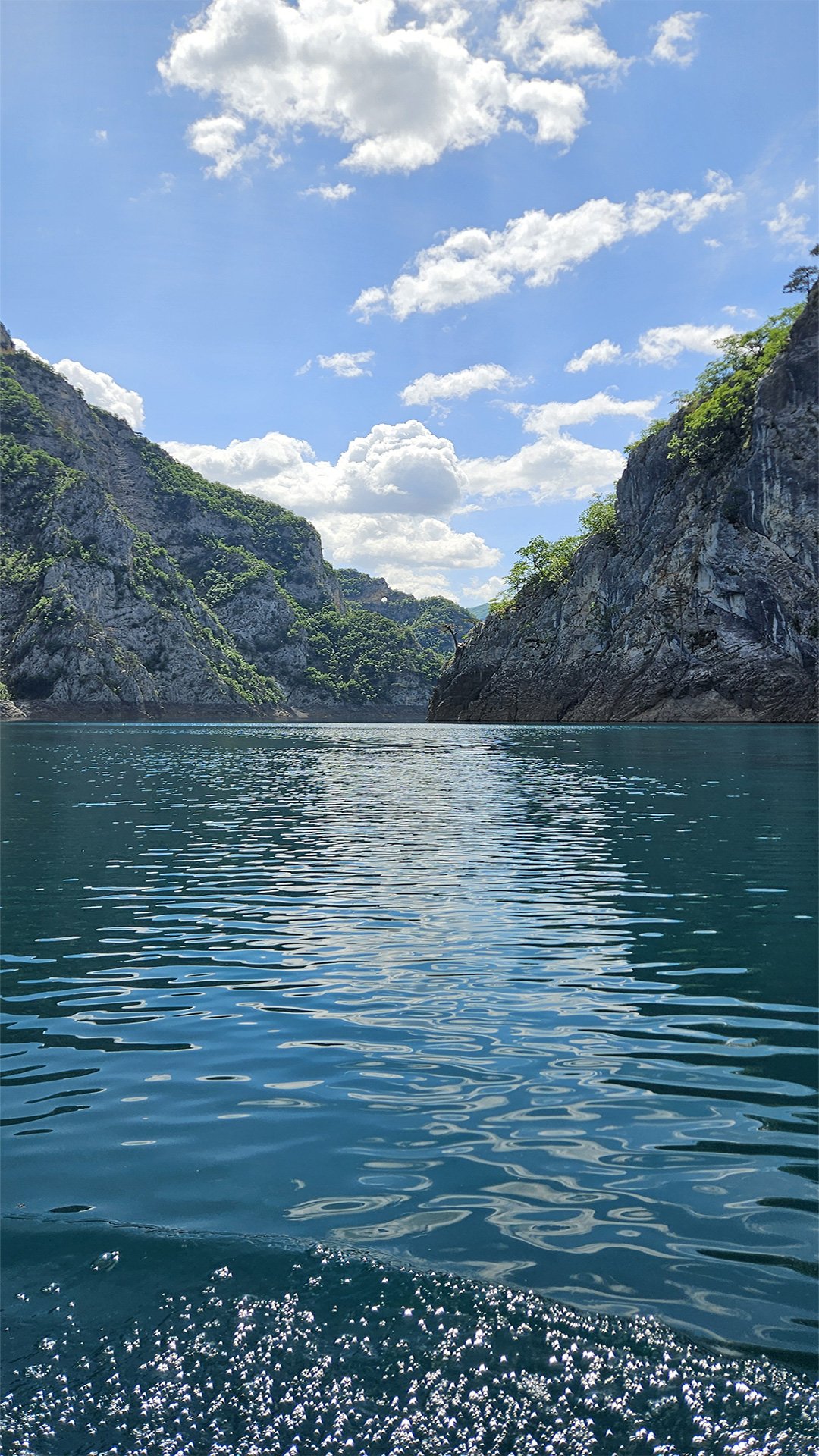
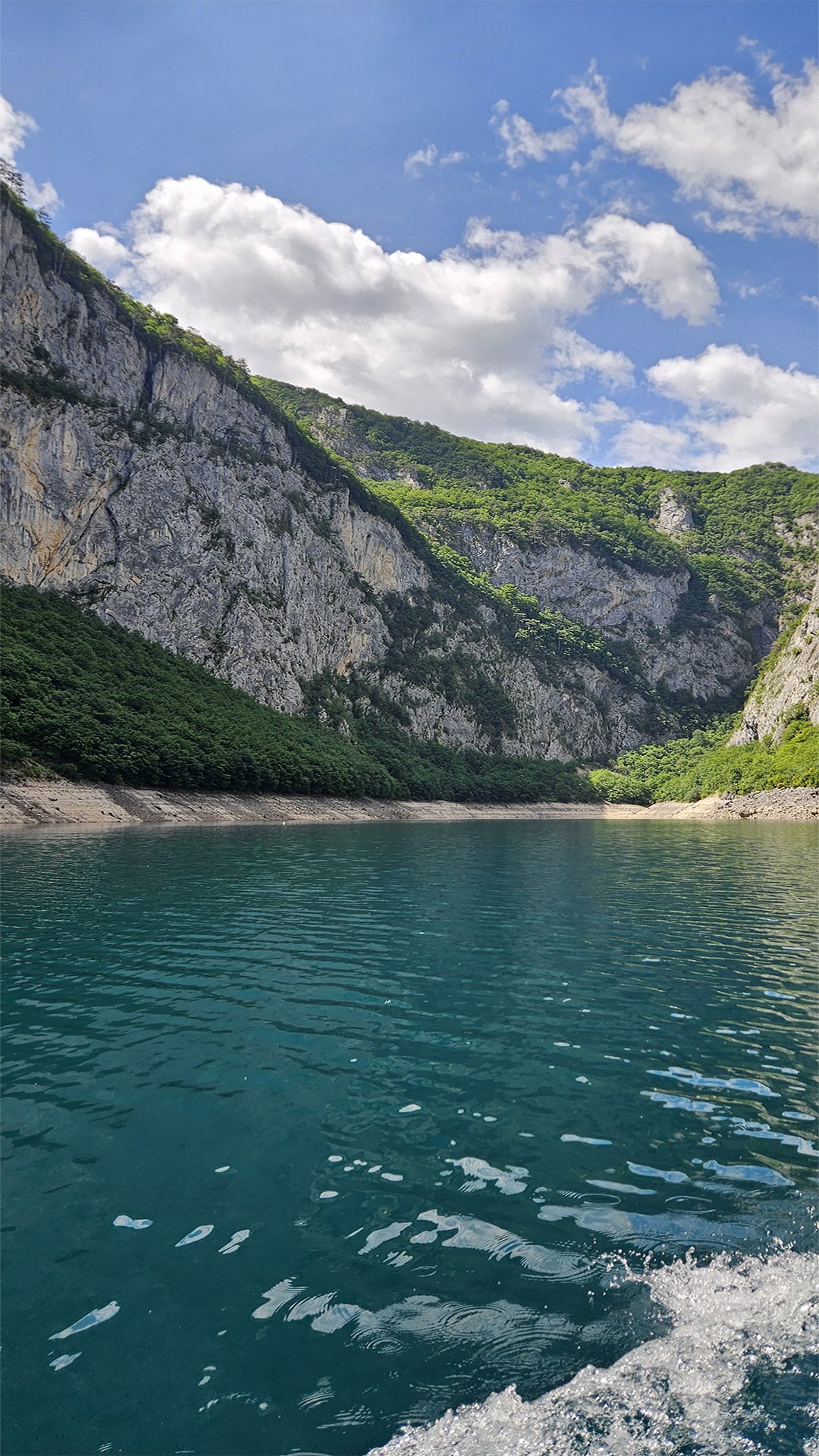
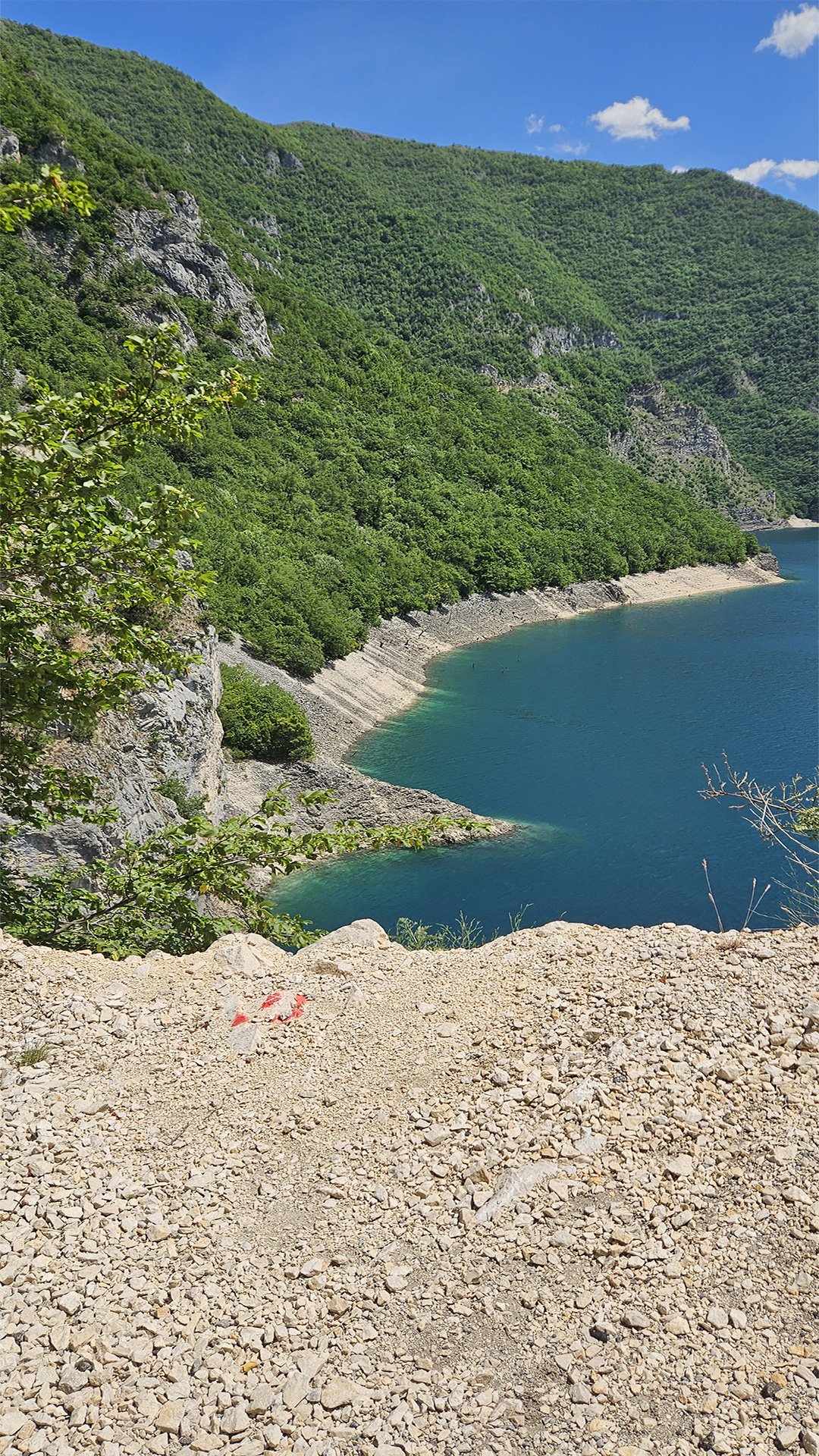
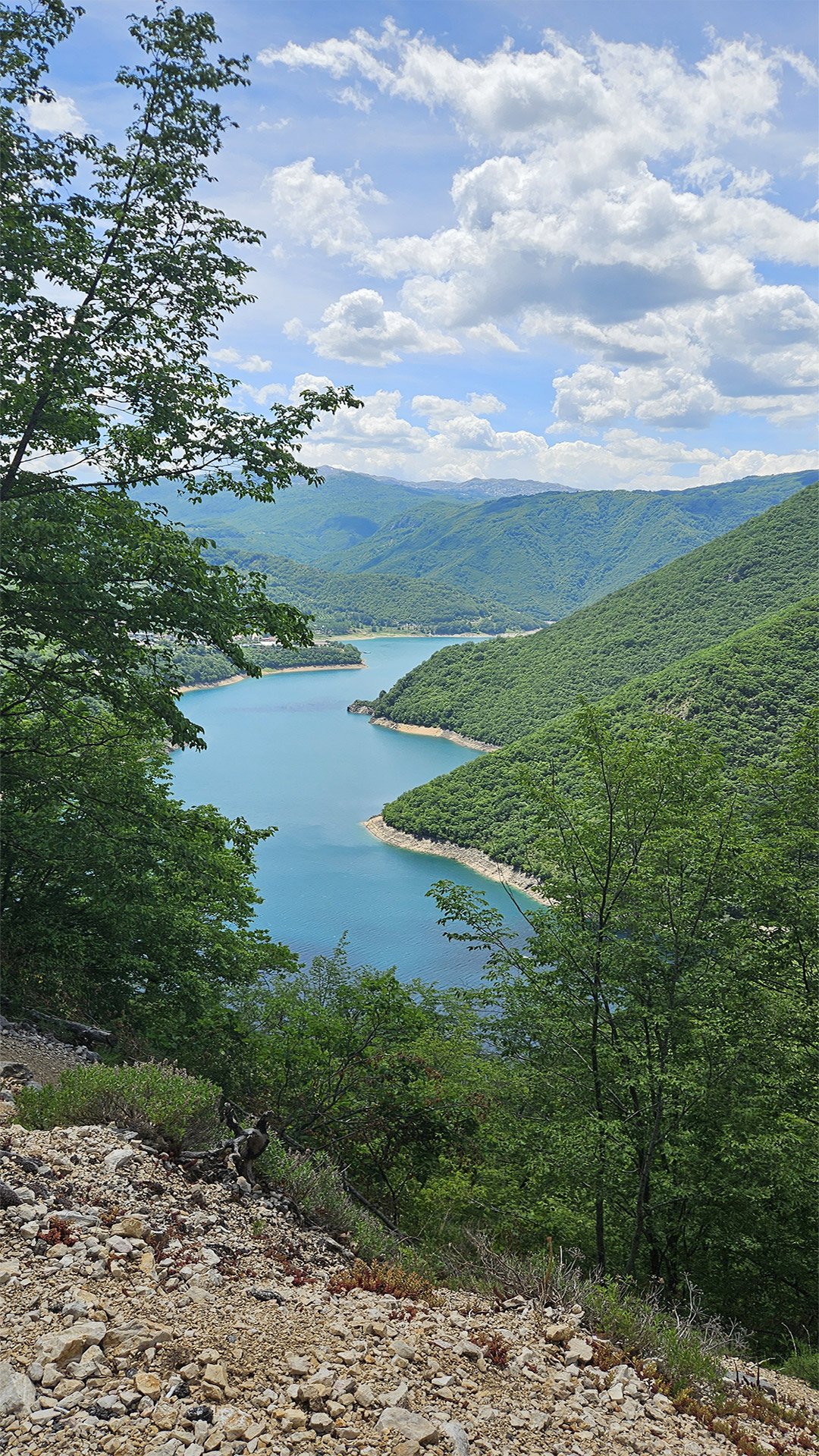
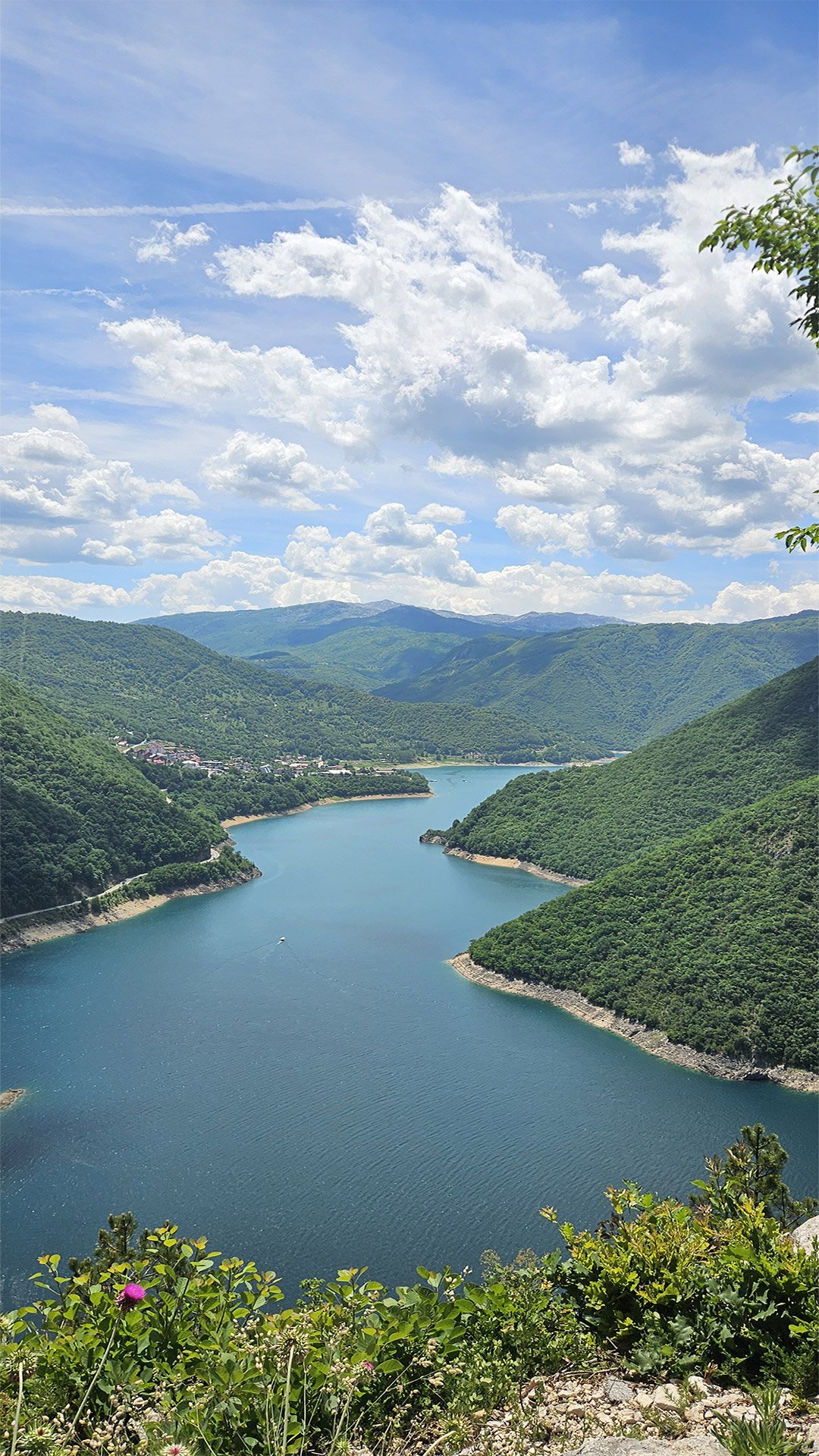
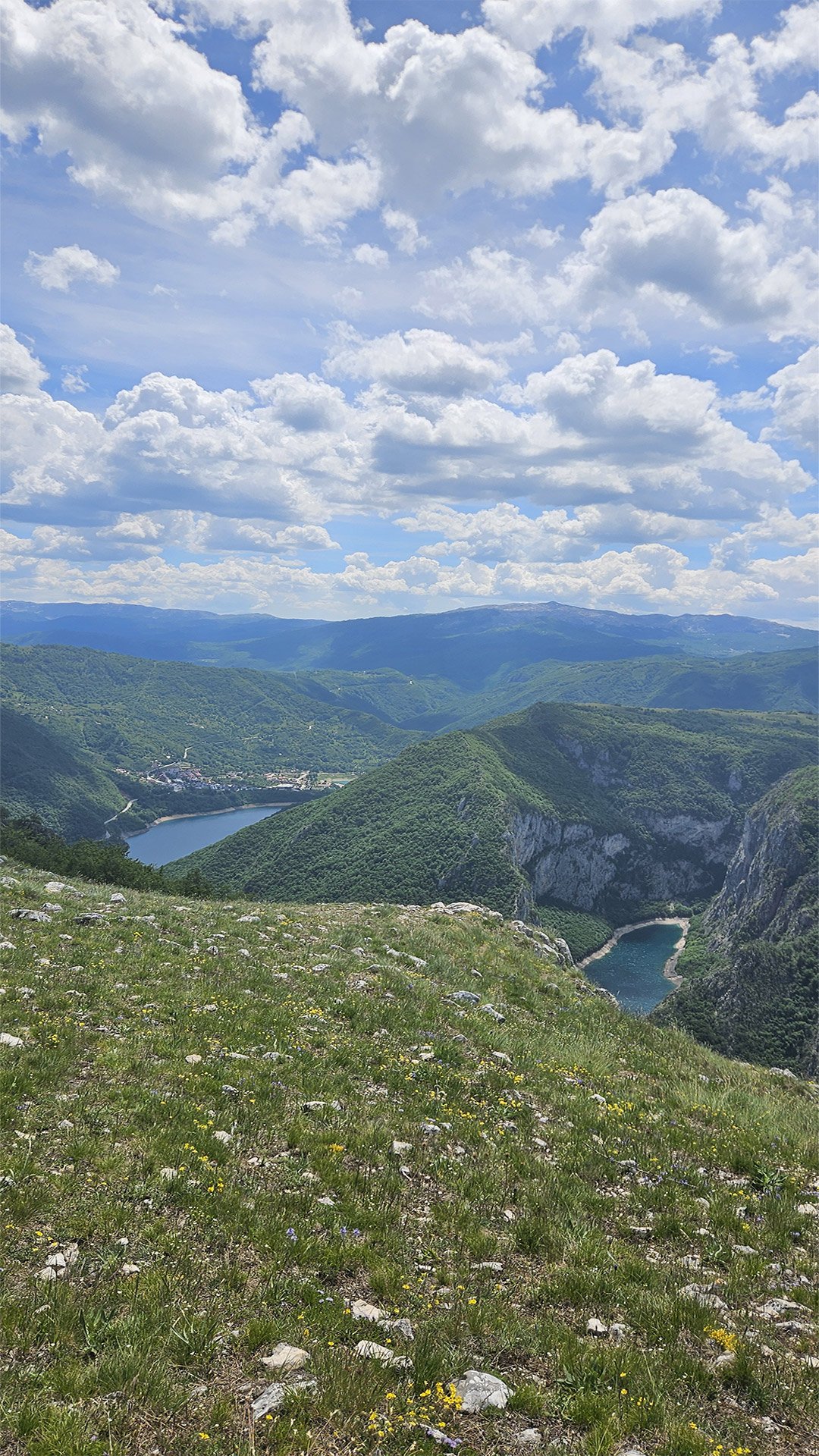
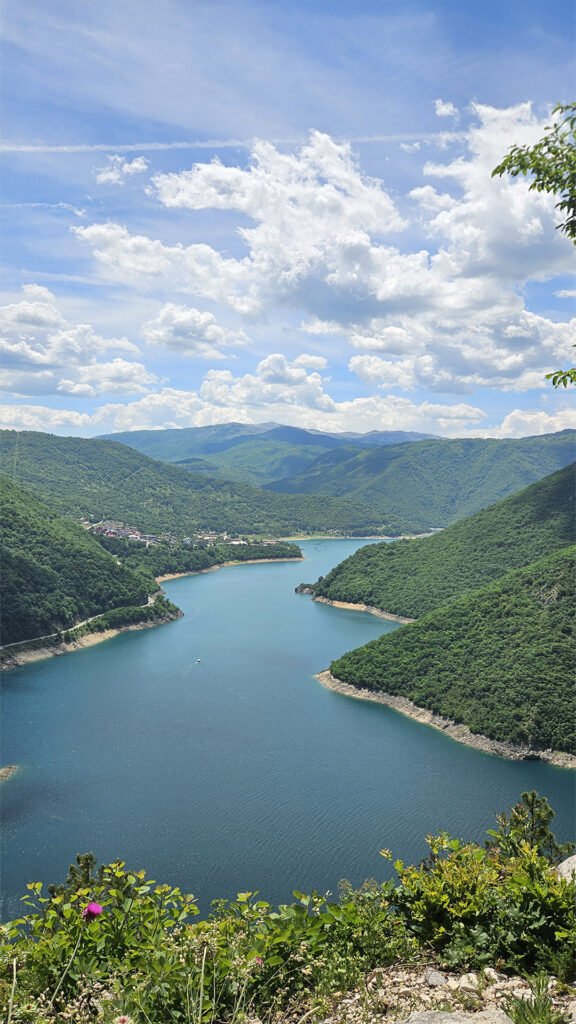
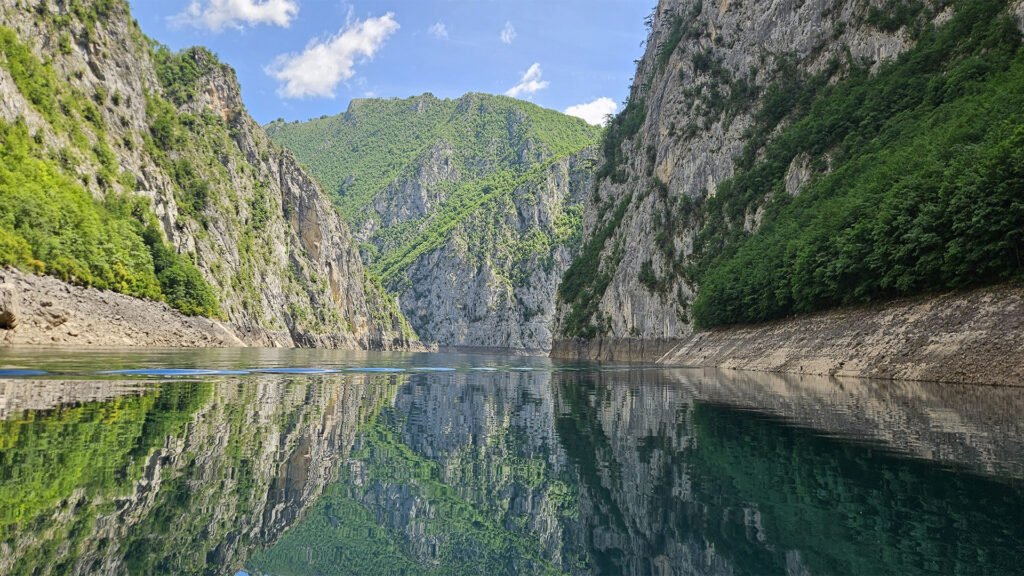
One of the highlights of our trip was the Piva Reservoir (Pivsko jezero) – a huge turquoise lake surrounded by sheer cliffs, wooded slopes, and high mountains. Until 1975, the Piva River, one of Montenegro’s most famous mountain rivers, flowed where the lake now stands. It originated near the Piva Springs and carved a path through the limestone mountains, carving deep gorges and canyons. Over millennia, water gradually eroded the rock, creating a complex and picturesque landscape.
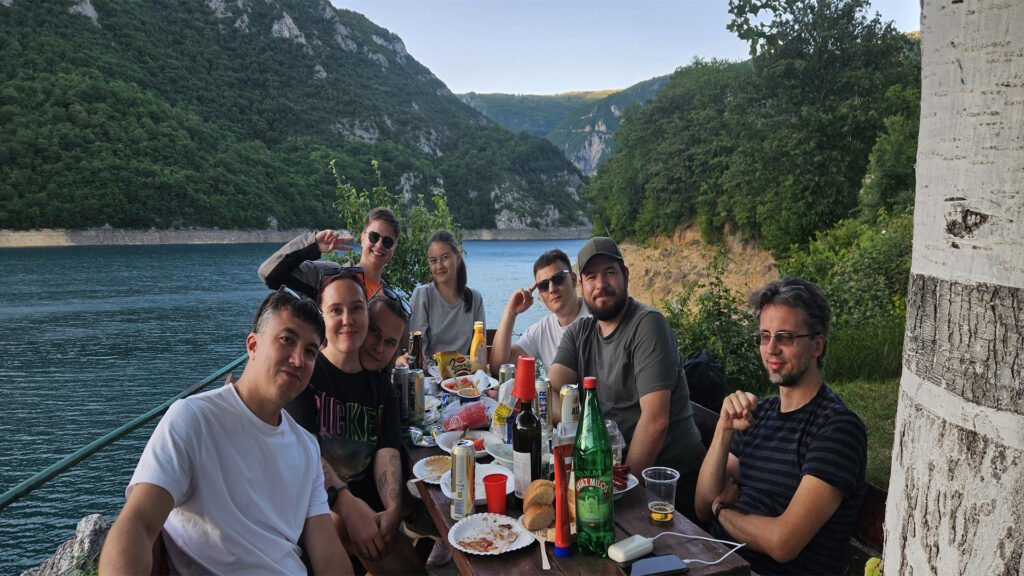
In the 20th century, a decision was made to harness the river’s powerful water potential for electricity generation. The centerpiece of the project was the Mratinje Dam (Brana Mratinje), built between 1967 and 1975. The dam is a massive arch-shaped concrete structure, approximately 220 meters high. For its time, it was one of the most impressive hydraulic engineering projects in Europe. After its completion, water began to fill the mountain valley, transforming the river into a large artificial lake stretching for approximately 45 kilometers. This is how the Piva Reservoir was created, today considered the largest artificial lake in Montenegro. The maximum depth of the lake is approximately 188–200 meters, depending on the site and water level. The reservoir powers the Piva Hydroelectric Power Plant, which plays a vital role in Montenegro’s energy system.
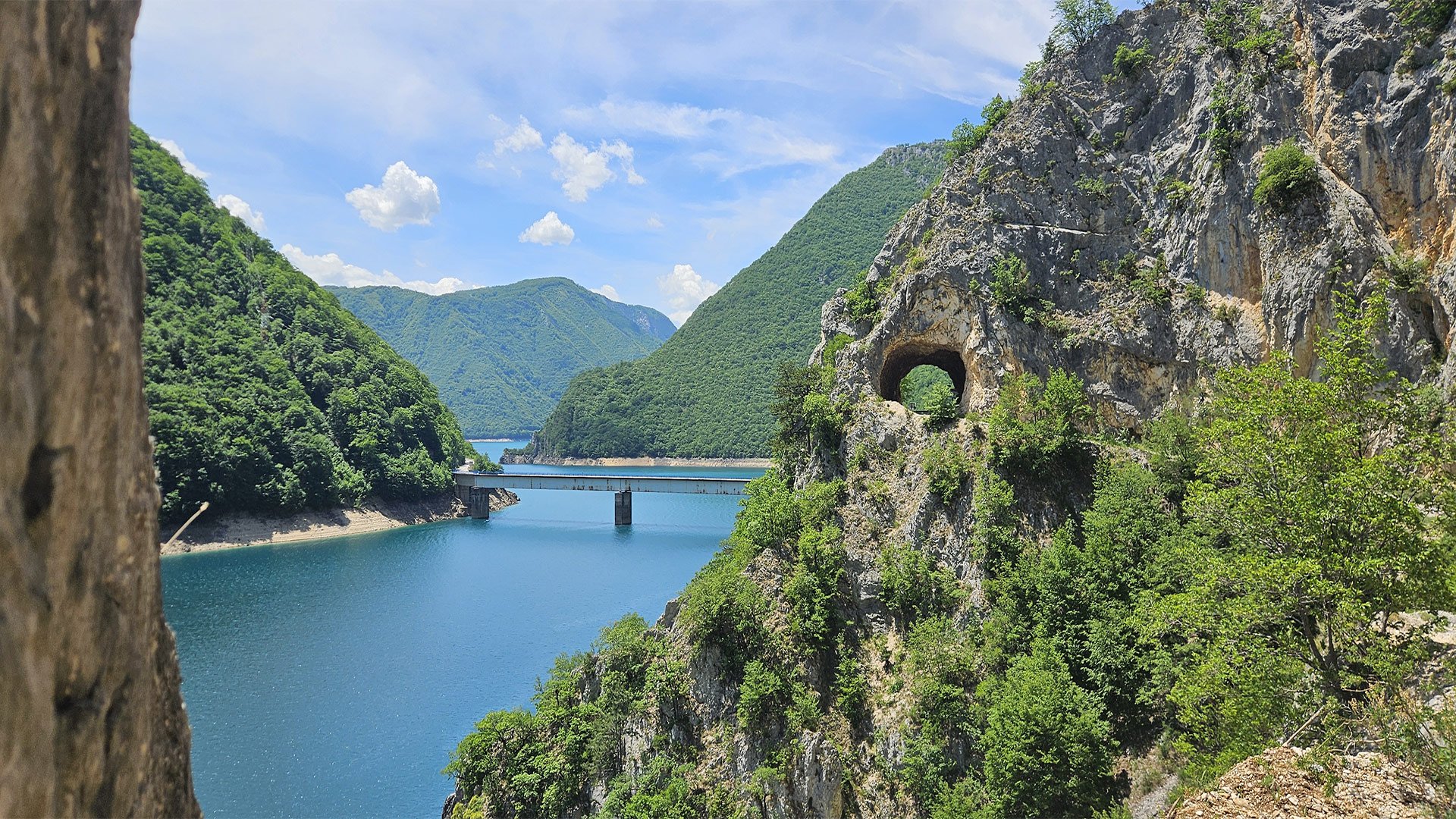
A distinctive feature of Lake Piva is its extraordinary color. The water changes shades depending on the lighting, weather, depth, and time of day. The canyon slopes rise almost vertically from the water in some places. In some places, the lake seems squeezed between gigantic rock walls. Particularly impressive are the sections where the road passes high above the water, and numerous tunnels cut through the cliffs. But the most intriguing thing is that the former valley remains underwater, complete with roads, buildings, and traces of human life.
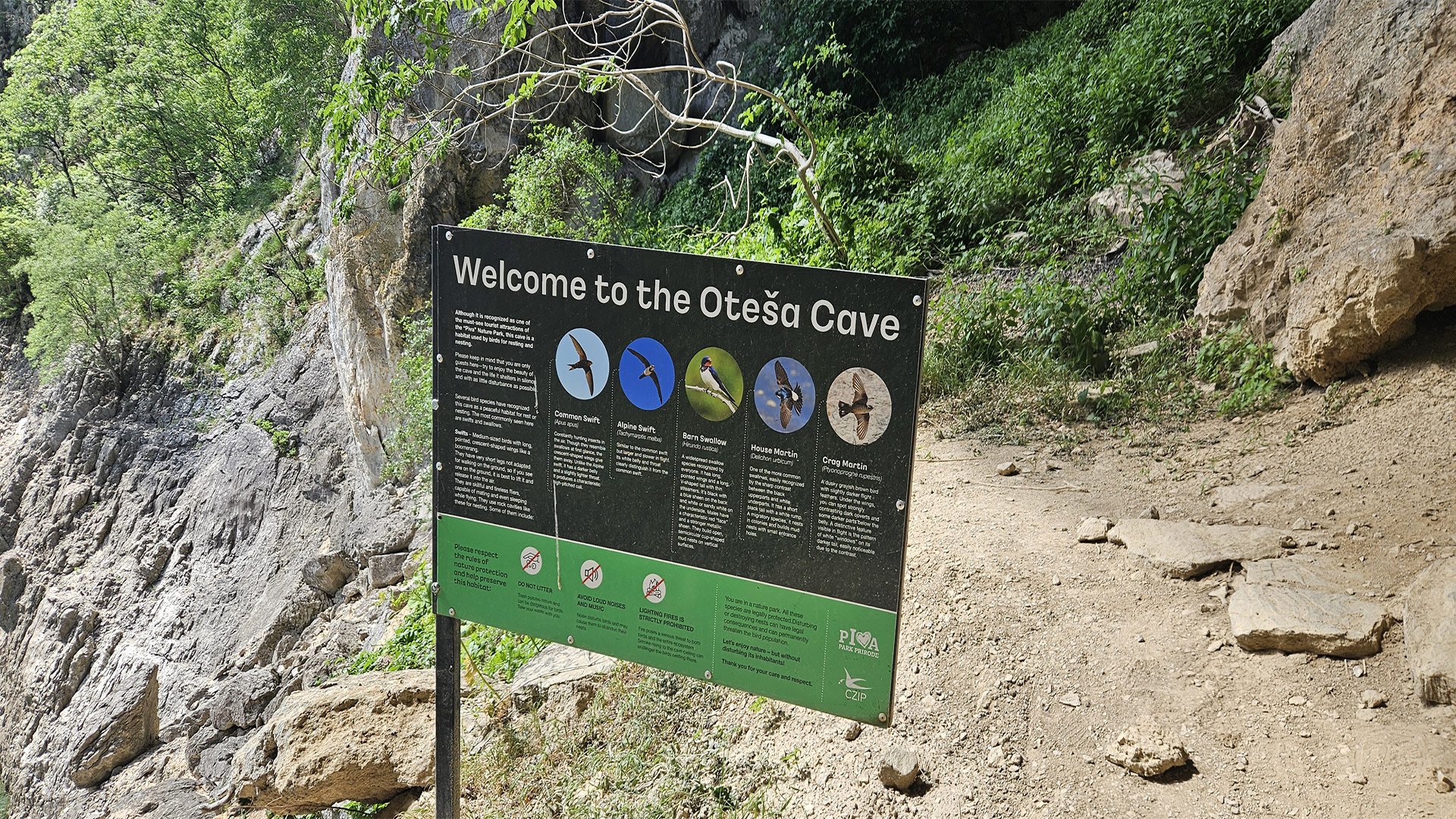
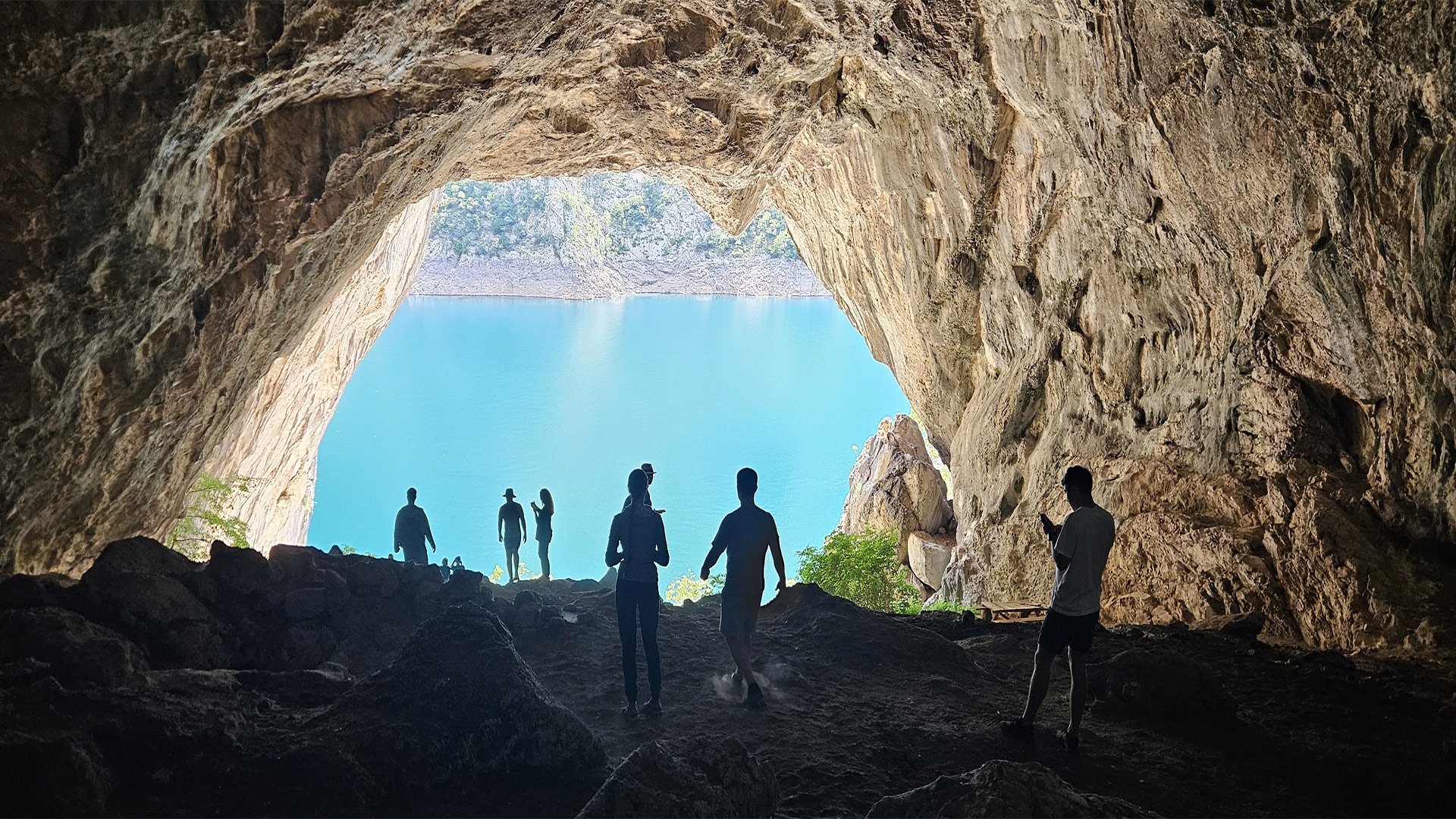
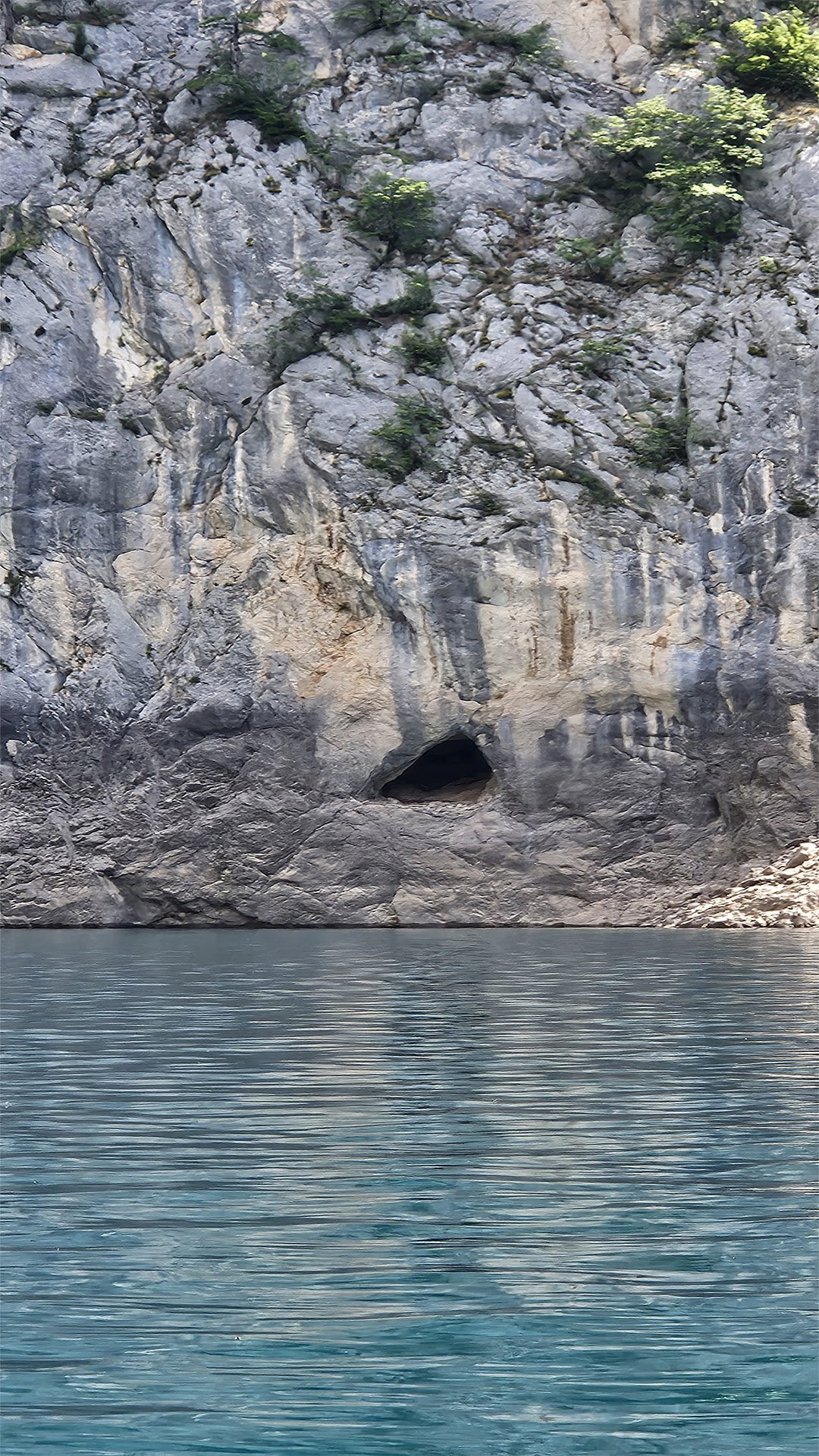
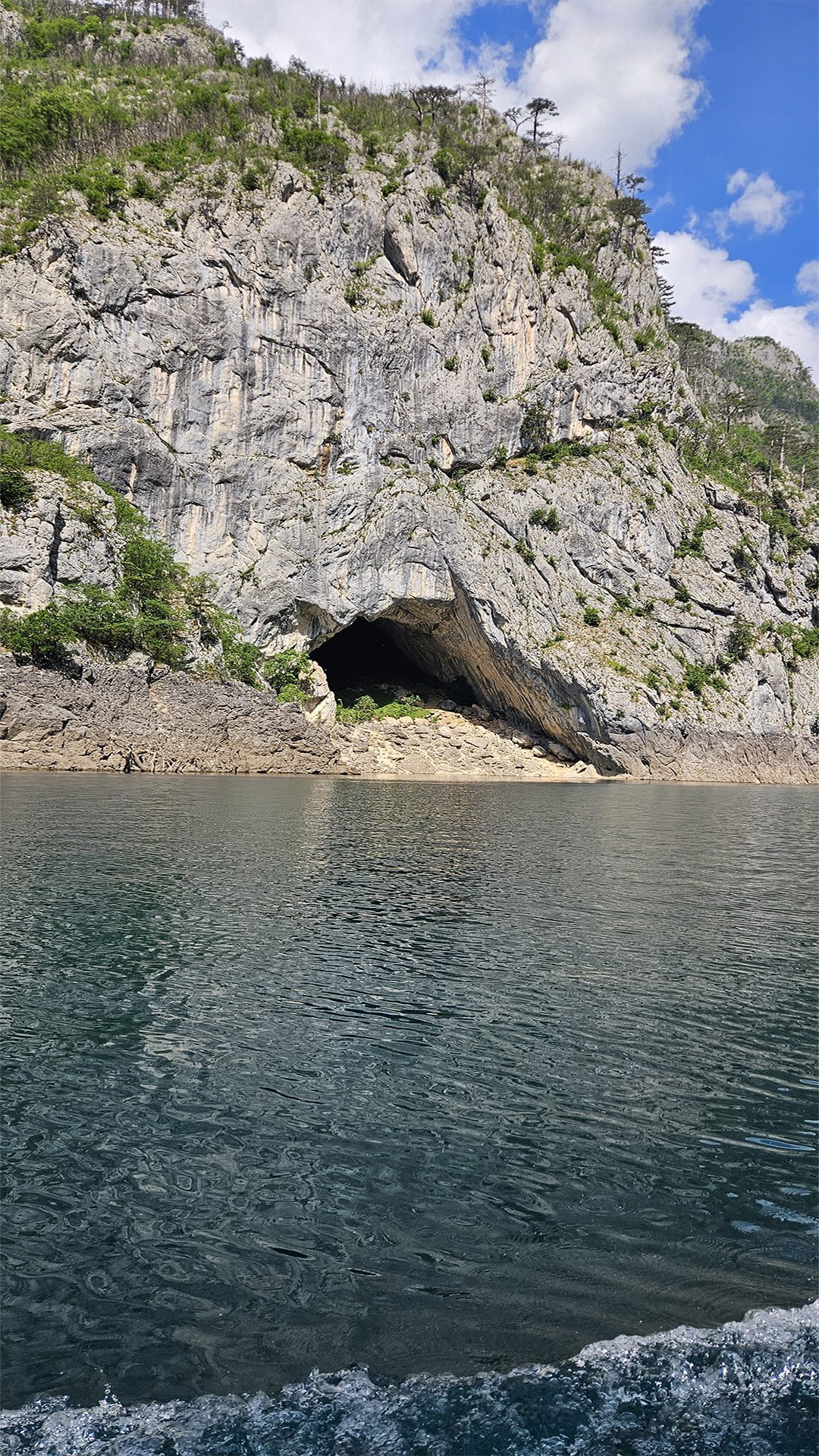
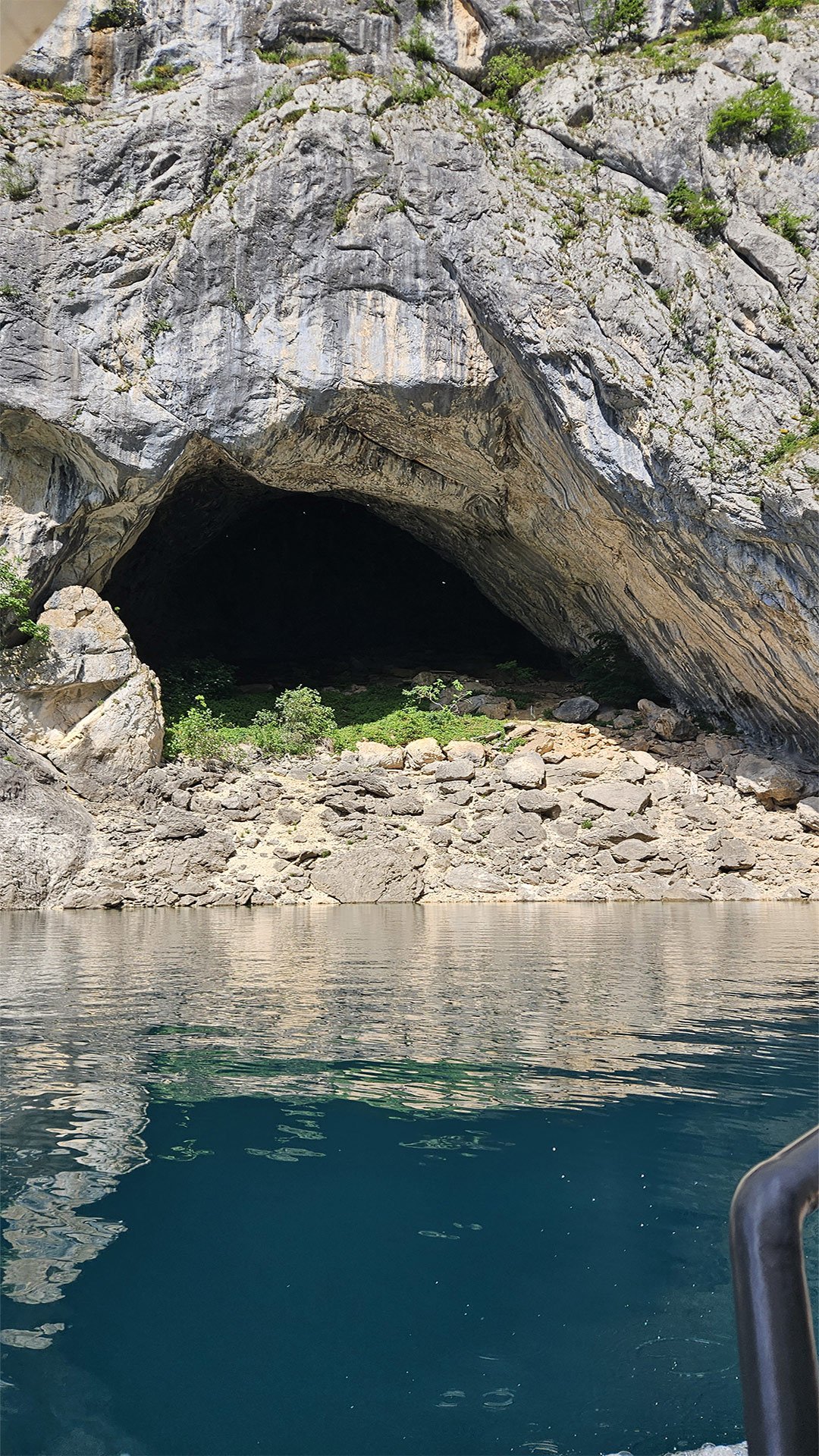
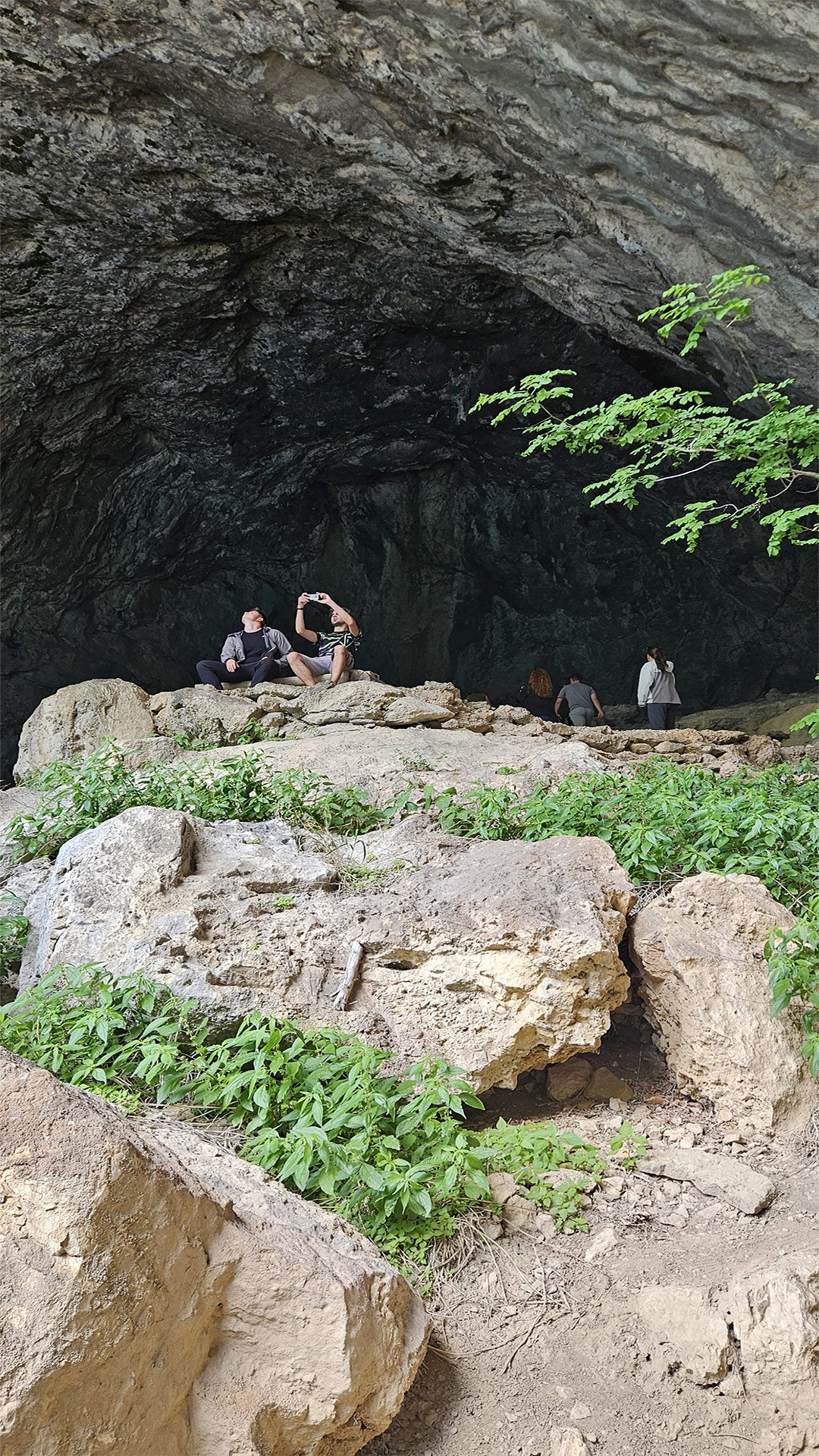
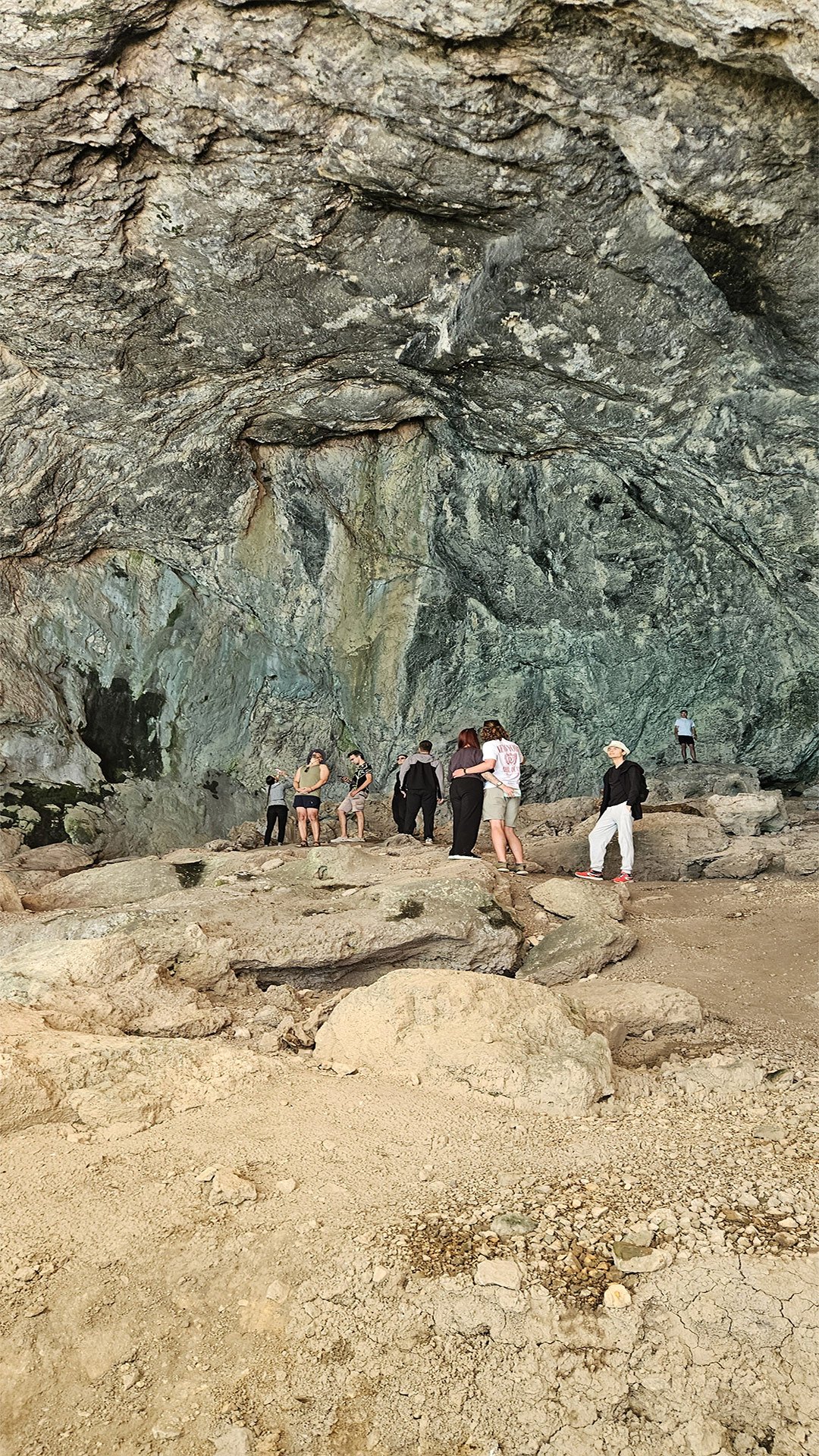
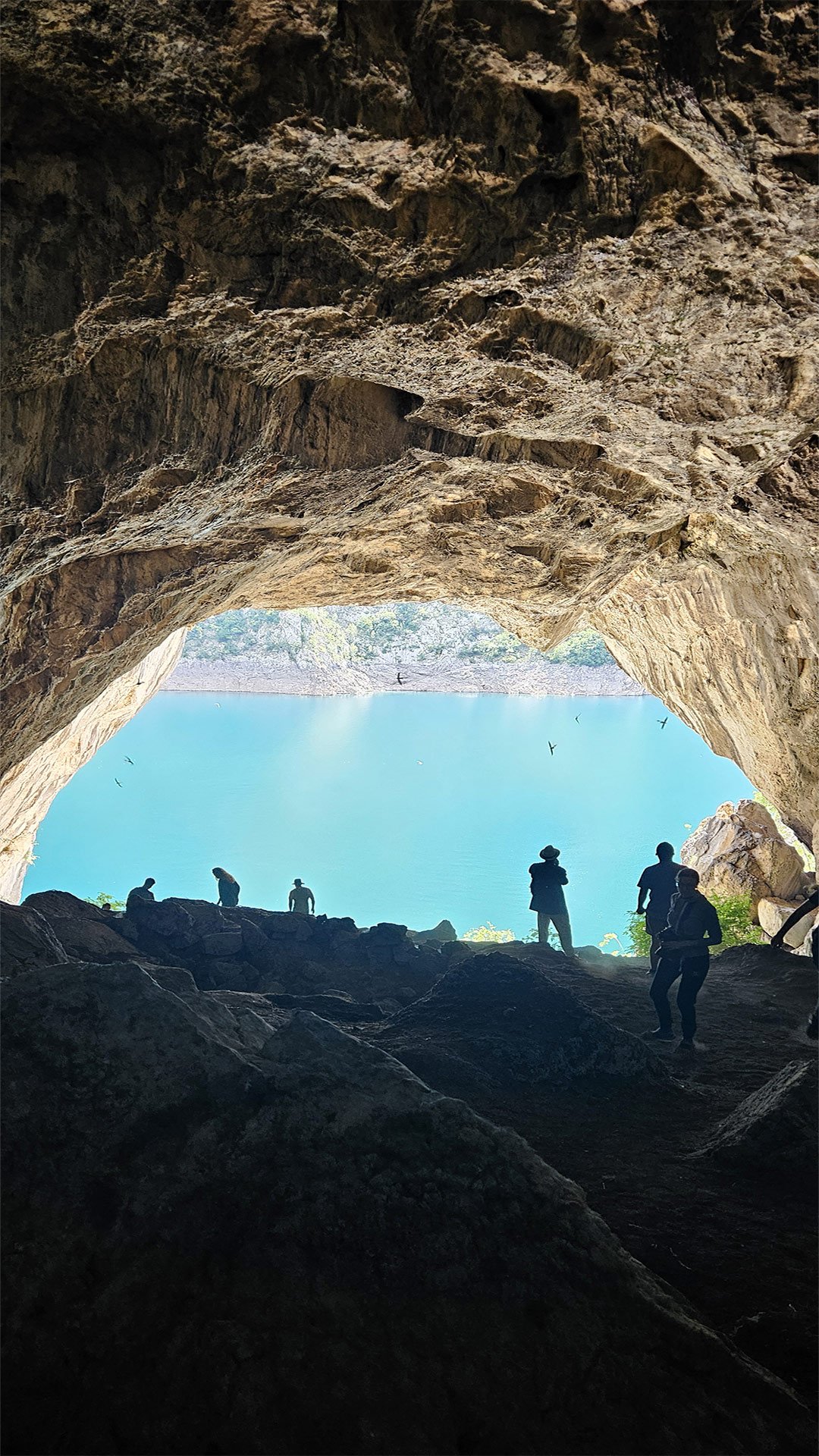
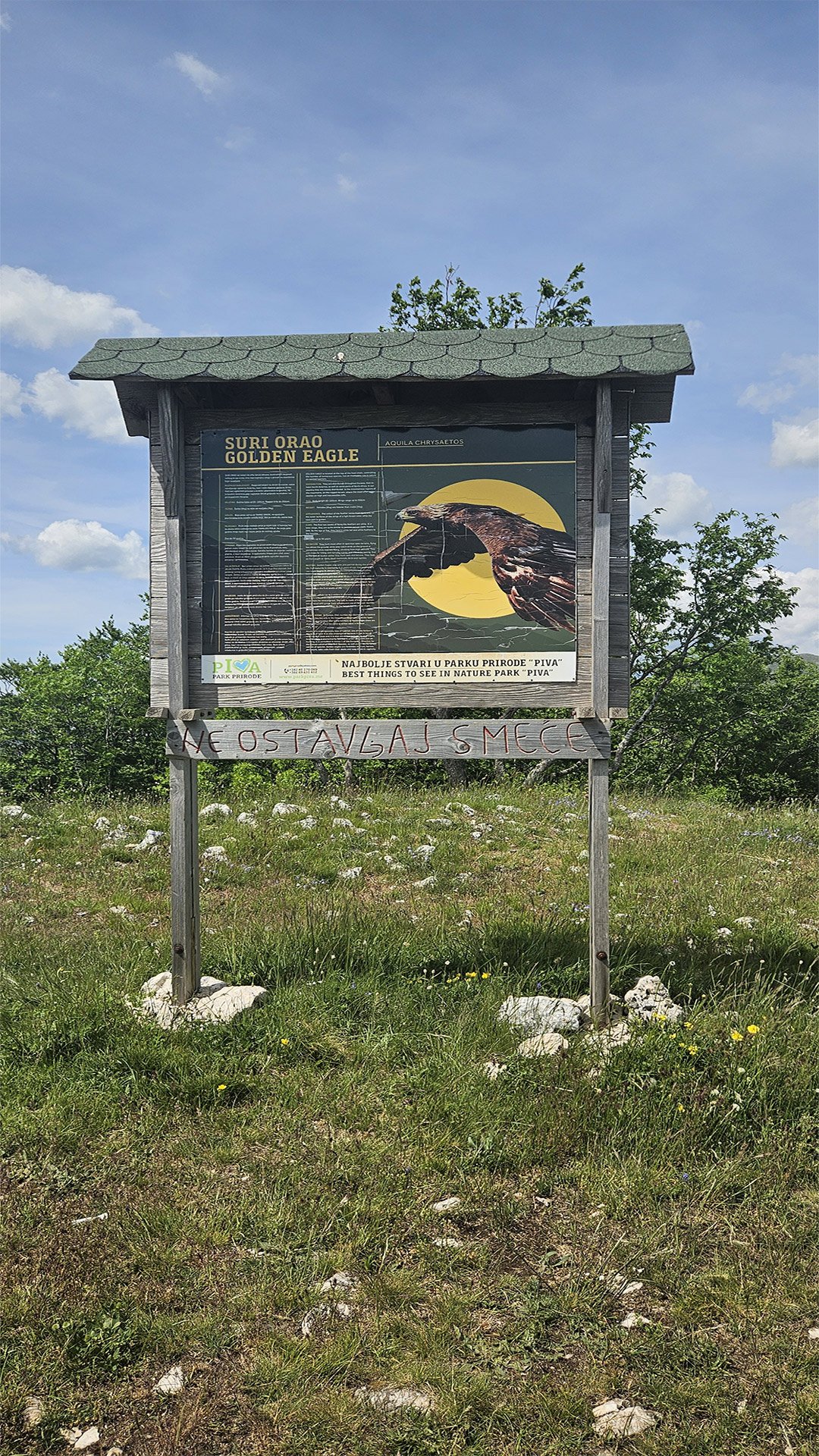
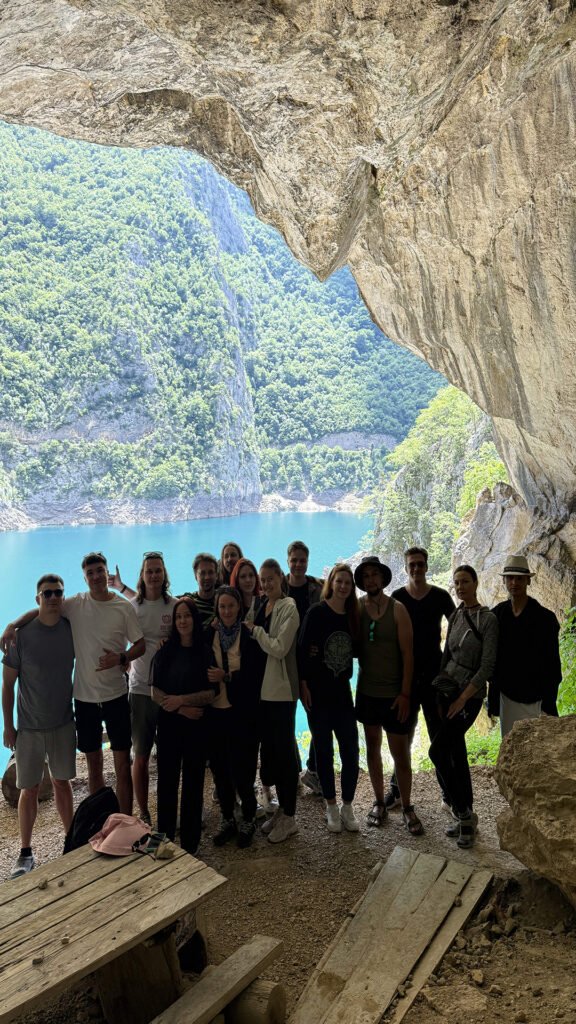
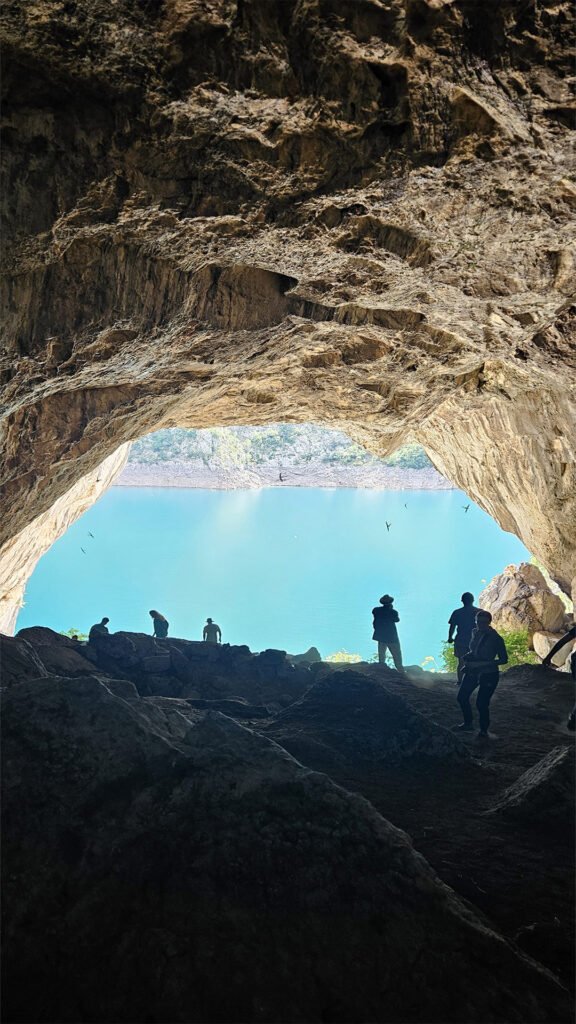
Be sure to take a boat ride and visit the Swallows’ Cave. Oteša Cave is interesting not only for its unusual interior view but also for its natural habitat. Its spacious hall opens onto the Piva Reservoir, and the silence is broken by the sounds of birds. Oteša Cave is home to swifts and swallows. At the entrance to Oteša Cave, visitors are greeted by an information board for the Piva Nature Park. He talks about the feathered inhabitants of this unusual place. The cave serves as a refuge, resting place, and nesting site for the birds. Five species are on display: the common and white-bellied swifts, the barn swallow, the common ravine, and the rock martin. The rock martin is particularly interesting—a bird well adapted to life among steep cliffs and mountain gorges. Swifts and swallows are excellent fliers: they catch insects mid-air, deftly maneuvering above the water and between rock walls. Their presence reminds us that Oteša Cave is not just a picturesque landmark of the Piva Reservoir, but also an important natural habitat. The display also includes a request to respect the birds’ peace: do not make noise, litter, or light fires. People are guests here, and the cave belongs first and foremost to its winged inhabitants.
Malo Stabansko jezero – a small pearl among the mountains
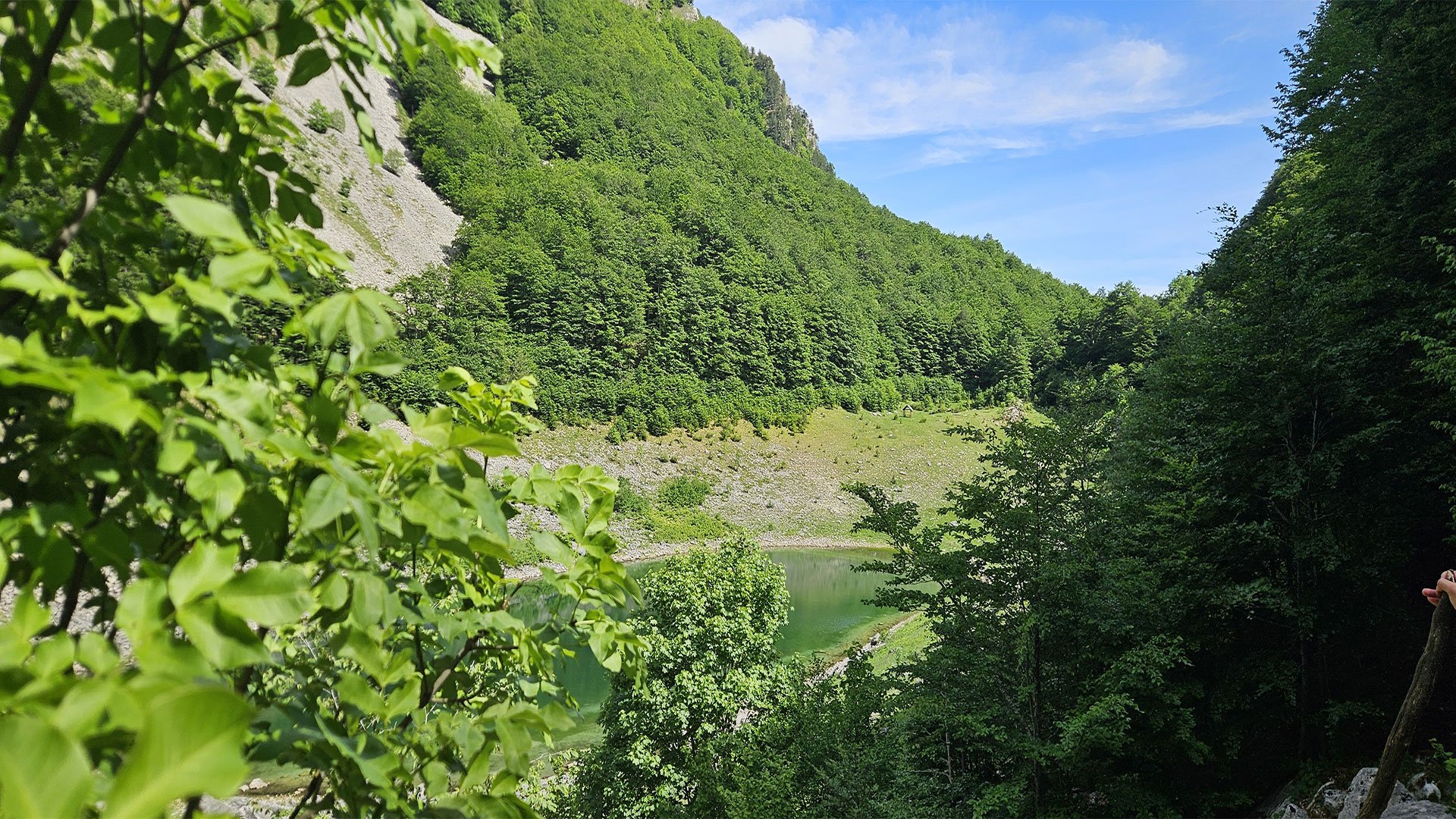
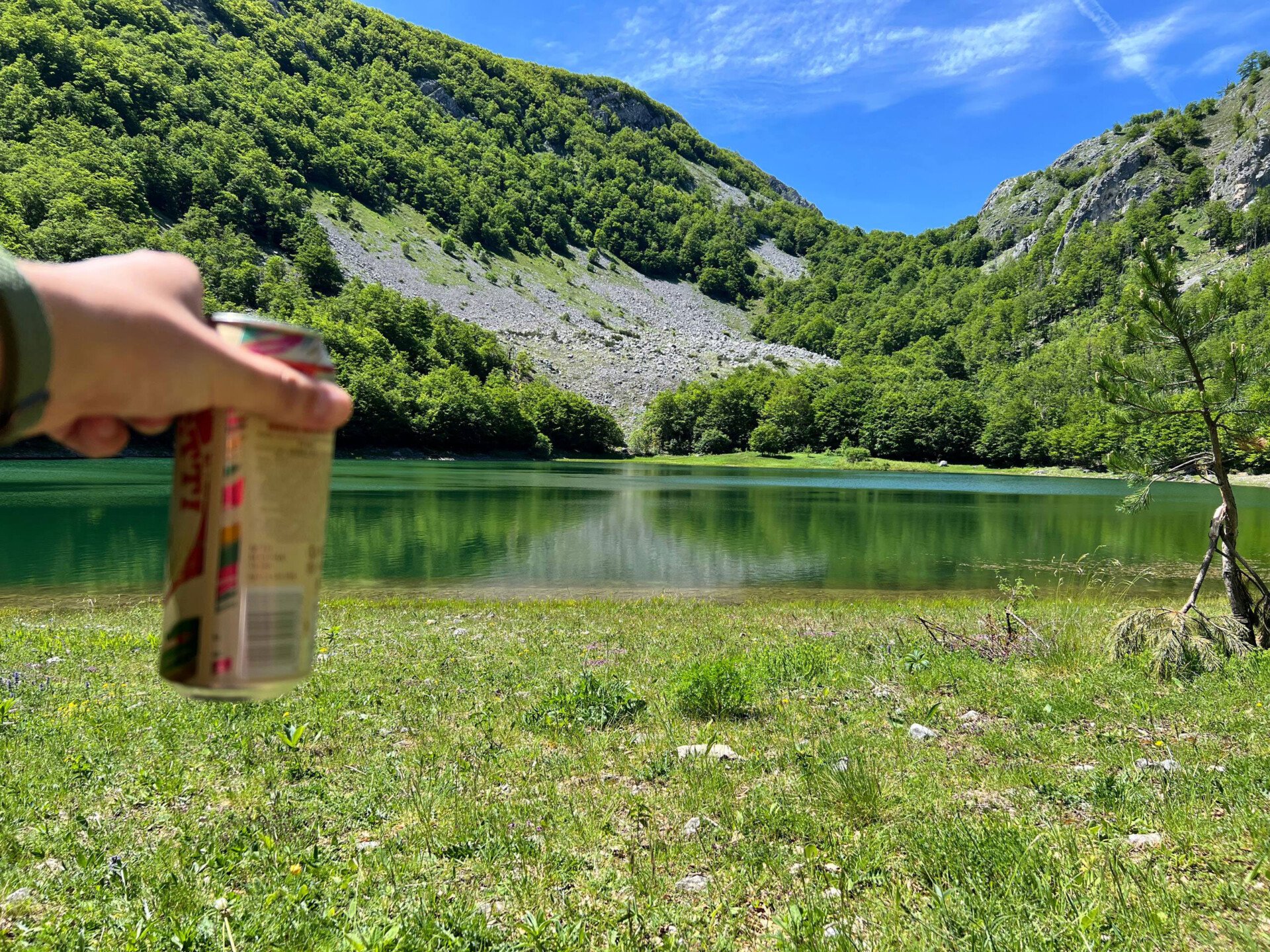
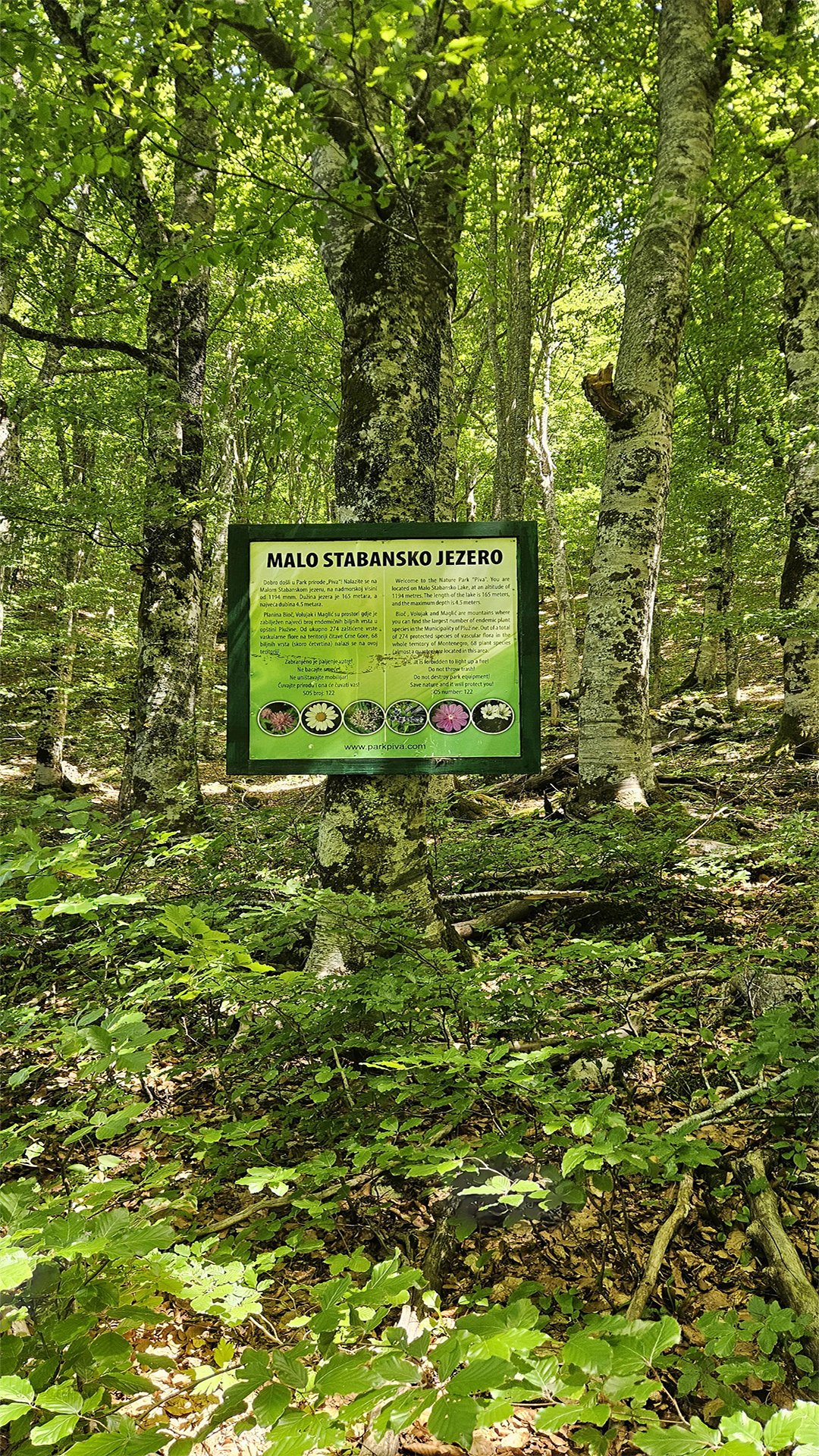
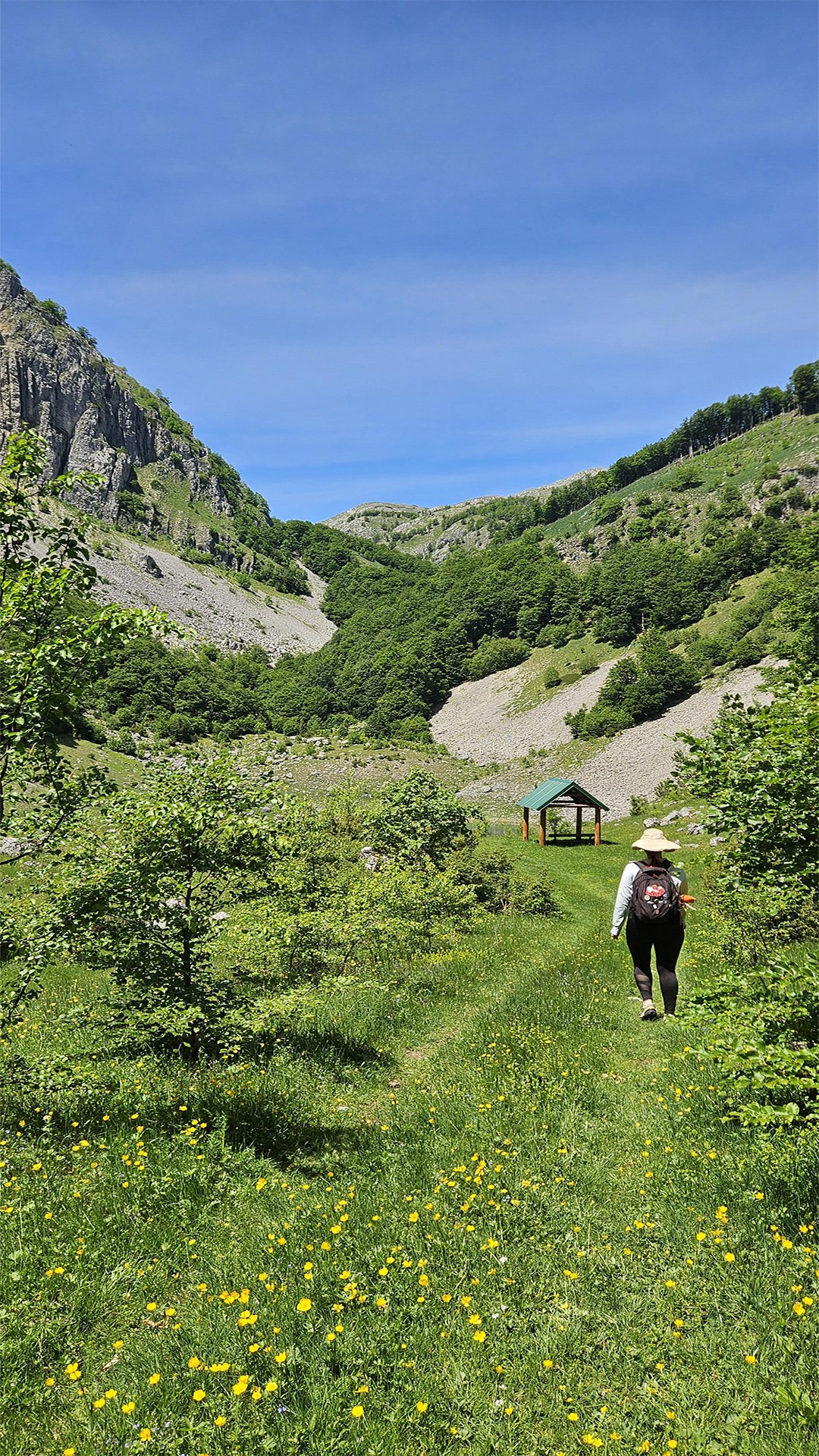
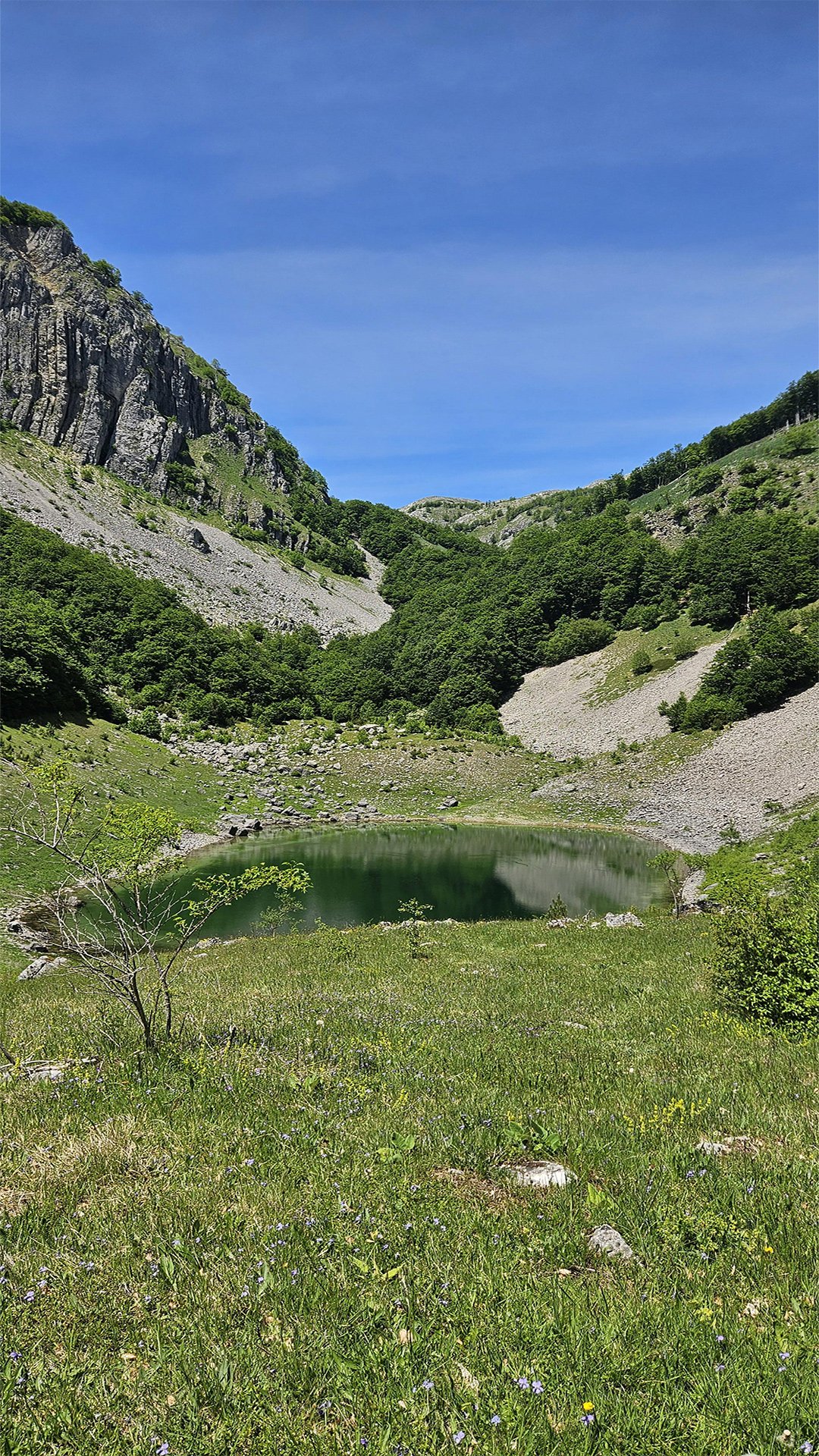
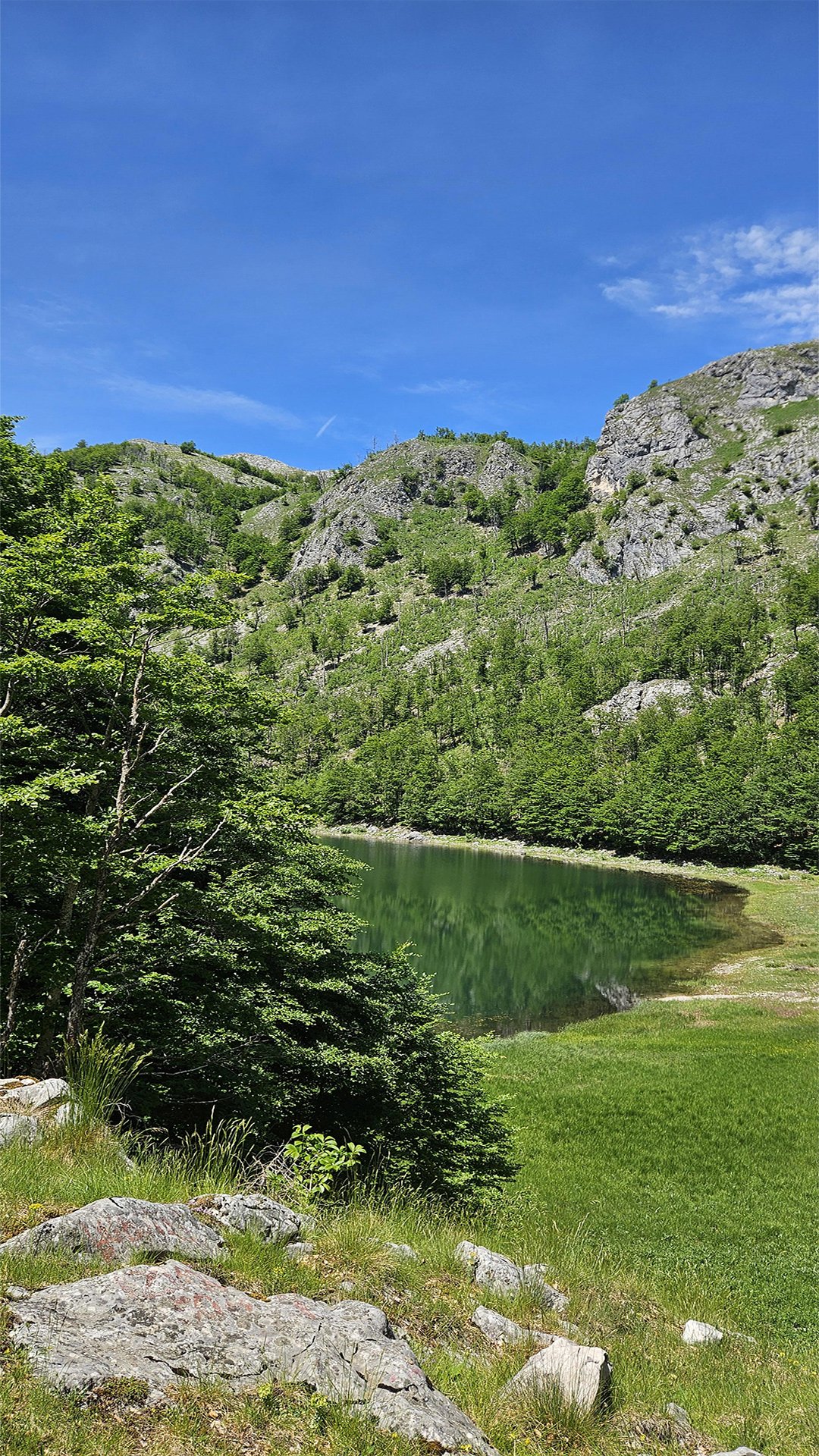
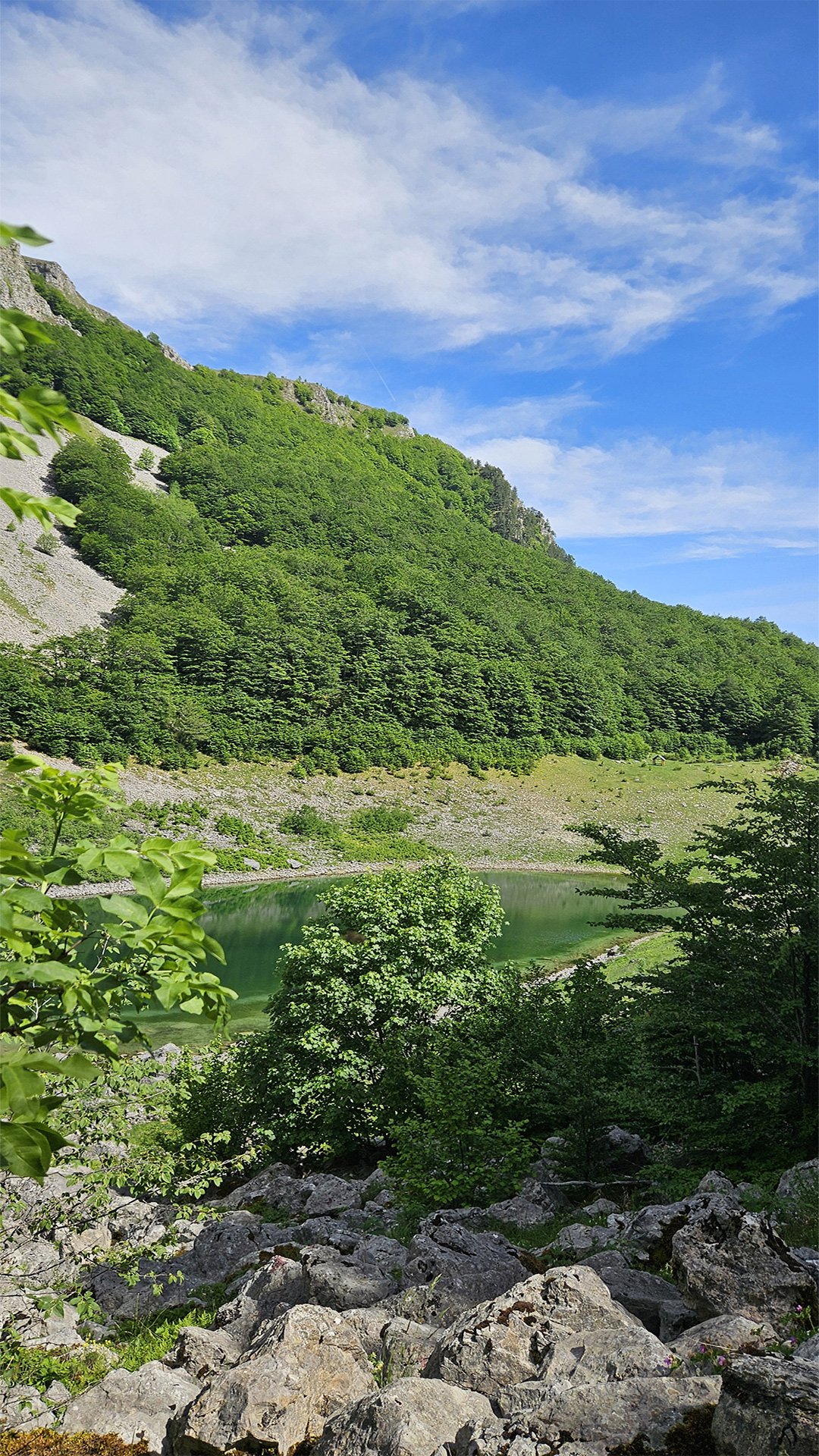
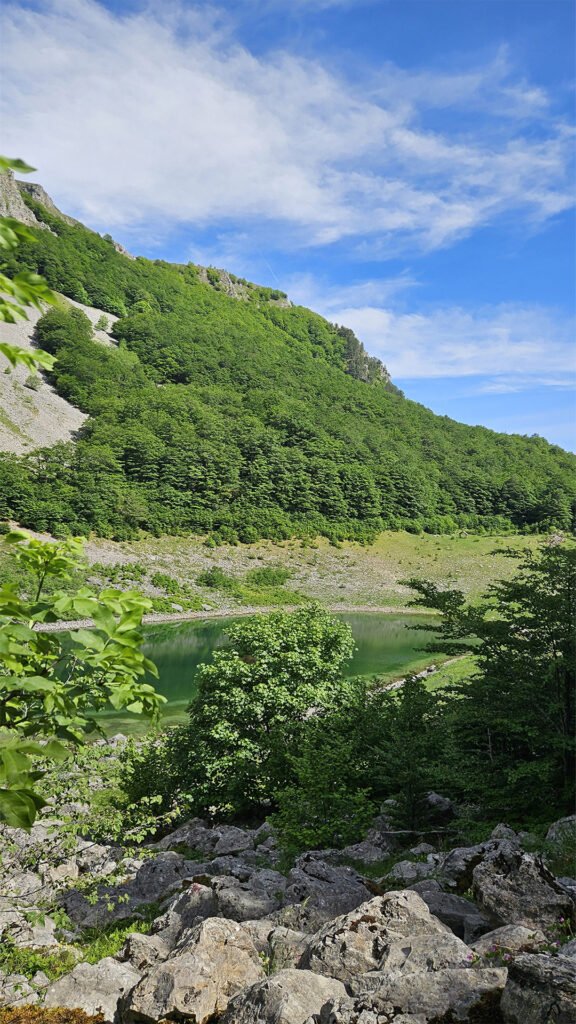
One of the most interesting natural attractions in the Piva region are the Staban Lakes – two mountain glacial lakes located on the southern slopes of the Volujak mountain range. Malo Stabansko jezero is a small but stunningly picturesque lake, surrounded by mountain forest and natural meadows. The lake is located at approximately 1,194 meters above sea level. Its summer length is approximately 165 meters. Despite its relatively small size, it makes a powerful impression due to its seclusion and the harmony of the surrounding landscape. The Staban Lakes are of glacial origin. Thousands of years ago, the climate in these mountains was significantly colder. Glaciers gradually moved down the slopes, eroding rock, deepening natural depressions, and forming characteristic basins. After the glaciers retreated, water began to accumulate in these depressions. This is how numerous small mountain lakes emerged, including Malo and Veliko Stabansko.
Veliko Stabansko Lake – the high-mountain beauty of Volujak
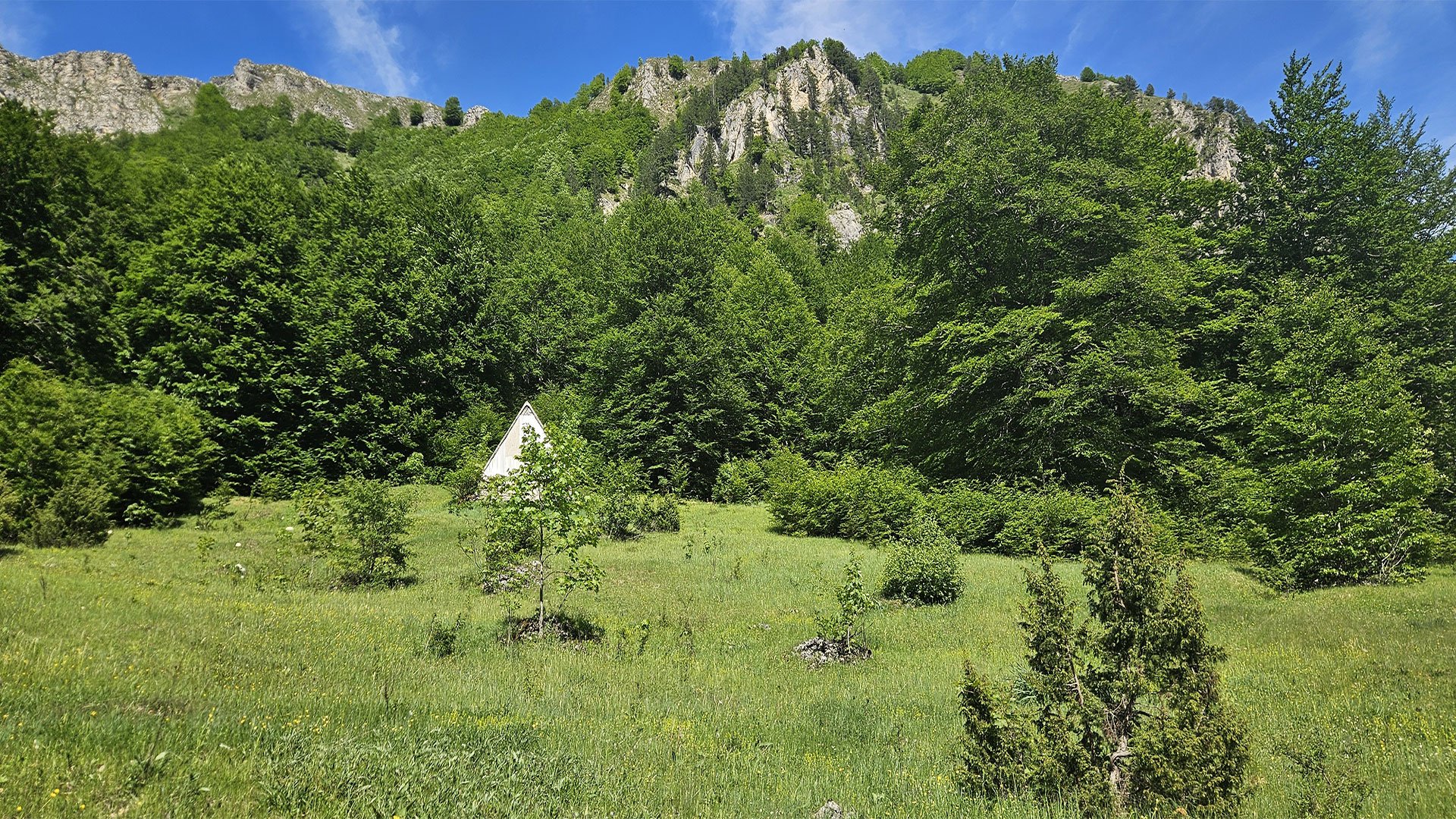
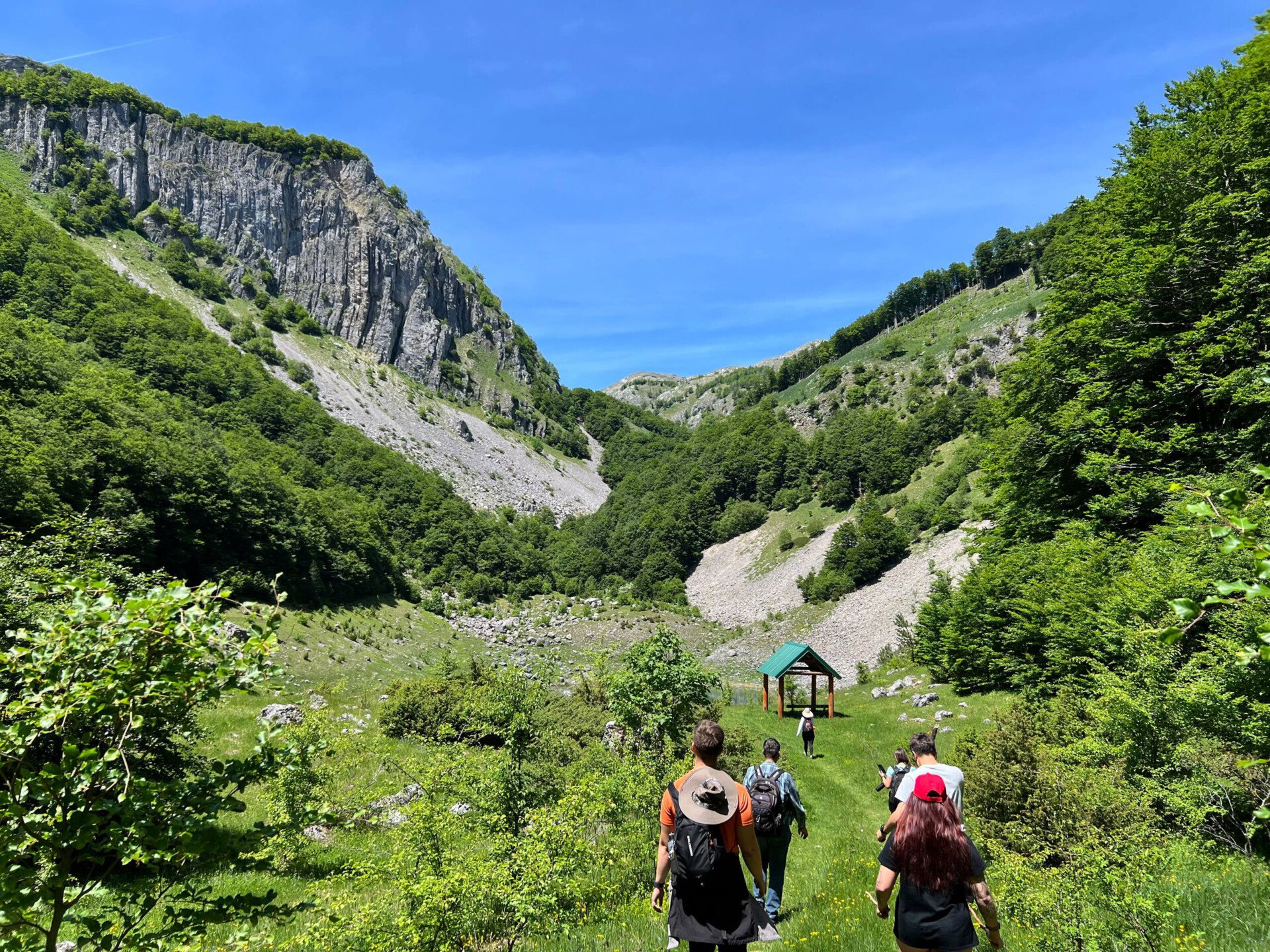
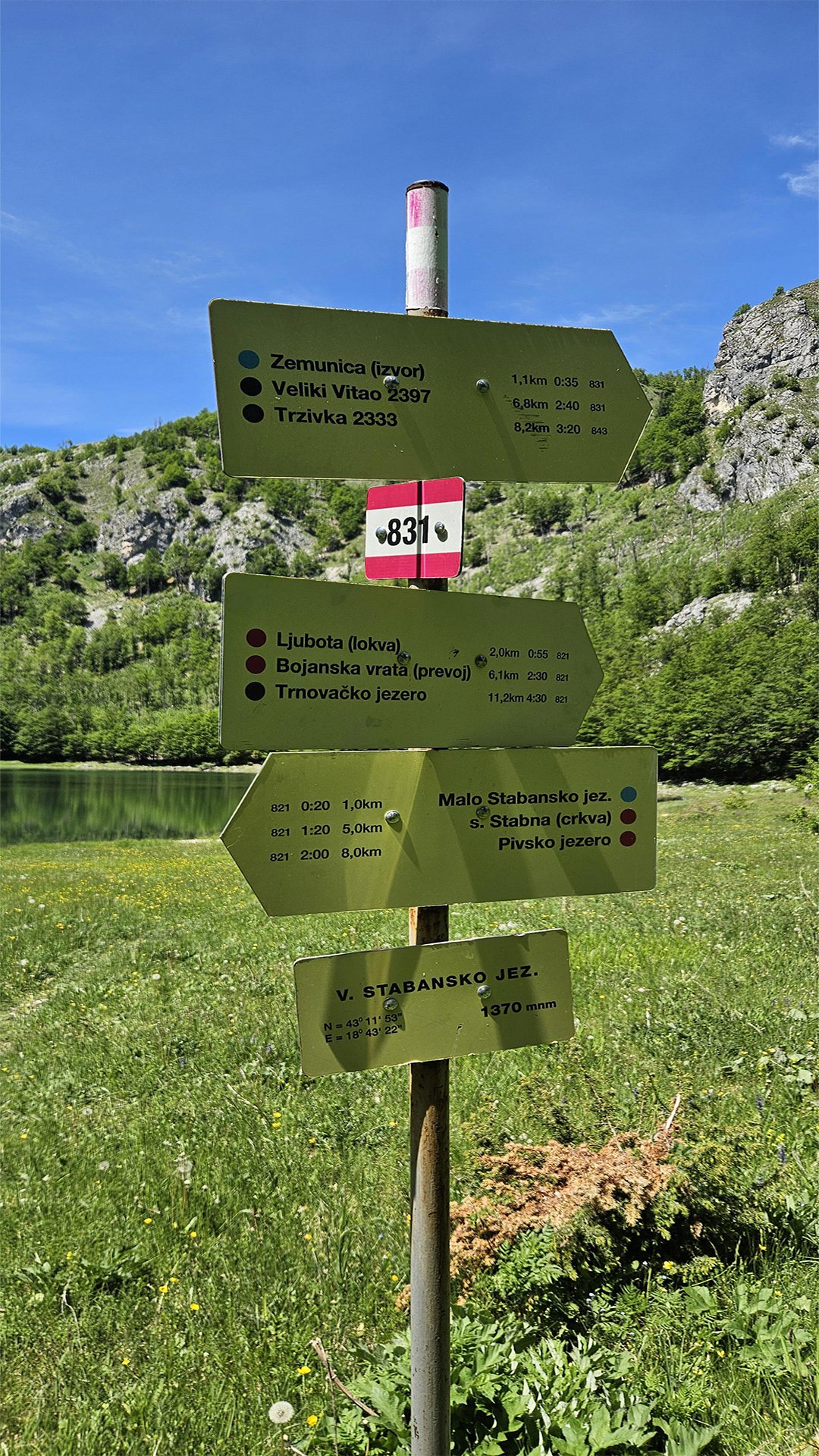
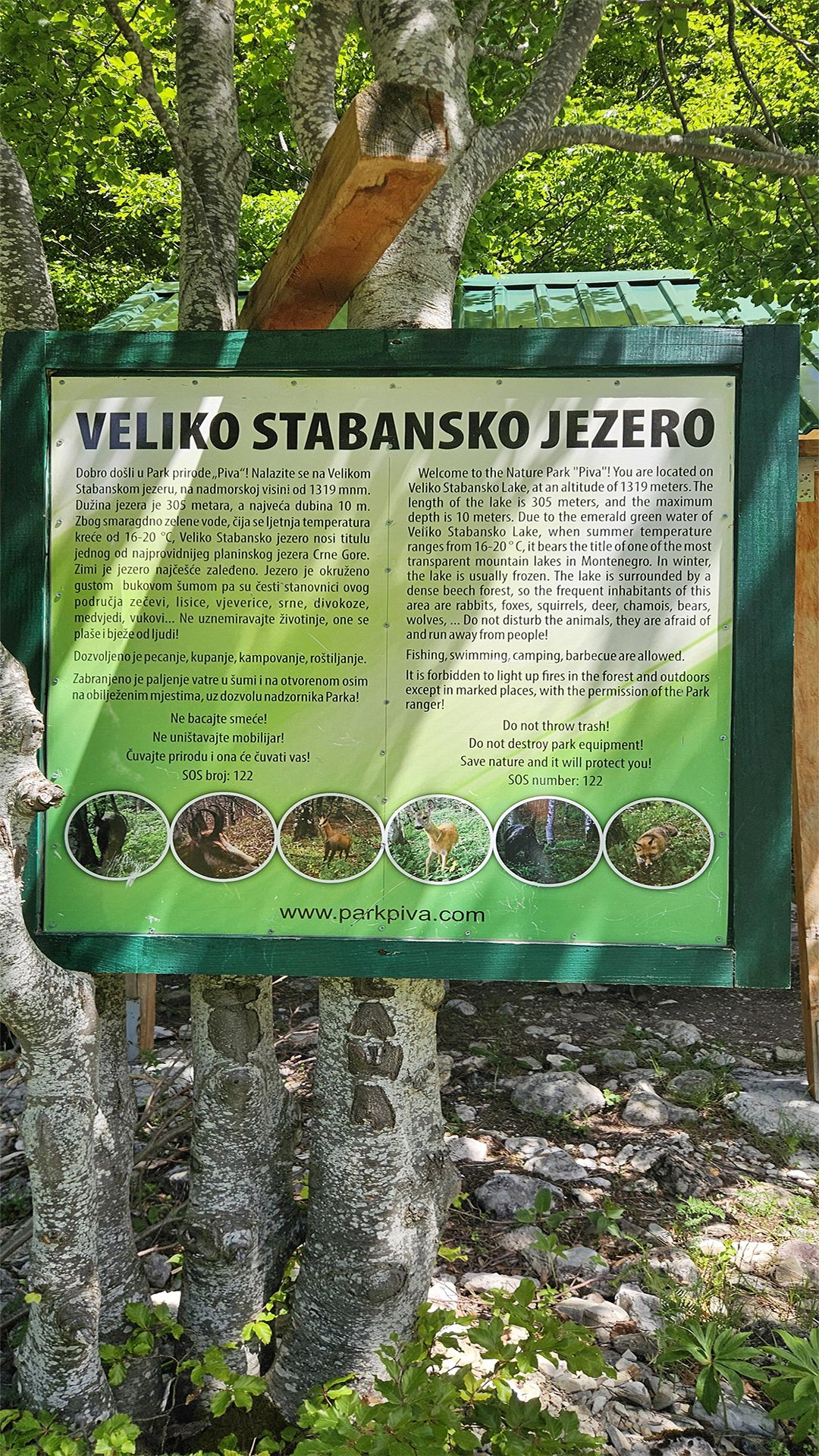
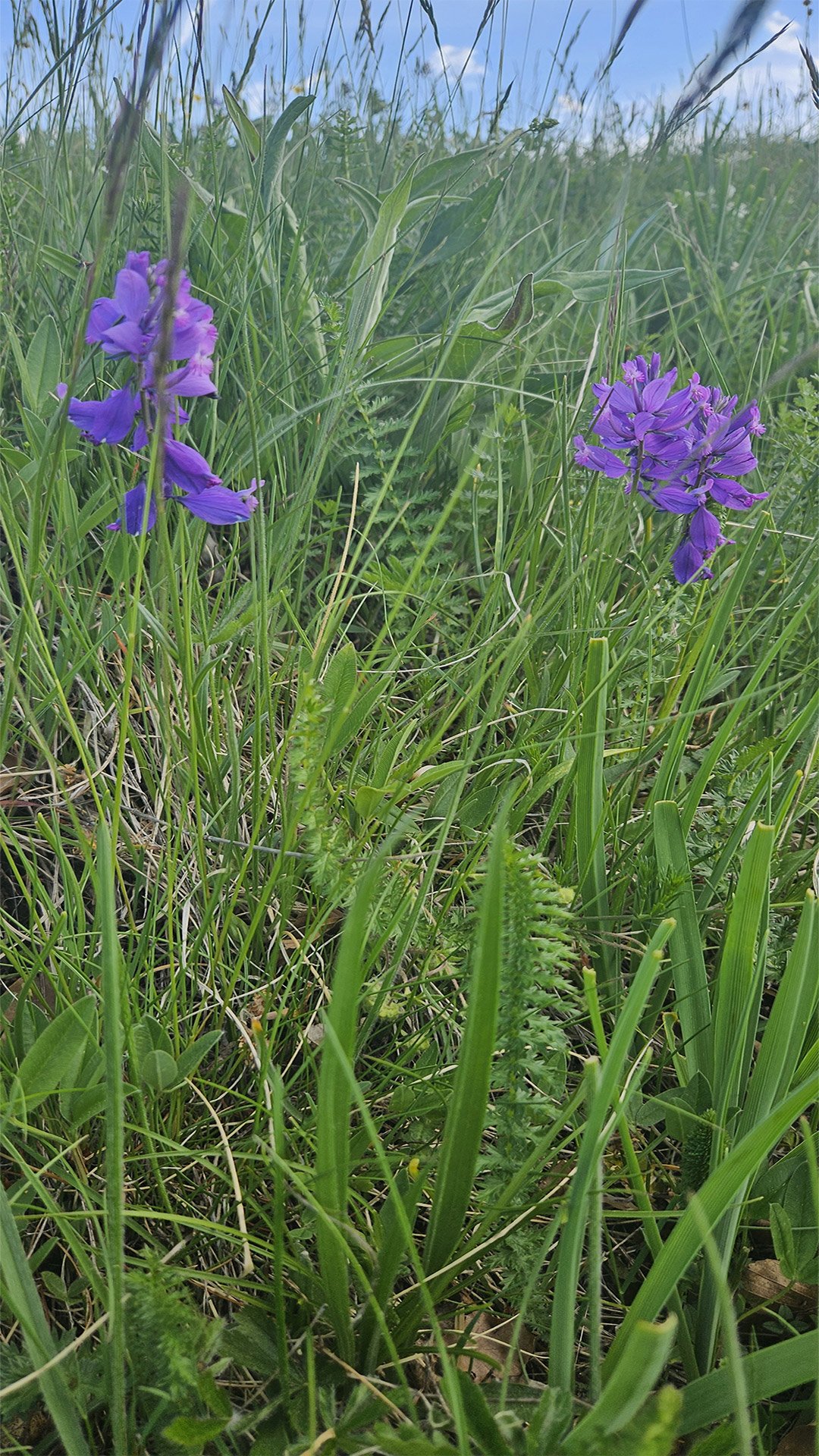
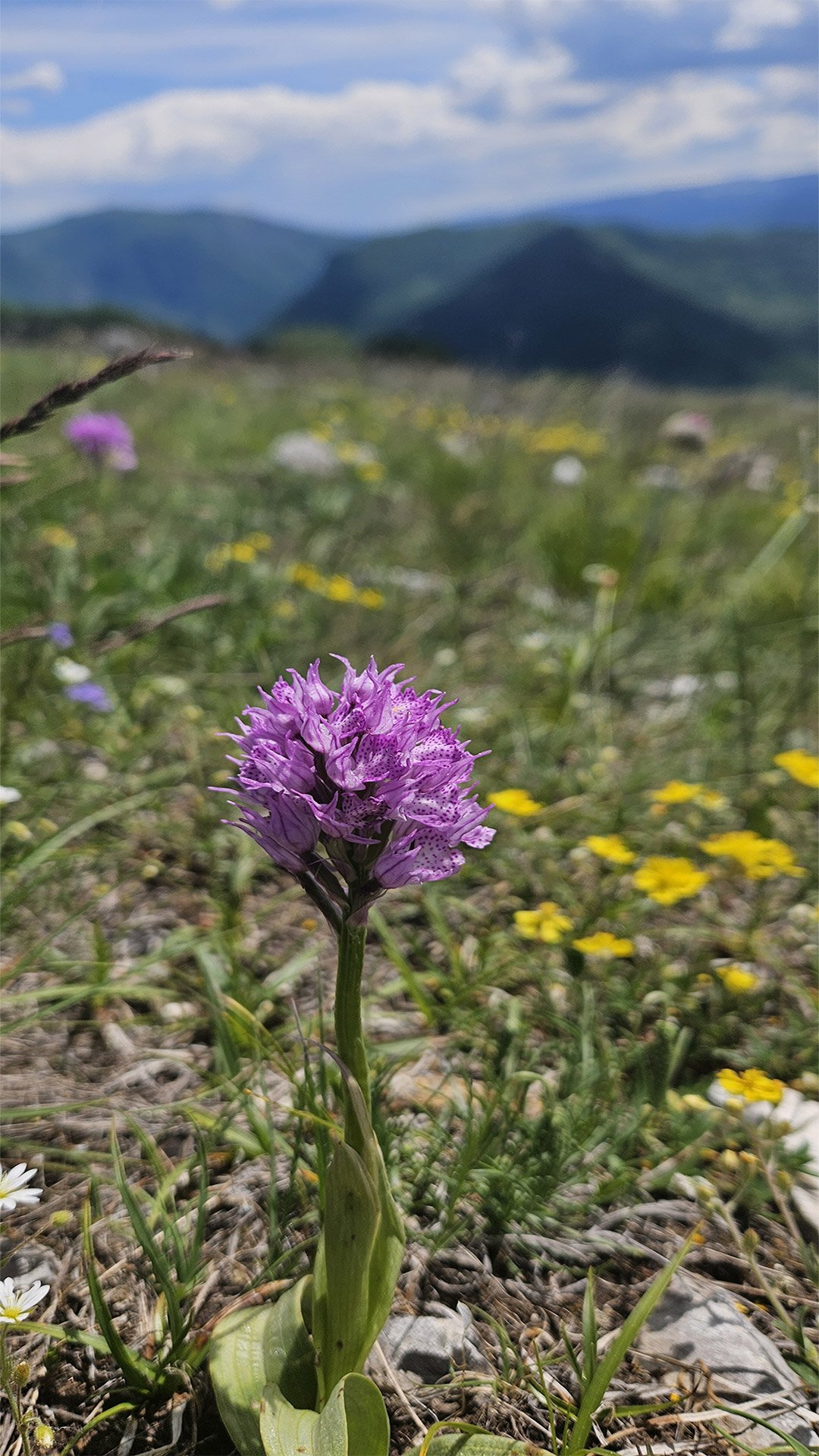
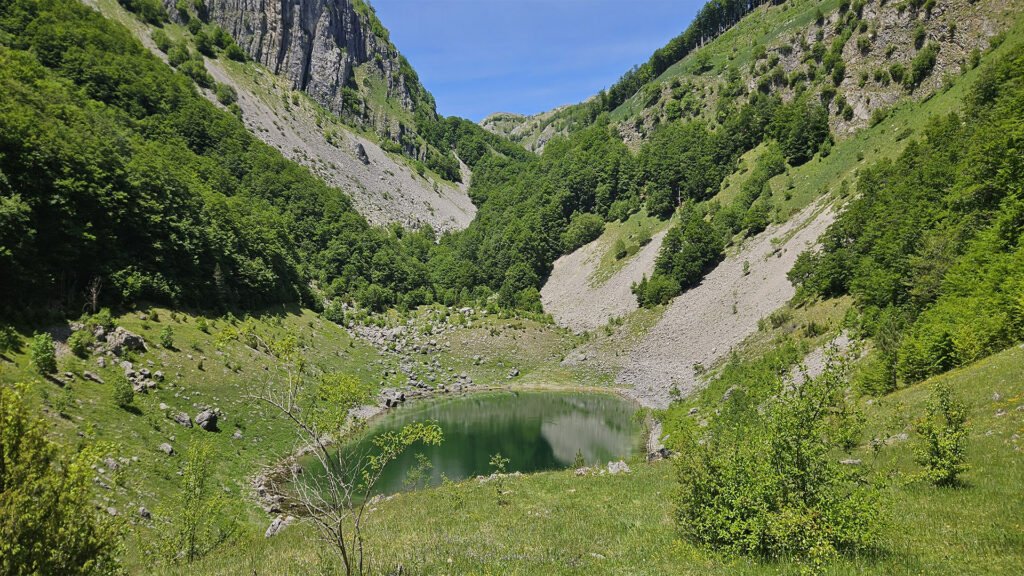
The second lake, Veliko Stabansko Lake (Veliko Stabansko jezero), is located above Malo and is one of the most beautiful high-mountain lakes in the region. It is located at an altitude of approximately 1,319 meters above sea level, at the foot of the southern slopes of the Volujak mountain range. Its length is approximately 305 meters. The name “Veliko” is no coincidence: compared to its neighboring lake, it is indeed significantly larger. The lake is surrounded by majestic mountain slopes. The Volujak massif is among the most impressive mountainous regions of Montenegro. These areas are characterized by a rugged alpine character. Rocky slopes alternate with mountain meadows, forests, and small valleys. The surrounding area features areas of rich alpine vegetation, and in spring and summer, the mountain slopes are covered in flowers. Veliko Stabansko is located in a natural glacial basin. Its water is collected through precipitation, underground recharge, and seasonal snowmelt. During periods of high water levels, water from the Veliko Lake can overflow into the Malo Lake. This is another interesting feature of the two bodies of water, which form a single natural system.
How to get to the Stabansko Lakes
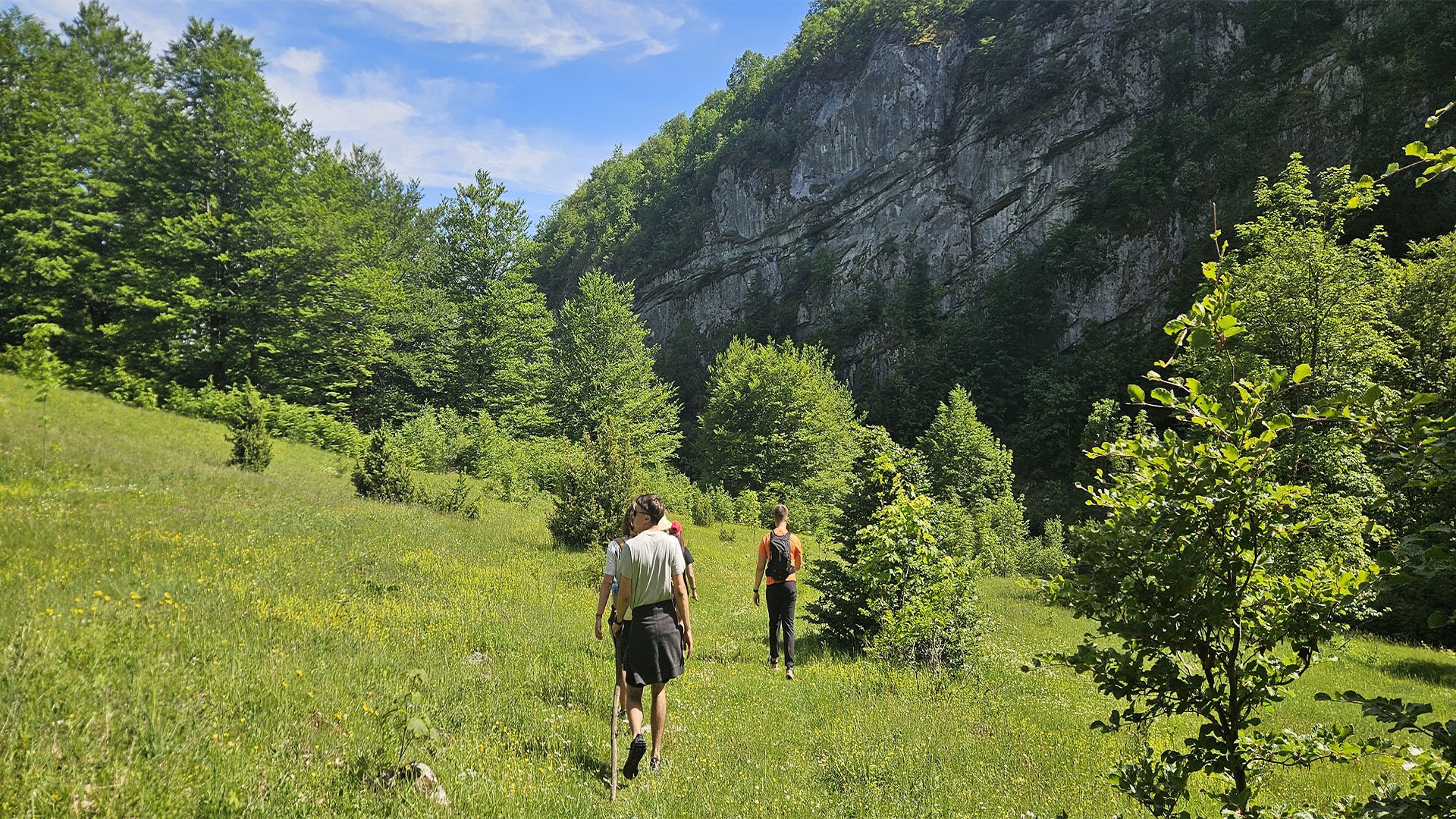
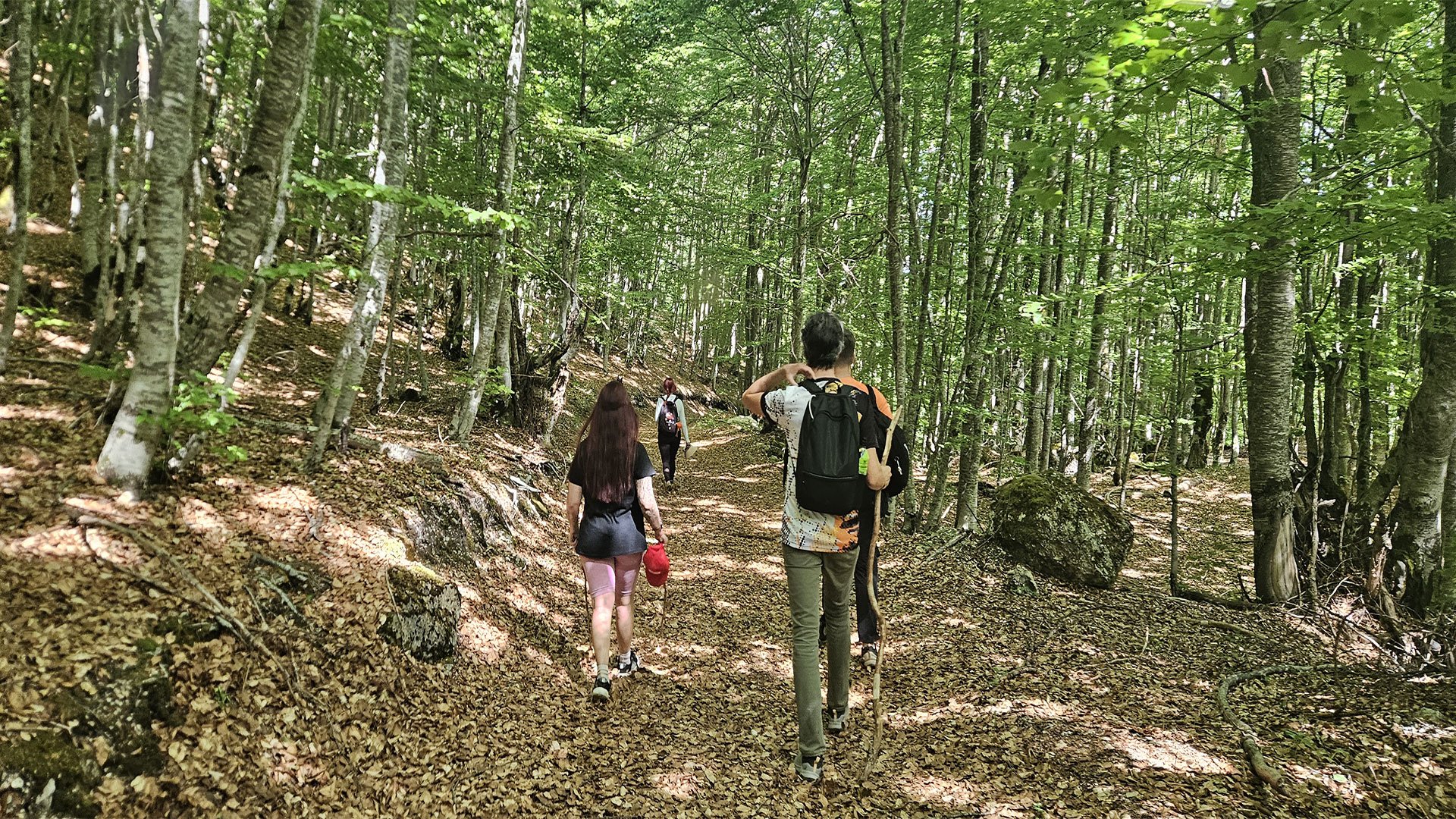
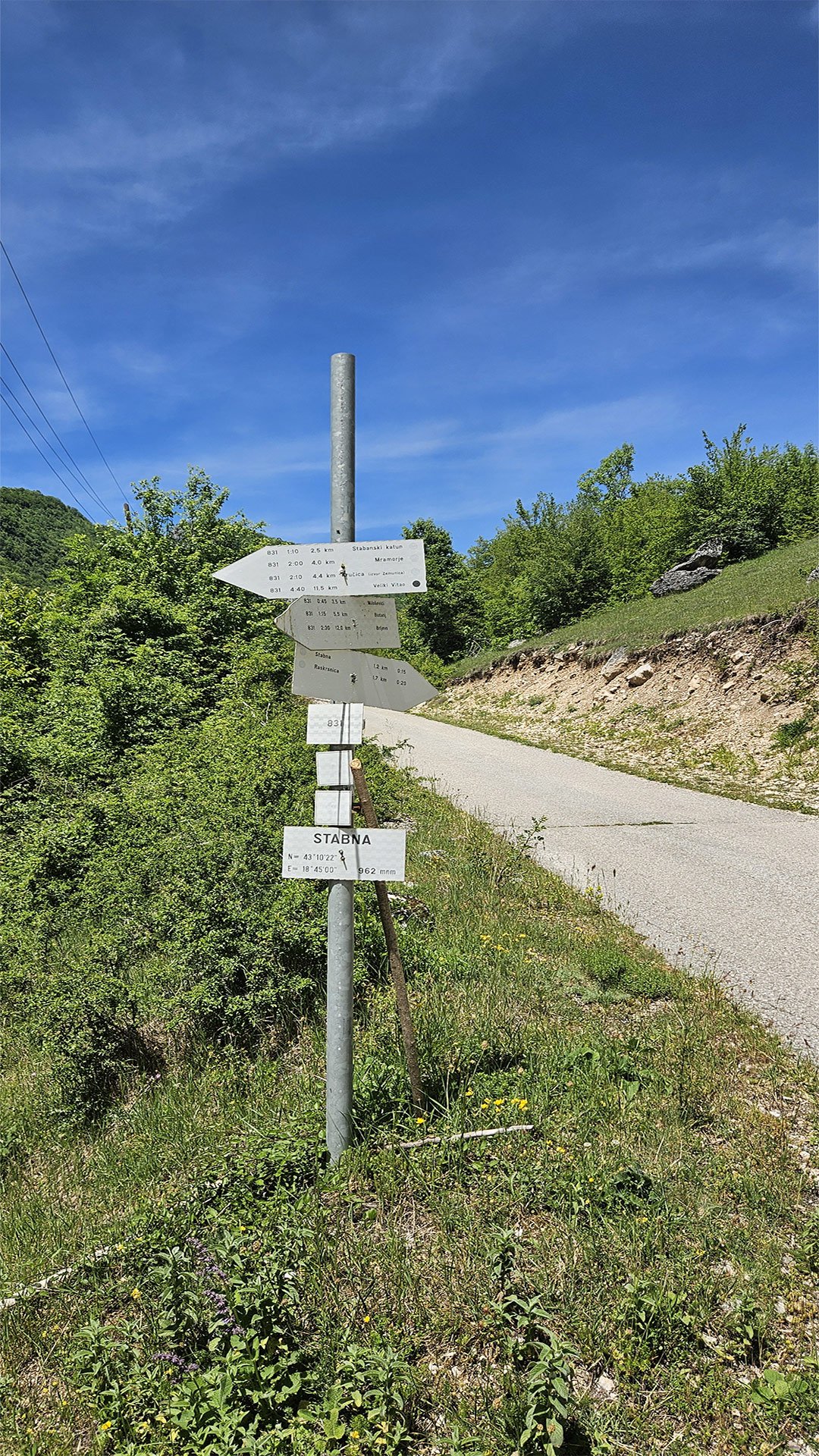
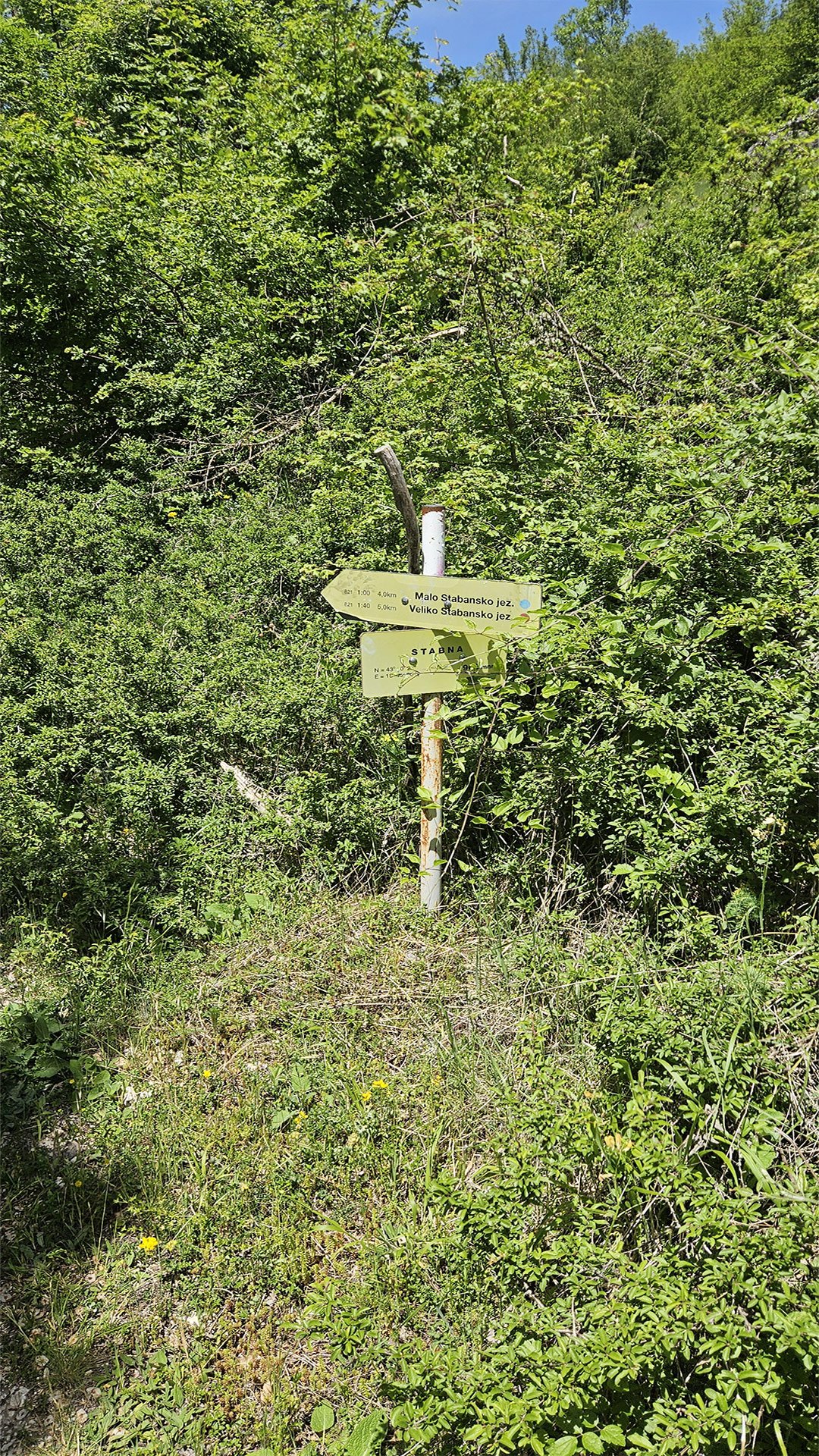
The starting point for visiting the lakes is usually the village of Stabna, located approximately 4.5 kilometers from the lakes. The rest of the route leads through mountainous terrain. The route requires appropriate footwear, plenty of water, and consideration of weather conditions. It is important to remember that at the end of May, snow patches may still remain at altitudes above 1,300 meters, and trails can be wet and slippery after the snow melts. Therefore, it is important to assess the route conditions before setting out. Note that we didn’t see any snow.

Piva Monastery—a unique shrine moved stone by stone
A special place on the Starlight group’s itinerary is occupied by Piva Monastery (Manastir Piva), one of the most significant Orthodox shrines in Montenegro. It is more than just an ancient temple. Its history is intertwined with faith, art, the history of the Piva region, and one of the most unusual architectural restoration projects of the 20th century. Piva Monastery is famous for the fact that during the construction of a hydroelectric power station, it was completely relocated to a new location, preserving not only its stonework but also its unique murals.
The monastery’s main church is dedicated to the Dormition of the Blessed Virgin Mary. Its construction took place between 1573 and 1586. Its founder and chief benefactor was Savatije Sokolović, the Herzegovinian metropolitan who later became the Serbian patriarch. The monastery was built during a turbulent historical period, when much of the Balkans was under Ottoman rule. For the local Orthodox population, the monastery was of great importance. It became the spiritual center of the region, a place of worship, learning, copying books, and the preservation of Orthodox traditions. Piva Monastery gradually gained fame for its architecture, artistic decoration, and rich collection of ecclesiastical artefacts.
Church Architecture
The Church of the Dormition of the Blessed Virgin Mary is a three-aisled stone structure. Its architecture is distinguished by a blend of Byzantine and local building traditions, characteristic of the region. The church’s exterior is quite restrained. Stone walls, simple forms, and a lack of decorative elements create an impression of ancient monumentality. But the real treasures are hidden within.
Frescoes – Montenegro’s artistic treasure
One of the monastery’s greatest treasures is its mural paintings. The total area of the frescoes is approximately 1,260 square meters. This is one of the most significant collections of monumental Orthodox painting in Montenegro. The majority of the murals were painted by Greek masters between 1604 and 1606. In subsequent years, renowned artists of the time worked on the monastery’s decoration, particularly Strahinja of Budimli and Master Kozma. No less remarkable is the iconostasis, decorated with carvings and icons.
The most remarkable chapter in the history of the Piva Monastery is associated with the construction of the Mratinska Dam. When it became clear that the creation of the reservoir would flood the original monastery site, it became necessary to save this unique historical monument. The solution proved incredibly complex. Instead of leaving the church underwater or building a replica in a new location, specialists developed a project to completely relocate the building while preserving its original materials and murals. Work began in 1969–1970 and was completed in 1982. The process included several stages:
- Detailed recording of the architectural elements and the condition of the building. 2. Careful dismantling of the stonework.
- Removing the frescoes from the walls using special methods.
- Transporting the building elements and paintings.
- Restoring the church in its new location.
- Returning the original frescoes to the walls.
Preserving the wall paintings was a particularly challenging task. Approximately 1,260 square meters of paintings required careful restoration and careful handling. As a result, the unique monument was preserved almost in its historical appearance. Today, the monastery is located in the Sinjac area, on a safer, higher ground. It is one of the most impressive examples of architectural and cultural heritage conservation in 20th-century Europe.
Monastery Treasury
Piva Monastery is known not only for its frescoes but also for its historical treasury. It contains valuable liturgical objects, ancient books, manuscripts, icons, and other relics. Among the historical treasures, items associated with the monastery’s founder, Savatije Sokolović, as well as ancient church books, occupy a special place. The monastery library and collection of religious art are of great interest to researchers of Orthodox culture and Balkan history.
Piva Nature Park – a Pristine Natural Area
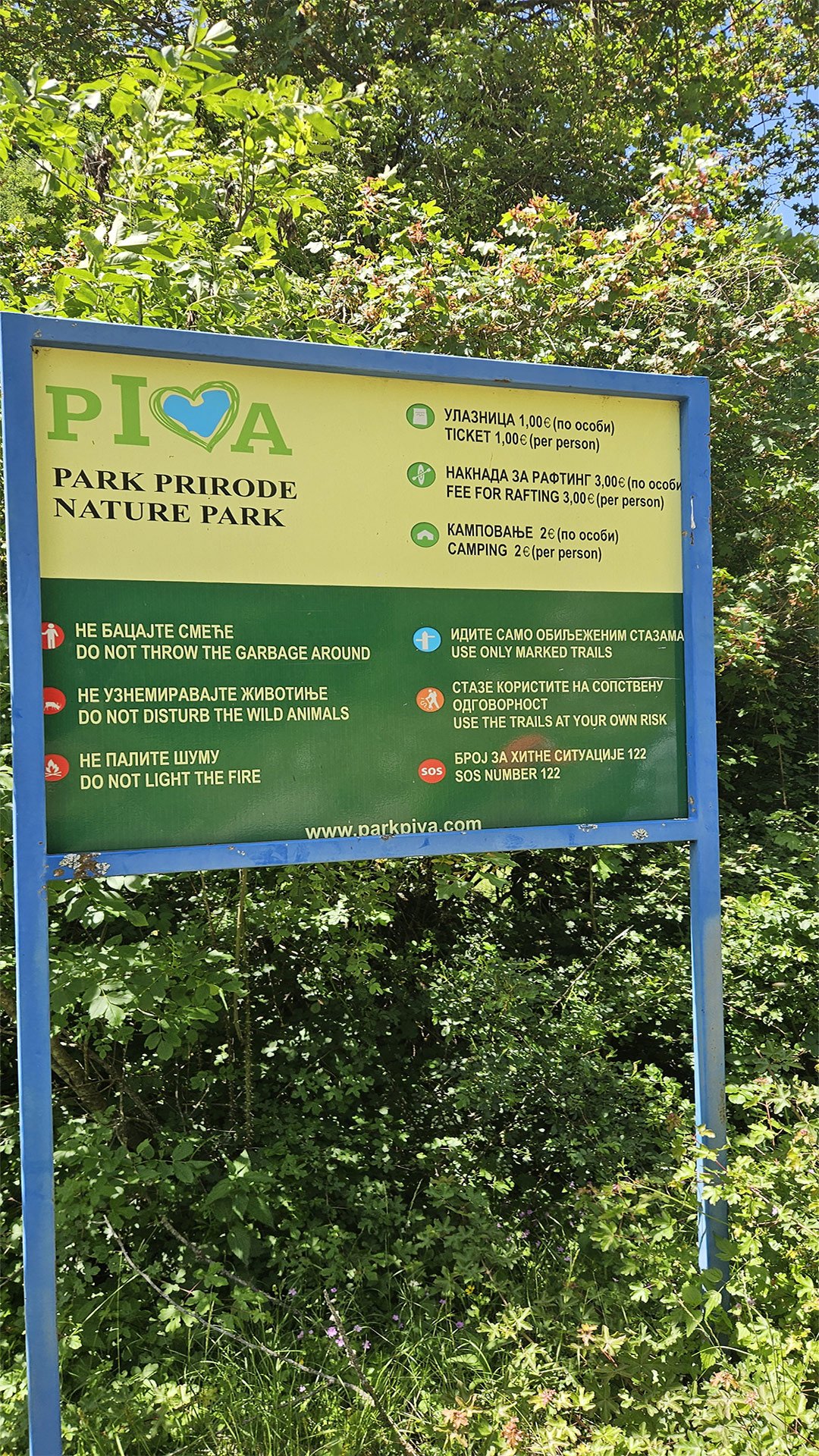
All of these attractions are located in a stunning natural region, a significant part of which is part of the Piva Nature Park (Park prirode Piva). The park was established in 2015 and covers approximately 32,500 hectares. Its main goal is to preserve natural landscapes, flora and fauna, the traditional way of life of local residents, and the historical heritage of the region. Babina Greda Viewpoint – One of the Most Spectacular Panoramic Views in the Piva Region
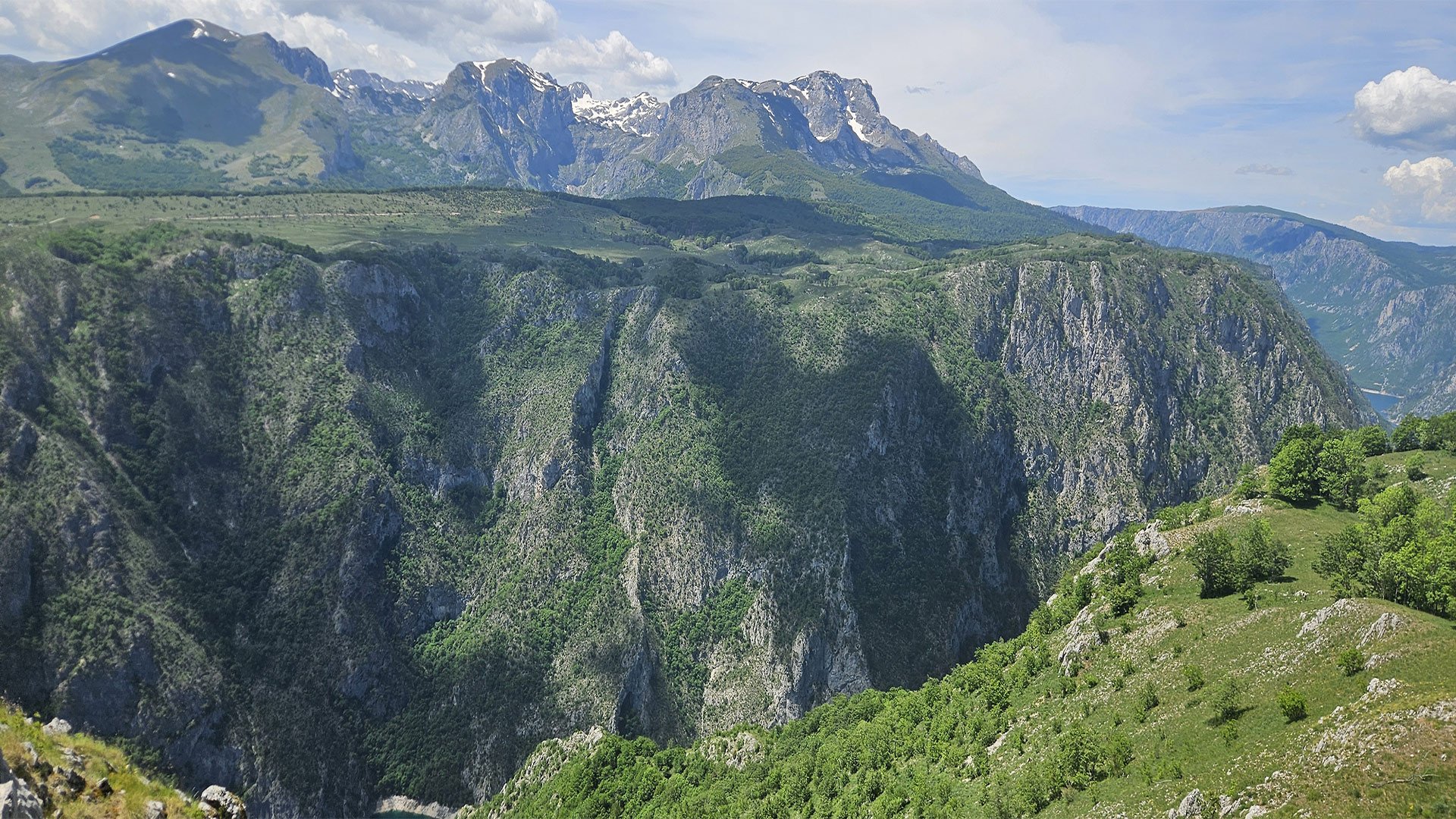
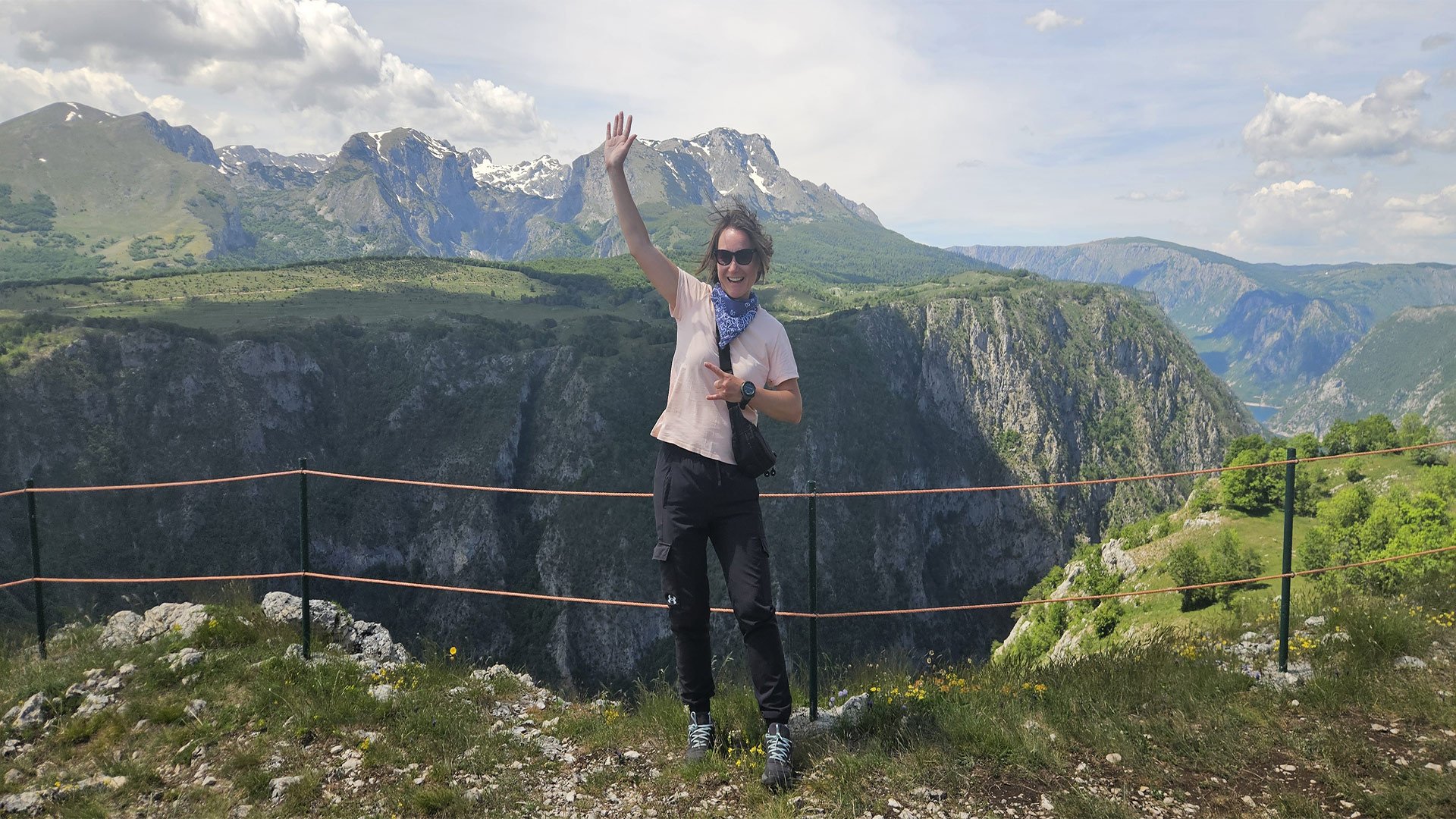
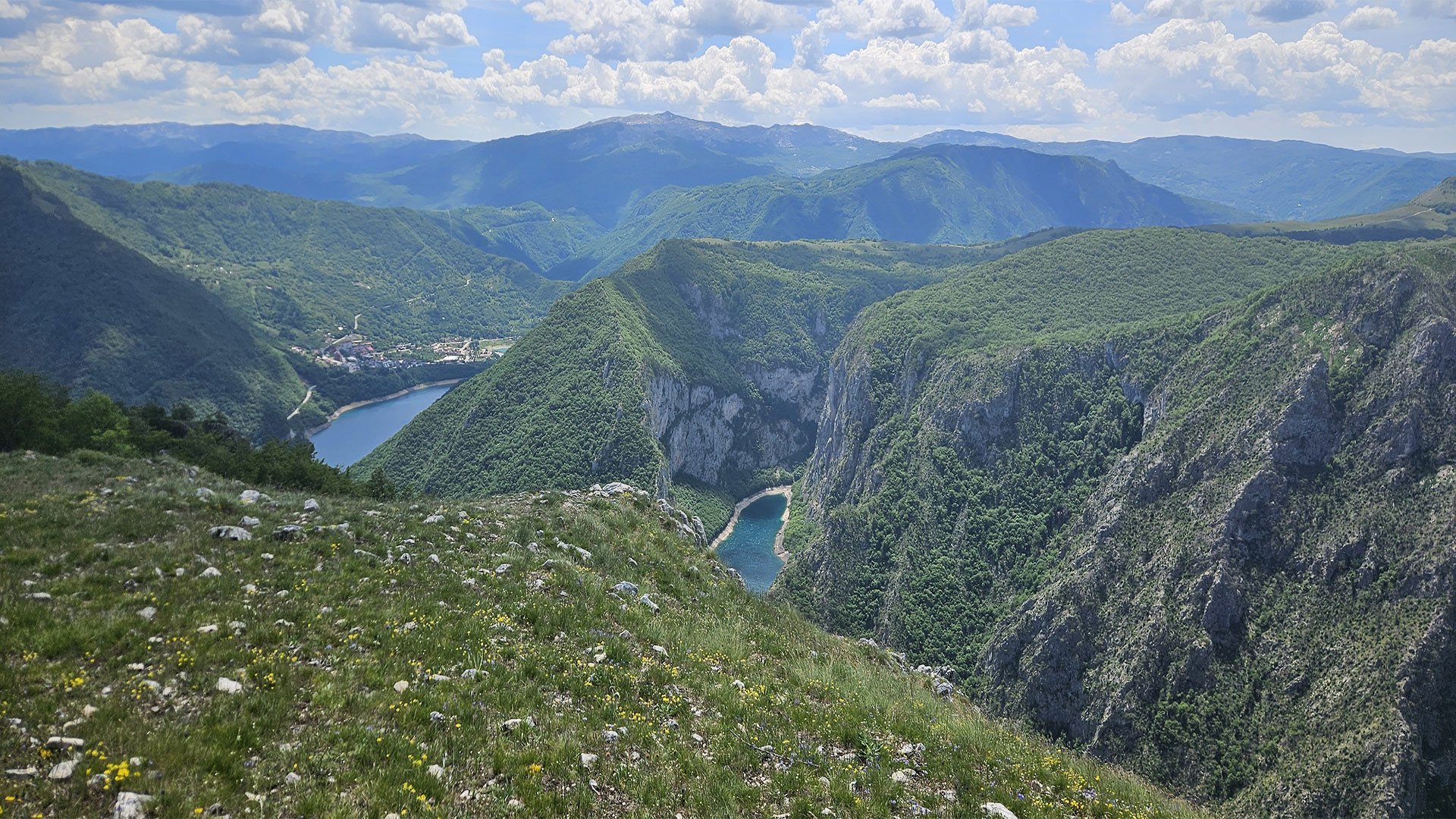
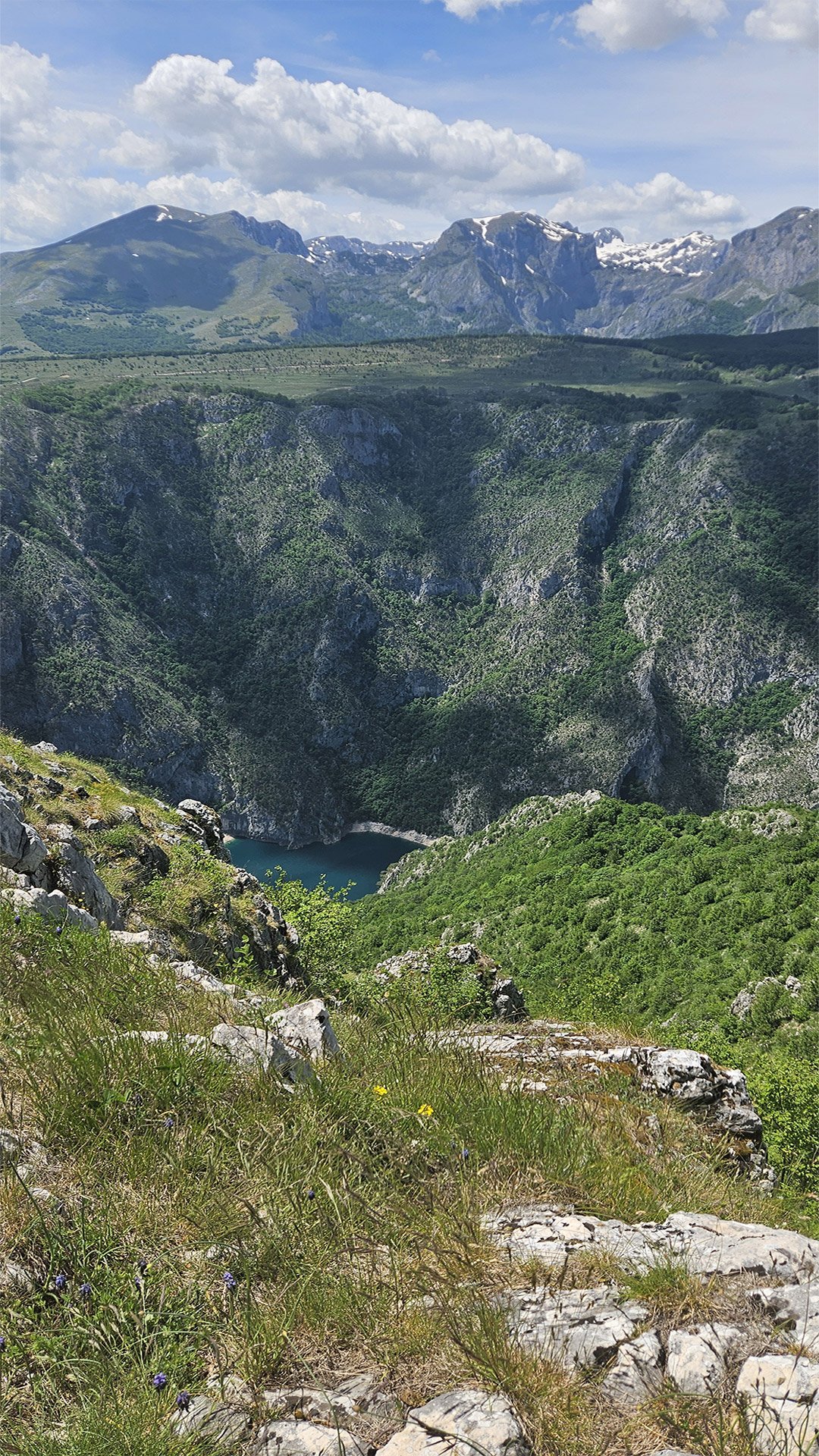
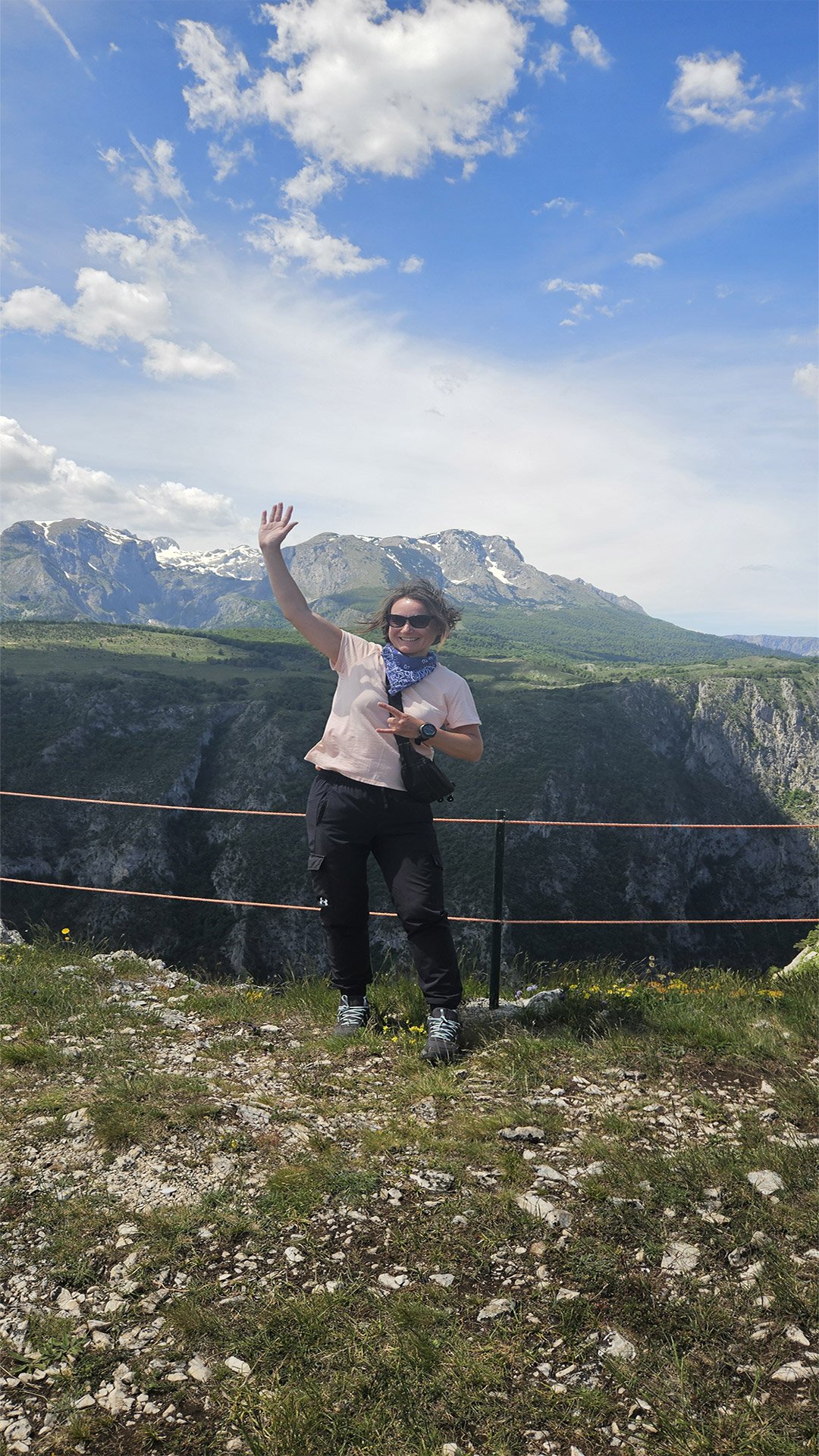
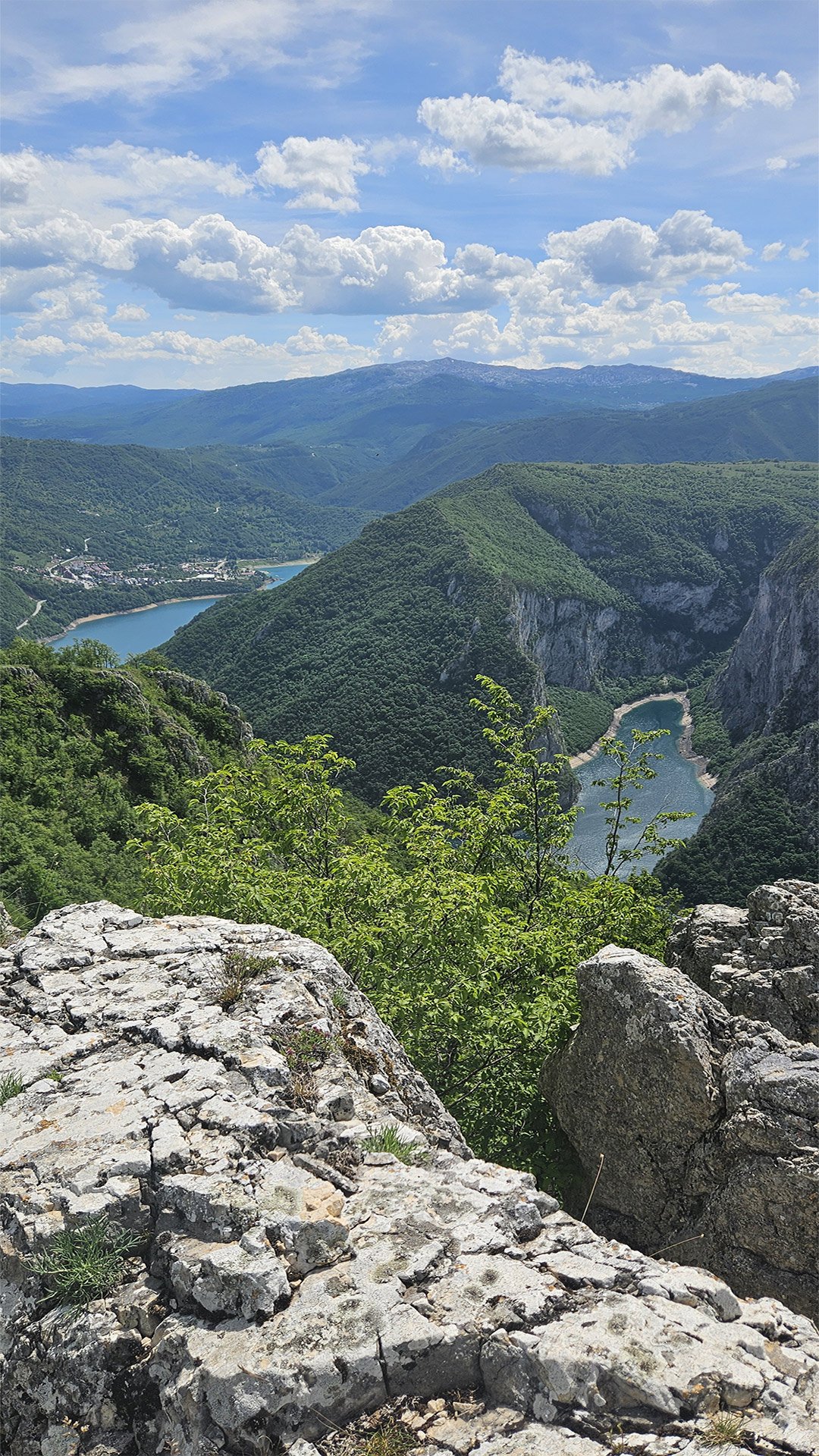
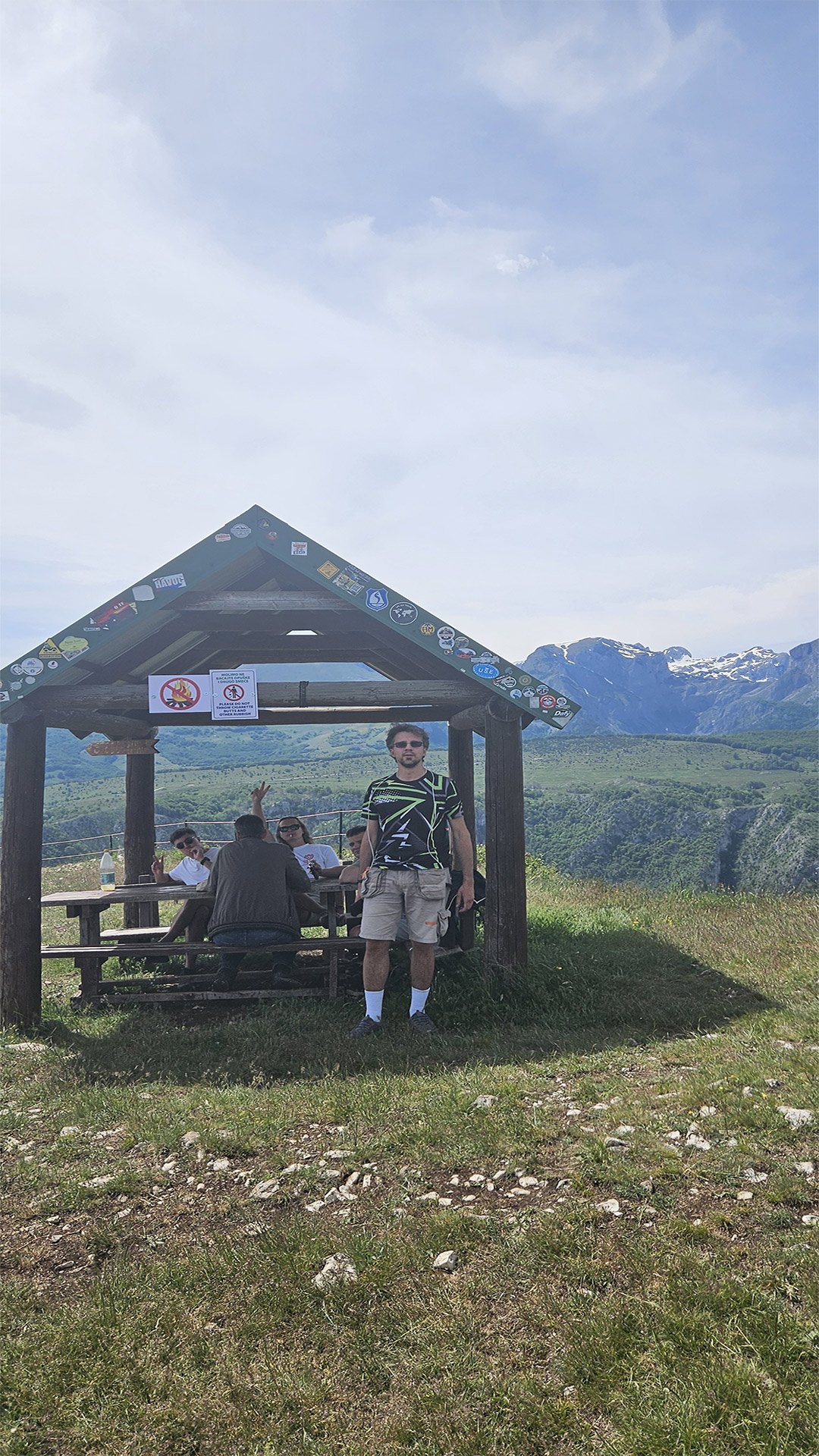
One of the highlights of our trip was the Babina Greda Viewpoint, a place offering breathtaking views of the mountain canyons and surrounding rock formations. The viewpoint is located near the village of Donji Unač, near Plužine. It’s off the main road and requires a short drive along a mountain road. The name Babina Greda can be translated as “Babina Ridge” or “Babina’s Rocky Ridge.” This is a typical Balkan geographical name, referring to the local topography. The main attraction of this place is the incredible panorama of the mountain landscape. A deep canyon, steep limestone walls, and extended mountain slopes open up before travelers. On the opposite side, the massive rock wall of Boljska Greda rises, creating a majestic backdrop for the panorama.
Babina Greda is a wonderful vantage point for panoramic photography. From here, you can capture the mountain slopes, the canyon, clouds drifting over the peaks, and endless green spaces. An important feature: the vantage point is not equipped with protective fences along the cliff edges. Therefore, caution is advised, do not approach too close to the edge, and keep a close eye on children. There is virtually no infrastructure for tourists here.
Ancient Bogomil Cemetery – Mysterious Medieval Stone Tombstones
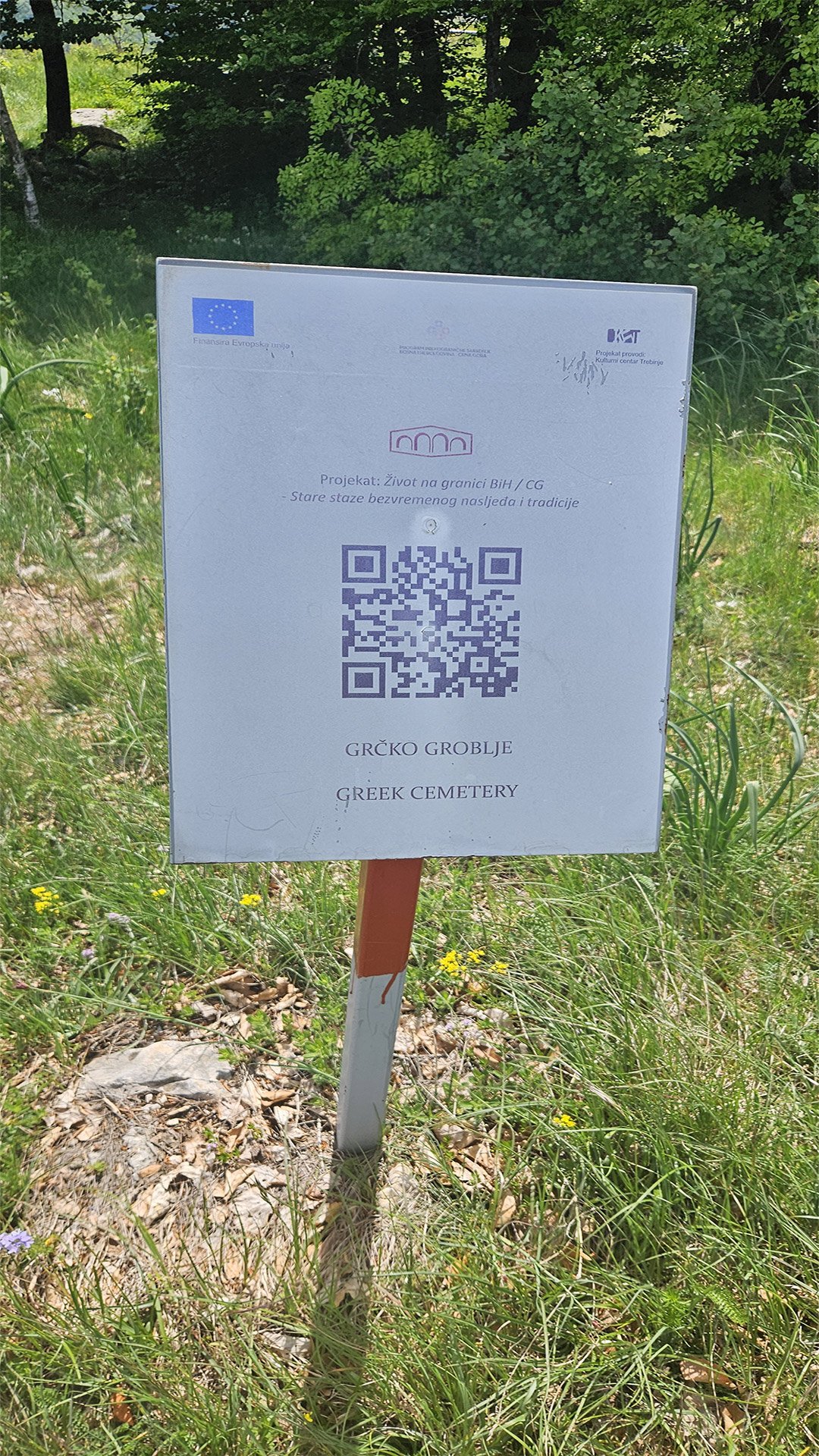
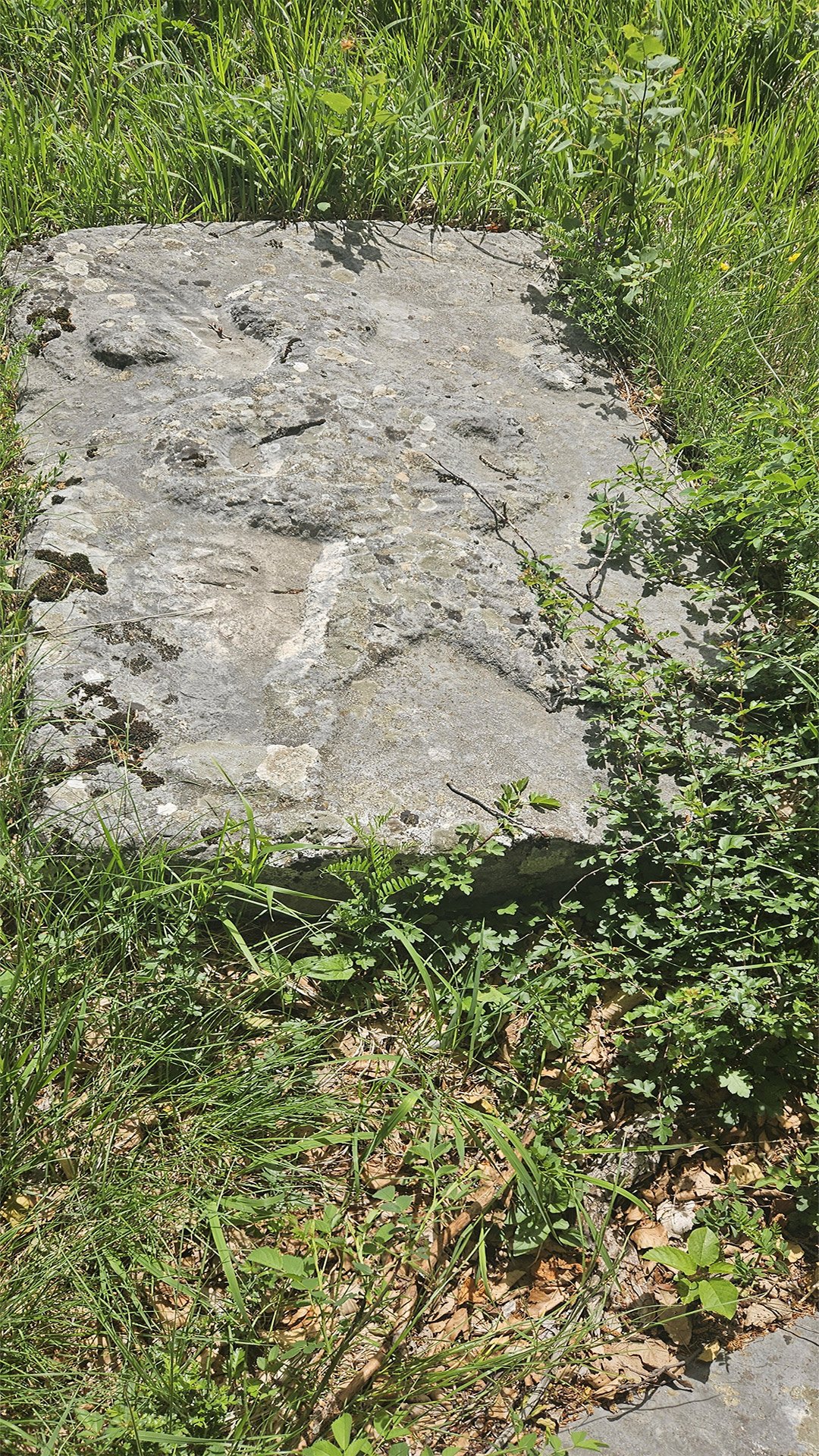
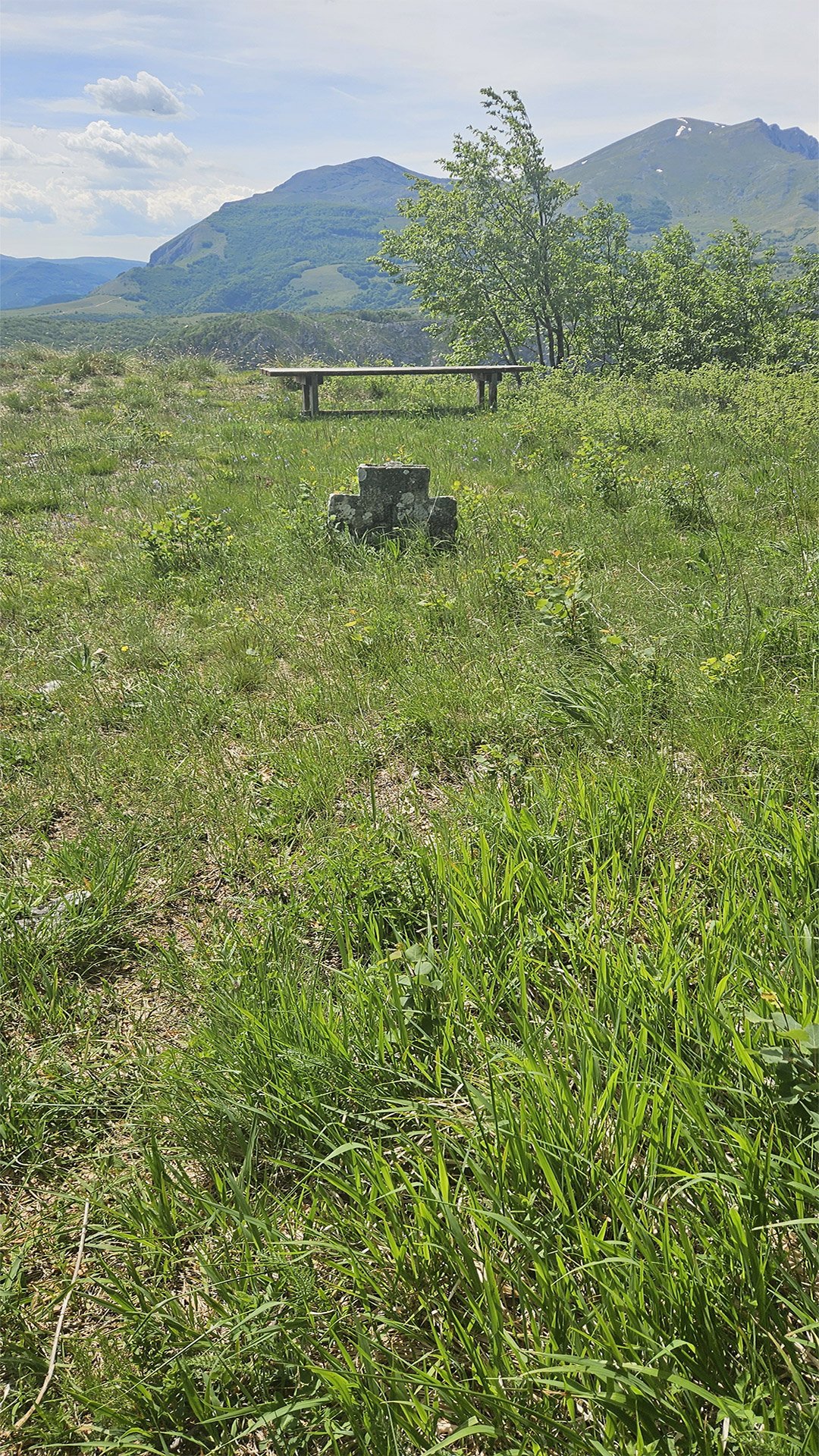
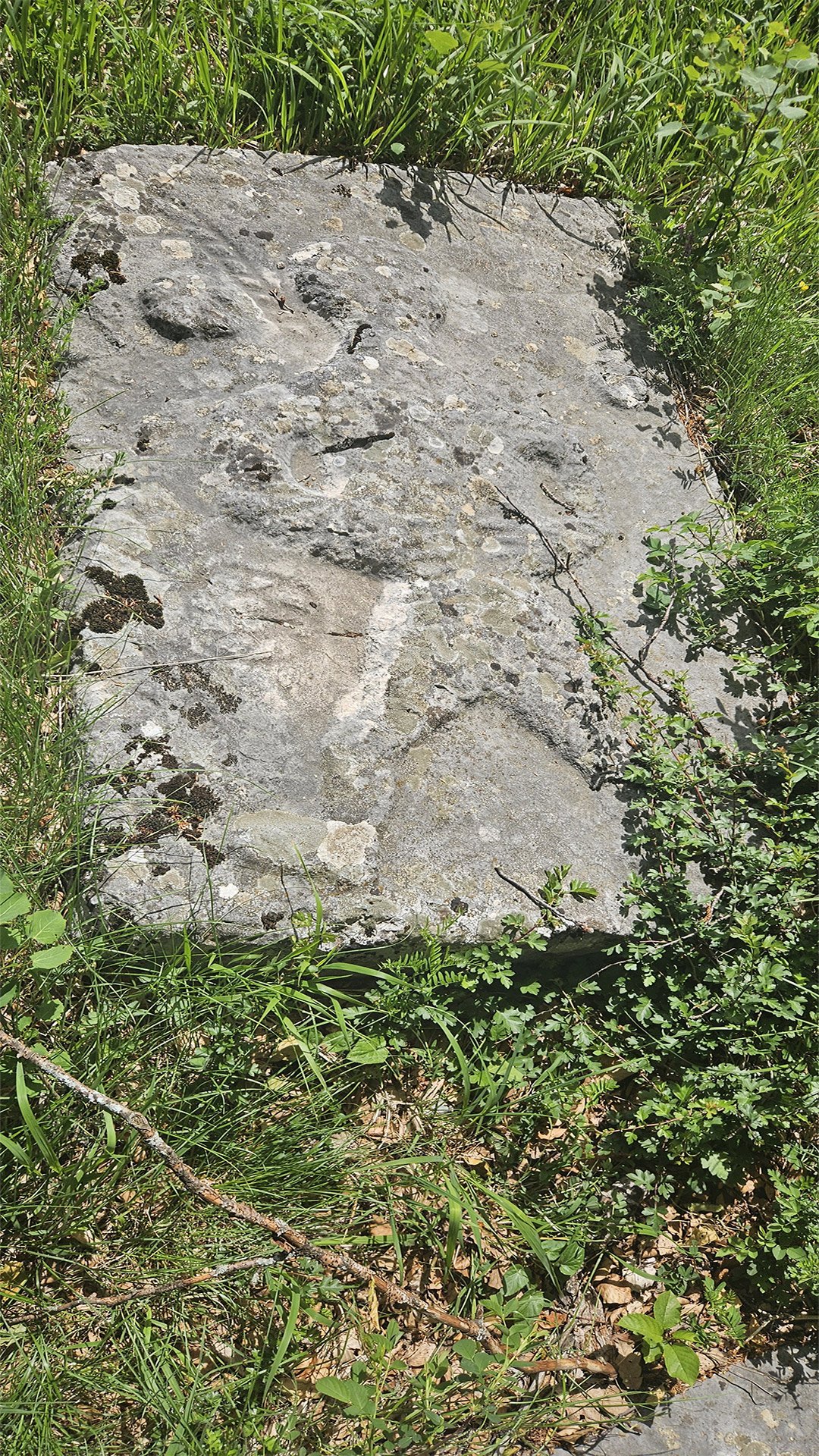
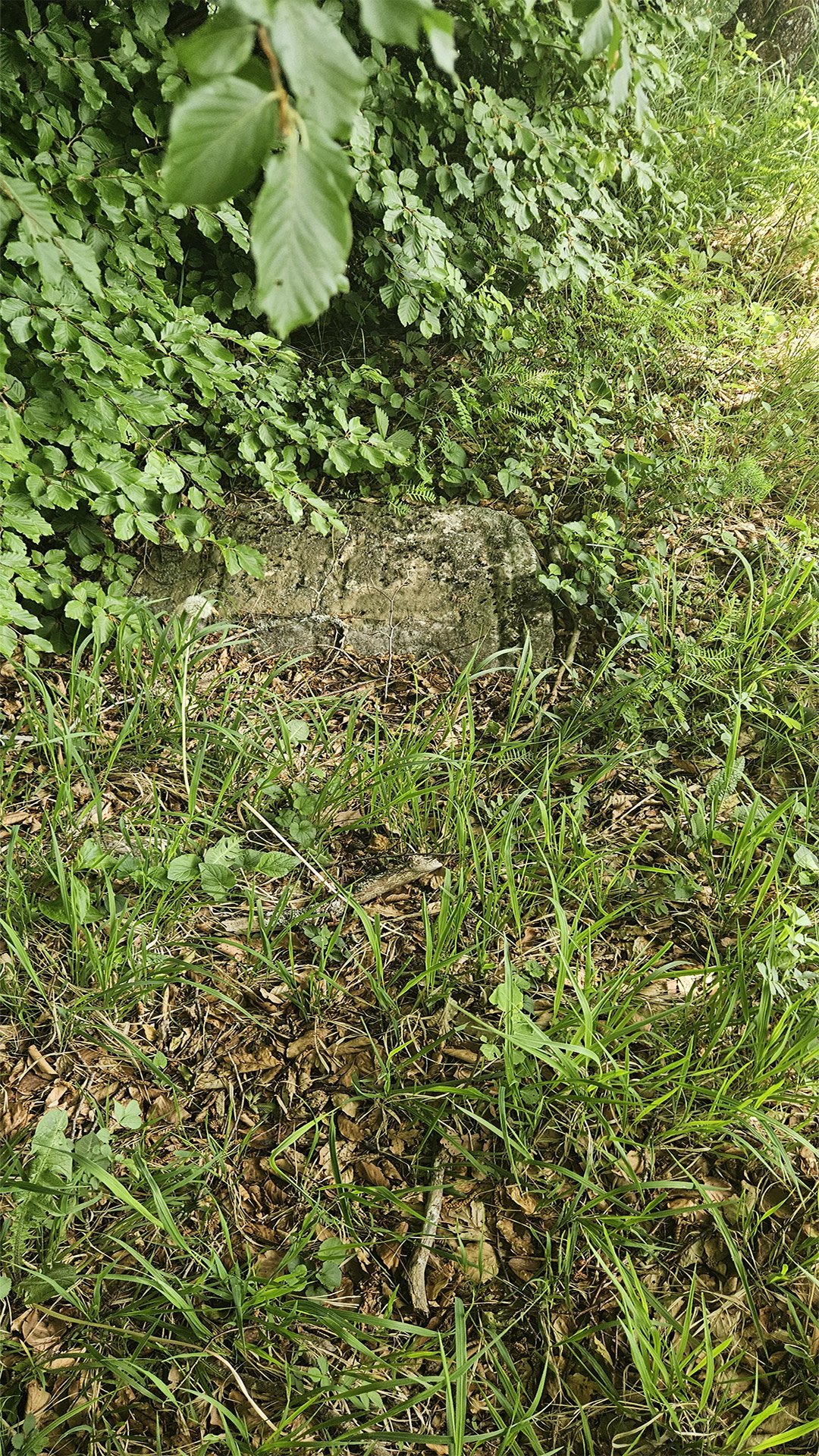
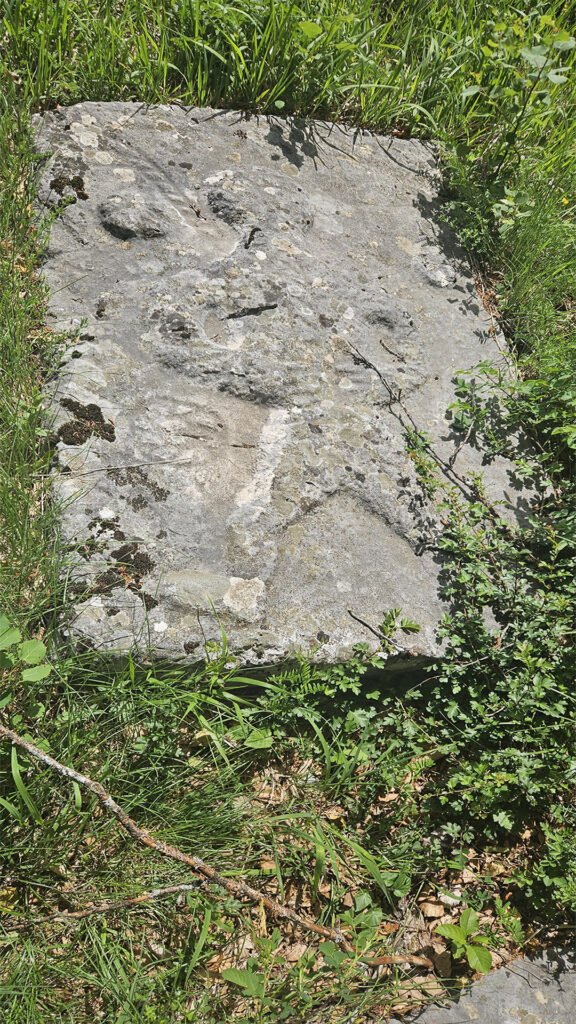
Another unusual site on our journey is an ancient necropolis, known to tourists as Ancient Bogomil Cemetery. This monument to the medieval history of the Piva region is associated with the enigmatic culture of stone tombstones – stećci. Similar monuments can be found in Montenegro, Bosnia and Herzegovina, Croatia, and Serbia. They are an important part of the historical and cultural heritage of the medieval Balkans.
To understand the significance of this necropolis, it’s necessary to briefly review the history of the Balkans. The Bogomil movement emerged in Bulgaria in the 10th century and subsequently spread to other regions of the Balkan Peninsula. The Bogomils represented a religious movement that differed from the official Orthodox and Catholic doctrines. Their teachings were based on a unique understanding of the struggle between spiritual and material principles. The Bogomils were critical of the church hierarchy, the wealth of the clergy, and certain traditional religious practices. Various religious communities existed in medieval Bosnia and Herzegovina, including followers of the Bosnian Church. Popular tourism literature often associates them with the Bogomil tradition. However, it’s important to understand that the origin of the stećki cannot be attributed exclusively to the Bogomils. They are funerary monuments of a broader medieval cultural world, associated with various religious and social groups.
Stečki – Stone Witnesses of the Middle Ages
Stečki are massive stone tombstones, created primarily between the 12th and 16th centuries. They come in a variety of shapes and sizes. Some stečki are decorated with carved images, including crosses, rosettes, crescents, geometric patterns, images of animals, human figures, and scenes from everyday life. Particularly interesting are the symbolic compositions: hunting, horsemen, dancing, weapons, and various symbols, the meaning of which continues to spark debate among historians. In 2016, several stečki necropolises in four Balkan countries were inscribed on the UNESCO World Heritage List. This recognition of the international significance of the unique medieval tradition of stone tombstones.
Montenegro’s Blind Tunnels – An Unusual Road Through Mountain Cliffs
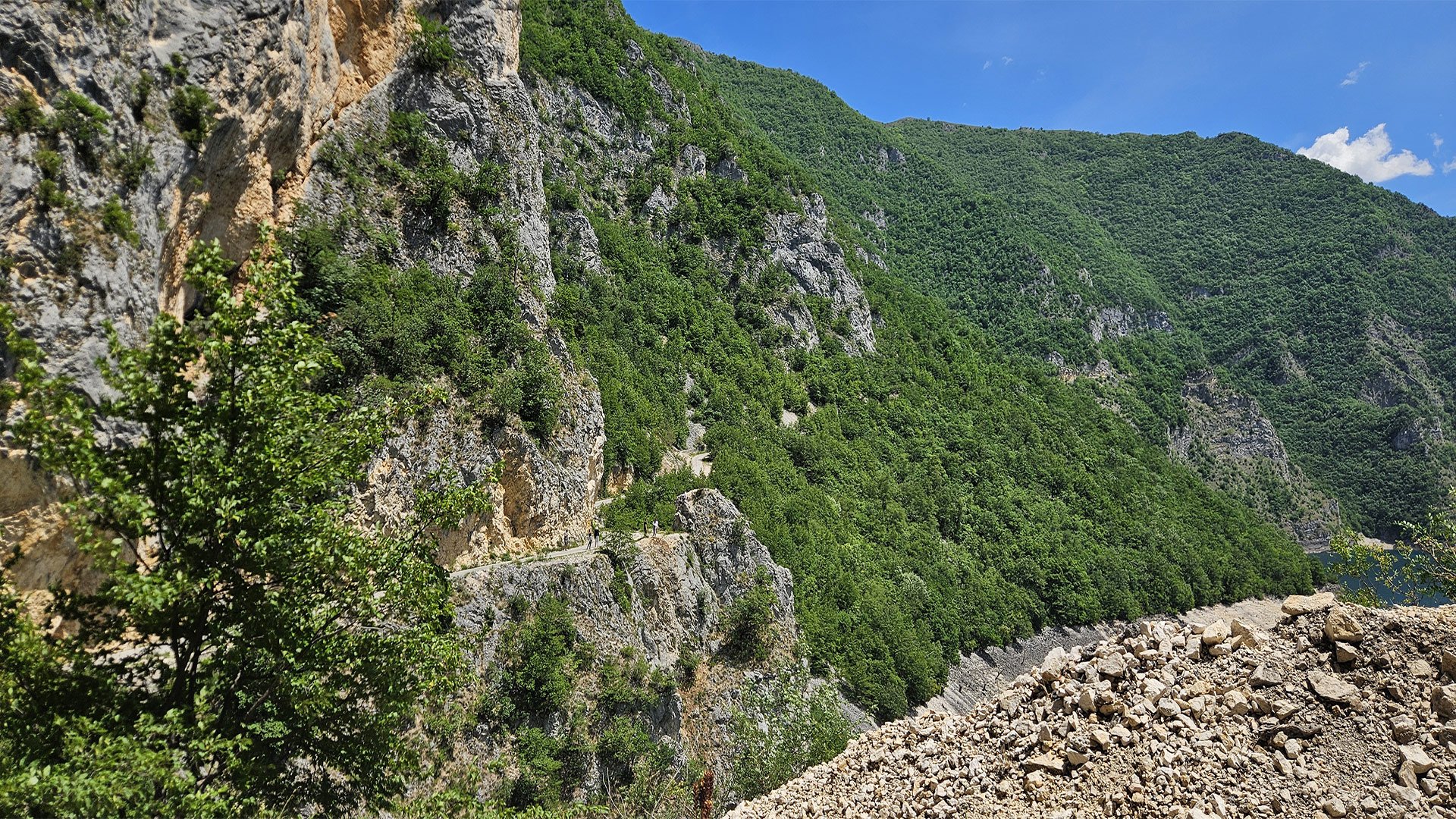
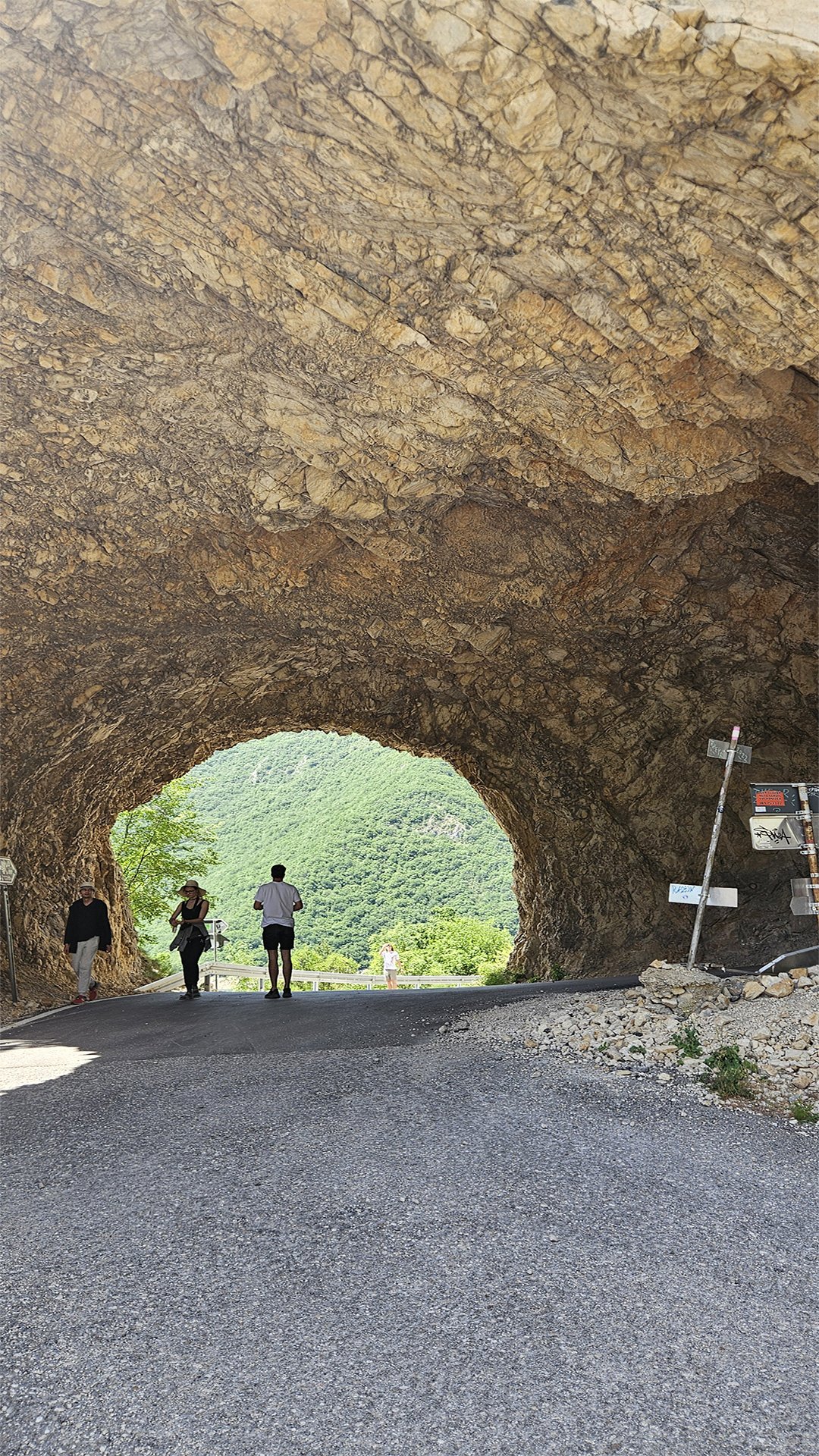
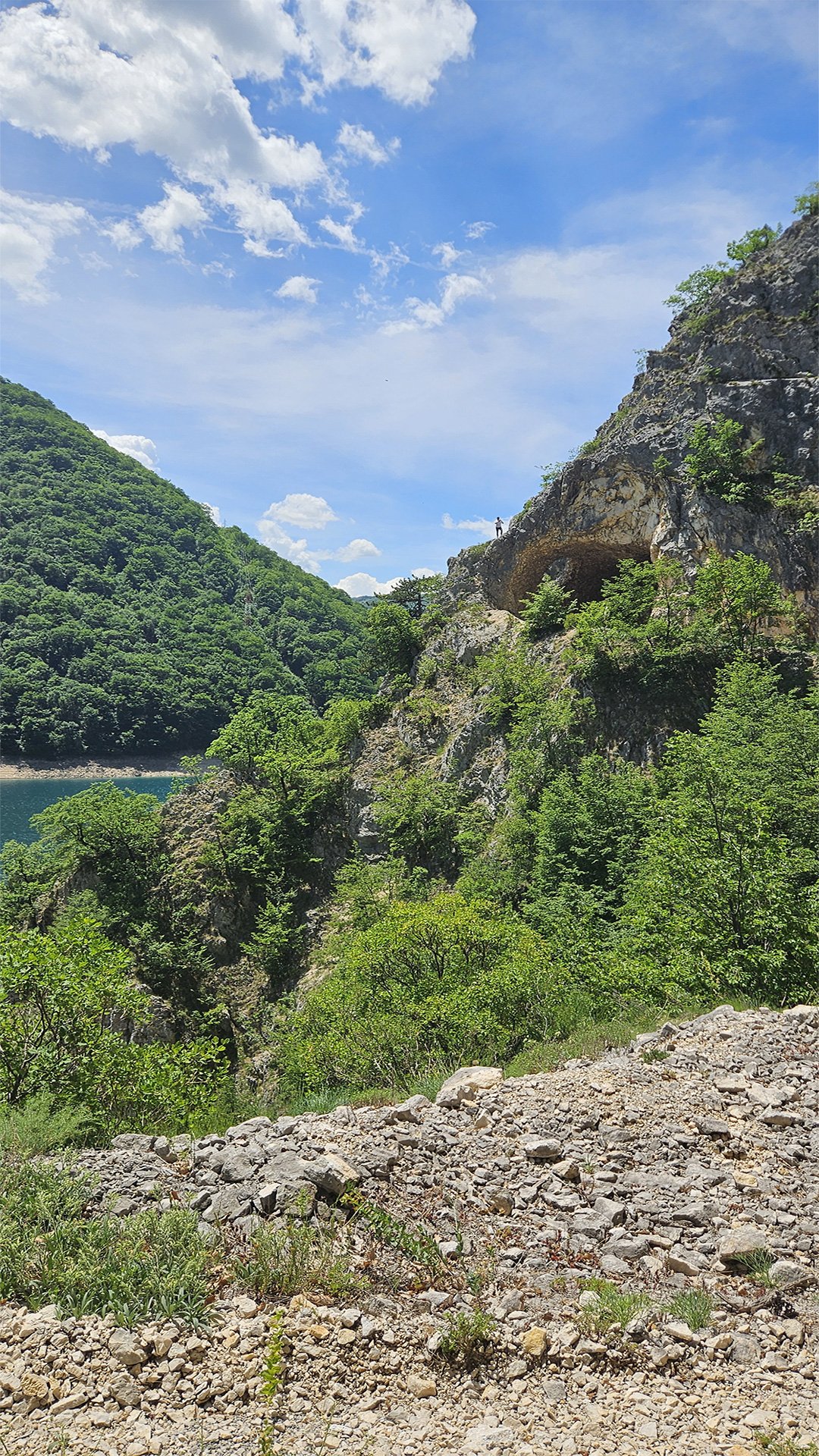
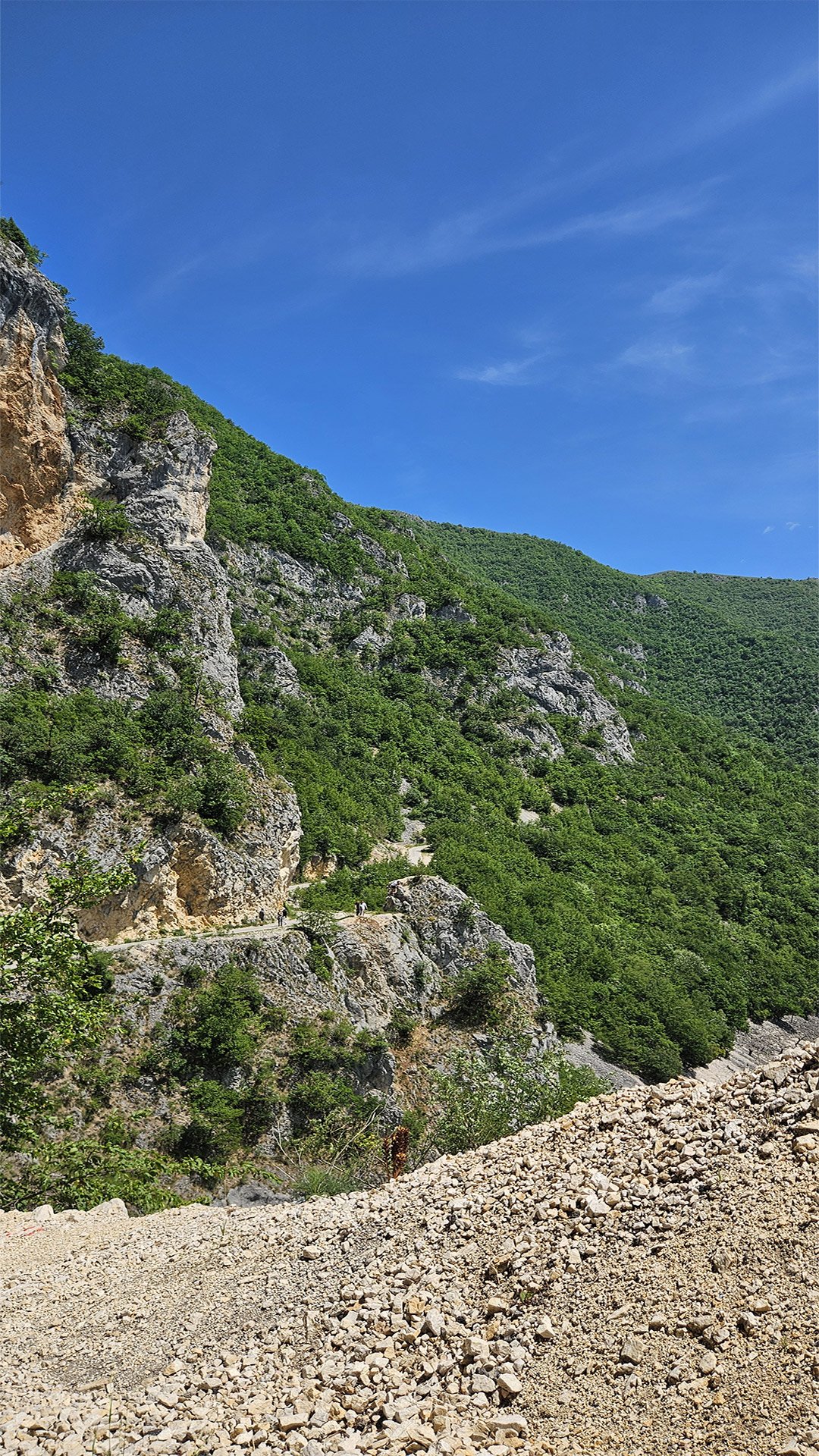
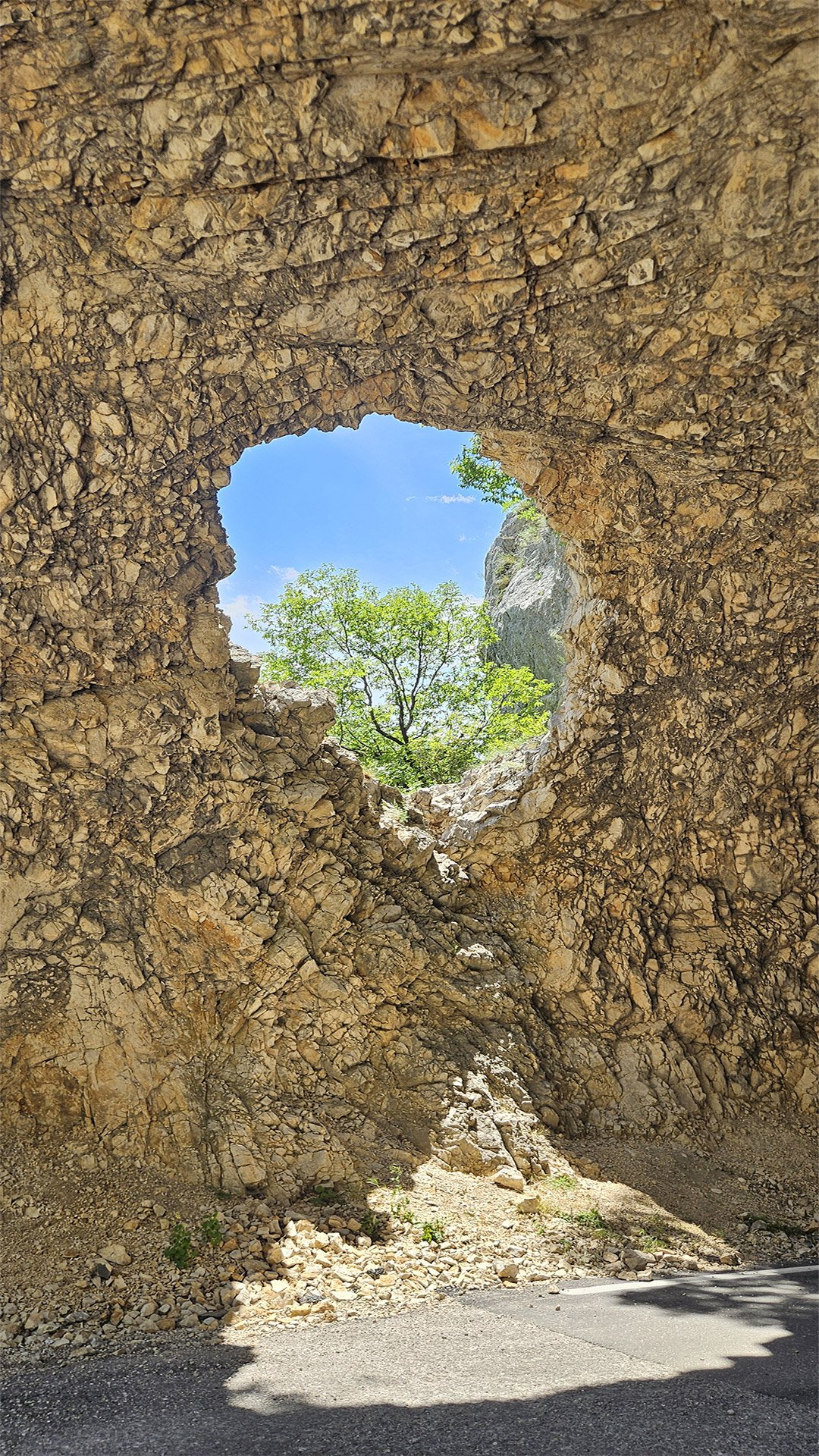
One of the most unusual experiences of a trip through the Piva region is the road itself. While the natural landmarks are stunning in their beauty, the driving route along the Piva Reservoir amazes with its engineering audacity. Here, the mountain road is literally cut through sheer limestone cliffs. In some sections, it passes over turquoise water, and then suddenly disappears into the darkness of tunnels.
Particularly interesting are the so-called blind tunnels – short mountain passages that at first glance appear to be ordinary tunnels, but have their own unique characteristics. This is not an official engineering term, but rather a tourist designation for tunnels where, due to the curves of the road, the peculiarities of the rocky terrain, and the lack of lighting, it is virtually impossible to see what lies ahead. The driver enters a narrow, dark passage, and its exit may be hidden by a bend or uneven rock. Inside the tunnel, it can be dark even during the day. At times, the road seems to cut right into the cliff face, with no further direction visible.
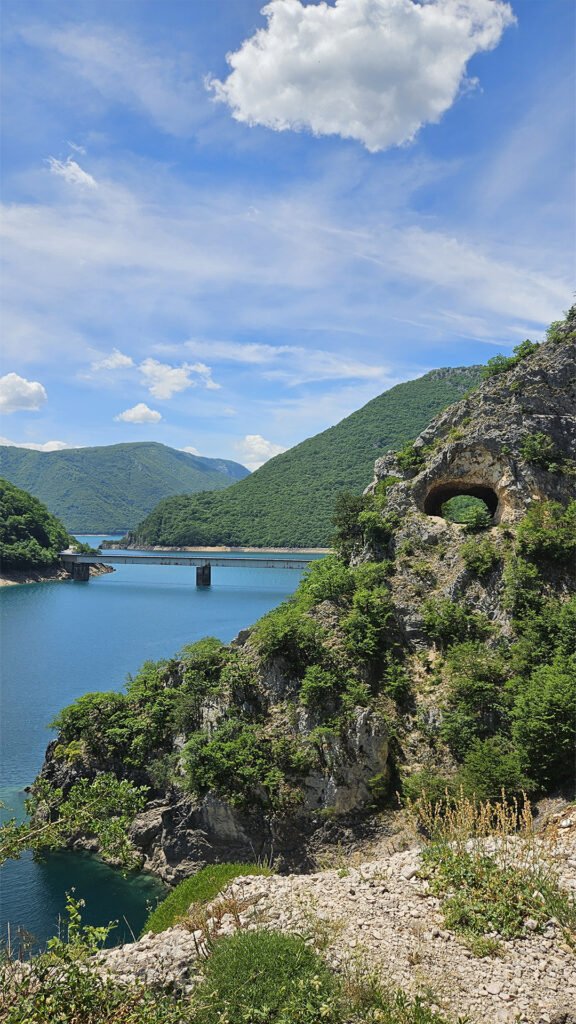
The development of the road infrastructure in the Piva region was closely linked to the construction of the Mratinska dam and hydroelectric power station between 1967 and 1975. The creation of the reservoir required the construction of new roads to provide transport links between settlements and to service the hydraulic structures. The mountainous terrain presented a significant challenge for the builders. High cliffs, narrow gorges, and steep slopes made it virtually impossible to construct a conventional road. Therefore, the decision was made to build a route directly through the limestone cliffs. The result is one of Montenegro’s most impressive mountain roads—with numerous tunnels, sharp turns, and sections where a rock wall is on one side and a deep drop to the water on the other. The road along the Piva Canyon between Plužine and Šćepan Polje is particularly famous. Various route descriptions mention more than 50 tunnels along this route. Another impressive section is the P14 road towards Trsa and Žabljak, also known as the Eagle Road. It features a series of short tunnels cut directly into the rock.
Together with the Piva Reservoir, Plužine, the Staban Lakes, and the Piva Monastery, these attractions create a rich program of exploration of one of the most beautiful and historically interesting regions of Montenegro. It is these varied experiences that make a true journey—when, all in one route, you can see natural wonders, touch the history of several centuries, and truly enjoy the journey.
The Starlight group’s trip from May 29 to 31, 2026, was a wonderful opportunity to explore this amazing corner of the country. Trips like these remind us that real travel isn’t just about new places and beautiful photographs. It’s about emotions, discoveries, interesting stories, conversations, and the opportunity to see the world a little differently. The Piva region is definitely worth adding to your list of must-see places in Montenegro. Even if you’ve been to this country many times before, a completely new, amazing, and unforgettable Montenegro awaits you here.
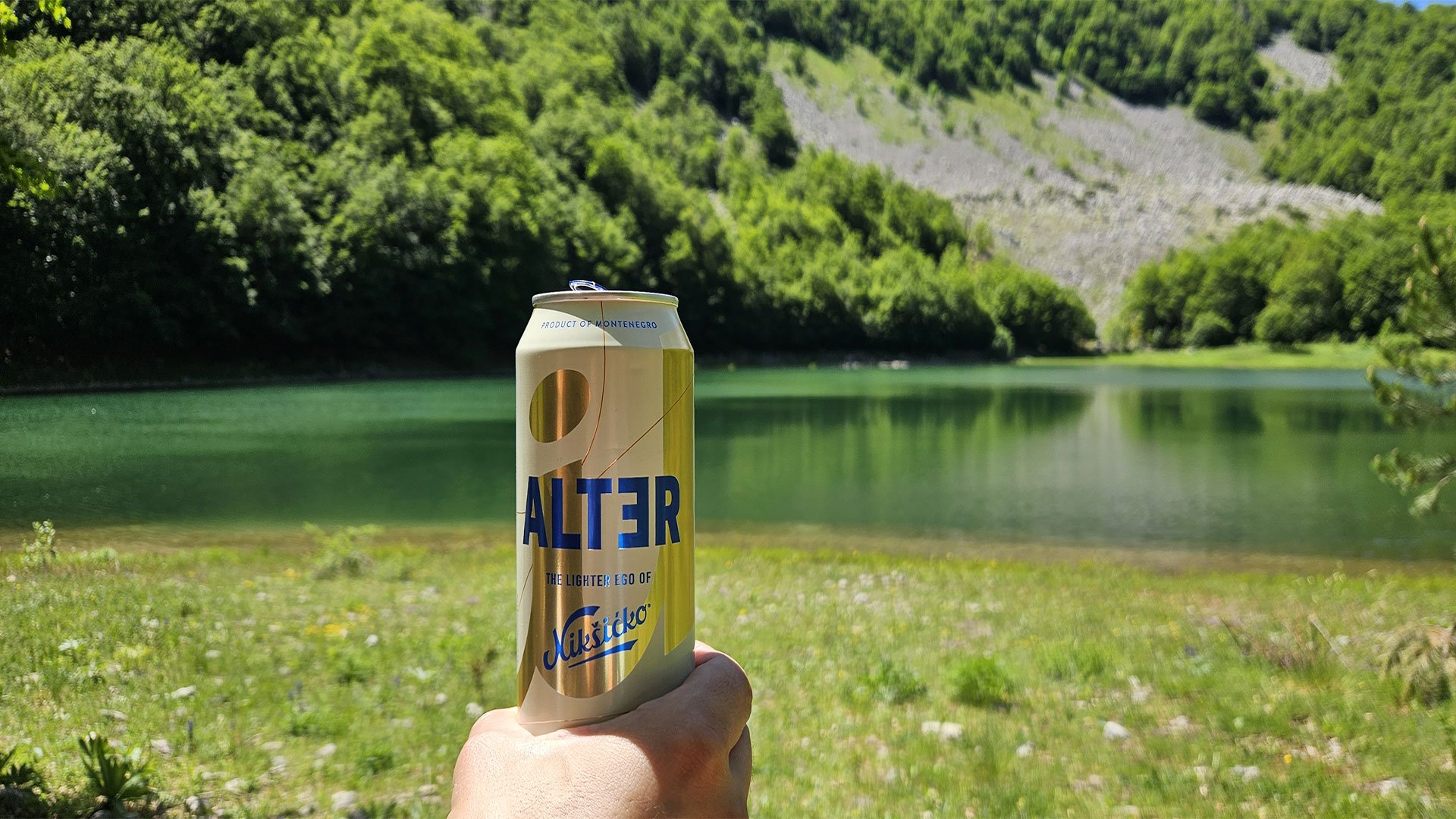
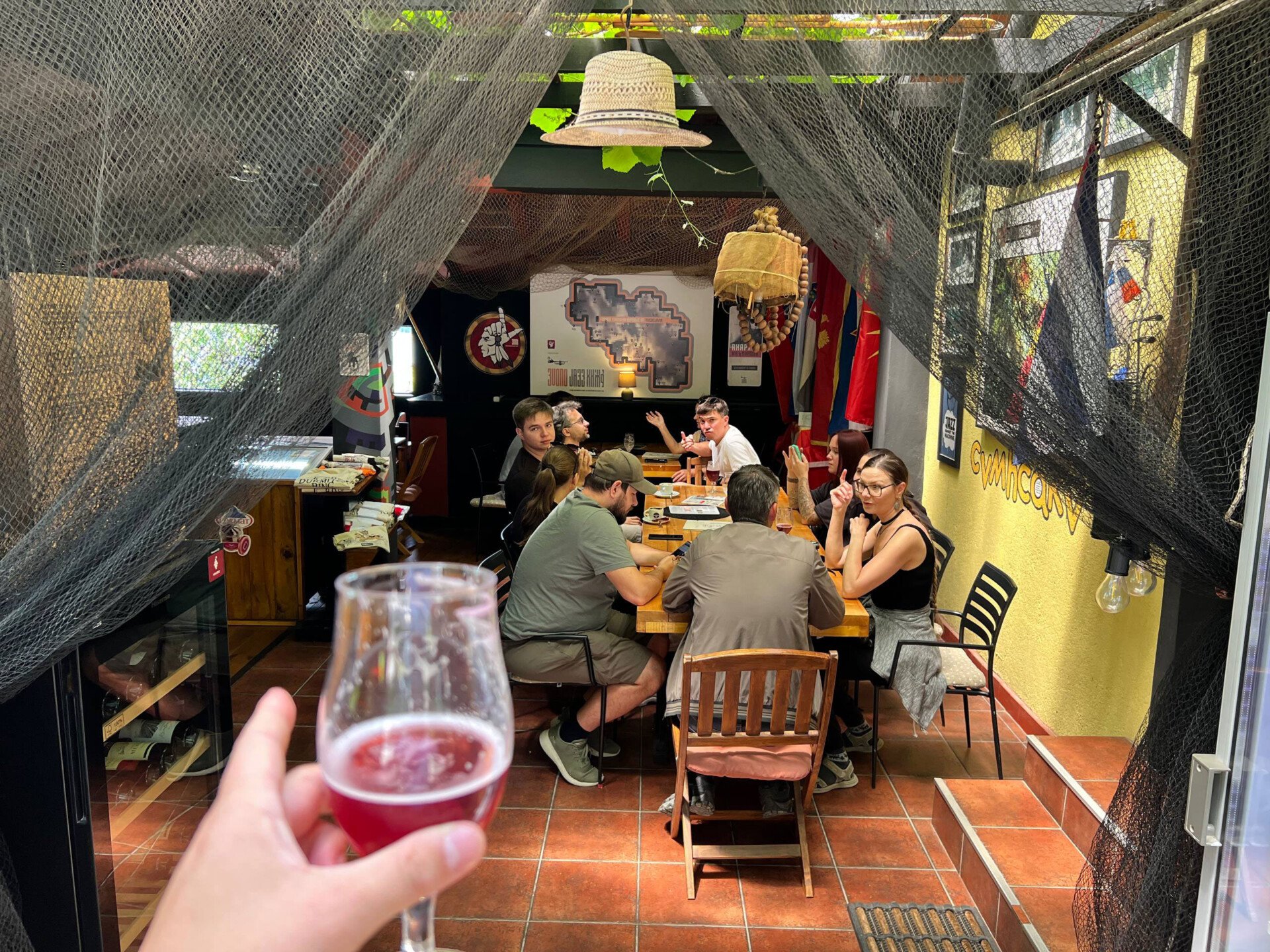
And a little about the essentials. In Plužine, there’s an authentic place – the Zvono restaurant. They make real blueberry beer (not a mixture of syrup and Niksicko beer). We’ve tried it, it’s delicious, and they also make mead (we haven’t tried that, but we’re sure it’s also decent).