

Trip to Bosnia and Herzegovina, April 24–26, 2026
The second day of our journey through Herzegovina is a day of contrasts. In the morning, Mostar awaits us, with its narrow streets, ancient Orthodox churches, and traces of the centuries-old juxtaposition of different cultures. Then, the route departs the city for clear waters, limestone cliffs, and one of the most beautiful waterfalls in Bosnia and Herzegovina.
And by the end of the day, we’ll find ourselves in Blagaj, at the source of the Buna River, where the famous dervish tekke stands right beneath a sheer cliff. Here, you’ll understand why Herzegovina can’t be seen solely as beautiful nature: there’s a story hidden behind almost every landscape. Mostar: A City Where Cultures Collide
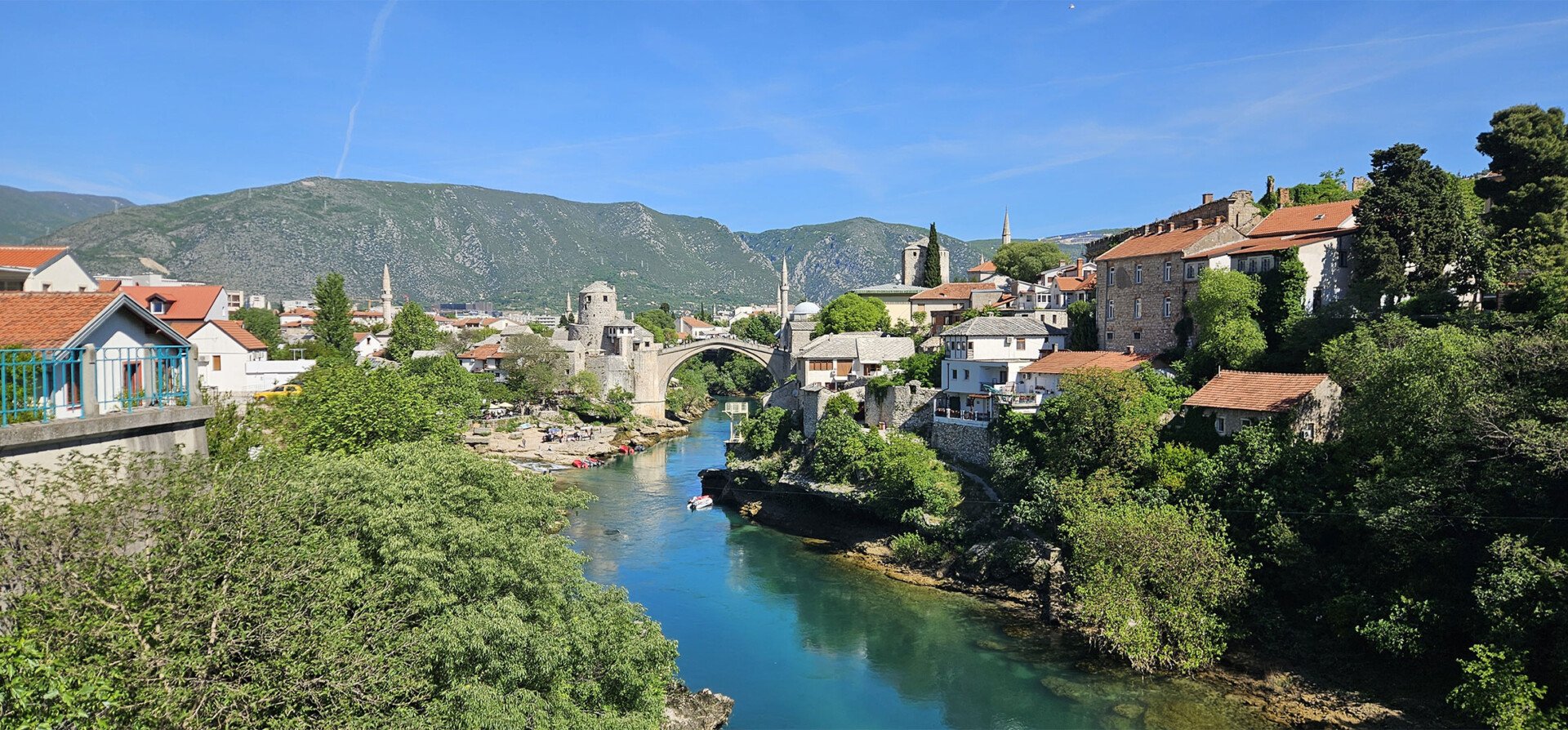
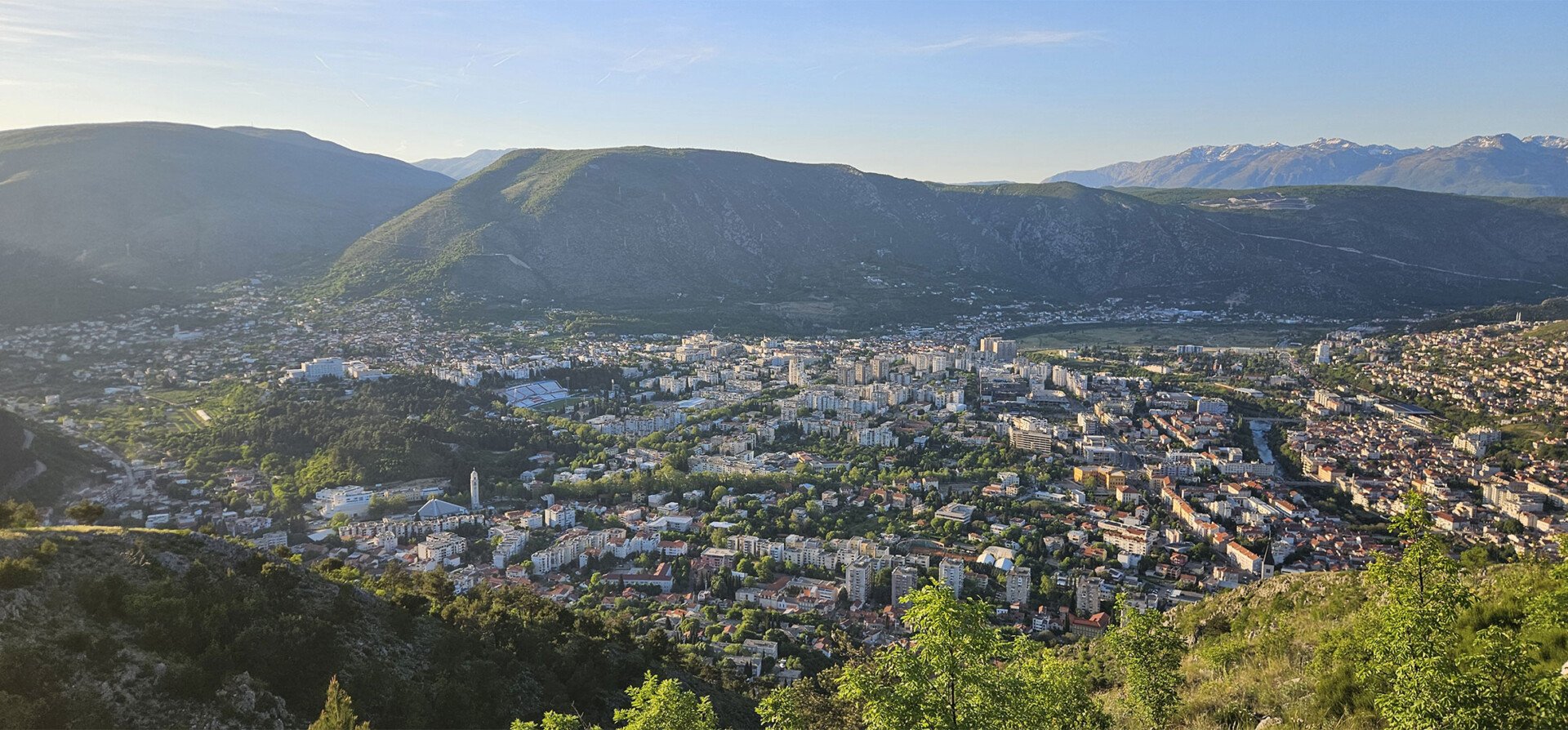
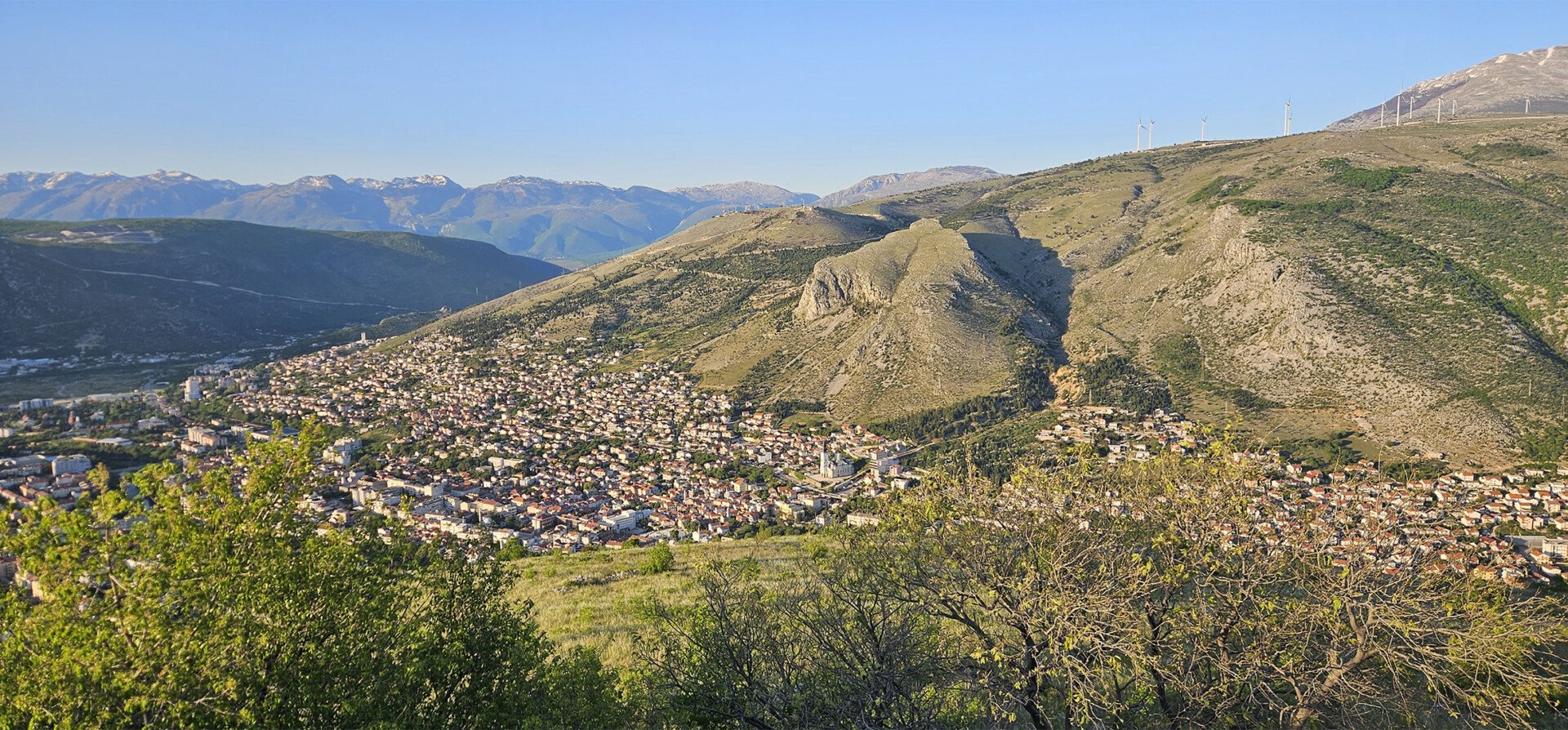
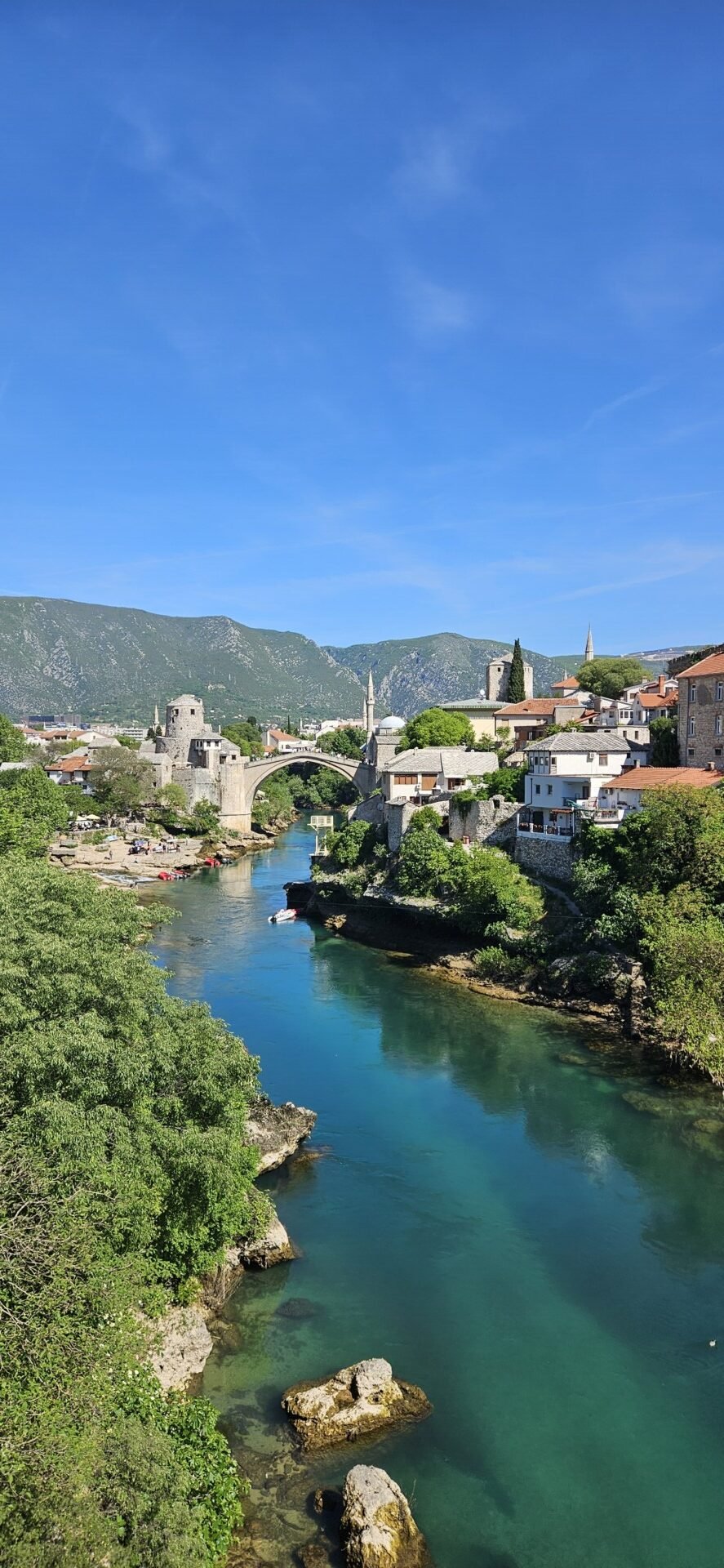
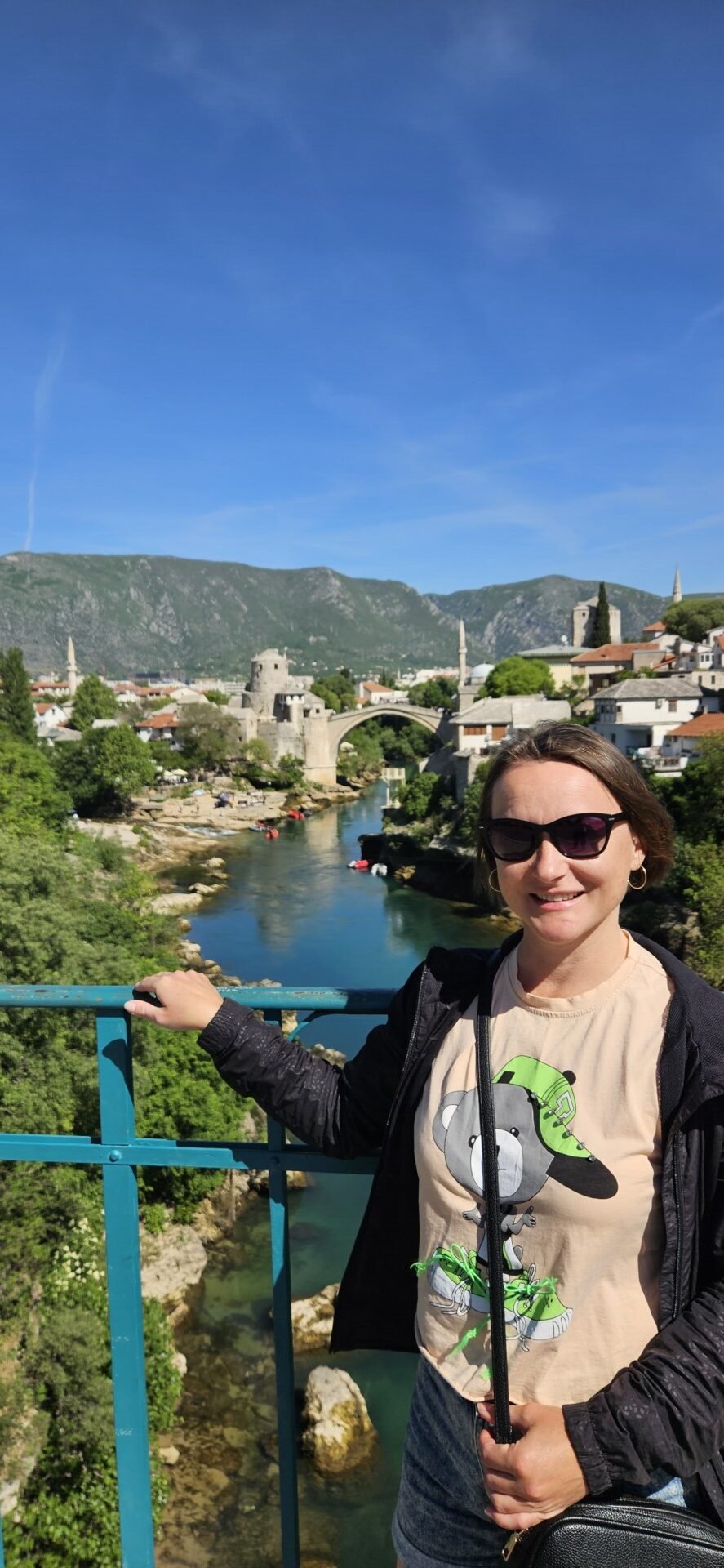
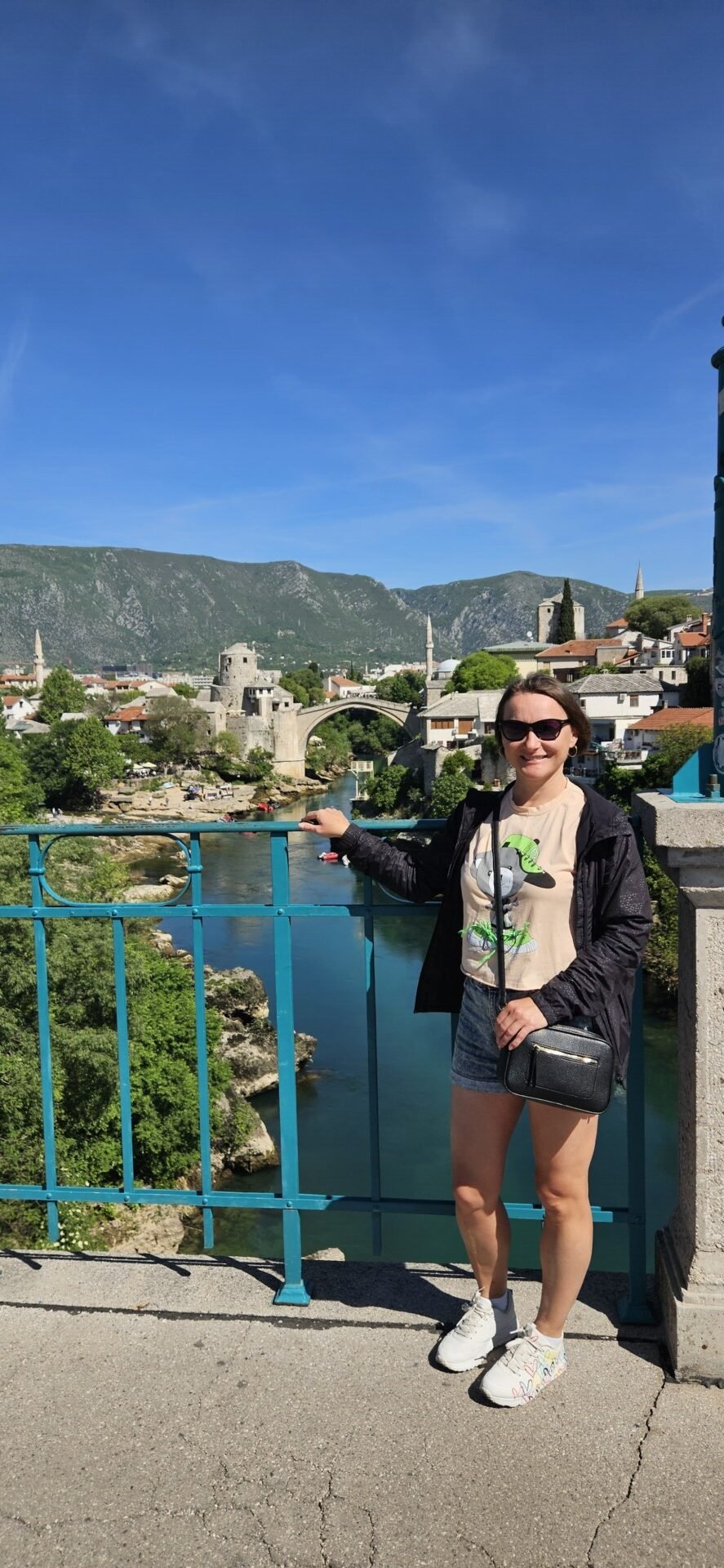
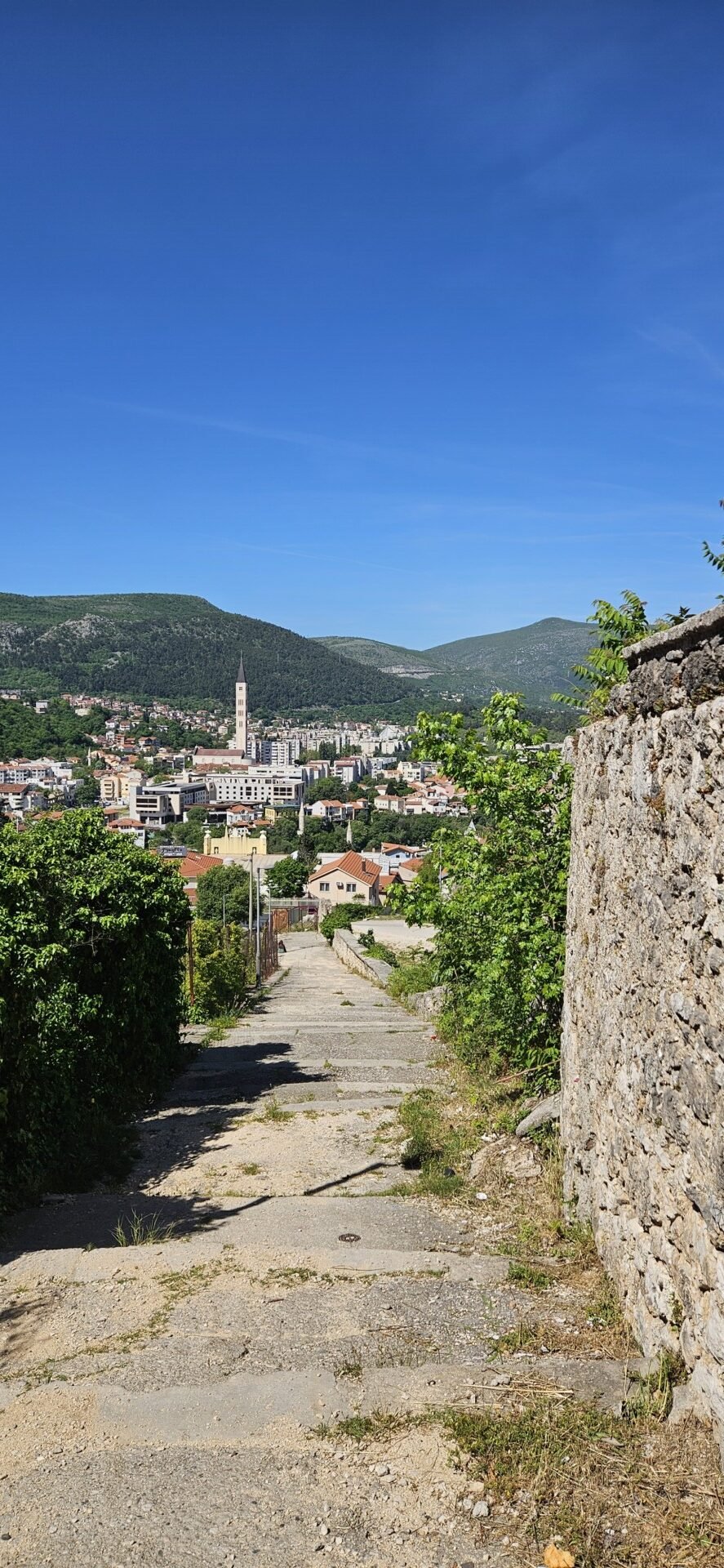
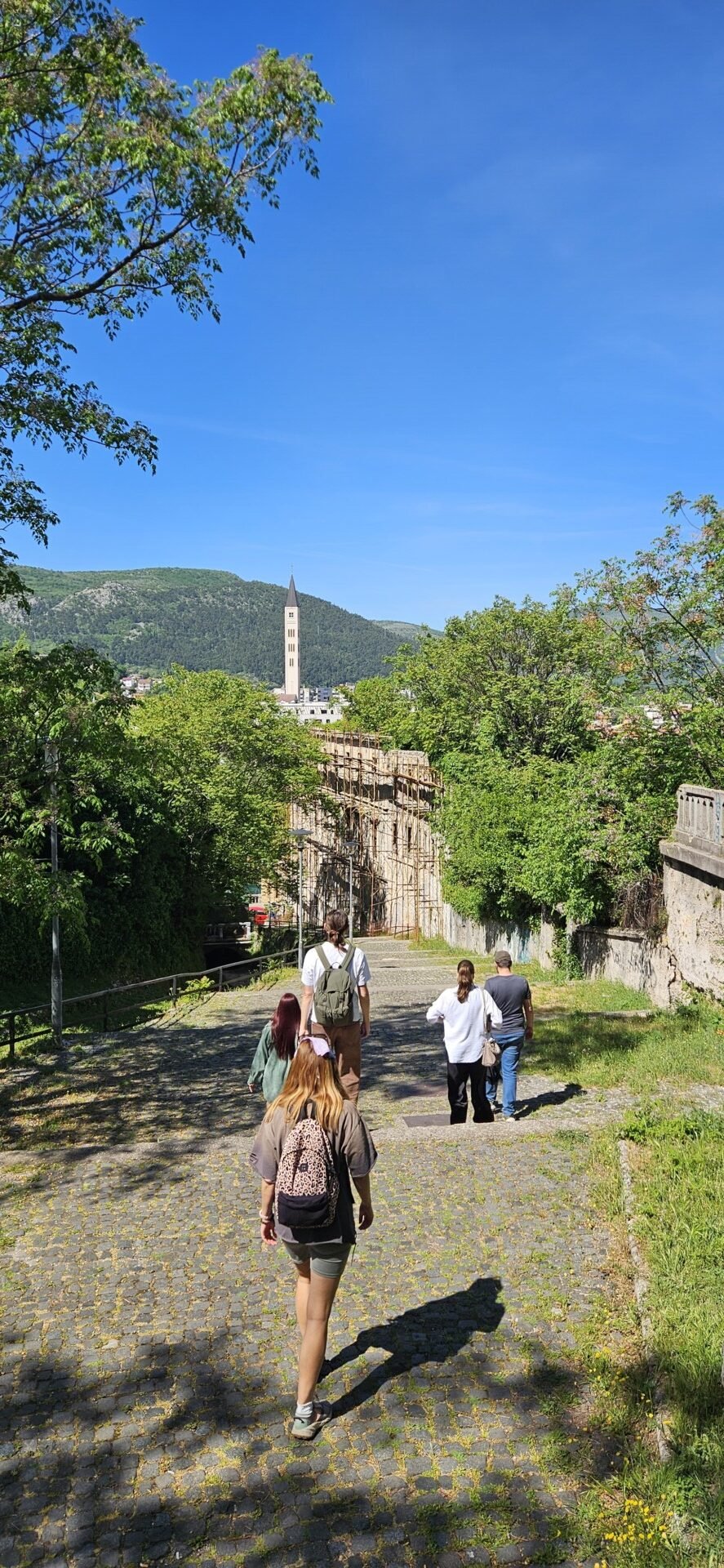
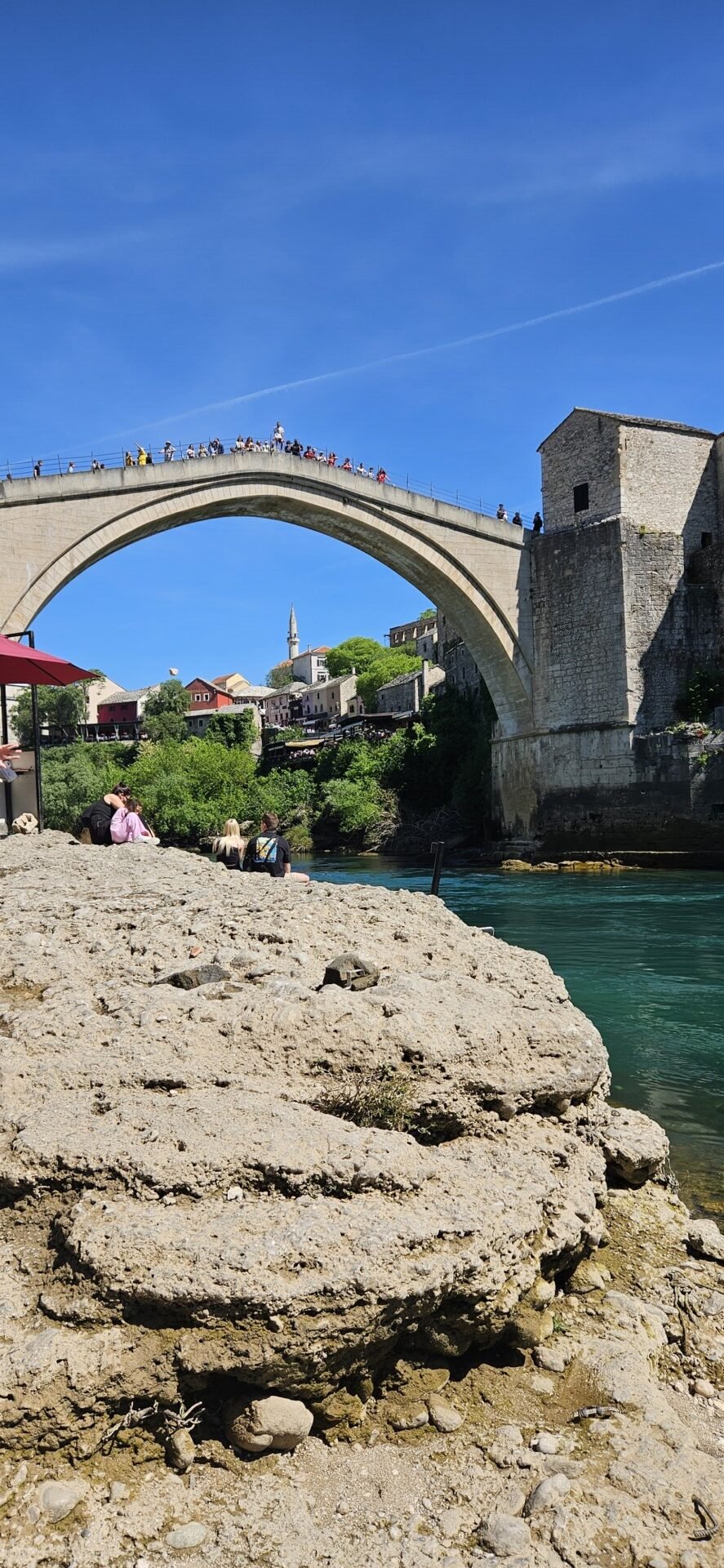
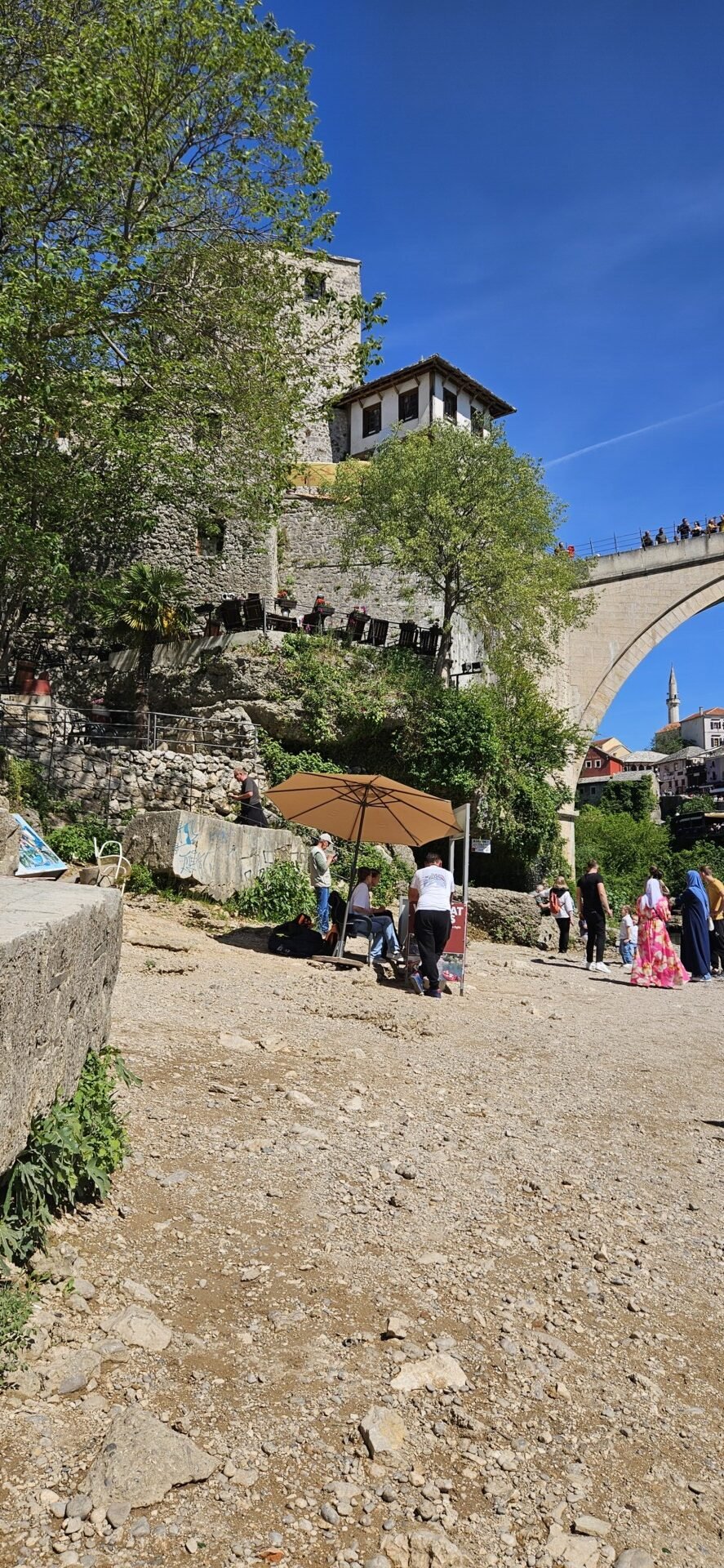
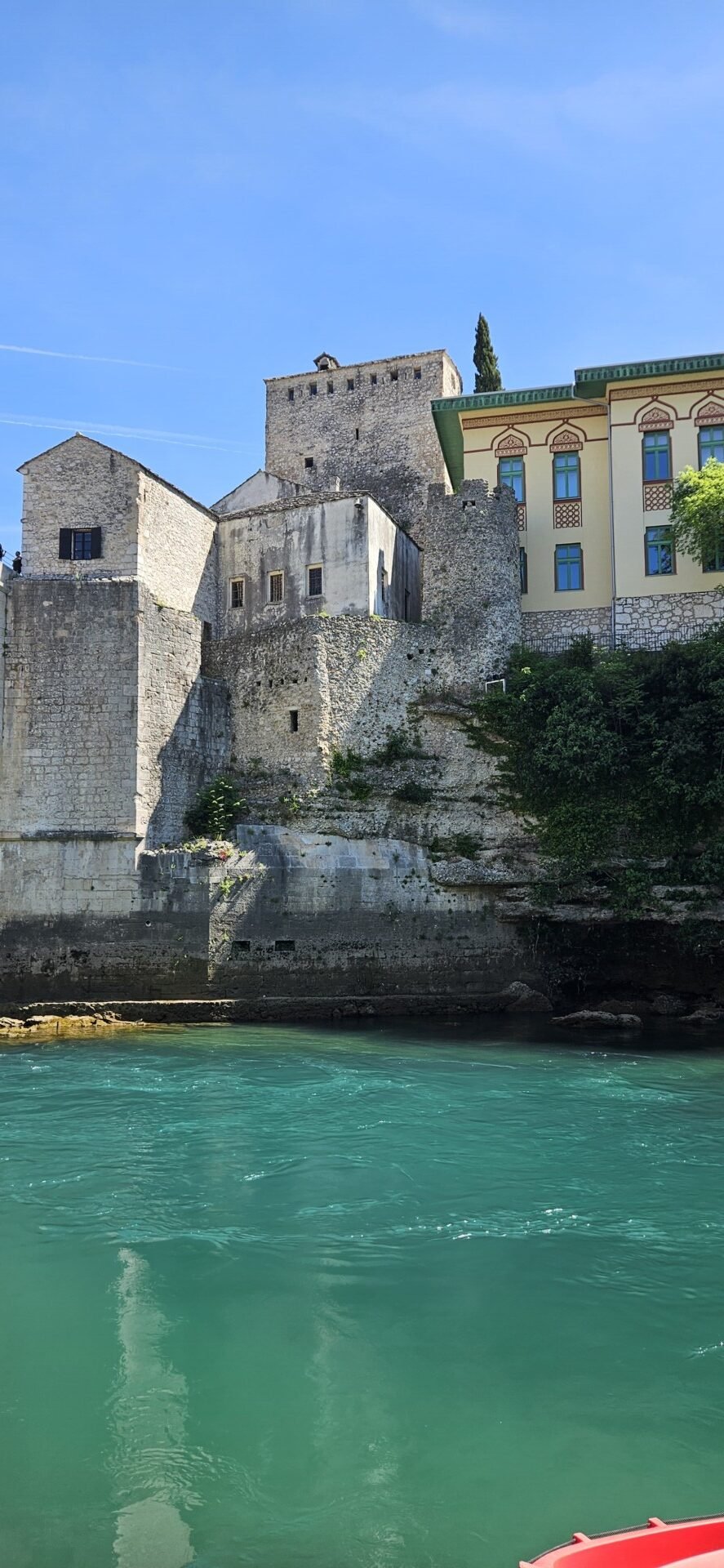
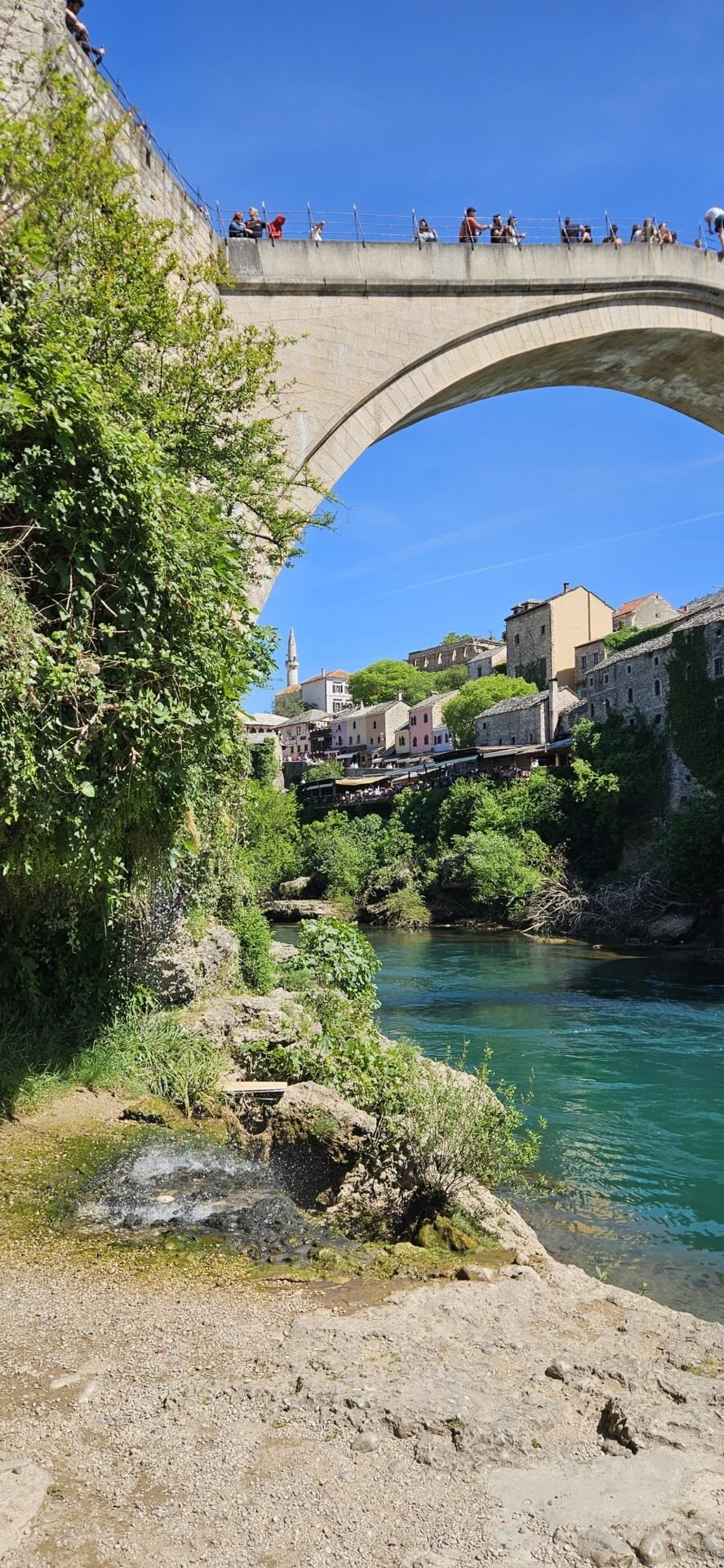
We’ll start the morning with a stroll through Mostar, one of the most recognizable cities in Bosnia and Herzegovina.
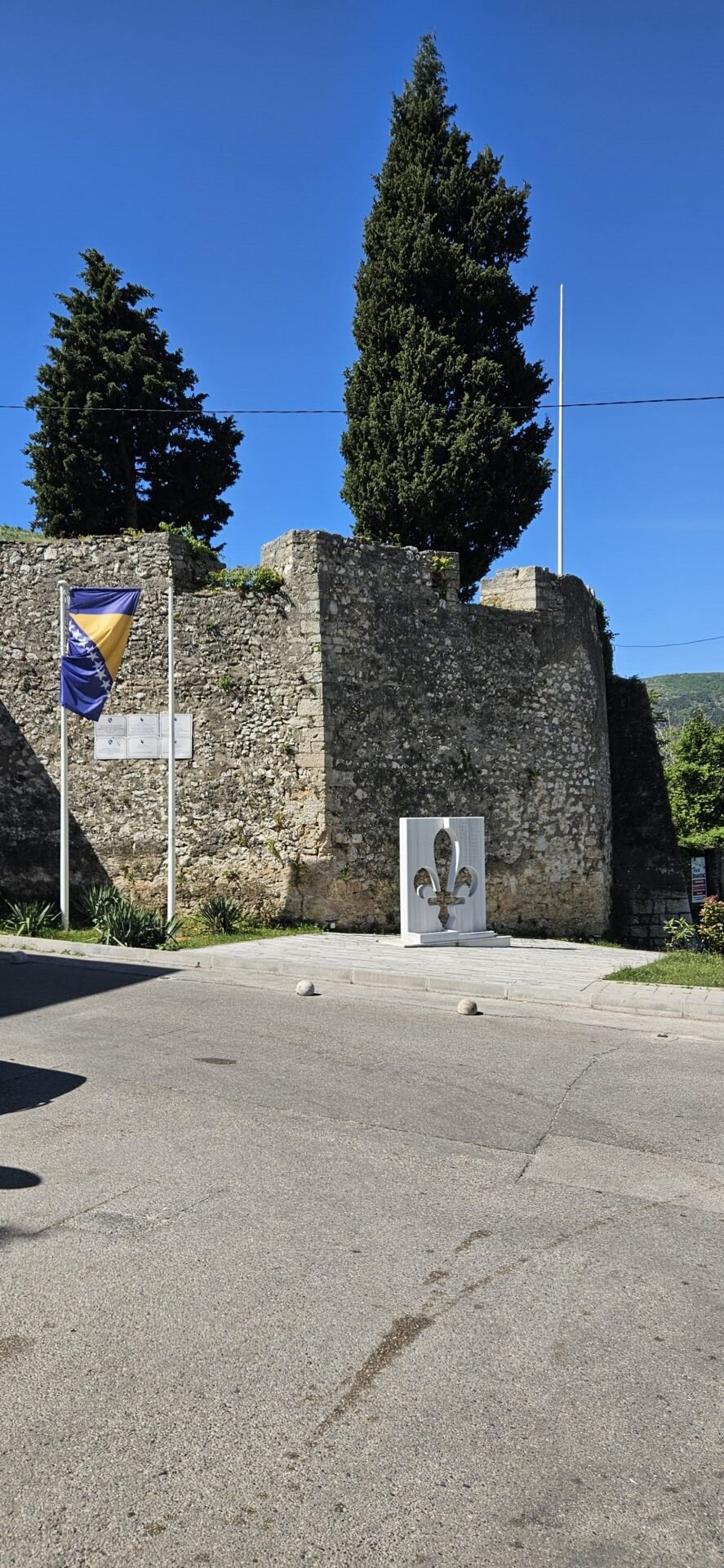
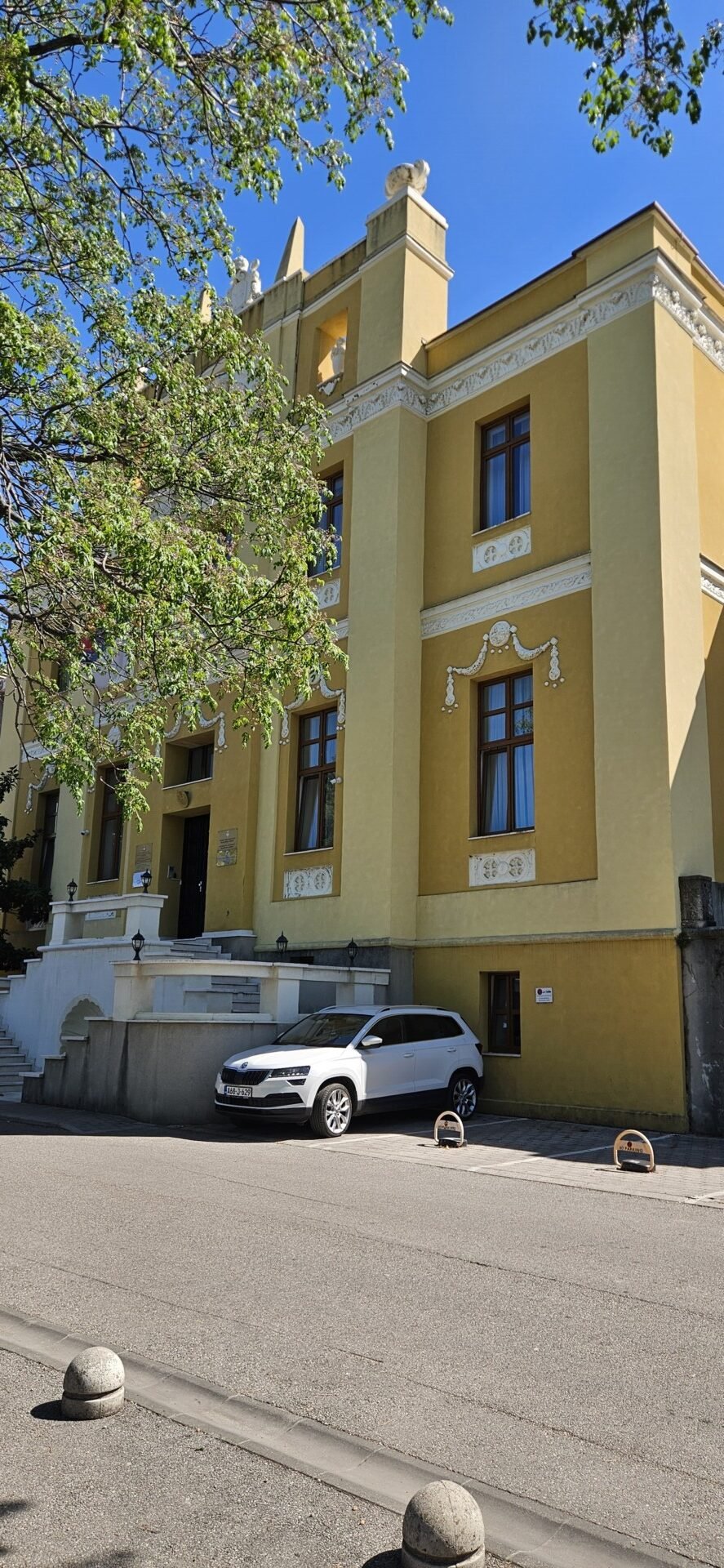
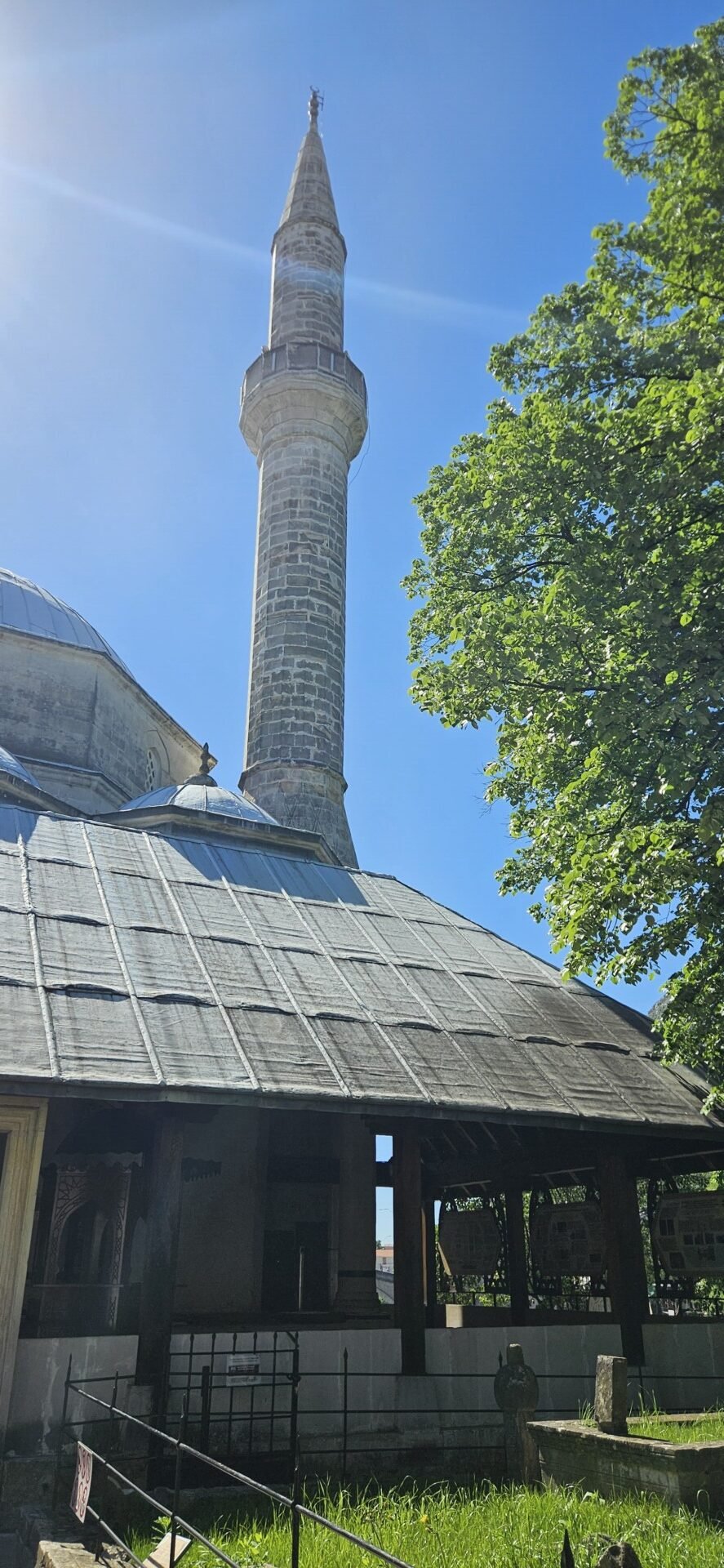
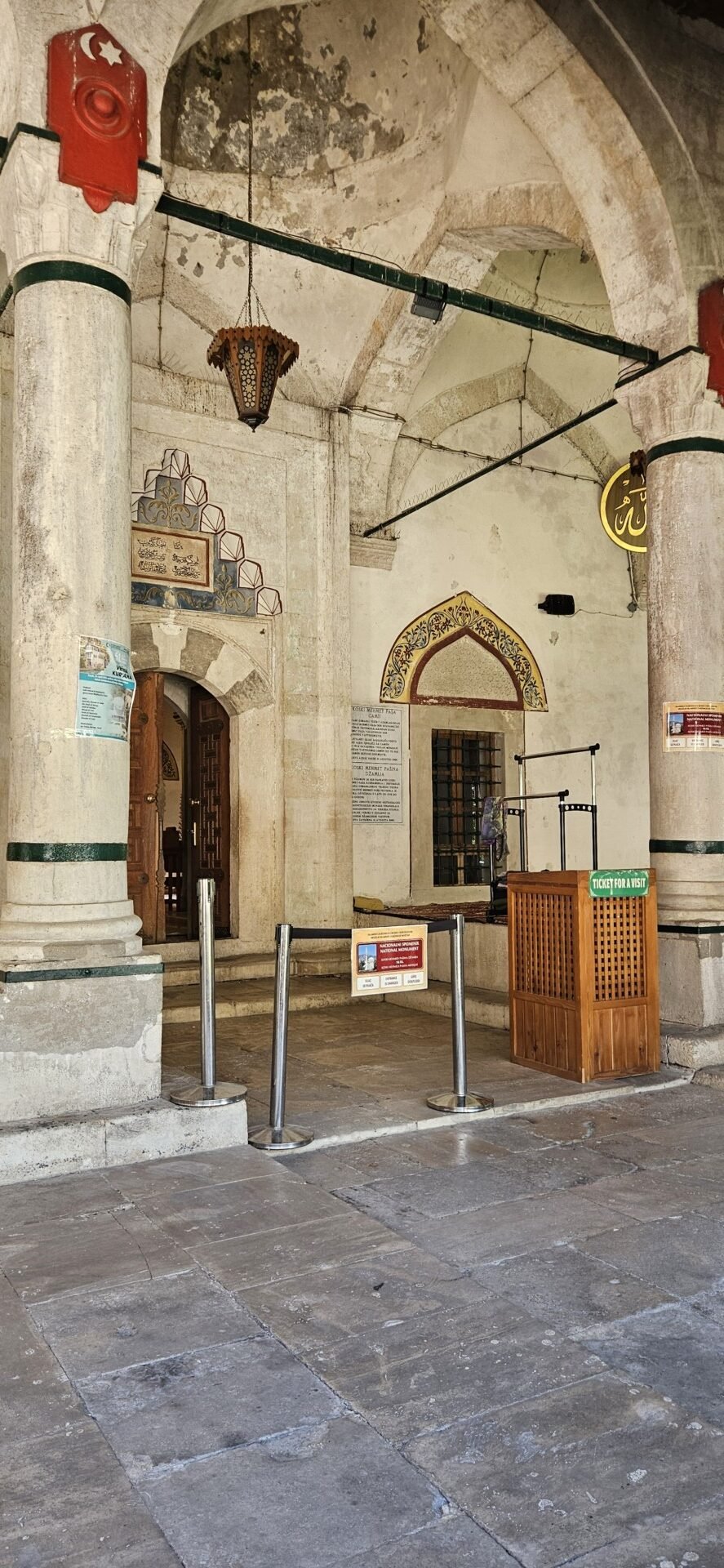
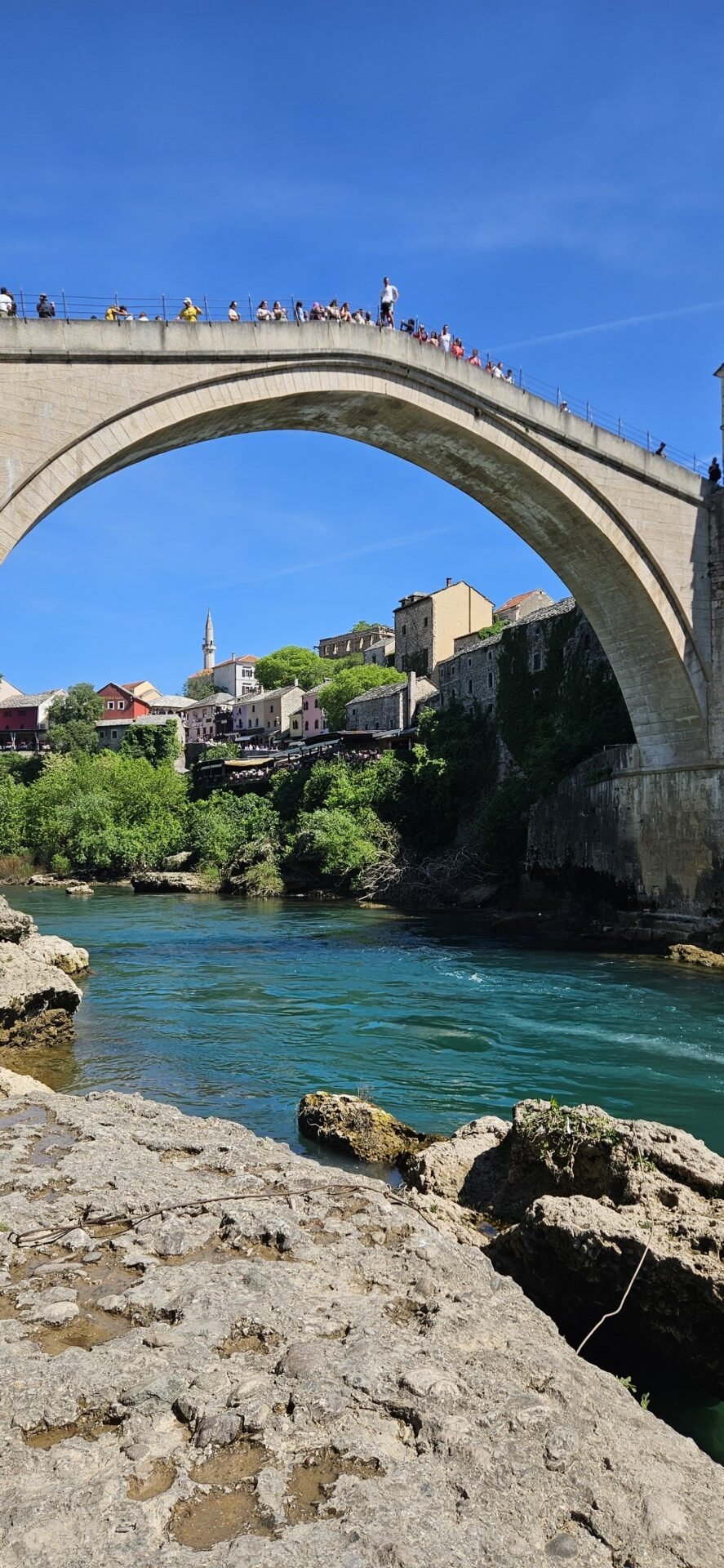
Most travelers come here for the Old Bridge and the Old Town, but Mostar is far more interesting if you venture a little off the beaten path. Its history has evolved at the intersection of Ottoman, Mediterranean, Orthodox, Catholic, and Islamic cultural influences.
That’s why you can literally transition from one historical world to another in just a few minutes.
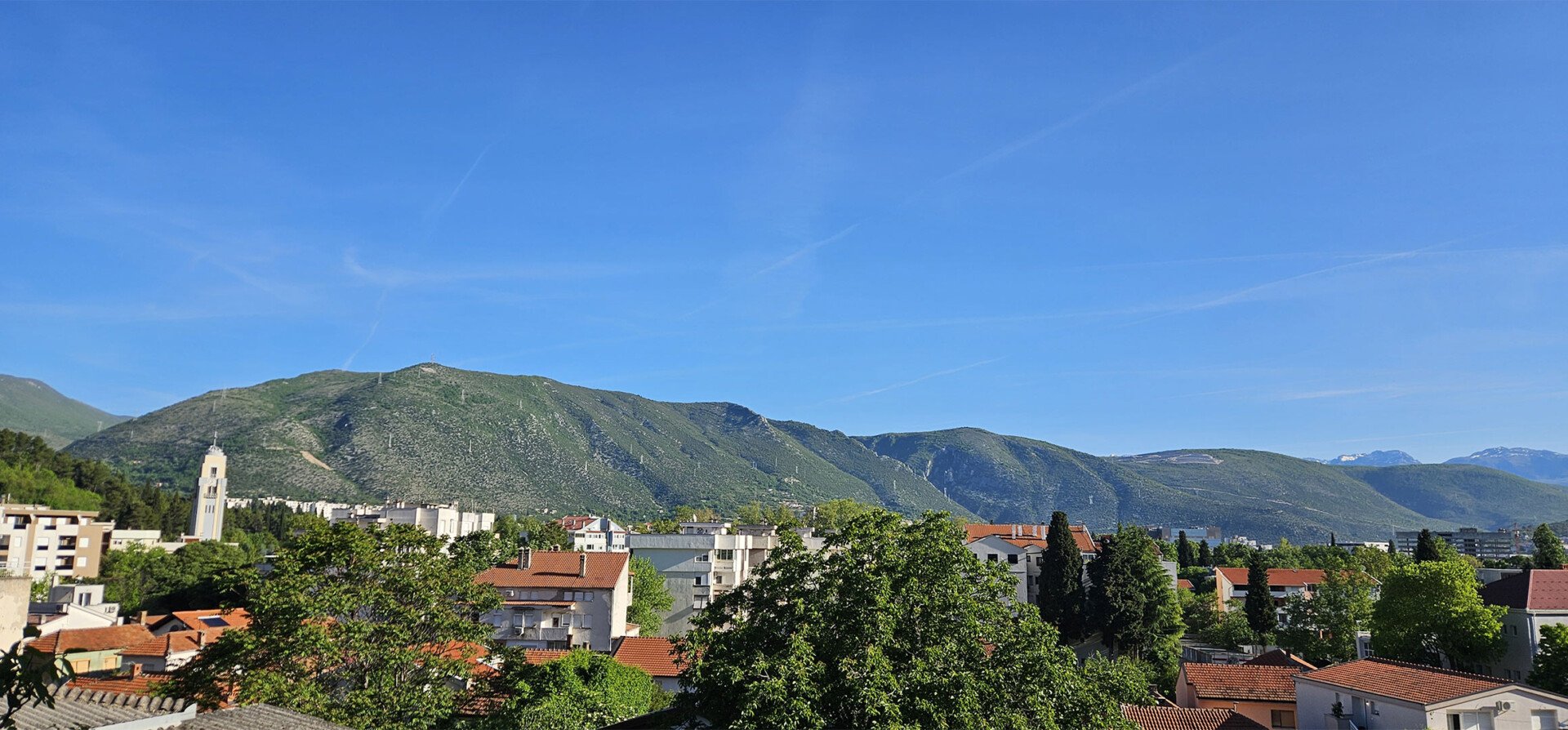
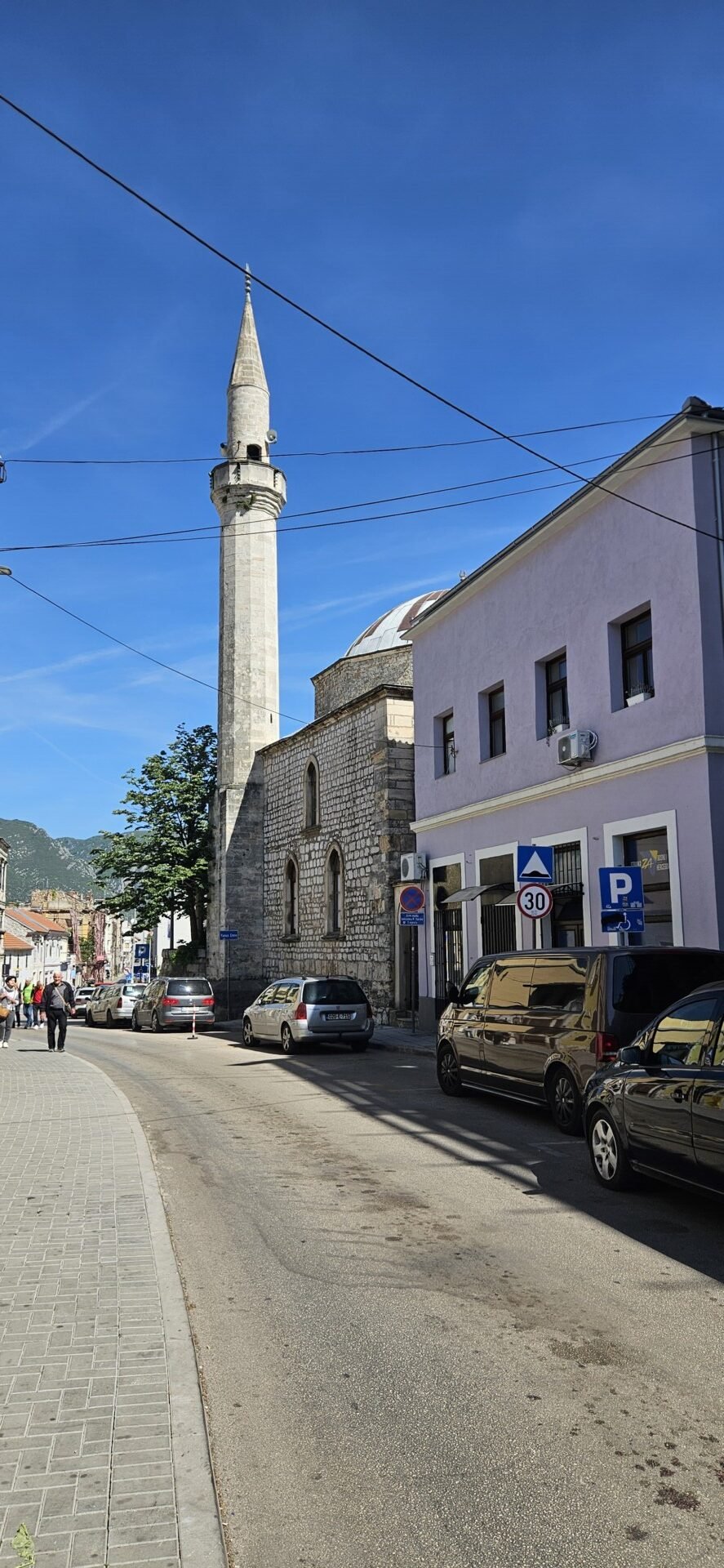
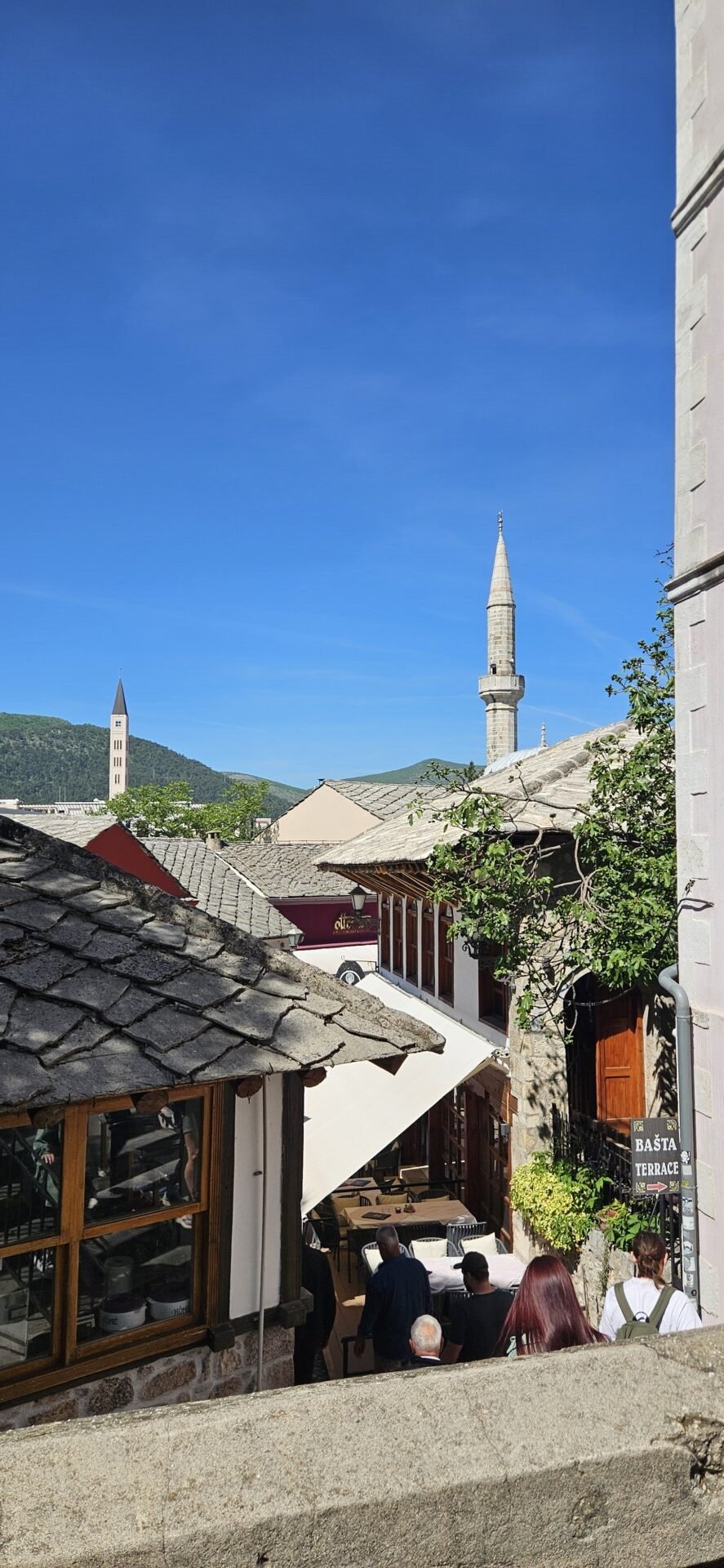
Stone houses, minarets, bell towers, Orthodox churches, old cemeteries, and the mountains surrounding the city create a truly unique atmosphere.
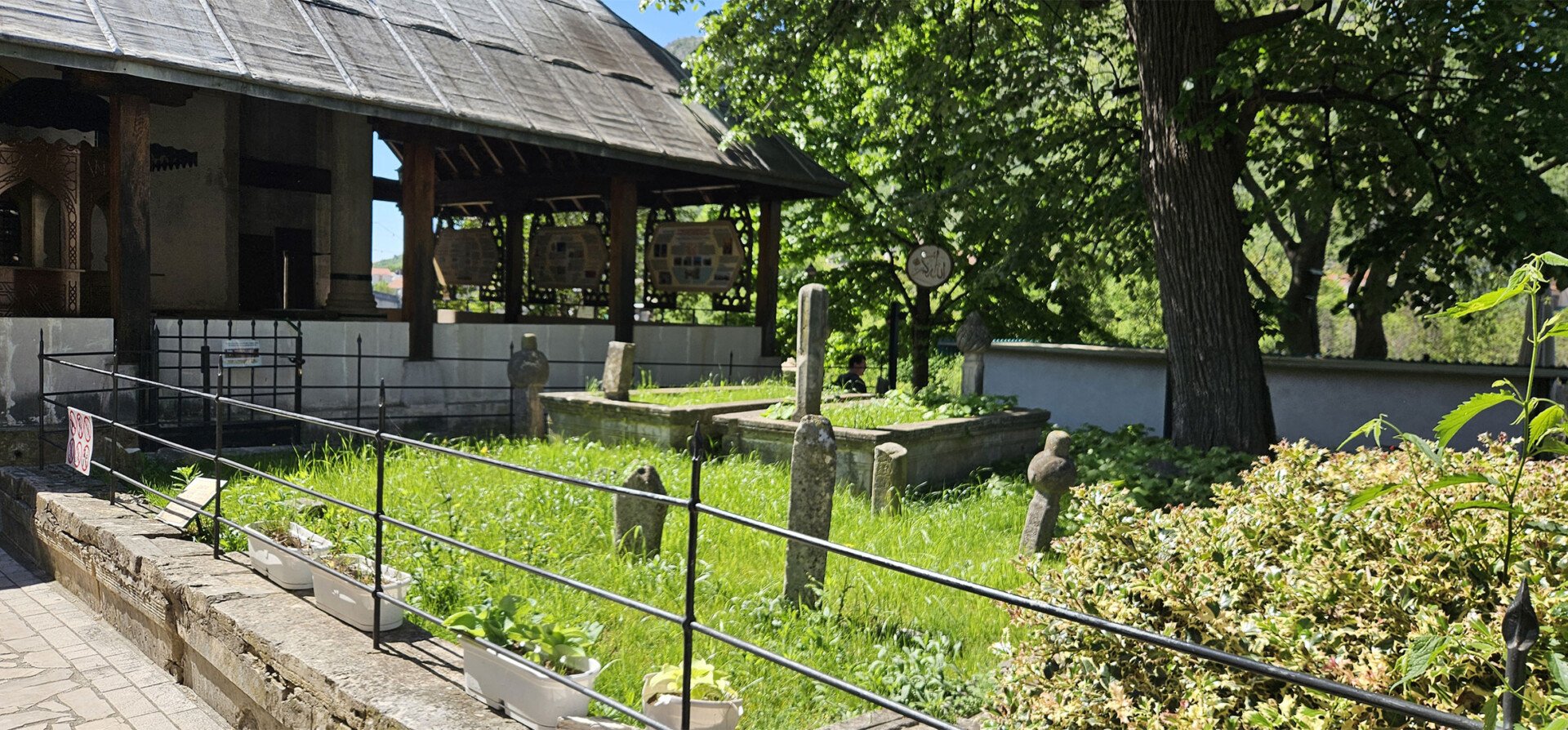
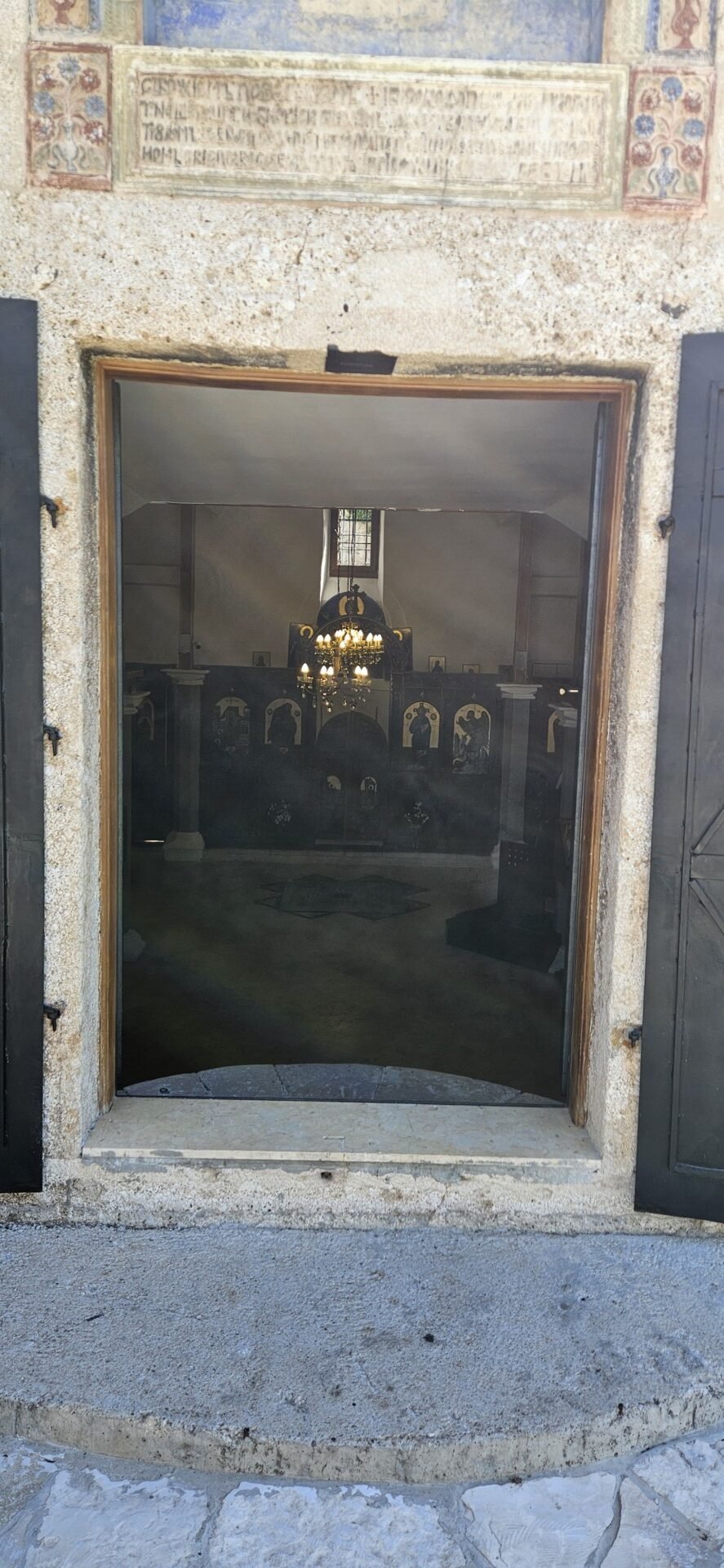
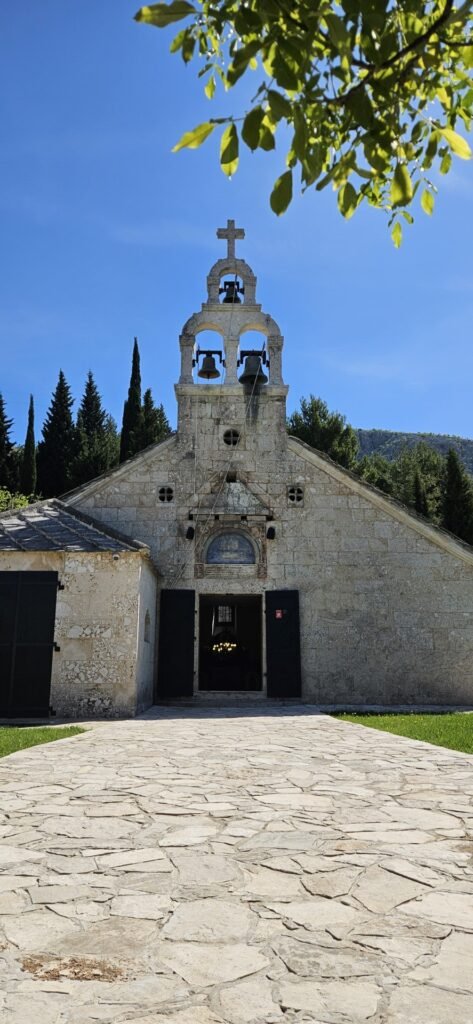
One of the interesting stops will be the Old Orthodox Church of Mostar—a small, rather unassuming building that’s easy to miss if you don’t know where to look.
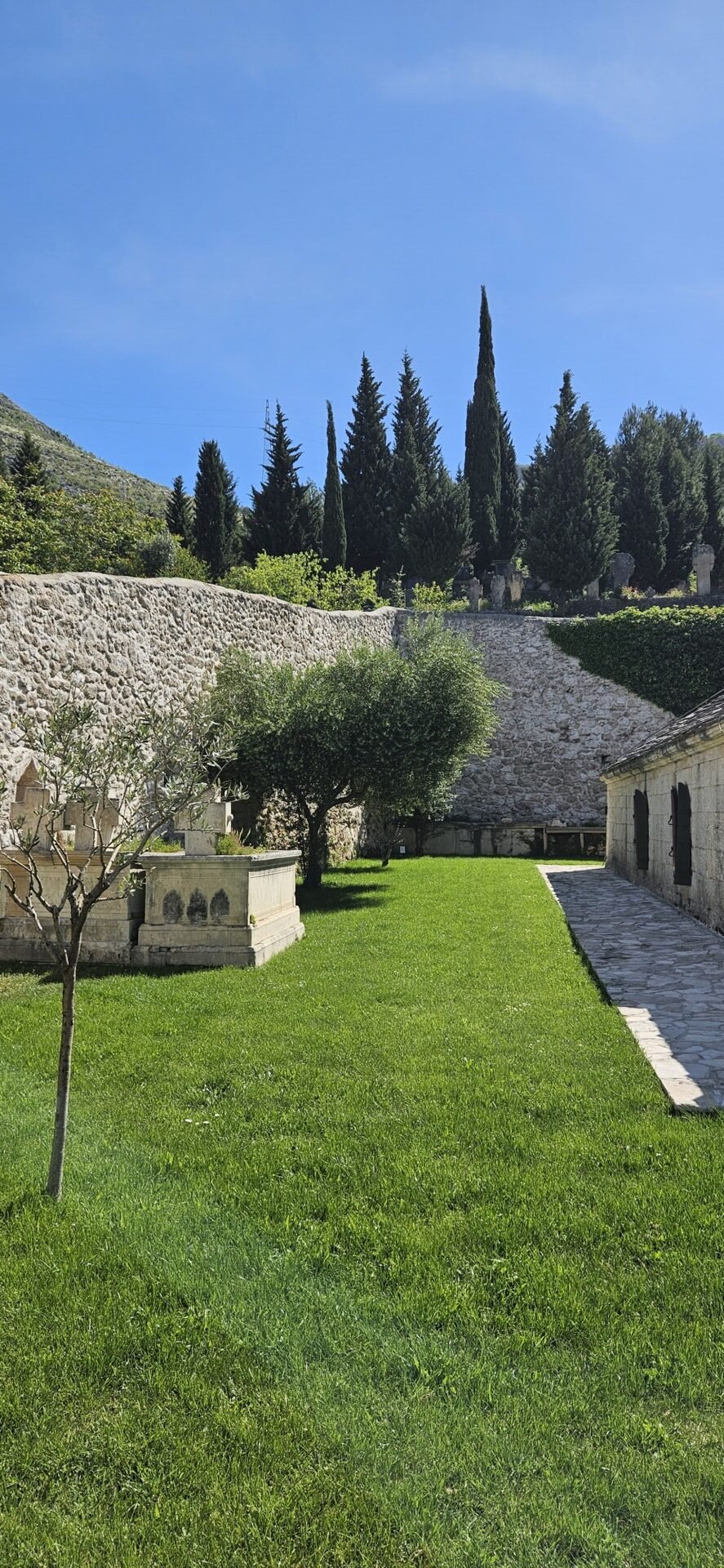
The church is located in the Bjelušine neighborhood. The current building was completely restored in 1834, but the Orthodox community itself existed here much earlier. Historical evidence indicates that the church existed as early as the 18th century, and the graves of 17th-century priests attest to an even earlier history.
Inside, the icons and wooden iconostasis are particularly noteworthy. Works of Russian, Venetian, and local origin, dating from approximately the 15th to the 18th centuries, have been preserved here.
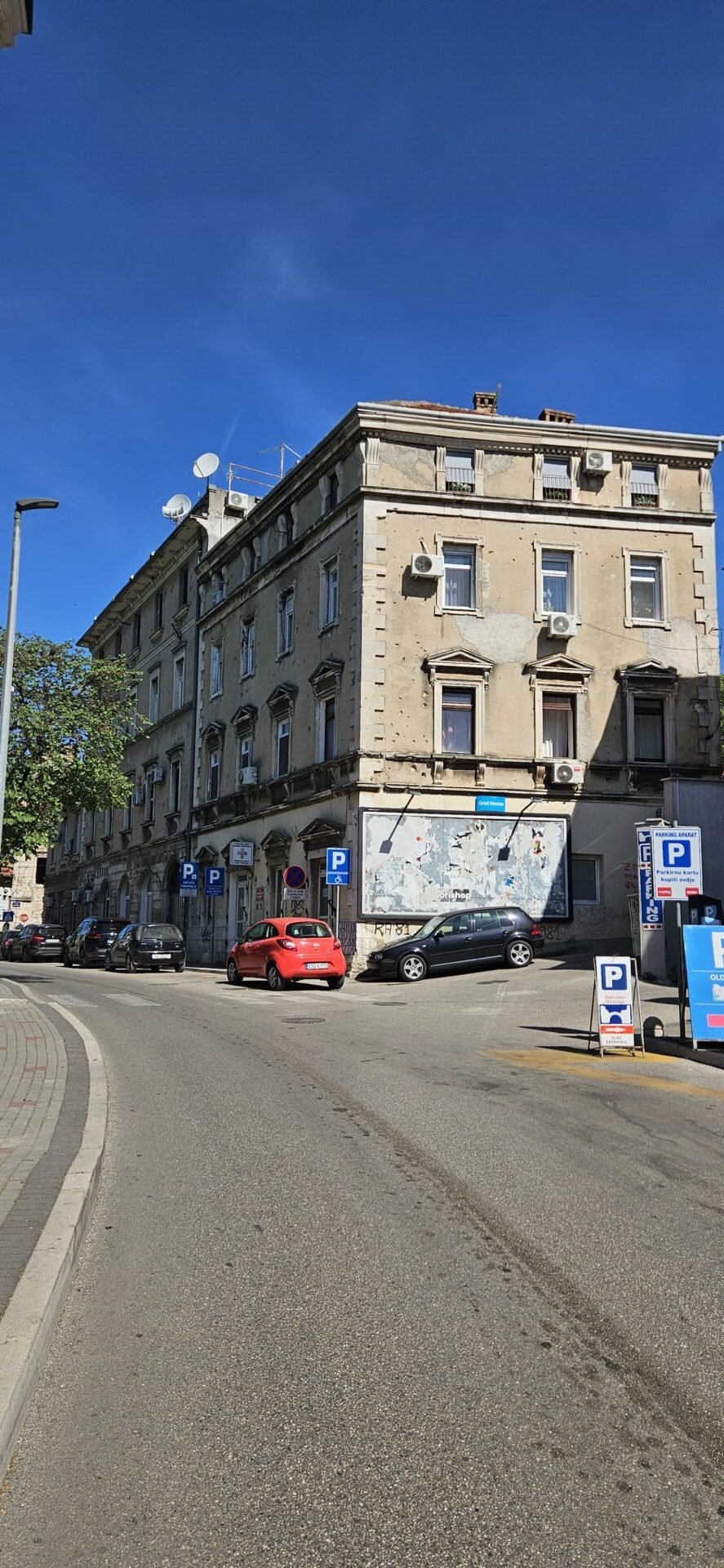
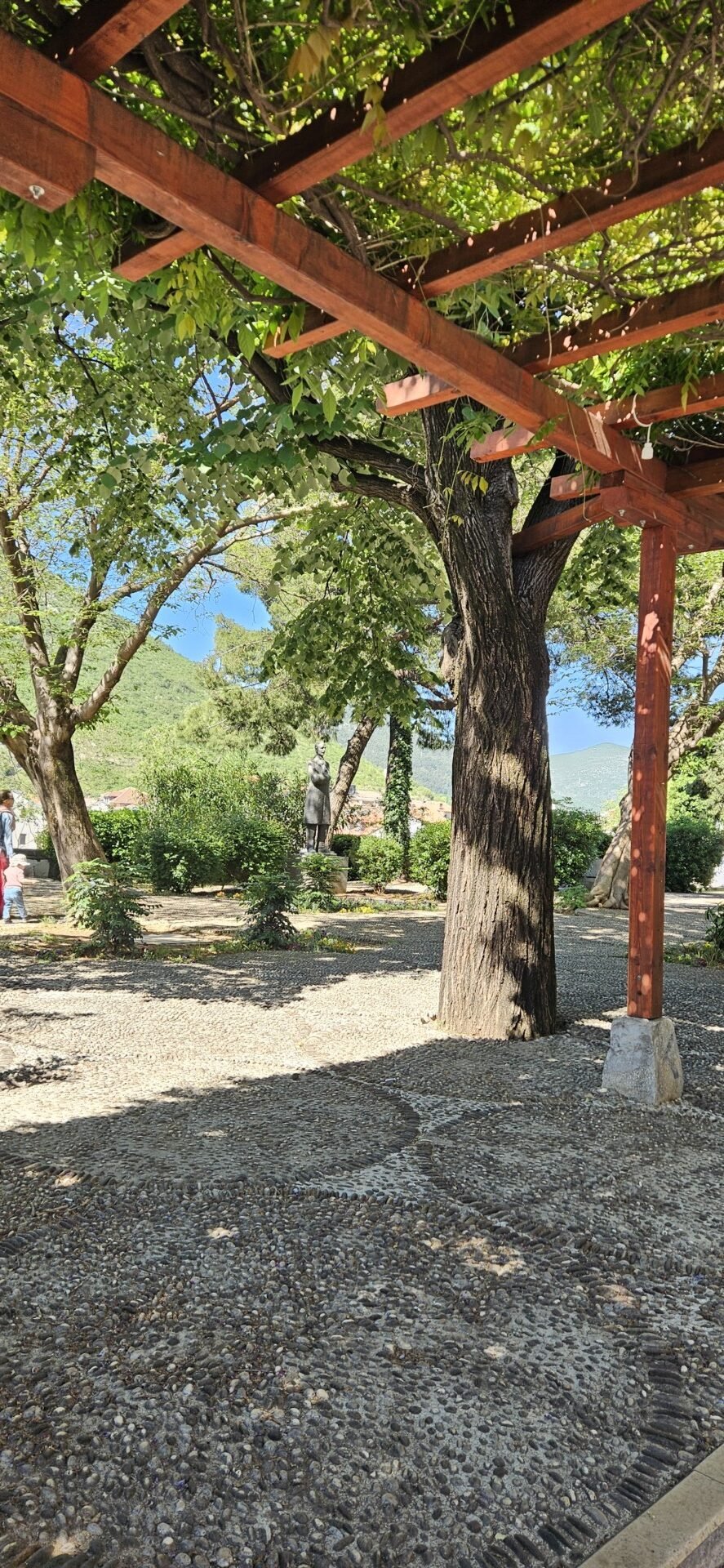
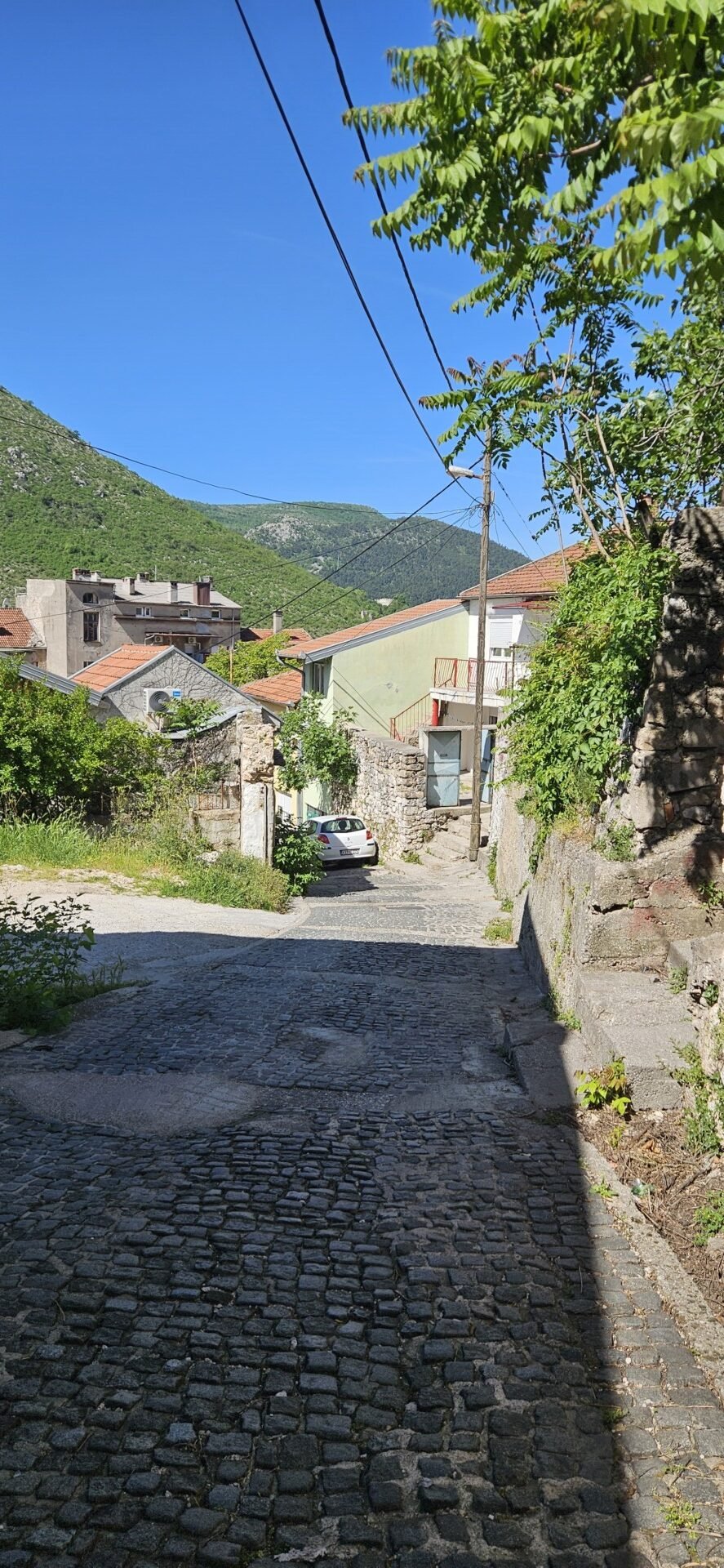
This is a very different Mostar—not the one depicted on tourist postcards. There are fewer people here, the streets are quieter, and the city’s multilayered history is much more palpable.
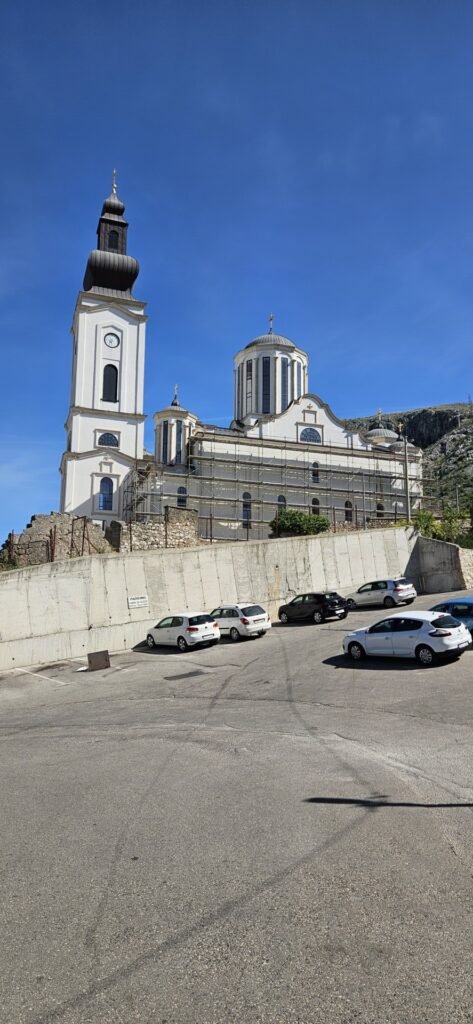
The Holy Trinity Cathedral—a church that has become a symbol of Mostar’s history.
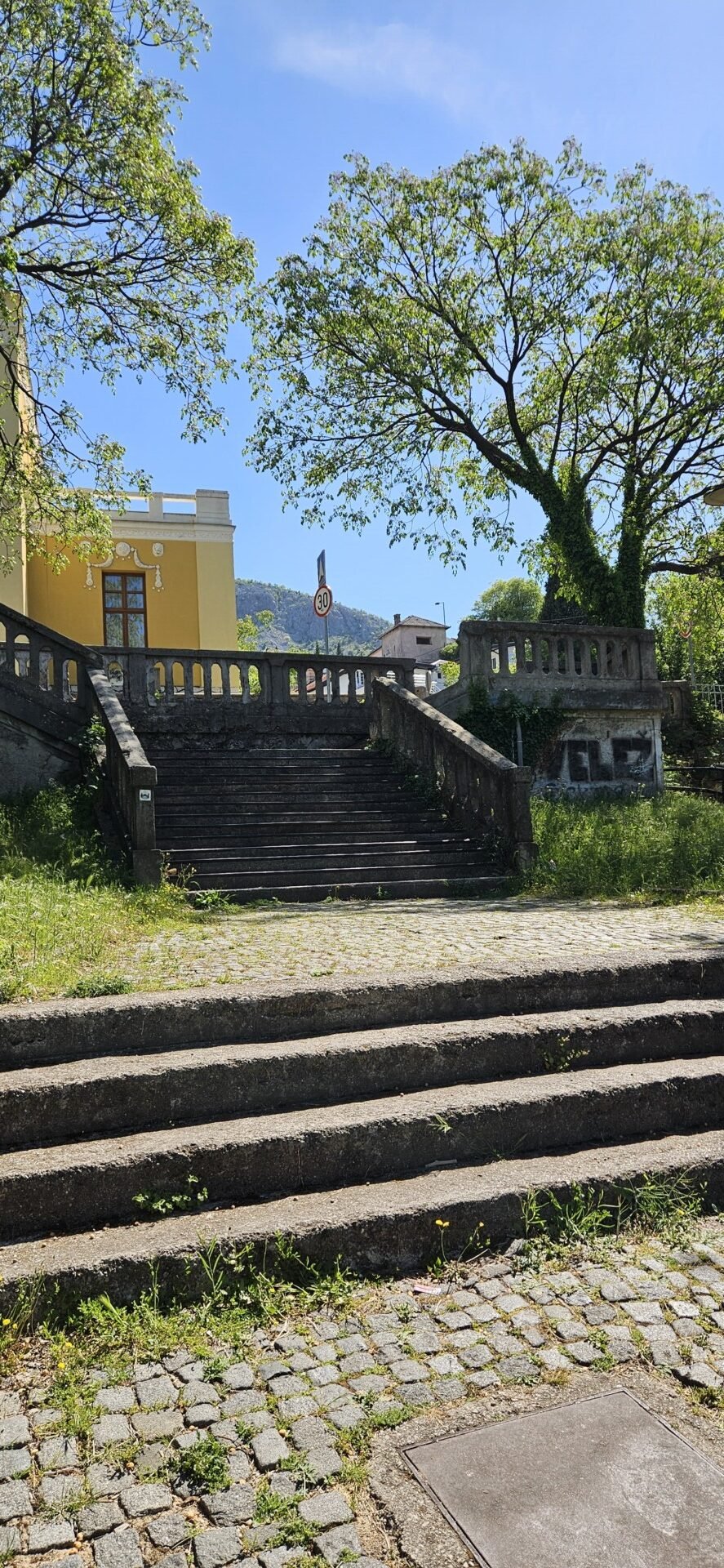
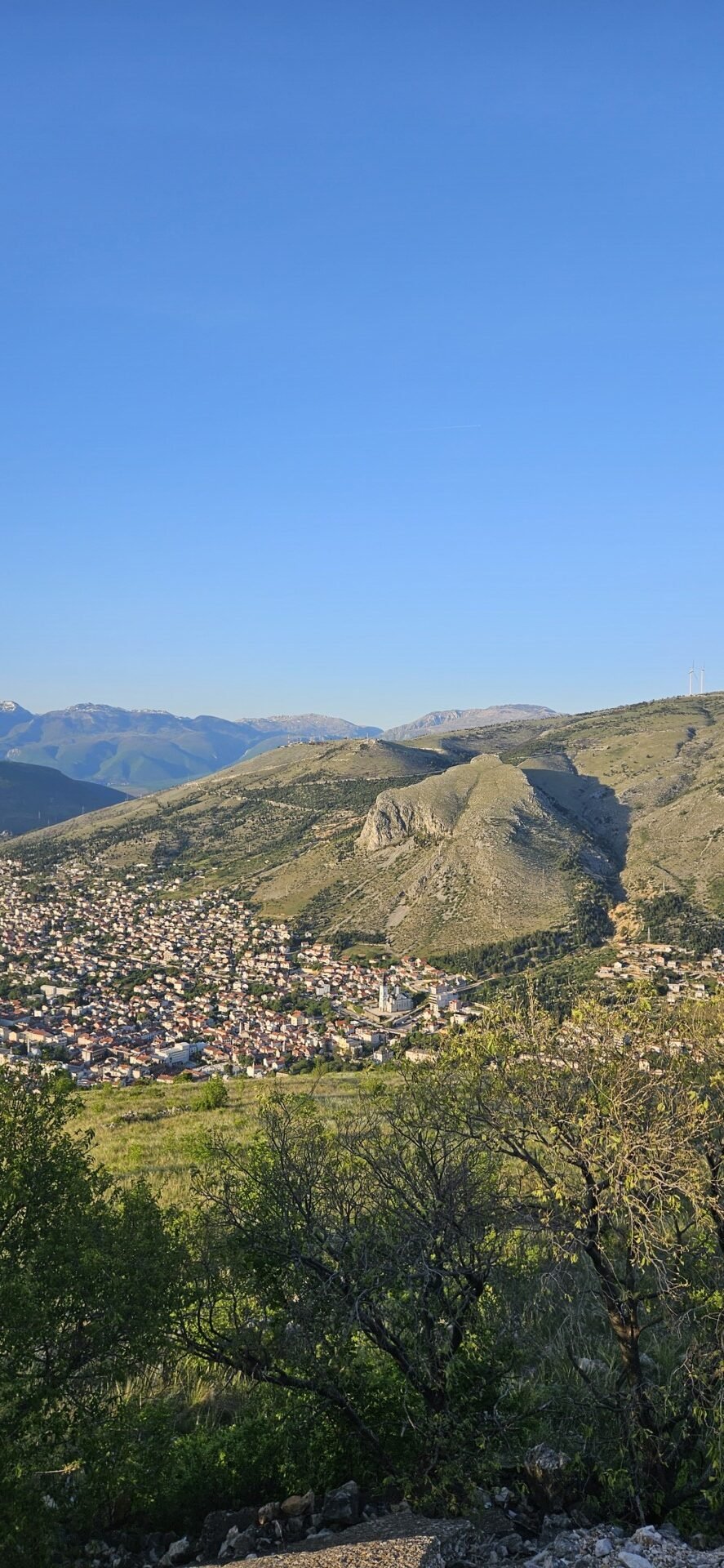
This church occupies a special place in the city’s history. Built between 1863 and 1873, it became one of Mostar’s main architectural landmarks. The church was erected on a hill, making it visible from virtually anywhere in the city.
The architect was Andrej Damyanov, one of the most renowned Balkan masters of 19th-century church architecture. The building combined elements of neo-Byzantine architecture and was distinguished by its impressive size: it was once the largest Orthodox church in Bosnia and Herzegovina.
However, the cathedral’s history was tragic. During the war of the 1990s, the church was destroyed. Today, it is perceived not only as a religious site but also as a reminder of the complex history of Mostar and all of Herzegovina. Restoration work is ongoing.
These two churches beautifully showcase the different sides of Mostar’s Orthodox heritage.
The Old Church is intimate, hidden among the urban fabric, almost intimate.
The Holy Trinity Cathedral is monumental, visible from afar, and historically linked to the city’s large Orthodox community.
Together, they allow us to see Mostar not only as a beautiful Ottoman city, but also as a place where diverse religious and cultural communities coexisted for centuries.
From the city to Kravica Waterfall
After exploring Mostar, it’s time to swap architecture for nature.
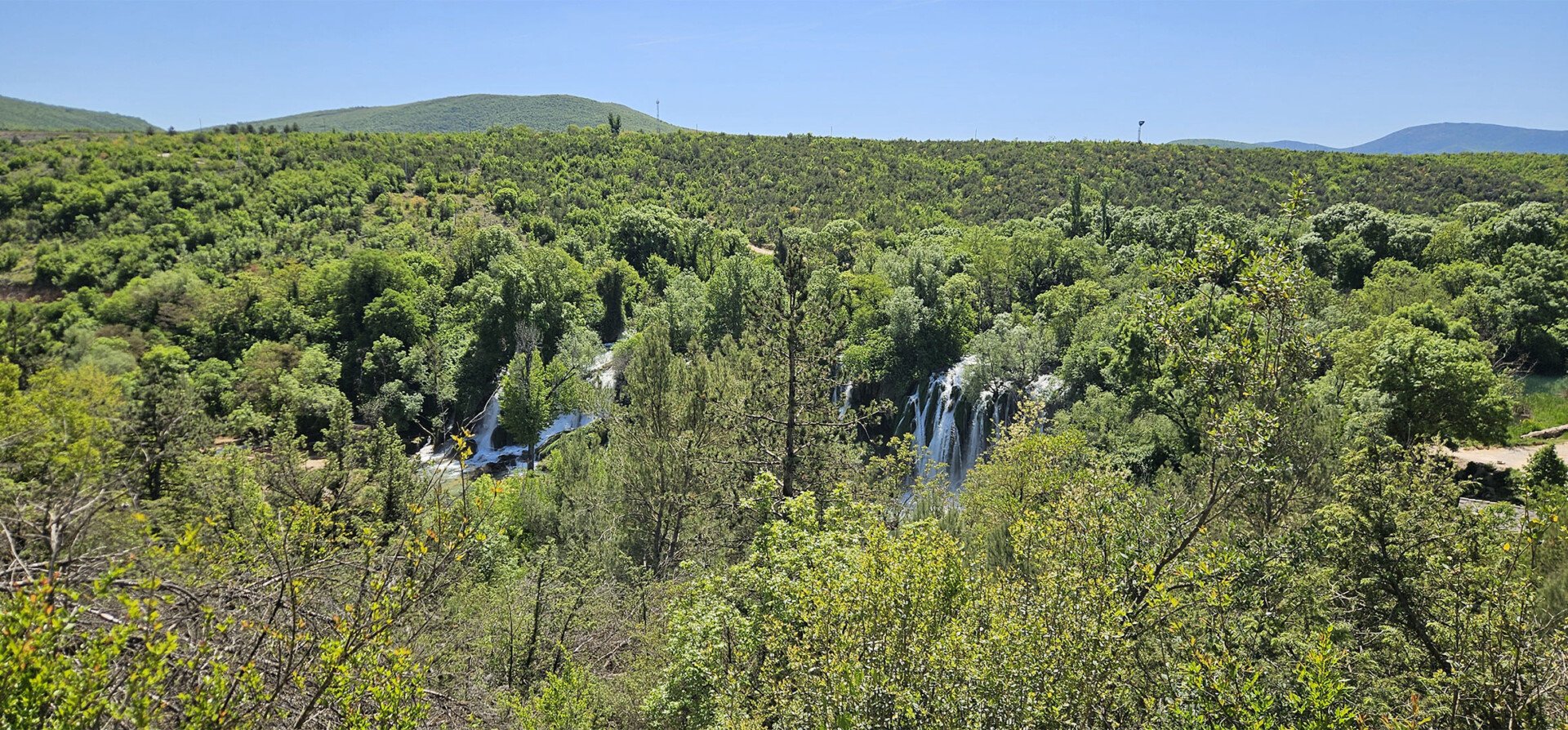
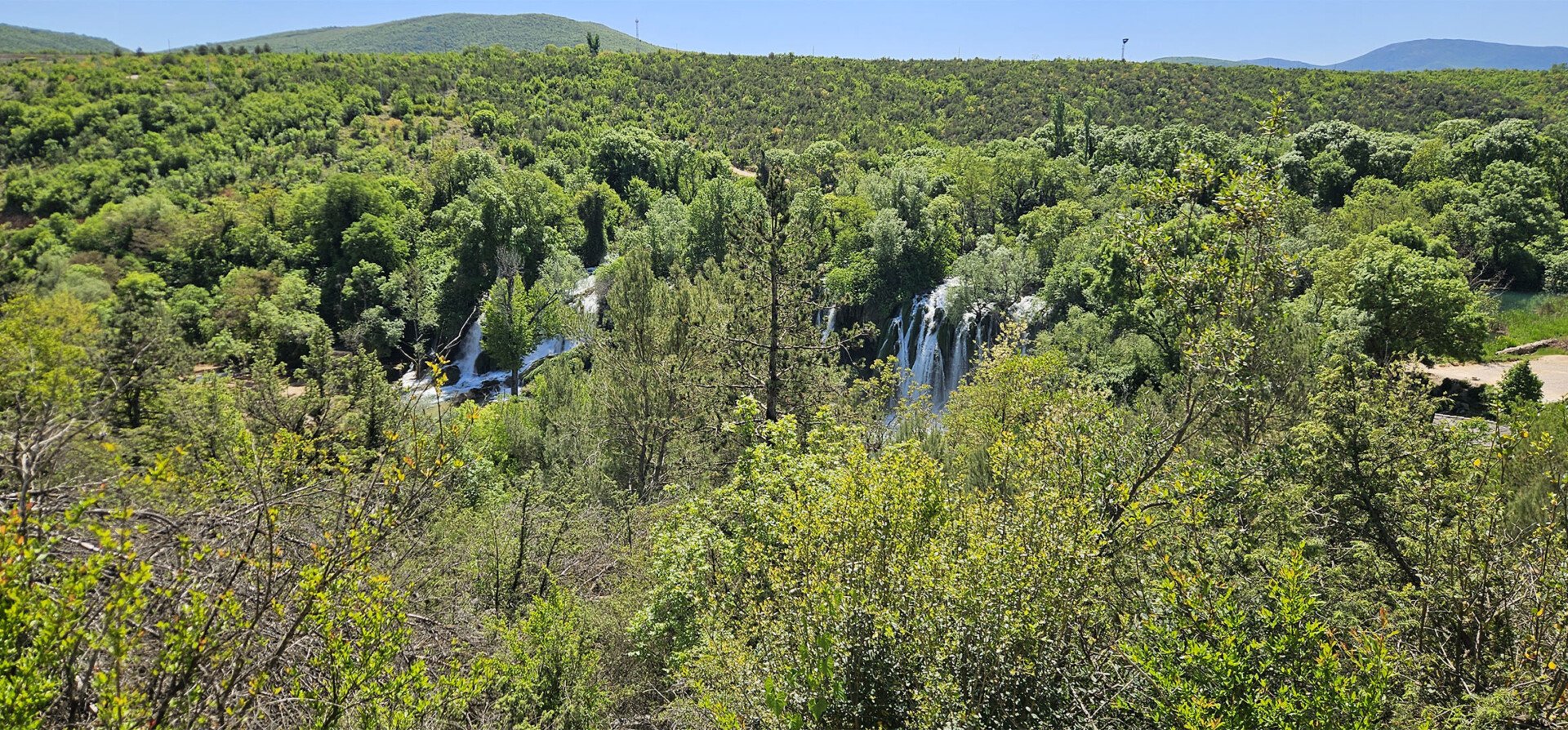
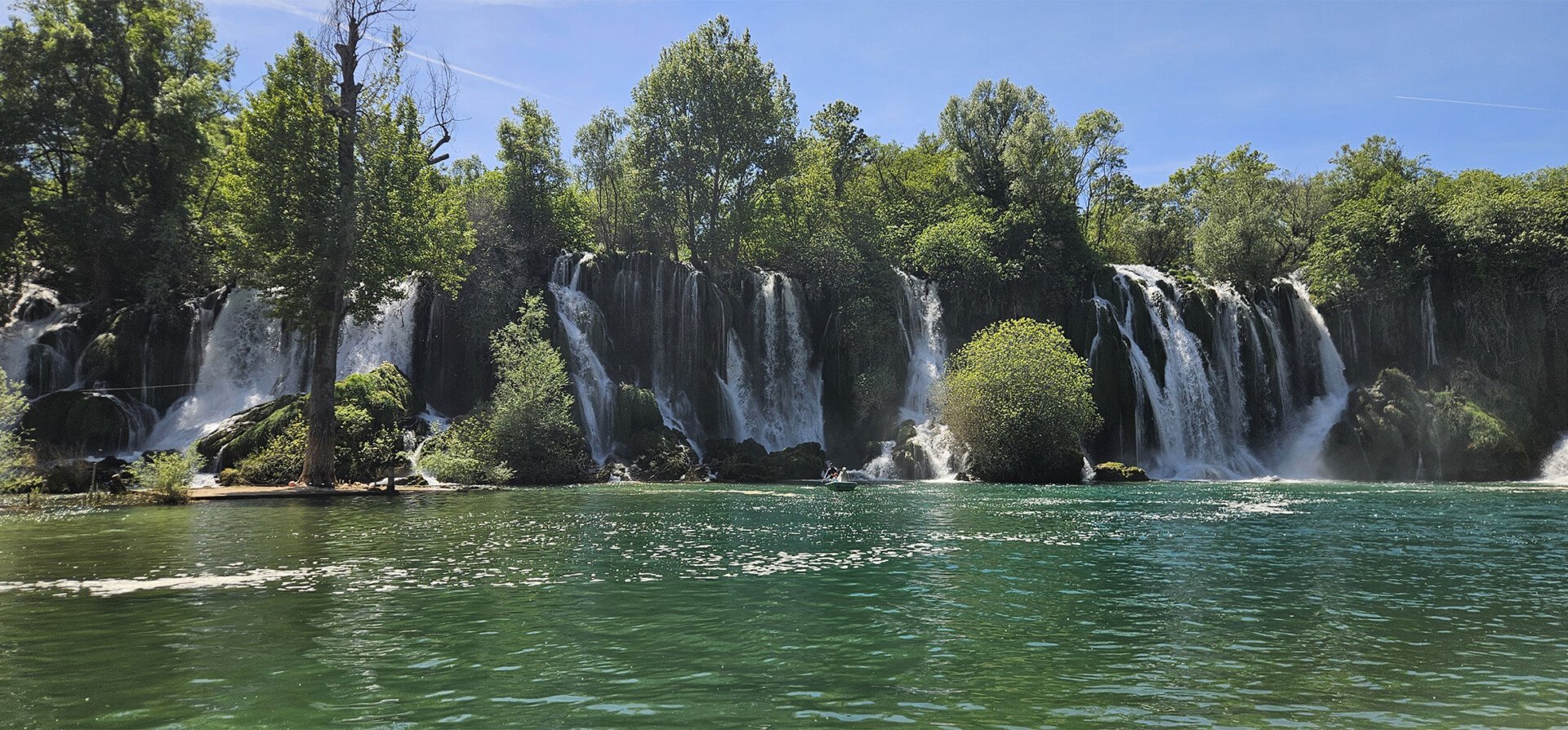
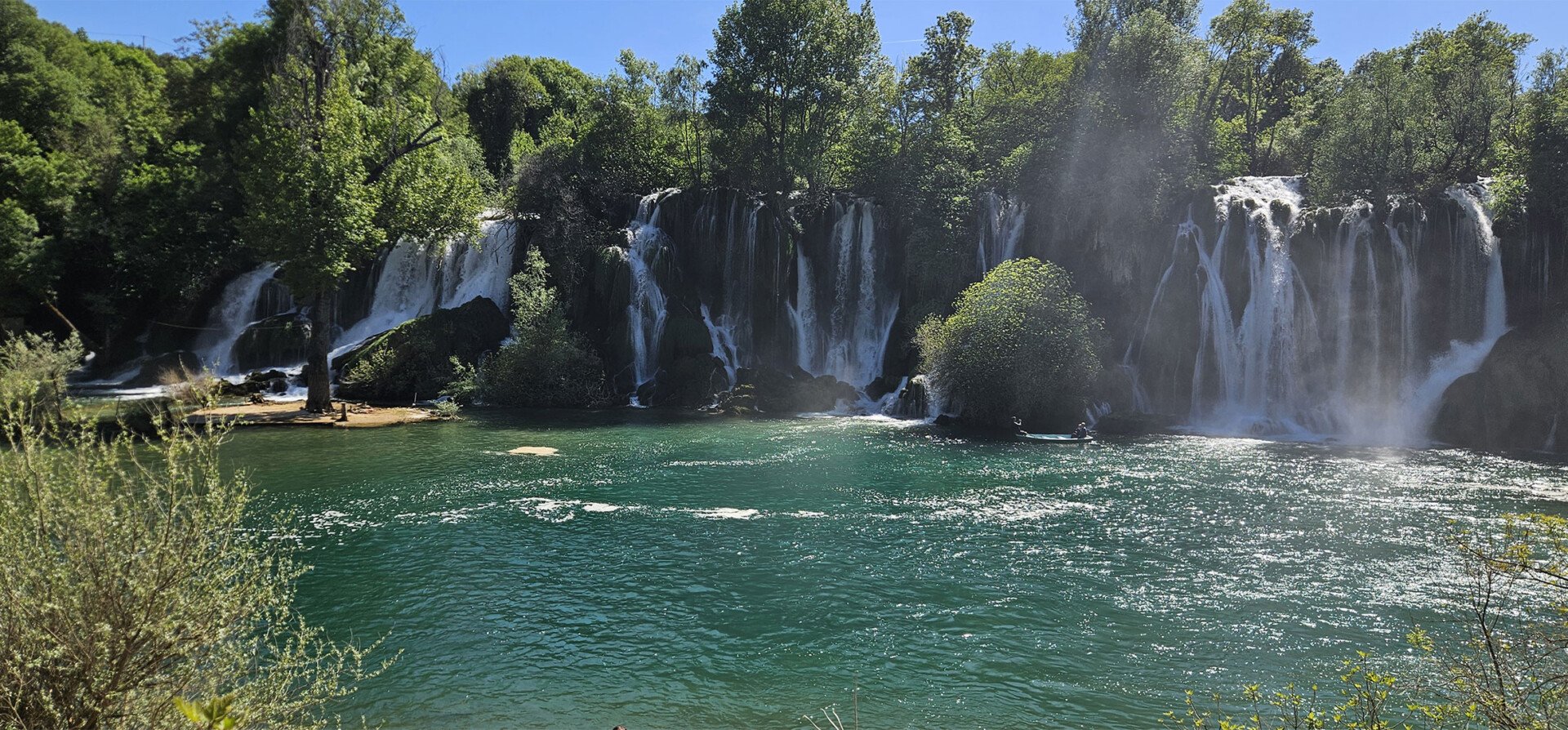
Our next stop is Kravica Waterfall, located near Ljubuska.
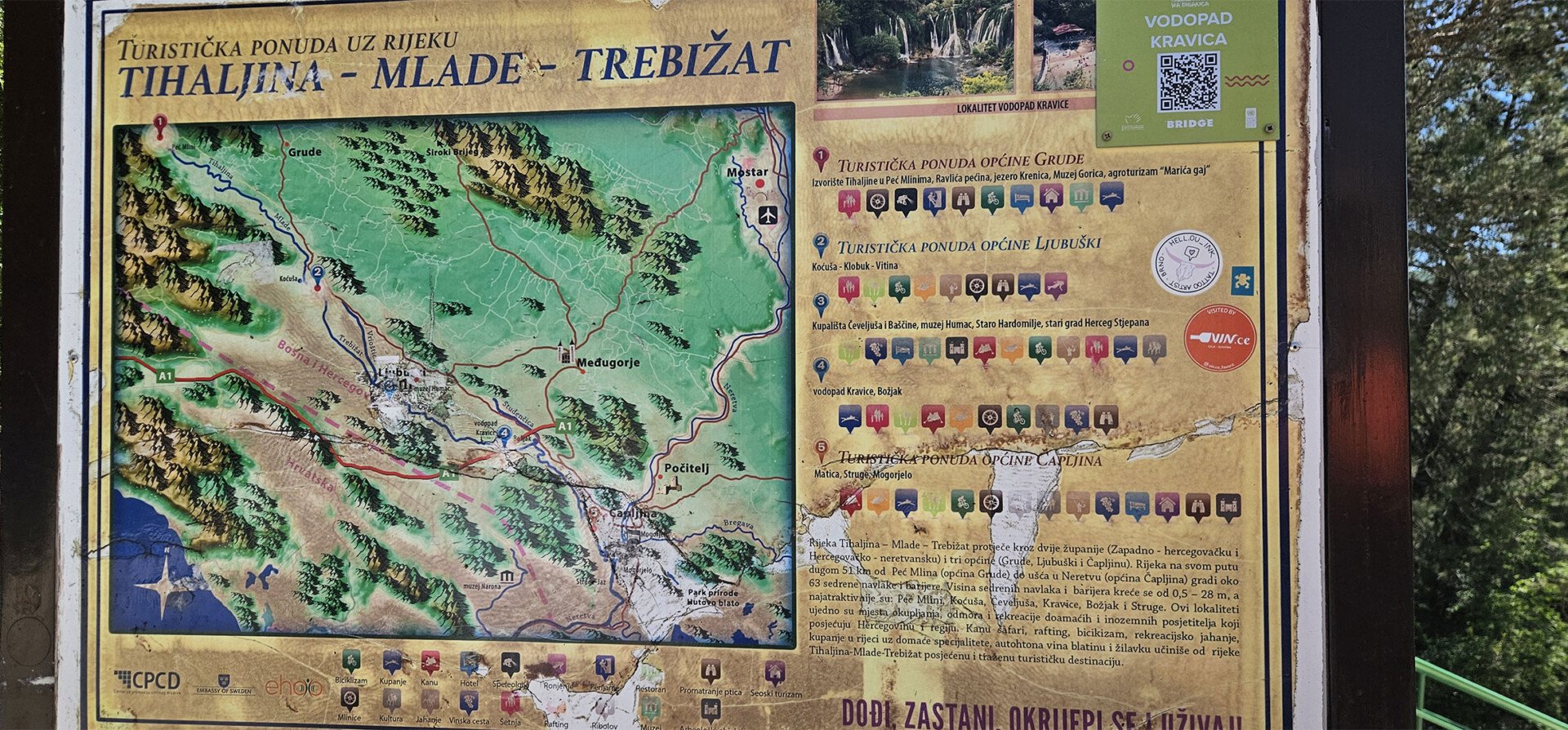
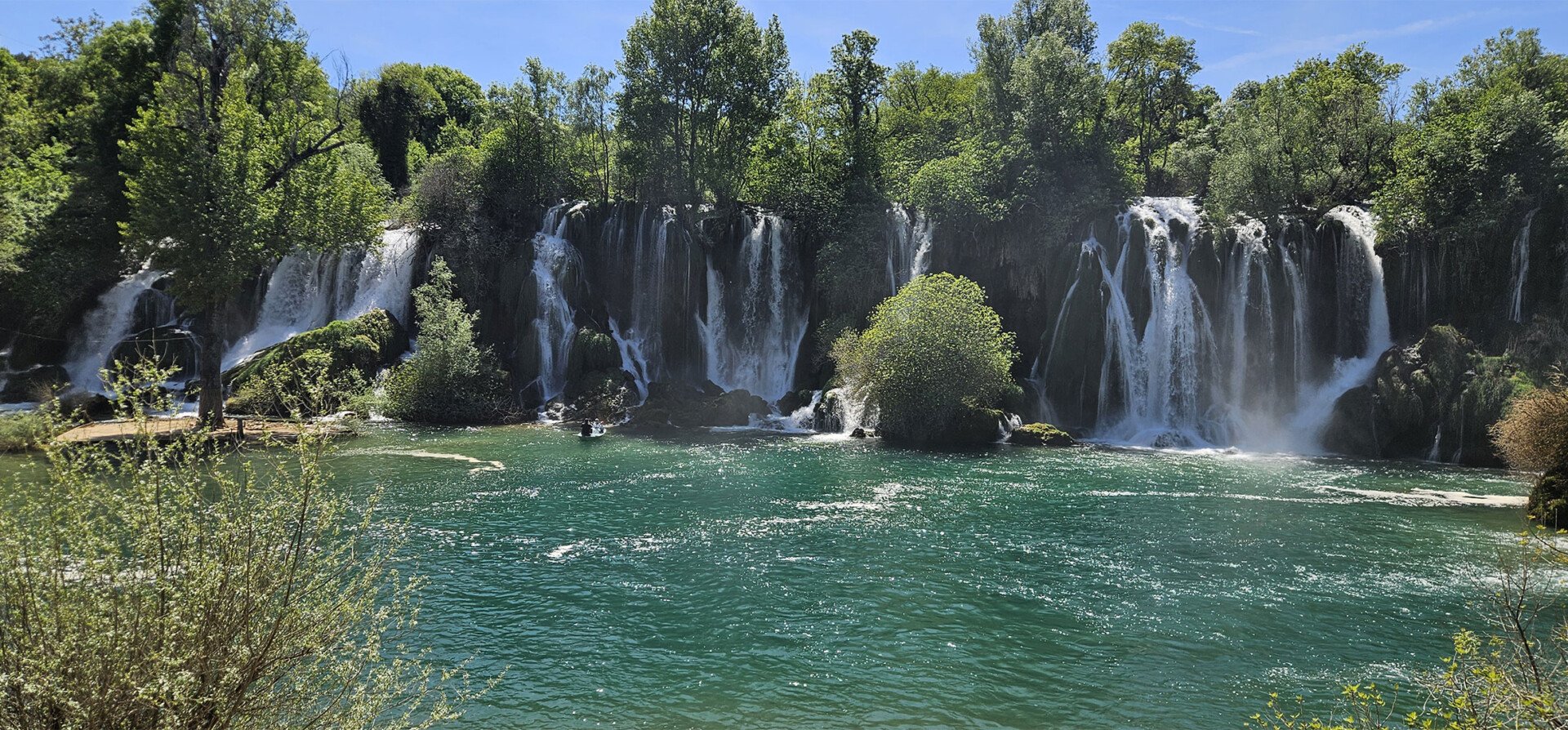
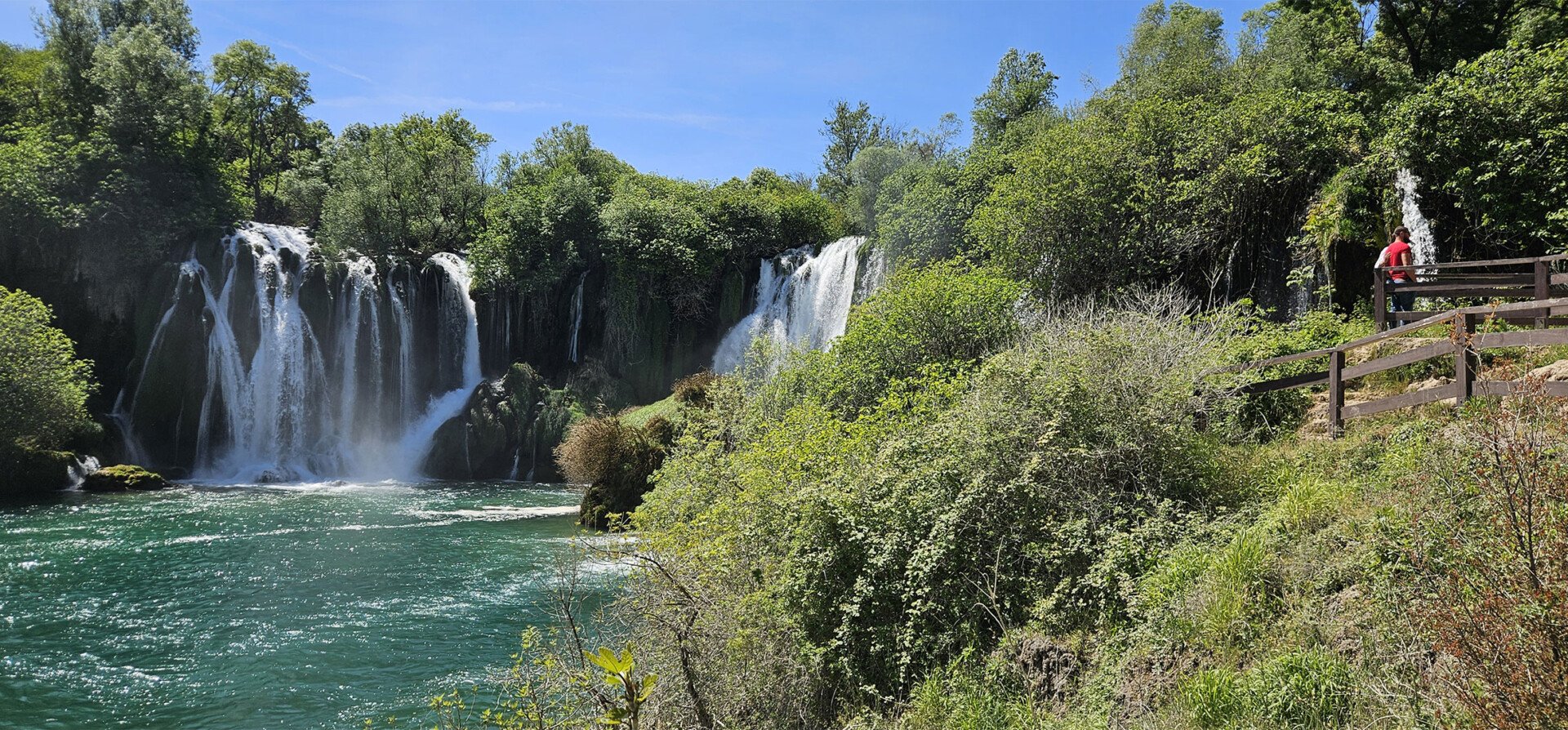
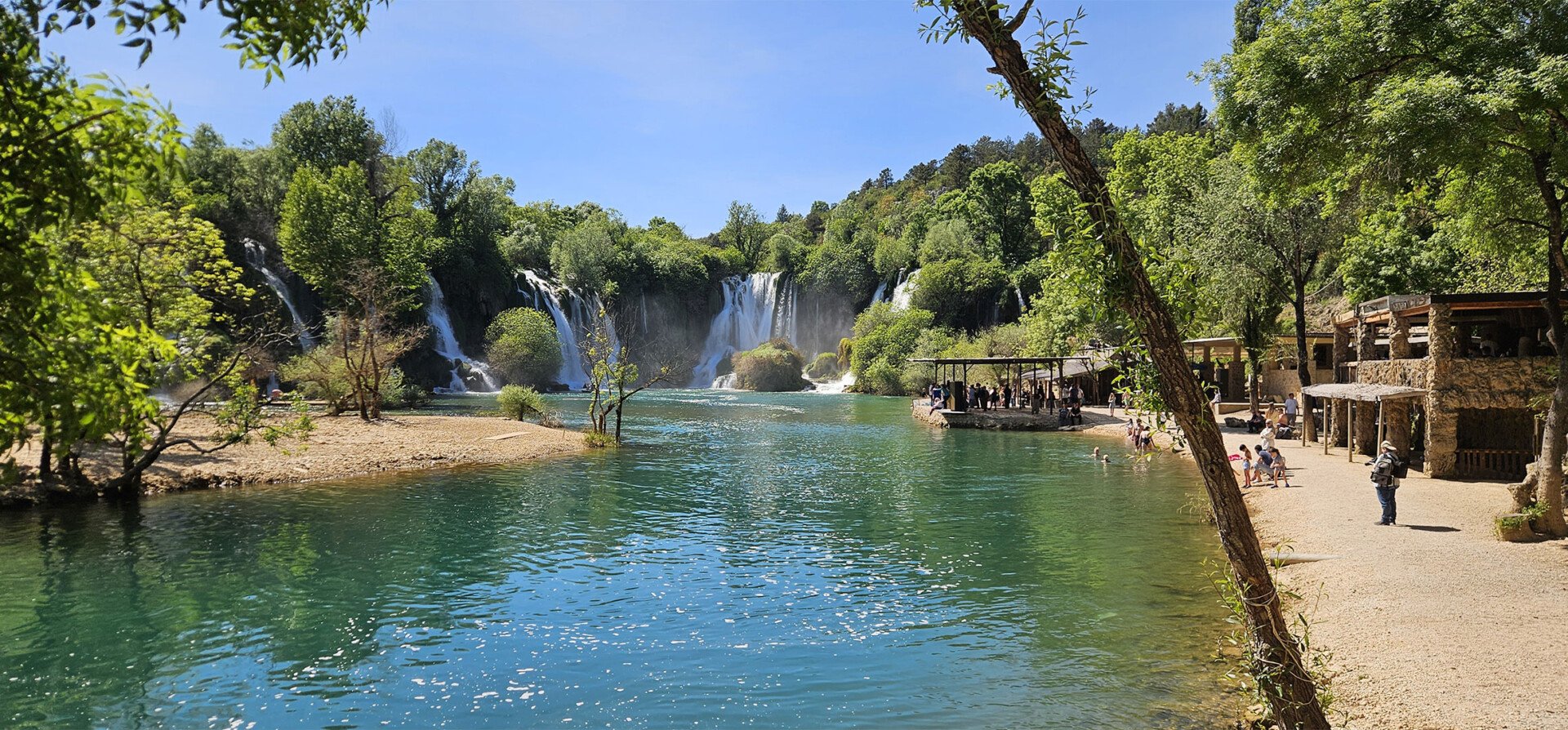
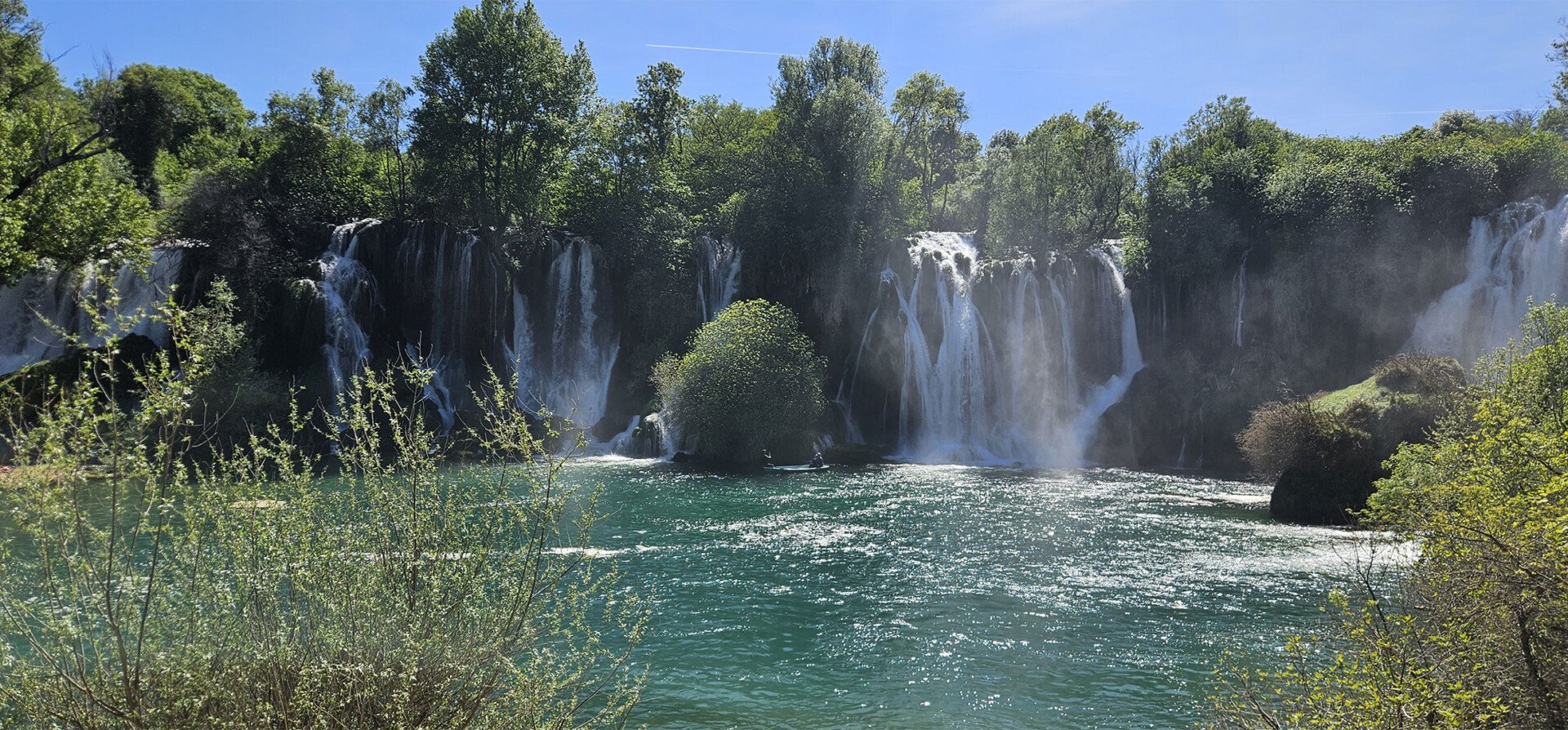
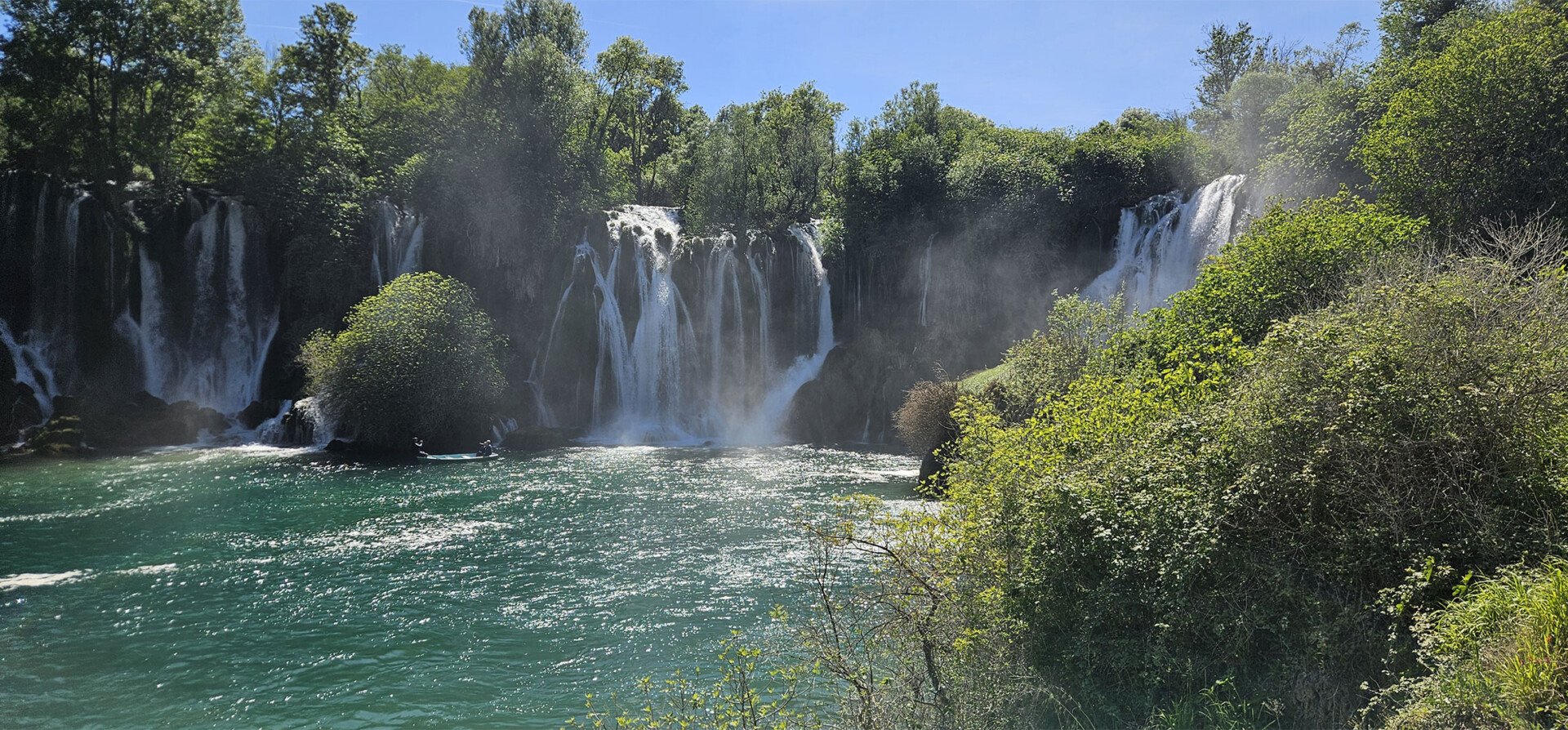
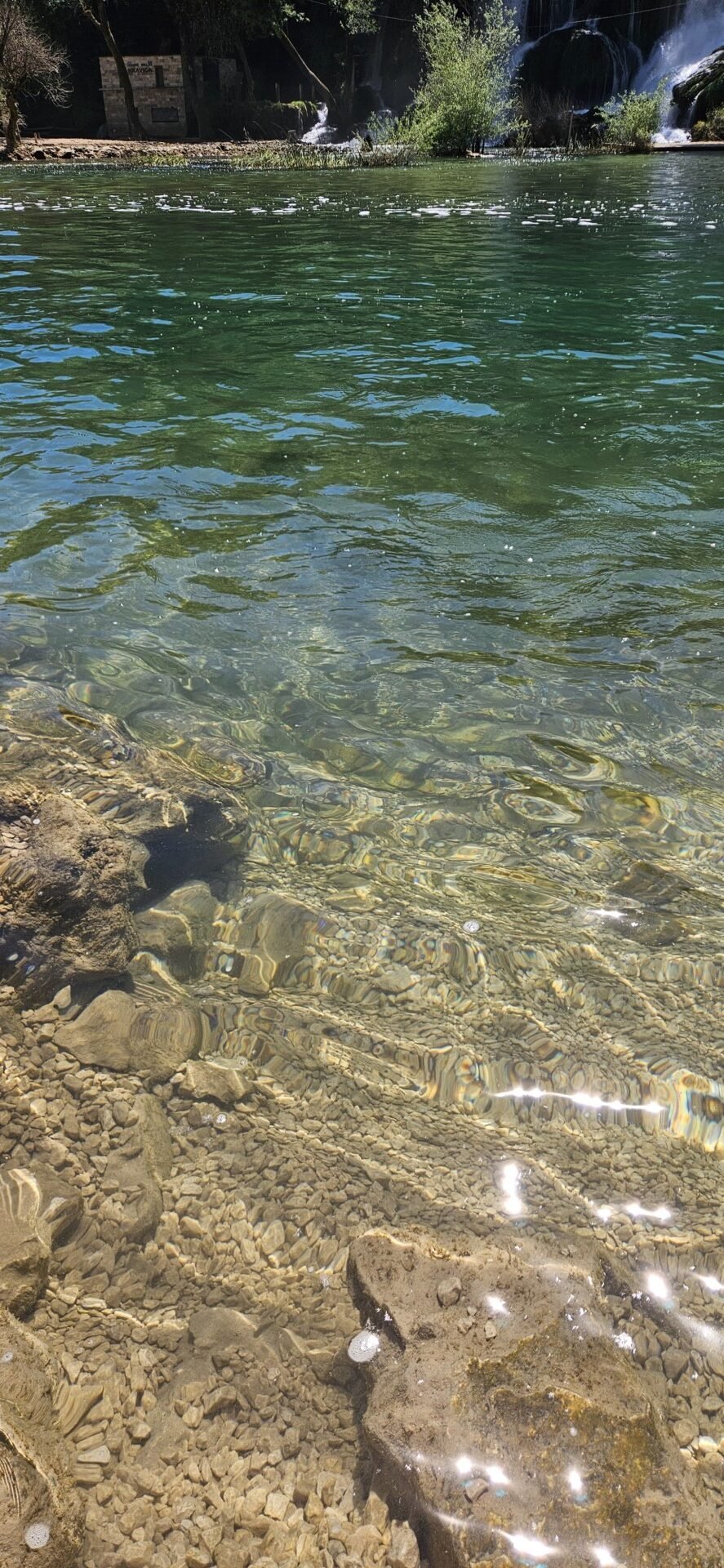
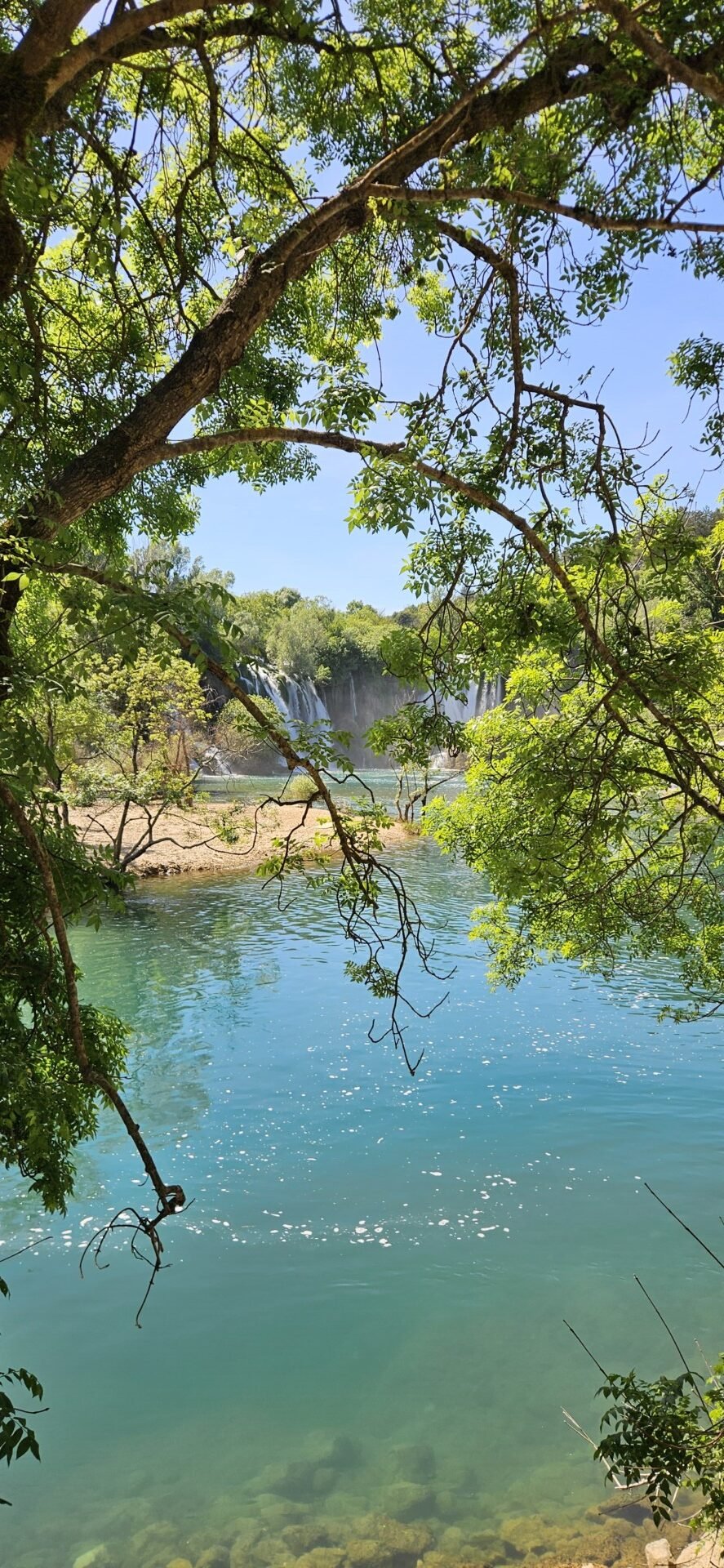
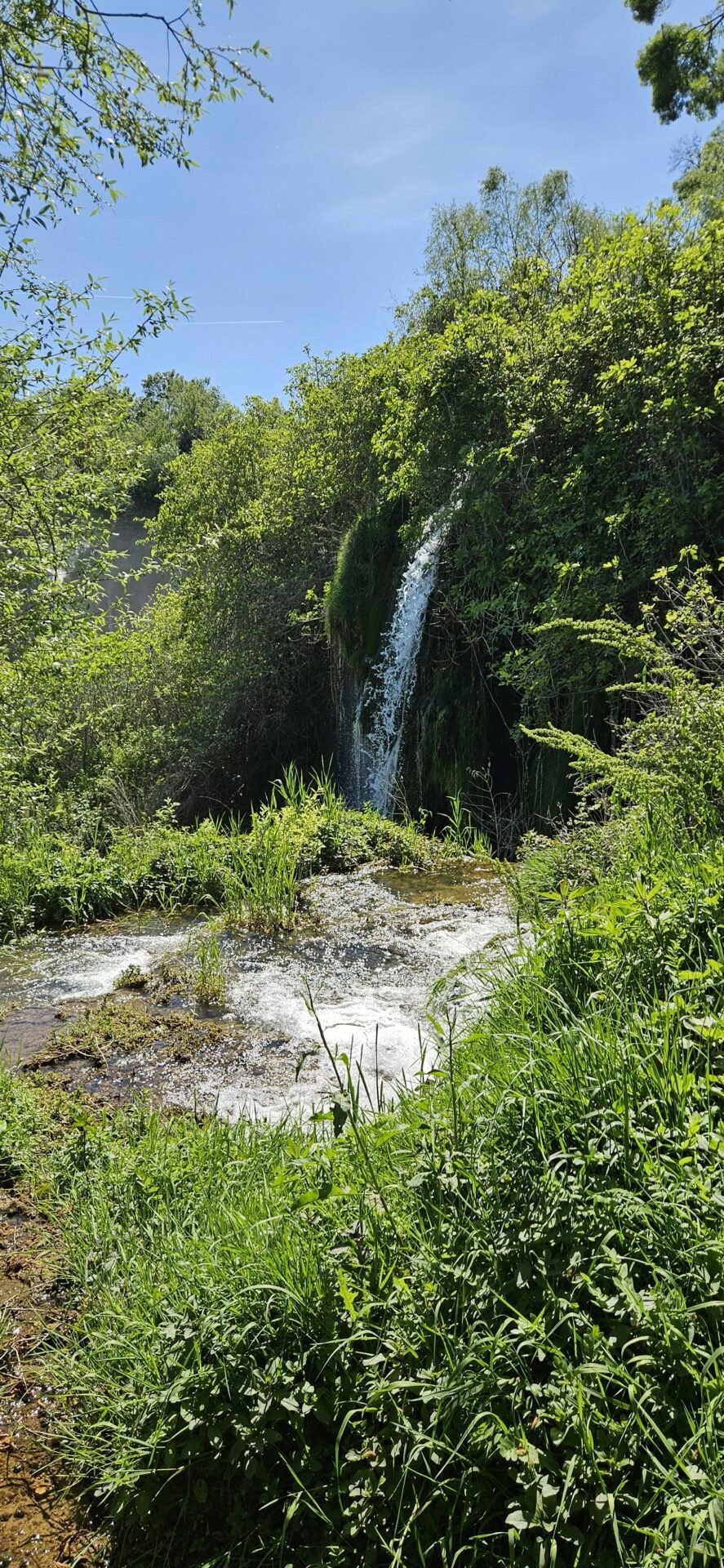
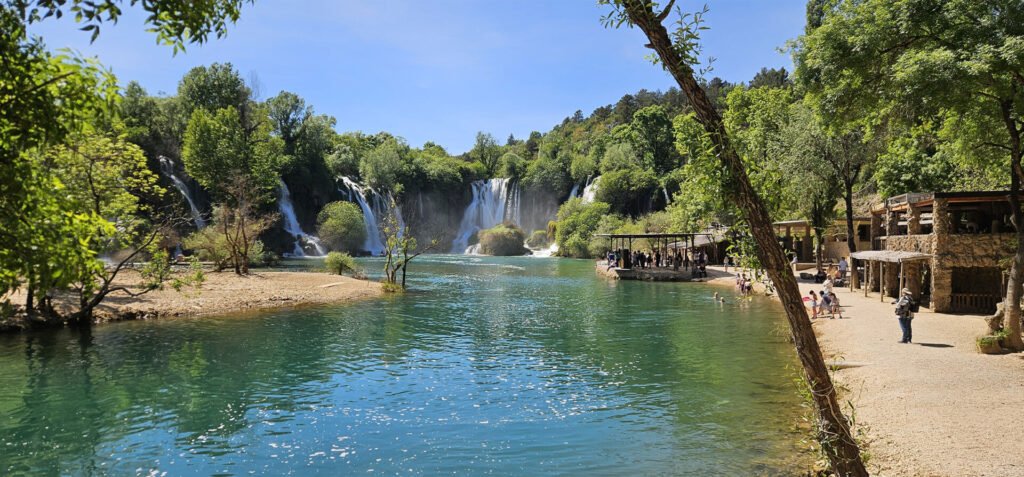
The waterfalls are formed by the Trebižat River. The water falls from a limestone ledge for approximately 28-30 meters, forming a huge natural amphitheater. The amount of water varies depending on the season, so the landscape here can appear completely different.
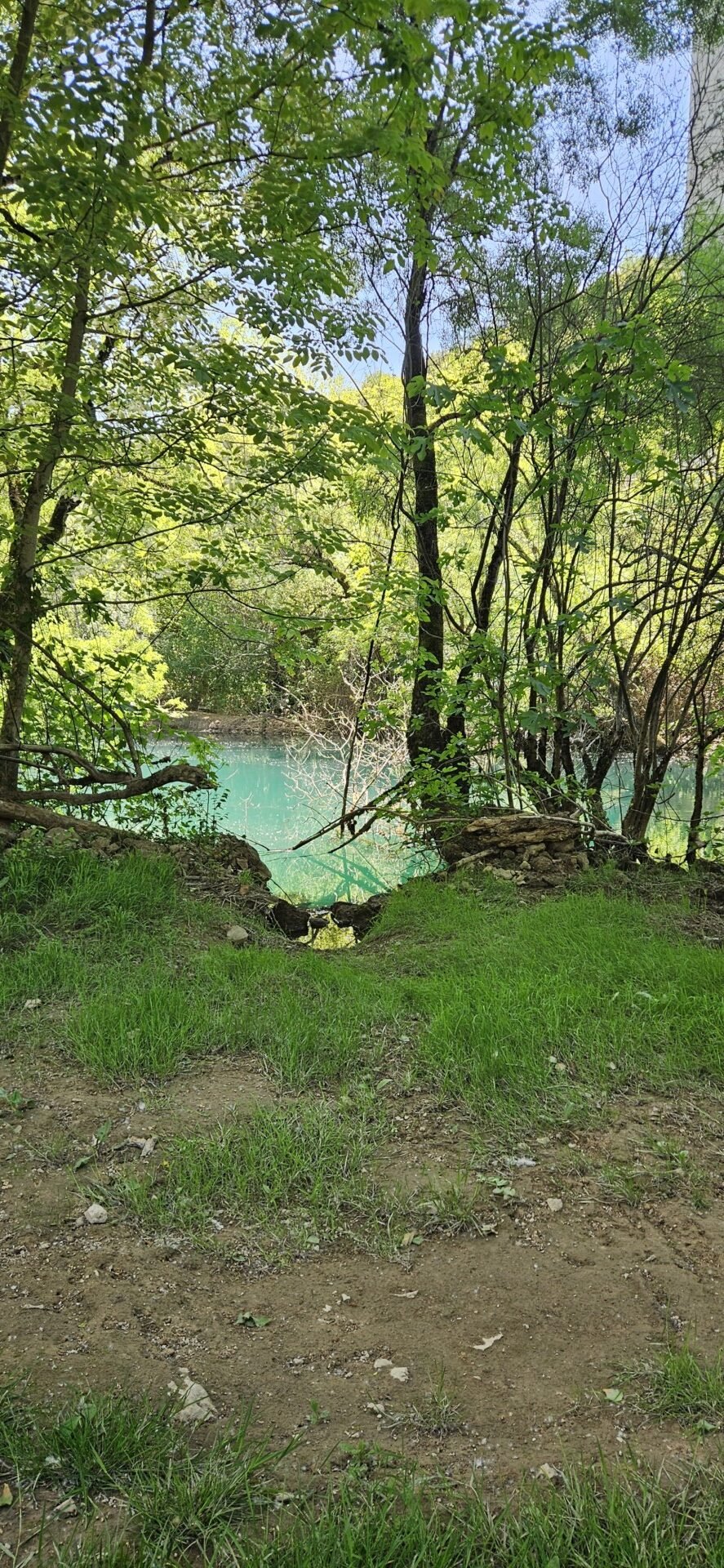
In summer, Kravica becomes a true natural refuge from the Herzegovinian heat. Imagine: surrounded by white limestone cliffs, lush greenery, turquoise water, and dozens of thin streams of water cascading down from the ledges. A natural pool forms below.
It is this combination of water, rock, and greenery that has made Kravica one of the most popular natural spots in the region.
Is it possible to swim?
Yes, swimming is traditional here during the warm season. However, the water temperature can be quite cool, as Trebižat is a karst river. If you don’t like cold water, you don’t have to enter the river. Even a walk along the shore and a few viewpoints will allow you to fully appreciate this place.
If you have time to choose, it’s best to arrive in the morning or late afternoon. Many tourists come here in the middle of the day, especially in summer.
The official Kravica website lists seasonal opening hours; for example, from July to September, the area is open until late evening. It’s best to check current hours and entrance fees immediately before your trip.
Bunski Kanal (Buna Canals) – Where the Buna and Neretva Rivers Meet
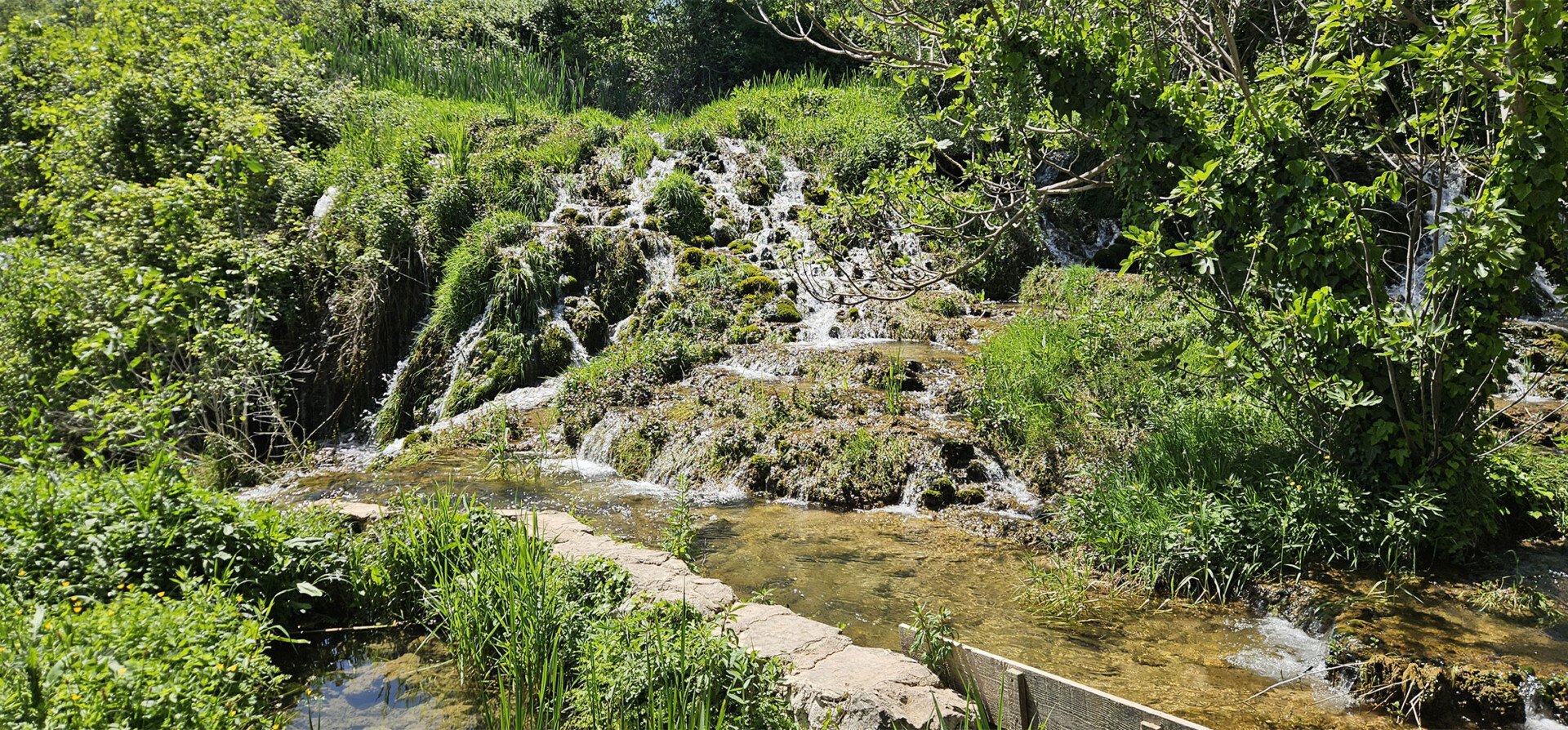
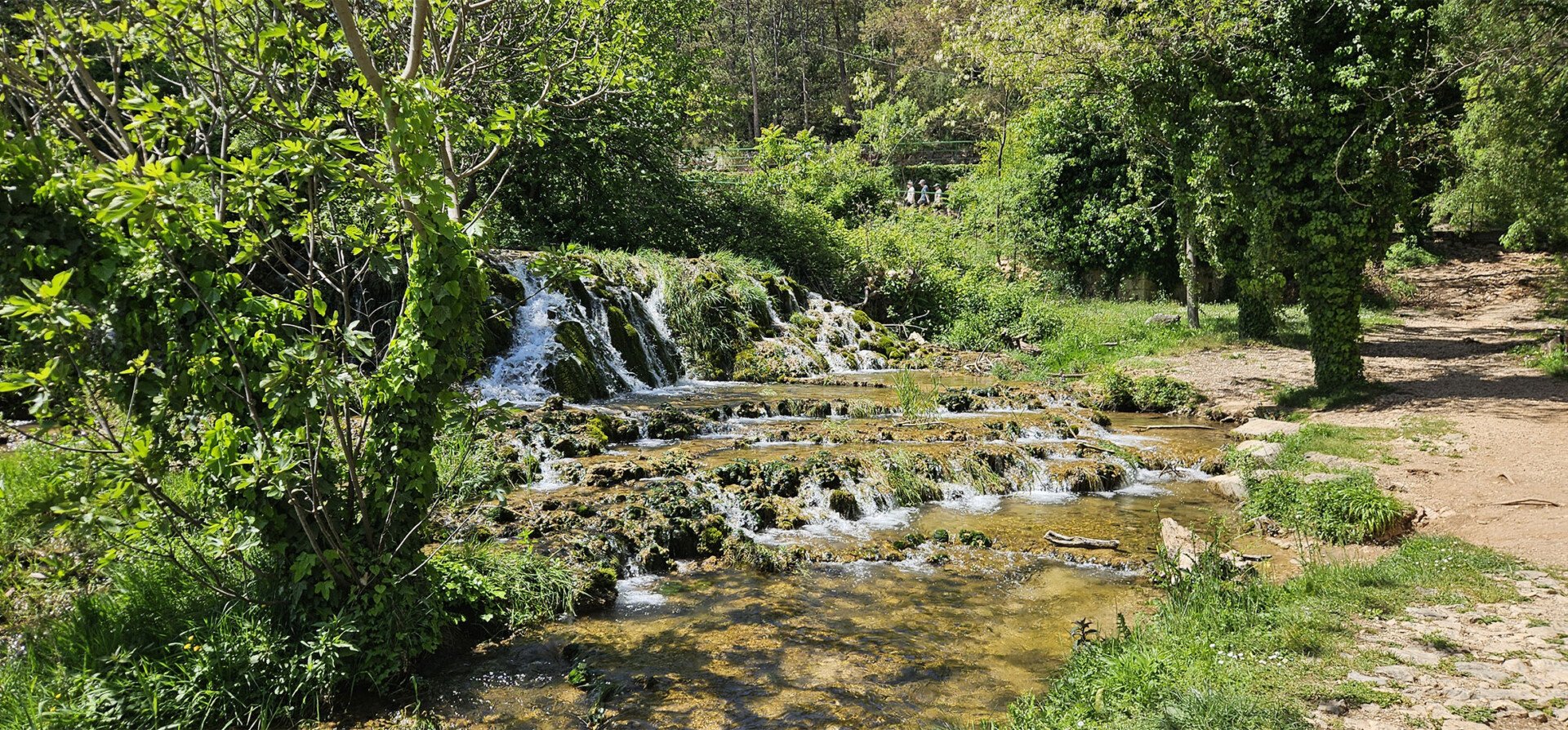
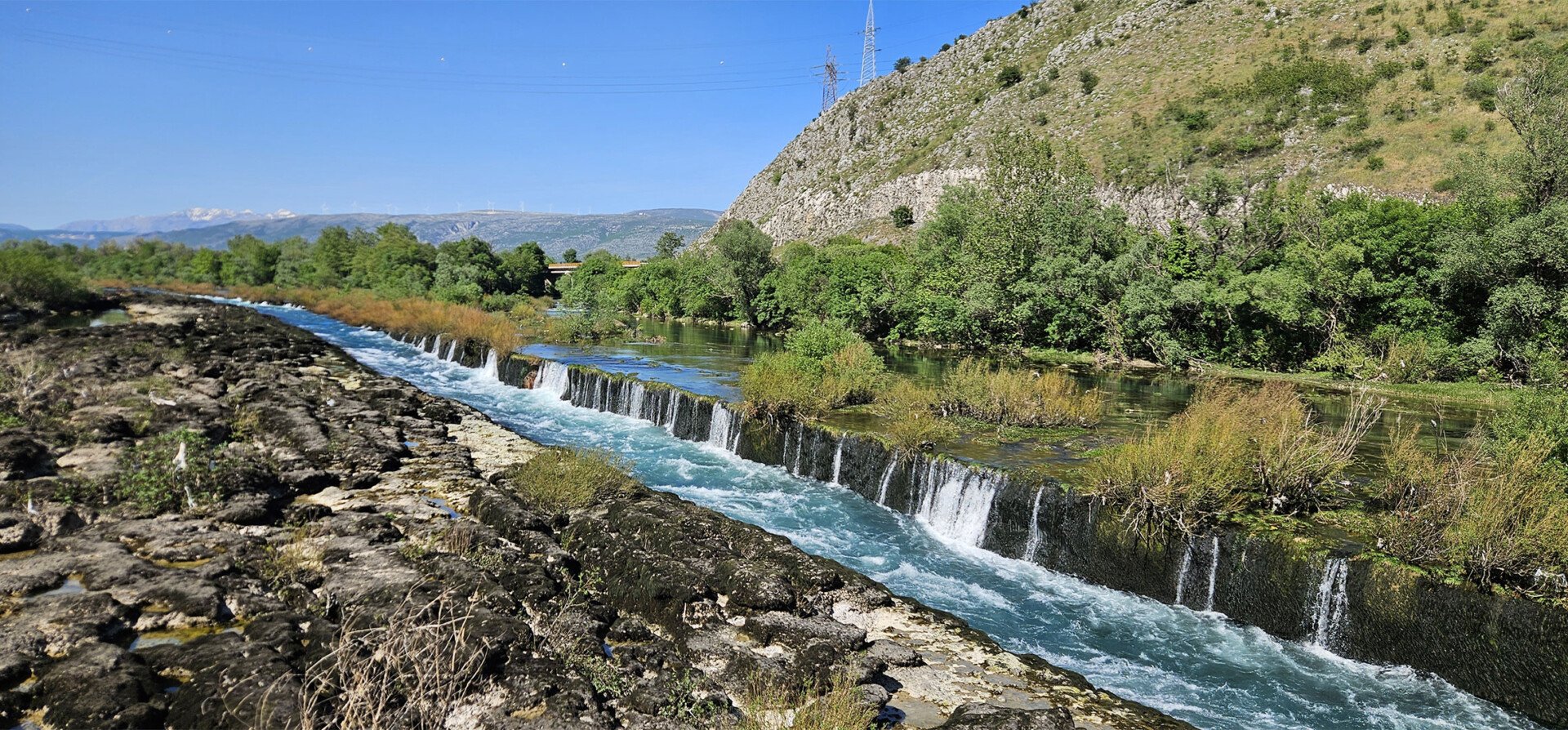
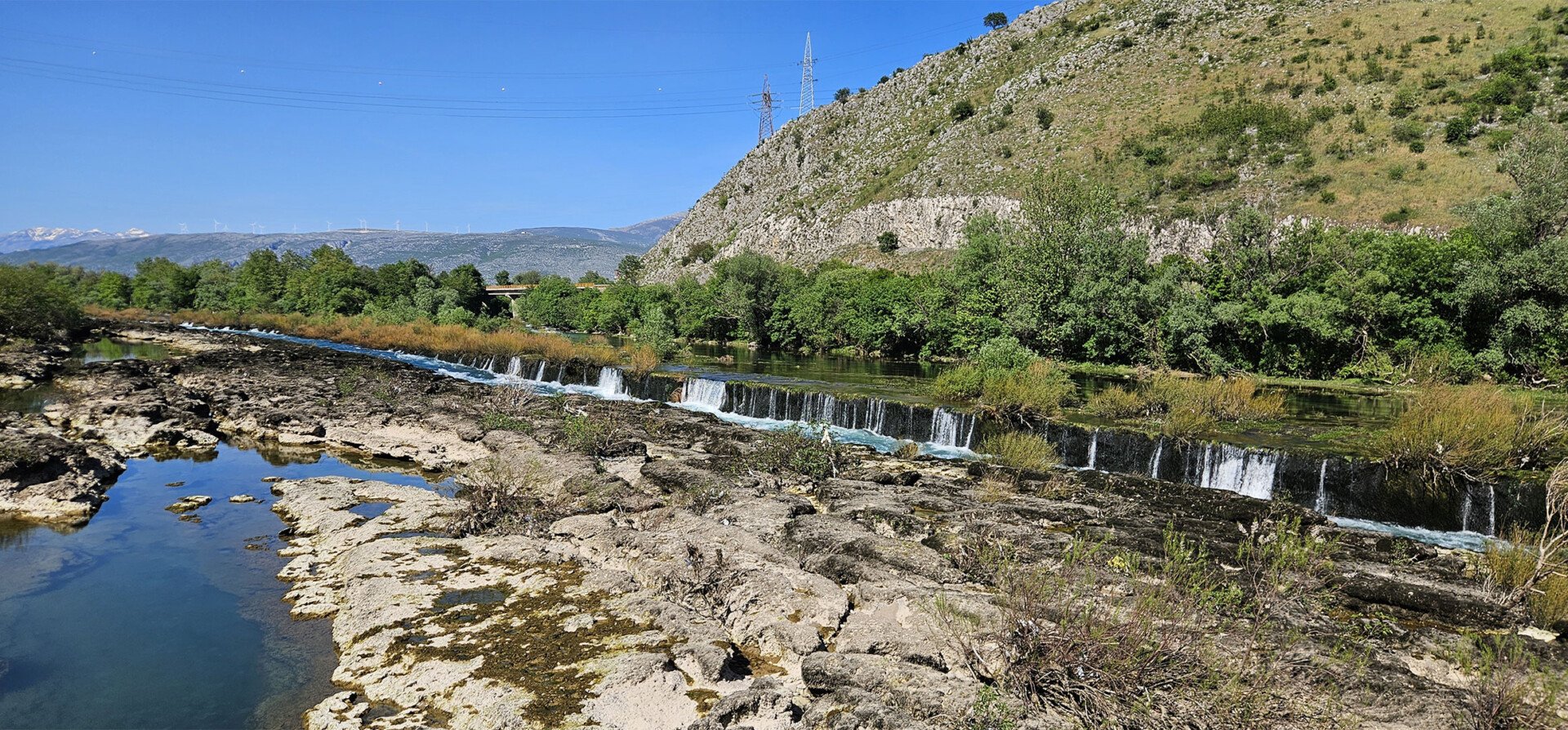
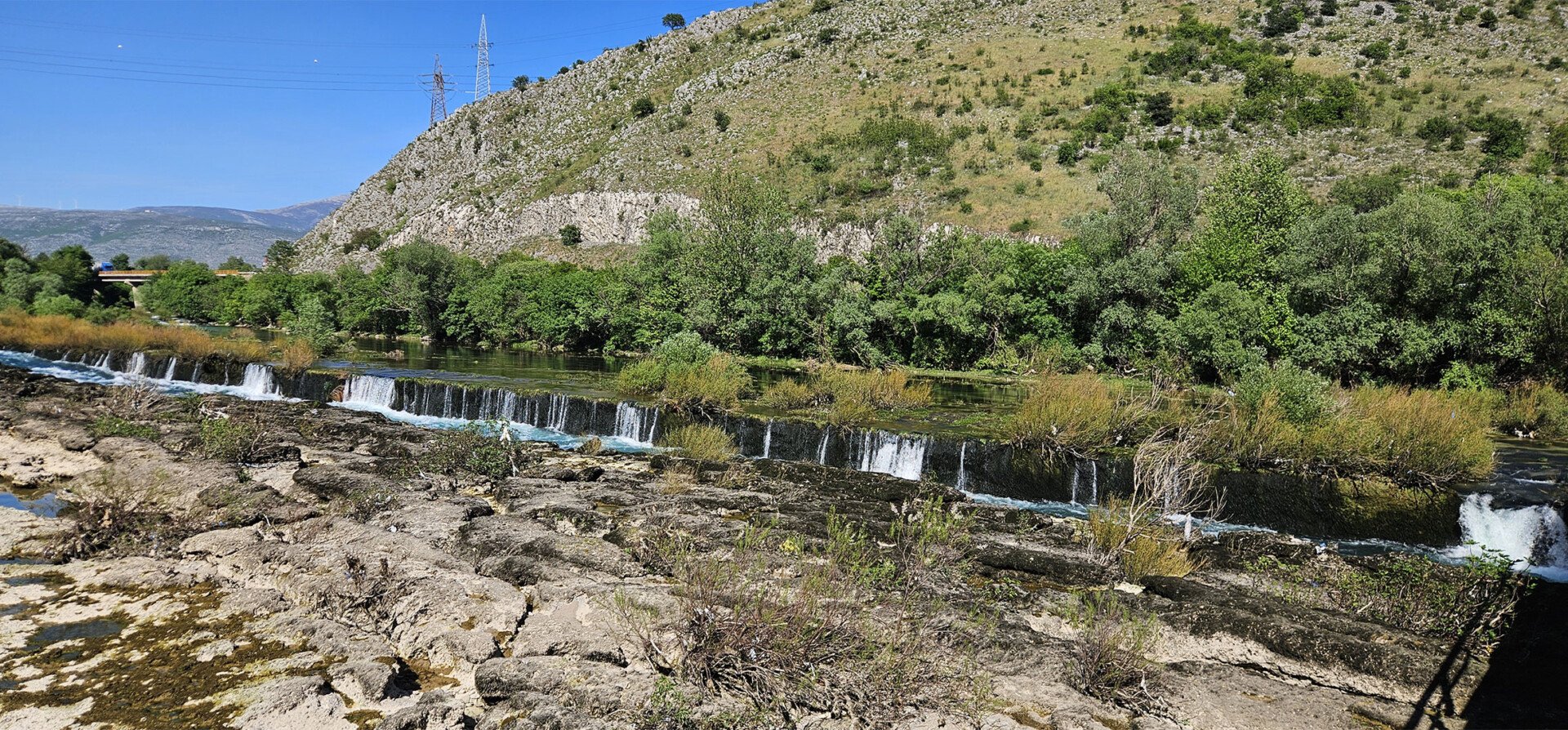
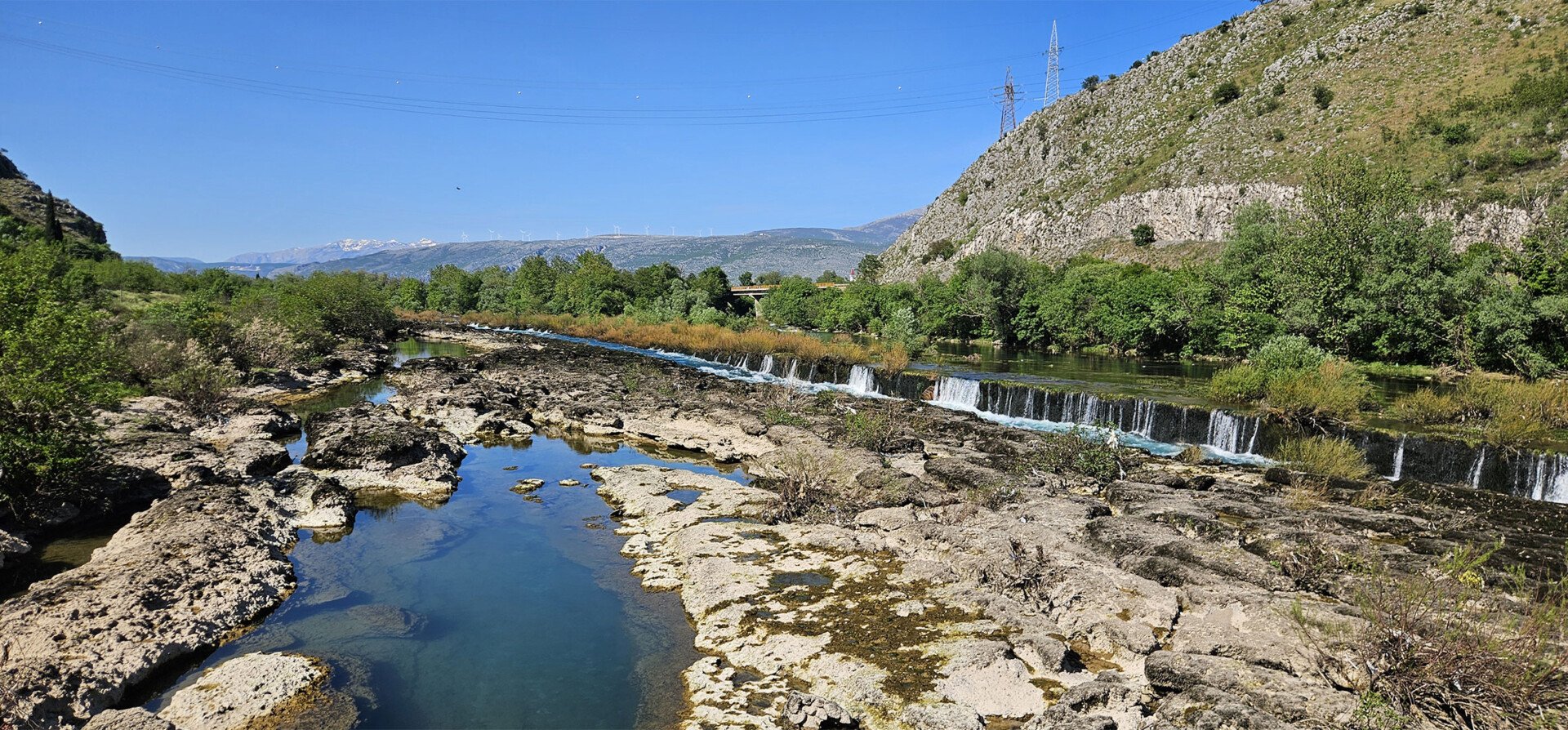
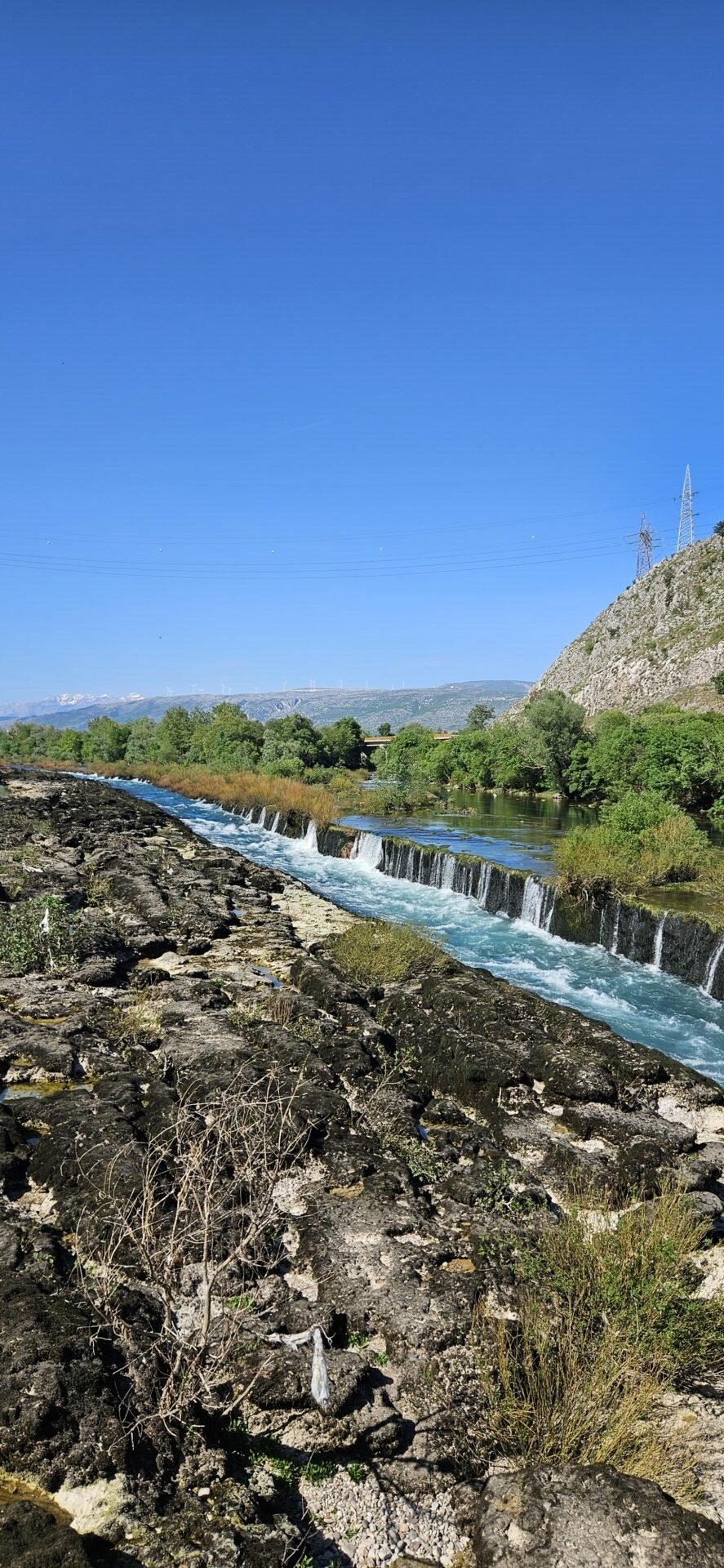
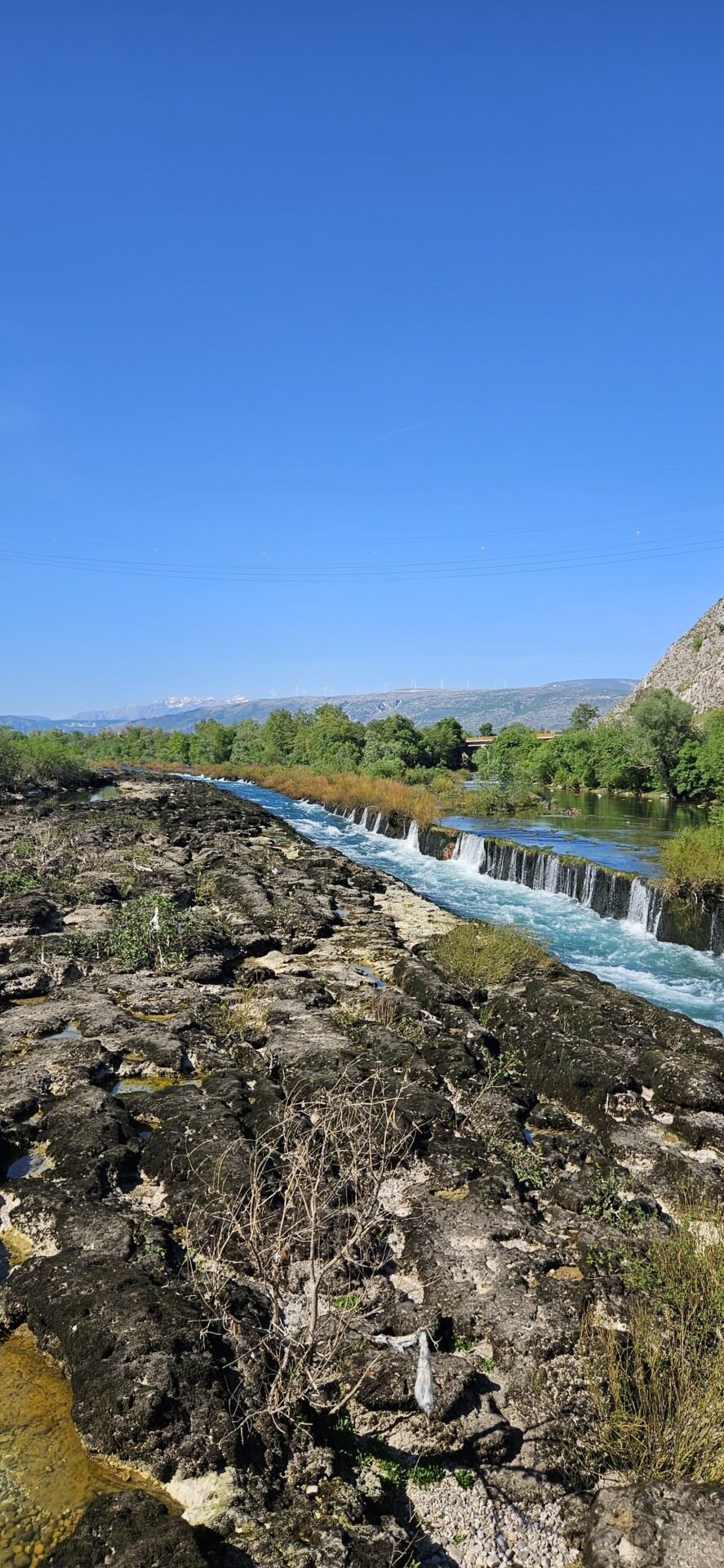
After Kravica, the route returns towards Mostar, but before the city, another unusual natural landmark awaits us: the Bunski Kanal (Buna Canals).
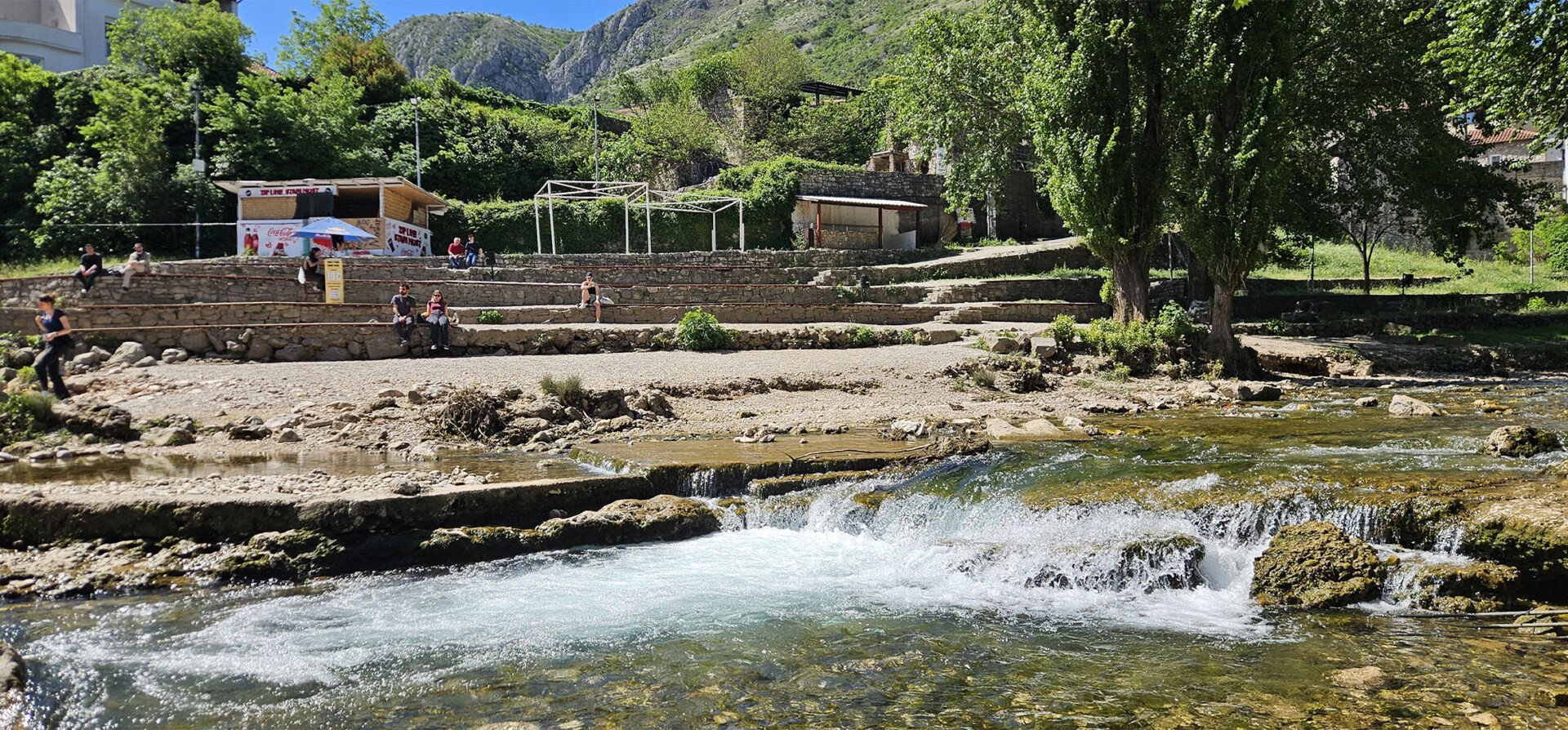
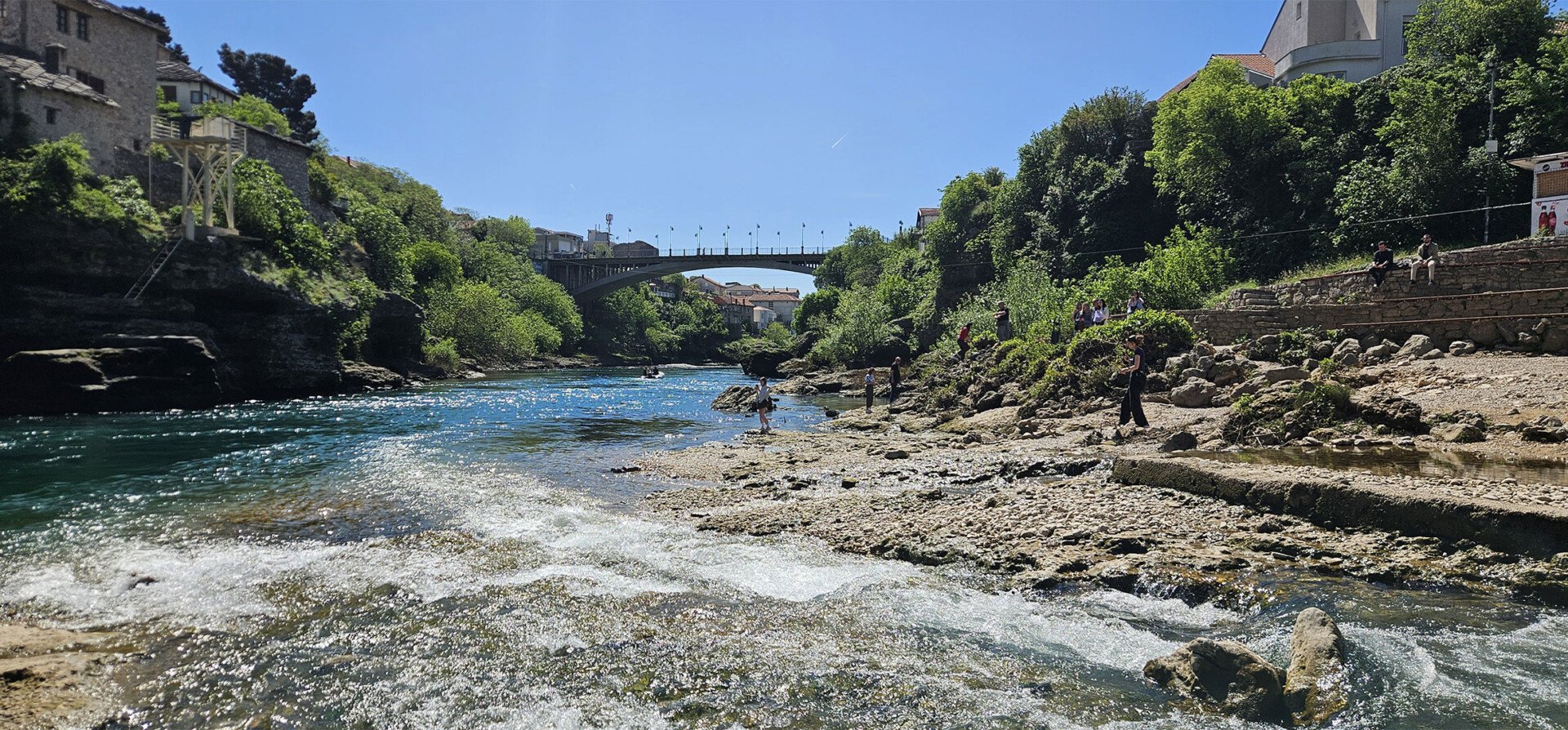
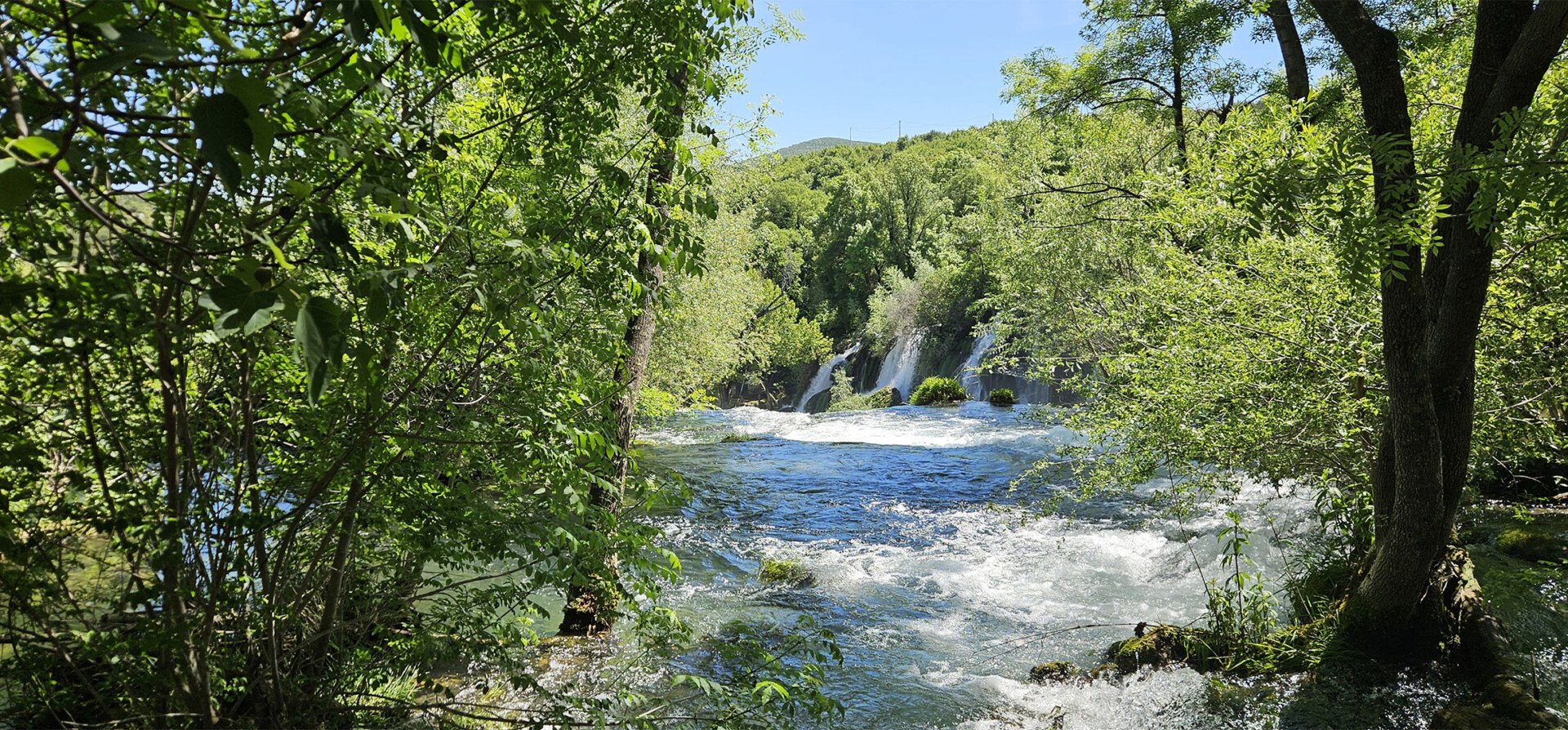
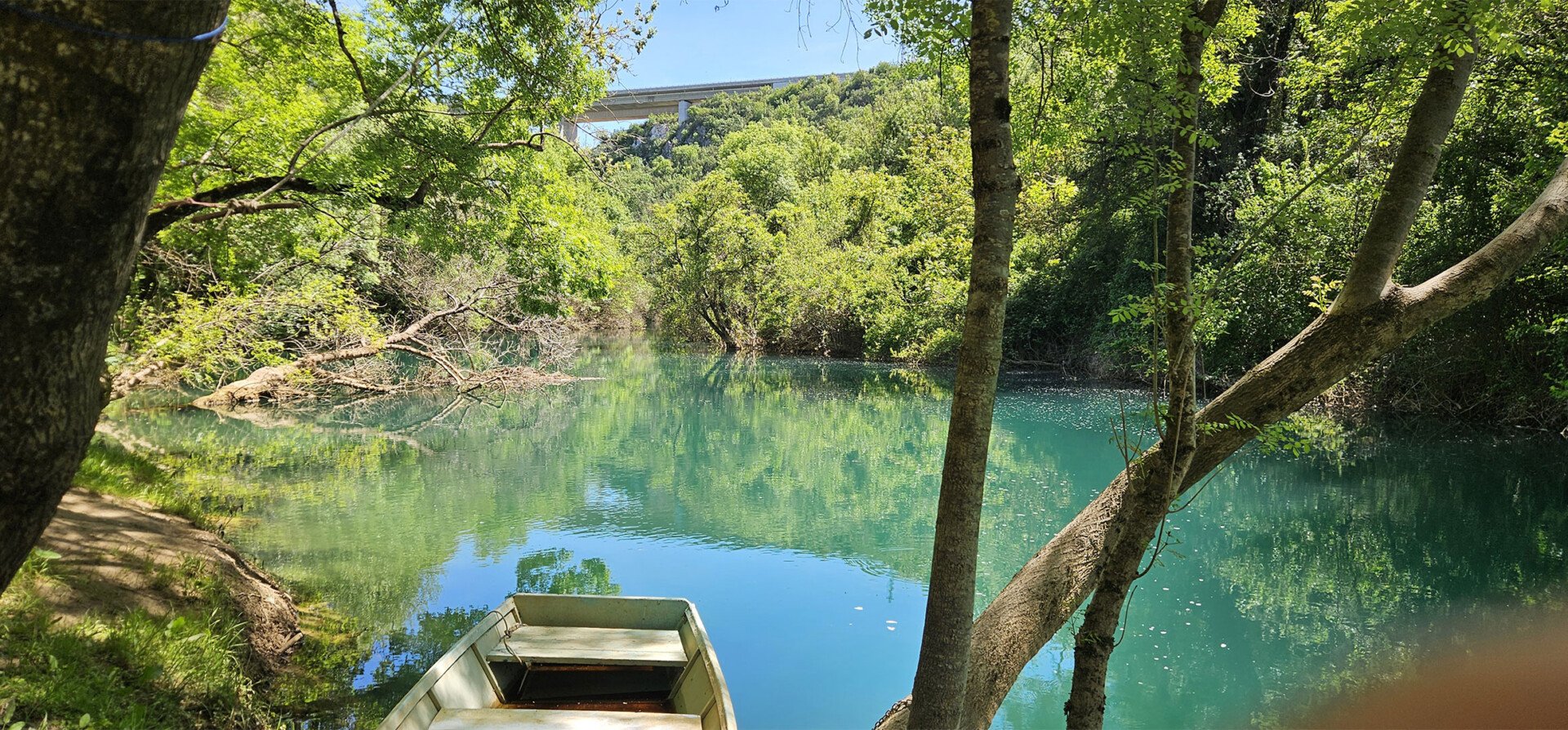
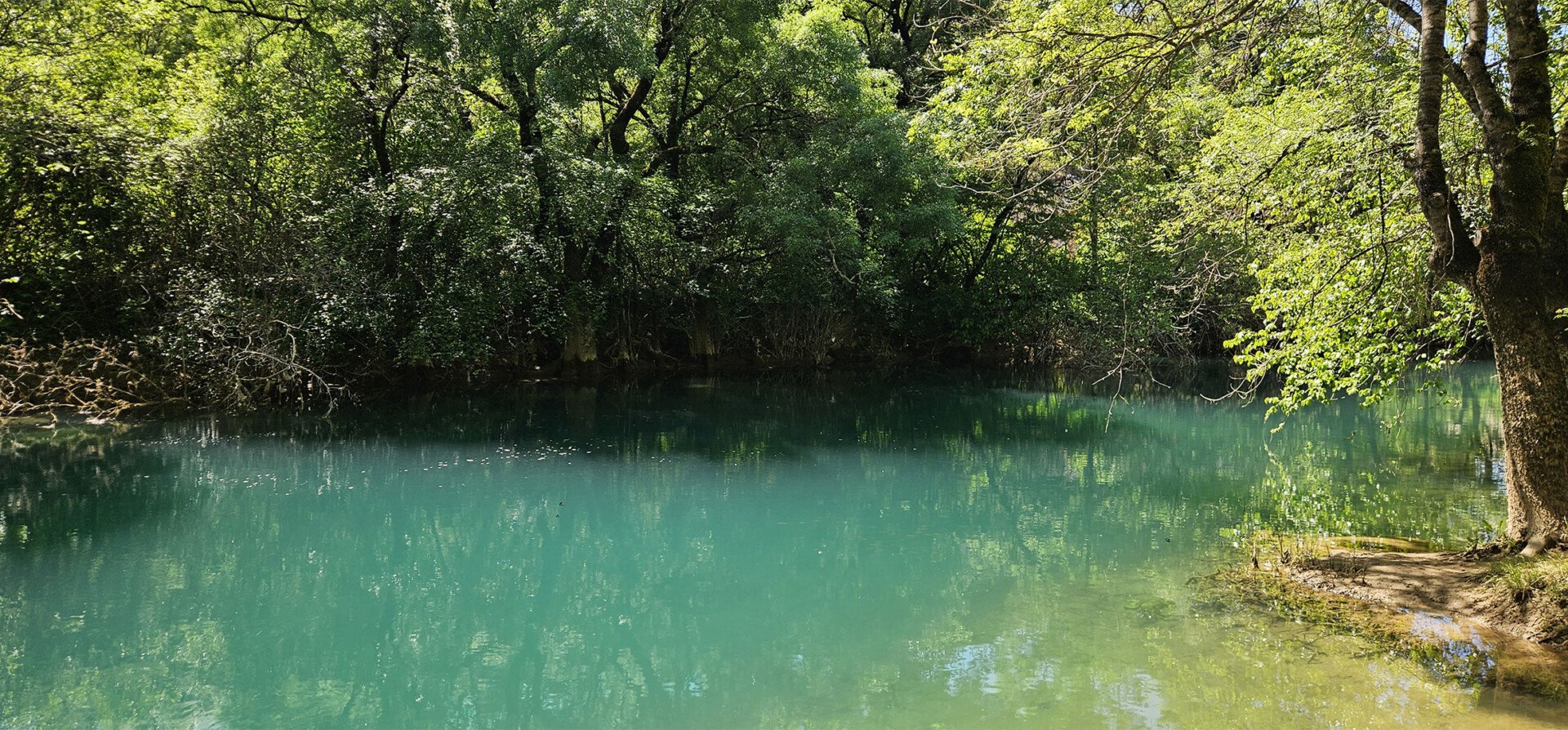
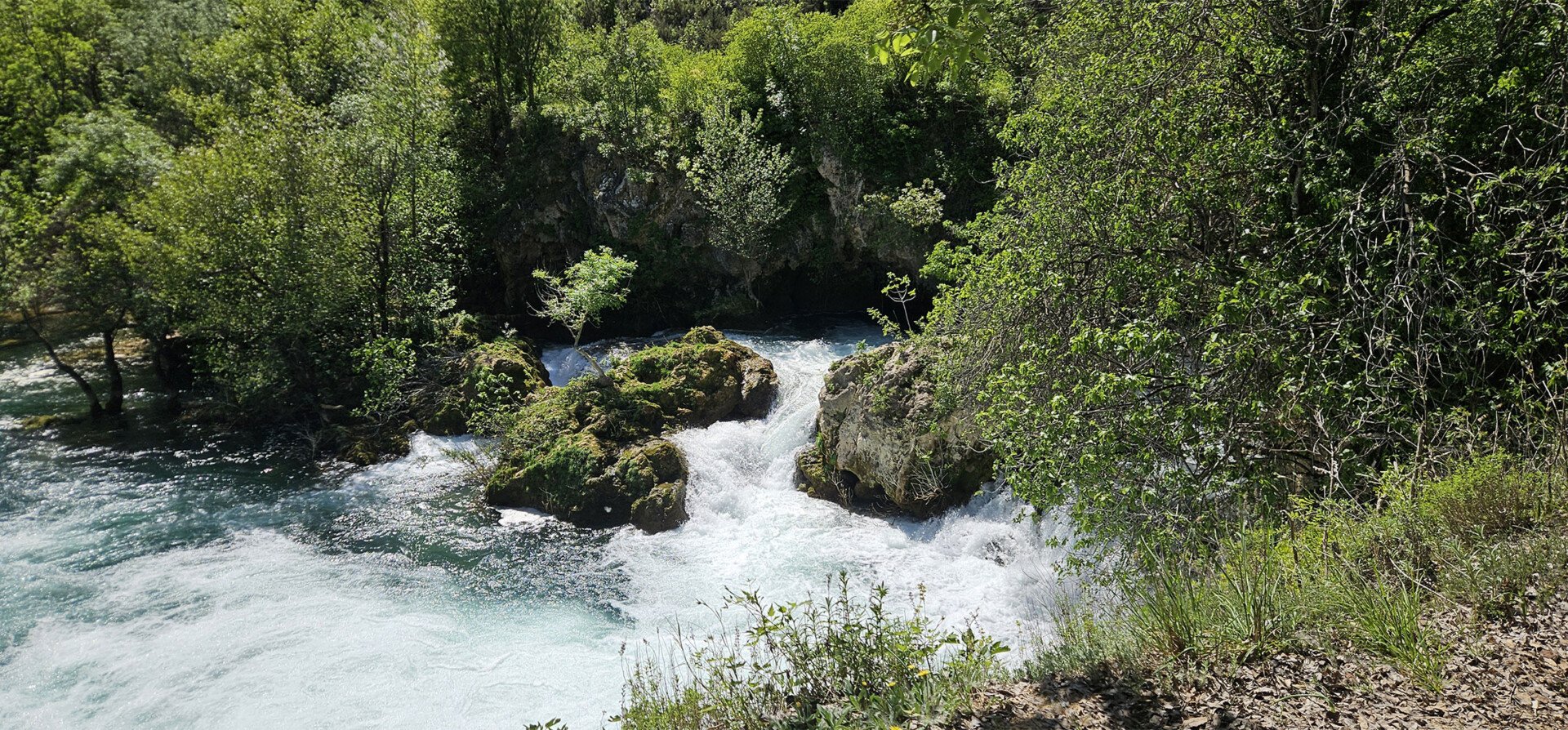
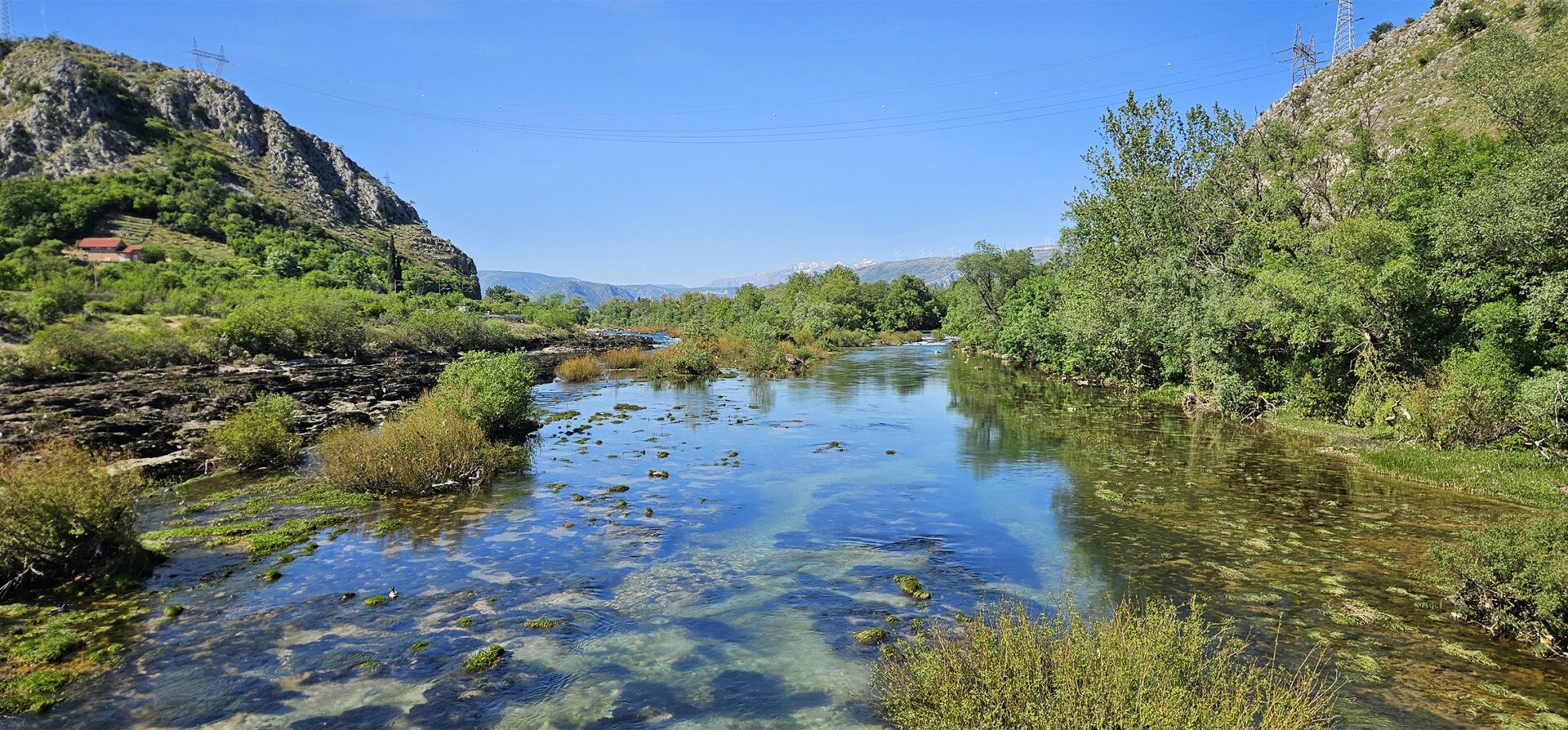
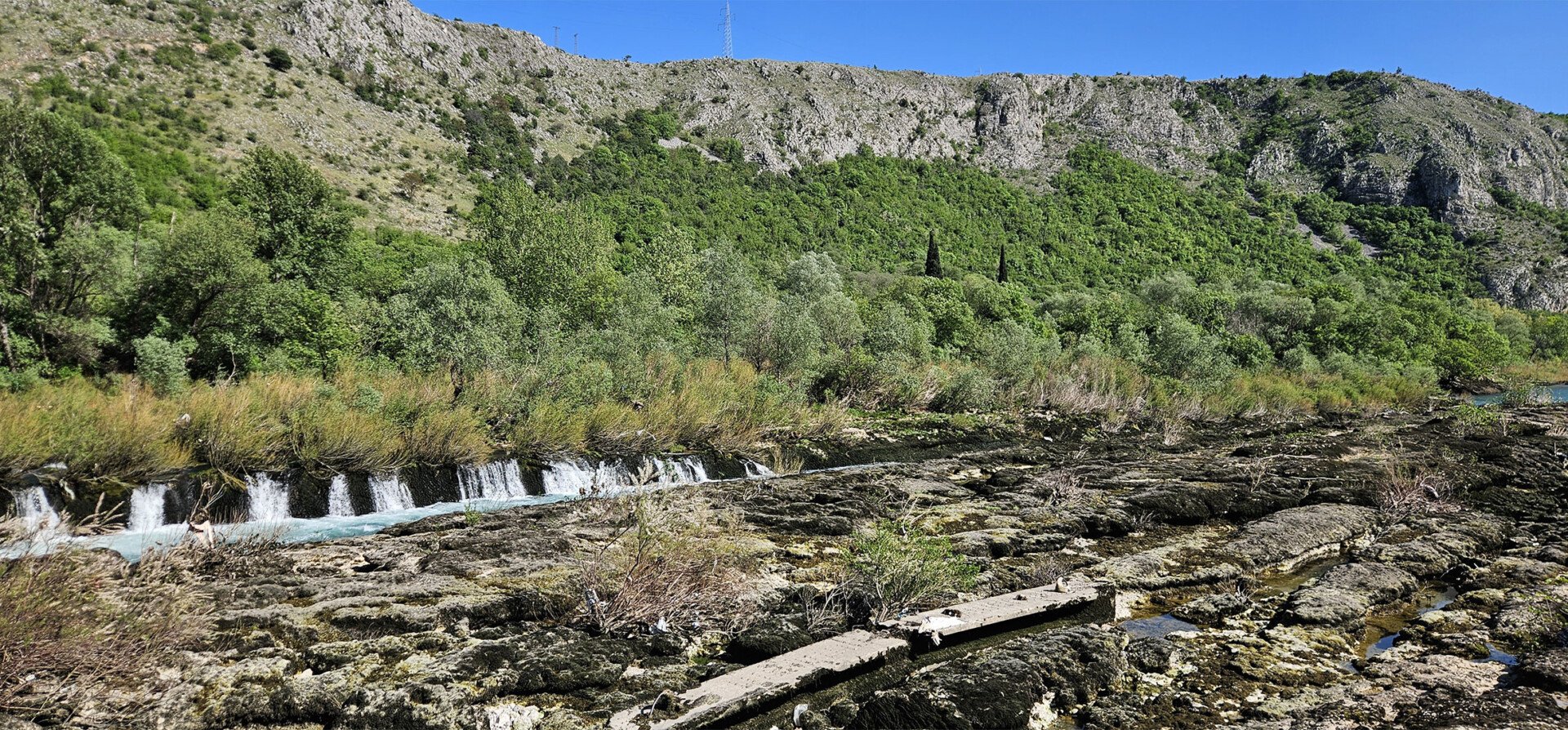
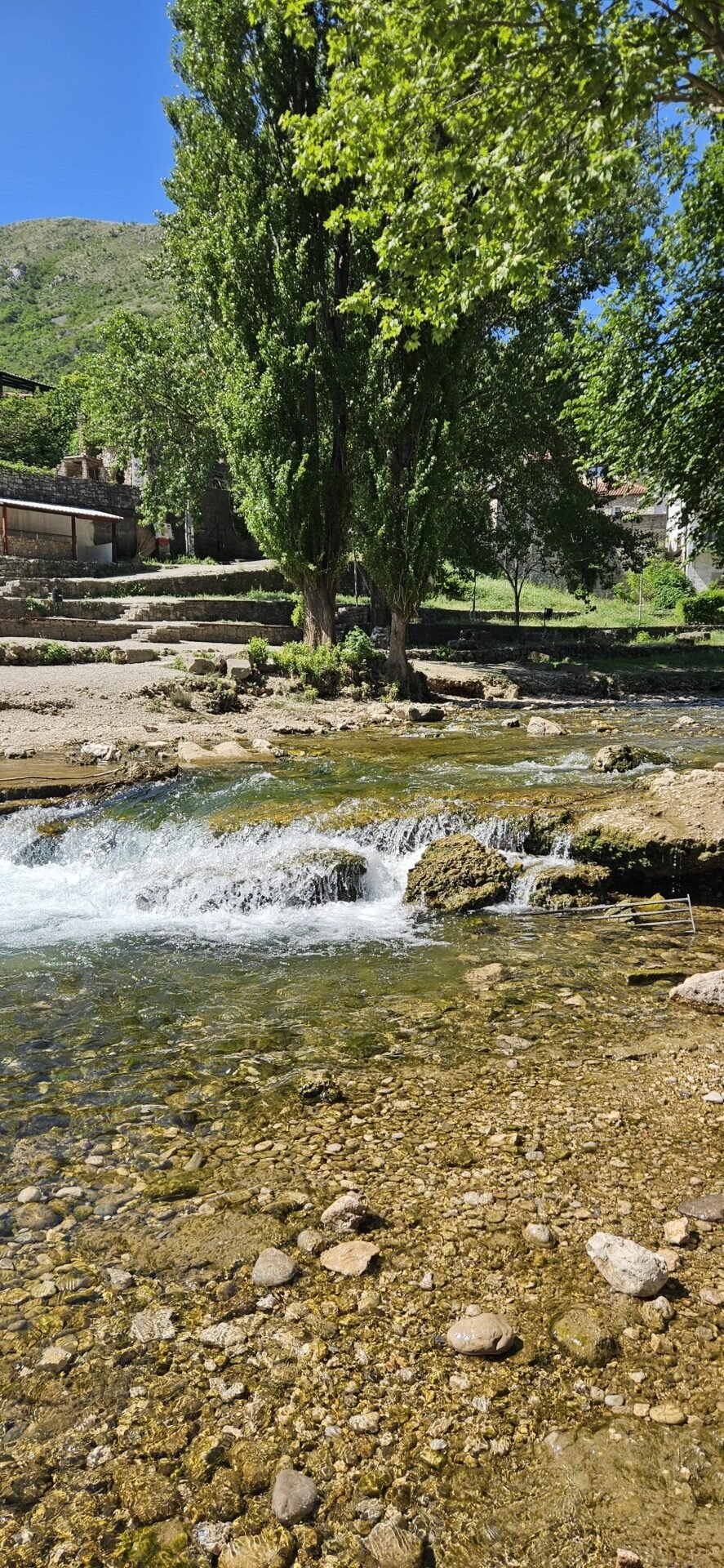
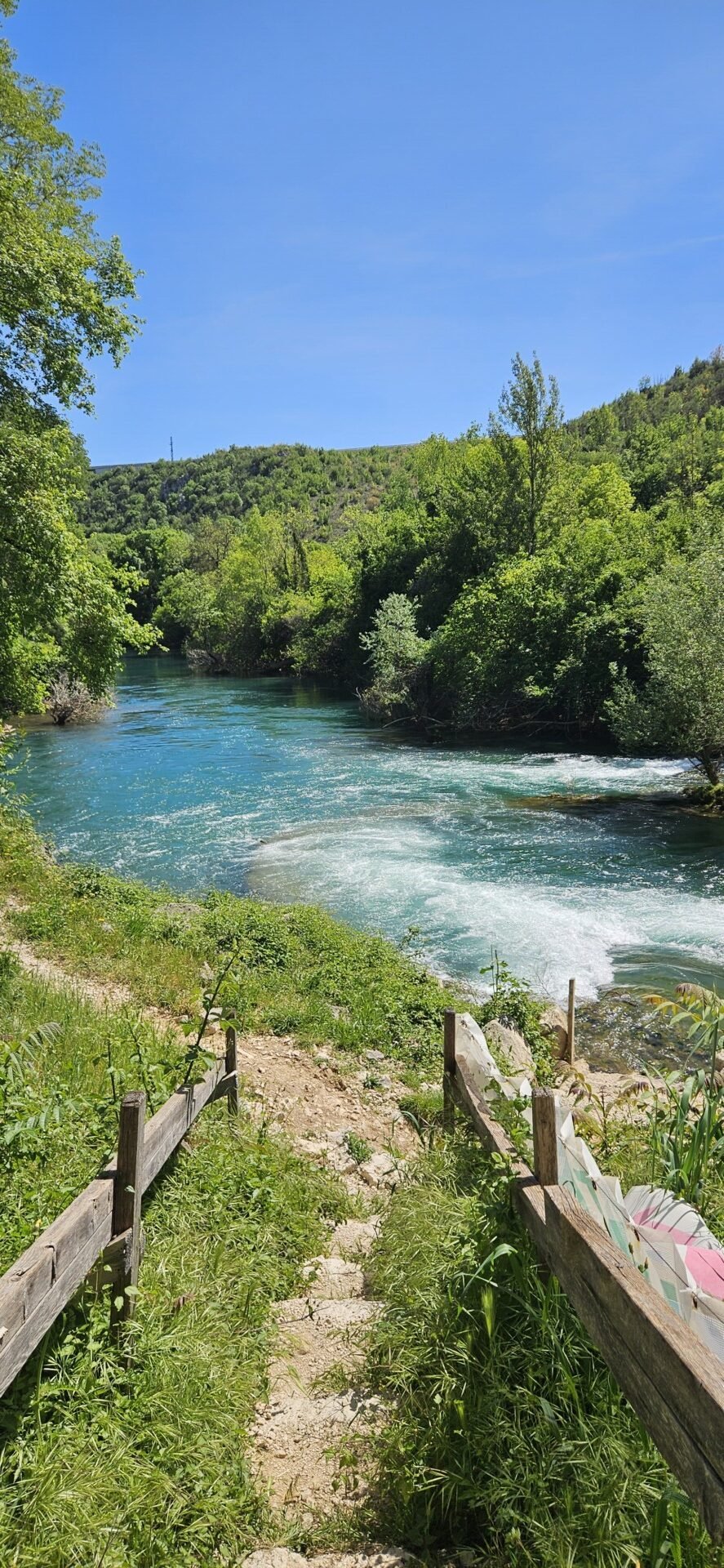
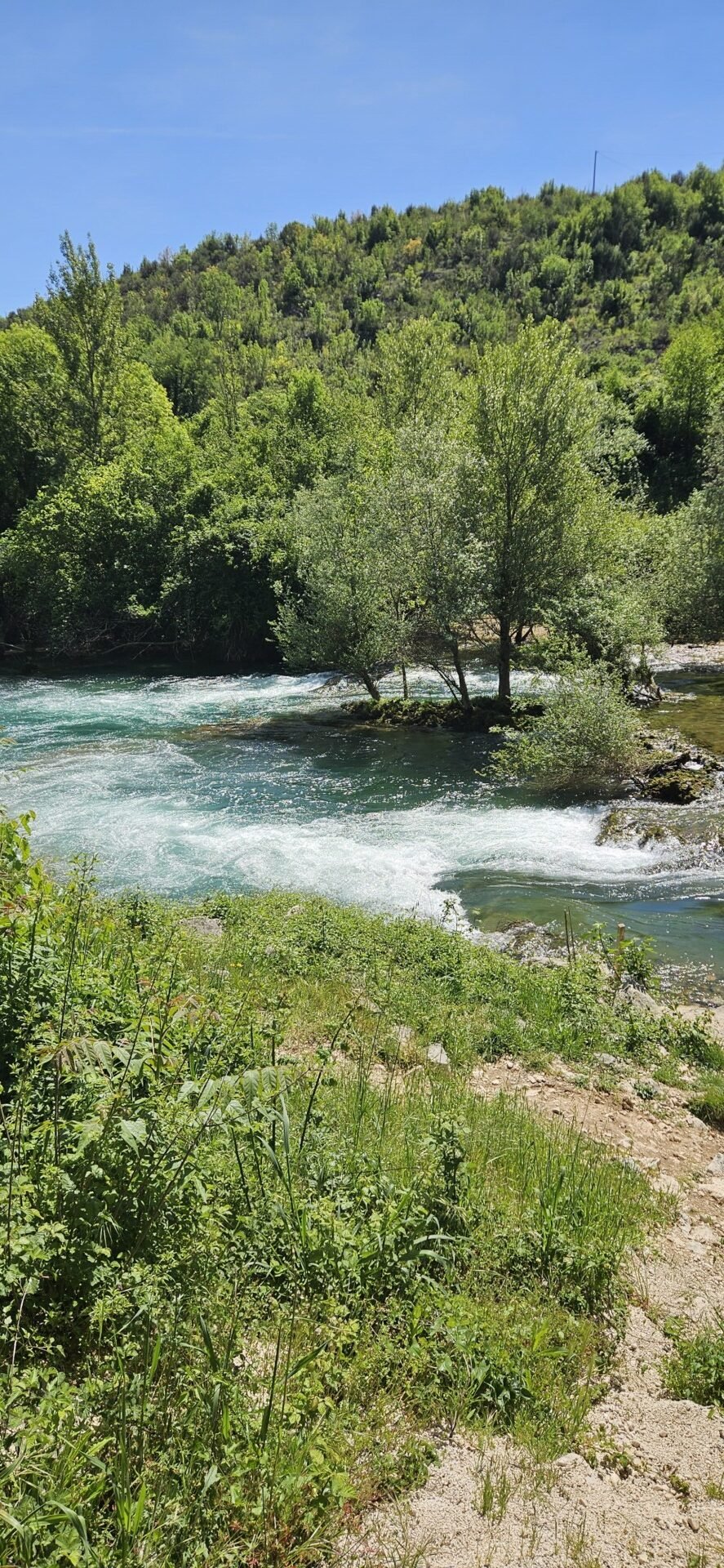
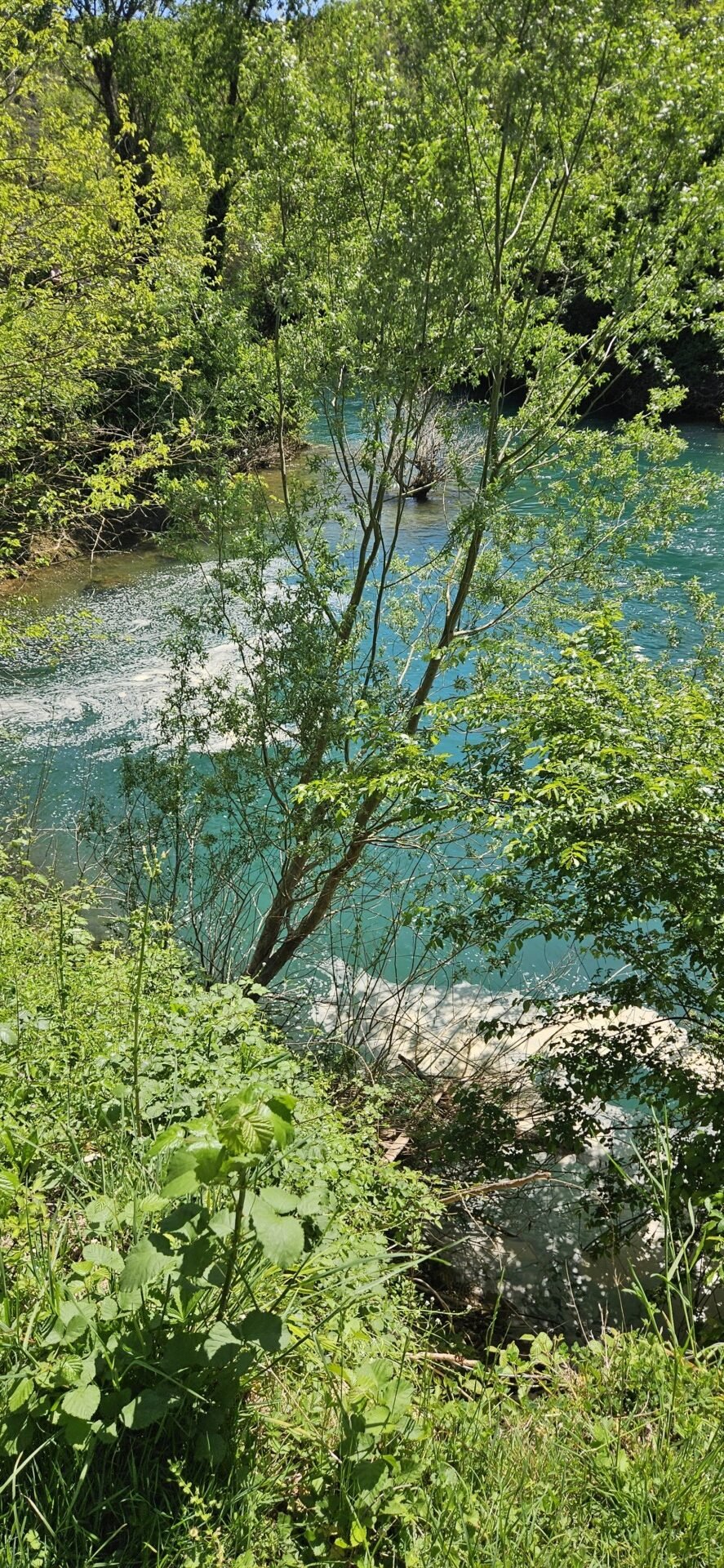
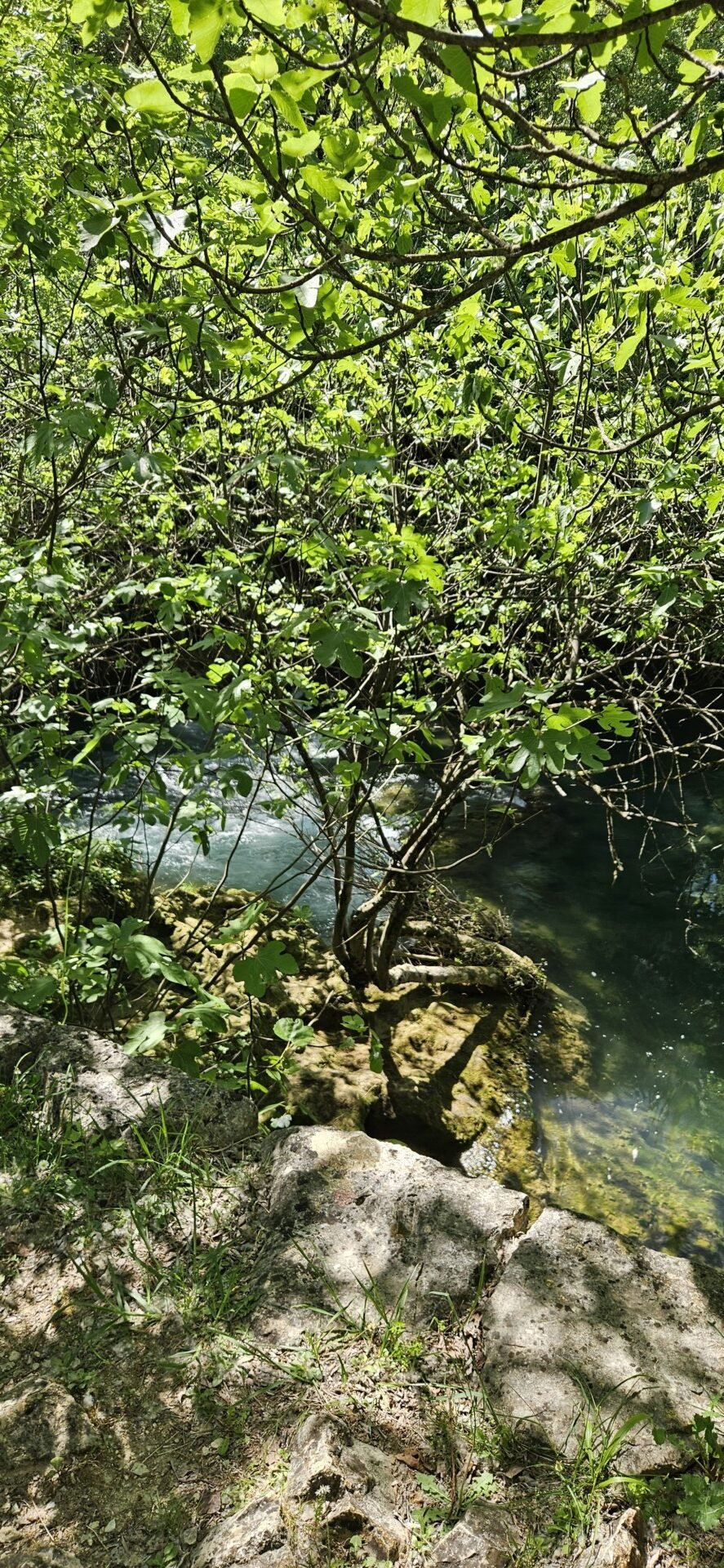
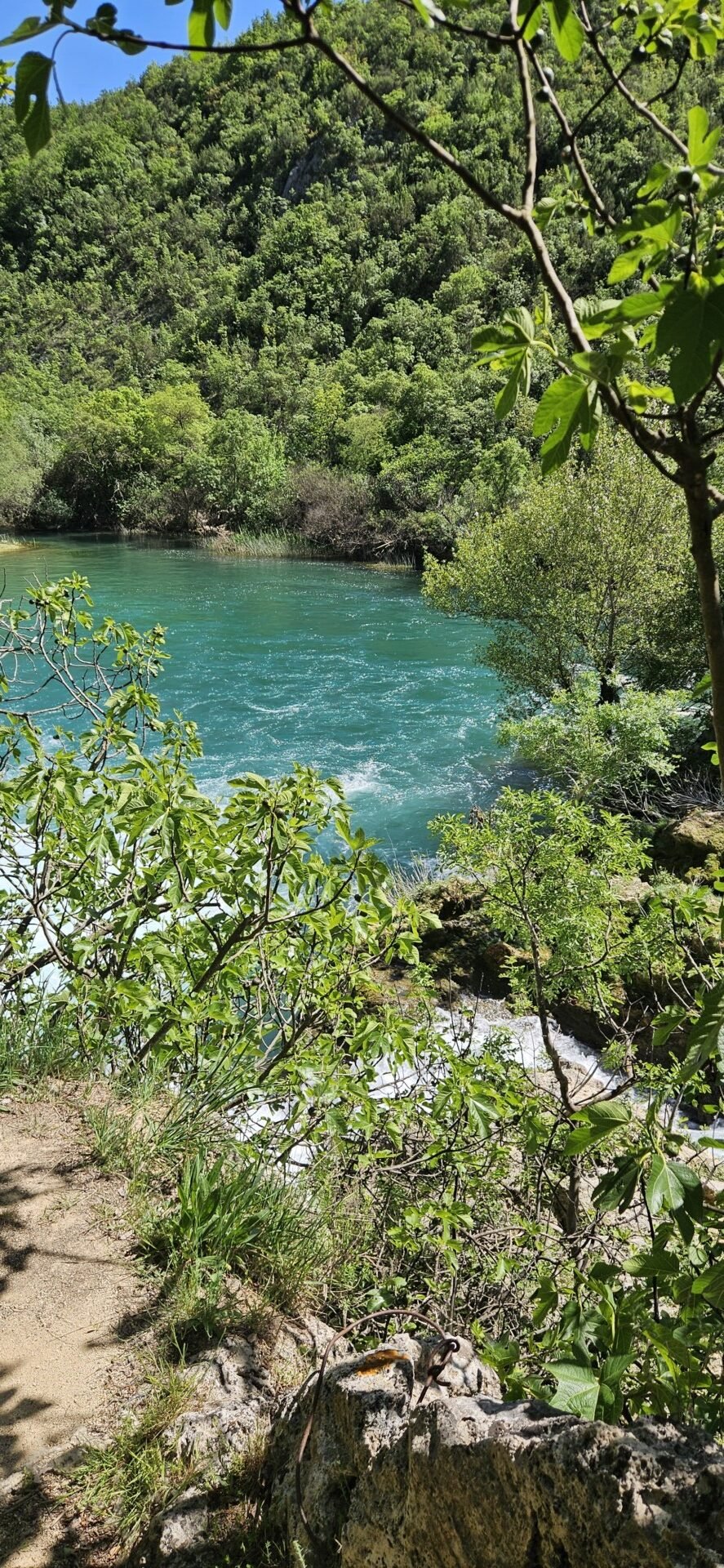
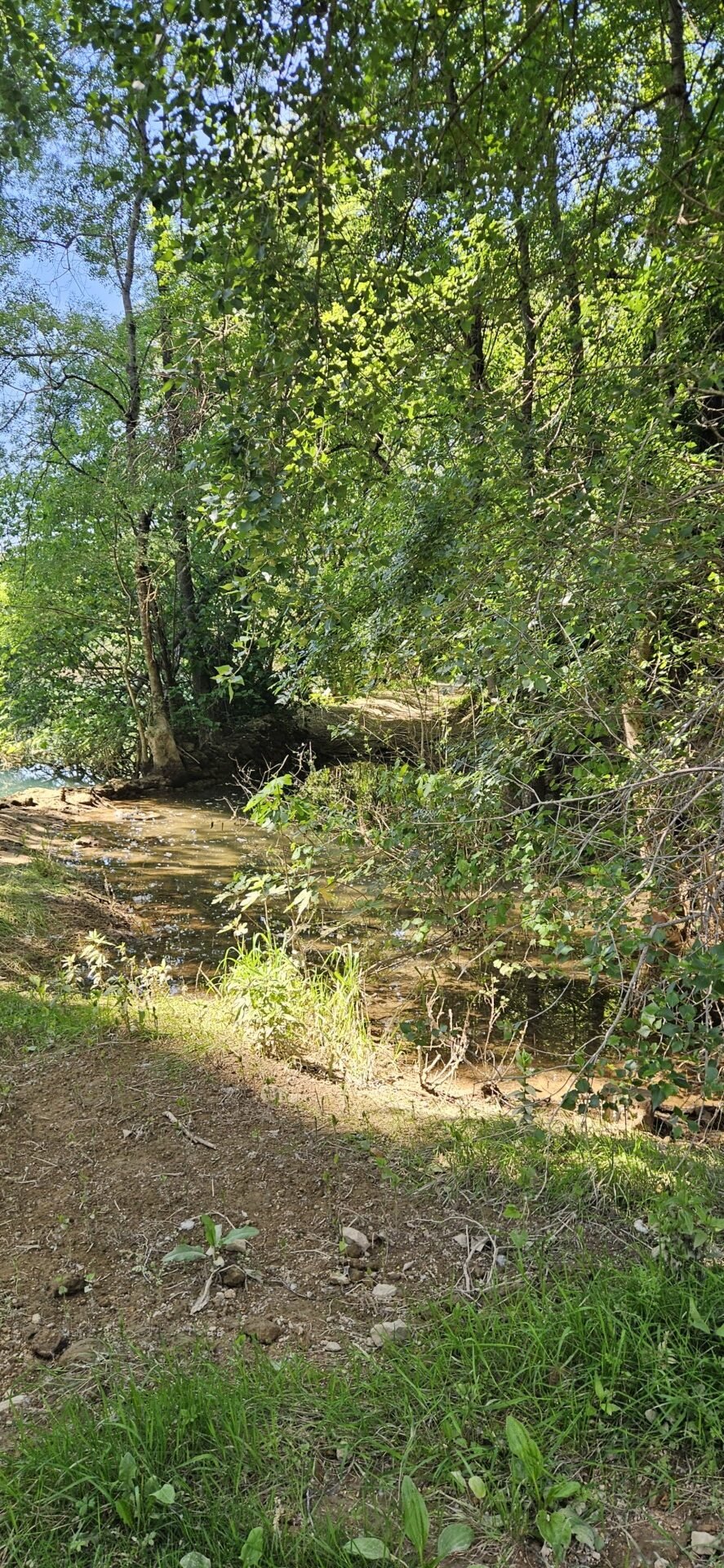
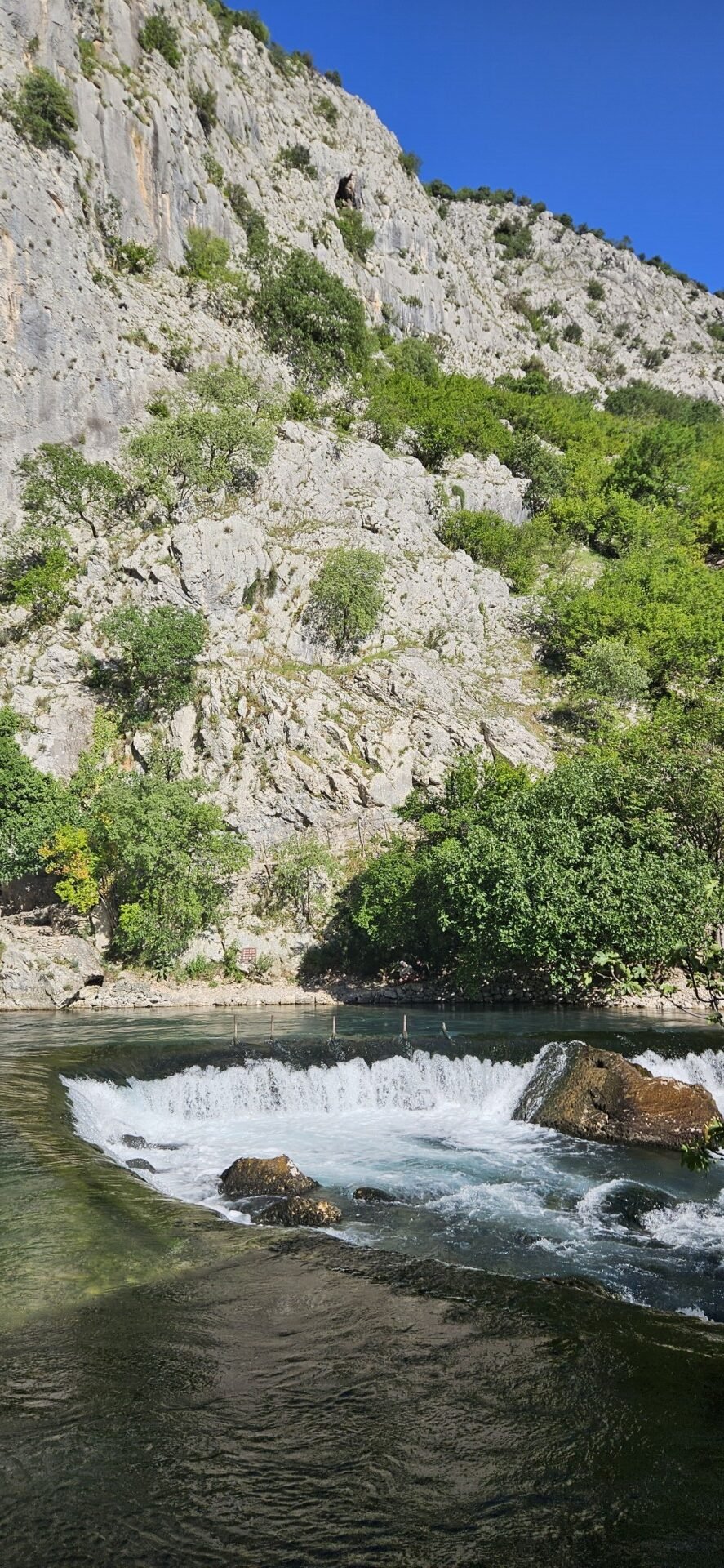
This place is interesting not so much for its scale as for its unusual natural structure. Two rivers, the Buna and the Neretva, converge here.
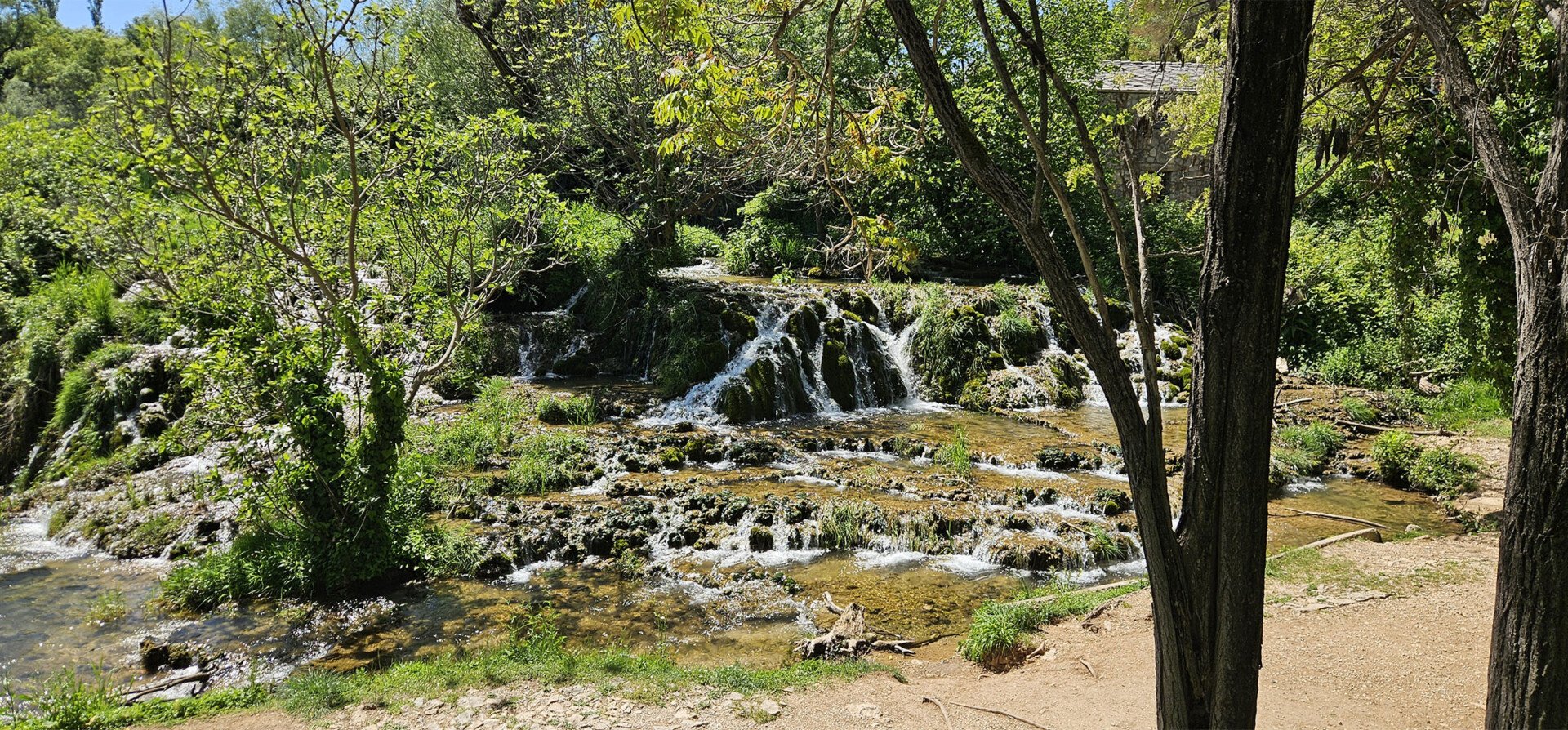
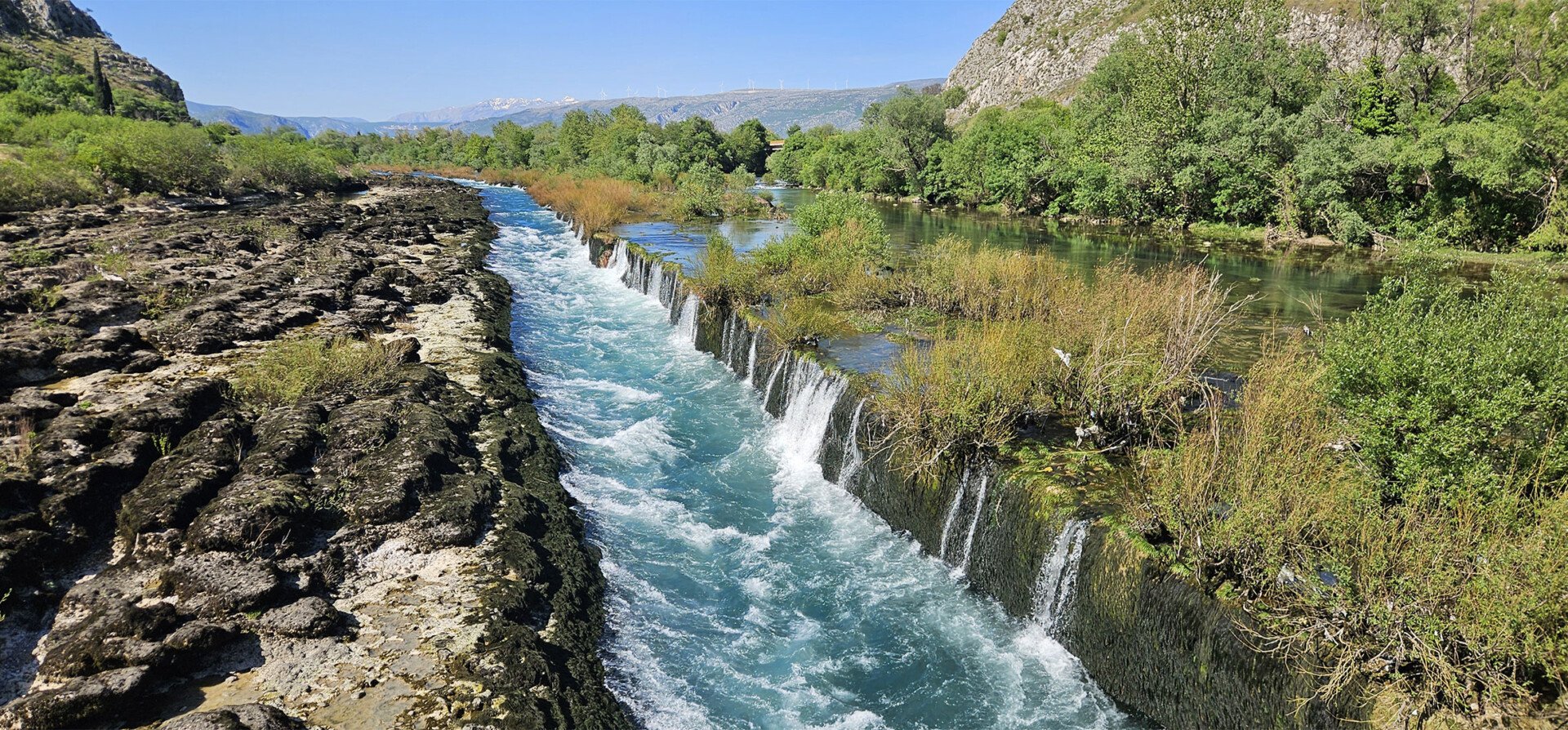
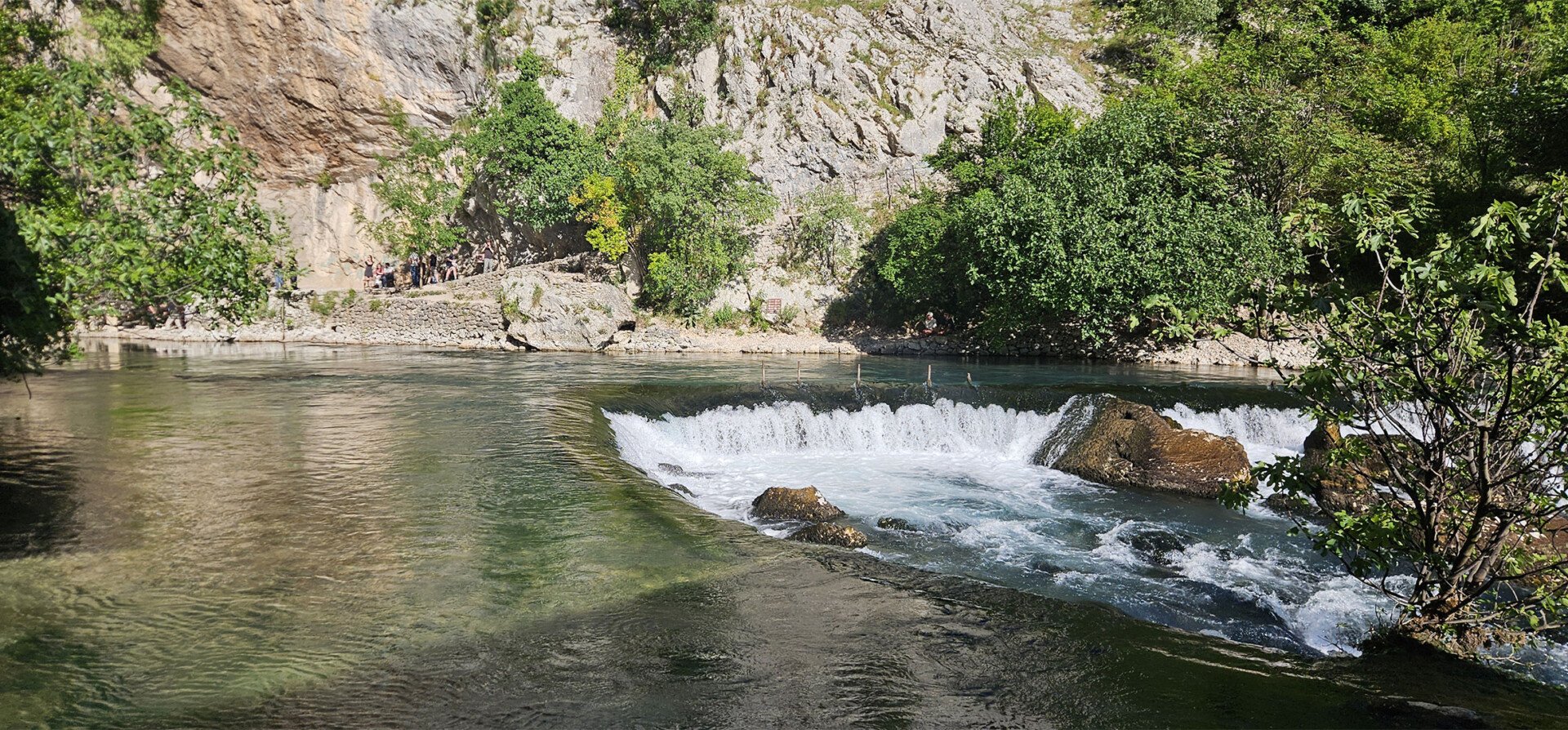
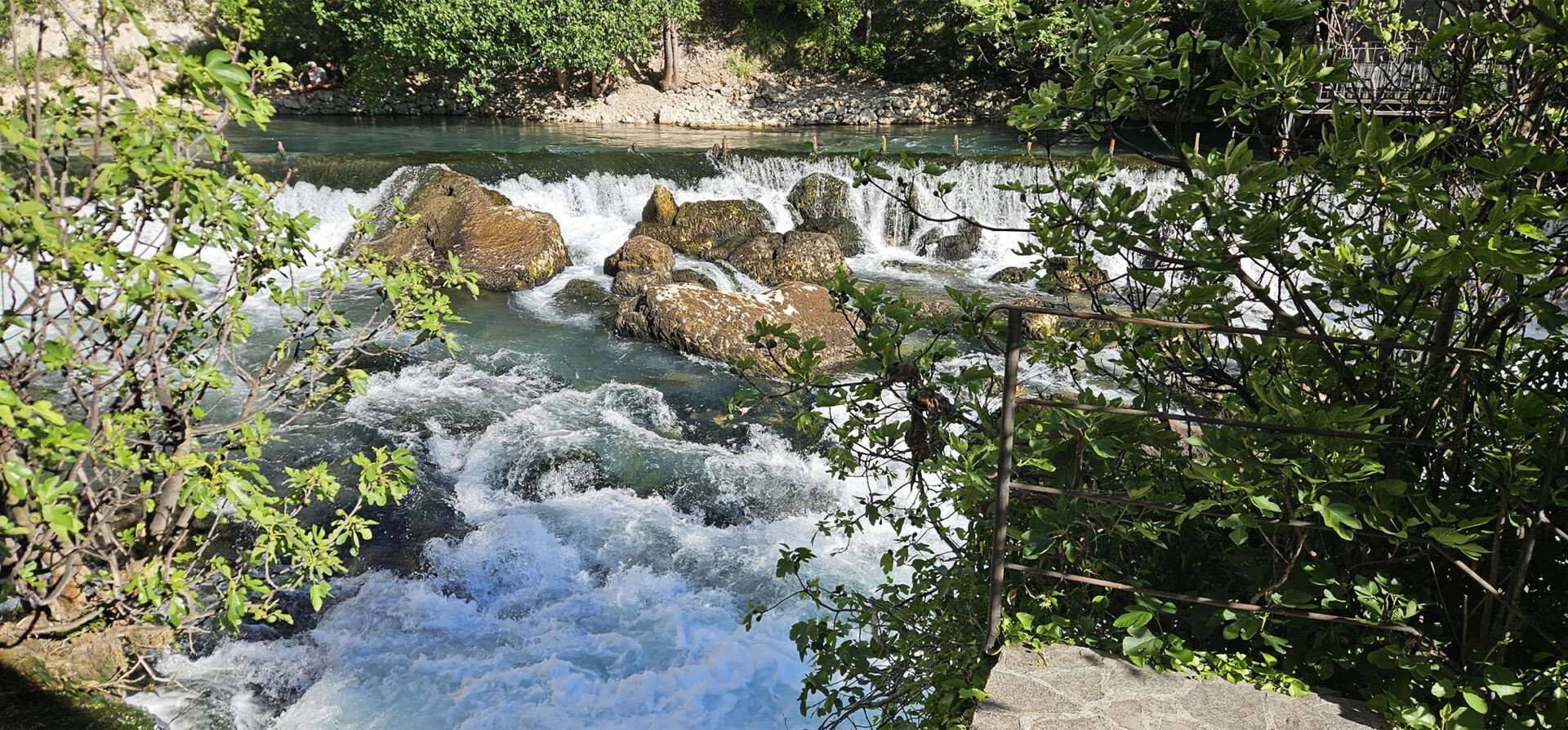
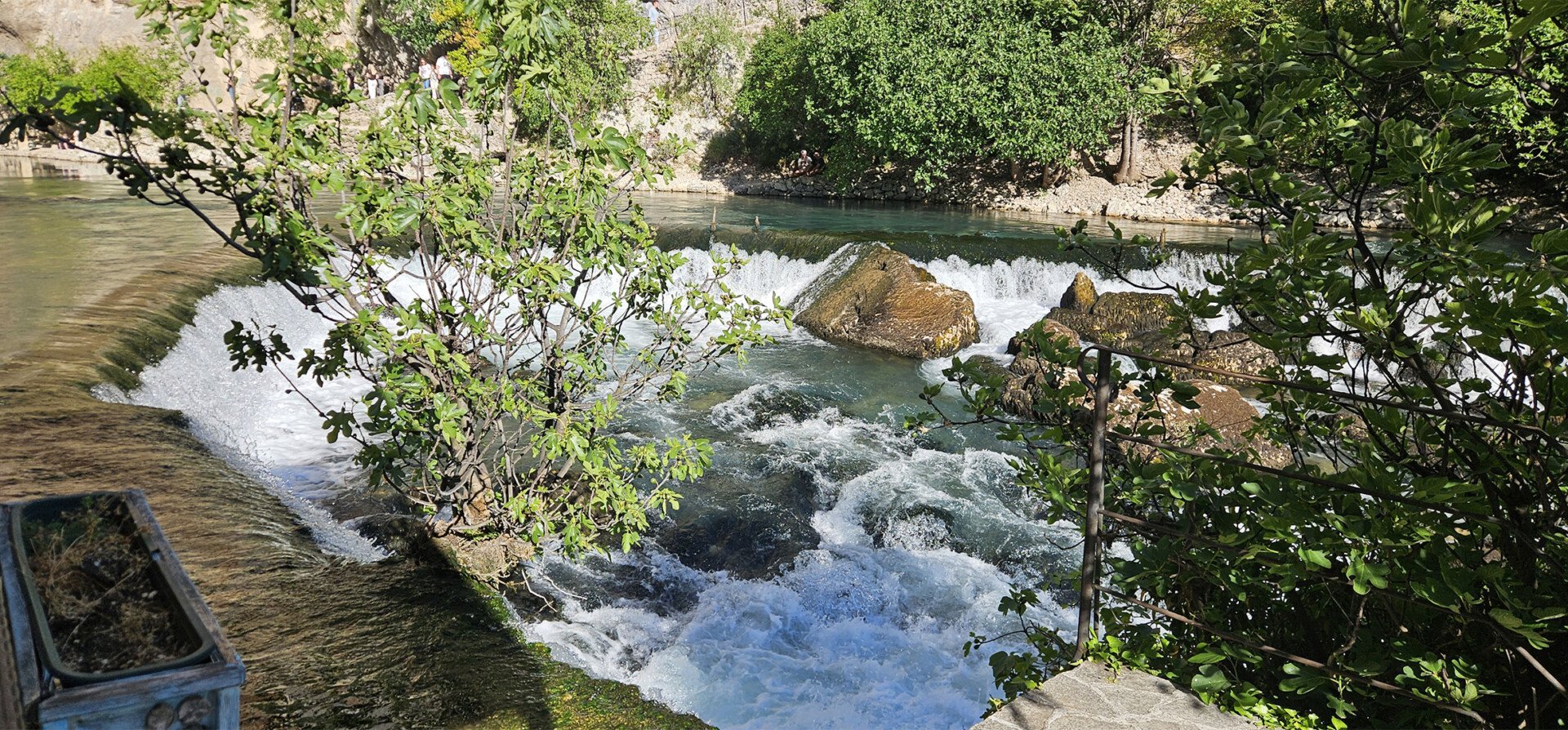
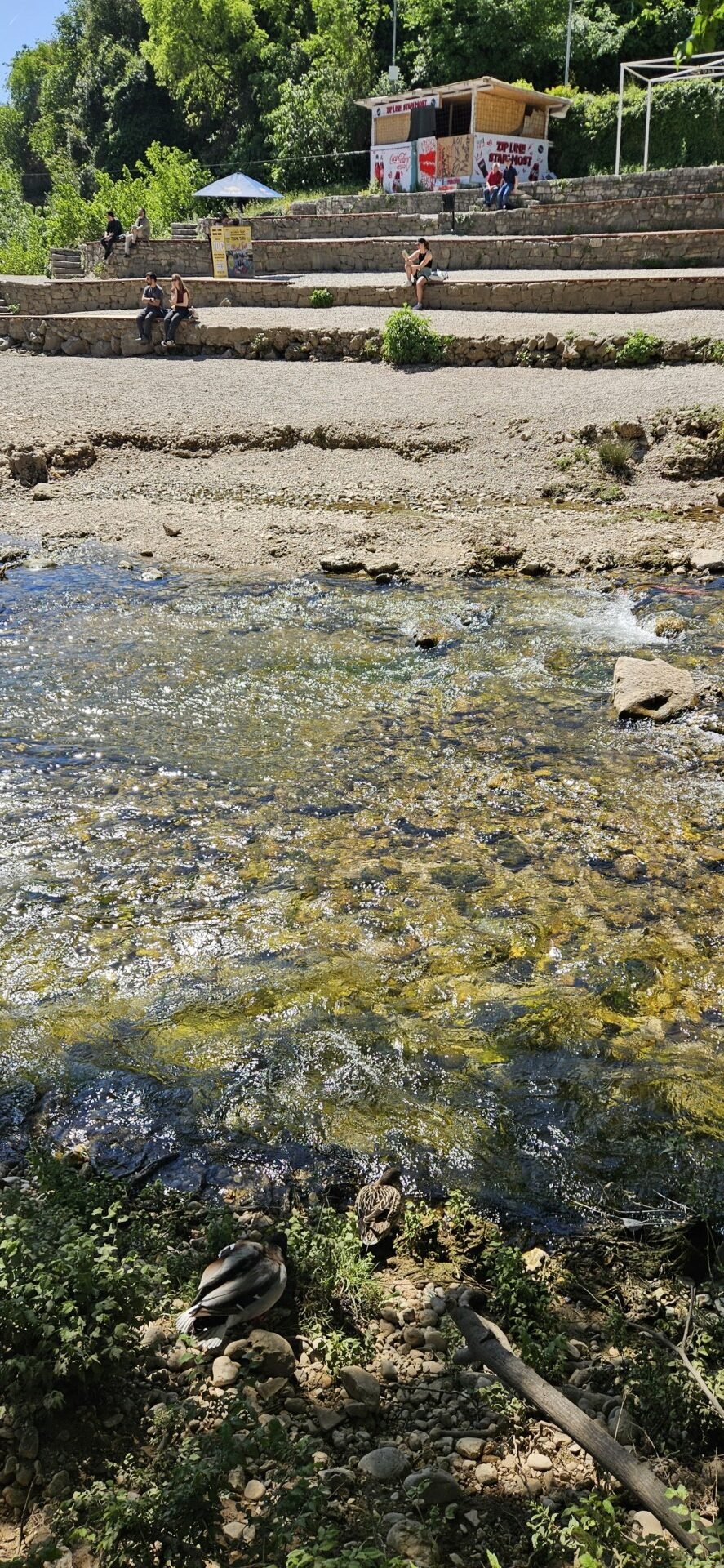
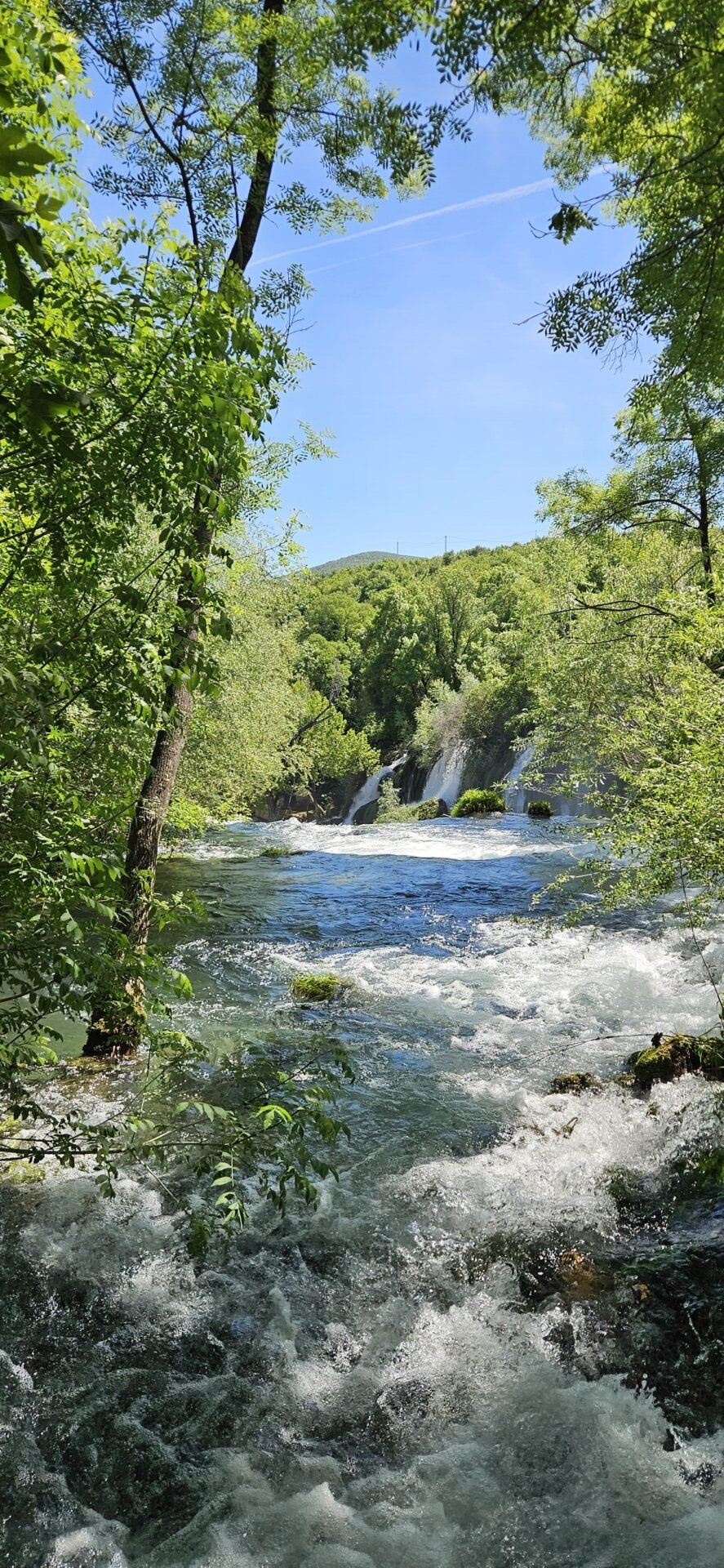
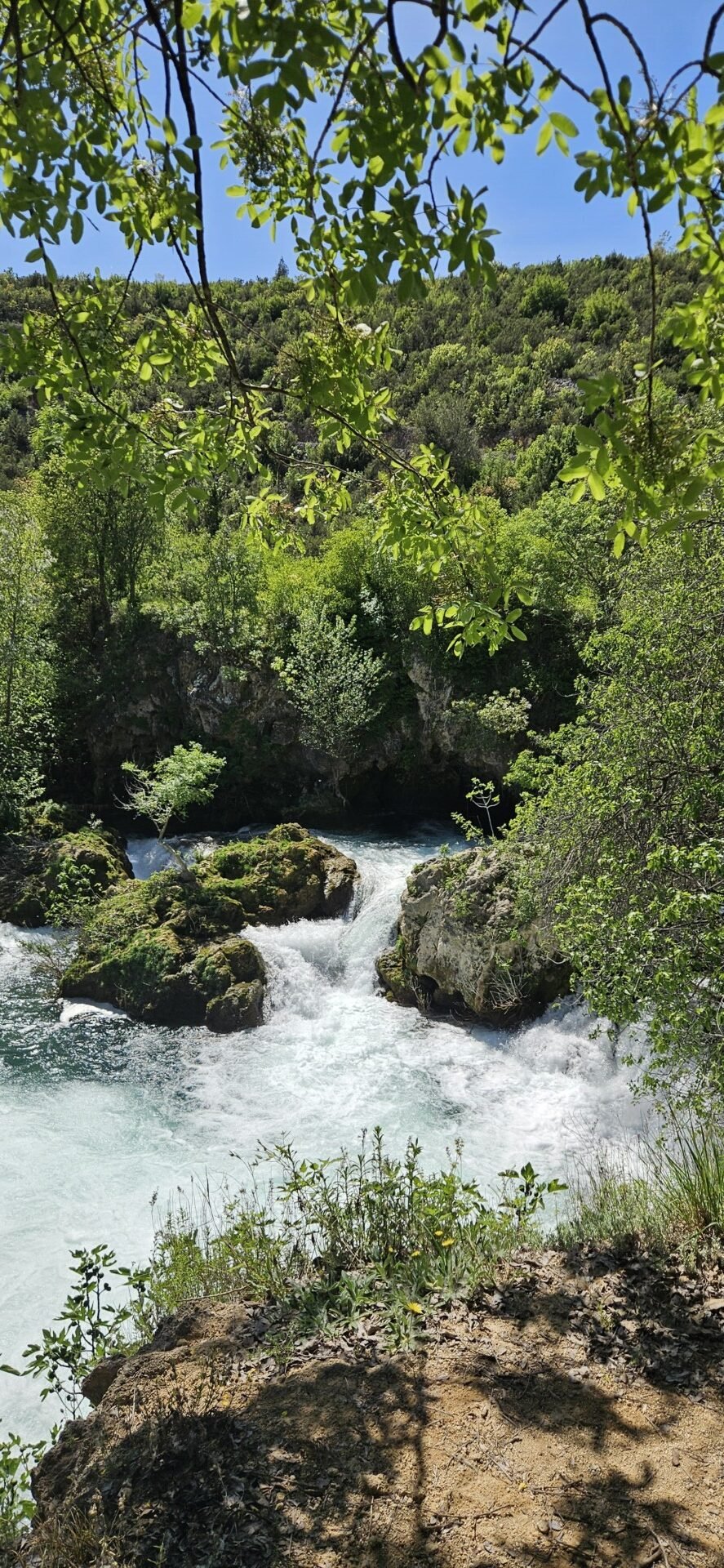
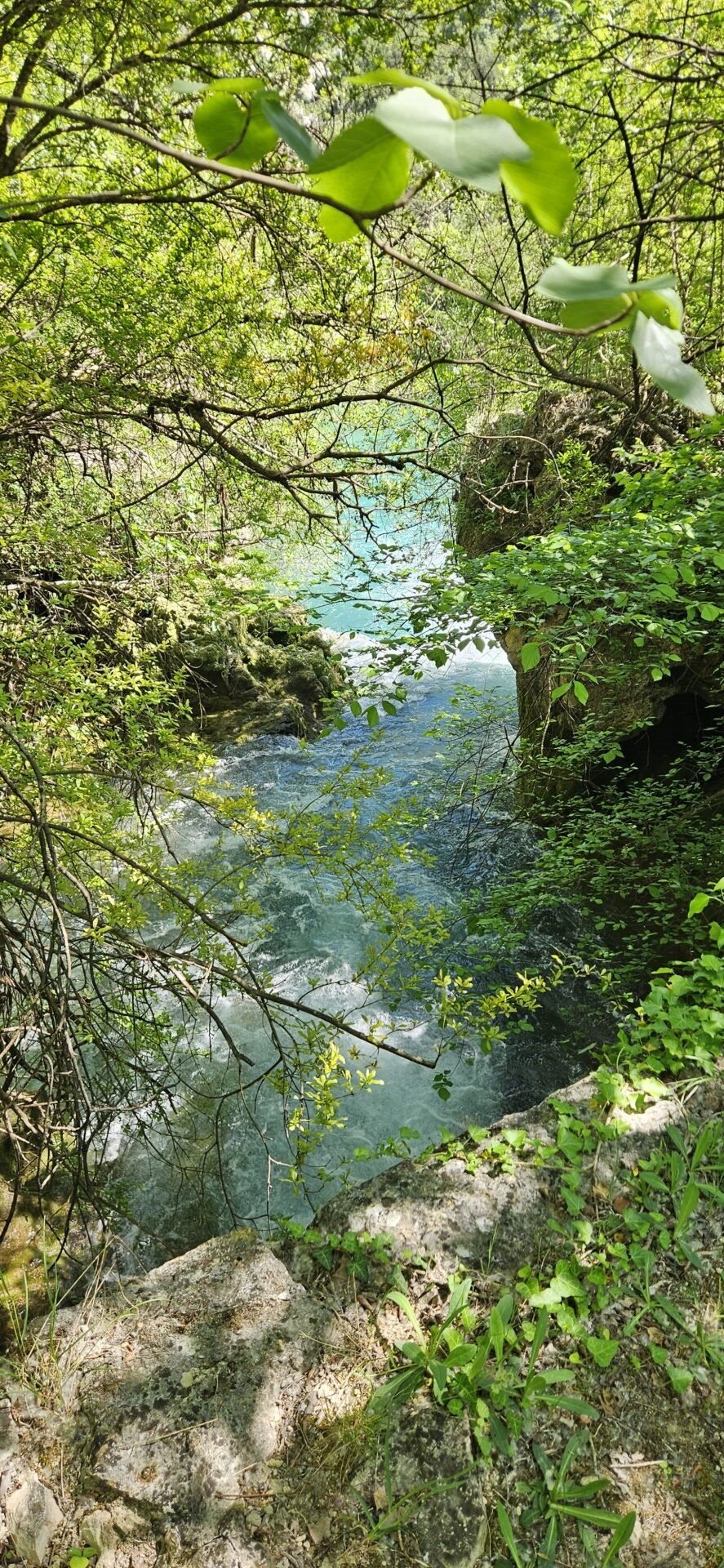
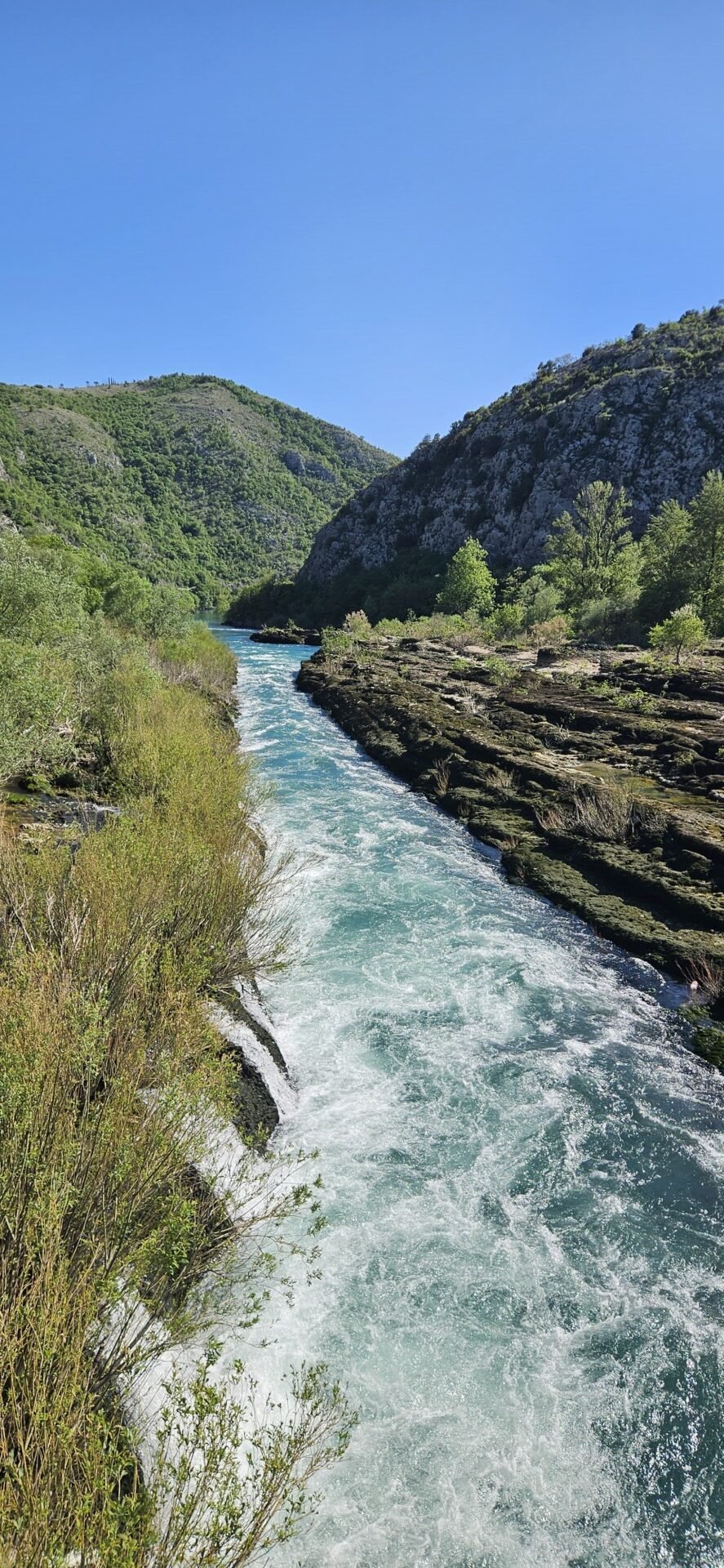
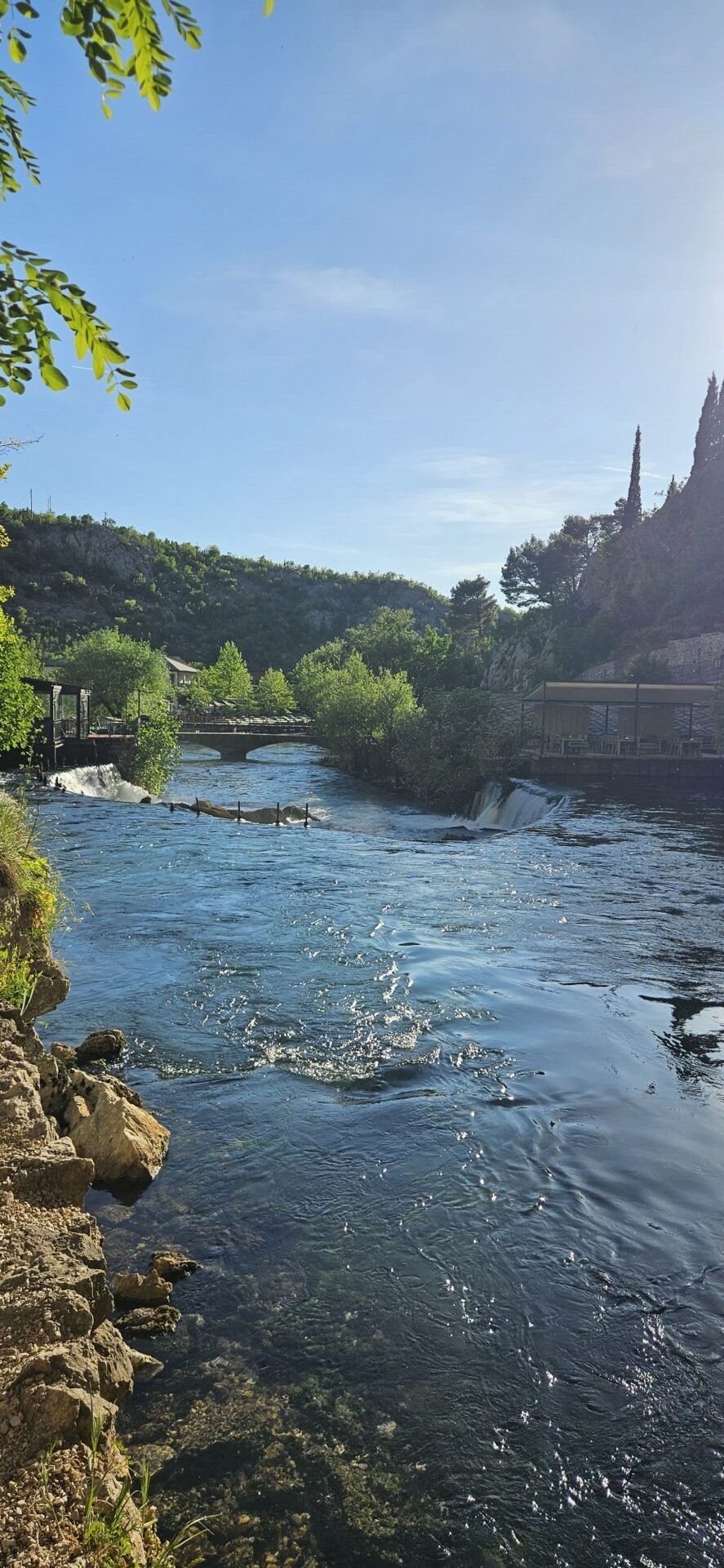
Moreover, the Buna doesn’t simply flow into the Neretva through a typical estuary. The rivers seem to flow side by side for a while, and then the Buna River joins the Neretva River through travertine rapids and small waterfalls. This is why locals call this place “where the Buna kisses the Neretva.”
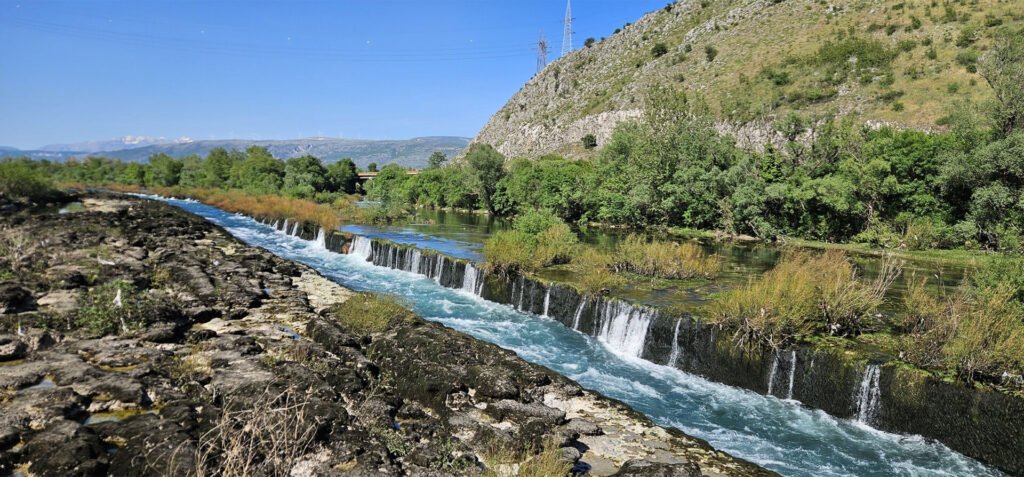
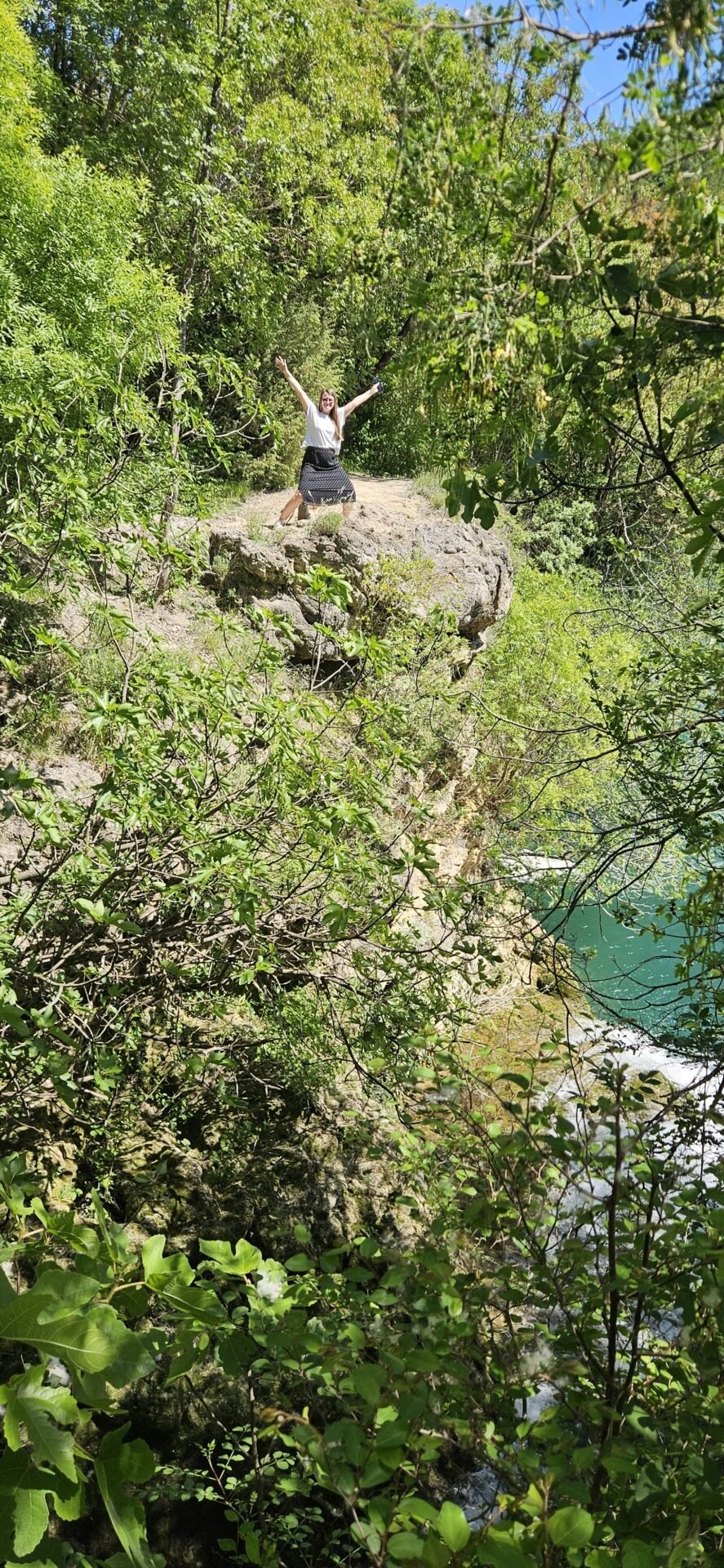
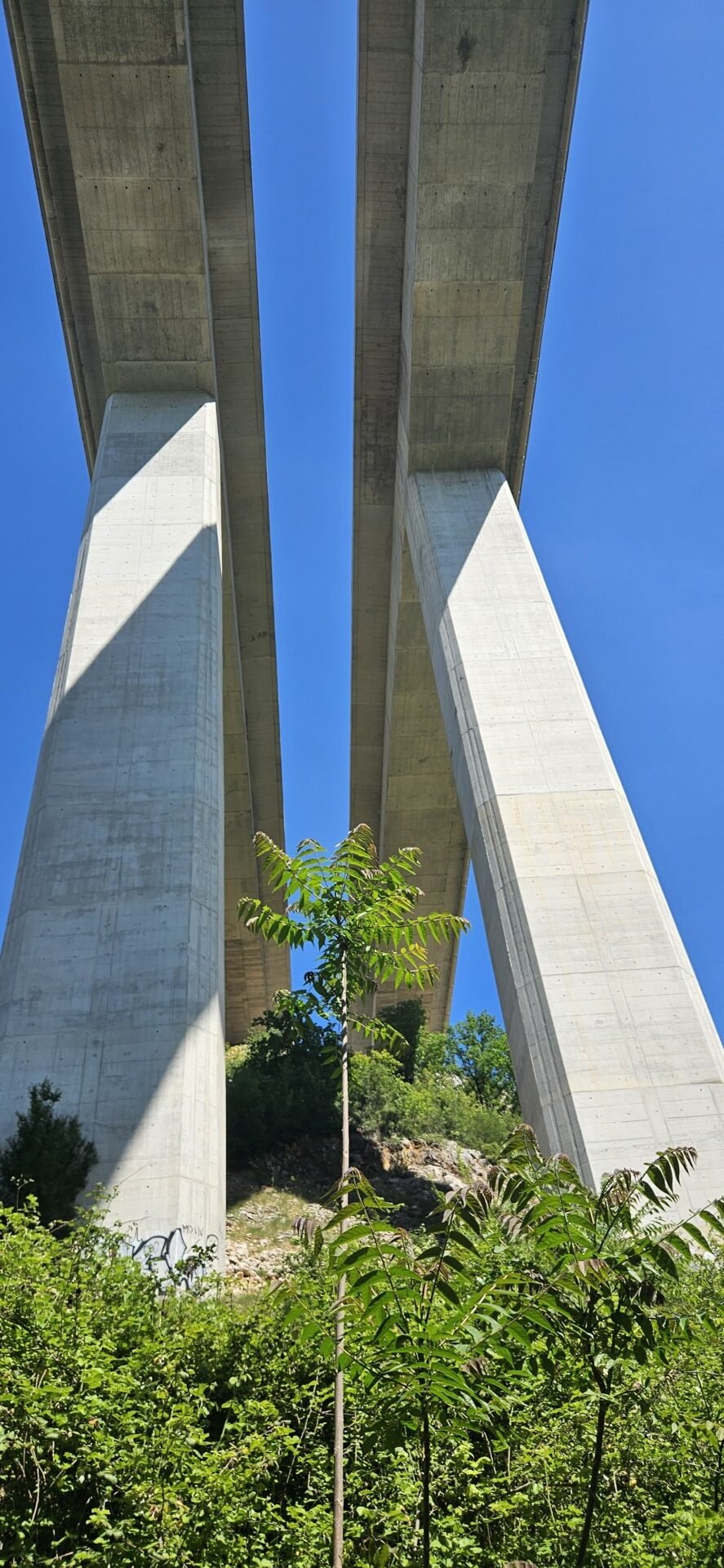
The Buna Canals are located approximately 12-13 kilometers south of Mostar, near the M-17 road towards Čapljina. From the main road, turn toward the bridge, leave your car, and walk part of the way through rocky terrain.
The main secret of the Buna Canals is their water.
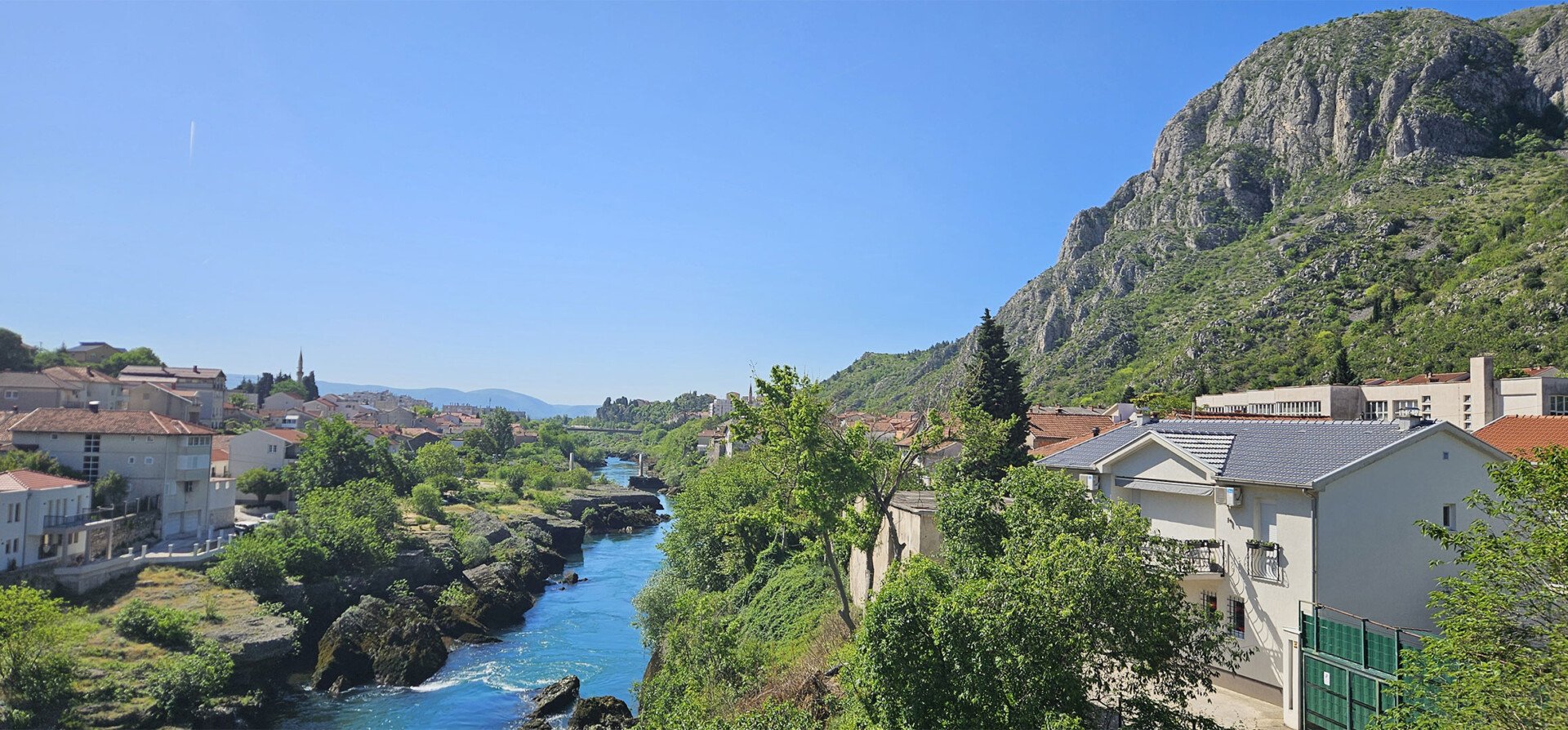
The Neretva River can flow through an unusually narrow section of its riverbed here, surrounded by rocks and greenery. Depending on the water level, the appearance of the canals also changes.
Therefore, the same place can look completely different in summer and spring.
This is not a classic tourist attraction with a large infrastructure complex. And that’s precisely its charm.
There’s no feeling of an amusement park here—rather, it feels like you’ve found a natural corner that has somehow remained virtually untouched.
Blagaj: Where the River Emerges from the Rock
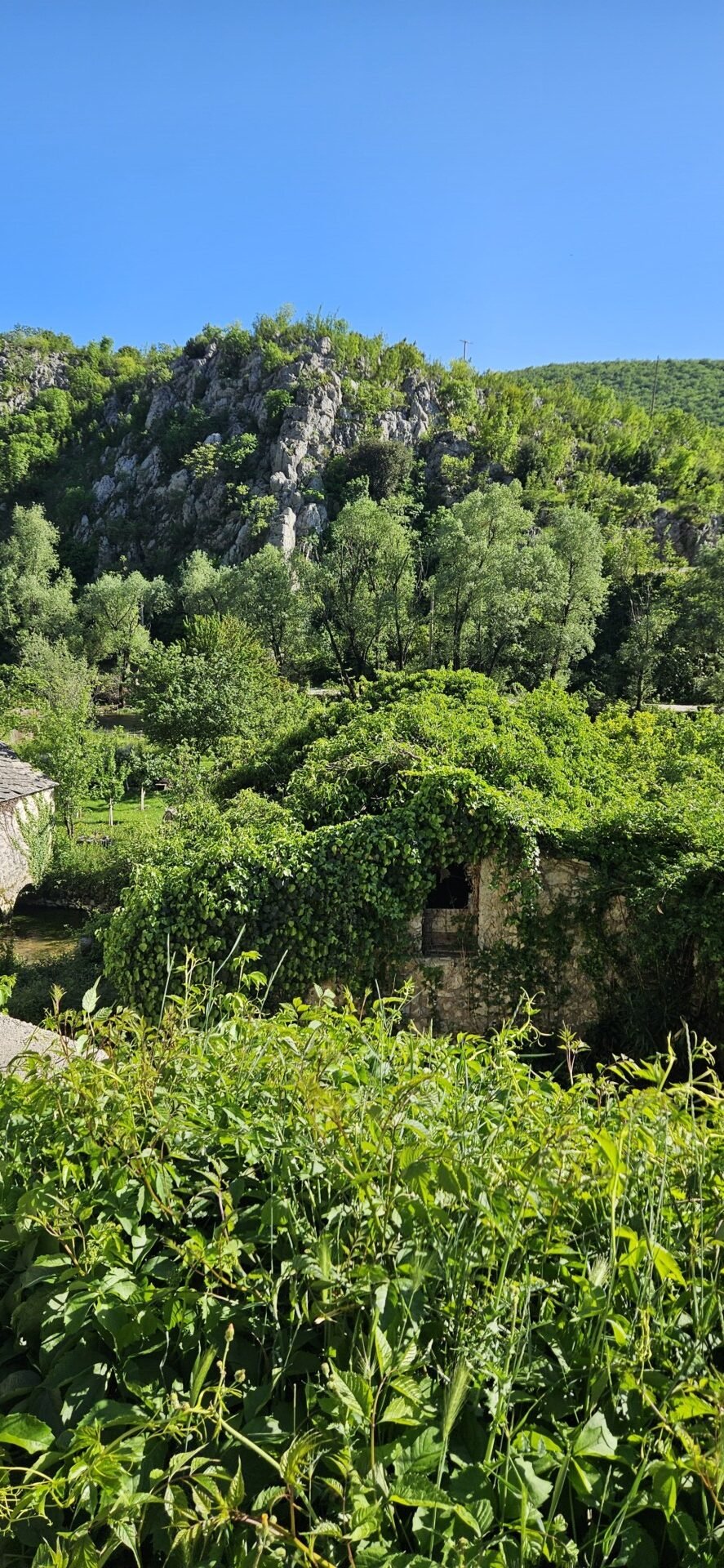
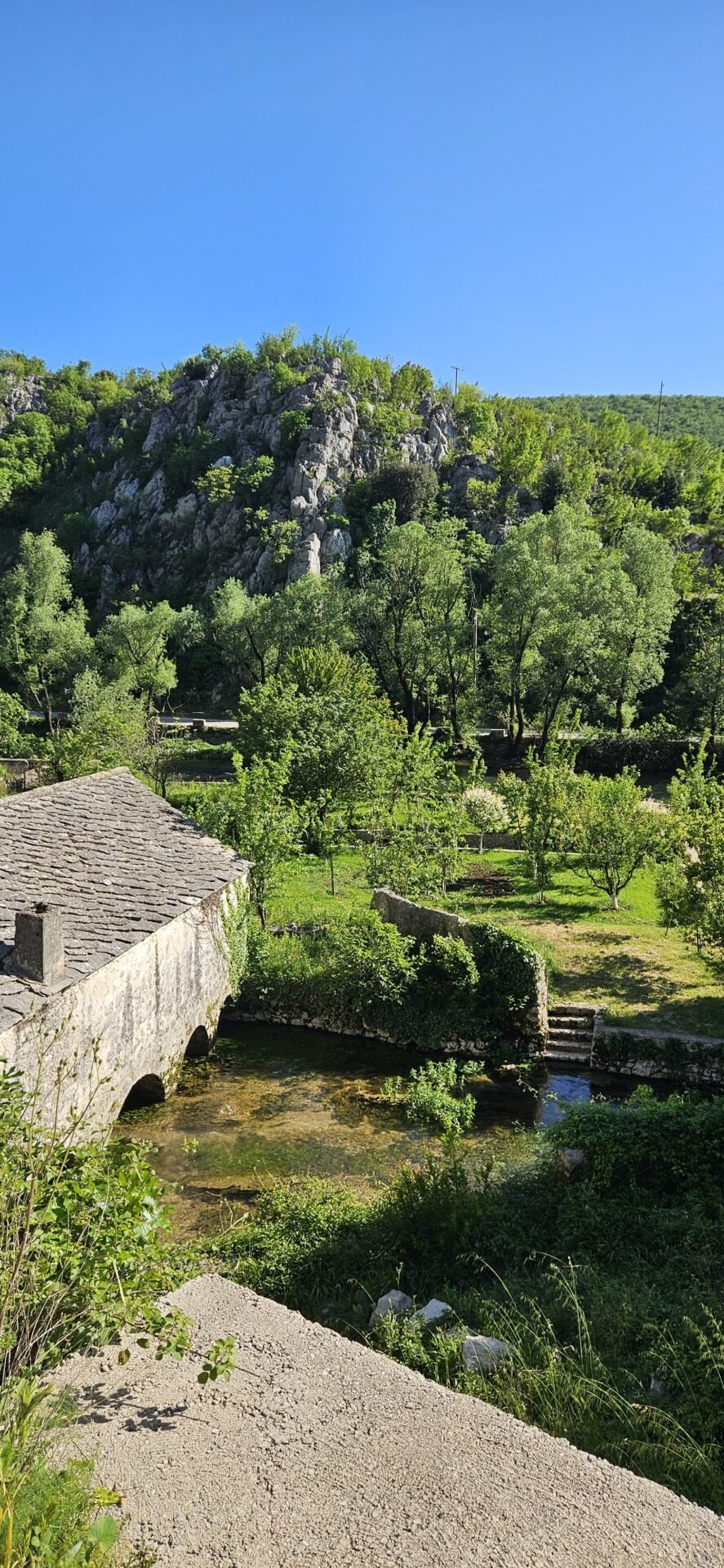
The last and perhaps most atmospheric stop of the day is Blagaj.
It’s only a short distance from Mostar, but it feels like you’ve entered another world.
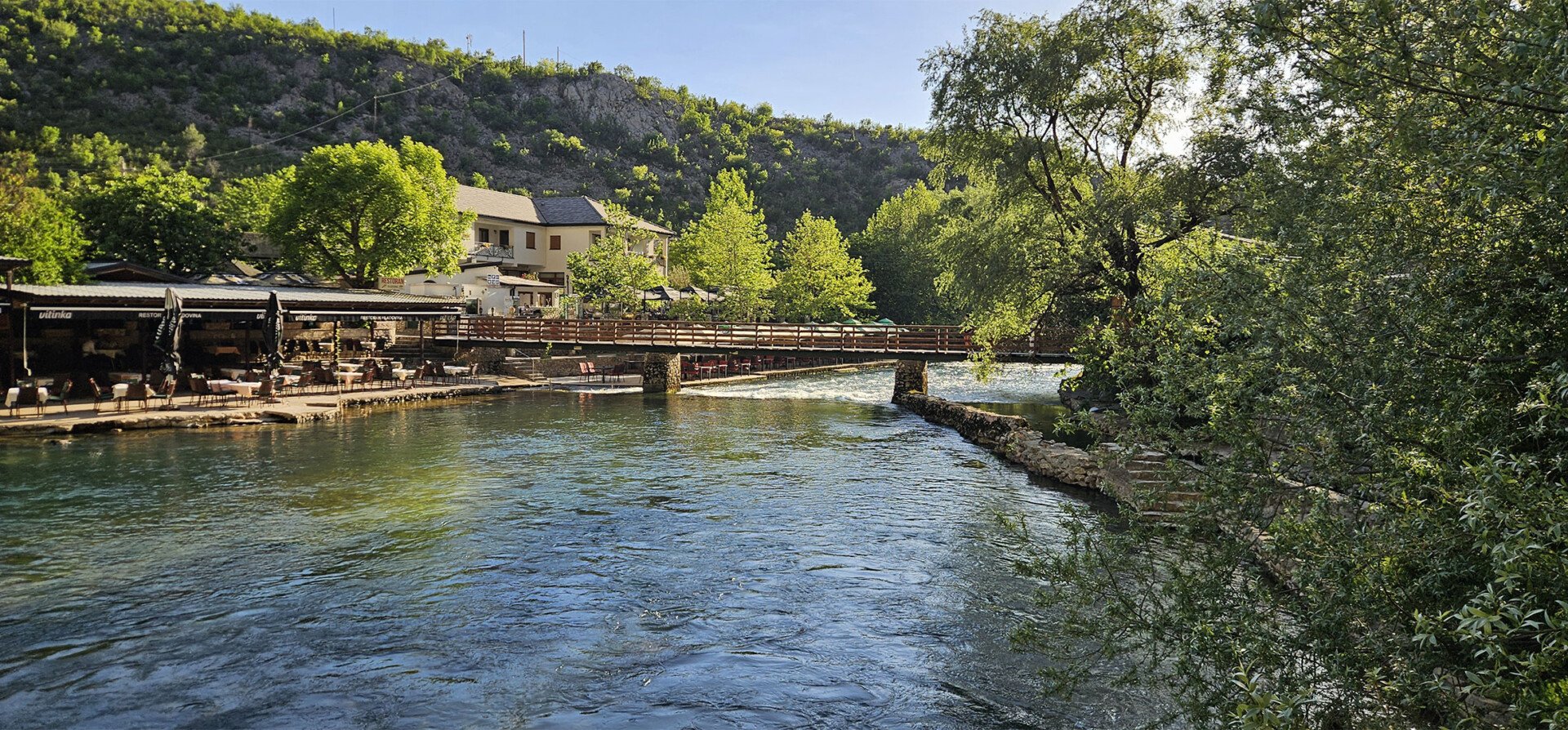
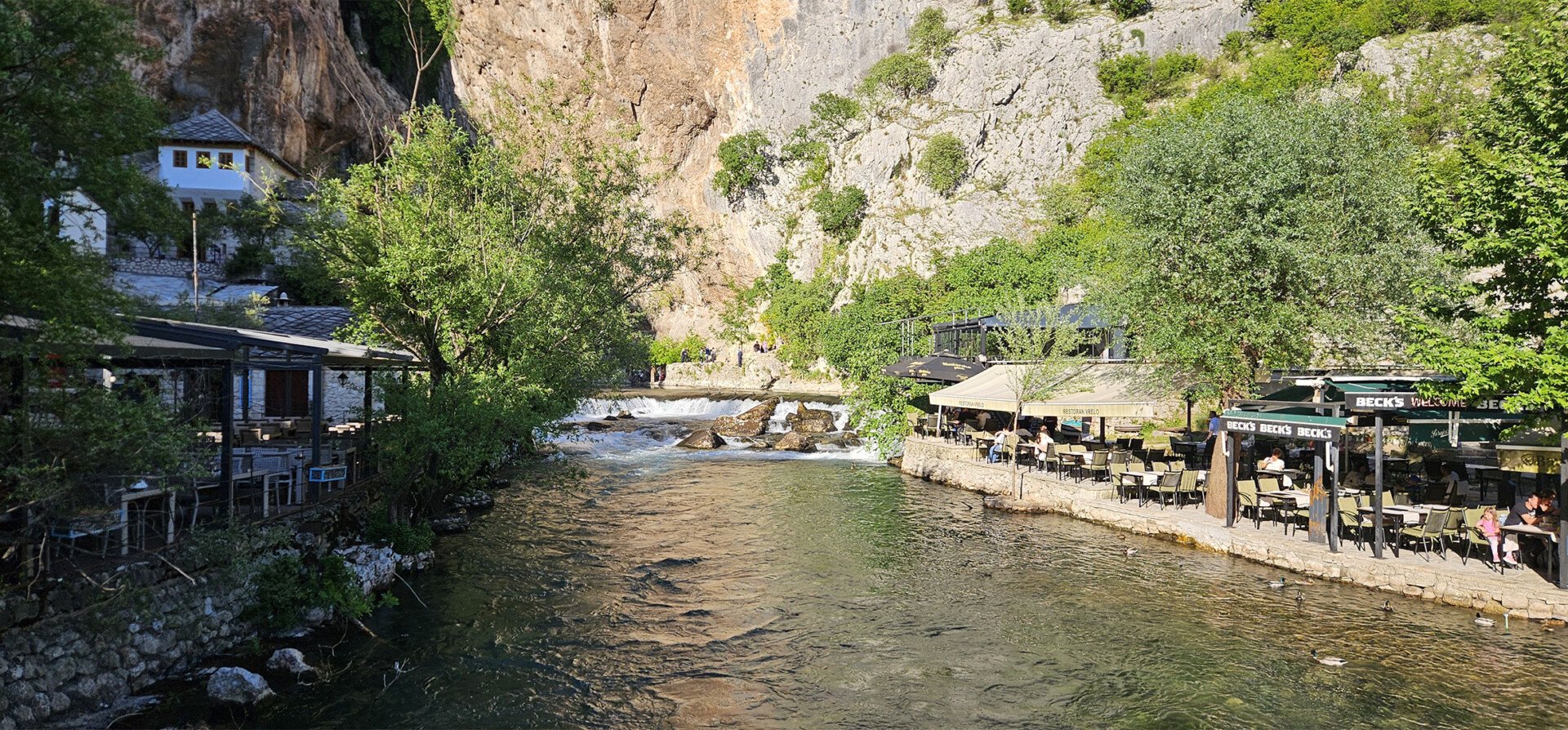
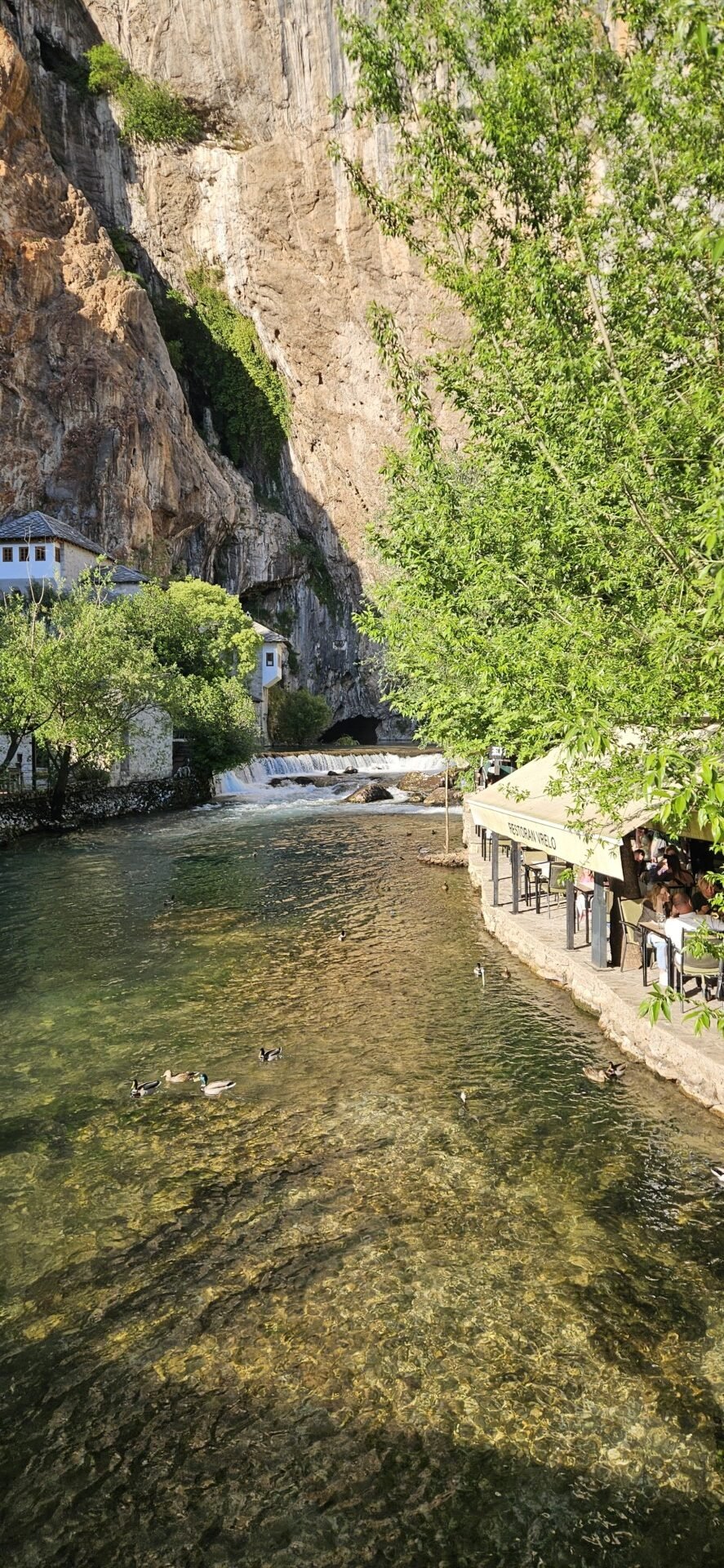
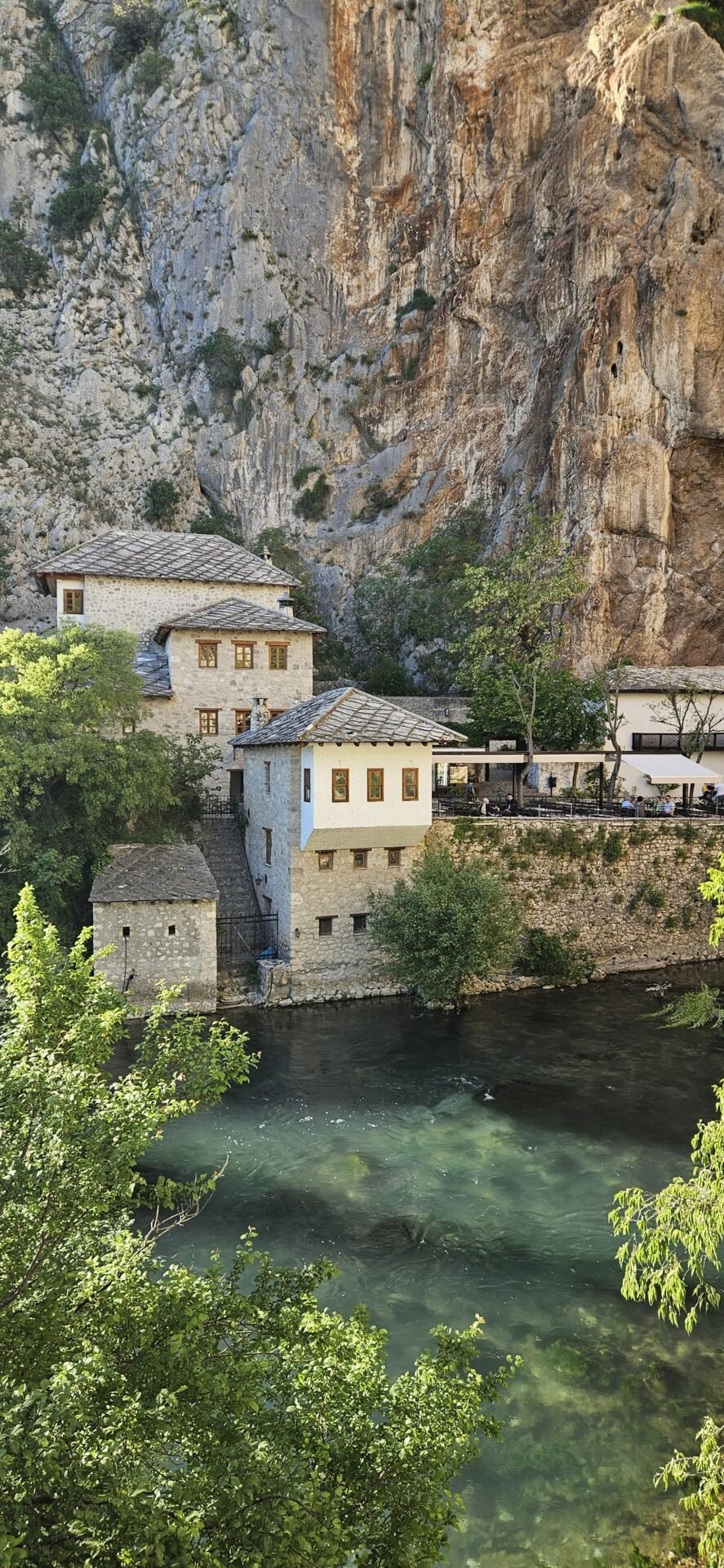
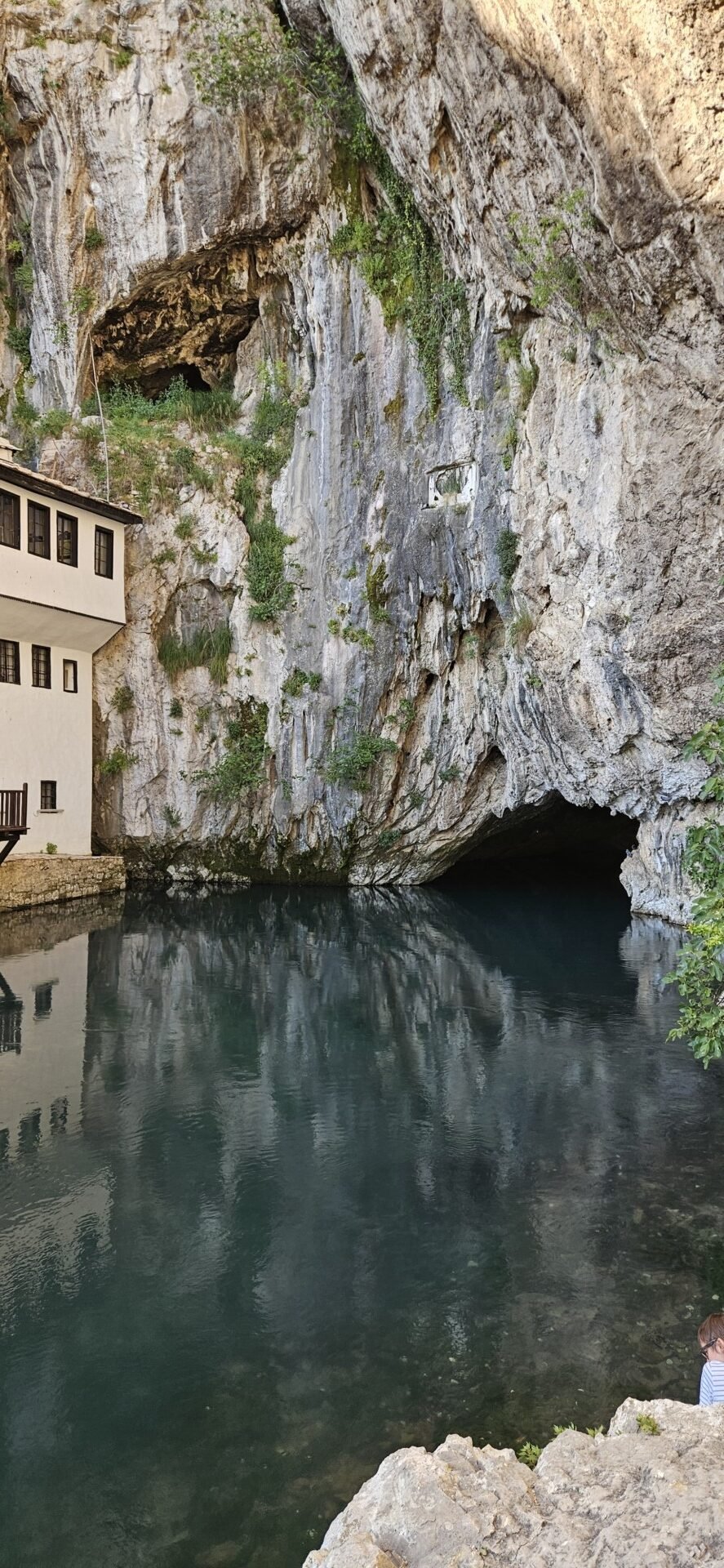
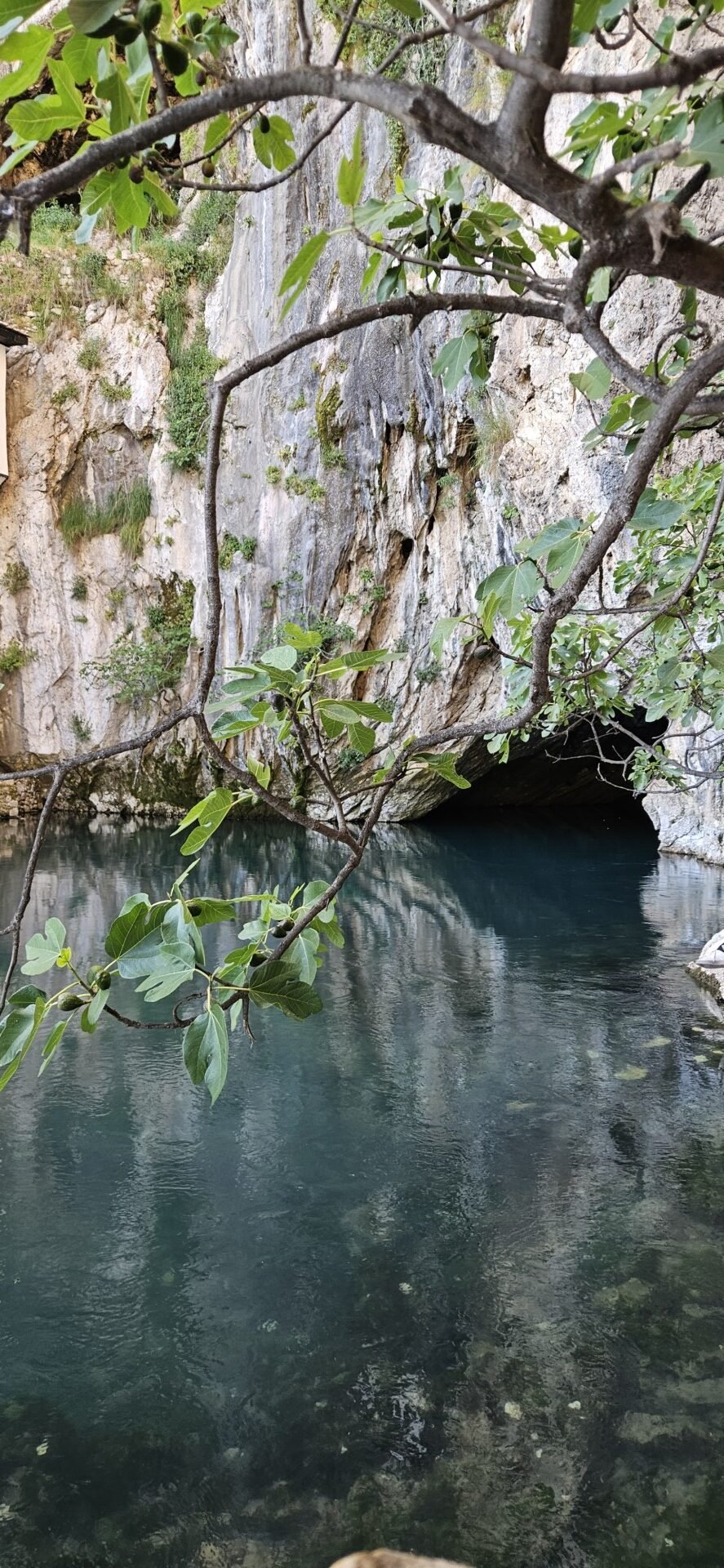
Here lies the source of the Buna River—a powerful karst spring that emerges directly from beneath a huge cliff.
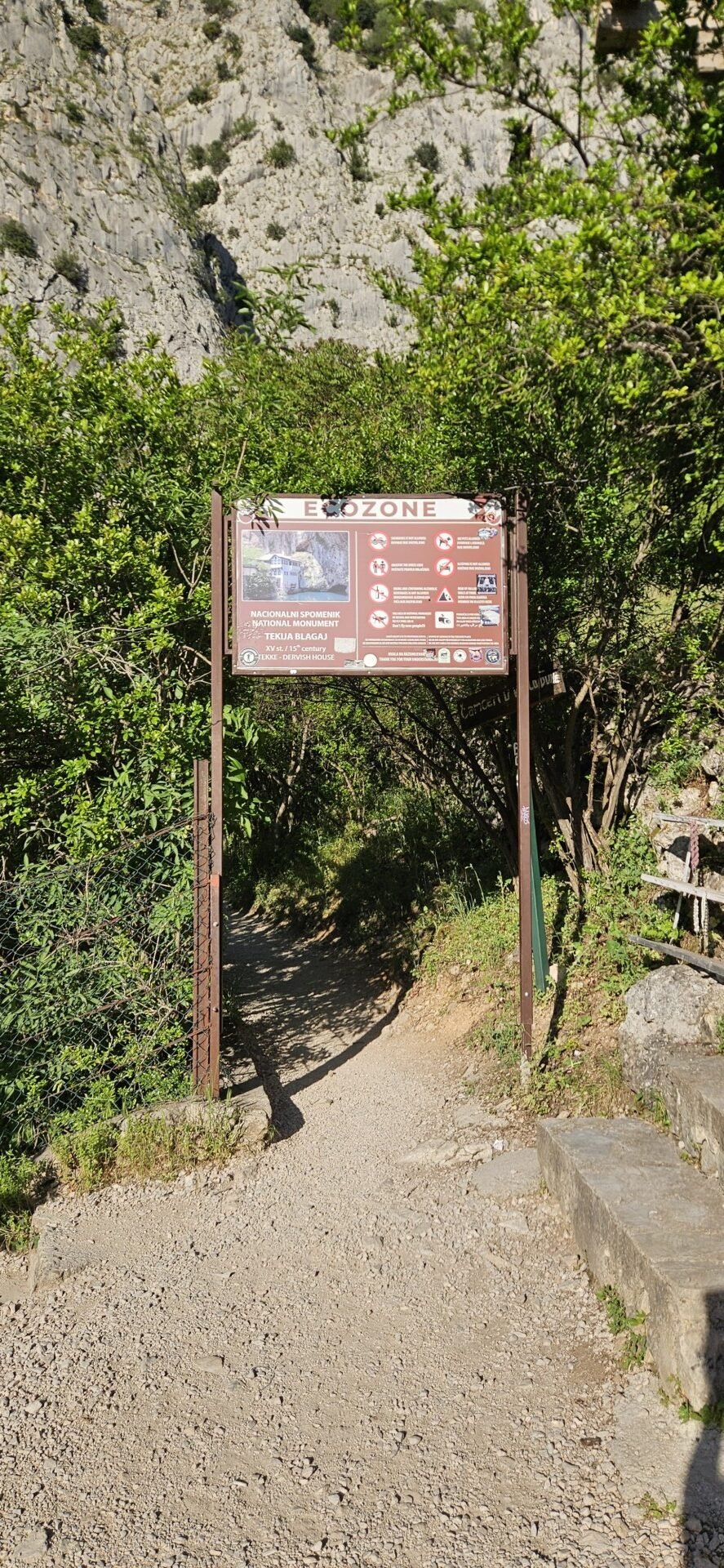
And next to it stands one of the most recognizable landmarks in all of Bosnia and Herzegovina—Tekke Blagaj.
Tekke Blagaj—a dervish monastery at the source of the Buna
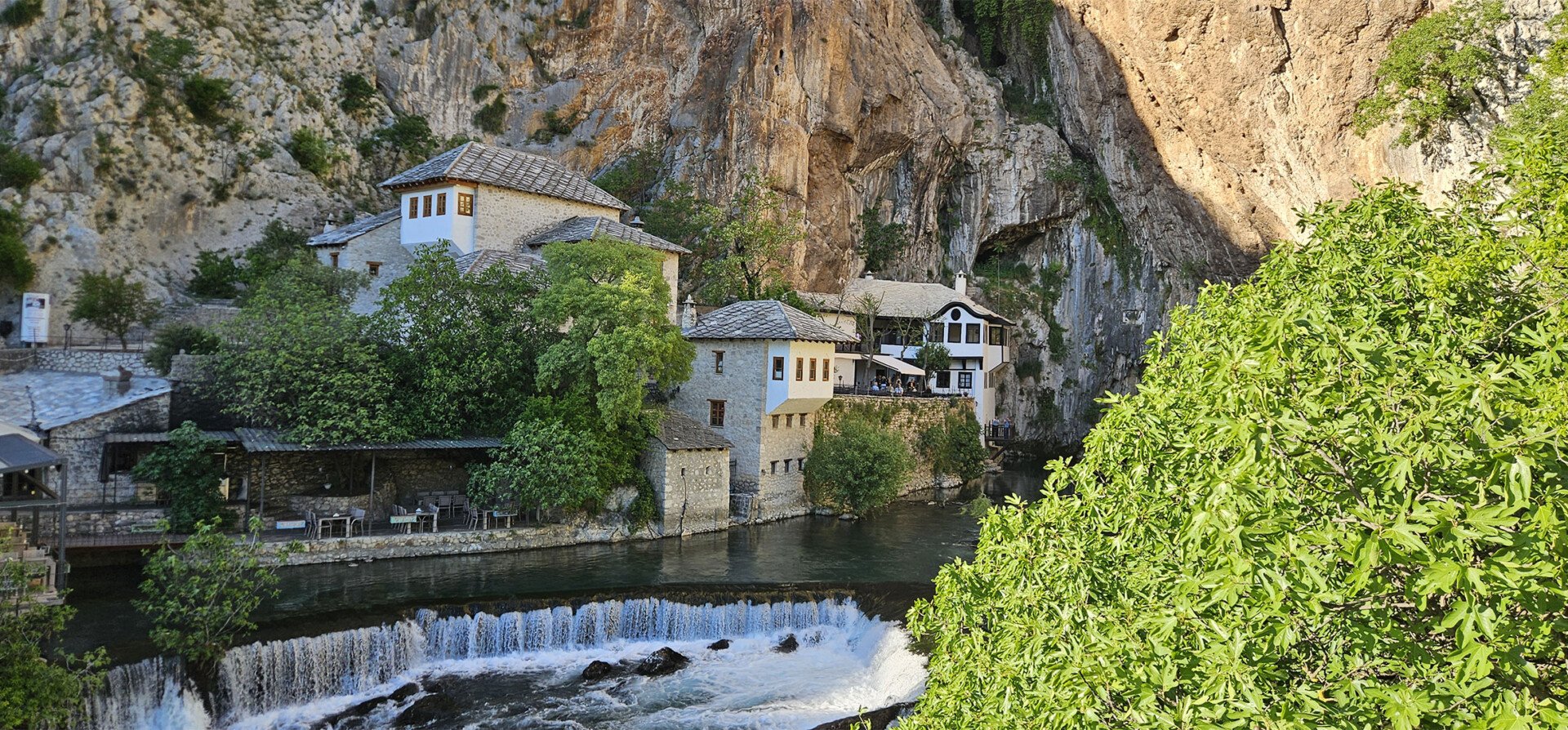
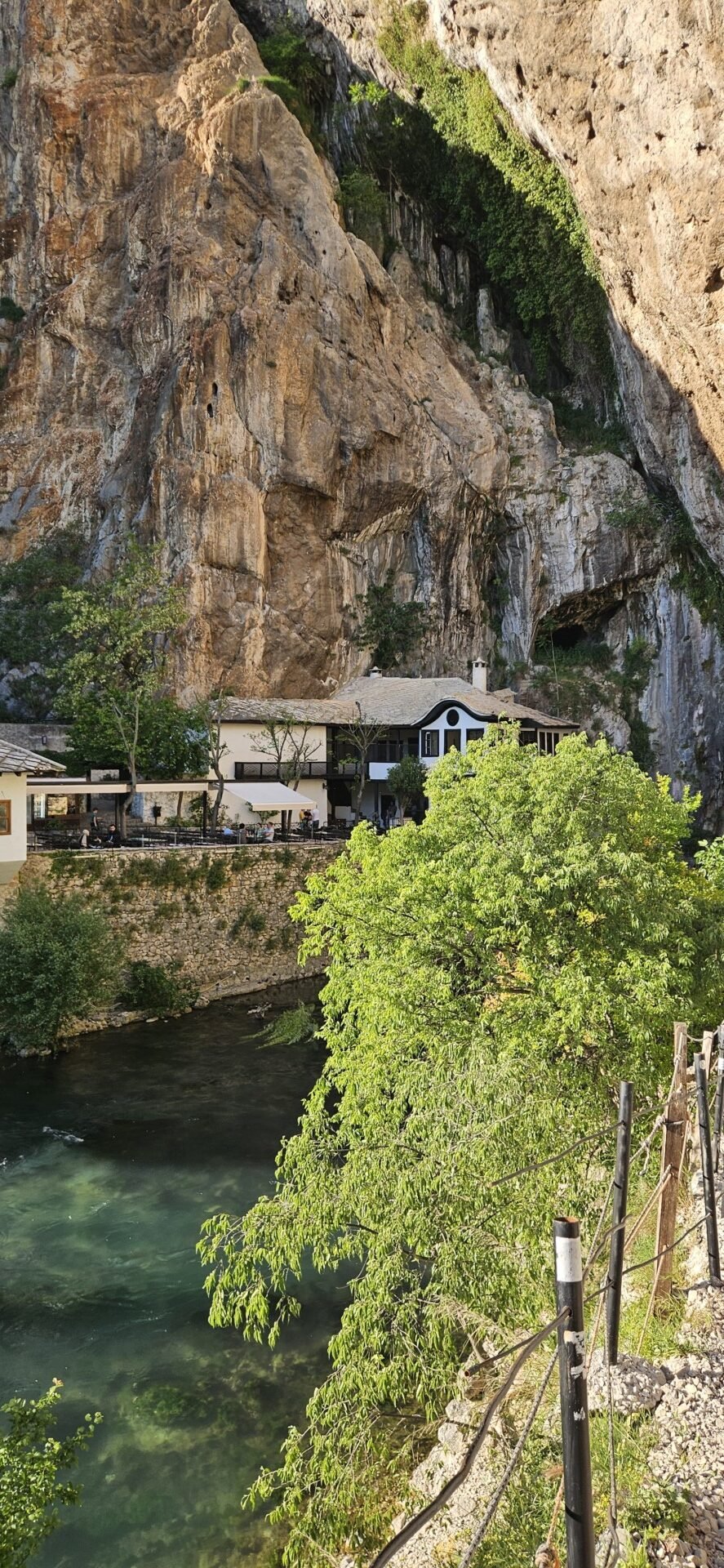
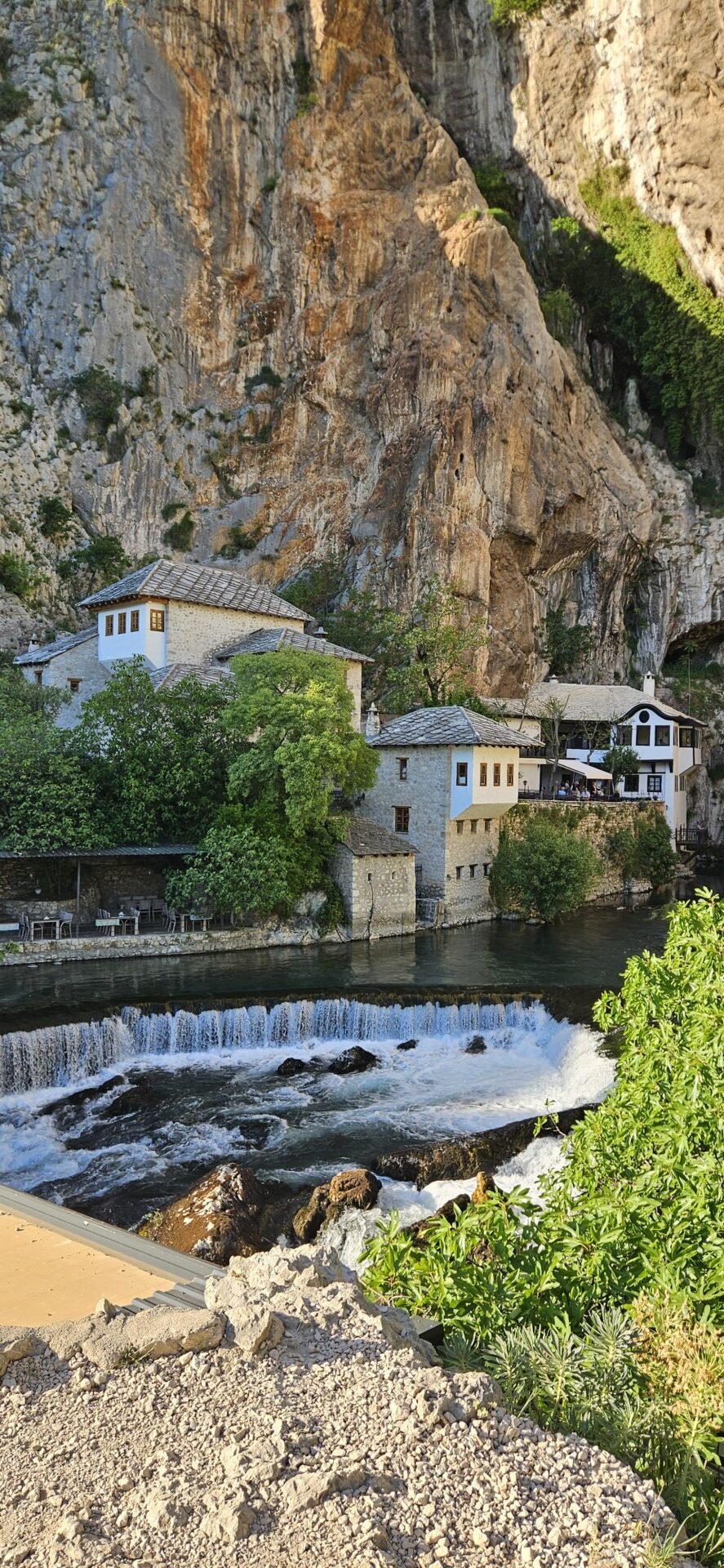
Tekke Blagaj is a Sufi dervish monastery built directly at the source of the Buna.
It’s impossible to imagine it apart from the surrounding landscape.
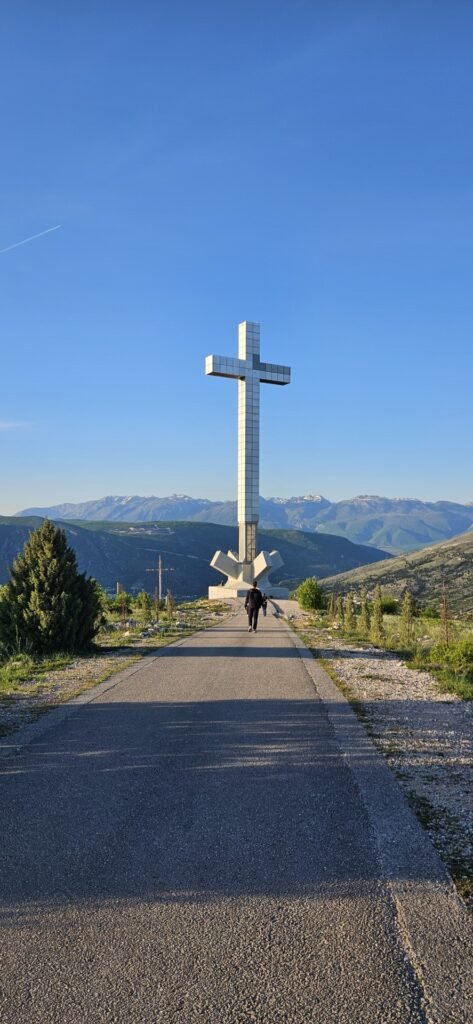
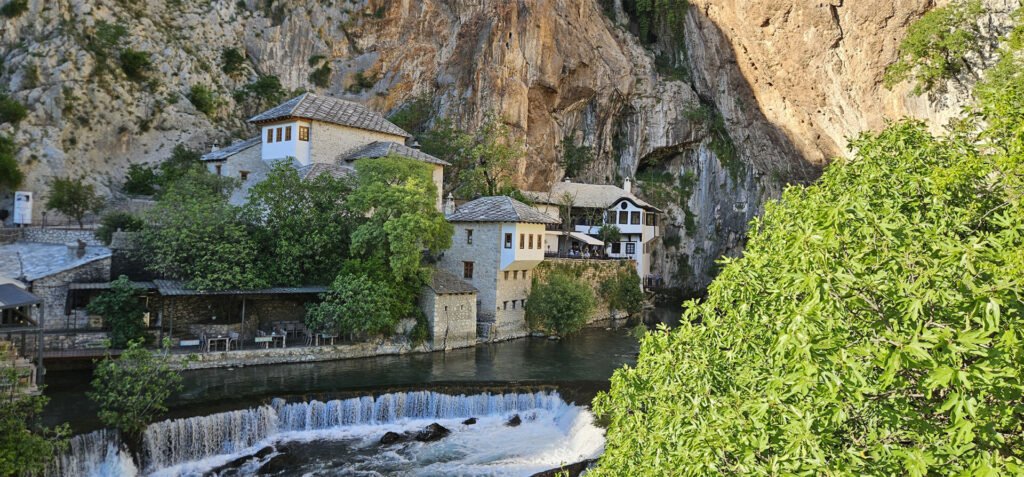
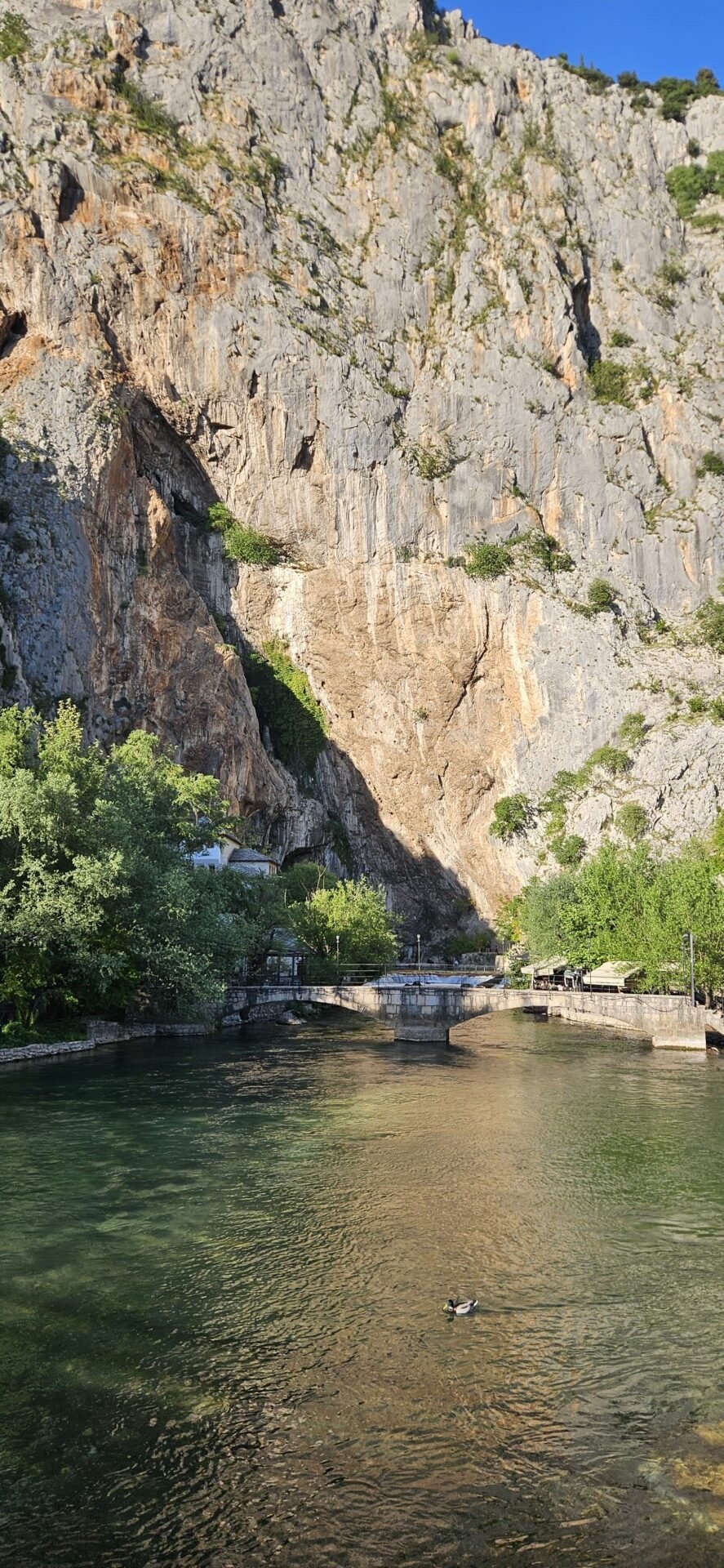
The white building stands by the water, behind it rises a nearly vertical limestone cliff, and from a dark cave beneath the cliff, the powerful stream of the Buna erupts. The result is a stunning composition: cliff → cave → spring → river → tekke.
This is why Blagaj is often called one of the most beautiful historical and natural ensembles in Bosnia and Herzegovina.
History of the Tekke
Many legends are associated with the history of this place.
Archaeological excavations have uncovered traces of an earlier structure here, dating back to late antiquity. According to the Tekke itself, this site had religious significance even before the arrival of the Ottomans. There are also traditions linking it to an even more ancient sanctuary.
Written testimony about the Tekke was left by the famous Ottoman traveler Evliya Çelebi in the 17th century. By that time, it was already well known in the Ottoman Empire.
The Tekke was a place of spiritual life for dervishes—religious gatherings and dhikr, the practice of remembering and praising God, were held here.
The Blagaj Tekke’s unique architecture also lies in its architecture. The complex included prayer and assembly rooms, guest rooms, a kitchen, a hamam, and other elements typical of a religious and domestic complex.
The Legend of Sari Saltek: Saint, Hero, and Wanderer
The Blagaj Tekke is associated with a fascinating legend about Sari Saltek, one of the most enigmatic figures in Balkan Muslim folklore.
Sari Saltek is an almost legendary figure. A wide variety of stories are told about him, and in legends, he is portrayed simultaneously as a wandering dervish, a holy man, a warrior, and a preacher who traveled throughout the Balkans and spread Islam.
What is particularly interesting is that legends about Sari Saltek exist in several countries. His name can be found in the traditions of Bosnia and Herzegovina, Albania, North Macedonia, Bulgaria, Romania, and Turkey. Various feats are attributed to him in various places, and sometimes it is claimed that his tomb is located here. How did Sari-Saltek end up in Blagaj?
According to one legend, Sari-Saltek came to the rock above the Buna spring back when Islam was just beginning to spread in the Balkans.
The site where Tekke Blagaj stands today was already considered extraordinary. A river suddenly gushed forth from the depths of a huge rock—powerful, pure, and almost unbelievably clear. For people of the past, such springs could easily have been perceived as sacred places. According to legend, Sari-Saltek chose this very spot for solitude and spirituality. But then the story unfolds into a true epic.
The Dragon in the Cave
One of the most famous versions of the legend tells of a huge dragon living in a cave at the source of the Buna. It allegedly terrorized the locals and demanded sacrifices.
Sari-Saltek decided to rid the people of the monster.
He went into the cave and confronted the dragon. After a long struggle, the hero managed to defeat it and free the inhabitants from their fear.
Some versions of the legend say that it was after defeating the dragon that Sari-Saltek became revered as a holy man, and the site at the source of the Buna became a pilgrimage site.
This story is reminiscent of old Balkan legends about heroes who defeat dragons and monsters. Therefore, Sari-Saltek in folklore appears to be a figure standing on the border between historical figure, religious saint, and mythological hero.
Where is his grave?
And here the legend becomes even more interesting. Sari-Saltek is credited with several burial sites in various places across the Balkans. This may seem contradictory, but such stories are not uncommon in medieval and Sufi folklore. According to the legend of the Blagaj Tekke, Sari-Saltek’s grave is located here—at the sacred spring of Buna. Historically, it is impossible to prove that this burial actually belongs to the legendary Sari-Saltek. Moreover, the image of Sari-Saltek is so closely intertwined with numerous folk tales that separating the real person from the folklore image created over centuries is virtually impossible.
But perhaps this is the main charm of this story.
Standing before the Tekke, it is easy to understand why this place has given rise to so many legends.
Imagine a huge dark rock, within which an underground river is hidden. From the depths of the cave, water emerges with incredible force, becoming the source of the Buna River. Right at the foot of the rock stands a white dervish monastery.
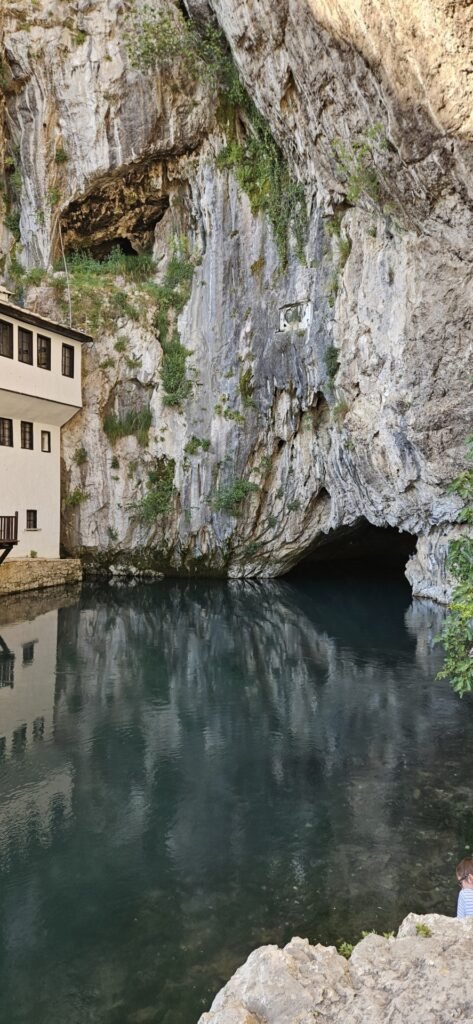
For the modern traveler, this is a beautiful natural landscape. For people of past centuries, it was a place that could truly seem sacred and mysterious. This is why the legend of Sari-Saltek is perceived here not as a simple fairy tale, but as part of the space itself.
There is another interesting detail in this legend.
Sari-Saltek is a hero without a single home. His story travels with the people who told it from generation to generation. In each country, the legend changed slightly, acquiring local characteristics, but the image of the wandering saint remained. And so today it is impossible to say exactly where history ends and myth begins.
The Rock Above the Tekke
Looking up from the building, it becomes clear why this place is so impressive. A huge limestone cliff, approximately 240 meters high, rises above the Tekke. At its summit are the remains of a medieval fortress—the fortified city of Stjepan Vukčić Kosača. The Buna River’s source is one of the wonders of karst Herzegovina.
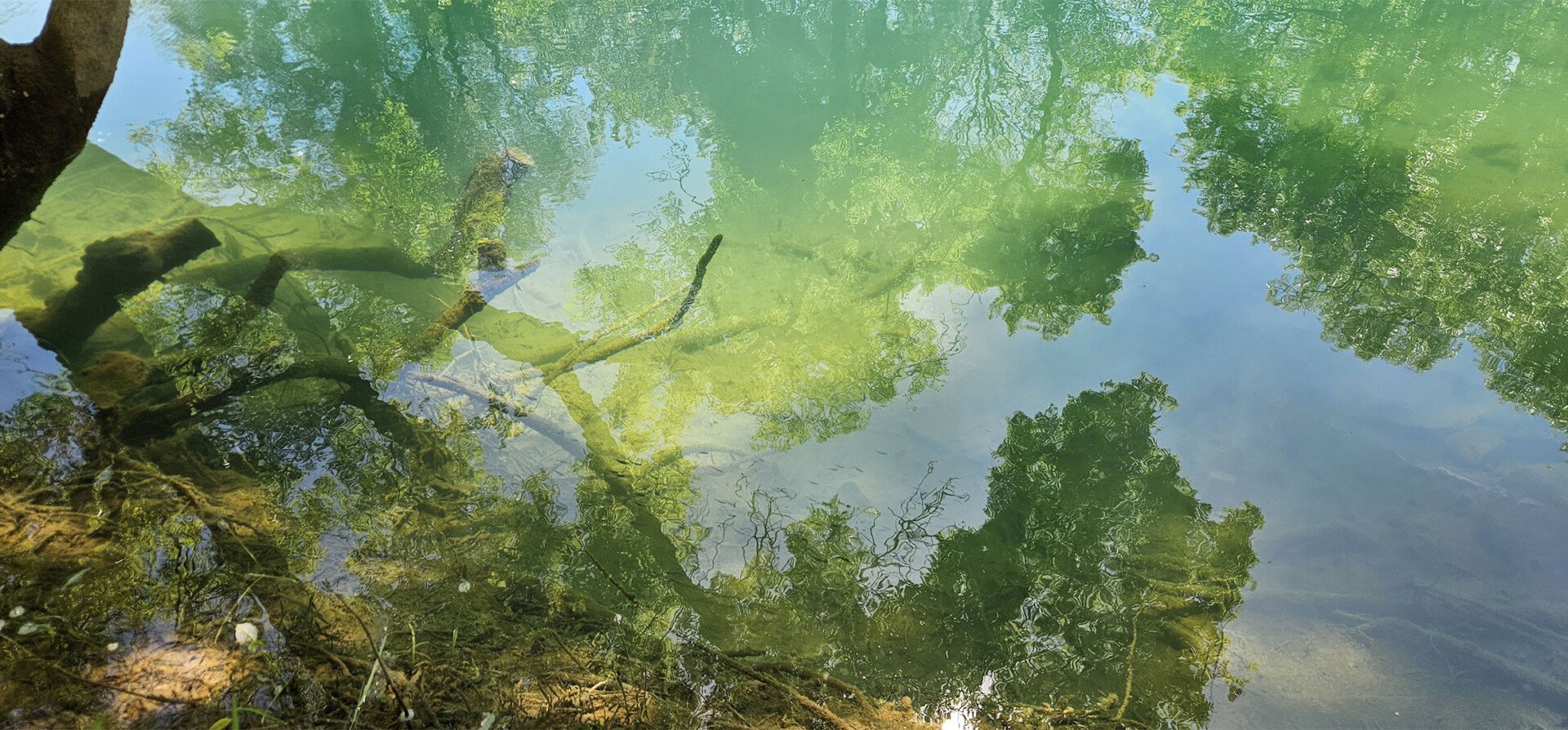
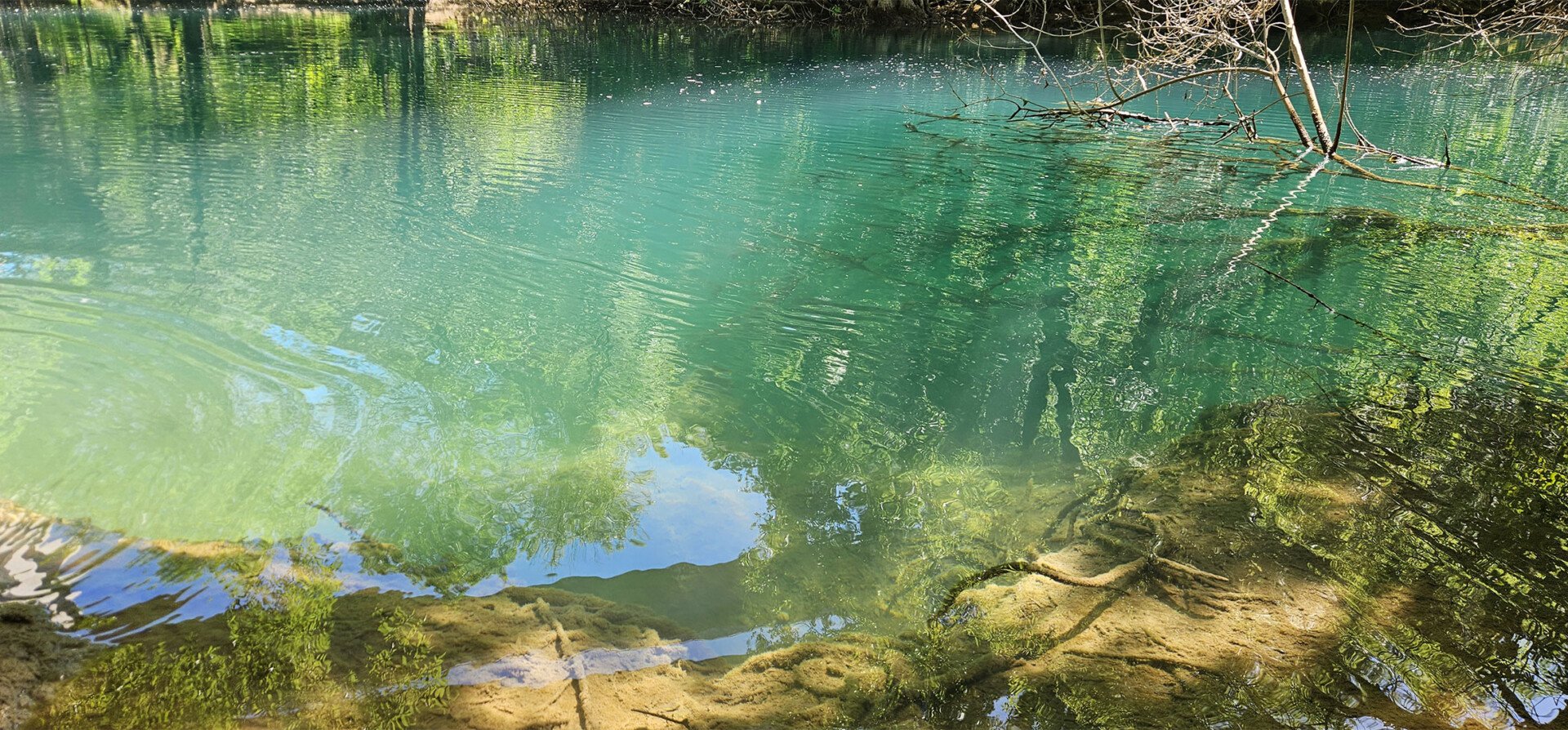
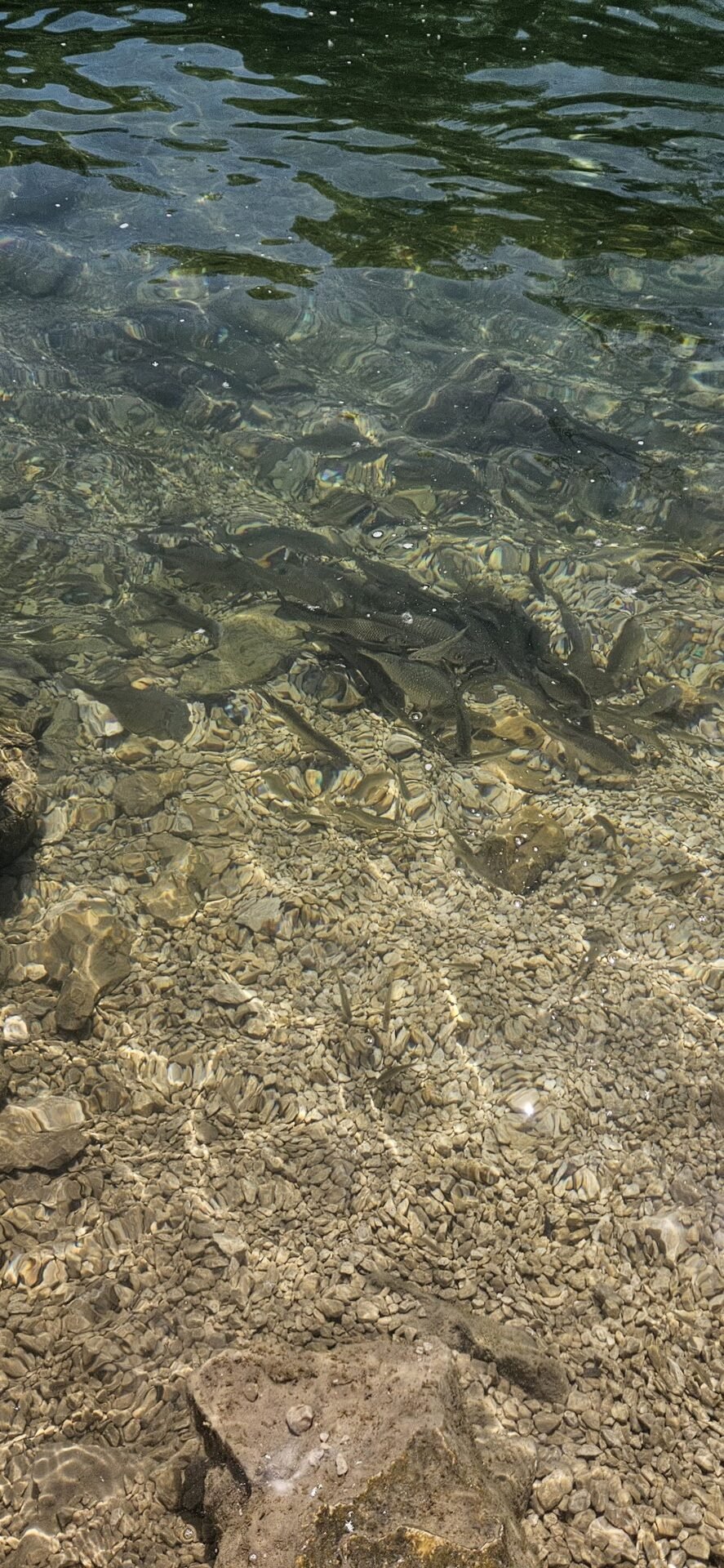
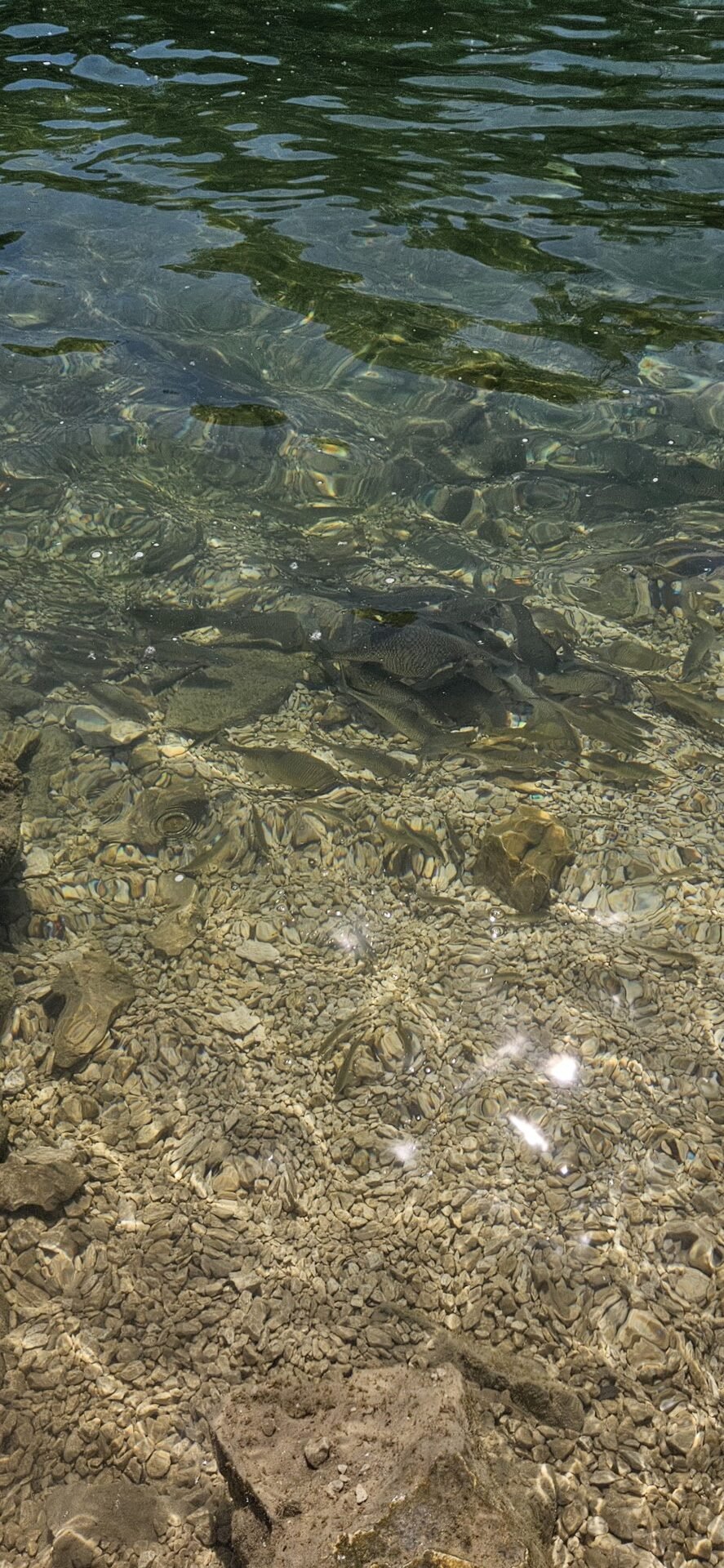
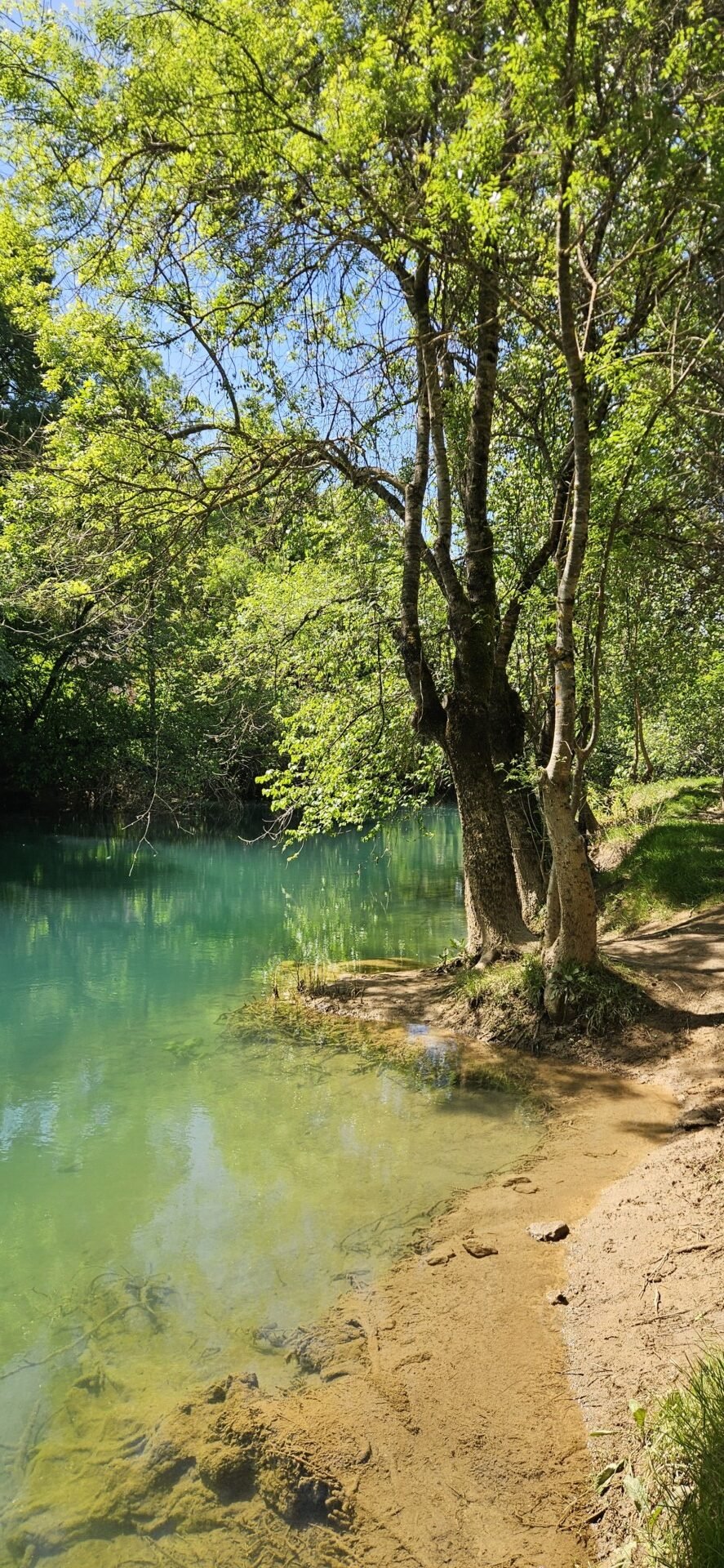
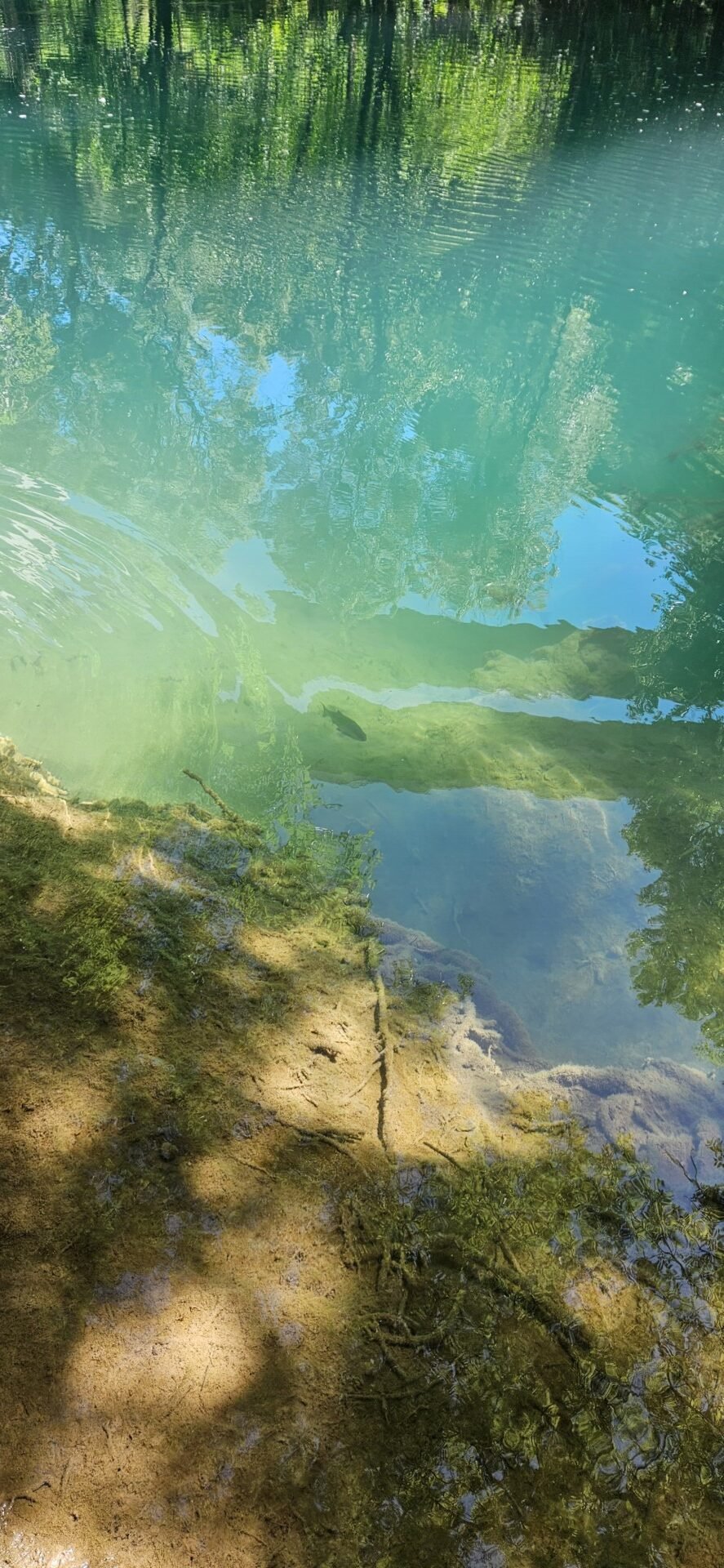
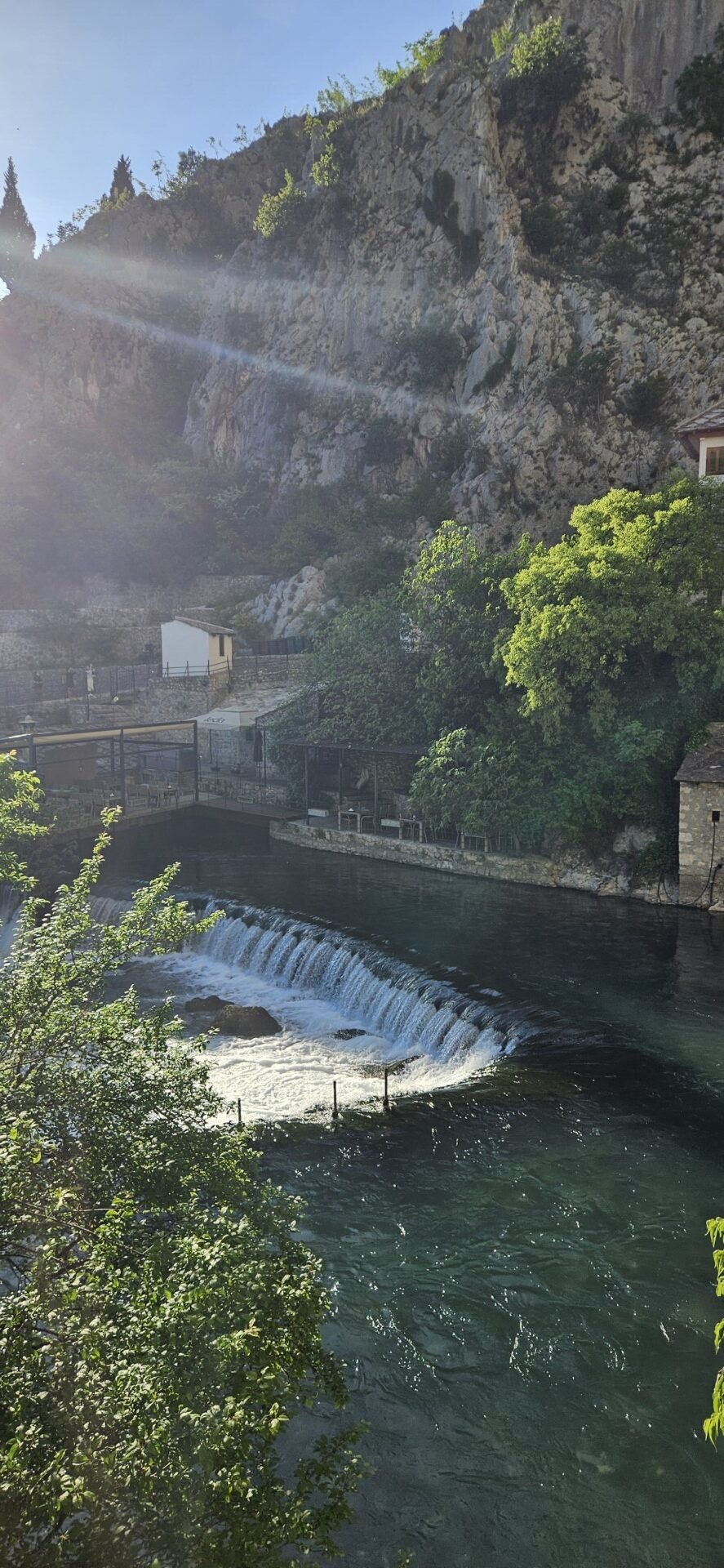
The Buna River itself deserves special attention. It originates from a vast underground system and emerges as a powerful spring right next to the cliff. The water here is so clear that on a sunny day it appears almost unrealistically blue.
And if Kravica is a celebration of water moving from top to bottom, then Blagaj is a celebration of water emerging from the depths of the earth.
These are two completely different forms of the same Herzegovinian element. A Day That Reveals the Real Herzegovina
While a first glance at Mostar might lead one to believe that Bosnia and Herzegovina is primarily old stone bridges, mosques, and medieval streets, the second day completely changes this perception.
From the city streets of Mostar to the sound of a waterfall, from the turquoise water to the place where the Buna and Neretva Rivers meet, and then to a quiet spring beneath a huge cliff.