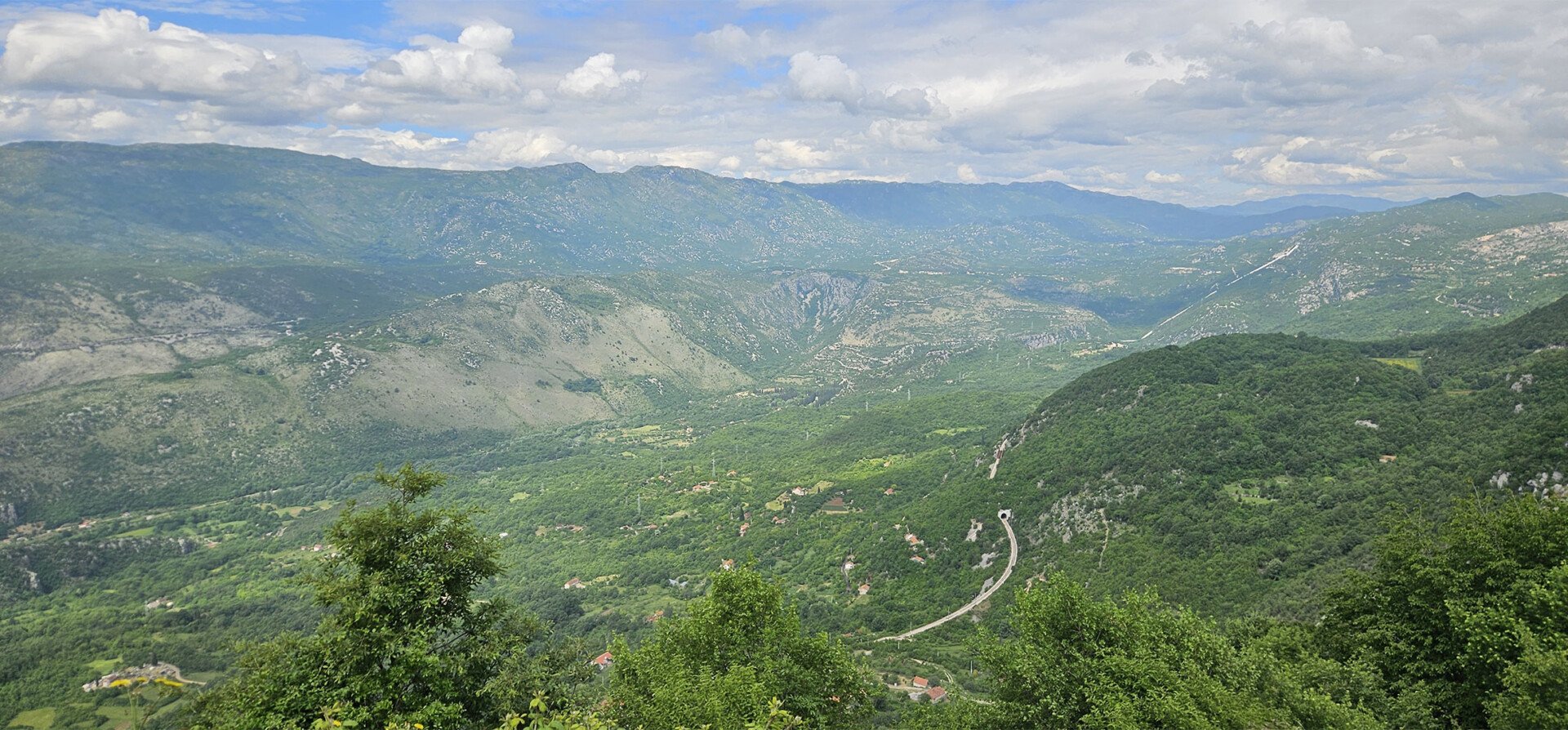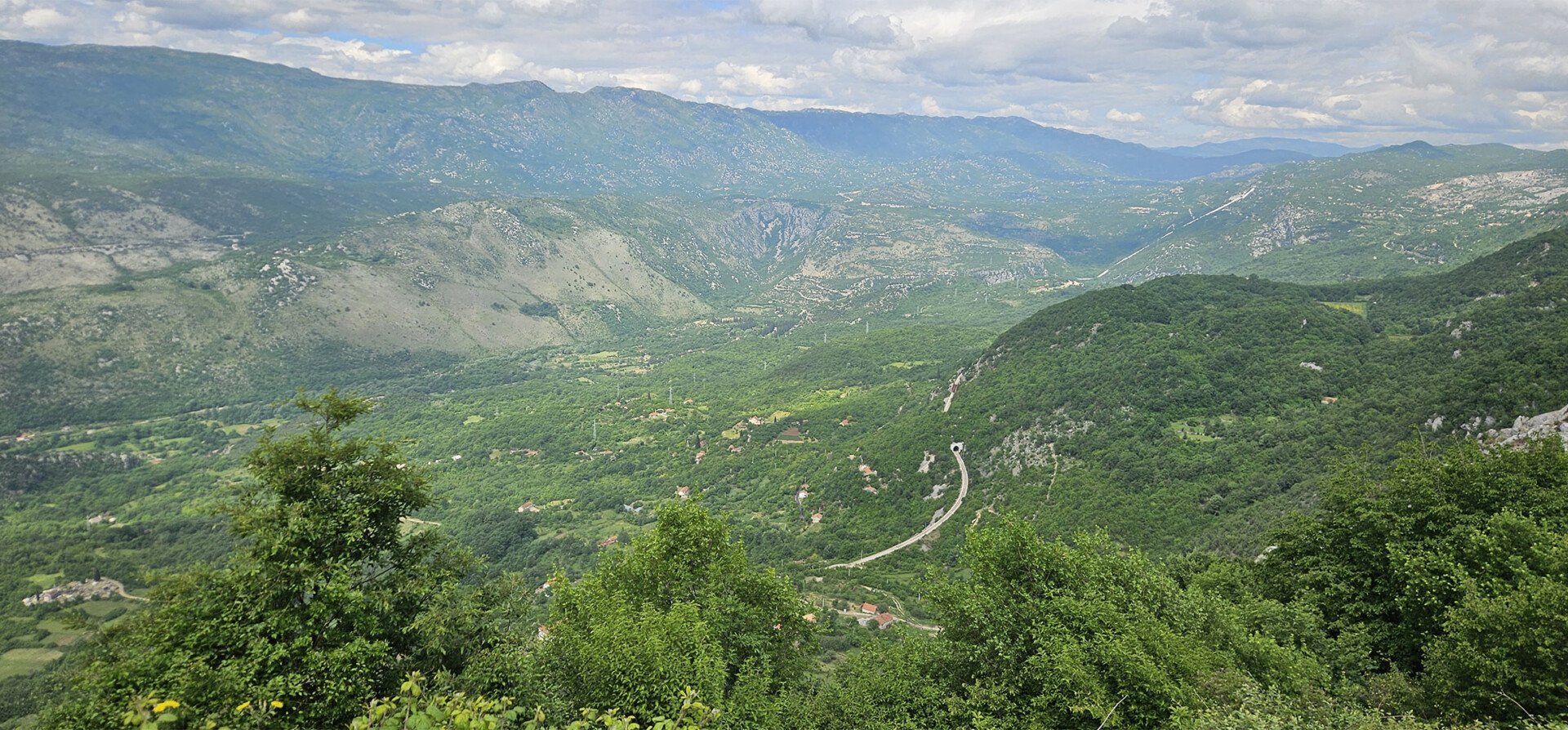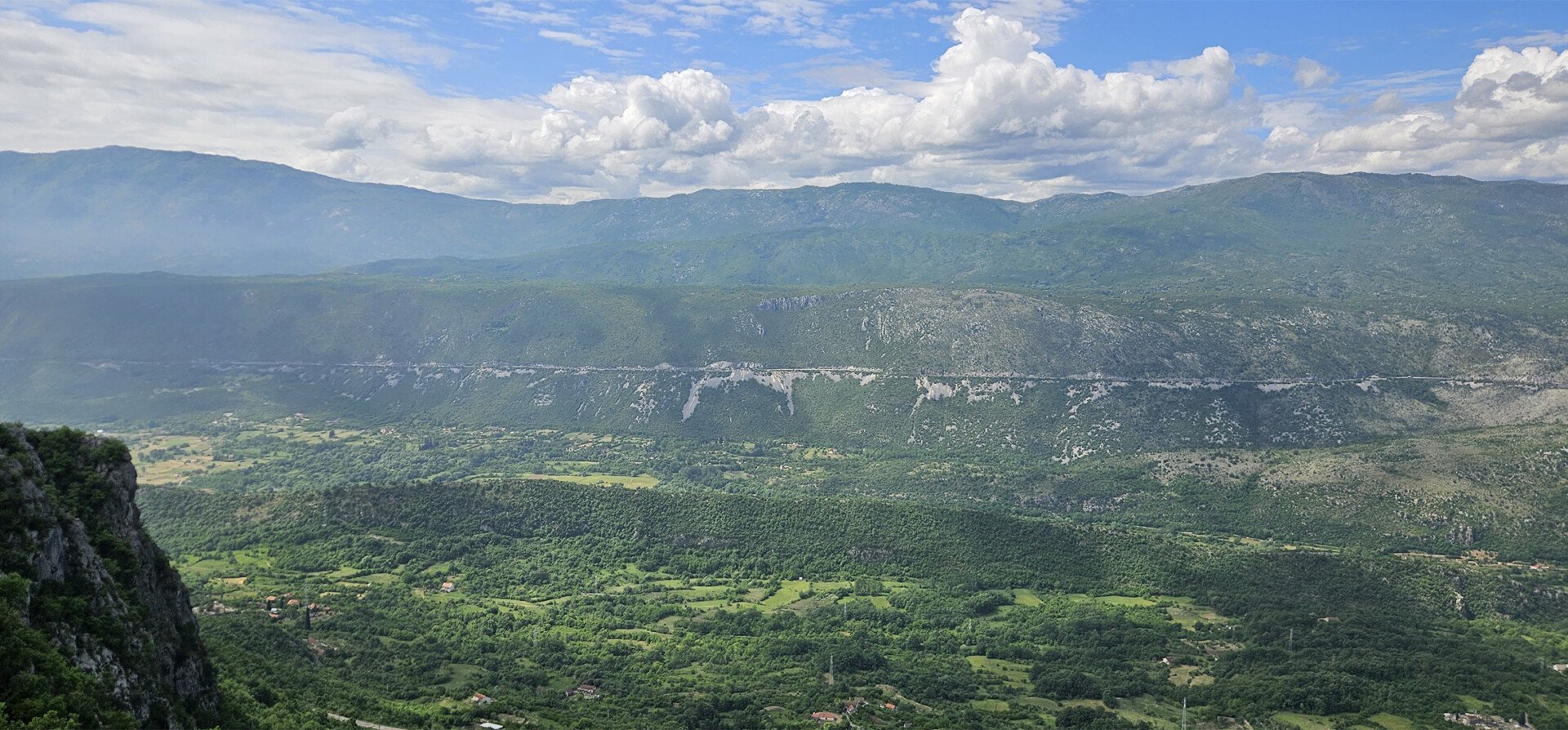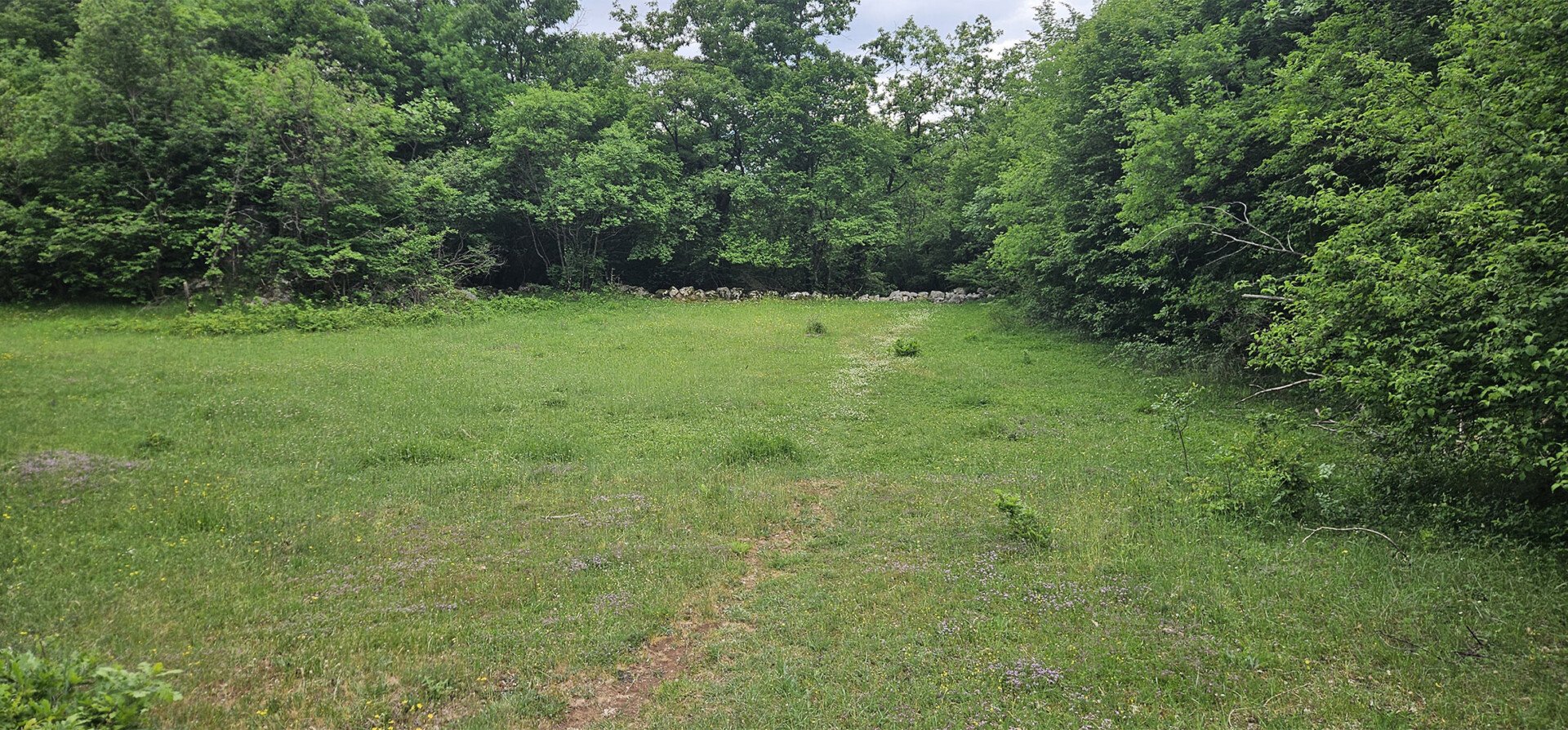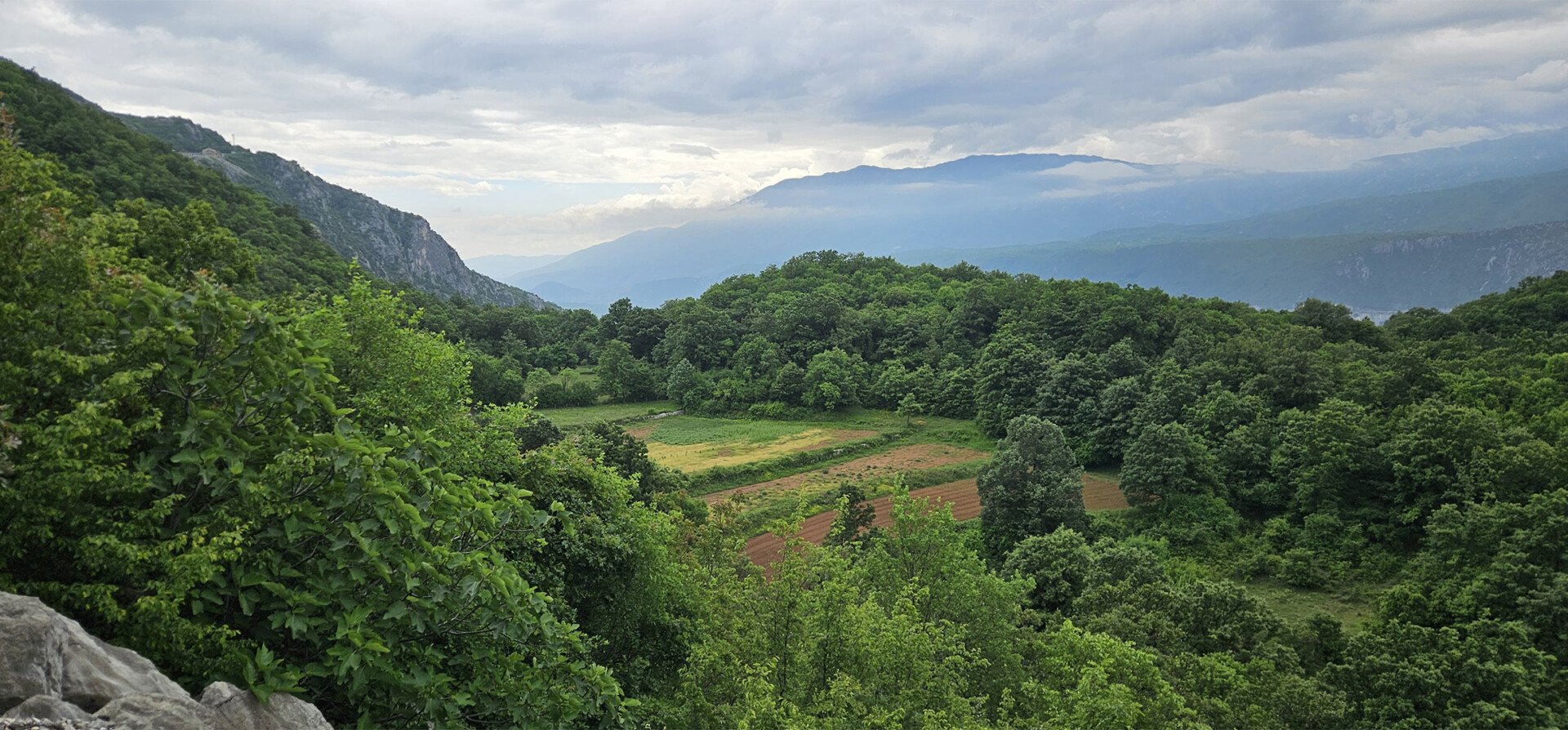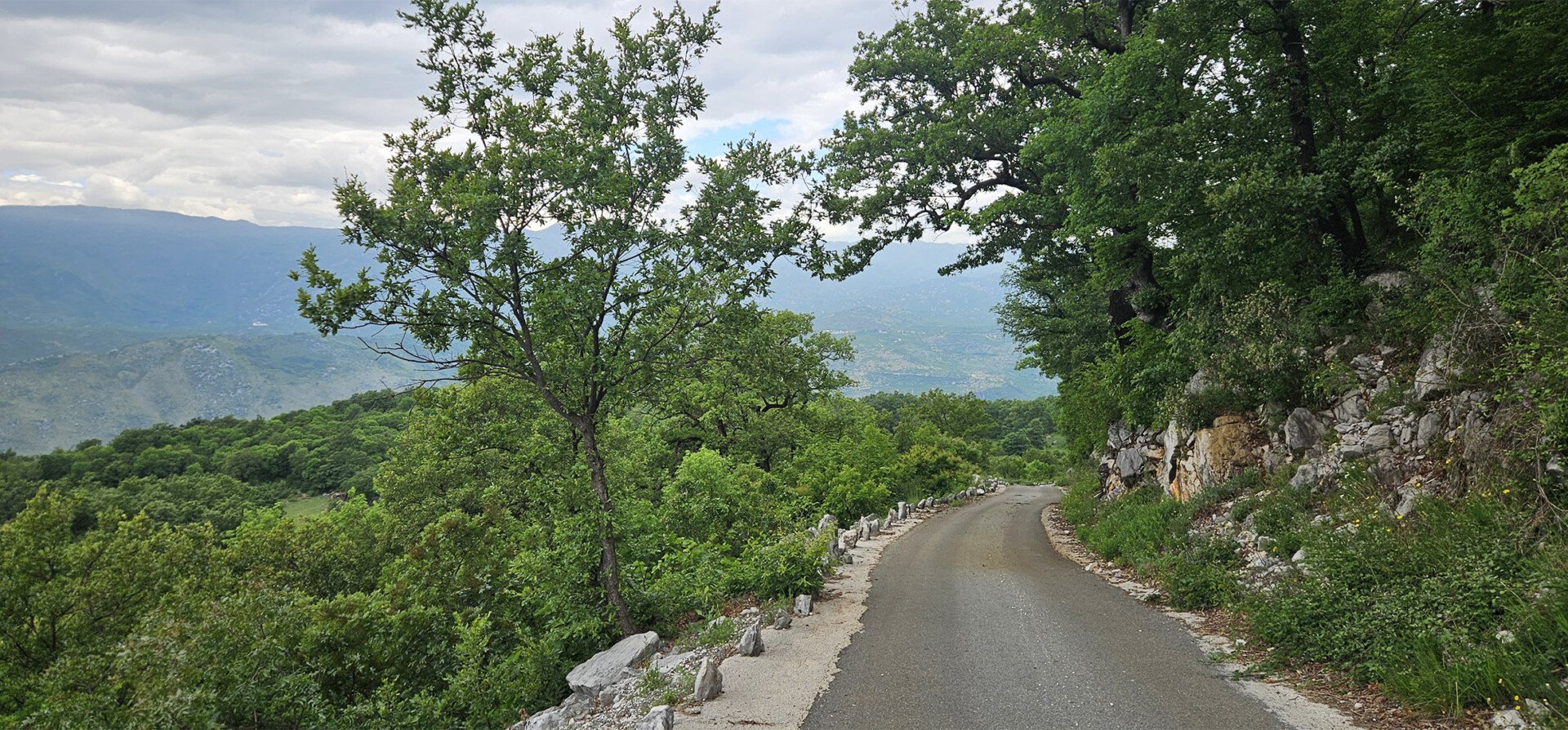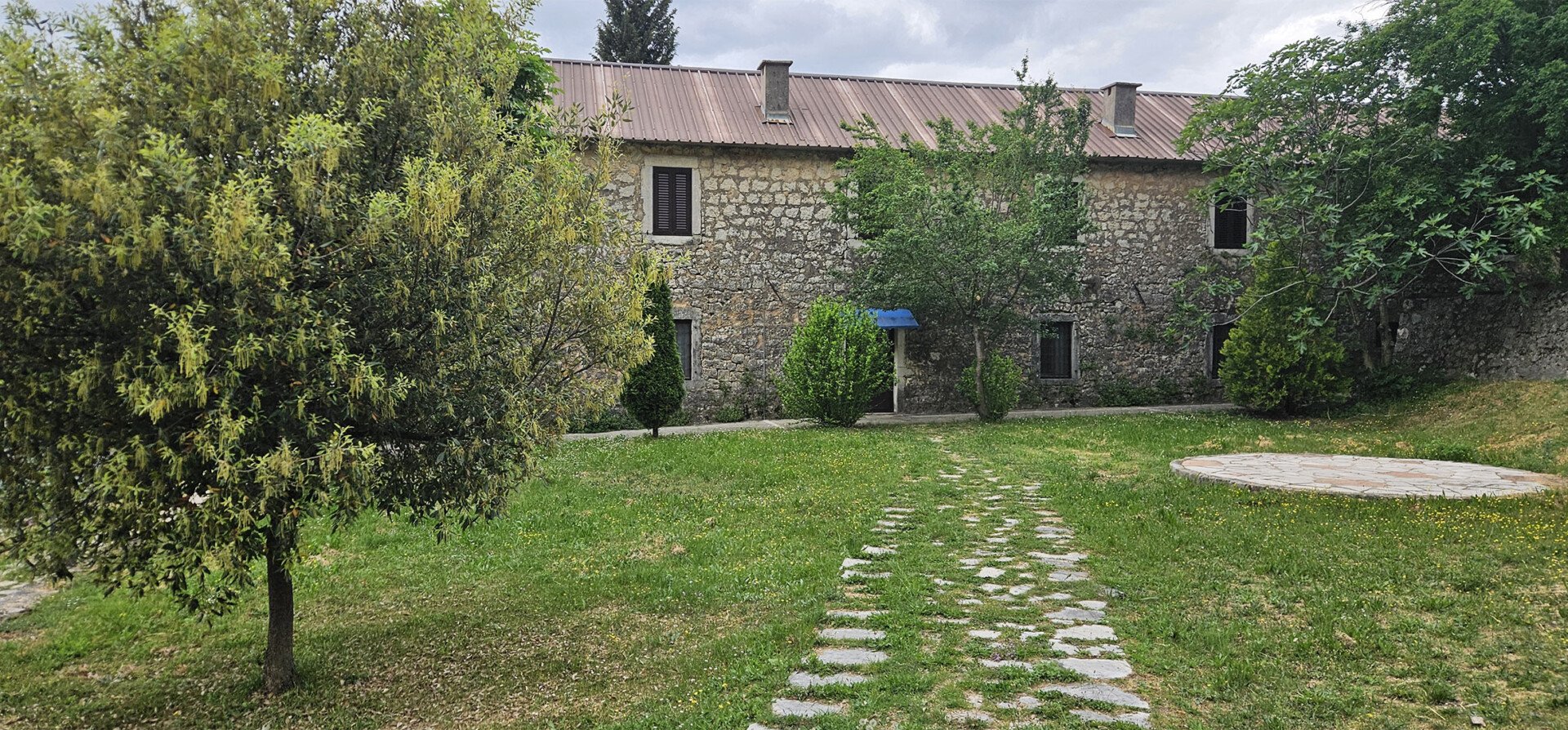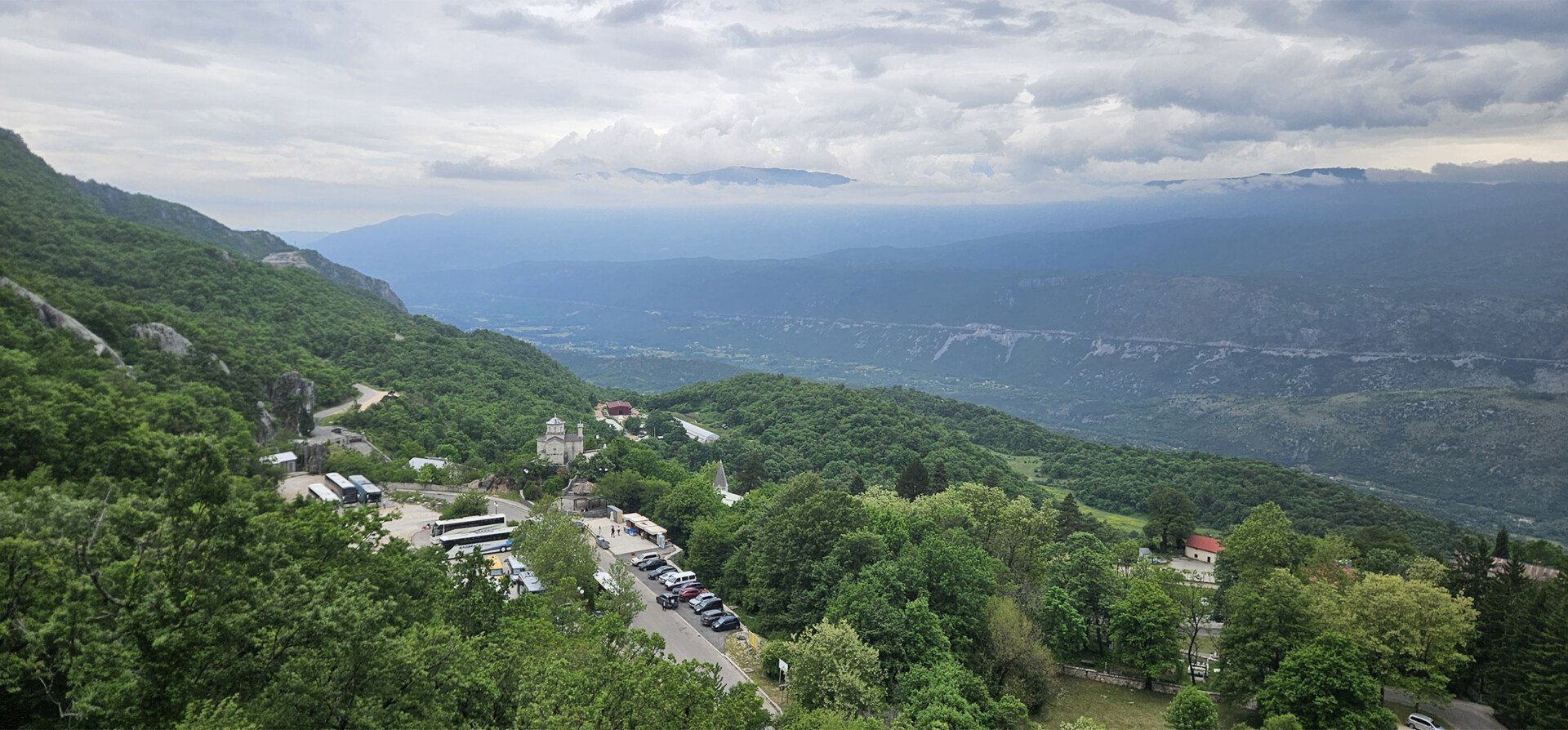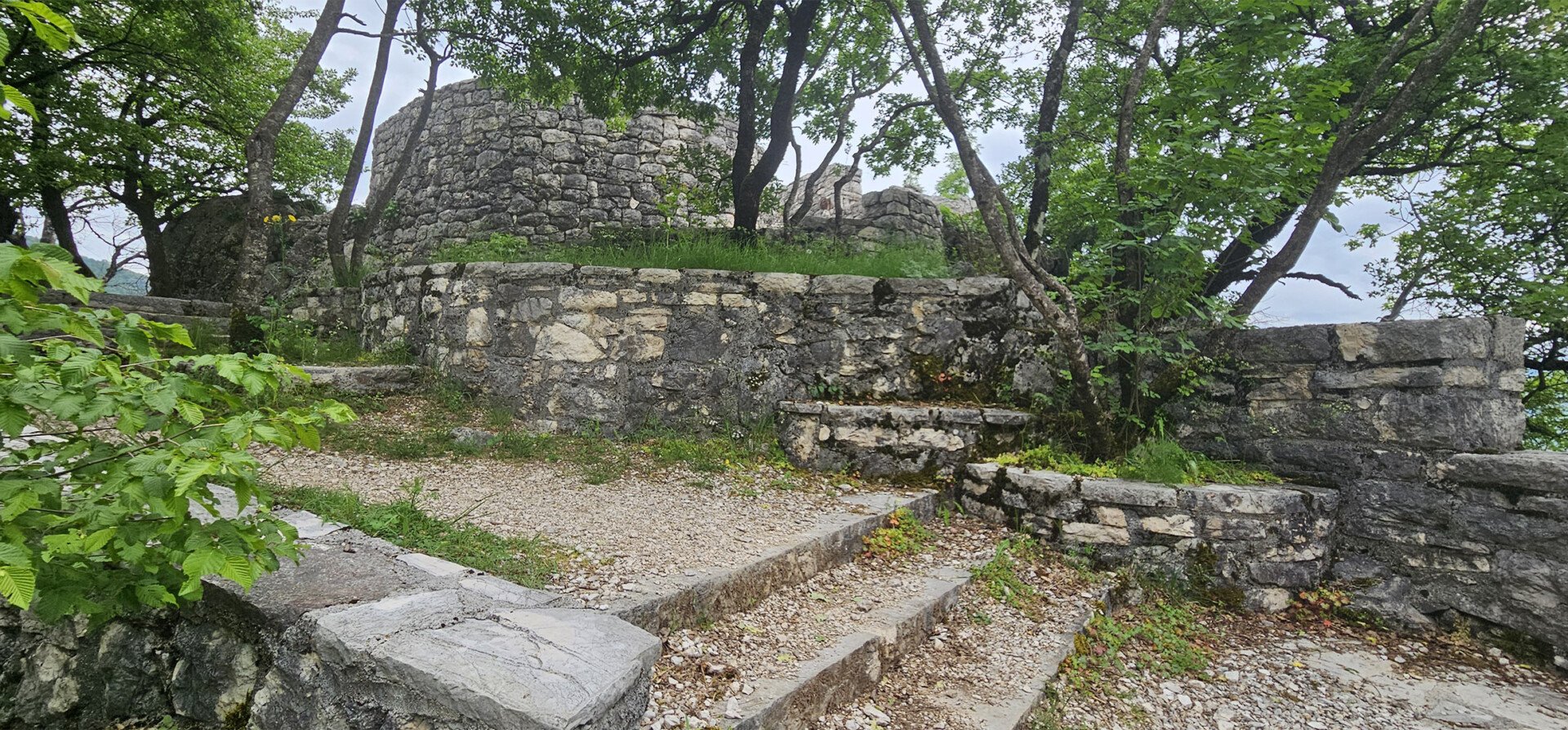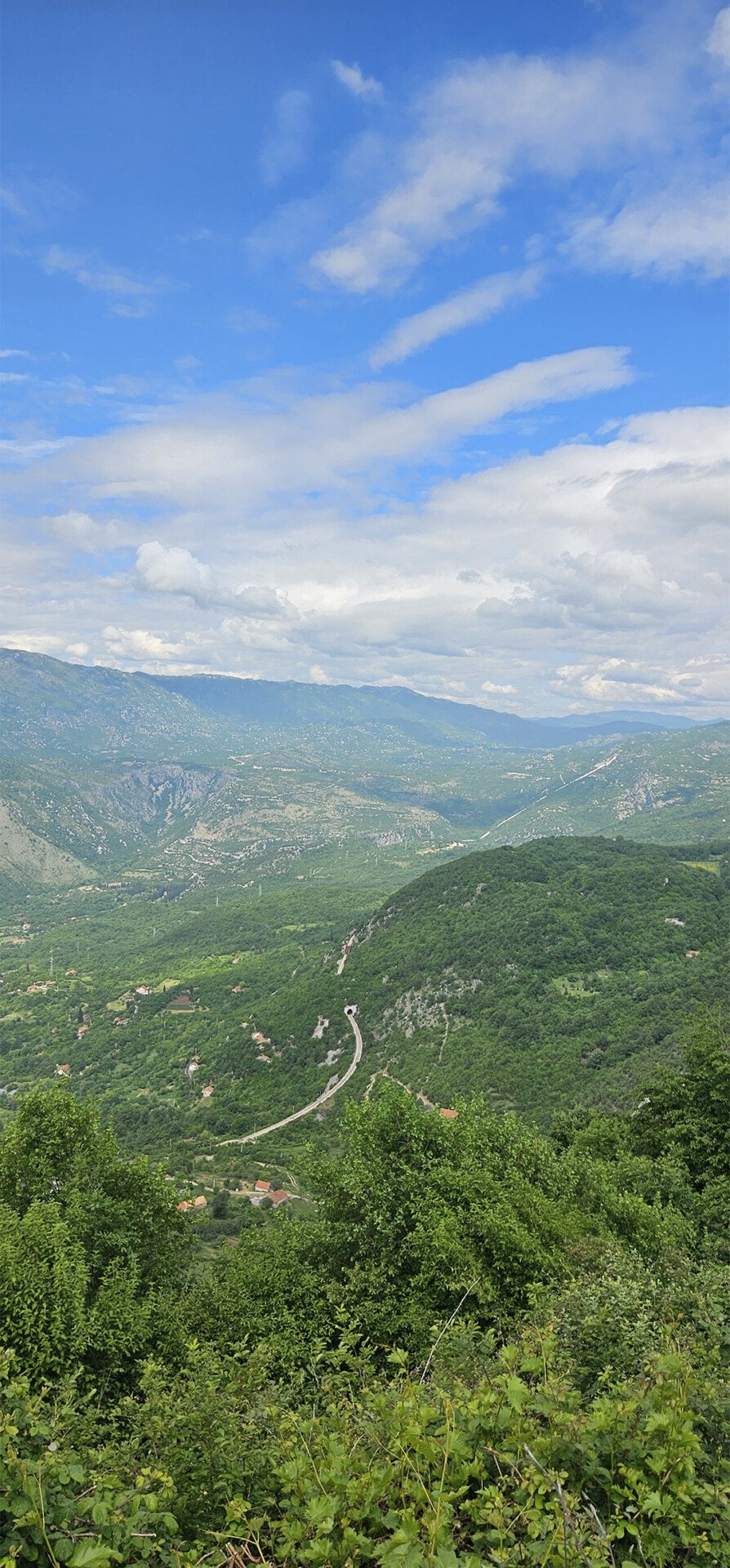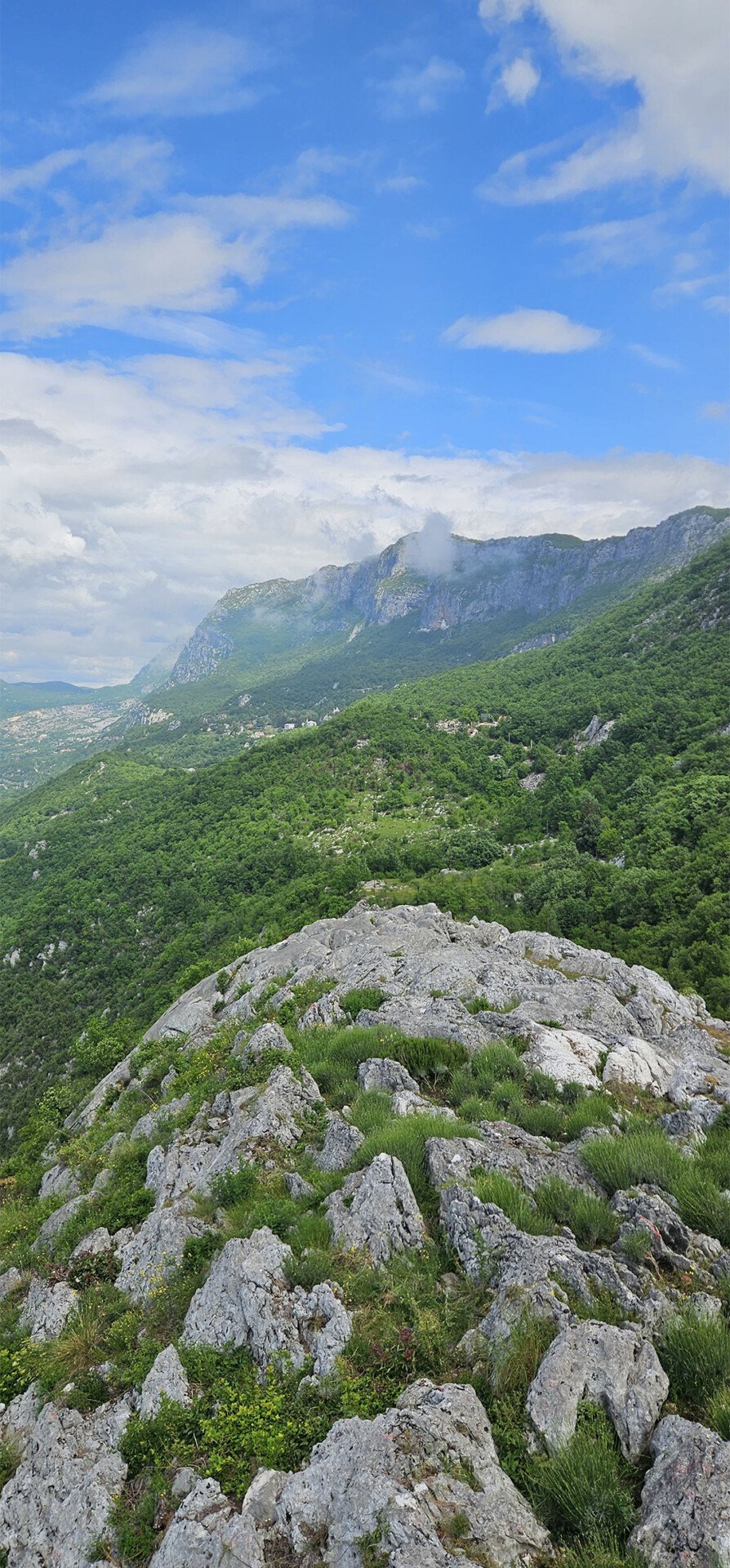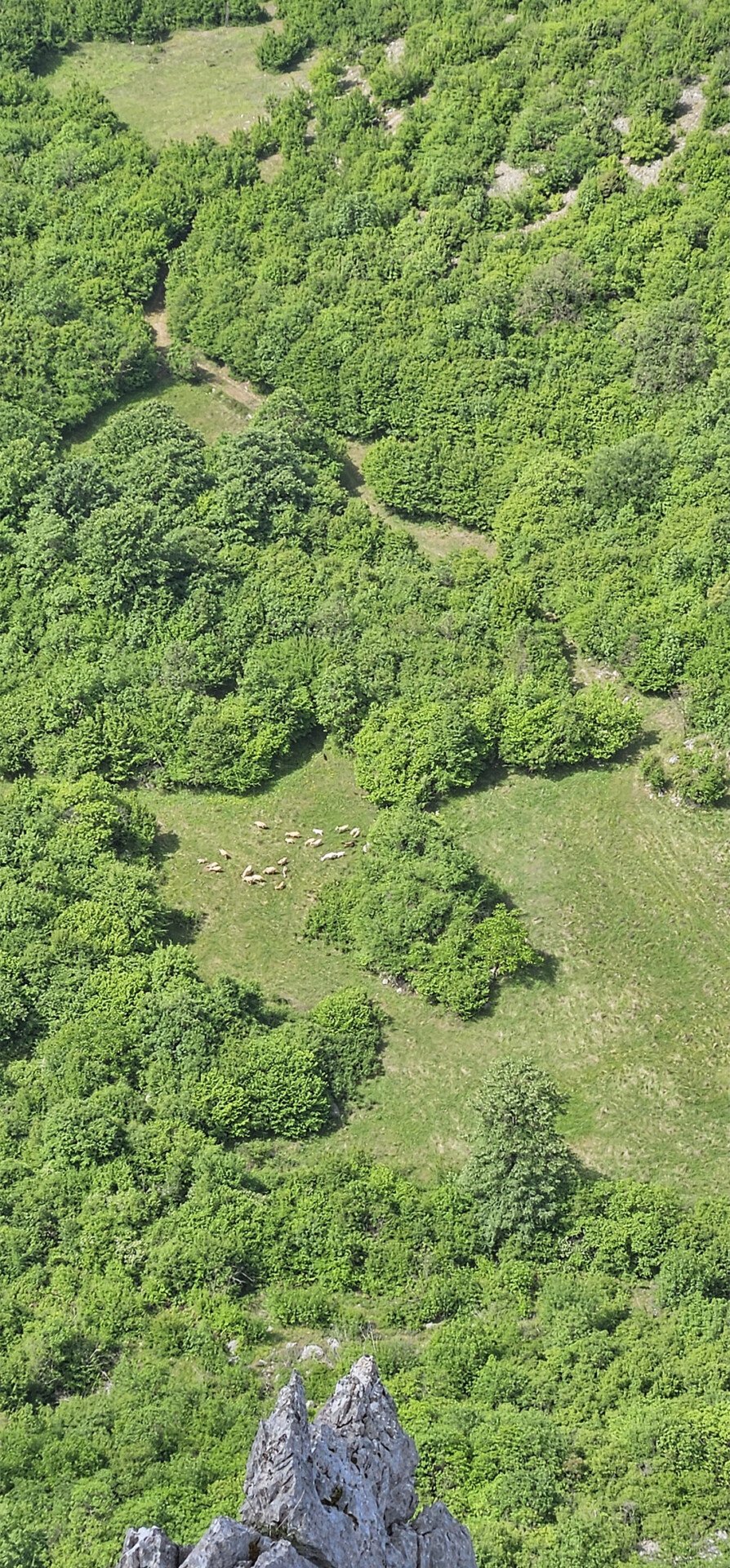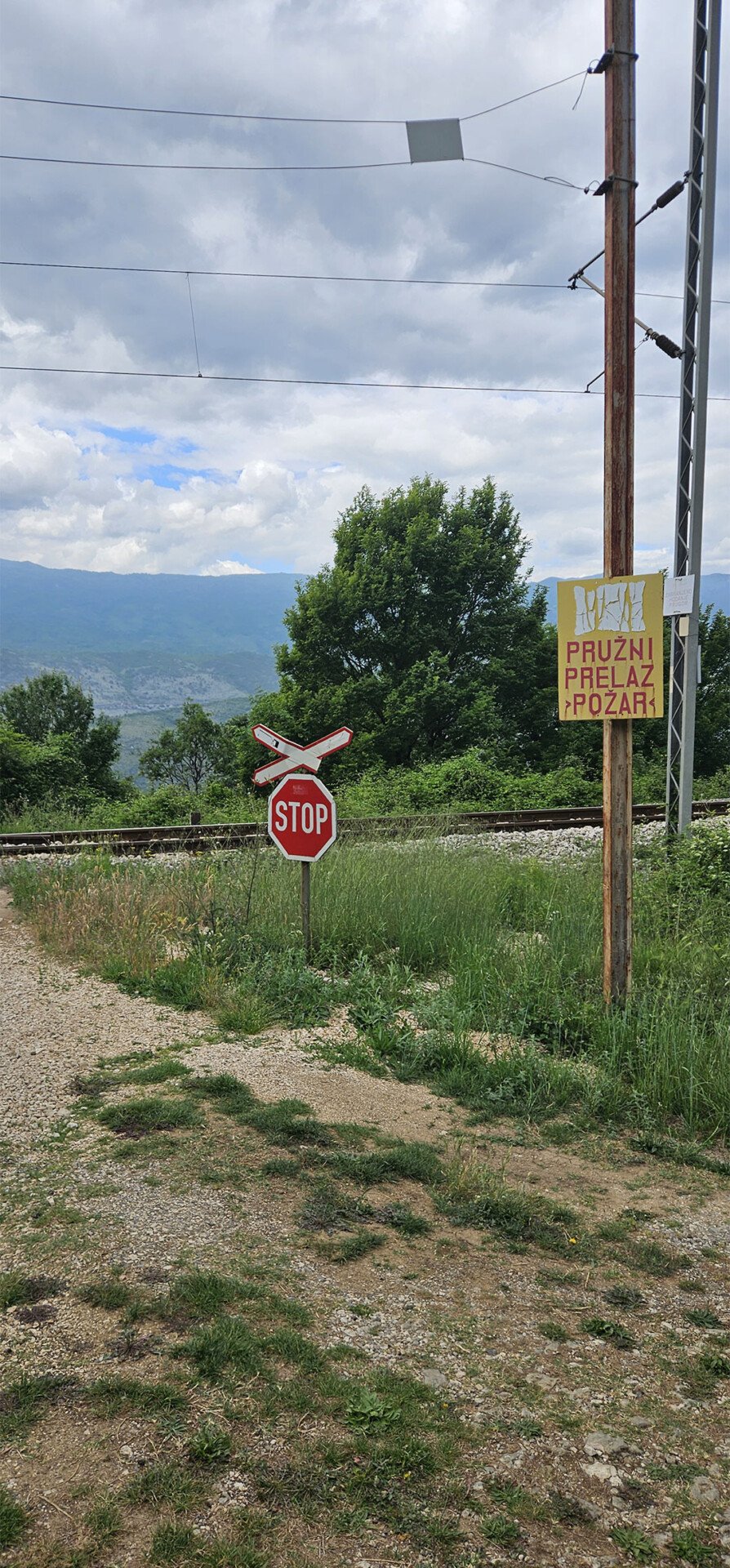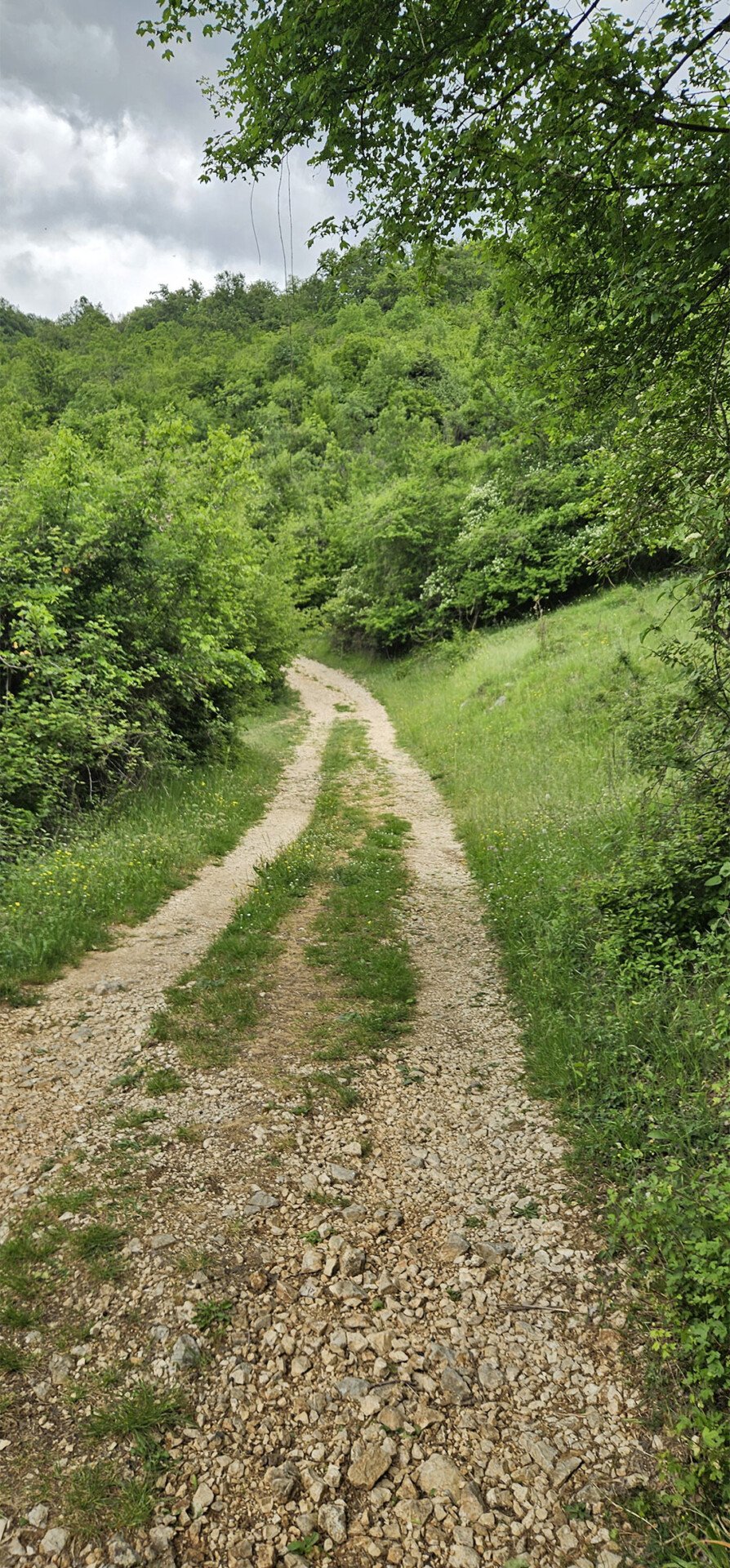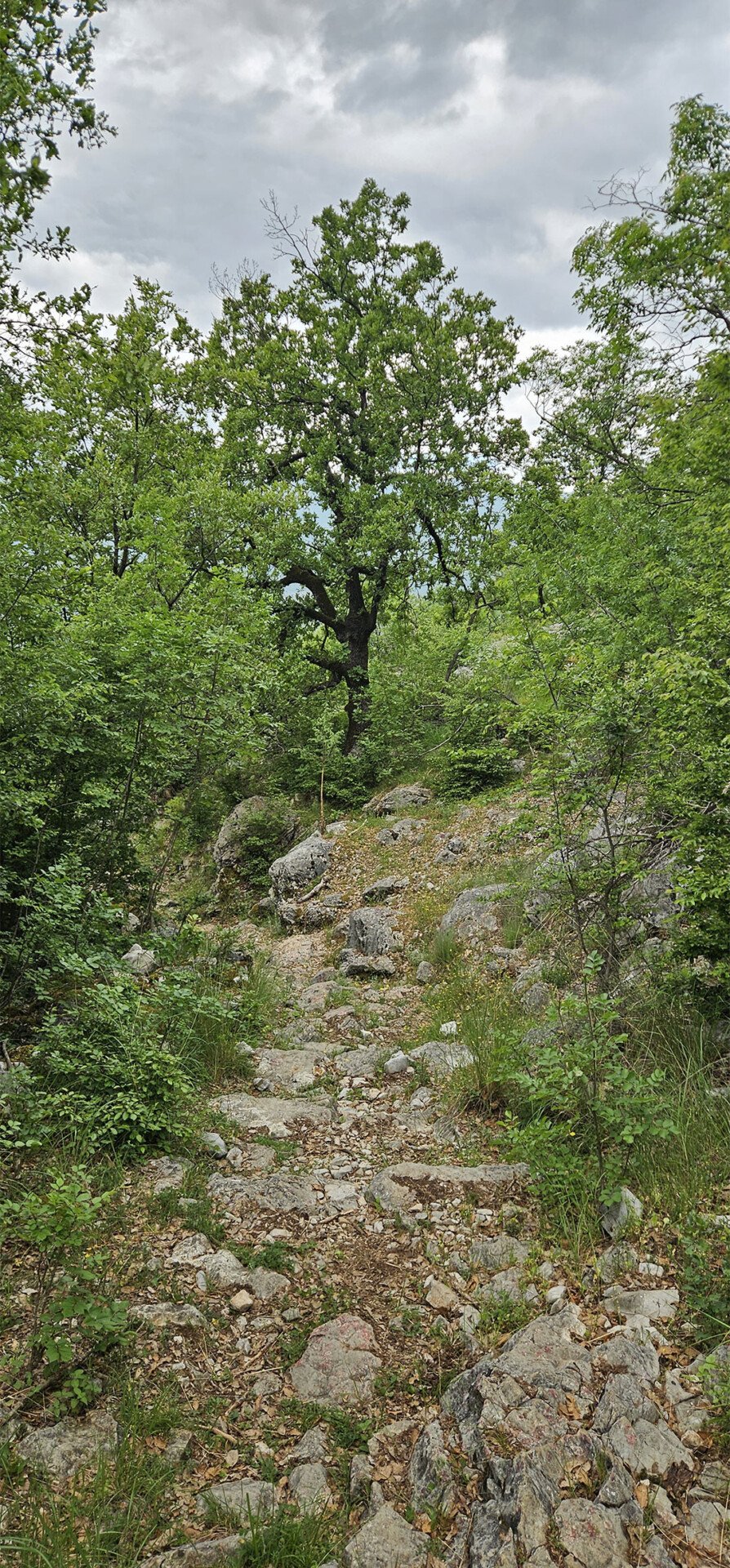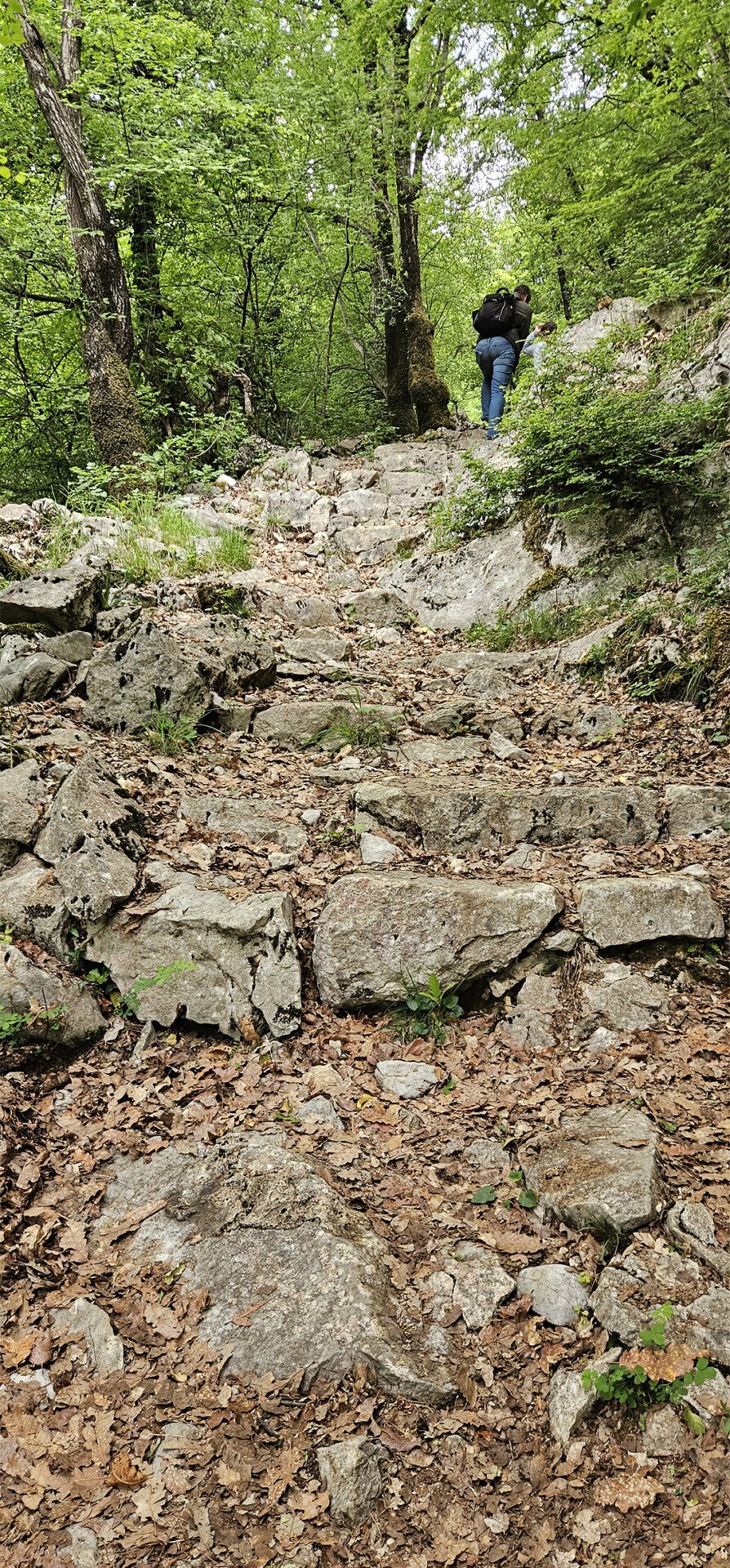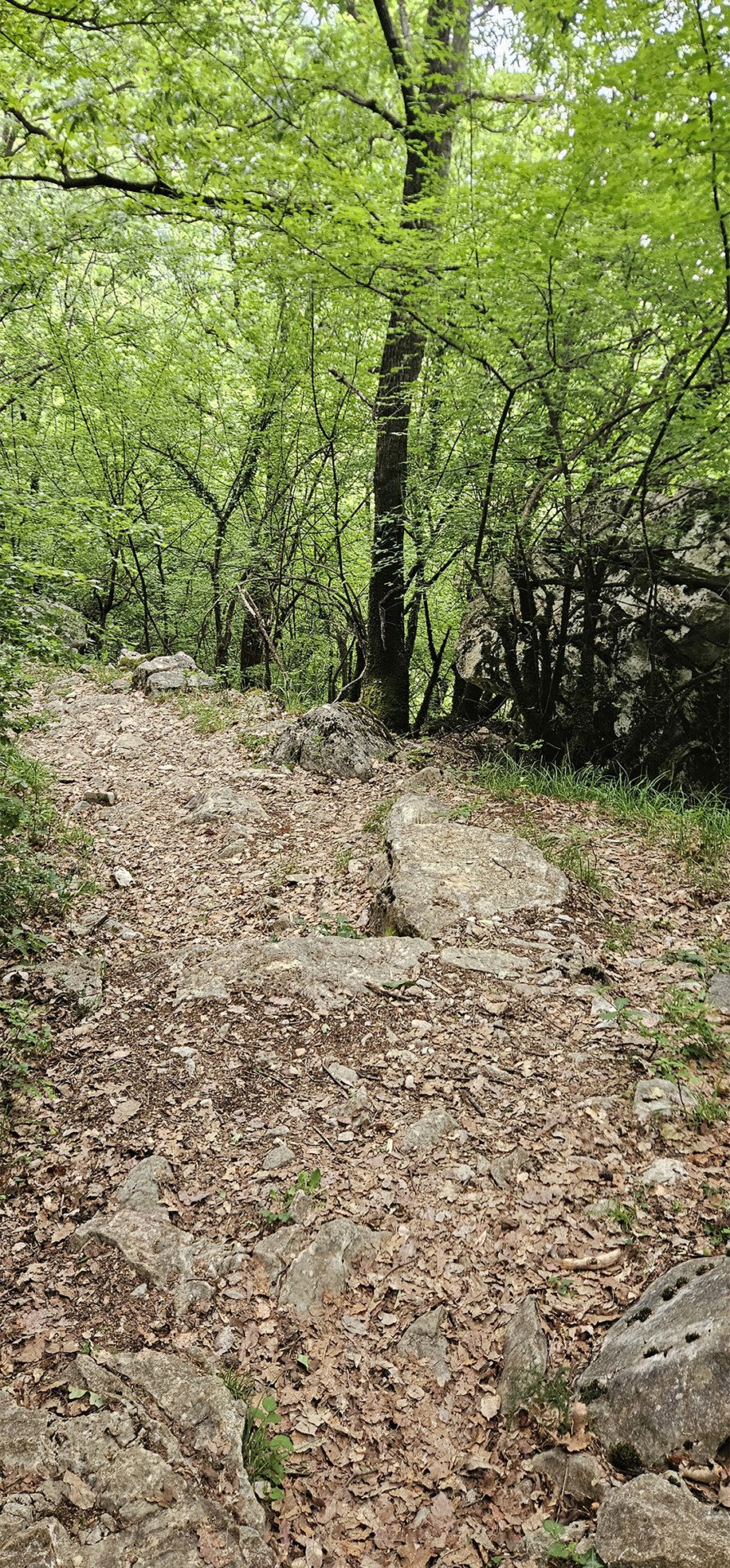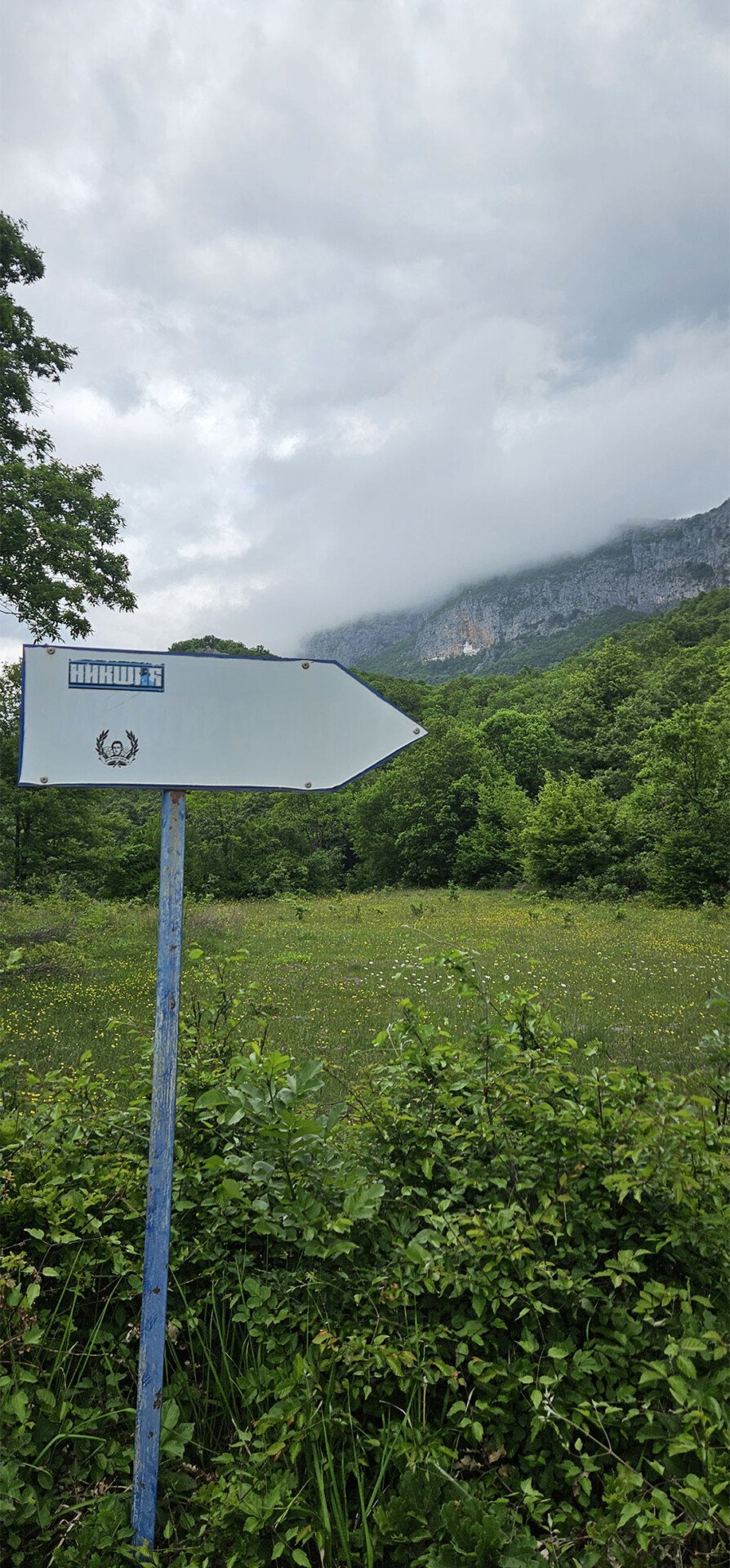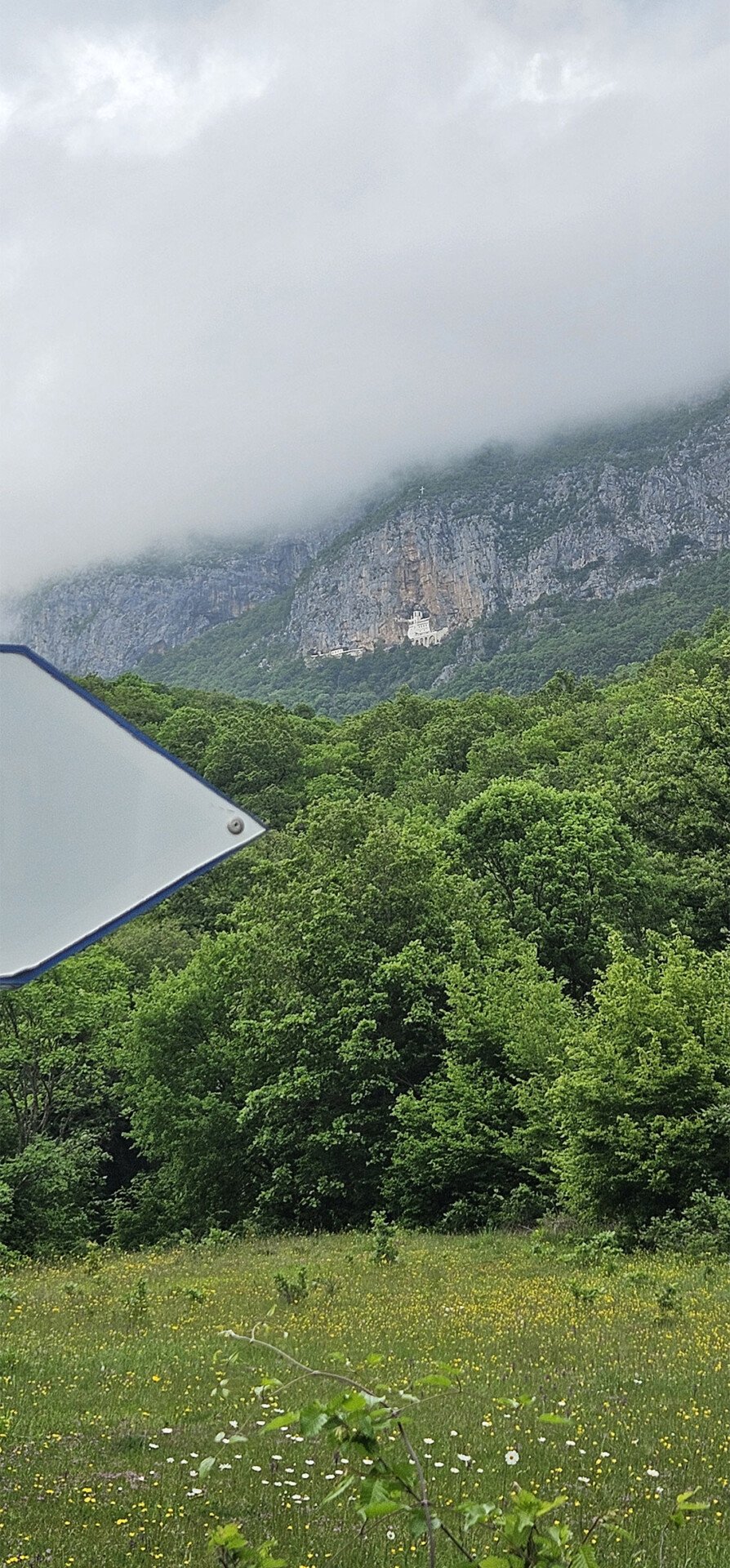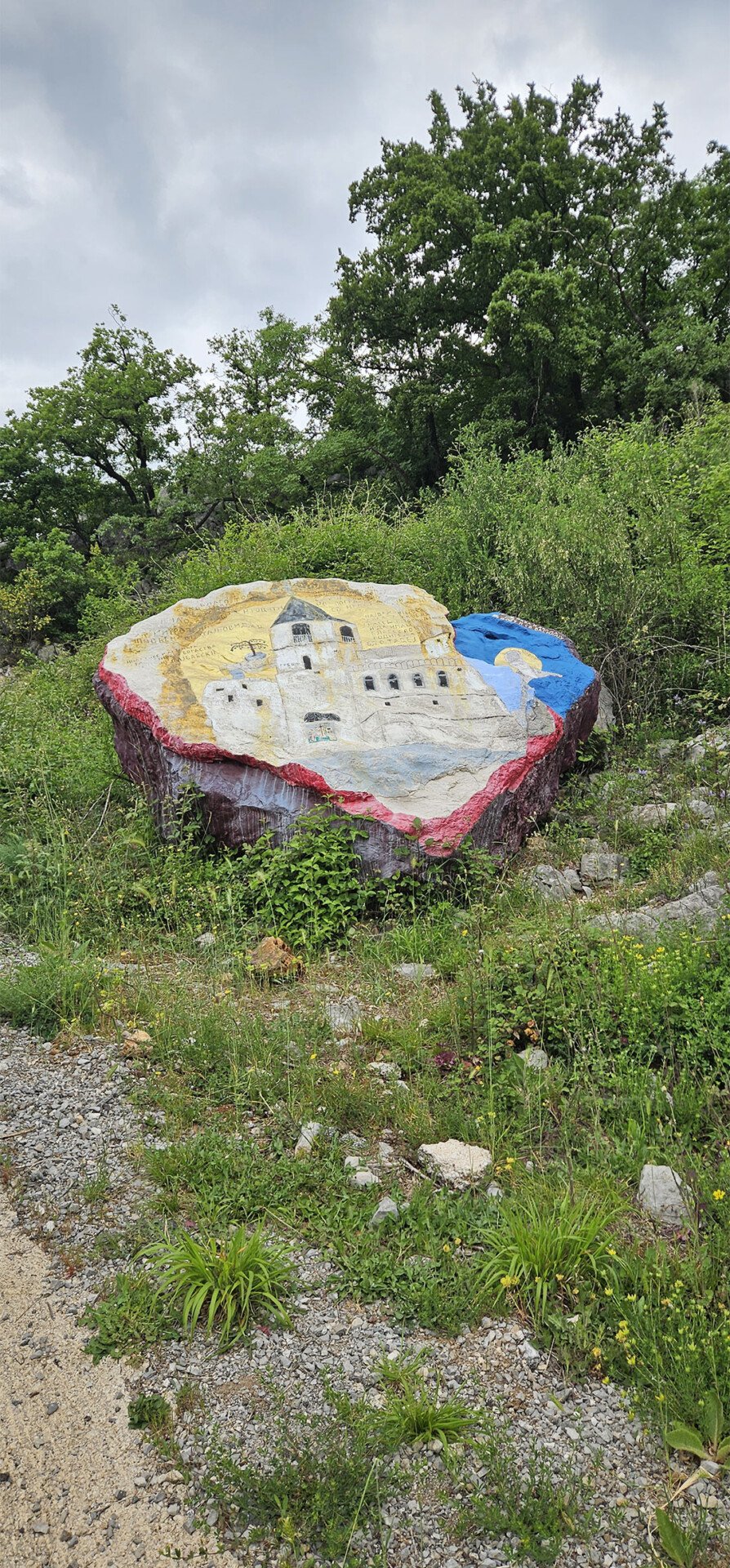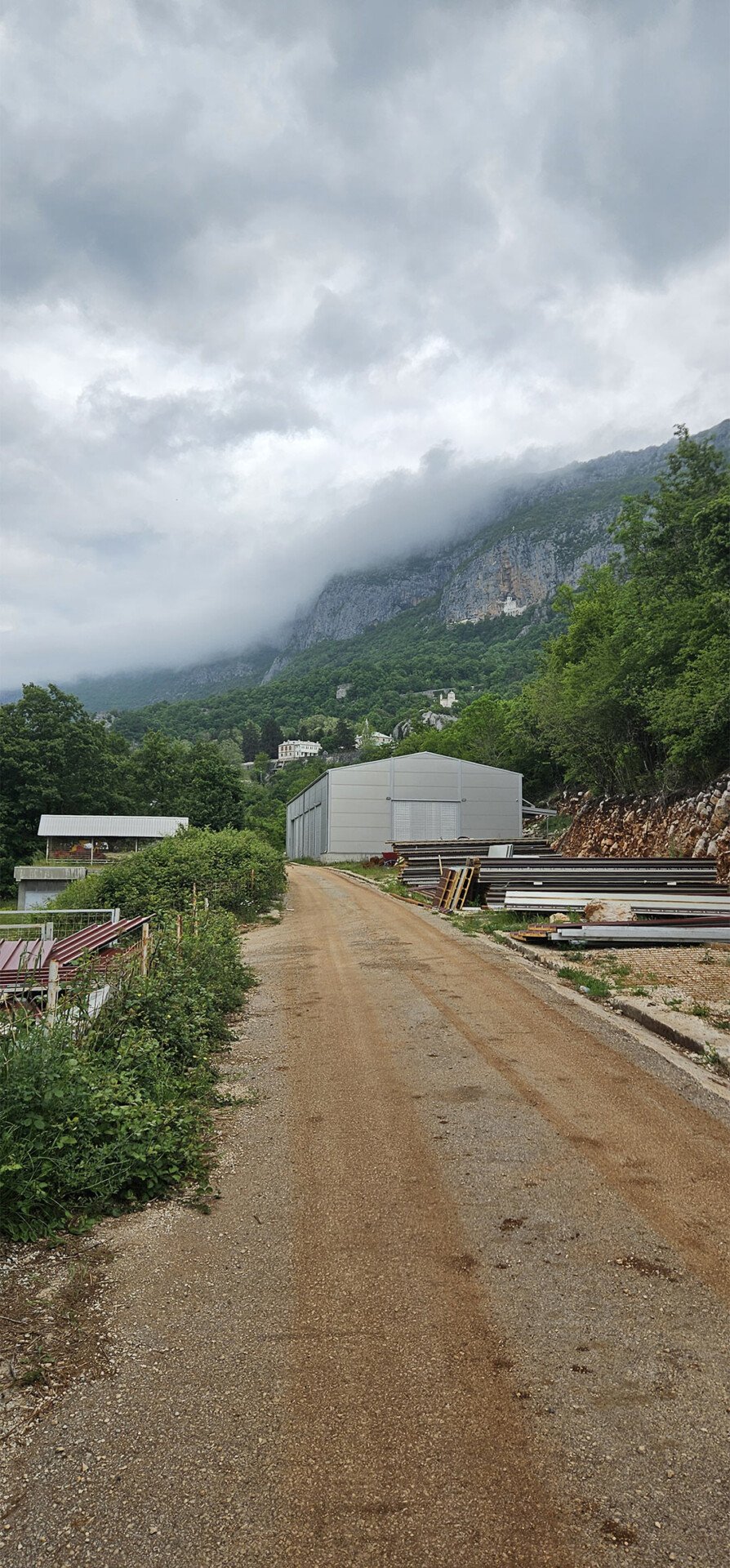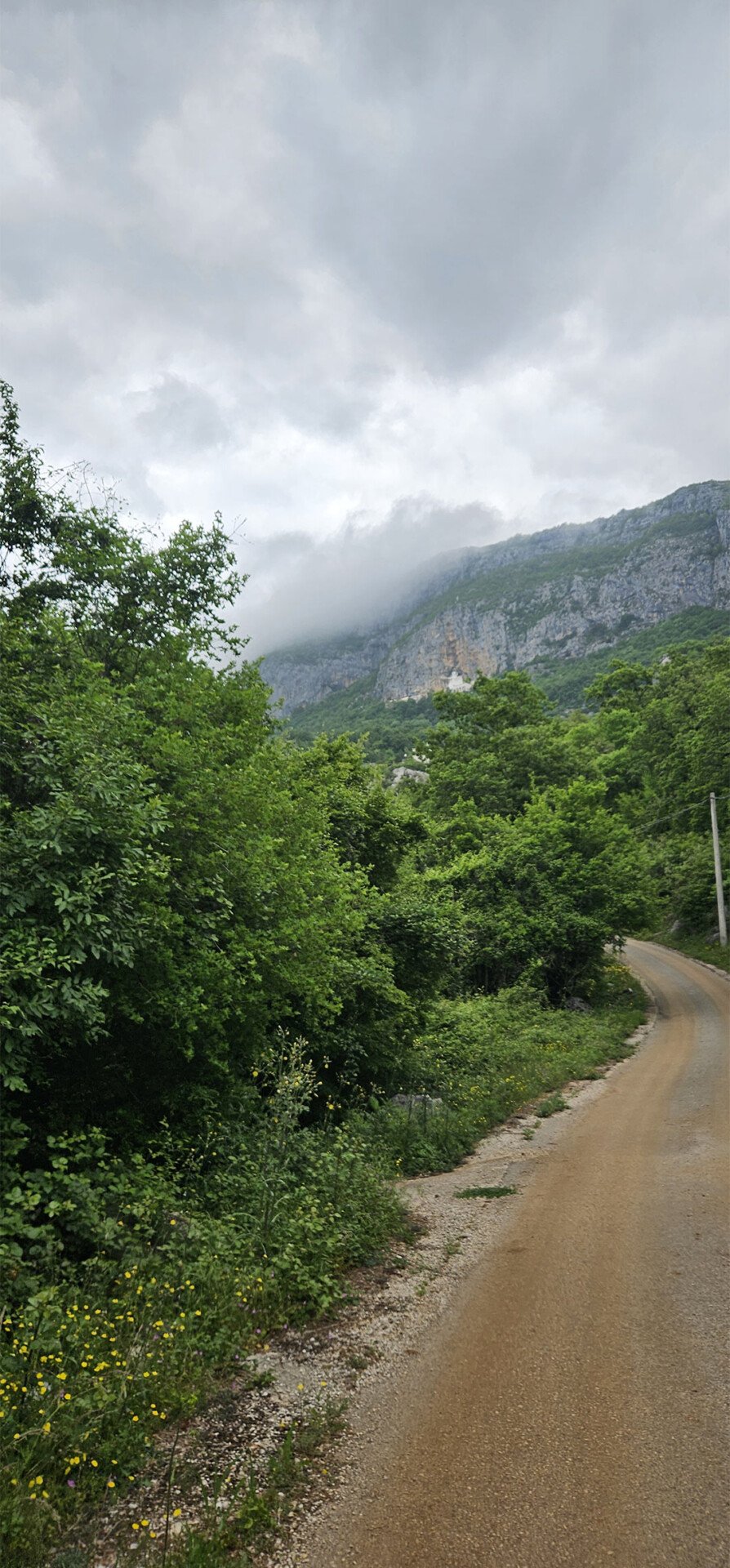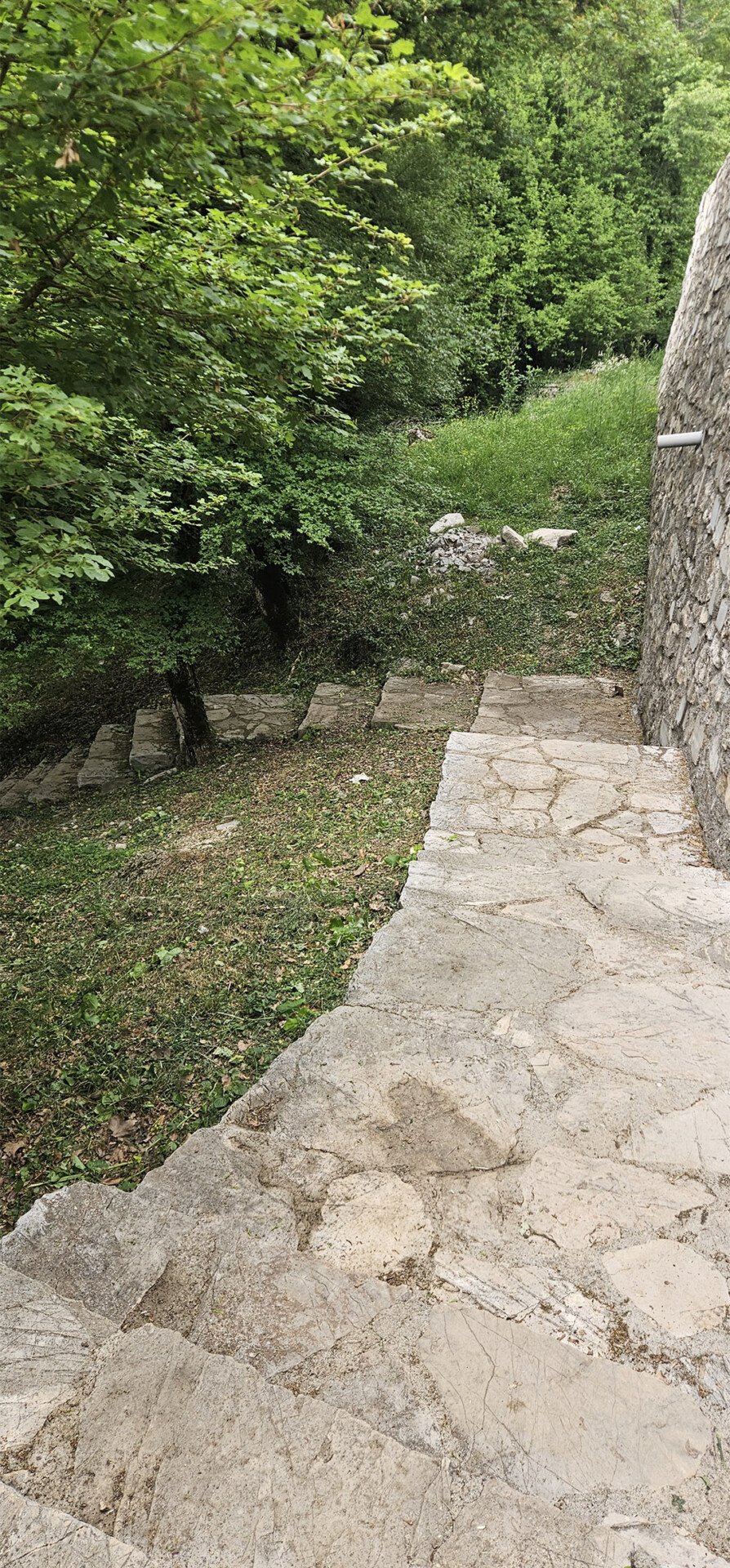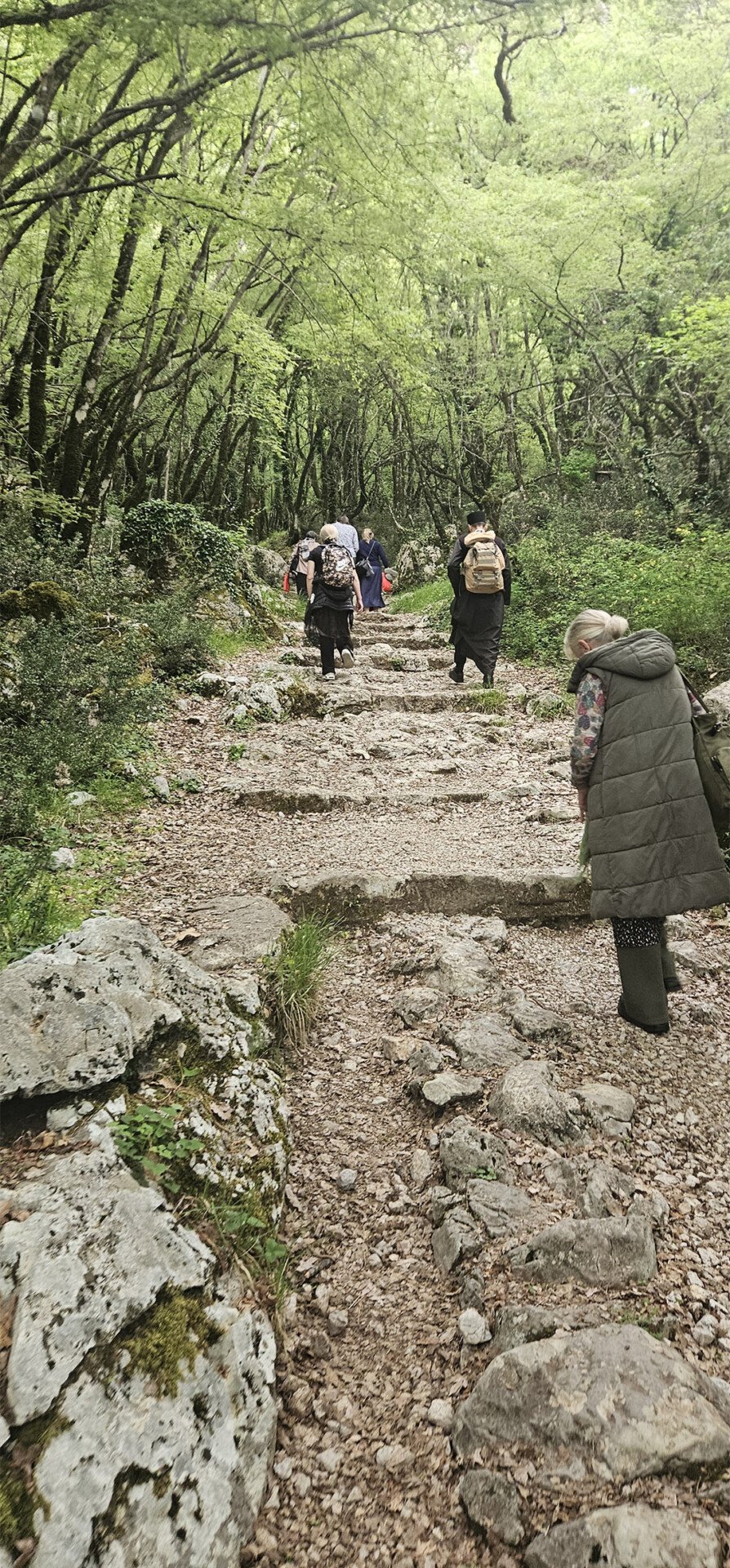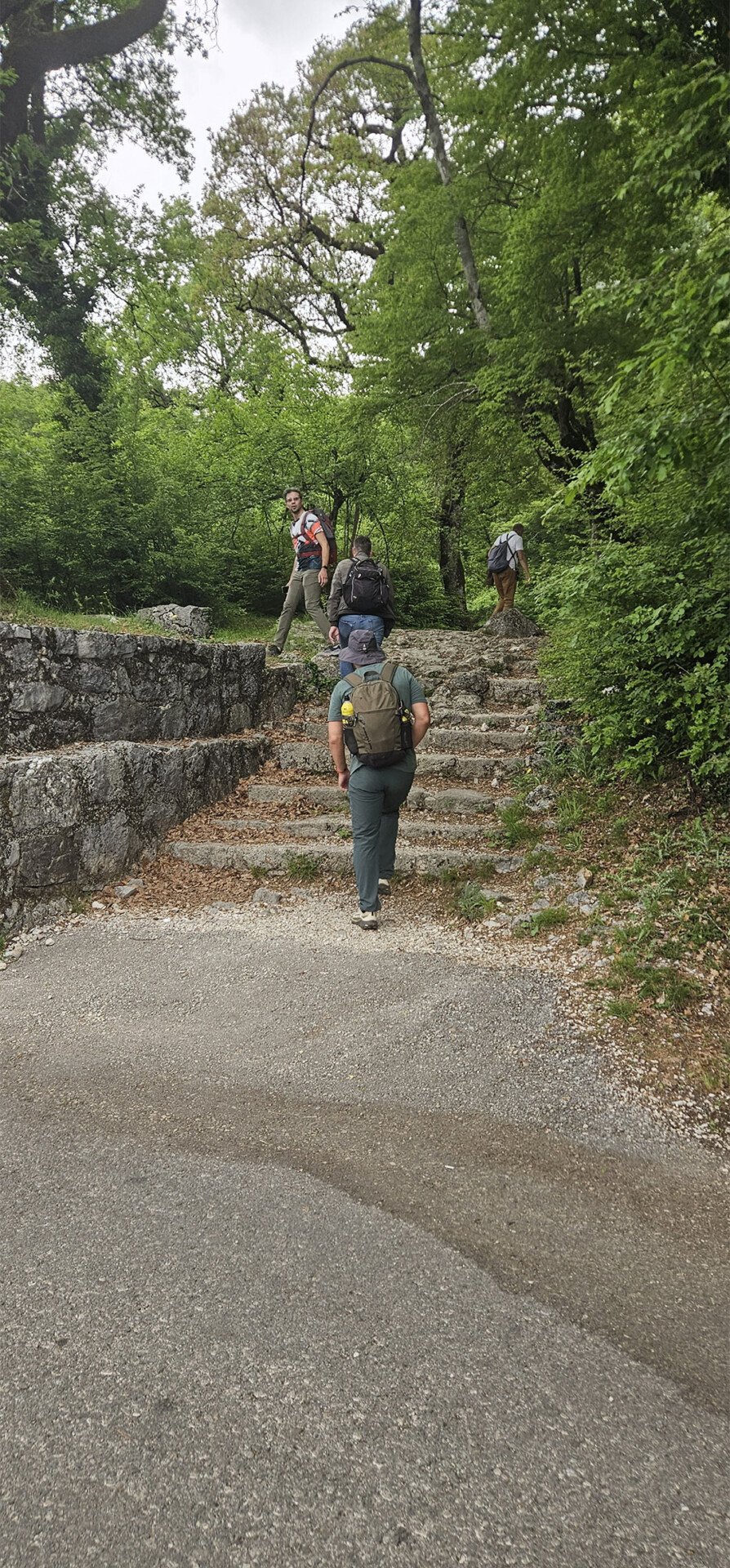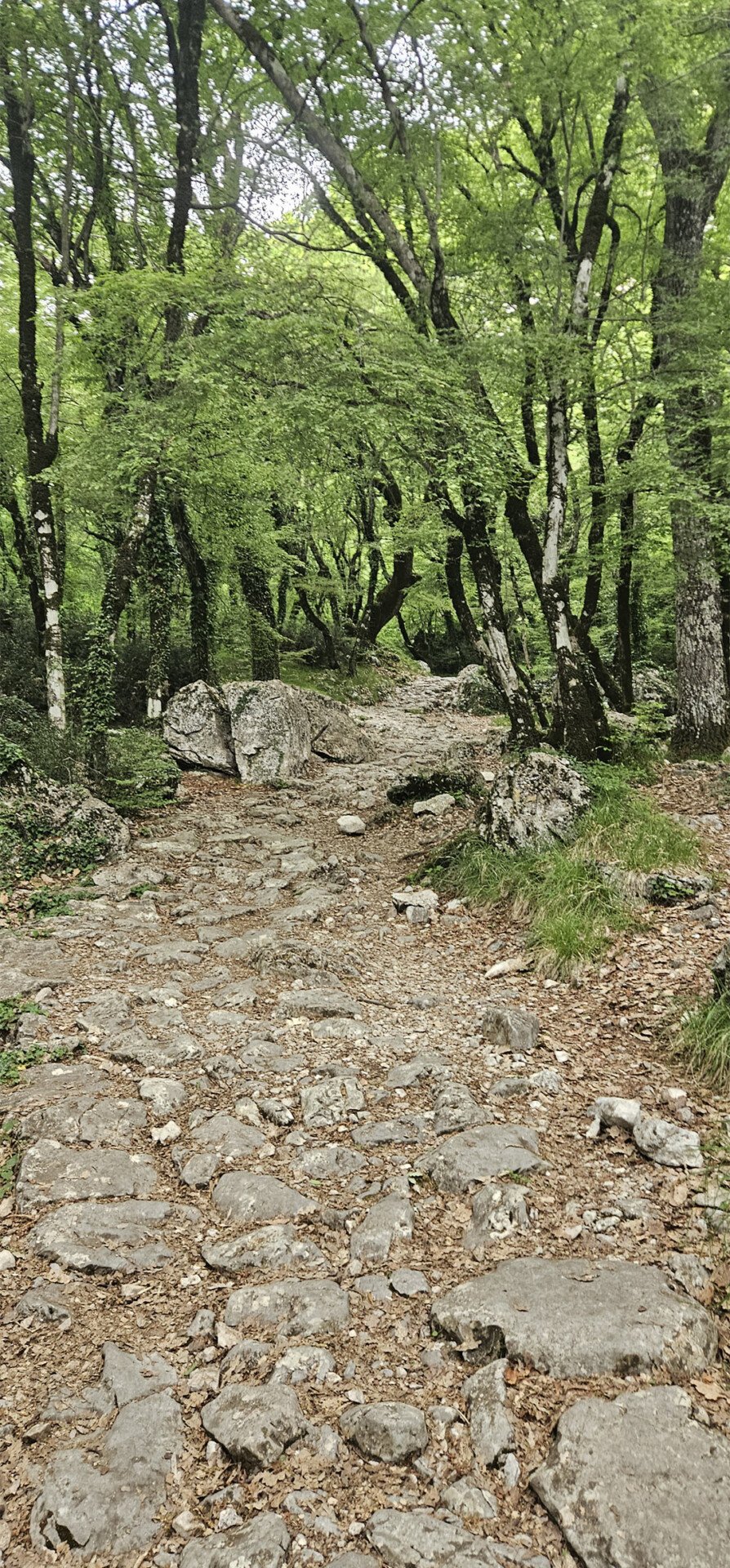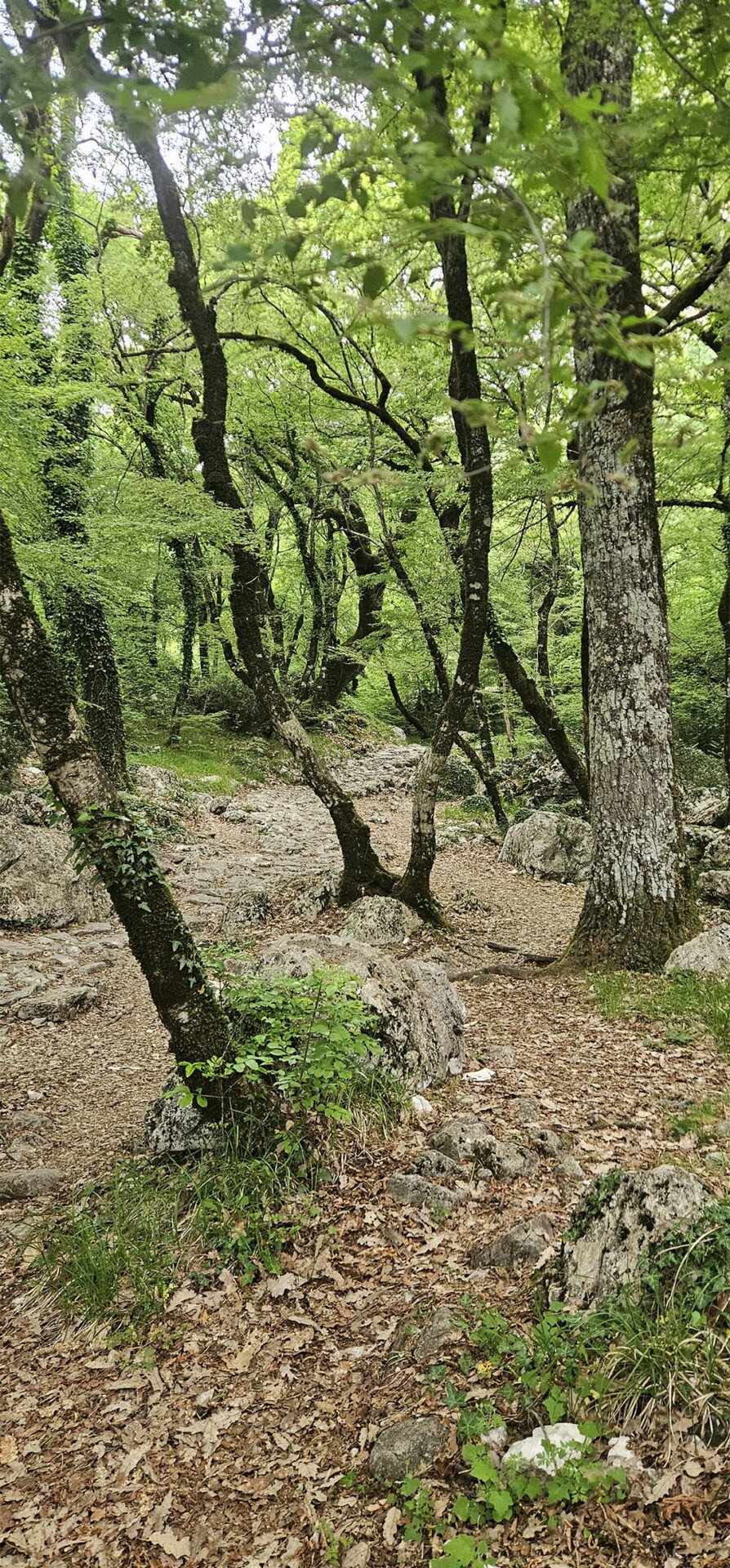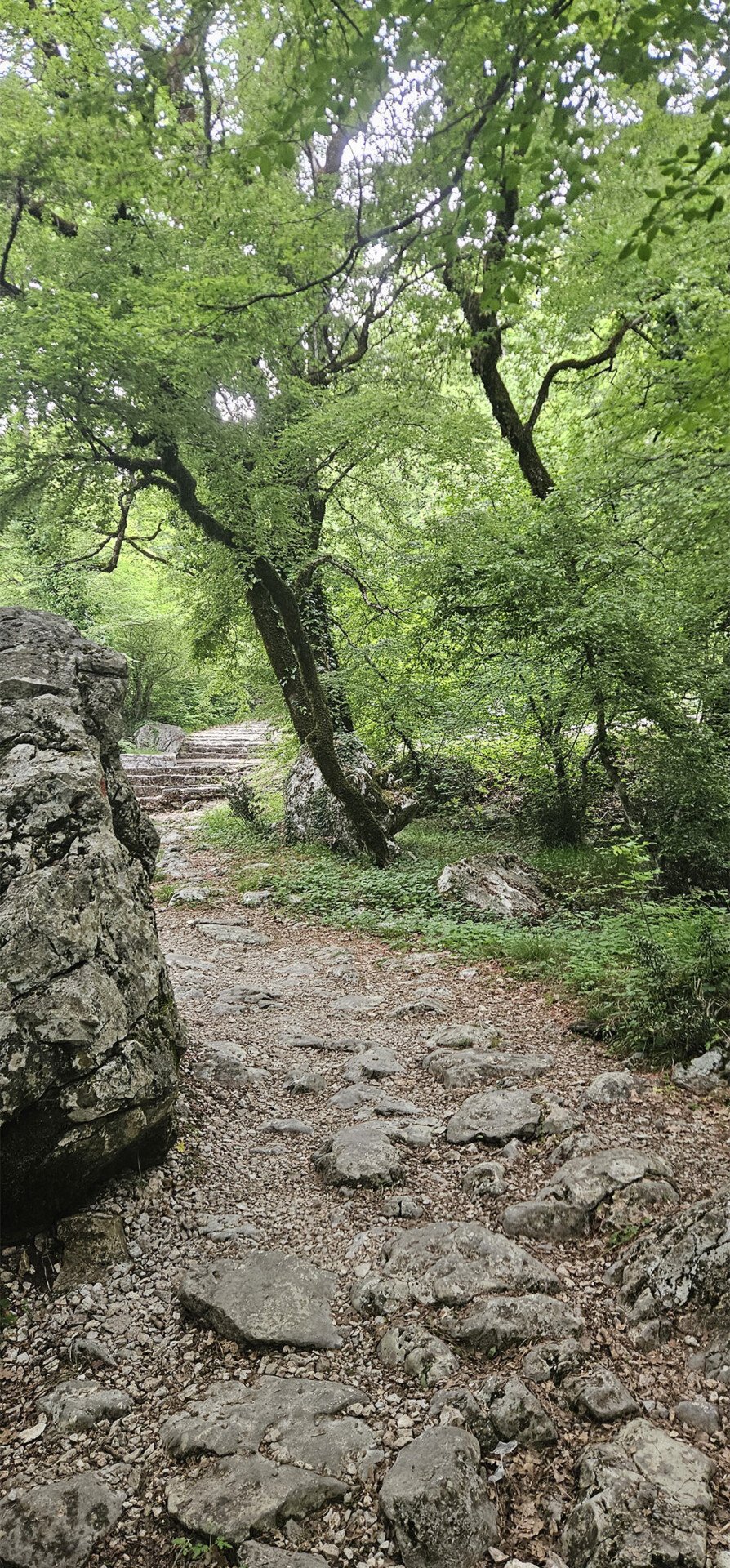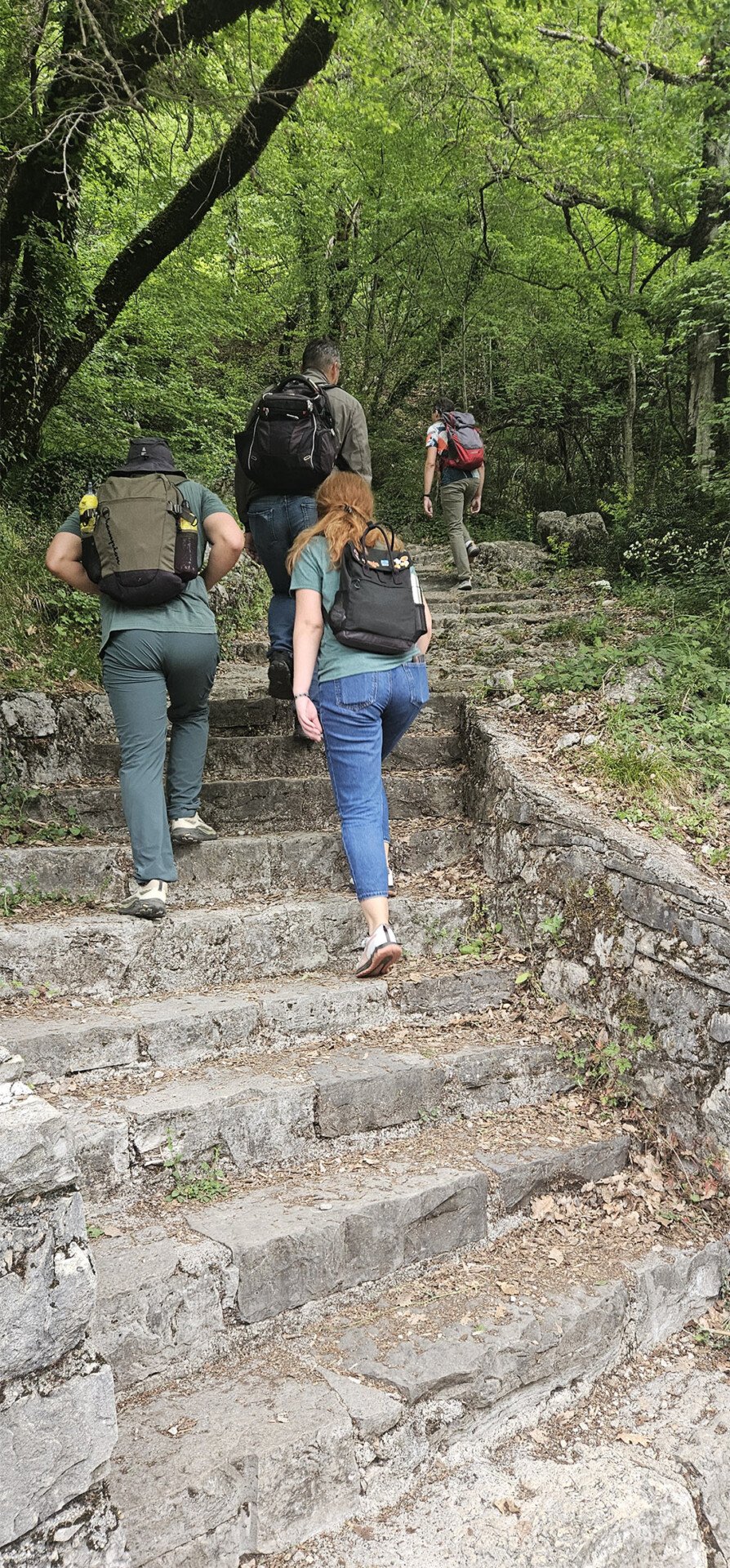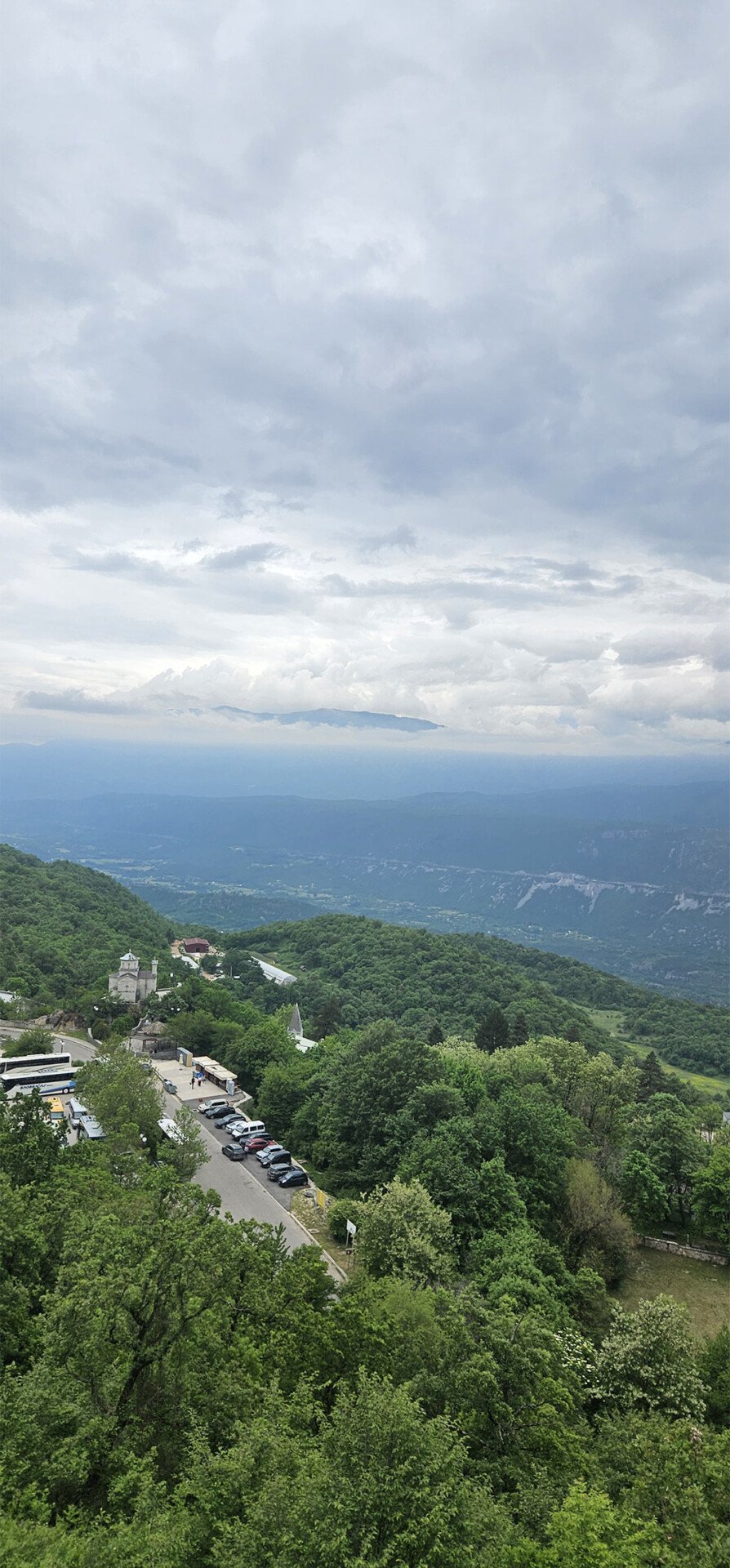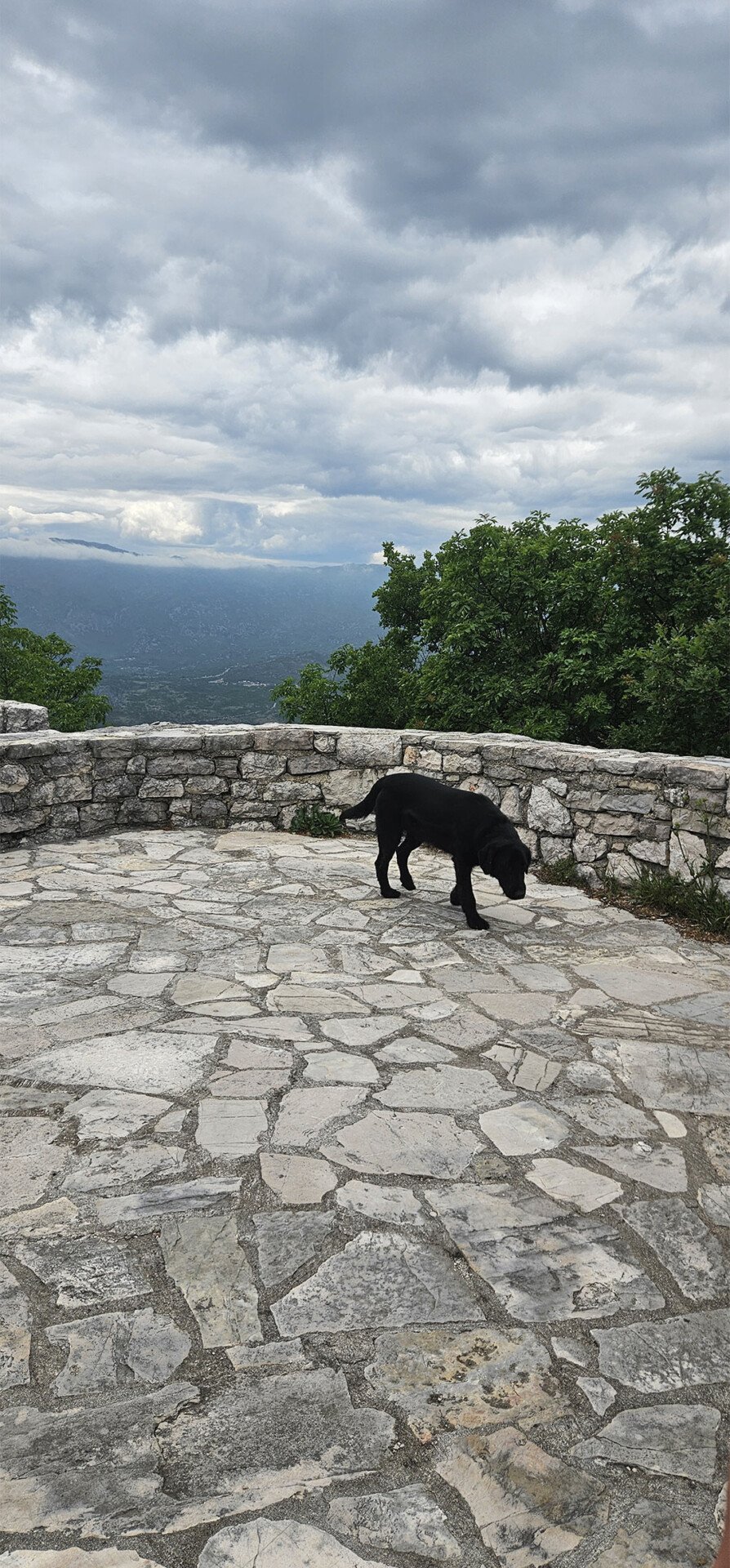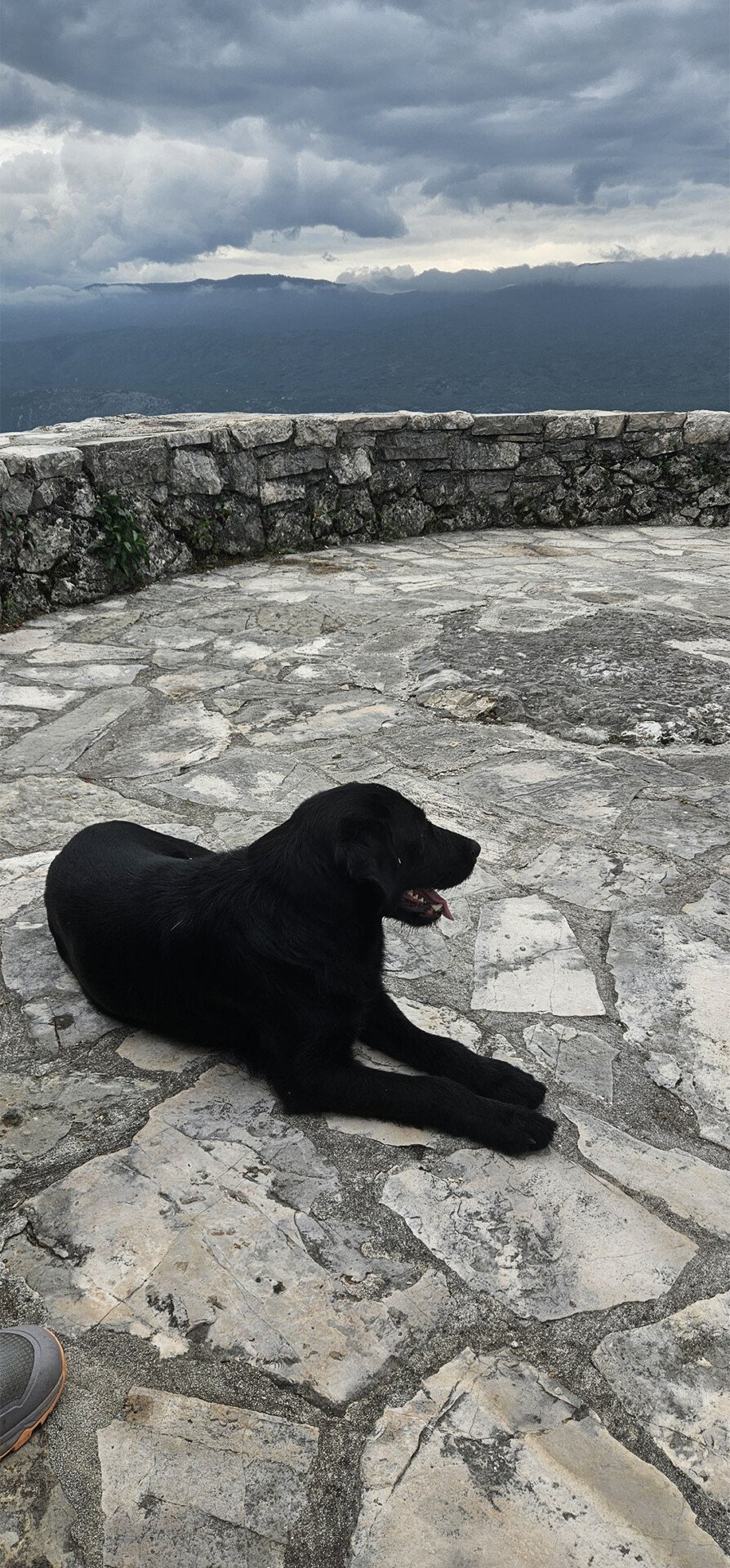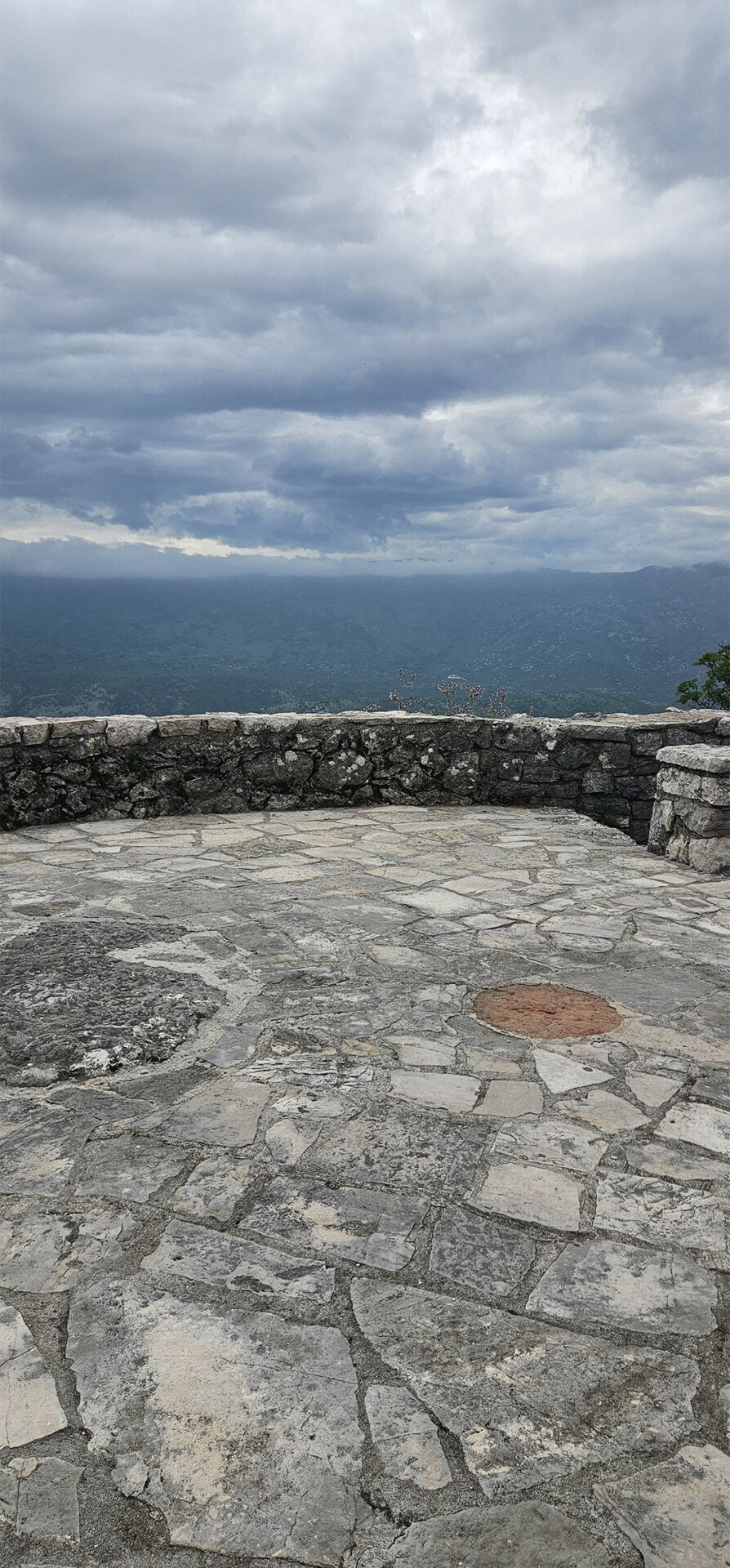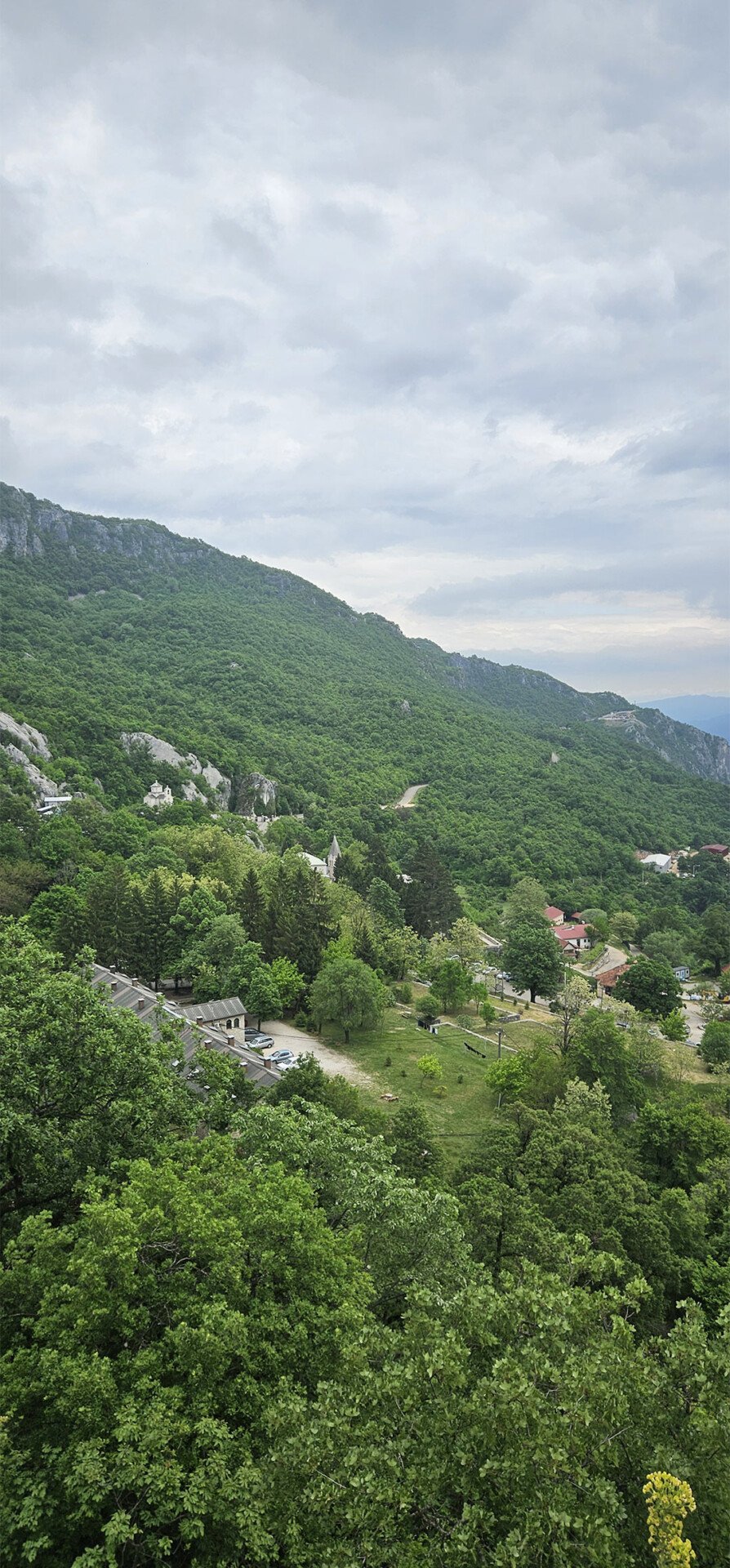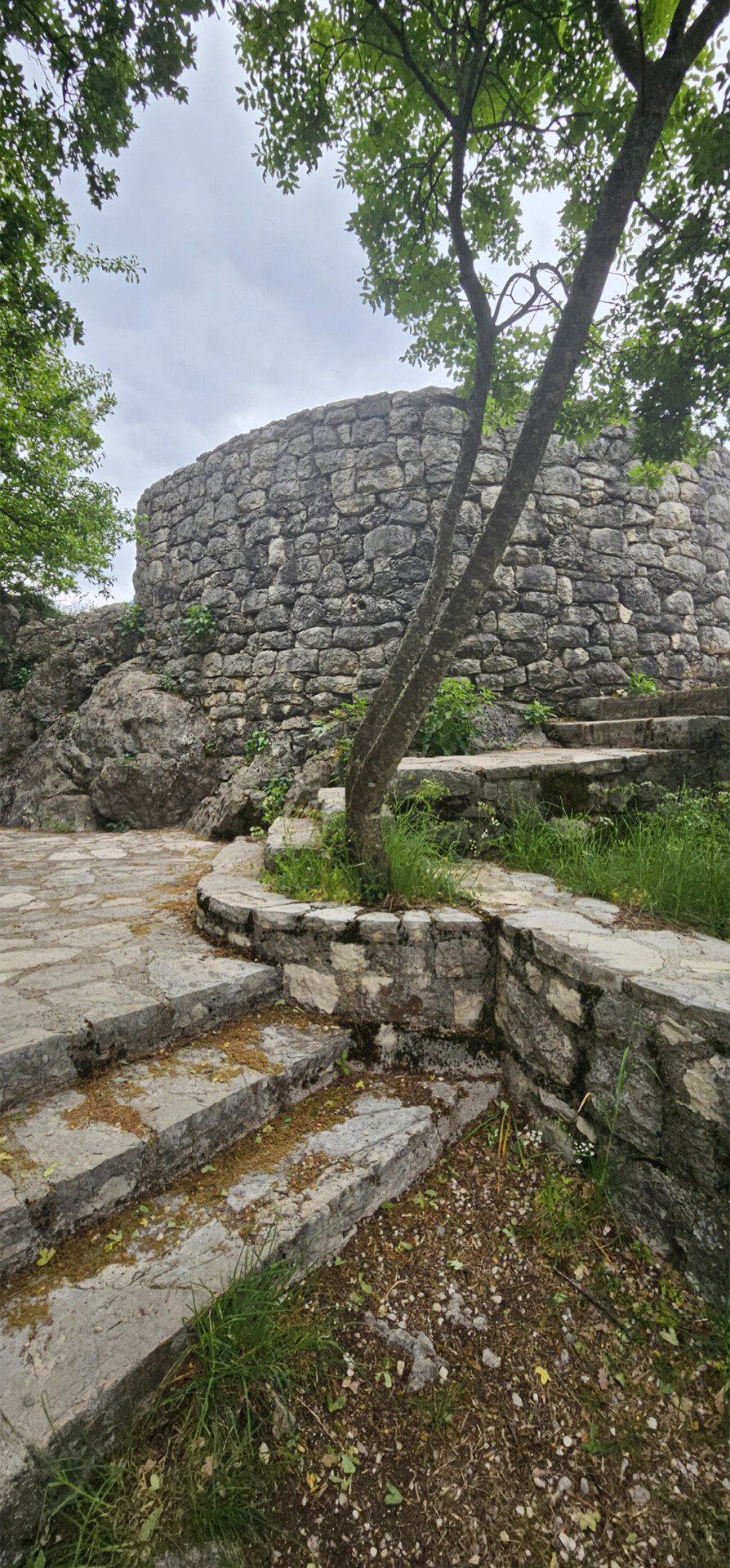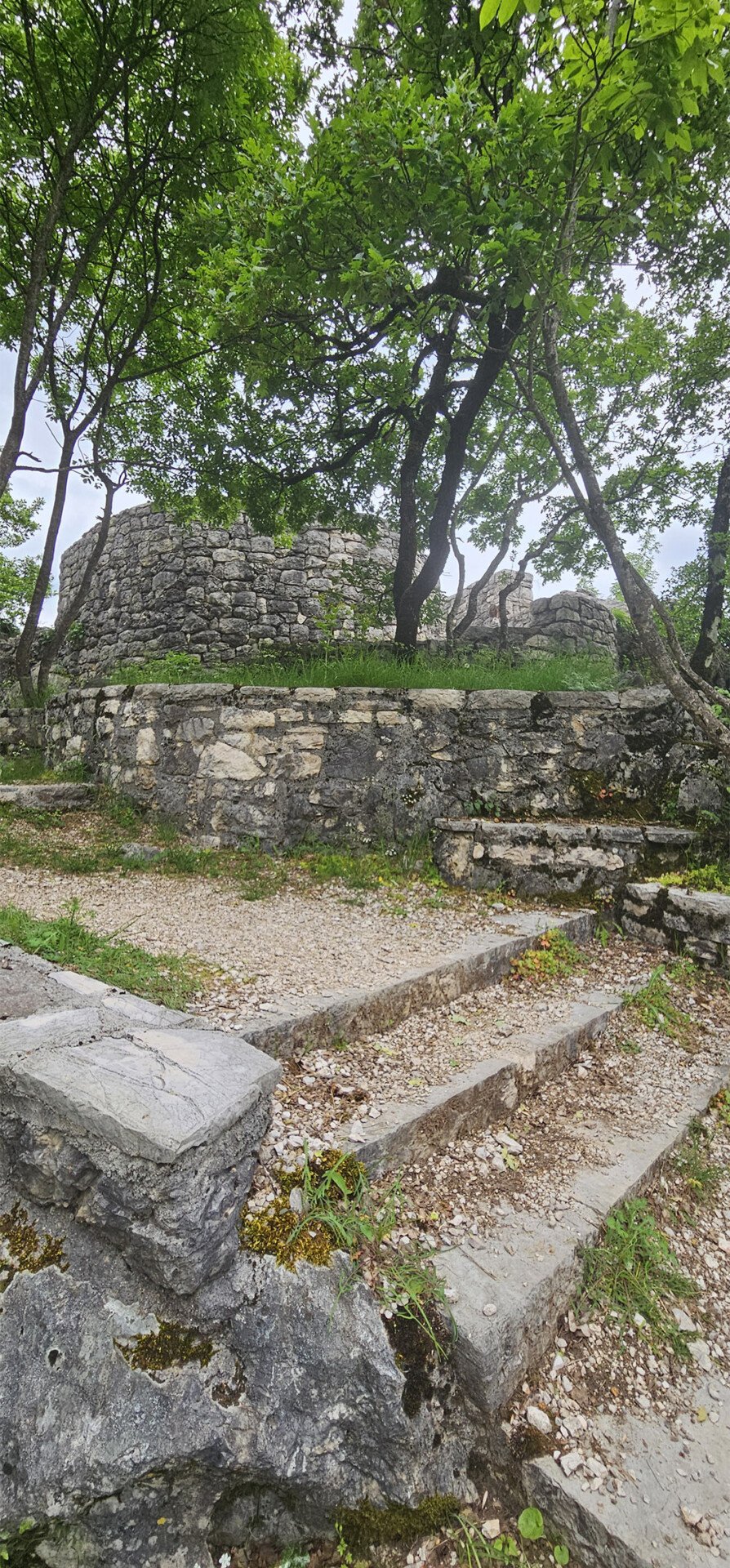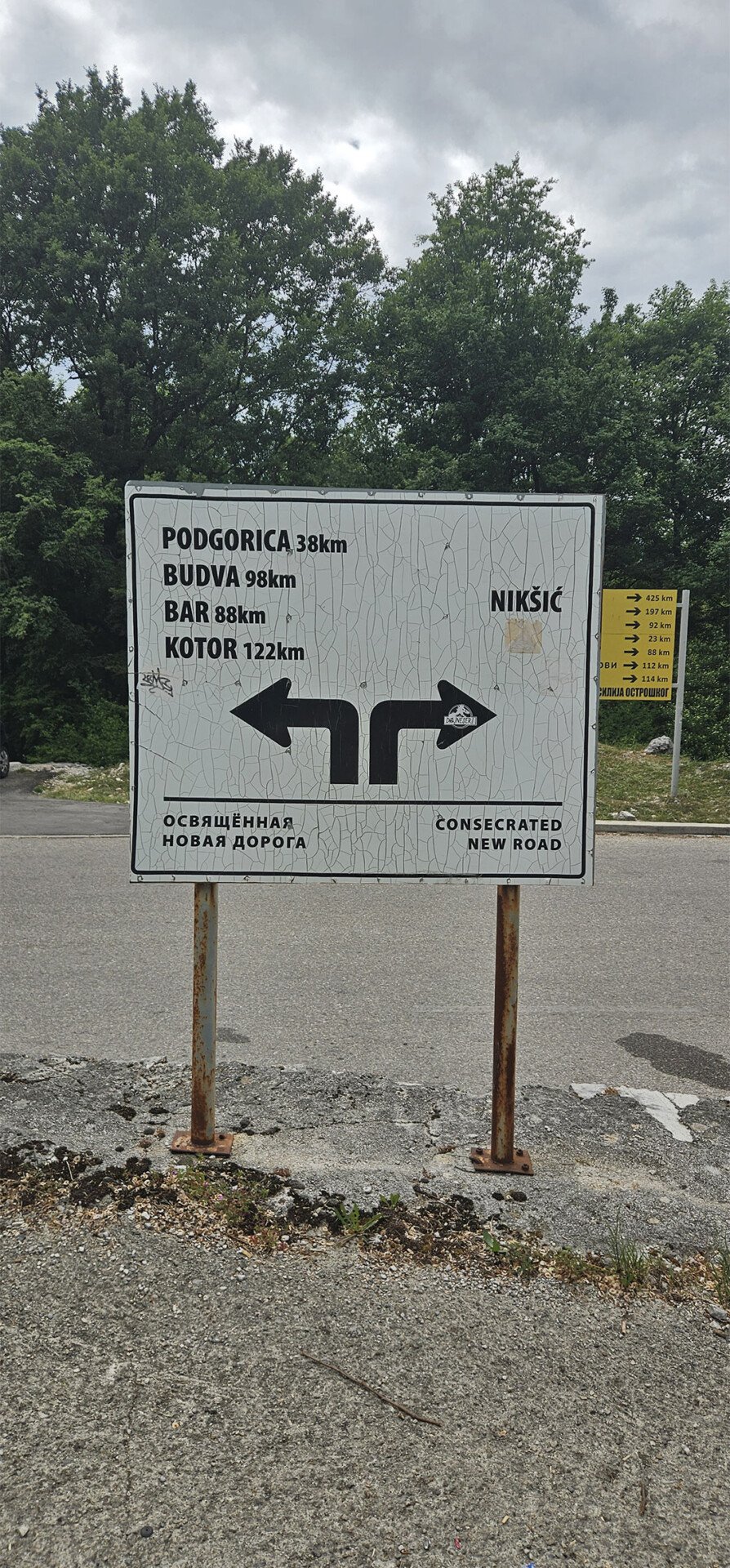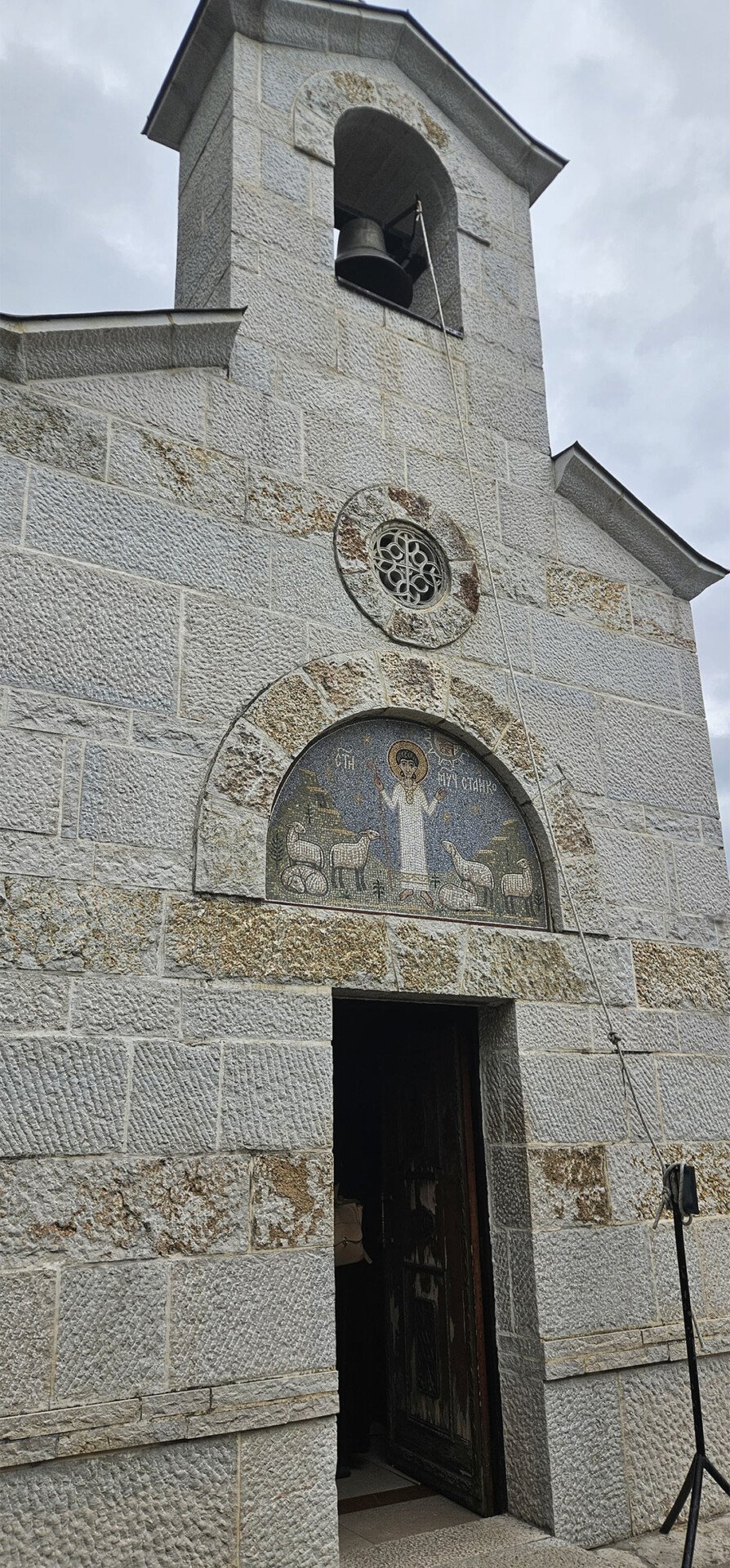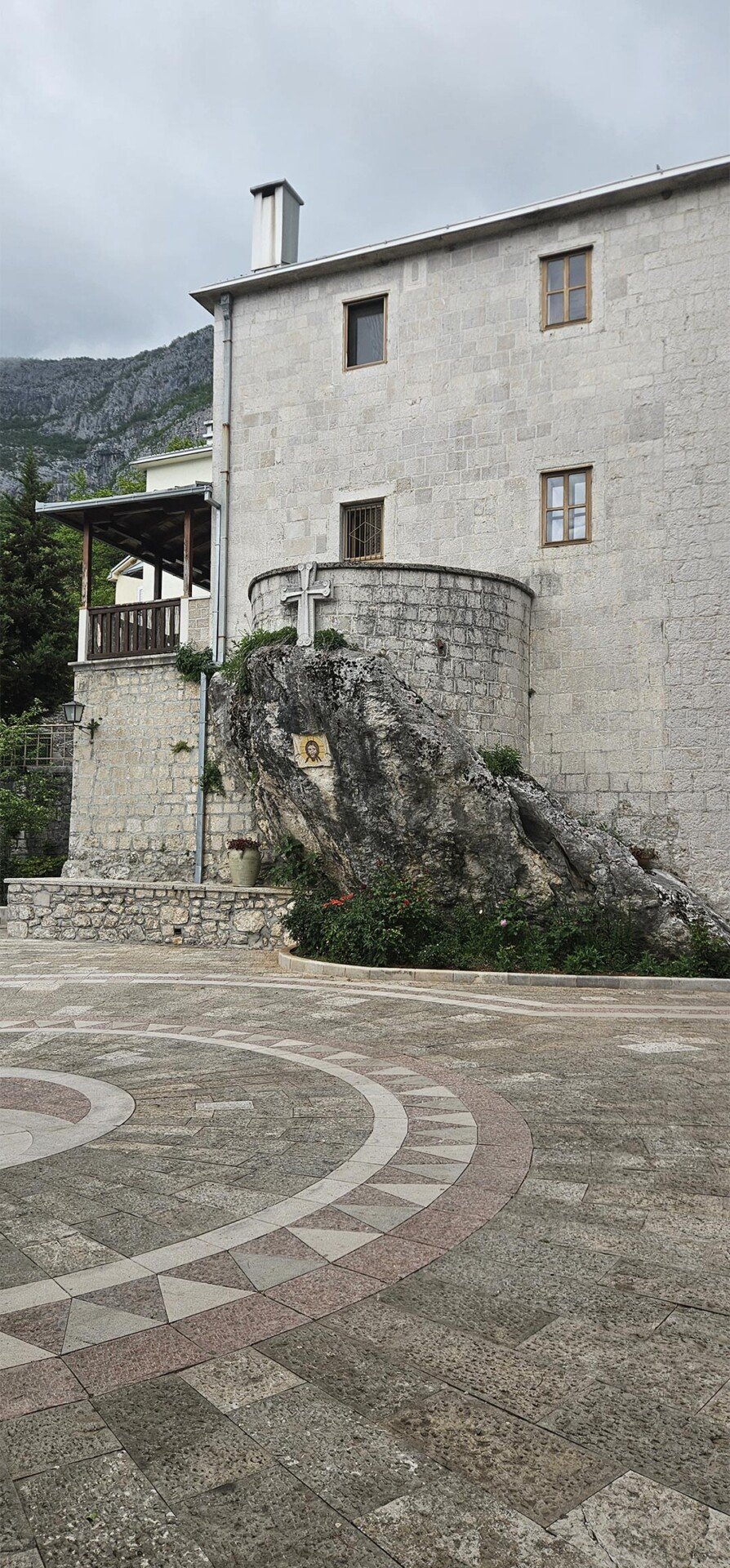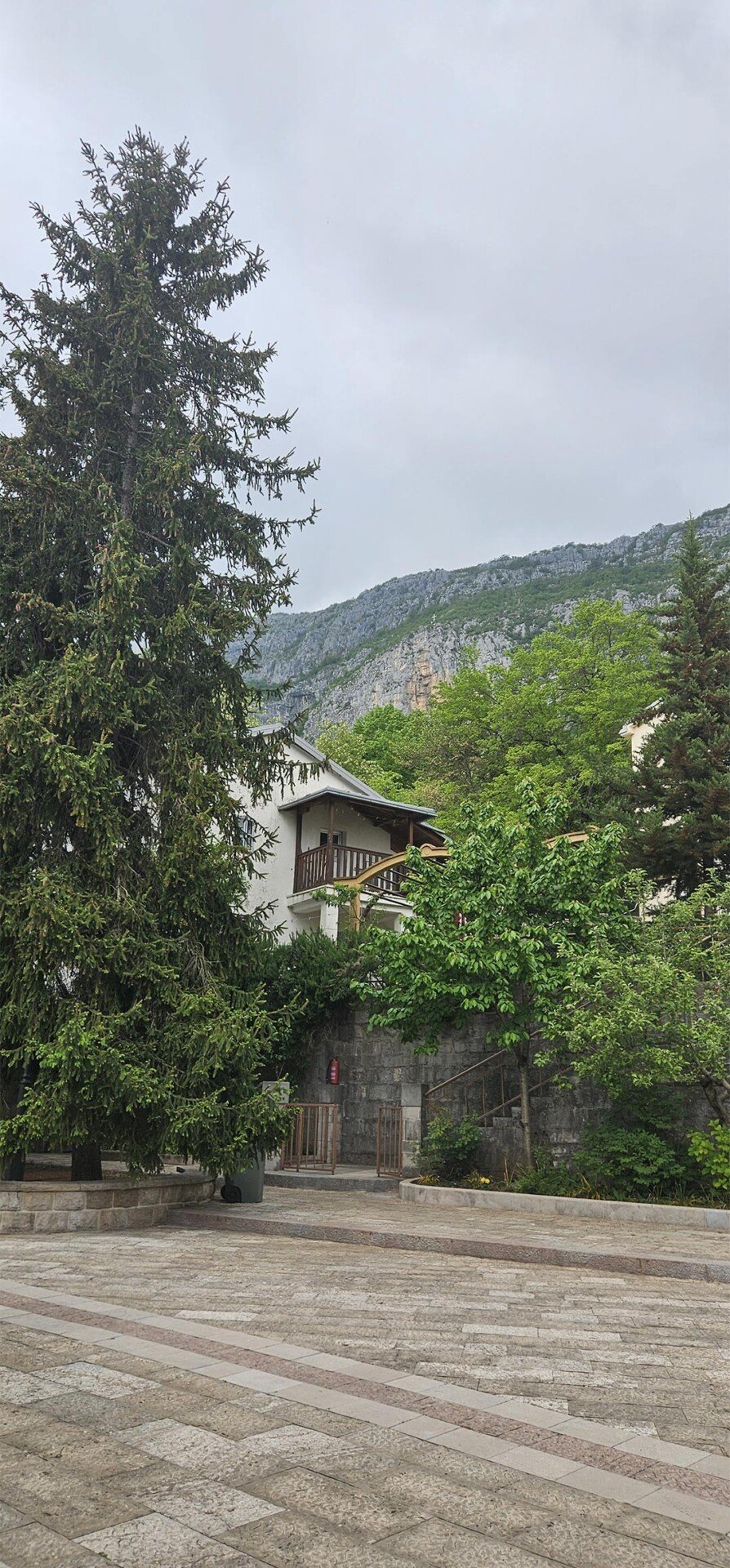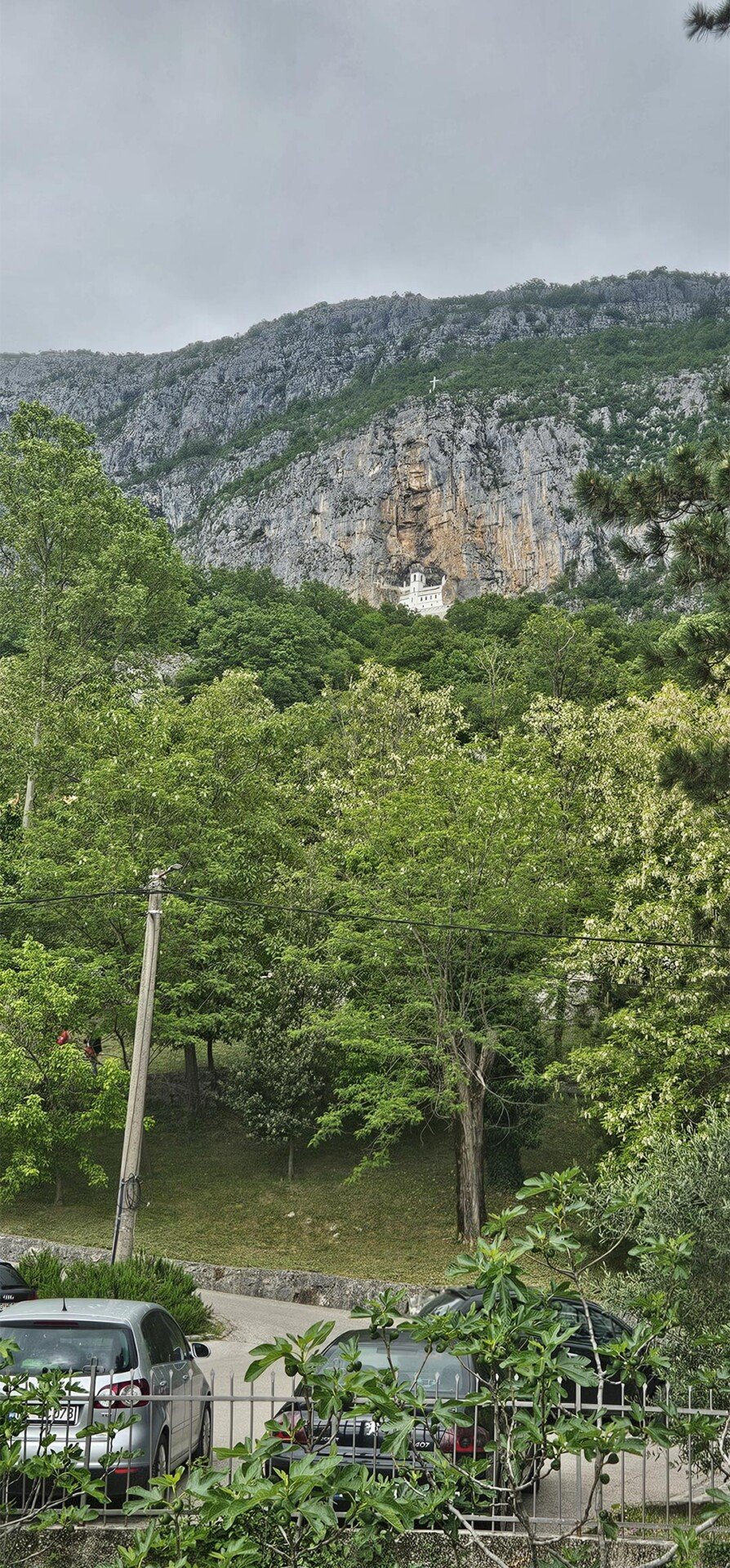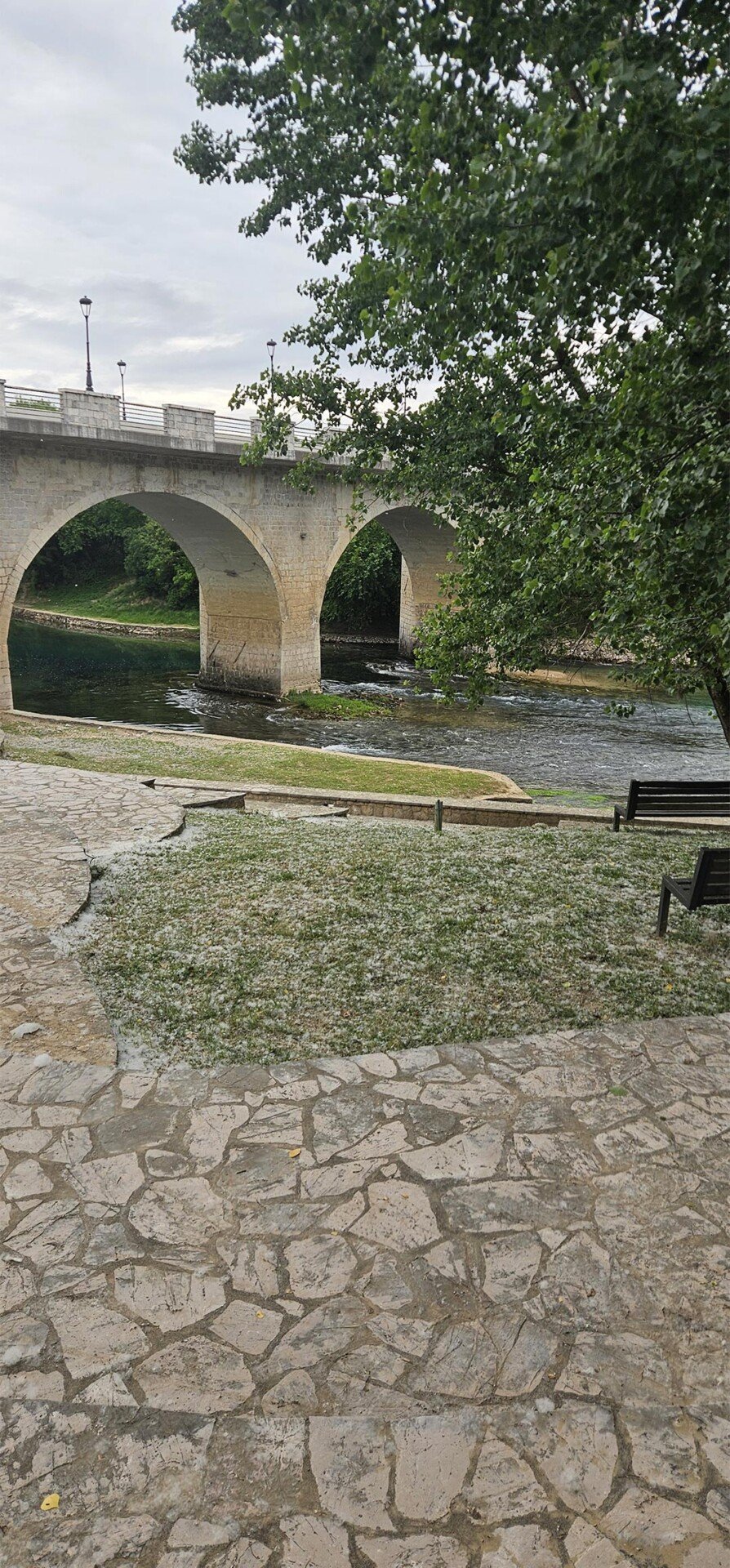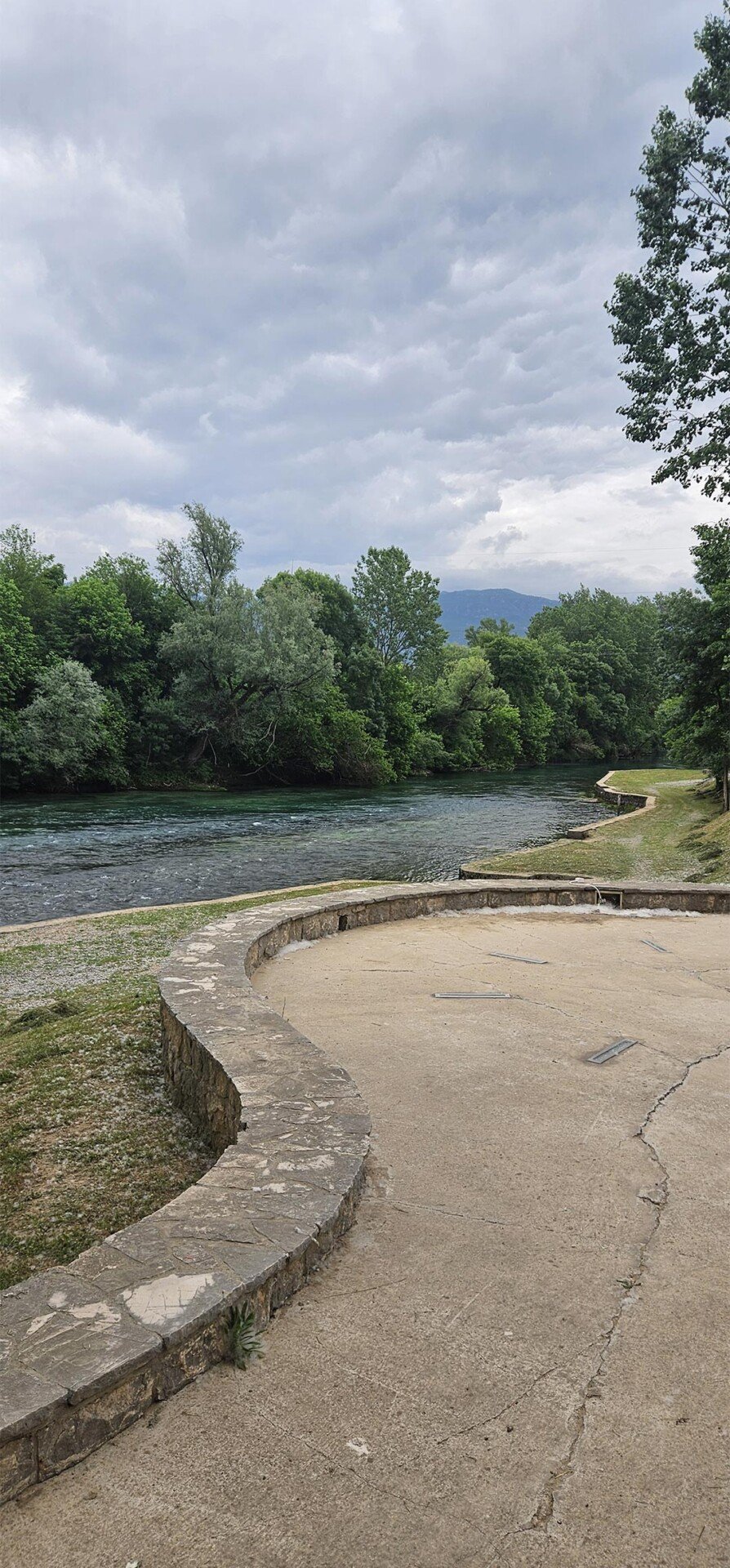


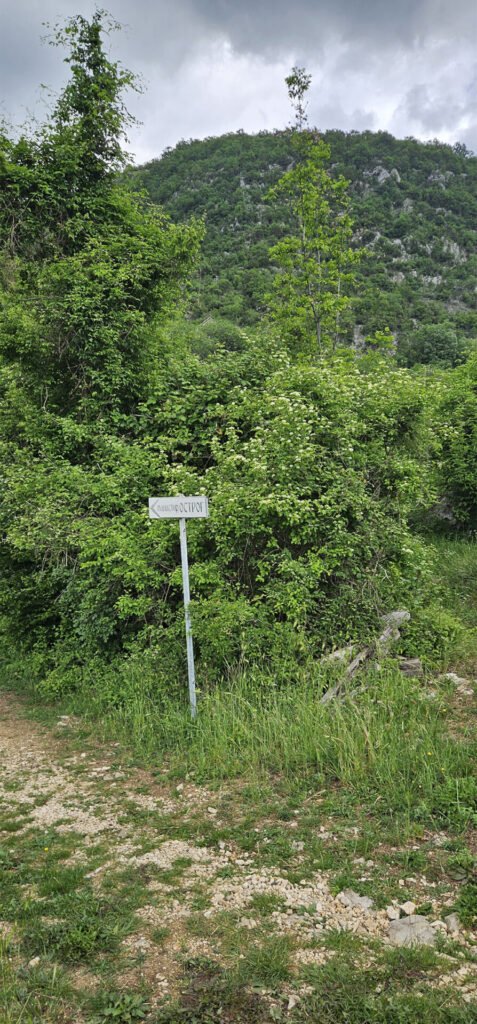
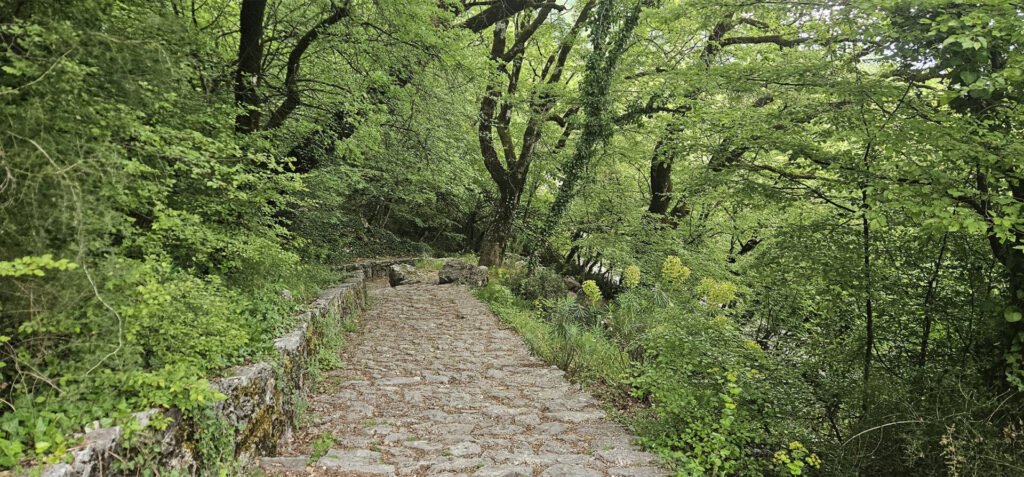
On May 9, 2026, the Starlight group set out to explore the hiking route from the Ostrog train station to the monastery. The trail is well-marked and quickly emerges onto a paved road. So, it can’t really be called hiking. But as an alternative way to get to the monastery, it’s perfectly acceptable. Moreover, on the way back, while gathering thyme in the meadows, we stumbled upon a scaly-tailed … We didn’t go inside the churches – firstly, the lines were very long, and secondly, we didn’t want to disturb the pilgrims. Another slightly shocking fact: Ostrog has a special pilgrimage tradition: the journey from the Lower to the Upper Monastery is traditionally made on foot, and some pilgrims go barefoot.
According to this custom, pilgrims remove their shoes at the Lower Monastery and ascend the mountain road to the Upper Monastery barefoot. The distance between the two monastery complexes is about 3 kilometers. For the believer, this is not just a walk, but a form of humility, prayerful labor, and spiritual ordeal.
Particularly numerous barefoot pilgrims can be seen on days associated with the veneration of St. Basil of Ostrog. Some walk not only barefoot but also on their knees – as a particularly rigorous form of prayerful asceticism.
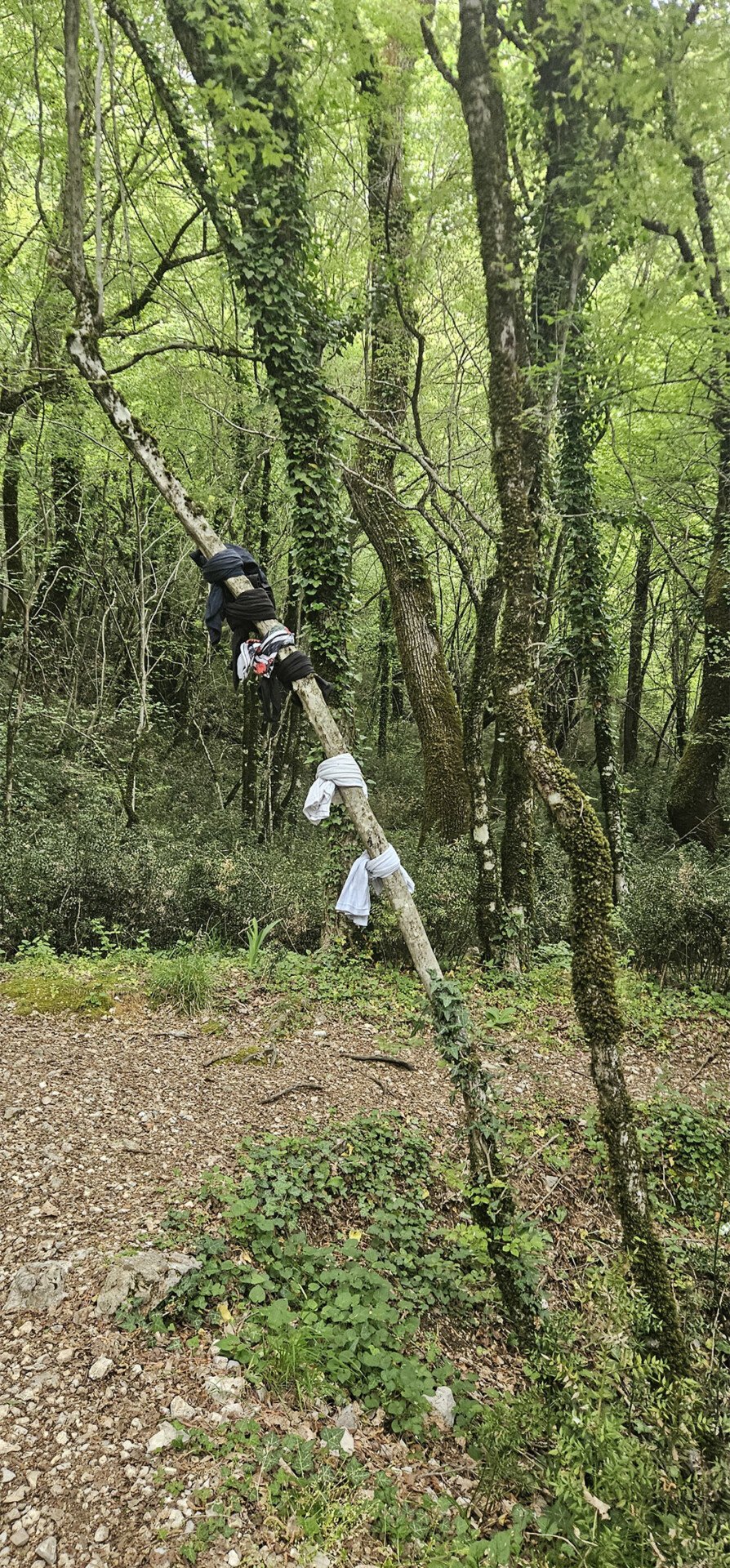
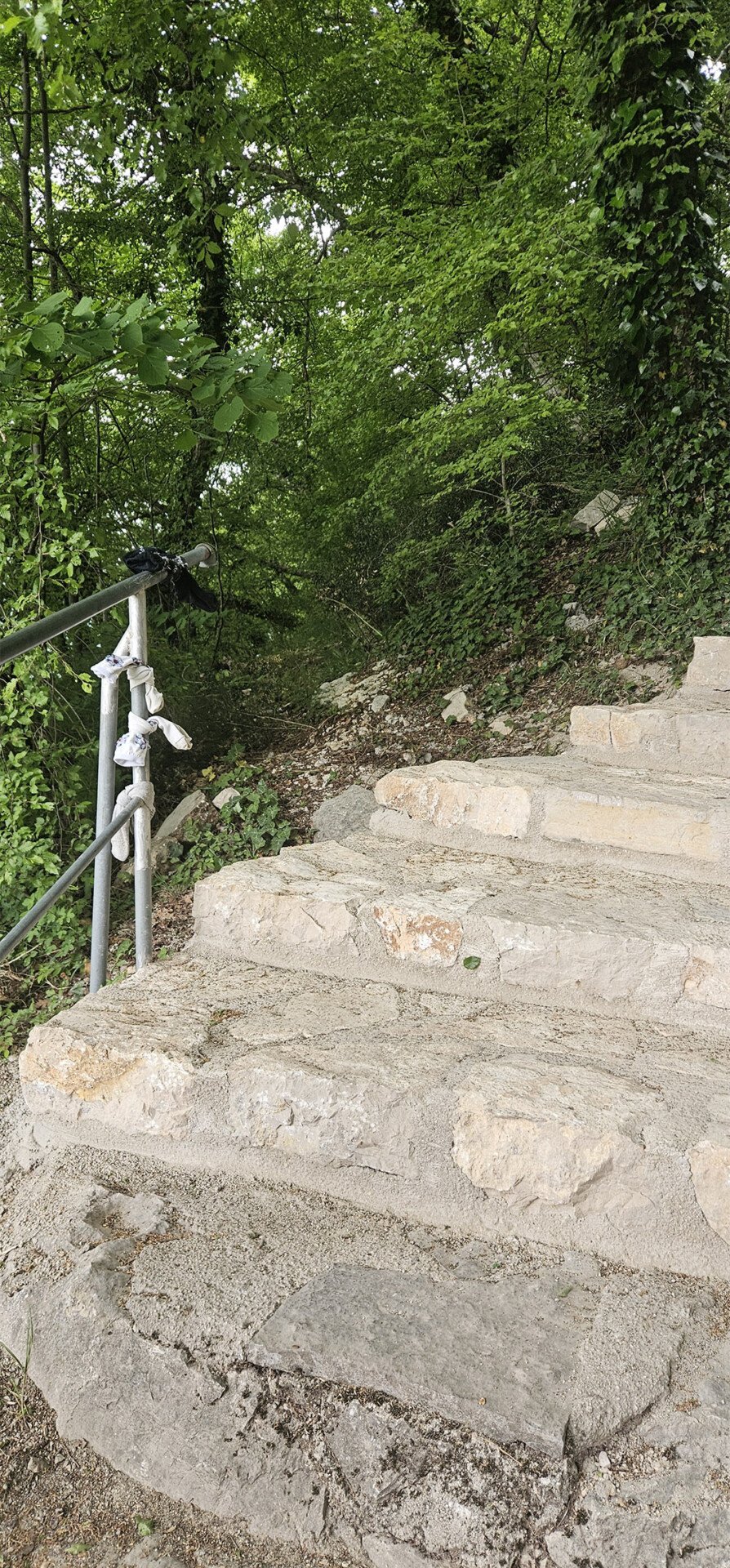
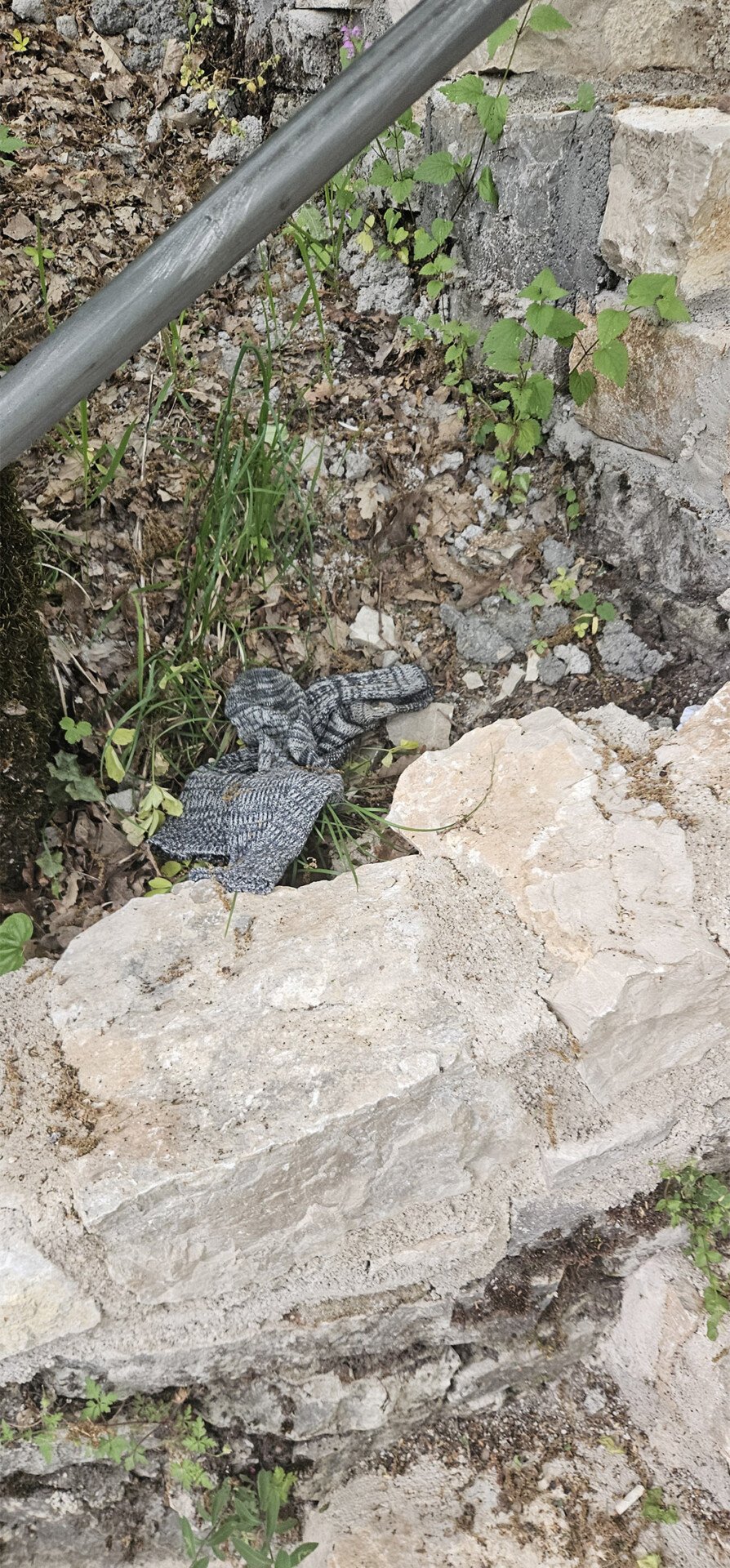
In light of this tradition, a large number of abandoned socks are observed along the entire route from the Lower to the Upper Monastery – tied to trees, to handrails, or simply lying on the steps and along the path. It looks unsightly, like uncollected trash.
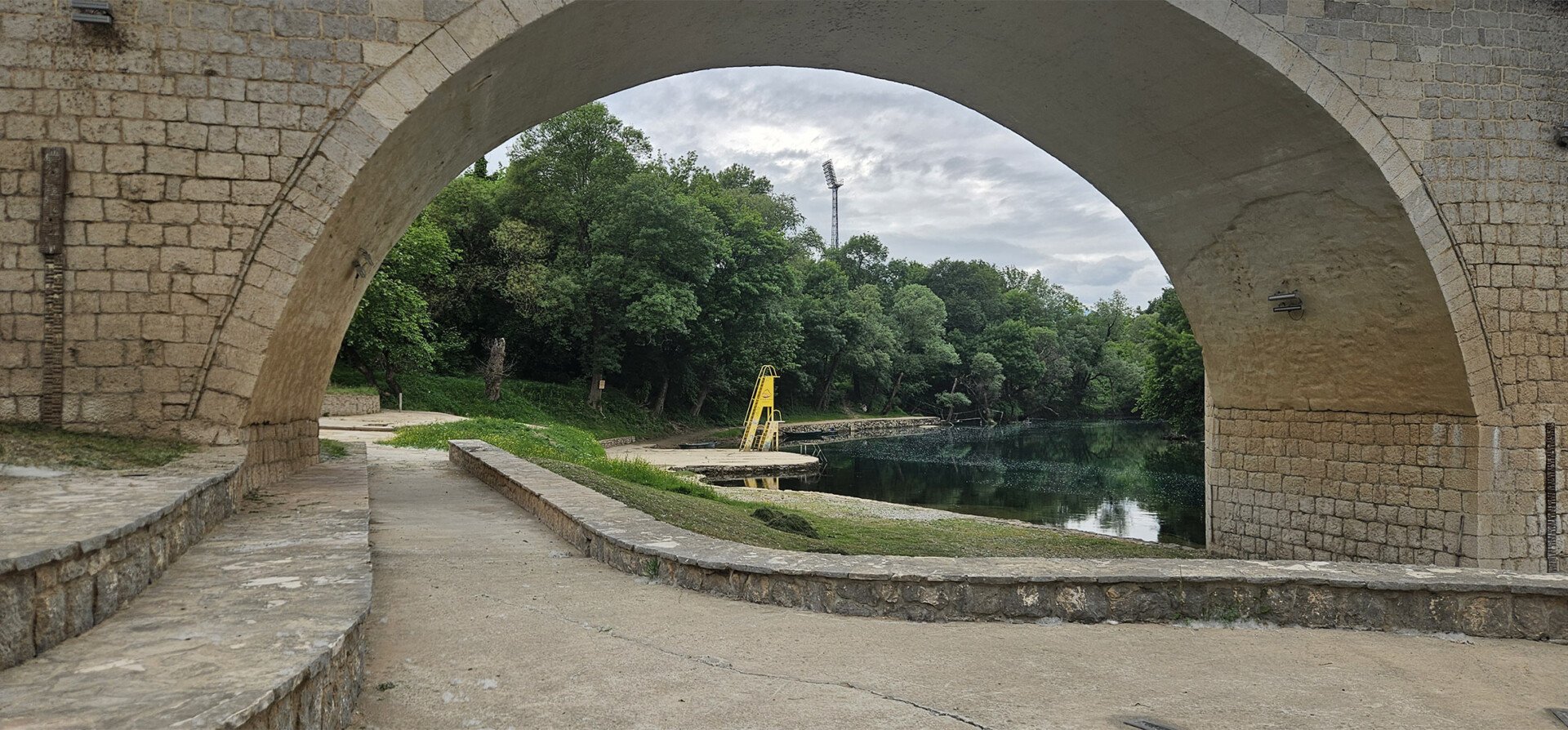
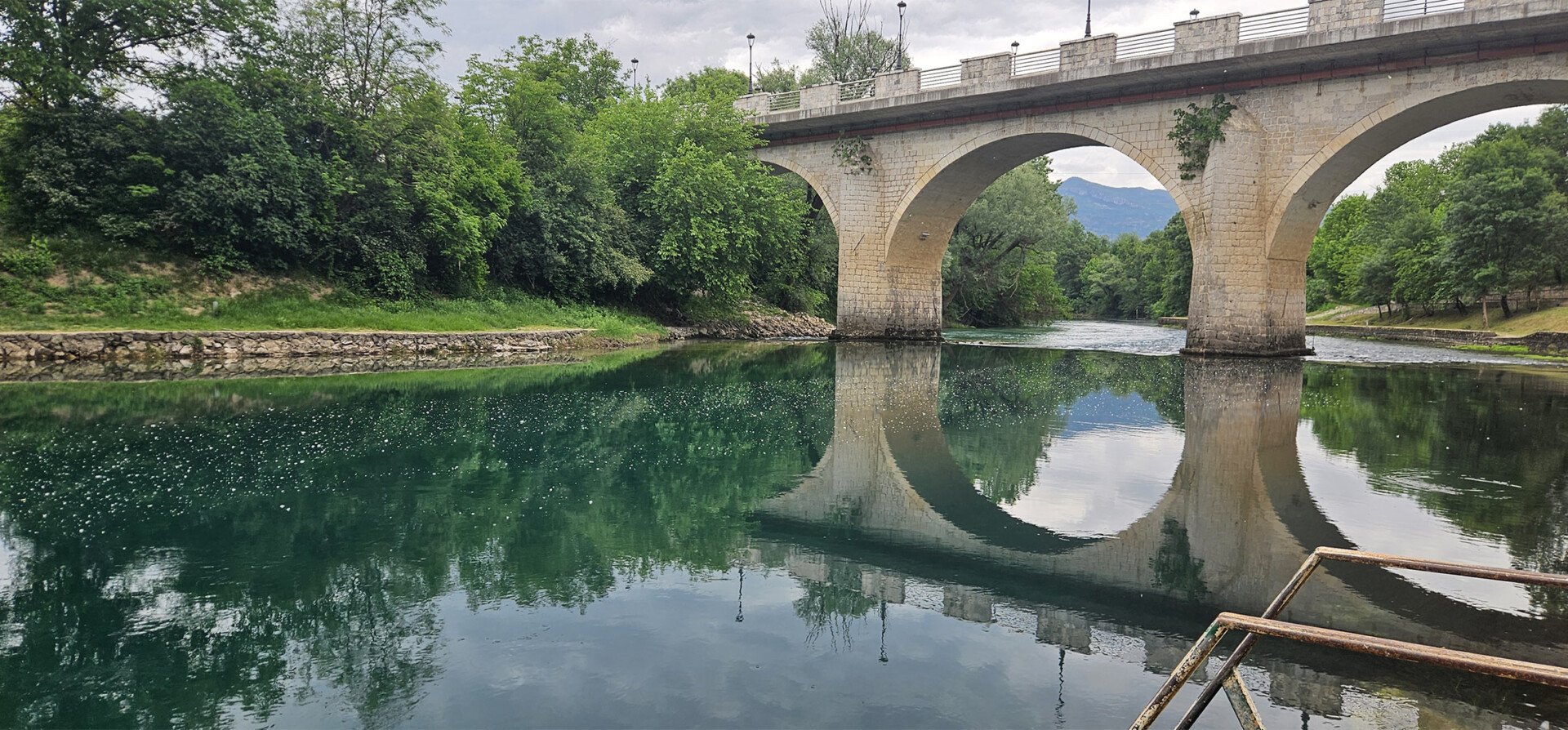
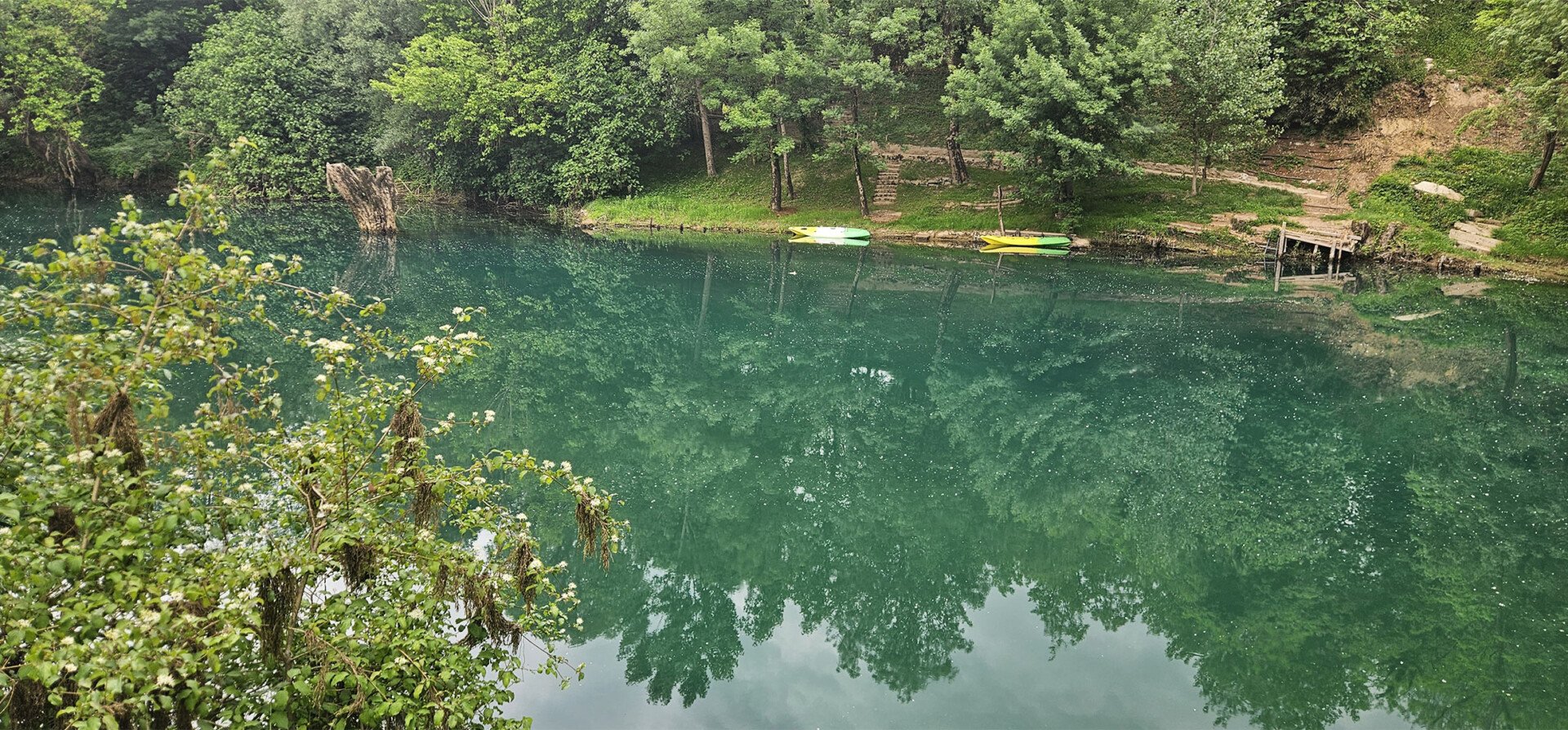
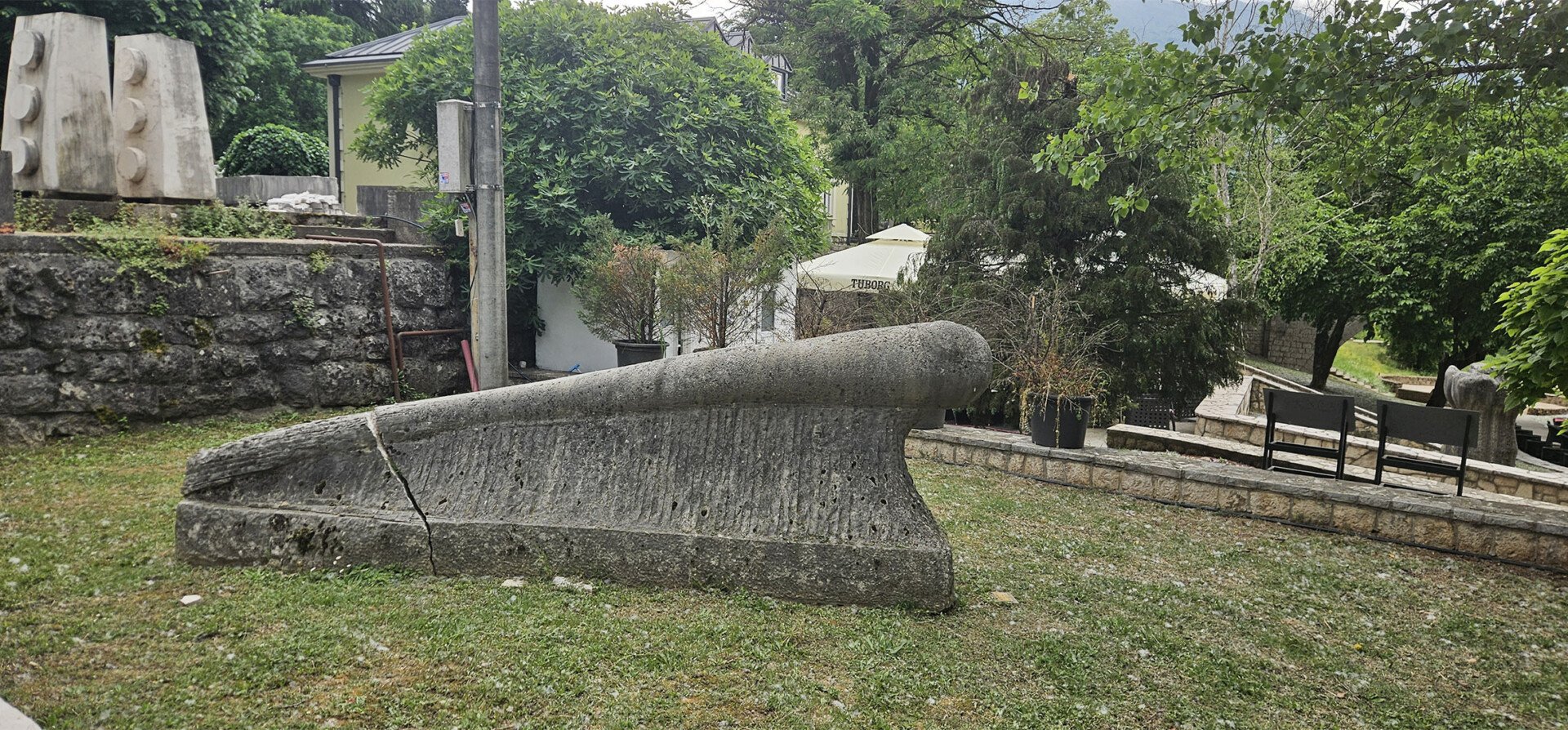
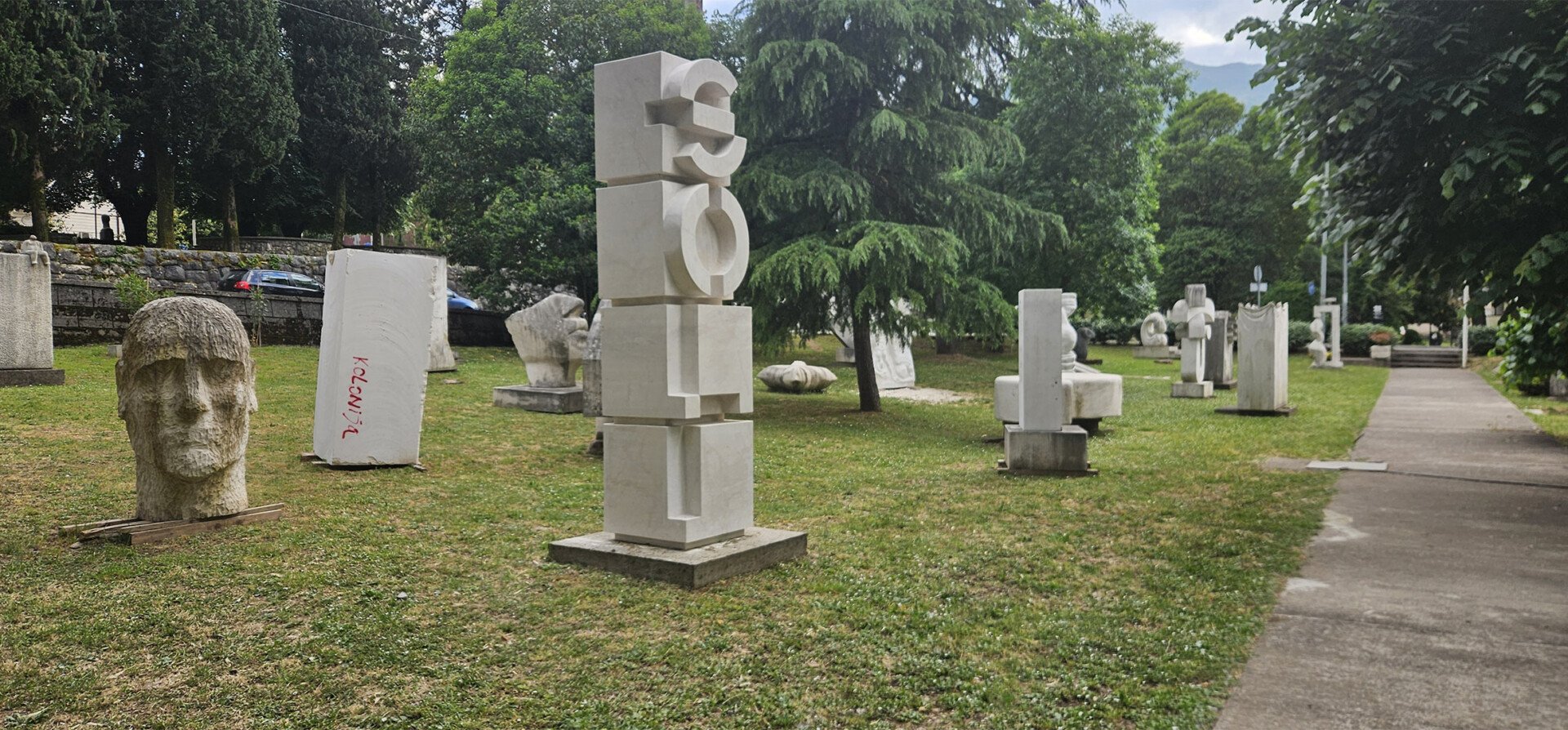
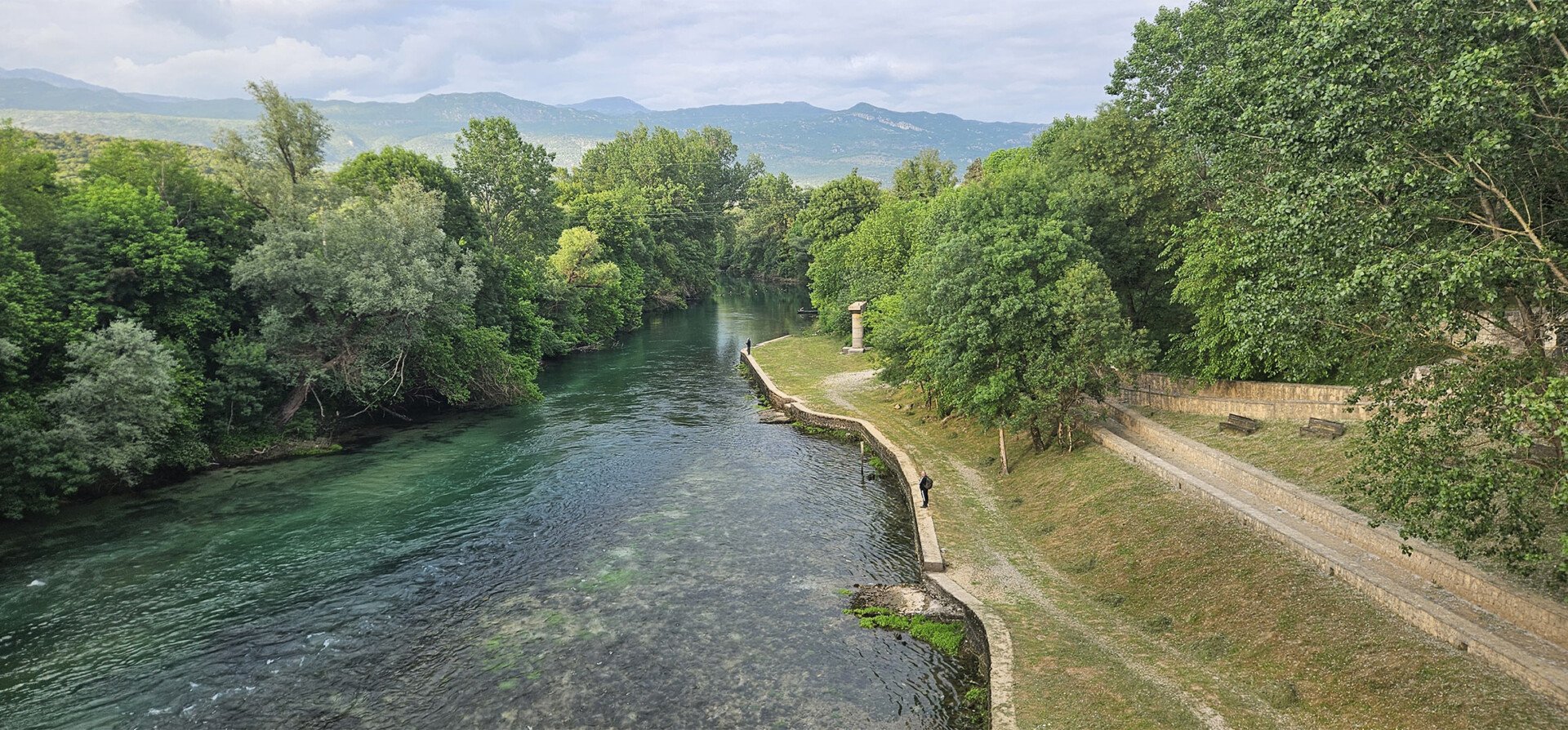
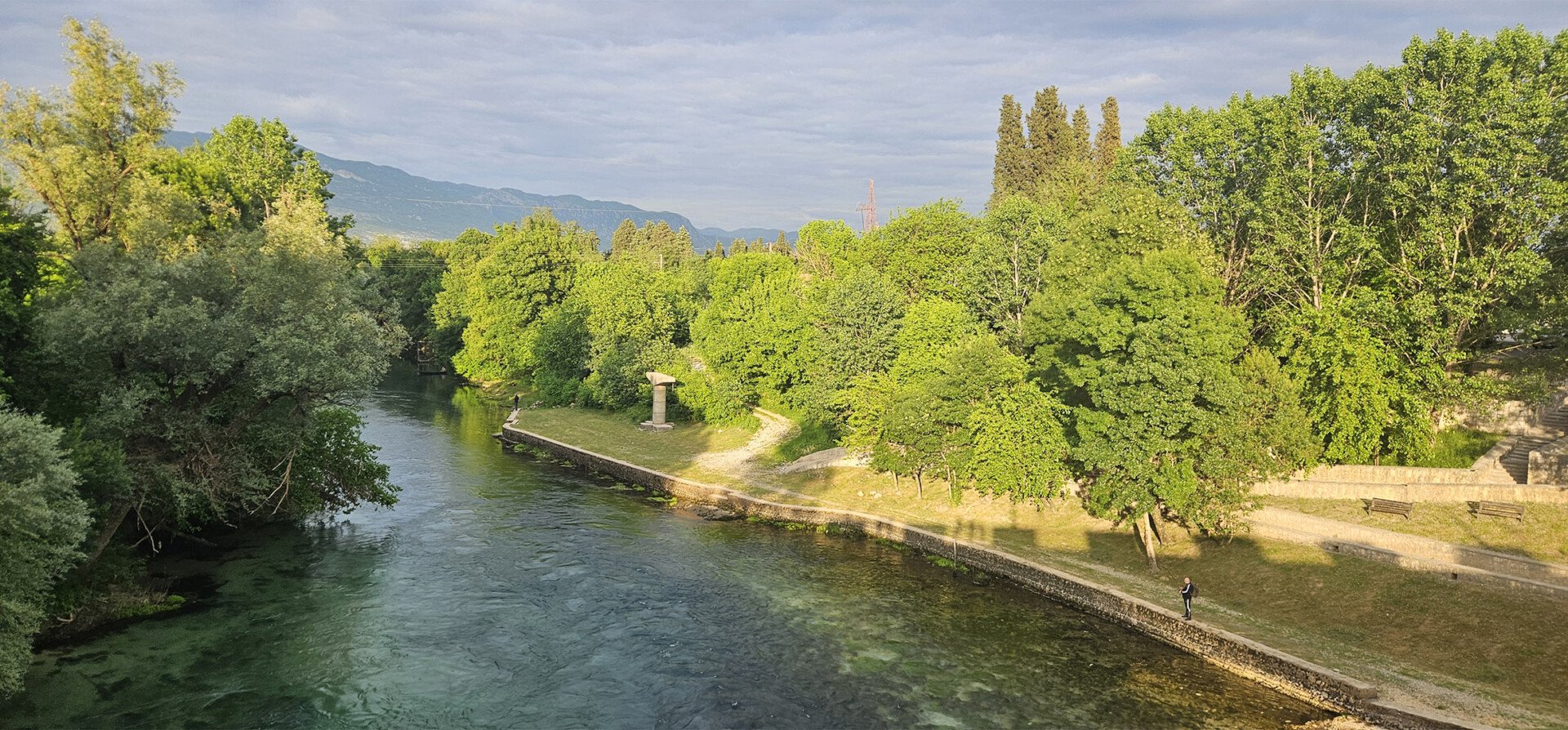
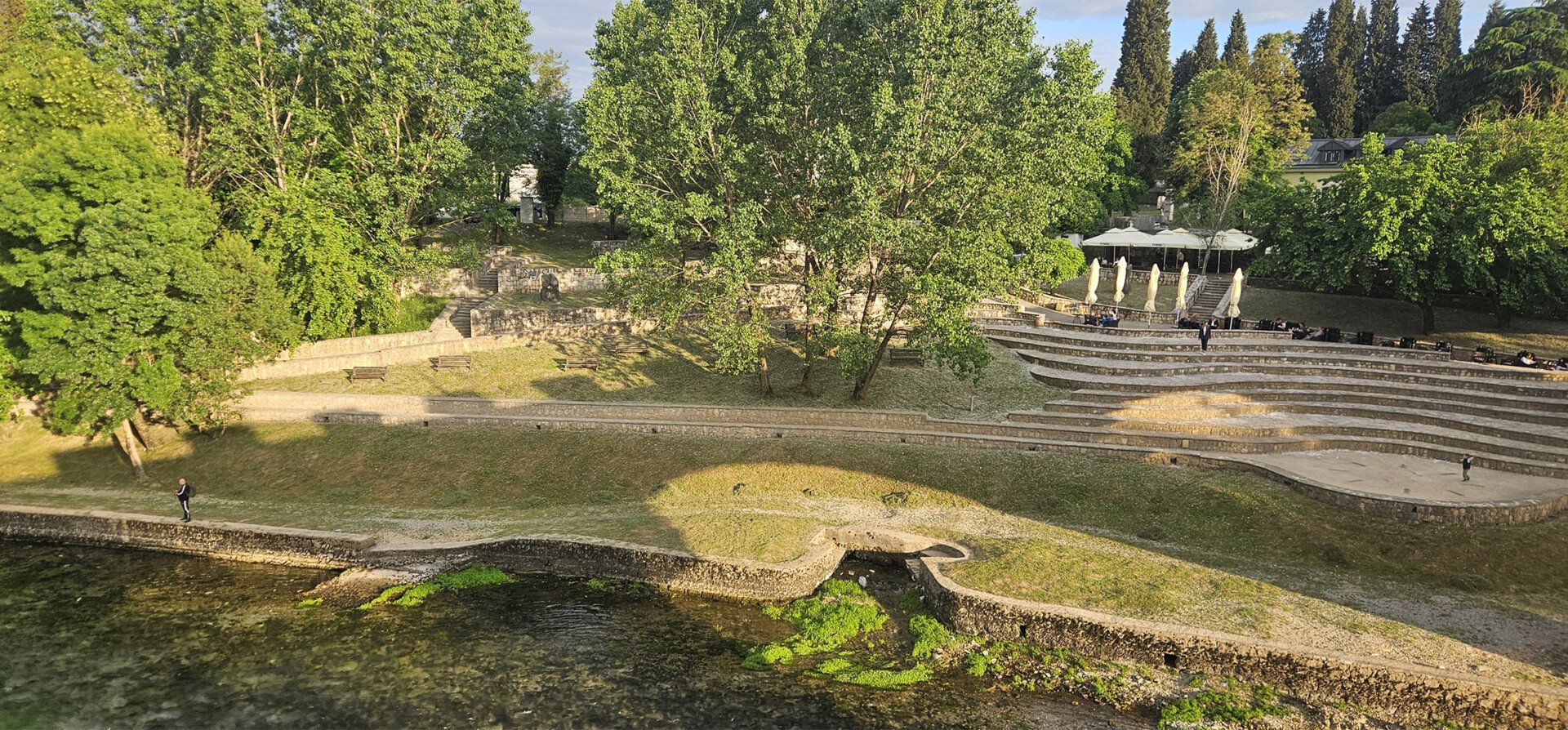
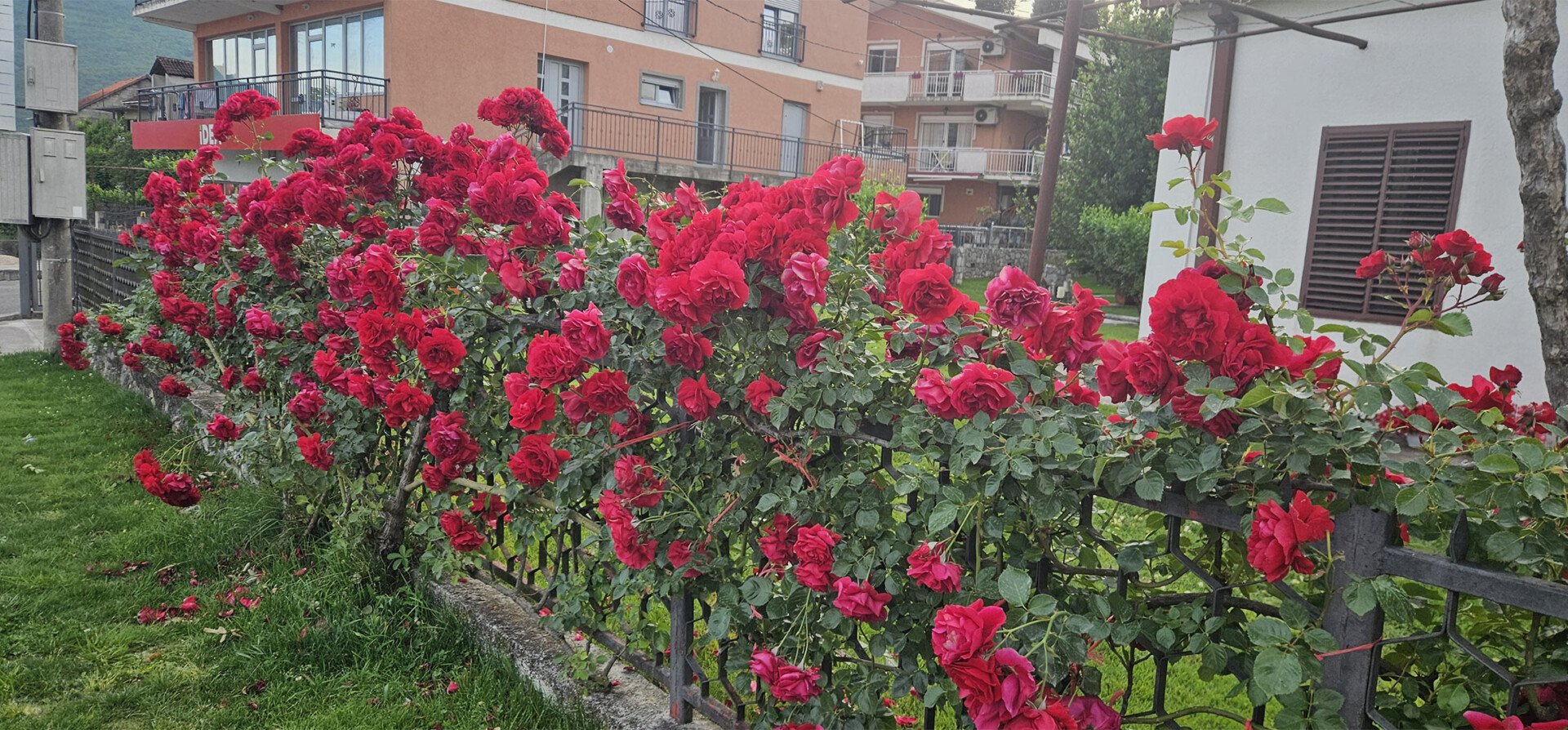
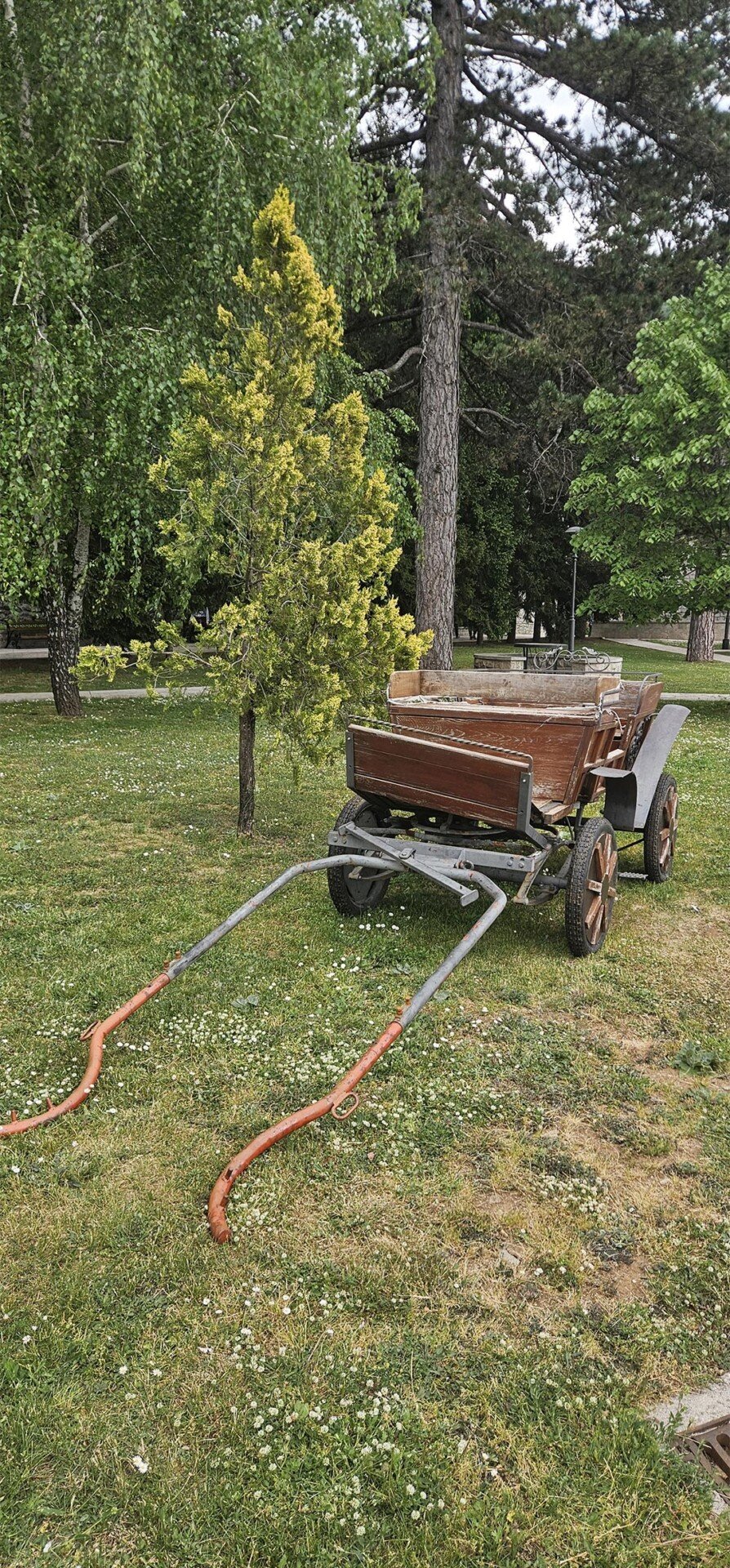
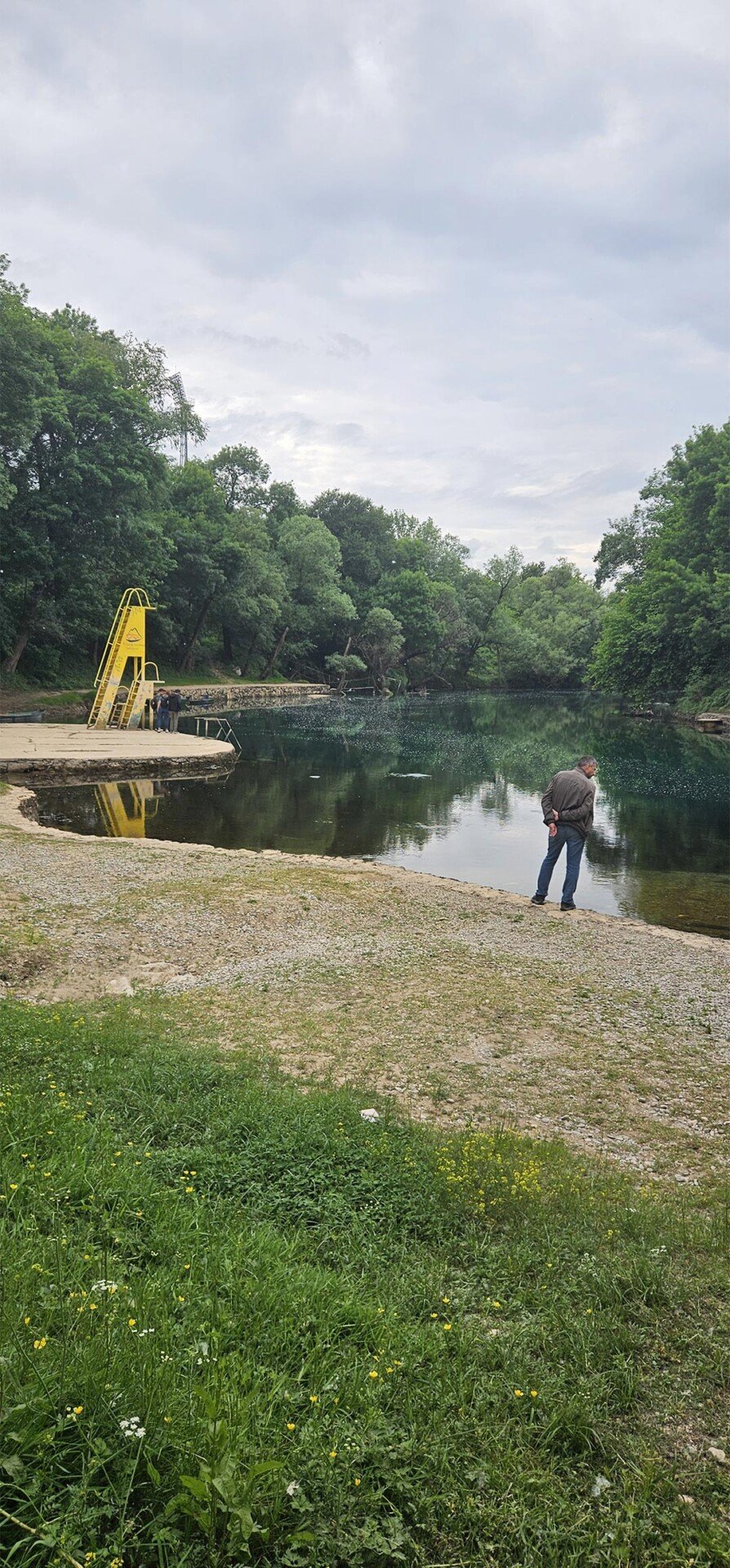
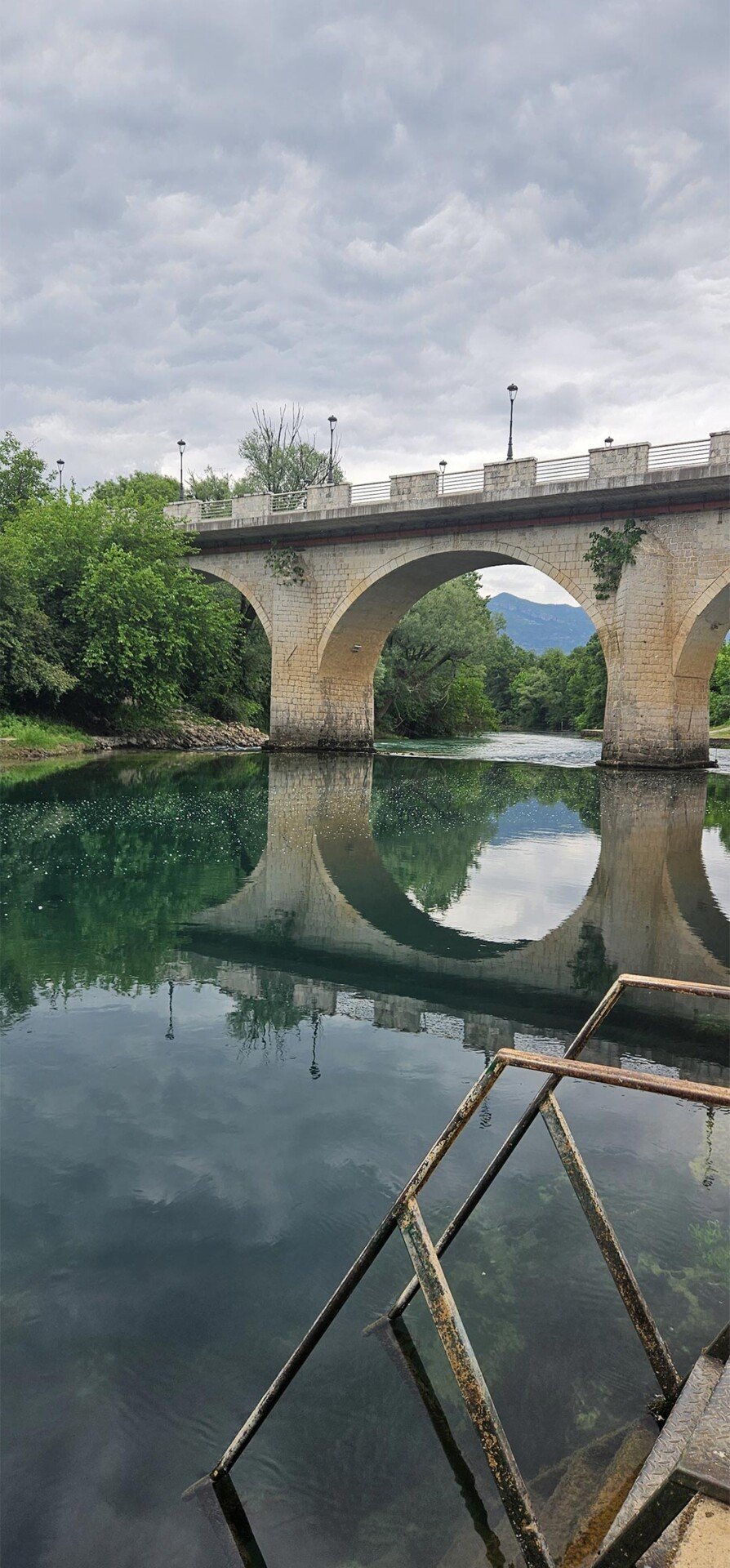
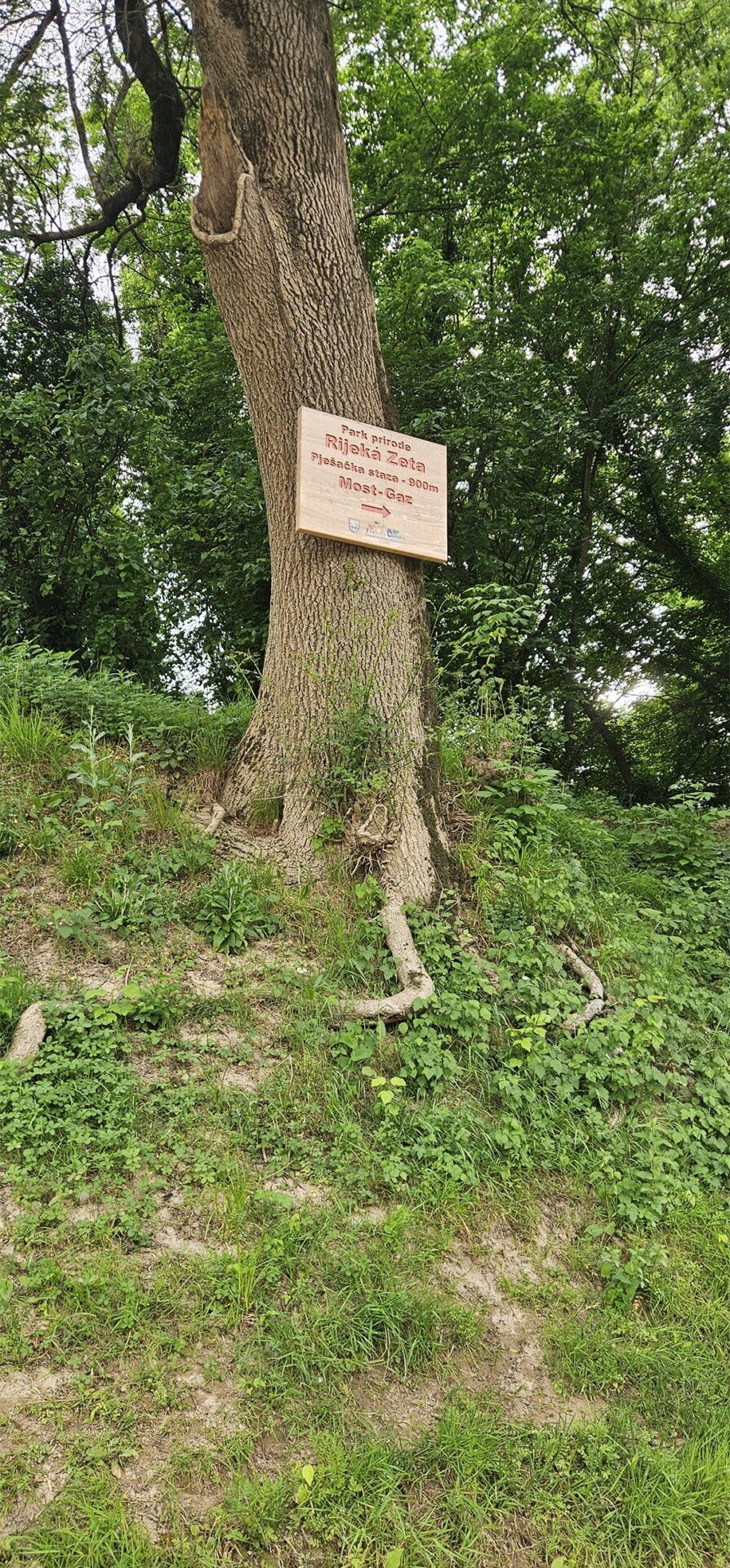
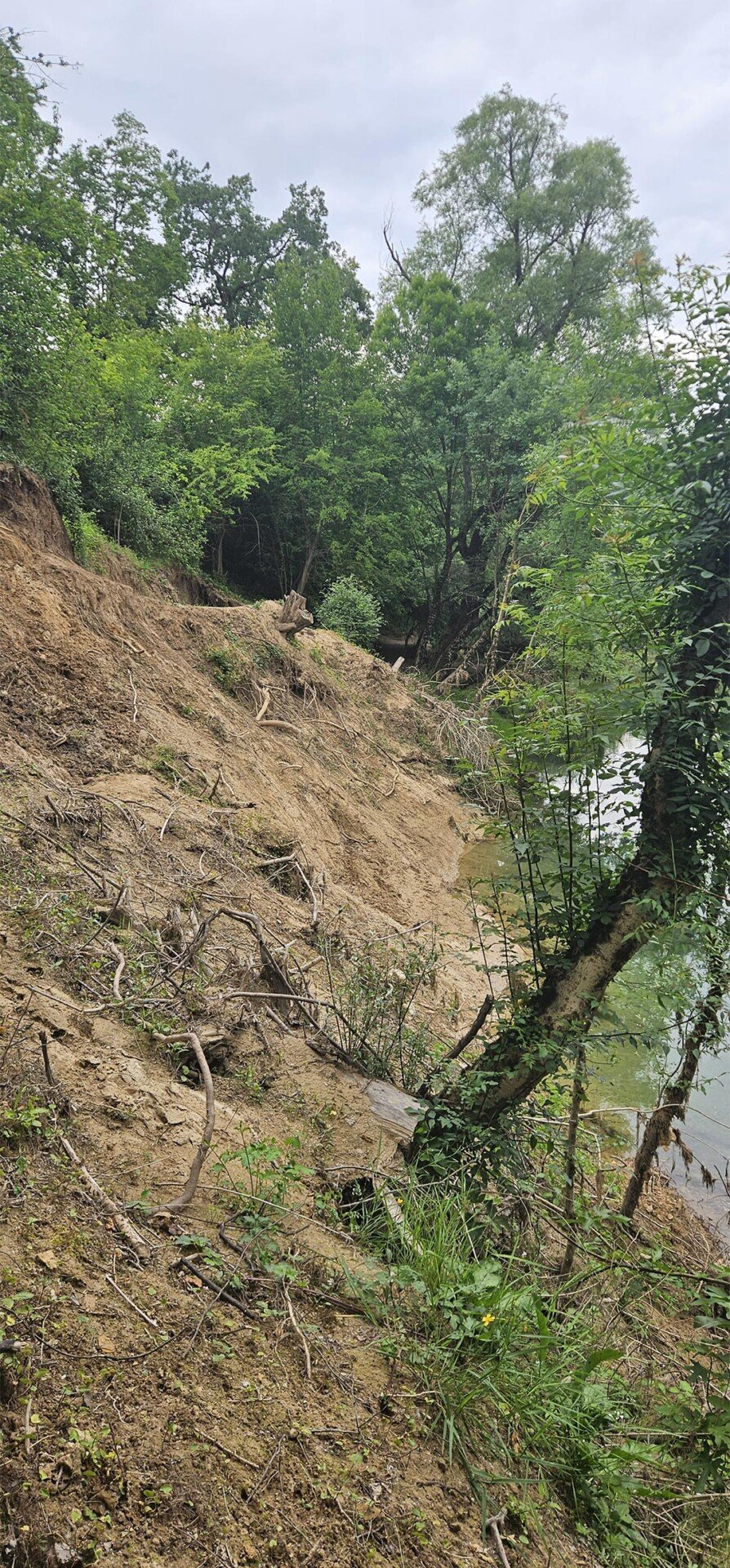
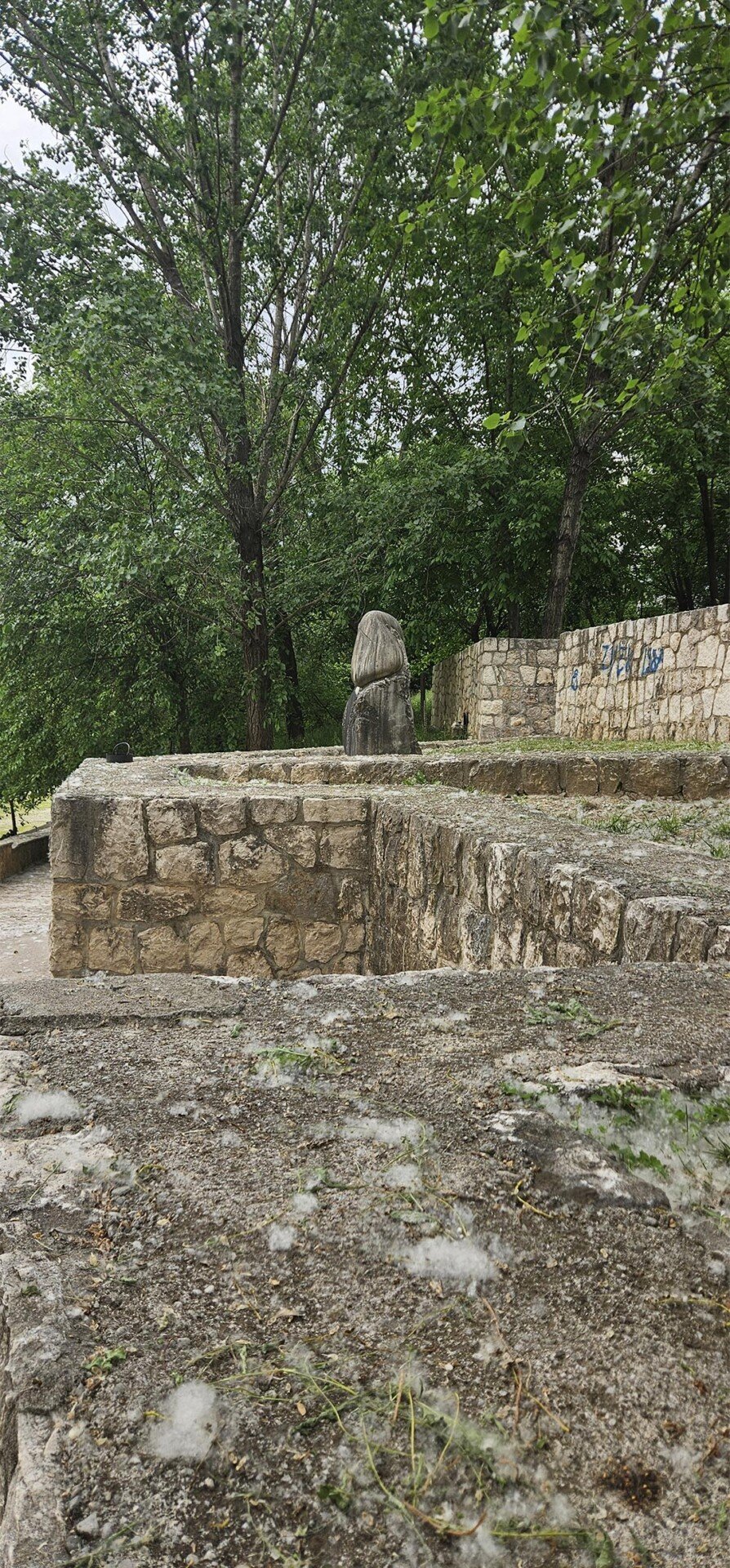
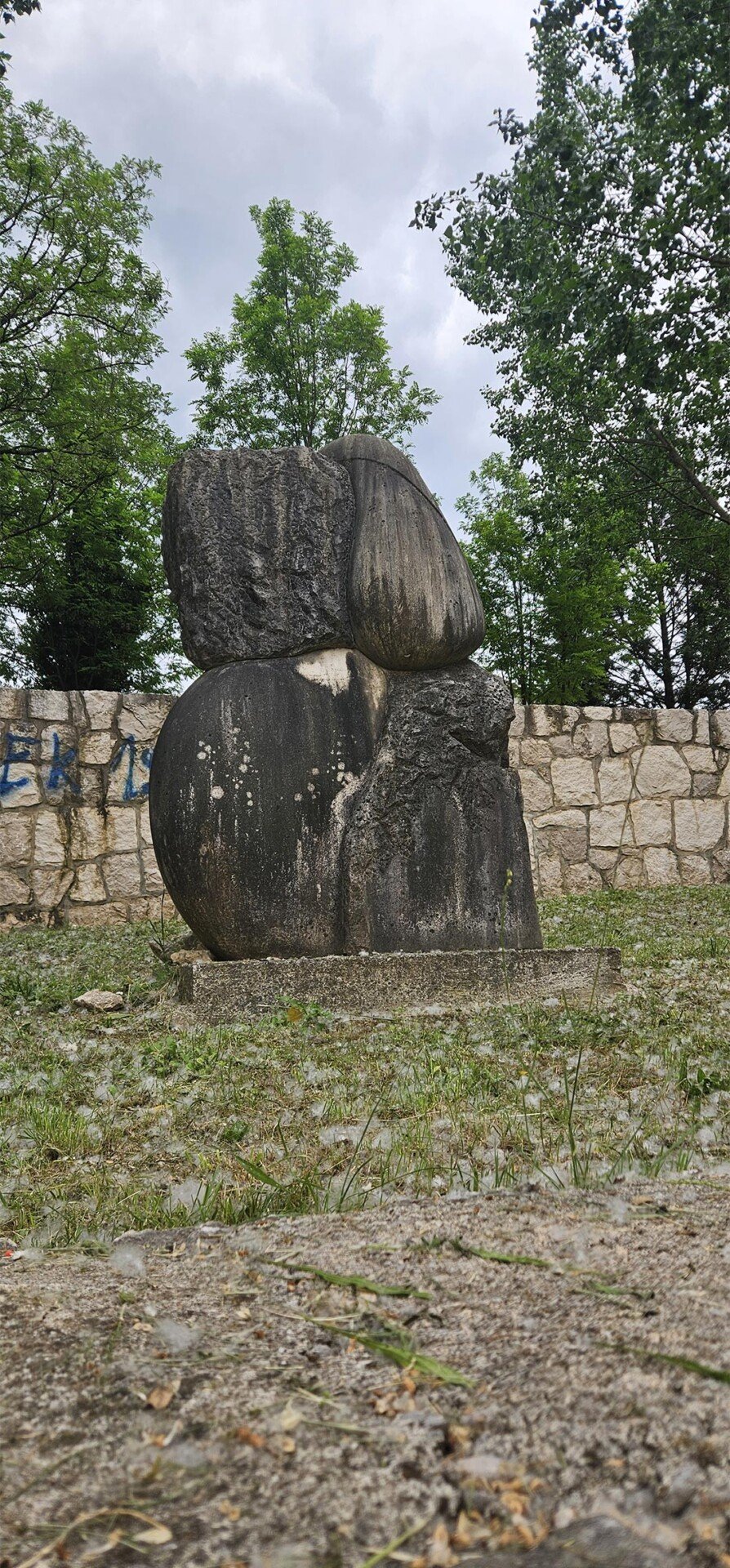
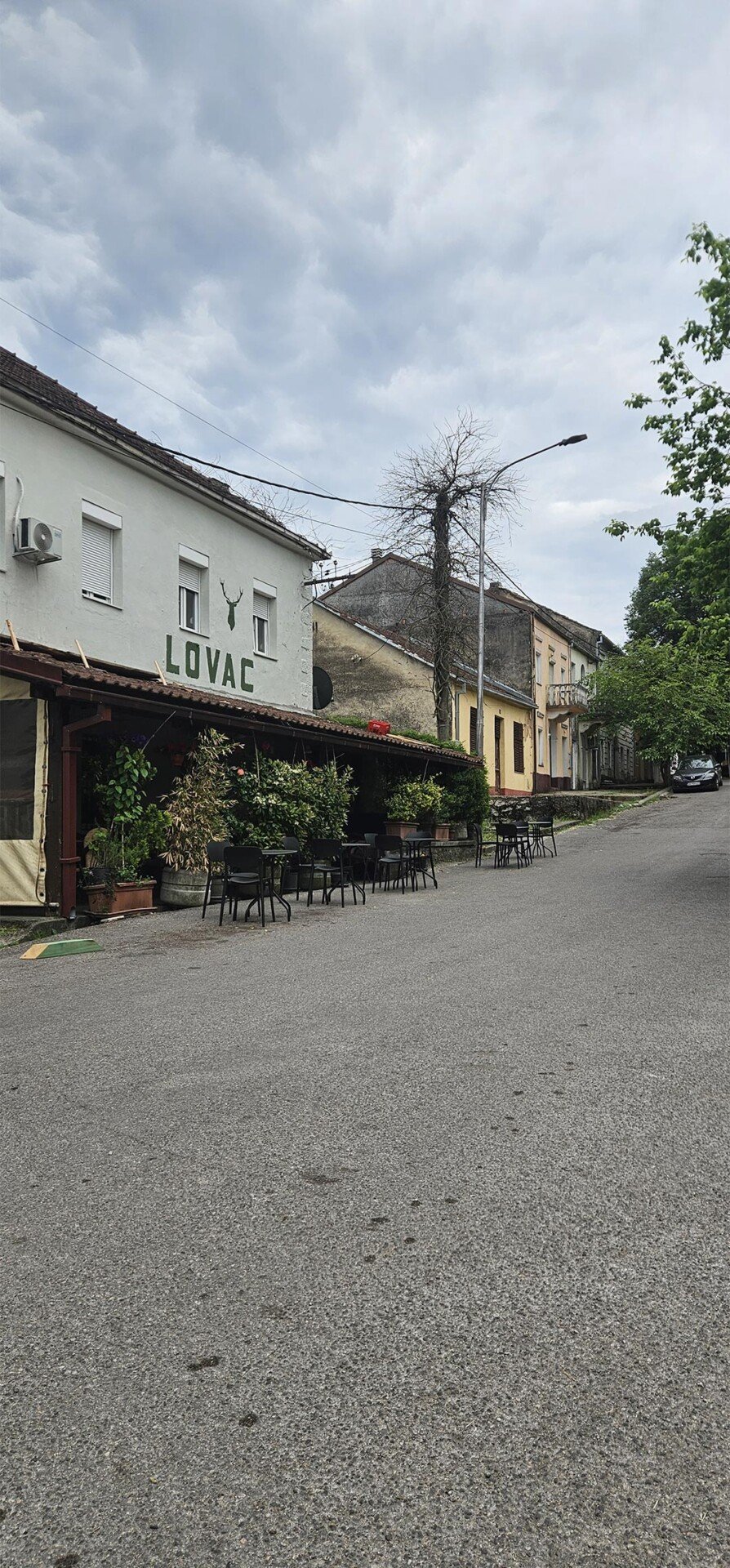
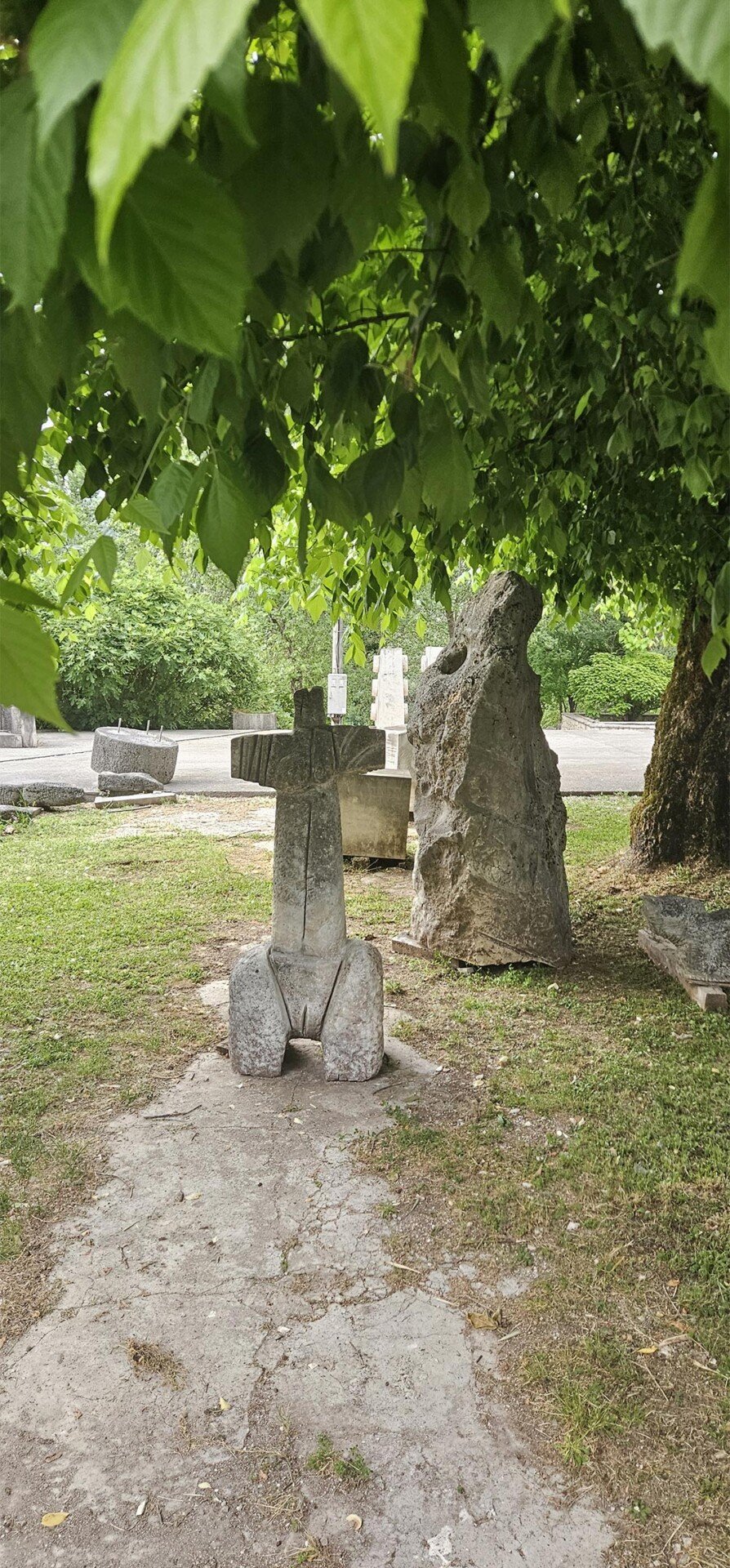
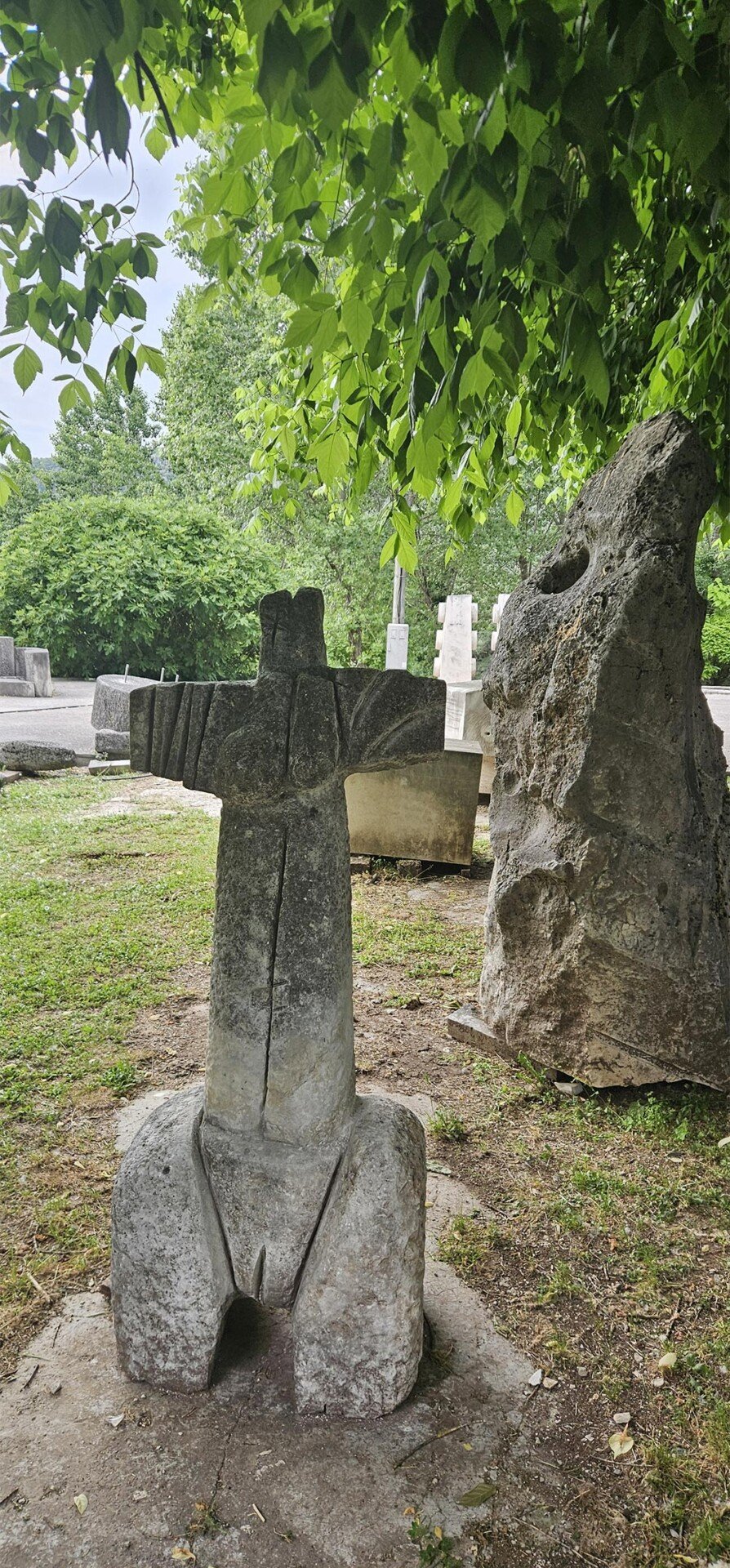
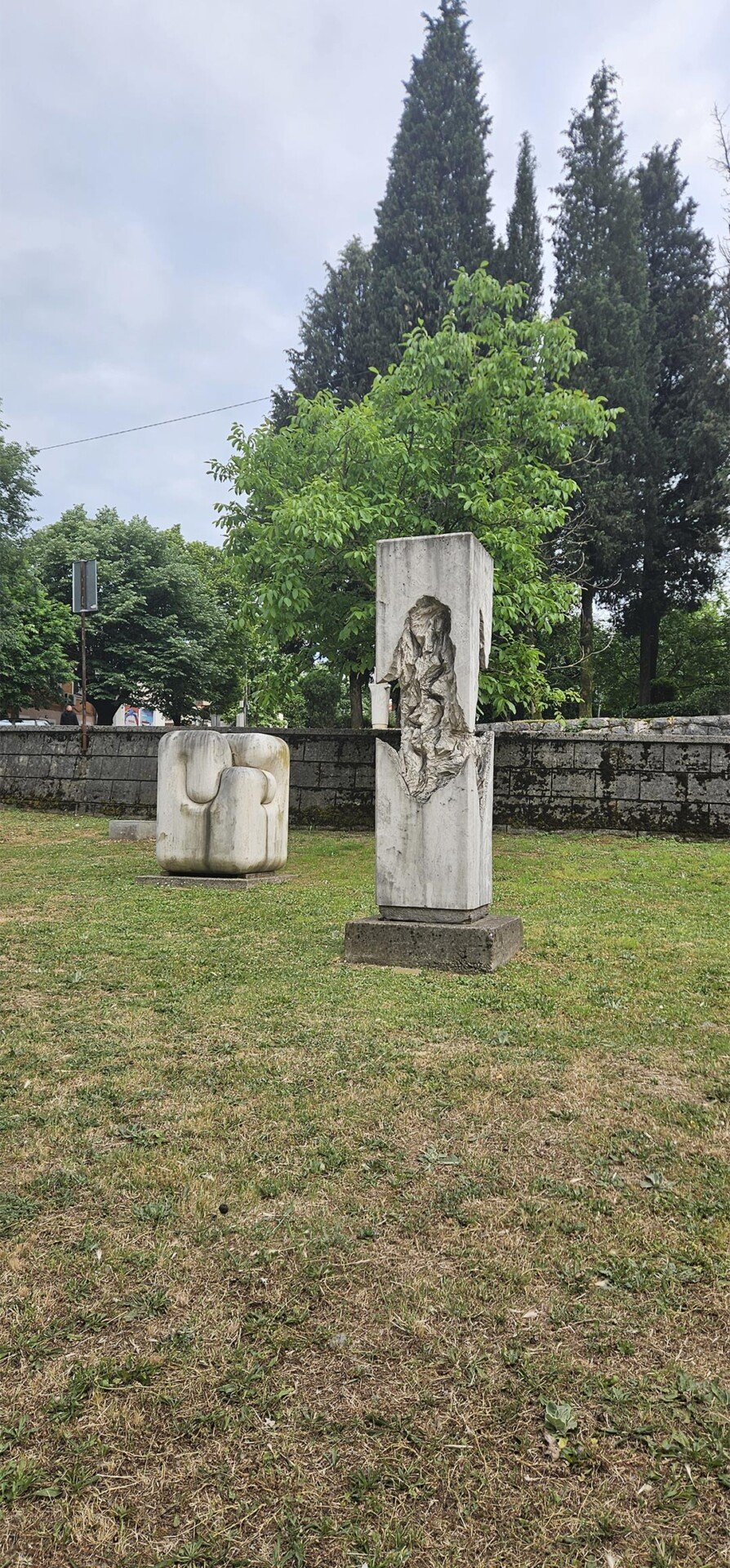
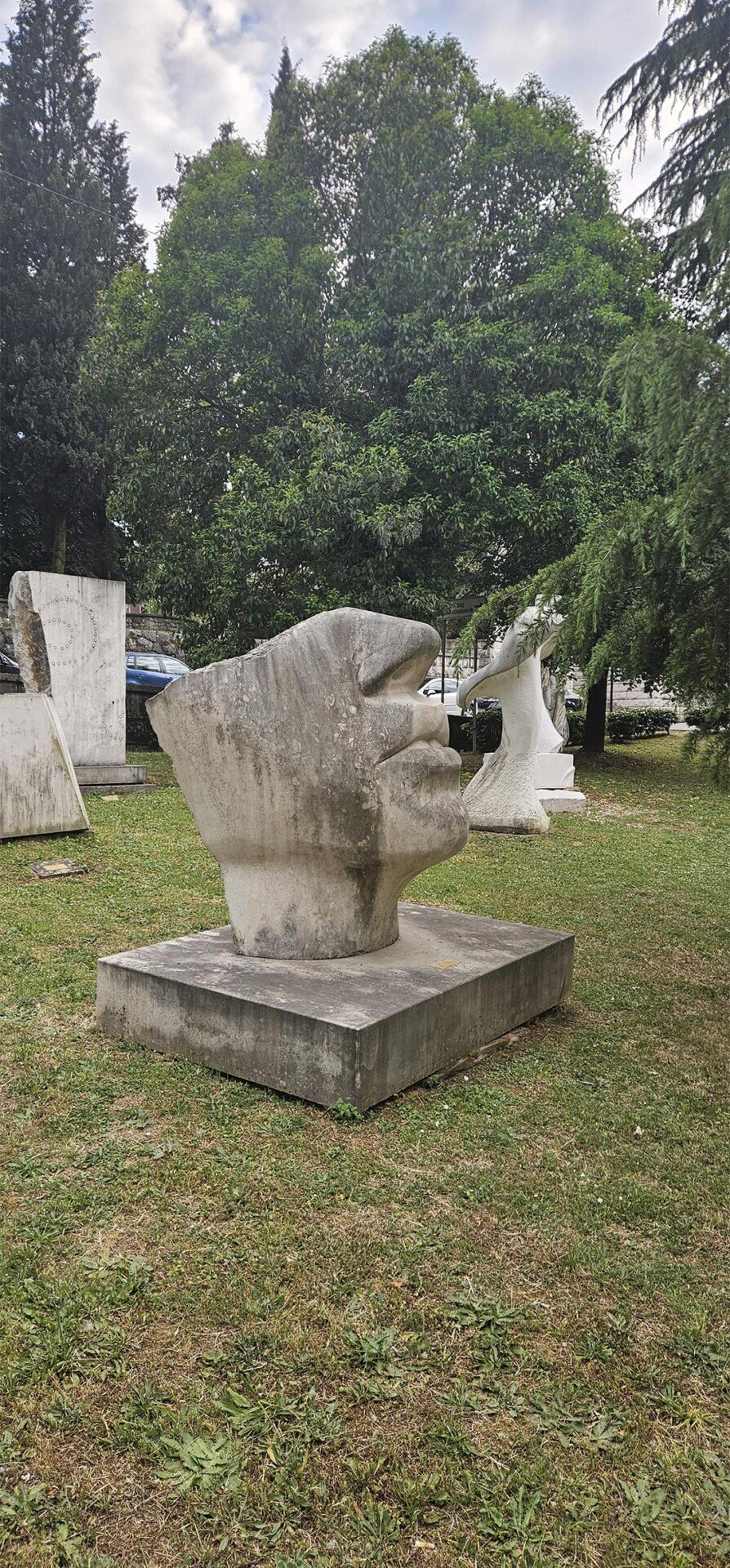
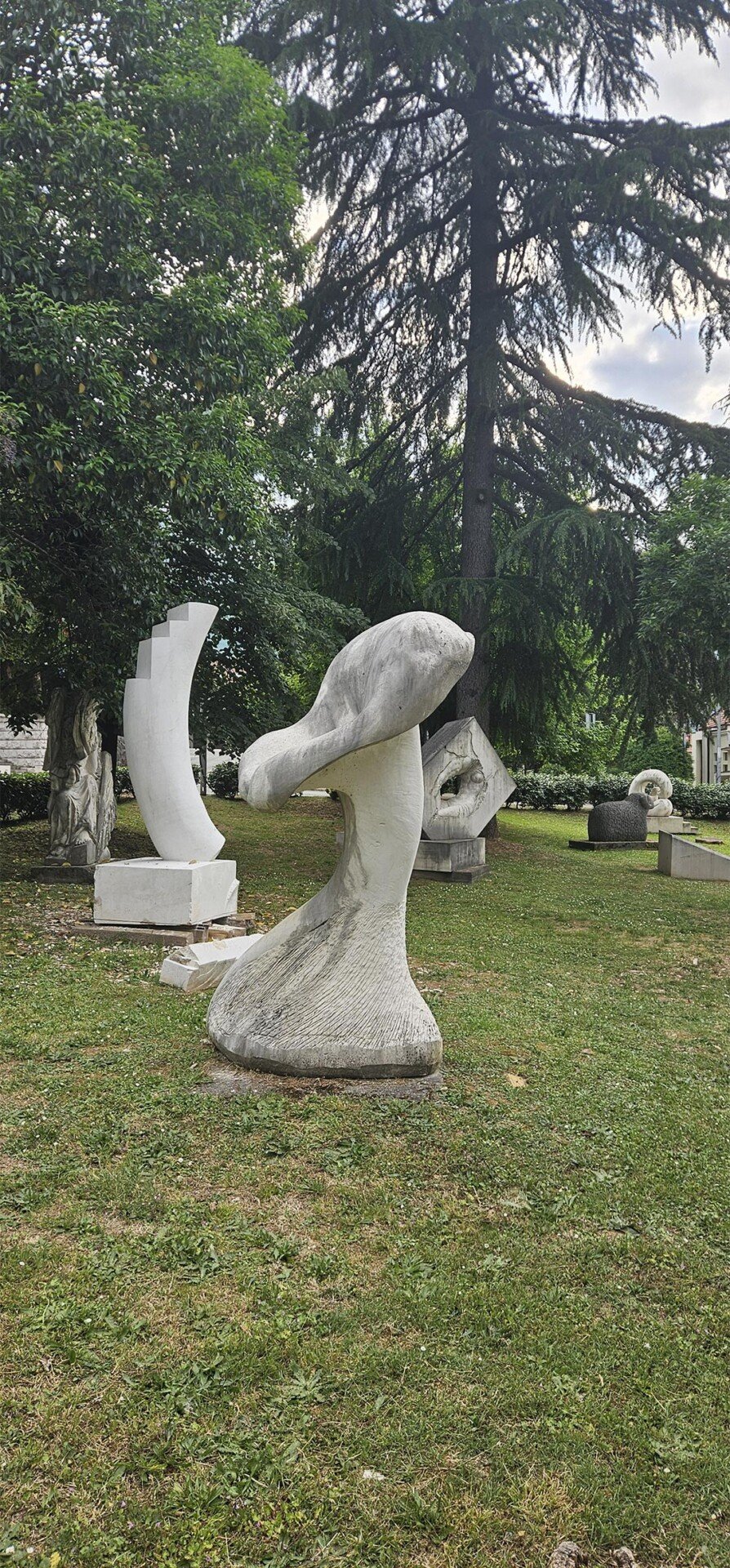
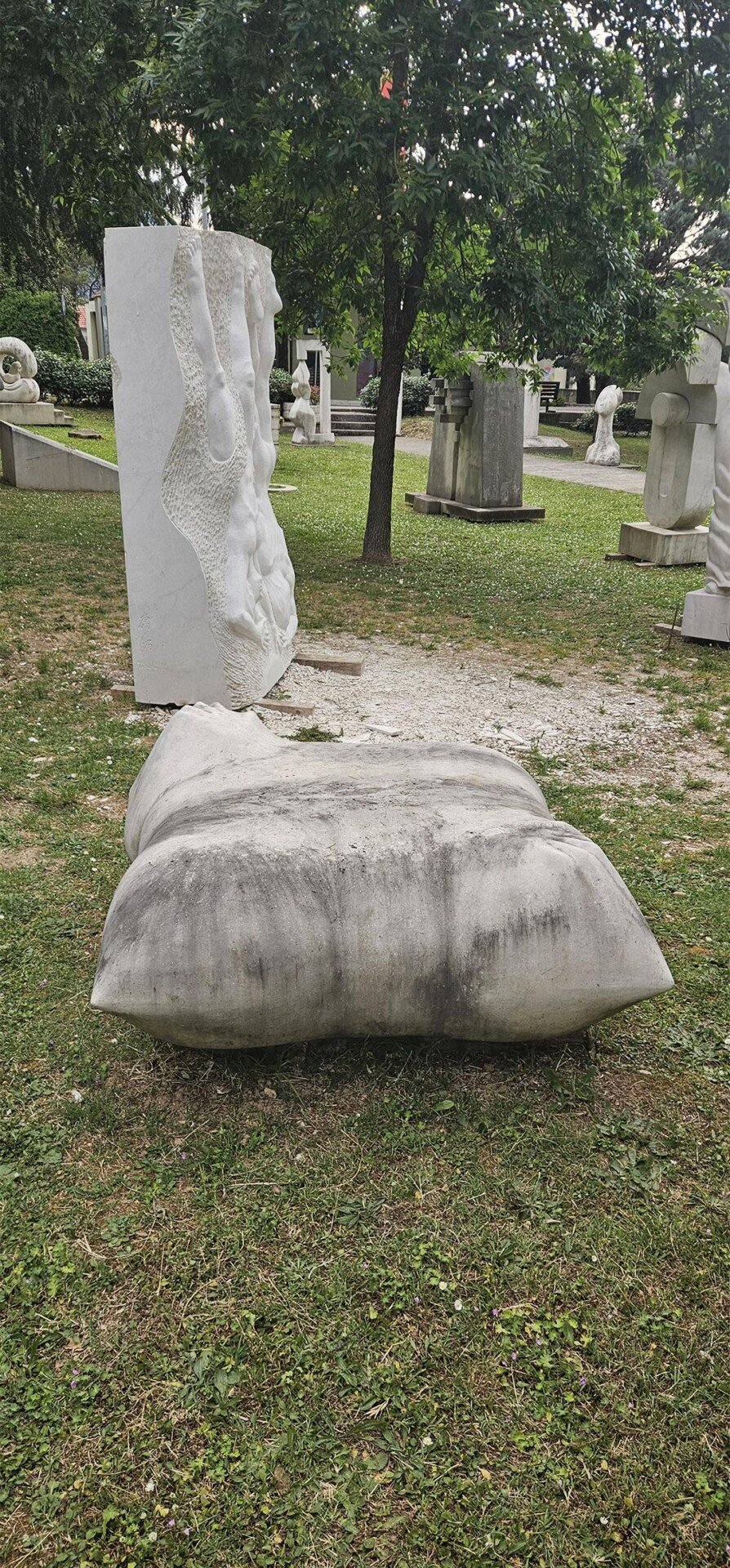
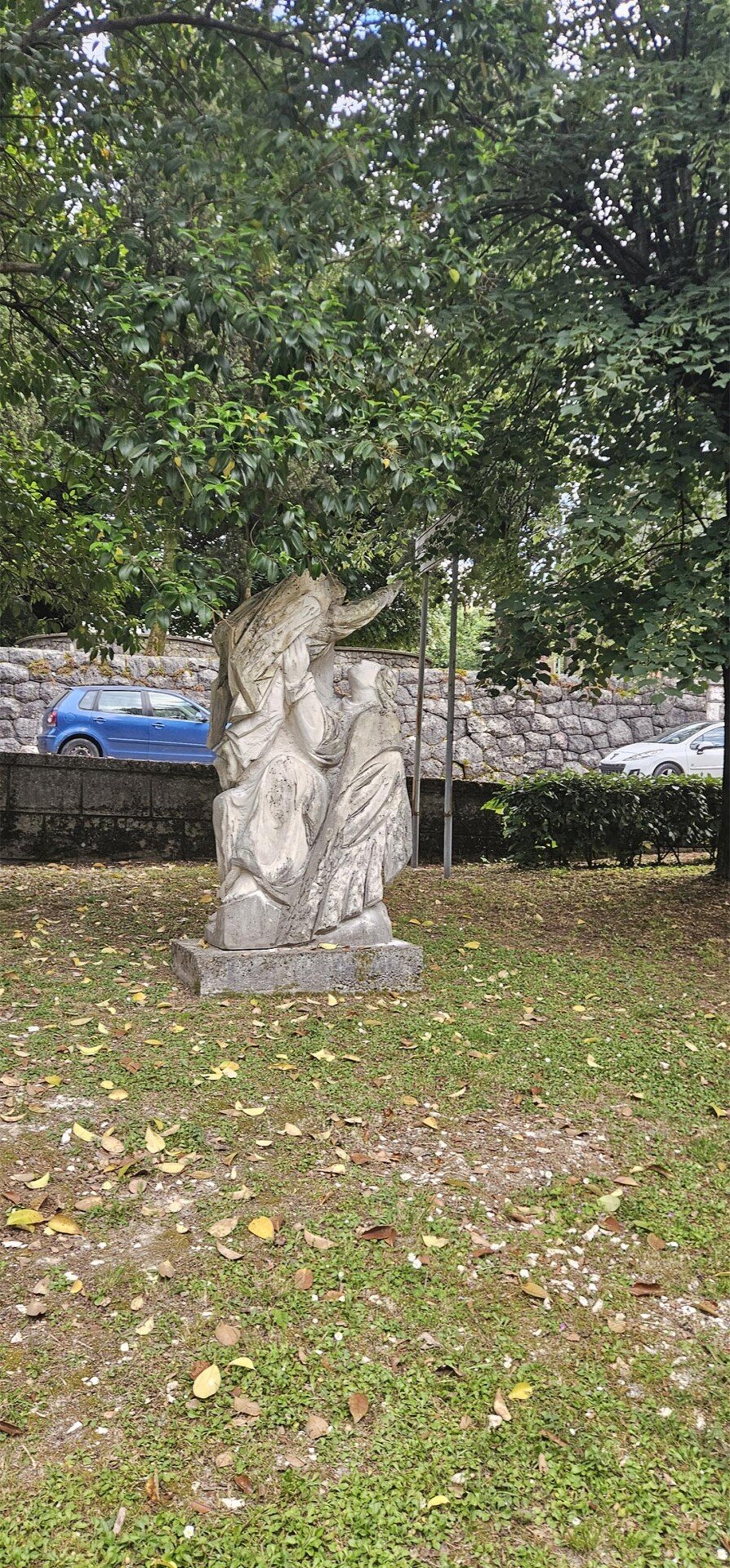
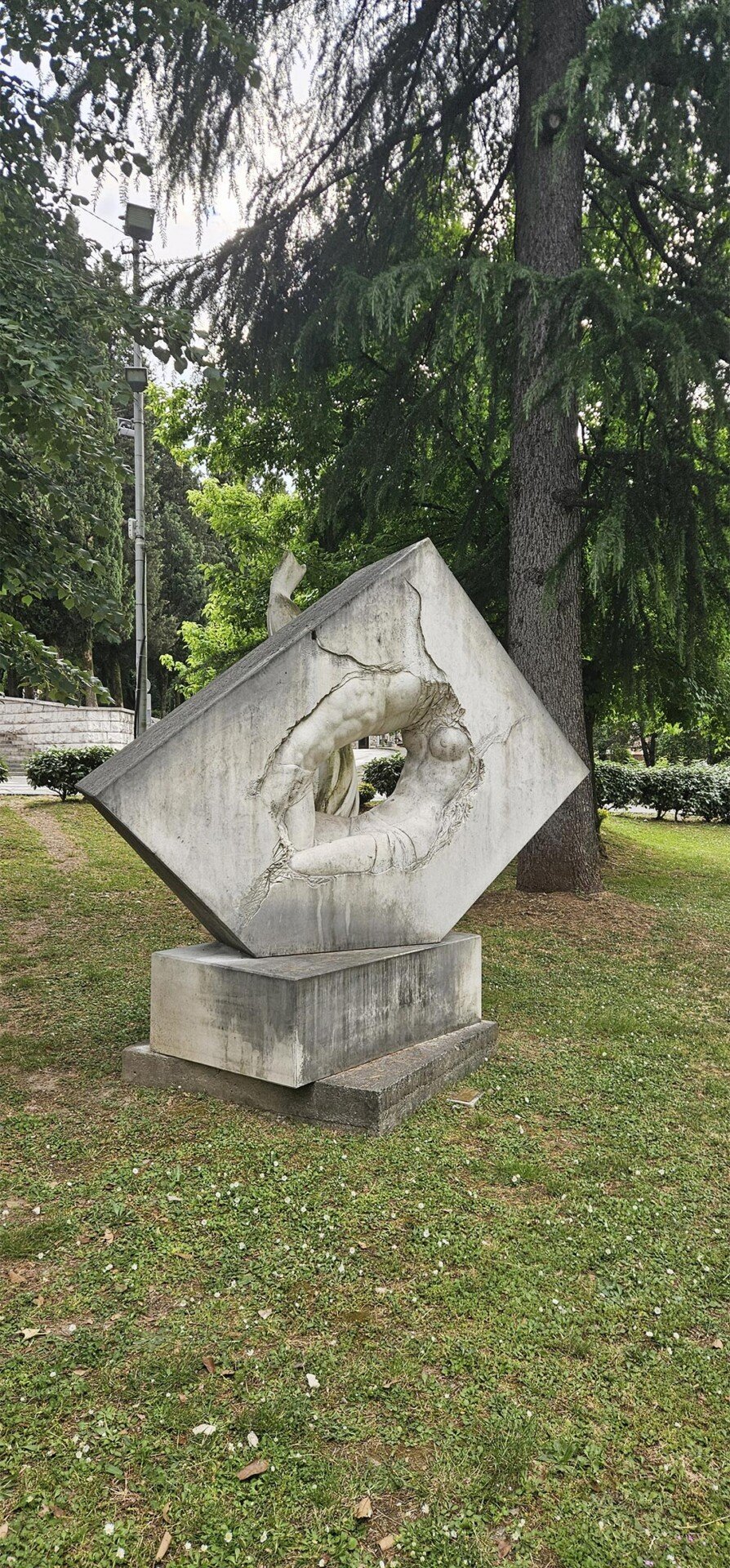
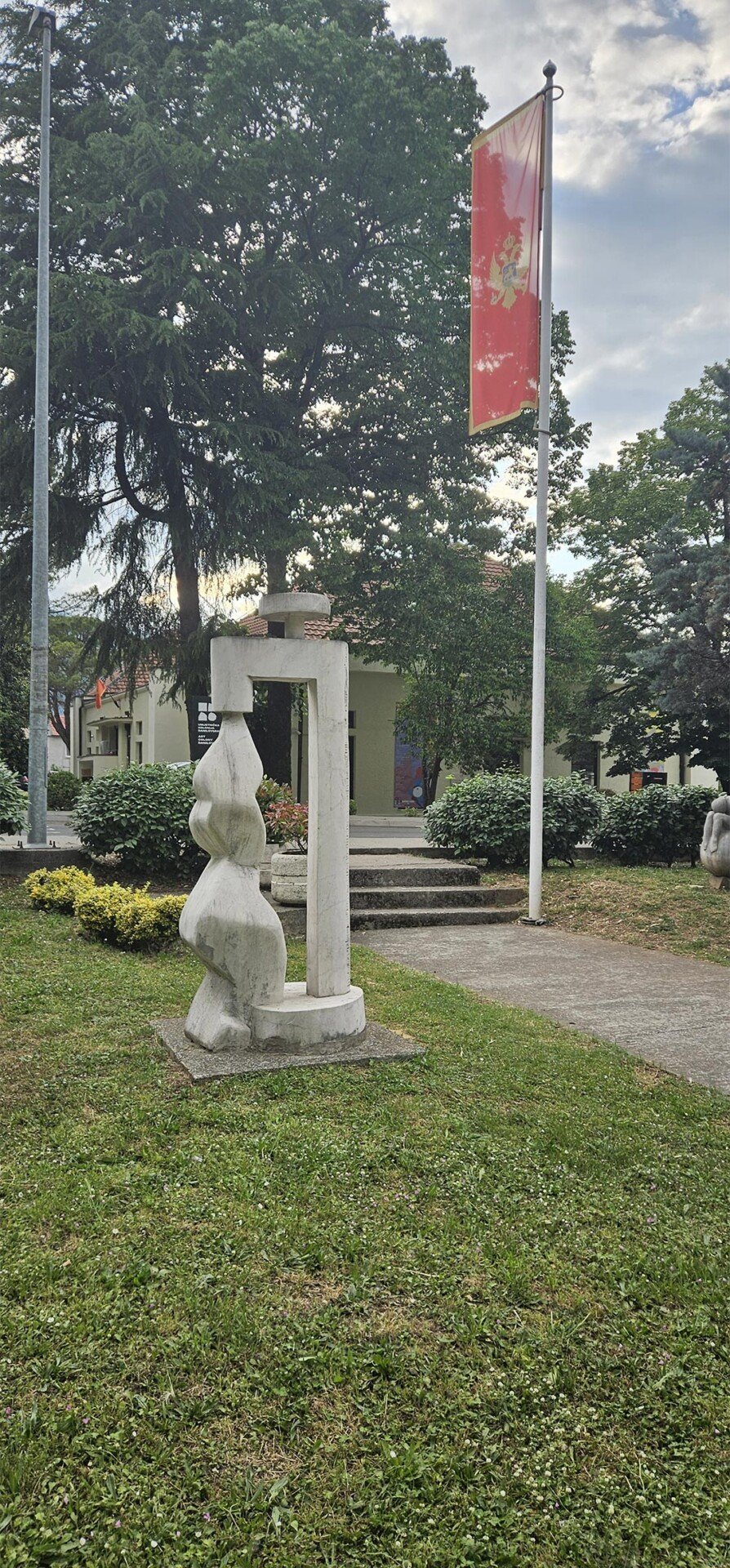
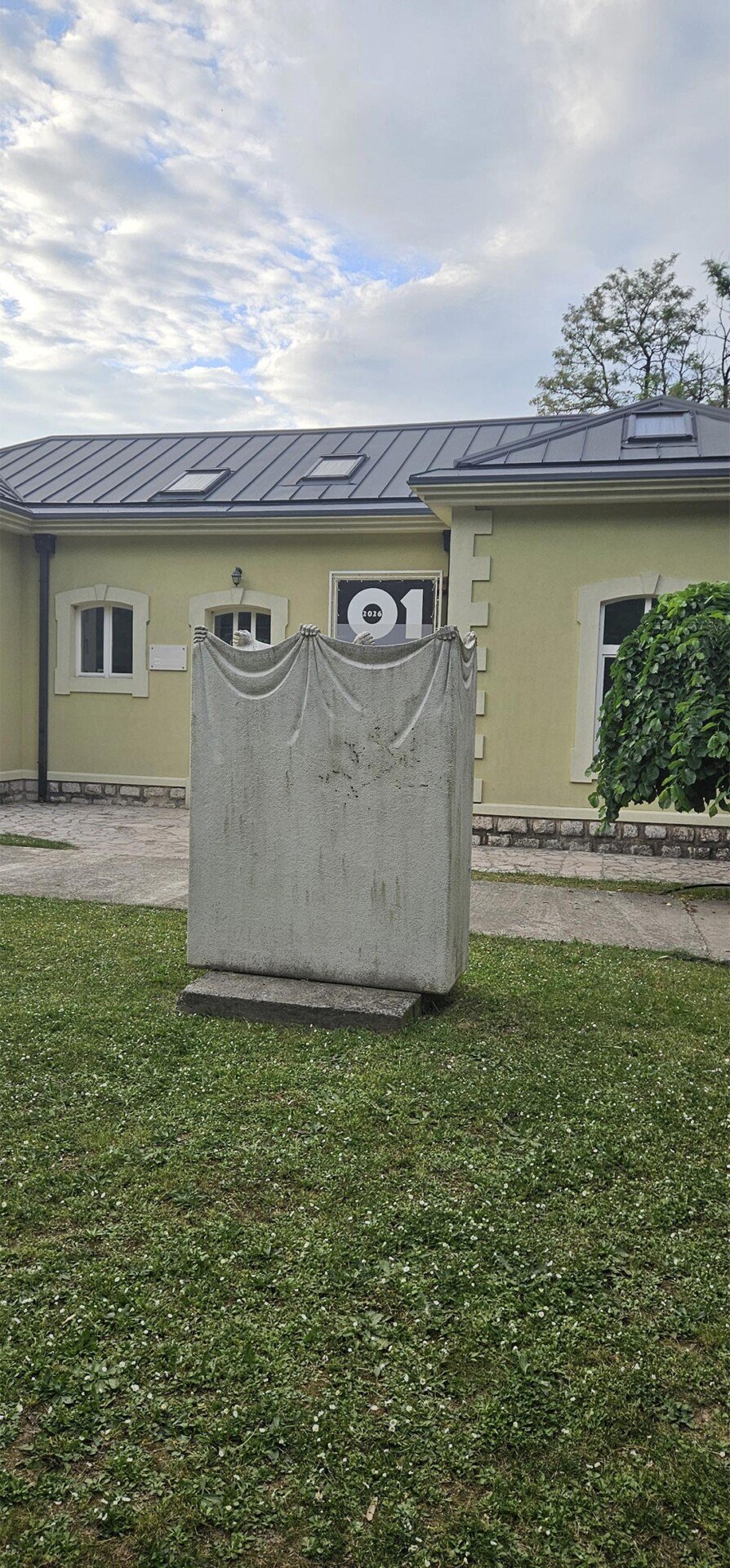
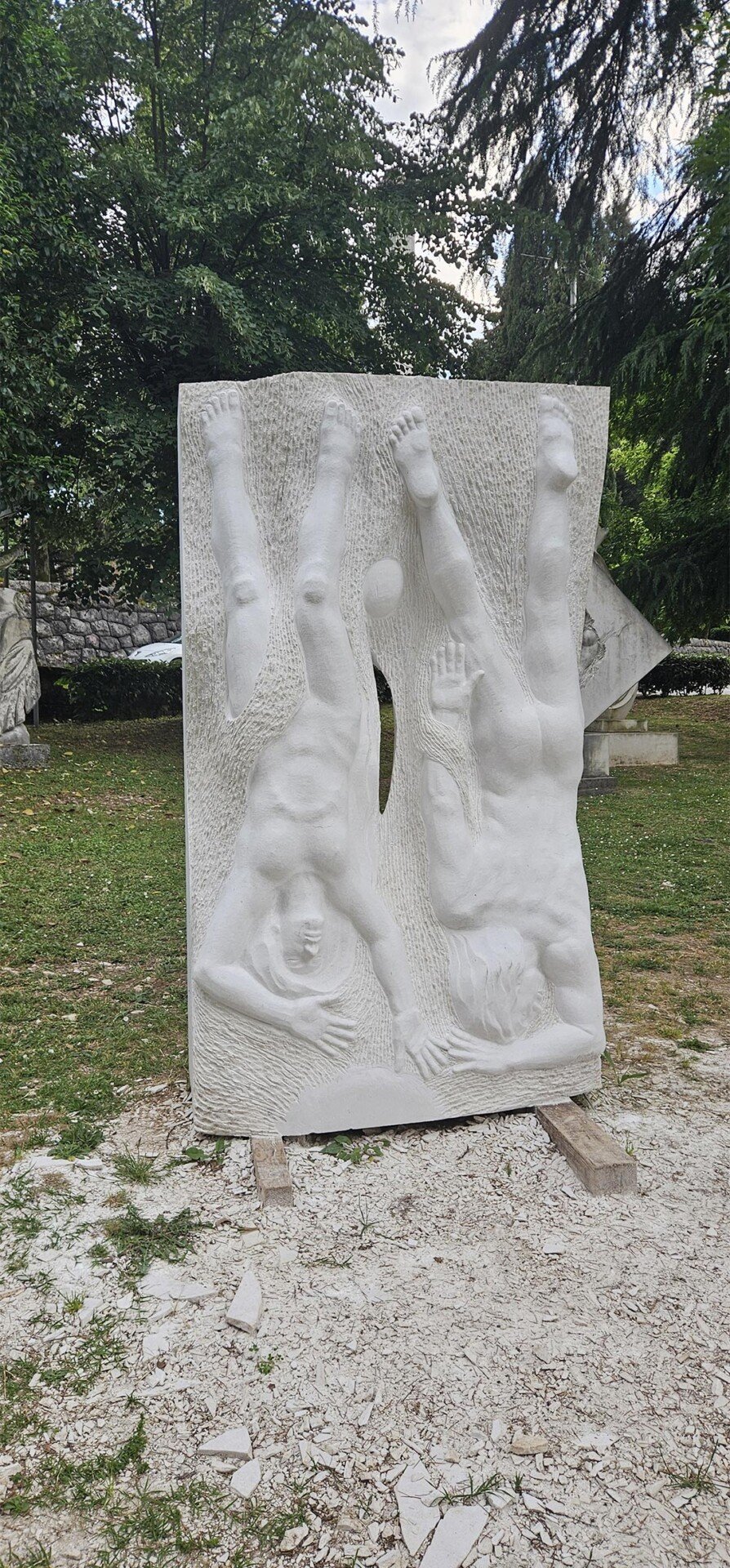
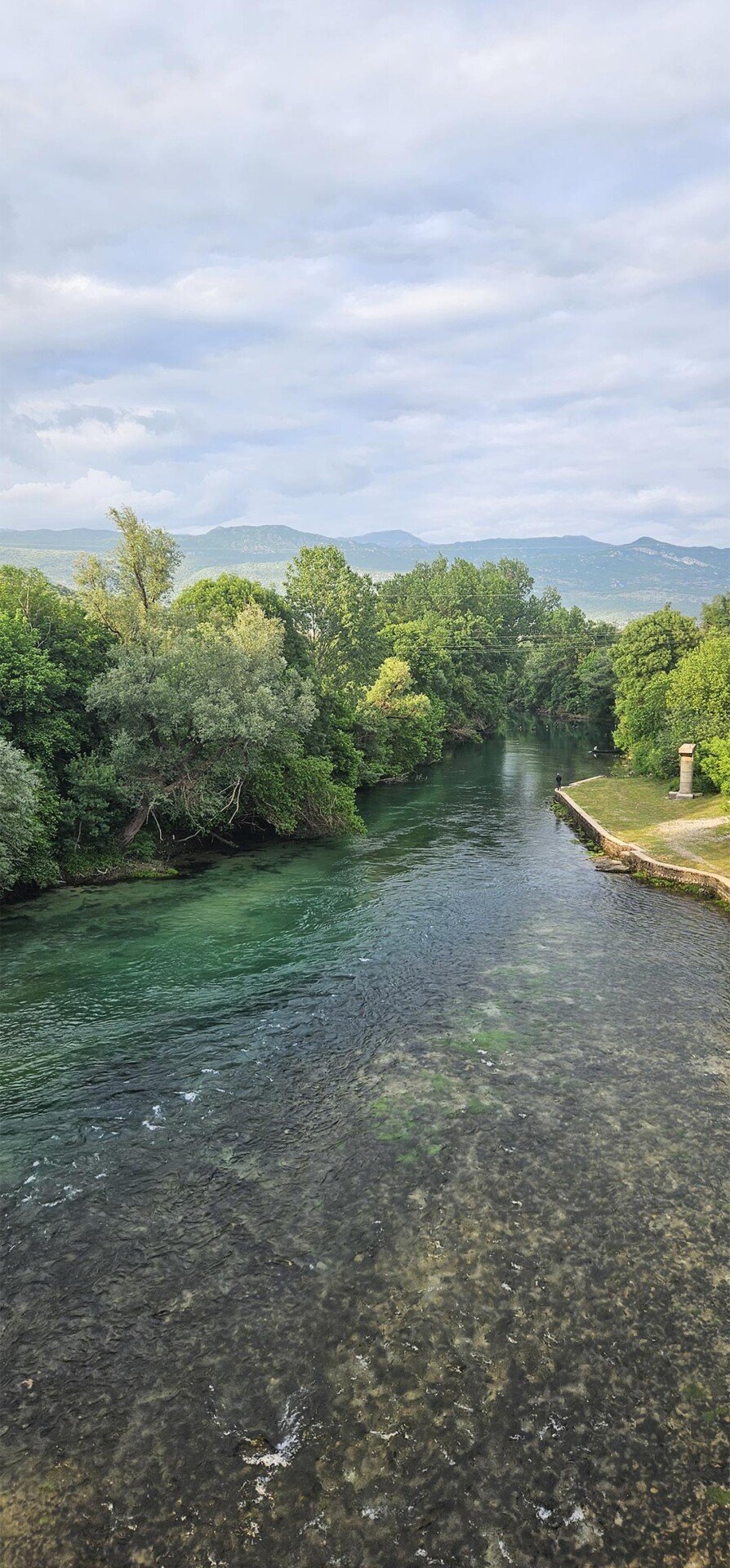
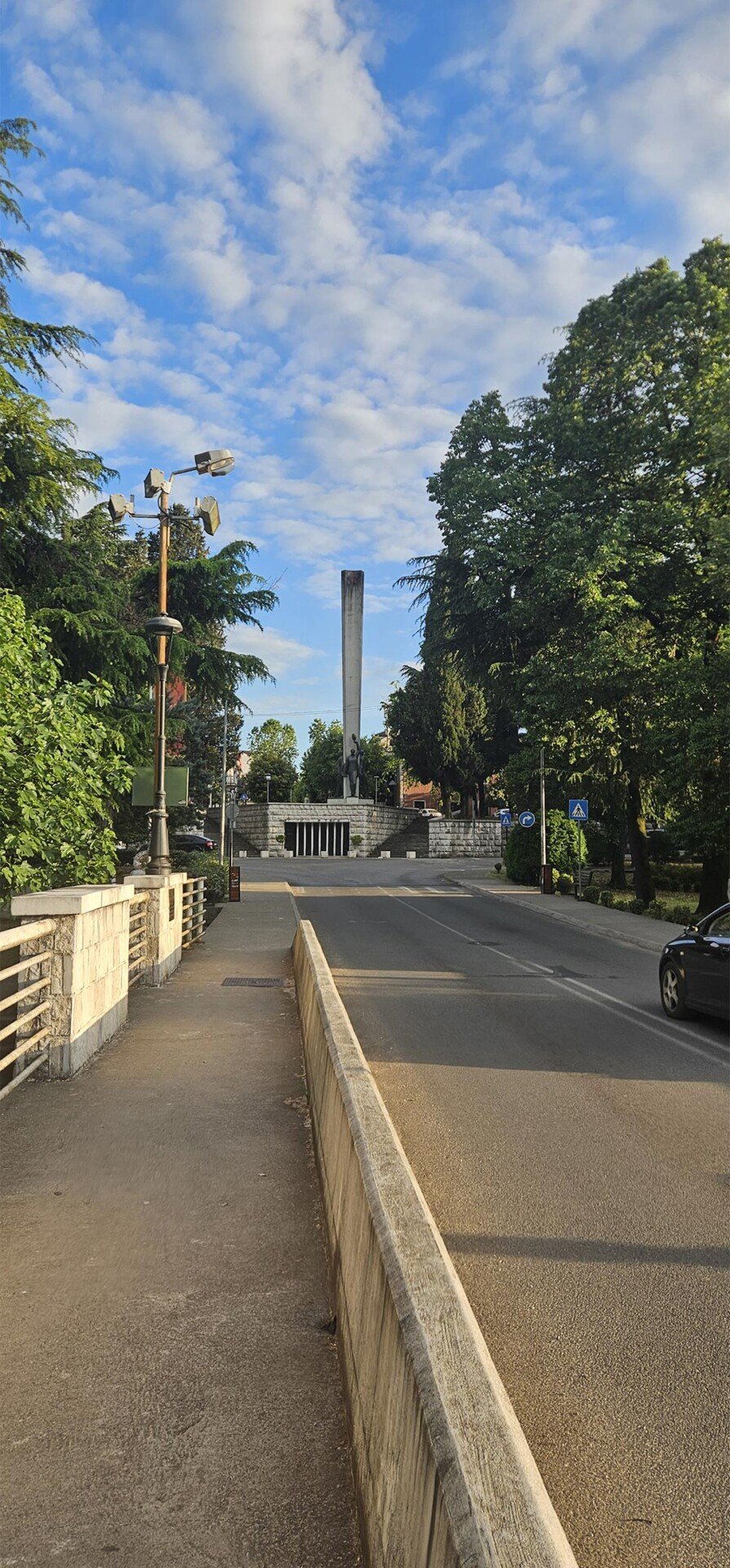
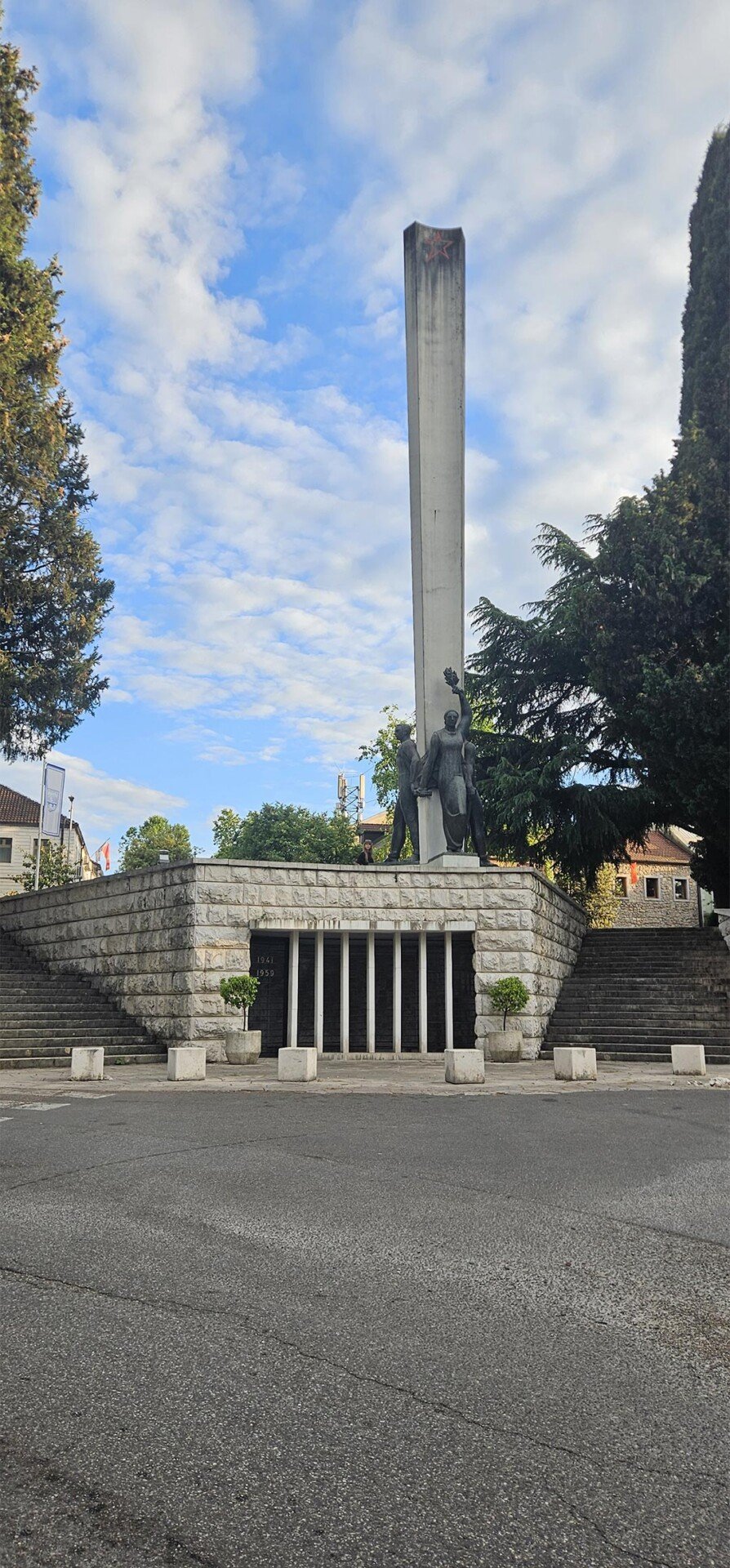
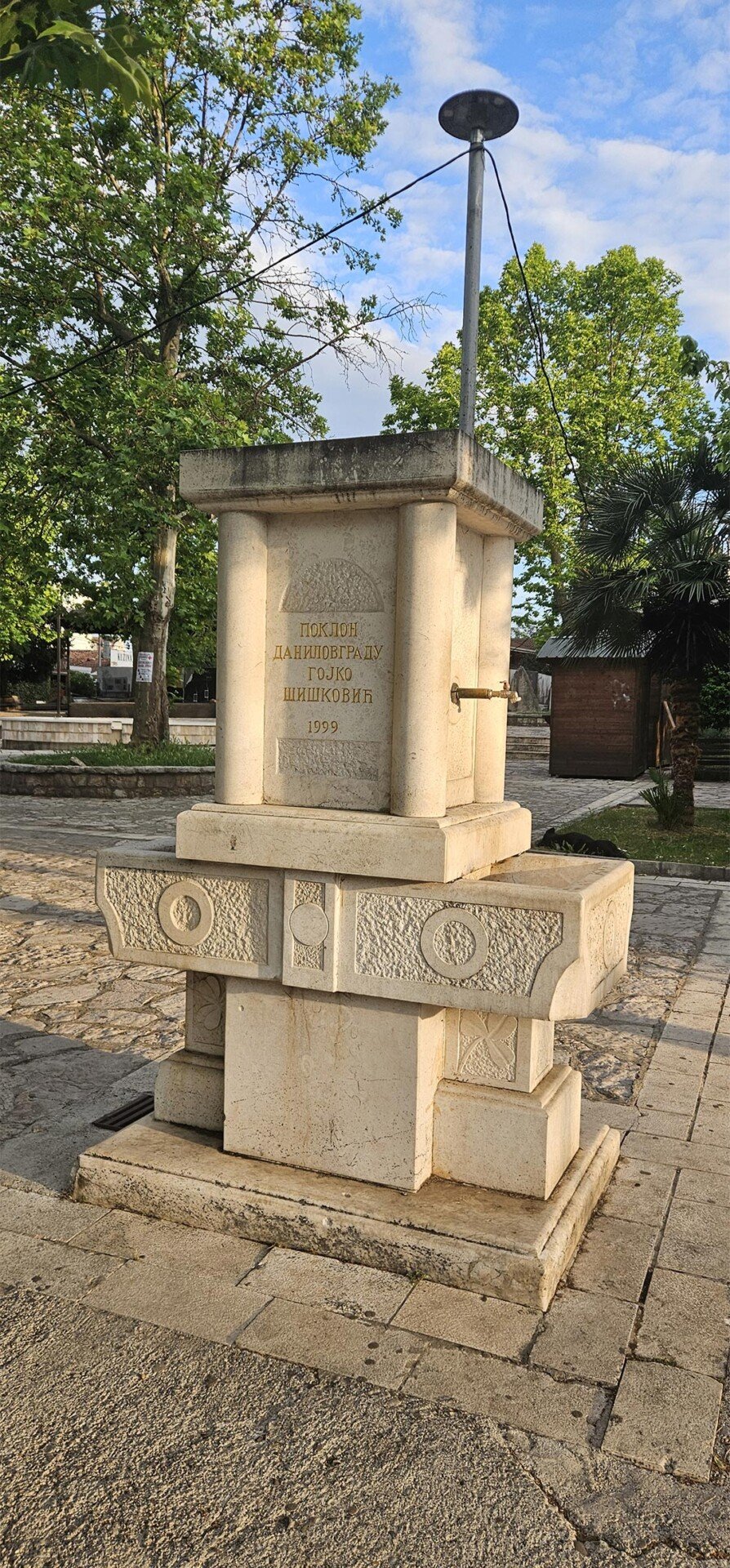
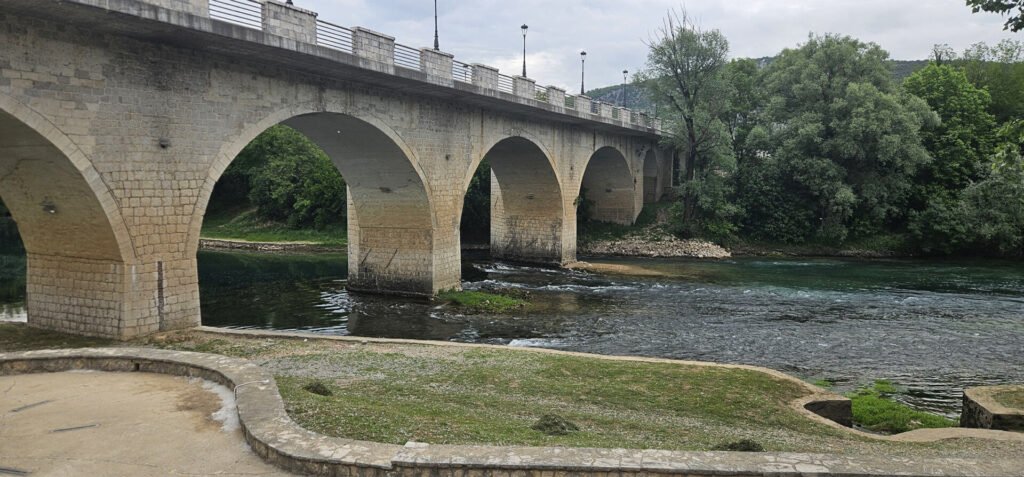
On the way back, we couldn’t resist stopping in the wonderful small town of Danilovgrad! We visited the Zeta embankment, the sculpture park, and admired the blooming poplars.
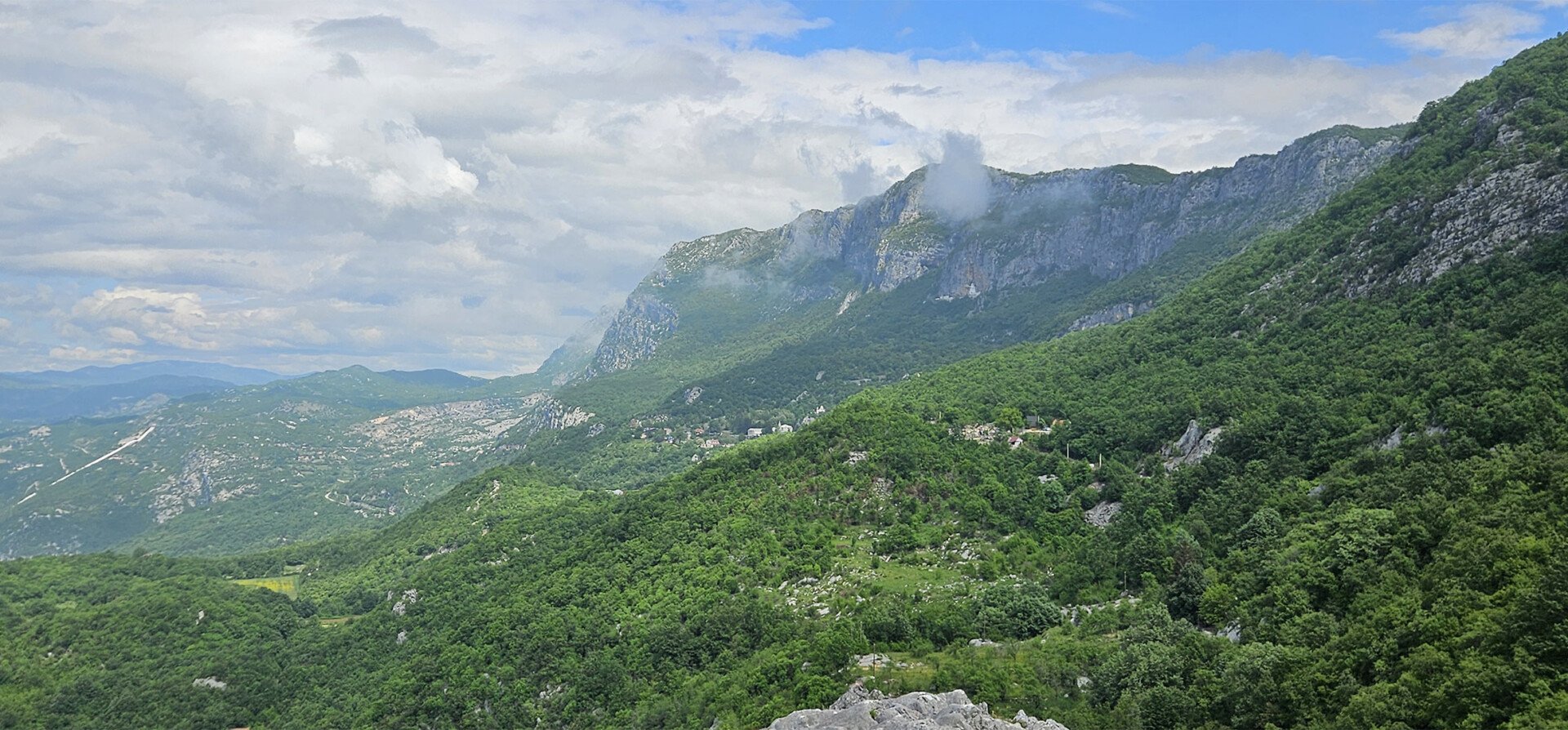
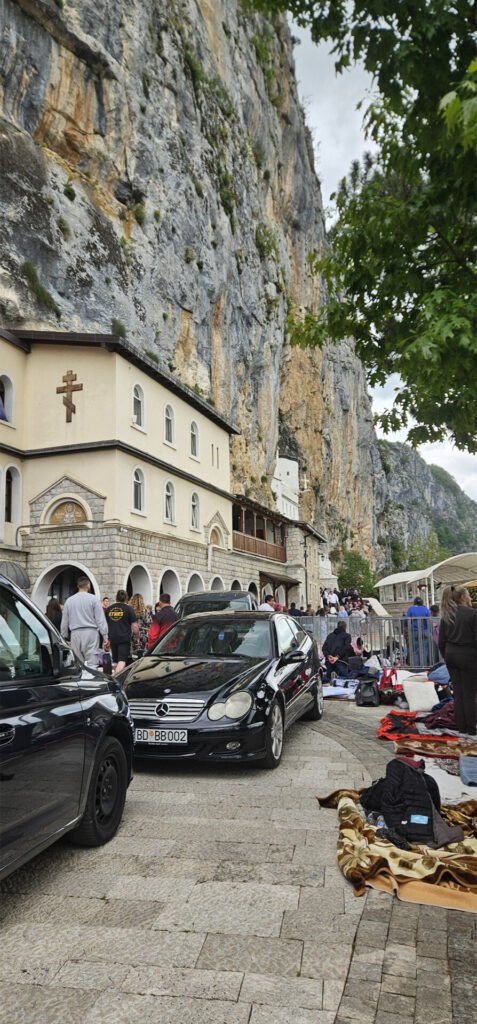
Ostrog is one of the most unusual and impressive places in Montenegro. The Orthodox monastery is literally built into the almost vertical cliff of Mount Ostroška Greda, and from a distance, its white walls appear as if they grew directly from the rock.
For many travelers, Ostrog is primarily an Orthodox shrine and a place of pilgrimage. But even if you’re not visiting for religious reasons, Ostrog is of great interest as a historical monument, an architectural complex, and one of the most spectacular places in the Montenegrin mountains.
A particularly interesting option is to arrive here by train and walk up to the monastery from Ostrog station. This allows you to see the shrine not only as a tourist attraction but also to walk along an old mountain trail through the forest.
Where is Ostrog located?
The monastery is located in central Montenegro, between Podgorica and Nikšić, in the Danilovgrad region.
The monastery complex is perched high in the mountains, at an altitude of approximately 900 meters. Its upper part literally clings to a sheer rock face. This unusual location has made Ostrog one of Montenegro’s most recognizable symbols. The Podgorica Tourism Organization also notes that the monastery is located in a natural cave, which was used by Saint Basil as a place of solitude.
It is important to understand that the name “Ostrog” actually covers two monastery complexes:
- Lower Monastery;
- Upper Monastery.
History of Ostrog Monastery
The history of Ostrog is closely linked with the name of Saint Basil of Ostrog, one of the most revered Orthodox saints in Montenegro and the entire region.
Saint Basil was born in 1610 in Herzegovina and was given the name Stojan Jovanović. In his youth, he became a monk and was later elected Bishop of Zahumsko-Herzegovina.
In the 17th century, this region experienced difficult times. Orthodox monasteries and the population were under constant pressure from the Ottoman Empire. Under these conditions, the monastery, nestled in an inaccessible rock, became not only a spiritual center but also a natural refuge.
Saint Basil settled in the Ostrog area and spent the last years of his life here.
According to the Podgorica Tourism Organization, the monastery was founded by Saint Basil in the 17th century, and its construction dates back to 1665.
However, the official history of the monastery itself contains a much older tradition and connects the name Ostrog with earlier settlements and fortifications that existed here. The monastery’s official website provides information about the ancient Ostrog town and earlier traces of Christian presence in the area. This information relates to the monastic historical tradition and does not fully correspond with modern academic dating. The current monastery complex, as we know it, developed in the 17th century around the ascetic life of Saint Basil of Ostrog.
Saint Basil died in 1671.
After his death, Ostrog gradually became a place of pilgrimage. Believers would visit his grave, and over time, a tradition of venerating his relics developed.
For Orthodox pilgrims, the small church in the Upper Monastery, where Saint Basil’s relics are kept, is of central importance.
Ostrog is famous not only among Orthodox Serbs and Montenegrins. Believers from various Balkan countries, as well as people of other faiths and ordinary travelers, come here.
Therefore, Ostrog should be viewed as more than just a “beautiful monastery in the rock.” It is an active Orthodox shrine, welcoming both tourists and pilgrims.
Why was the monastery built into the rock?
This is one of Ostrog’s most interesting features.
Instead of a typical monastery standing on flat ground, the buildings and churches here seem to be “inserted” into the natural wall.
The rock offered the monks several advantages:
- Solitude.
Reaching here was significantly more difficult than reaching the monastery in the valley.
- Natural protection.
The steep cliffs made the monastery difficult to access.
- The ability to use natural caves.
Some of the rooms and churches are directly connected to natural depressions in the rock.
- A powerful spiritual experience.
The combination of rock, altitude, silence, and small churches creates a truly unique atmosphere.
Today, it is this architectural feature that makes Ostrog one of the most unusual monasteries in Europe.
Upper and Lower Ostrog
Lower Monastery
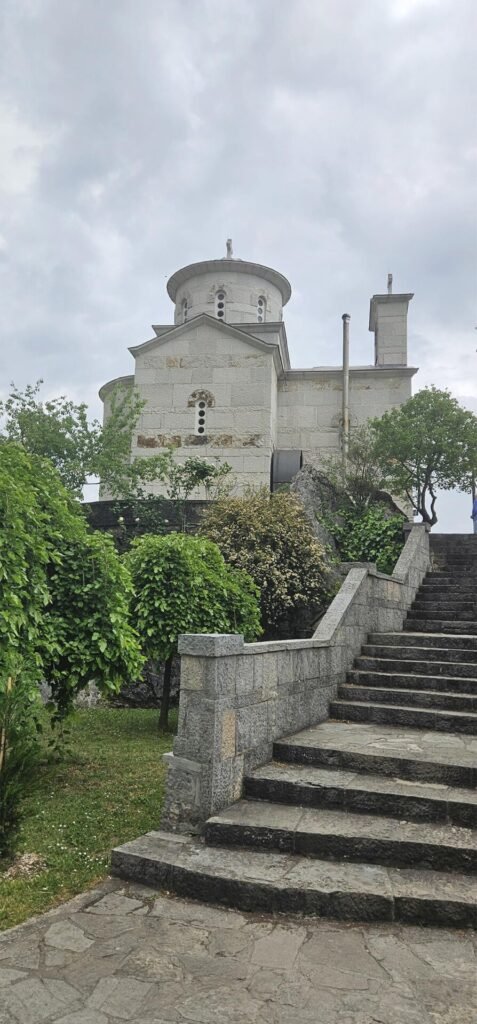
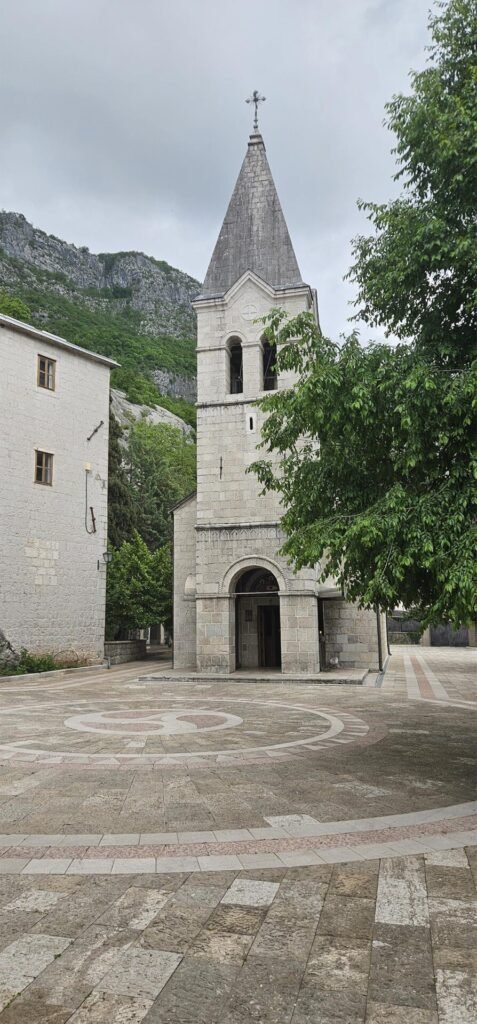
The Lower Monastery is located lower down the slope. The Church of the Entry of the Blessed Virgin Mary into the Temple is located here, along with other monastery buildings.
The Lower Monastery is usually the first part of the complex for those ascending on foot from the train station.
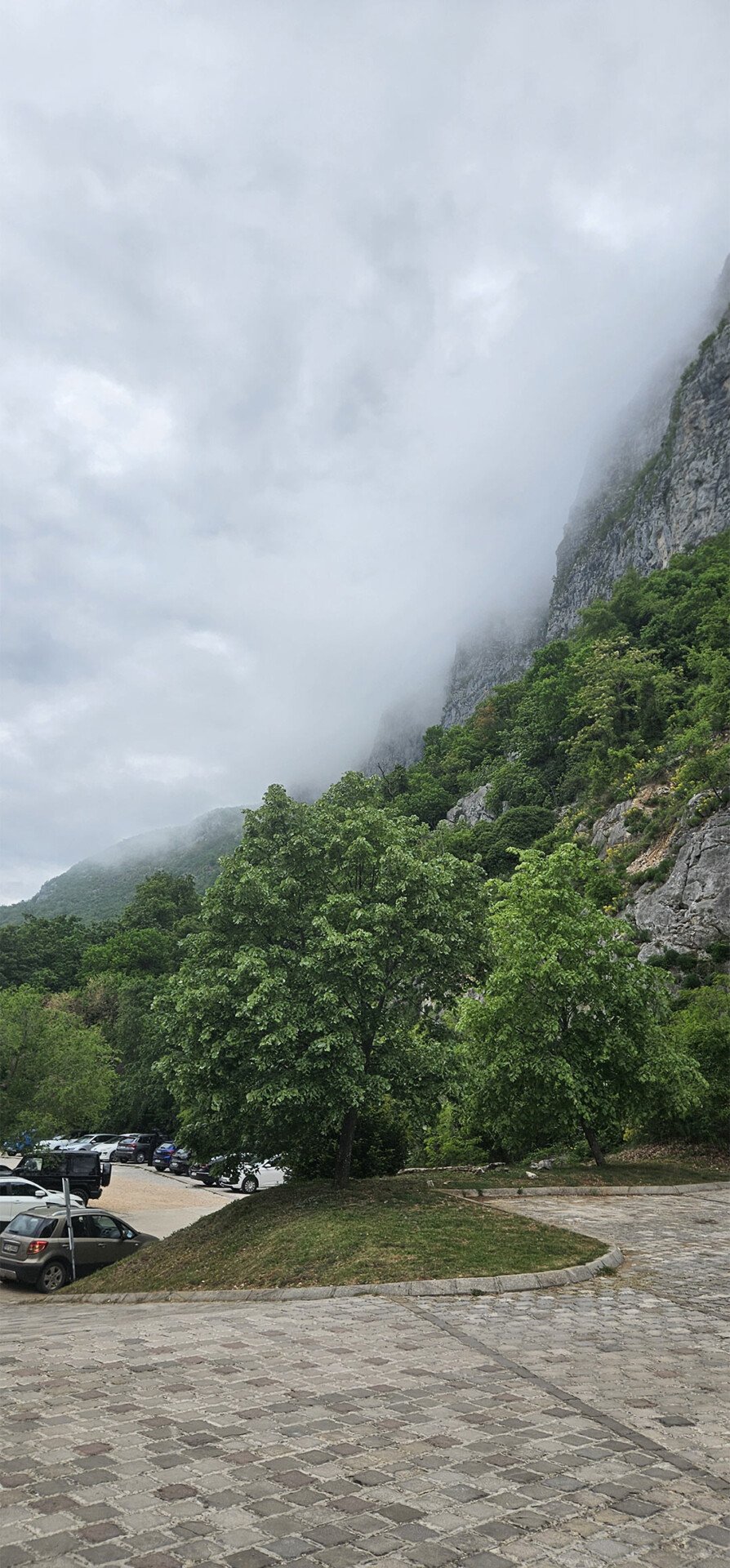
There is a parking lot in front of the monastery, so most tour groups and cars arrive here.
Upper Monastery
From the Lower Monastery, the road continues up the slope.
This is where the most famous part of Ostrog is located—the monastery churches built into the sheer cliff face.
The main buildings of the Upper Monastery are associated with St. Basil of Ostrog.
Here is the Church of the Entry of the Blessed Virgin Mary, where the saint’s relics are kept, and the Church of the Exaltation of the Holy Cross, located higher up.
The architecture of the Upper Monastery is particularly impressive: small white walls, stone terraces, and cave chambers literally cling to the cliff face.
Walking from the Ostrog train station
For an independent traveler, this is perhaps the most interesting way to reach the monastery. Ostrog train station is on the Podgorica-Nikšić line. It’s not the station directly at the monastery; you have to walk several kilometers between them.
After exiting the train, you find yourself in a fairly remote and quiet place, and then the climb begins.
Sources give slightly different distances, as the route can be calculated to either the Lower or Upper Monastery and take into account different trail options. Roughly speaking, the distance from the station to the Lower Monastery is about 2-4 km, and to the Upper Monastery, about 3.5-4 km.
A reasonable time estimate is:
- 40-80 minutes to the Lower Monastery;
- approximately another 20-40 minutes to the Upper Monastery;
- longer in hot weather or at a leisurely pace.
After exiting the train, don’t simply follow the road at random.
Signs with the words “OSTROG” or “Ostrog Monastery” serve as landmarks. There are also signs along the route for the train station, “Ostrog Railway Station.”
After leaving the station, cross the railroad tracks after about 200 meters, then turn left and follow the marked hiking trail toward Ostrog.
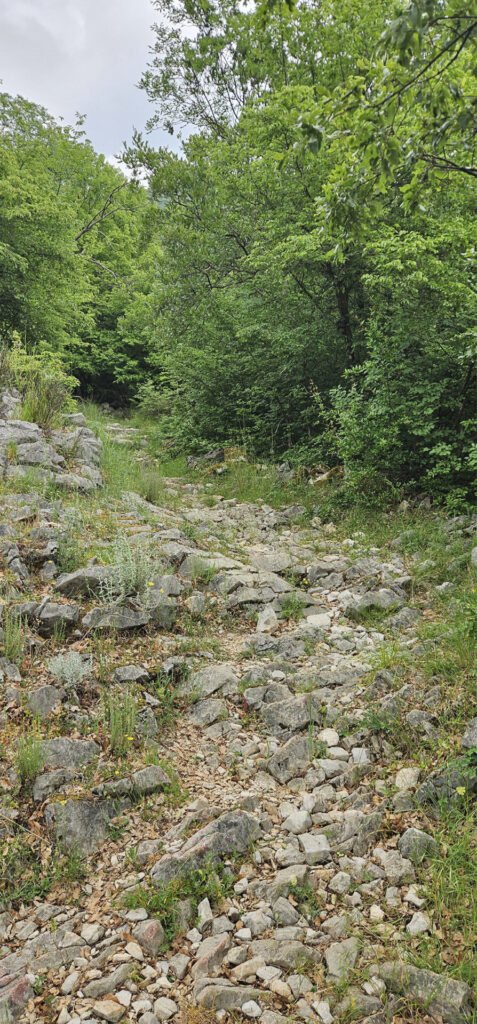
The route begins in a relatively quiet forested area. Then, rocks, steeper sections, and a noticeable elevation gain appear.
One of the route’s descriptions notes that the first section of the climb is quite steep and rocky, after which the trail emerges onto the road leading to the Lower Monastery.
It’s more accurate to consider it a short mountain hike. This is especially important in summer.
By athletic standards, the route isn’t extreme.
However, three factors make it noticeable:
- Elevation Gain
The first kilometers may seem easy, but the closer you get to the monastery, the more noticeable the elevation becomes.
- Rocky Surface
In some sections, you have to walk over rocks and an uneven dirt trail. Therefore, flip-flops, sandals, and shoes with smooth soles are a bad idea.
Regular sneakers or lightweight trekking boots are best.
- Heat
In August, the problem may be not so much the physical difficulty as the temperature.
Even a relatively short climb in the sun can be very tiring.

Therefore, in summer, it’s best to start the hike in the morning. It’s best to buy water before boarding the train.
The most important thing is the return train time.
This is something many people forget.
There are significantly fewer trains on the Podgorica-Nikšić line than there are buses in a typical city. Therefore, you can’t rely on the principle of “I’ll arrive at the station and see the next train soon.”
The current schedule should be checked immediately before your trip.
Some guidebooks list about five departures per day, but the schedule is subject to change, so old guidebook figures cannot be taken as a guarantee of a specific date.
On the way from the monastery to the station, it’s easy to miss the place where the trail leaves the road.
Travelers’ descriptions note that when descending, you should carefully look for the sign “Ostrog railway station.” If you continue along the road after the characteristic turn, you could go the wrong way and then have to return.
The relics of St. Basil of Ostrog are housed in the Church of the Presentation of the Blessed Virgin Mary. This is one of the main shrines of the complex. The Church of the Exaltation of the Cross is a small church located higher up and also directly connected to the monastery’s rocky interior.
The interiors are unlike those typically found in large Orthodox churches.
Here, the space is confined by the mountain itself, so the paintings, stone, and small rooms create a truly unique atmosphere.
After the climb, be sure to look back.
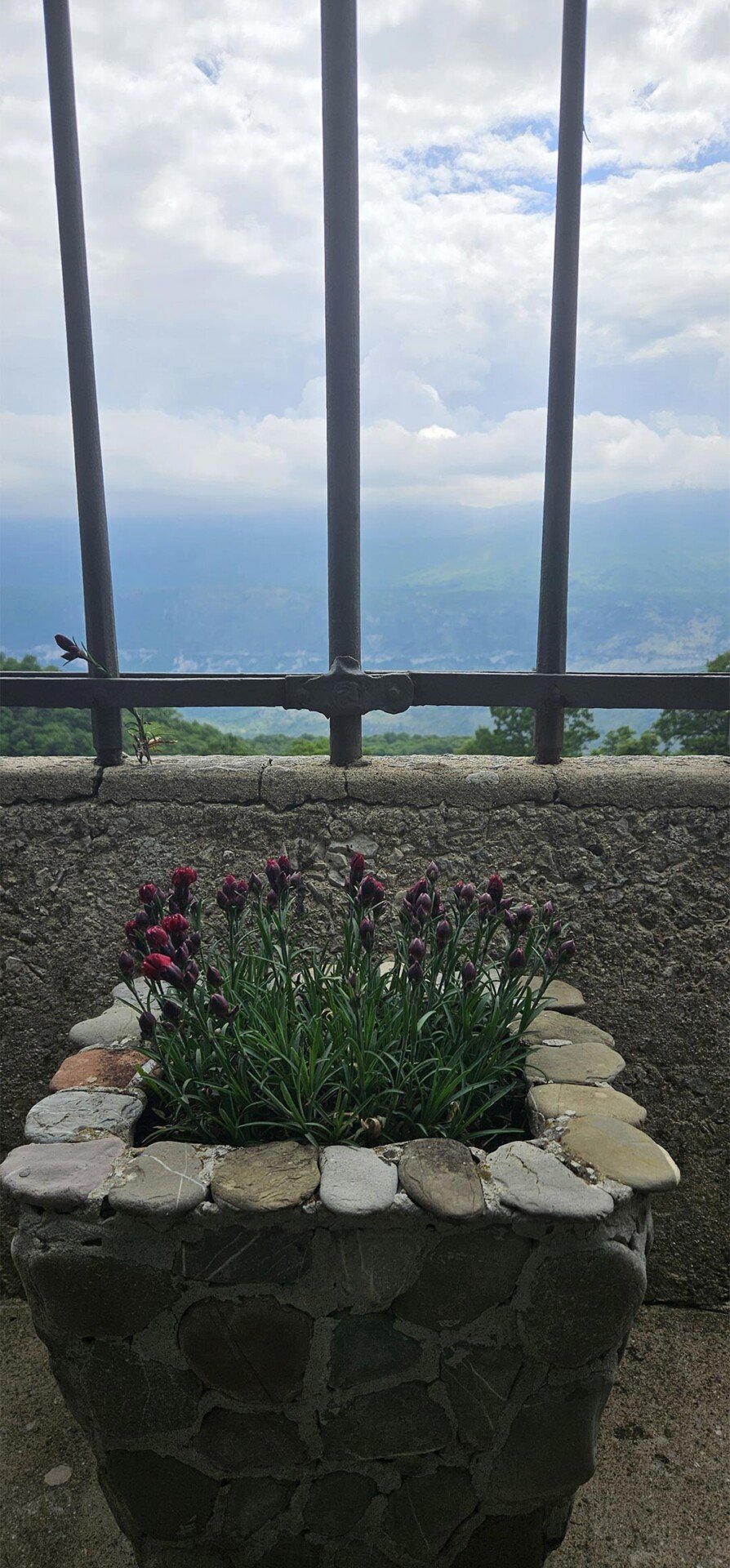
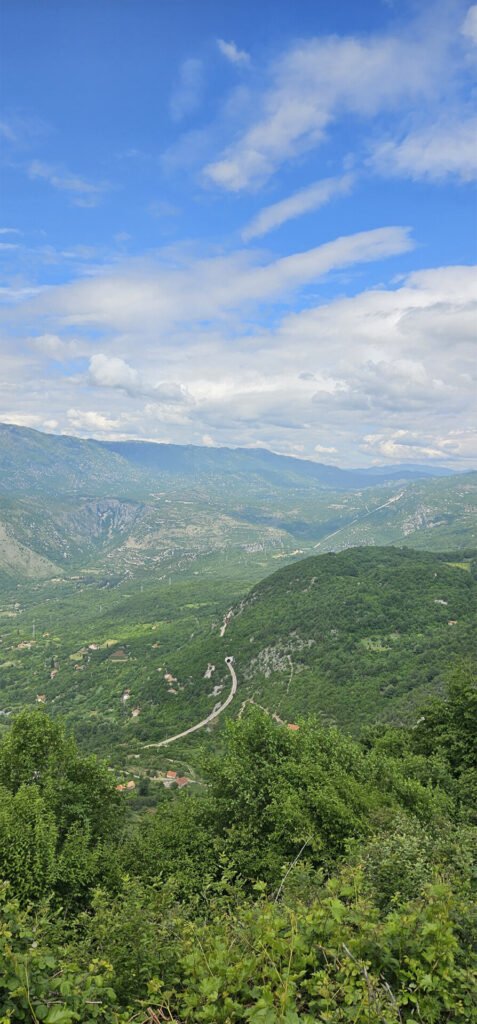
The Ostrog is located significantly higher than the surrounding valley, and the view from here is a key part of the experience.
Visiting Rules
The Ostrog is a functioning monastery, not a museum.
Therefore, dress carefully.
It is advisable to:
- Cover your shoulders;
- Cover your knees;
- Dress modestly.
If you’re wearing shorts and an open shirt in the summer, it’s best to bring light trousers or a skirt and a cape.
You should also observe the usual rules of conduct in the church:
- Don’t speak loudly;
- Don’t disturb others during prayer;
- Don’t take photographs where prohibited;
- Don’t treat the service as a tourist attraction.
This is especially important in the Upper Monastery, where pilgrims are also present.
Danilovgrad is a small town in the Zeta Valley.
Danilovgrad is a small town in central Montenegro, located roughly between Podgorica and Nikšić.
Today, Danilovgrad is rarely a standalone destination for mass tourism. Many pass through it on their way to Ostrog or Nikšić, unaware of the fascinating history associated with this small town.
Danilovgrad is located in the wide and fertile Zeta River Valley. For centuries, the river and its surrounding valley have served as an important natural corridor between the various regions of modern-day Montenegro. Archaeological finds attest to human cultural presence here dating back to ancient times.
Today, it is a quiet provincial town with low-rise buildings, leafy streets, and a leisurely pace of life. But its current modesty is somewhat deceptive: in the 19th century, Danilovgrad was conceived as the future capital of Montenegro.
The City That Was to Become the Capital
The history of modern Danilovgrad begins in the 19th century. The city was created as a planned settlement, and its construction is associated with Prince Nikola I Petrović-Njegoš. The first foundations of the future city were laid around 1870. The name Danilovgrad is associated with the name of its predecessor, Prince Danilo I Petrović-Njegoš.
But the original idea itself is especially interesting.
Danilovgrad was planned as more than just a small town in the Zeta Valley. It was intended to become the new political and administrative center of Montenegro.
A regular plan was developed for the city. It envisioned the construction of important state and public facilities—a courthouse, a senate, a school, a church, a prison, and other buildings.
The plan envisioned a significantly larger city than the one that eventually emerged on the banks of the Zeta. Historical municipal documents indicate that the planned population was expected to reach approximately 15,000.
However, history decreed otherwise. Following the Berlin Congress of 1878, Montenegro significantly expanded its territory, and Podgorica and Nikšić gained much greater political and economic importance. As a result, the original plan to transform Danilovgrad into the country’s main capital was never realized.
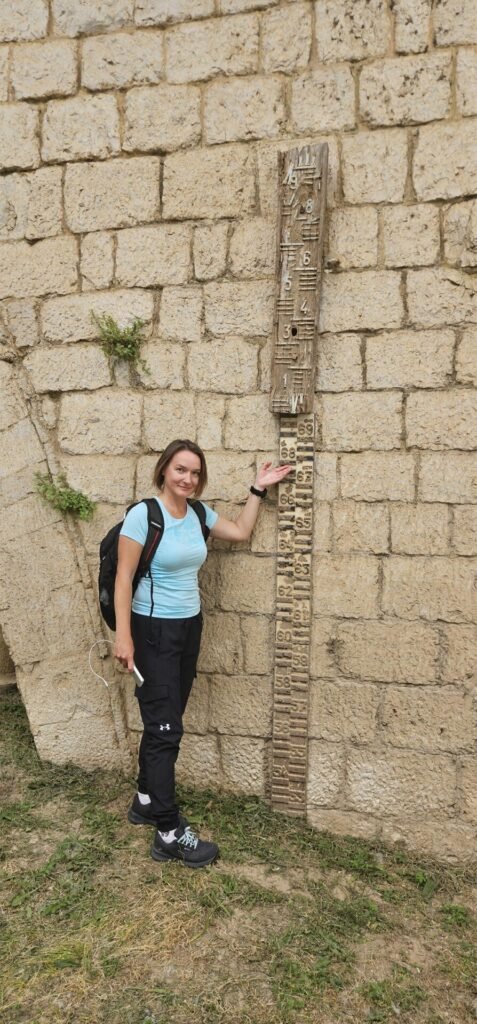
Thus, Danilovgrad remained a small town, although its streets and layout still recall the much more ambitious plans of the 19th century.
The city’s location was no accident.
The Zeta Valley provides a convenient natural route between the central regions of Montenegro.
Ancient communications passed through this area, connecting the Skadar Lake and Duklja region with the regions located to the northwest. Therefore, the history of Danilovgrad begins long before the city itself.
The Zeta River, however, does more than simply shape the landscape.
It formed a fertile valley, thanks to which the area around the city has traditionally been associated with agriculture. Today, a trip through Danilovgrad offers a completely different view of Montenegro—not just mountains and tourist resorts, but also green valleys, small villages, fields, and tranquil rural landscapes.
History here begins long before the 19th century.
The surrounding area of Danilovgrad has a much more ancient history.
Municipal historical documents mention archaeological and historical sites in the districts of Tarash, Crkvine, Sige, Podvrh, and Shipkova Glavica, testifying to the ancient settlement of the Zeta Valley.
The Martinići district is particularly interesting.
Here lies the ancient fortress of Gradina, one of the most important archaeological sites in the Danilovgrad area.
Medieval Gradina is associated with early medieval Zeta. Historically, this area is also associated with the Vlastimirović dynasty and the Nemanjić period.
Therefore, when in modern Danilovgrad, you can actually find yourself near places whose history spans many centuries.
Danilovgrad and Ostrog – two completely different experiences
The geographical proximity of Danilovgrad and Ostrog is particularly interesting for travelers.
On the one hand, it is a tranquil town in the Zeta Valley. On the other side is a monastery literally built into a sheer mountain wall.
Ostrog is located higher in the mountains, while Danilovgrad is in a valley. Therefore, a drive between them clearly highlights one of the main contrasts of central Montenegro.
This is why Danilovgrad is conveniently viewed not just as a settlement en route to Ostrog, but as a unique gateway to the monastery and the mountains.
Danilovgrad – a city of artists and sculpture
Danilovgrad has another feature that may surprise travelers: despite its small size, the city is considered one of Montenegro’s prominent artistic centers.
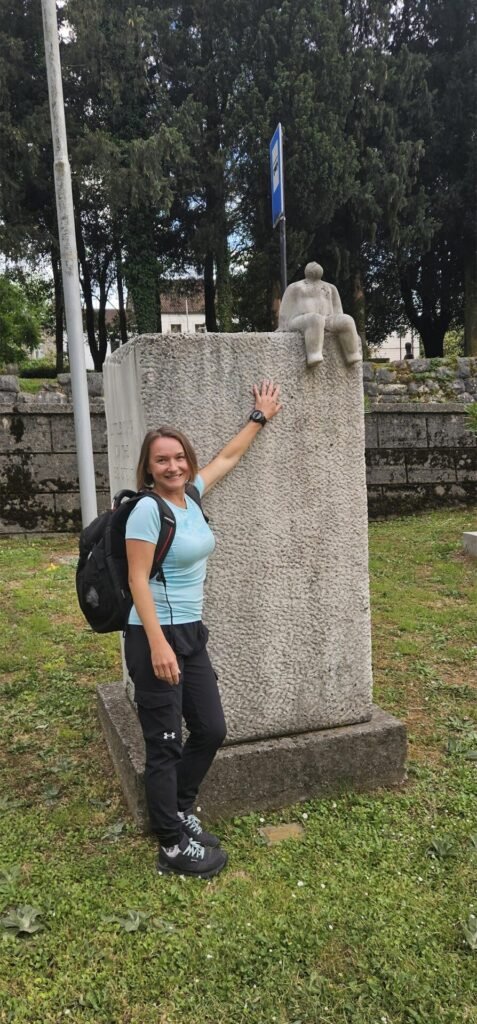
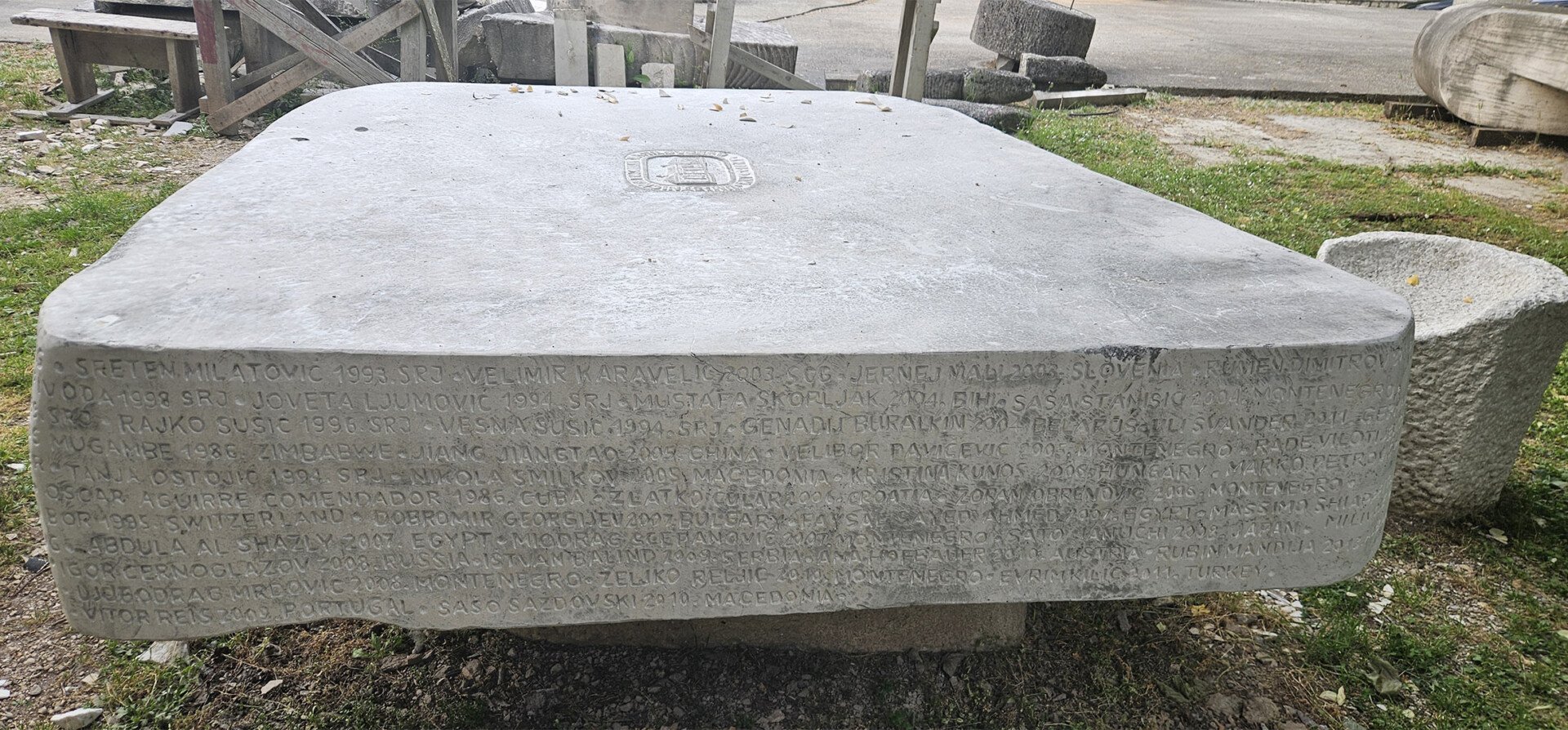
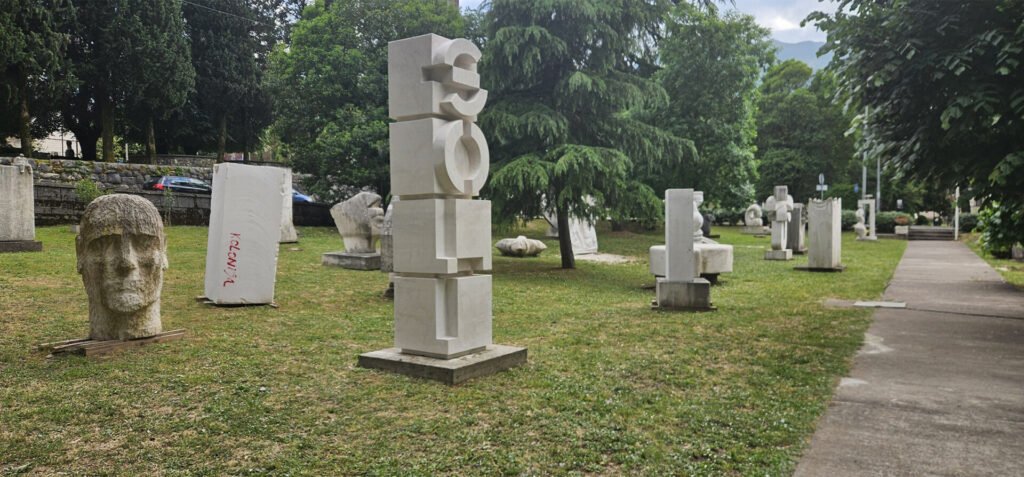
Since 1972, the Danilovgrad Art Colony has been operating here—an art center that has become a meeting place for Montenegrin and international artists. Over the decades, more than a hundred sculptors from Montenegro and other countries have visited and worked here.
It is thanks to the colony that Danilovgrad has gradually earned a reputation as a city of sculpture. An art colony founded in 1972
The Danilovgrad Art Colony was founded in 1972.
Its unique feature is that its primary focus has traditionally been sculpture, with a significant portion of the works created from stone.
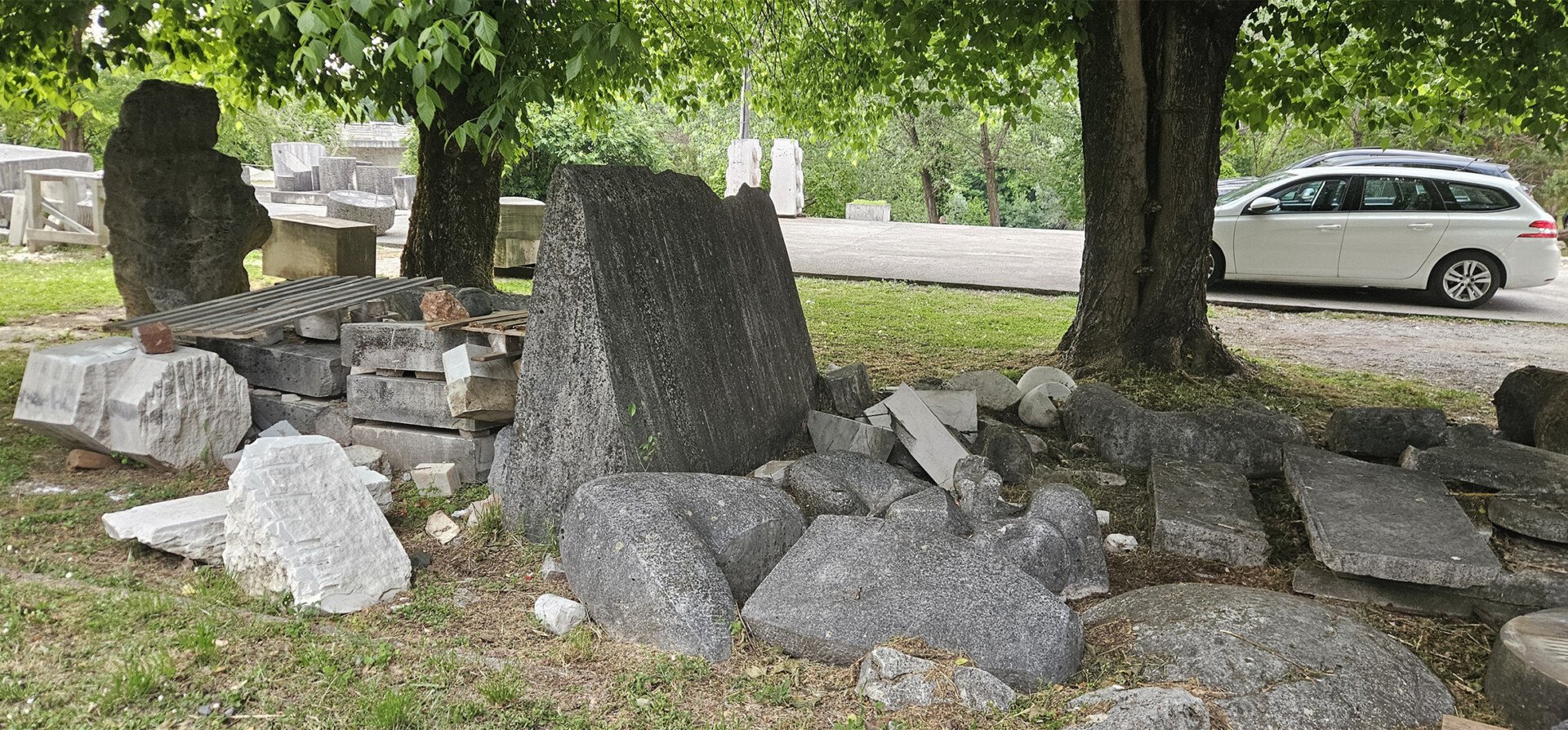
Over time, the colony’s grounds have become virtually an open-air museum. The sculptures are displayed not only within exhibition spaces but also in the urban environment, so you can discover art here literally during a casual stroll.
For a small town, this is a rather unusual situation: works of art become part of everyday space, rather than existing solely within a museum.
Why sculpture?
The choice of sculpture for Danilovgrad seems especially natural given the surrounding landscape.
Montenegro is a land of mountains, stone, and limestone. Stone has been an integral part of architecture, fortresses, roads, and monasteries here for centuries.
Therefore, artistic work with stone seems almost a continuation of the local tradition. In Danilovgrad, this connection has found a contemporary extension: natural materials are transformed into works of art, and the city becomes a unique space for their display.
The Art Colony emphasizes this connection between art, stone, and the history of human culture. Publications about the colony describe it as the first center in Montenegro to host an open-air exhibition of stone sculpture.
Urban Art Environment
Over time, a broader cultural environment developed around the art colony.
Danilovgrad is home to the Cultural Center, established in 1965. Today, it encompasses several cultural activities, including museum work, exhibitions, theater, and music events.
It regularly hosts exhibitions of artists and sculptors, cultural events, and educational projects.
For example, in 2024, the Cultural Center hosted an exhibition by members of the Montenegrin Artists’ Association. The organizers themselves emphasized the uniqueness of Montenegrin art: it cannot be easily classified into a single artistic school or strict movement. This characterizes Danilovgrad itself well: here, art develops not only within academic institutions, but also through workshops, art associations, exhibitions, and colonies.
One of the main features of such art colonies is the opportunity to work alongside other artists.
An artist comes here not simply to show a completed painting or sculpture—they can create a work directly during their stay in Danilovgrad.
This turns the colony into a unique creative laboratory.
Over the years, artists from various countries have worked here, and the works they created have remained in the colony’s collection and in the urban space. The colony’s international character has become one of its main characteristics.
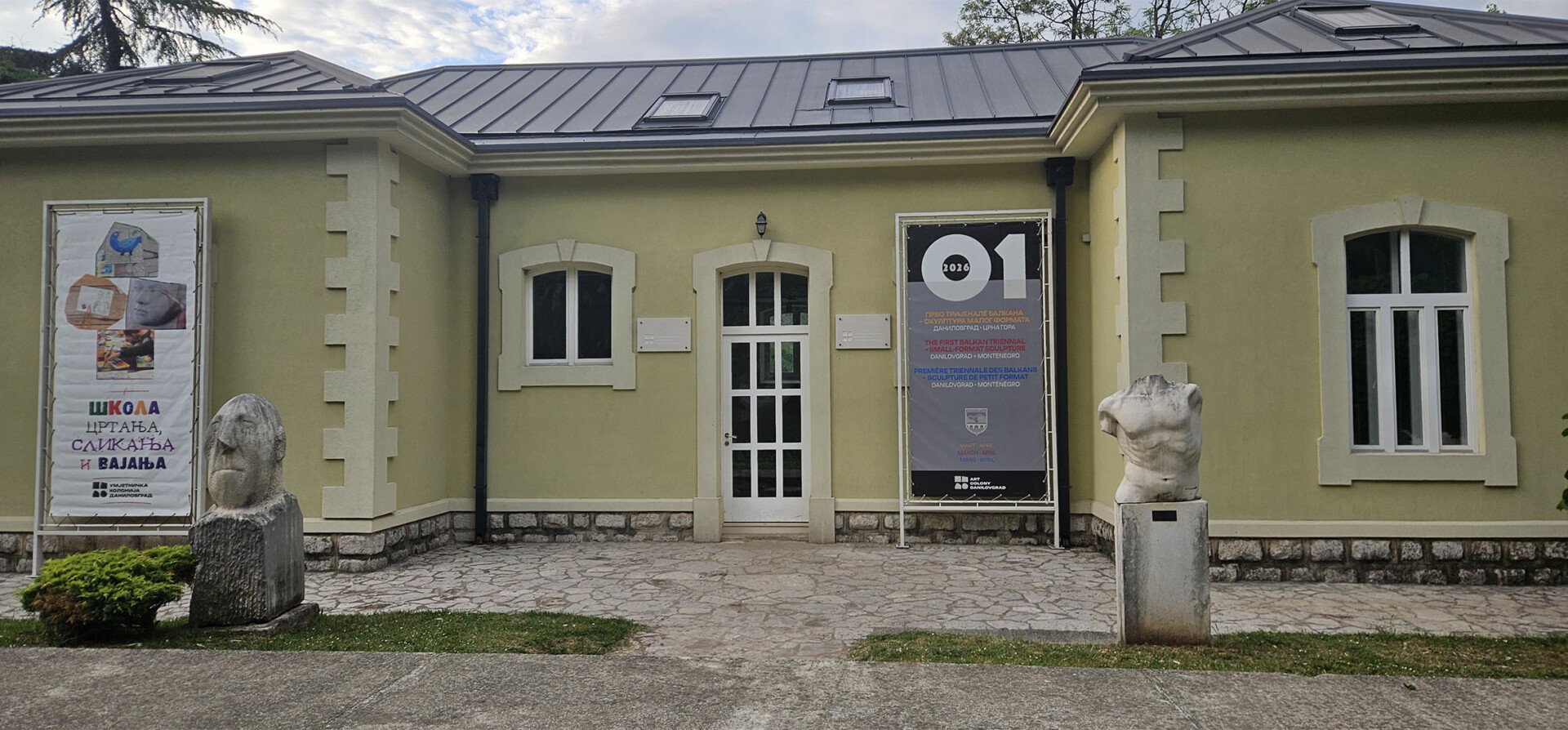
In 2026, Danilovgrad’s artistic significance was further confirmed: the first Balkan Triennial of Small Sculpture was held there.
The event brought together sculptors from eight countries in the region: Serbia, Greece, Romania, Croatia, Bosnia and Herzegovina, North Macedonia, Bulgaria, and Montenegro. At the opening, representatives of the Montenegrin government called the Danilovgrad Art Colony an institution of which the entire country is proud.
For a city of its size, this is a significant cultural status.