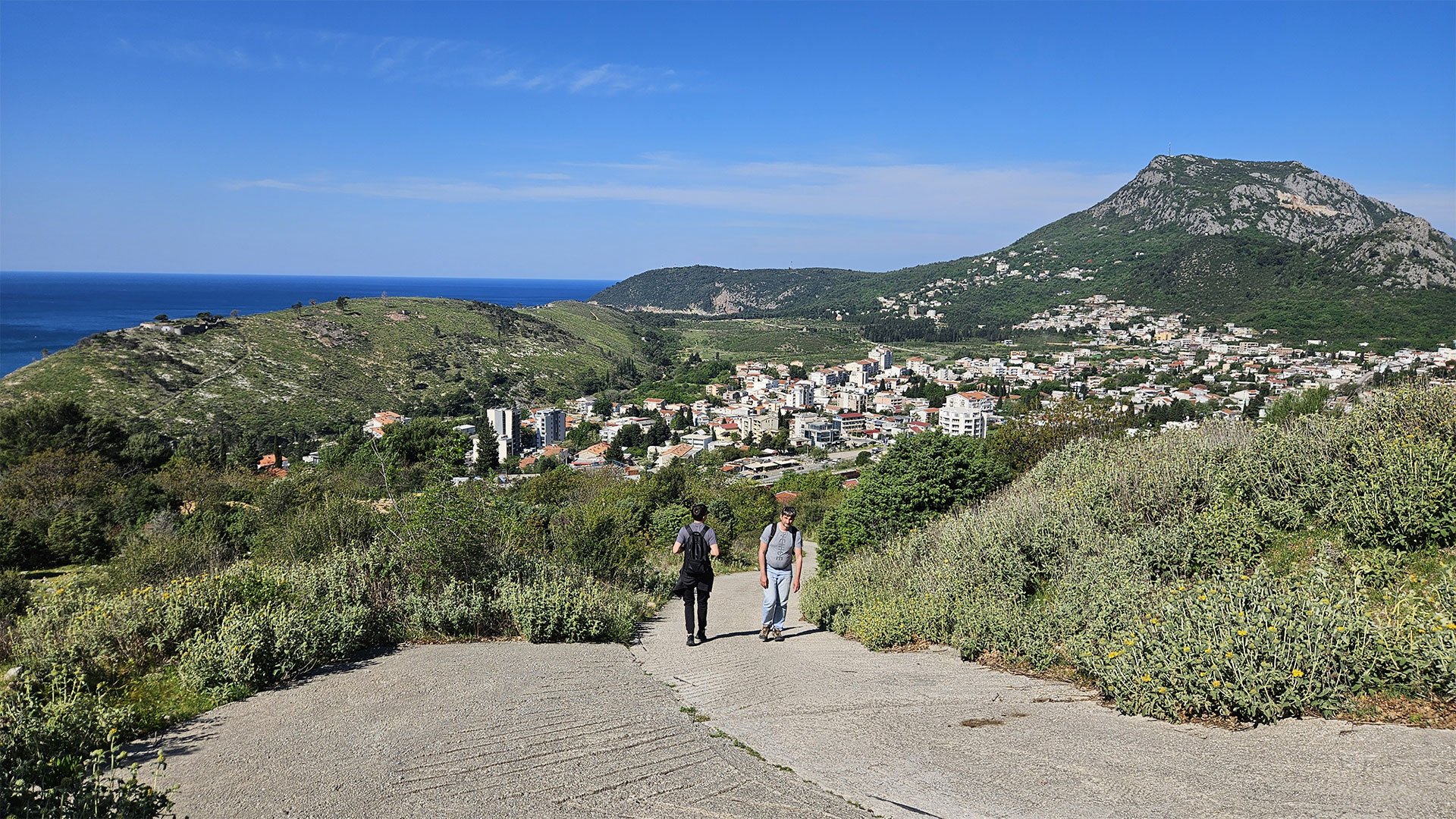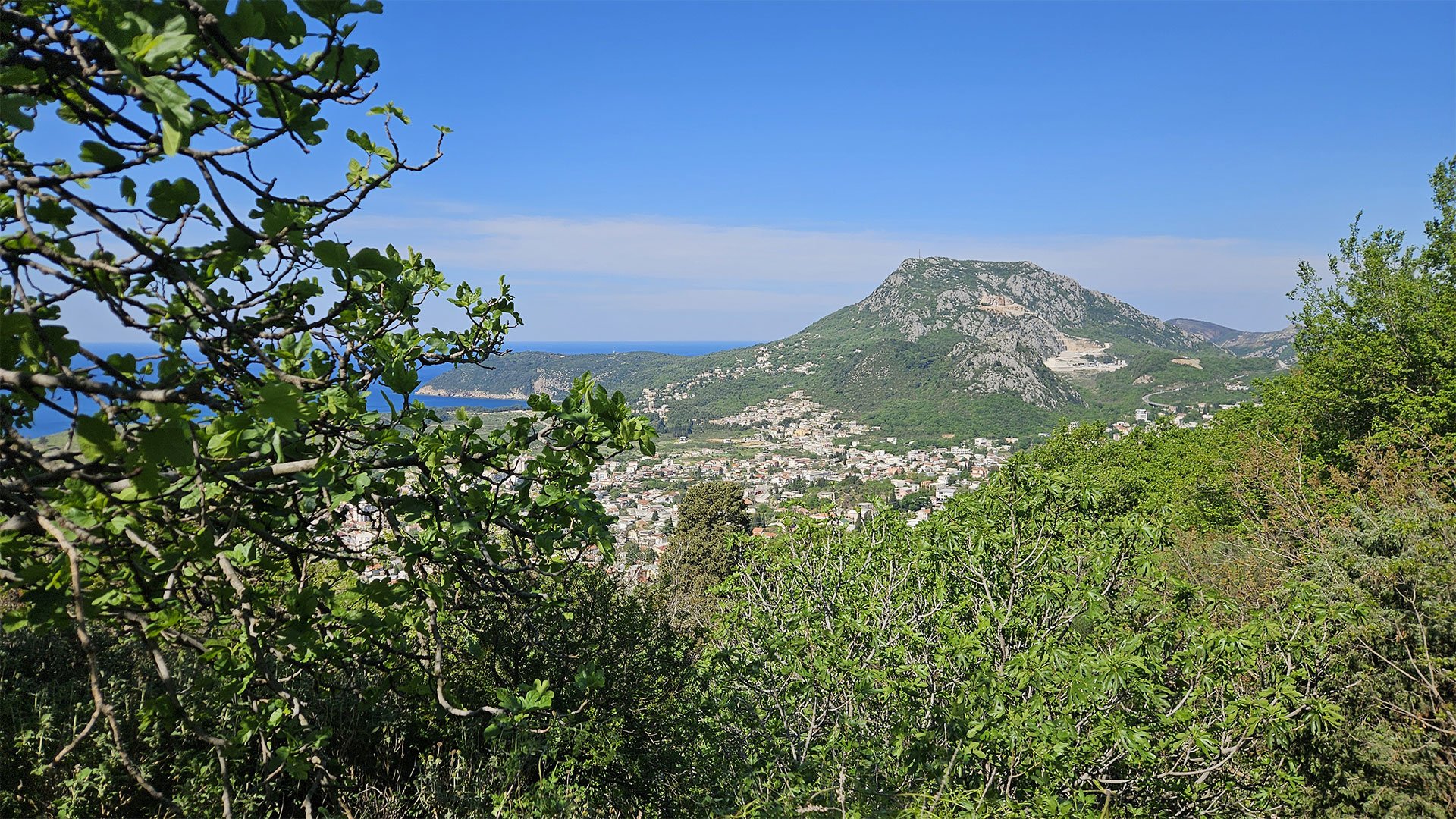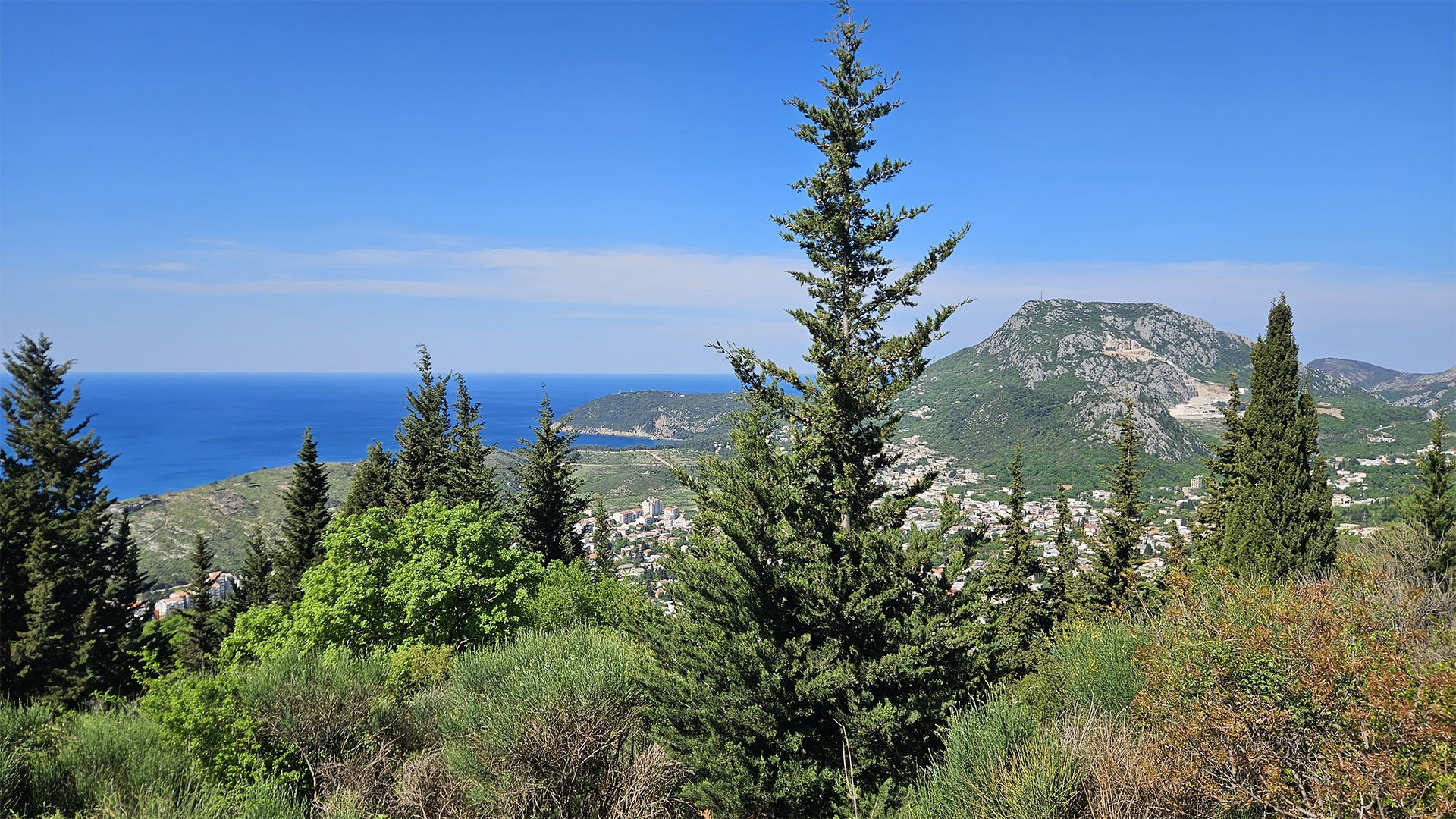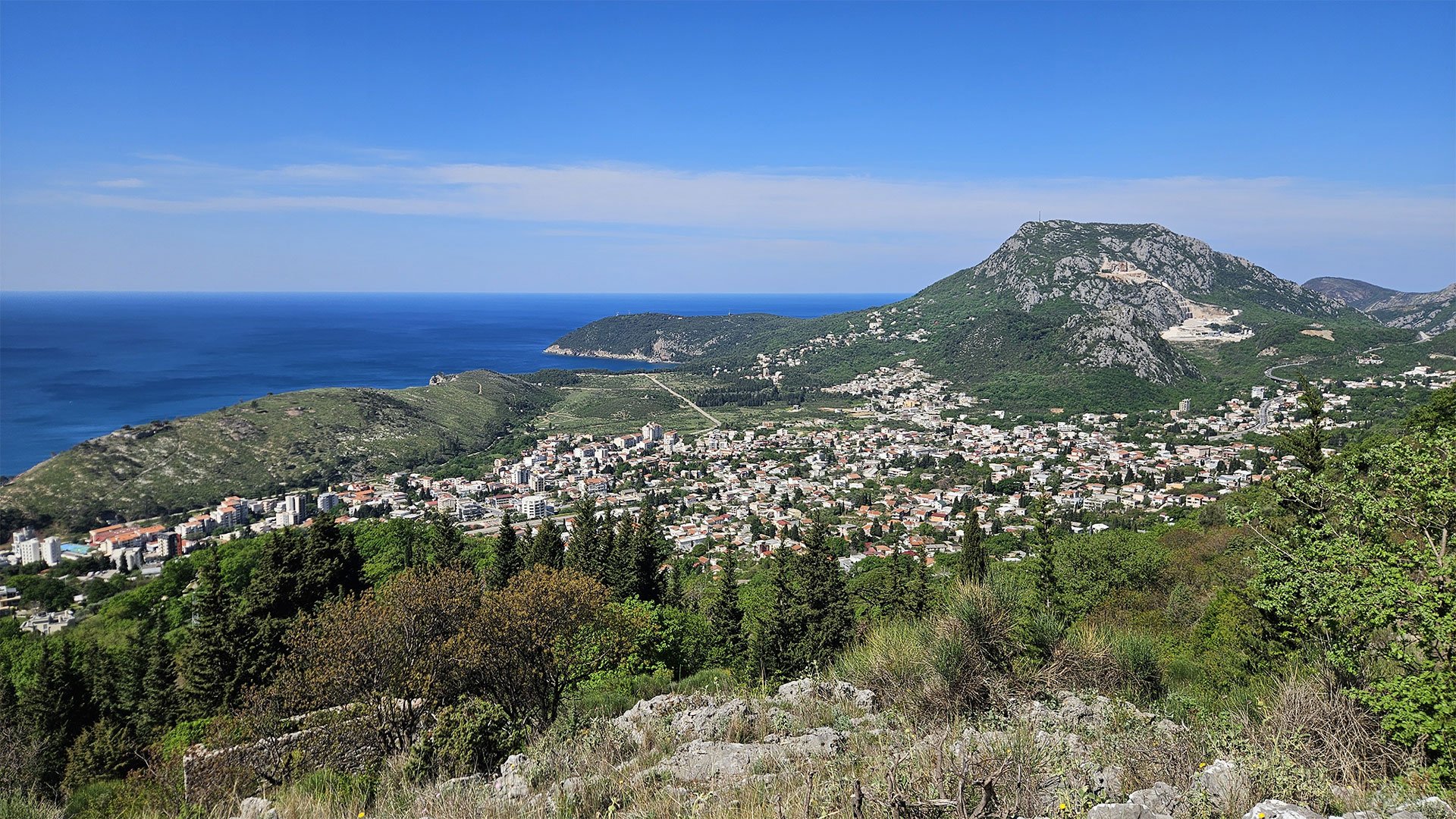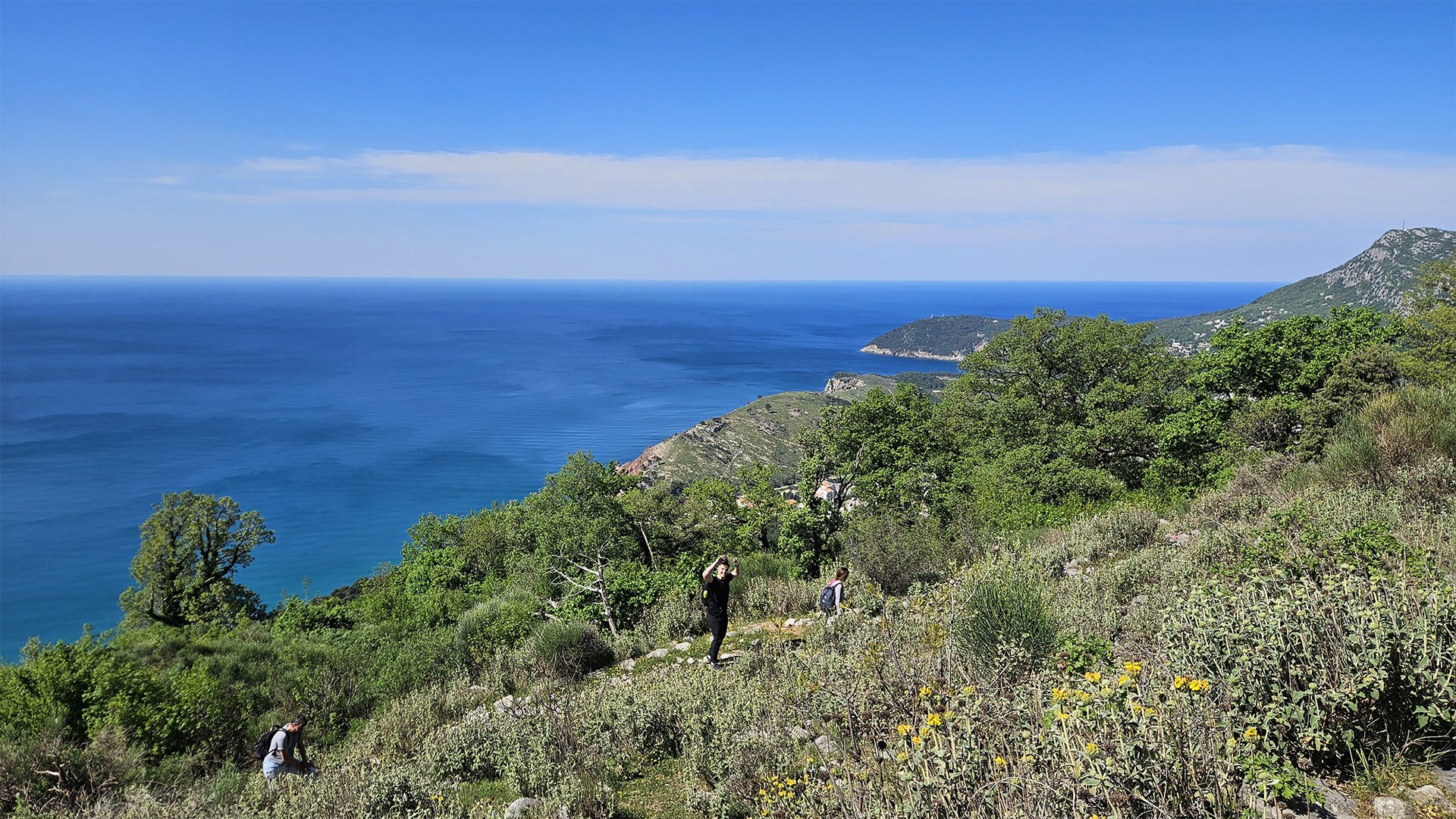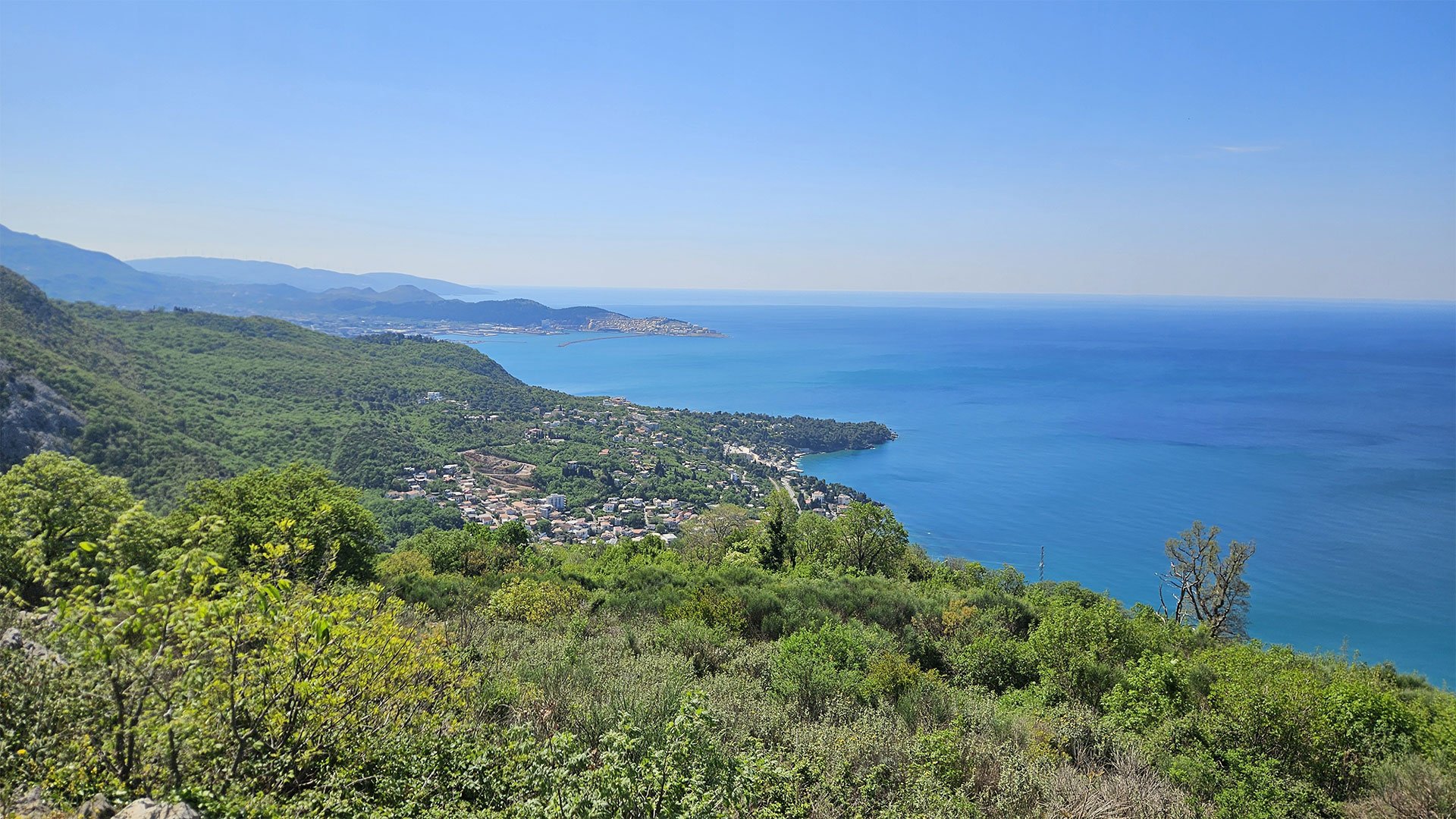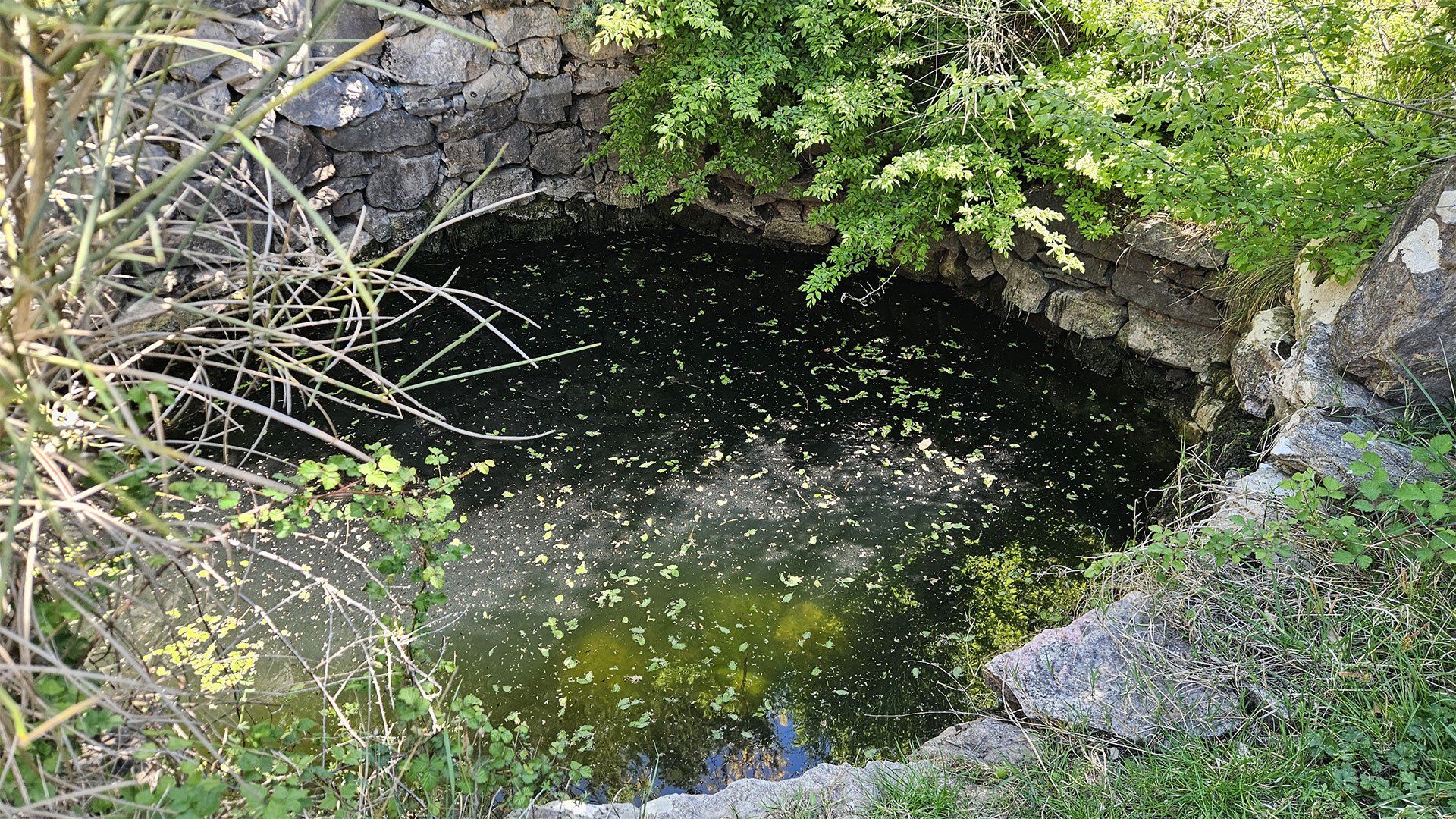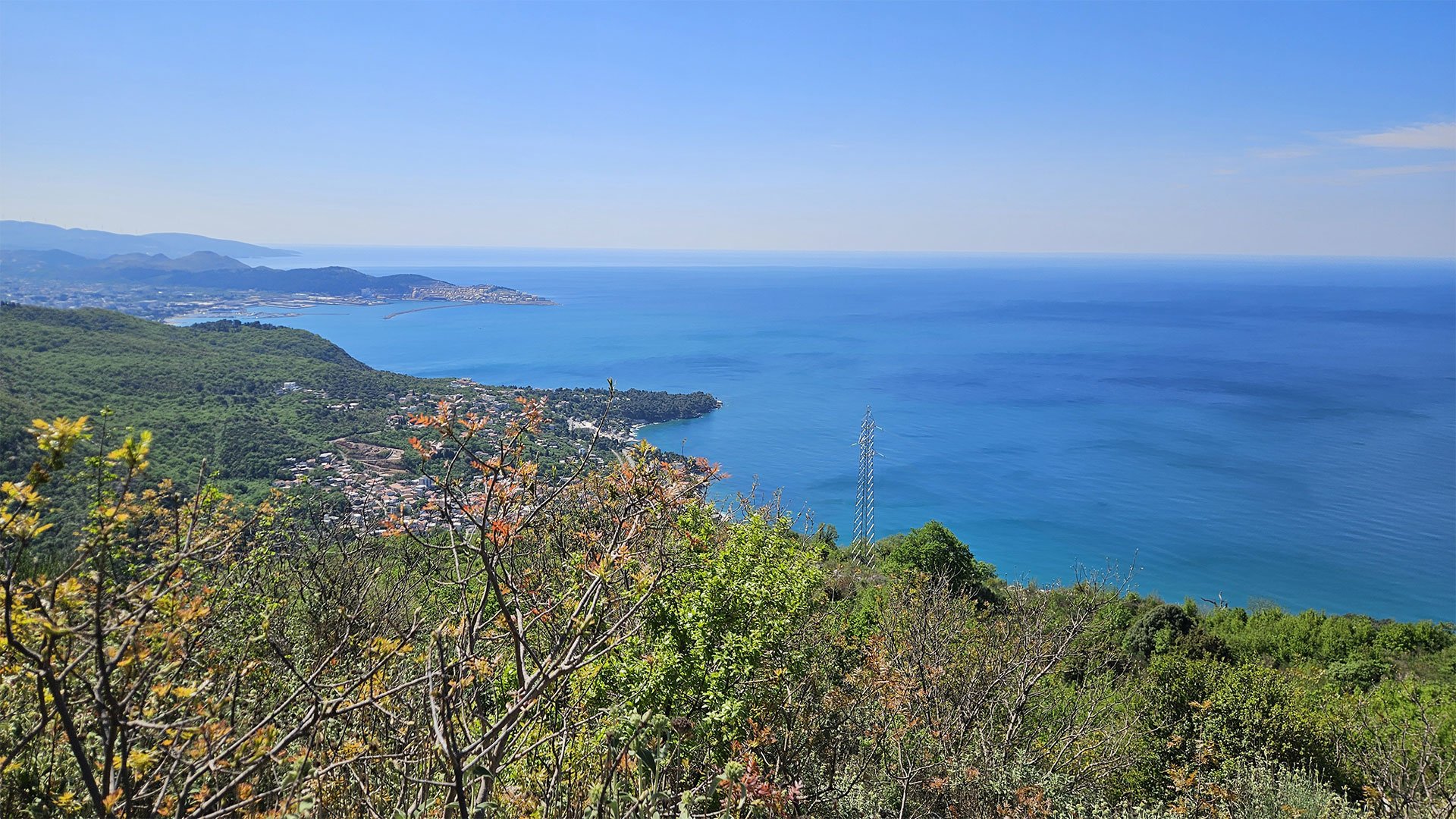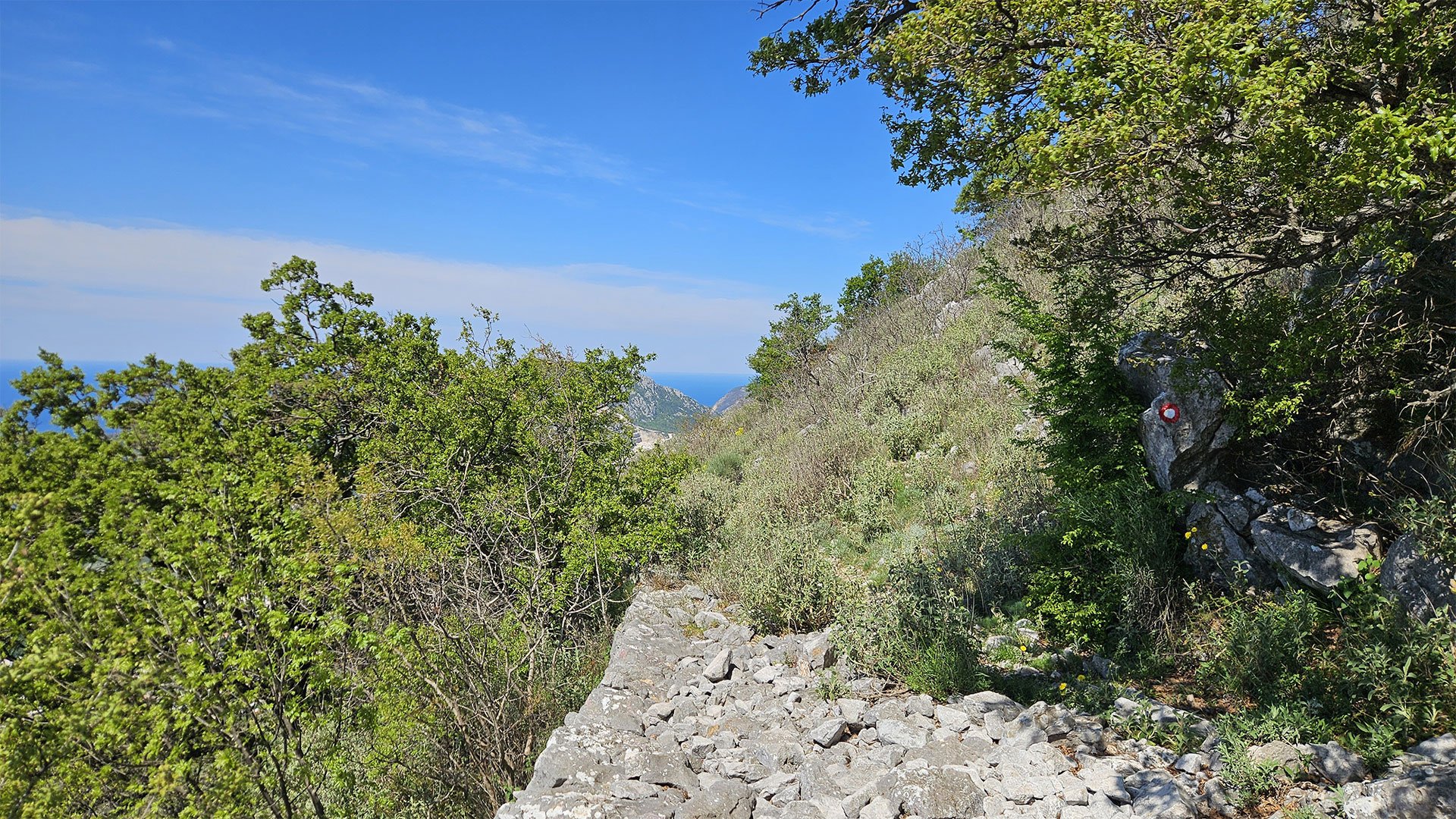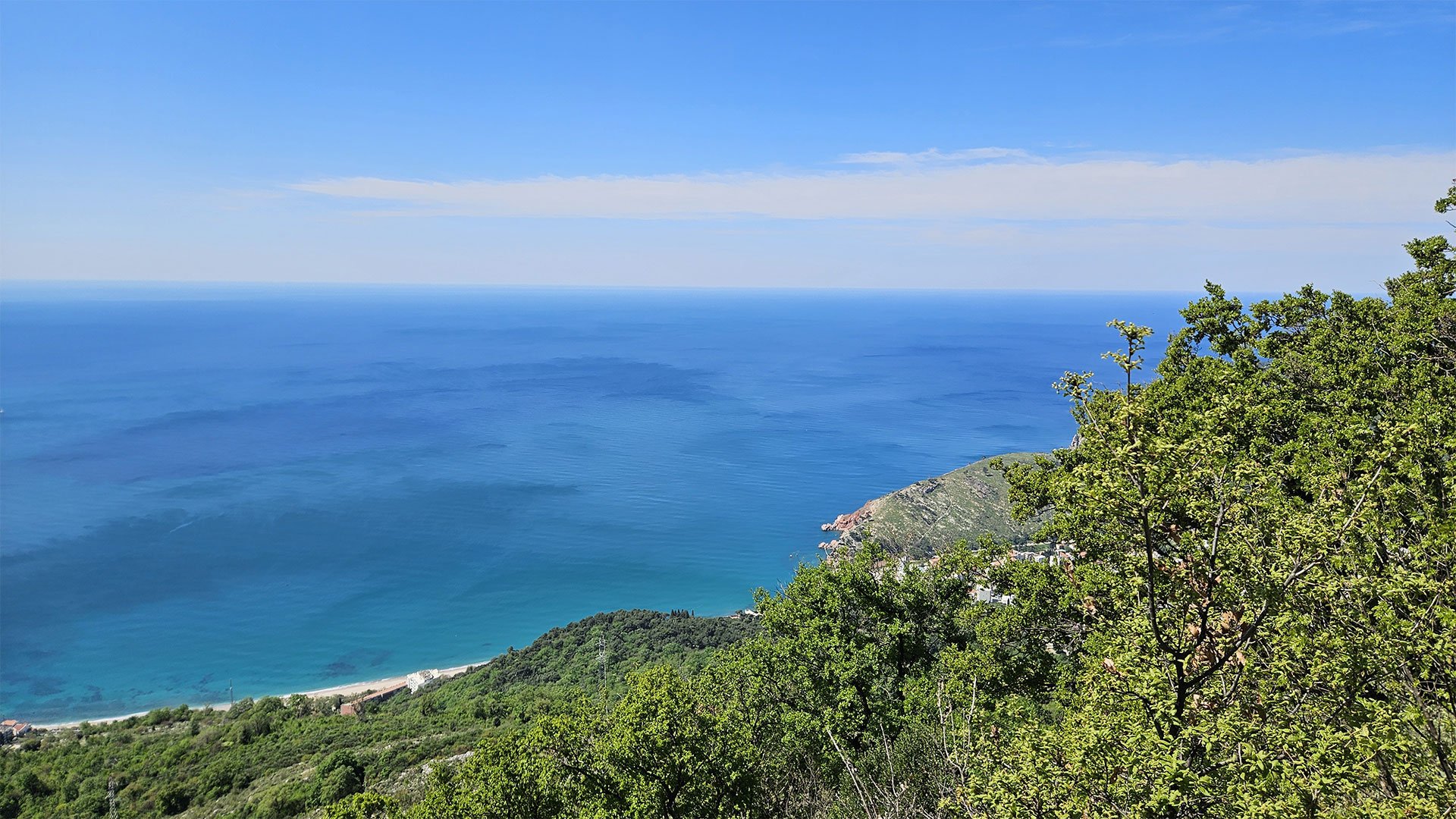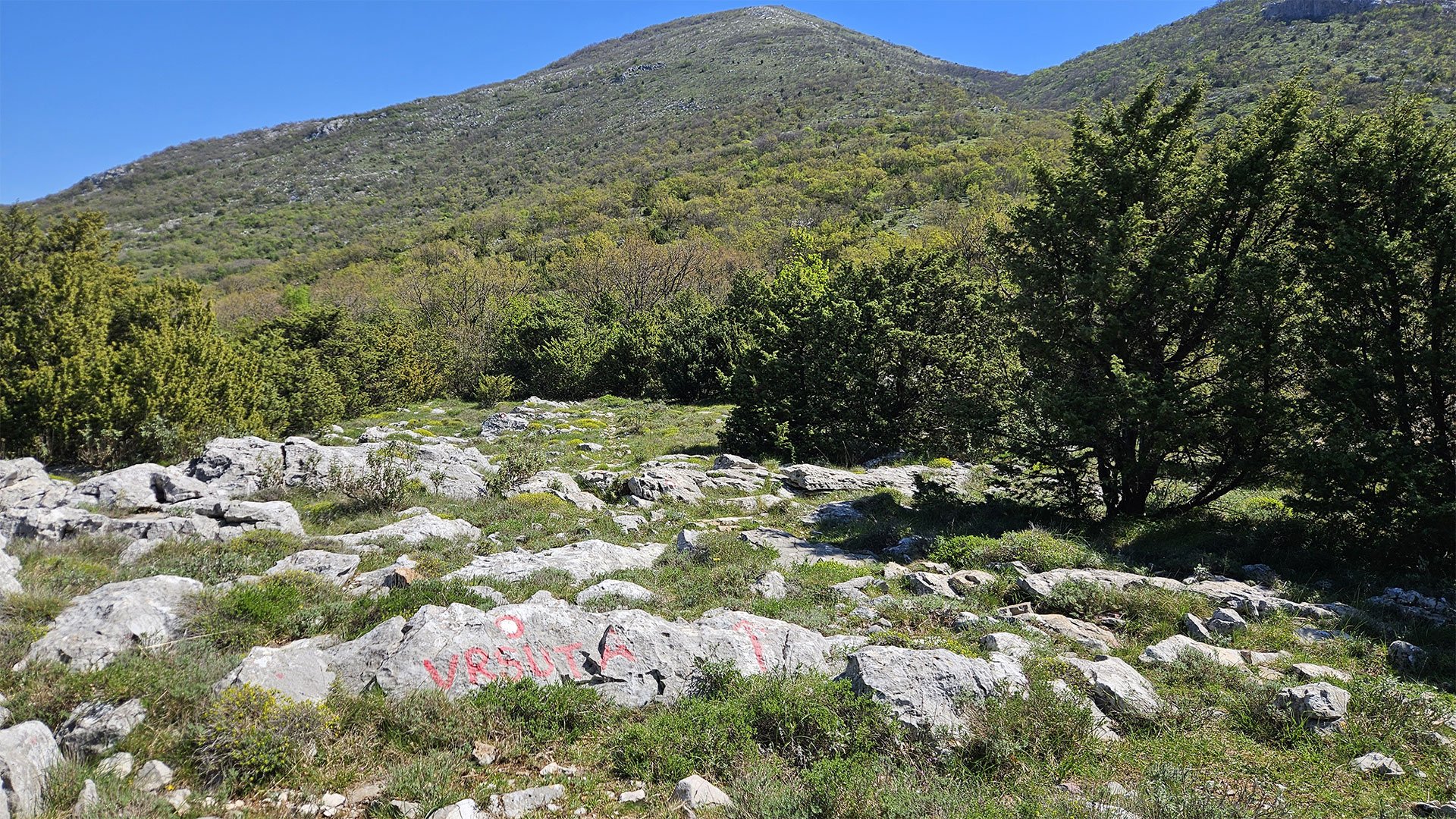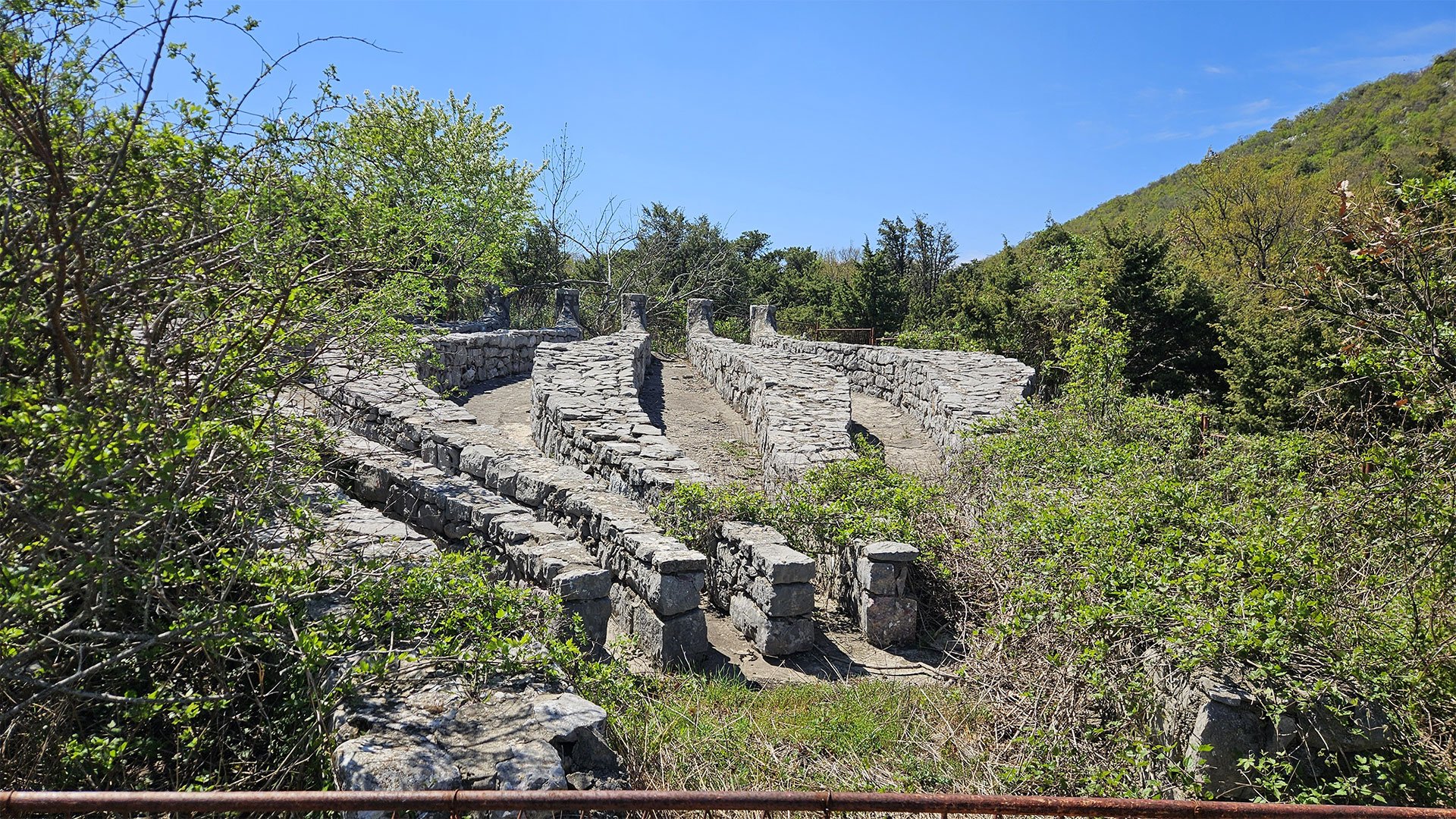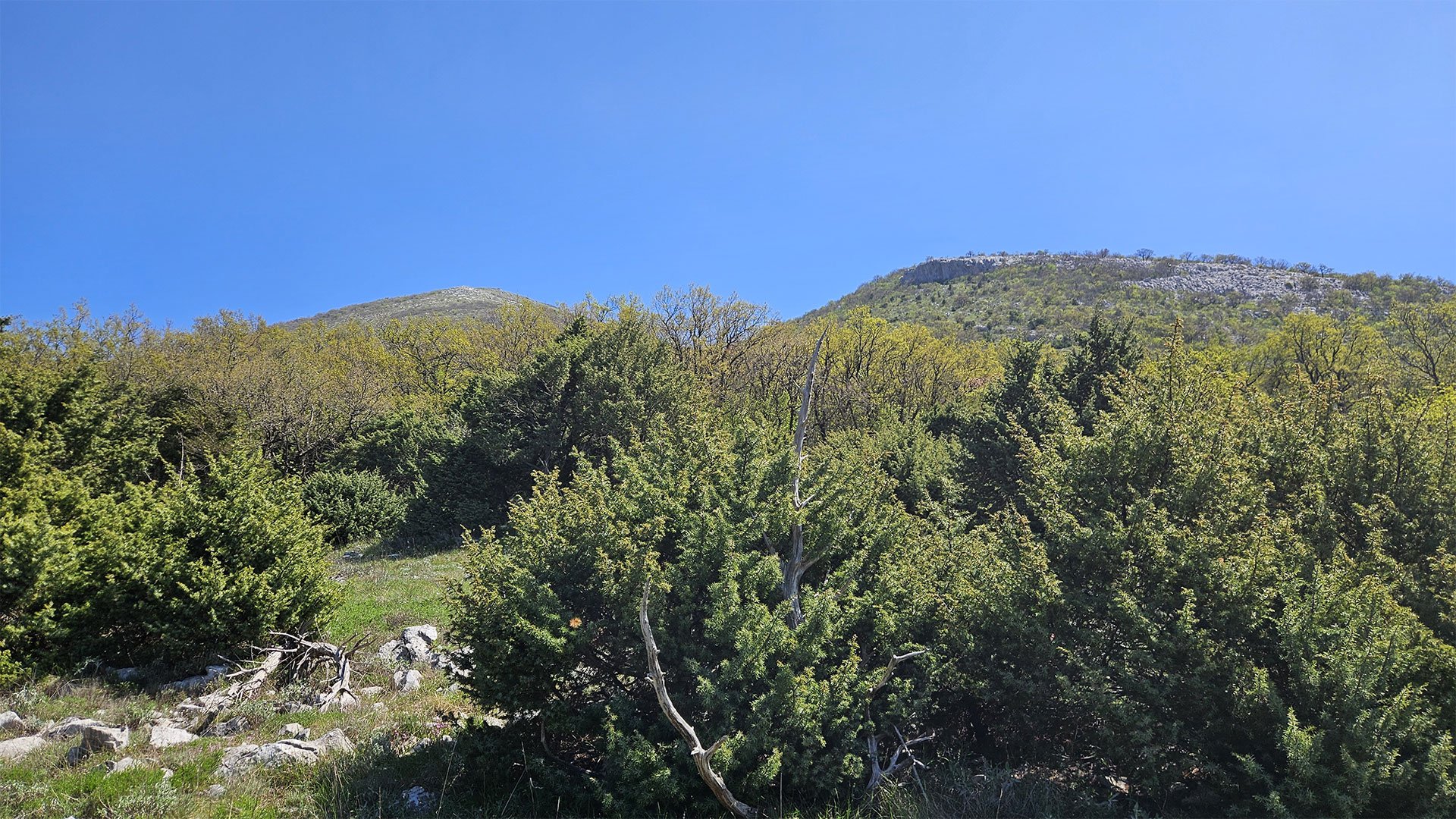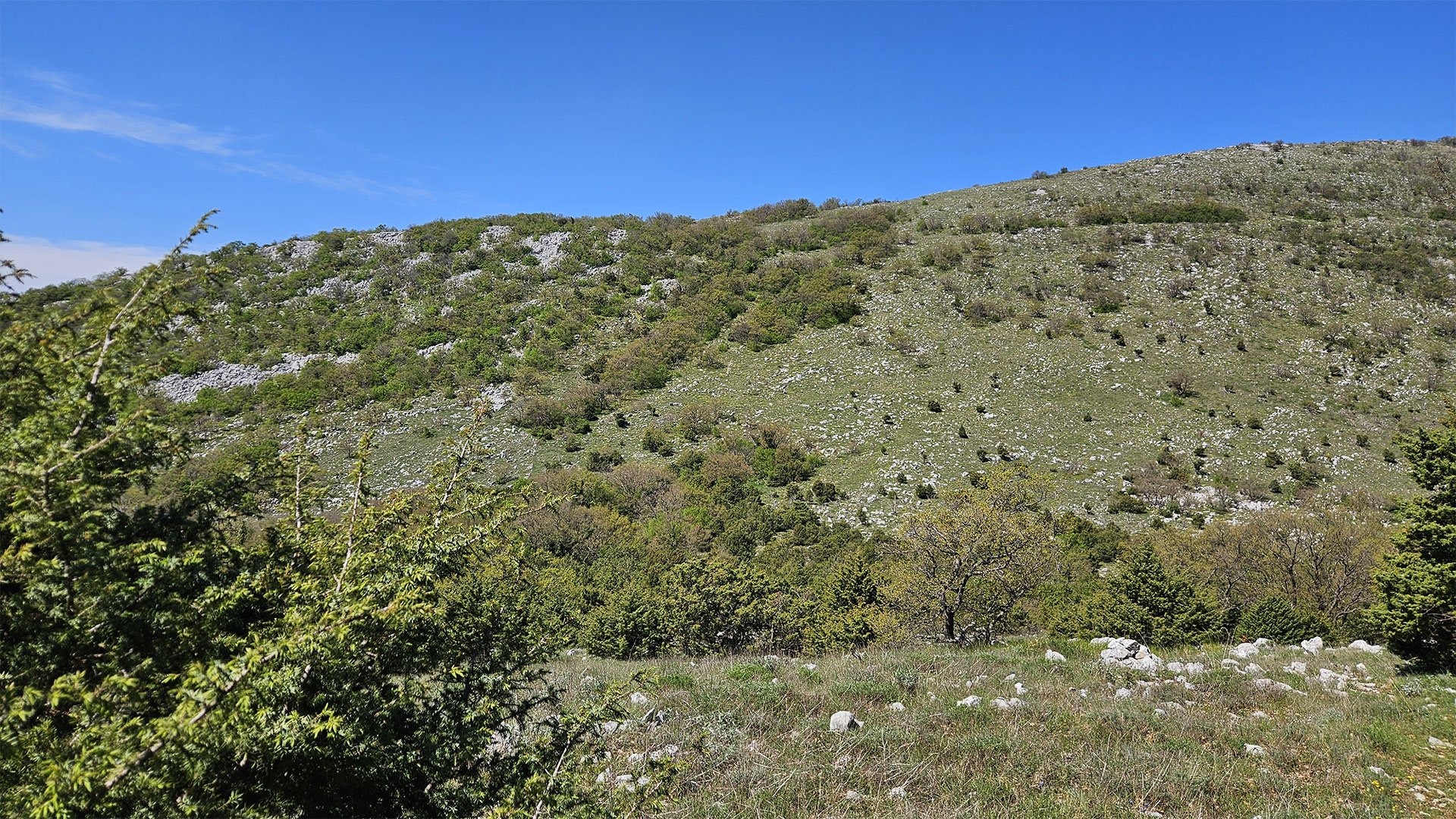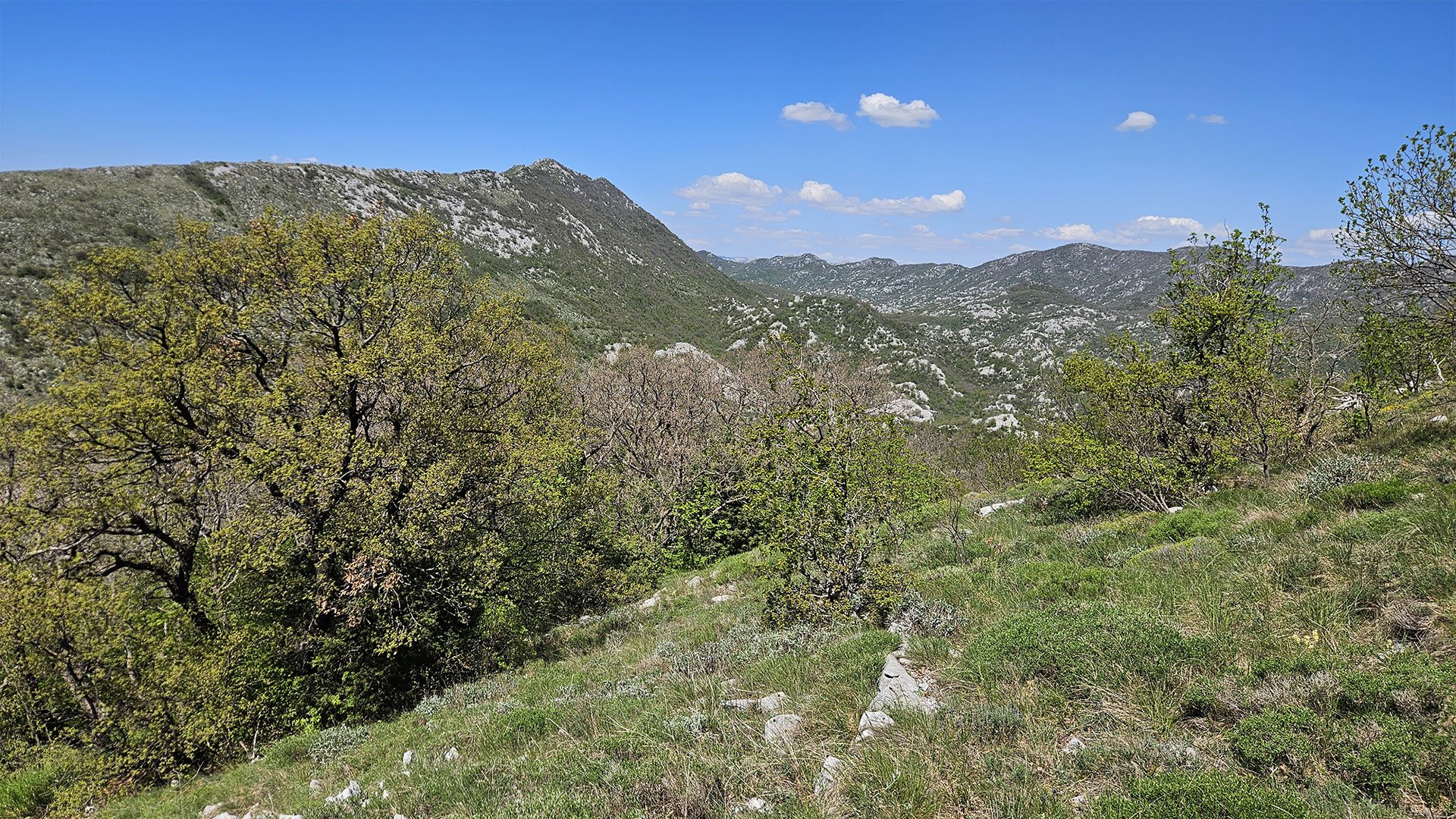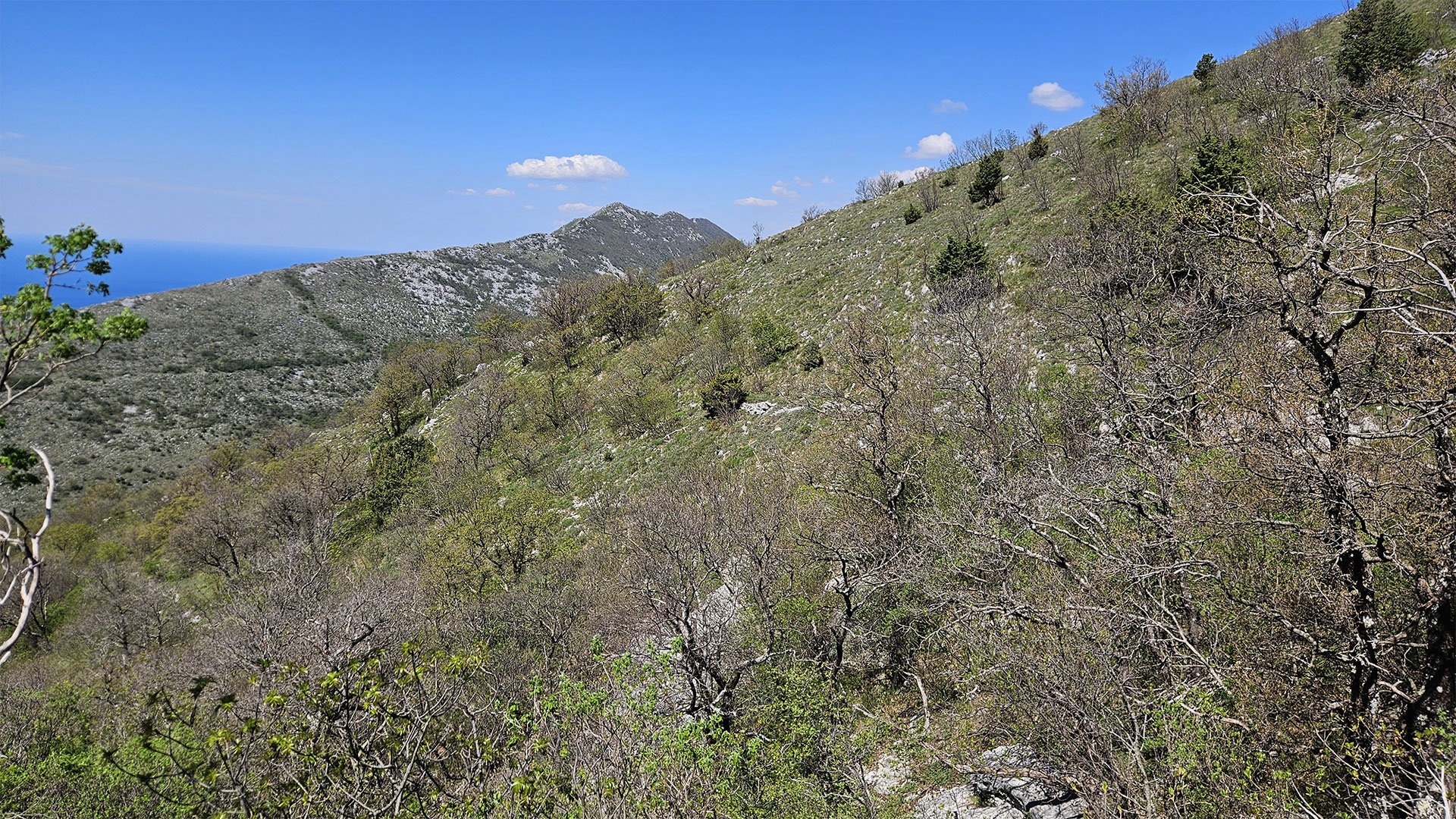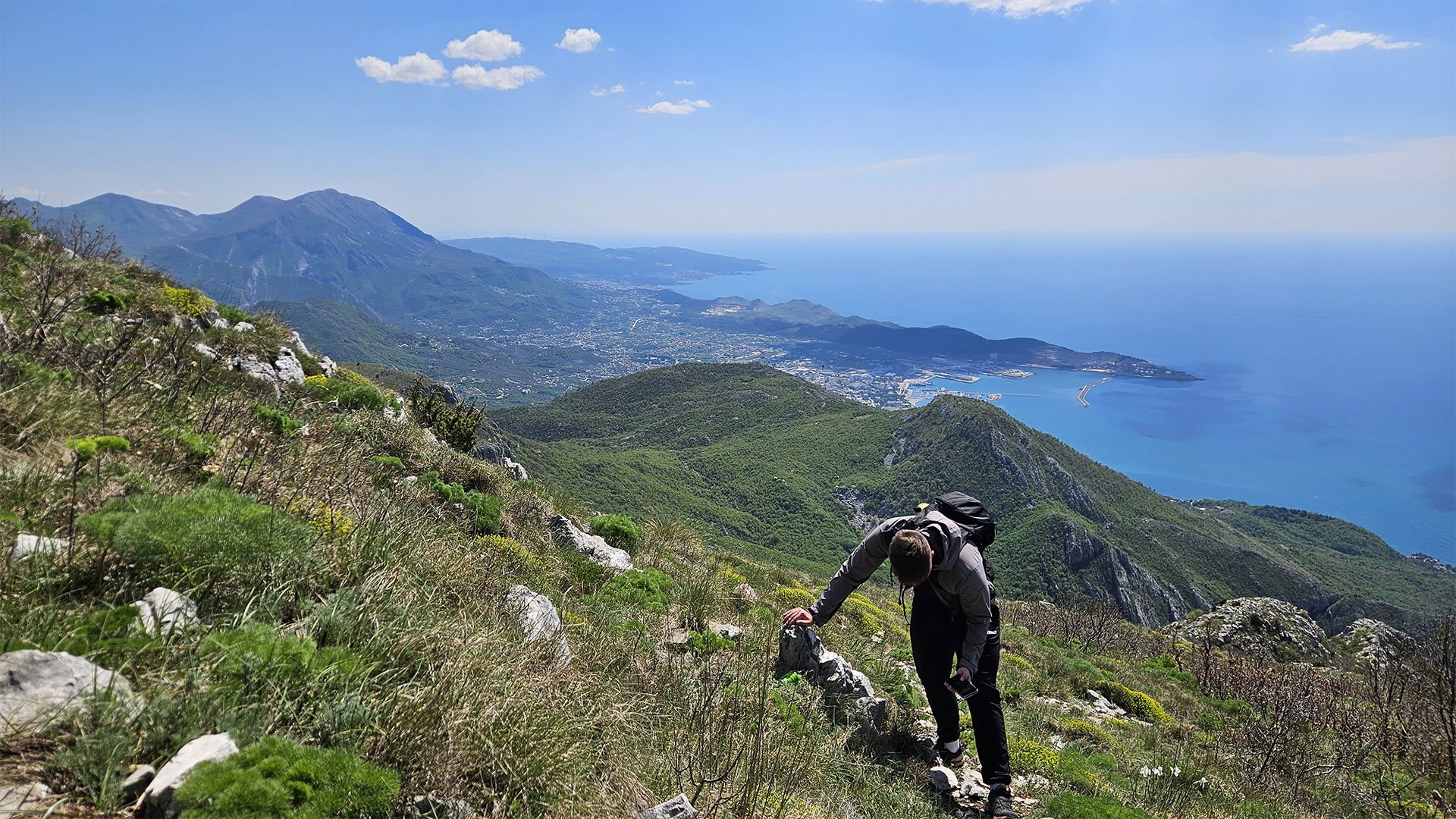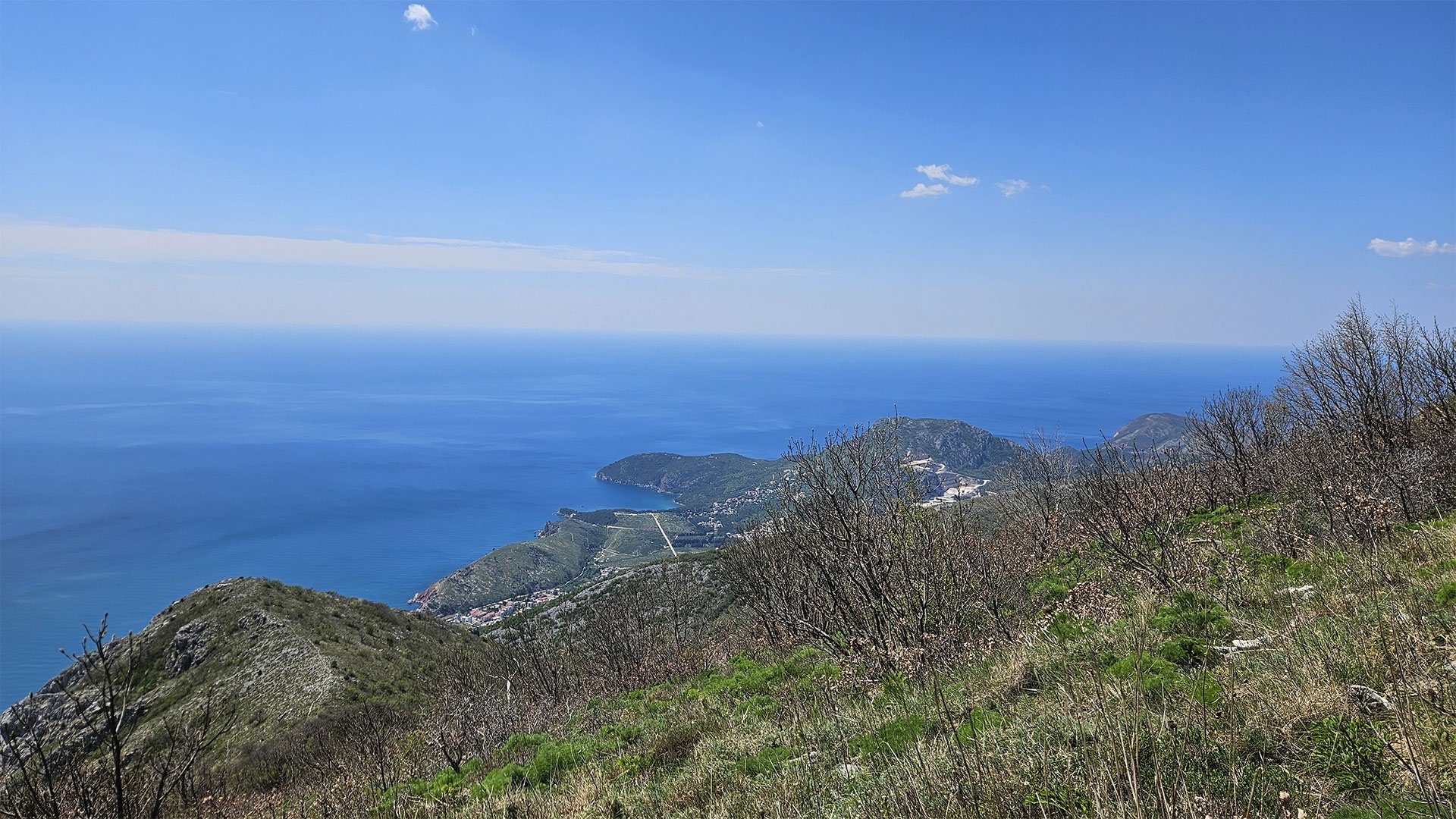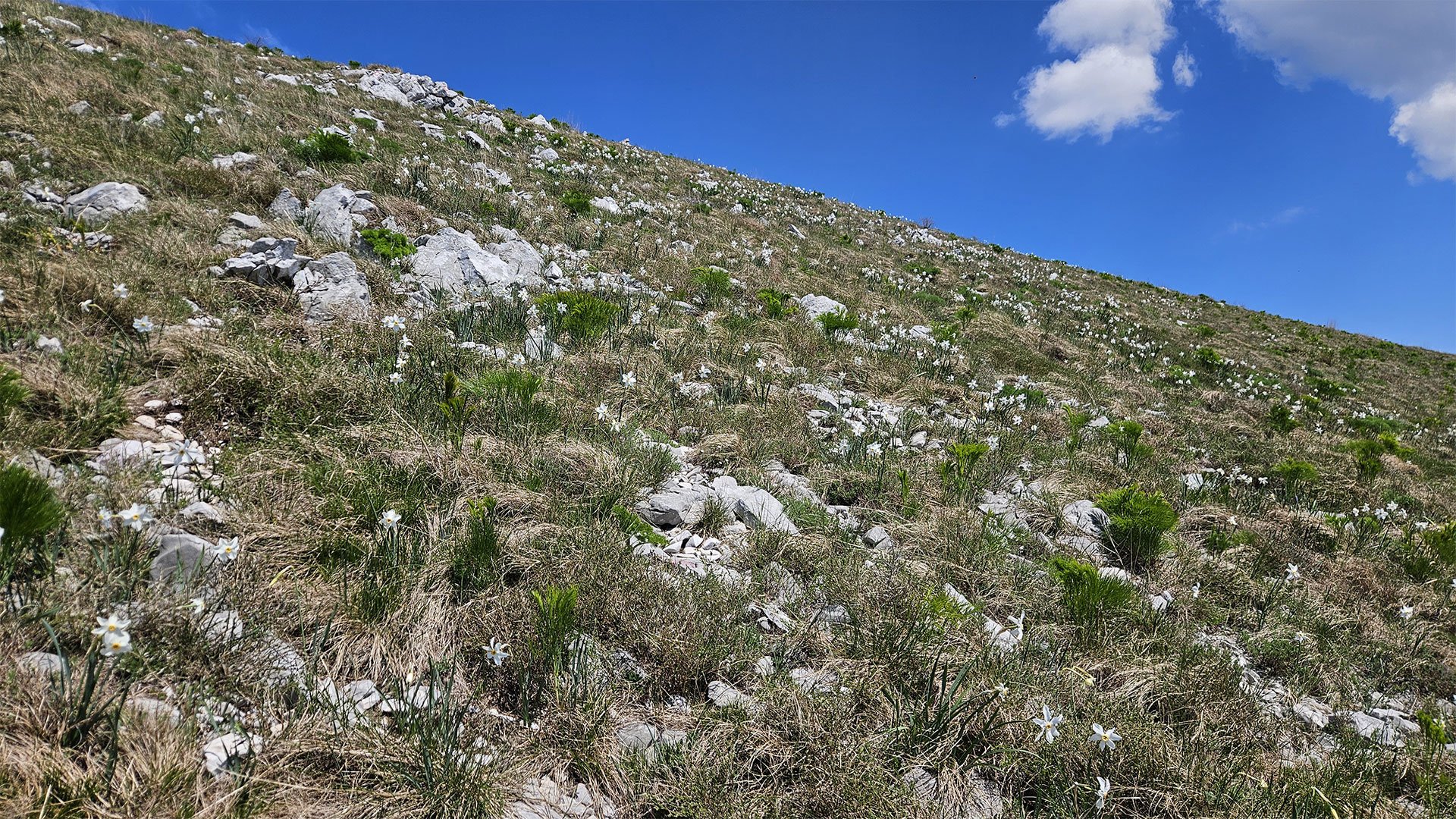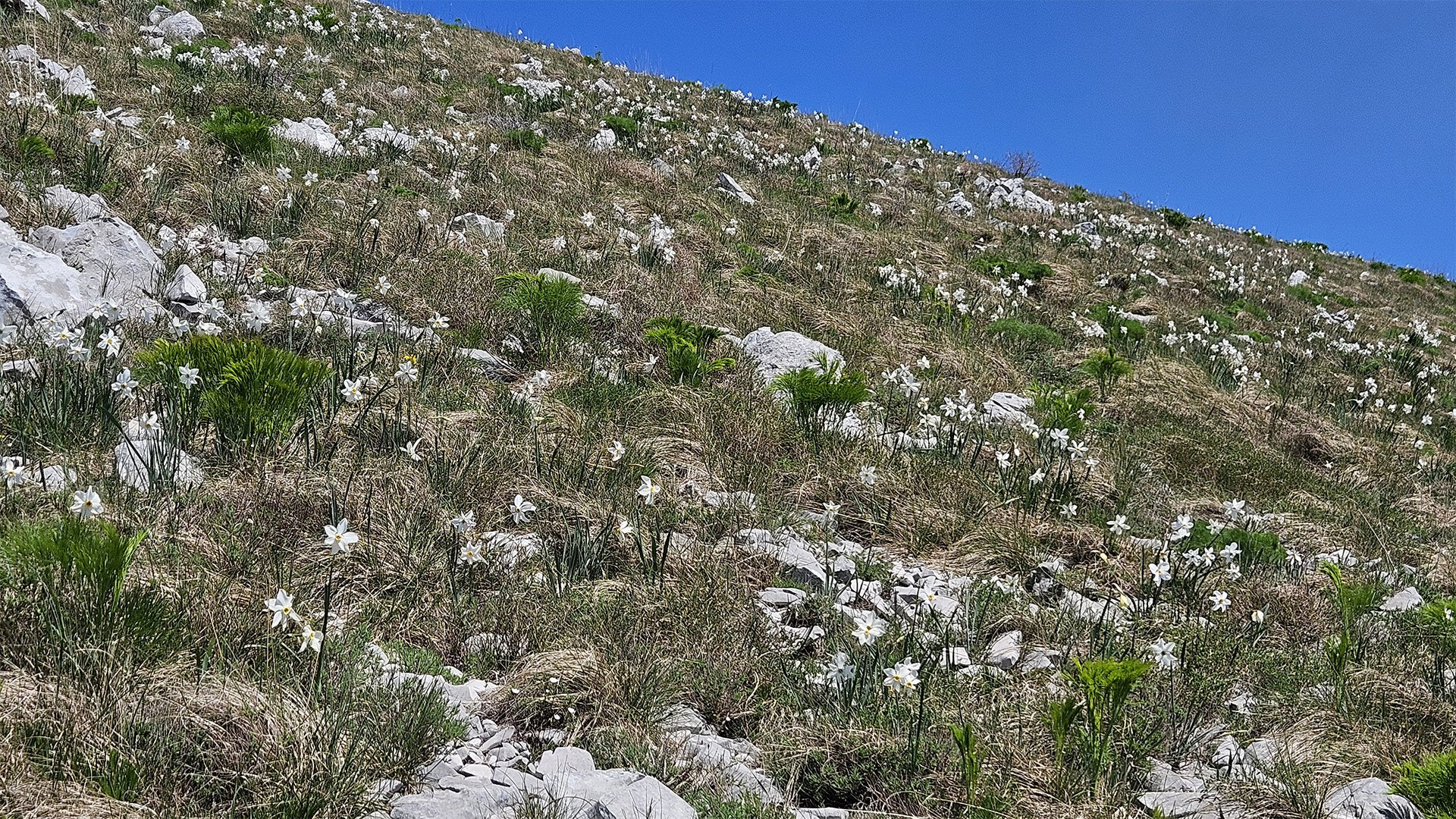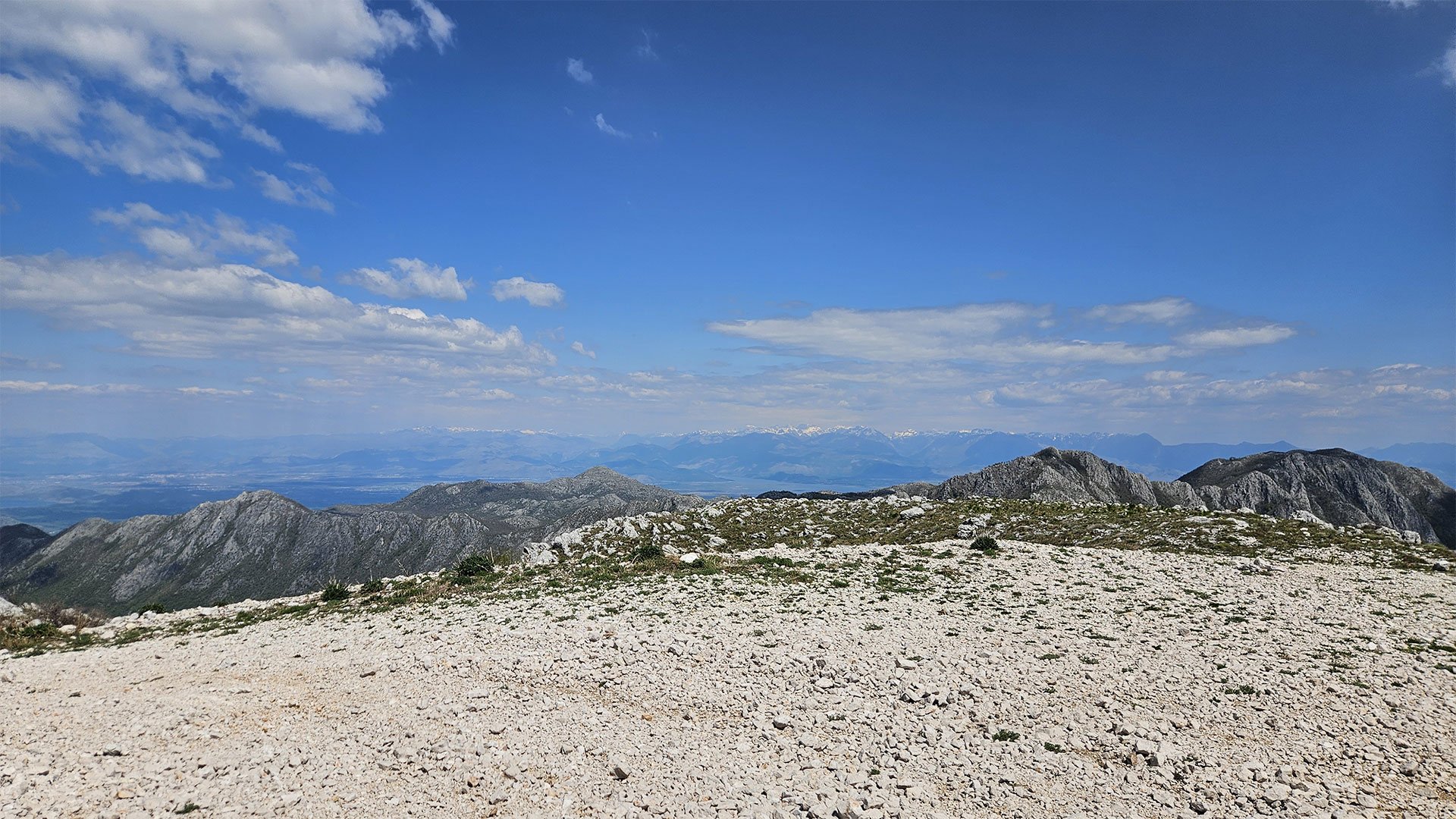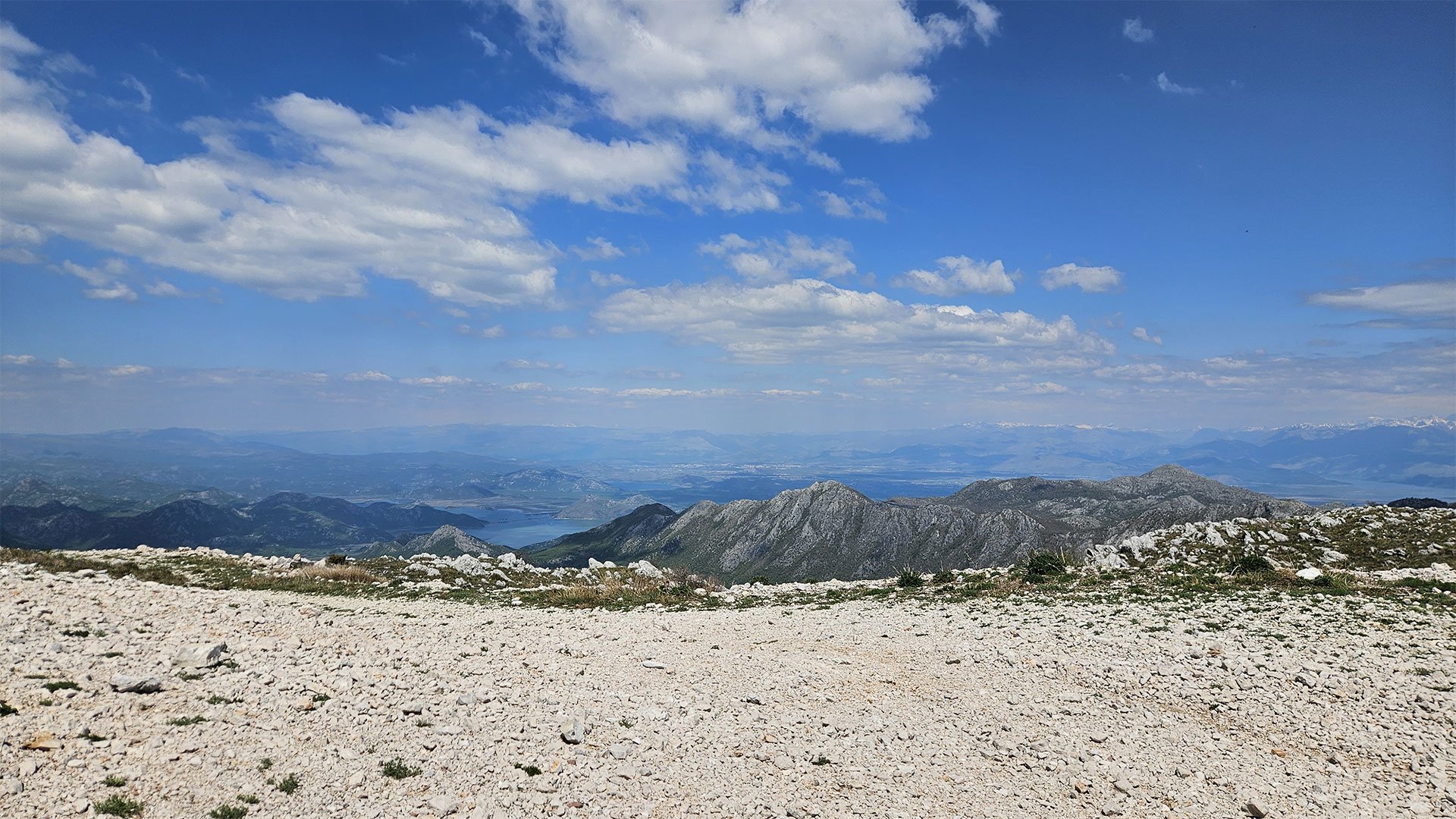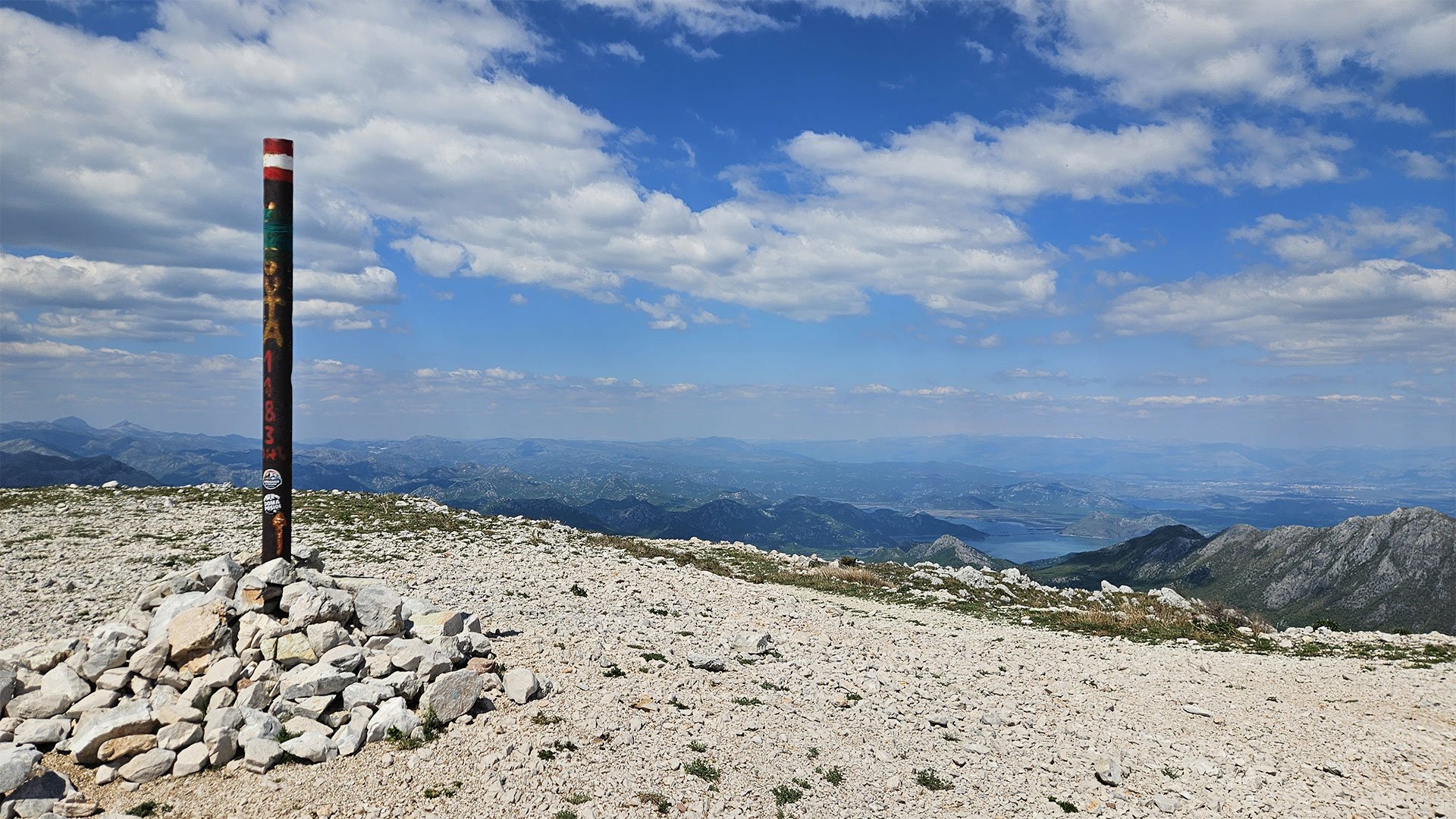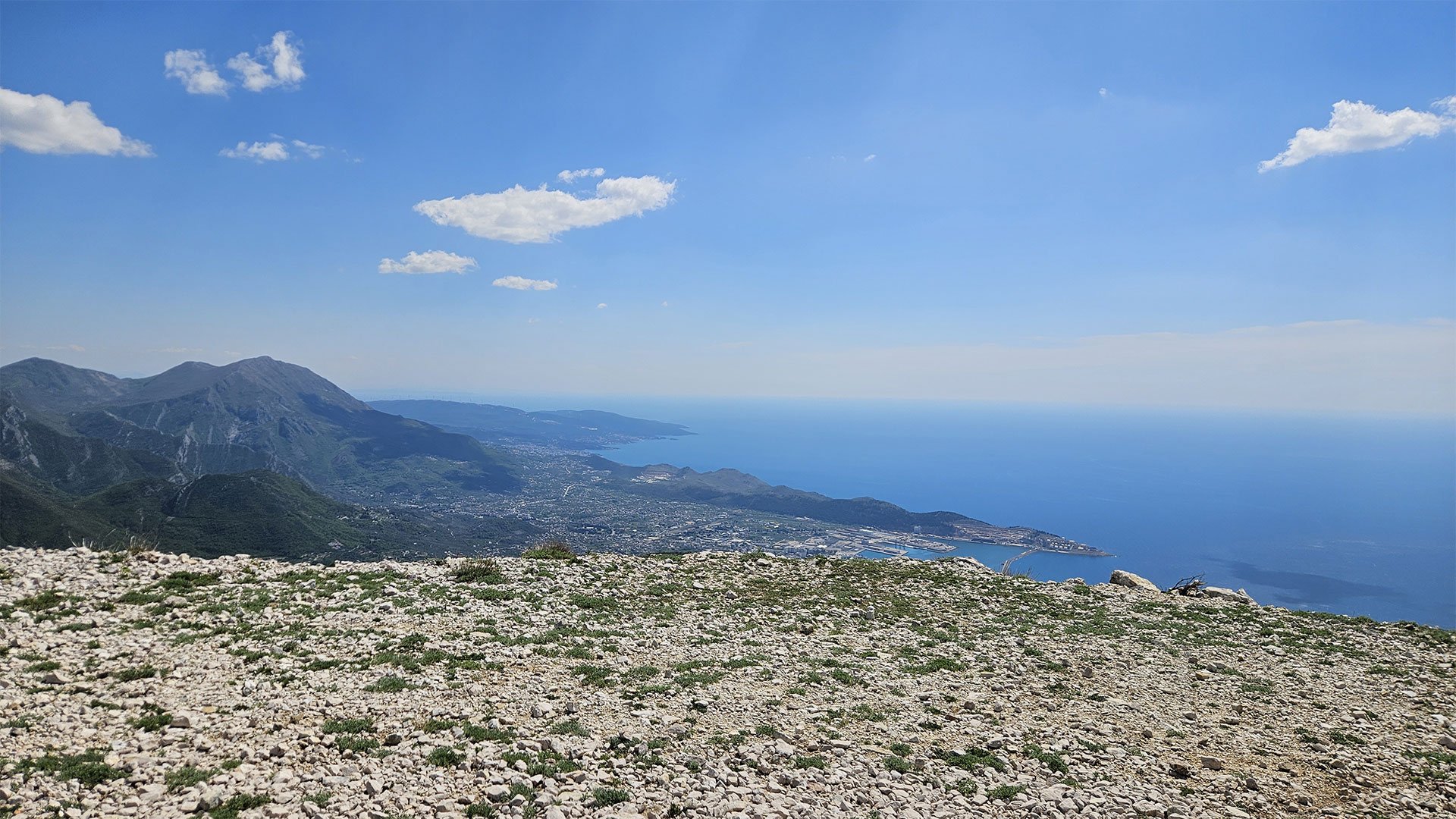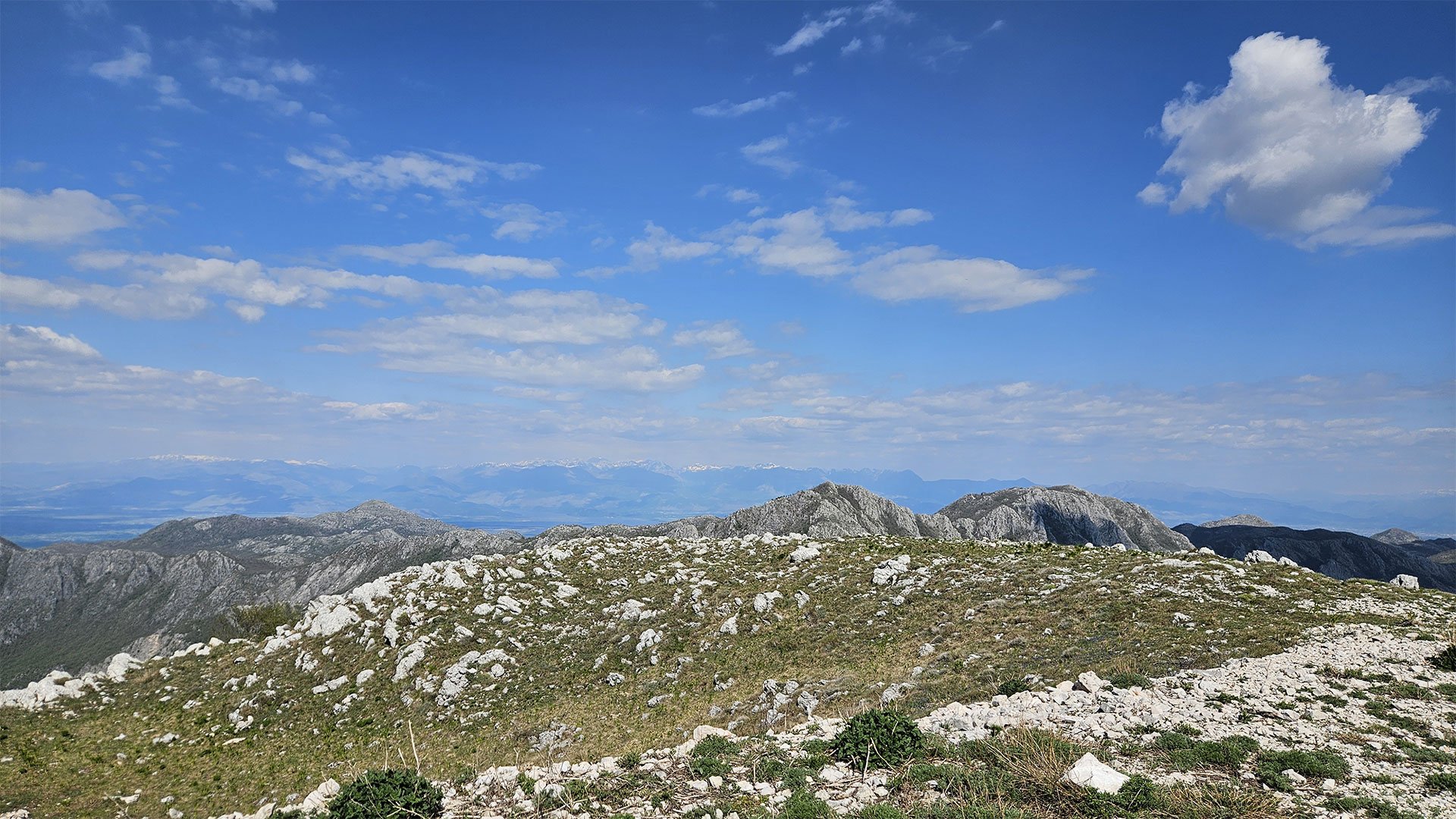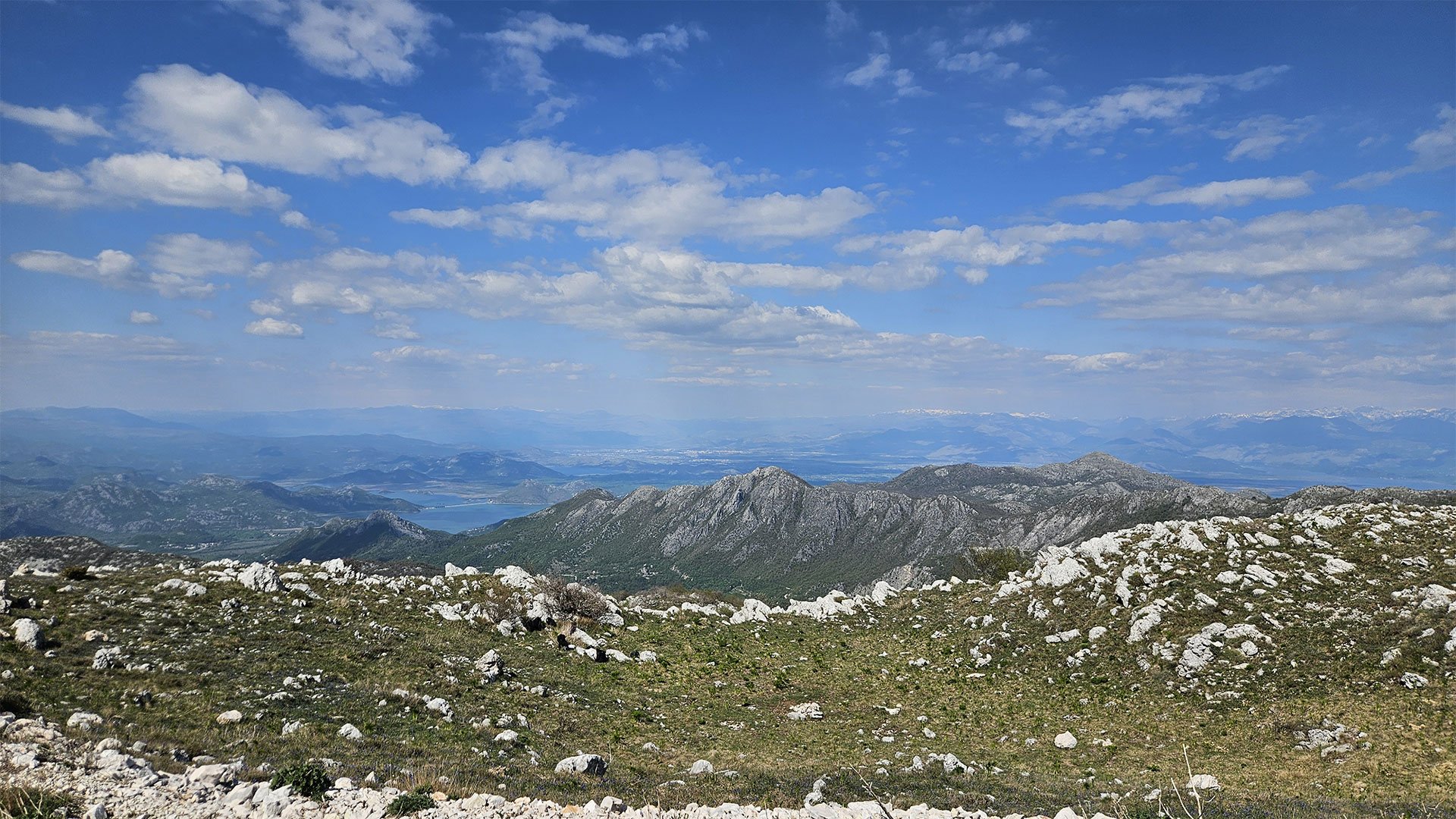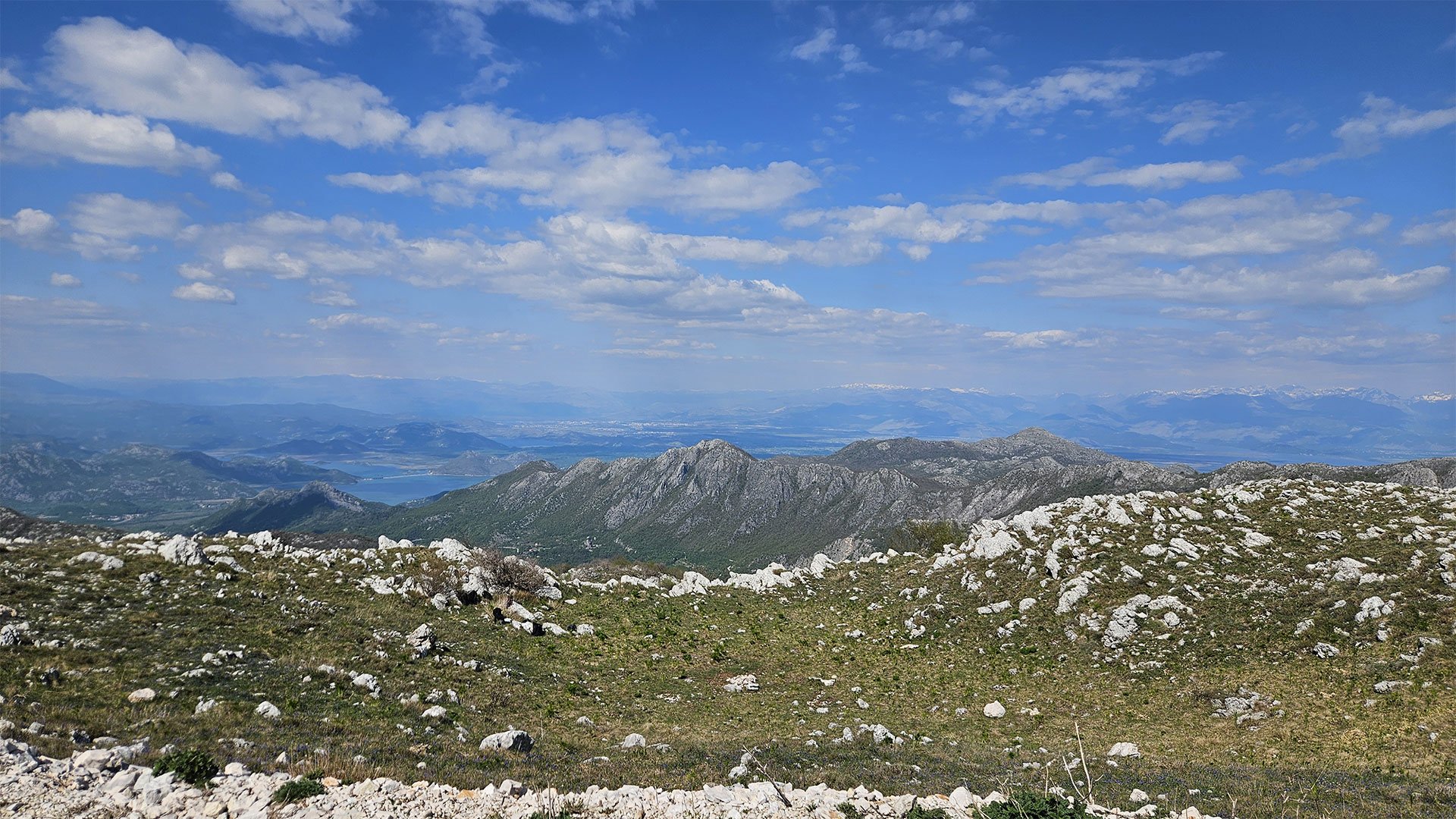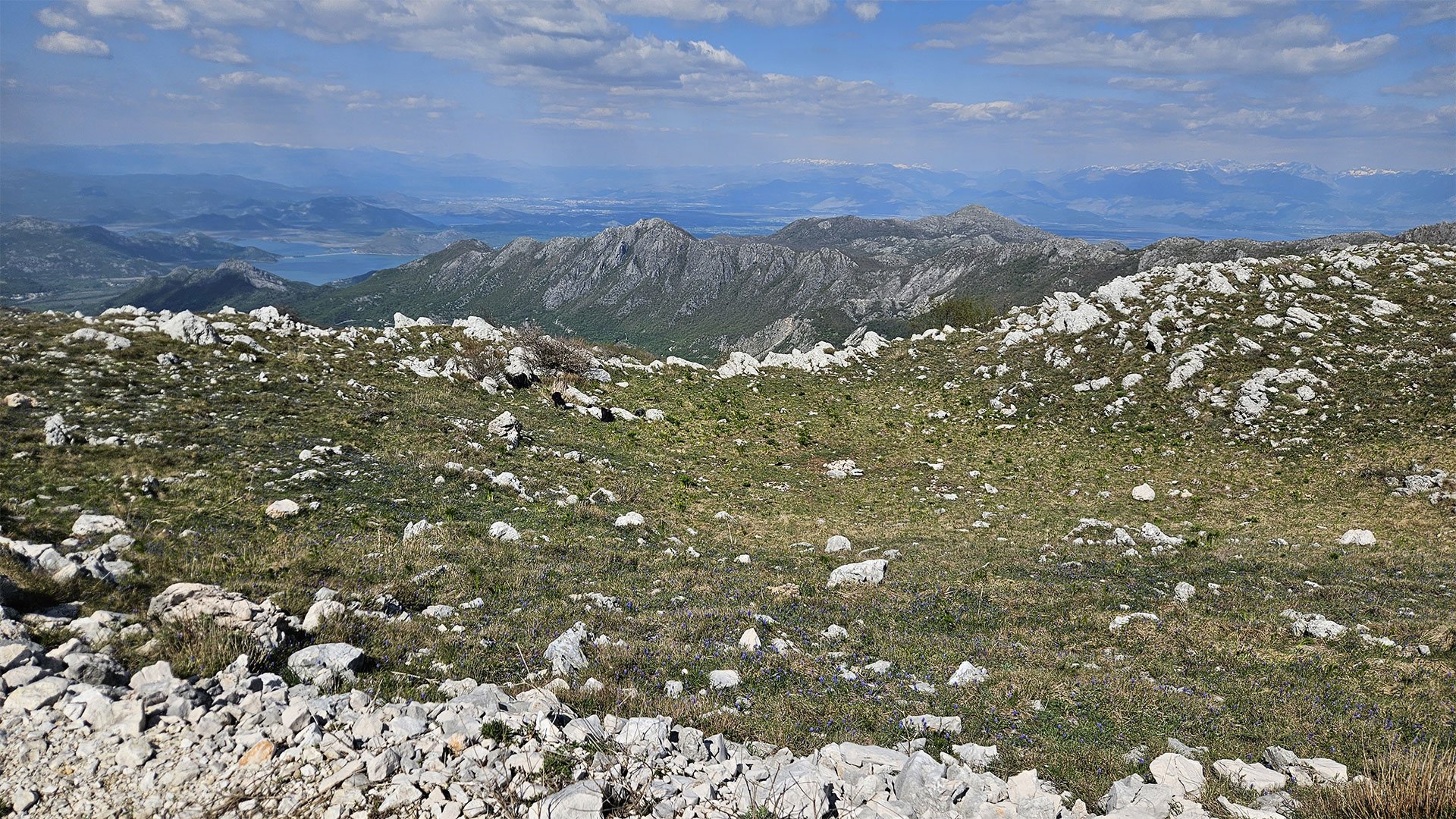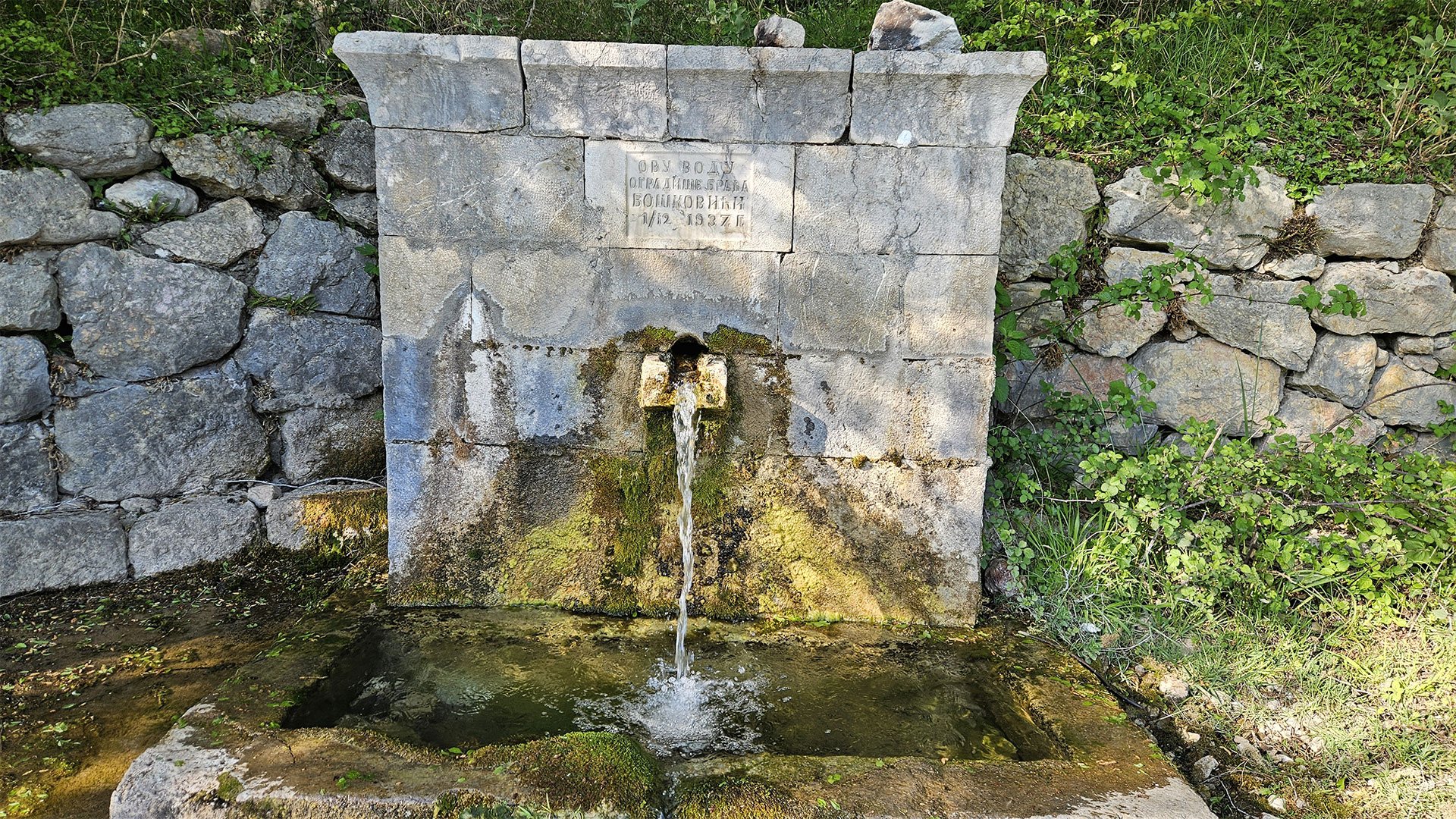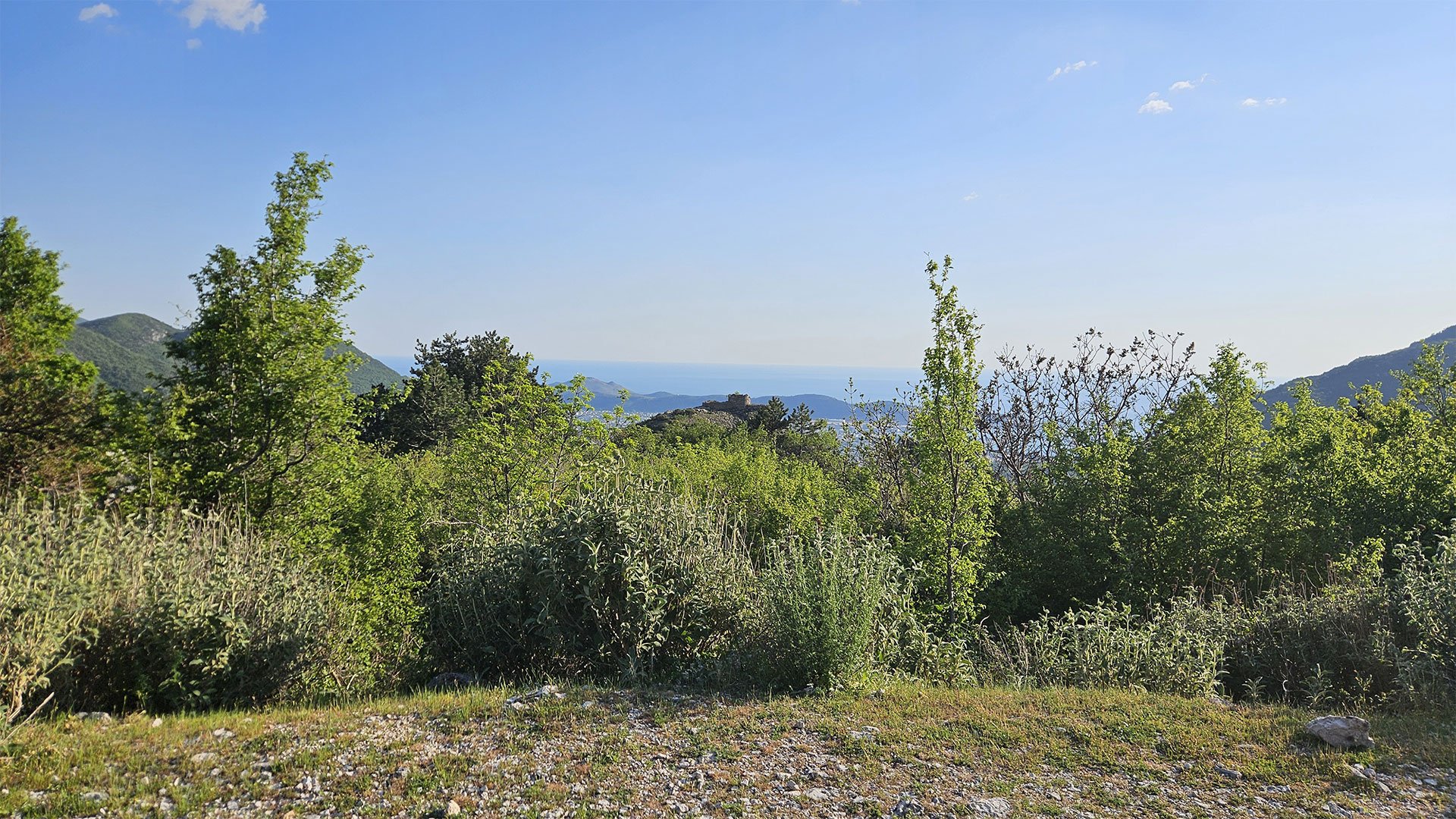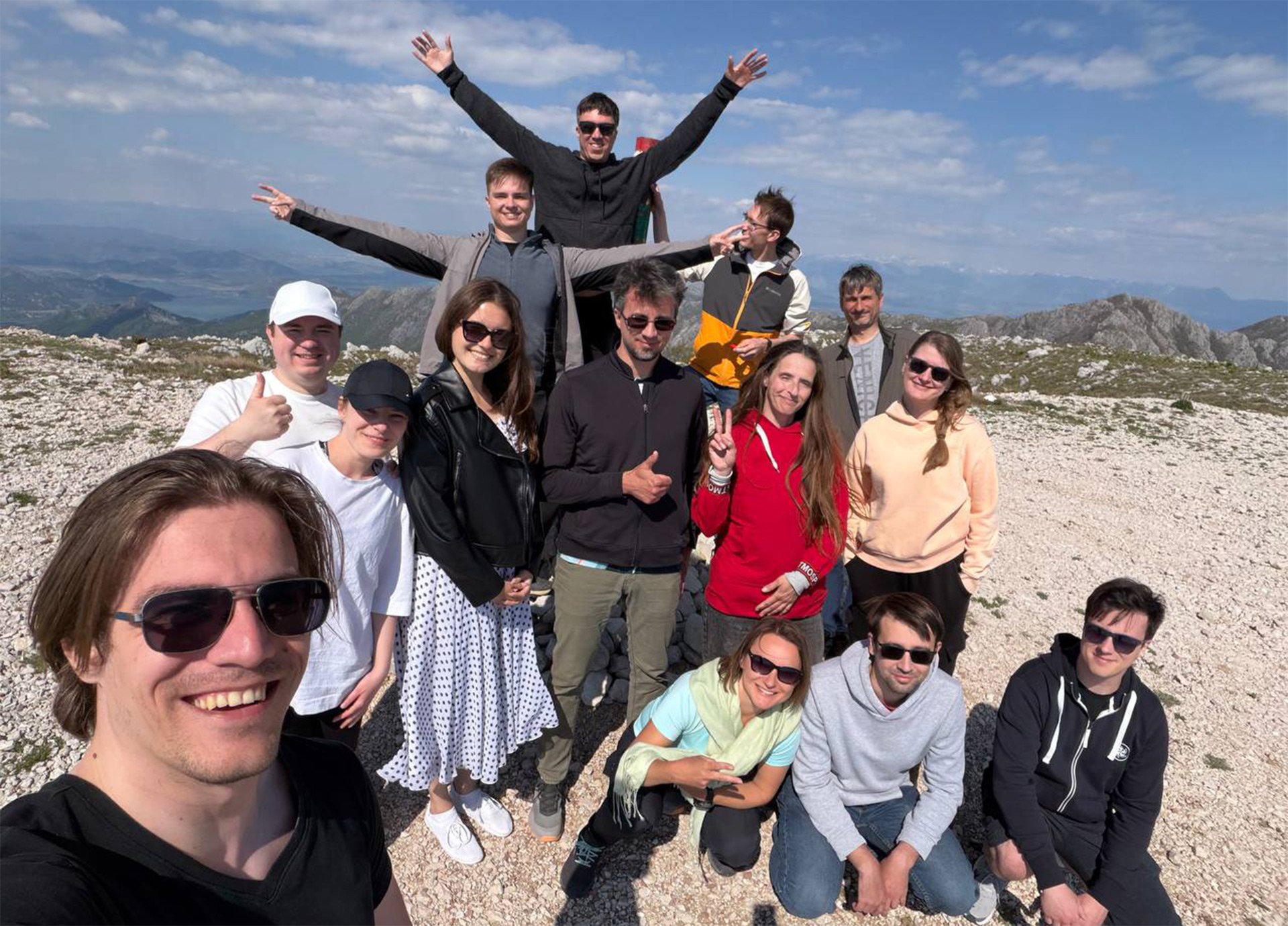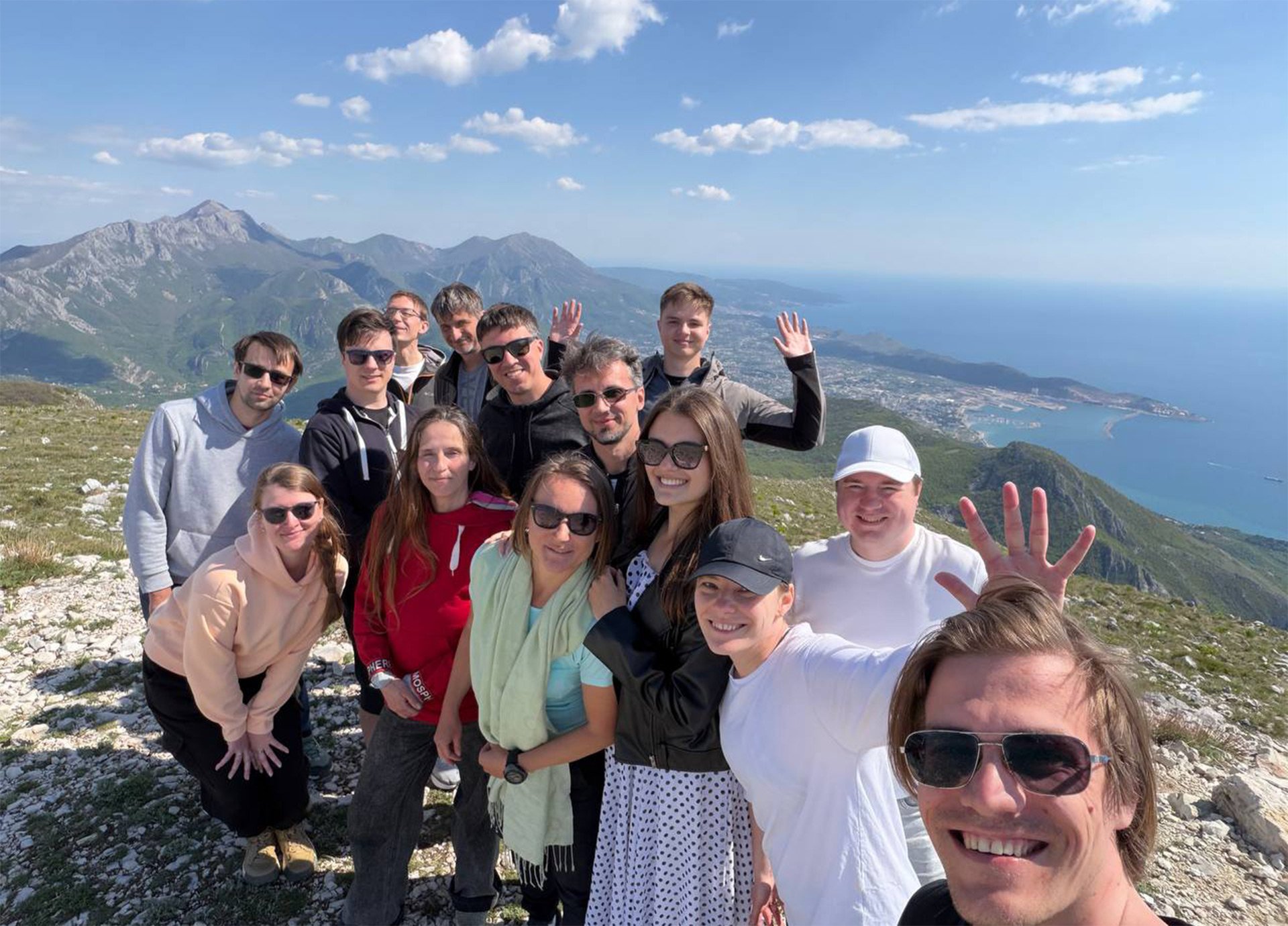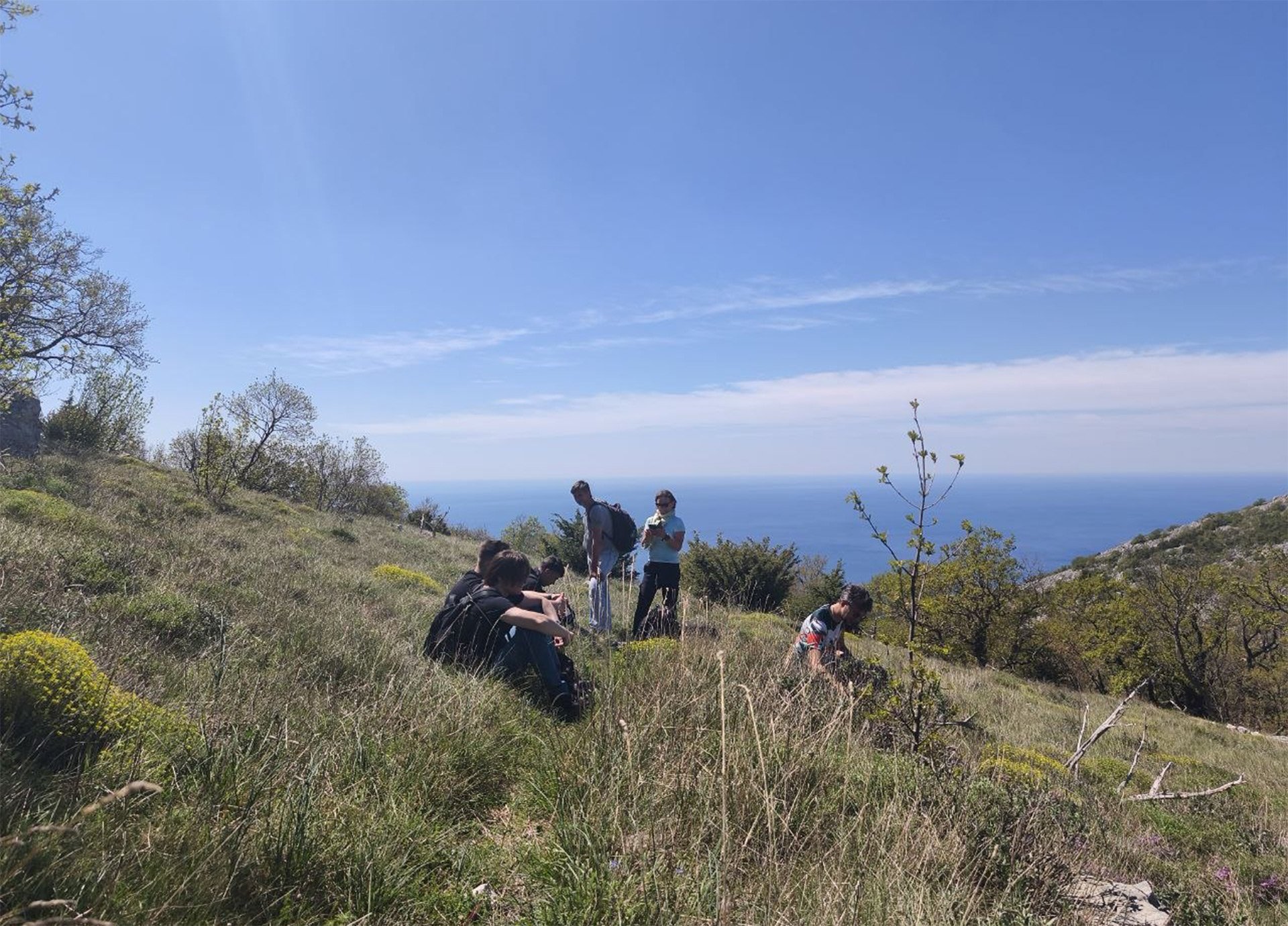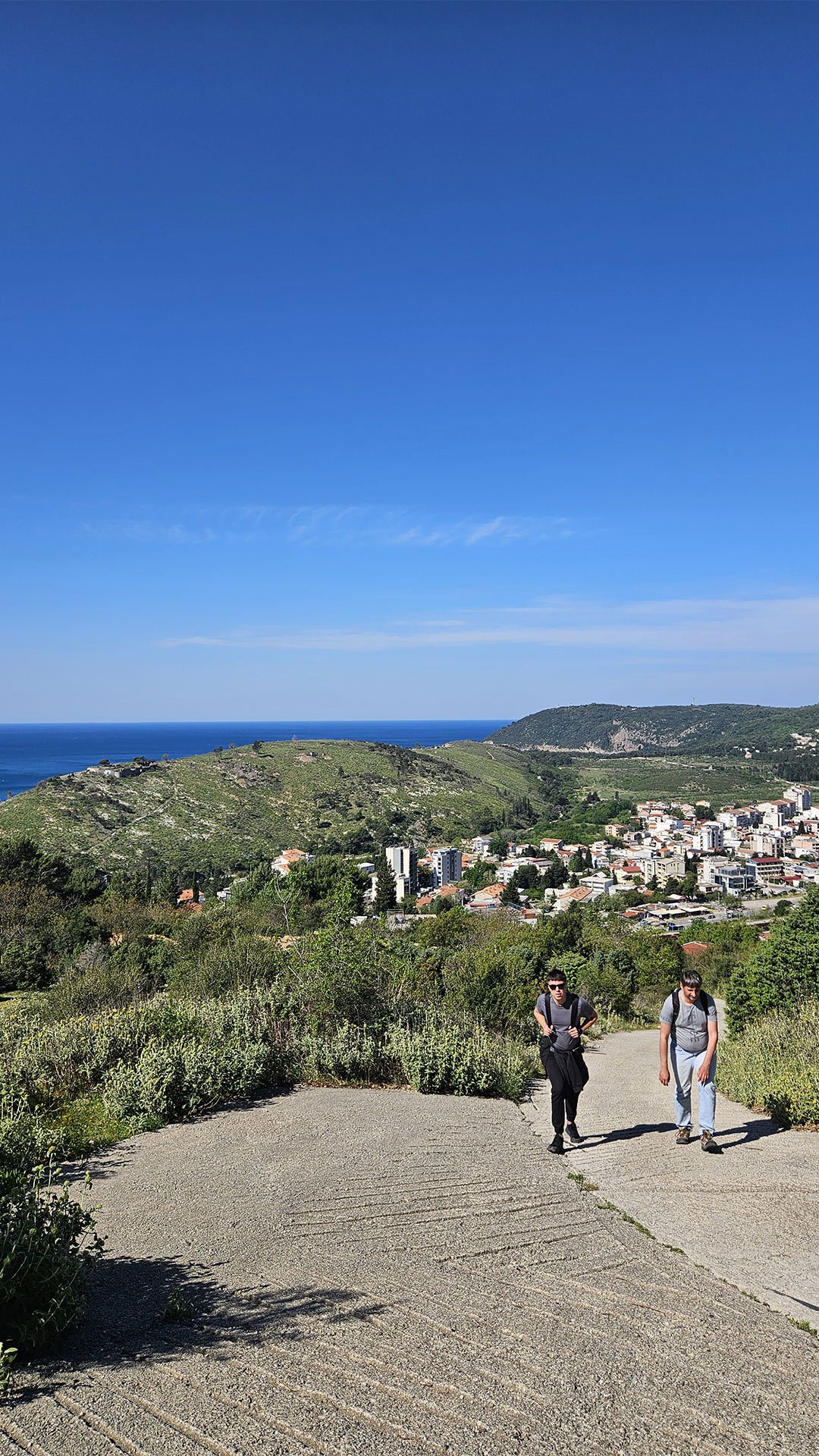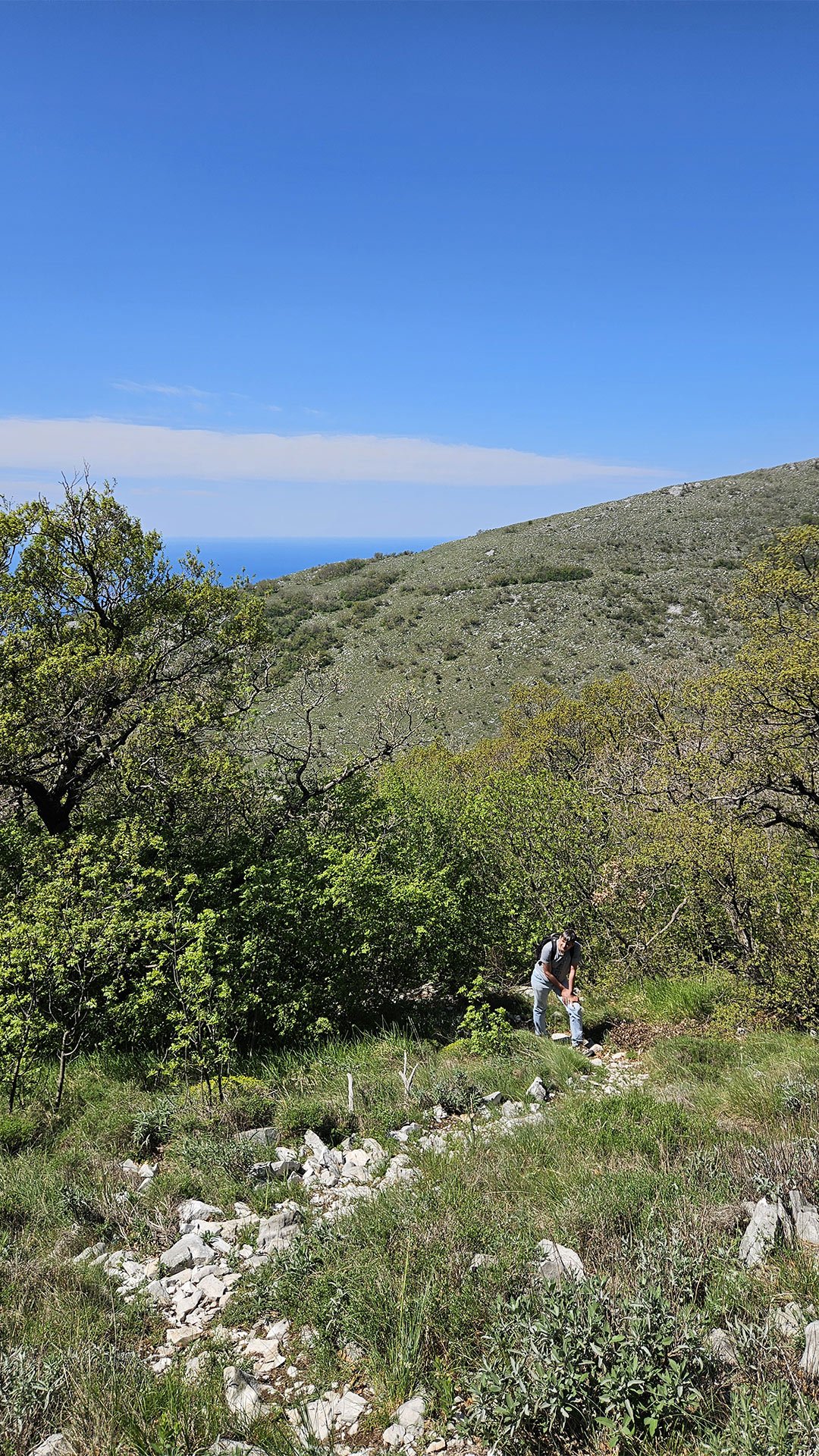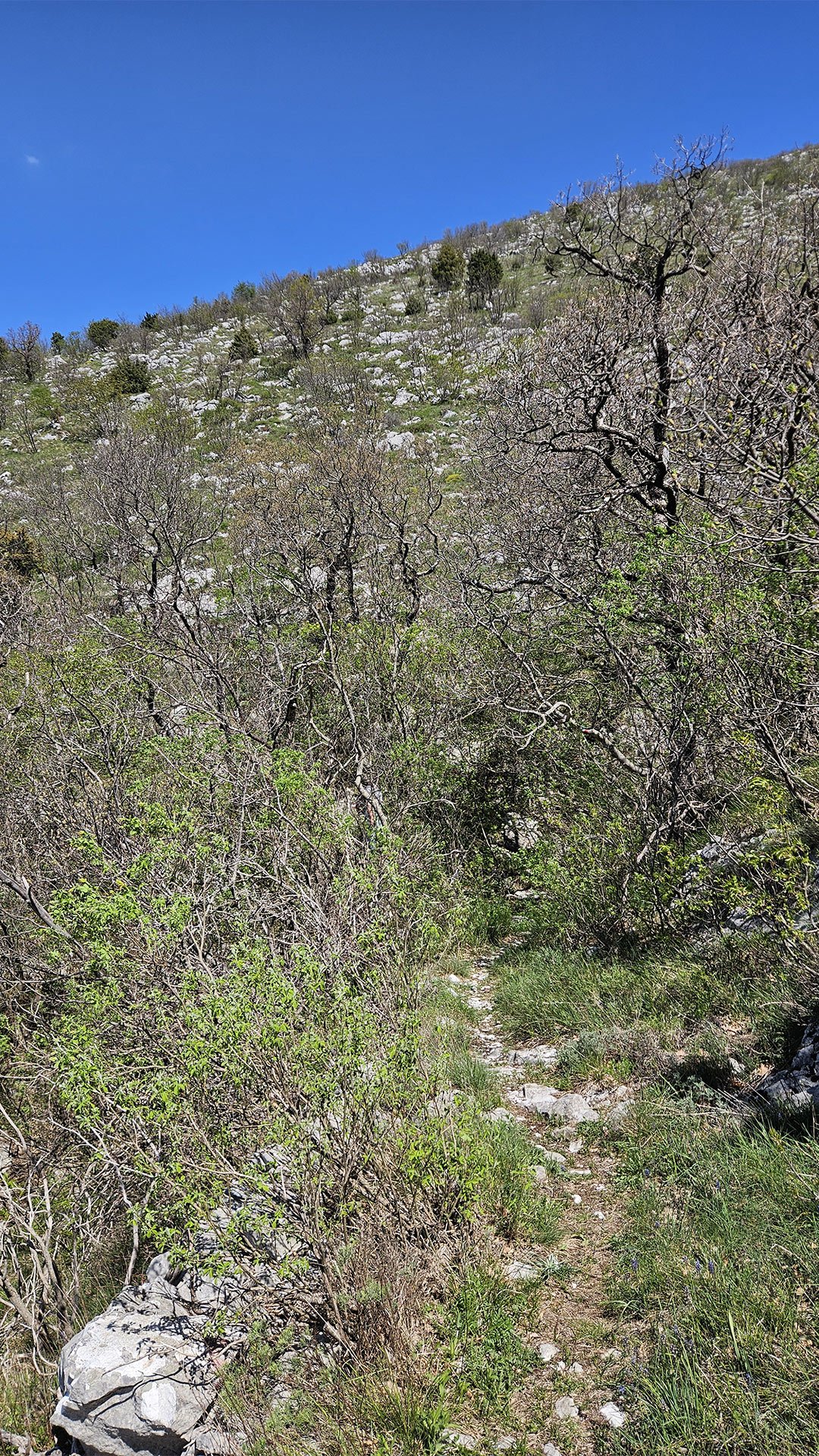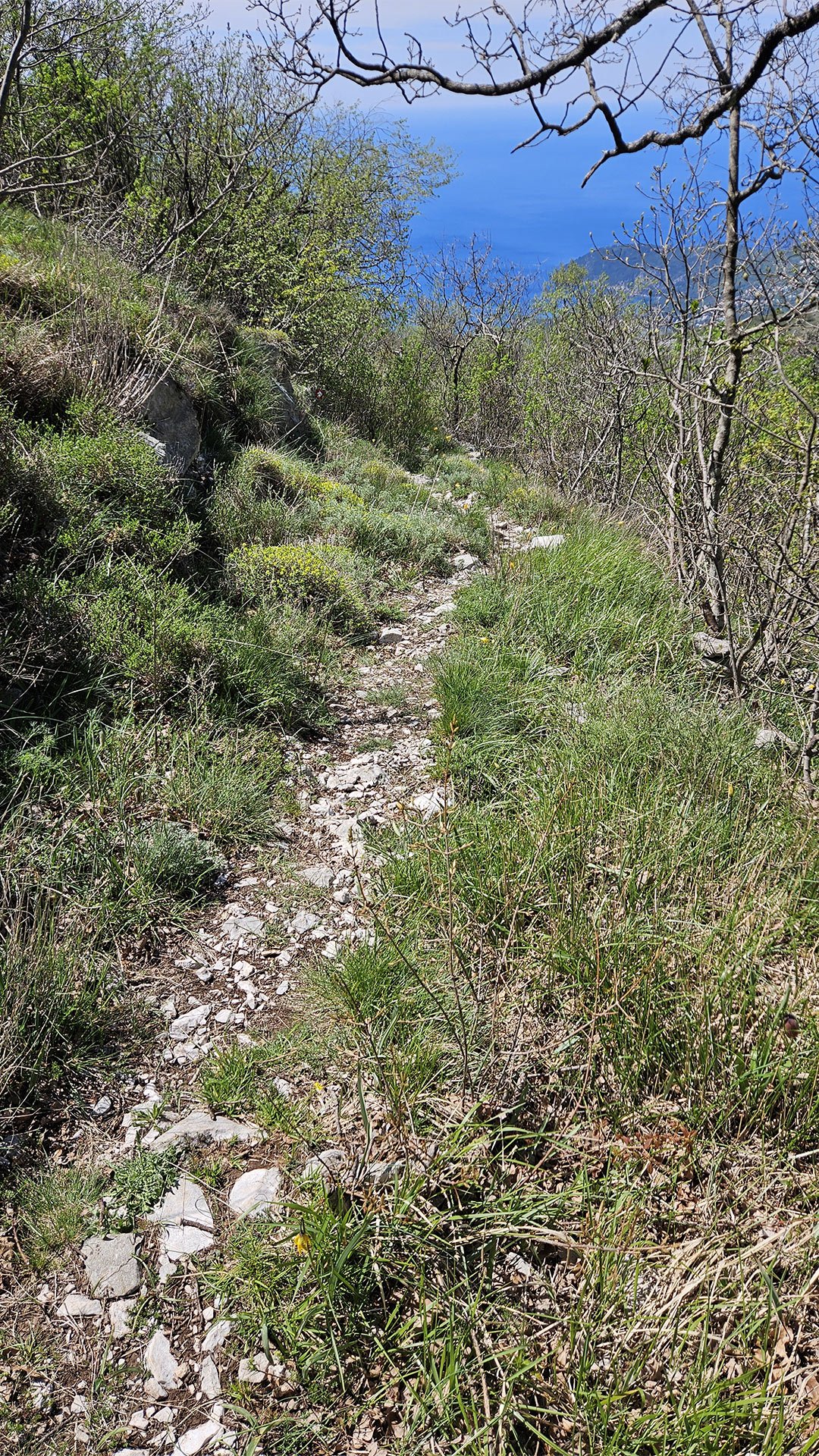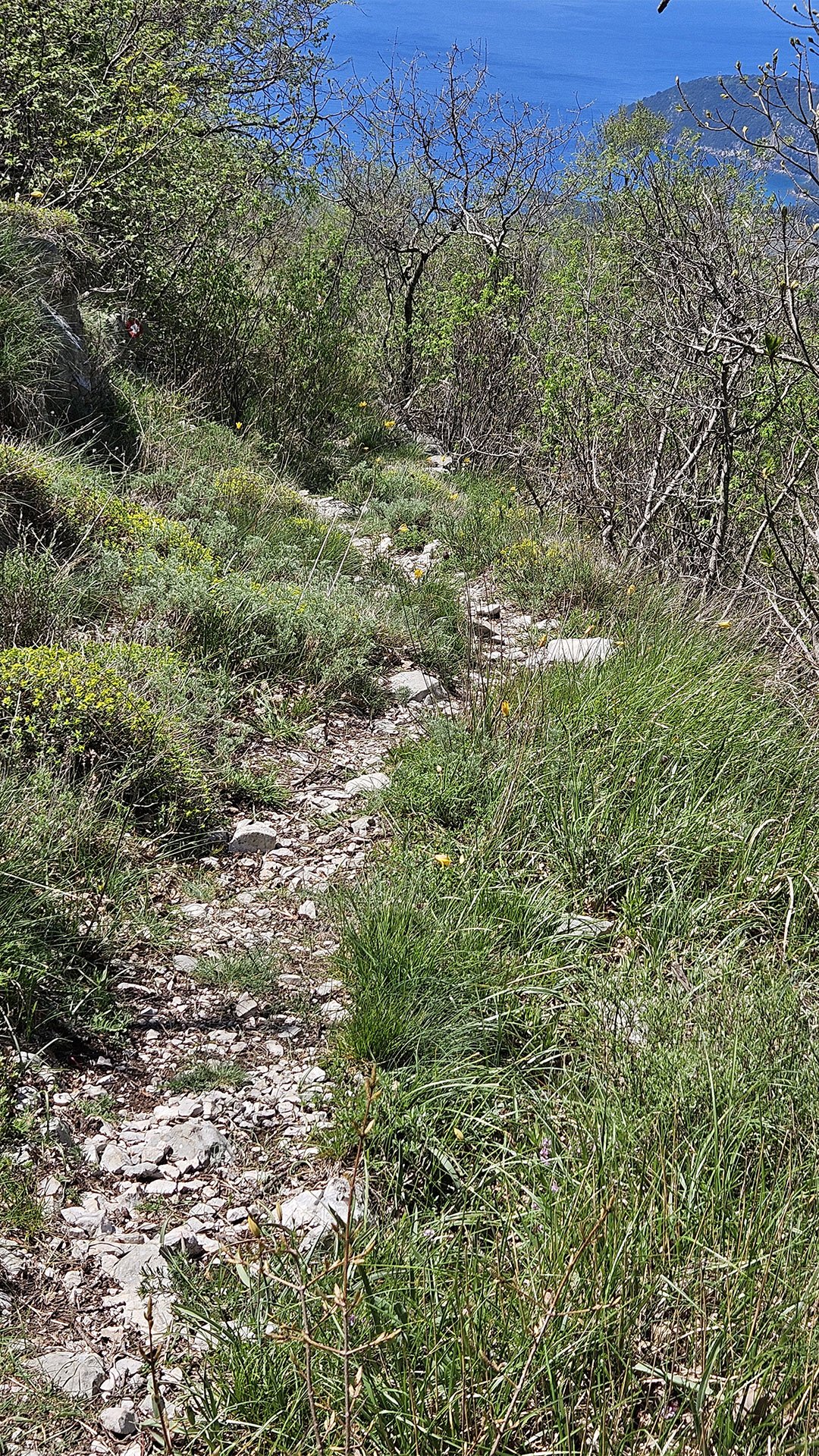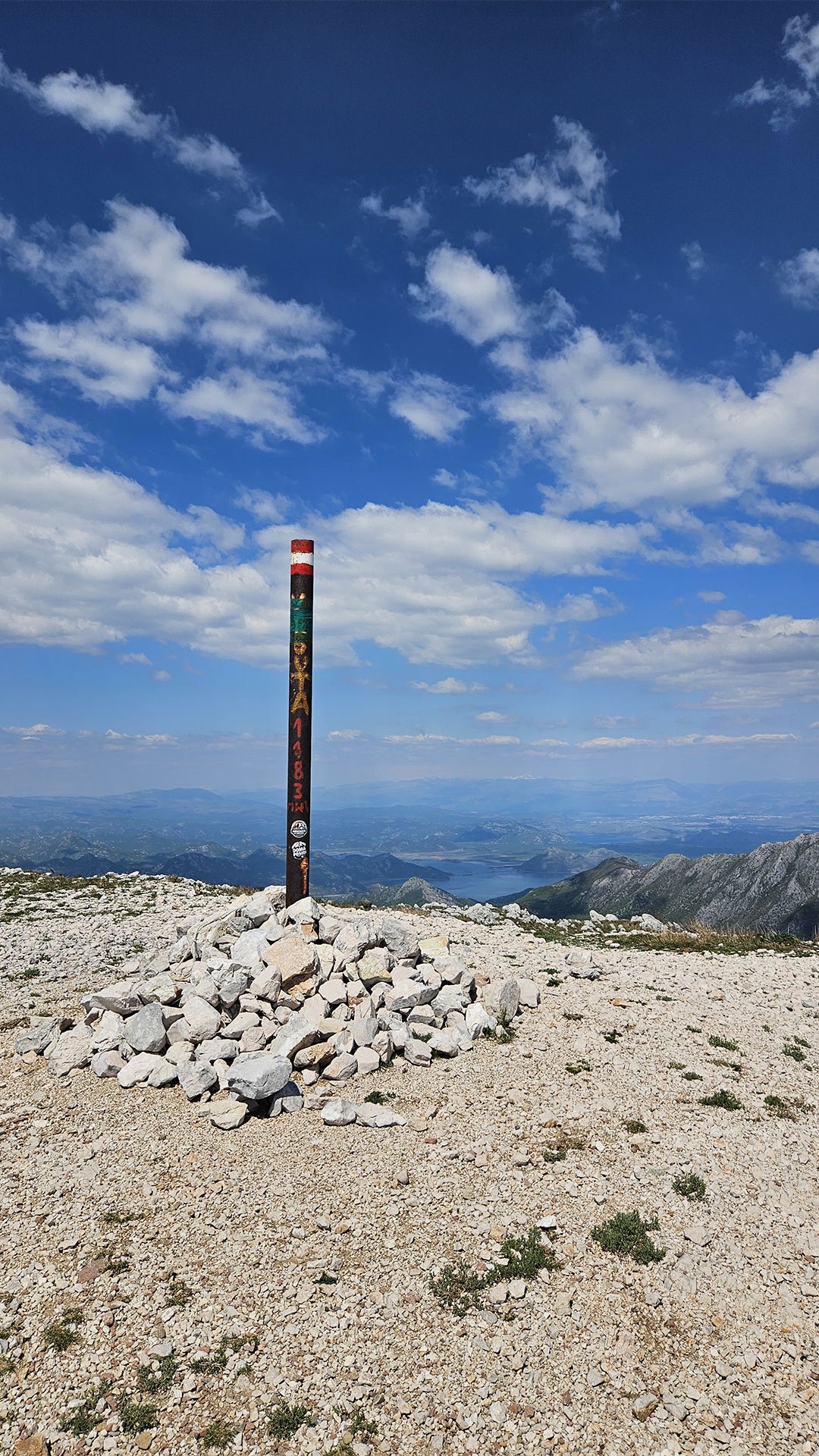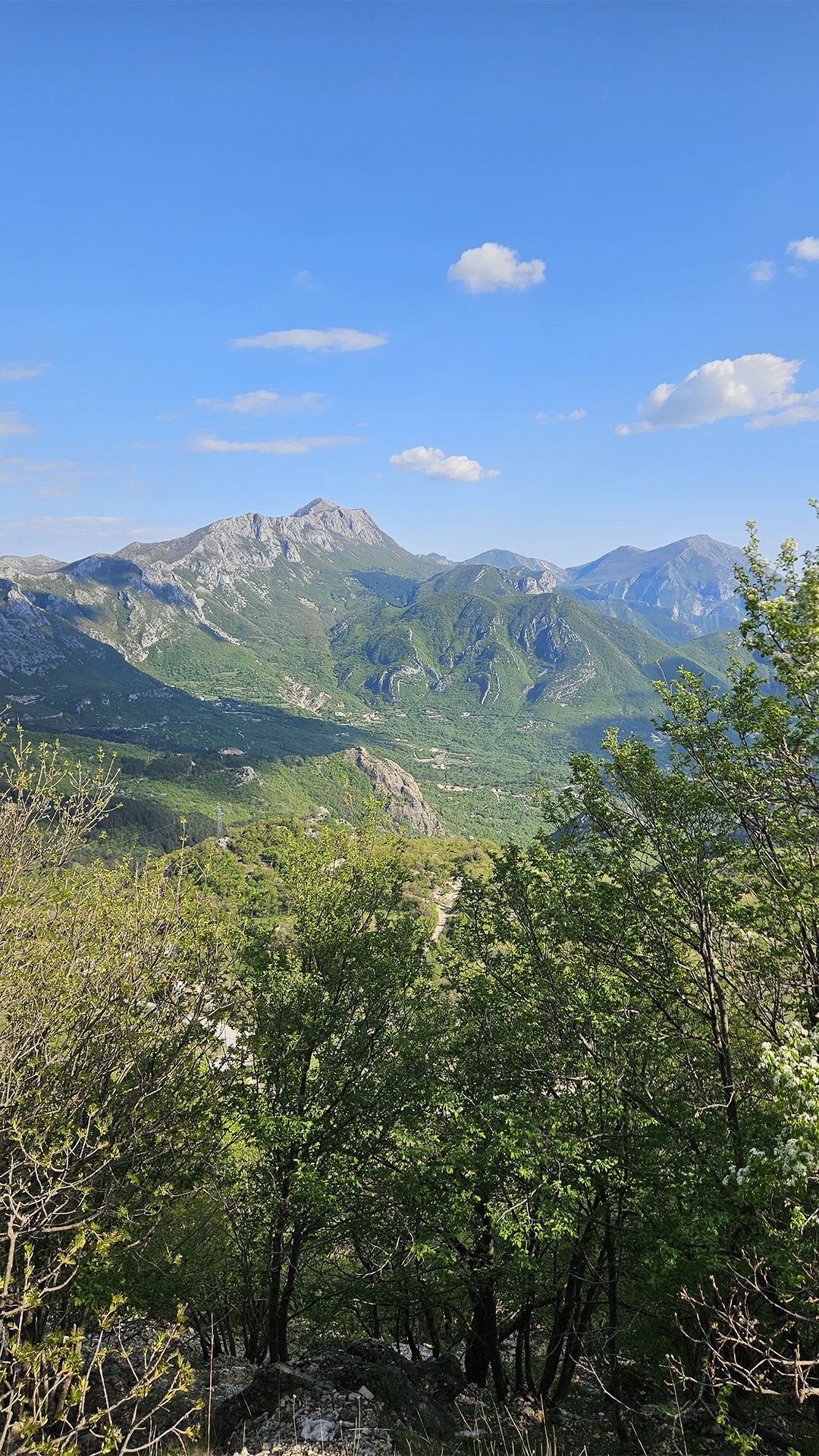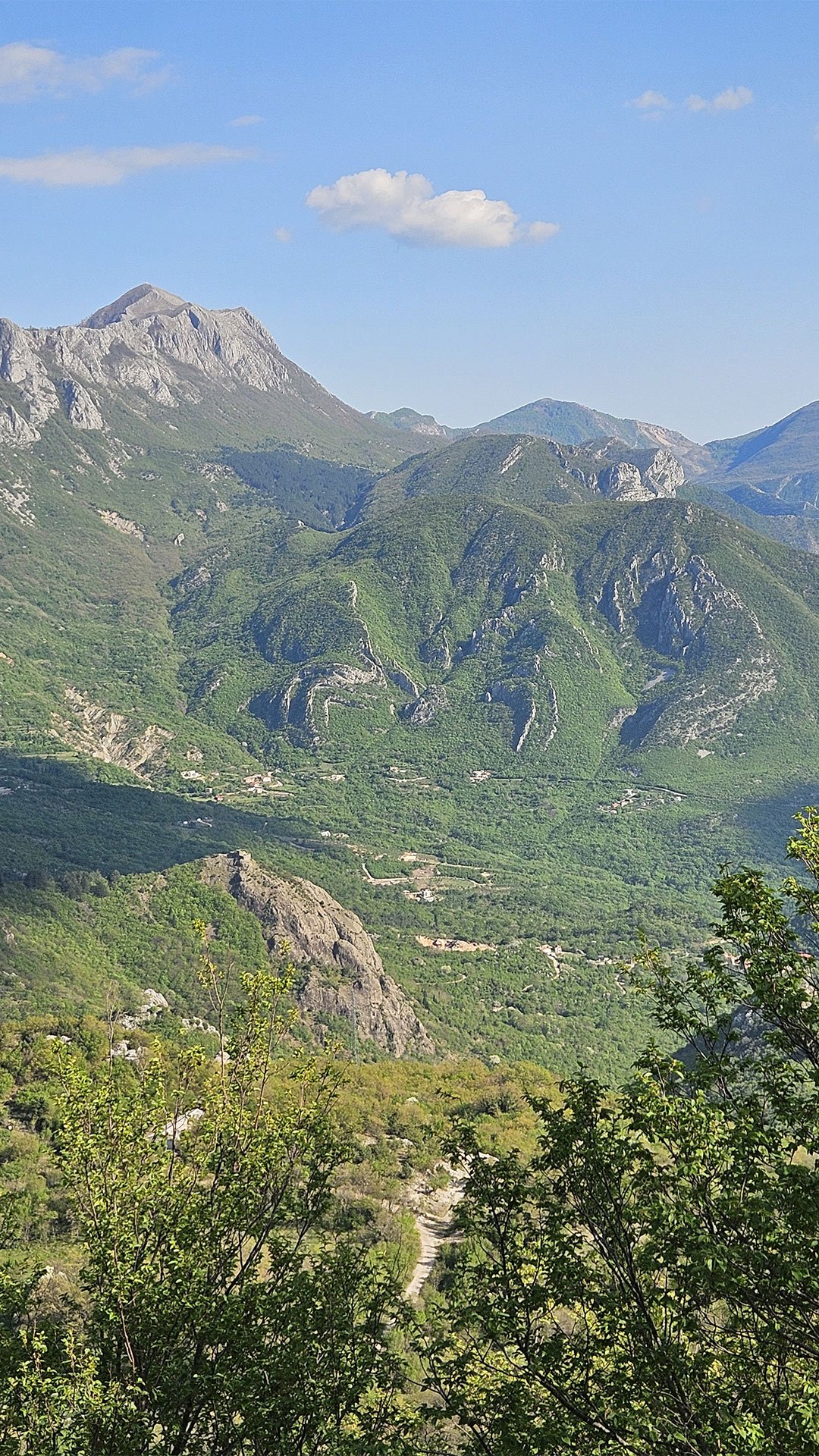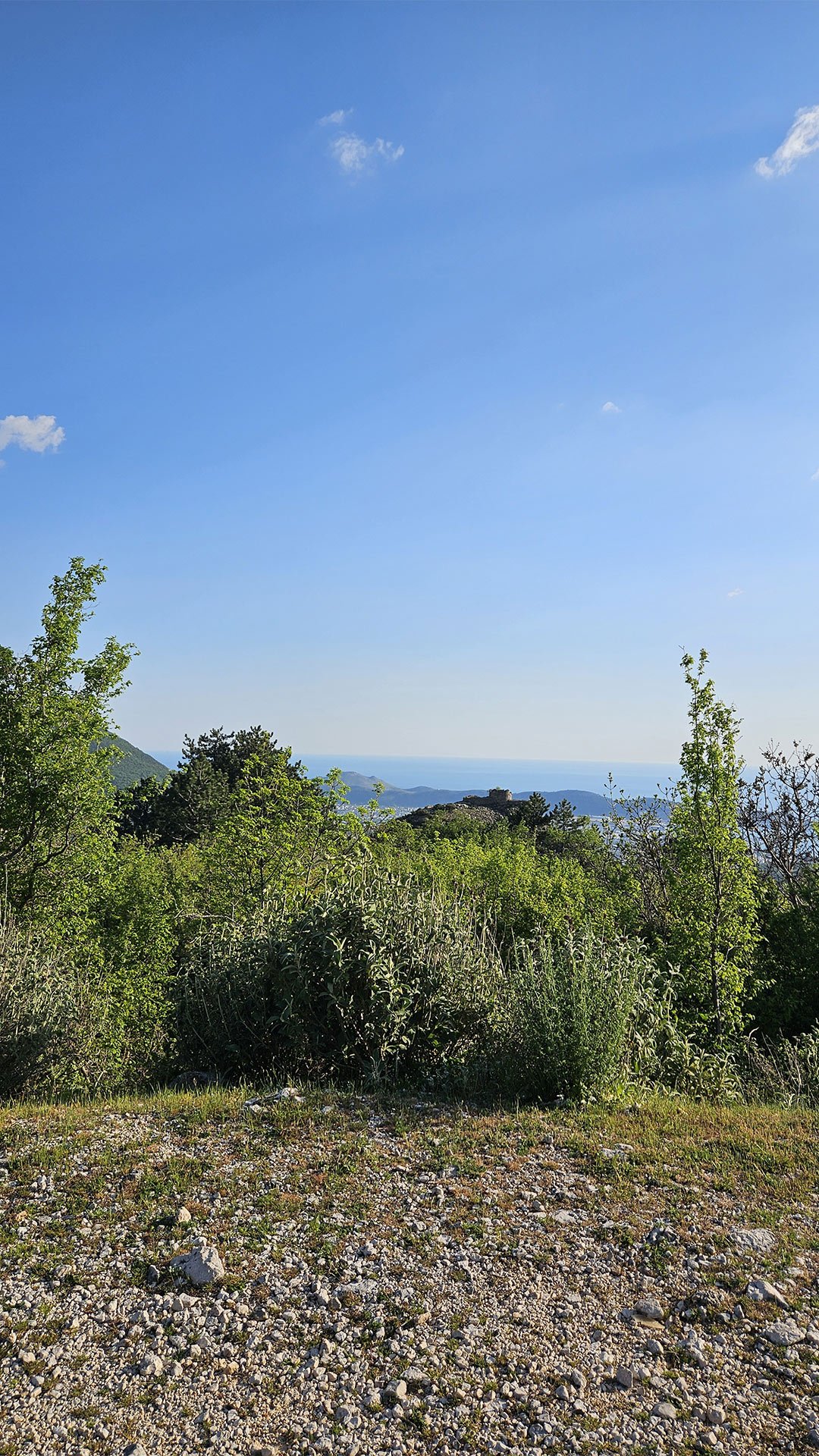


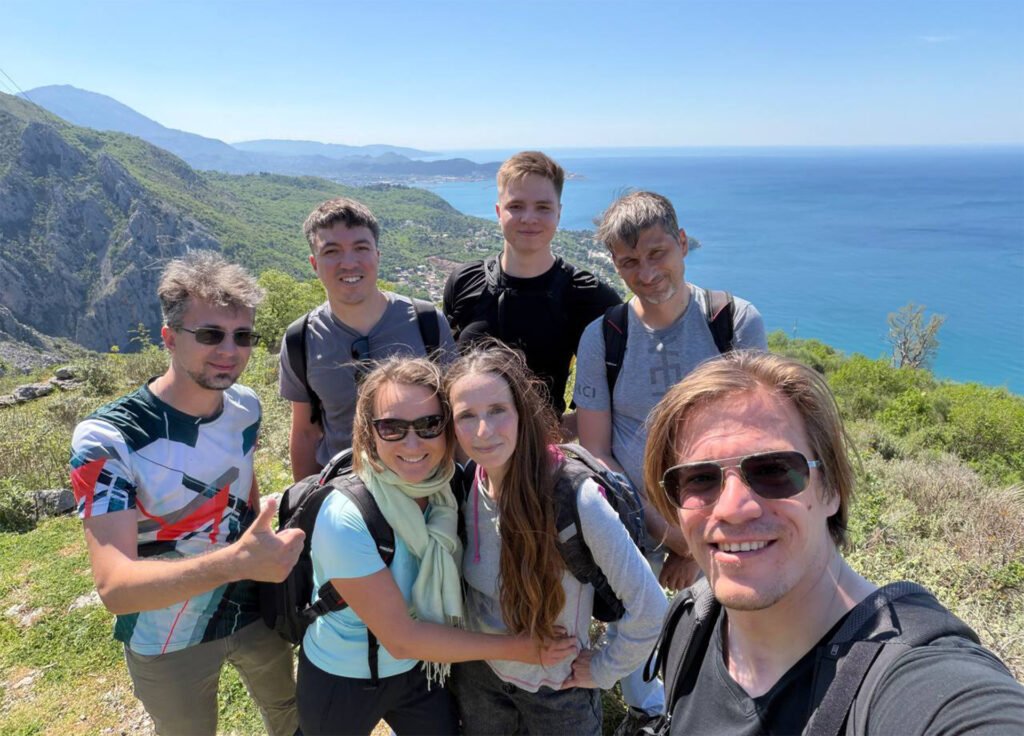
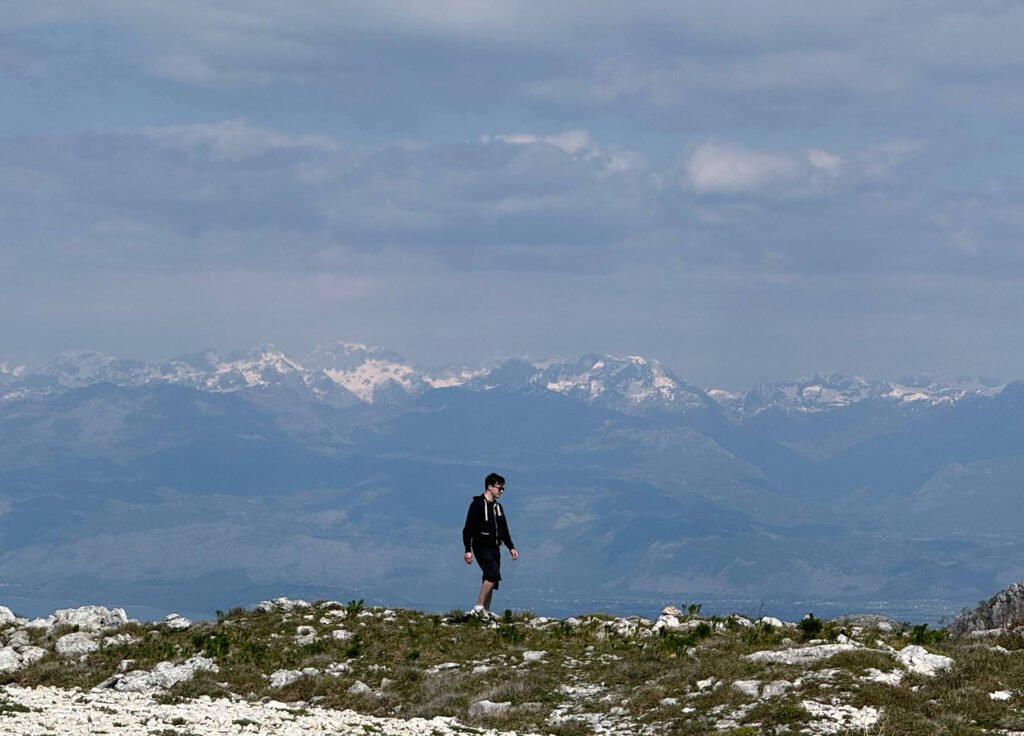
The route from Sutomore to Vrsuta is one of the most spectacular hikes on the Bar Riviera. In just a few hours, travelers ascend from near the Adriatic Sea to a rocky plateau at an altitude of approximately 1,183 meters. Below, the beaches and rooftops of coastal neighborhoods remain, while at the top, a panorama of the seashore, the Rumija mountain range, and, if visibility is good, Lake Skadar opens up.
Brief Route Description
One of the most thoroughly documented GPS trails begins in Sutomore and returns the same way. It is approximately 11.7 kilometers long, with a total elevation gain of approximately 1,150 meters, and a recorded completion time of just over seven hours. The route is classified as difficult due to the large elevation changes, steep sections, and rocky terrain. Specific measurements may vary slightly depending on the chosen starting point and trail option.
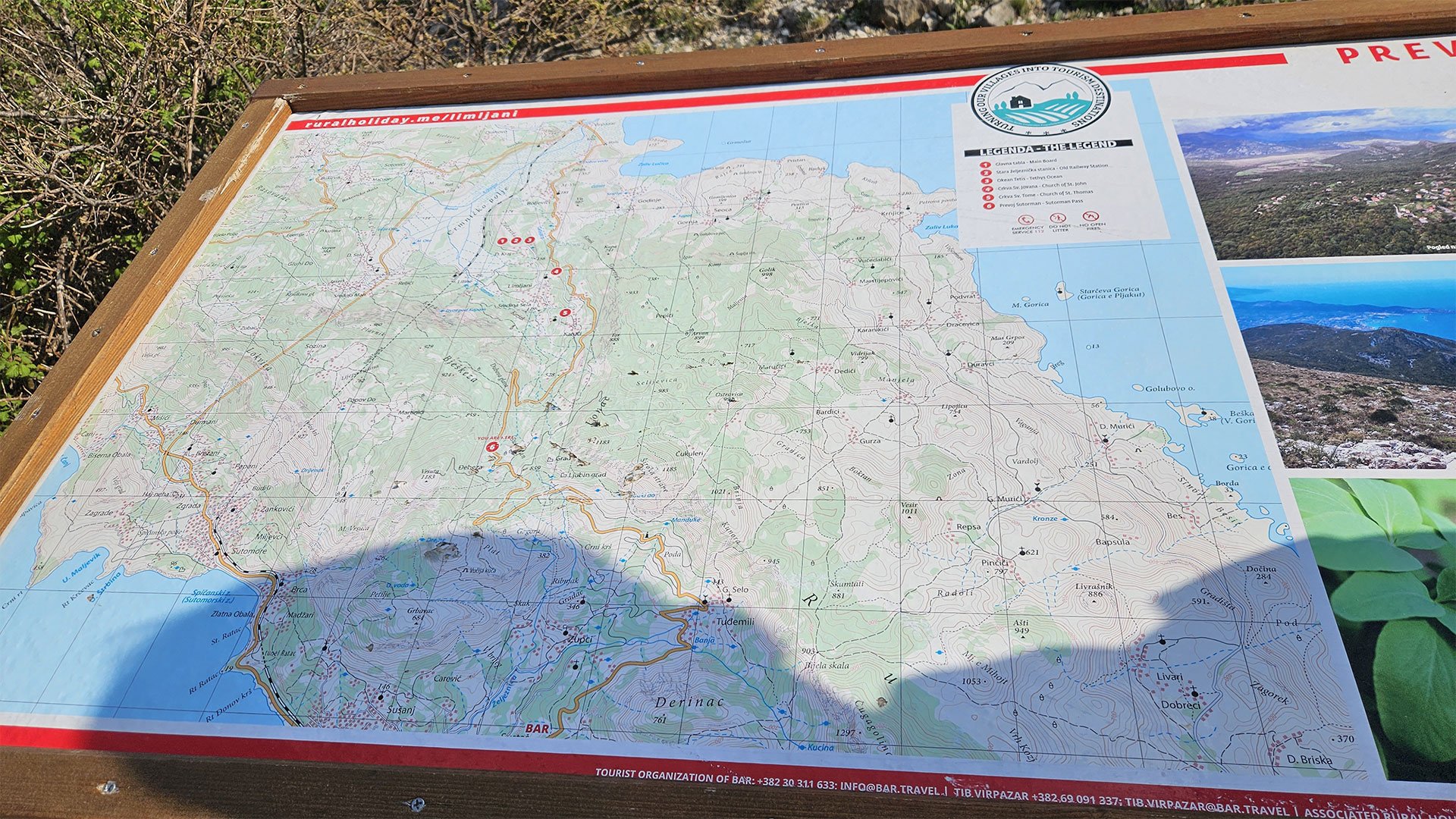
For those unprepared to climb more than a kilometer directly from the coast, a shortened route from Sutorman Pass is suitable. The Bar Municipality’s environmental study for this section lists a distance of approximately three kilometers one way, an elevation gain of 378 meters, and an ascent time of approximately one and a half hours. The Bar Tourism Organization also includes the Sutorman-Vrsuta route in the official list of local hiking trails.
How to climb from Sutomore
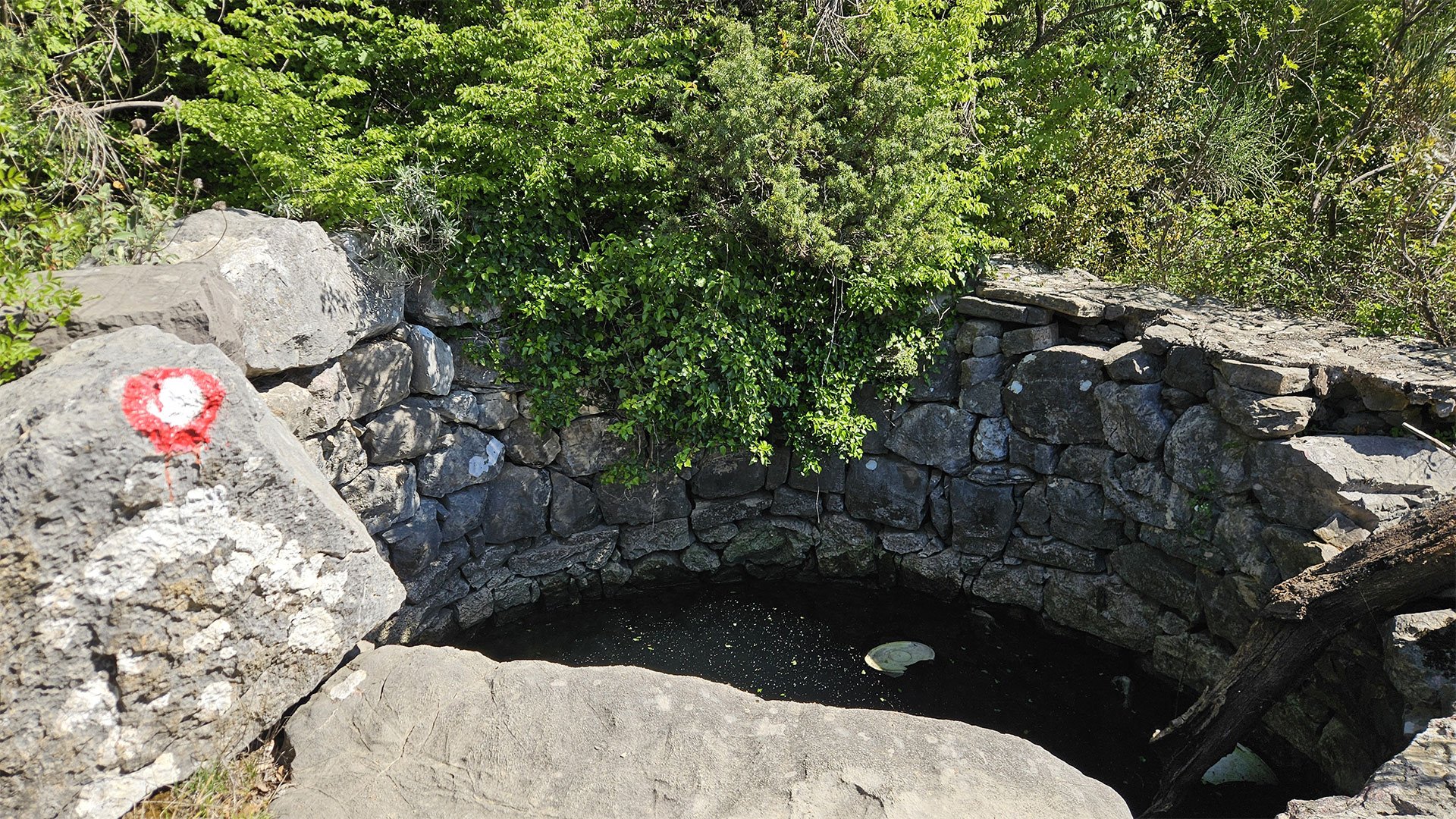
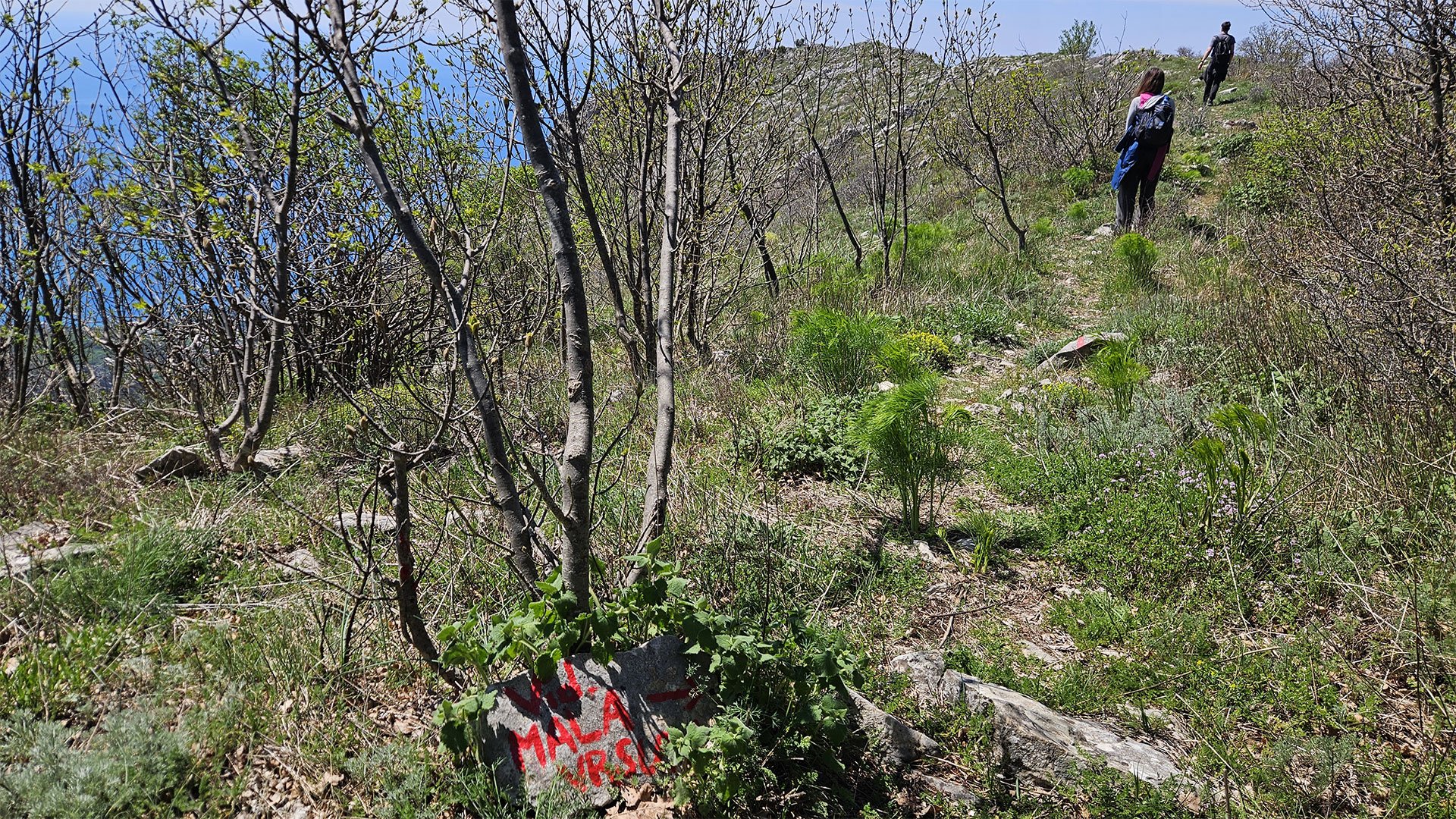
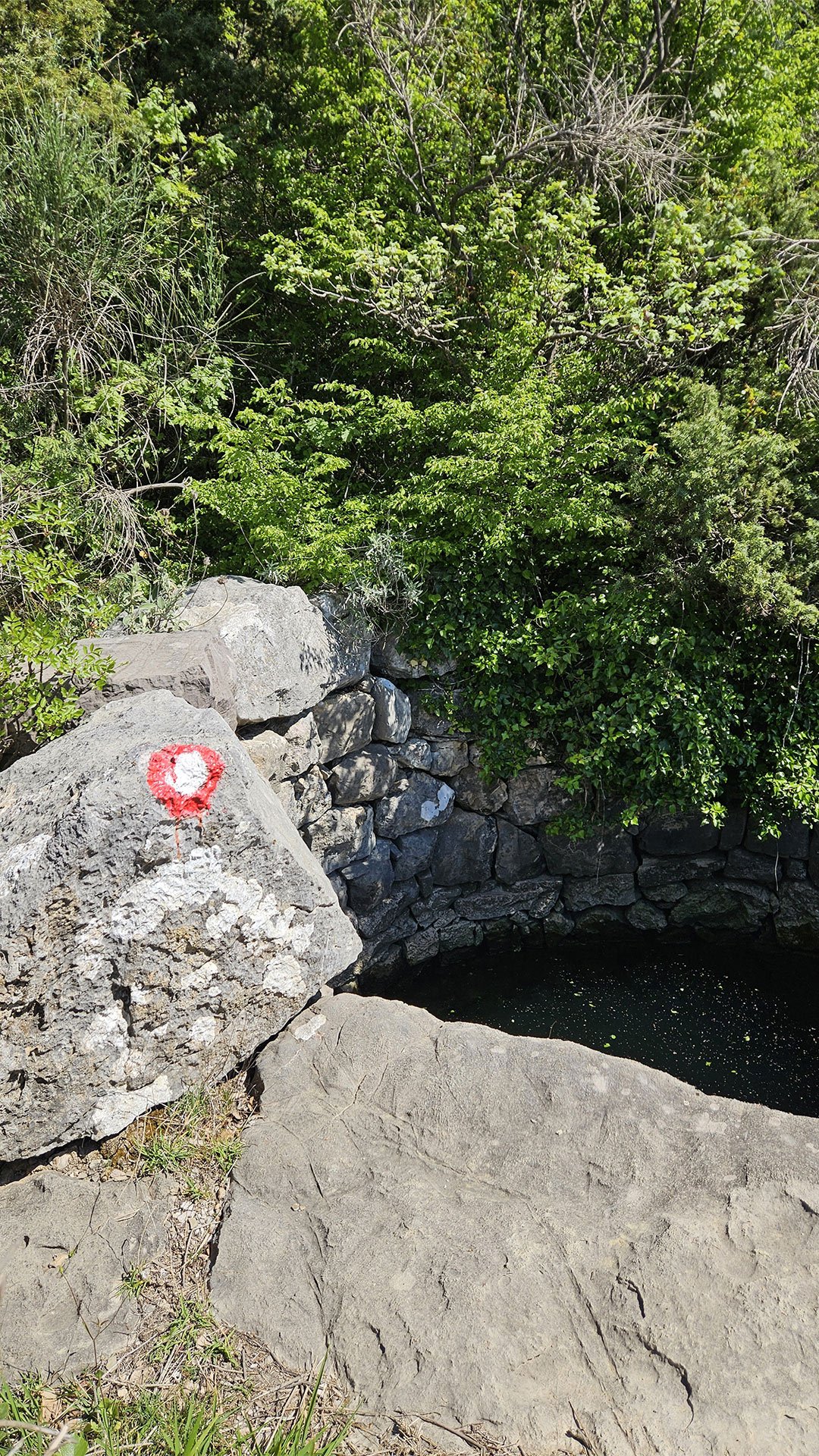
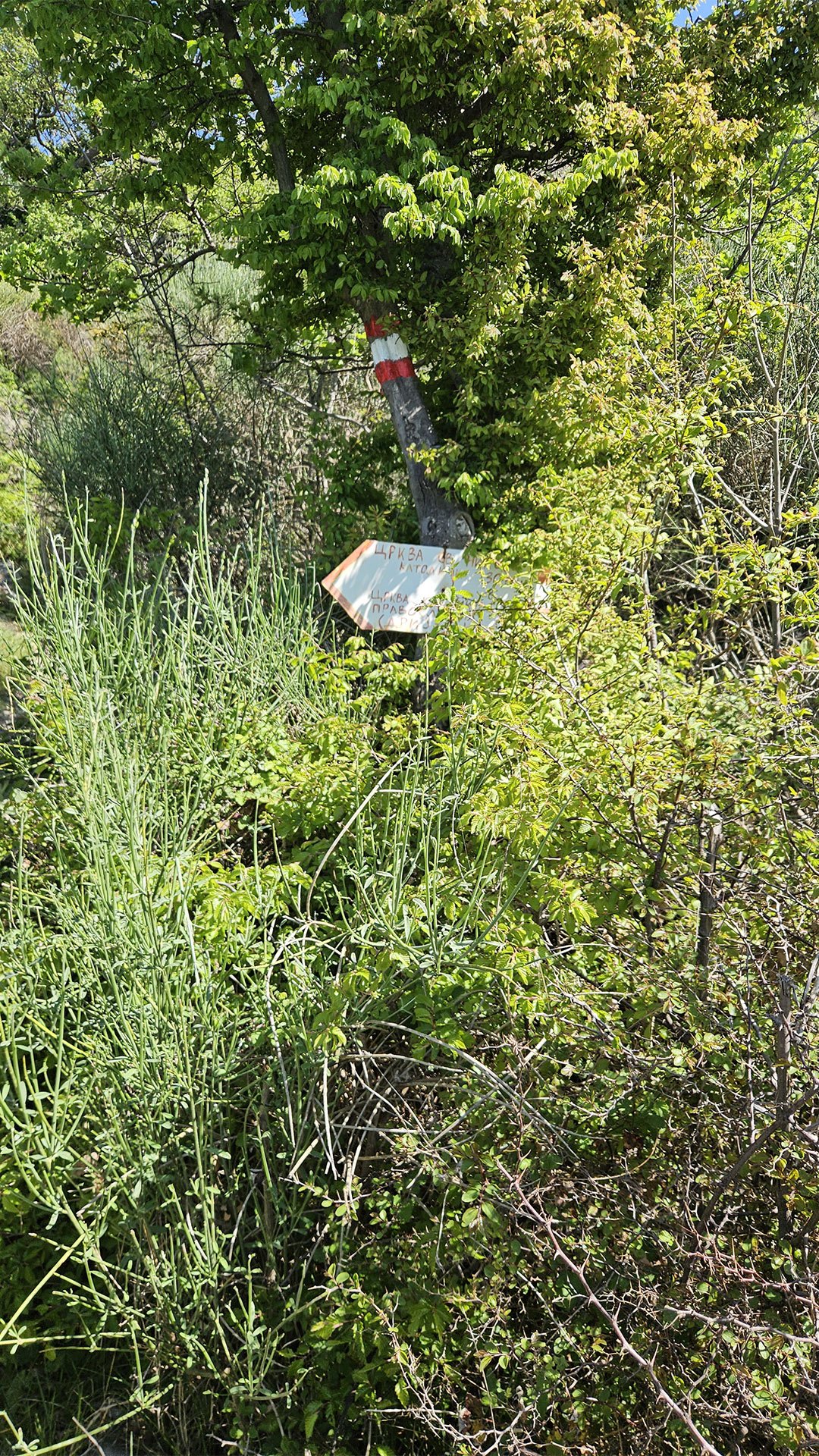
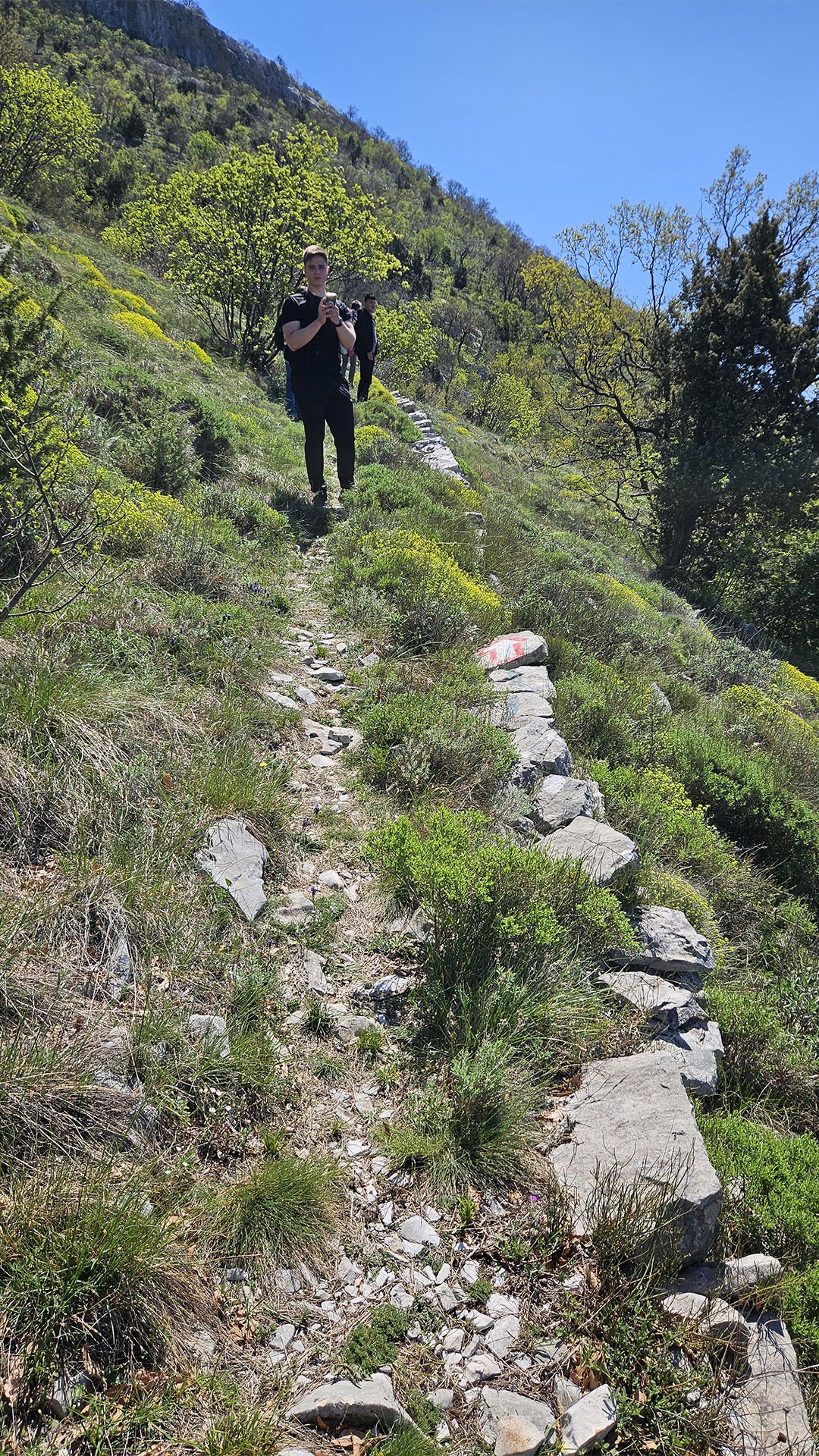
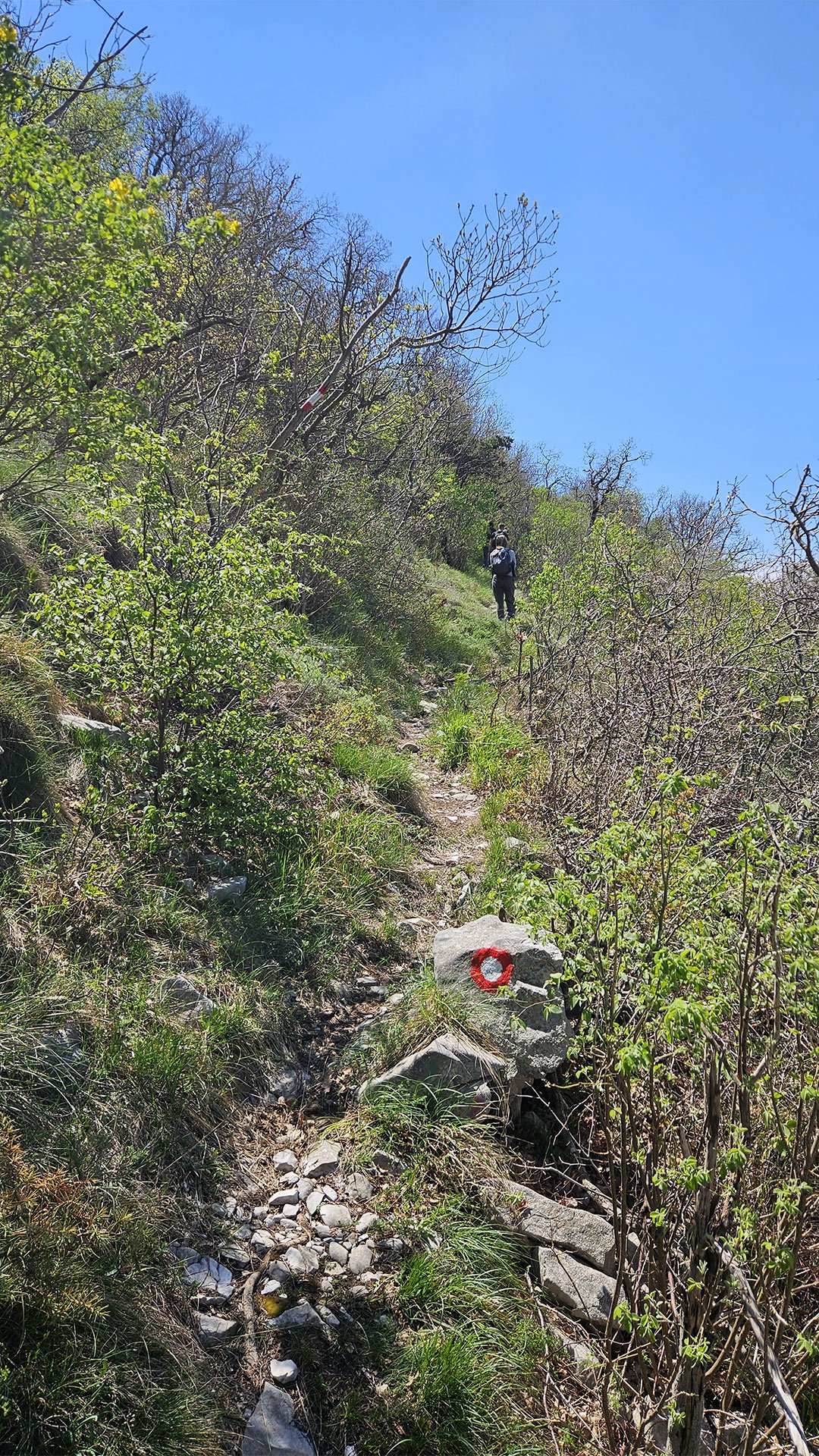
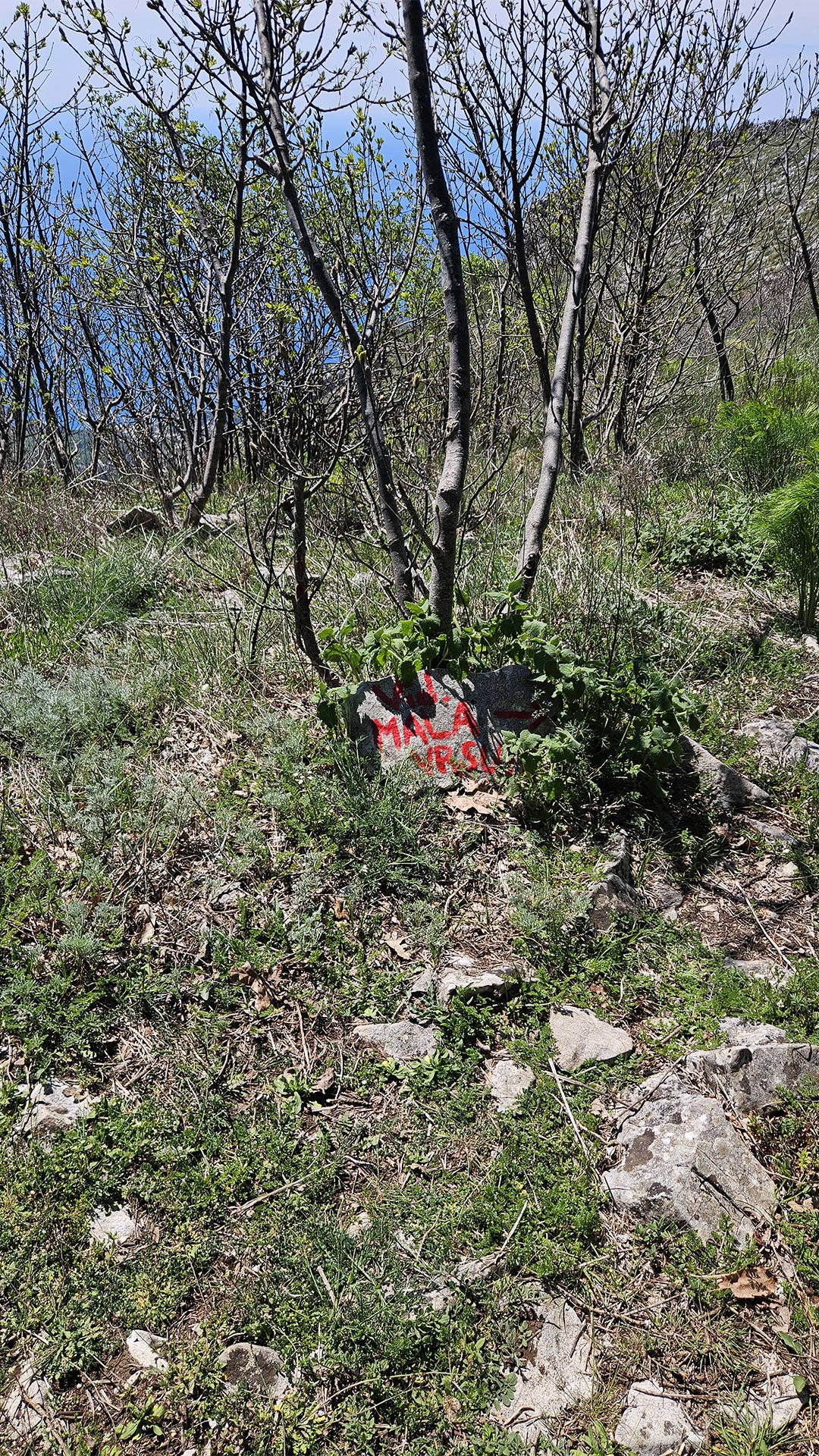
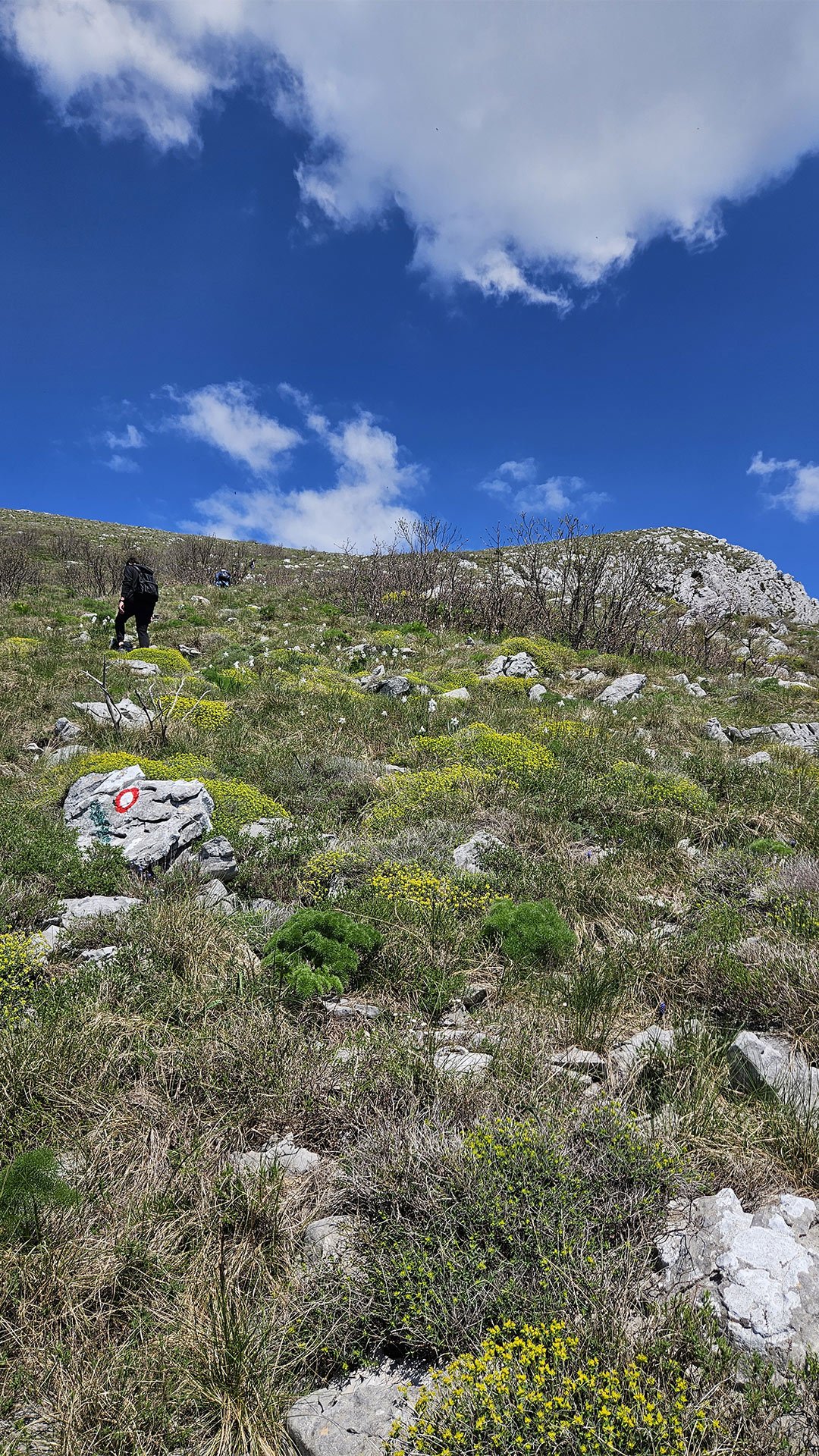
The route described by travelers begins near the bus station and the Sutomore tourist office. The road initially climbs between houses toward Zankovići, after which it becomes a narrow mountain trail. At the fork, diverge from the route to Sozina and turn toward Vrsuta. There is a sign on a rock, but vegetation sometimes obscures the markings.
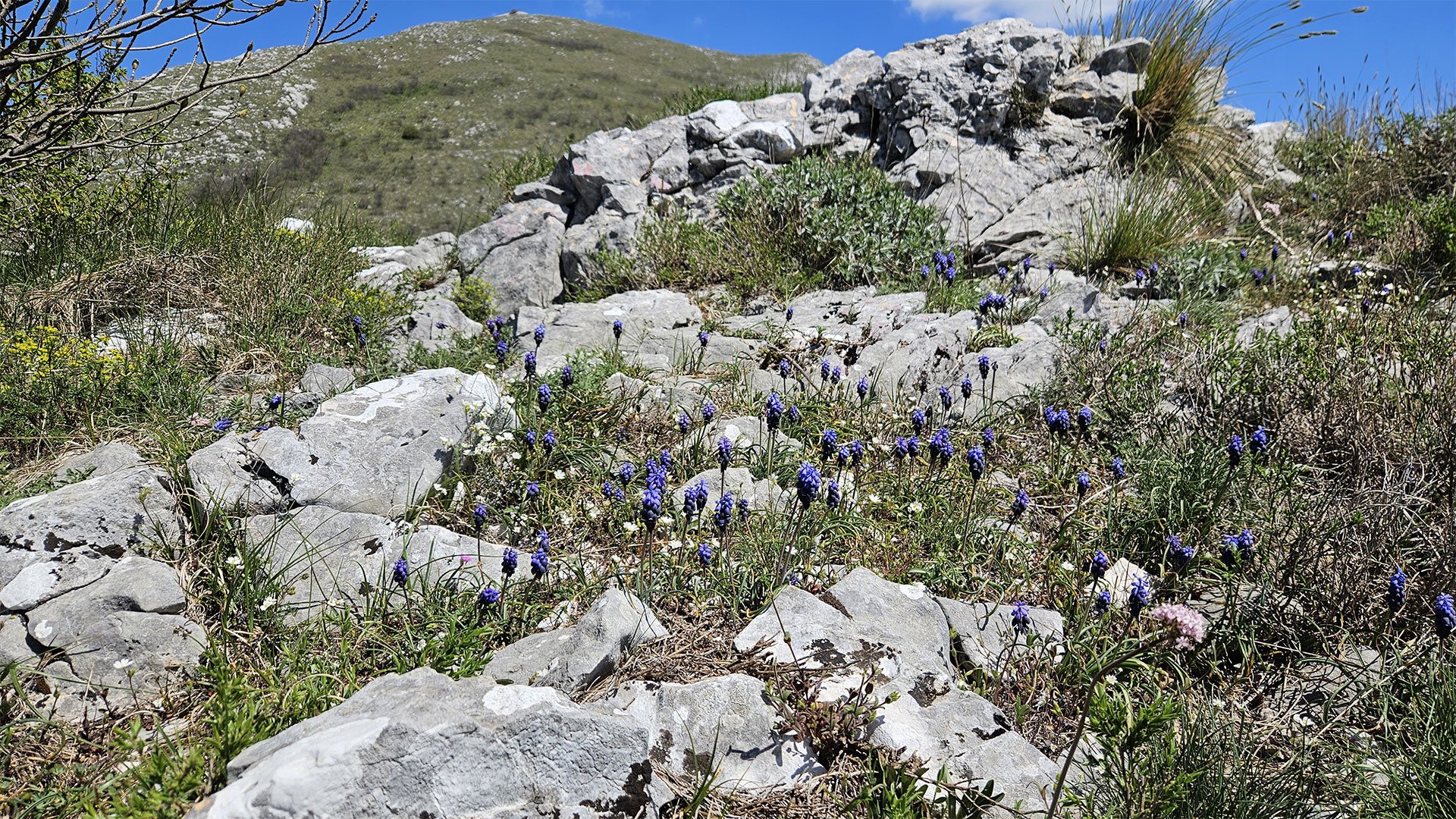
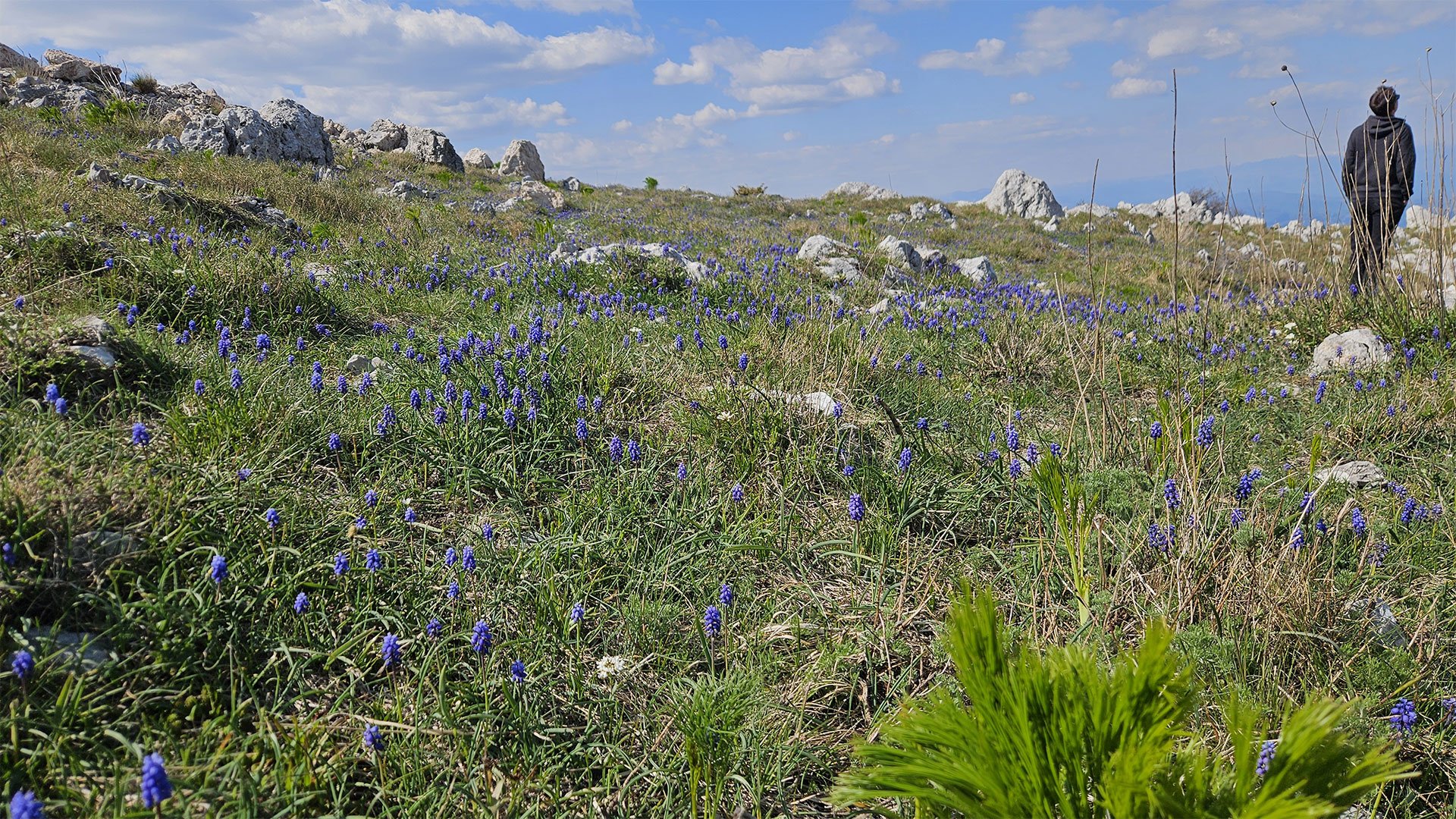
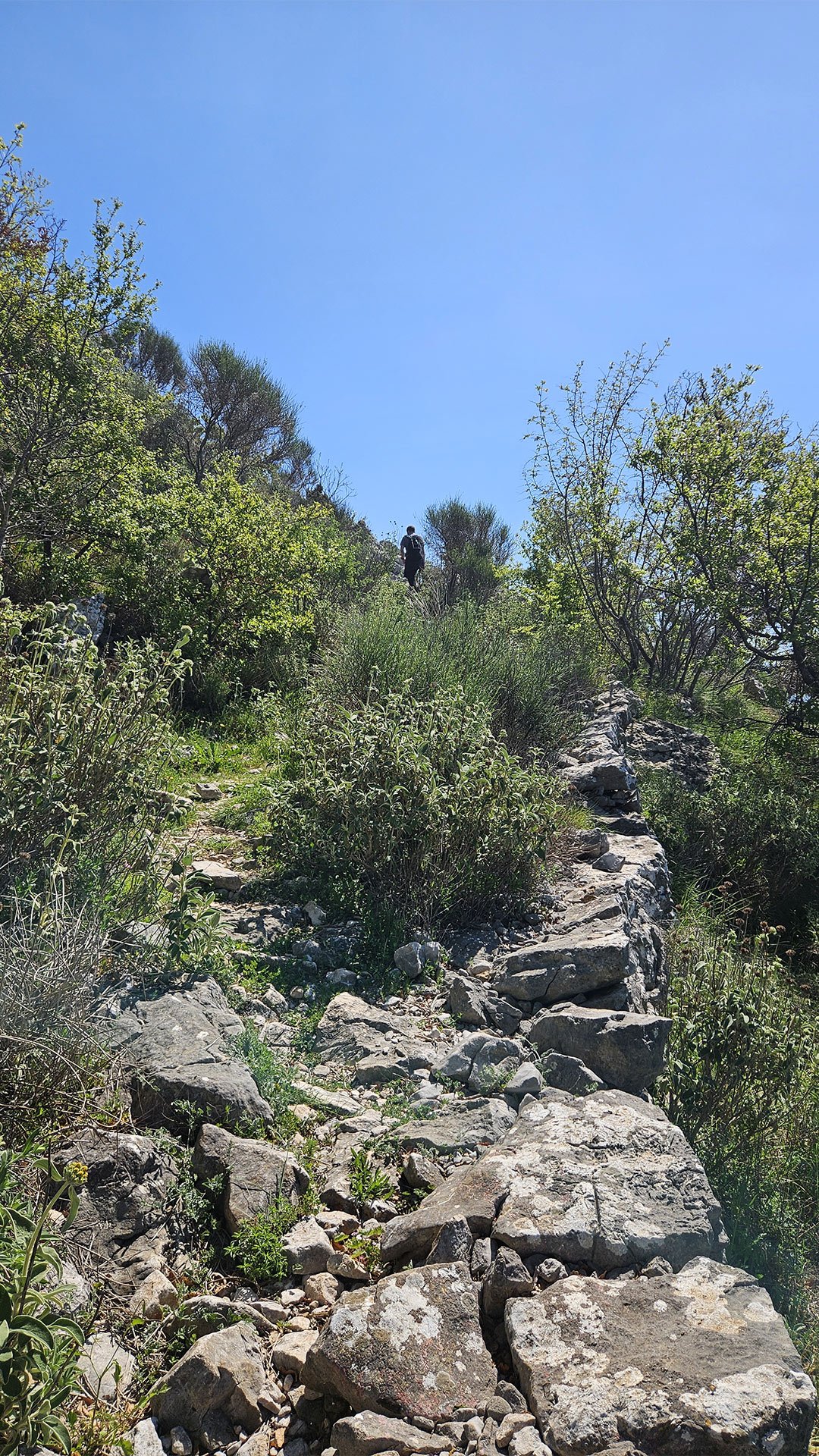
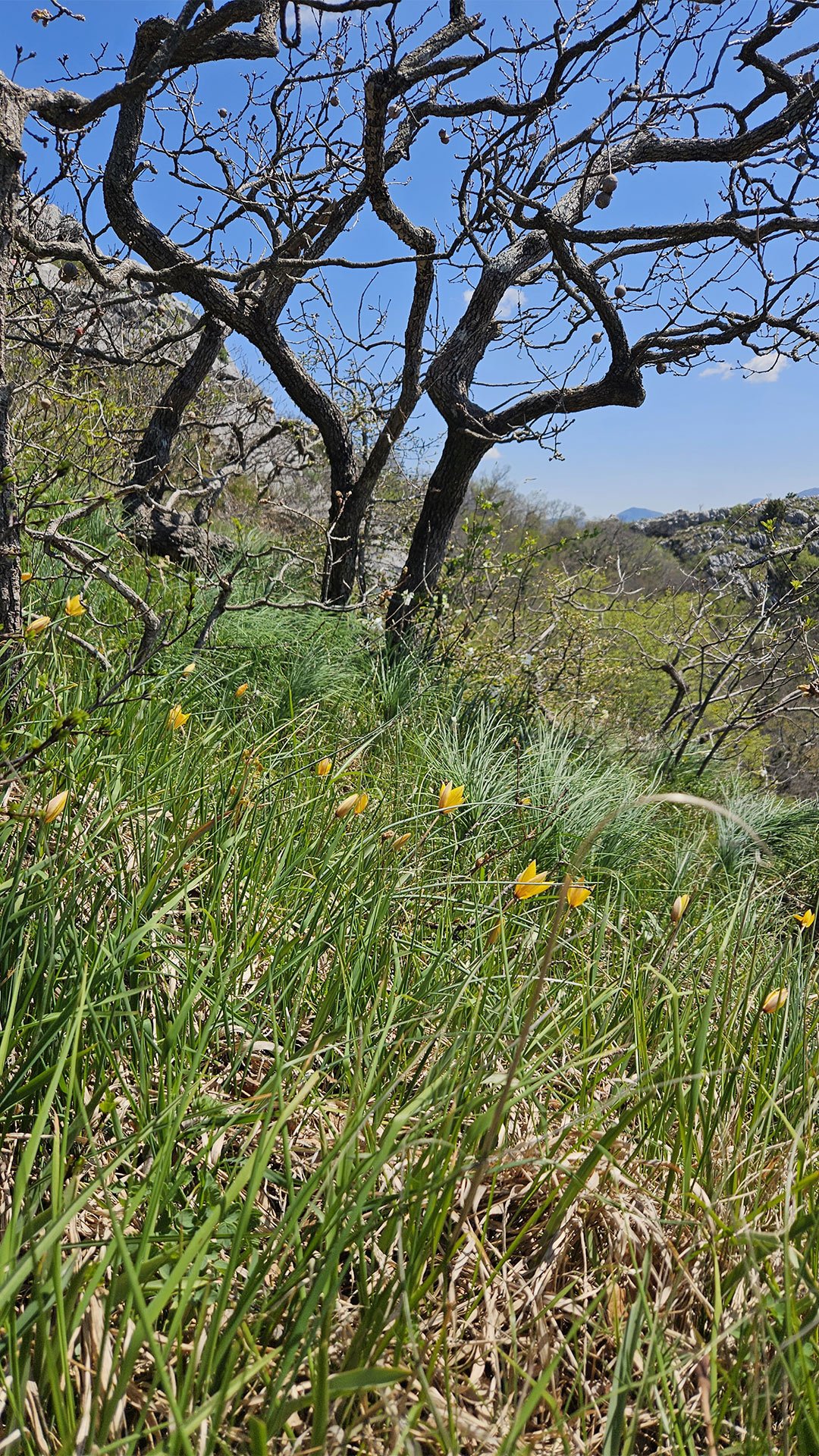
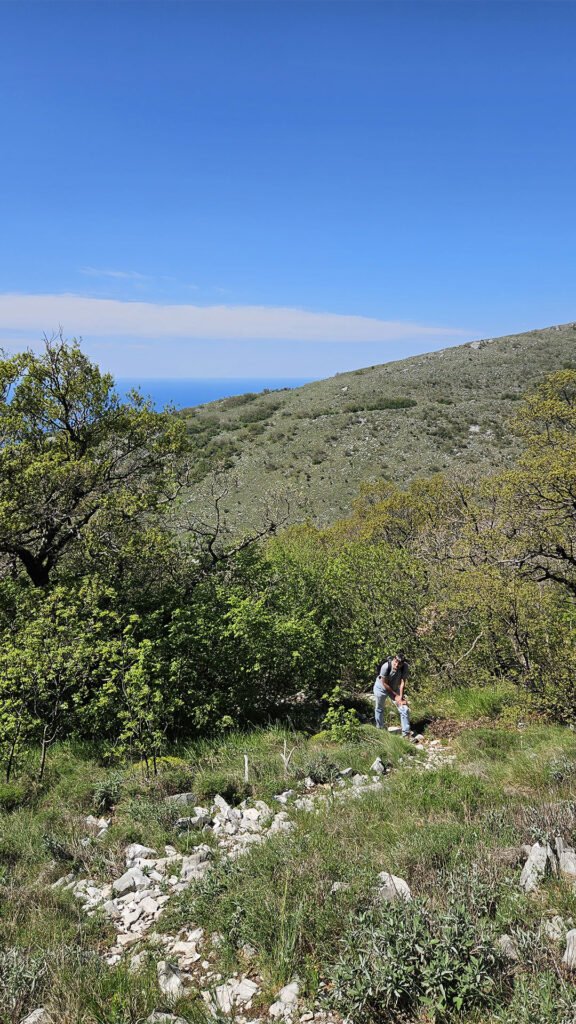
The lower part of the climb passes through Mediterranean thickets and patches of forest. Higher up, the trees gradually recede, revealing open grassy slopes and white limestone rocks. The last hundred meters before the summit are particularly steep: the trail becomes less visible, and the rocks hidden by the grass increase the risk of twisting an ankle.
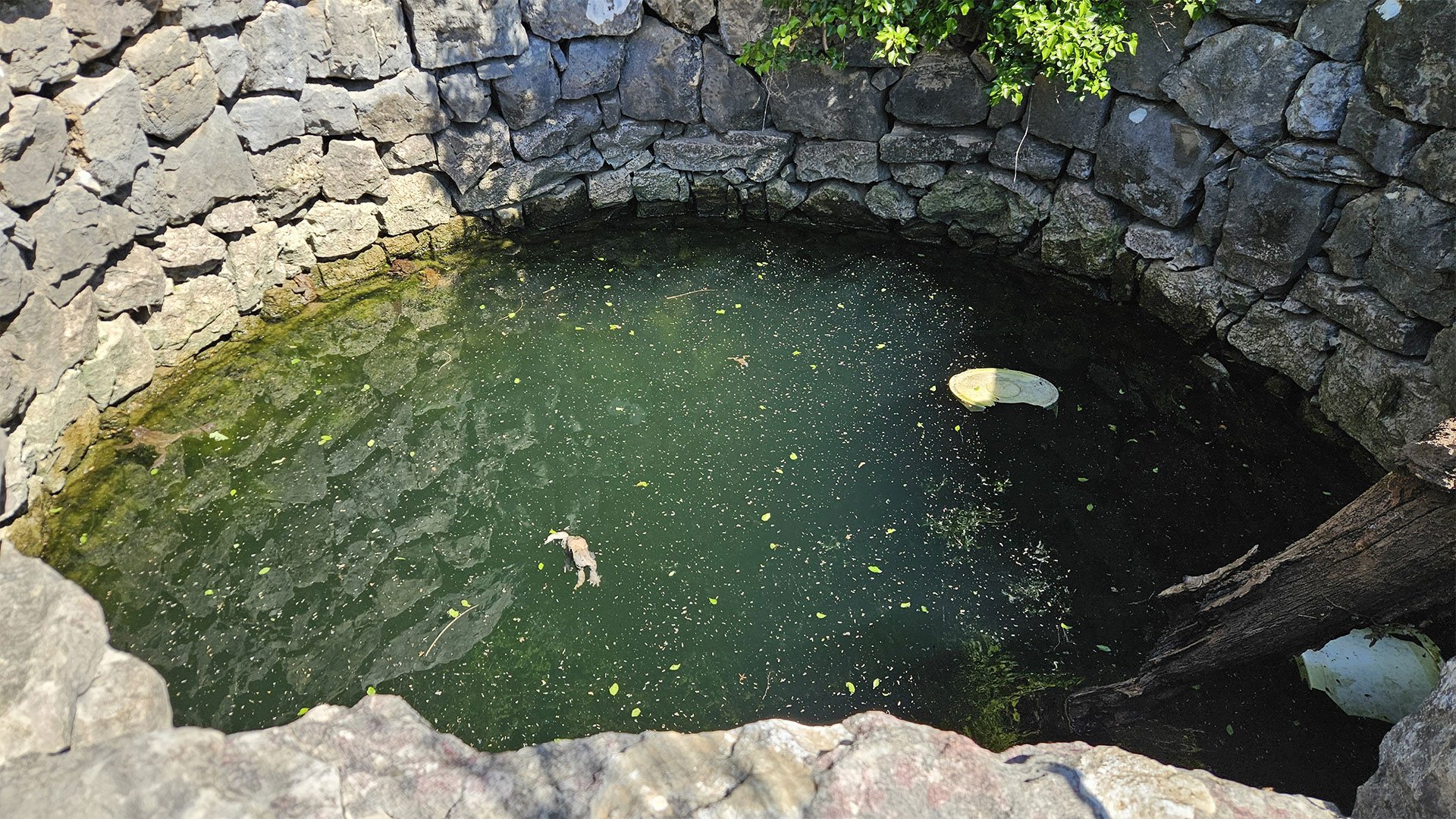
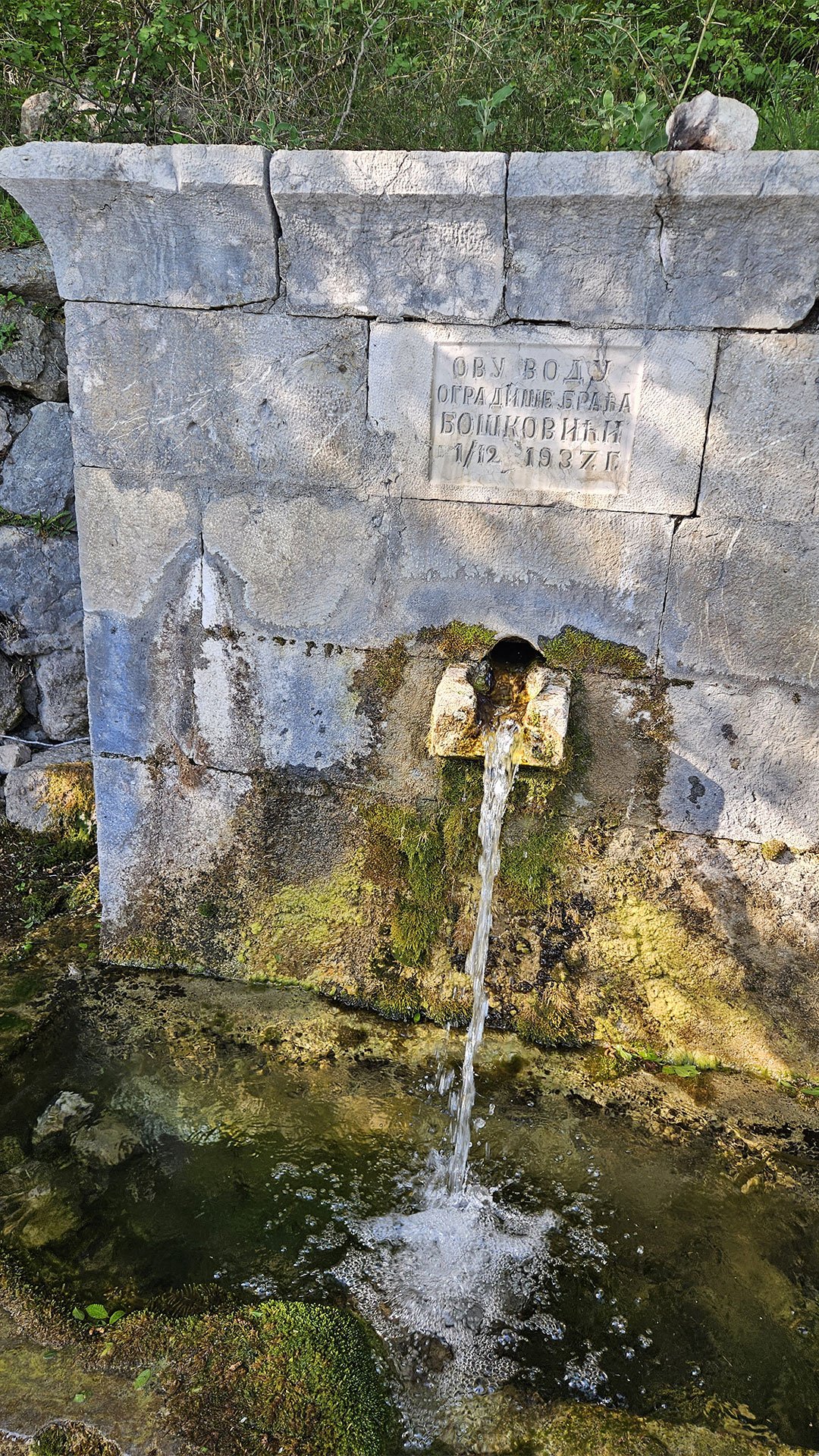
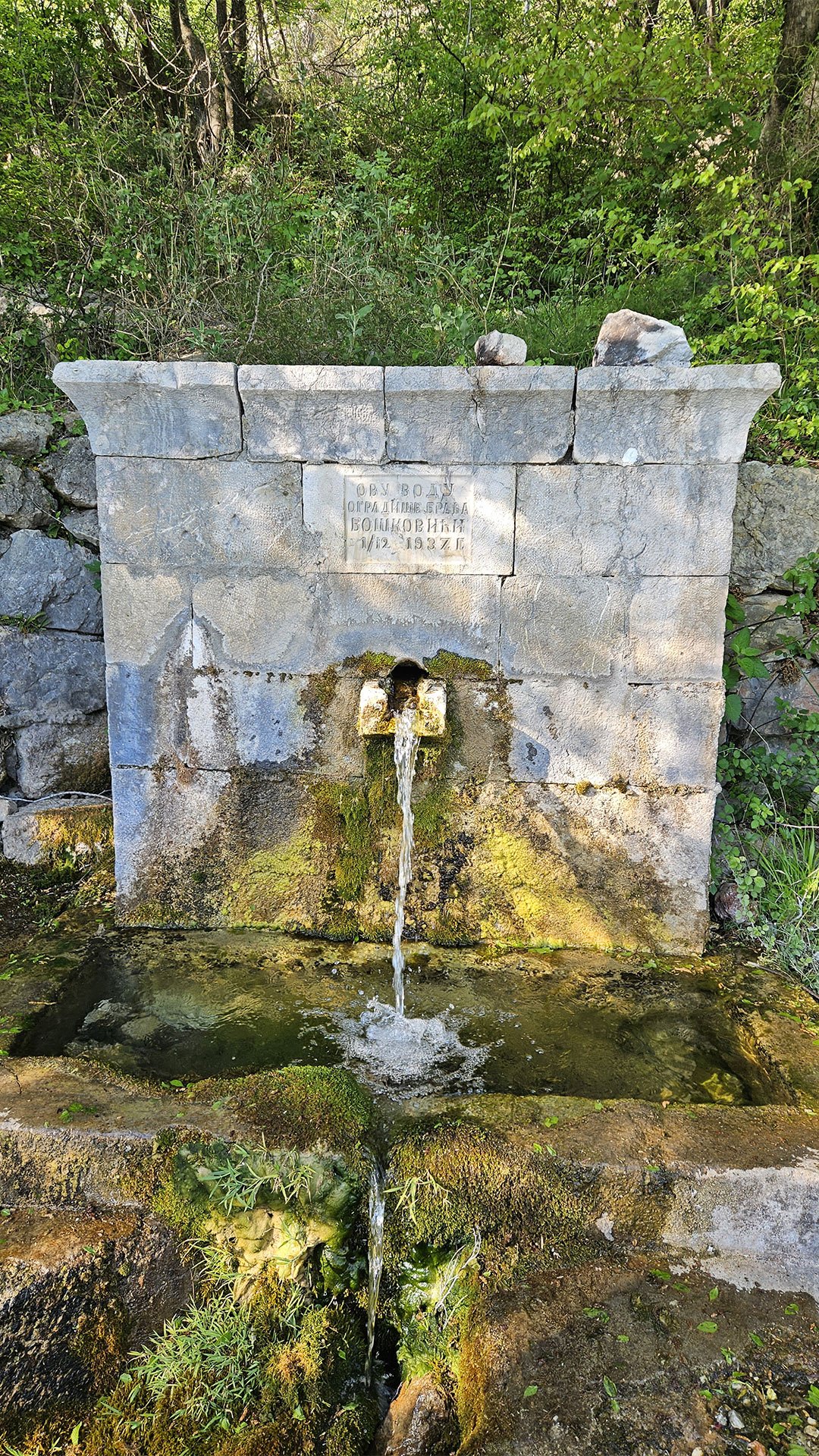
There is no reliable source of drinking water along the entire route, so you should bring a supply from Sutomore. For the hike, you will need shoes with good tread, sun protection, a windbreaker, a charged phone, and a saved GPS track for offline use. Due to possible changes in trail markings, do not rely solely on old route descriptions.
The best time to ascend is spring and fall. Summer in the Bar region is typically hot and dry, so during the warm season, you should set out early in the morning, avoiding the midday sun. In winter, strong winds, low clouds, and snow are possible in exposed areas.
Vrsuta – a mountain between the sea and the lake
Vrsuta is part of the mountainous region of Bar Municipality, along with Rumija, Lisinje, Sutorman, Sozina, and Velja Trojica. It rises above the Sutorman Pass, which separates the Bar Plain from the fertile Crmnica region. The mountain’s southwestern slopes face Sutomore, while the northern slopes descend to the Limljani Valley.
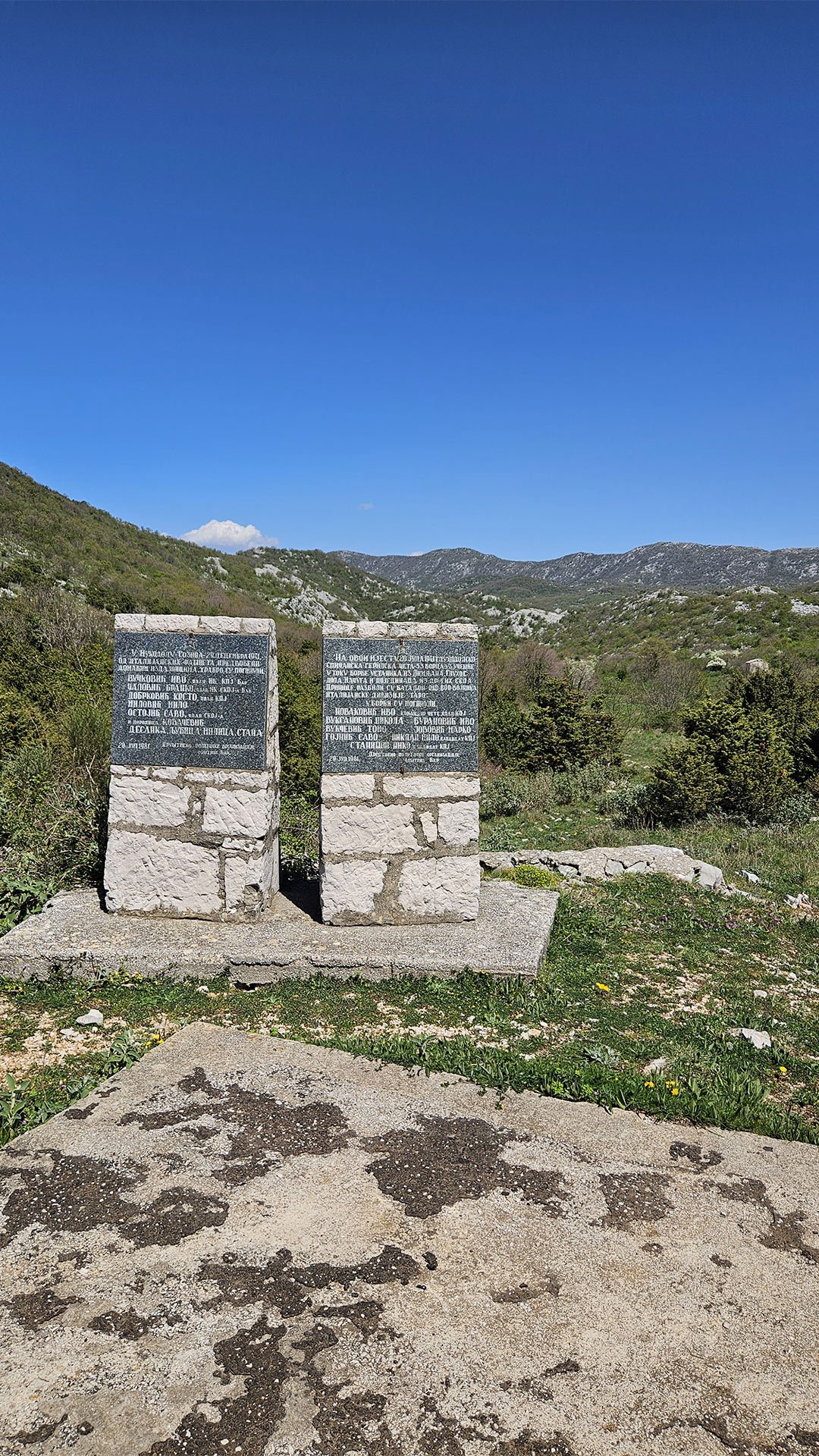
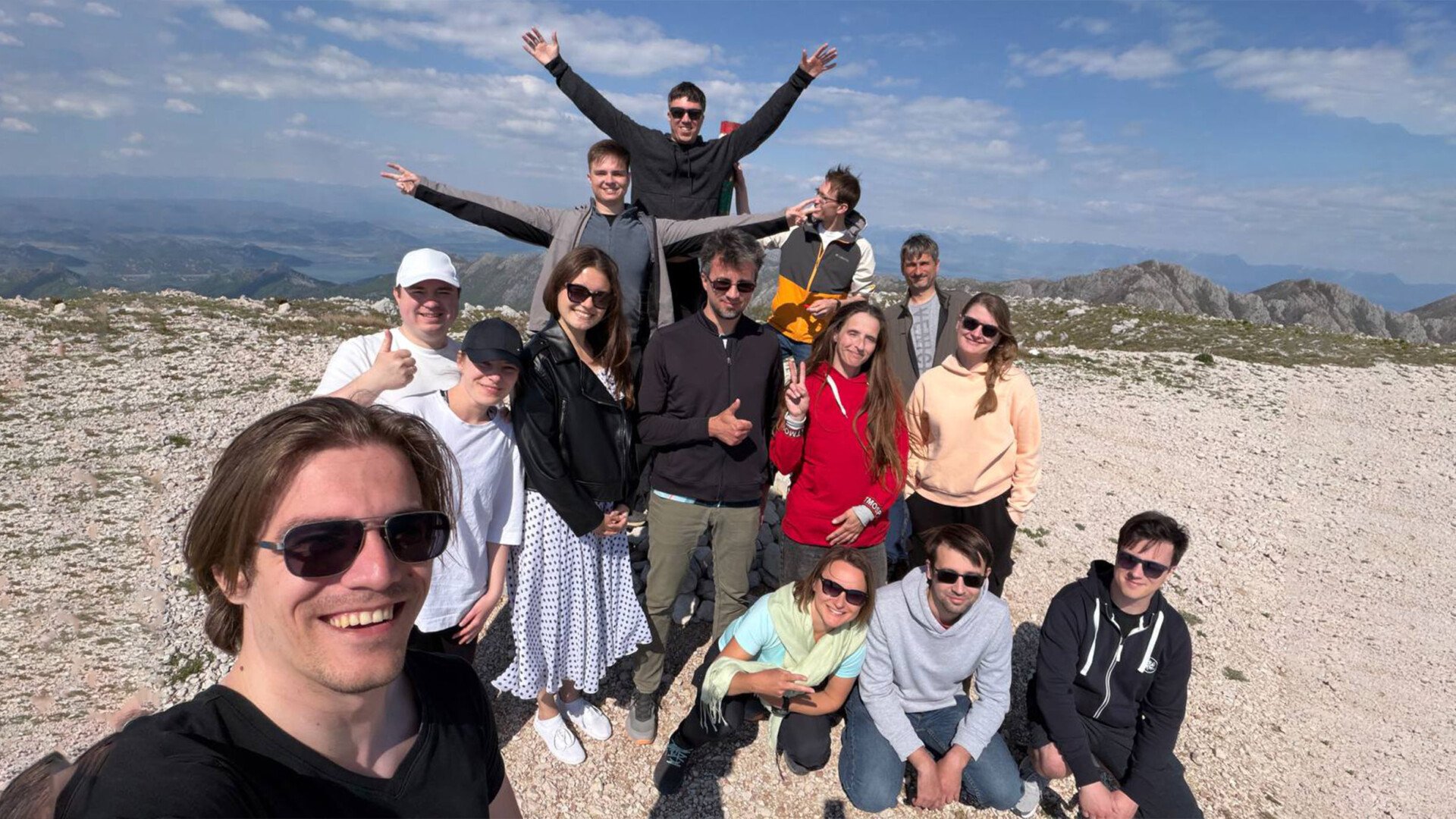
The summit is a wide, rocky, grassy plateau. From here, Sutomore, the Bar Riviera, and a chain of coastal ridges are visible. On the opposite side, Crmnica and Lake Skadar open out—a rare spot in Montenegro where the seashore and the inland lake basin merge in a single landscape.
Official local sources list Vrsuta’s elevation as 1,183 meters. Some tourist maps list values of 1182, 1190, or 1193 meters: slight discrepancies are due to different cartographic measurements and altitude recording points.
Interesting facts about Sutomore
Today, Sutomore is known primarily as a seaside resort, but its surroundings preserve monuments from several historical eras.
To the west of the town is the Church of St. Thekla, built in the 14th century. It contains two altars—one Orthodox and one Catholic. According to the Bar Tourist Organization, services were conducted in the church by priests of both denominations, and a common cemetery is located in front of the building. This monument is often cited as a characteristic example of the multi-confessional history of the Bar region.
The ruins of the Haj-Nehaj fortress tower over Sutomore. The fortification was built in the 15th century on an inaccessible hill approximately 225 meters high and was first mentioned in written sources in 1542. The fortress was used by the Venetians to protect the coast. Another important monument is located on Cape Ratac between Sutomore and Bar. The ruins of the Benedictine Monastery of Our Lady of Ratac, founded in the 11th century, are preserved here. The complex included three churches, residential buildings, walls, and towers; in 1571, it was destroyed during the Ottoman conquest of the coast.
Zupci and its connection to Vrsuta
Zupci, or Župci, is a village and cadastral territory in the municipality of Bar. Zupci’s connection to Vrsuta is not only geographical: the summit area straddles the border of several cadastral communities, including Zupci, Zankovići, Limljani, and Sozina. In the official description of the boundaries of these settlements, the summit of Vrsuta is listed as one of the reference points of the Zupci territory.
The Ribnjak Monastery is located in Zupci. The remains of an older church stood on its site, the construction of which, according to local legend, is associated with Helen of Anjou of the Nemanjić dynasty. The Bar Tourist Board cautiously refers to this story as legend, not documented fact.
Zupci is also famous among rock climbing enthusiasts. The local rock sector has 15 routes covering a wide range of difficulty levels, from three to nine on the guidebook’s scale.
Plants of Vrsuta and the Bar Coast
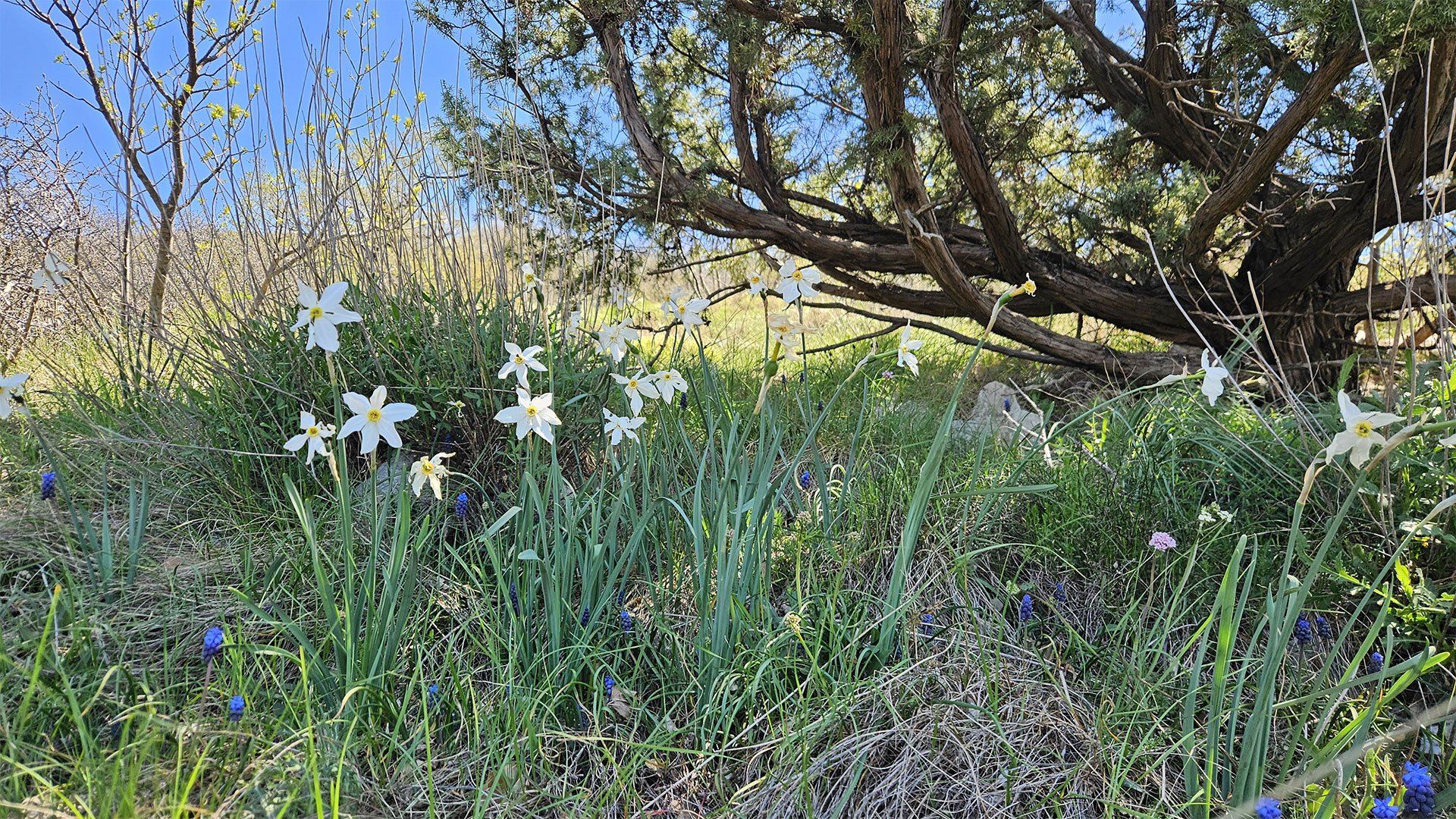
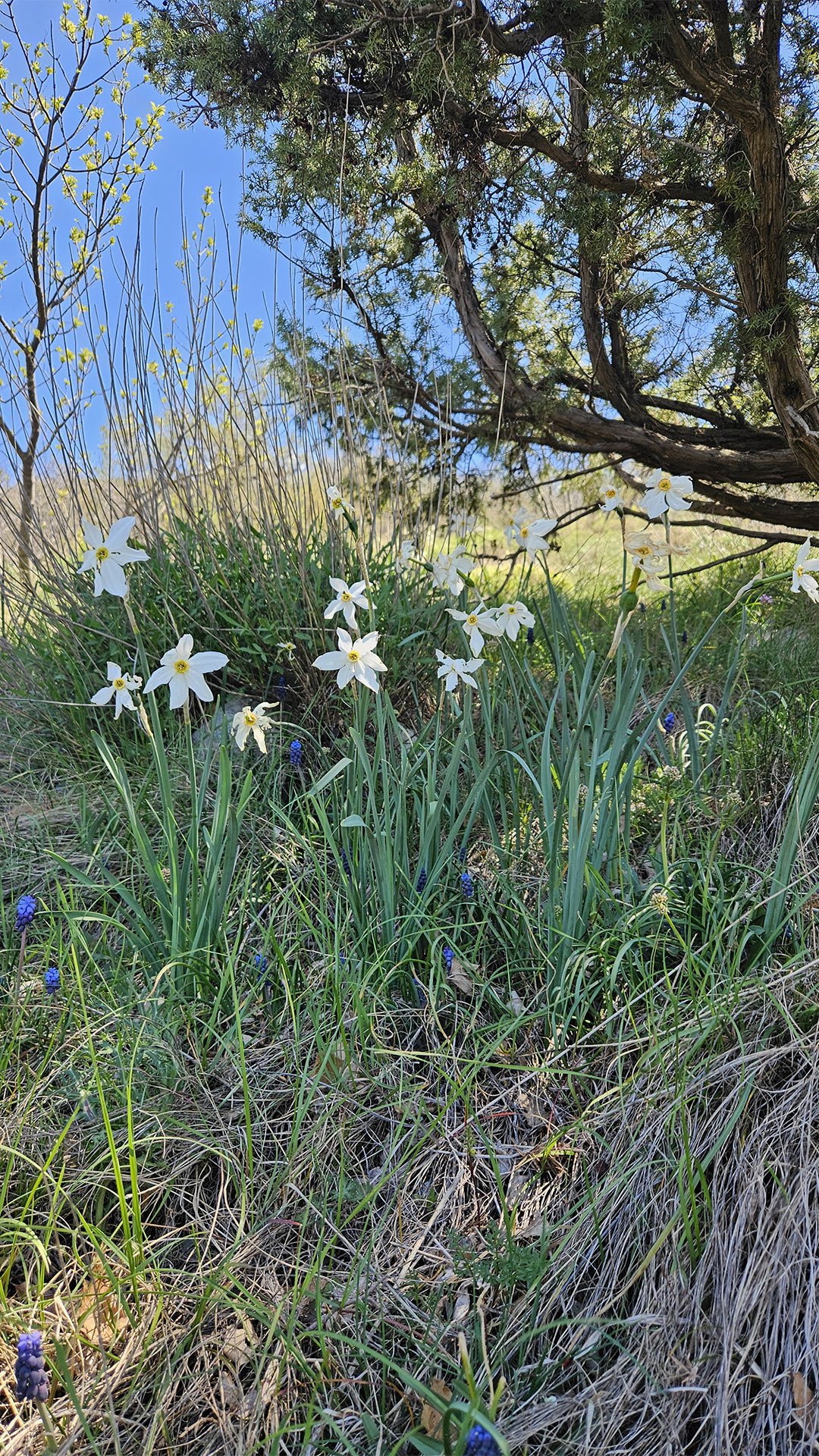
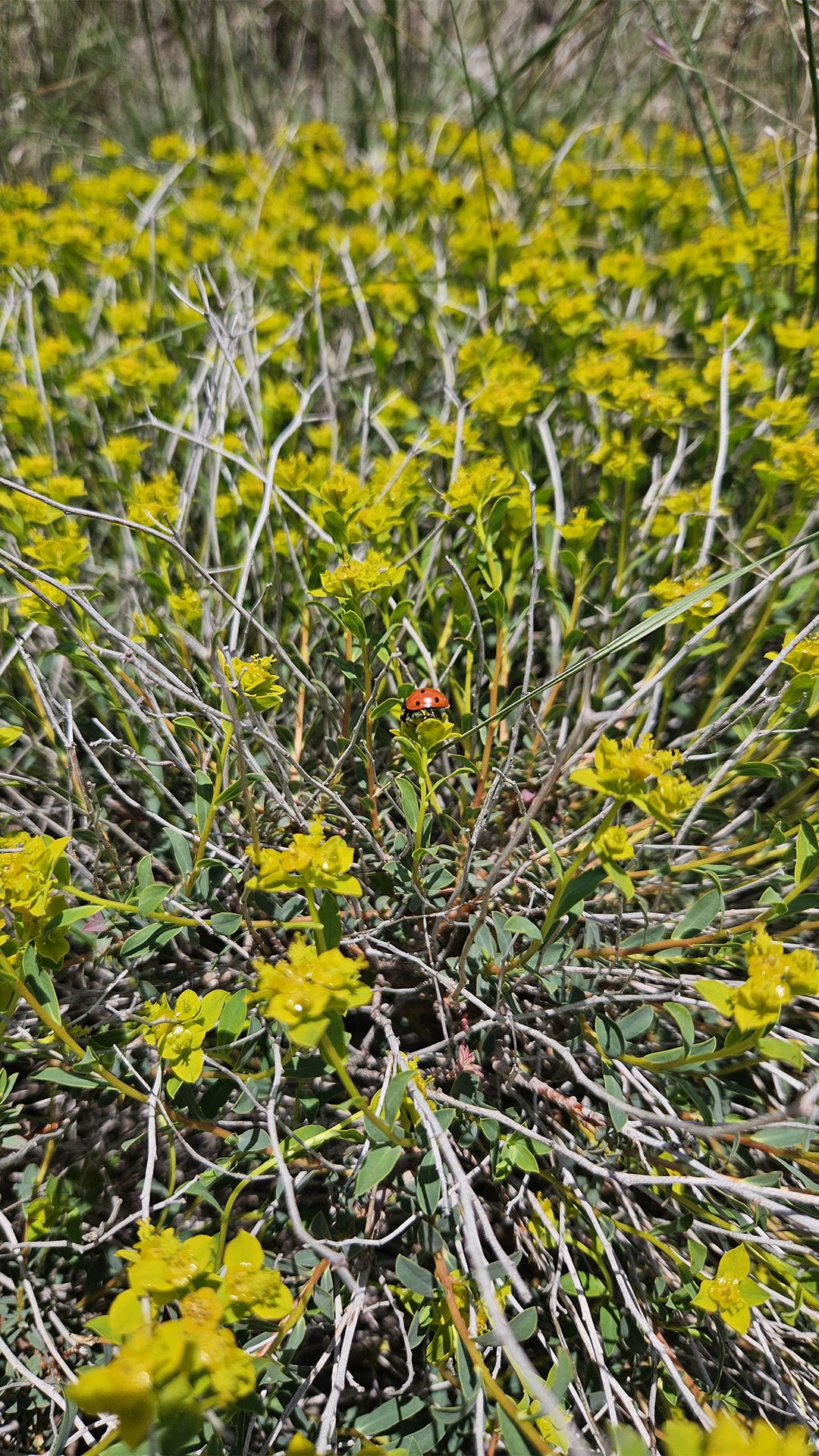
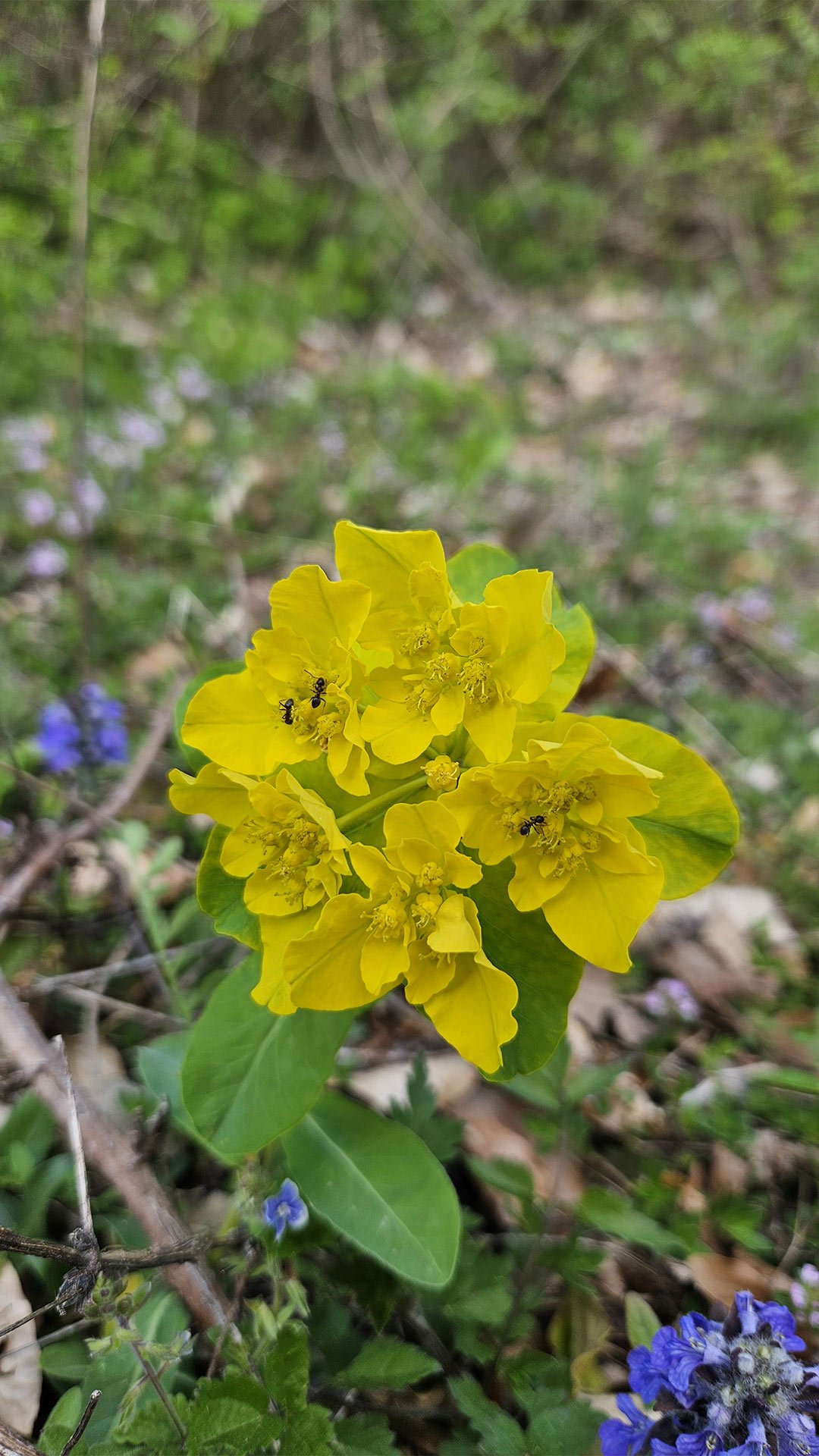
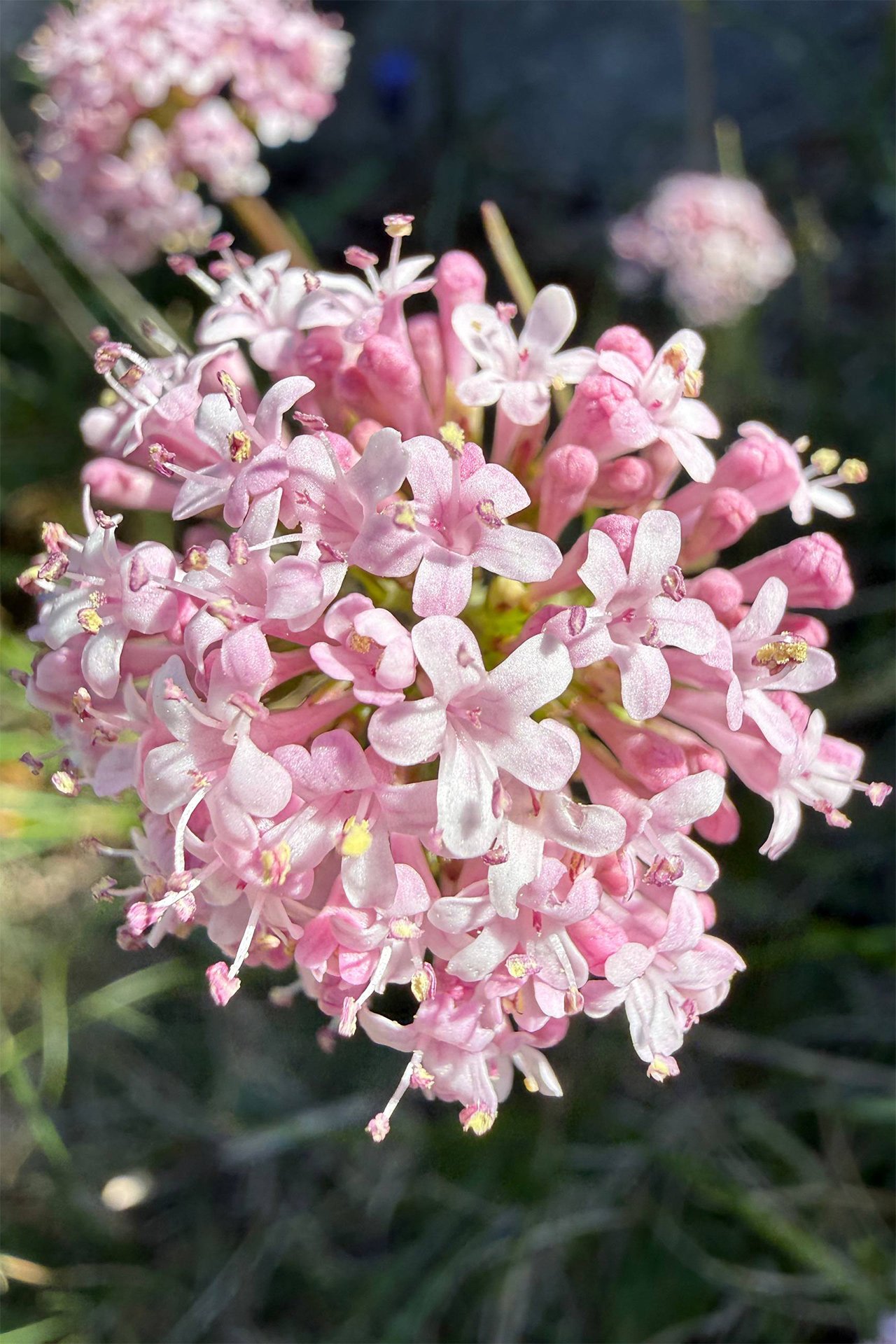
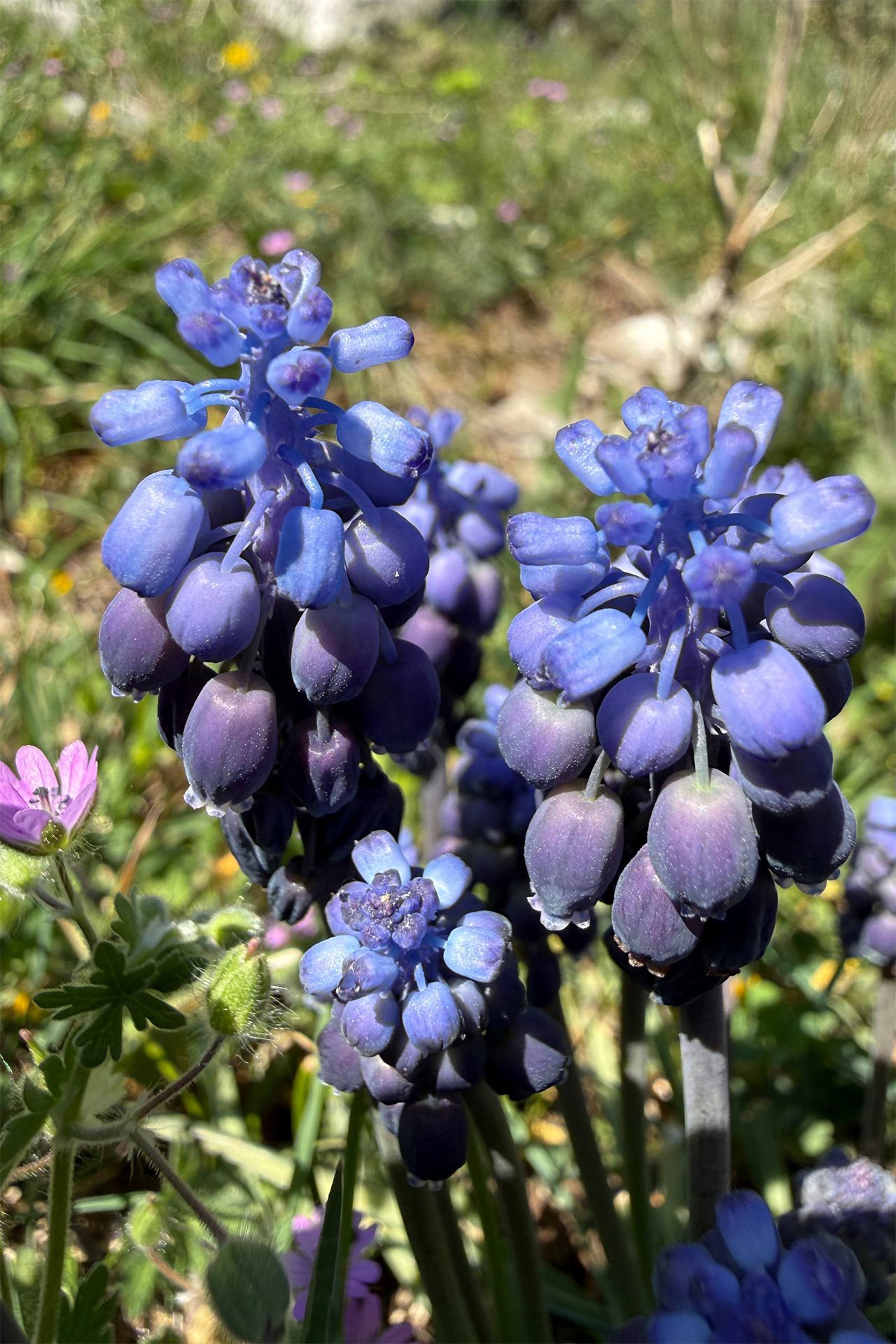
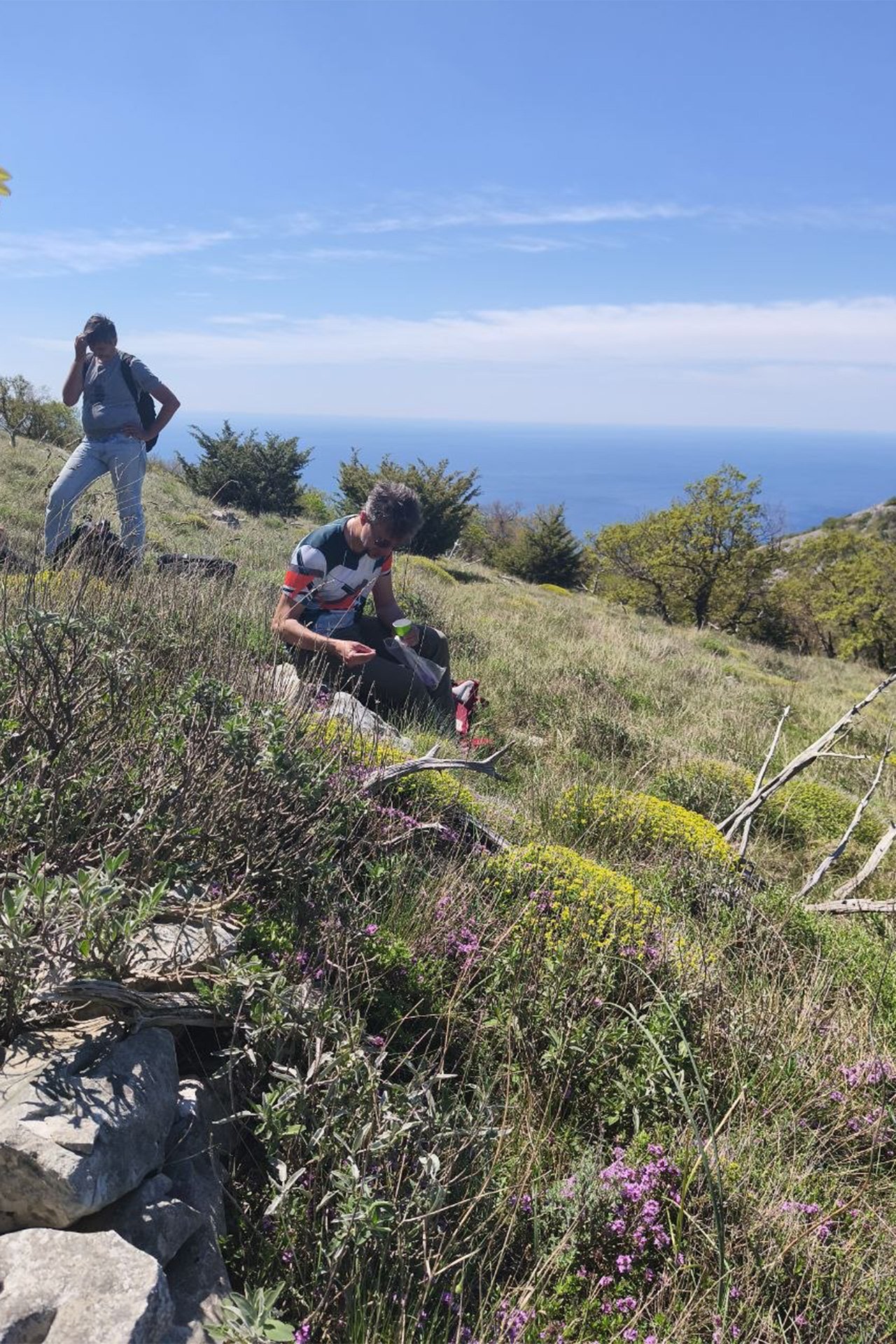
The first kilometers of the climb pass through a zone of Mediterranean vegetation. Common here are evergreen holm oak, downy oak, laurel, myrtle, strawberry tree, mastic, heather, juniper, butcher’s broom, wild pomegranate, and various species of asparagus. This vegetation forms maquis—dense thickets adapted to hot, dry summers. In more open and disturbed areas, the maquis gives way to low-growing garrigue.
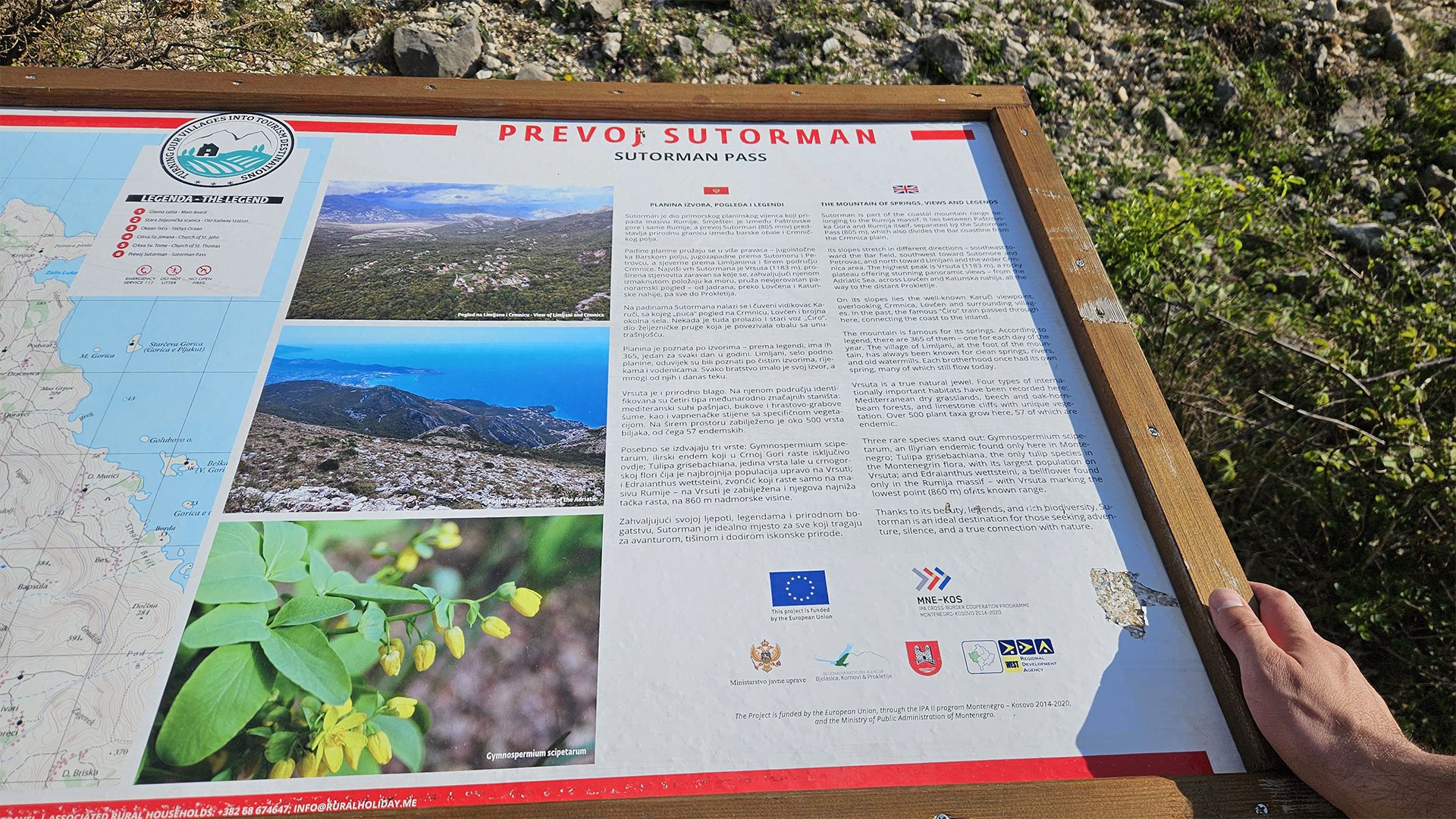
The vegetation pattern changes with altitude. Four types of habitats of international importance have been identified on Vrsuta:
— Mediterranean dry pastures;
— beech forests;
— oak-hornbeam forests;
— limestone rock slopes with plants adapted to life in rock crevices.
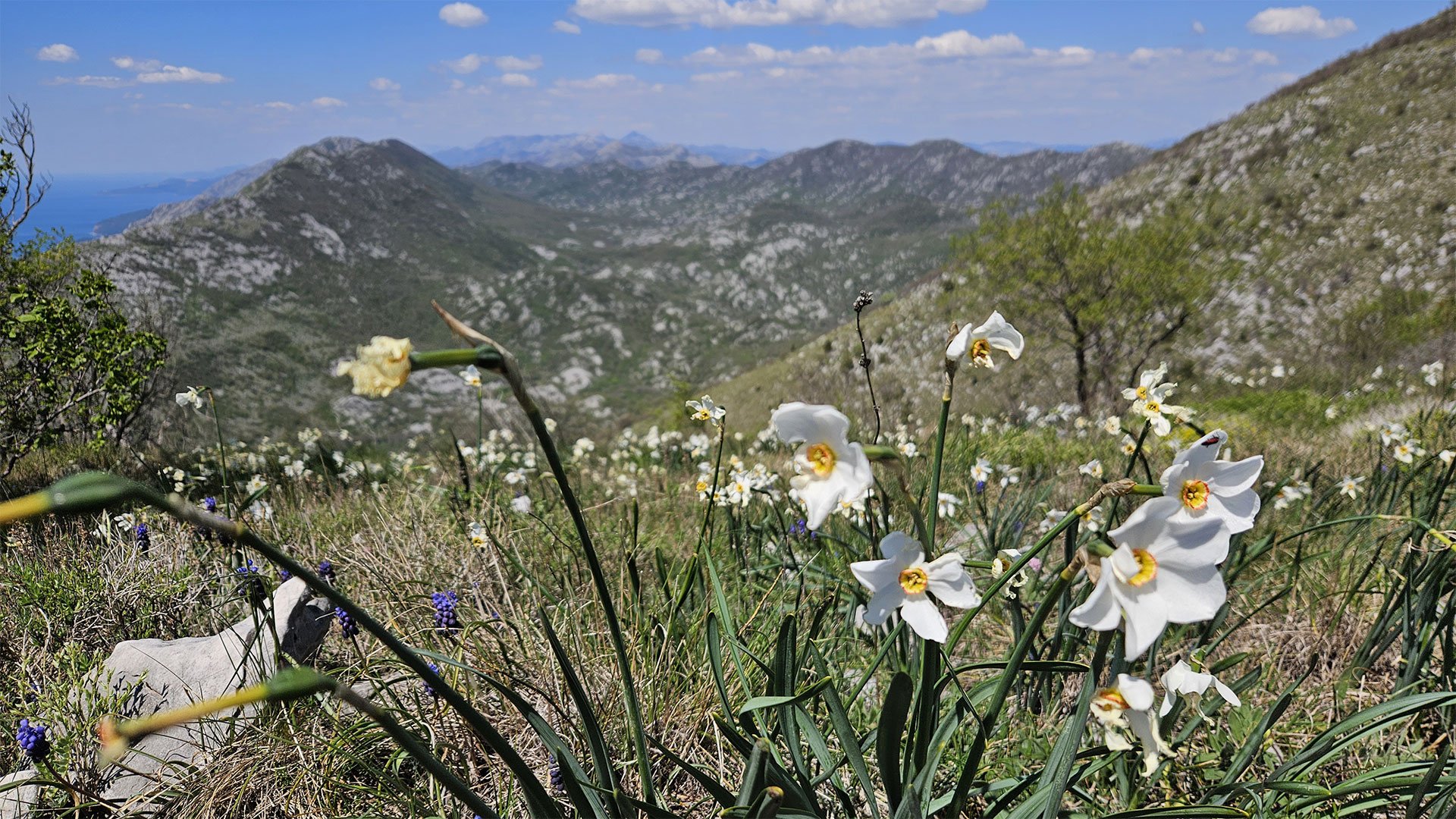
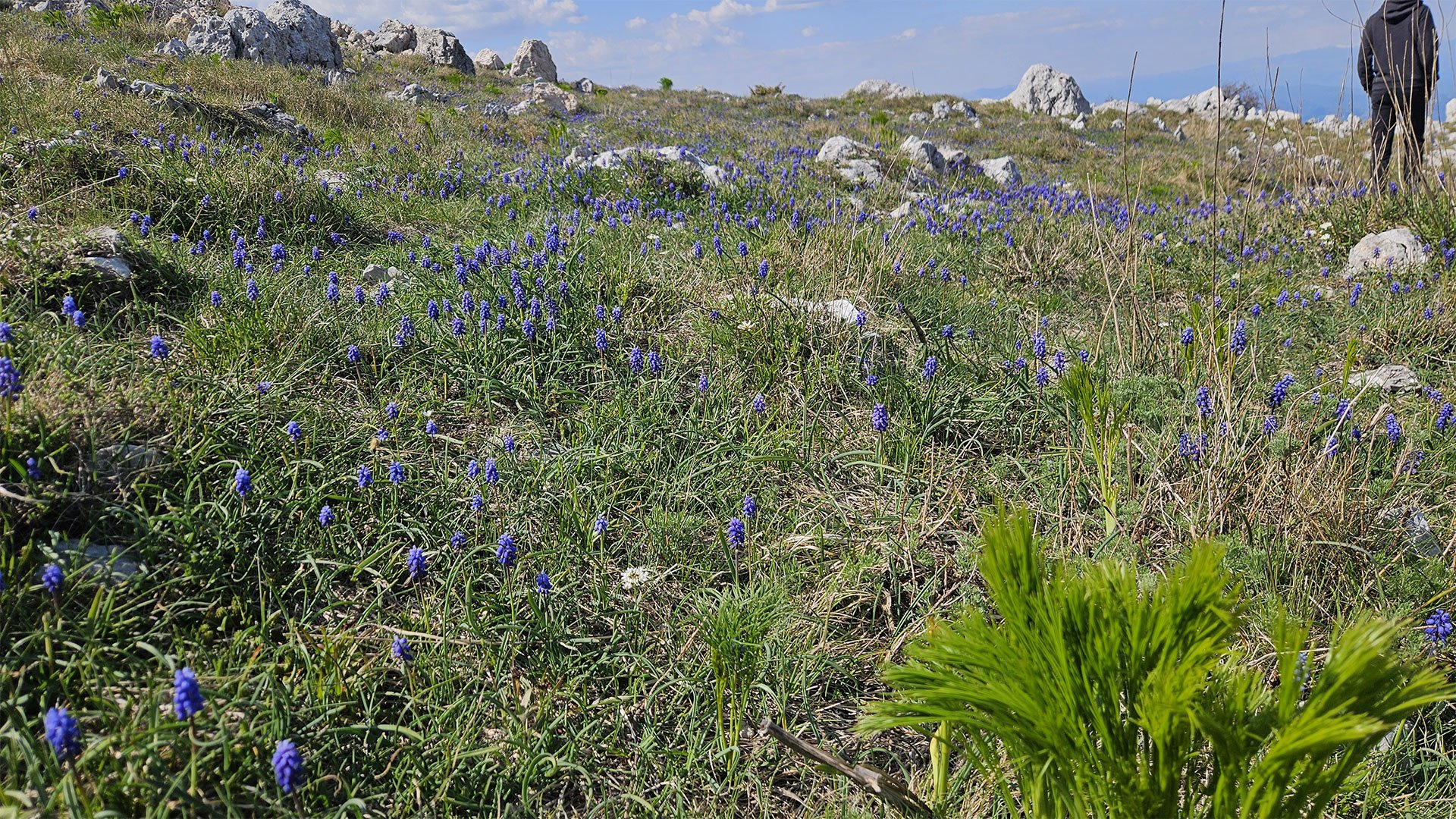
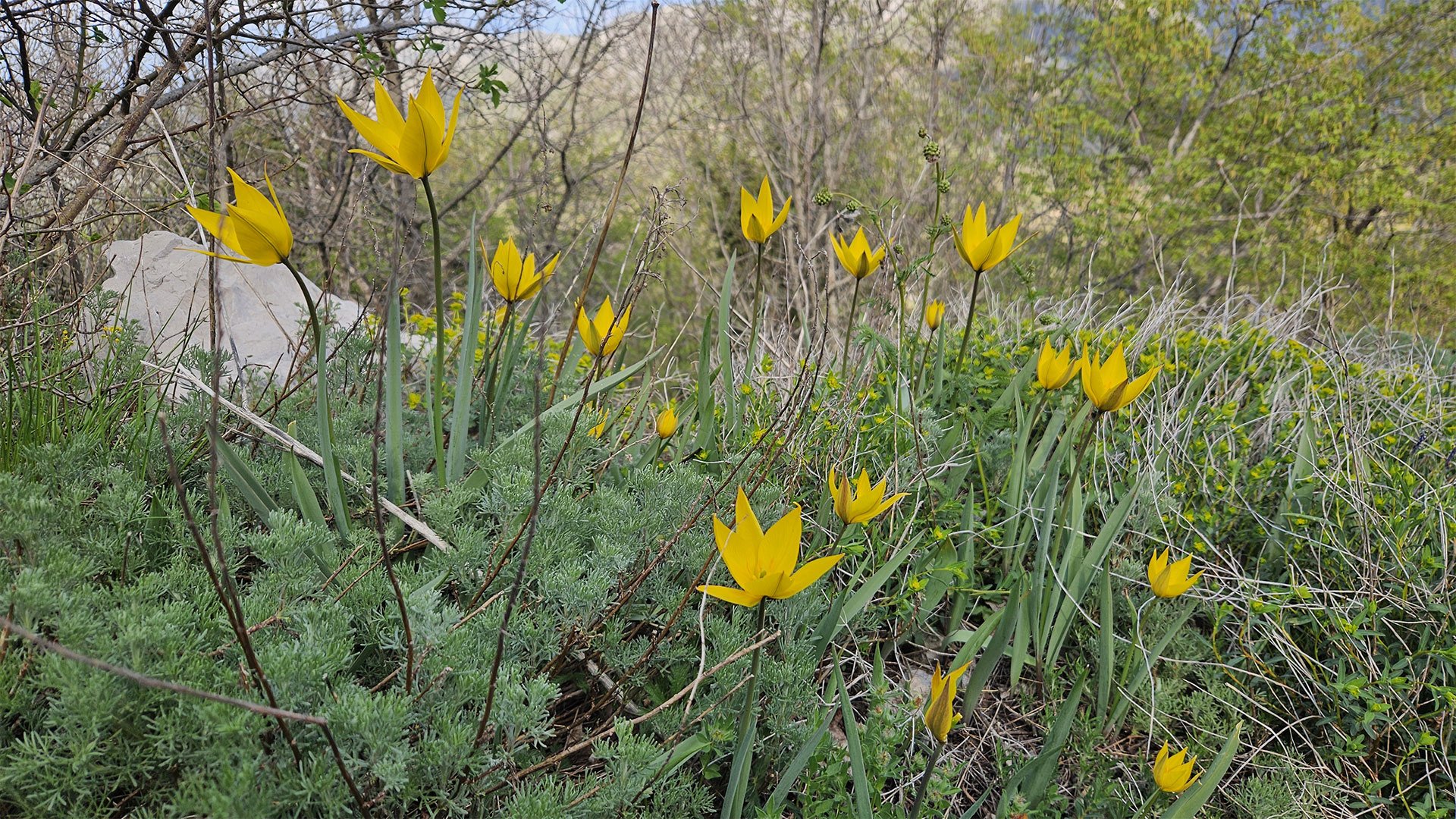
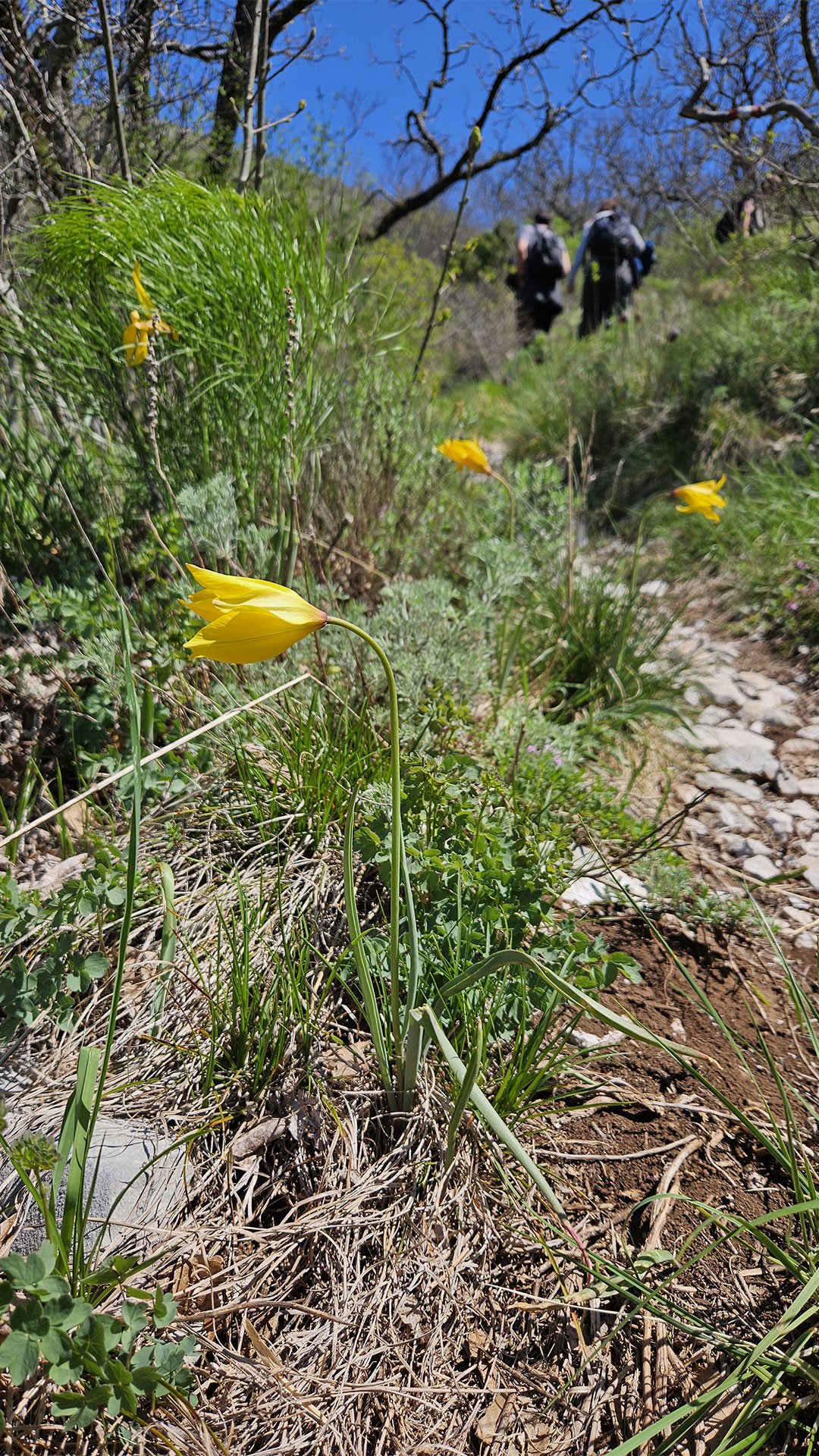
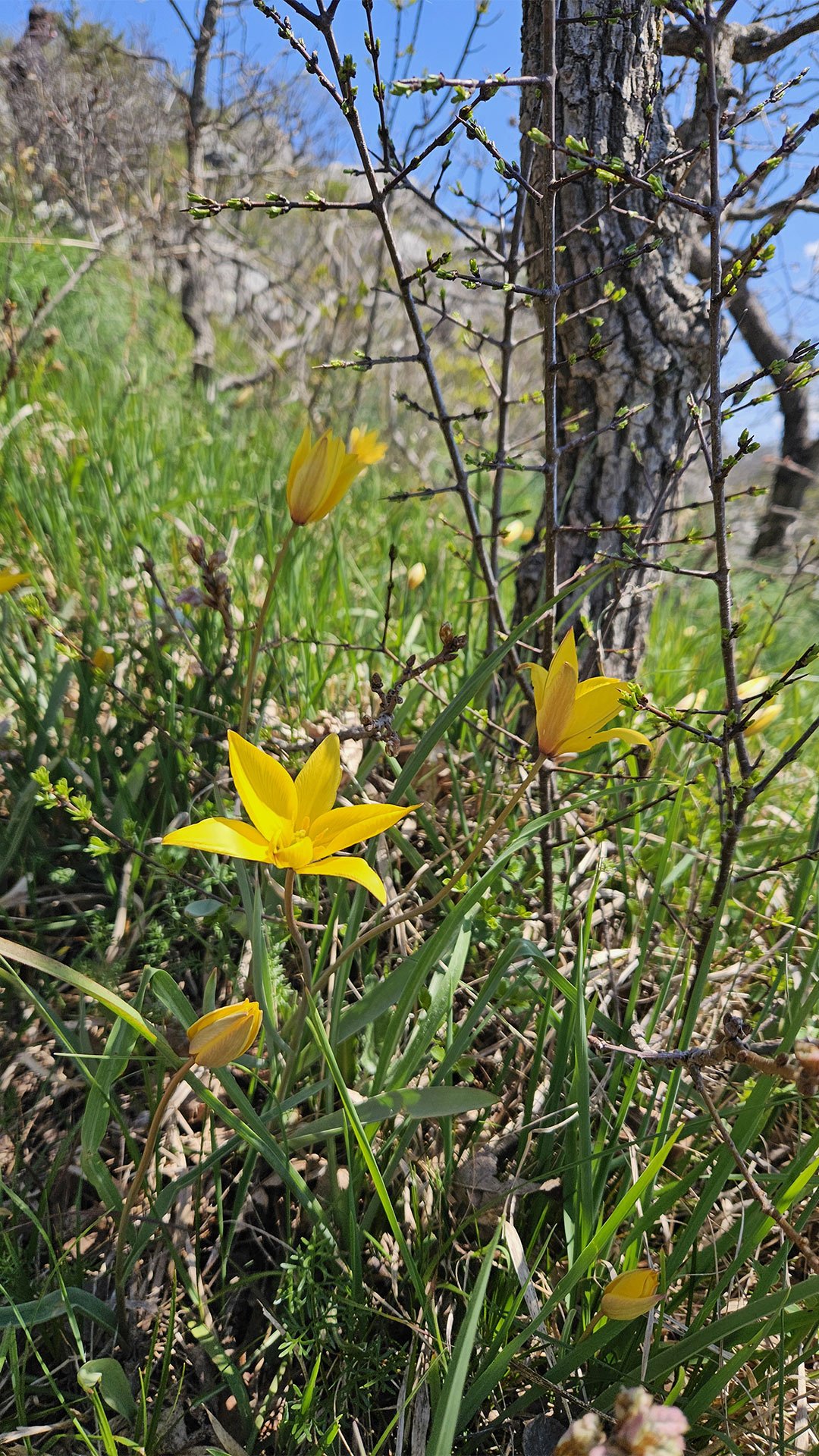
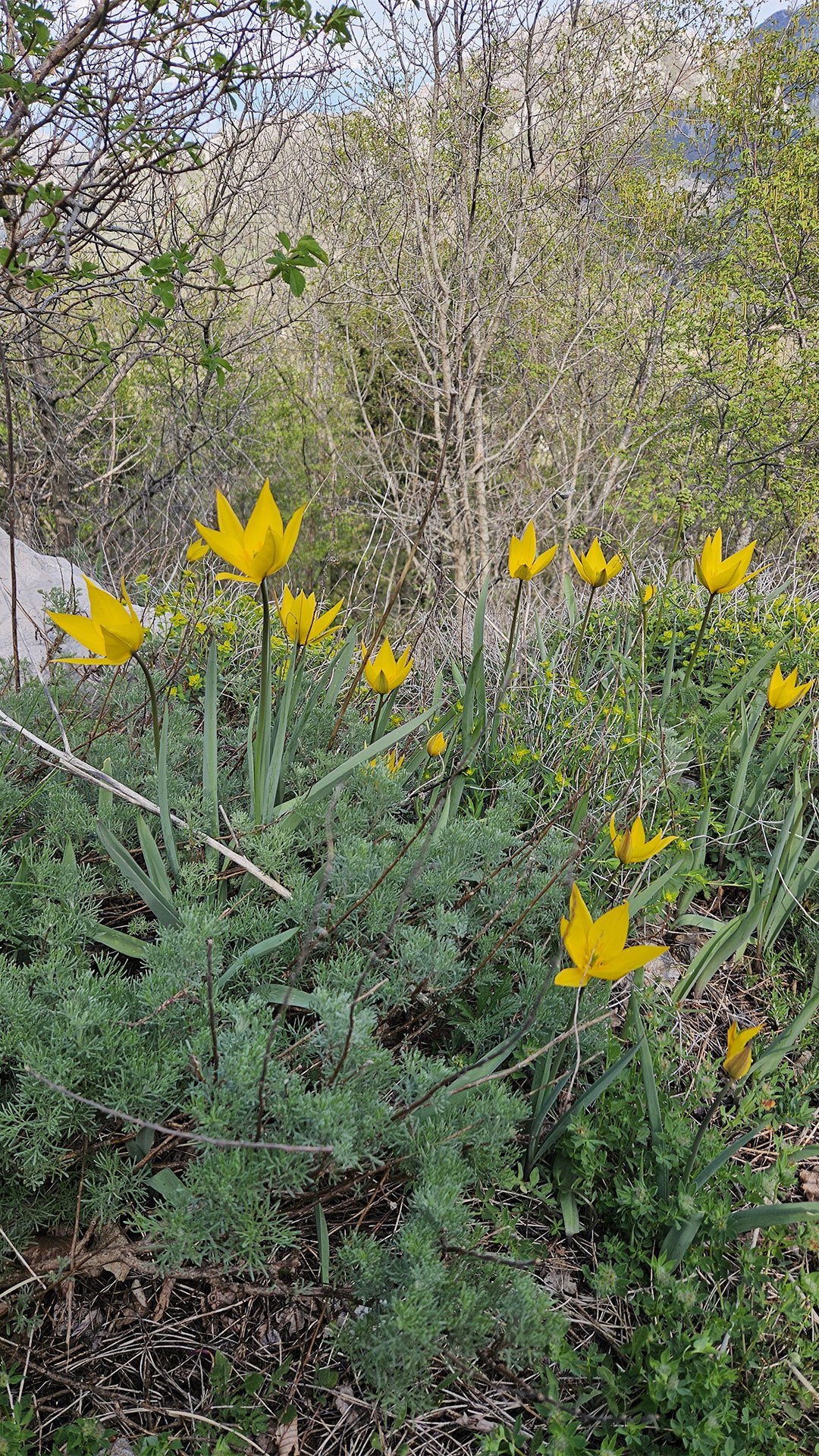
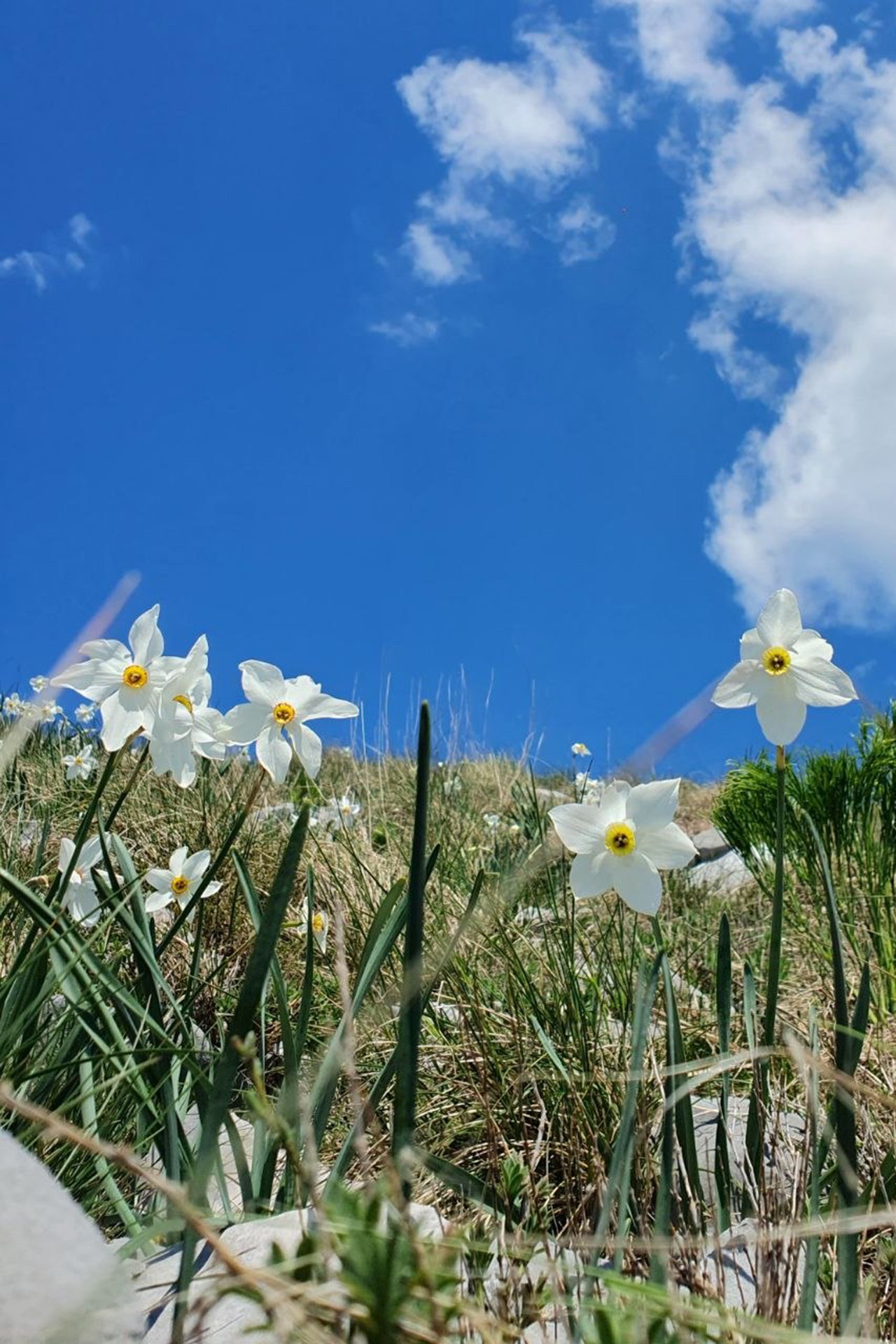
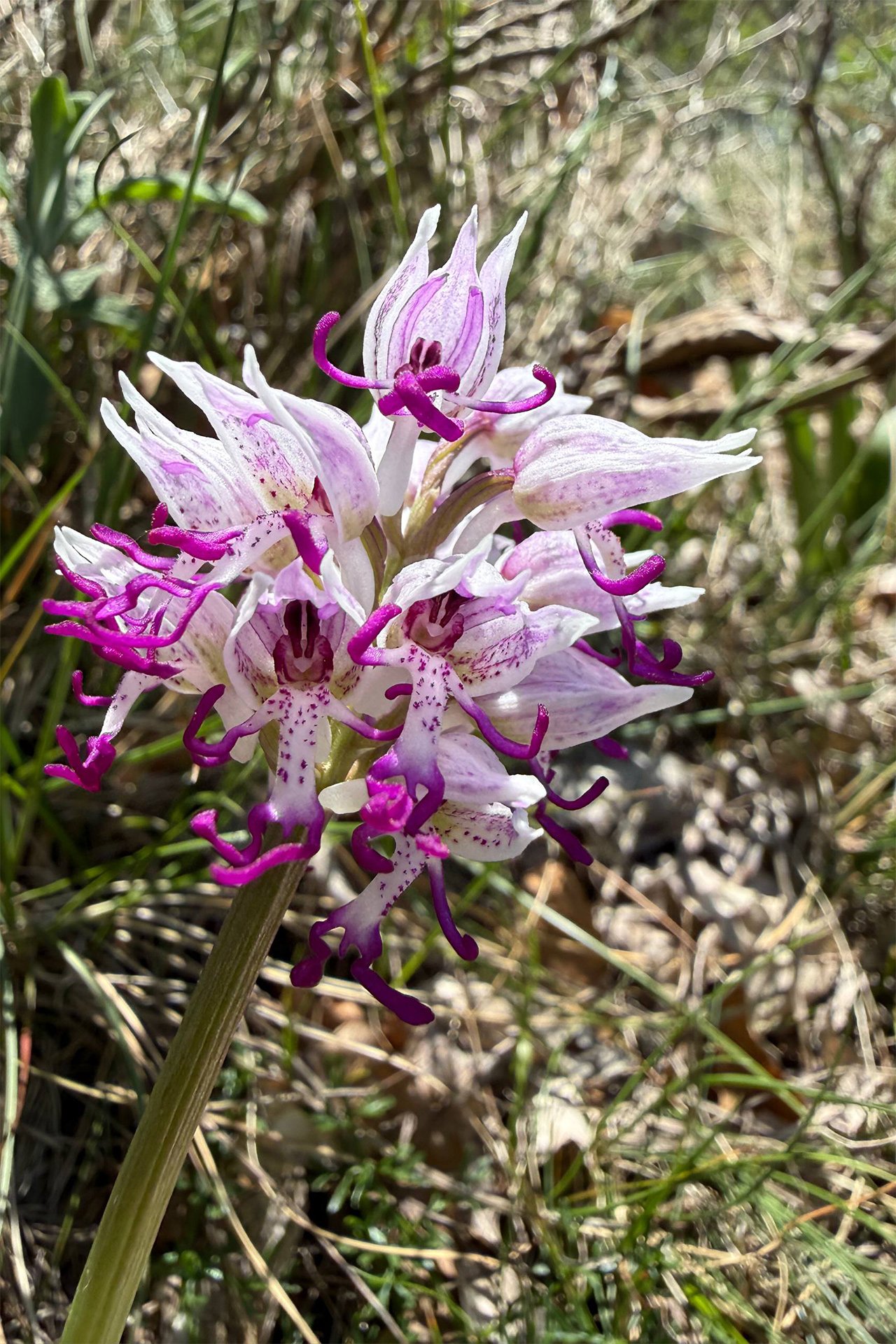
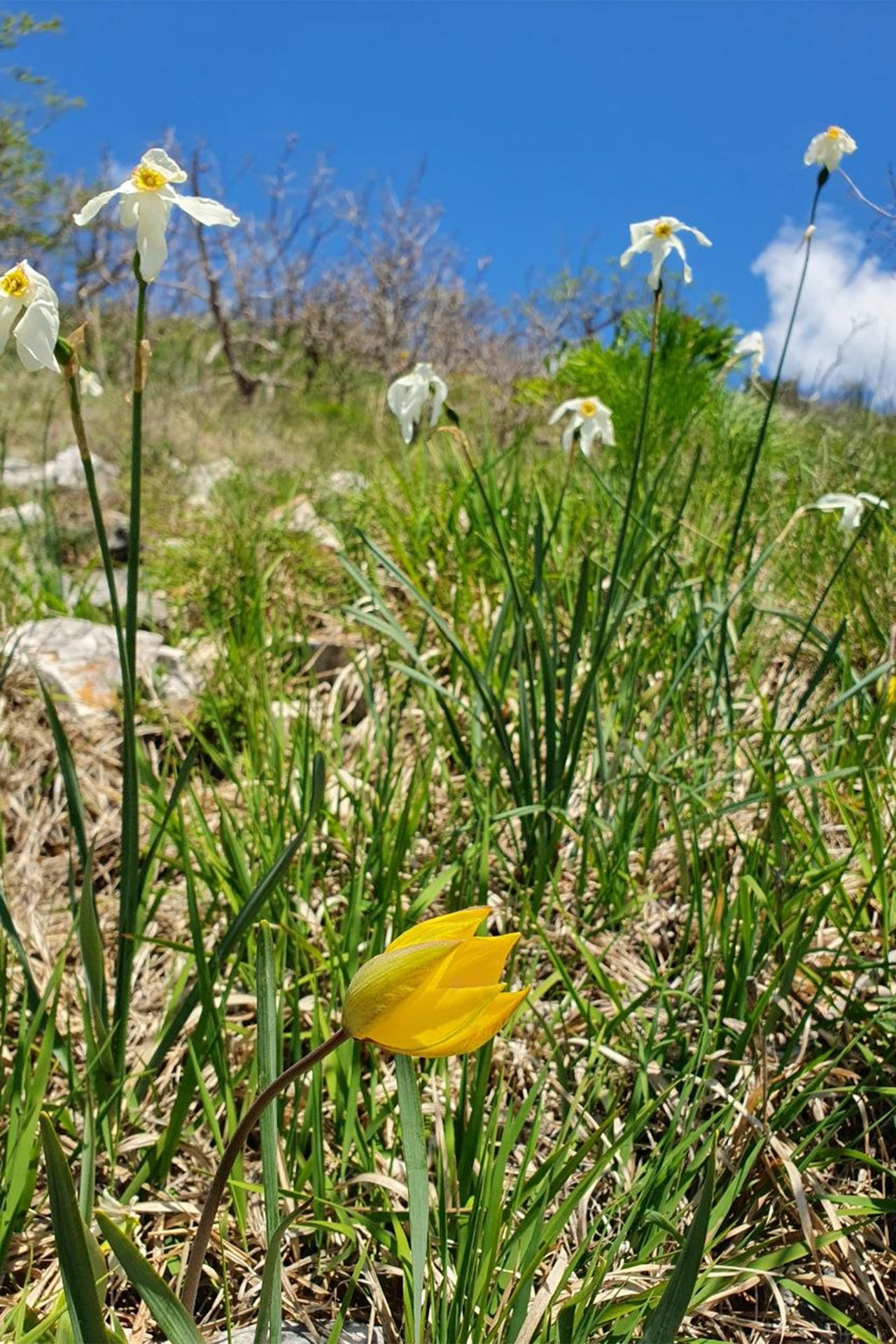
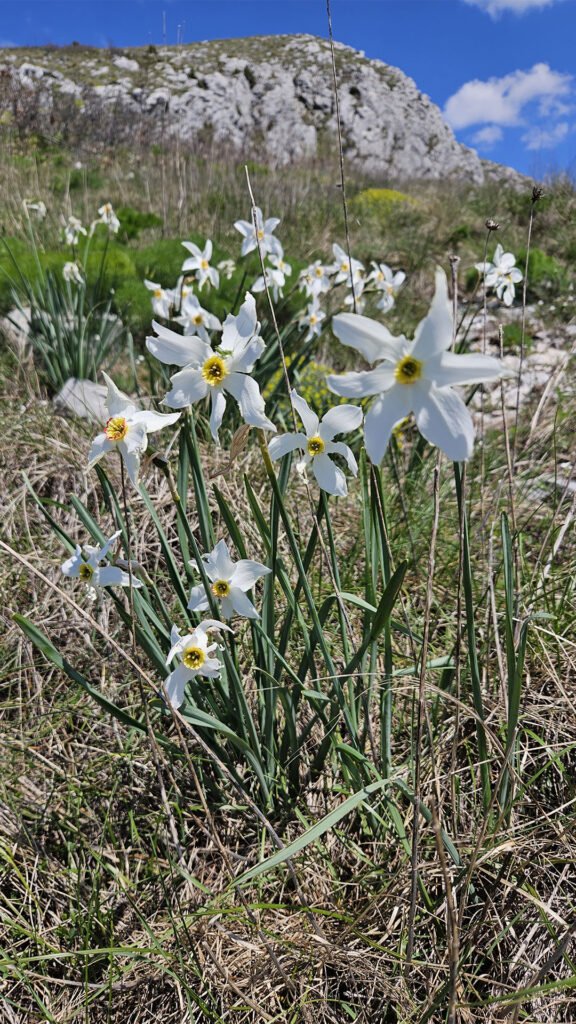
Vrsuta is recognized as an important botanical area. Research has recorded approximately 500 taxa of vascular plants here, of which 57 have varying degrees of endemism. Three species are particularly valuable: Gymnospermium scipetarum, Grisebach tulip (Tulipa grisebachiana), and Wettstein’s bellflower (Edraianthus wettsteini).
According to botanical and conservation sources, Gymnospermium scipetarum has been recorded in Montenegro specifically on Vrsuta. The most numerous Montenegrin subpopulation of Grisebach tulip is also found here. Edraianthus wettsteini is associated with the Rumija mountain range and grows in limestone crevices.
These plants must not be picked, transplanted, or dug up. Even for photography, it’s best not to stray from the trail in flowering areas: small local populations are particularly vulnerable to trampling.
Regional Animals
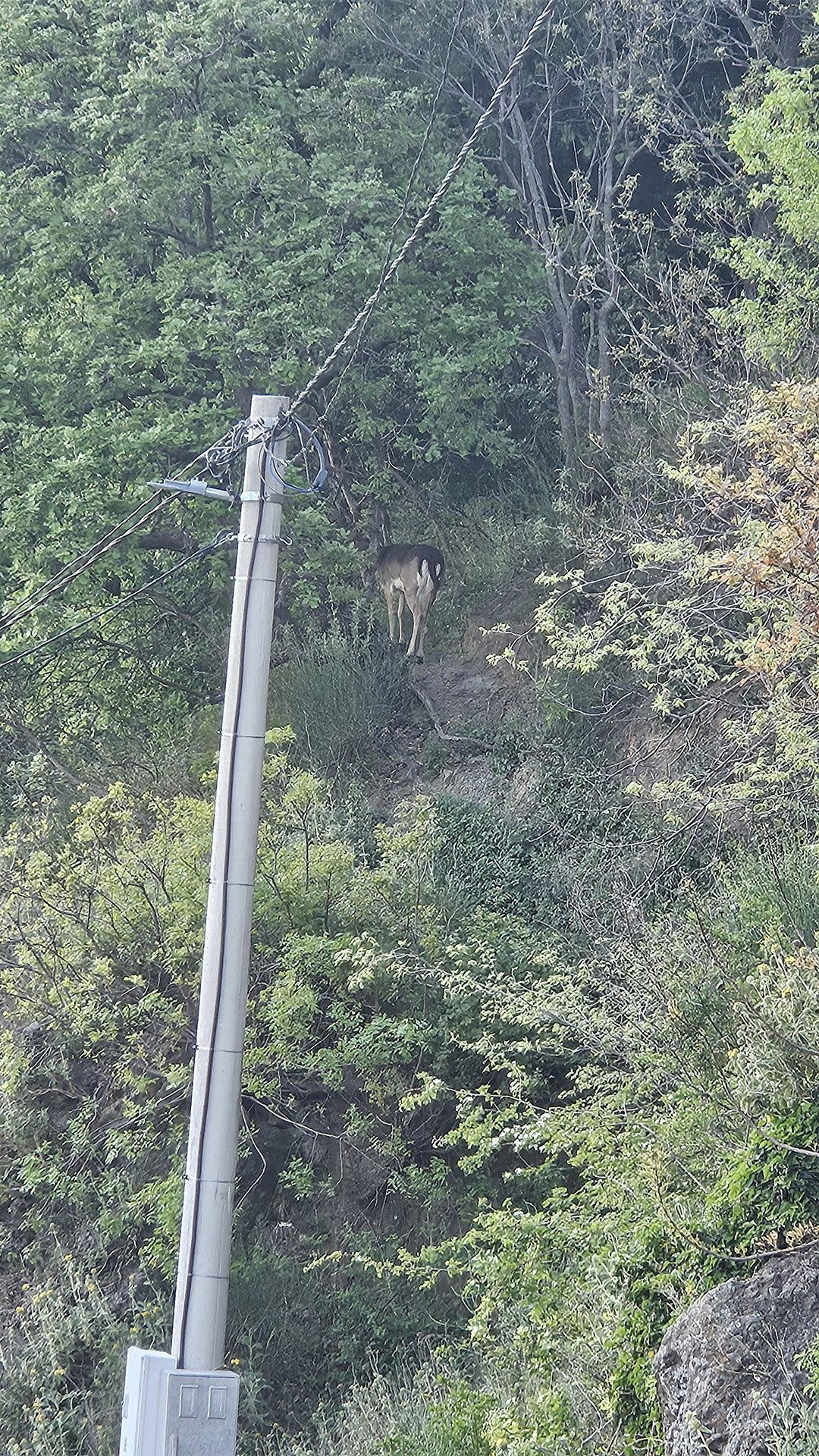
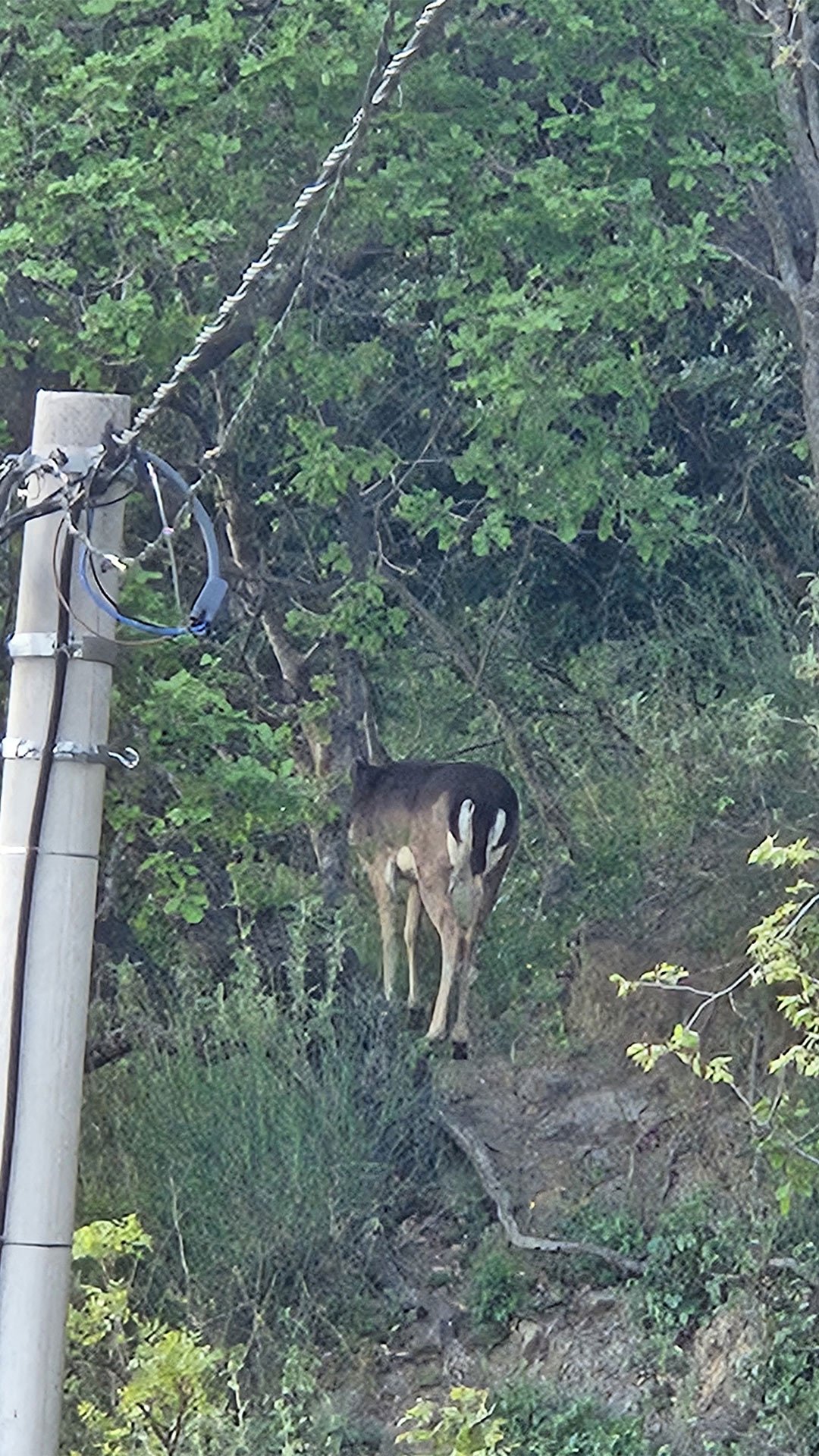
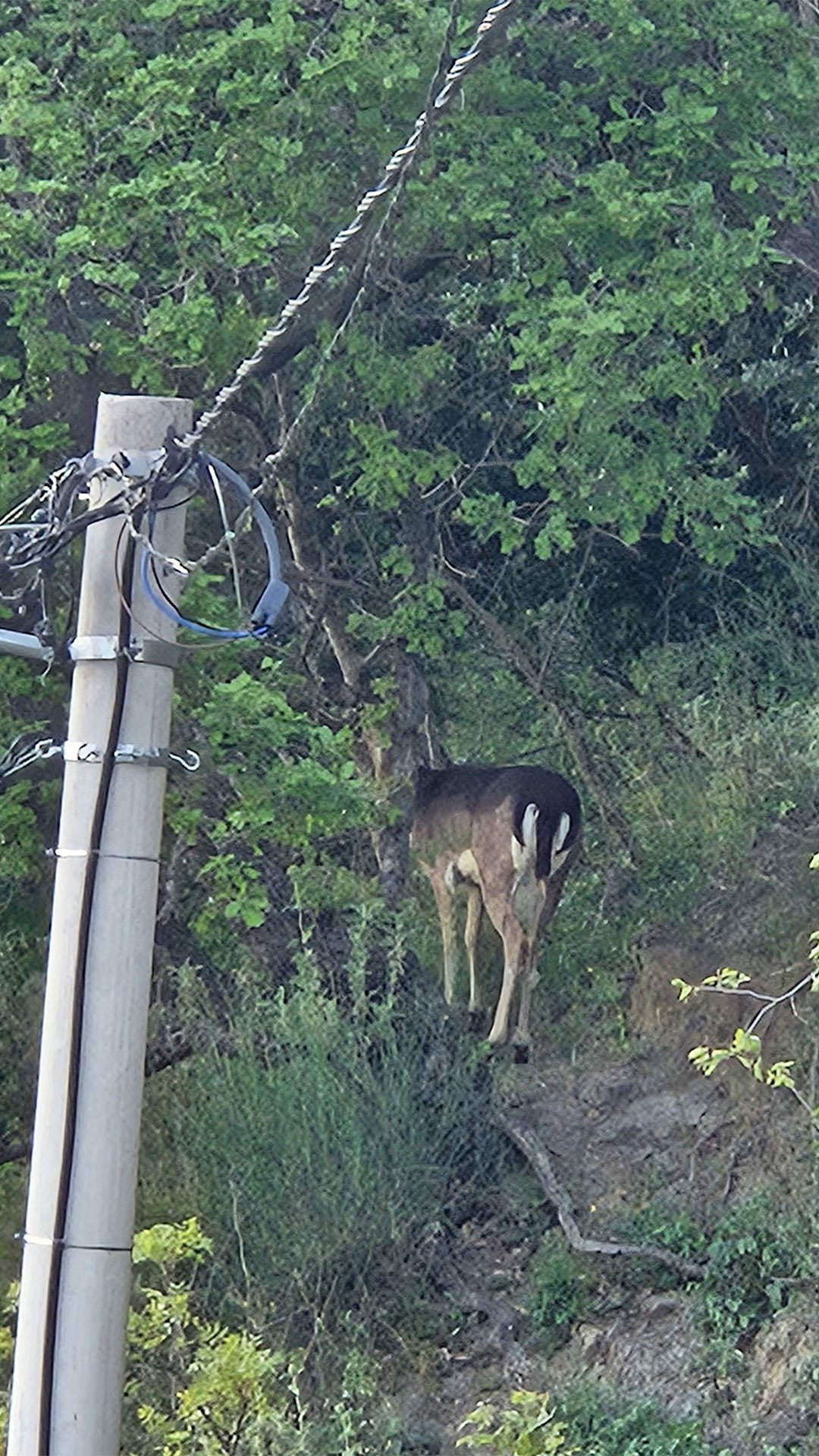
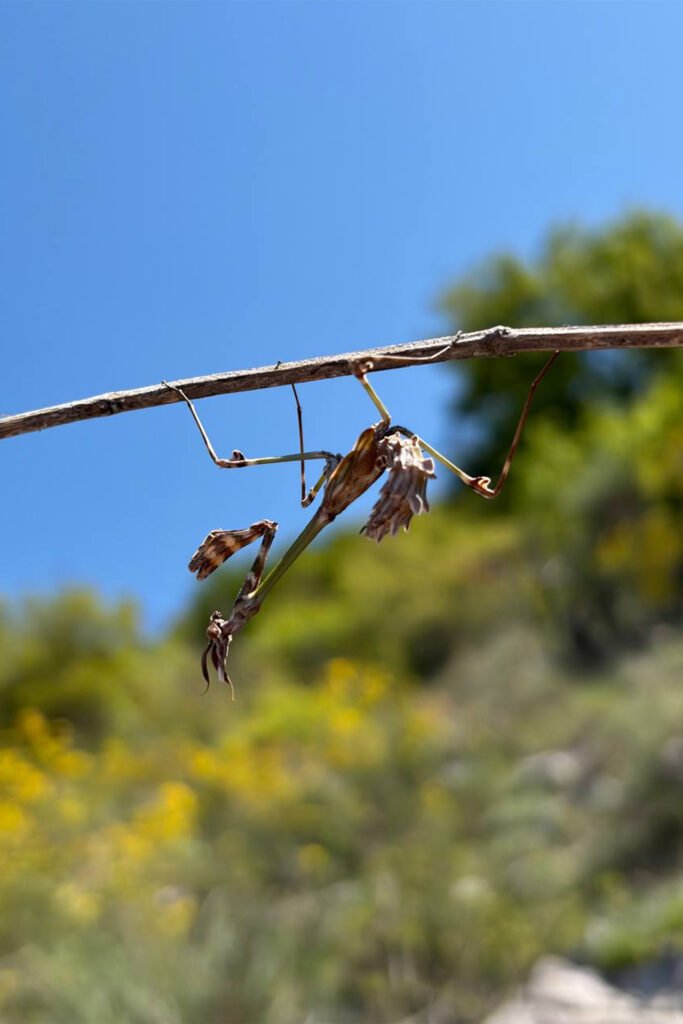
Foxes, wild boars, hedgehogs, and small forest rodents inhabit the Mediterranean scrubland around Bar. Hares, badgers, and wolves have also been reported in the mountainous areas of Sutorman and Rumija, although encountering a large mammal during a day hike is unlikely.
The maquis serves as a nesting and wintering ground for many birds. Typical inhabitants include warblers, tits, scops owls, and short-toed hawks. On the open slopes, birds of prey can be seen, taking advantage of the updrafts over the mountain ranges.
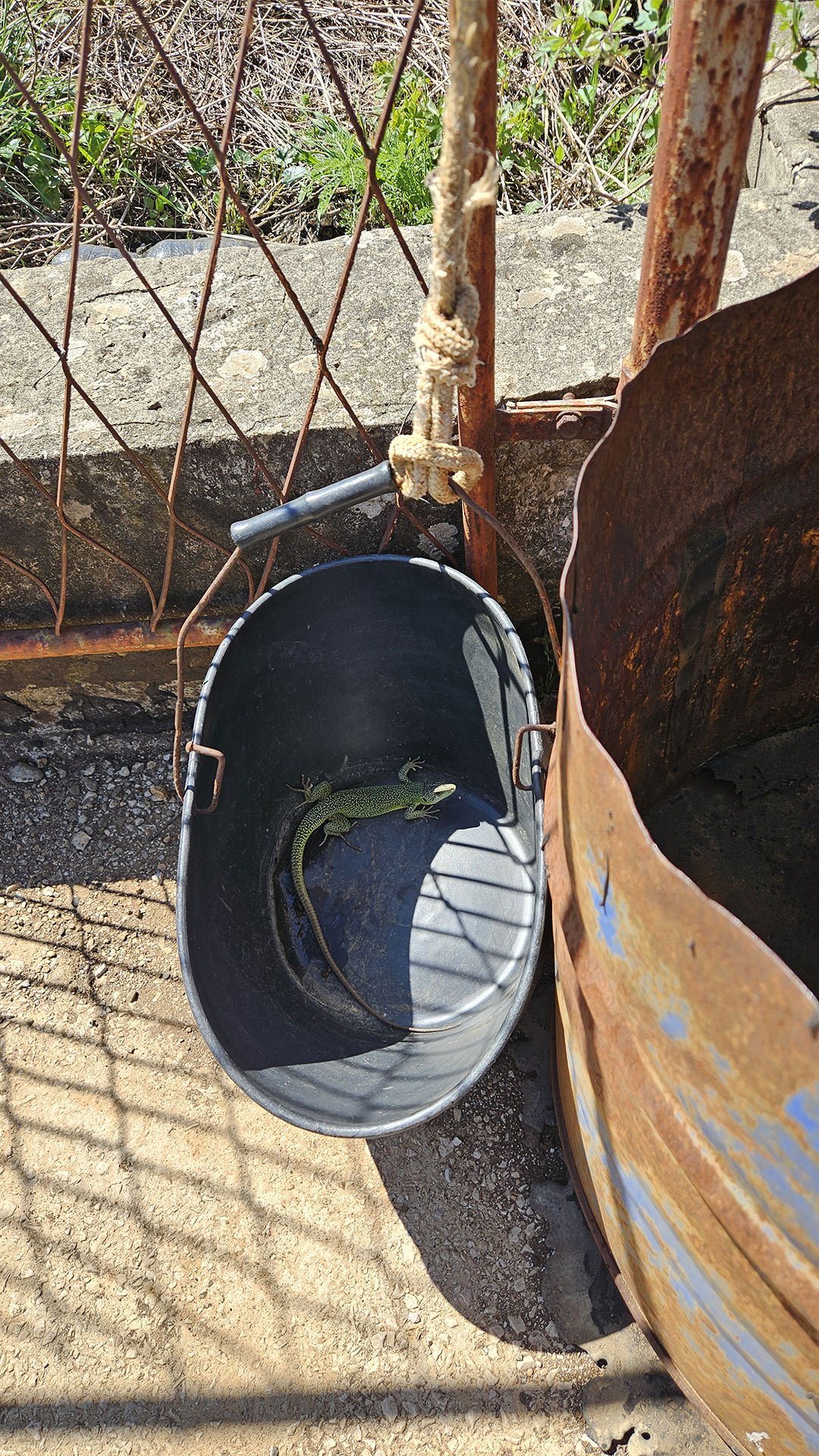
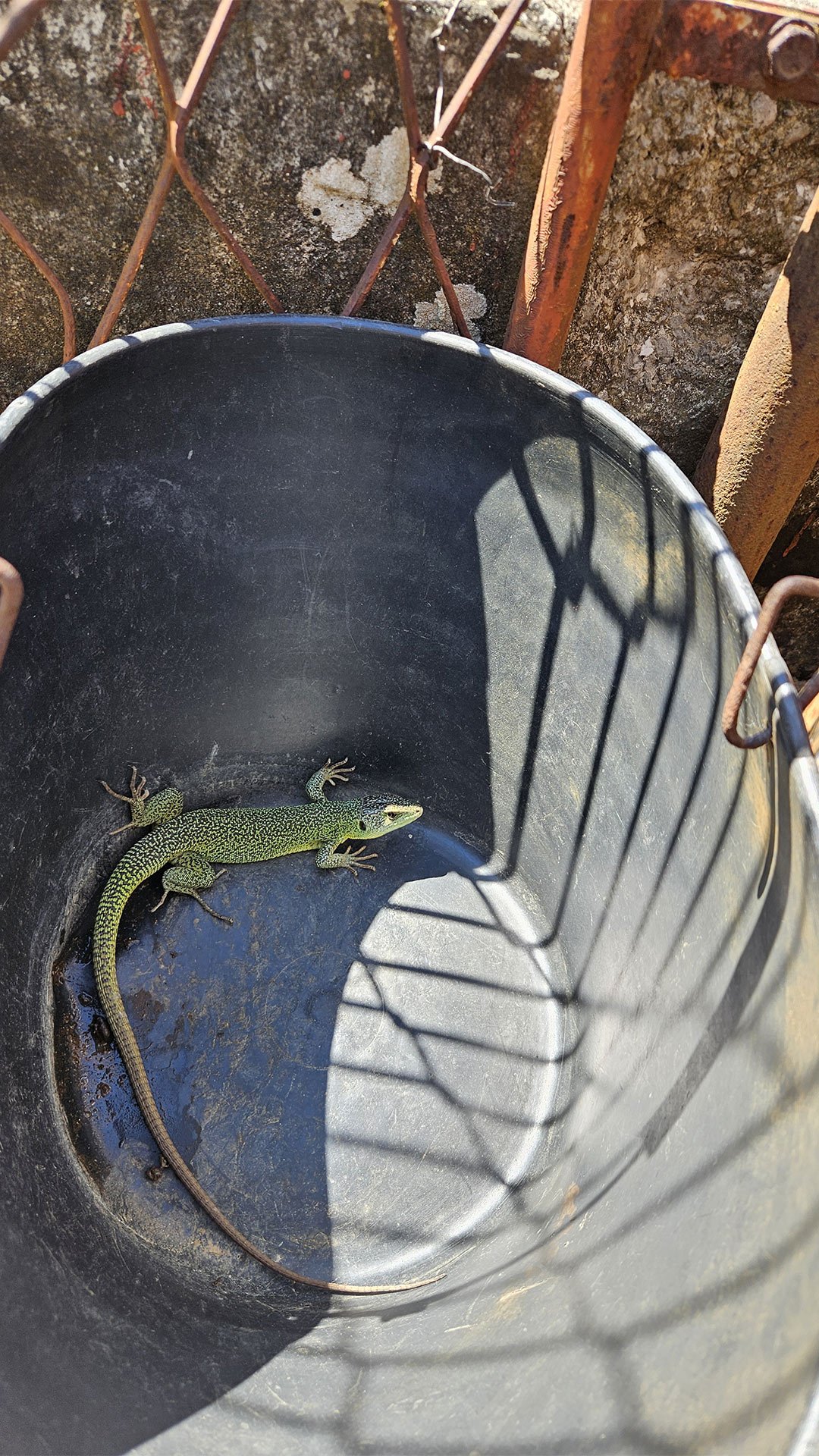
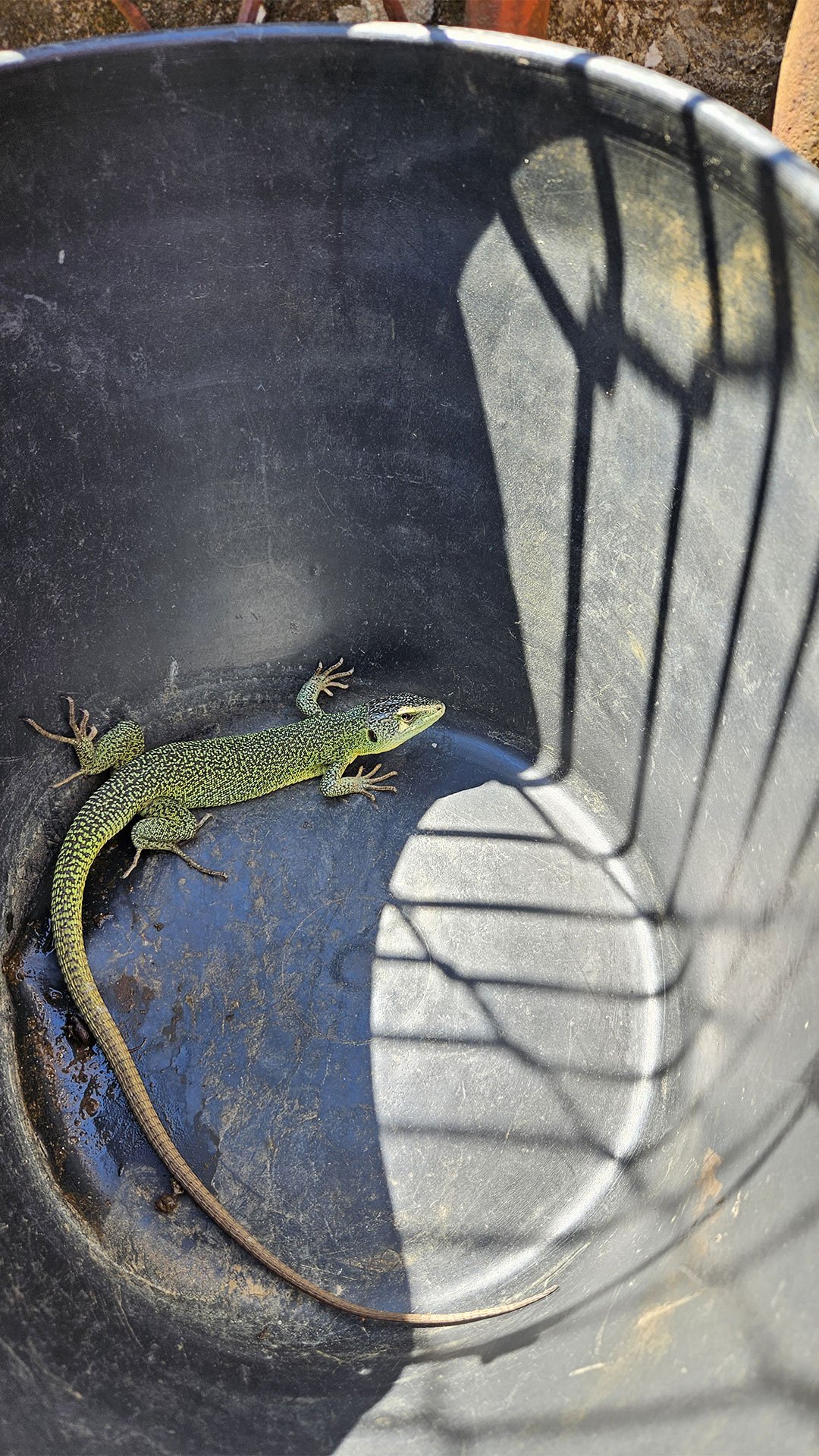
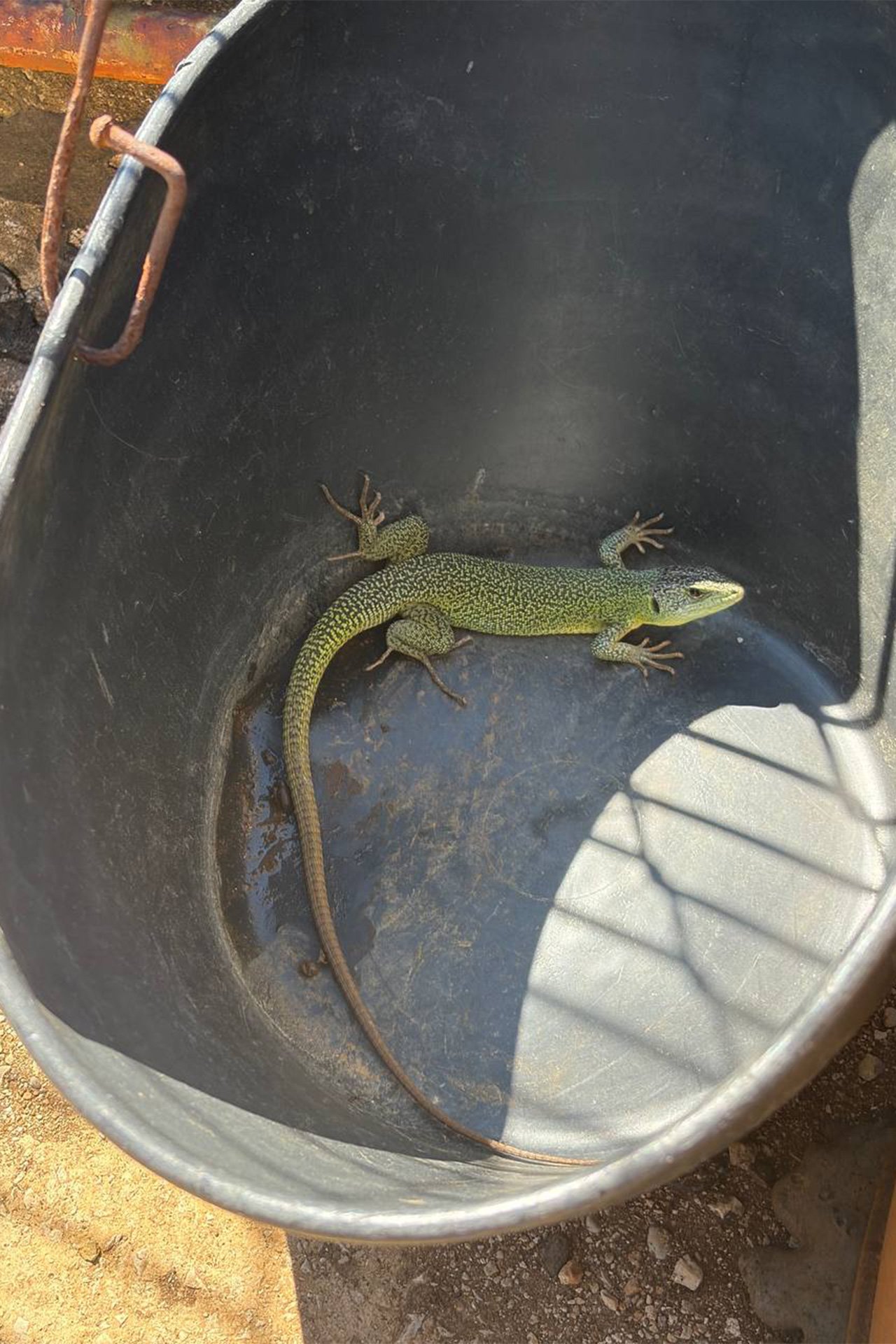
Reptiles are particularly diverse. The region has been recorded as home to the Mediterranean tortoise, the glass-bellied turtle, the Balkan green lizard, the Montenegrin rock lizard, several species of snakes, and the long-nosed viper, known in the Balkans as the poskok. State environmental monitoring has characterized the Rumija region as relatively well-preserved in terms of amphibian and reptile populations, while also noting the lack of exploration.
Snakes generally avoid humans. In rocky areas, watch your step, avoid attempting to catch or photograph animals at close range, and avoid putting your hands under rocks.
A Hiking Experience that Reveals a Different Montenegro
Vrsuta allows you to see the Bar Riviera not as a series of beaches and resorts, but as a complex natural transition from the Mediterranean to mountain karst. In one day, travelers pass through old settlements, maquis thickets, oak and hornbeam communities, dry meadows, and a limestone plateau with rare endemic plants.
The route from Sutomore requires good physical fitness and careful navigation, but the reward is one of the most expansive views in southern Montenegro—the sea on one side, the Skadar Basin on the other, and the Rumija Mountains on the horizon. The main requirement for this journey is respect for the local environment: do not leave litter, do not light fires, do not pick plants, and keep your distance from wild animals.
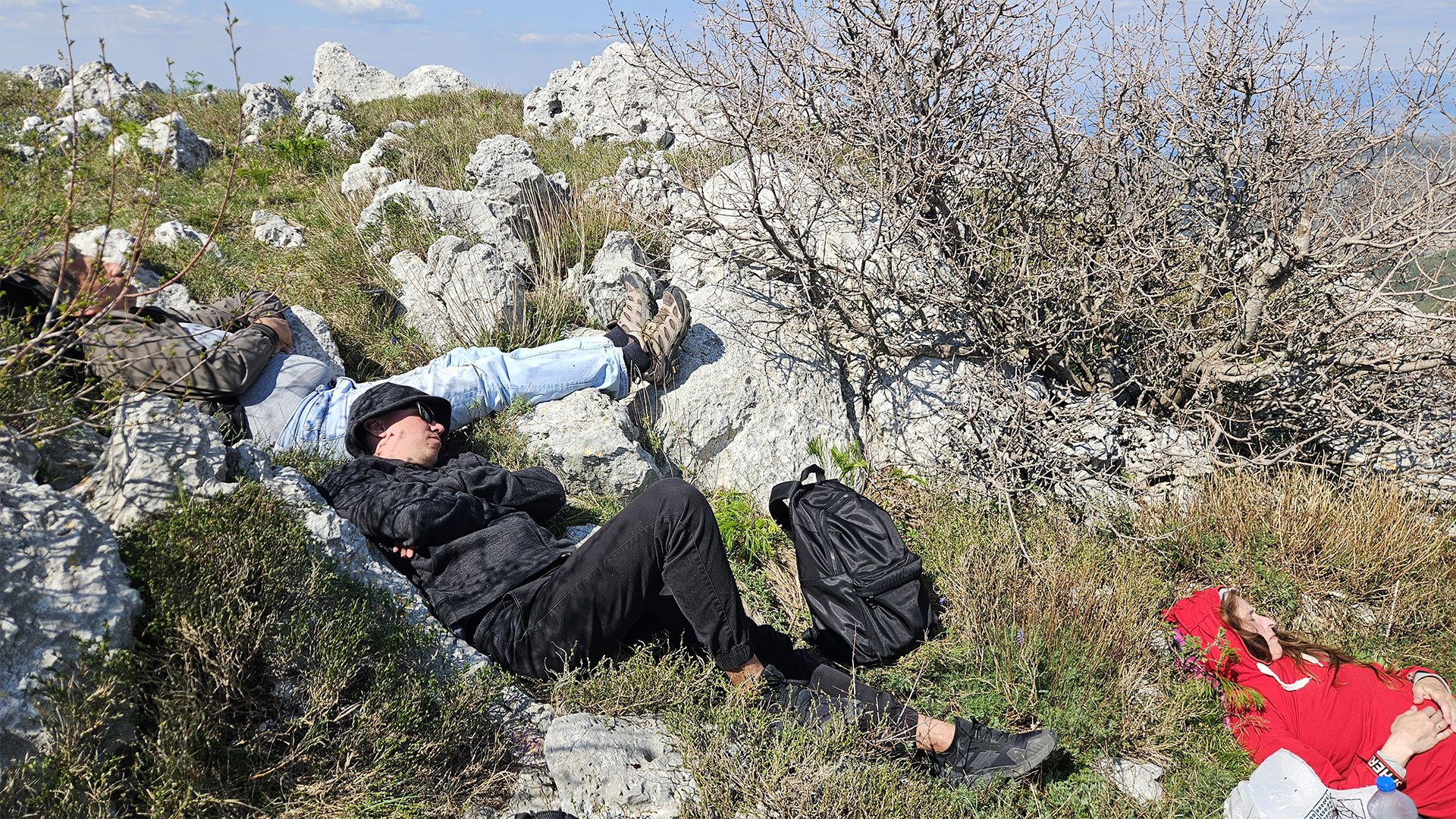
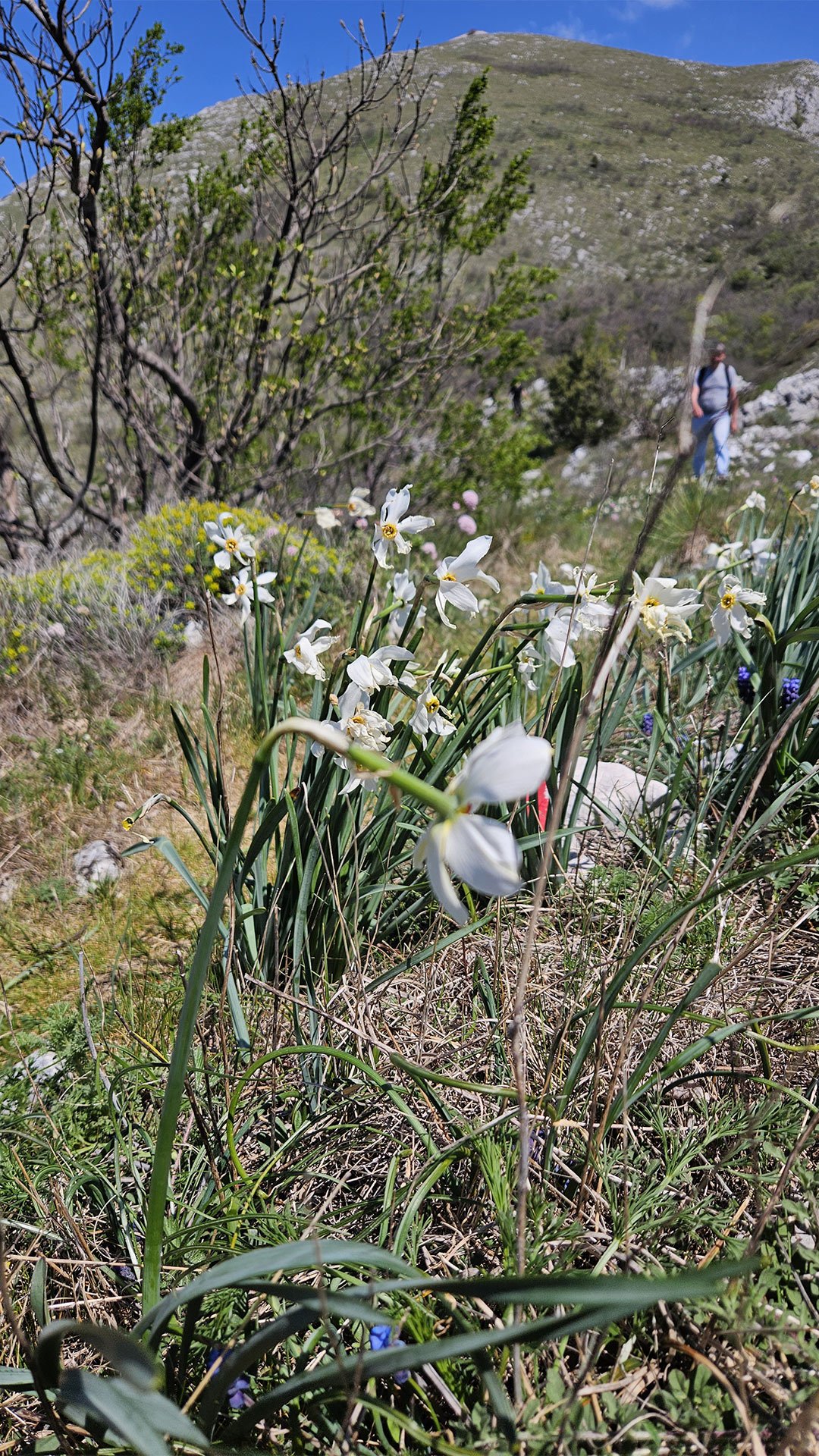
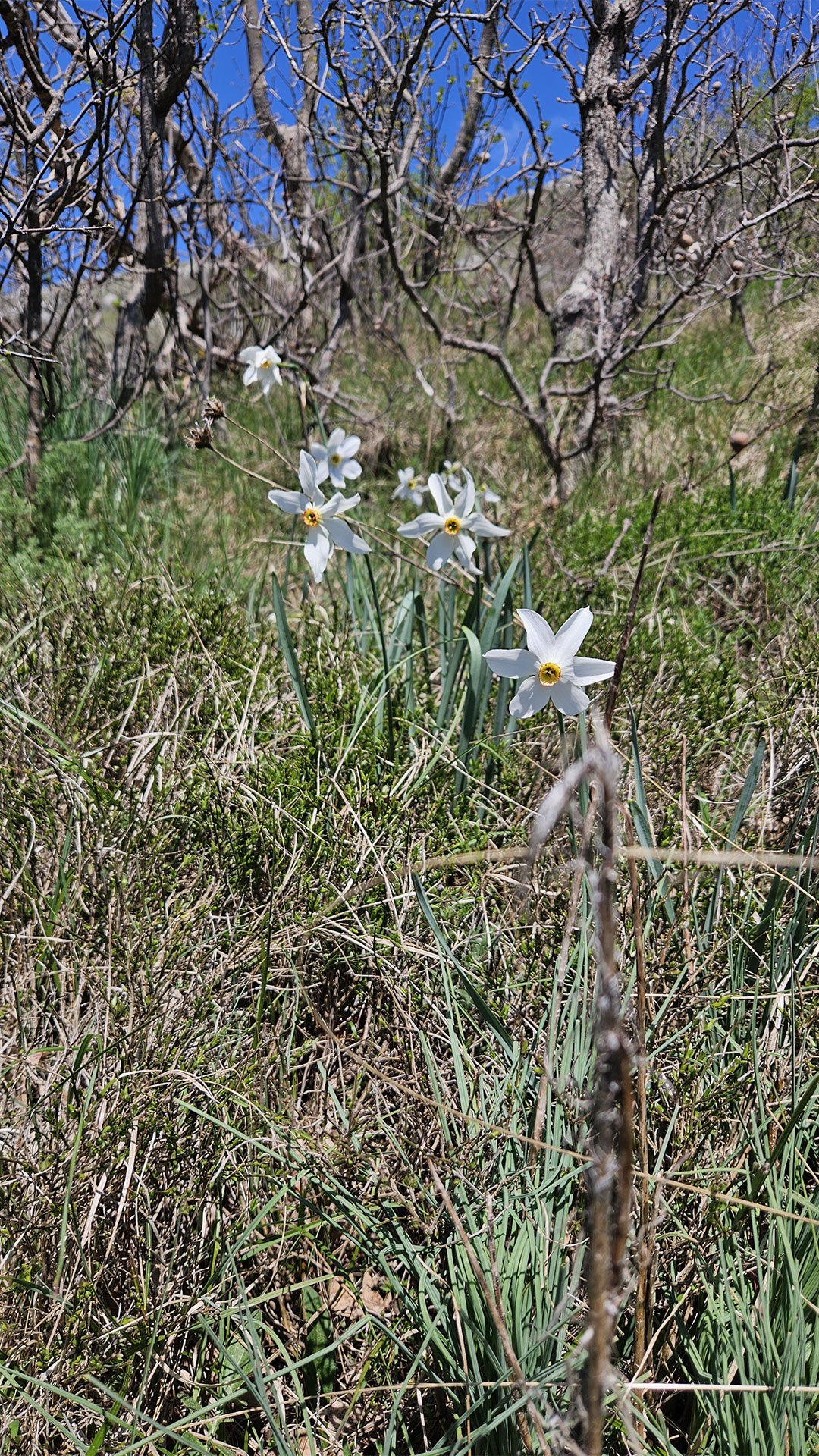
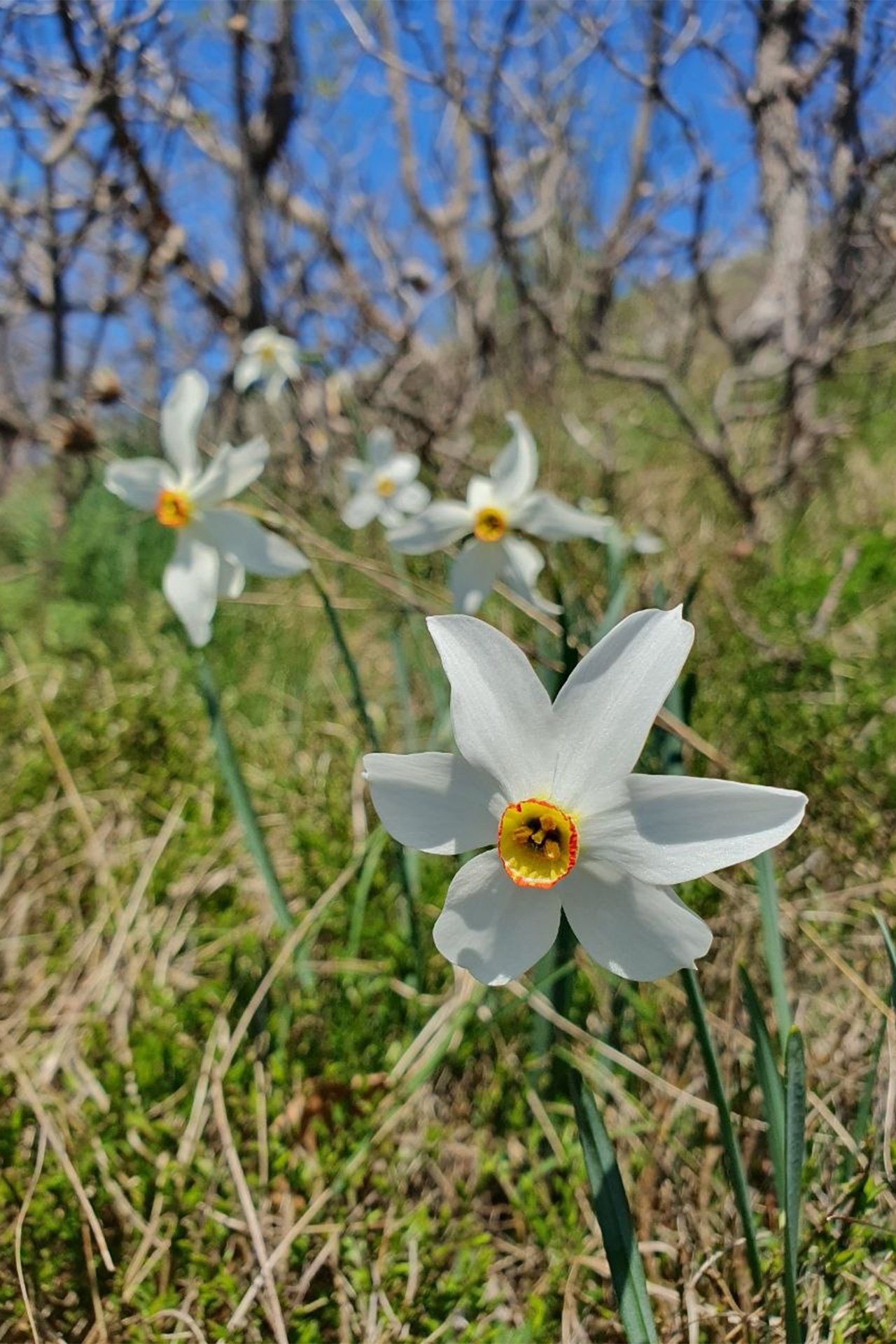
On April 18, 2026, we began our route Sutomore – Vrsuta – Zupci – Bar. The distance was about 25 km. During the route, we gained 1,300 meters in altitude. We were tired. Therefore, we recommend everyone return to Sutomore. The walk down to Bar is quite long. Overall, the route is excellent, but challenging. And we are glad that, although a bit late, we caught the daffodils blooming this year.