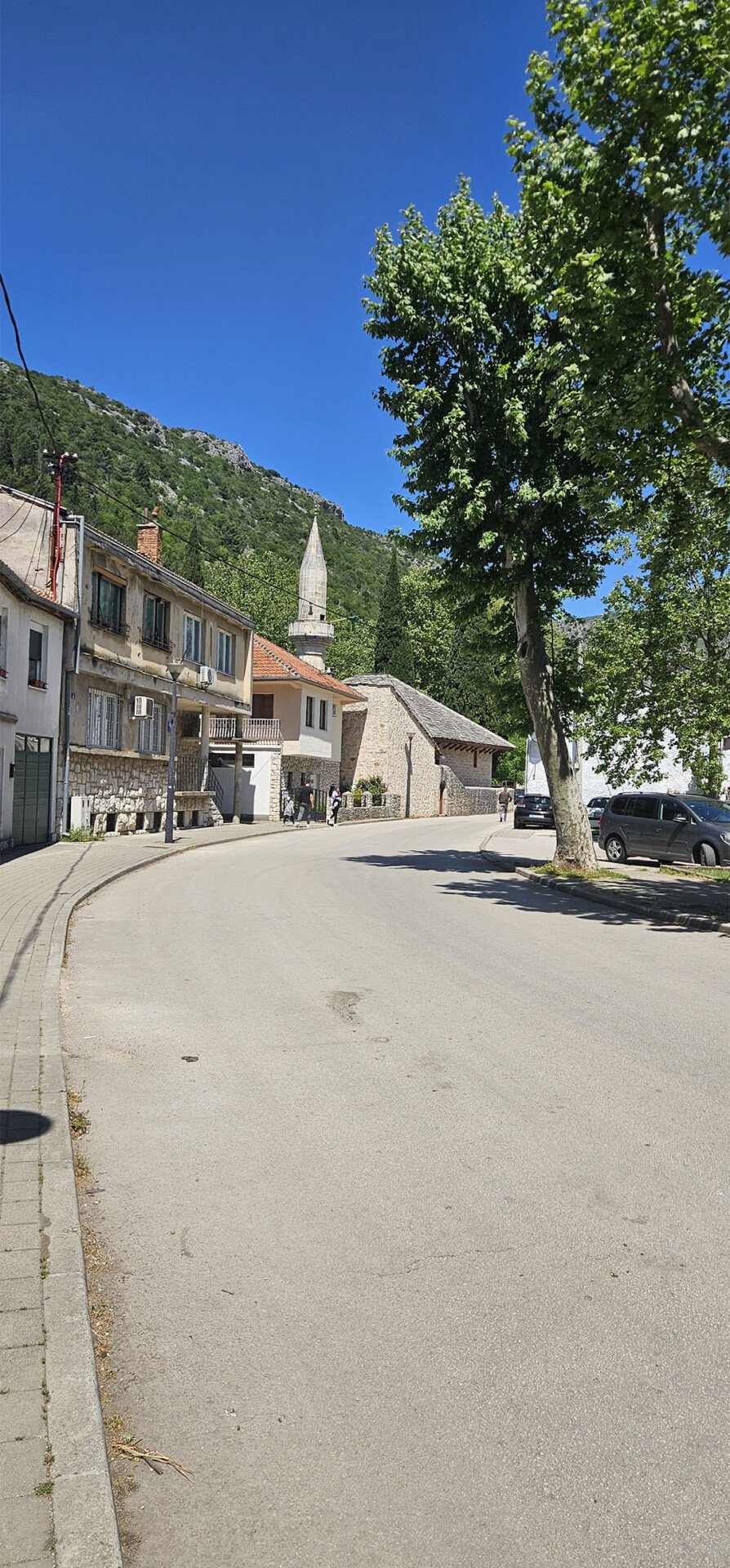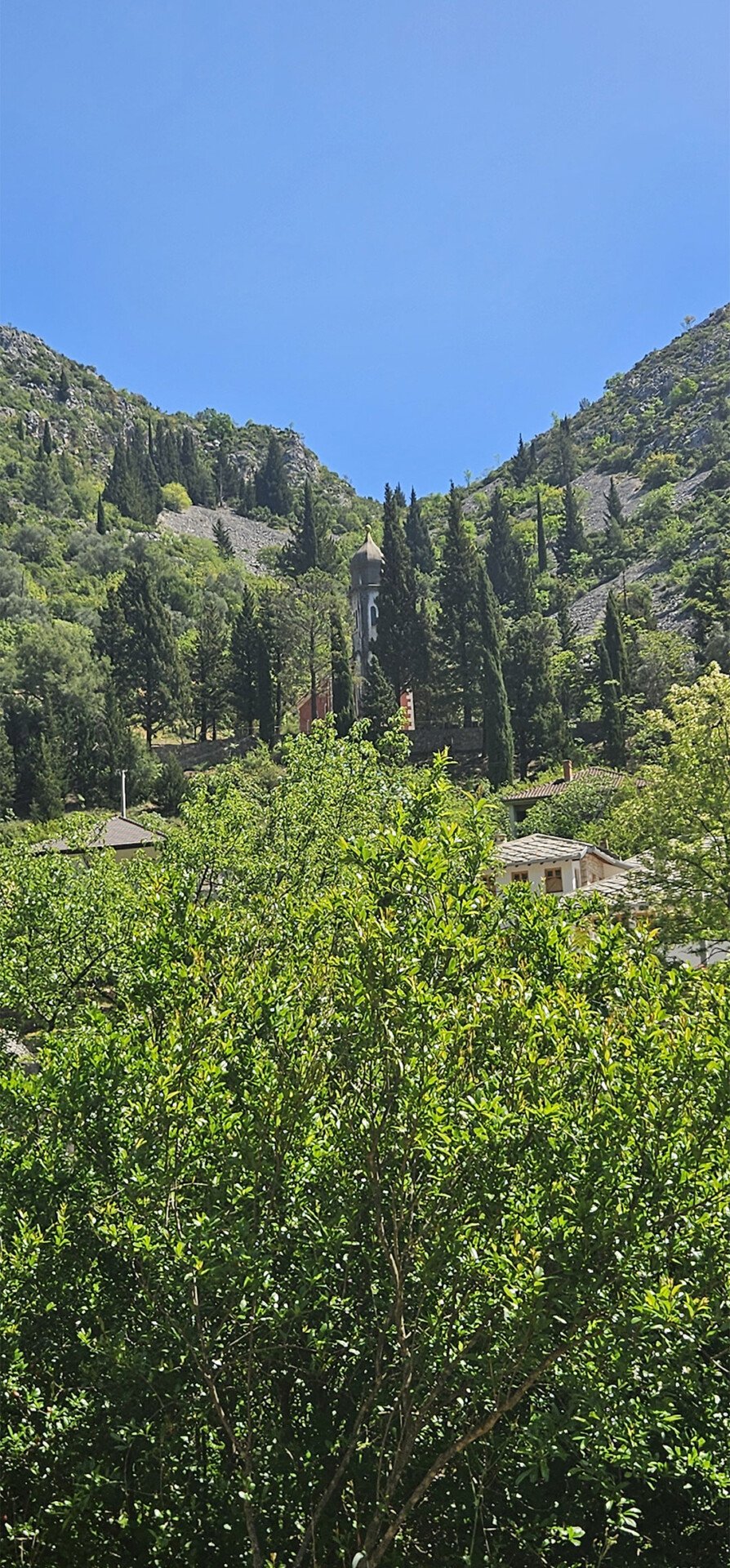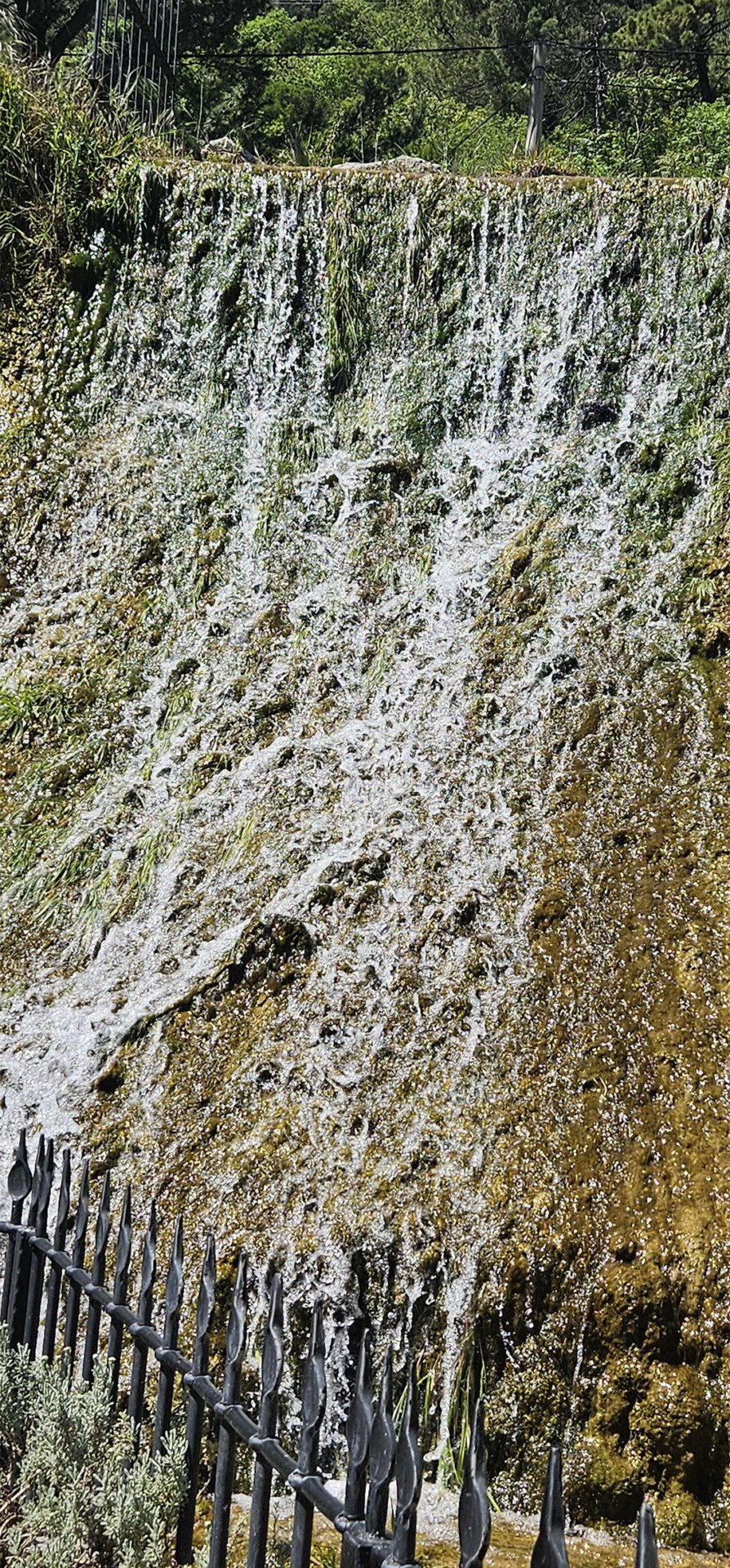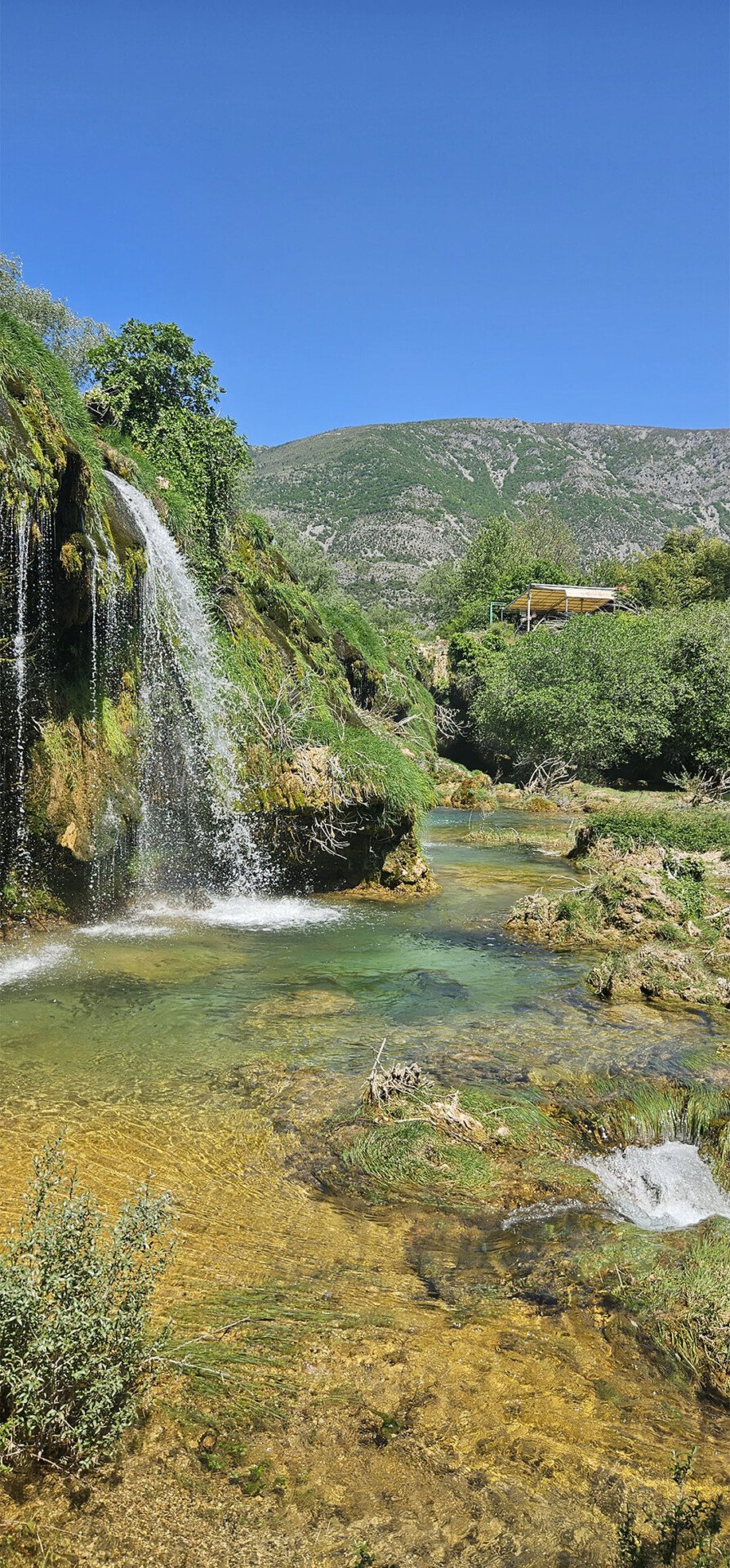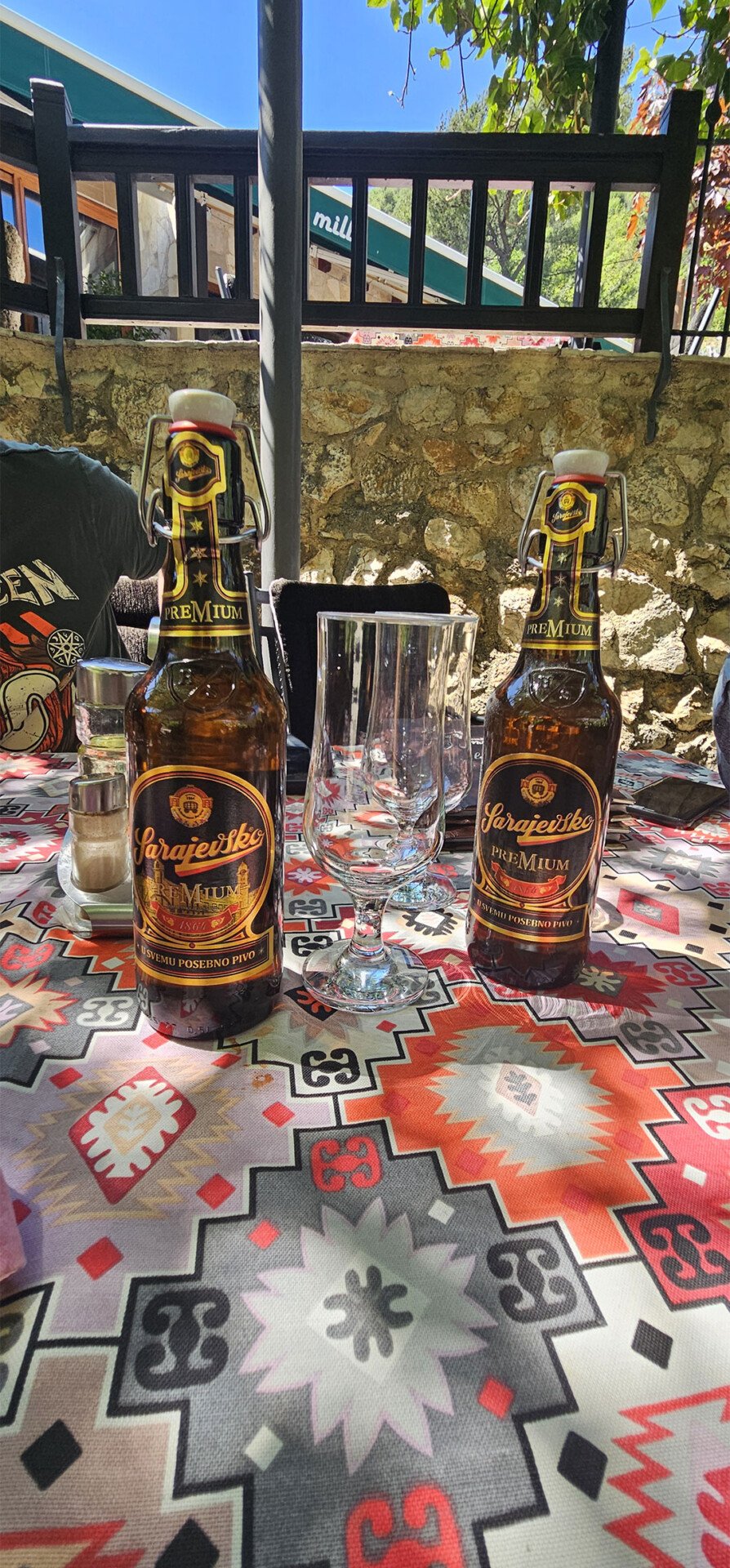

Stolac – Stari Grad Vidoški – Provalije Waterfall – Stolac Mlinica Old Mill
While Mostar introduces travelers to one of the most famous chapters of Herzegovina’s history, and Blagaj amazes with its blend of nature and spiritual heritage, Stolac reveals a completely different side of the region. It’s a small town in the Bregava River valley, but the number of historical eras literally layered upon one another makes it difficult to call it a typical provincial town. Here, side by side, lie traces of the ancient Illyrians and Romans, a medieval fortress, Ottoman mosques, stone bridges, old mills, and waterfalls. And all of this is united by one river – the Bregava. It was water that largely determined the fate of Stolac. It provided drink, irrigated the land, powered the mill wheels, helped process wool, and simultaneously created the landscapes that attract travelers today. The Stolac urban historical complex is considered one of the most multilayered cultural and historical spaces in Bosnia and Herzegovina. According to the city administration, continuous human presence in the area can be traced back thousands of years.
Stolac: A City at the Crossroads of Civilizations
The name Stolac first appears in written sources in the 15th century: in 1420, the expression “Loco dicto Stolac”—”a place called Stolac”—is found. However, the history of the region itself is considerably older. Nearby are traces of prehistoric settlements, the famous Illyrian city of Daorson, the Roman municipality of Diluntum, medieval necropolises with stećki, and numerous other monuments. It is particularly interesting that the city had different names during different historical periods. The fortress was known as Vidoški, and the name was associated with the Vidoštica River—the former name of modern-day Bregava. That’s why, when visiting Stolac today, you might encounter two names for the same historical site: Stari Grad Stolac and Vidoški Grad.
Stari Grad Vidoški – a fortress above the town
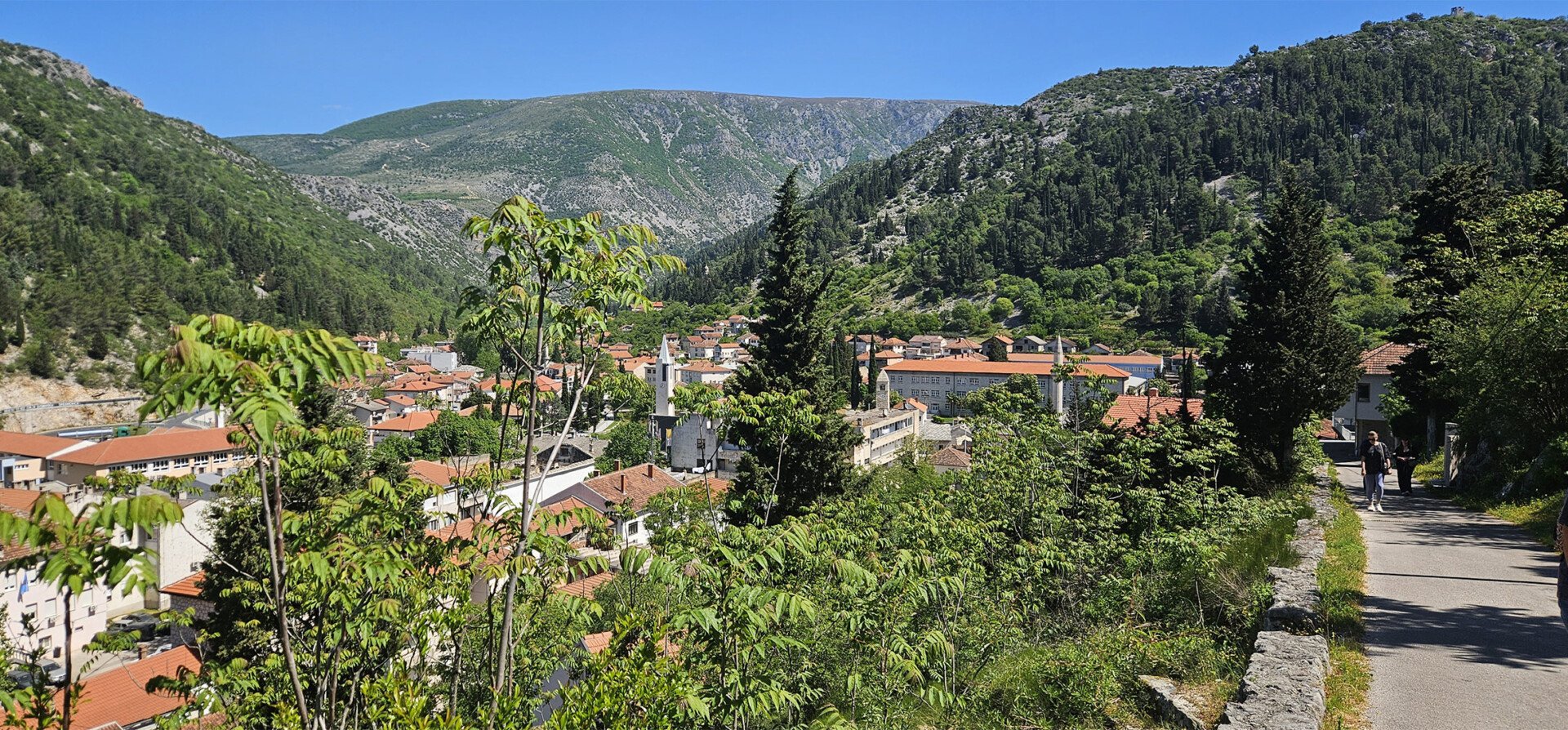
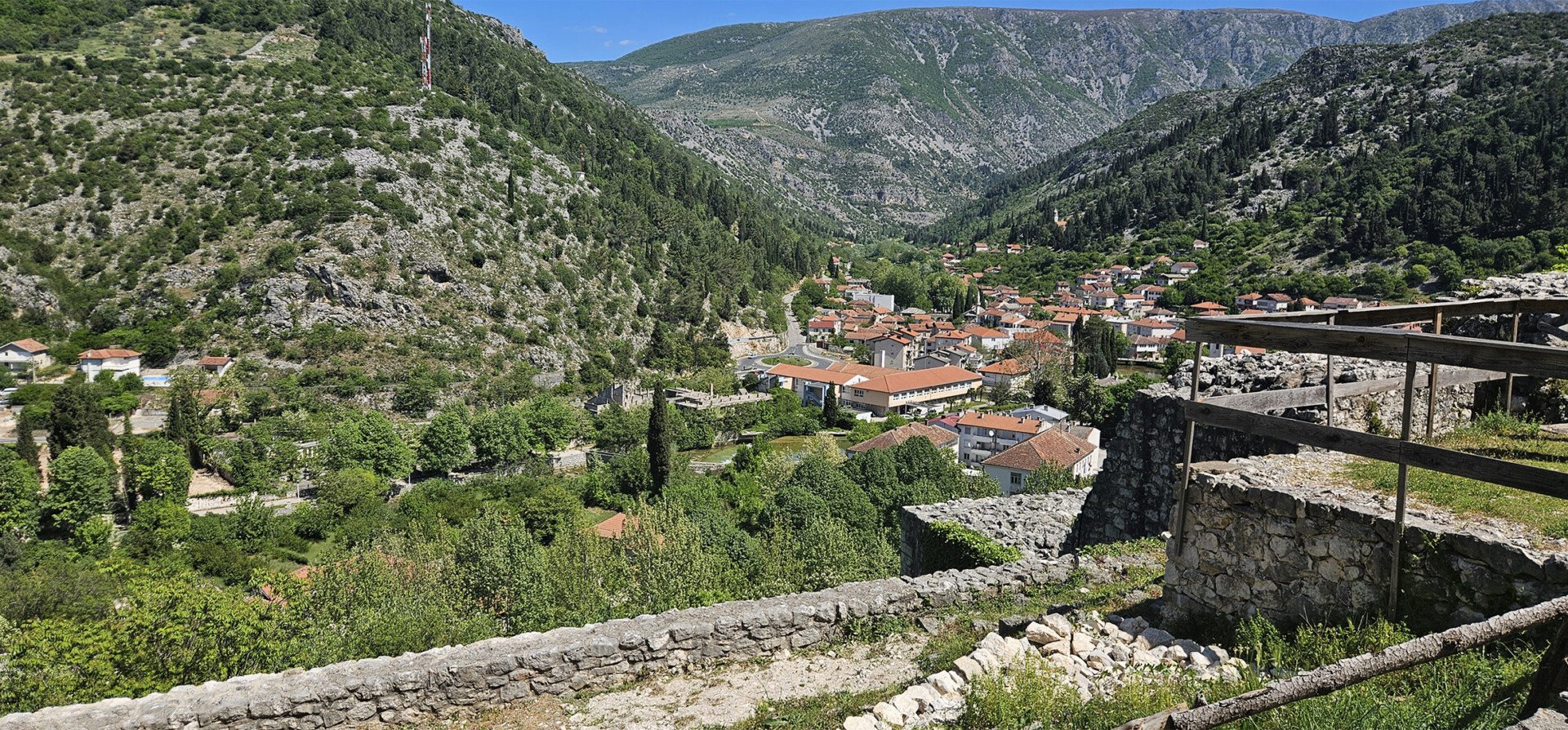
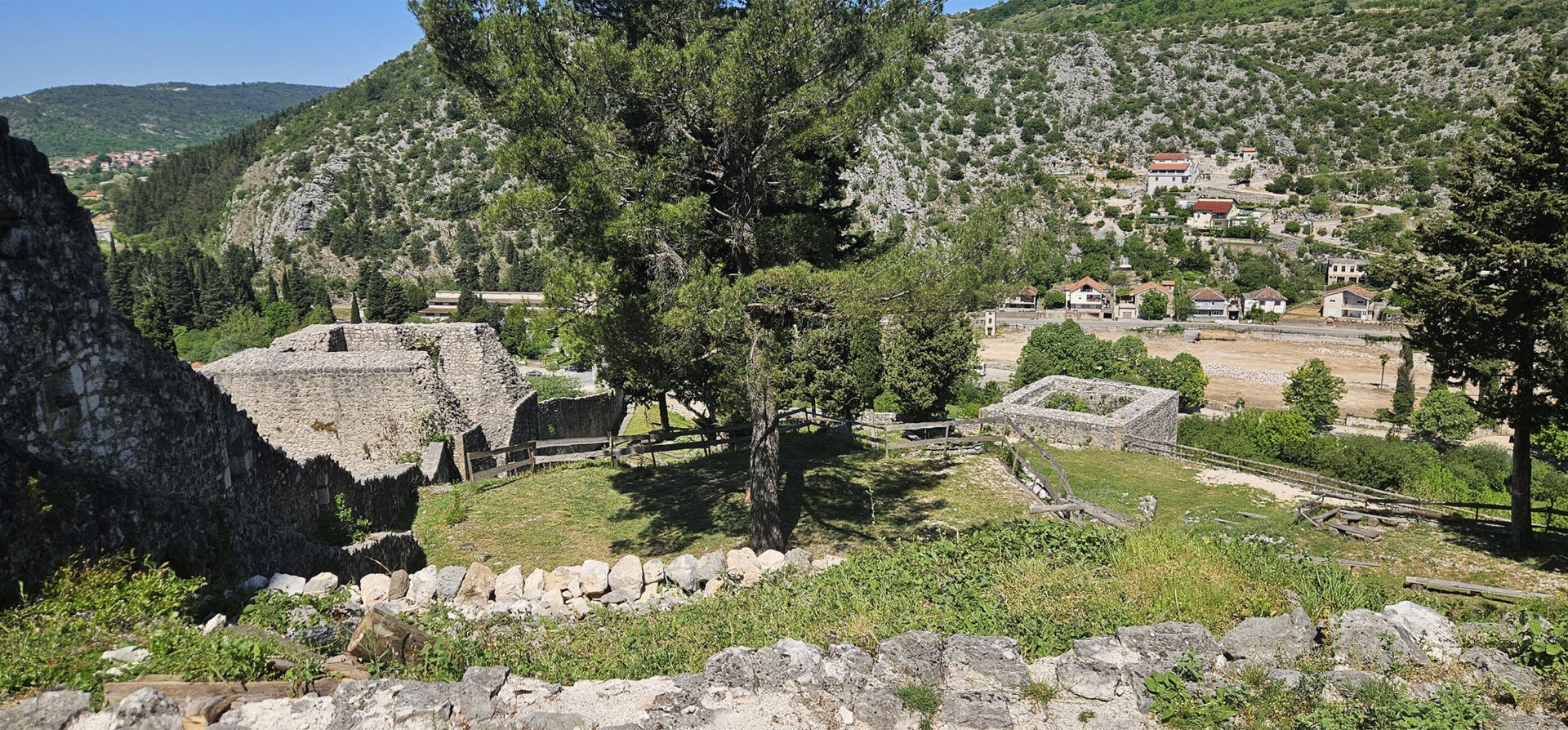
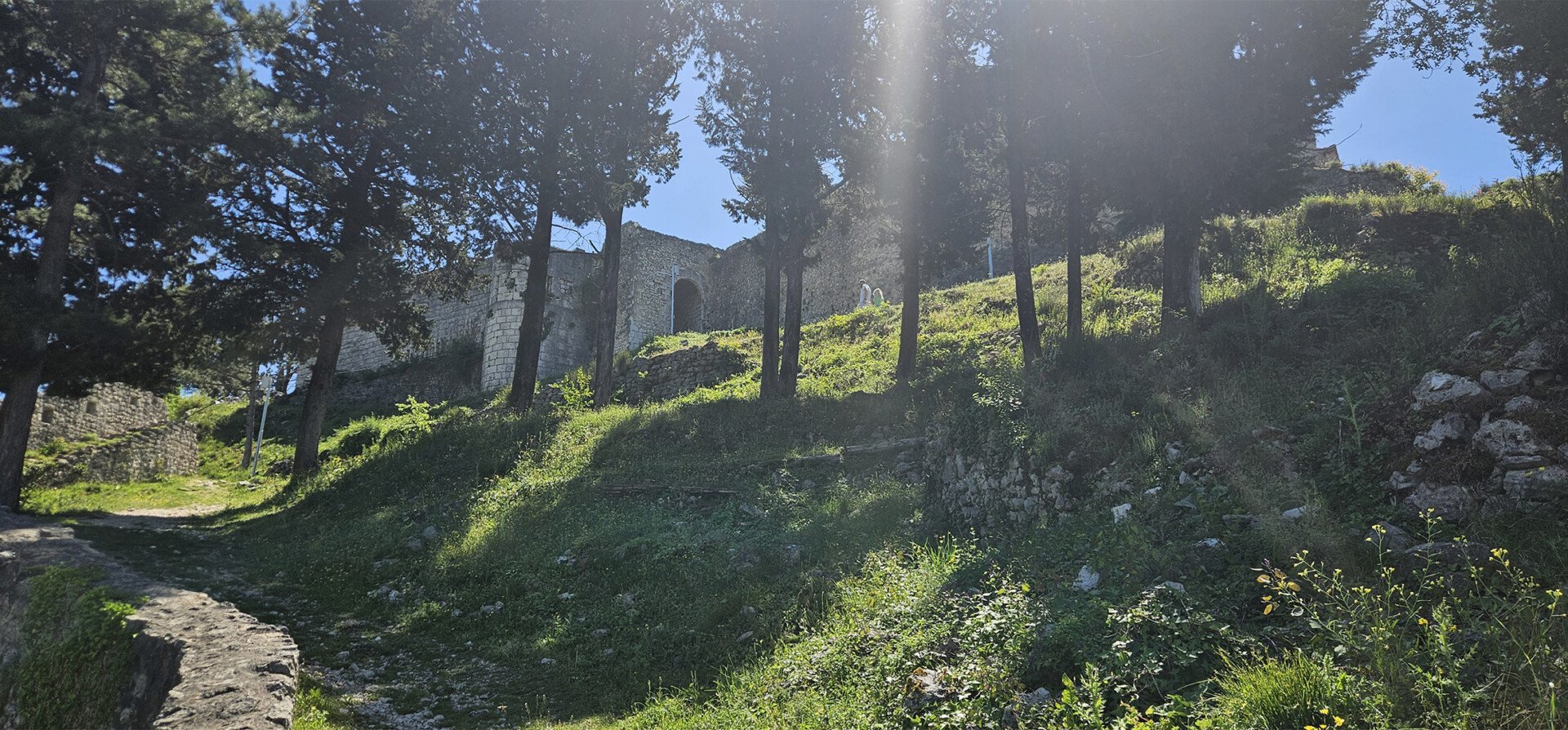
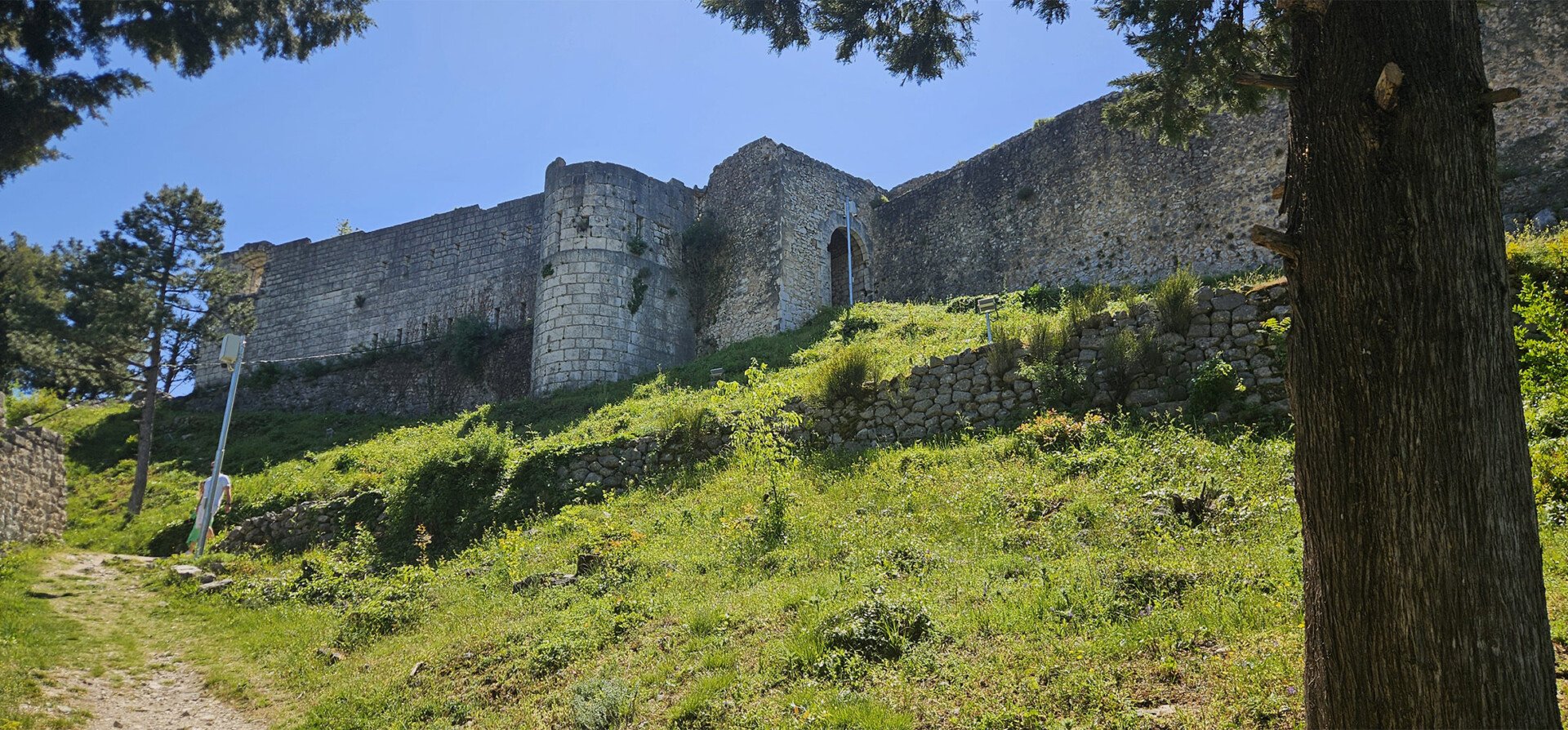
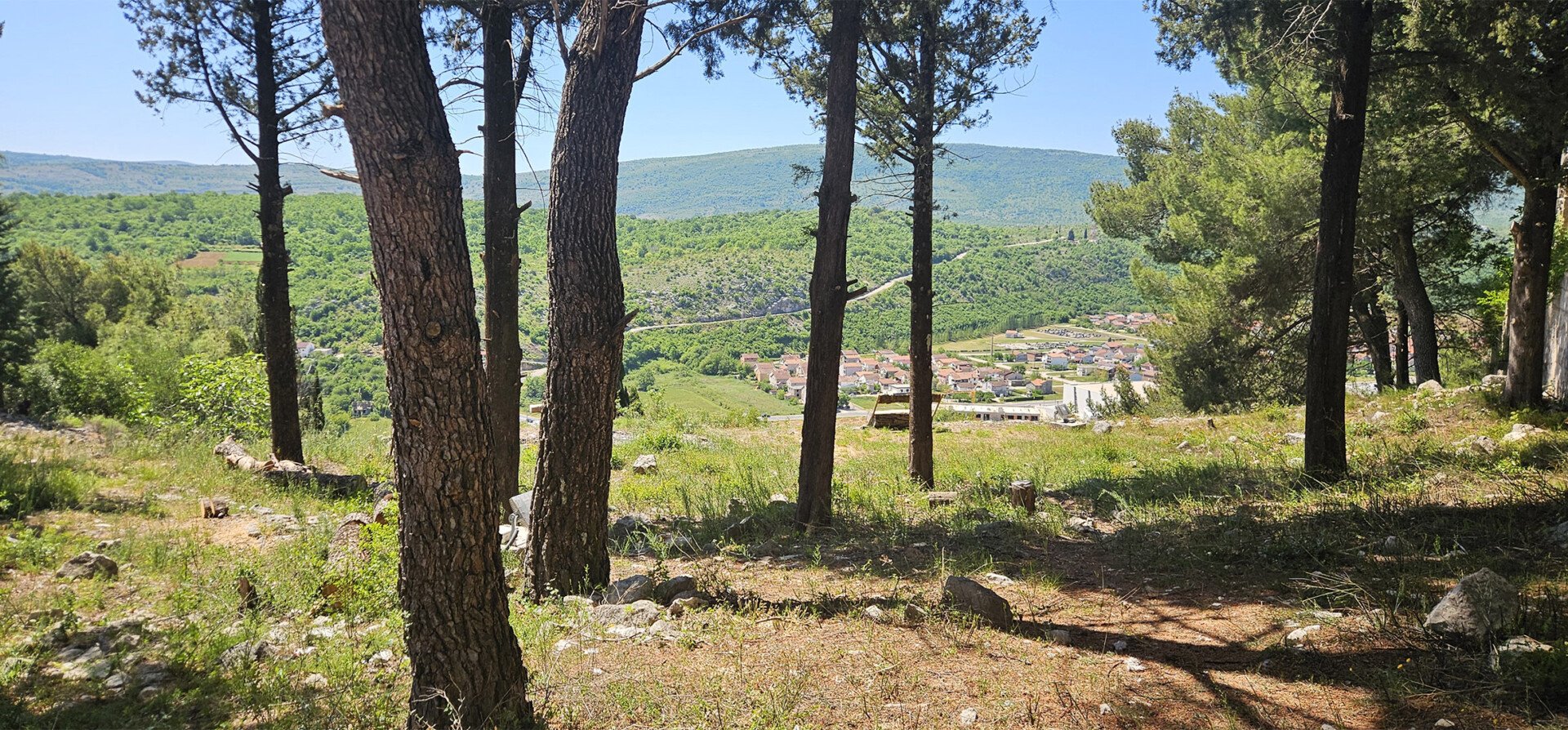
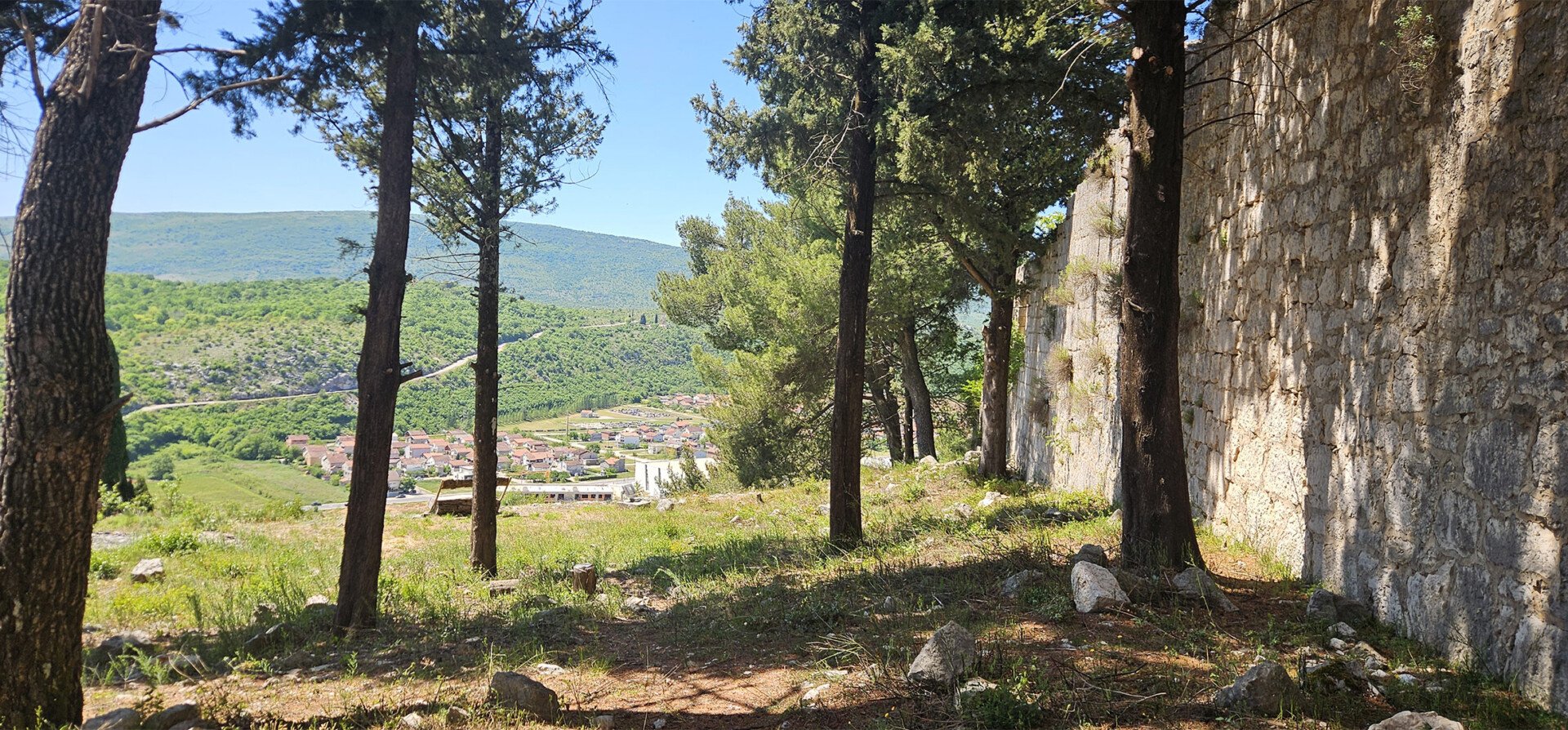
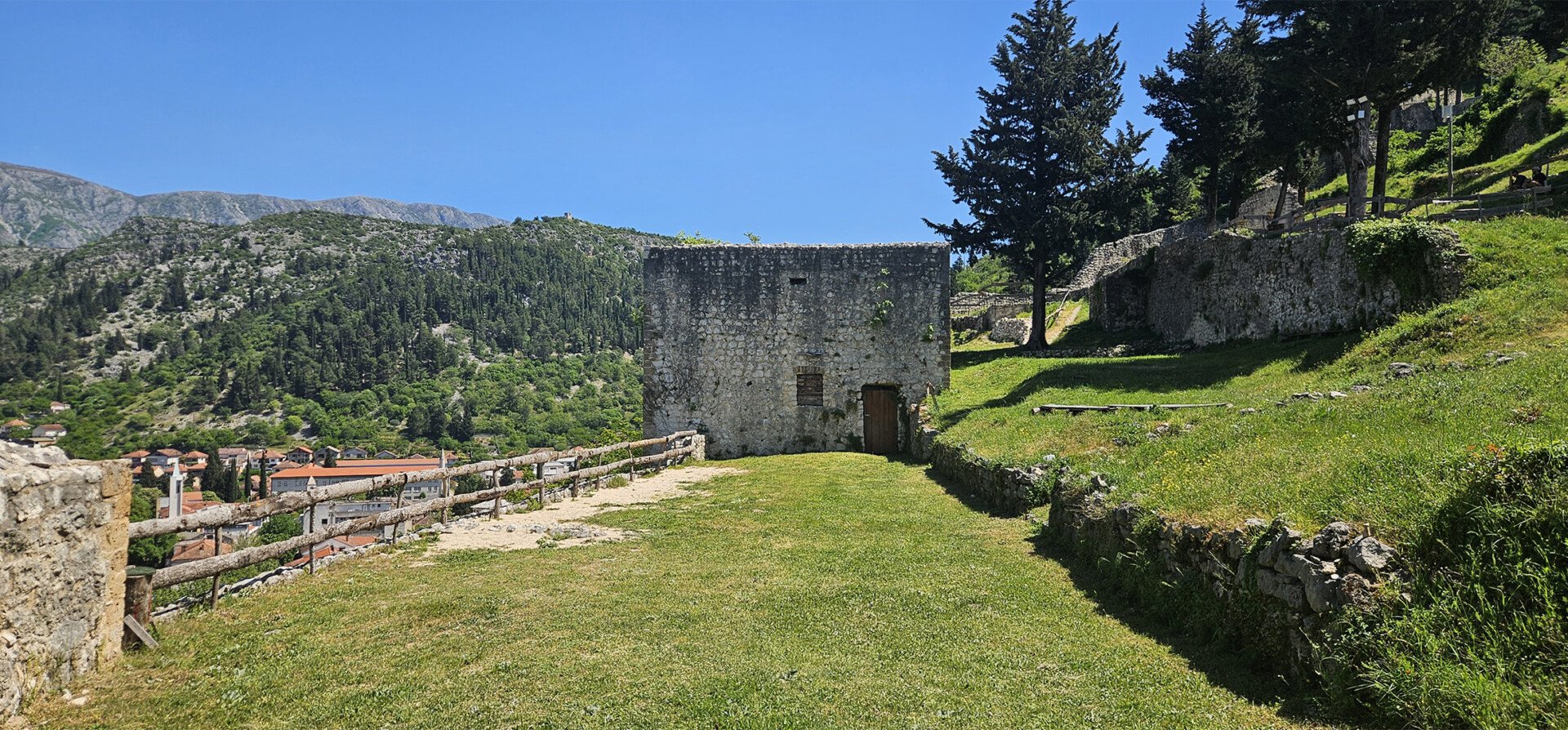
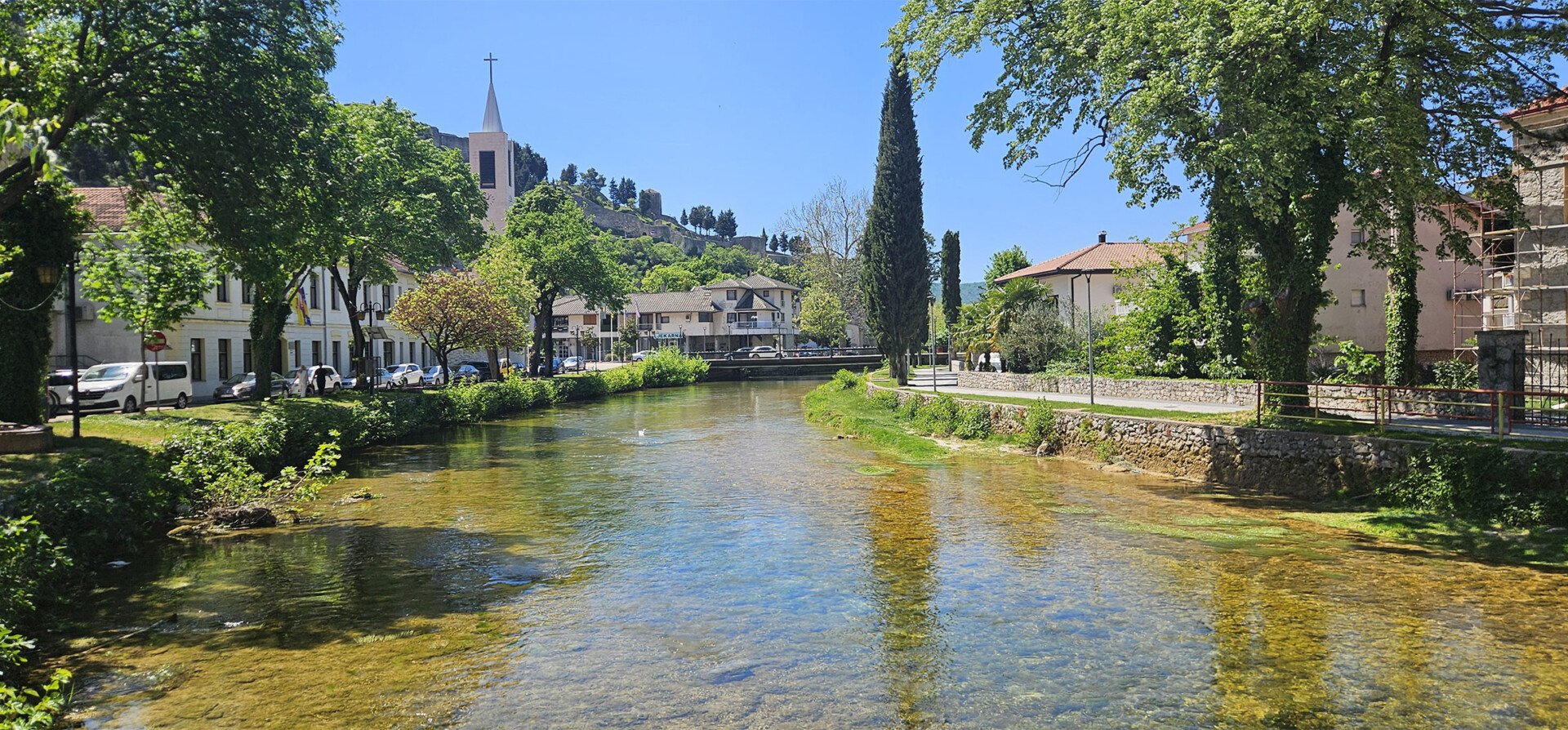
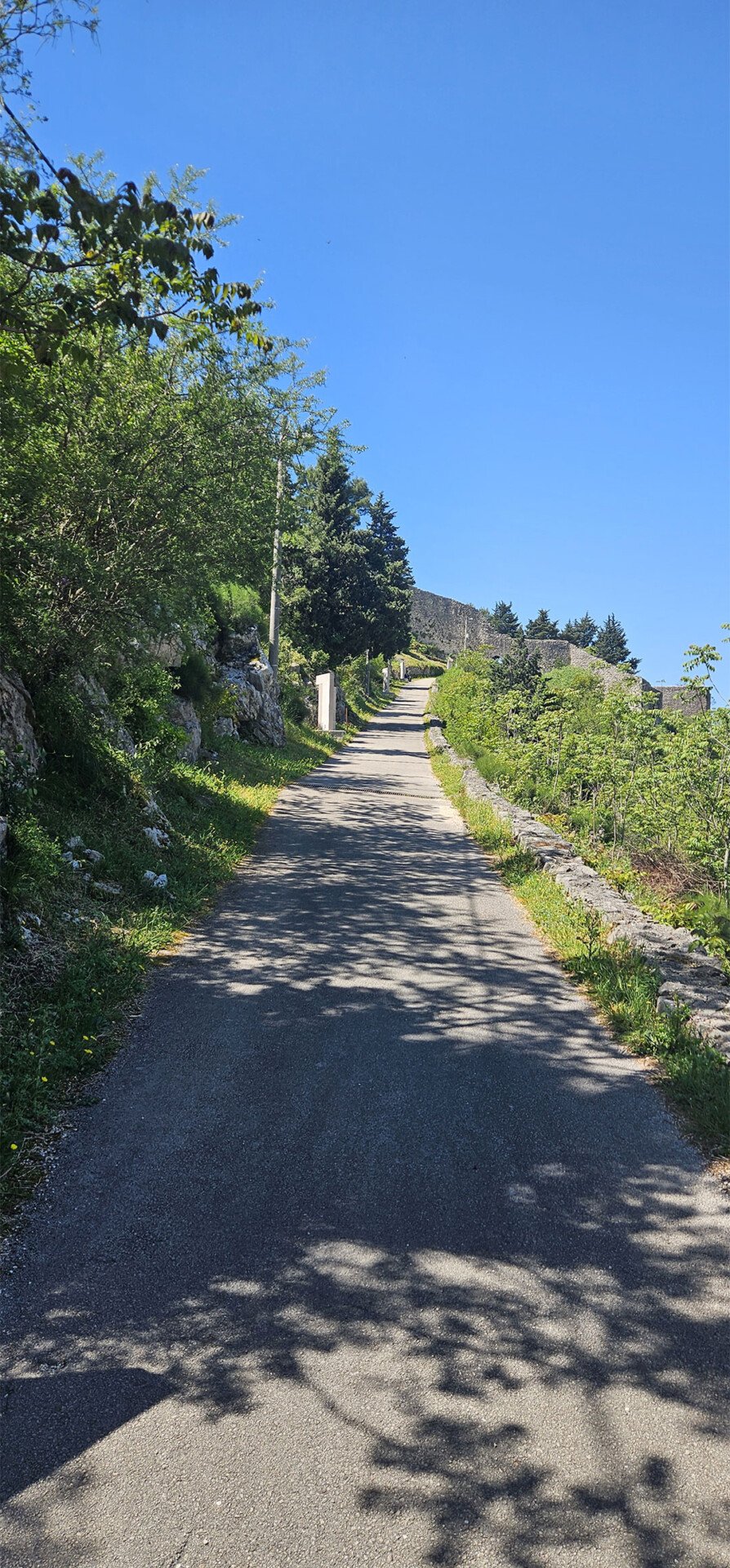
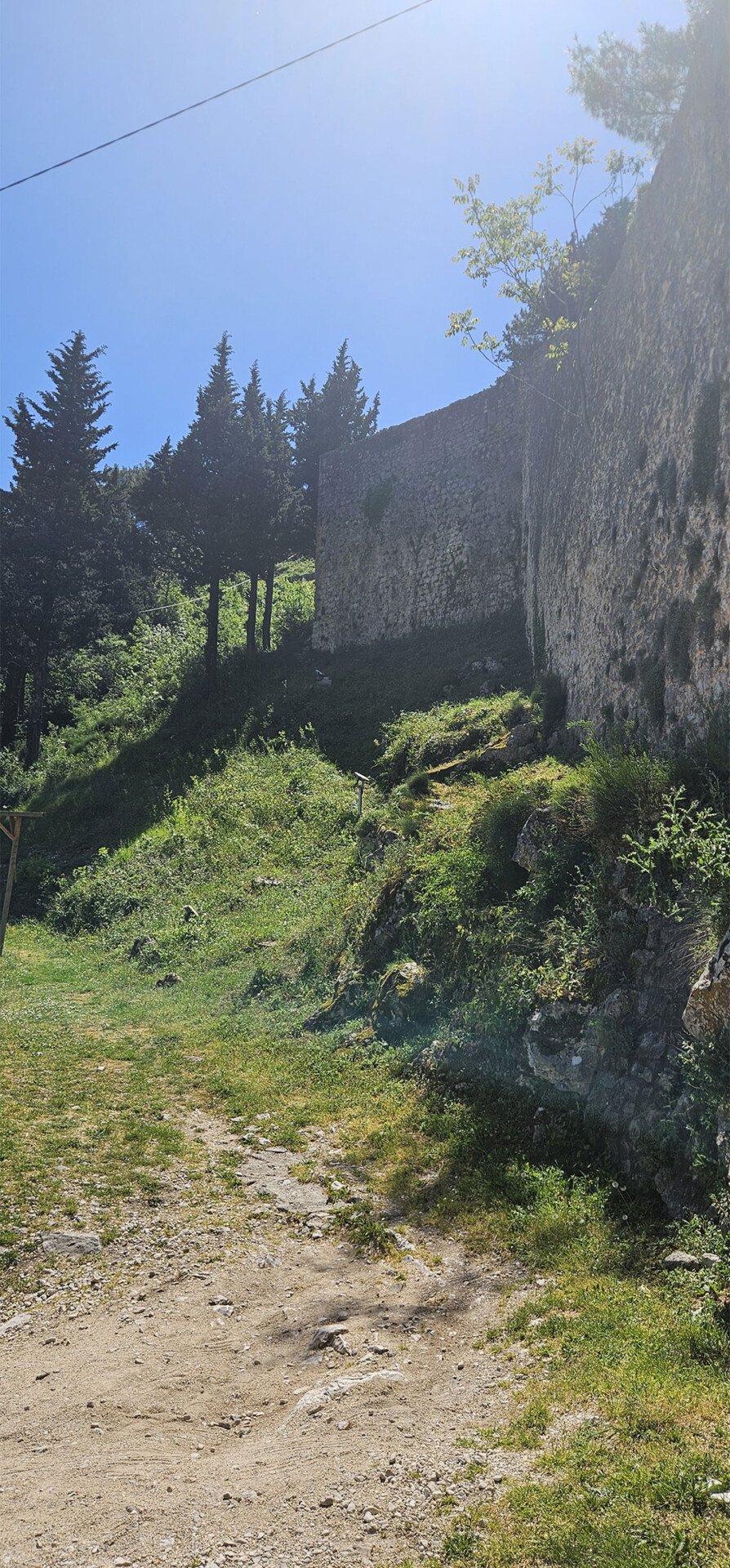
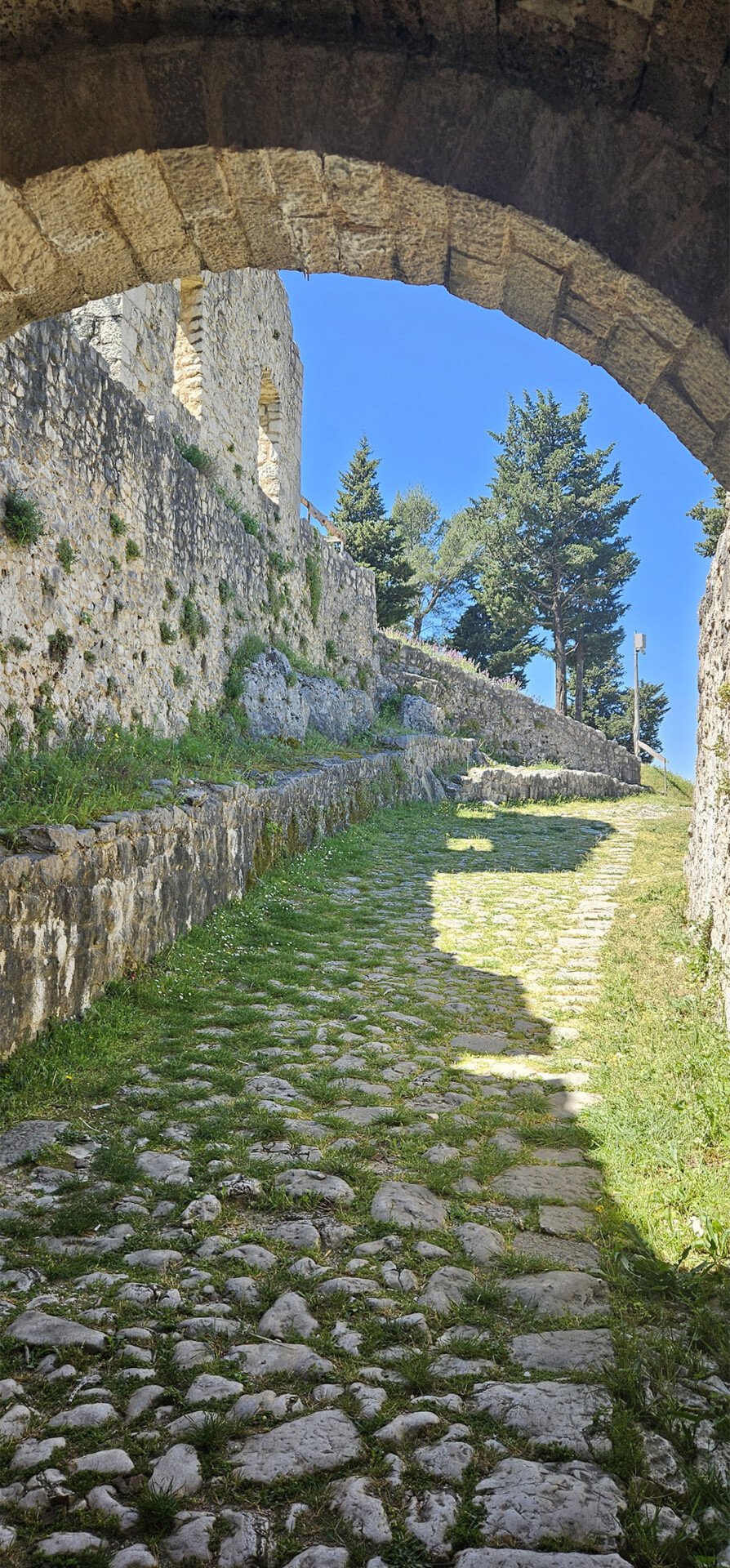
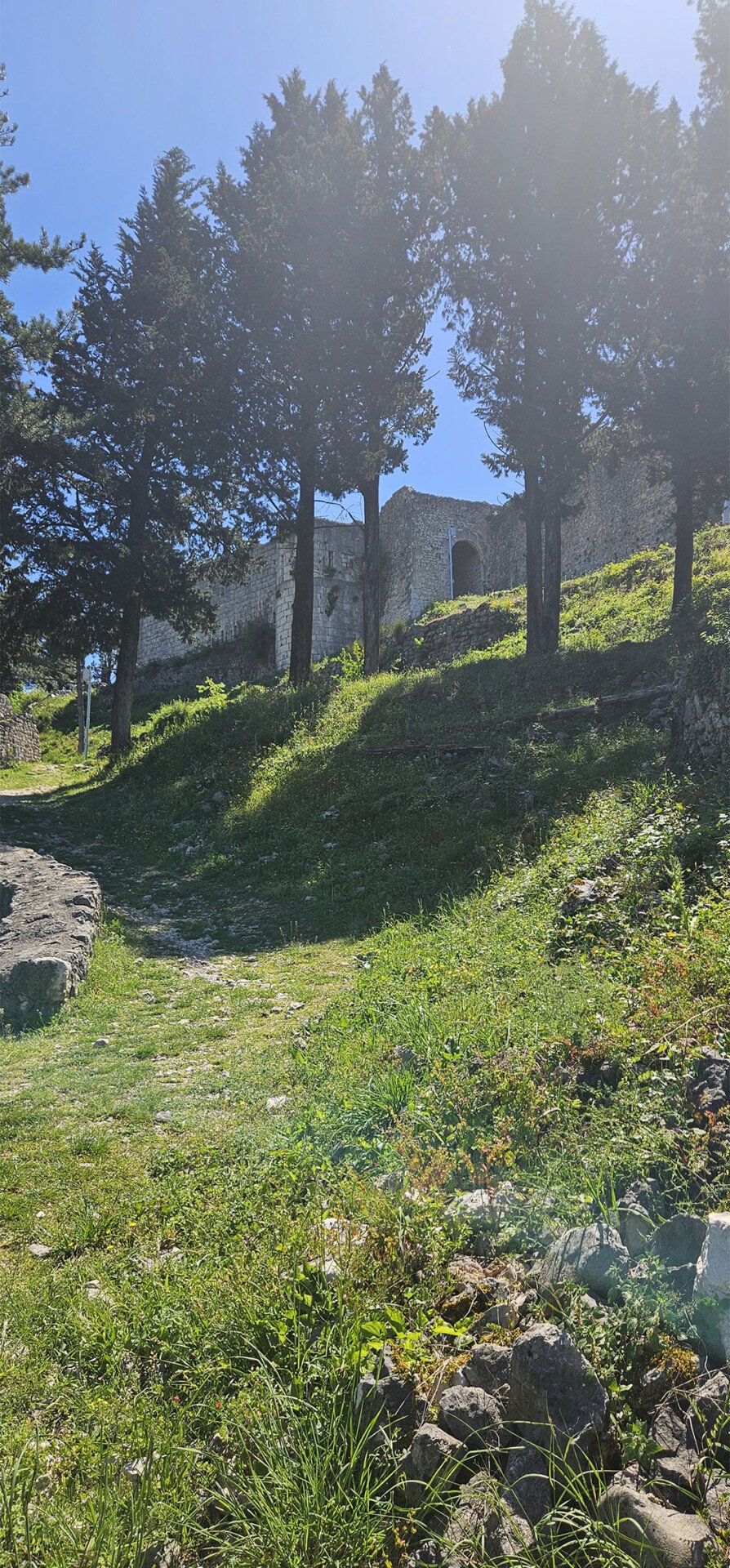
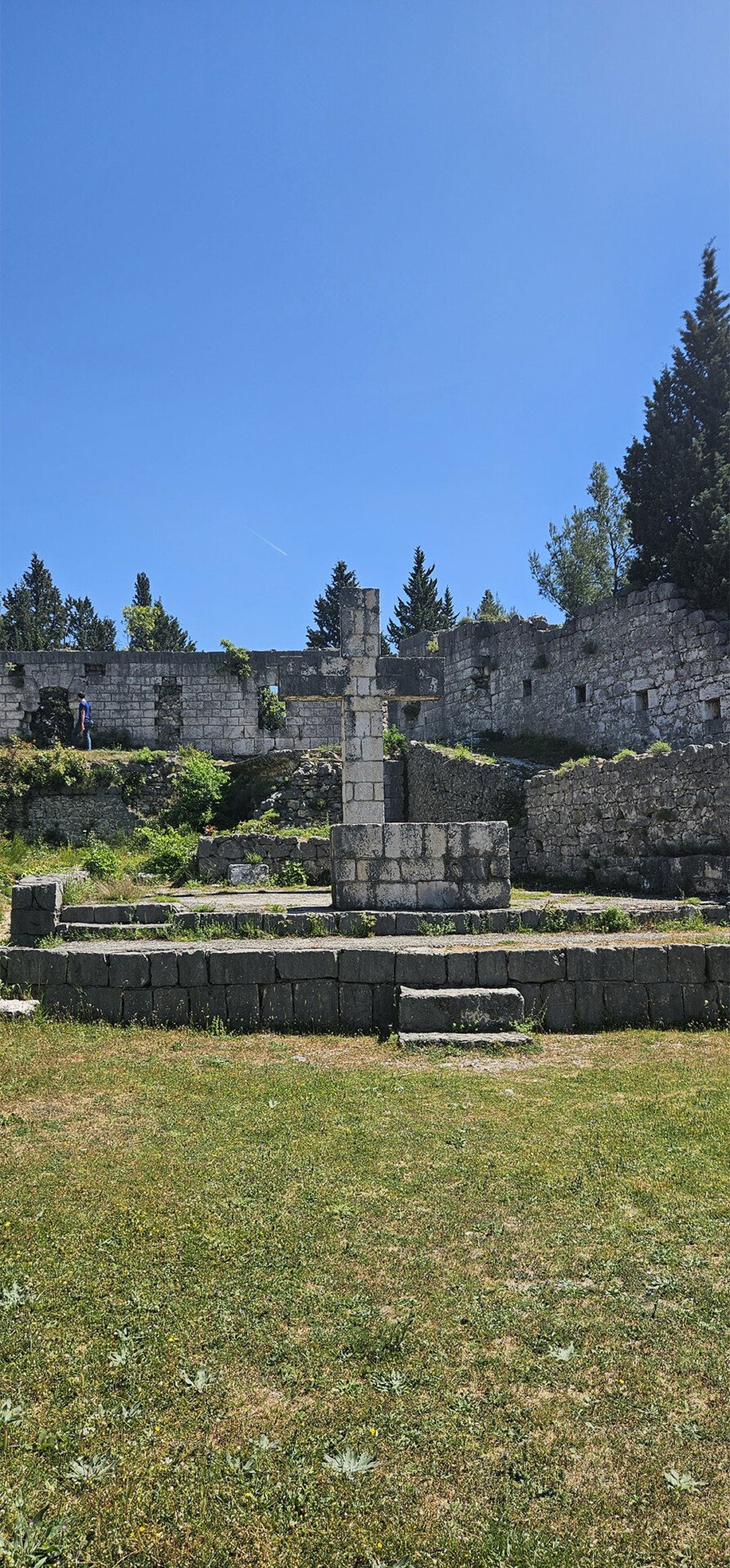
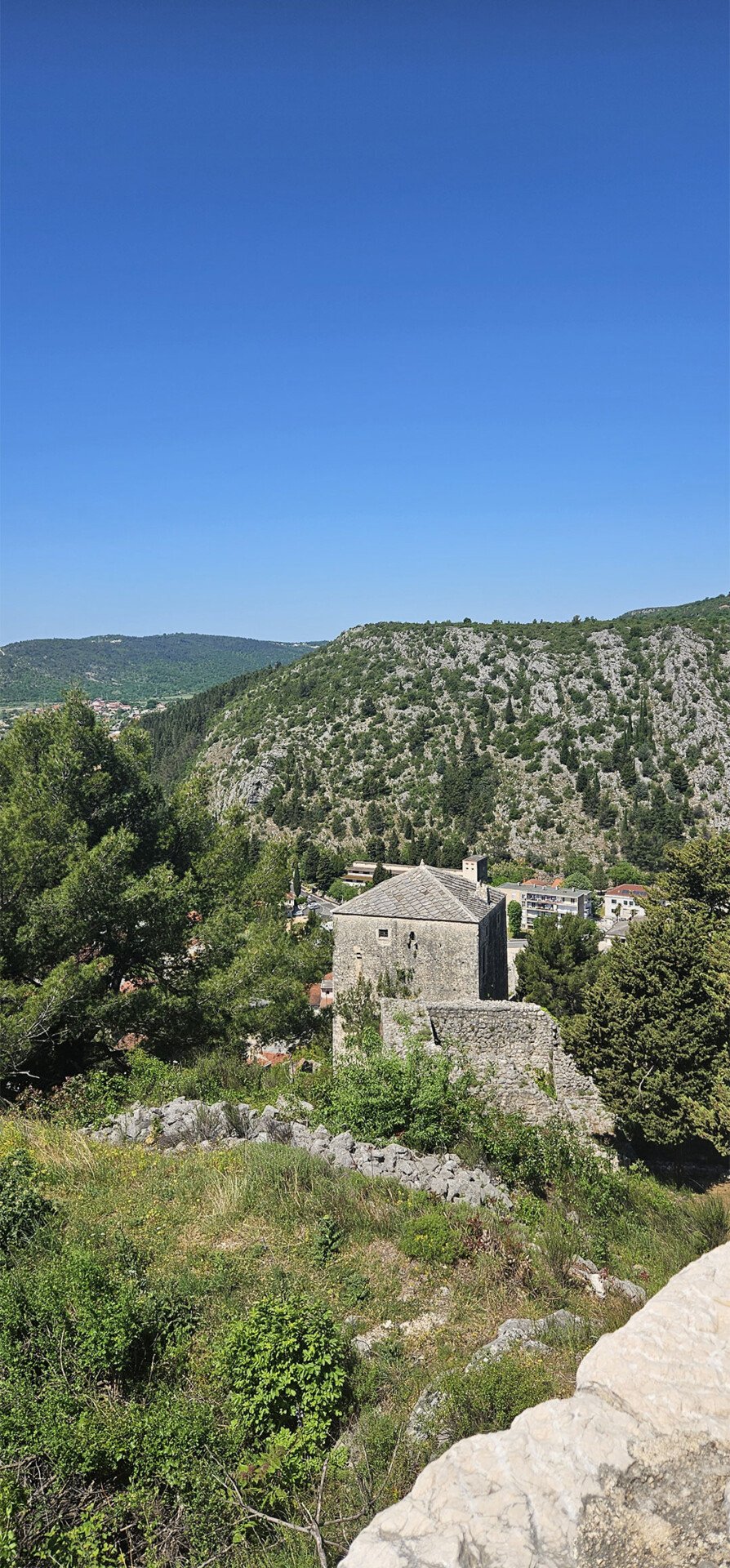
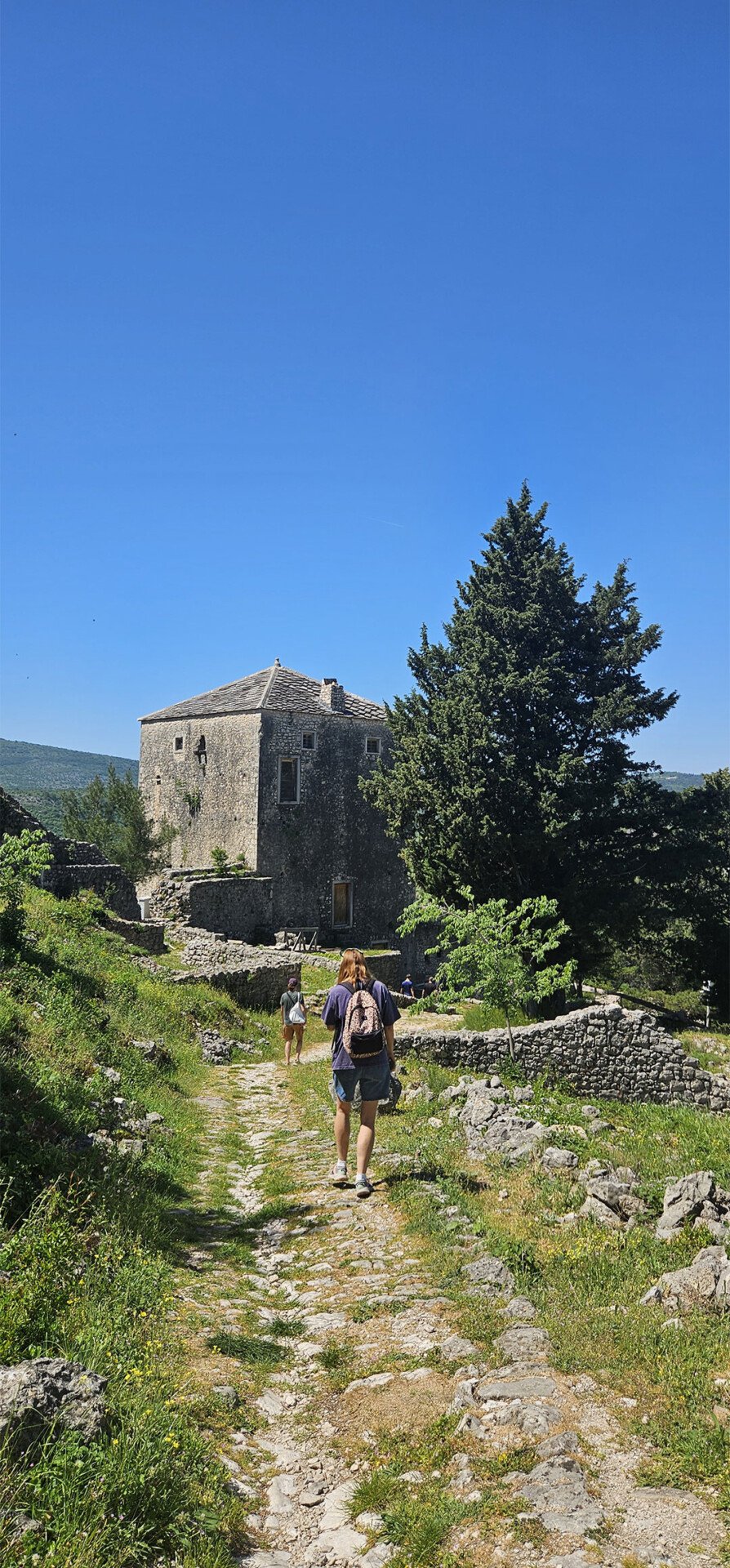
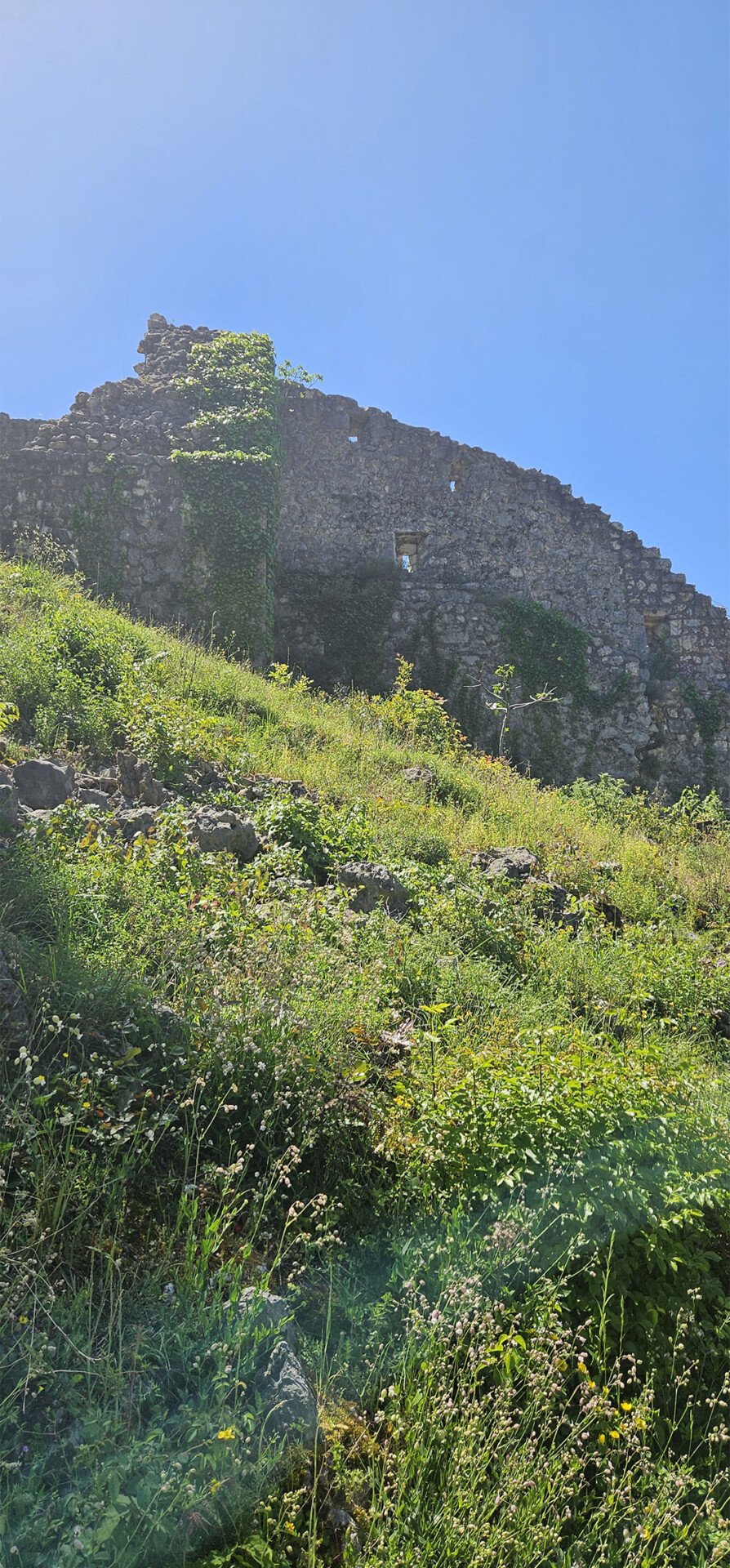
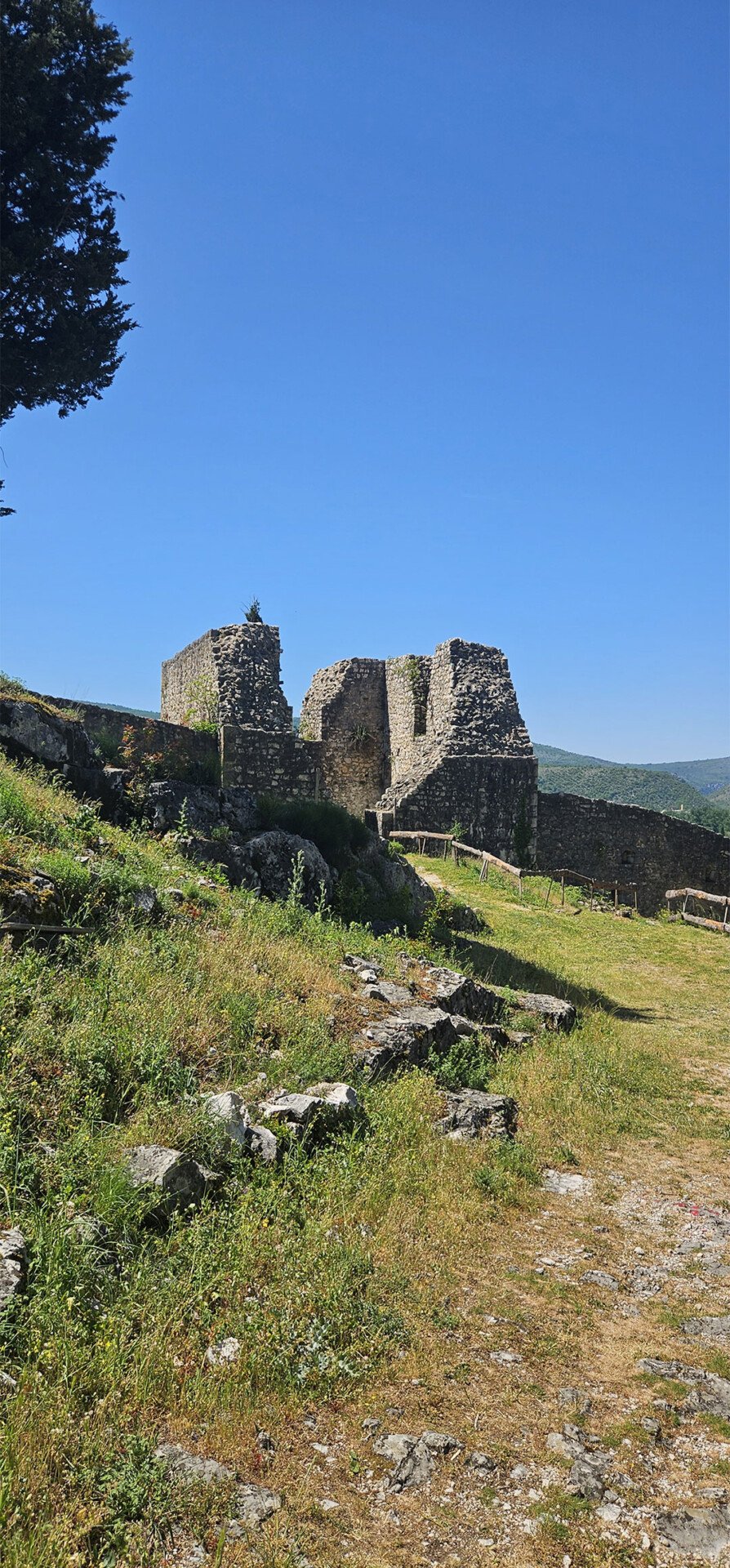
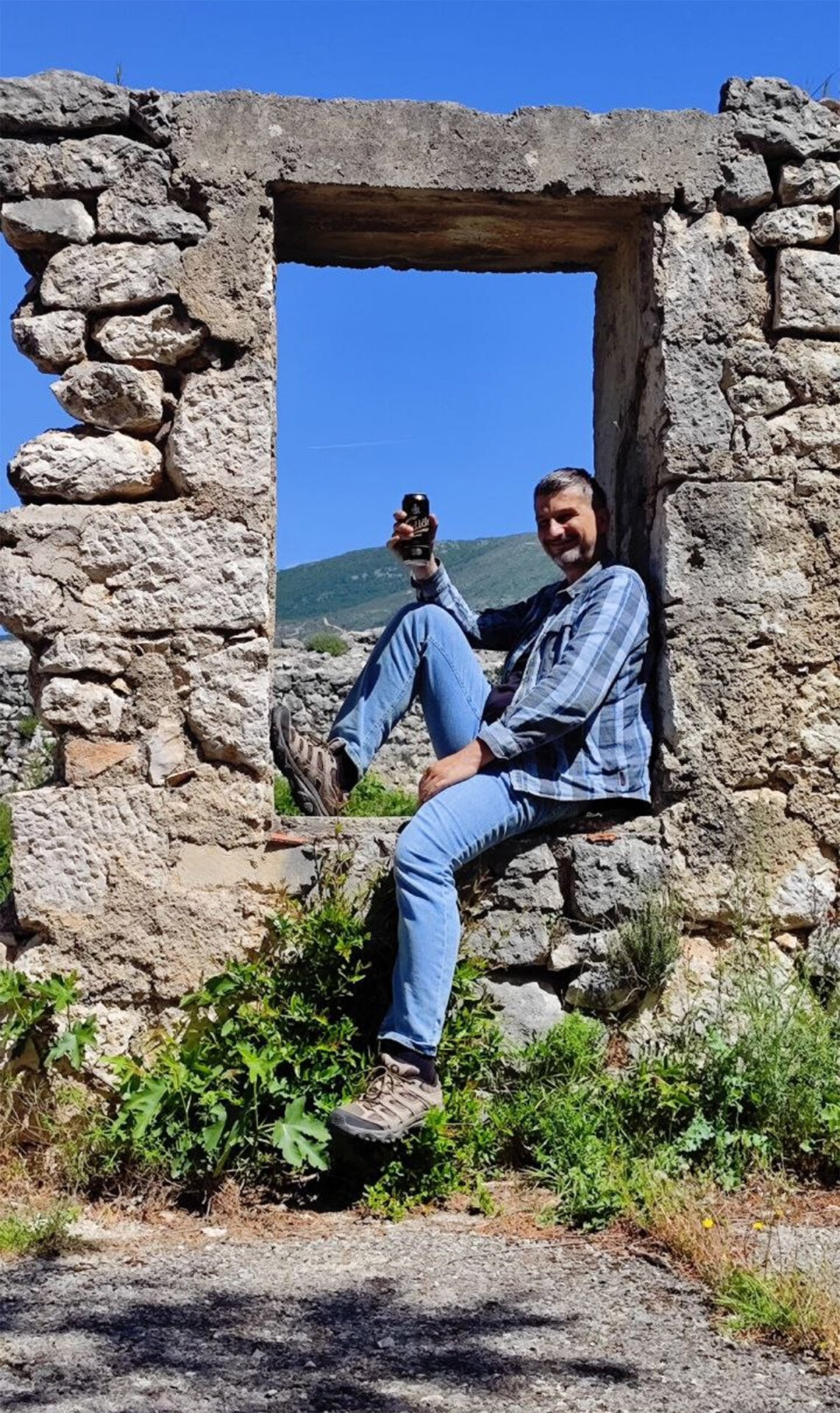
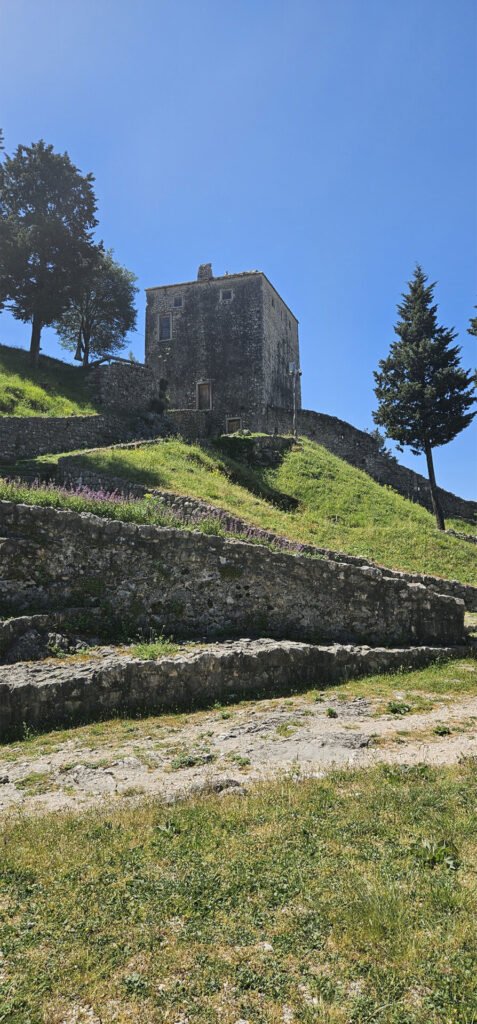
Stolac’s main attraction is the enormous Stari Grad Vidoški fortress, located on a high hill above the town. The climb is worth it not only for the fortress itself. The main reward is the panorama.
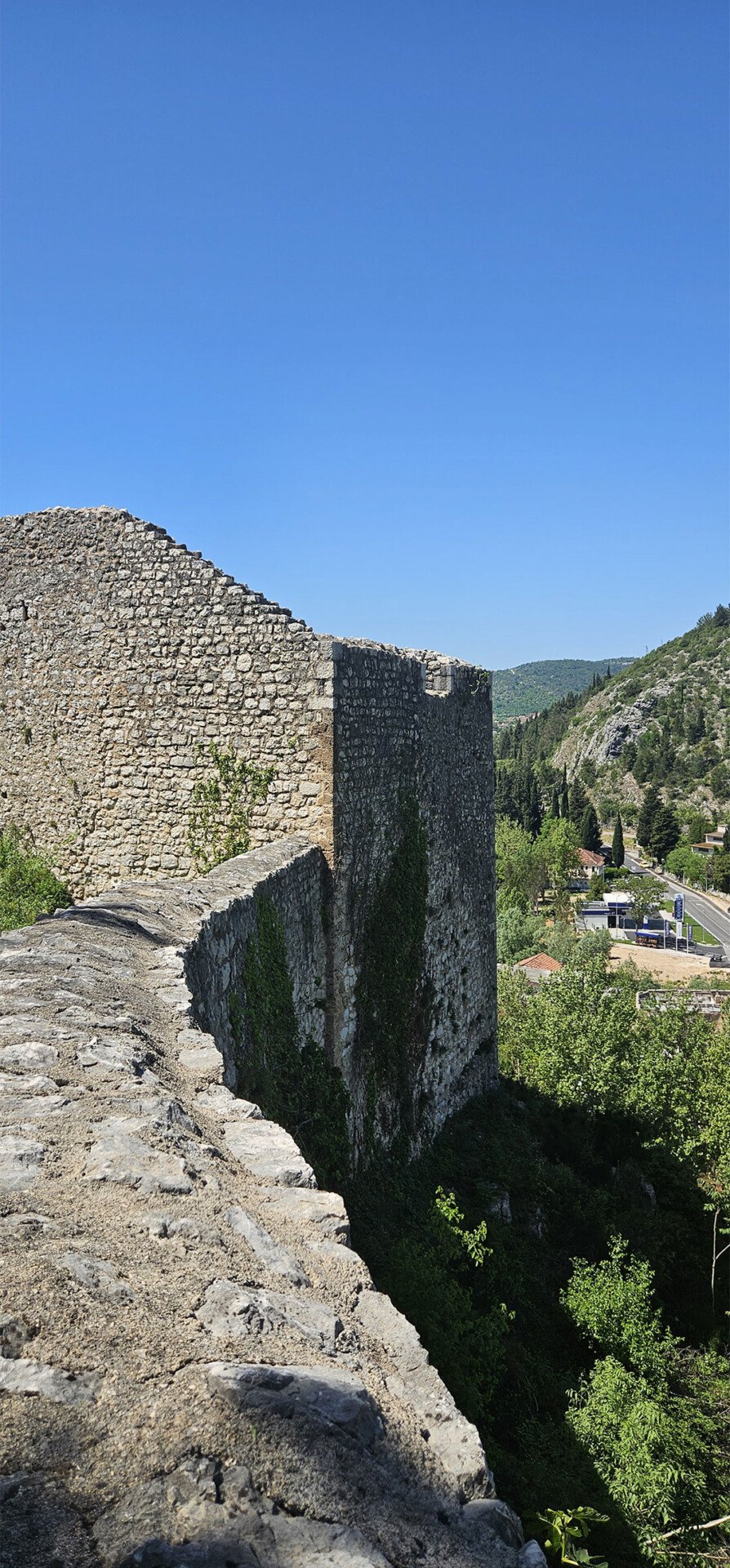
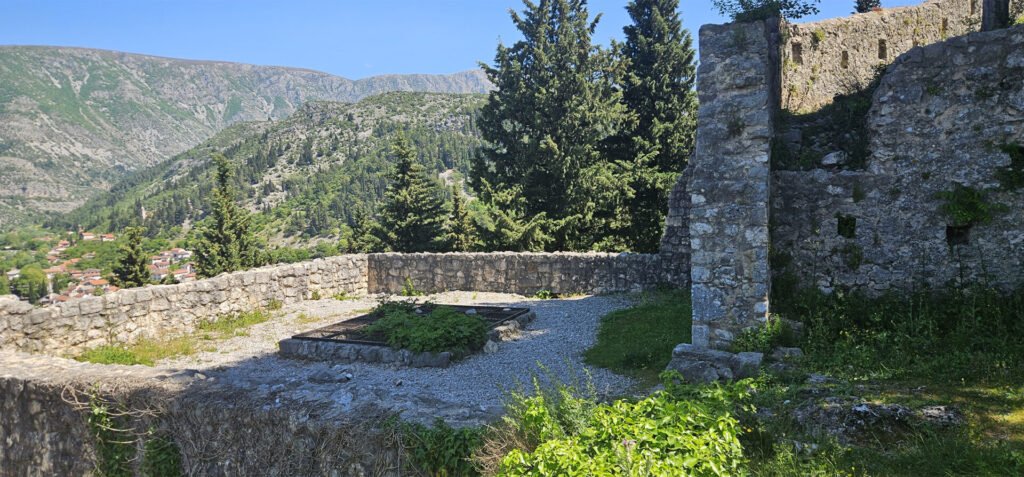
From the heights, a view opens up over the Bregava Valley, old Stolac, and the surrounding Herzegovinian mountains. Below, the river looks almost like a toy, and the town seems significantly smaller than from below. But behind these stone walls lies a history spanning several centuries.
From Antiquity to the Middle Ages
The history of Vidoški Grad is unusual in that the fortress was not built in one go. Researchers have discovered traces of various construction periods. The town’s official website notes the presence of late antique structures, while some researchers date the earliest fortification elements to the late Roman period. In the Middle Ages, the fortress became part of the system of fortified towns in Herzegovina. The first reliable written references to Vidoški Grad date back to 1444, when it is listed among the possessions of Herzegovina’s Duke Stjepan Vukčić Kosača, one of the most influential rulers of medieval Herzegovina. At that time, trade routes passed through the region, linking the Balkan interior with the Adriatic coast and Dubrovnik. The fortress served more than just military purposes. It controlled roads, protected the settlement, and provided surveillance over the valley.
Ottoman Stolac
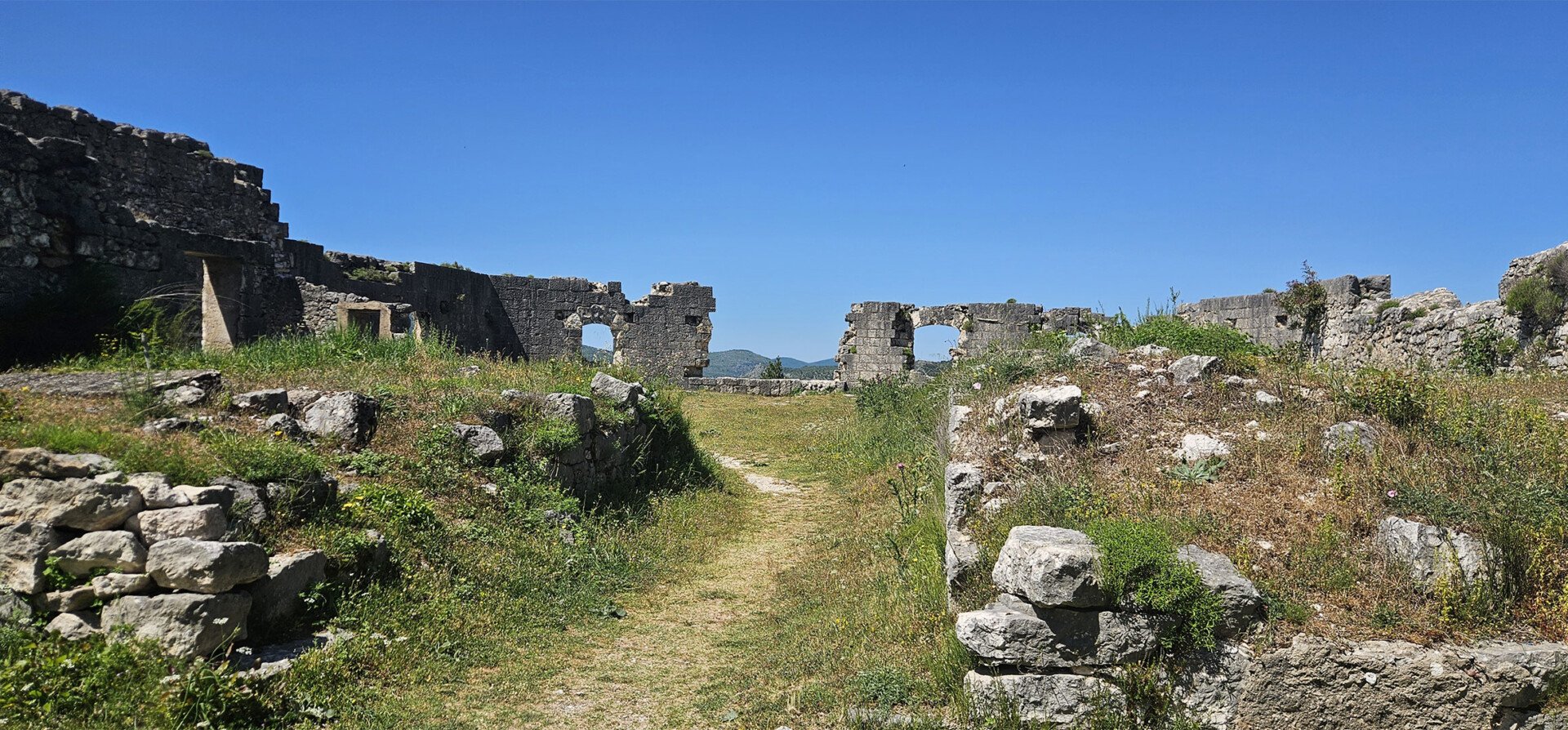
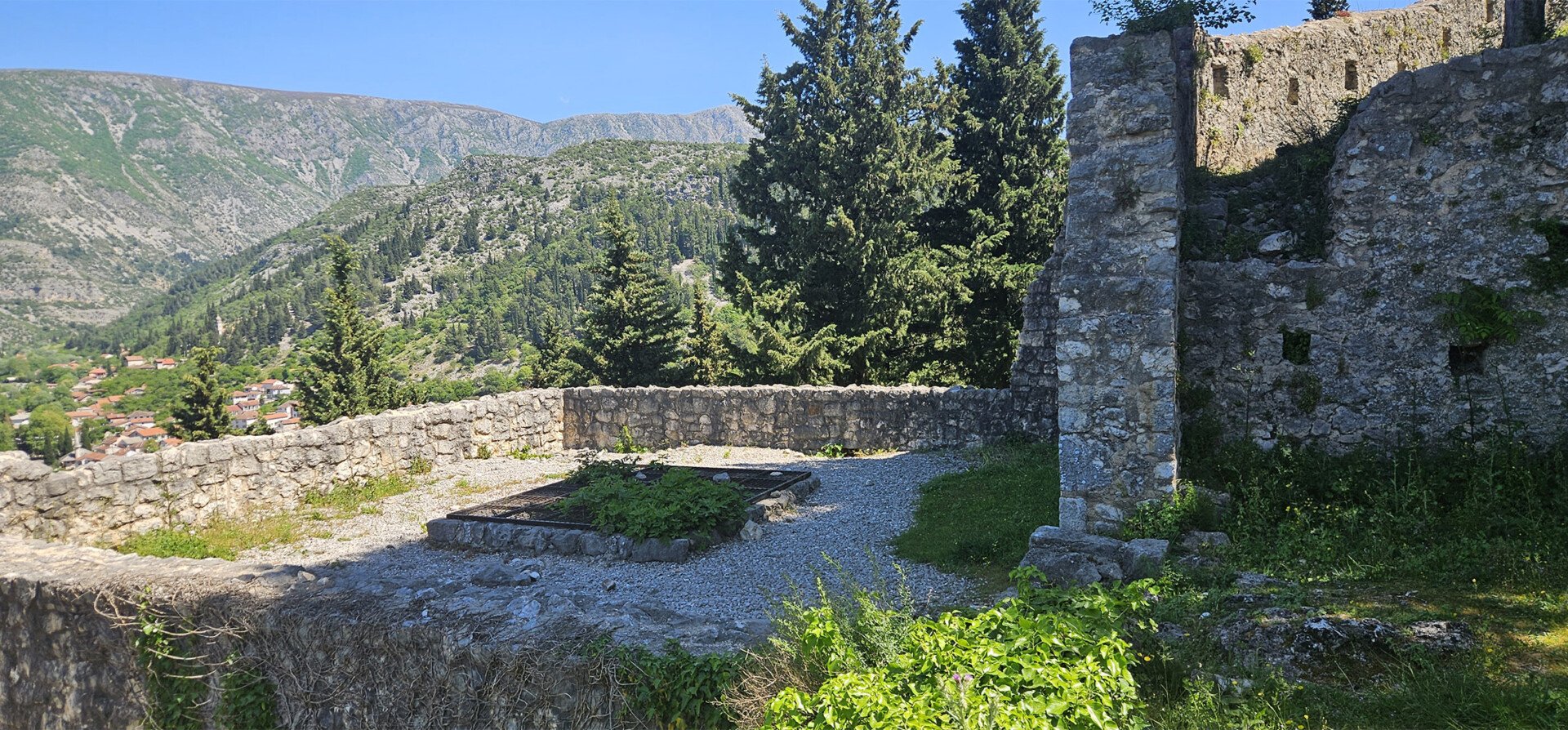
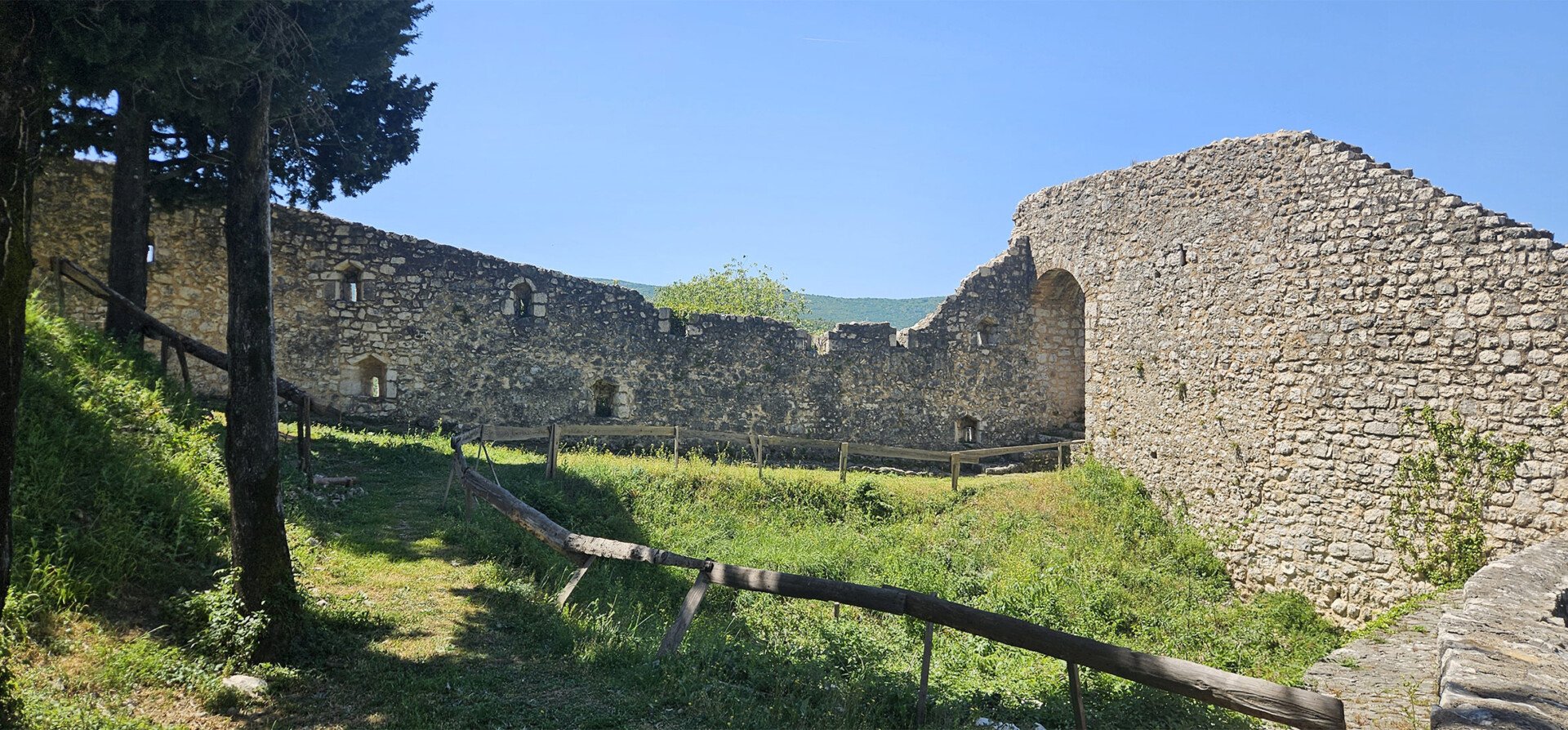
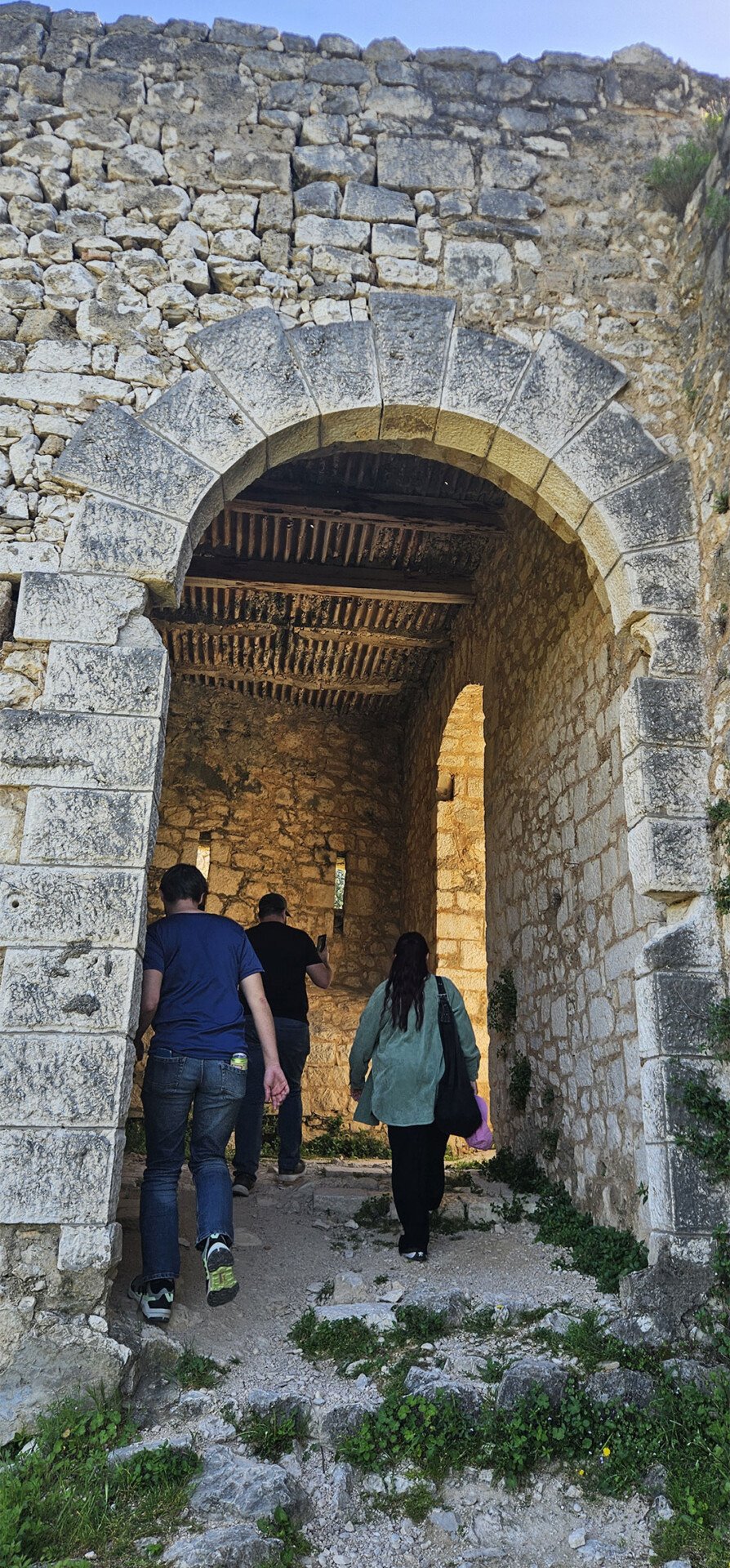
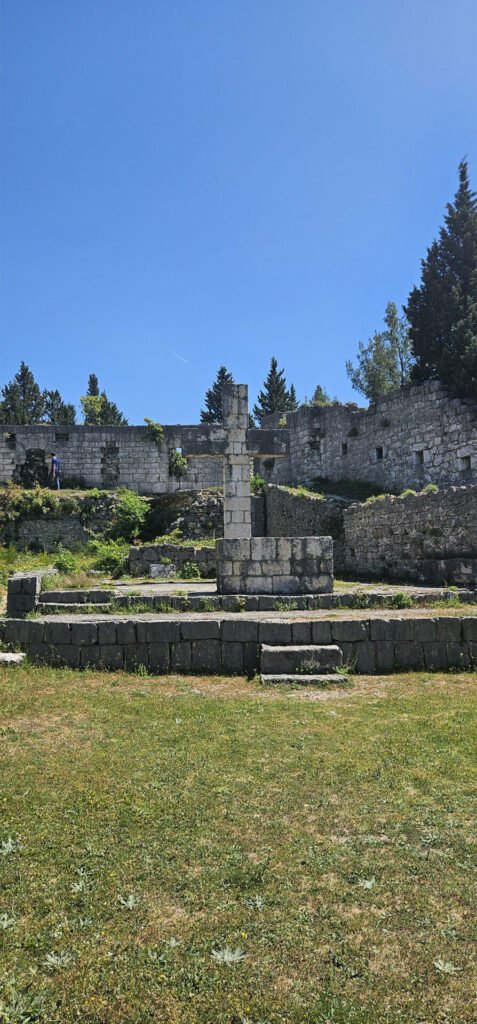
In the 15th century, Stolac came under Ottoman rule. Local sources indicate that after the Ottoman conquest, new construction work was gradually carried out on the fortress, and the lower part of the town expanded. It was during the Ottoman period that Vidaški Grad acquired much of its appearance today. The fortress consisted of several defensive levels. In the 17th century, there were 13 towers, and the entire fortification system was considered one of the most powerful in Herzegovina. The stone walls reach approximately two meters in thickness in places. But the fortress was more than just a collection of walls and towers. Inside were residential quarters; military fortifications; warehouses; flour storage facilities; water cisterns; and religious and economic buildings.
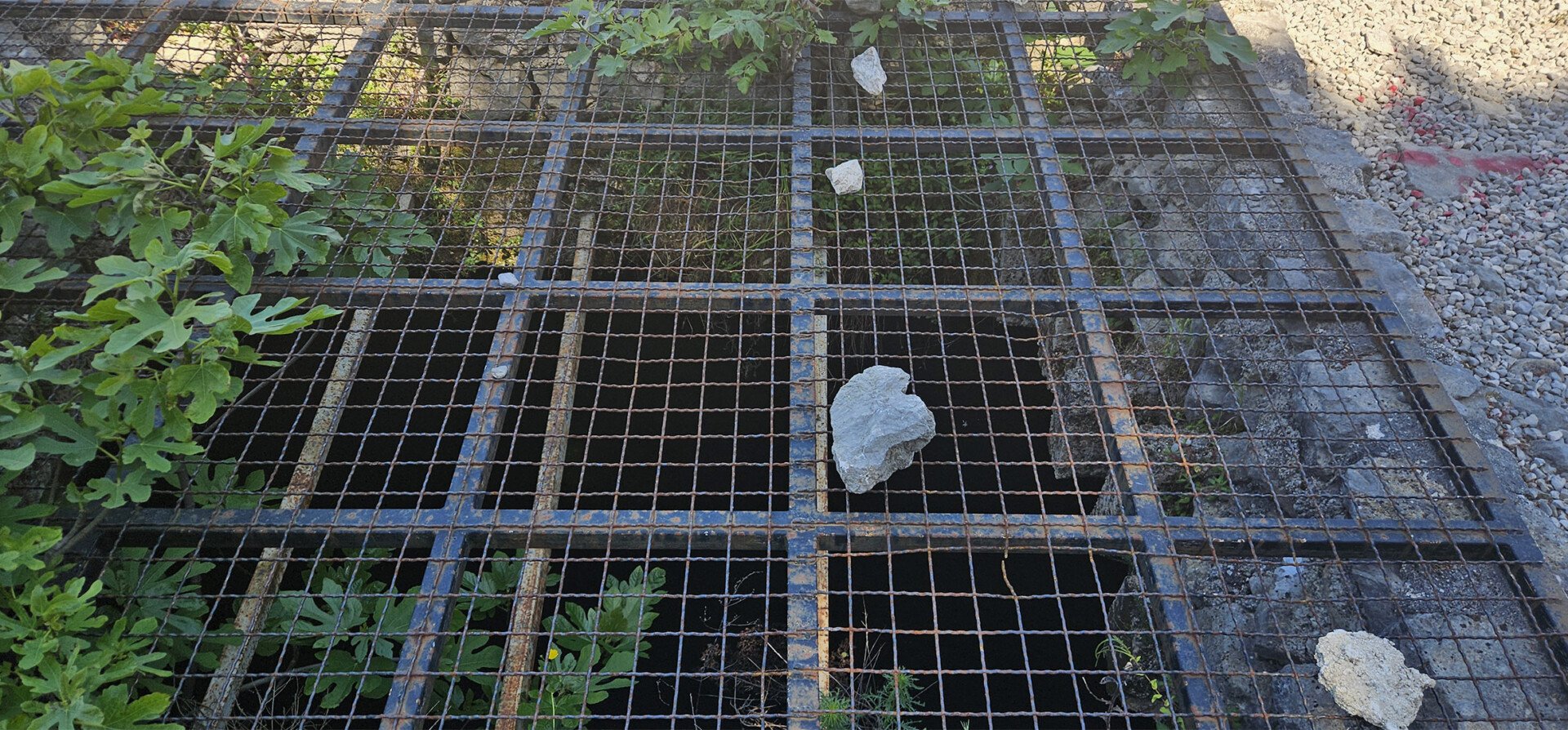
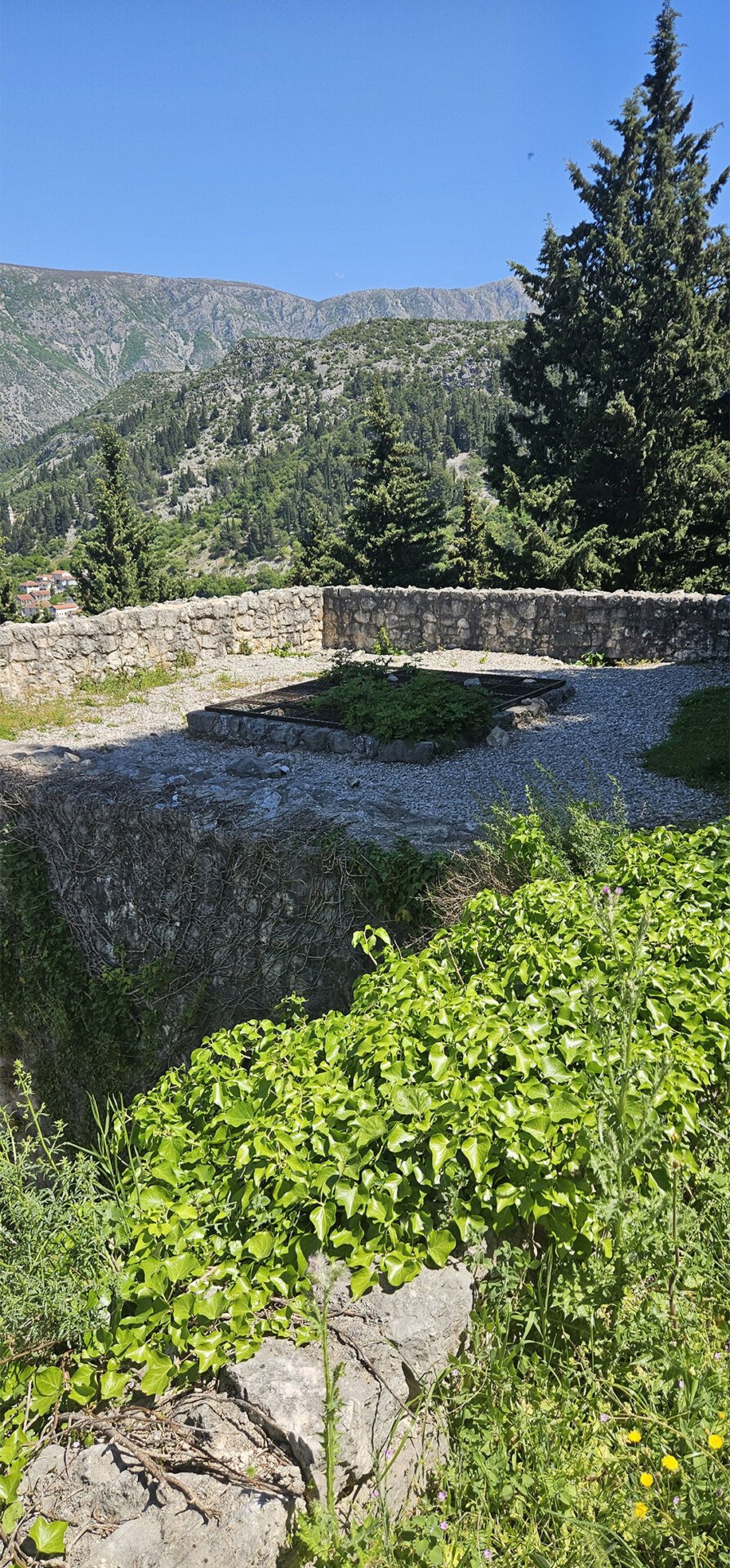
The cisterns were especially important. Records of ten water reservoirs—a vital element of any medieval and Ottoman fortified town—have been preserved in the fortress. Imagine life here several centuries ago. Within the walls—warriors, families, artisans, and merchants. Below—the city and the marketplace. A road runs through the valley, and the river supplies water and powers the mills.
Vidaški Grad and Wars
In the 17th century, the town was repeatedly attacked by Venetian troops during the major wars between the Ottoman Empire and Venice and the Habsburgs. After the Treaty of Karlowitz in 1699, the fortress was restored and reinforced, and a separate captaincy was formed around Stolac. In 1832, Stolac found itself embroiled in a standoff with the army of Captain Husein Gradaščević, but the siege was unsuccessful. The fortress also has a rather dramatic feature. It was twice seriously damaged by lightning strikes and subsequent explosions of gunpowder reserves. The first time, the fortress was restored in 1768, and the second time after an explosion in 1843. So, some of the destruction that today appears to be the result of centuries of decay by time actually has a much more specific cause.
Austro-Hungarian Period
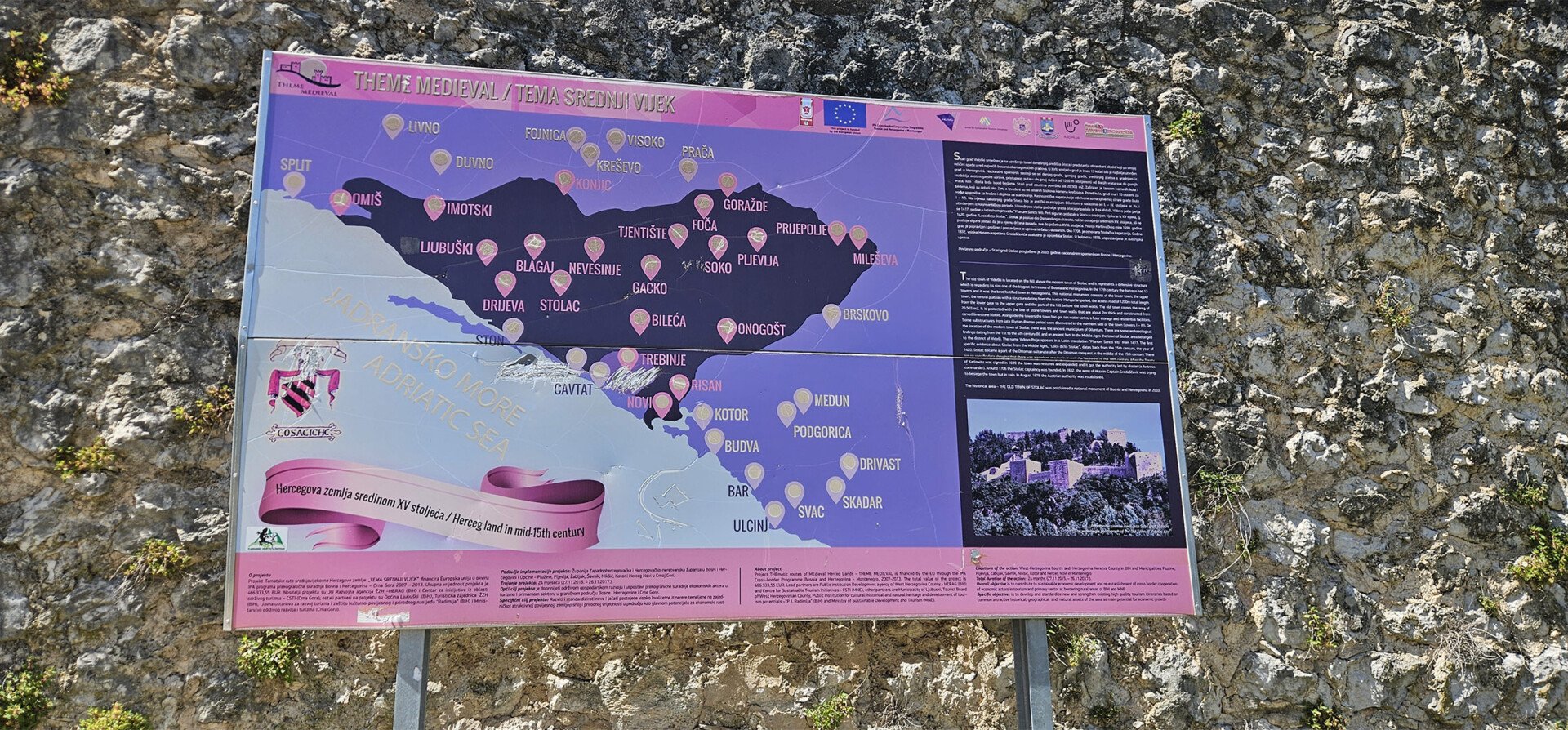
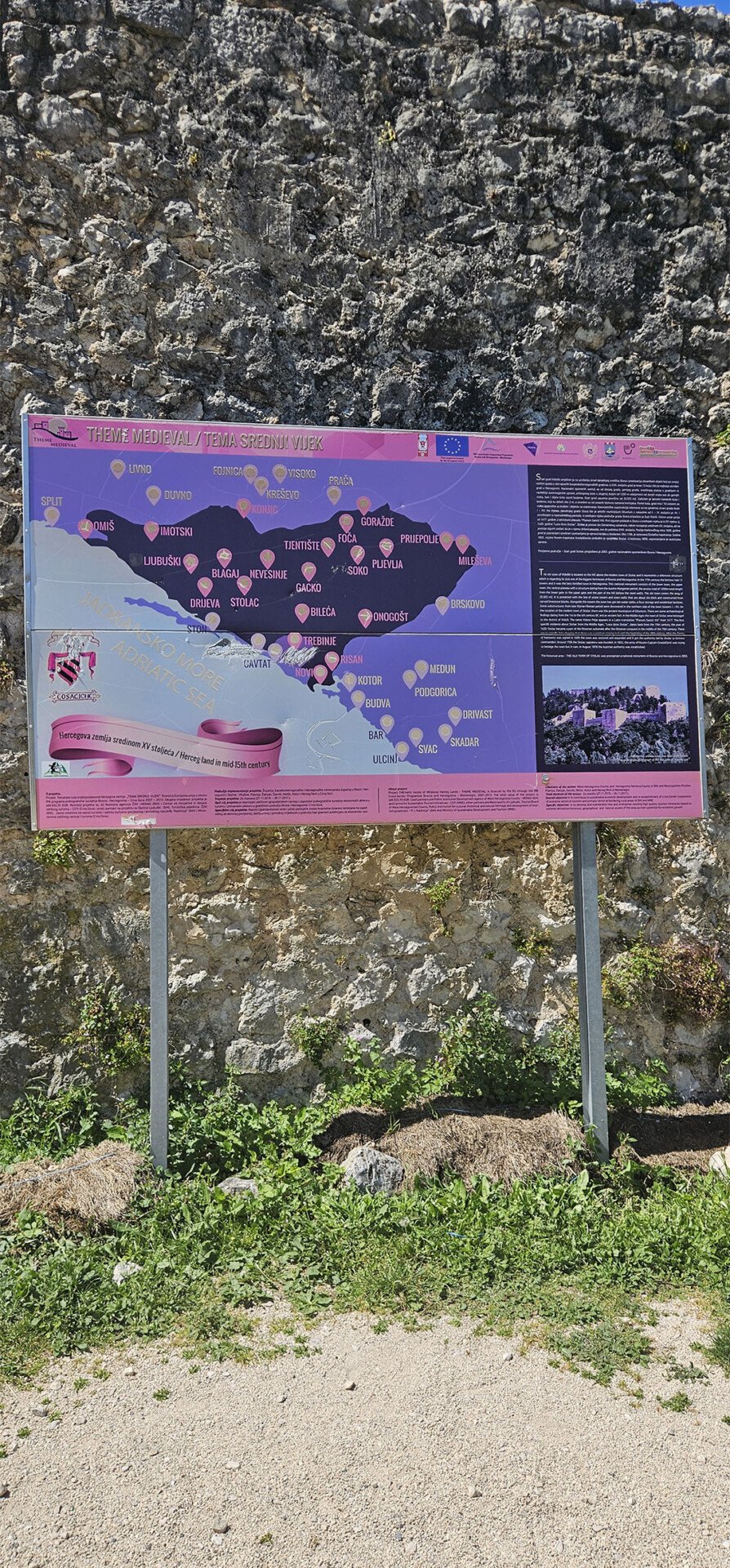
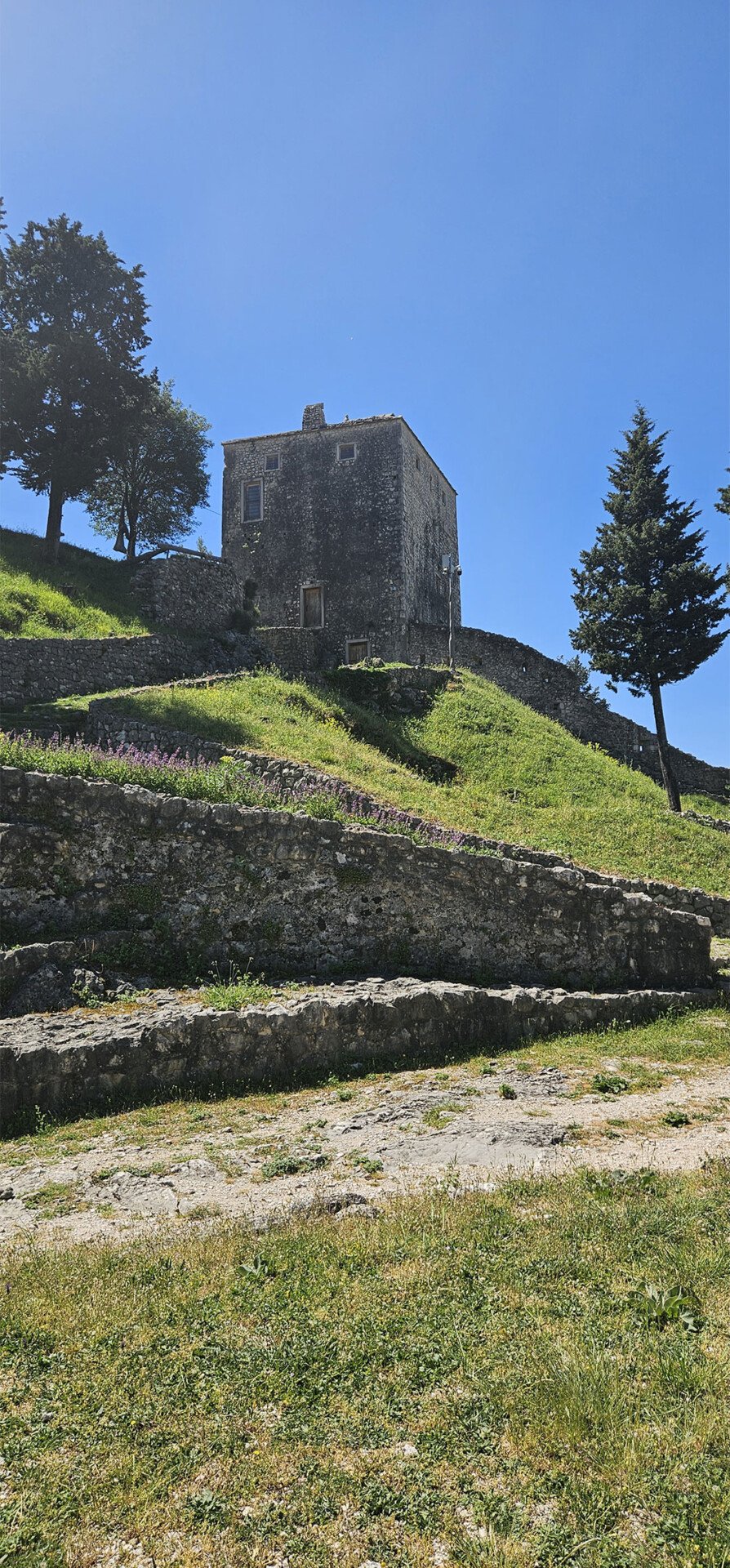
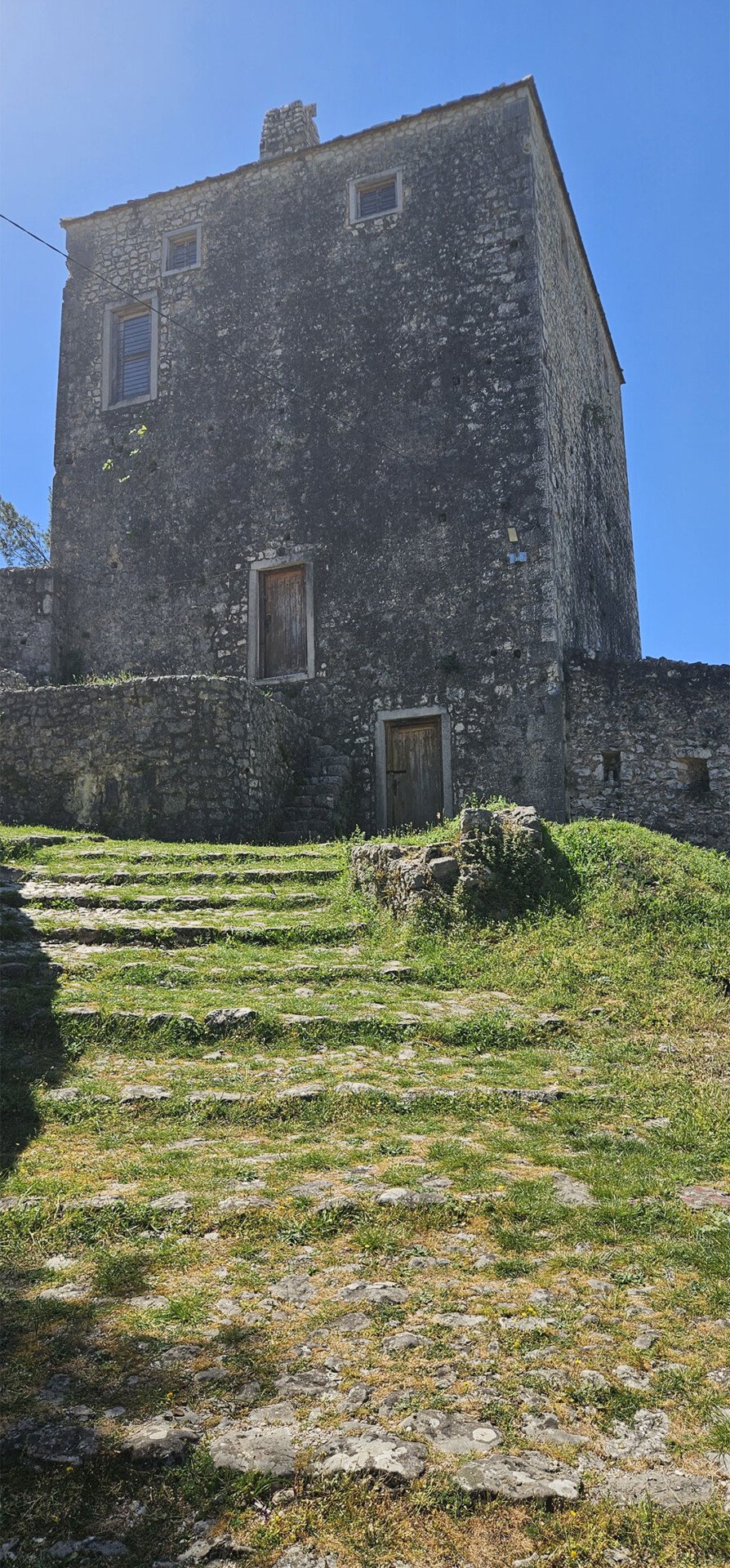
In 1878, Austro-Hungarian administration was established in Stolac. This marked the beginning of a new era for the fortress. The old Ottoman fortification was renovated, and in 1888, the Austro-Hungarian authorities built a modern fortress on the upper part of the complex. Thus, today, fortifications from different historical periods can be seen on a single hill. This is one of the unique features of Vidaški Grad. As you ascend the slope, you feel like you’re passing through several centuries of military architecture: Late Antiquity → Middle Ages → Ottoman Empire → Austro-Hungarian Empire. And all of this is located within a single historical complex. In 2003, the historic Old Town area of Stolac was declared a national monument of Bosnia and Herzegovina.
What to look for inside the fortress
Towers. There were once 13 of them. They allowed for control of the approaches to the fortress and defense from various directions. Cisterns. Water was one of the fortress’s main resources. The cistern system allowed it to survive periods of siege.
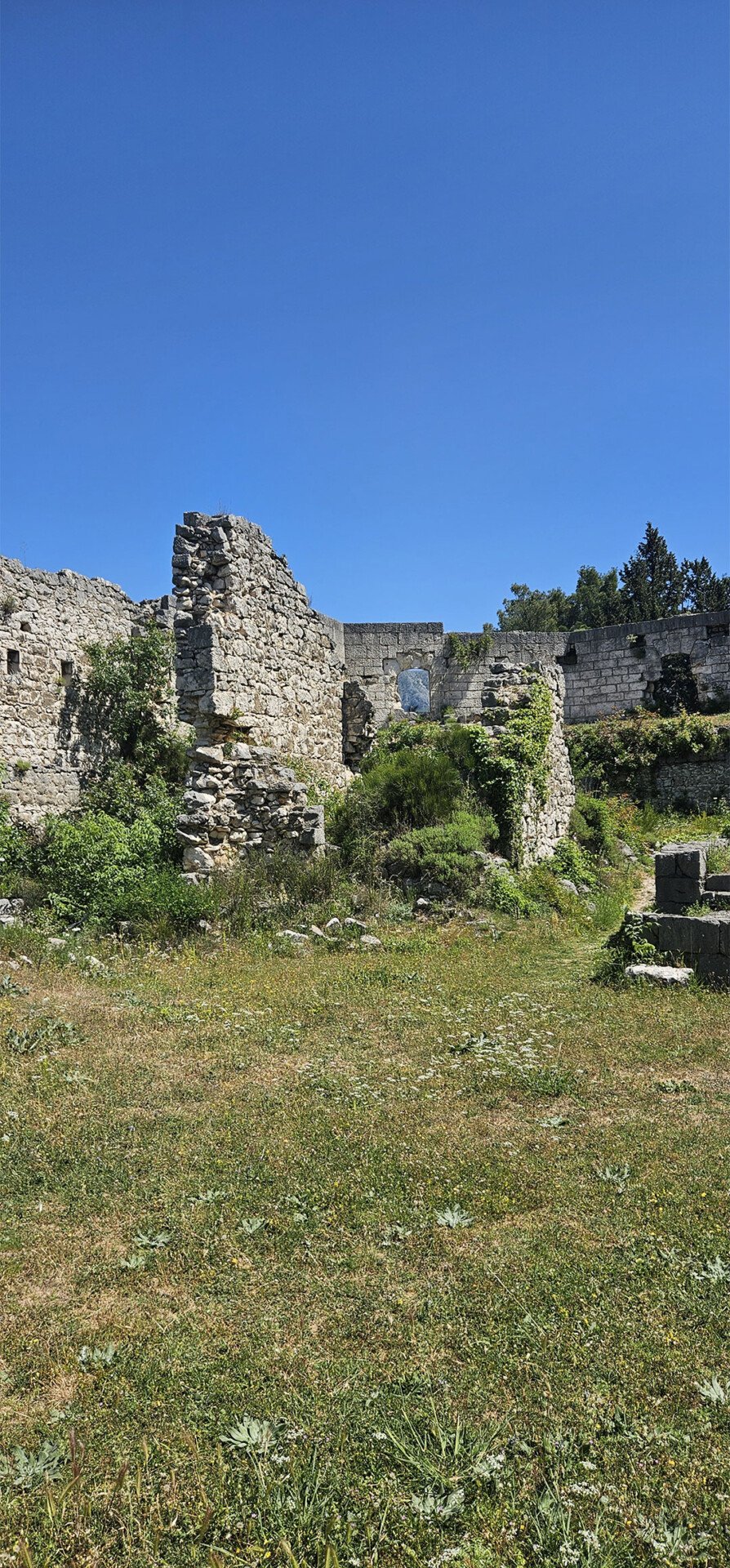
Remains of residential quarters. They serve as a reminder that Vidaški Grad was more than just a military installation. It was constantly occupied.
The Upper Austrian Fortress. It stands out from the older Ottoman structures and allows you to see how military technology had changed by the end of the 19th century.
Panorama. And finally, be sure to find a spot with a view of the Bregava.
The Bregava – the river that built Stolac
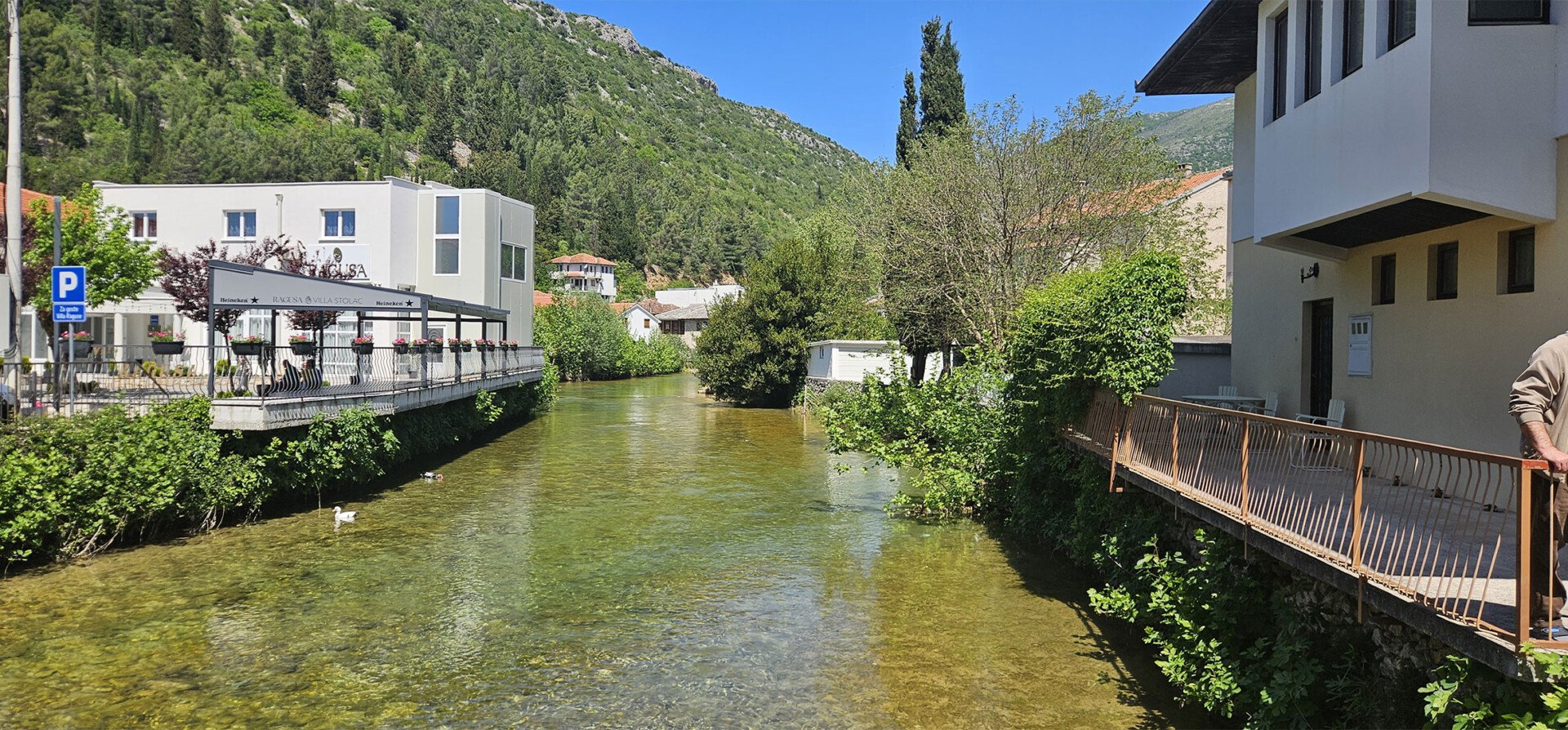
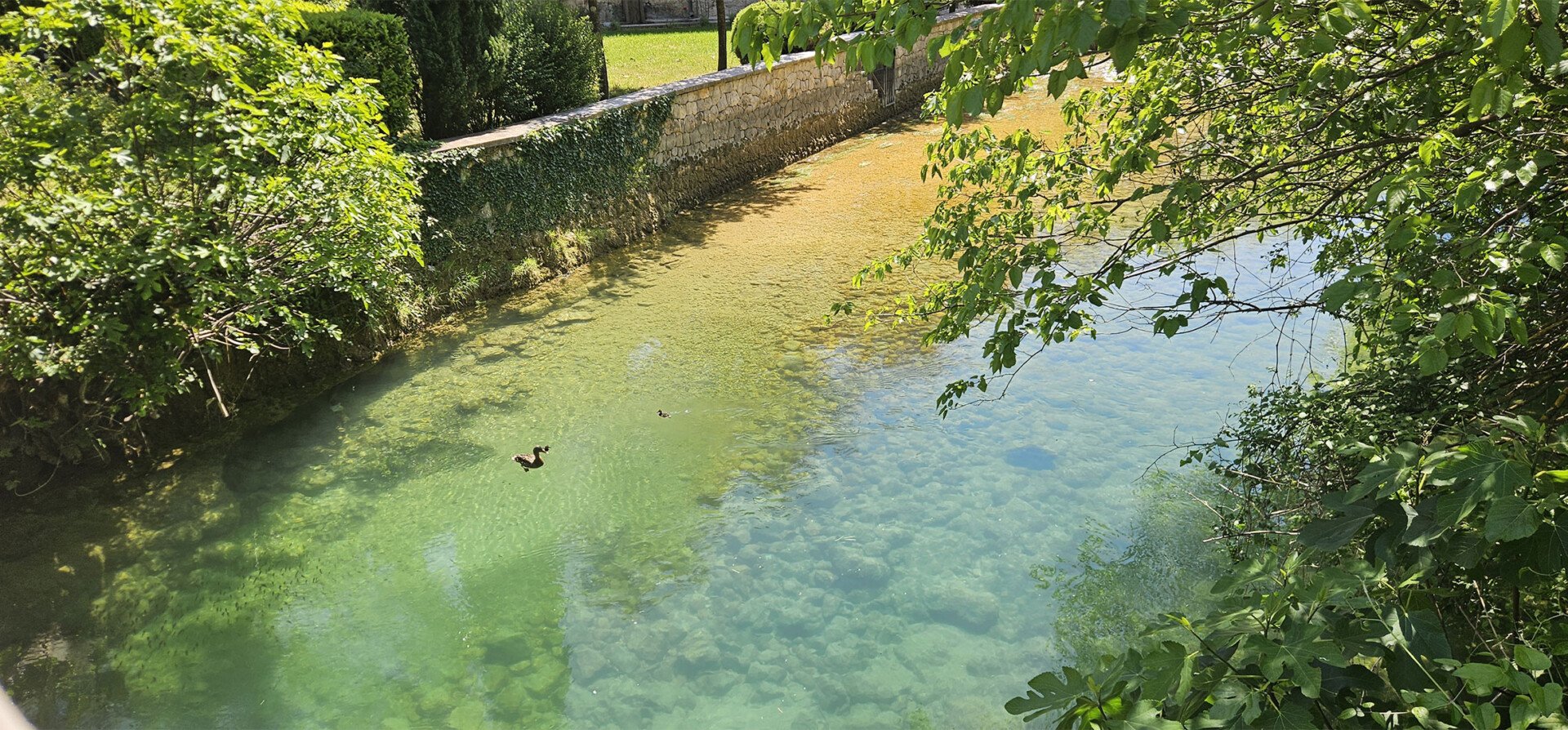
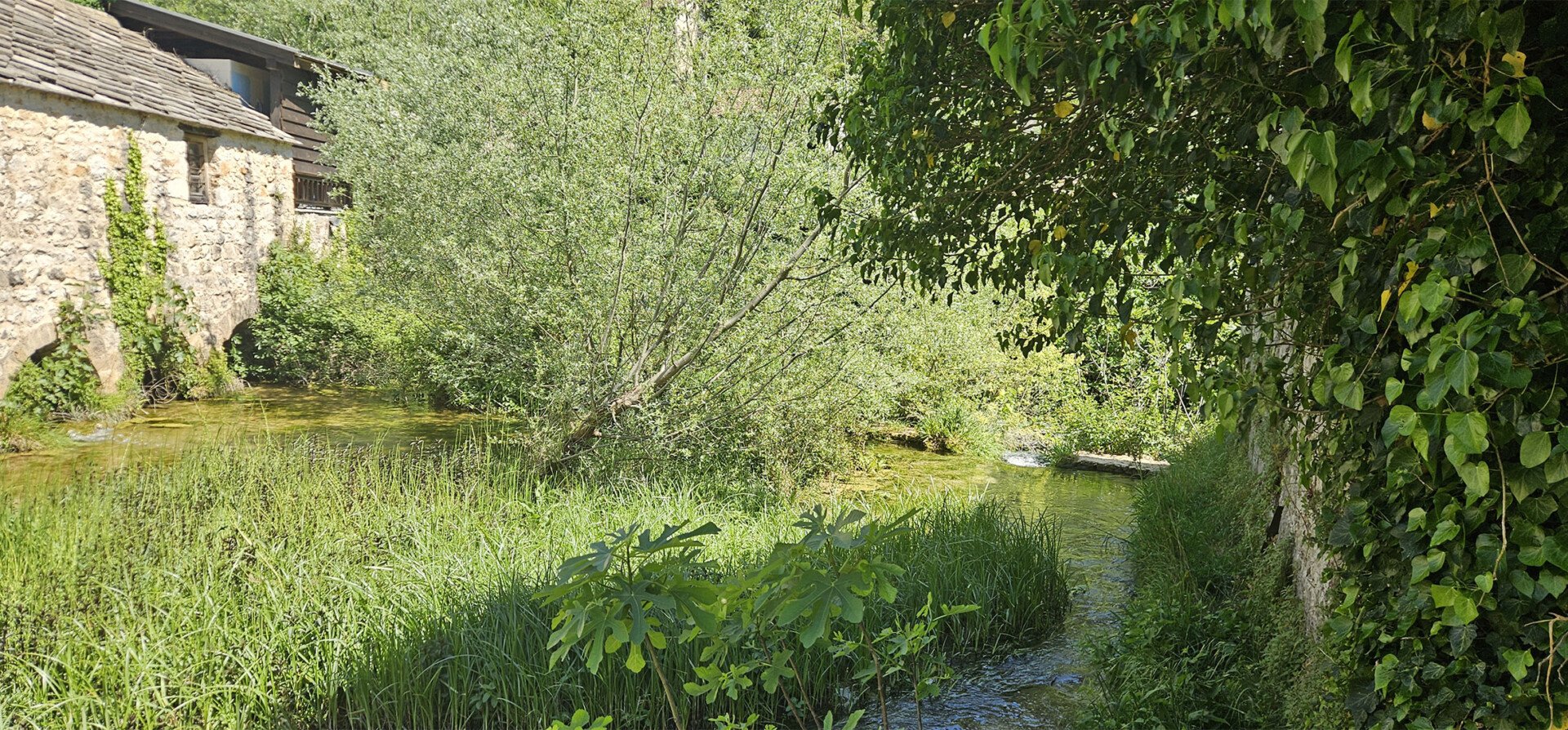
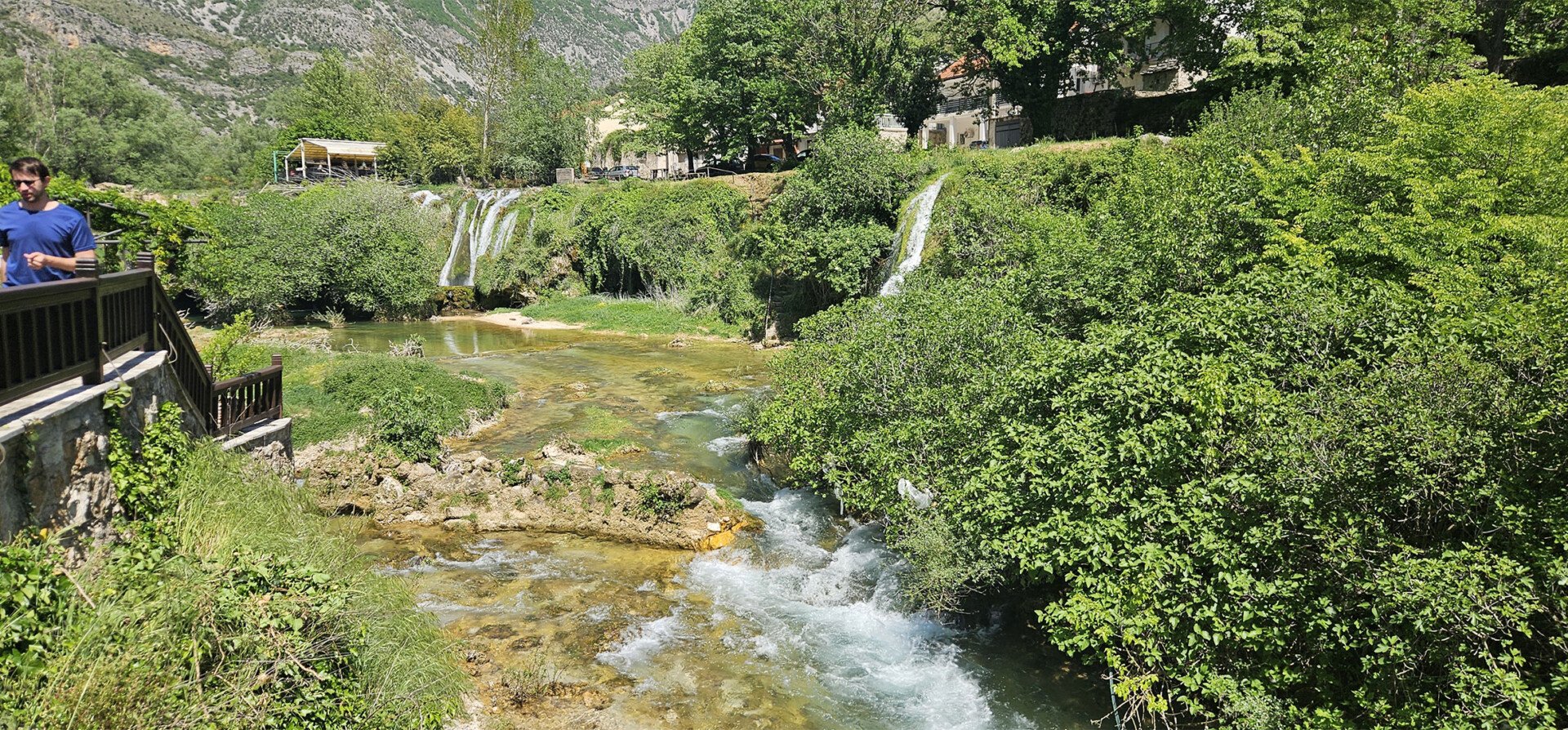
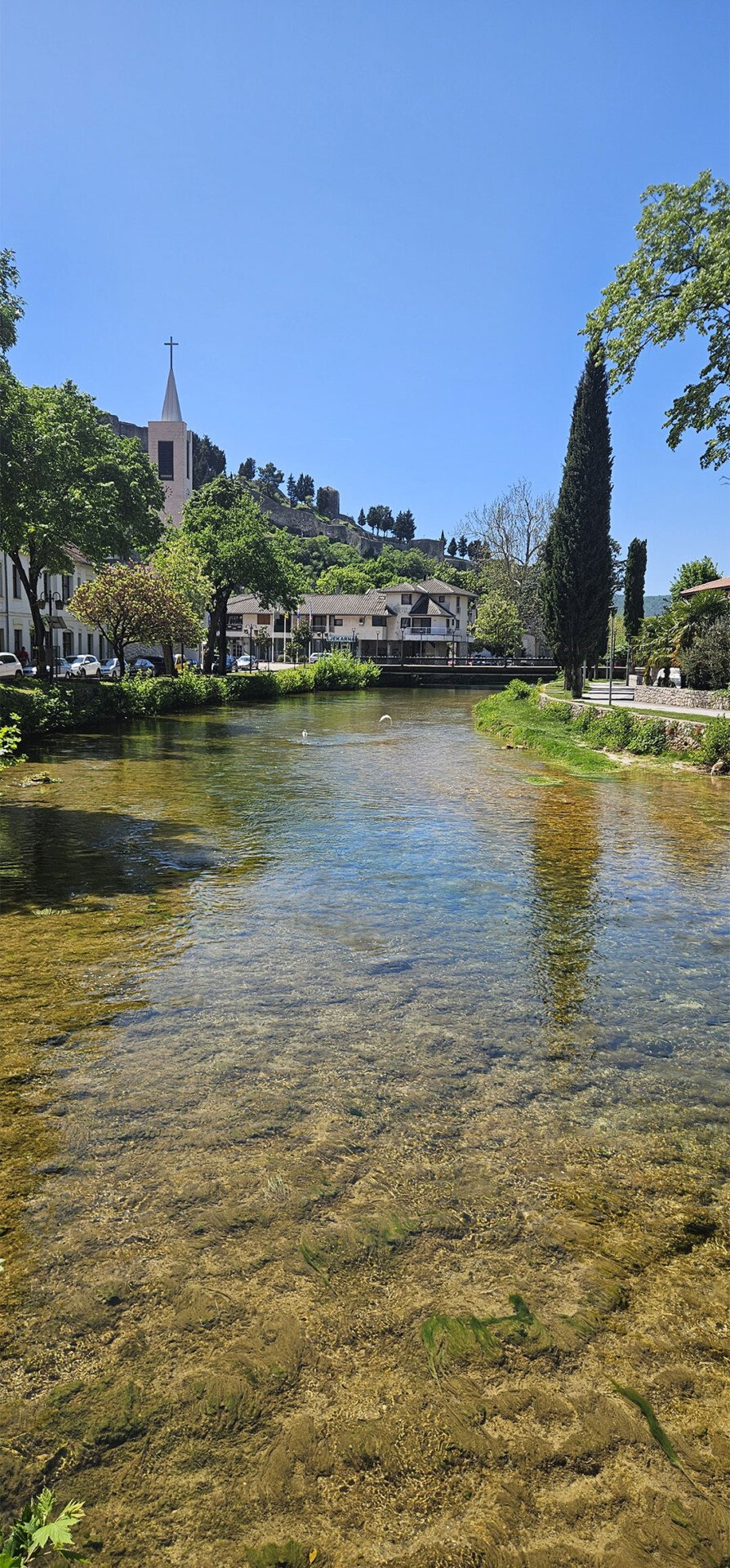
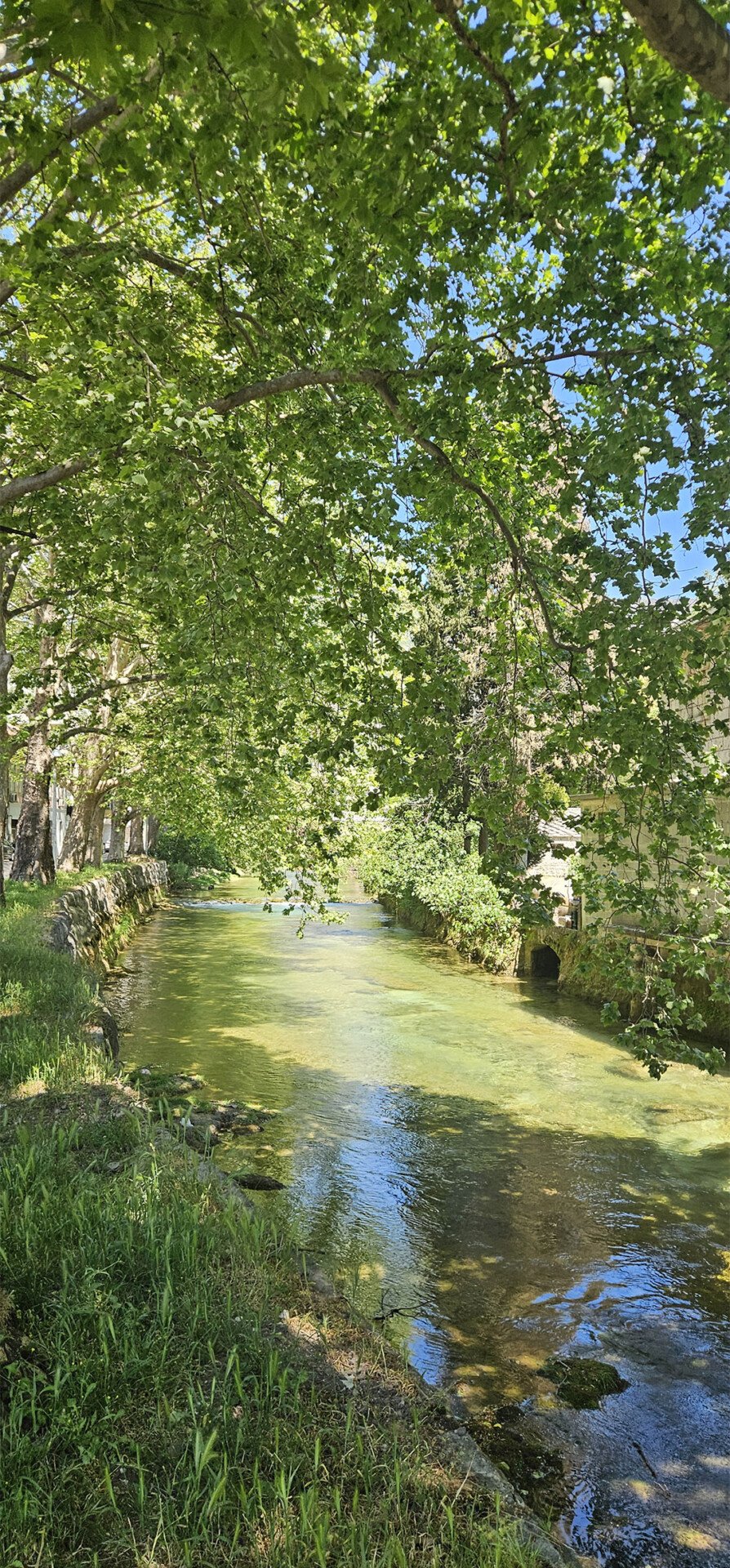
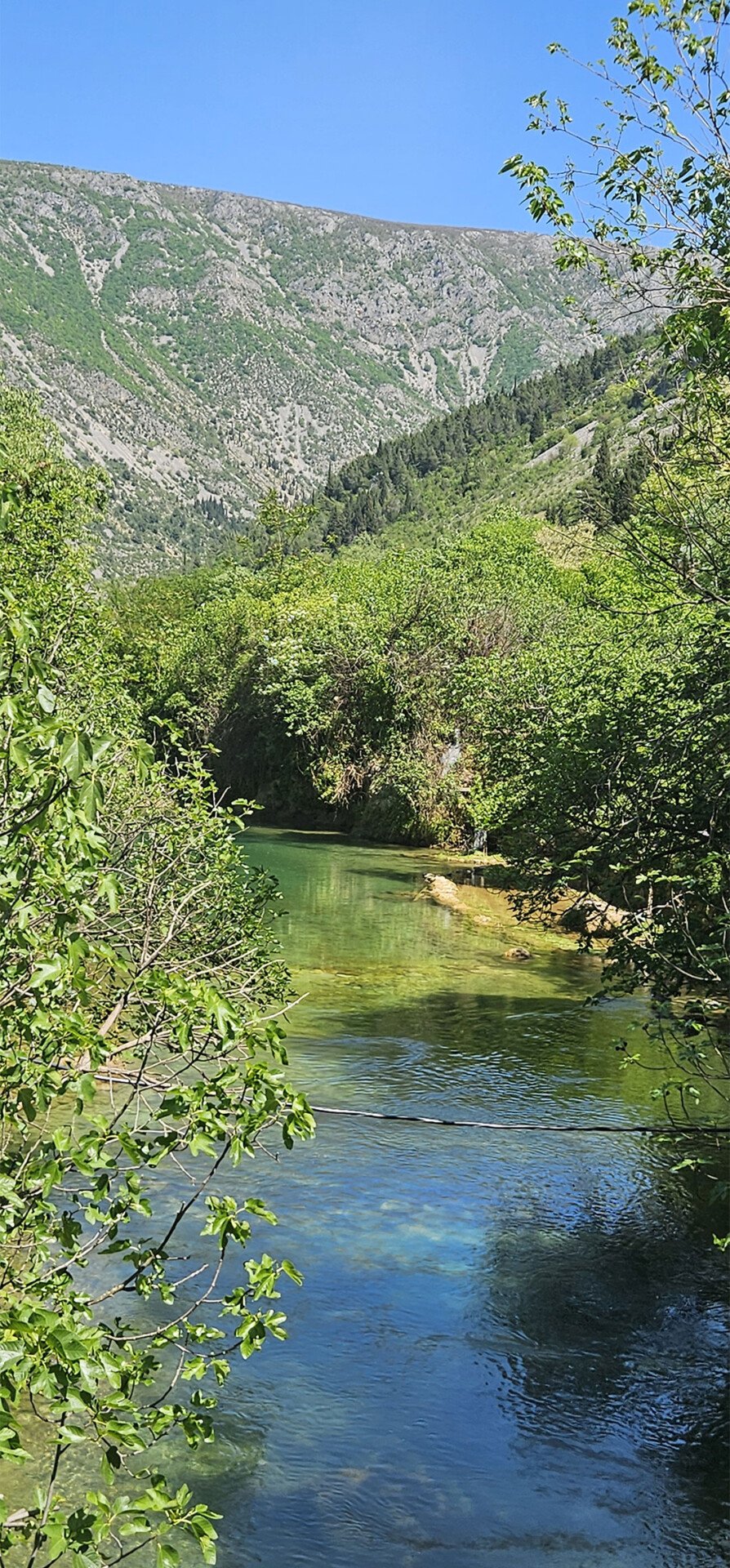
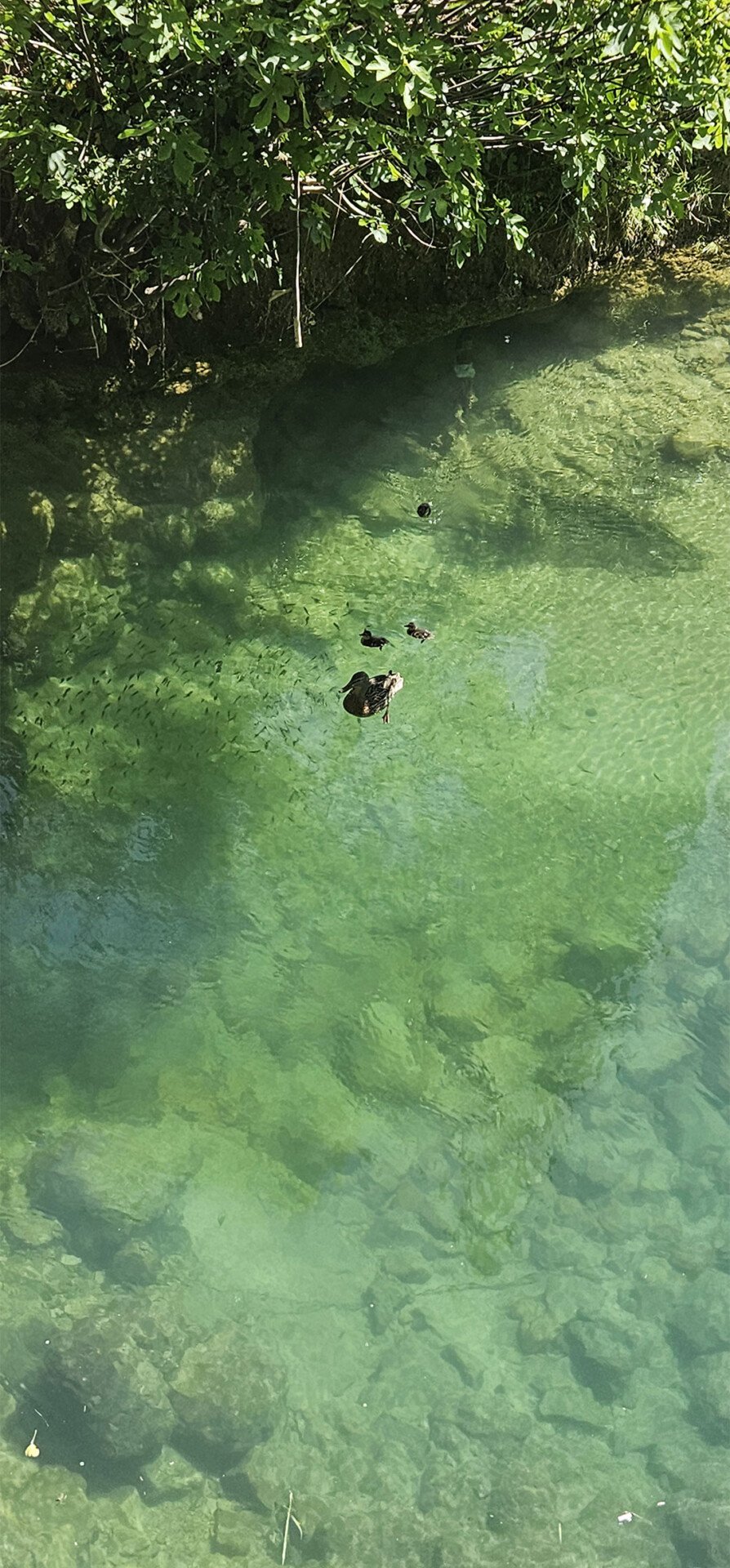
The Bregava is the true soul of Stolac. It begins in the Dola area under Mount Hrgud and then flows through Stolac, dividing into branches, forming small islands and waterfalls, and then continuing on to the Neretva. For Stolac, the Bregava was much more than just a beautiful river. It was a source of energy. Mills, mortars, bridges, canals, and water structures were built on it.
The Mills of Stolac: When the River Worked for Man
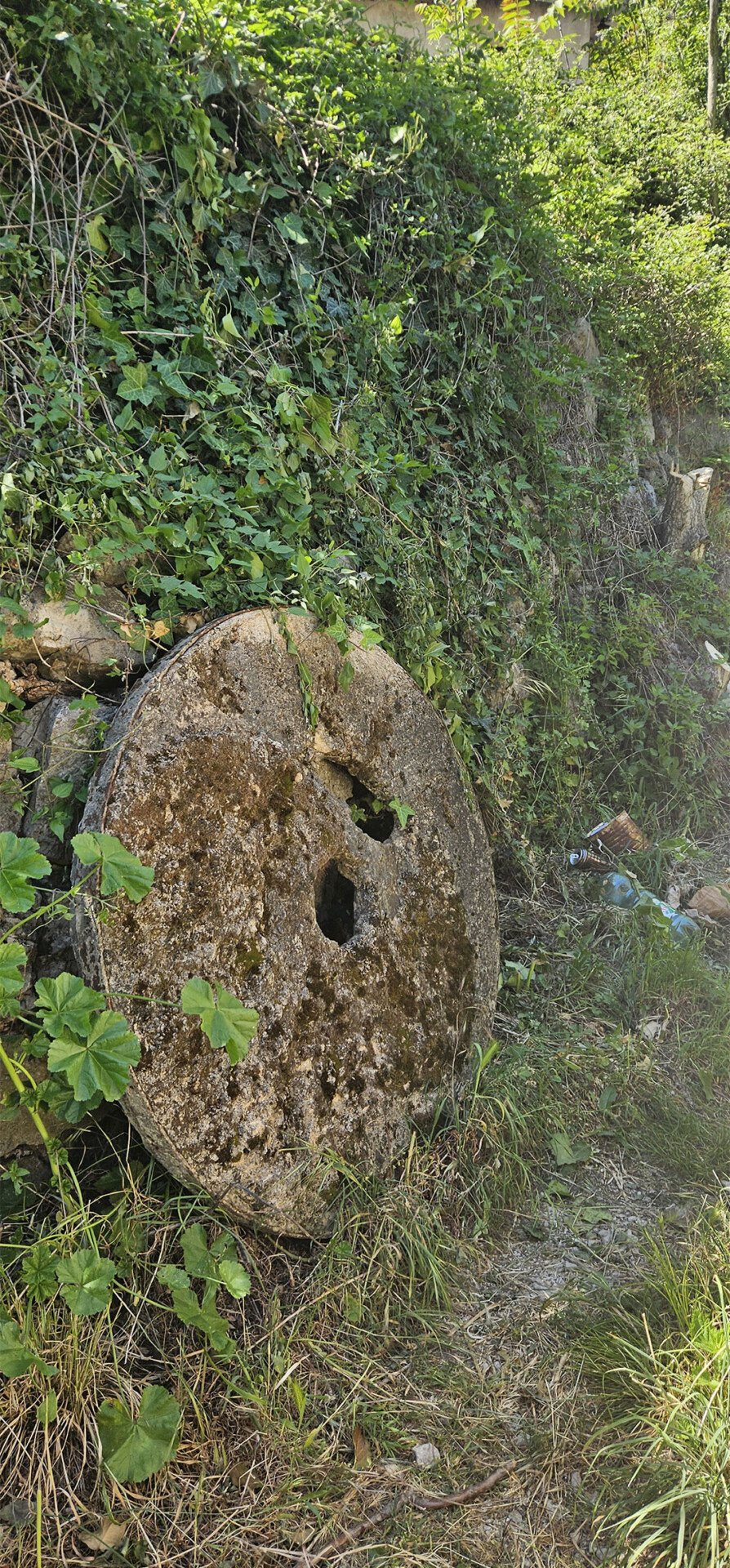
Mills have been built in Bregava since at least the 15th century. Their purpose was simple and vital—to grind grain. Wheat and other grains were fed into the mills, where the energy of the flowing water turned wheels that drove the millstones. But the system was more complex than a typical watermill. Near many mills stood stupas—structures where fabric was processed using water: it was fulled, washed, and dyed. Thus, Bregava was a unique medieval industrial system. Water drove the machinery, the machinery processed the grain and fabric, and the city received bread and essential goods.
Mills as Part of the City Economy
Until the 20th century, mills were a crucial element of Stolac’s economy. In the 18th century, there were about 20 of them, and today, in the city and its surroundings, about 12 complexes with mills, stupas, and other water structures remain, either fully or partially, intact. Some mills belonged to influential local families and were part of the waqf system—religious charitable foundations of the Ottoman era. A mill wasn’t just a private business. It could be part of public infrastructure, generating income for the upkeep of a mosque, school, road, or other community needs.
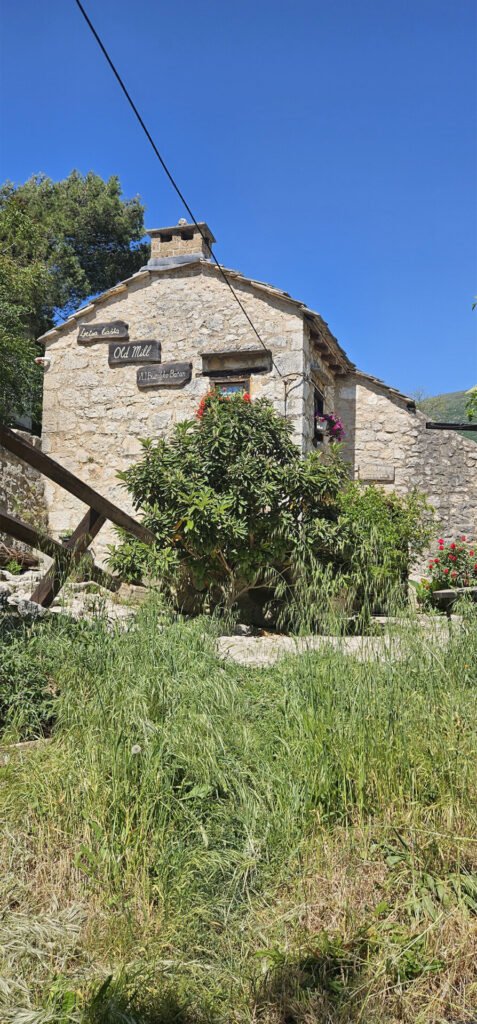
Stolac Mlinica Old Mill
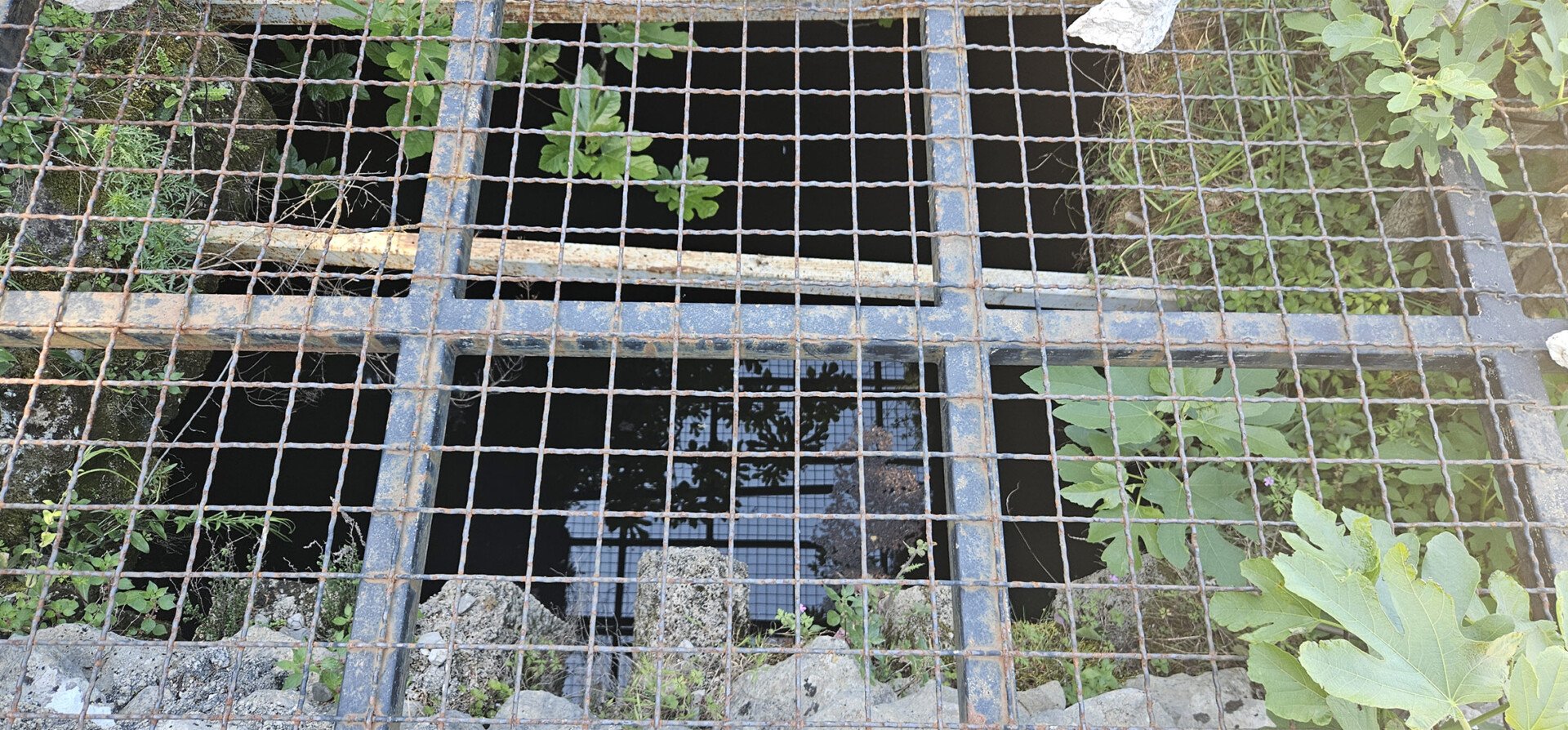
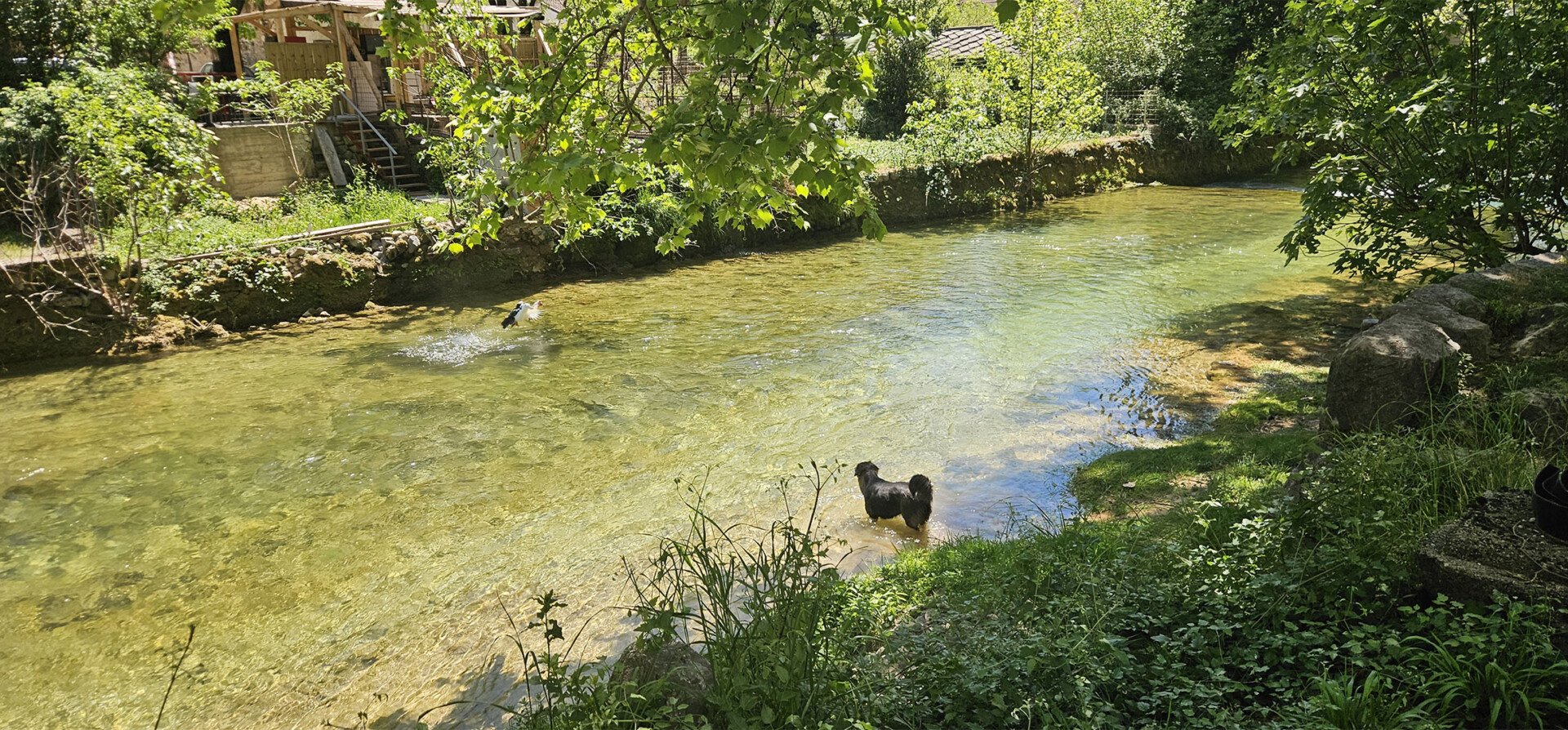
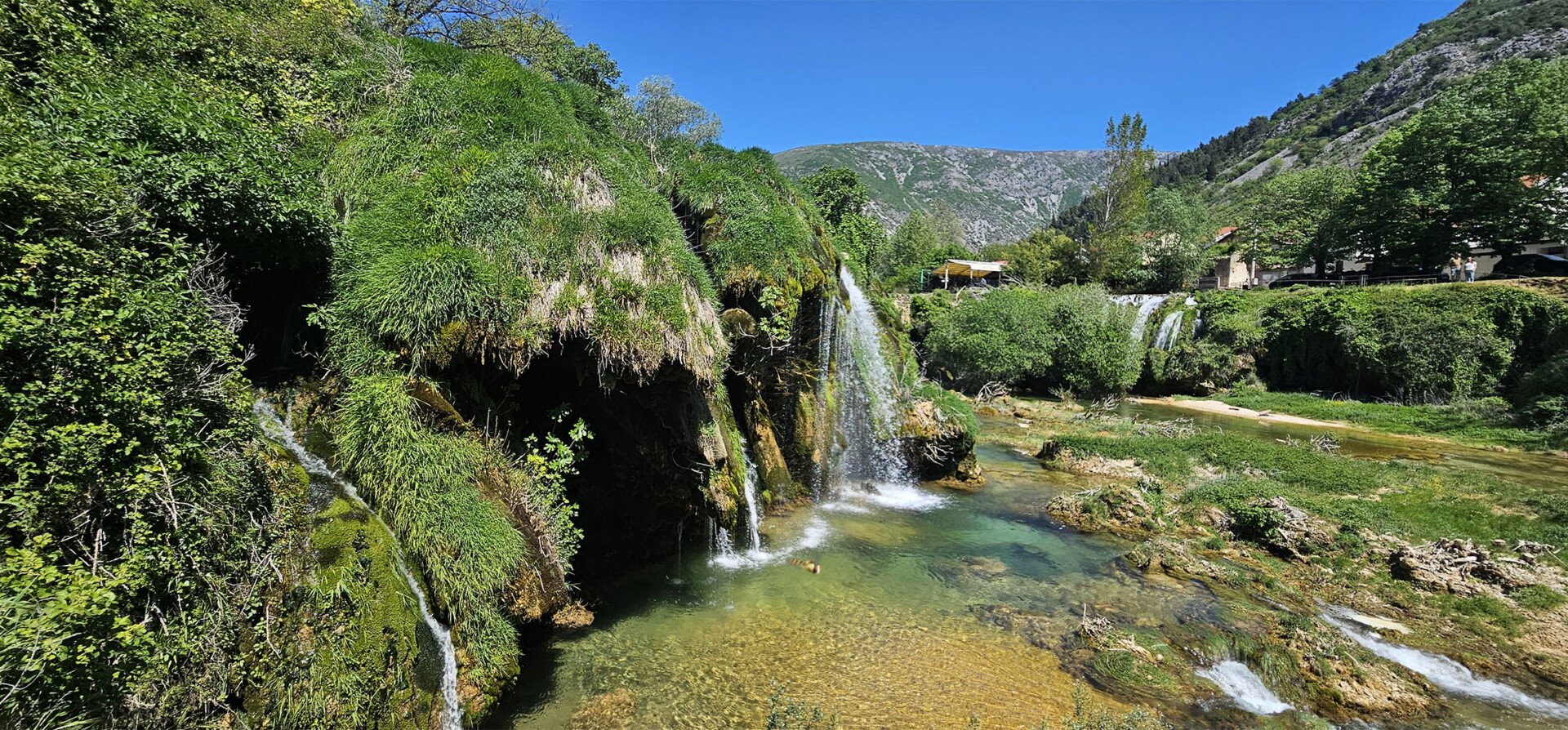
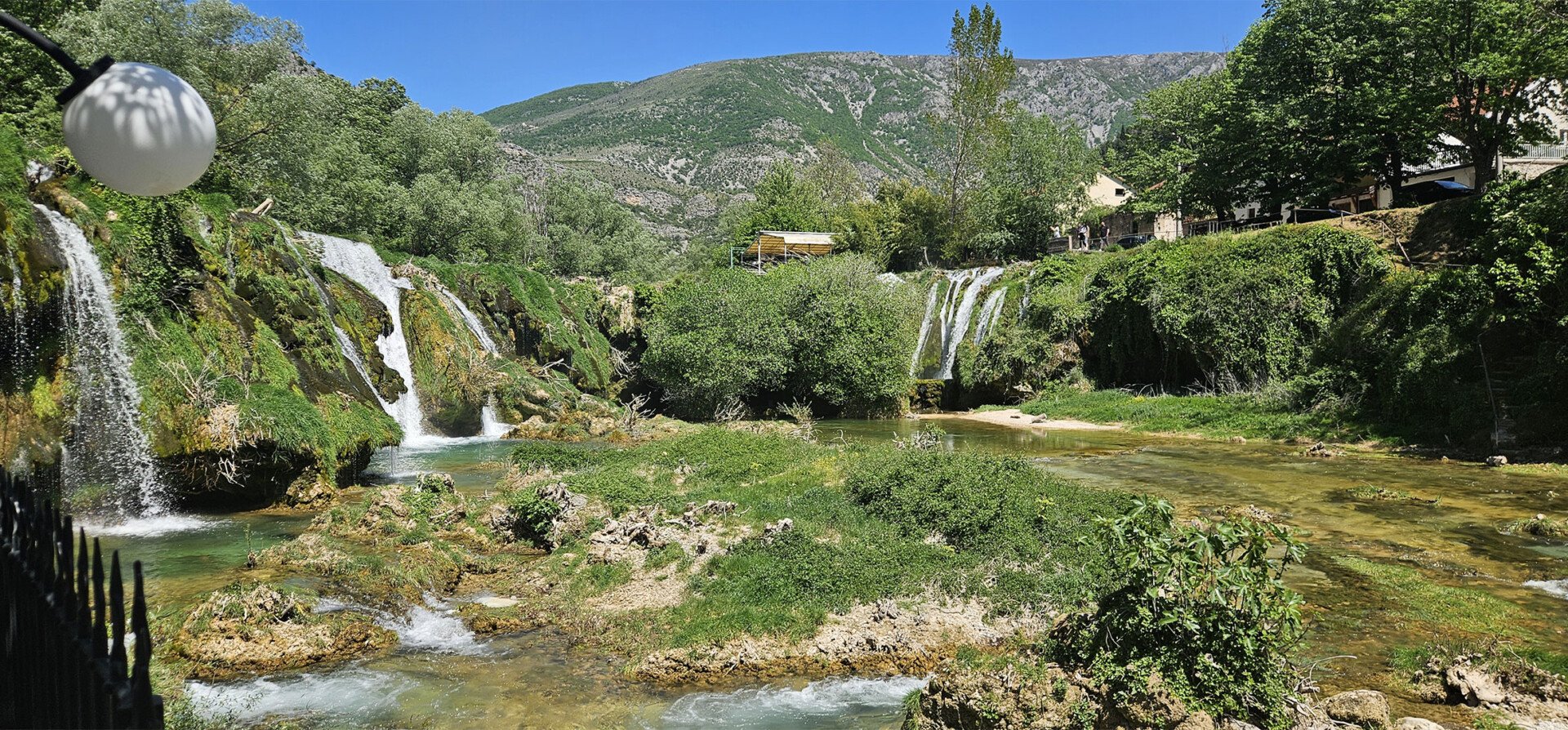
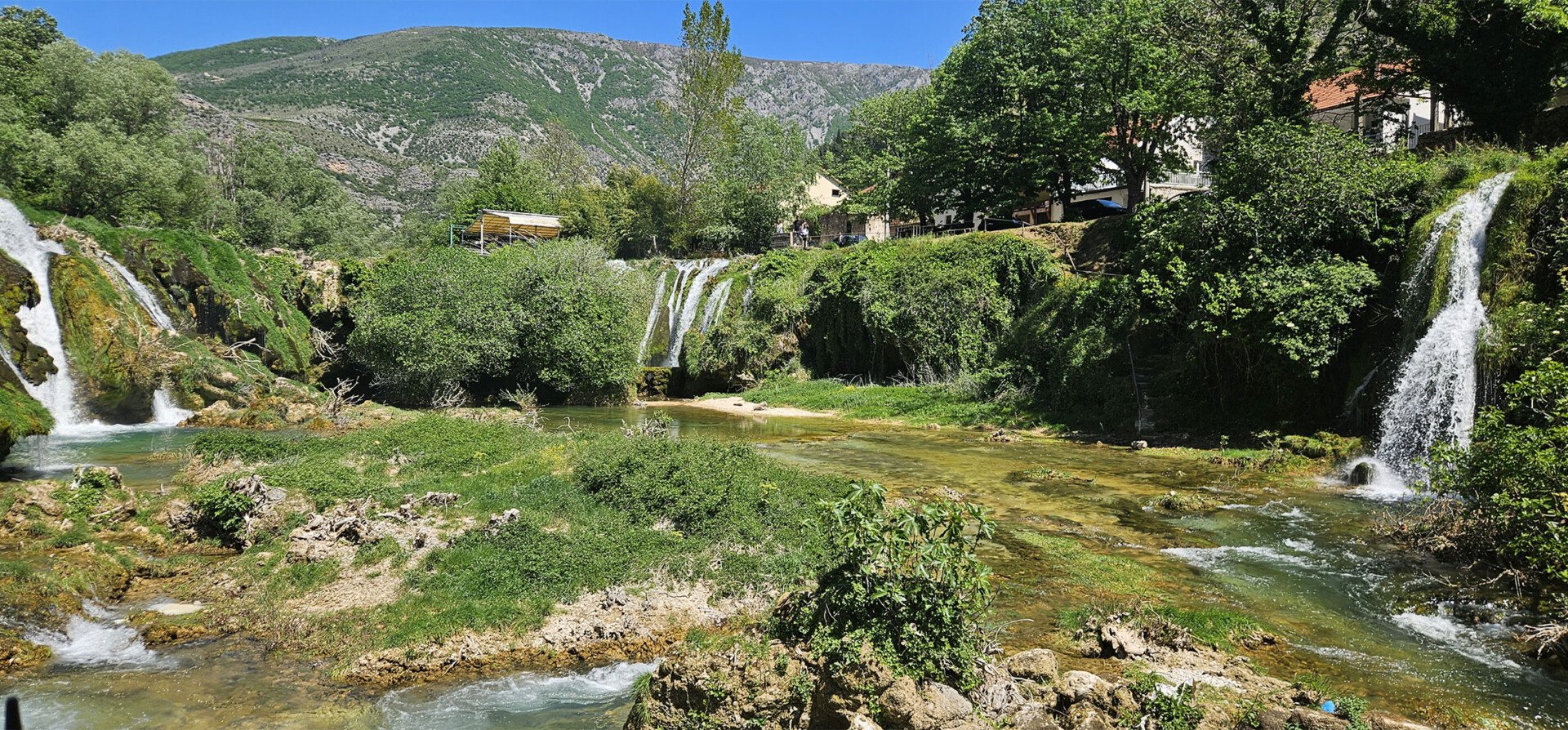
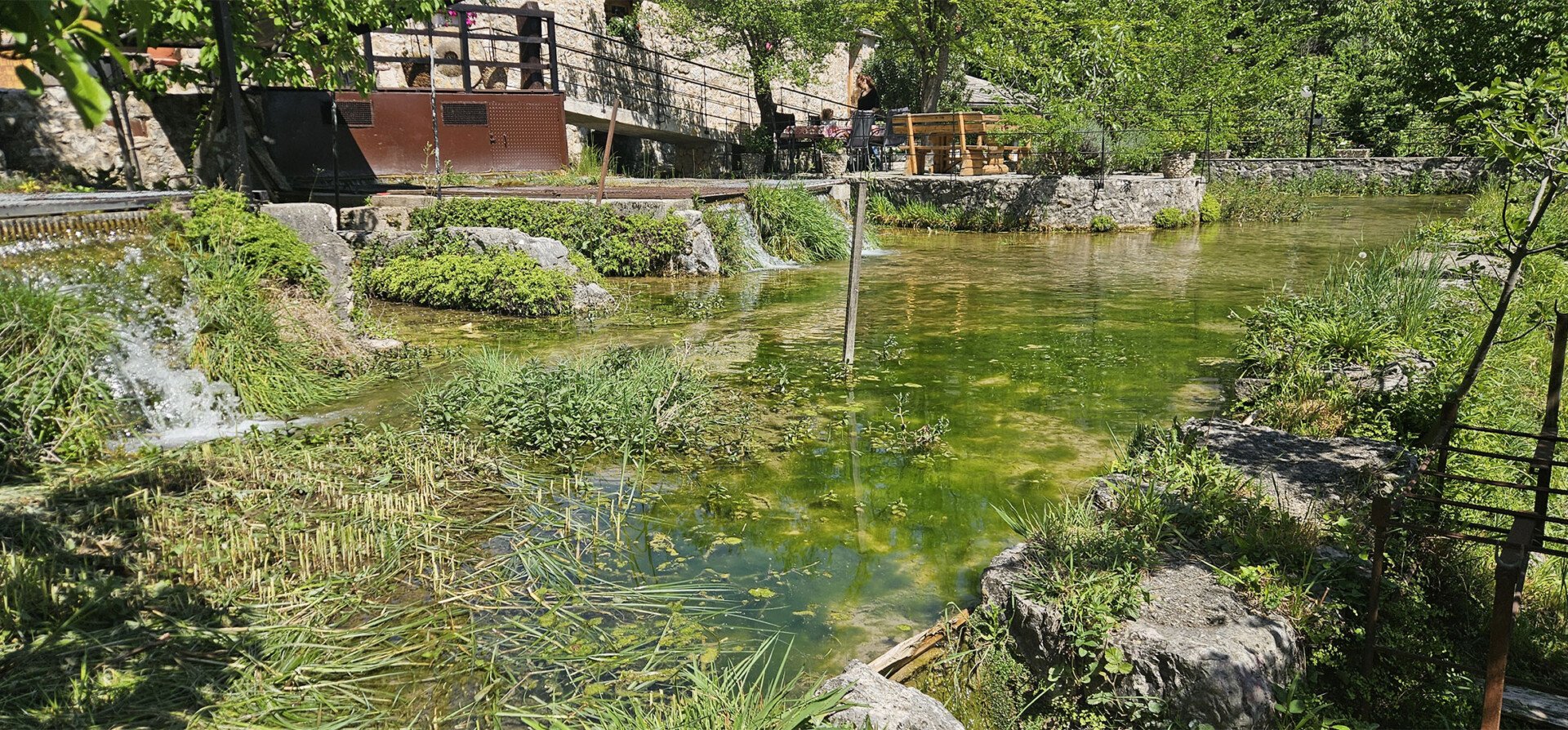
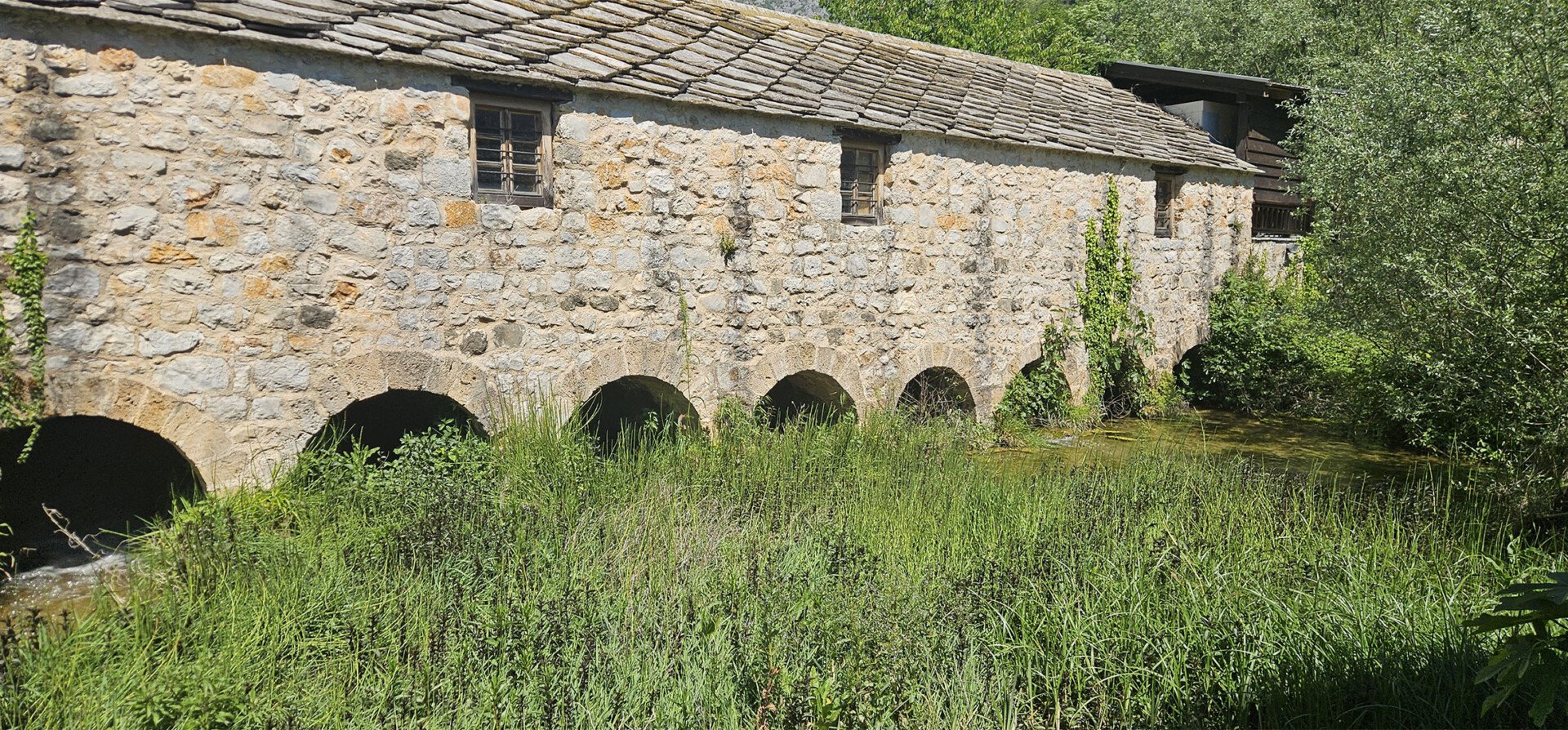
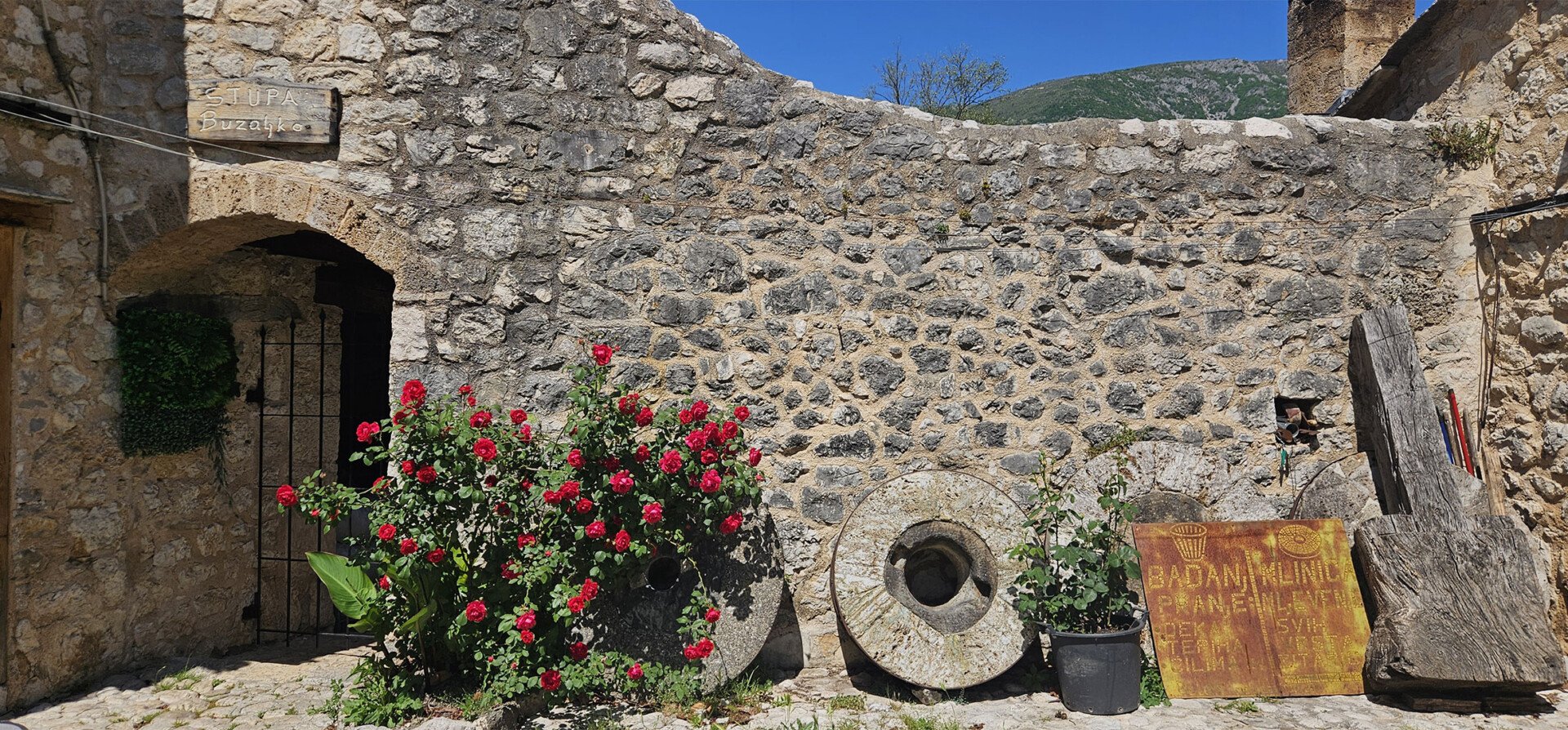
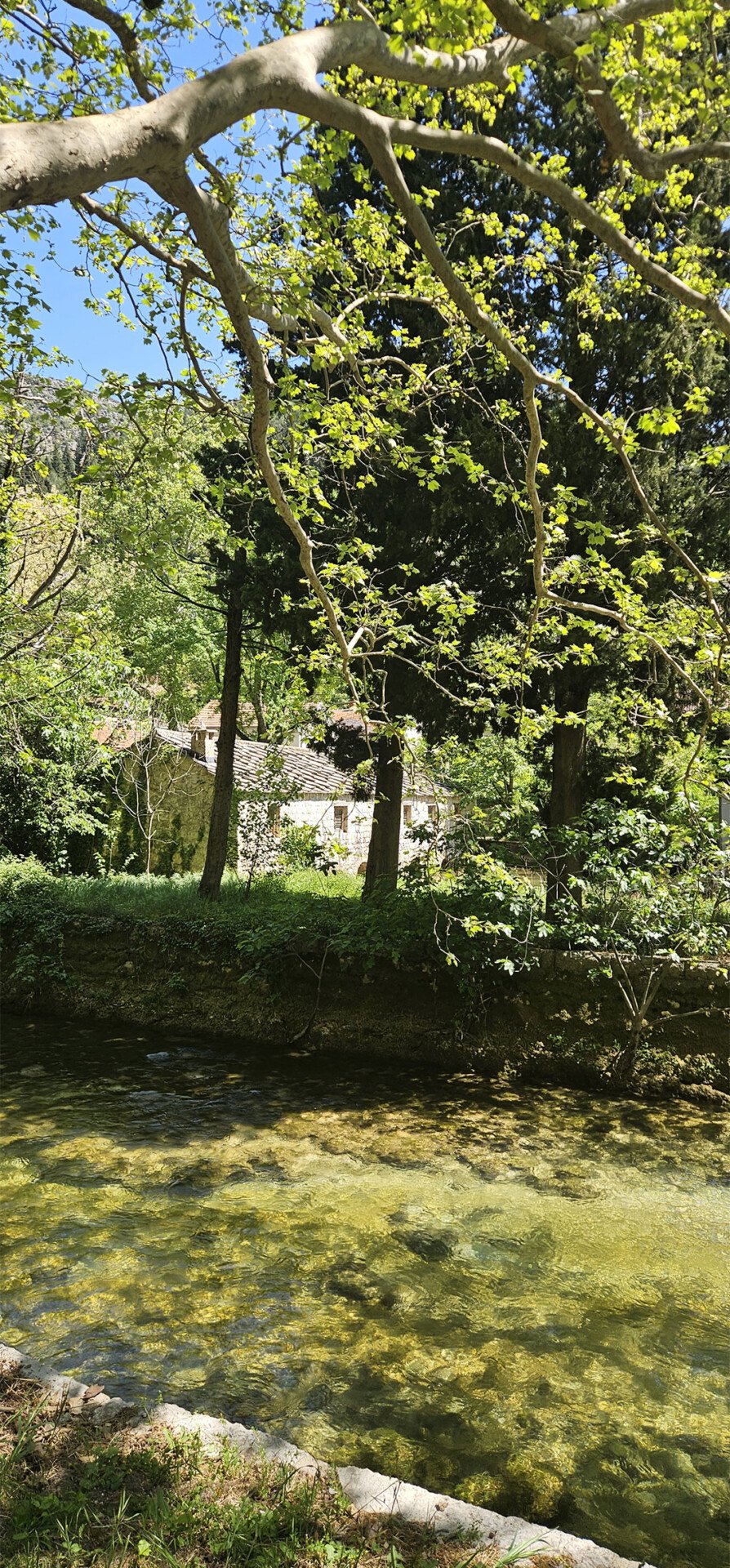
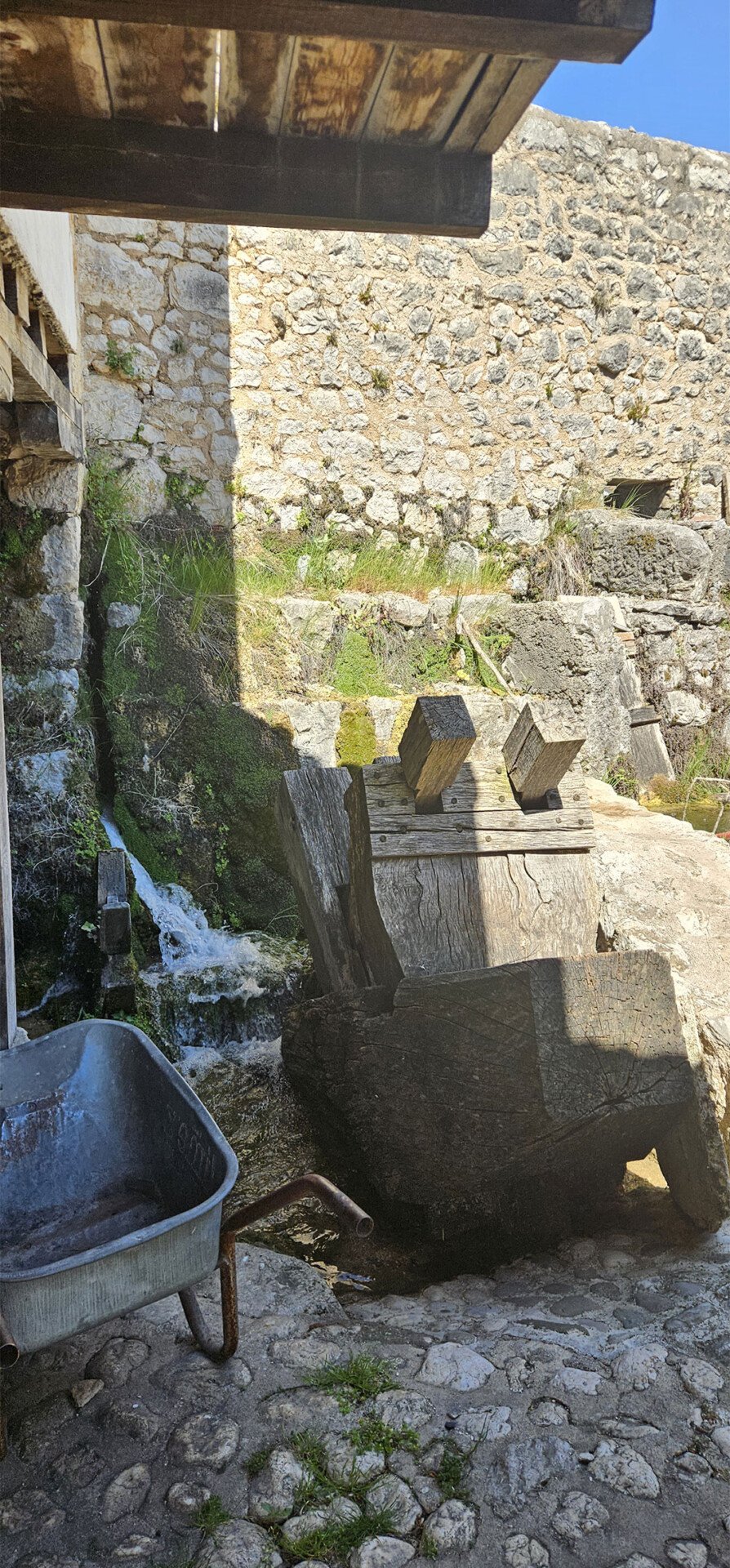
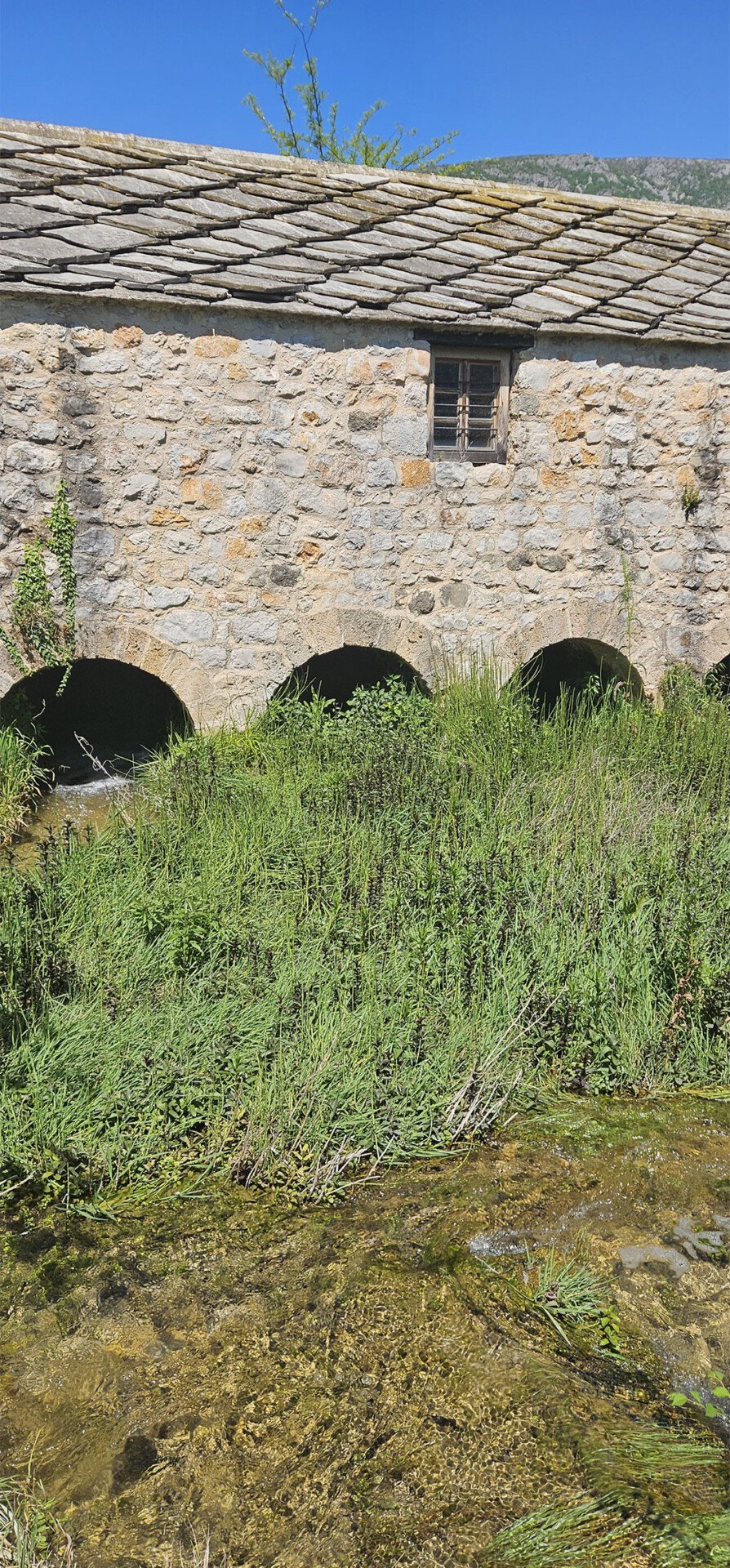
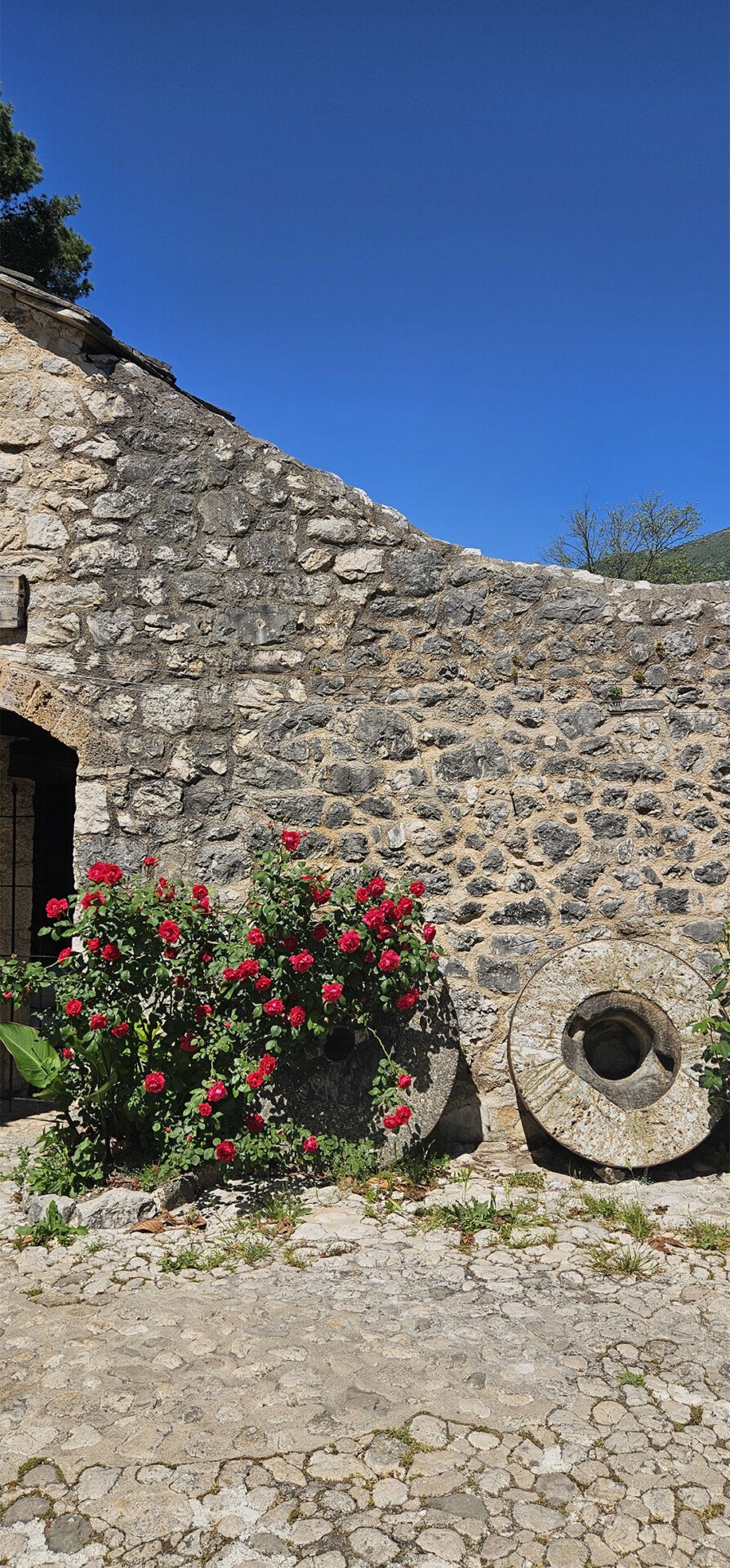
Today, this is not just a historic mill, but a place where an old structure has been converted into a restaurant and tourist destination. But it’s much more interesting to come here with an understanding of what a mill truly is. These buildings were once part of the city’s economic life. Water flowed through their lower sections. Water wheels powered the mill’s machinery. In some complexes, several arches corresponded to individual mechanisms and wheels. The architecture was extremely efficient: stone, water, and the force of the current were converted into mechanical energy. Unfortunately, we weren’t able to see the inside of the mill. The interior was closed. Perhaps tours aren’t offered here, or they need to be booked in advance. But that didn’t stop us from enjoying the views of the waterfall and the local cuisine!
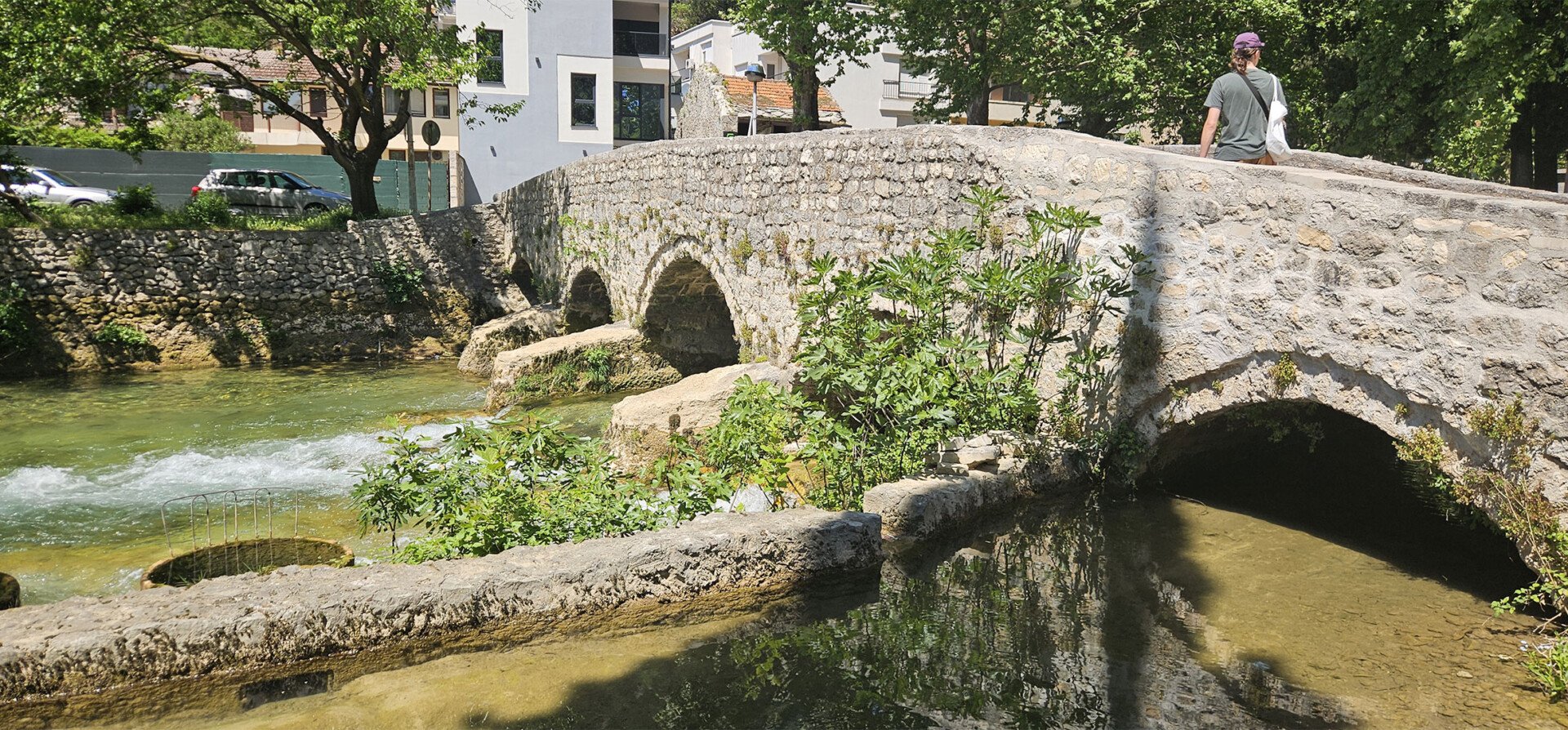
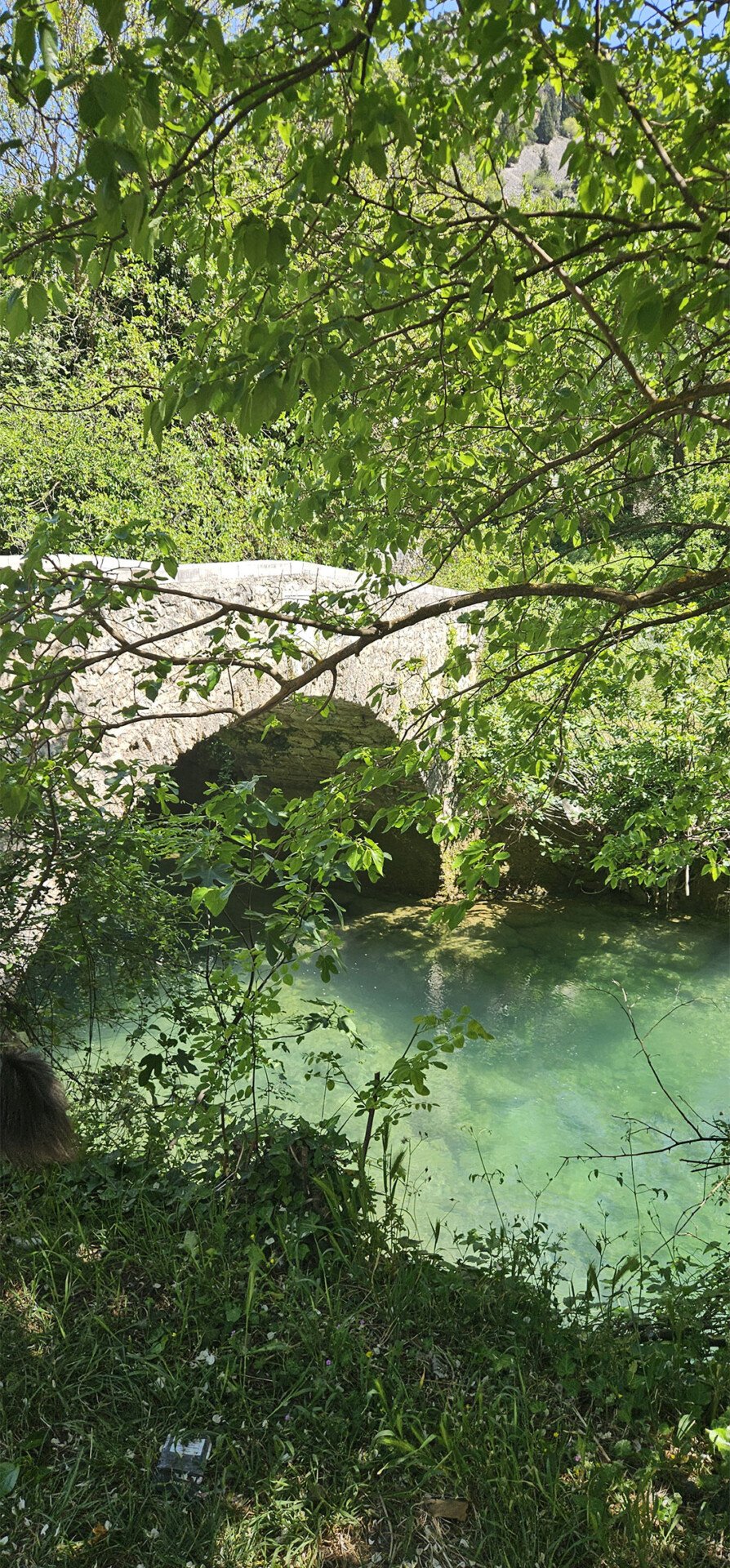
If you look at the old mills of Stolac, you’ll notice a distinctive feature. They often resemble stone bridges. A long stone structure spans a stream, and water flows beneath the arches. It was a brilliantly simple solution. Each arch could be connected to a separate mill mechanism. The greater the suitable water flow and arches, the more mechanisms the mill could service. Some older mills were quite long buildings, constructed of local limestone and covered with stone slabs.
Provalje Waterfall – “Stolac’s Niagara”
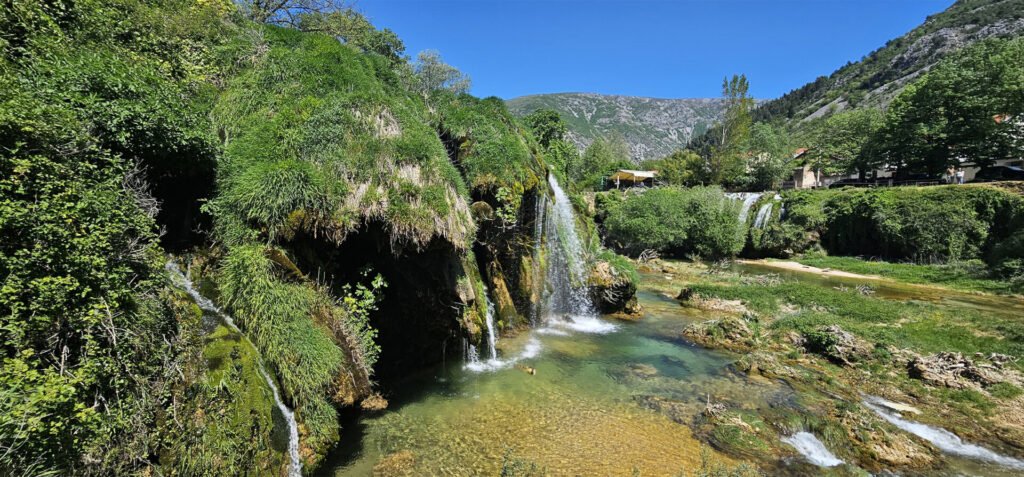
Provalje forms on the Bregava River, which flows through a rocky bed here, creating a powerful cascade. But there is one important feature: the waterfall is seasonal. In the summer, when Herzegovina is particularly hot and dry, the water level in the Bregava drops significantly. Therefore, Provalje can appear completely different in different months. In spring and after rains, the river turns into a raging torrent, and the waterfall becomes especially spectacular. In summer, it can weaken significantly or practically dry up. Therefore, for a traveler who wants to see Provalje in all its glory, spring, autumn, and early summer are considered the most suitable. This is when the date of travel really affects the impression.
The Bridges of Stolac
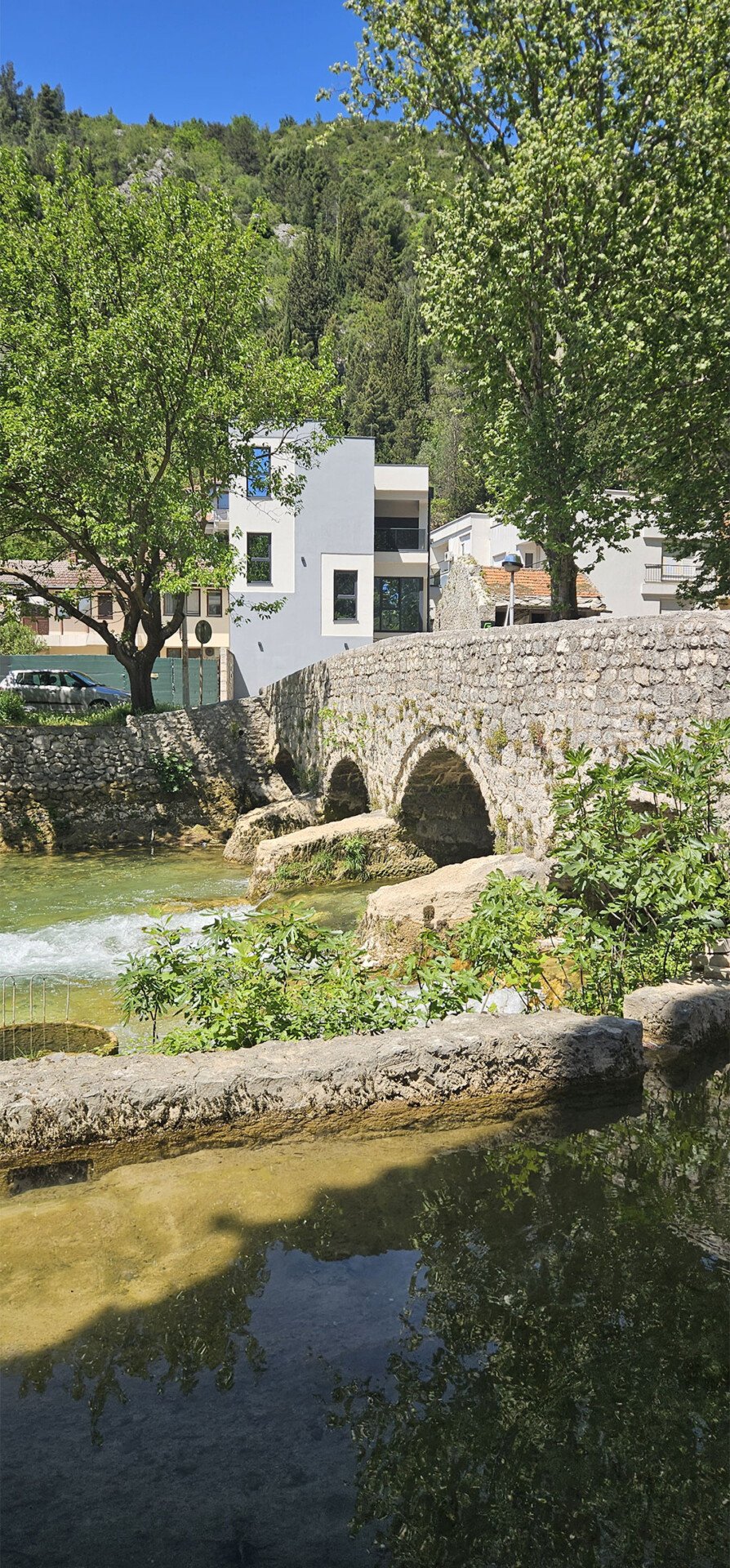
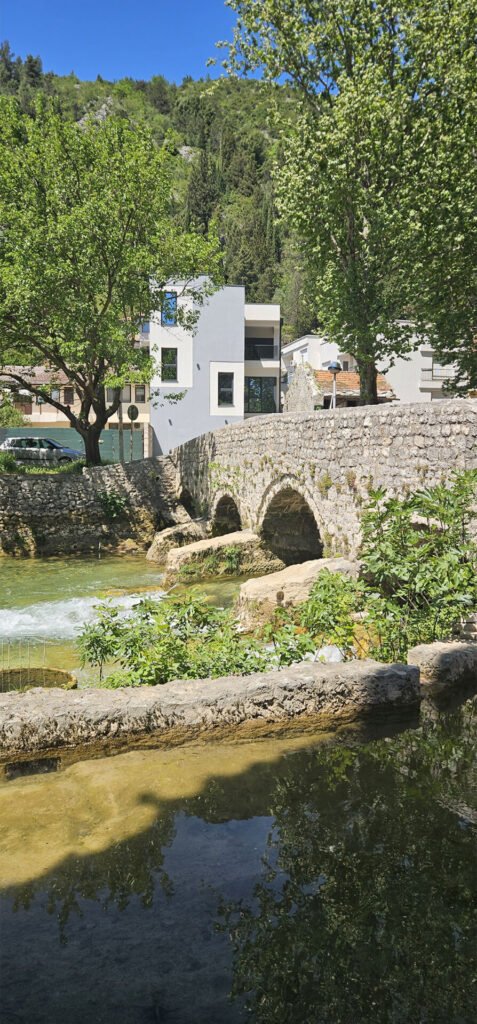
Continuing your stroll along the Bregava, it’s worth noting more than just the mills. Several historic bridges span the river. One of the most interesting is Ćuprija, located in the city center. The exact date of its construction has not been determined. Researchers speculate that it may have a medieval origin with subsequent reconstructions, although a popular local legend places its construction in the 17th century. According to legend, the bridge was ordered built by a local usurper named Trtak. The builders allegedly rebelled against his orders and decided to express their displeasure in an unusual way: by making the bridge’s arches uneven. This is where the name Inat-ćuprija, meaning “spite bridge,” comes from. The historical veracity of this story has not been confirmed, but it has become part of local folklore in Stolac.
Stolac through the eyes of Evliya Çelebi
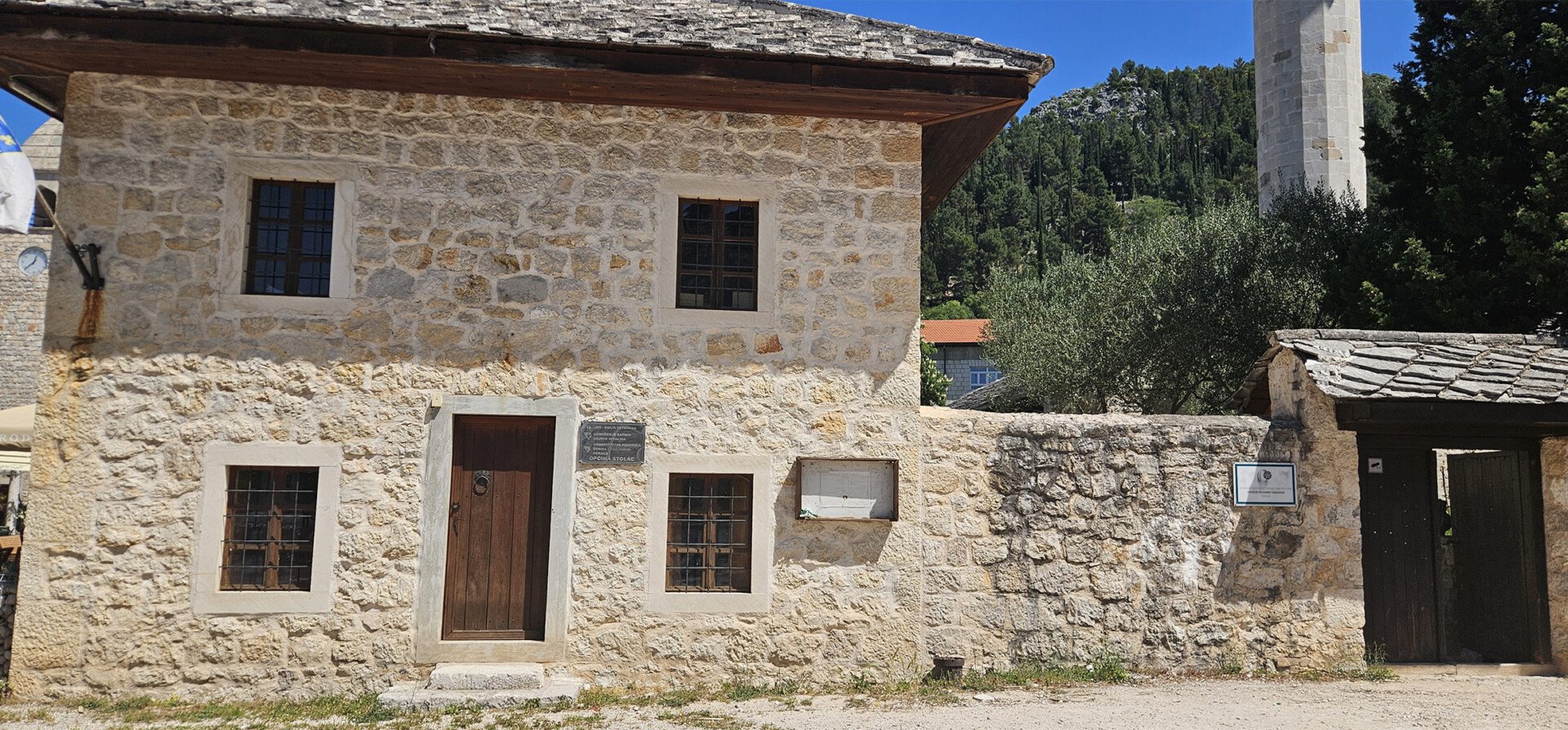
One of the best ways to imagine medieval and Ottoman Stolac is to turn to the famous traveler Evliya Çelebi. In 1664, he visited the town and left a description of Stolac as a small but developed kasaba. He mentioned mosques, a hamam, an inn, residential buildings, shops, gardens, and vineyards. His account of the mills is particularly interesting: according to his description, water powered the mills located on the town’s rivers and streams. It turns out that the scene we see today has a very specific witness from the 17th century.