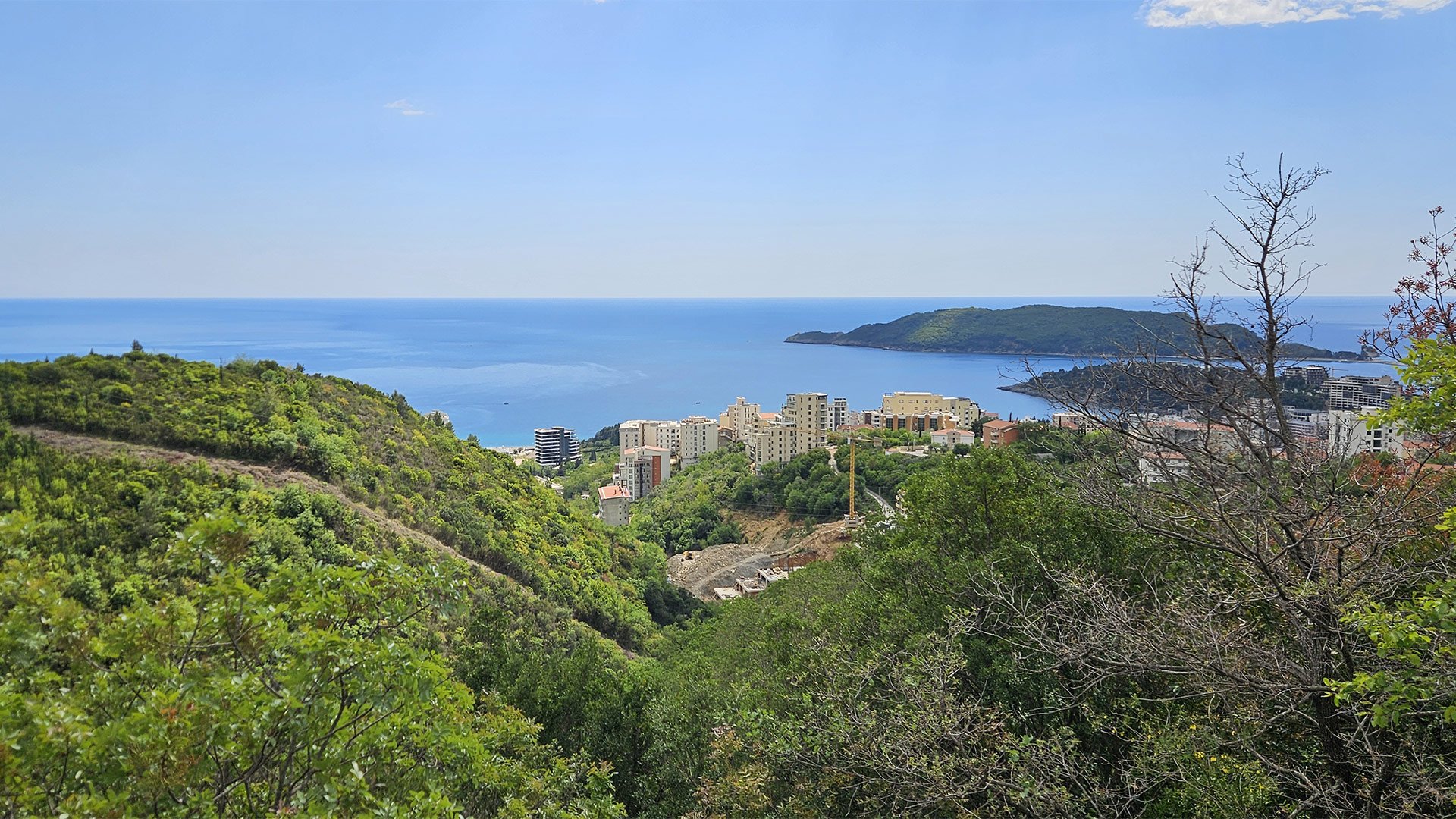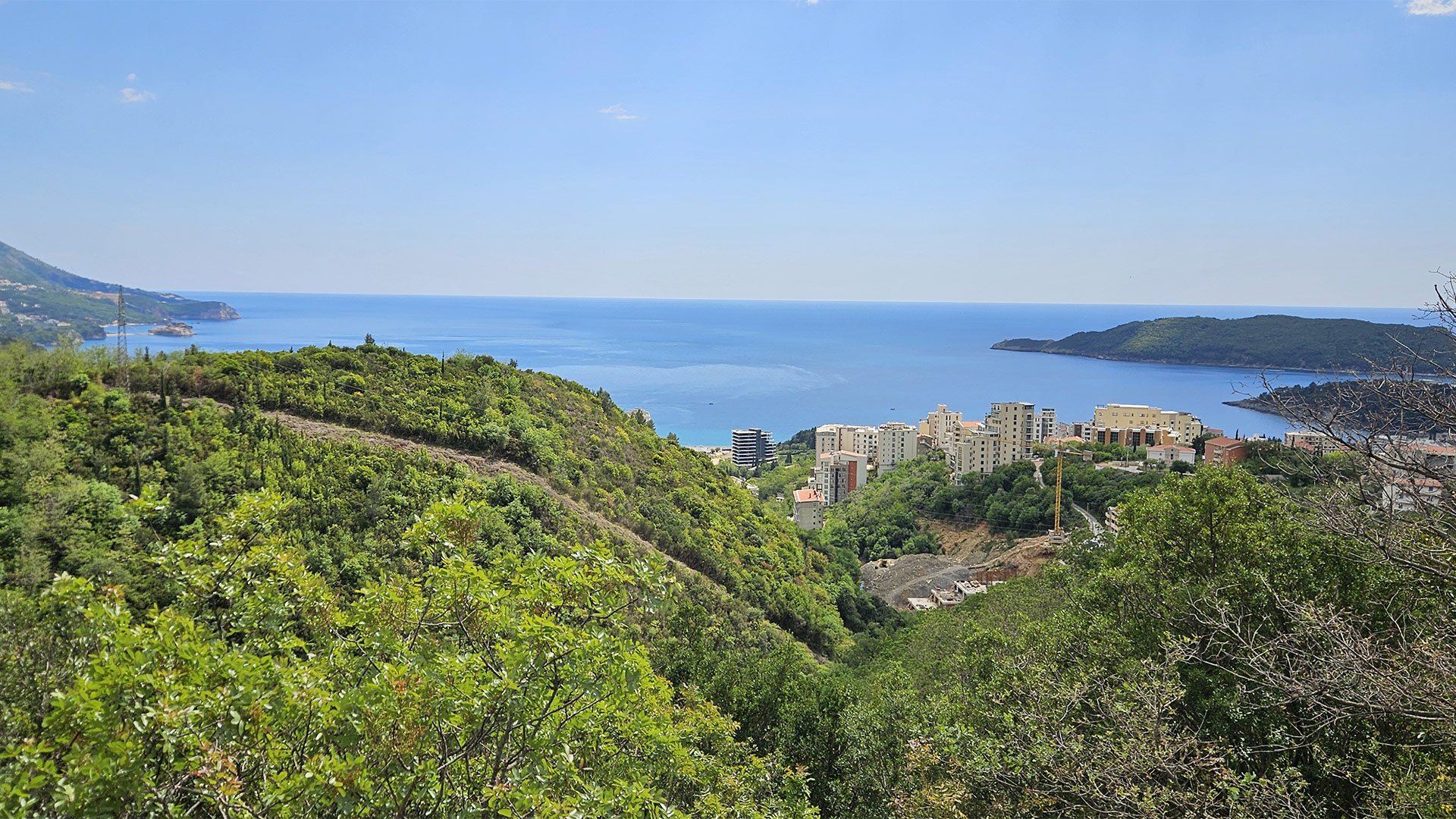


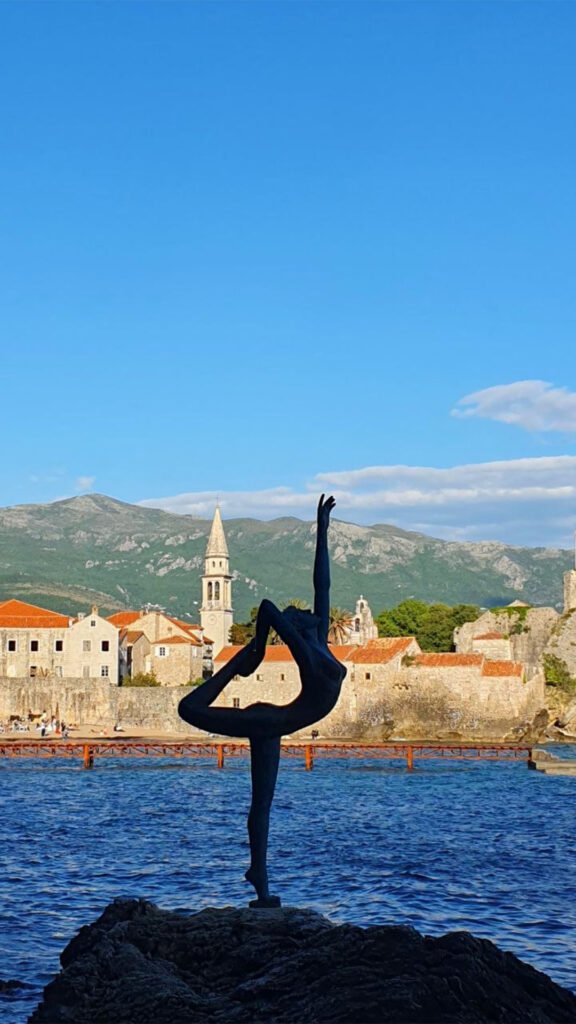
The beginning of May in Budva in 2026 was especially eventful: the historic Old Town became the stage for the 23rd International Budva Carnival, Jaz Beach hosted the Budva Beach Fest, and just nearby, above Bečići and Rafailovići, there are still places for a quiet stroll: Čučuci Waterfall, the Old Olive Tree in Ivanovići, and the small Ivanovići Cave.
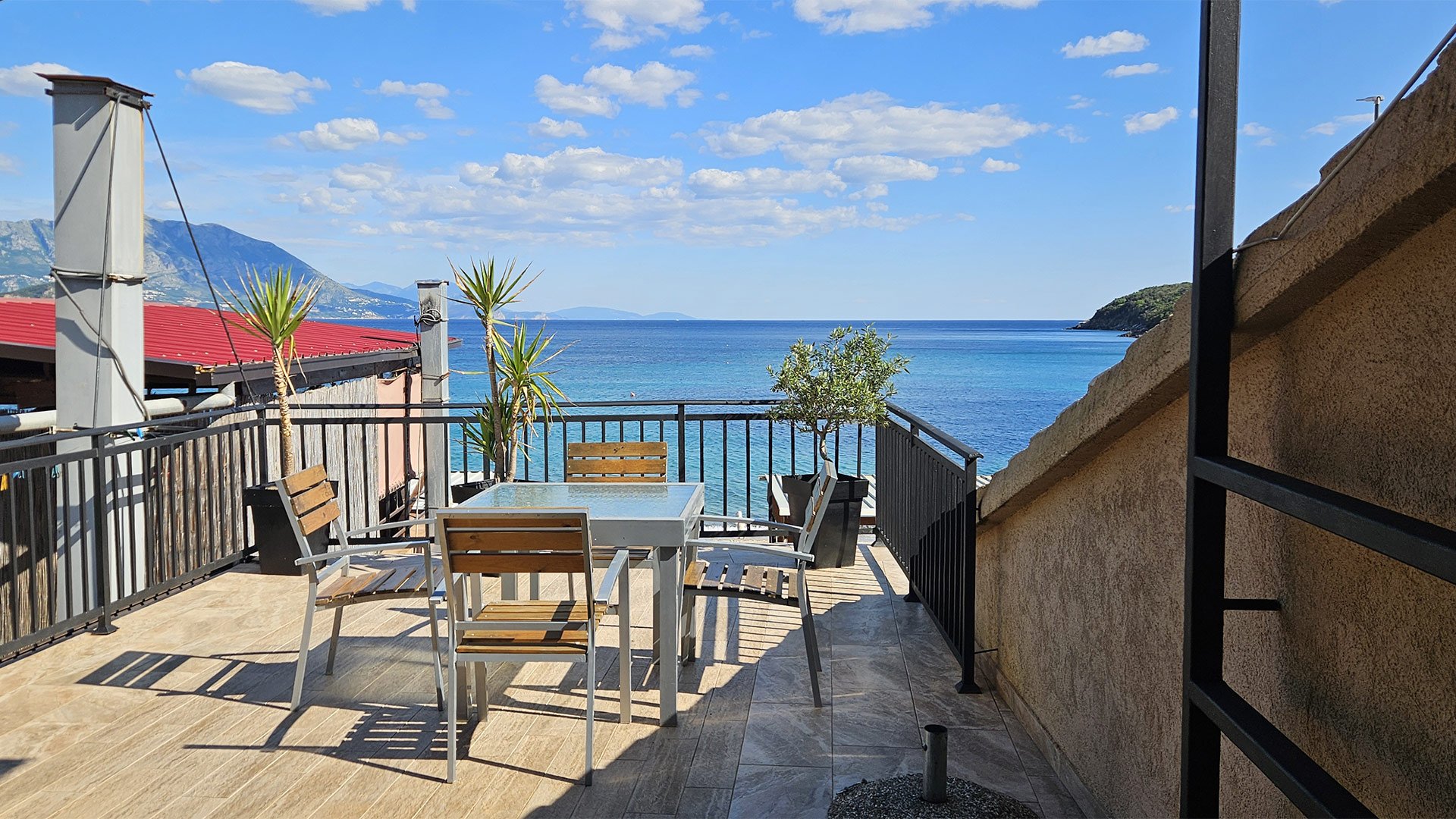
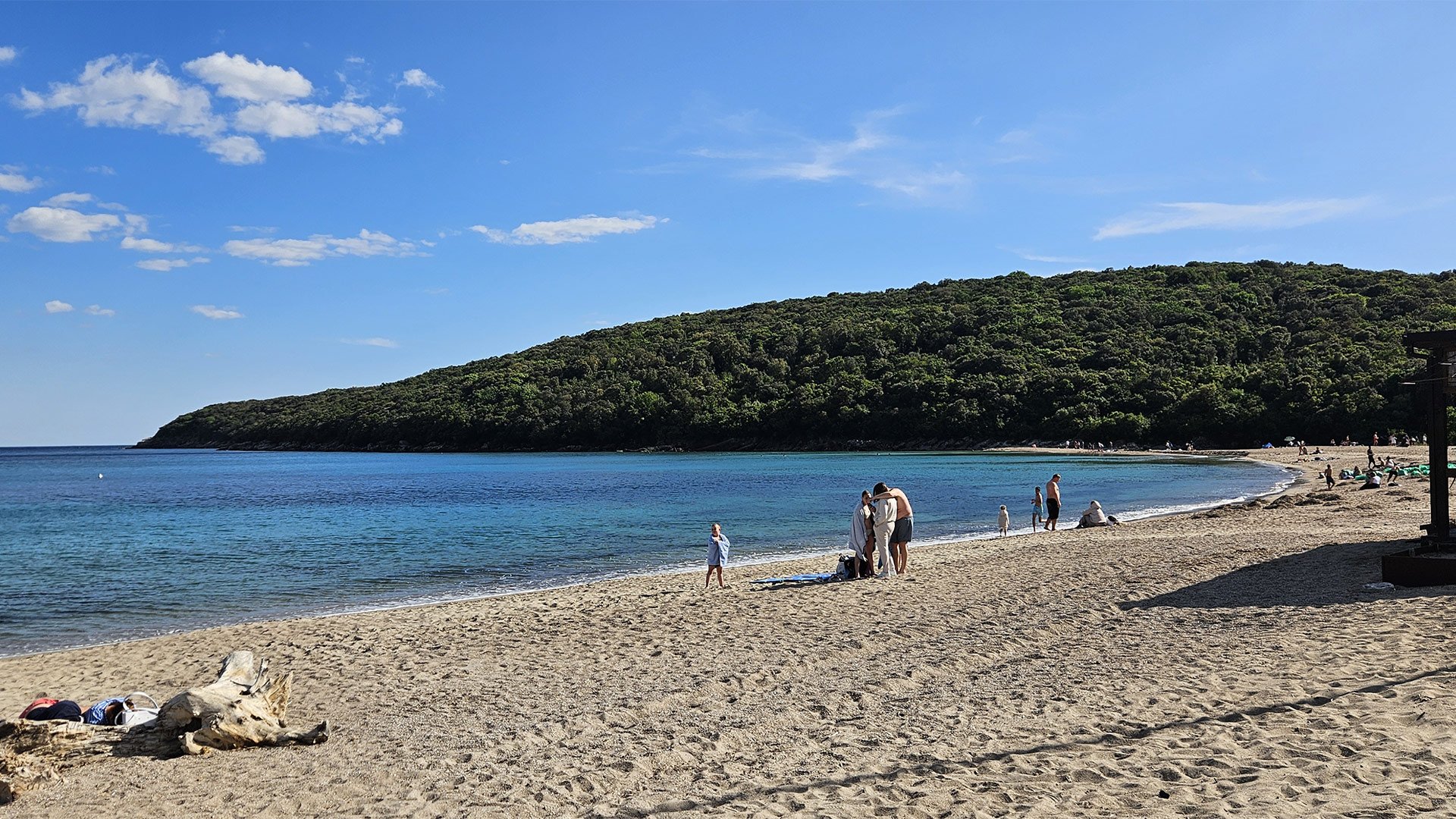
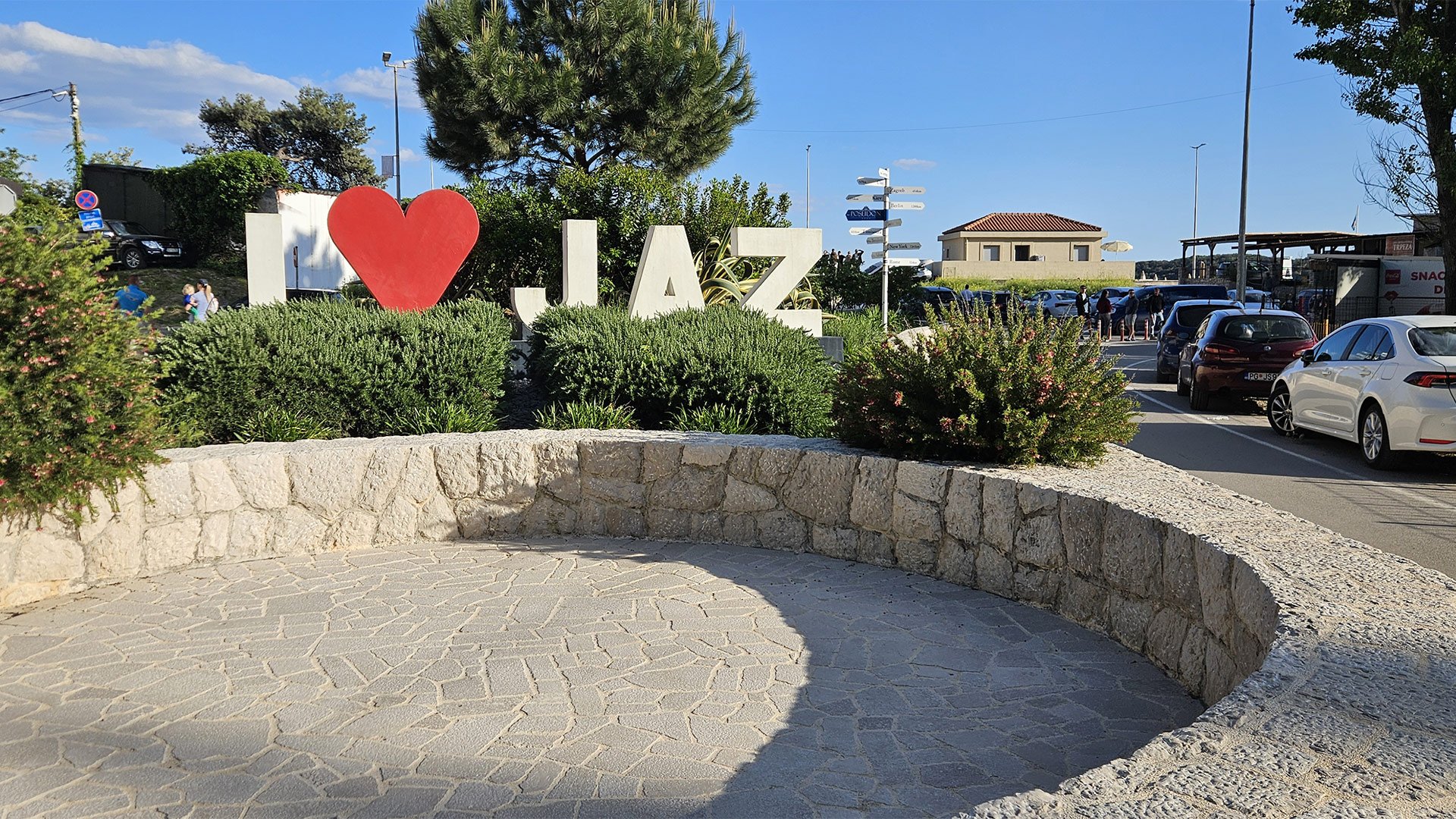
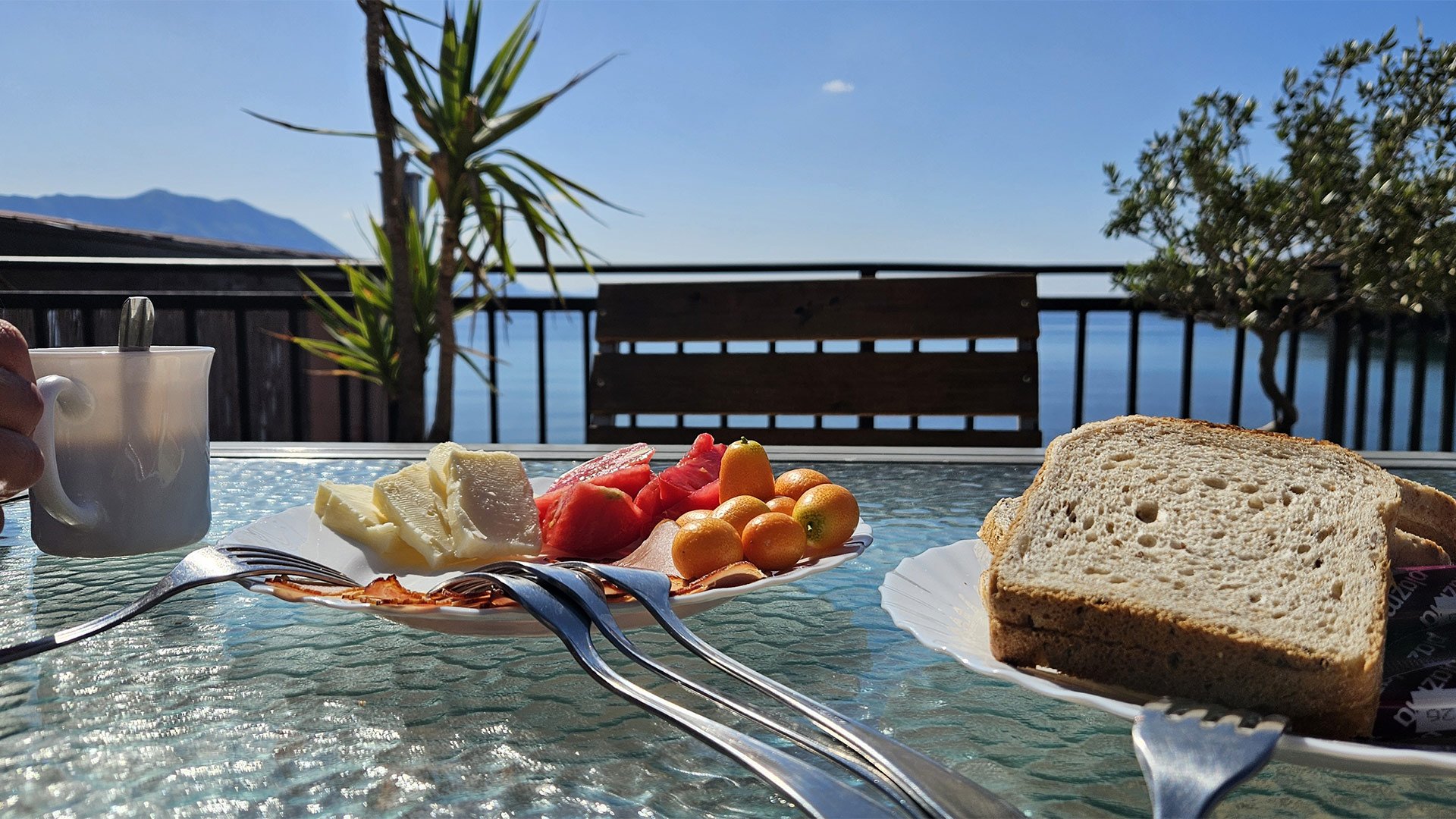
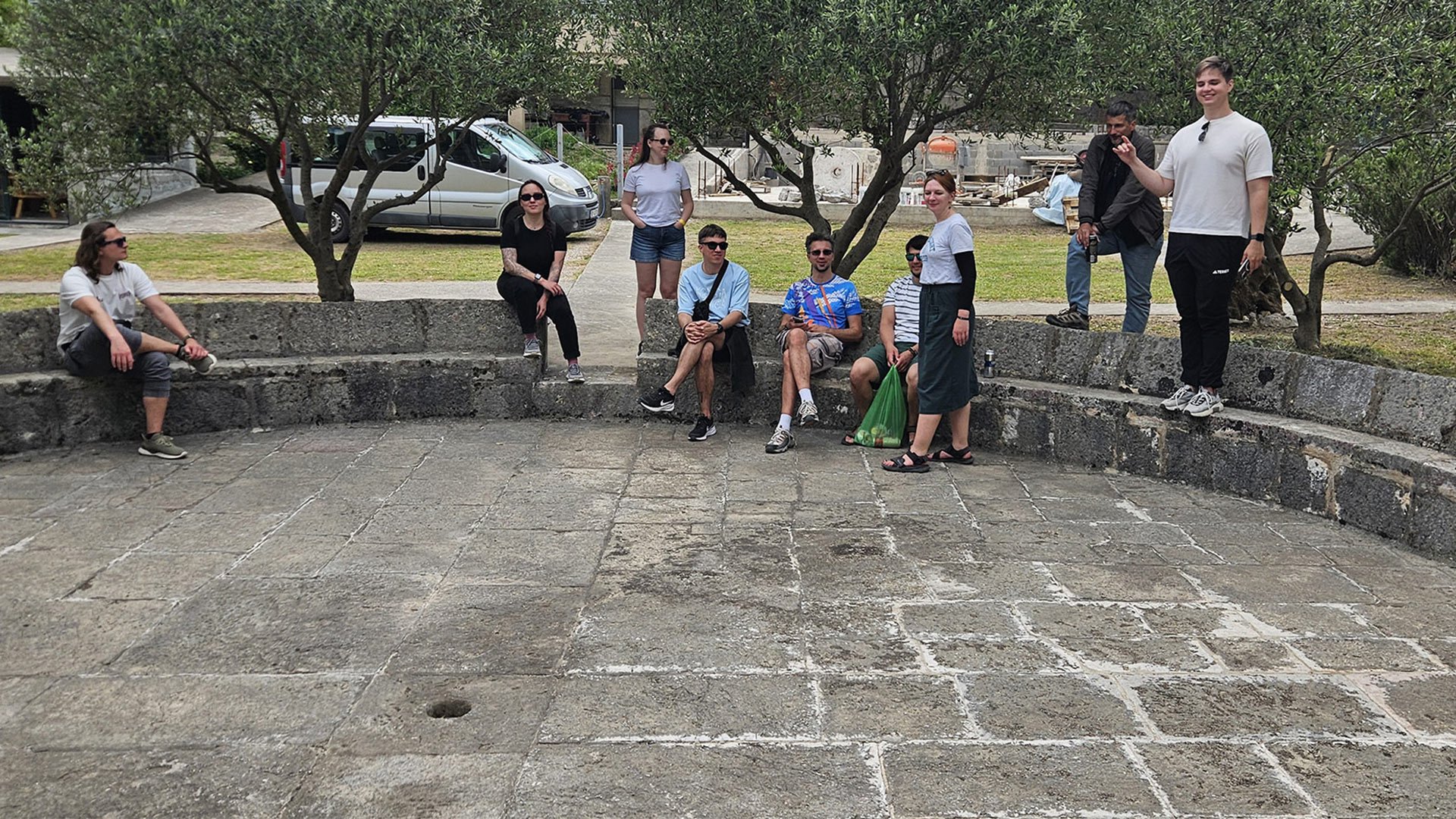
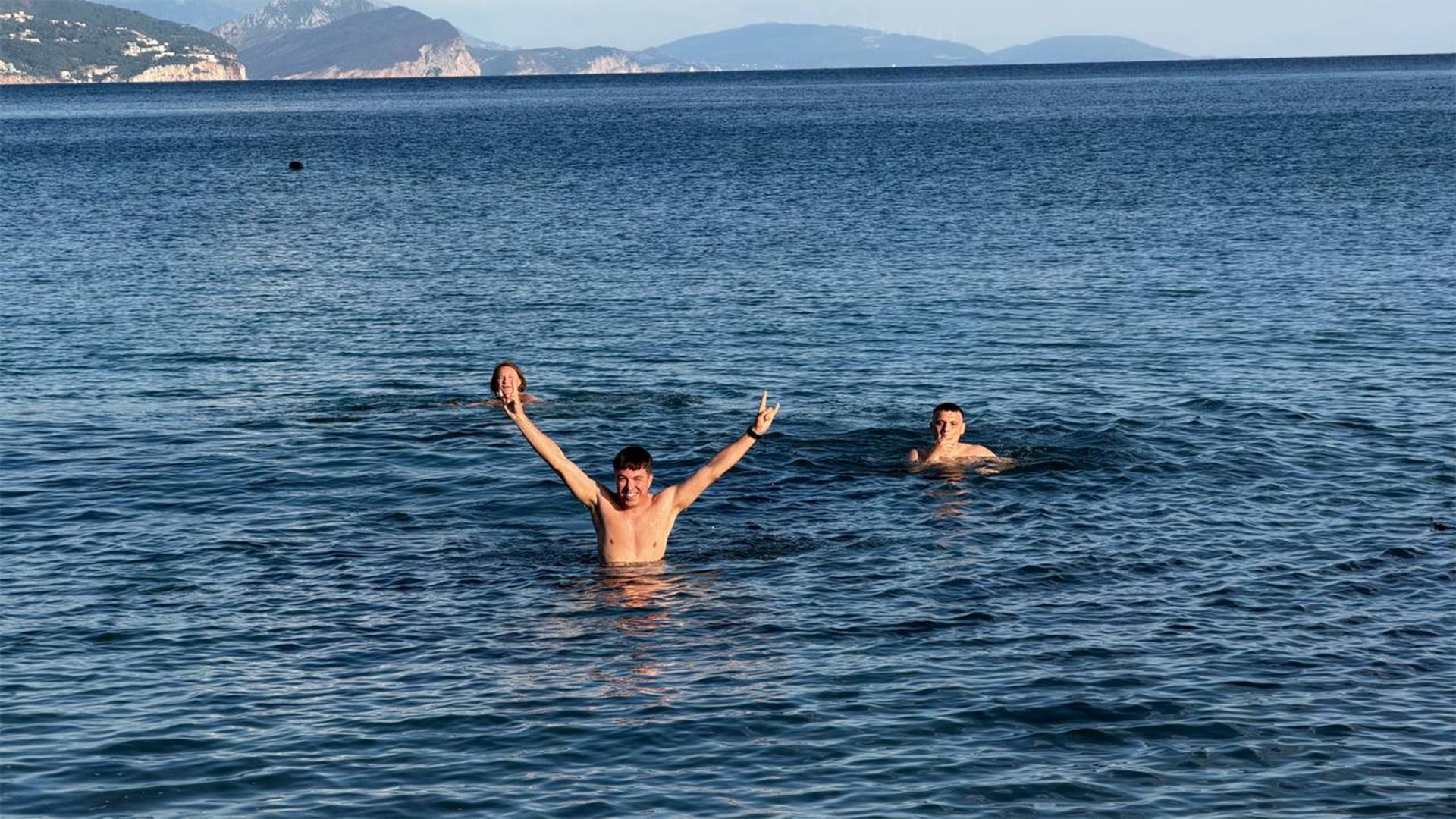
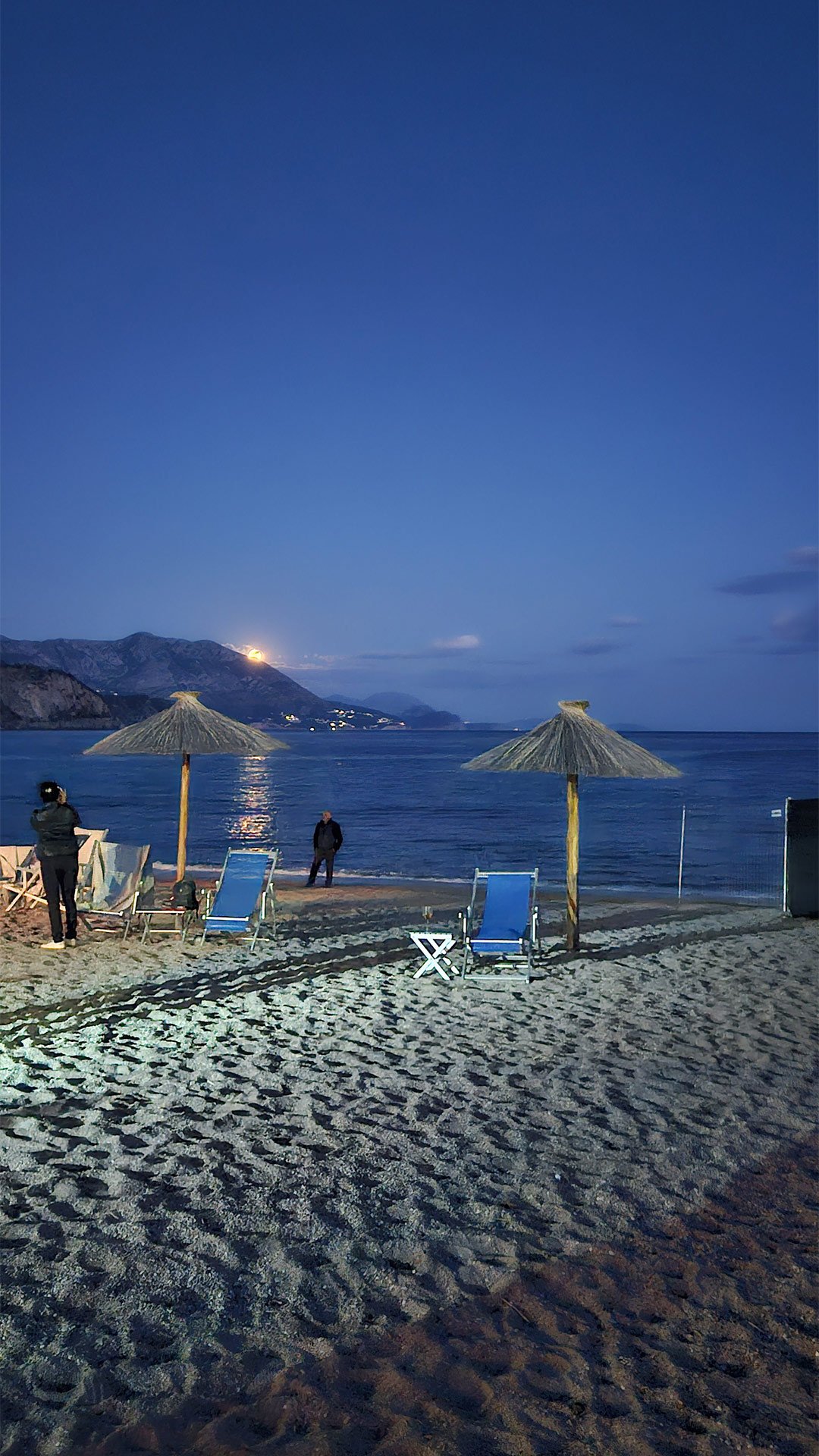
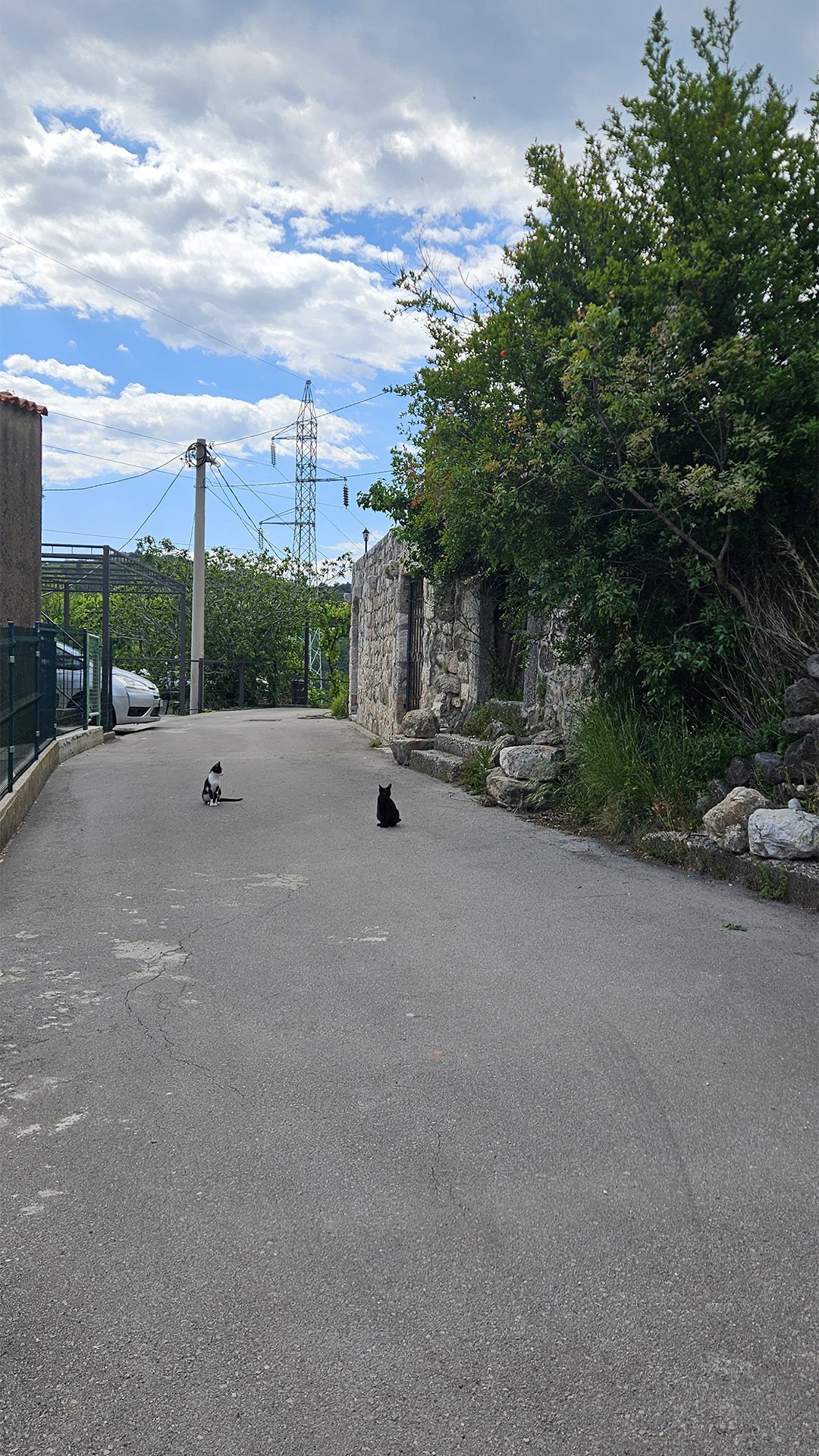
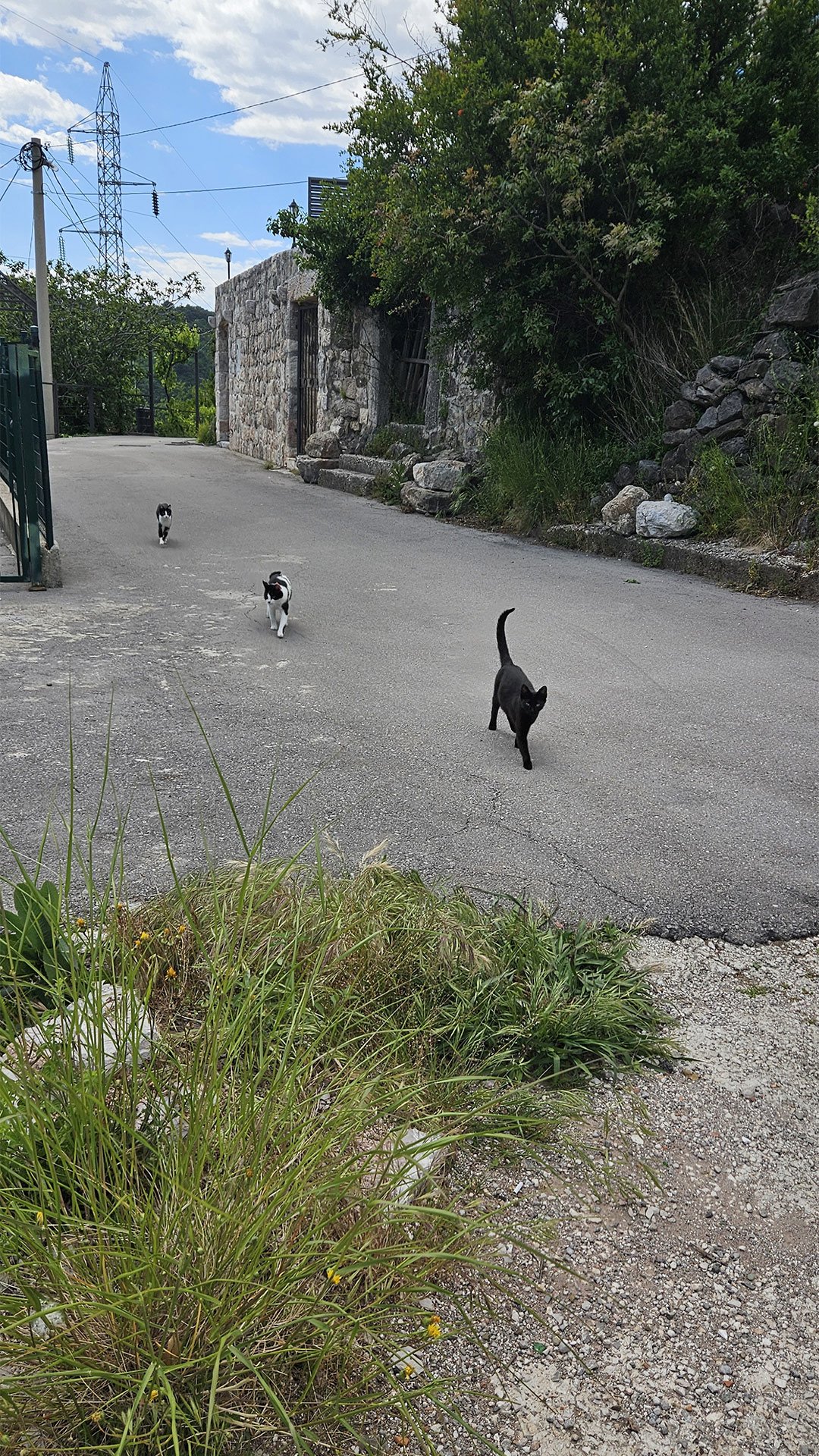
This time, our cheerful, friendly Starlight group divided according to interests – most of the group stayed in Budva, closer to the Old Town and all the activities happening nearby. Our group spent the night on Jaz Beach, a two-minute walk from the Budva Beach Fest. On the morning of May 2, we all met at the Old Town walls for breakfast and then set off together for a light hike in the outskirts of Budva. And in the evening, another performance awaited us on the city’s main stage, namely the ABBA Tribute Band RING. The most resilient among us returned to Bar by two in the morning.
The XXIII International Budva Carnival: A Celebration in the Old Town
The official program for the XXIII International Budva Carnival was published by the Budva Tourist Organization on April 23, 2026. It’s important to clarify one detail: the main carnival portion indeed took place from May 1st to 3rd, but the official program began on April 30th with the traditional Abrum along the Budva Riviera—a route that included Budva, Petrovac, Sveti Stefan, Przno, Rafailovići, and Bečići.
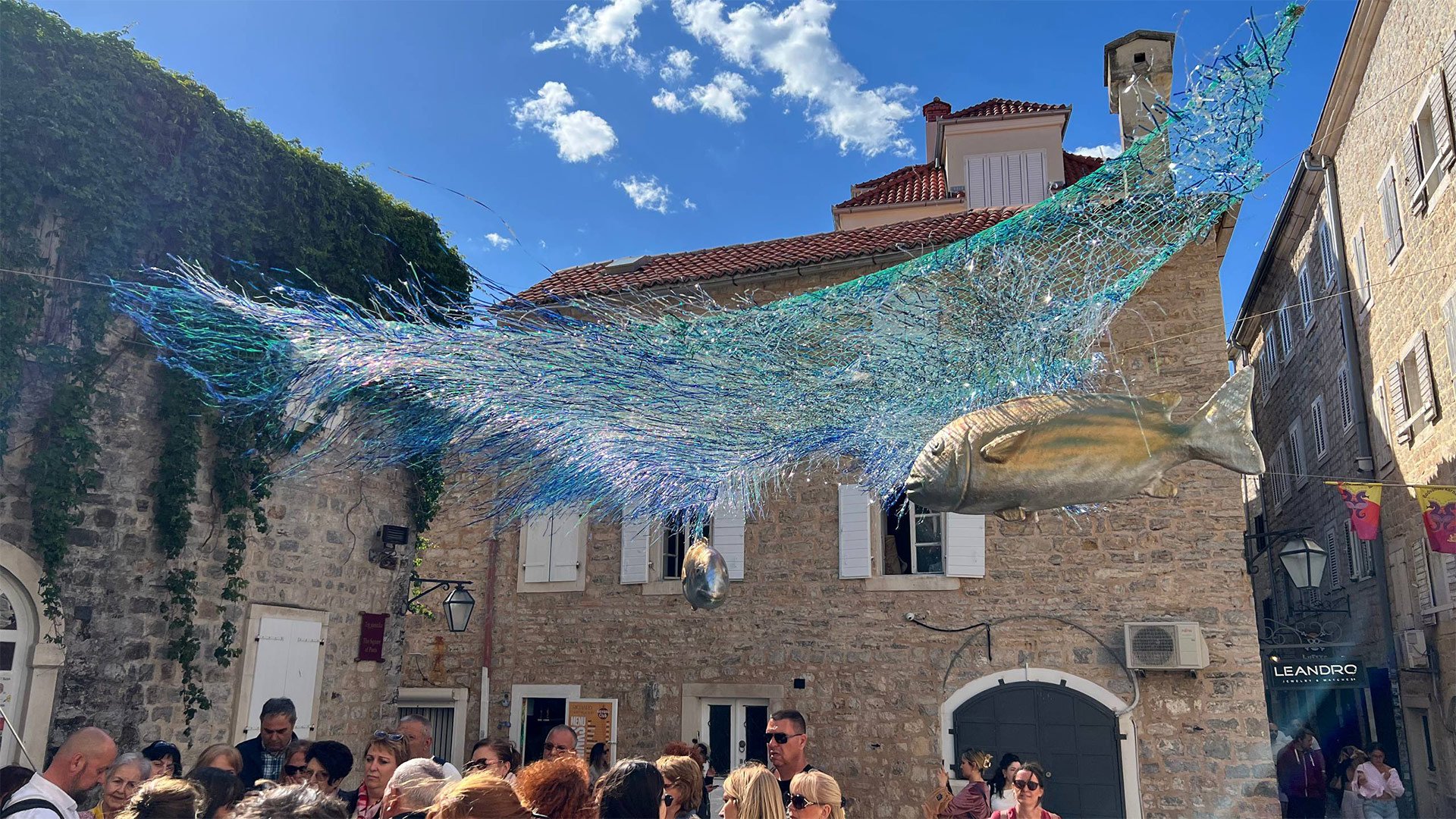
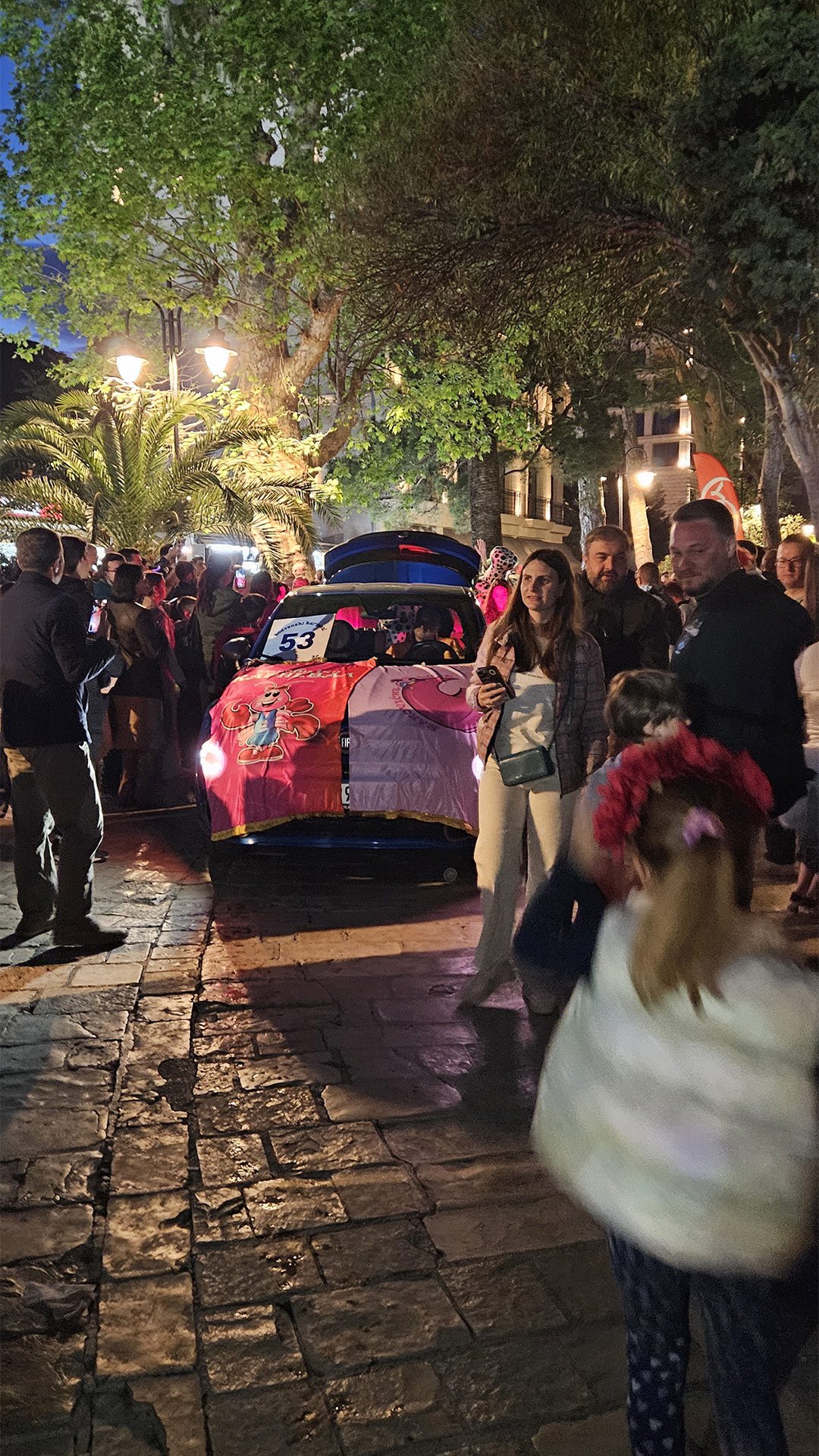
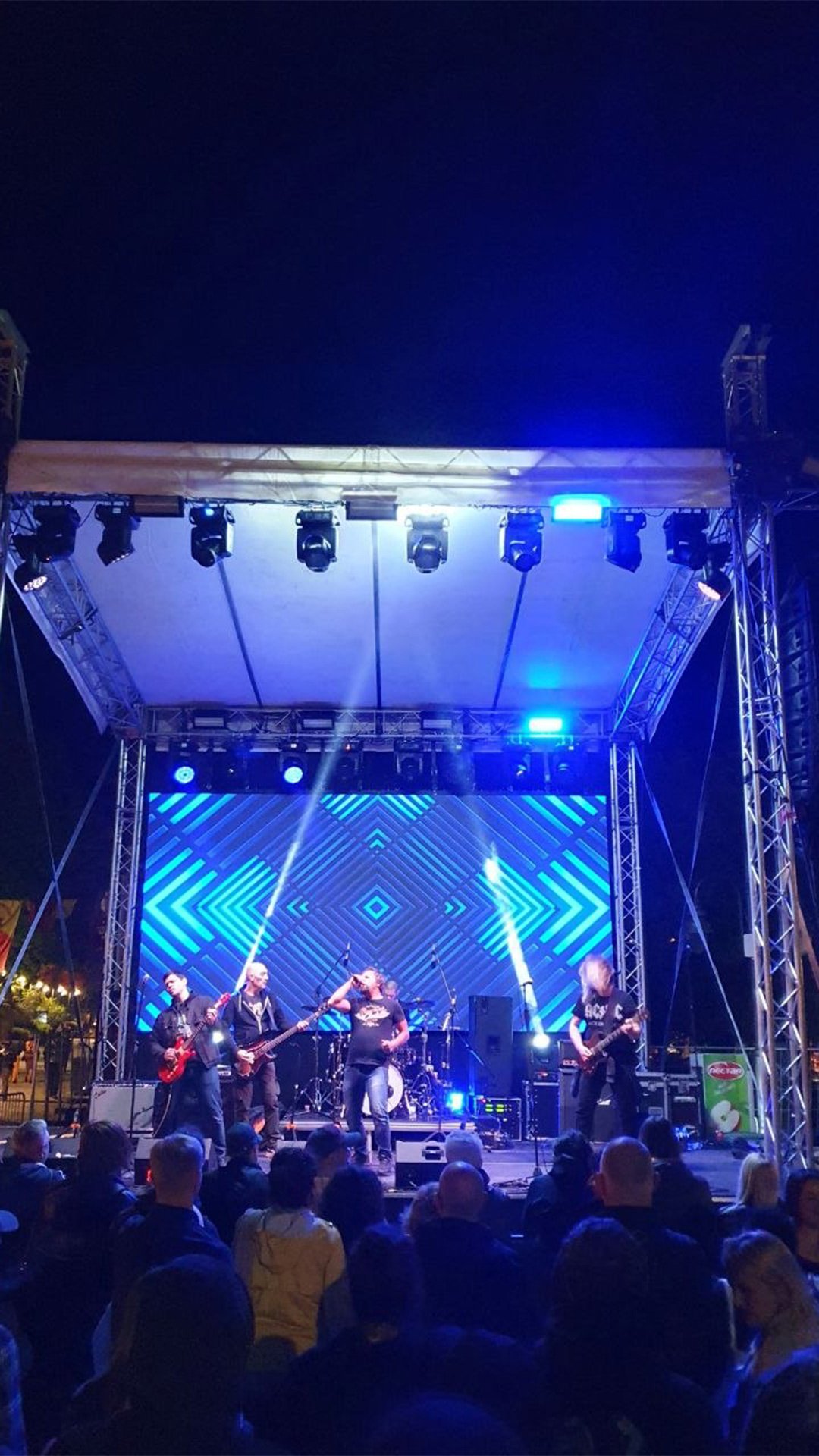
The main atmosphere of the celebration unfolded around the Old Town. On May 1st, an Abrum parade through the Old Town was scheduled at 7:00 PM, followed by concerts at 9:00 PM by the David Bowie tribute band GIFT and Band X, performing AC/DC, in front of the Old Town. At 10:00 PM, Jack Lupino performed inside the Old Town on Trg Palmi.
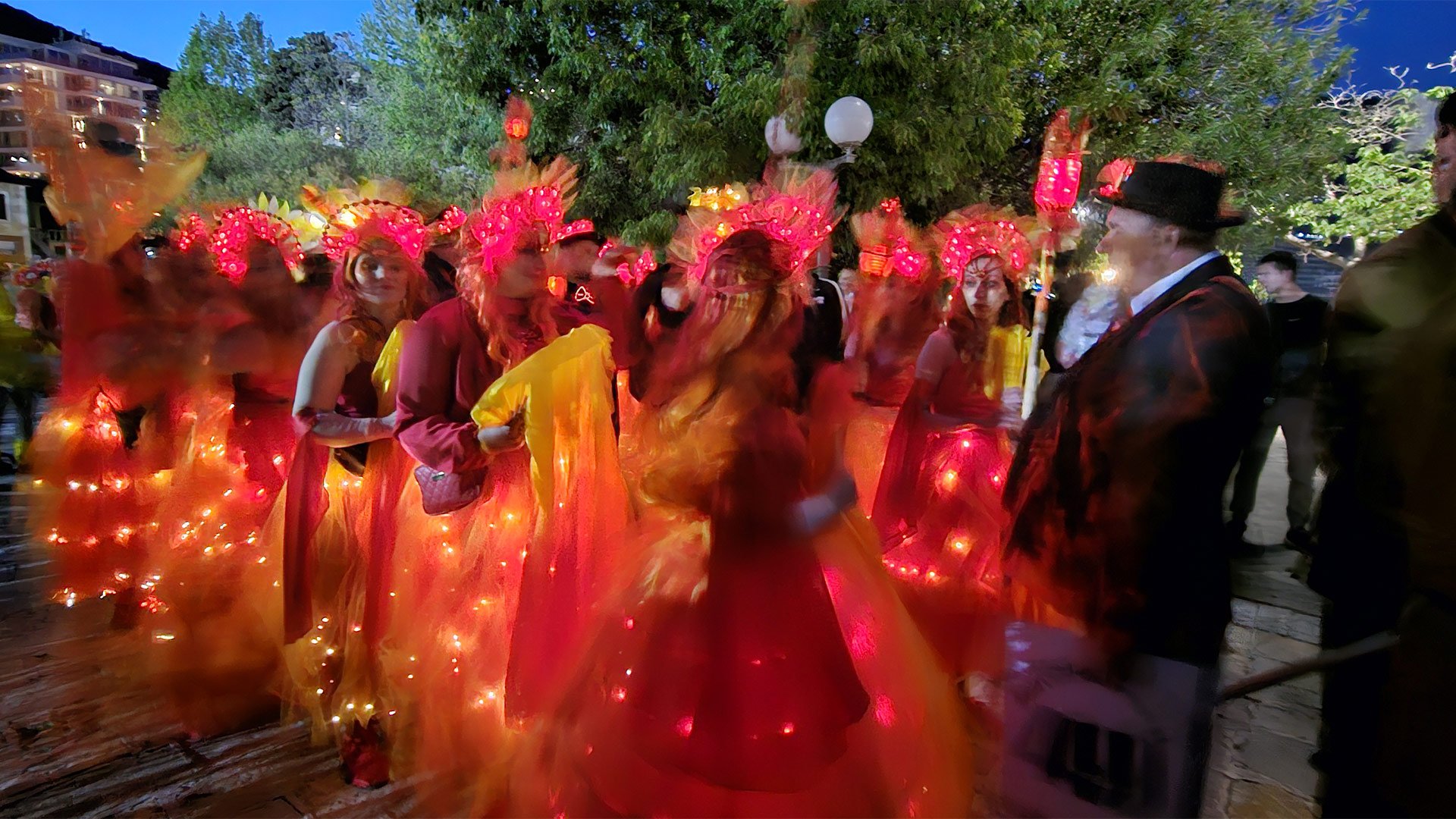
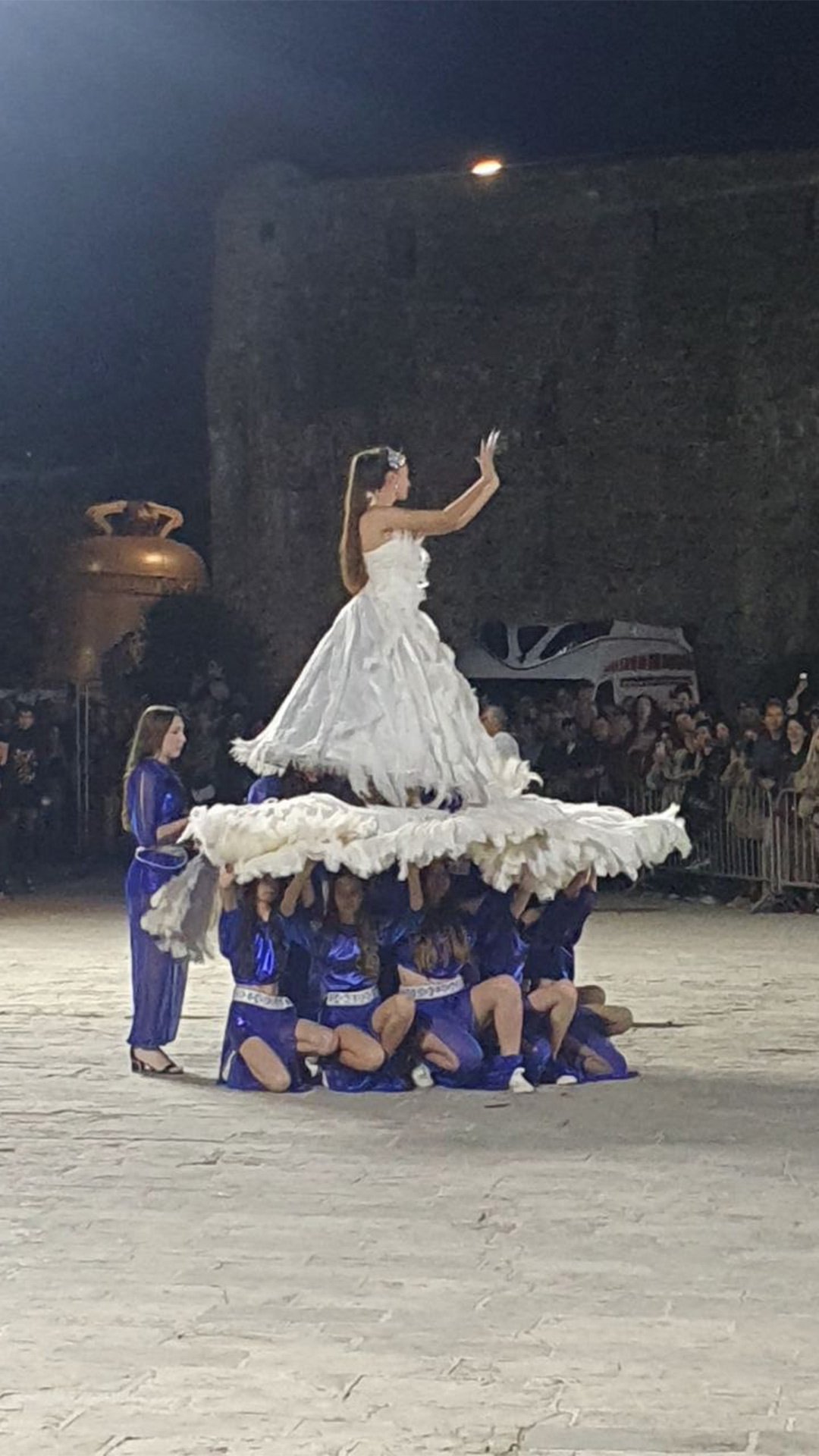
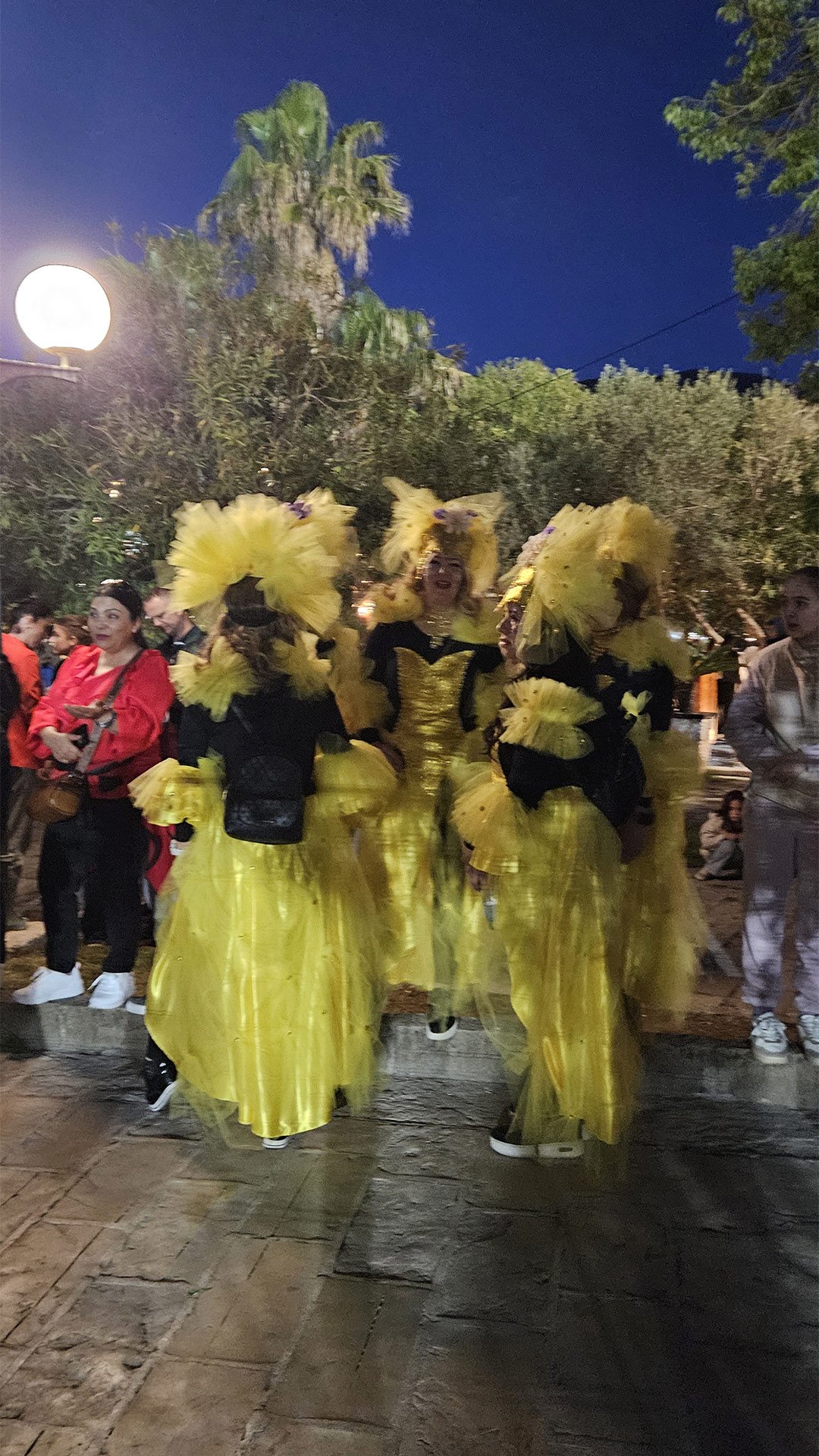
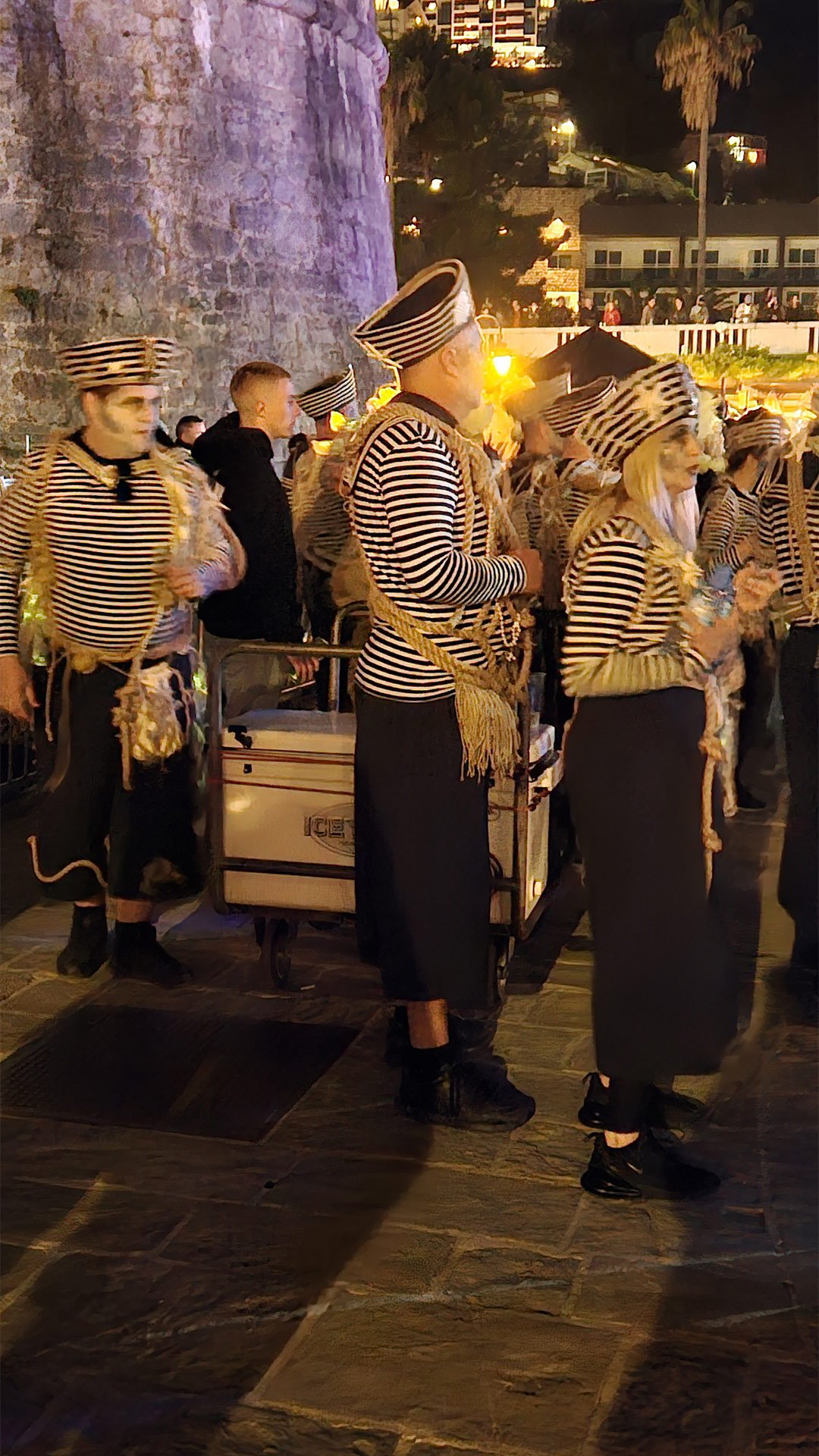
On May 2nd, a large carnival procession took place: the official route was announced from Hotel Bracera through the TQ and Perla roundabouts, the old bus station, and on to the Old Town. The Budva Tourism Organization later reported that the large procession included over 2,000 masked participants, around 80 carnival bands, and the evening concluded with a performance by the ABBA Ring tribute band.
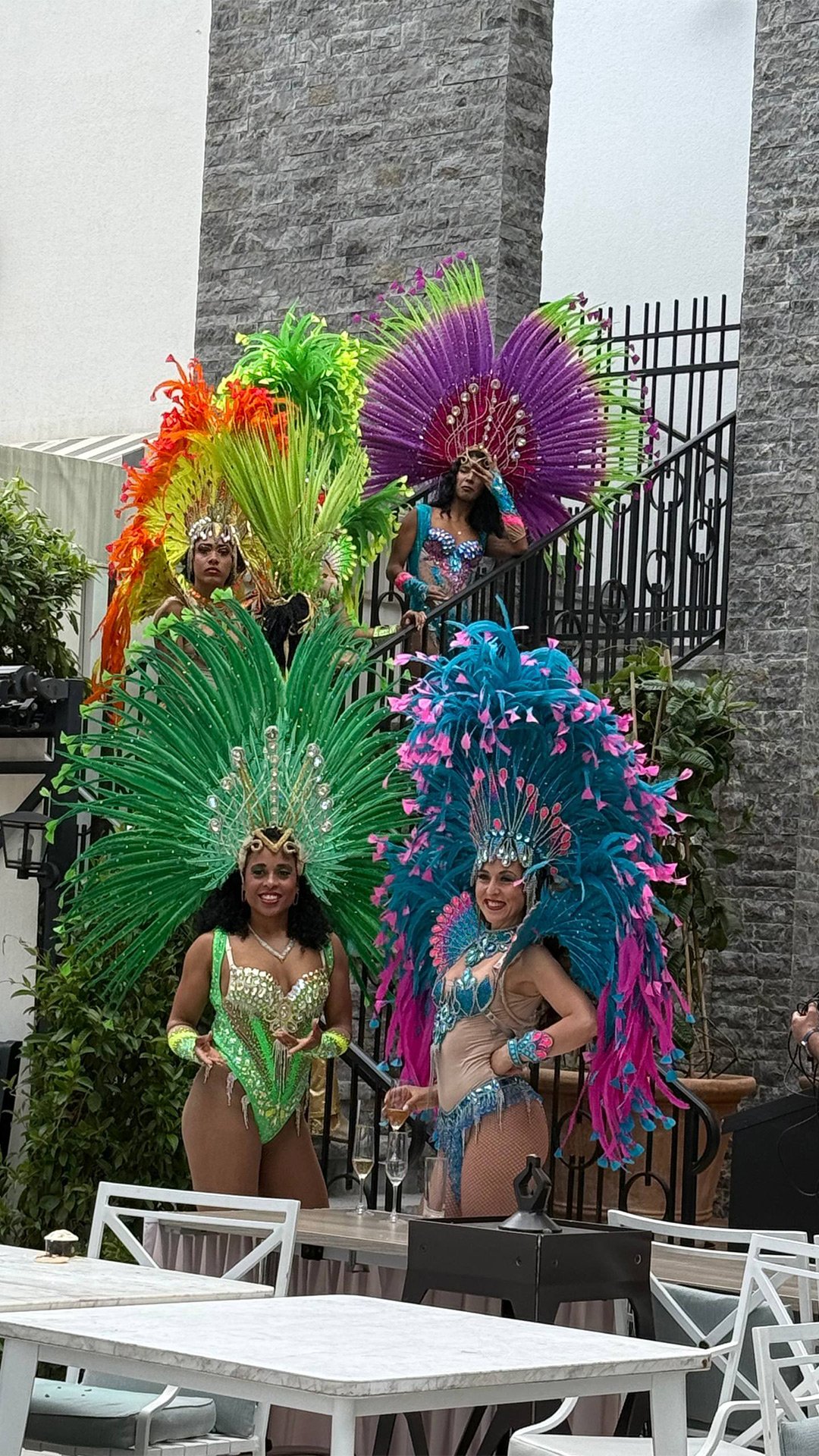
Carnival in Budva is more than just a musical program. It is a city tradition, where the Old Town is transformed into an open space for processions, masks, music, and gatherings of guests from around the world. According to Boka News, on May 1st, a joyful parade with costumed participants, drummers, Brazilian dancers, Spanish guitarists, and Bolivian dancers passed through the streets and Old Town. After Abrum, the celebration continued with concerts by GIFT and Band X in front of the Old Town.
Budva Beach Fest 2026: Electronic Music on Jaz Beach
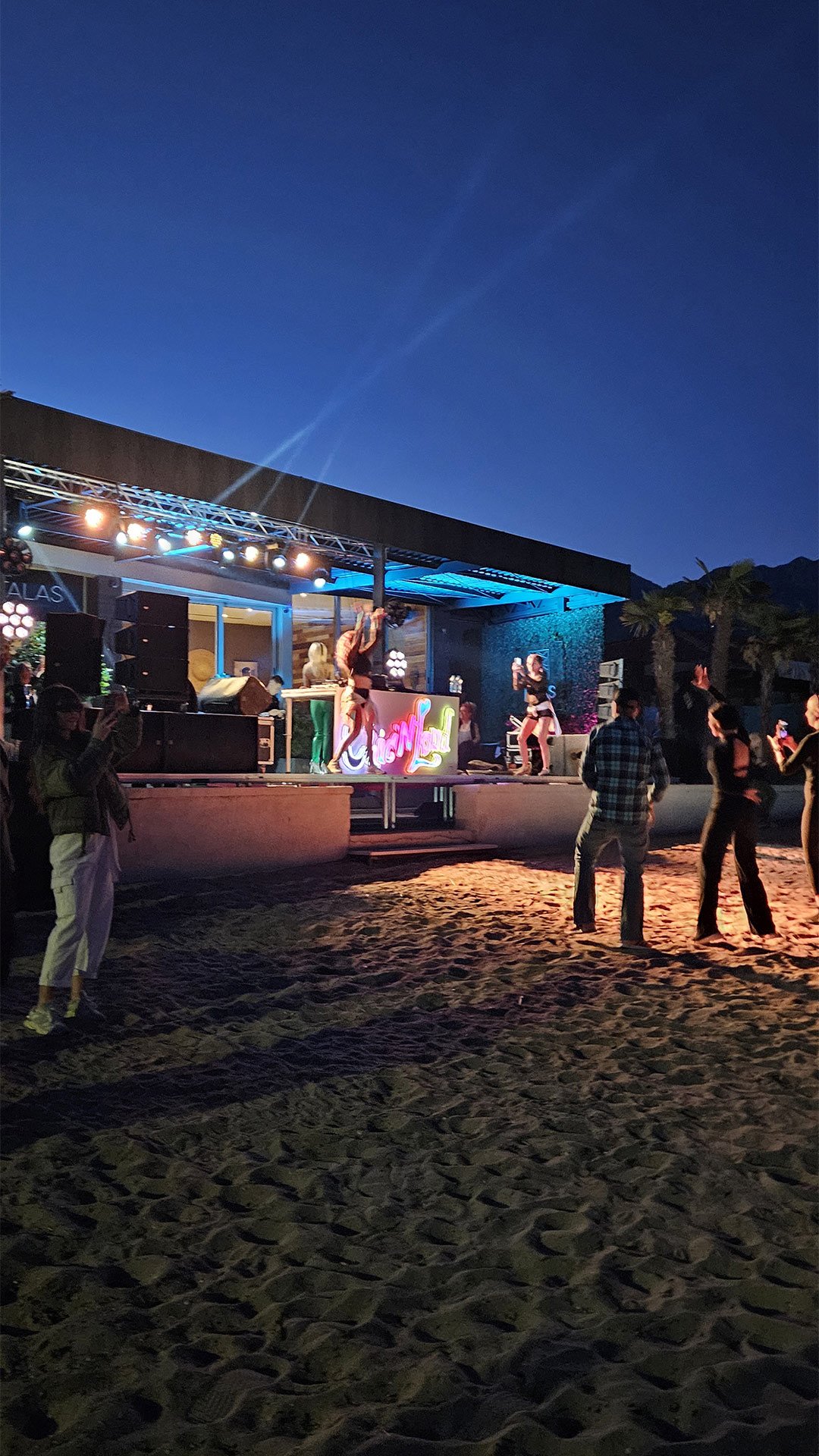
While the Old Town lived by its carnival tradition, Jaz Beach took on the role of a summer electronic stage. The official Budva Beach Fest website lists the dates as May 1st–2nd, 2026, at Talas, Jaz Beach, Budva, Montenegro, and the program starting at 2:00 PM.
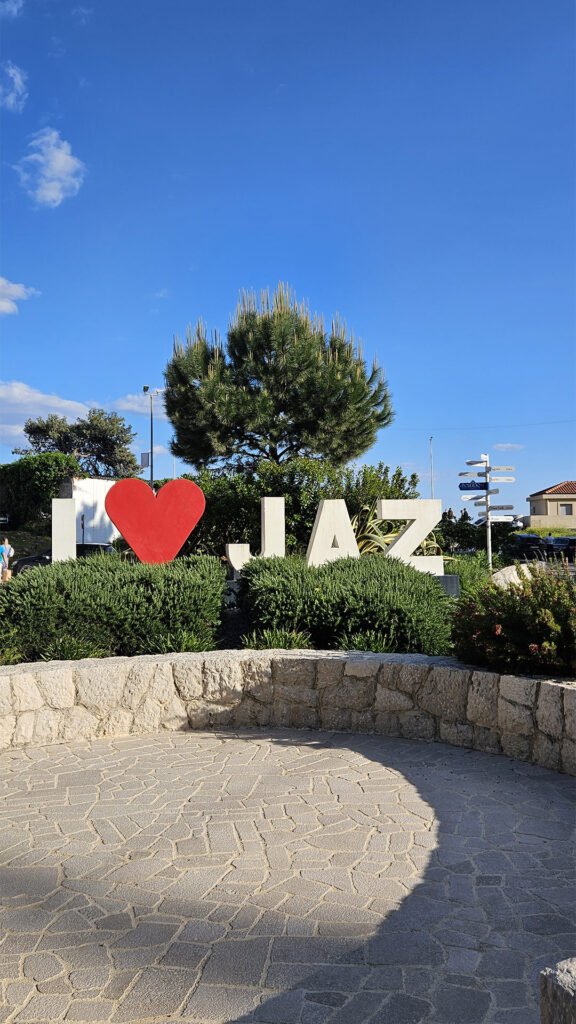
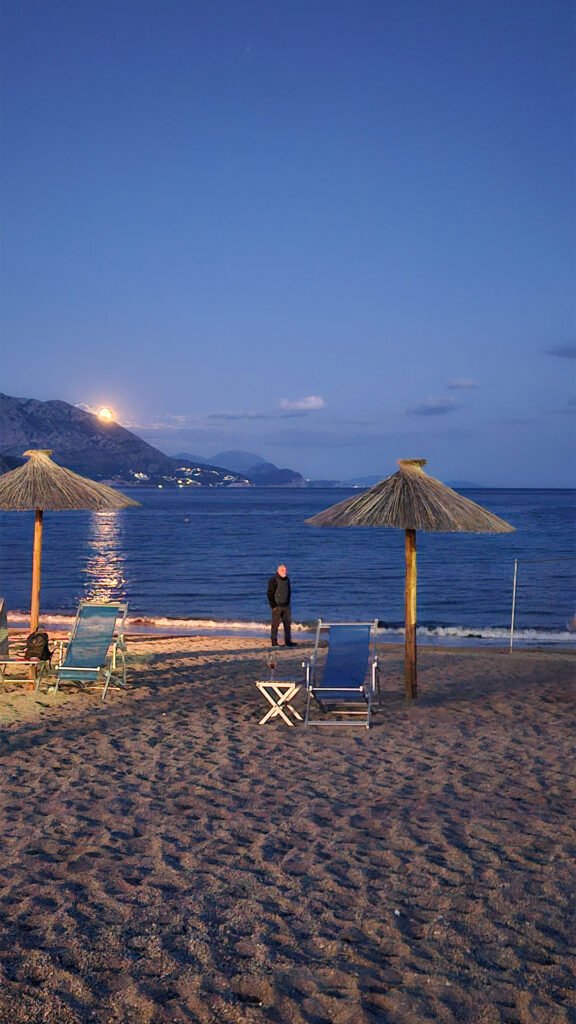
The festival was billed as an Opening Season Party featuring house and tech house. According to the official poster, the program included 13 artists from 7 countries: May 1st – Jesus Fernandez, Kid Creme, Niki Belucci, Fheelo, Jay Dunham, and CHBX; May 2nd – Jerry Ropero, Kid Creme, JP Rigaud, Niki Belucci, Smile Happens, John K, and Small Town Guy. Hosted by Nina De Lianin, The Chic Dance Collective performed.
MonteGigs described Budva Beach Fest as the official opening event of the summer season at Jaz Beach, with the concept “Retro-Futurizam susreće kulturu plaže” – “retro-futurism meets beach culture.” The styles listed included house, tech house, and afro house, with artists including Jerry Ropero, Kid Creme, and Niki Belucci.
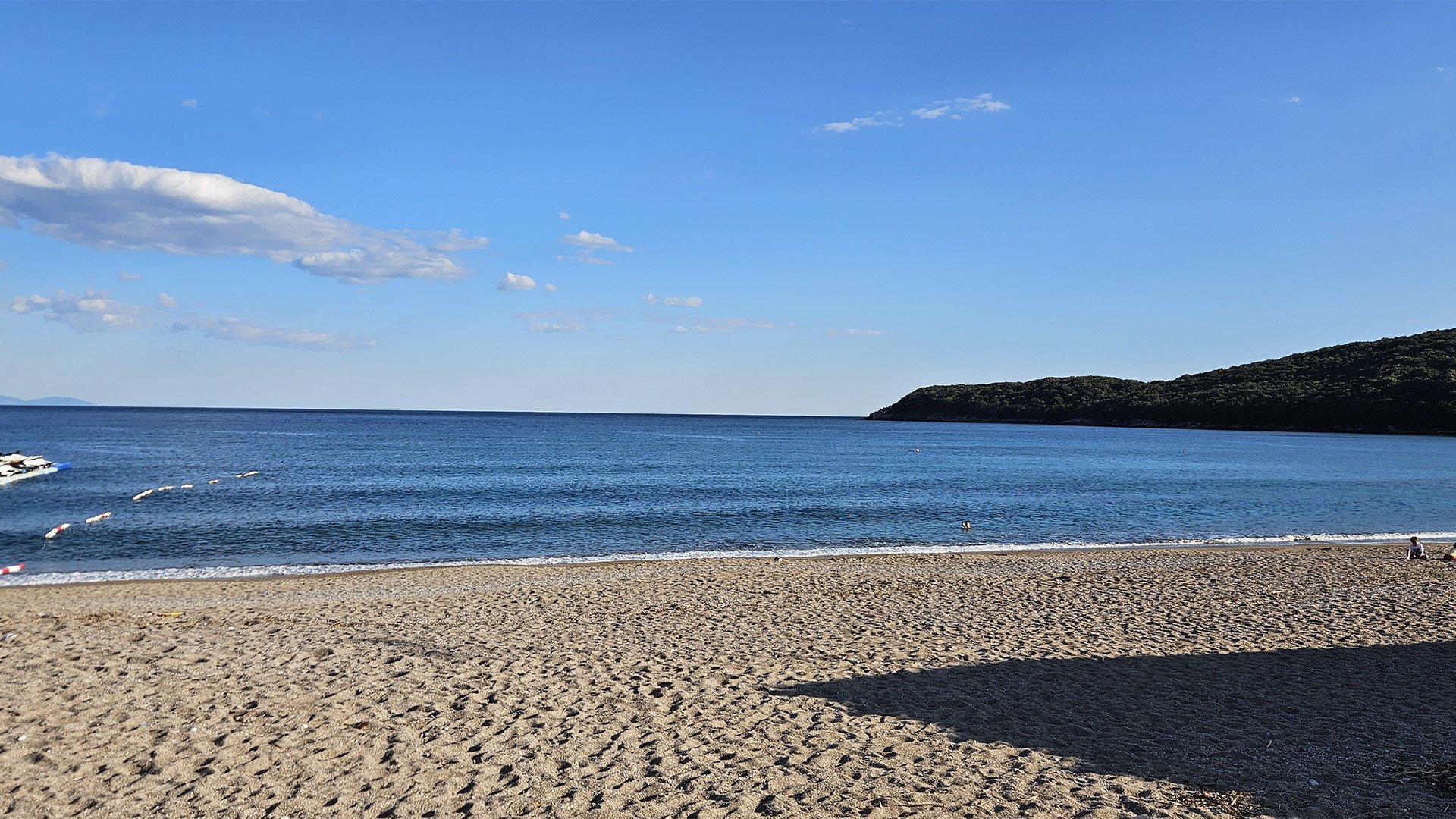
Jaz Beach itself is well suited for this format: according to the Budva Tourist Organization, it is located approximately 2.5 km from Budva in the direction of Kotor and Tivat. It consists of two parts, approximately 800 and 400 meters long, with a total area of 22,500 m². Its rear area houses a campsite, parking, restaurants, and cafes.
Mogren: Beach, Legend, and a Fortress Above the Sea
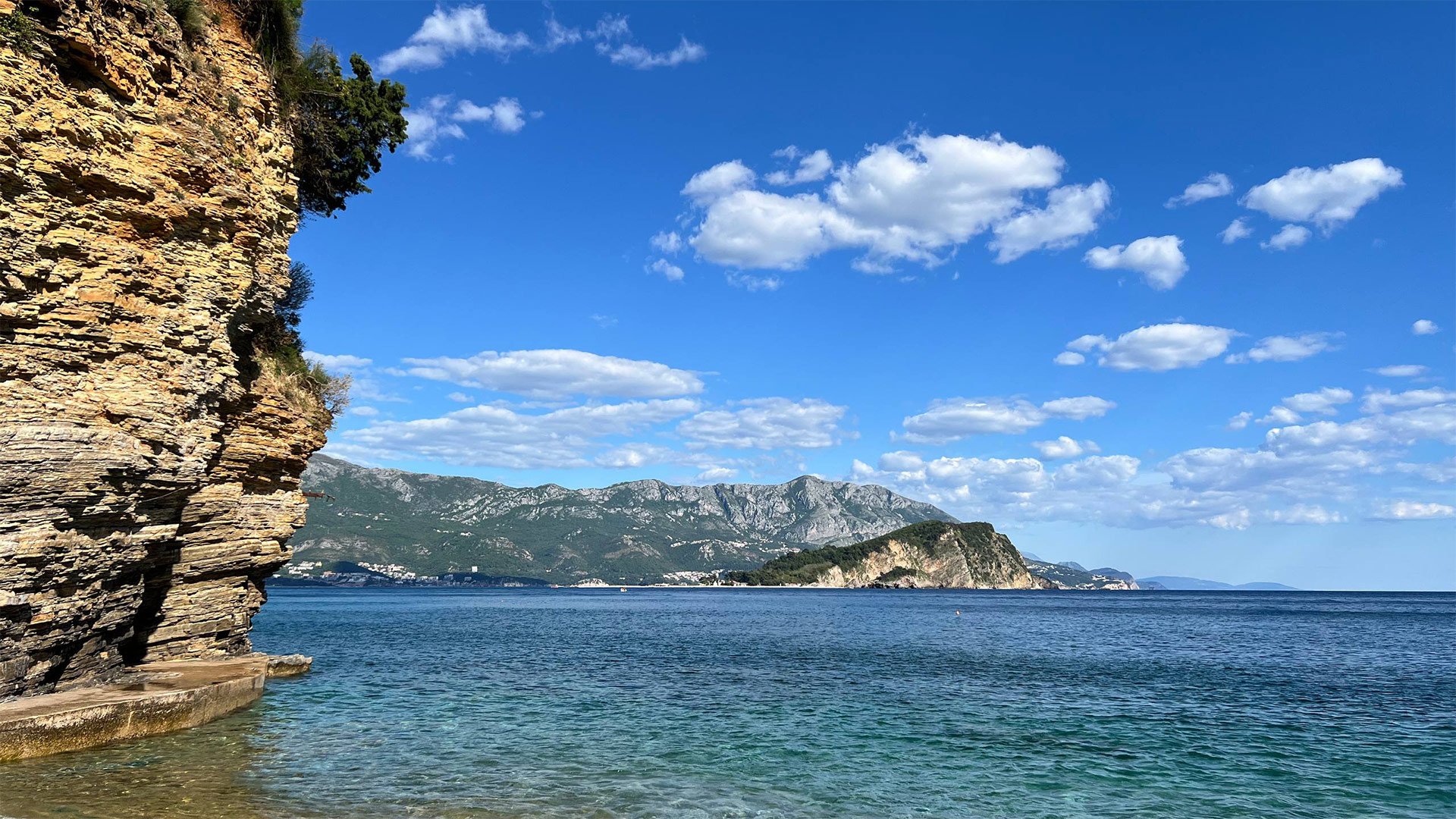
Mogren is one of Budva’s most recognizable beaches. The Budva Tourist Organization describes it as two small sandy coves connected by a tunnel; legend has it that the name is associated with the Spanish sailor Mogrini, who was rescued here after a shipwreck and, in gratitude, built the Church of St. Anthony on the other side of the beach. The official length of the beach is 350 m and its area is 4,500 m².
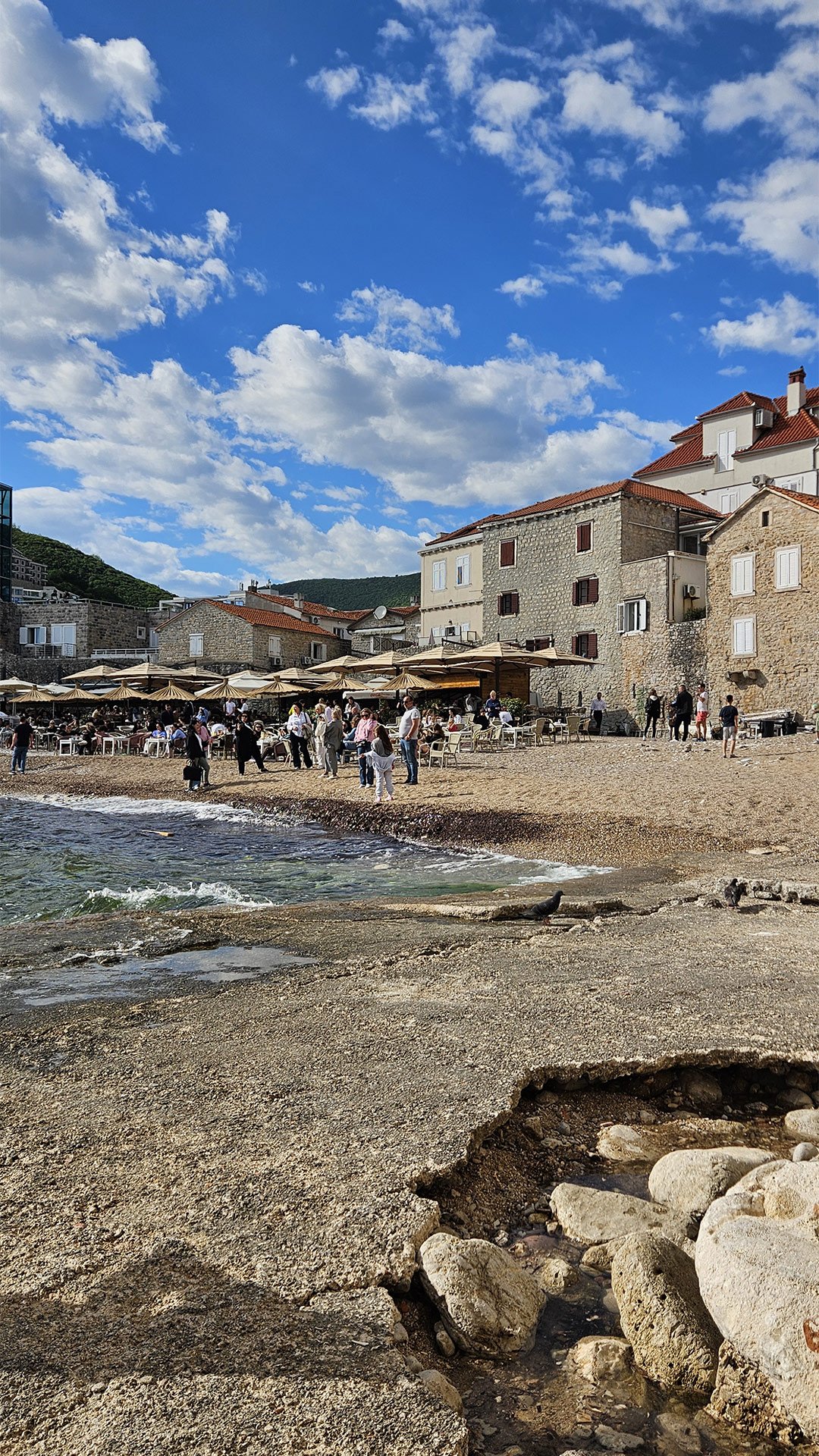
Mogren’s unique feature is its combination of accessibility and dramatic landscape. It can be reached by walking from the Old Town along the sea, and after just a few hundred meters, urban Budva gives way to cliffs, a narrow shoreline, and clear water. The beach faces south and is protected from north, east, and west winds, but the sun sets earlier here due to the terrain.
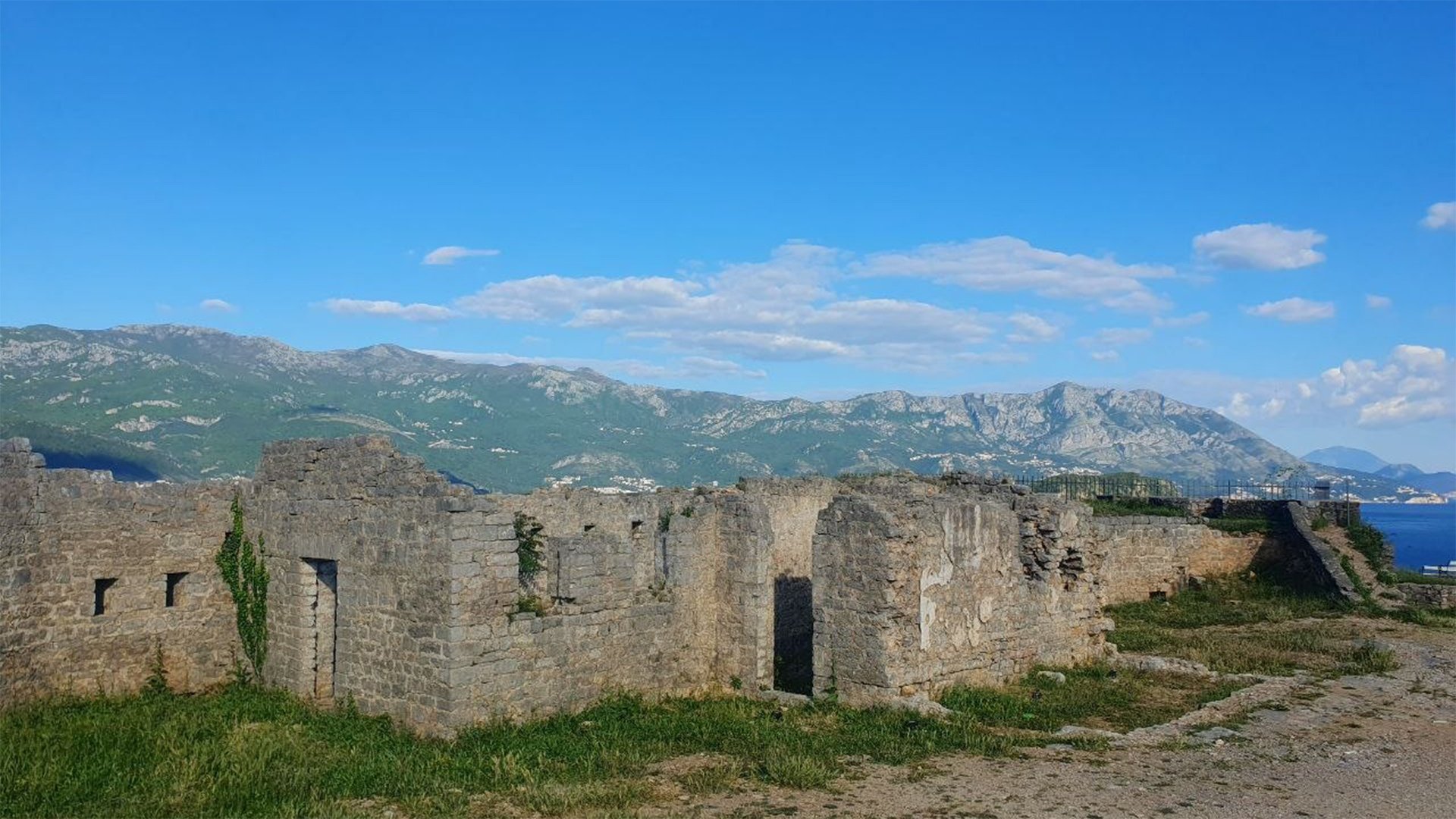
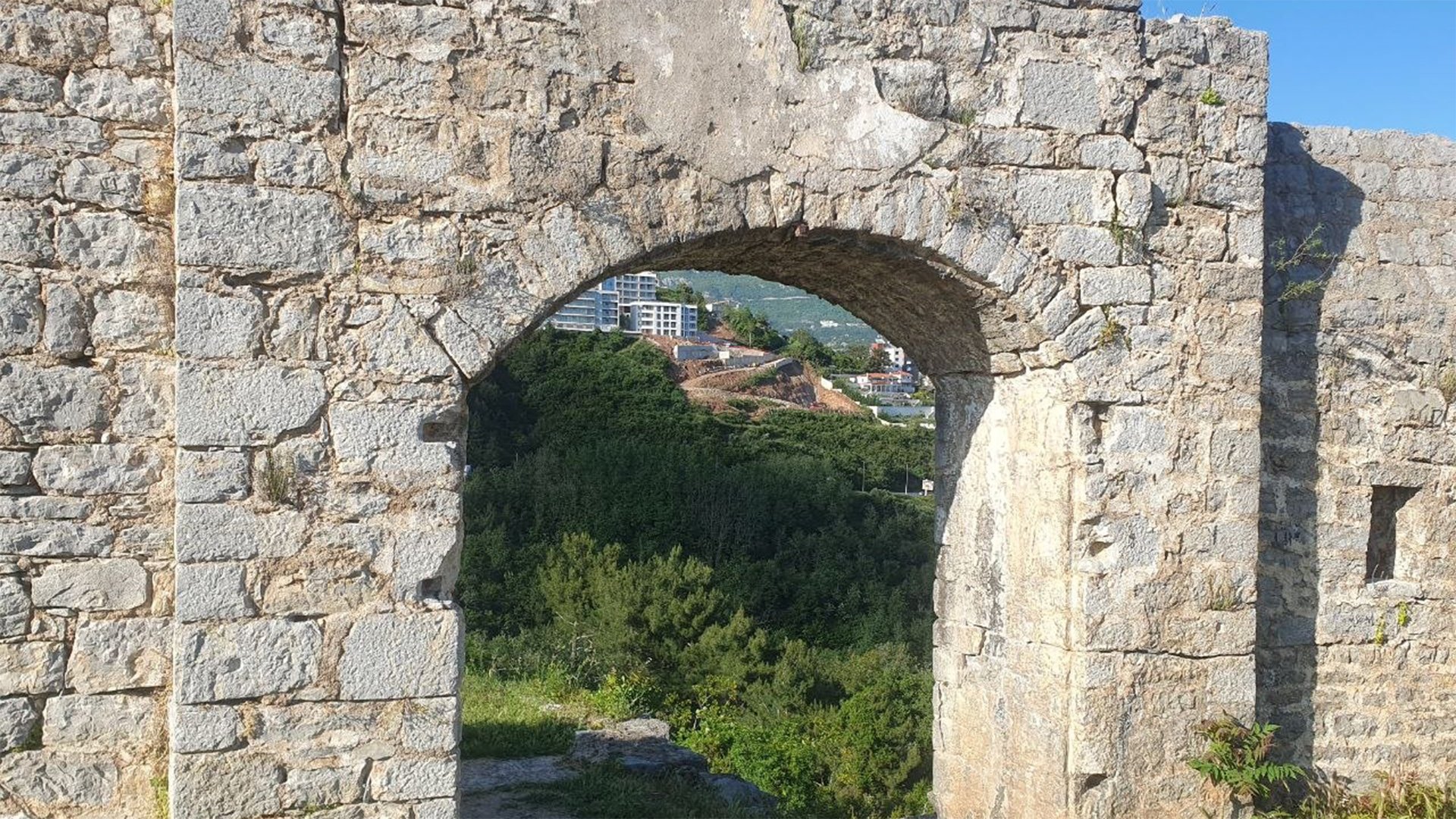
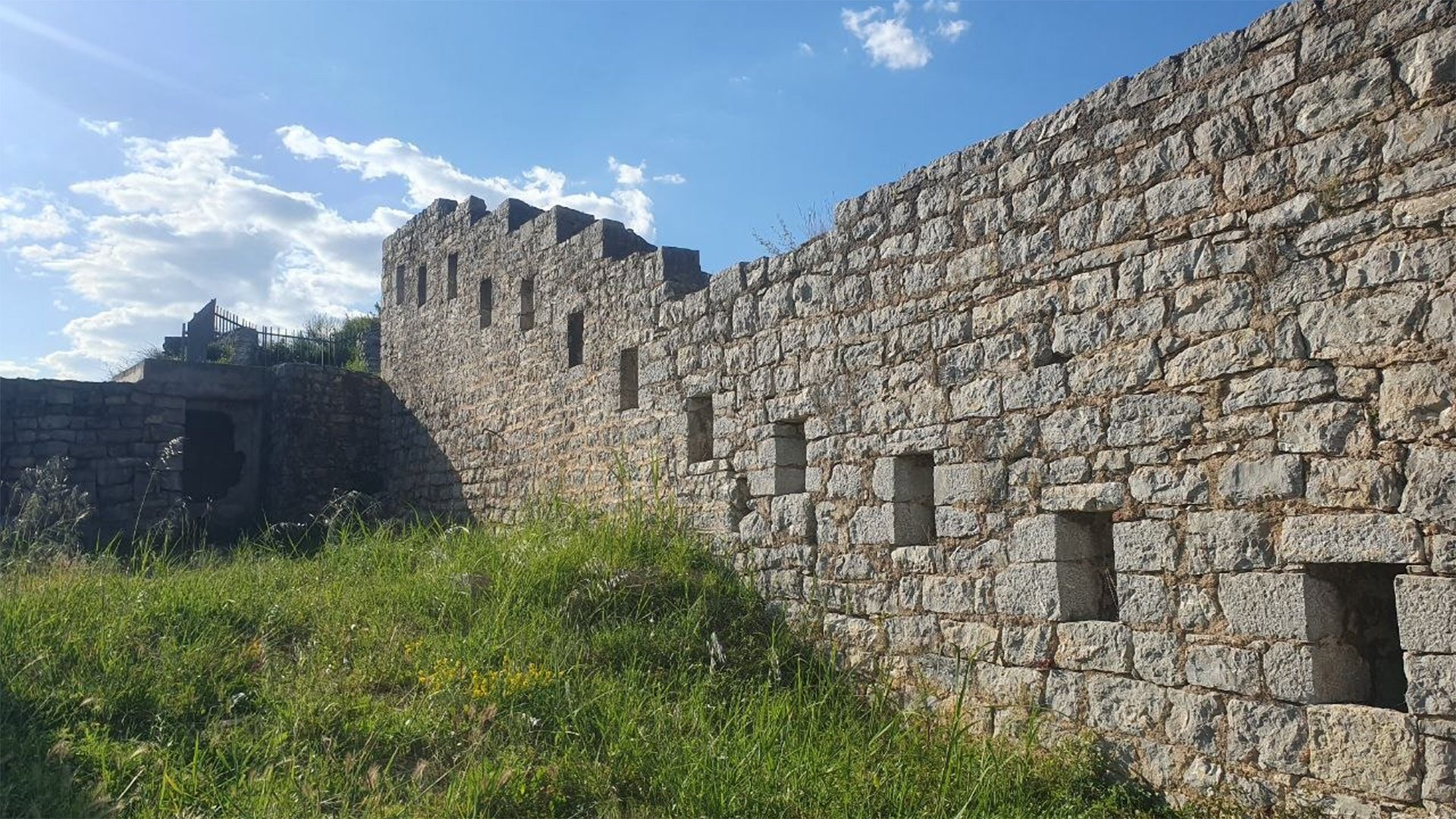
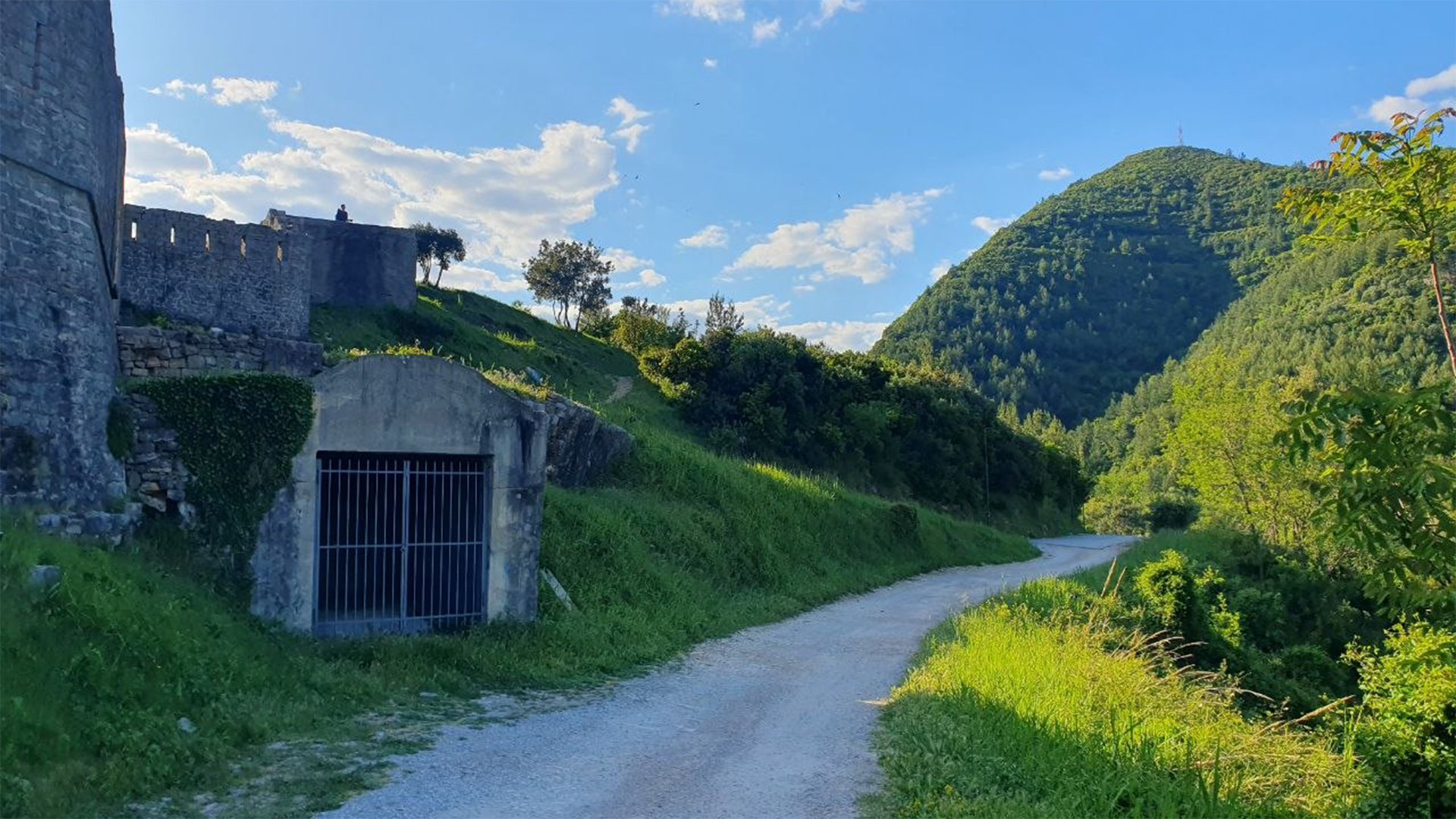
Above the Mogren area stands the Mogren Fortress, also known as Fort Mogren or Fort Jaz. The most commonly cited date of construction is 1860, during the Austro-Hungarian military presence on the coast; the fortress controlled the approaches to Budva and the maritime direction.
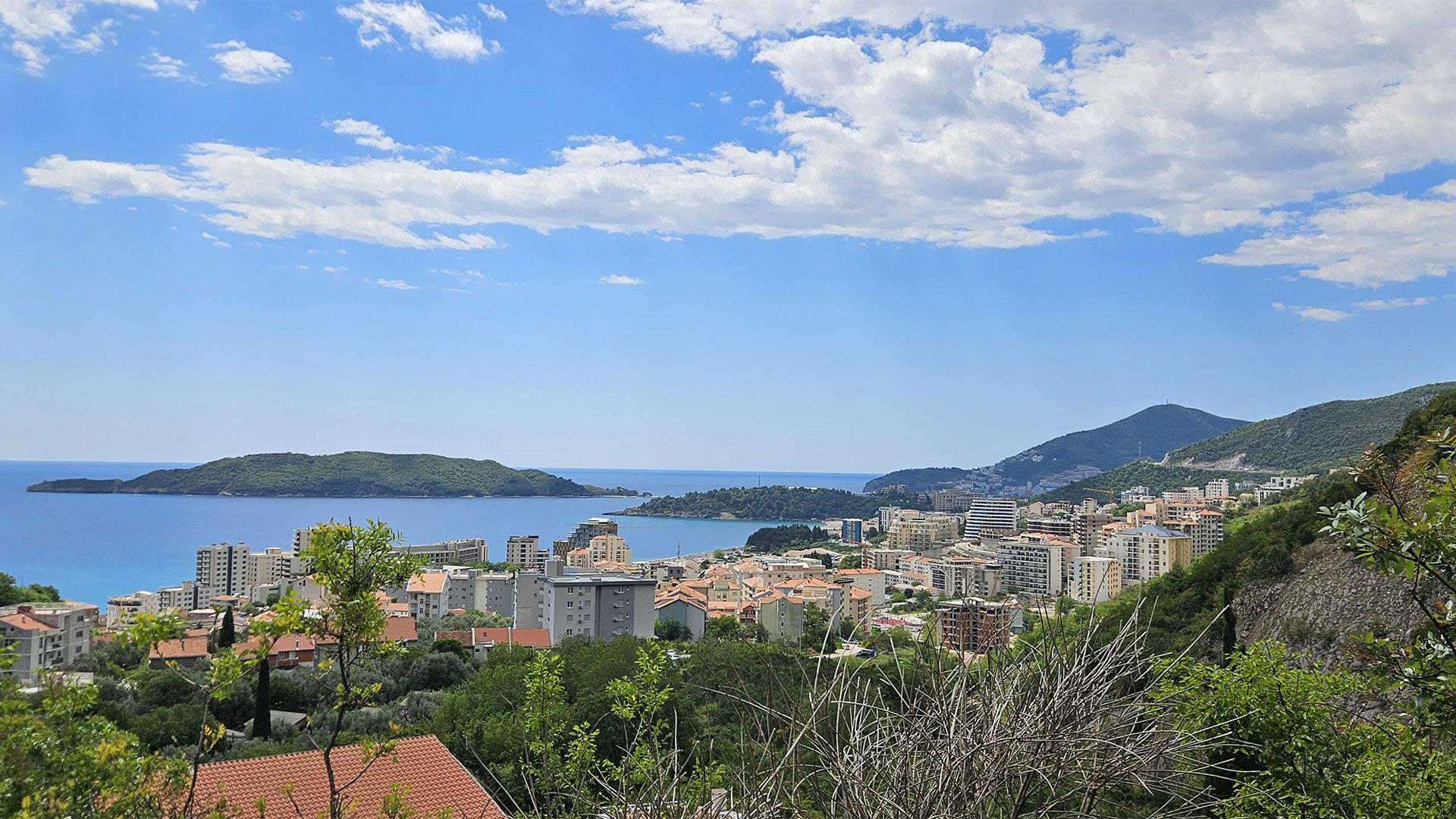
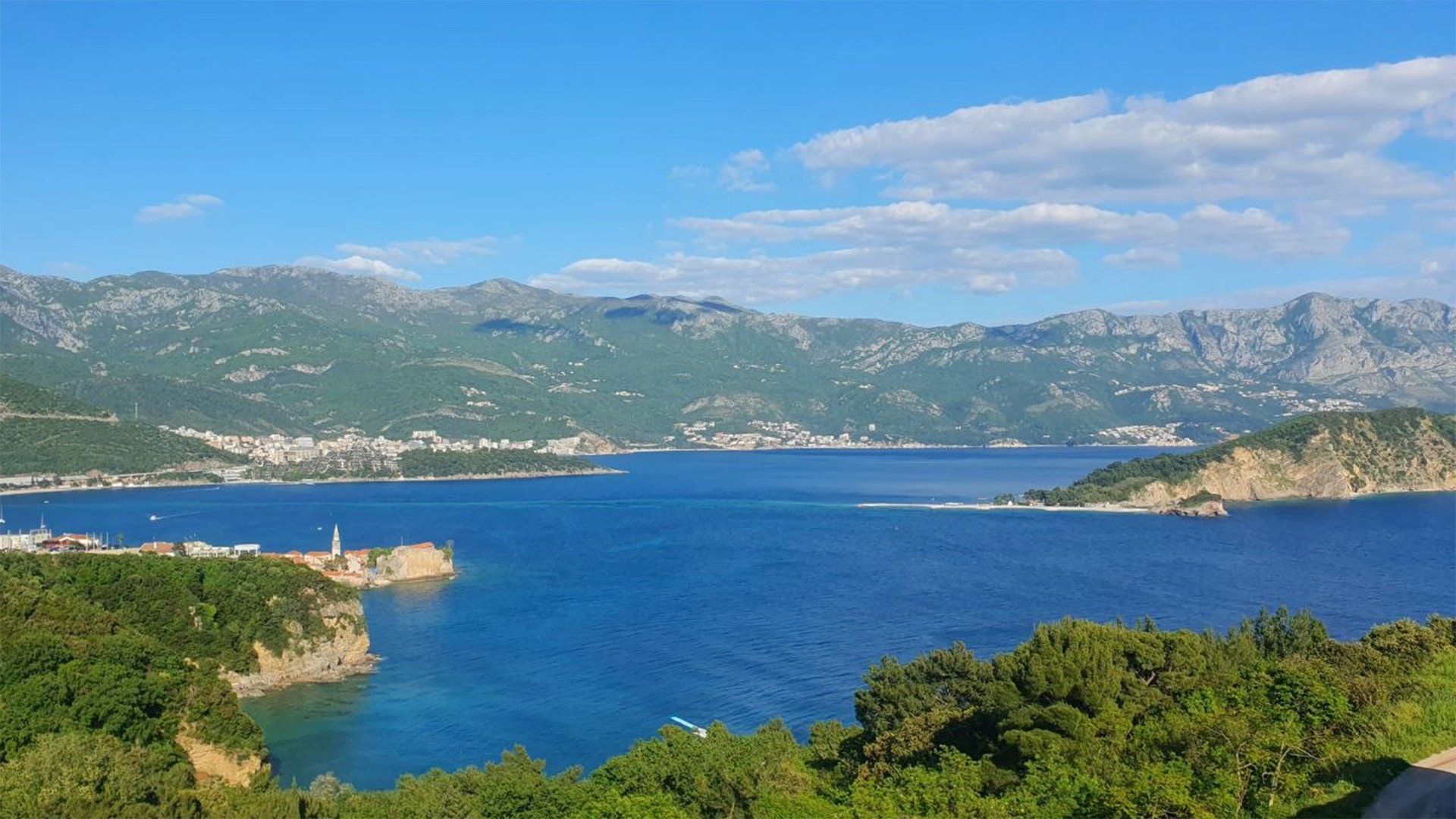
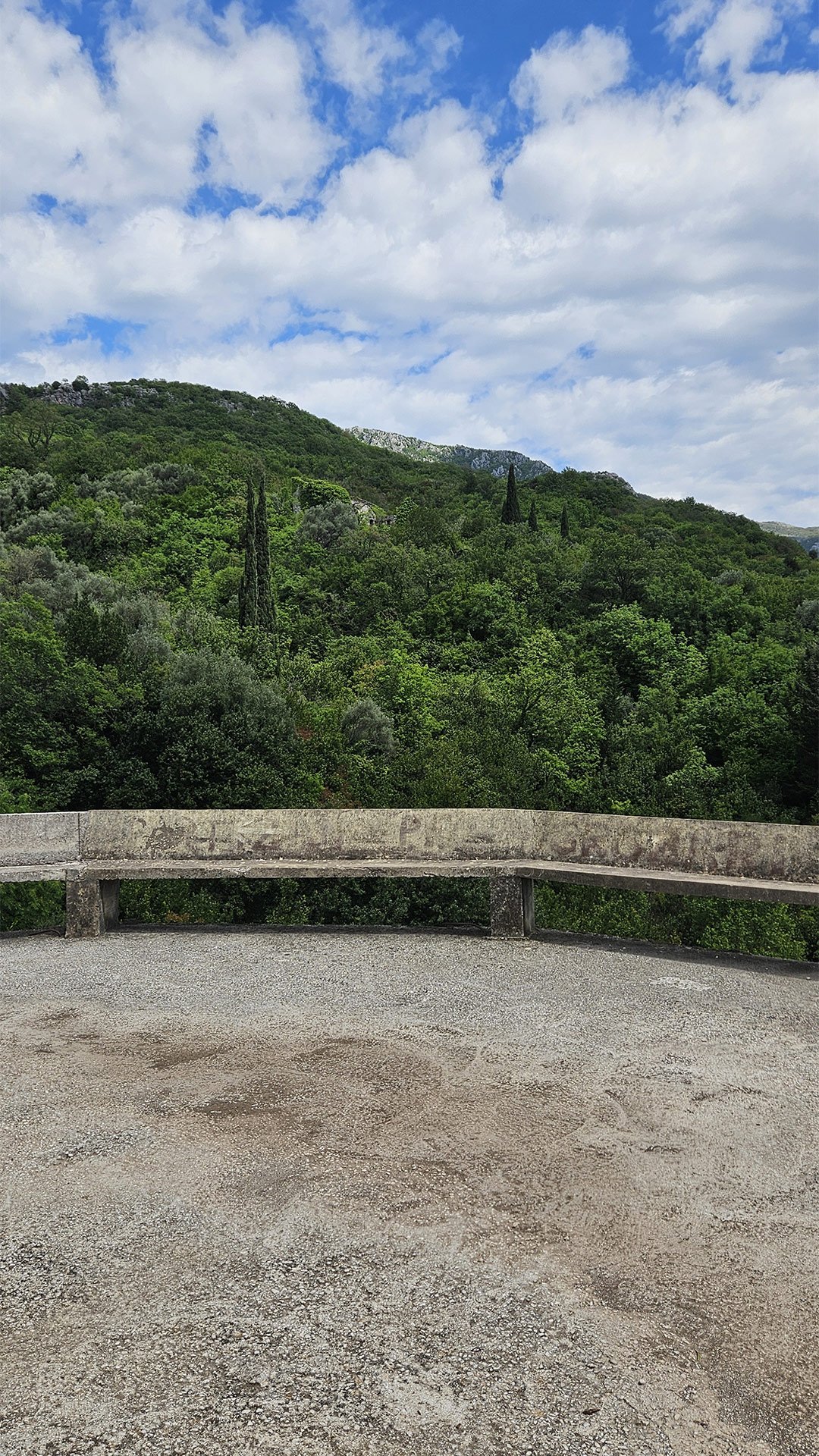
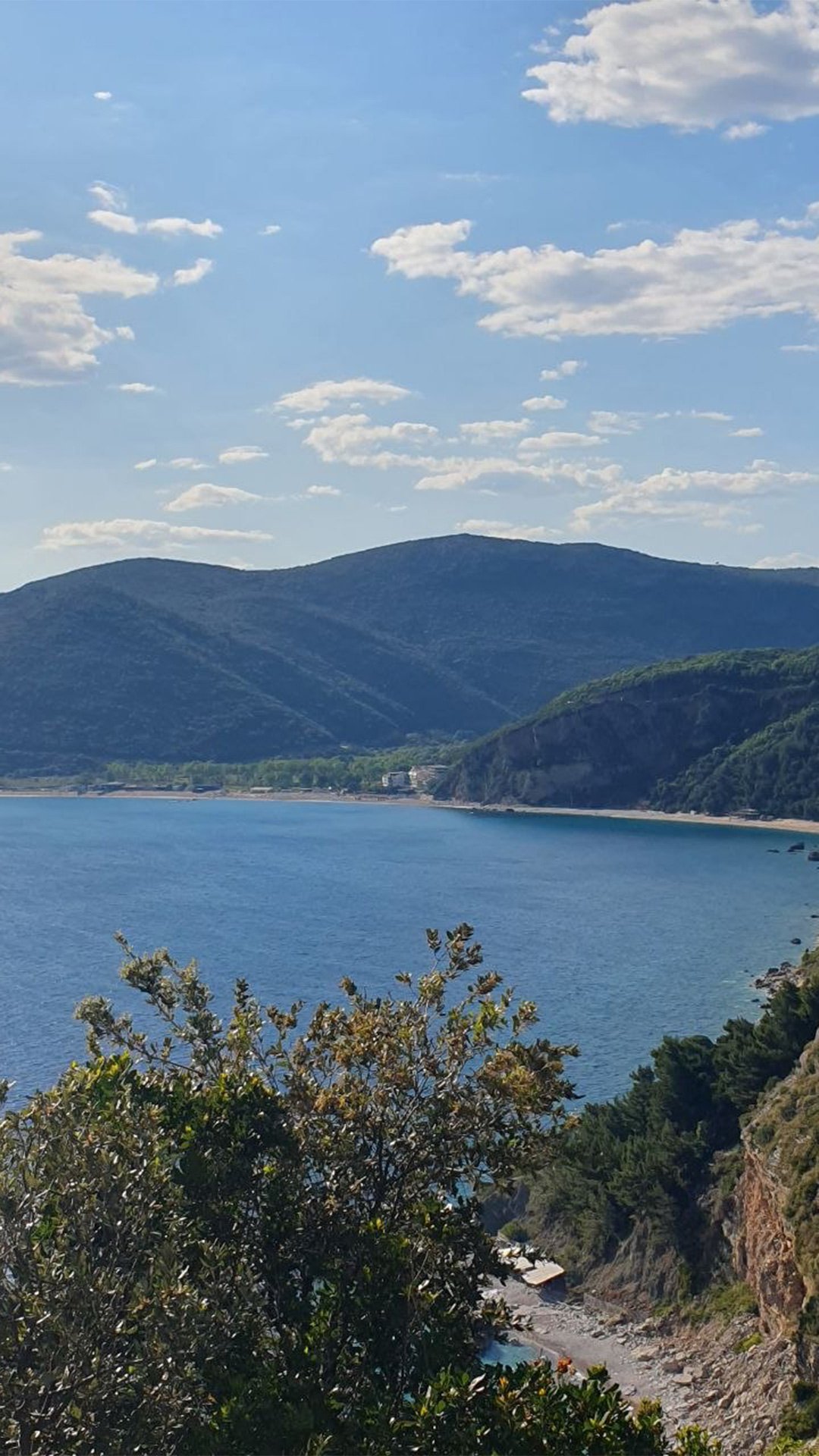
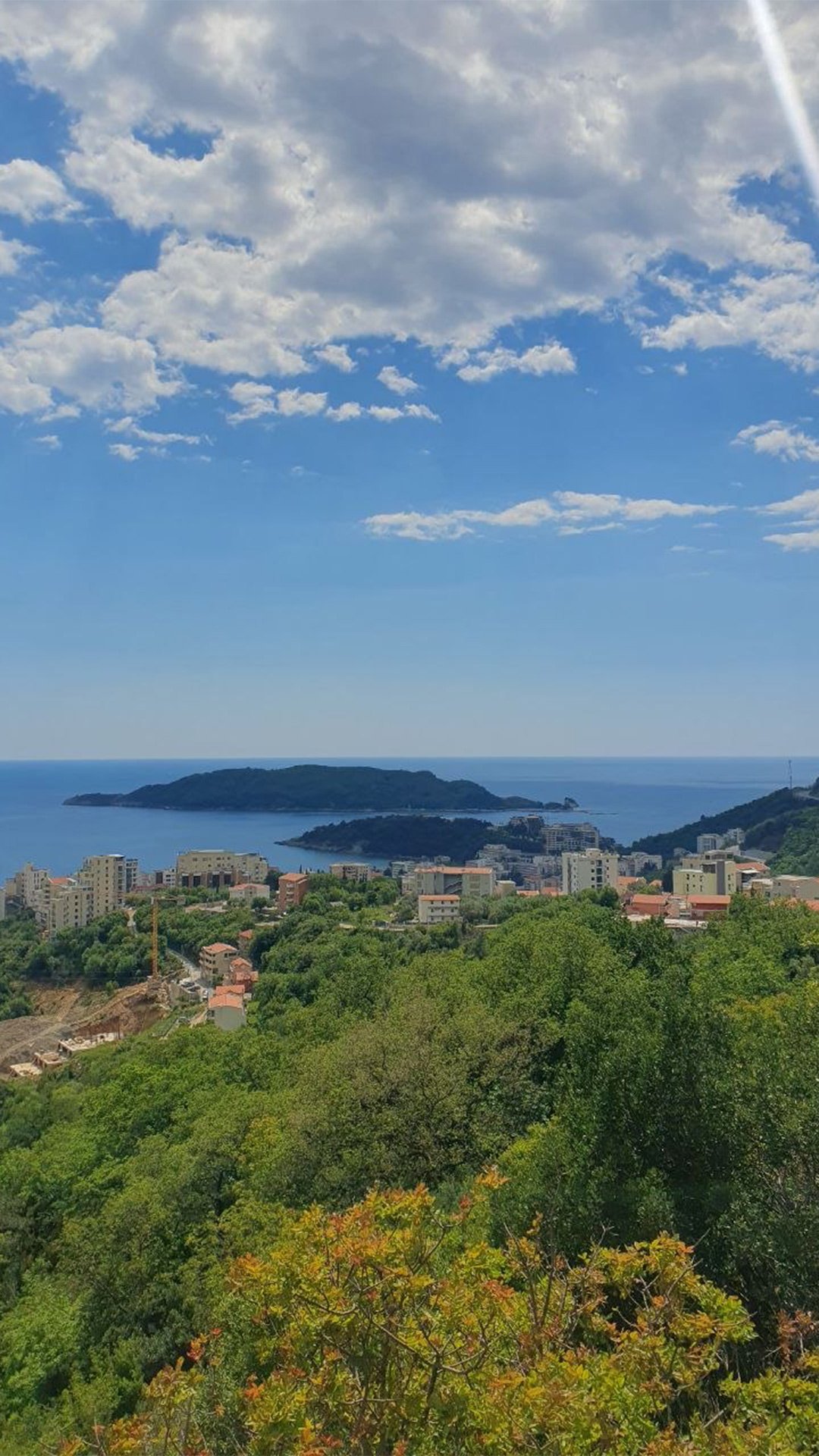
It’s more of a ruin and a vantage point than a museum site today: people come here for the panoramic views of the Budva Riviera, Jaz, Sveti Nikola Island, and the Old Town. Comfortable footwear and caution are especially important for this location: the walls are crumbling, infrastructure is limited, and the stones can be slippery after rain.
Old Town and the Citadel: The Historical Scene of May Events
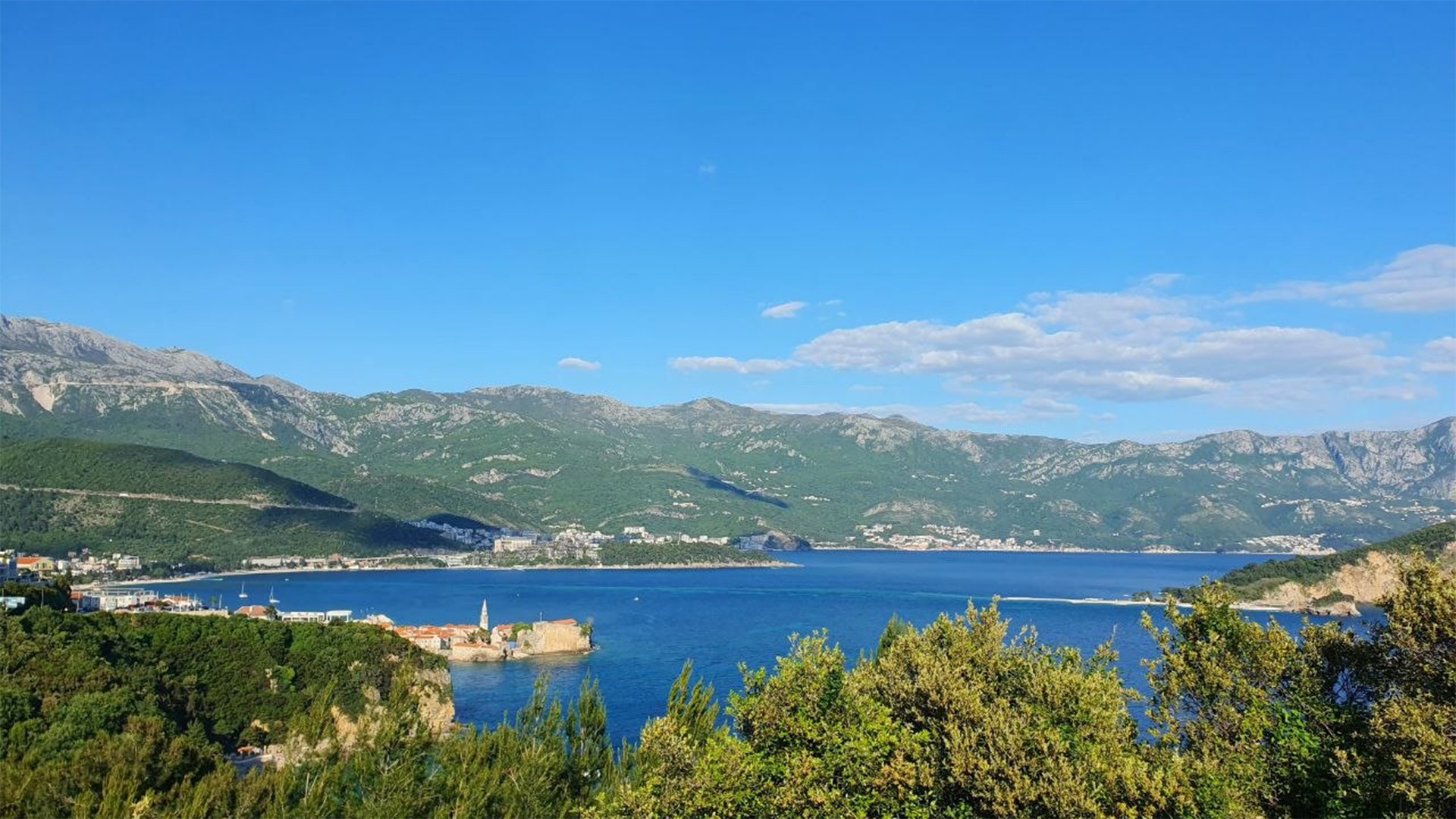
The Budva Carnival is so vibrant precisely because it takes place not on neutral ground, but near the walls of the Old Town. The Citadel is one of the key points of this space. According to the Budva Tourist Organization, the Kaštel Fortress, now the Citadel, stands on the southern side of the Old Town, at its highest point; the city walls begin and end here. The fortress was first mentioned in 1425.
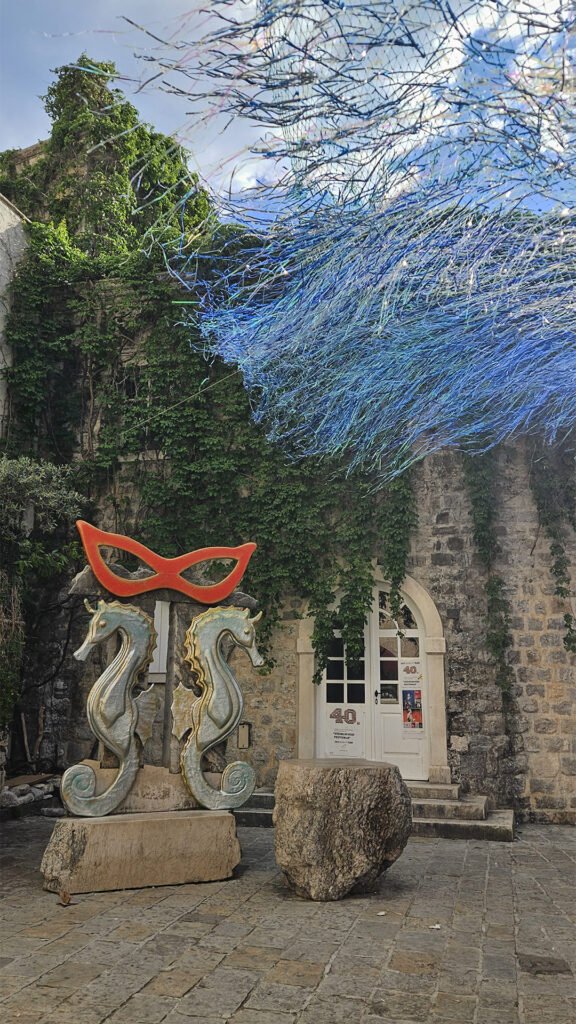
In the 19th century, the Citadel was rebuilt and used as a military garrison; previously, it housed the small church of Santa Maria de Castelo, which was destroyed during reconstruction. Today, the Citadel is a private space with museum and gastronomic facilities, as well as one of the best vantage points for views of the Old Town and the sea.
Čučuci Waterfall: A Small Seasonal Trail Above Rafailovići and Bečići
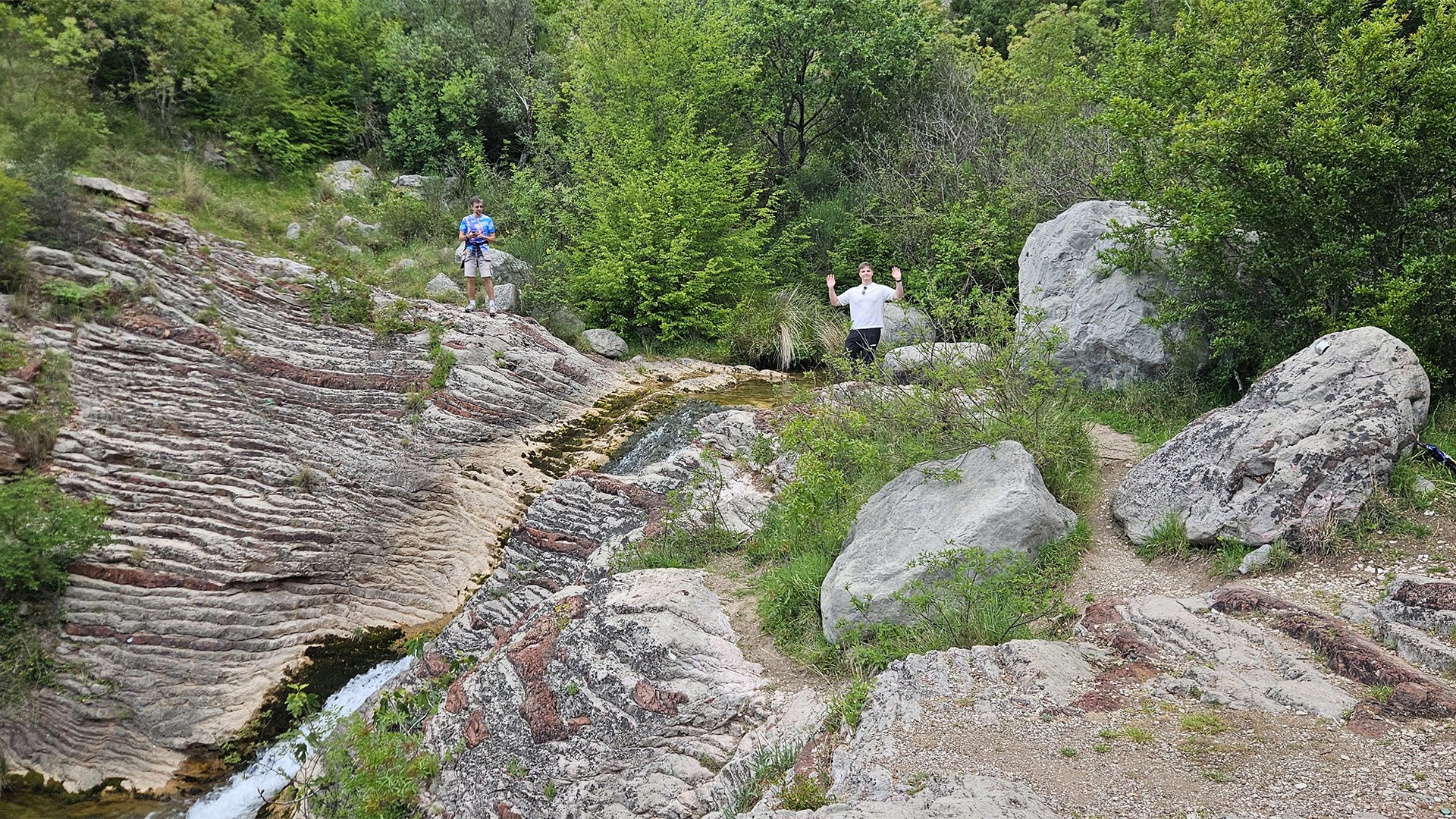
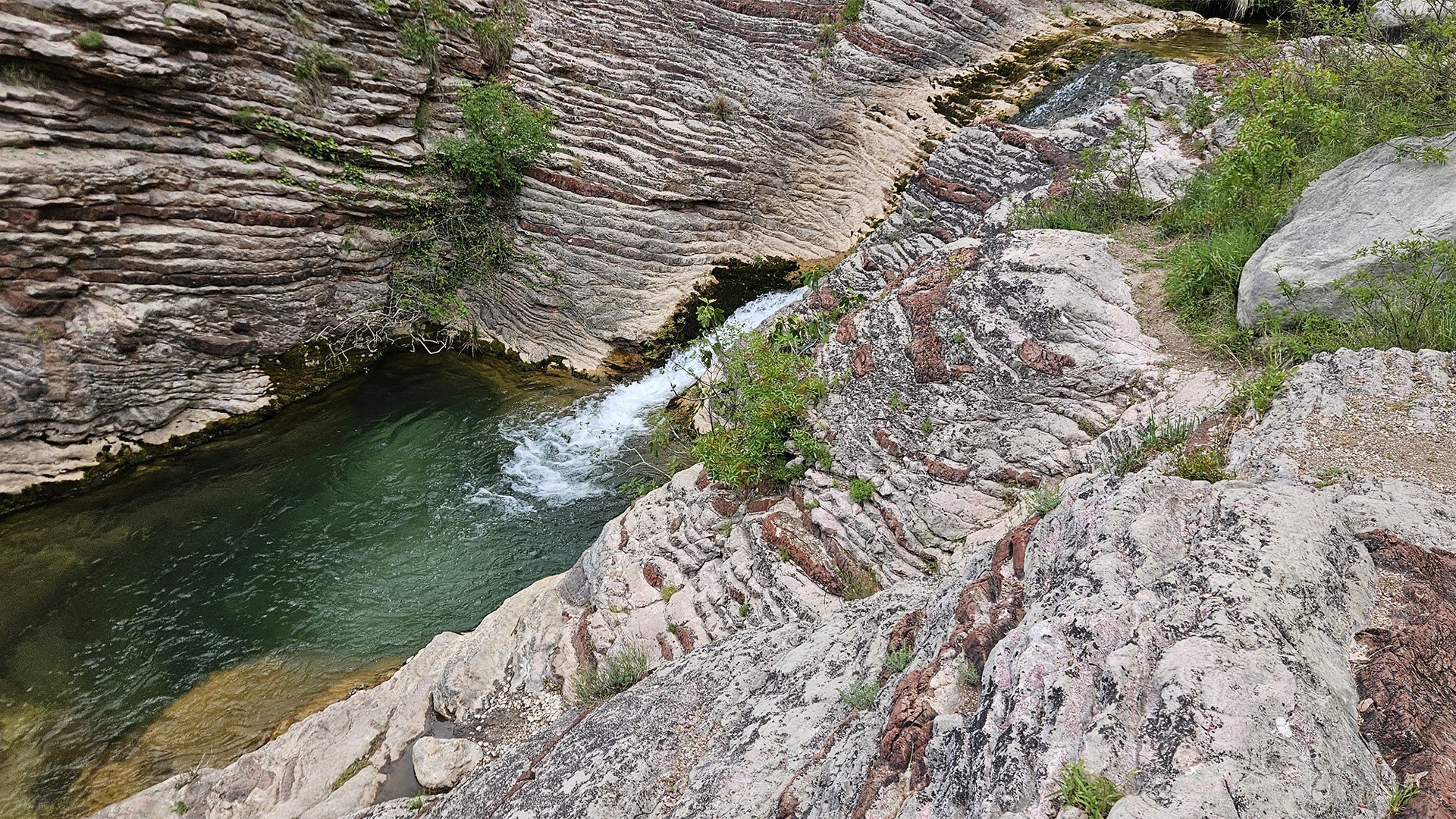
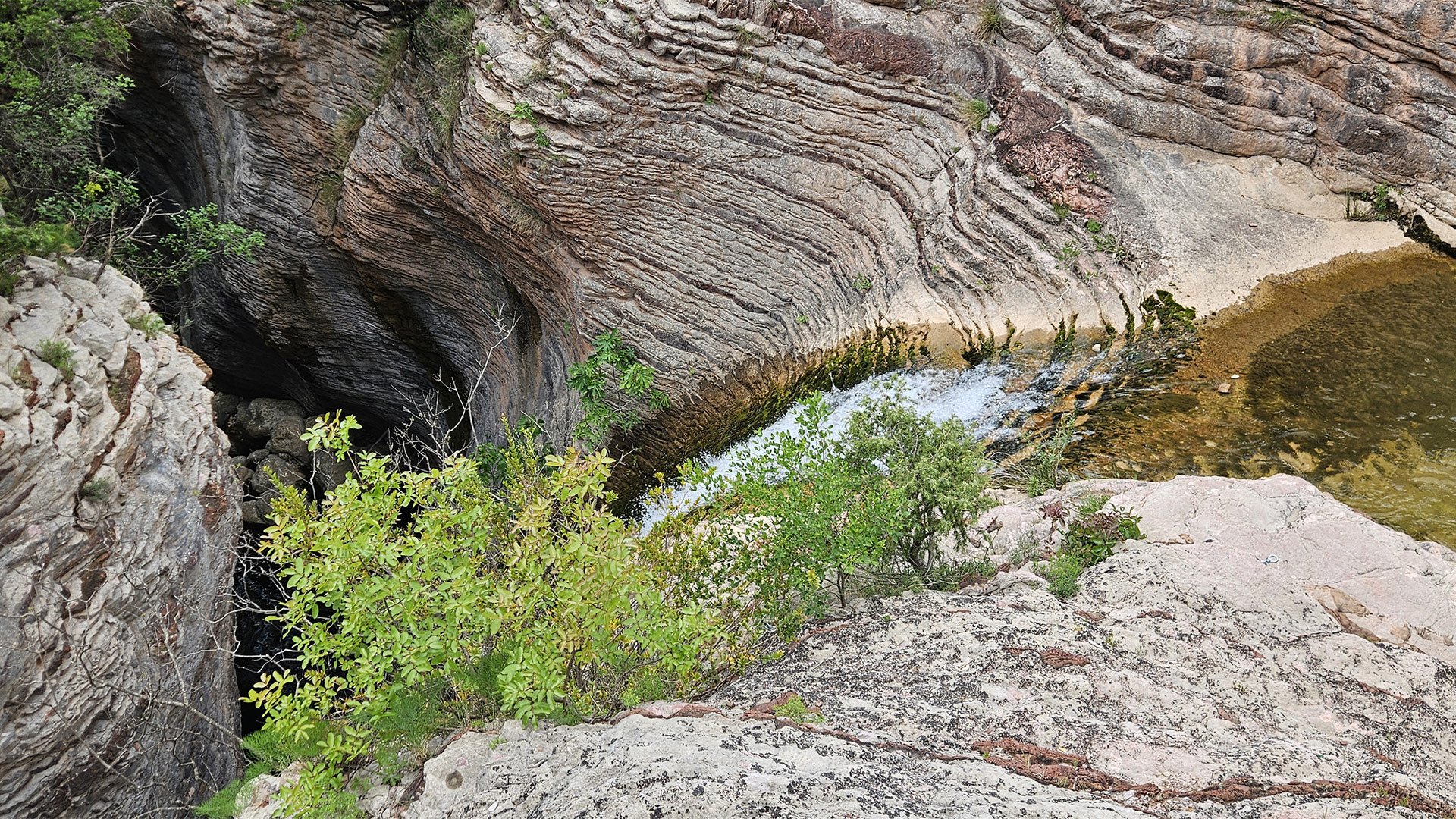
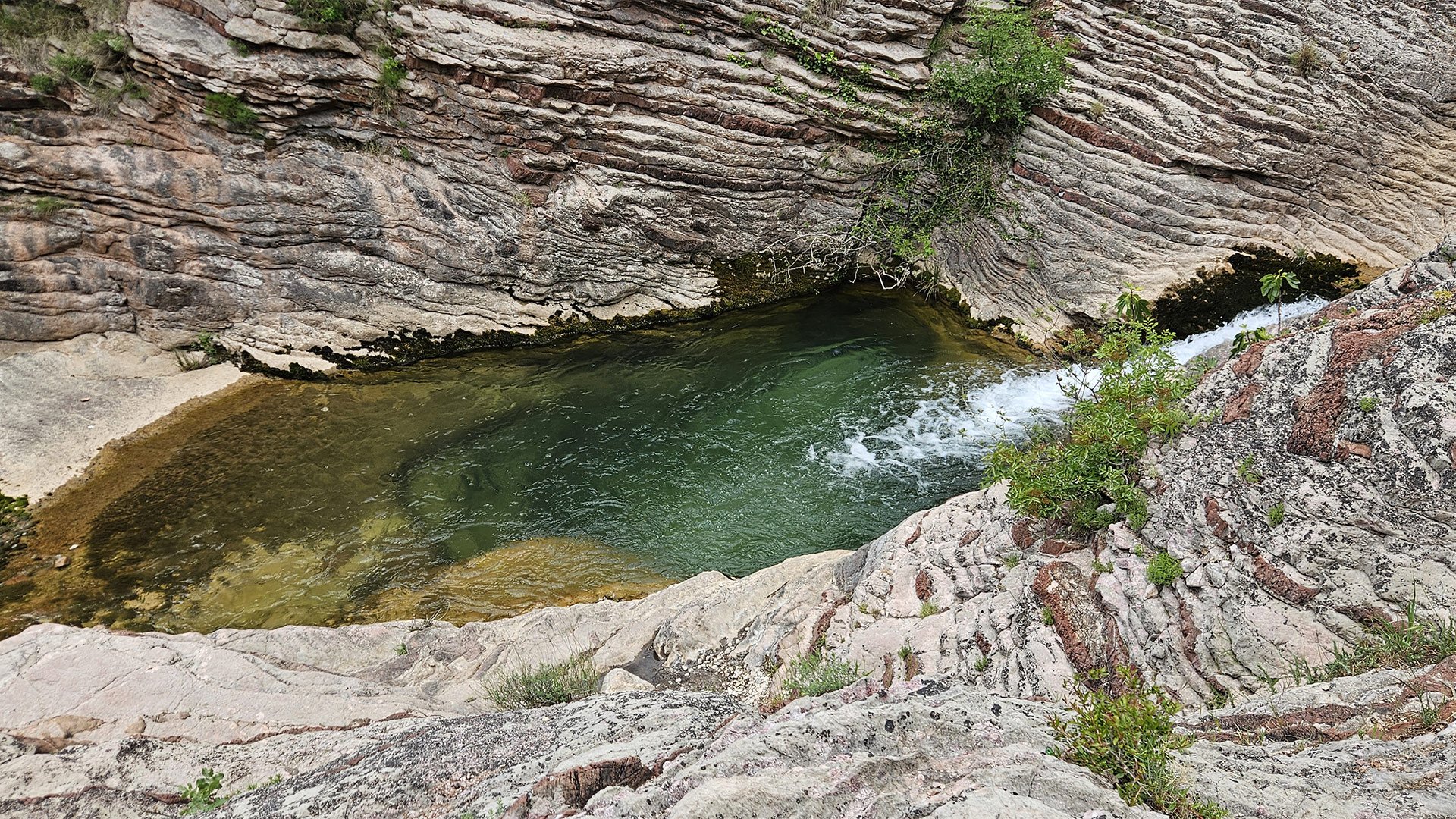
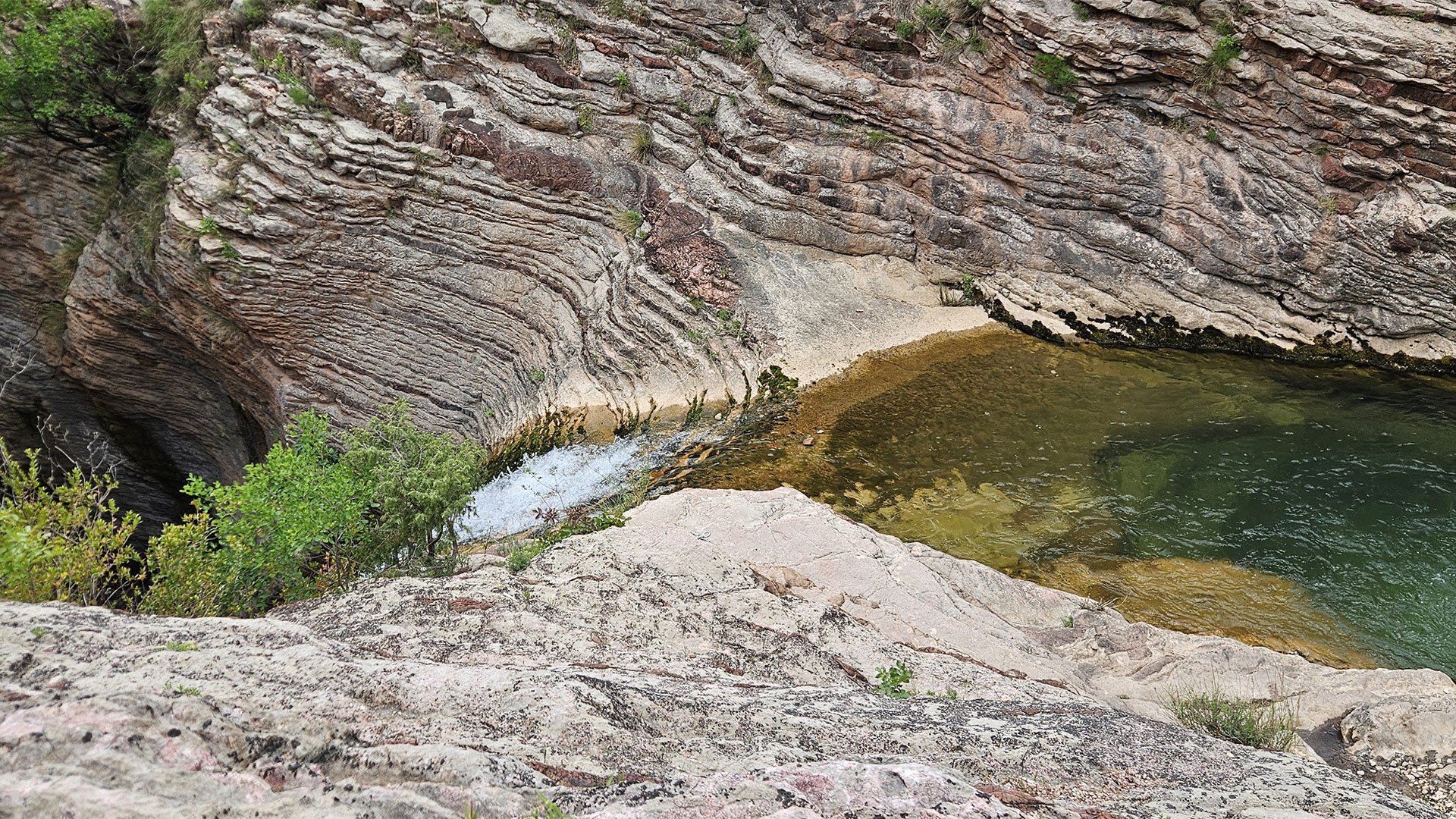
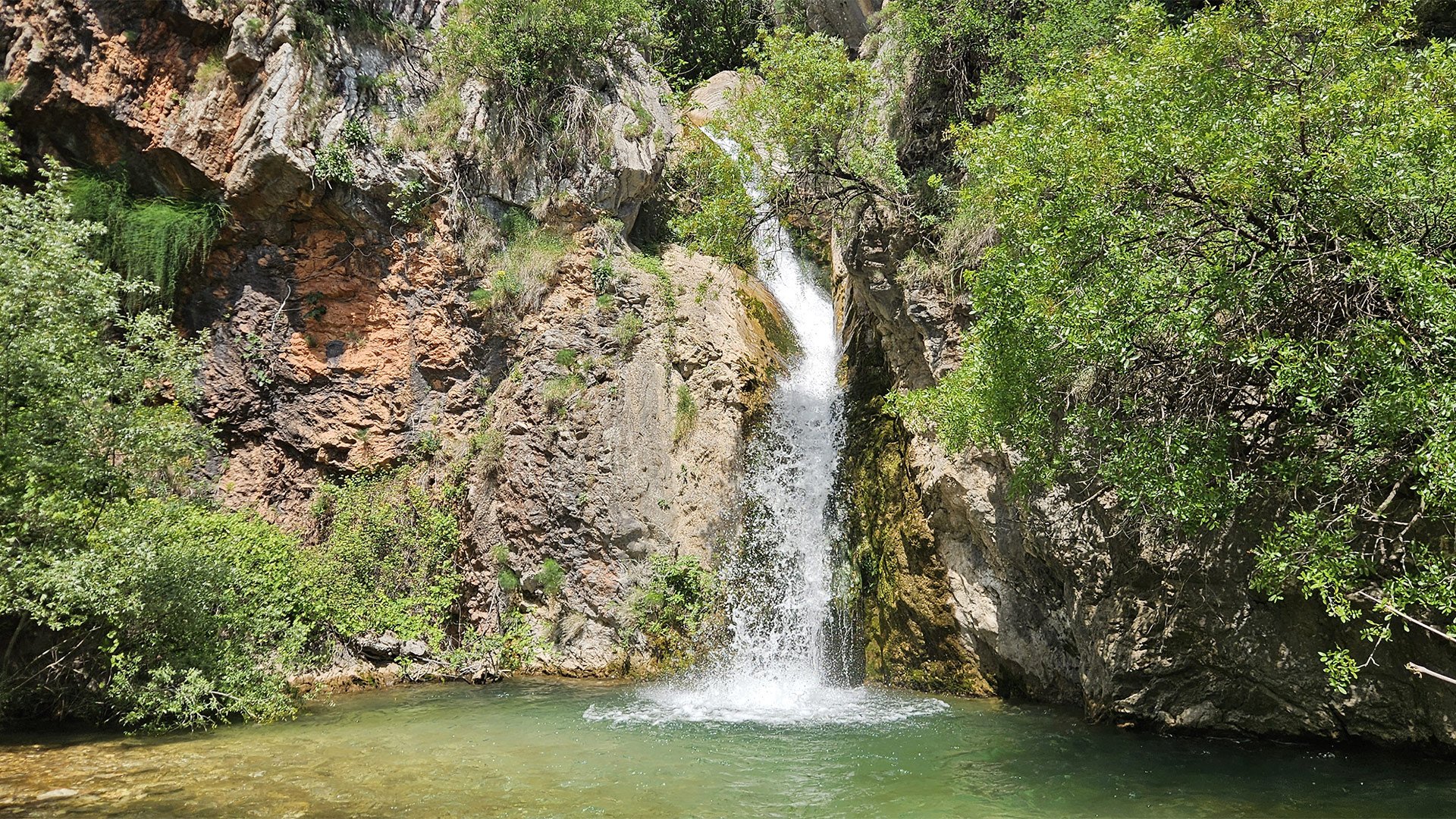
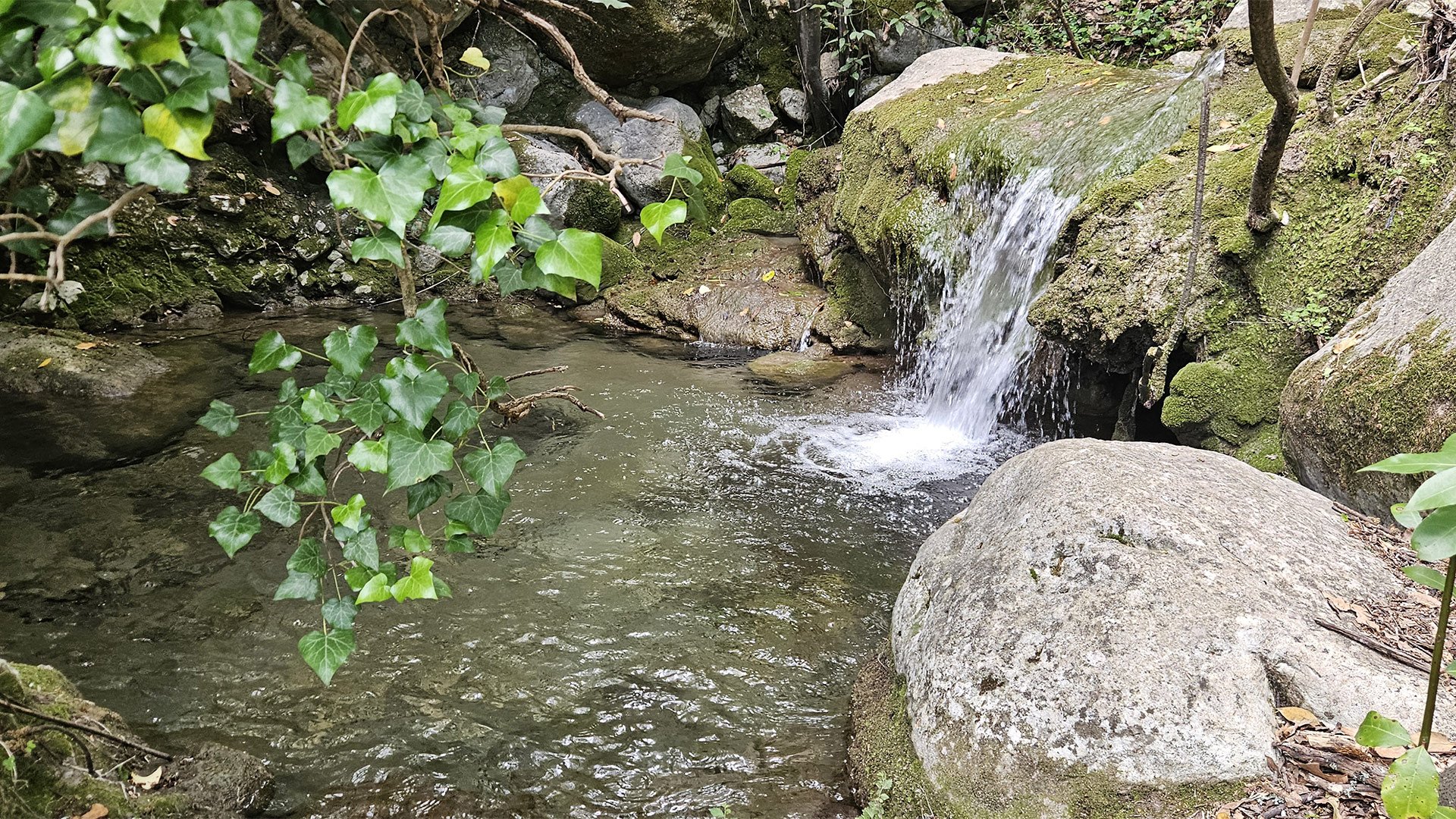
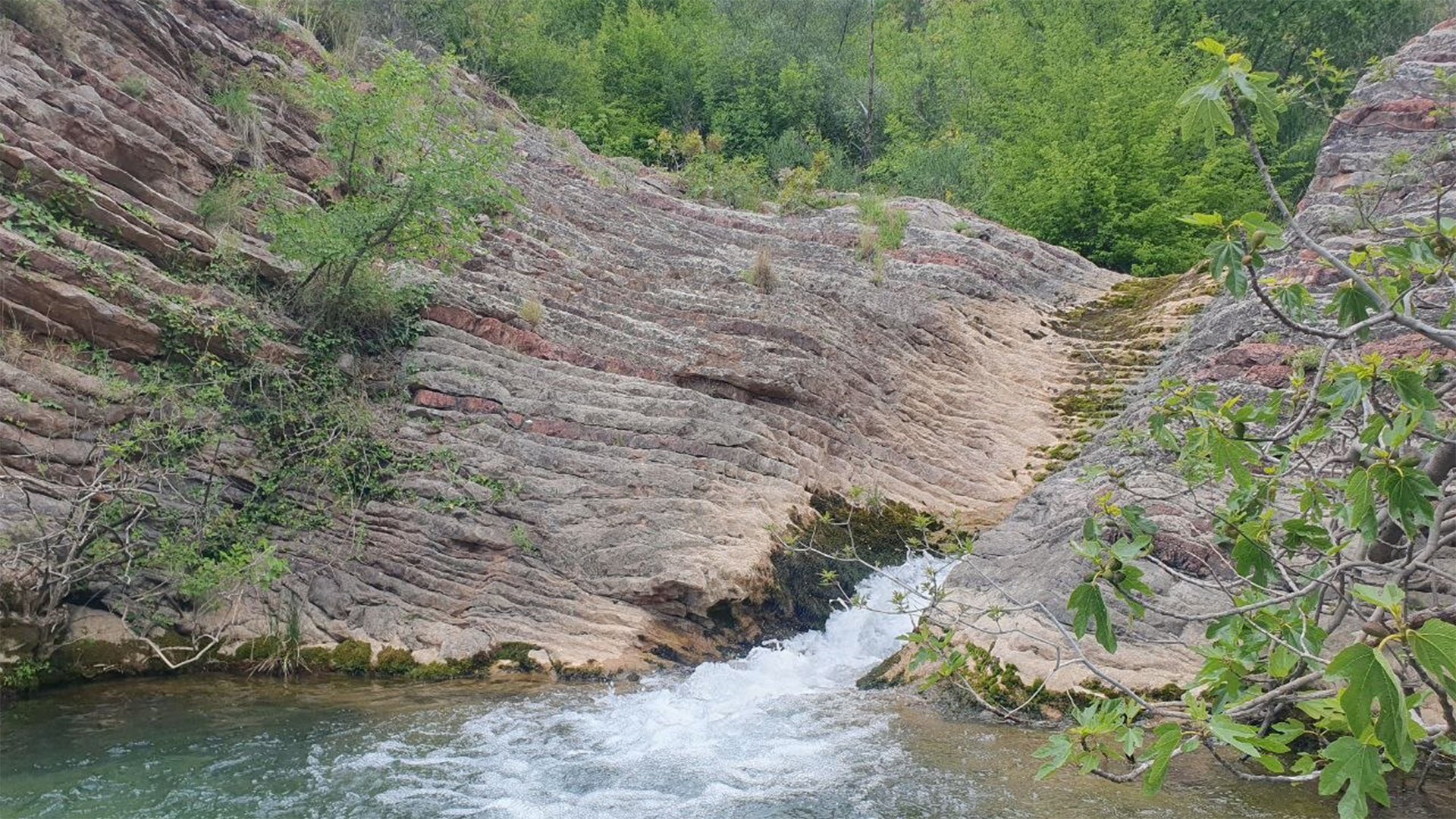
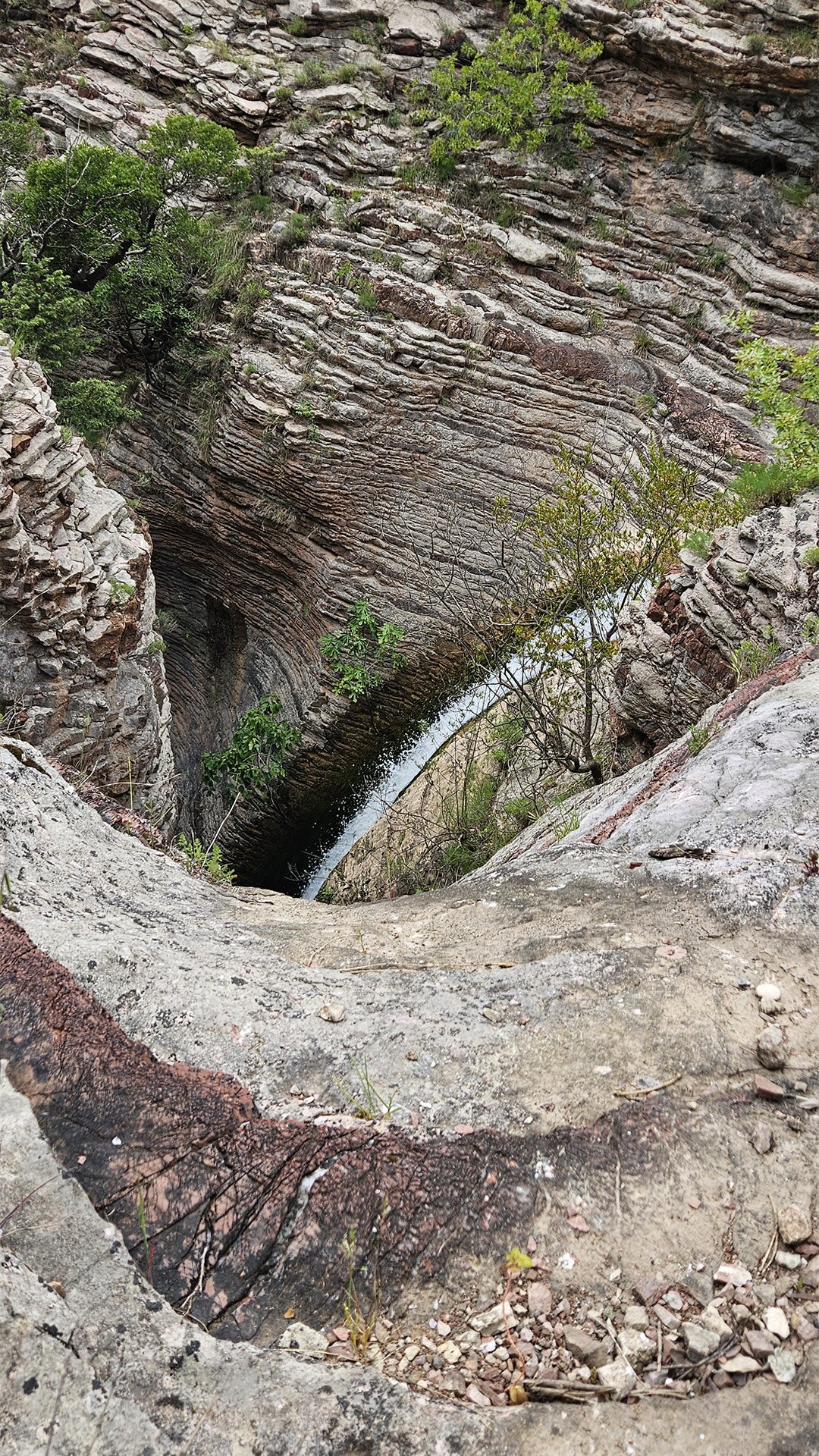
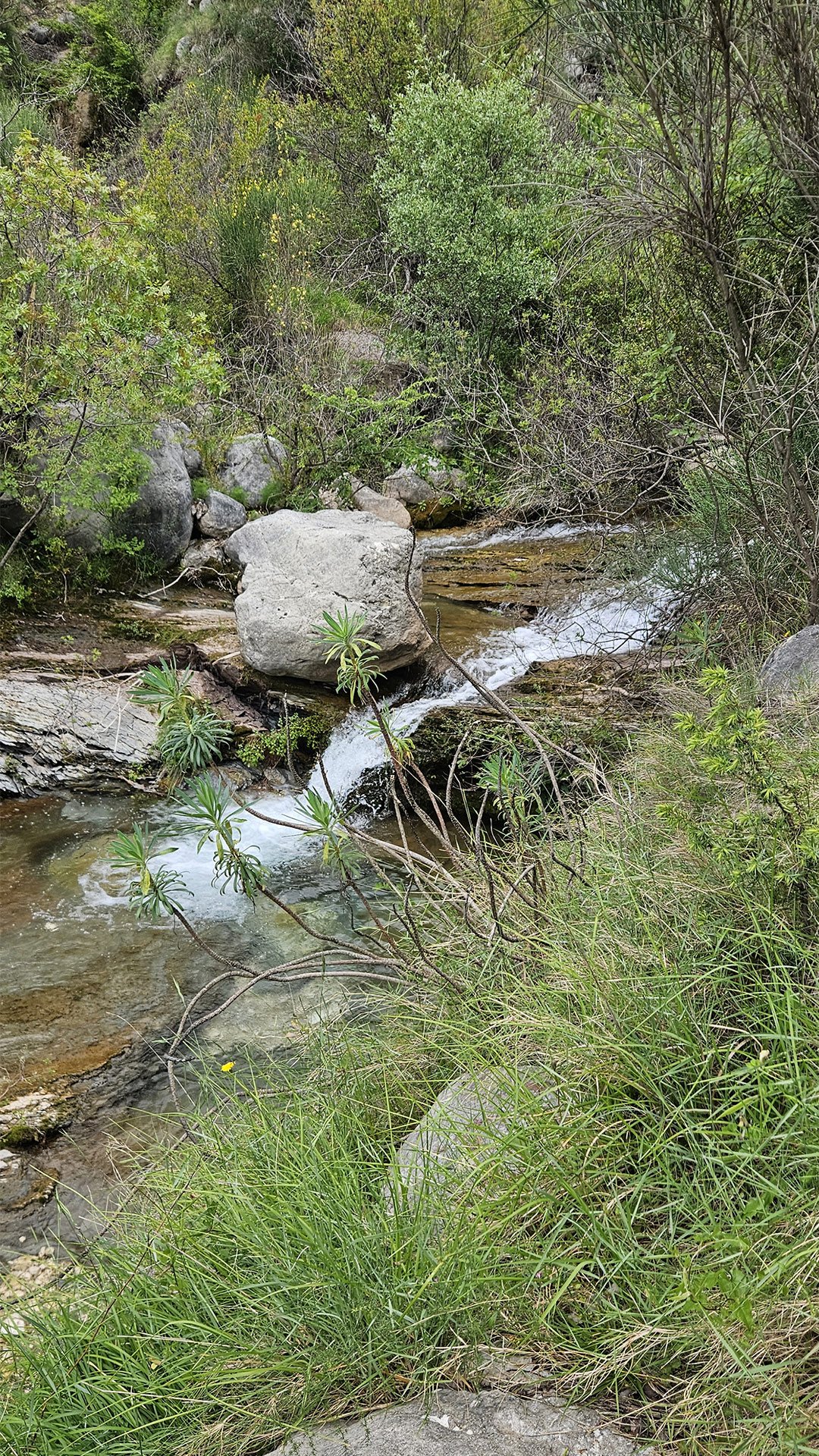
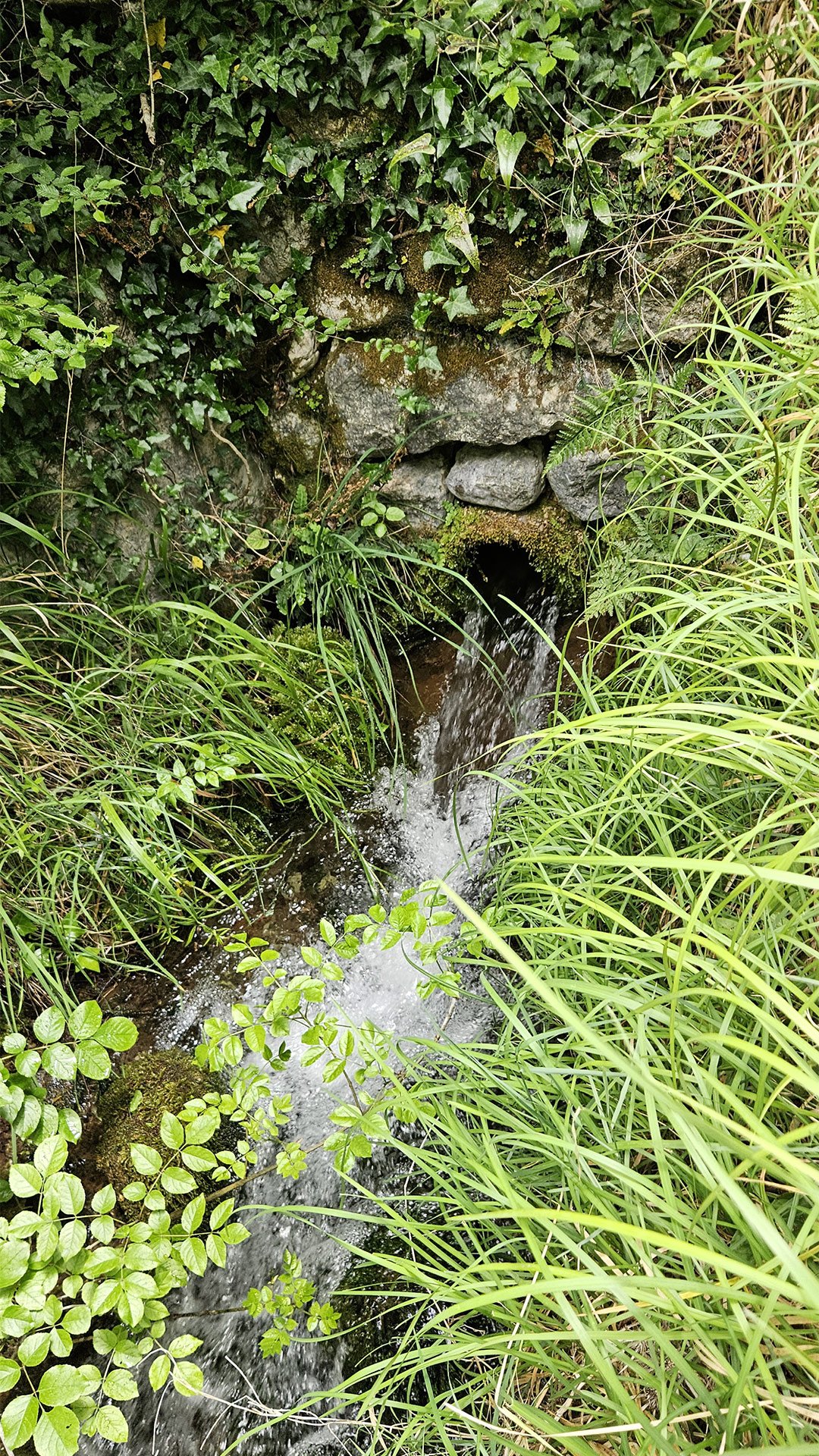
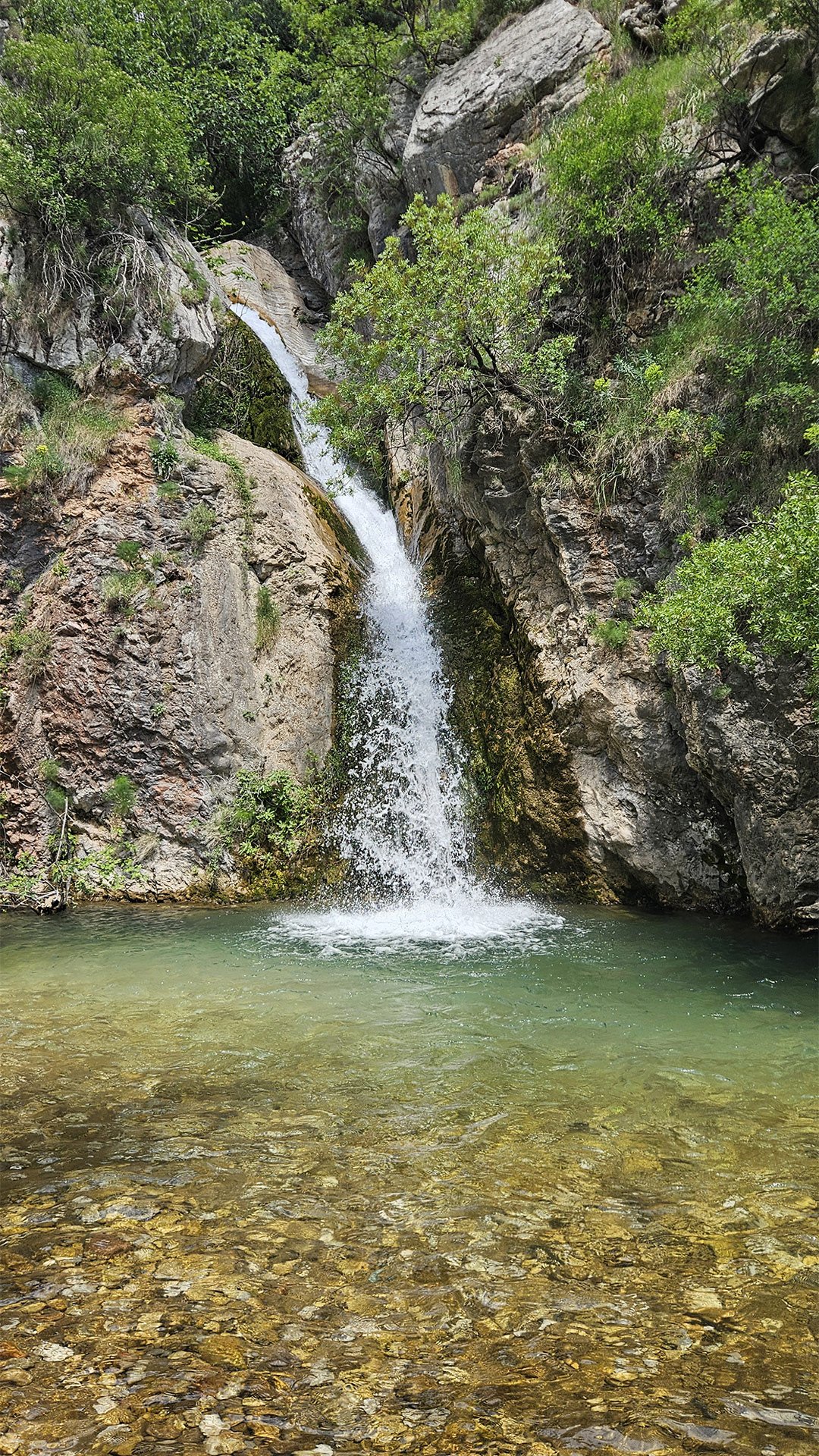
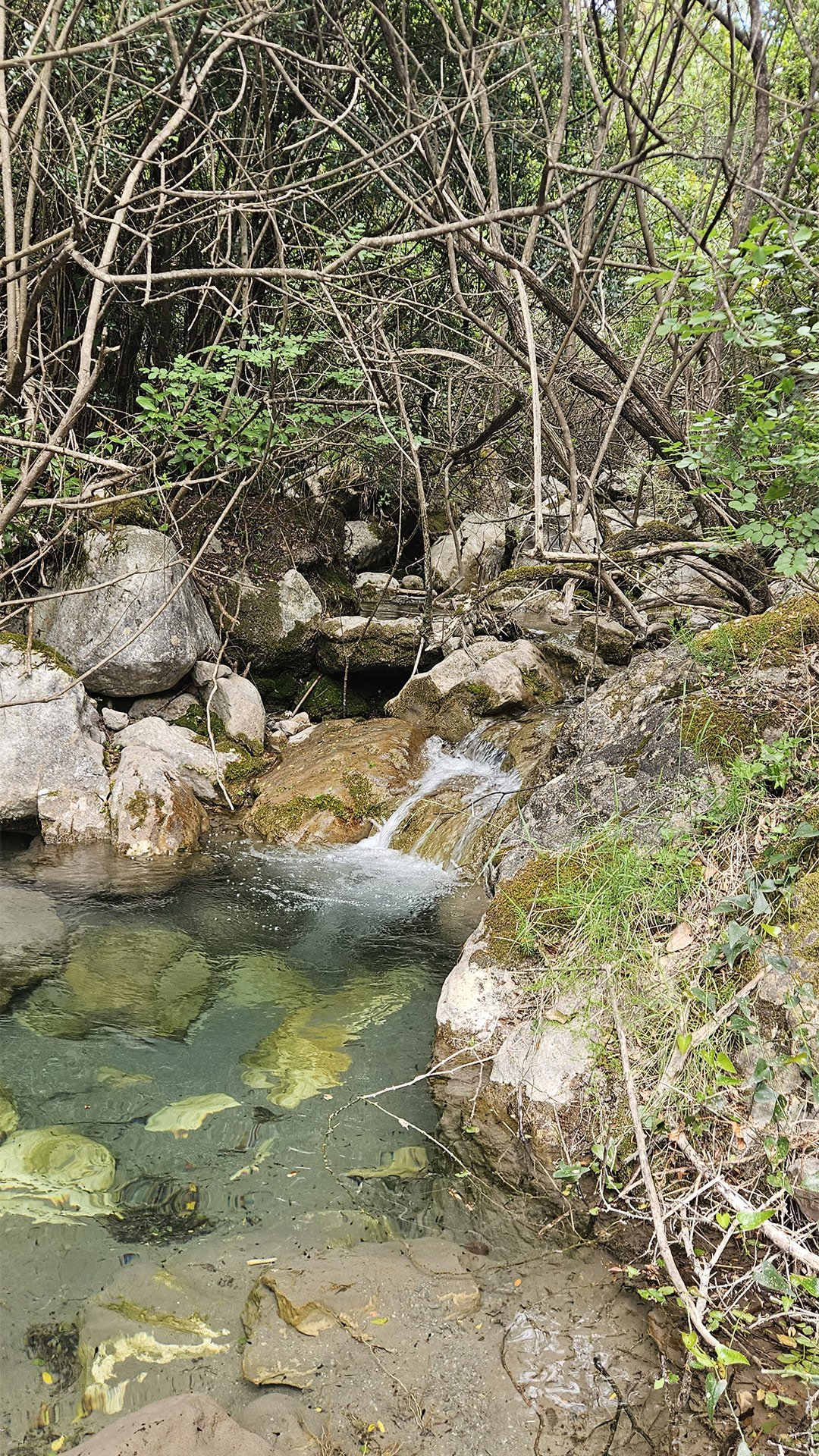
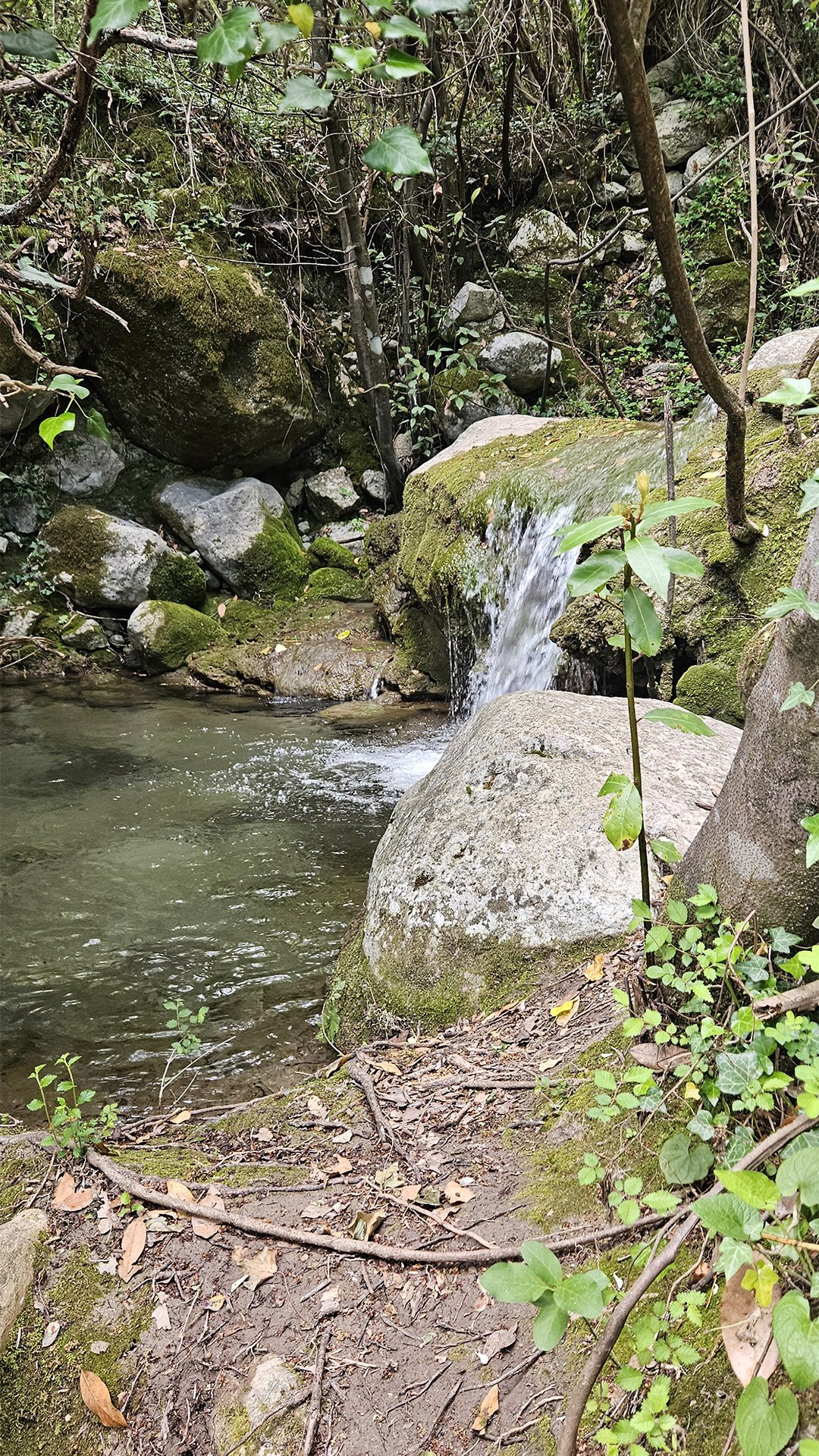
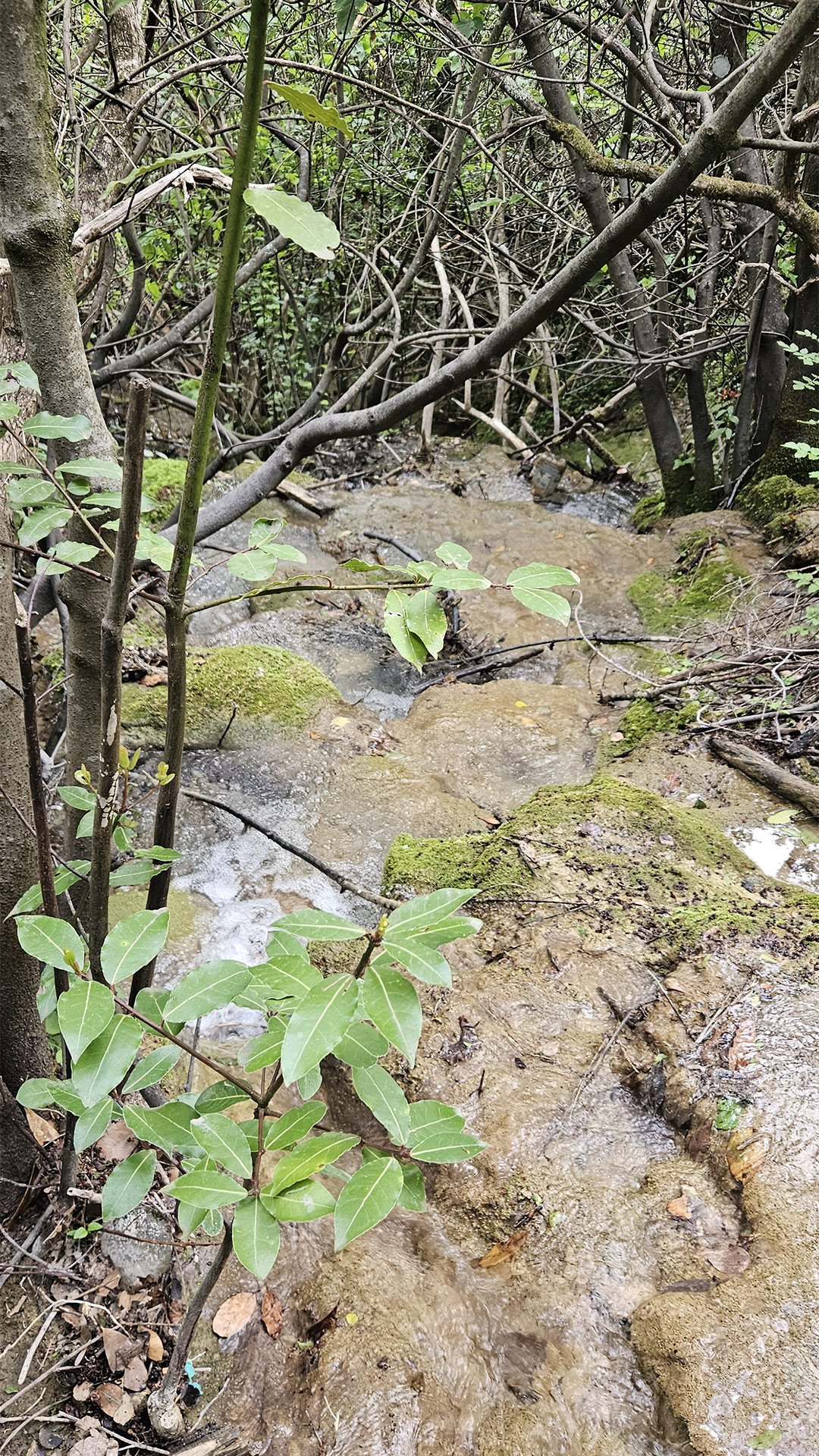
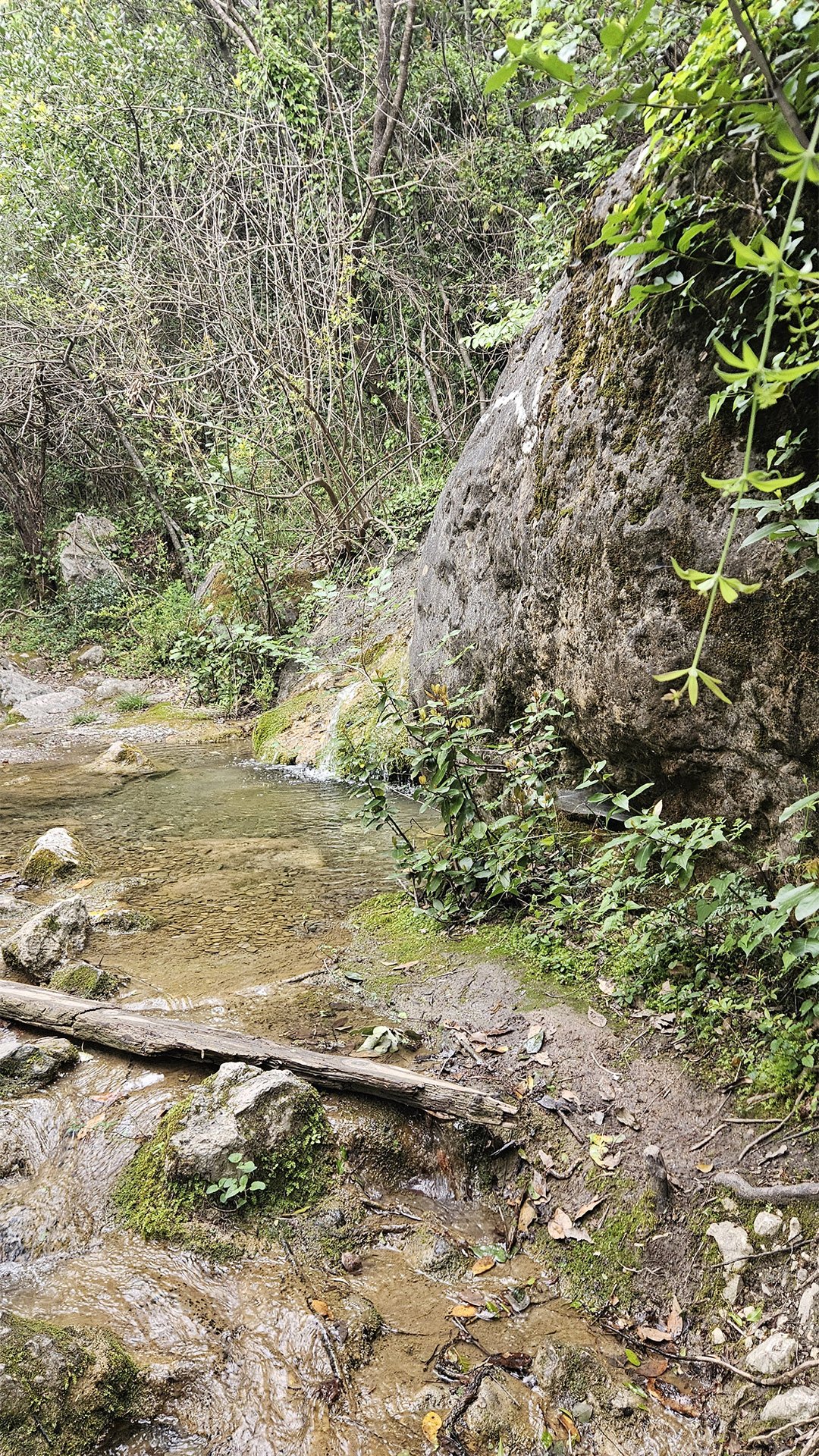
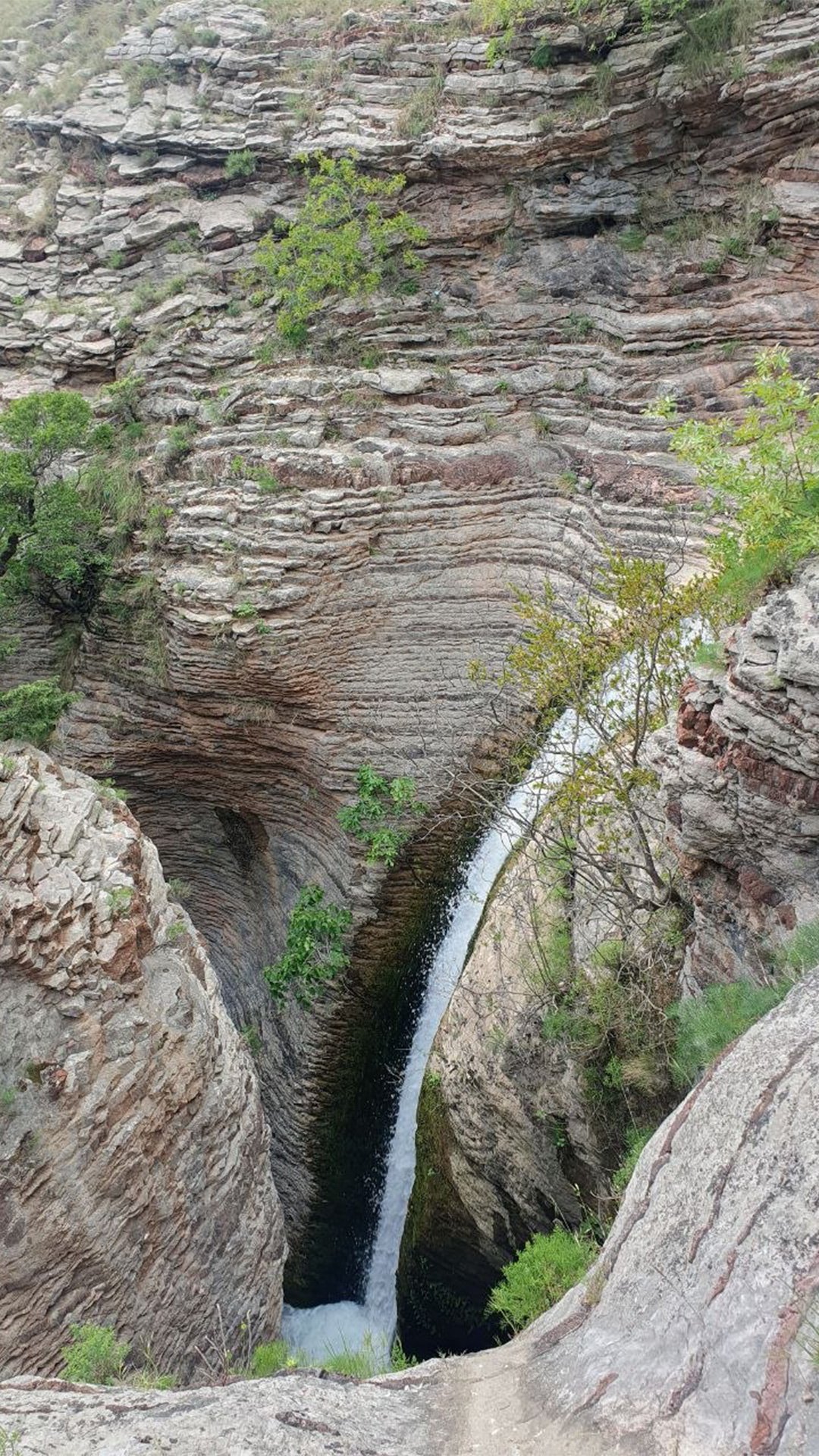
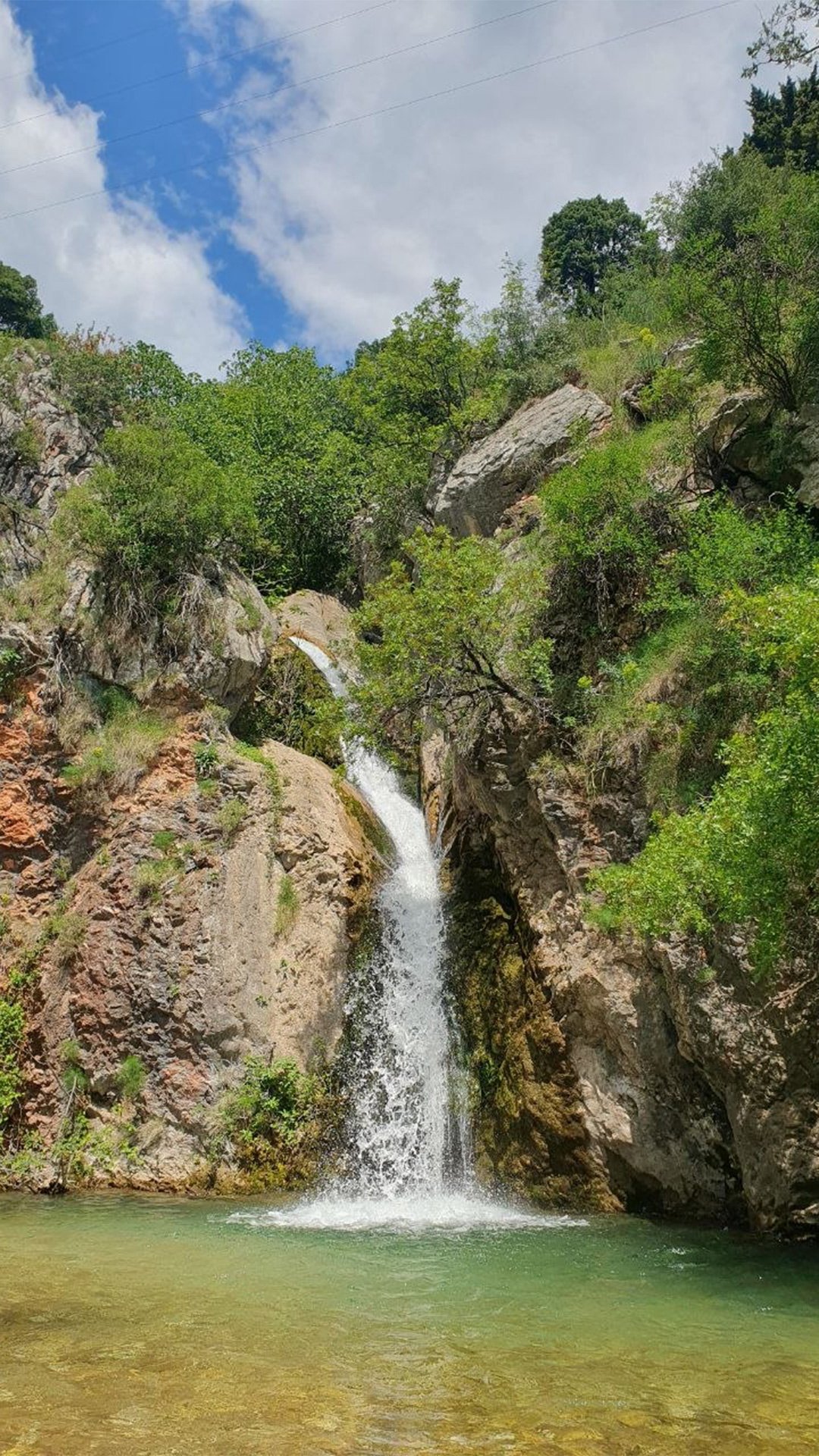
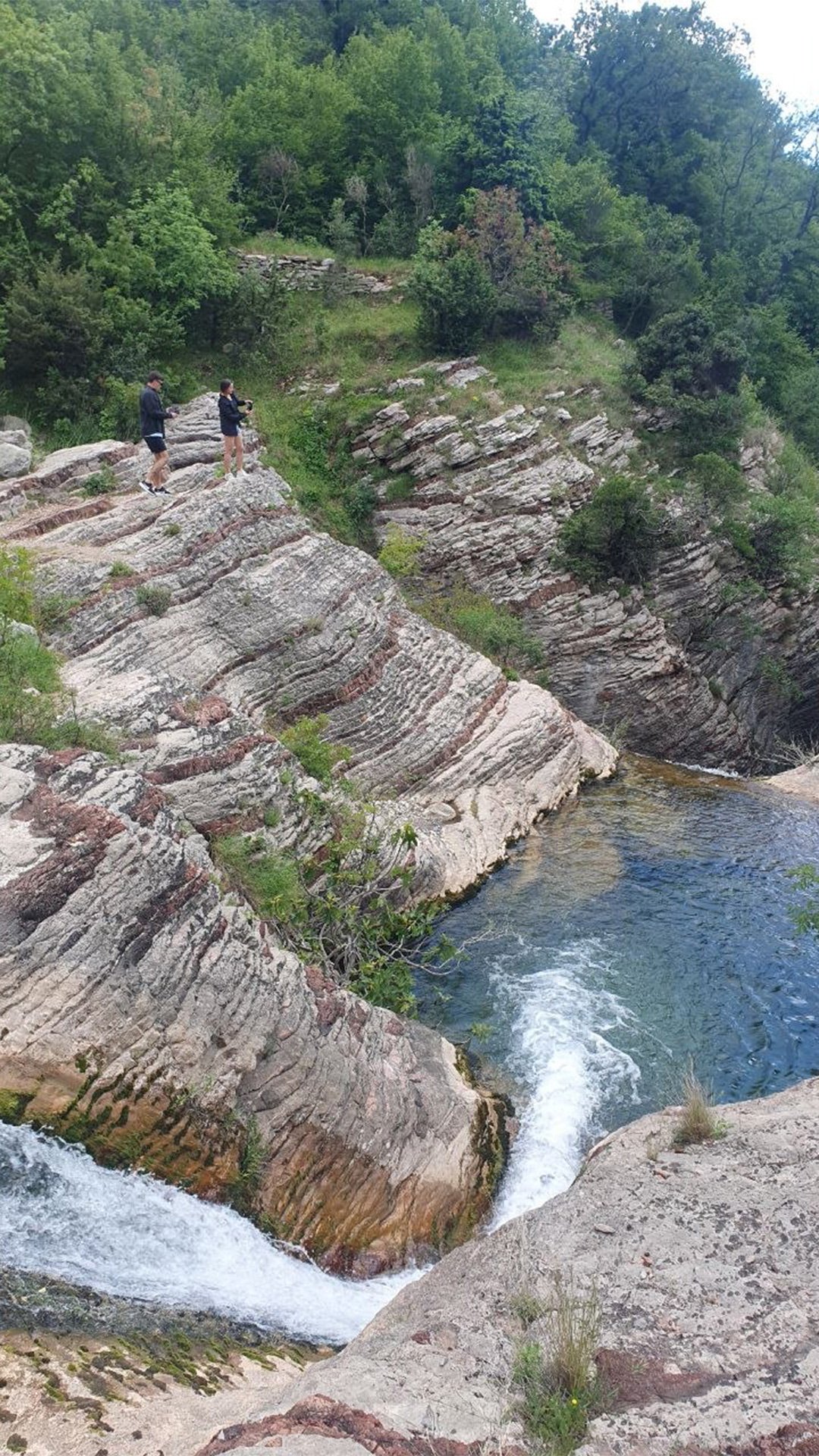
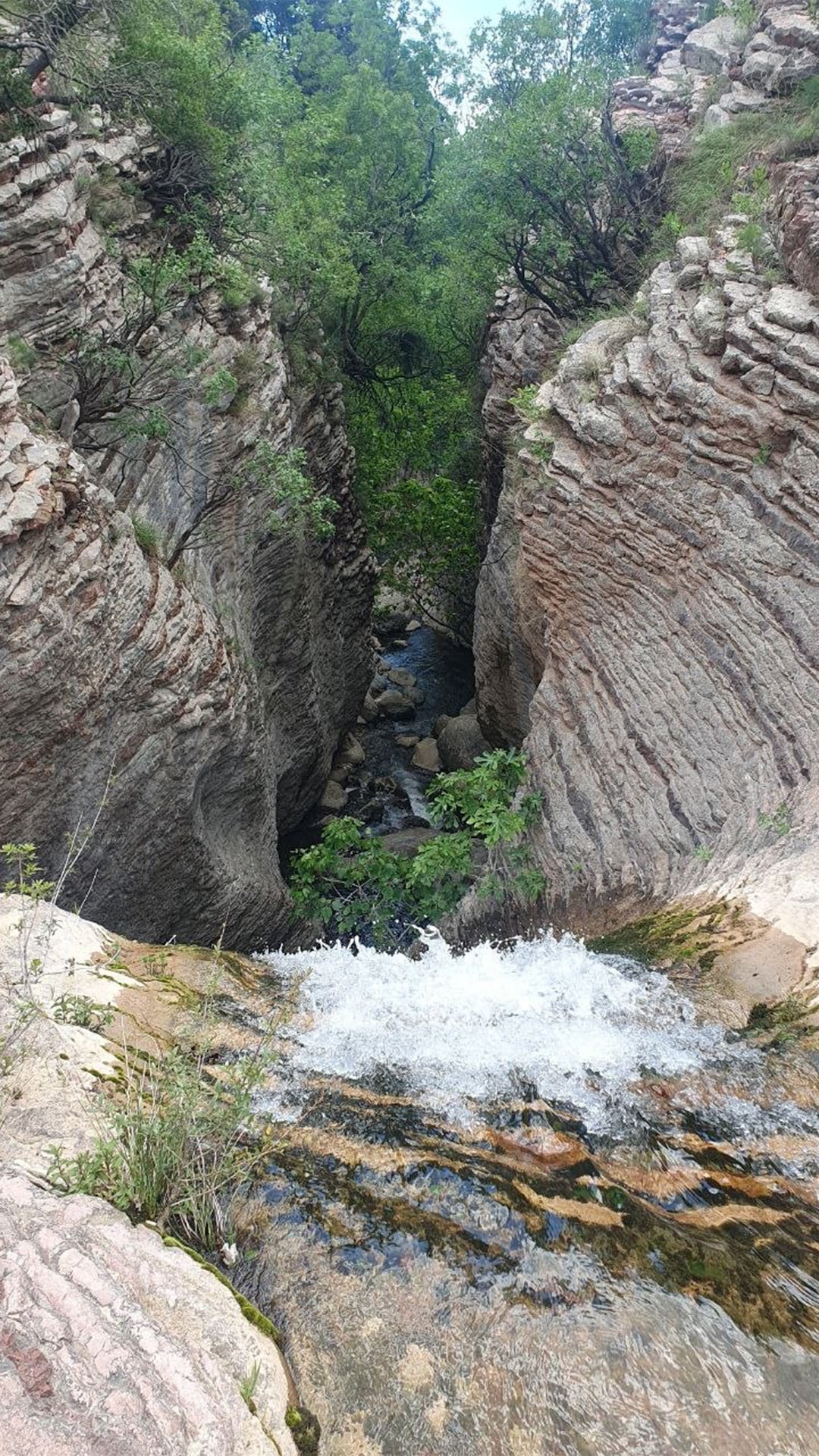
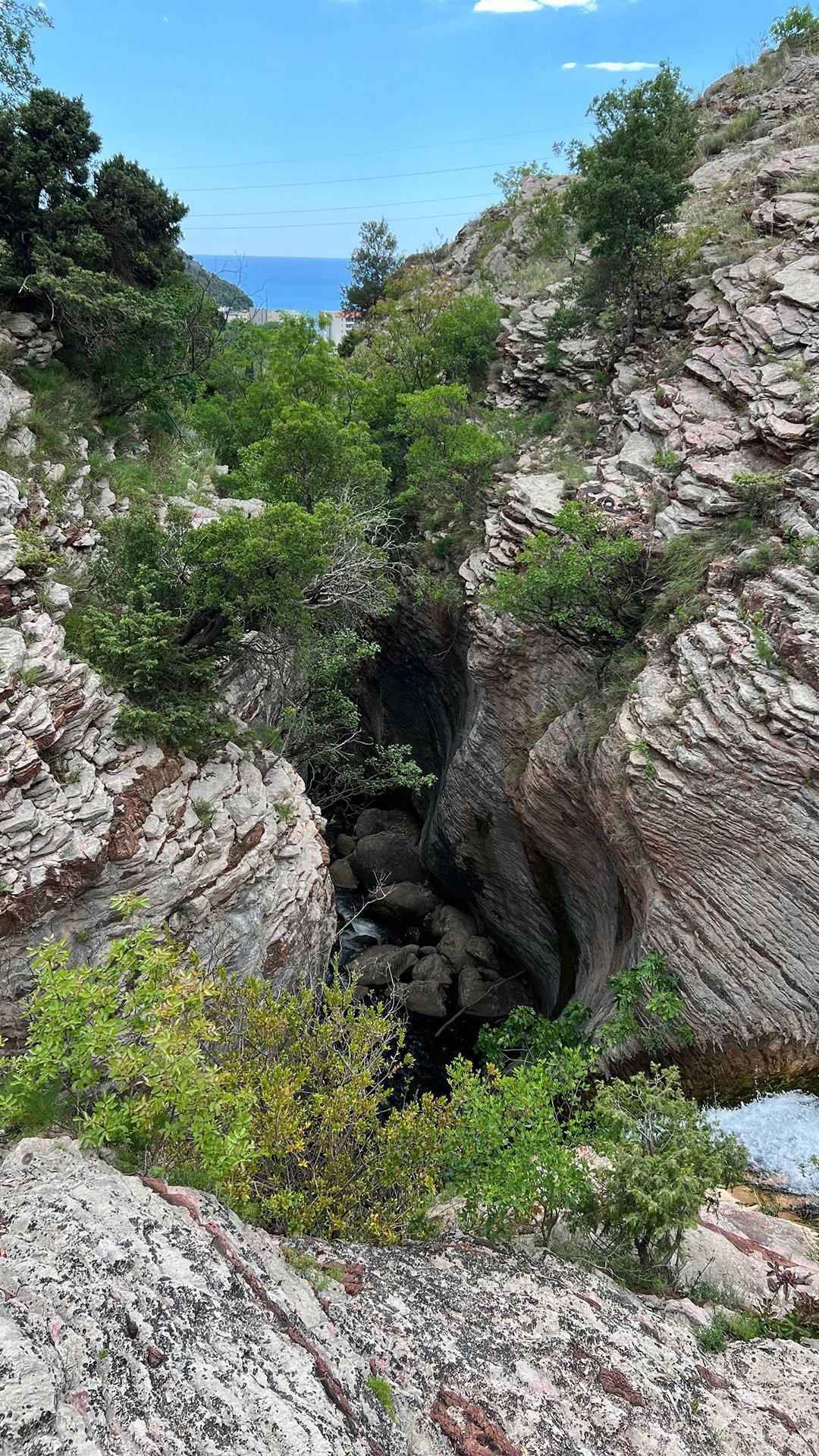
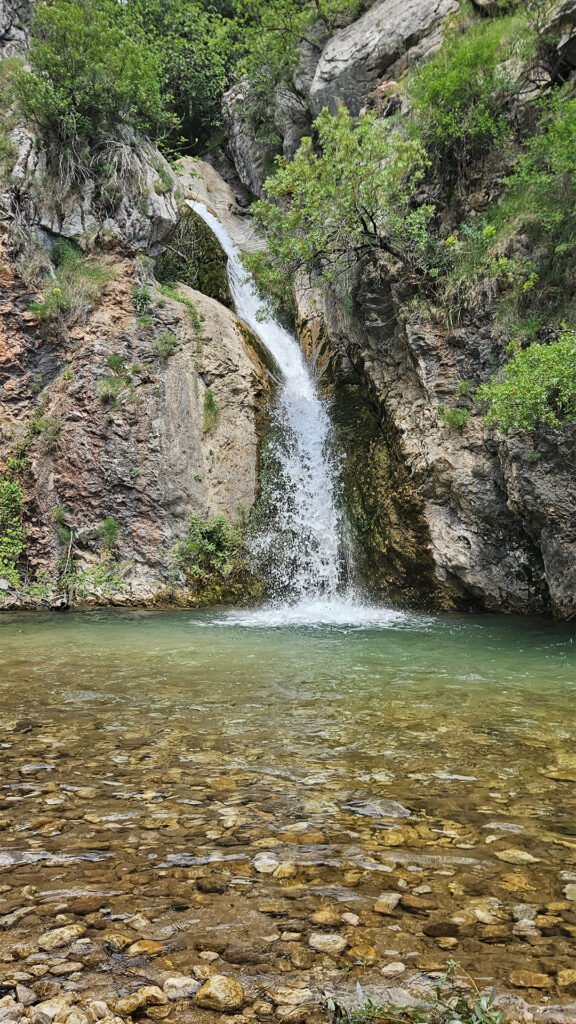
Čučuci Waterfall isn’t a classic “big attraction” with a ticket office, signs, and infrastructure. Atlas Obscura describes it as a small seasonal waterfall in the hills above Rafailovići, near Budva: a narrow stream of water descends among Mediterranean vegetation and is especially noticeable after spring rains or during wet periods.
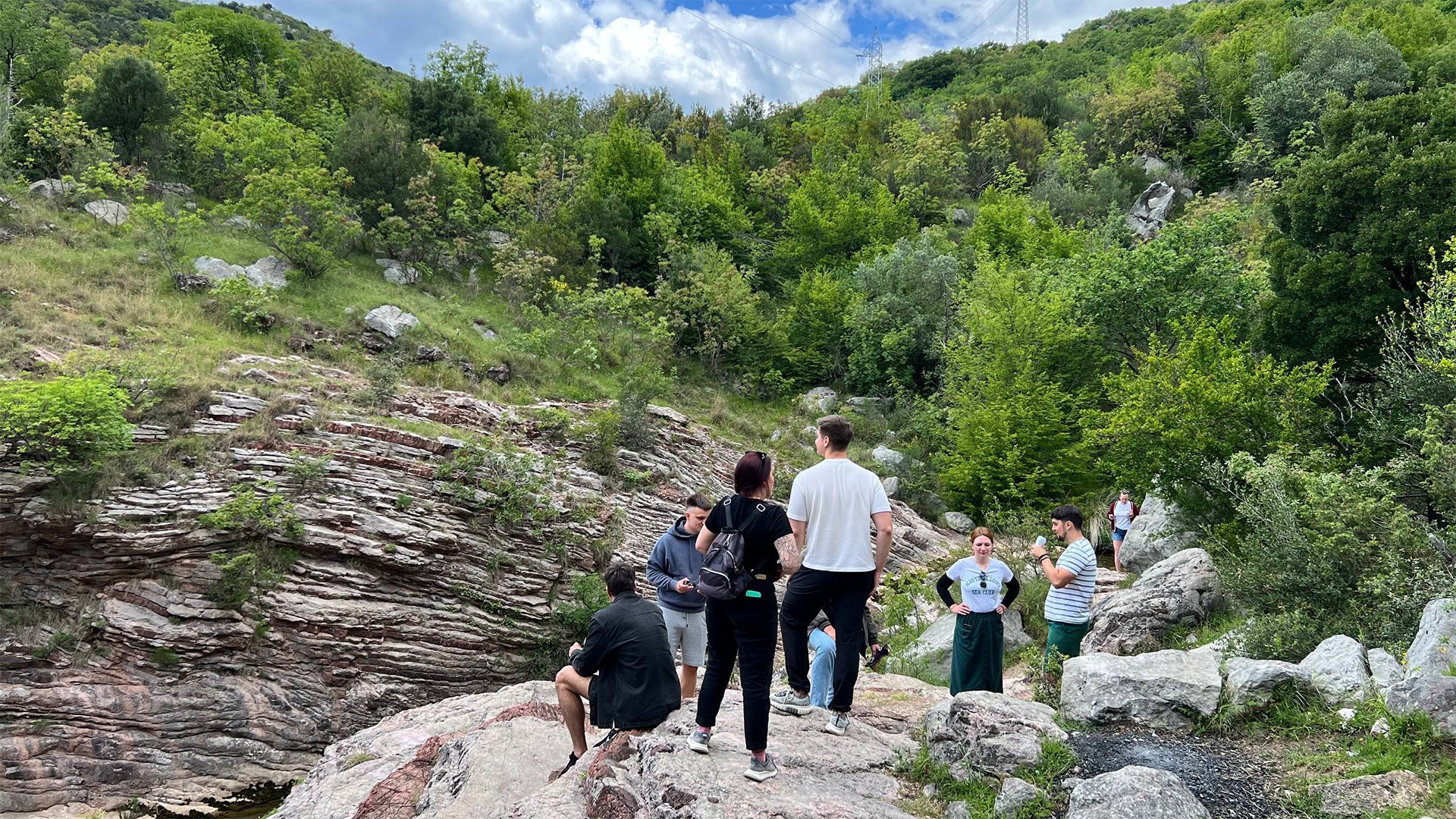
This place is best viewed as a short exploratory walk rather than a full-fledged water attraction. Atlas Obscura explicitly warns: the trail is unmarked, there are no official signs, the final approach is over uneven terrain, comfortable footwear is required, and the waterfall itself may dry out after a long drought.
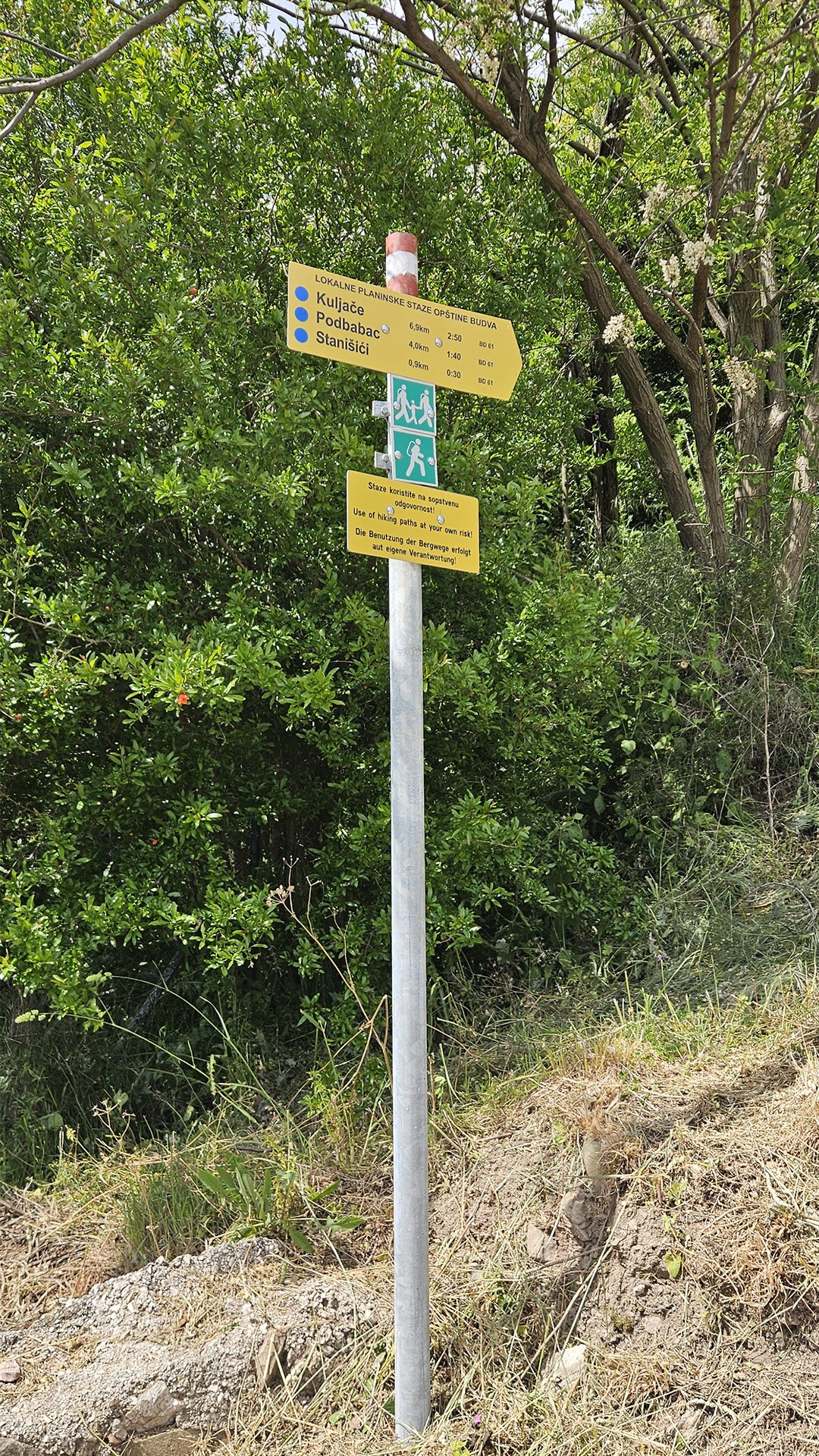
The Wikiloc GPS track for the “Čučuci – Bečići Waterfall” trail gives an idea of the scale of the hike: published in January 2026, the trail is 1.63 km long, has an elevation gain of 42 m, and marks the waterfall at approximately 125 m. This is not an official municipal route, but it is a useful navigational tip for those with experience hiking independently.
Velja Maslina in Ivanovići: Living Memory of the Budva Coast
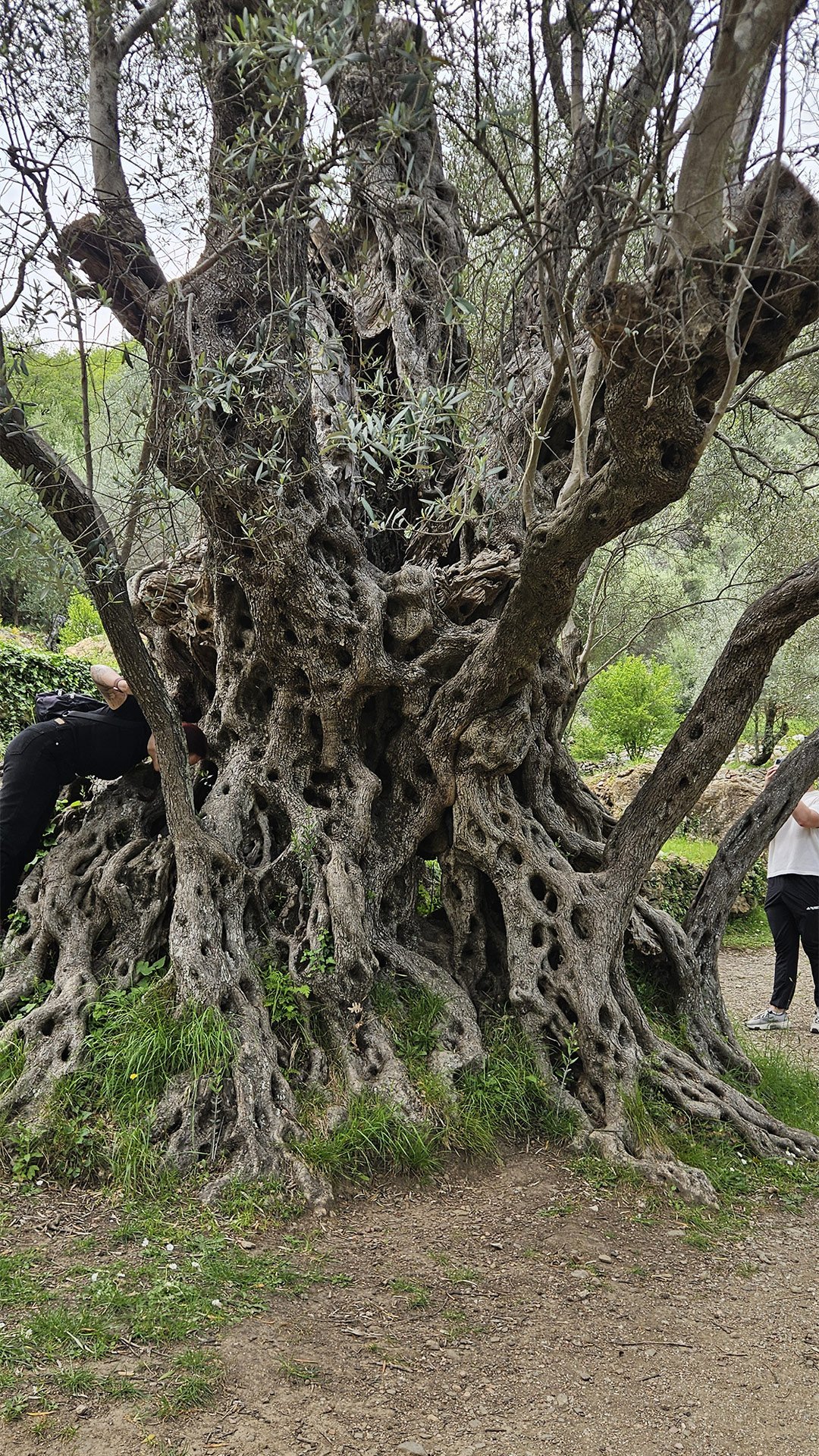
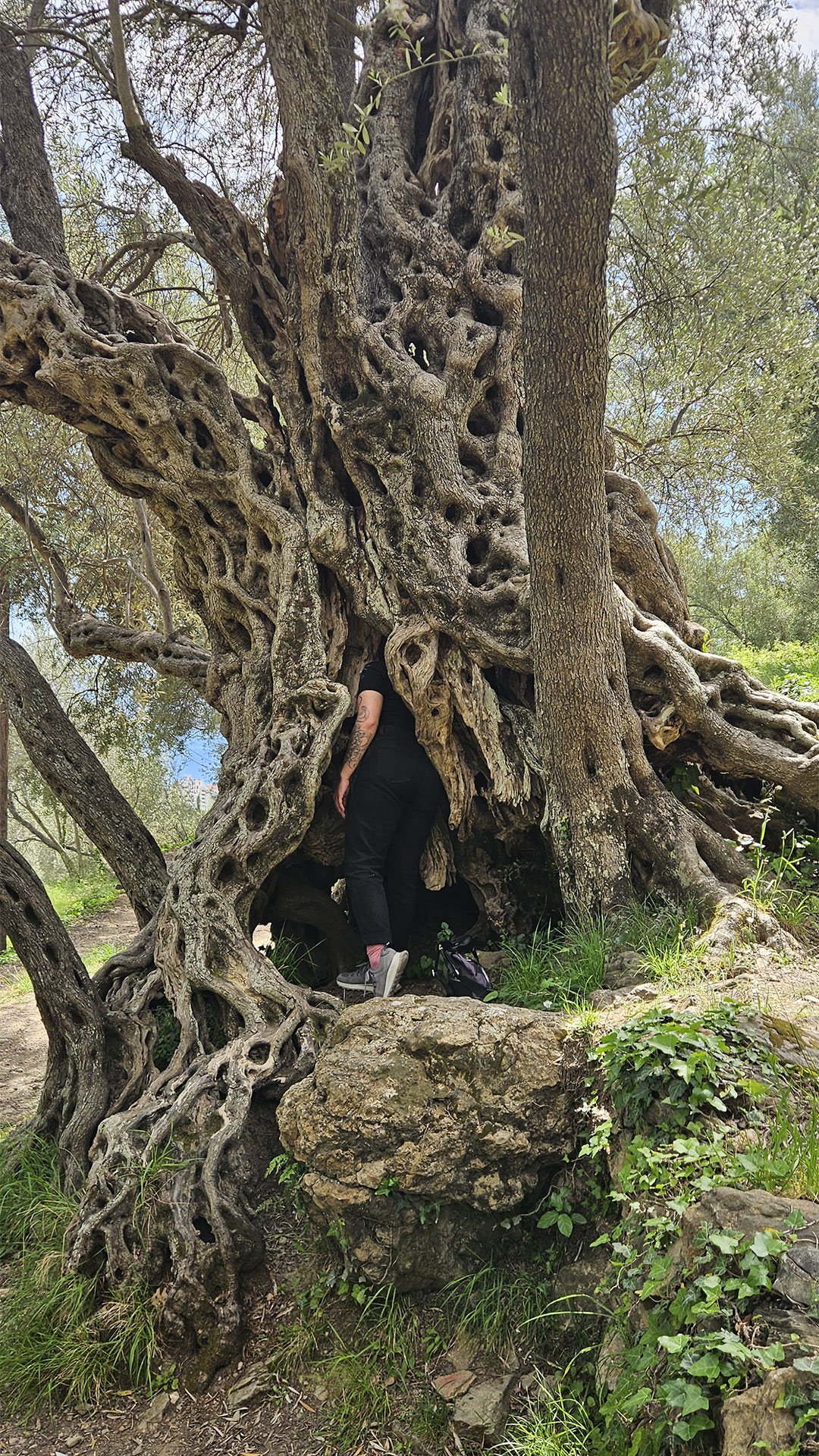
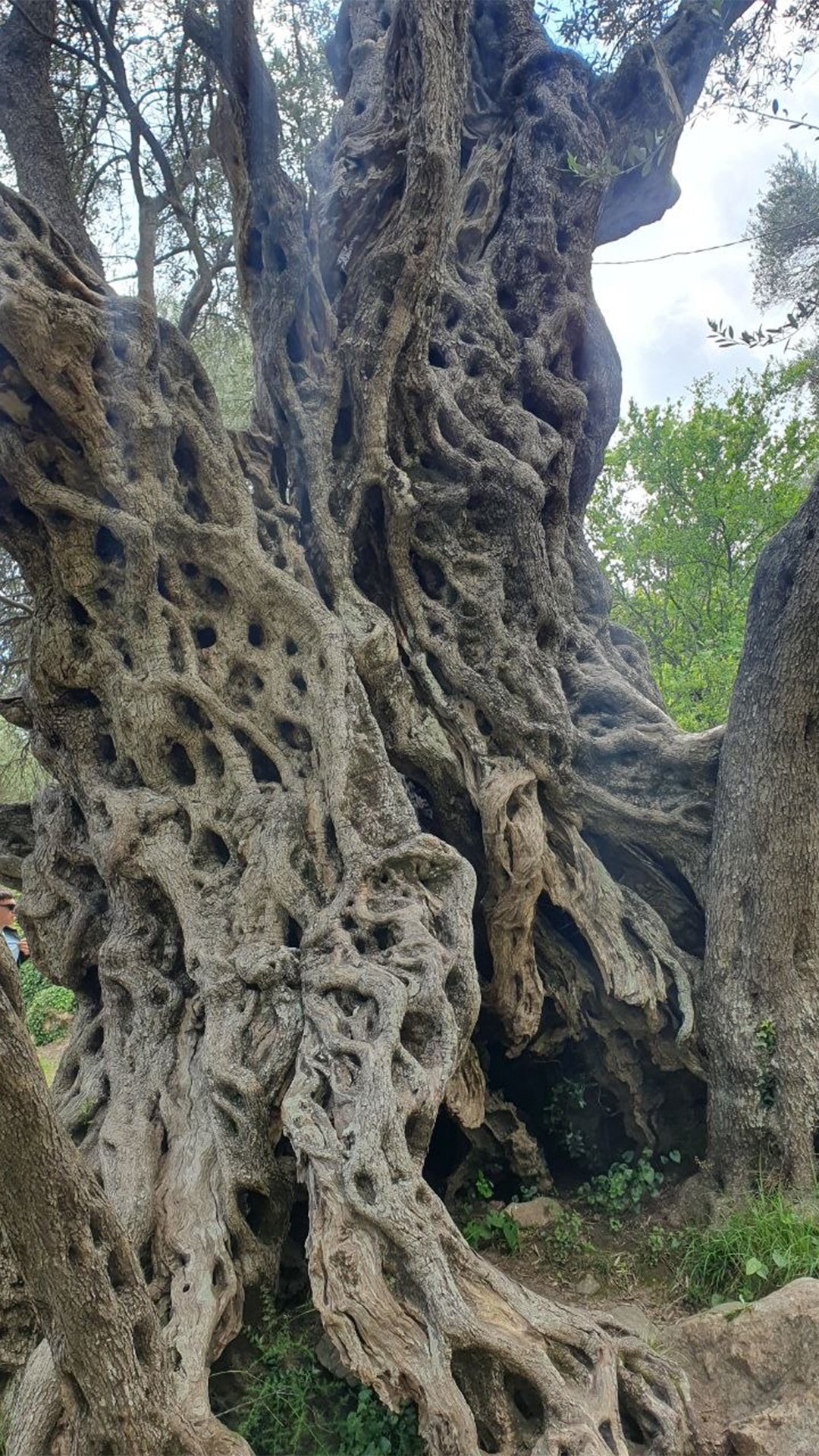
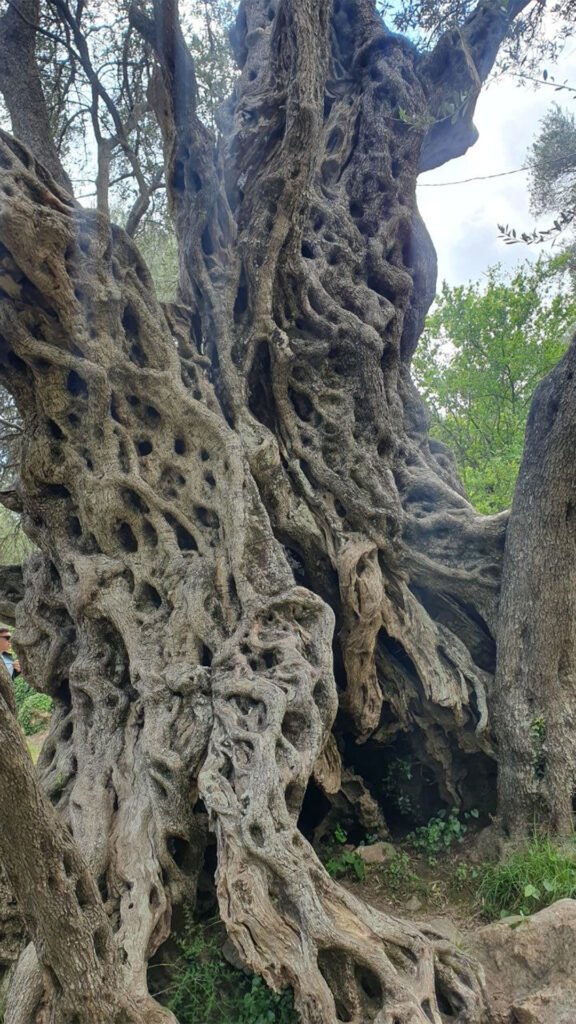
The Old Olive Tree in Ivanovići is one of the most powerful symbols of Budva’s hinterland, the rural area above the coast. The Budva Tourism Organization points out that in the village of Ivanovići, near Budva, there is an olive tree that is approximately 2,000 years old; together with the Old Olive Tree in Bar, it is considered one of the oldest on the Adriatic.
The official figures are impressive: the circumference at the root collar is 12.5 meters, the trunk diameter is 4 meters, and the tree height is 10 meters. The olive tree, a local žutica variety, continues to bear fruit, and in a good year can yield around 250 kg of fruit, or approximately 40 liters of oil.
Velja Maslina belongs to the Ivanović family and has been registered and protected as a natural monument since 1994. It can be reached by a road approximately 2 km from the Budva-Bar highway, turning at the Splendid Hotel in Bečići, then through the village of Ivanovići; the last 30 meters are a stone path.
Ivanovići Cave: A Small Cave Above Bečići
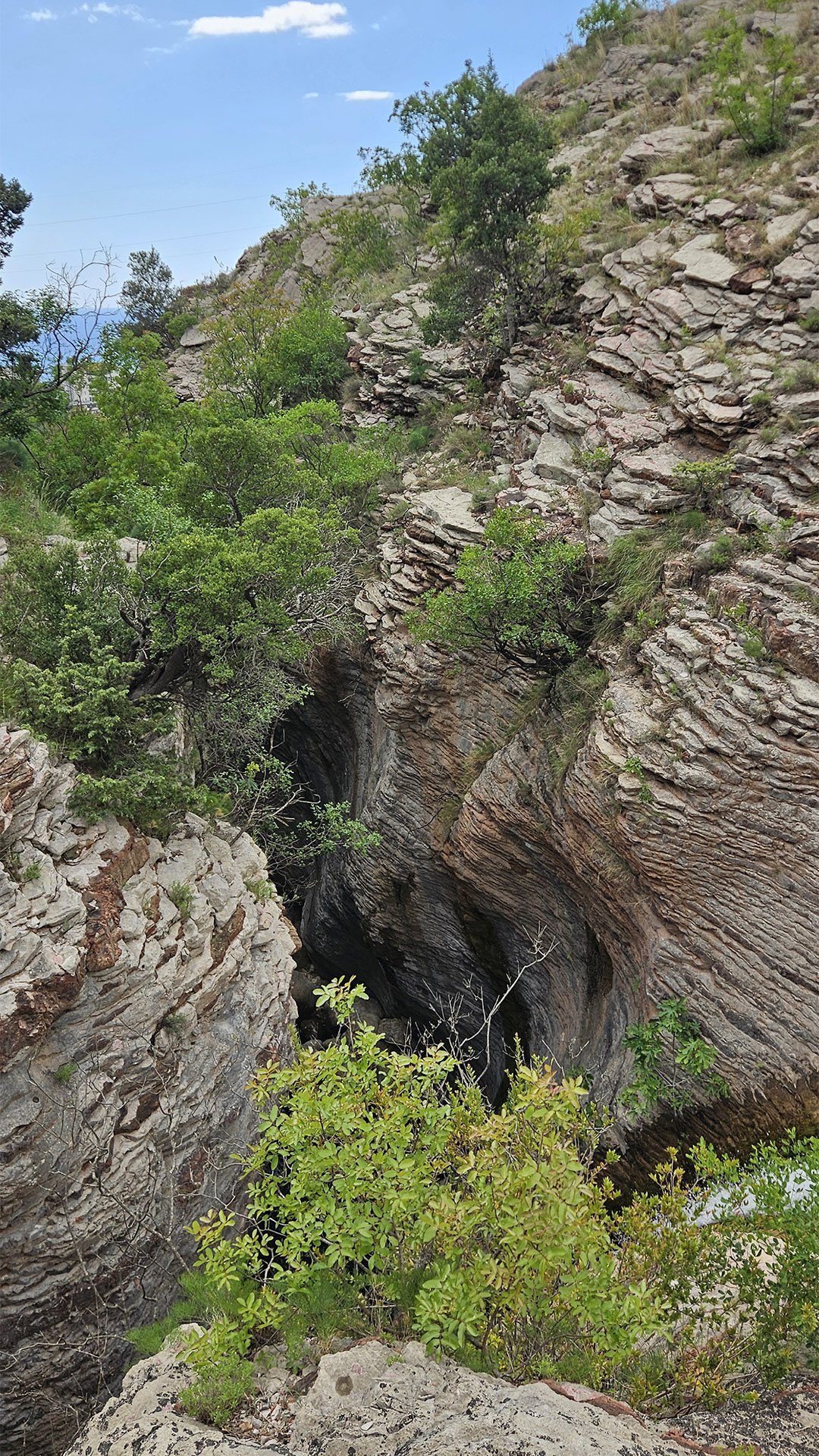
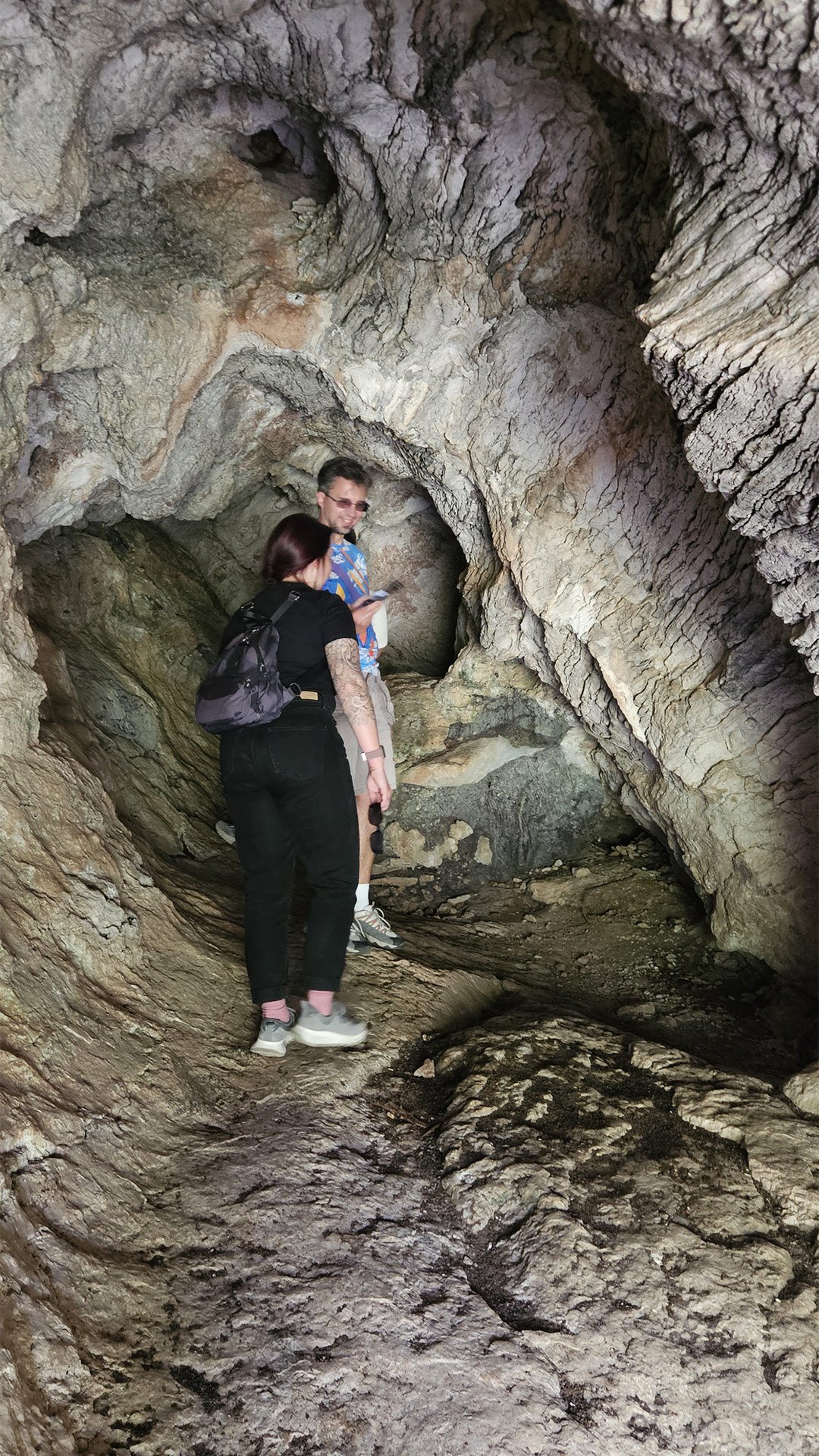
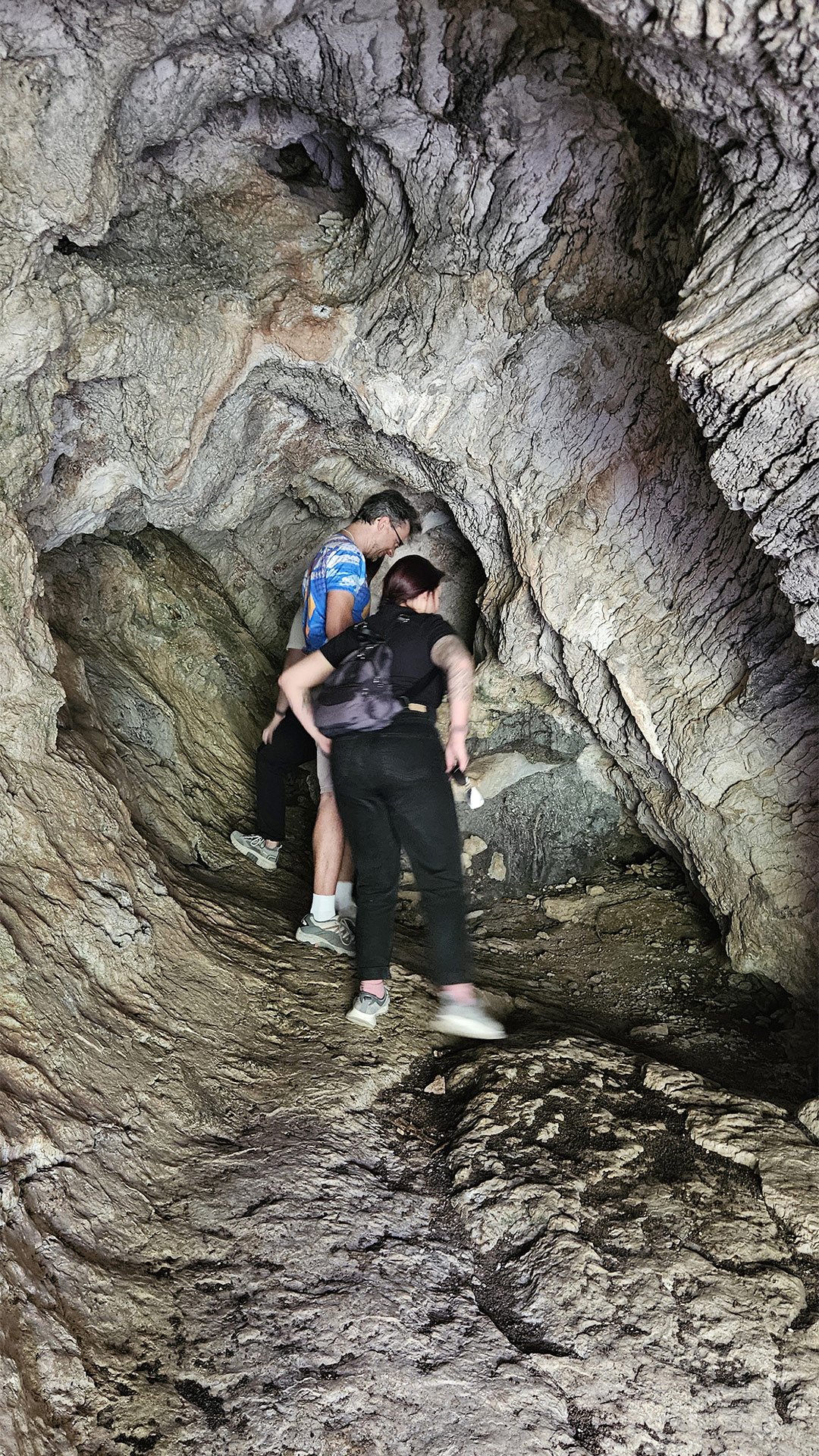
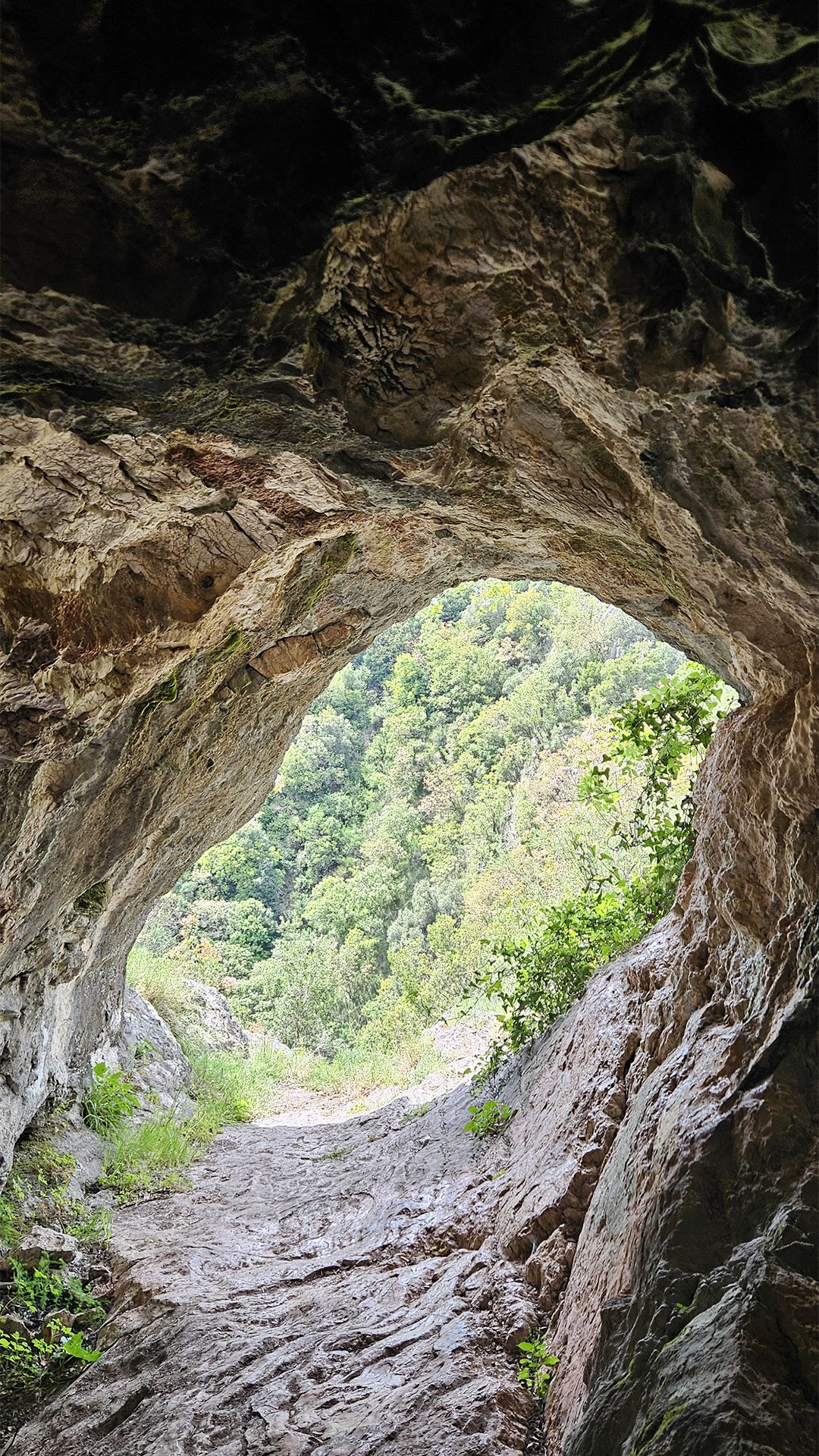
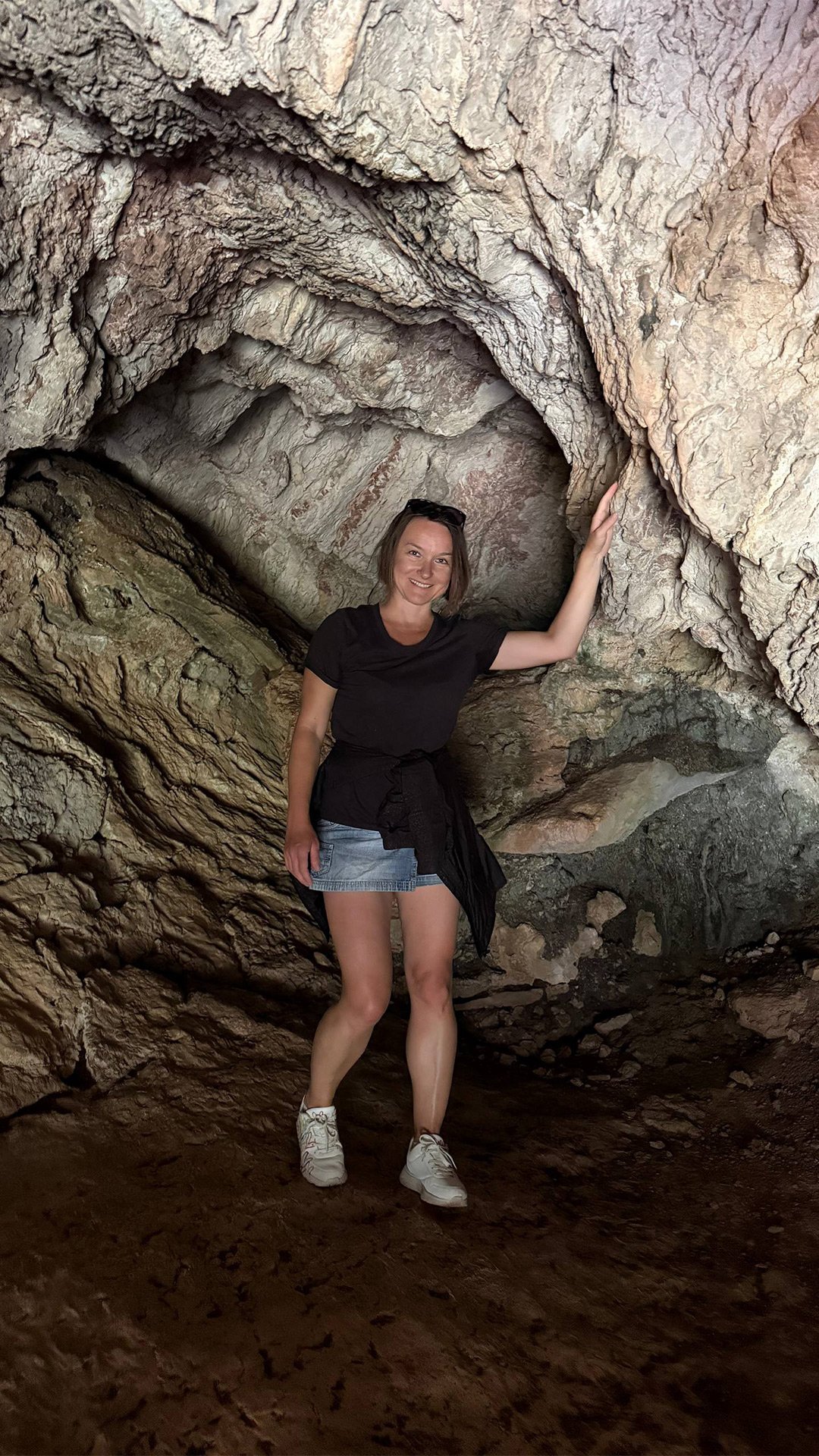
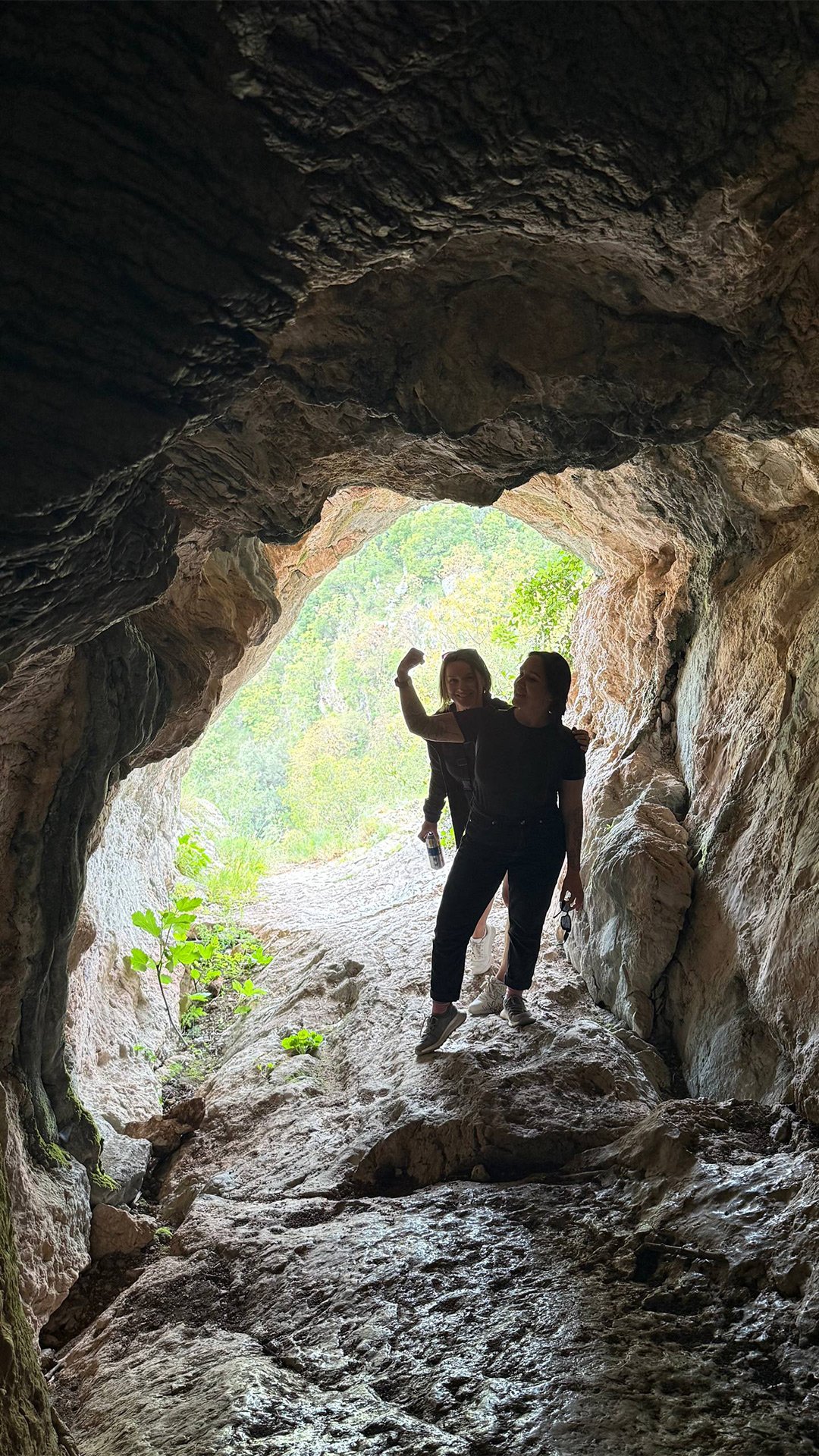
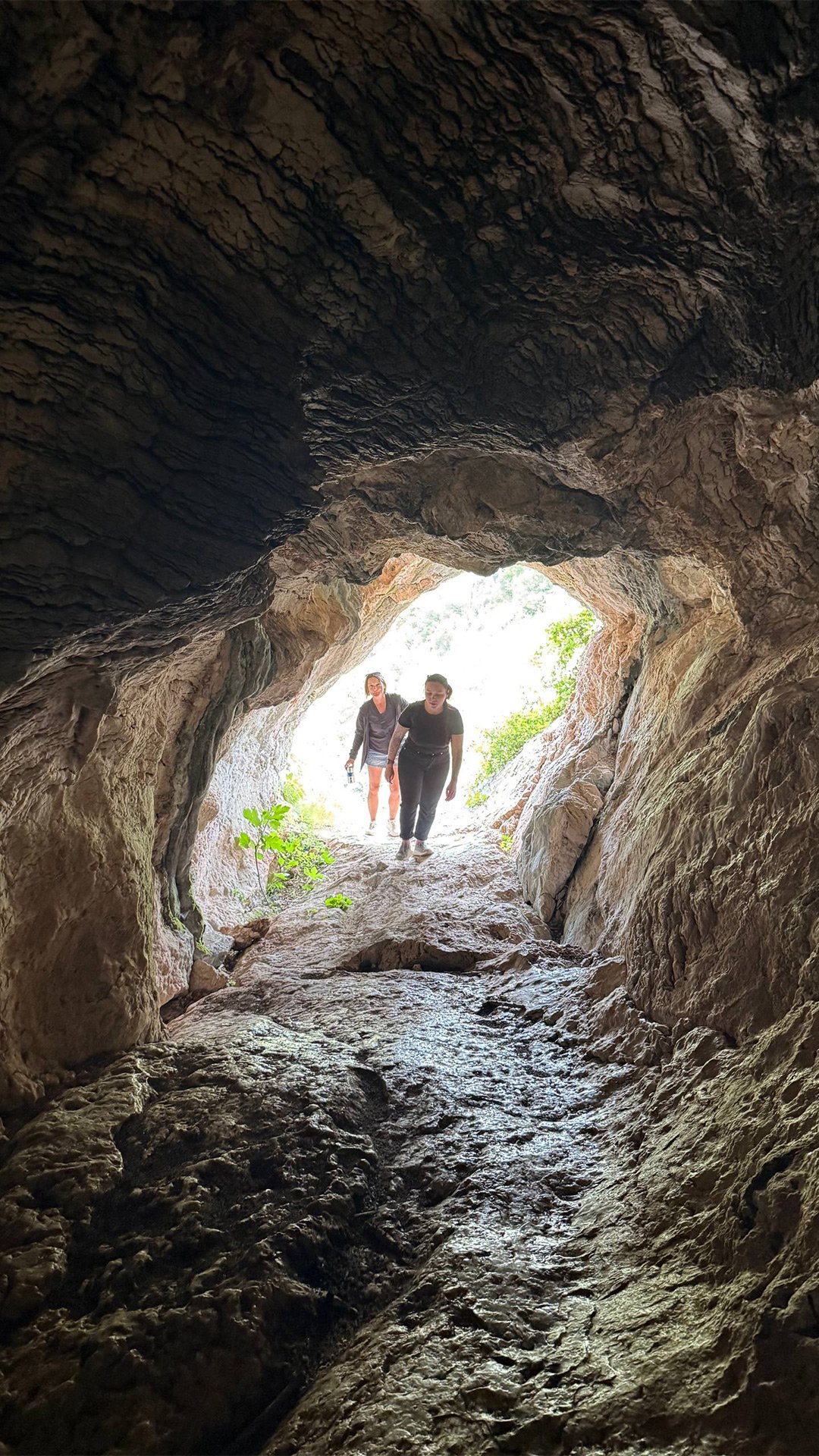
Ivanovići Cave is a lesser-known site, and there are significantly fewer official sources about it than about Mogren or Velja Maslina. It’s safe to say that the cave is marked on tourist and navigational maps in the area of Ive Lole Ribara Street, Bečići.
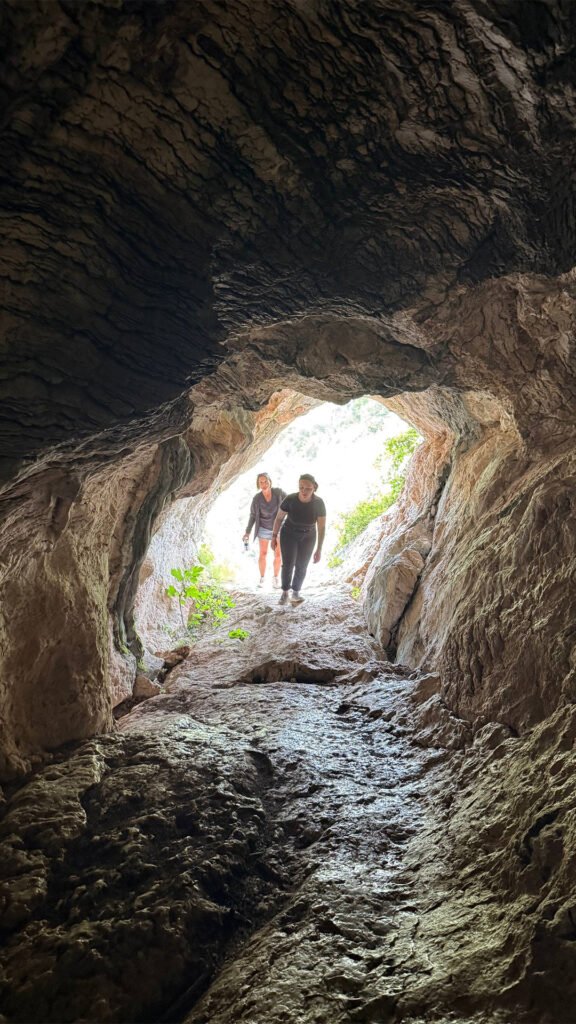
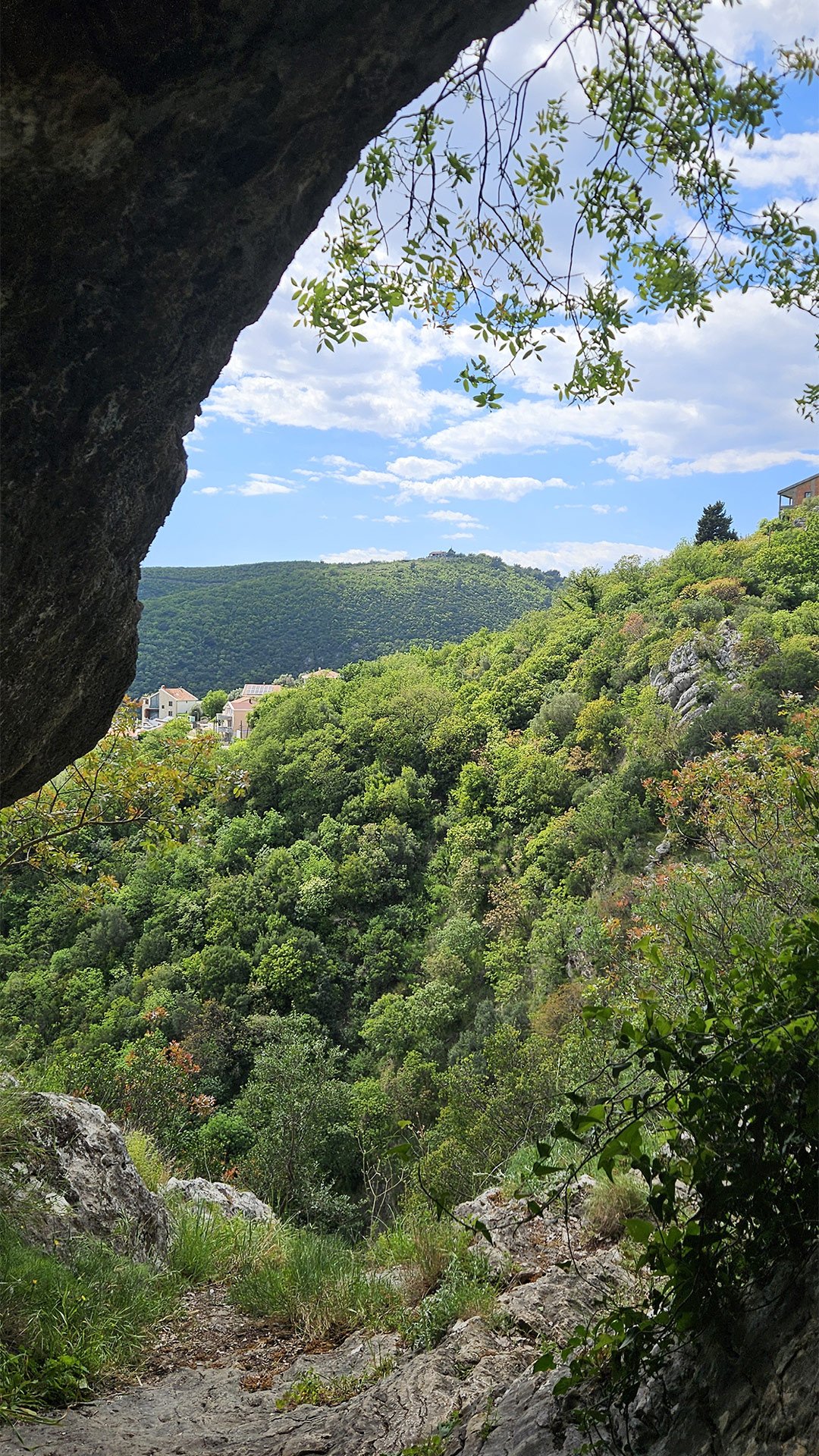
A detailed field description was published by the author of the blog Skiing the Planet in October 2025: he describes Ivanovići Pećina as a small cave, approximately 18 meters long, east of Budva, approached via narrow roads in the hills and a hike of approximately half a kilometer. The author also provides approximate coordinates of N 42.292417, E 18.873830 and notes that the entrance area offers views of green slopes and the coast. This is not an official source, so such details are best taken as a traveler’s report rather than a municipal route description.
Mapcart, based on OpenStreetMap, GeoNames, and Wikidata, shows Ivanovići as a small settlement in Budva Municipality and marks Pećina Ivanovići Cave, an old olive tree, and an old oil mill nearby. This confirms that the cave is located in the same rural area above Bečići where Velja Maslina is located.
Why these places should be combined into one route
Budva in early May is interesting precisely because of the contrasts. In the morning, you can stroll through Mogren, climb up to the fortress, or visit the Citadel; in the afternoon, head to Jaz, where the Budva Beach Fest has kicked off; in the evening, return to the Old Town, where carnival parades and tribute concerts enliven the stone squares. On another day, you can change your pace: head above Bečići to Ivanovići, the old olive tree, small trails, Čučuci Waterfall, and Ivanovići Cave.
The main thing is not to confuse the levels of infrastructure. Carnival, Jaz Beach, Mogren, and the Citadel are well-known and well-described tourist destinations. Velja Maslina has official status as a natural monument. Čučuci Waterfall and Ivanovići Cave, however, are more of a local natural attraction for a careful, independent walk: without guaranteed water, signs, lighting, or services. This, however, is precisely their value – they show the other side of the Budva Riviera, where beyond the bustling beach line begins a quiet stone landscape of old villages, paths, olive trees and dry streams.