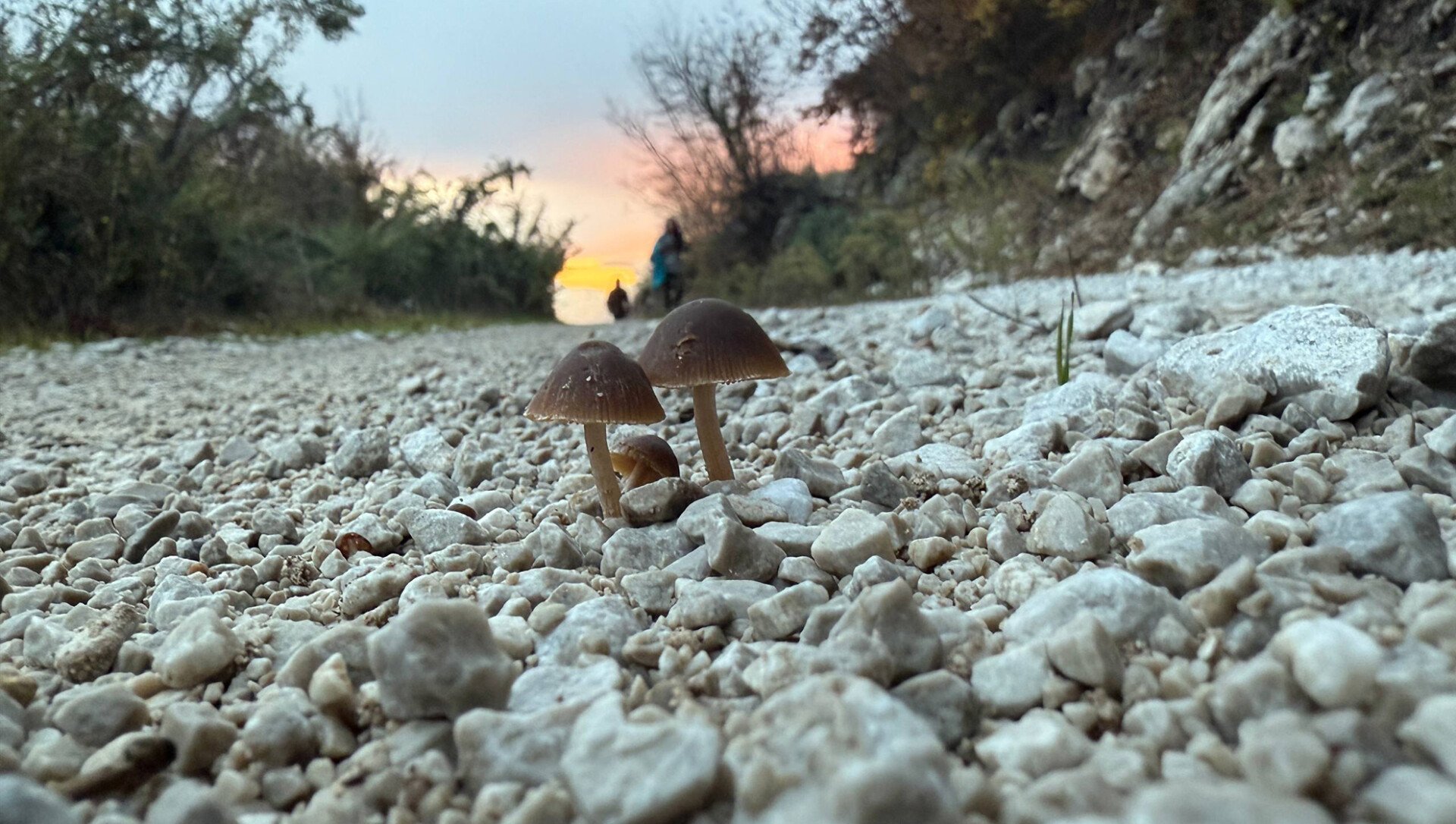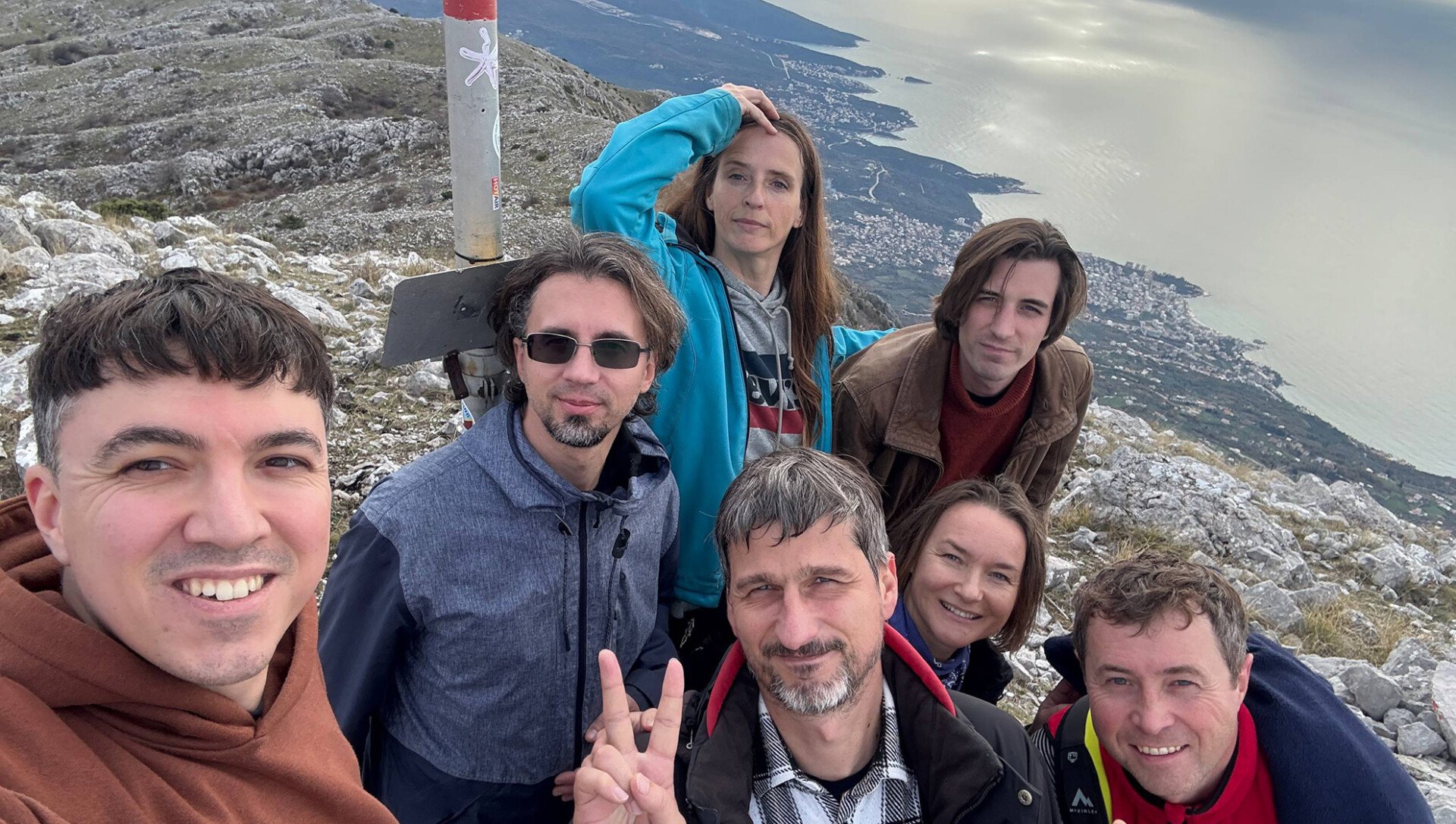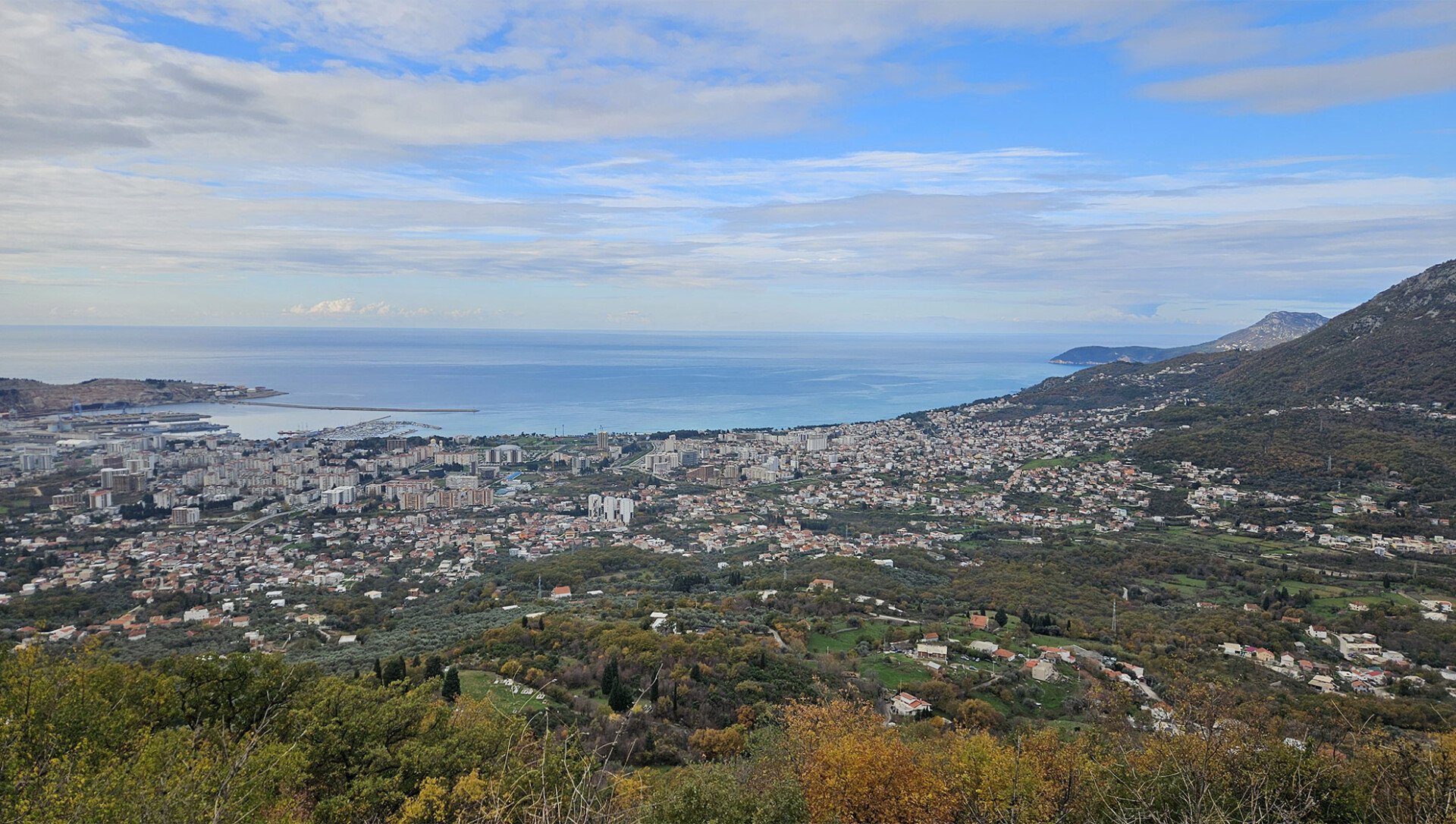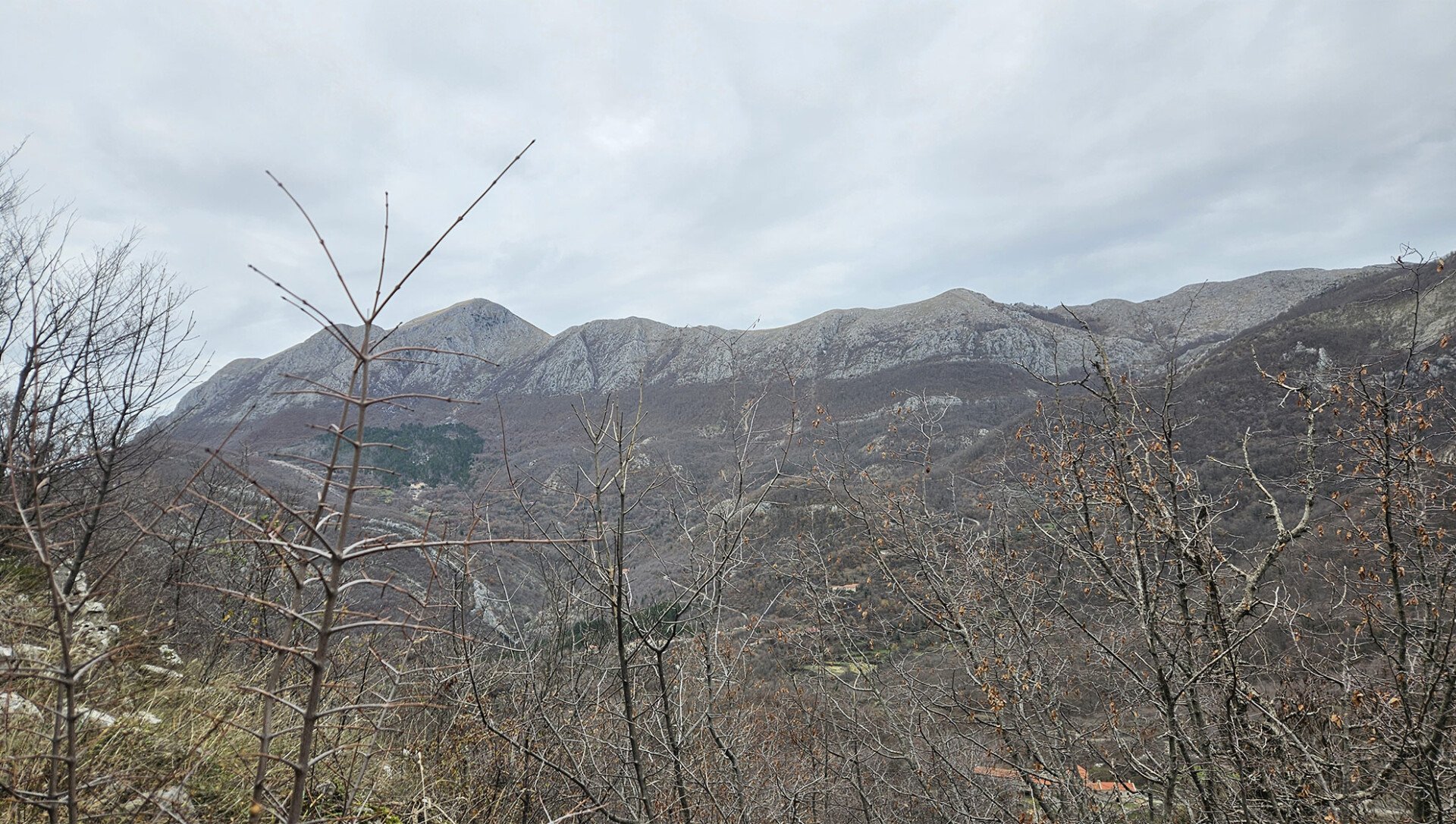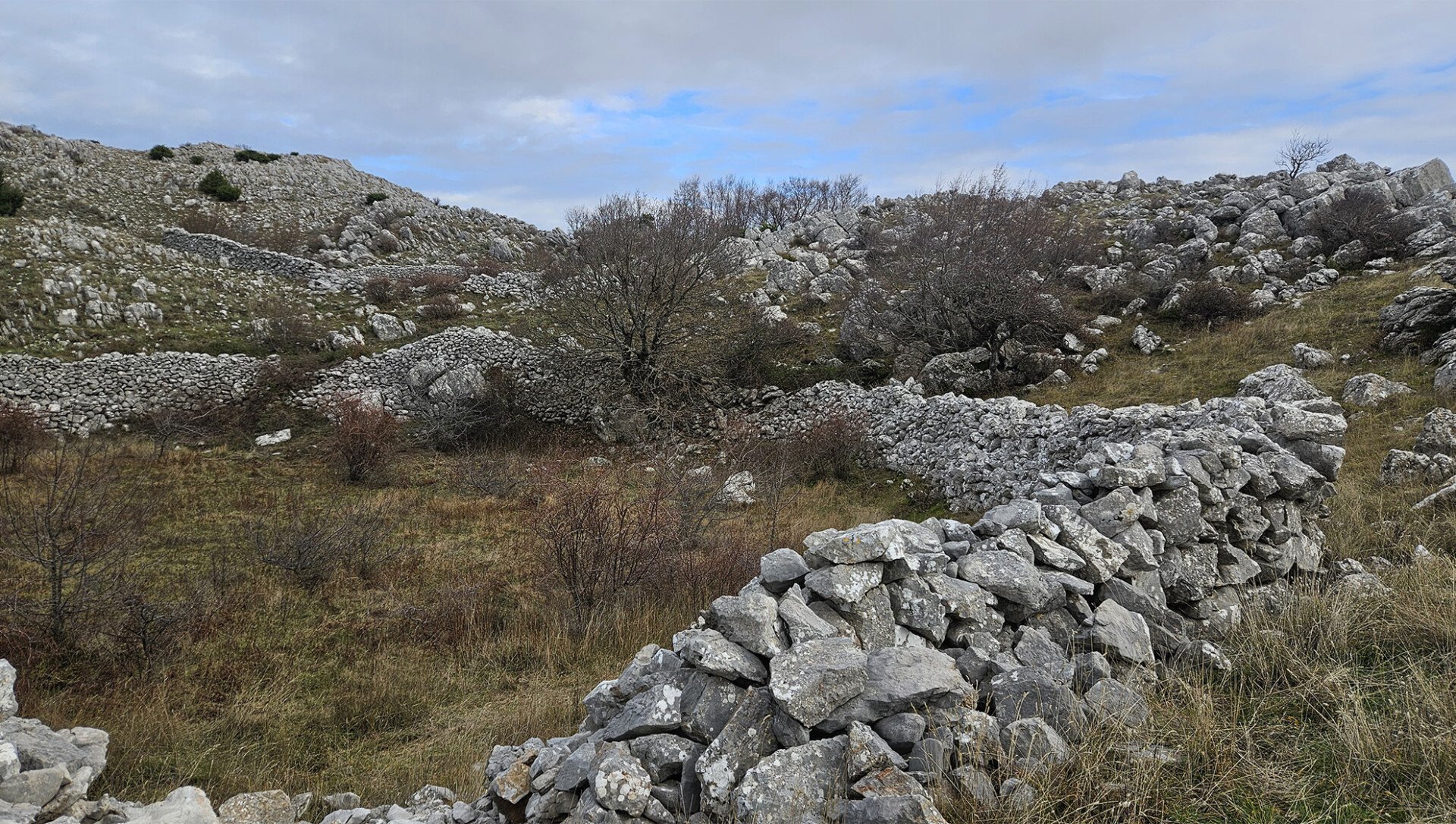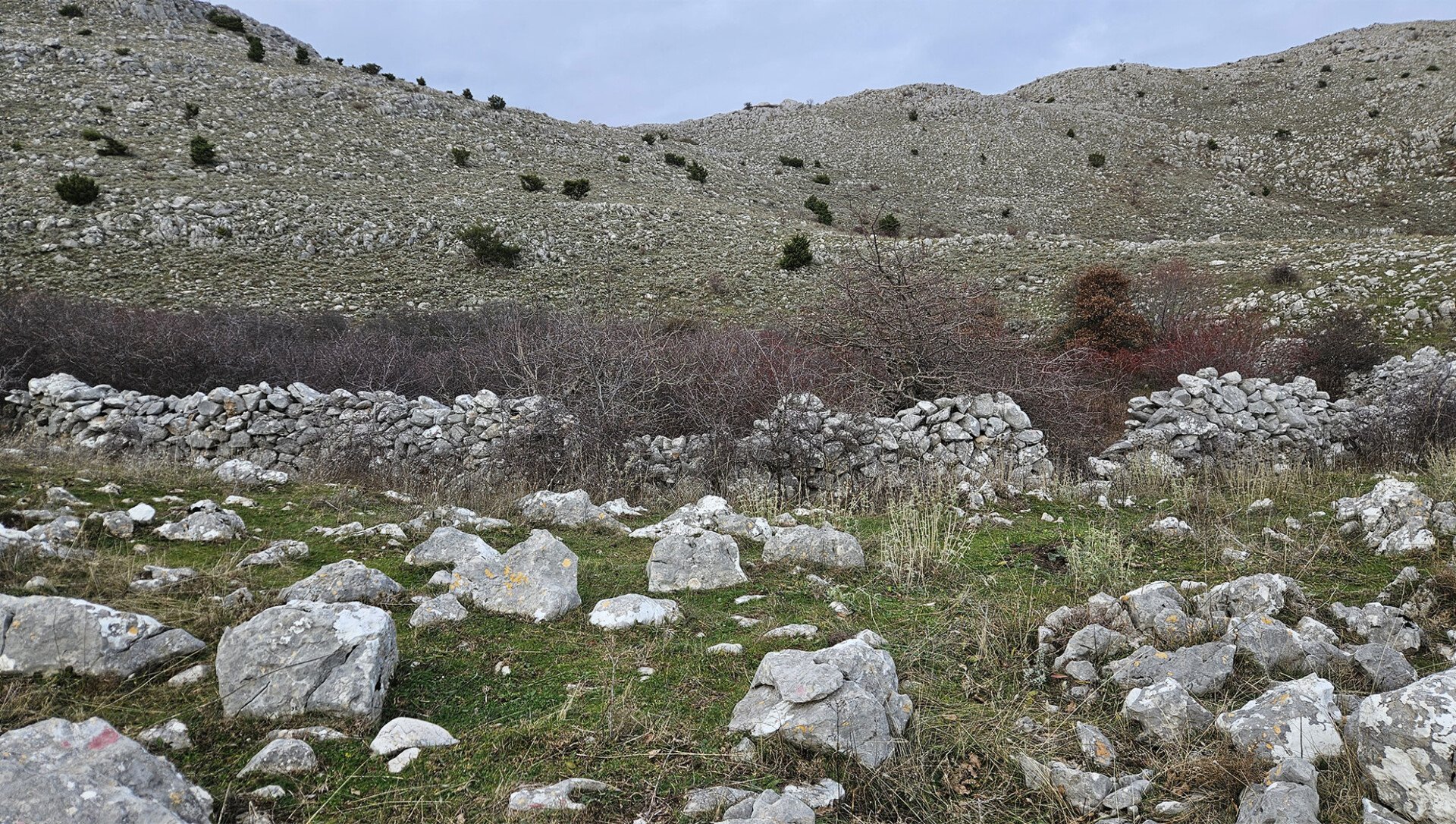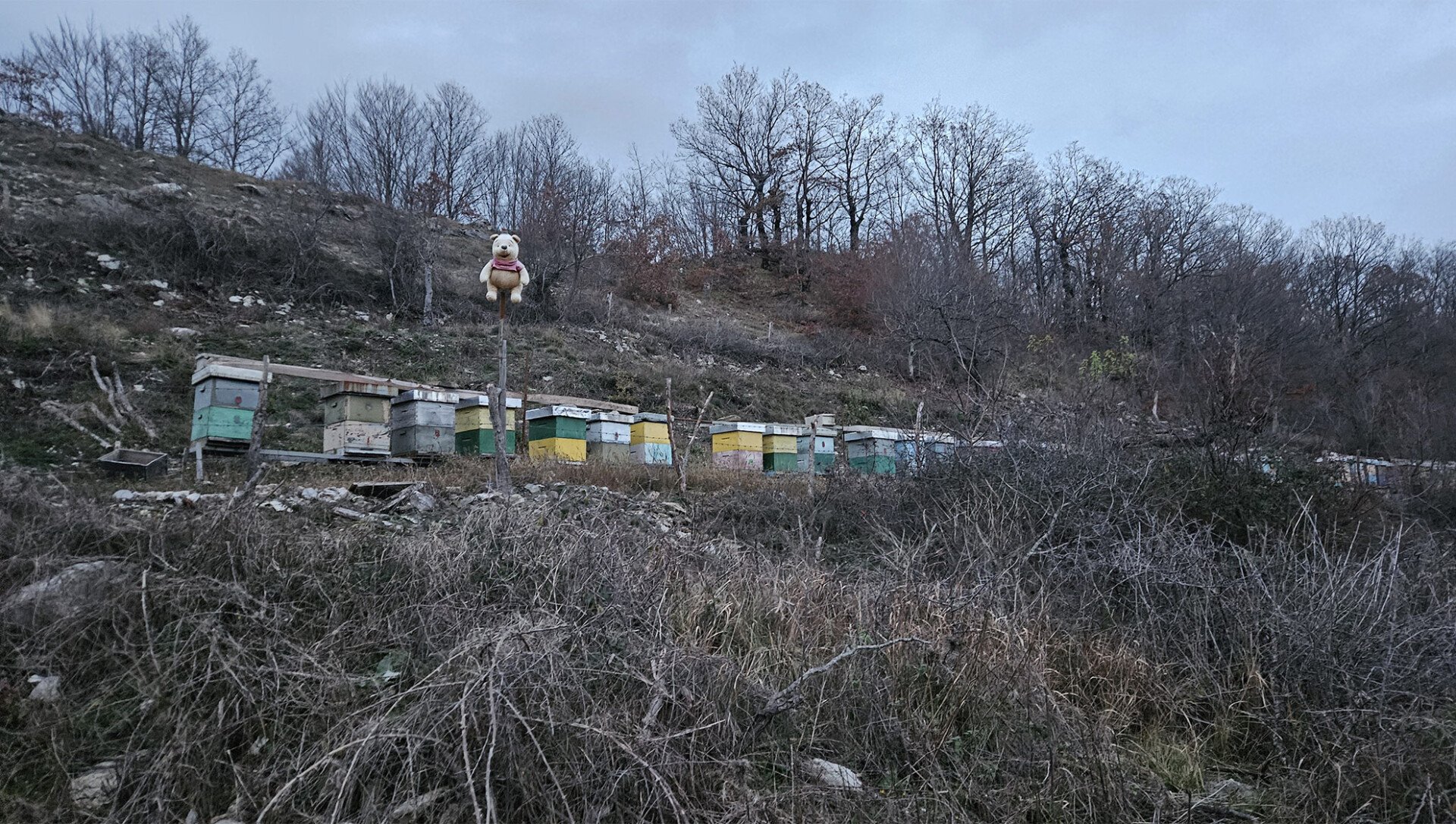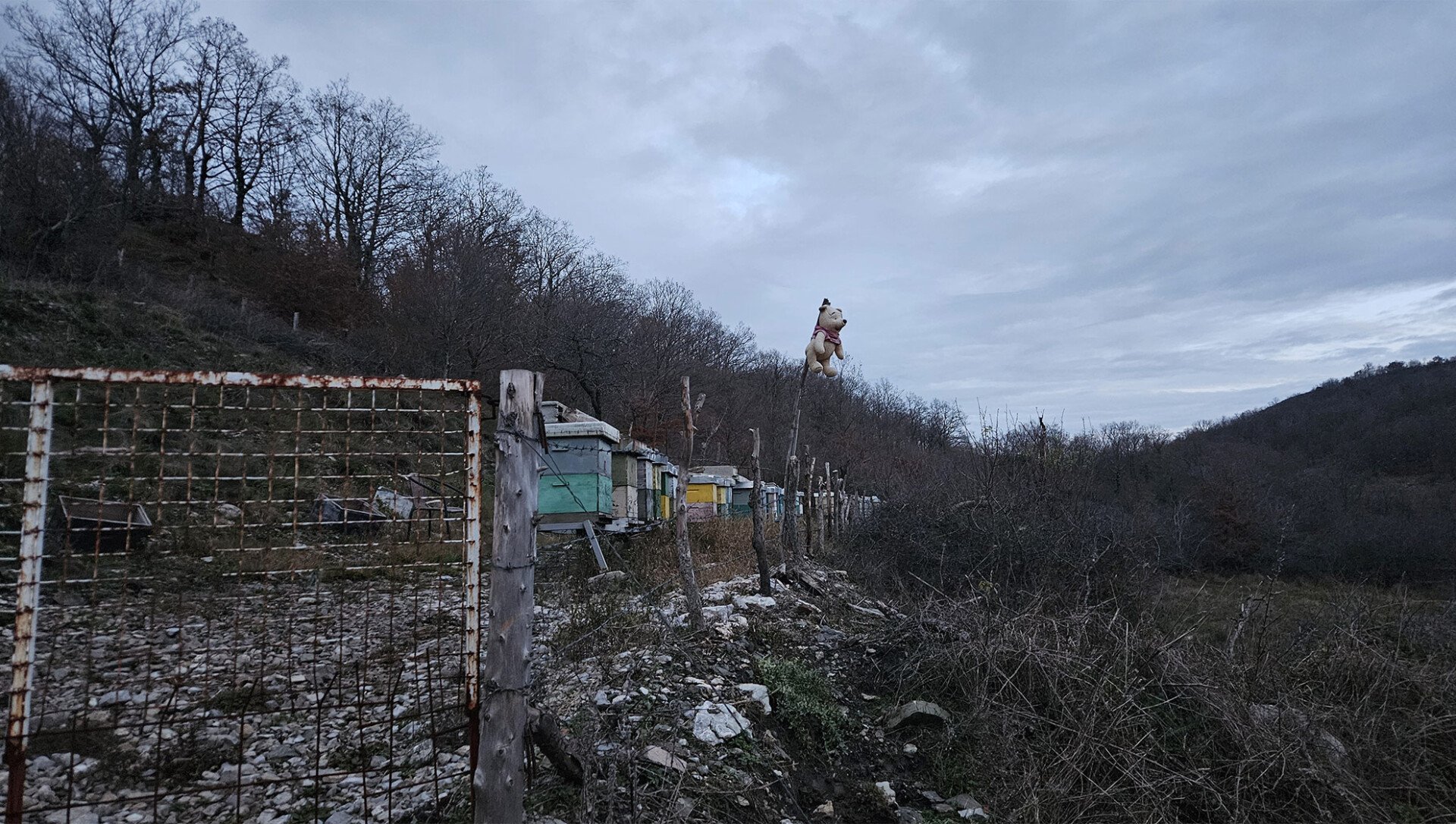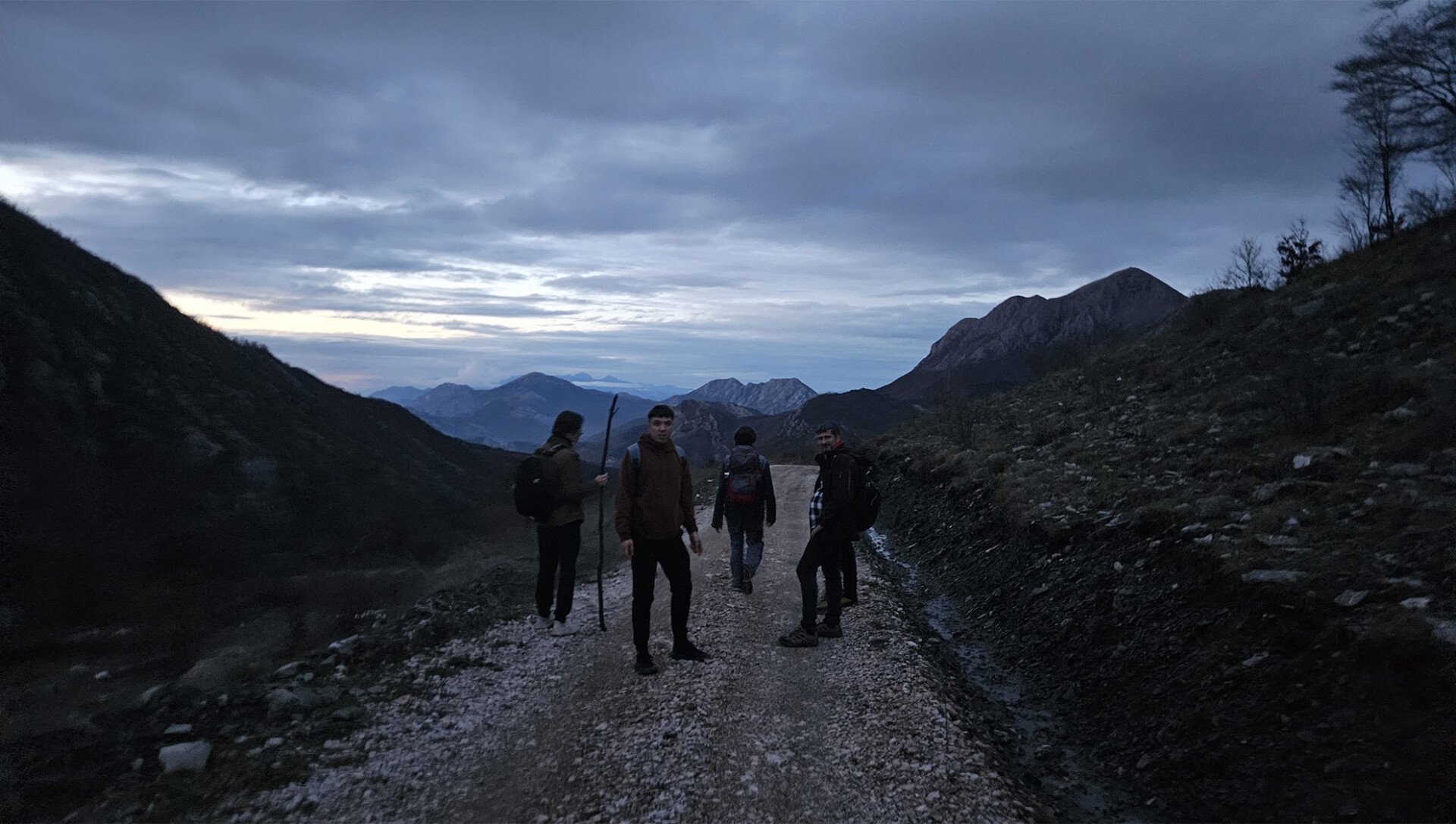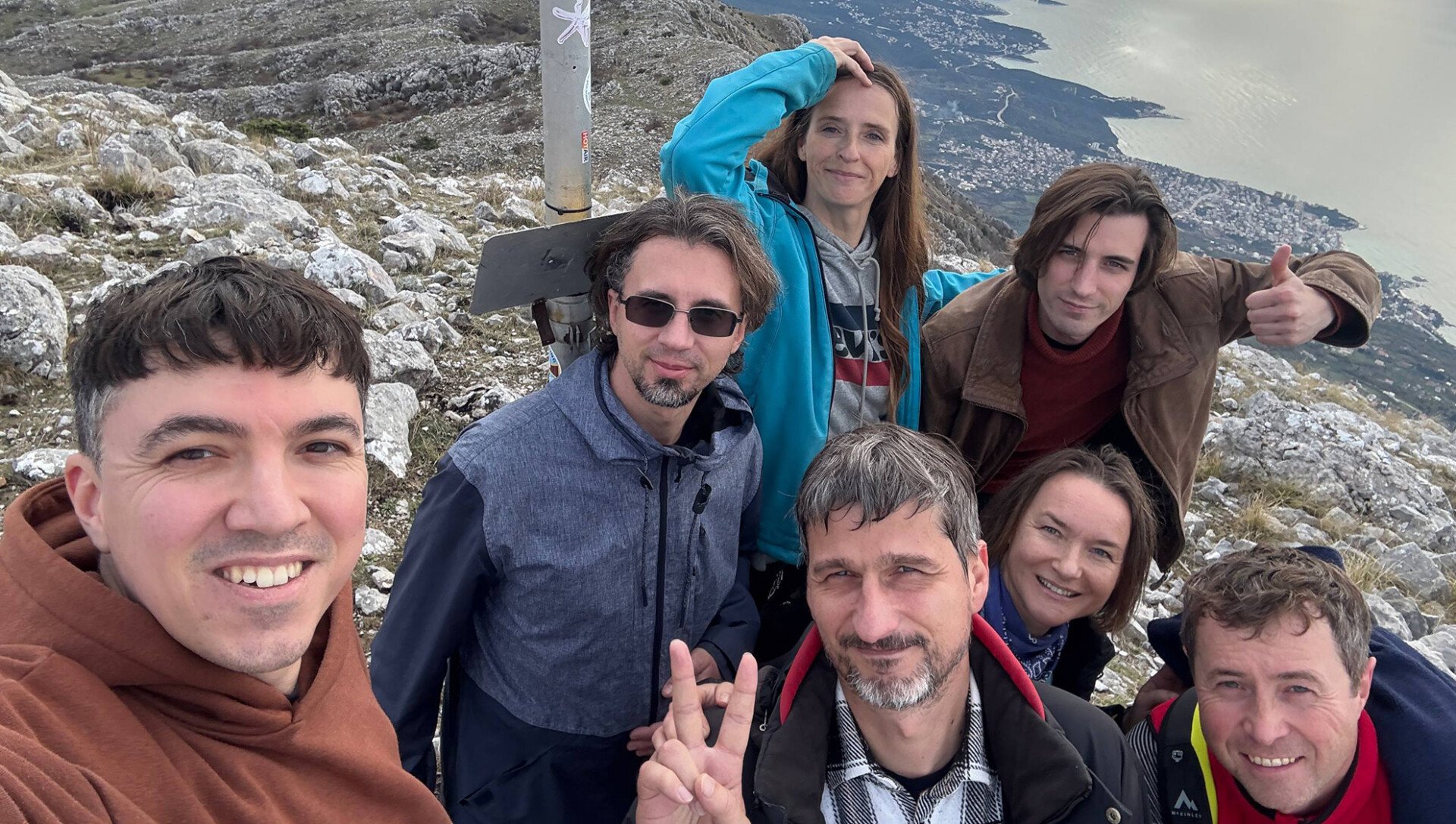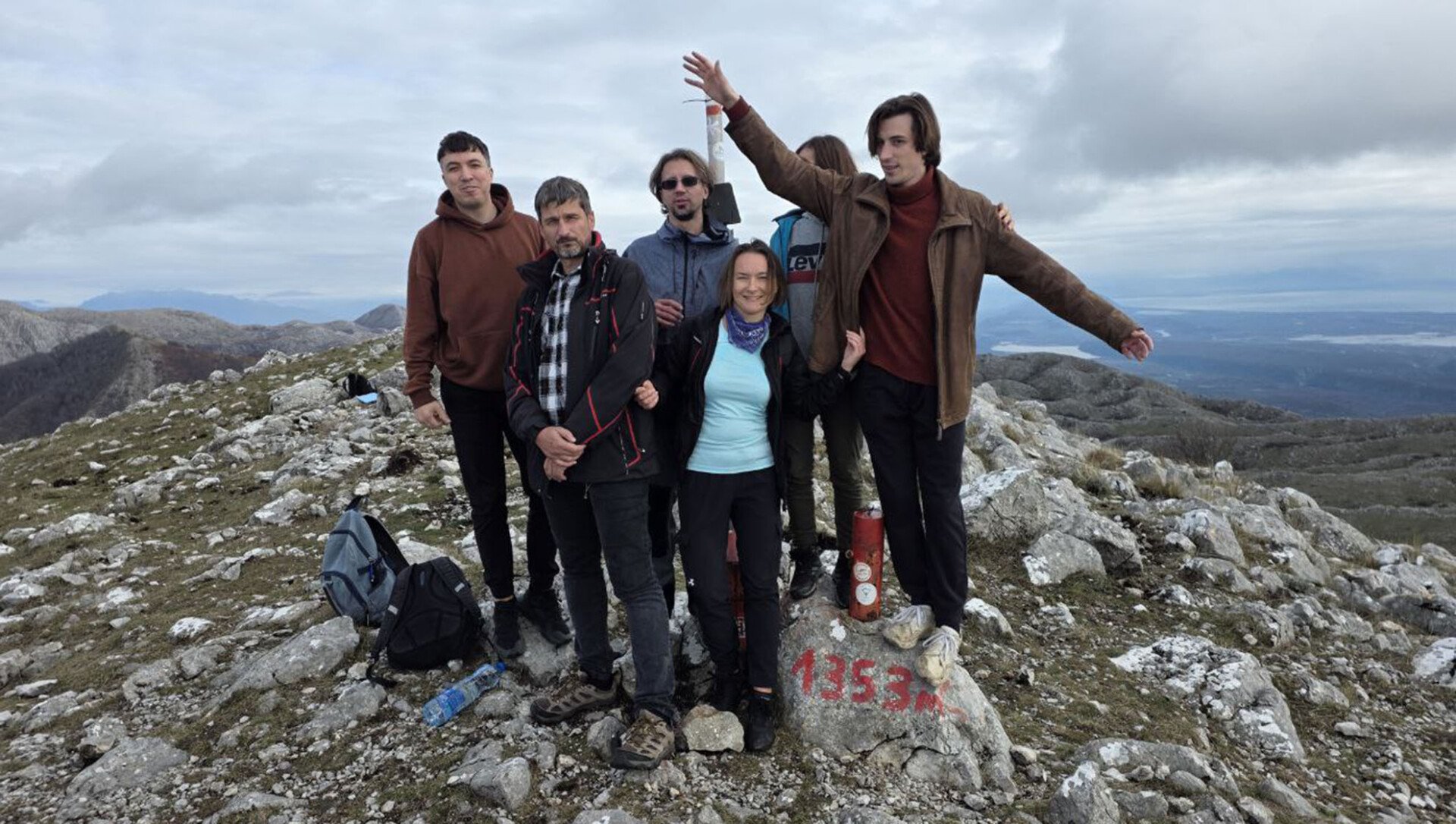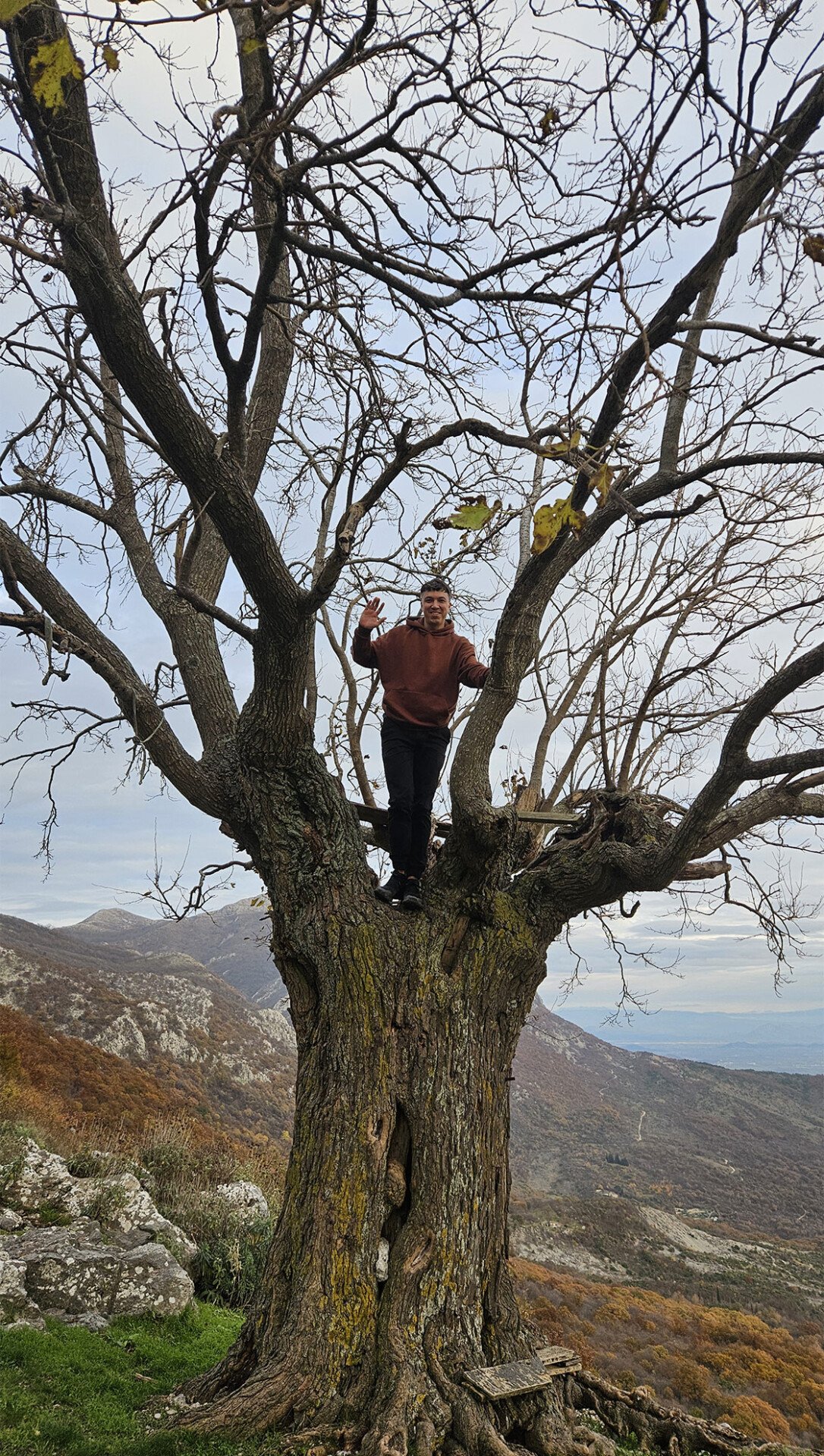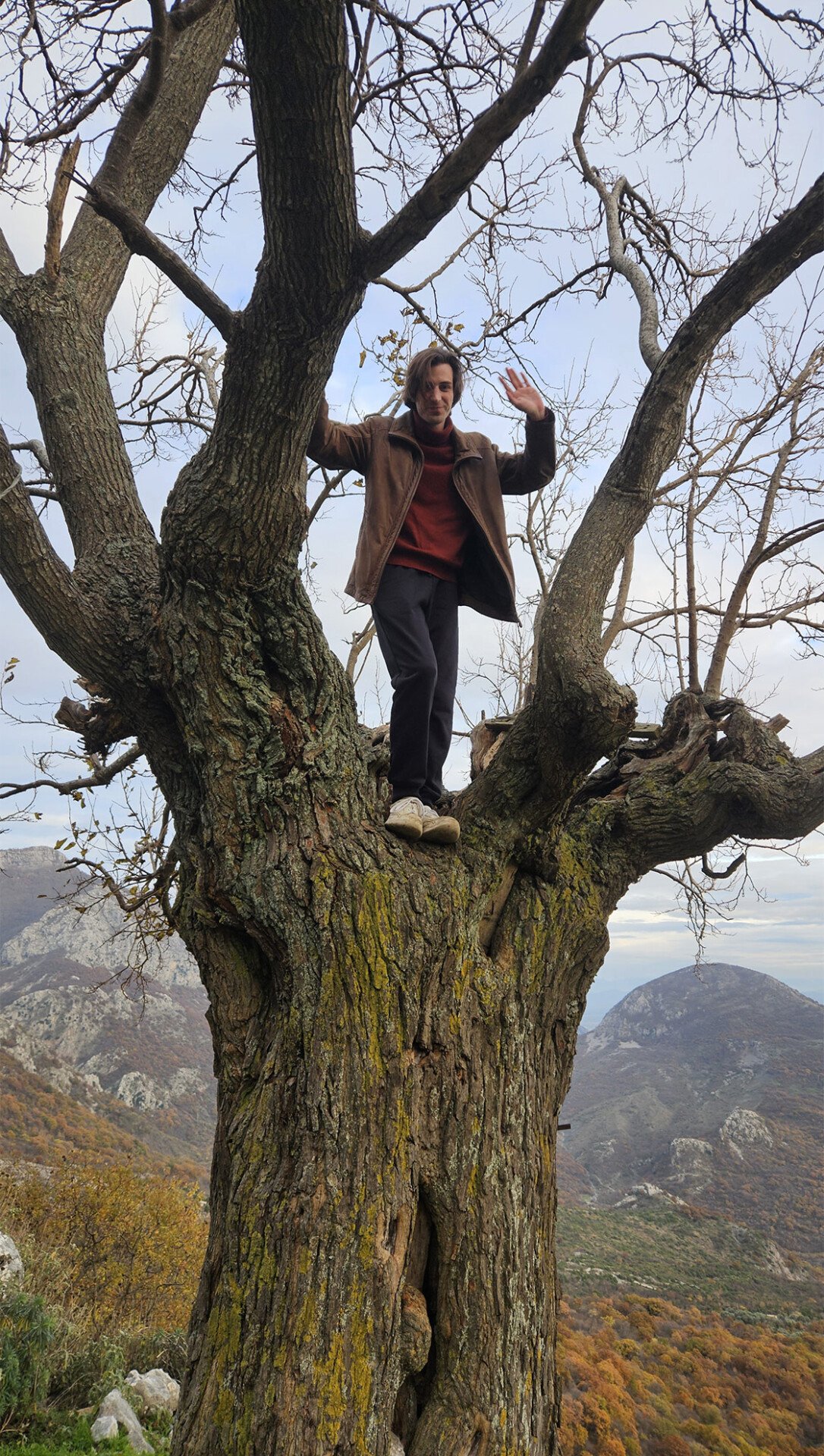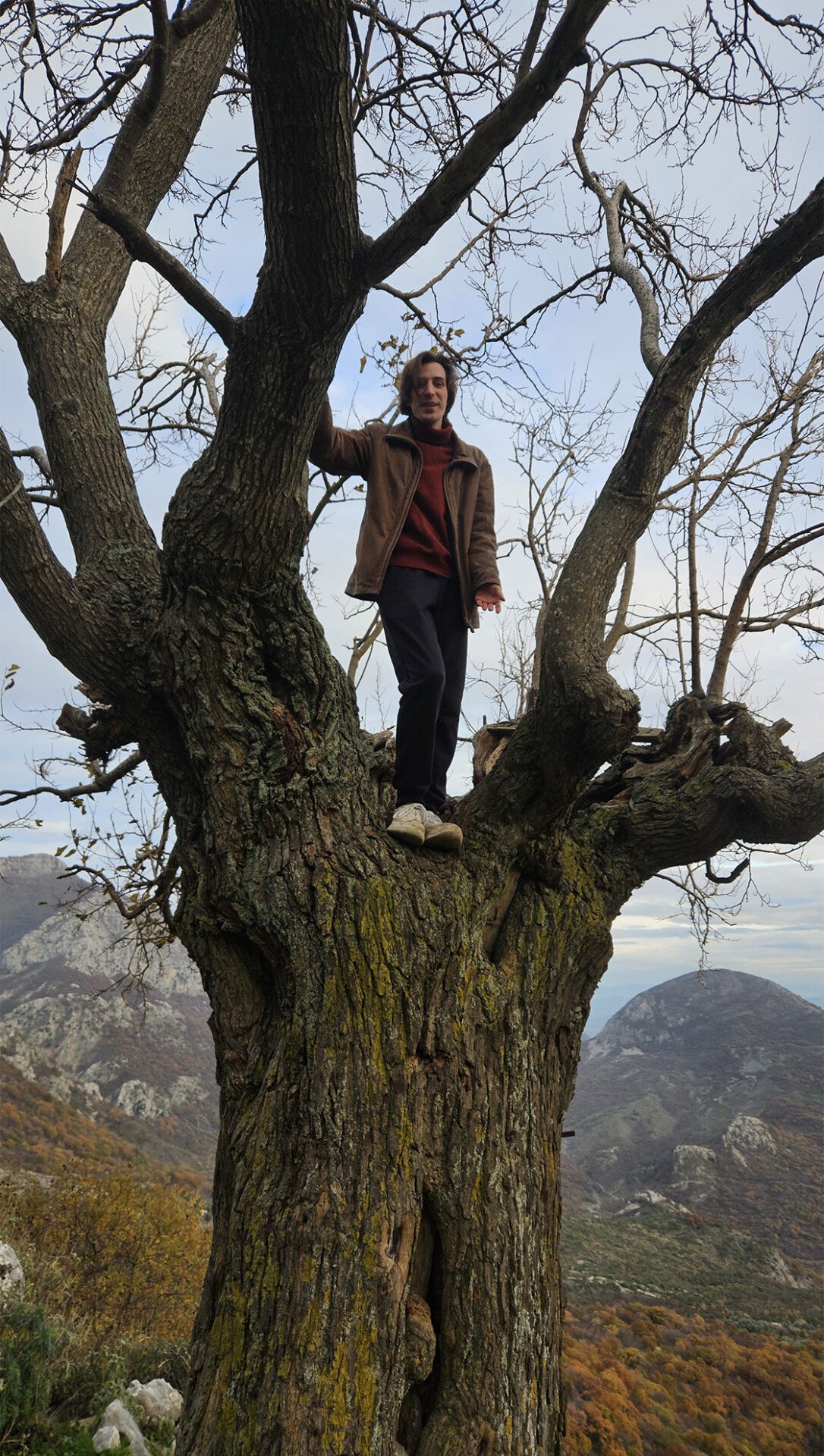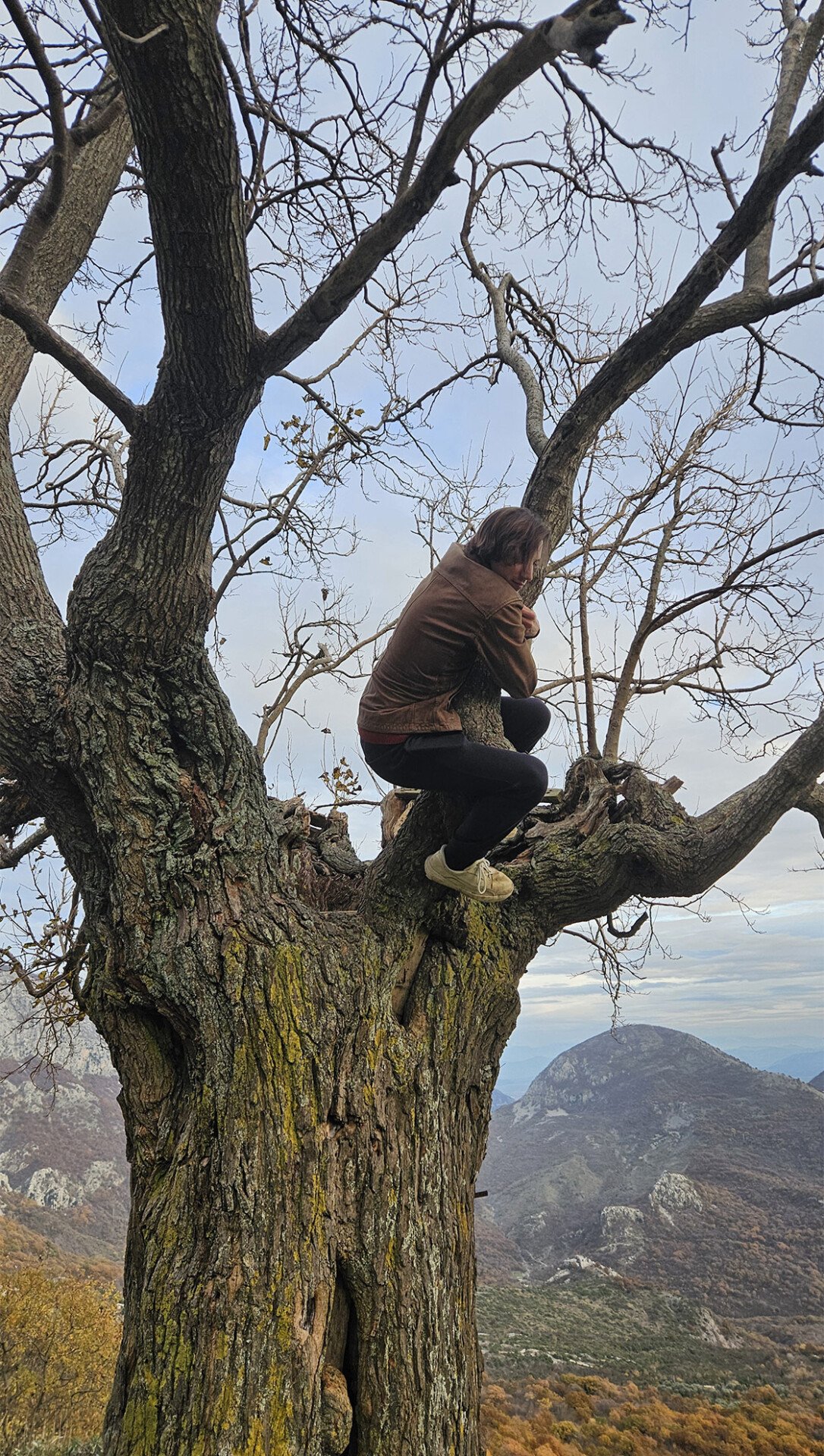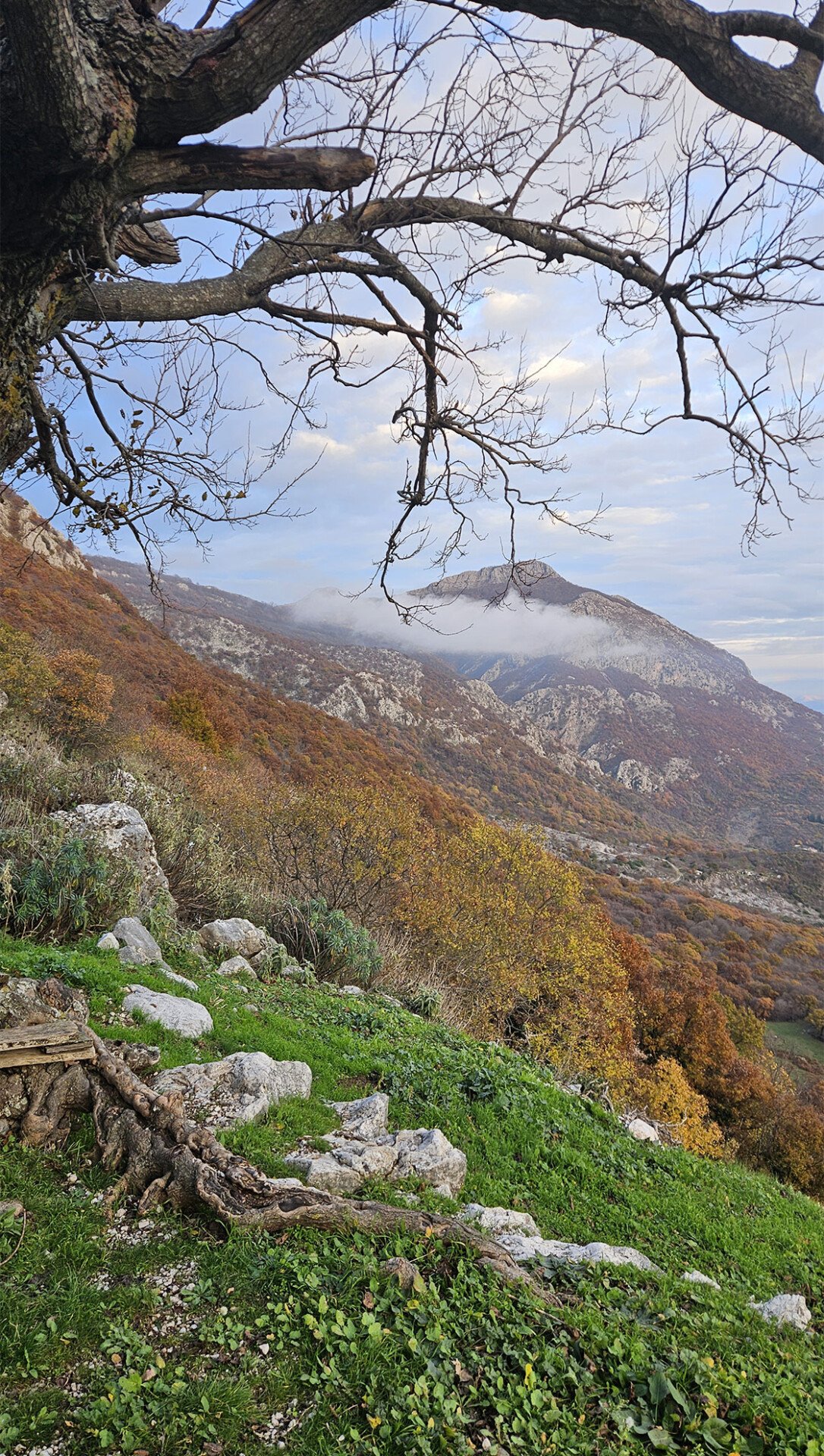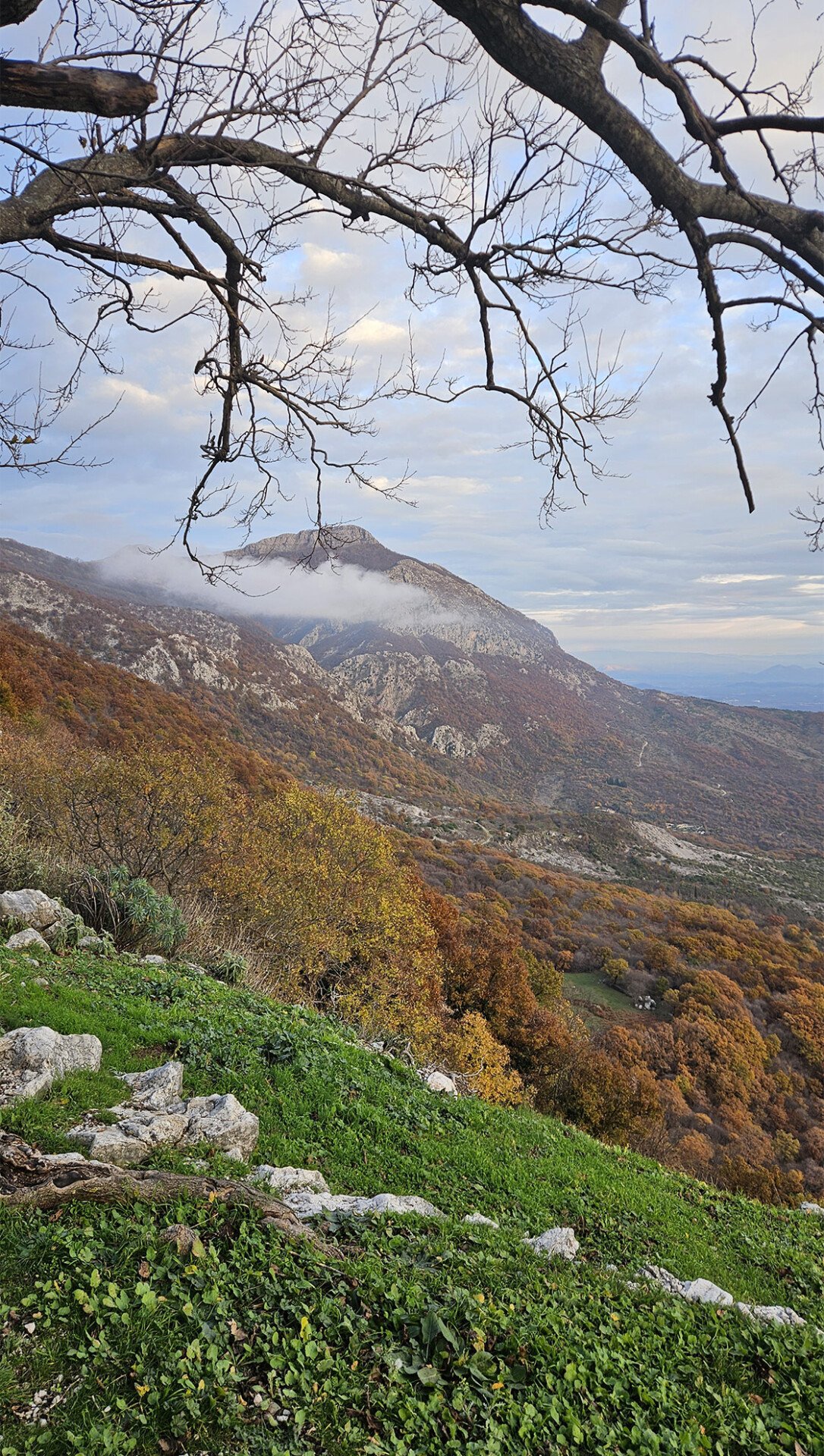

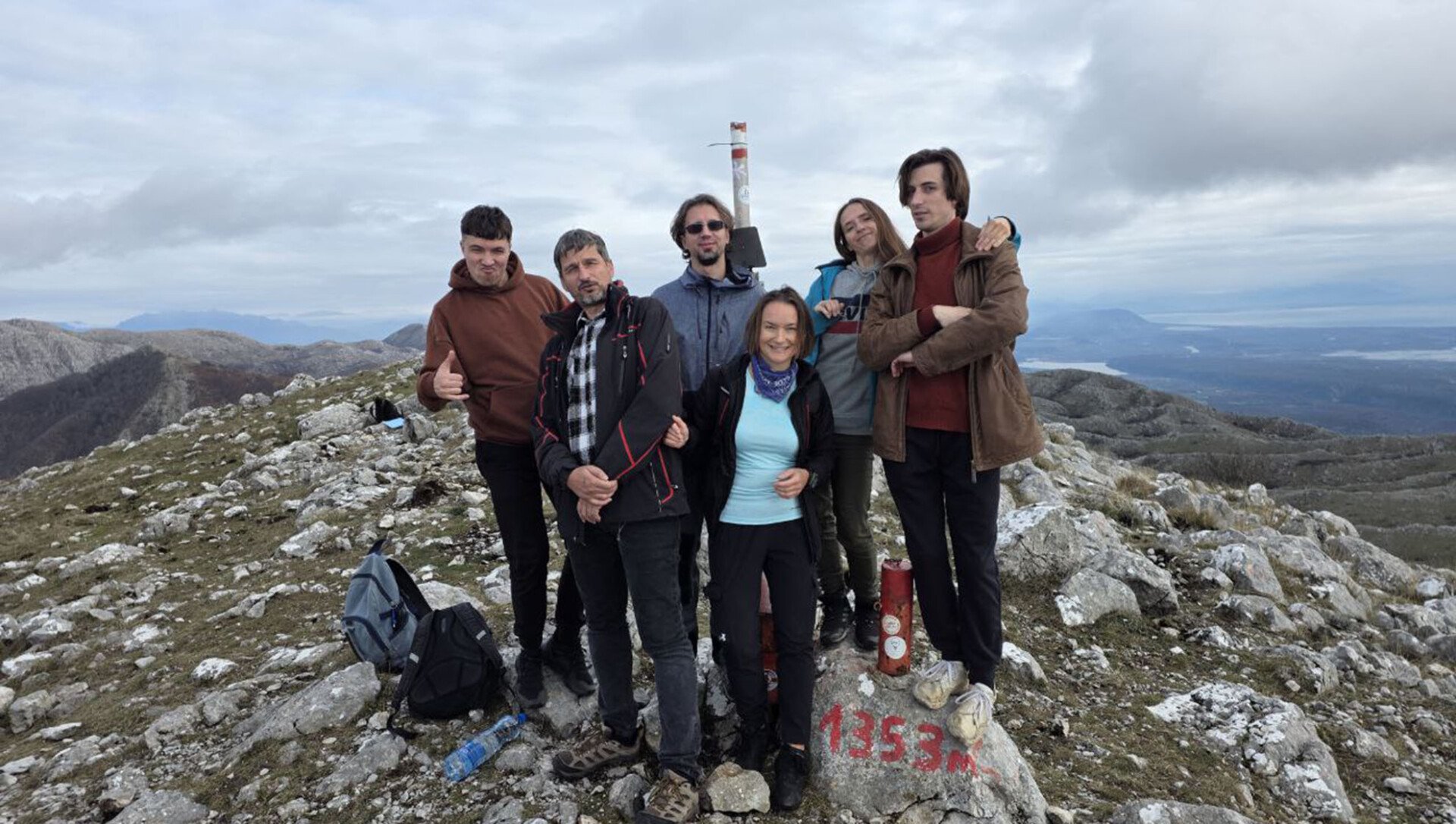
Lisinj is a mountainous region in the Bar Opština, and its highest point is Velja Loška (1,353 m).
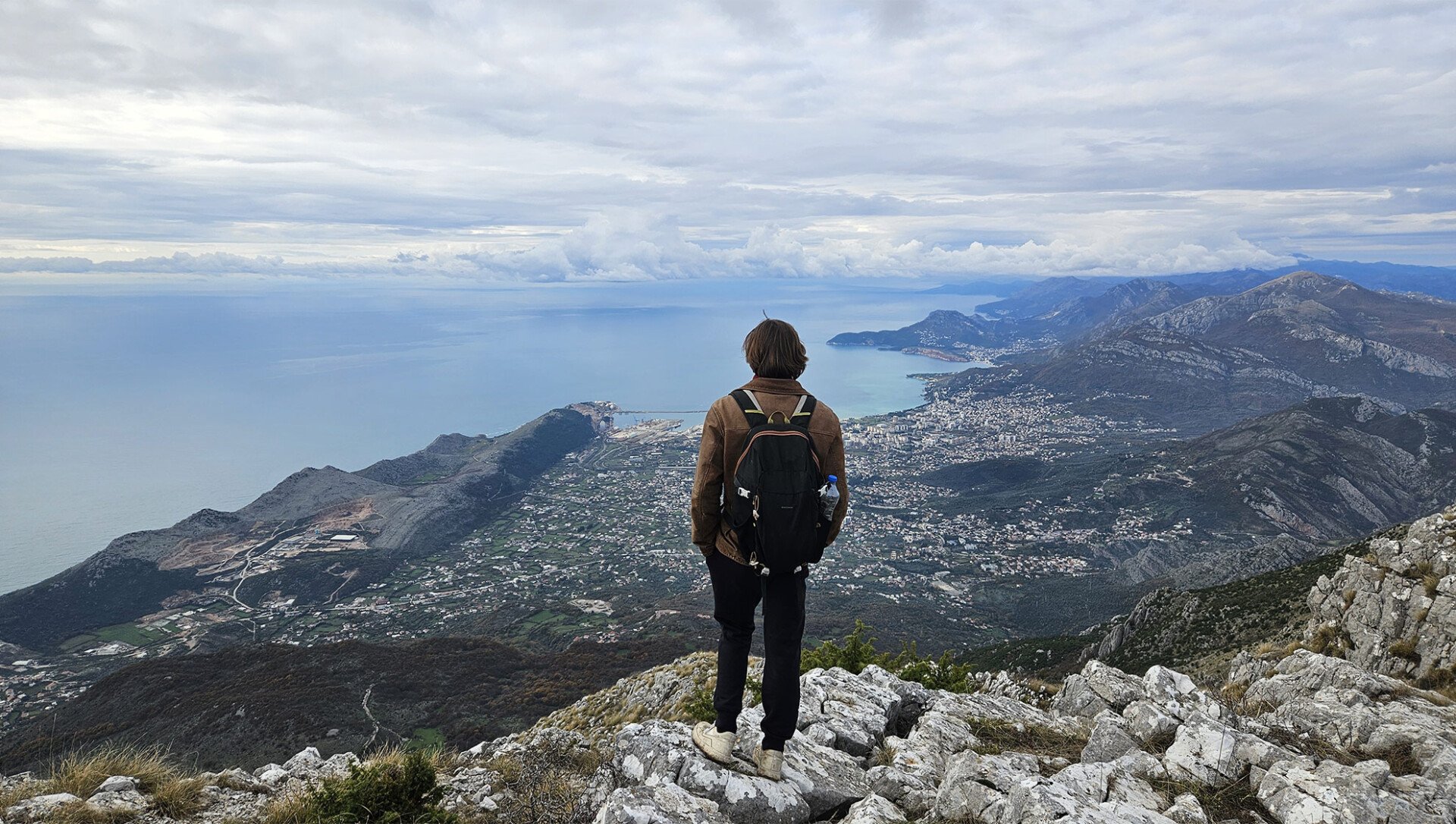
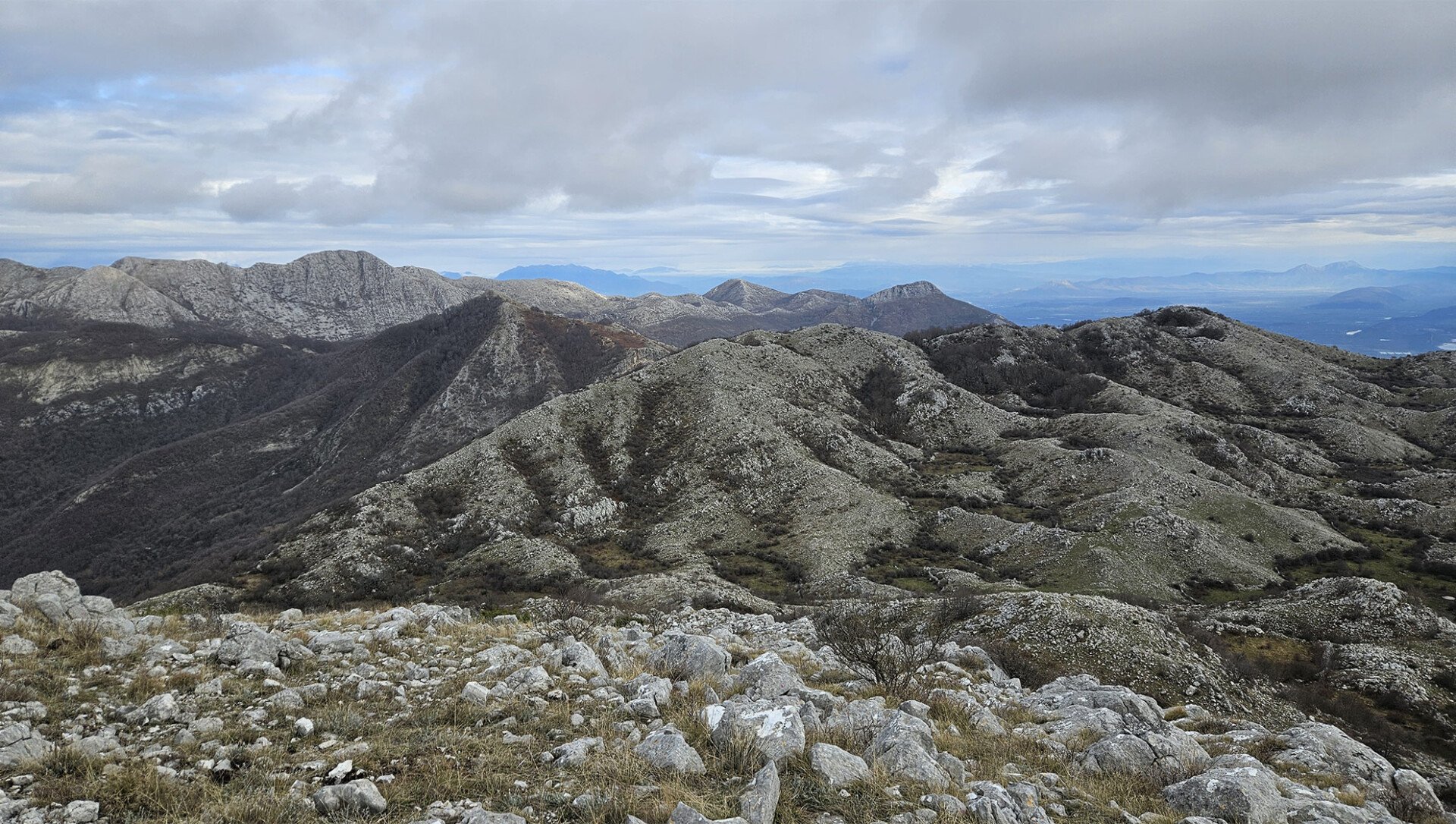
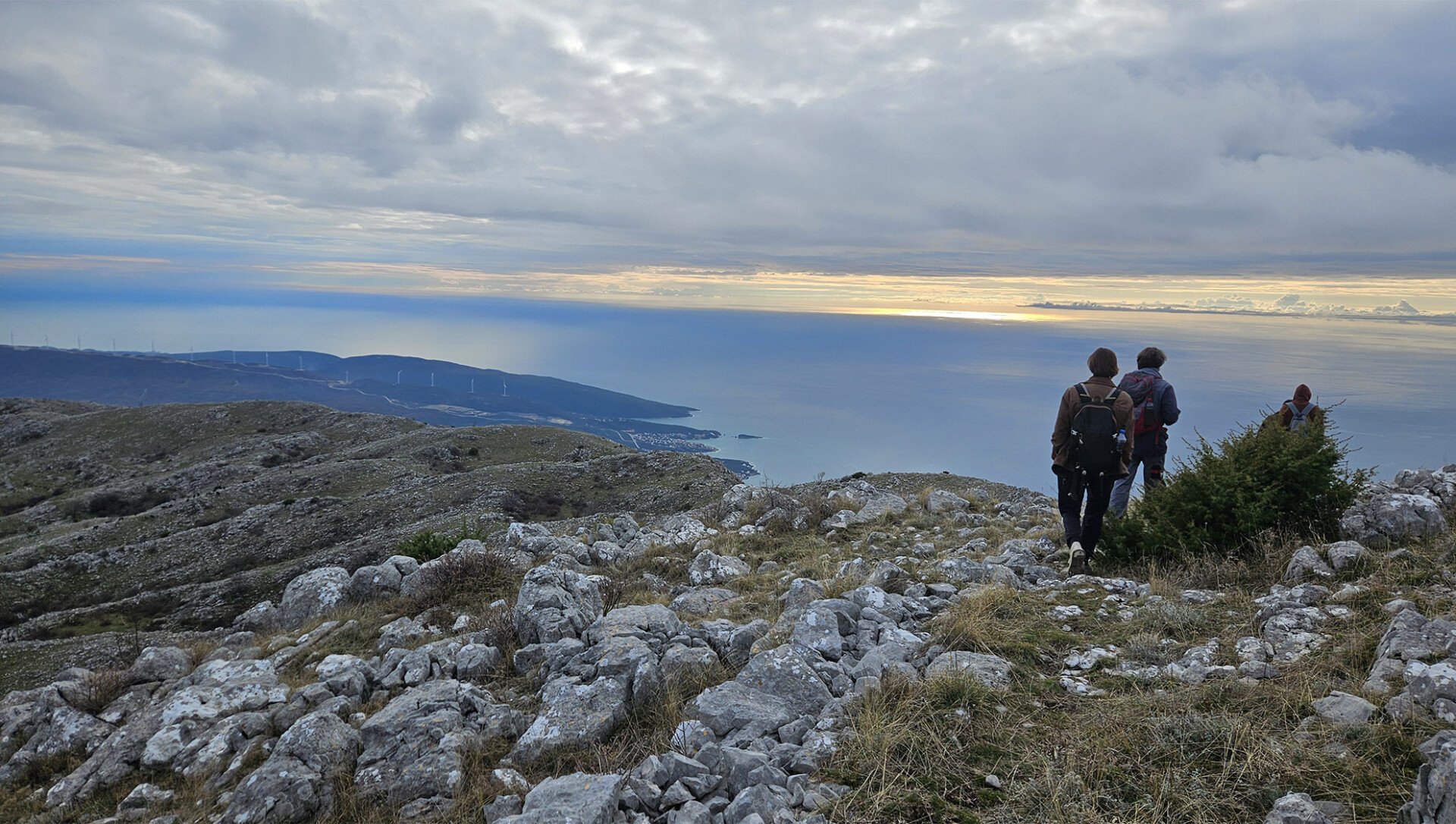
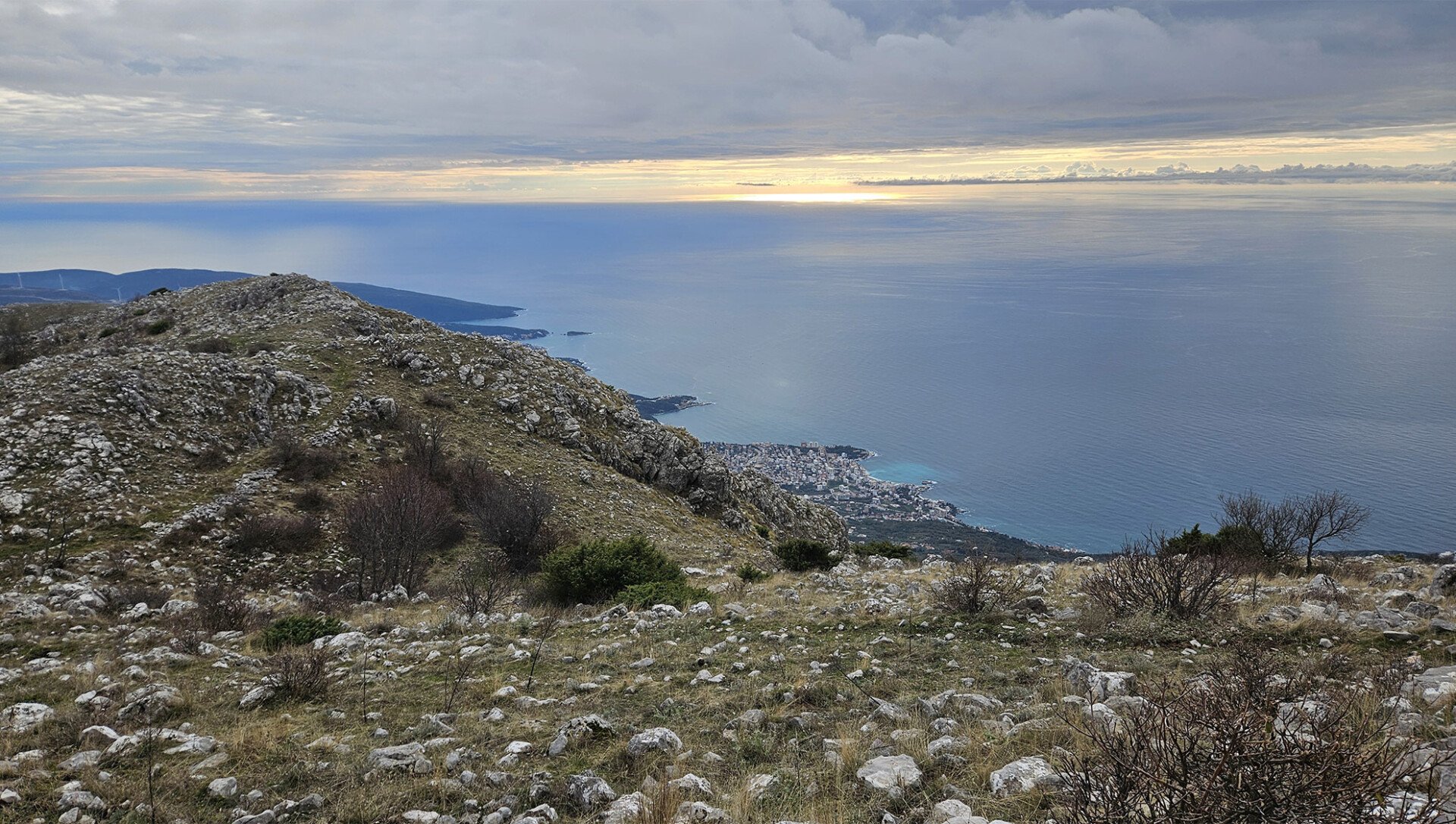
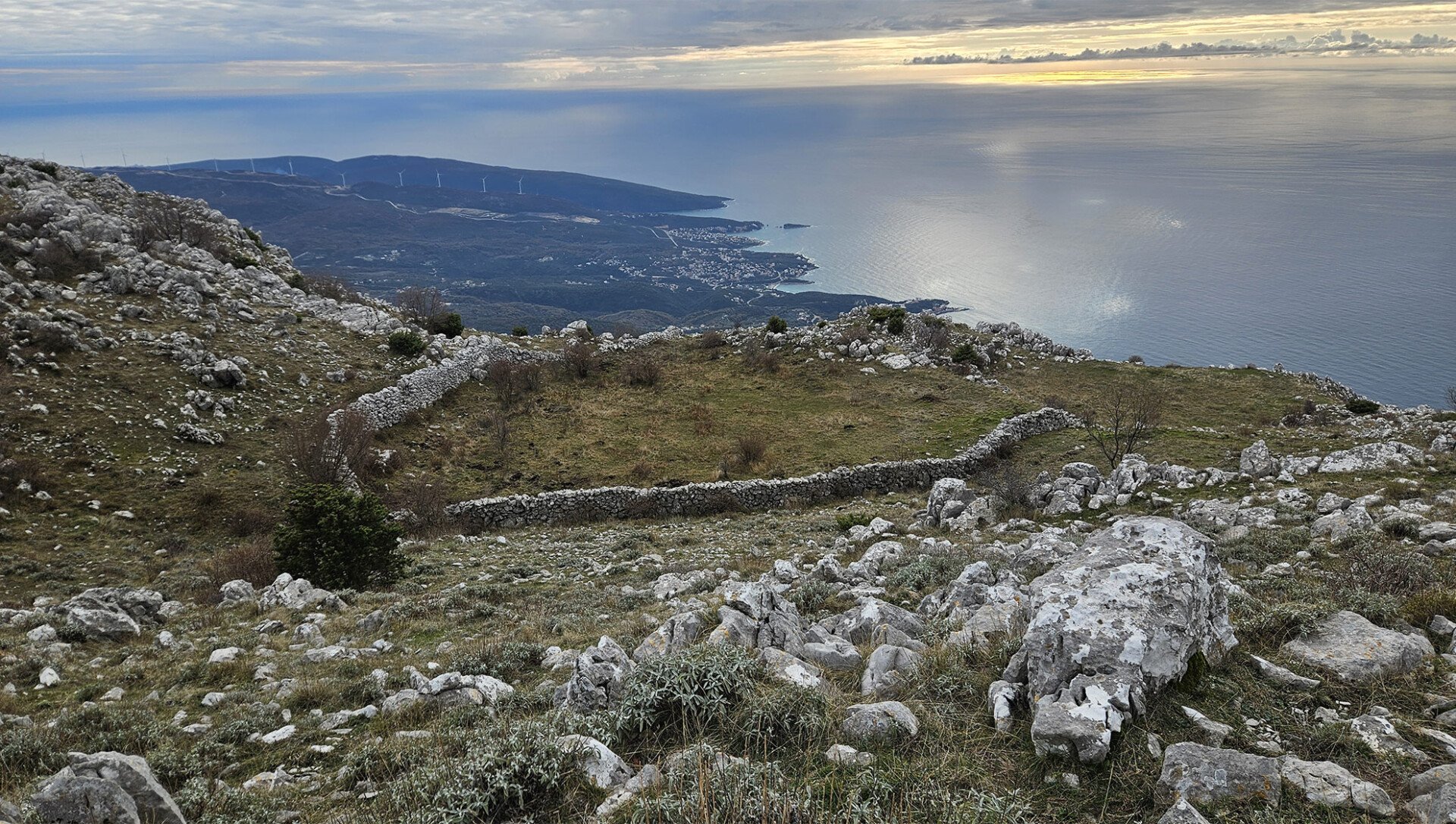
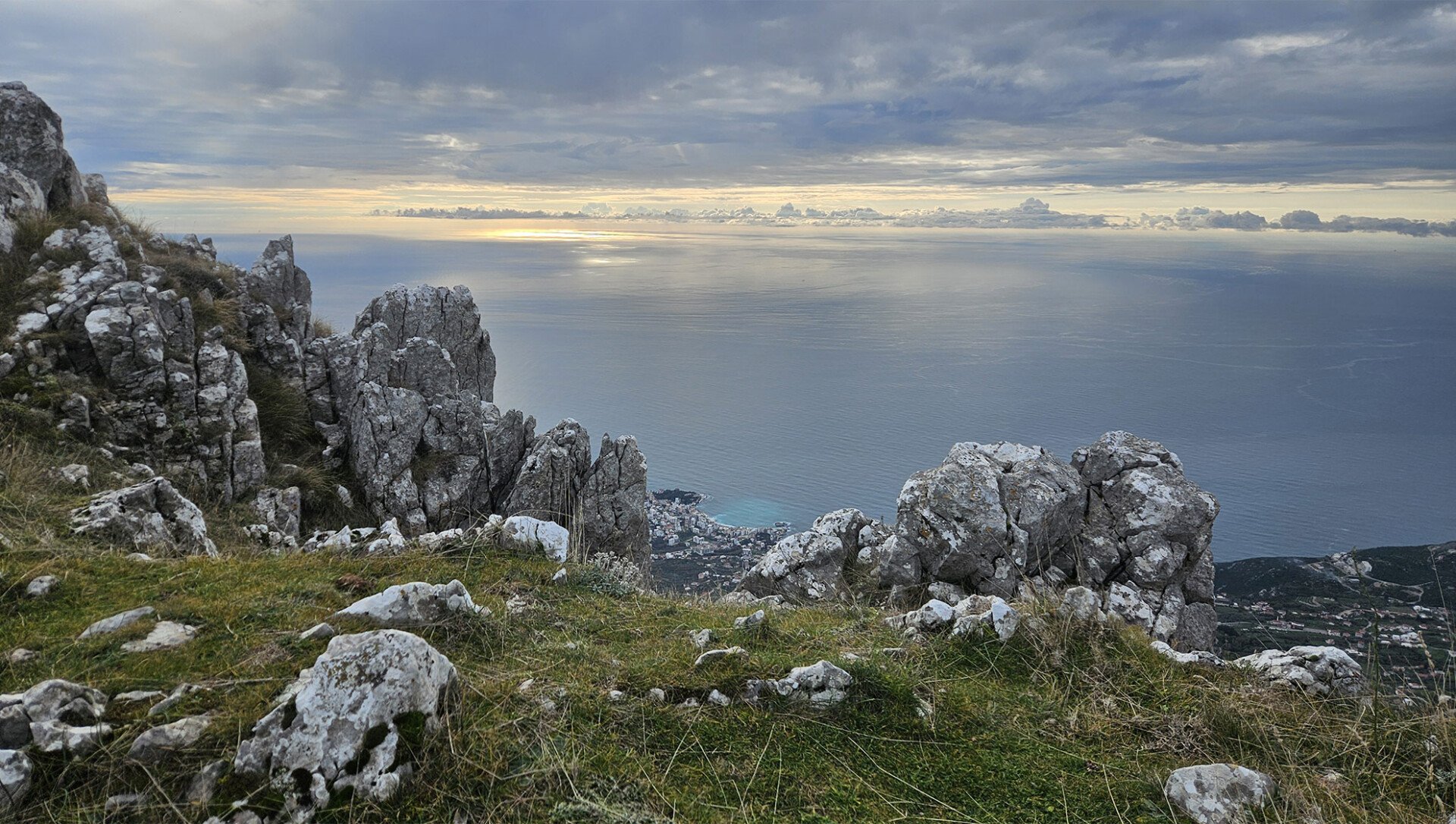
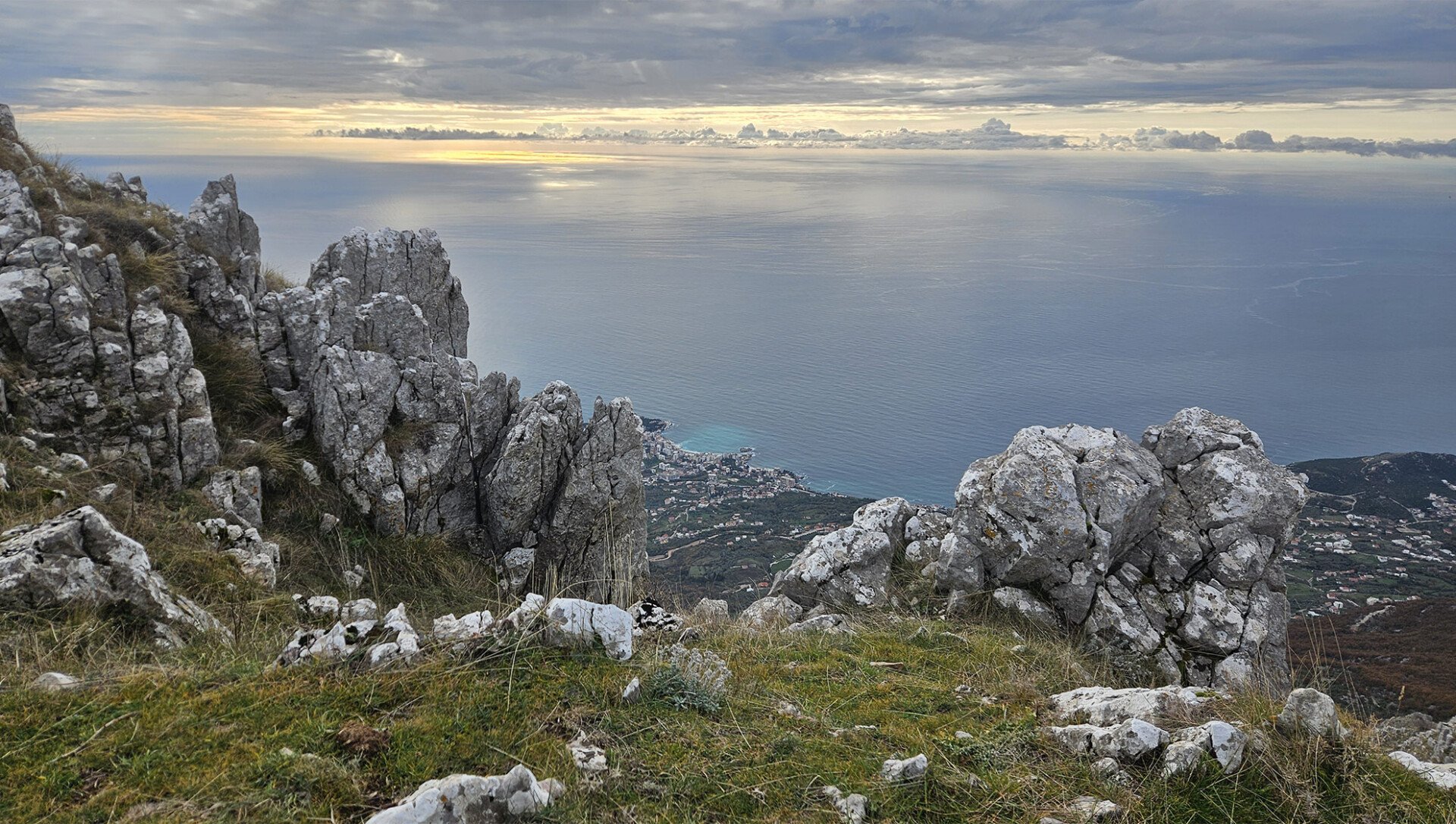
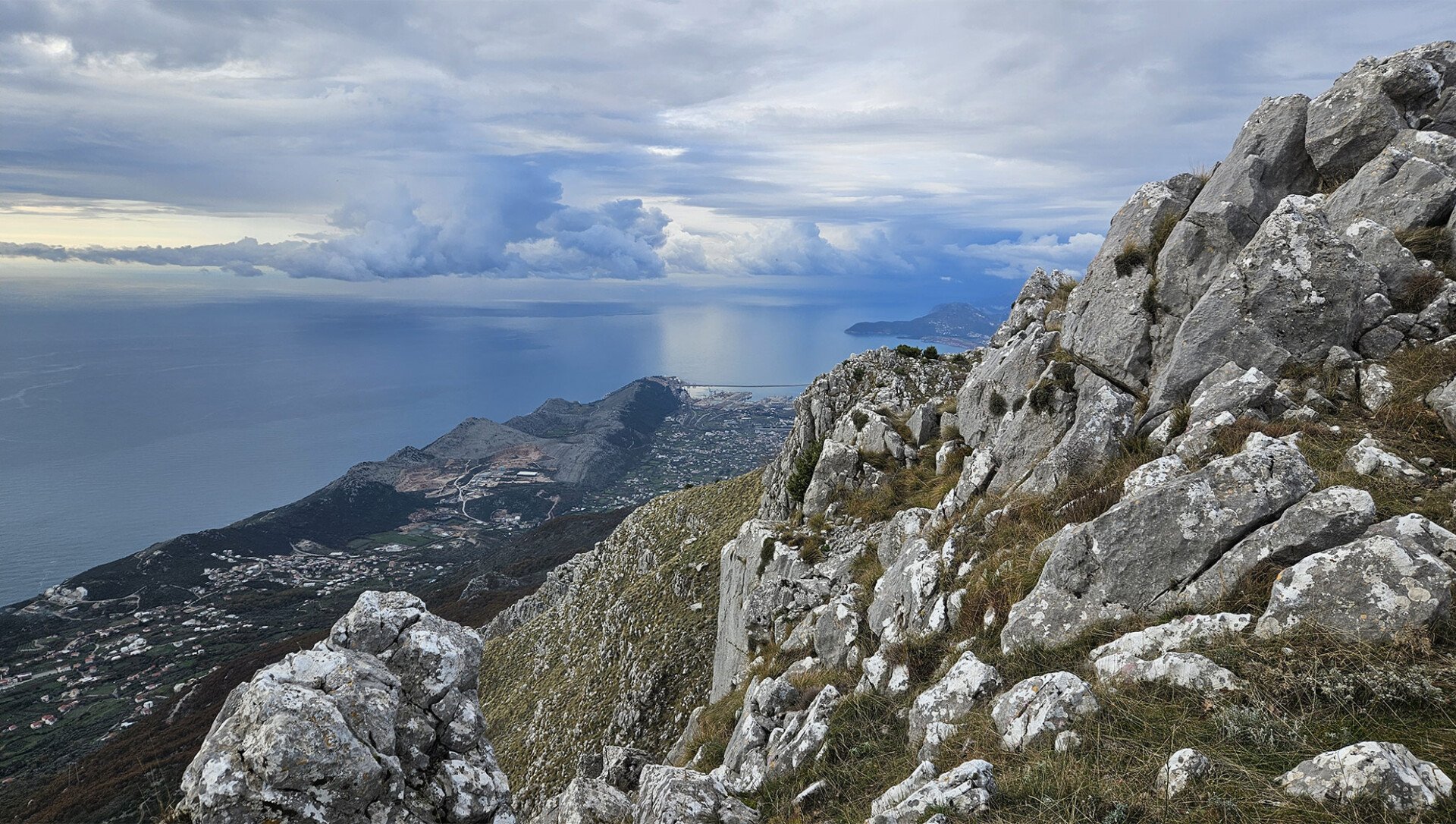
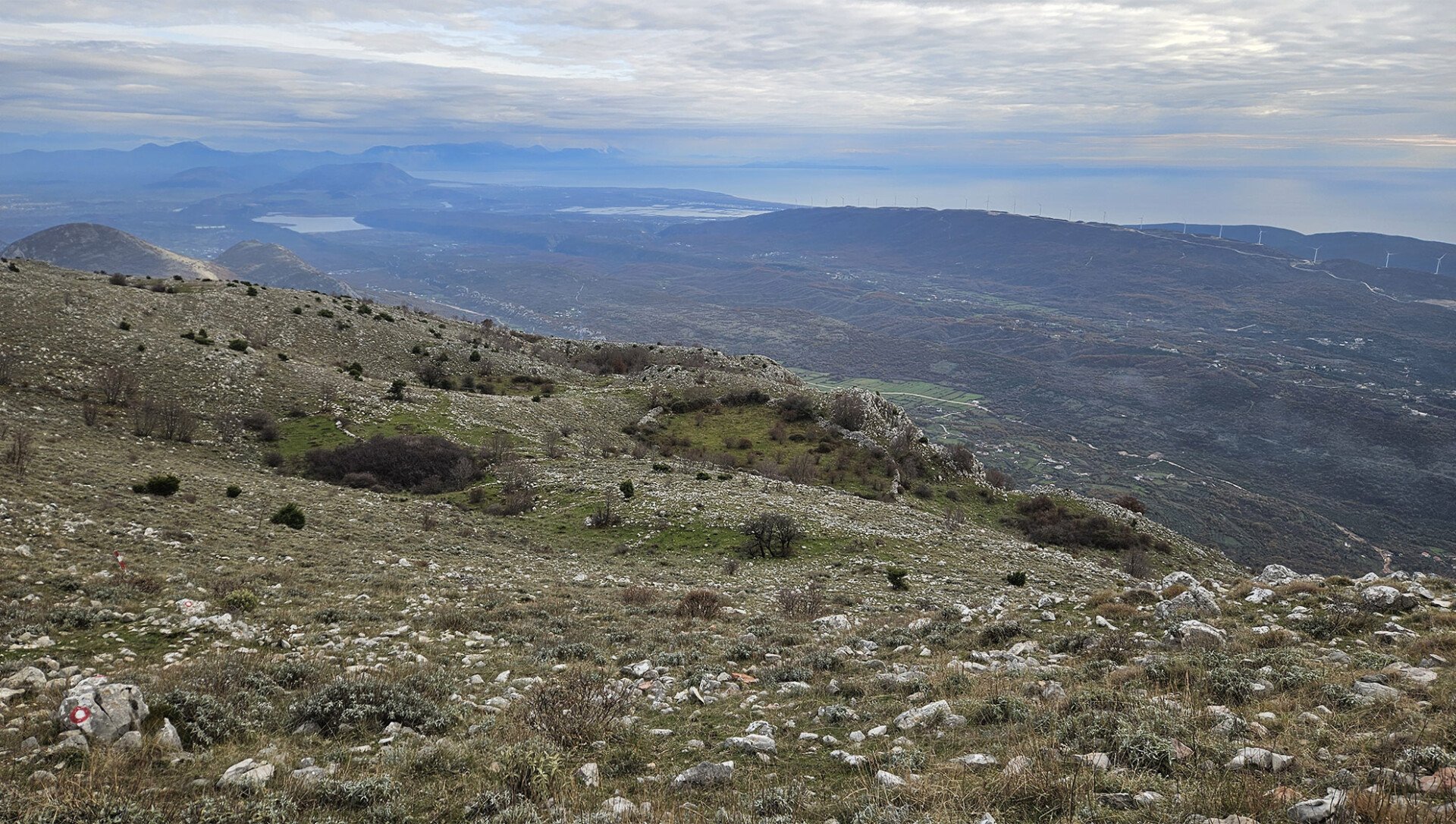
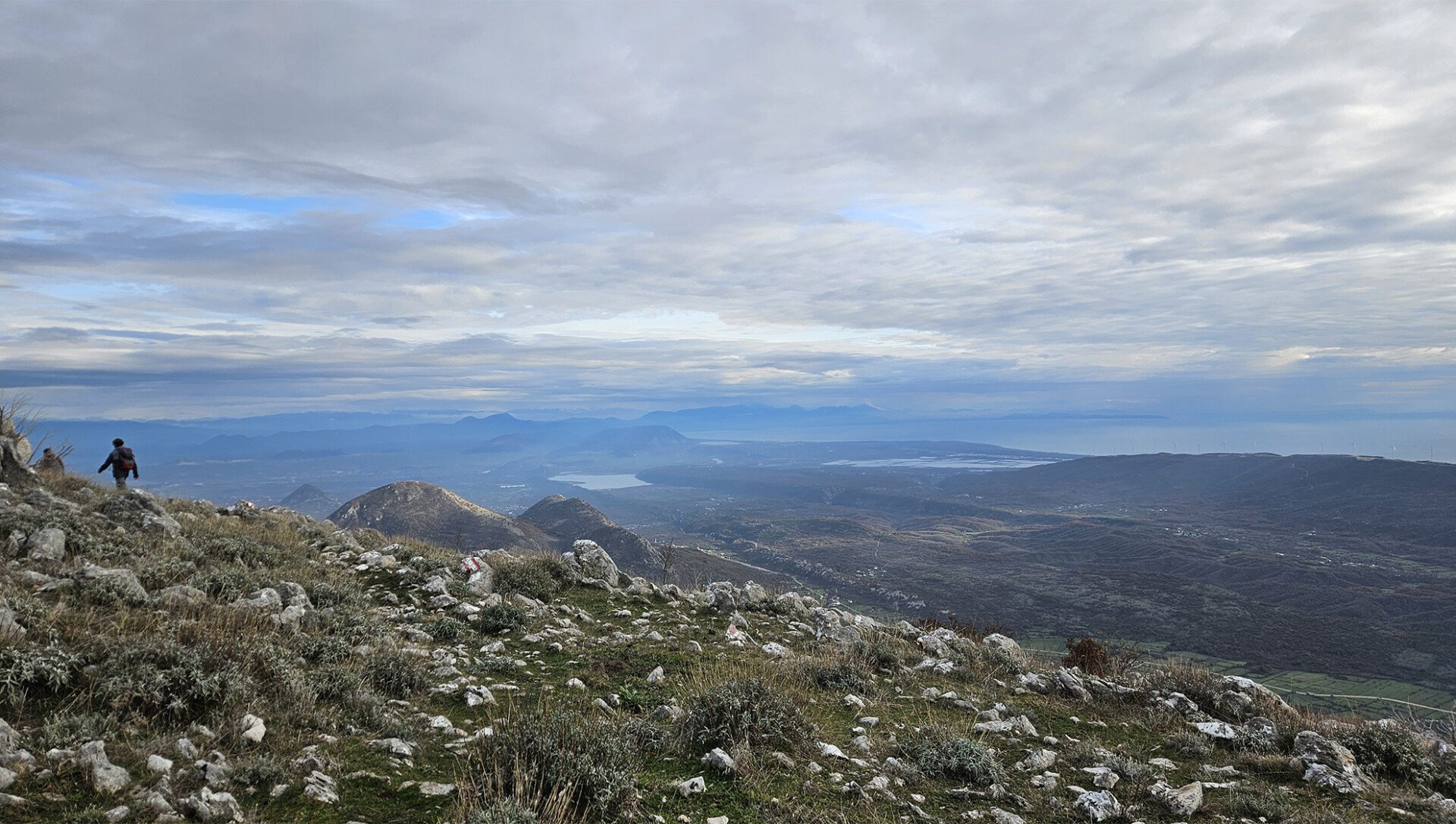
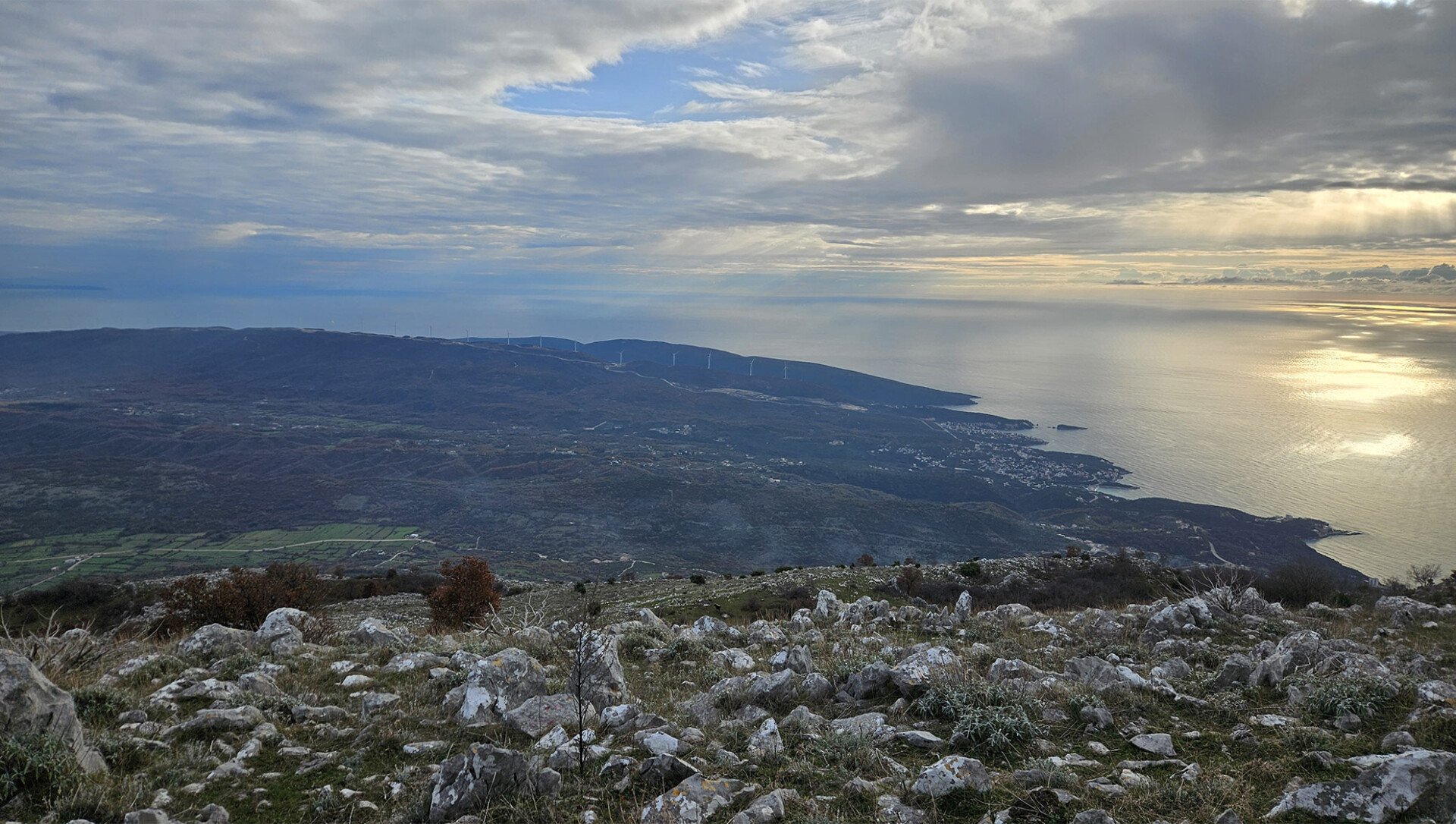
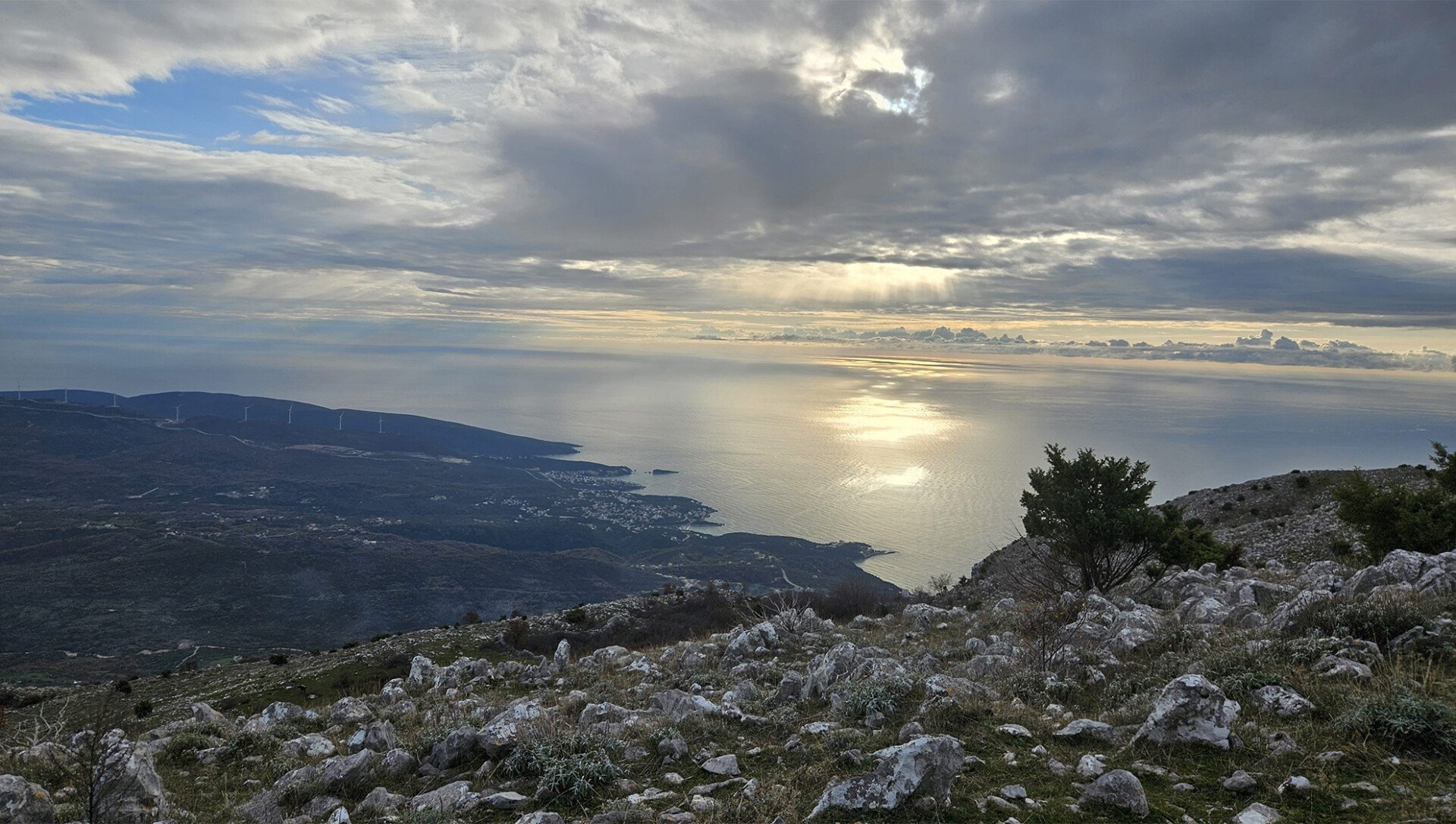
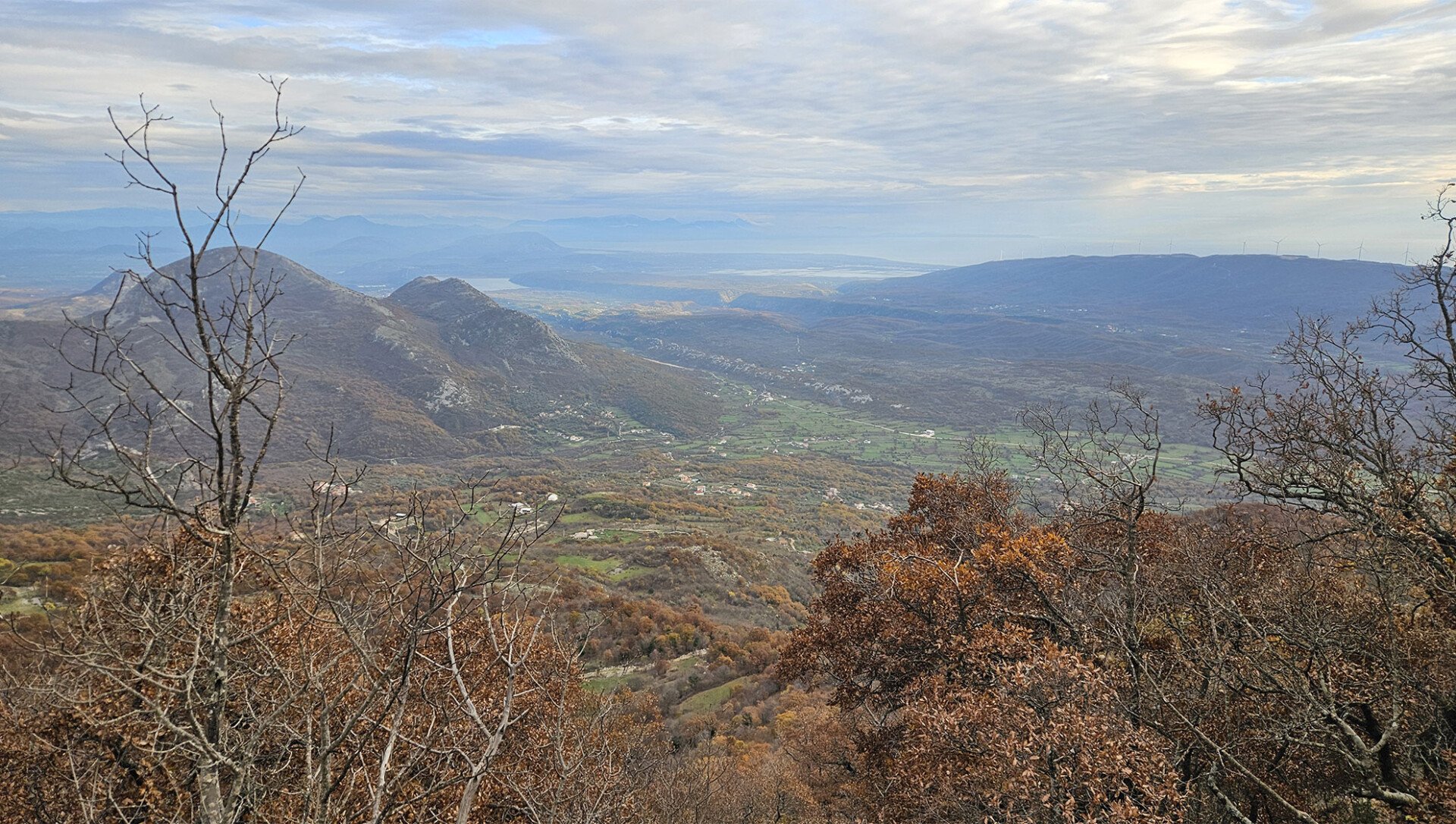
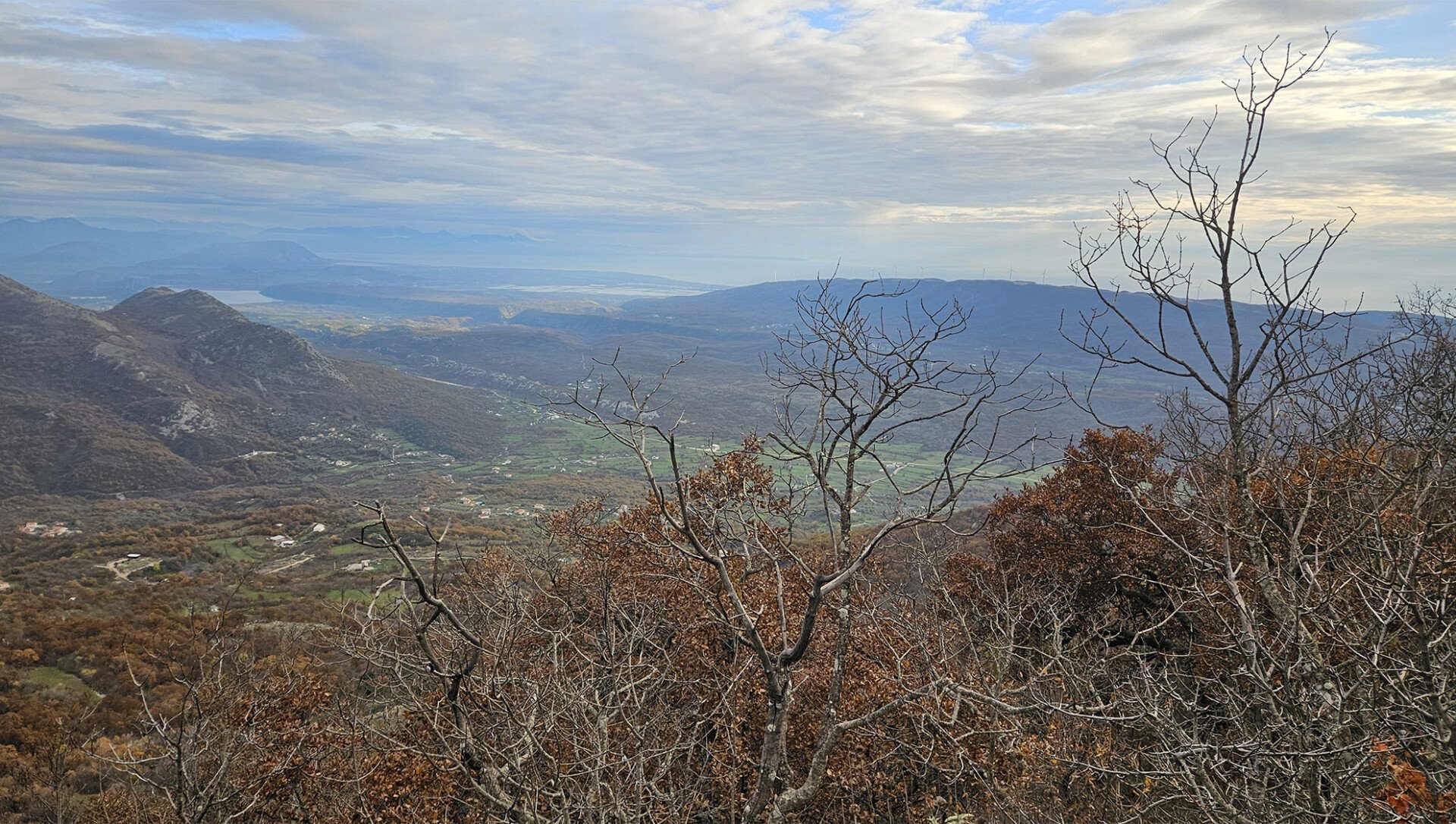
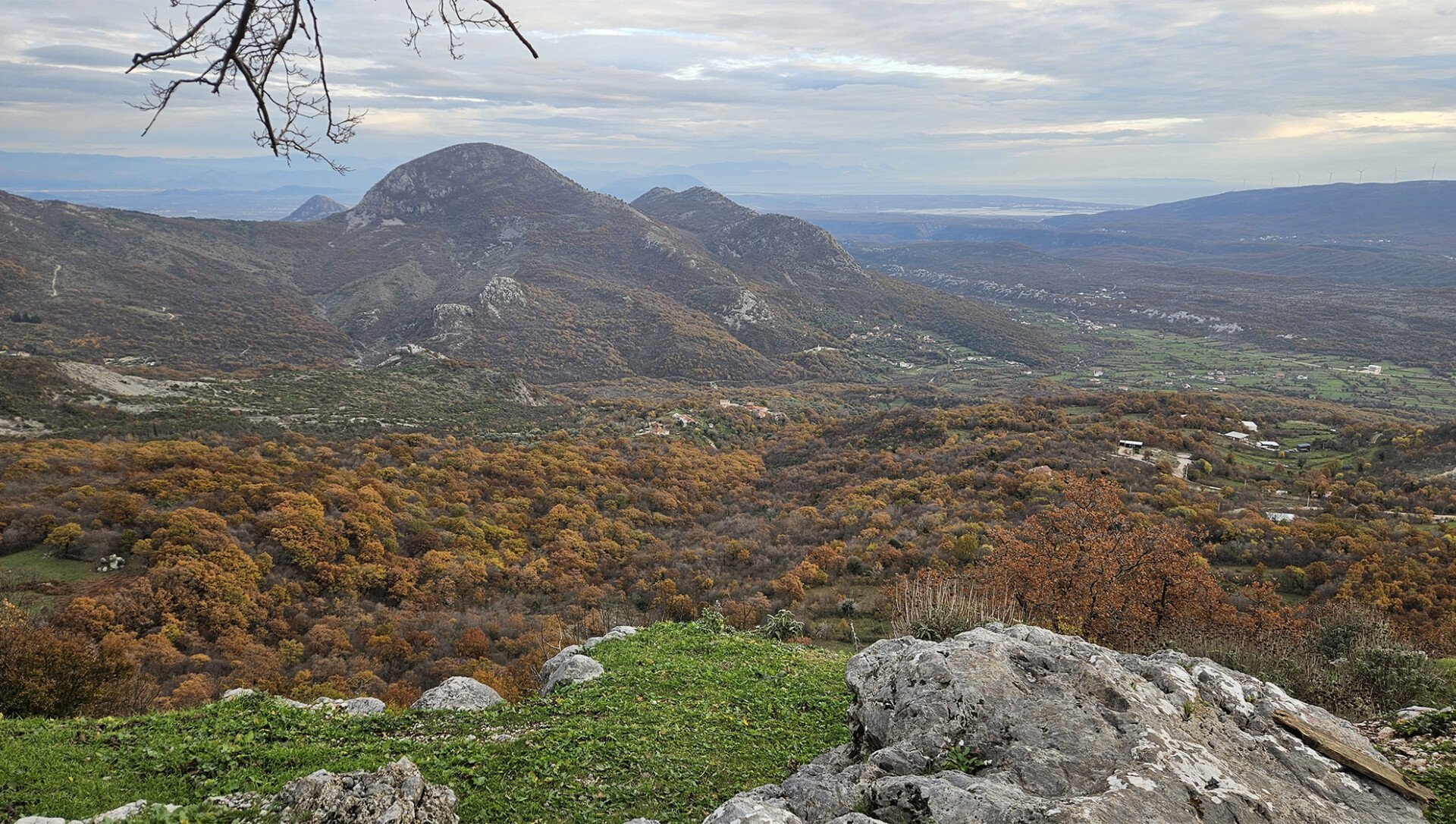
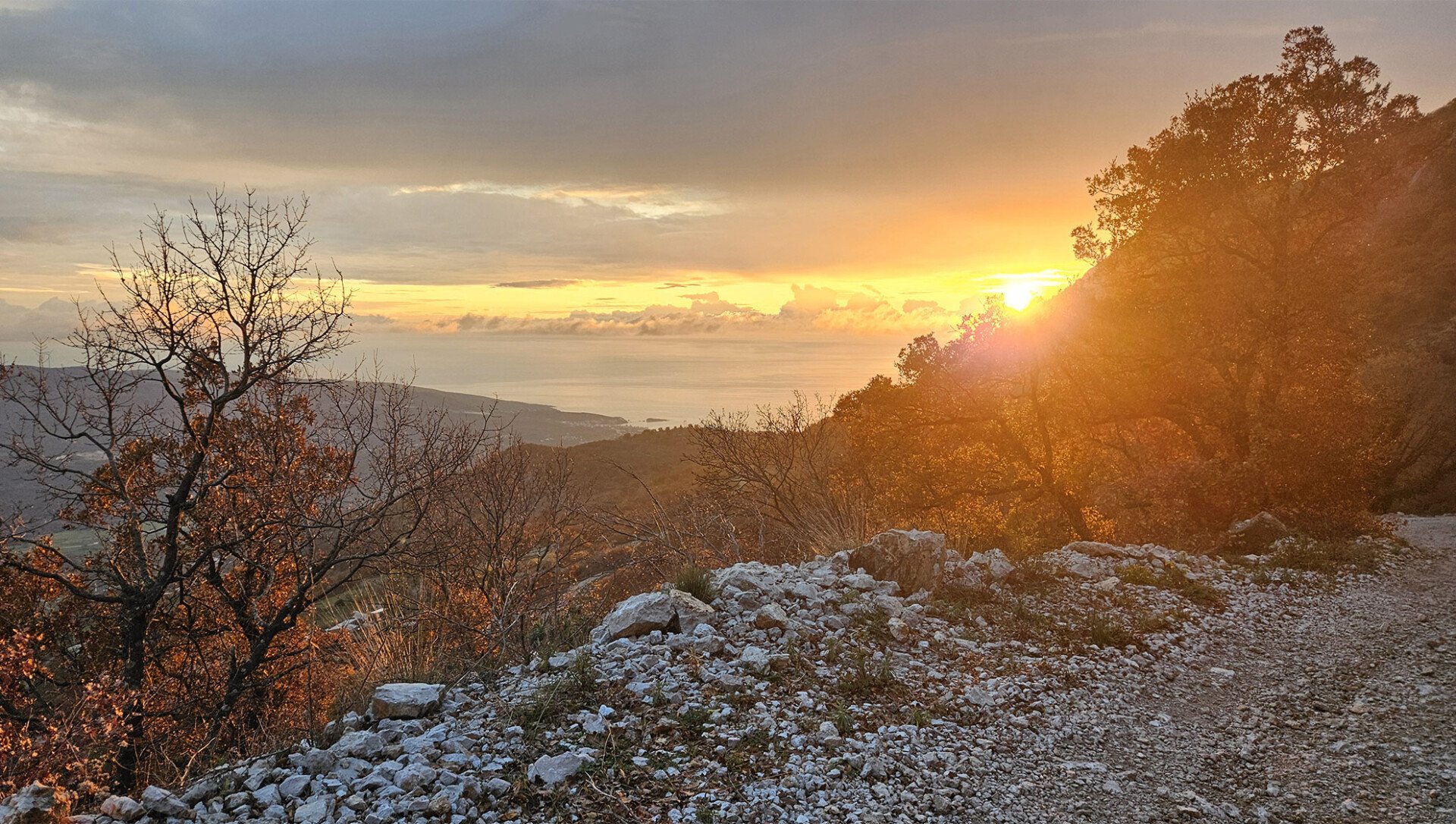
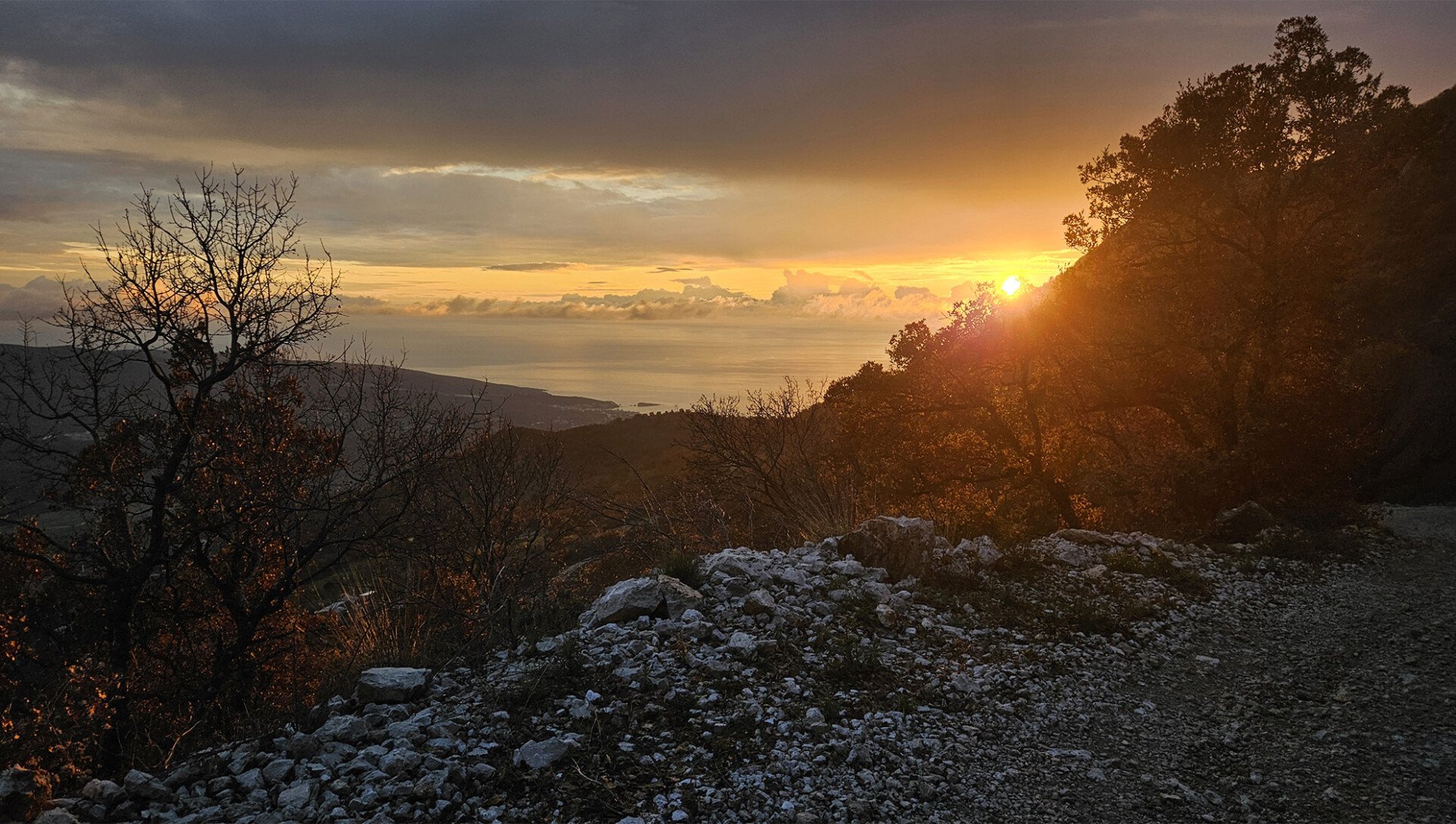
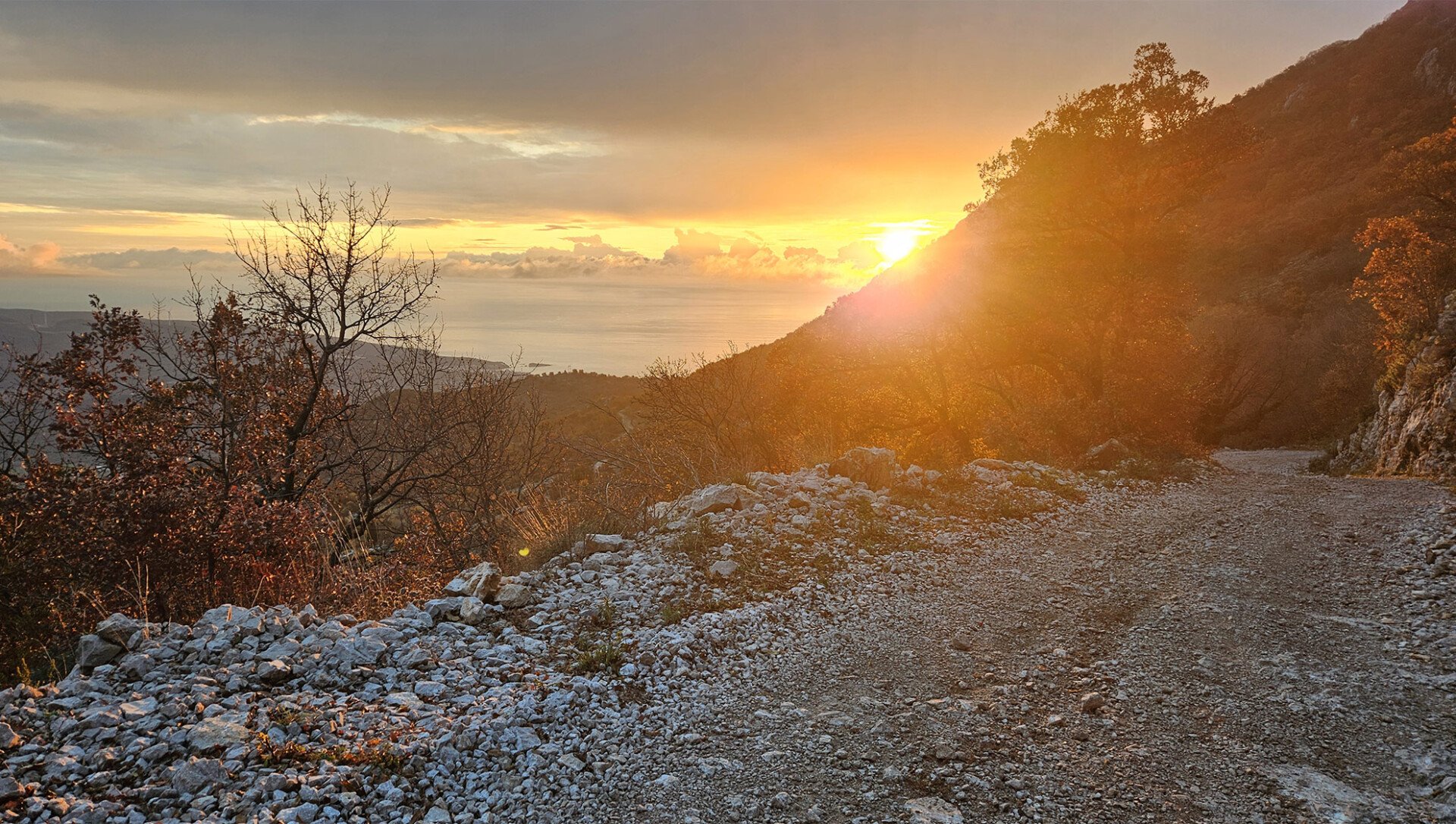
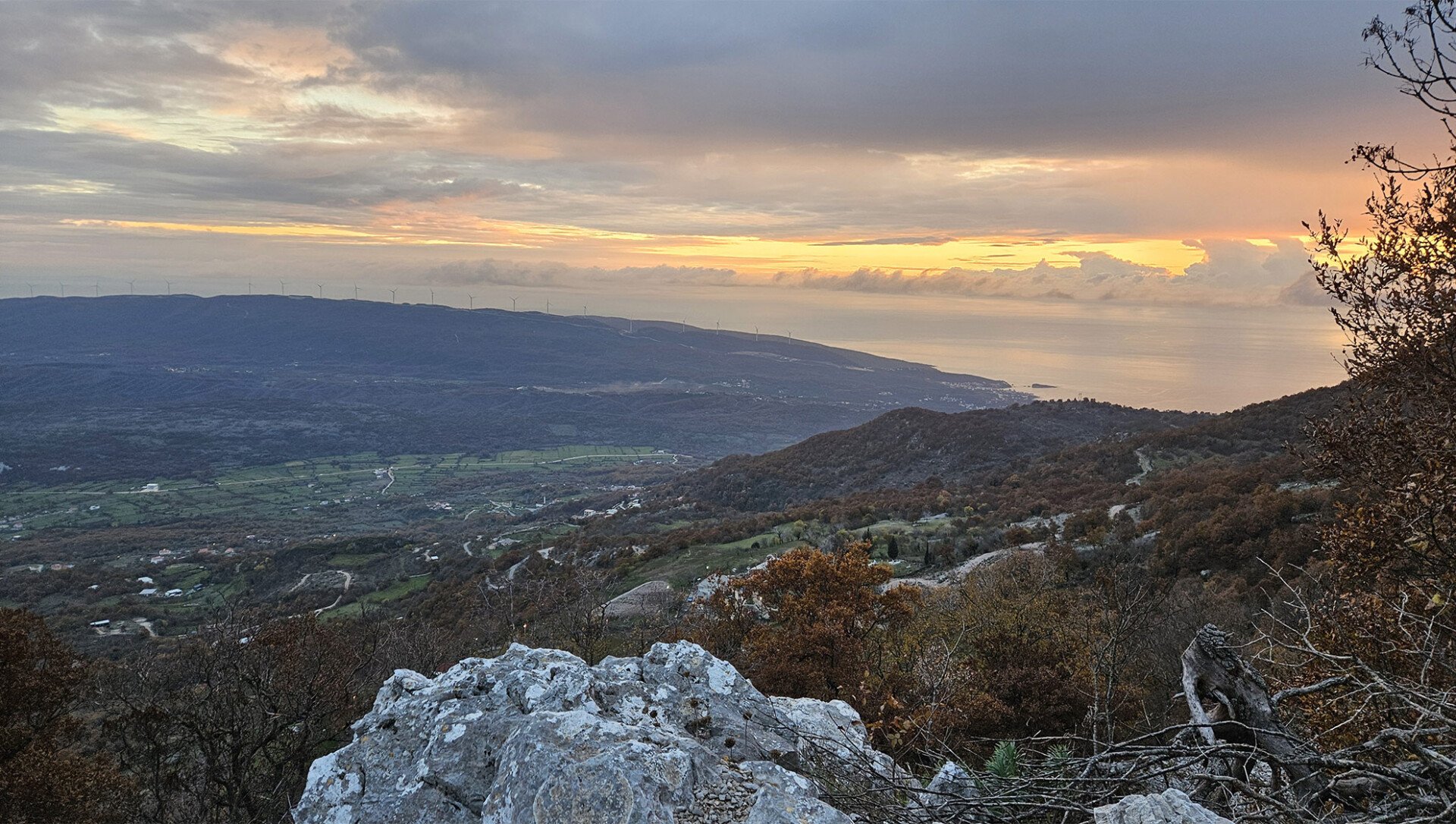
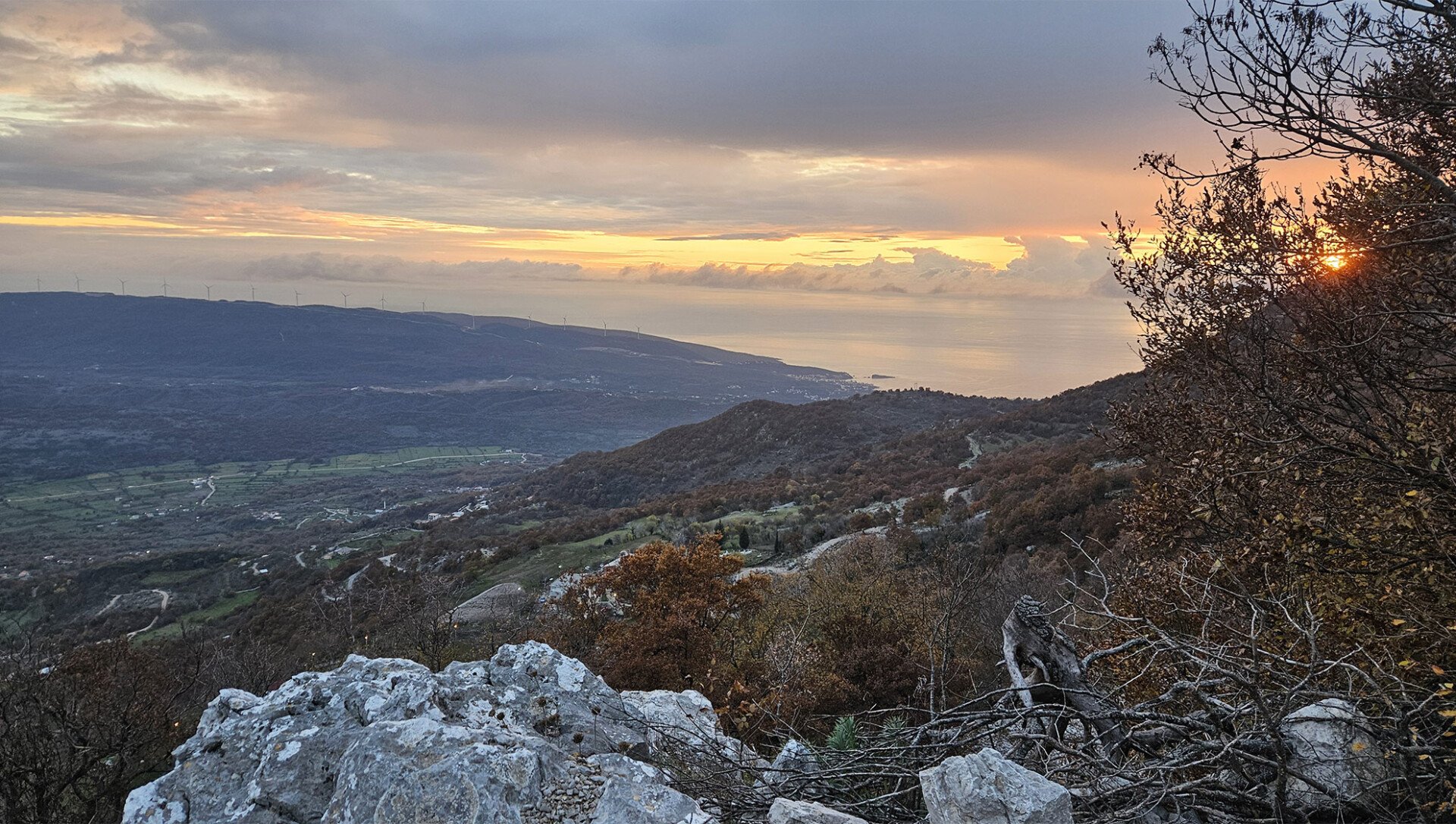
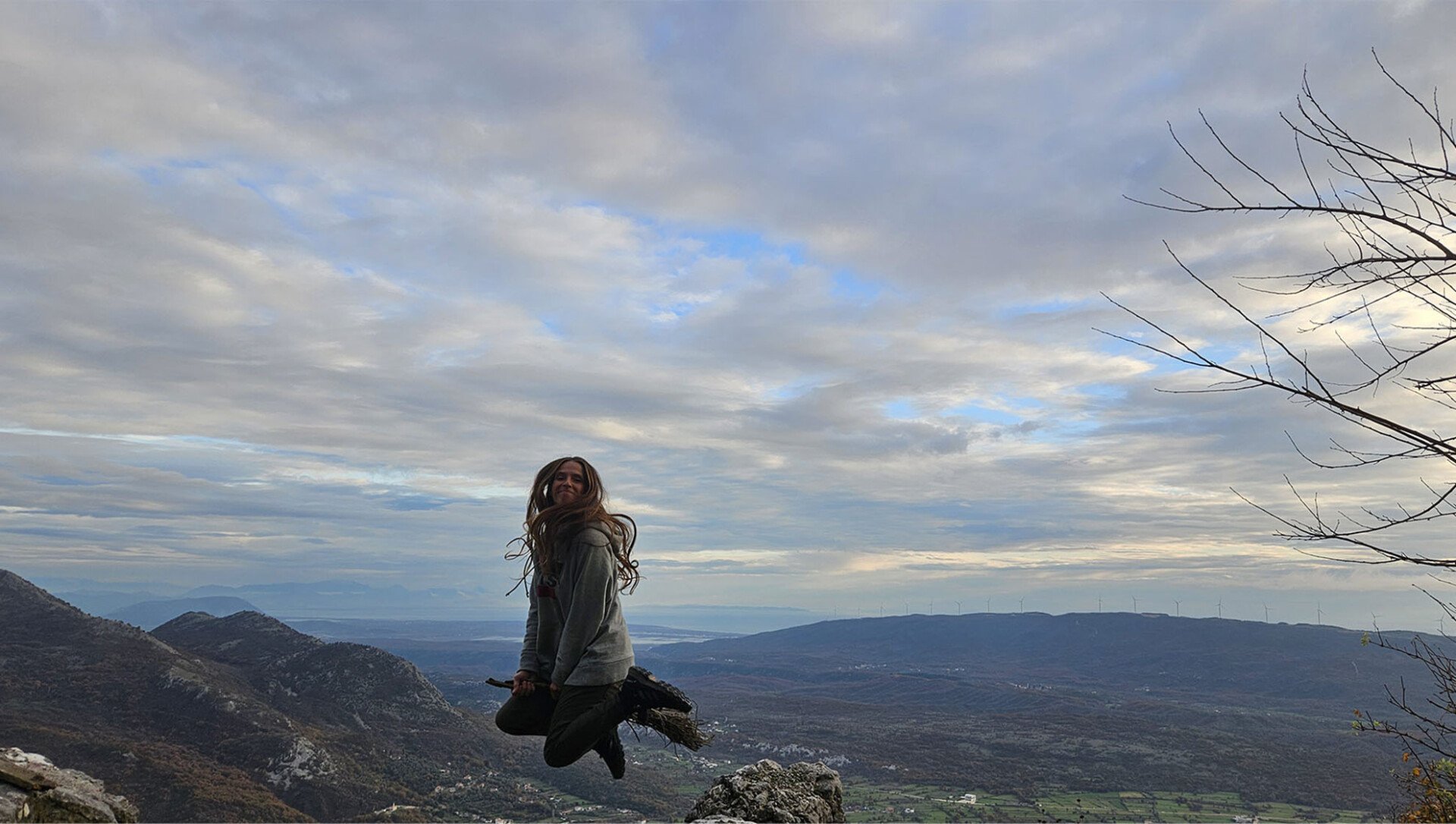
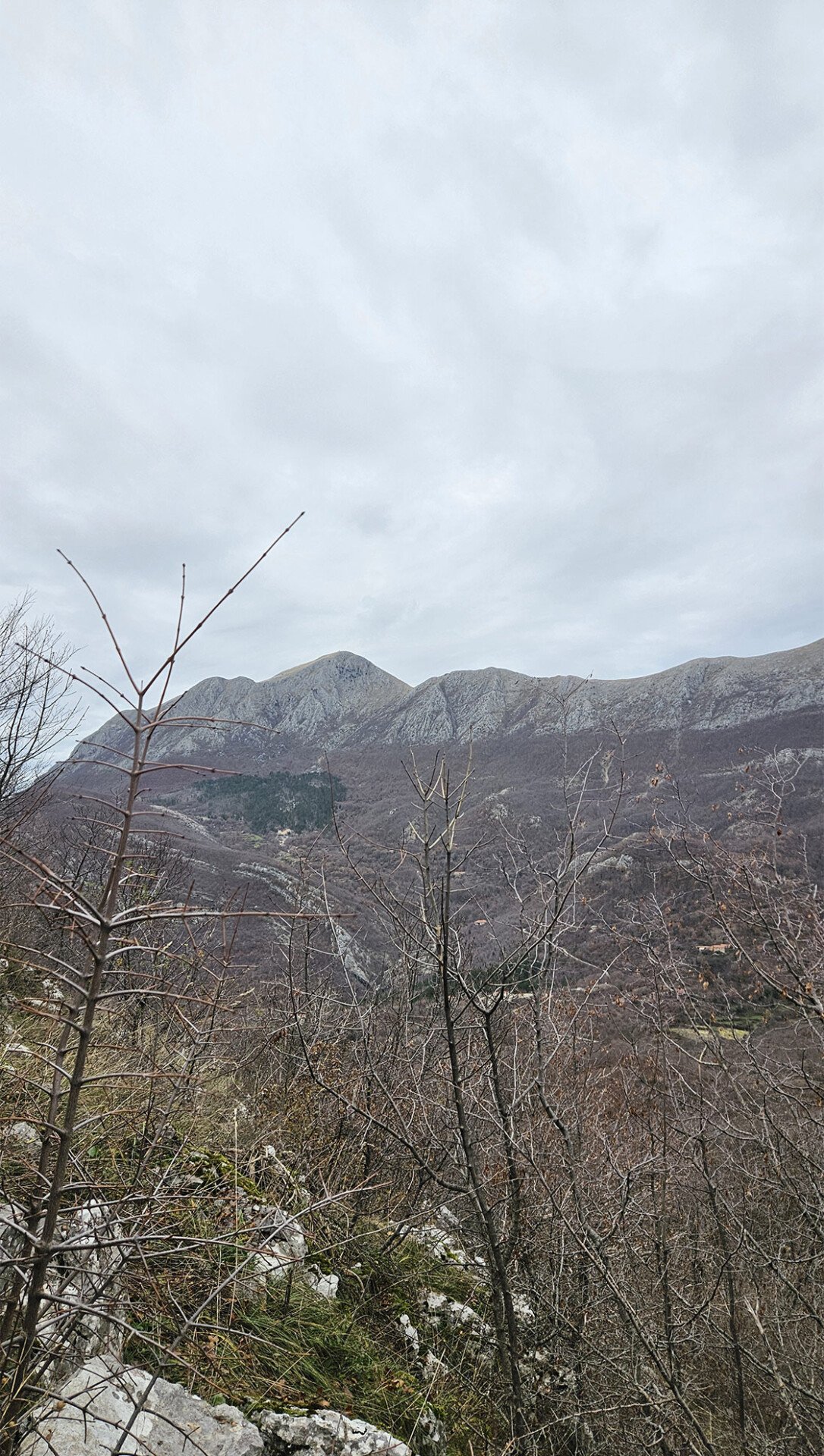
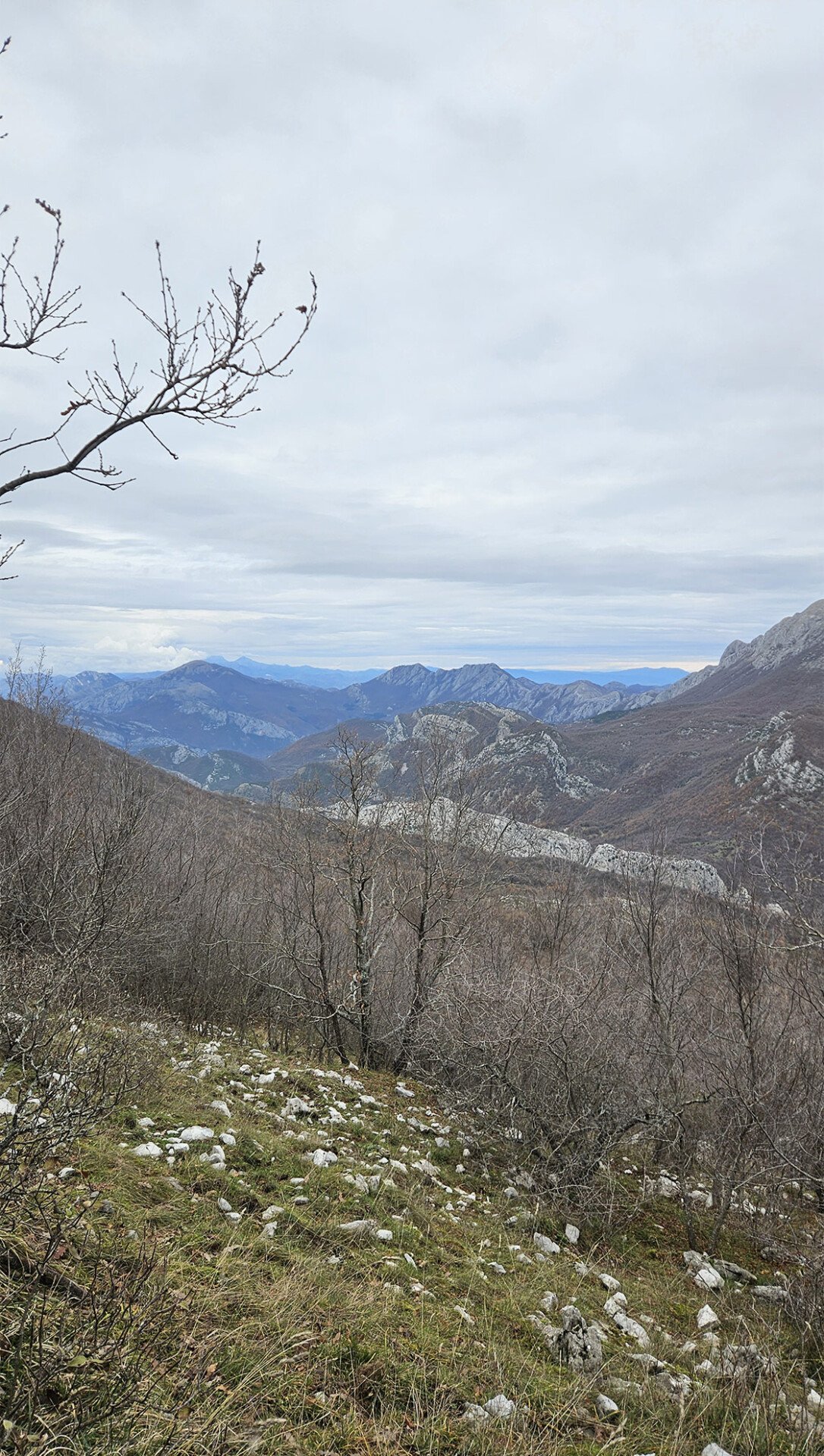
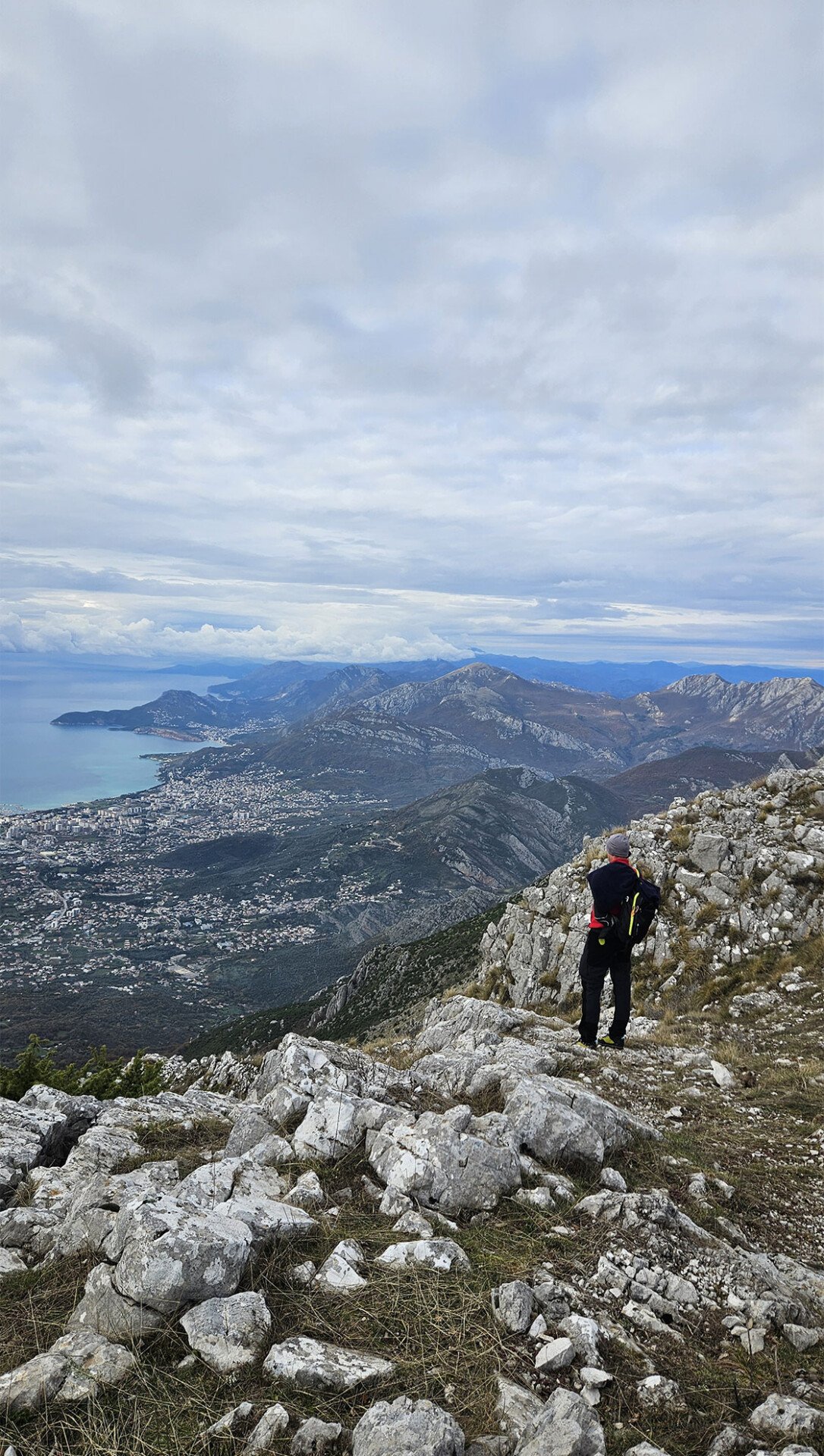
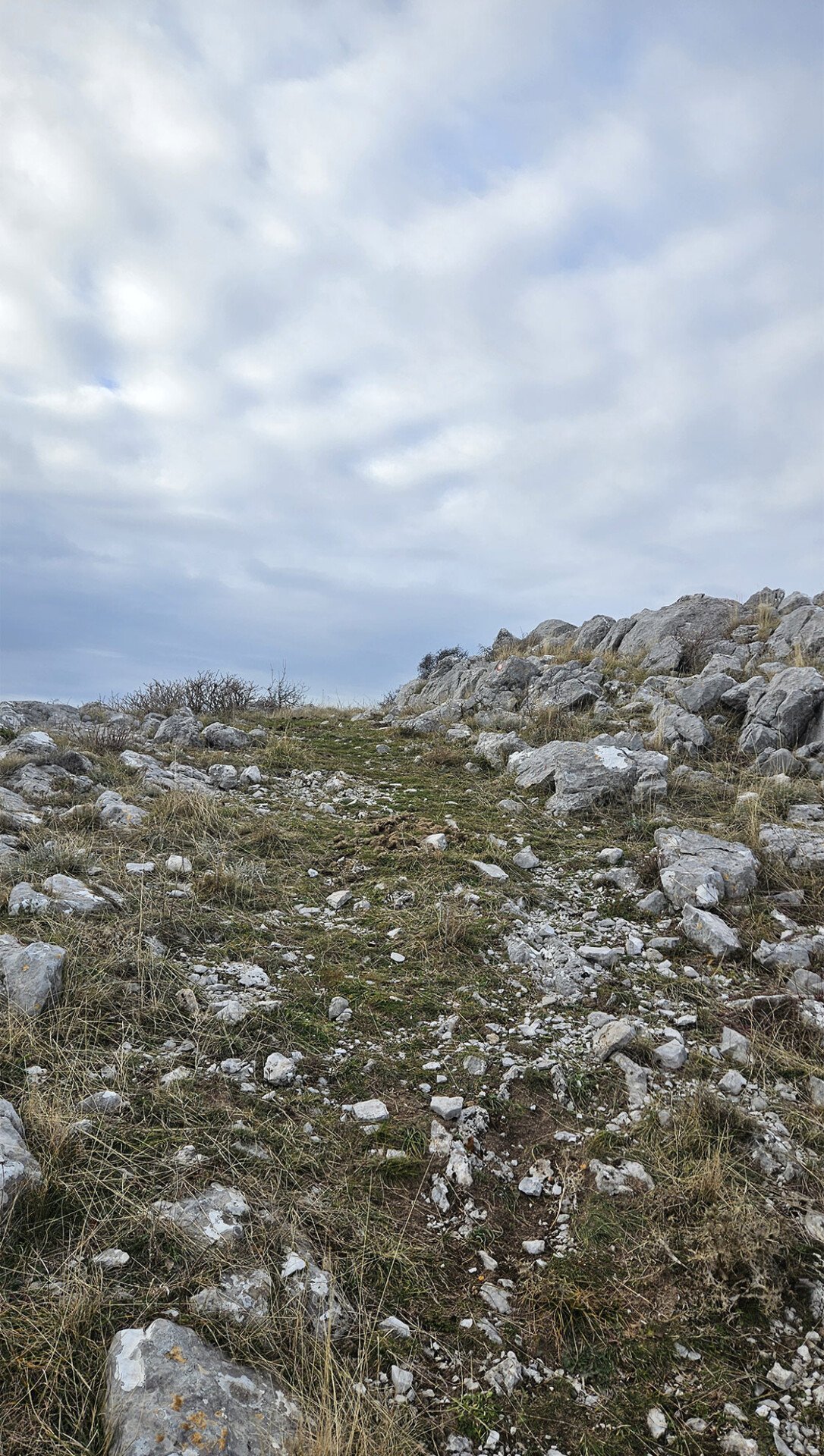
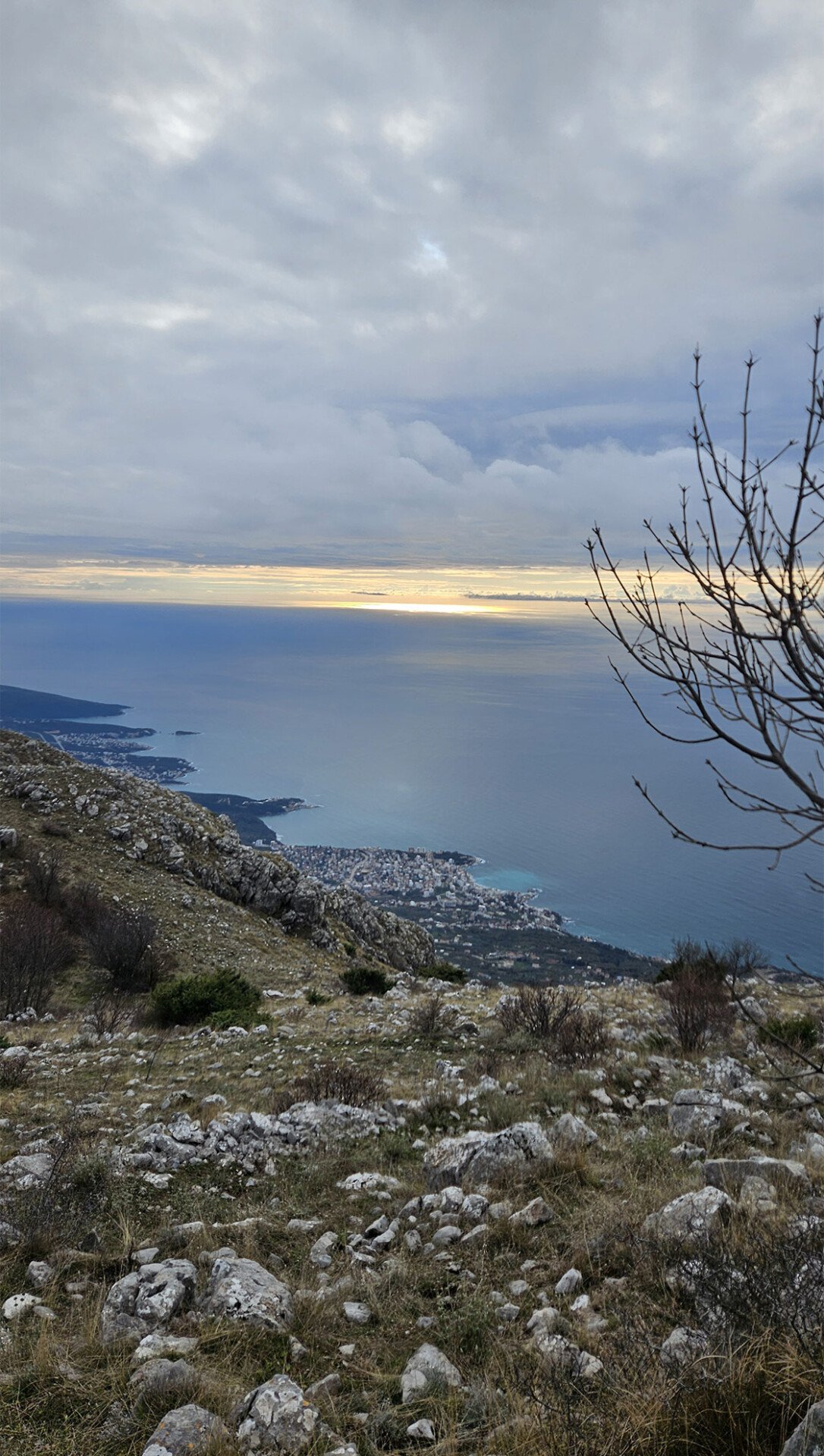
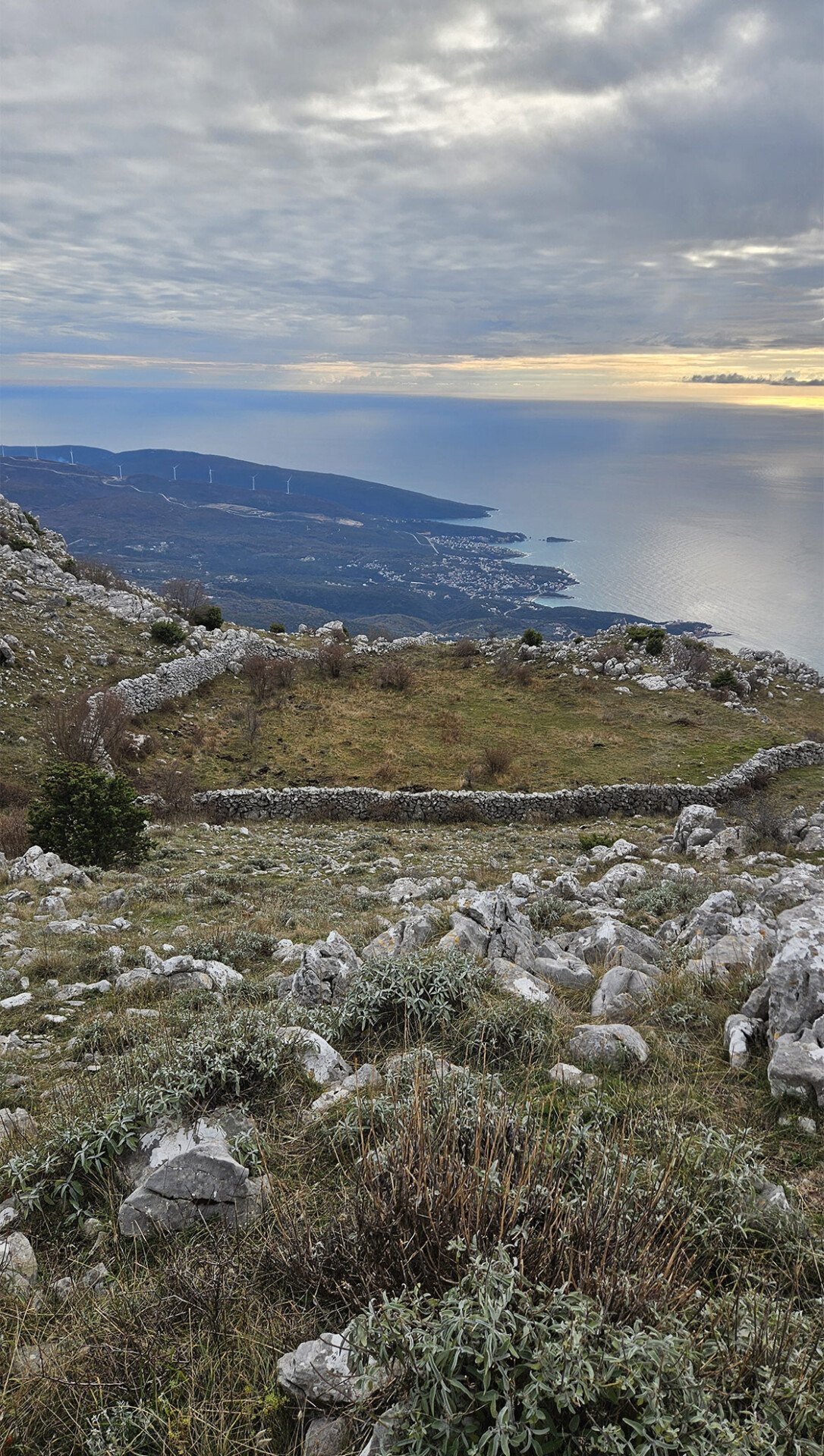
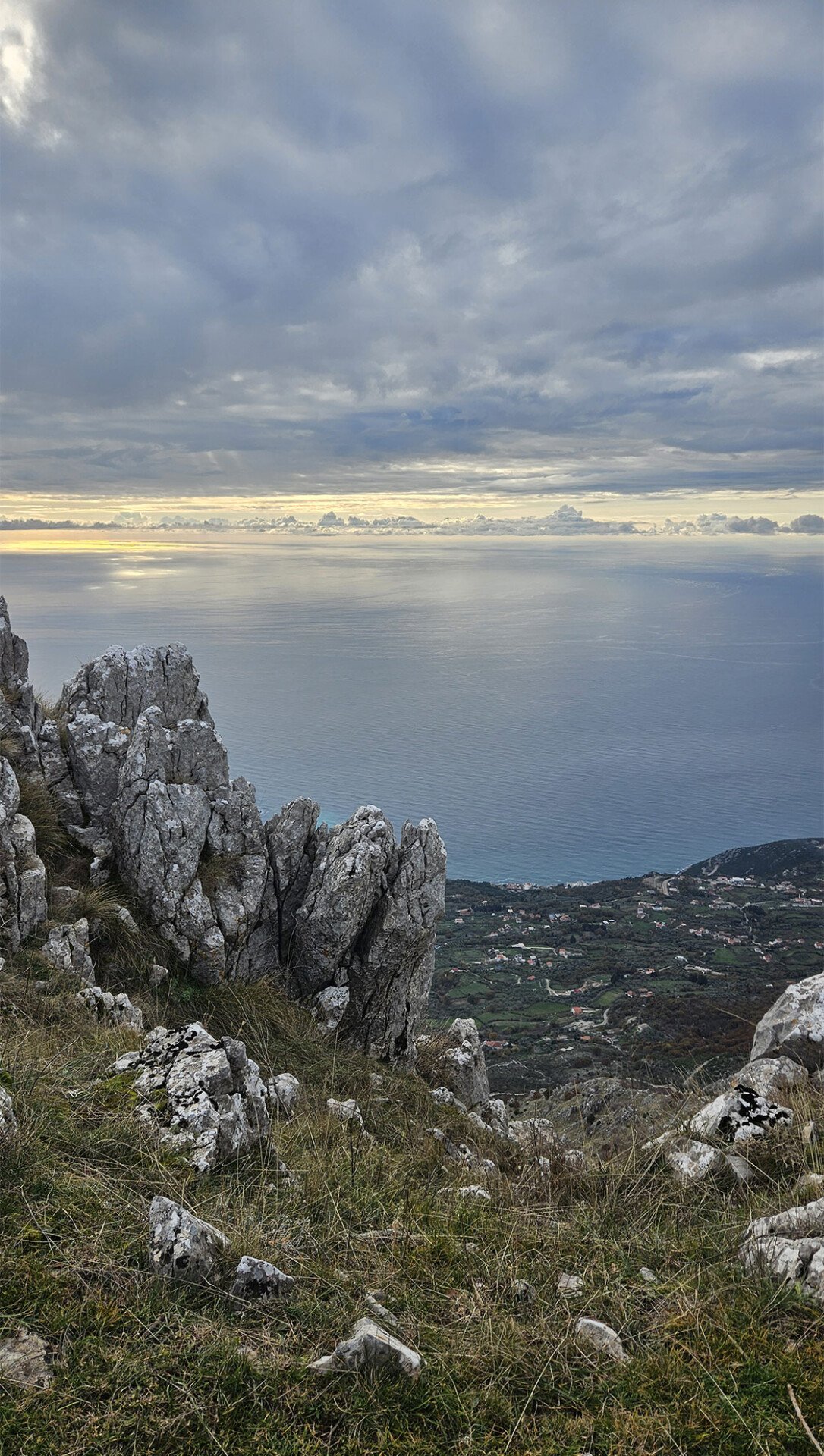
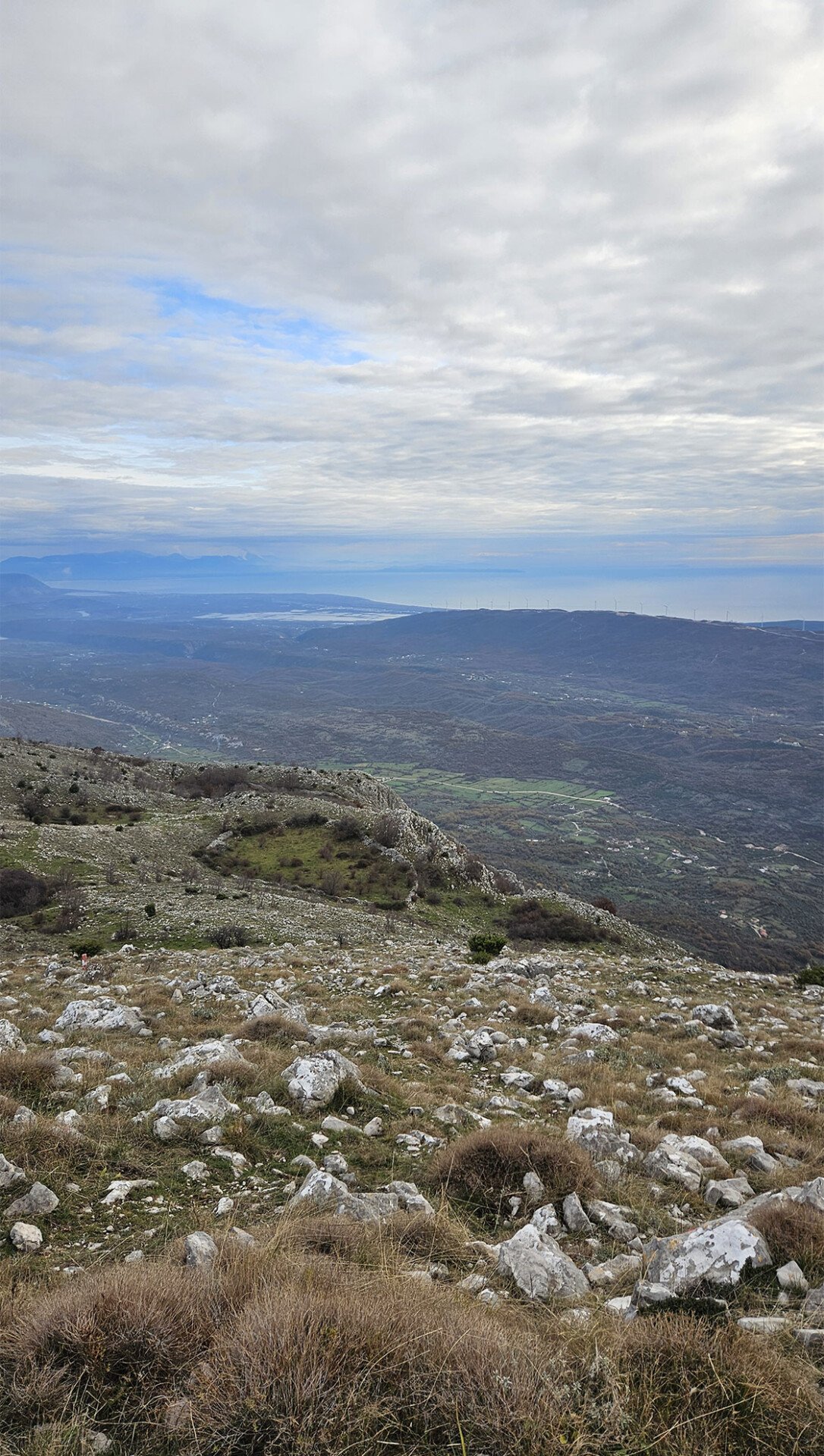
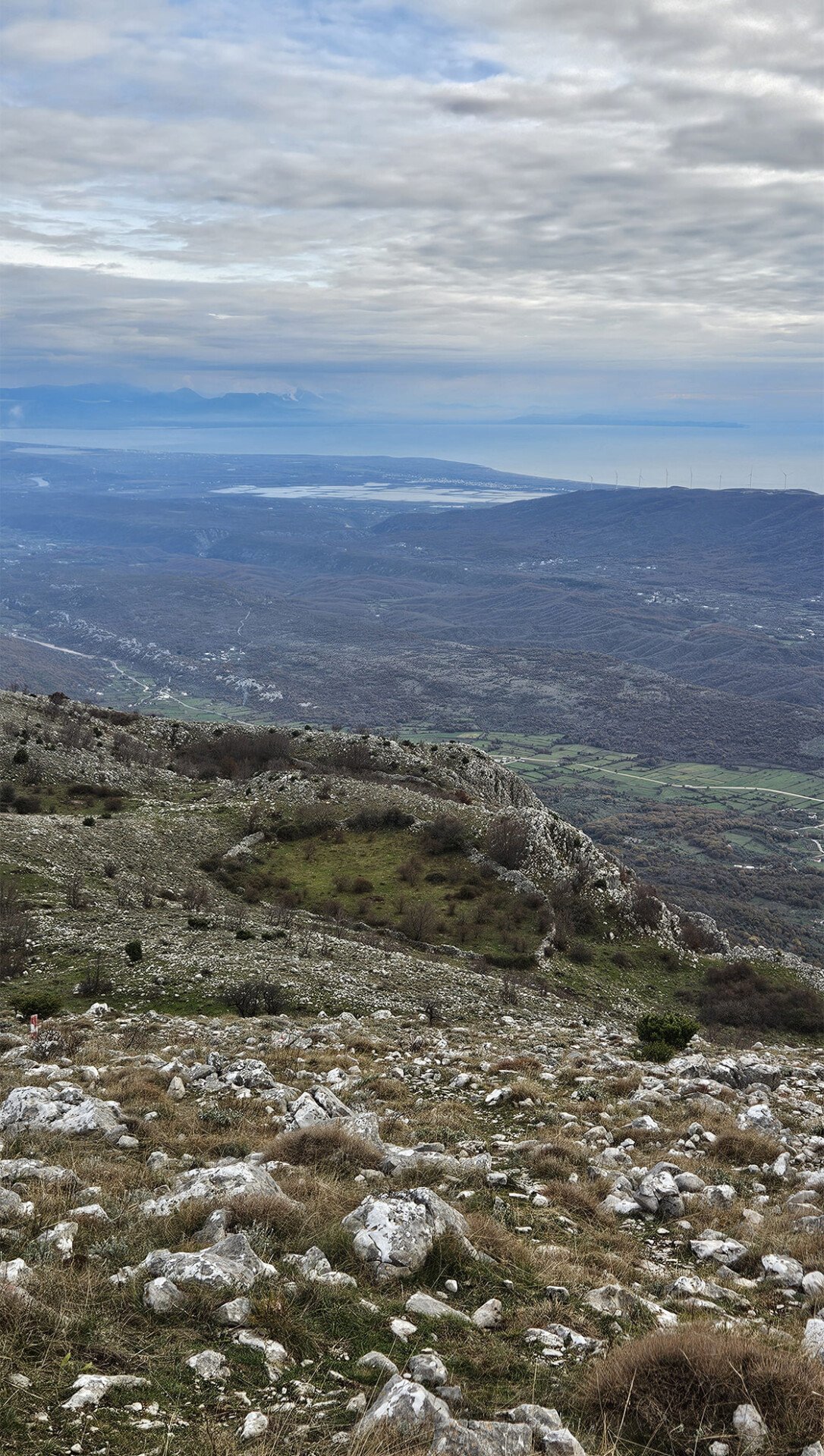
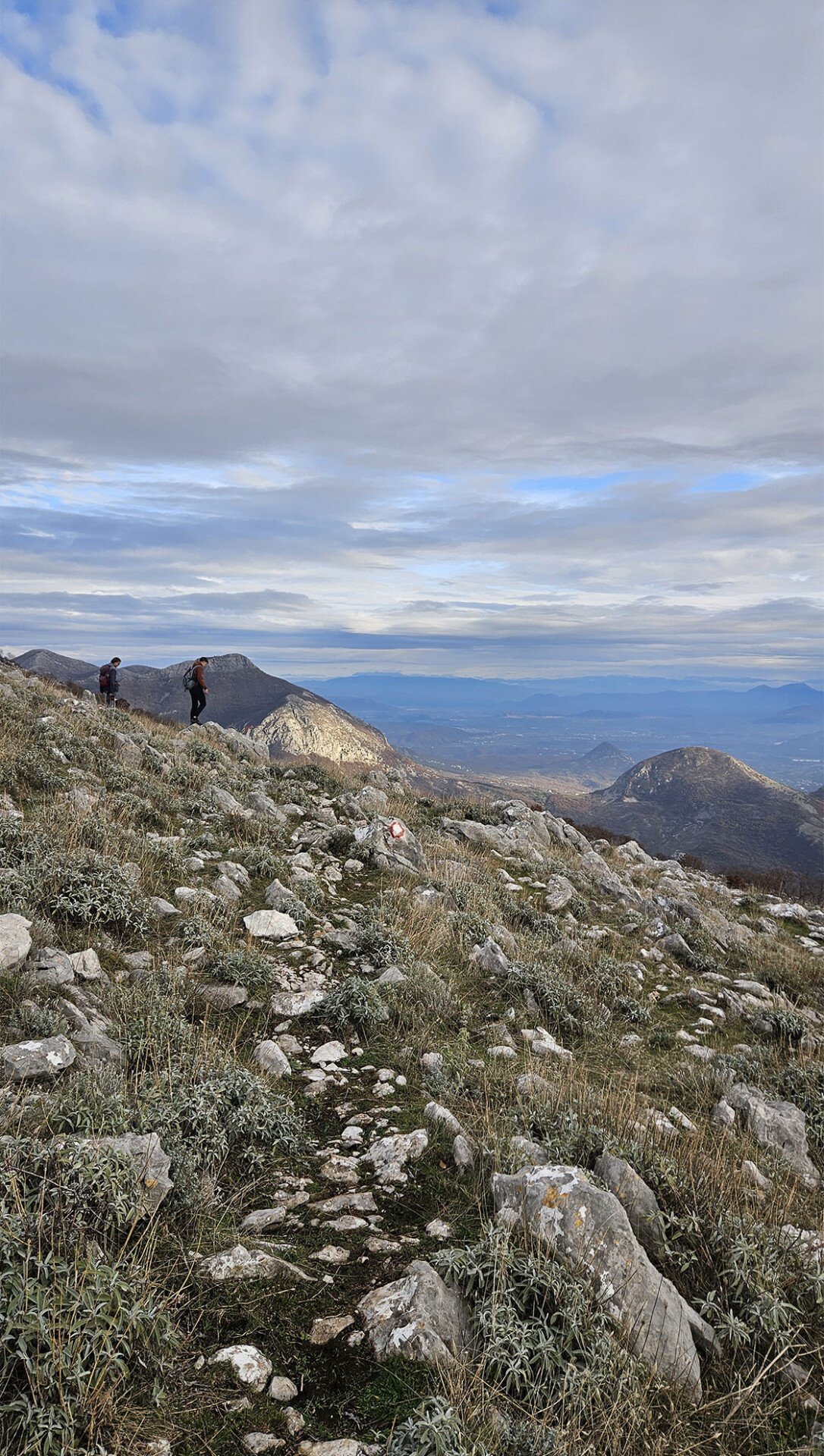
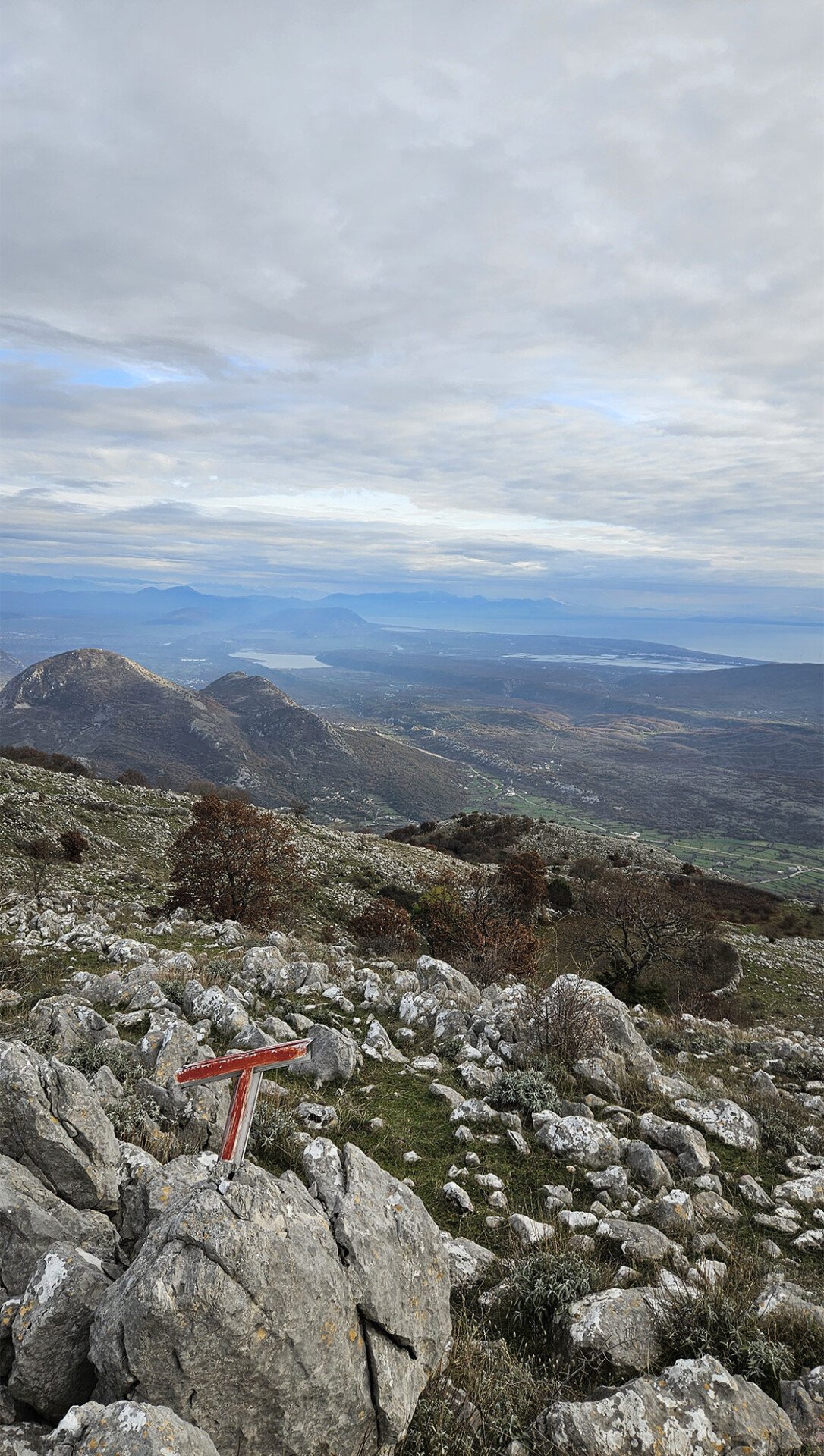
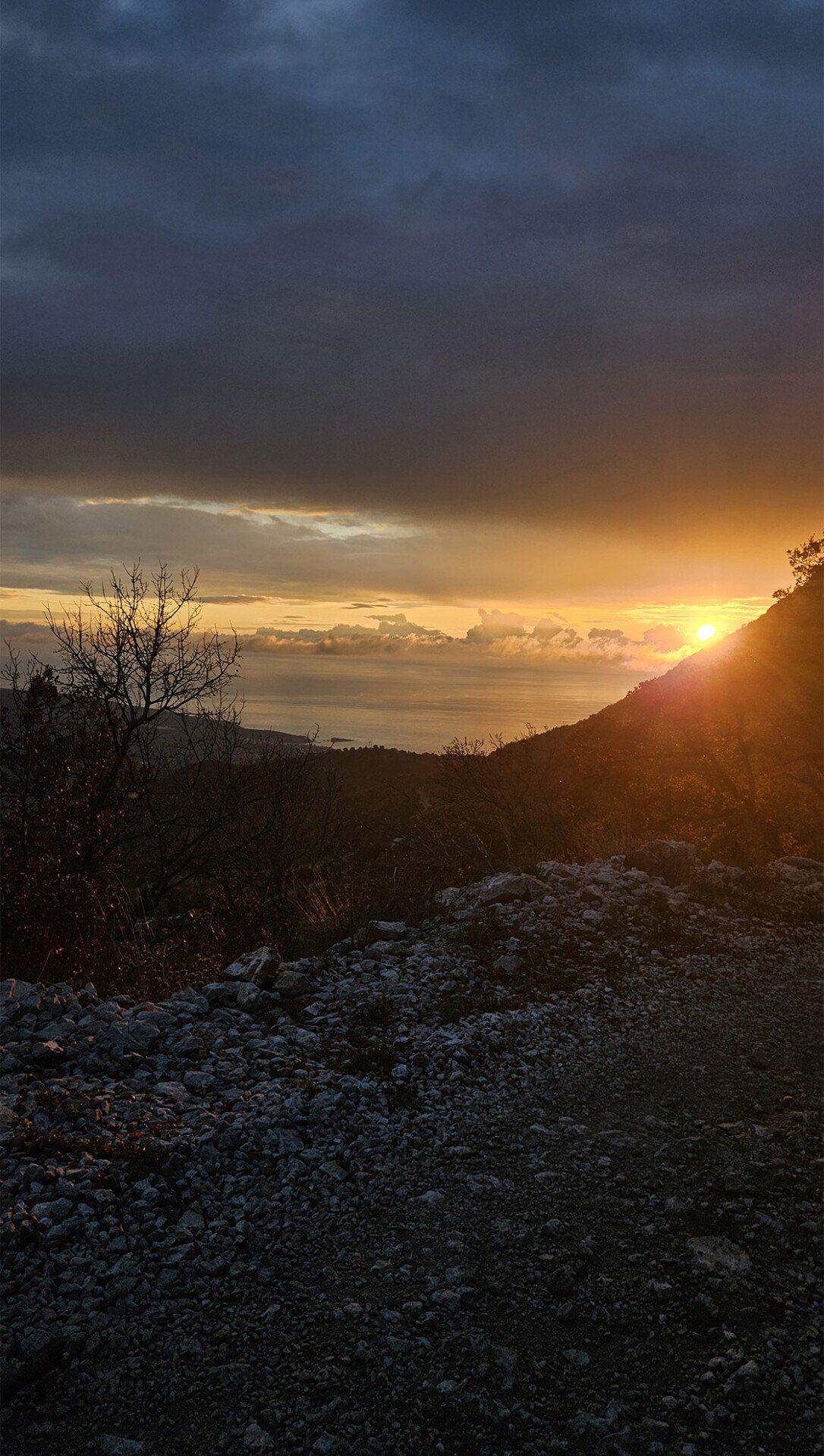
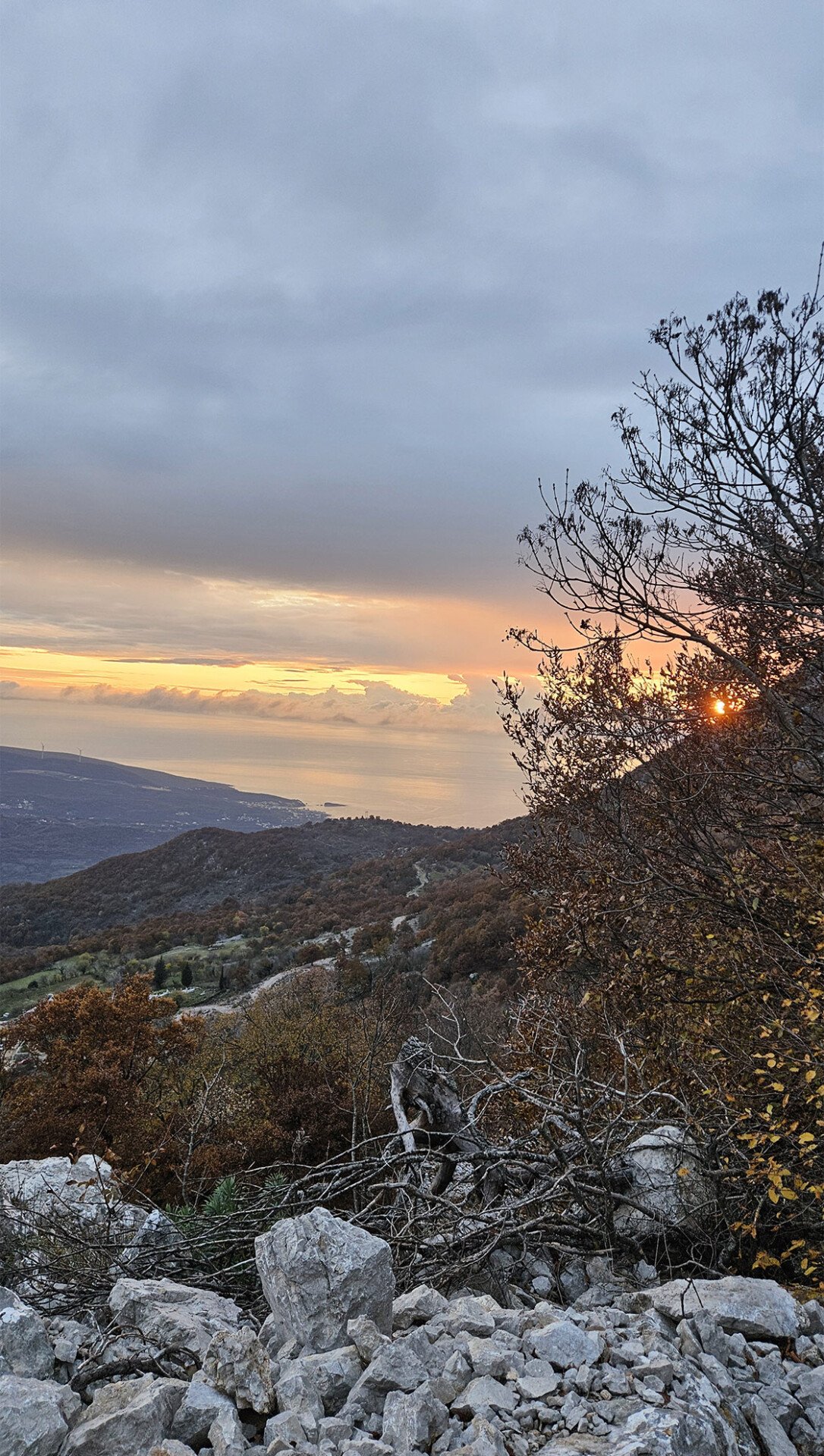
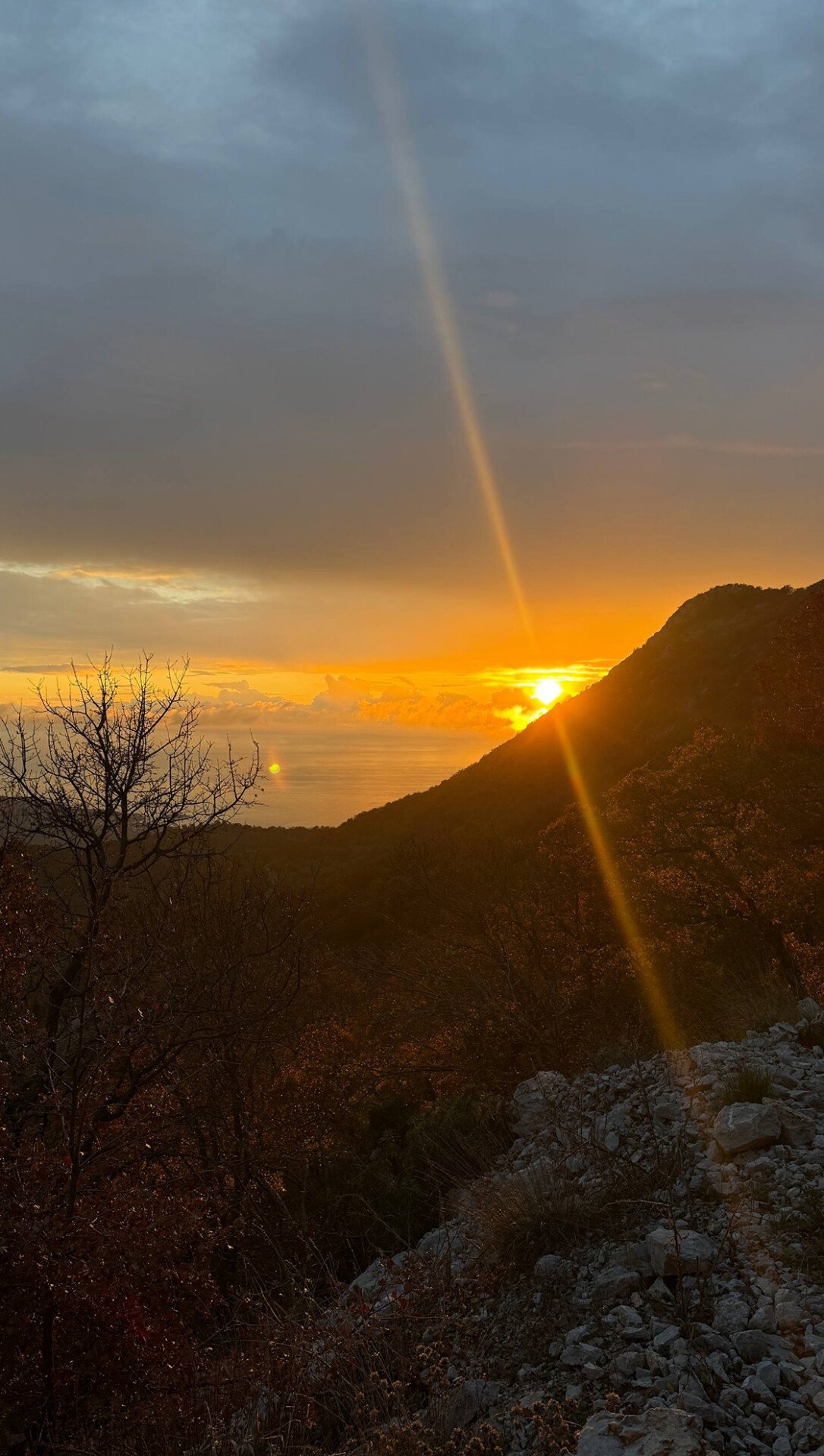
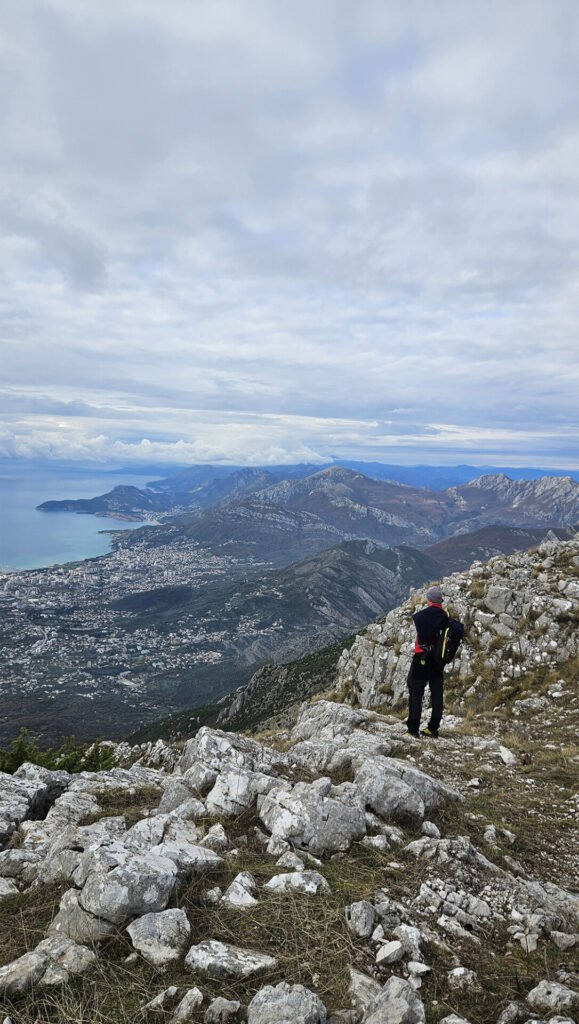
This is one of the most panoramic climbs in the Bar coastal hinterland: from the top of the trail, views of the Adriatic and the coast open up, and on the ridge, you walk along open rocky terrain to the summit.
The route to Loška most often begins in the village of Lunje. Descriptions emphasize that:
there is a water source (spring) at the start;
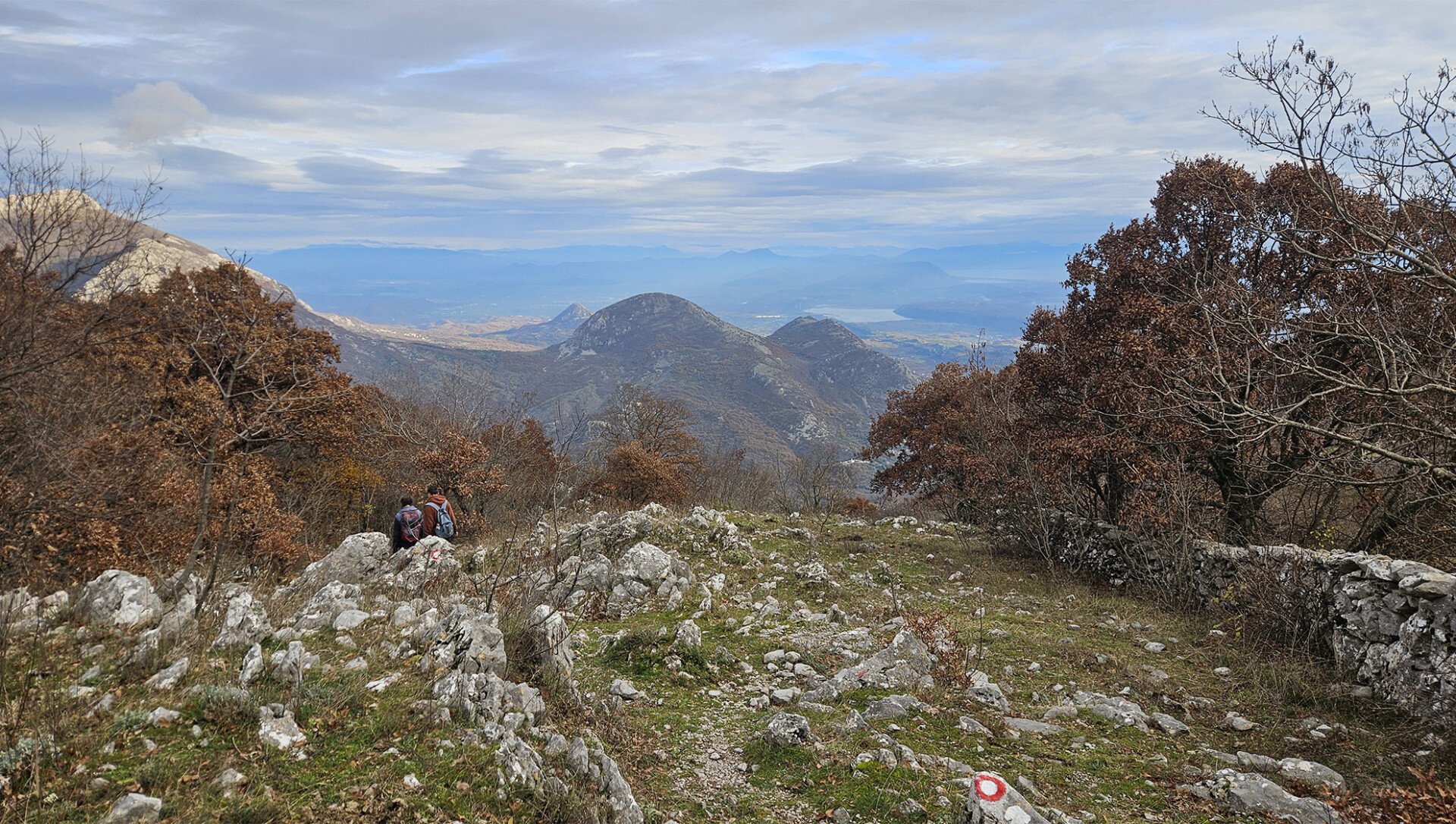
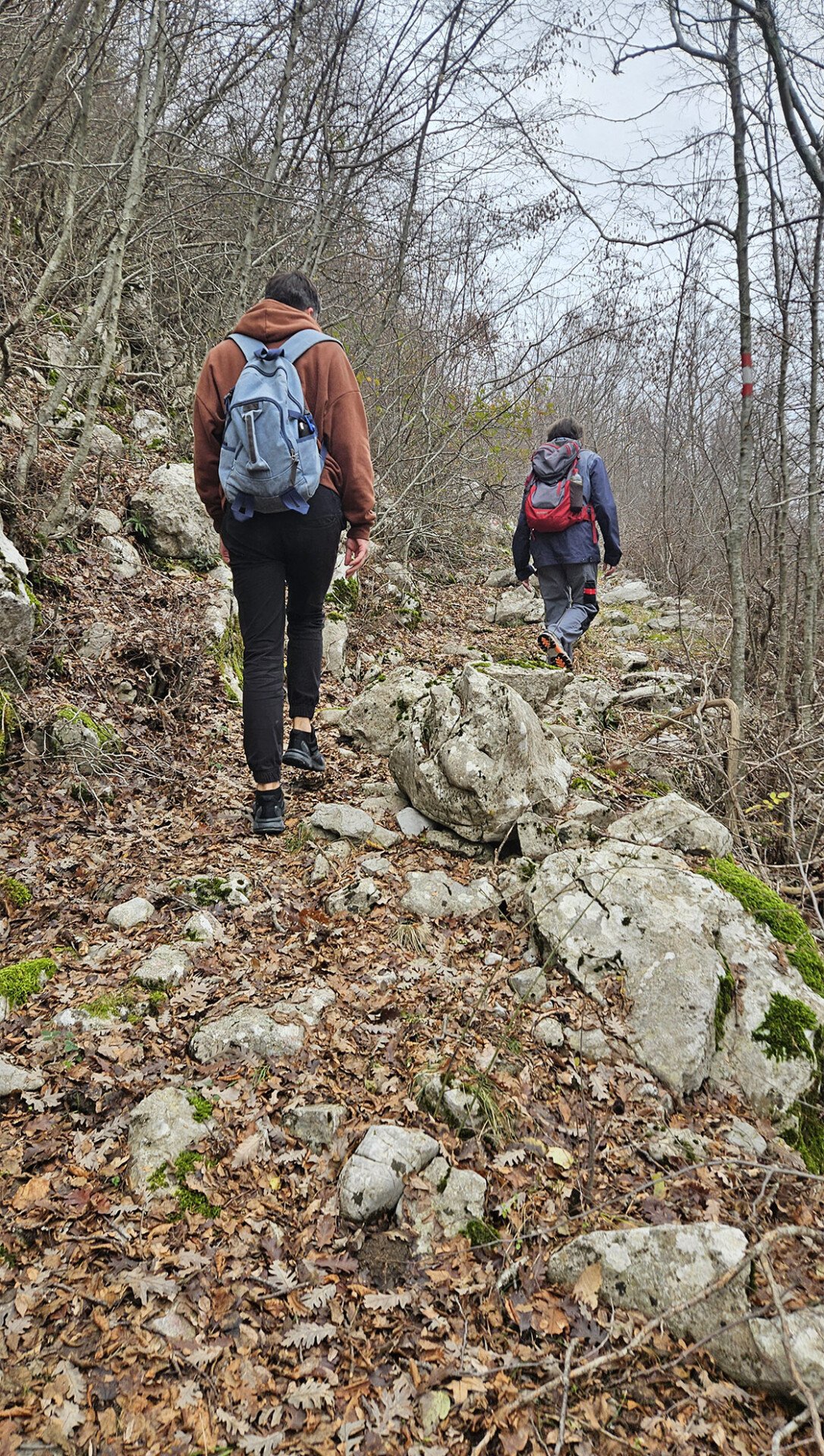
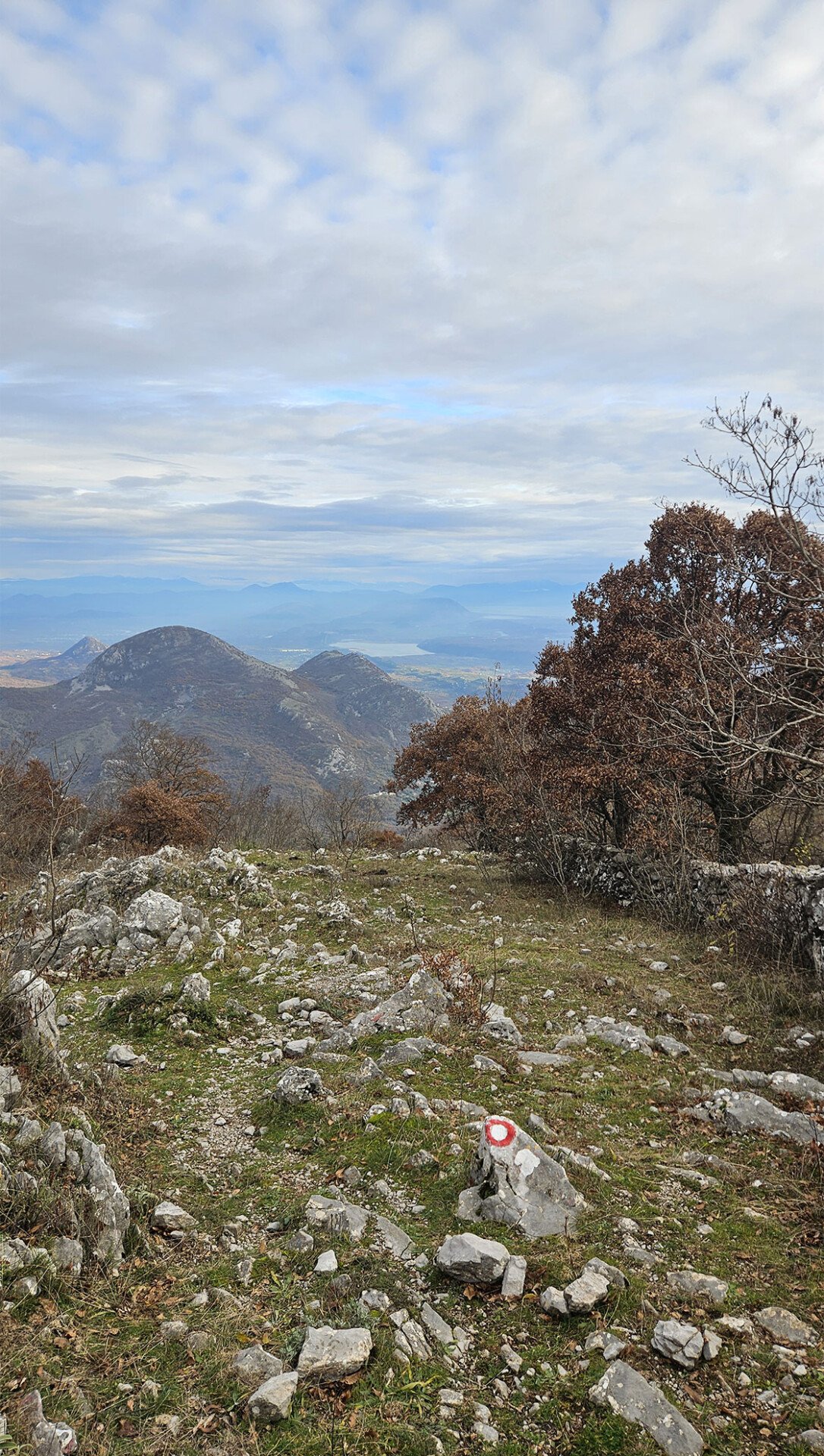
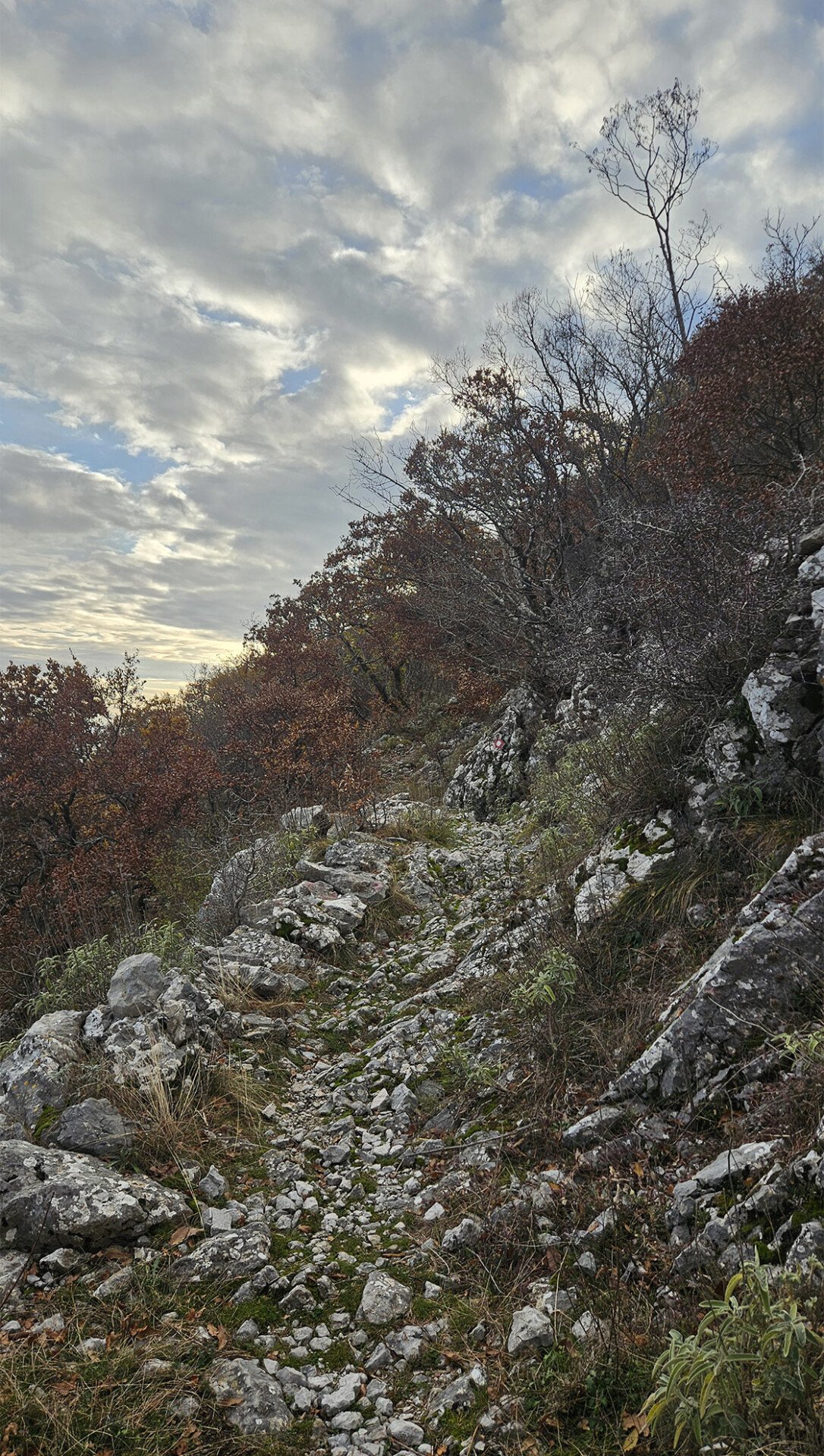
the trail is marked to the summit;
the typical ascent time is about 2.5 hours at a moderate pace.
One detailed description provides reference points for the Lunsky ascent: start at about 760 m, summit at 1,353 m, length about 4.8 km, elevation gain about 593 m, water available (at the start), and marked.
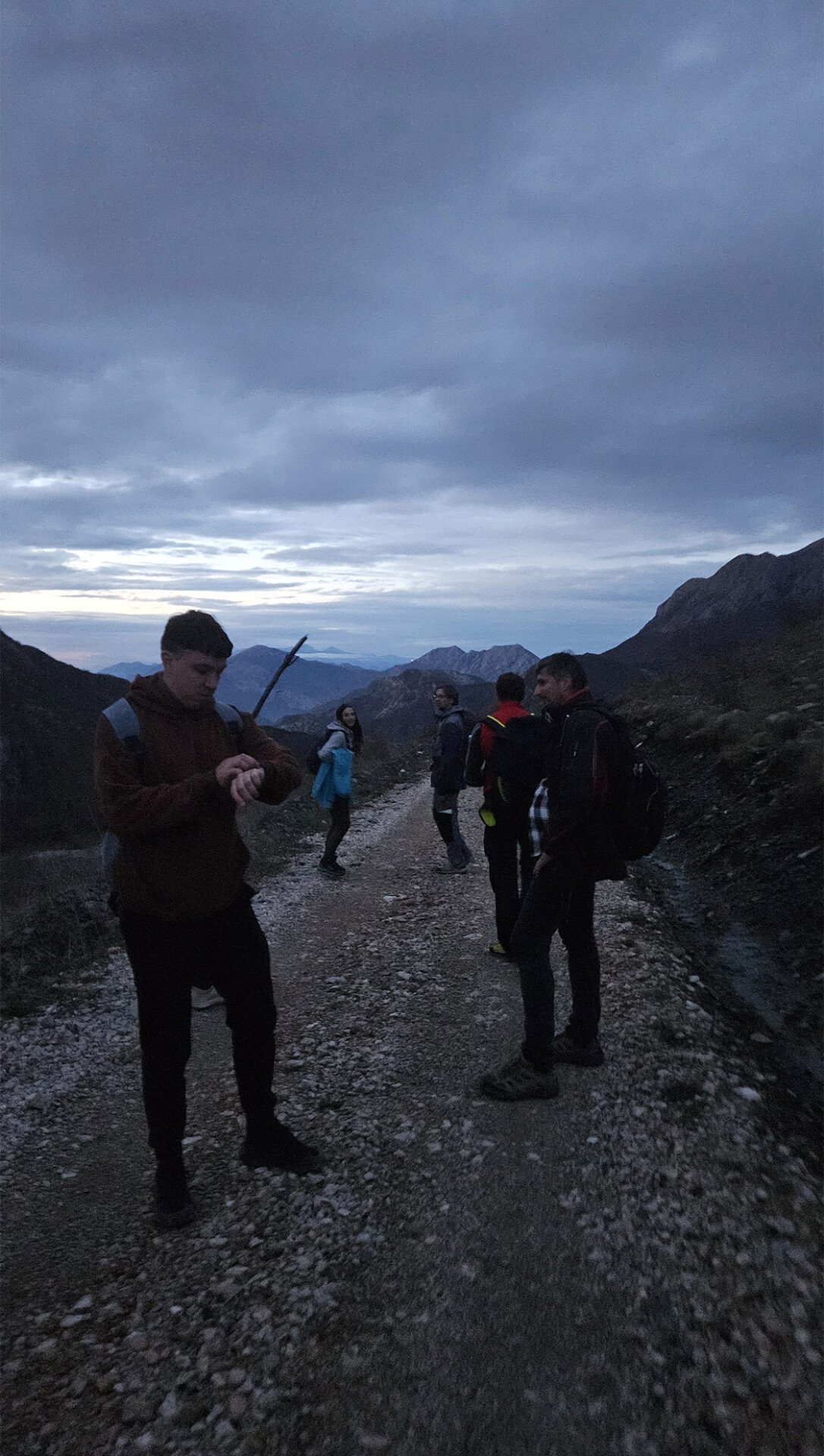
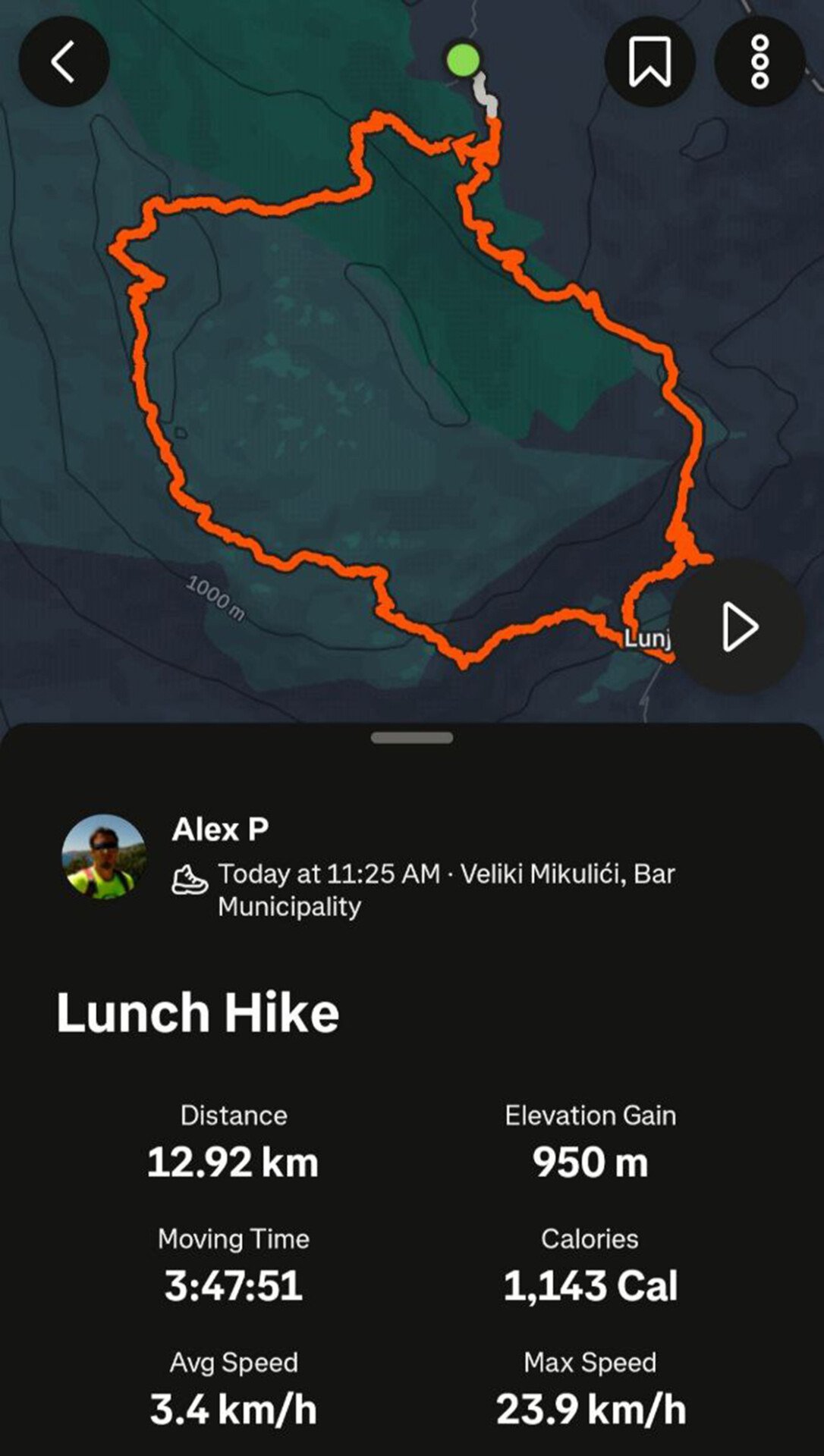
But our route starts from the village of Veliki Mikulichi. And in our opinion, this is the best option! From Veliki Mikulichi, you can make a wonderful full-day circular route. But you have to drive to the village!
The route to the trailhead coincides with the route to the ascent of Rumija.
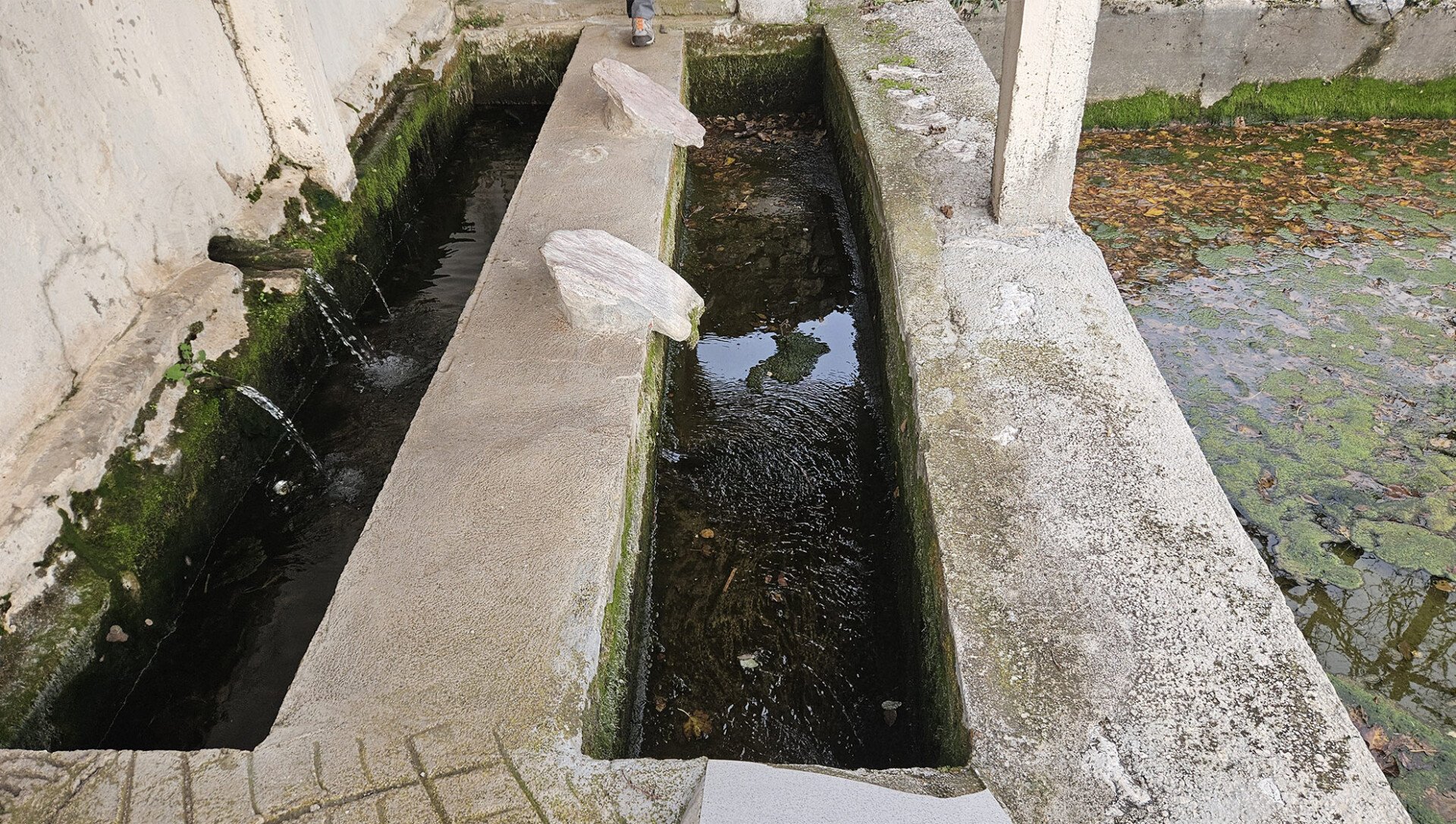
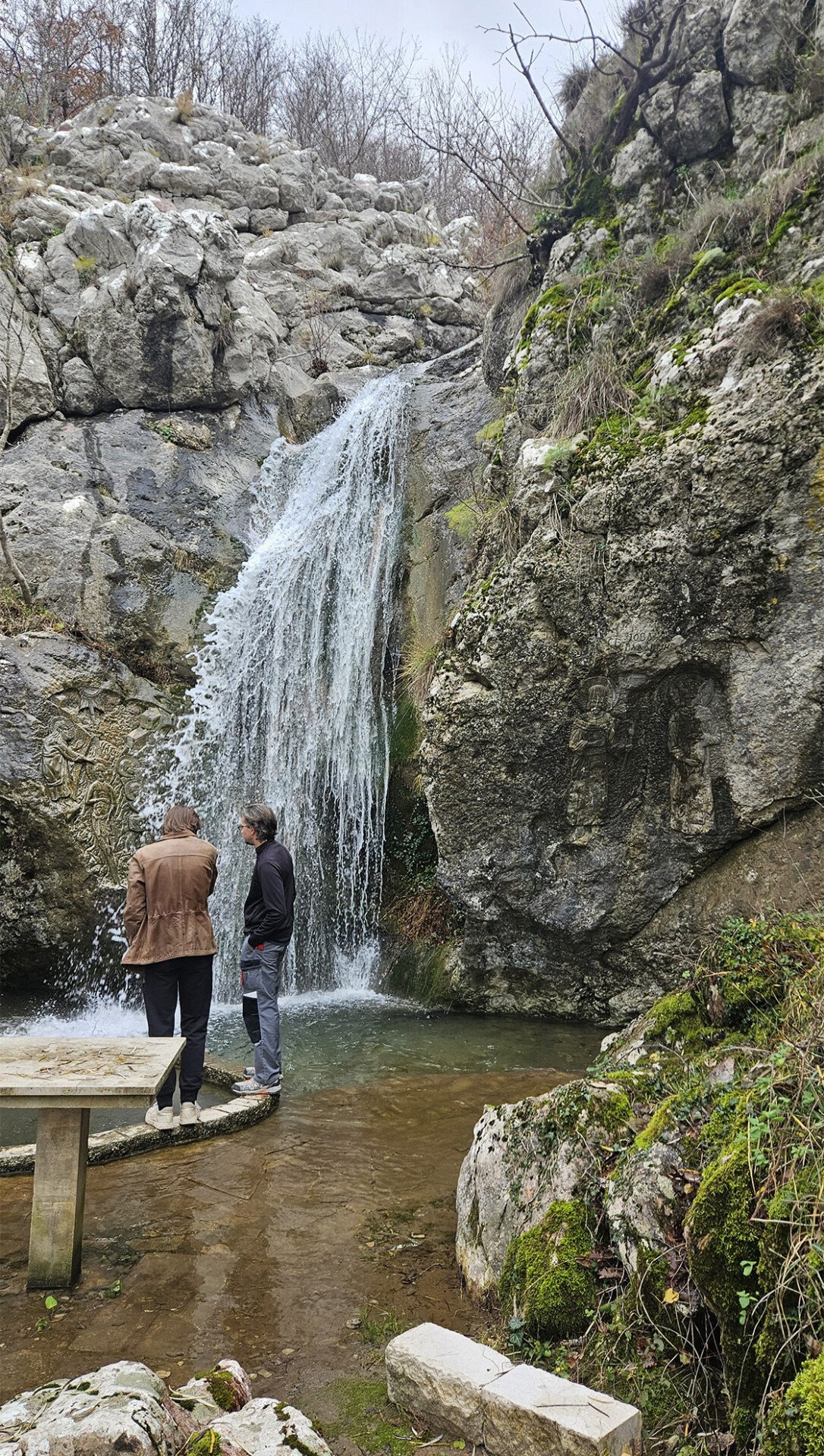
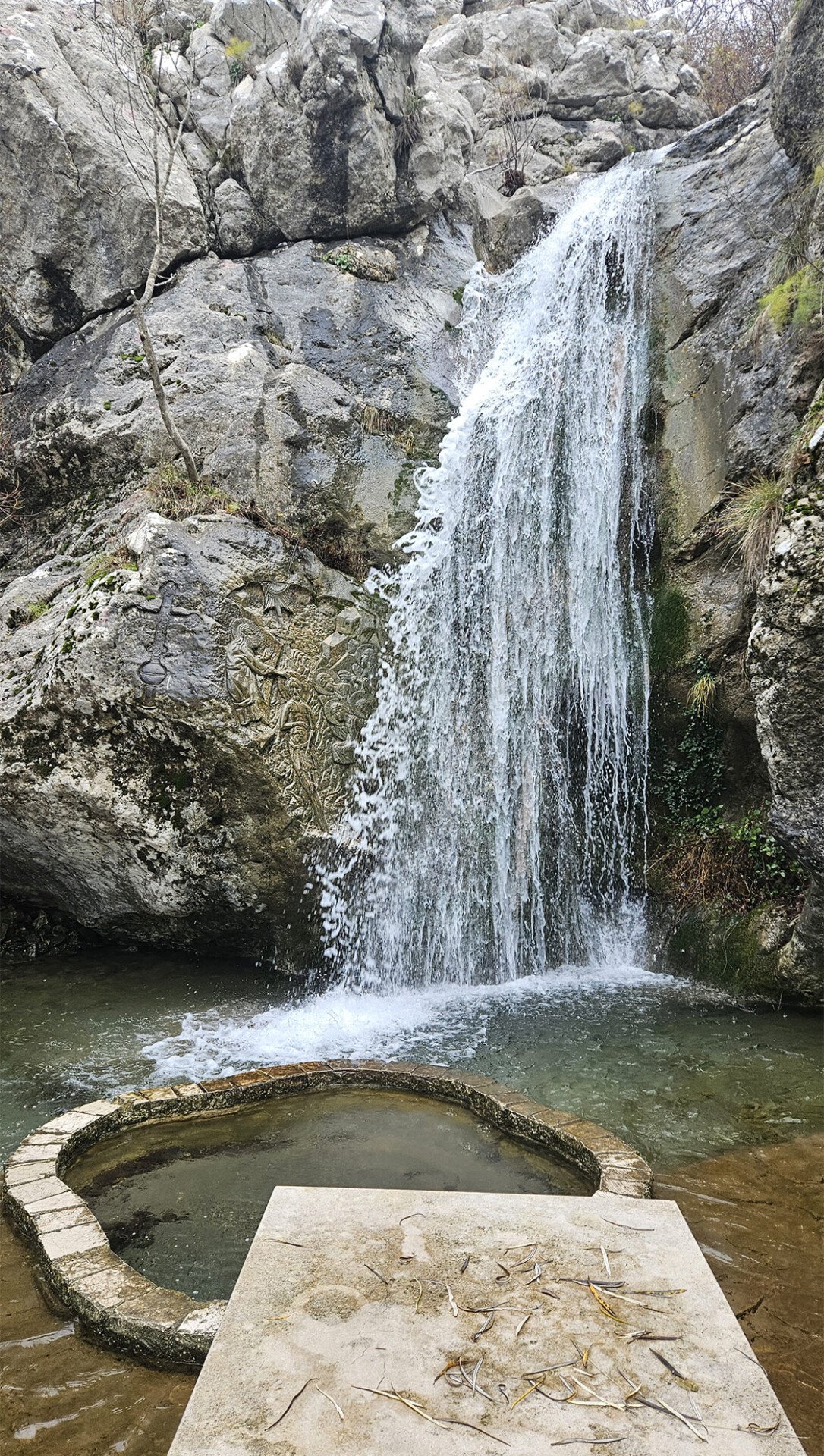
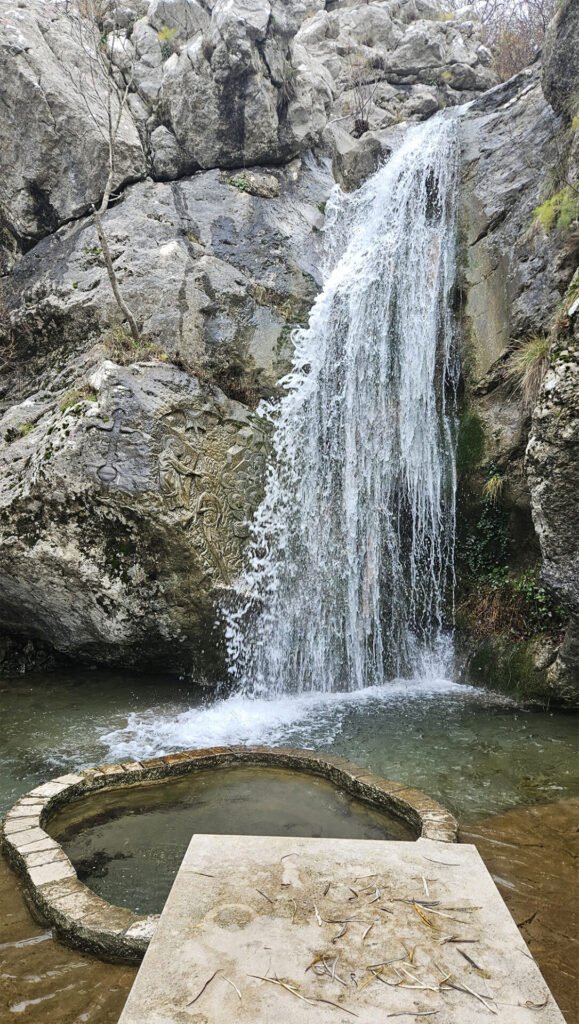
1.9 kilometers after the Monastery of St. Sergius of Radonezh, we pass an interesting place. To the left of the road stands a small house—the hermitage of St. Nicholas—and next to it, also to the left of the road, is a spring dedicated to Prince Jovan Vladimir.
When the spring is full, the water gushes forth in an impressive 10-meter waterfall. There’s a baptismal pool here, and reliefs of Prince Jovan Vladimir and his wife, Teodora Kosara, are carved into the rock, along with a scene of their baptism in the Jordan River. A little further on, the famous cross of Prince Vladimir is carved, which I’ll tell you more about another time.
After another 1.4 kilometers, the road leads us to the village of Mikulići. Before the mosque in the center of the village, the path turns left and continues for about 900 meters toward Mount Lisinj.
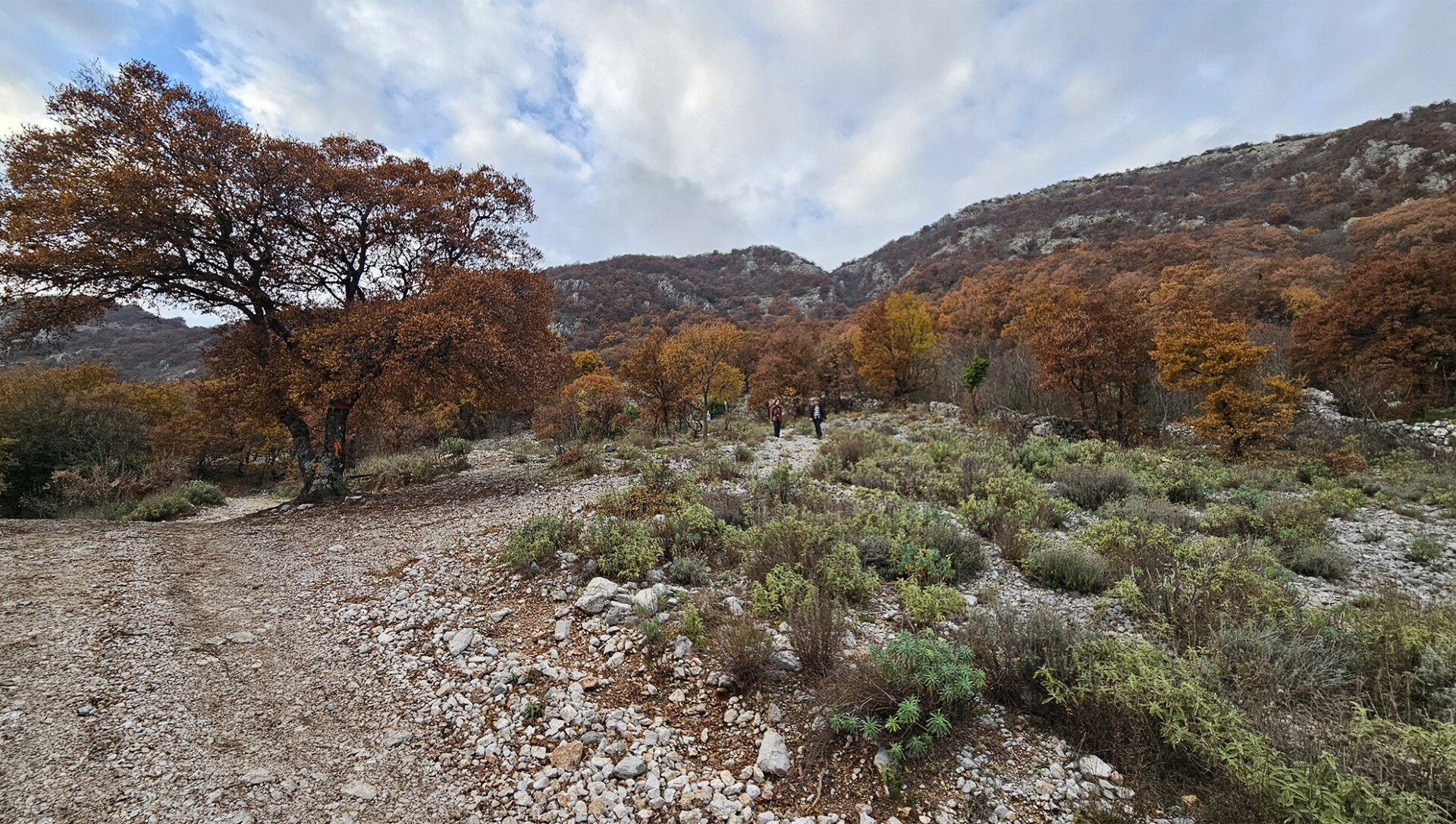
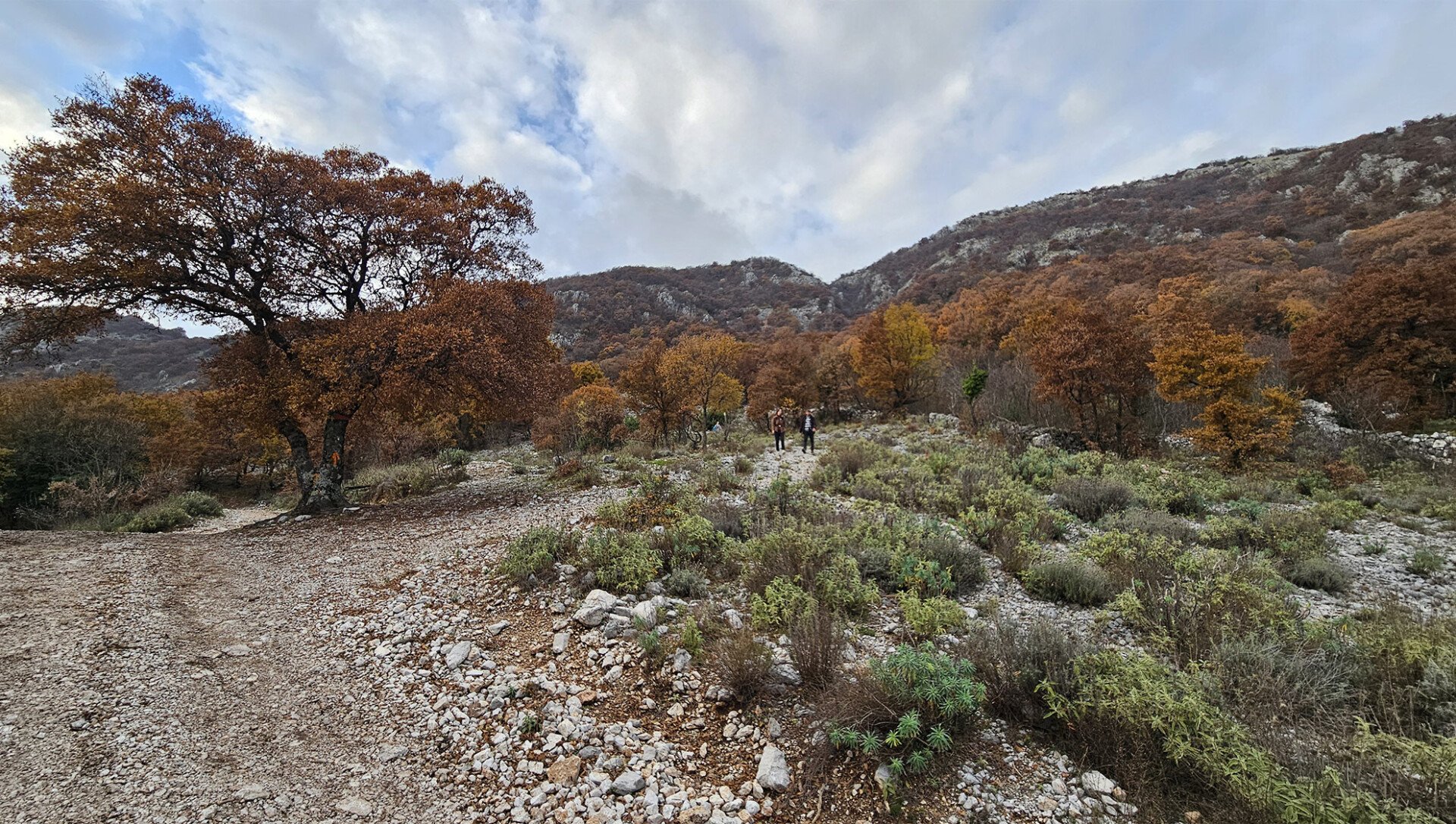
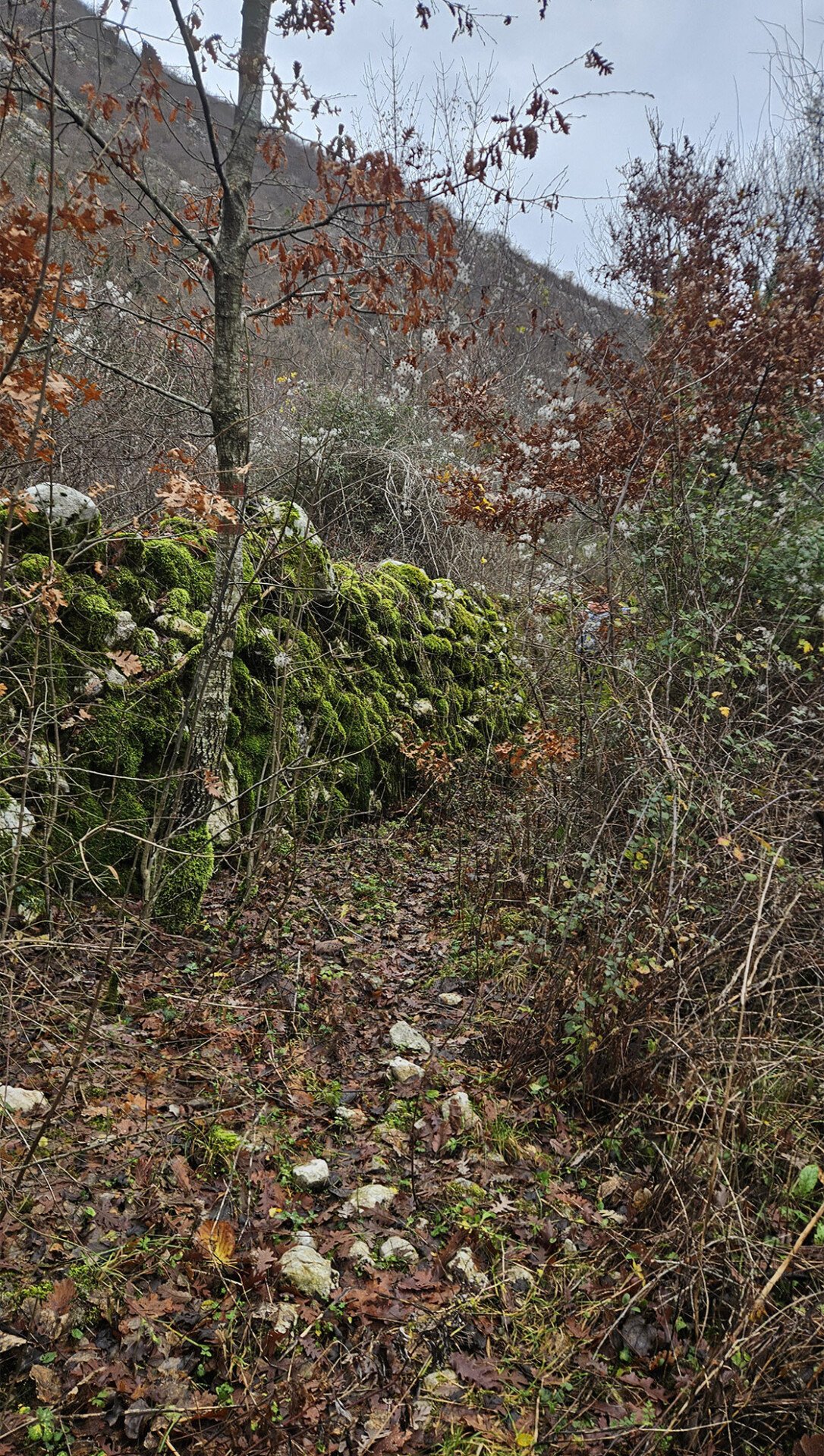
The path ends in a place called Perazić Houses. There are indeed several houses here, judging by the name, belonging to the Perazić family. Incidentally, the houses, like some near the center of Mikulići, have recently been reconstructed.
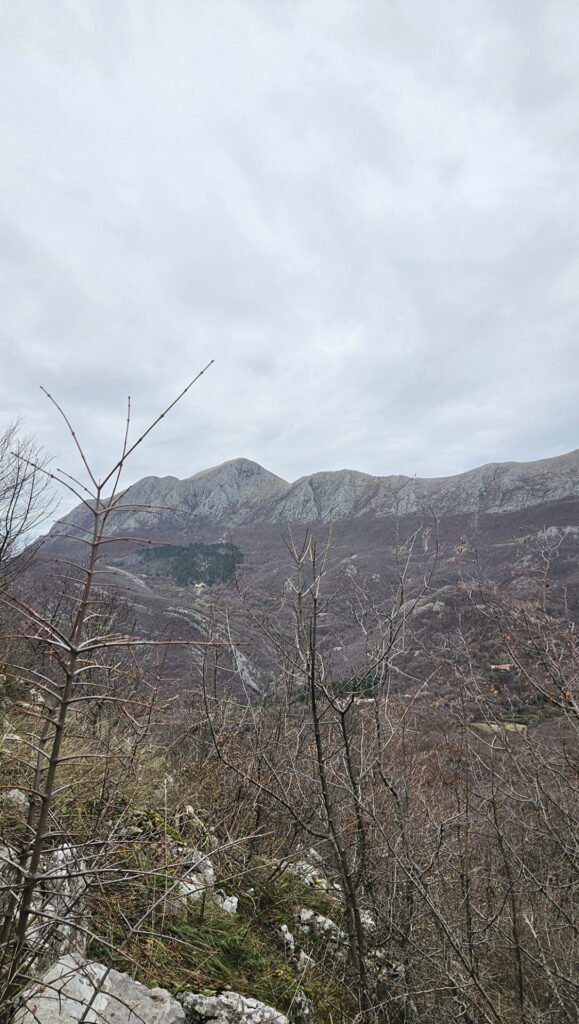
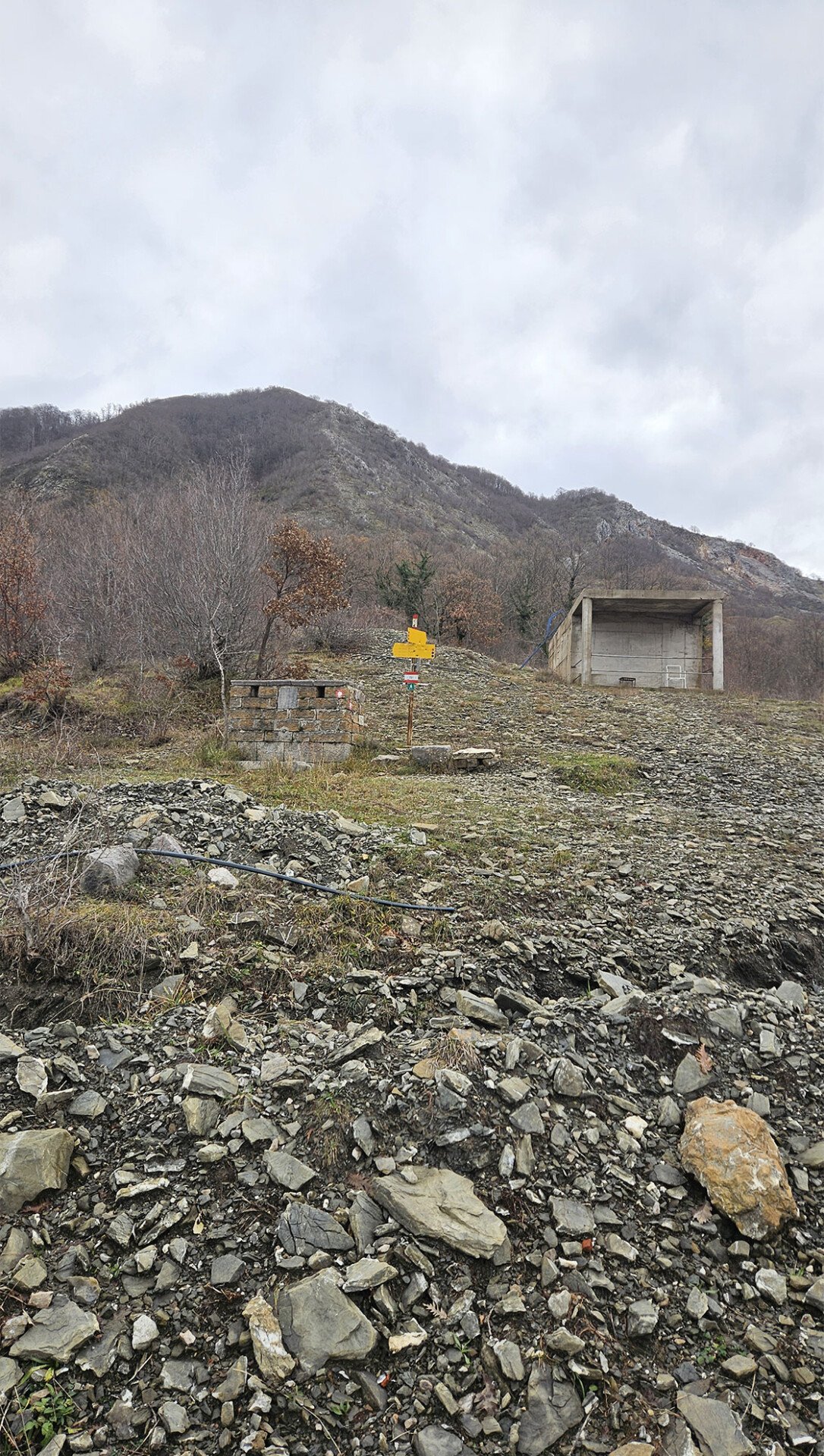
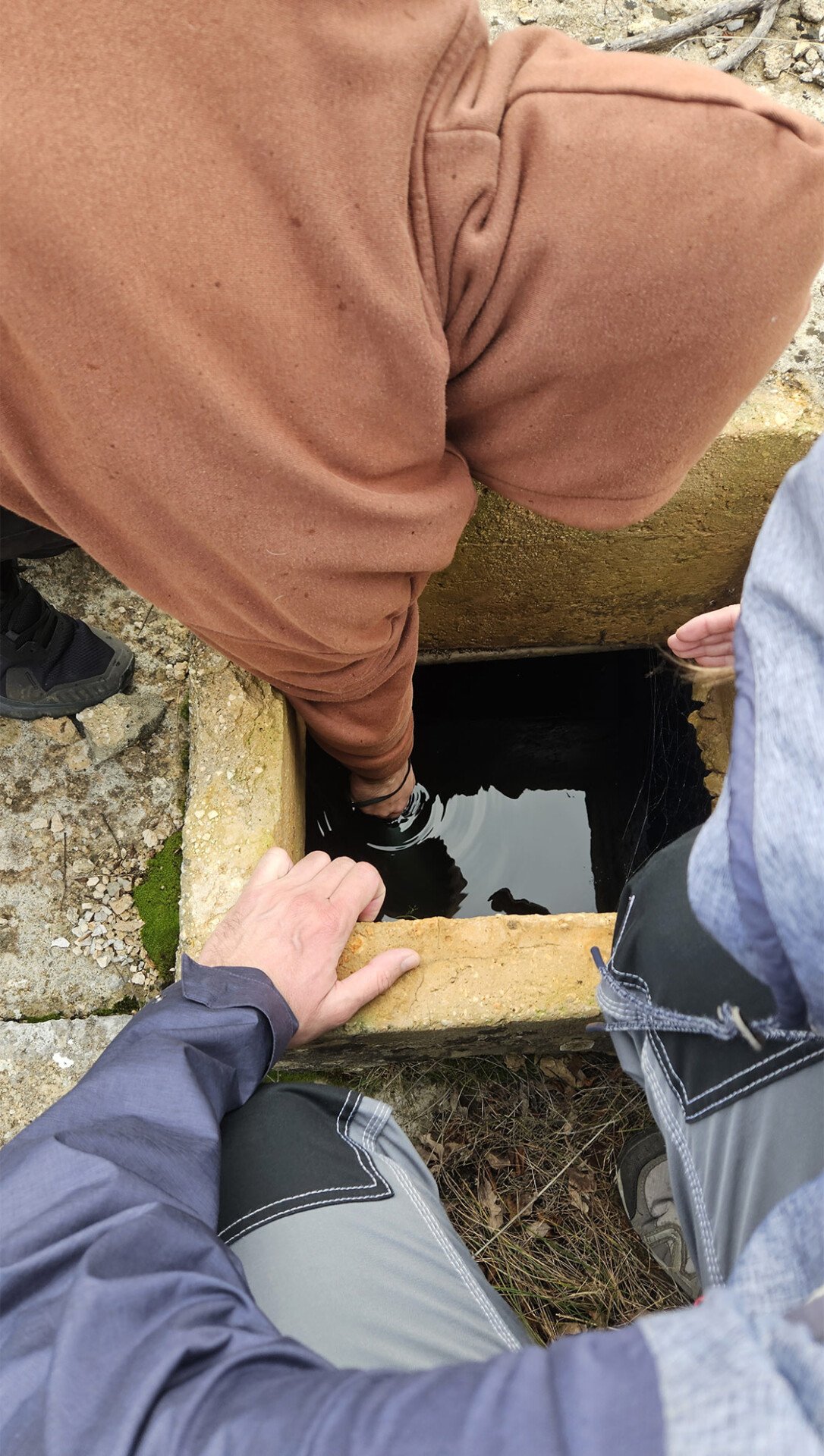
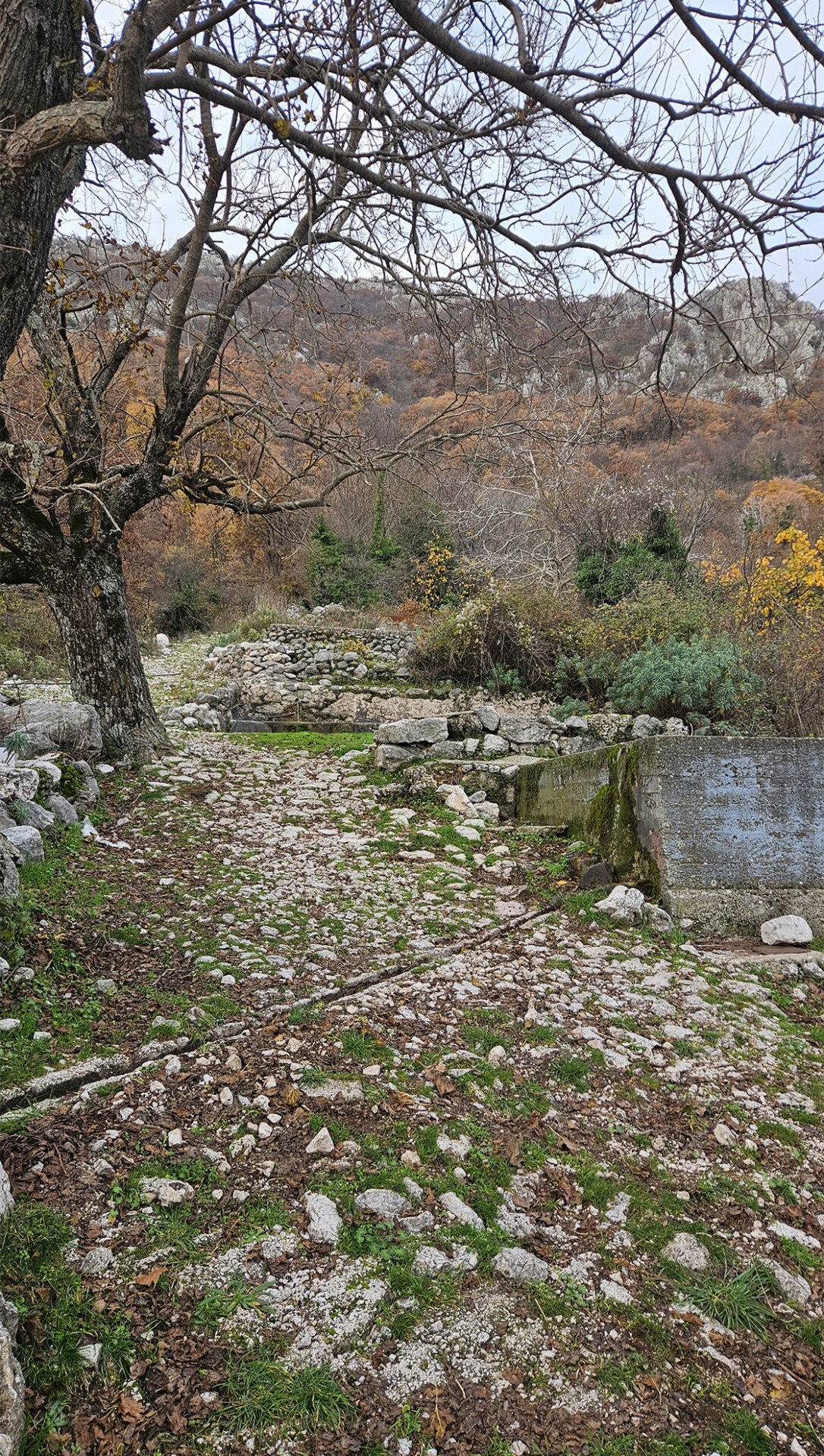
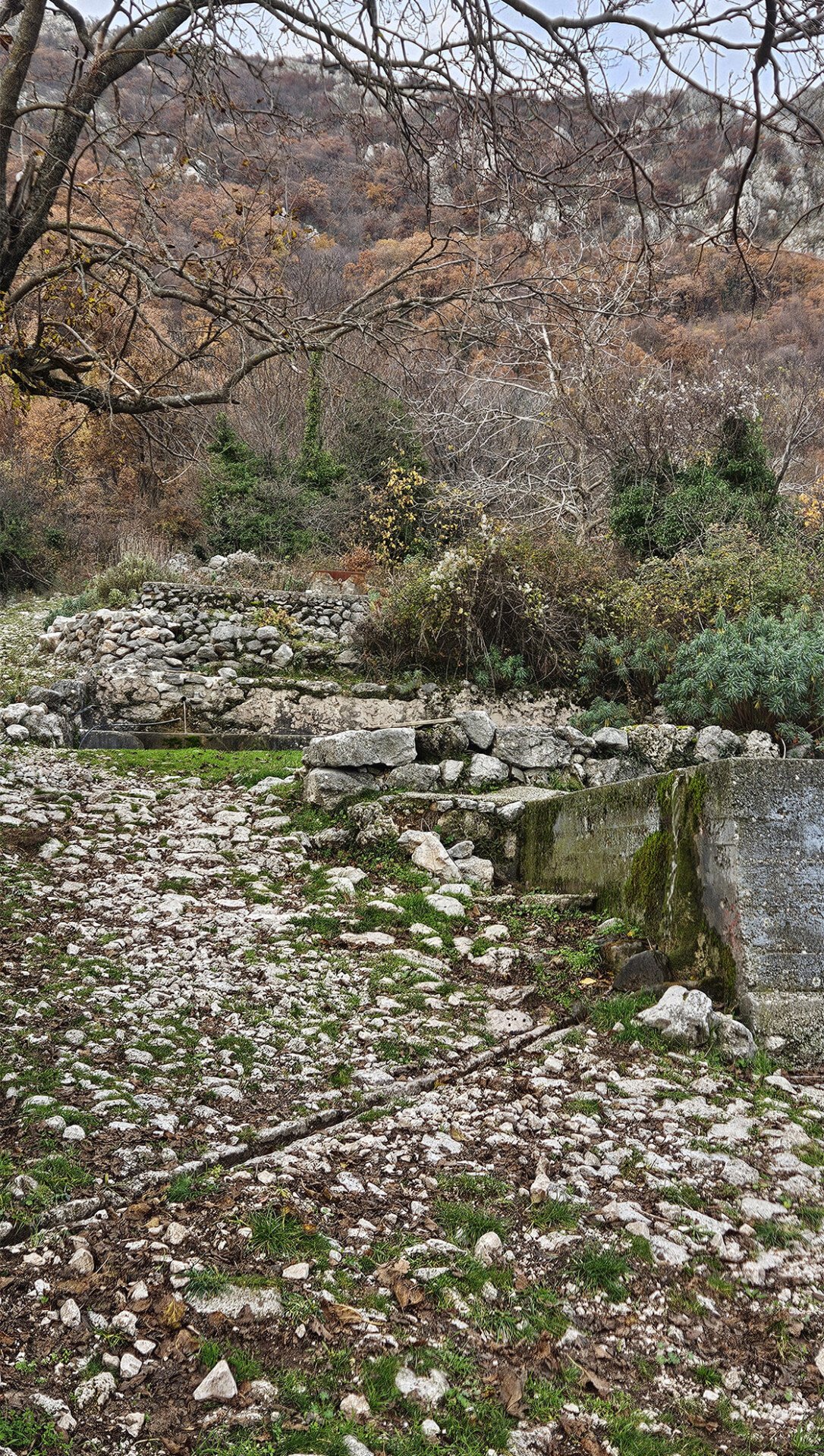
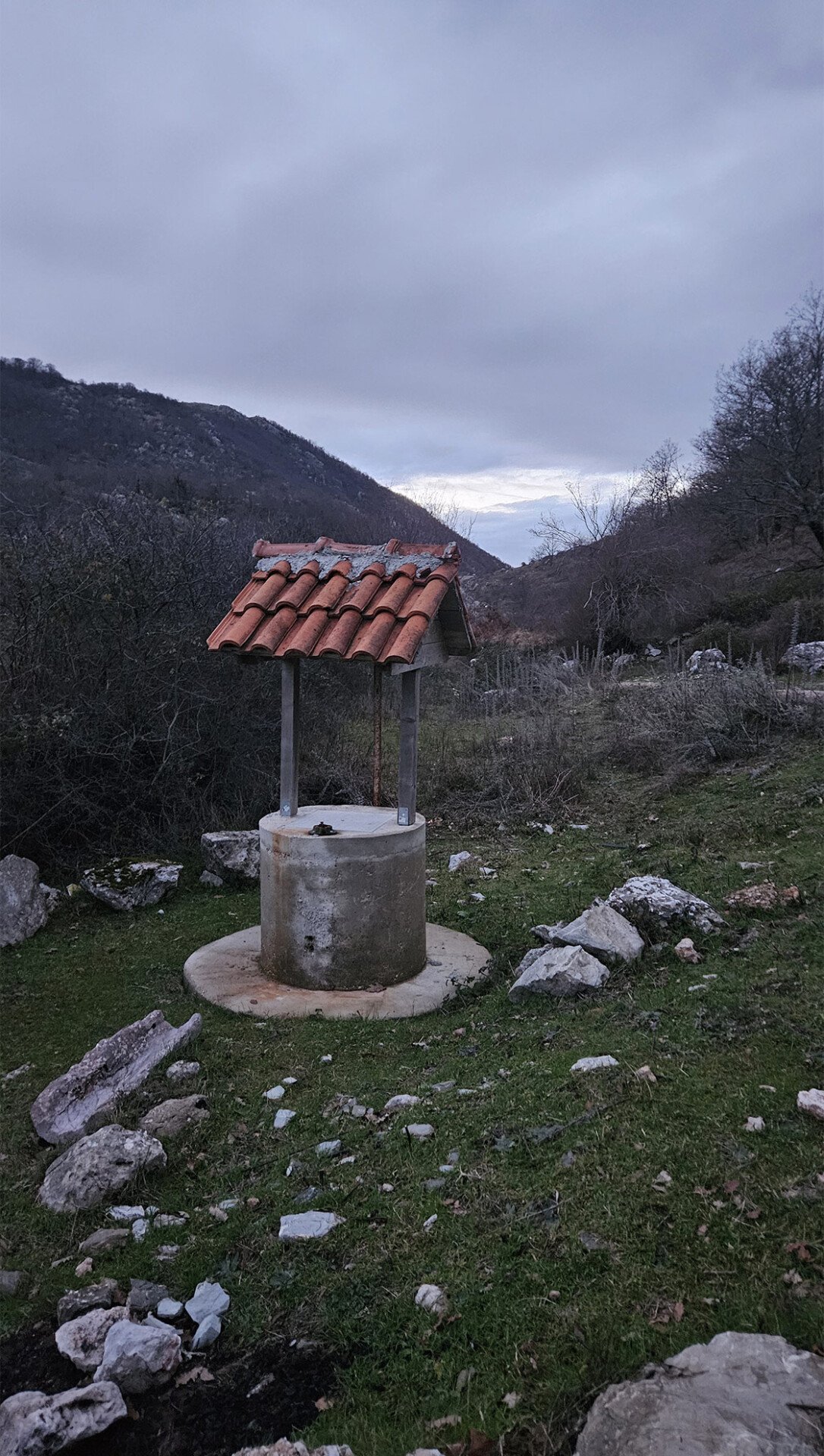
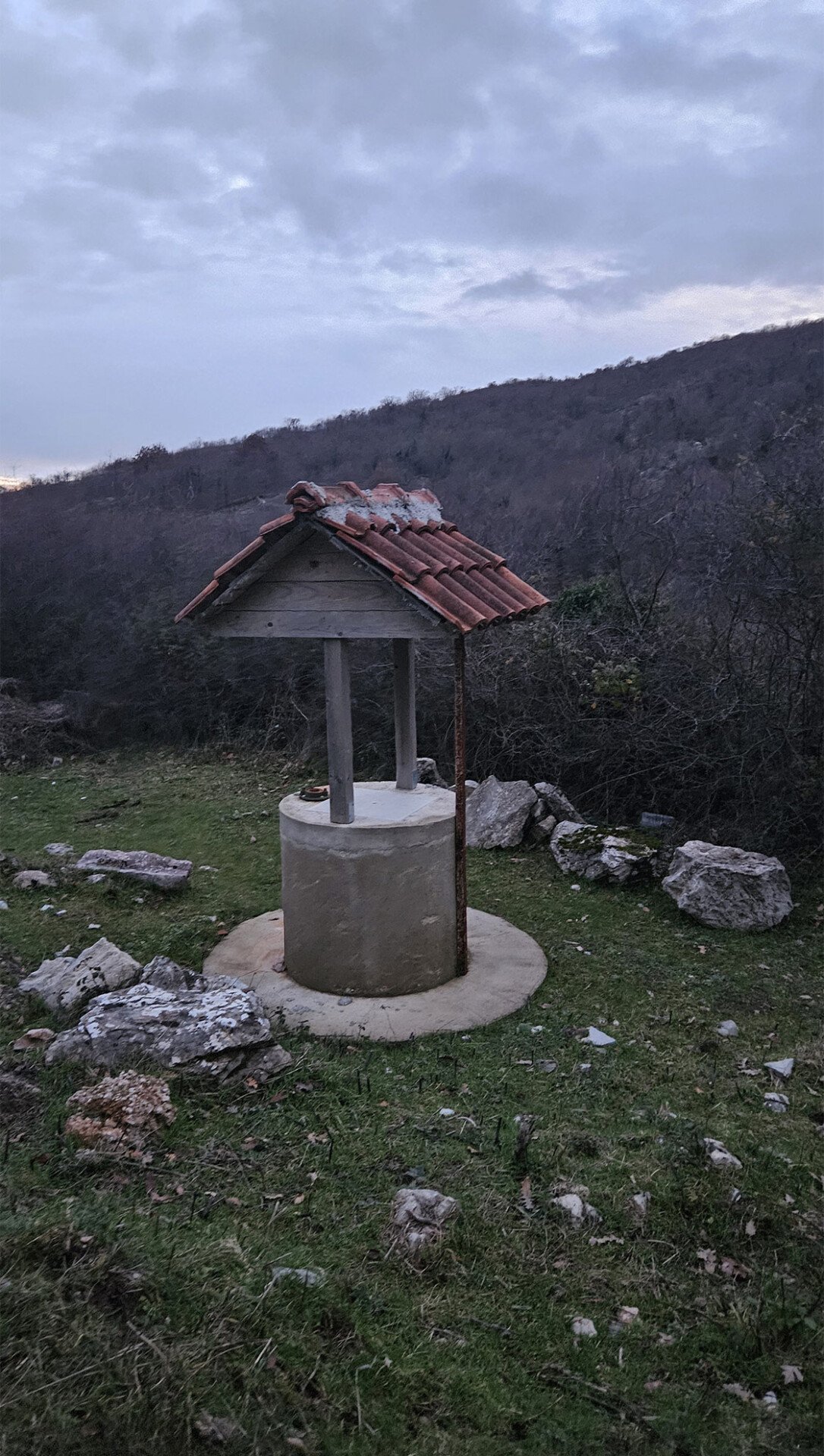
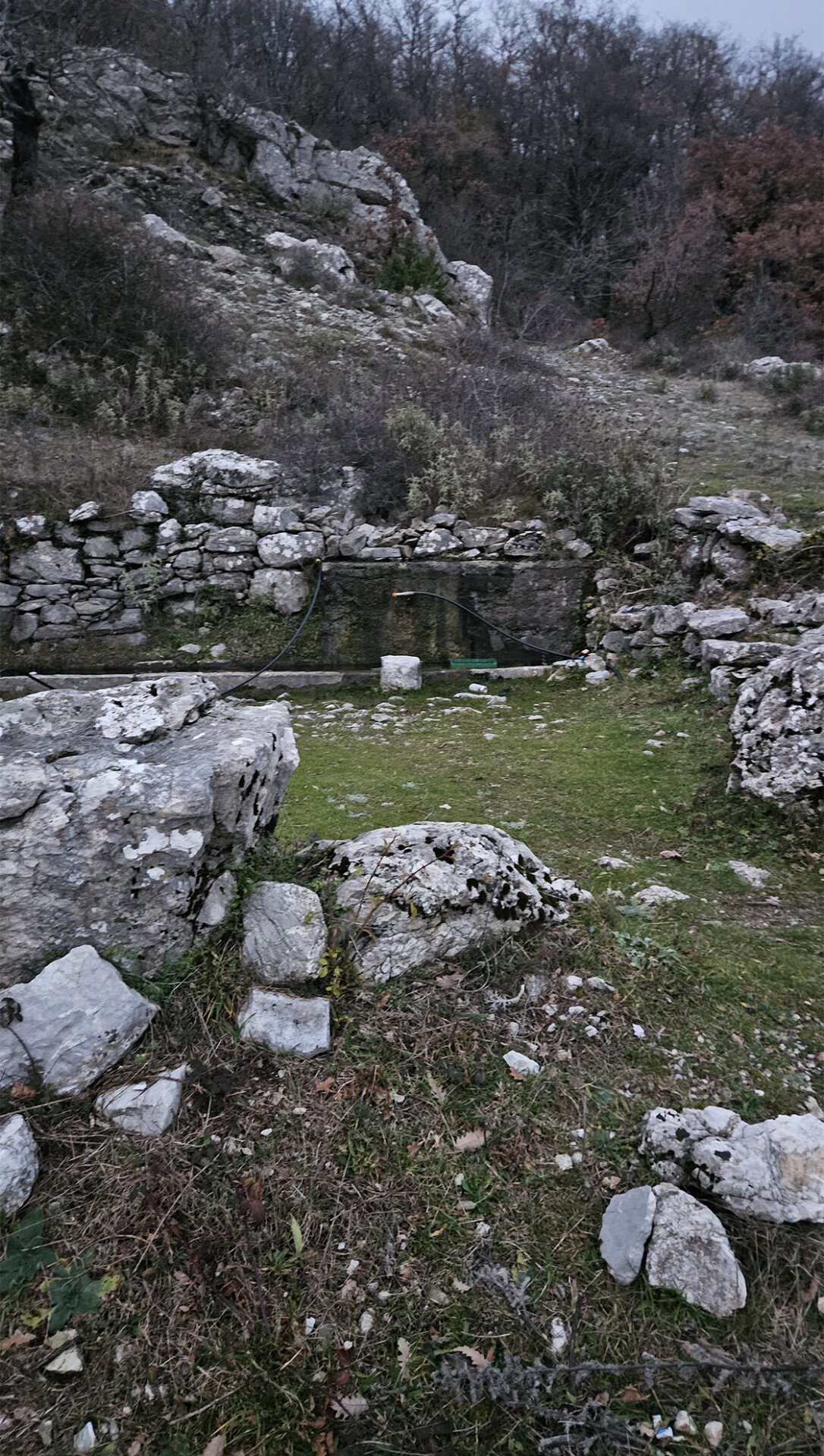
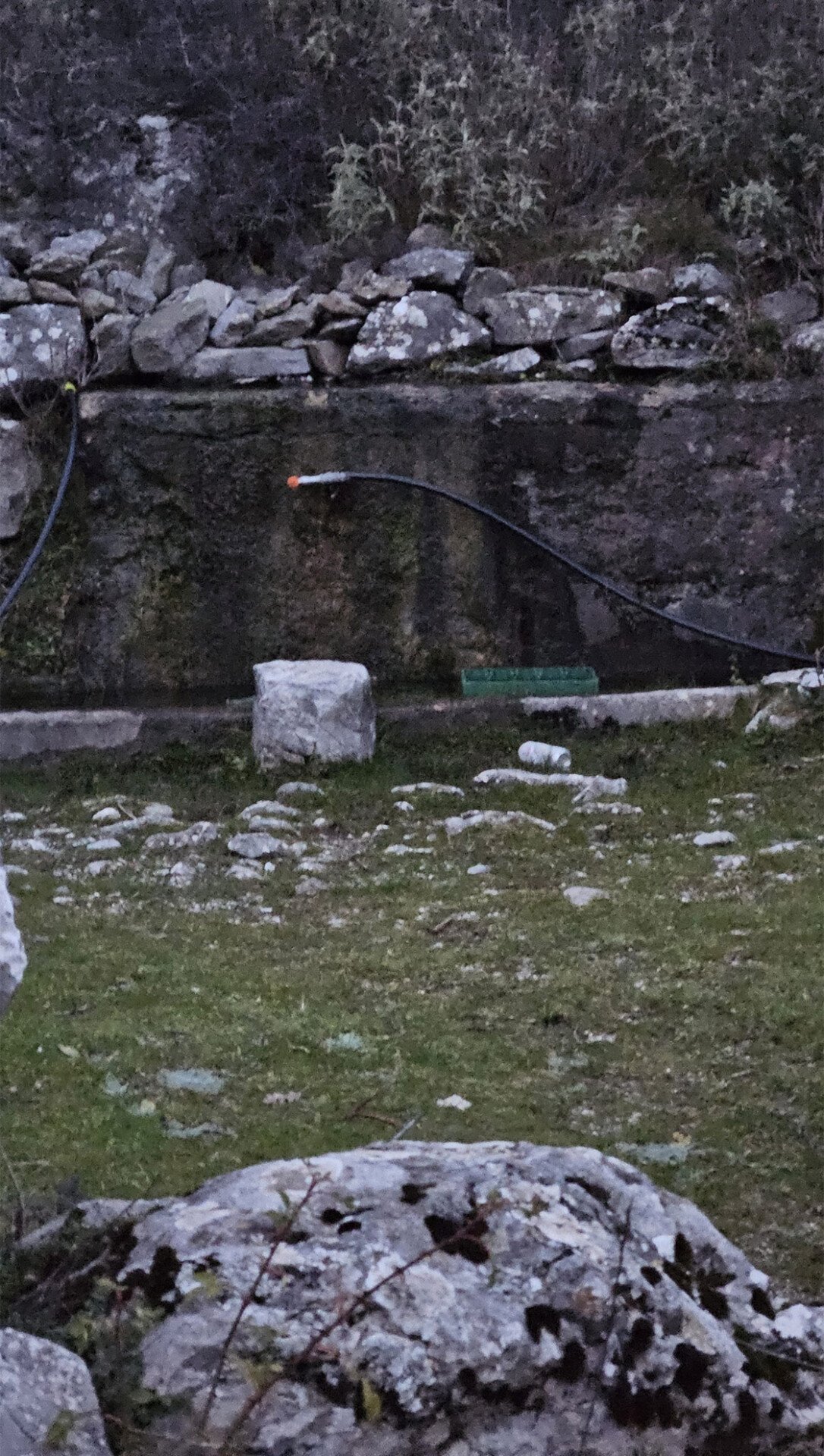
Near the trailhead is a spring (usually active) and a trail sign.
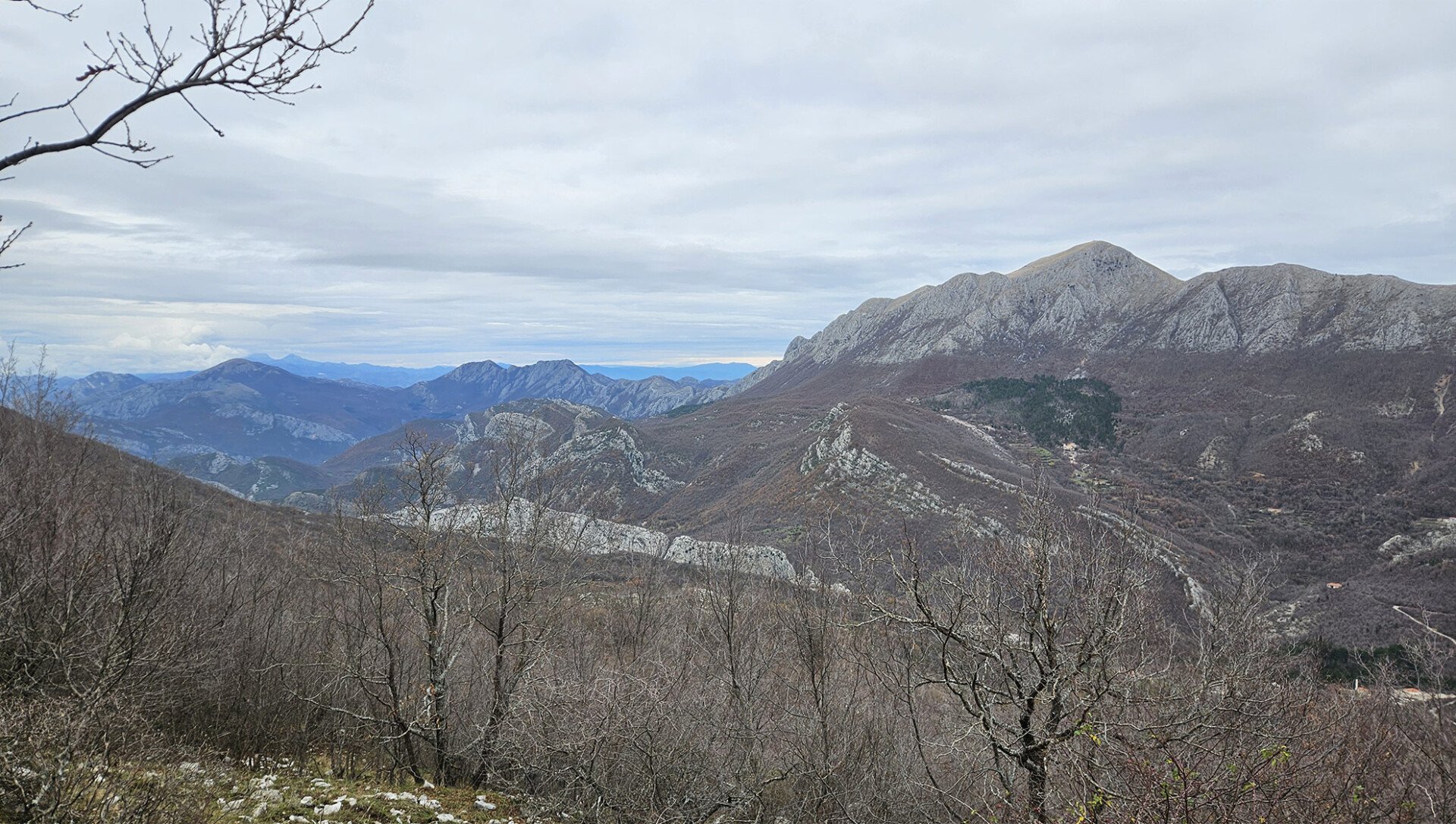
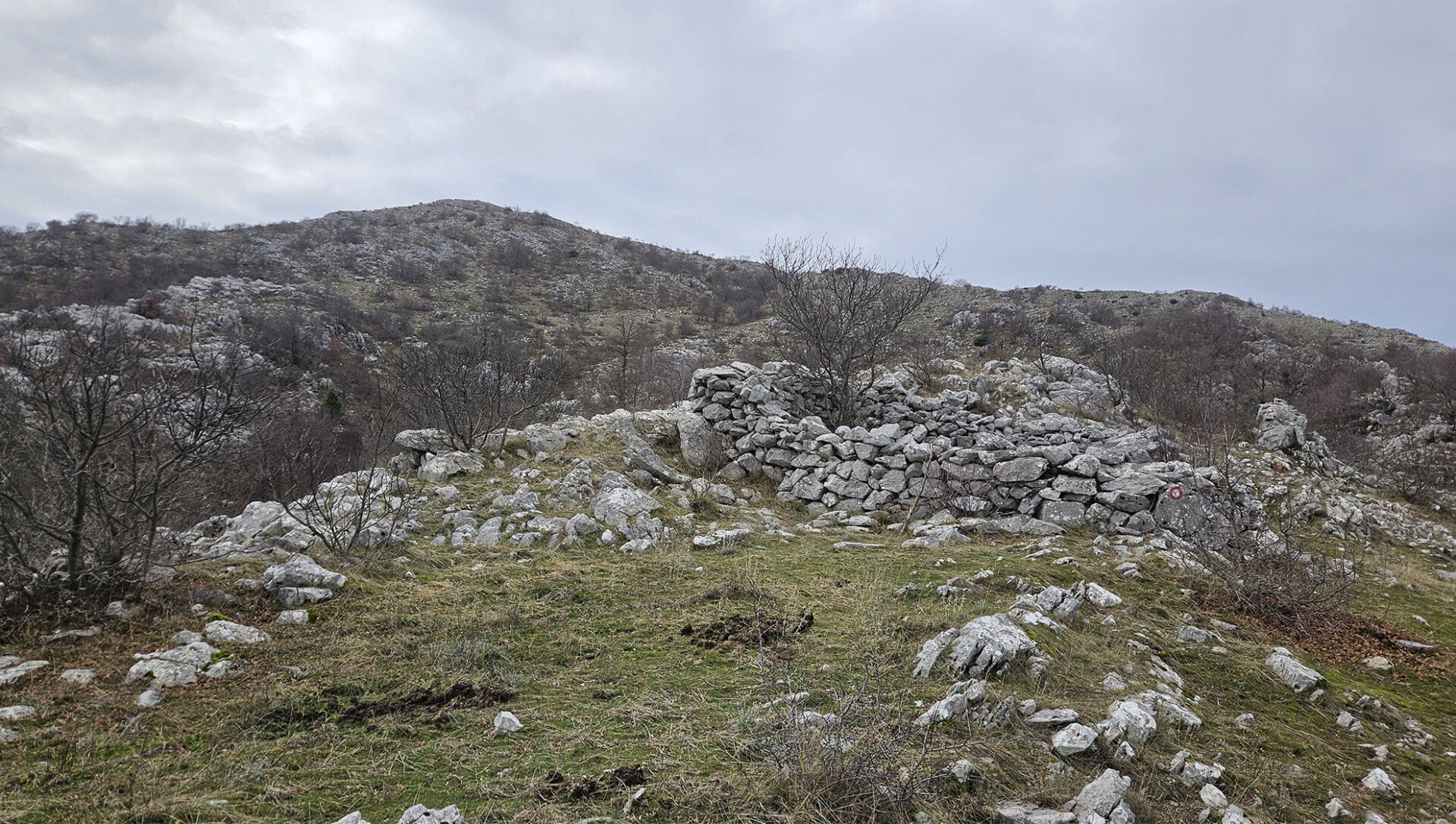
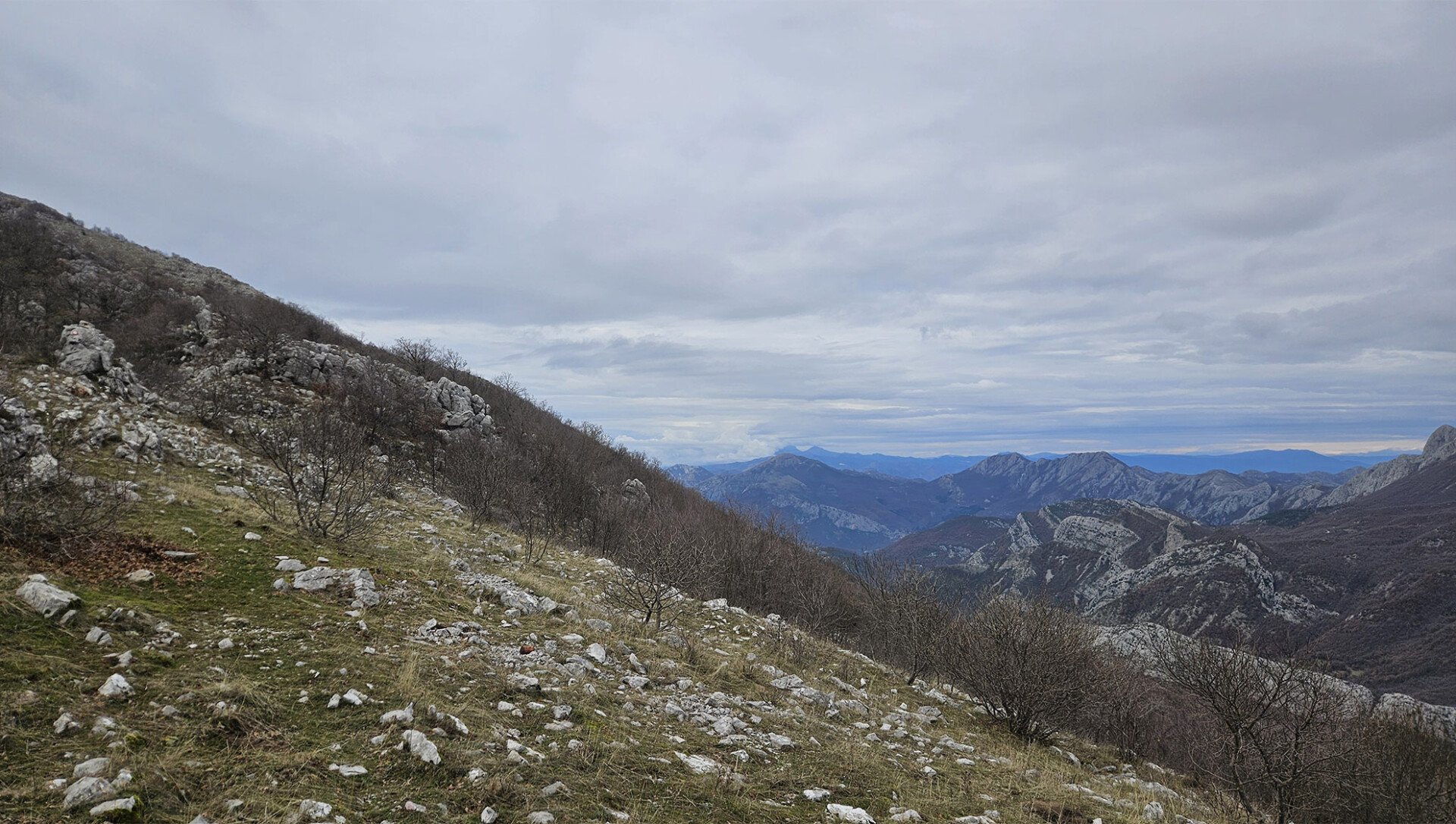
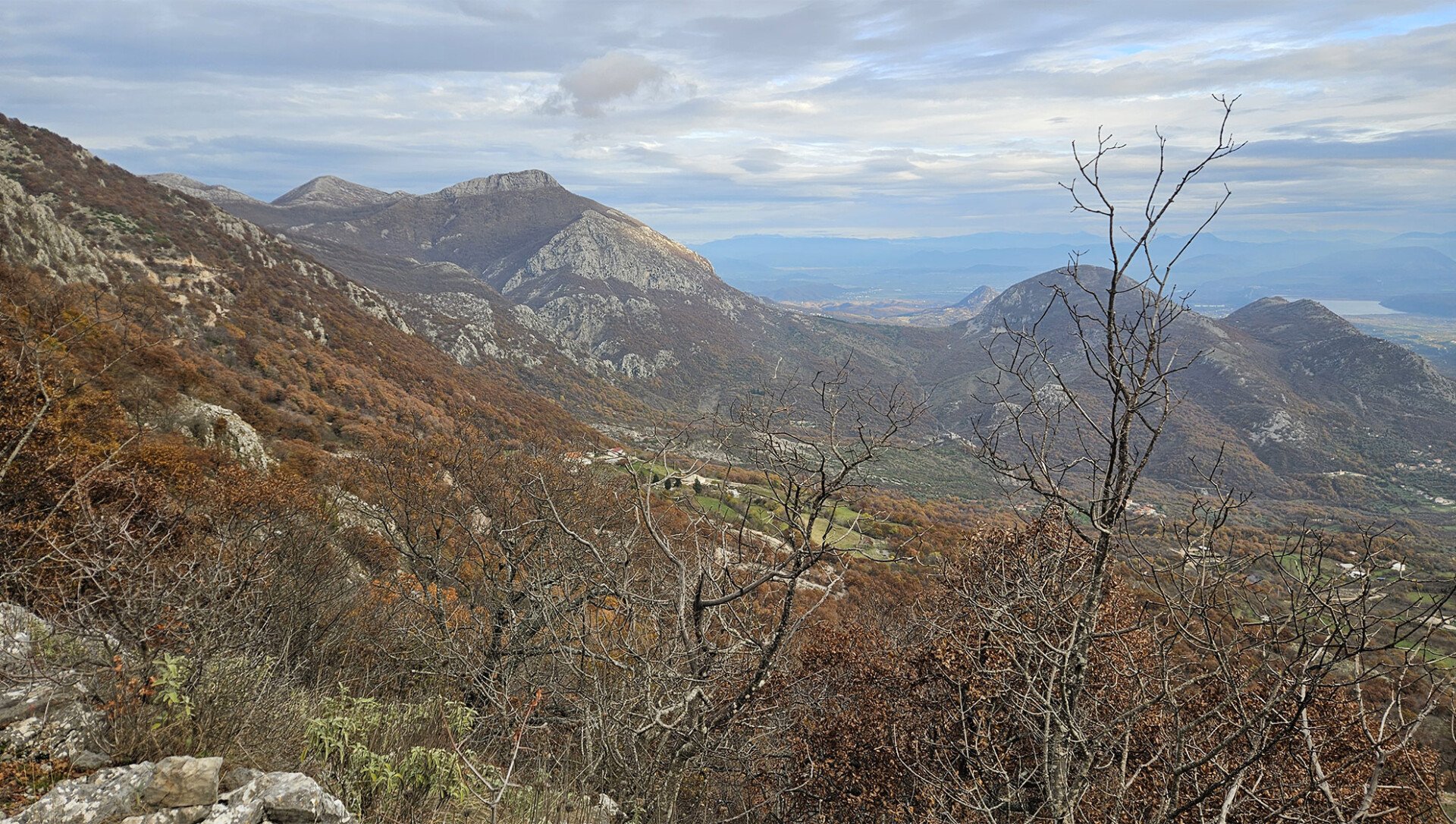
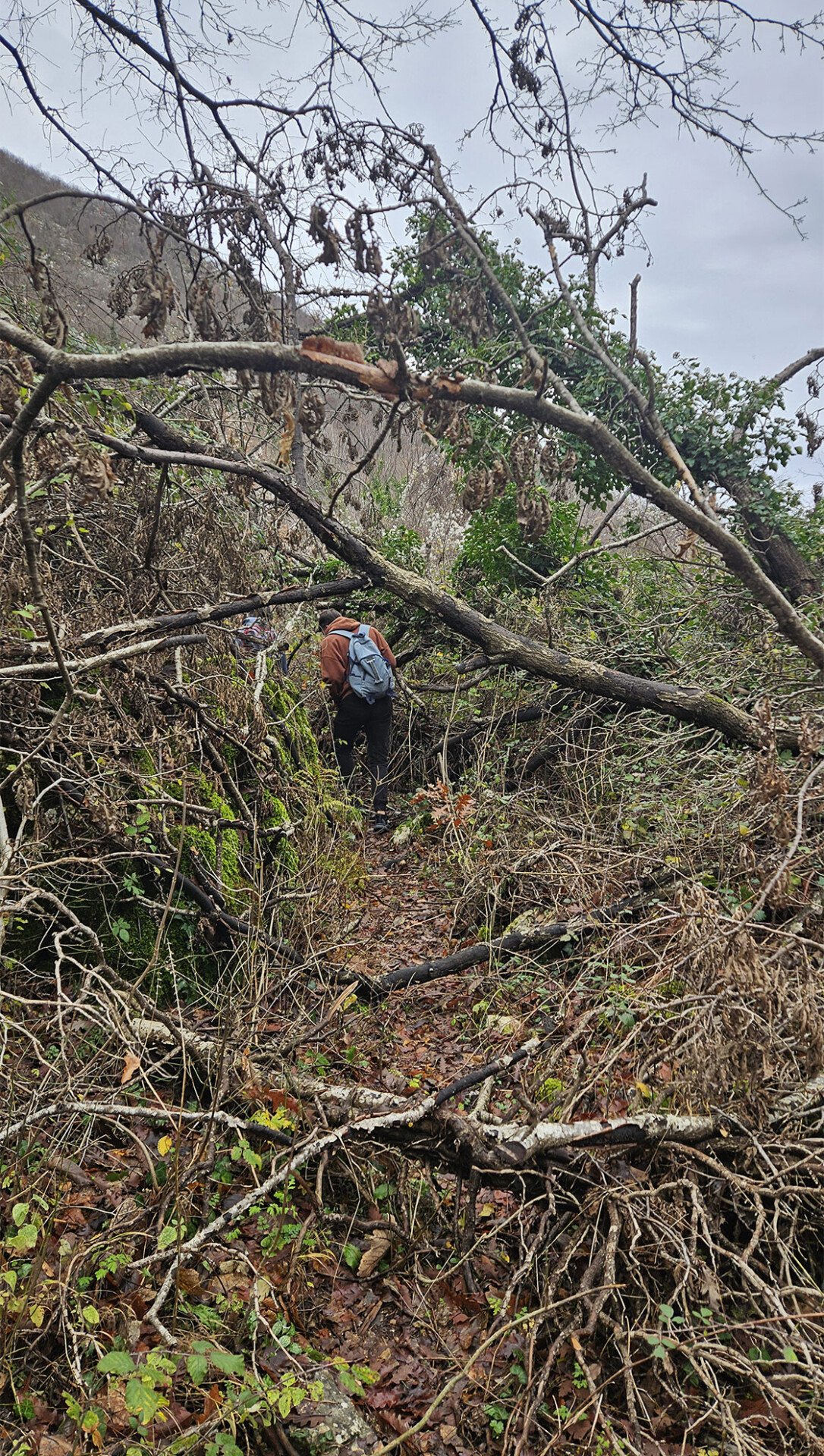
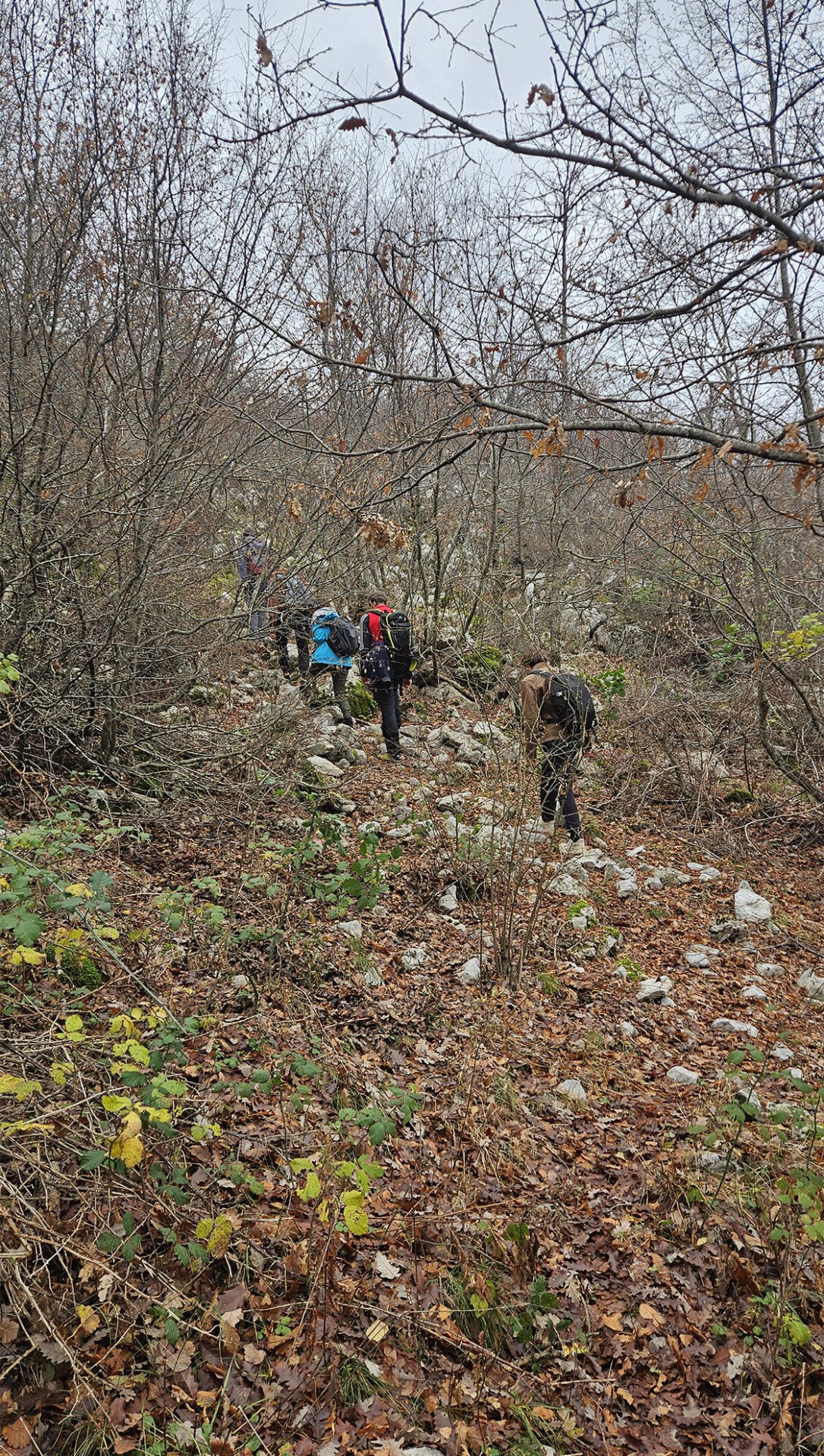
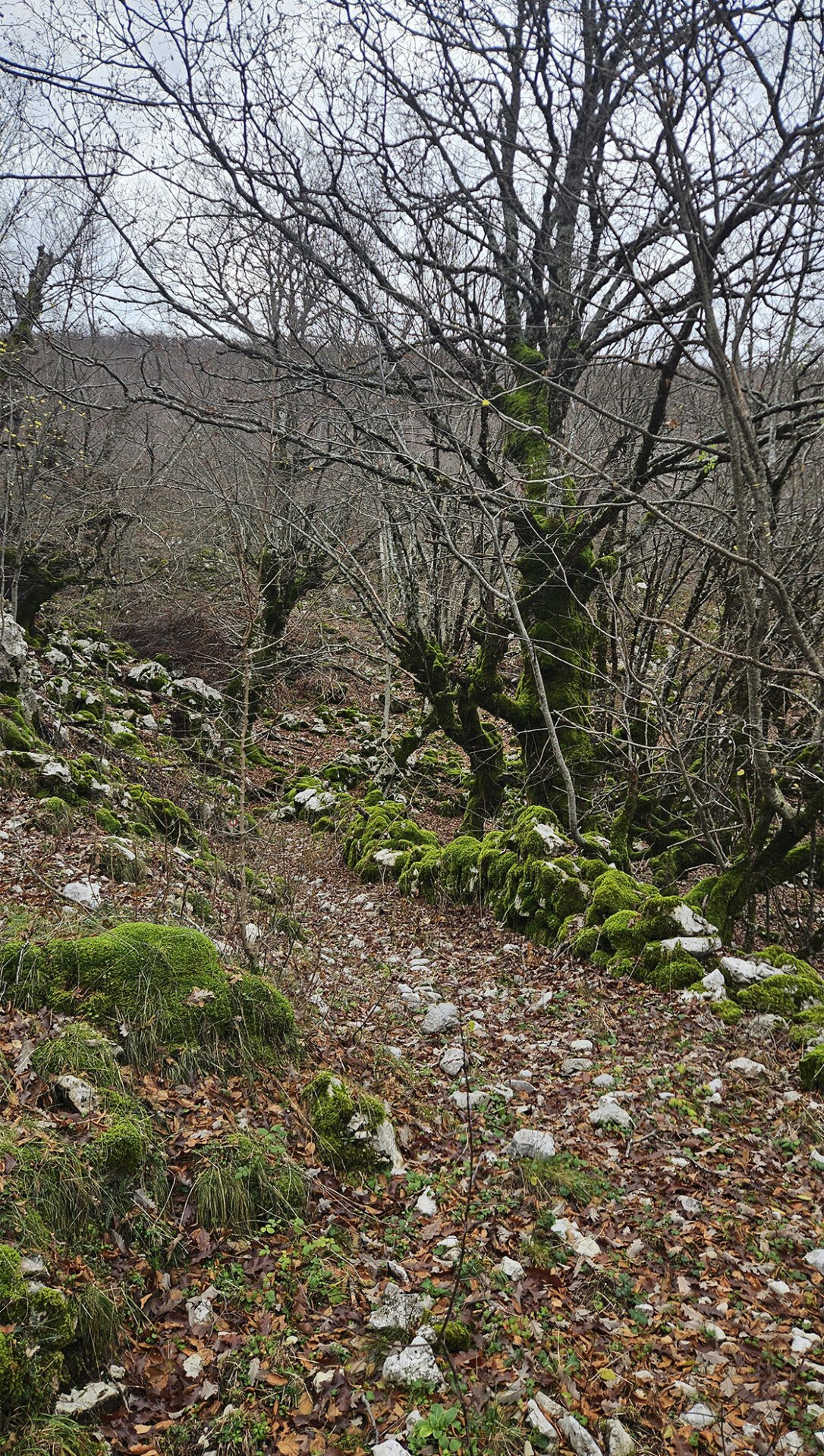
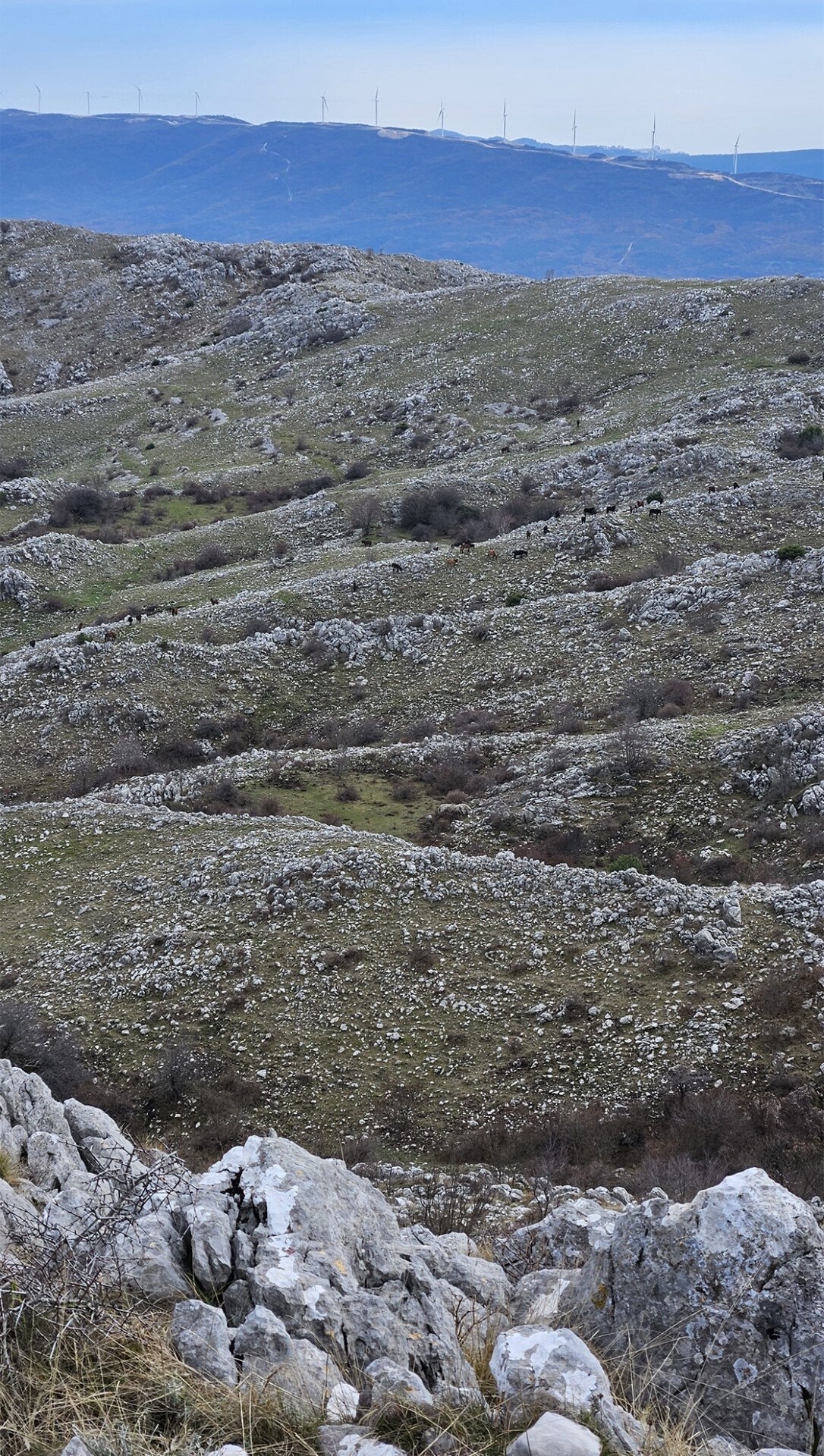
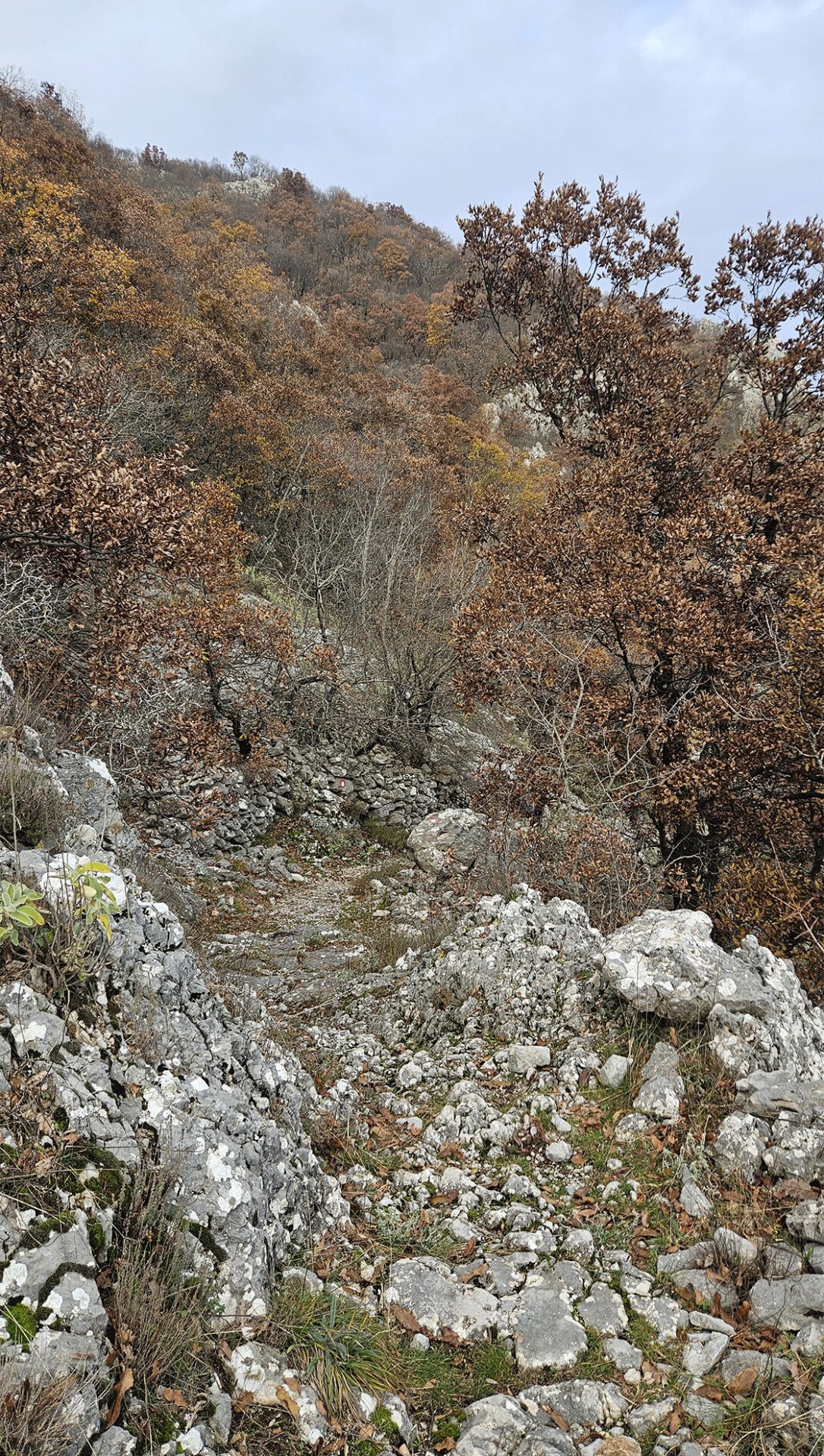
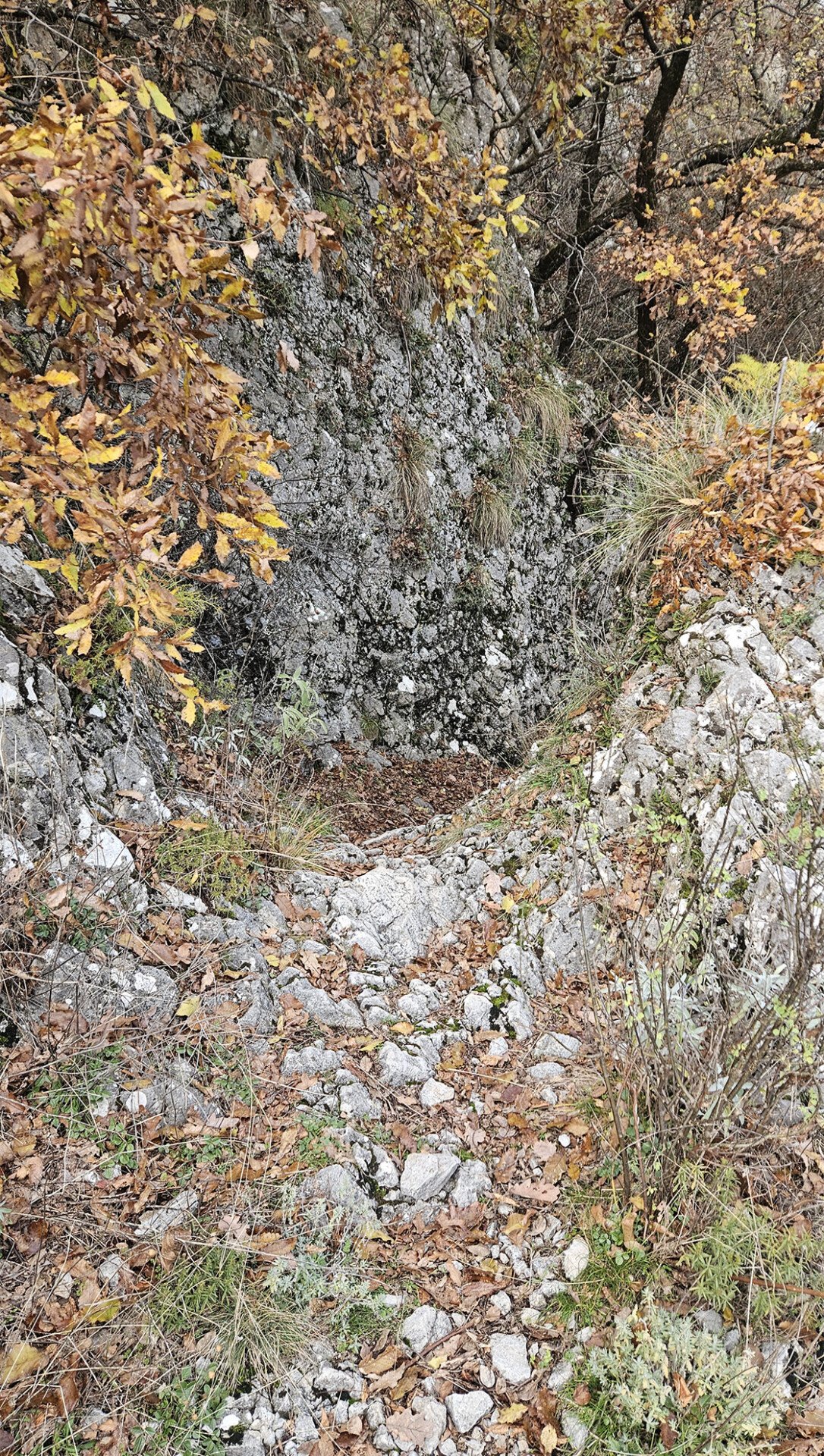
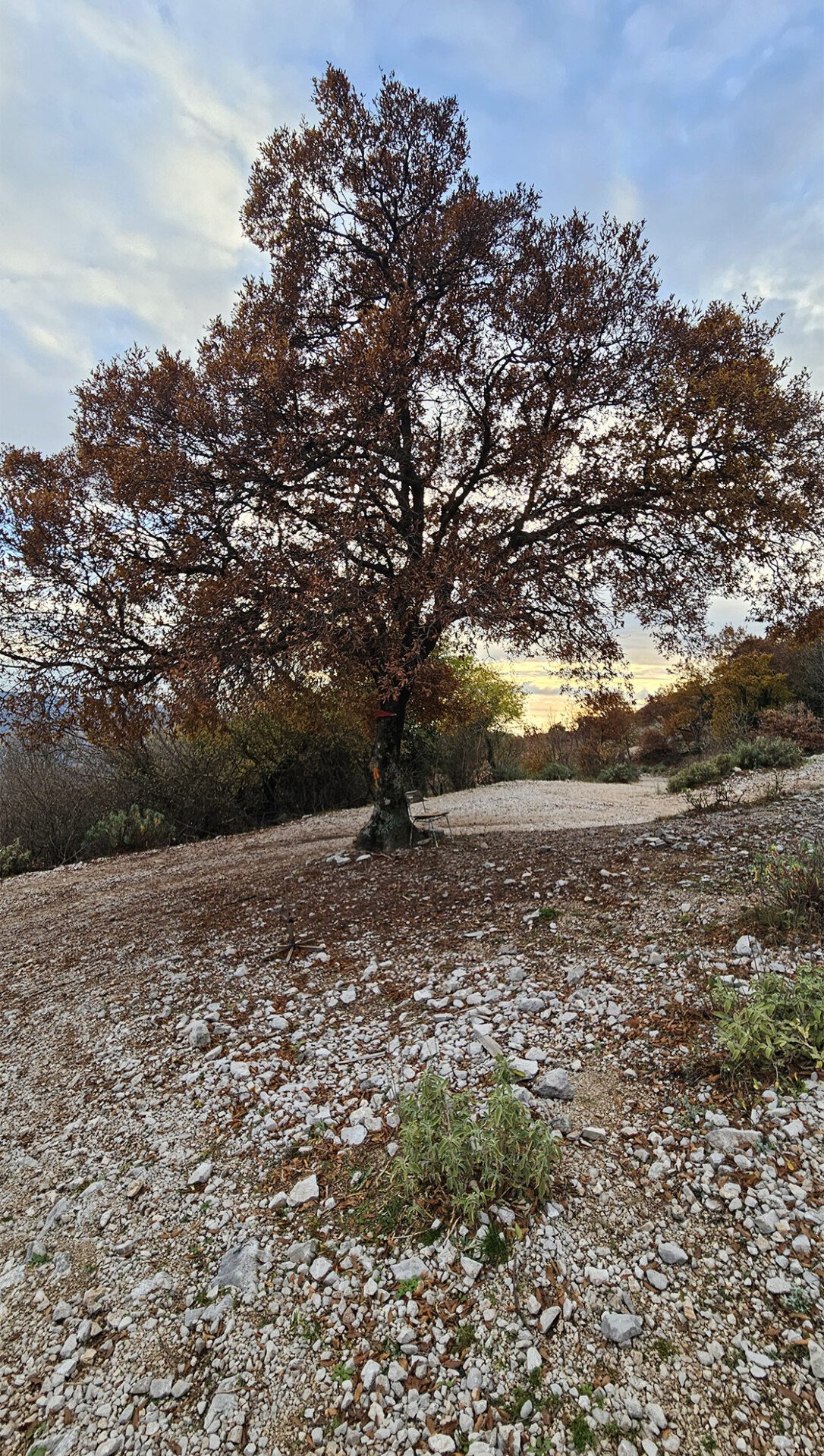
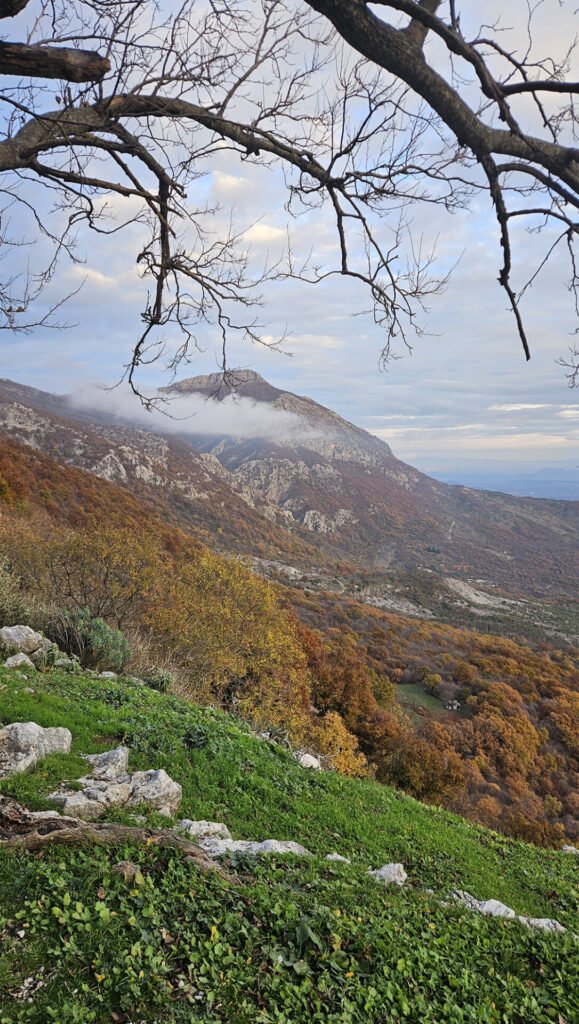
The trail continues to climb in short switchbacks, generally heading west. Occasionally, it emerges into almost level clearings, offering views of the valley with Mikulići below and Rumija, where a church can be seen at the summit.
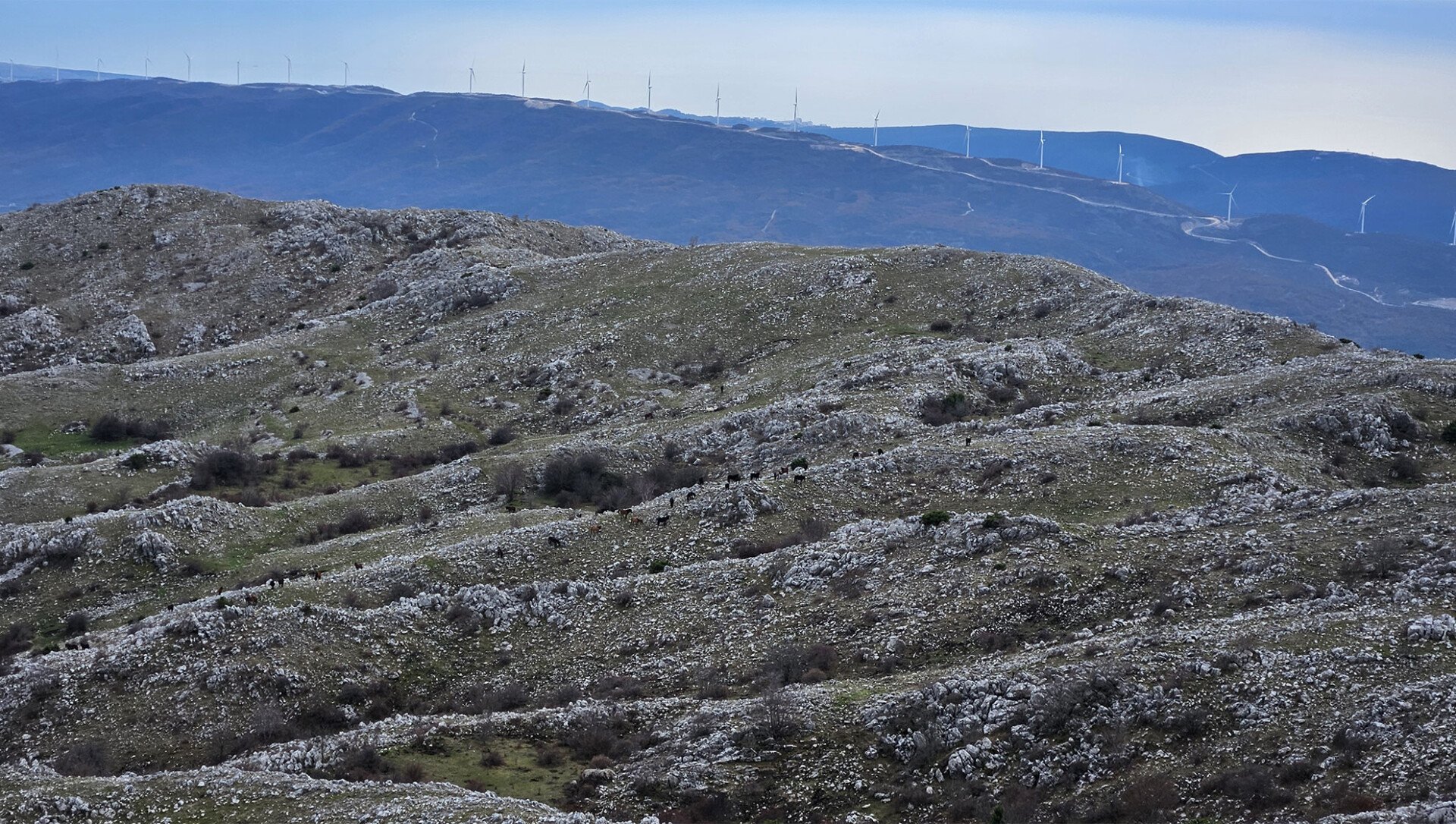
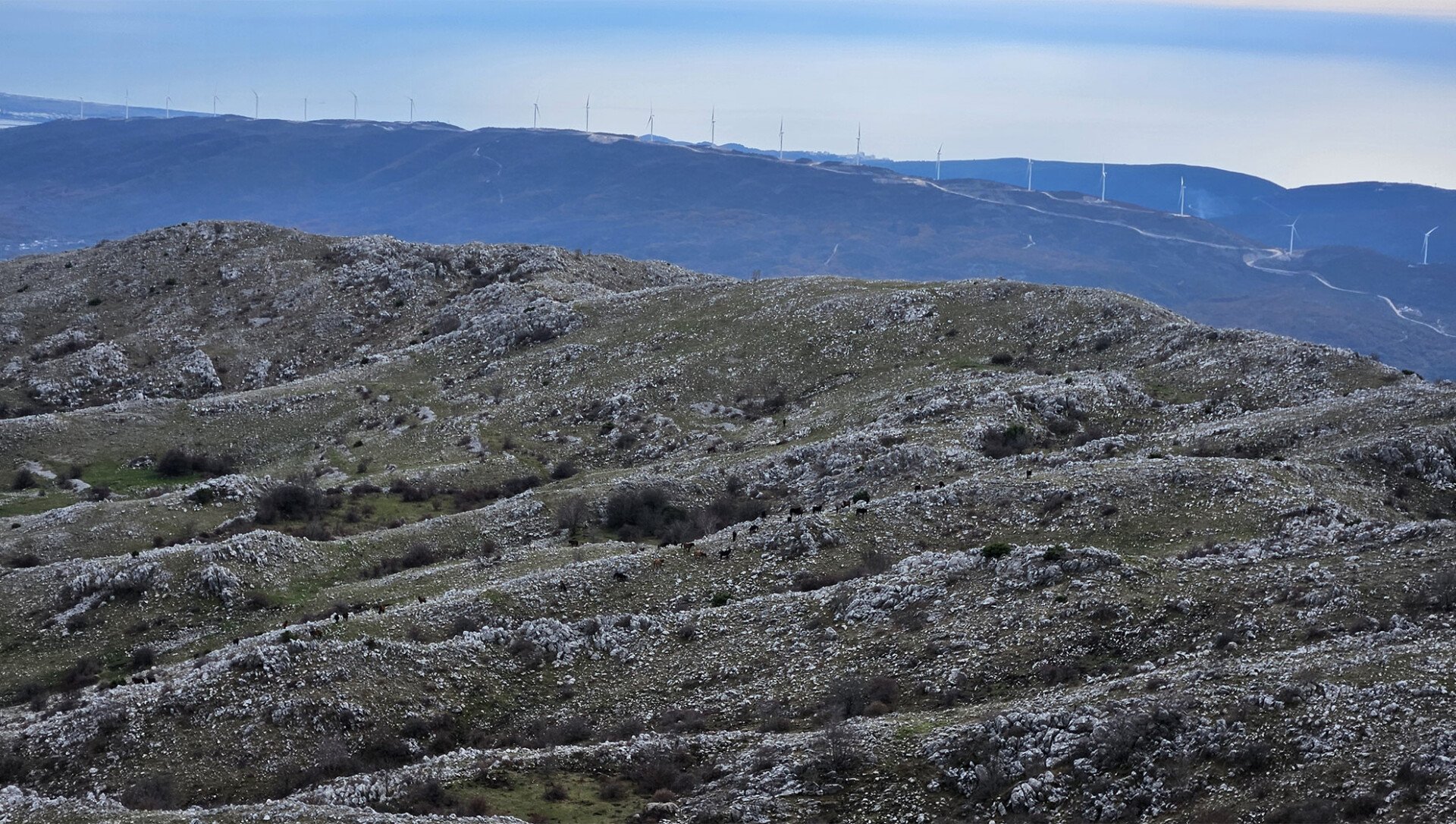
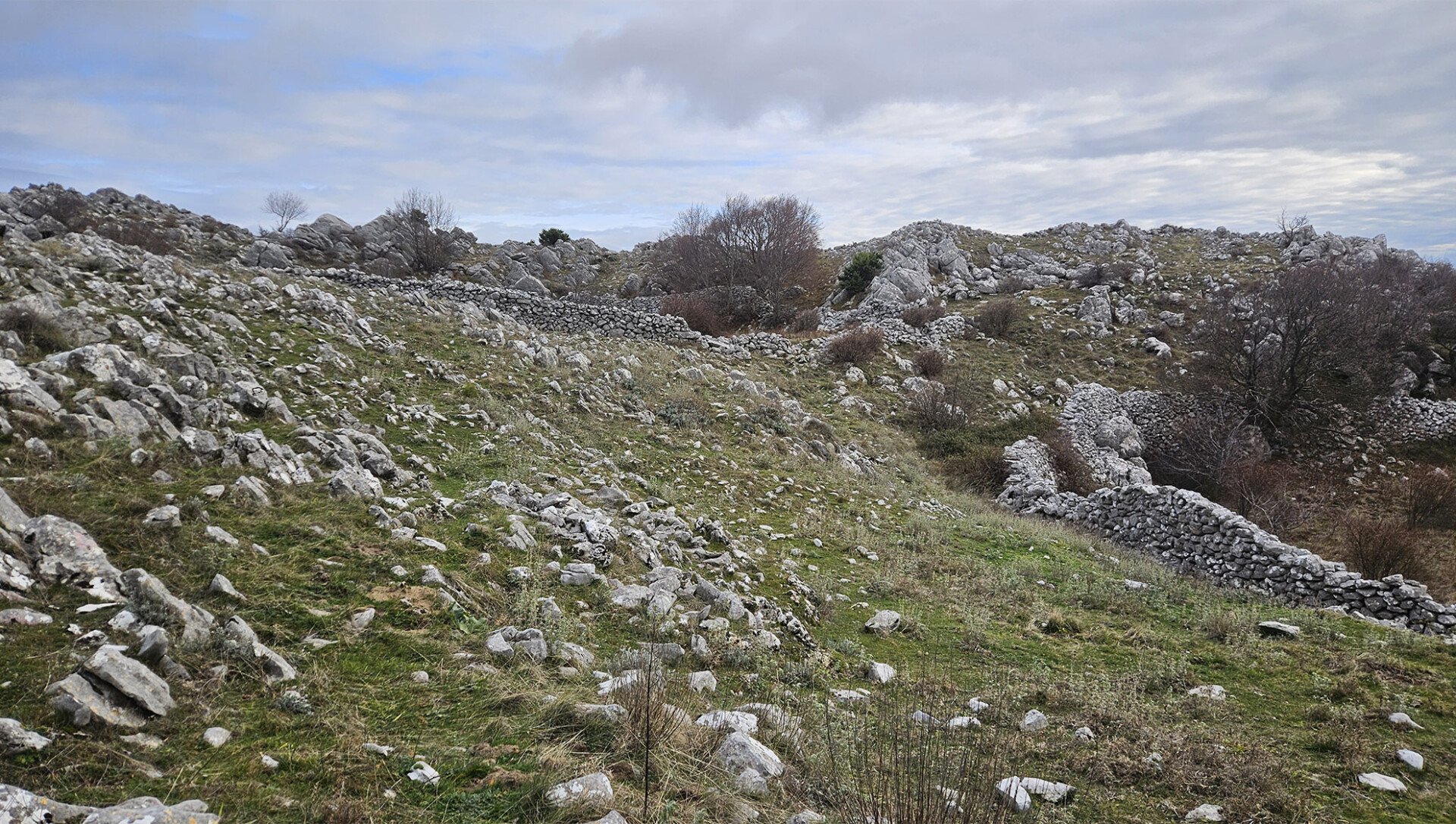
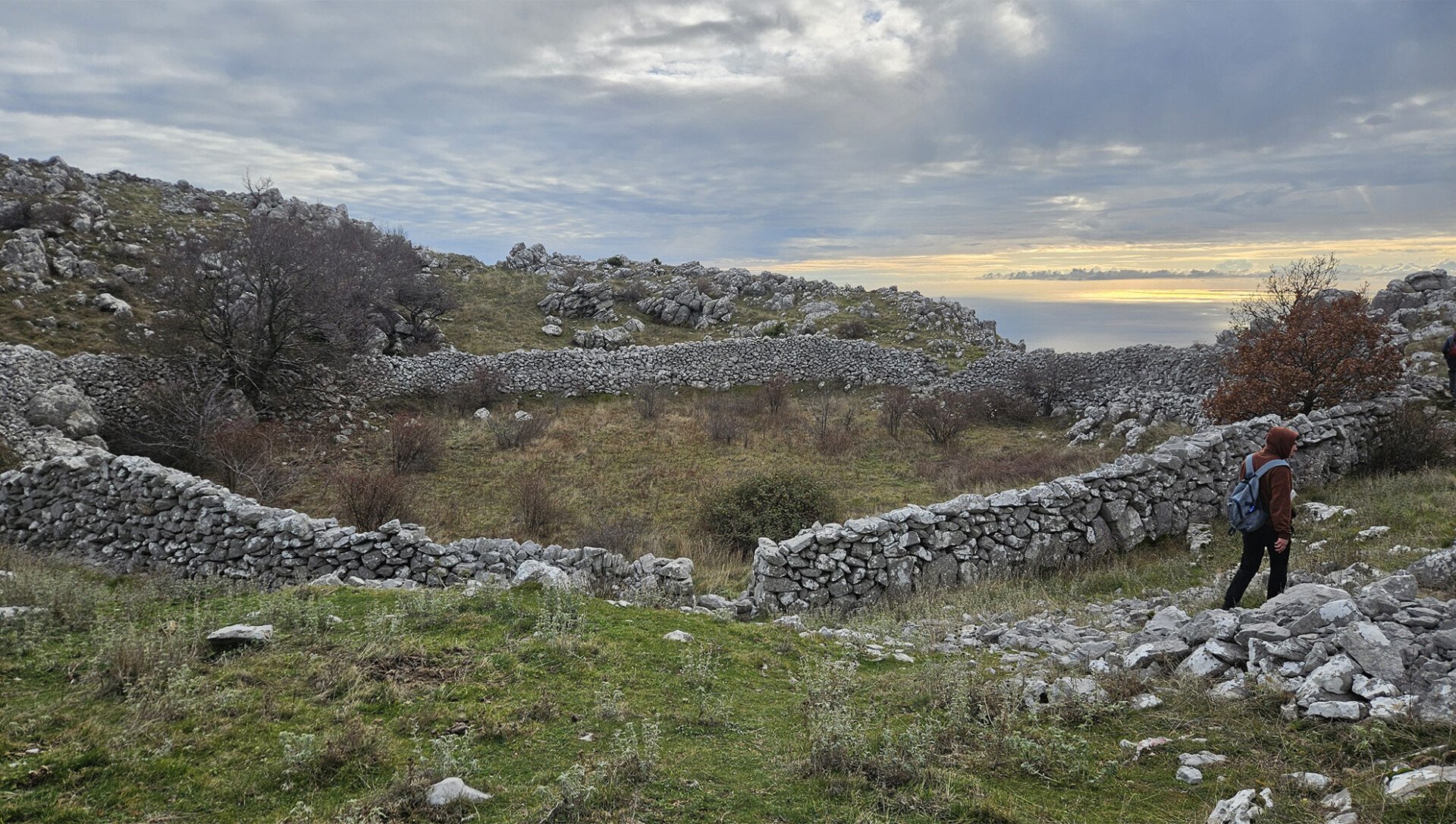
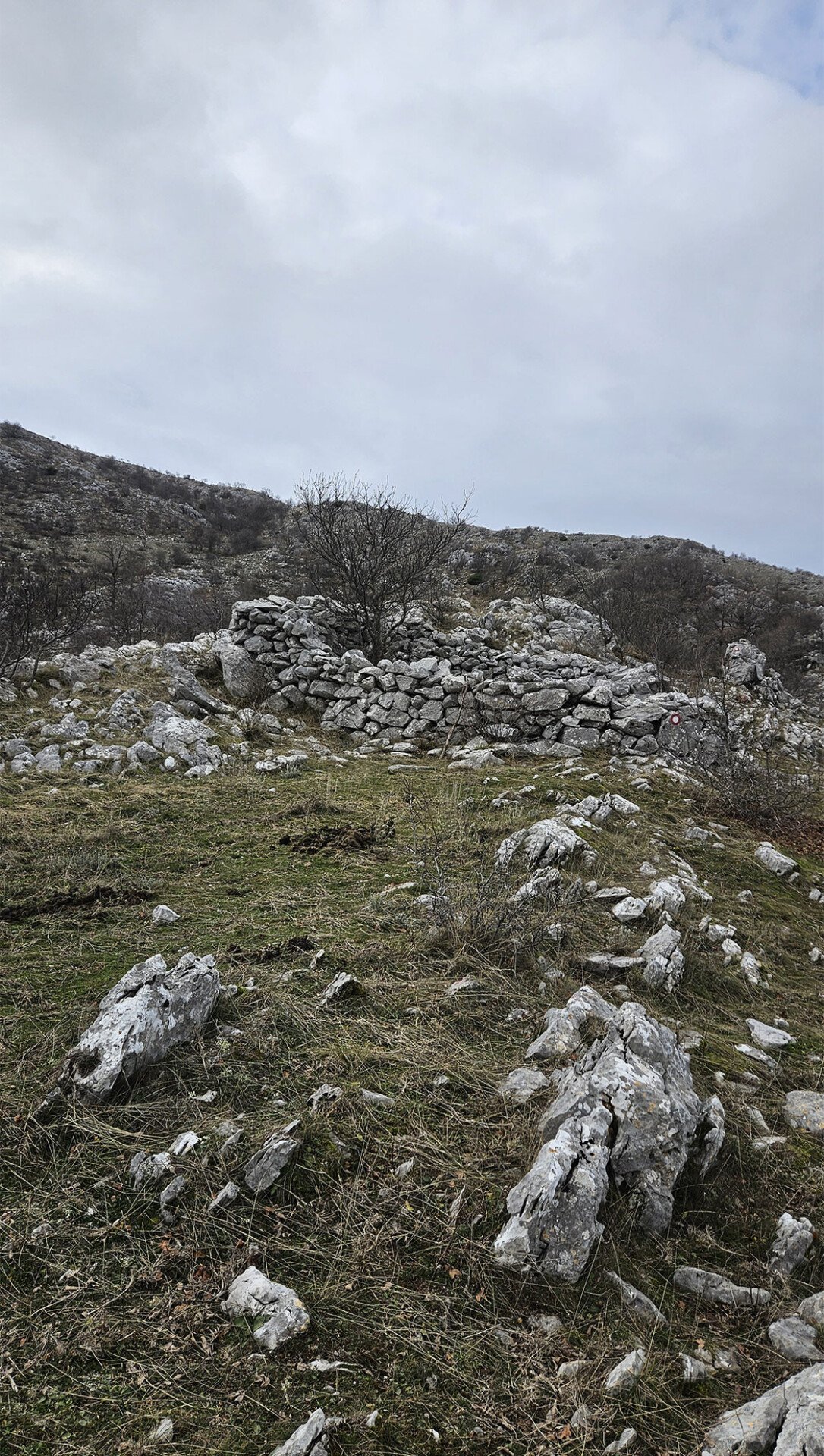
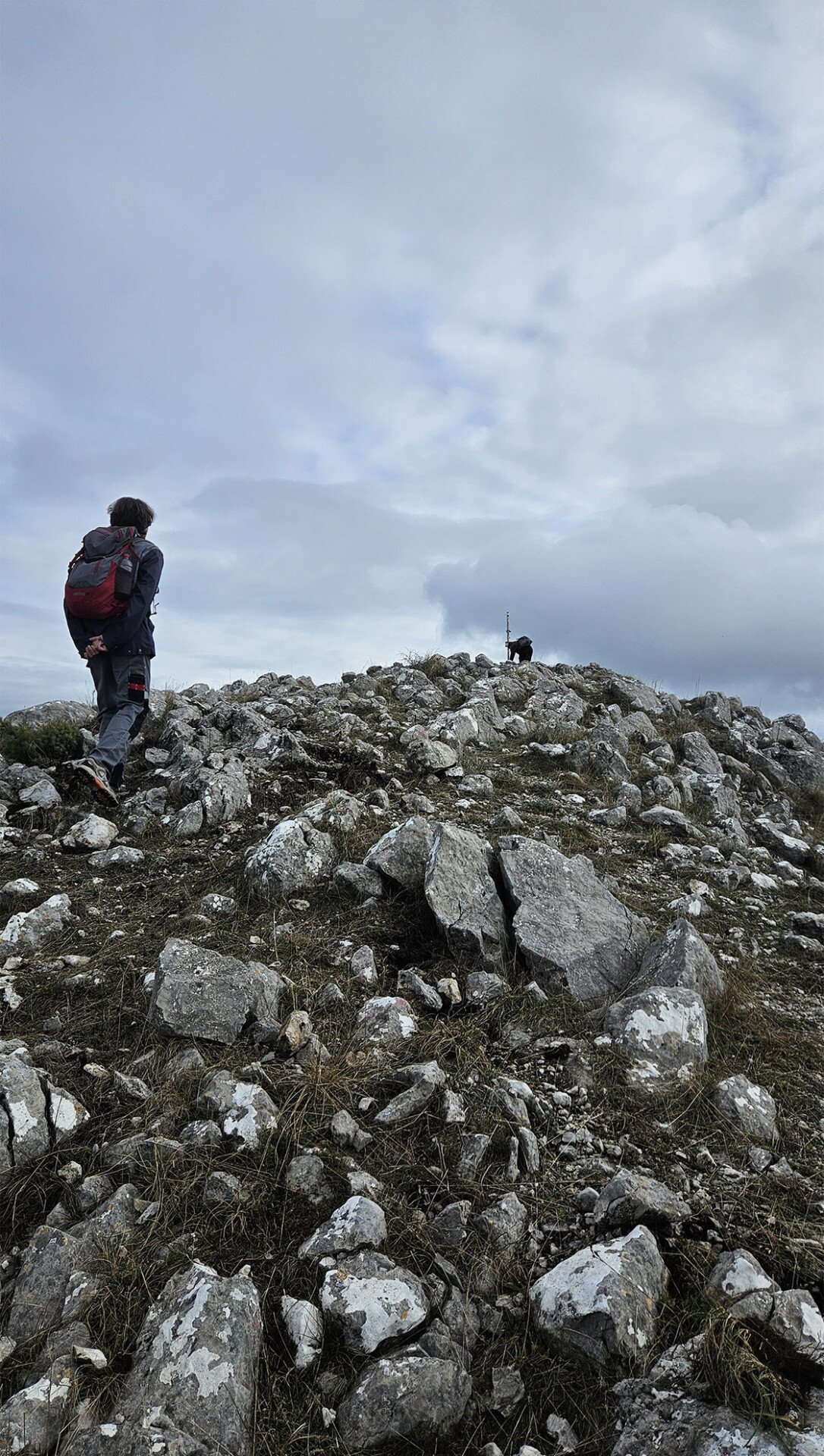
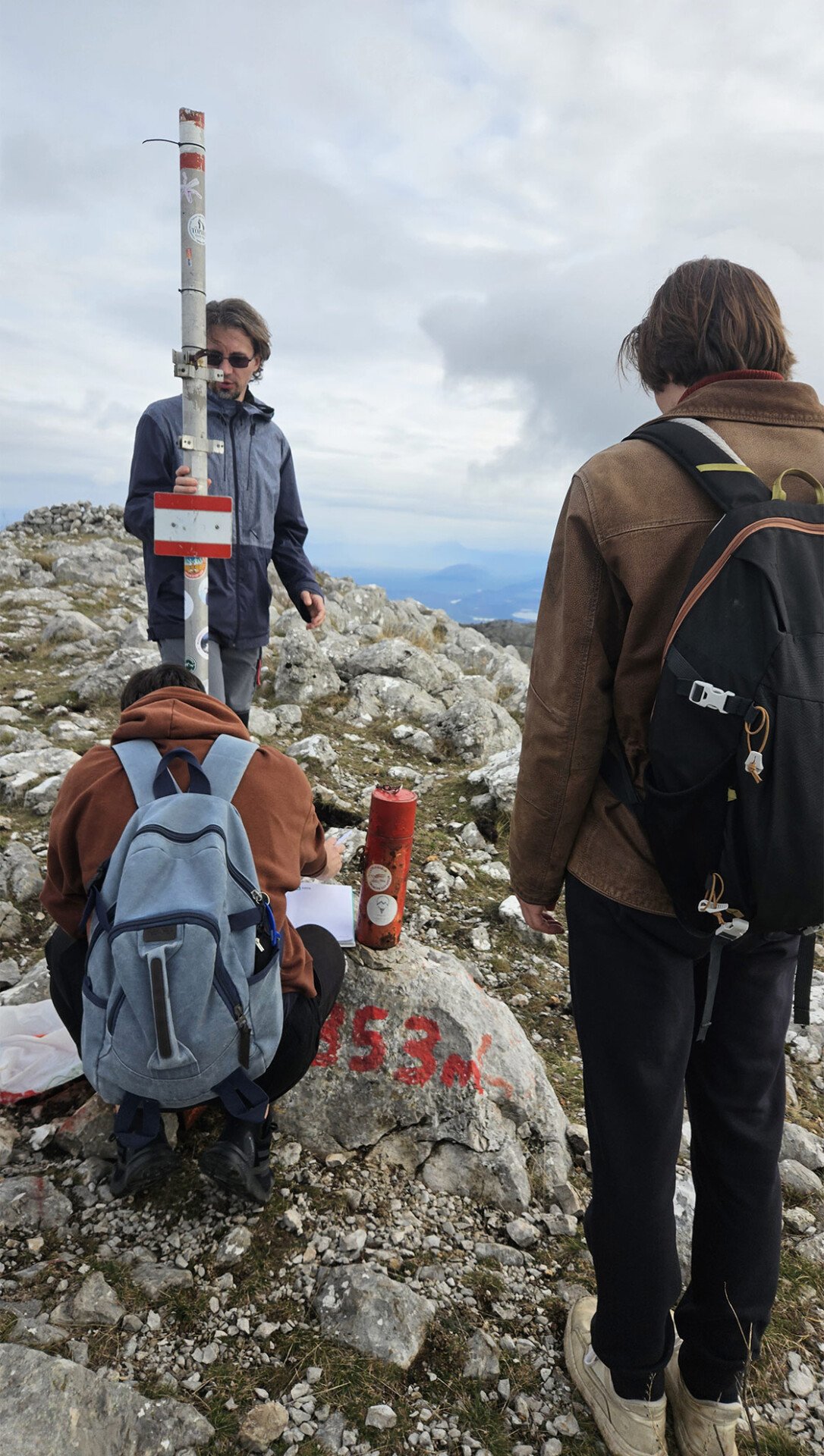
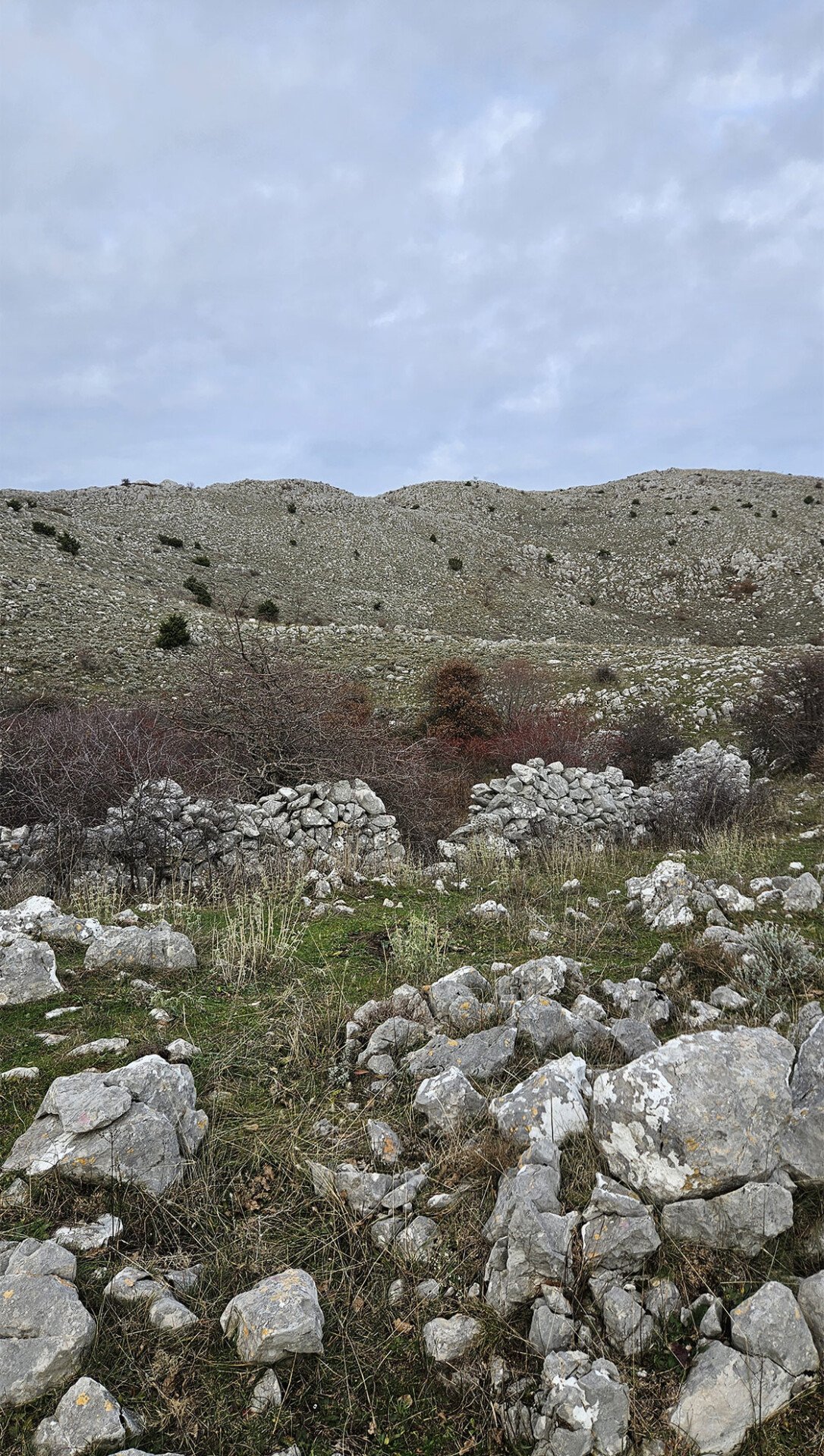
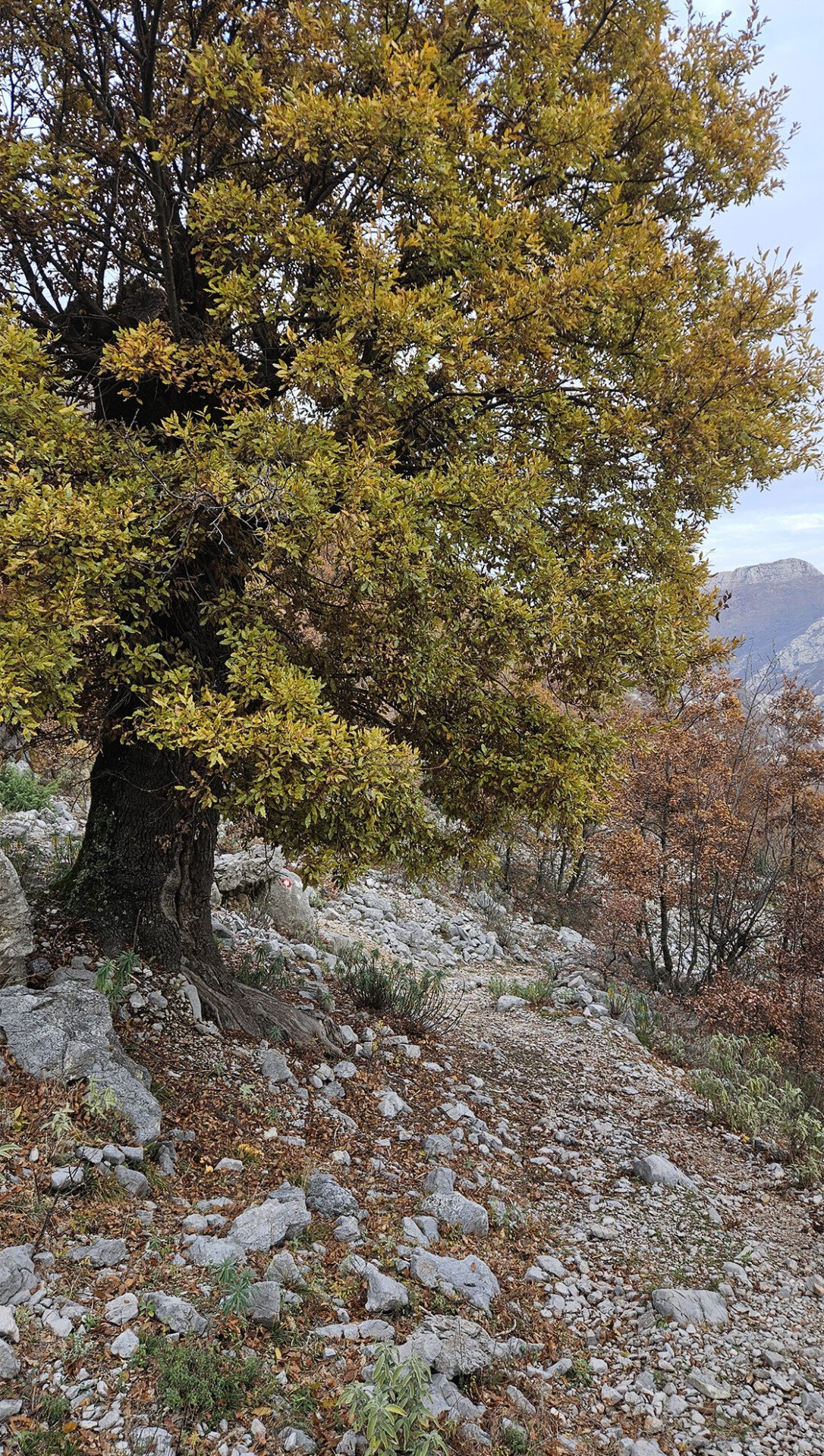
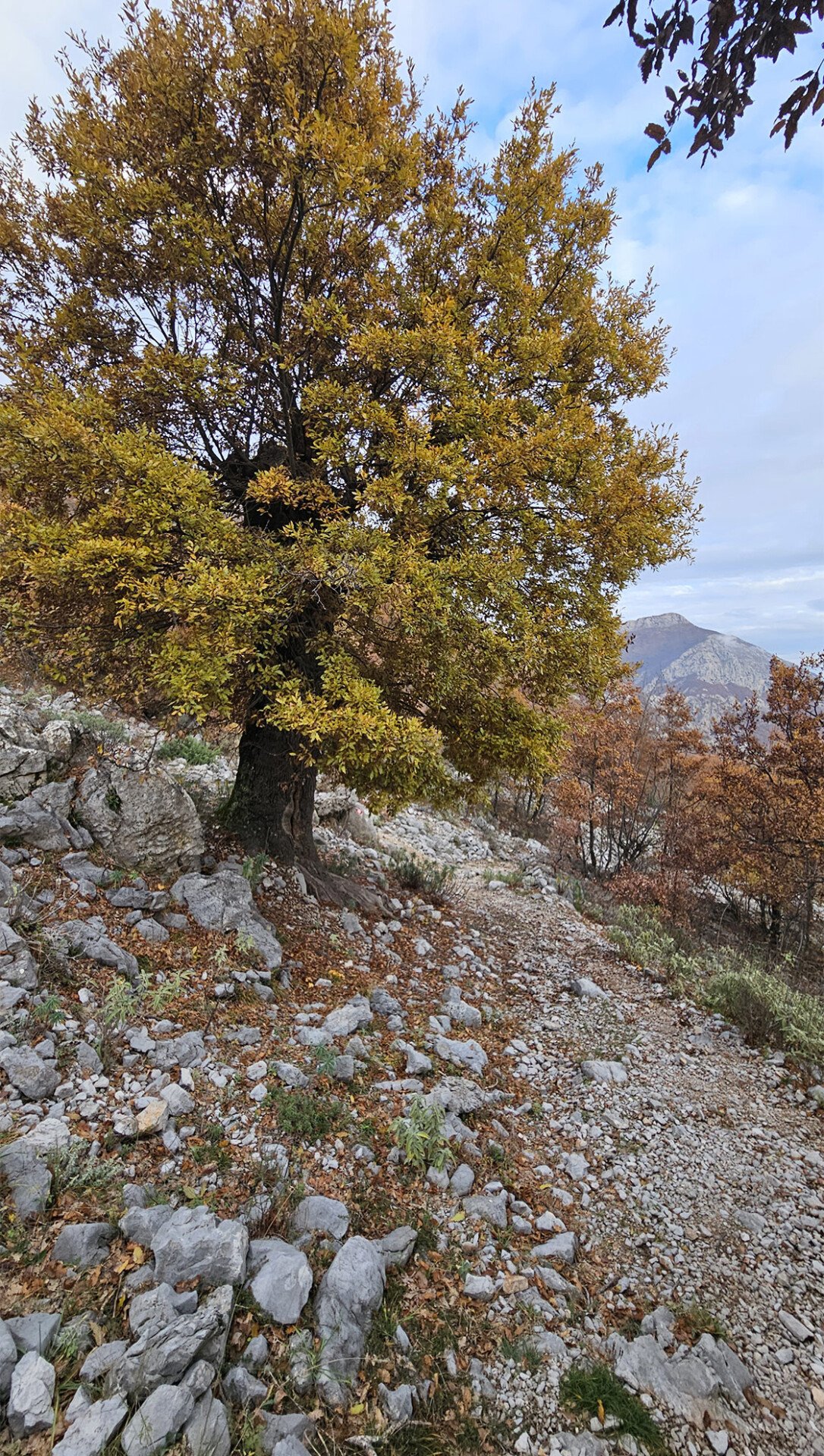
After the main climb, the route emerges onto a more open ridge and continues to the highest point, Loška (1,353 m).
The impression of this section is usually described as “a wide ridge with views,” and at the summit and on the approaches, panoramic views of the sea and coastline open up.
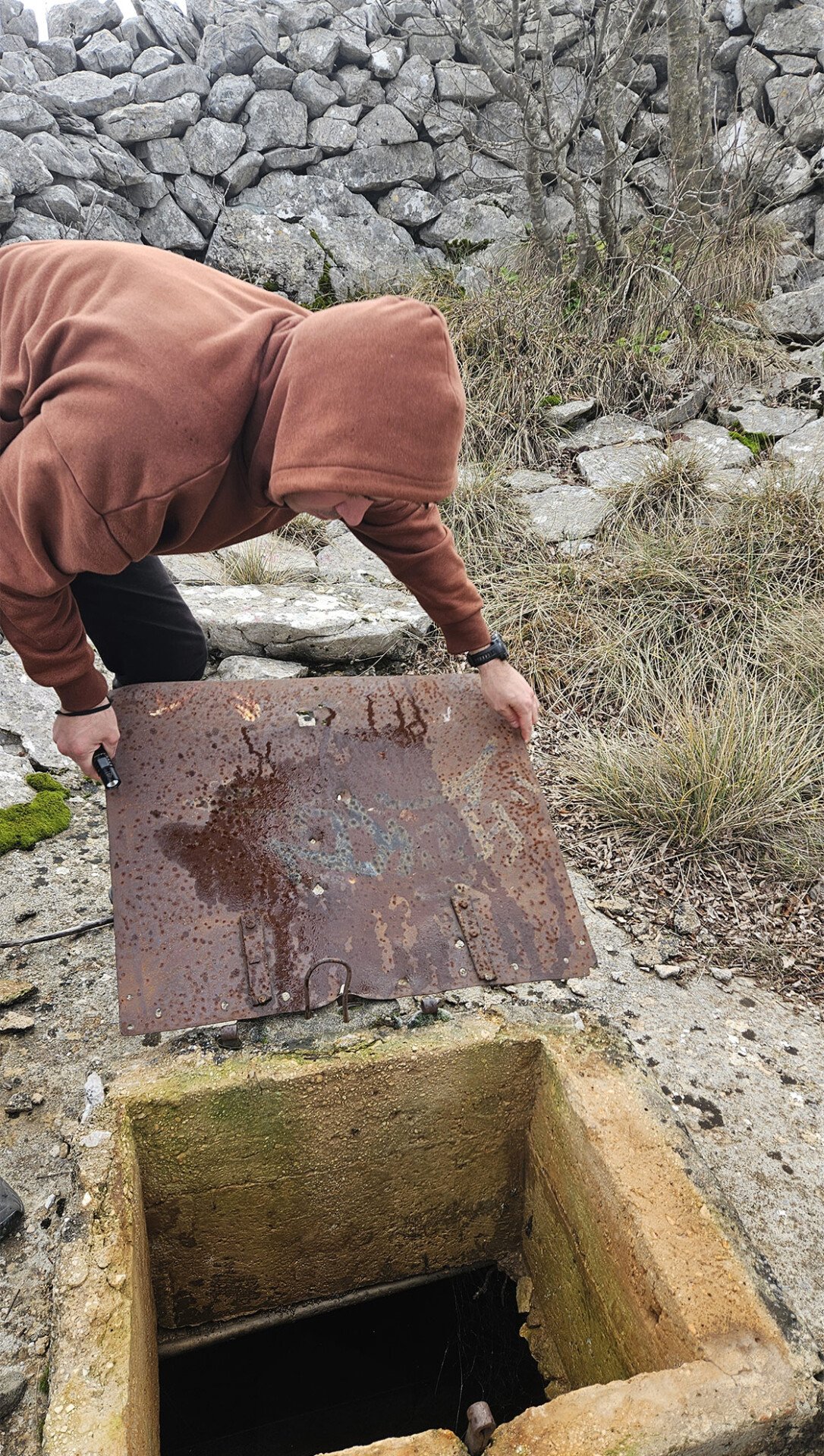
At the summit itself, according to the description of the classic route, there is a box with a stamp and a book for marks (a typical element of Montenegrin planina infrastructure on marked peaks).
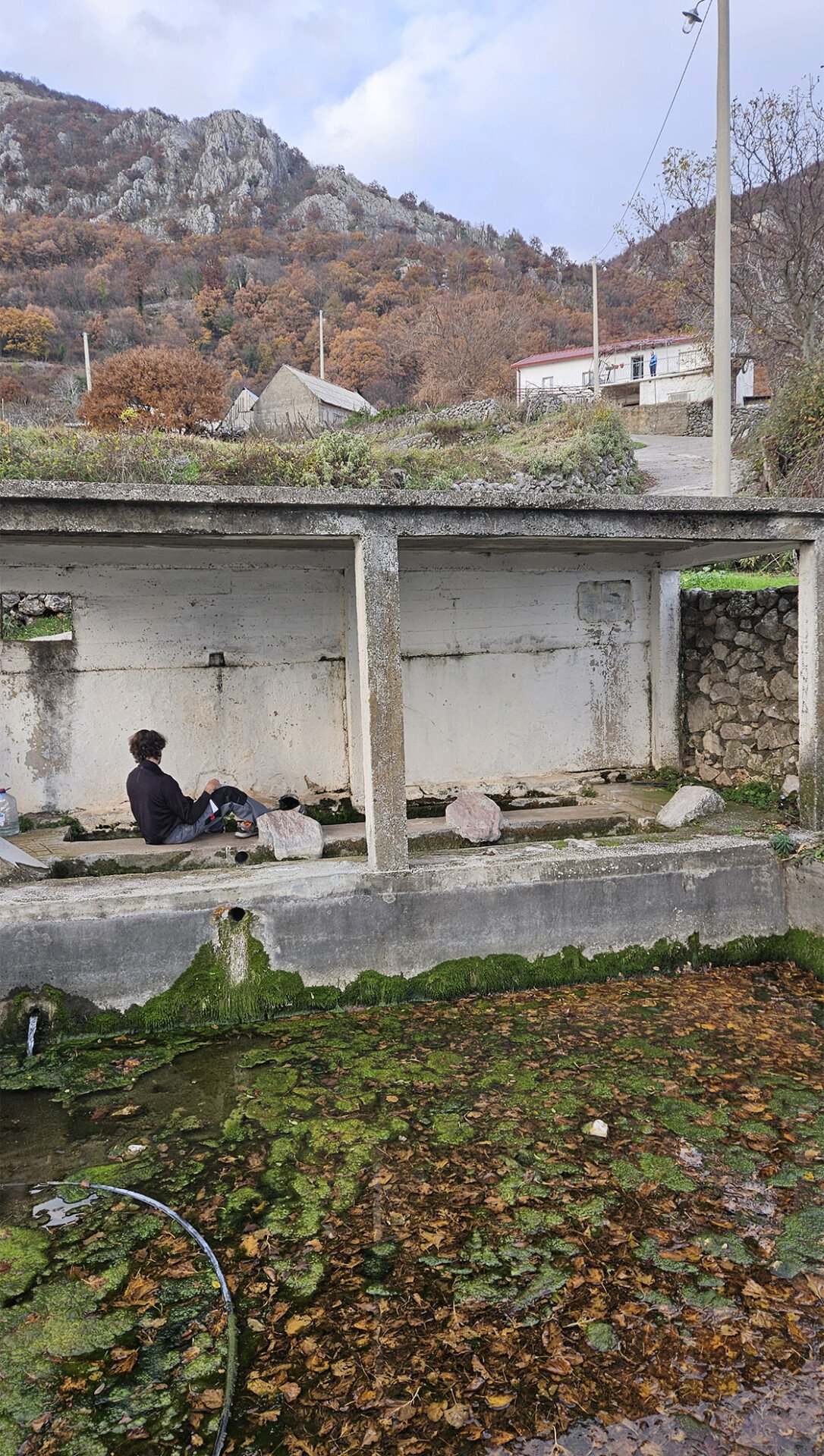
Next, we begin the descent to the village of Lunje, where there’s a source of drinking water and an excellent vantage point for a rest stop.
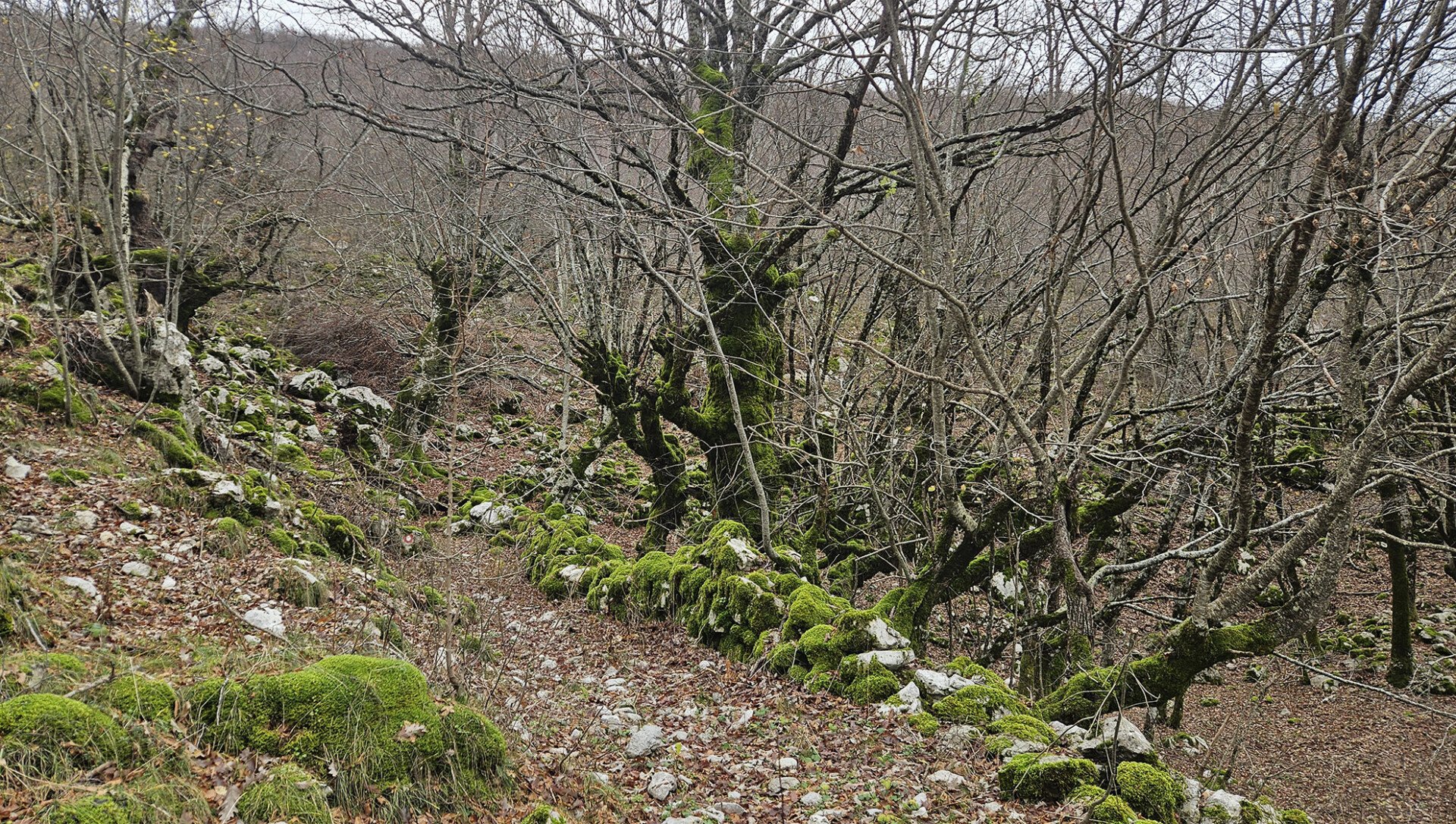
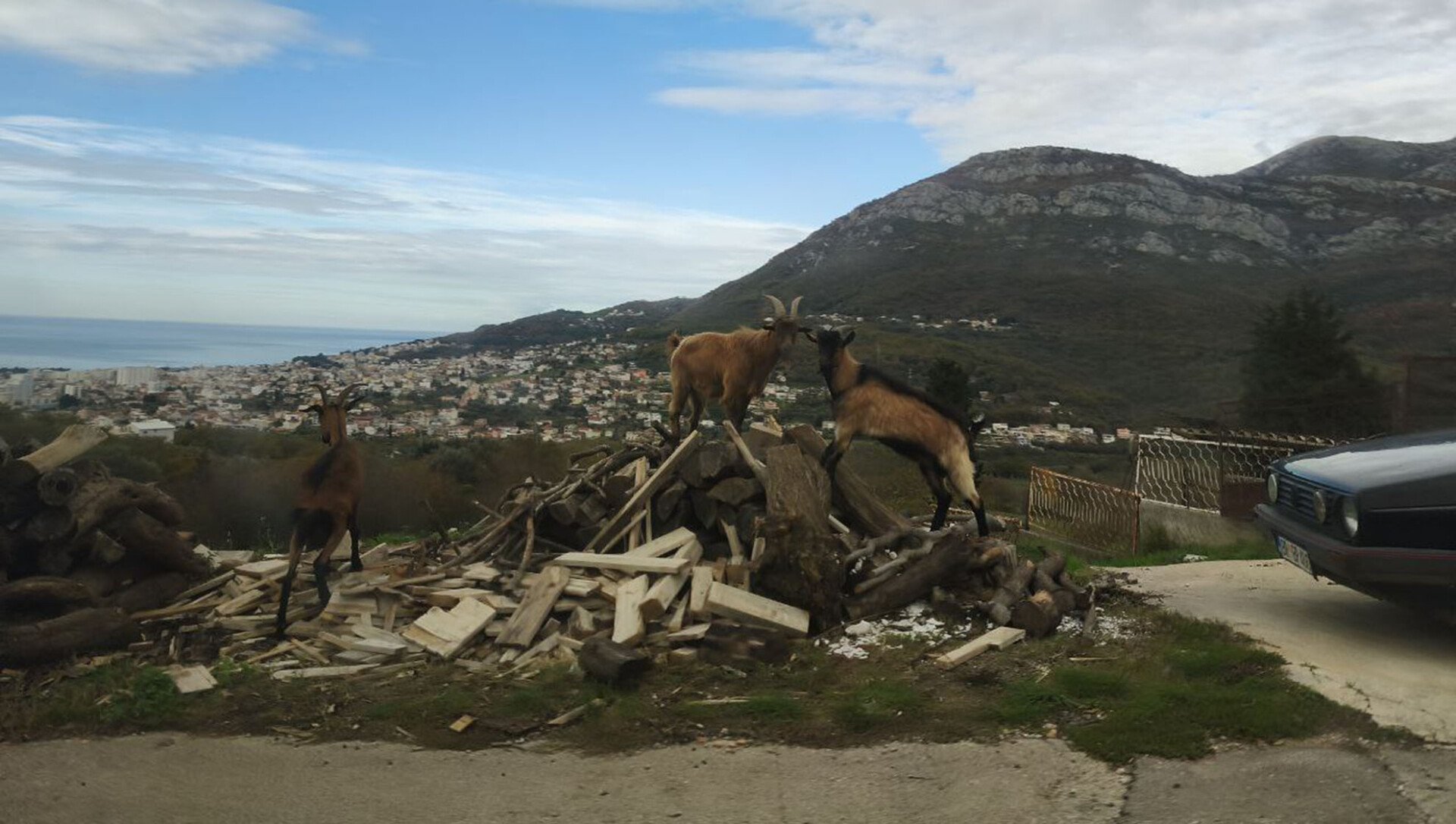
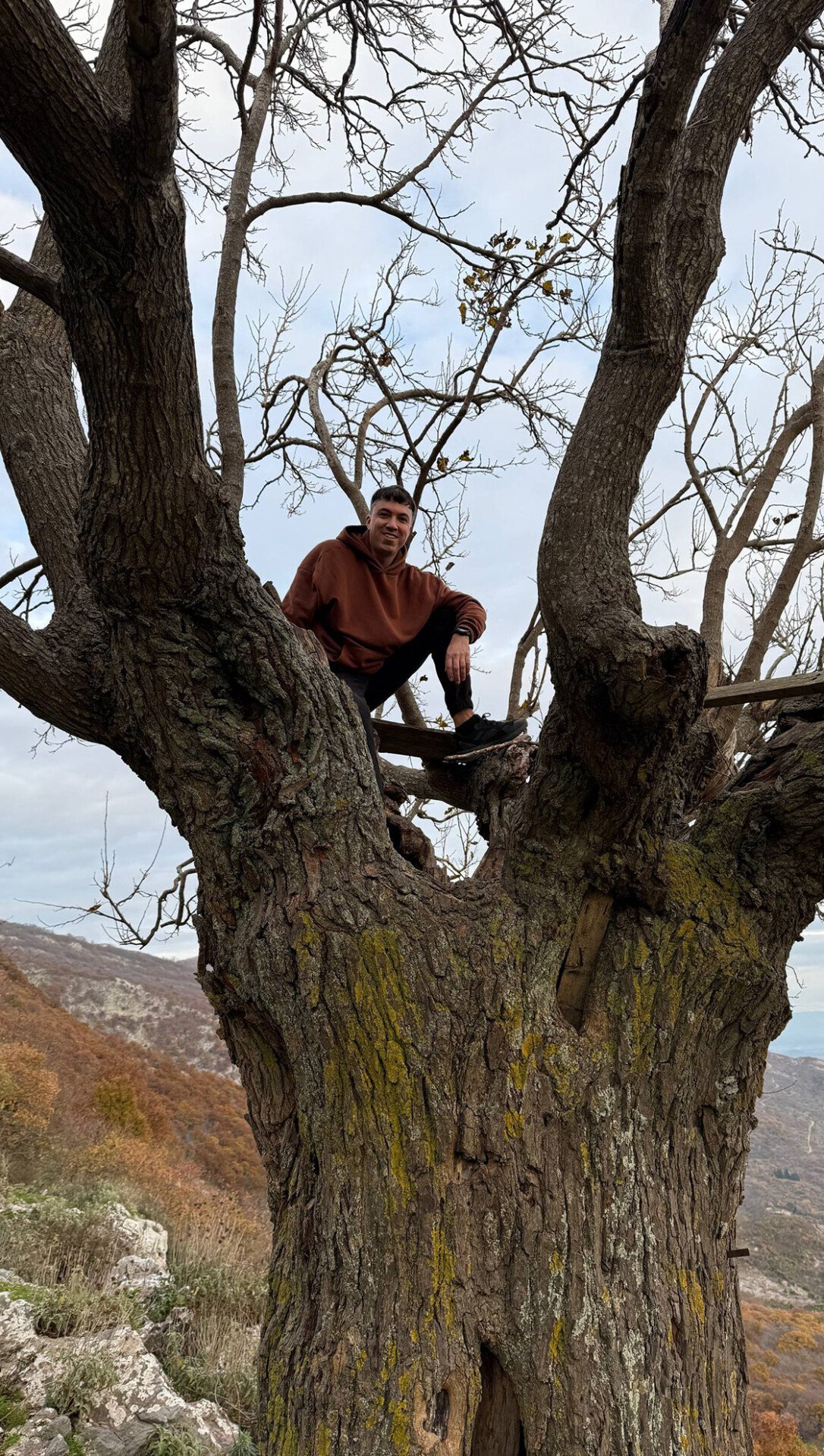
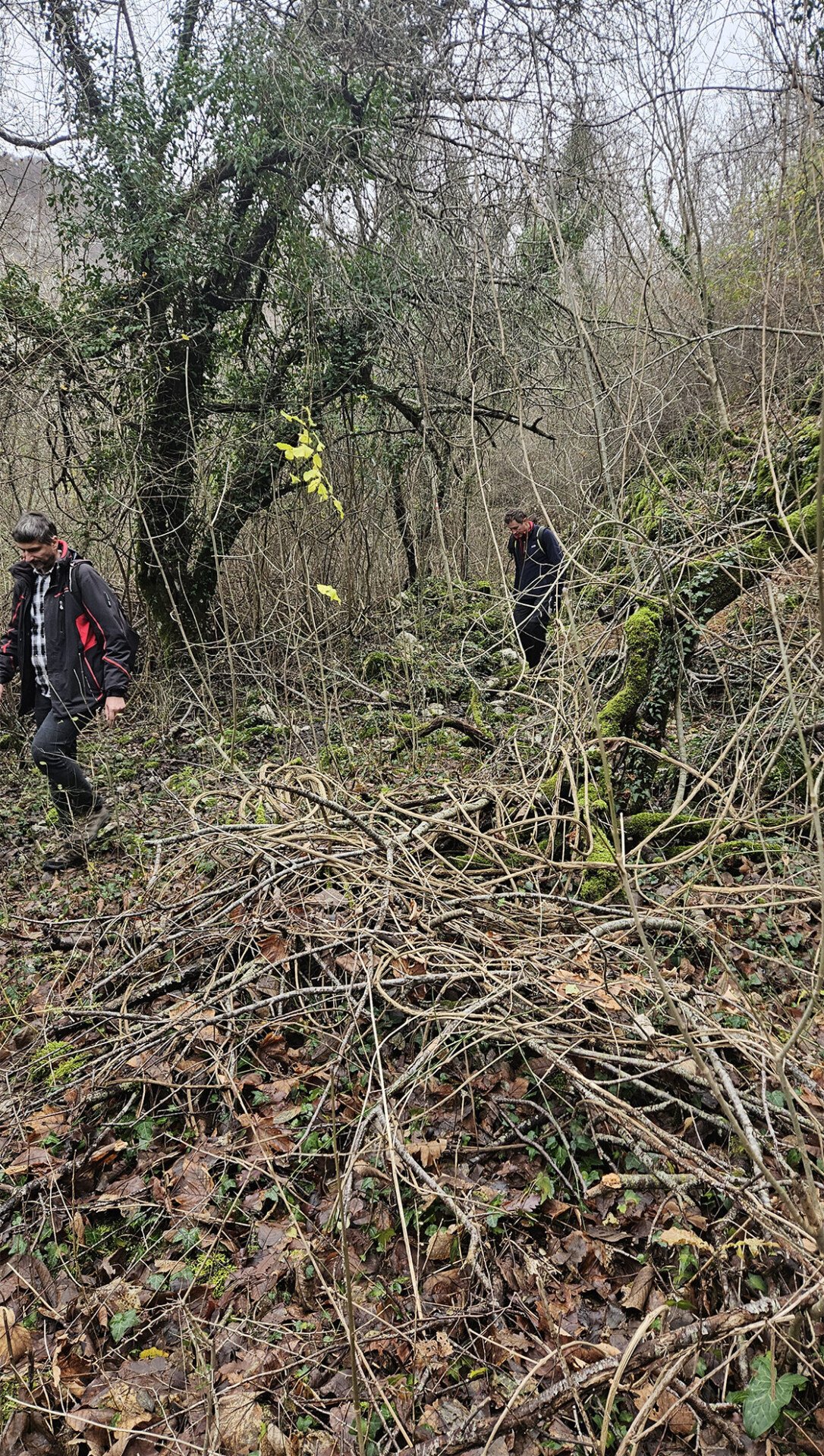
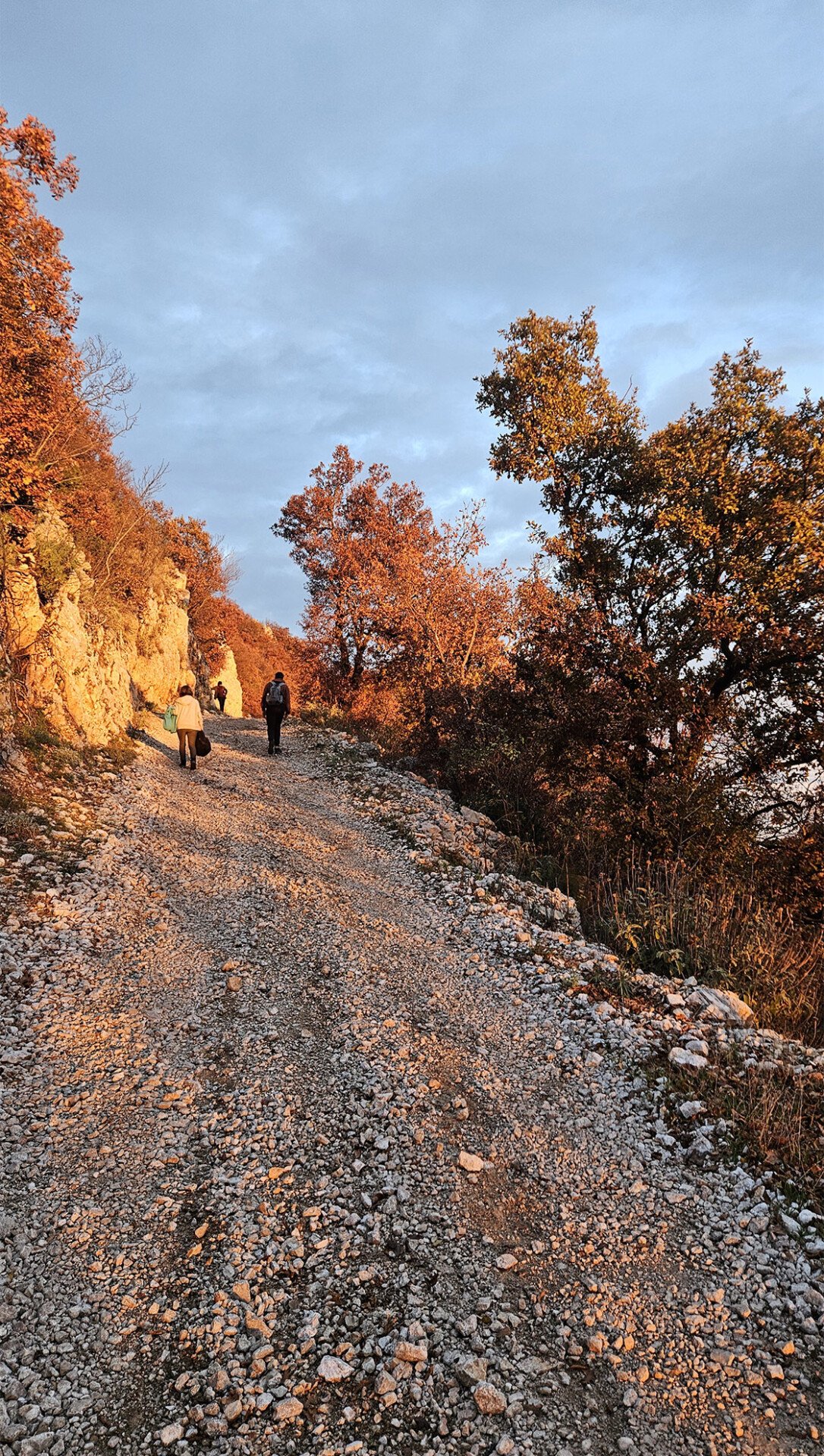
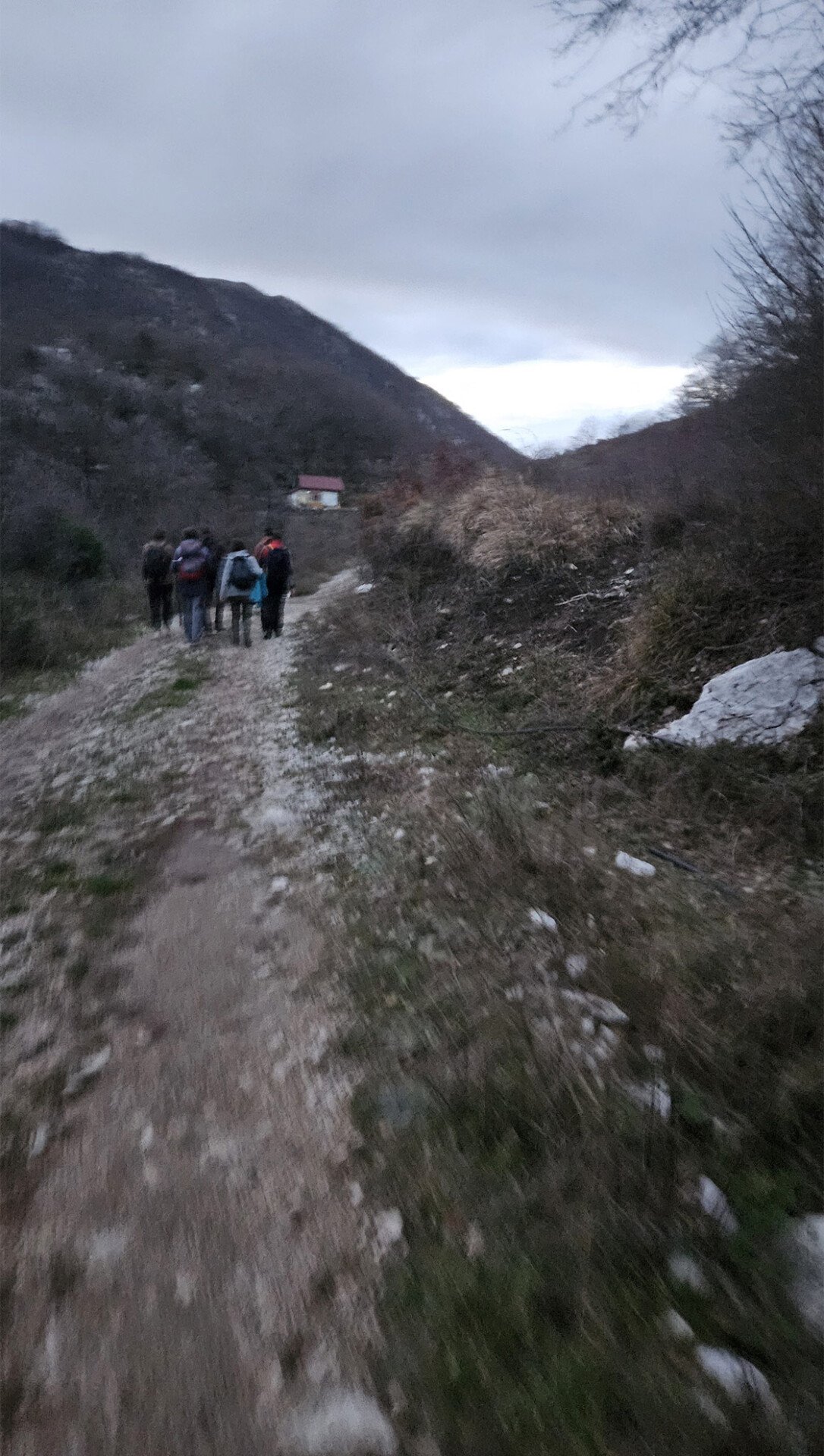
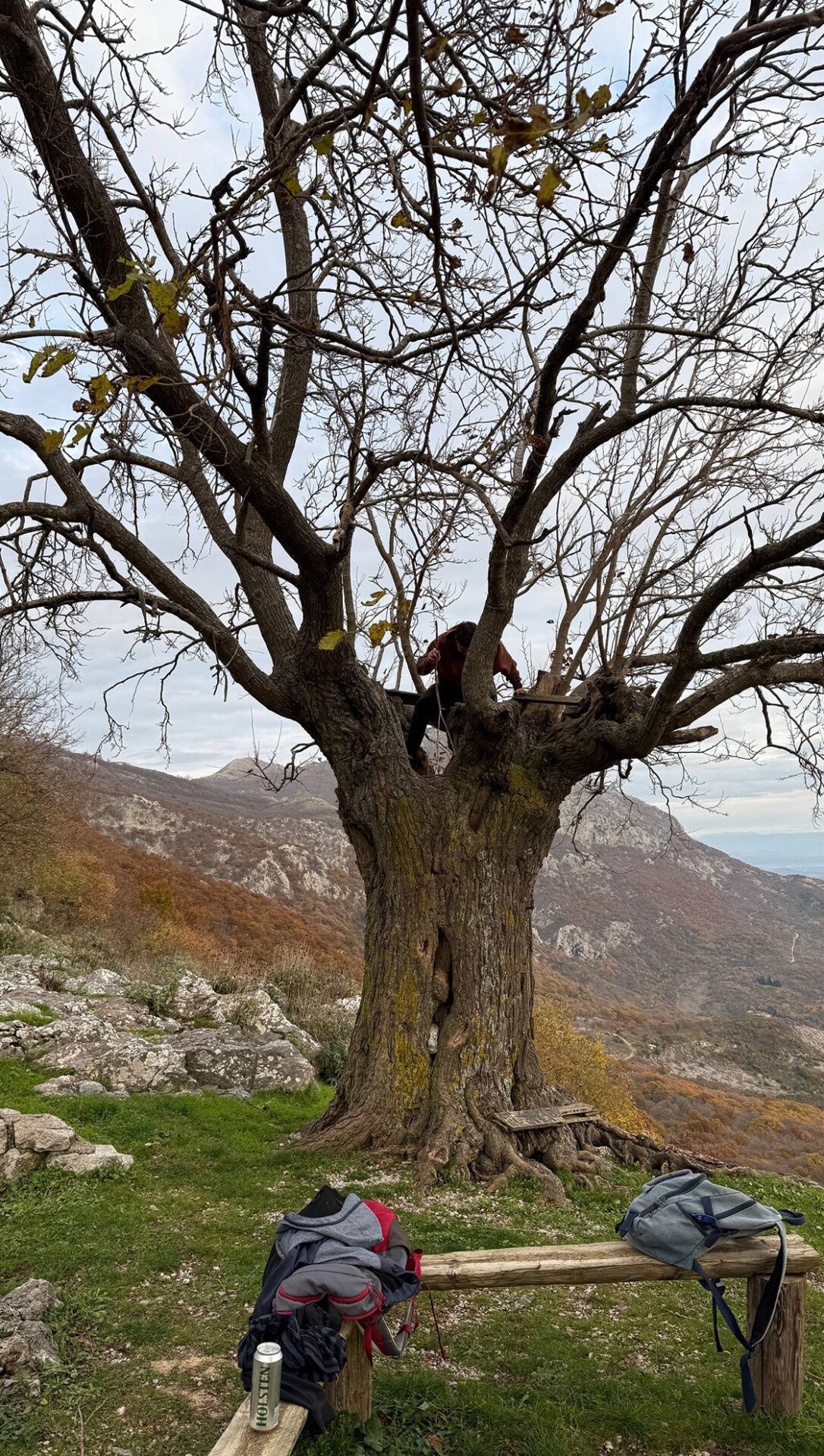
From Lunje, we follow a dirt road toward the pass. Along the way, we encounter isolated houses that look like seasonal summer homes. The pass, or saddle, is located at an altitude of 1,400 meters above sea level. The climb from Lunje is significant. We then descend, also along a dirt road through a beautiful beech forest, to Veliki Mikulići.
Our hike is complete!
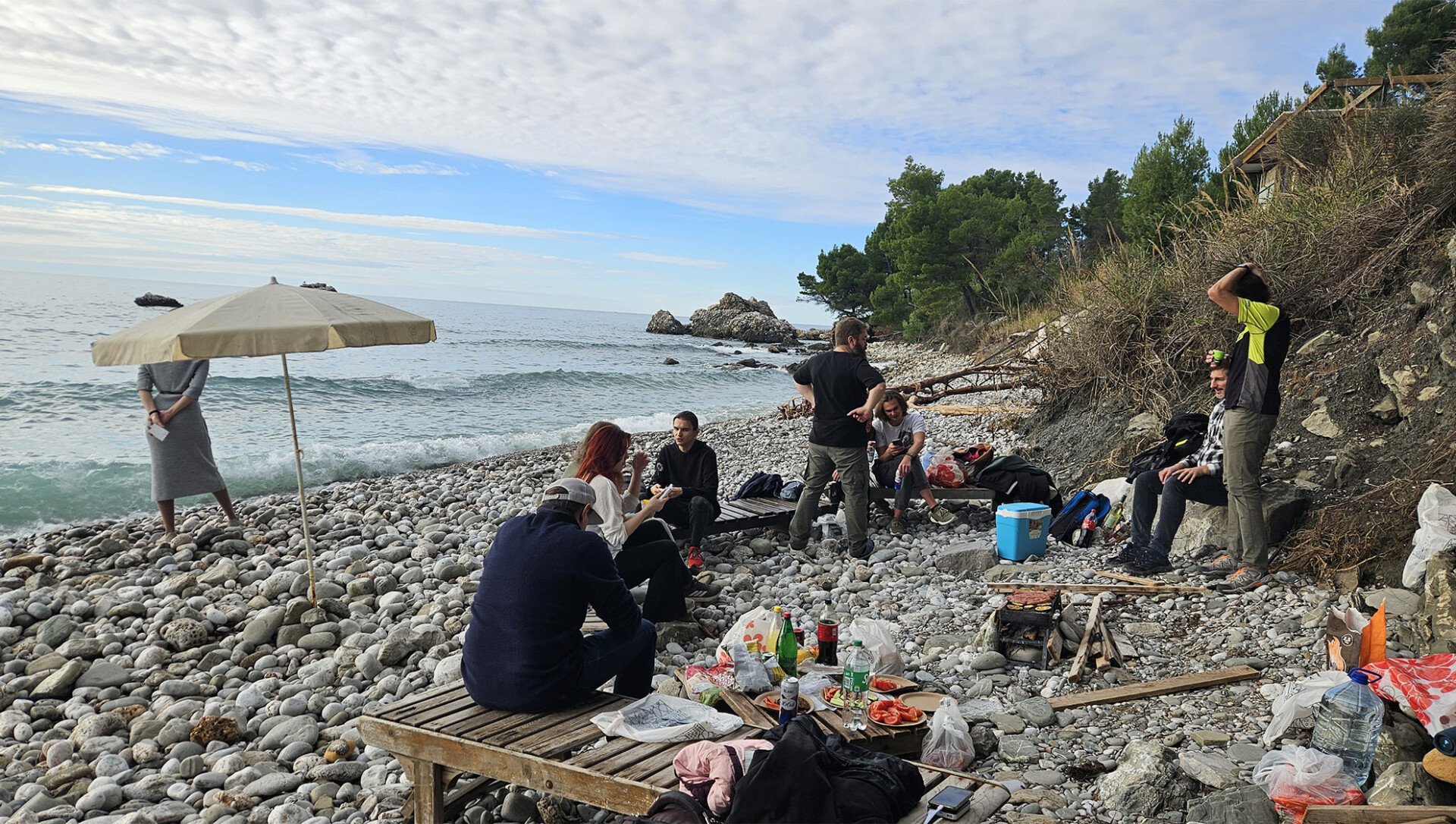
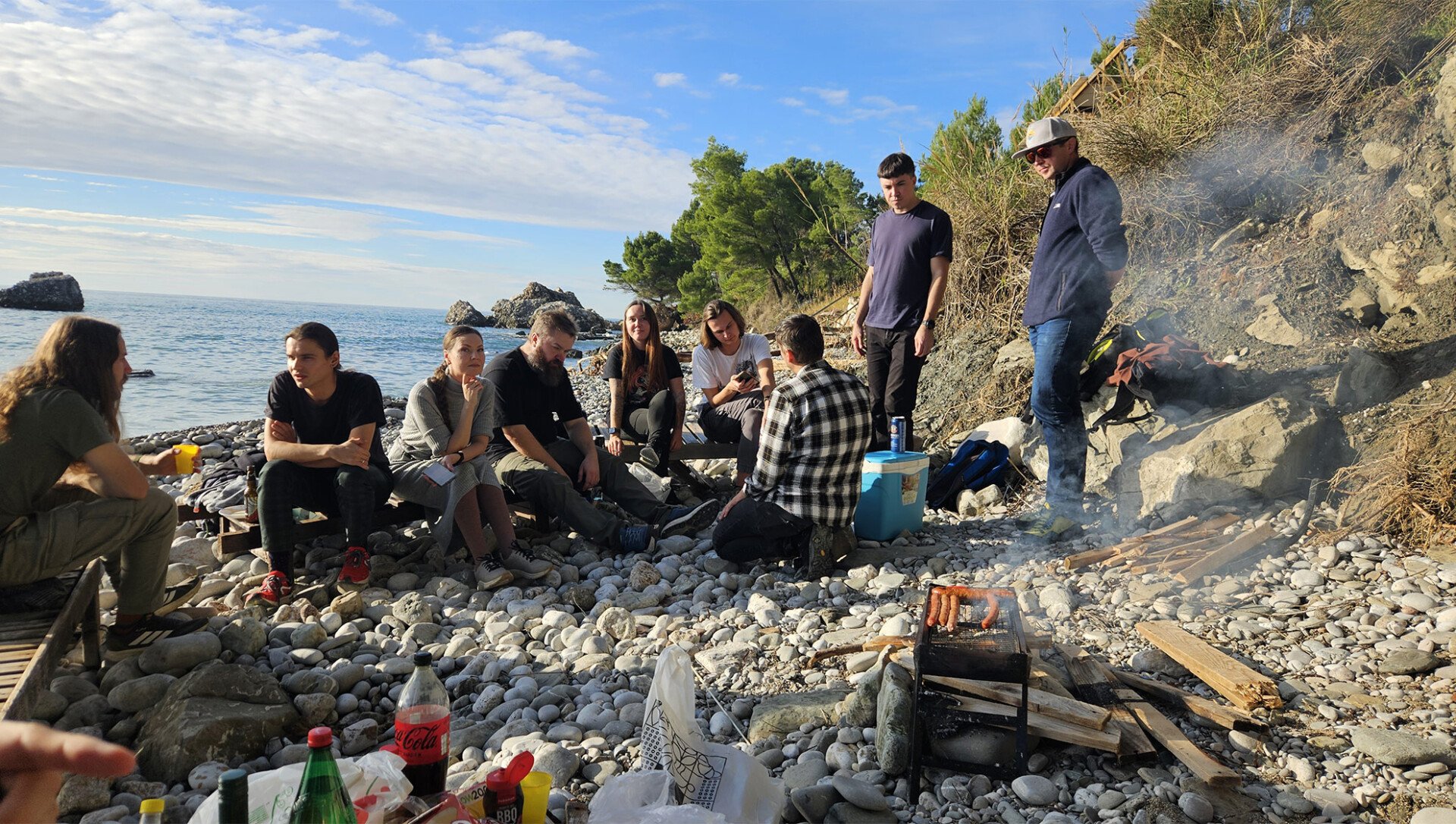
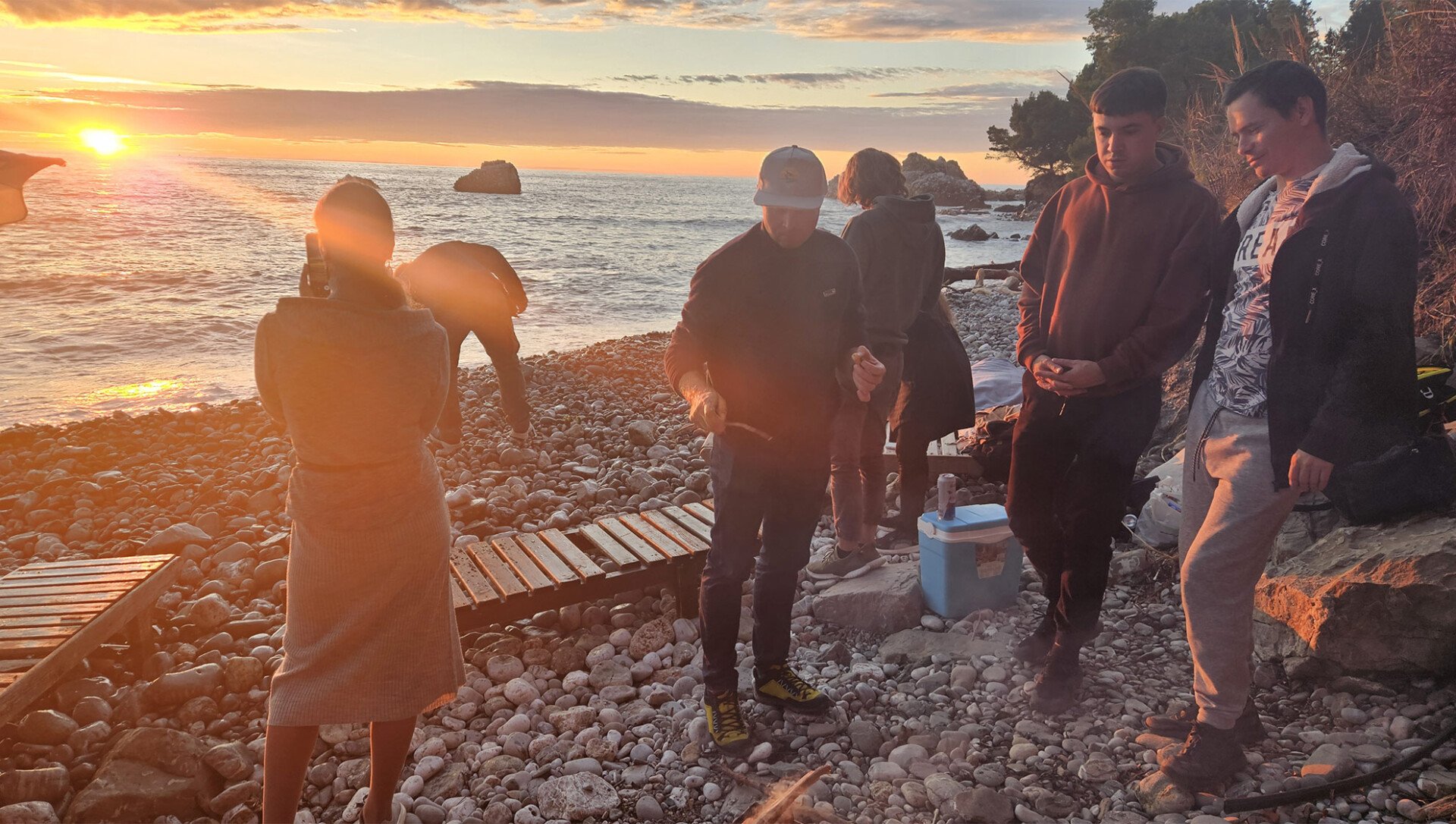
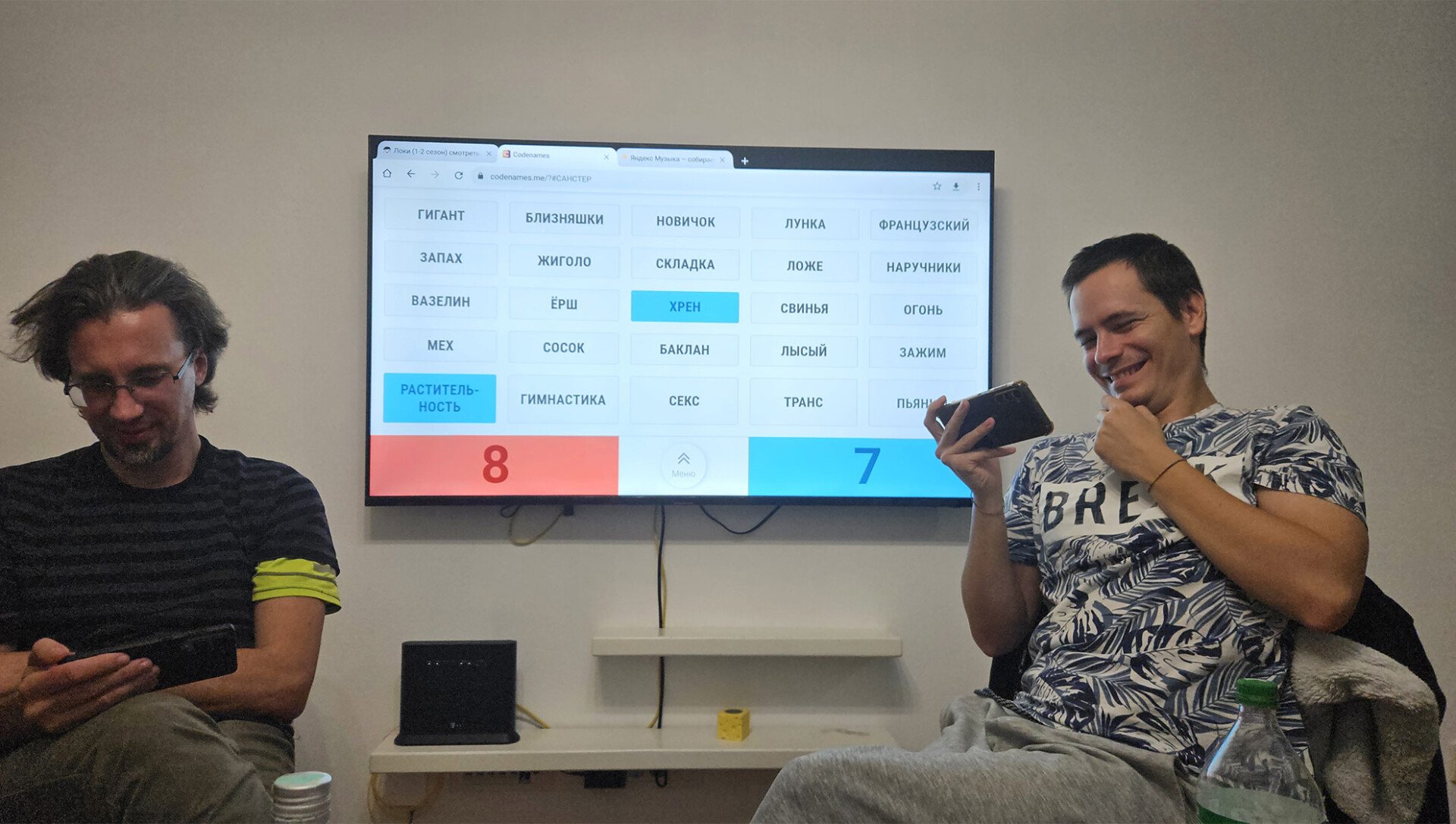
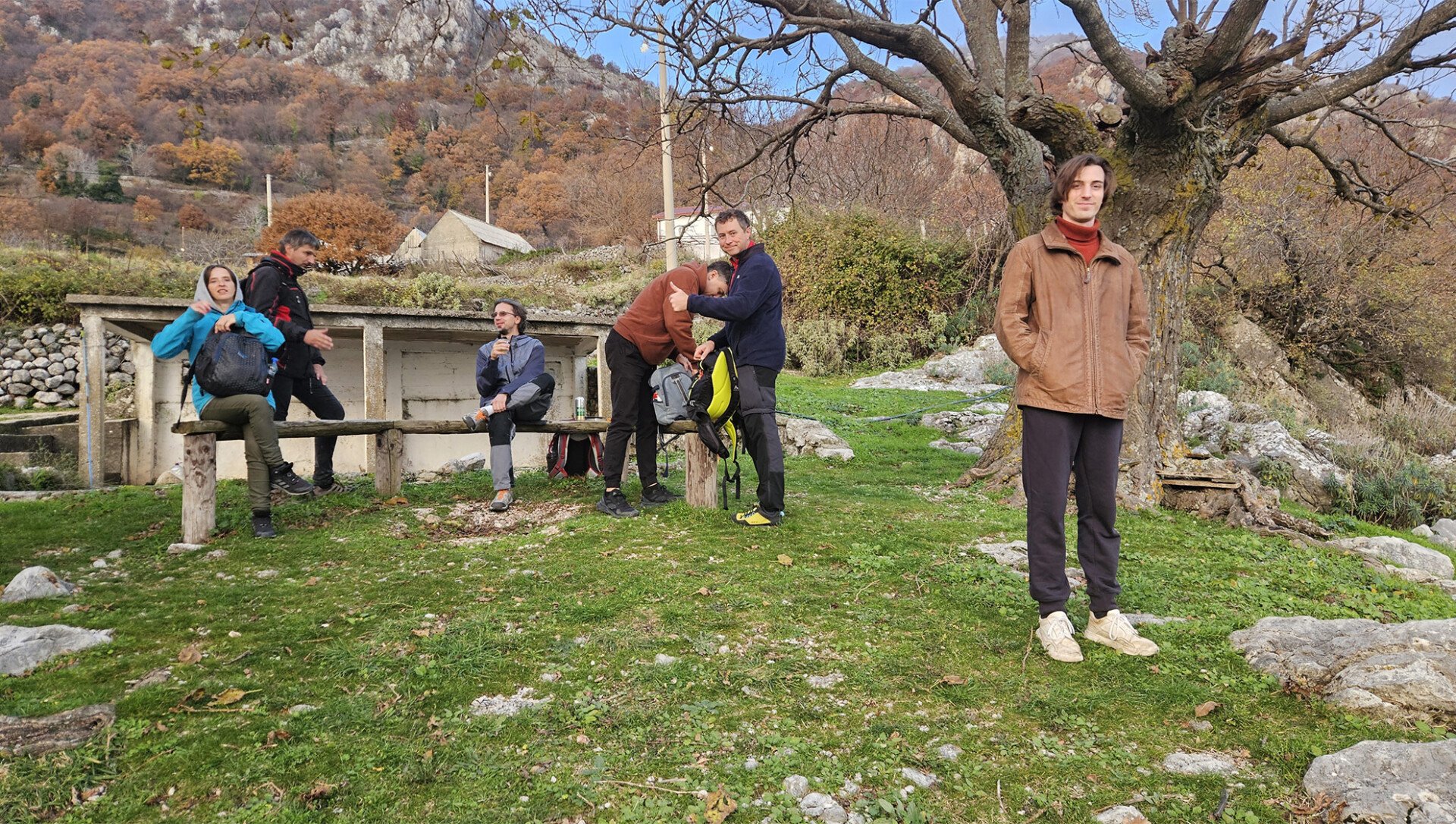
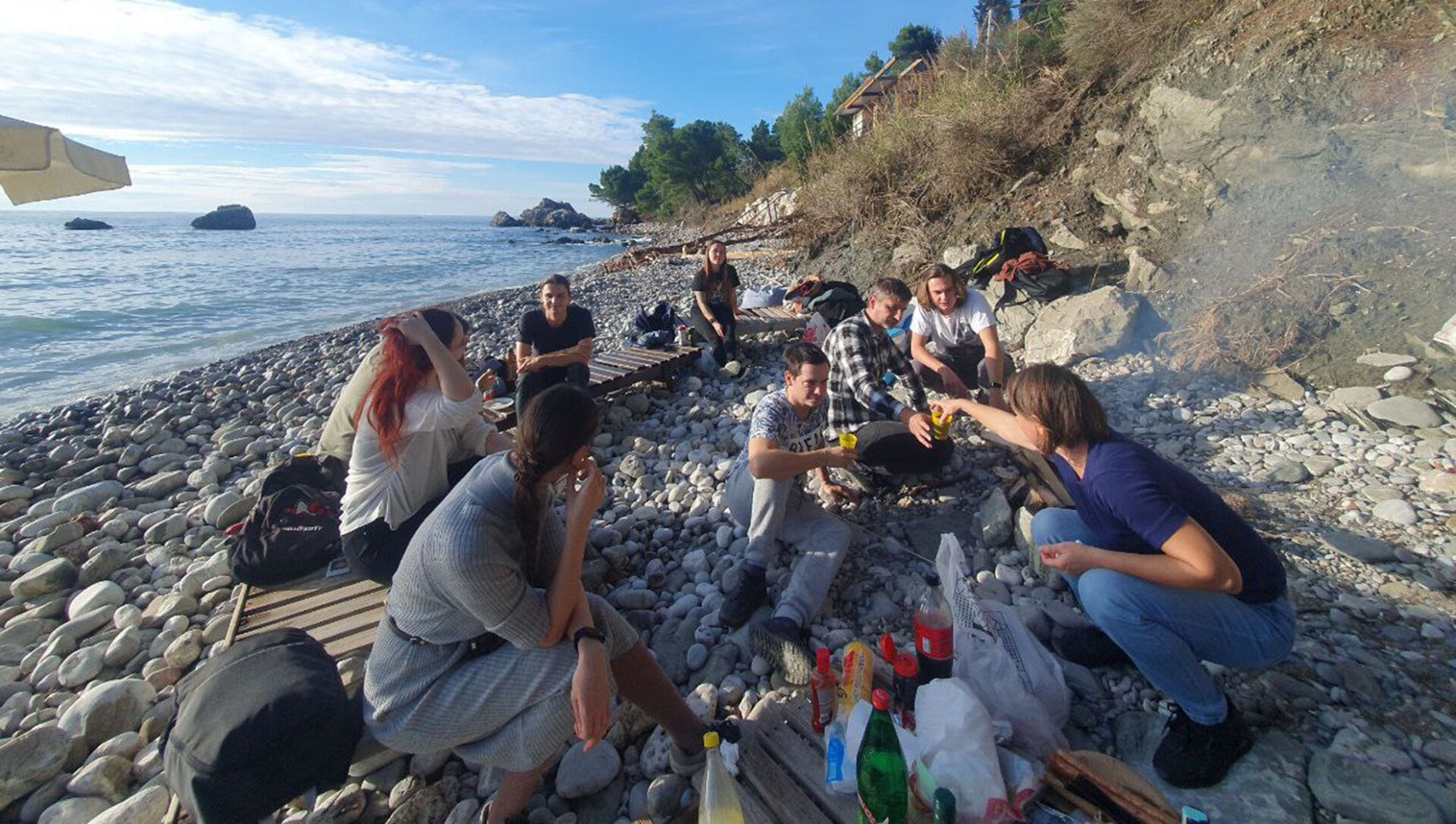
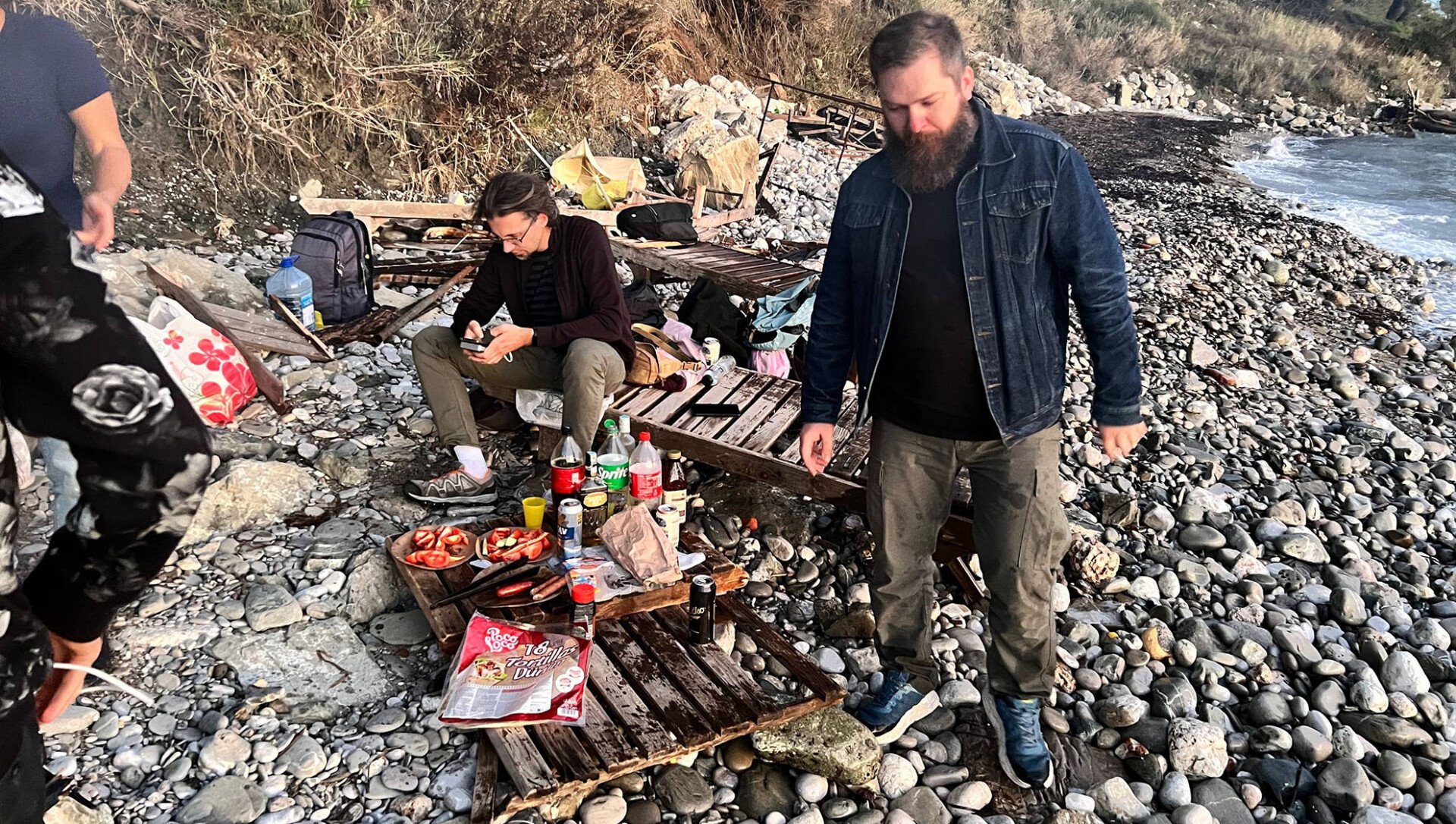
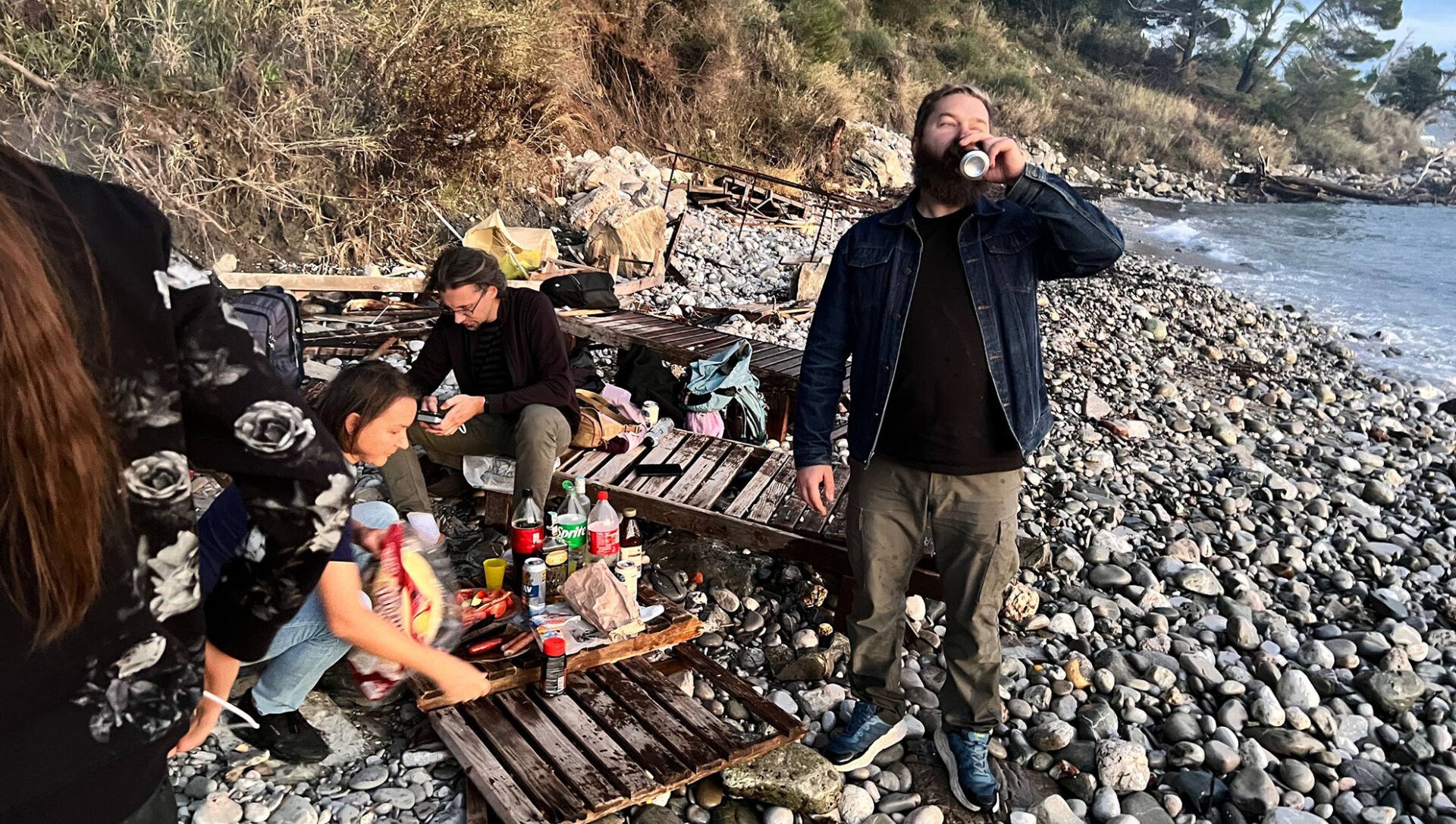
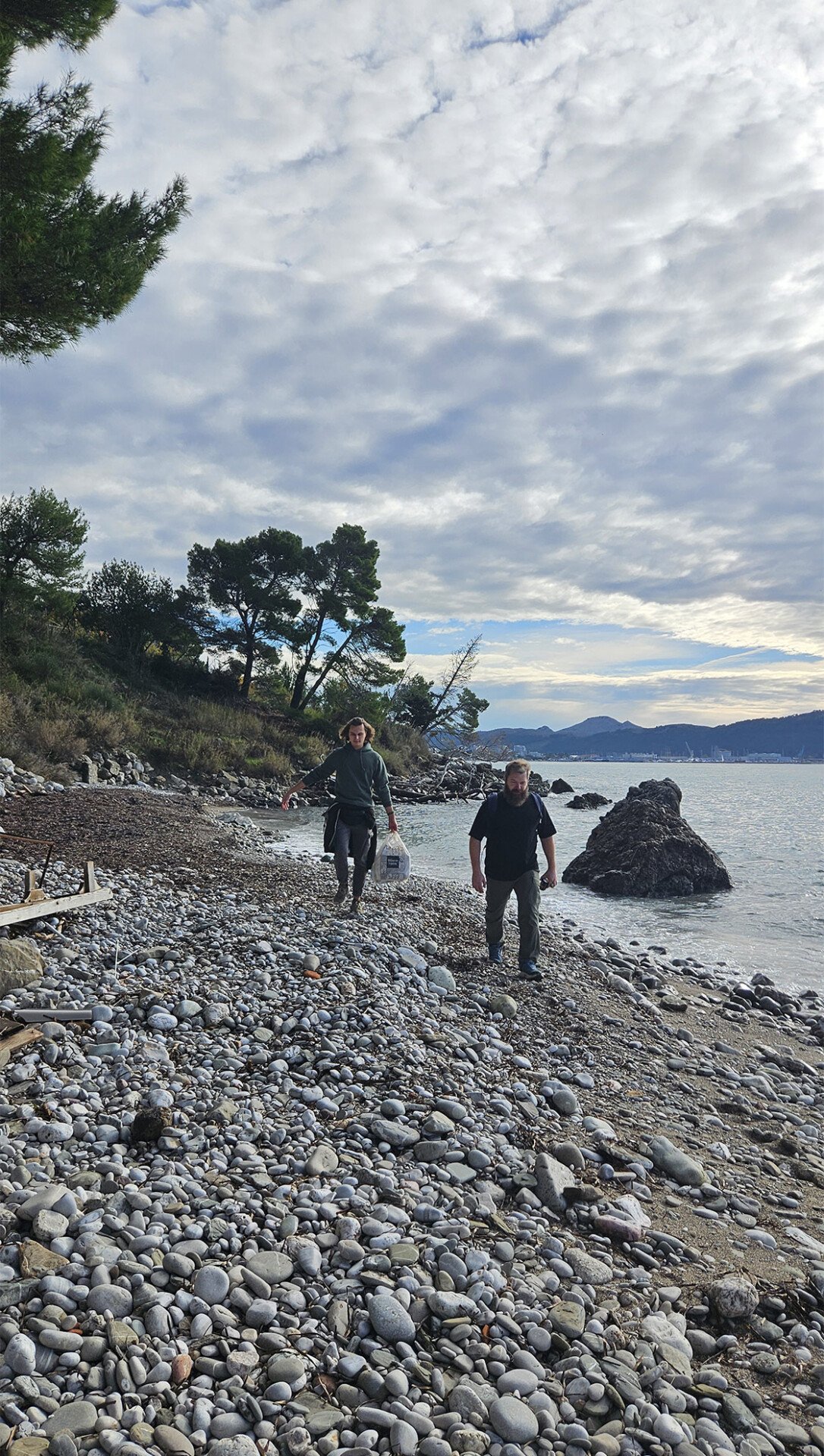
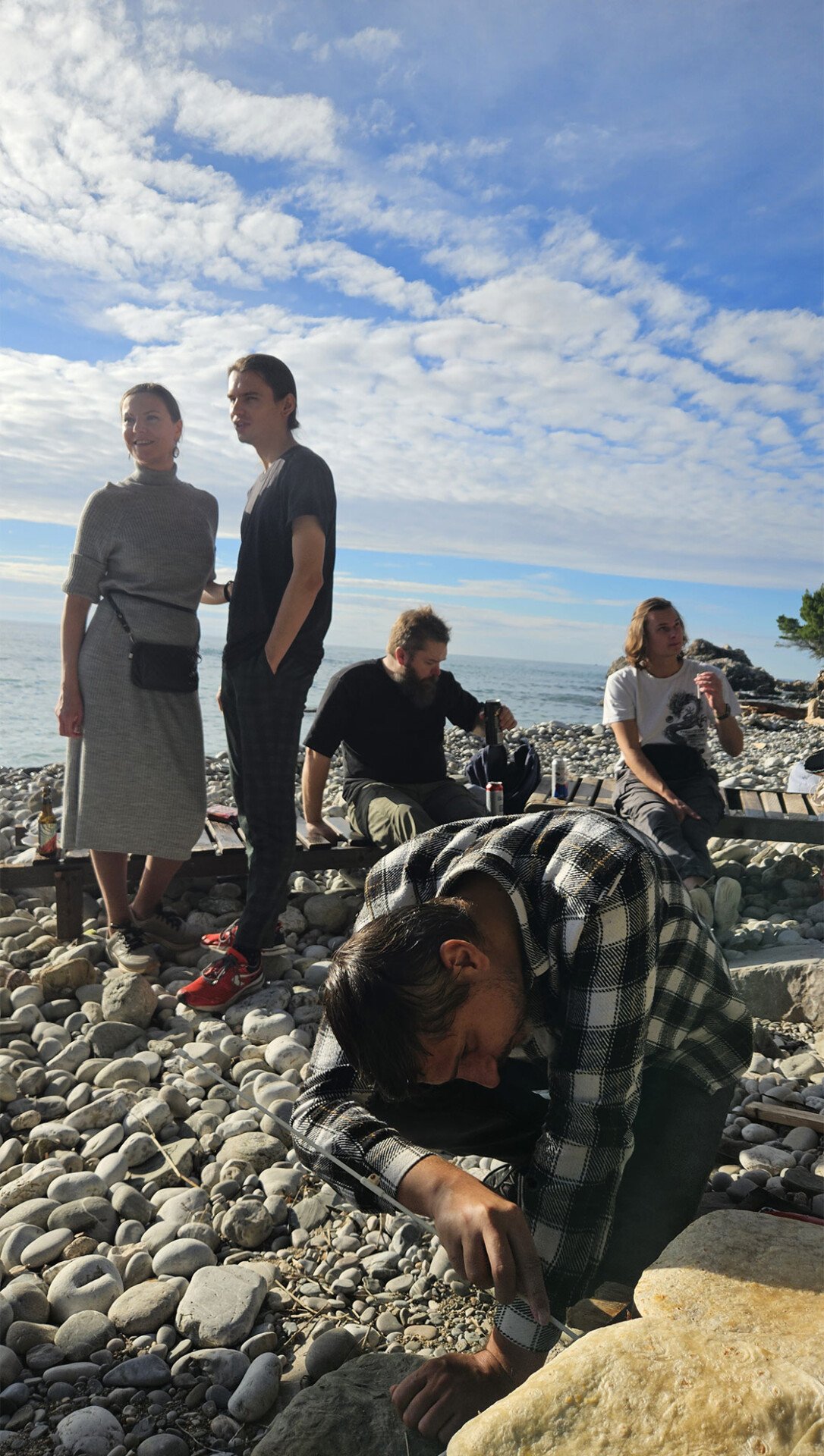
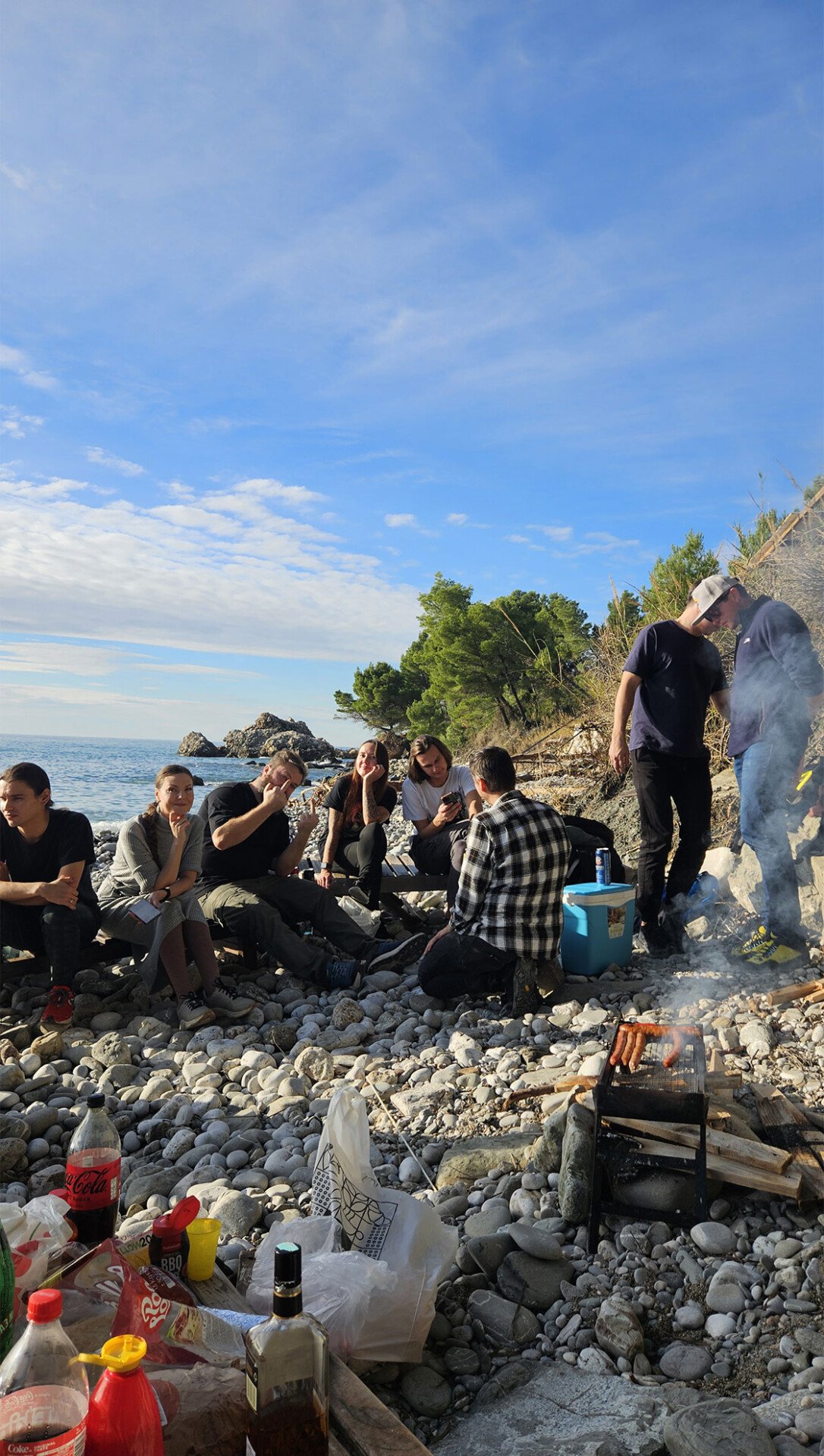
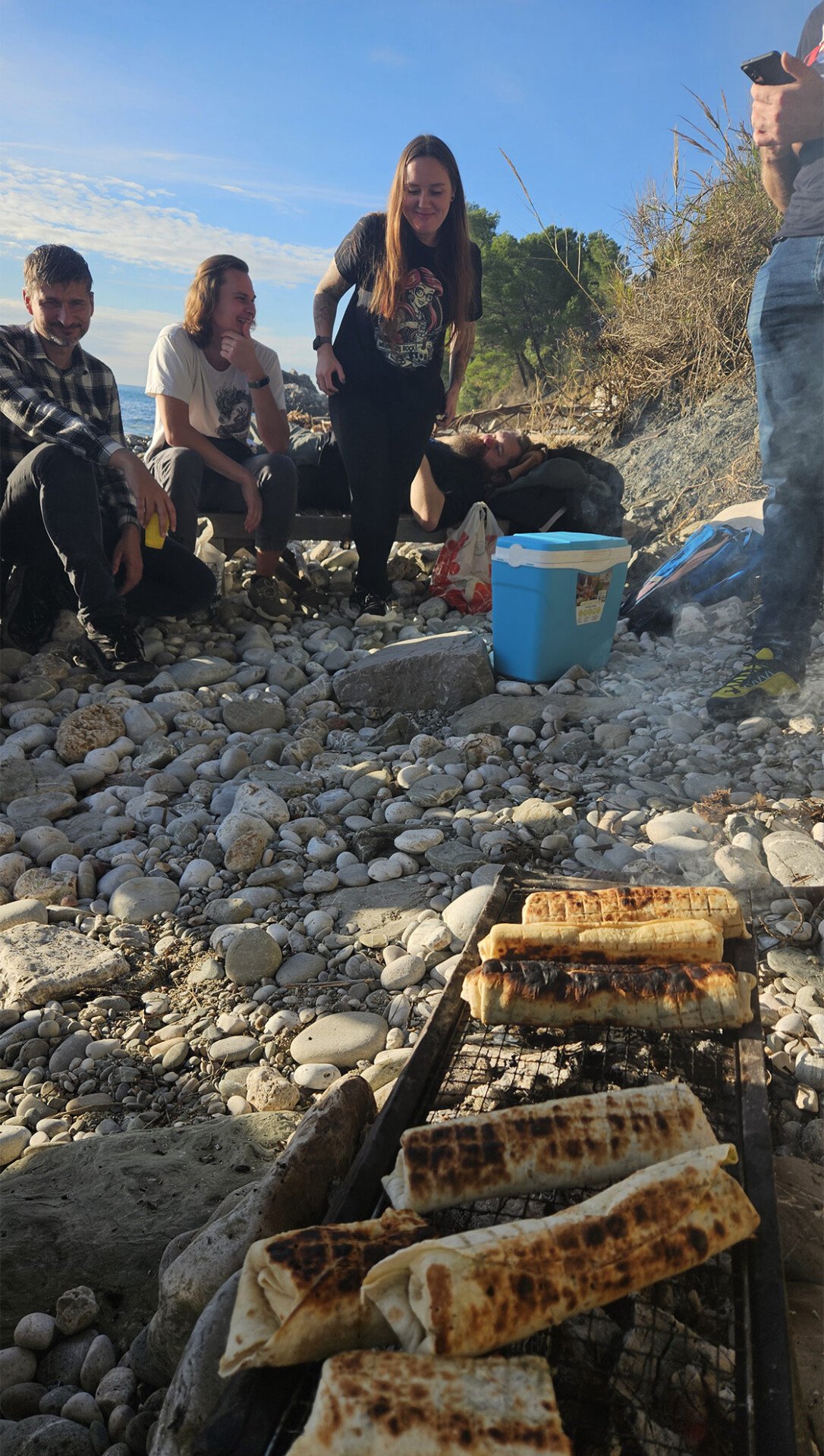
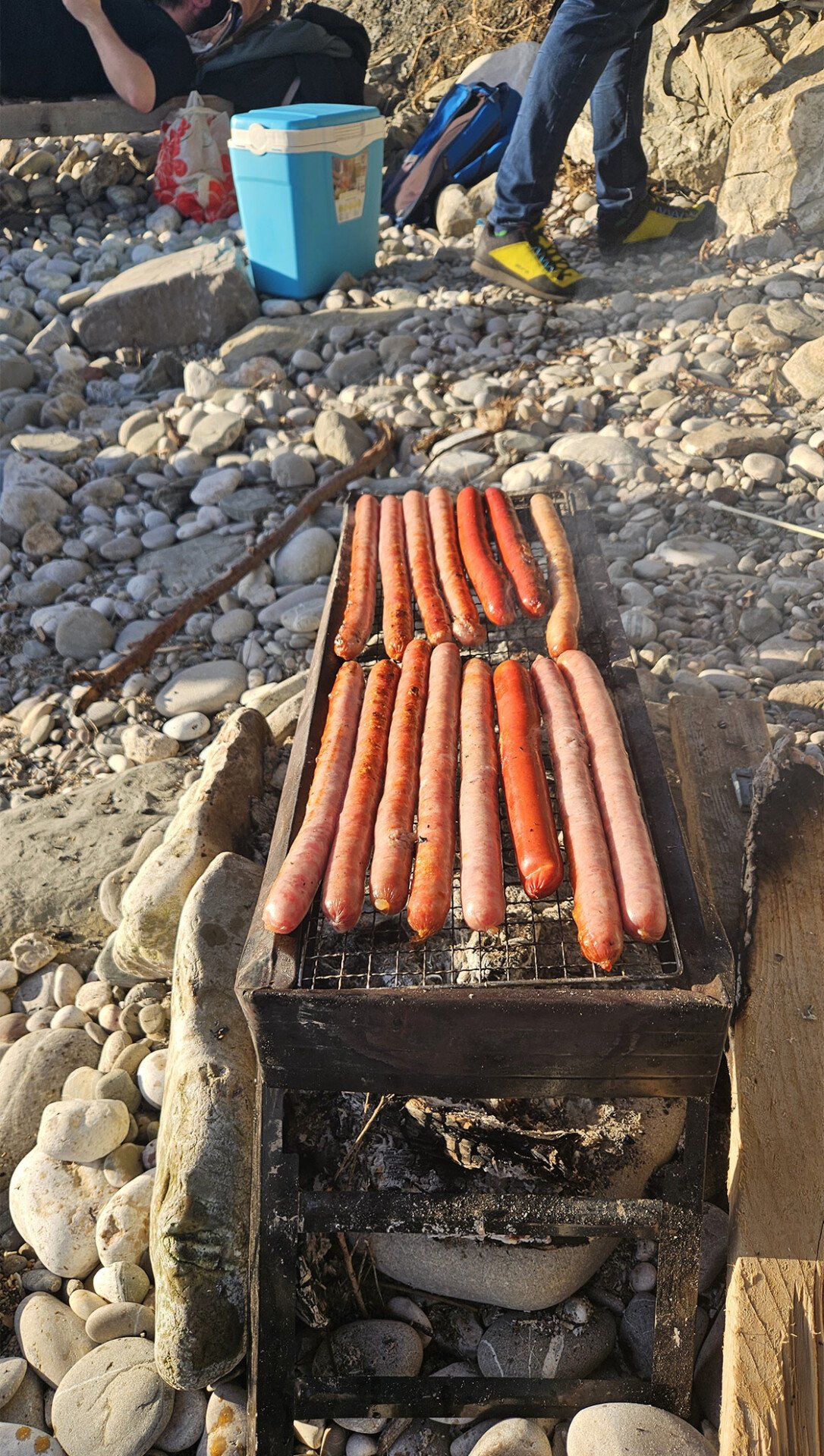
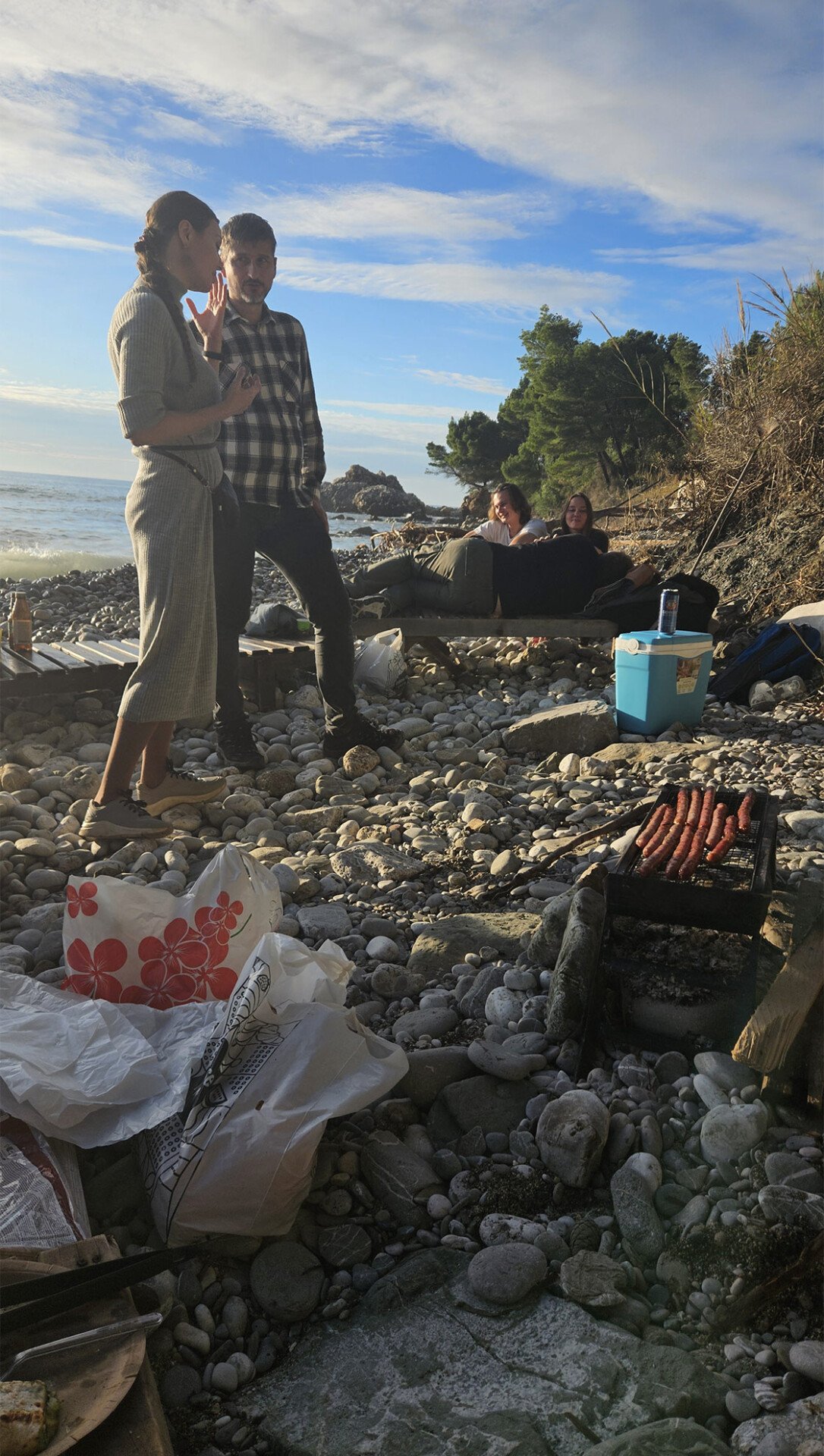
And of course, a good rest after a hike is a must. The next day, we had our traditional picnic on the beach near Bar. The weather was warm like spring, and the warm atmosphere, music, and jokes made the weekend even more enjoyable! And the almost-nightly game of Codenames only added to the fun!
Descriptions of the classic ascent from Lunje describe the route as moderate in difficulty, with spring and autumn cited as the most favorable seasons.
The February ascent report also emphasizes good markings and a typical ascent time of approximately 2.5 hours.
Cultural context along the route: only documented facts
The cross from which Prince Vladimir was executed is one of the most important cultural and historical landmarks and shrines in the city of Bar. This cross has been in the possession of the Andrović family for centuries in the village of Velji Mikulići, on the slopes of Mount Rumija. It is believed that this is the cross that the Macedonian king Vladislav sent to Prince Vladimir when he invited him to Prespa, and then tricked him into killing him. Therefore, every year on Trinity Sunday, which is celebrated on the fiftieth day after the Resurrection of Jesus Christ, early in the morning, the cross with which Prince Vladimir was executed is carried to the highest peak of Mount Rumija. Representatives of all three religions (Orthodox, Catholic, and Muslim) carry a large stone with a cross, which they leave on a prepared pile at the top of the mountain. According to popular belief, a new church will be built on this site when enough stones are collected on the pile. The cross is made of wood and decorated with gold and silver fittings. Legend has it that the Macedonian king Samuel defeated Prince Vladimir in battle and imprisoned him in the city of Prespa. The king’s daughter, Kosara, fell in love with Prince Vladimir and asked her father for clemency. Her father listened to her and freed Prince Vladimir. They married and lived in Krajina, on the southern shore of Lake Skadar. After the death of Tsar Samuil, his successor, Vladislav, invited Vladimir to Prespa and sent him a gold cross as a pledge of his safety.
Prince Vladimir asked for a wooden cross as collateral for his life, because Jesus Christ was crucified on a wooden cross, believing the new Tsar would not break his word. Vladislav did not keep his word, and upon entering the city of Prespa, Prince Vladimir was killed at the church gates and buried with the cross he held in his hands.
Saint John Vladimir is considered the first Serbian saint and patron saint of the city of Bar. His earliest, now lost, life was written in Duklja, probably between 1075 and 1089; it survives in an abridged form in the Chronicle of the Priest of Duklja, written in Latin. A Greek life based on oral tradition was published in 1690, and a Church Slavonic translation with some corrections was published in 1802. Icons of the saint typically depict him as a king in royal robes, with a crown on his head, a cross in his right hand, and his own severed head in his left. According to legend, he himself carried his head to the burial site. The Cross of Vladimir, which he is believed to have held during his execution, is considered a Christian relic. The cross is traditionally kept by the Andrović family from Velje Mikulići near Bar. Every year on Trinity Sunday, it is carried in procession to the summit of Mount Rumija.