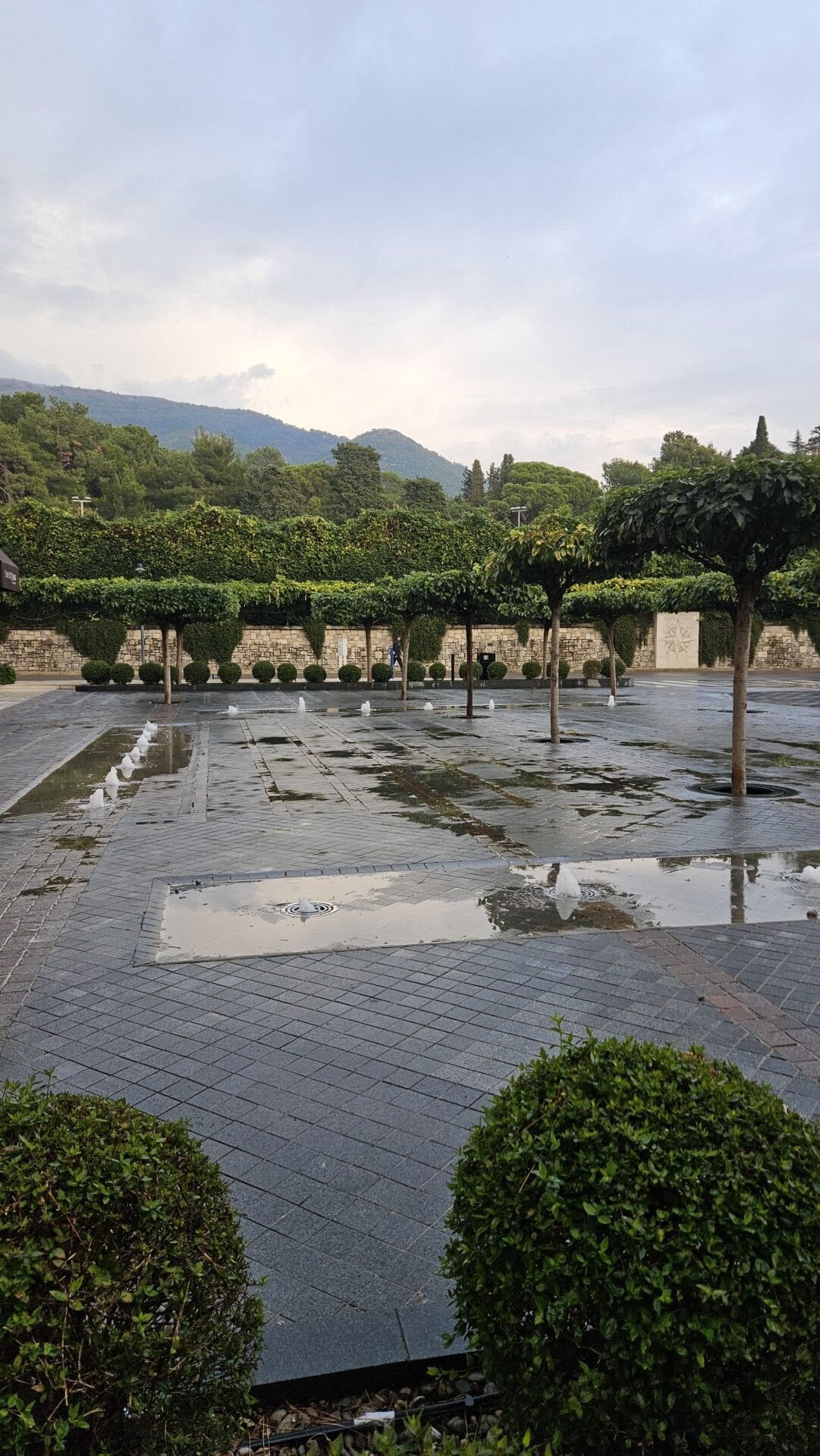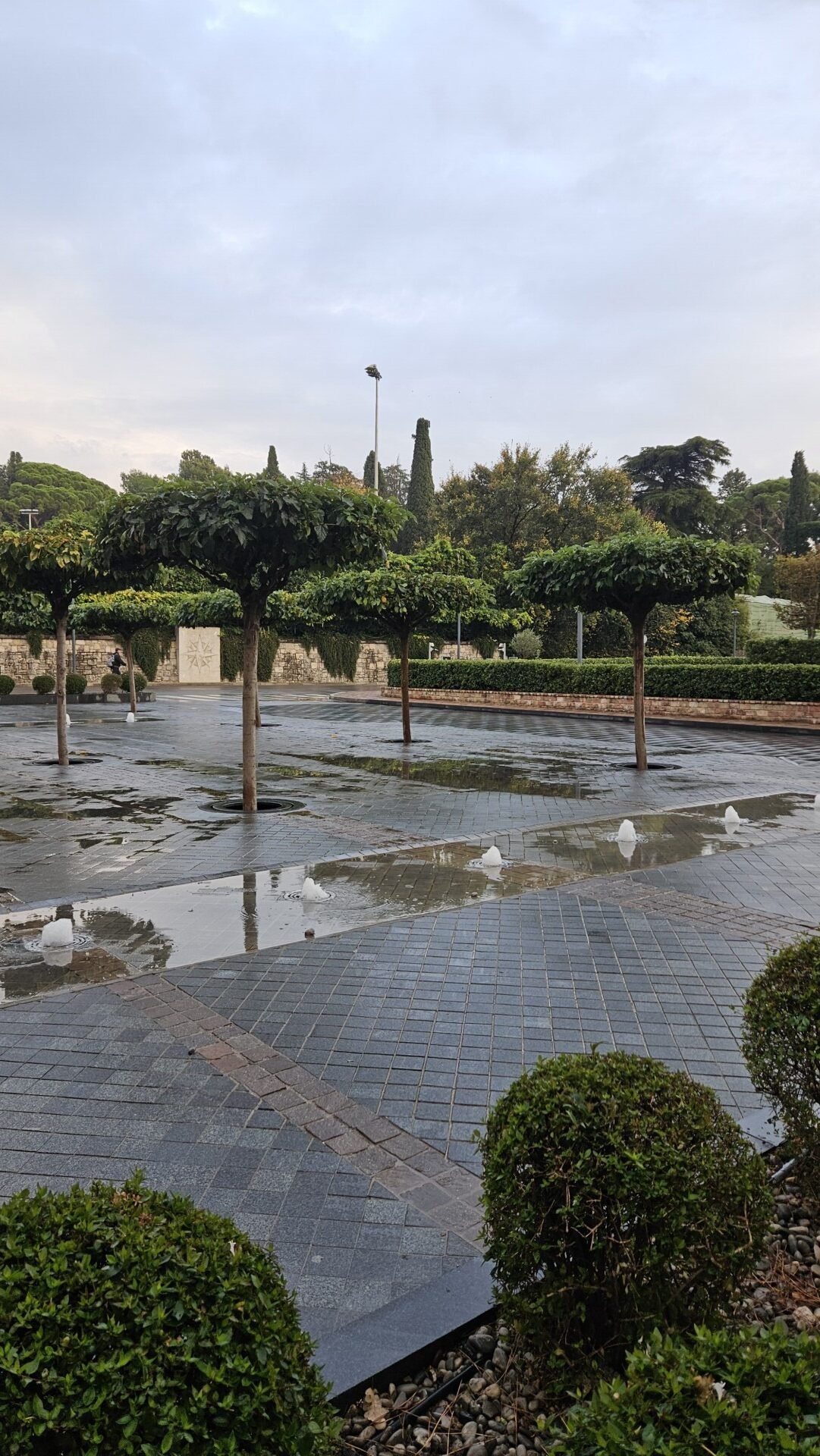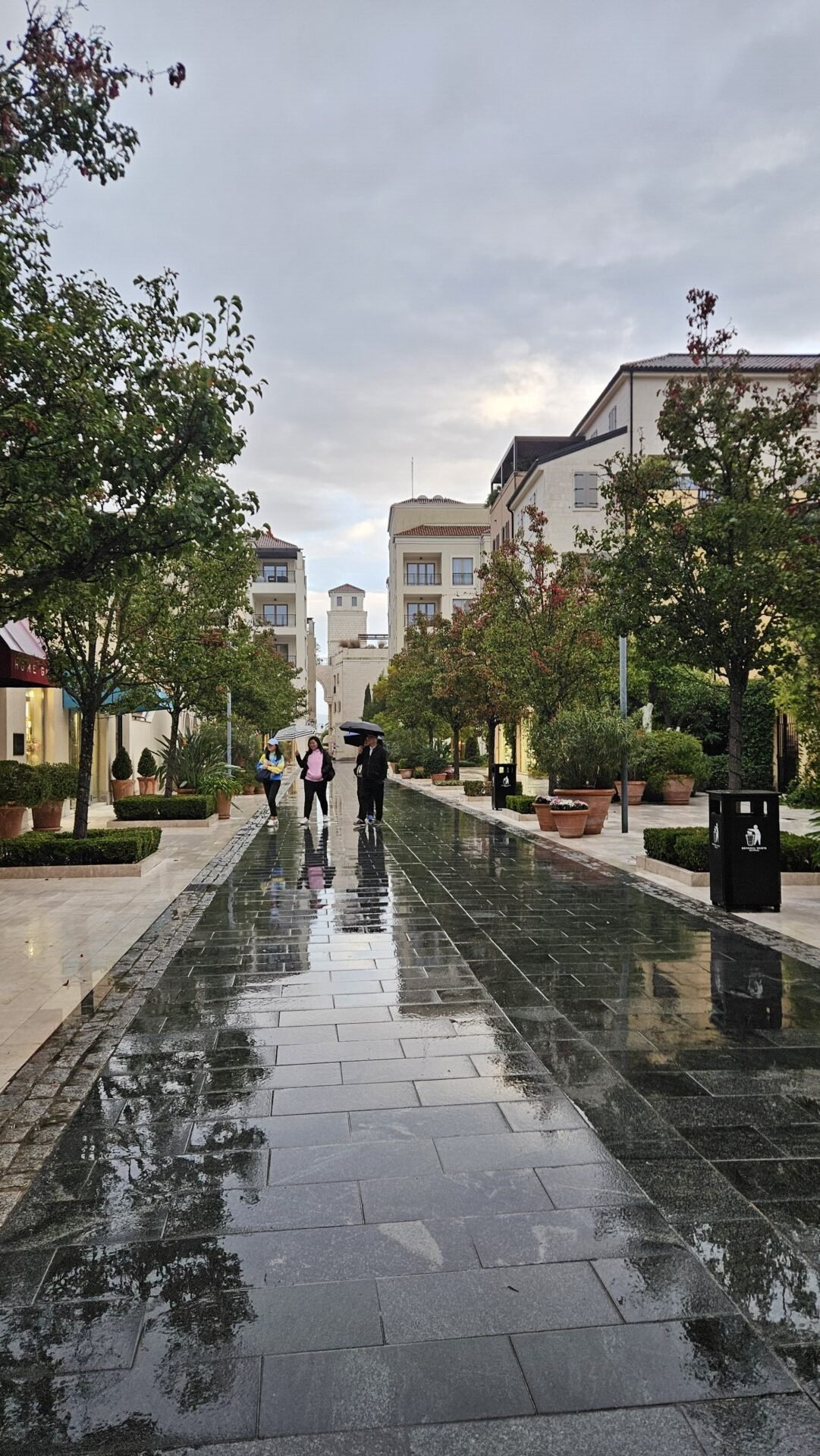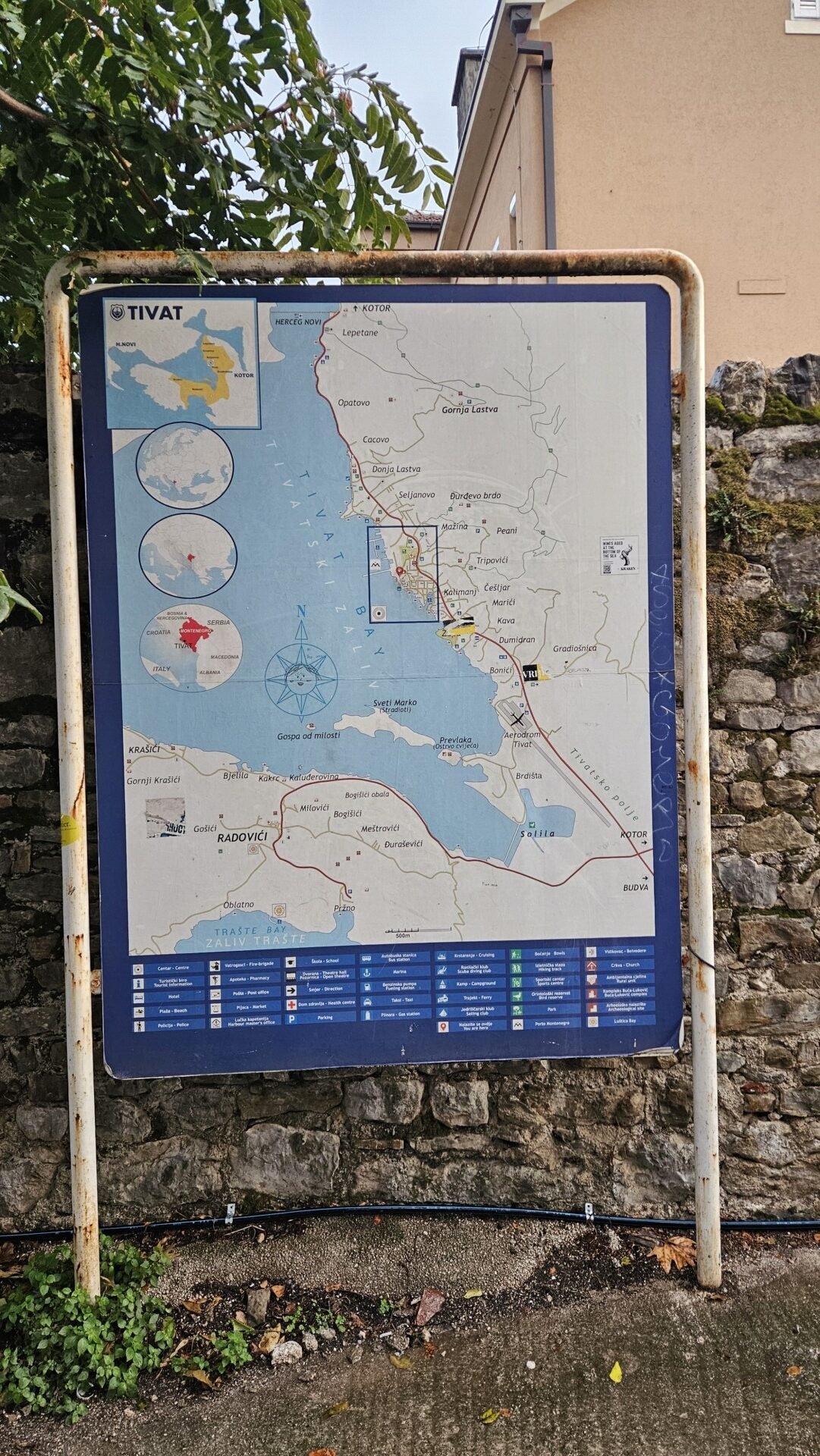


Starlight Group in Tivat: Three October Days (October 17–19, 2025) Amidst Boka’s History and Maritime Legends
Tivat has a simple way of slowing you down. It doesn’t “entertain” or “surprise at any cost,” but rather restores a taste for walks, conversations, and details: the stone with the inscribed date, the scent of pine needles in the city park, the quiet facades of old summer residences, and the ship with white sails, which is almost as familiar as a living neighbor.
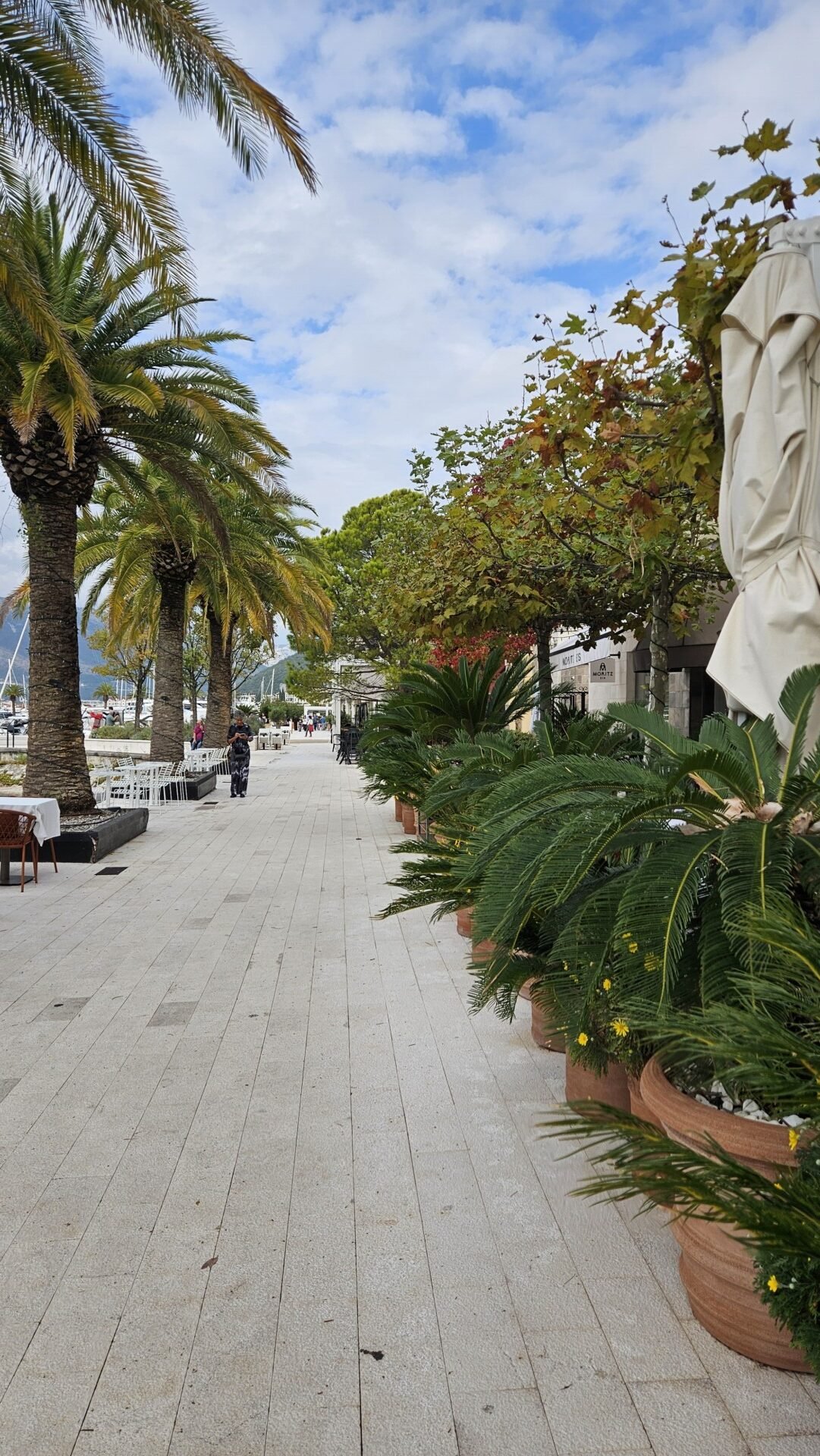
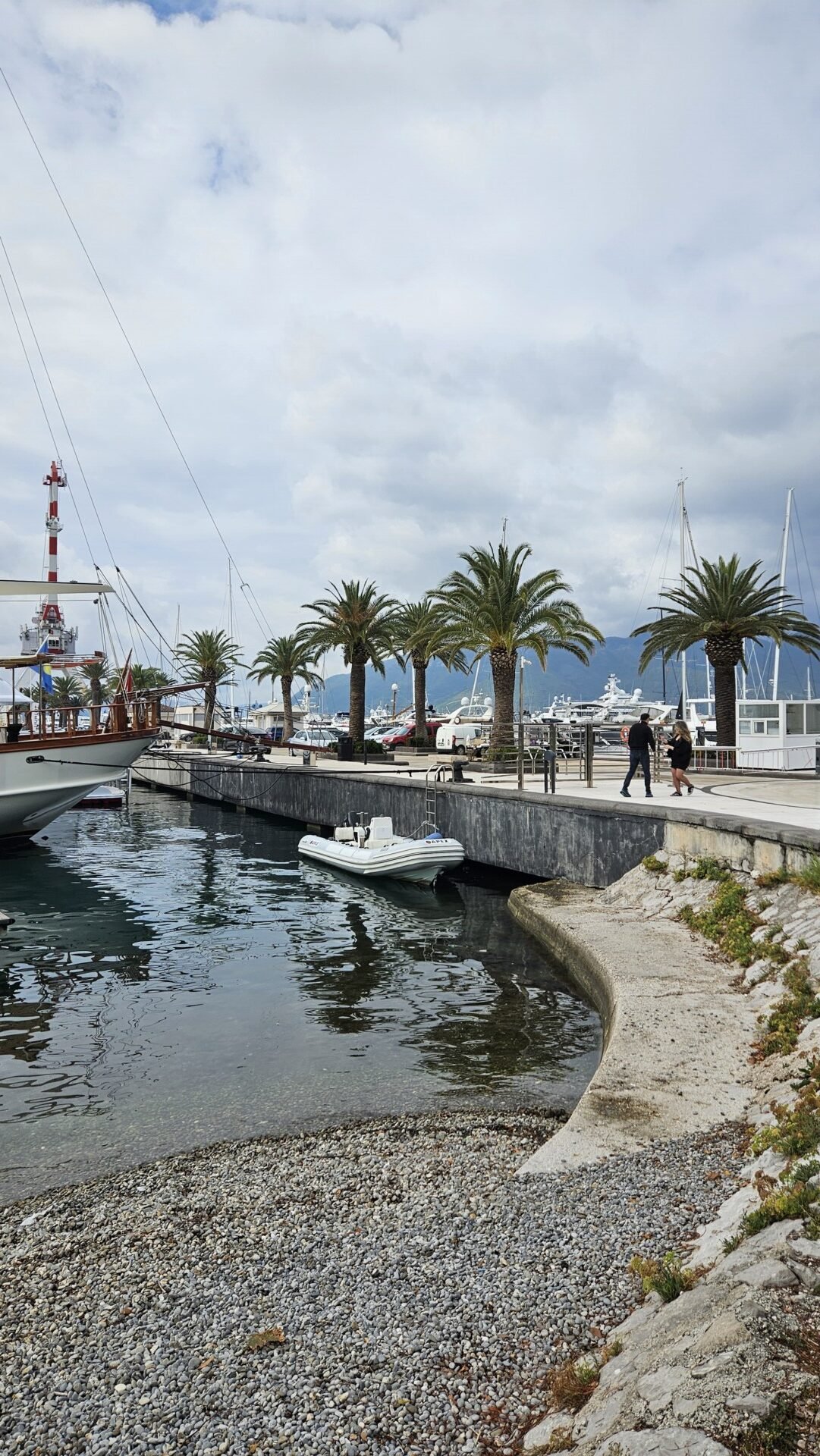
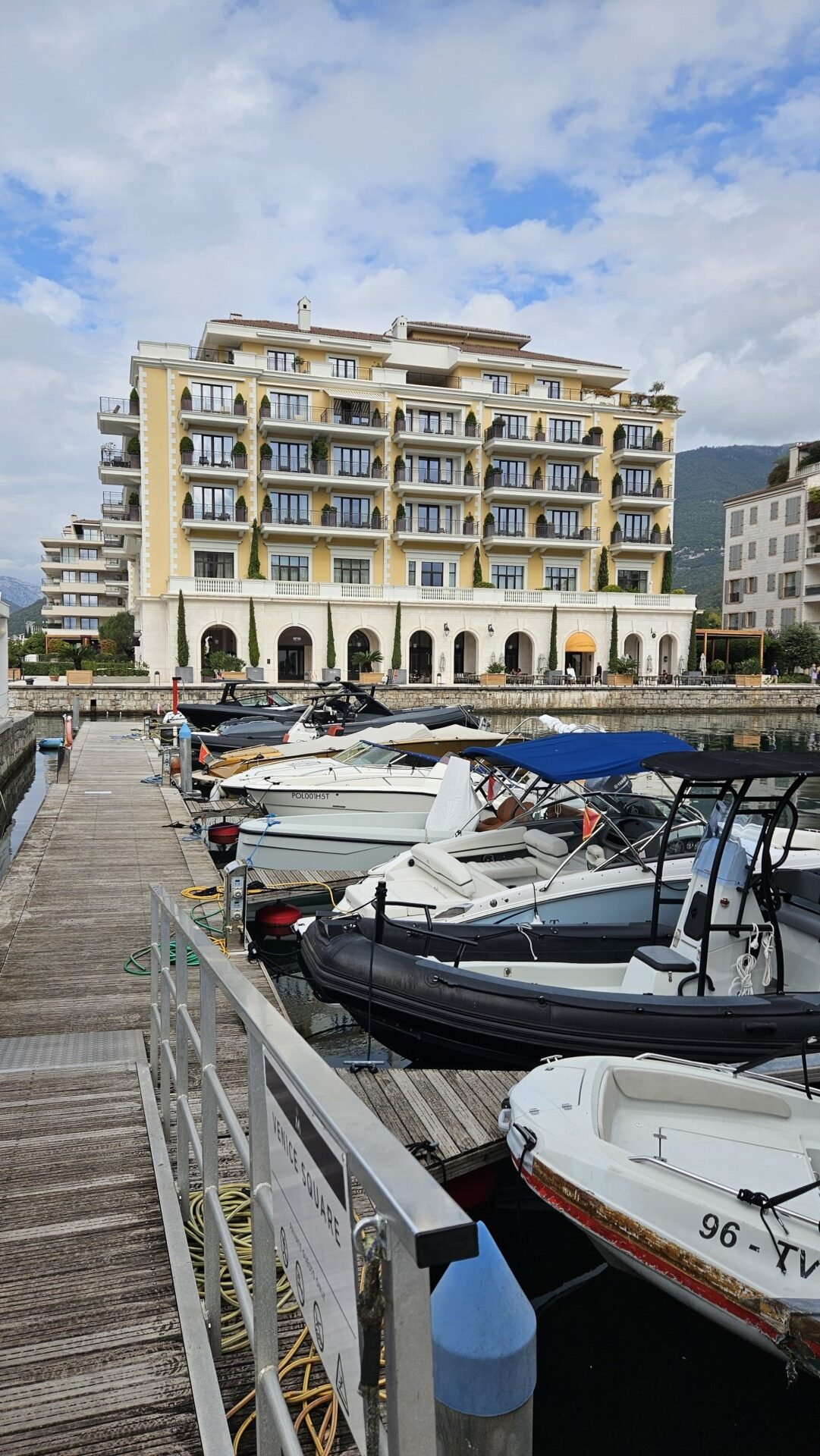
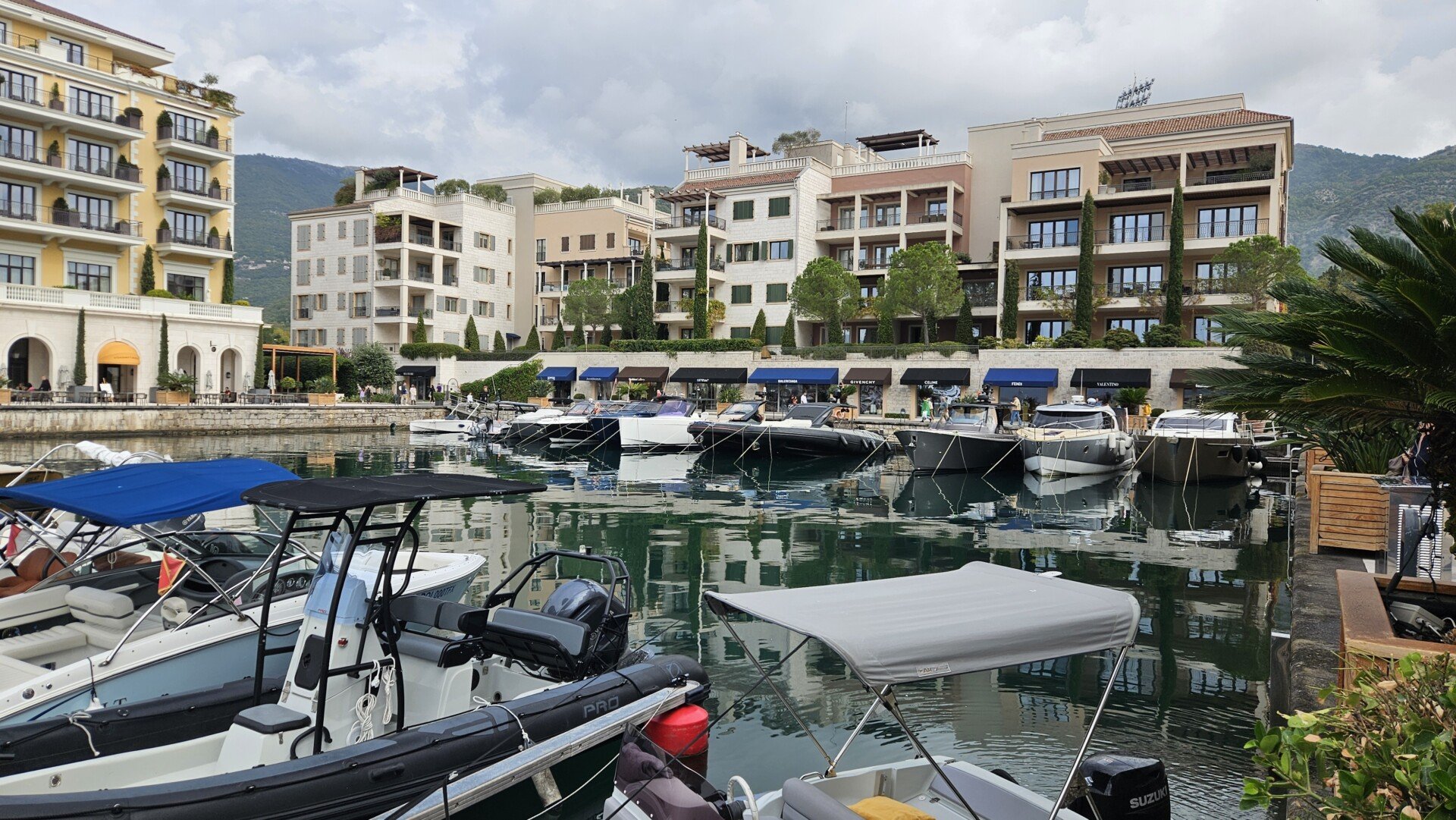
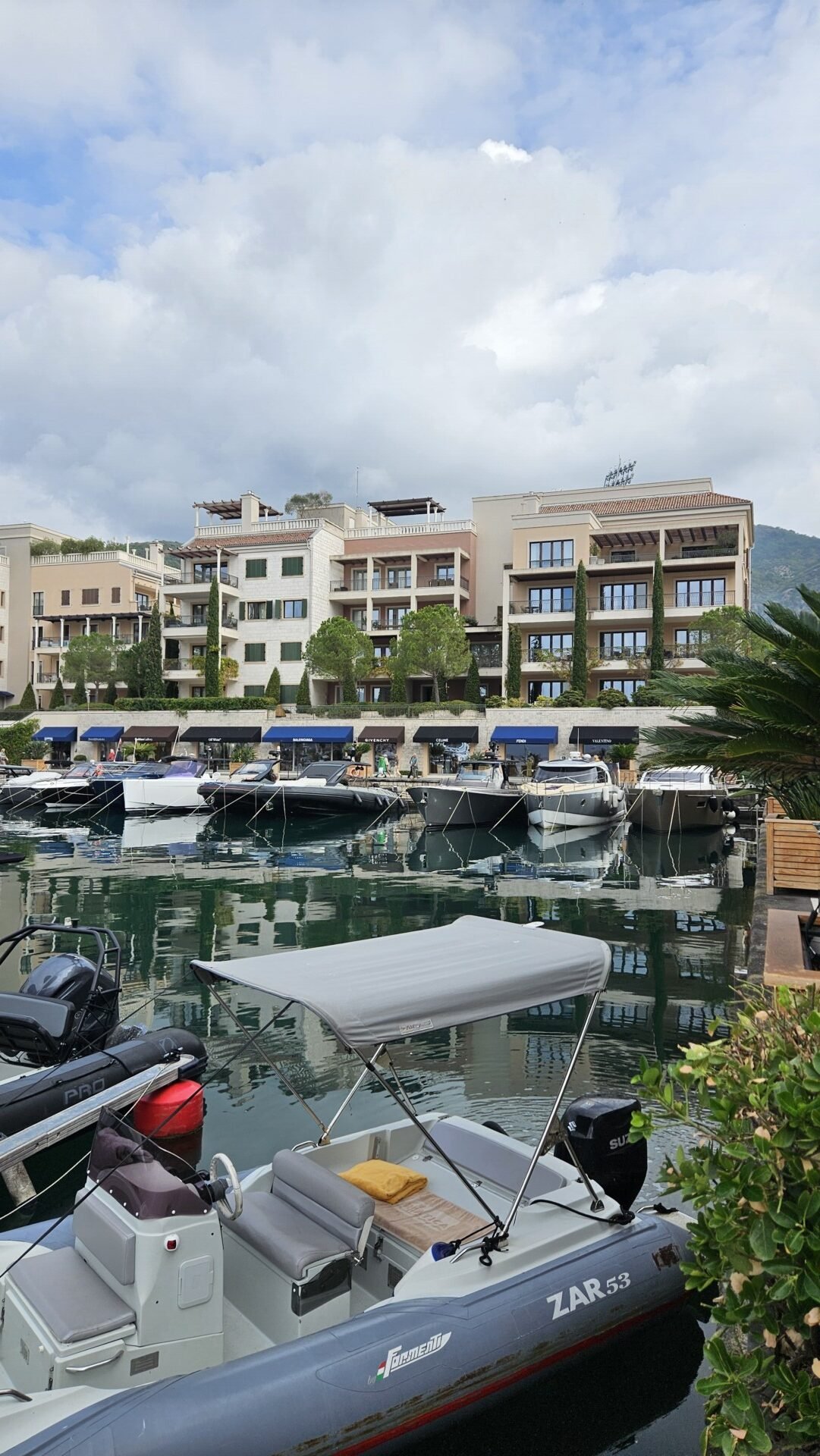
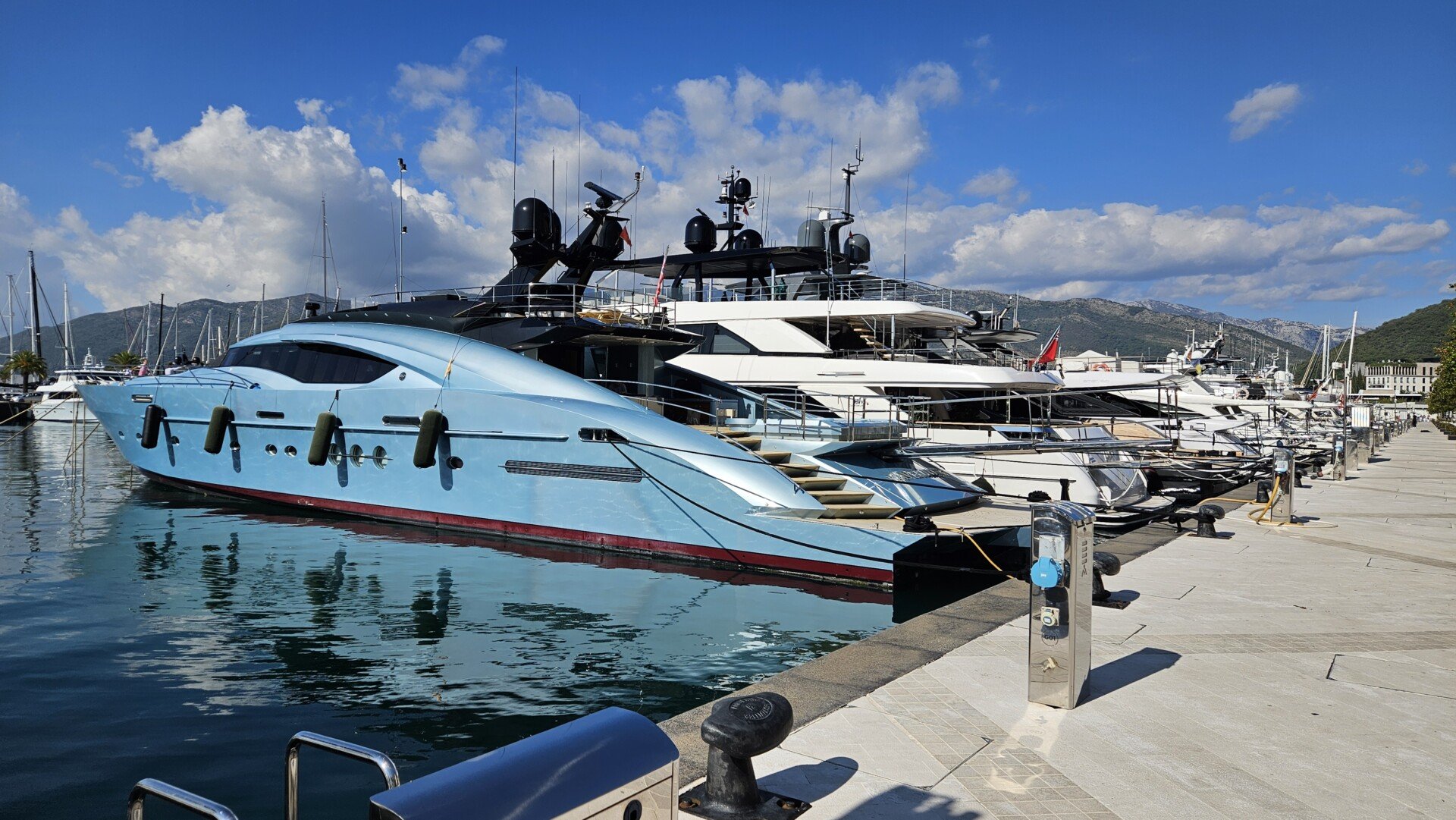
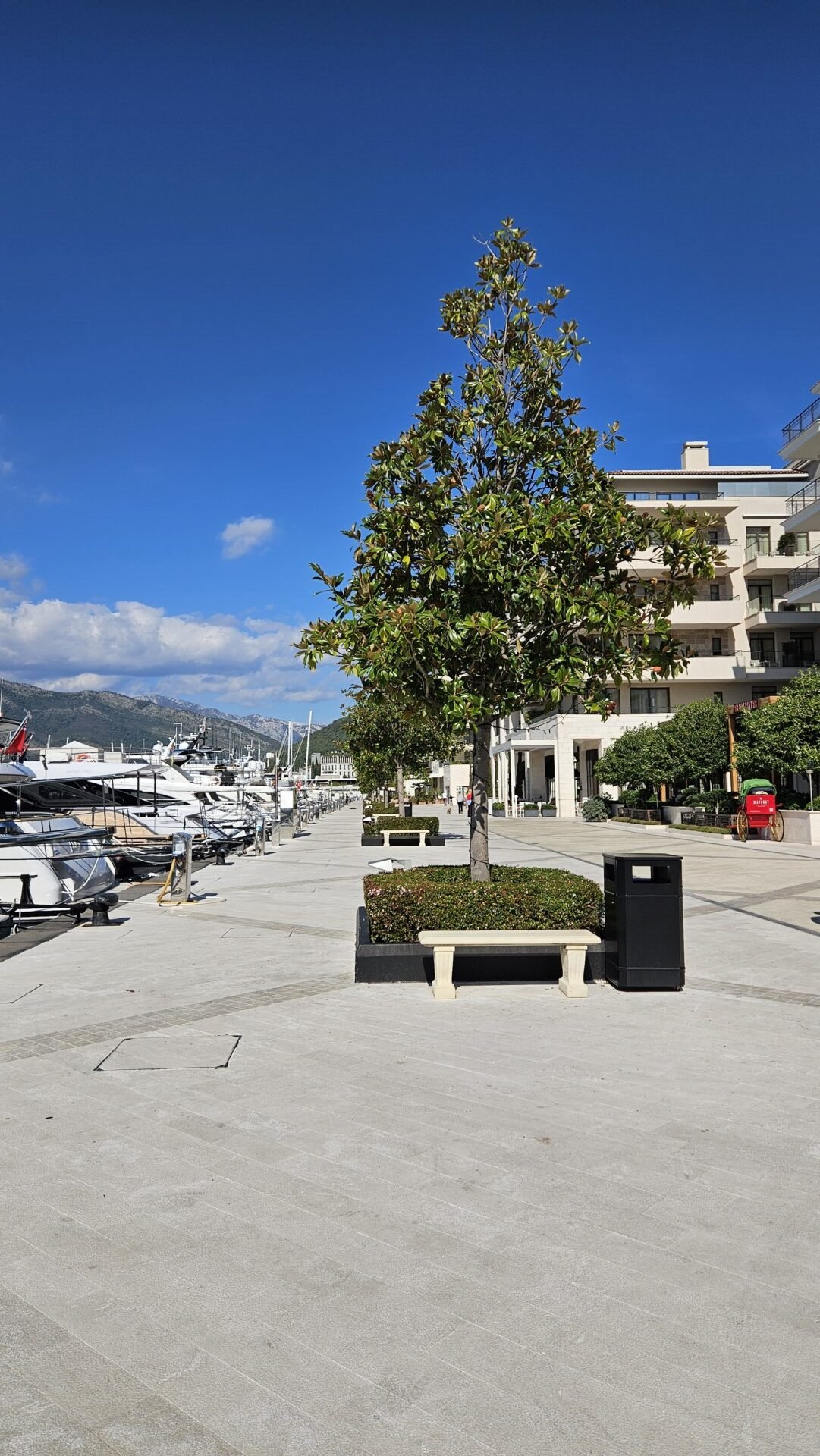
The Starlight group’s vacation in Tivat from October 17–19, 2025, is the perfect format for such a city: three days to stroll through its “memory” (from medieval chapels to the Austro-Hungarian Arsenal), and two evenings to see how Tivat connects the past with the present-day splendor of Porto Montenegro Marina.
As a reminder, this vacation was combined with our professional interests. Thanks to the MonteGames 2025 Conference (October 17–18, 2025, Porto Montenegro, Dom Voske, Tivat), including the Yugo Game Awards ceremony, we once again spent several wonderful, unforgettable days in Tivat.
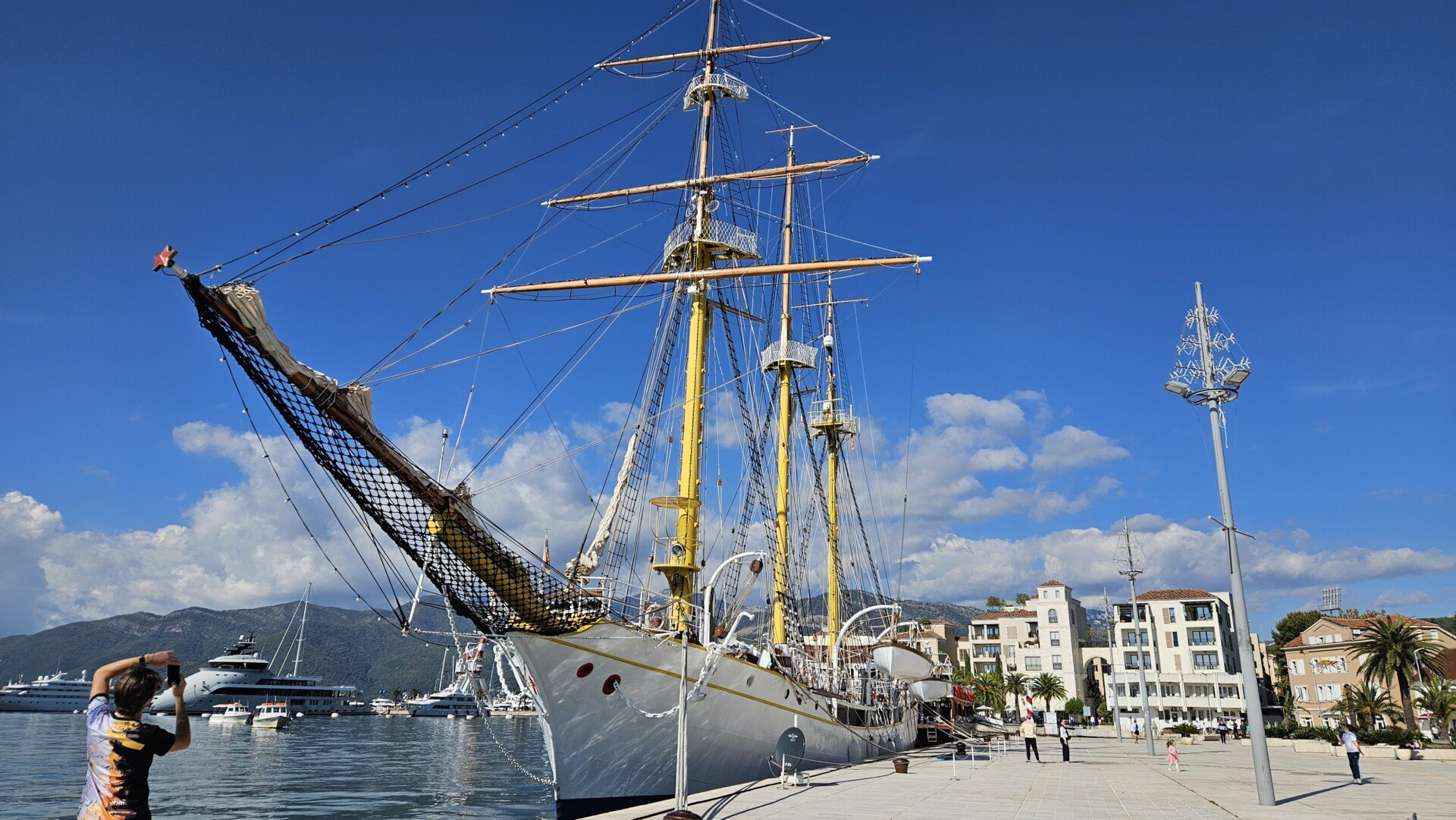
Below is a comprehensive guide to the places that usually form the core of such a short trip: Church of the Lord (Gospa Nunciiata / Anuncijata), St. Roch Church (Crkva Sv. Roka), Church of the Svetog Save, Large Town Park (Veliki gradski park), the Buča-Luković Palace (complex), and the yacht/training ship “Jadran.”
Where Tivat Begins: Geography and Character
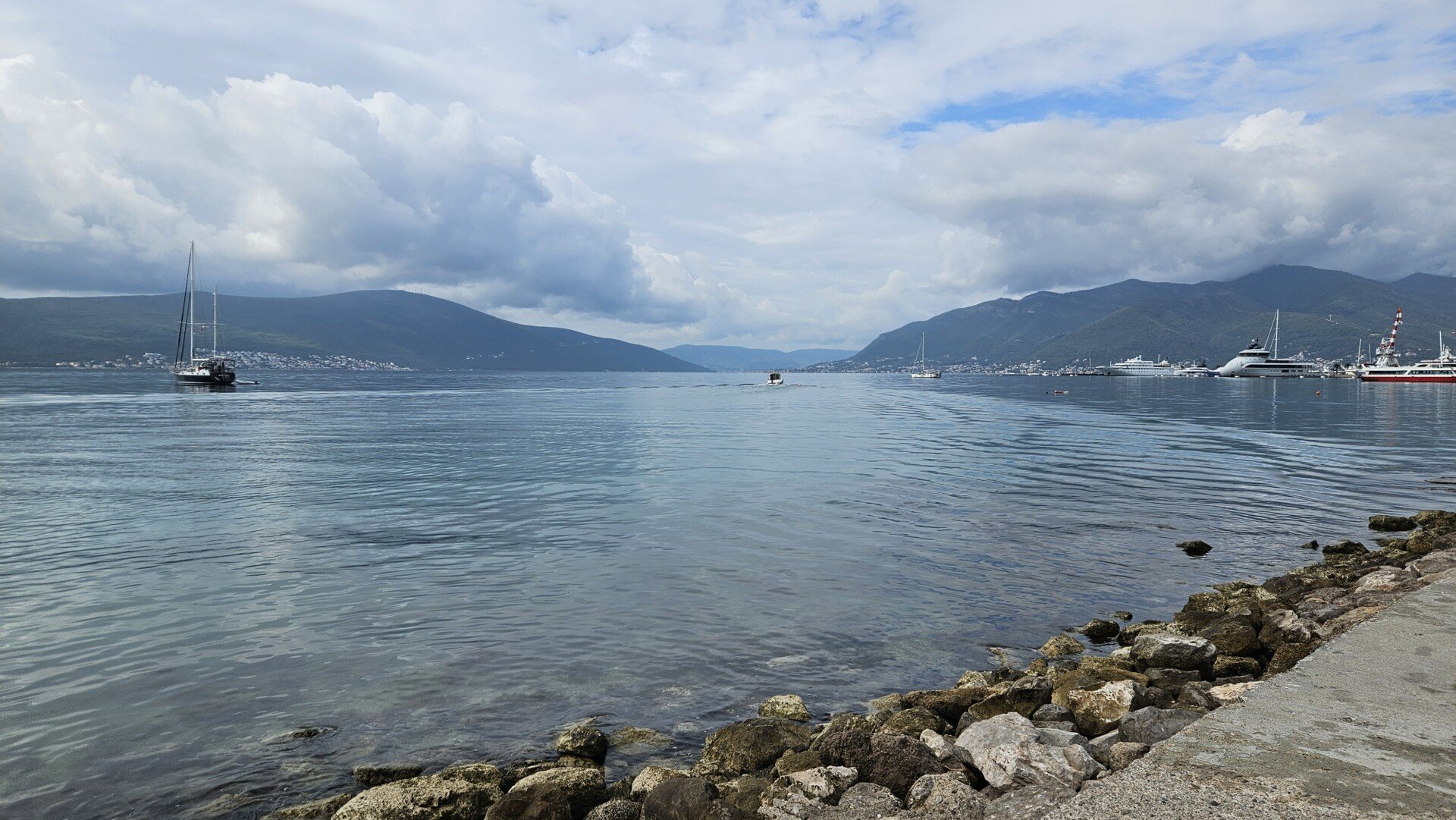
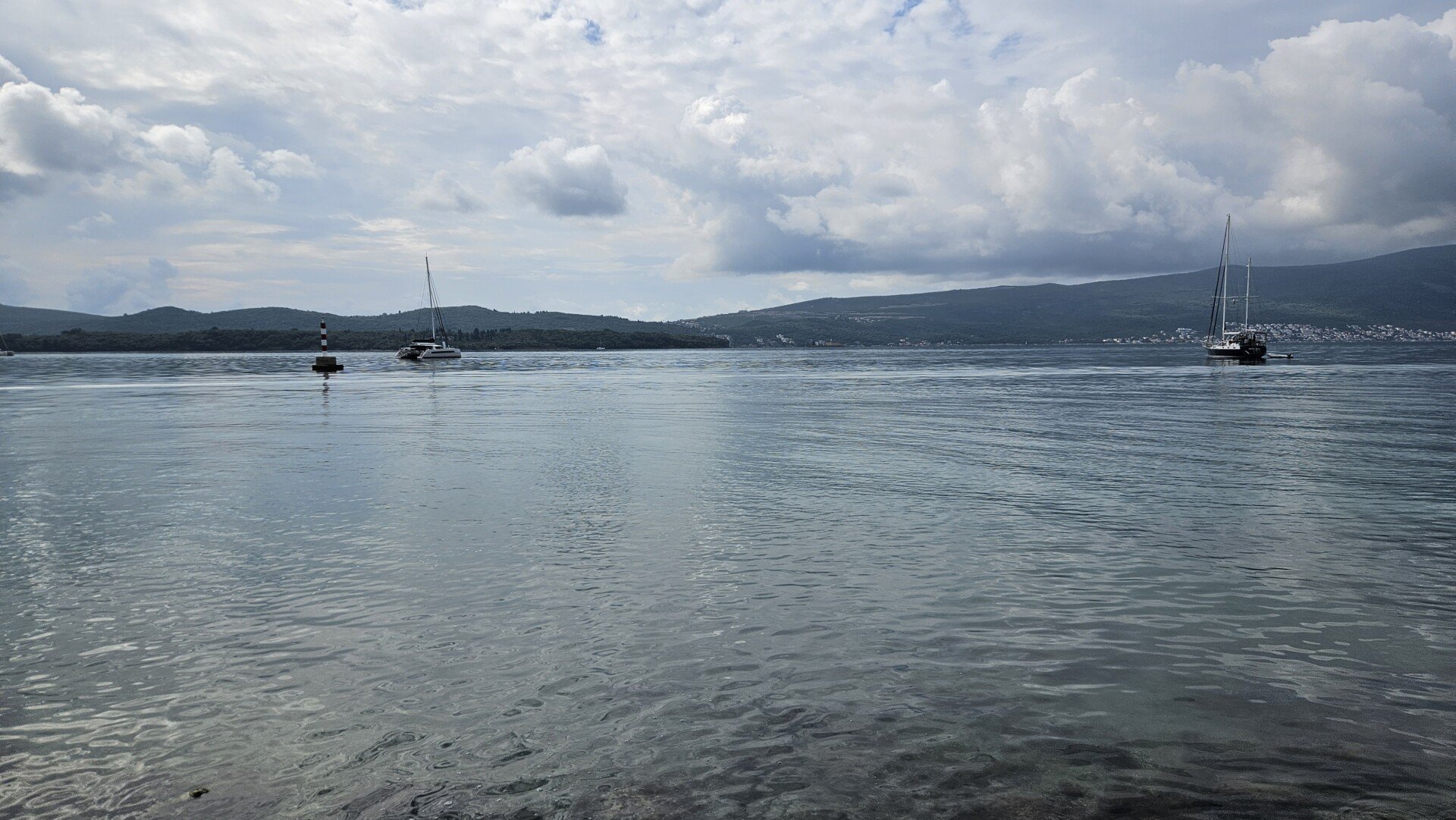
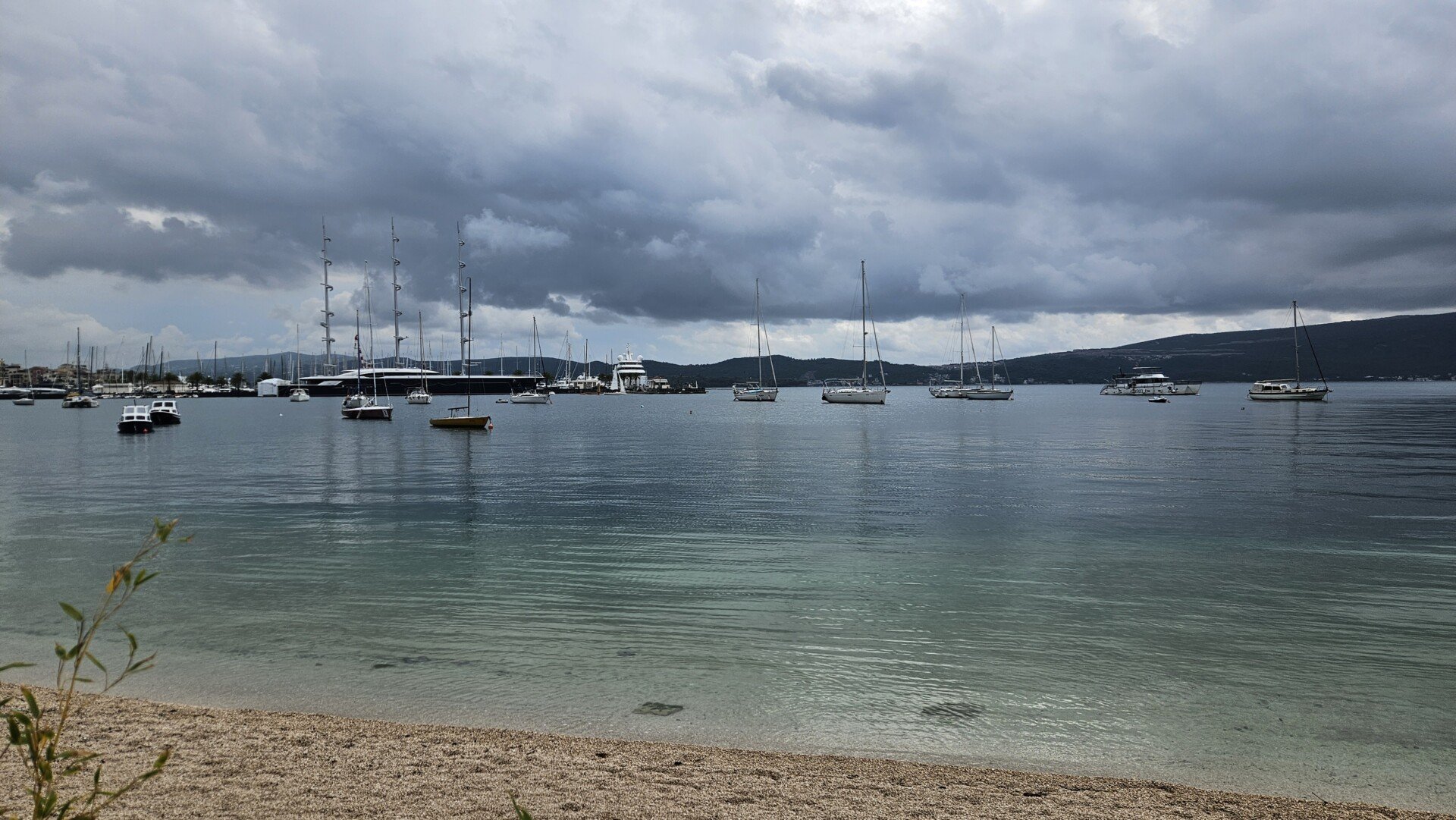
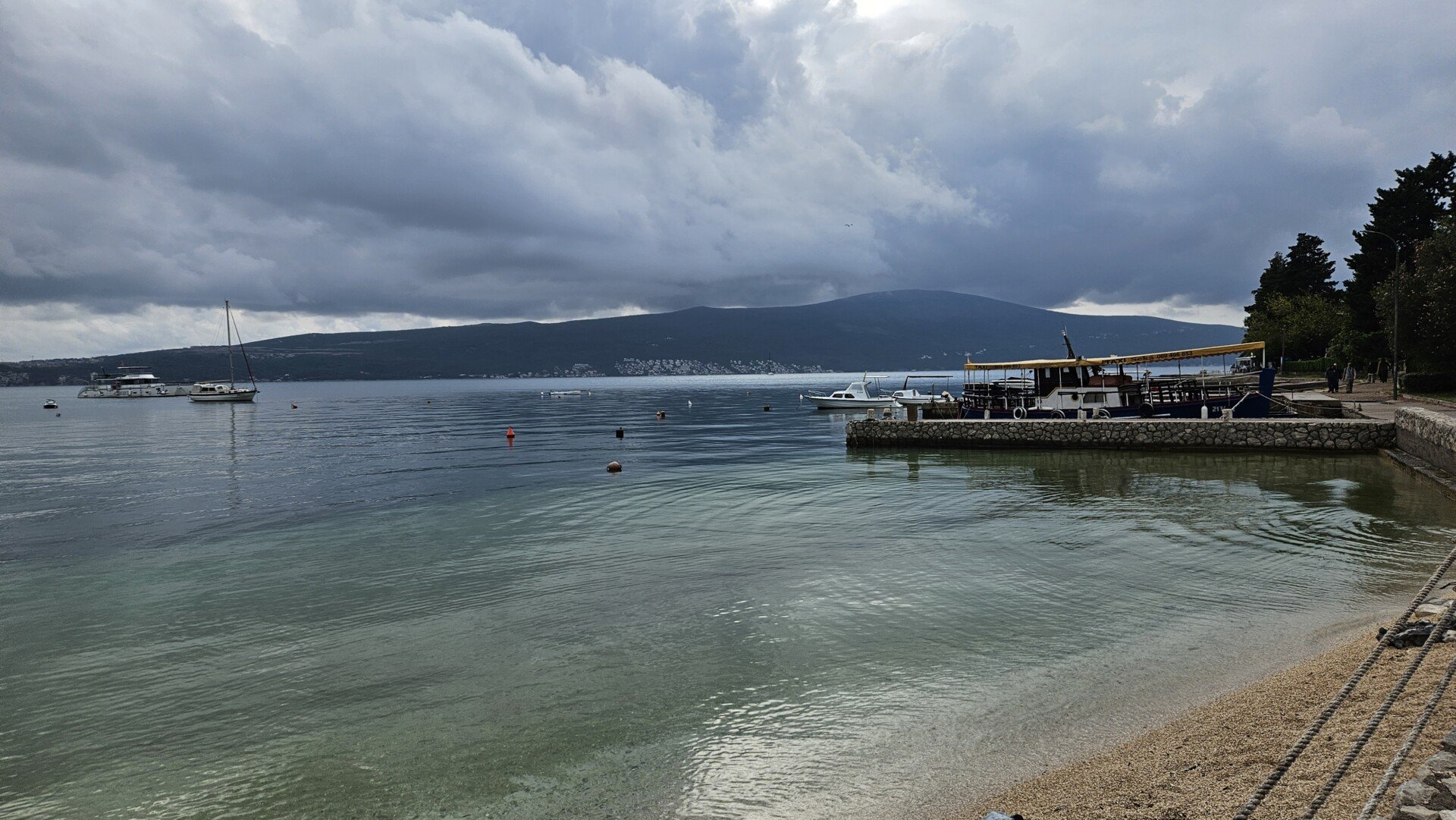
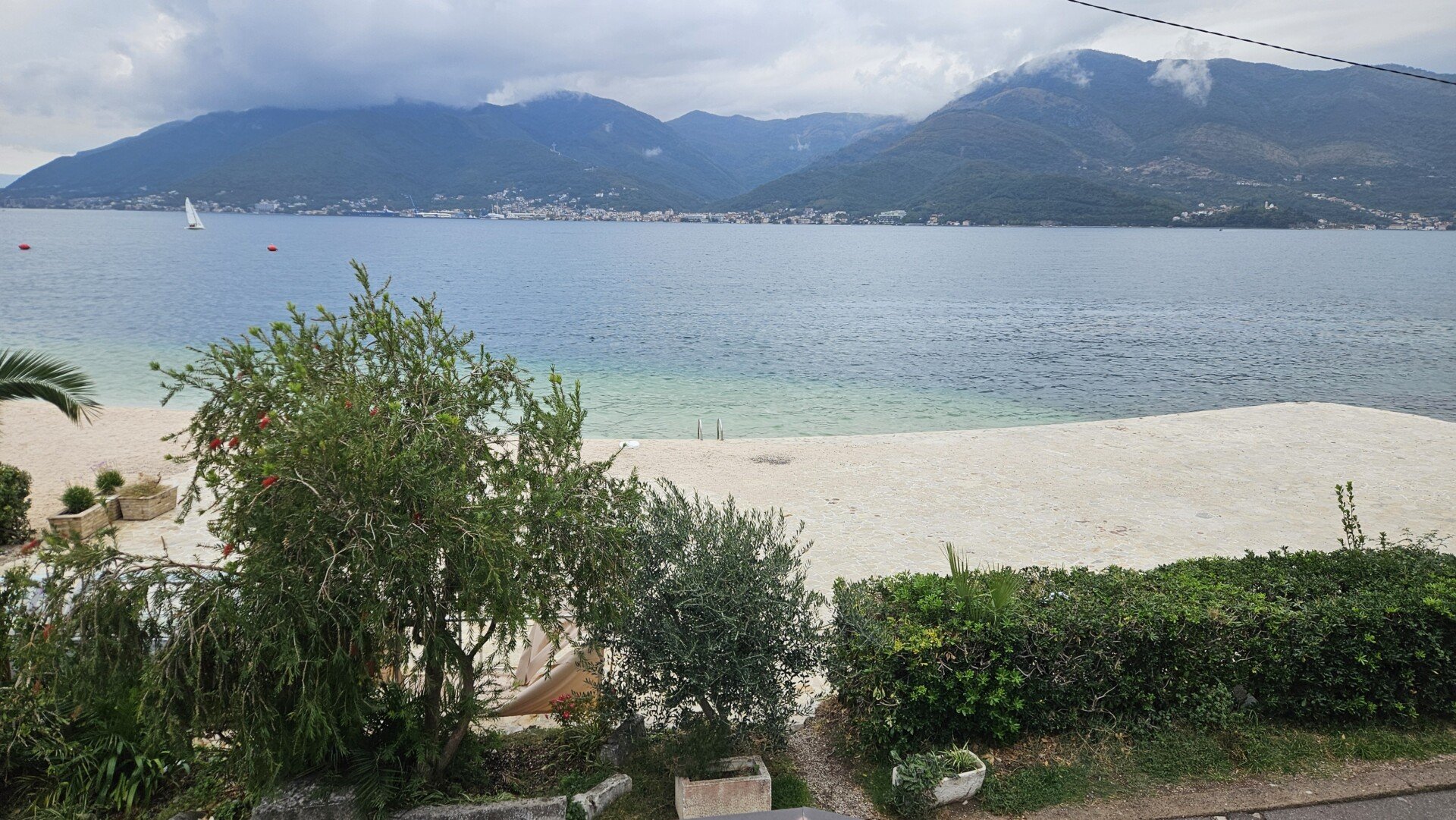
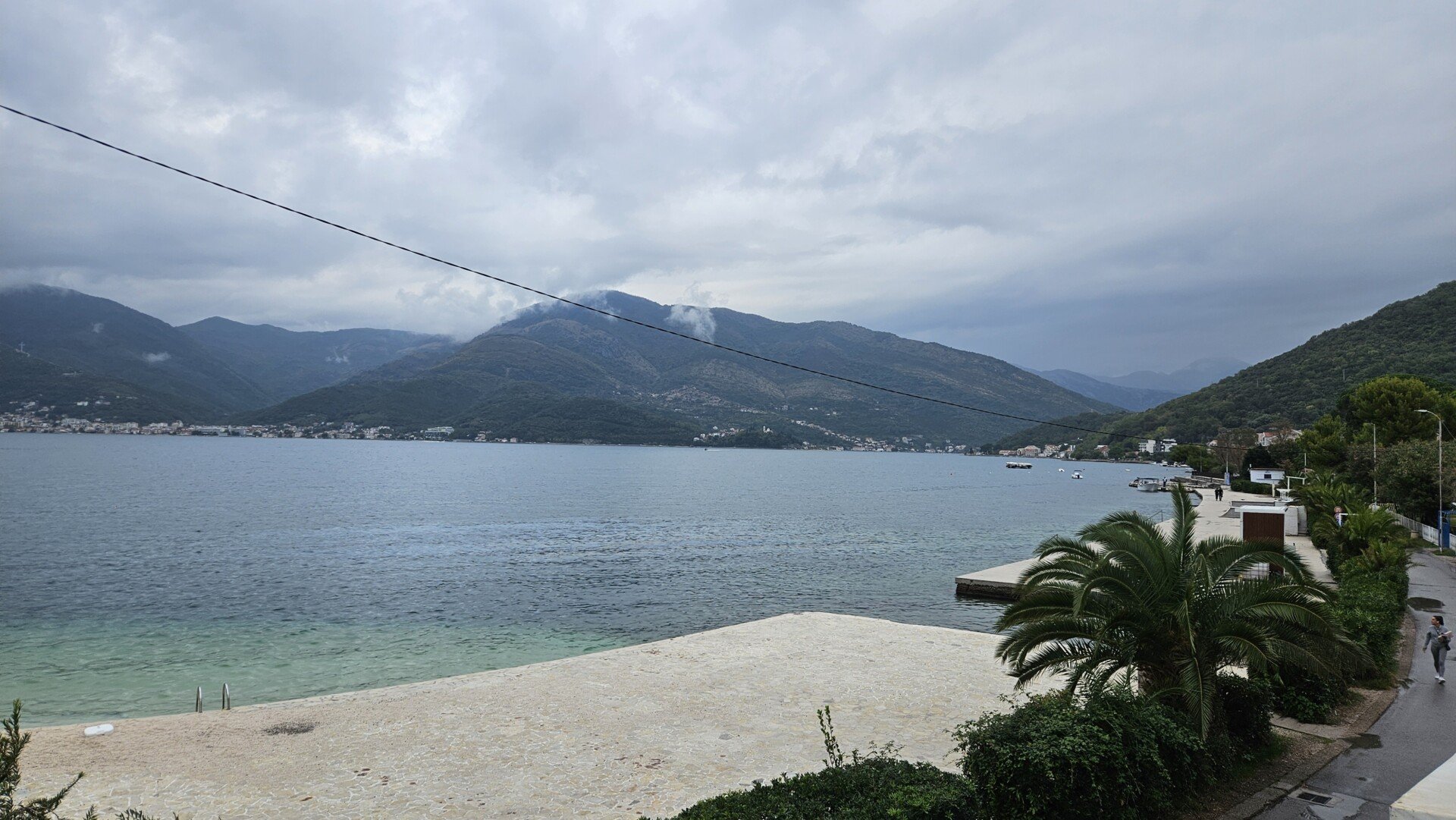
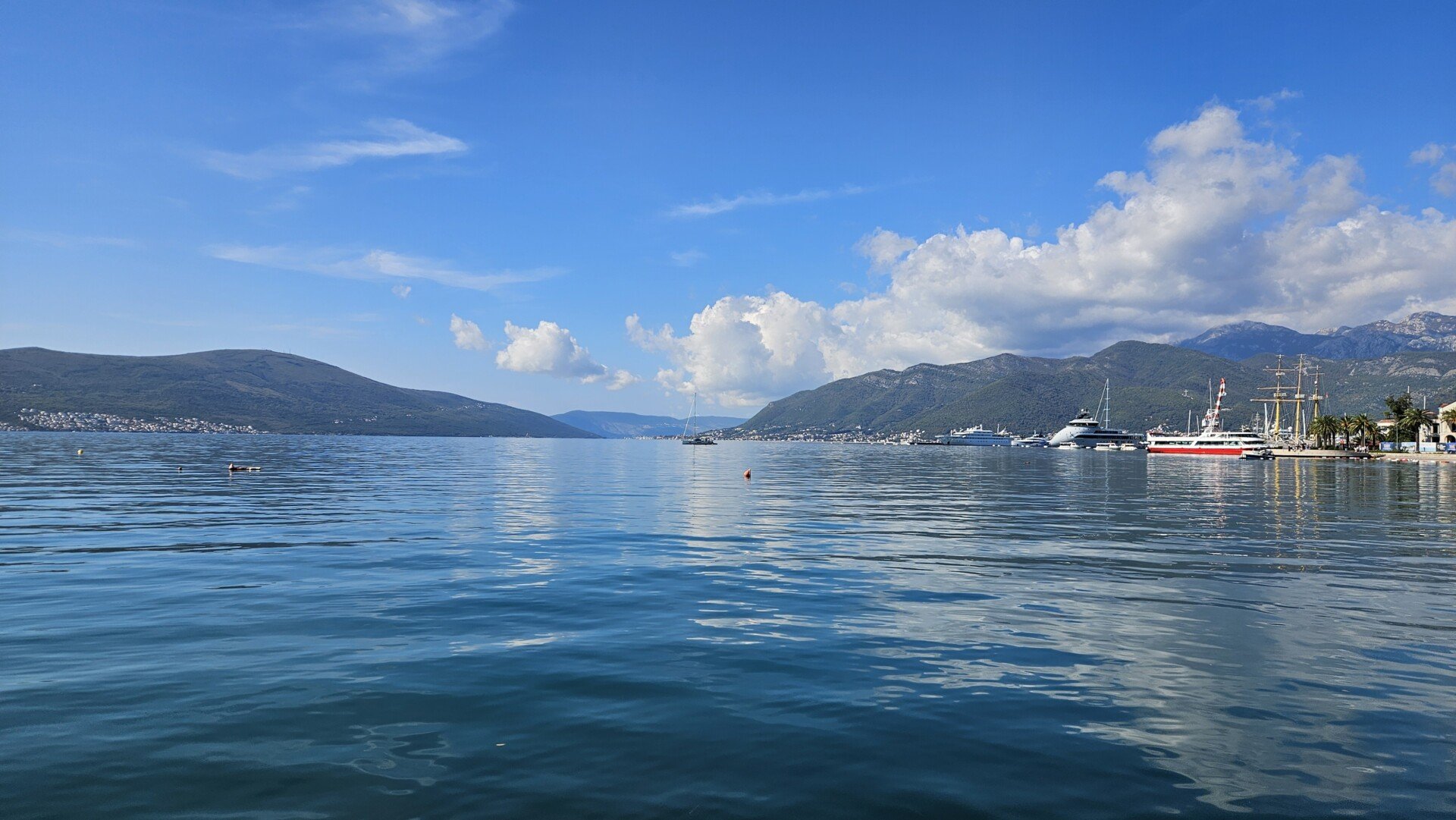
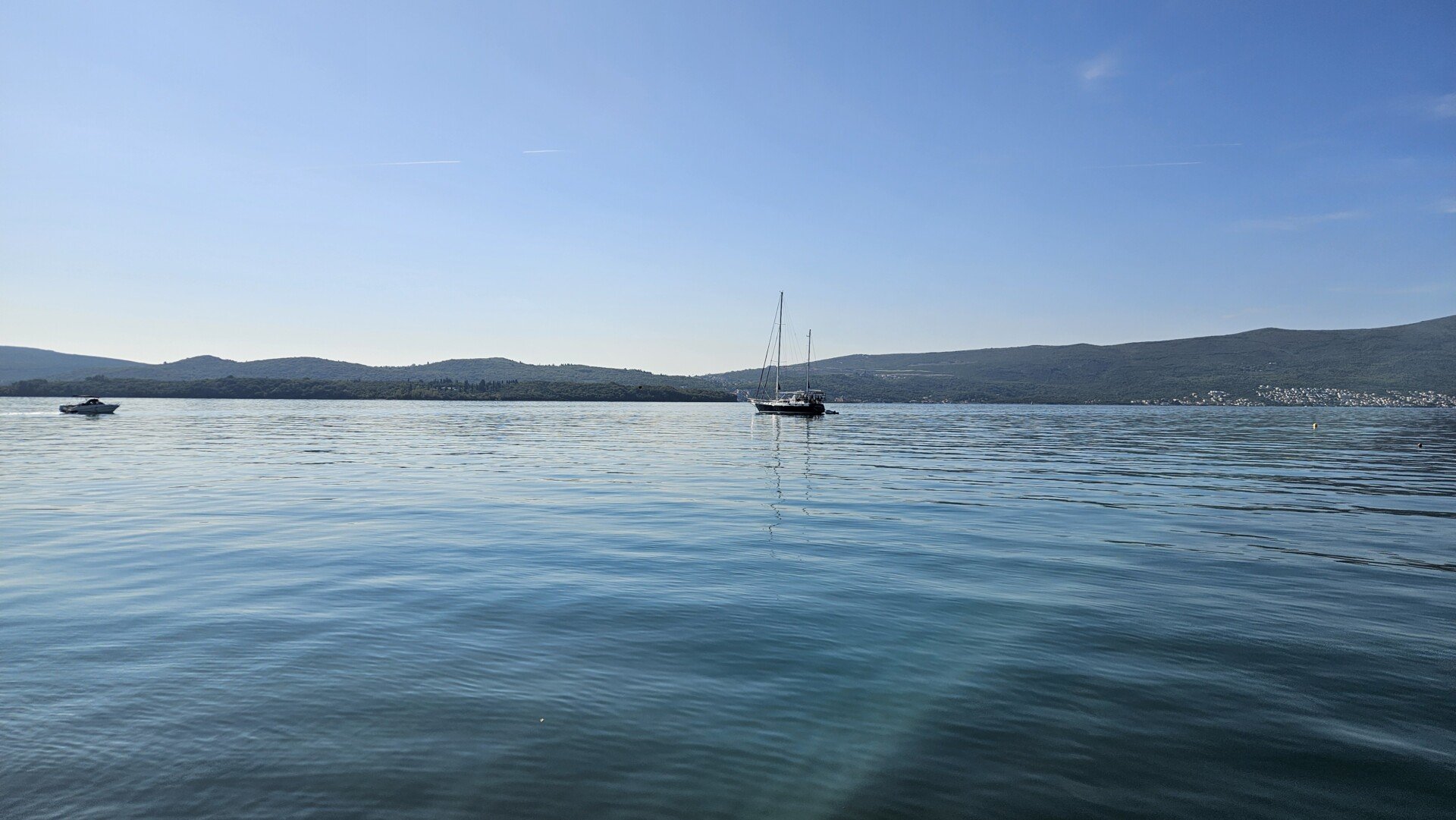
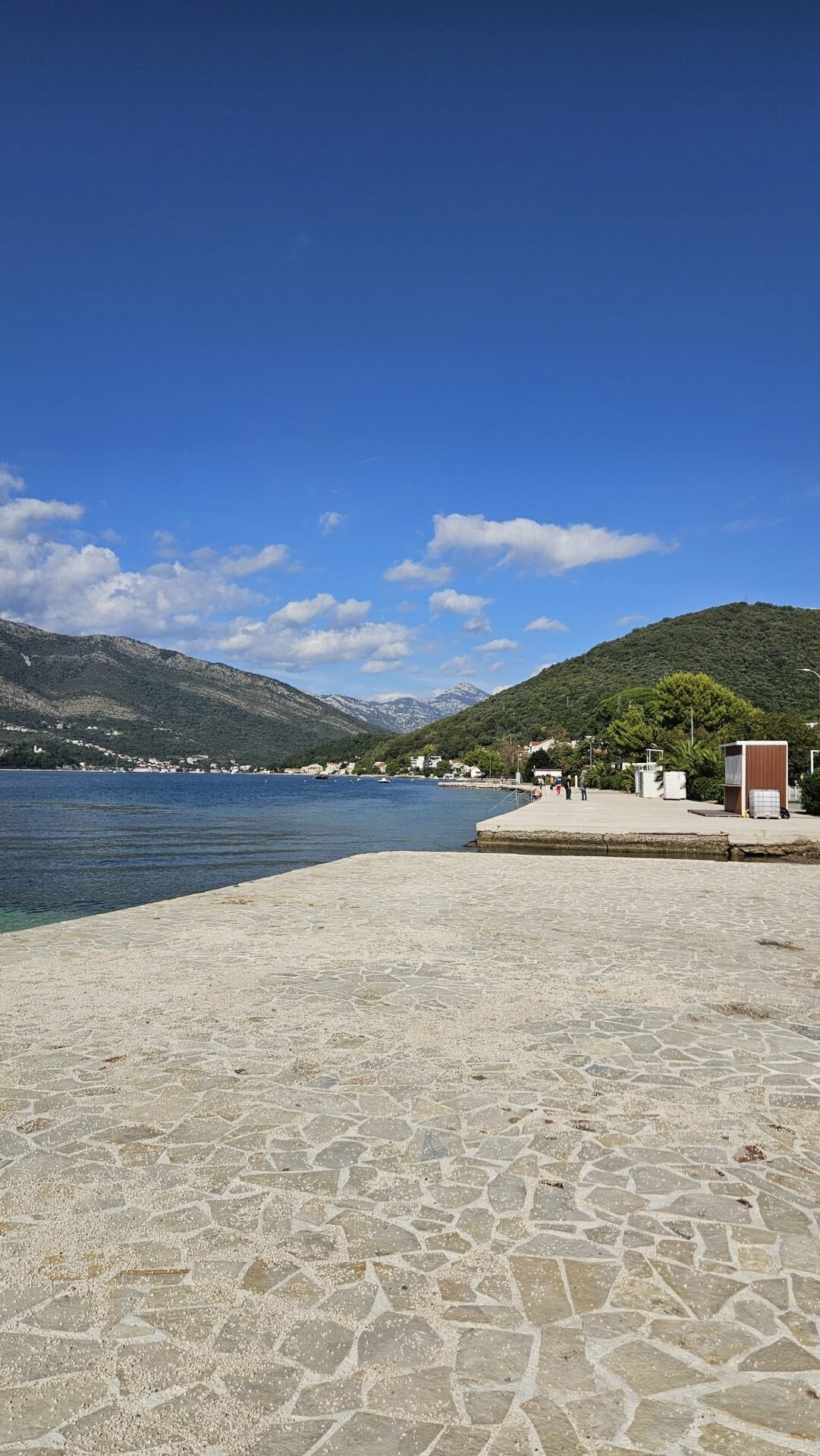
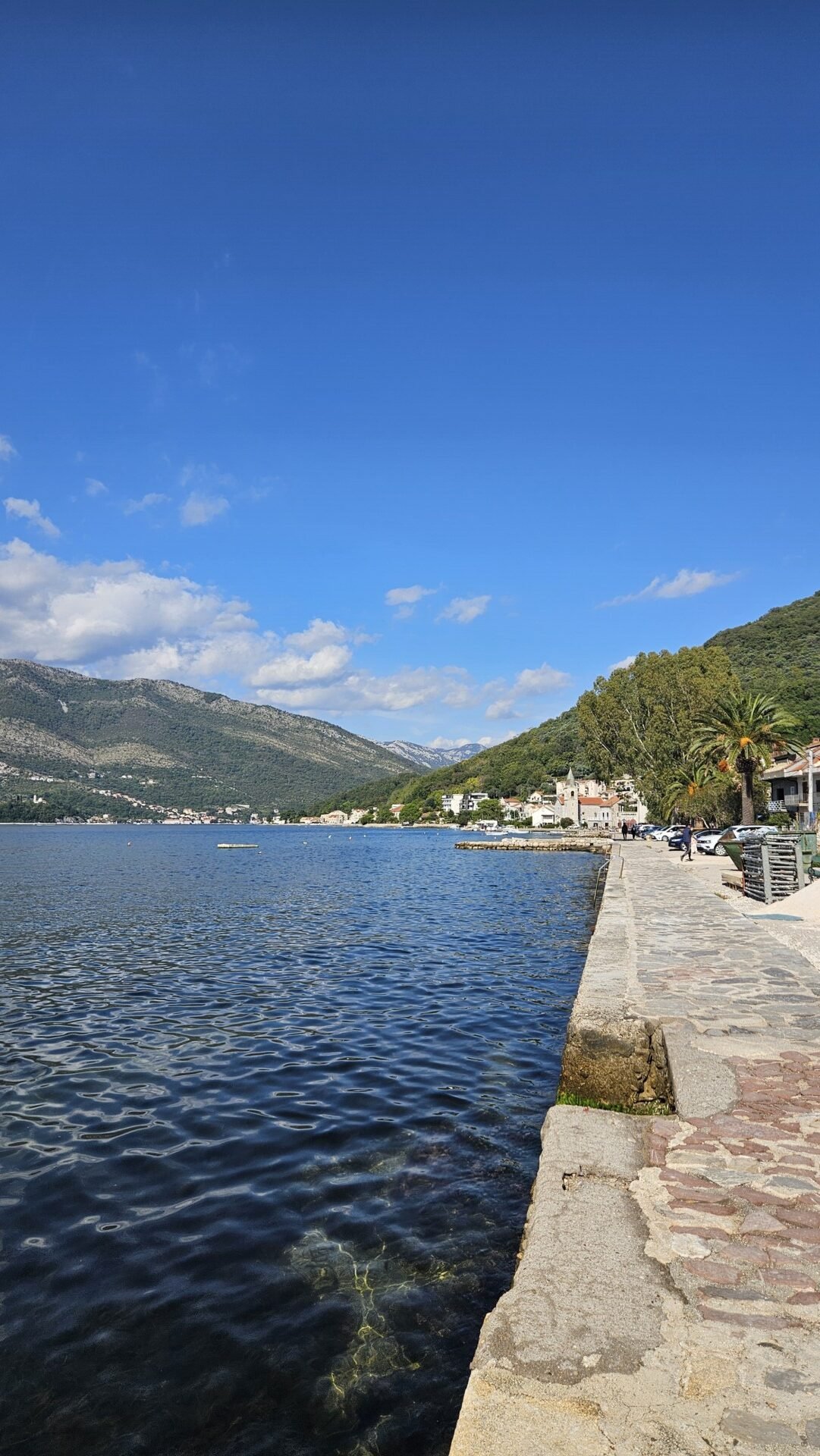
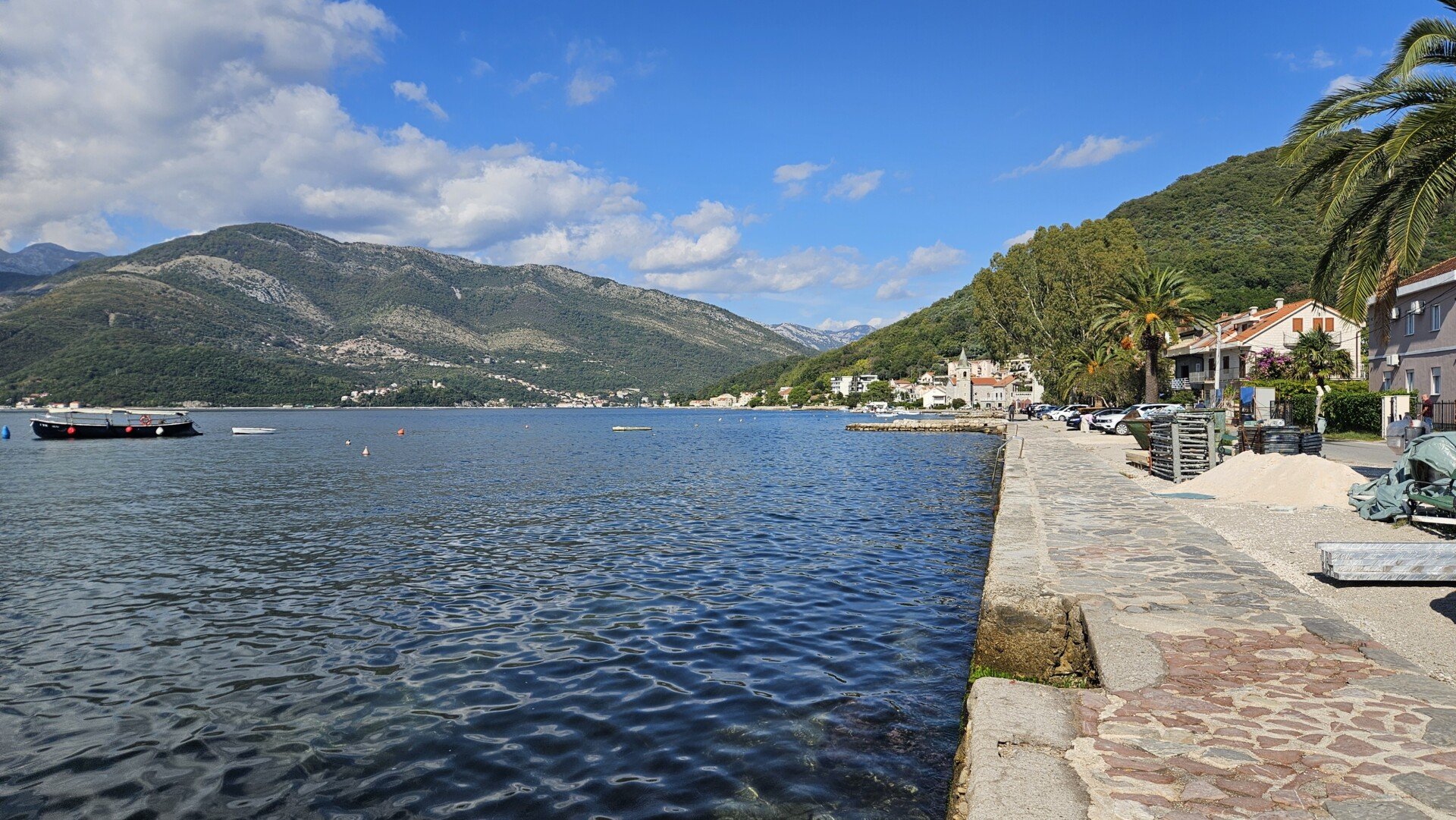
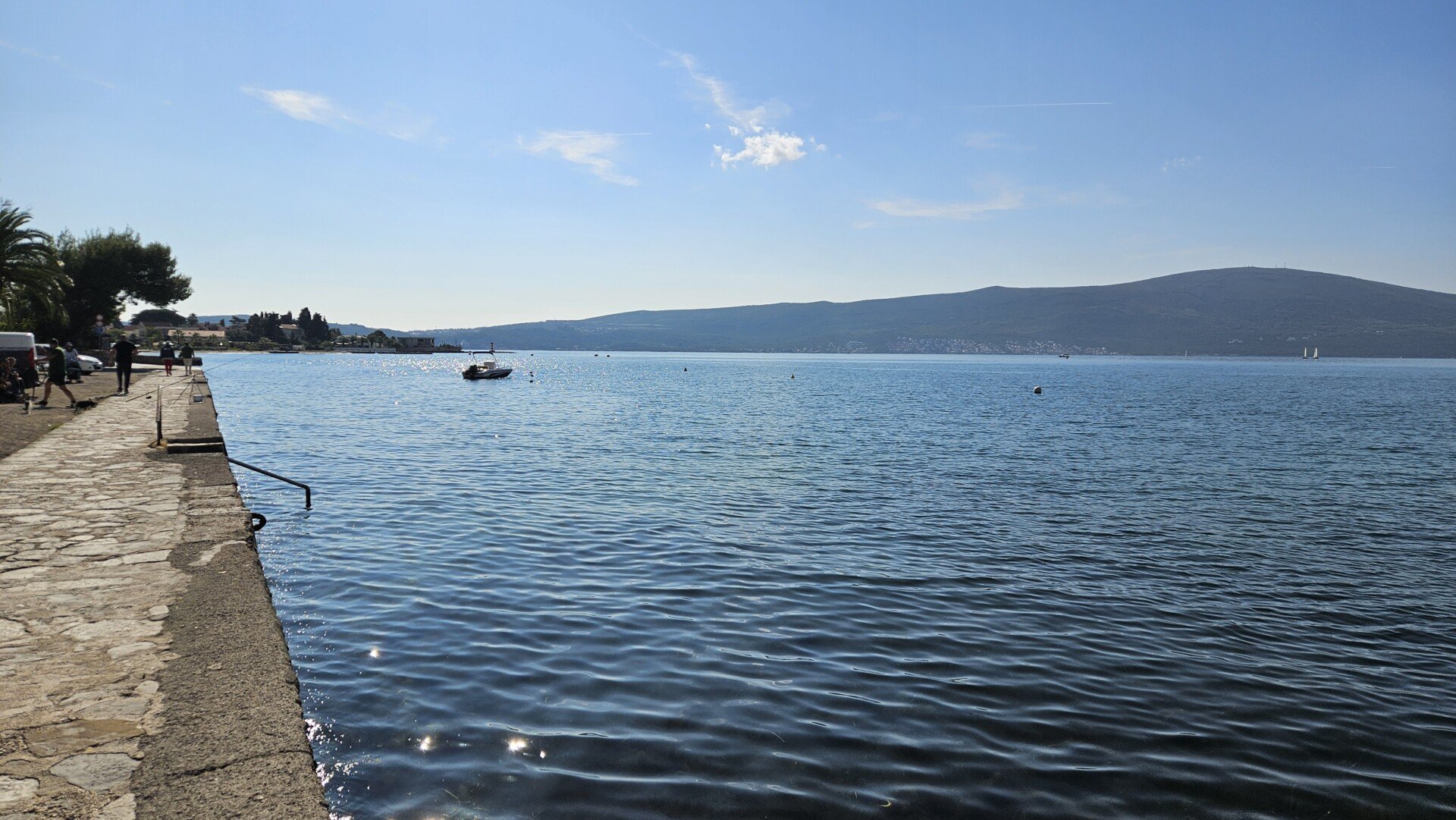
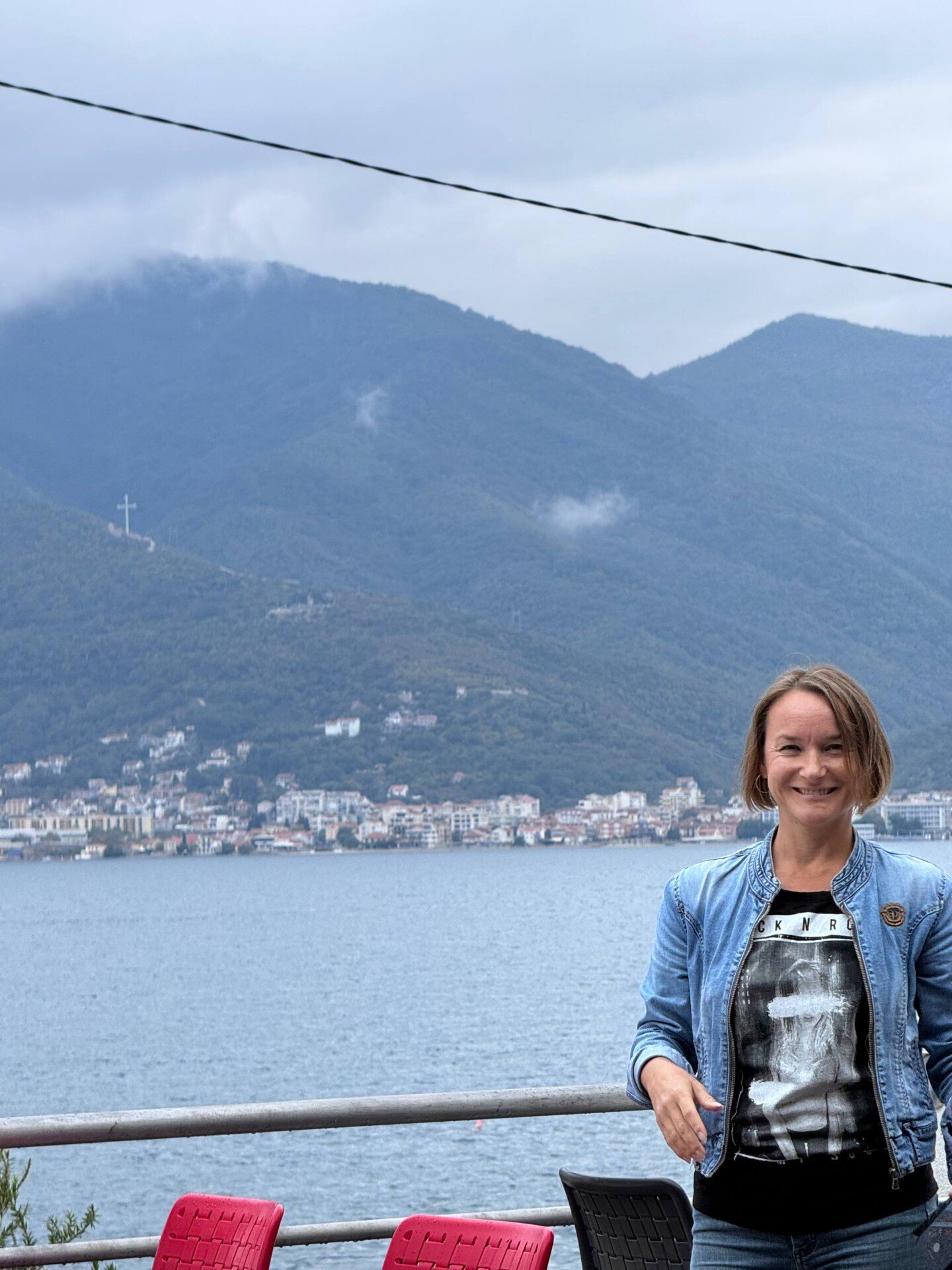
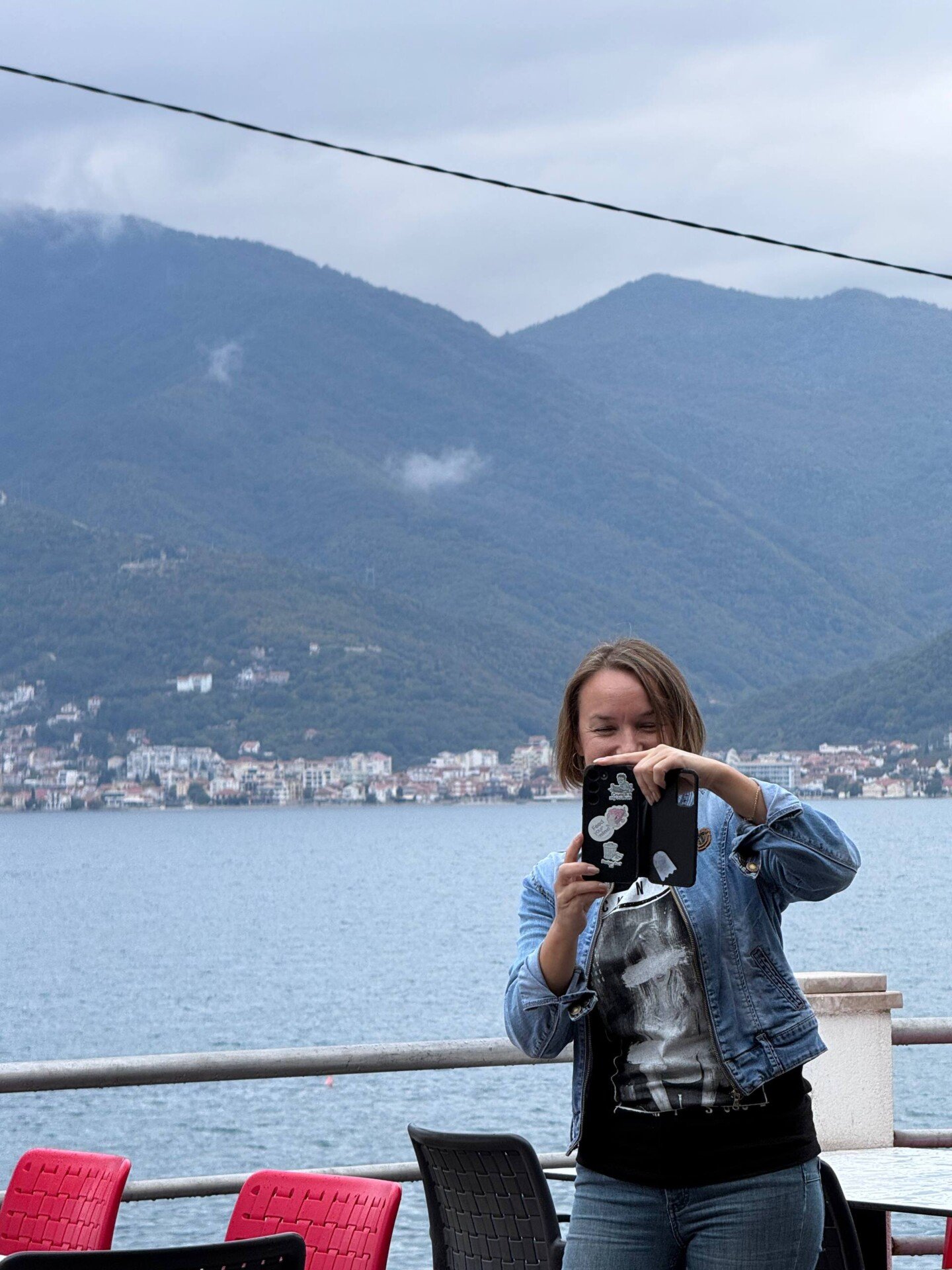
Tivat is located in the central part of the Bay of Kotor (Boka Kotorska), at the foot of Vrmac Hill. This is one of those Adriatic cities where its resort status doesn’t negate its industrial and maritime history: Tivat was linked to naval infrastructure for many decades, but in the 21st century, it has reimagined it in favor of shipping, marinas, and cultural spaces.
Tivat’s History: Brief but True
Antiquity and Early Middle Ages
Archaeology reveals very early settlement in and around the territory of modern Tivat: traces of pre-Roman and Roman periods have been found here, and among the most famous prehistoric monuments is the Mala Gruda tumulus, dating to the second half of the 2nd millennium BC. The monastic and ecclesiastical history of Boka is significant for the early Middle Ages: on the Prevlaka Peninsula (Miholjska prevlaka), the region is associated with the Benedictine/monastic layer and the tradition of Christianization of the coast—part of the cultural background from which both rural chapels and city churches would later emerge.
Epochs of Influence: Neman, Venetian, Ottoman Borderland
The municipal historical overview directly lists the eras that “brought together” Tivat and Boka: Illyrian, Roman-Byzantine, Neman, “Veneto-Turkish,” and Austro-Hungarian (until 1918).
It is significant that for almost two centuries this region felt like a borderland between major powers—Venice and the Ottoman Empire—and after the fall of the Venetian Republic (1797), the region found itself at the intersection of the interests of France, Austria, and Russia; Then (1814–1918) it consolidated its position under Austro-Hungarian rule.


The Birth of a “City” in the Modern Sense: The Arsenal and Industrialization
Tivat emerged as a city relatively late, at the turn of the 19th and 20th centuries. A key turning point was the decision to allocate land for the construction of the Austro-Hungarian Navy Arsenal in 1889: from that moment on, the population, previously more rural and artisanal, was increasingly drawn into industrial development and maritime specialties.
20th–21st Century: Repair Institute, then Porto Montenegro
After World War II, Tivat became recognizable thanks to the large Naval Technical Repair Institute “Sava Kovačević”—an institute that was, in many ways, the city’s economic backbone. Already in the 2000s, the transformation of the former naval zone began: after 2007, the area underwent redevelopment, and a modern yacht marina and resort complex, Porto Montenegro, was established on the site of part of the former infrastructure.
Starlight Itinerary for October 17–19: How to “Uncover” Tivat in Three Days
In October, Tivat is especially good for hiking: the summer crowds have disappeared, and the city can be read “layer by layer.” The municipal climate description notes that autumn and winter are characterized by a warm, humid jugo wind, which brings rain—so the “park + museums/galleries + churches” format often proves ideal.
Below is the logic of two days, where each place is not just a “dot on the map,” but a piece of the city’s history. Arriving in Tivat on Friday evening, we were busy with the MonteGames 2025 events—the opening ceremony, the awards ceremony, and the party!
Day 1. Center, Buća Palace, and the city’s extensive “botany”
1) Buća Luković Palace/Complex (Palata Buća Luković)
This is the main “architectural anchor” of old Tivat: the most monumental and well-preserved summer residence of the local nobility, dating back to the 14th century.
Why it’s worth visiting at the beginning of your trip:
- This is not a single building, but a complex constructed in several stages (this is still evident in the styles).
- The complex included a residential building, an outbuilding, St. Michael’s Chapel, a tower with a monumental gate, a vineyard, and a large garden.
- An unusual landscape architectural element led down to the sea: a stone A pedestrian path with 130 decorative stone pillars is a rare detail for a small town.
- In 1812, ownership changed: the residence passed to Tripo Luković.
- In 1888, the Luković heirs donated part of the property to the municipality/Austro-Hungarian Navy for the construction of the Arsenal—and this “domestic” history literally intersects with Tivat’s industrial destiny.
- A special gem is the 15-meter-tall defensive tower (1548), which has been used as an art gallery in modern times.
This location is also convenient because it provides a “wide shot”: it’s easy to explain why Tivat is not a random resort spot, but a territory with a long-standing culture of landownership, gardens, and maritime connections.

2) Crkva Svetog Save (Church of Saint Sava)
The Church of Saint Sava in Tivat is an important symbol of the 20th century: a domed church designed by architect Momir Korunović. Construction began in 1938 and was completed after World War II.
Even these bare facts explain a lot:
- the church dates back to the period when the city had already established itself as a significant center of Boka (after the Arsenal and the city’s expansion);
- the long construction period reflects the historical ruptures of the region—the war literally “cut” into the fate of urban developments.
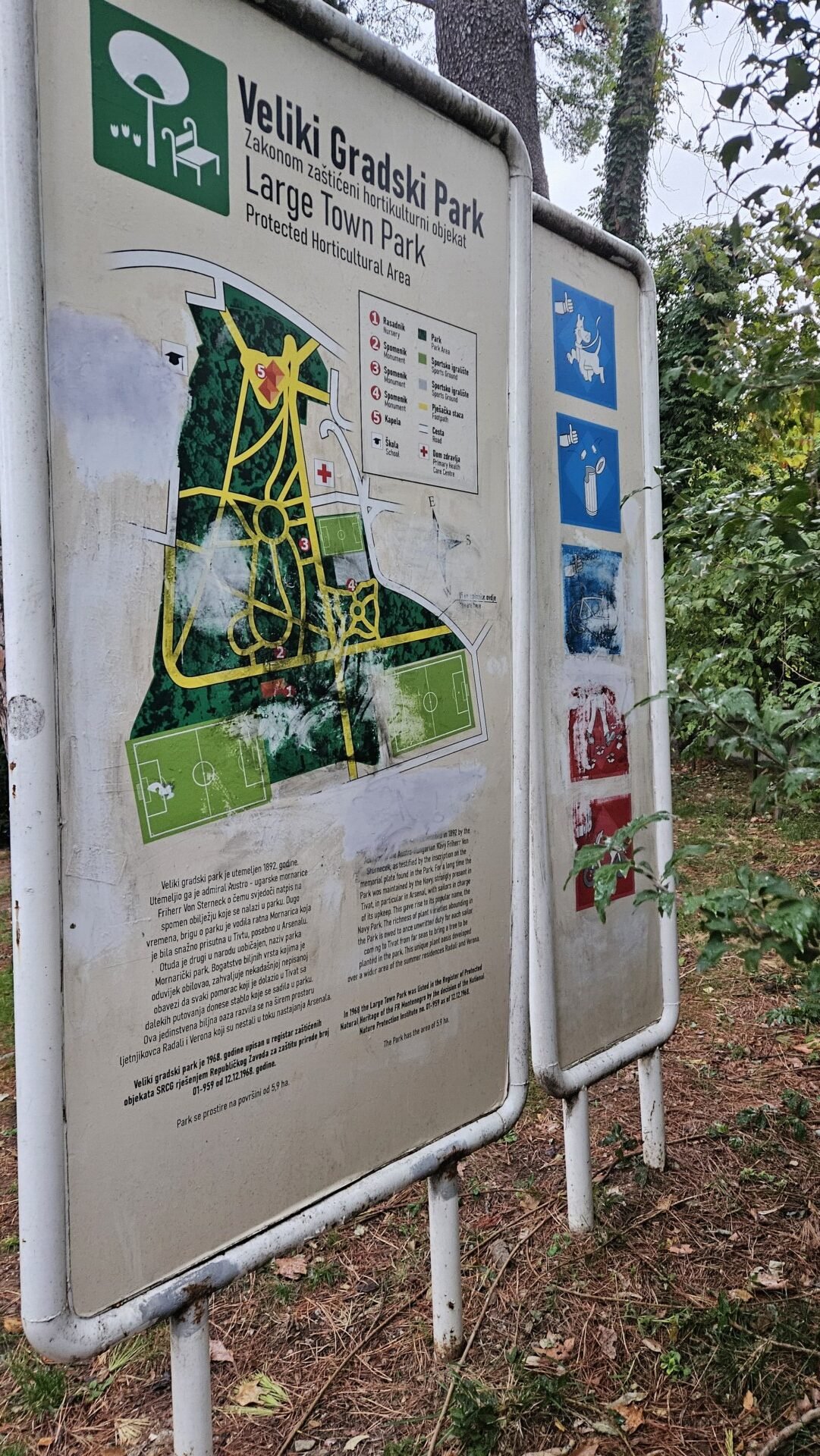
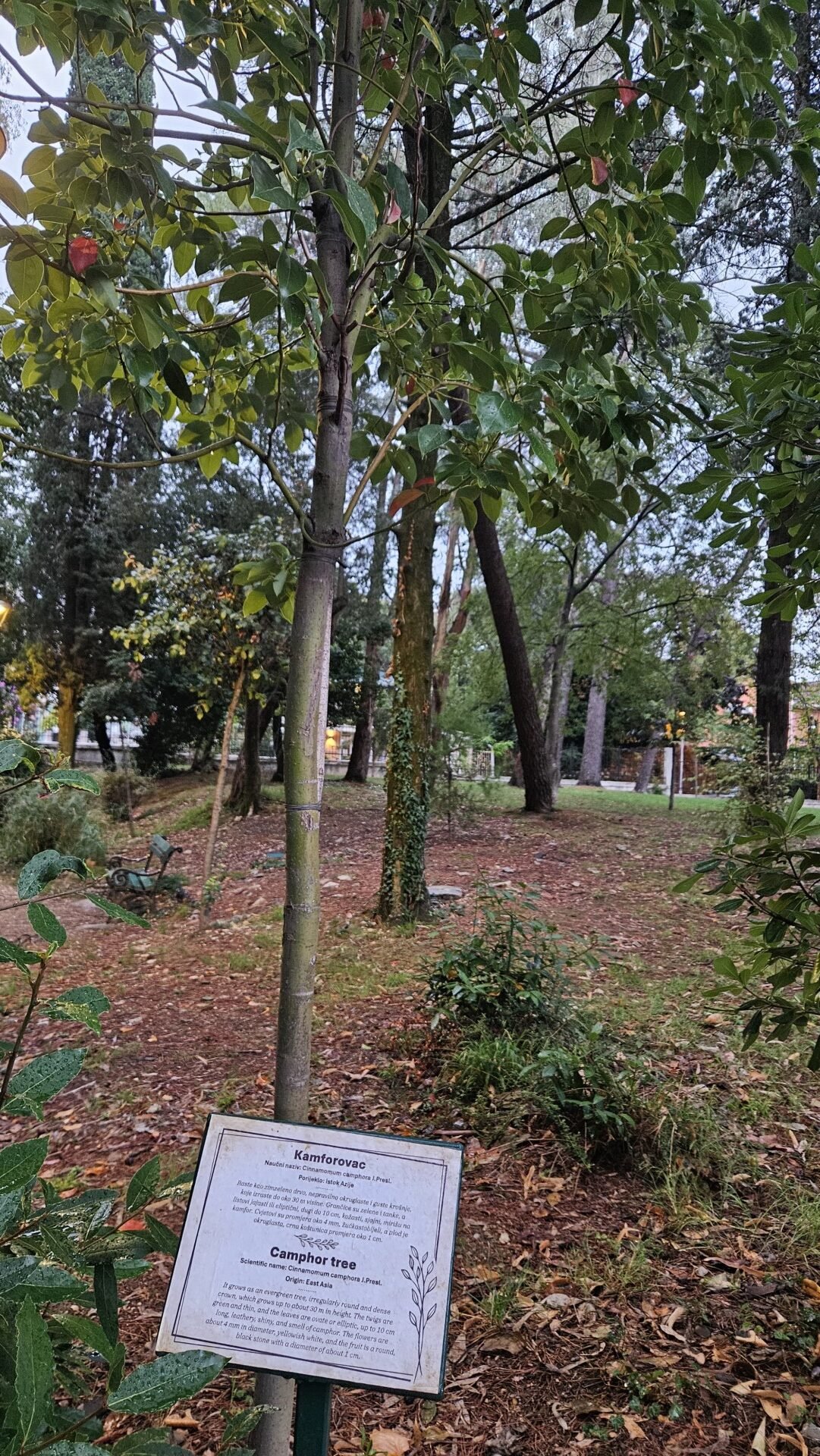
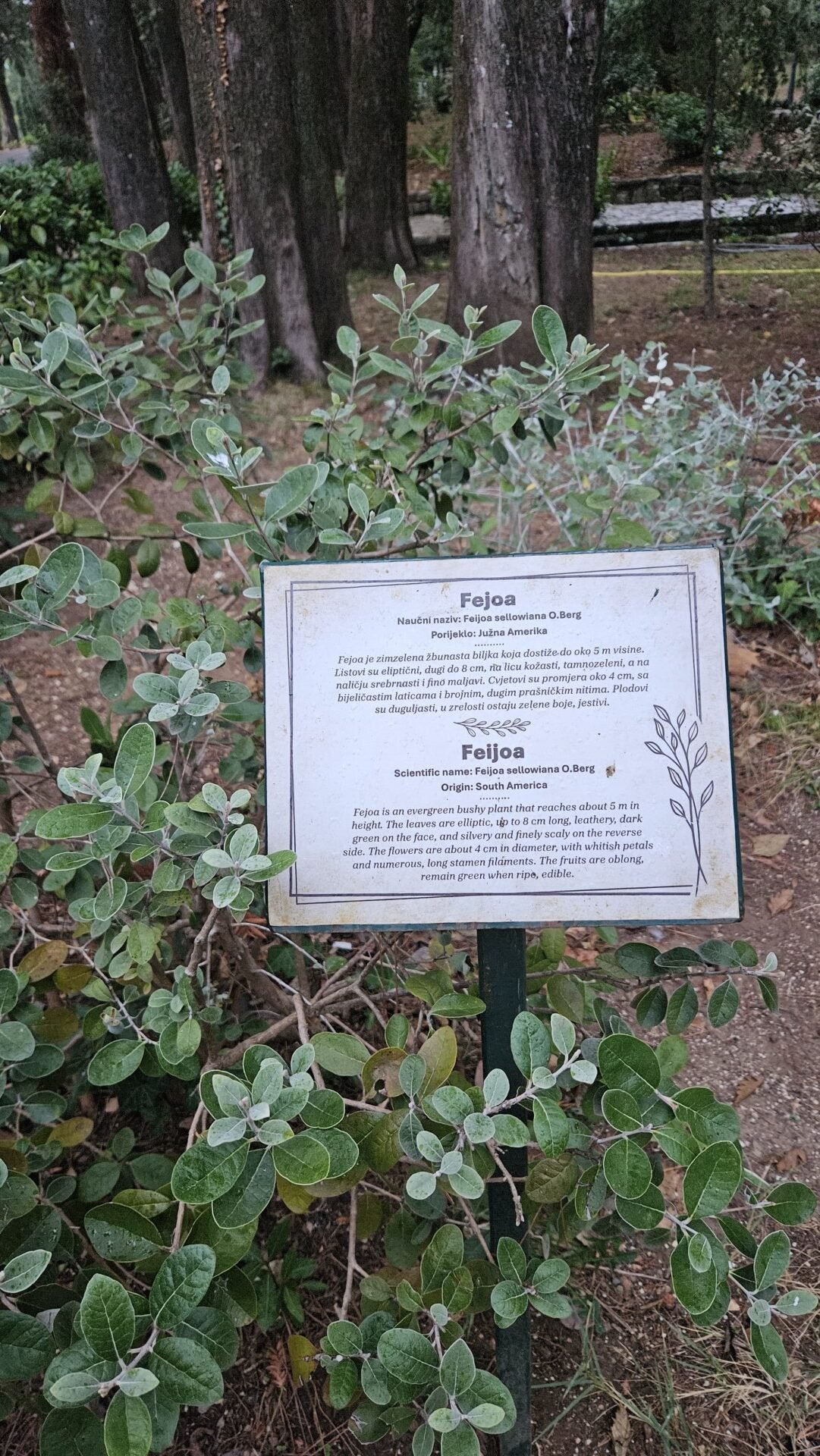
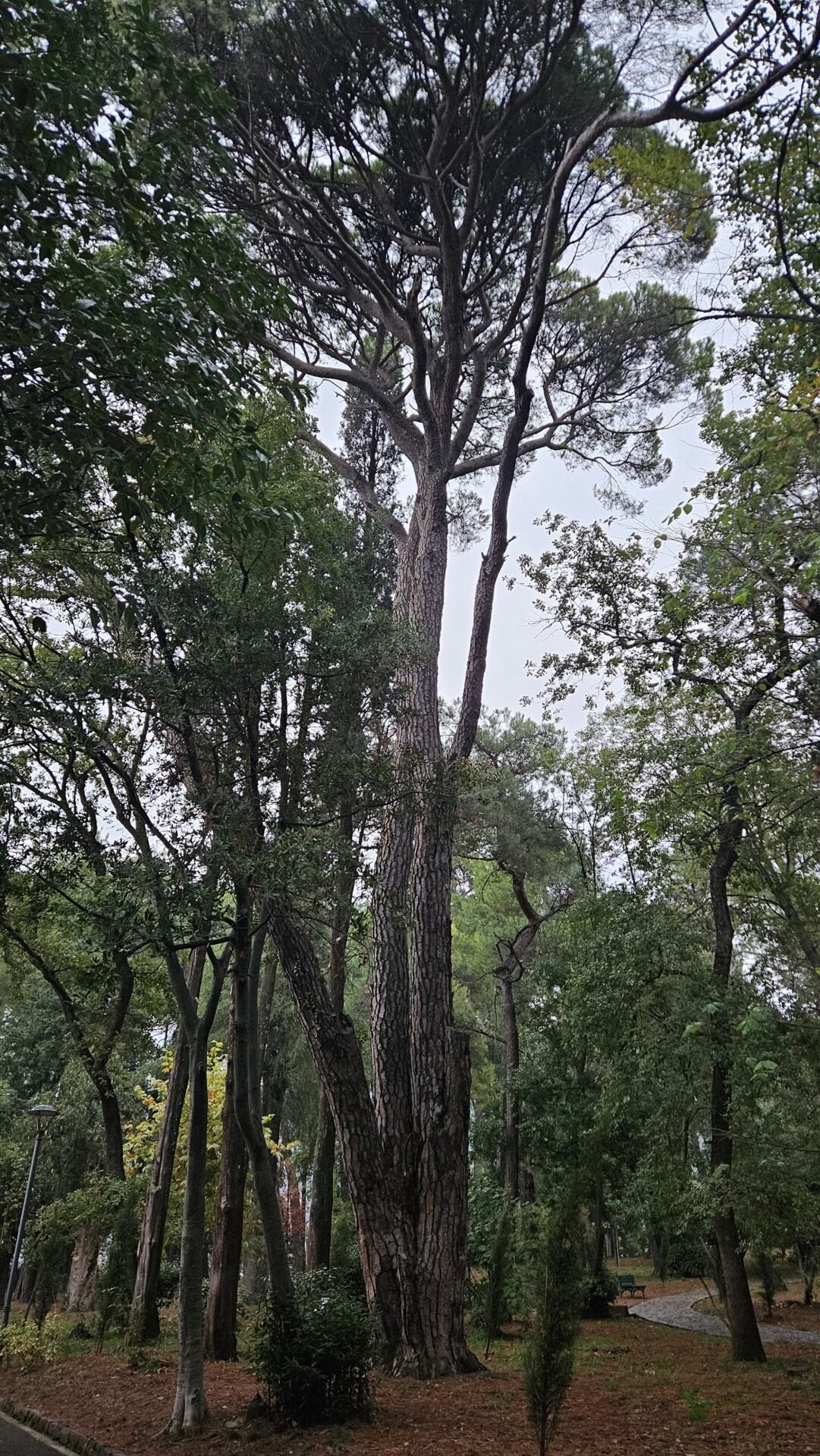
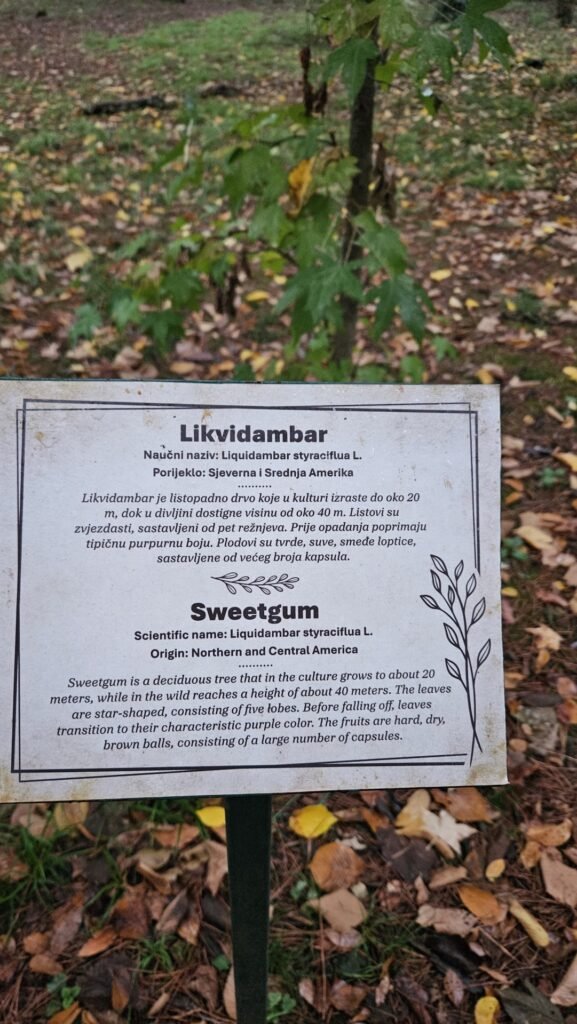
3) Large Town Park / Veliki gradski park — a green chronicle of Tivat
If Buča Palace represents an “aristocratic” memory, then Veliki gradski park represents both a “maritime” and “urban” memory.
The Tivat Tourism Organization records the exact date of its founding: 1892, and even provides a translation of the inscription on the park’s memorial plaque: it was founded by former naval admiral Friherr Von Sterneck, and its work was supervised by officers (listed by name) and a manager.
What makes this park special (and why it’s worth experiencing, not just “skimming” it):
- Historically, it was long maintained by the navy and was known as “Mornarichki Park” (Navy Park); three different naval eras managed to “tend” to it: the Austro-Hungarian, the Kingdom of Yugoslavia, and the Yugoslav Naval Service.
- At the time the park was founded, Tivat did not yet exist as a city in the modern sense—the park was created within the context and logic of a naval base.
- The park’s area is listed in the source as 5.9 hectares, with a network of walking paths and benches—a truly large green space for a city of its size.
- The botanical “exotica” didn’t arise by chance: an unspoken maritime custom is described: sailors, returning from long voyages, brought trees to plant in the city park.
- Geographically, the park developed on the lands of noble families, and the text mentions the Radalli and Verona estates and connections to former country estates.
- Of particular importance: since 1968, the park has had official conservation status as a monument of landscape architecture.
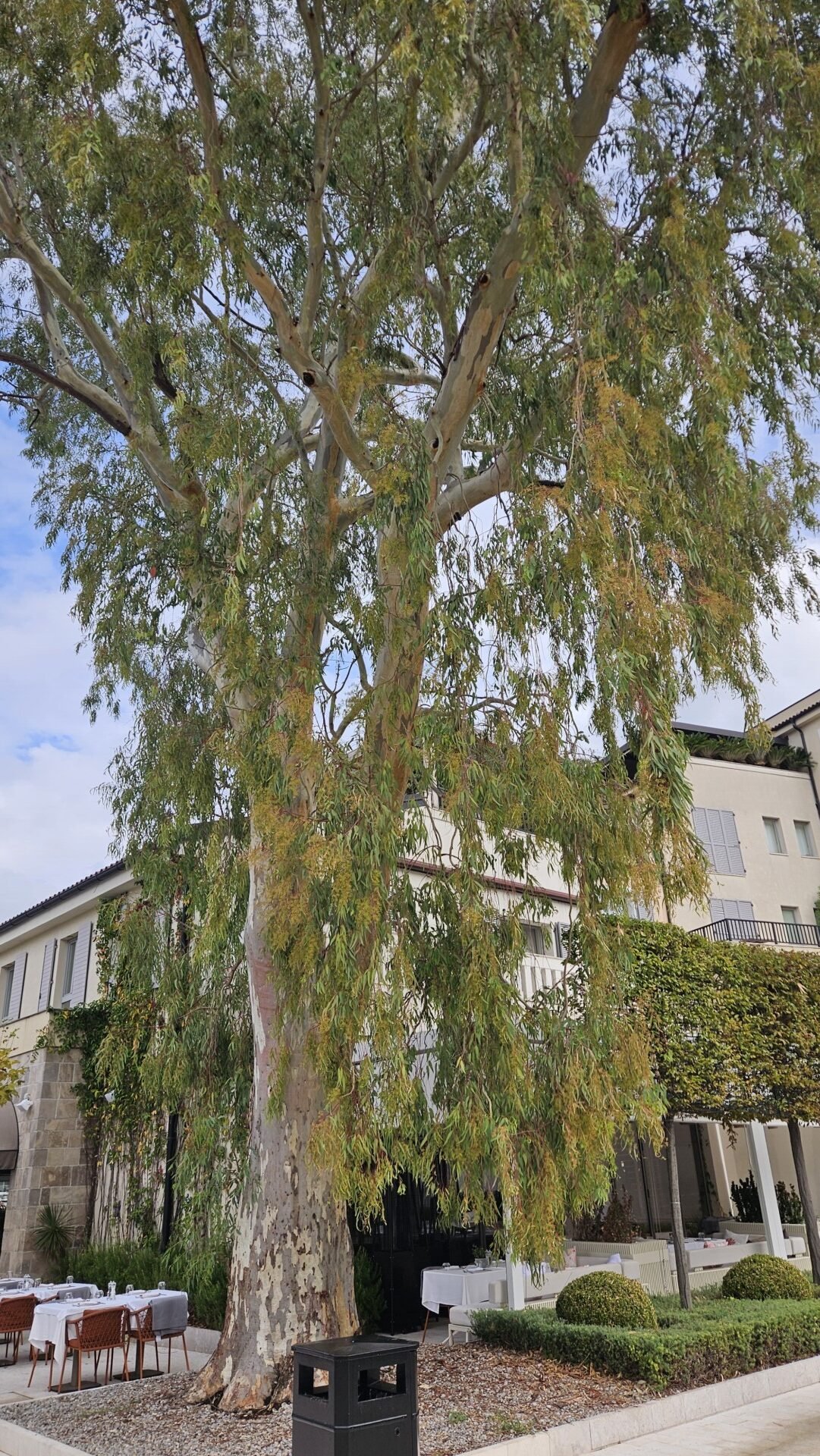
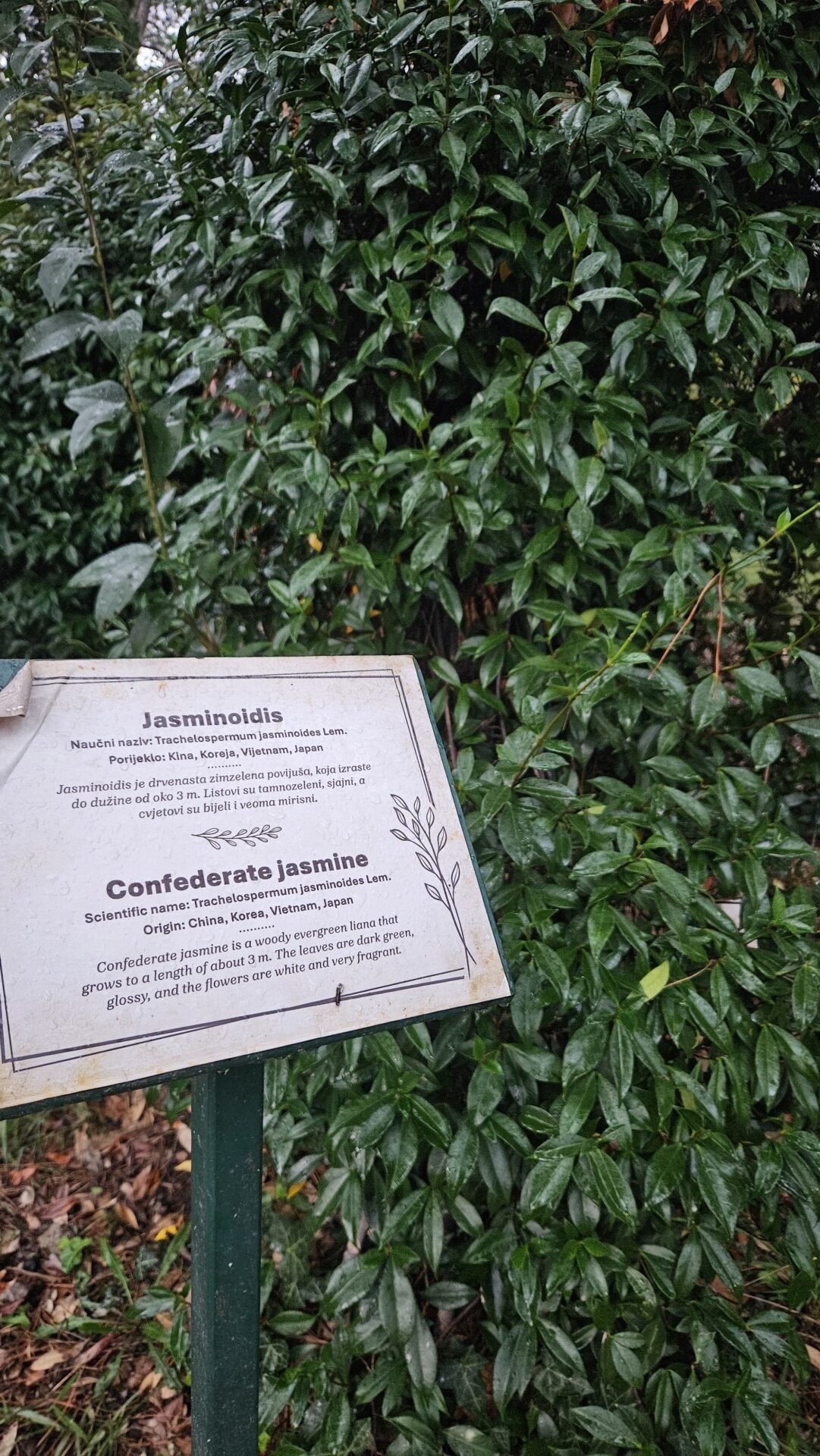
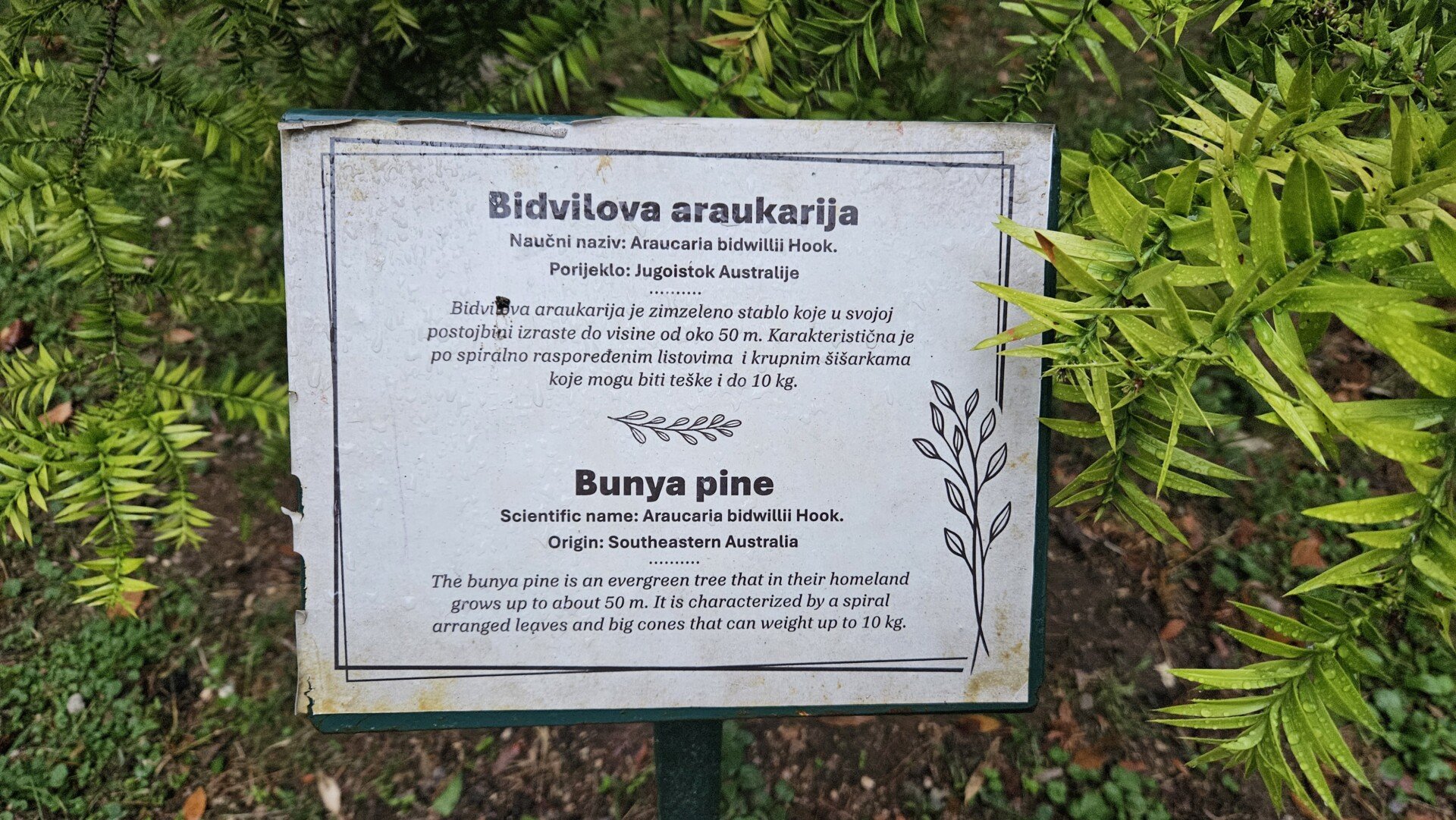
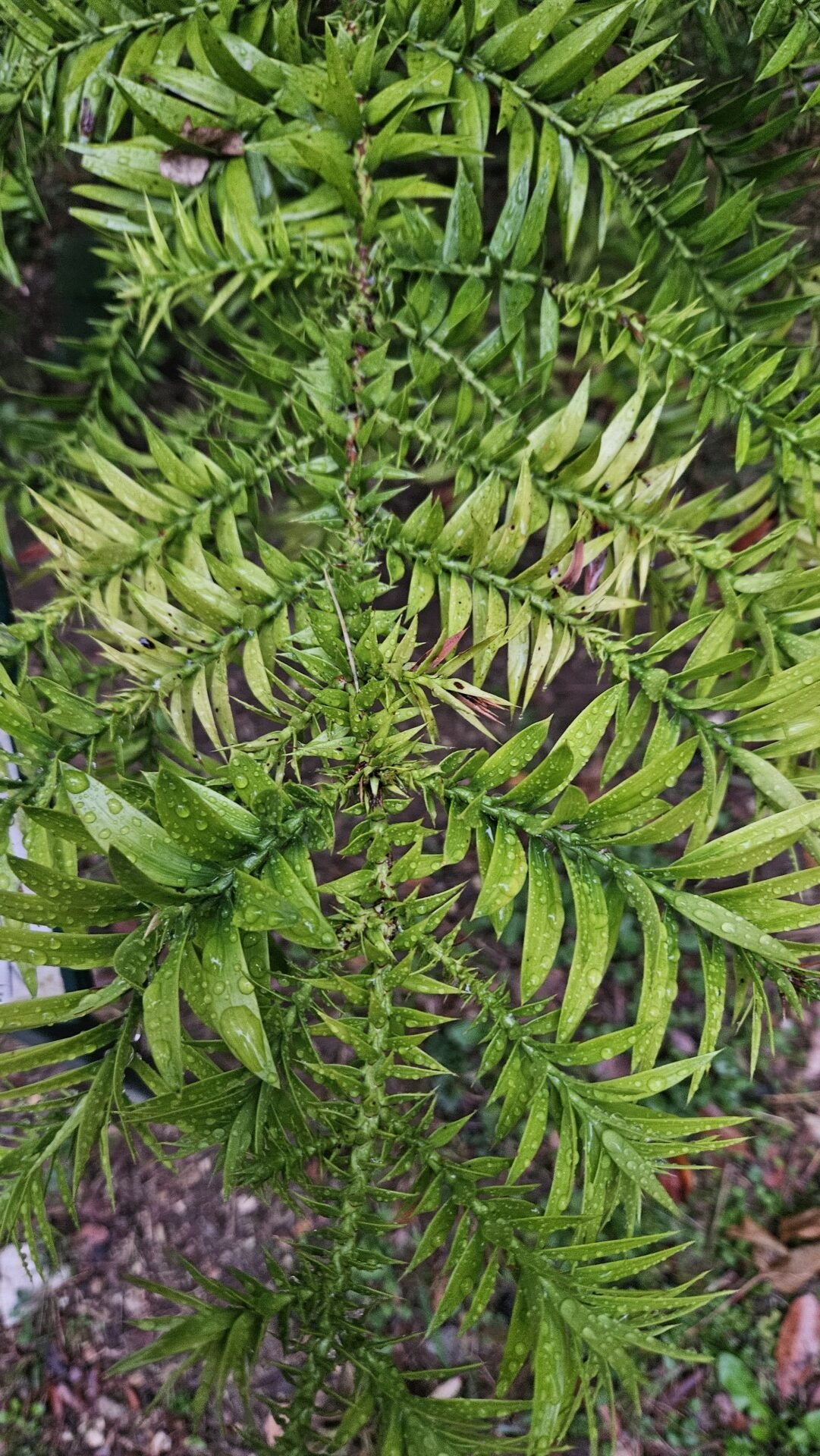
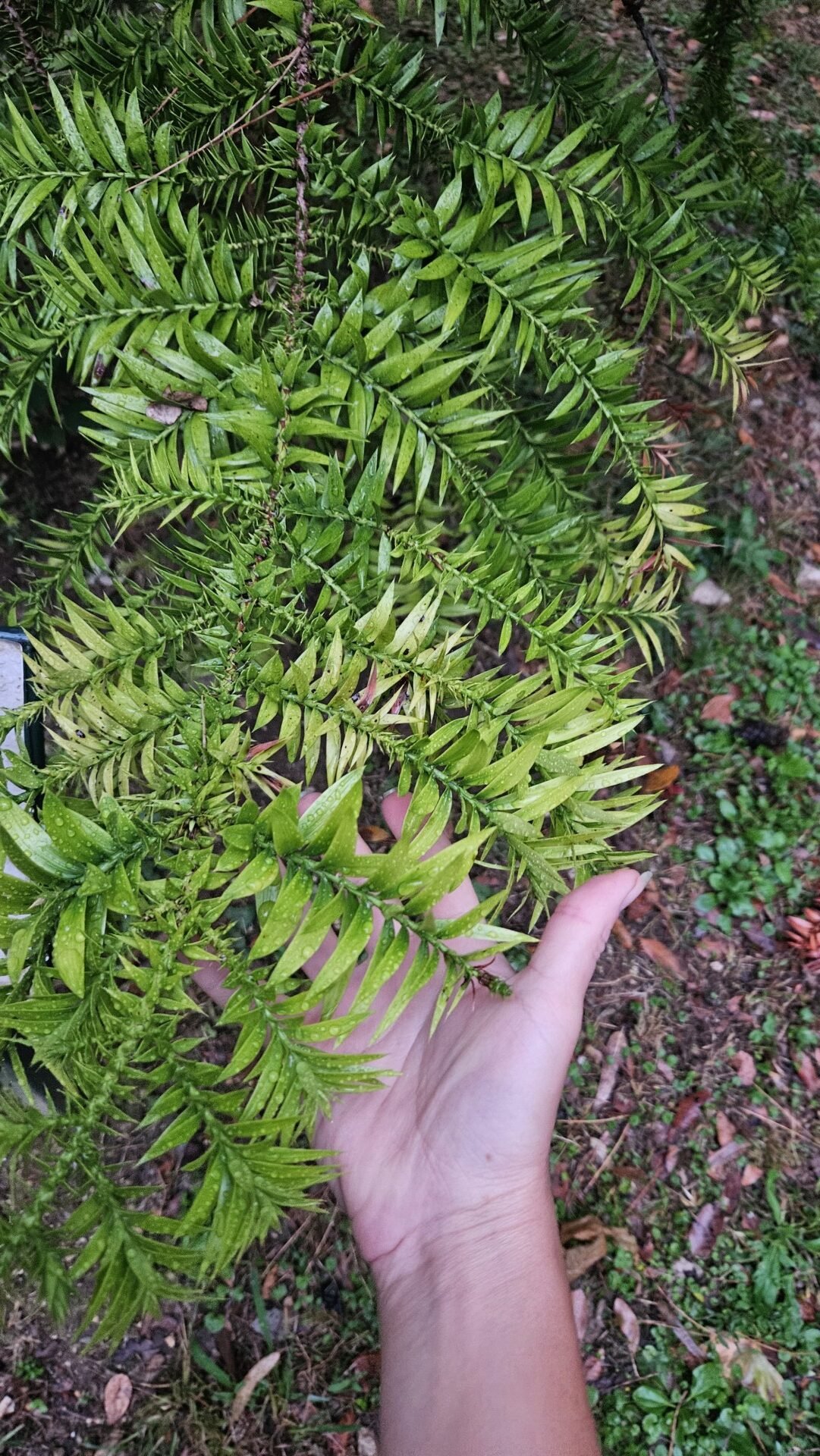
And finally, details that are pleasant to “gather with the eye”: the tourist brochure lists a selection of notable species growing in the park (from magnolias to Himalayan cedar, eucalyptus, Aleppo pine, araucaria, etc.).
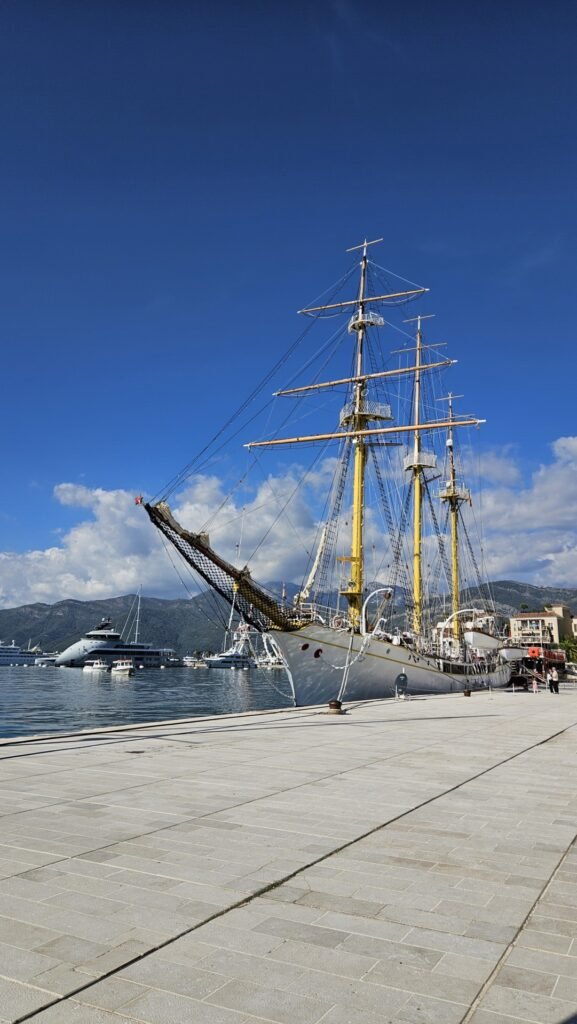
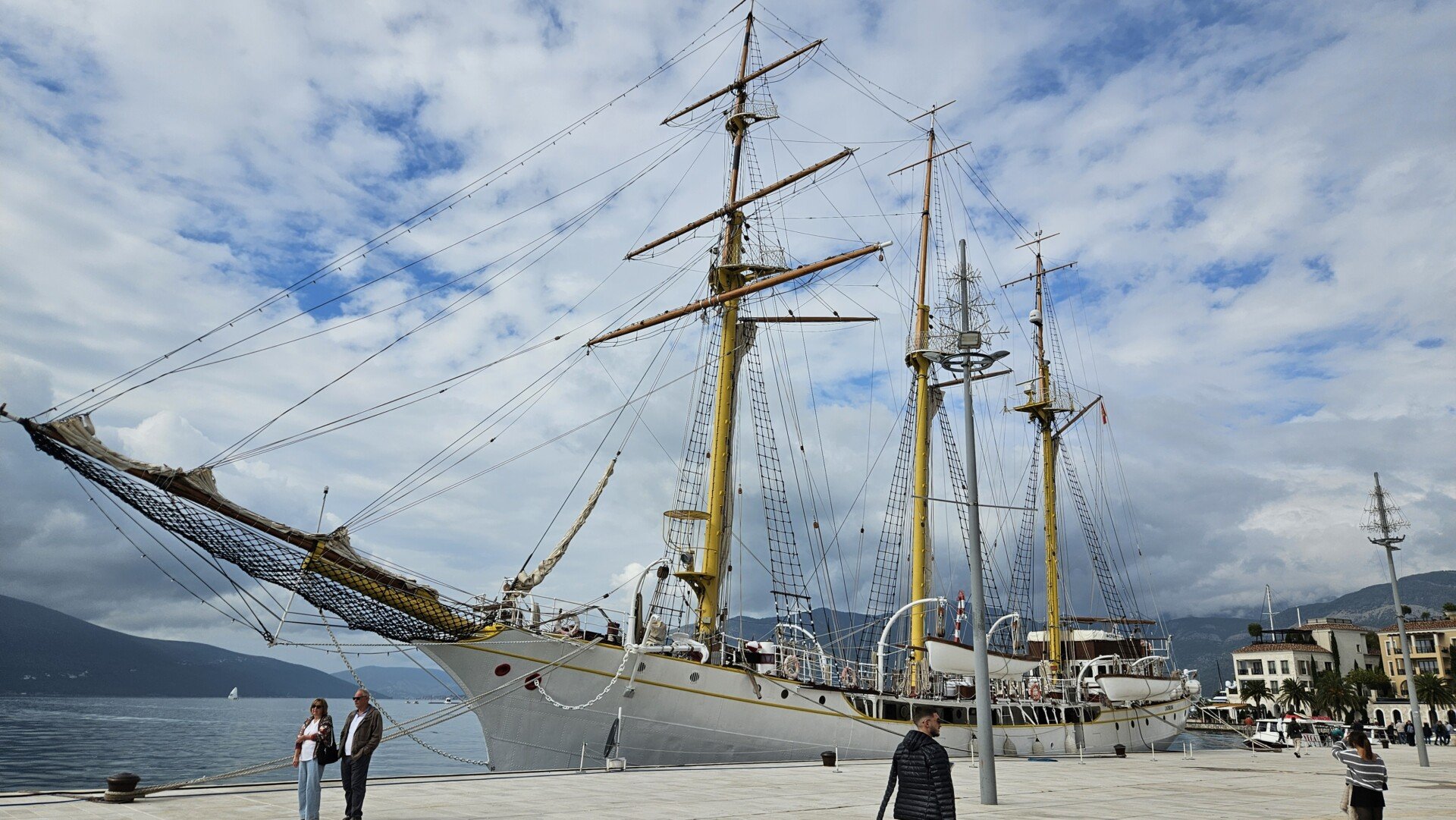
4) Yacht/School Ship “Jadran”
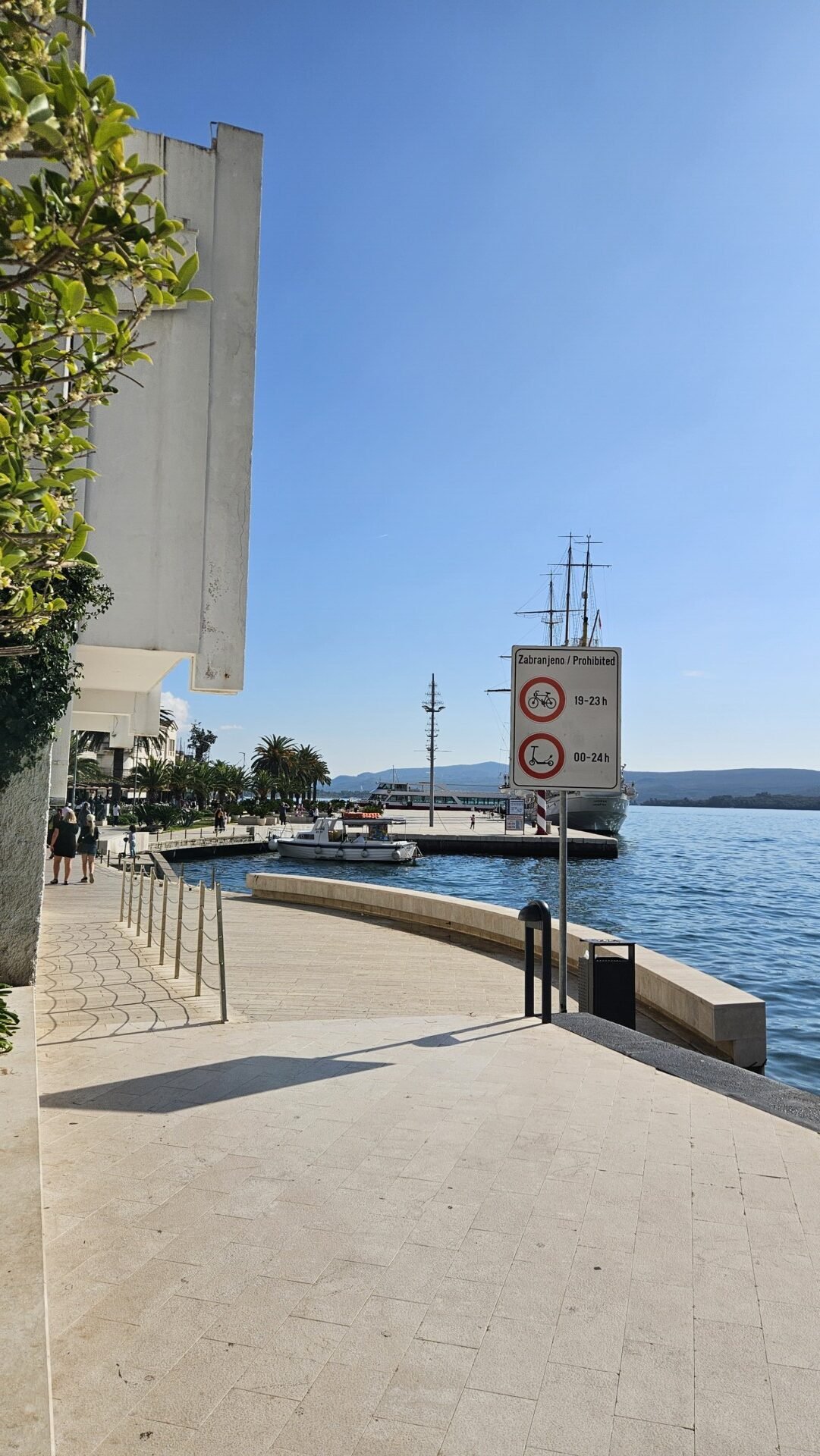
If you want to see Tivat’s vibrant “maritime identity,” look no further than the Jadran. The Tivat Tourism Organization describes it as a striking sailing ship with 12 white sails, striking even among the modern yachts of Boka.
The most striking facts from the ship’s biography:
- The ship was built in Hamburg and took two years to complete; upon completion in 1933, it was ceremoniously welcomed to Tivat, which is described as its “then and current home port.”
- During World War II, the ship was used by the Italian Navy under the name “Marco Polo,” then plundered; a source even mentions an episode where it was used as a bridge across a canal in Venice—and then returned to Tivat.
- This is a “floating classroom”: generations of cadets have learned seamanship here, while it is emphasized that rigging and sail control are done manually, without hydraulics or “smart” systems.
- Specific figures are given: the total length of the ropes is up to 12 km, the sail area is 933 m², the endurance is 15 days, etc.
- A separate, beautiful historical point: the longest voyage was to the USA, and on June 21, 1938, the ship entered the port of New York; the crew visited Nikola Tesla and presented him with an engraving of the ship.
- It is also indicated that “Jadran” organizes Open Days during the summer tourist season, when visits are possible.
Day 2. Donja Lastva and the “quiet” churches of the coast: St. Roch and Blagovest / Nunciata
5) St. Roch Church / Crkva Sv. Roka (Donja Lastva)
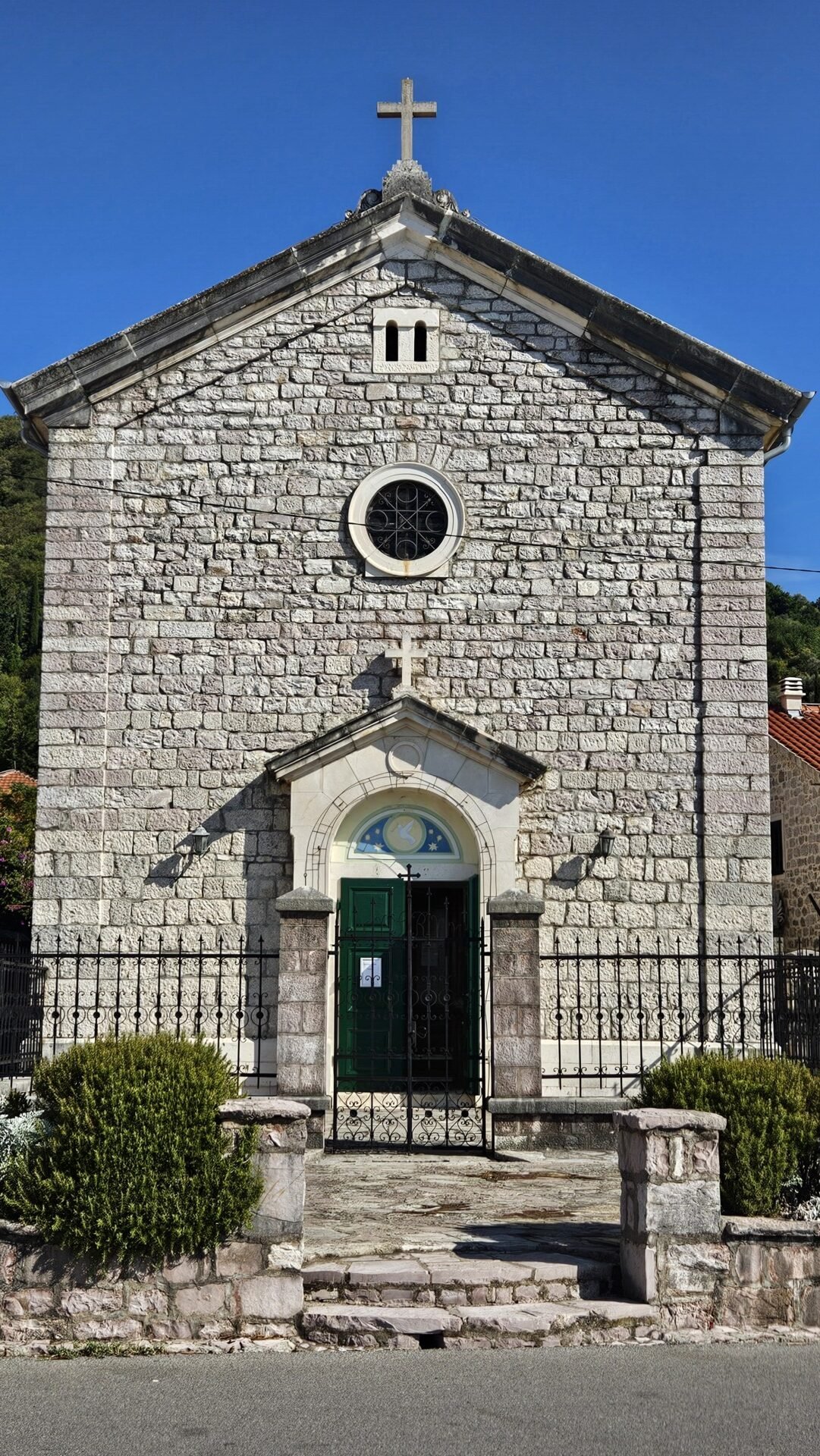
The Church of St. Roch stands on the seafront in Donja Lastva, a place that feels like a quiet, old coastal extension of Tivat.
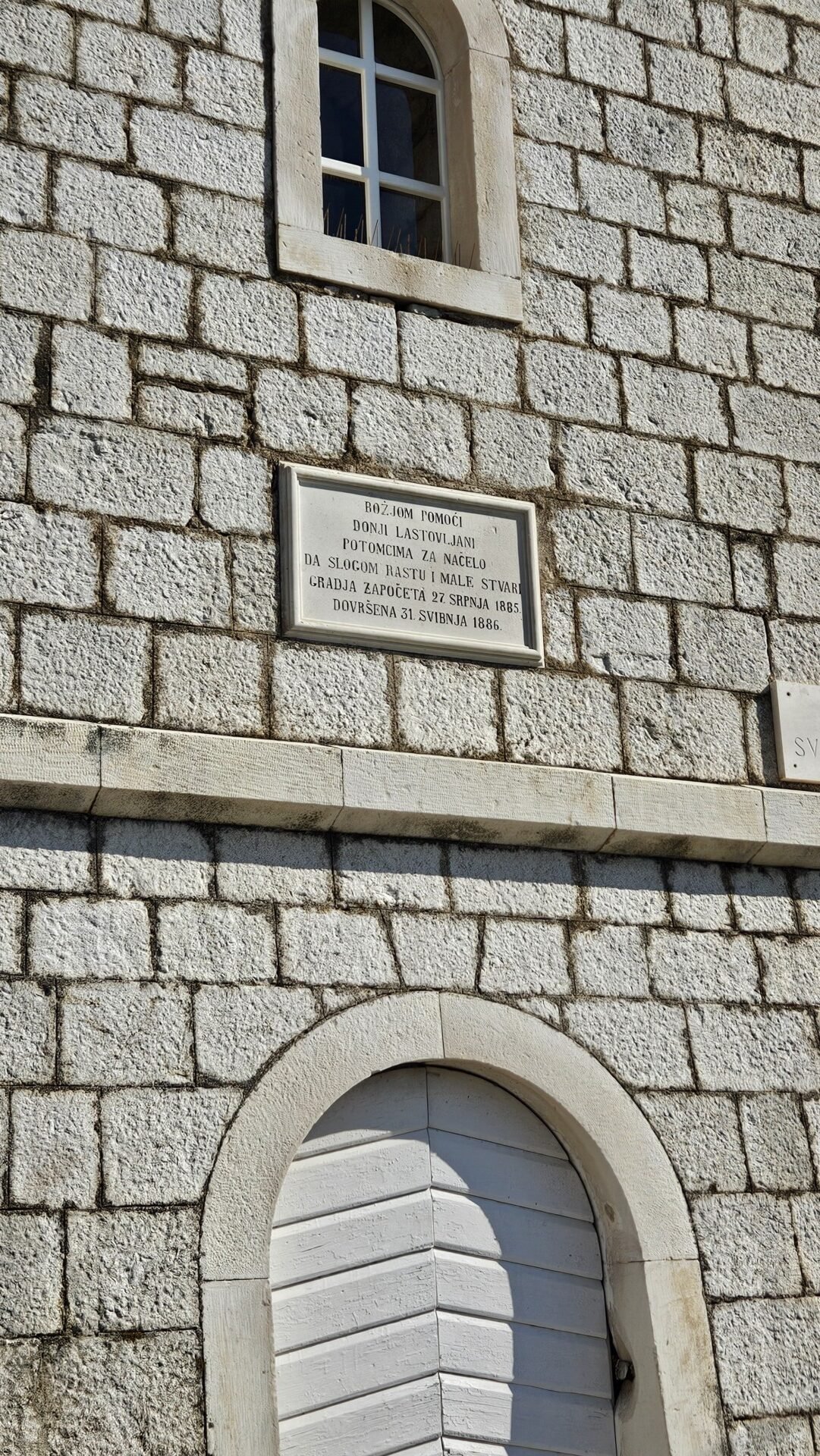
According to a Tivat tourist portal, the church was built in 1901; it also notes the presence of an interesting icon of St. Tryphon and an altarpiece of St. Roch (with a locally-attributed attribution).
A local historical publication adds valuable architectural details (which help you “see” the church, not just check a box):
- The church was built in 1901 on the foundations of an older chapel, associated with the Vladivostok administration.
The Bolica family (the text indicates the mid-16th century as the time of construction of the chapel on the estate);
- Dedicated to the patron saint of the sick and doctors;
- Typology: single-nave building with a rectangular apse, with a sacristy attached nearby;
- The façade features a profiled portal, with a simple rosette above it; a small bifora-shaped opening is mentioned at the top of the façade.
The “Prirodna i kulturna baština Tivta” newspaper also classifies the Church of St. Roch in Donja Lastva as a representative building designed by the architect Milan Karlovac (in conjunction with the Church of the Bokelj Martyrs in Krašićima), within the context of sacred architecture of the late 19th – early 20th centuries.

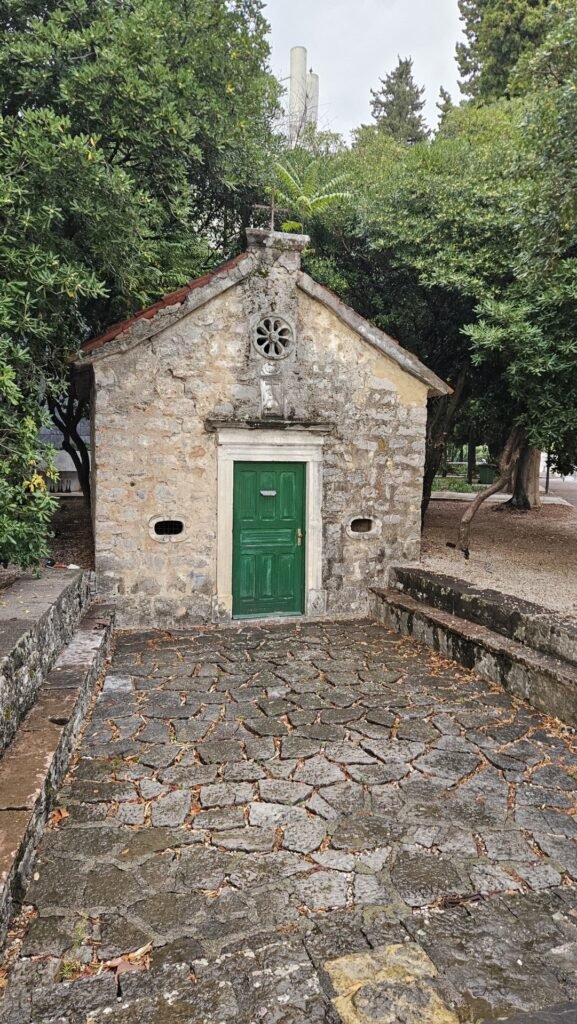
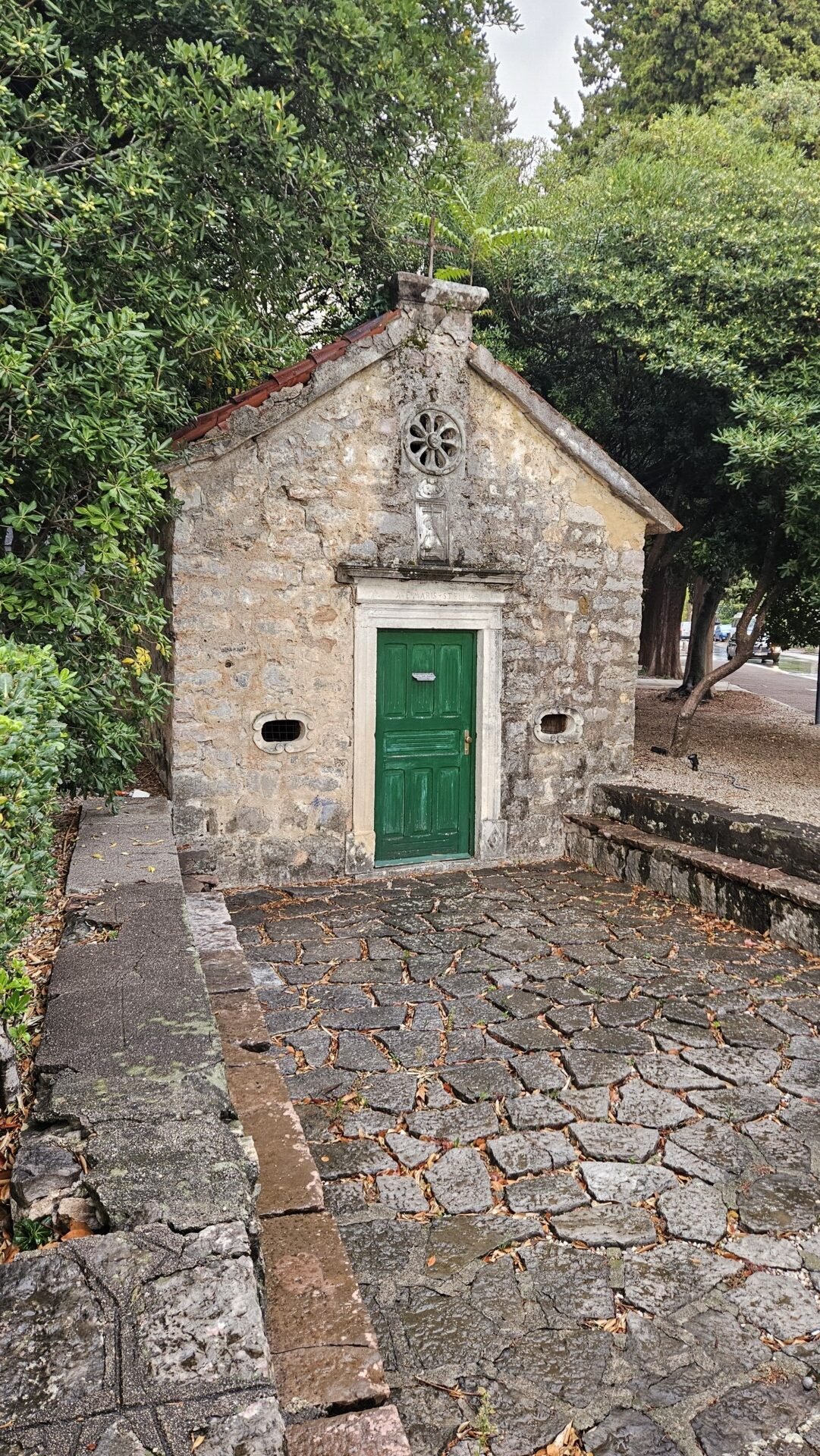
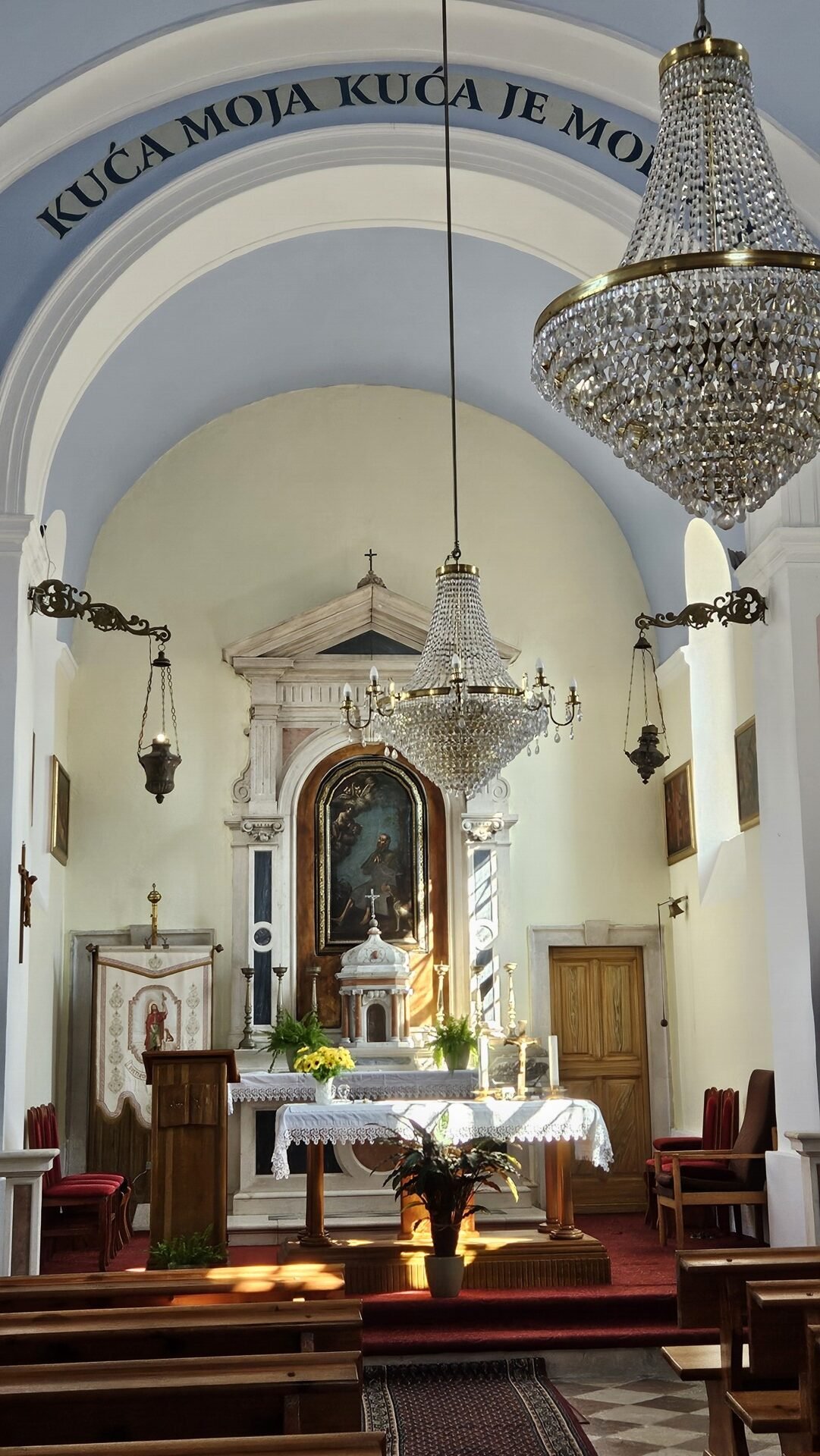
6) Church of the Annunciation (Gospa Nuntsijata / Anuncijata) — 1688–1708
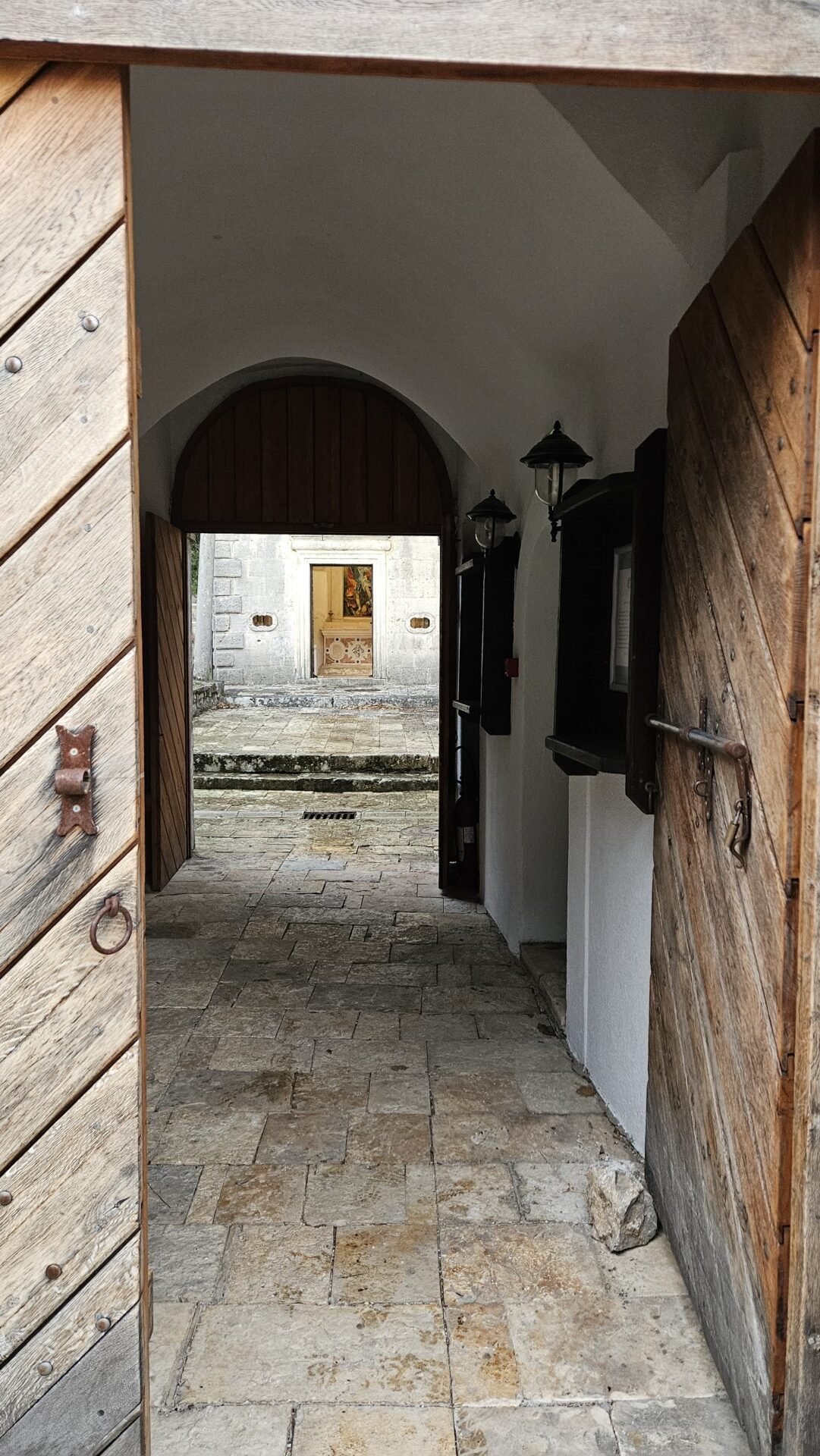
This church is particularly interesting because it stands at the intersection of “ancient” and “industrial” Tivat: the strategic assessment document for the Arsenal zone identifies Crkva Blagovjesti as a heritage site next to the former Army House (Dom vojske) and explicitly describes its artistic and historical attributes.
Key details (almost complete tour):
- The church is called “small” and is associated with medieval origins and the estate of the noble Kotola family Drago (along with the surrounding lands);
- The entrance doors bear the inscription “Ave Maris Stella”; above it is a bas-relief of the Virgin Mary holding Christ in her lap, taken down from the cross;
- an altarpiece on canvas is mentioned inside, “a very beautiful work of the Venetian school” from the early 17th century, depicting the Annunciation;
- the Drago family coat of arms with episcopal insignia is embedded in the vault; this suggests that the church was built by the Bishop of Kotor, Marin Drago, between 1688 and 1708.
Why is it often called “Gospa Nunciiata” (Anuncijata): in the Bokelian and wider Adriatic tradition, the Annunciation of the Virgin Mary is often enshrined in the name as “Annunziata / Anuncijata”—that is, “Annunciation.” In Tivat, this name “lives” alongside the Slavic “Blagoviisti,” and this is how travelers usually search for the place.
7) (Return to the center) — once again about Crkva Svetog Save
On the second day, the Church of Saint Sava often feels different than on the first: after the intimacy of St. Rok and Blagovesti, it becomes visible as a dominant feature of the city and a marker of the already established Tivat of the 20th century. Its domed silhouette and drawn-out construction (begun in 1938) seem to rhyme with the history of the city, which has changed roles—from a rural bay to an industrial hub and further to a tourist capital of the marina.
8) And about one more iconic place. Unfortunately, we didn’t get to see it this time. The Maritime Heritage Museum in Tivat (Maritime Heritage Collection / Naval Heritage Museum, Porto Montenegro)
If there’s one place in Tivat where you can literally “touch” the city’s history, it’s the Maritime Heritage Museum on the grounds of Porto Montenegro. It is located in a restored 19th-century sawmill—part of the former Naval Arsenal, around which Tivat essentially became a modern city.
Why this place is so captivating (interesting facts)
- 300+ items in the collection: from technology and mechanisms to documents and personal relics—the museum is specifically assembled to showcase Tivat not only as a resort, but above all as a maritime and engineering city.
- The exhibition focuses on several eras at once: the Austro-Hungarian, then the Yugoslav, and the current stage of the Arsenal’s reimagining through Porto Montenegro.
- The museum hosts thematic exhibitions throughout the year, meaning even a return visit can offer a new perspective.

Main exhibits (must-sees)
- Submarines at the museum (submarine museum)
- The museum is famous for the display of two authentic Yugoslav submarines: the P-821 “Heroj” (Heroj type) and the P-912 (Una type).
- The Tivat Tourism Organization specifically emphasizes the “wow factor” of the P-821 “Heroj” as a museum treasure.
- According to media reports, after the closure/reconstruction of the Arsenal, the submarine was restored and adapted for visits, effectively turning it into one of Tivat’s most recognizable landmarks.
- Austro-Hungarian naval equipment and hardware from the Arsenal
- The exhibition features rare Austro-Hungarian naval equipment and machinery, which clearly explains what Tivat was like in the late 19th and early 20th centuries: not just a bay, but a production and repair naval base.
- Documents and personal stories
- Among the striking items, sources mention, for example, the handwritten diaries of the Montenegrin princess Xenia—this is a case where a museum suddenly becomes not only about technology, but also about people and the era.
Result: Why Starlight chose Tivat—and why two days are enough to remember
Tivat easily “switches registers.” In 48 hours, you can truly travel the following path:
- from the aristocratic 14th century (Buča-Luković)
- through the naval 19th century (the 1892 park, the idea of the city’s “mornaričkog”)
- to the construction sites and ruptures of the 20th century (the Church of St. Sava, the Church of St. Rok from 1901)
- and, finally, to a naval legend that “survived everything and returned home”—the training ship Jadran.
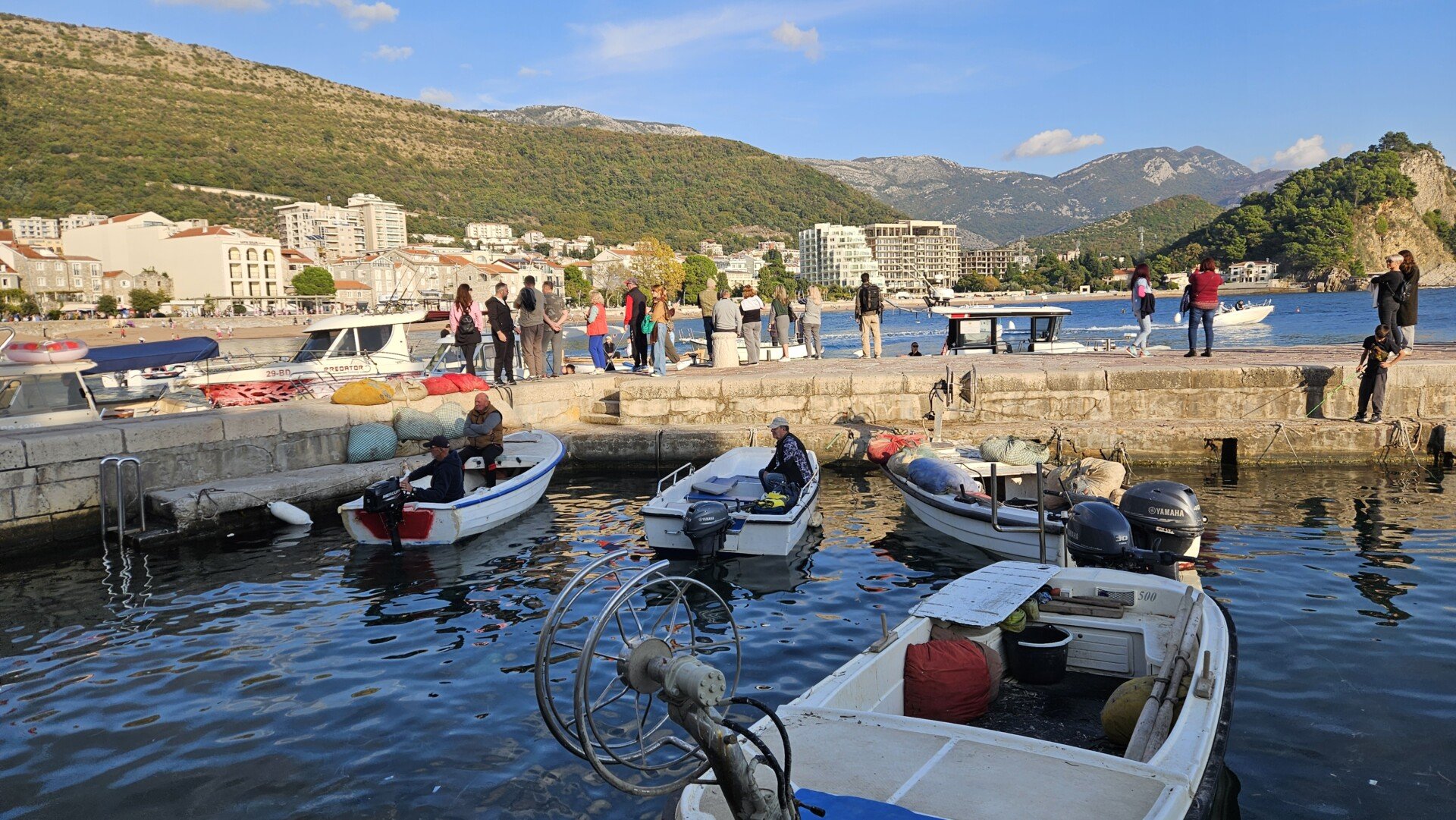
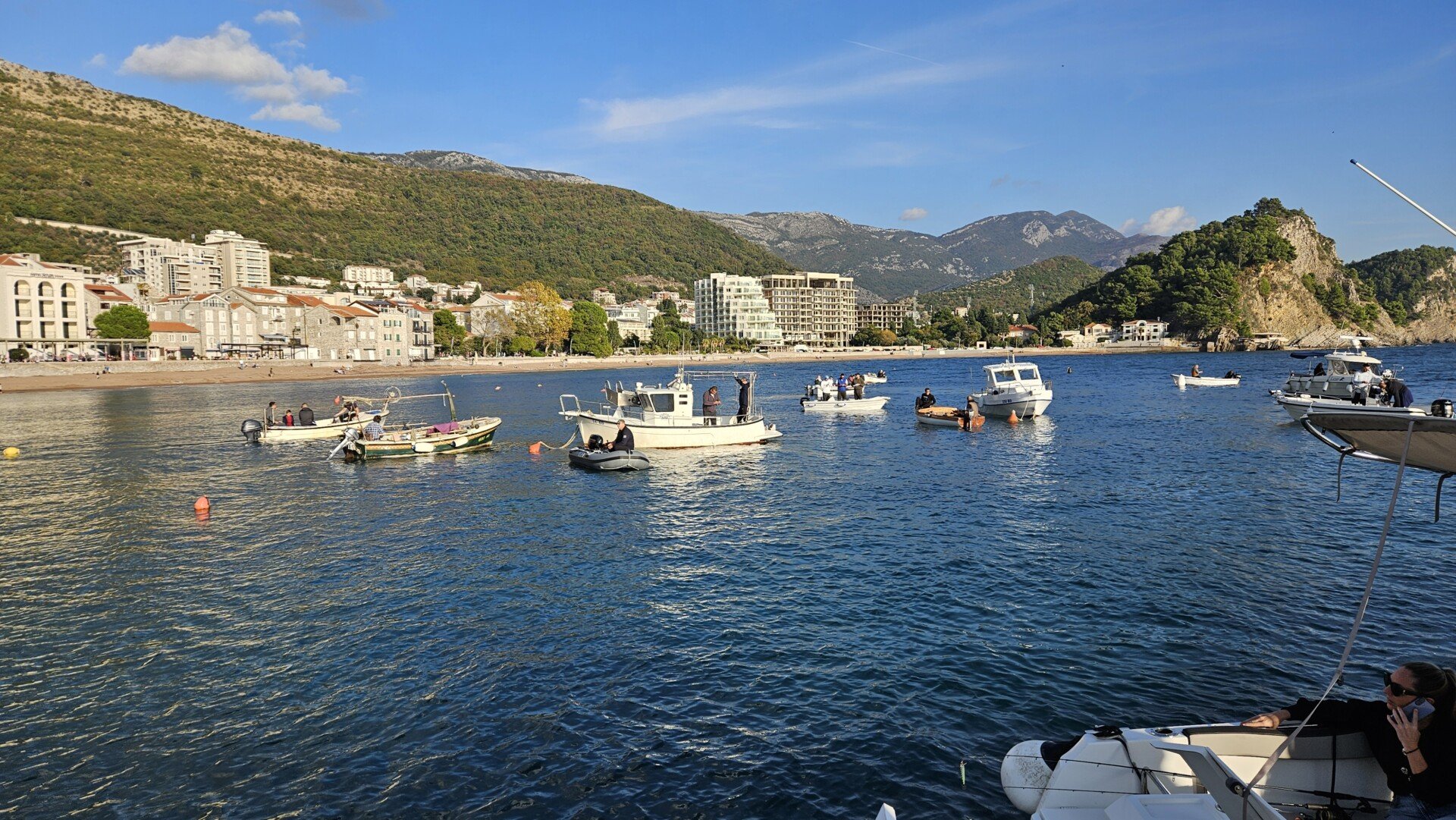
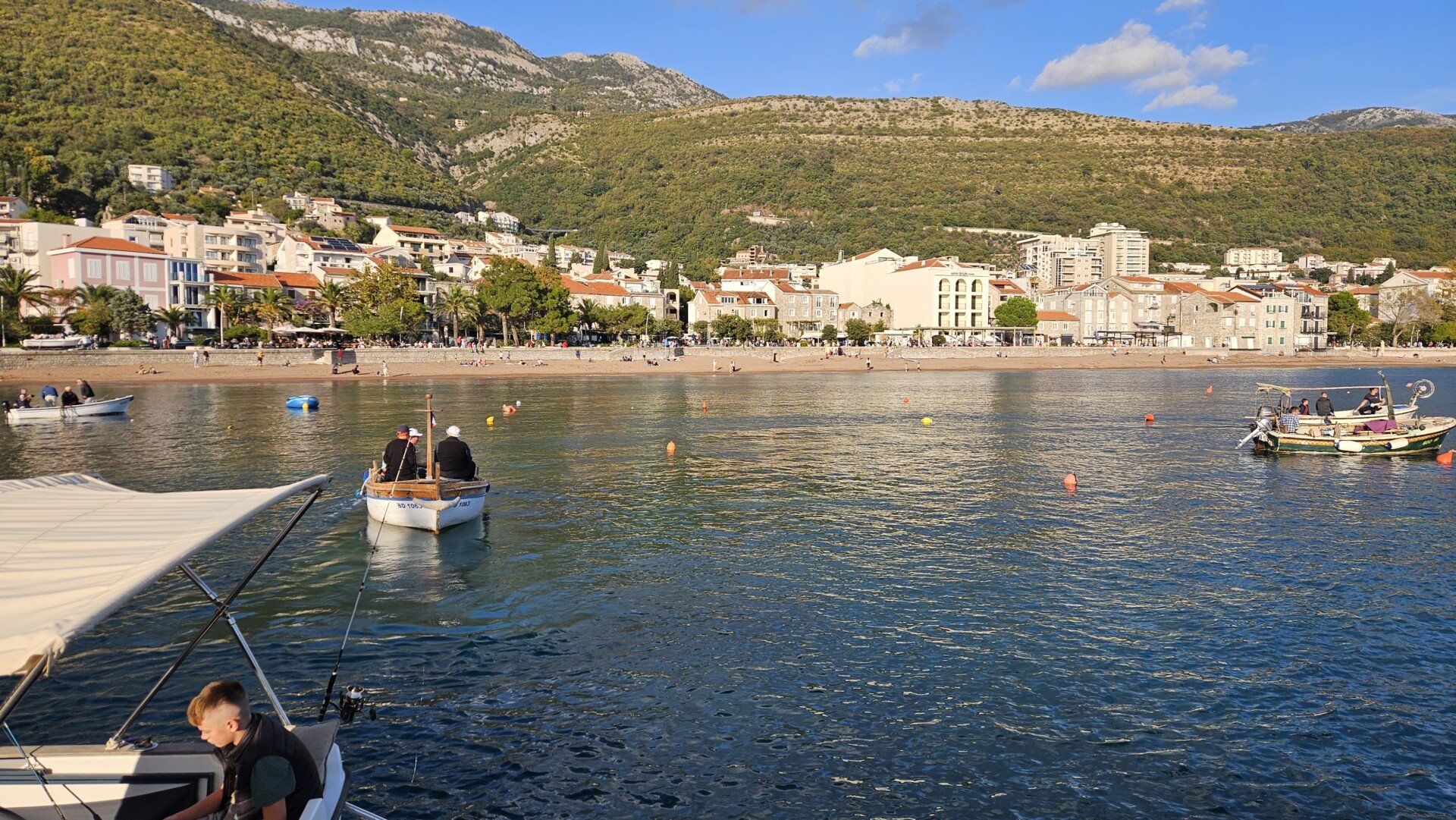
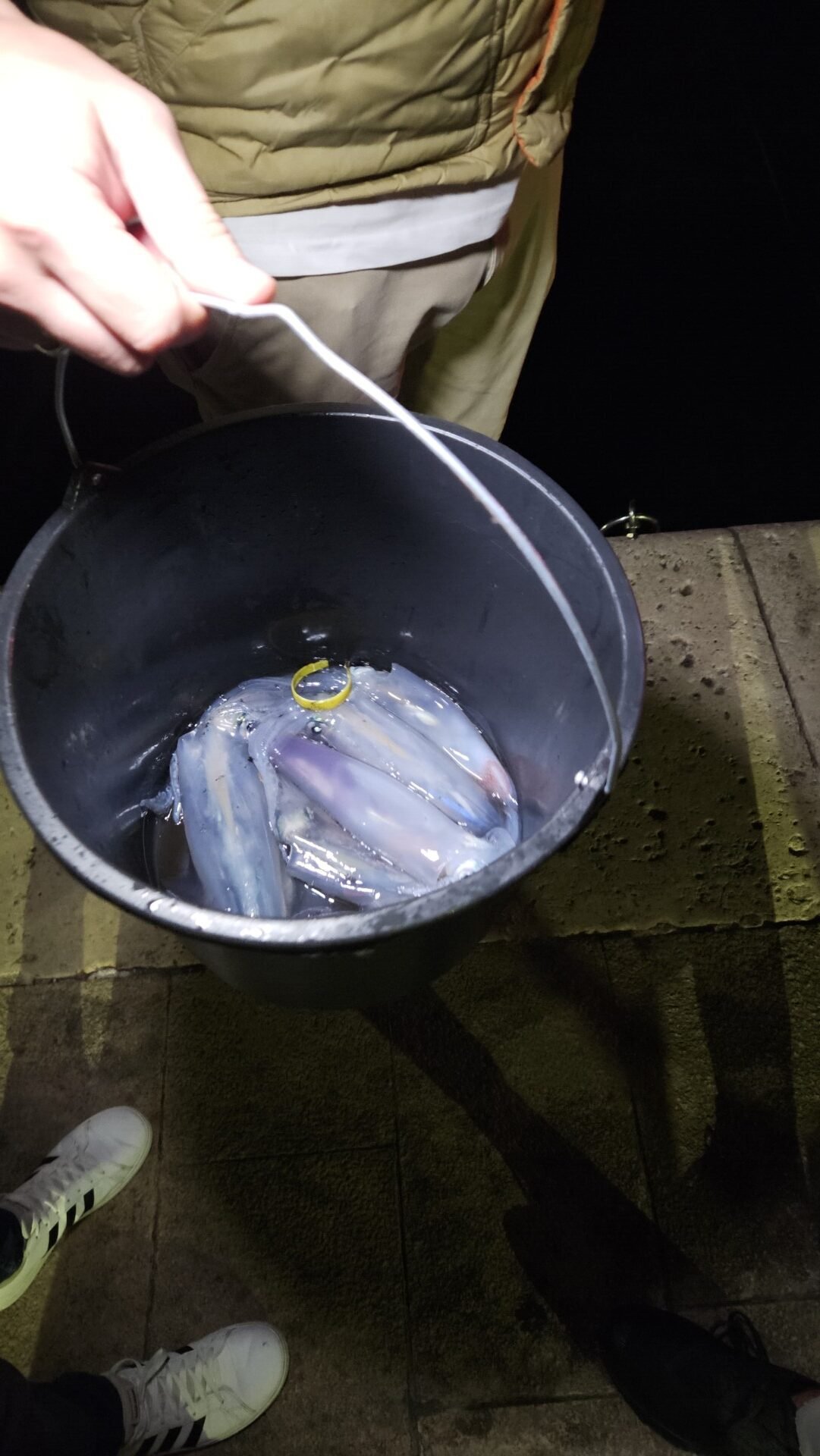
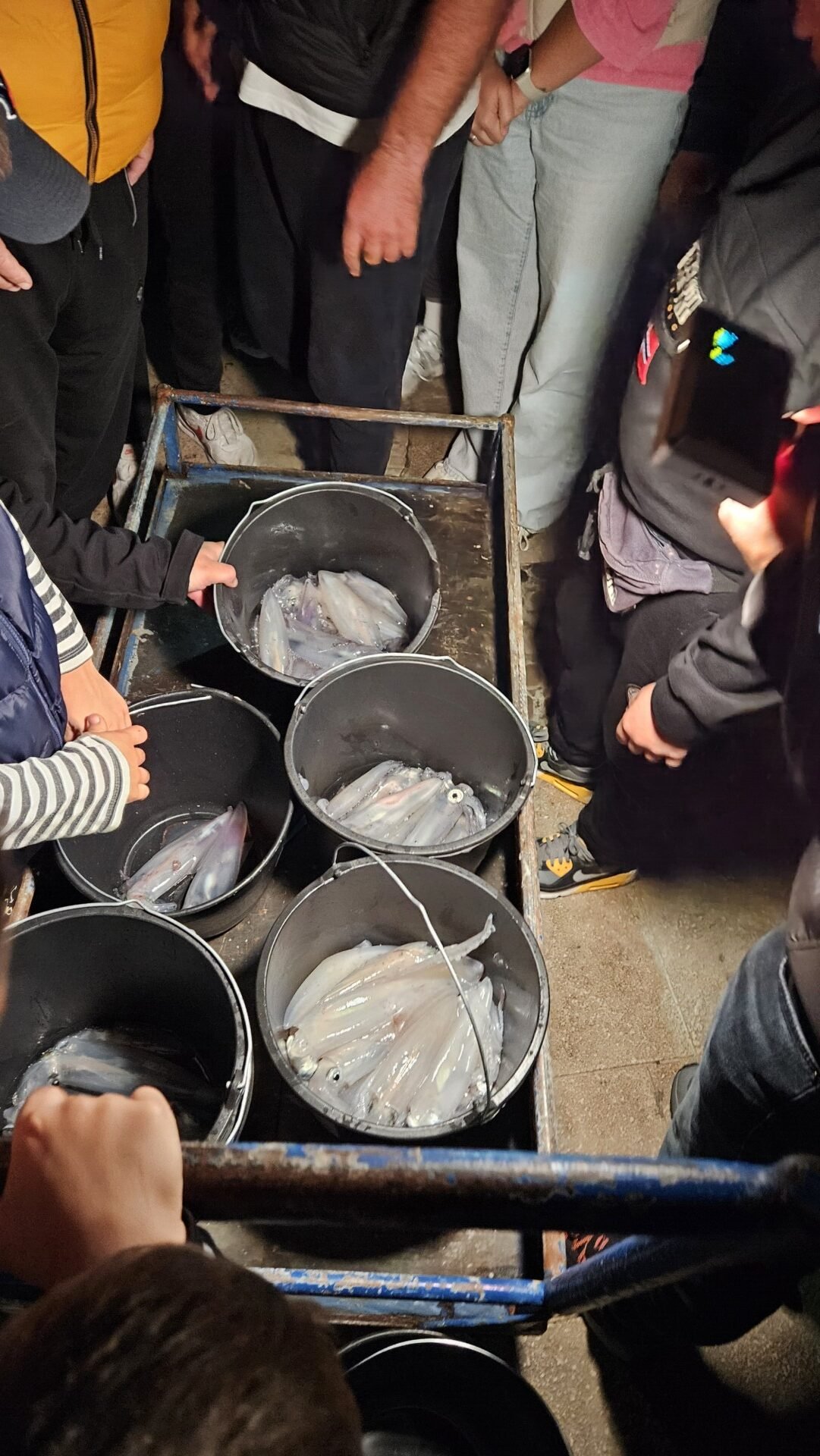
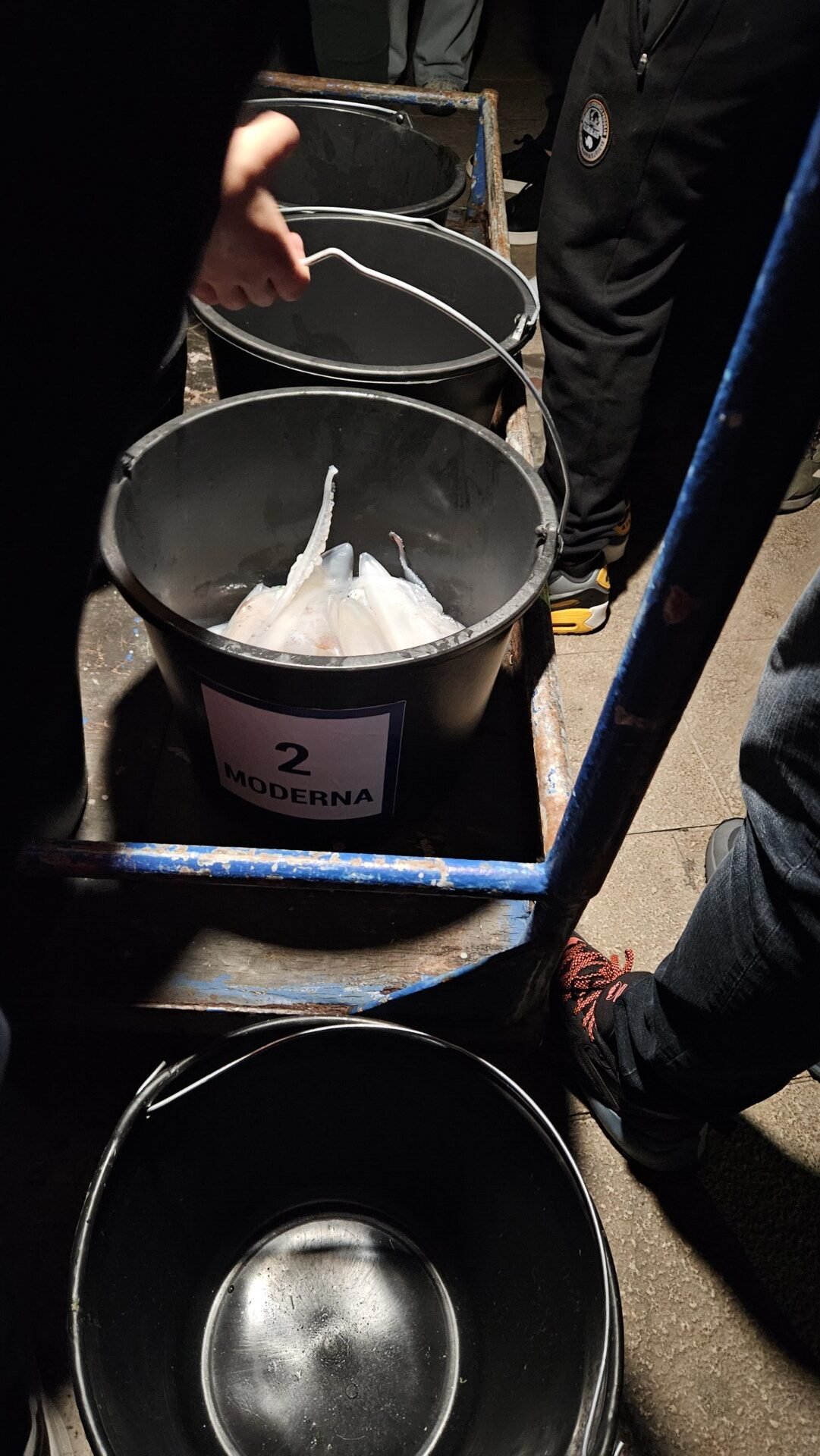
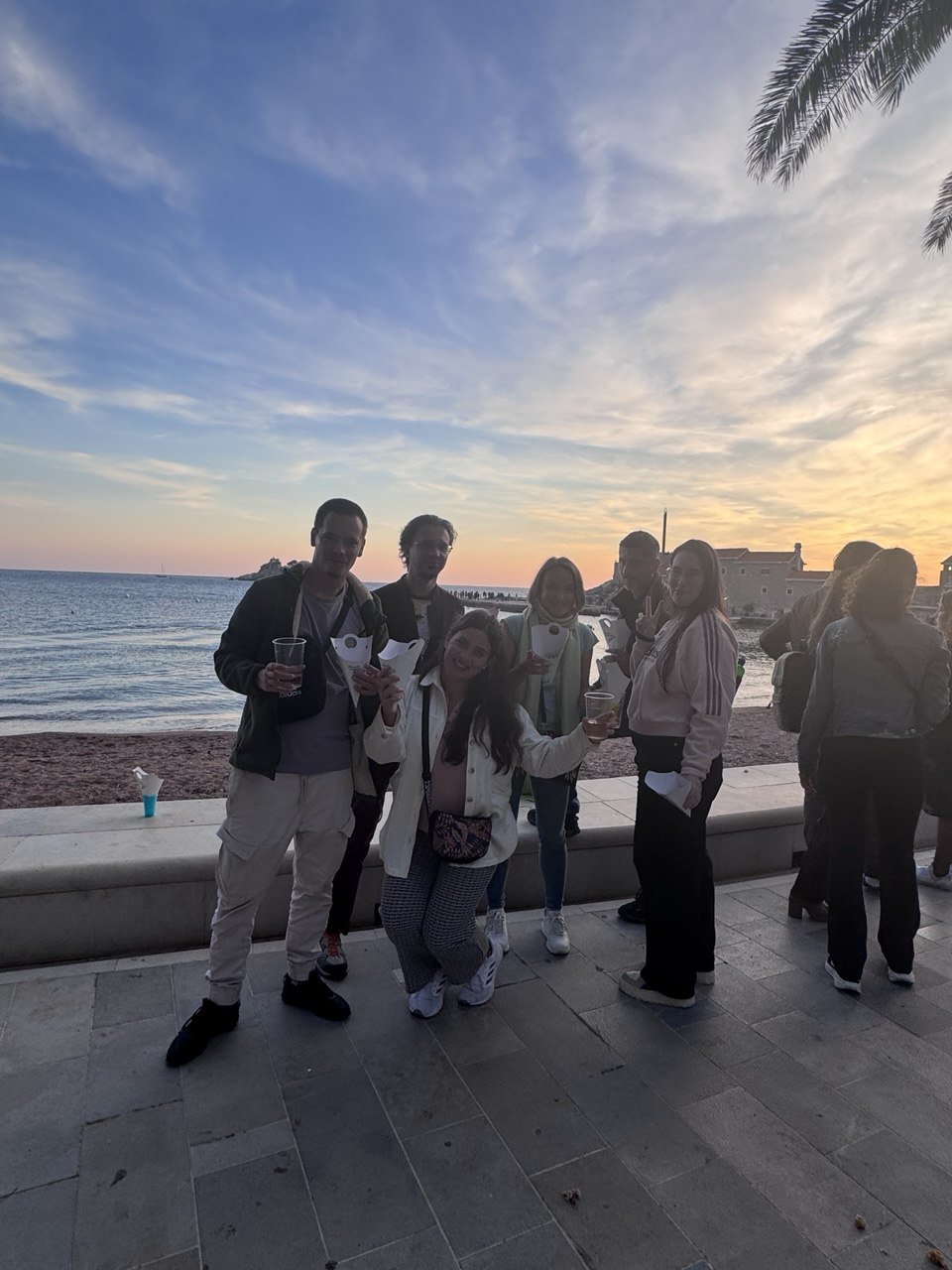
P.S. By a lucky coincidence, due to the transfer We found ourselves in Petrovac just in time for the “Petrovačka lignjada” (squid fishing festival), dedicated to traditional squid fishing. This isn’t just a gastronomic fair, but an autumn event specifically designed to extend the season on the Budva Riviera and enliven the waterfront with a cultural and sports program. It’s jointly organized by the Petrovac Municipal Health Center, the Budva Municipal Tourism Organization (TO Budva), and the Budva Municipality.
The festival was organized with a precise maritime theme: the opening ceremony began at 2:55 PM, followed by the children’s section, “Rent a Party,” and the most anticipated event—the squid fishing competition—began at 4:30 PM, with the participants leaving the city marina. Importantly, the competition was held in three categories, including shore fishing (so we could easily watch everything from both the pier and the embankment), plus two nautical disciplines.
Along the petrovačke rive (embankment), local vendors had booths open all evening: squid was accompanied by wine, beer, and seaside sweets and pastries—exactly the kind of “folk” food you’ll want to try on the go, constantly coming back for more. The organizers explicitly stated that they planned to fry about 500 kg of squid, so the atmosphere was truly generous and noisy—lines mingled with laughter, music, and the smell of the sea.
The musical part was a particular delight: it took place on the plateau in front of SD “Crvena komuna” (a landmark of Petrovac), and the program flowed in waves – from folklore (KUD “Kanjoš”) and a performance by Milky Wave to the appearance of Nina Žižić, and then – the measuring of the catch and the awarding of the winners before the final concerts (“Toć” and a late performance by “Boka all star”).