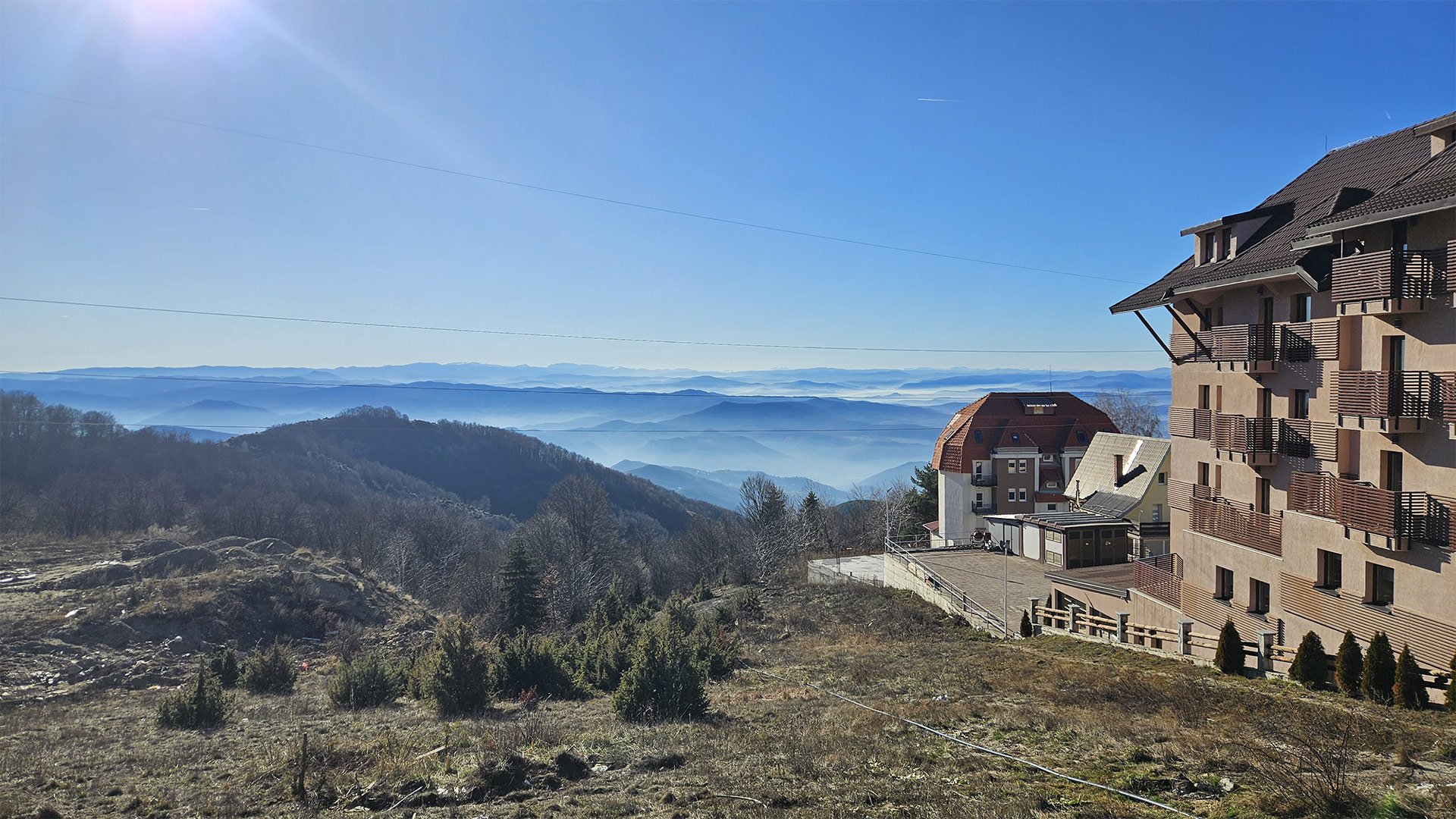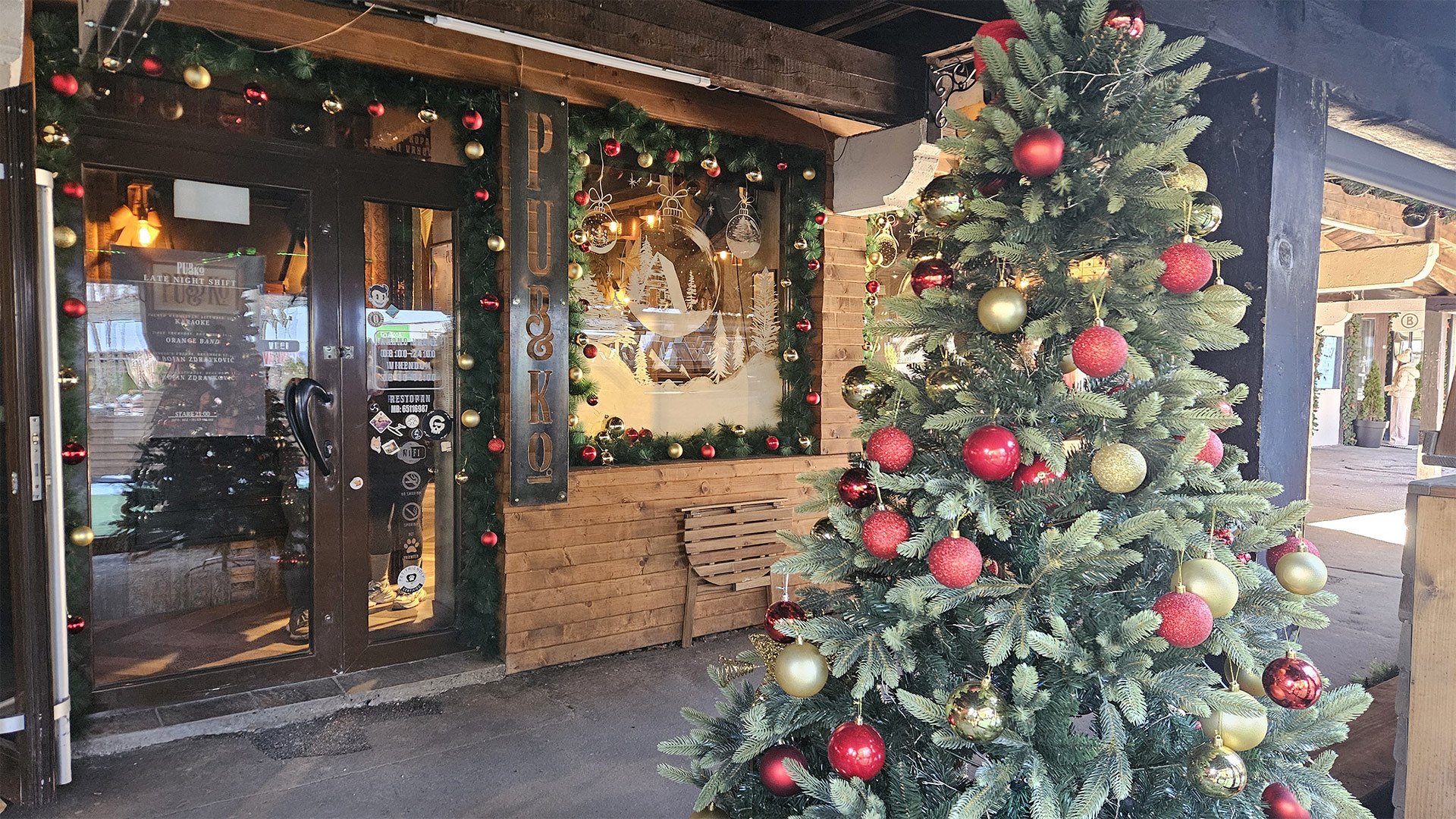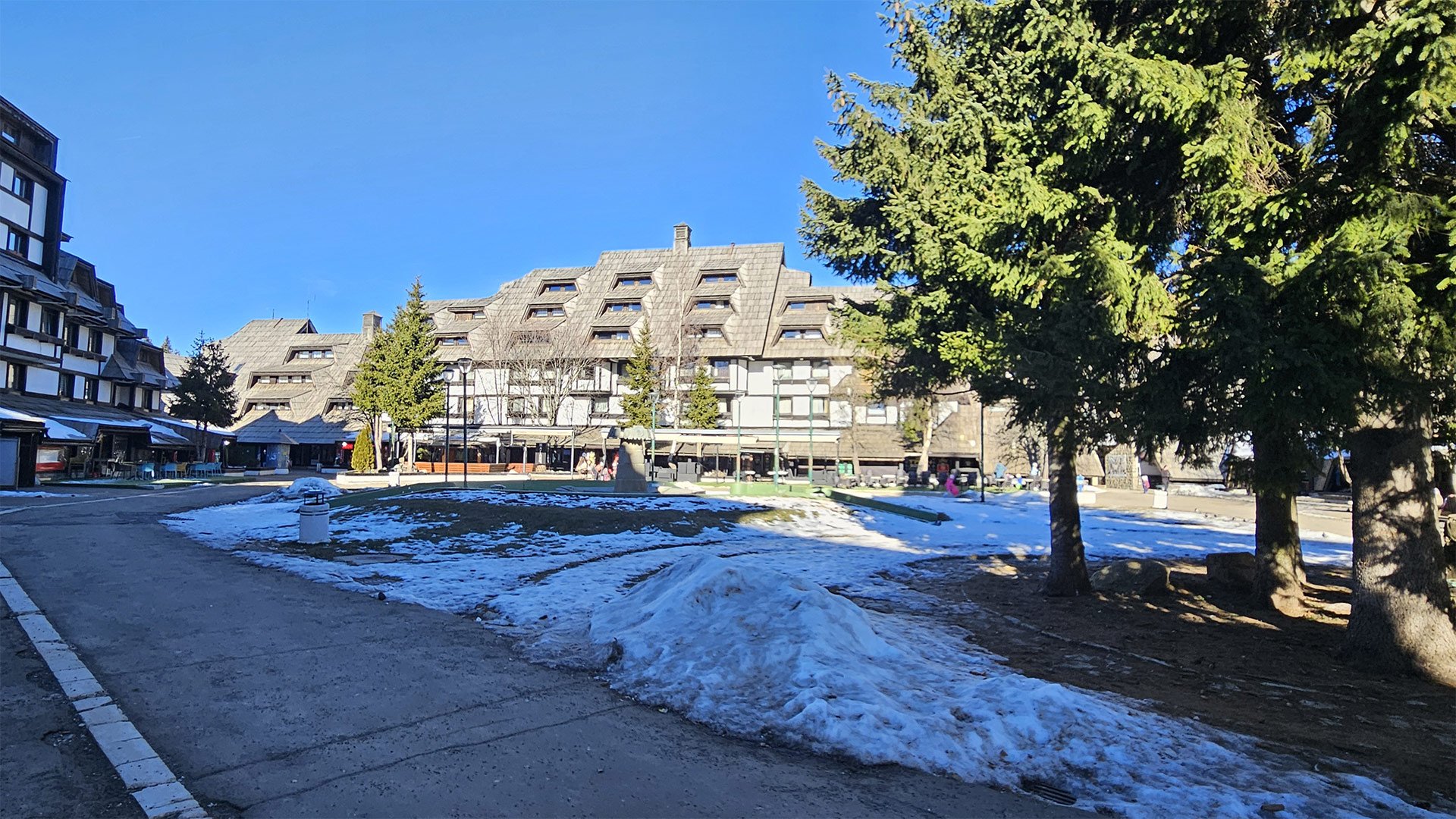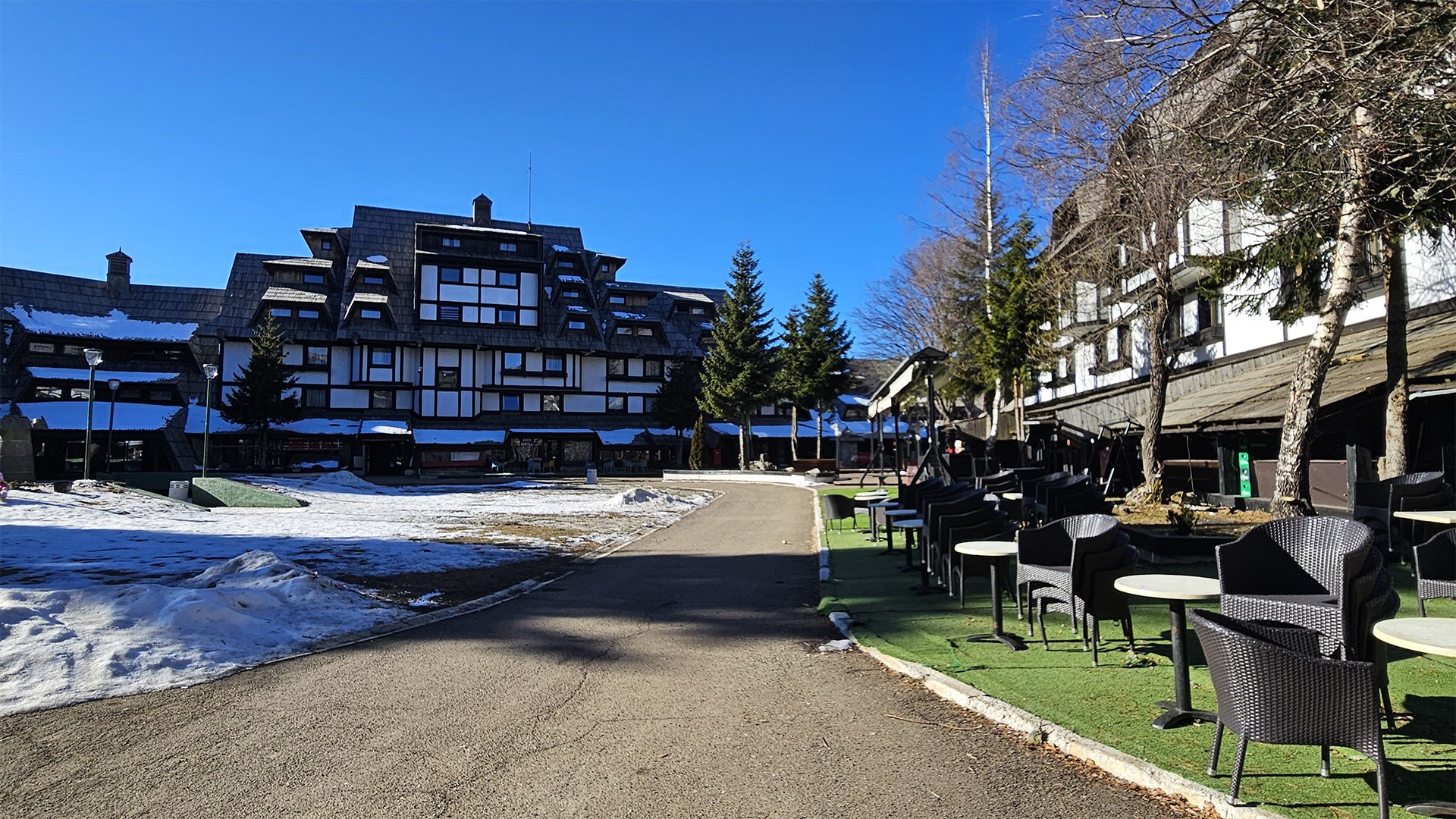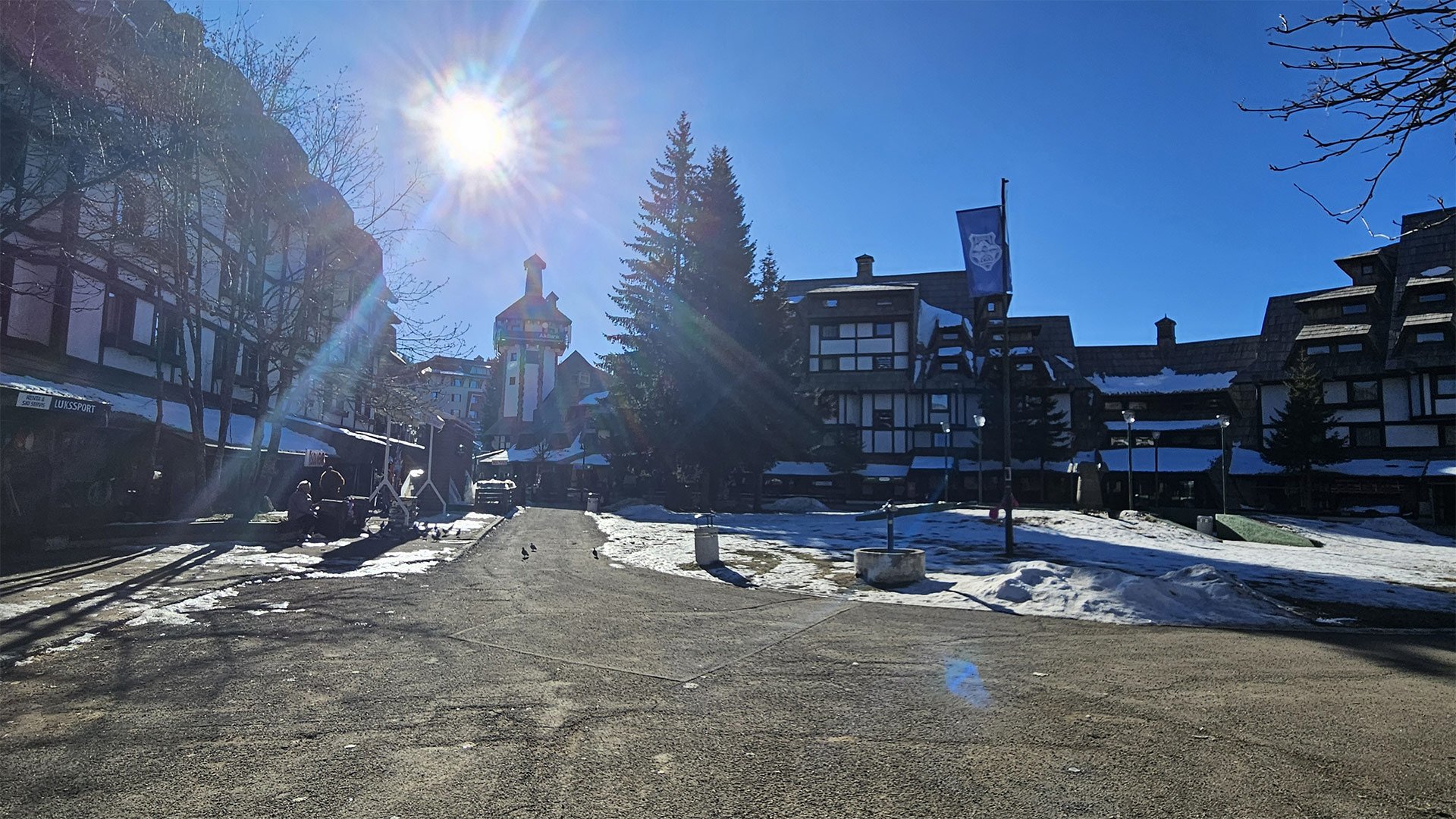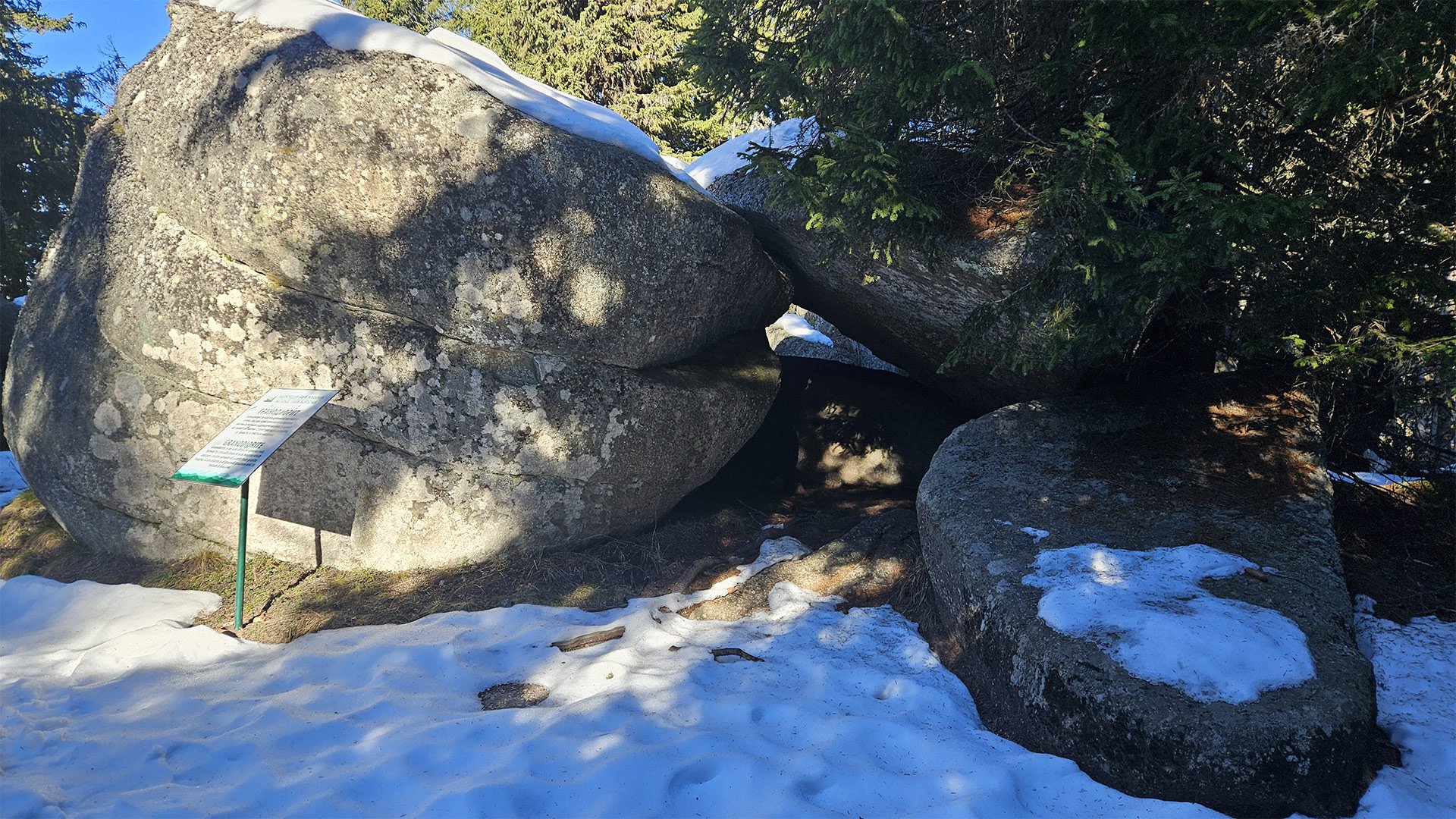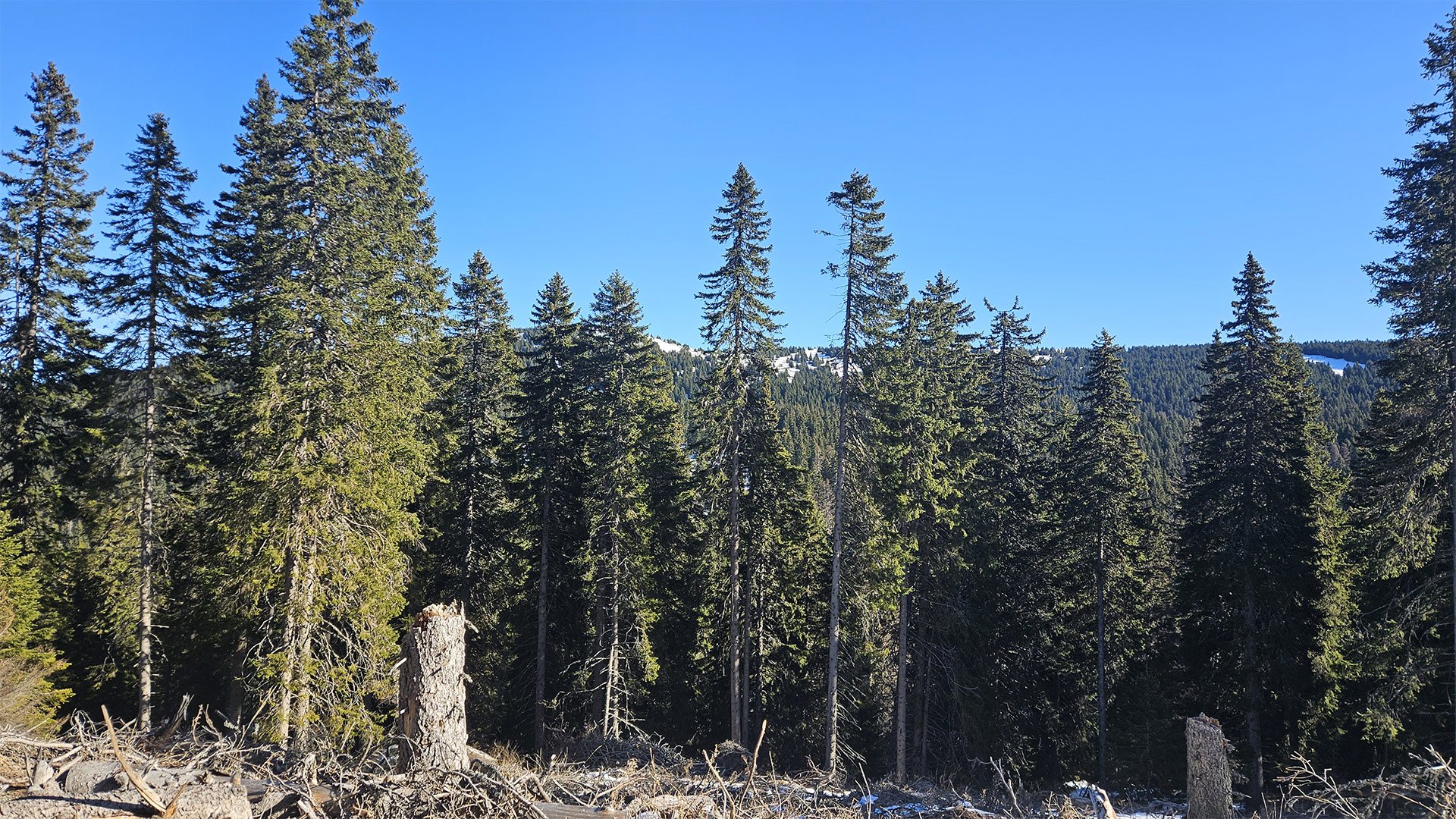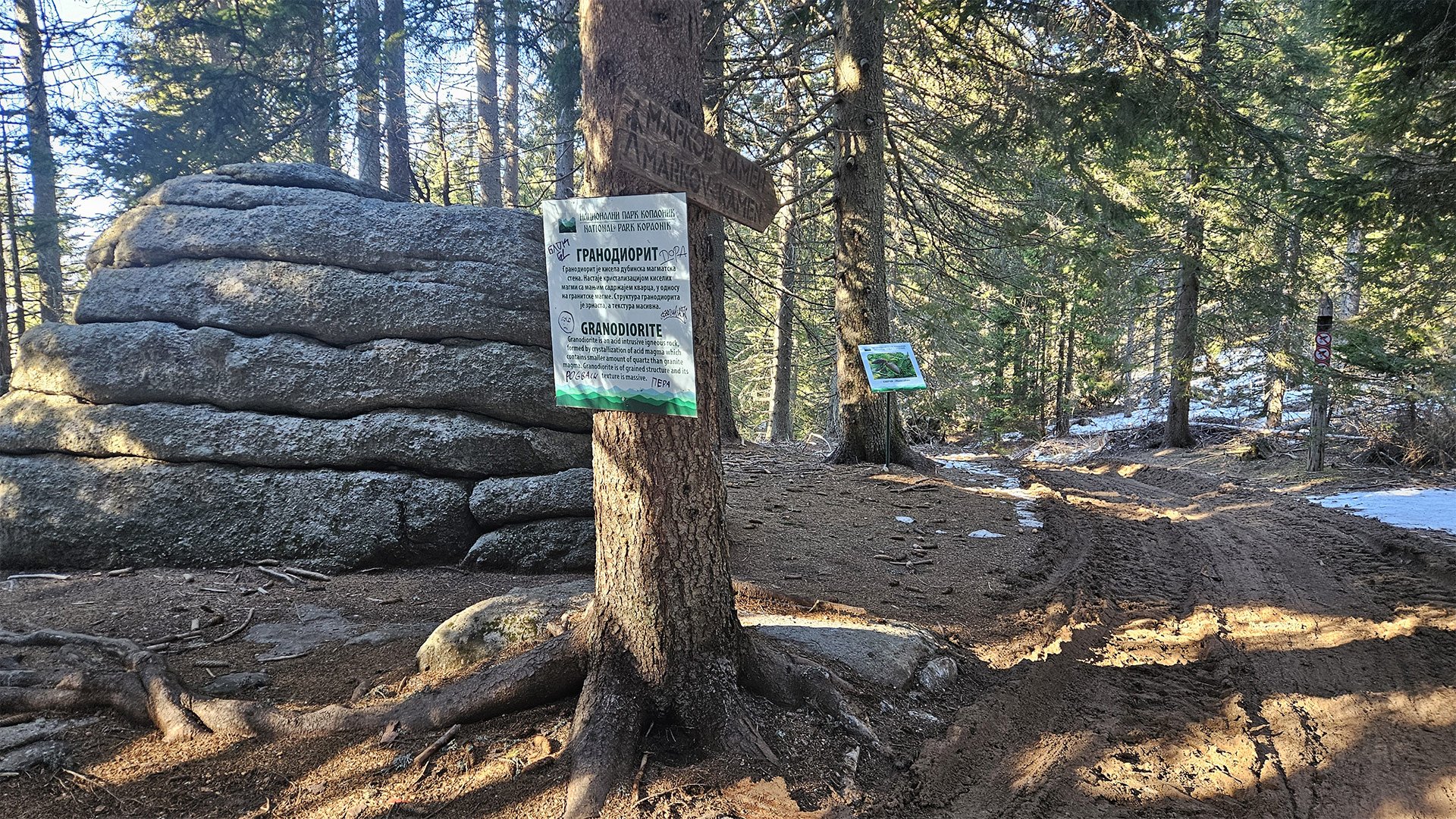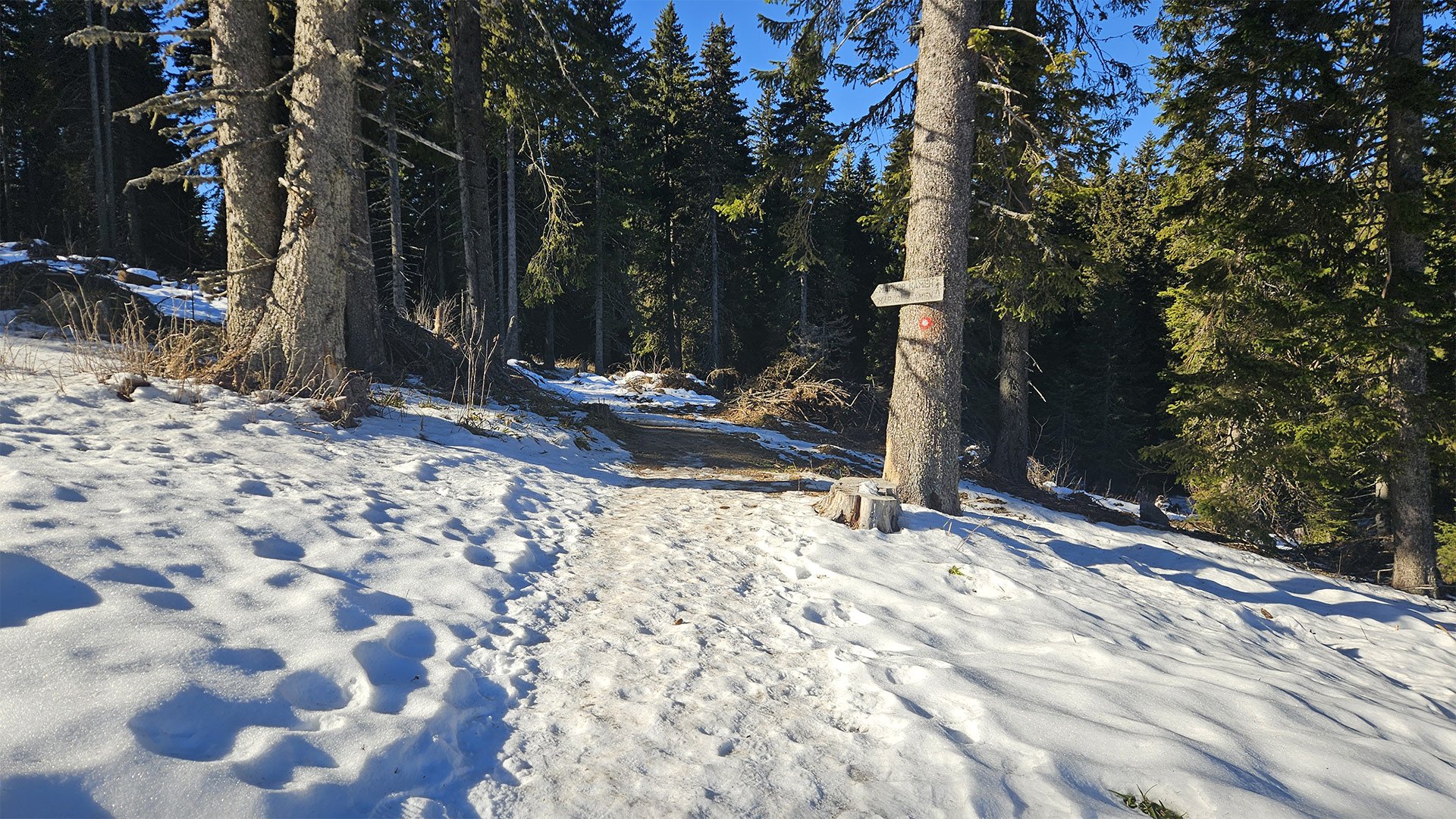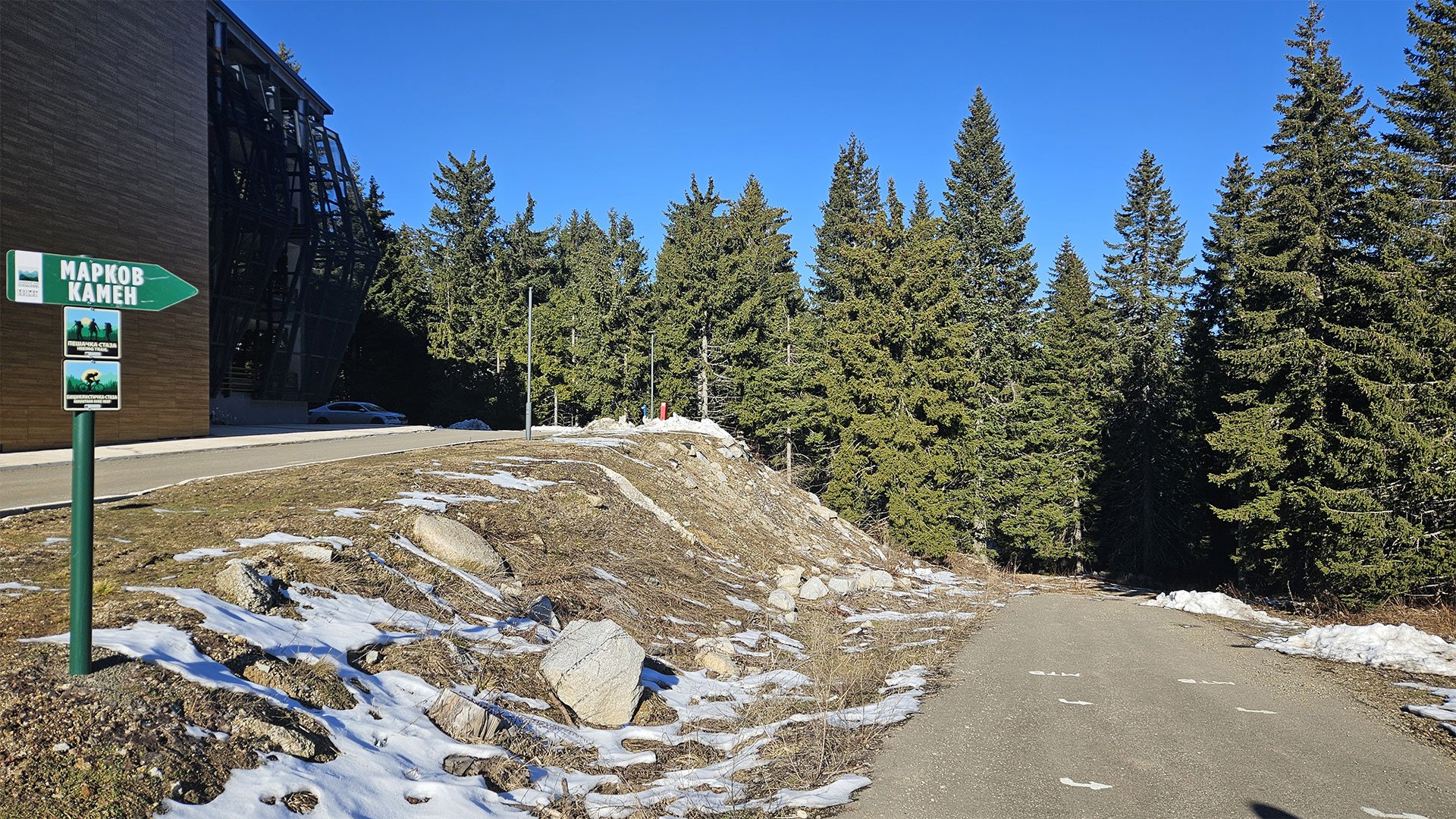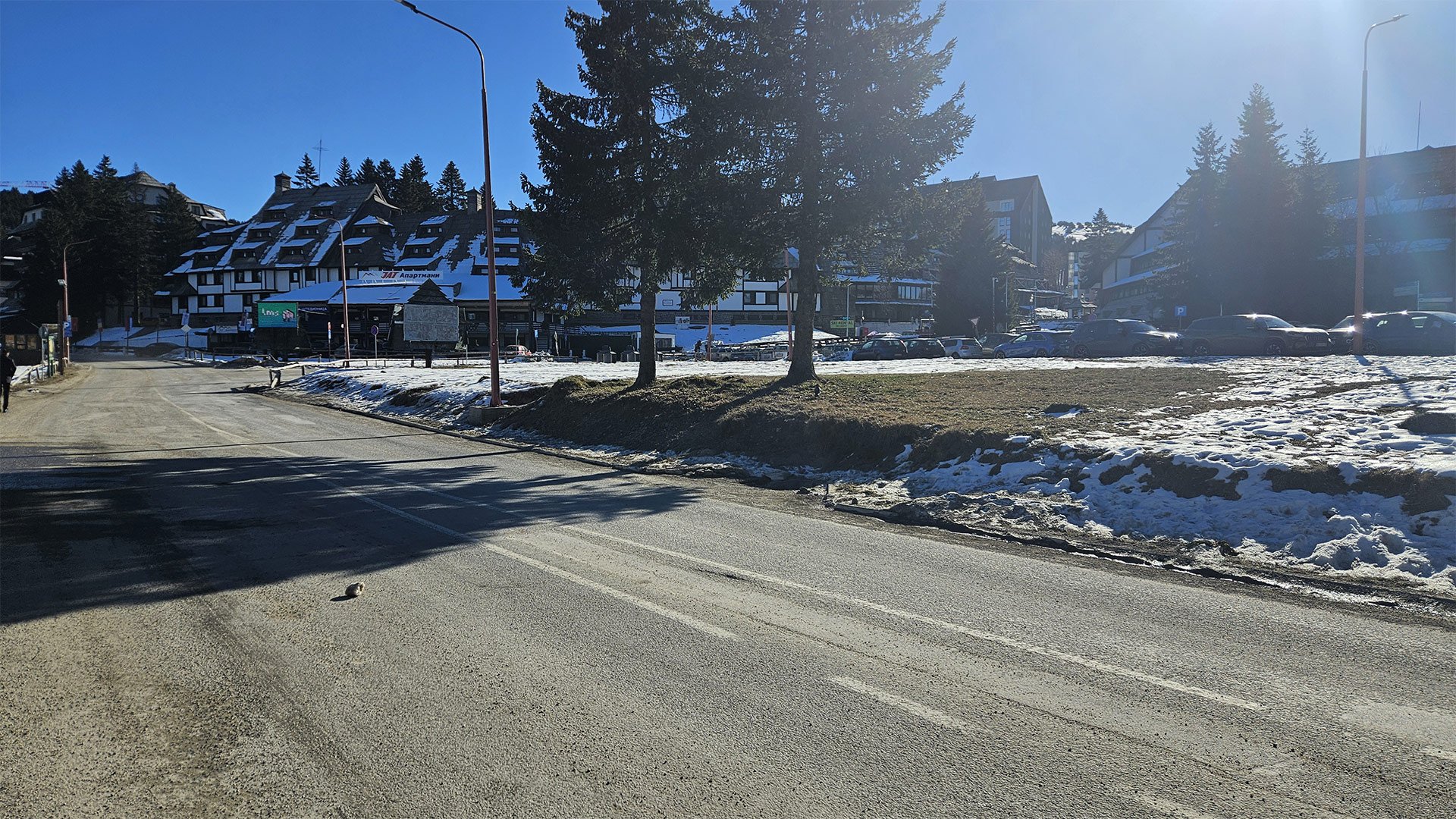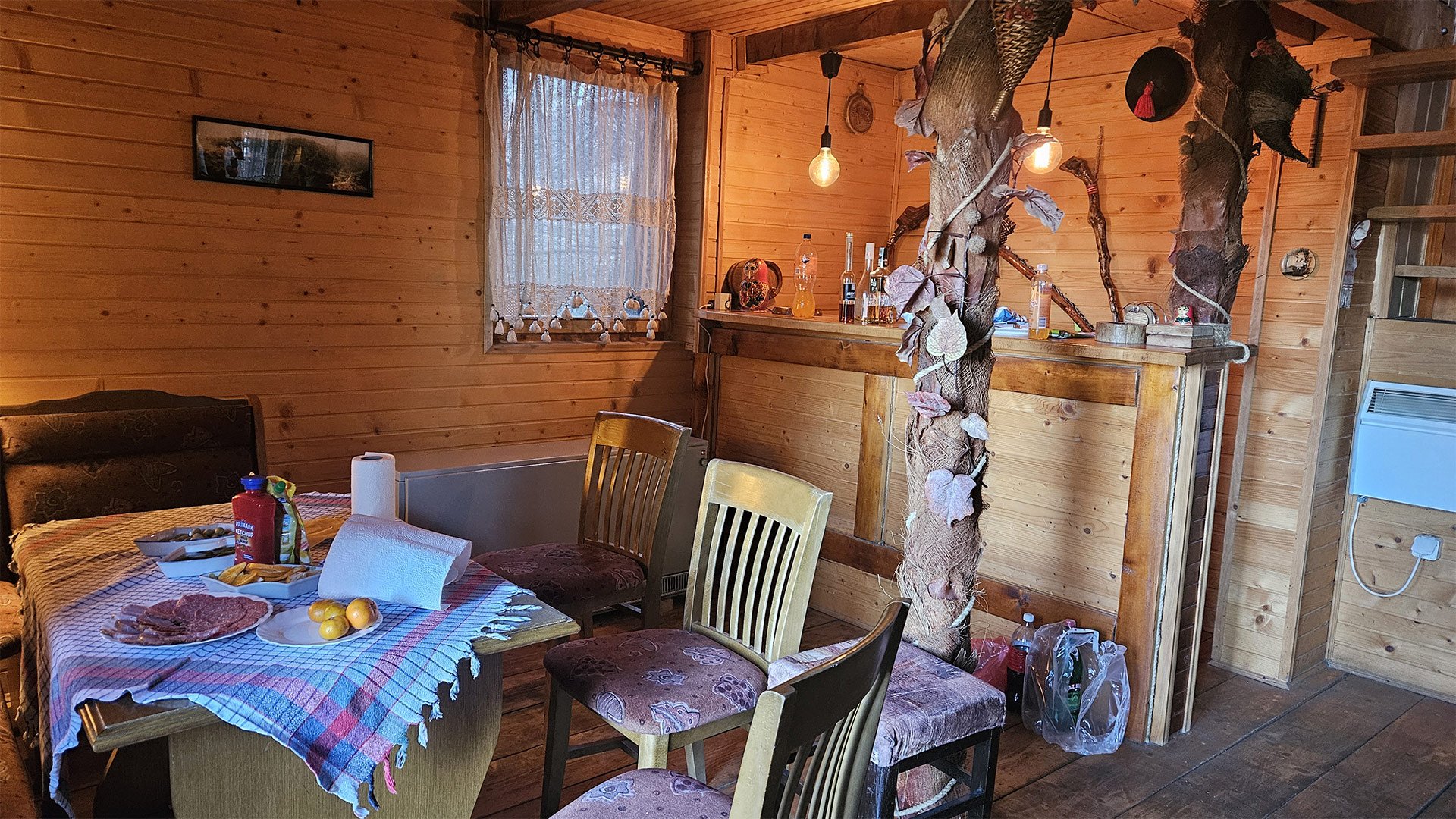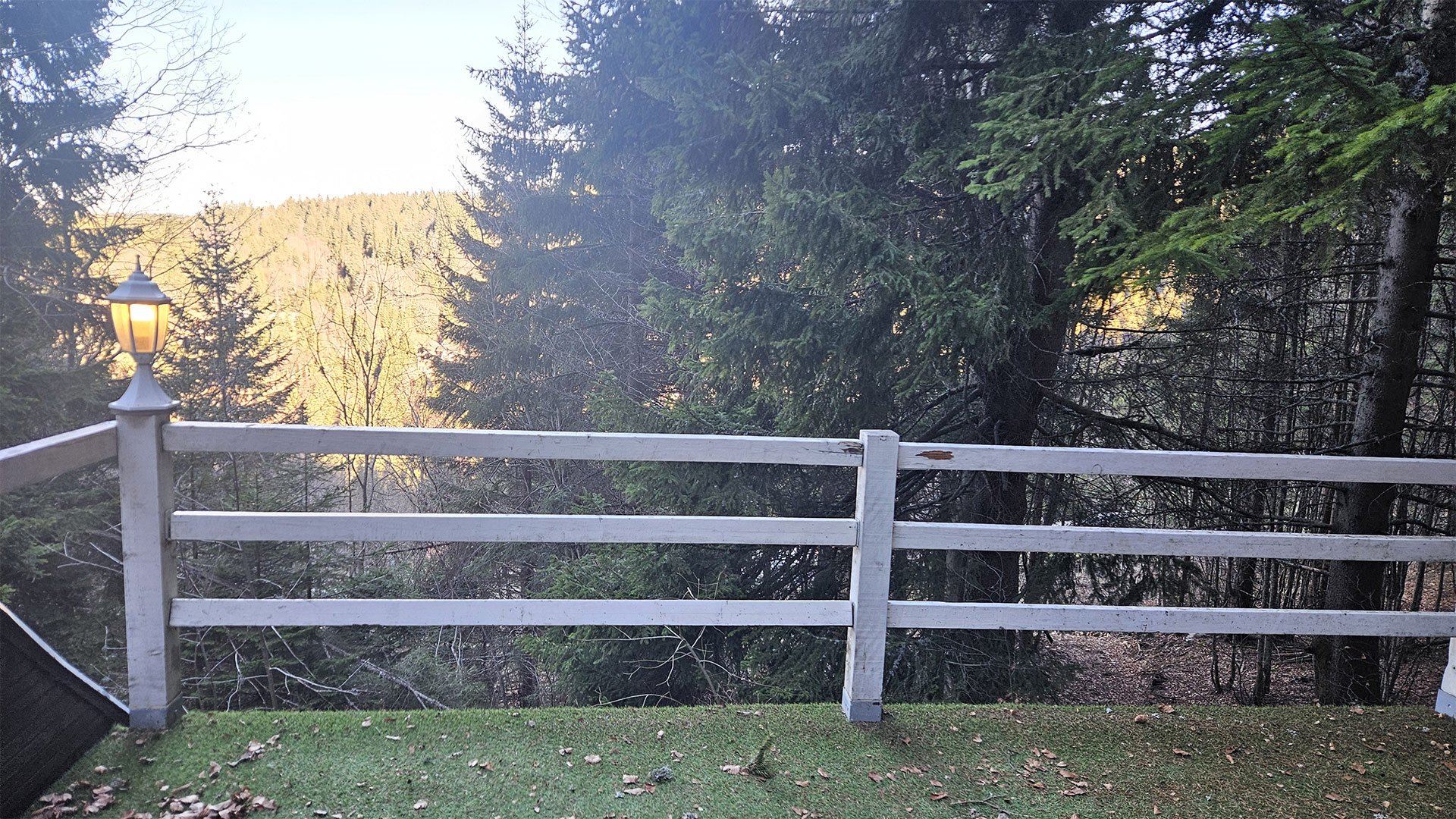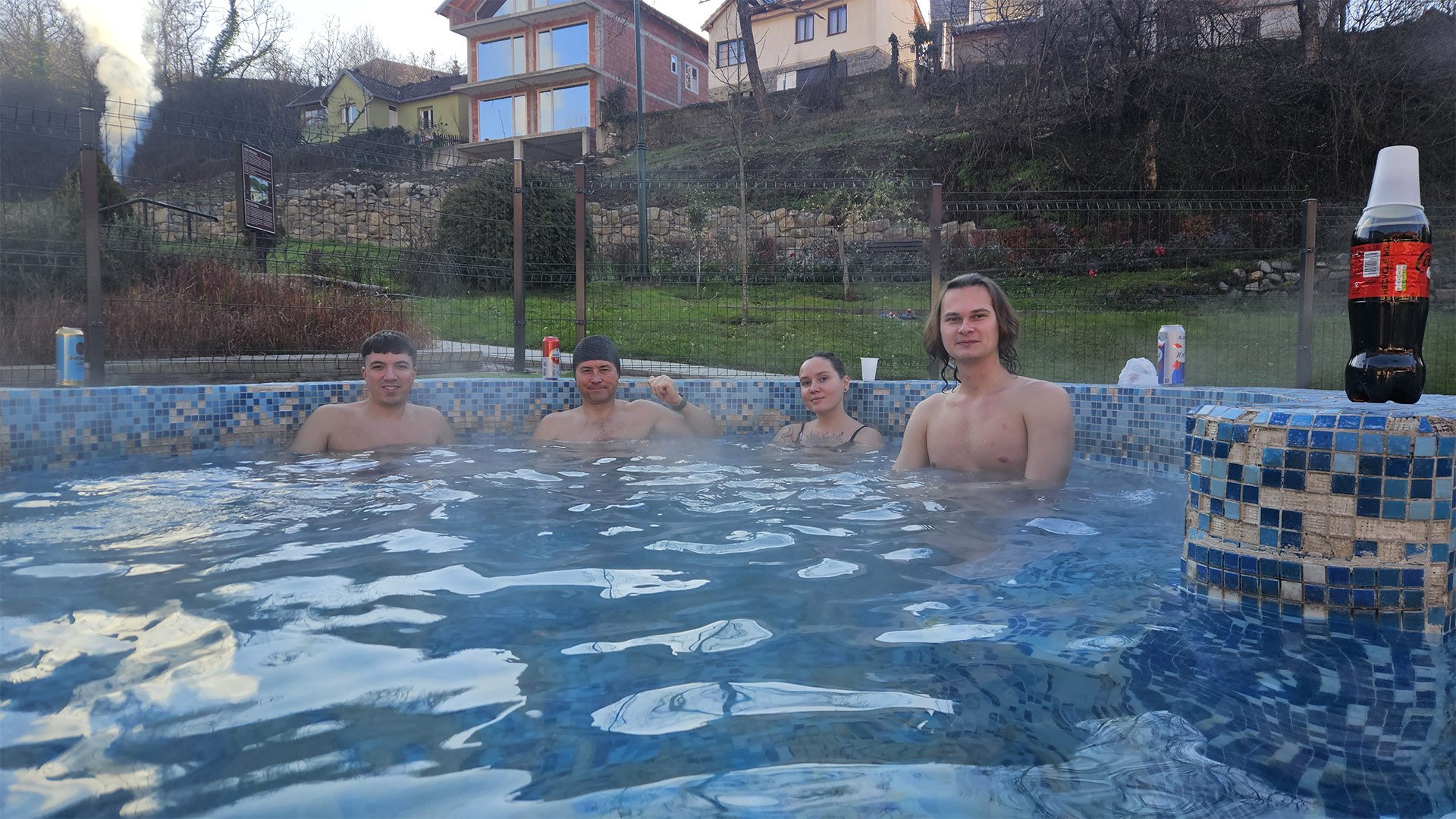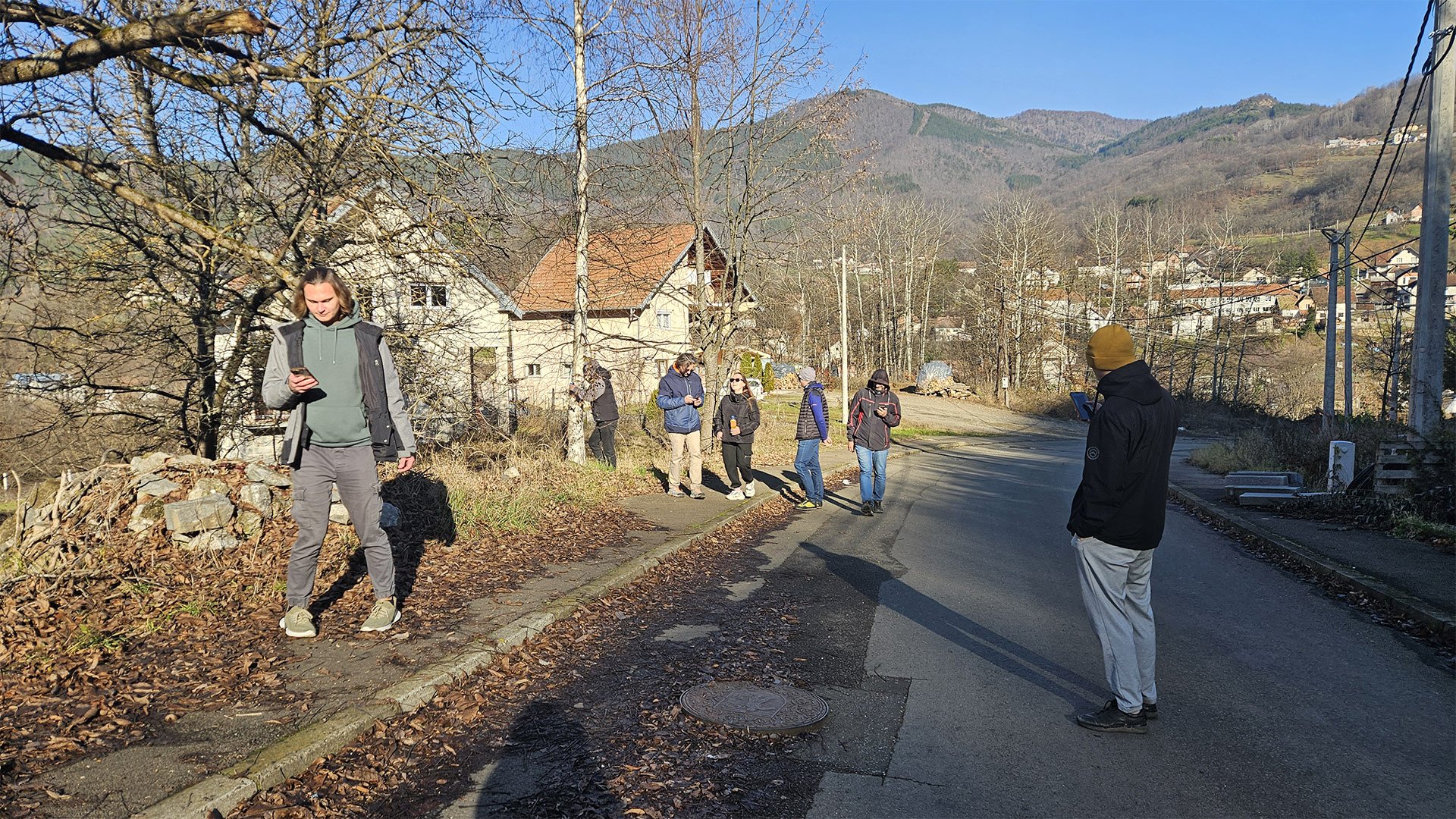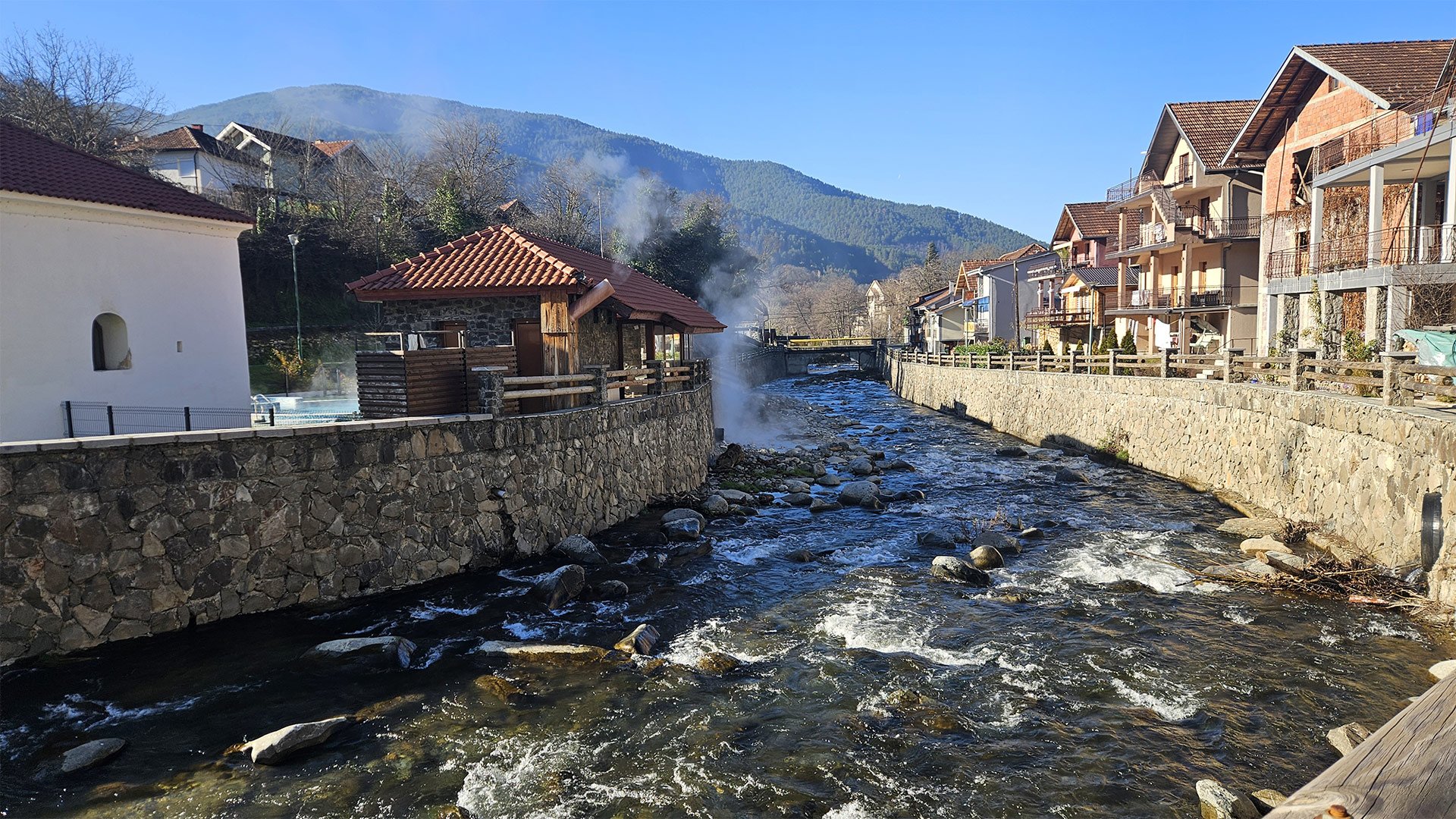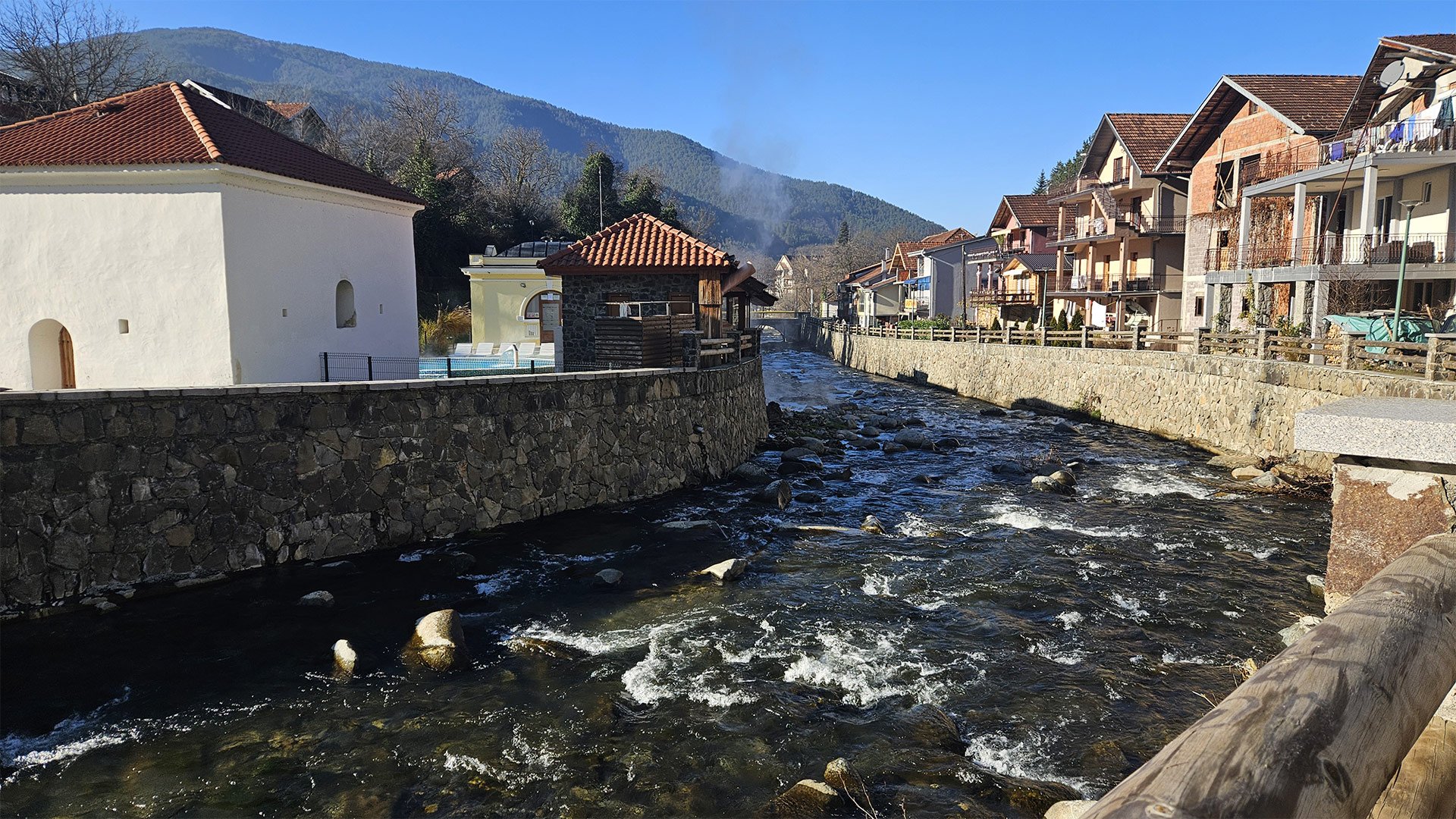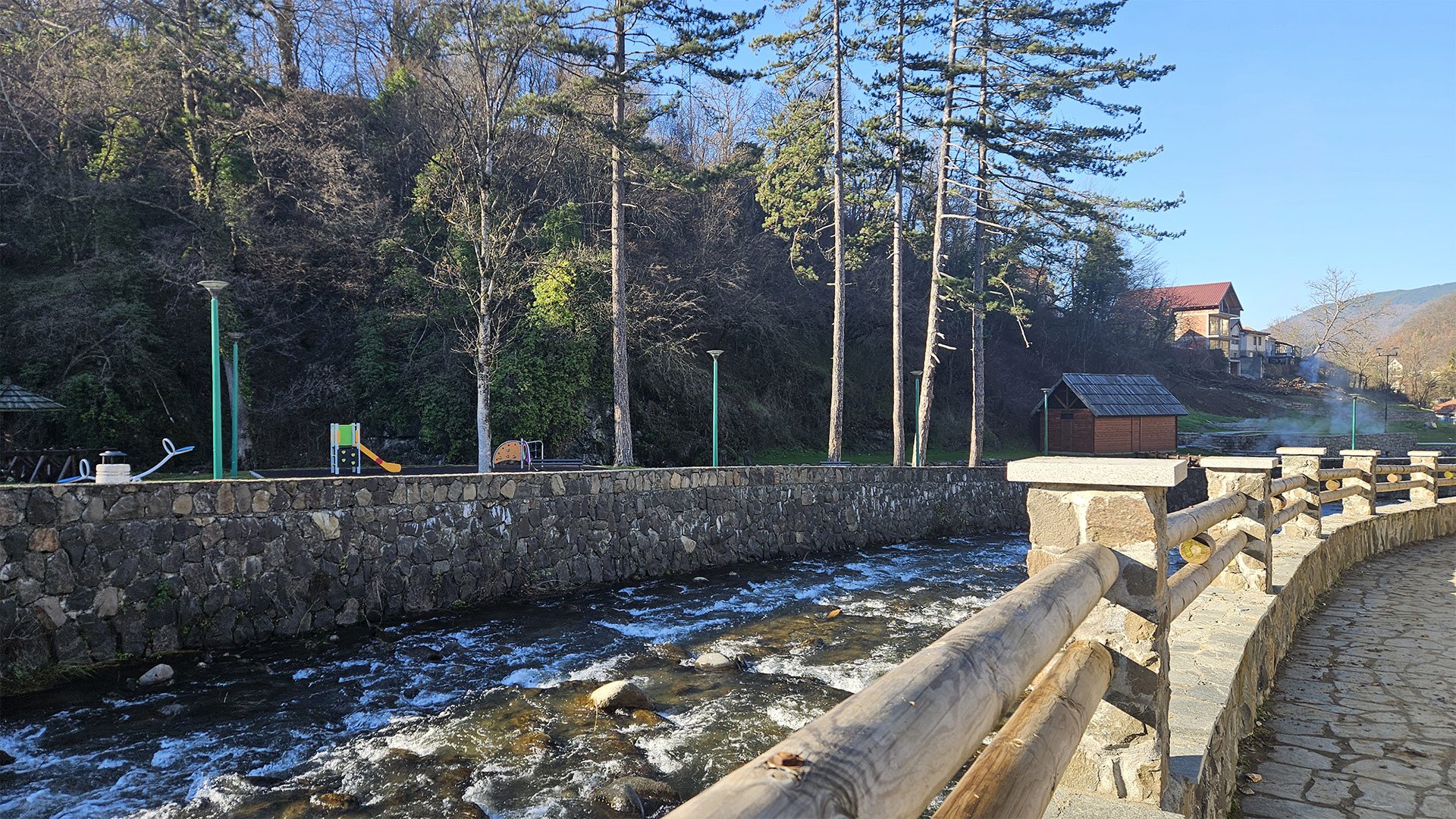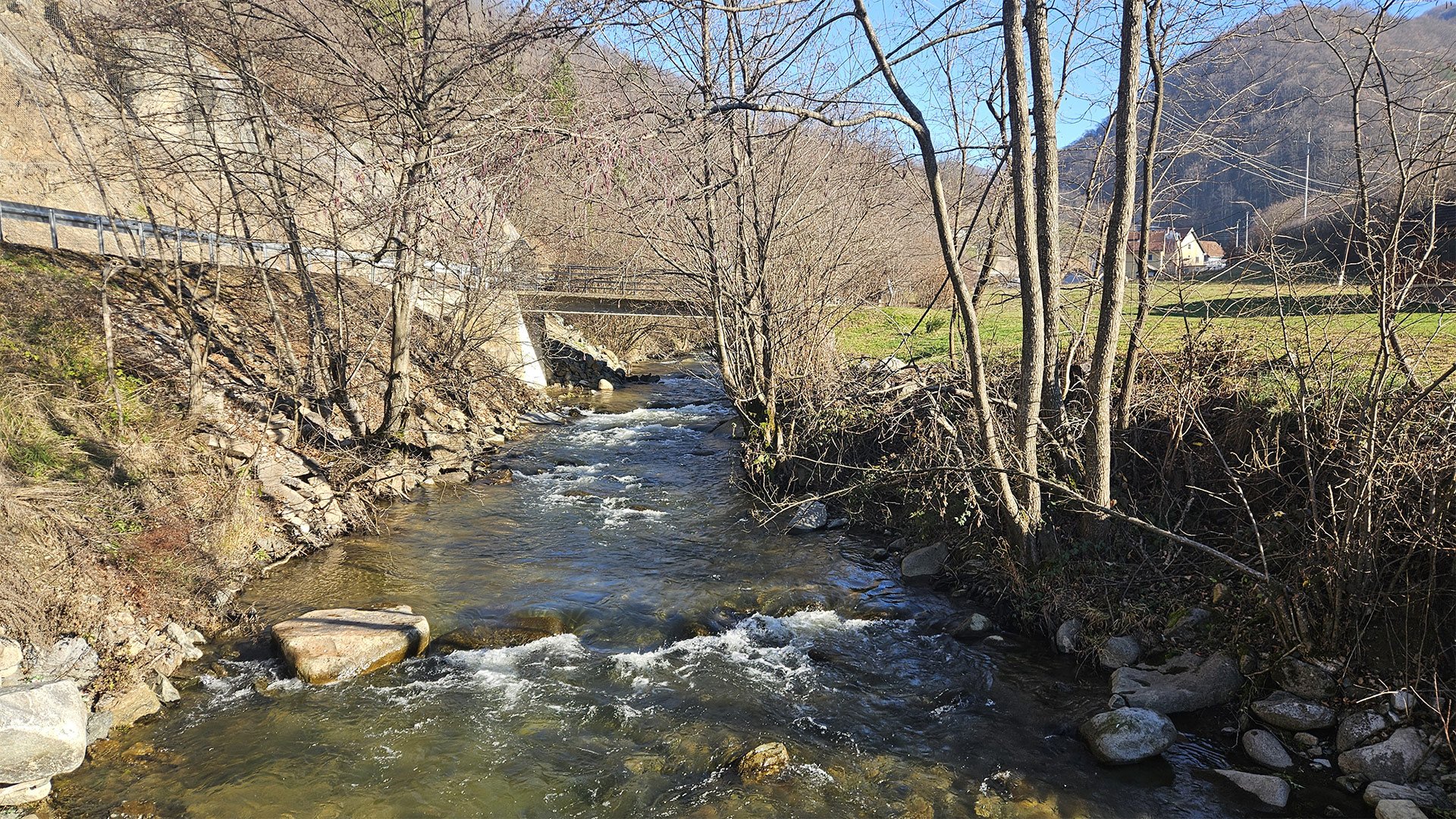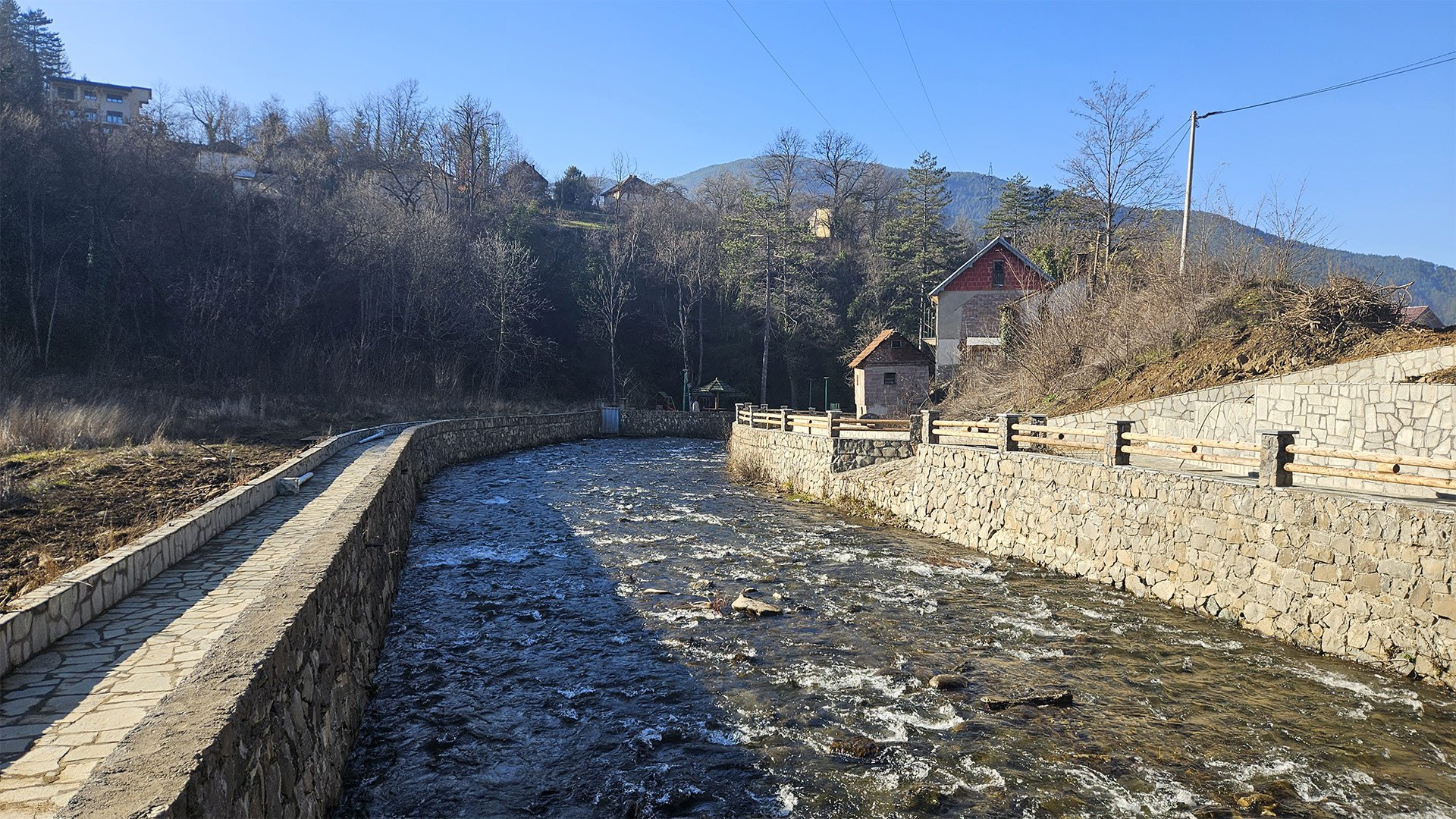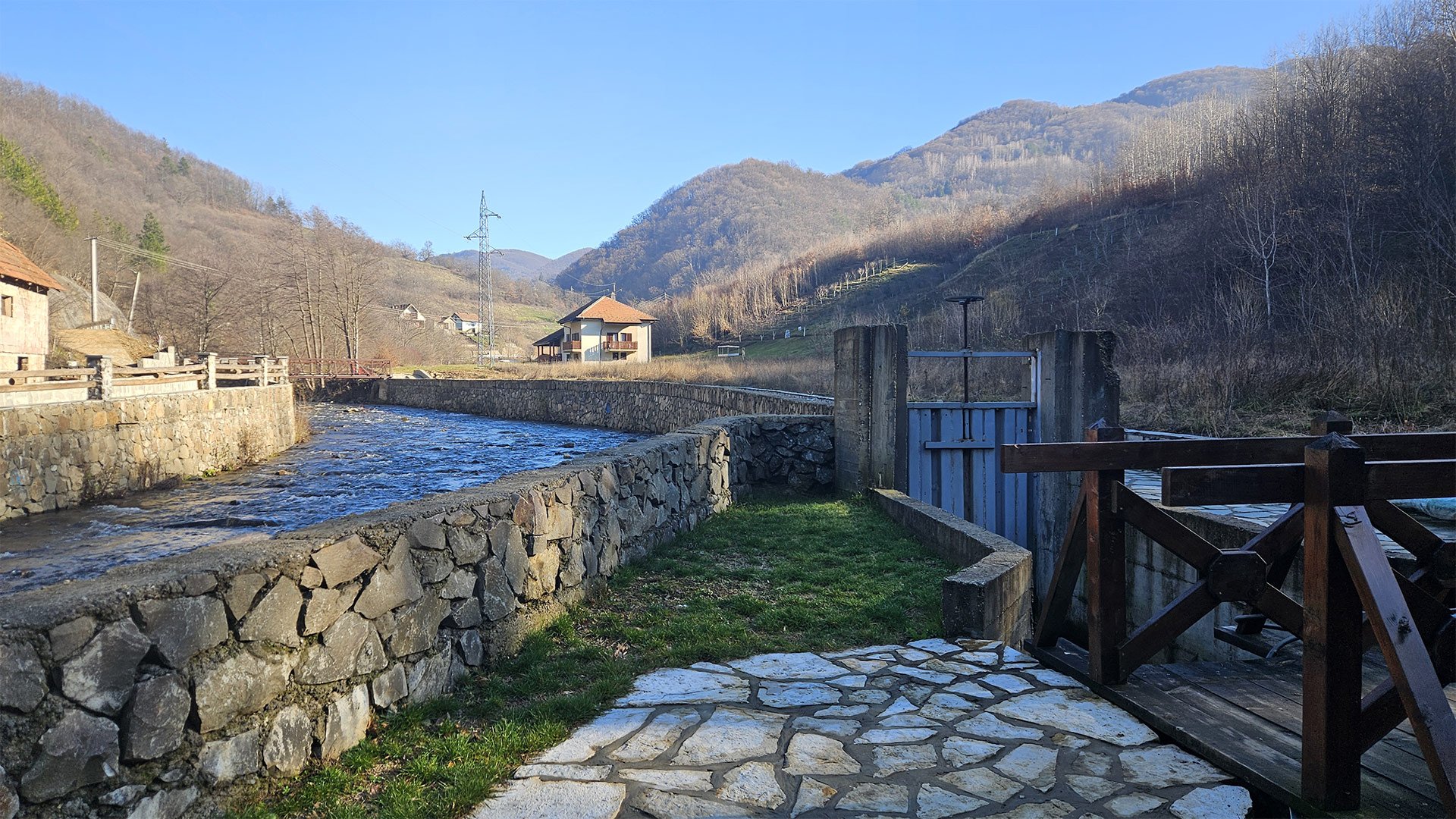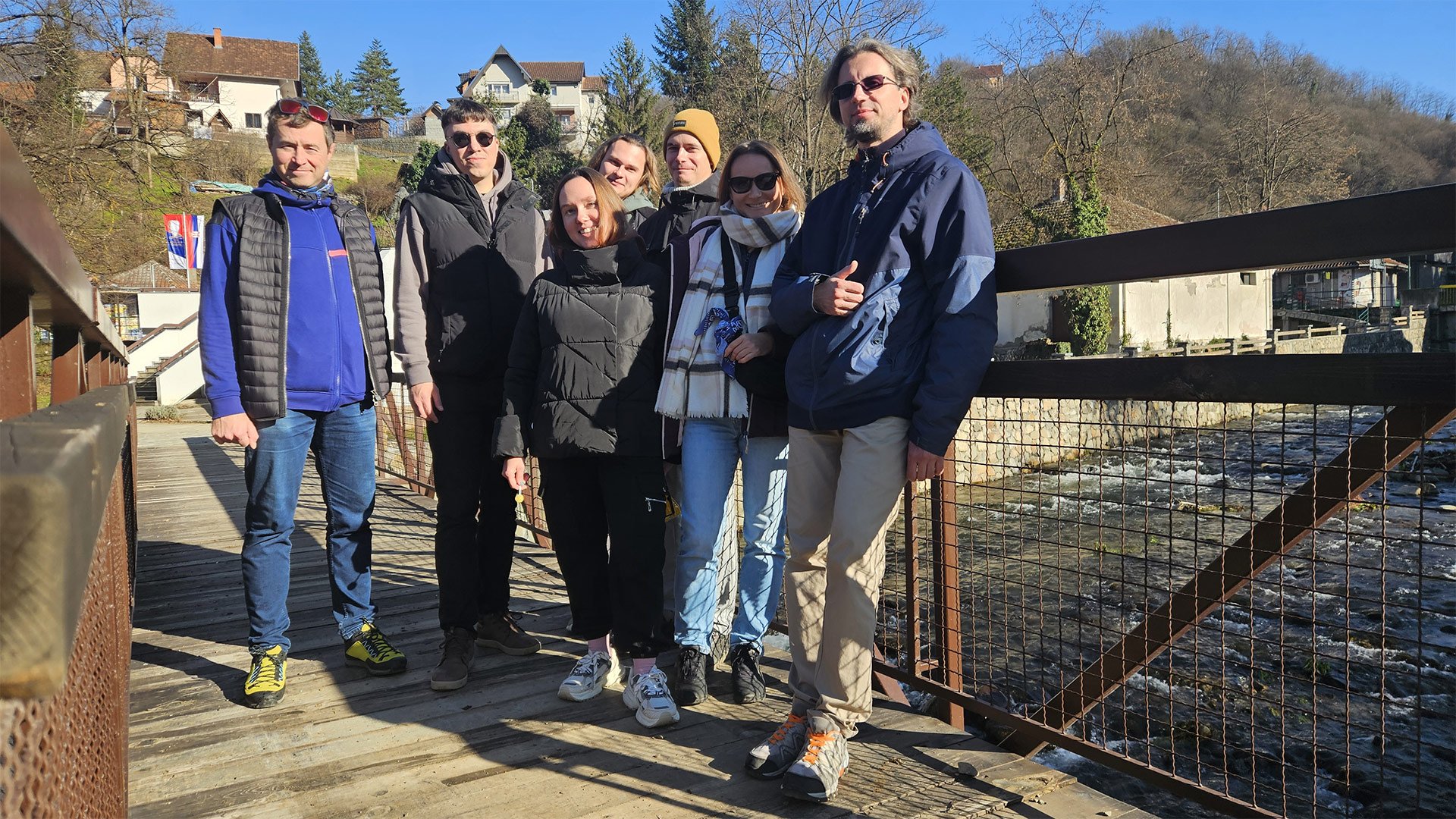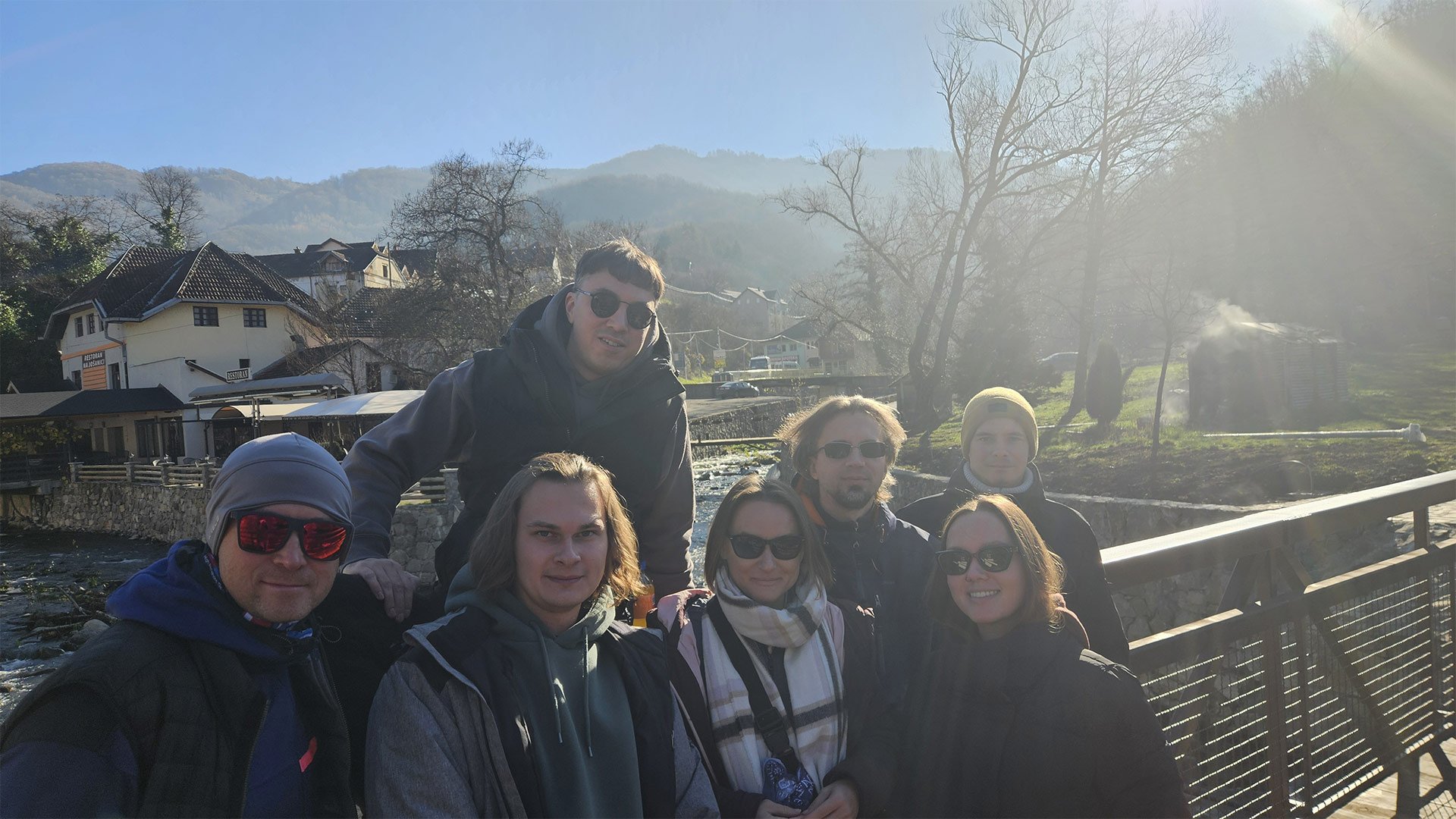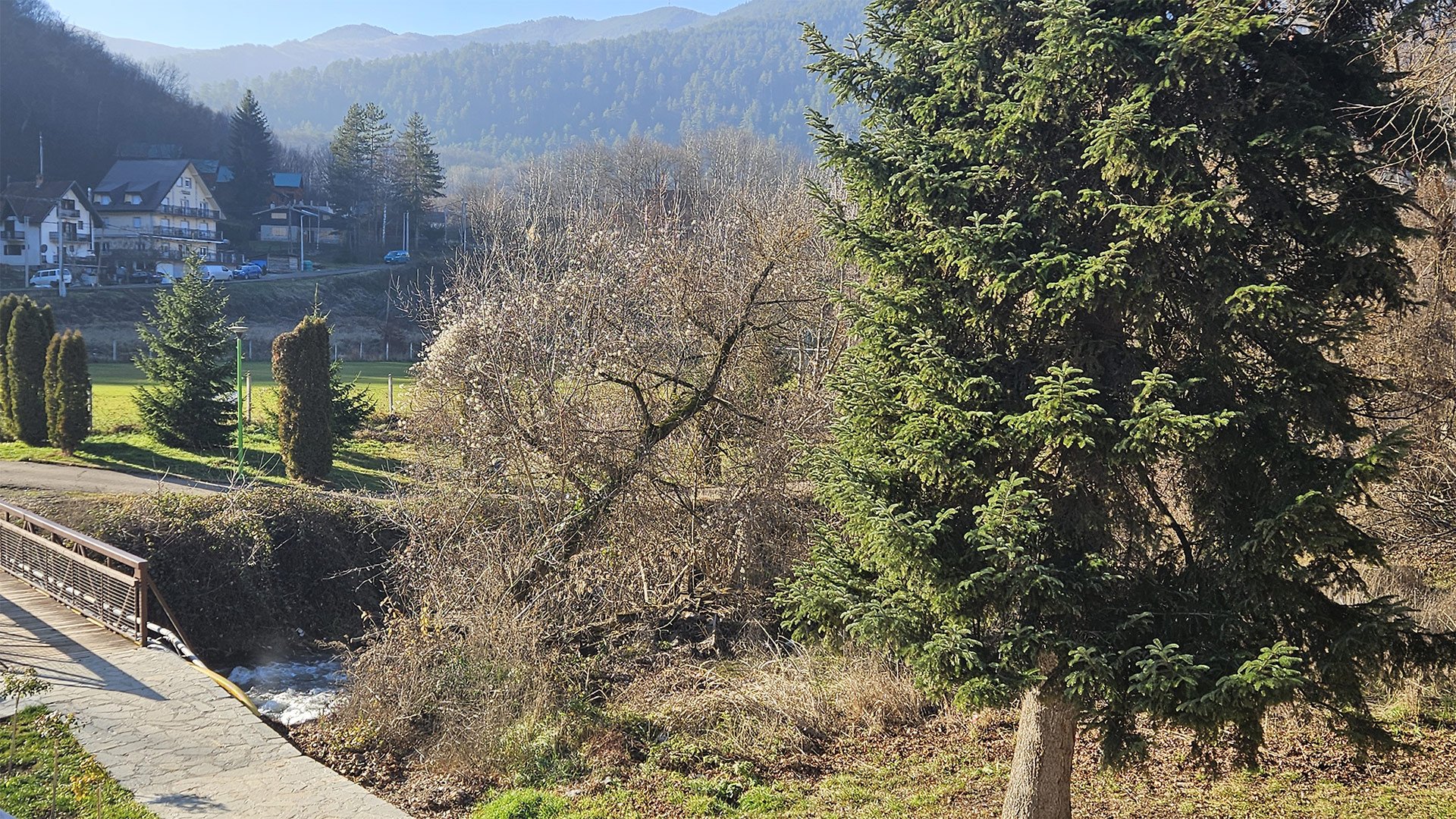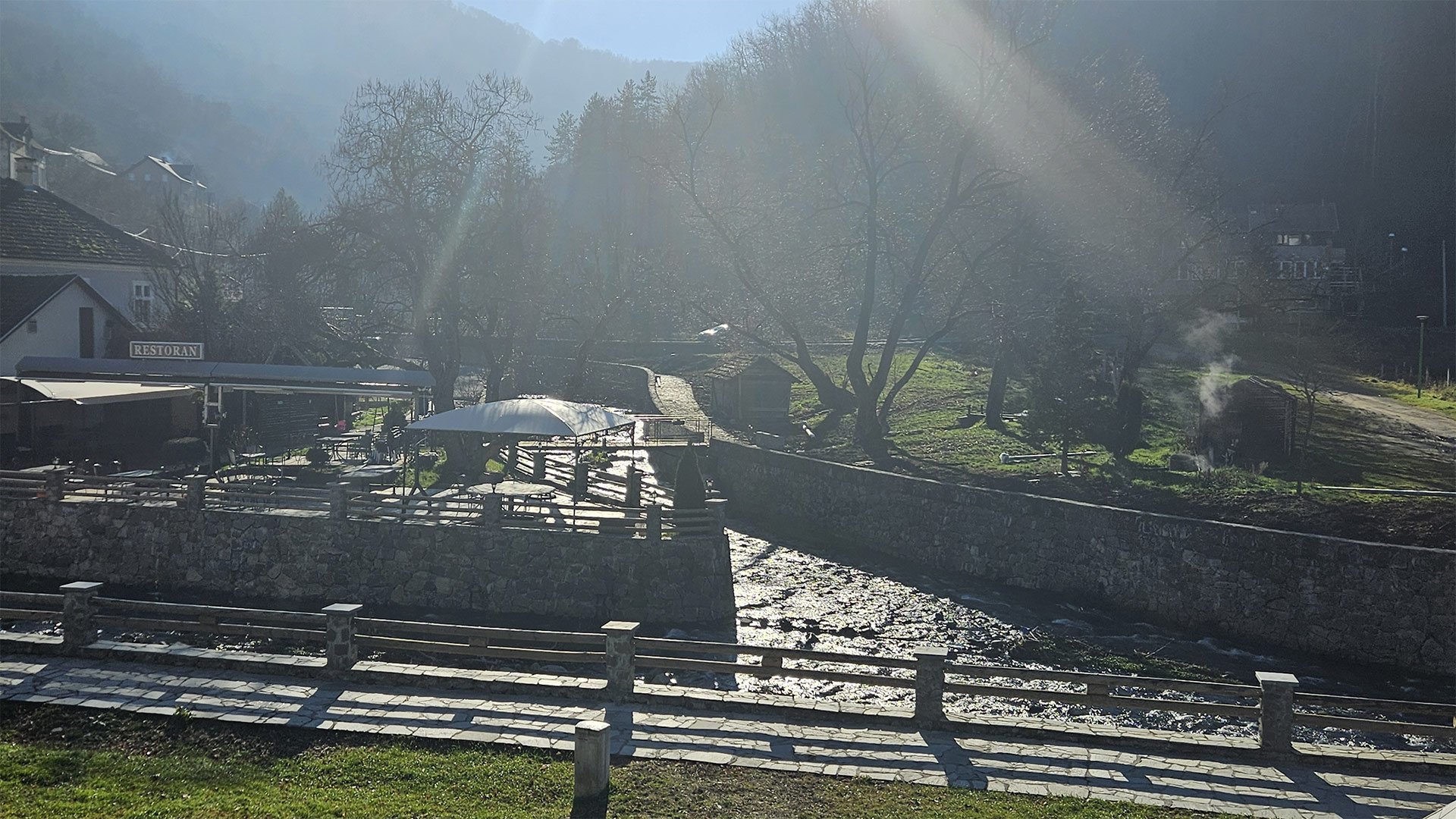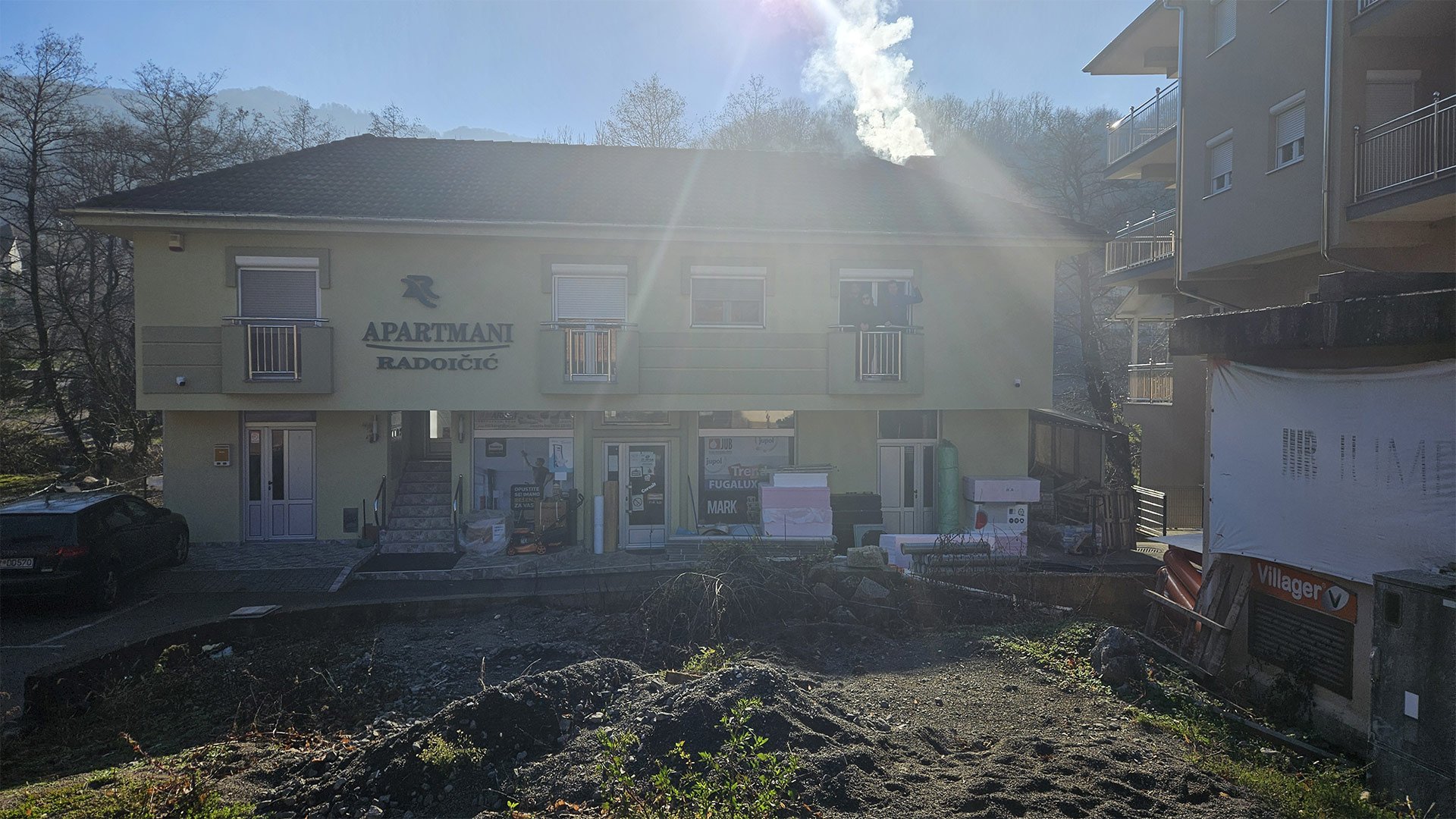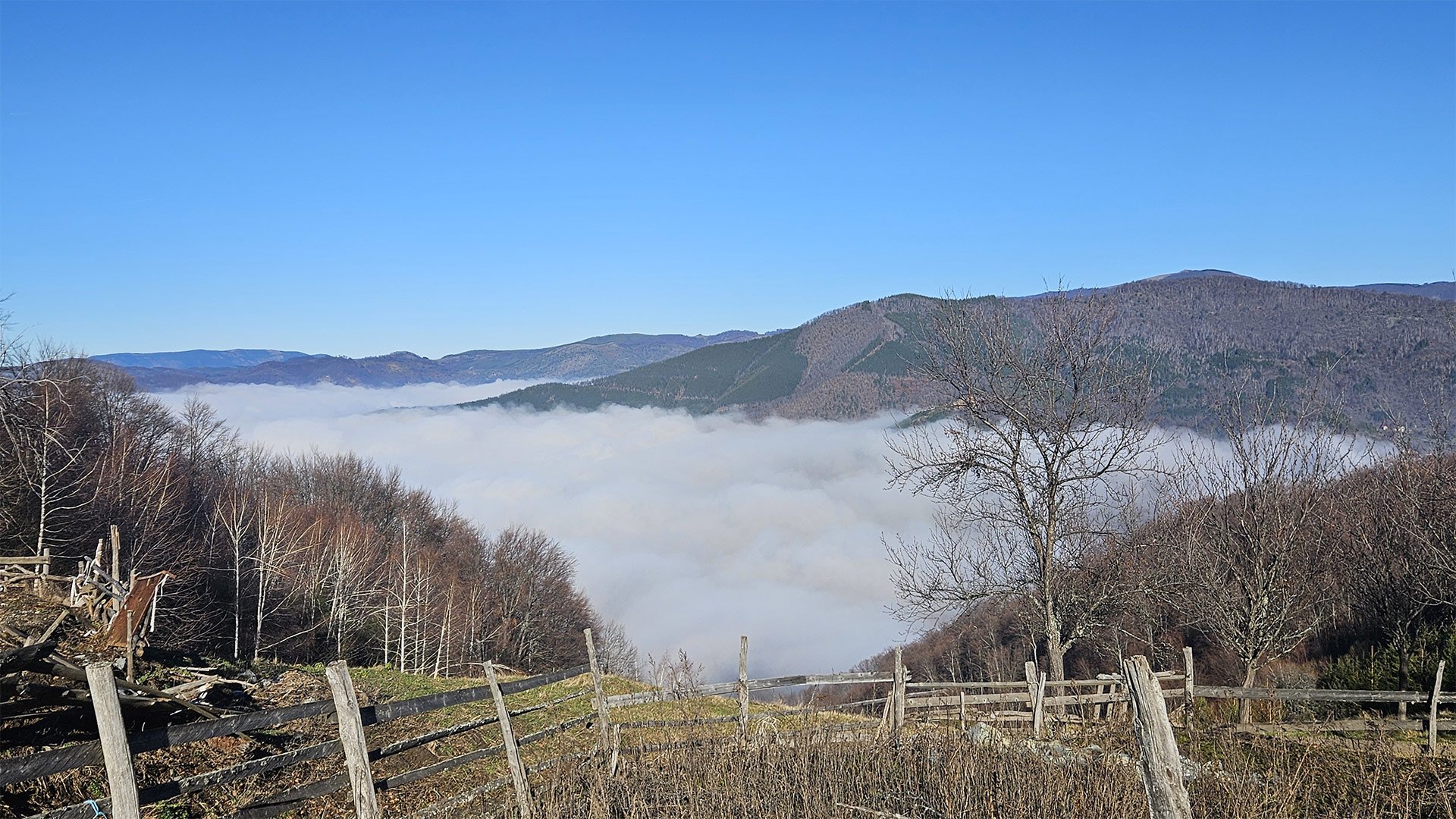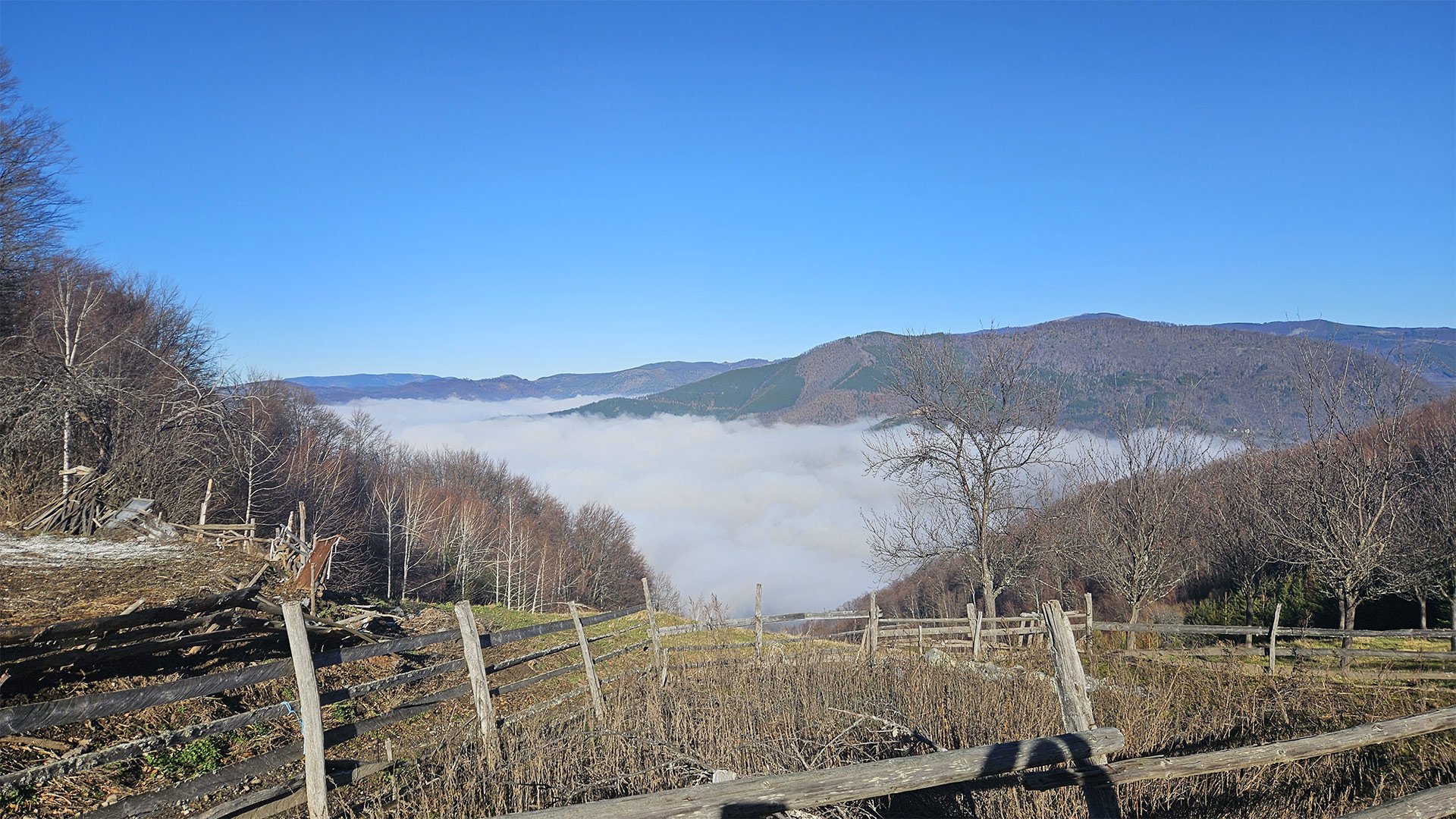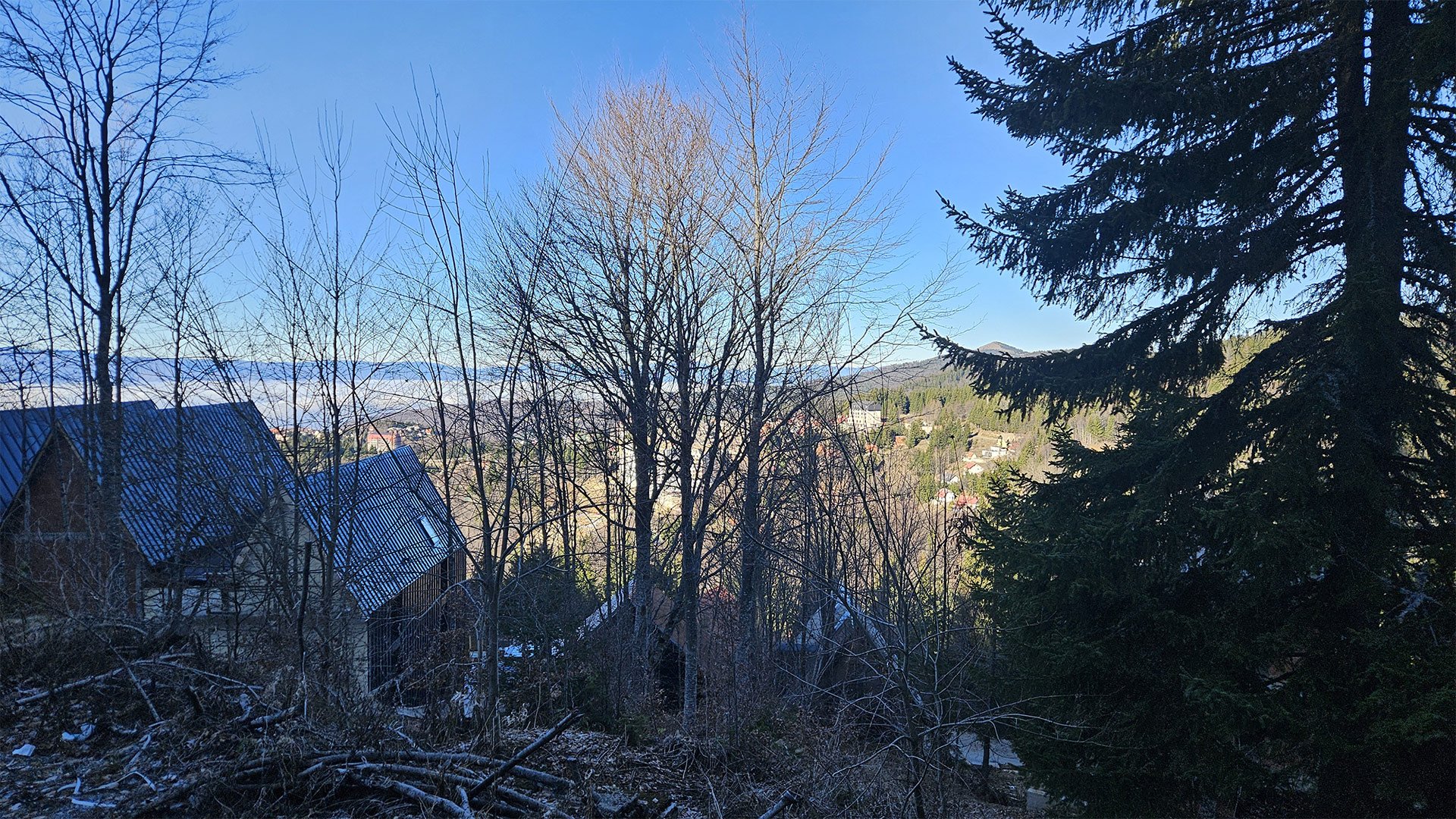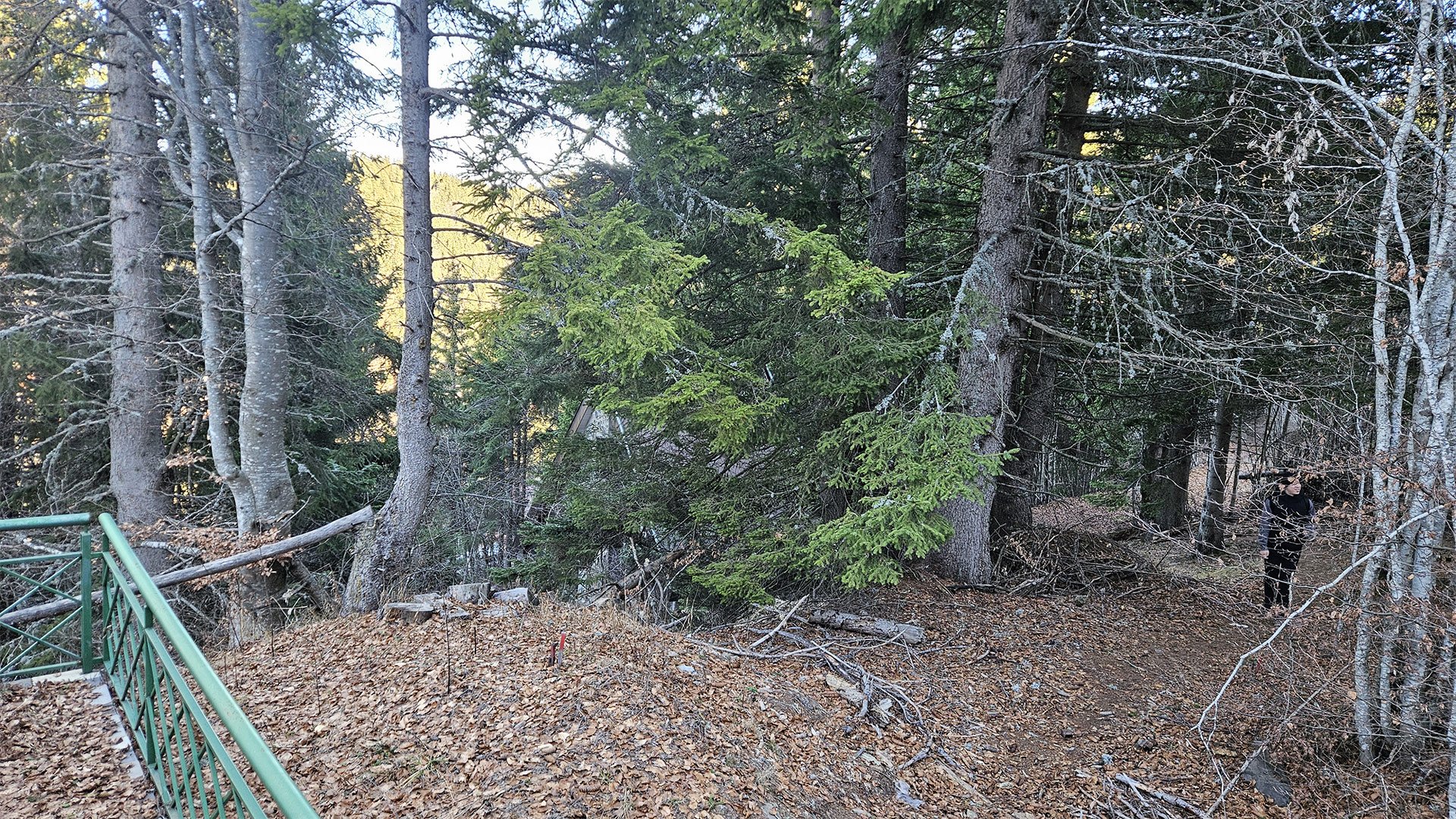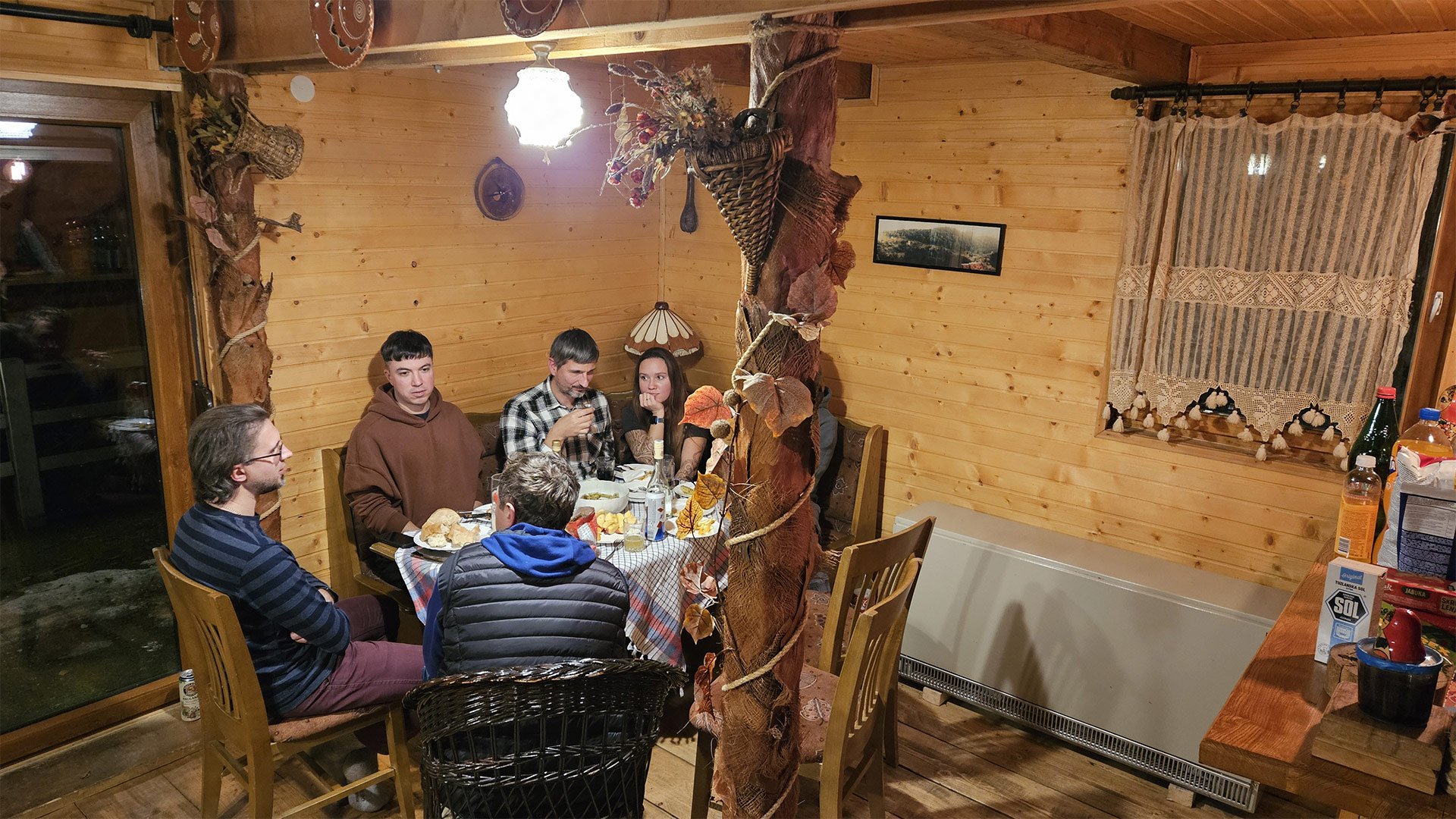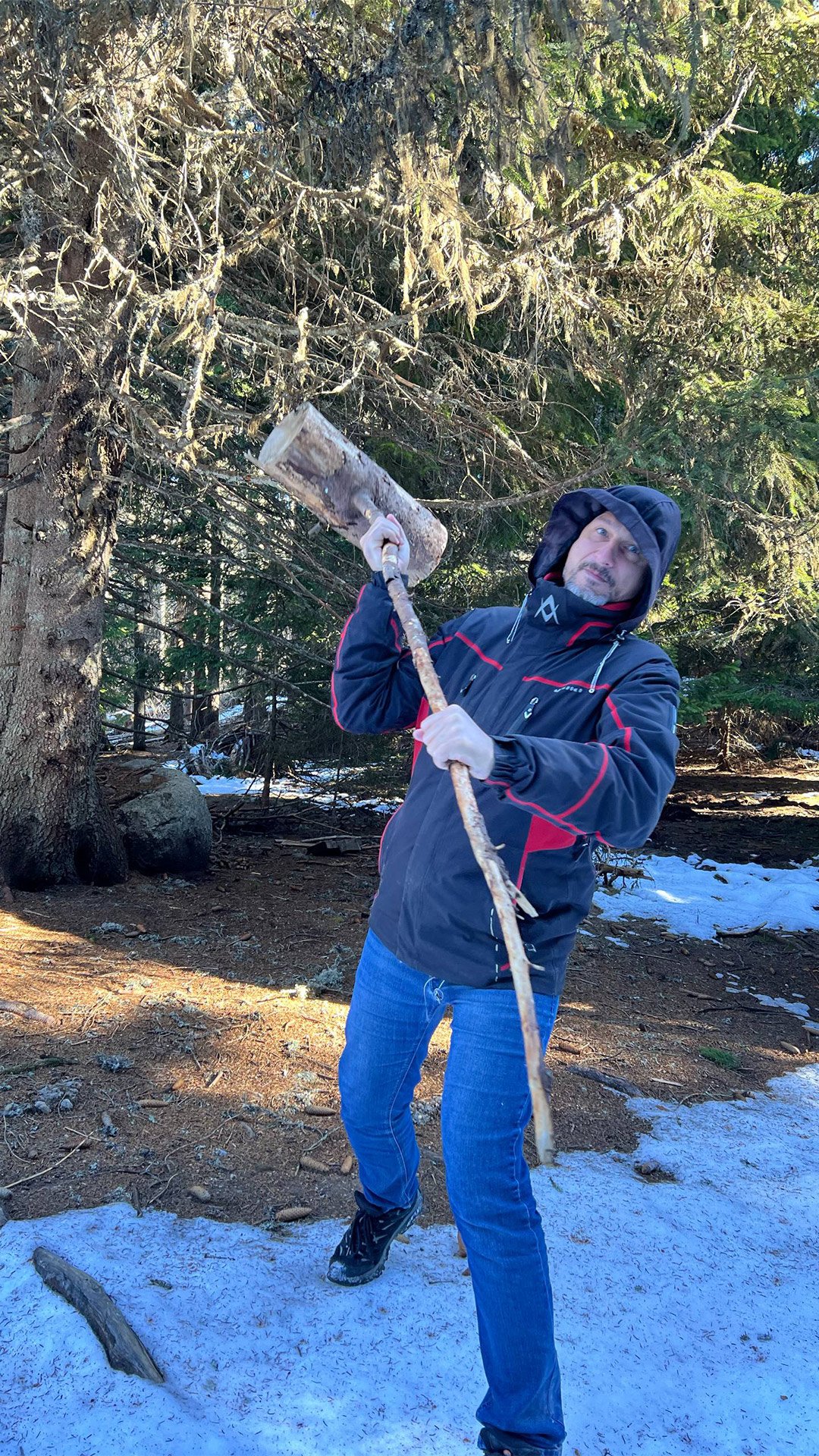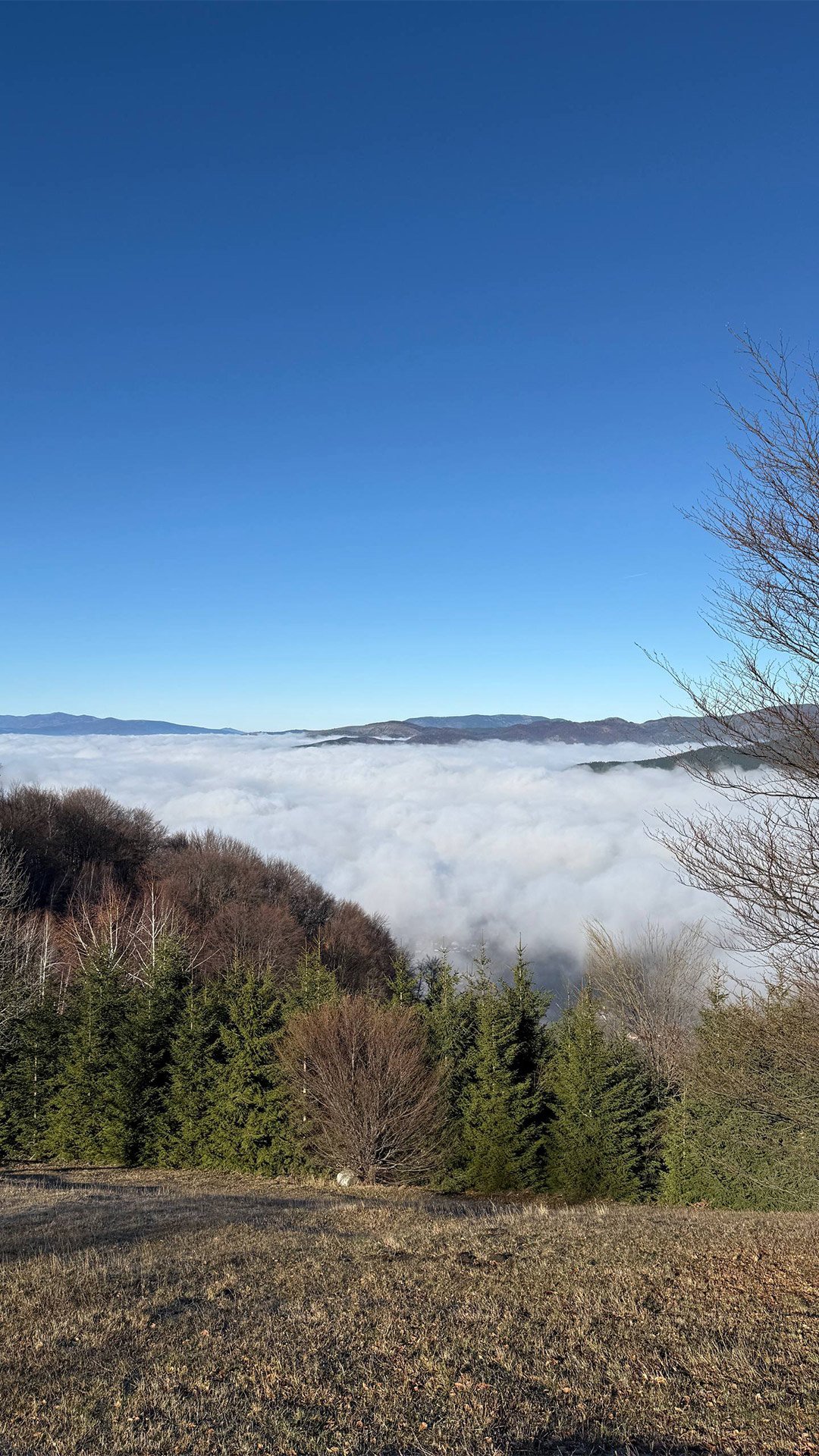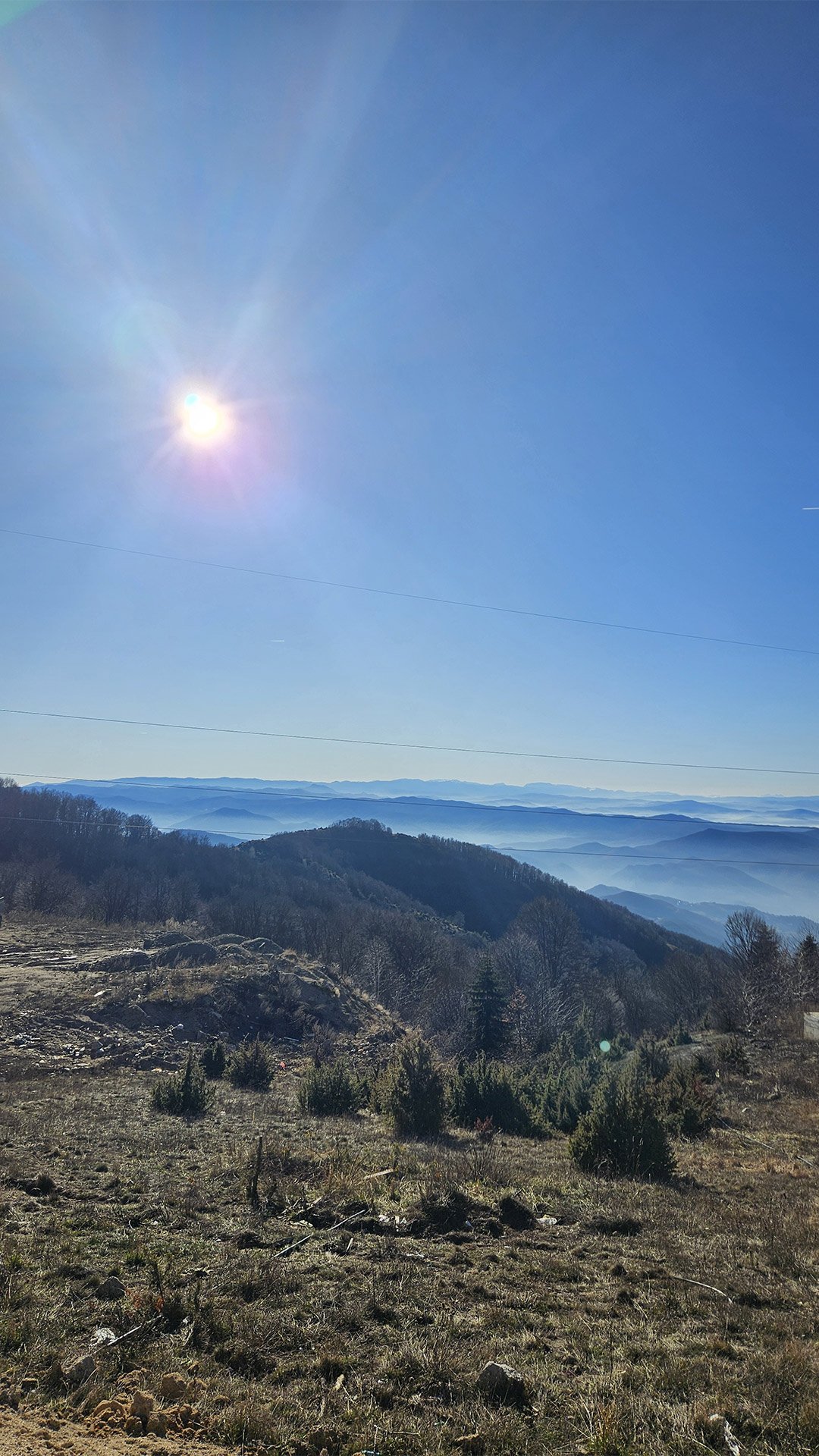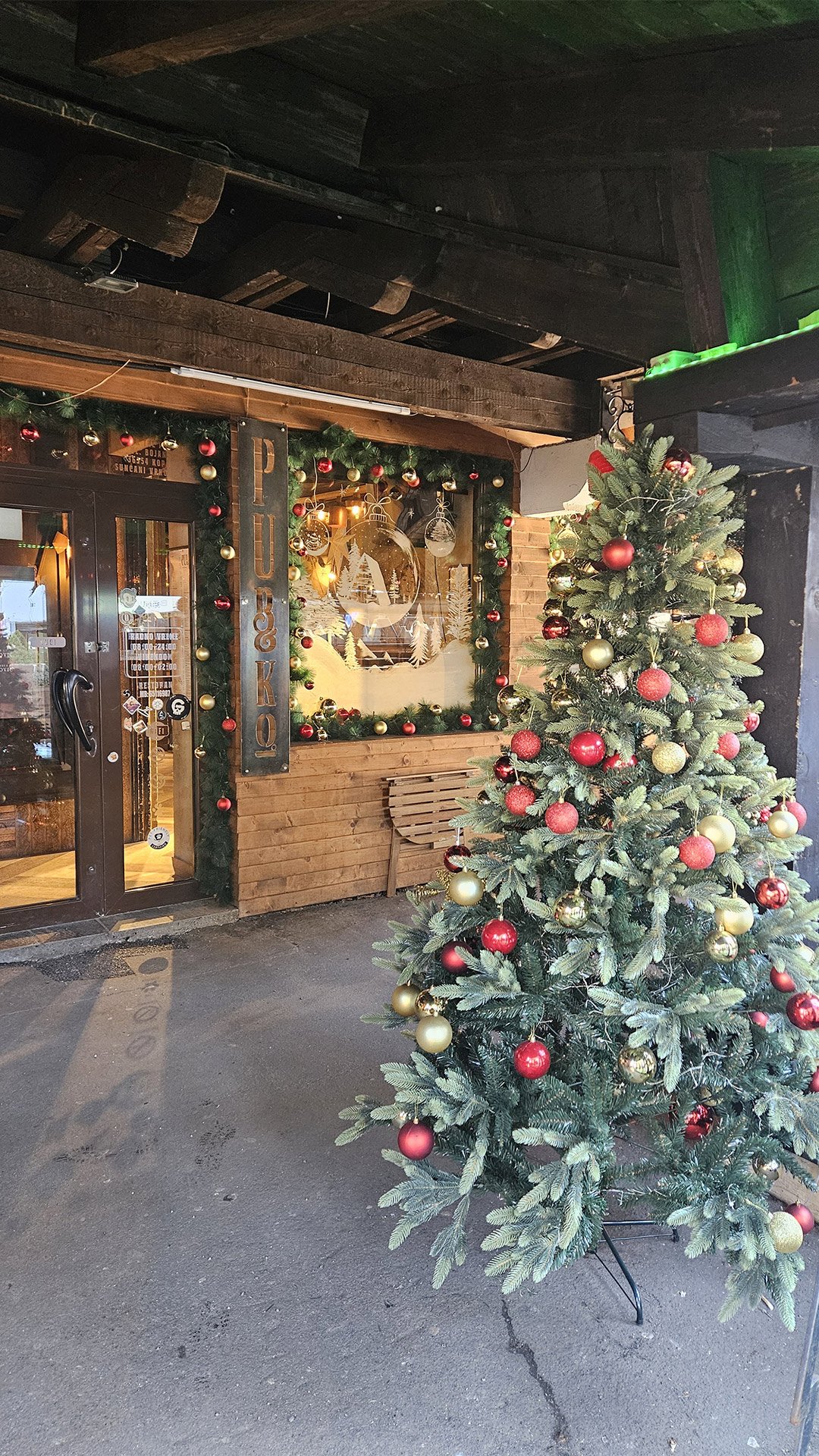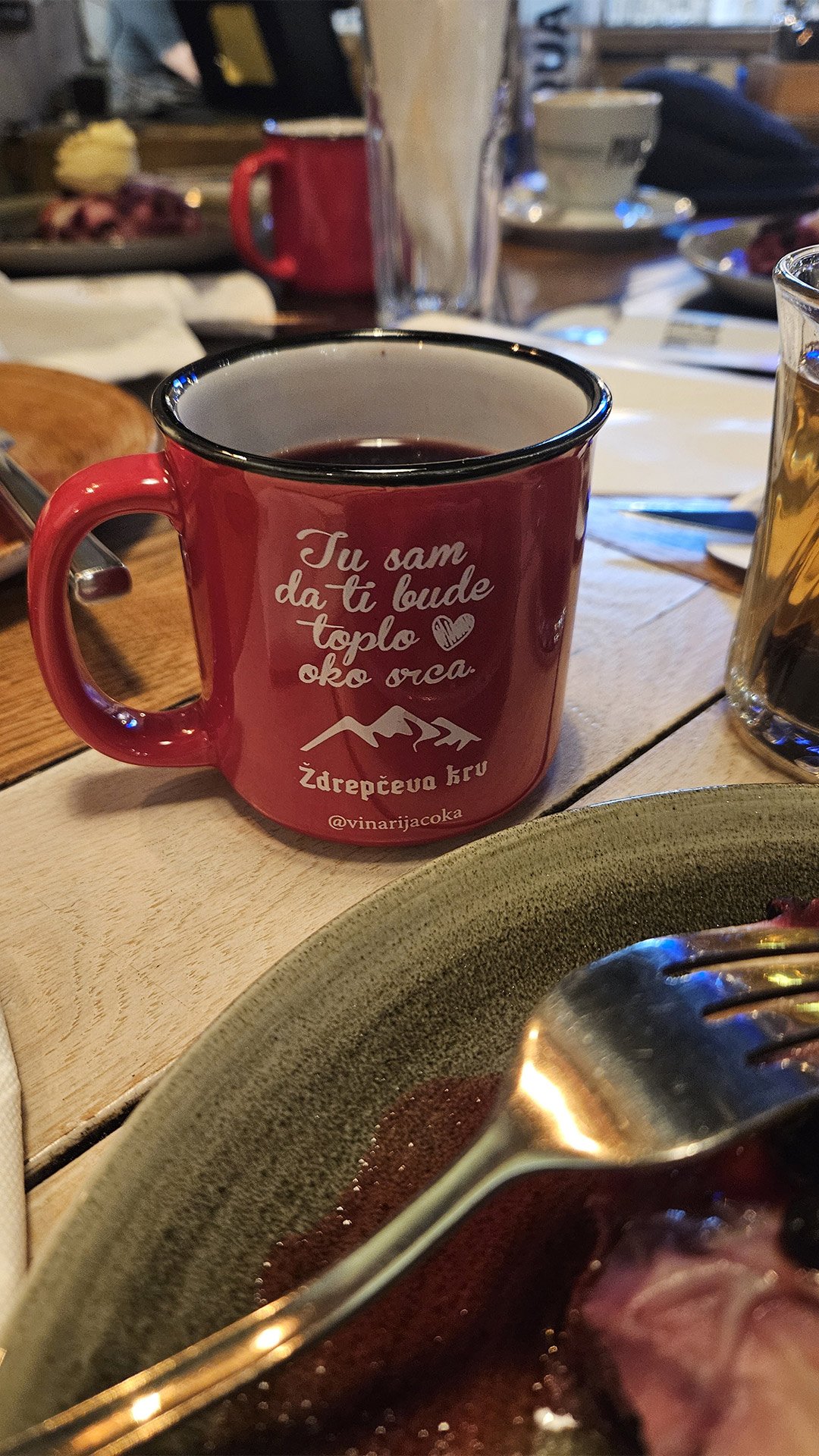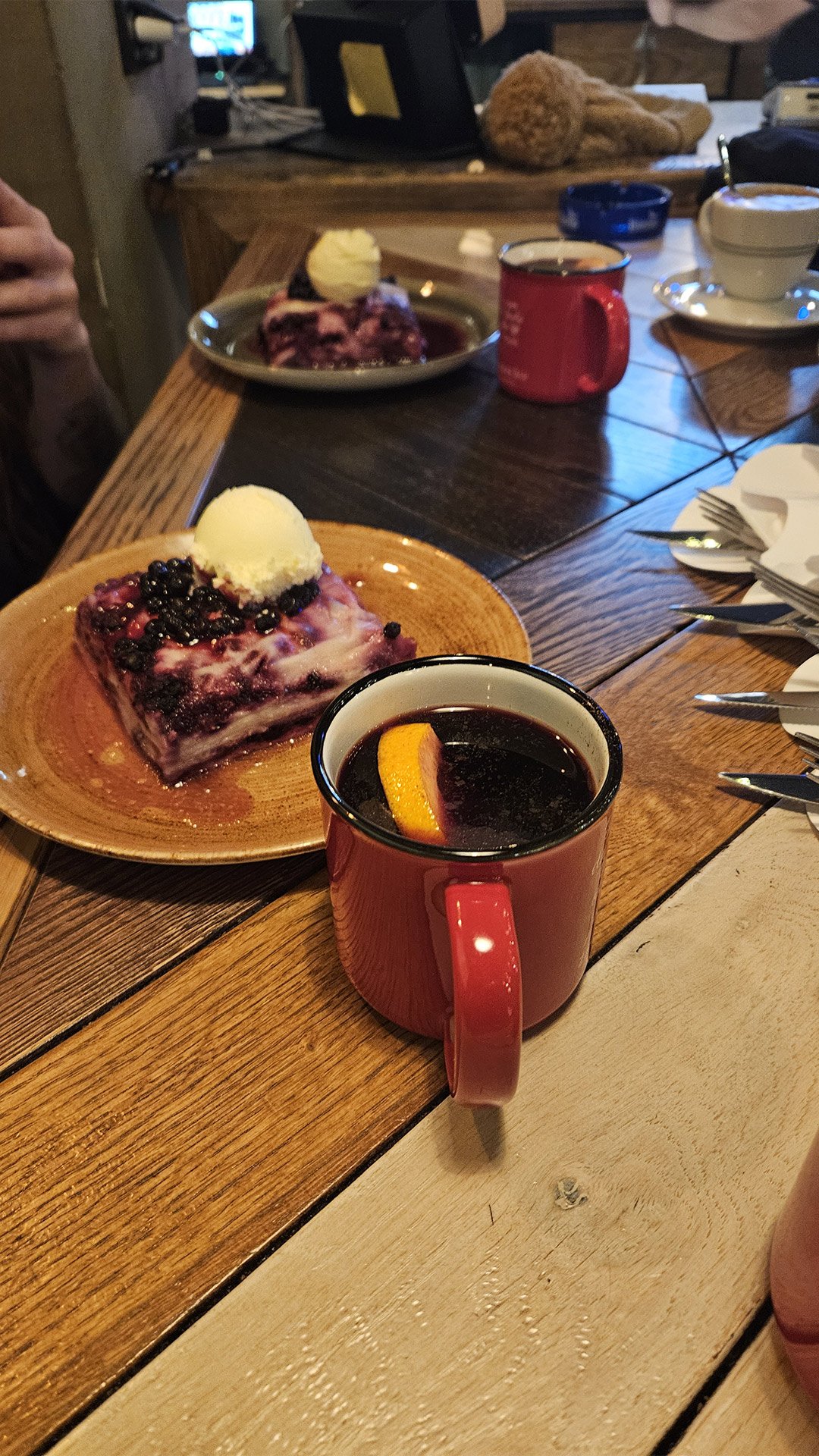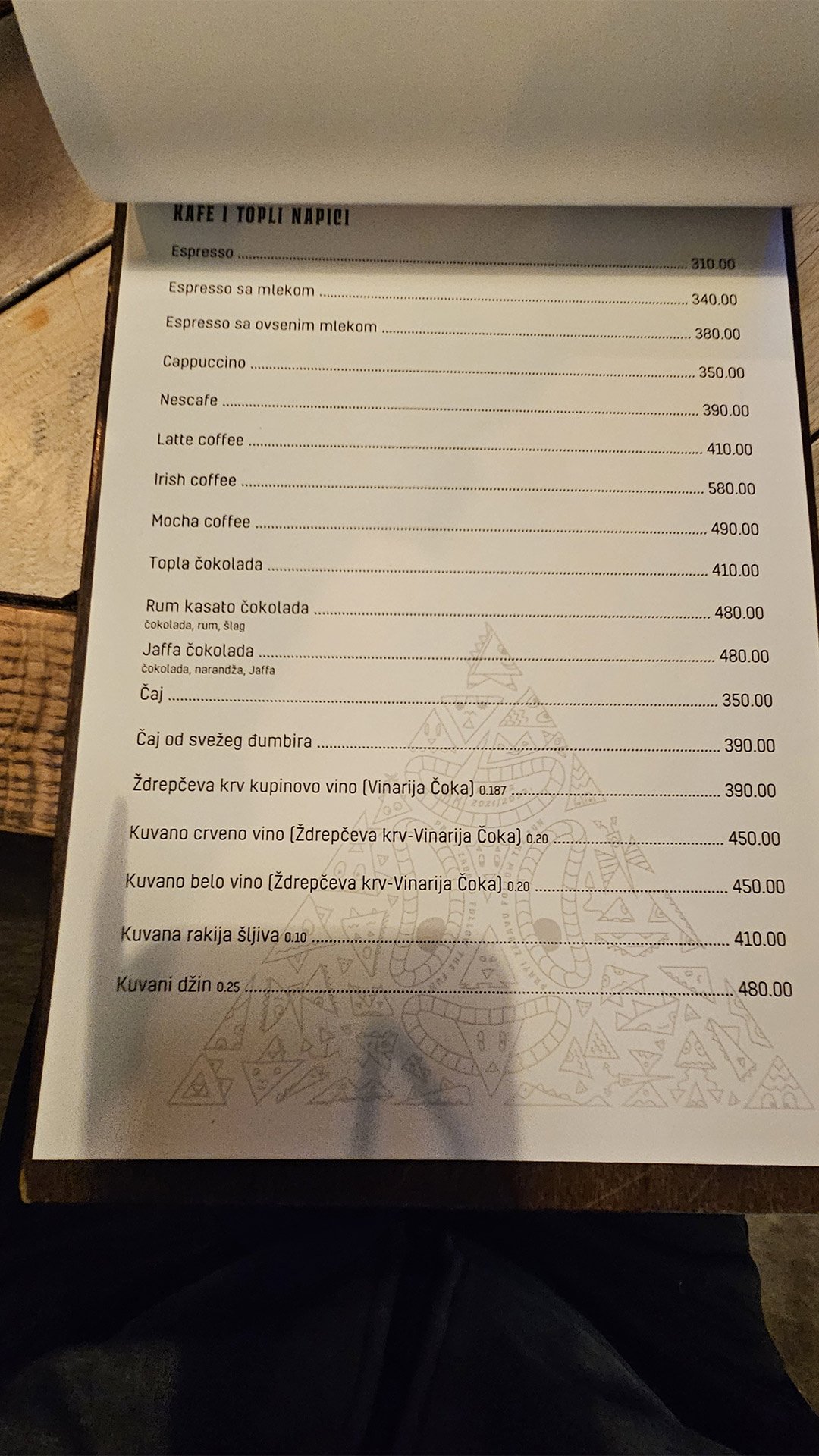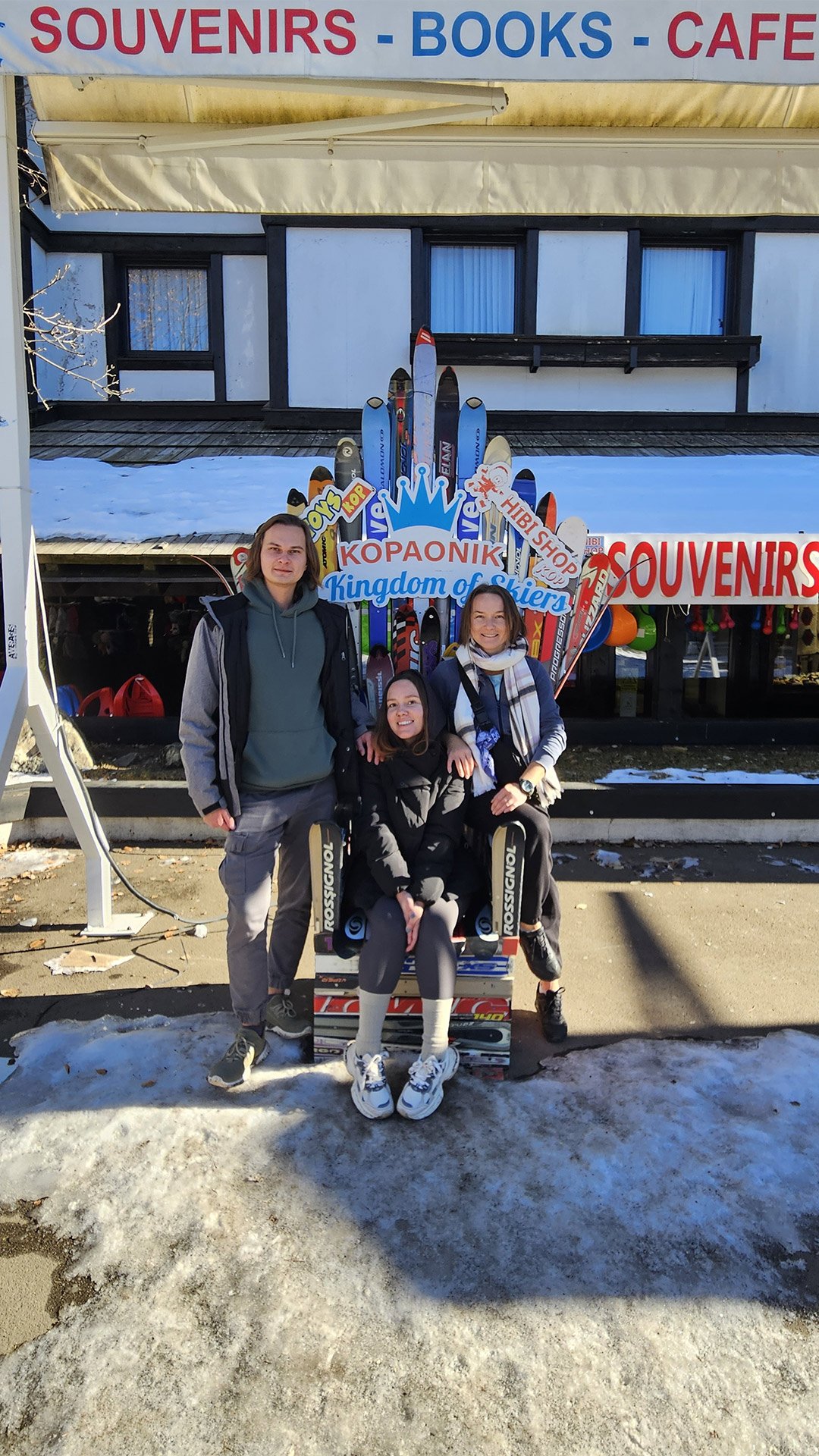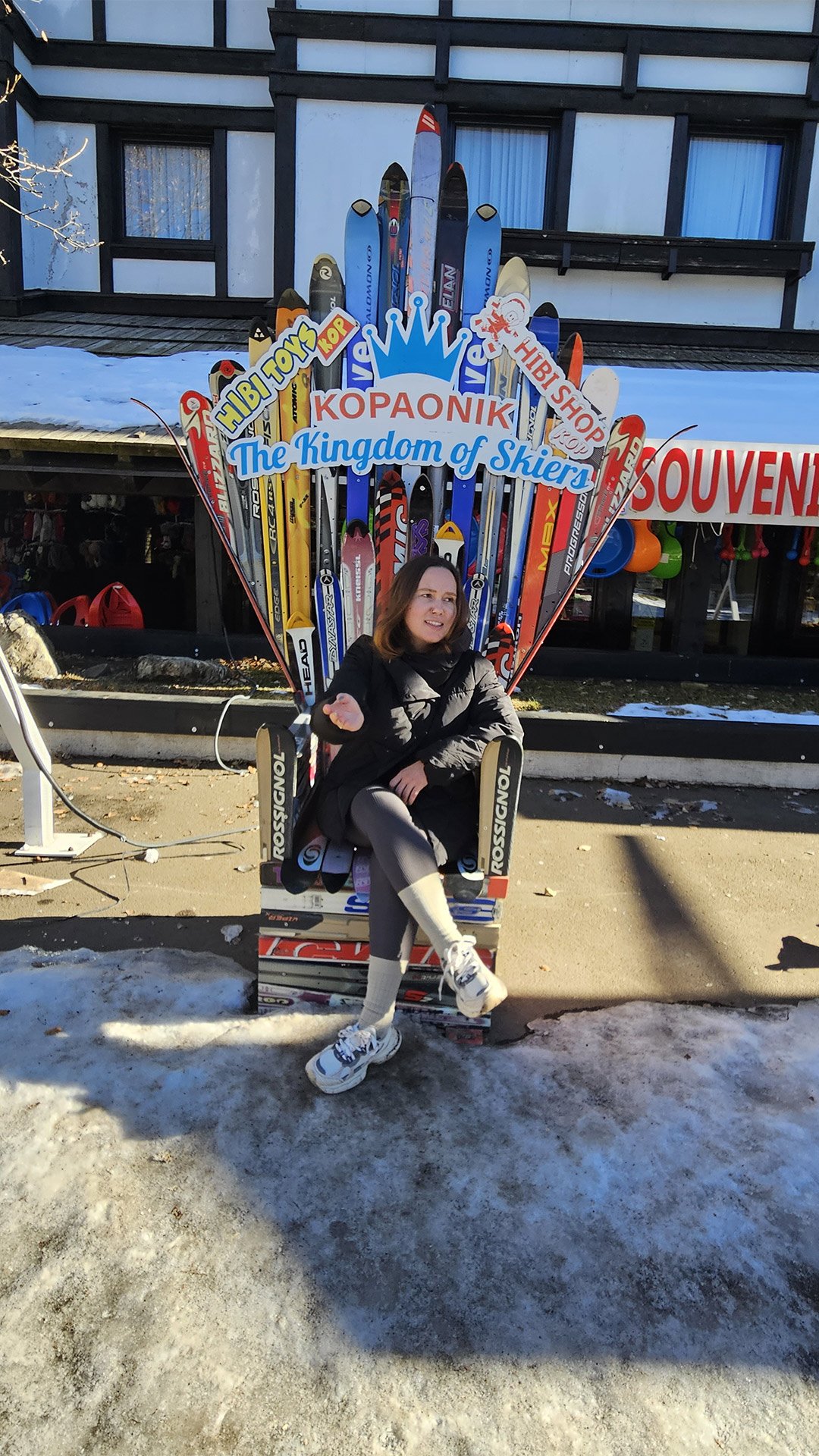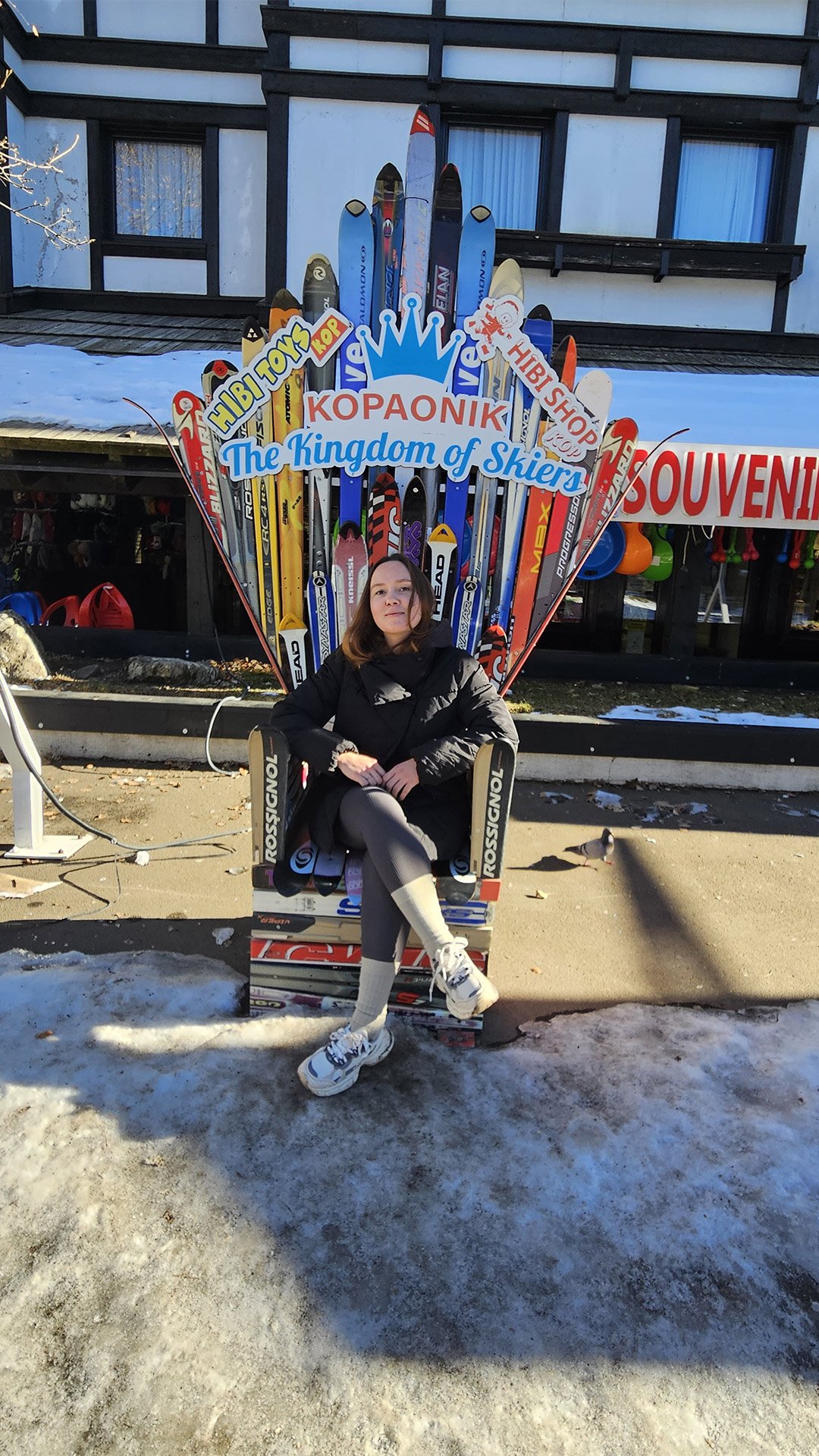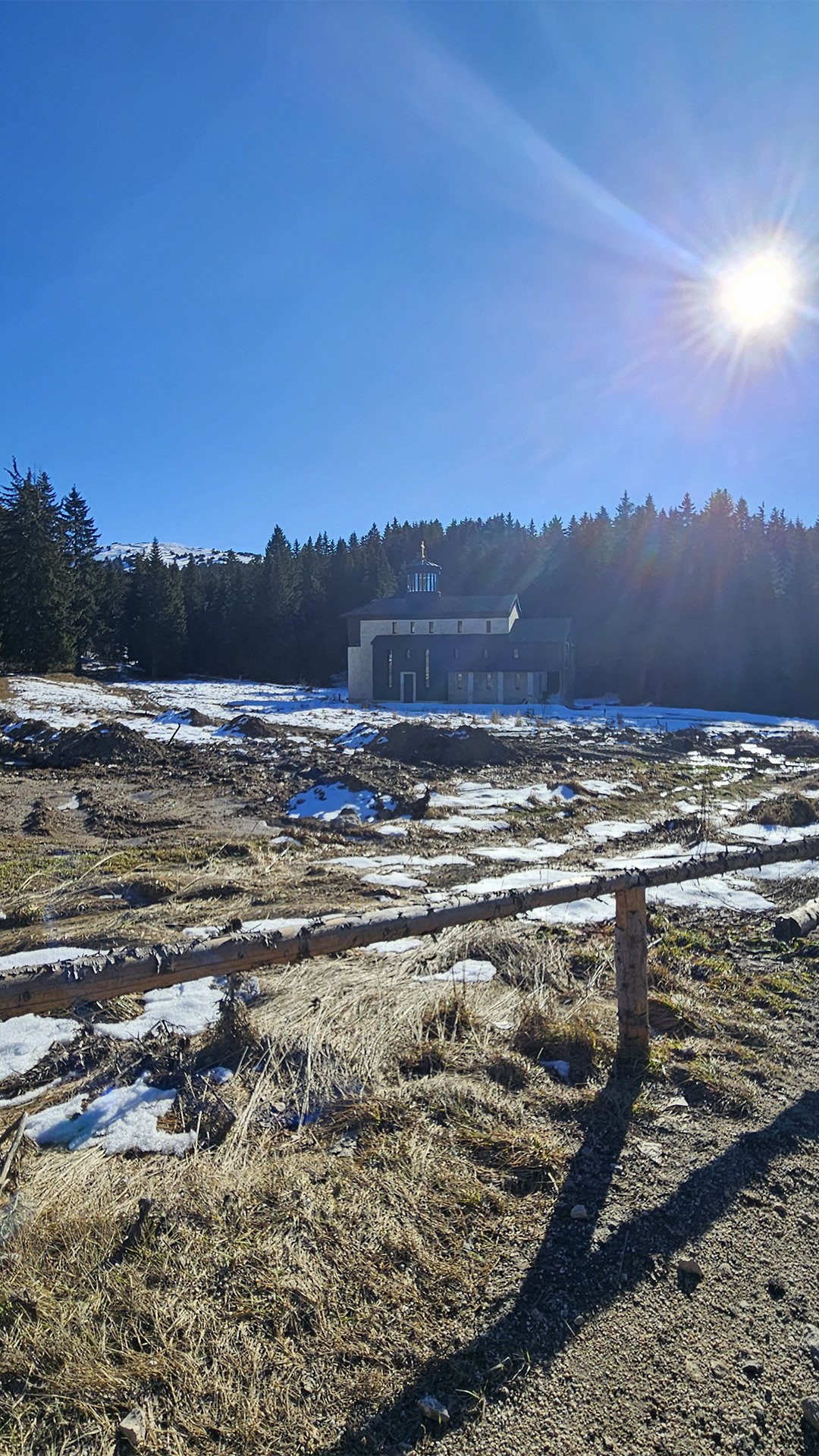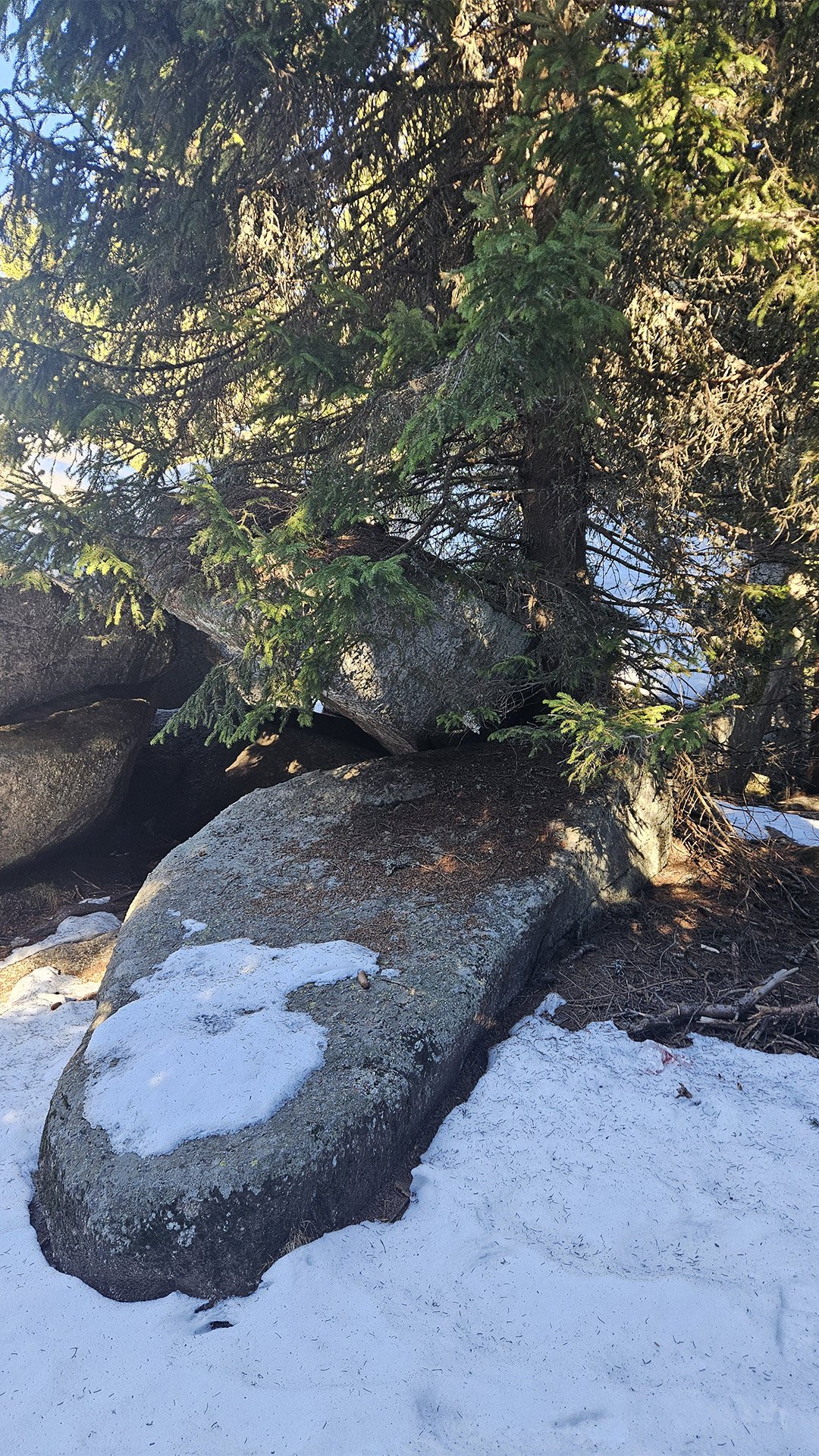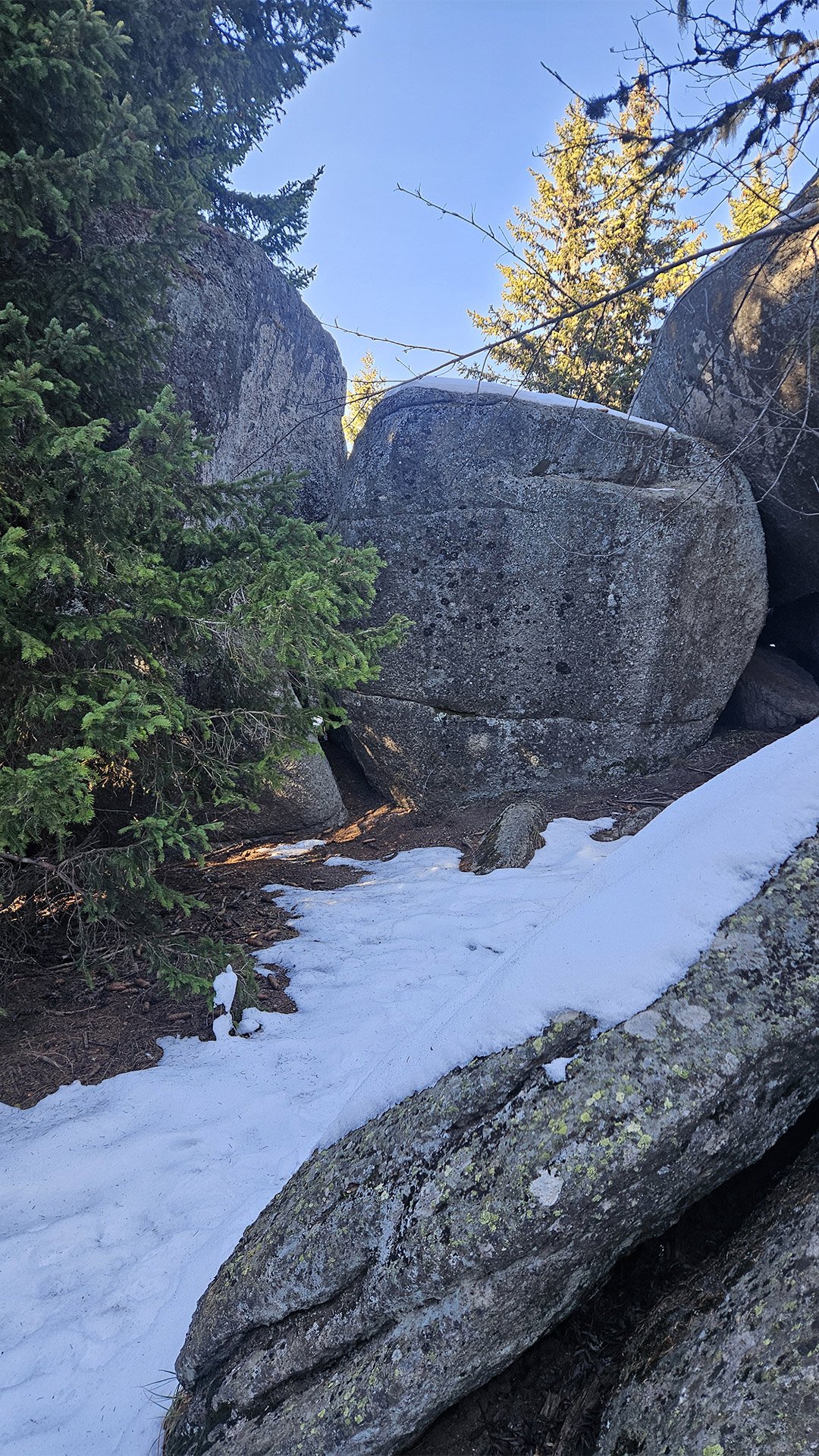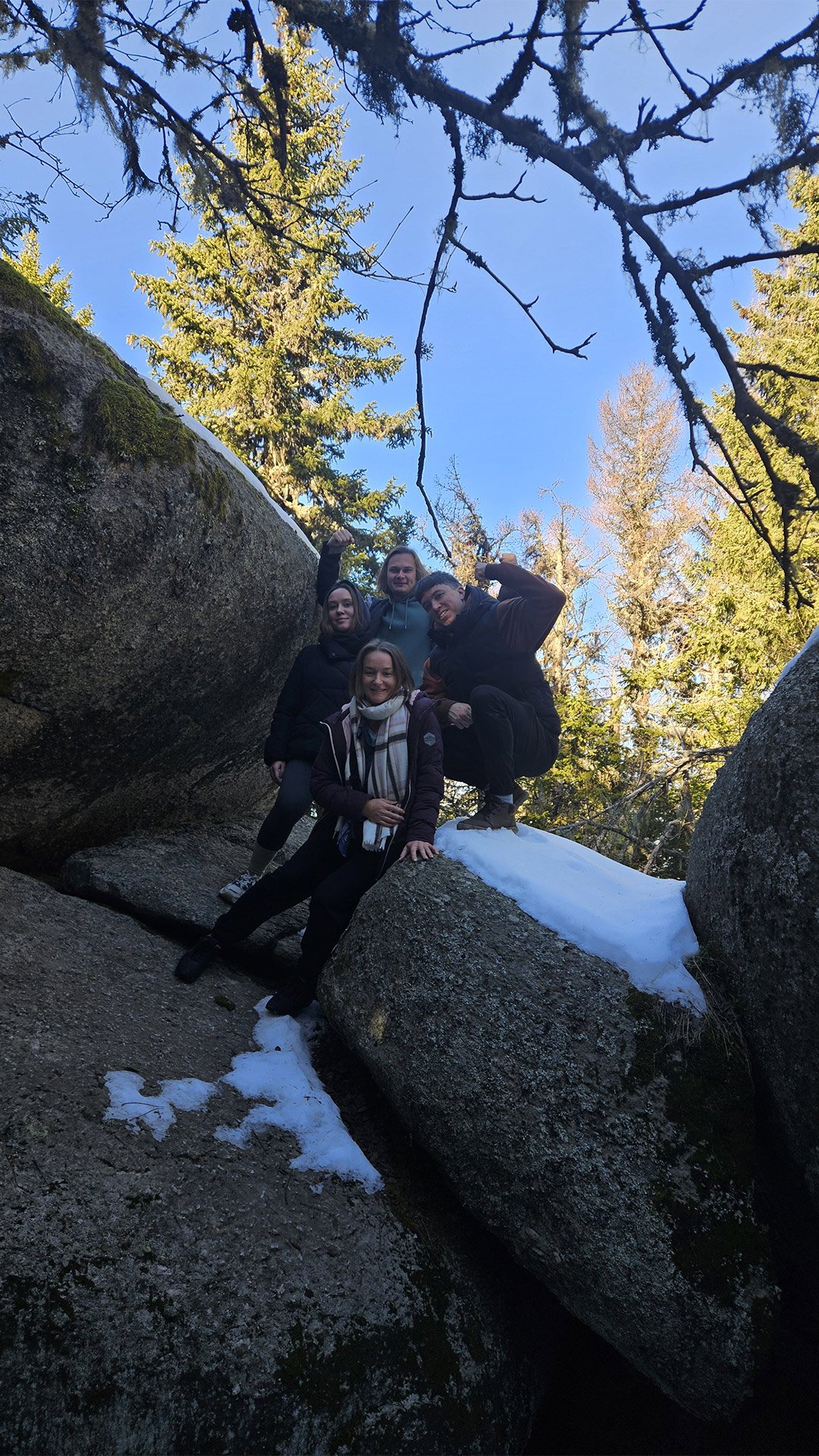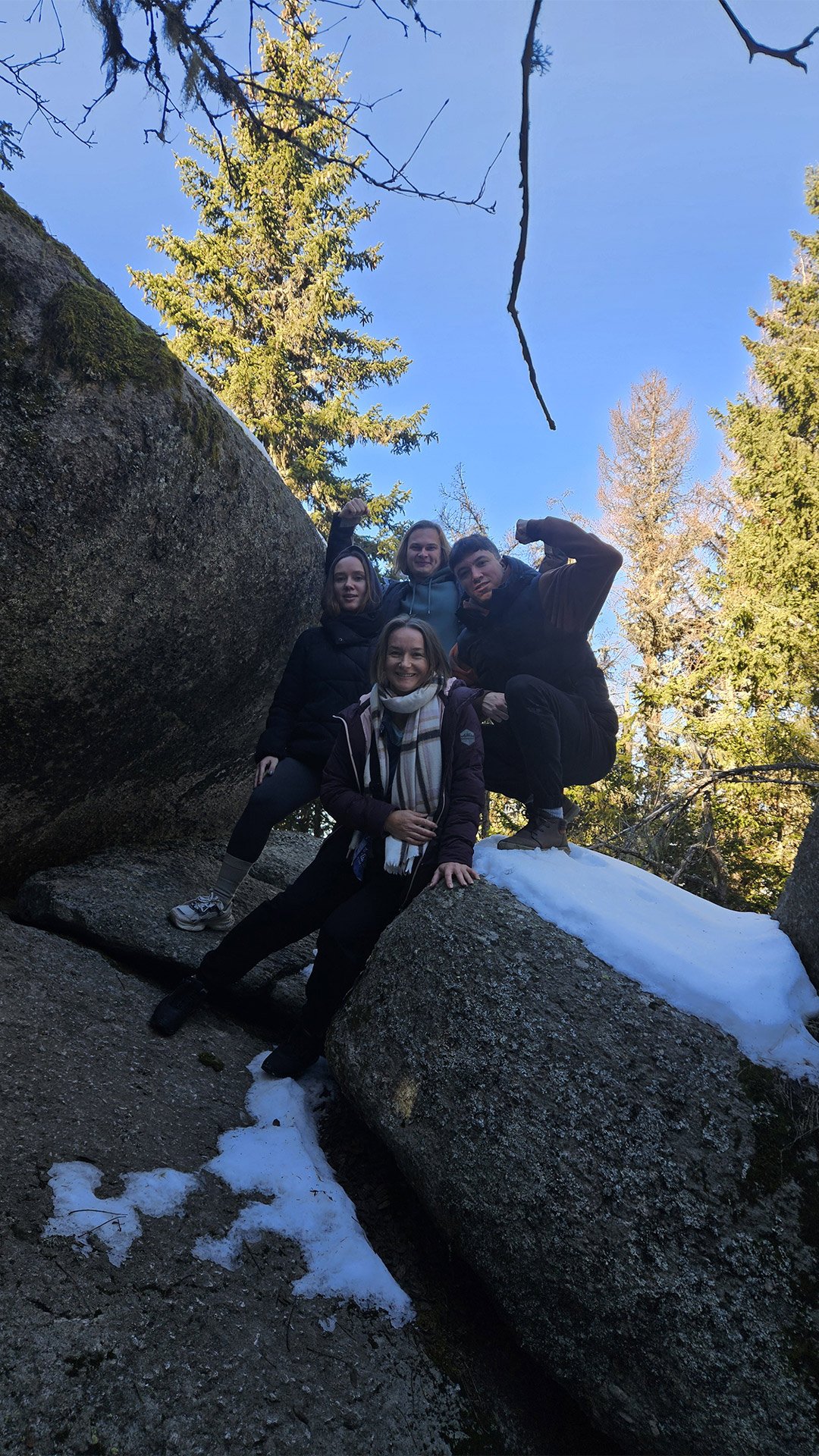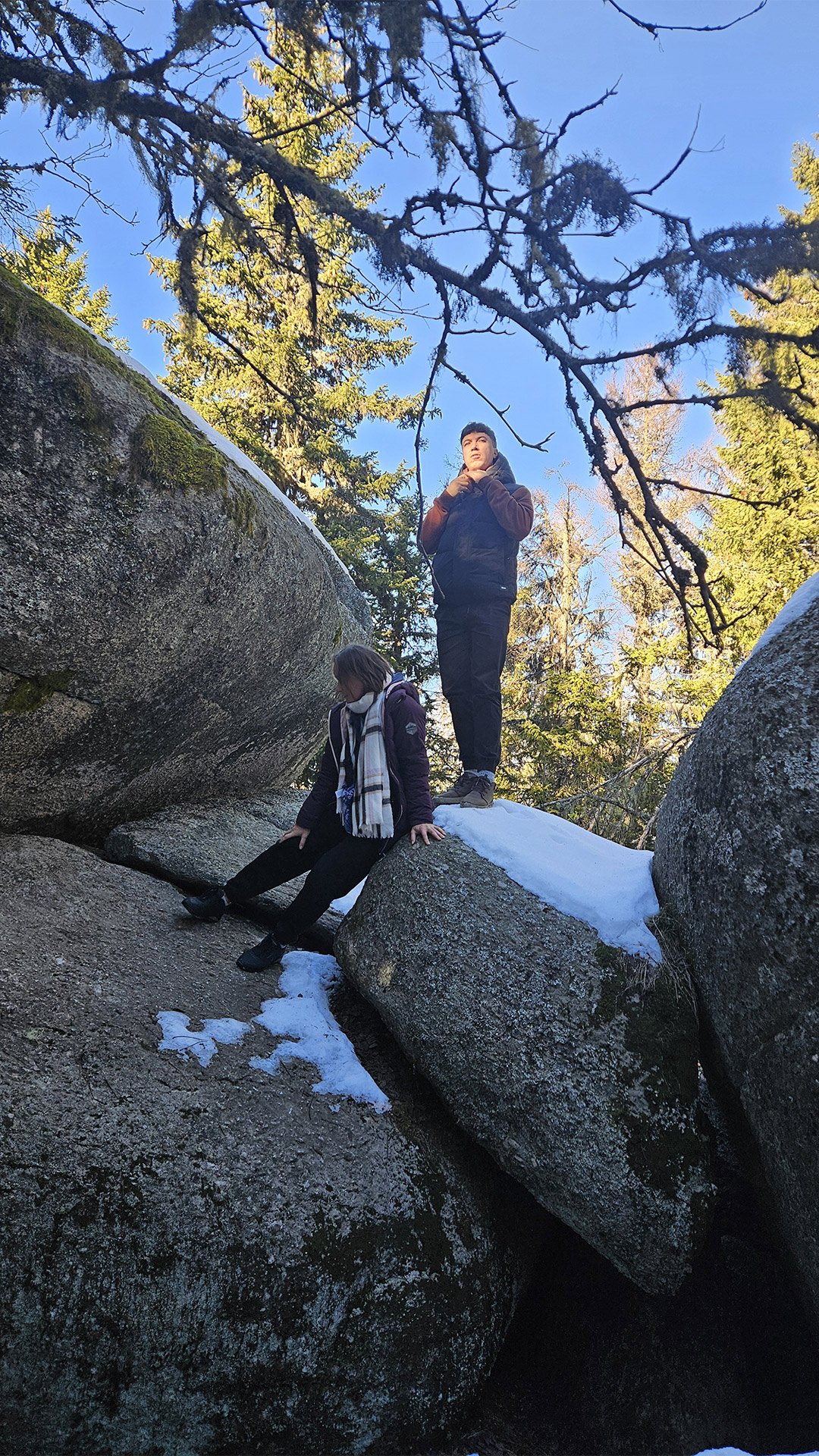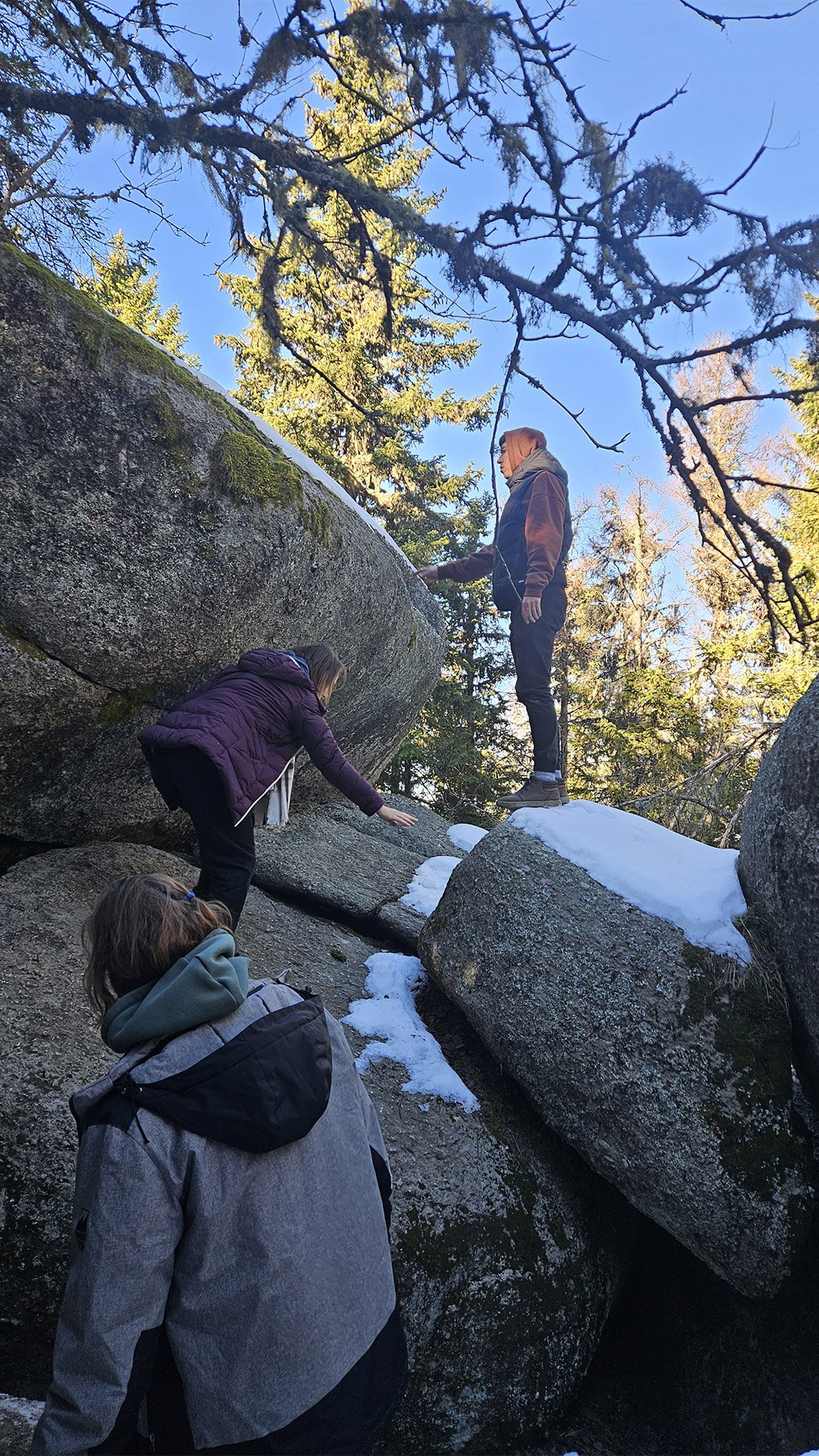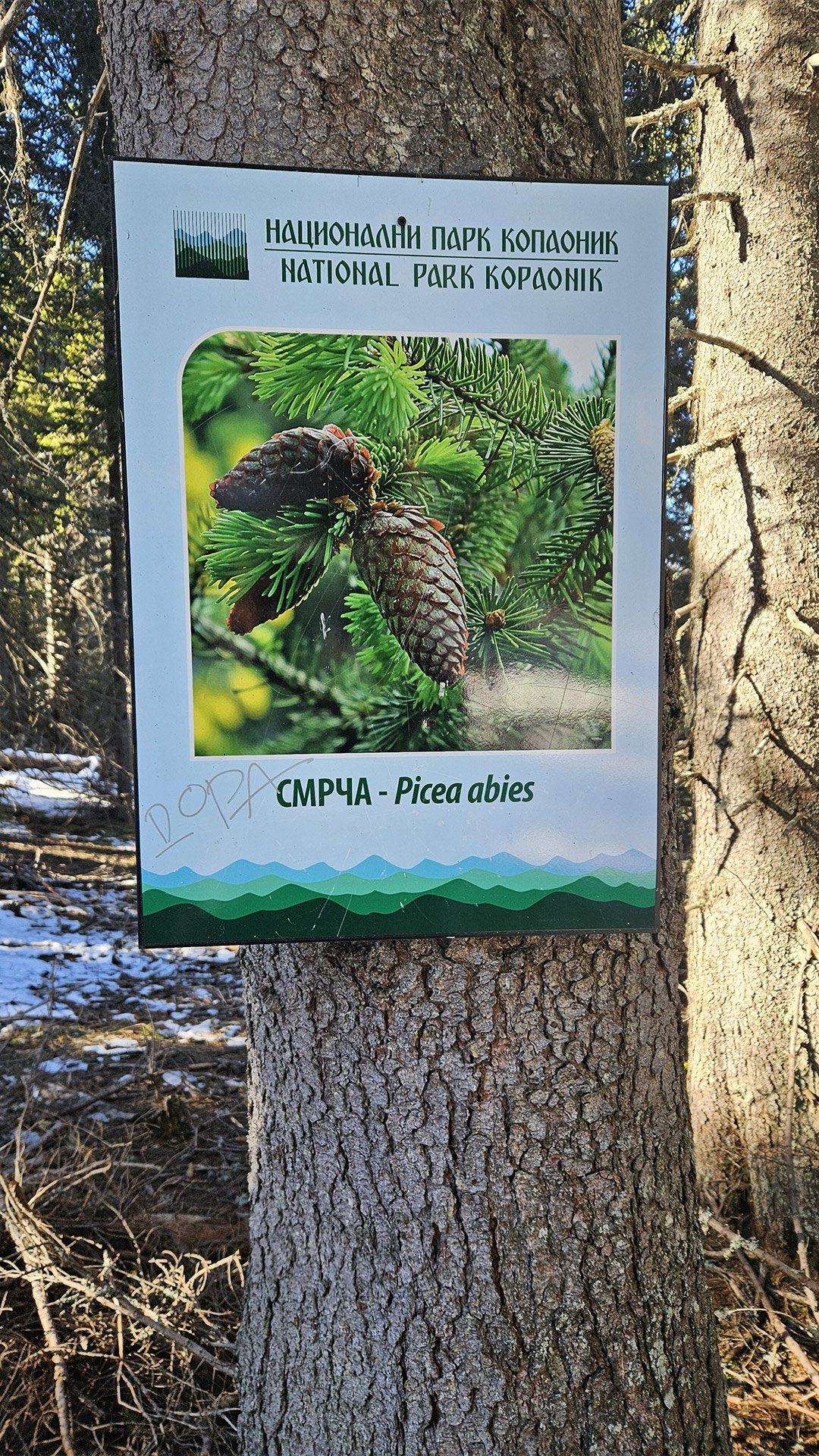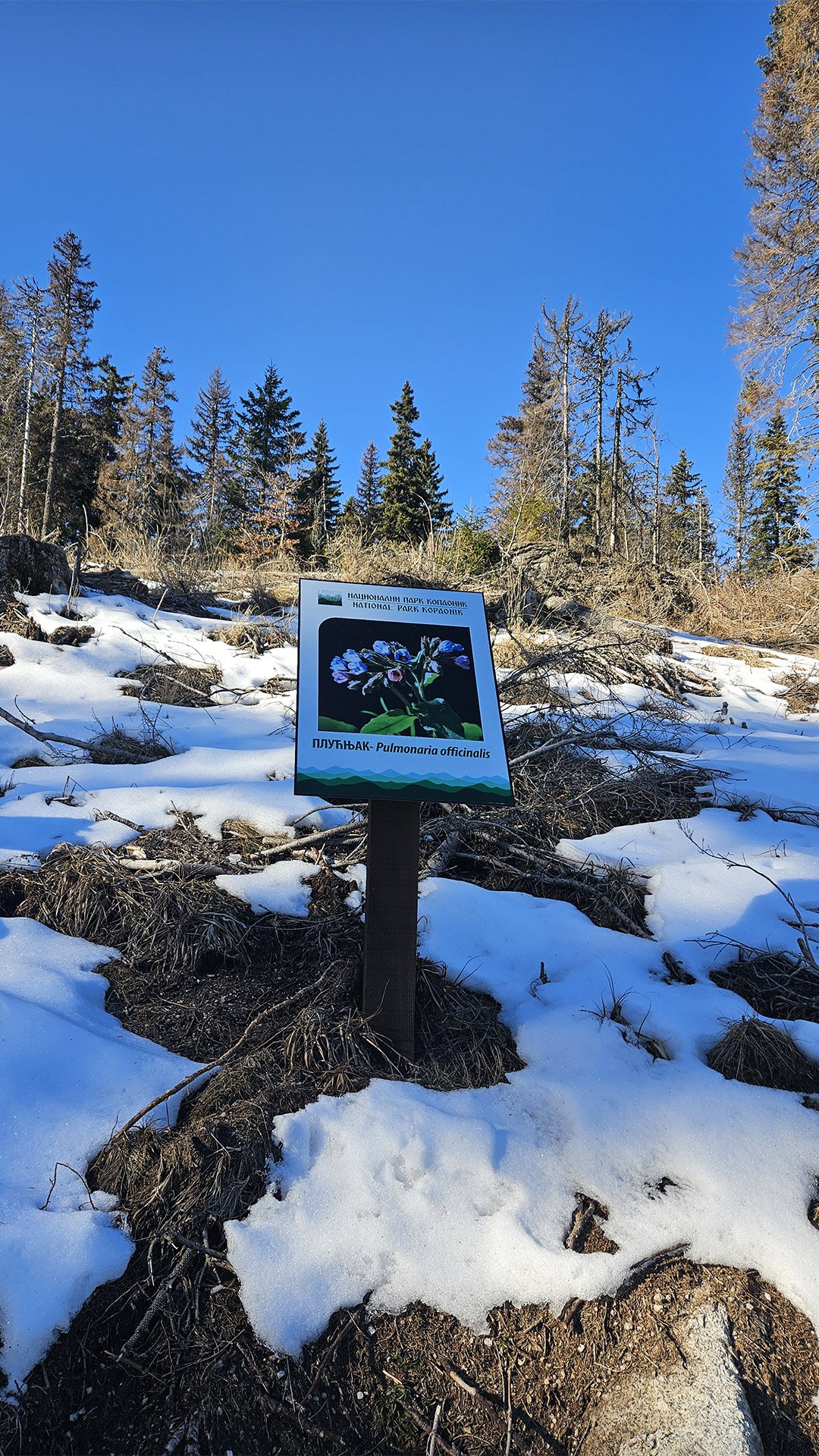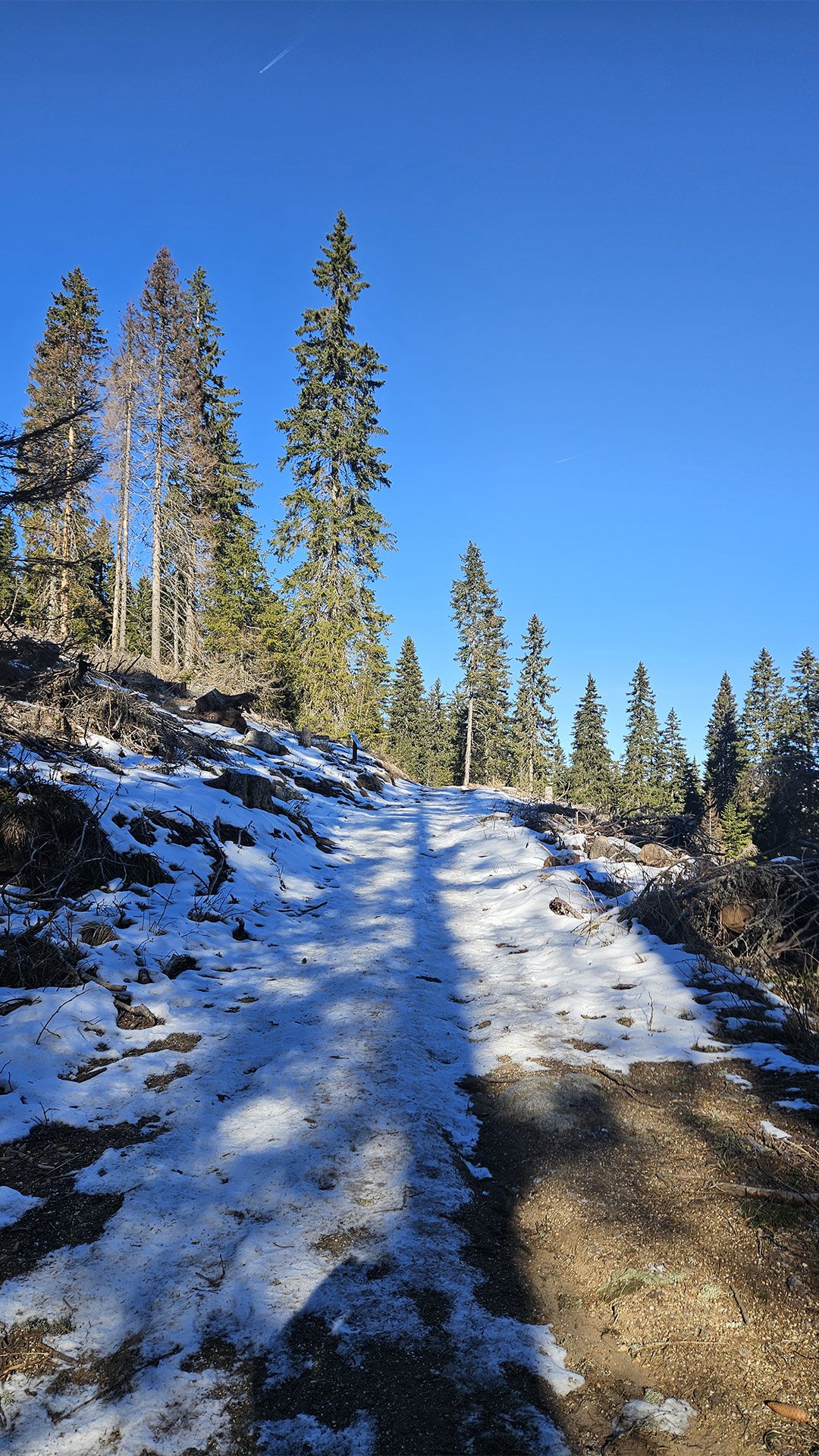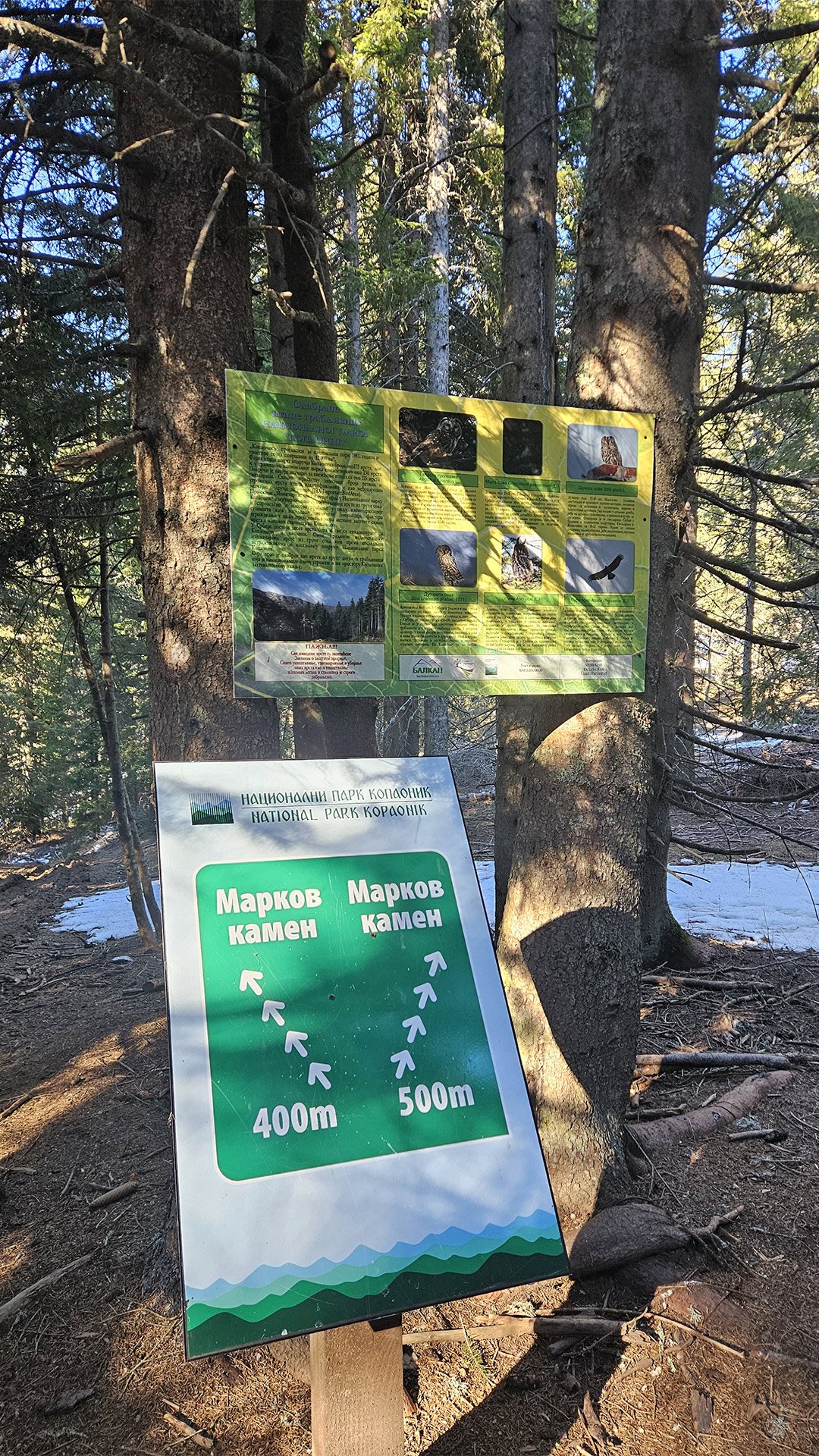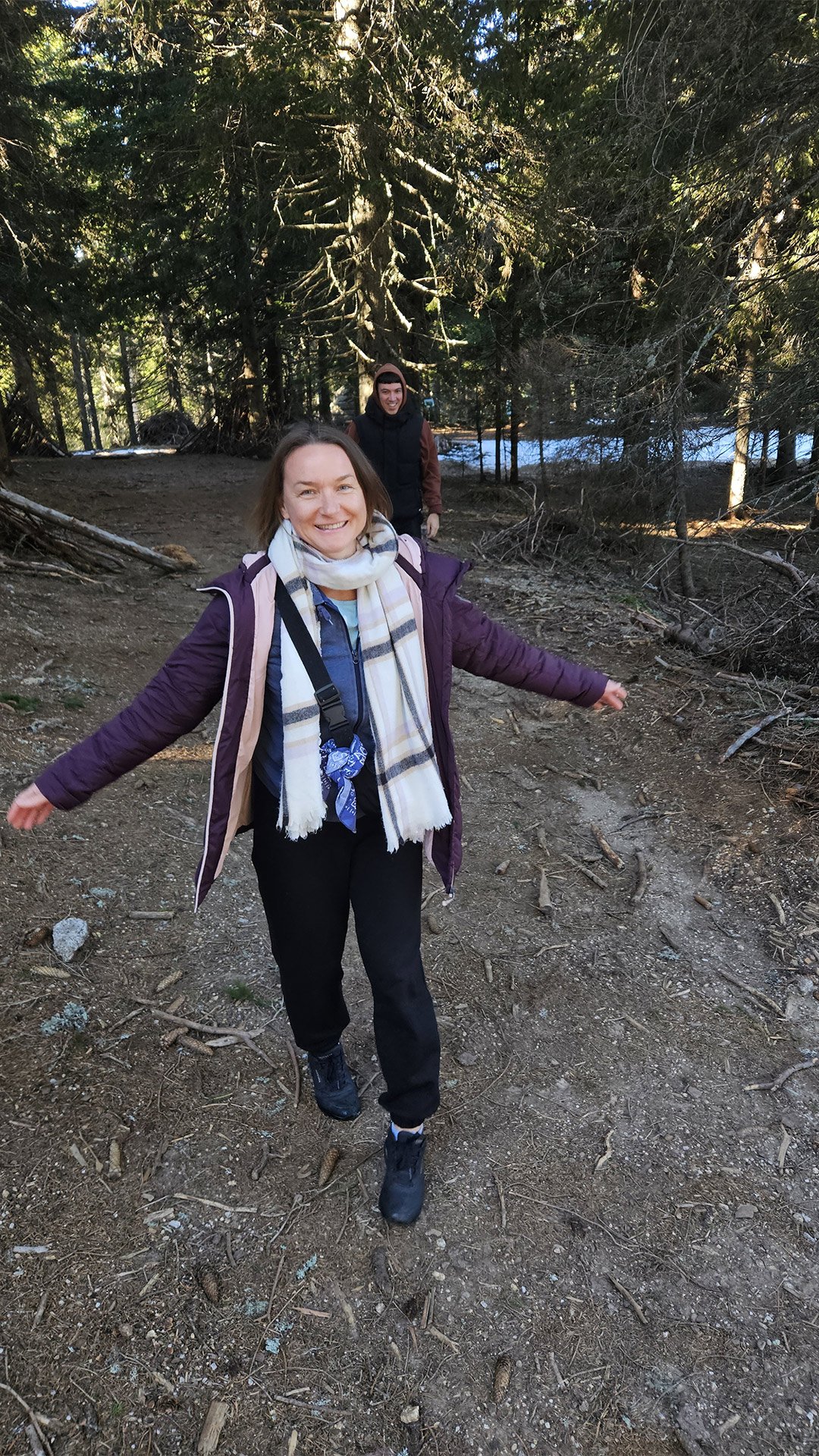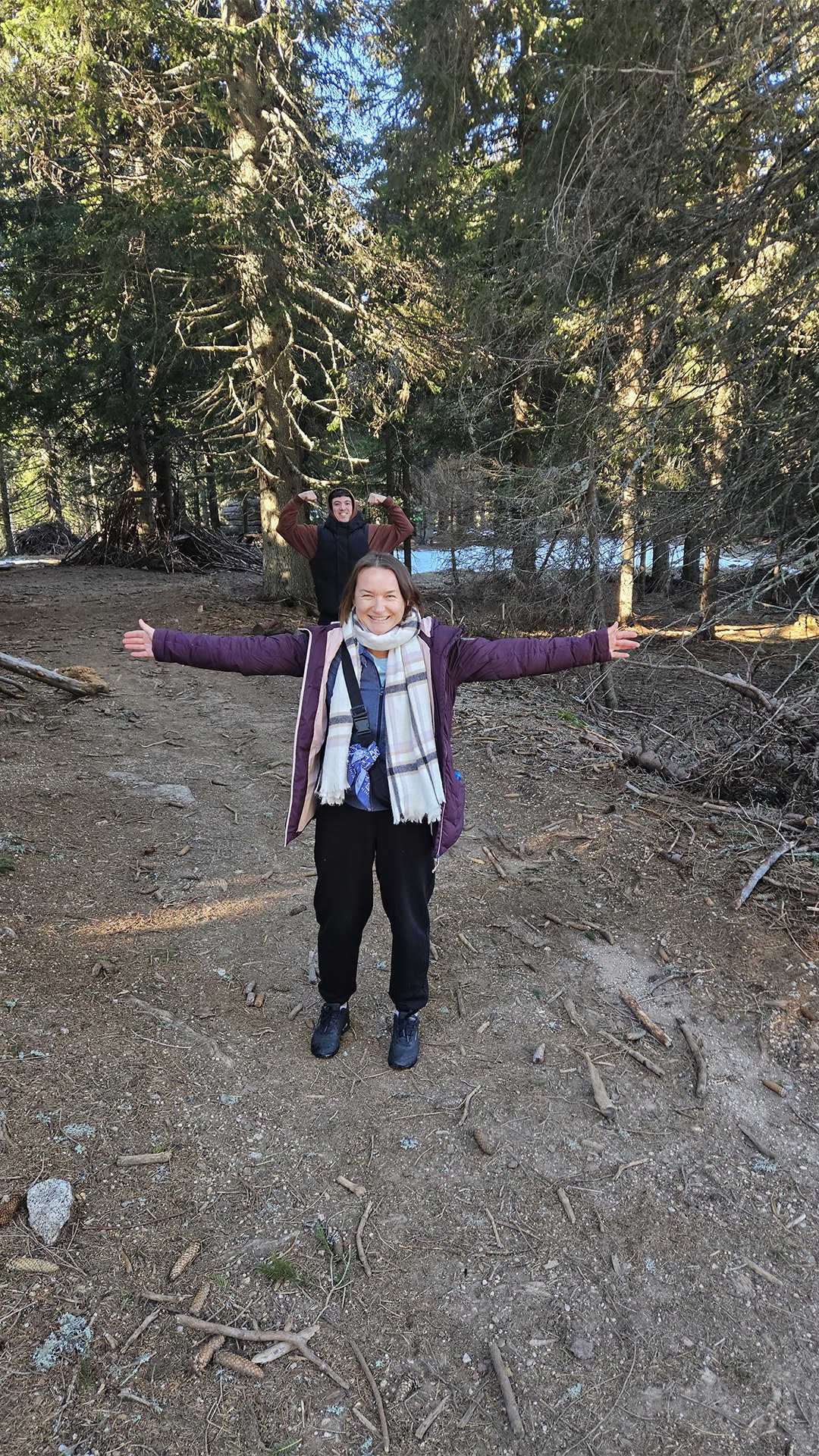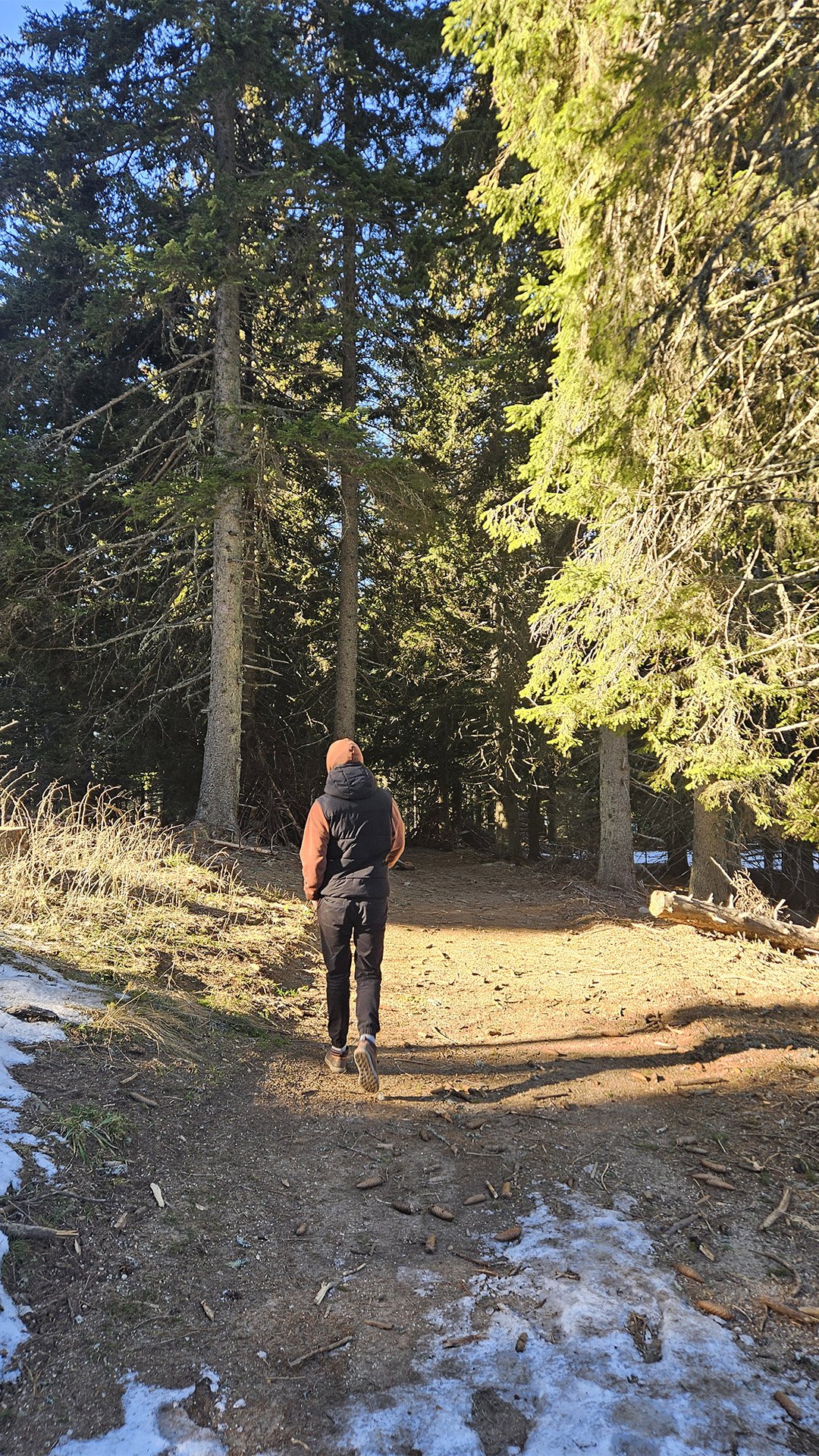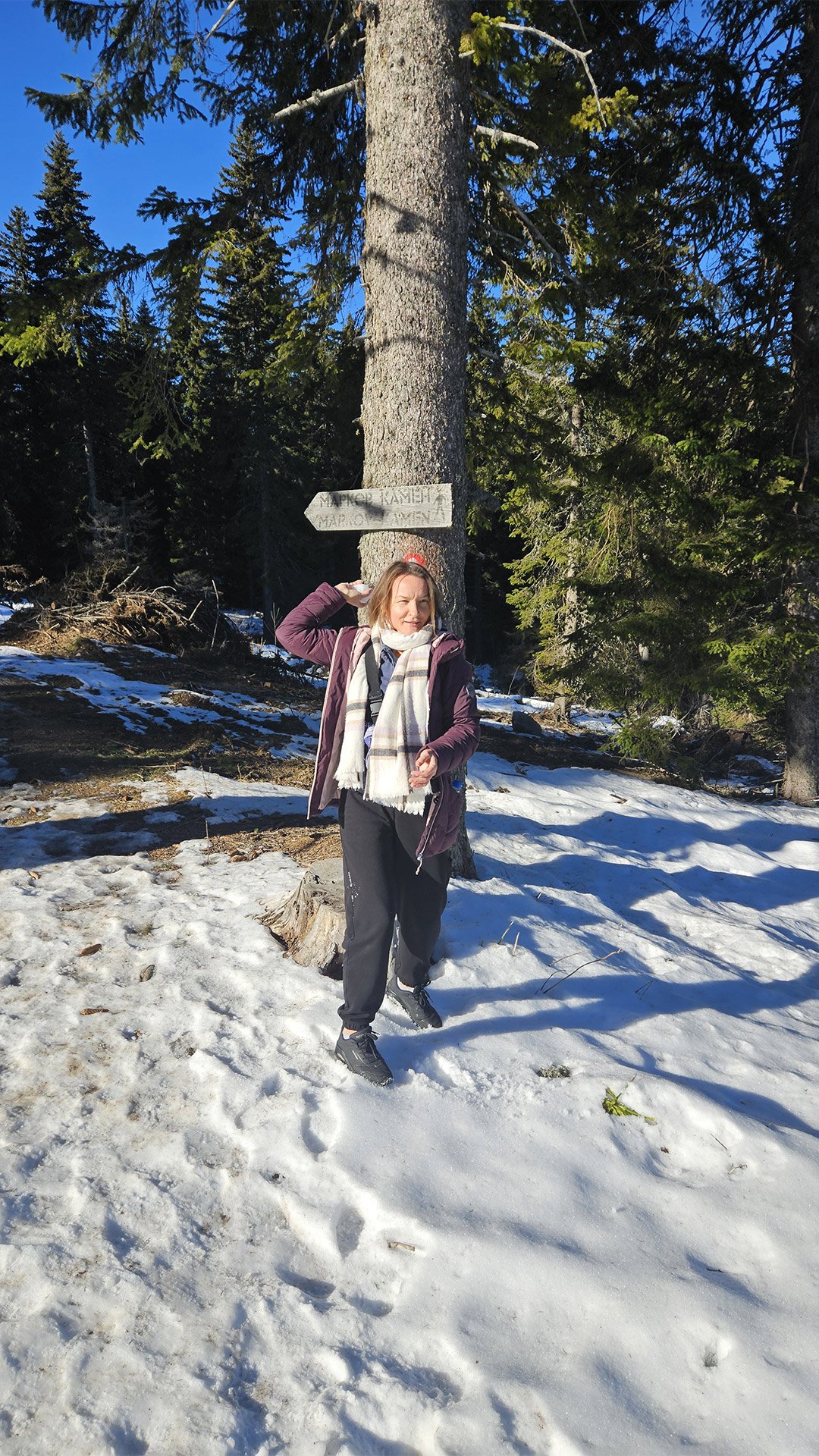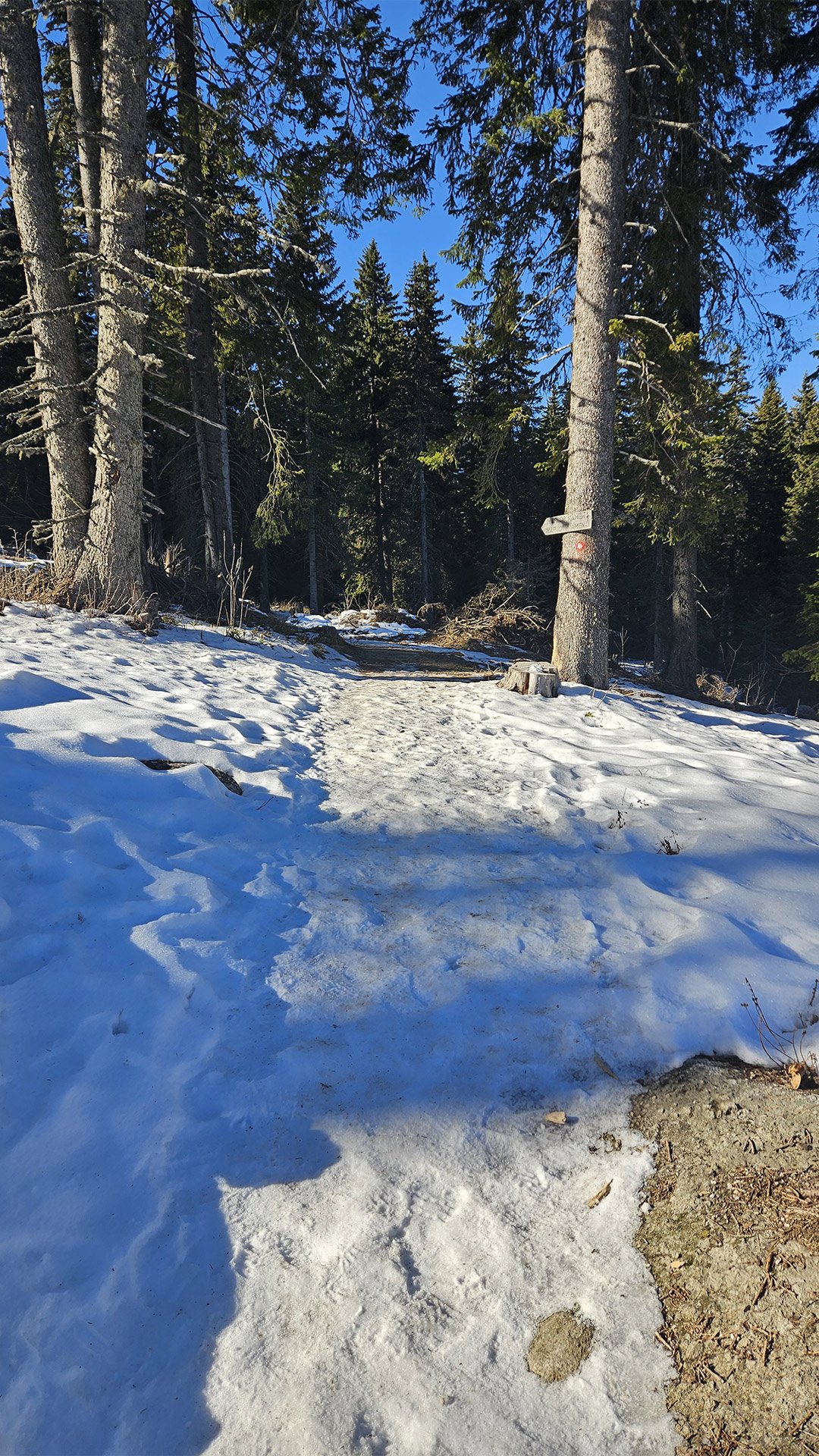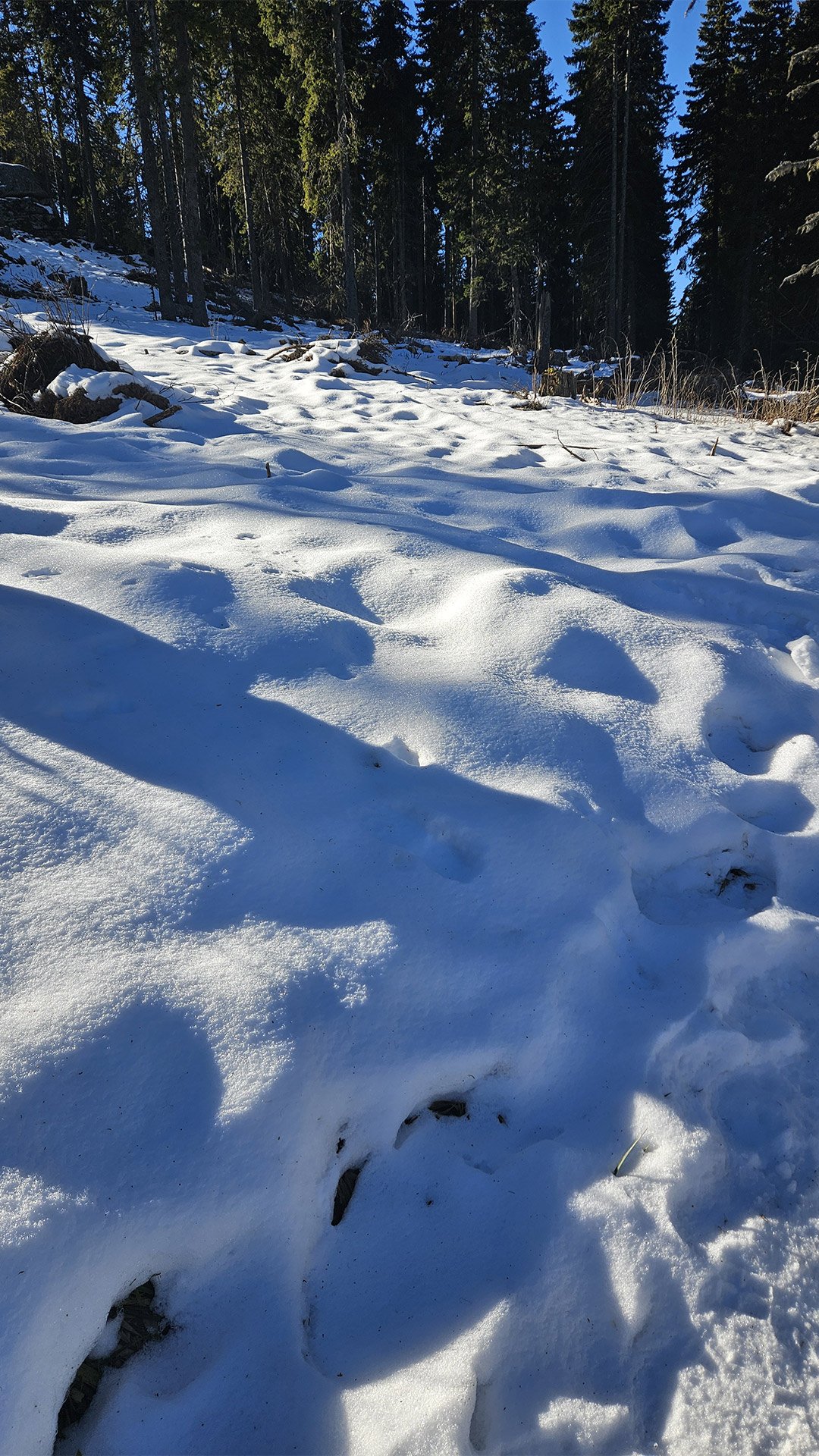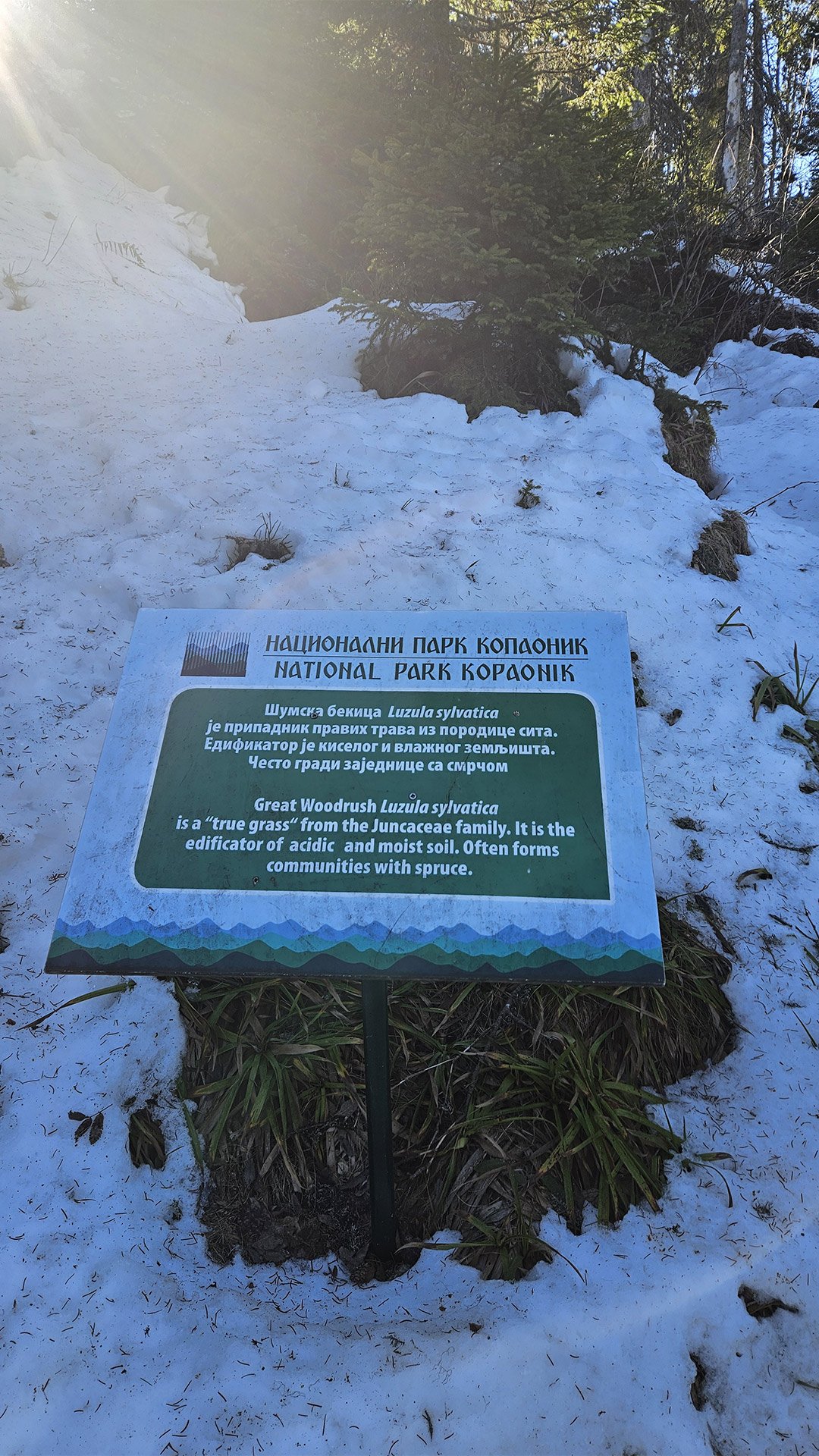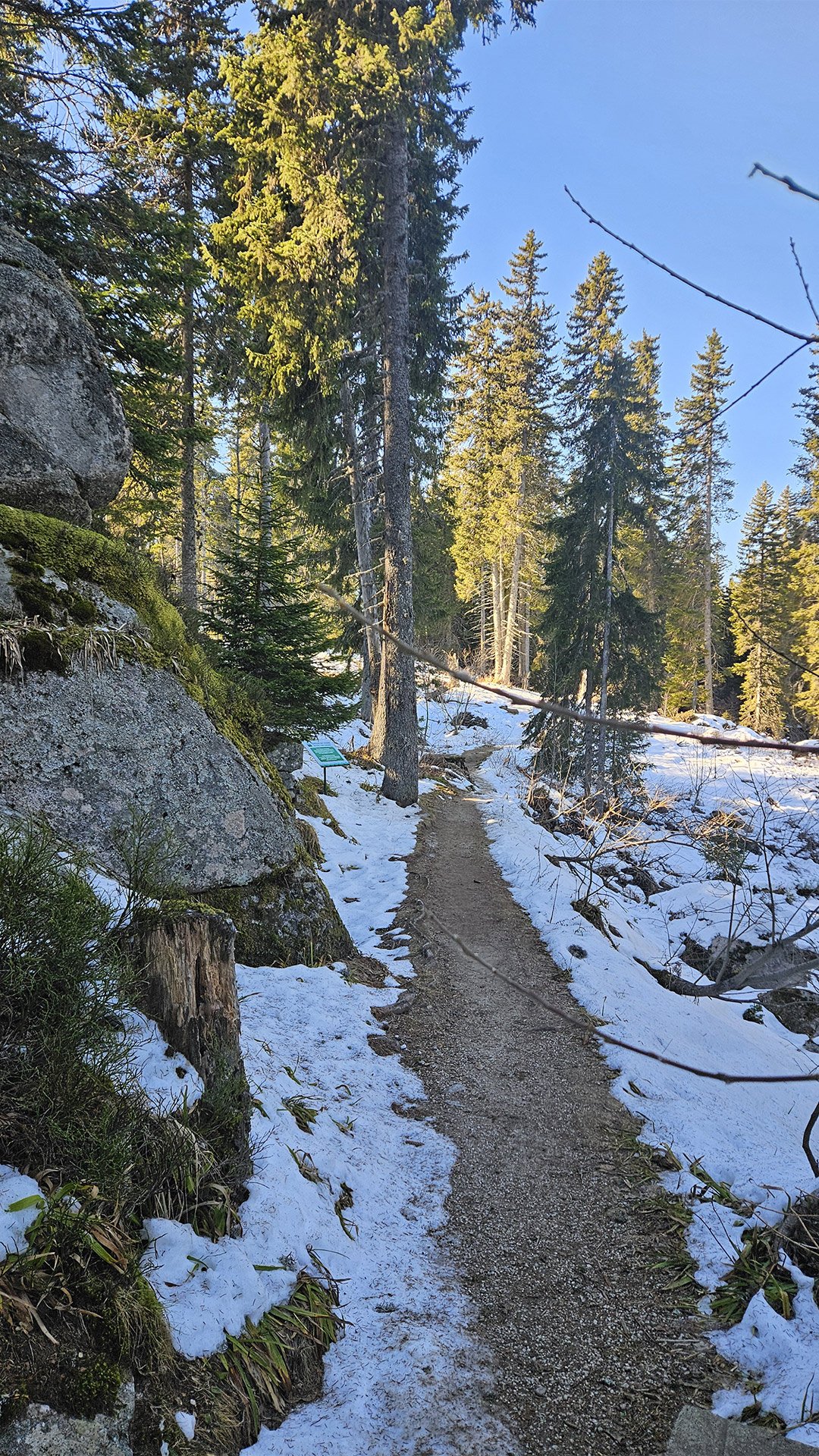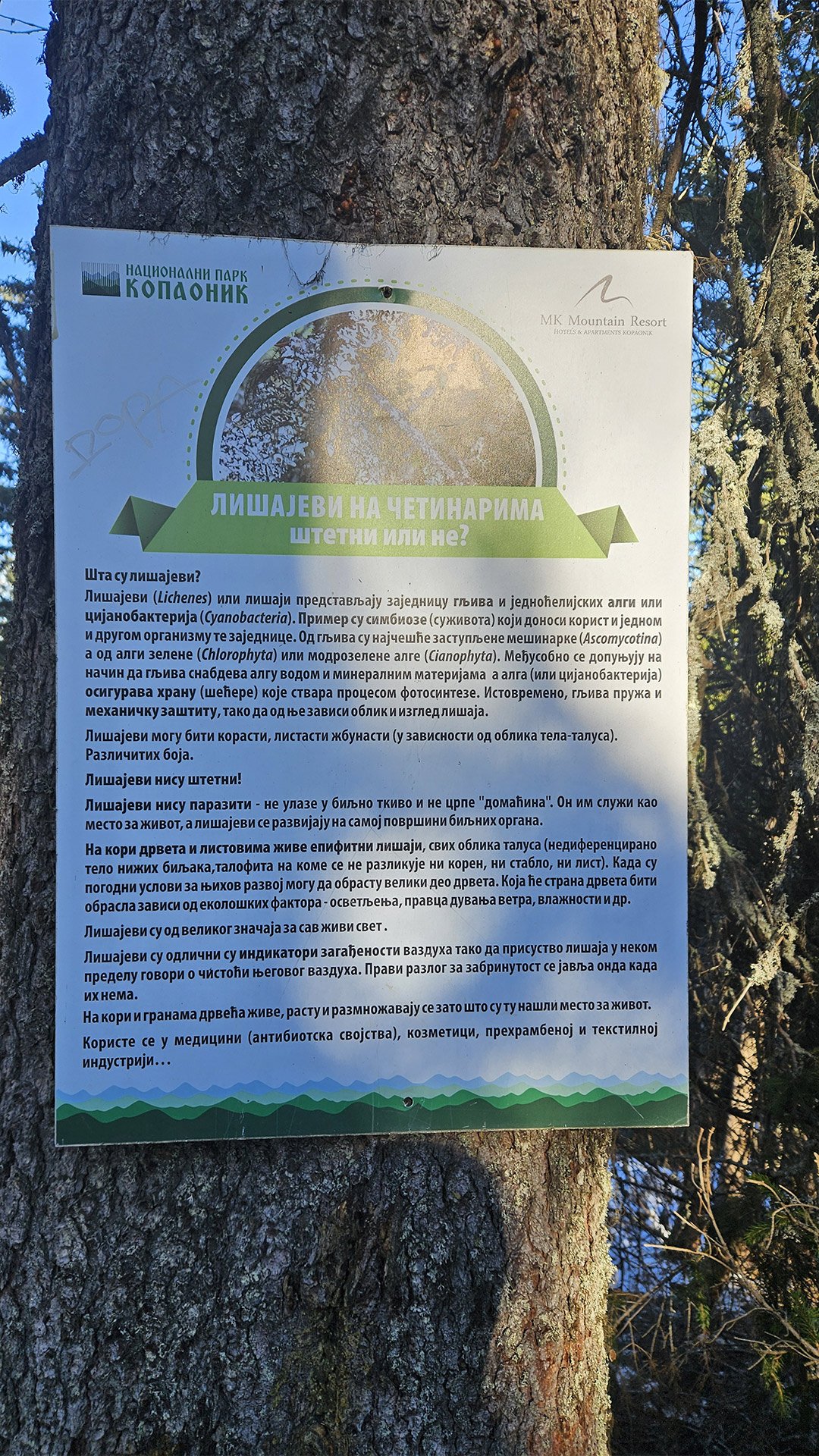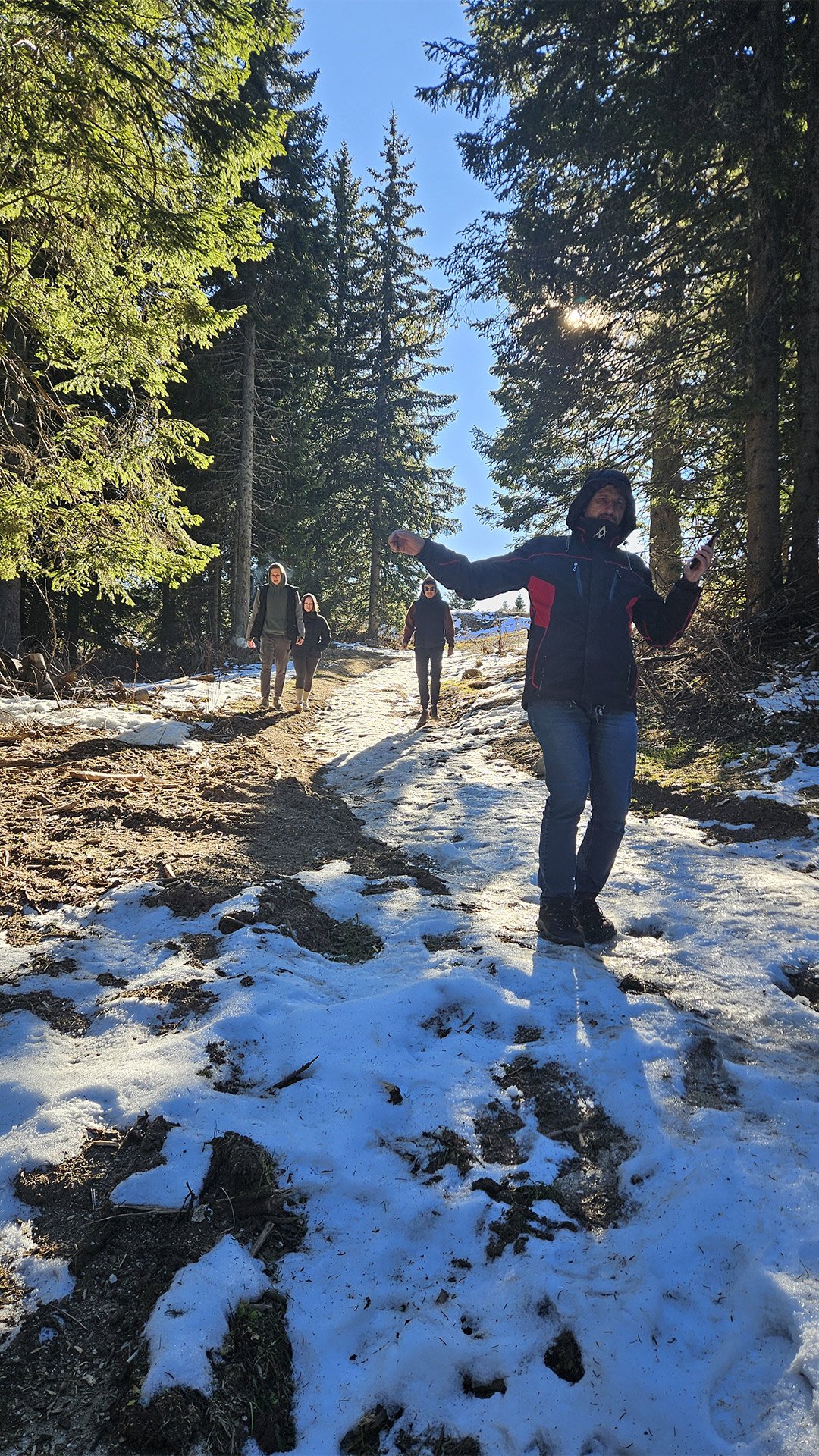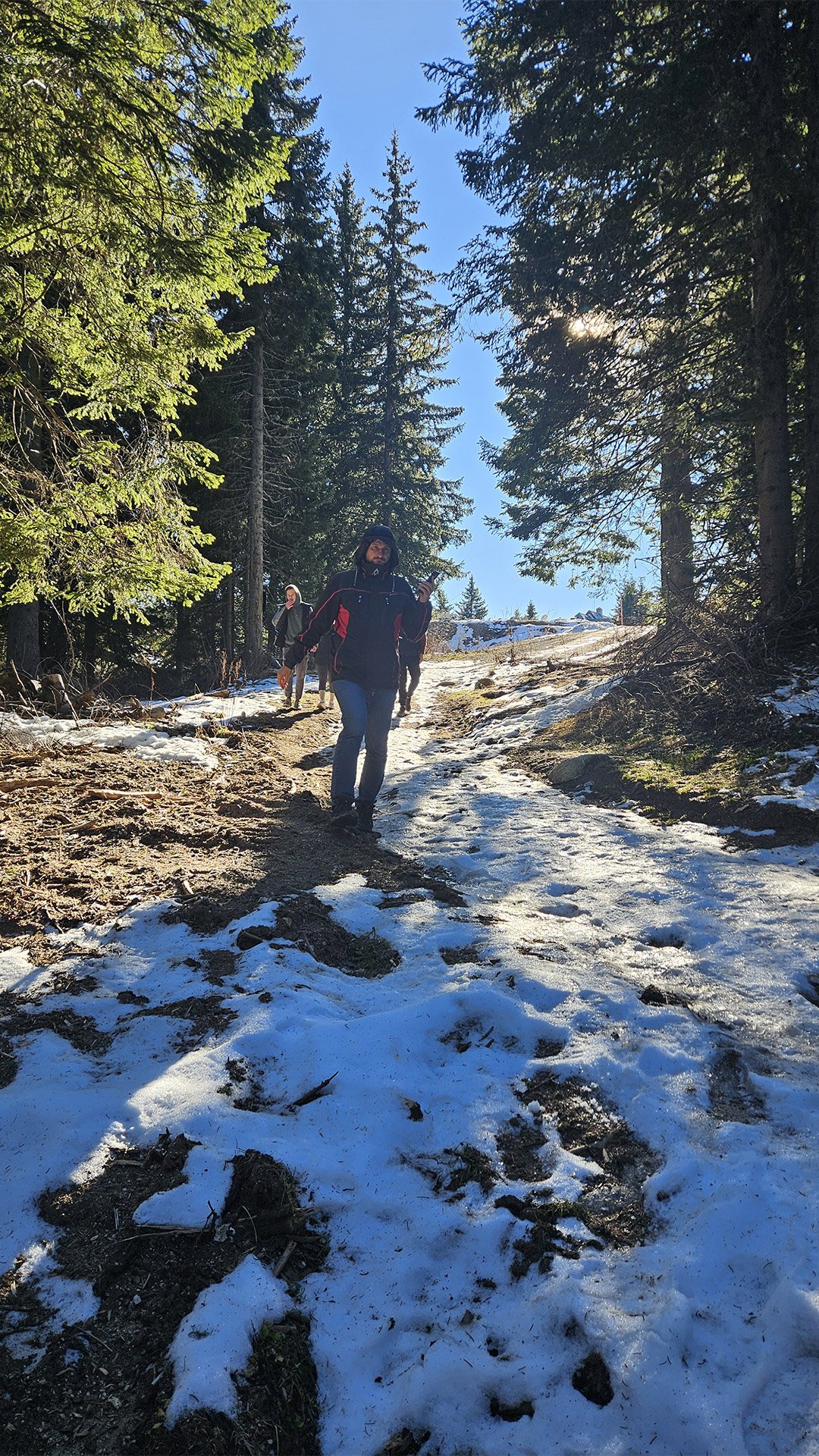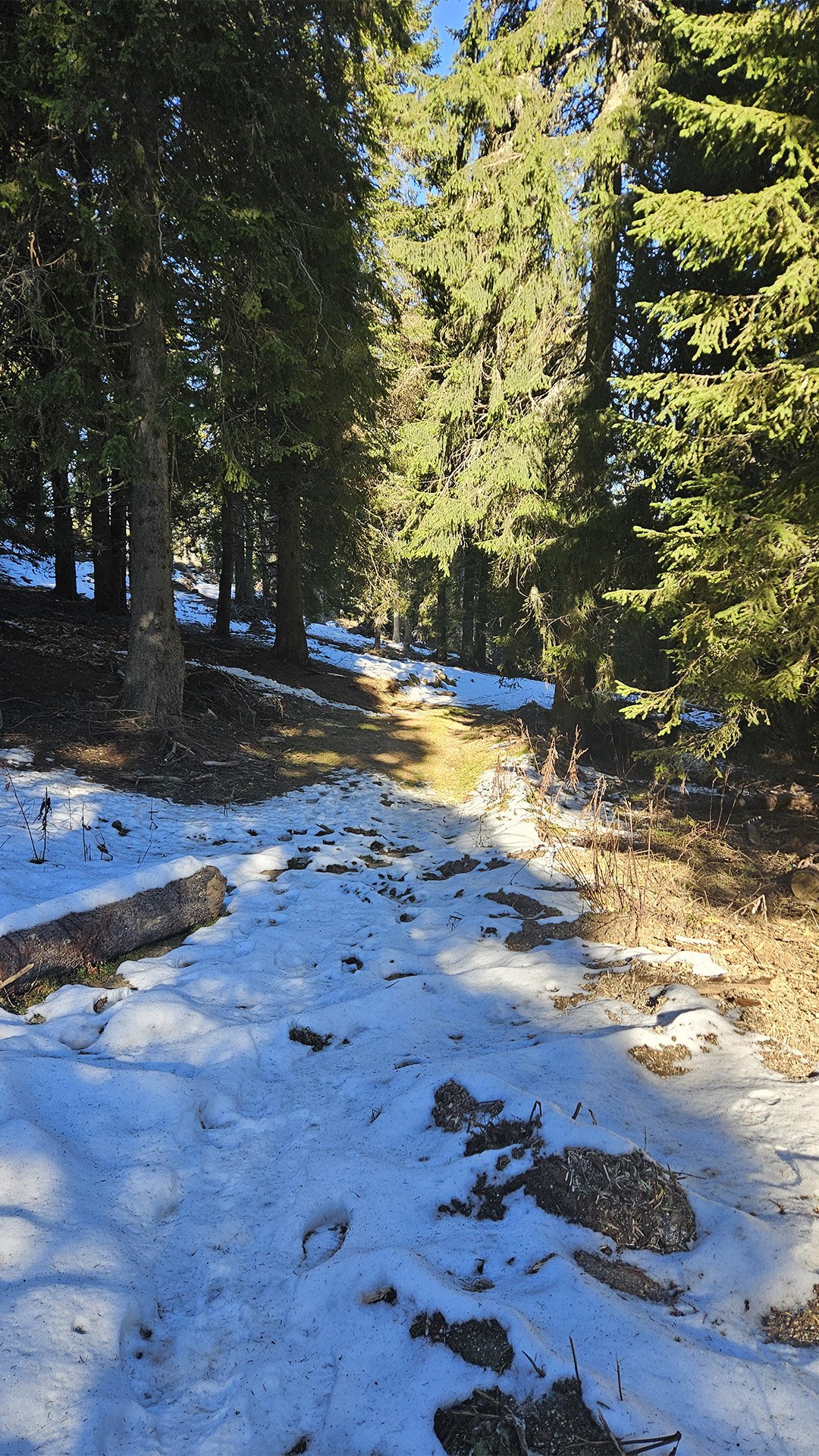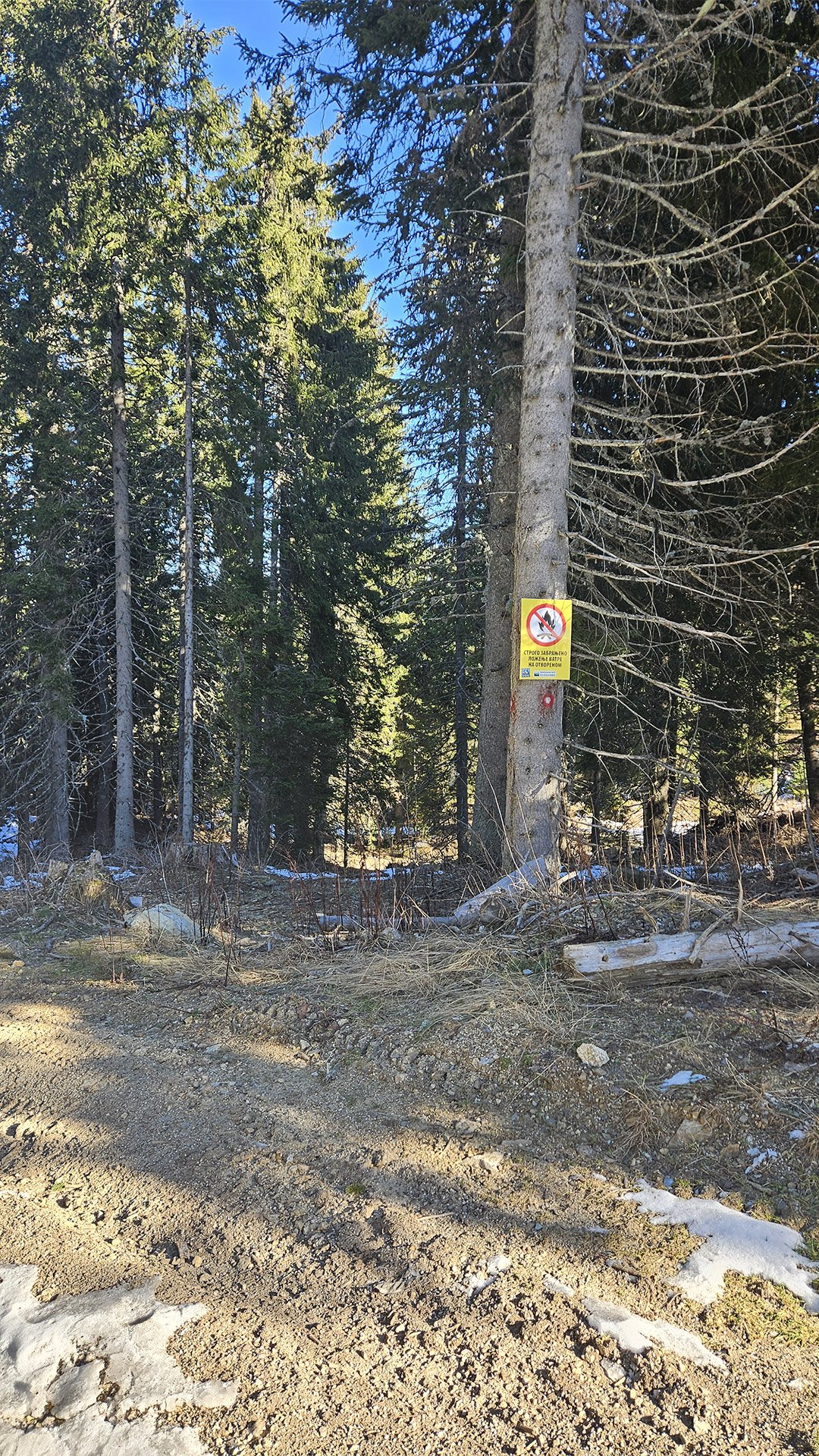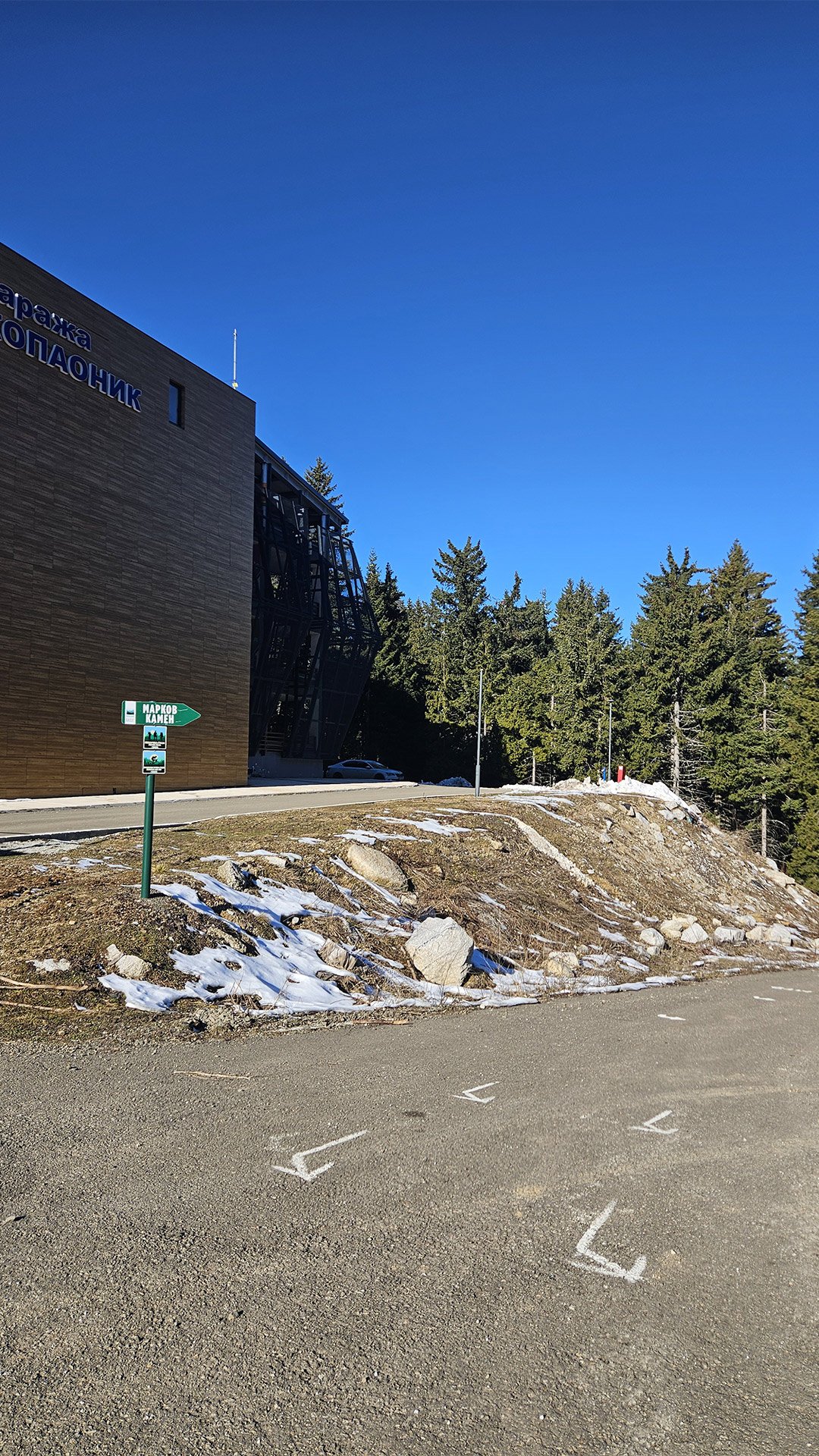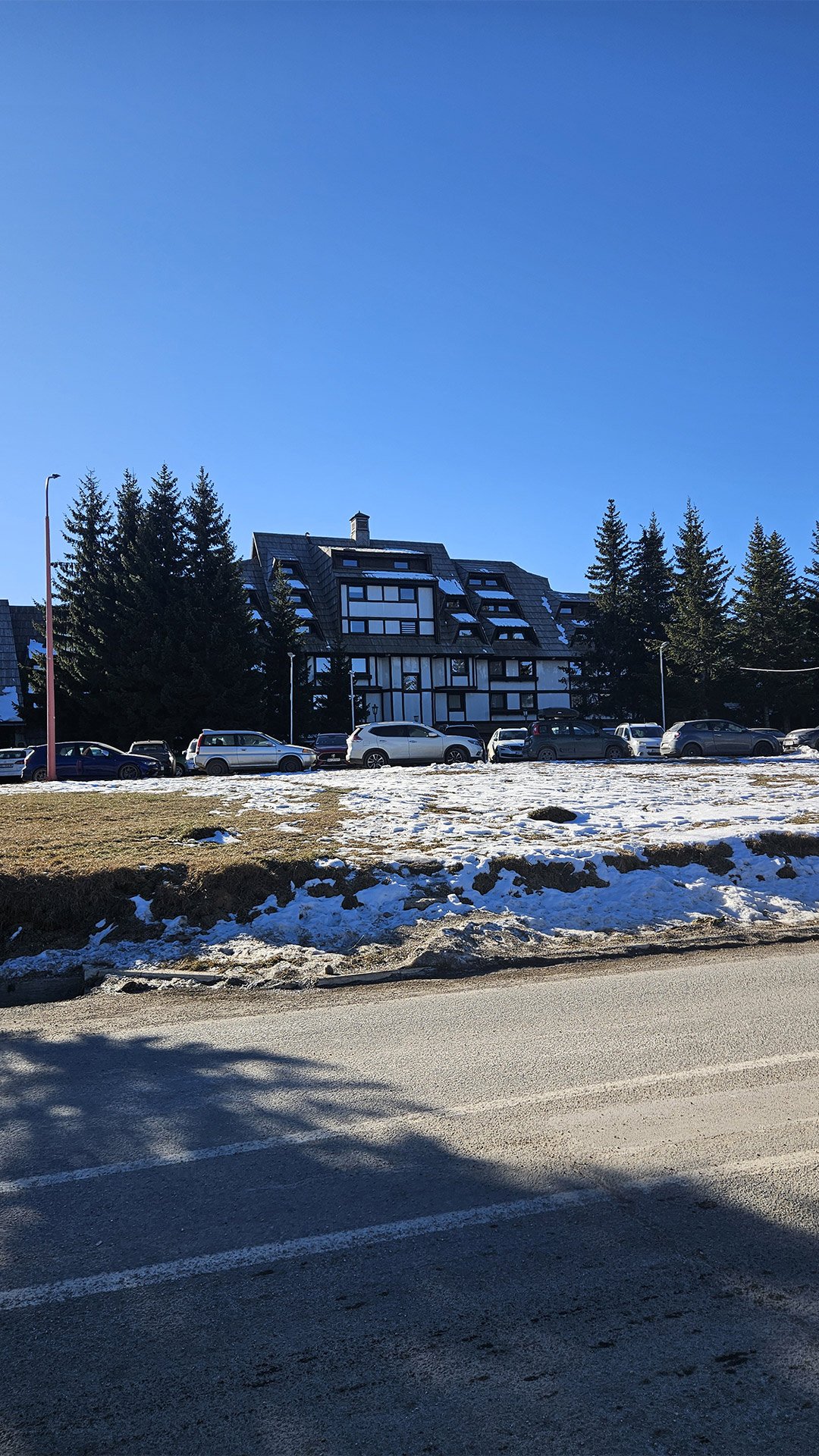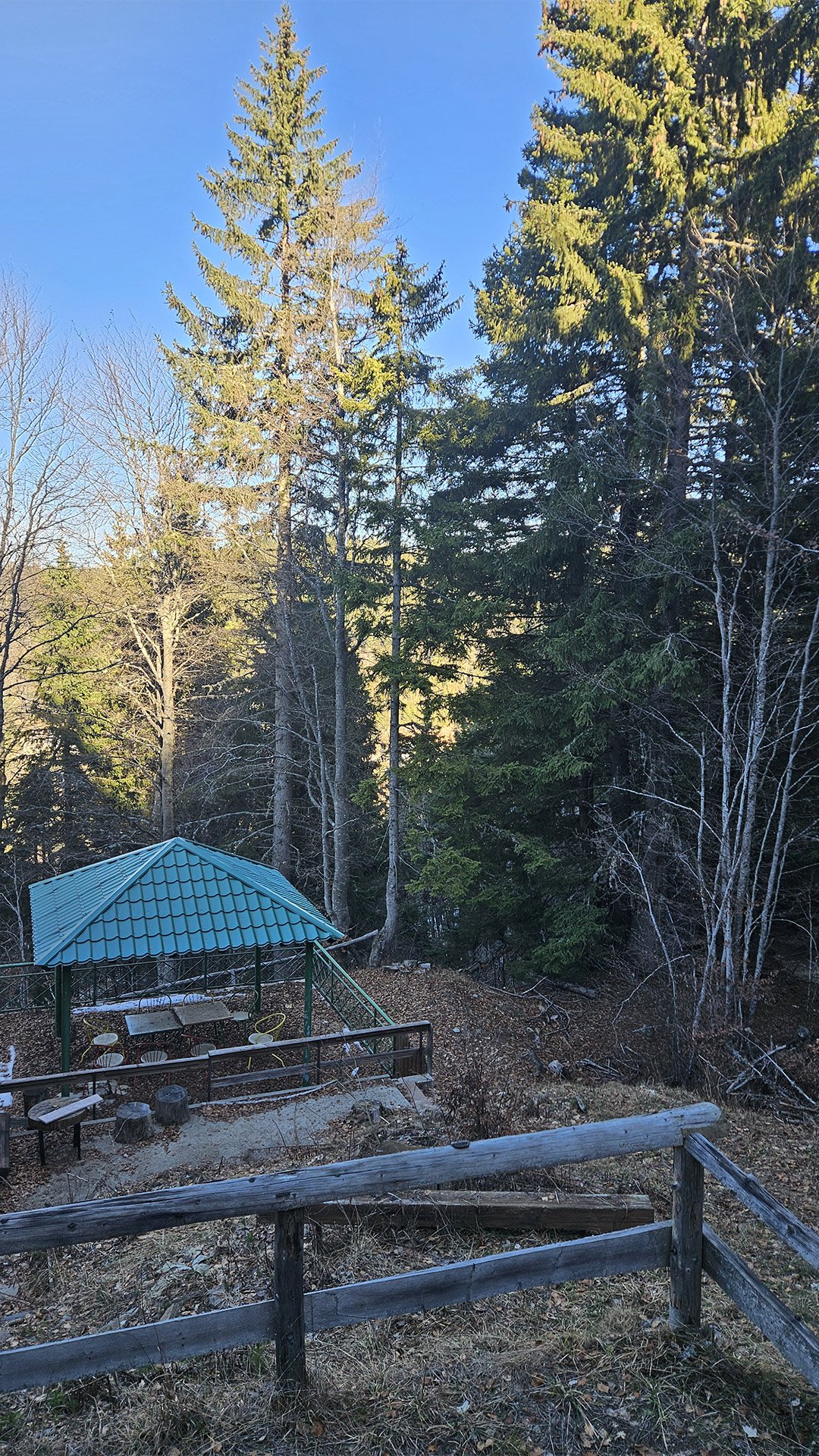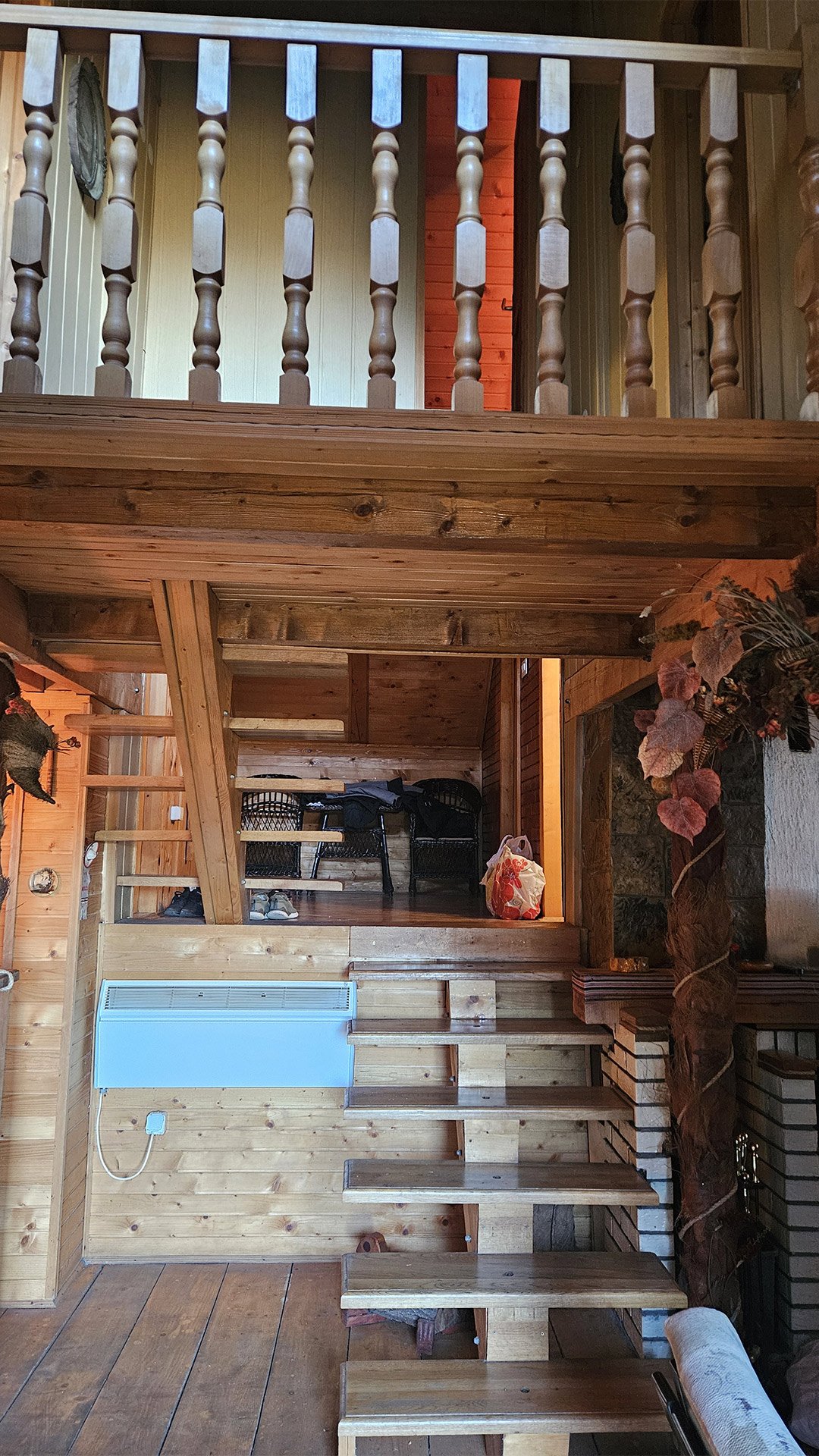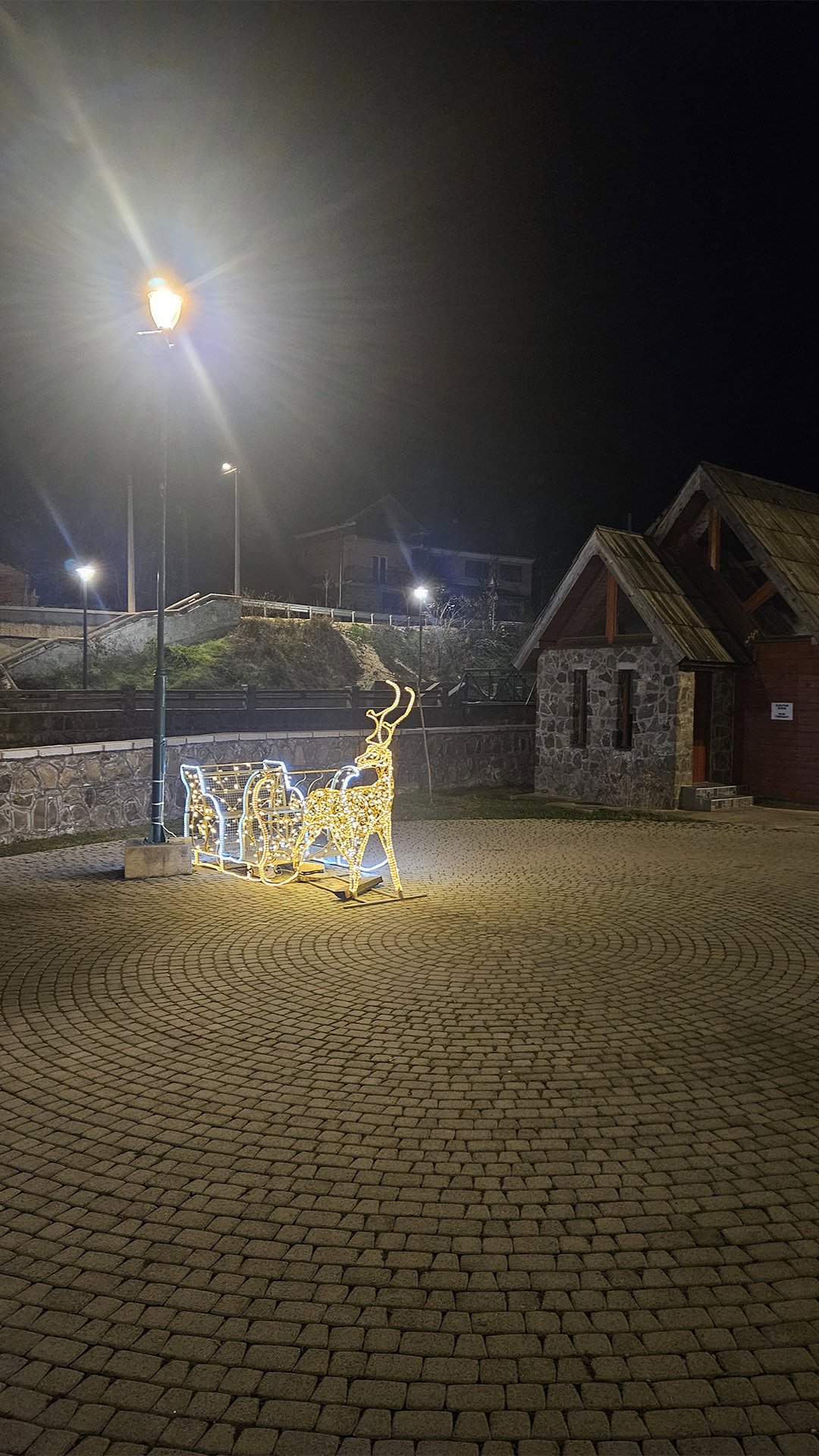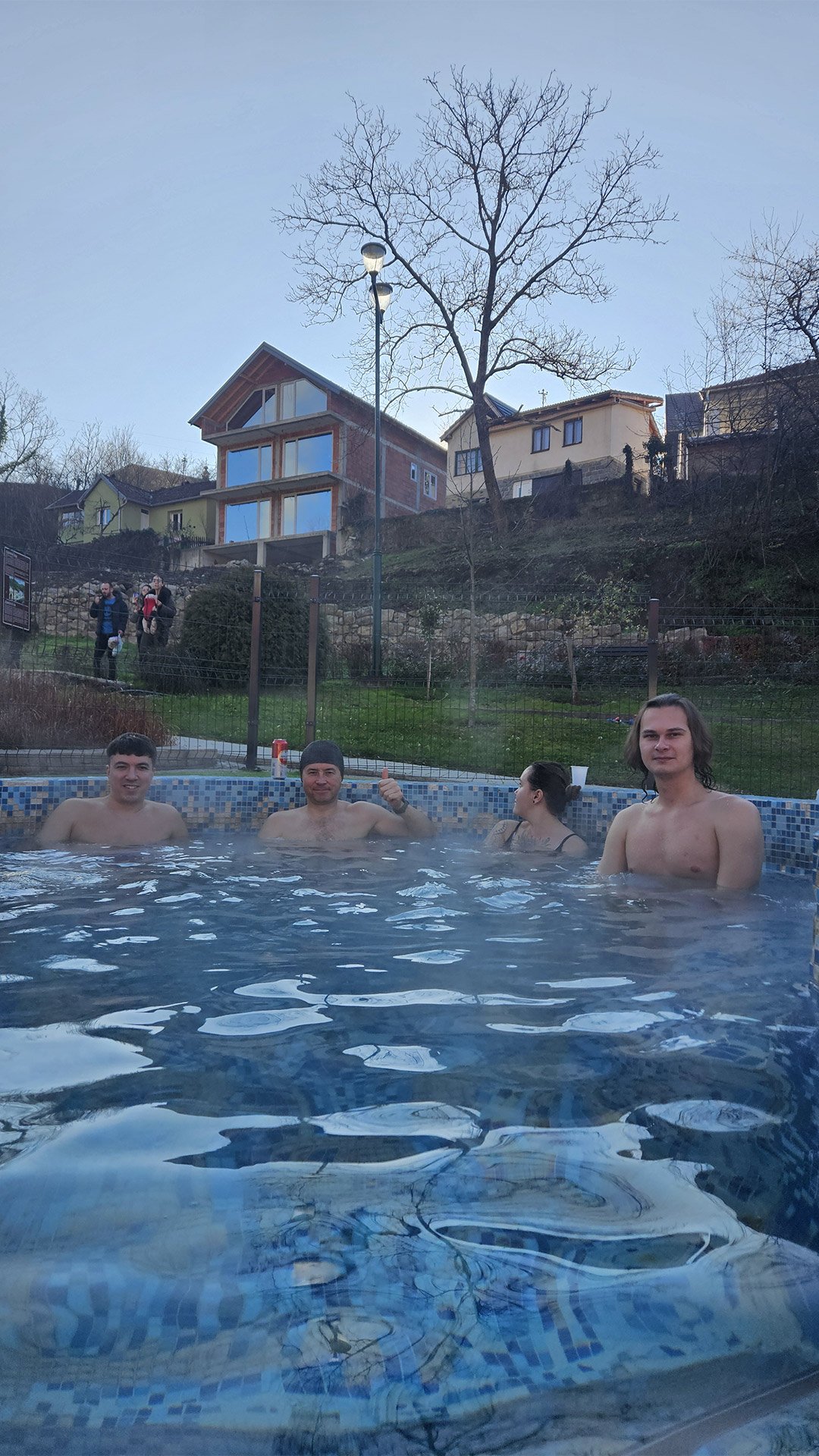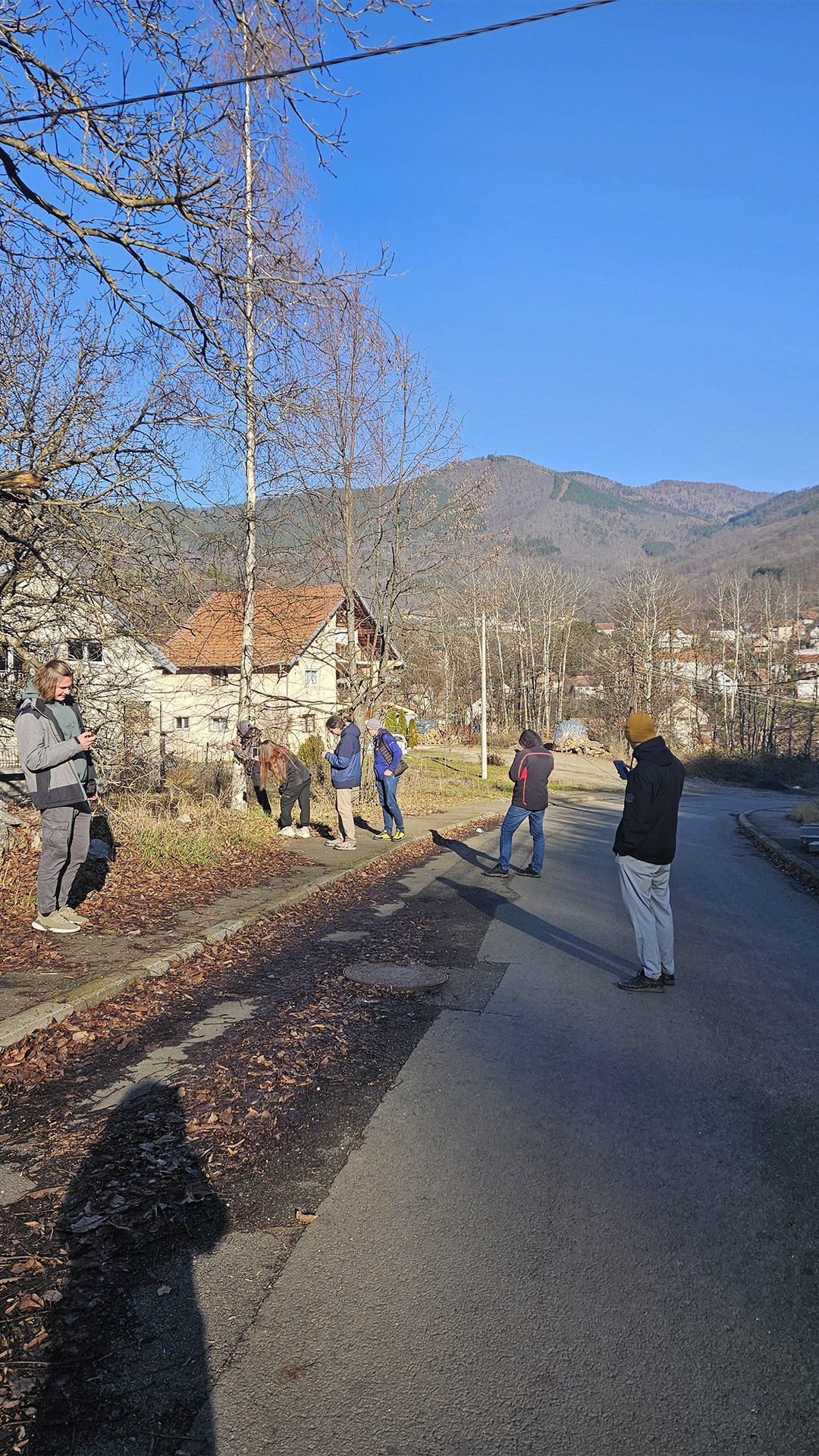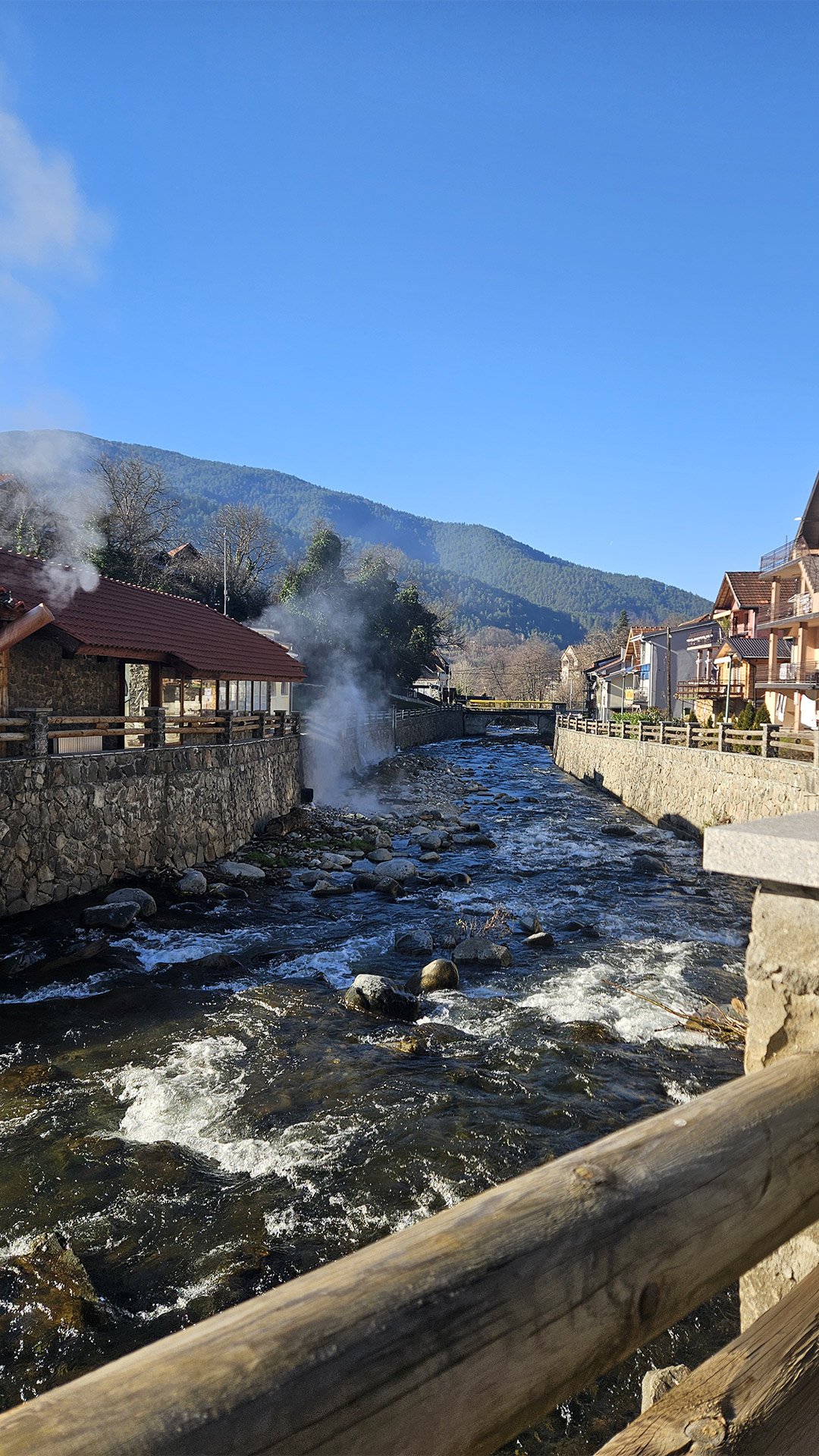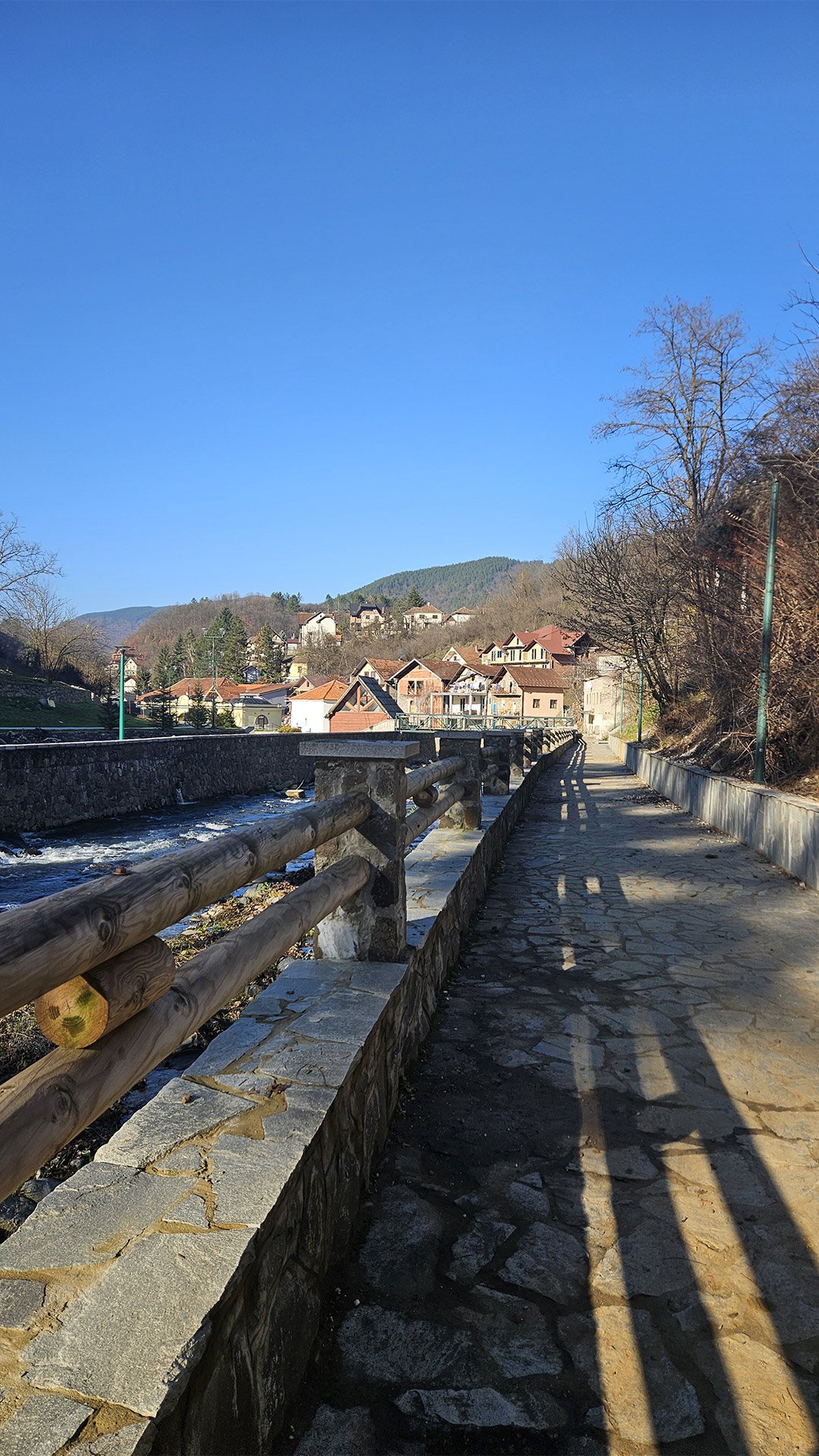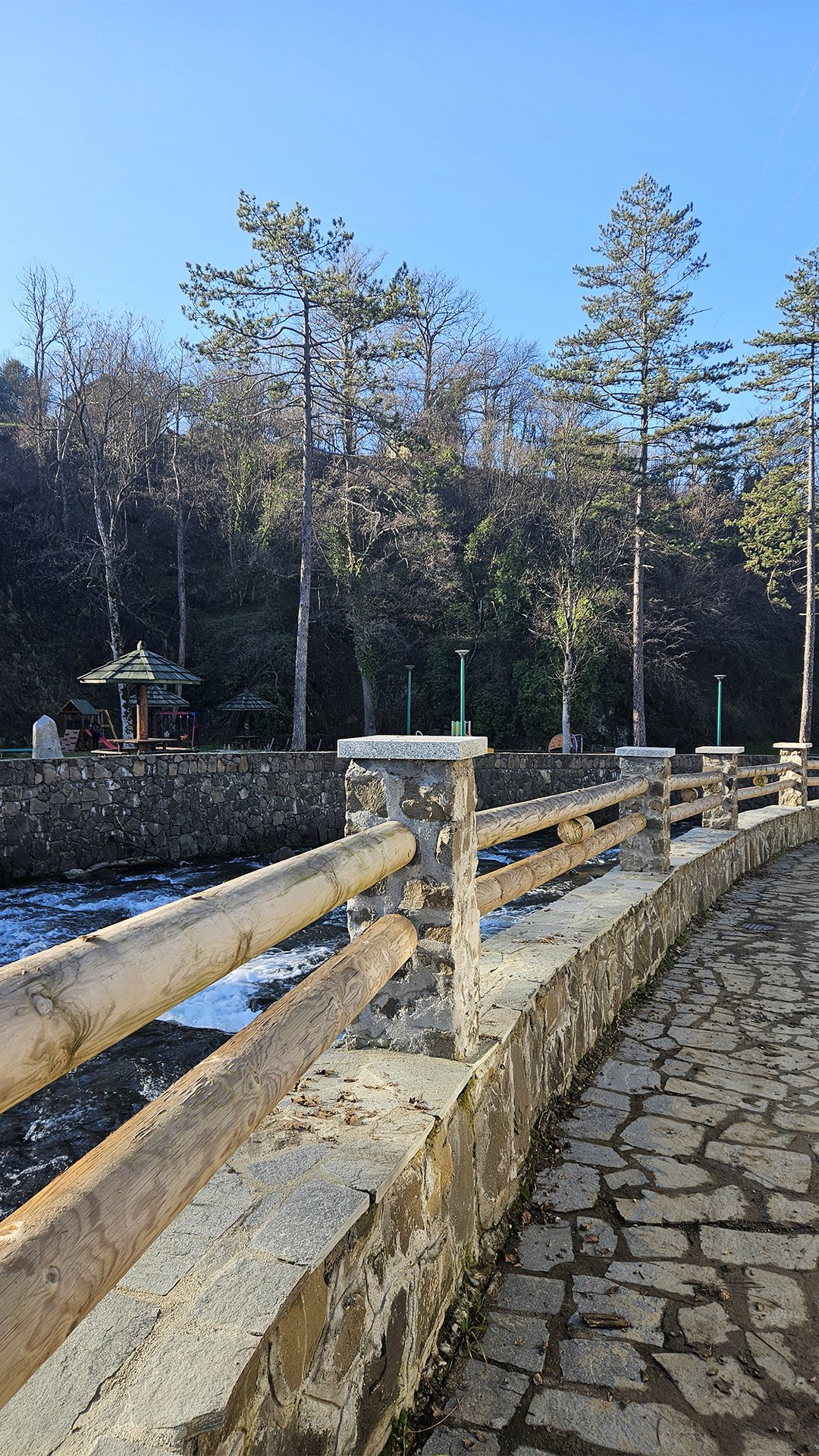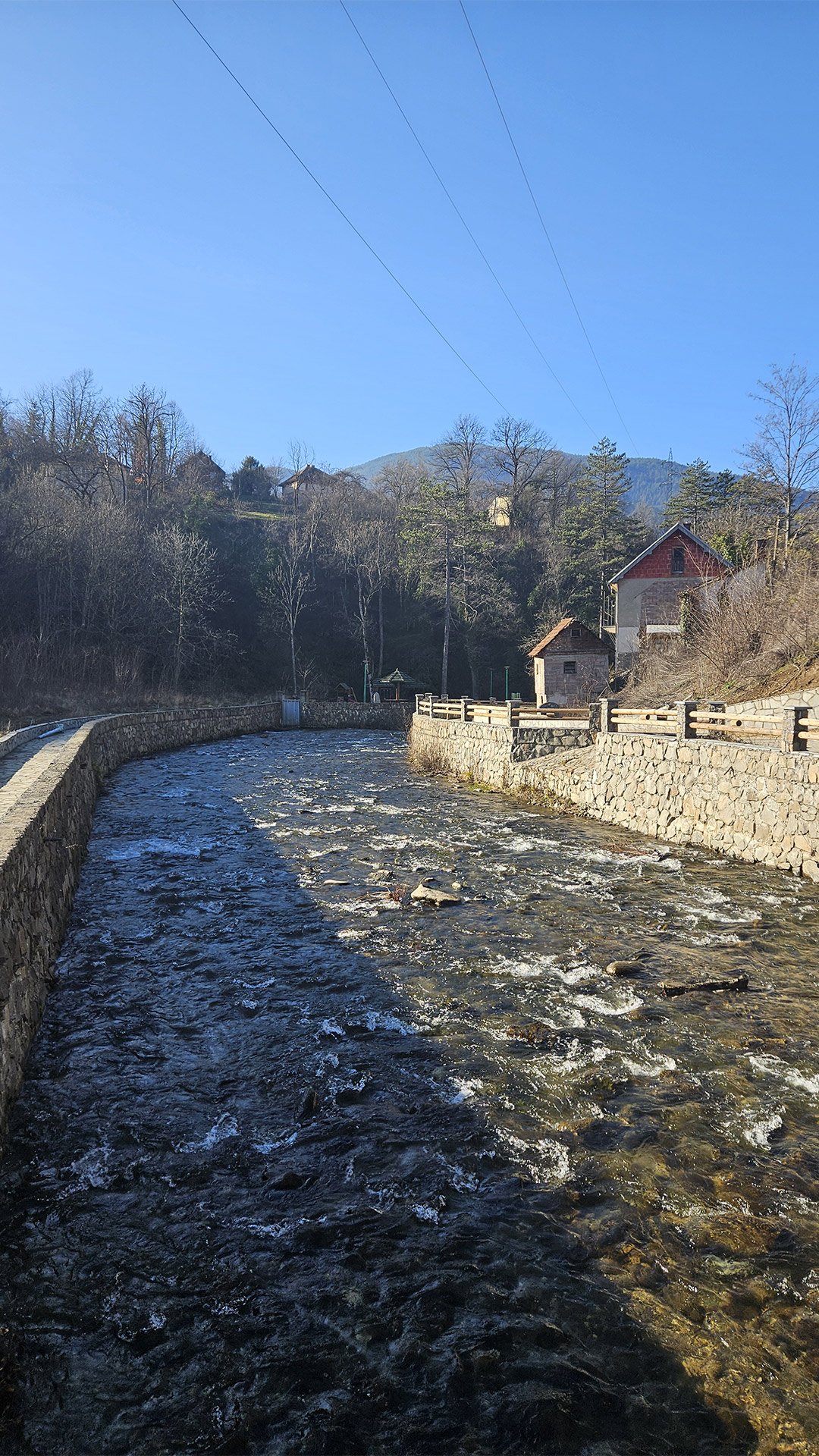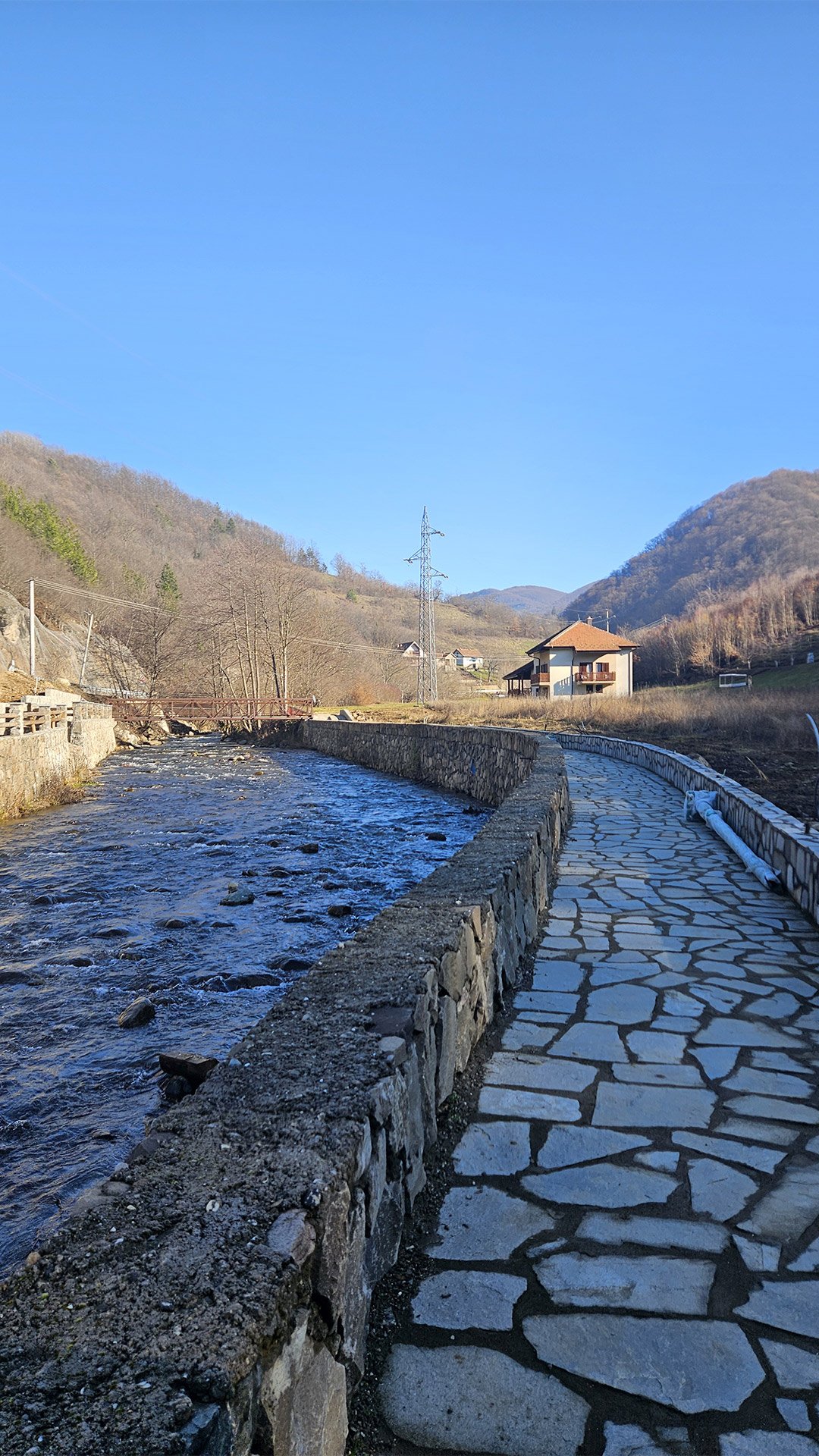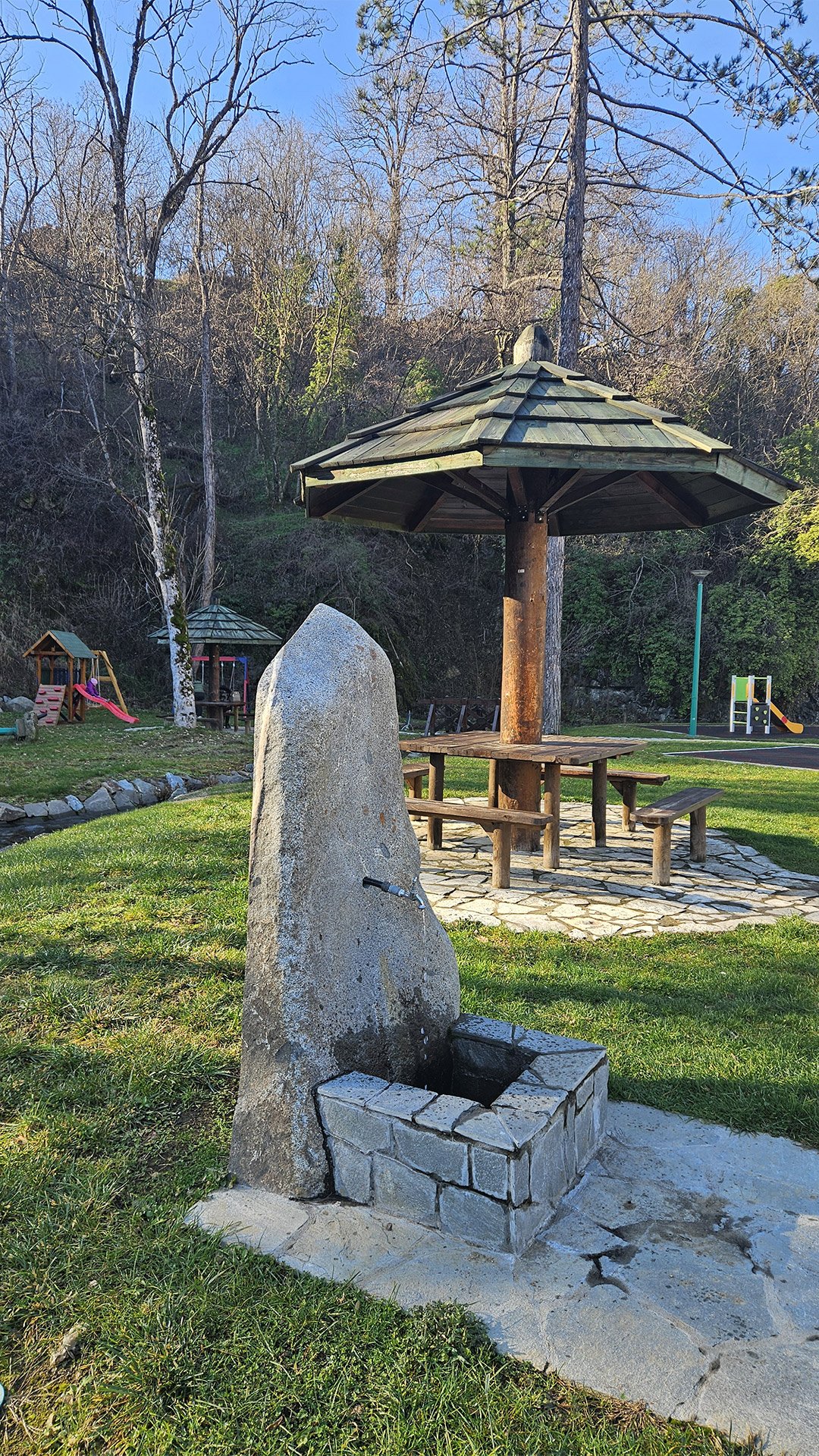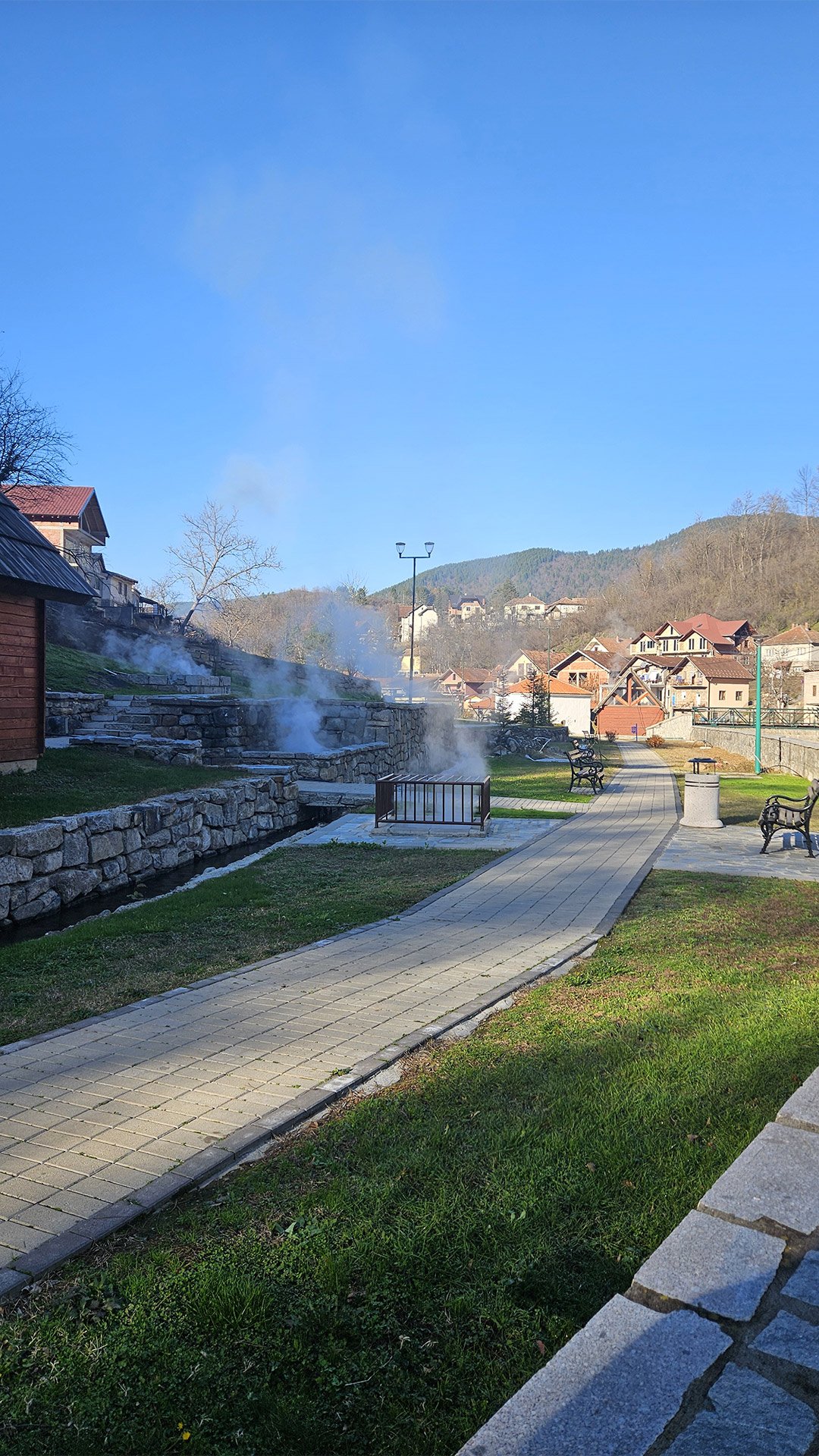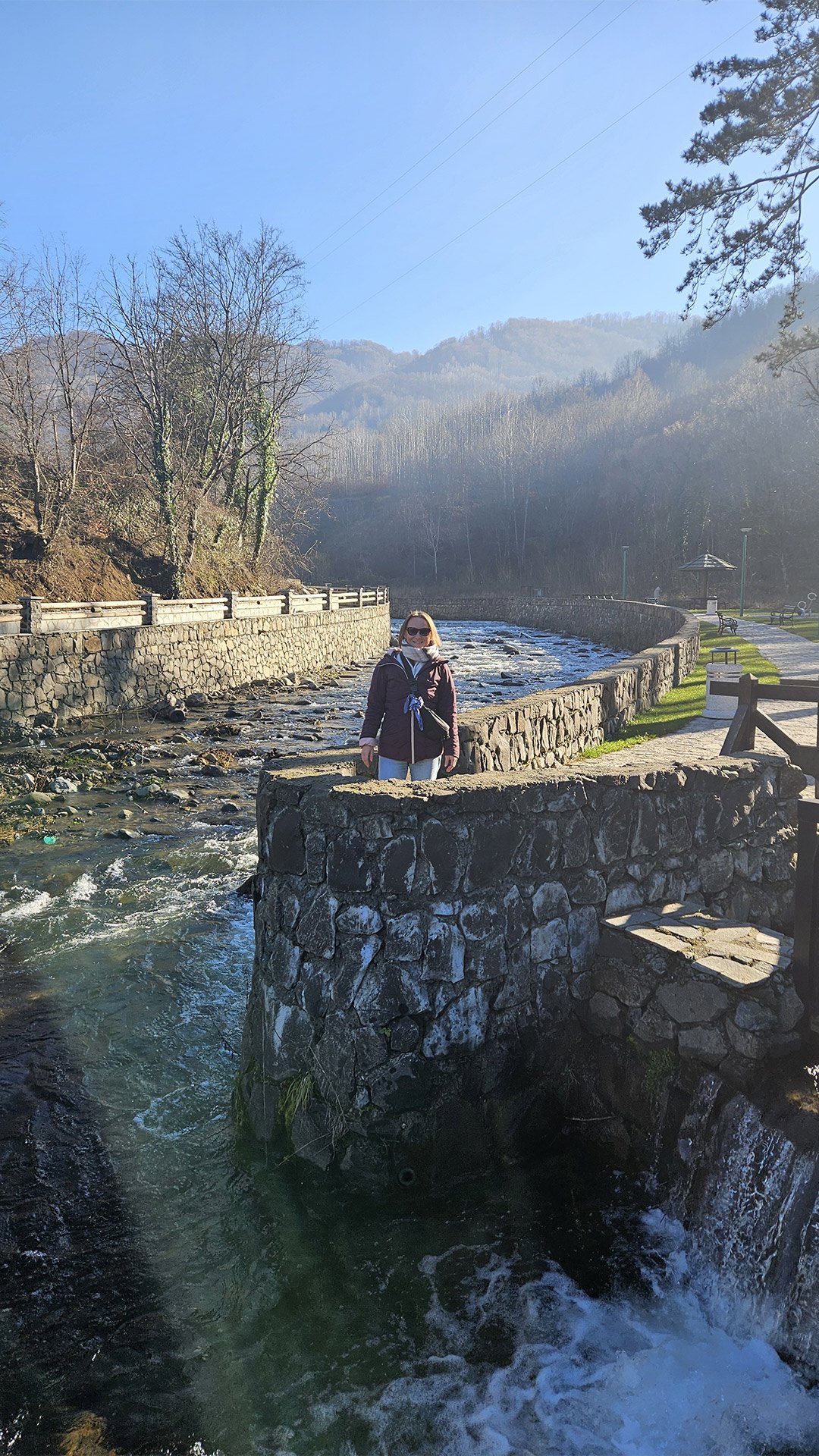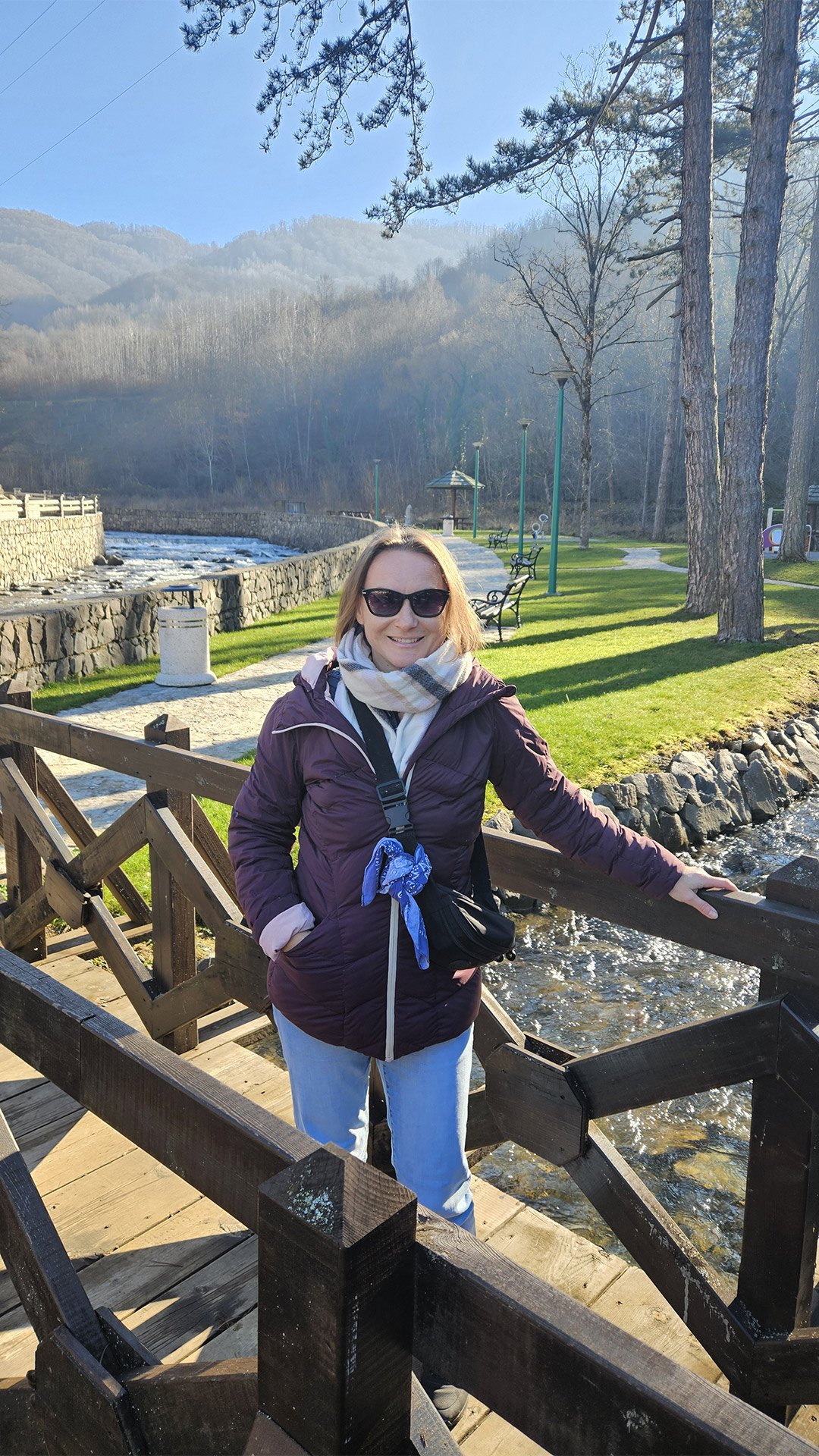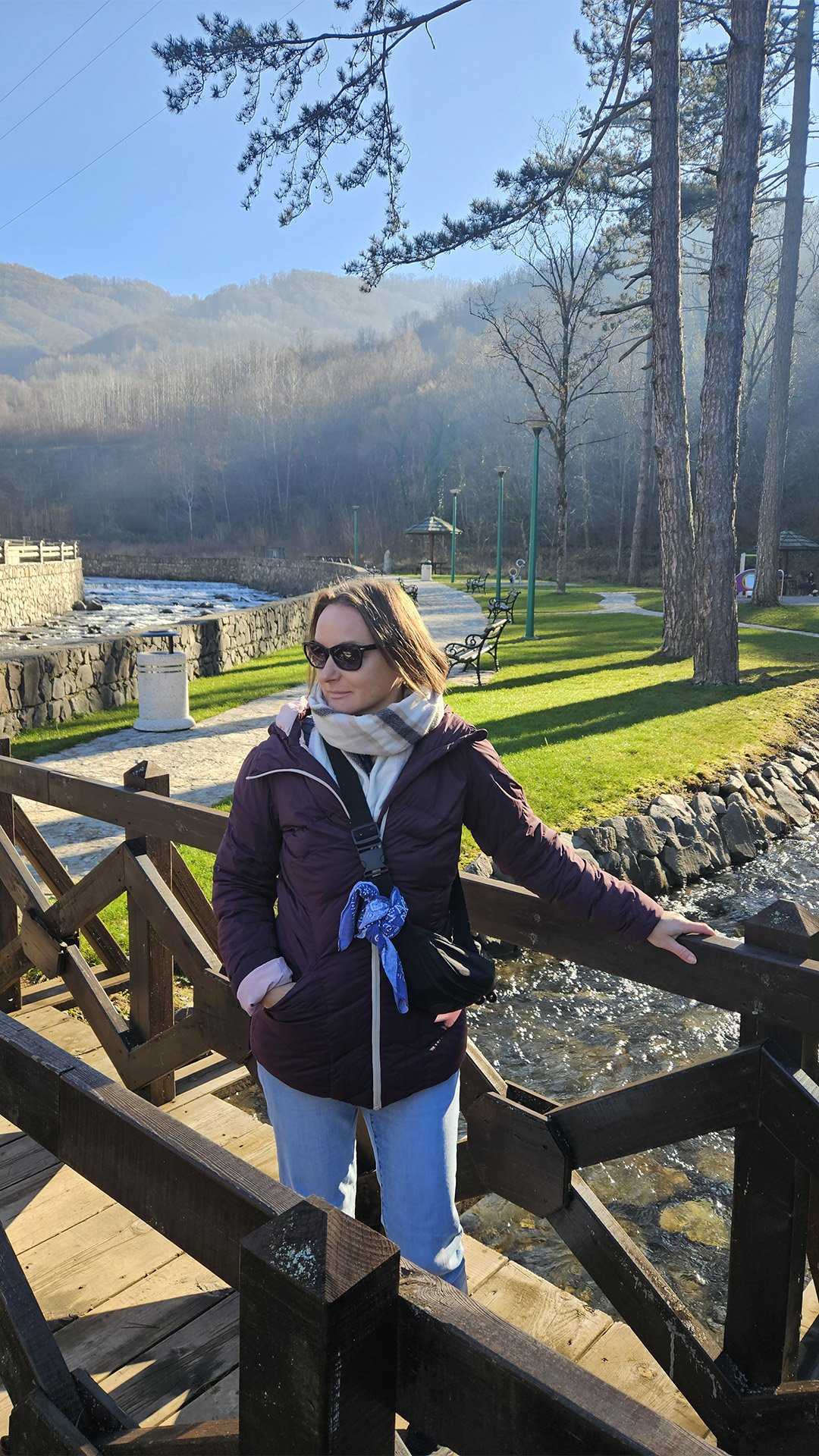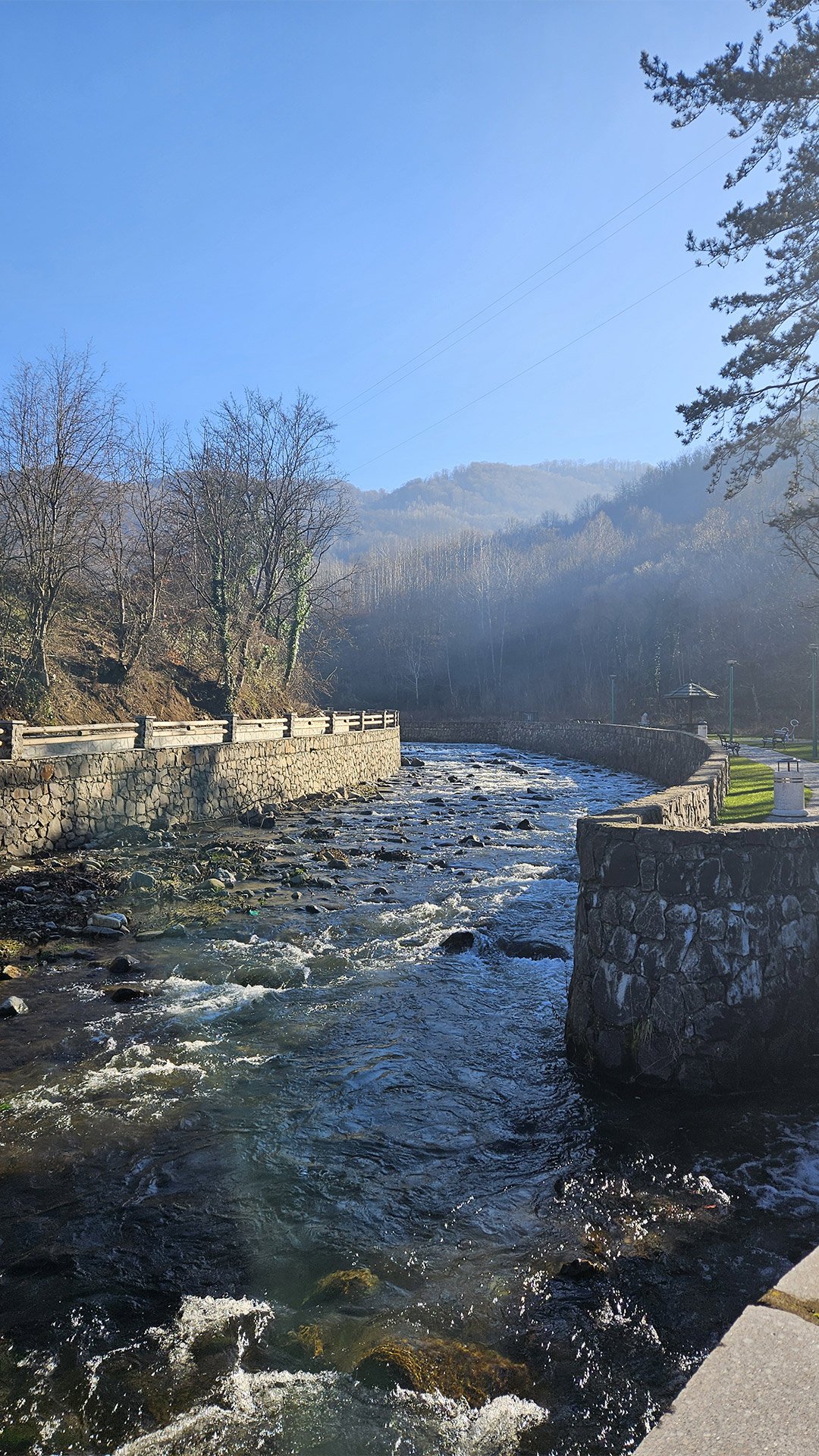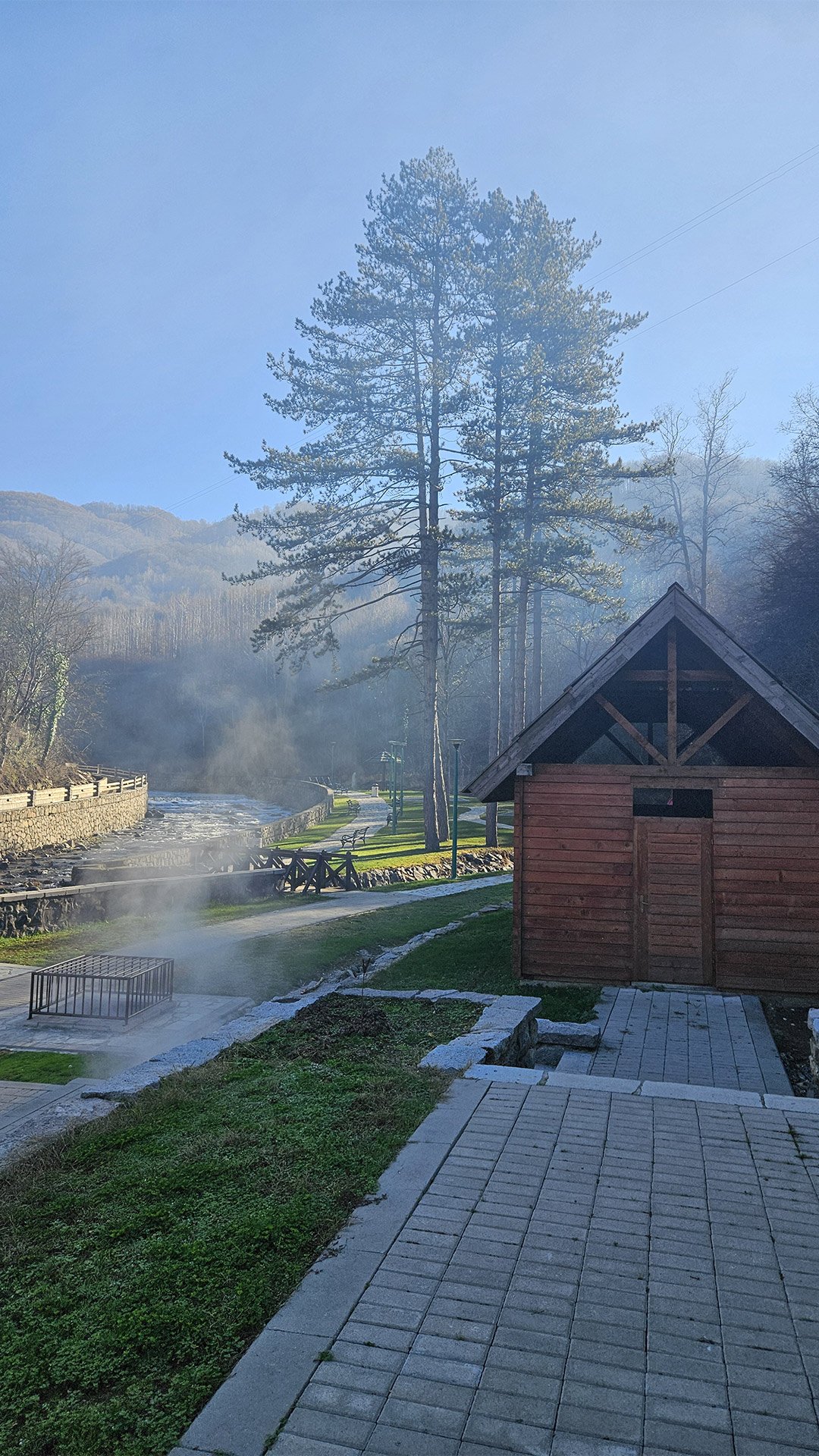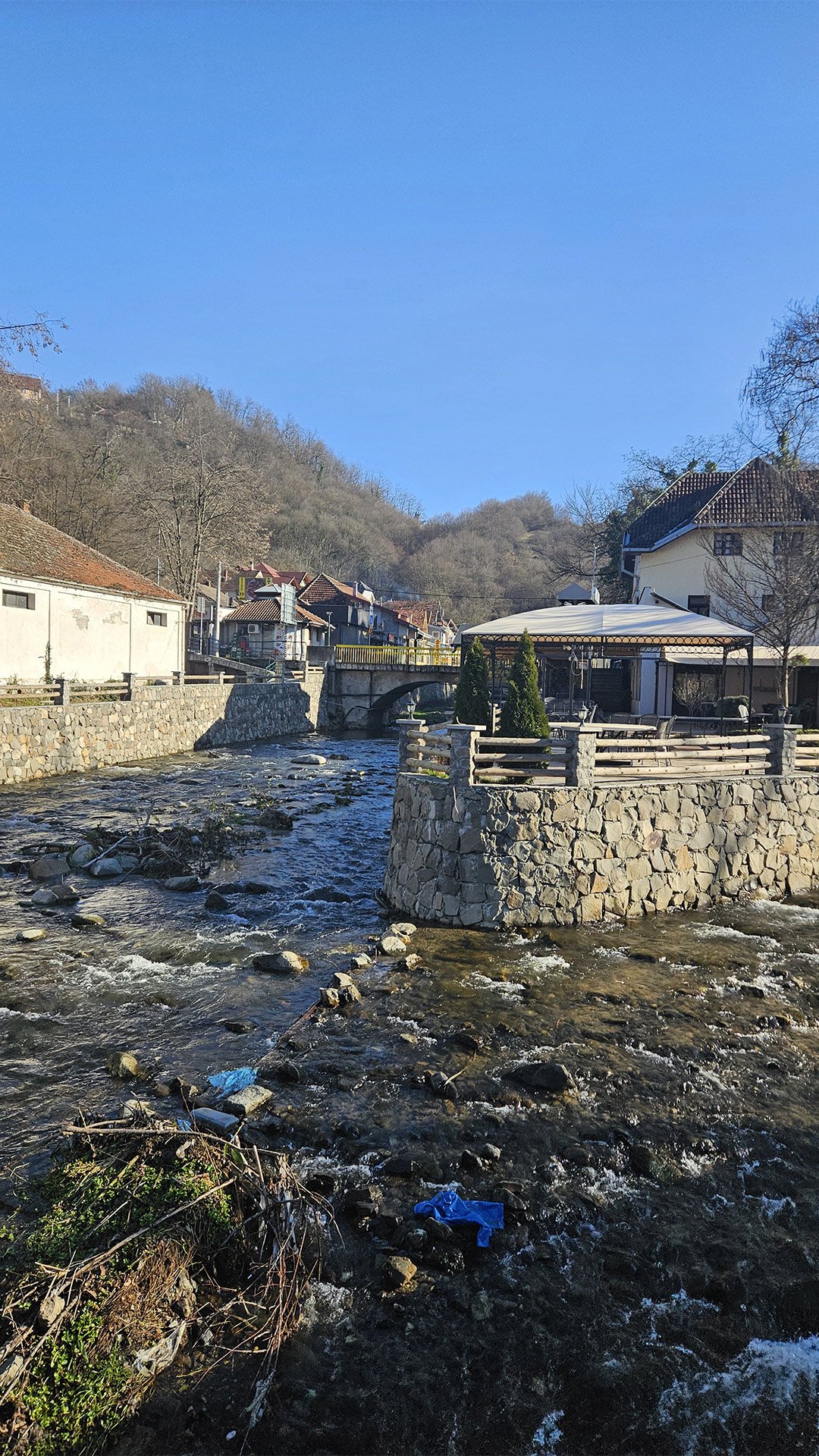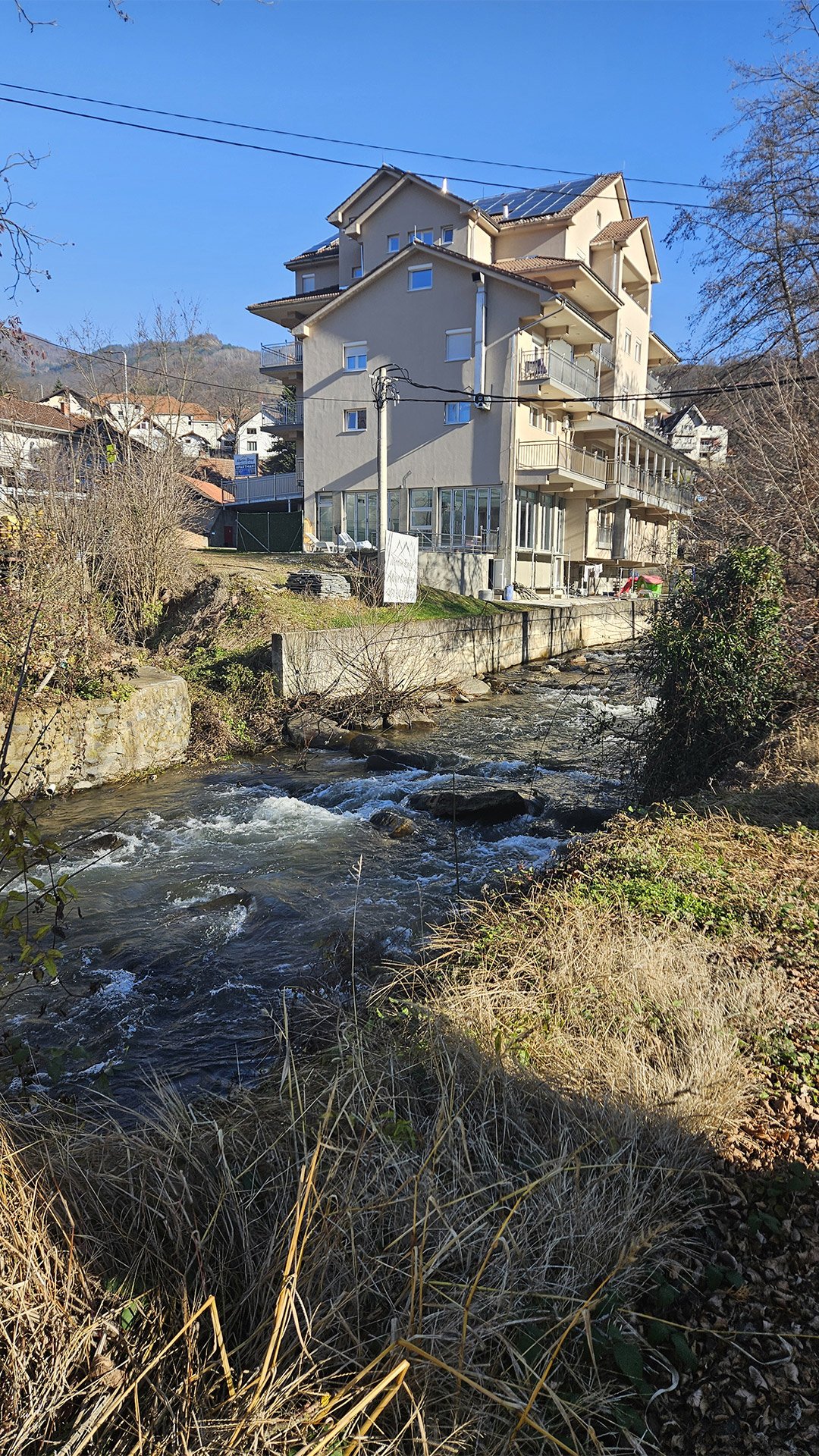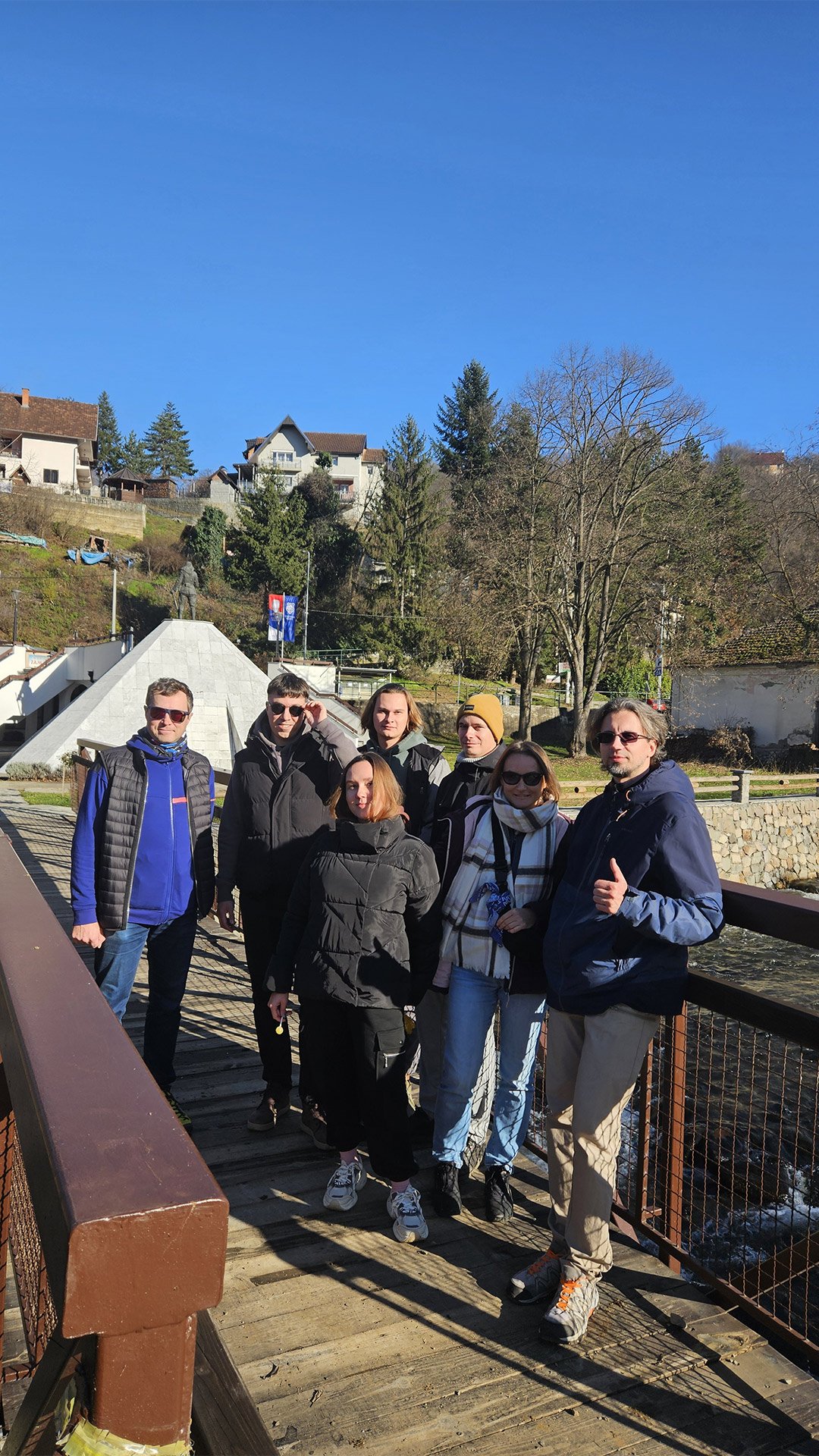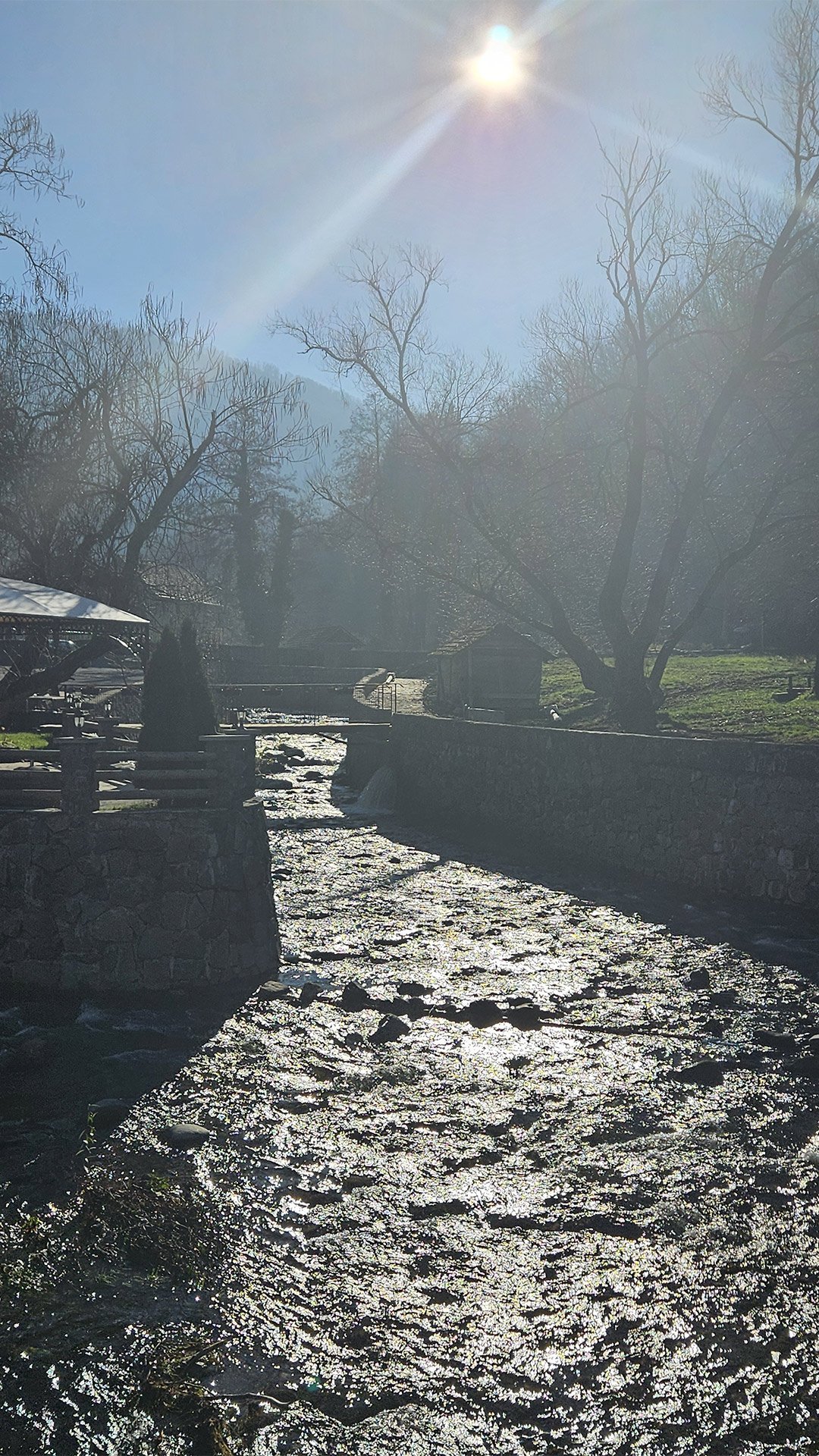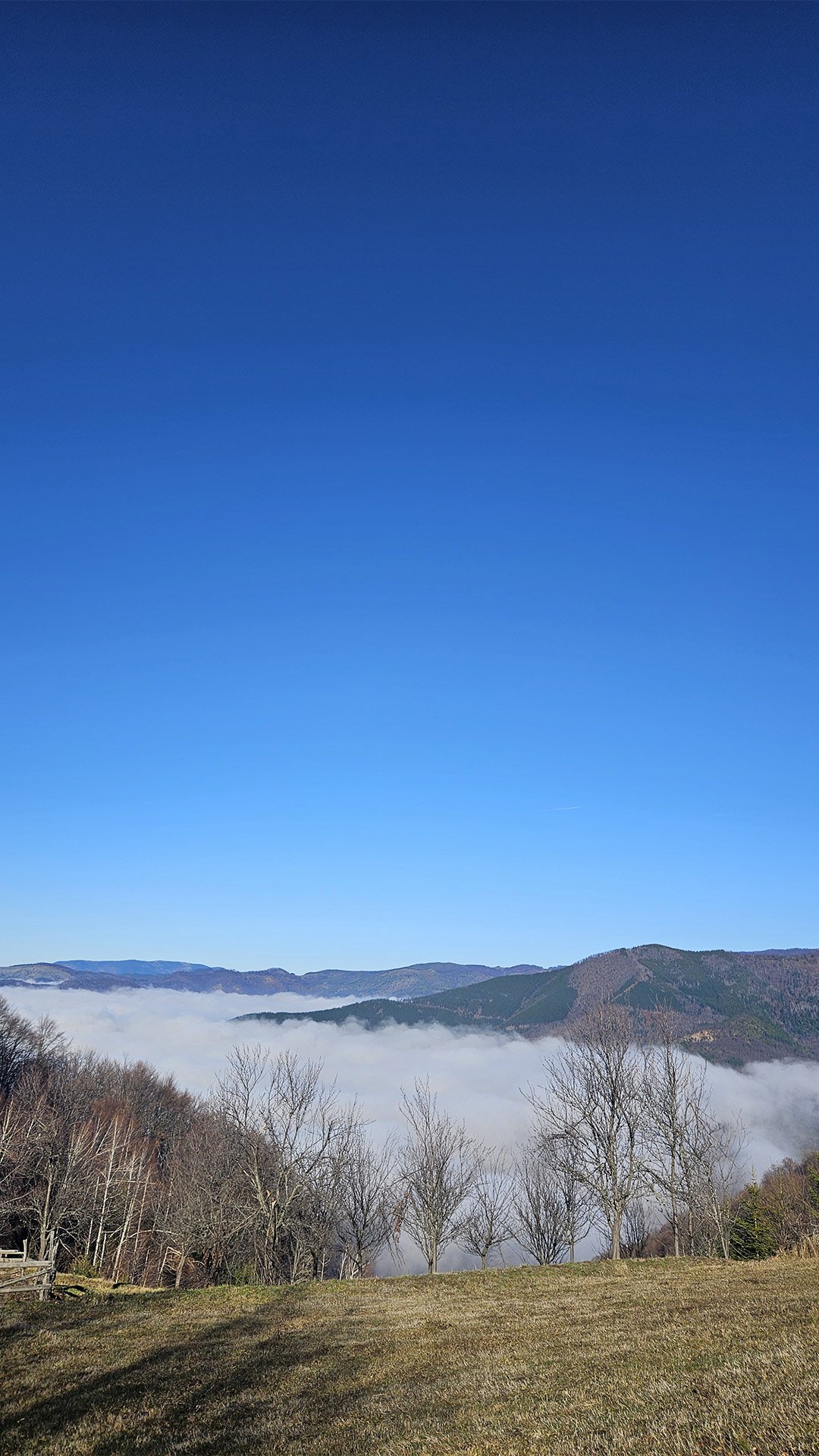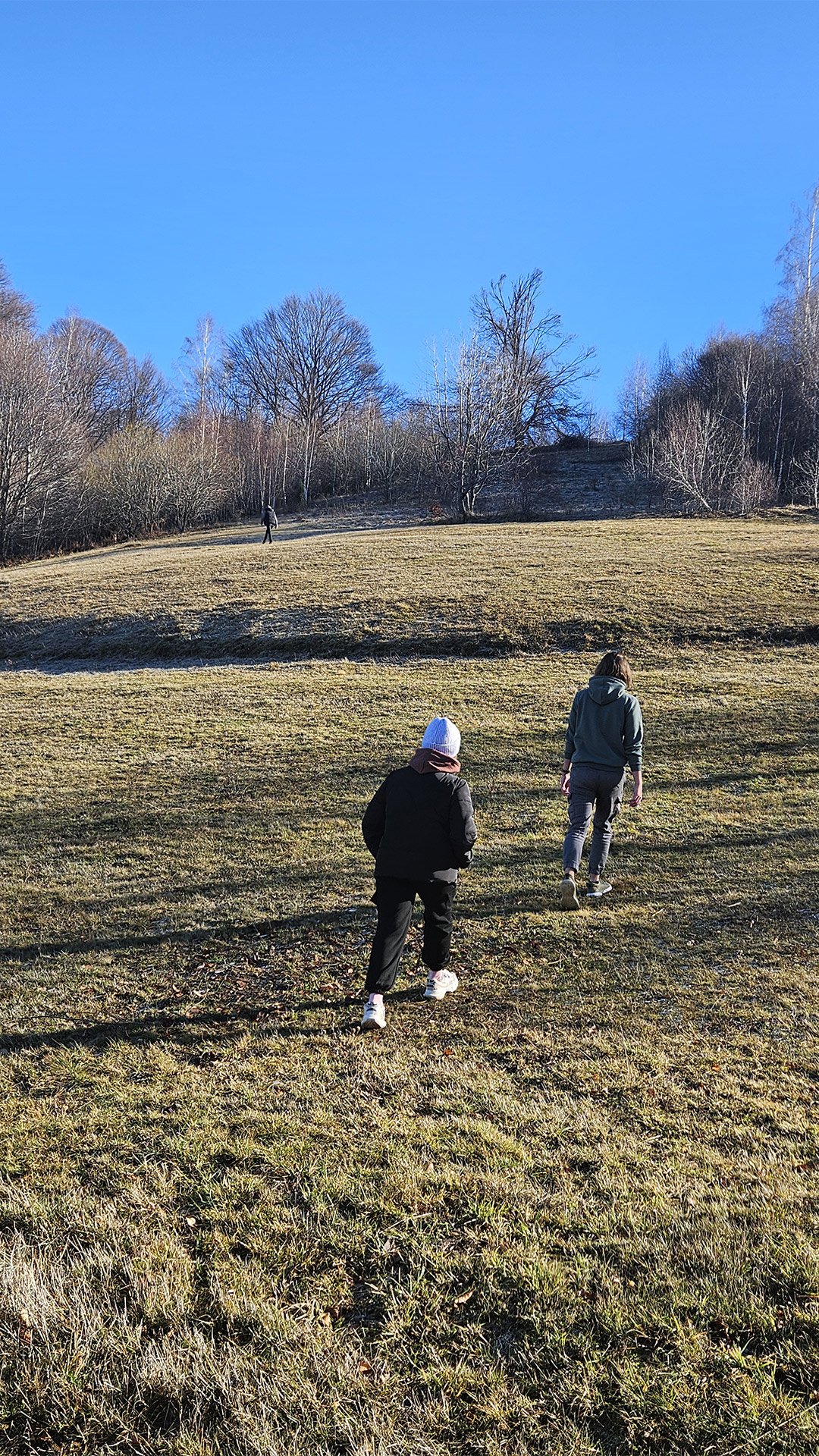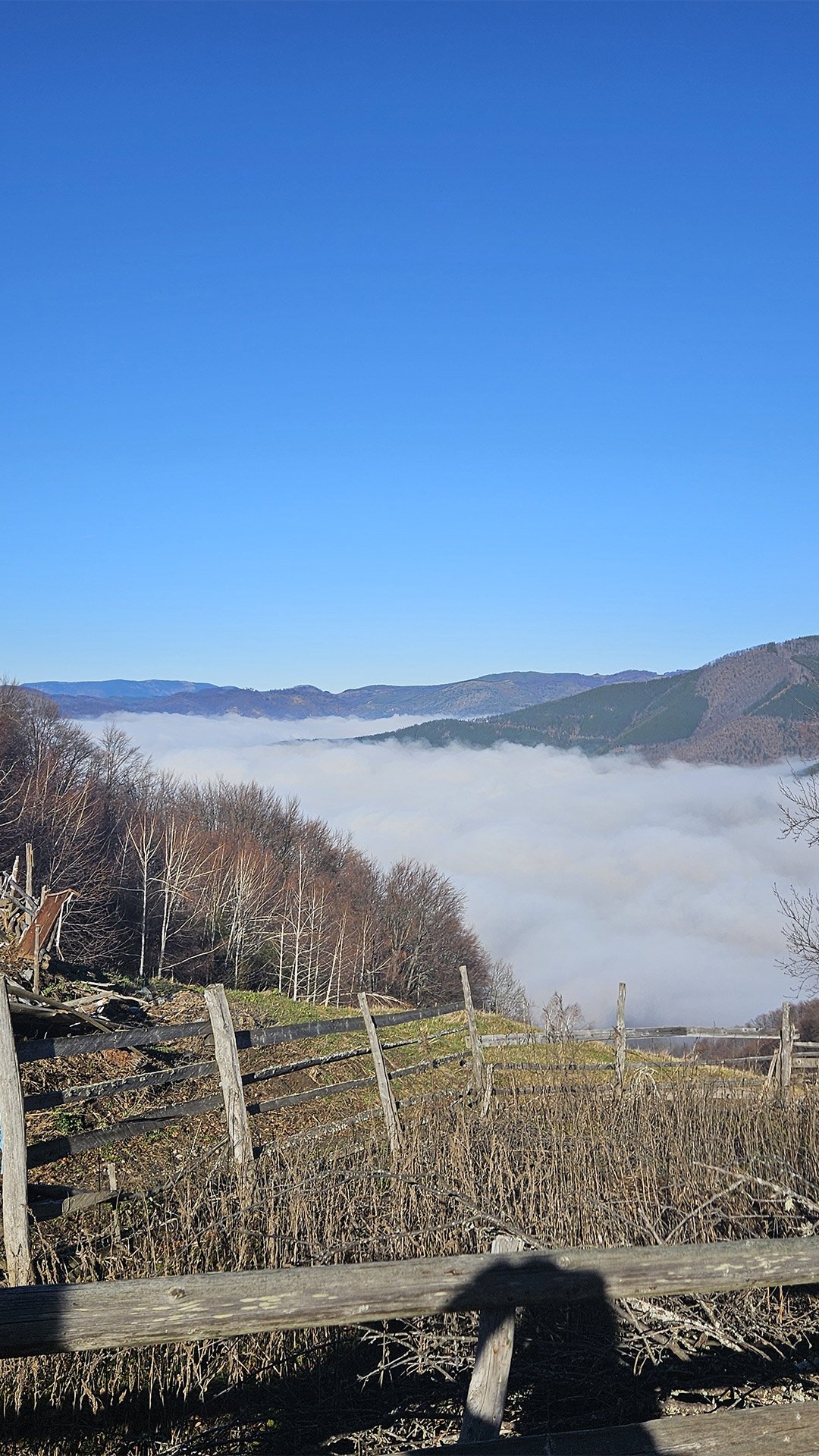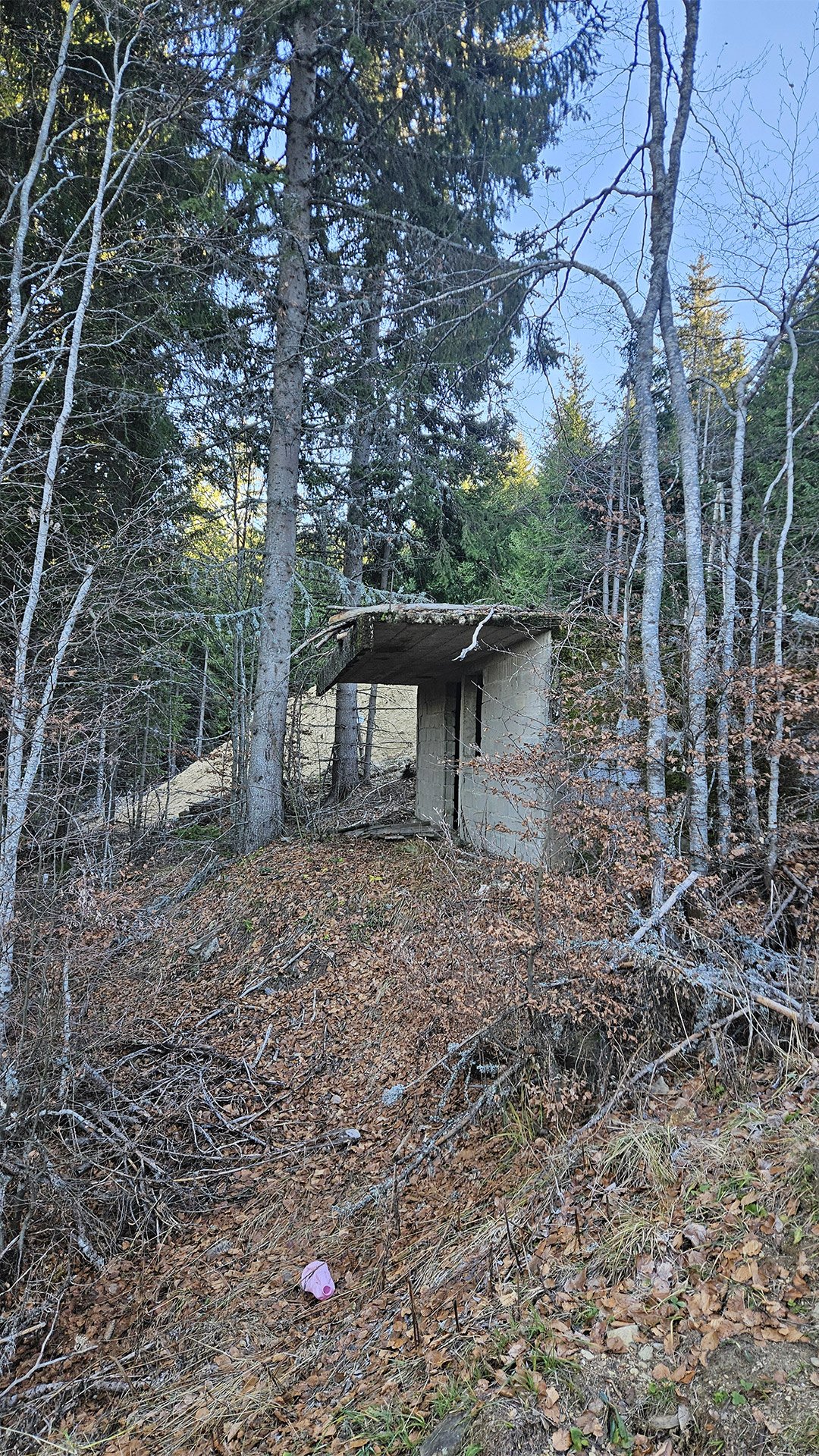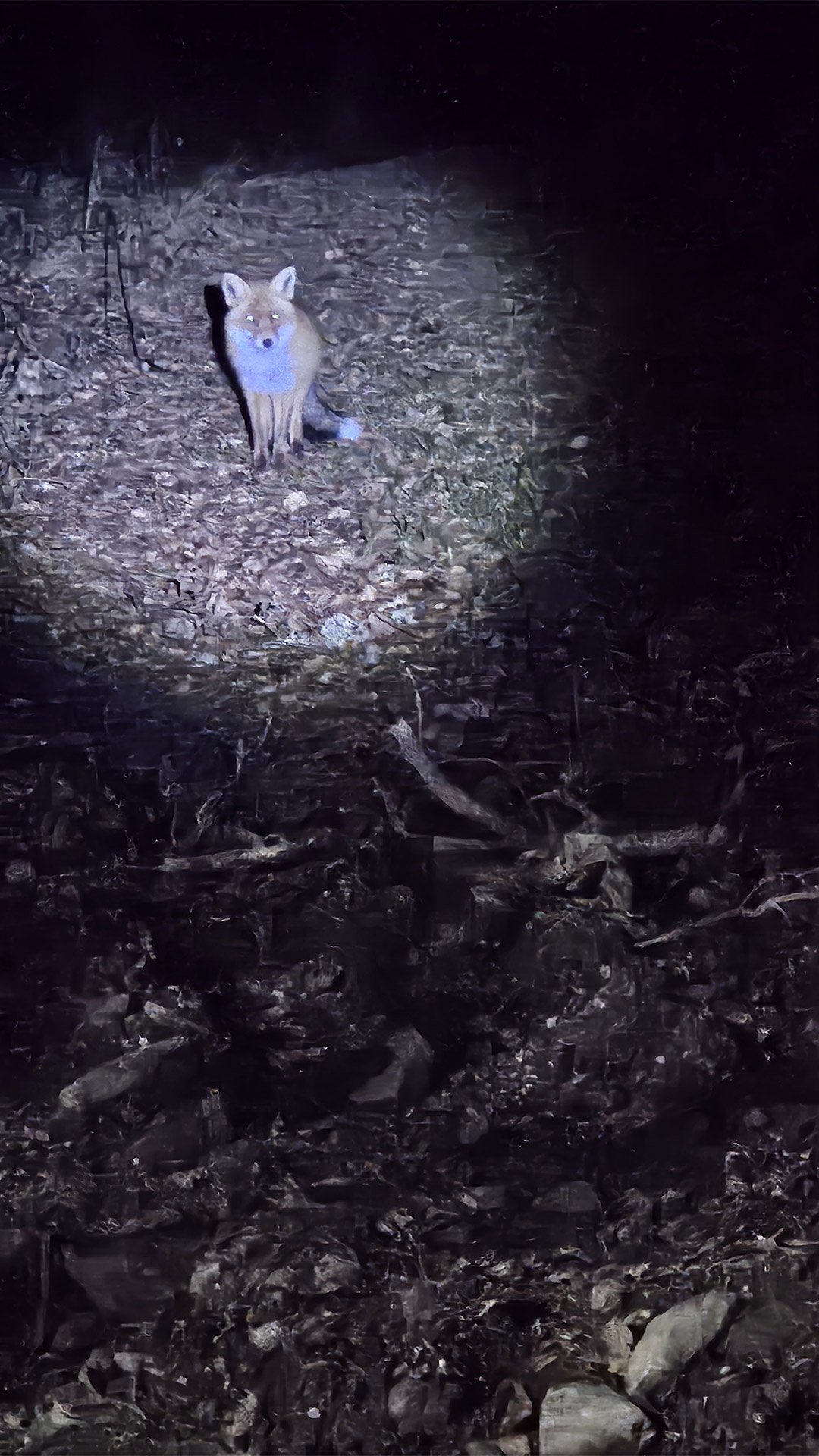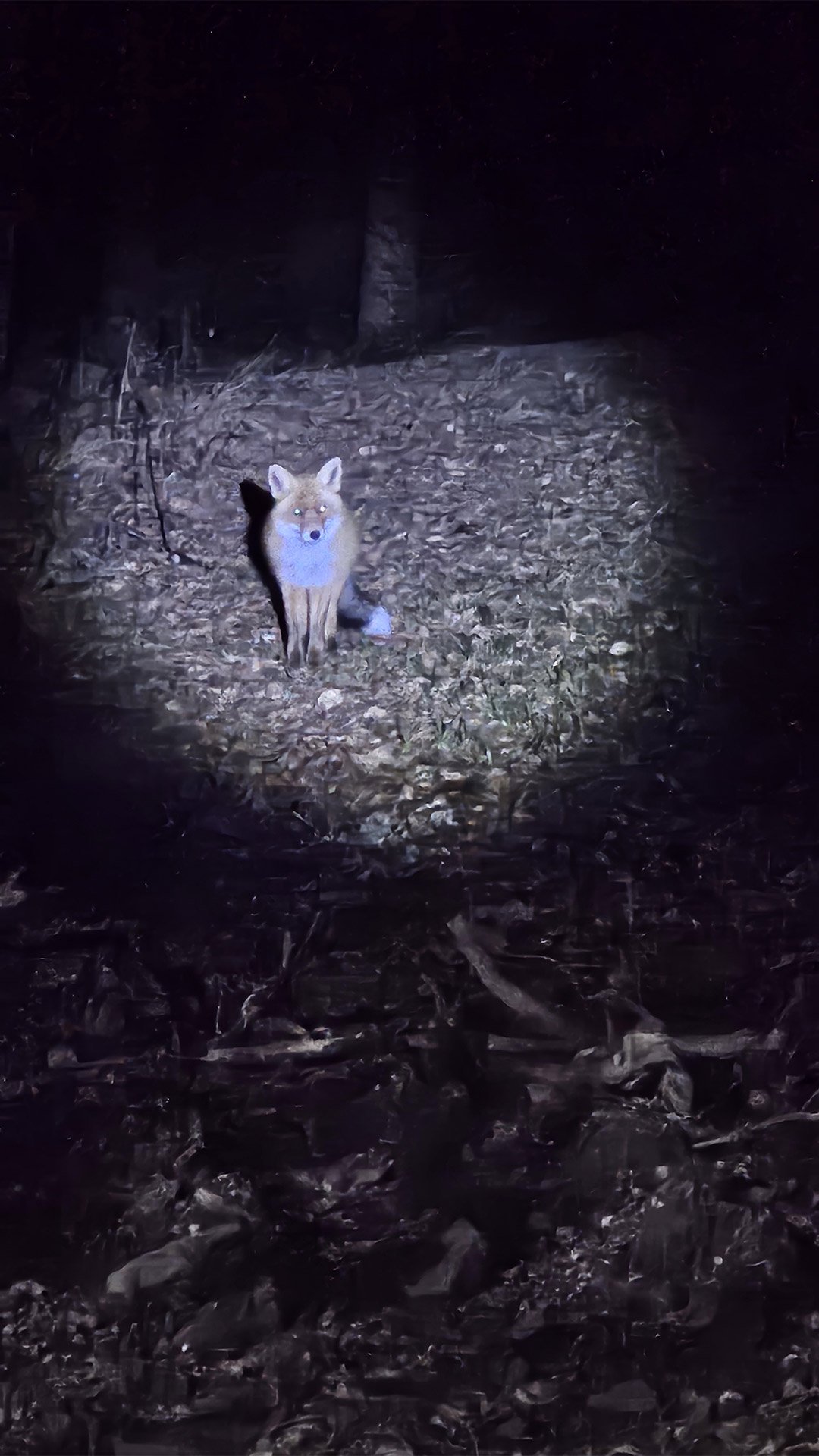


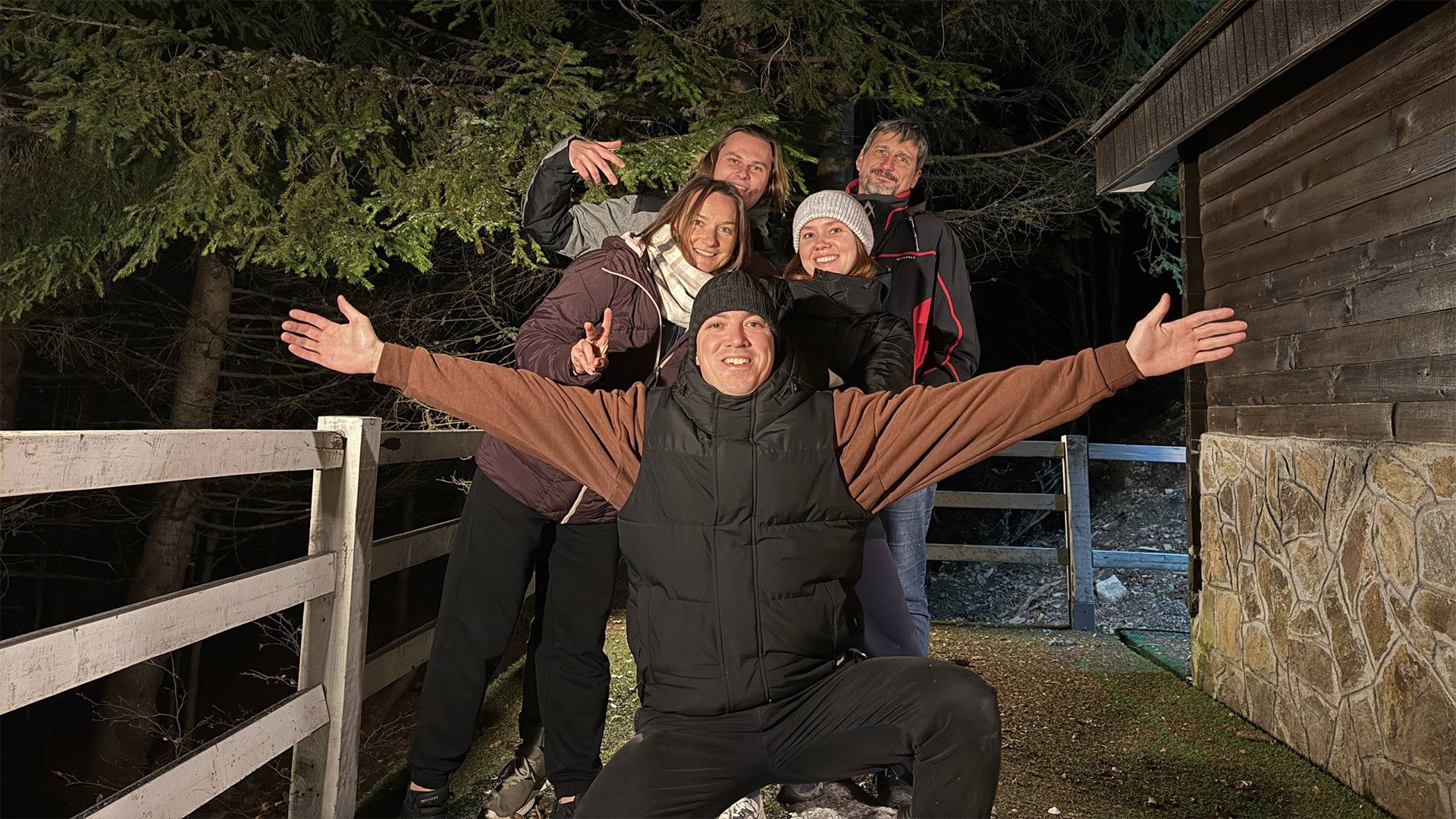
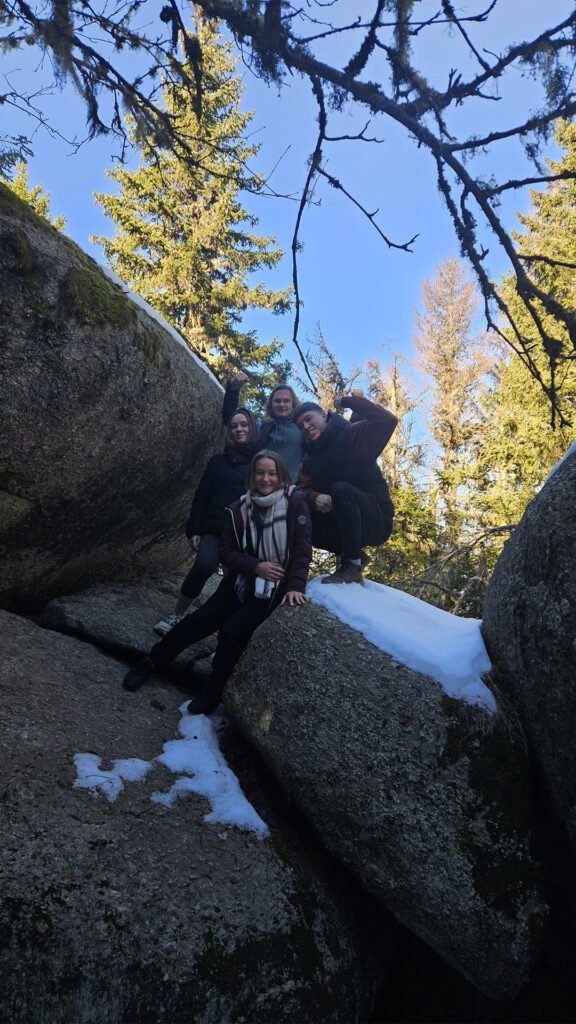
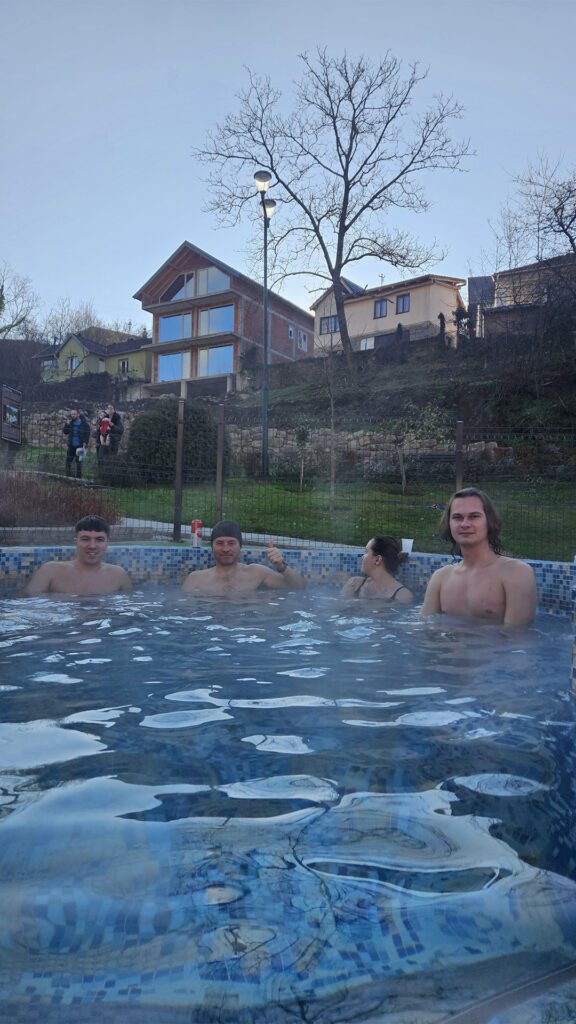
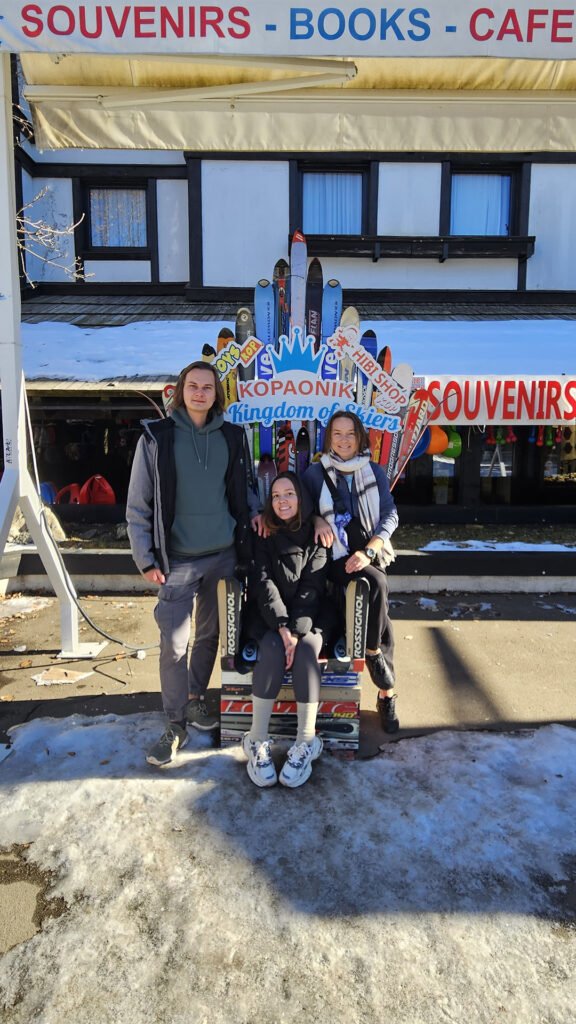
From December 12–14, 2025, our StarLight Group enjoyed the perfect winter “reboot” in Serbia: first, Kopaonik with its snow and panoramic views, followed by Jošanička Banja with its hot thermal springs. Below are verified facts about the locations that made this combination so successful.
1) Where is it and why does this location work?
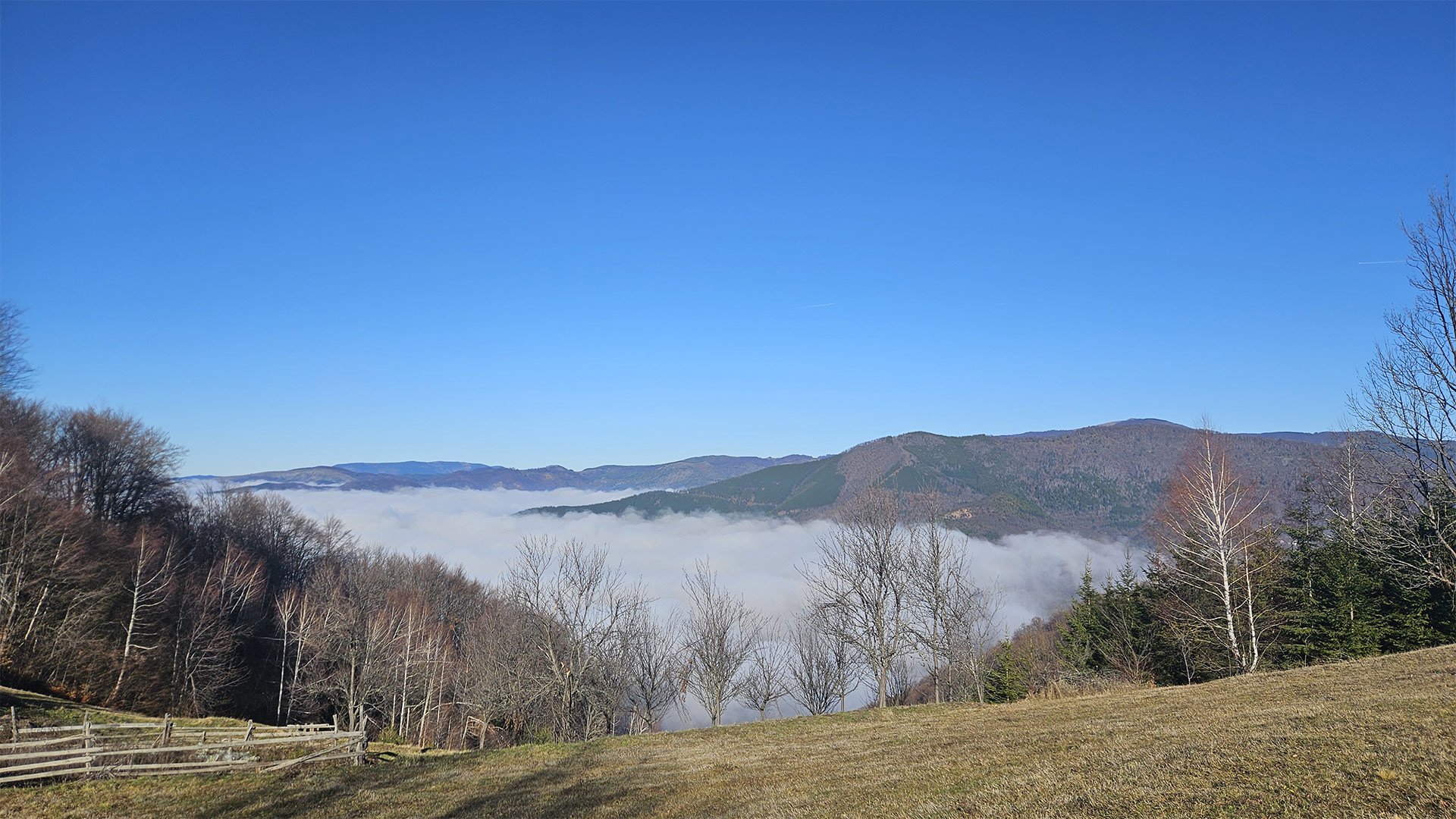
Kopaonik is Serbia’s largest mountain range; its central highland part is the Ravni Kopaonik plateau, adjacent to which rise Suvo Rudište and Pančićev vrh (2017 m), the highest point in the range.
Kopaonik National Park is located between the Ibar and Sitnica rivers (to the west), Lab (to the southeast), and Jošanička Banja and Koznička Reka (to the north). To the east, it is bounded by the Rasina and Toplice valleys—a complex “water frame” literally shapes the landscapes and habitats here.
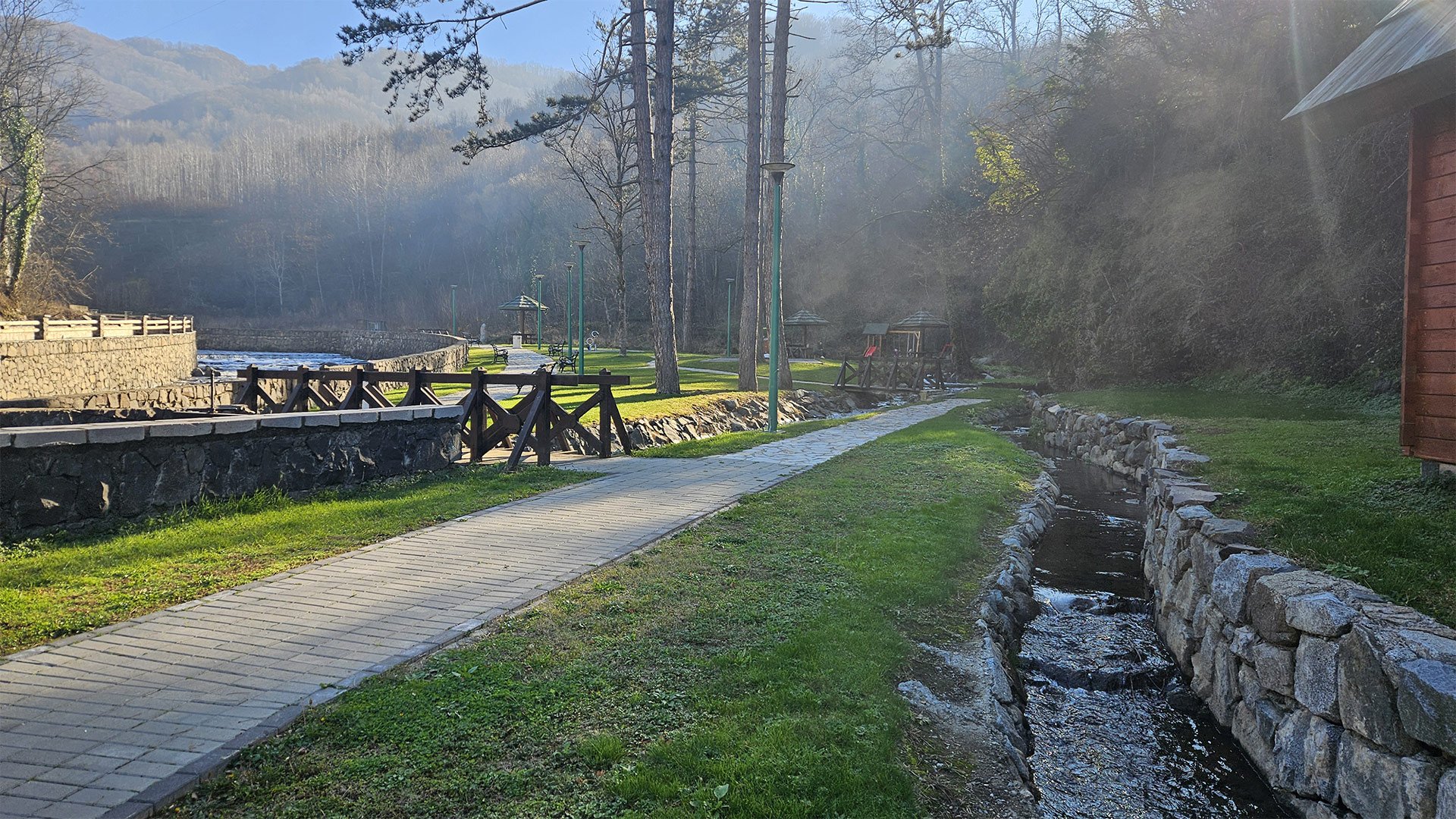
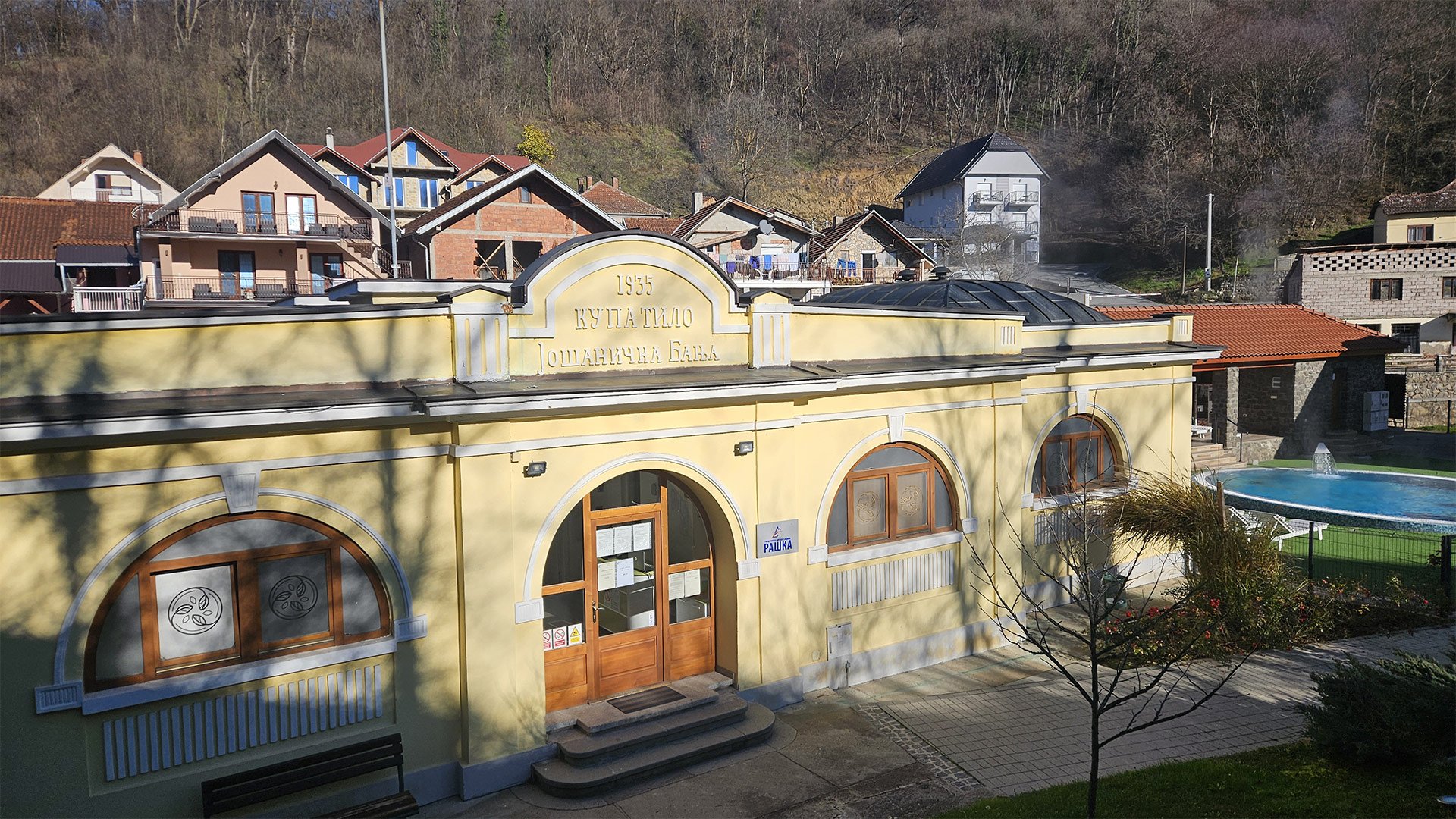
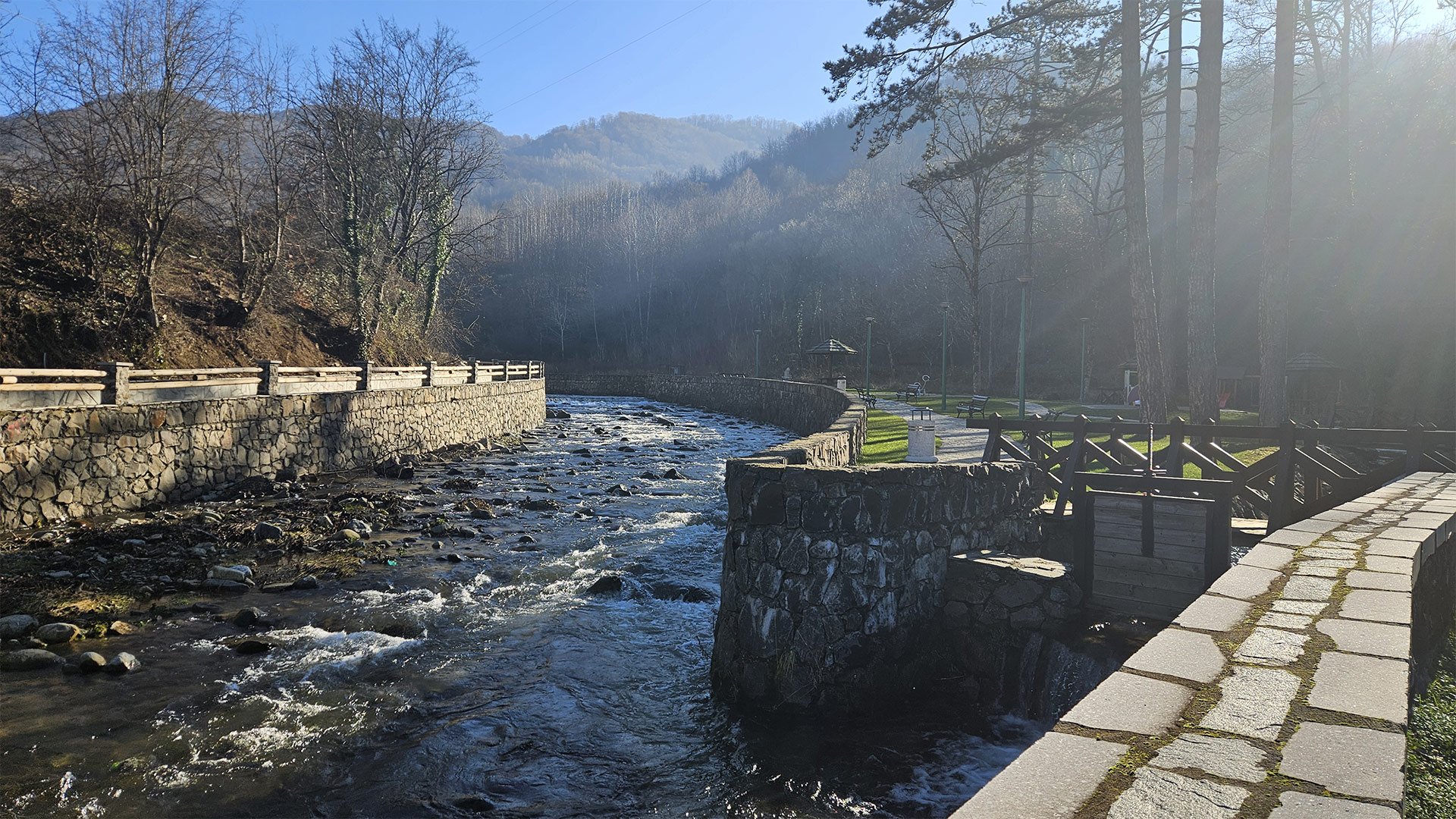
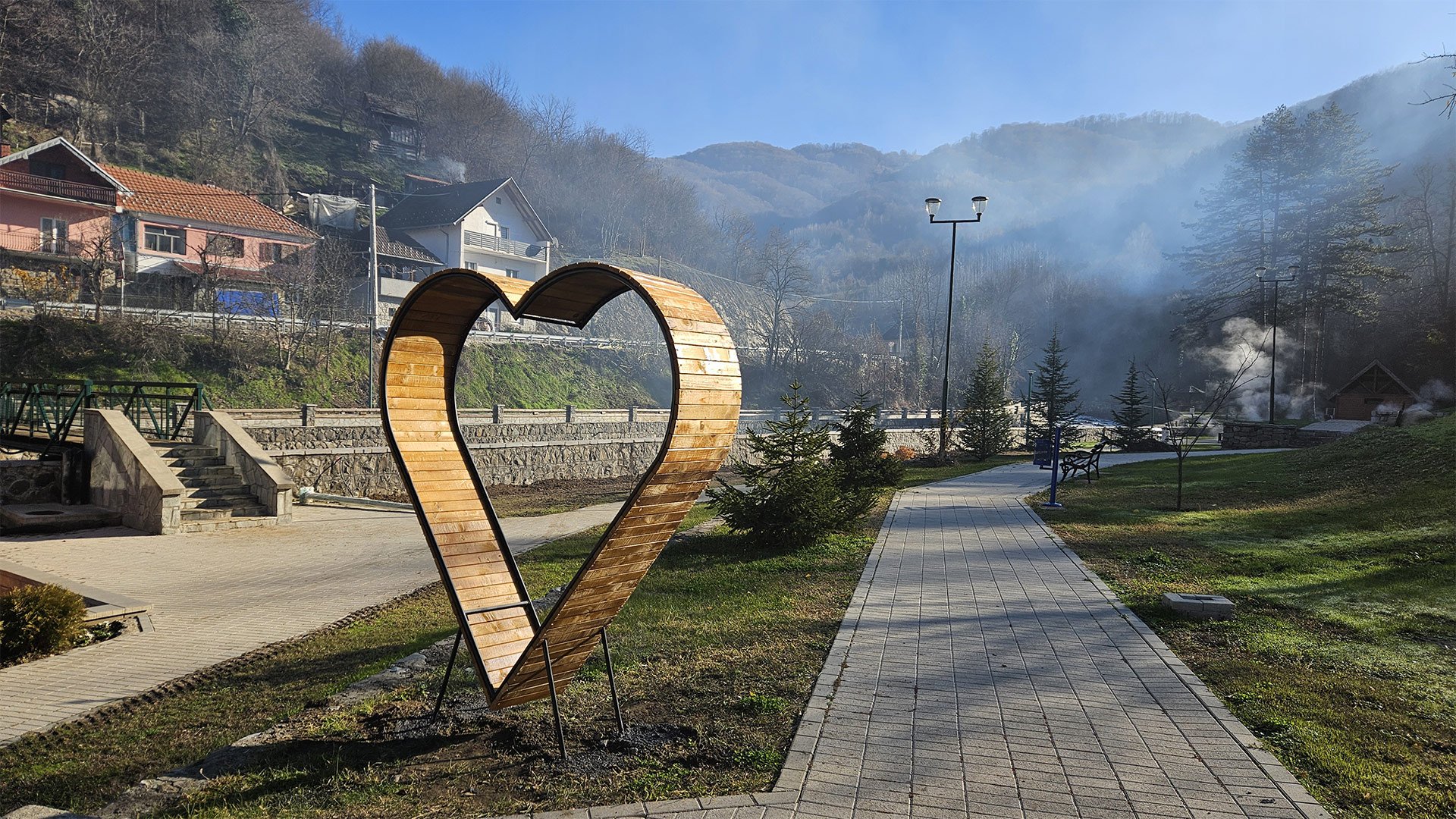
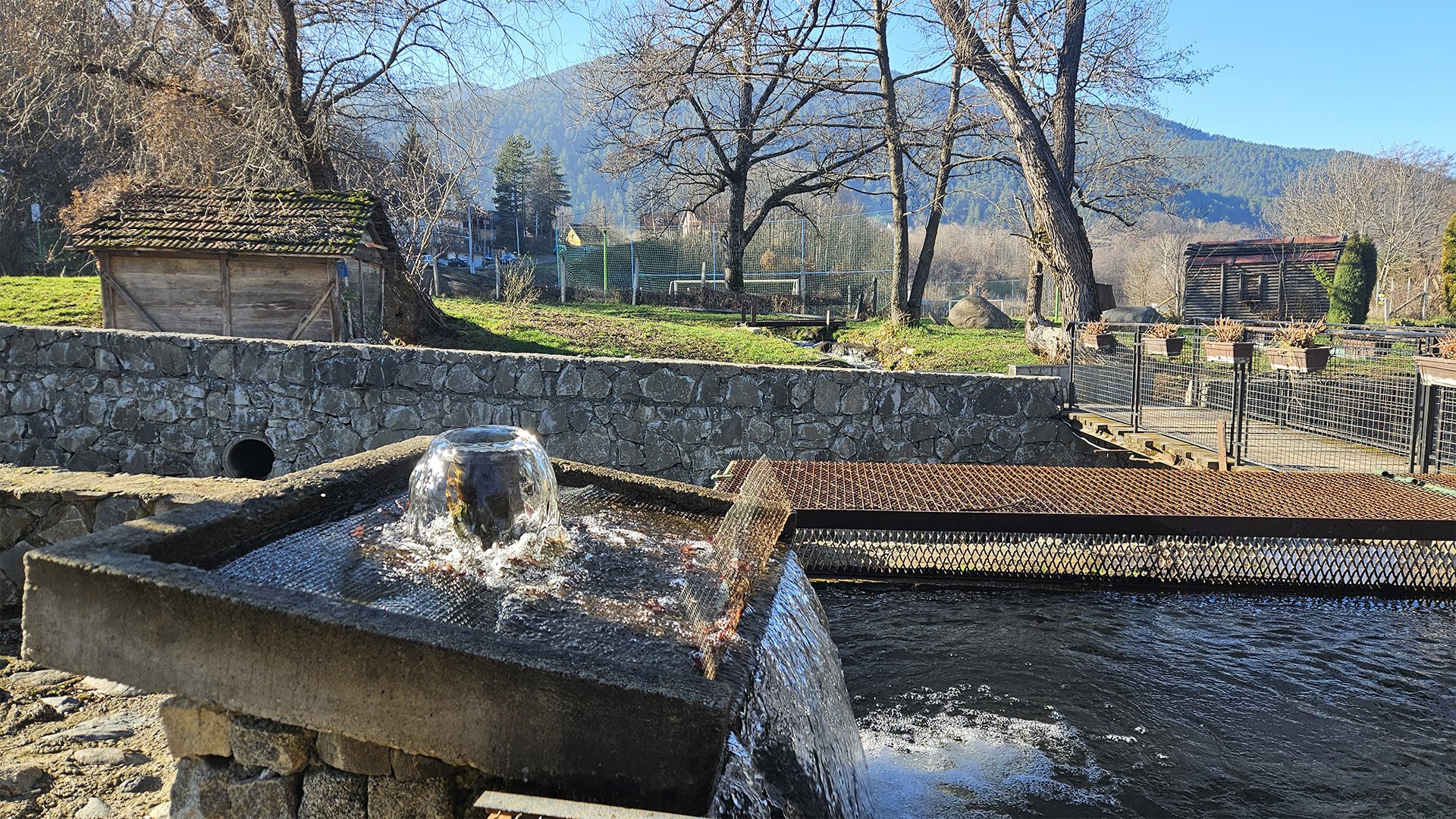
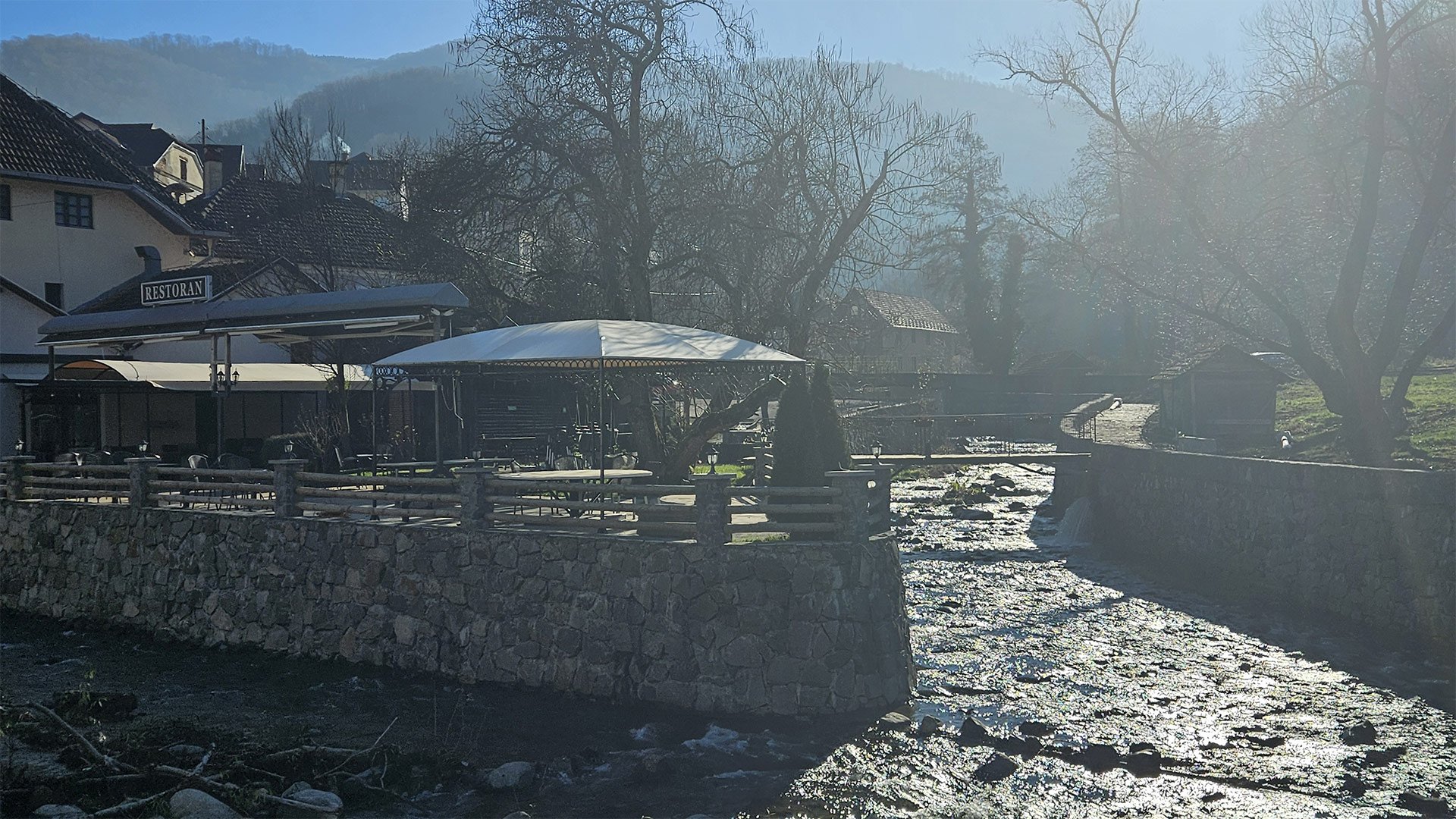
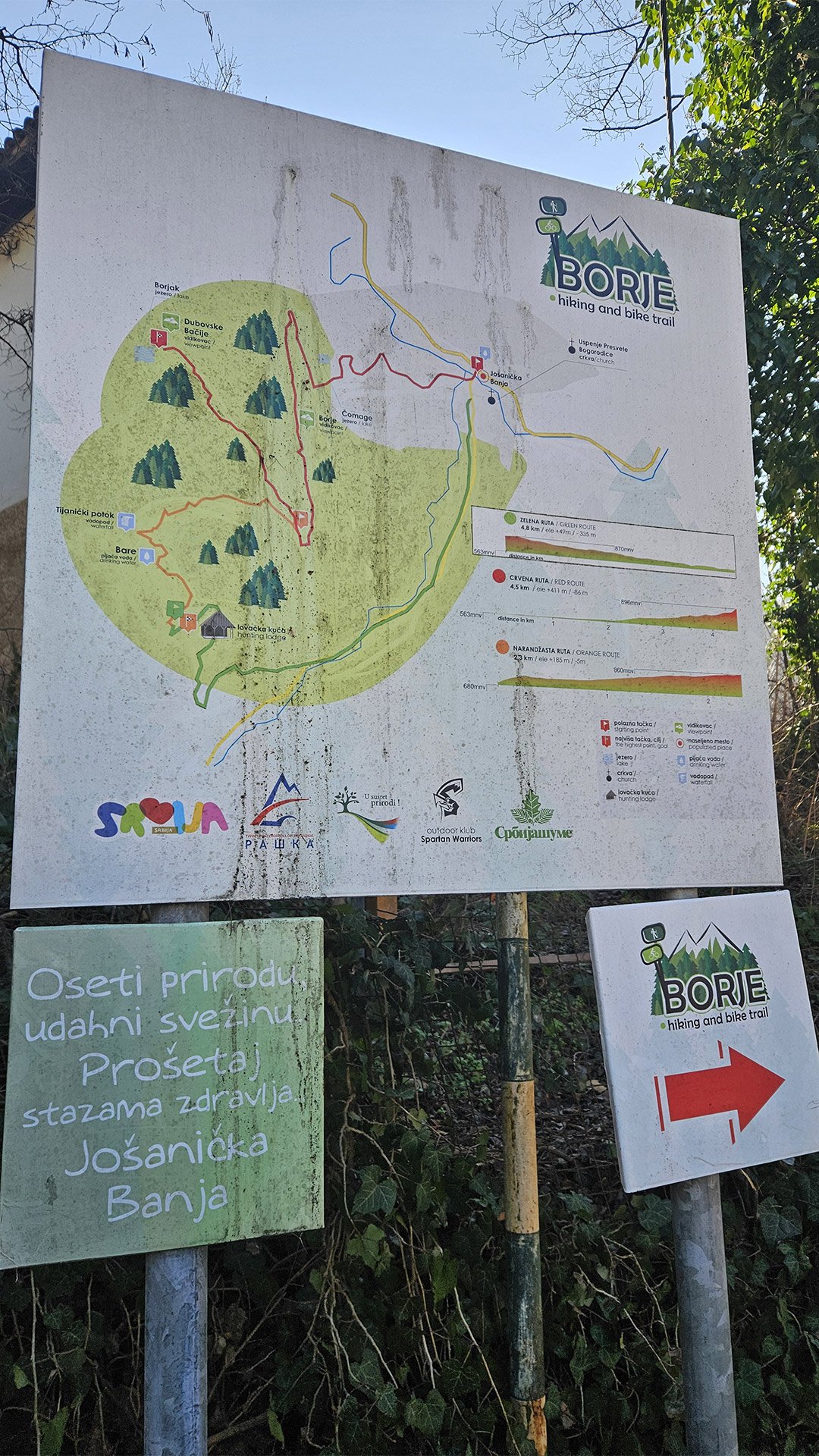
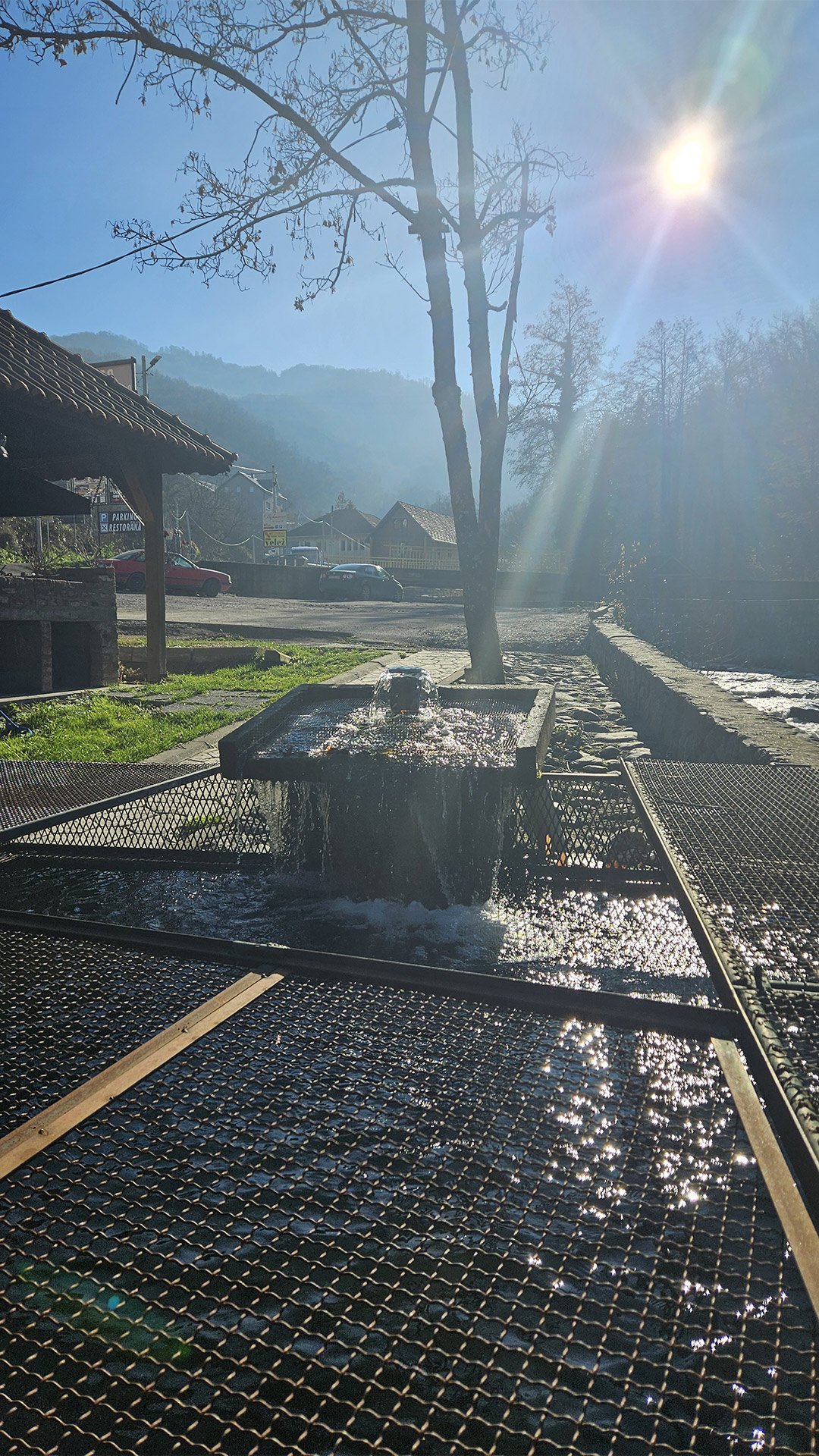
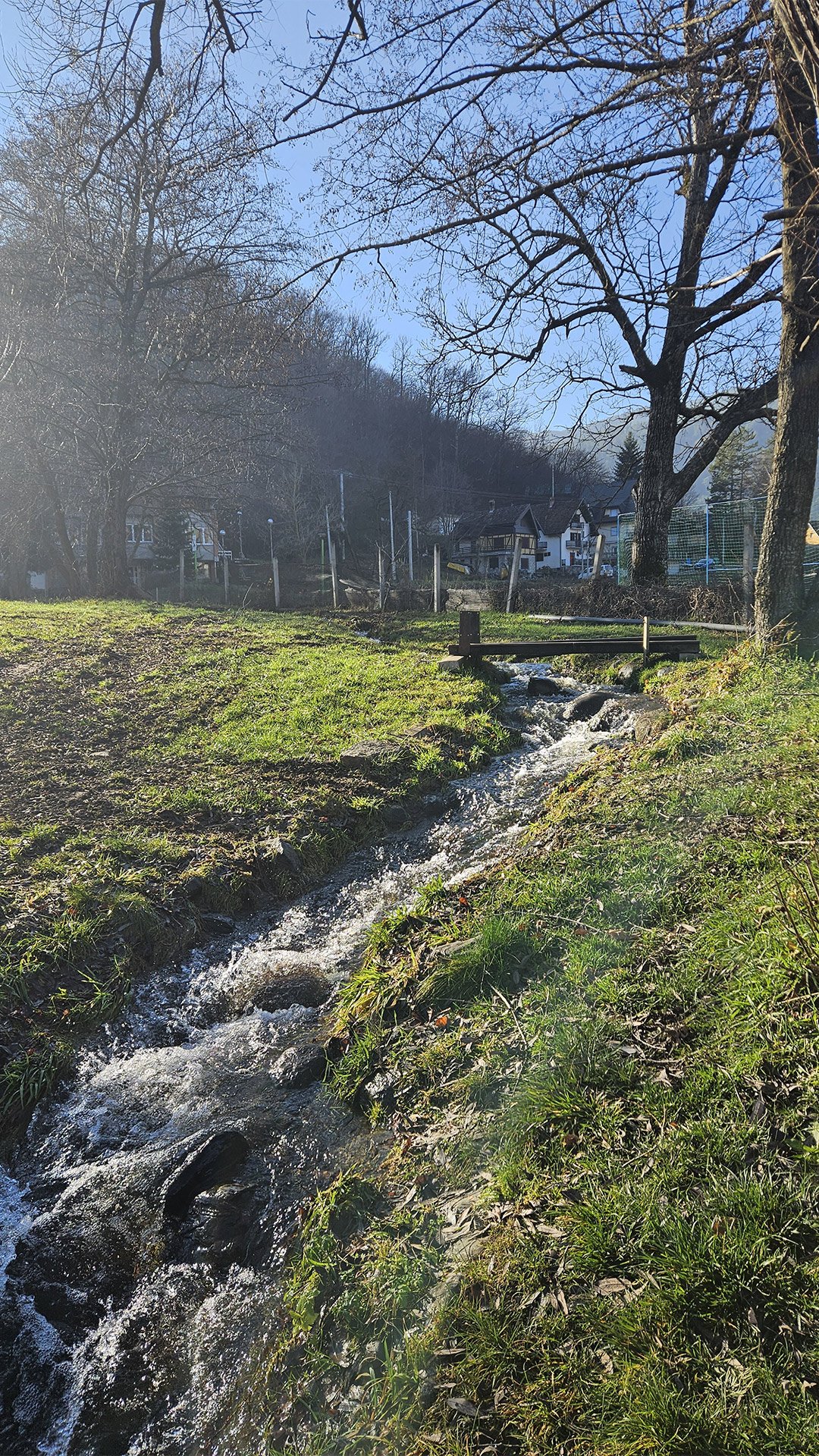
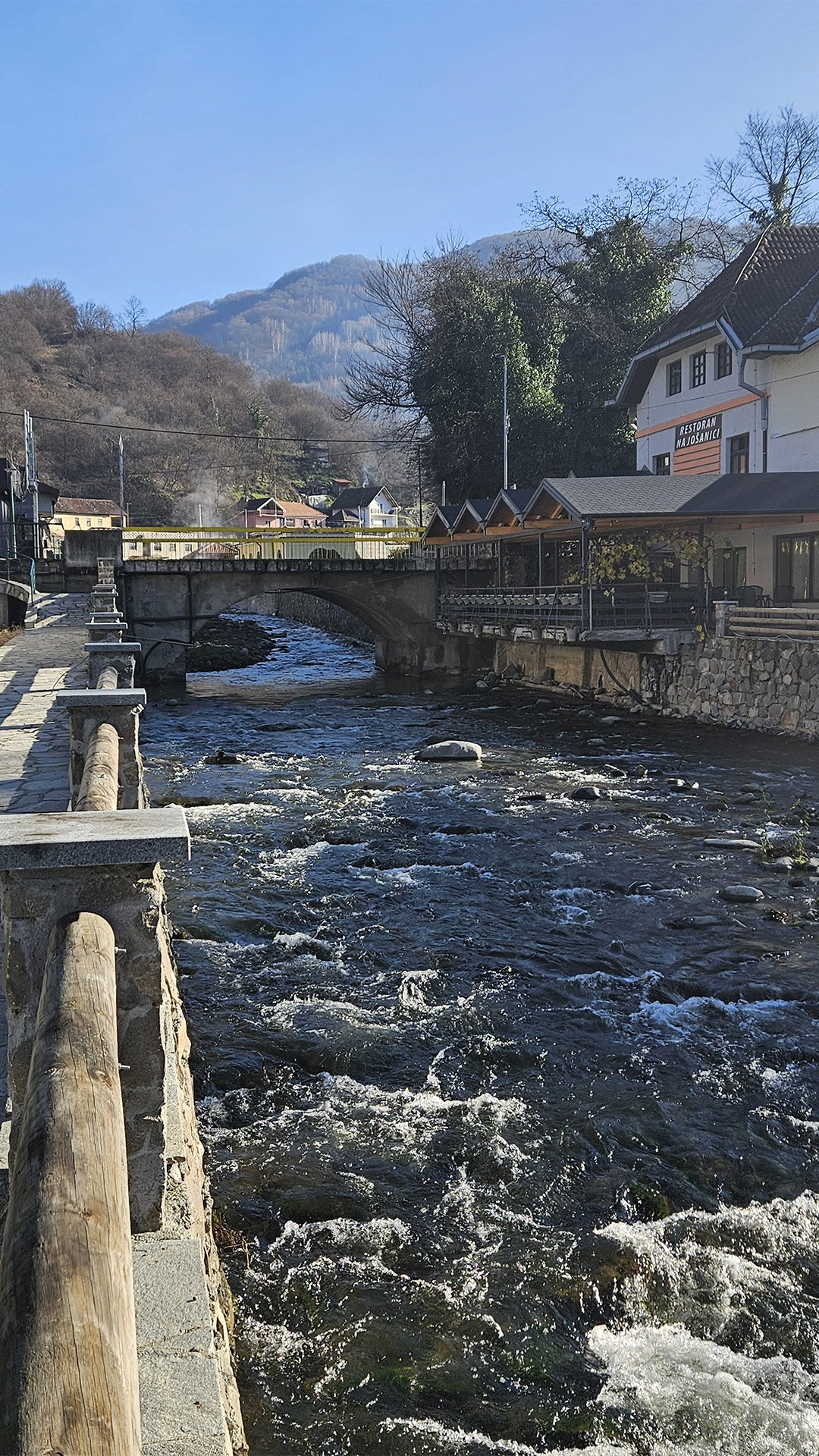
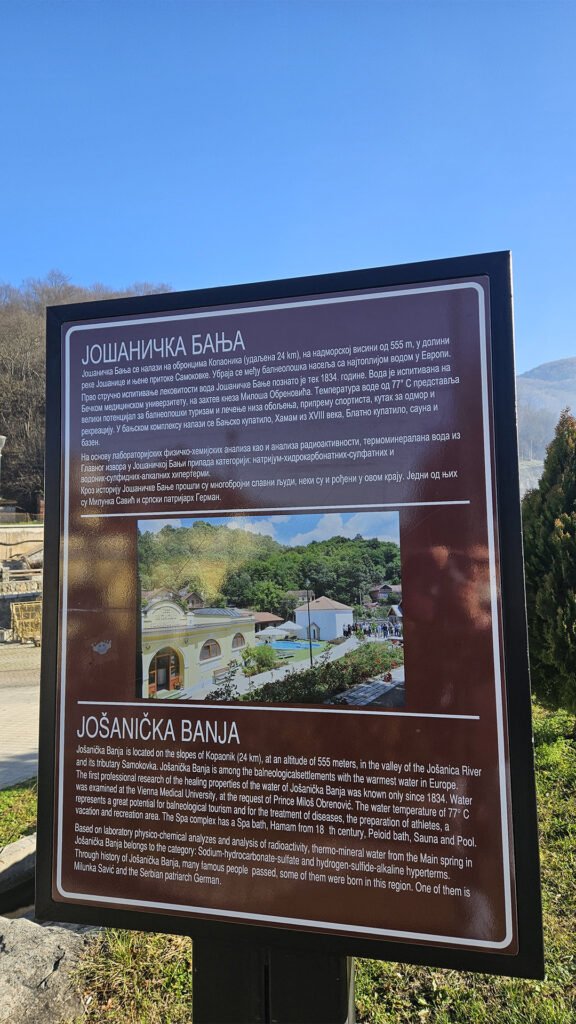
Jošanička Banja is located on the northern slope of the Kopaonik massif, in the Jošanička River valley, at an altitude of approximately 550 meters. This is important: essentially, this is the “lower,” milder zone near the highlands.
According to the Raška Tourism Organization, the resort is located approximately 24 km from Kopaonik, making the “mountains + spas” combination easily achievable even in a short trip.
2) Climate: “Mountain of the Sun” and Winter Stability
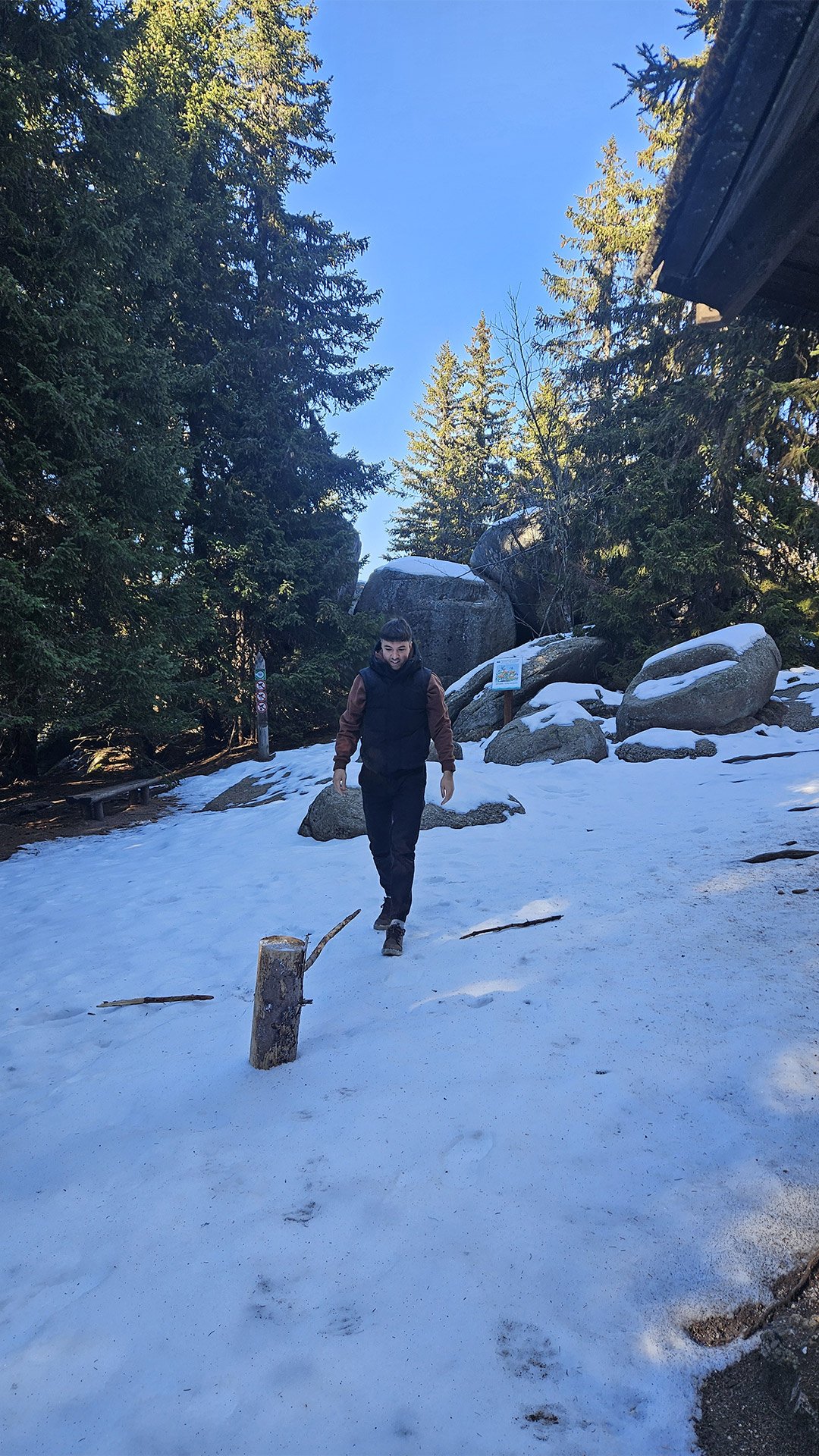
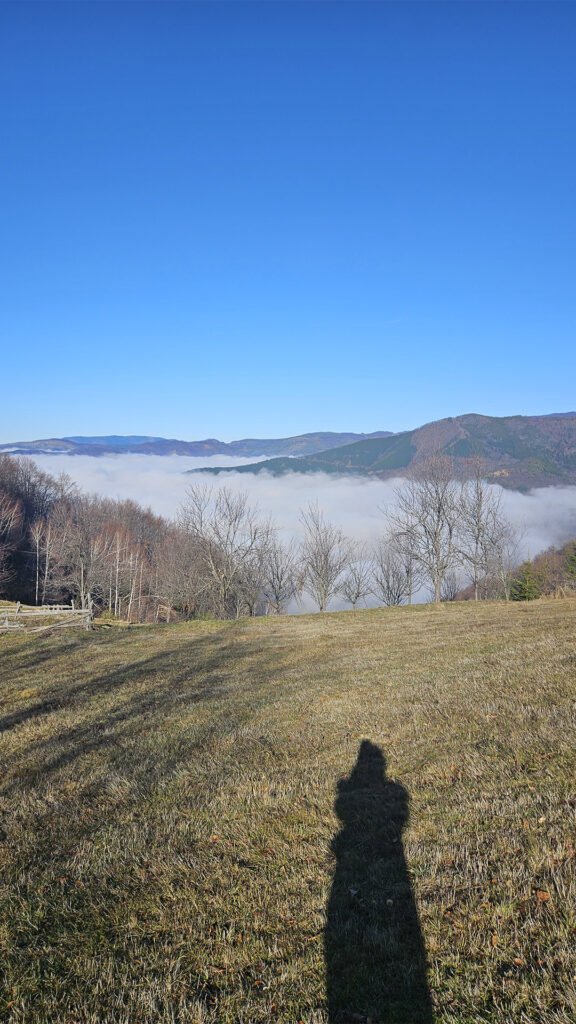
Kopaonik is rightly called the “Mountain of the Sun”: the national park boasts over 200 sunny days a year. The climate is described as transitional between maritime and continental; however, cold air “flows” into the valleys around the massif, so winter temperatures on the mountain are not always extremely low.
The key figures are also given: the average annual temperature on the plateau is 3.7°C, snow usually begins in late November and lasts until May, totaling approximately 180-230 days per year, and average annual precipitation exceeds 1000 mm.
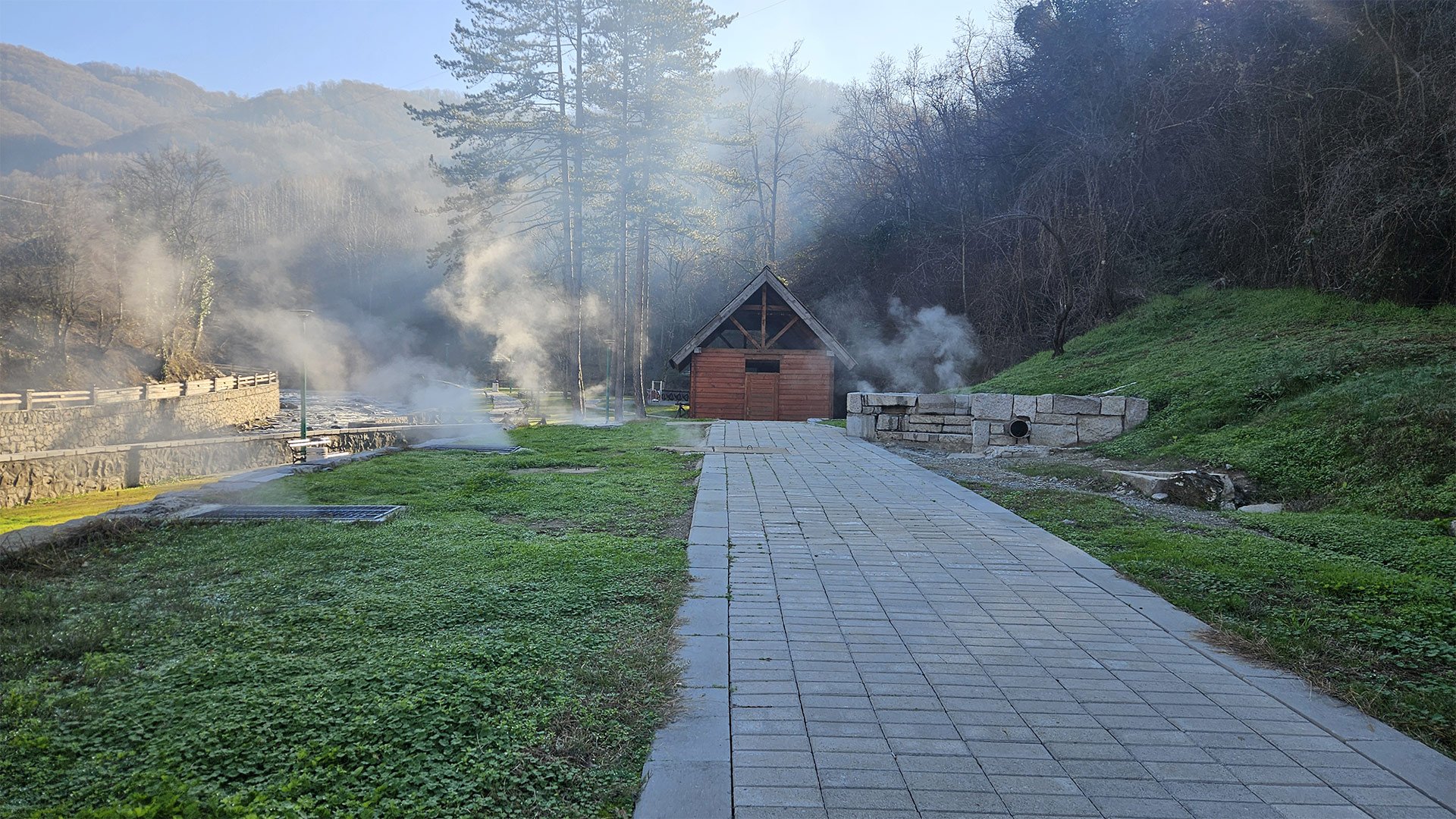
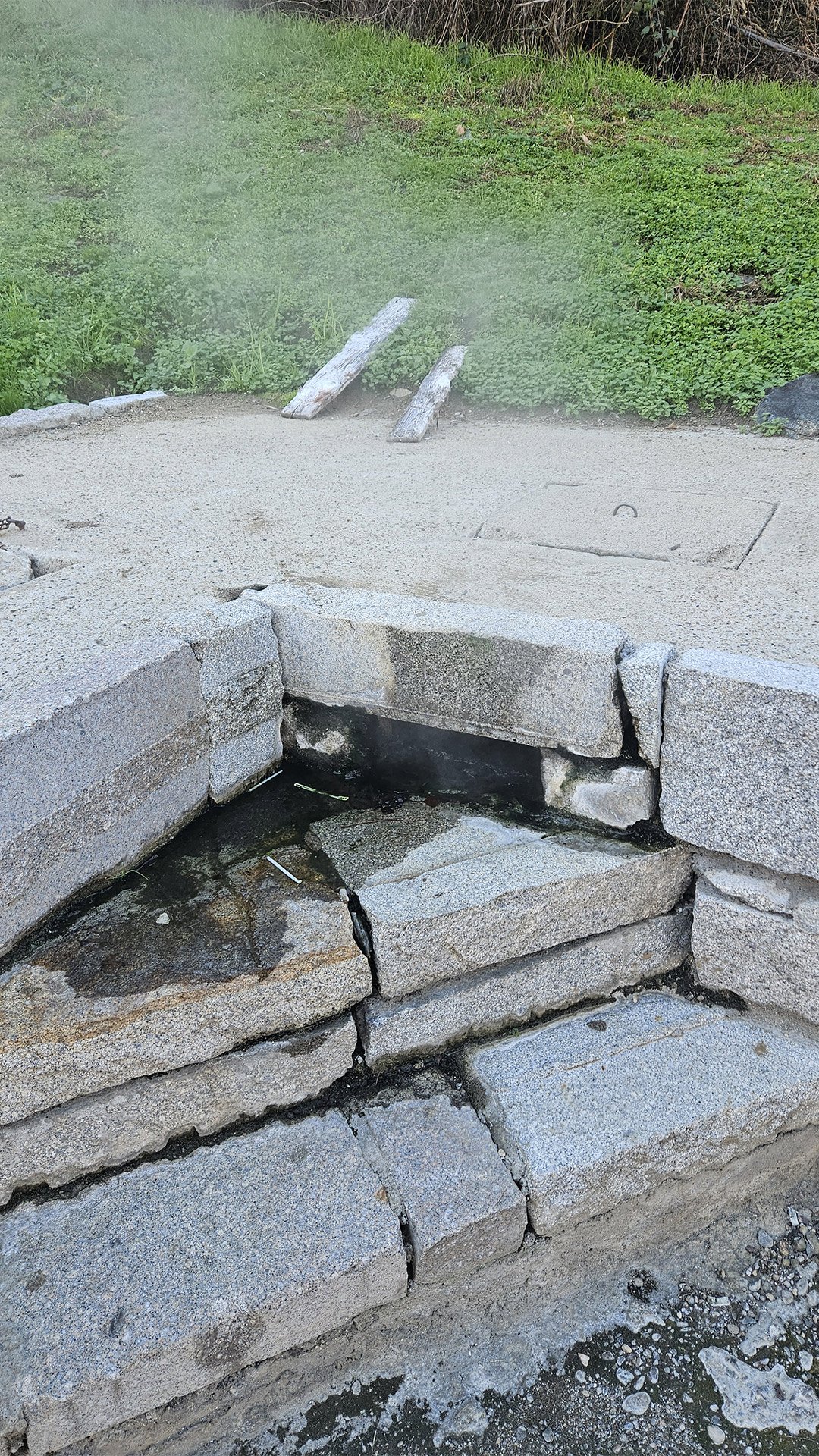
Jošanička Banja offers a completely different winter scenario: the altitude is lower (around 550 m), and its main advantage is its thermal mineral waters. A scientific paper (University of Belgrade, Faculty of Mining and Geology) describes spring temperatures in the “Banjski Park” area as ranging from approximately 70.1°C to 78.7°C.
3) History: From Mines to Resorts and Science
Kopaonik is historically associated with ore mining: the national park explicitly states that the name derives from mining, and mining was conducted even before the arrival of the Romans. The first written mention of the name “Kopaonik” dates back to the 12th century.
In the 13th century, according to the national park, Saxon (German) miners gave a significant boost to mining, and by the 19th century, attention increasingly shifted from the “mine mountain” to the unique natural features and the study of flora and fauna.
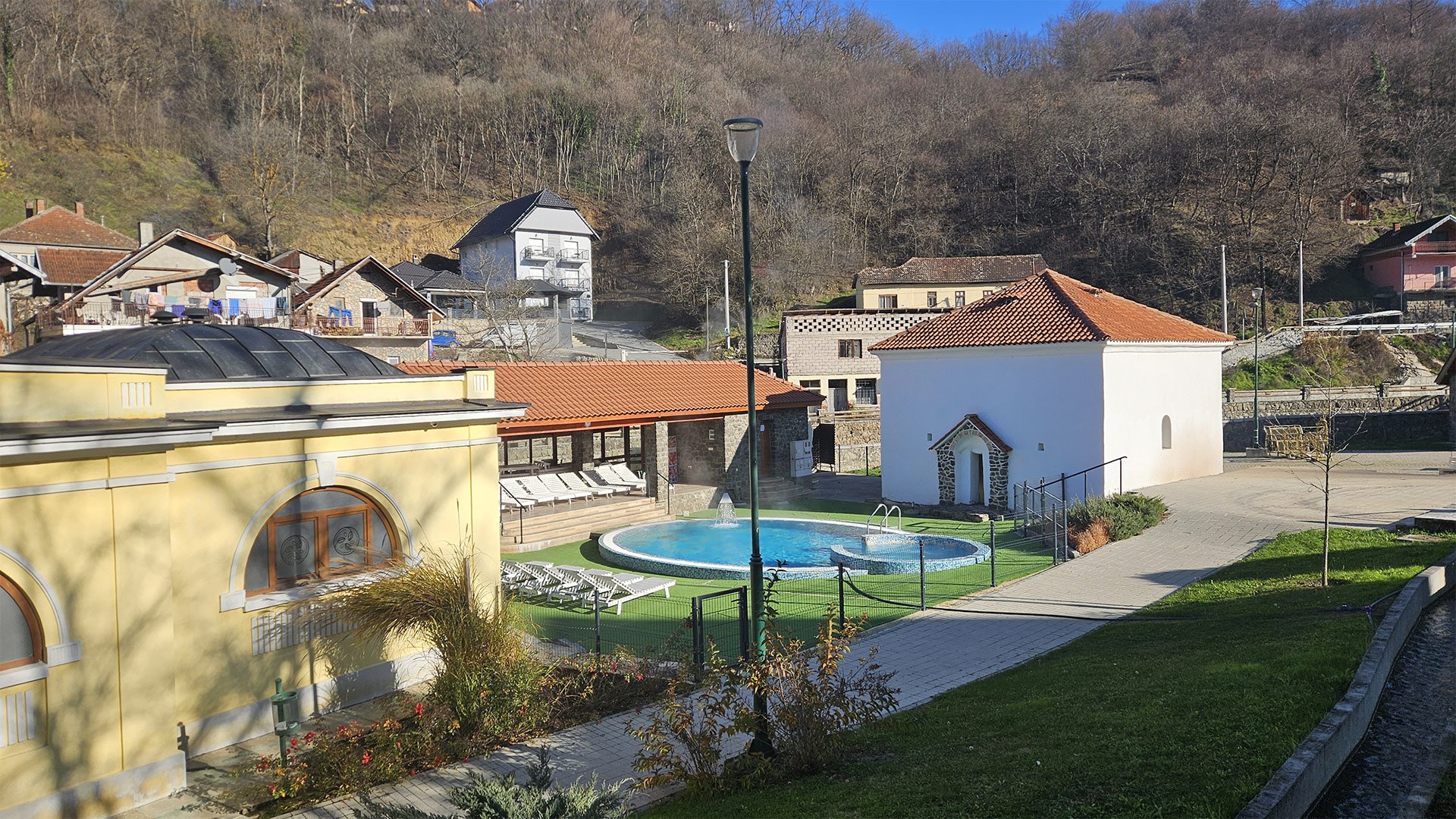
The history of Yošanička Banja also “grew” from water: the official brochure of the Raška Tourism Organization states that the thermal springs are associated with the Romans, and their use during the Ottoman period is confirmed by the presence of an 18th-century hammam (Turkish bath). It also notes that the first professional studies of the water’s therapeutic properties date back to 1834 (including research in Vienna).
4) Nature: What exactly is protected here and who can be found here
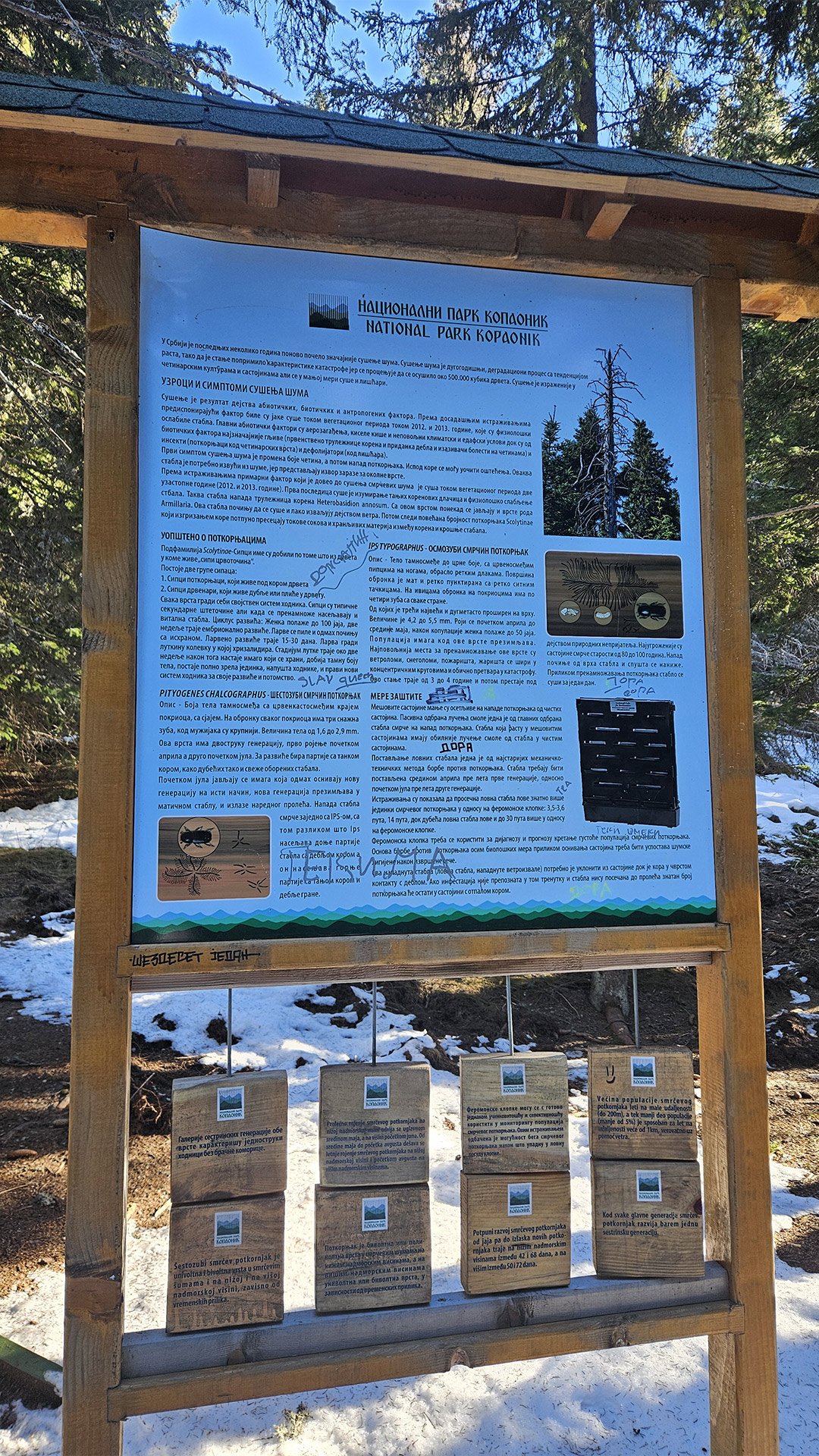
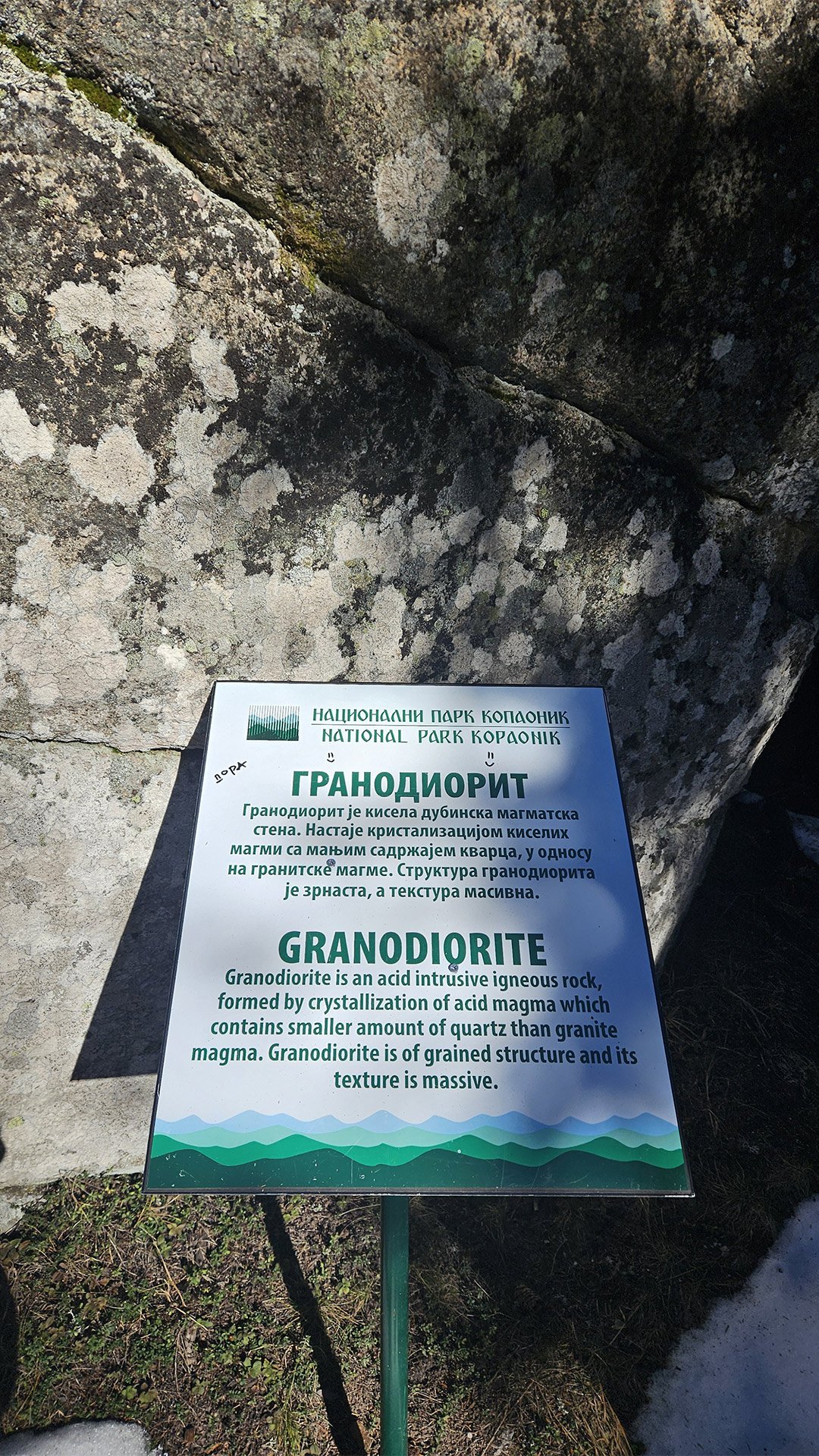
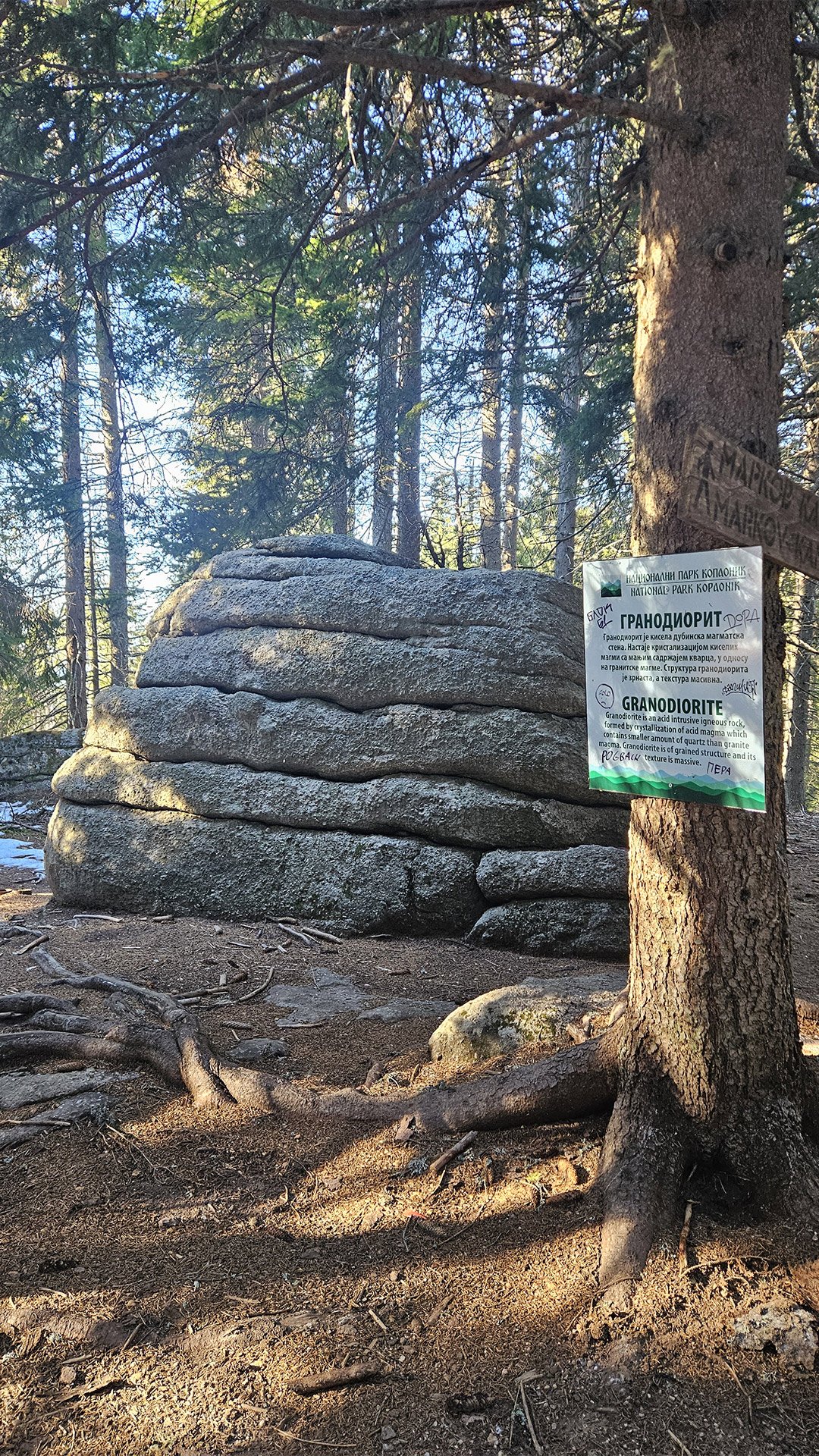
Kopaonik is not only about trails and views, but also about an area of exceptional natural value. The national park emphasizes the diversity of its geology (serpentinites, granites, marbles, limestones, etc.), which directly influences the mosaic of ecosystems and species.
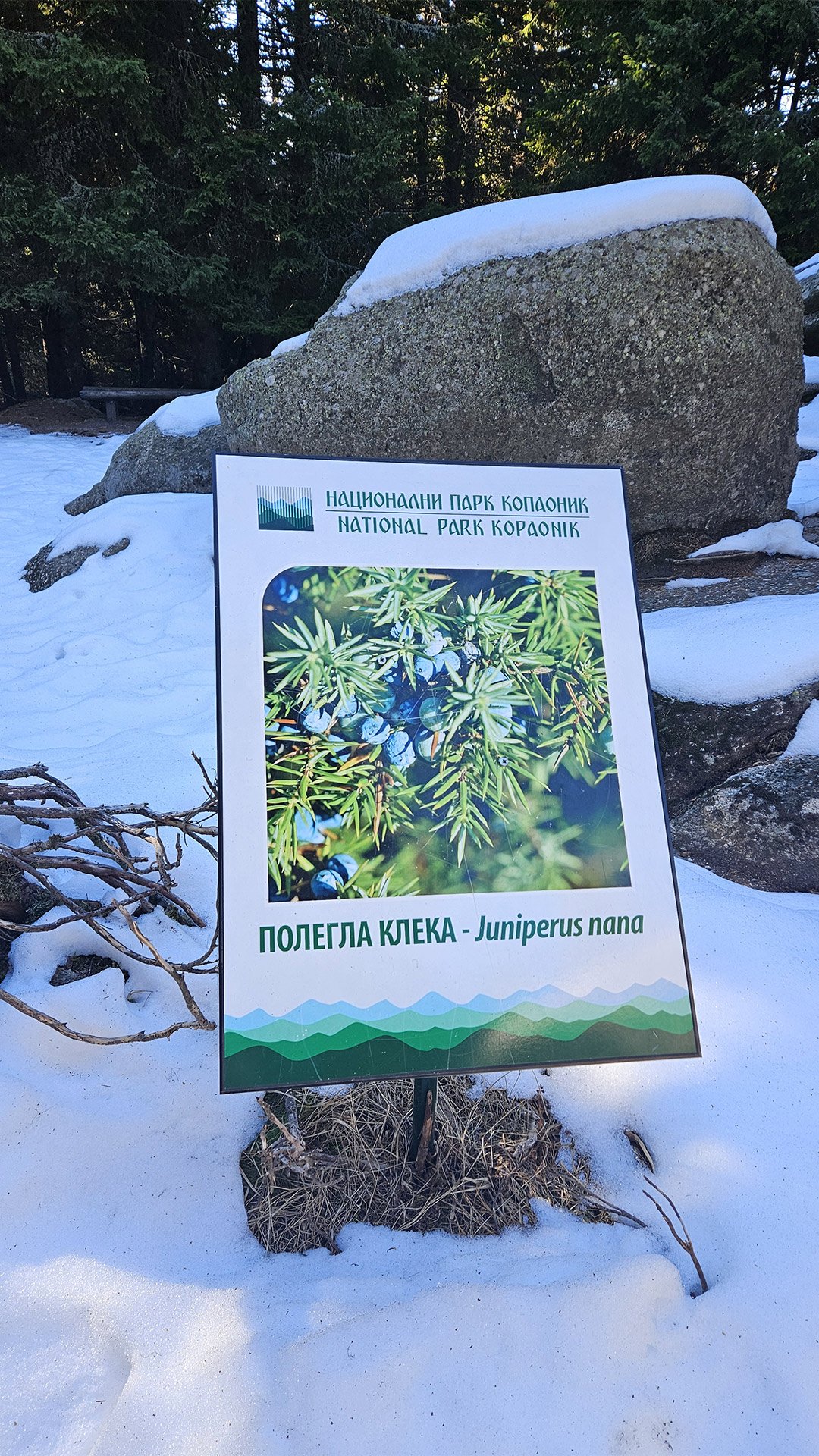
Flora. The national park’s website lists 91 endemic and 82 subendemic plant species; some species are under strict protection.
Tourist descriptions of Kopaonik as an ecosystem hotspot also cite examples of local and rare species, including Sempervivum kopaonikensis (Kopaonik houseleek) and Viola kopaonikensis (Kopaonik violet).
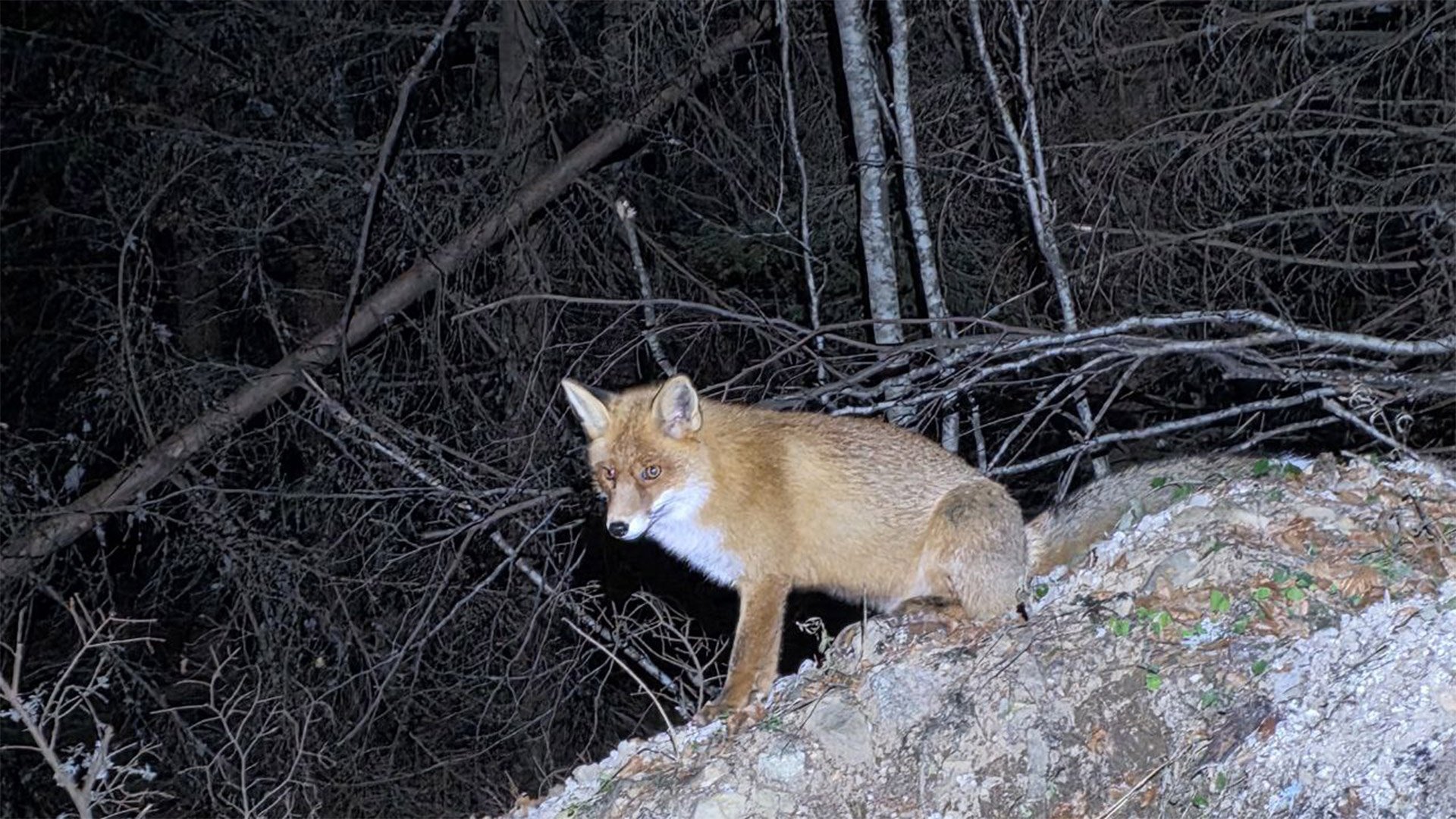
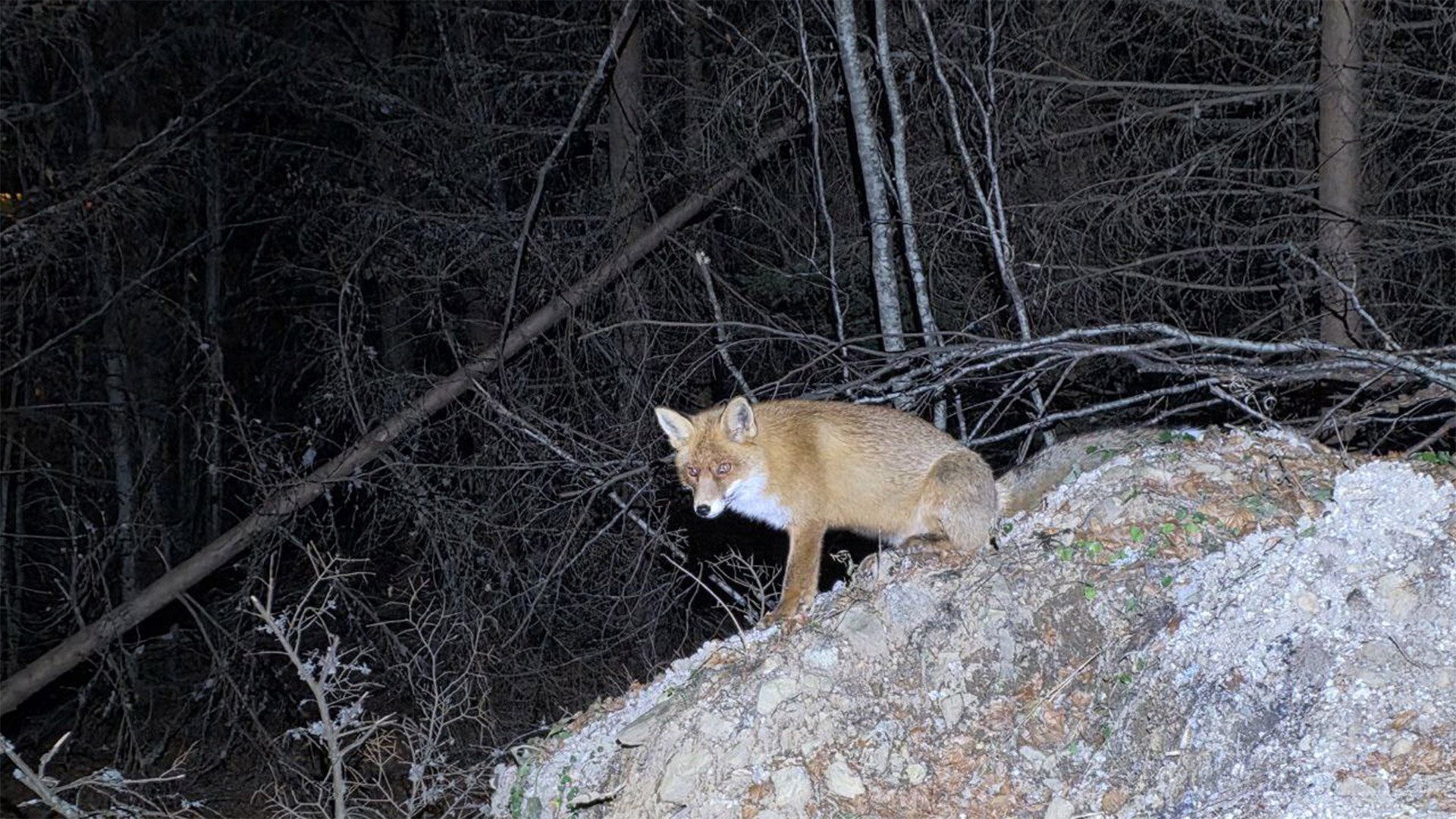
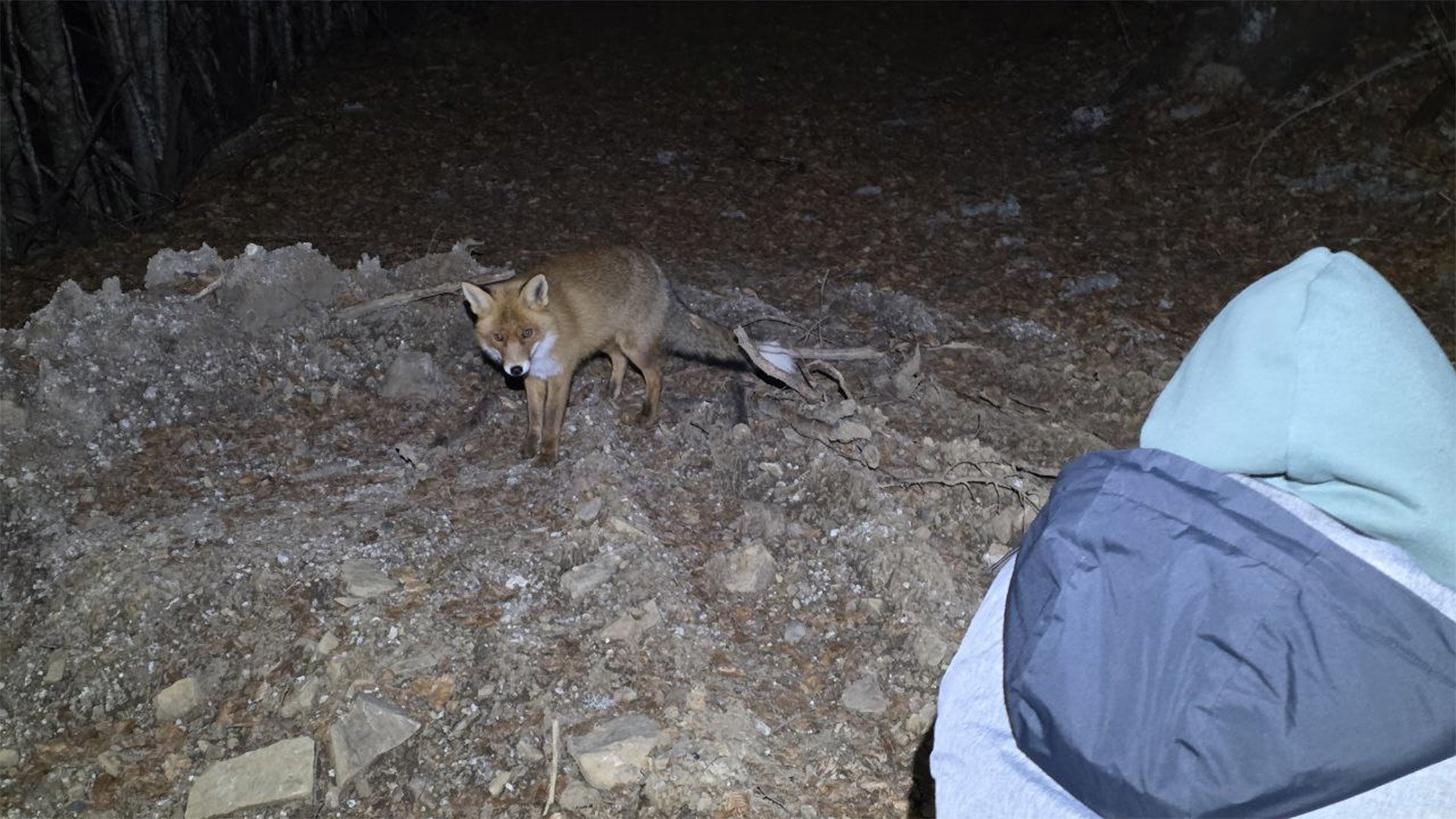
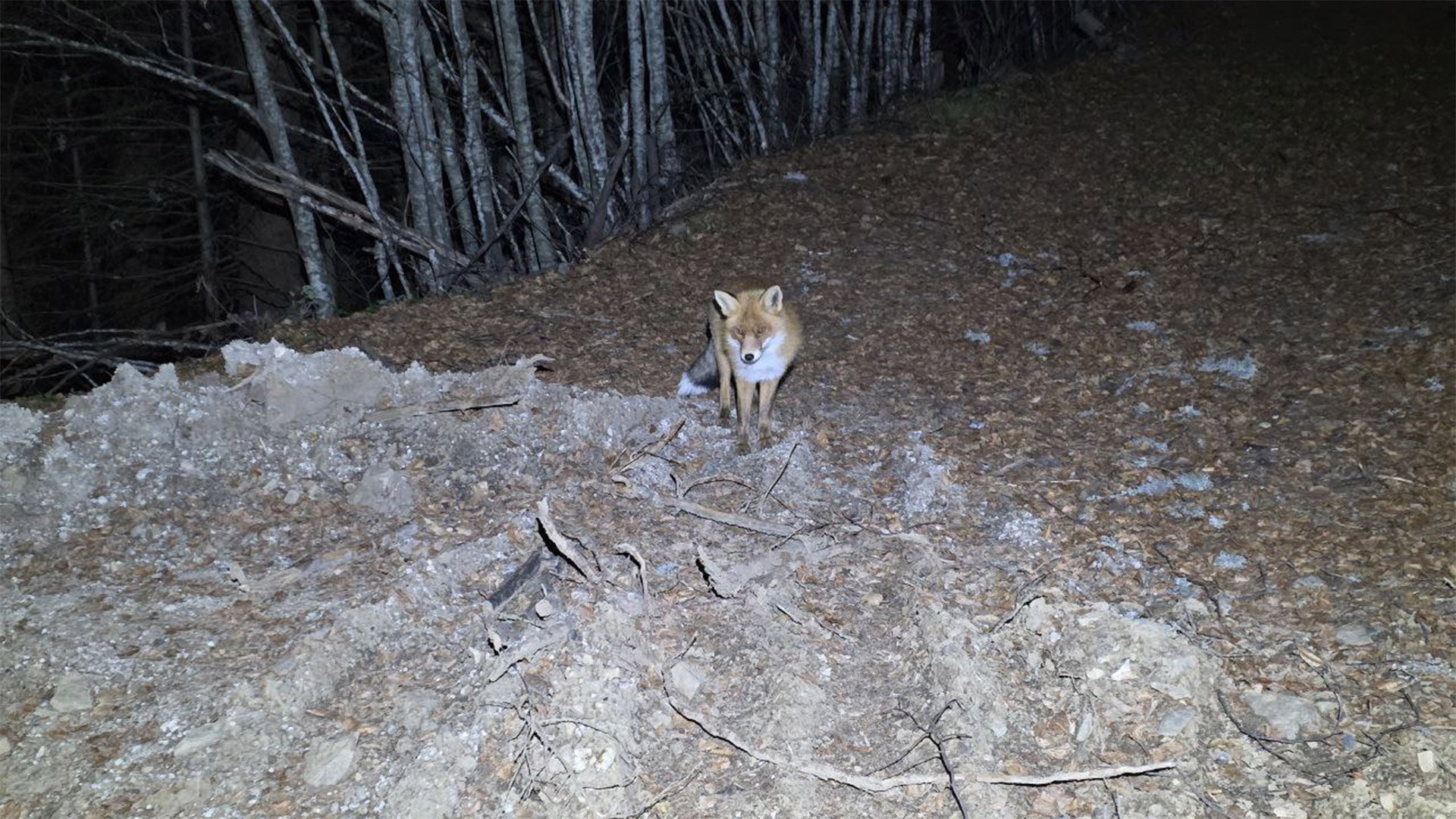
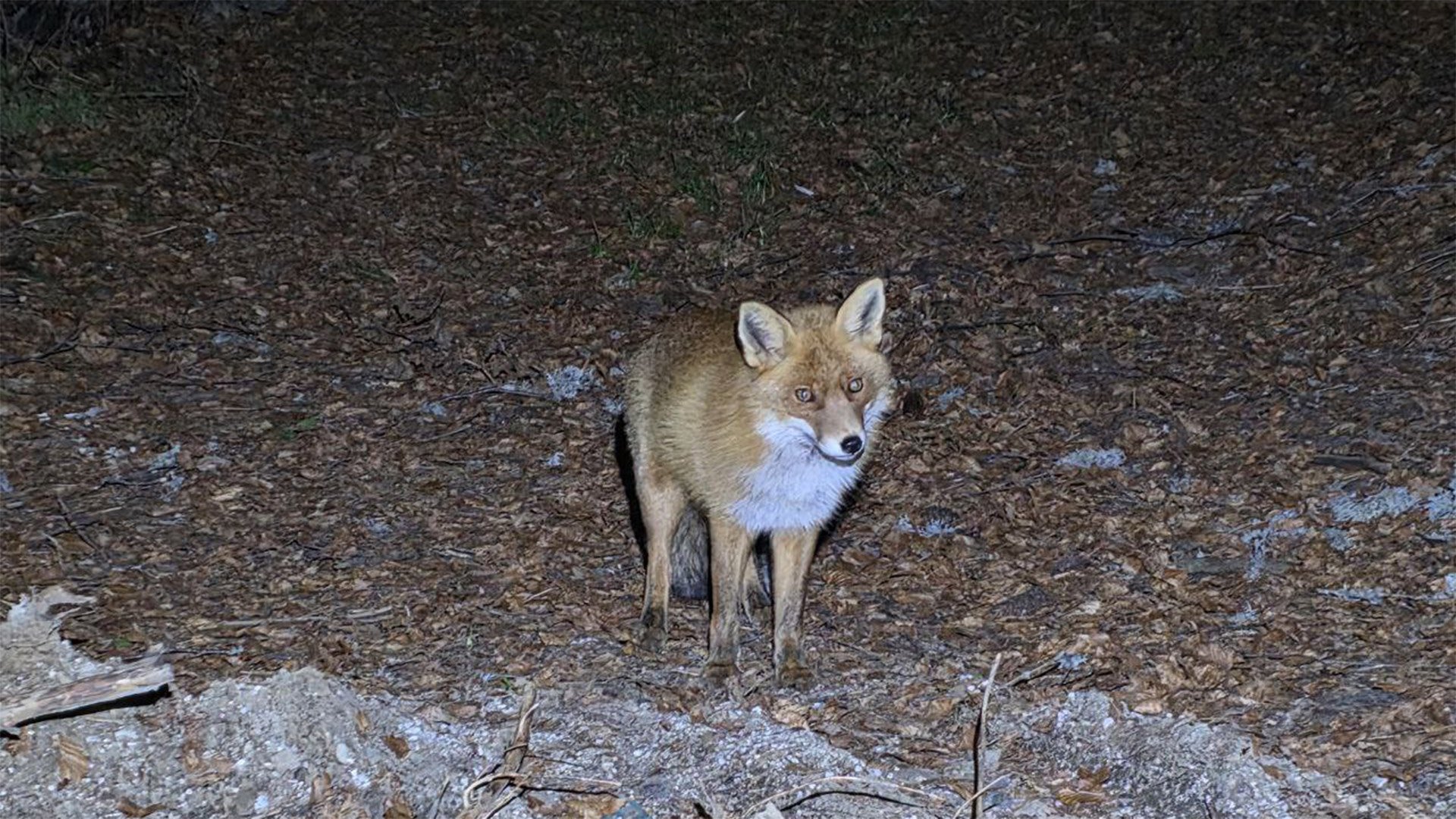
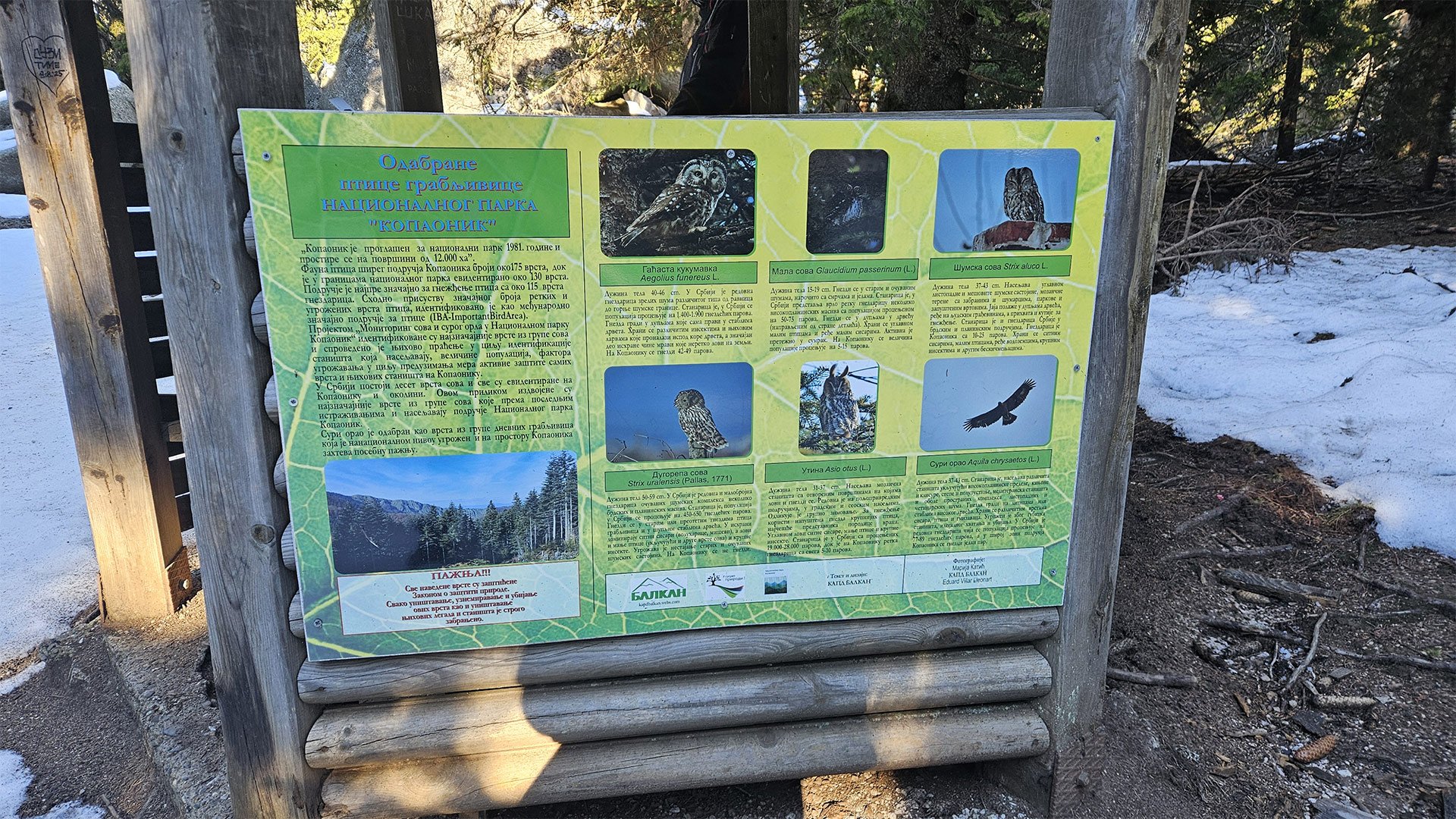
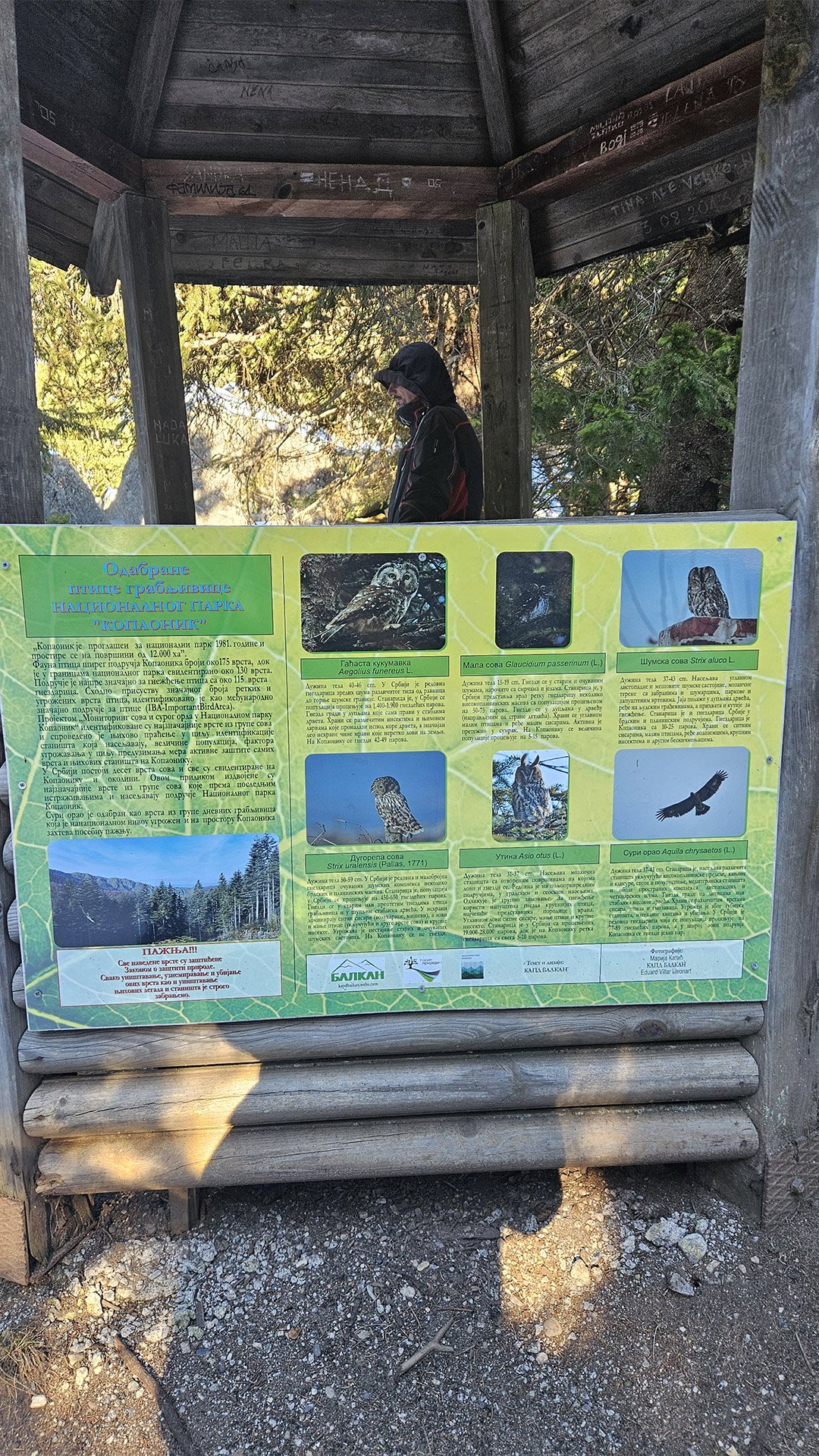
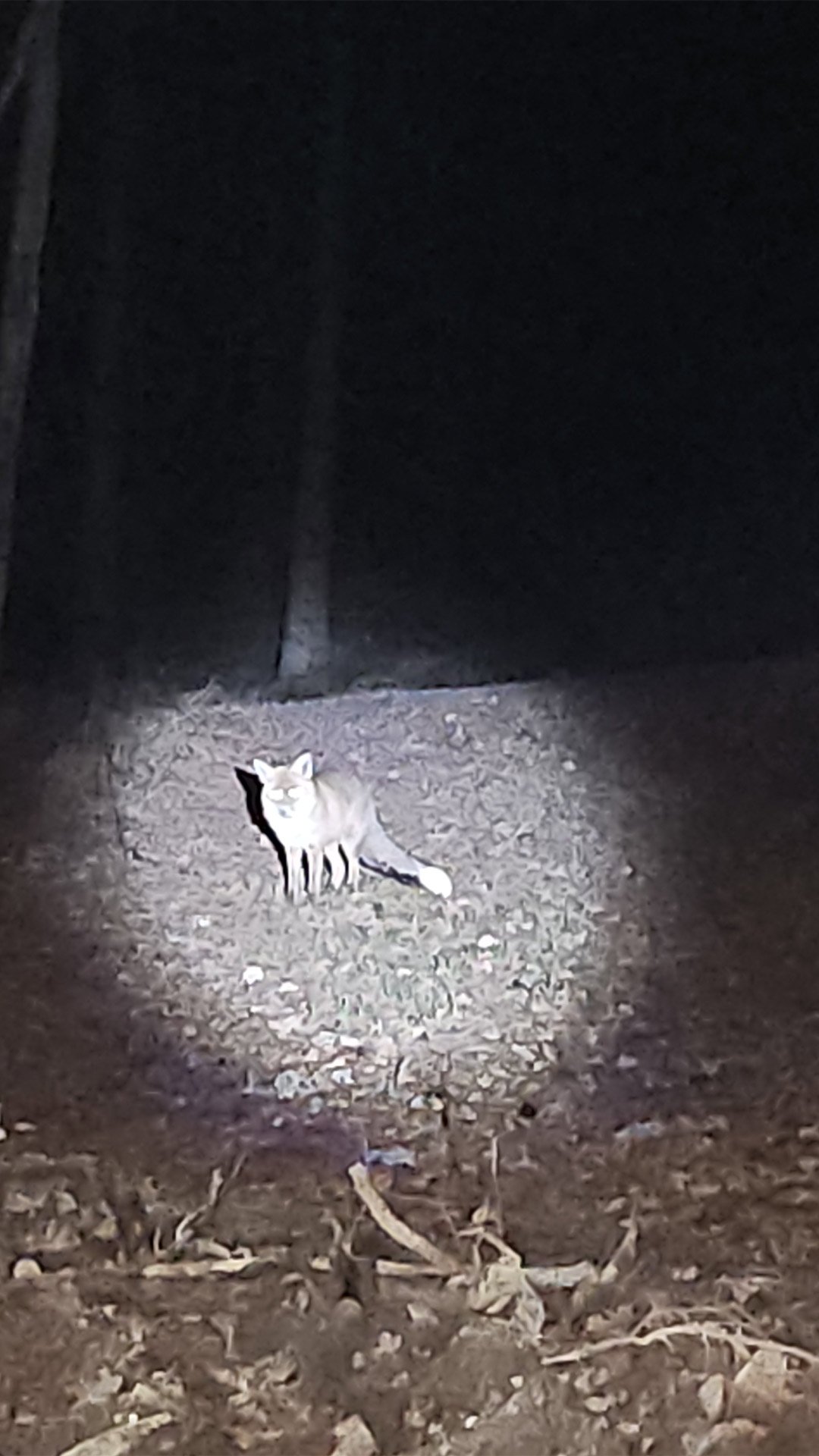
Fauna. The National Park reports that the wildlife here is very diverse:
- the endemic and relict Colias balcanica Rebel butterfly has been recorded (listed as a find unique to Kopaonik);
- 173 bird species (approximately 90% nesting);
- 40 mammal species, including otters near the streams;
- the water quality in the streams supports the presence of brown trout (Salmo truta) in the streams on Kopaonik.
Jošanička Banja has a different natural focus: the Raška Tourist Organization’s materials highlight the green areas and forests surrounding the resort, dominated by the forested area “Banjski borjak,” and describe the area itself as a natural environment important for recreation and relaxation.
5) Why the Kopaonik + Jošanička Banja combination is so great in winter
- Kopaonik’s altitude and snow + Jošanička Banja’s lowland and hot springs = a contrast that really helps with recovery.
- Logistics are convenient: Jošanička Banja is listed as being located approximately 24 km from Kopaonik.
Vegetation. The coastal zone is characterized by thickets of reeds and other wetland communities; the Ramsar descriptions specifically mention communities with reeds/sedges and willows.
In summer, “fields” of water lilies and other aquatic vegetation appear in many areas – this is one of the lake’s visual symbols.
Birds. Skadar is known as a major ornithological area. A regional publication estimates 281 recorded bird species and mentions the lake as a significant wintering site (with very large concentrations of waterfowl in some years).
Significant species regularly include the Dalmatian pelican and the little cormorant (pygmy cormorant).
Fish and other animals. The lake is noted for its rich ichthyofauna (including dozens of species), and typical commercial/well-known species include carp, bleak, and eel.
The presence of the Eurasian otter (Lutra lutra) is also noted in the region as an important representative of the local aquatic ecosystems.