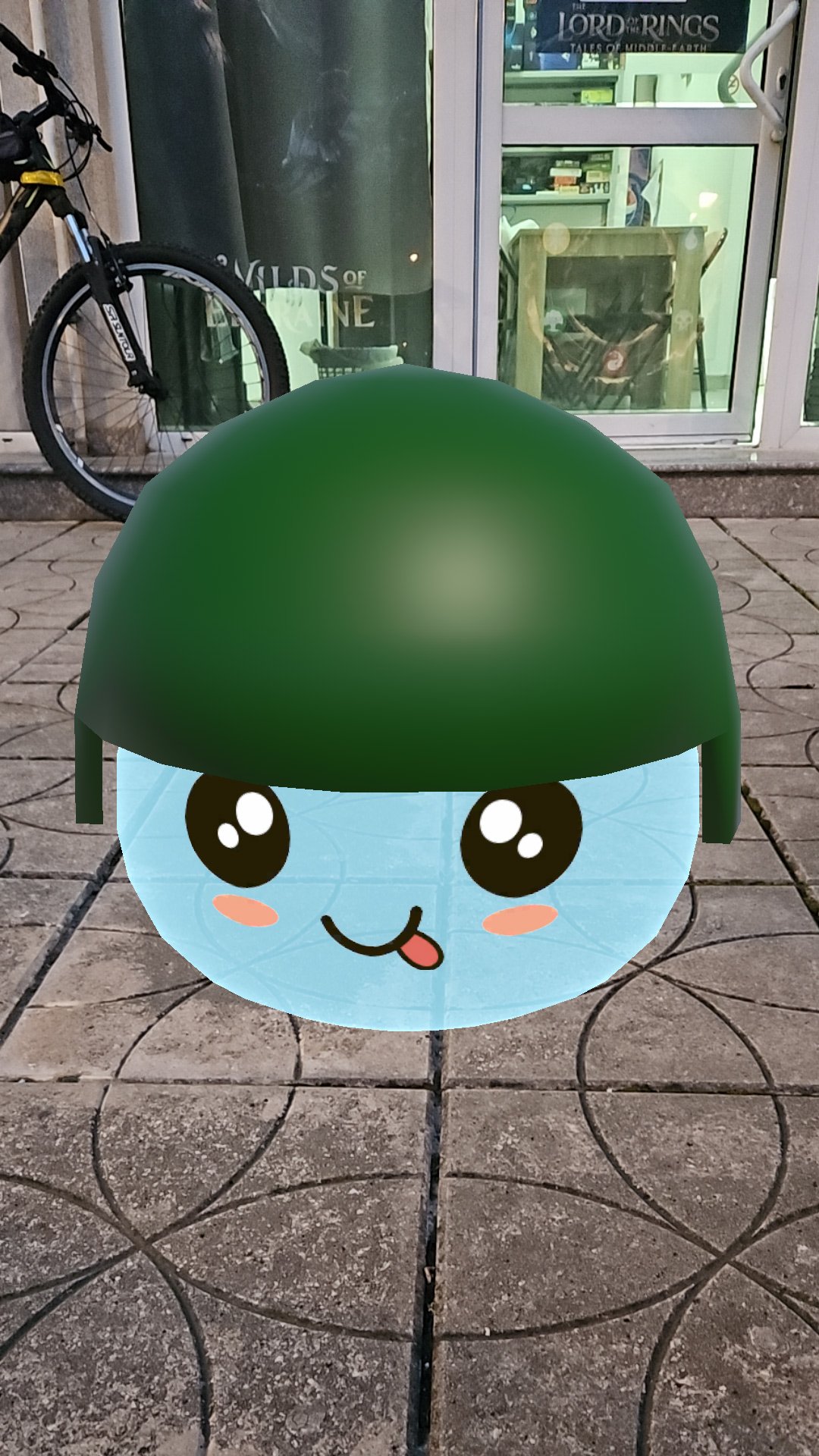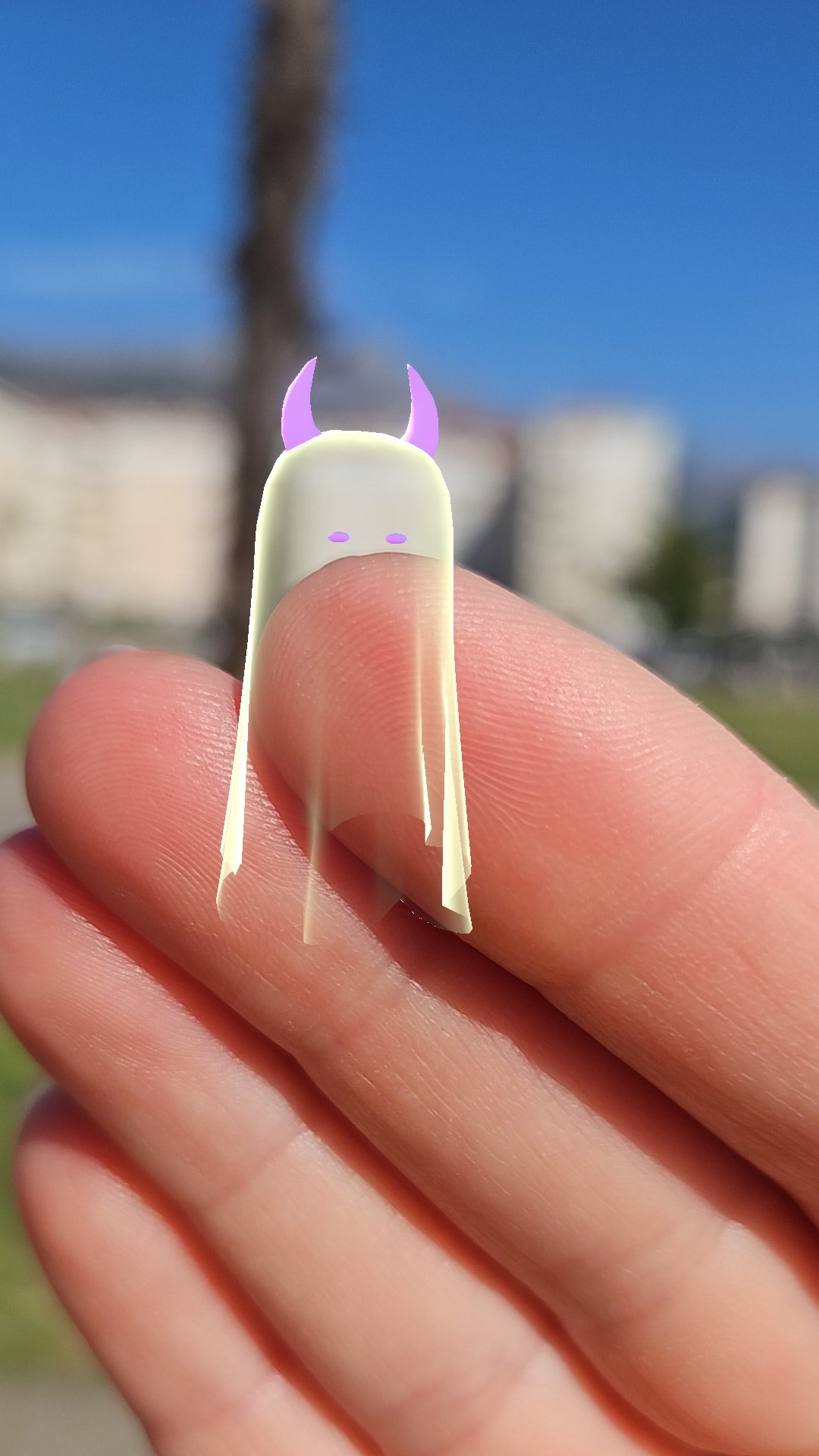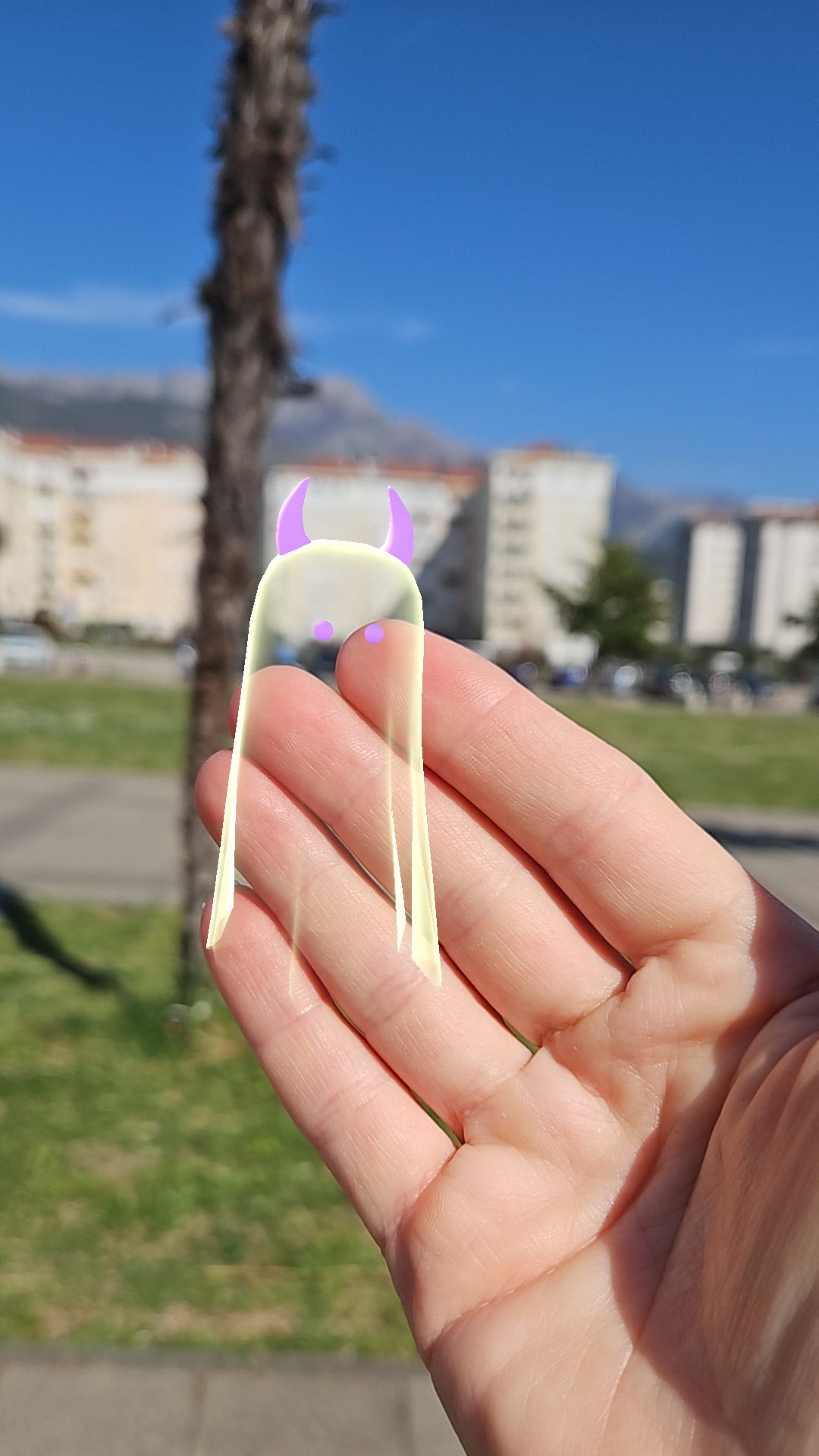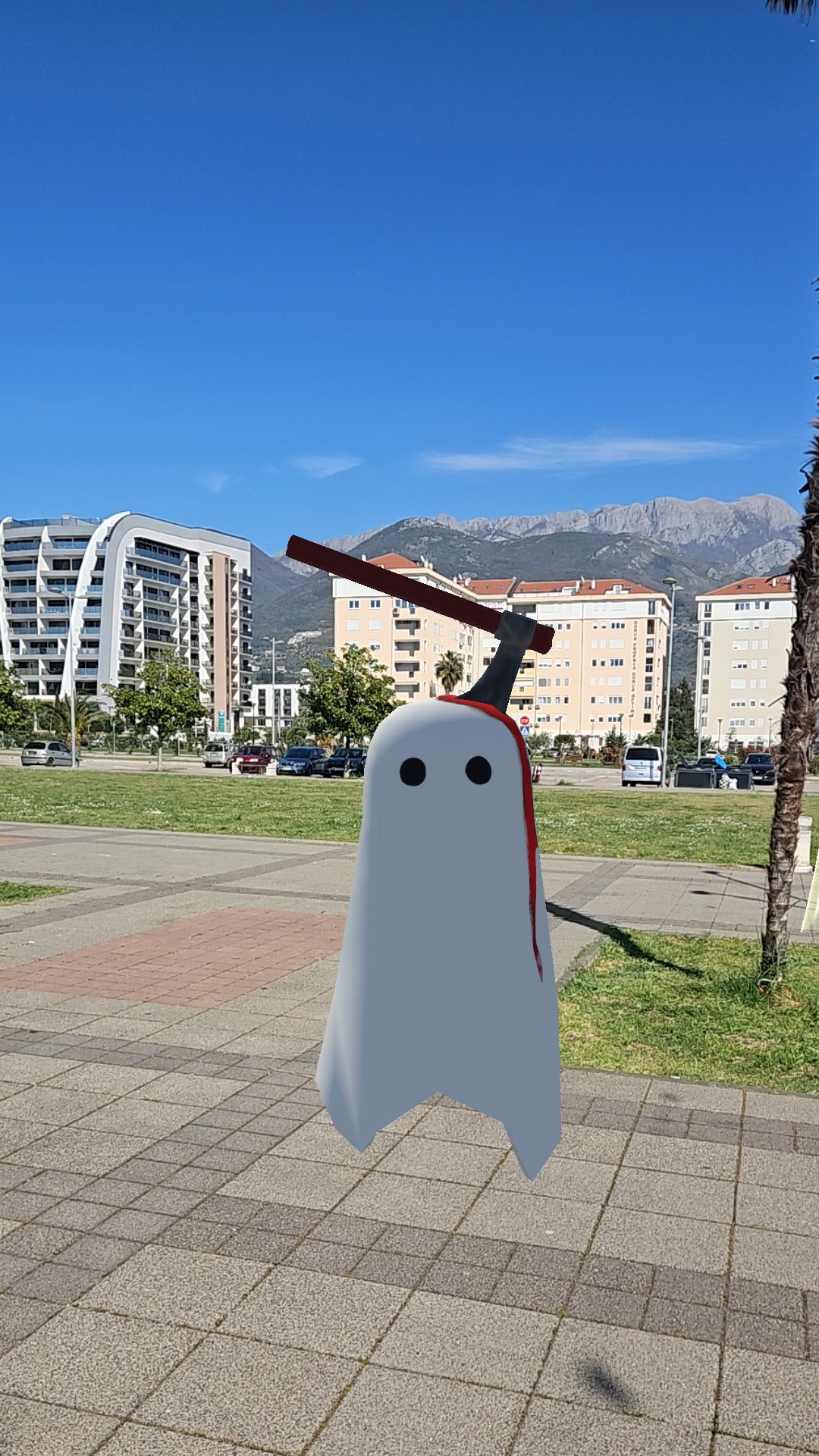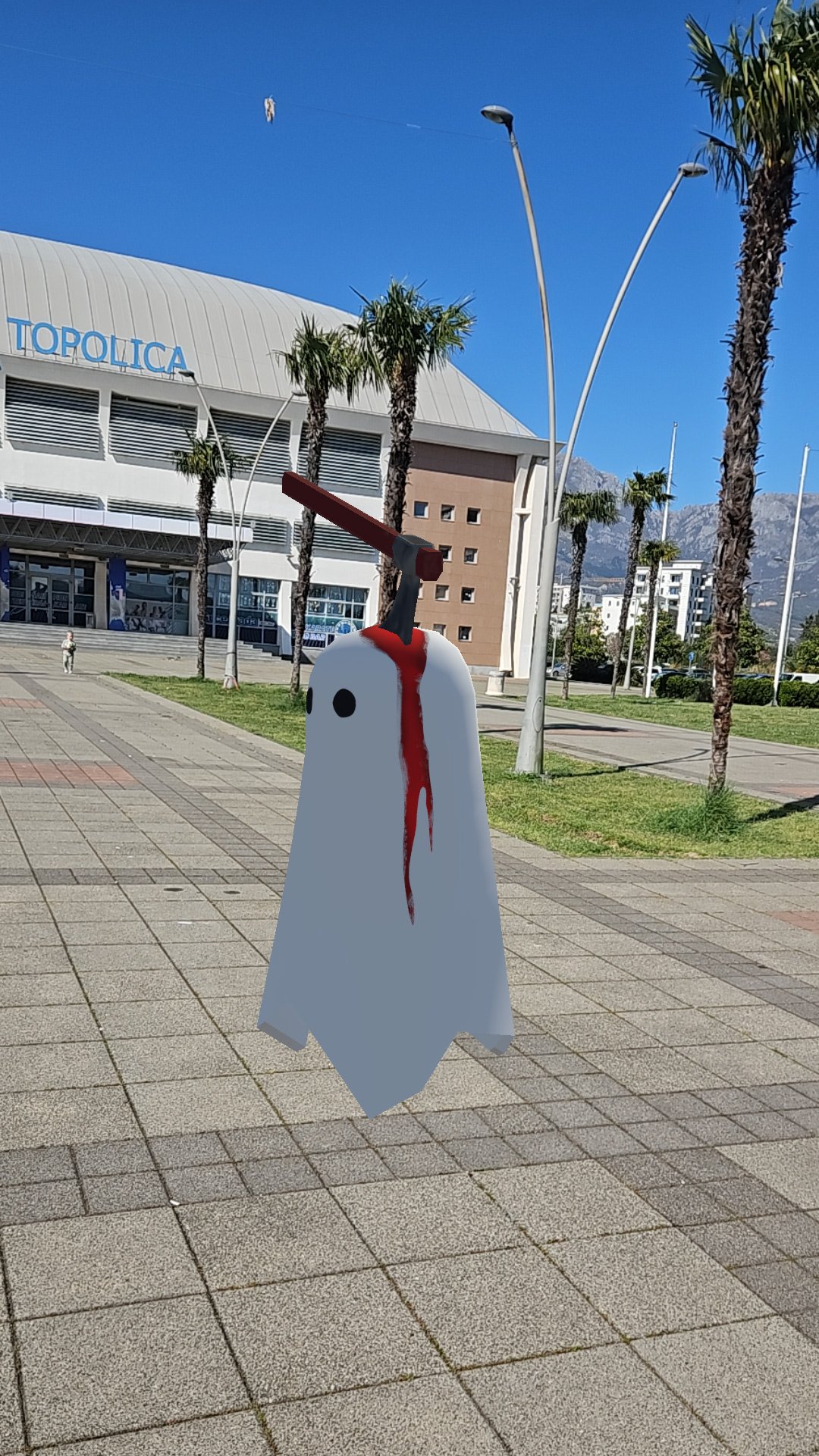


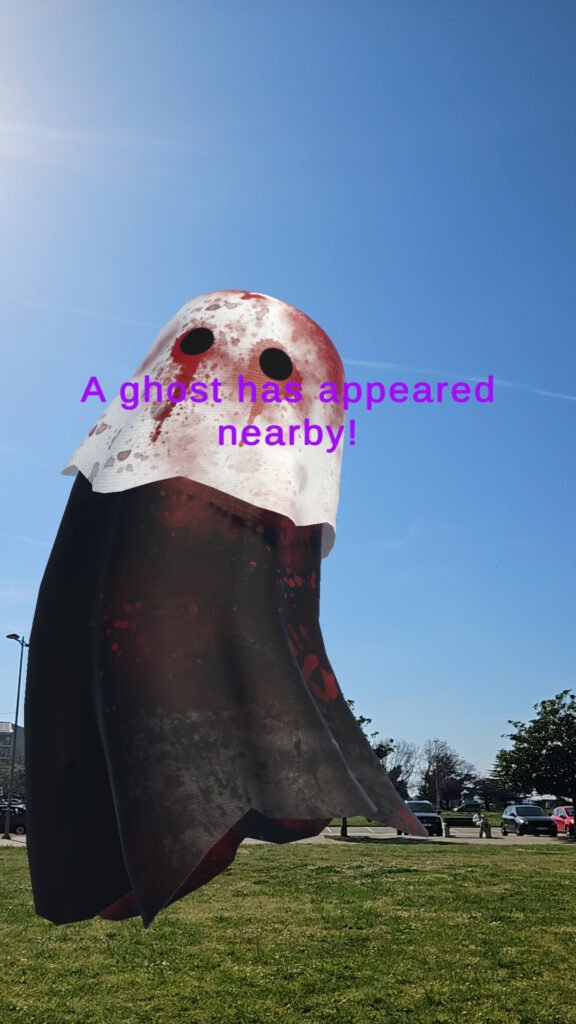
Why AR looks 10 times better with ambient occlusion
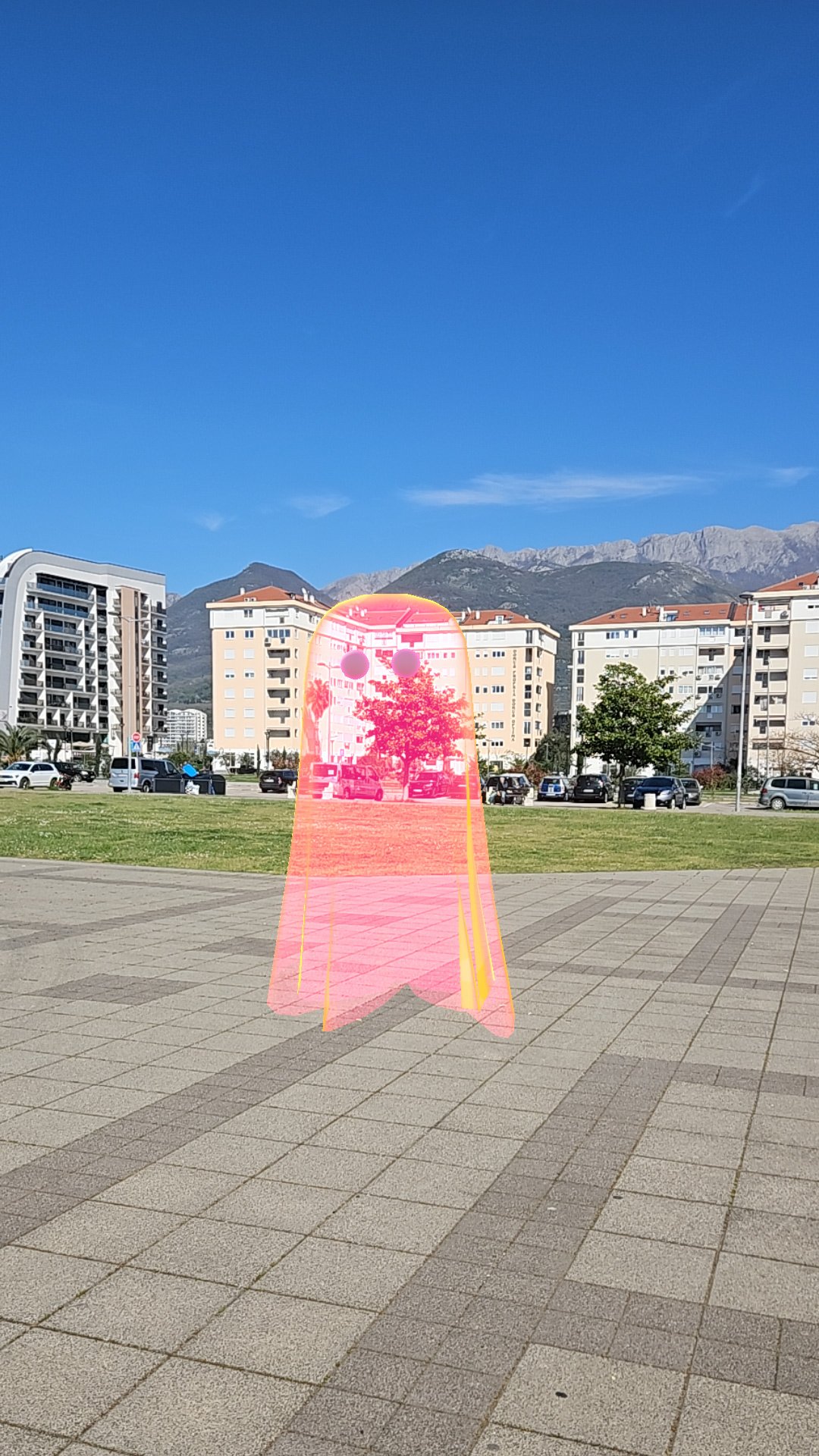
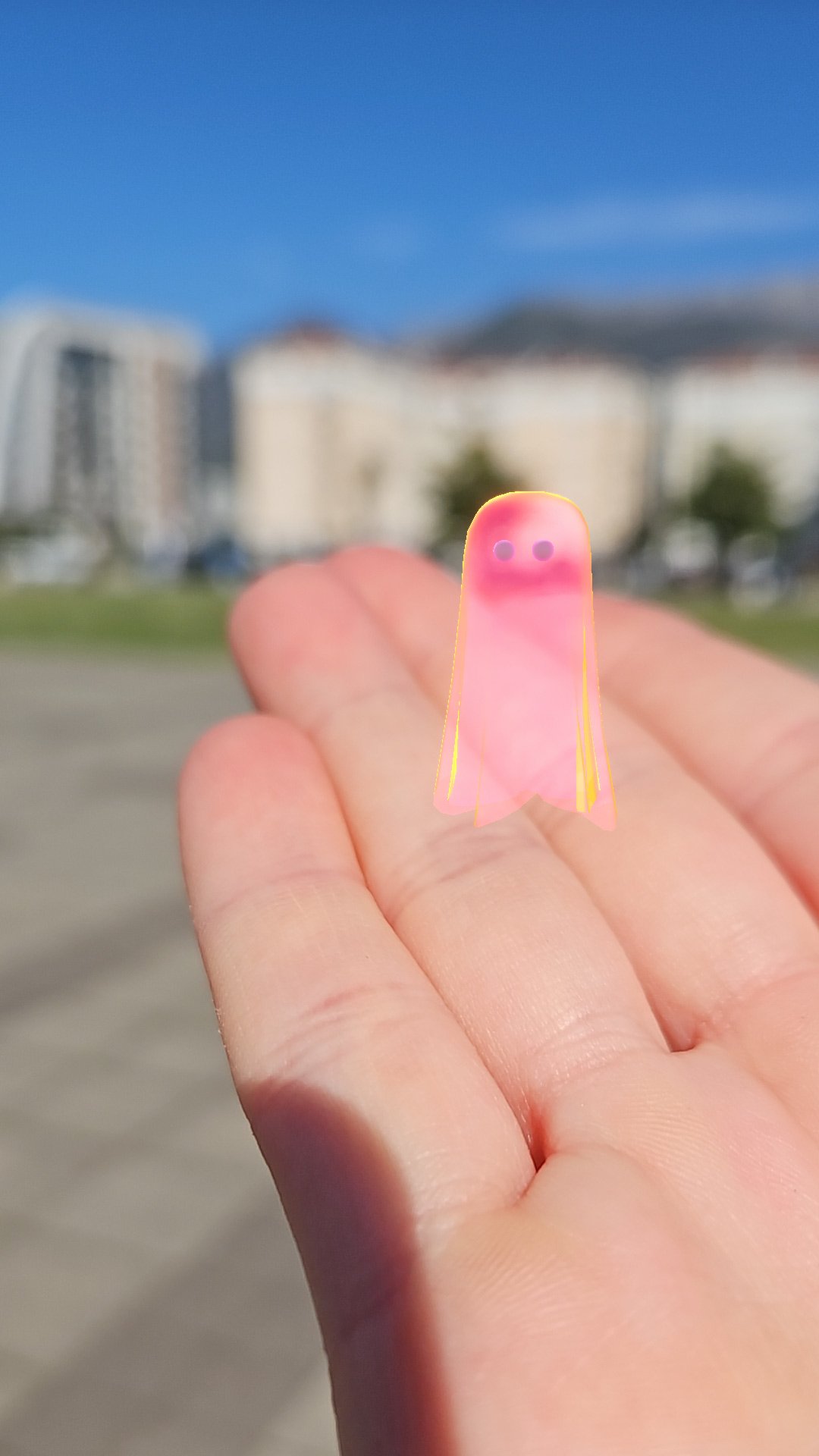
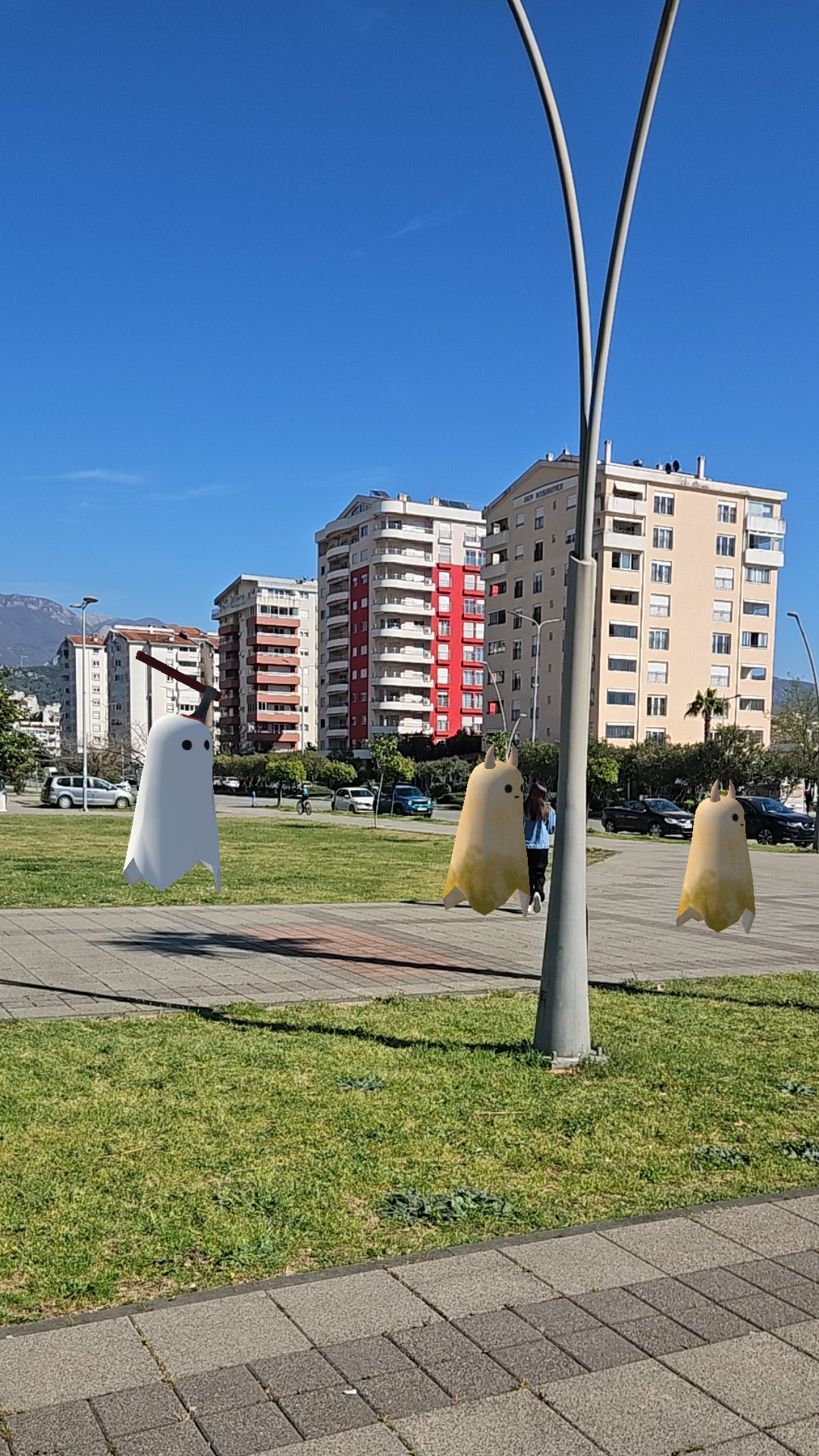
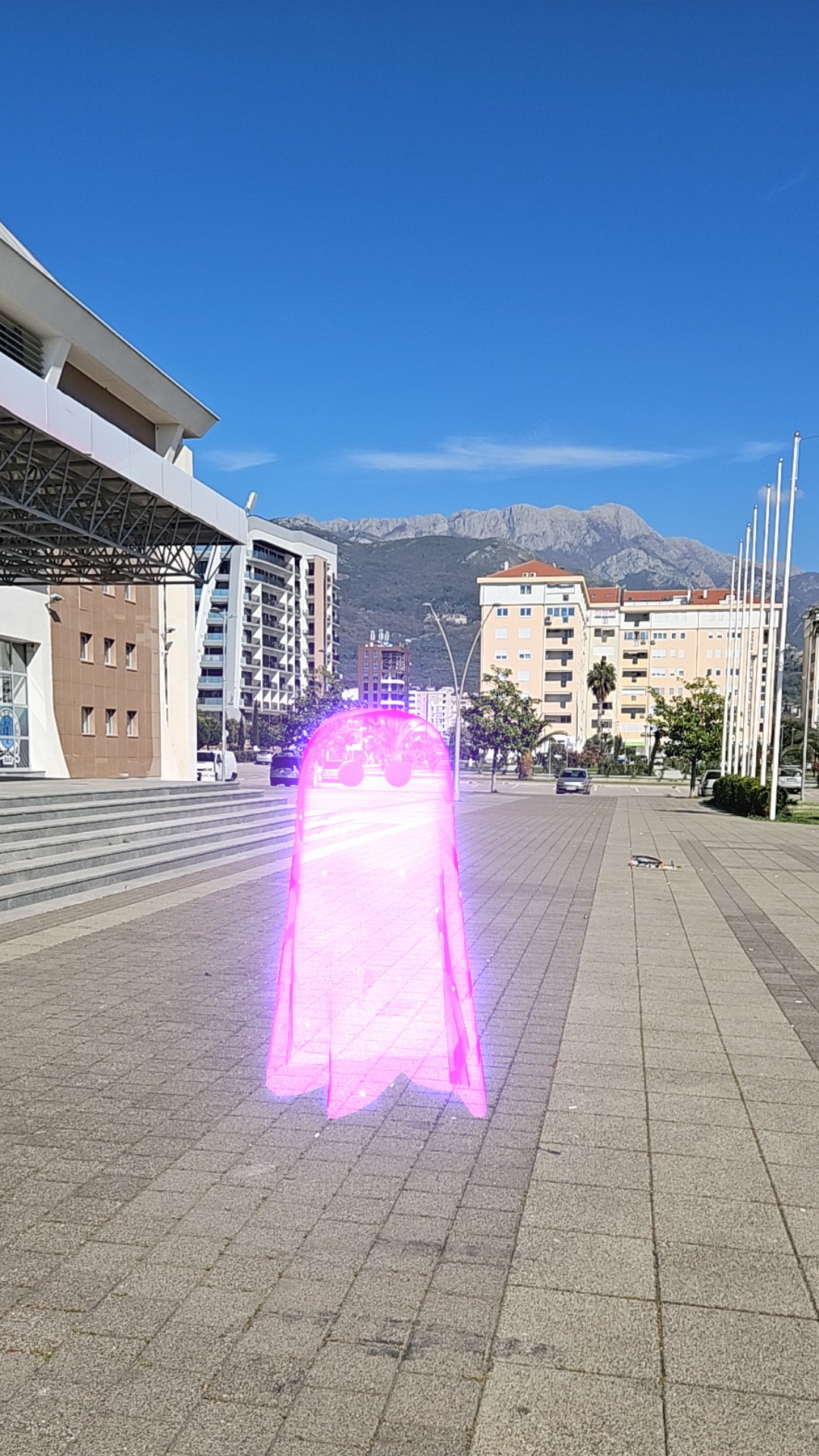
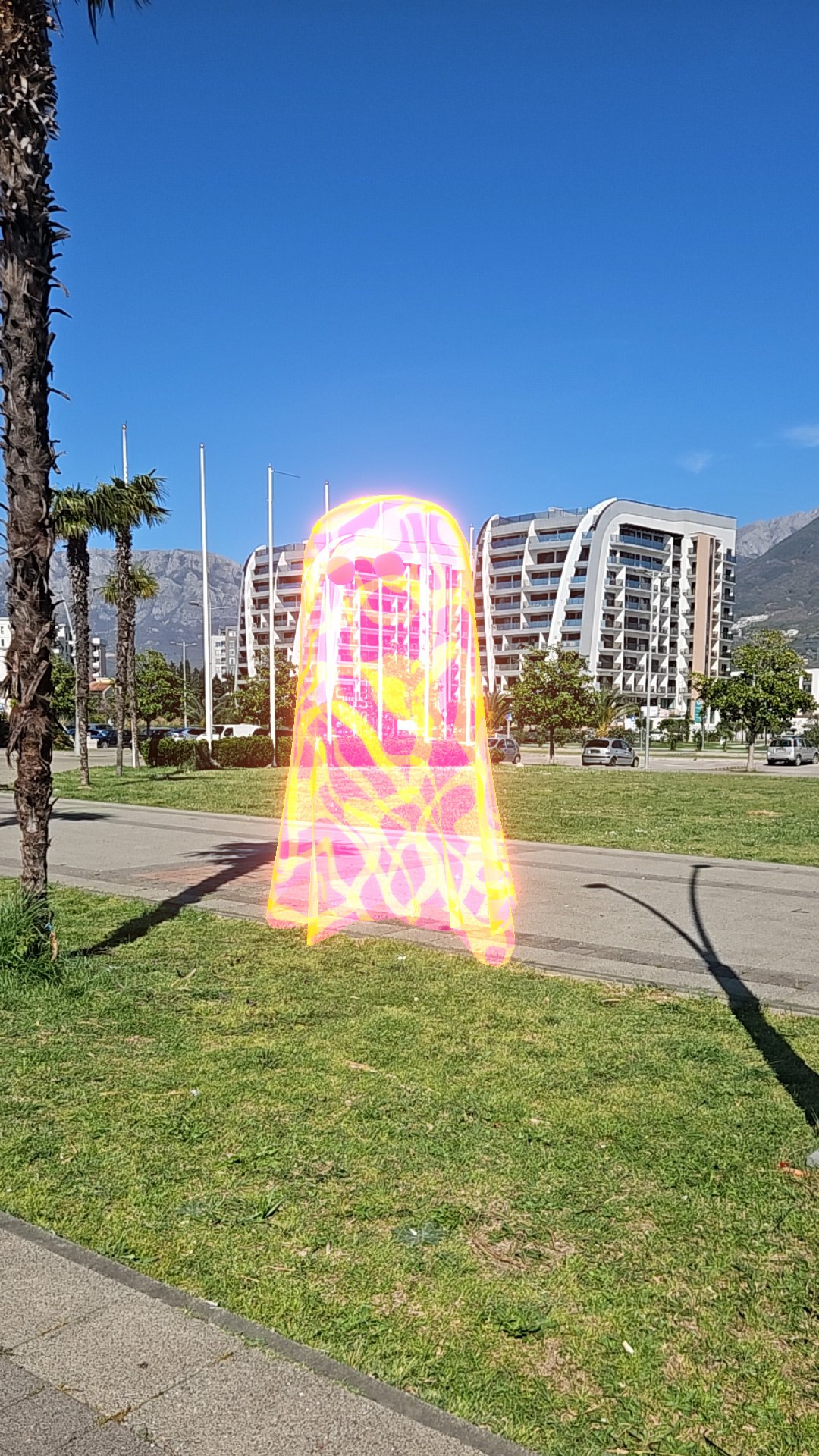
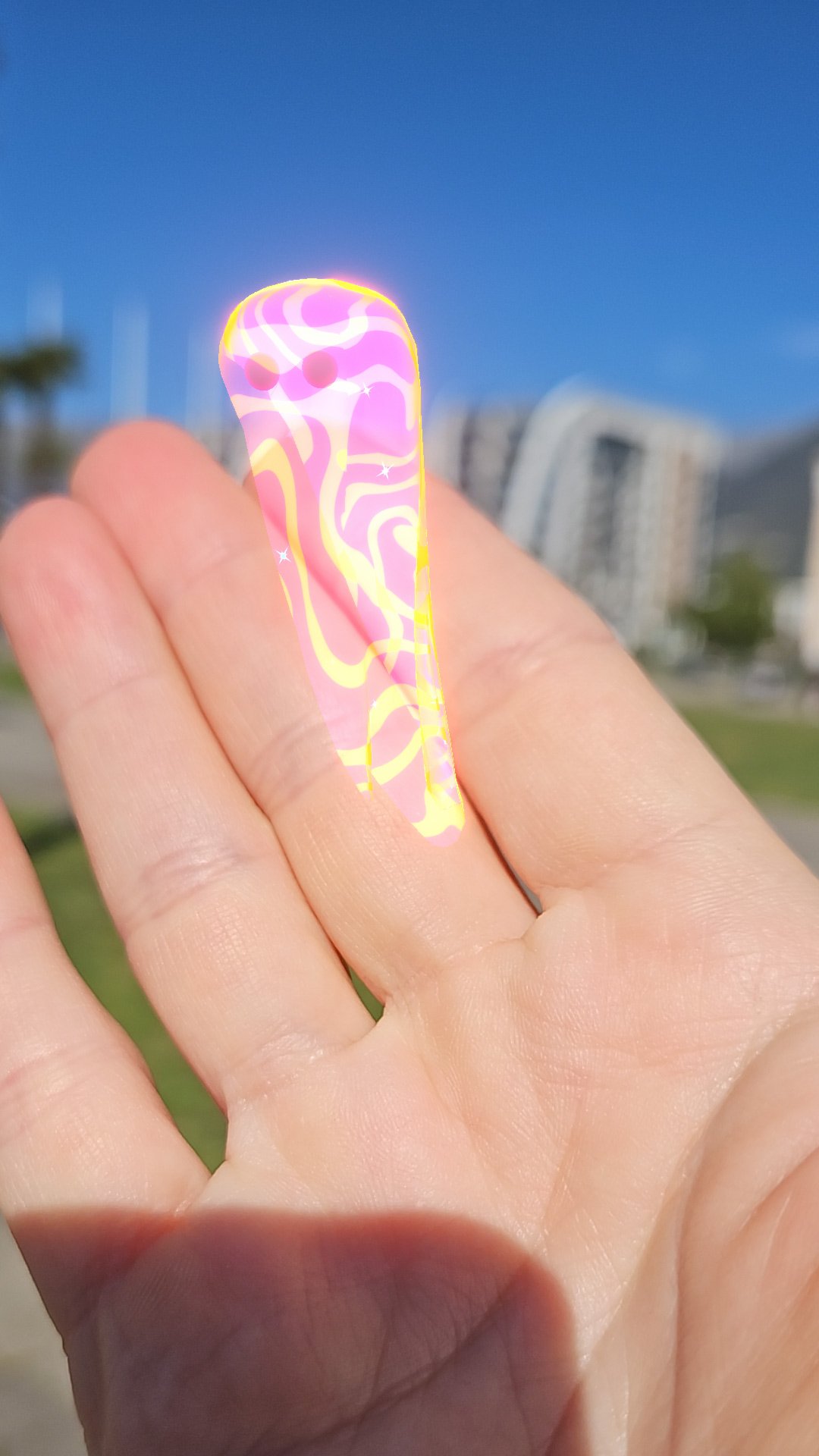
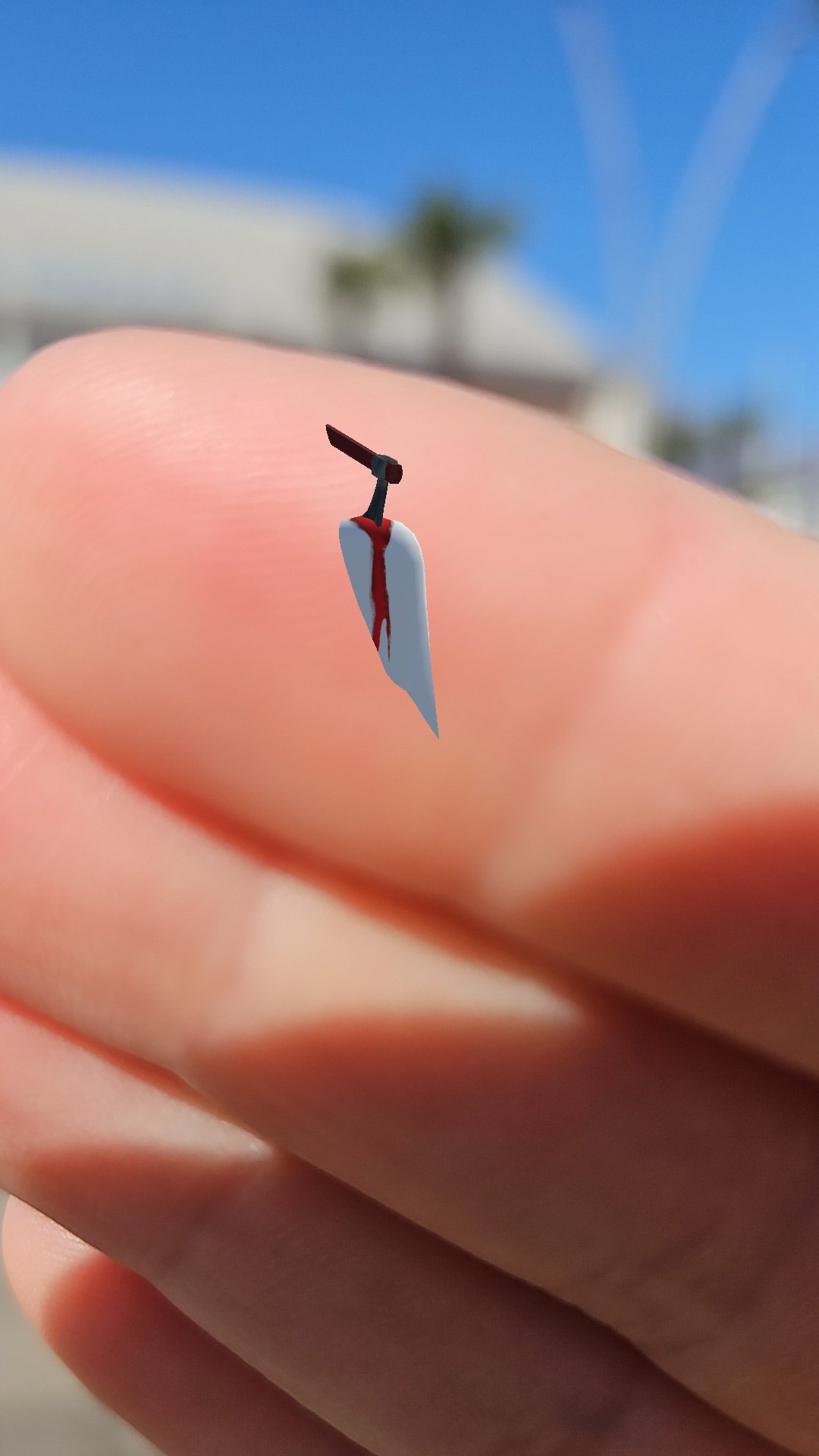
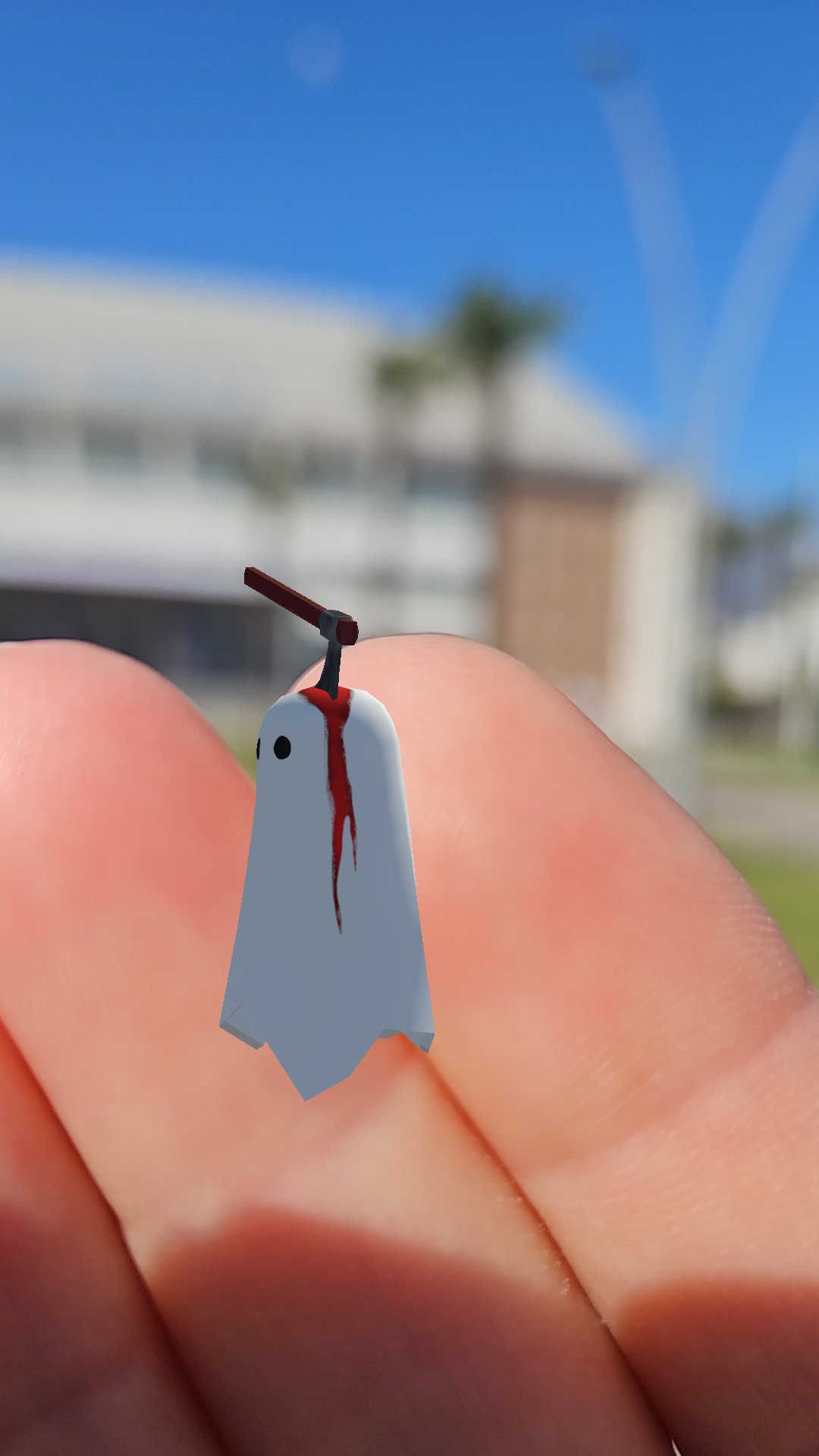
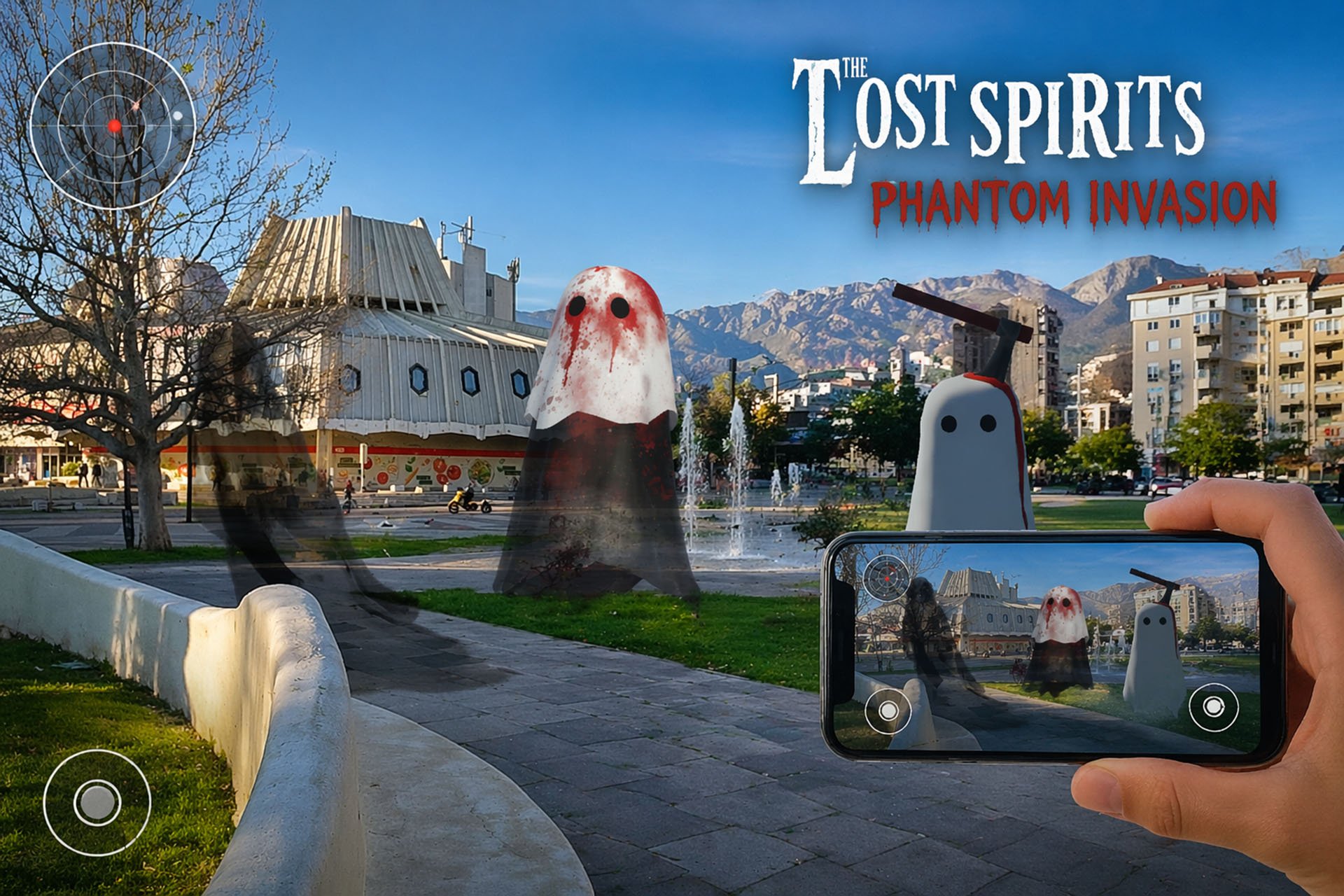
Occlusion in AR games is necessary to make virtual objects appear not as a camera image, but as a genuine part of the surrounding world. When a player looks through a phone in a room, the game must understand which real objects are closer to the camera and which are further away. This is what allows, for example, to hide part of a virtual character behind a table, sofa, or door. Without this technology, any 3D object would simply appear to be drawn across the entire image, making it immediately obvious that it’s “fake.” With occlusion, it seems as if the virtual object is actually standing in the room next to the player.
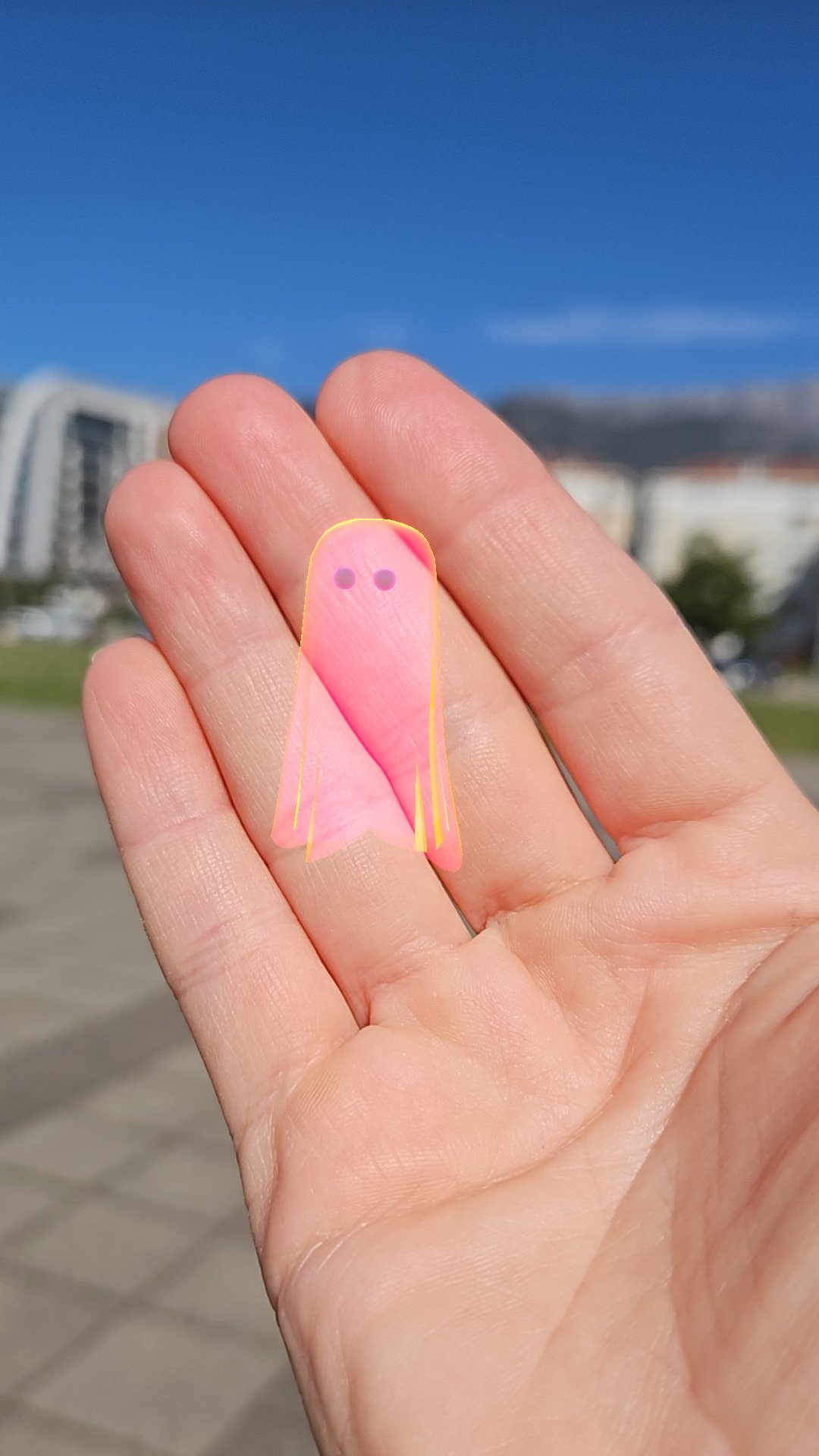
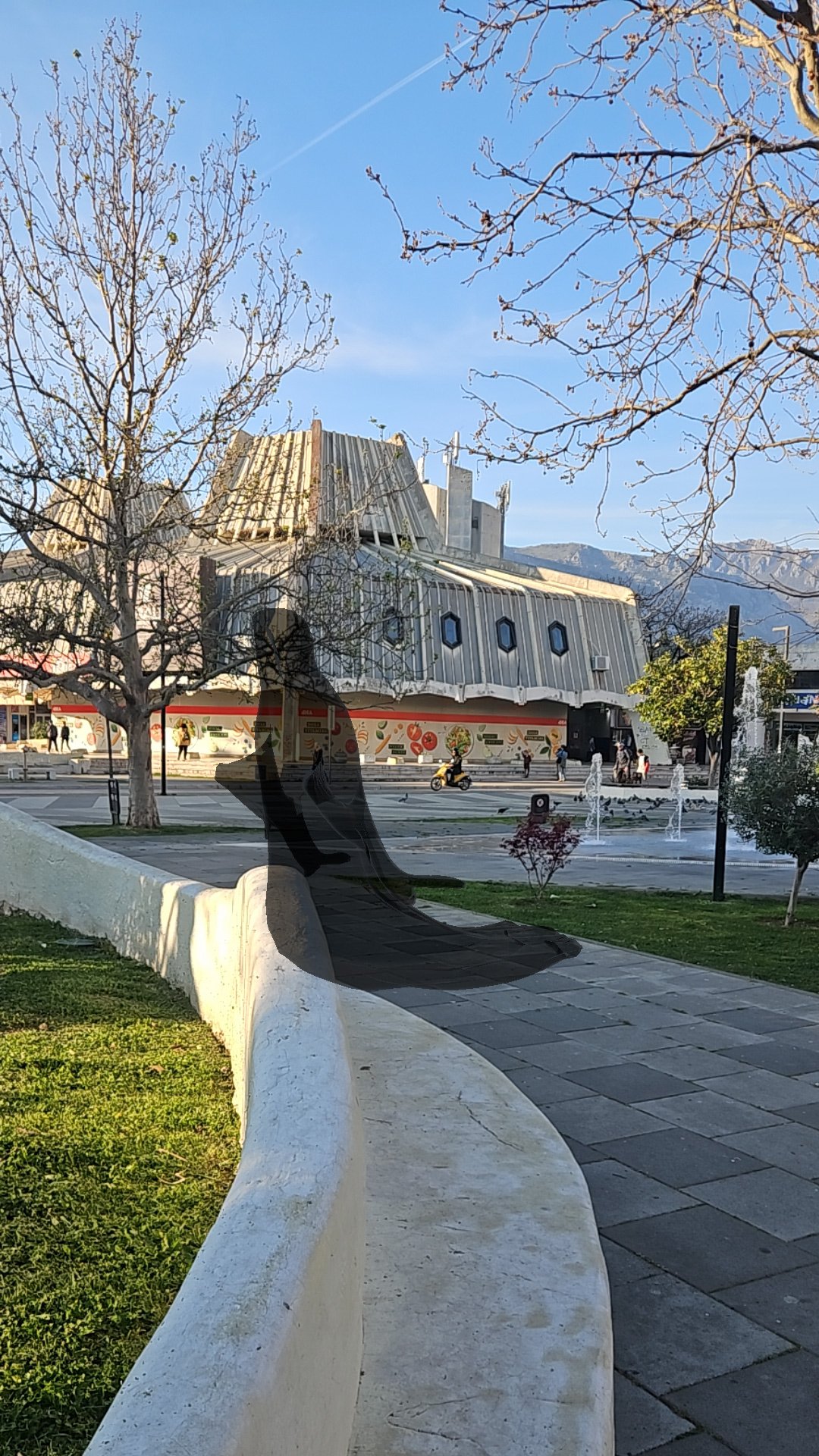
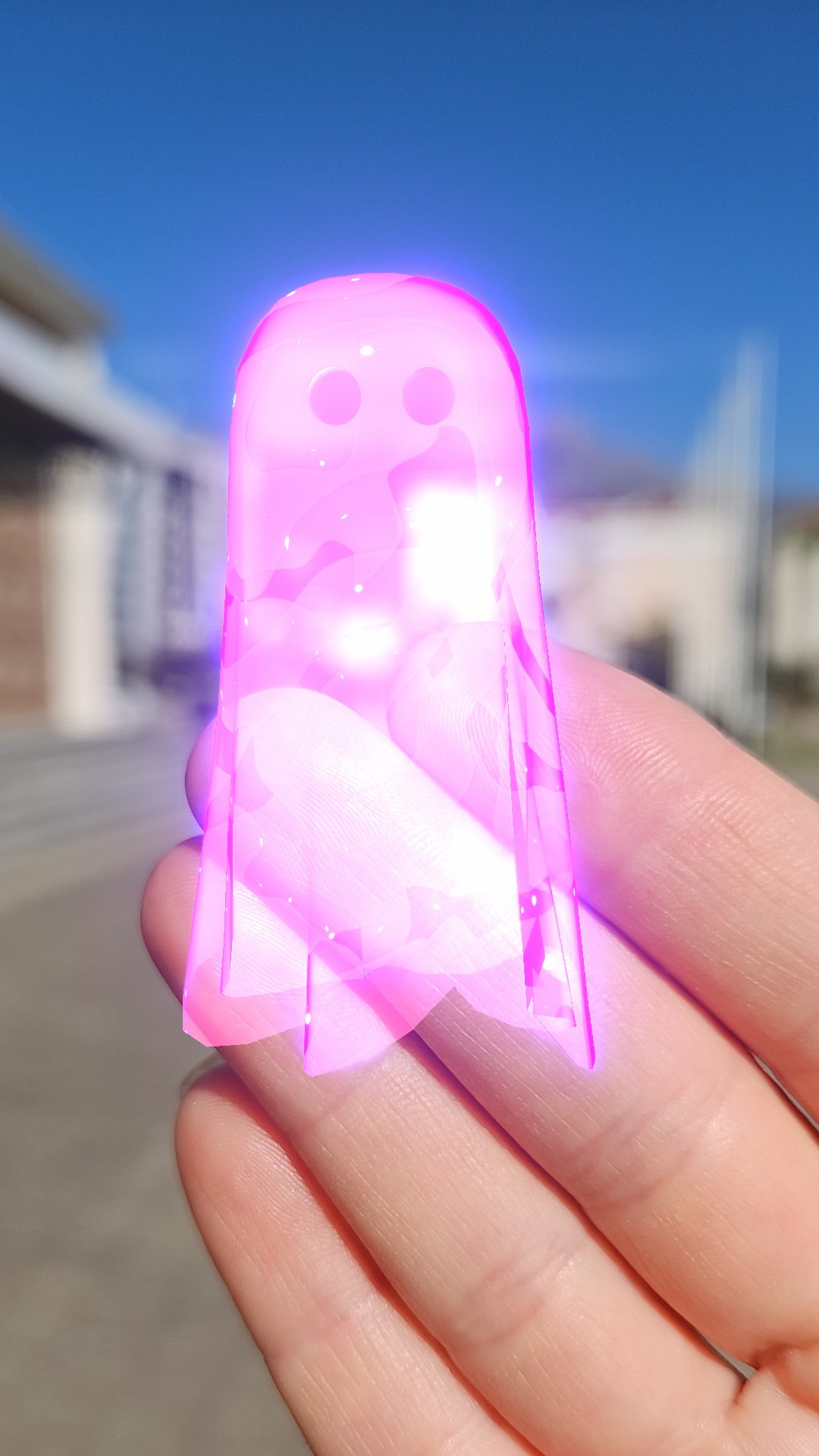
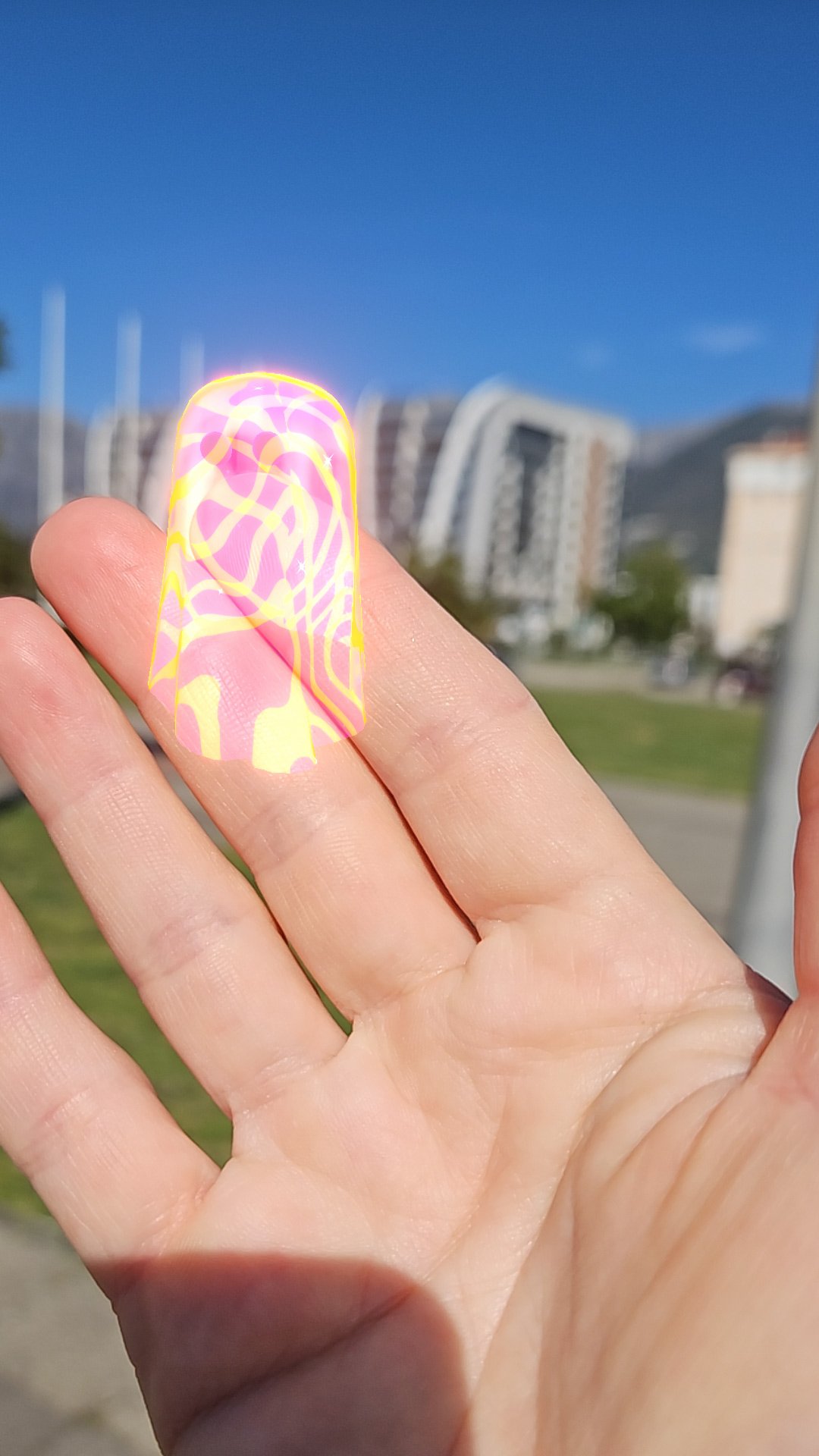
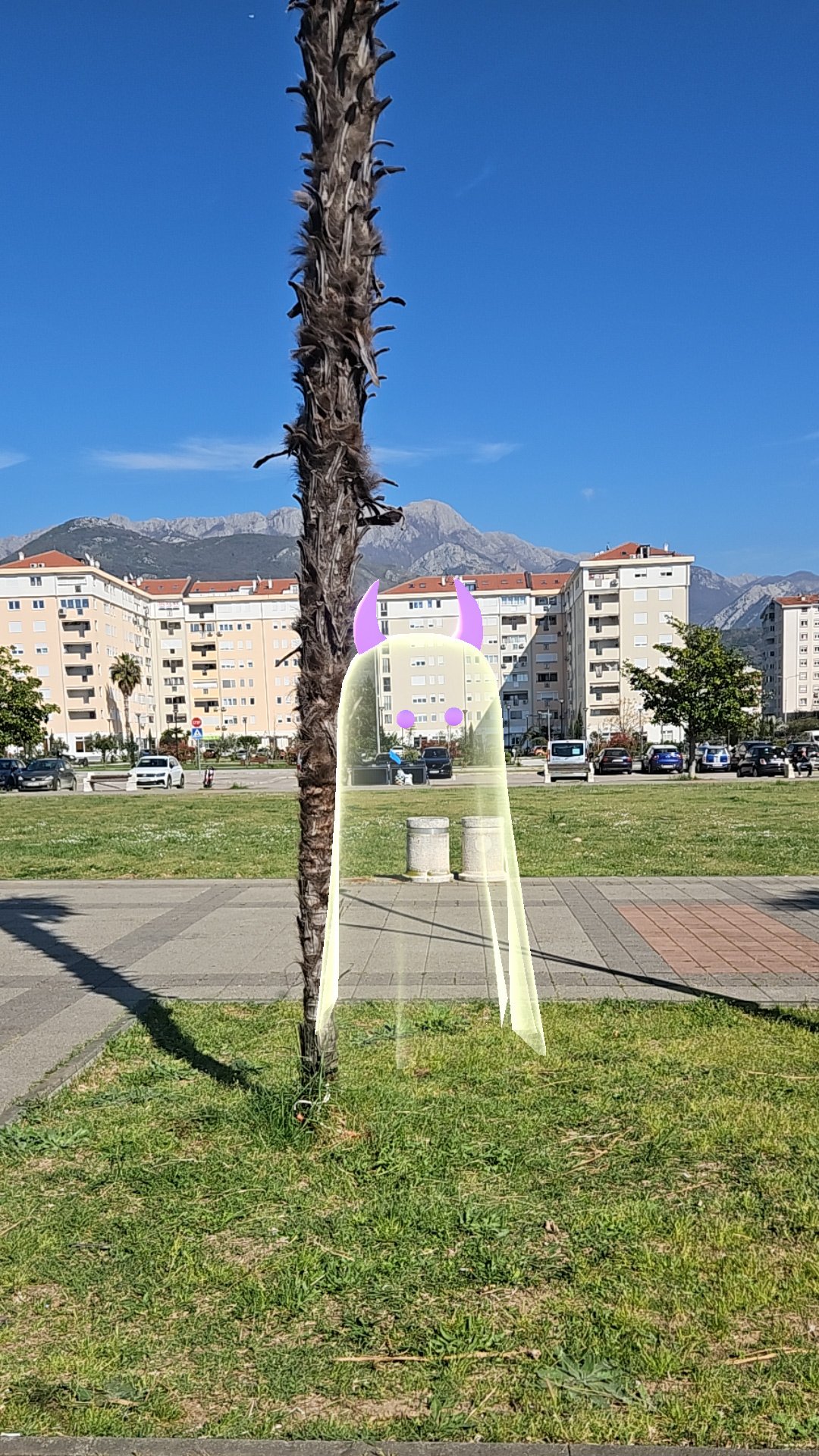
It works like this: the device’s camera not only displays the image but also helps the computer estimate the scene, i.e., the approximate distance to objects. Based on this data, the program understands whether the real object is closer or further away from the virtual one. If, for example, a real chair is in front of a virtual monster, the game hides the part of the monster that should be behind the chair. As a result, the image becomes much more natural. The same can be true for humans: if a player passes in front of a virtual object, their figure partially obscures that object, making it appear as if both are actually moving in the same space.
This has several important effects for the player. First, the game becomes more believable: objects and characters seem to be “chasing” them into a real room. Second, the atmosphere and interest in the action are balanced: an enemy might suddenly peek out from behind a cabinet, a material might only be halfway out from under a table, and a clue might be hidden by furniture. Third, the player better considers the distance to an object and its position in space. It seems as if a character can be walked around, seen from another’s angle, or even accidentally obscured. All this makes the AR game more lively and convincing.
This closet hides more than you think.
From a technical perspective, in Unity, this is typically accomplished through a system that receives data about nearby locations and uses it when rendering 3D objects. Simply put, the game compares what’s currently closer to the camera—a real object or a virtual model. If the real object is closer, the virtual part is hidden in that location. Sometimes, additional data was used to recognize people separately, so their hands, silhouette, or body could also correctly occlude virtual objects. This is especially important in games where the player actively moves in front of a switch and interacts with AR characters at close range.
Occlusion is also beneficial not only for aesthetics but also for the overall quality of games. It captures strange situations where a virtual object awkwardly mirrors the surface of furniture, a wall, or the player’s face. This makes the image clearer, and the experience itself more understandable and enjoyable. It makes it easier for the player to observe what’s happening, which means greater immersion. This is why occlusion can be considered one of the key technologies that makes augmented reality truly compelling.