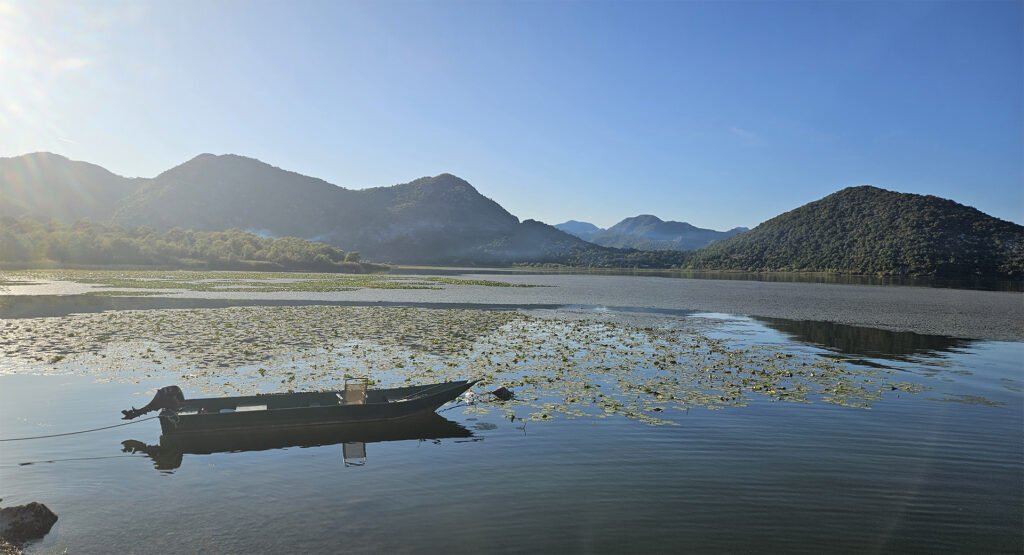

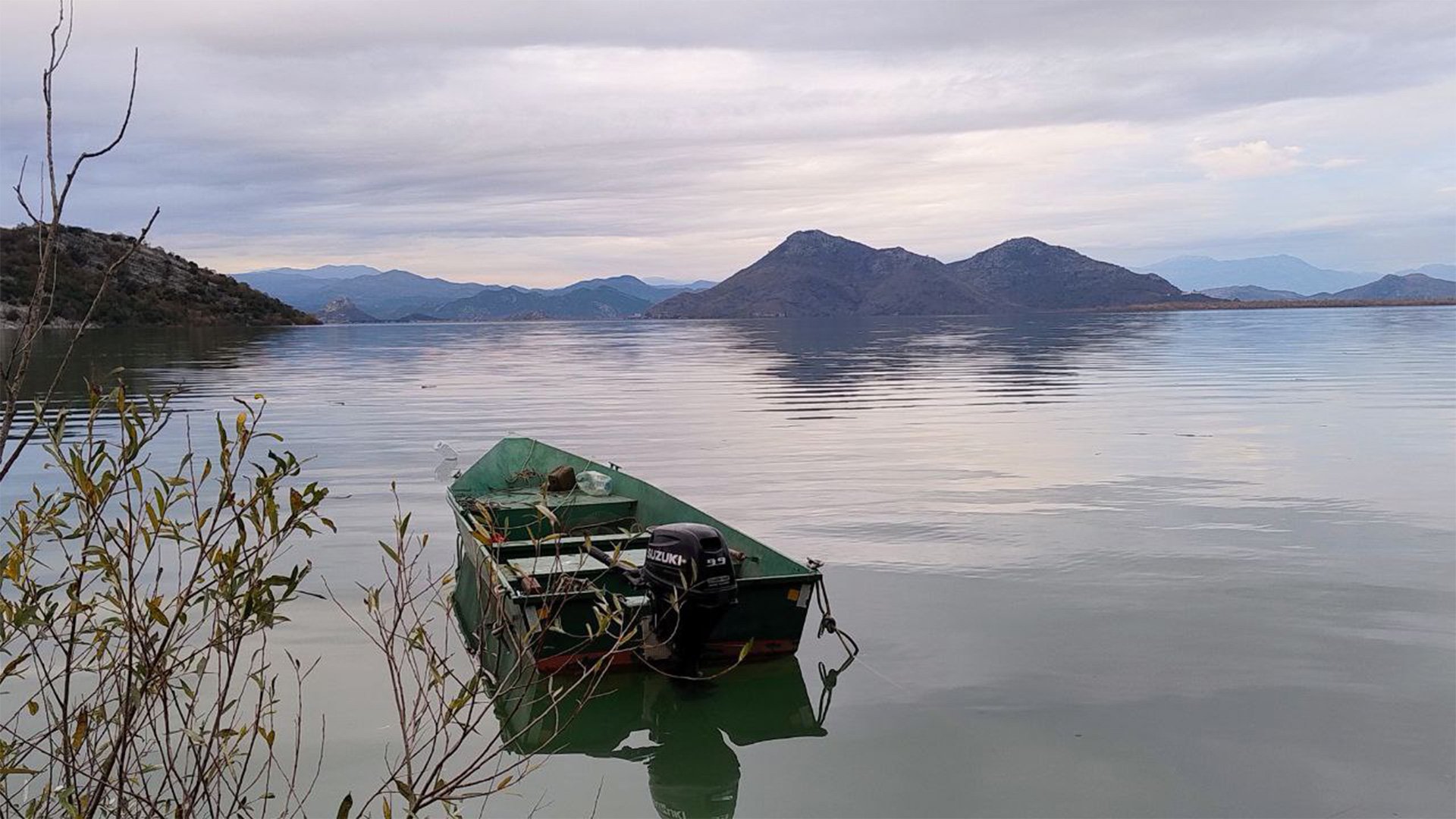
It’s a quiet season for fish at Lake Skadar. From March 15 to May 15, 2026, a complete ban on fishing for all fish and other aquatic organisms, with the exception of eel, will be introduced in the national park. The park administration emphasizes that this is not a formality, but a key protective measure during the most sensitive period—the spawning season, when fish populations are especially vulnerable. At the same time, patrols will be strengthened on both water and land, and the campaign against poaching, which remains one of the main threats to the lake’s ecosystem, will continue.
This decision is easy to understand if you remember what Lake Skadar really is. It is the largest lake in the Balkans: its area varies depending on the season—from approximately 370 km² in summer to 540 km² in winter. The lake is famous not only for its fish but also for its birdlife: approximately 280 species live here, including the Dalmatian pelican, one of the symbols of the area. Moreover, Lake Skadar is a rare “living” system with underwater karst springs, known as oka (holes), some of which reach depths of approximately 60 meters.
A special place in this story belongs to the bleak—a small fish with a great reputation. For Lake Skadar, it’s not just another species, but a part of the local gastronomy and cultural heritage: here, bleak is traditionally dried, smoked, and served as a signature delicacy. Official Montenegrin tourism materials explicitly call it one of the lake’s iconic fish, and in national park documents, bleak is listed among the most important commercial species. Moreover, according to park management plan estimates, in past decades, bleak catches could reach 300–800 tons, while today they are estimated at up to 200 tons—a figure that alone explains why the spawning season here is so strictly protected.