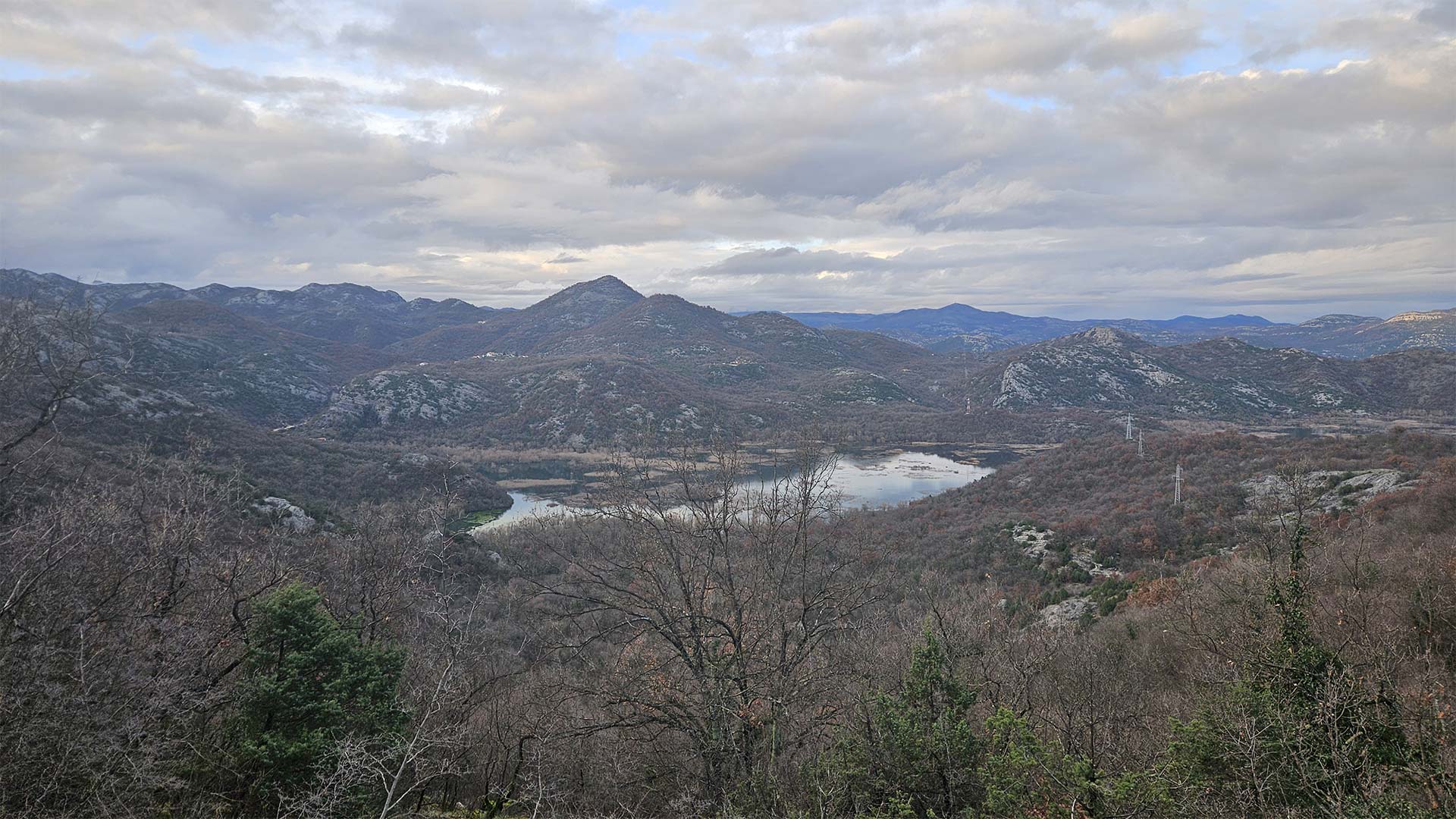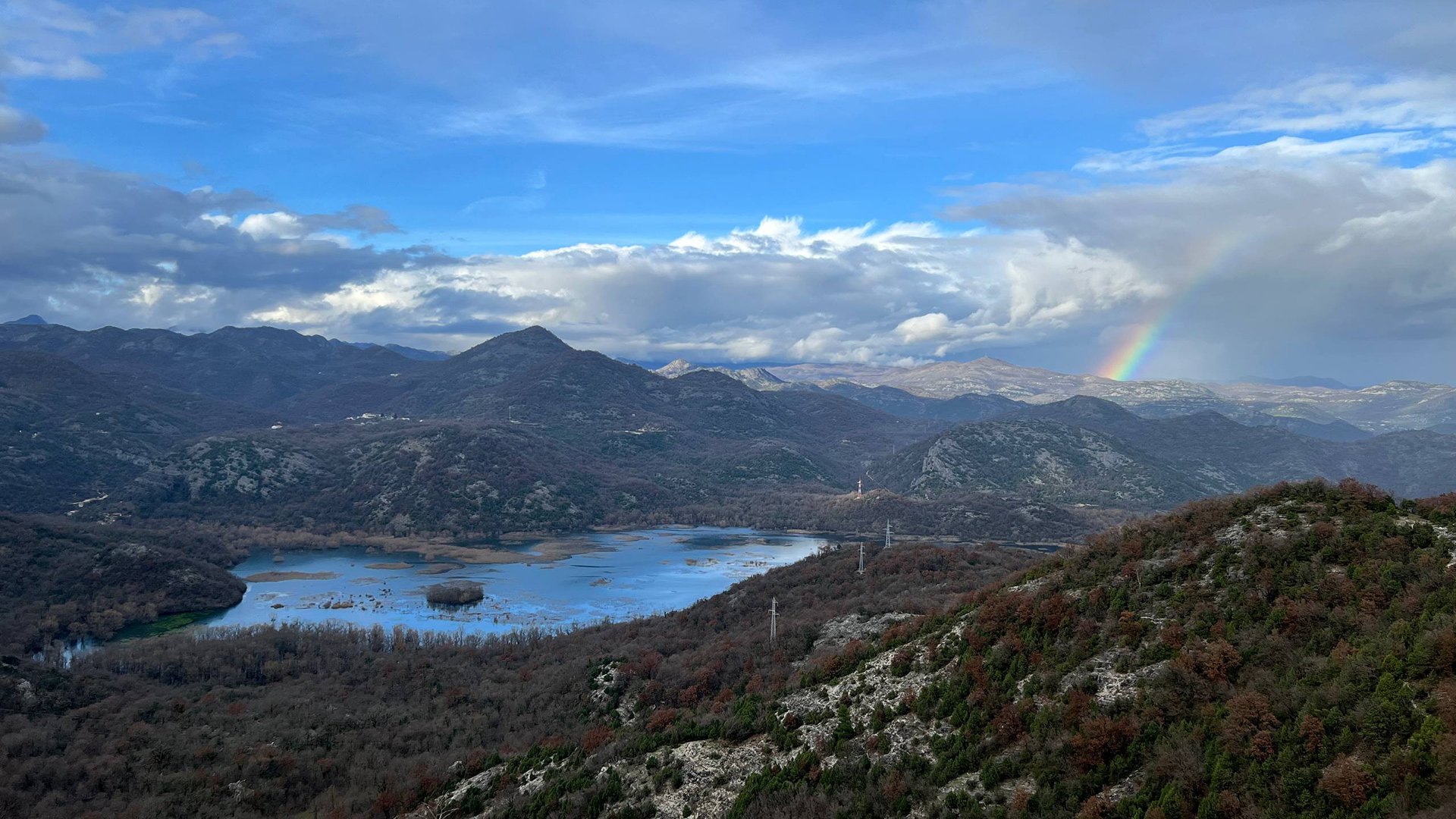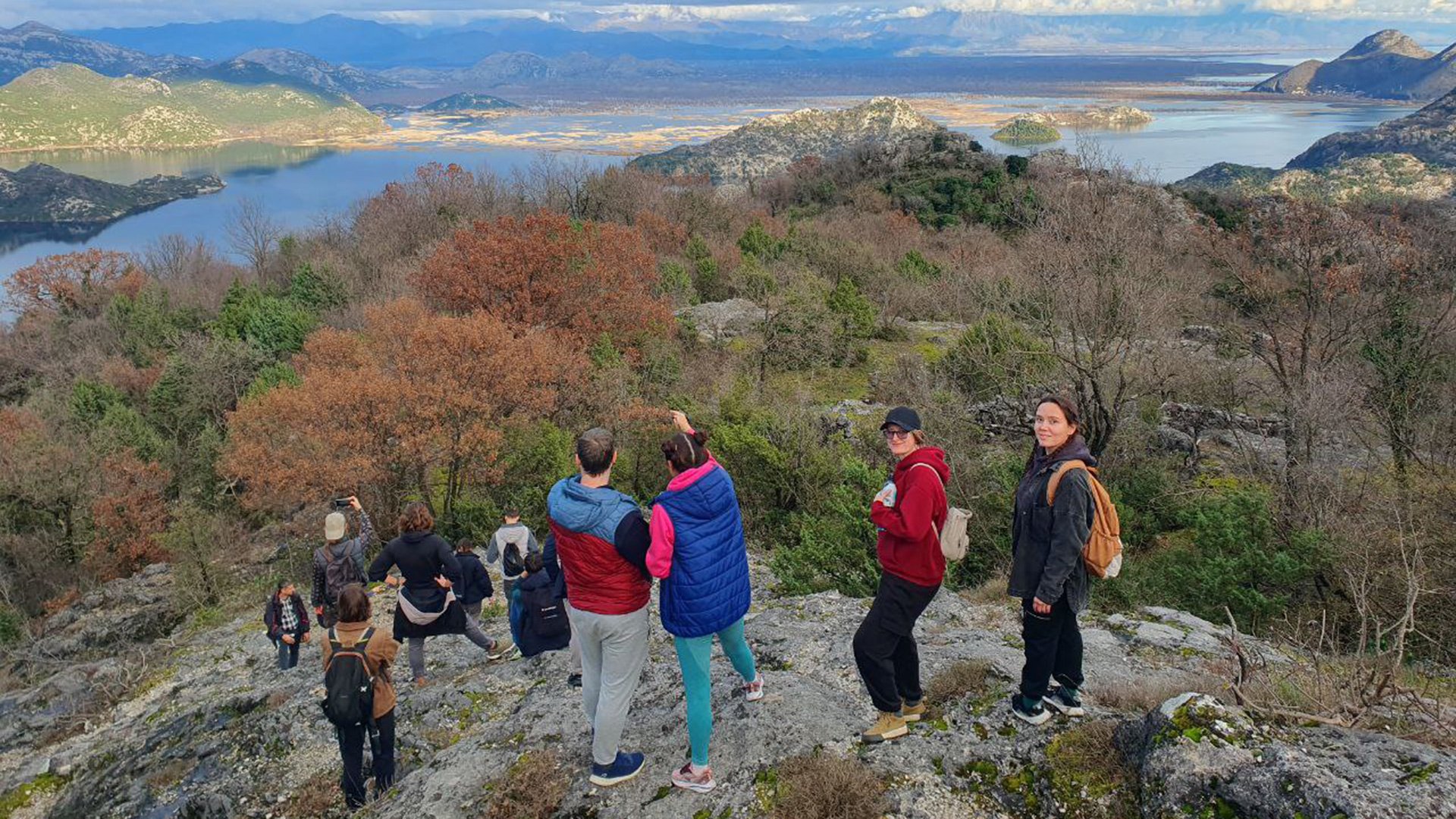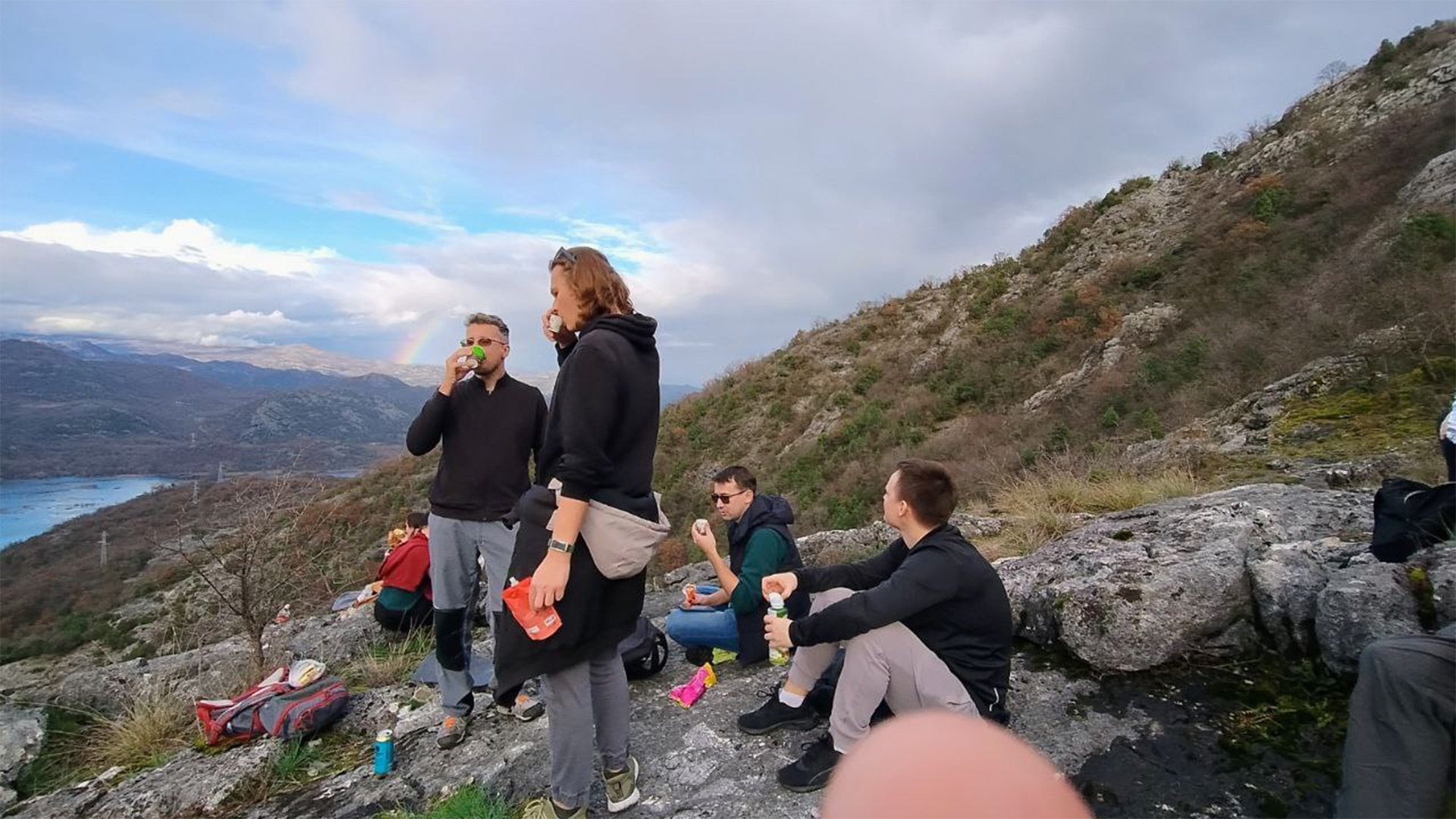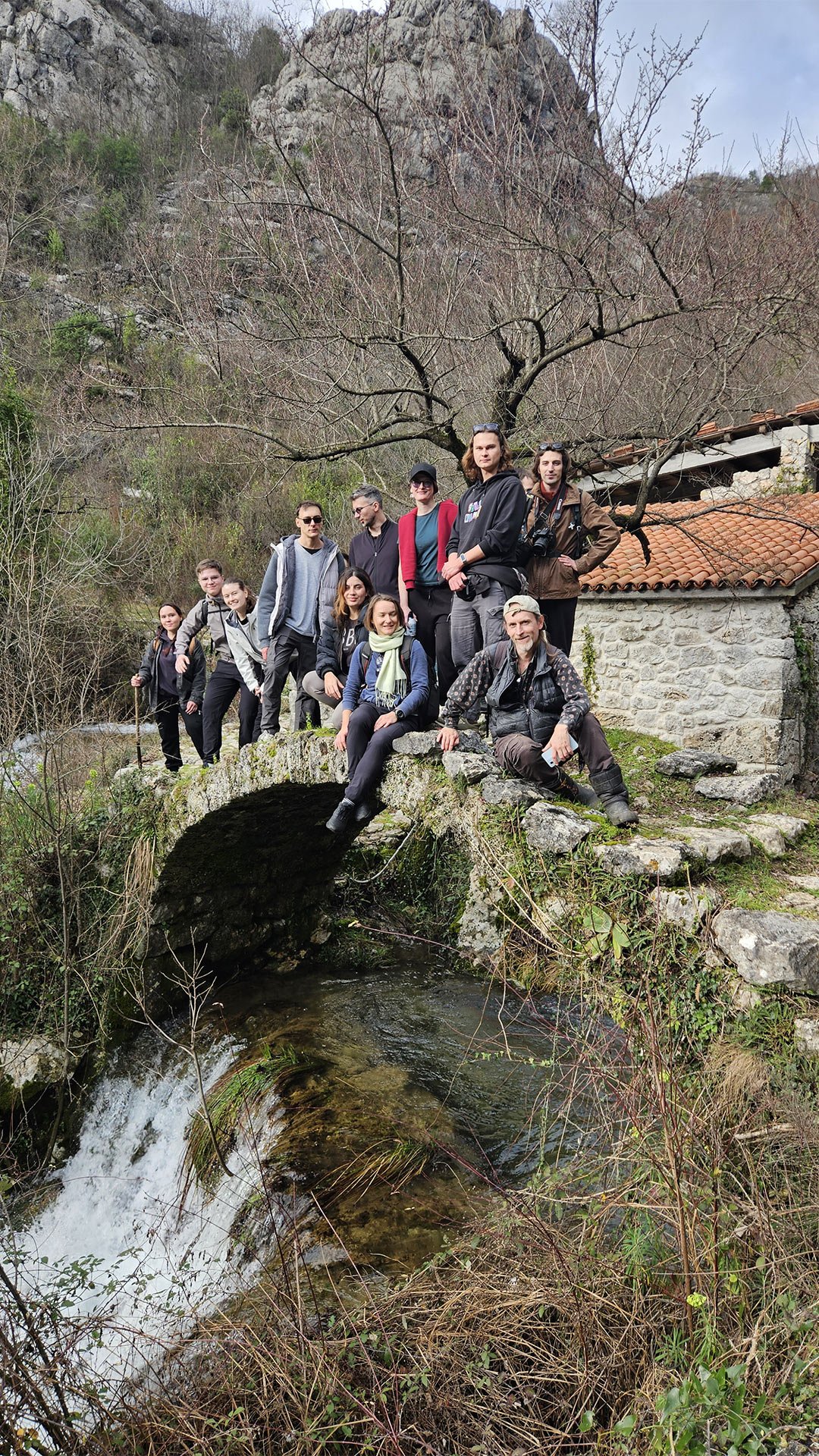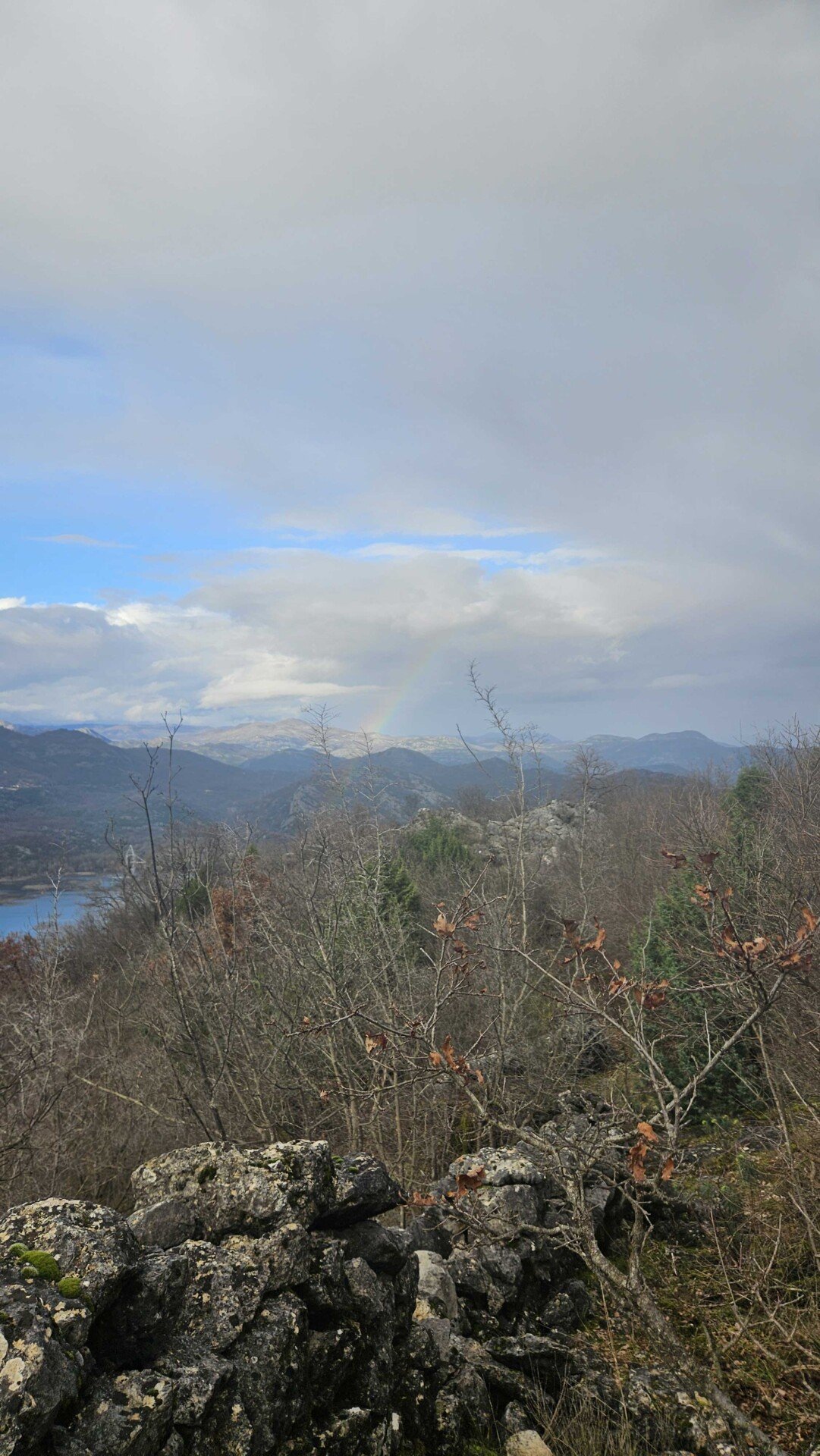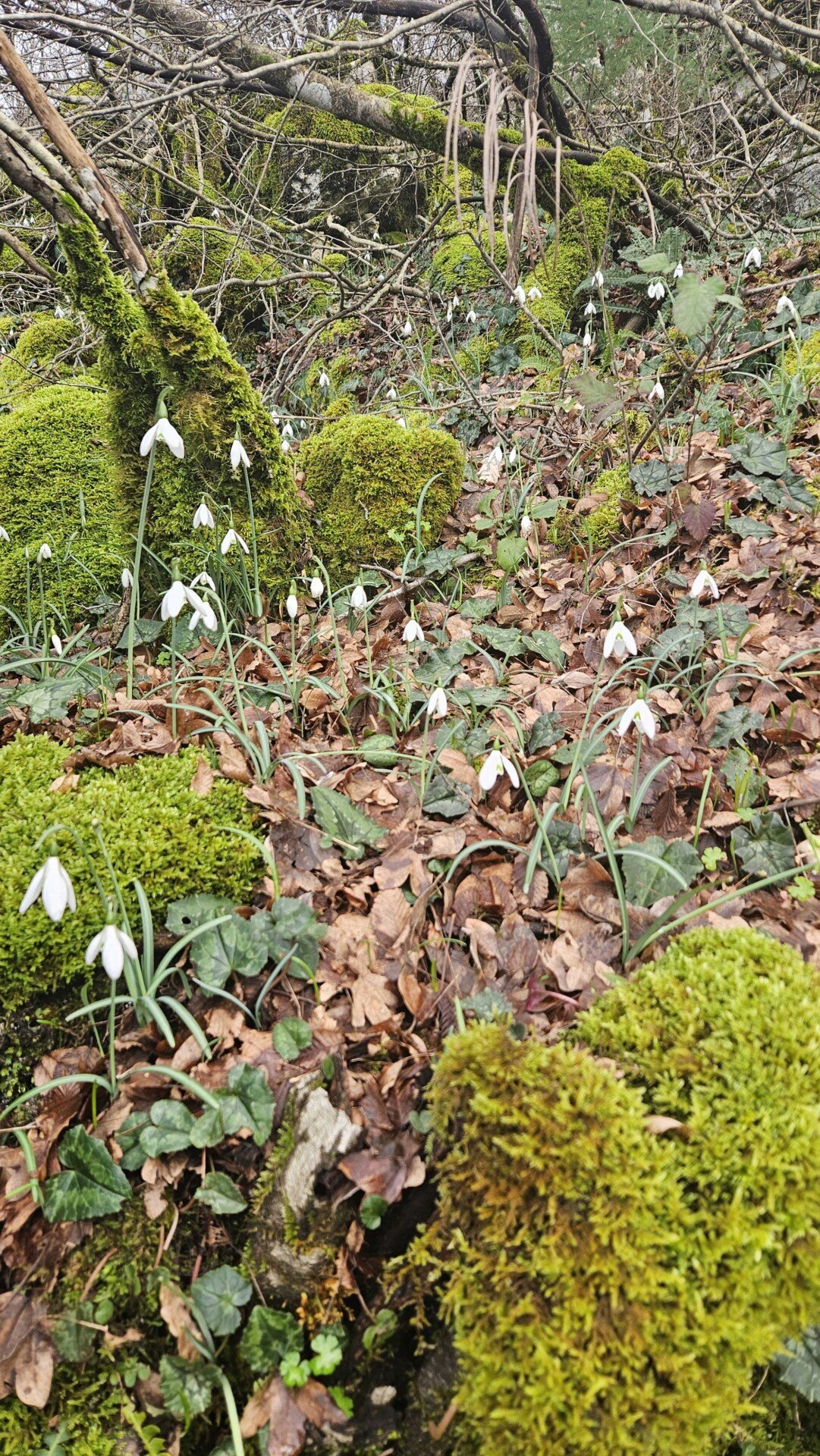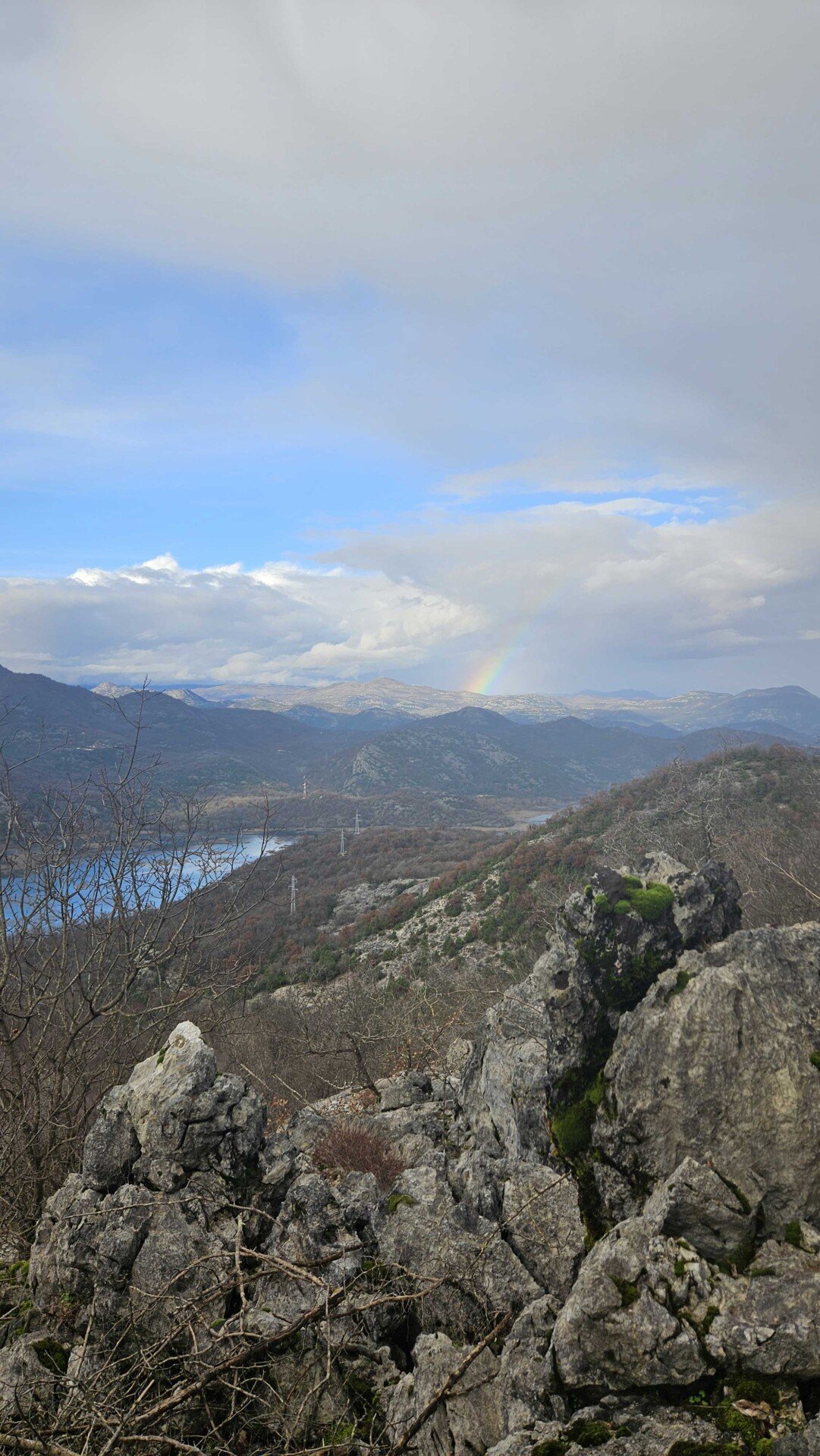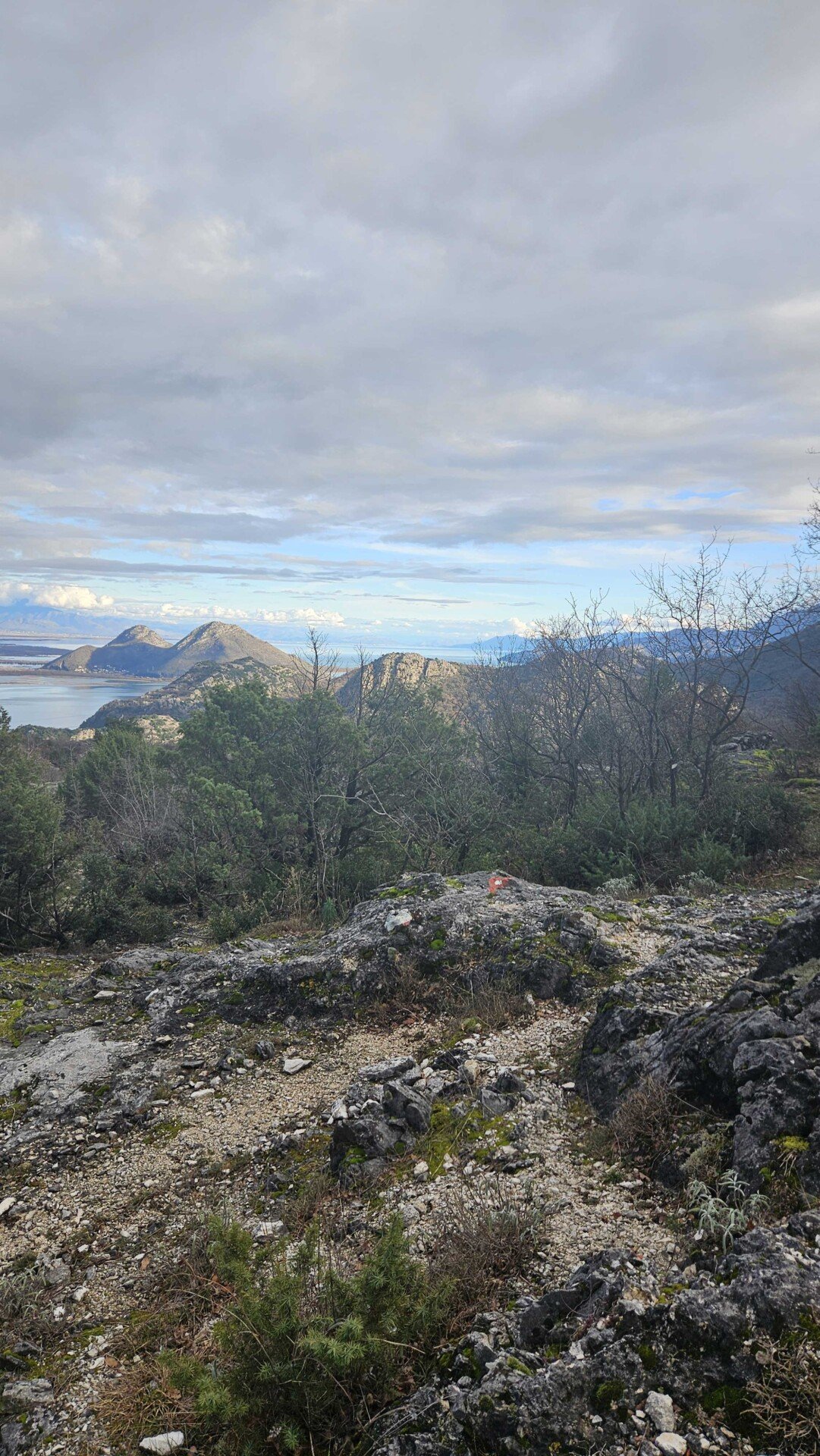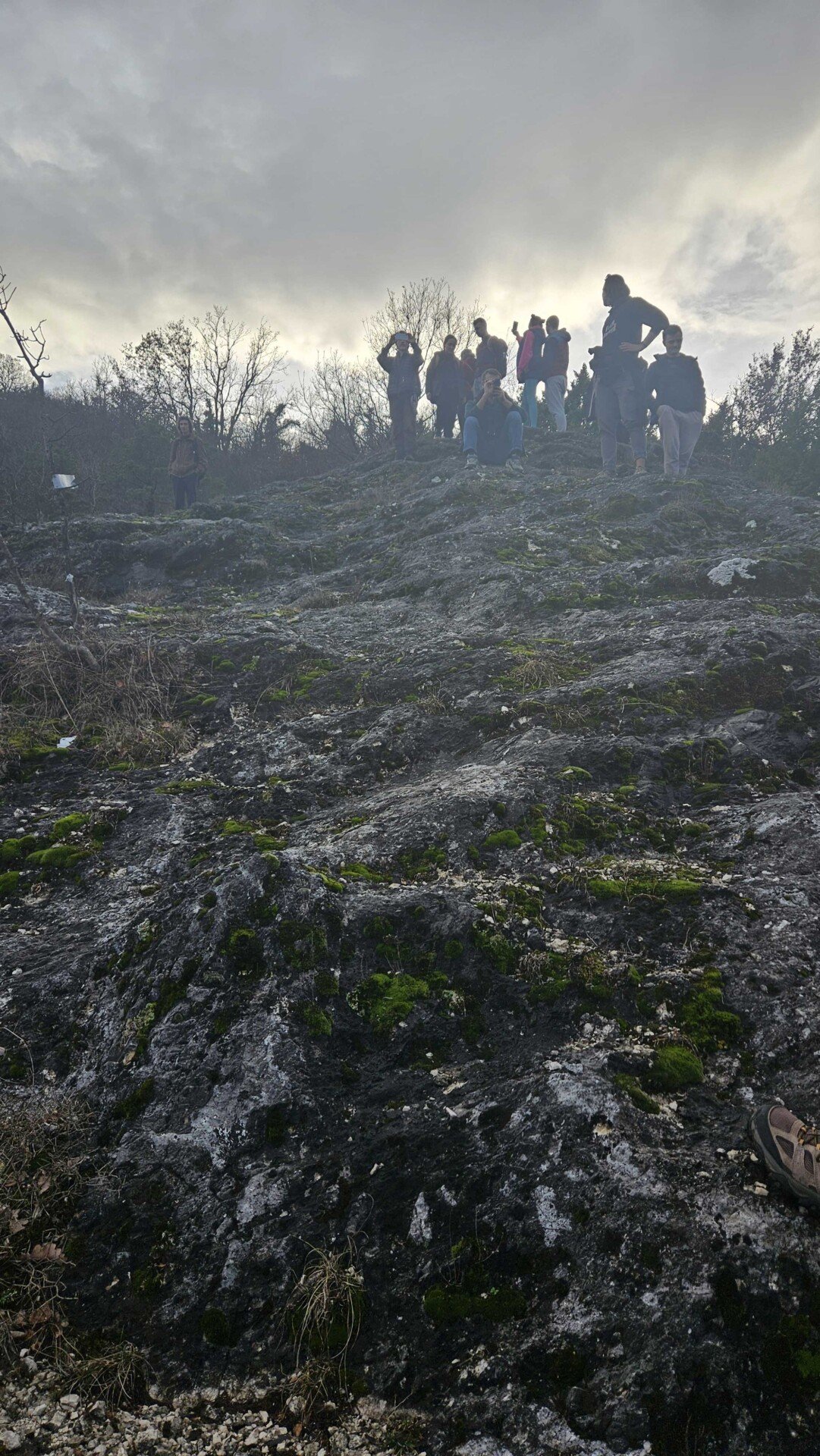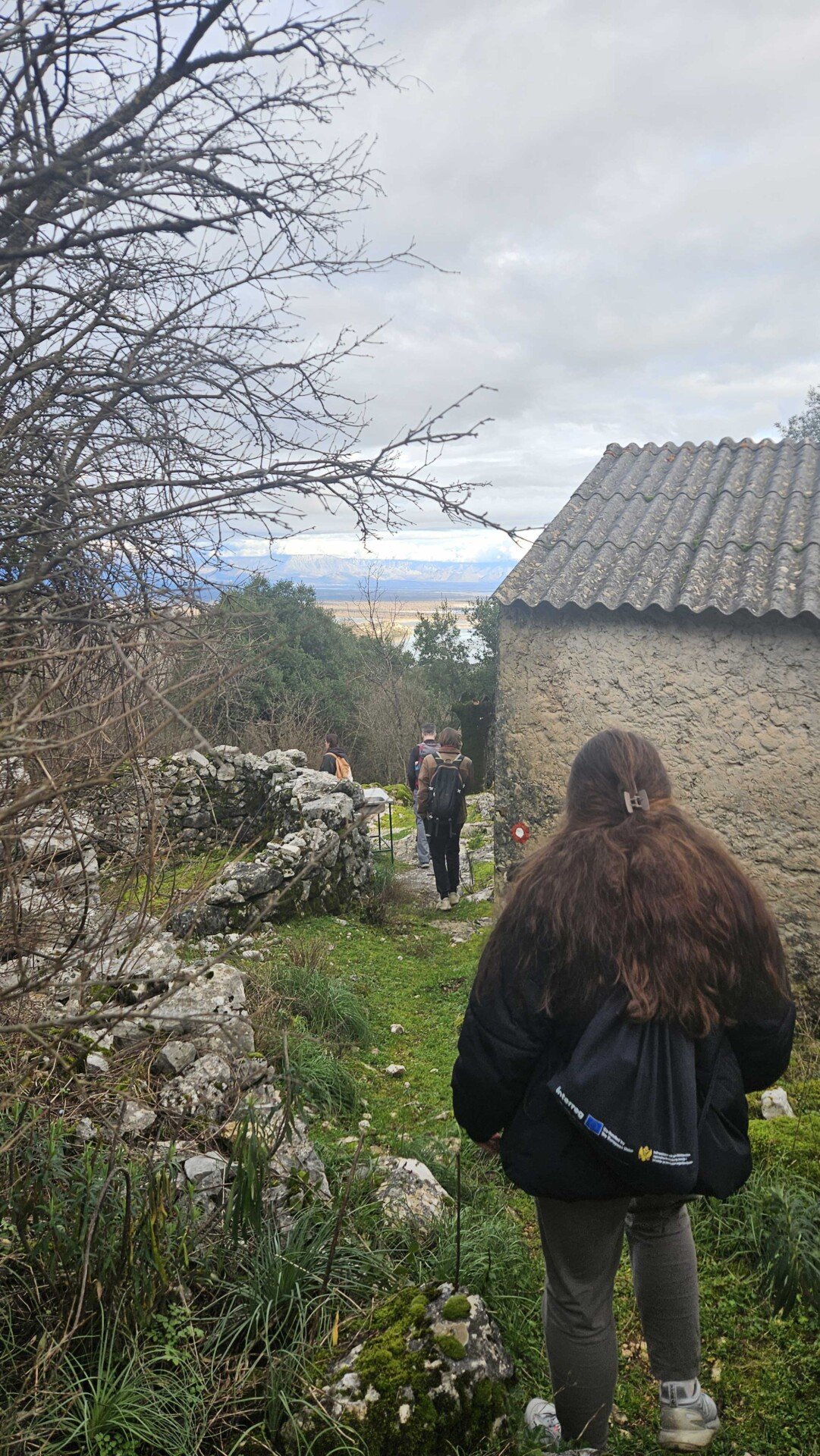

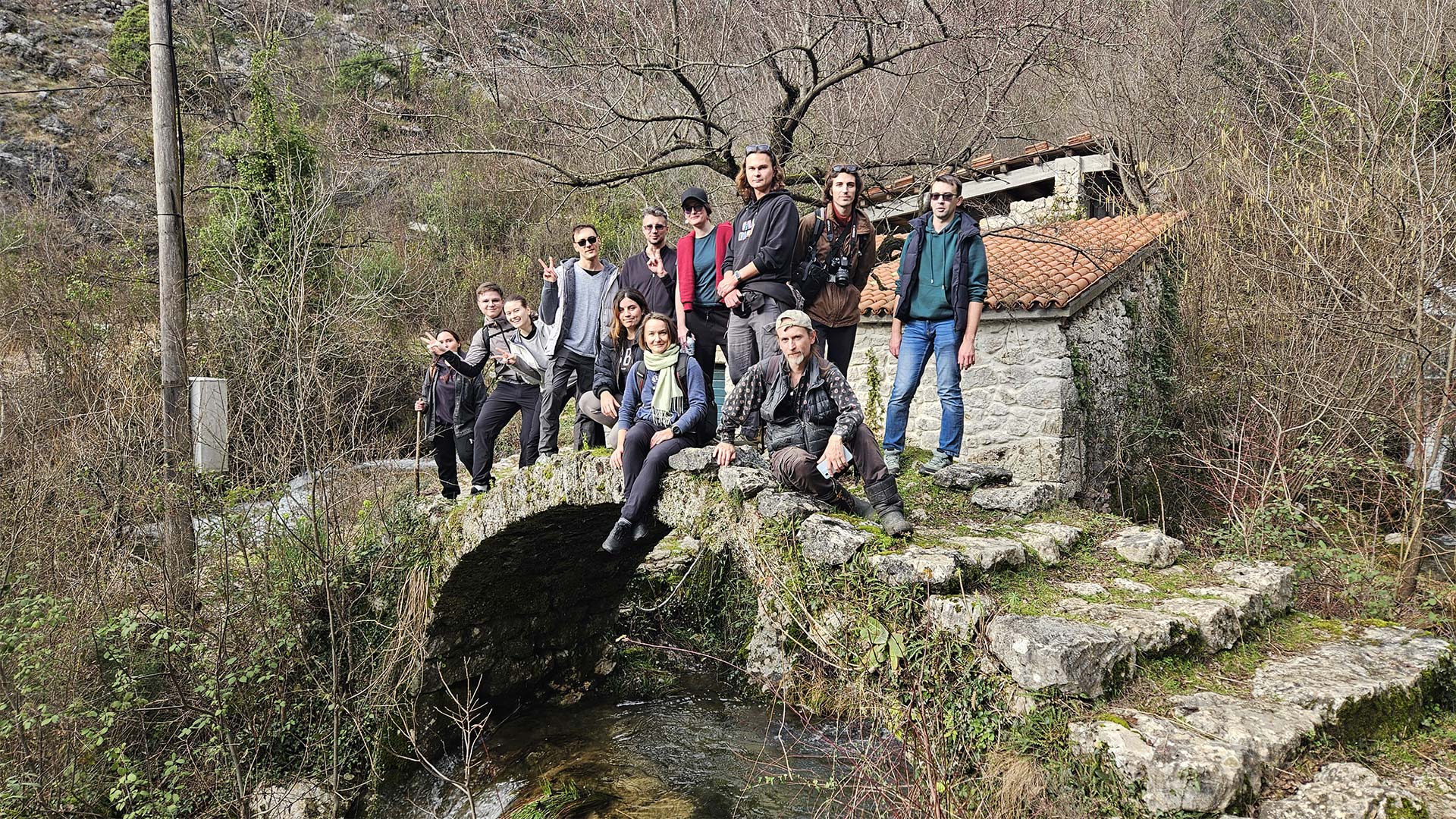
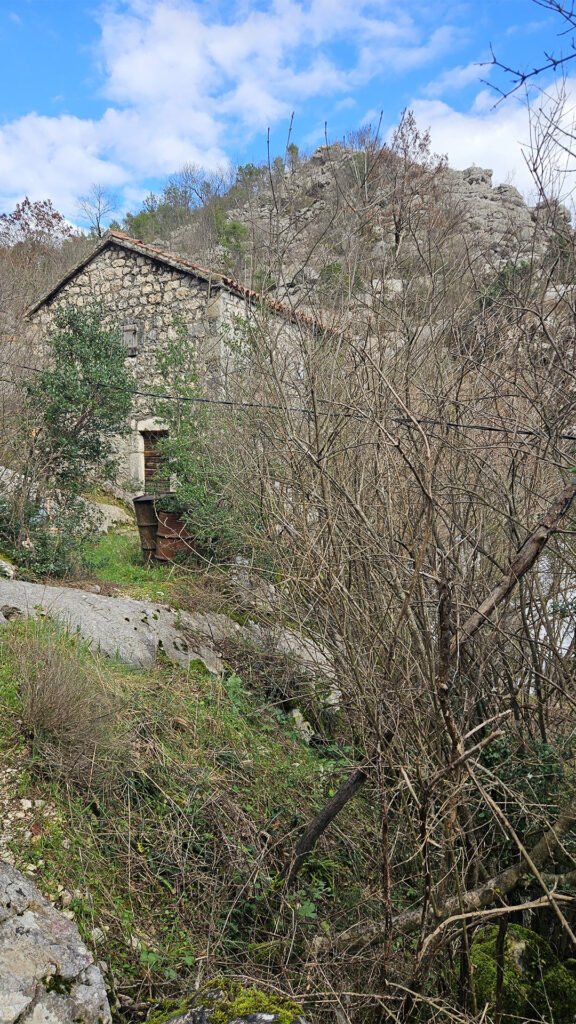
The Starlight Group in Poseljani and Komarno, Skadar Lake Region, Montenegro
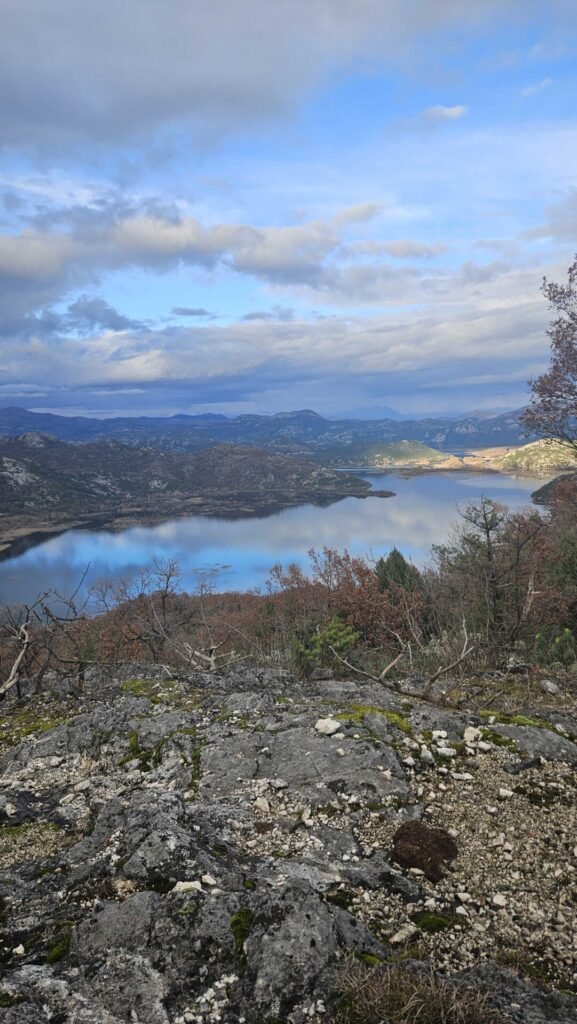
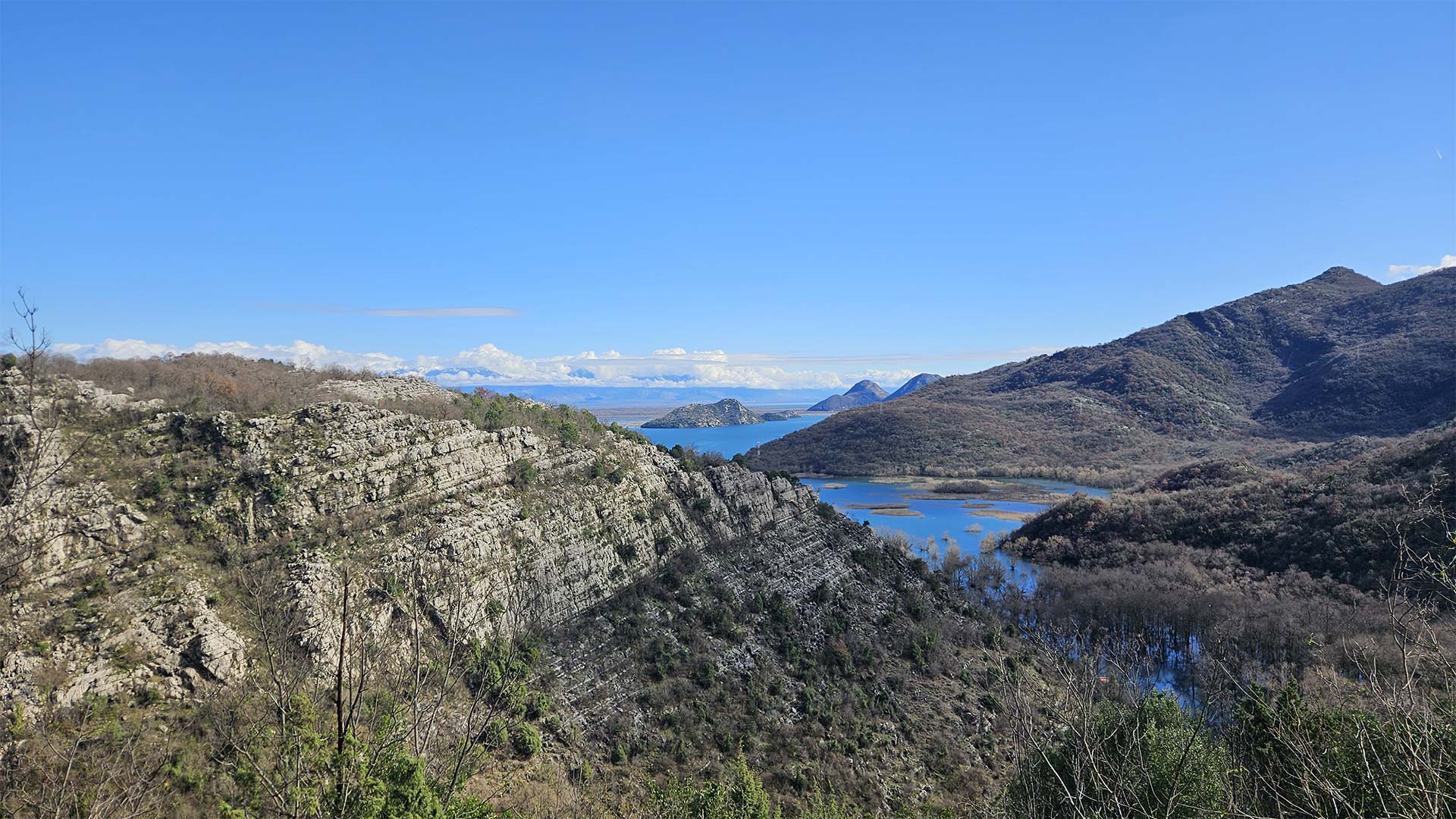
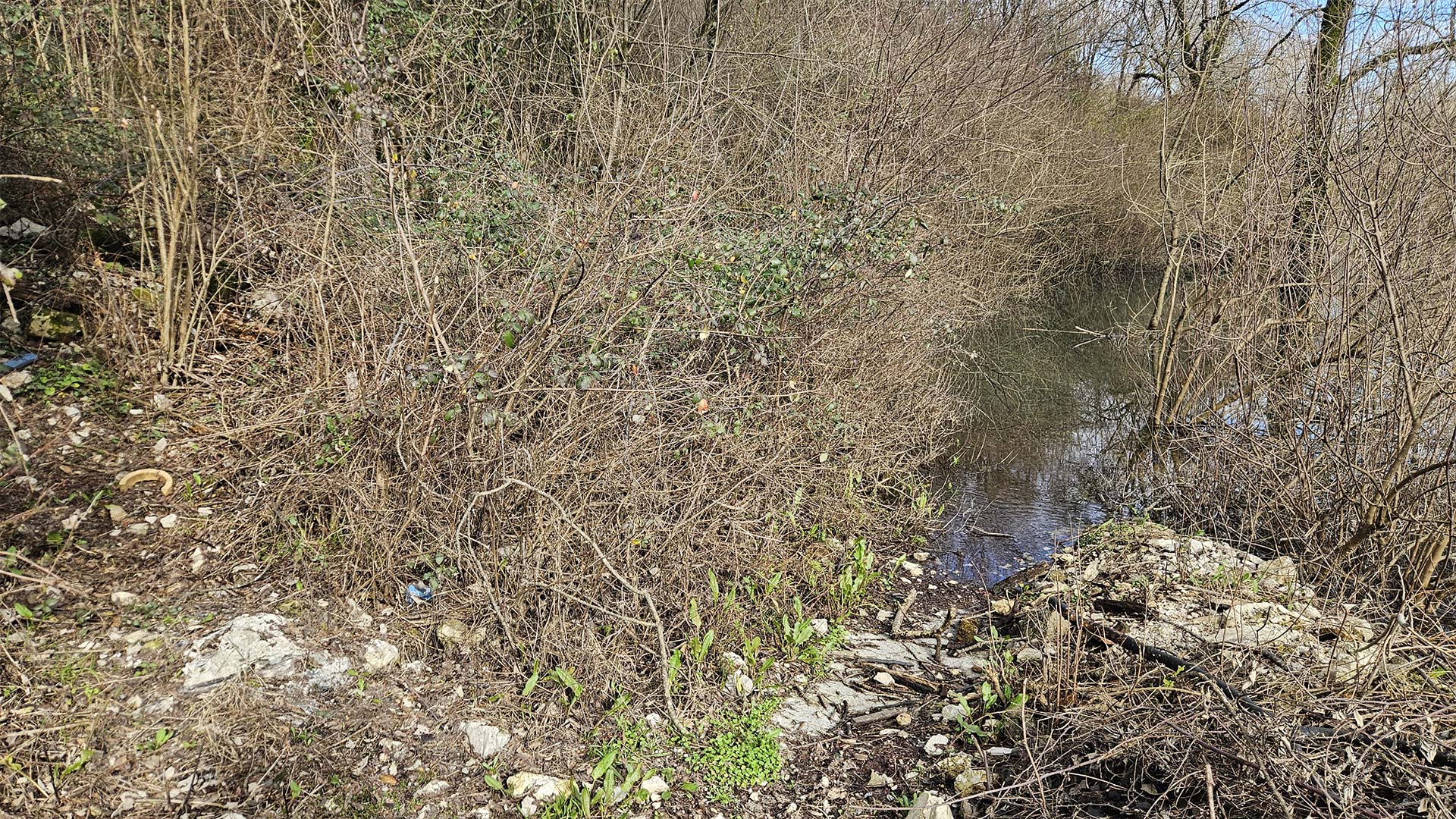
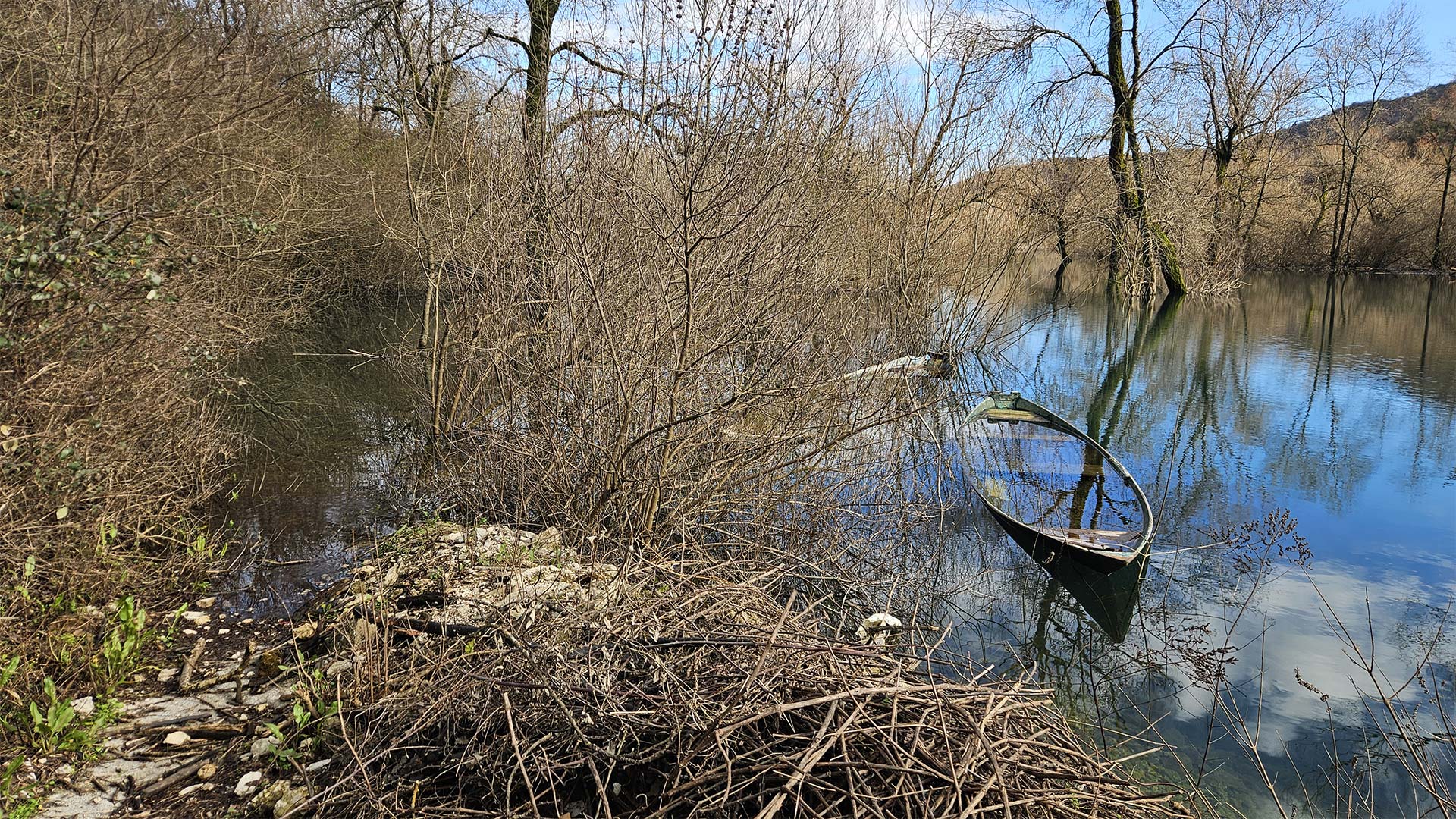
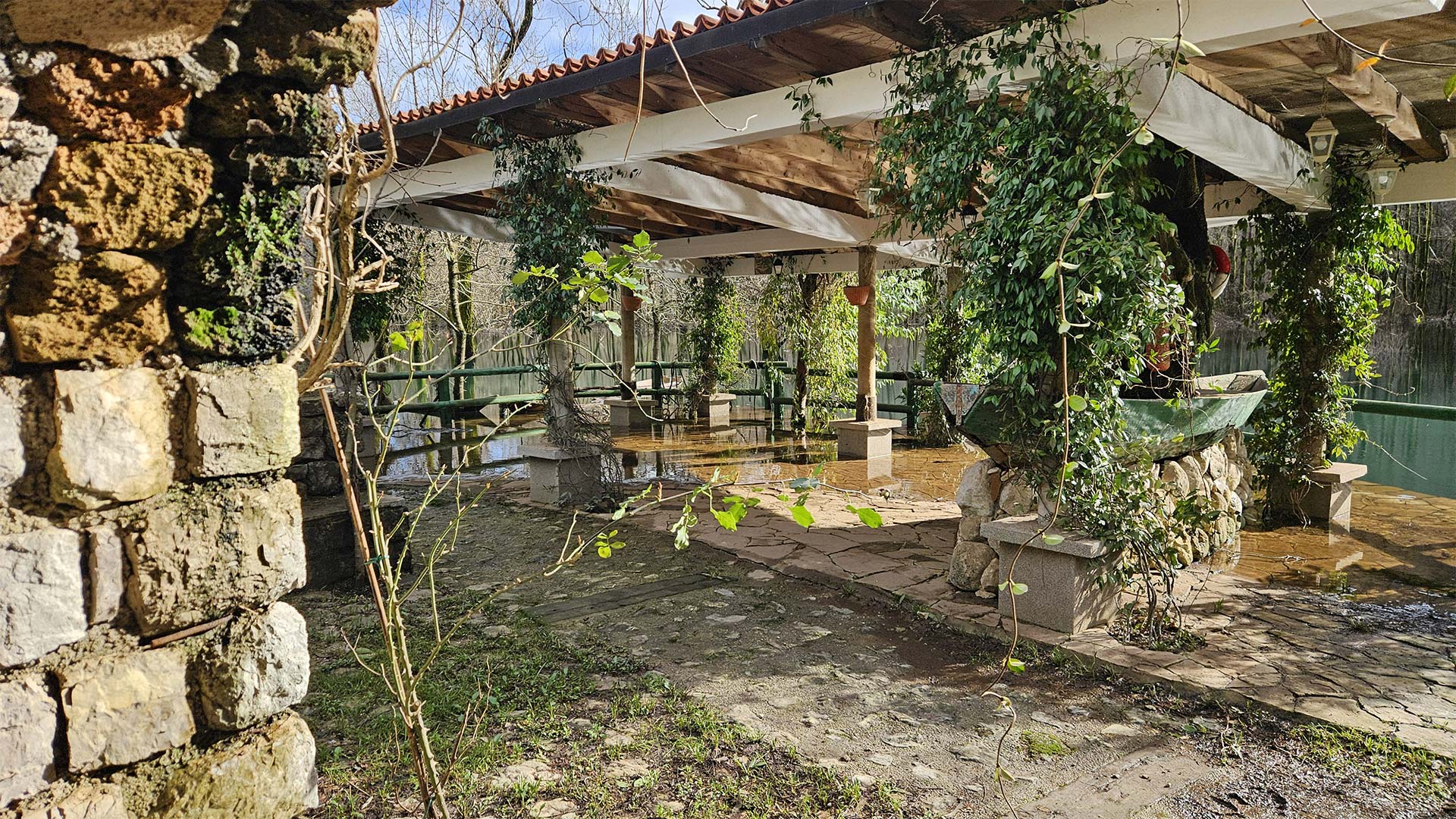
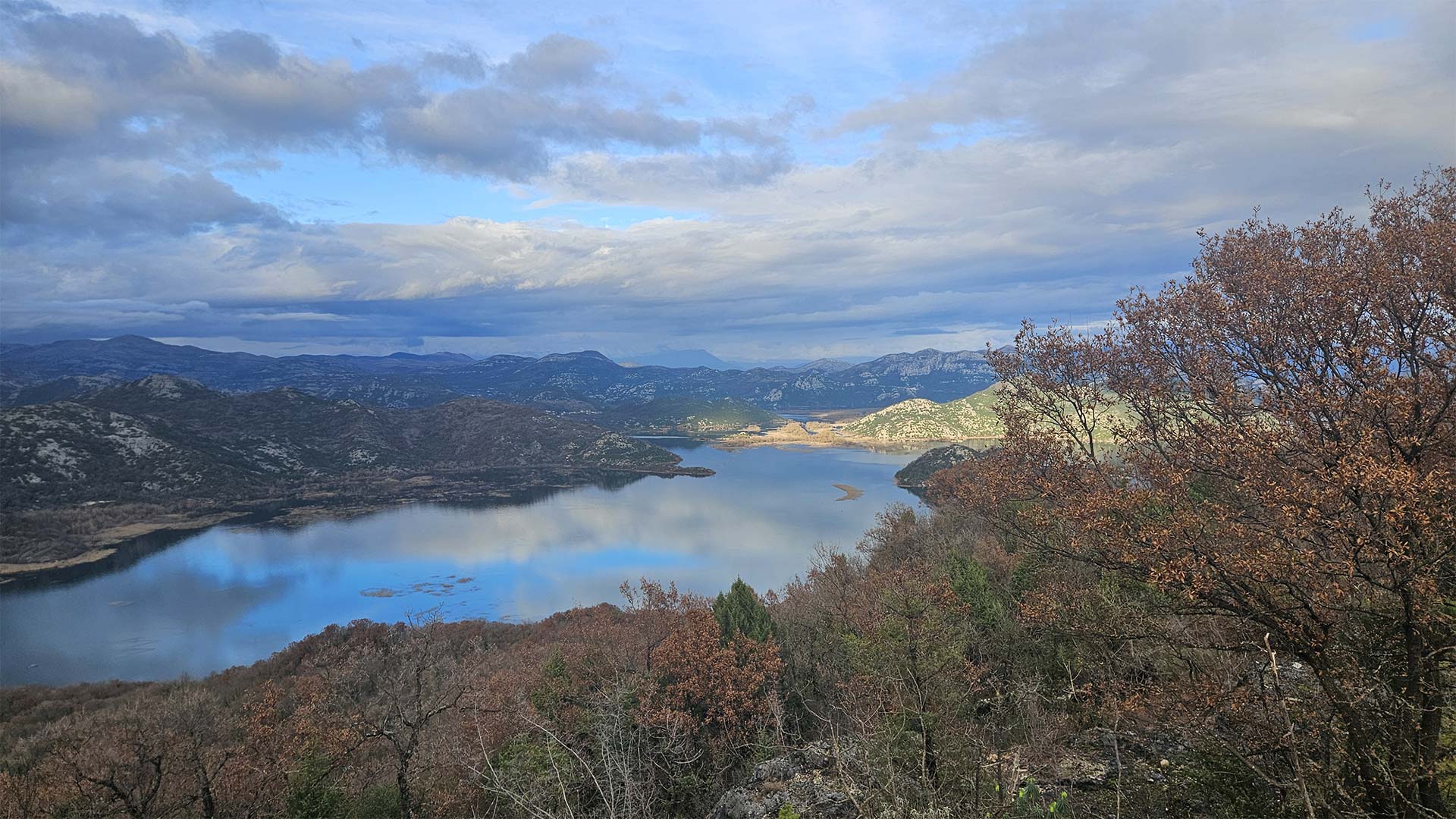
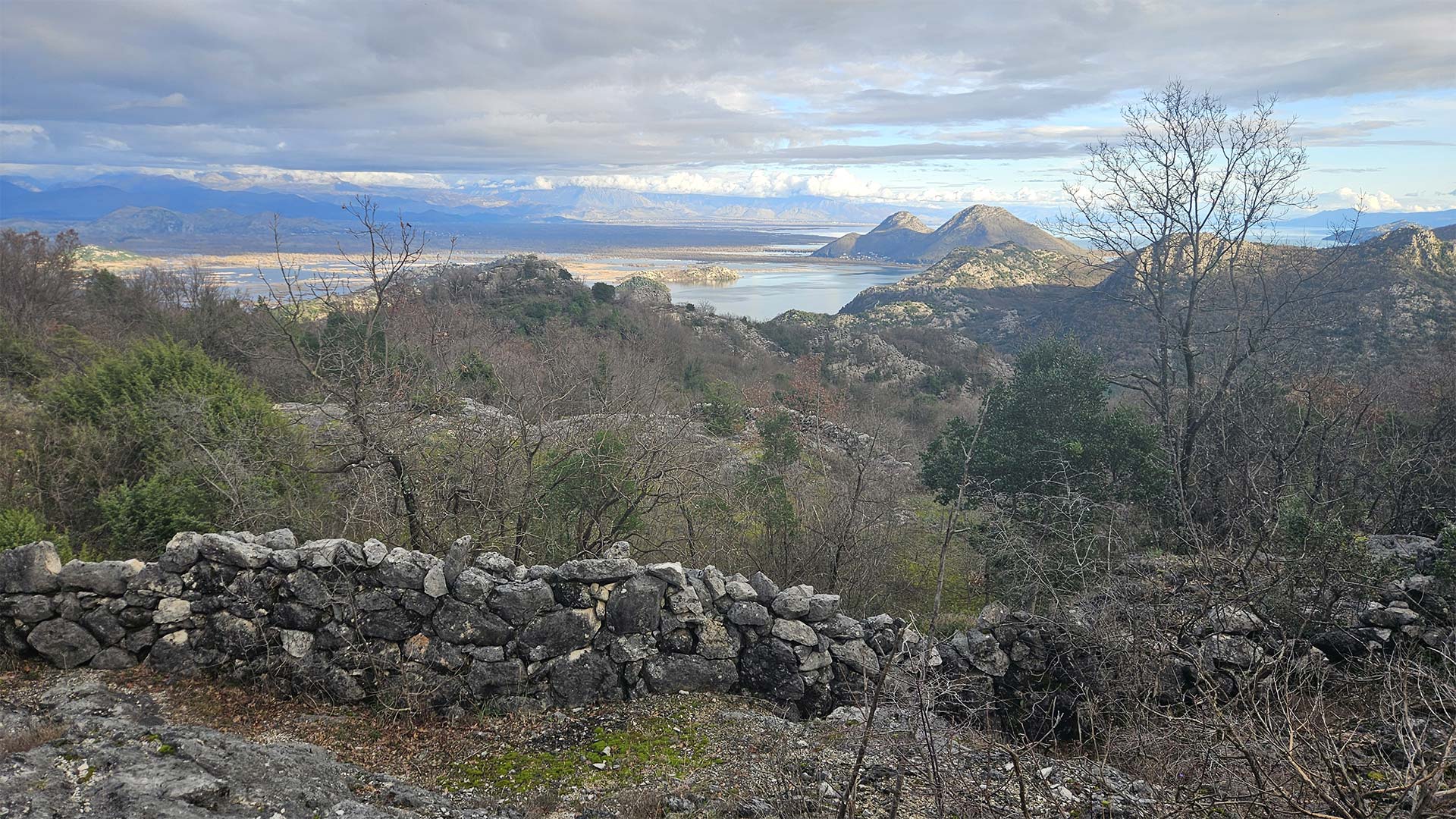
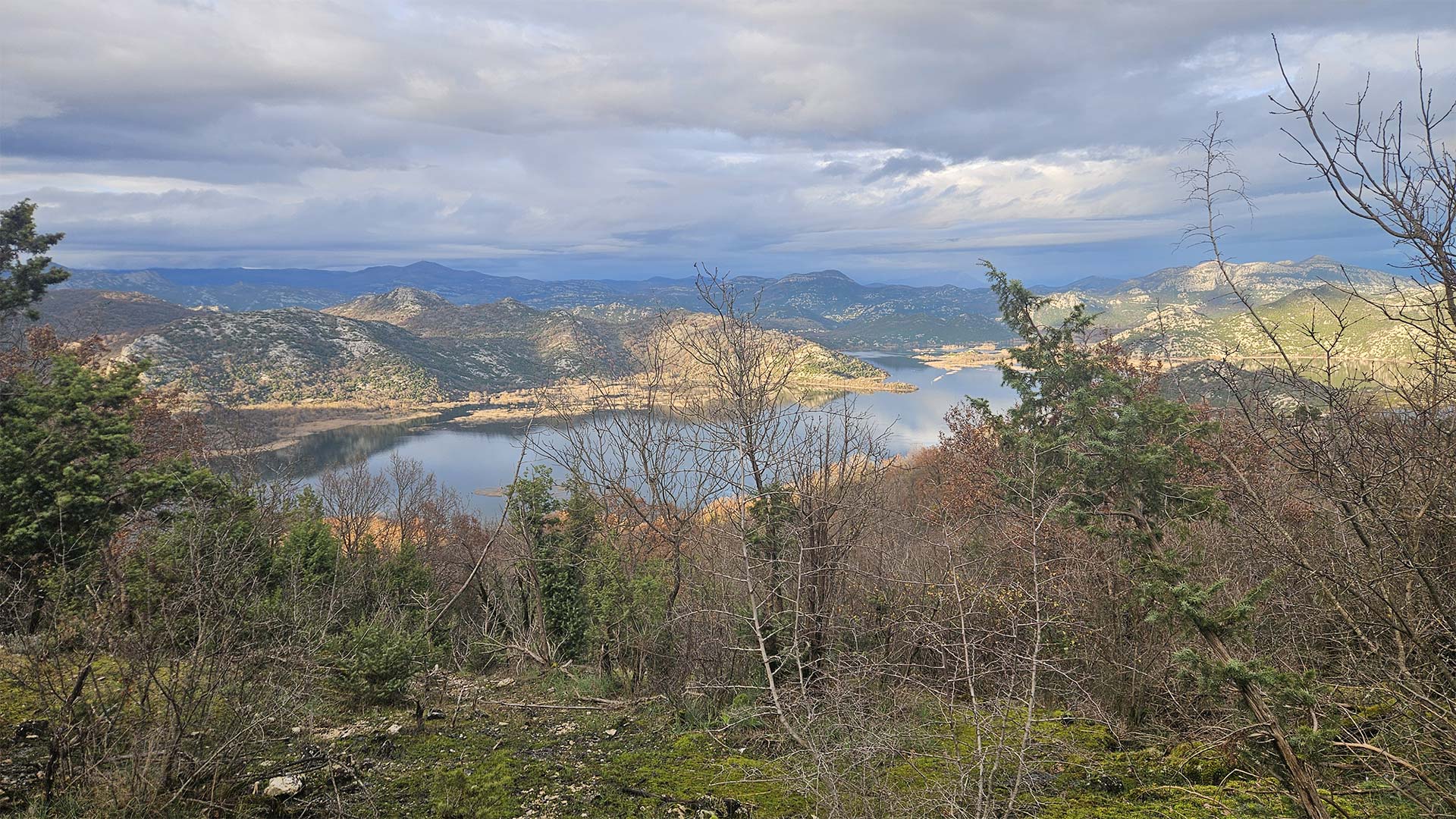
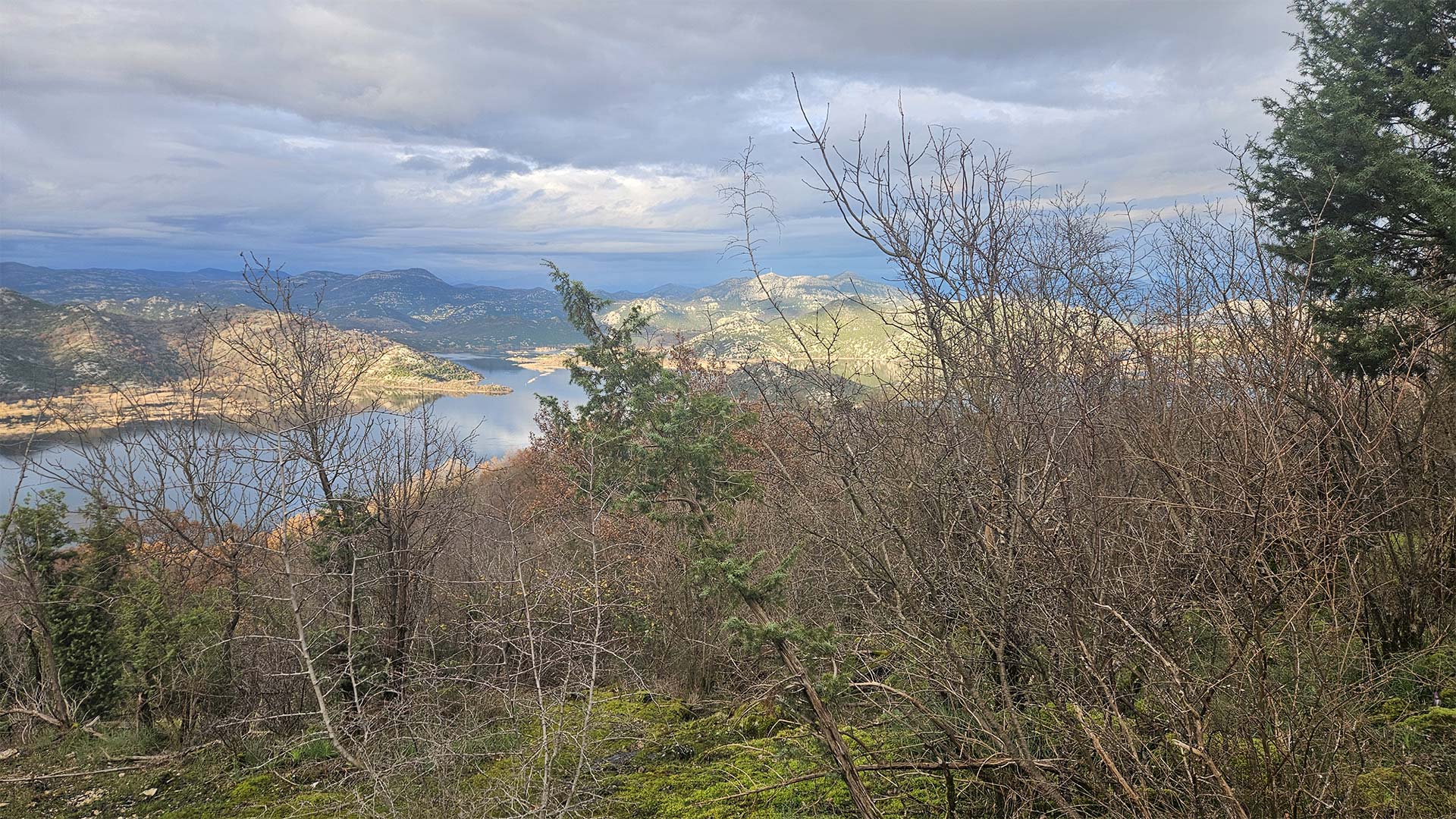
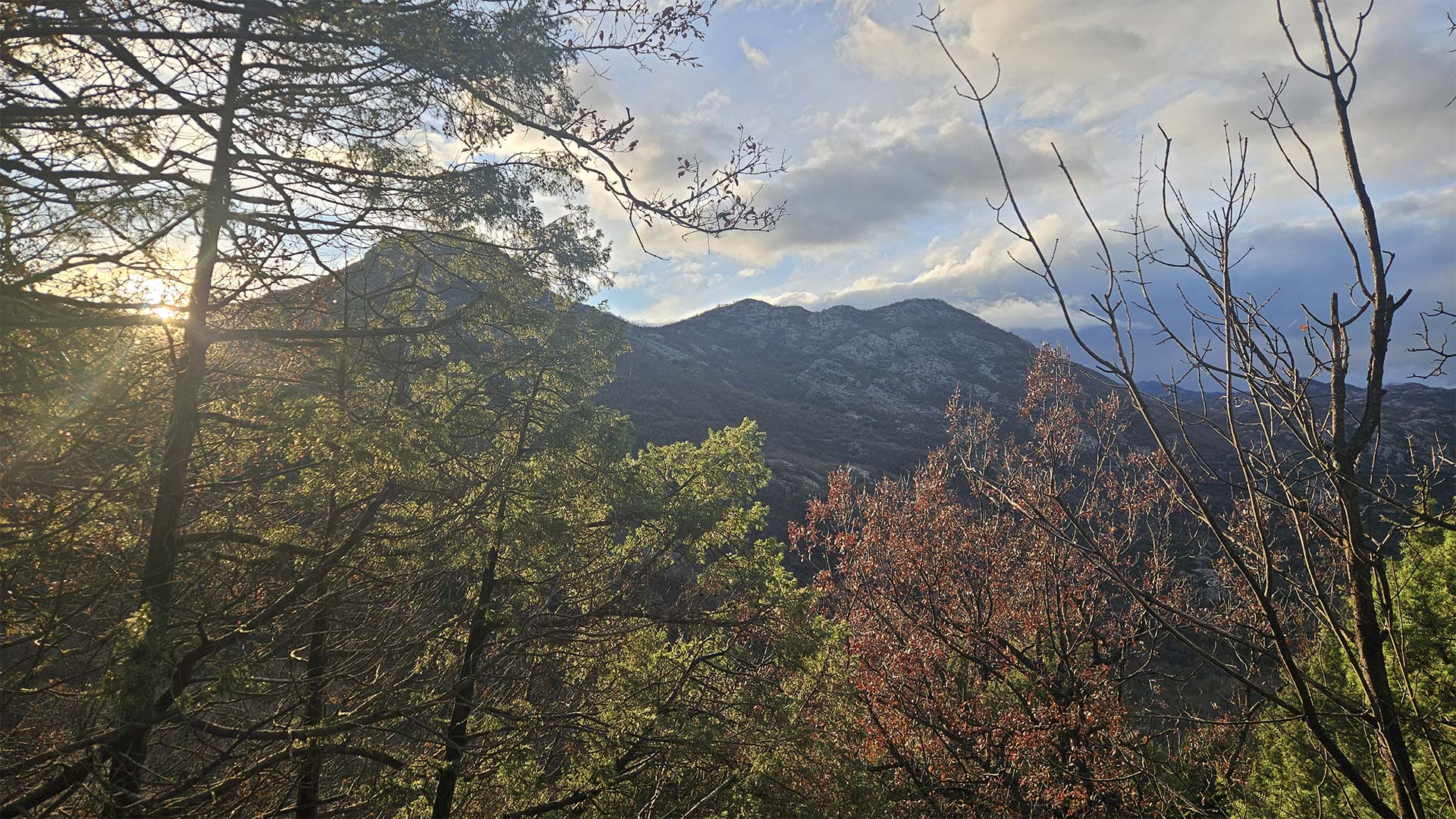
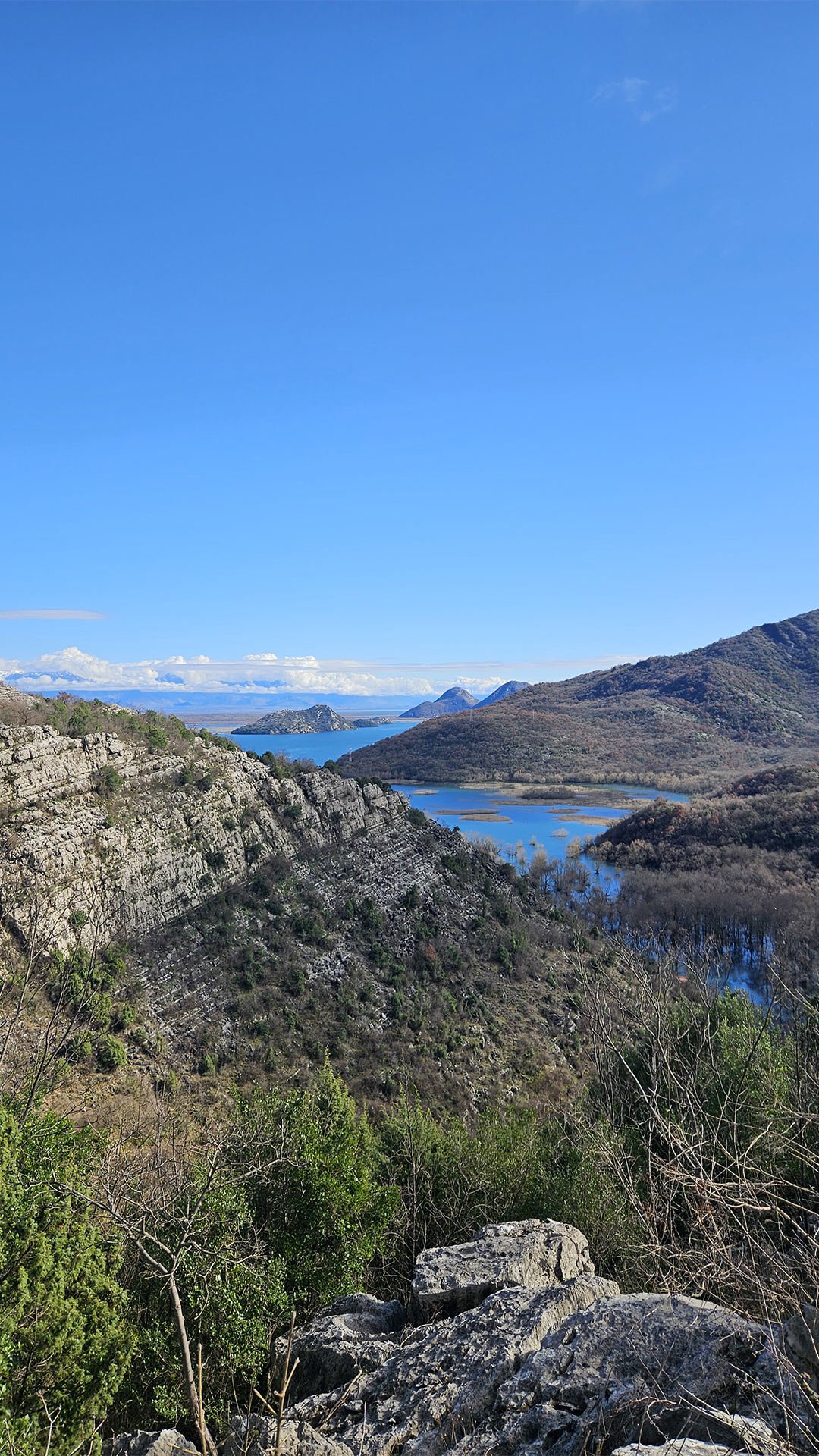
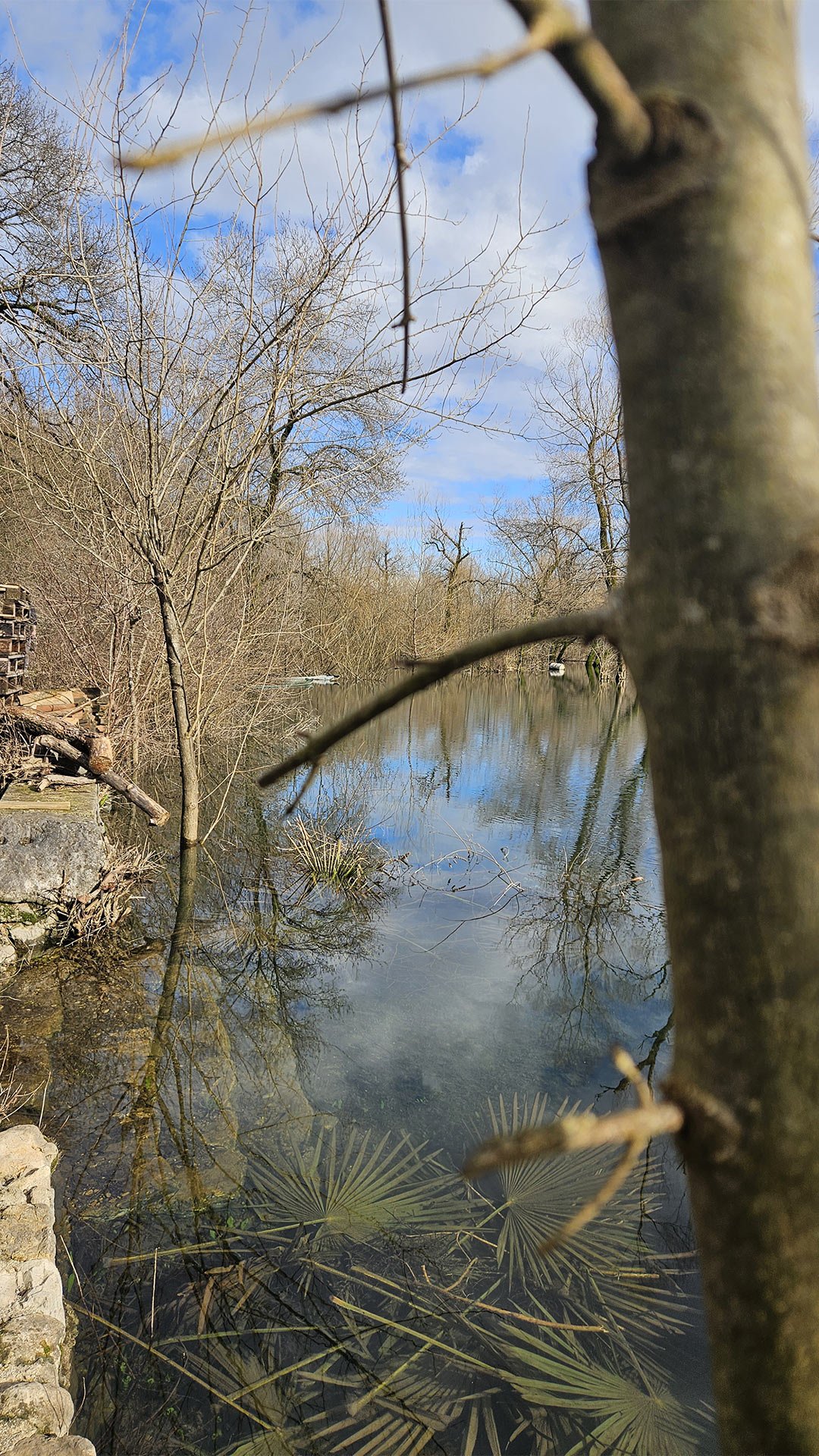
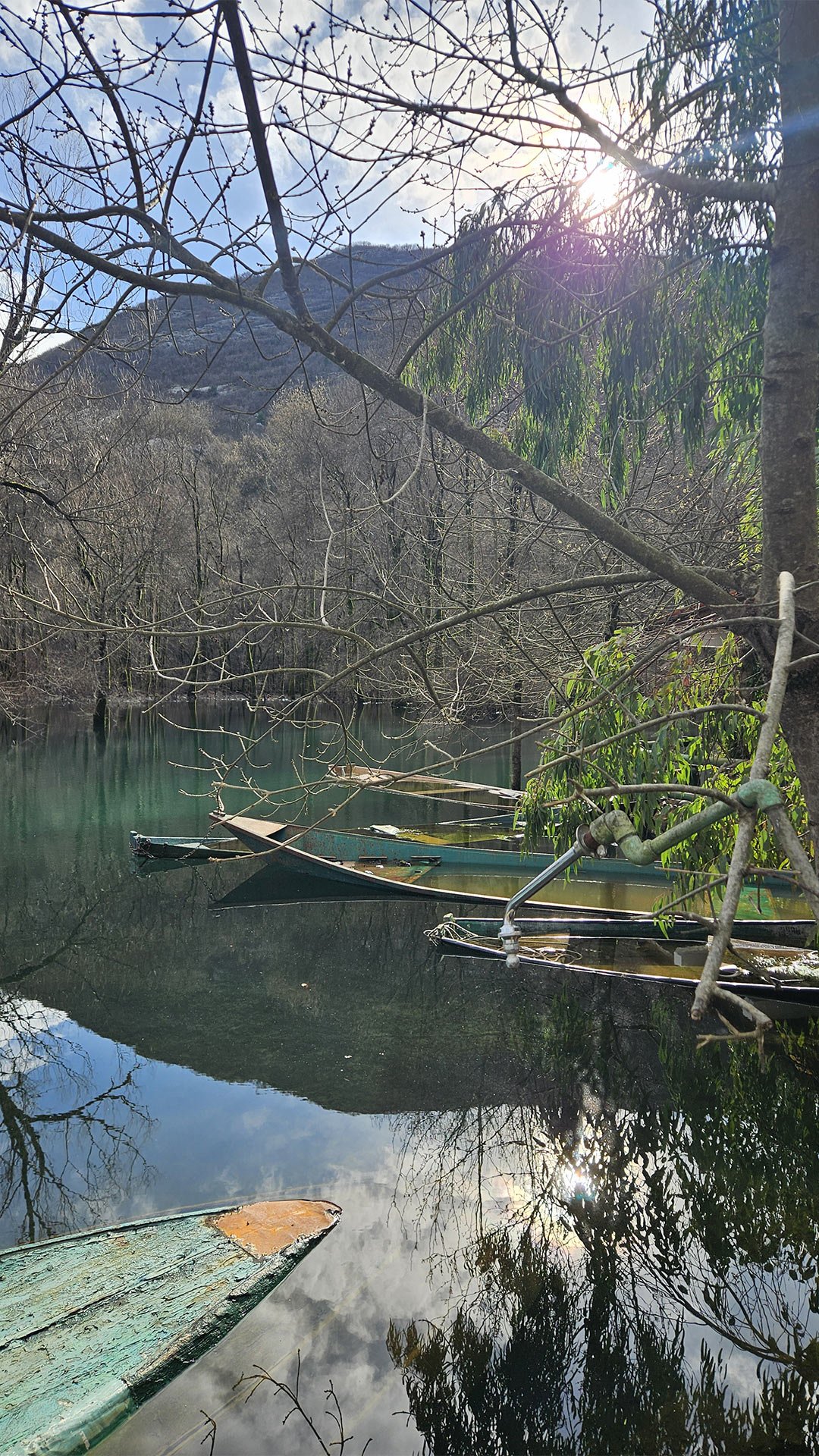
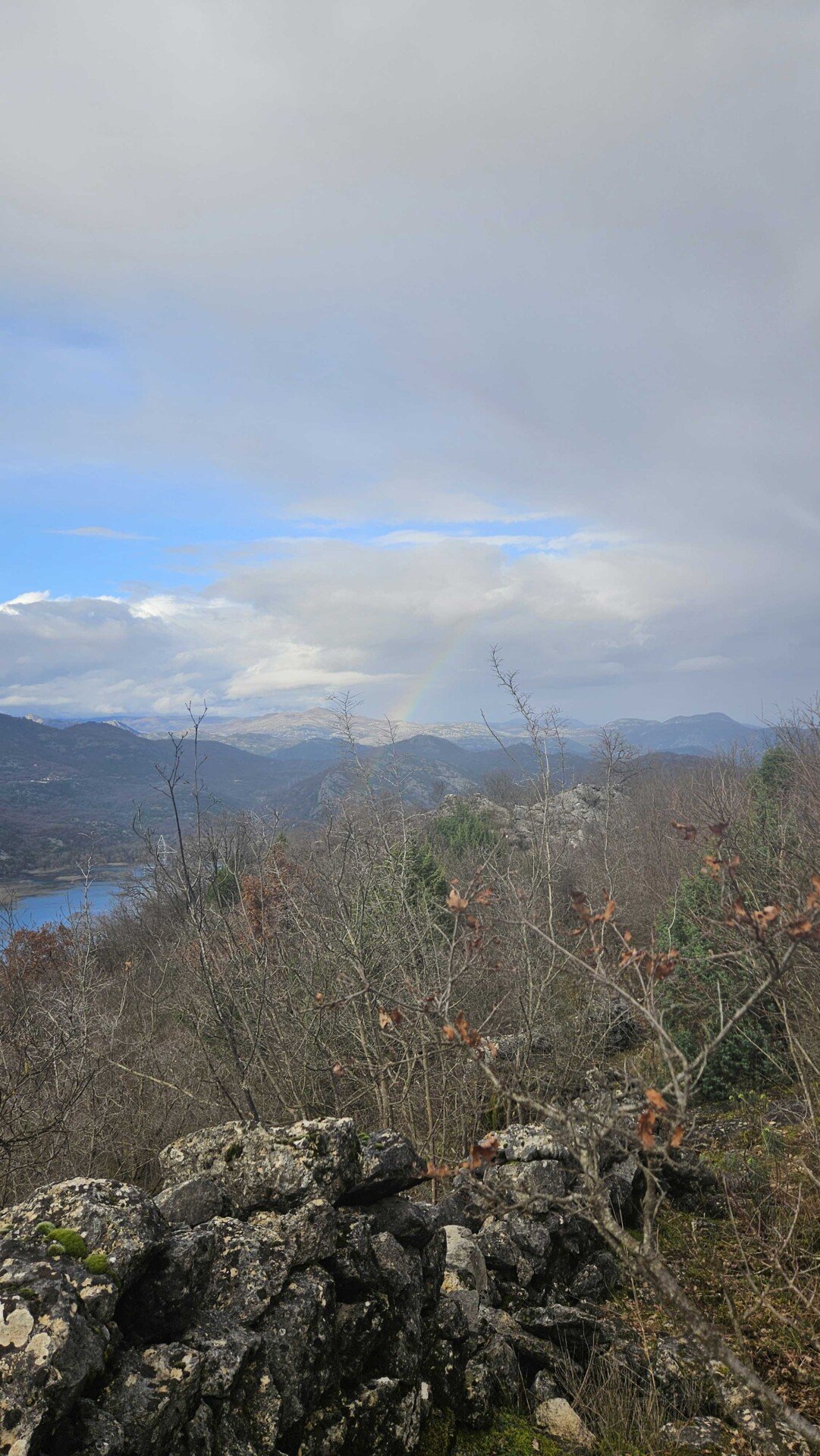
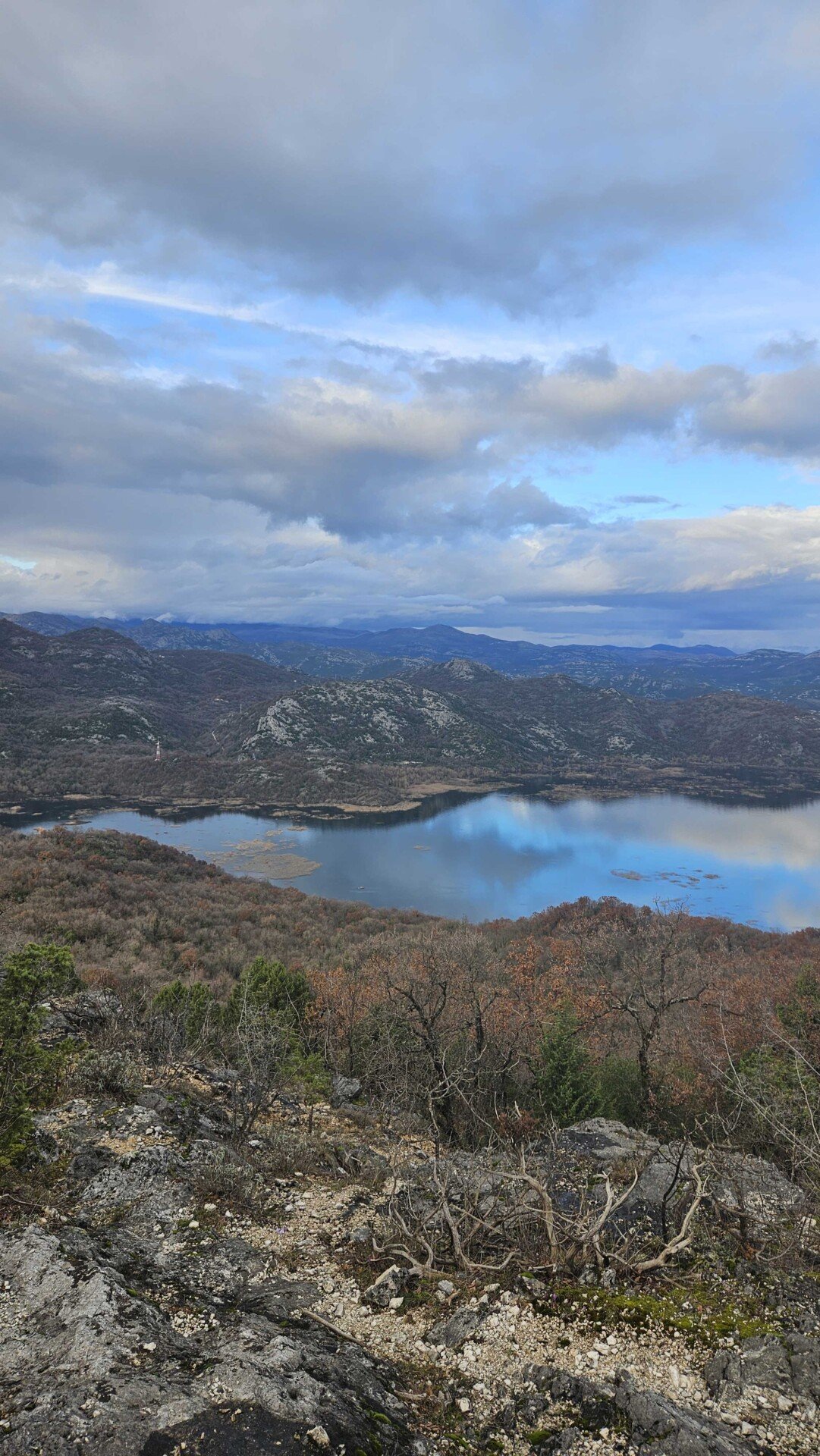
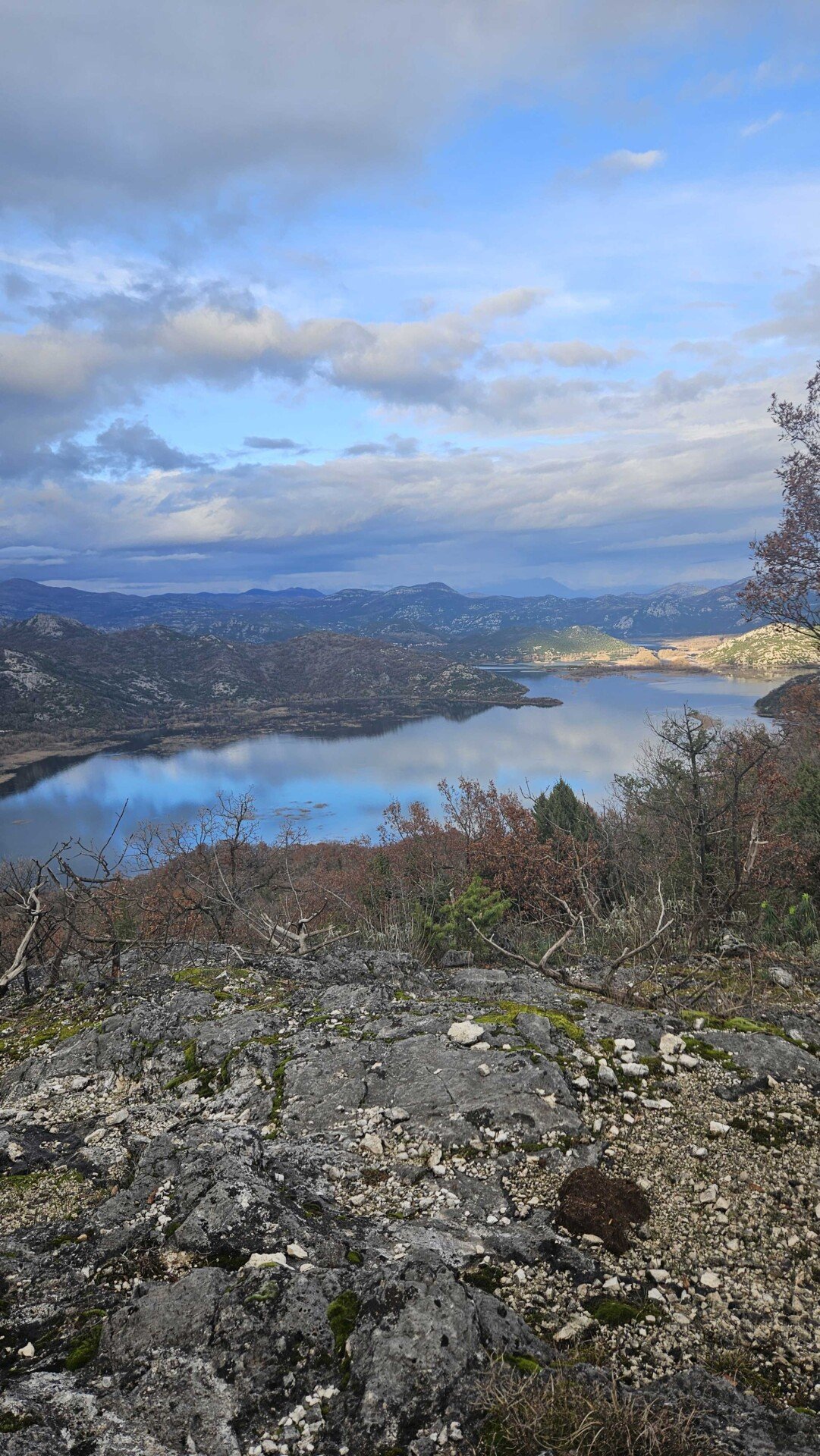
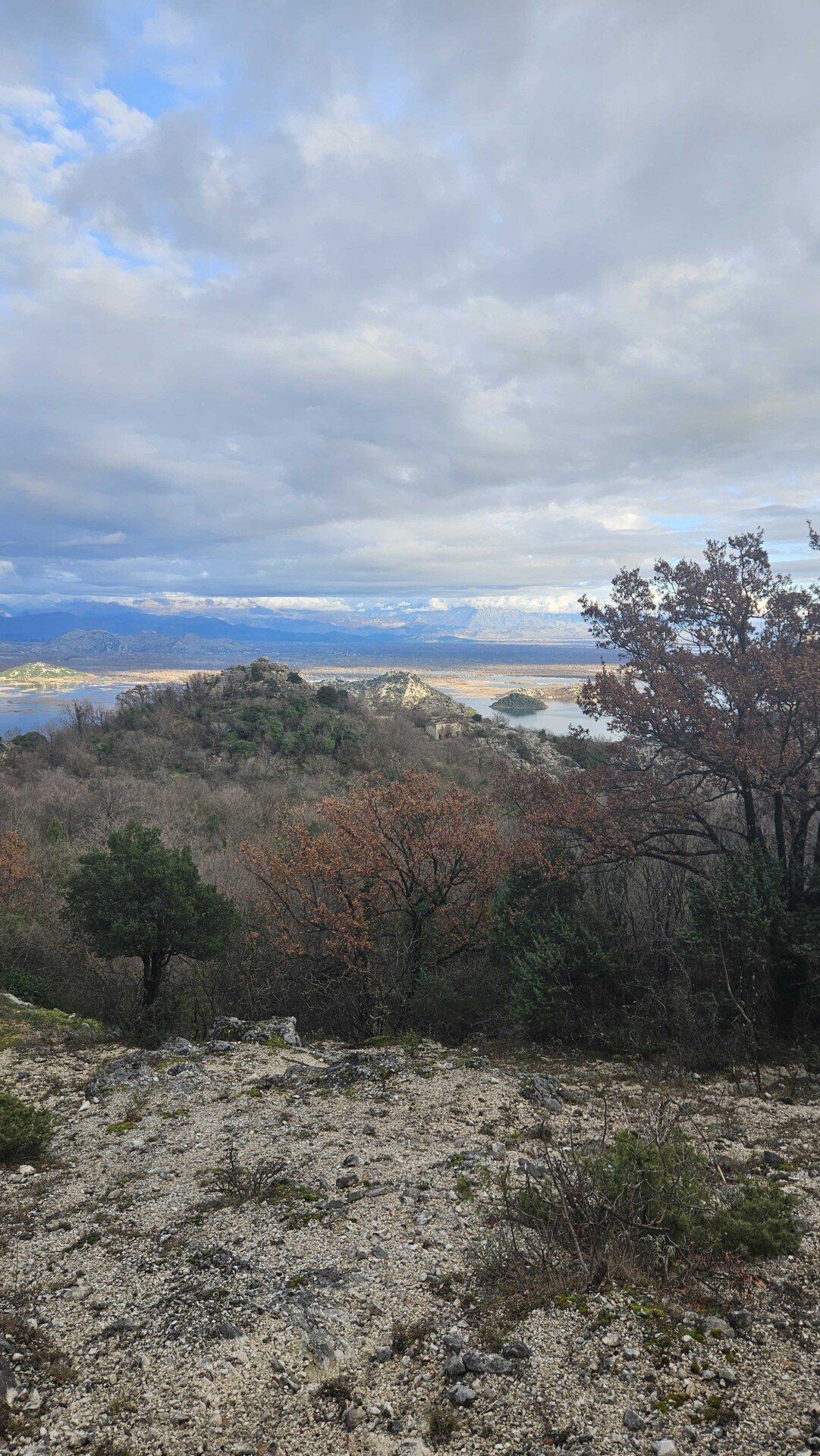
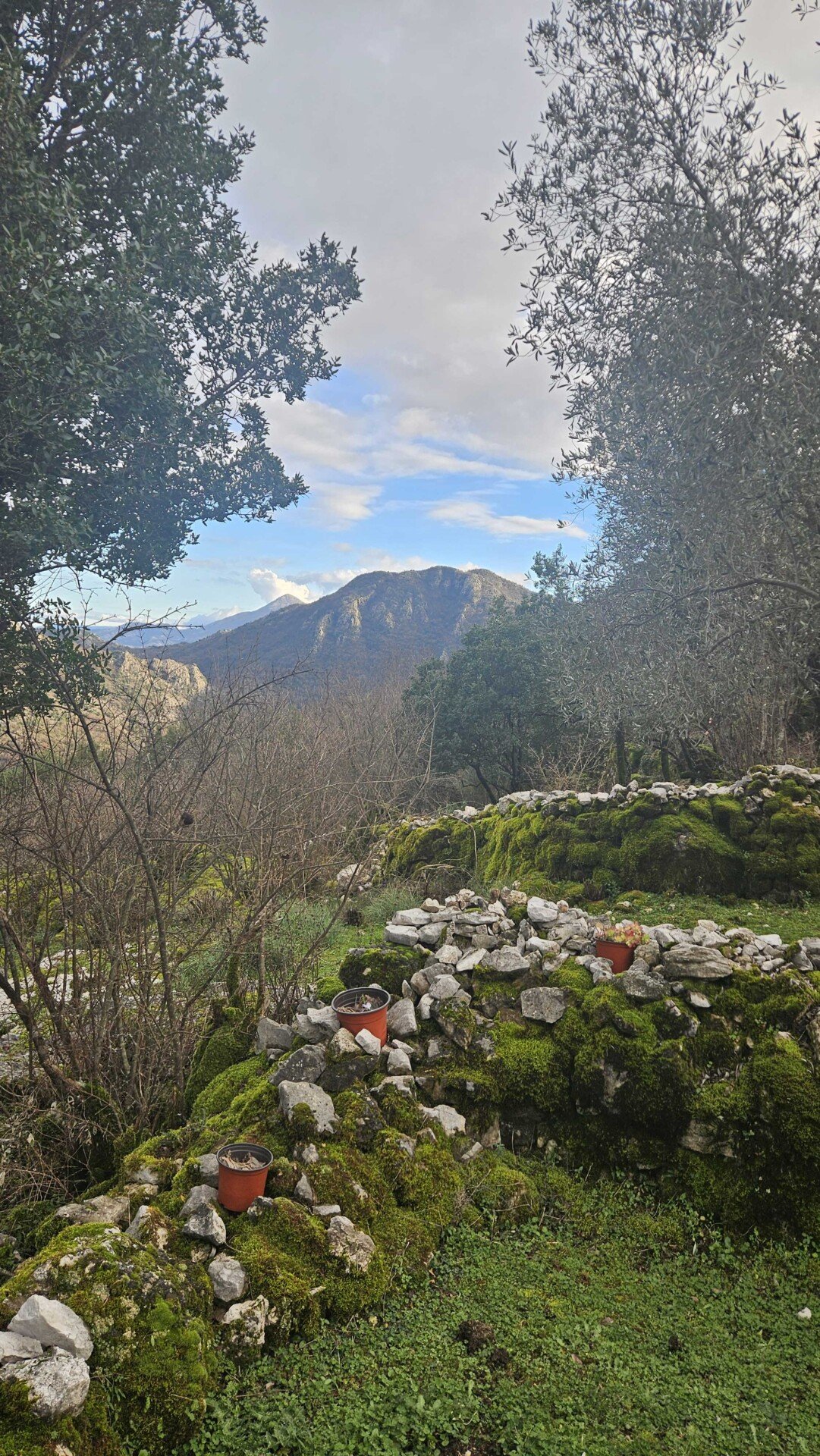
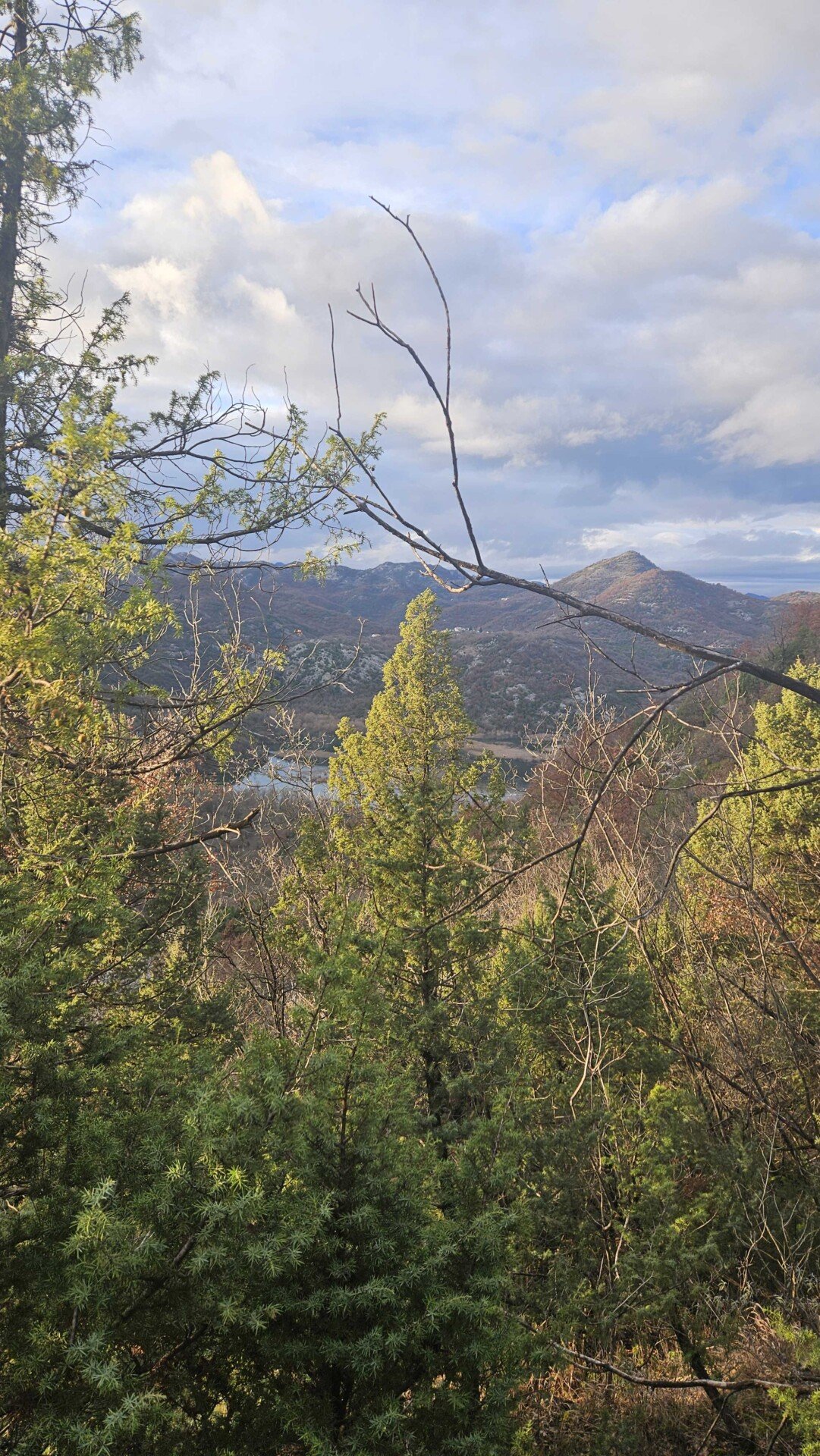
In the Skadar Lake region, the focus is not just on water, reeds, and birds, but on the subtle connection between the natural landscape and human presence. Lake Skadar is the largest lake in the Balkans; the Montenegrin portion was designated a national park in 1983, and in 1995, the area was included in the Ramsar List of Wetlands of International Importance. This is more than just a beautiful backdrop: 281 bird species and 49 fish species have been recorded here, and the coastal zone itself preserves a multilayered cultural landscape—monasteries, fishing villages, old roads, mills, and bridges.
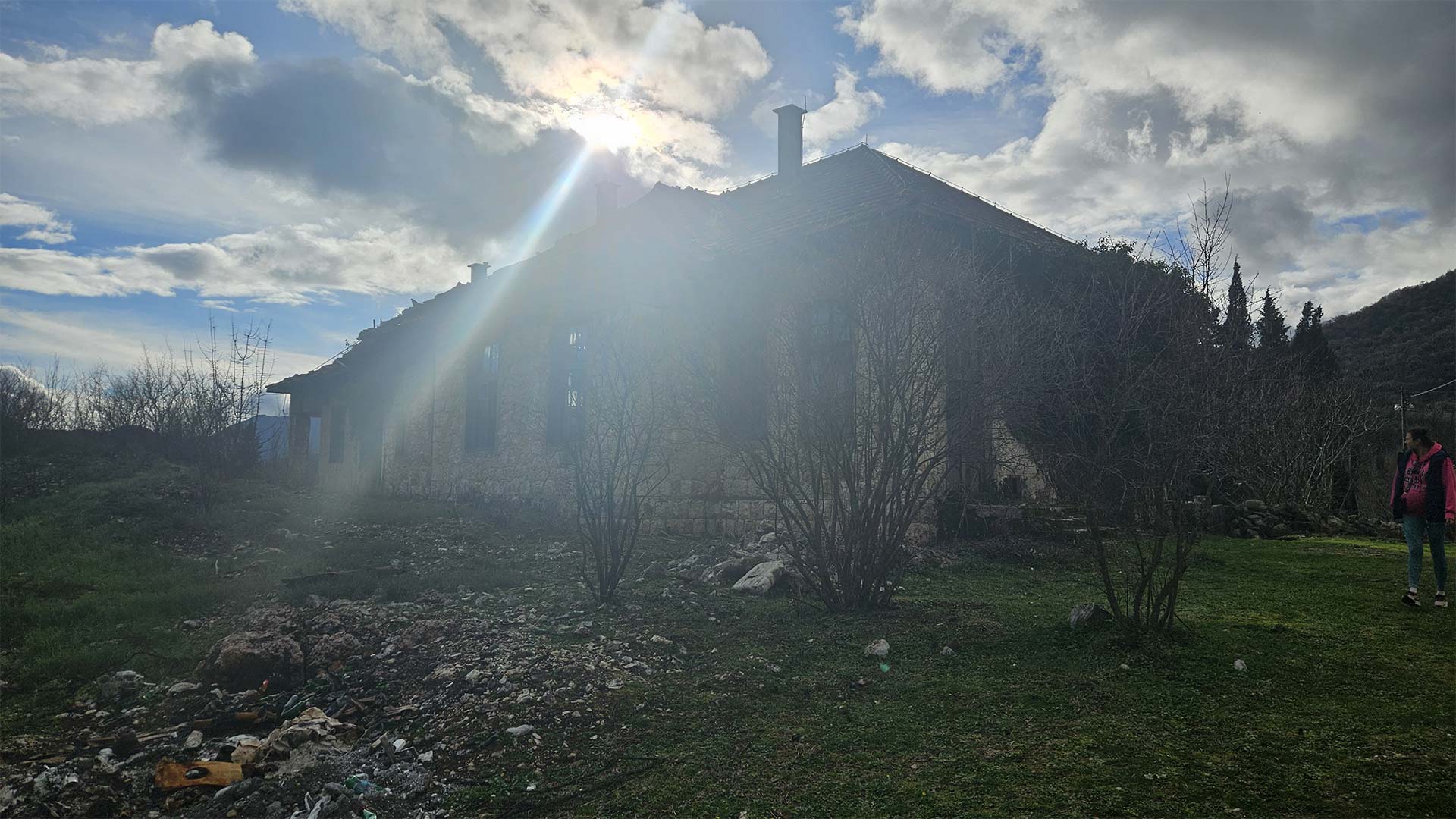
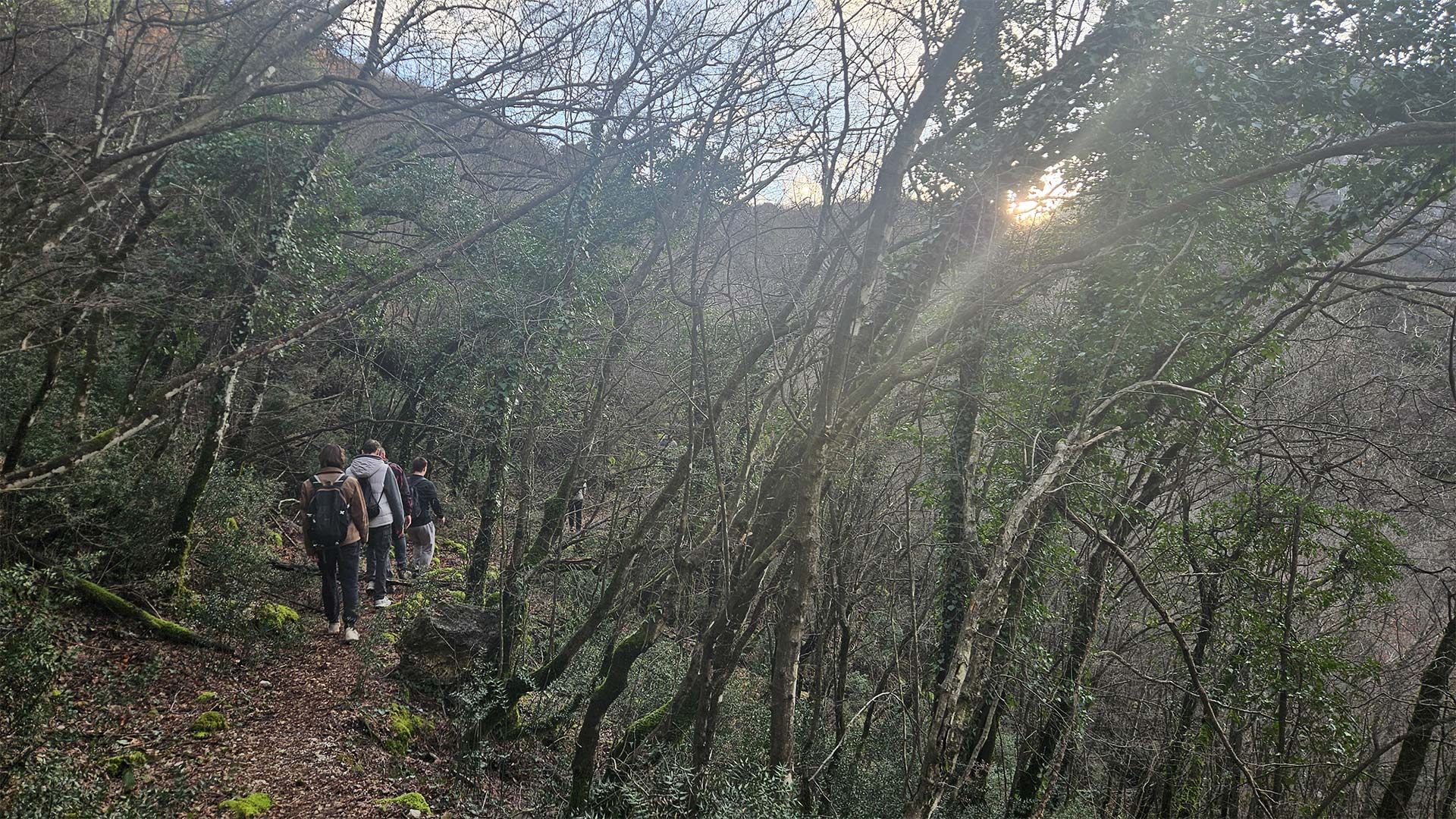
Therefore, the Starlight Group’s journey to Poseljani and Komarno can be described not as a typical excursion, but as an entry into two distinct modes of memory. Poseljani is the memory of water as the driving force of economic activity. Komarno is a memory of the coastal periphery, where history is read not through ceremonial buildings, but through old routes, demographics, archaeological traces, and the structure of the space itself. Both villages lie within the broader cultural field of the National Park, but are perceived in completely different ways.
Poseljani: A Village Where Water Was a Force of Production
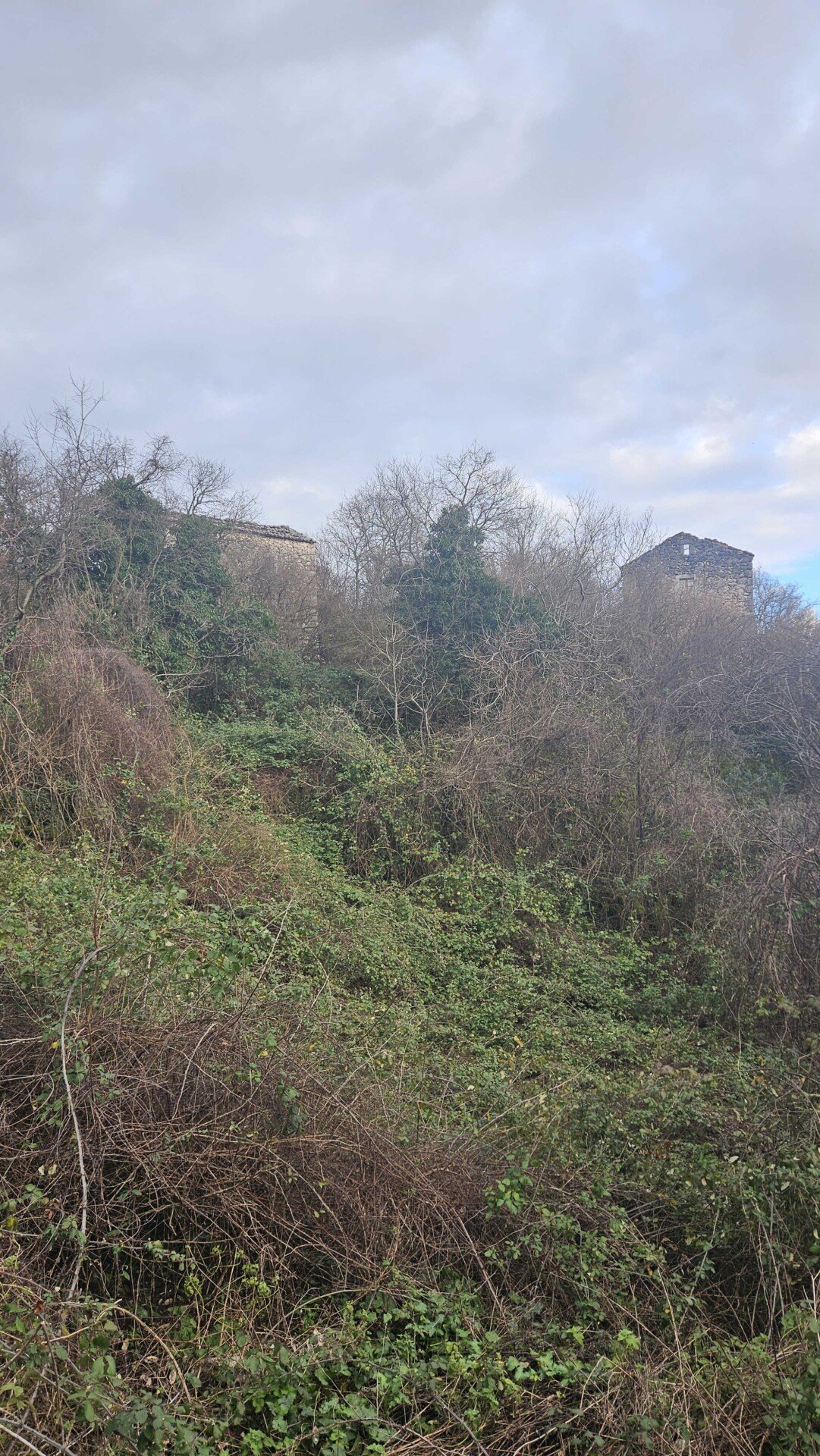
In the documents for the National Park, Poseljani is explicitly designated as part of the spatial integrity of Riechka Nahija; the village is included in the circle of settlements in the western part of the lake, associated with Rijeka Crnojevića. However, in planning documents of recent years, Poseljani appears as a rural settlement within the park boundaries without permanent residents, for which “valorization of existing contents” is envisaged in the form of complementary tourist functions.
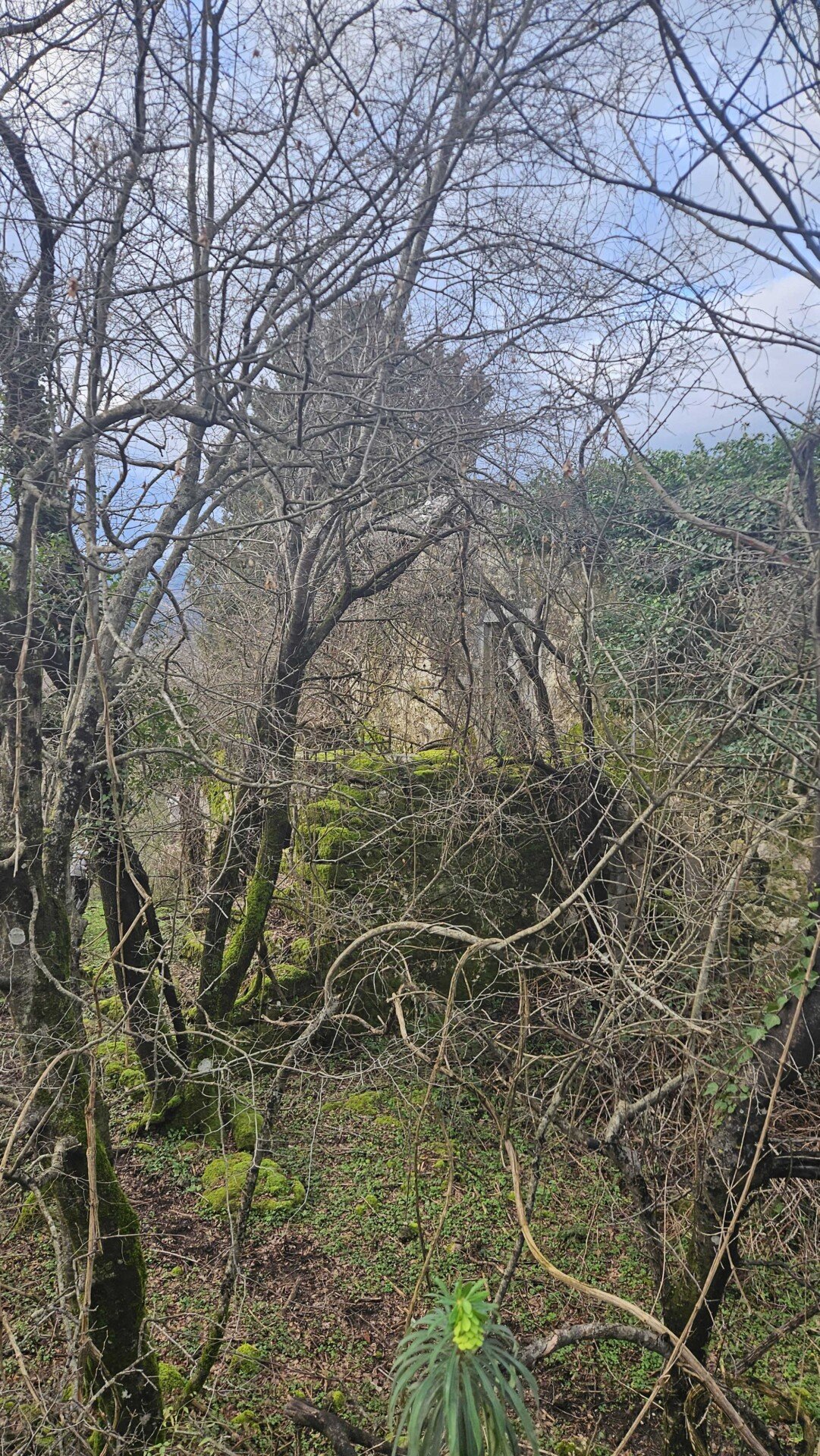
In other words, the official description itself speaks volumes: Poseljani today is not a large, vibrant village, but a surviving cultural landscape that requires careful interpretation rather than stylization.
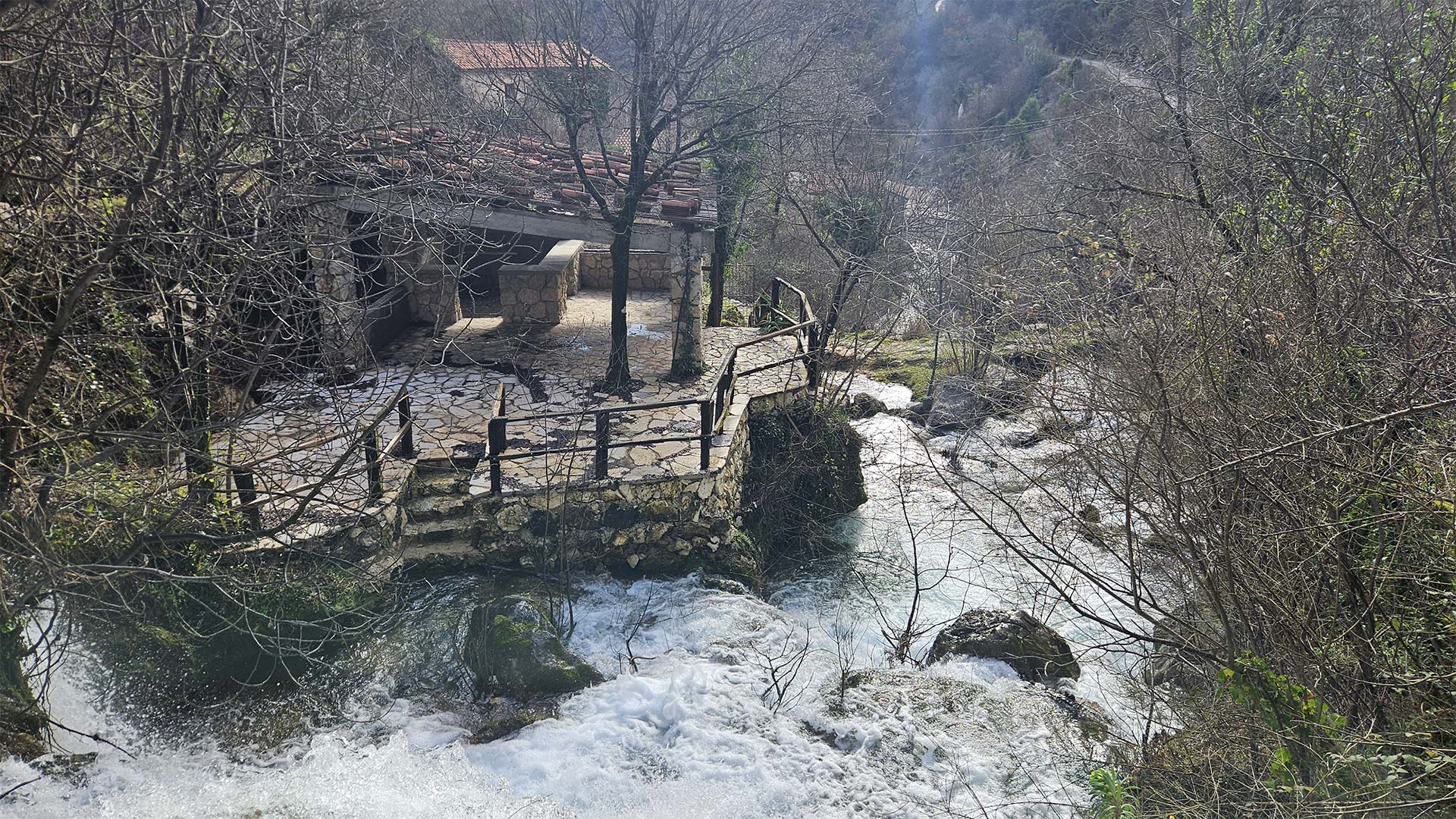
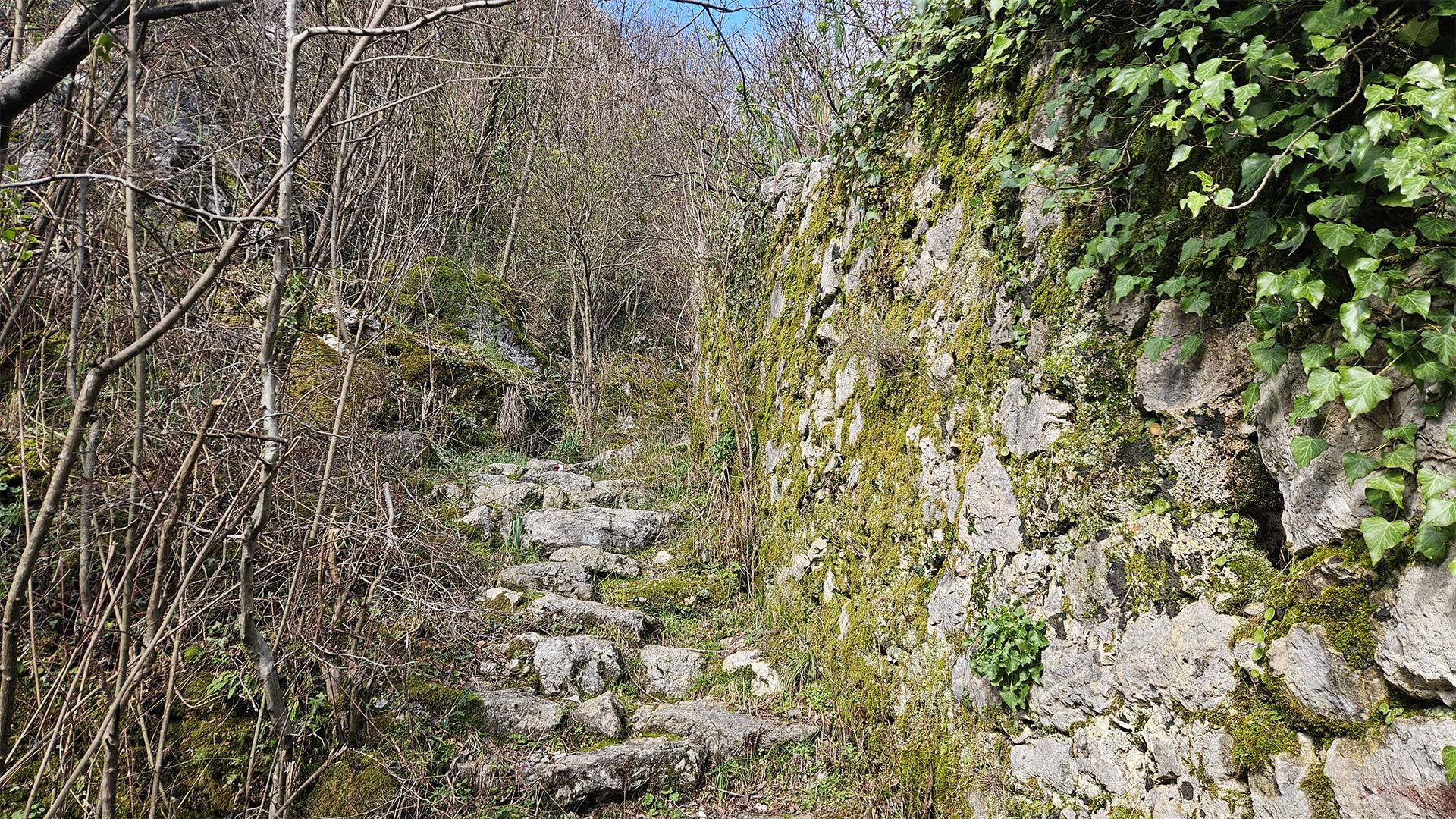
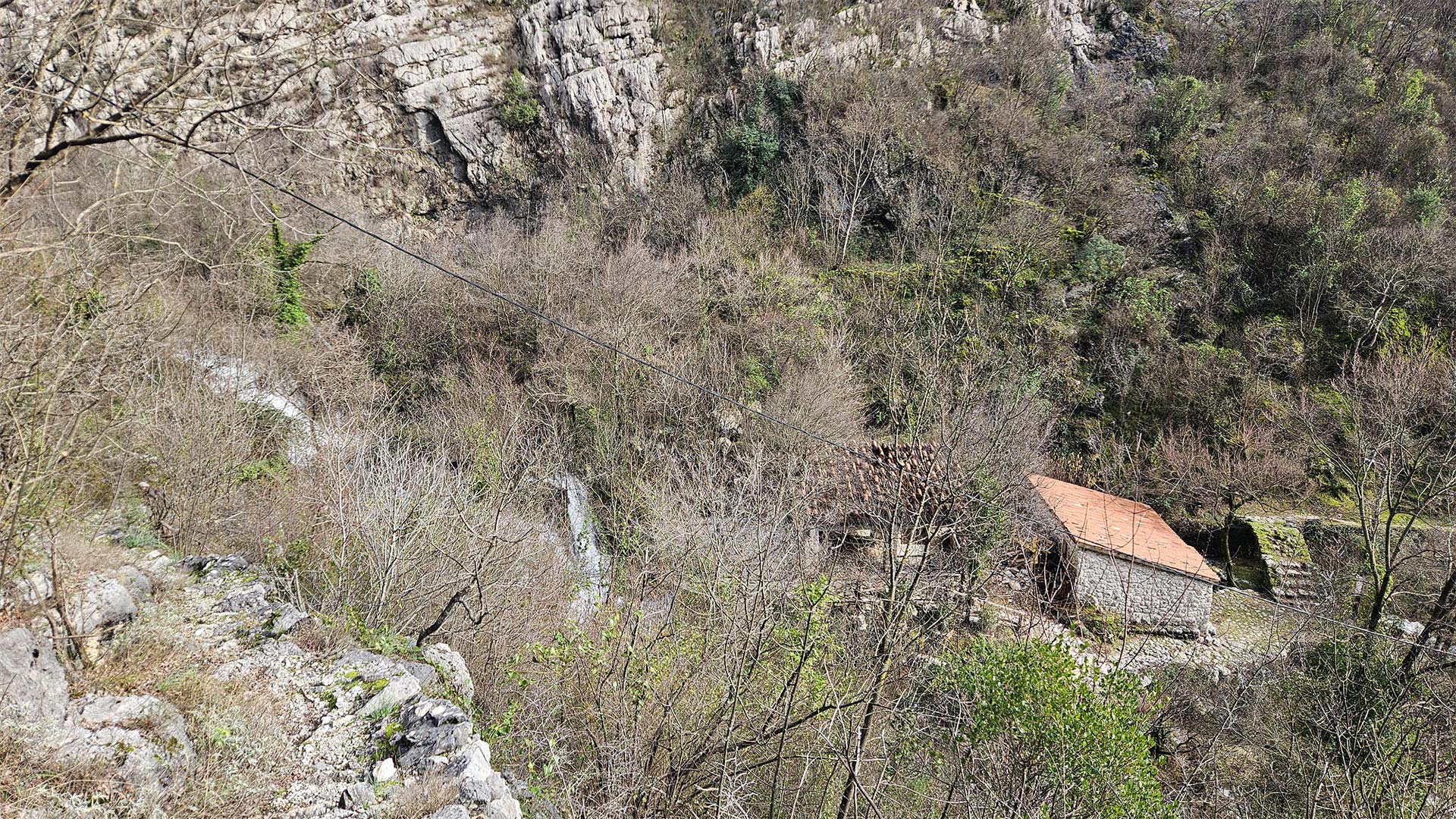
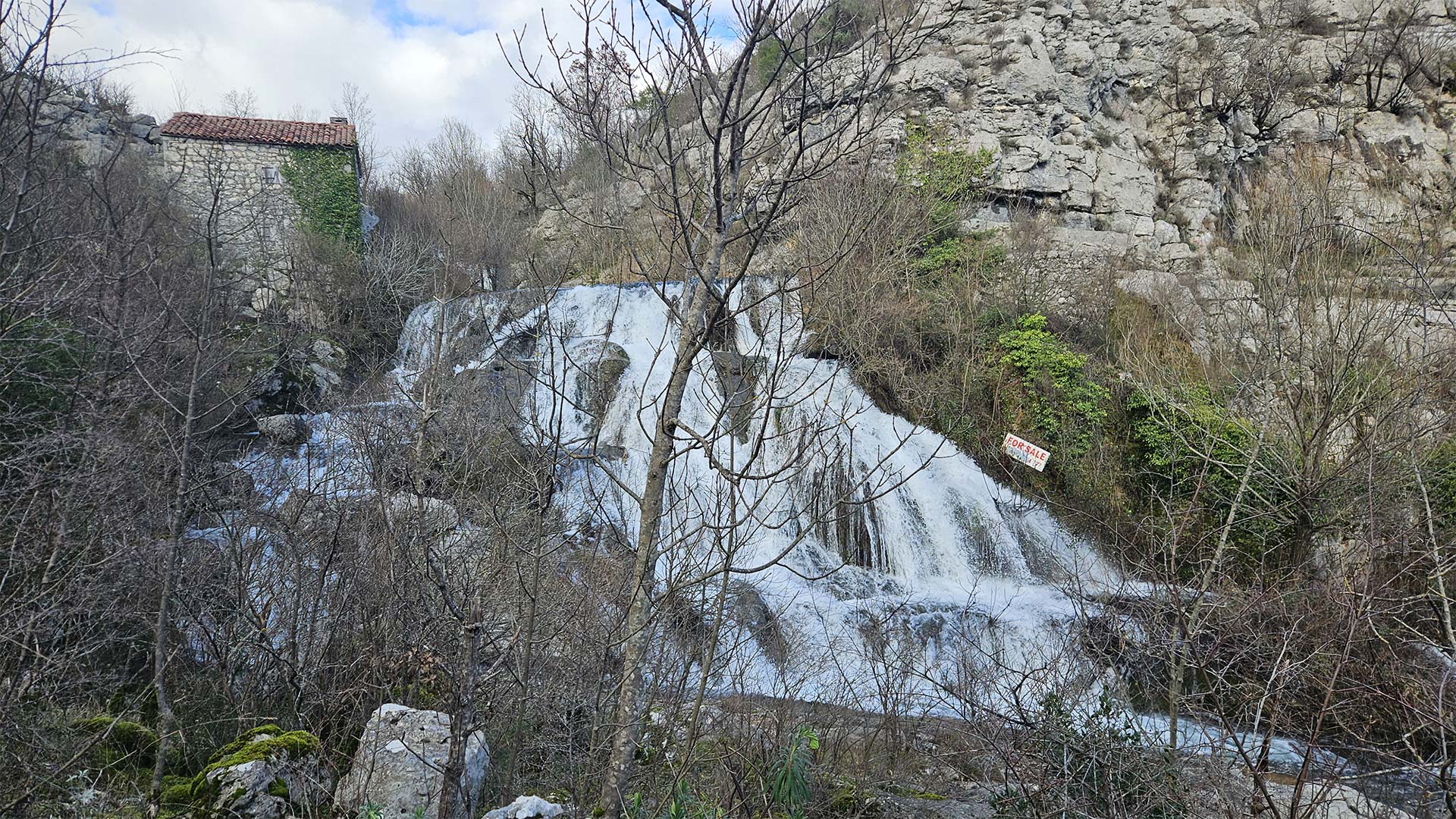
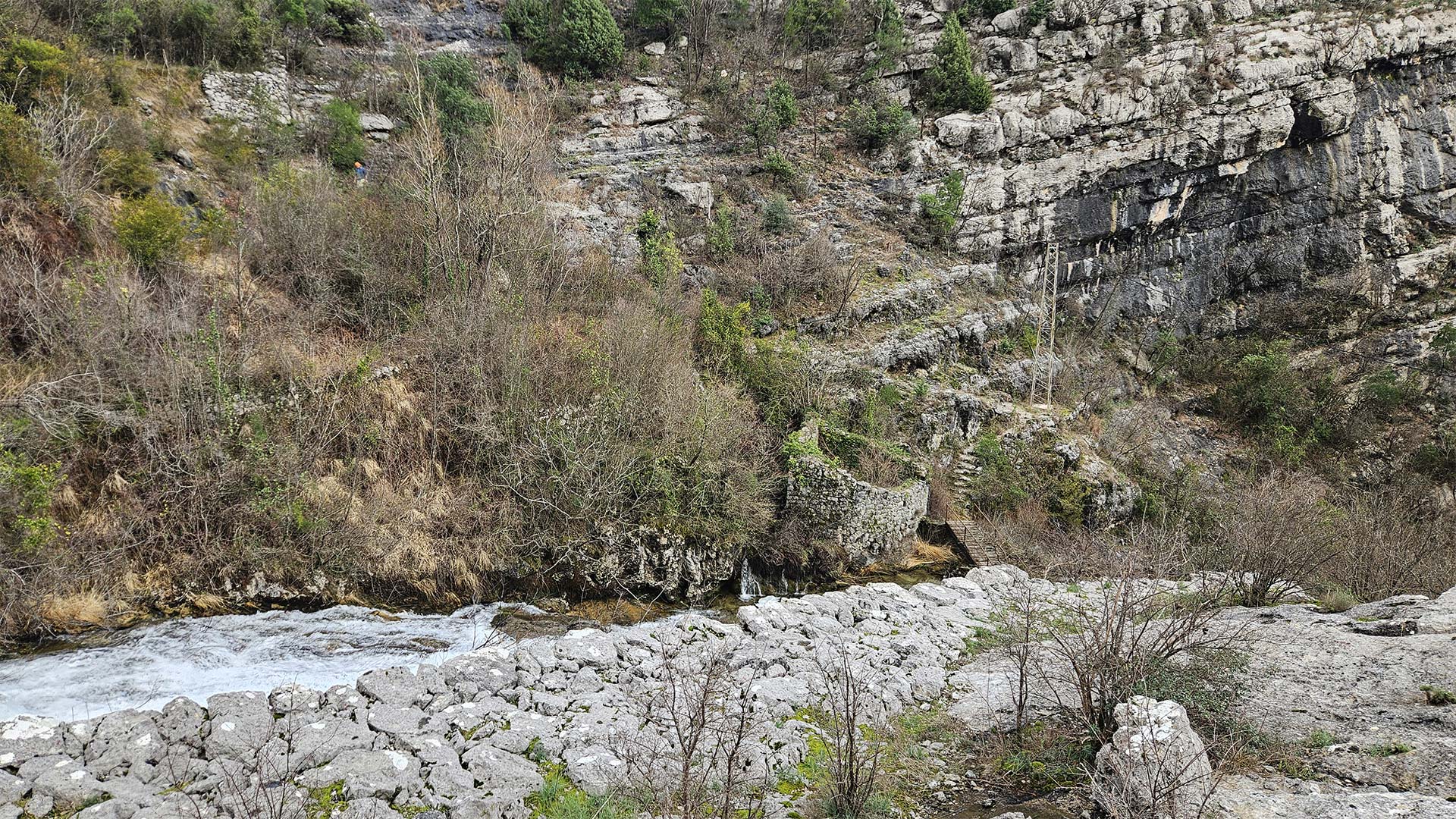
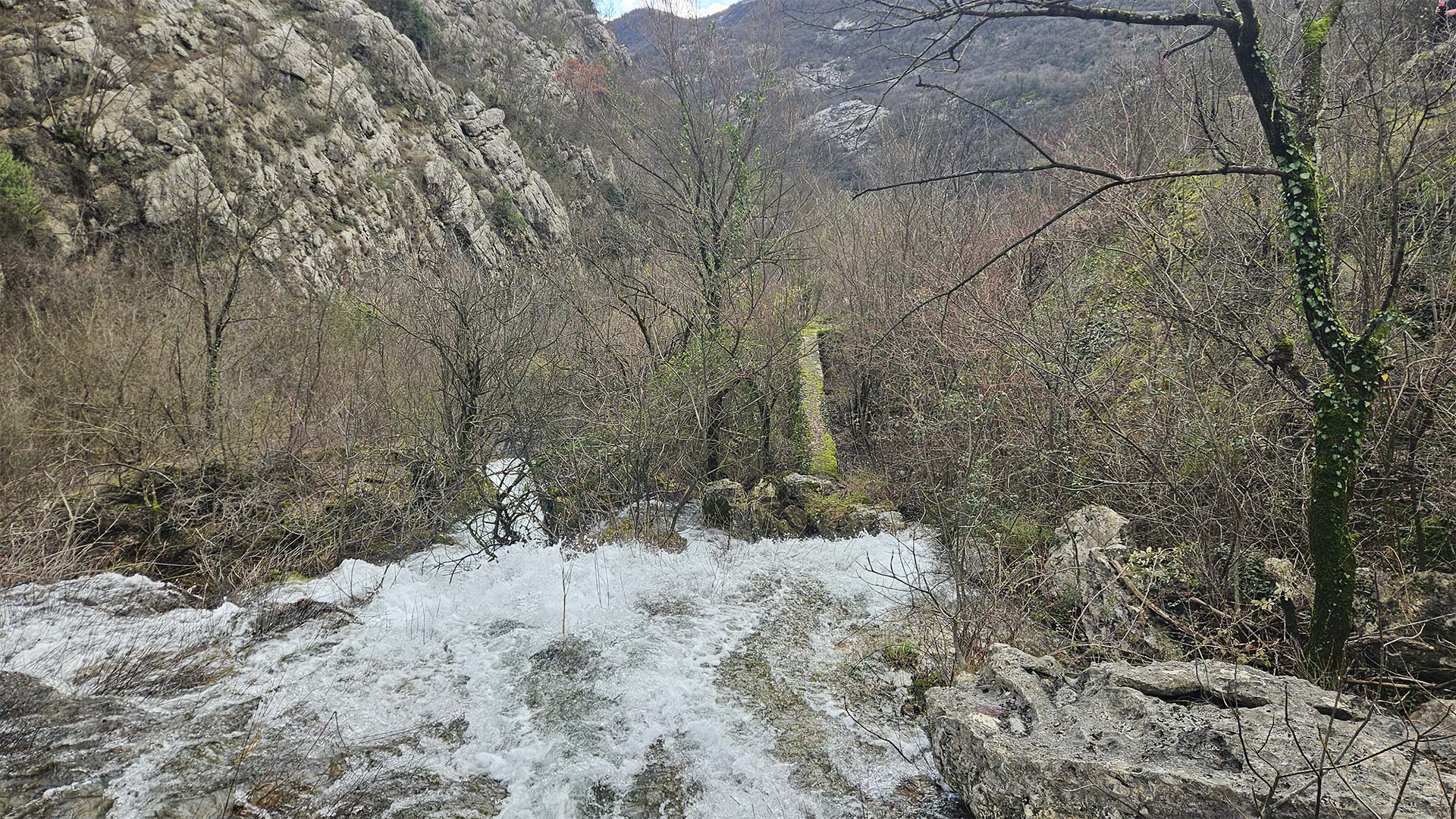
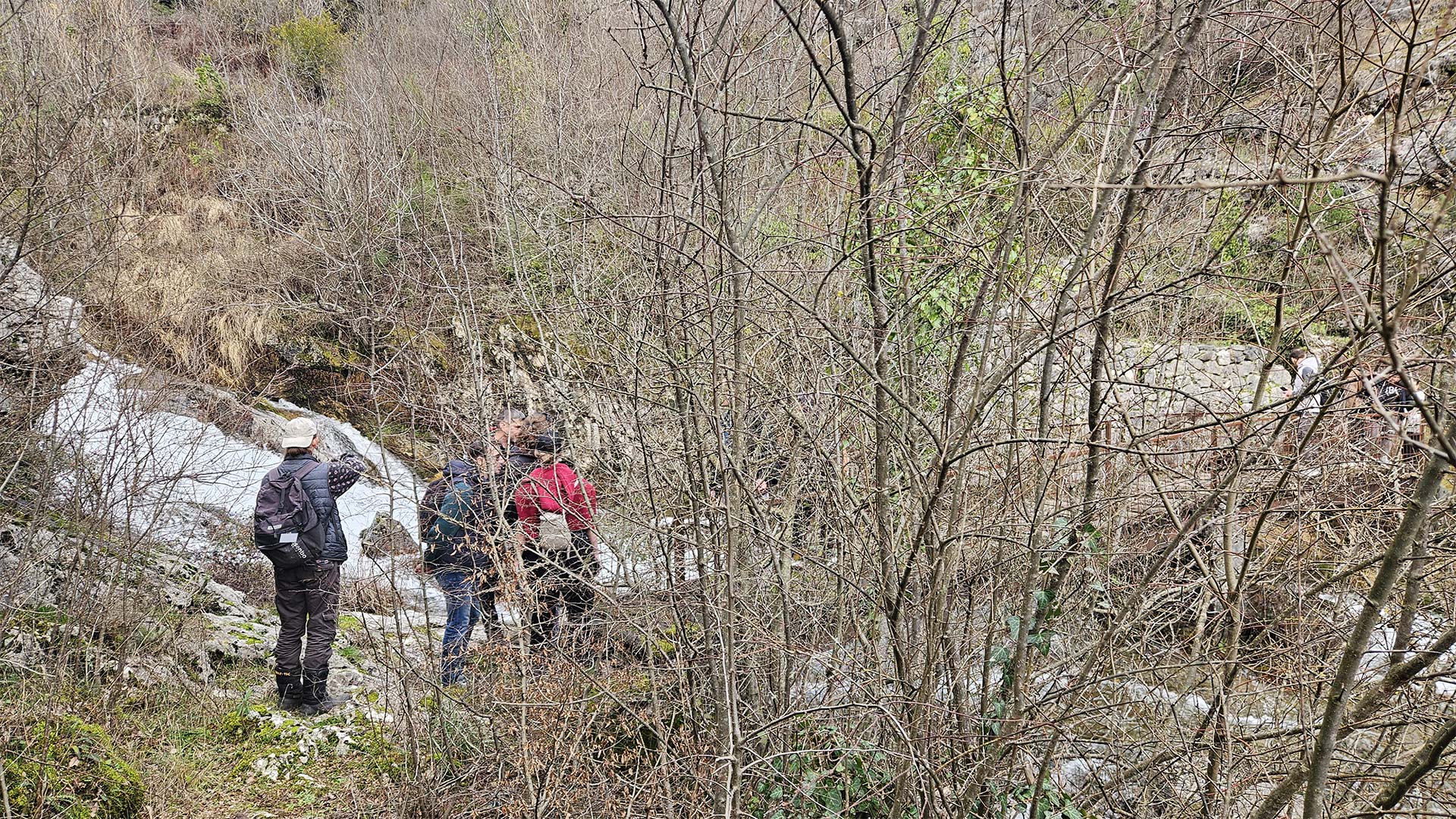
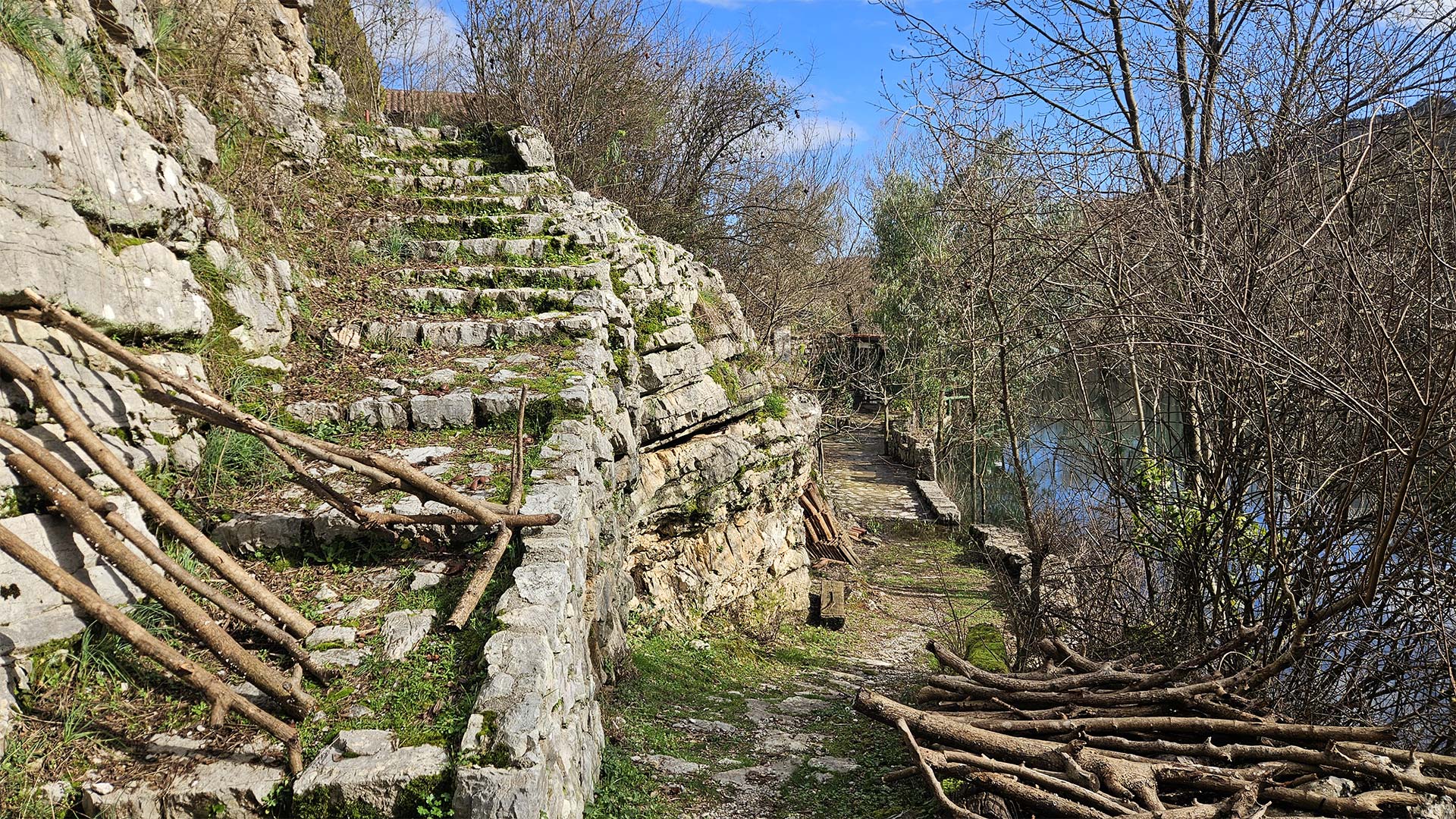
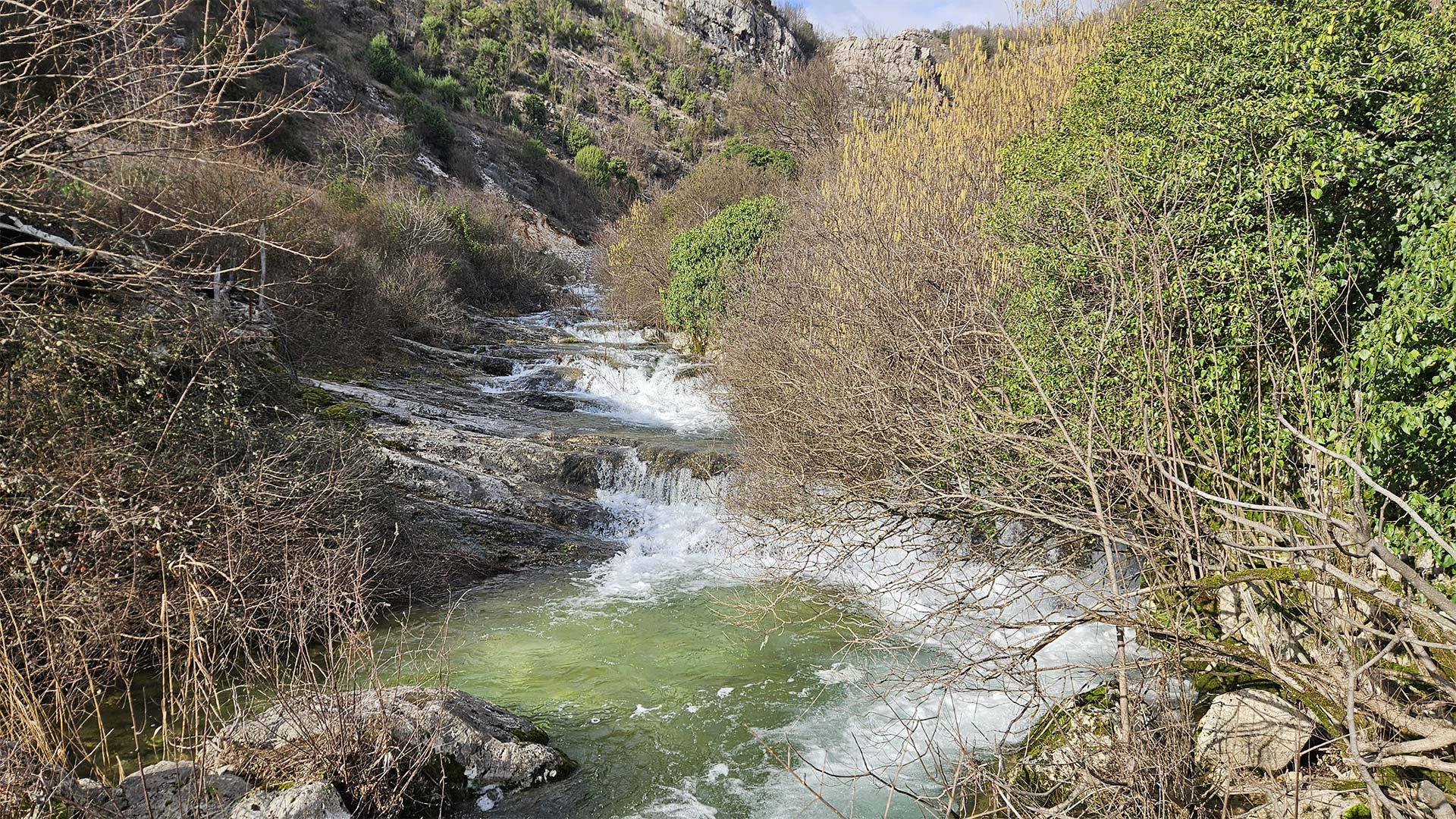
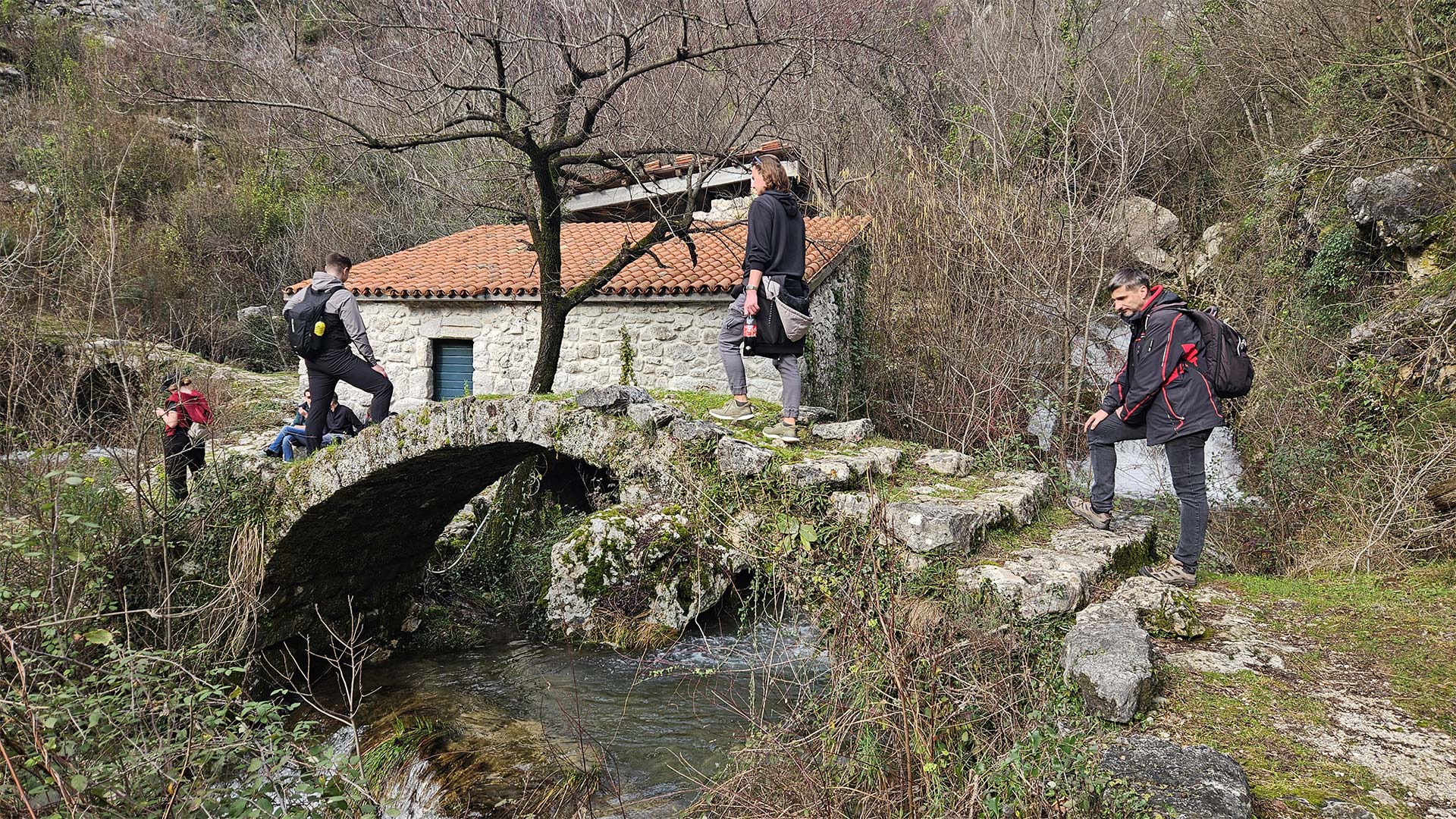
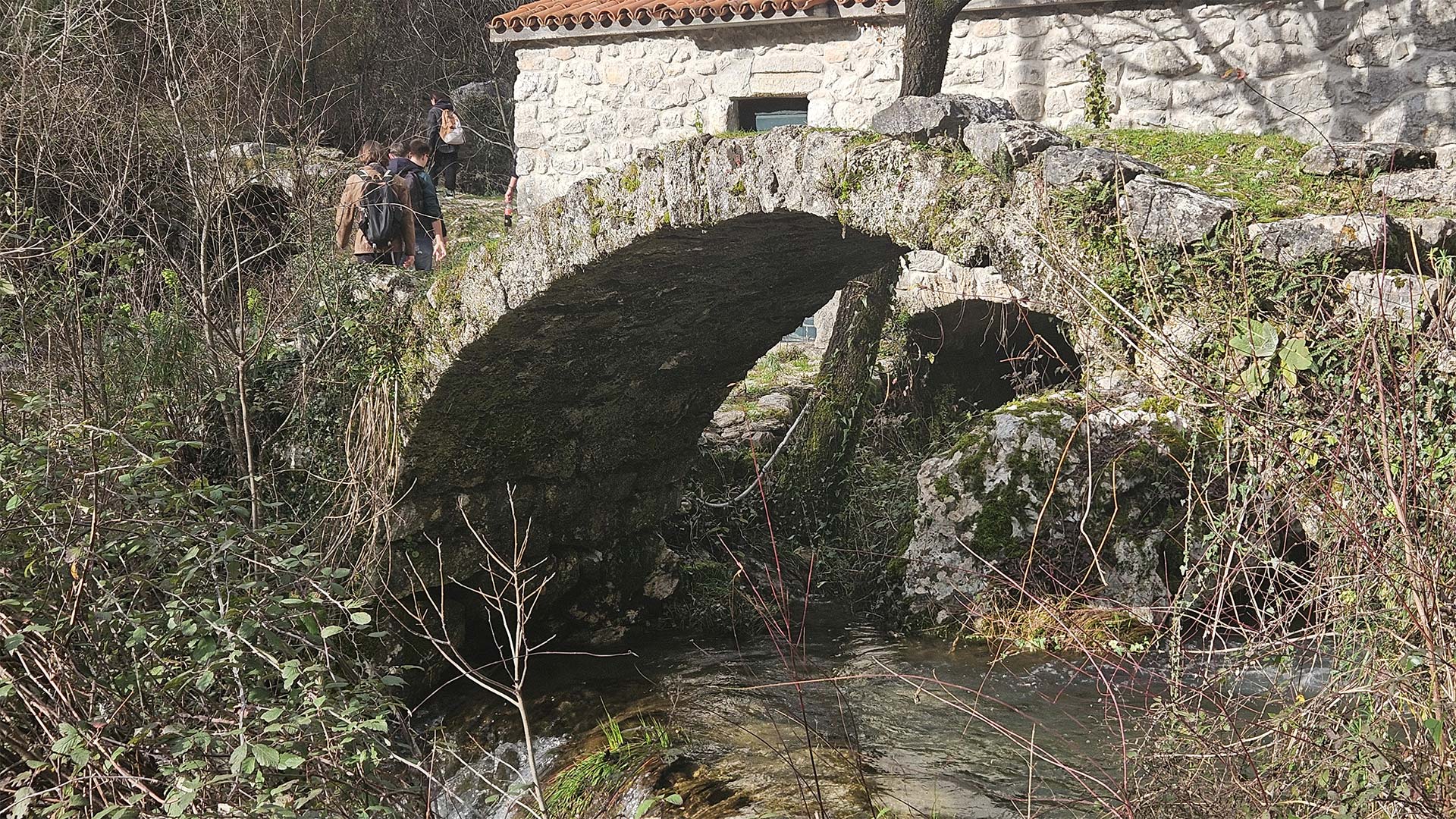
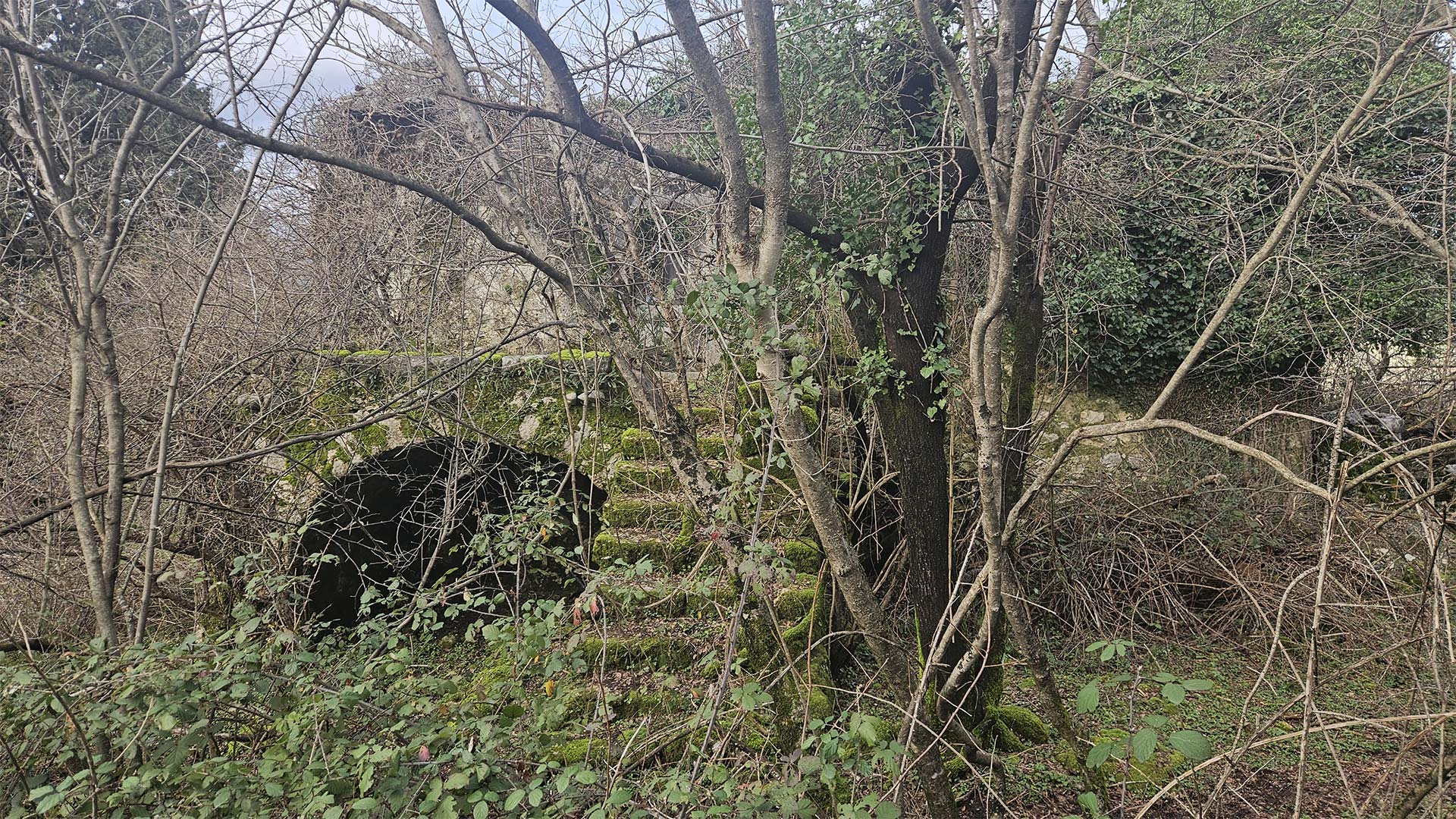
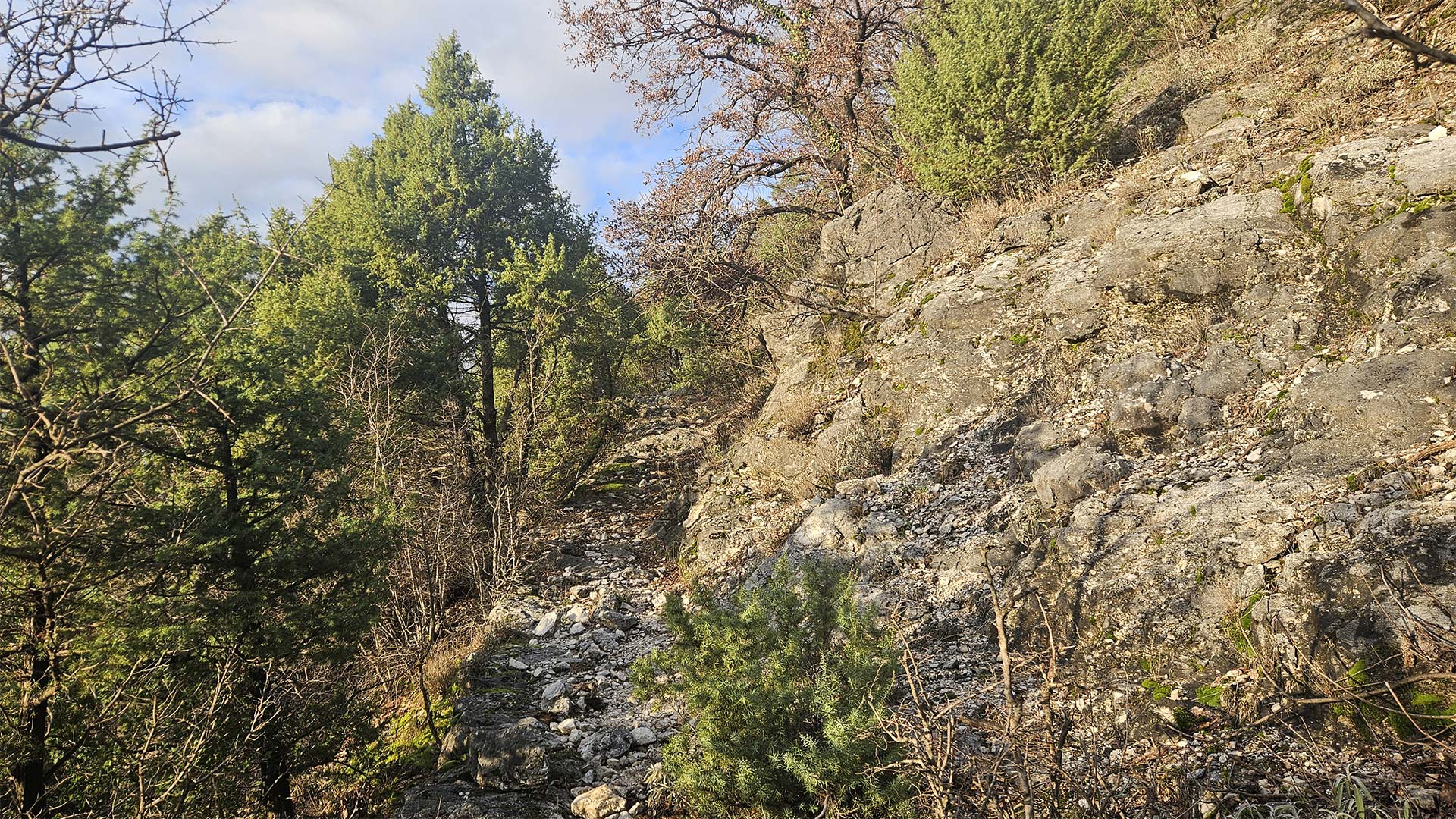
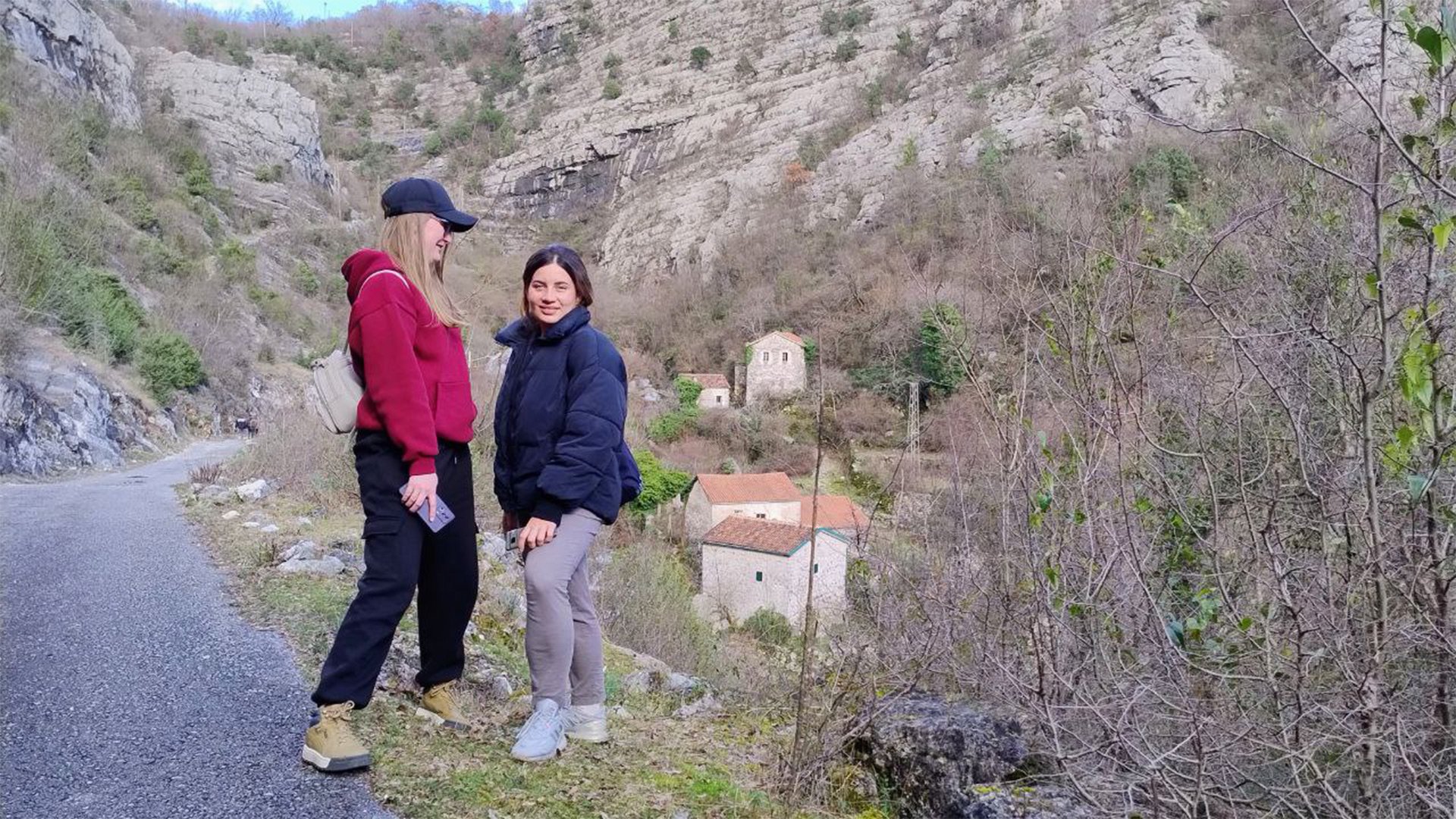
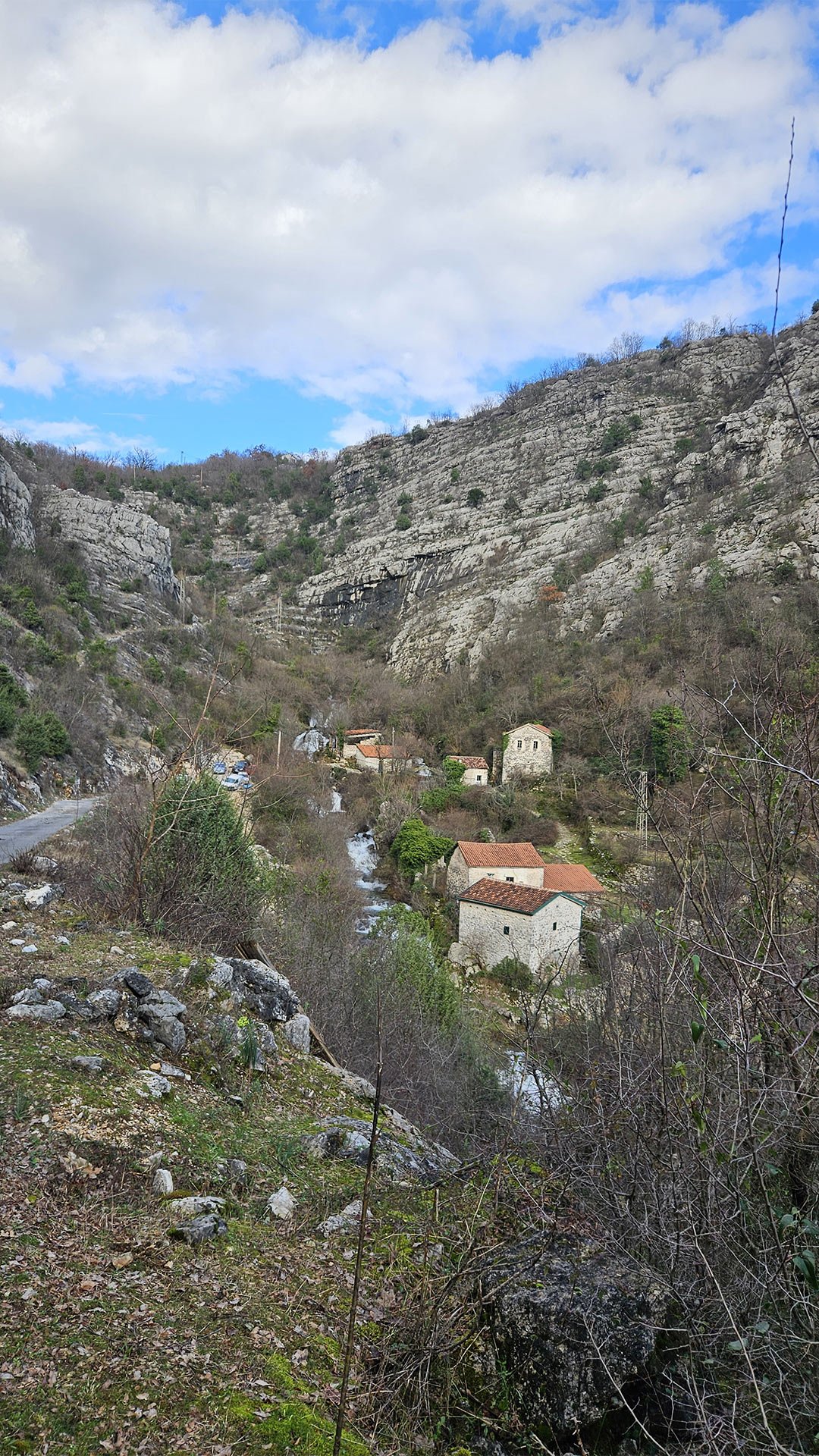
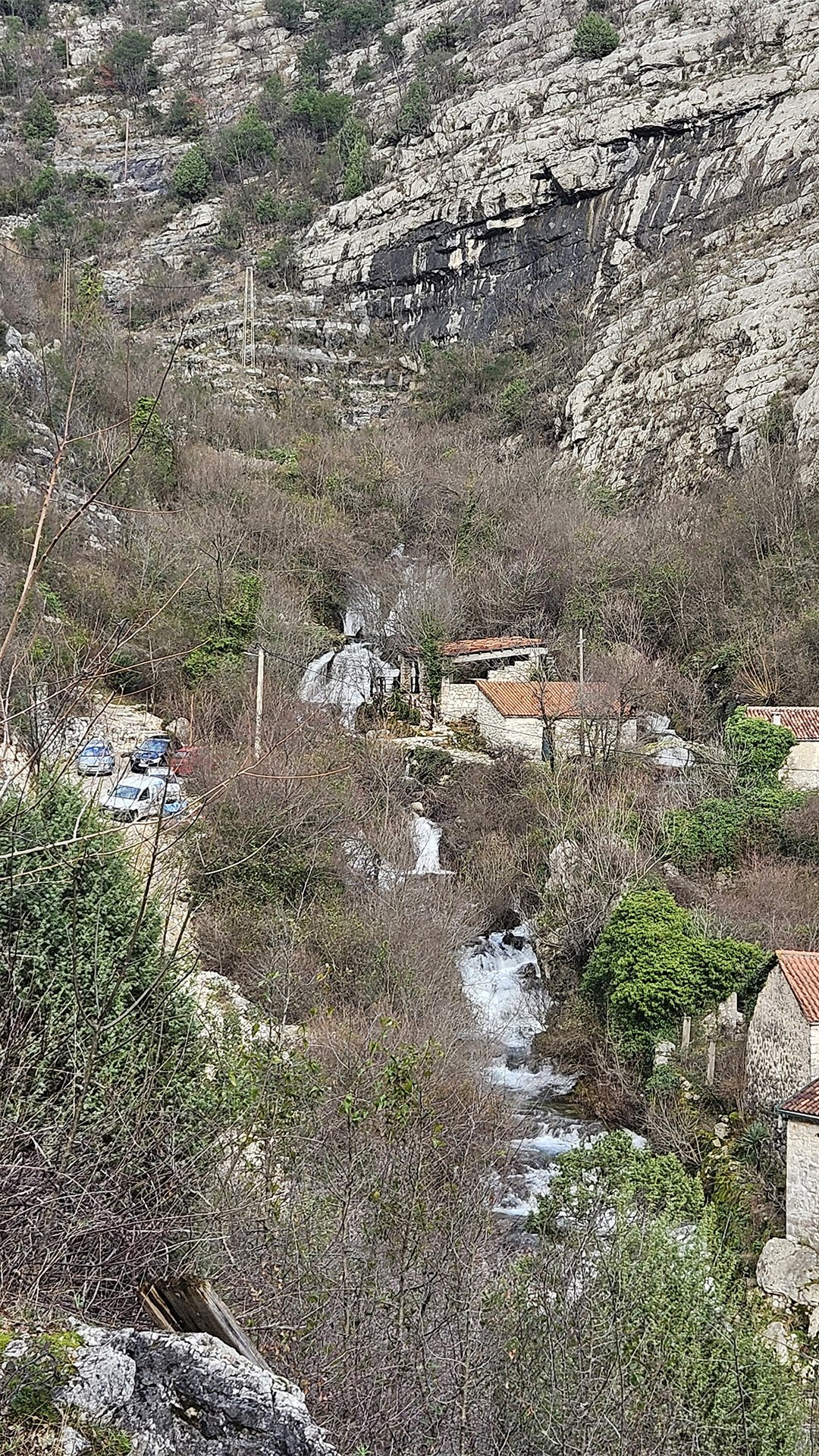
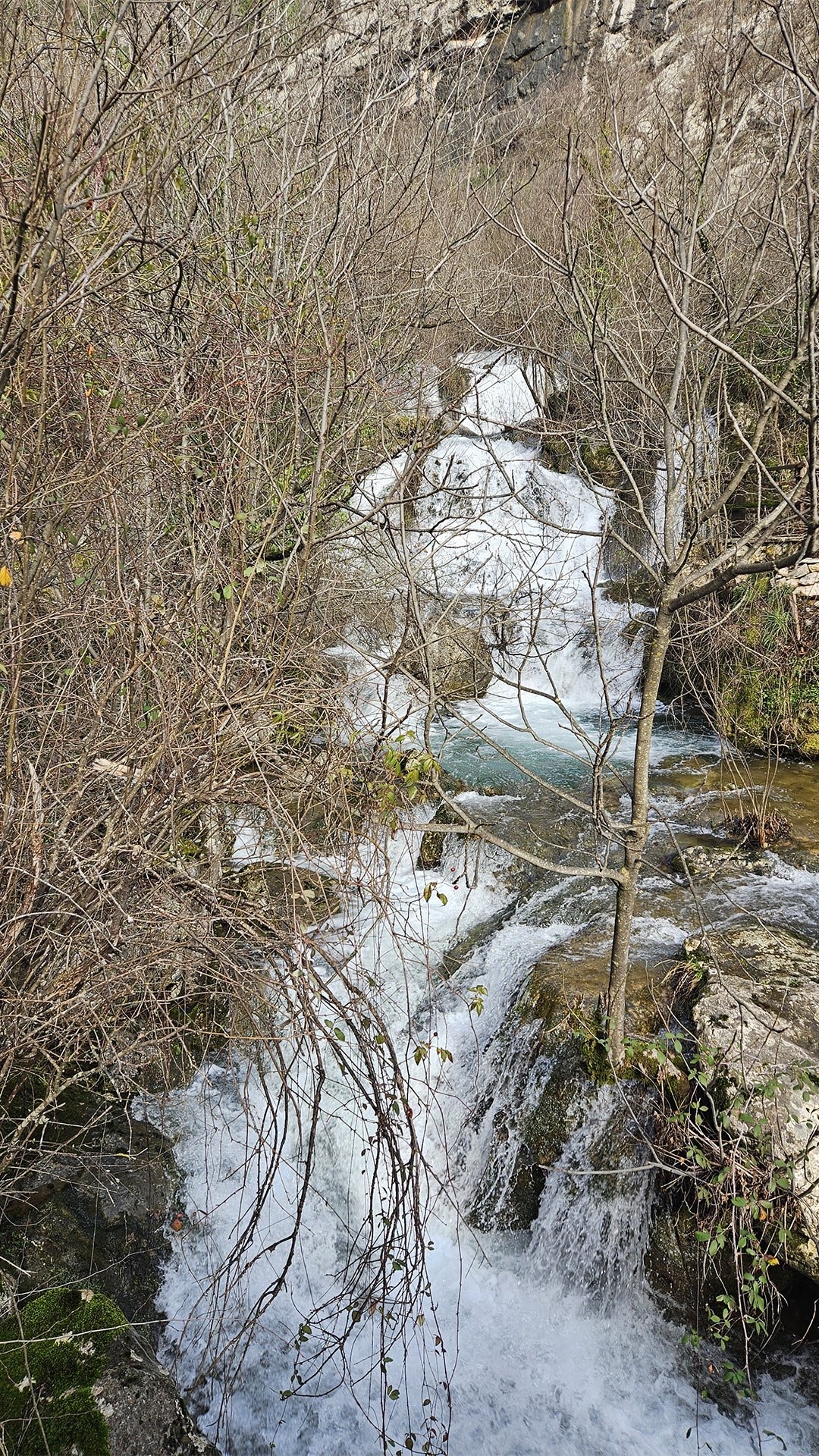
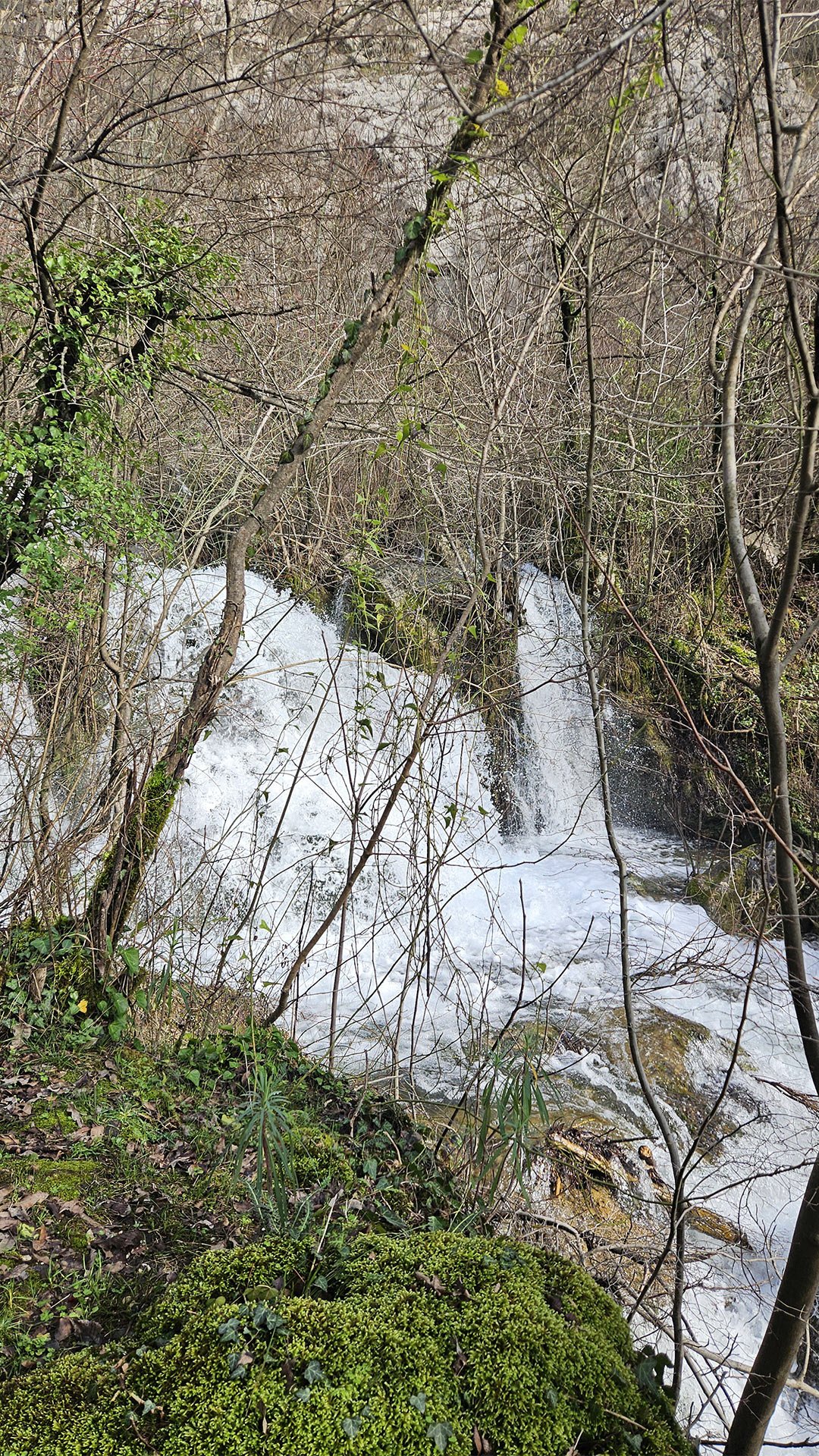
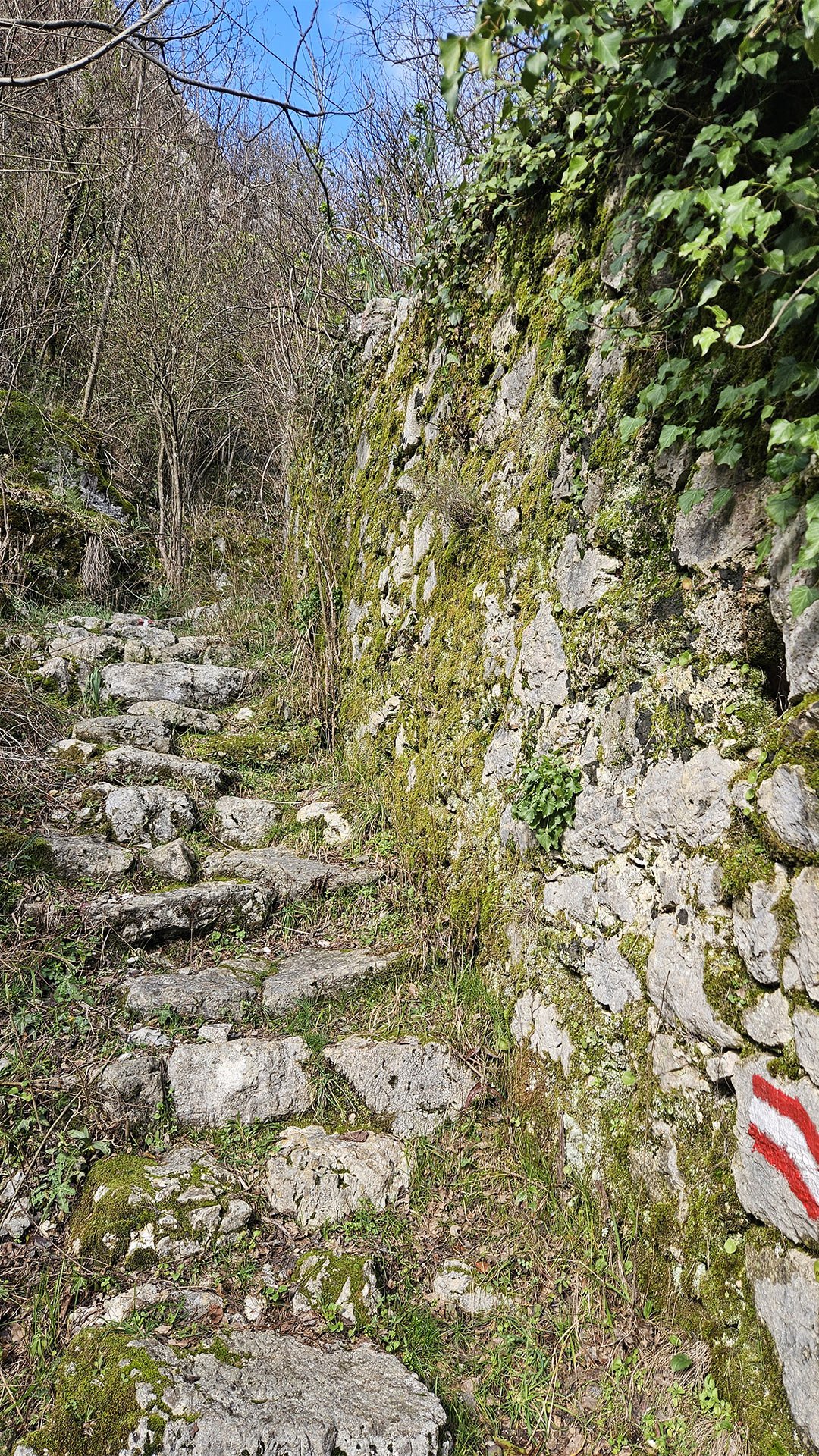
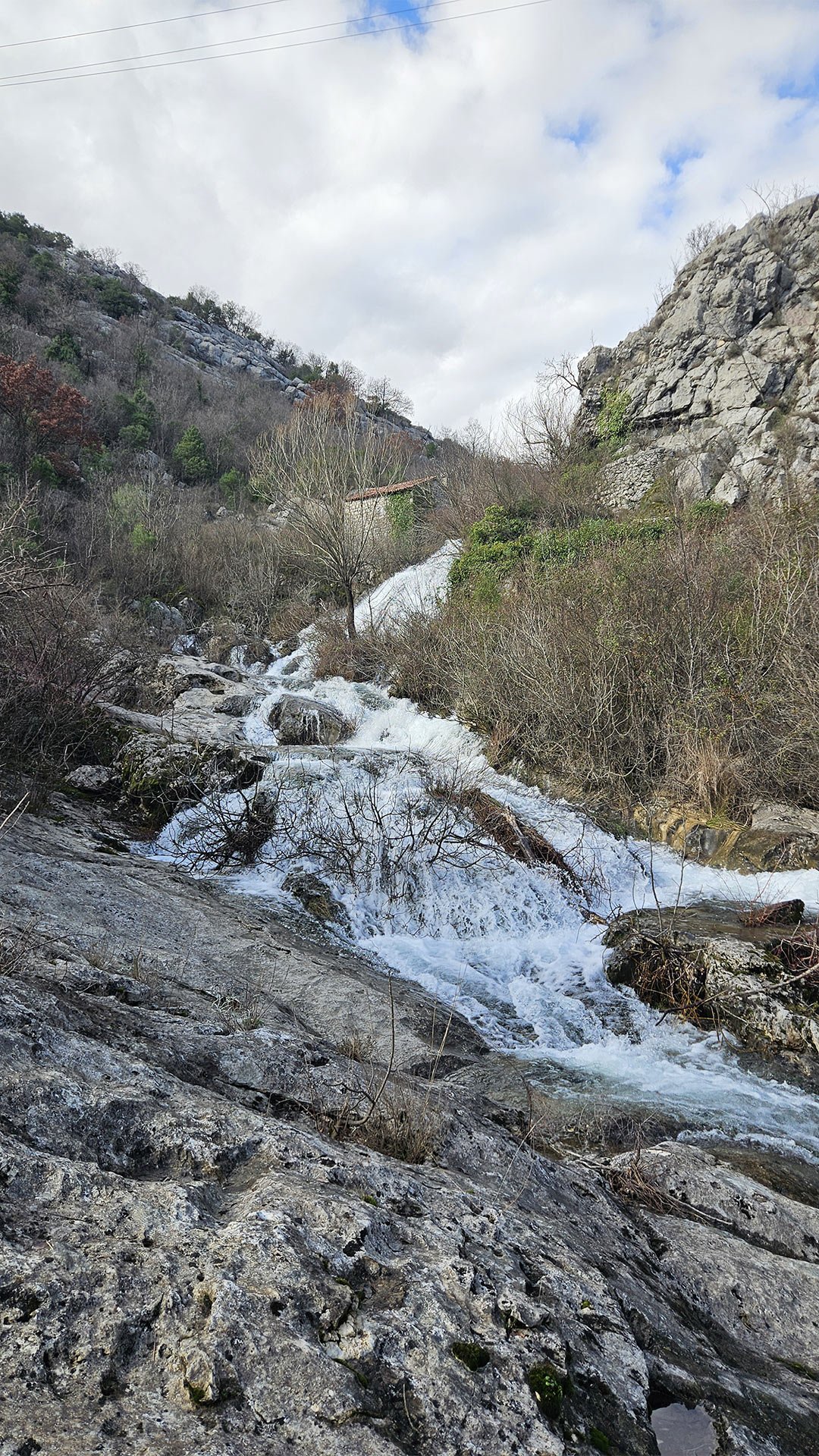
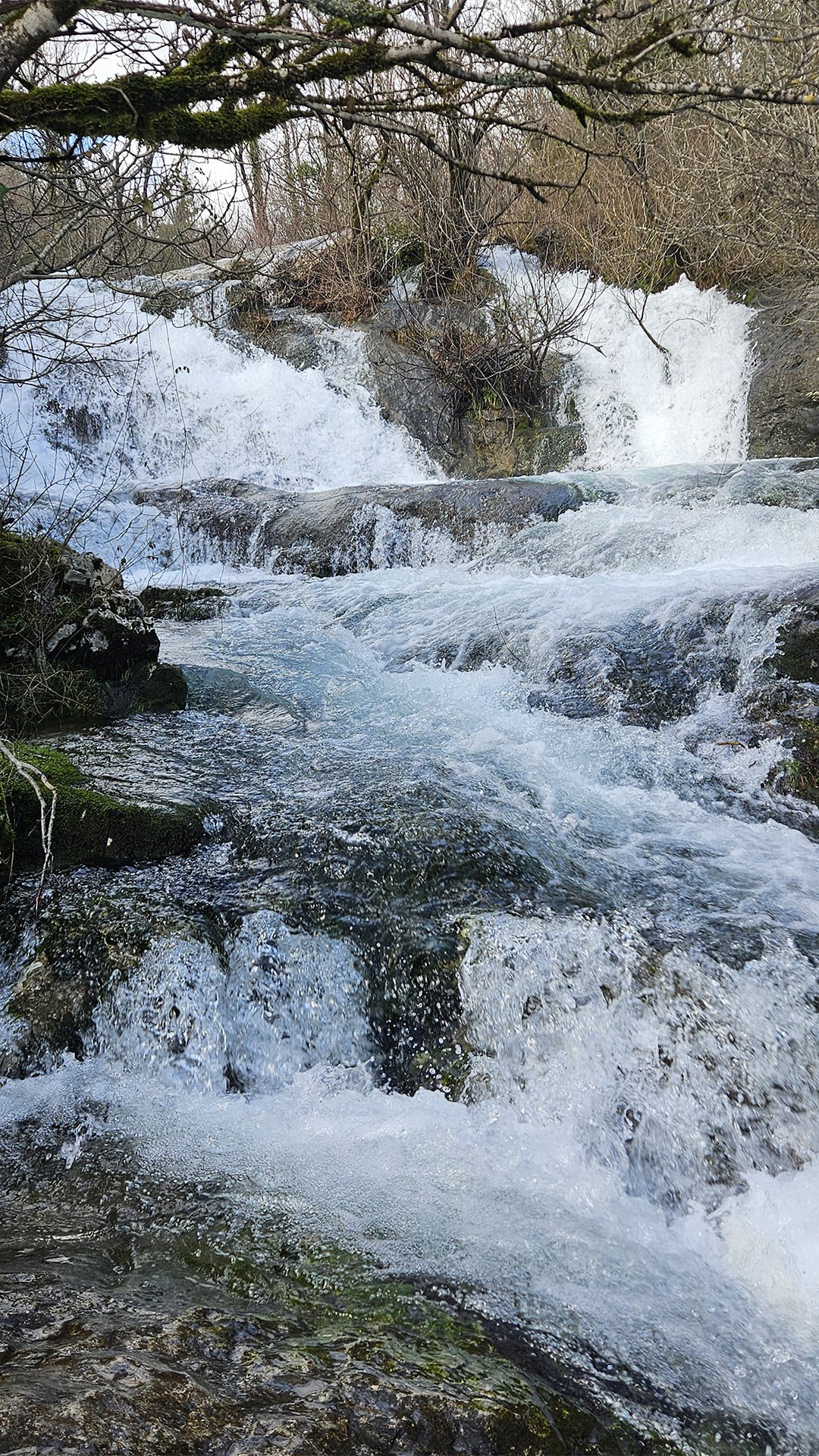
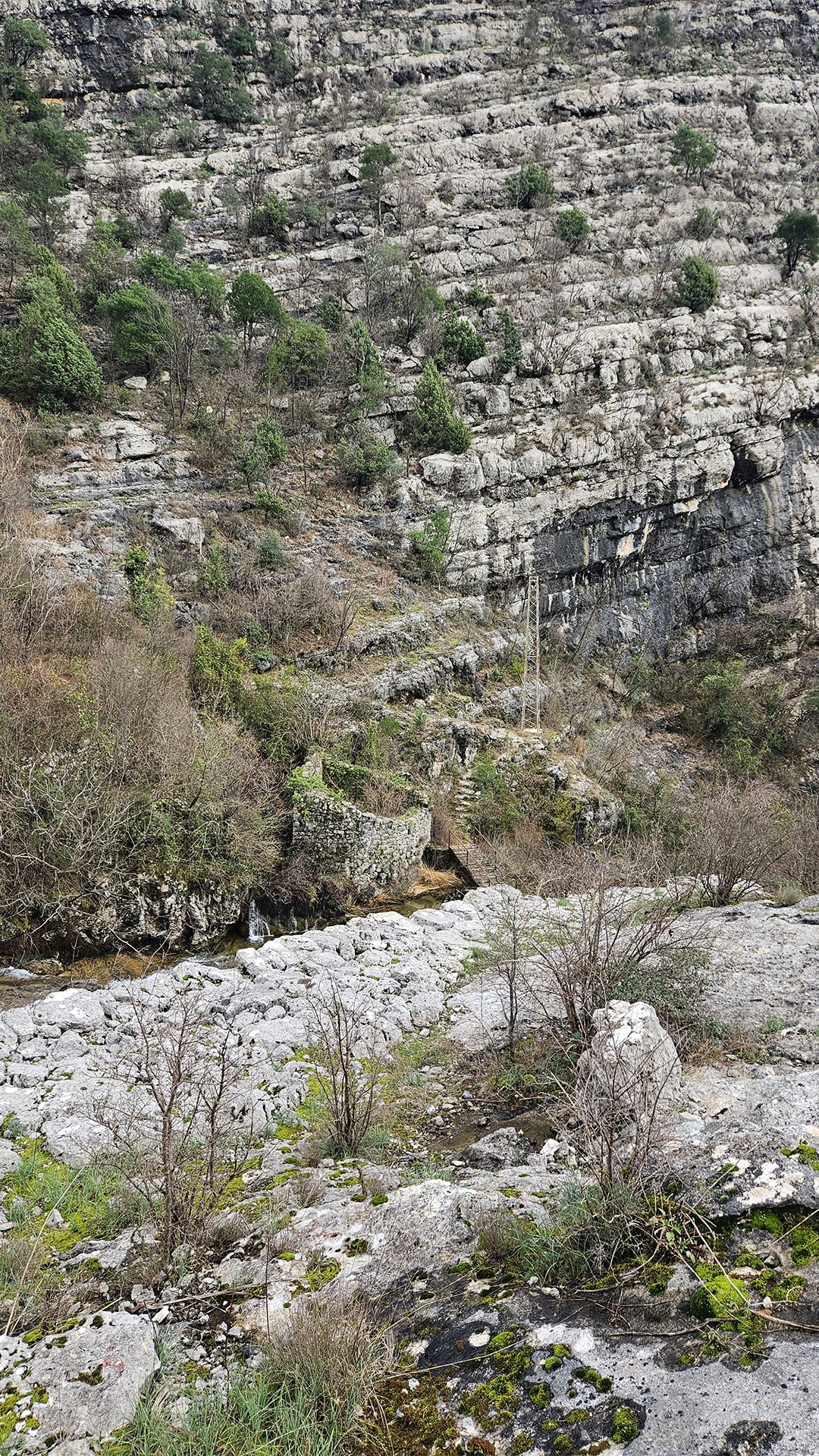
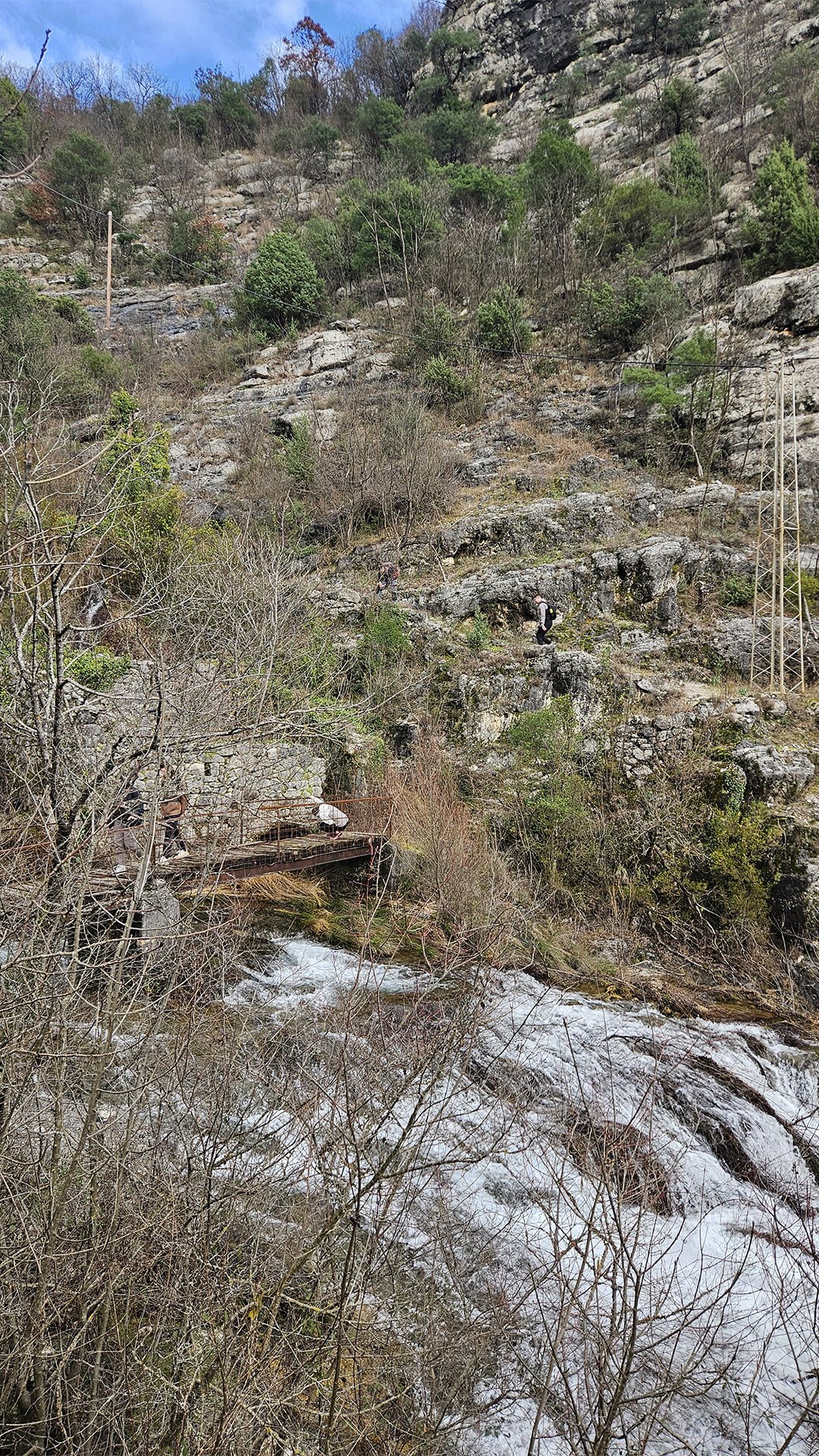
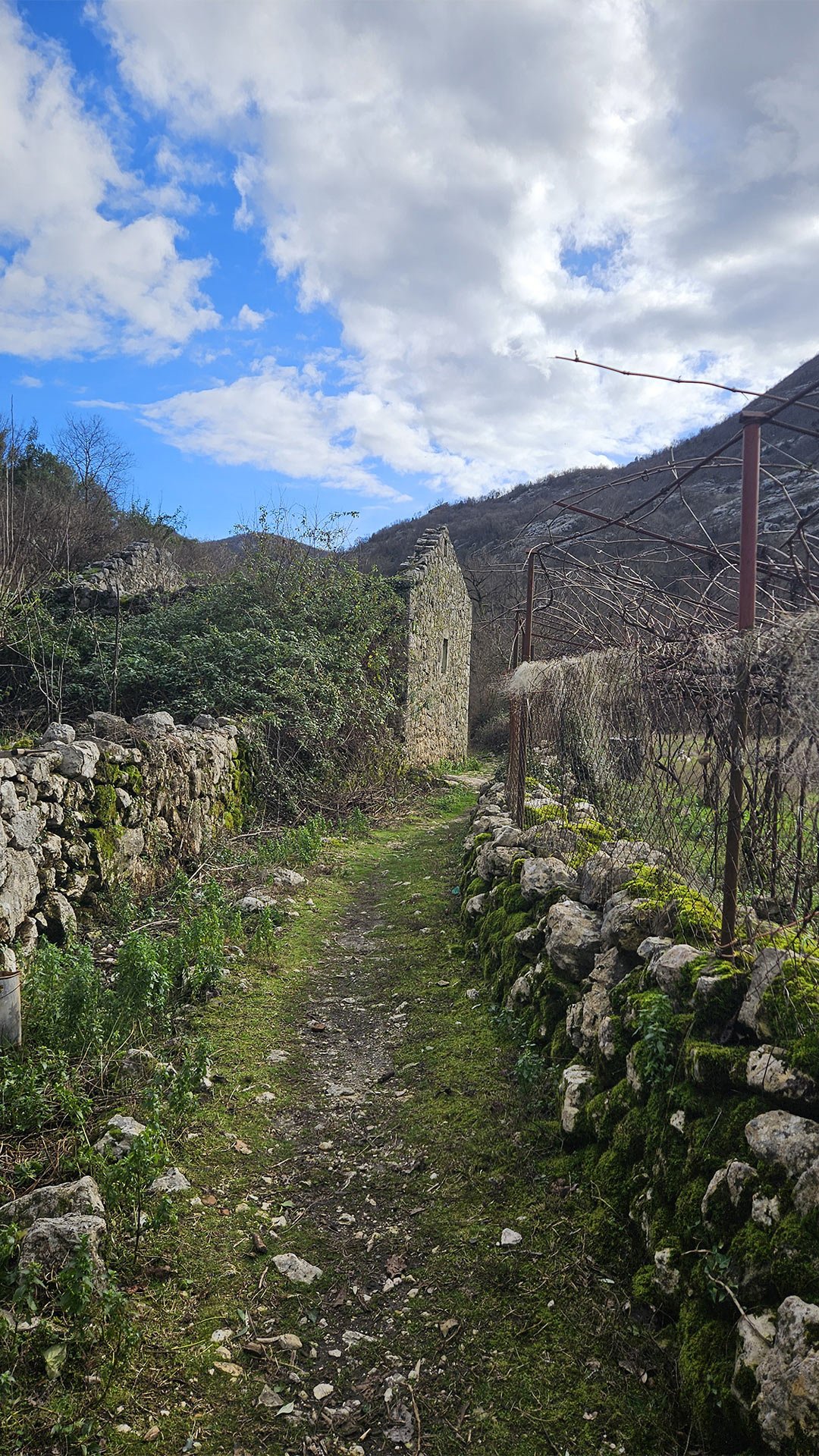
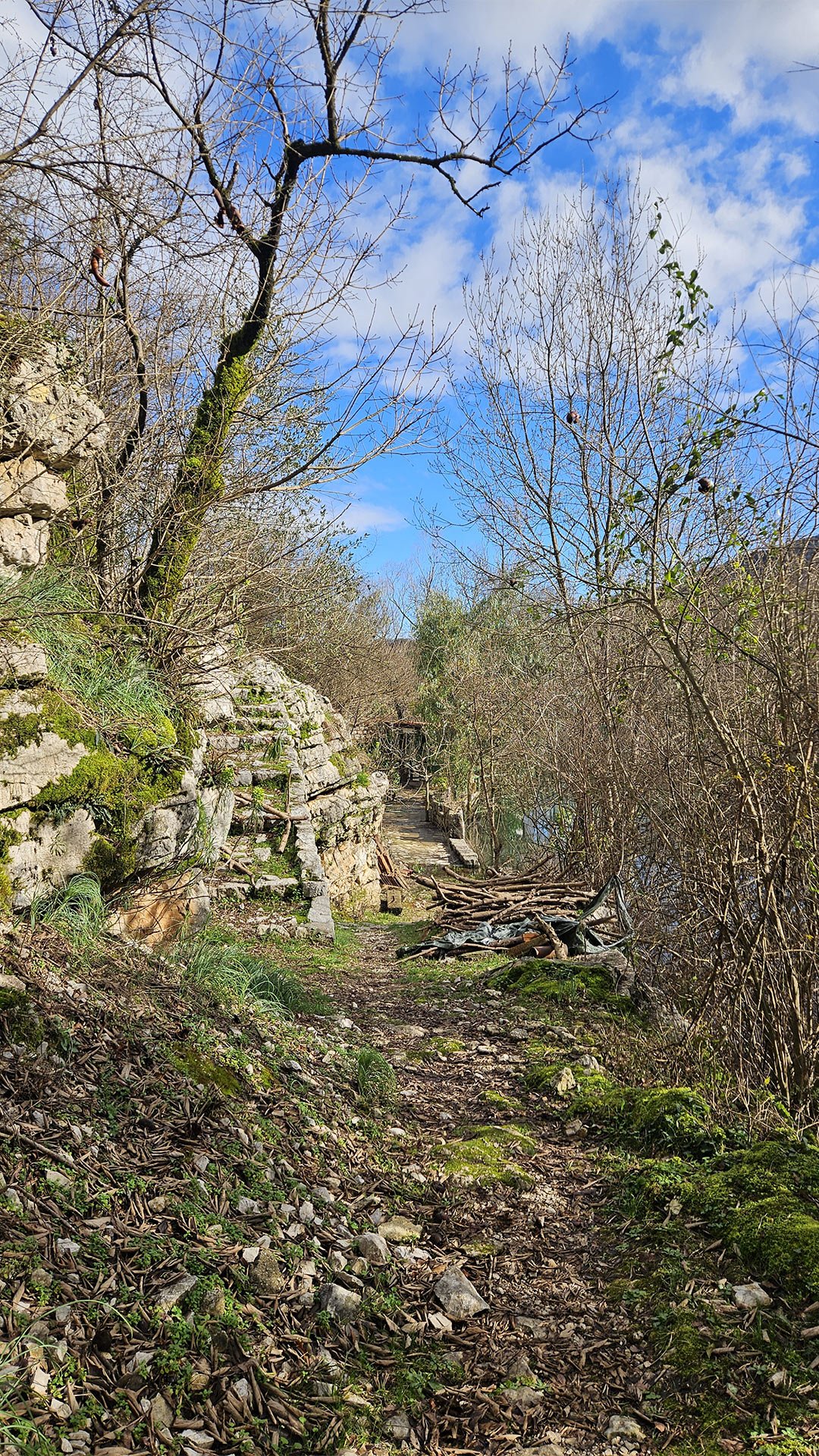
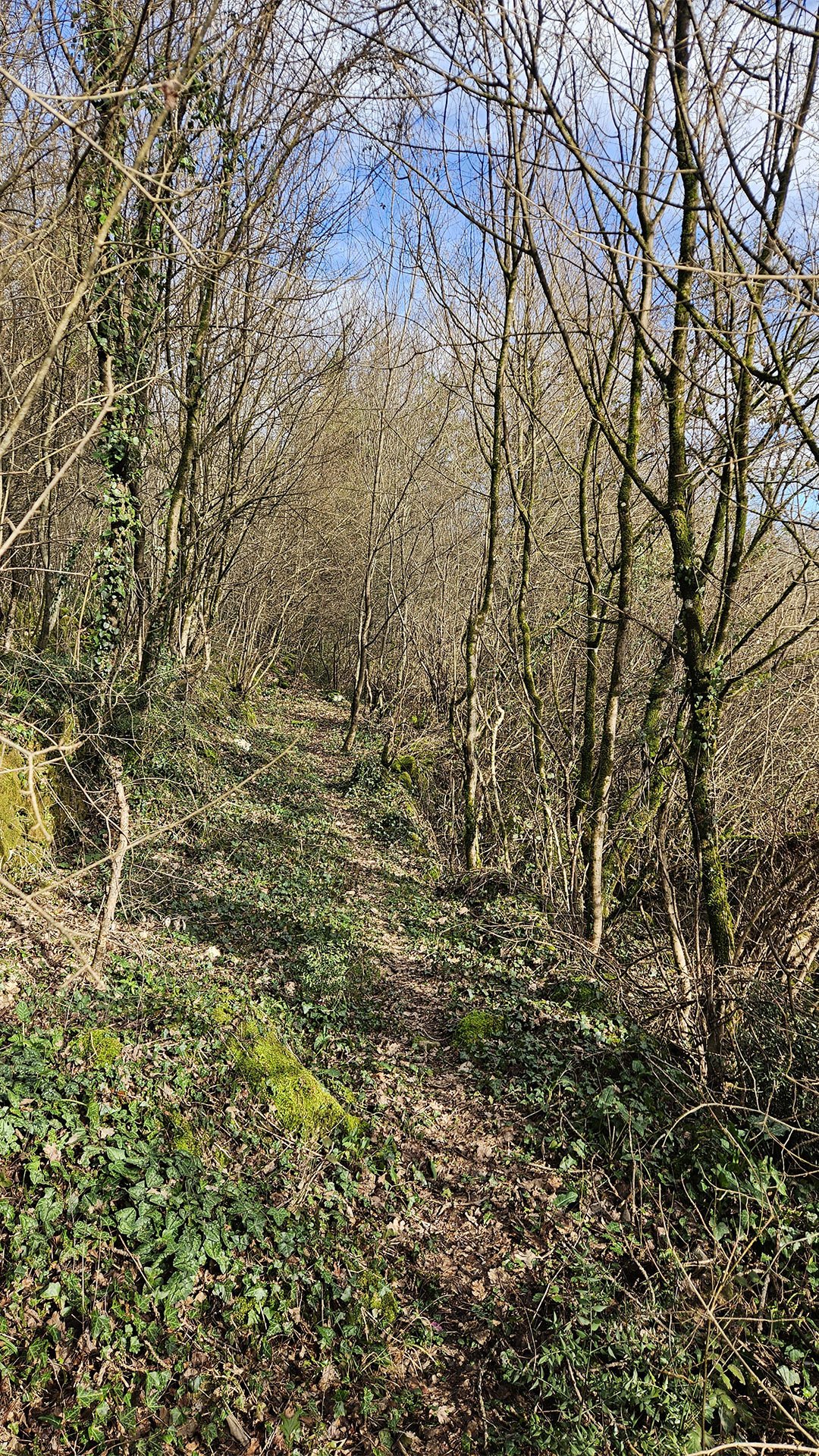
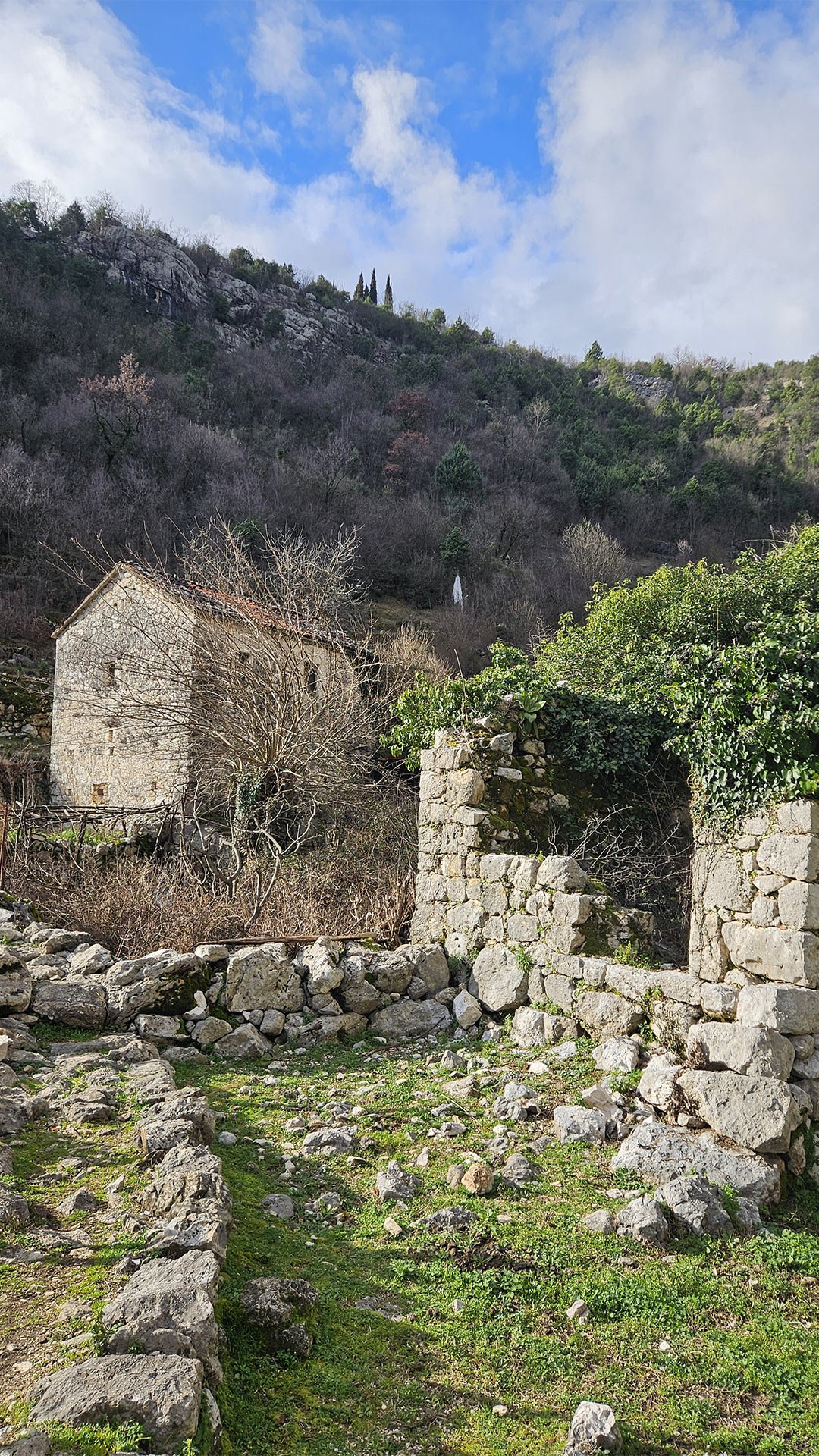
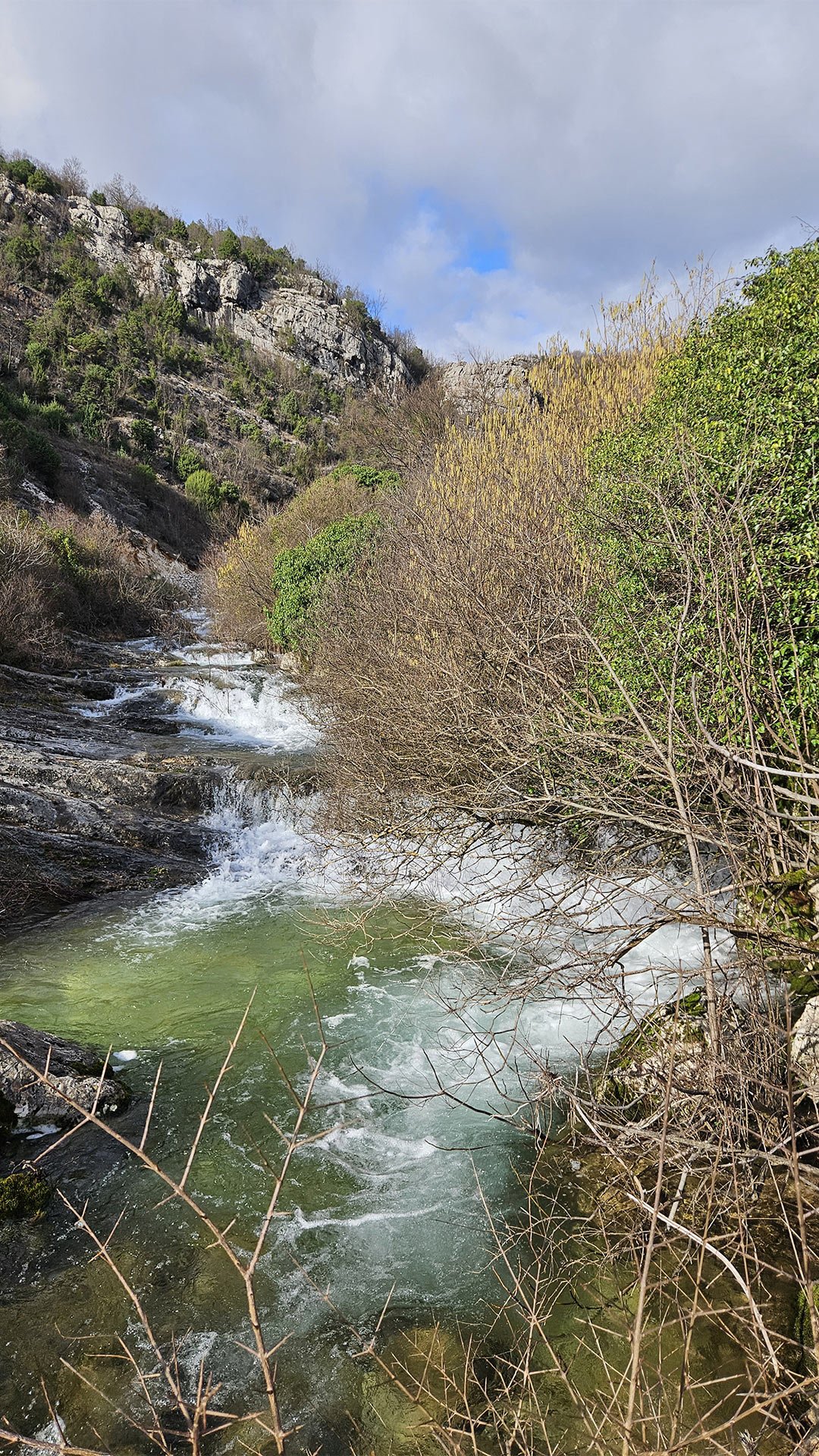
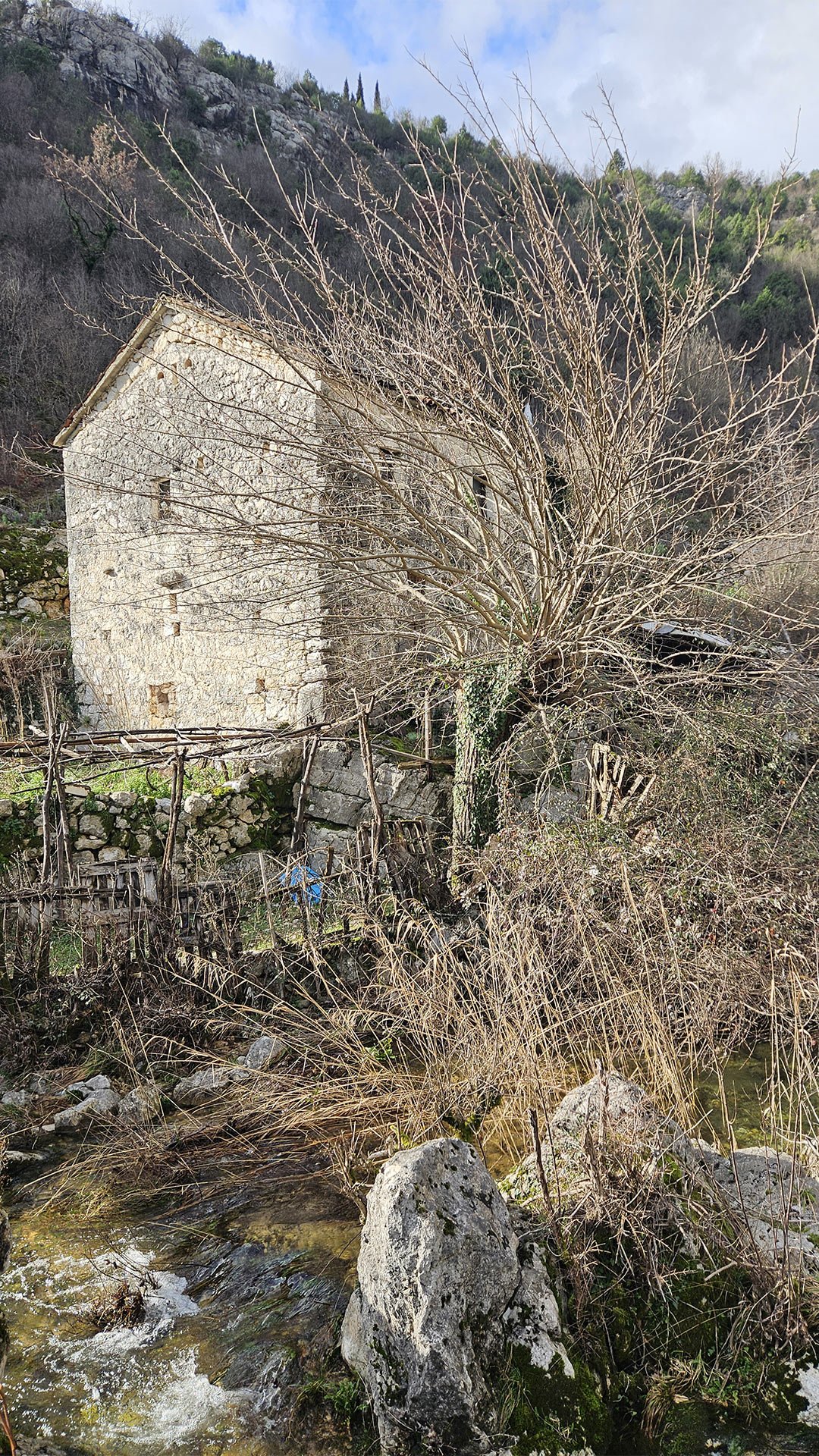
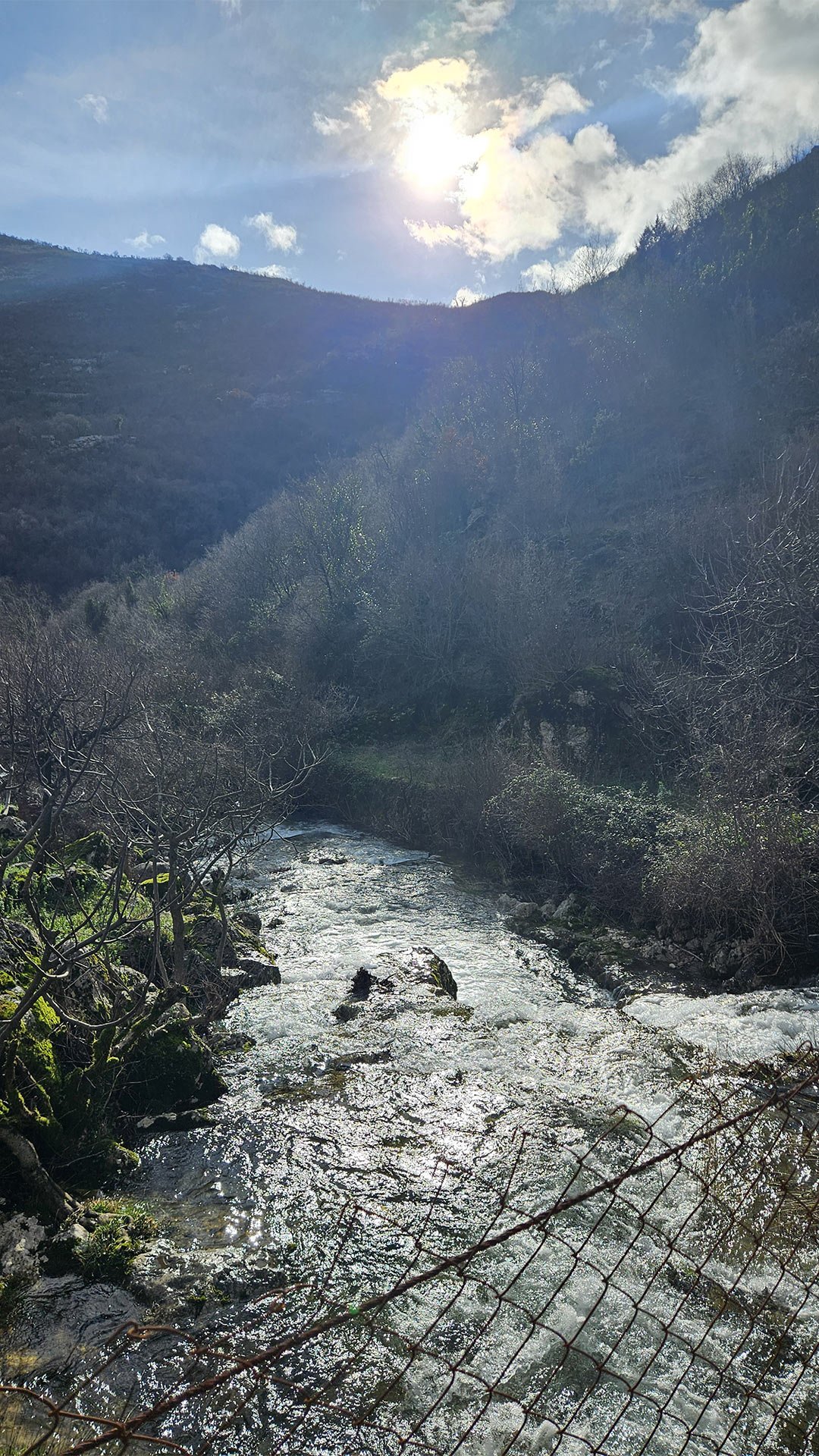
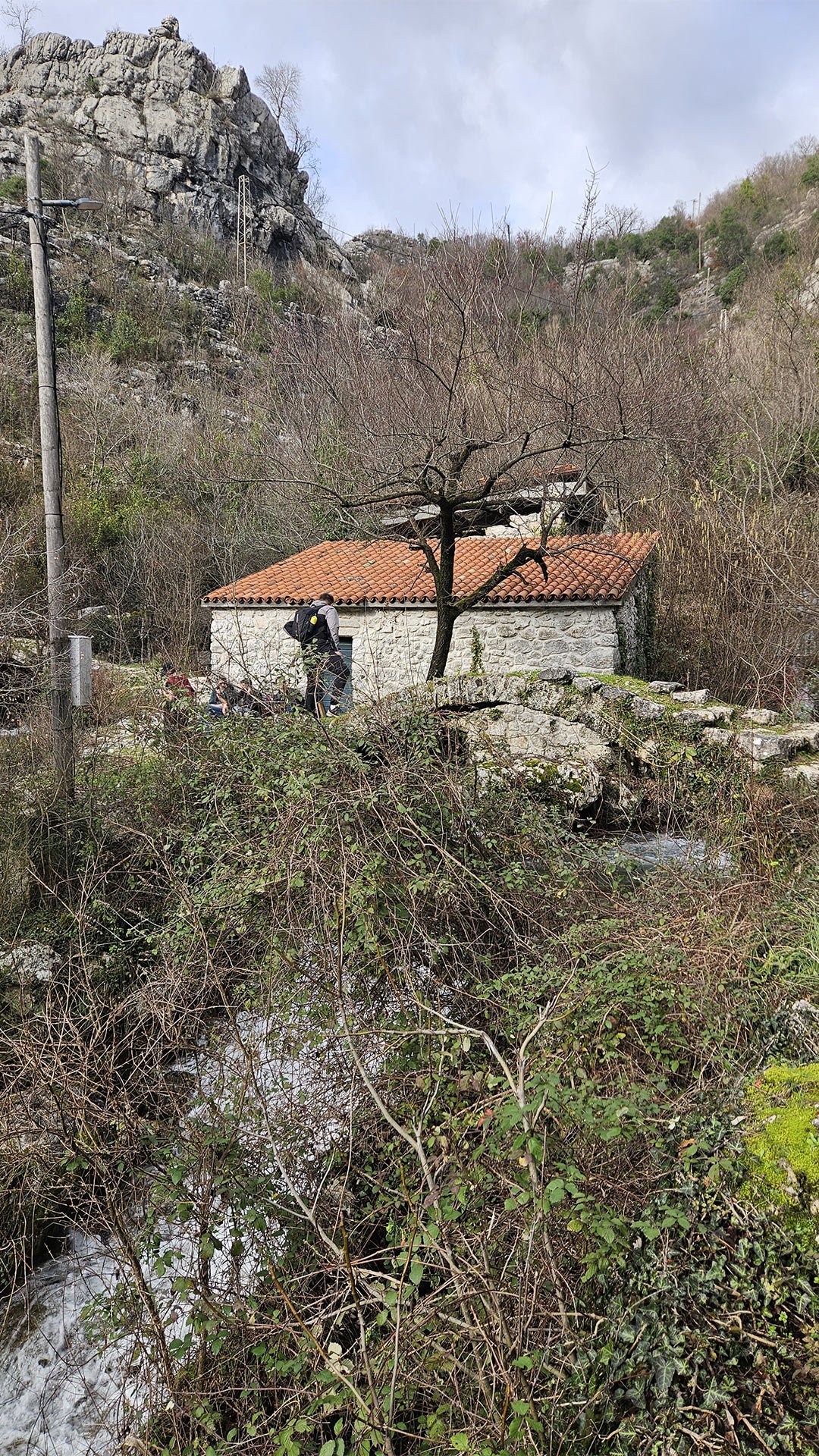
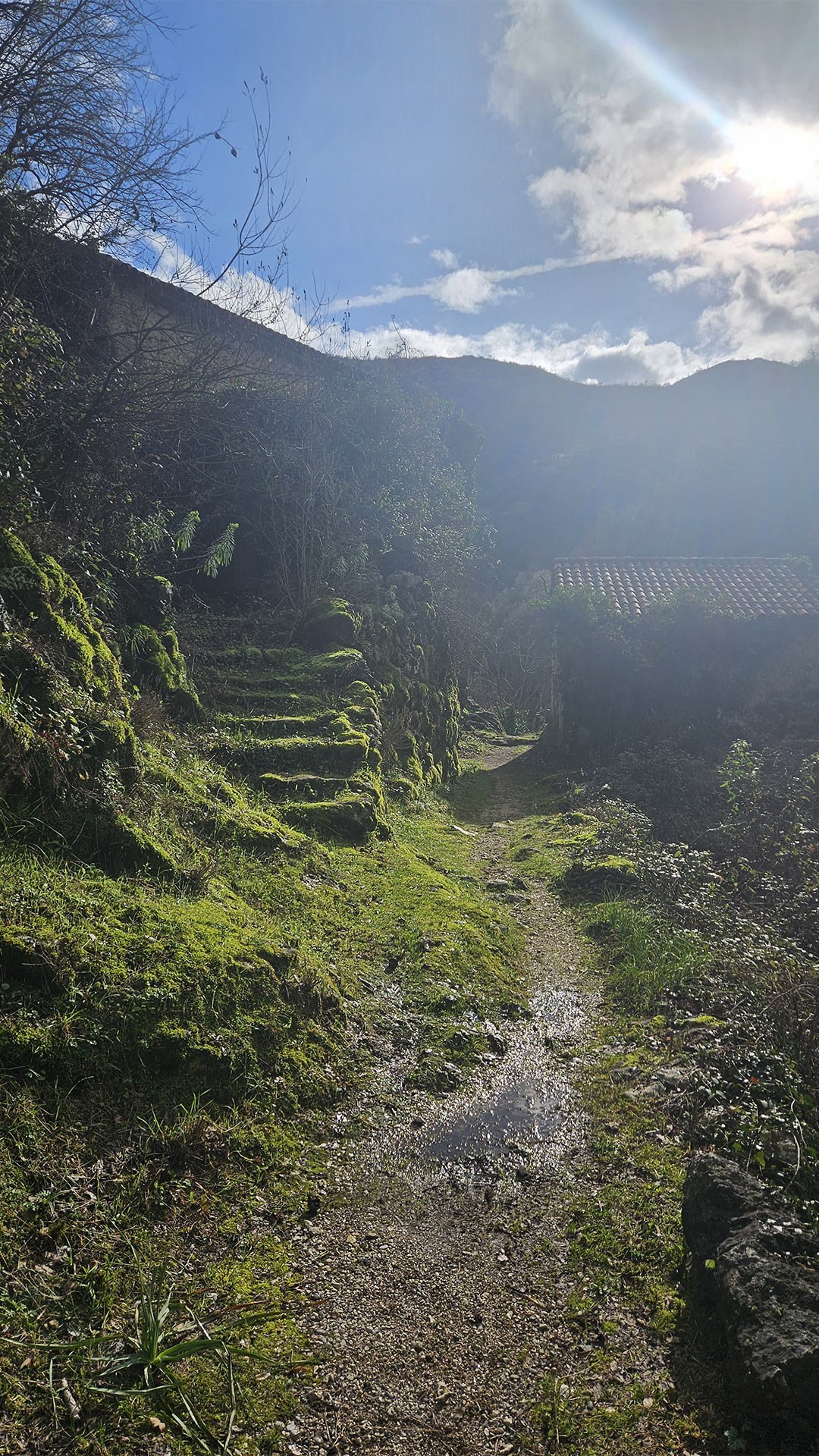
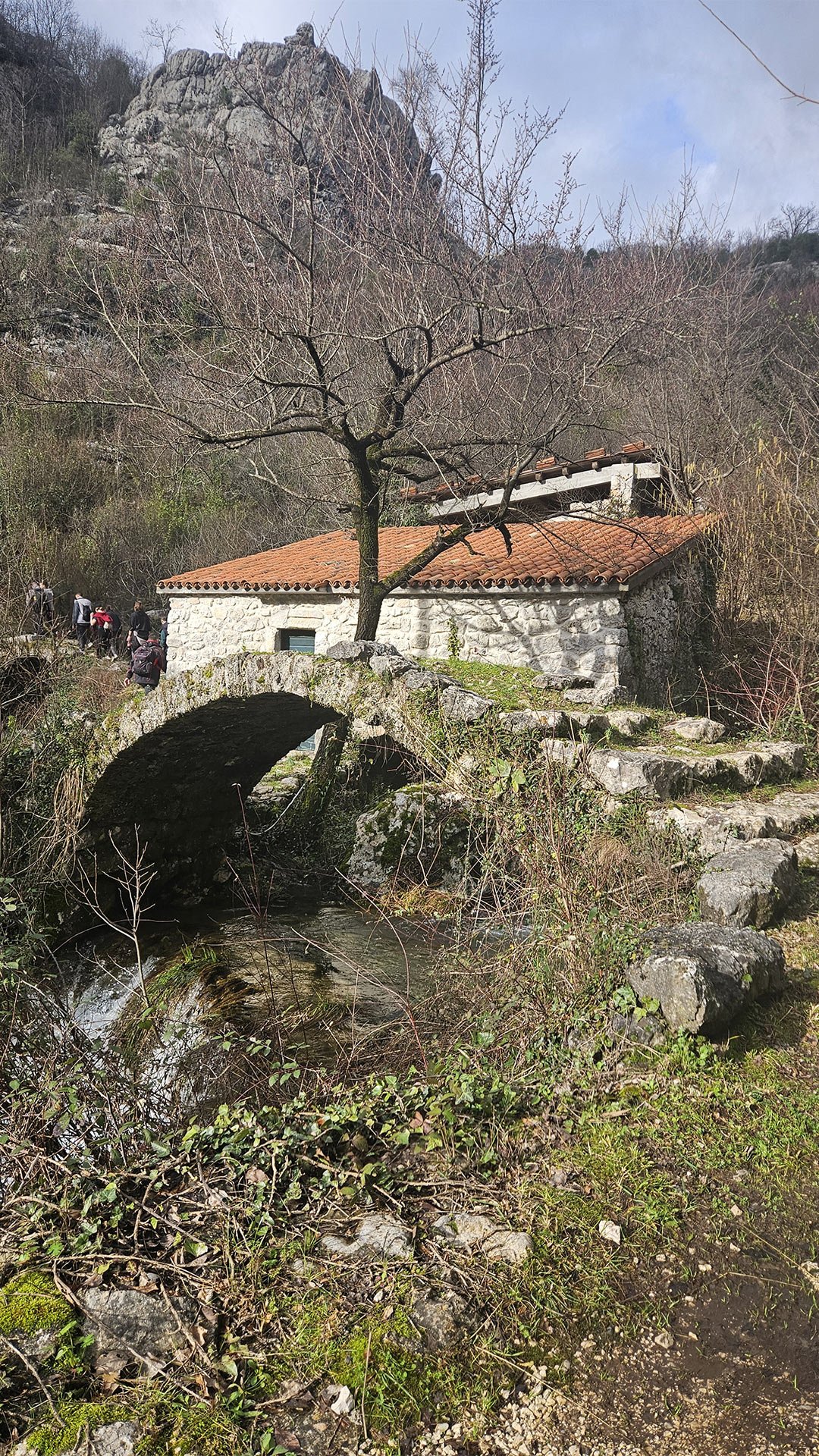
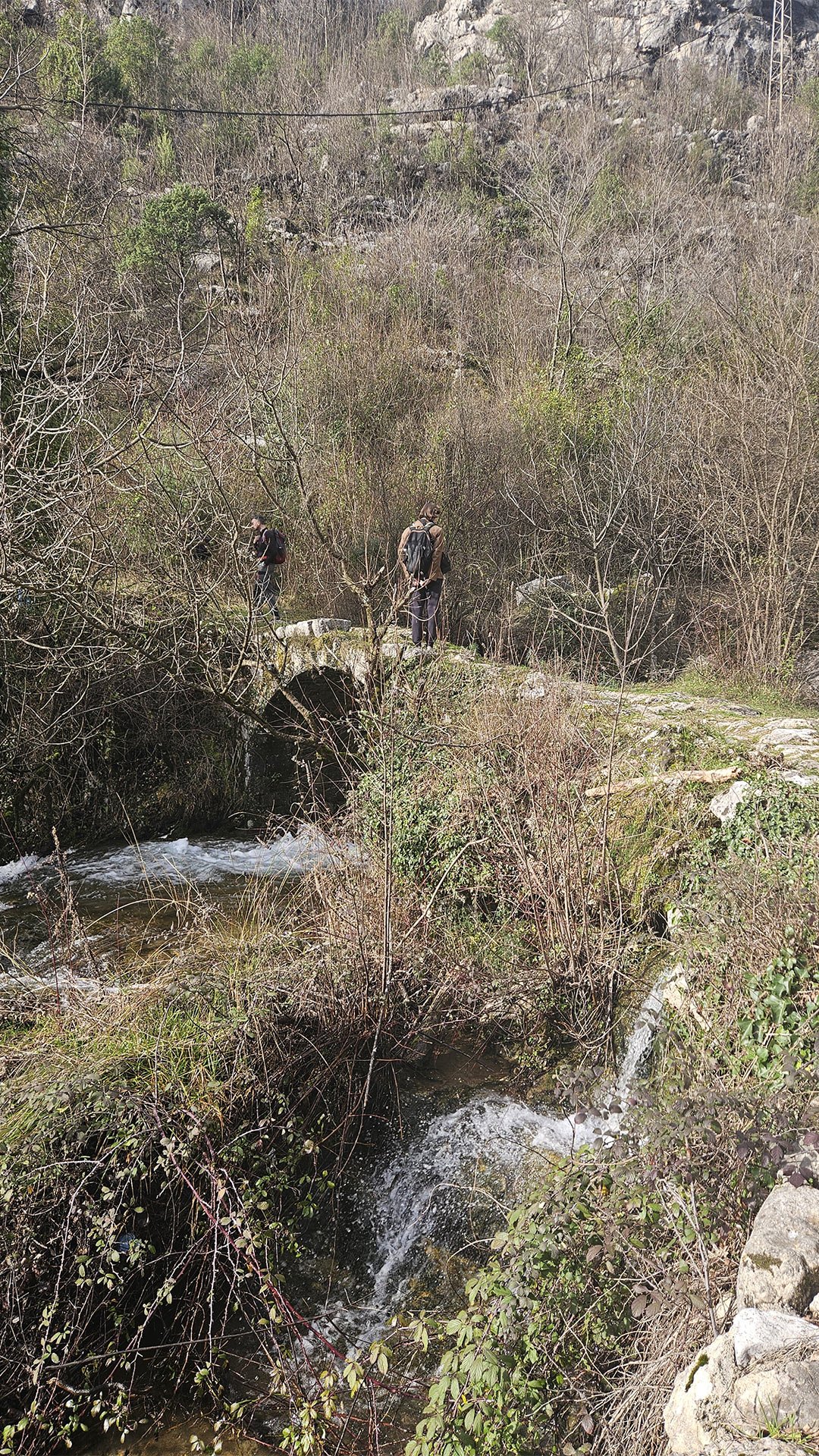
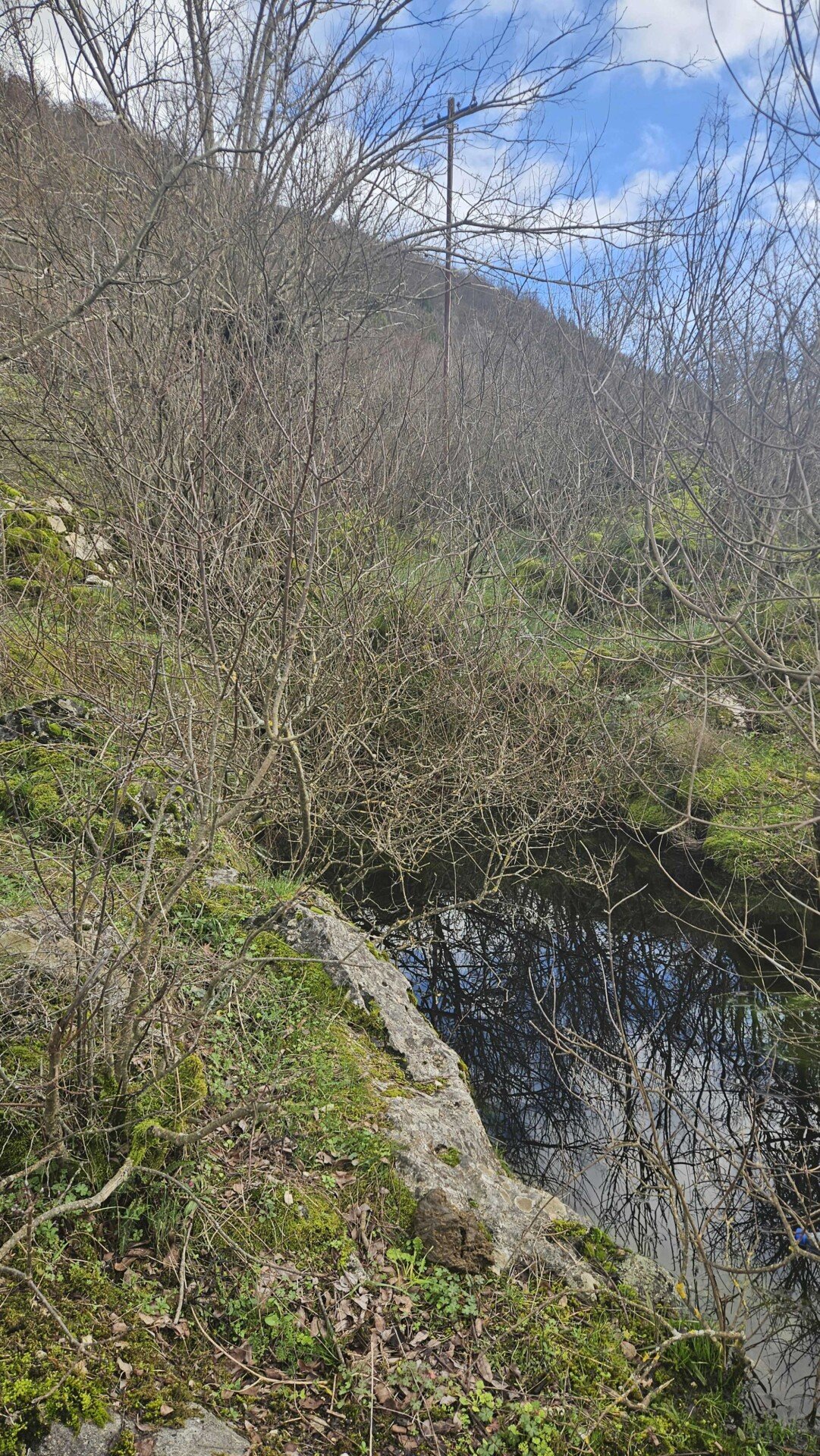
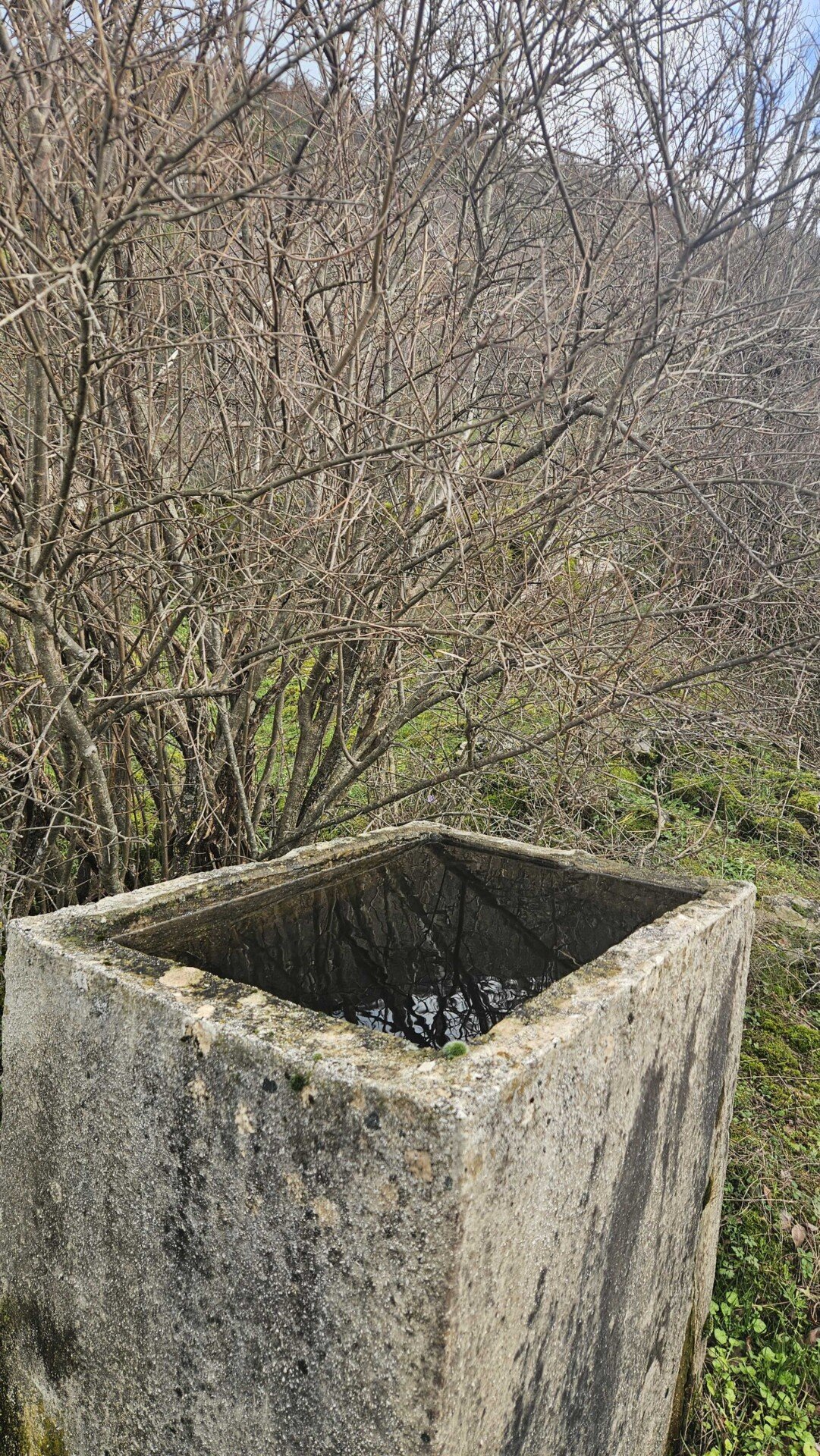
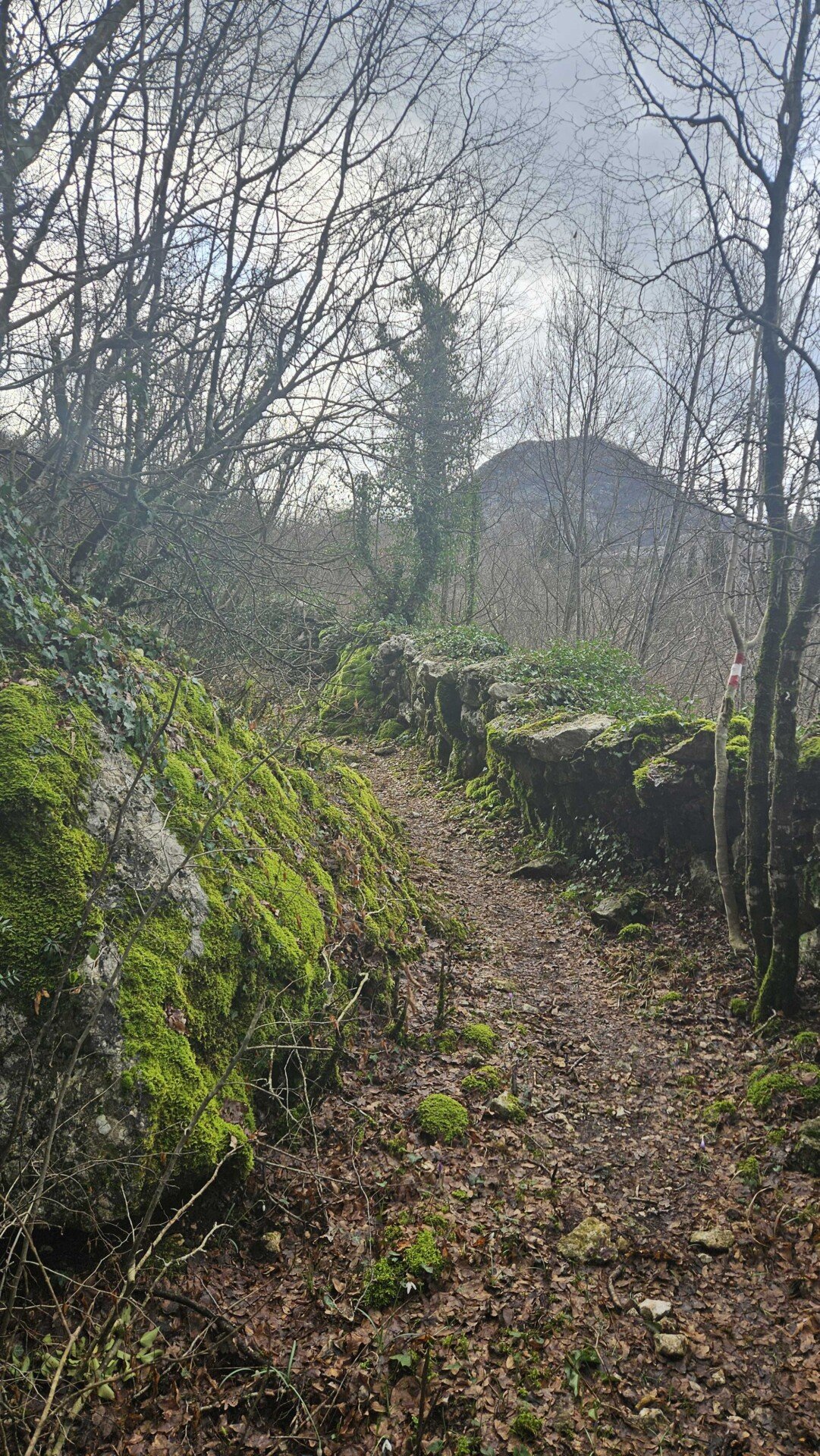
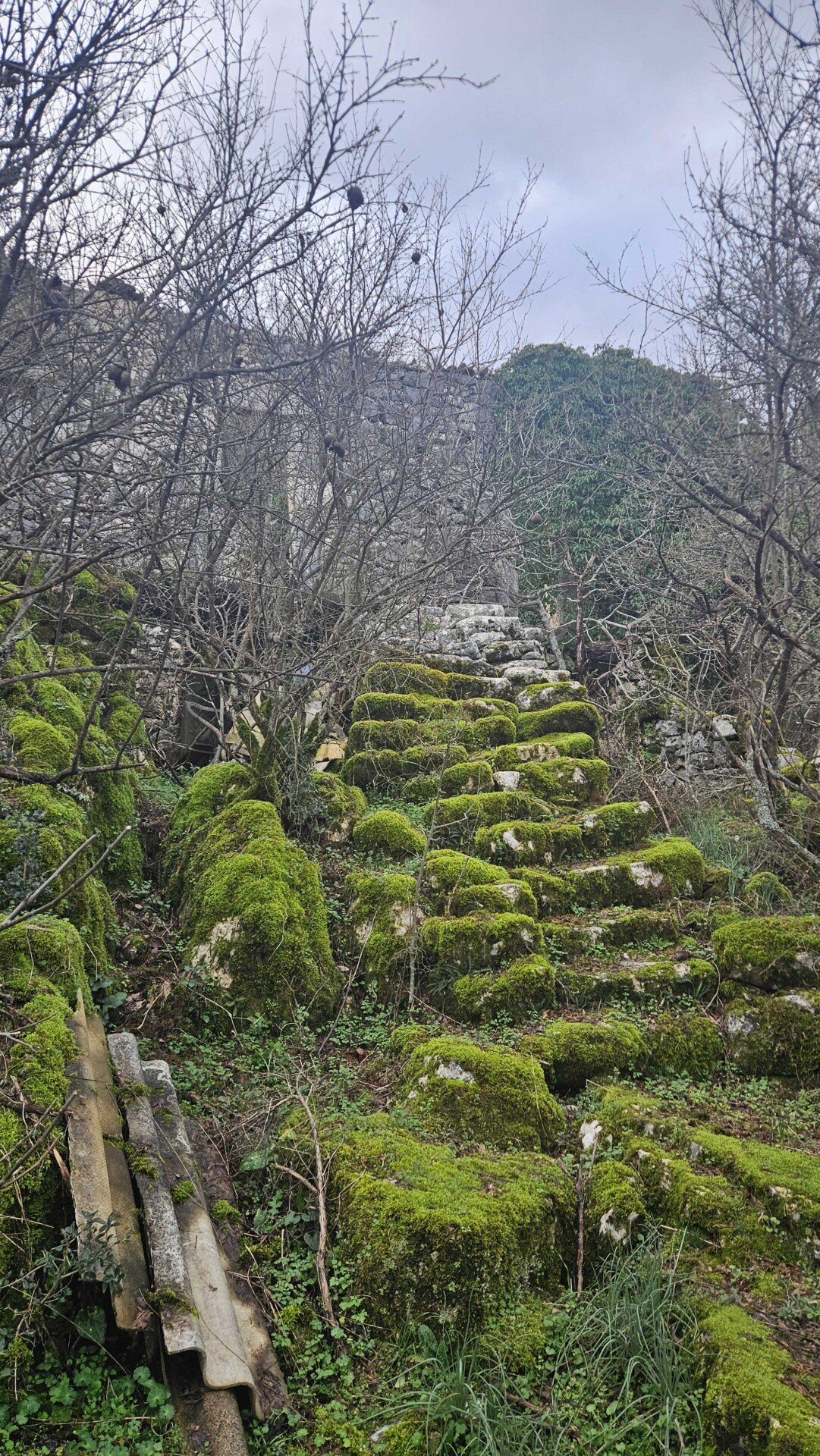
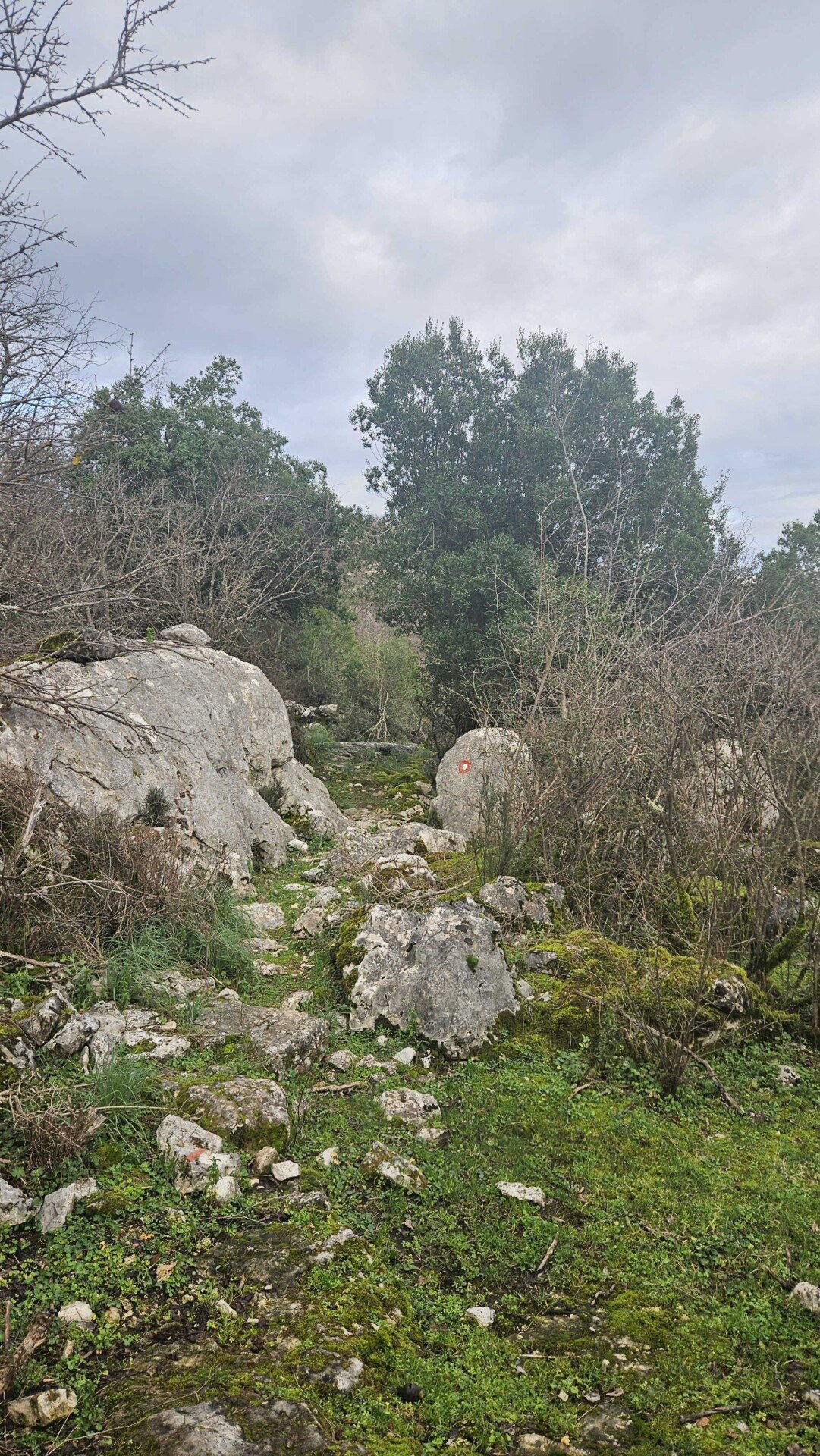
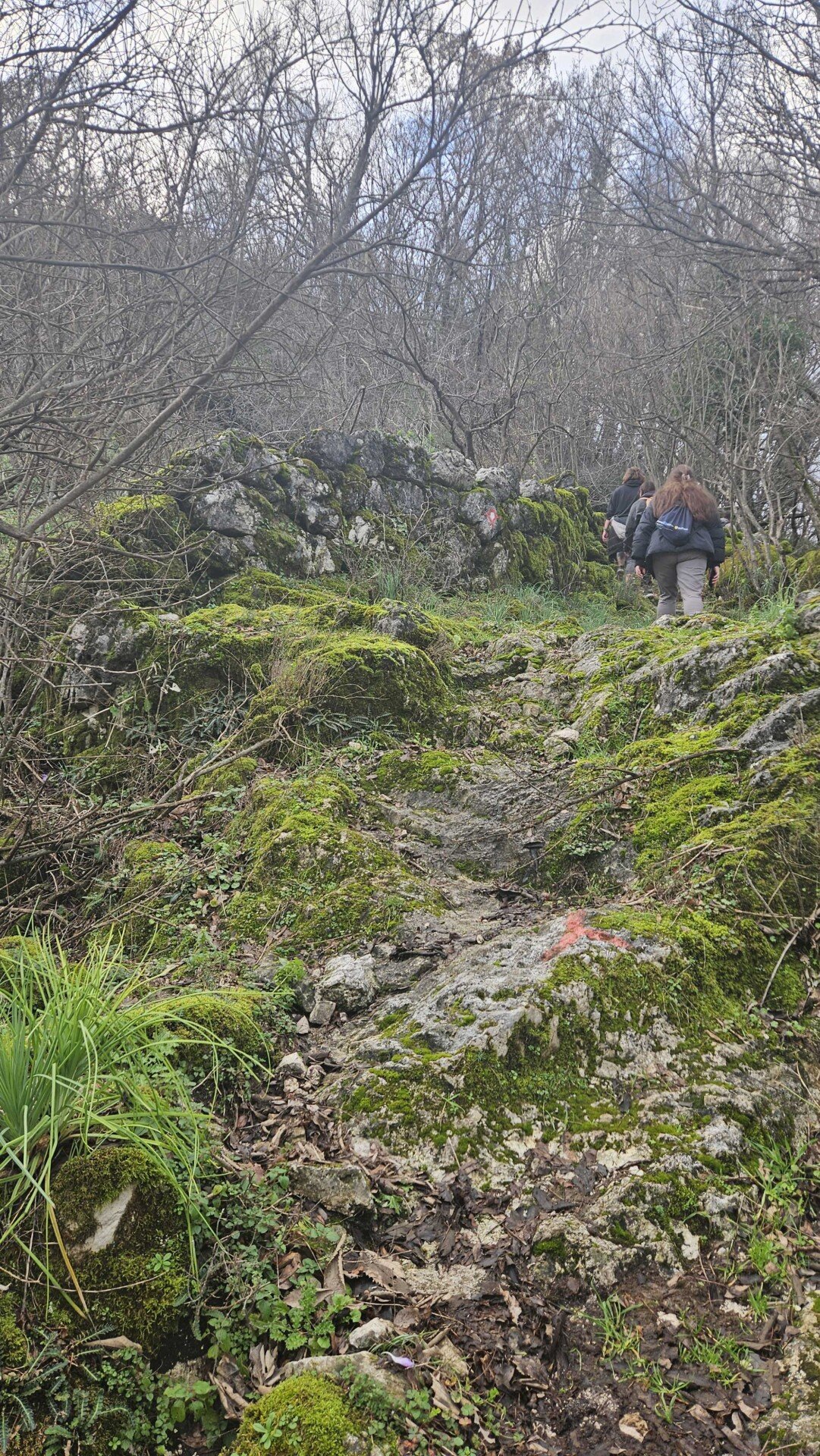
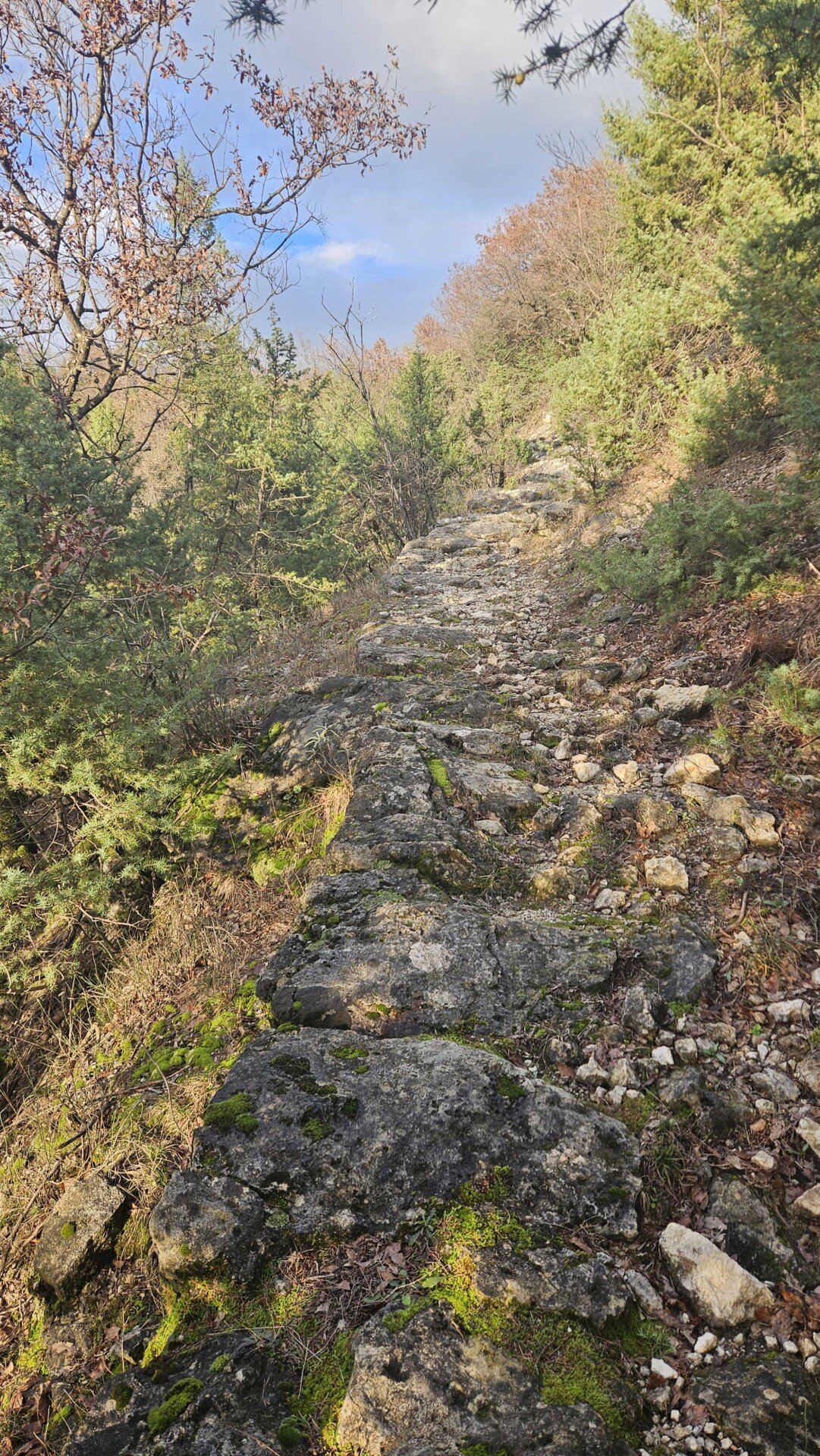
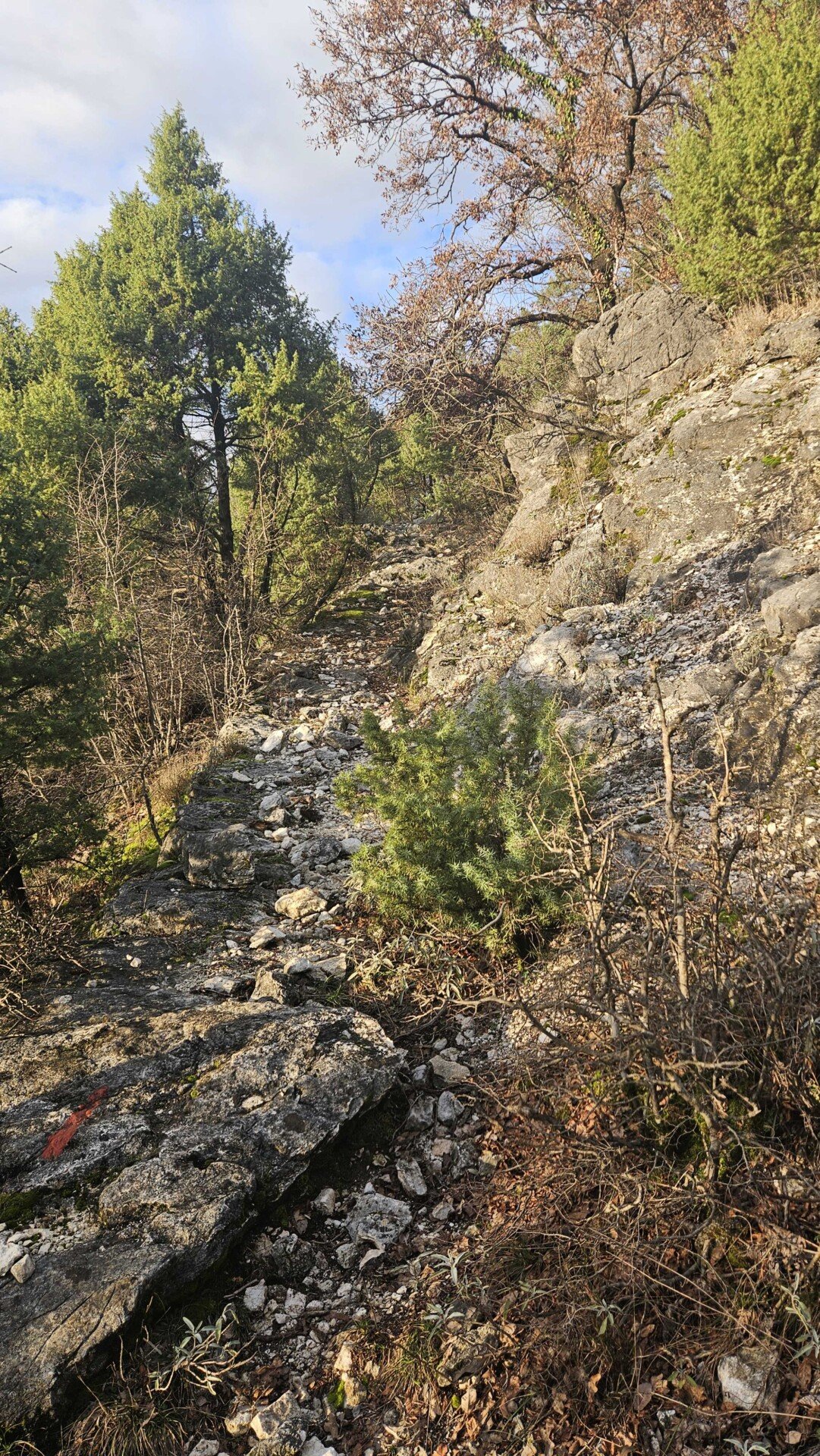
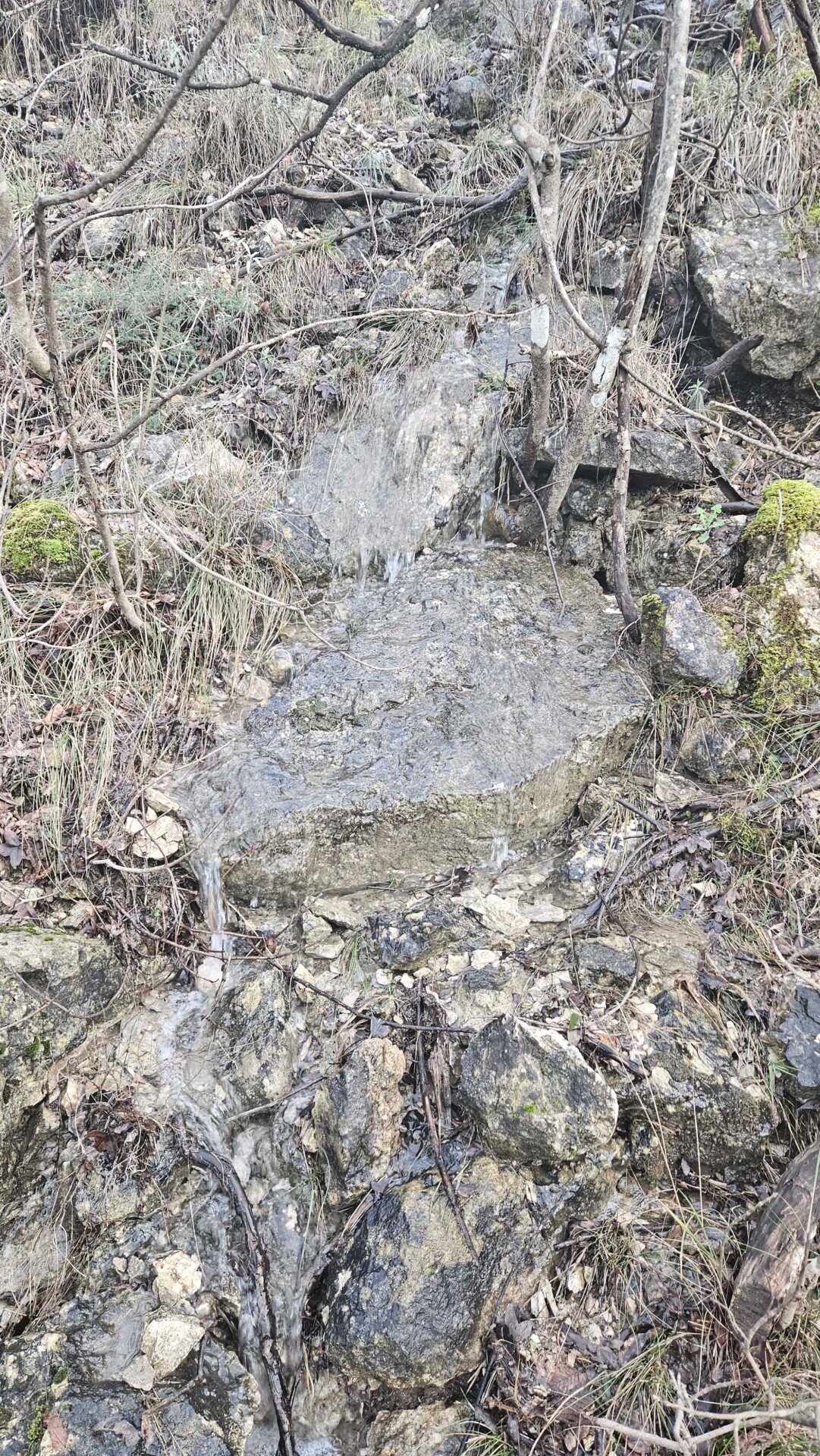
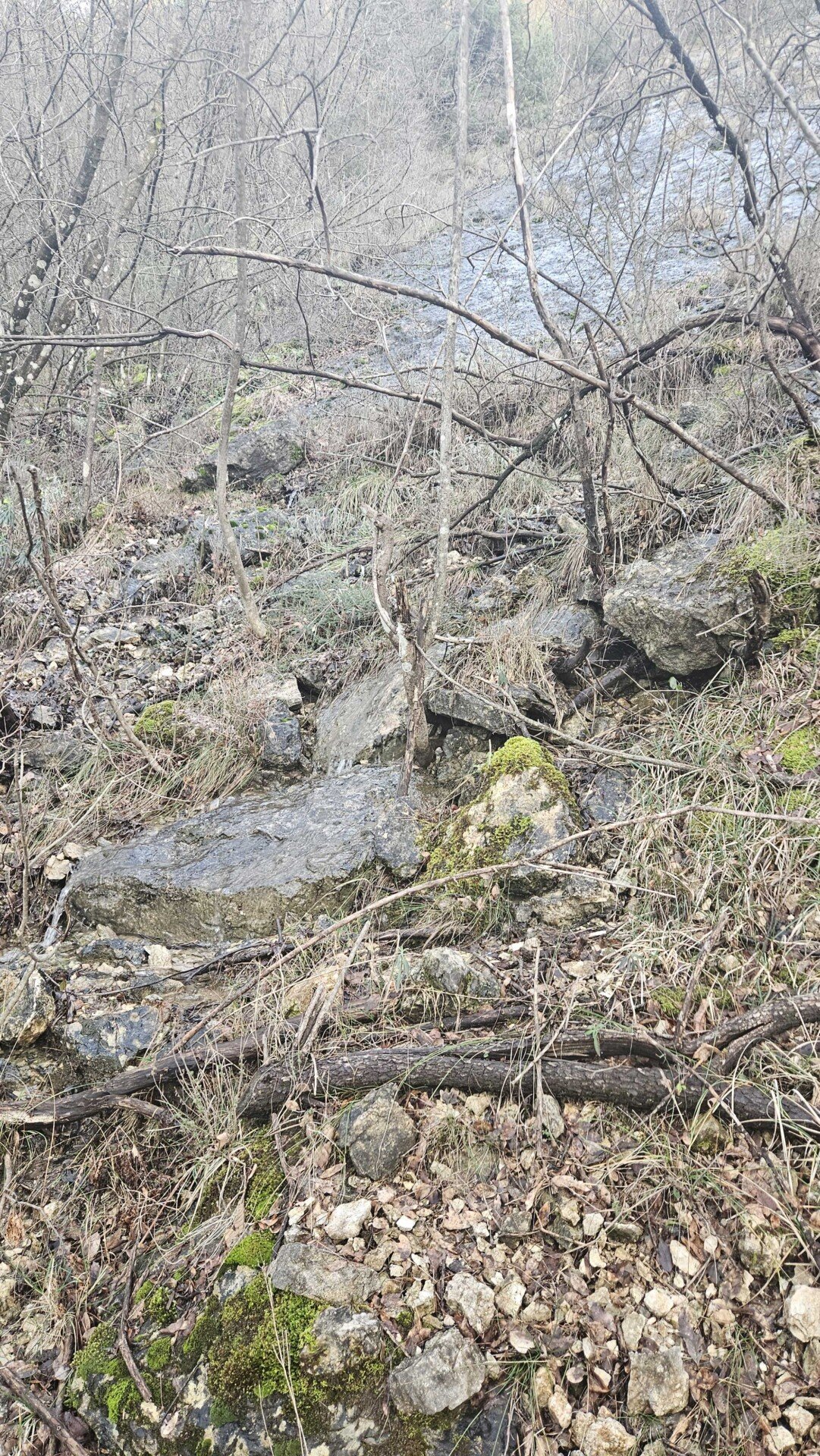
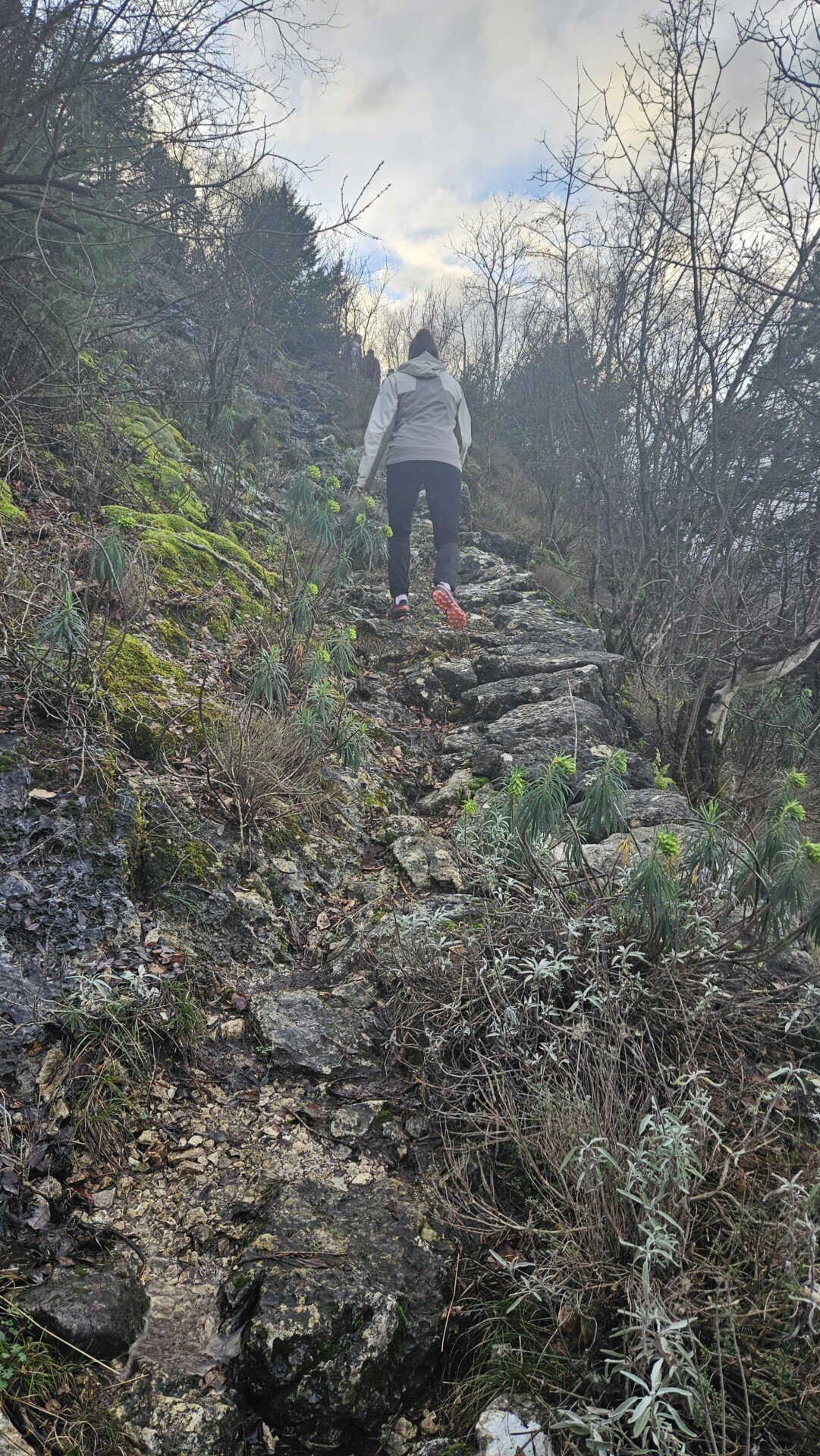
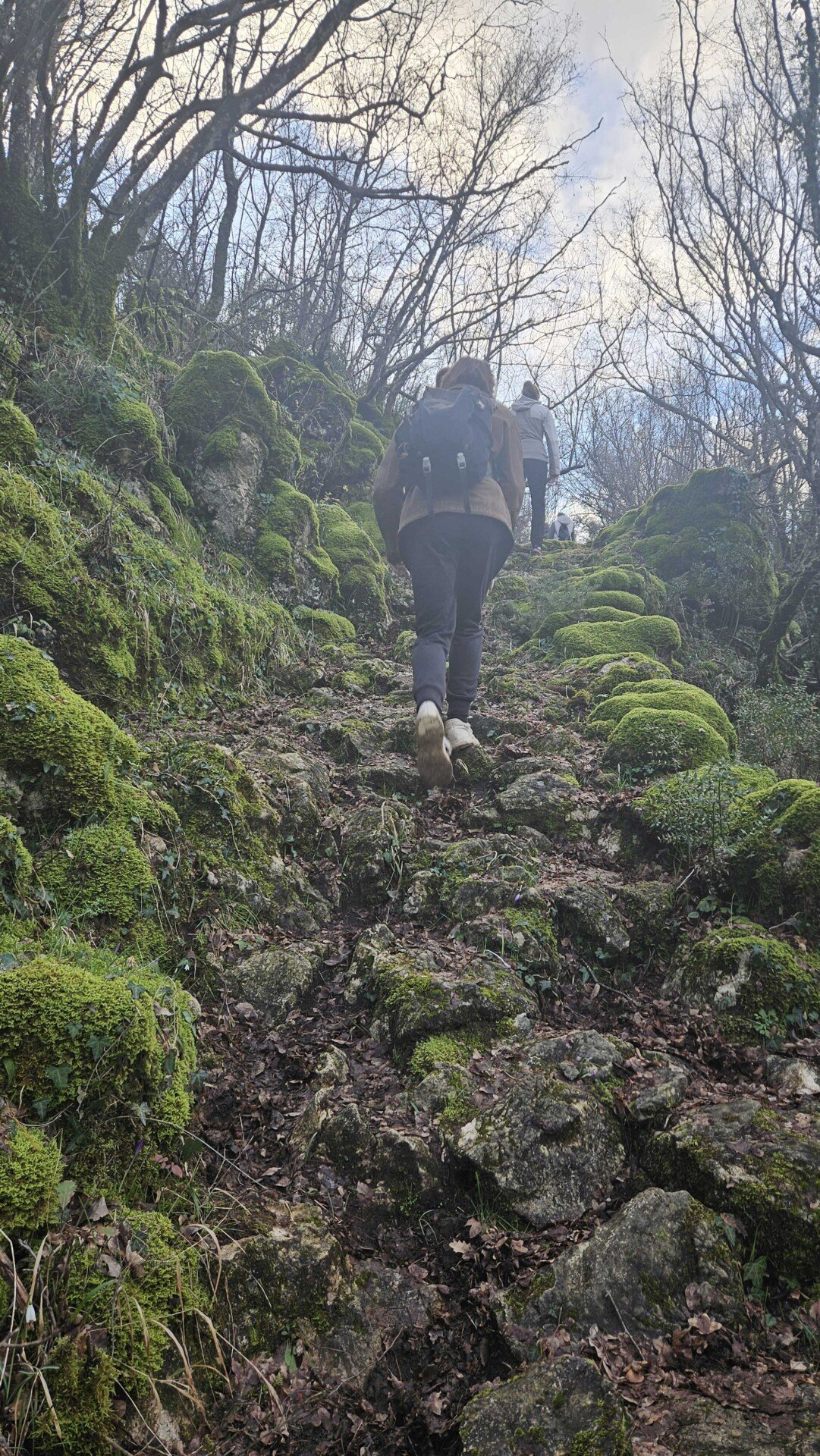
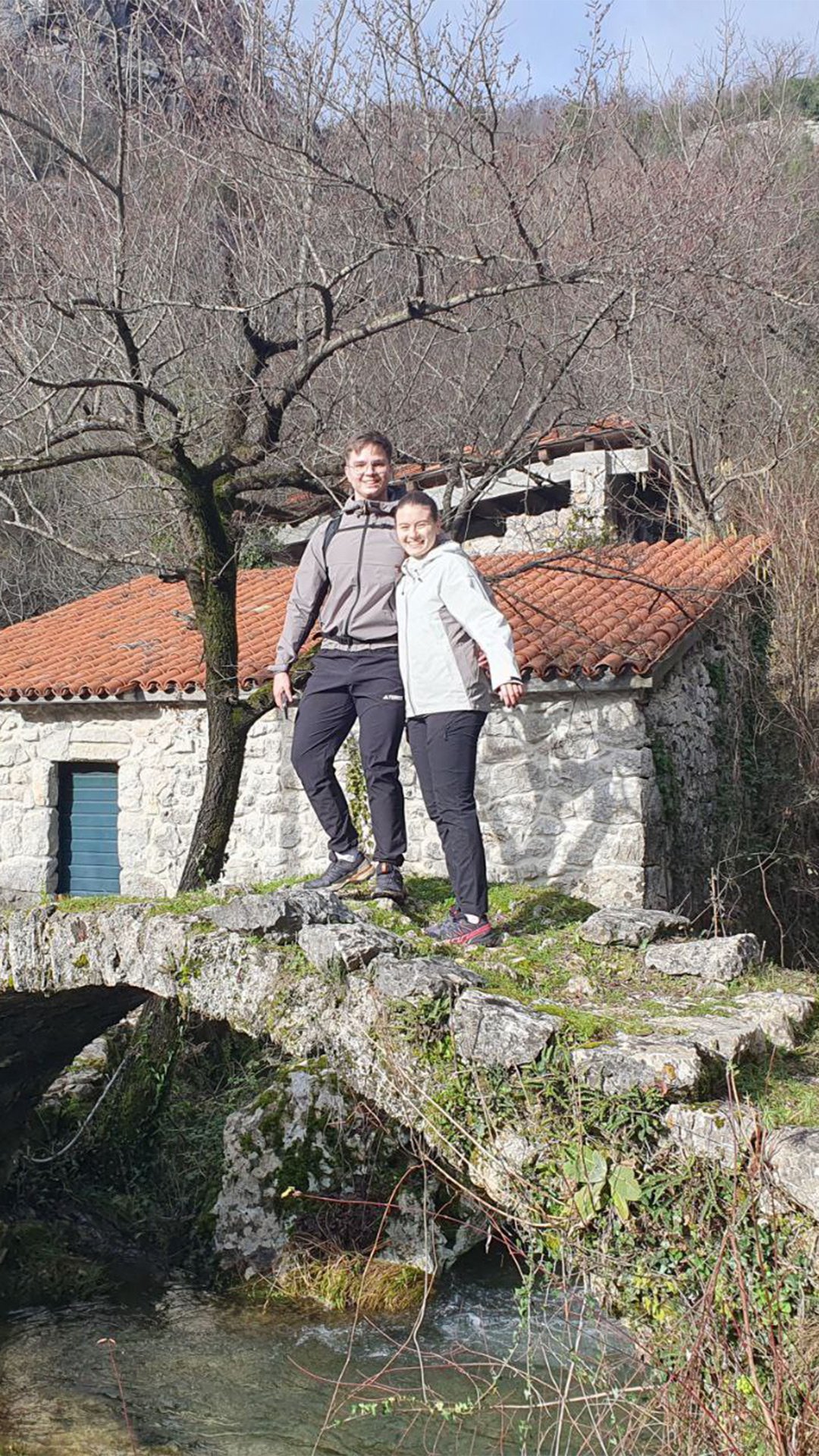
The historical role of Poseljani is best reflected in the information about the mills. Public discussion materials for the rural tourism development strategy explicitly state that Poseljani, with its 14 mills, was one of the centers of economic life in the region. It also records that the village was well connected to the hinterland of Lake Skadar by a network of traditional footpaths: roughly paved, with steps, approximately 1.5 meters wide, and considered examples of traditional construction. For a researcher, this is perhaps more important than any romantic legend: before us is not just a beautiful gorge, but a former hub for grain processing and local communications.
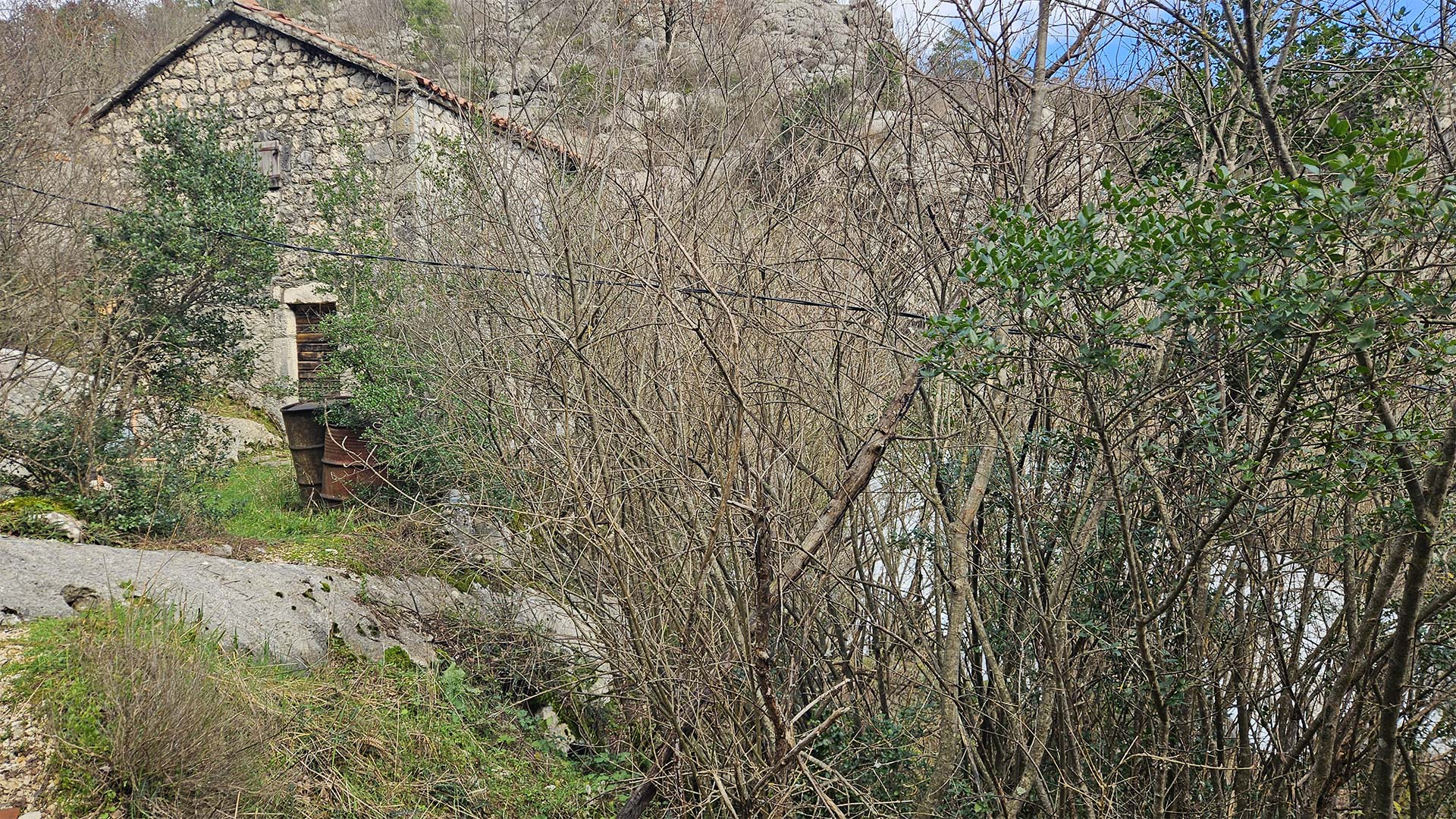
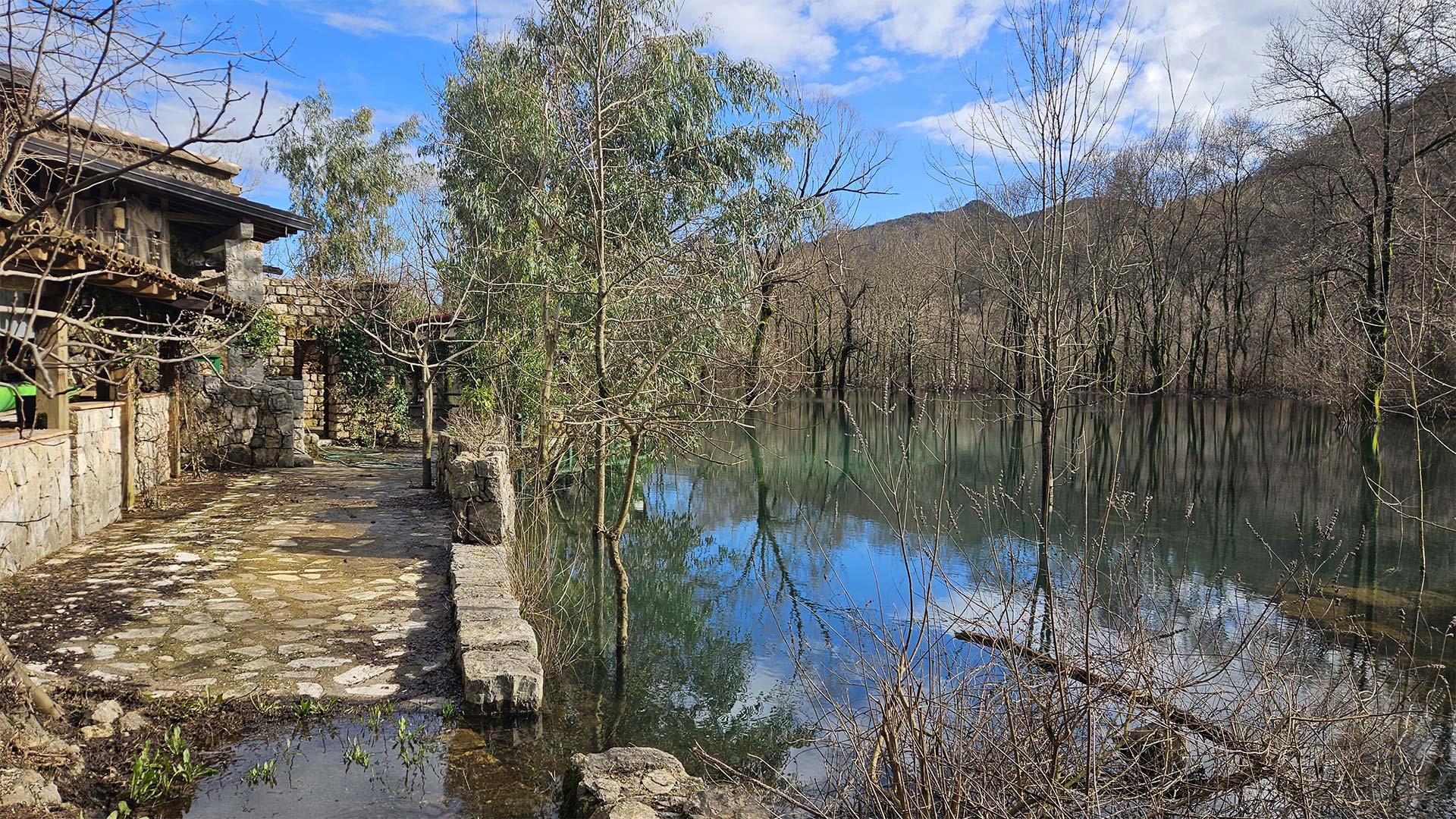
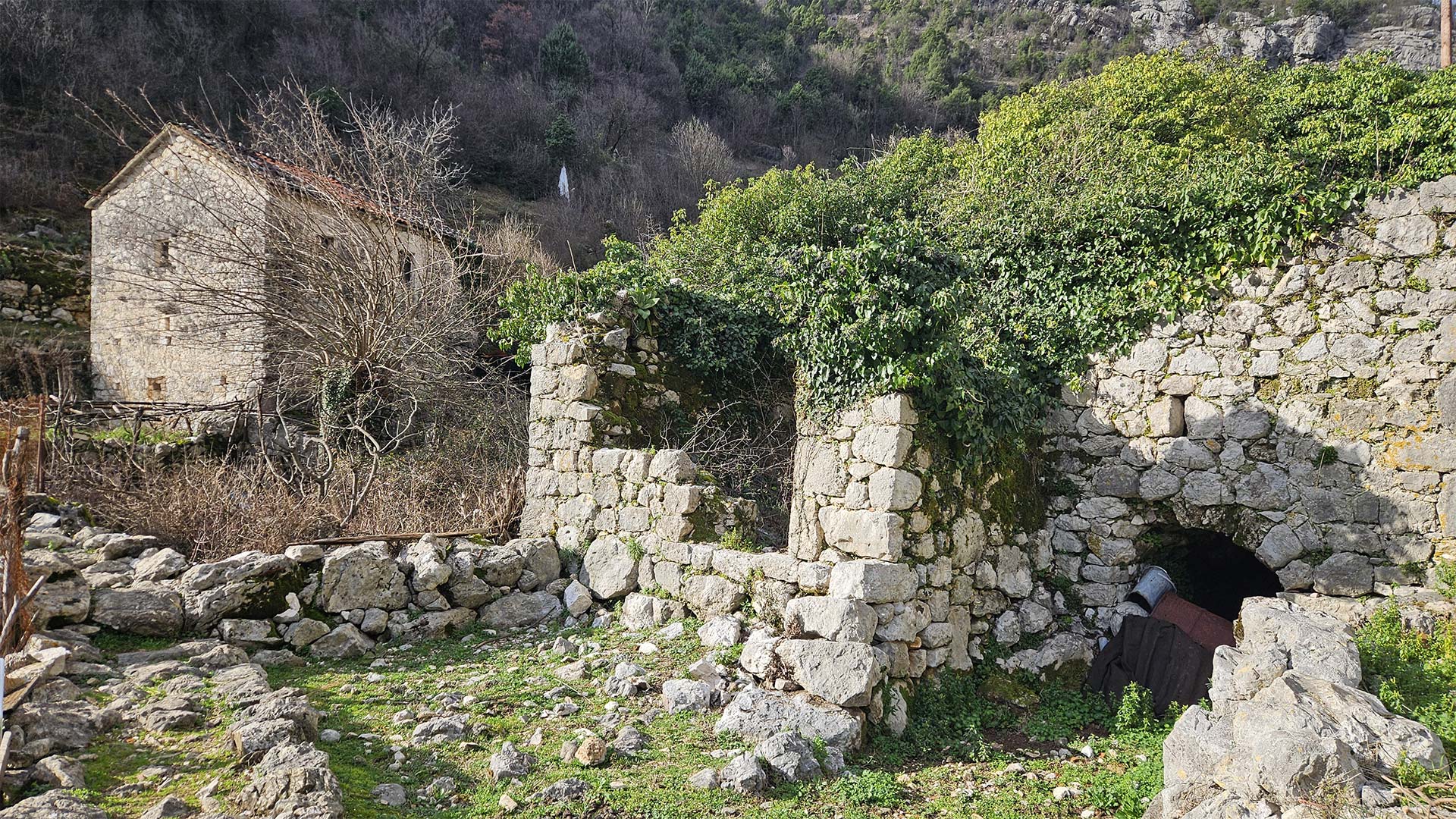
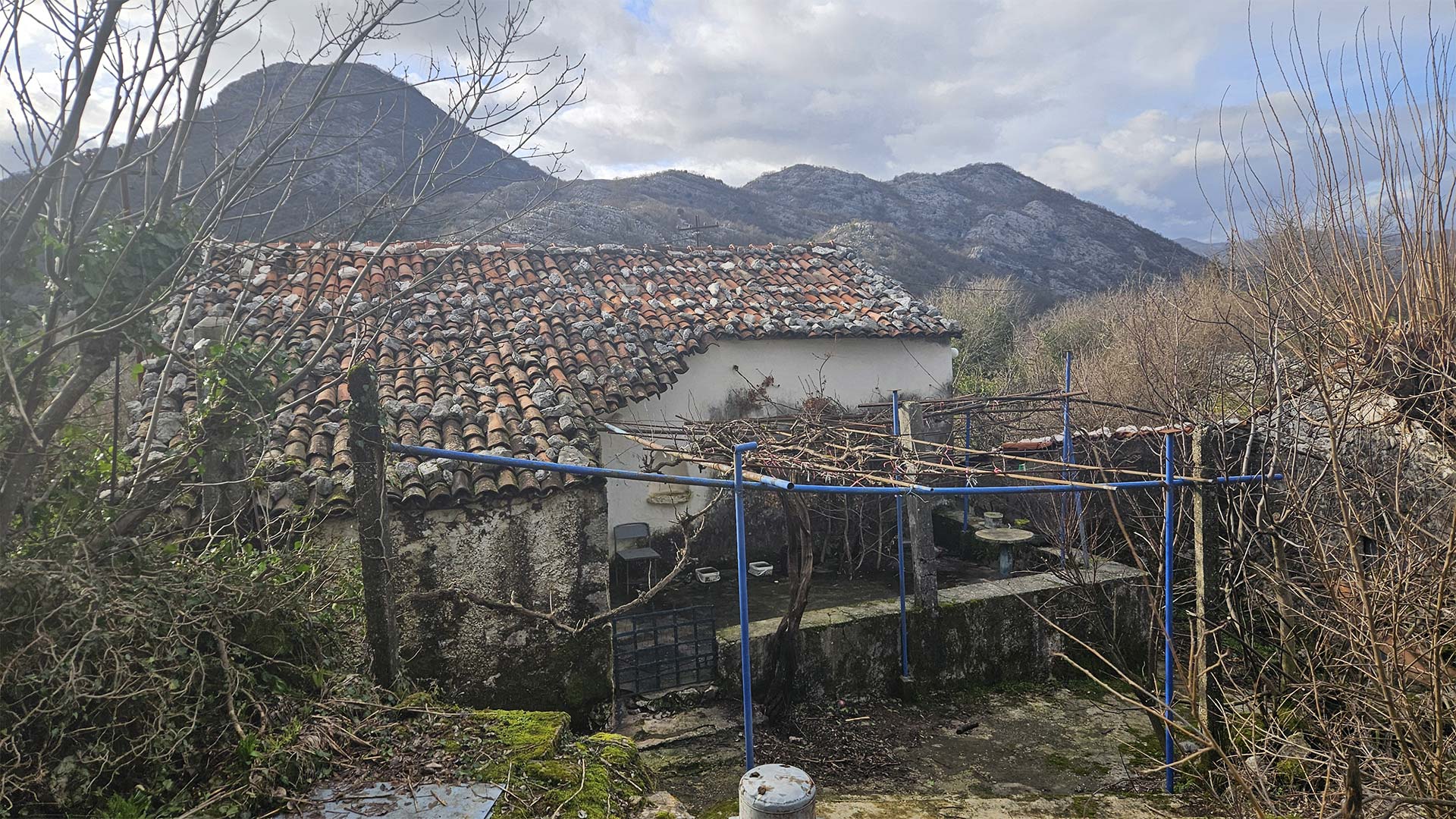
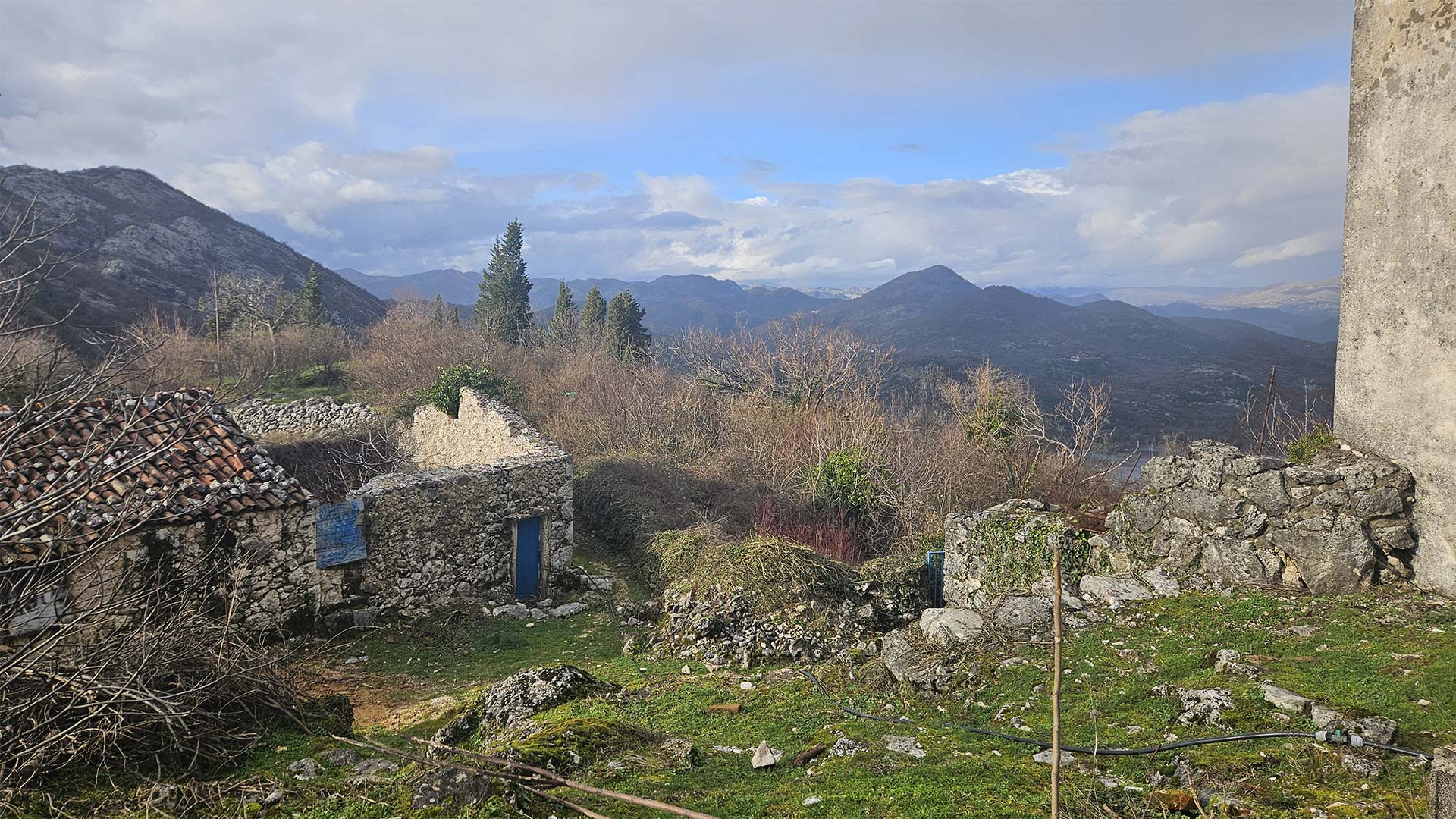
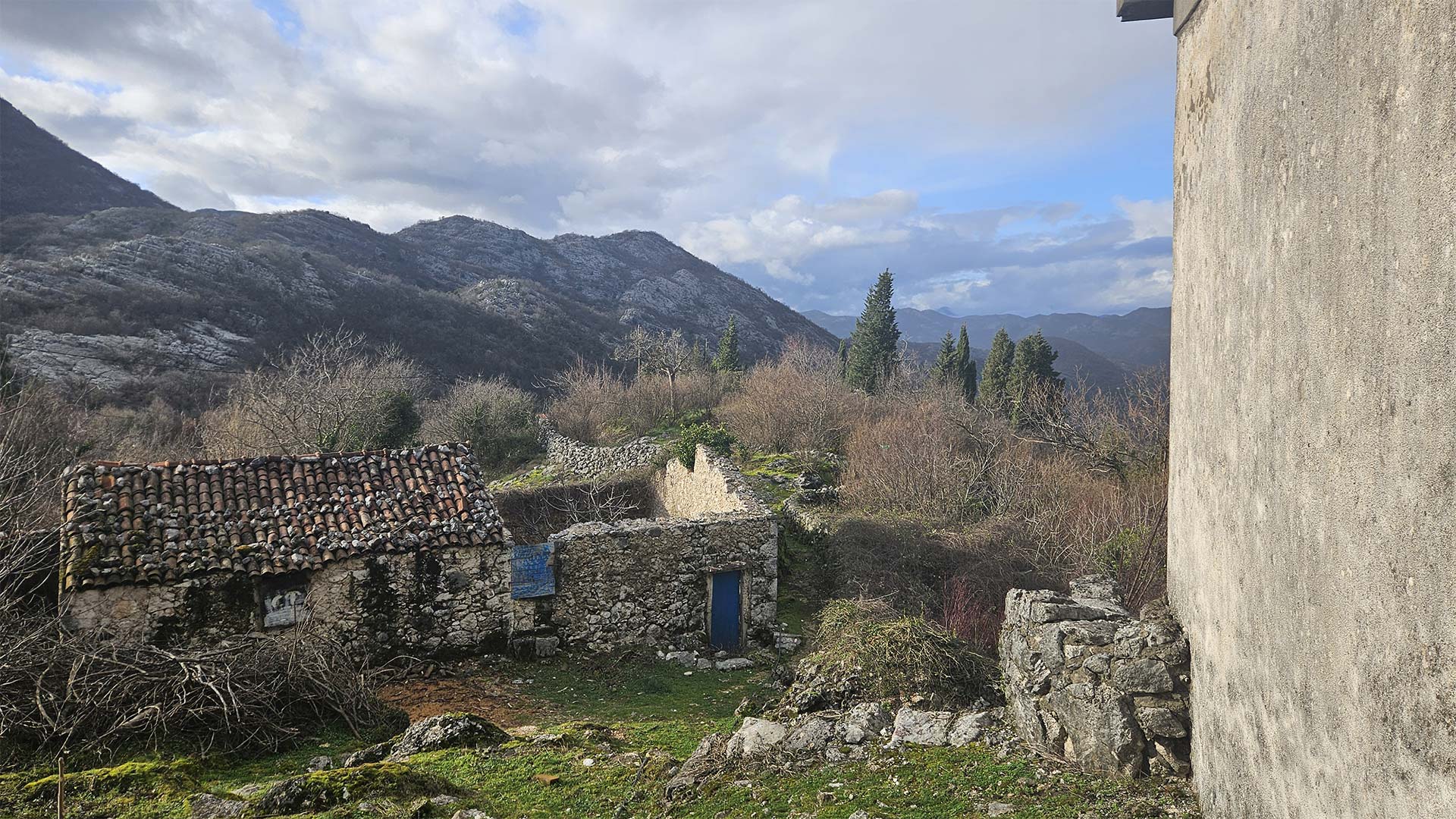
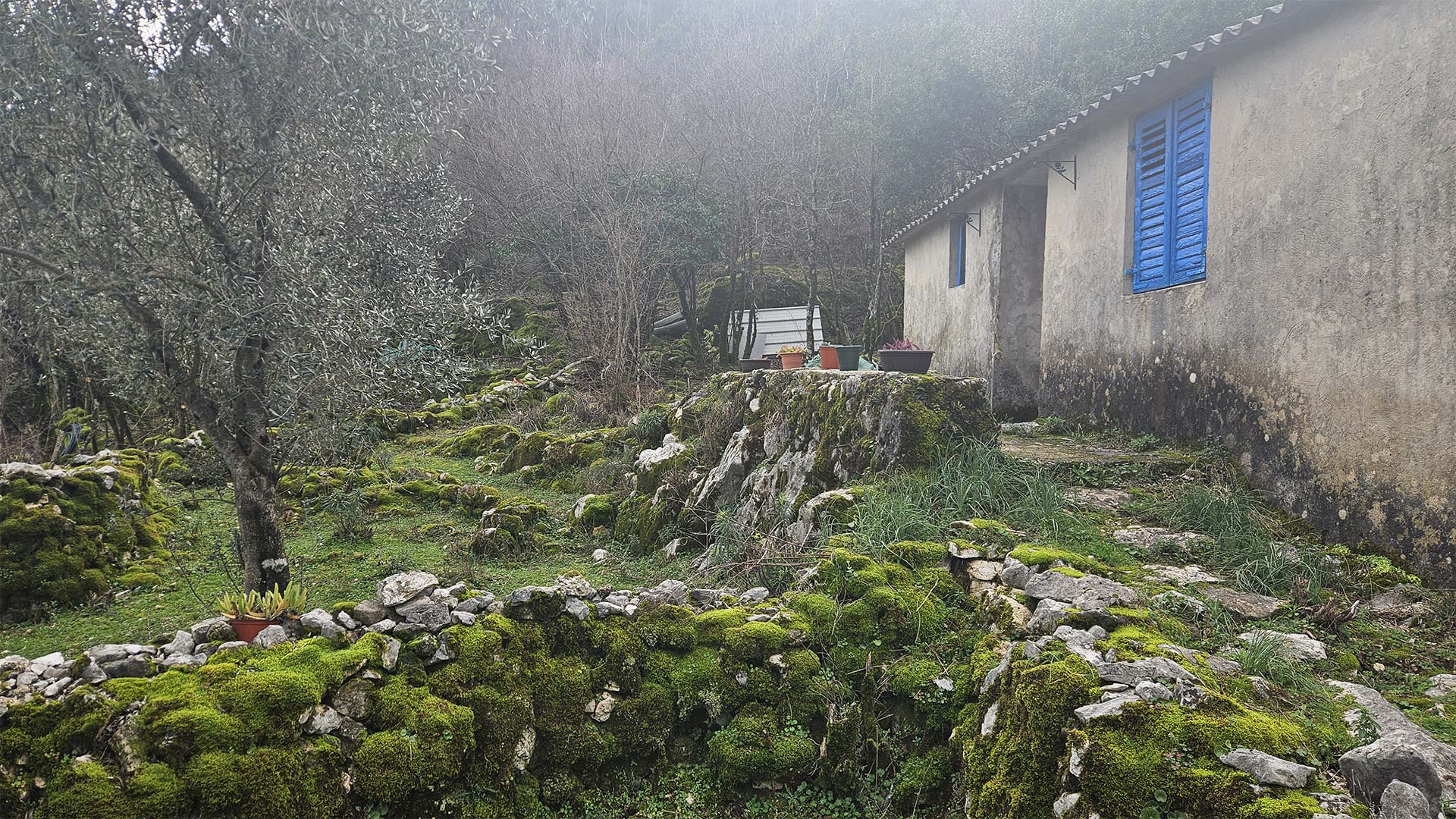
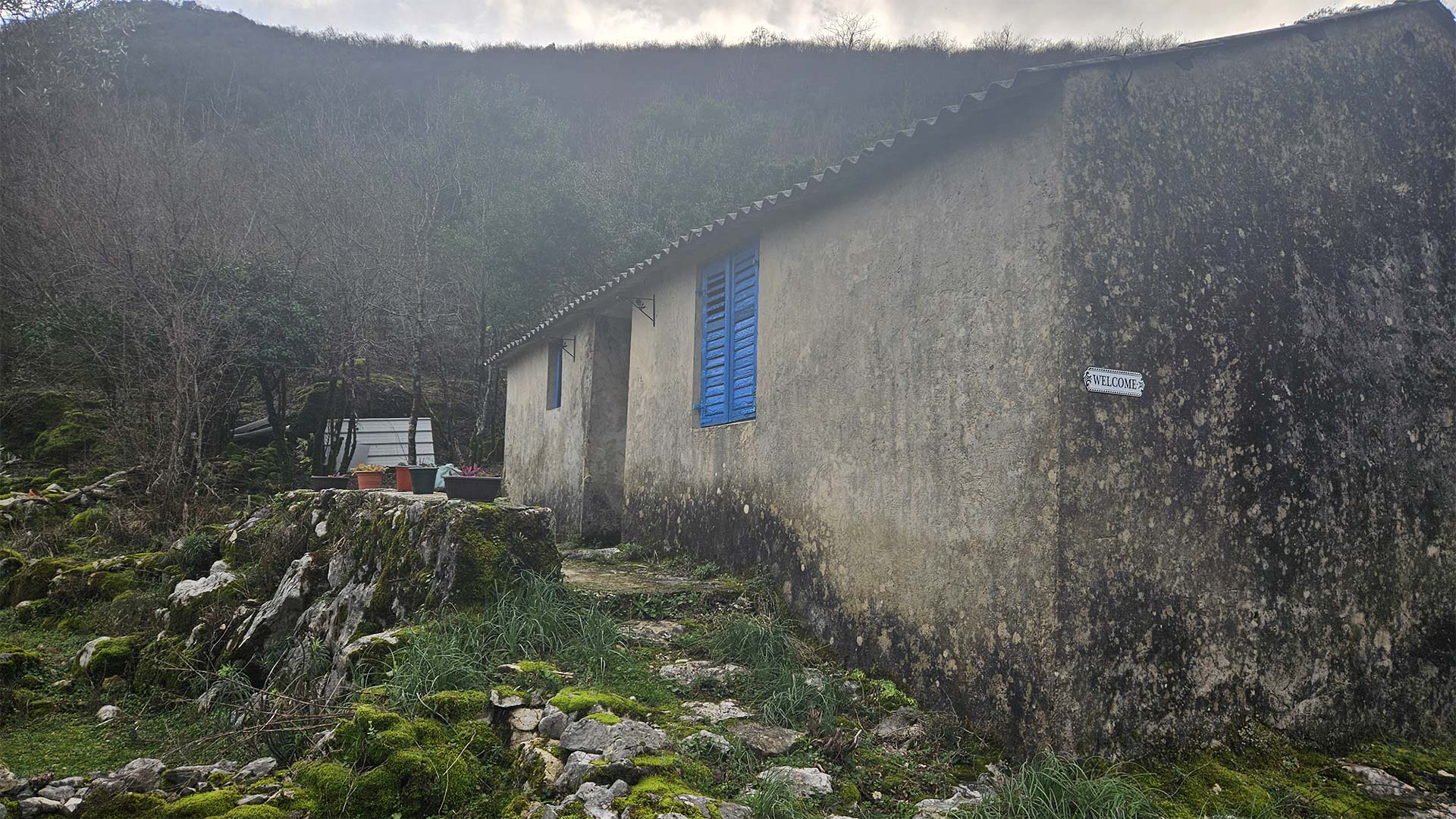
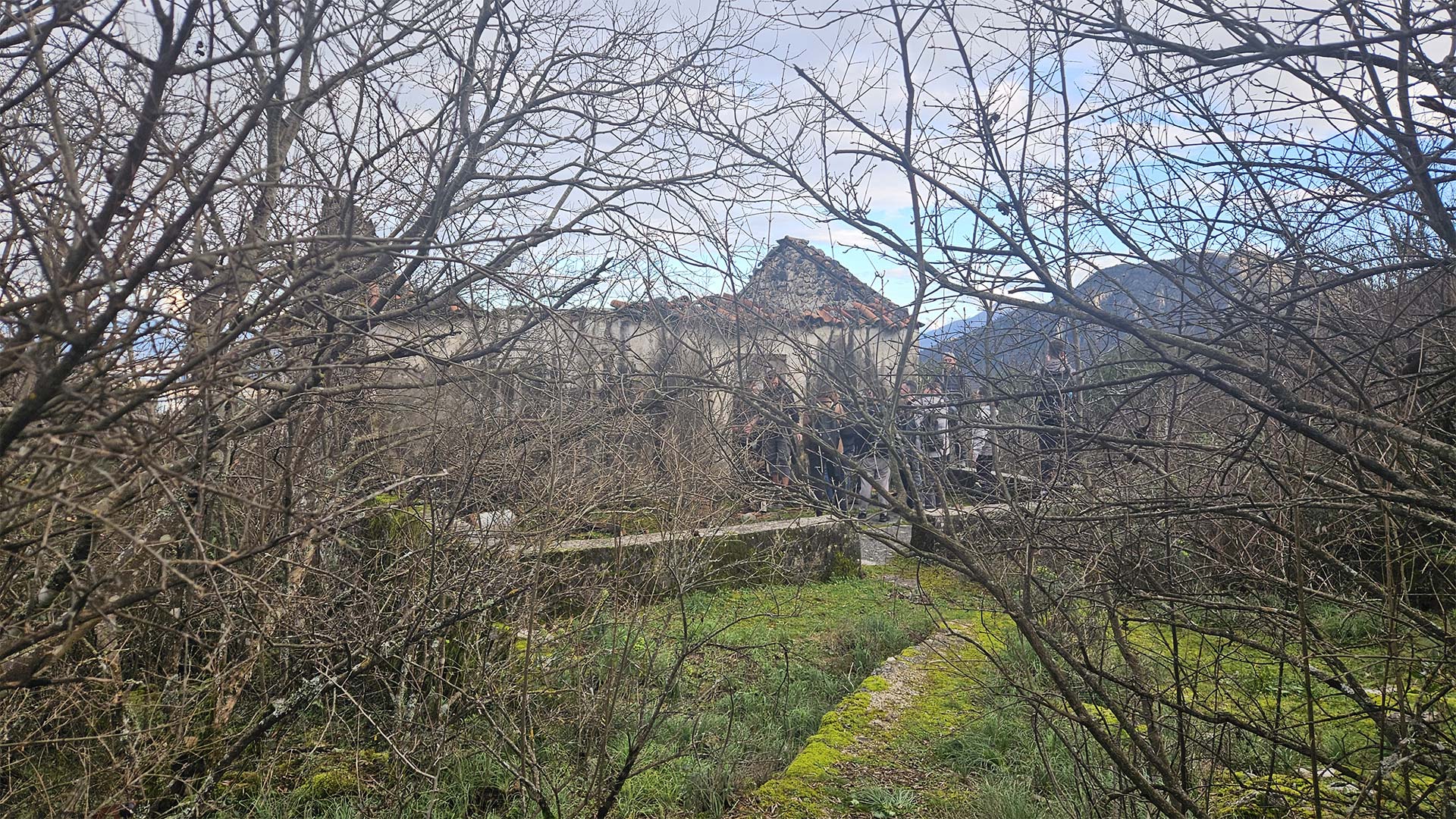
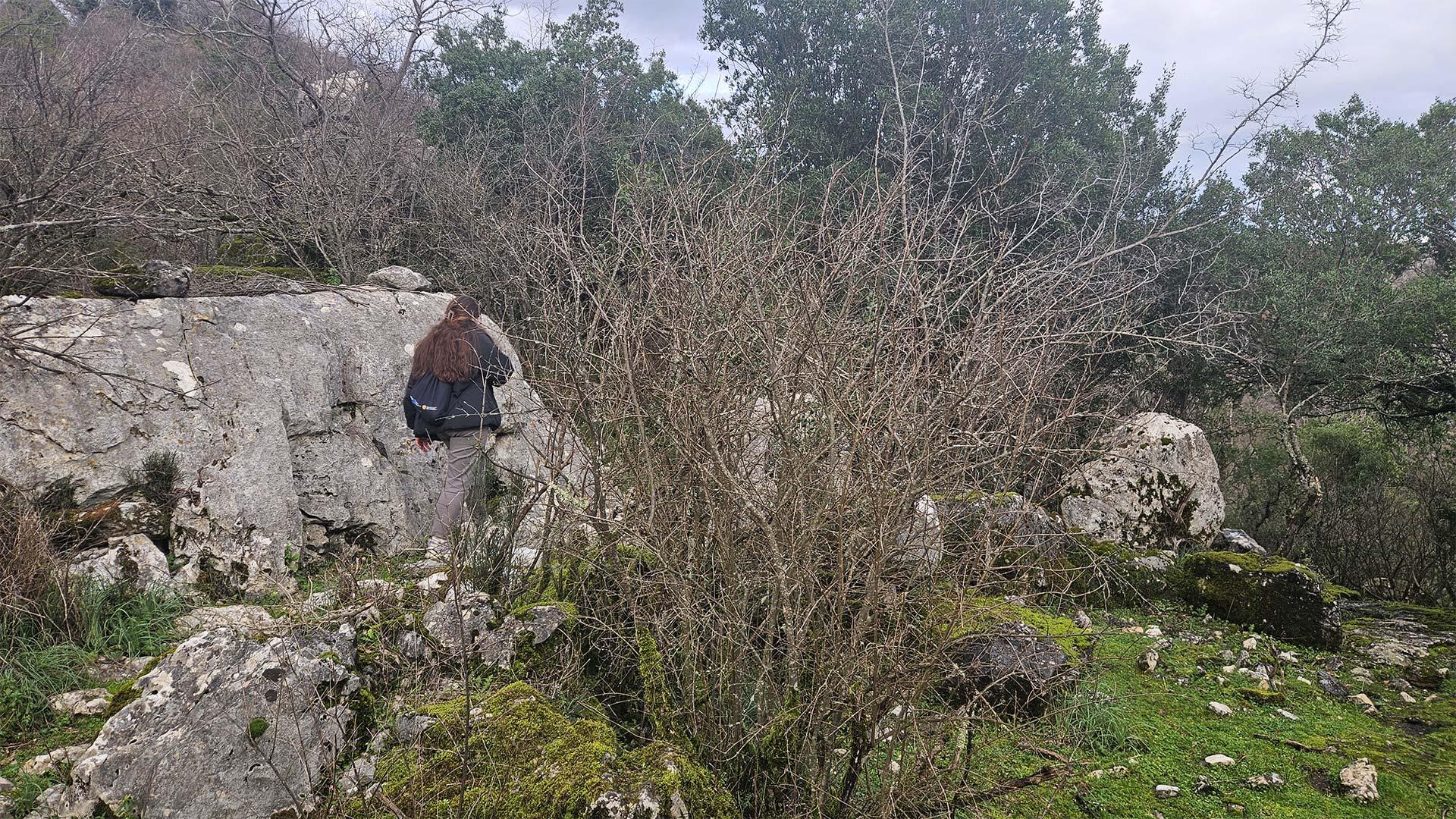
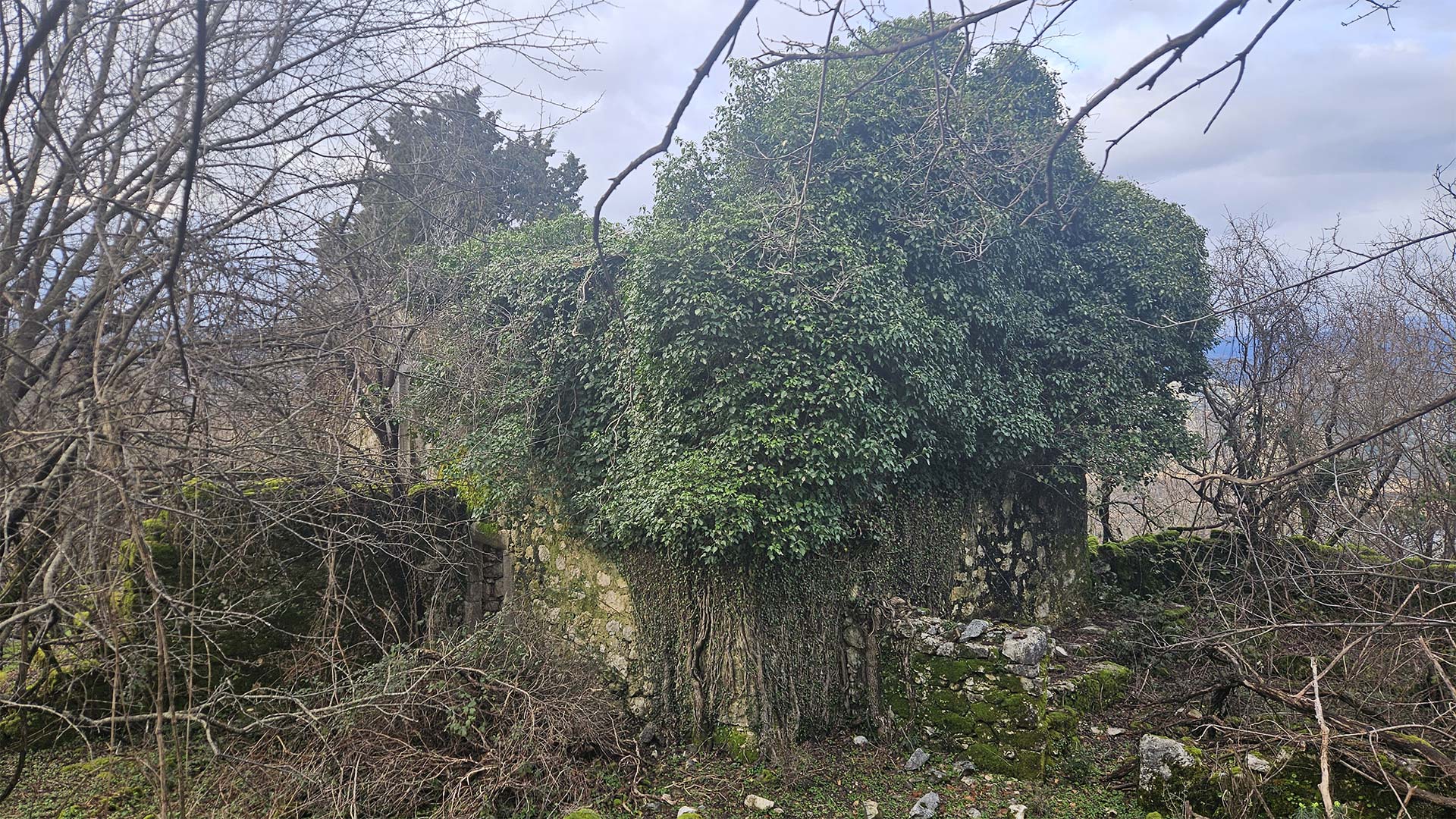
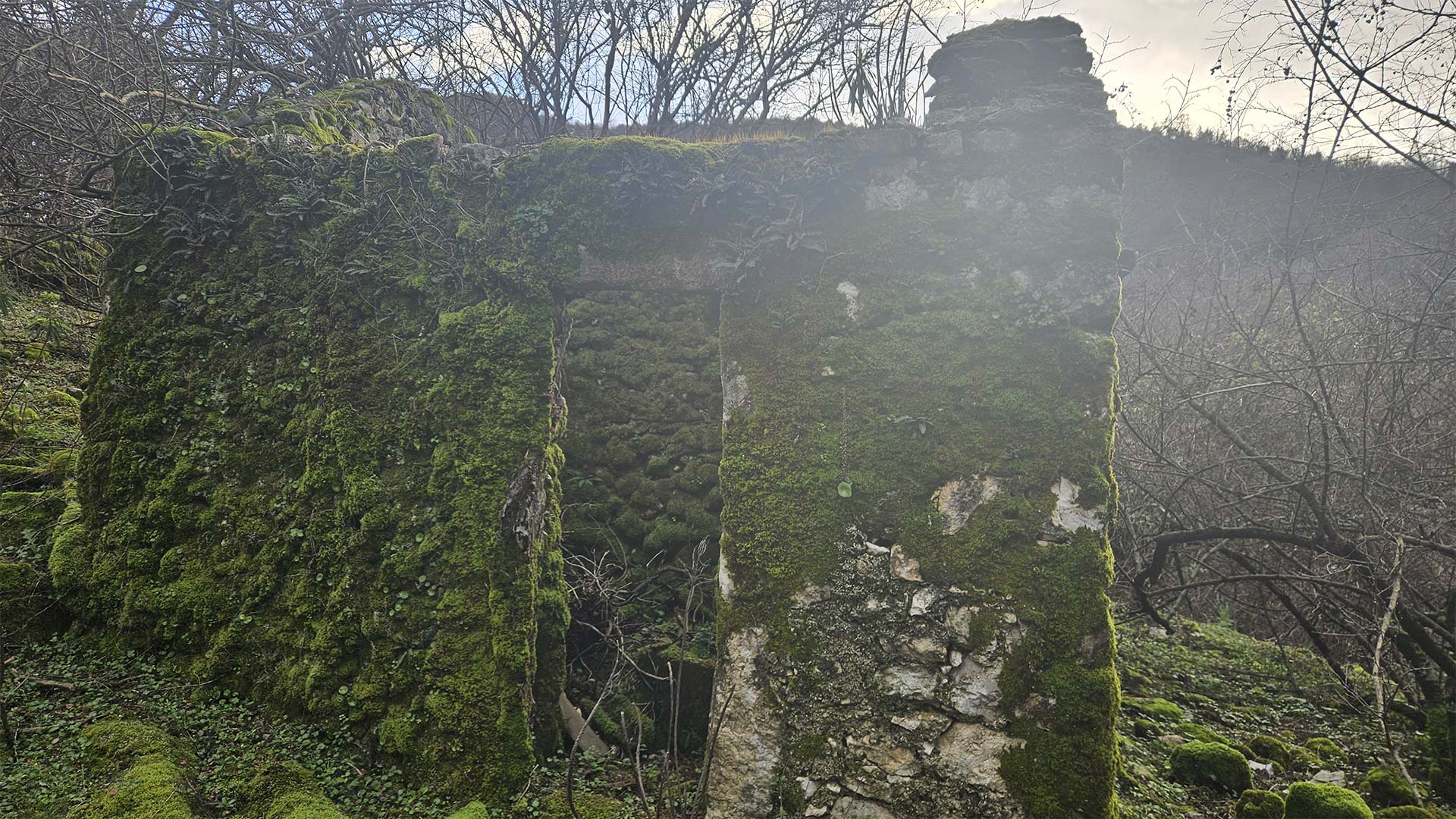
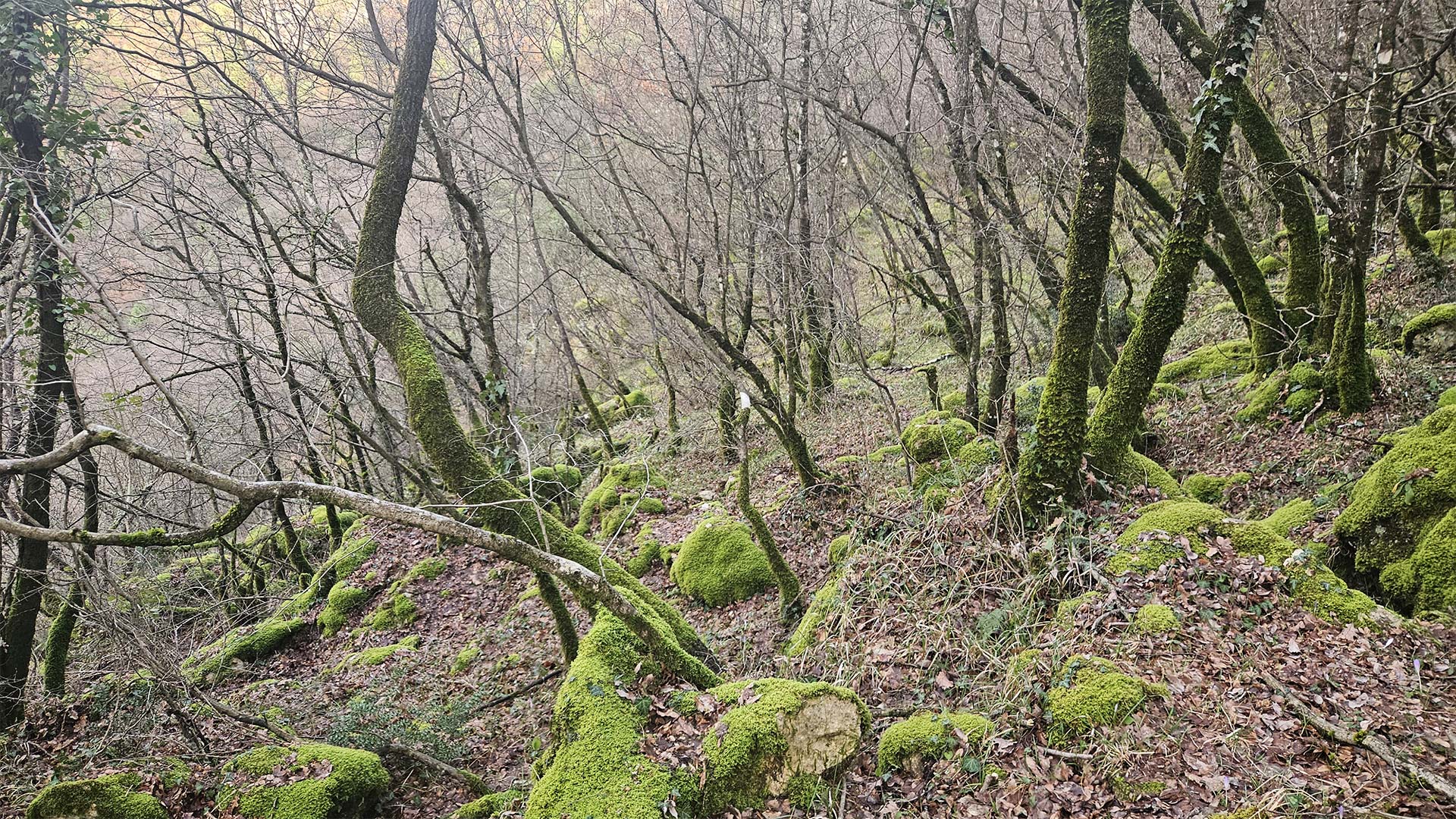
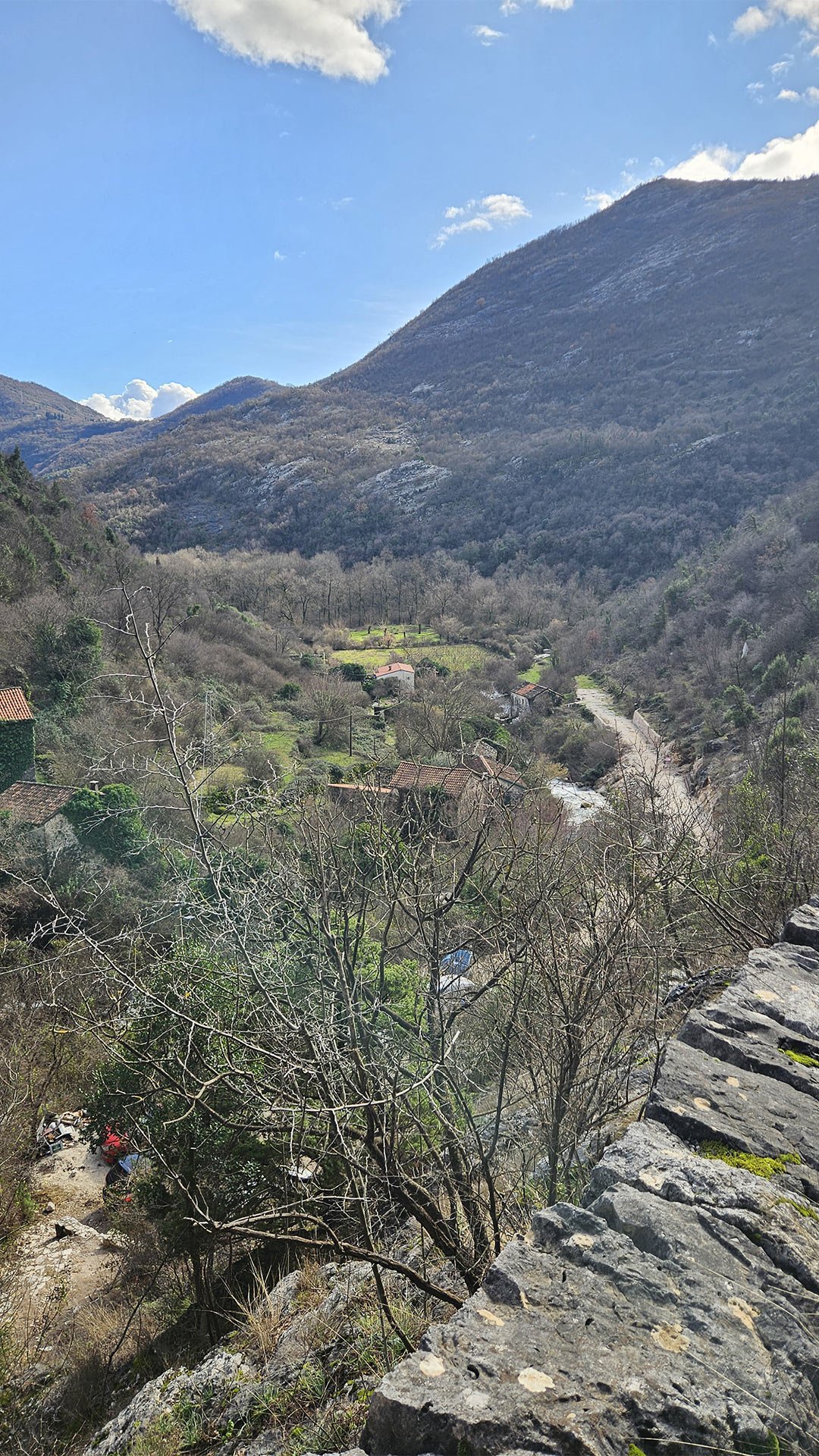
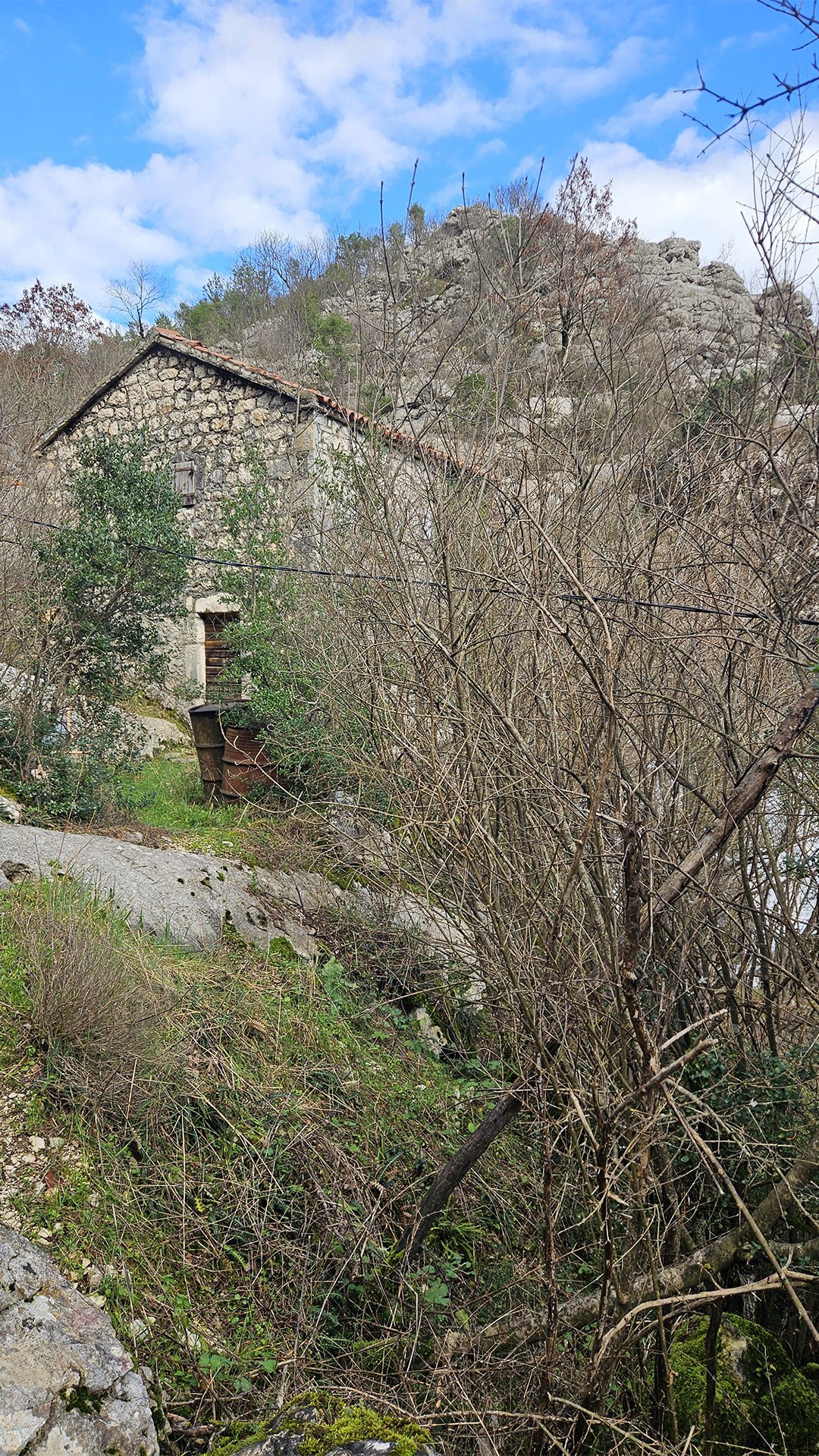
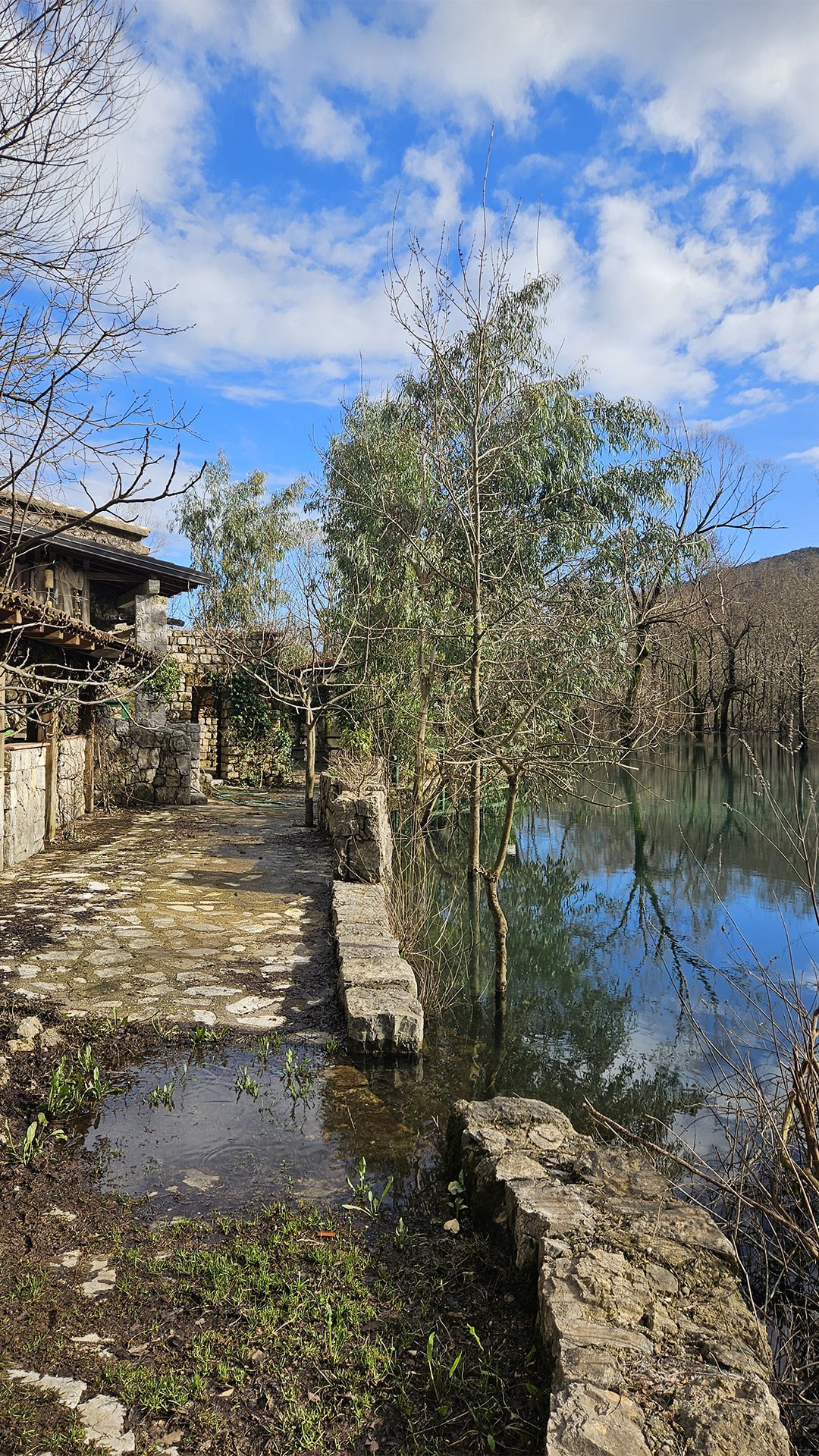
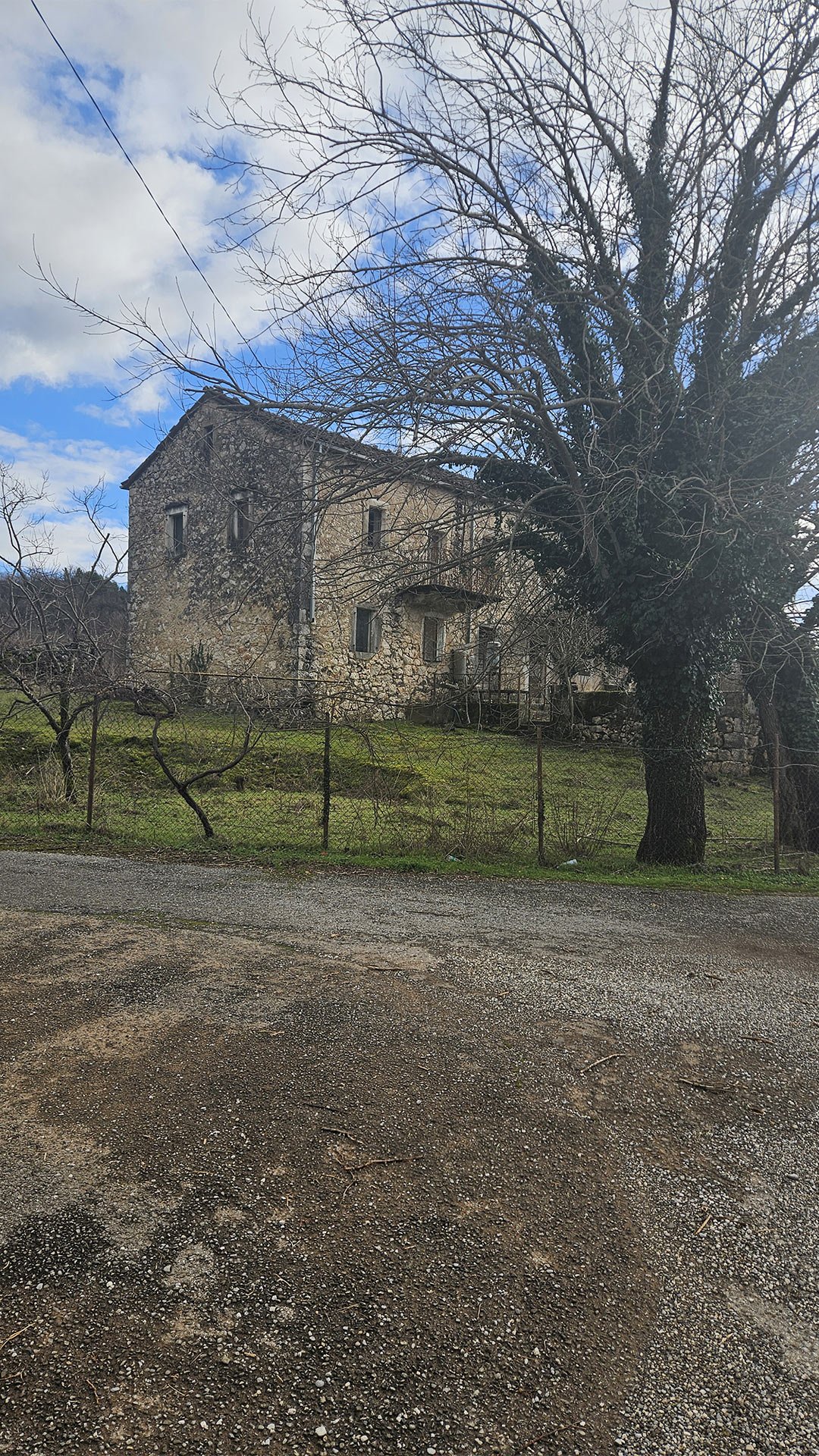
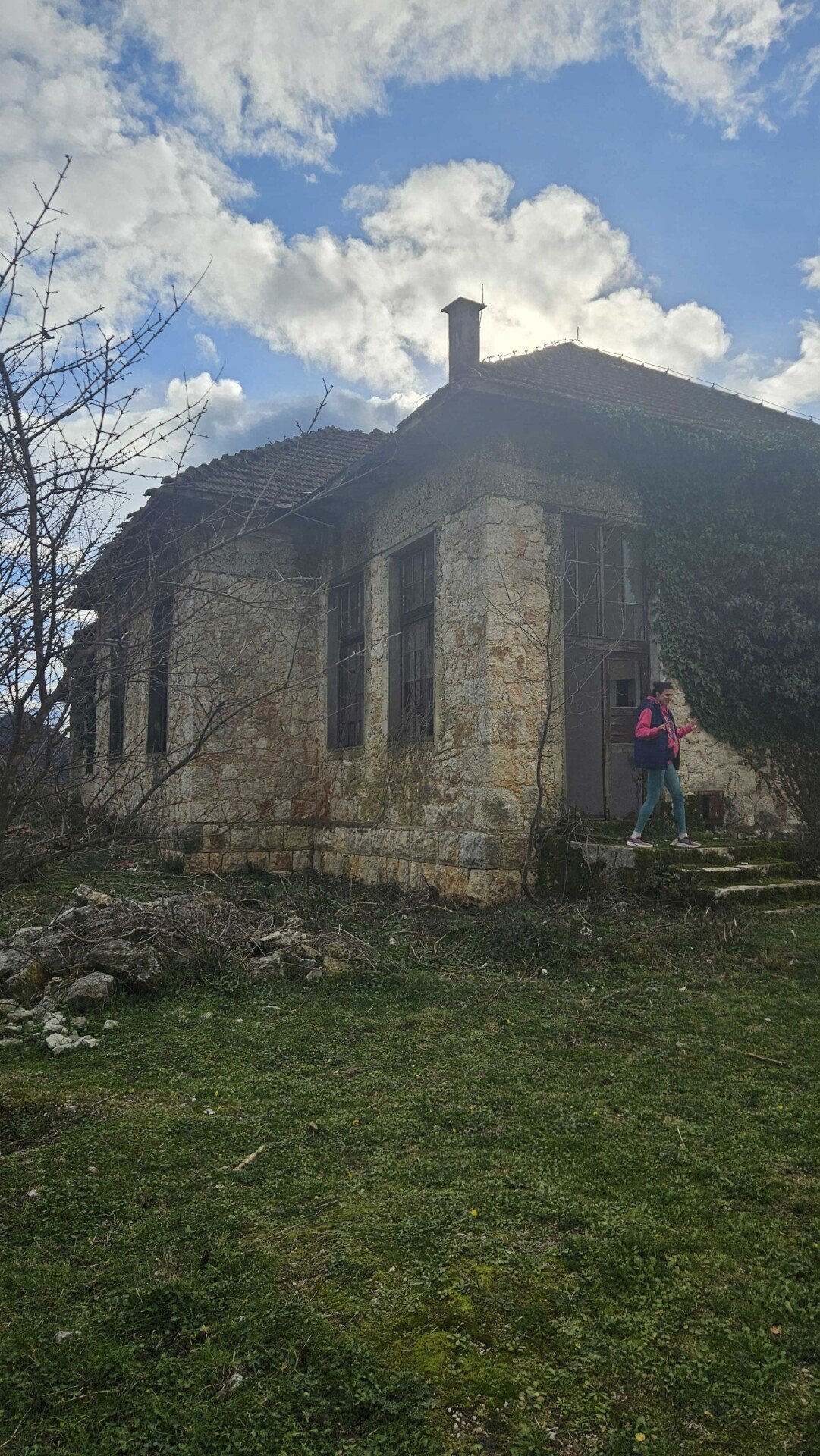
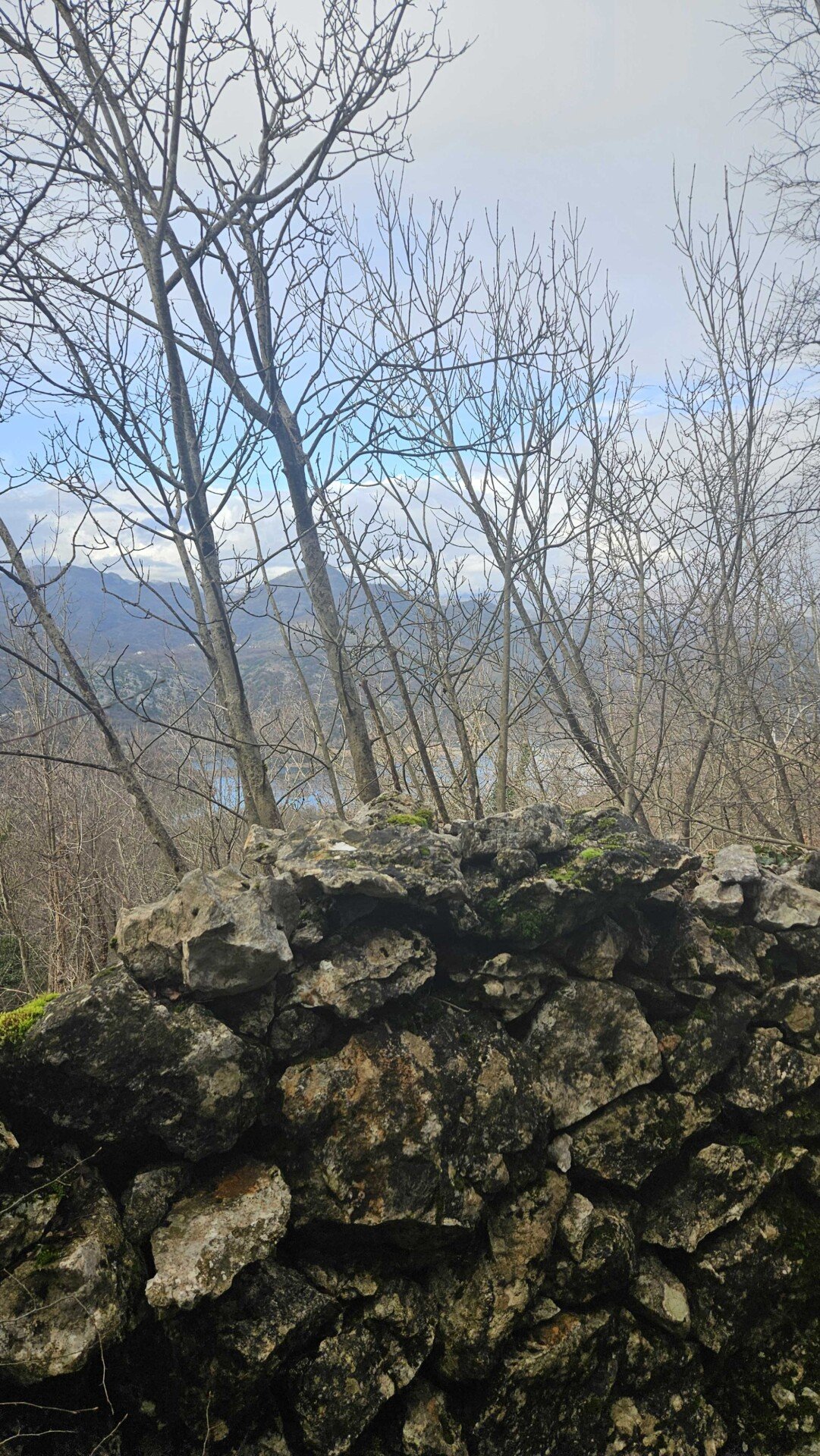
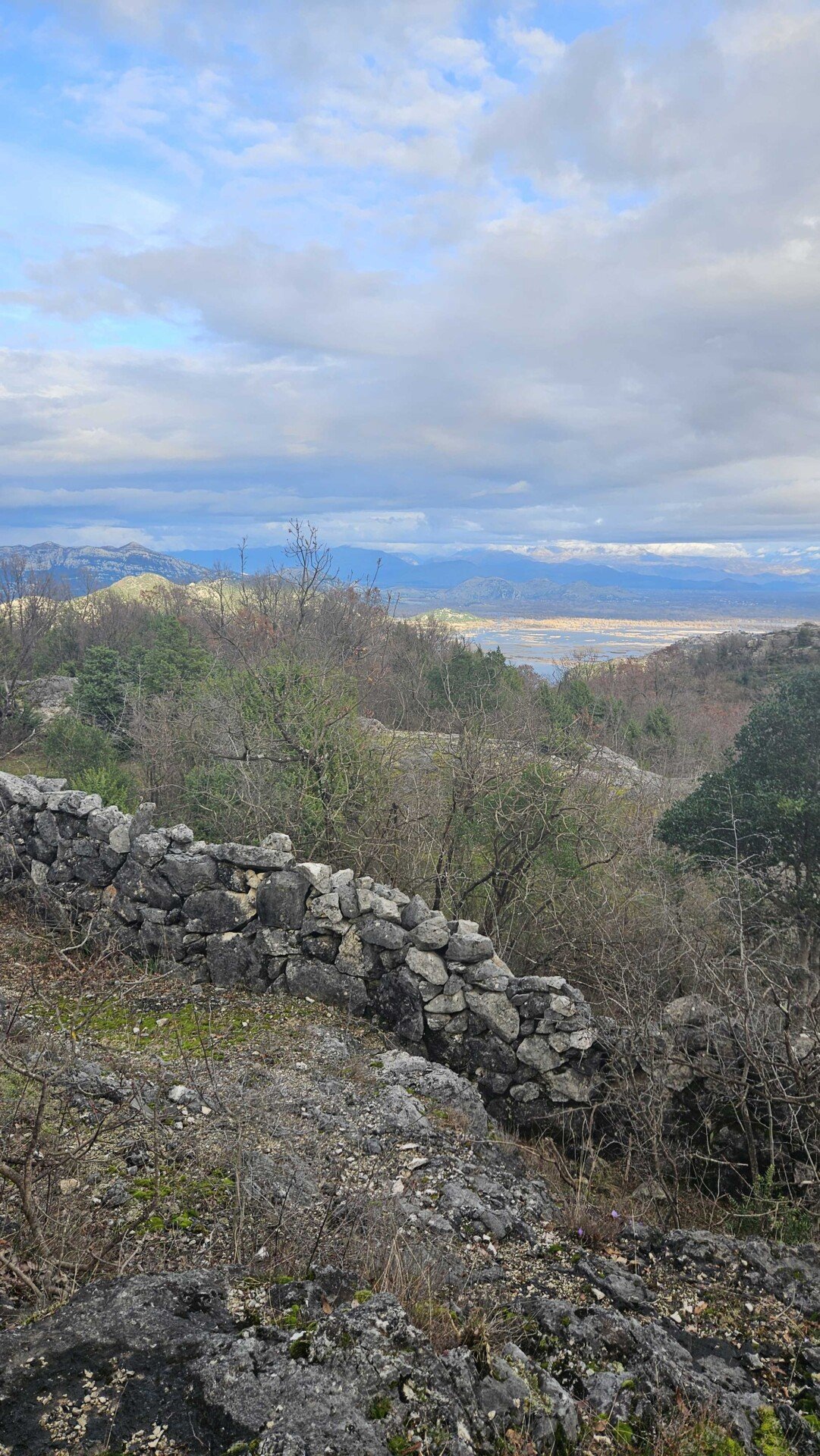
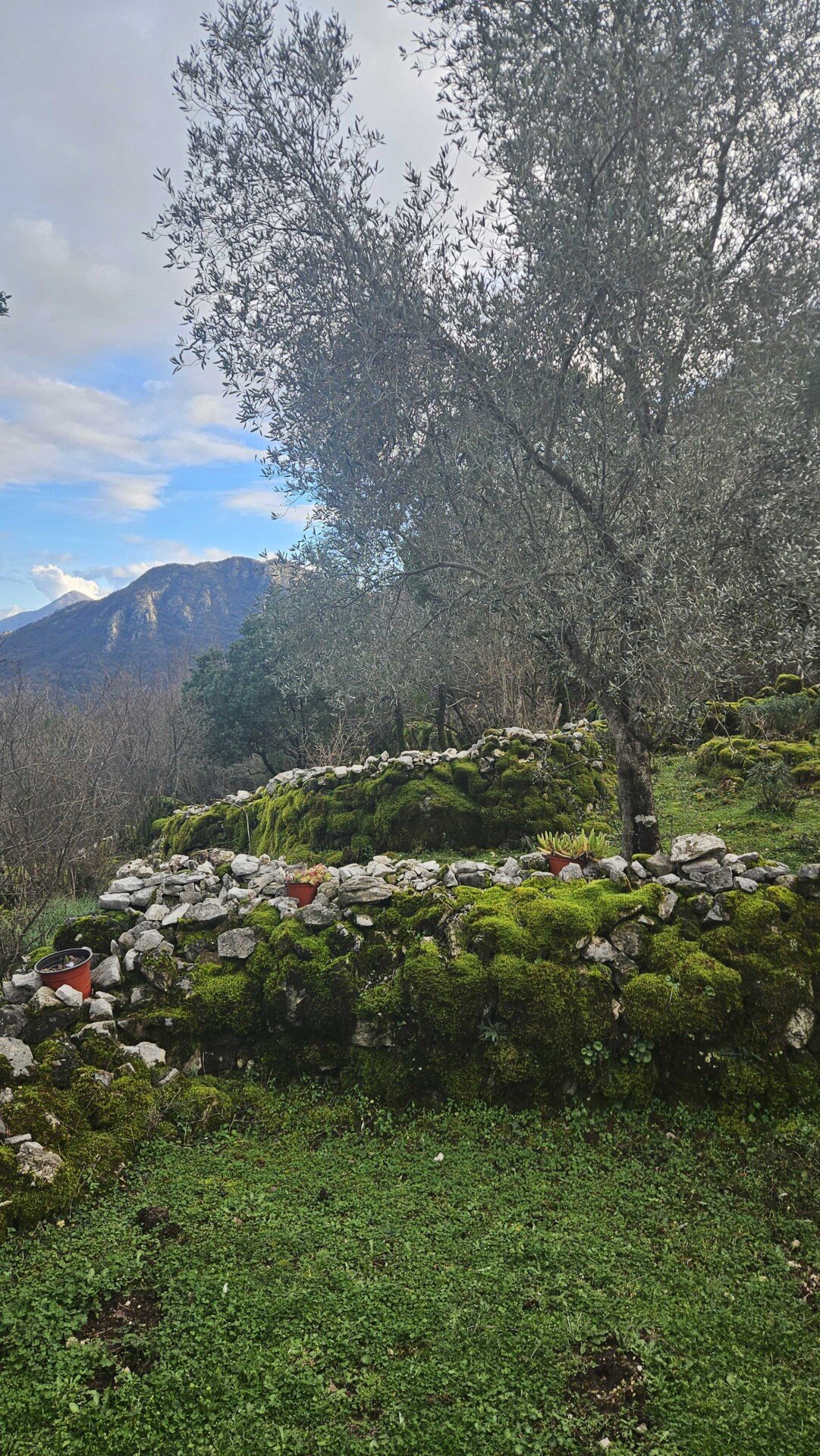
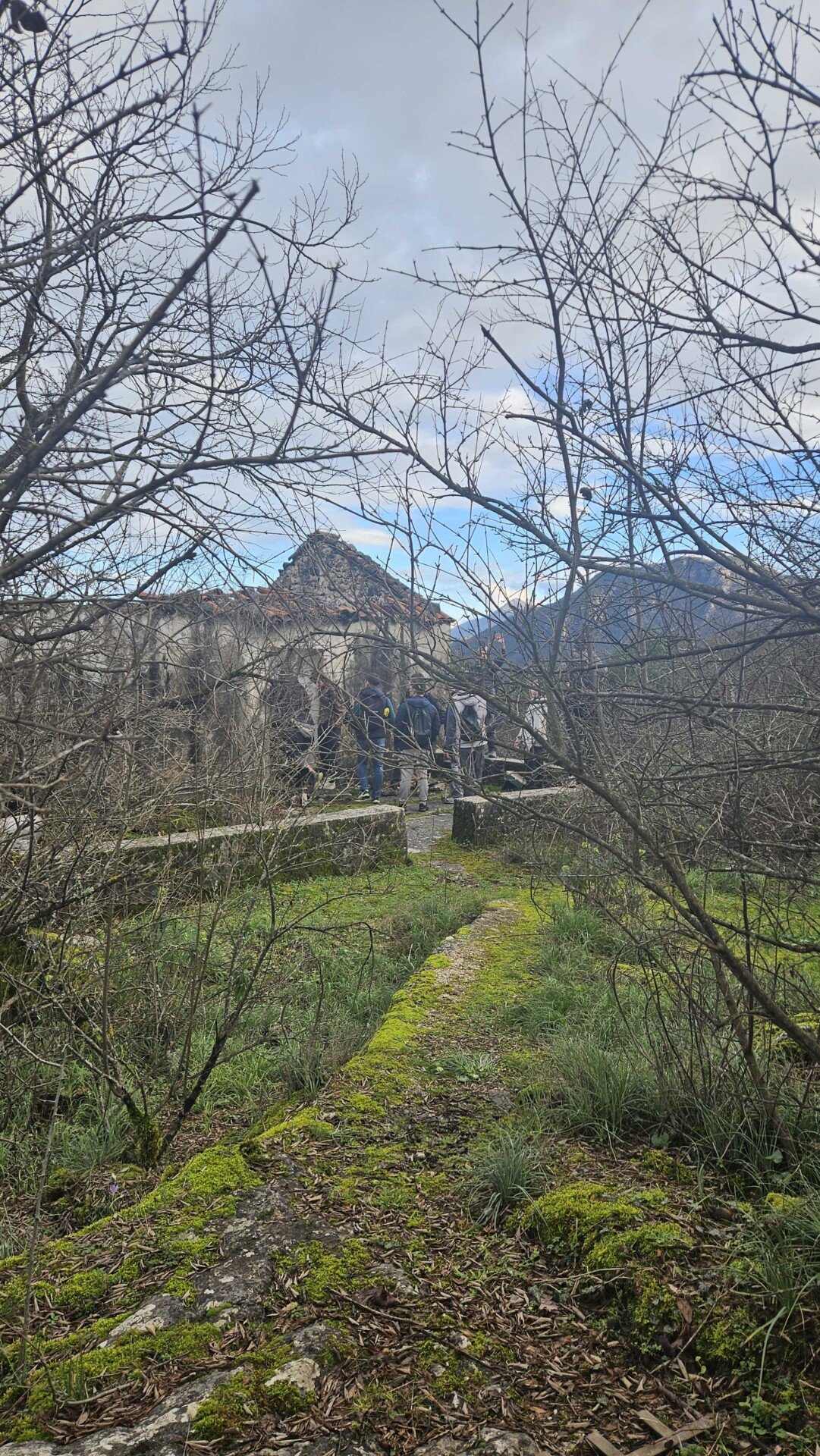
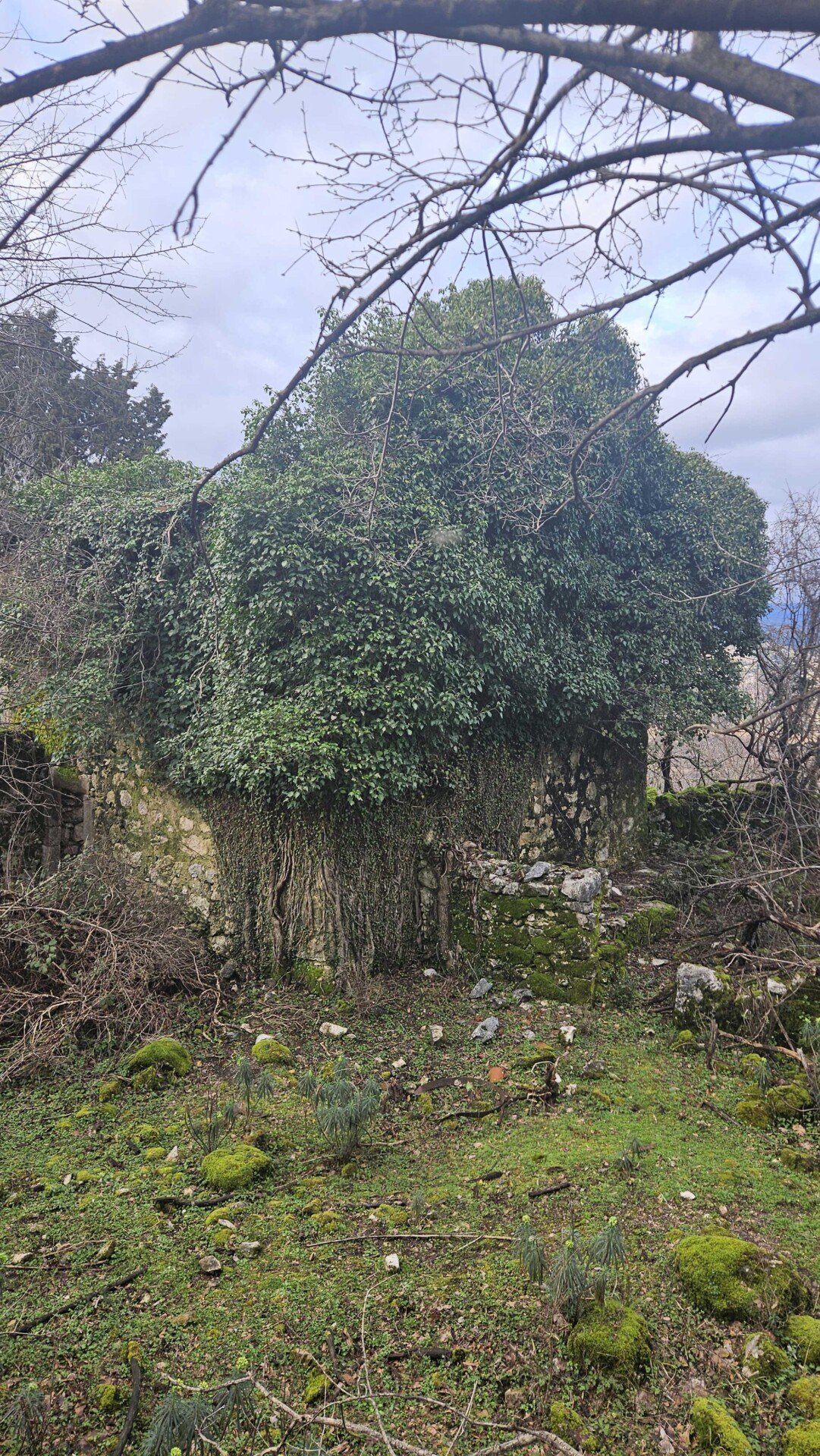
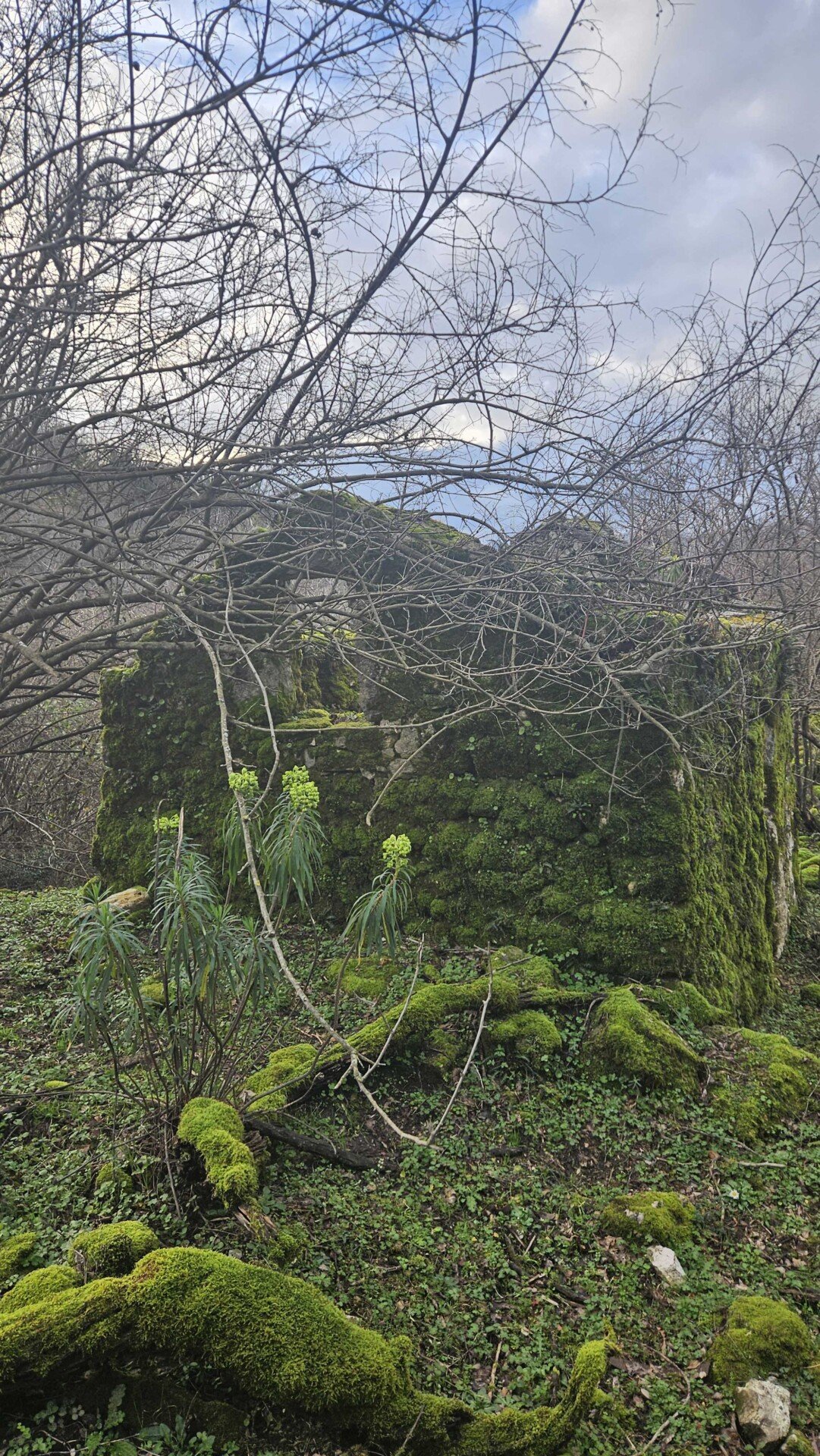
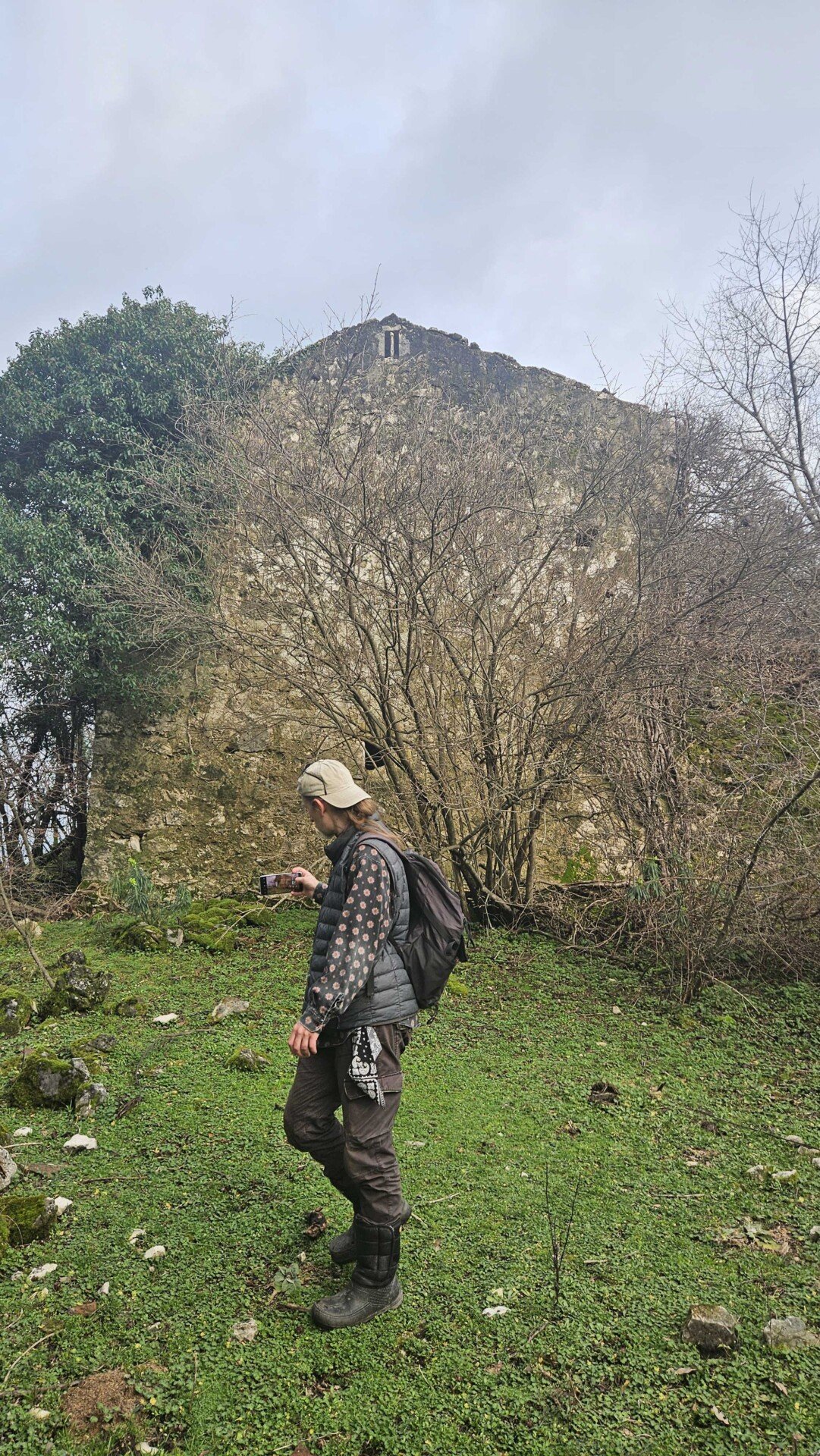
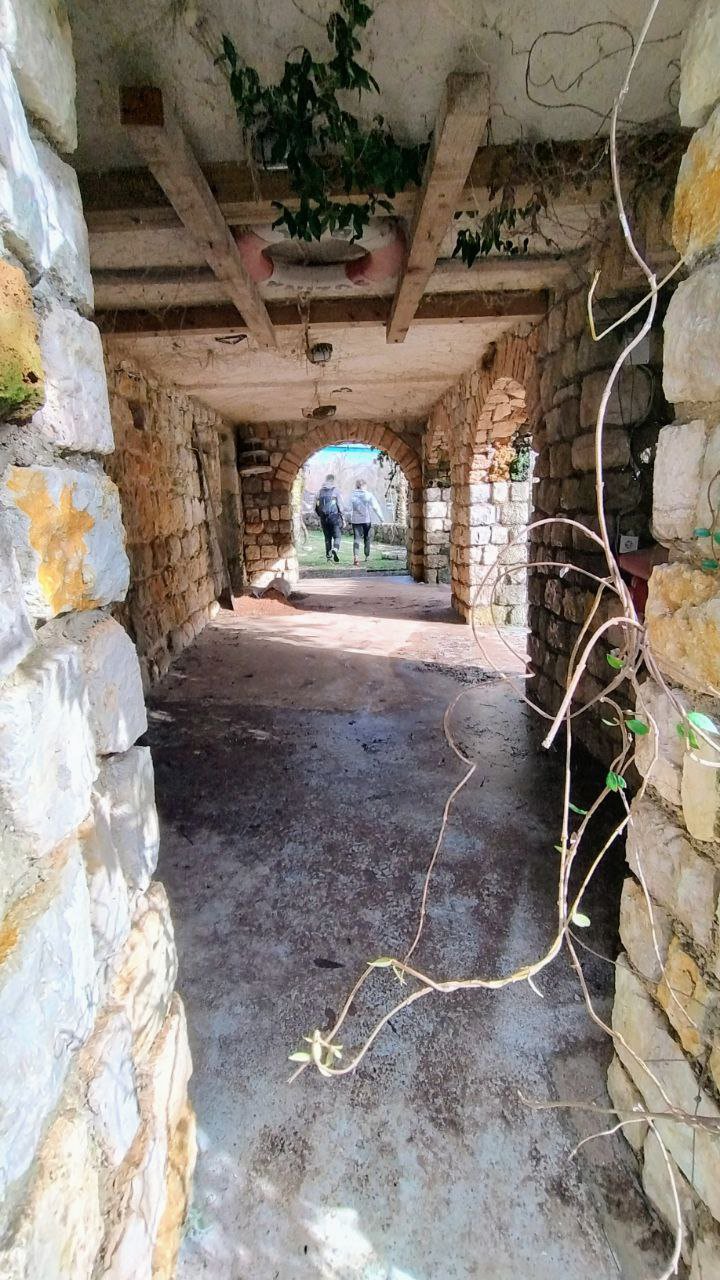
This is precisely why Poseljani makes such a powerful impression on the landscape. Here, one feels especially clearly that the architecture was born out of economic necessity. In regional and tourist descriptions, the village is consistently associated with stone buildings, dry masonry, old houses, and mills; In public Russian-language Telegram posts, Poseljani is also presented as a place where one can experience “real, non-touristy Montenegro” and traces of its milling past. The authenticity of Poseljani lies not in the fact that “nothing has changed” here, but in the fact that the old settlement logic—the stream, the elevation changes, the outbuildings, the stone, and the path—can still be discerned here.
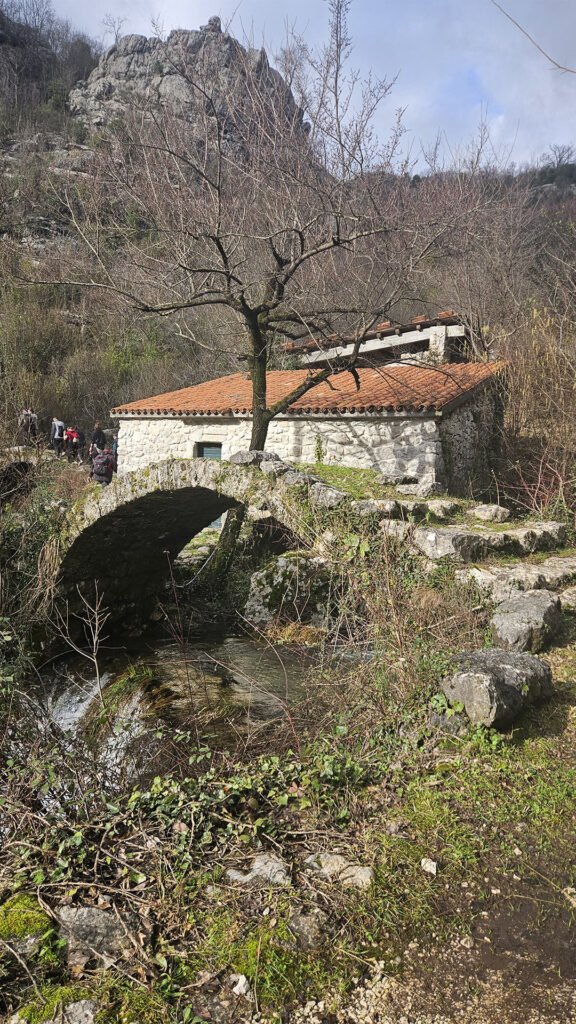
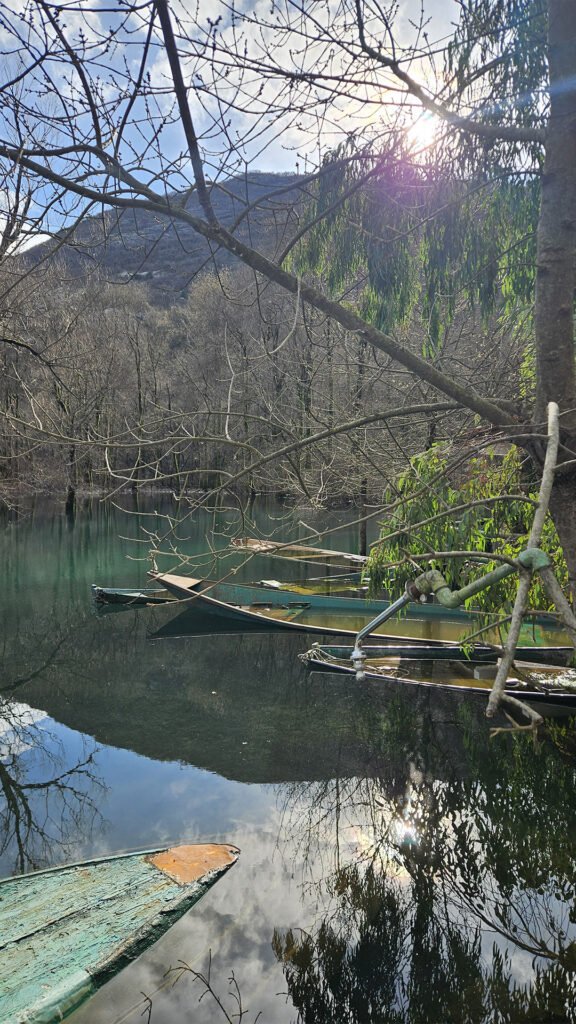
The architectural value of Poseljani is also confirmed more formally: in the National Park management program, the village is included in the list of potential immovable cultural assets. This is an important formulation. It means that conservation and research interests here are focused not on a single isolated object, but on the settlement itself as a holistic environment.
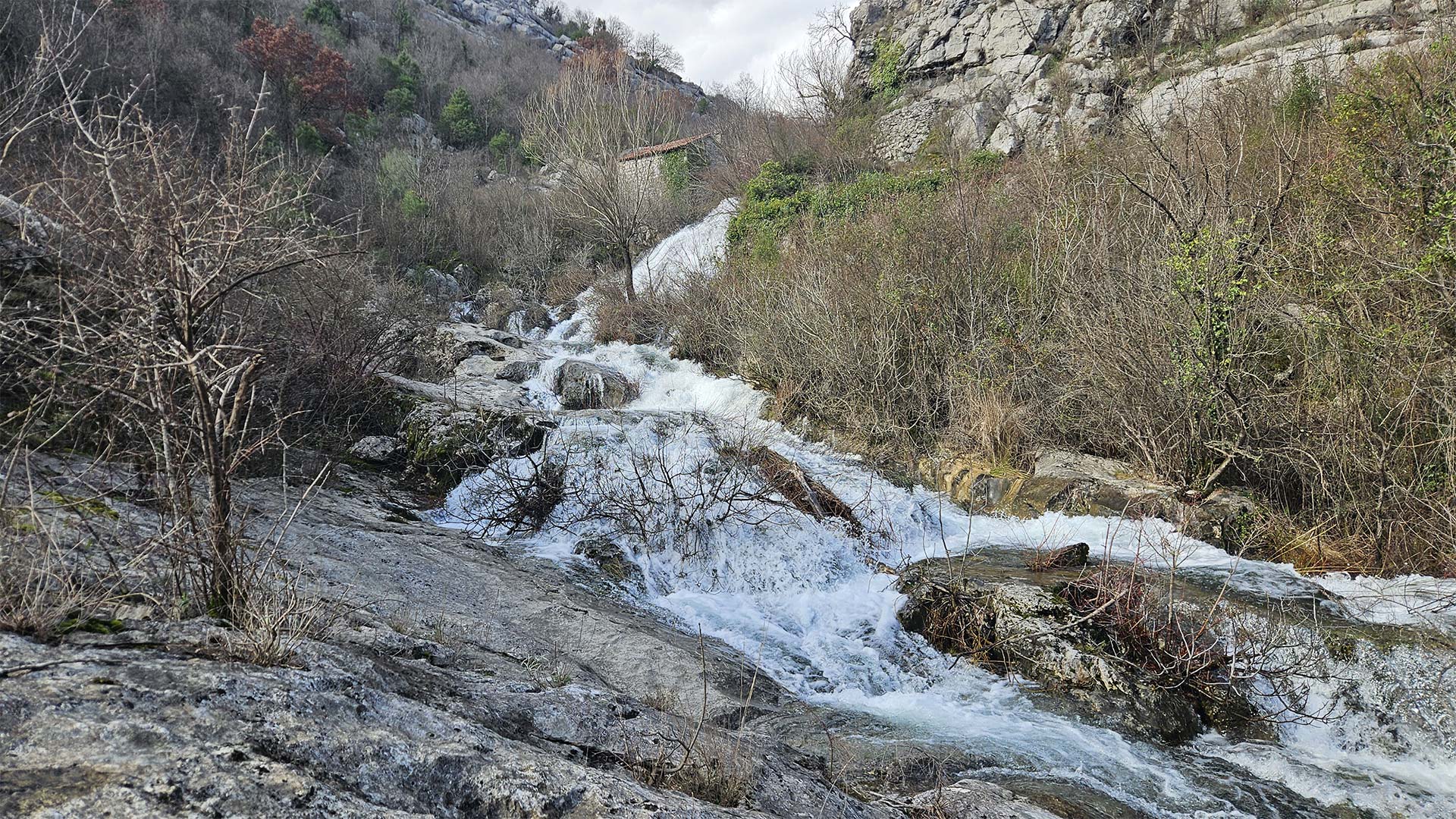
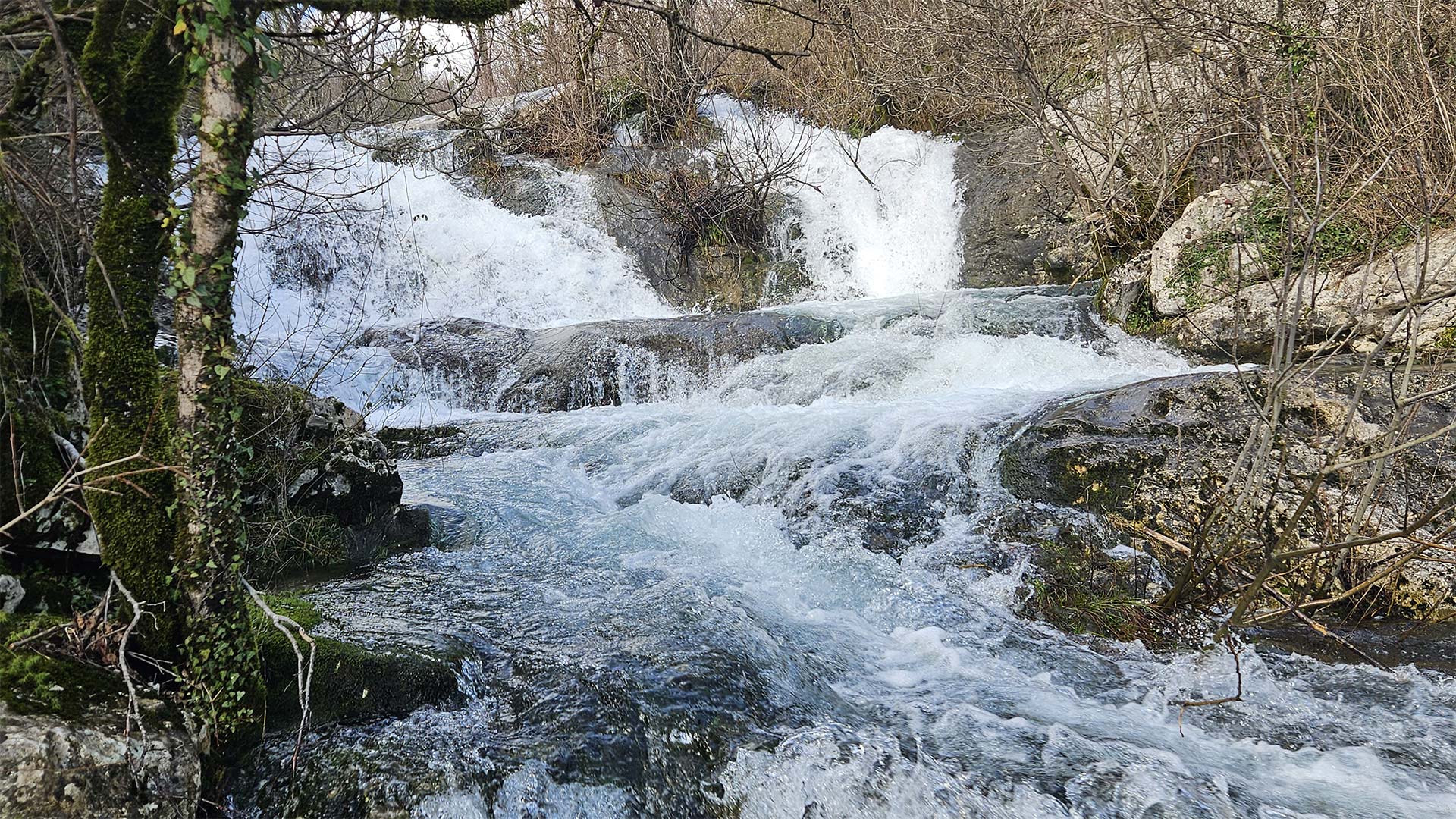
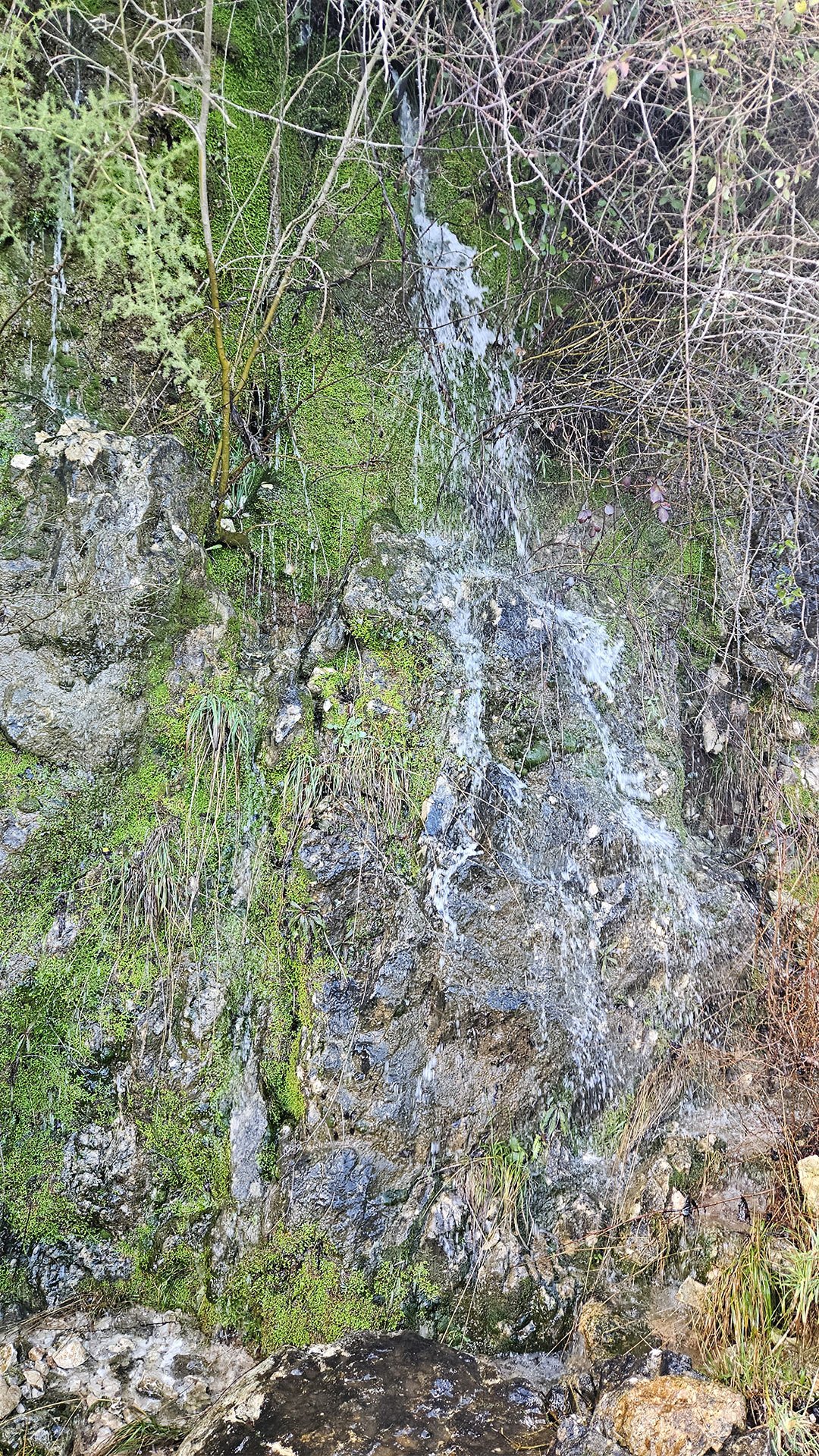
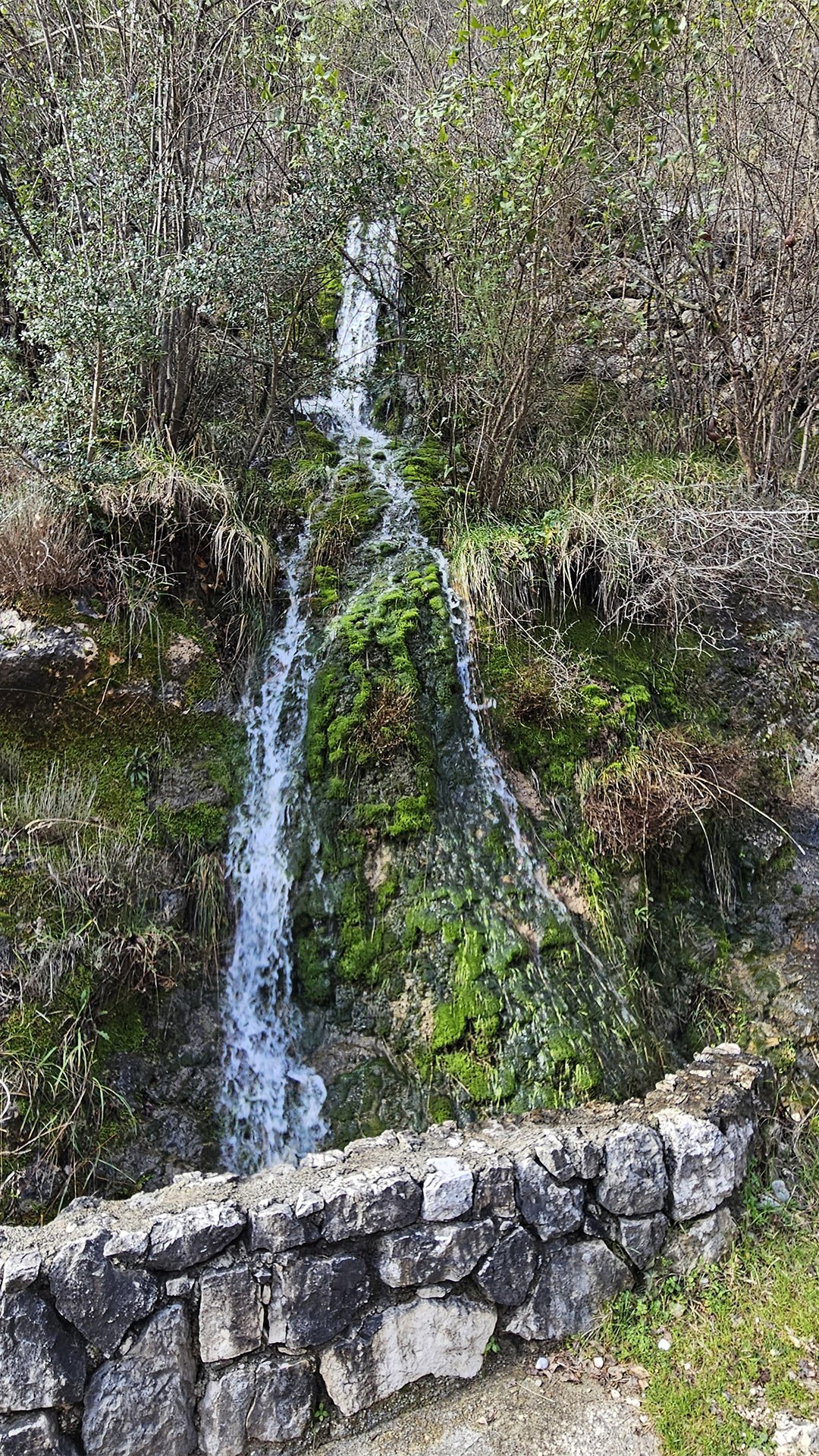
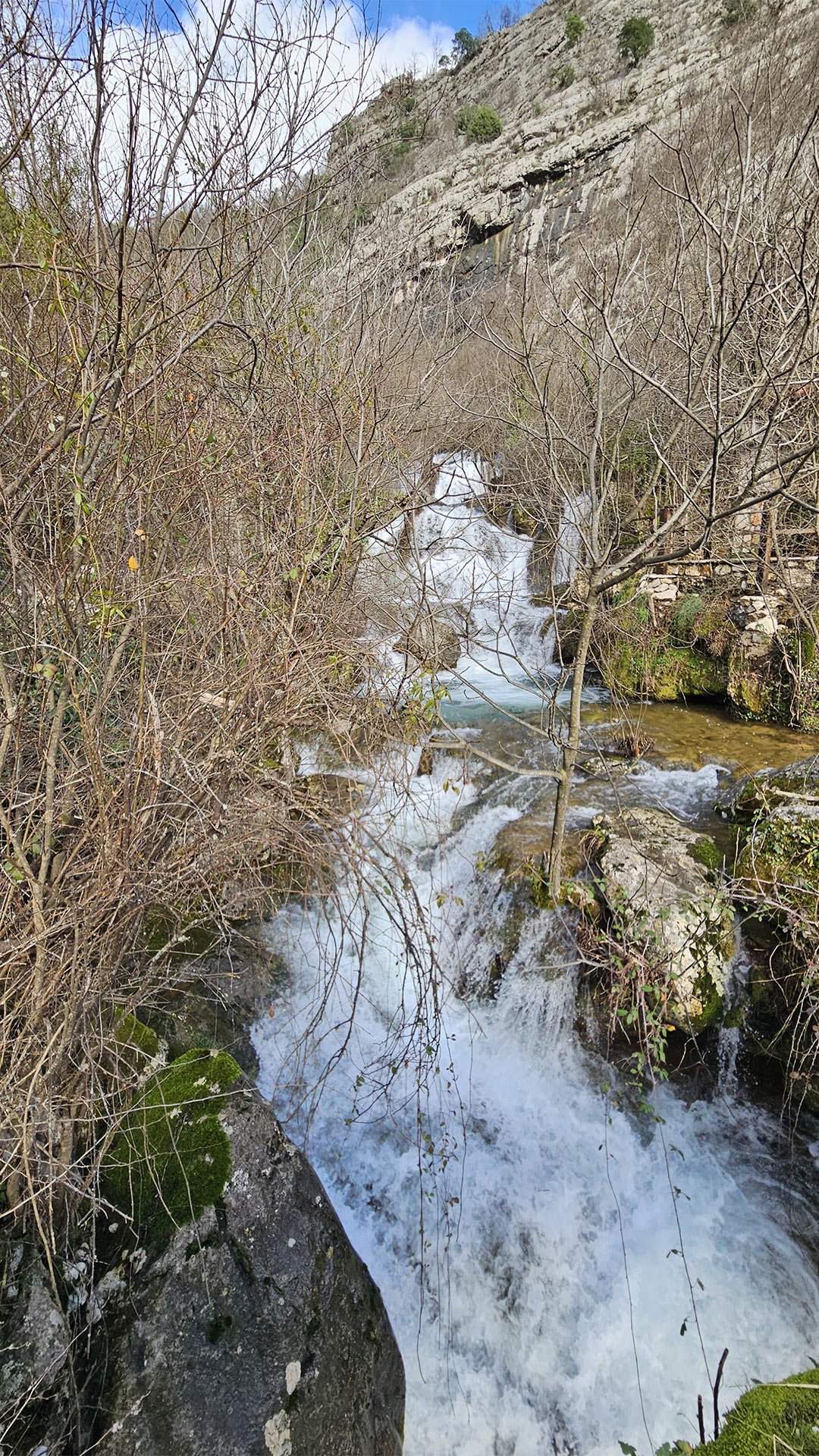
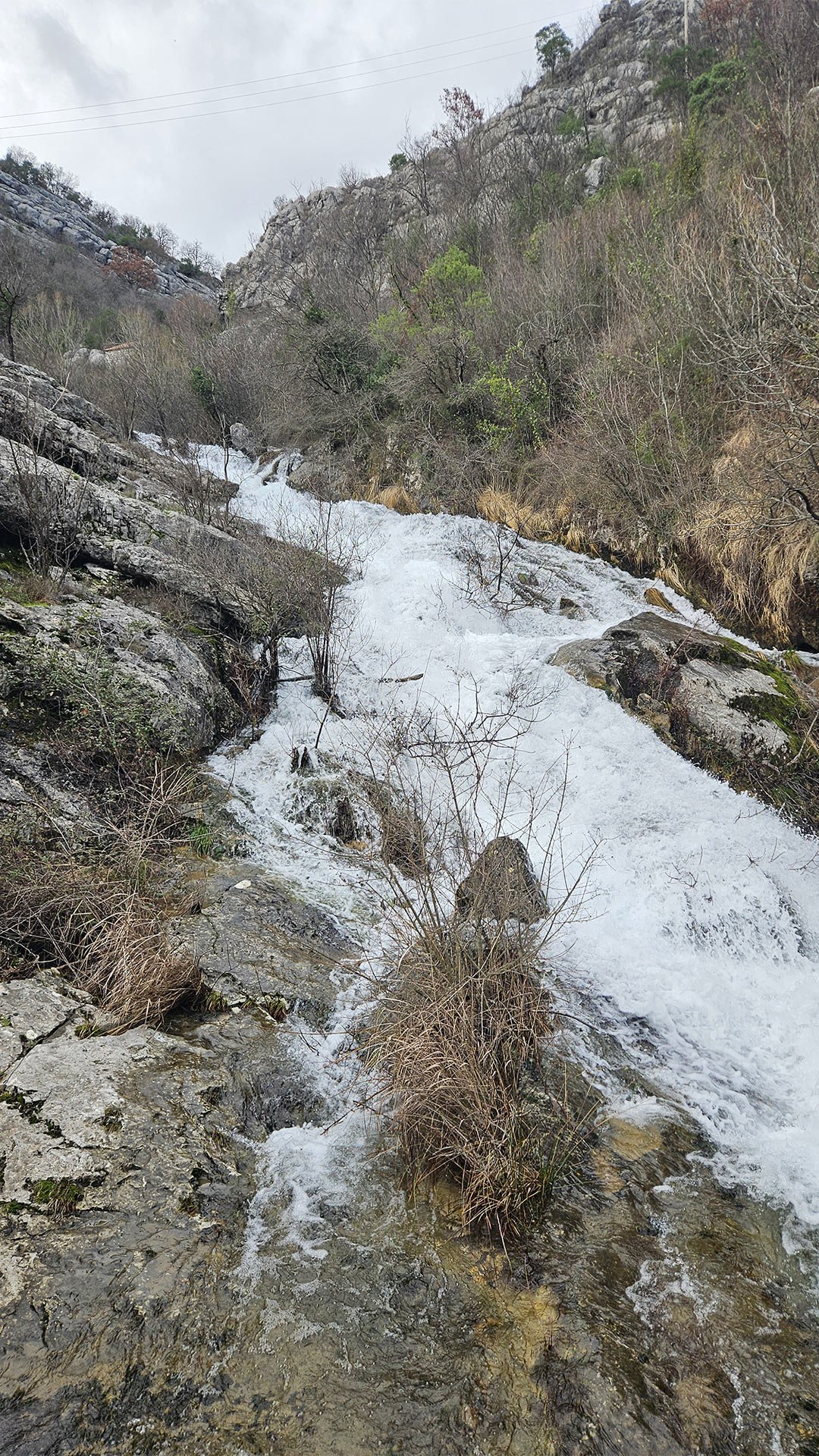
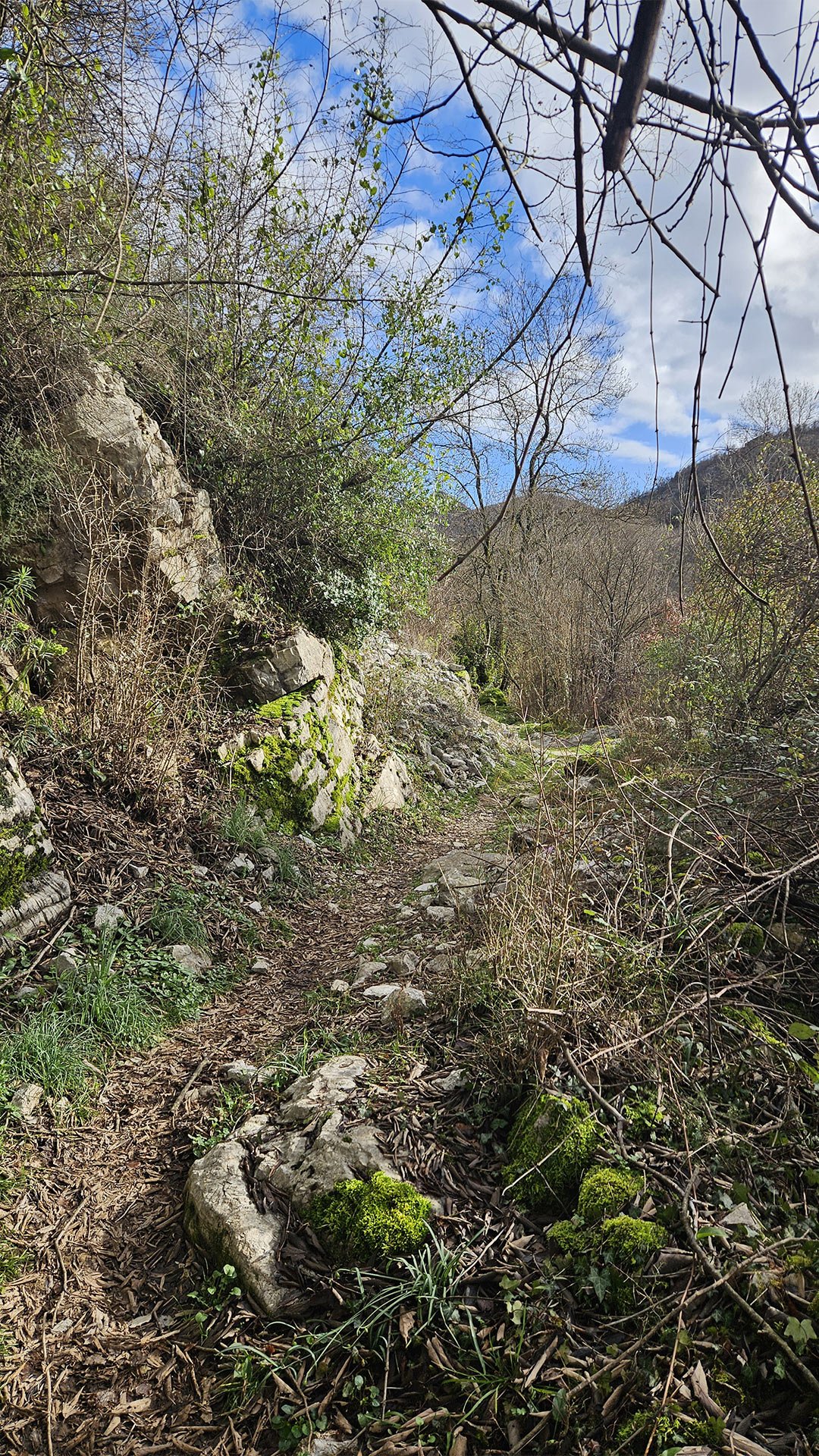
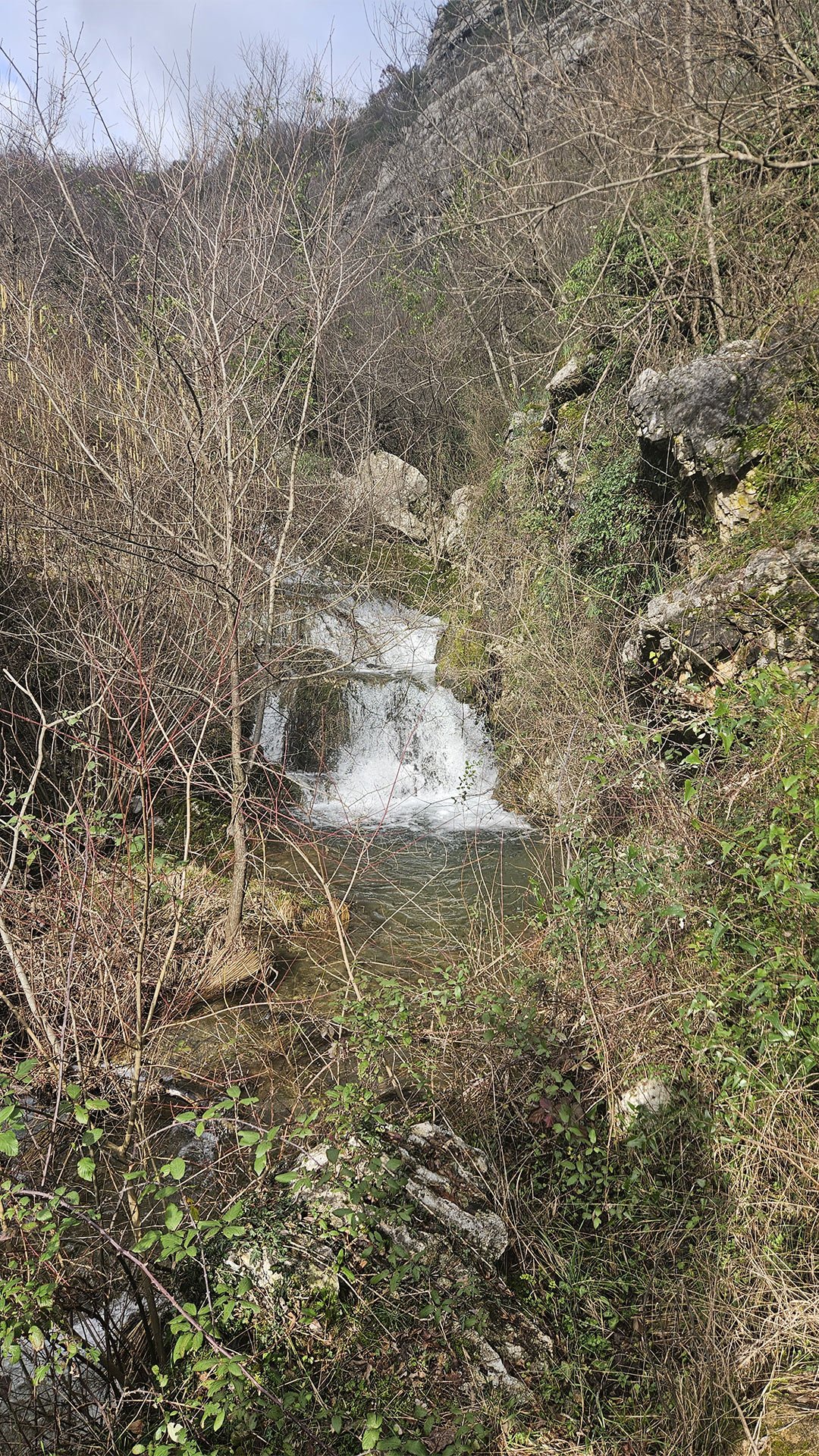
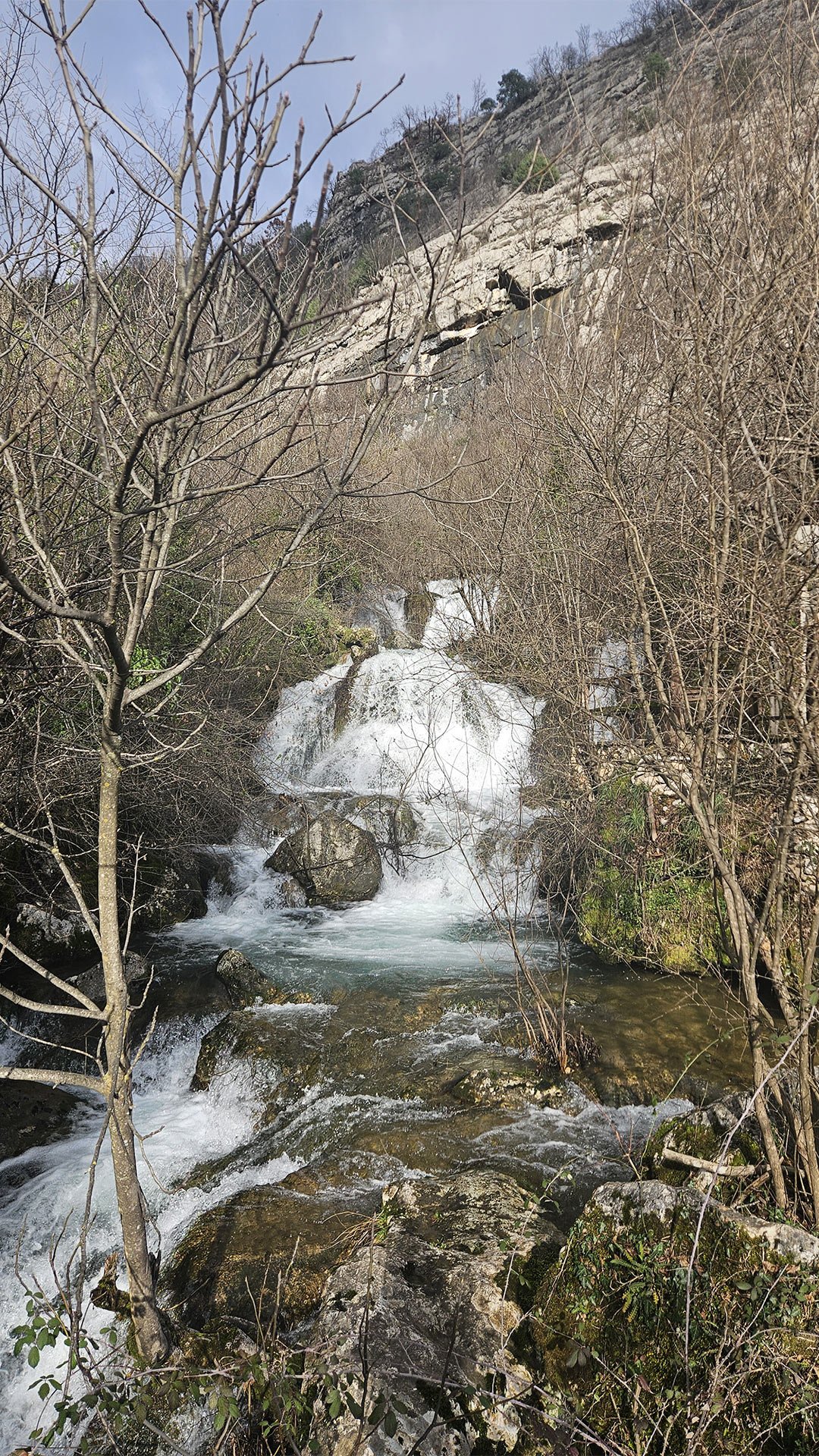
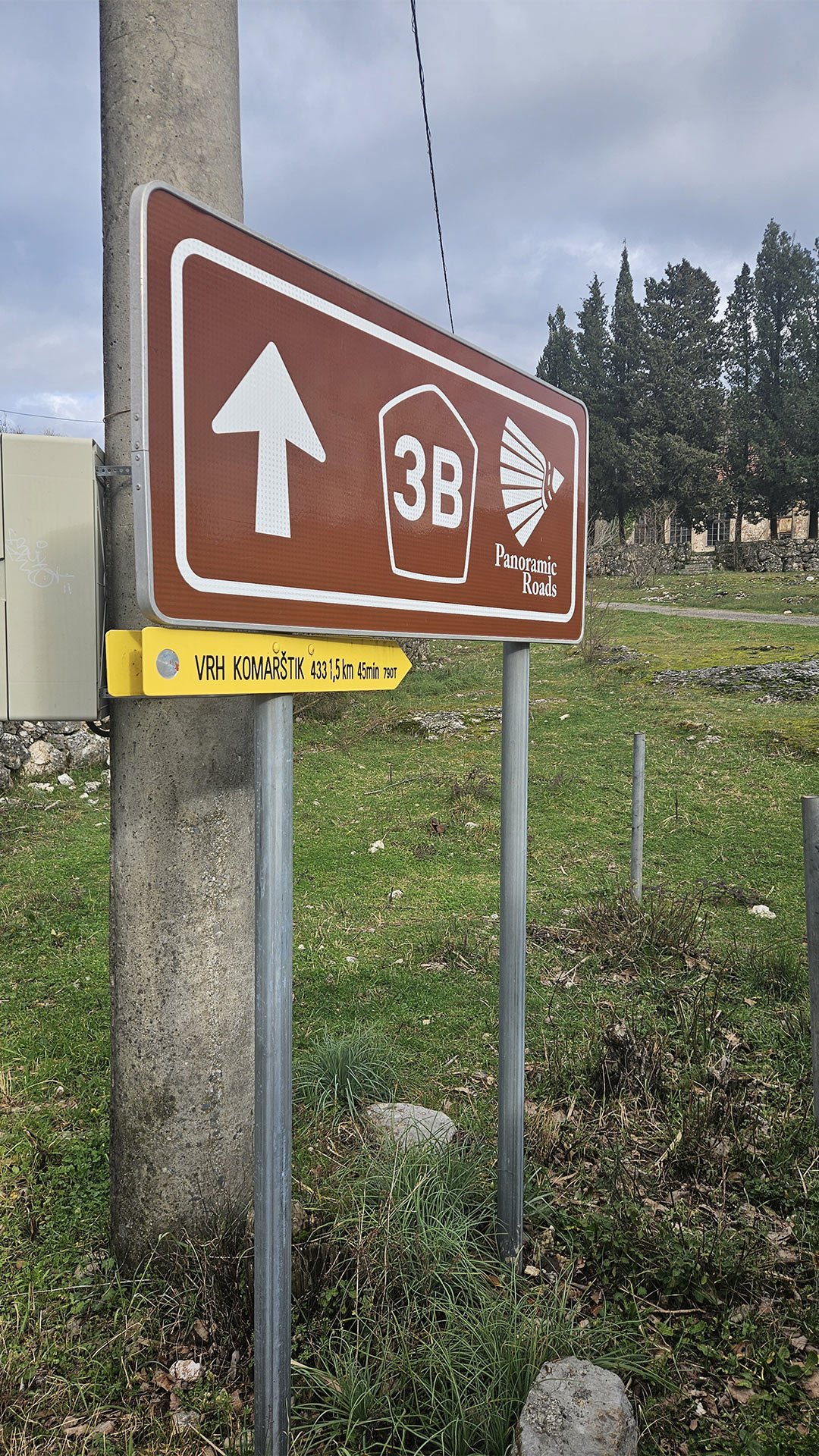
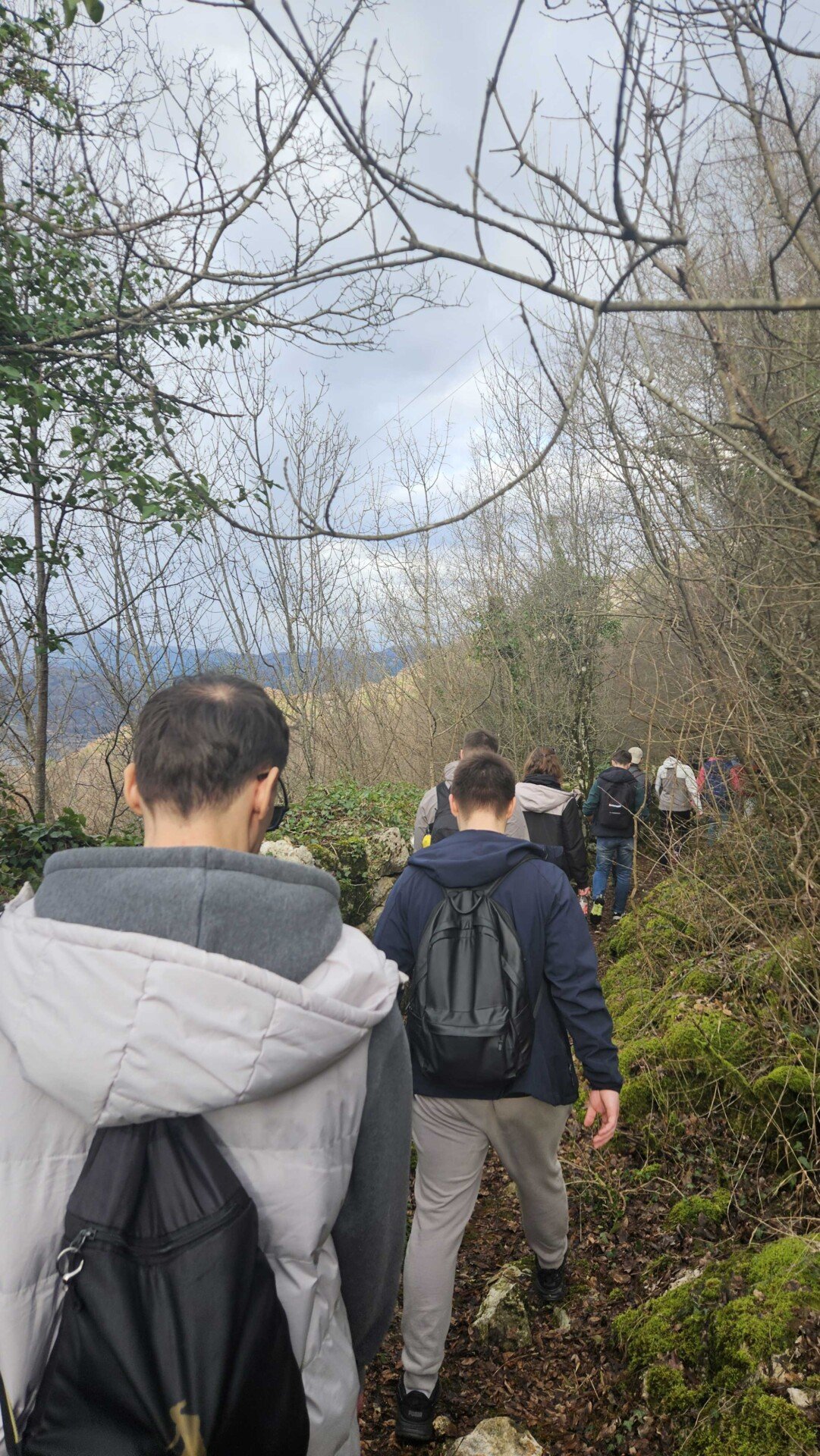
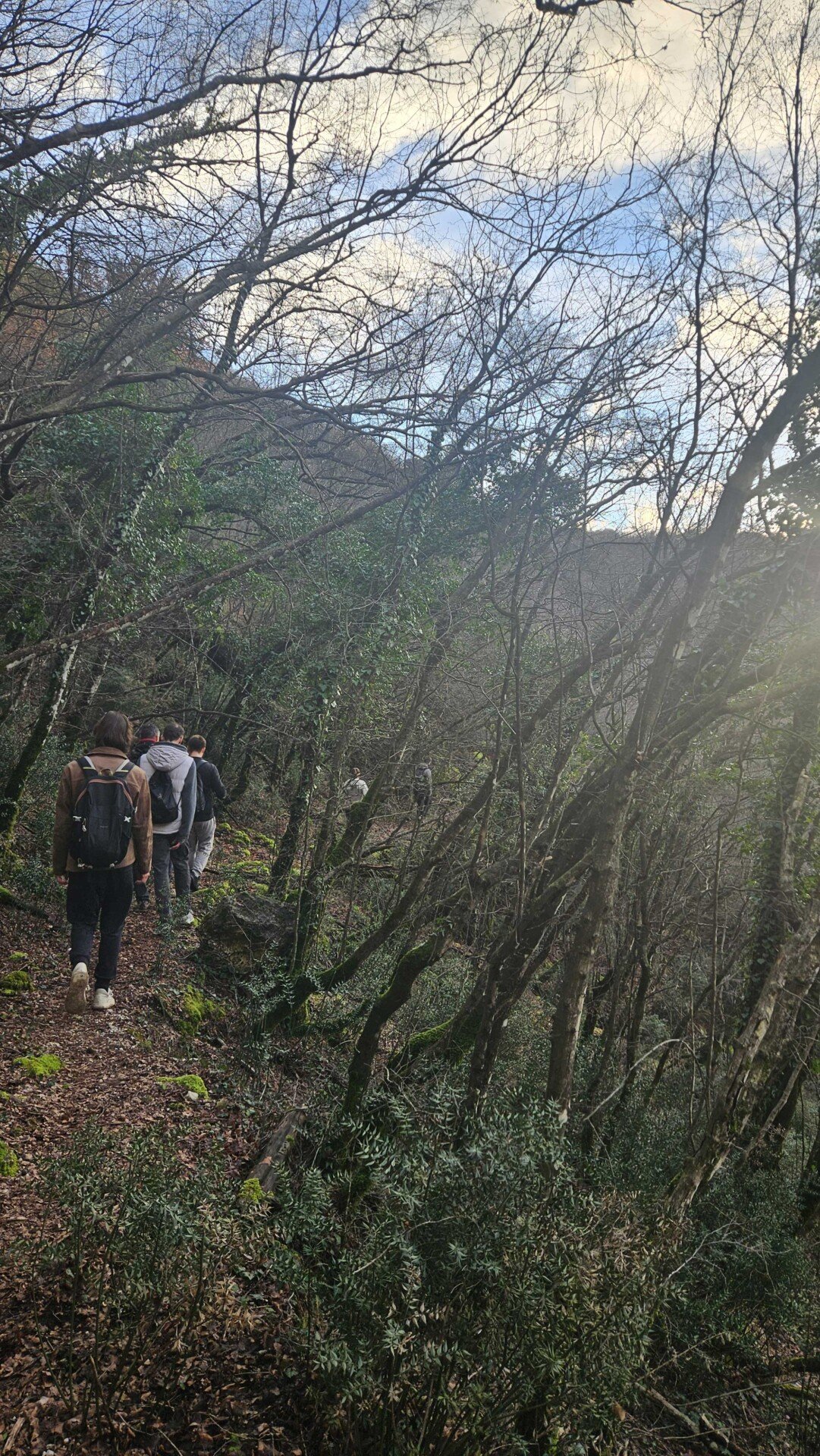
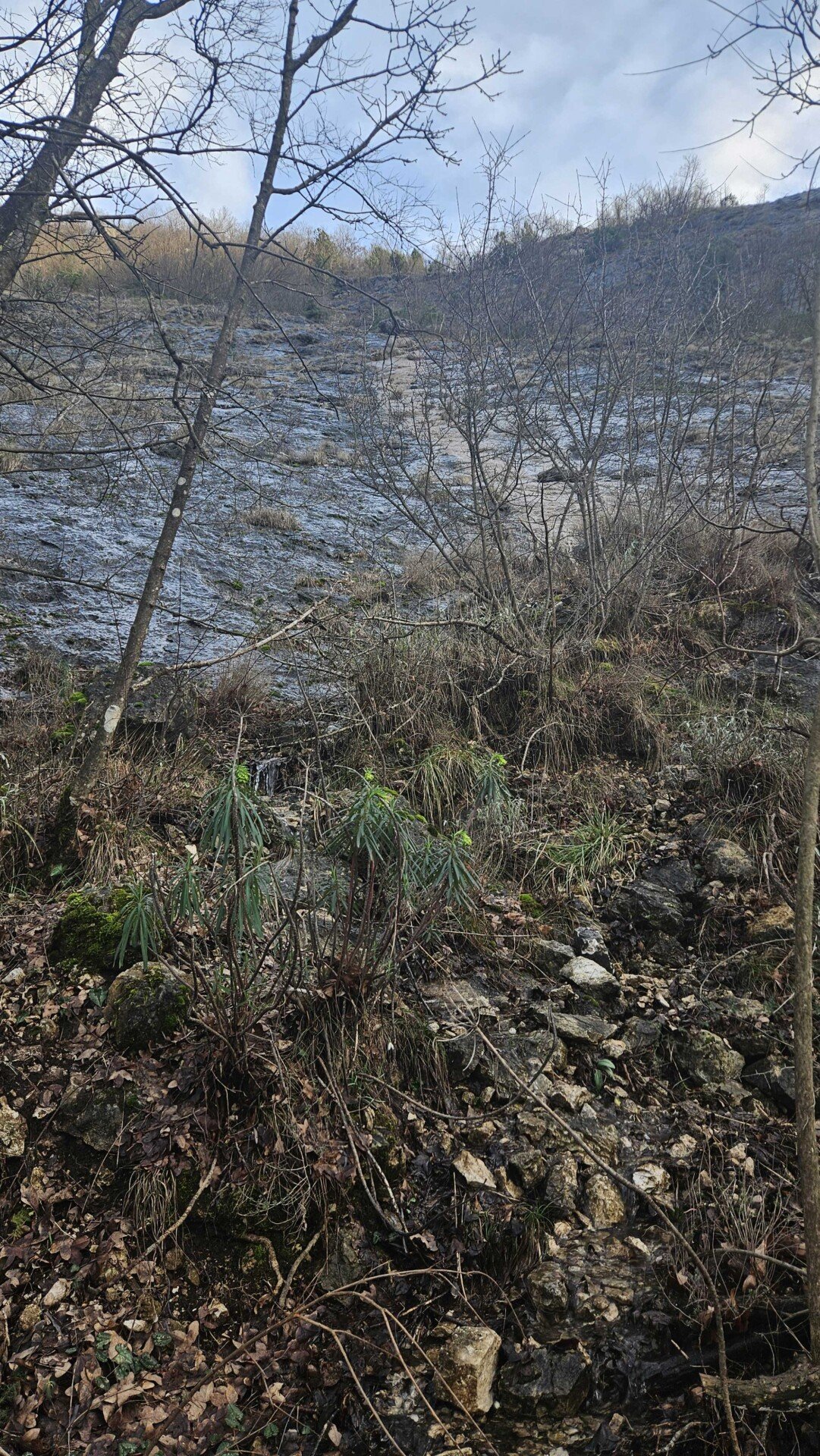
In modern tourist navigation, Poseljani continues to exist as a place of small hiking trails to waterfalls and mill ruins.
Komarno: a quiet coastal outskirts where history must be reconstructed from indirect traces
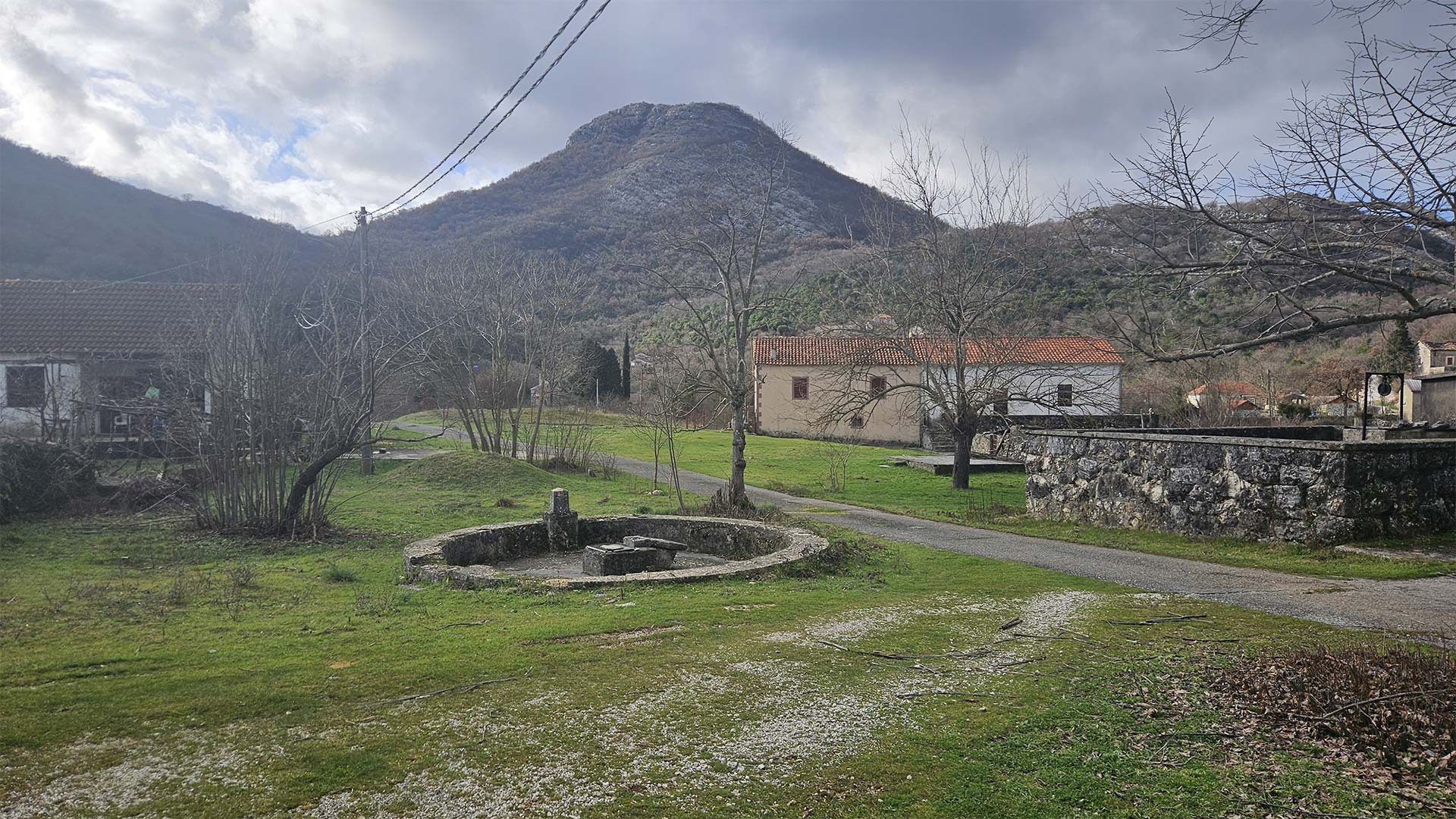
While settlements are revealed through their economic function, Komarno demands a more cautious approach. This small settlement in the municipality of Bar is listed as having 11 residents according to the 2023 census, while preliminary comparisons with the 2011 census show 15.
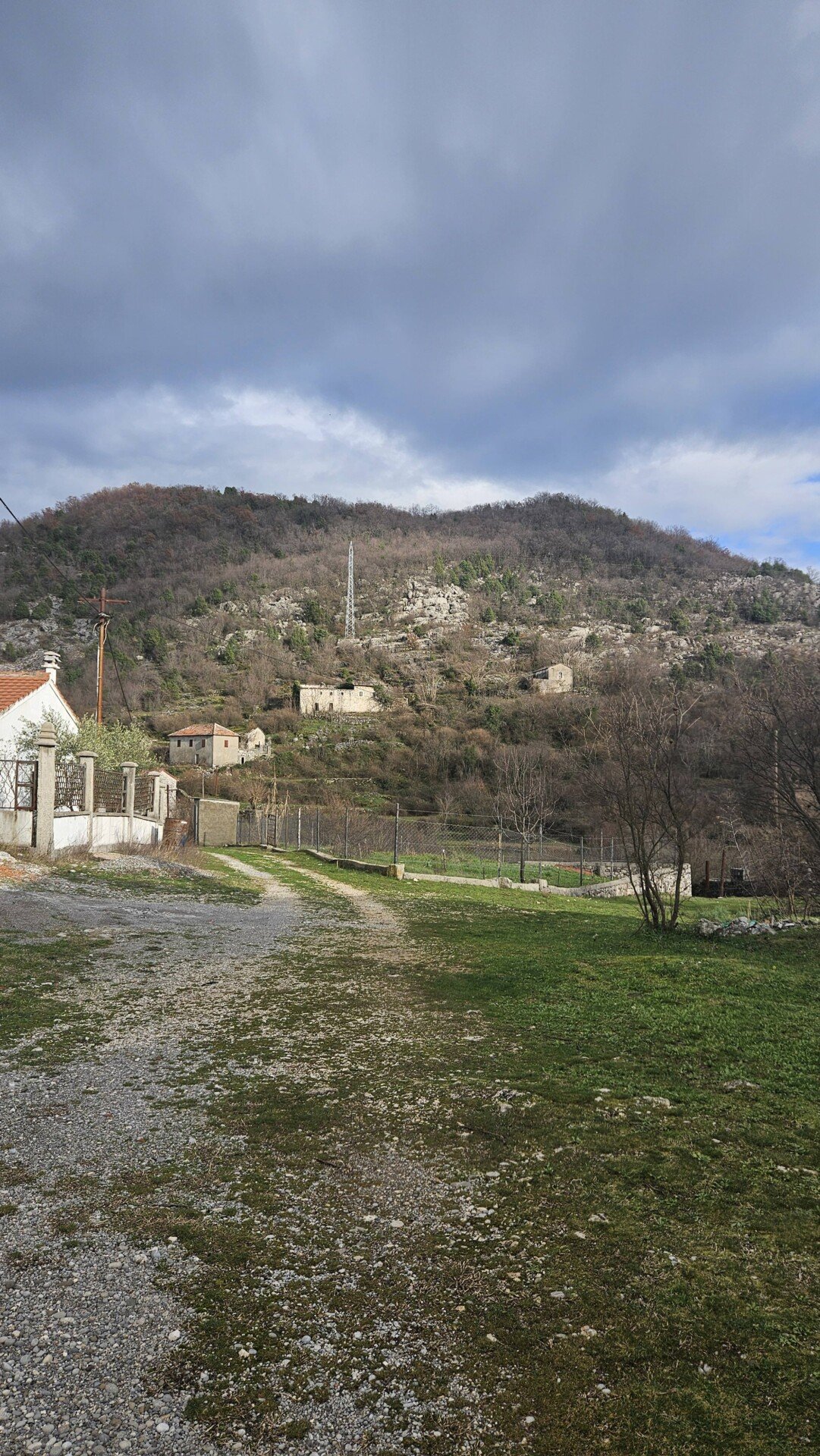
In the spatial plan of the National Park, Komarno is included in the Crmnica complex, along with Kruševica, Krnici, Godinje, and other small settlements gravitating toward Virpazar as a local center. The plan also identifies Komarno as having an autonomous water supply system. For a researcher, this is a simple but important piece of information: it demonstrates that even today the settlement exists as a distinct local entity, not just a “dot on the map.” In the small villages of Lake Skadar, infrastructure often speaks as much about viability as population size.
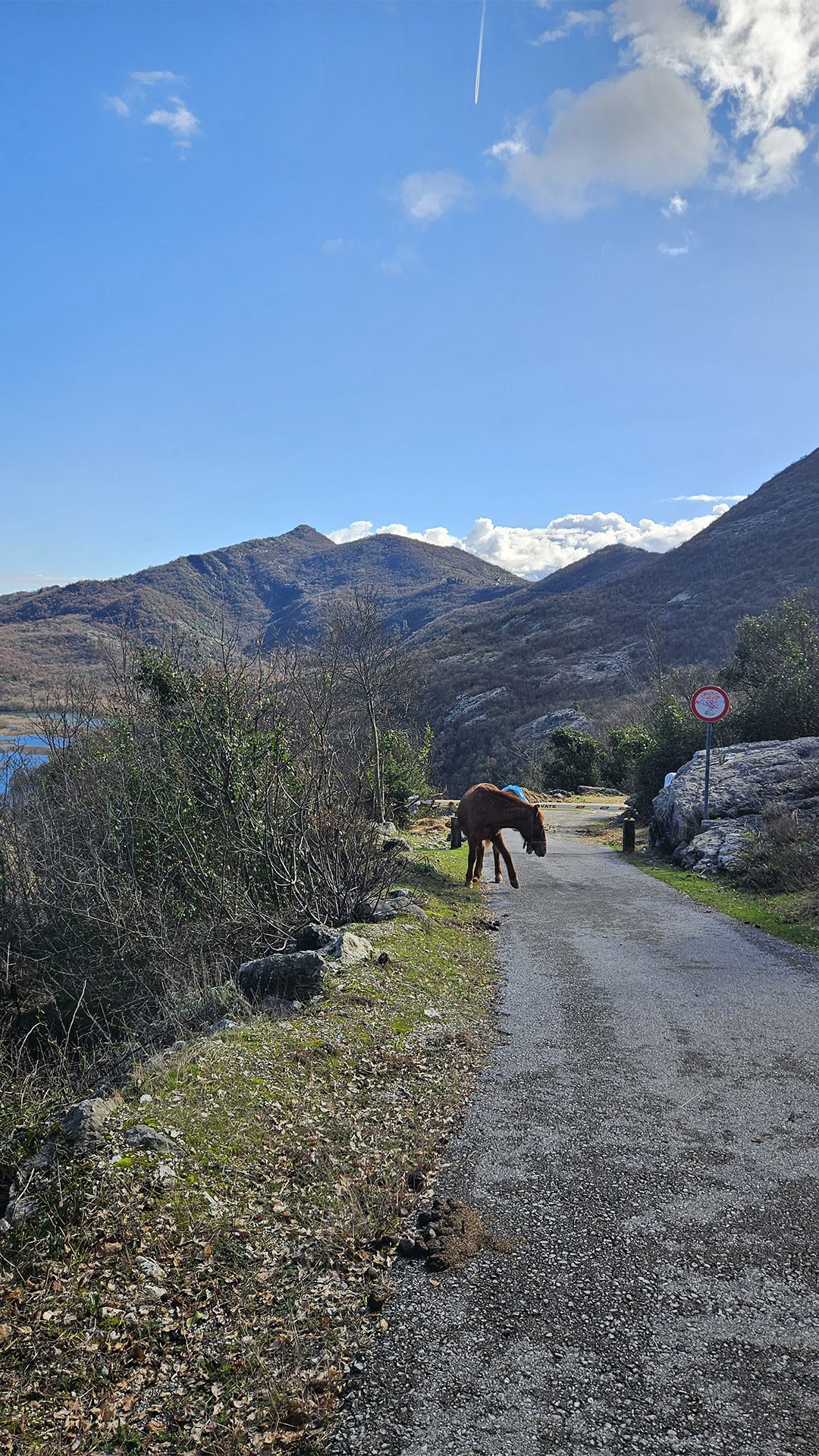
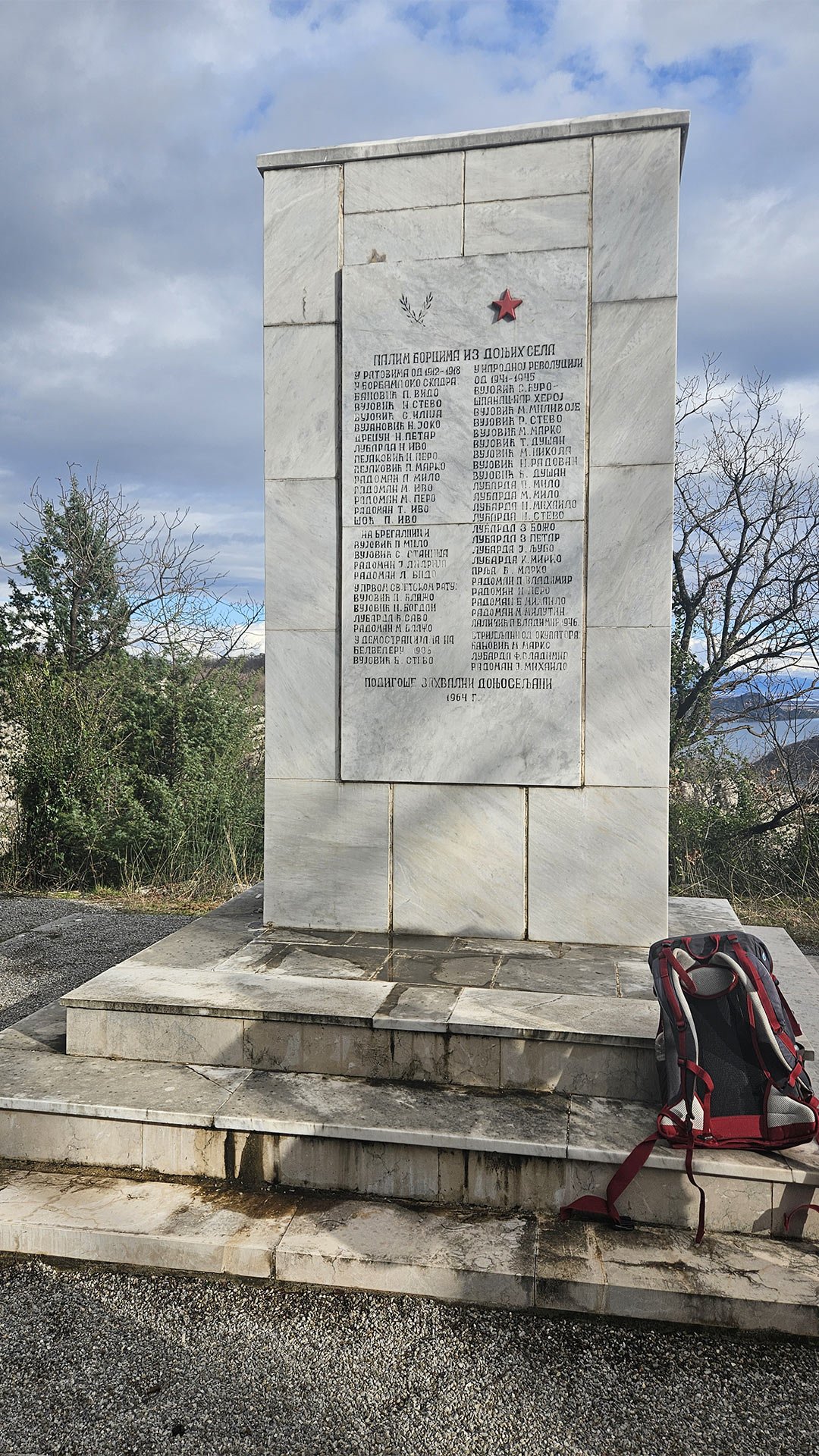
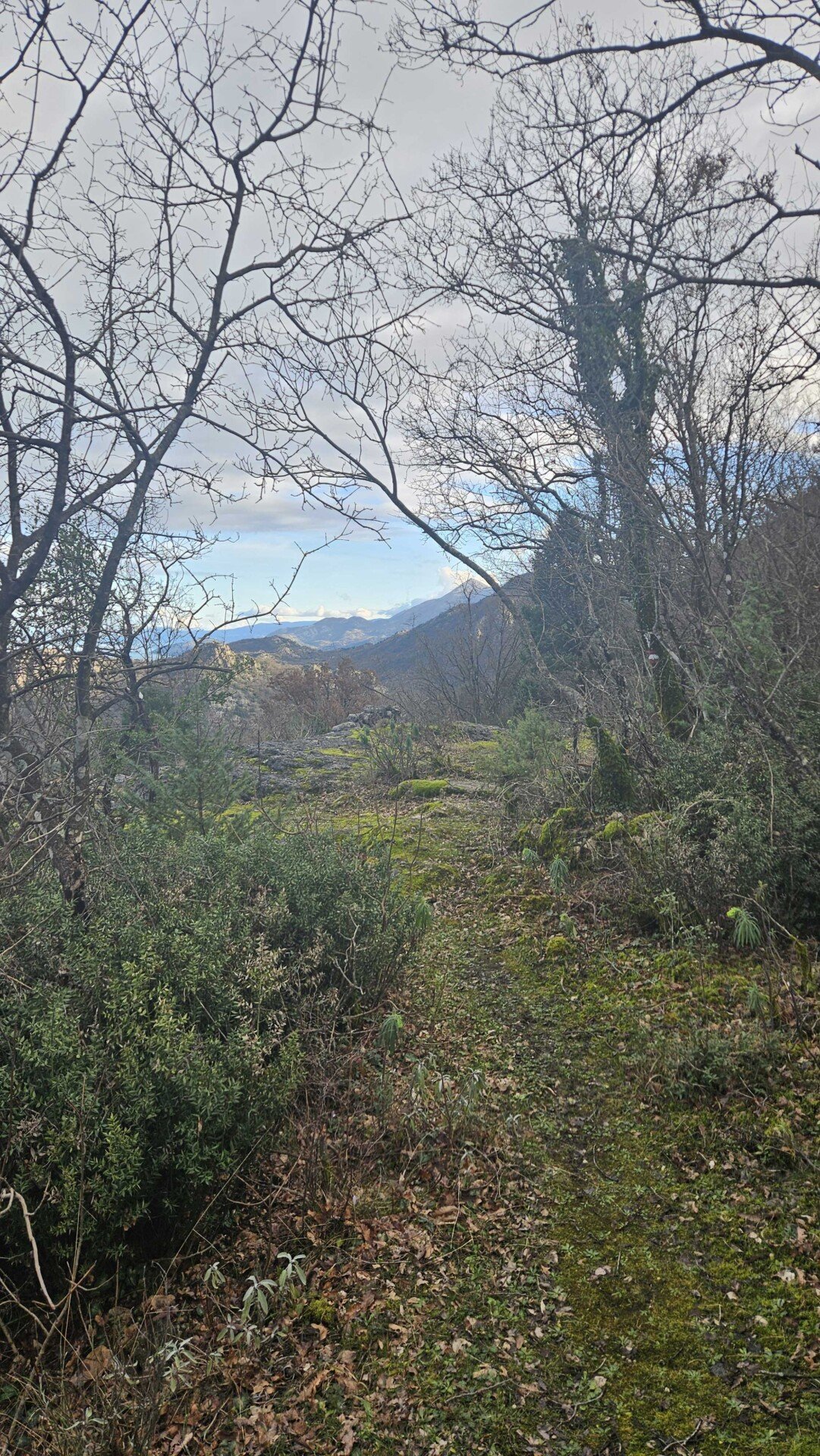
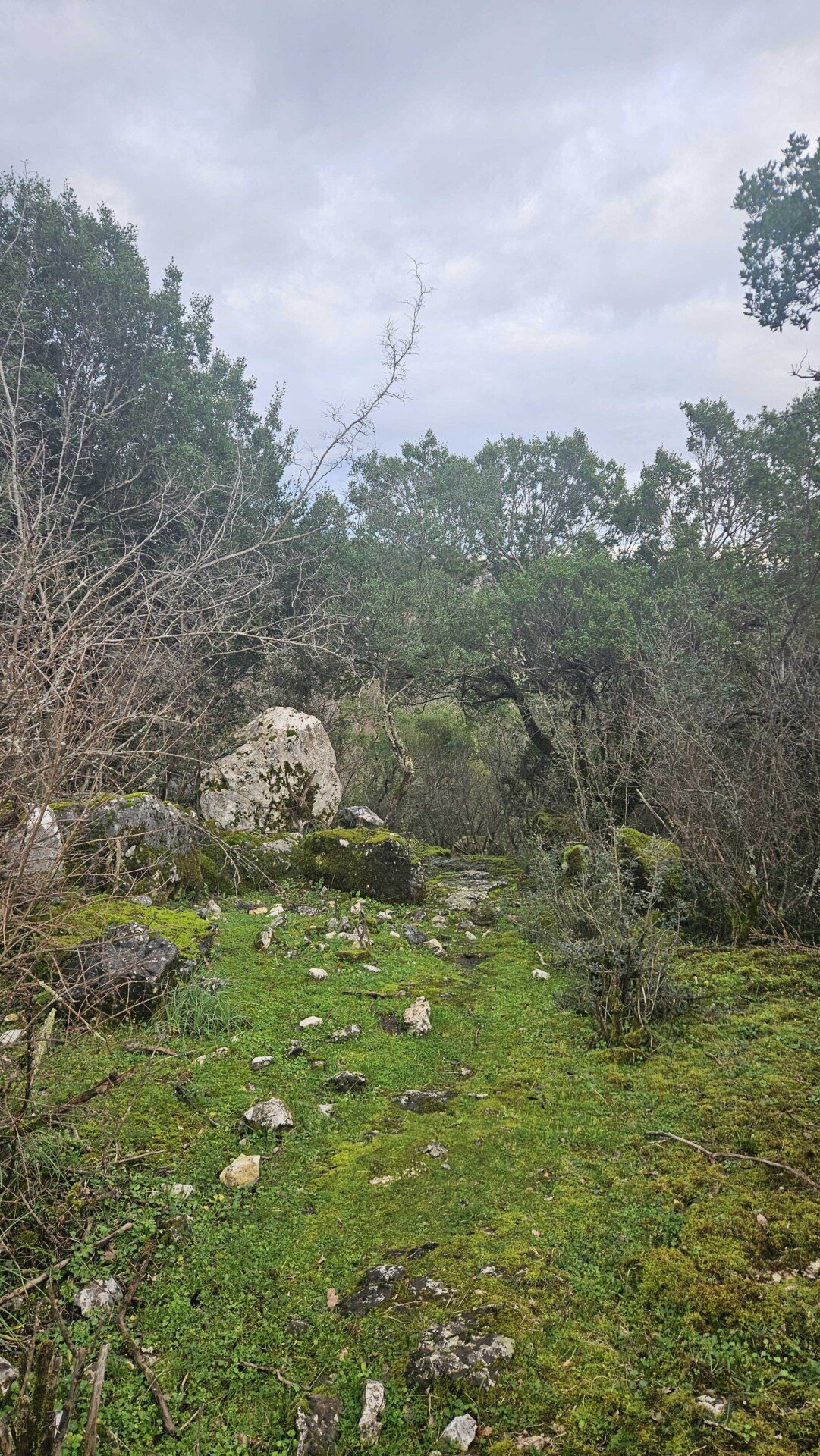
Historically, Komárno is best documented through two features. The first is archaeological. The official list of potential archaeological sites specifically mentions a tumul in Komárno, or burial mound. This doesn’t provide a definitive “village narrative,” but it does firmly demonstrate that the site’s development spans a long time. The second feature is communication. The park management program records a route along the “old caravan route from Komárno to Rijeka Crnojevića.” Komárno didn’t exist in isolation, but rather as a point in a system of coastal and inter-village connections.
What is especially important for the Starlight Group to see?
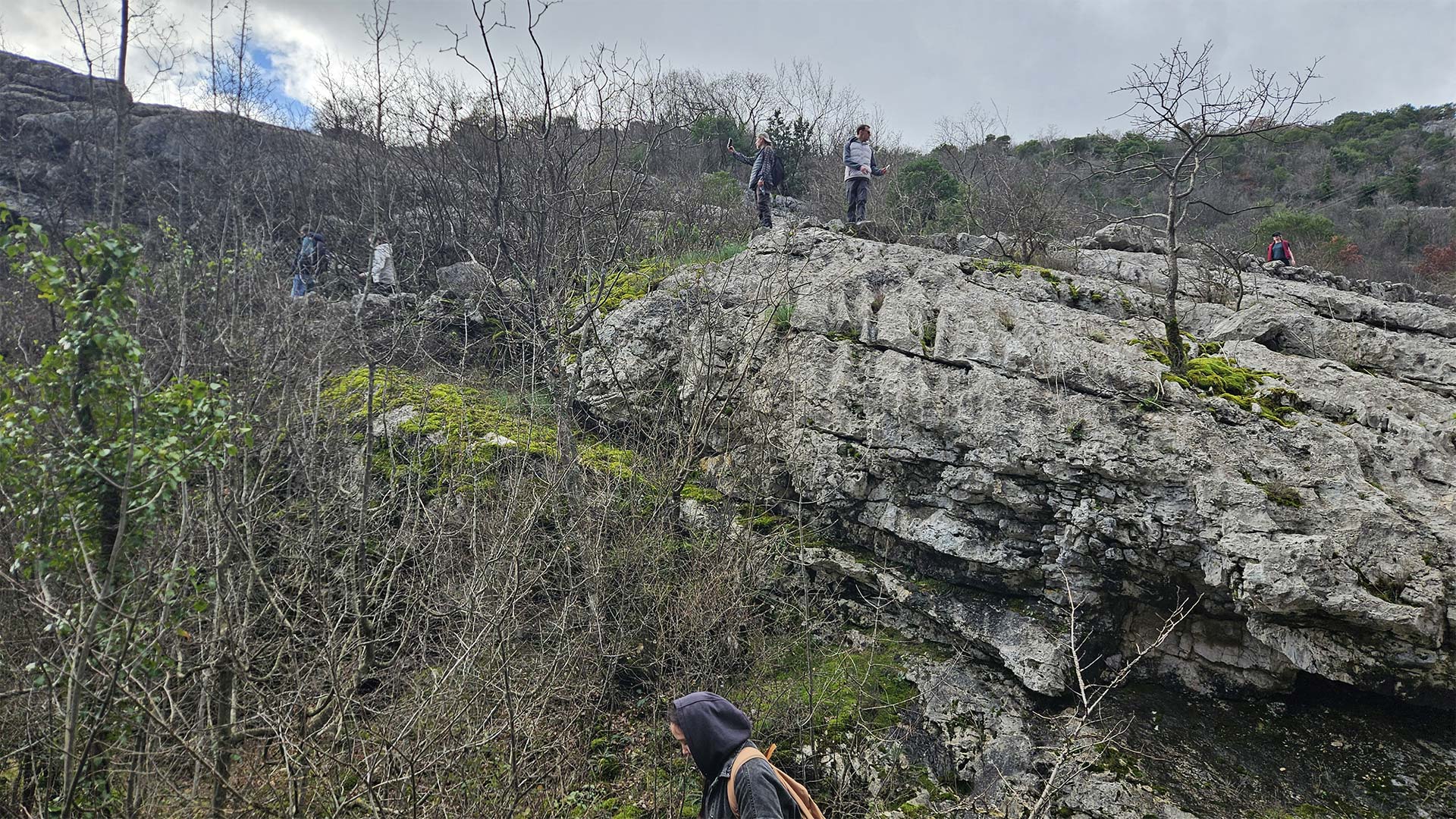
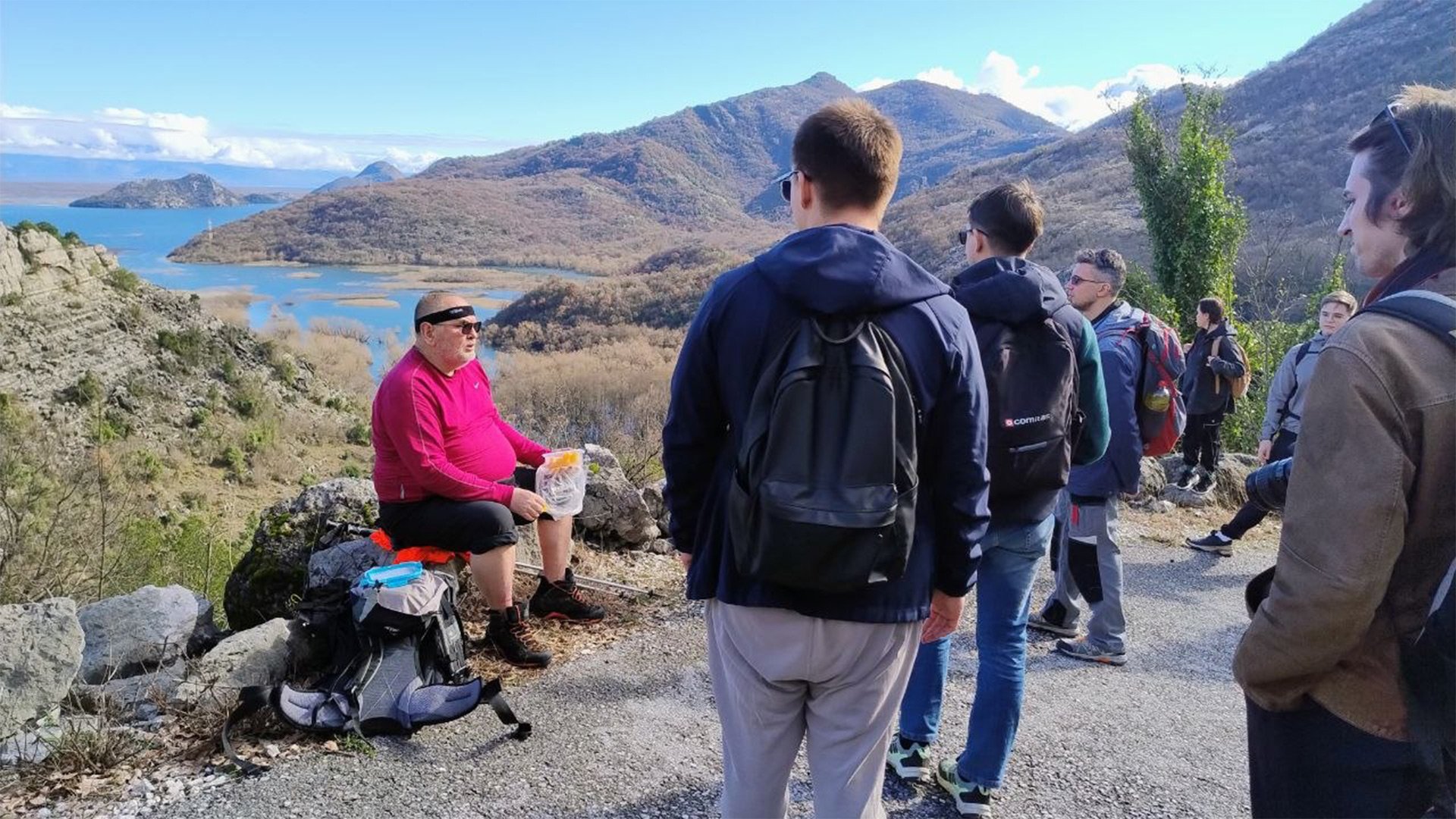
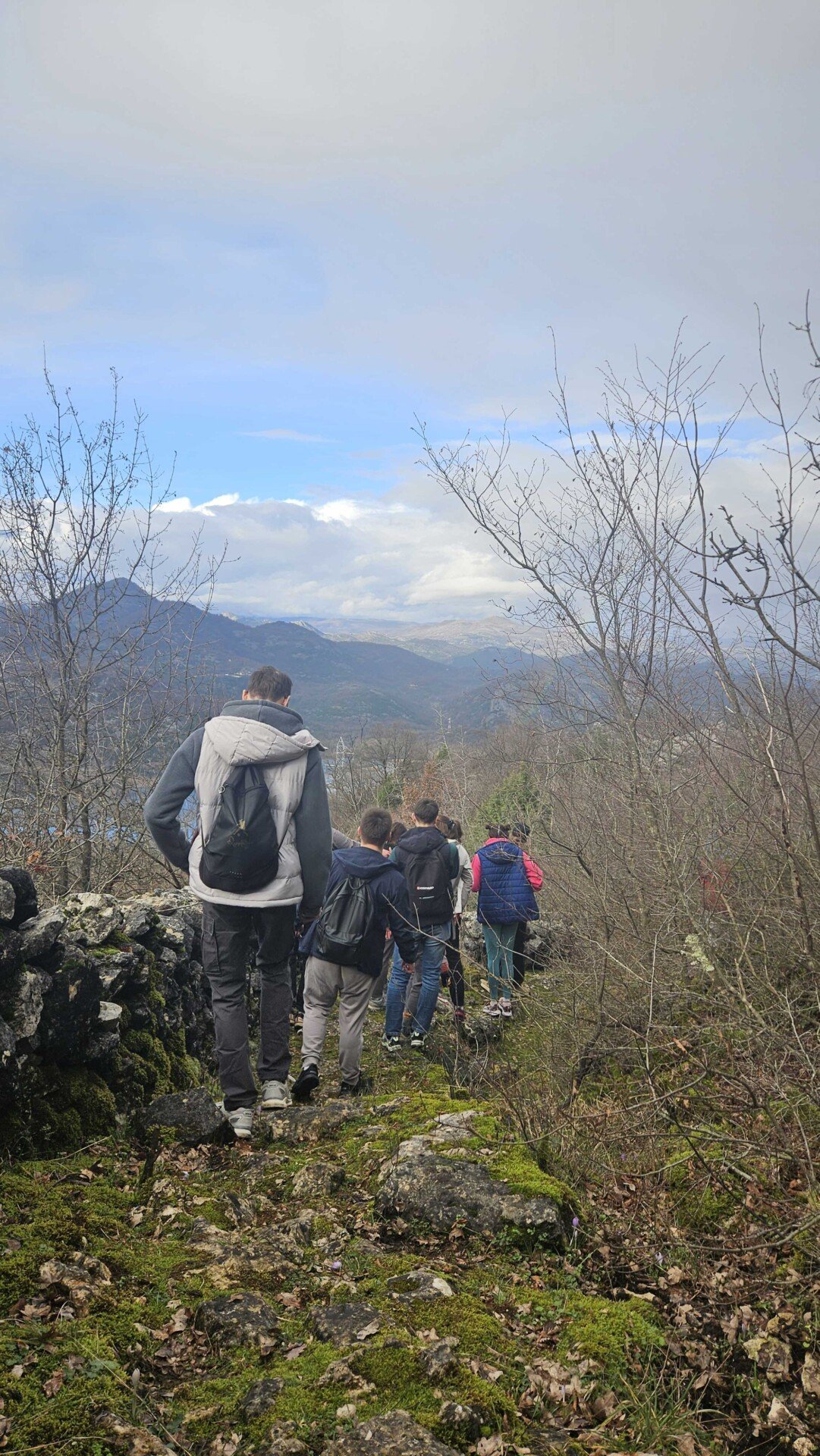
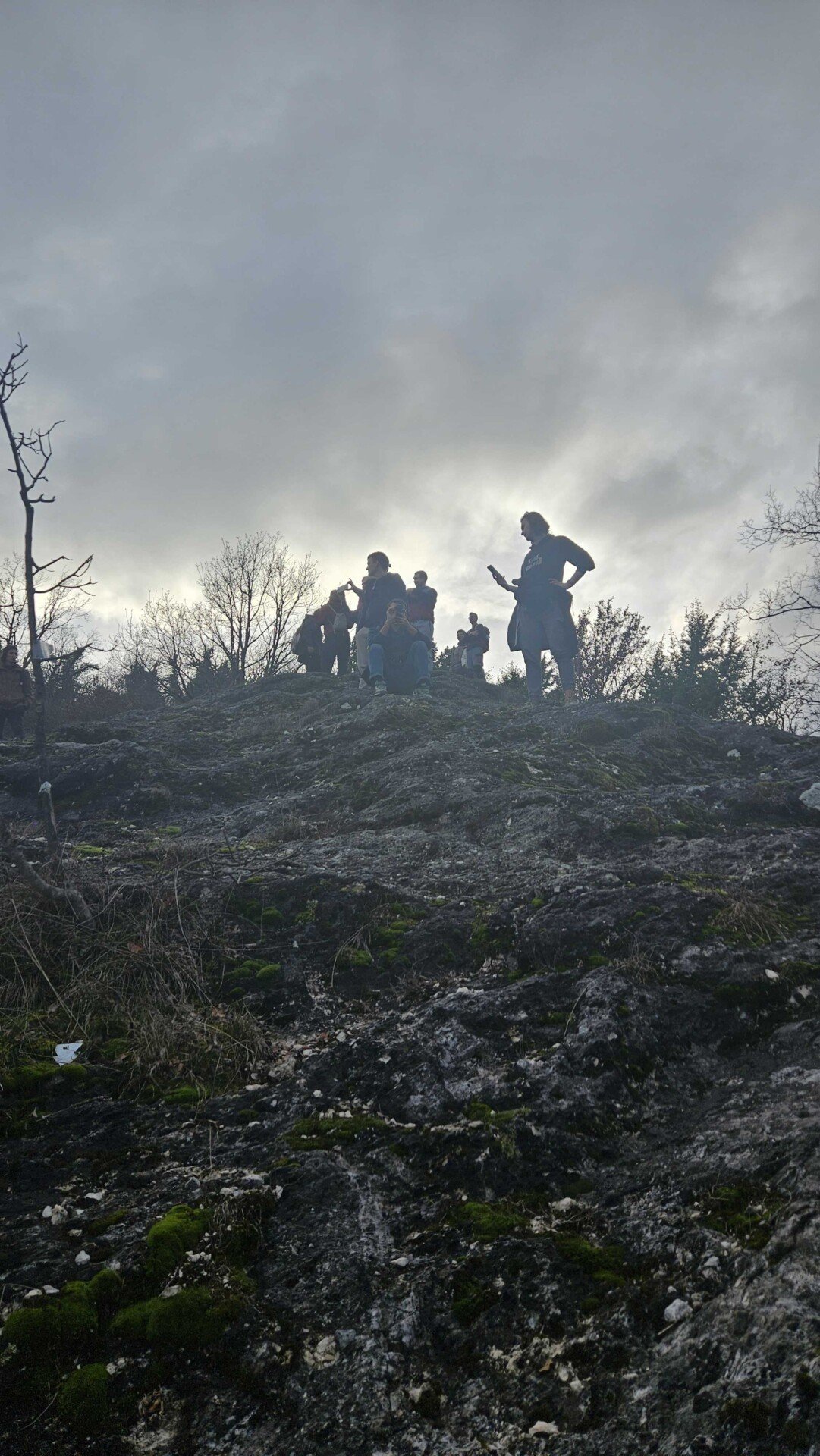
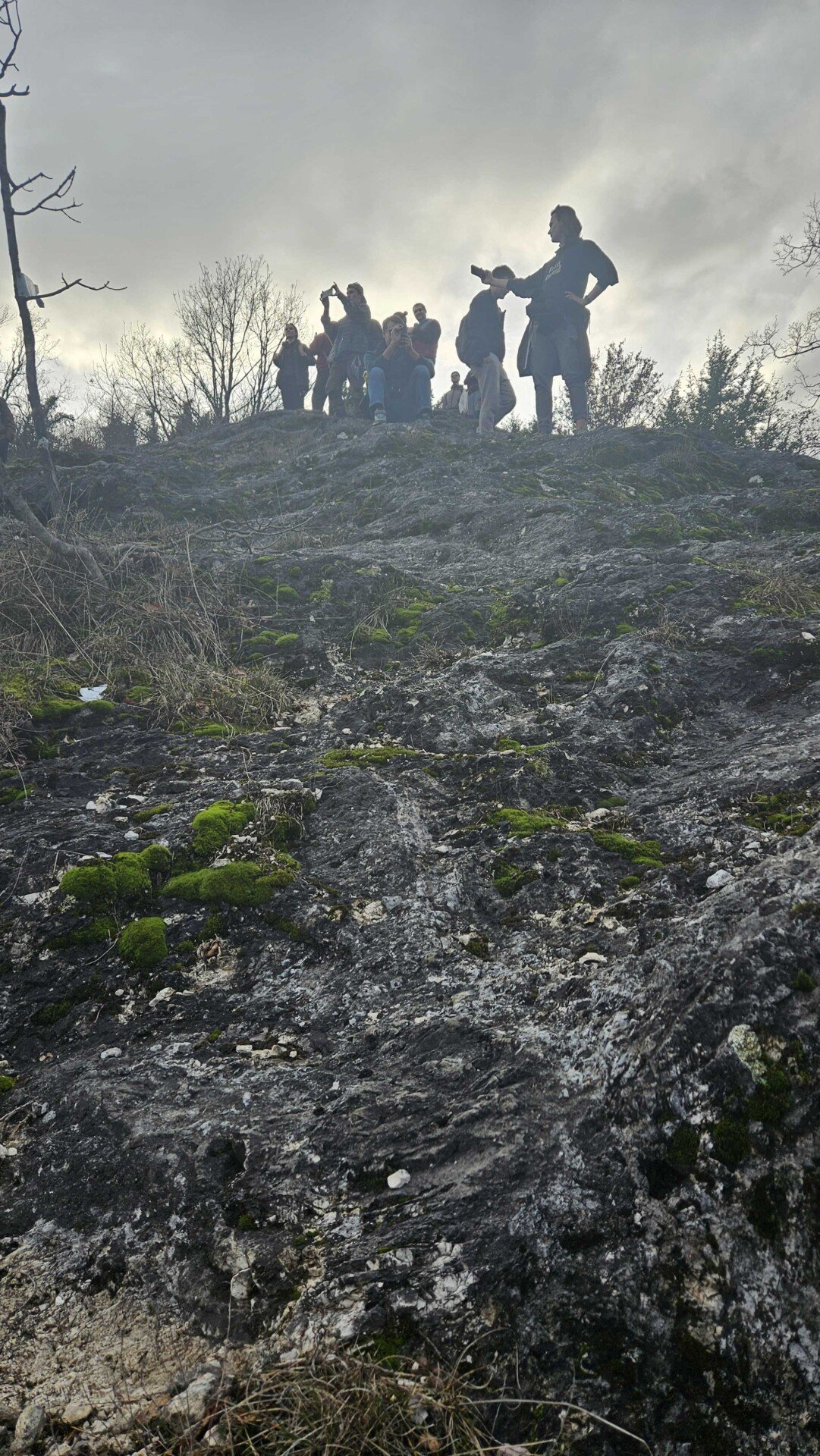
During the journey, we viewed these settlements not as “isolated beautiful spots,” but as systems. In Poseljani, it is a system of water, mills, old paths, and a stone environment. In Komarno, it is a system of small settlements called Crmnica, a trace of an old caravan route. In the first case, we have before us an almost textbook example of how a natural stream creates an economic center. In the second, it is an example of how a small lakeside village retains its significance through its connection to the road, the shore, and neighboring historical nodes.
Poseljani and Komarno cannot be described in the same way. Poseljani is a distinct cultural landscape of former production, where water literally shaped the architecture and rhythm of life. Komarno is a landscape of quiet longevity, where history is preserved not in splendor but in the resilience of small forms: a burial mound, a path, a coastal environment, a sparse population, and local infrastructure. Both villages are important precisely because they present Lake Skadar not as a postcard, but as a complex historical territory where nature and man have reshaped each other over centuries.