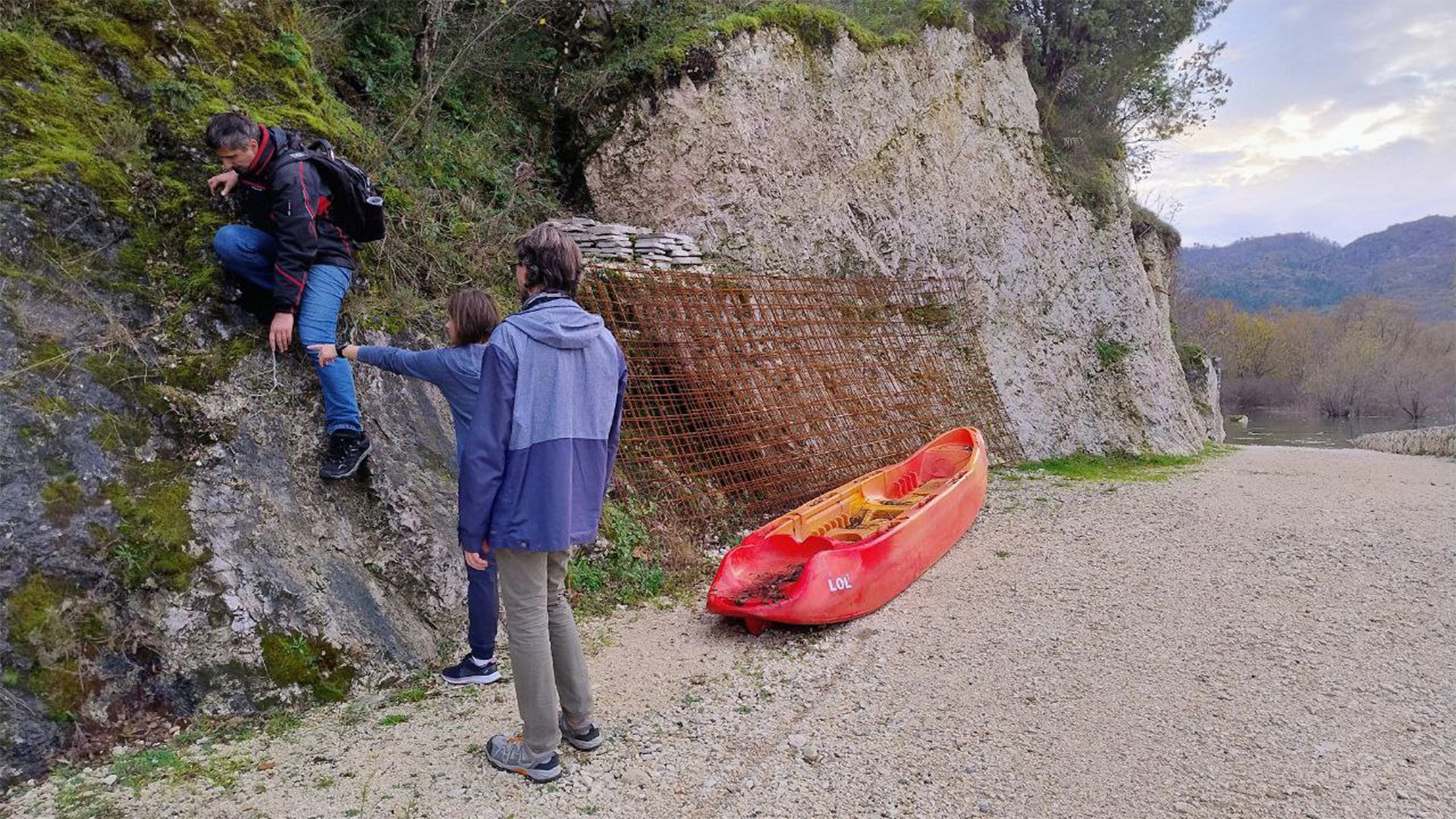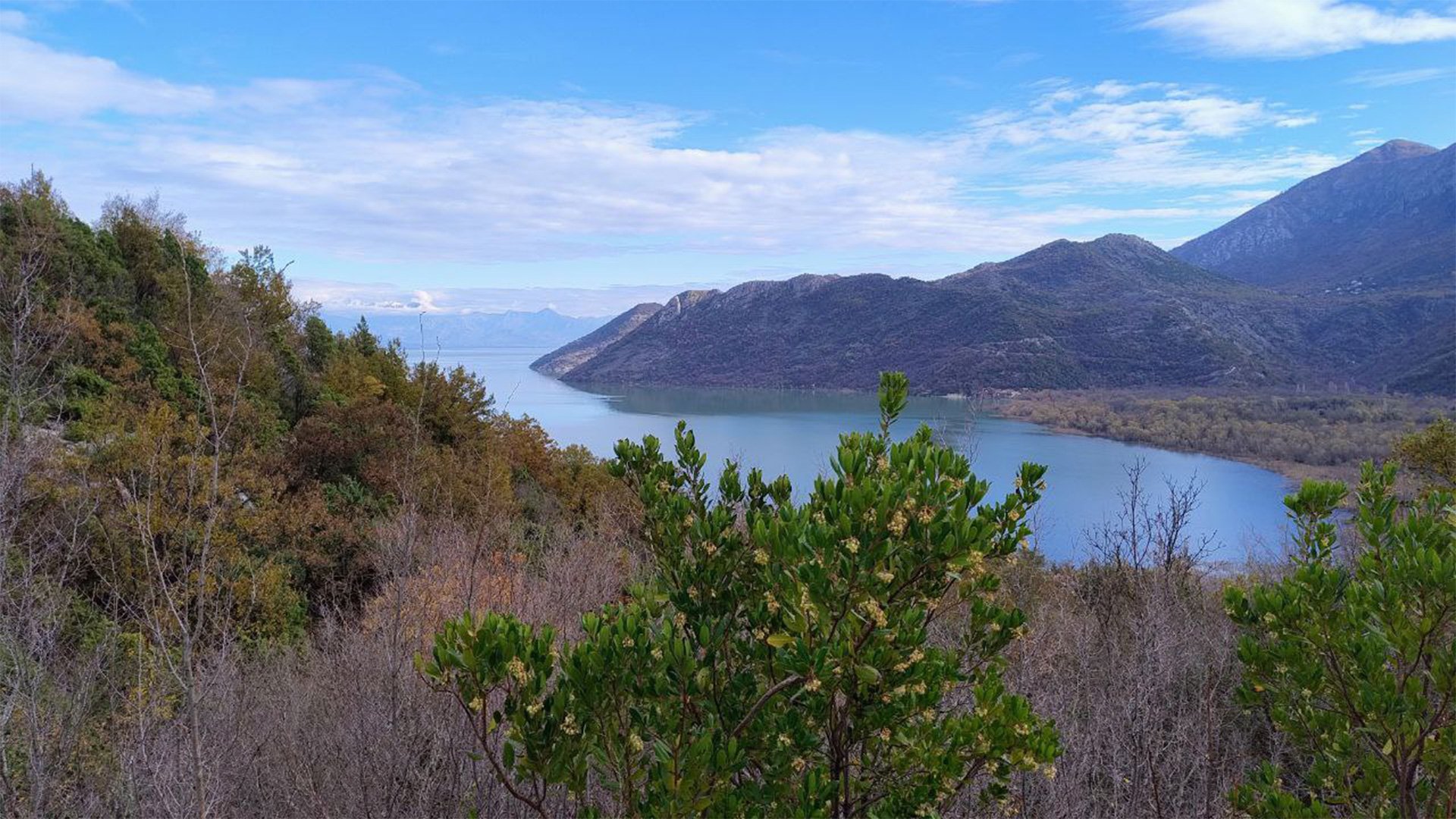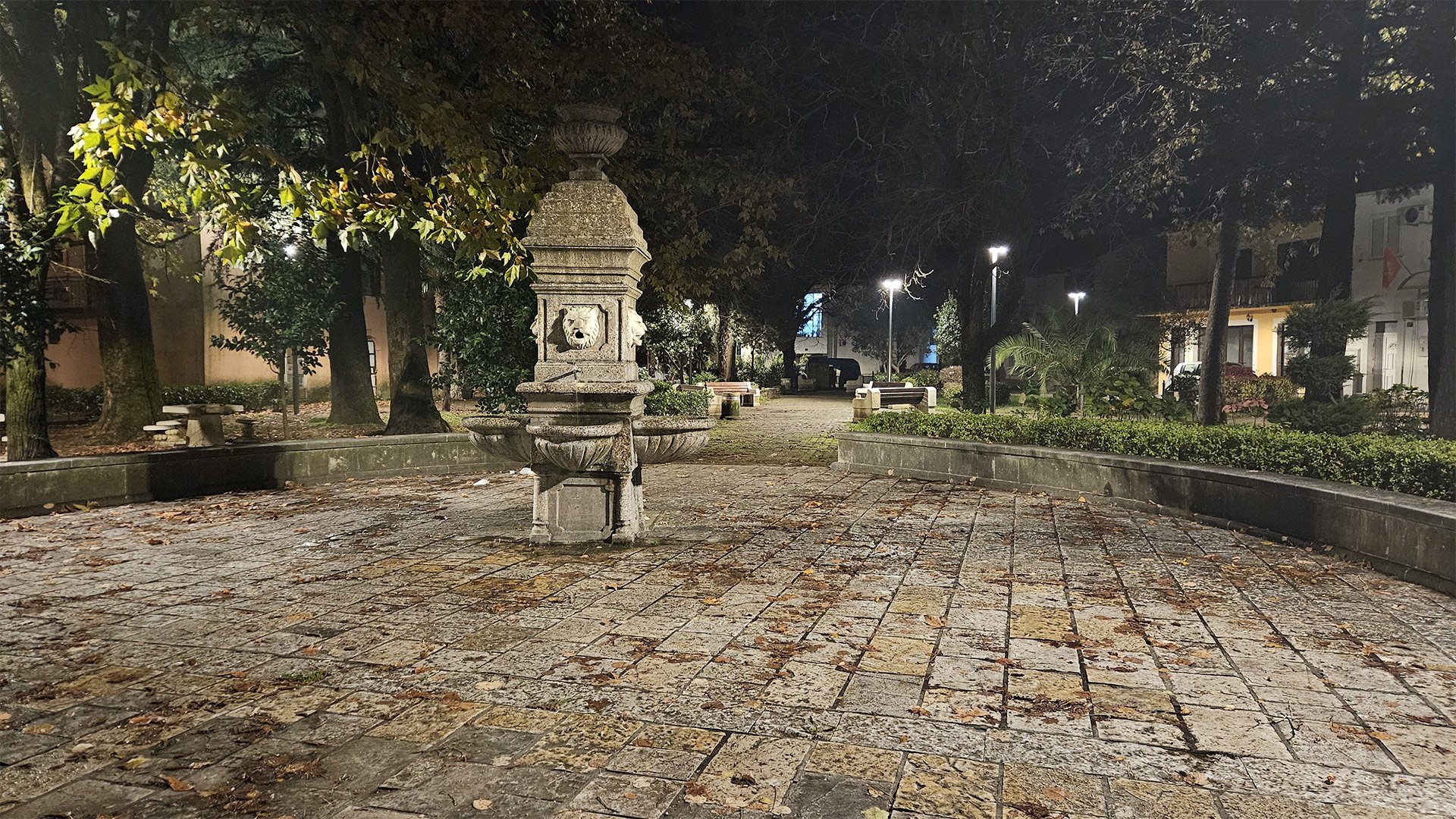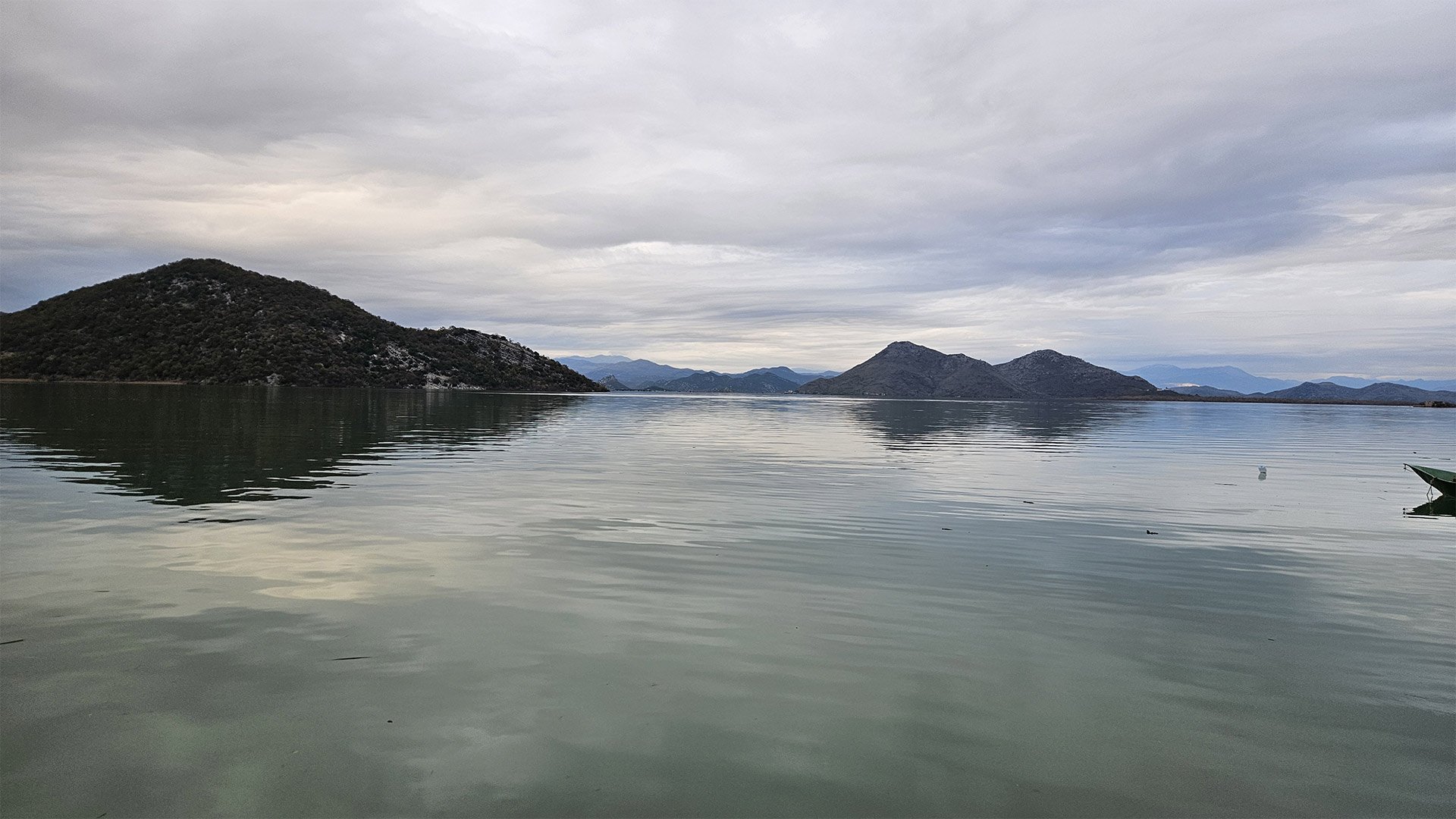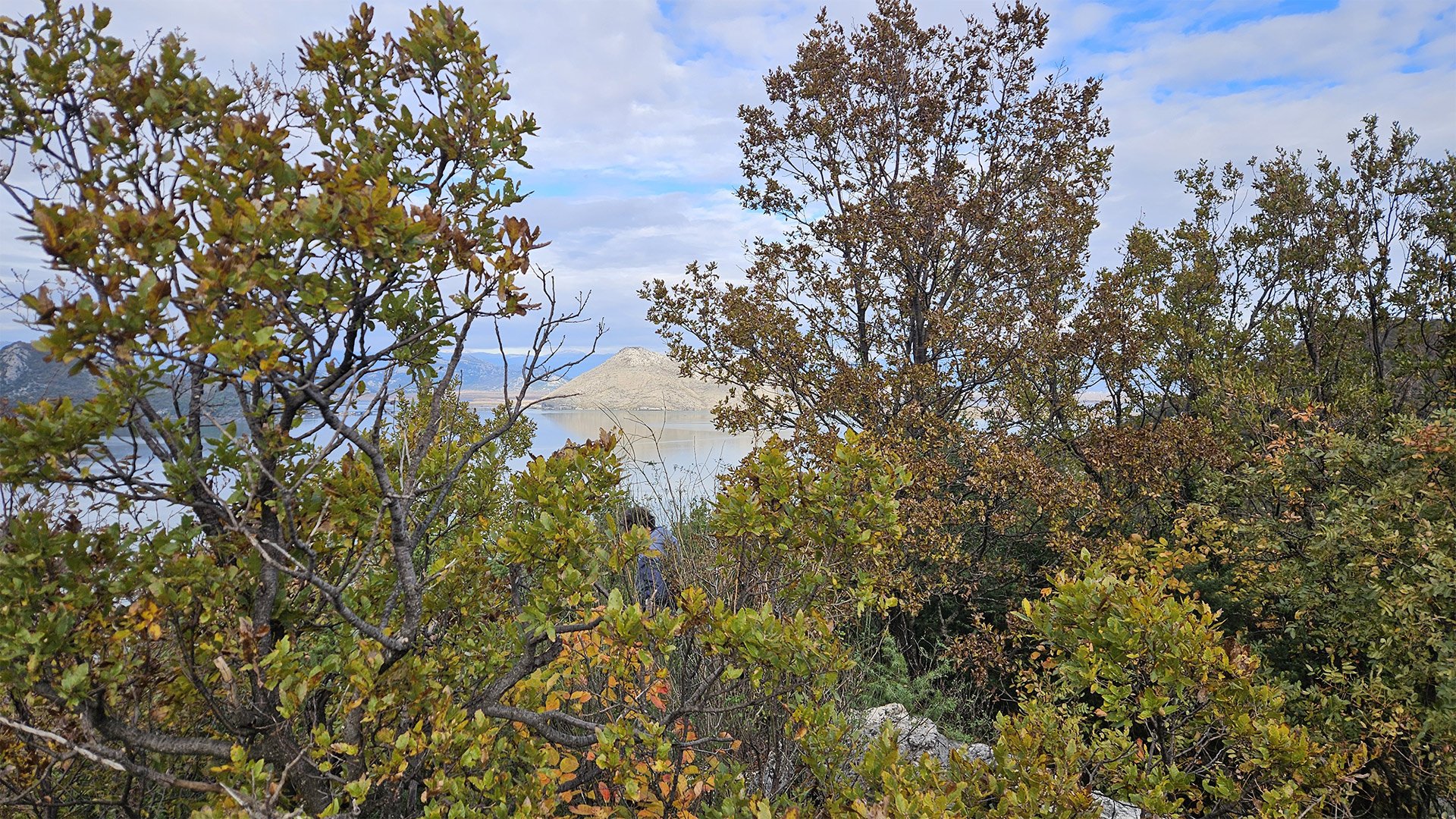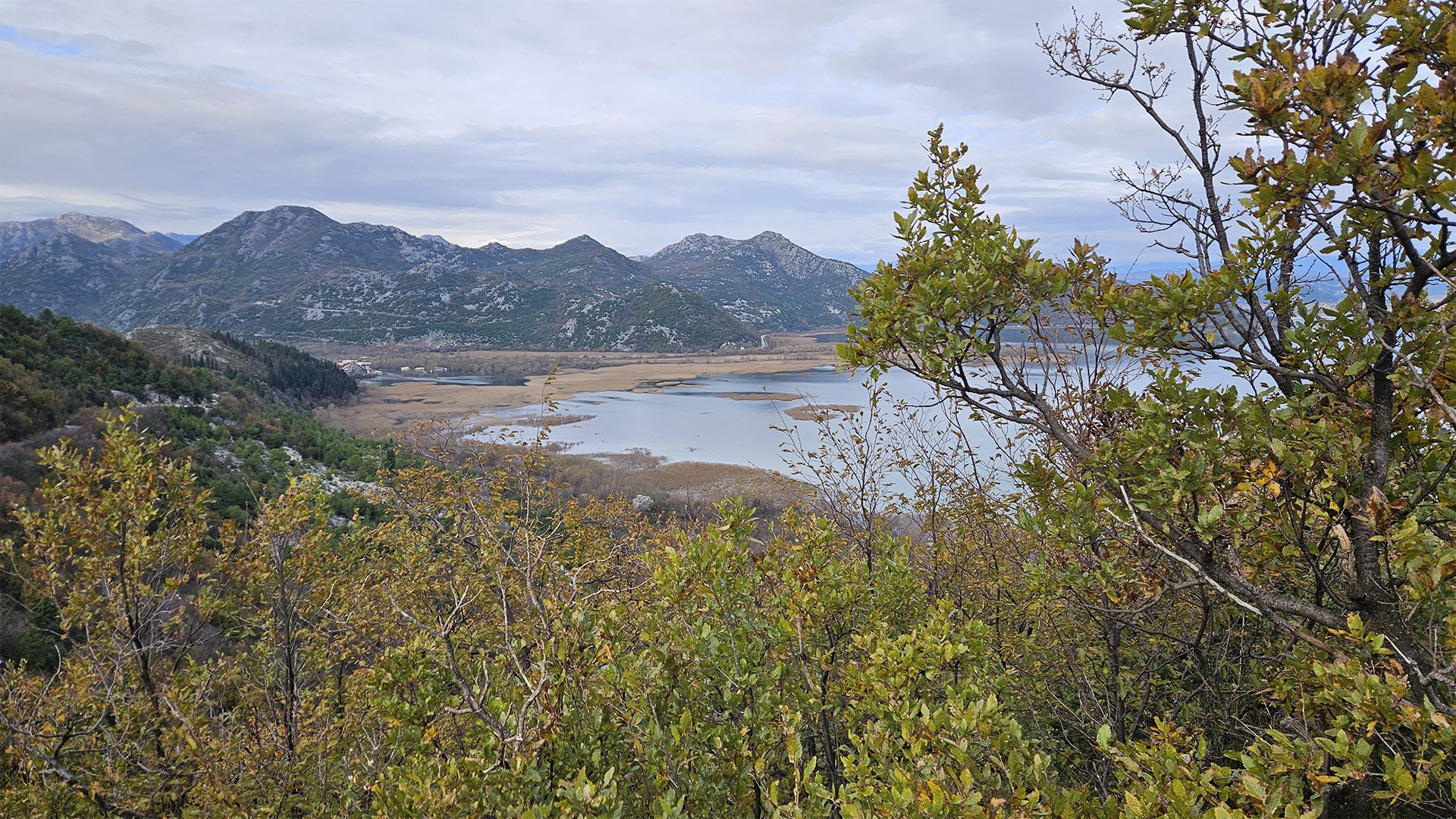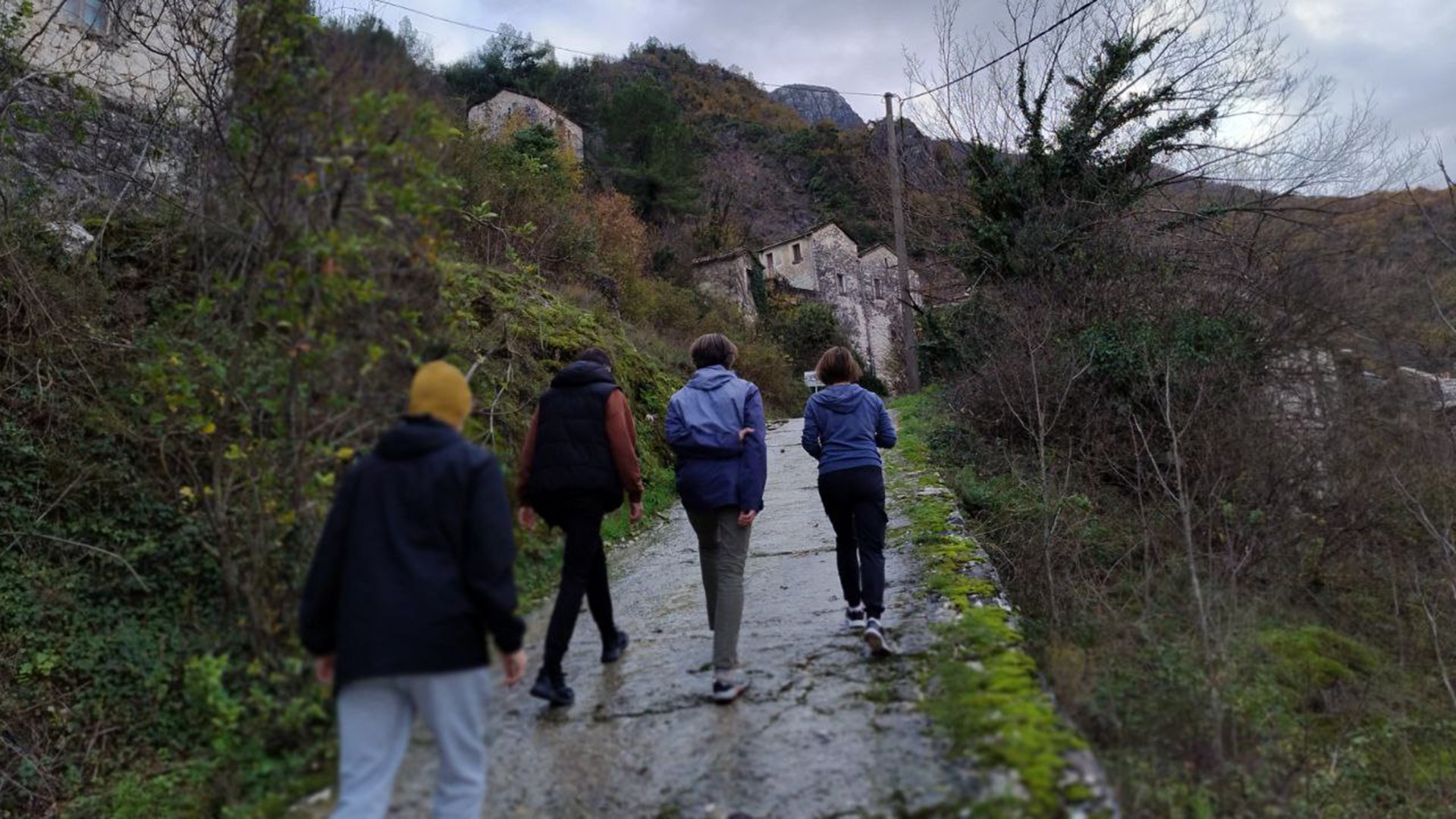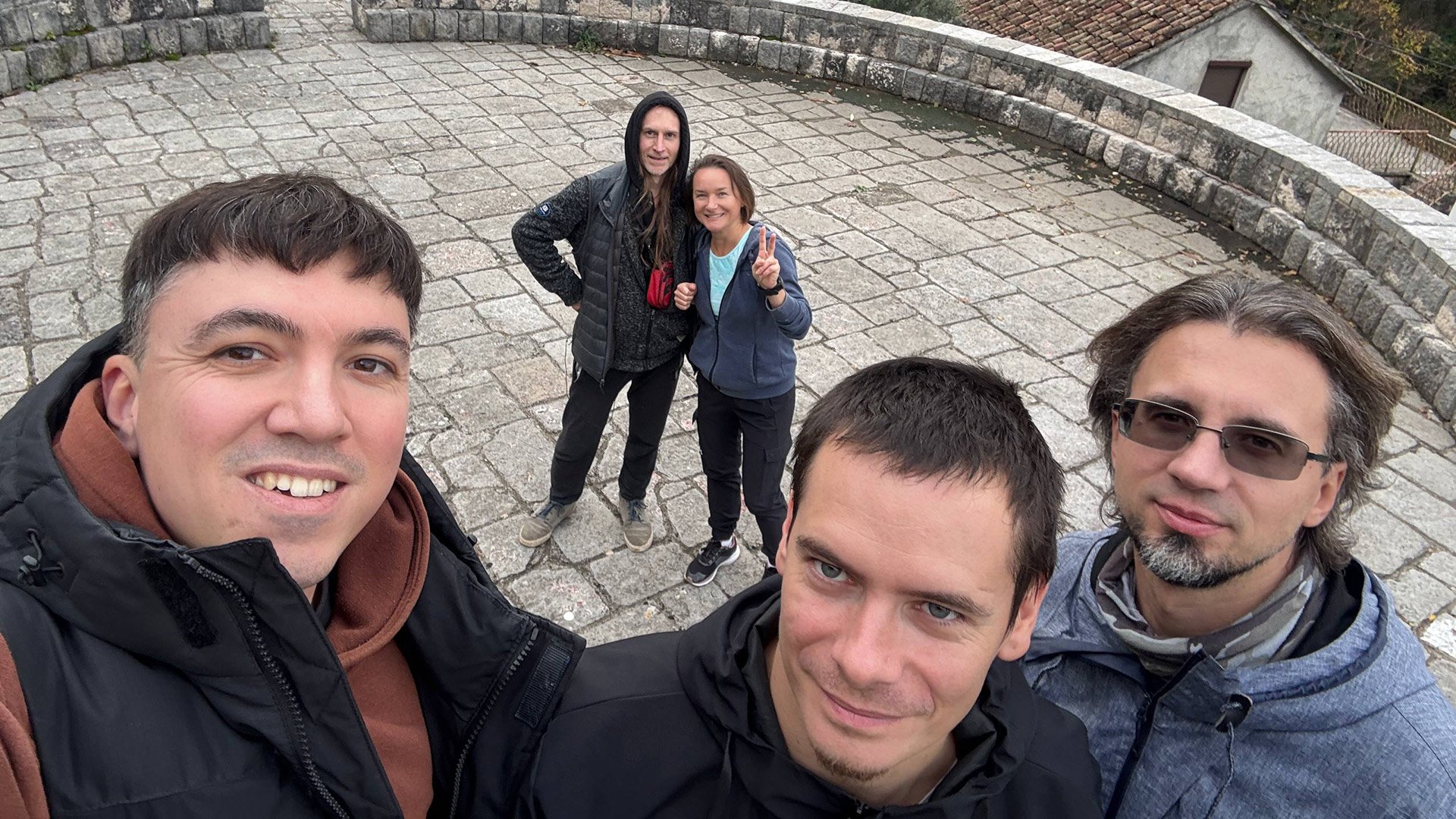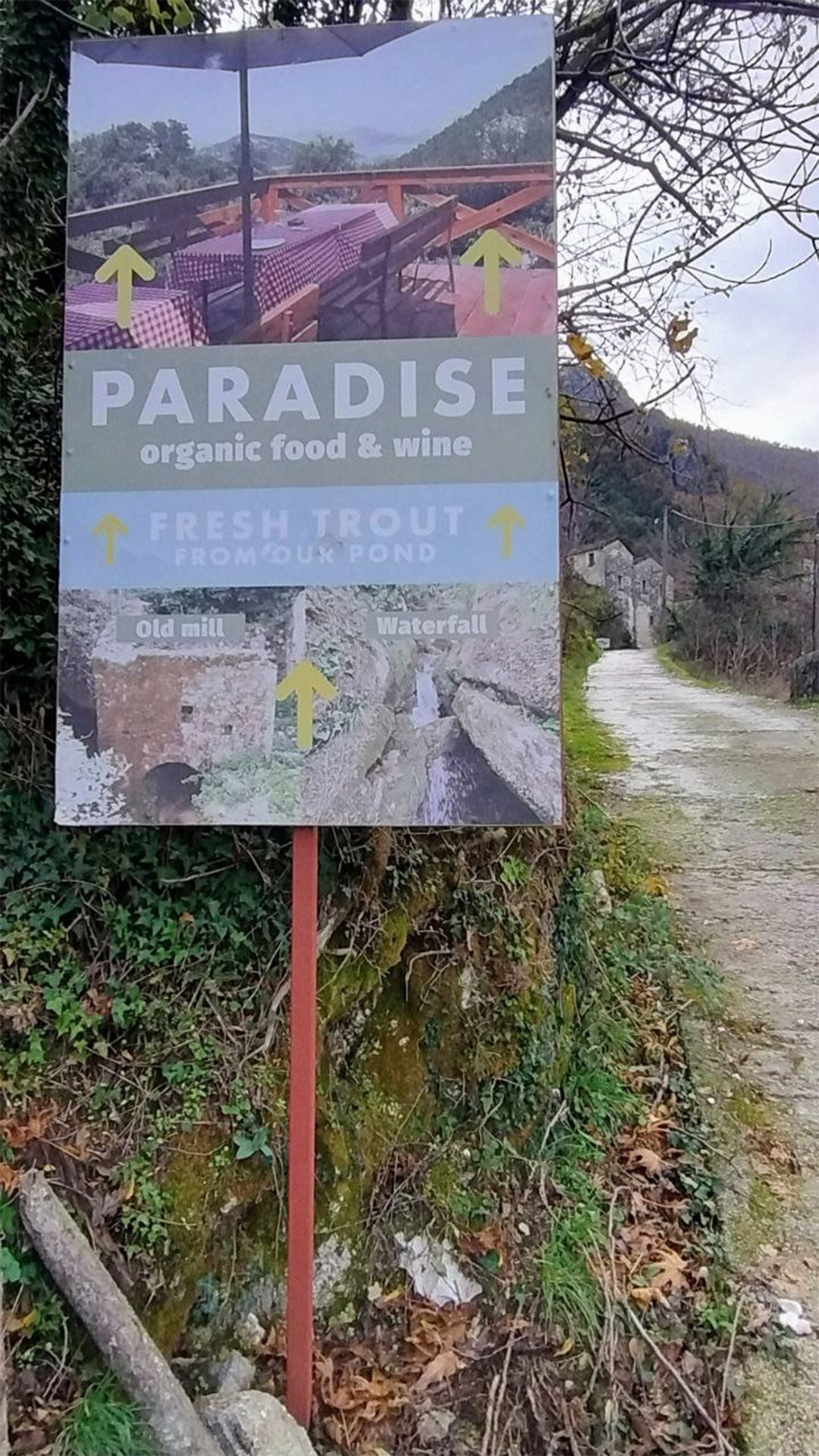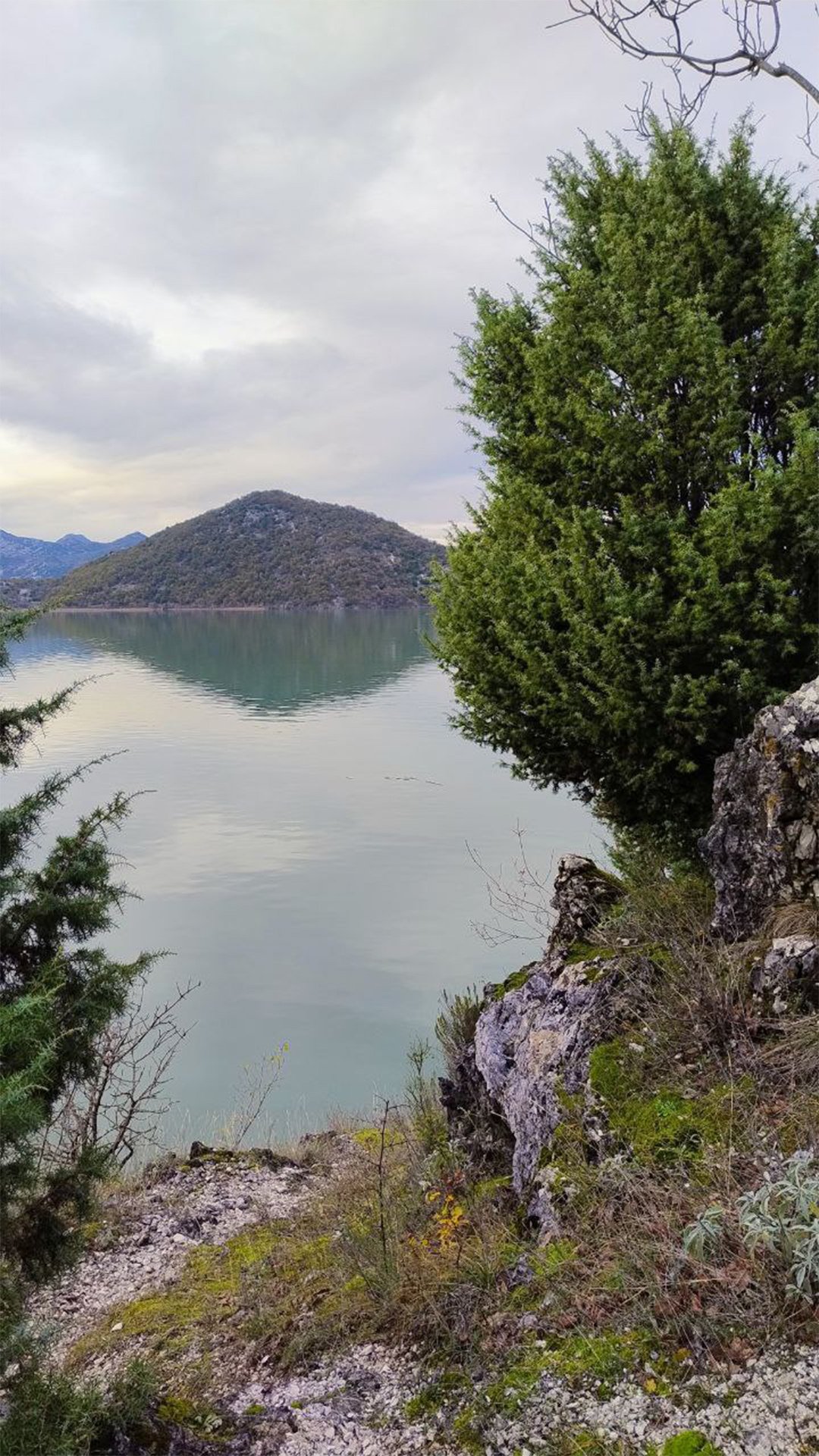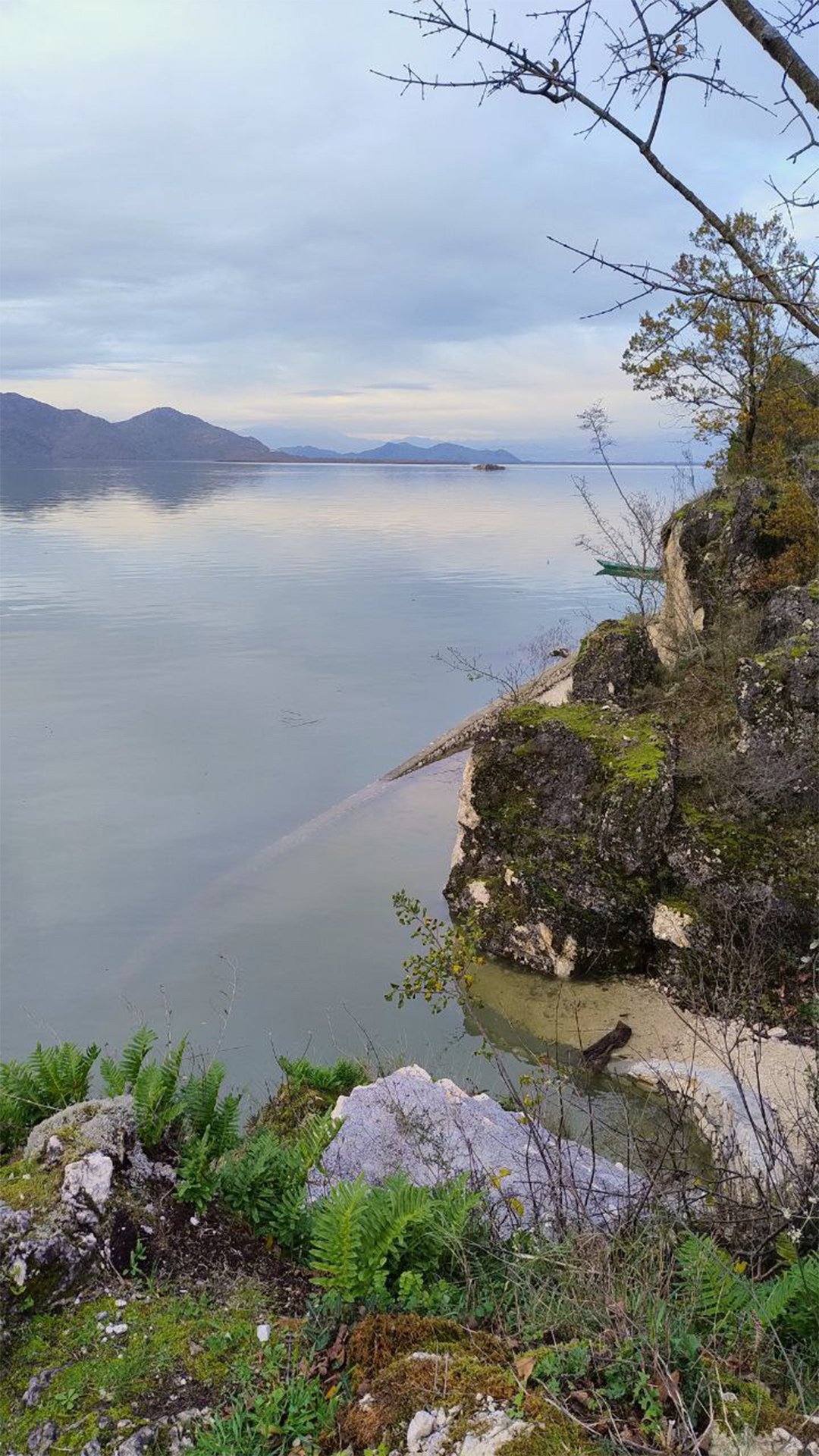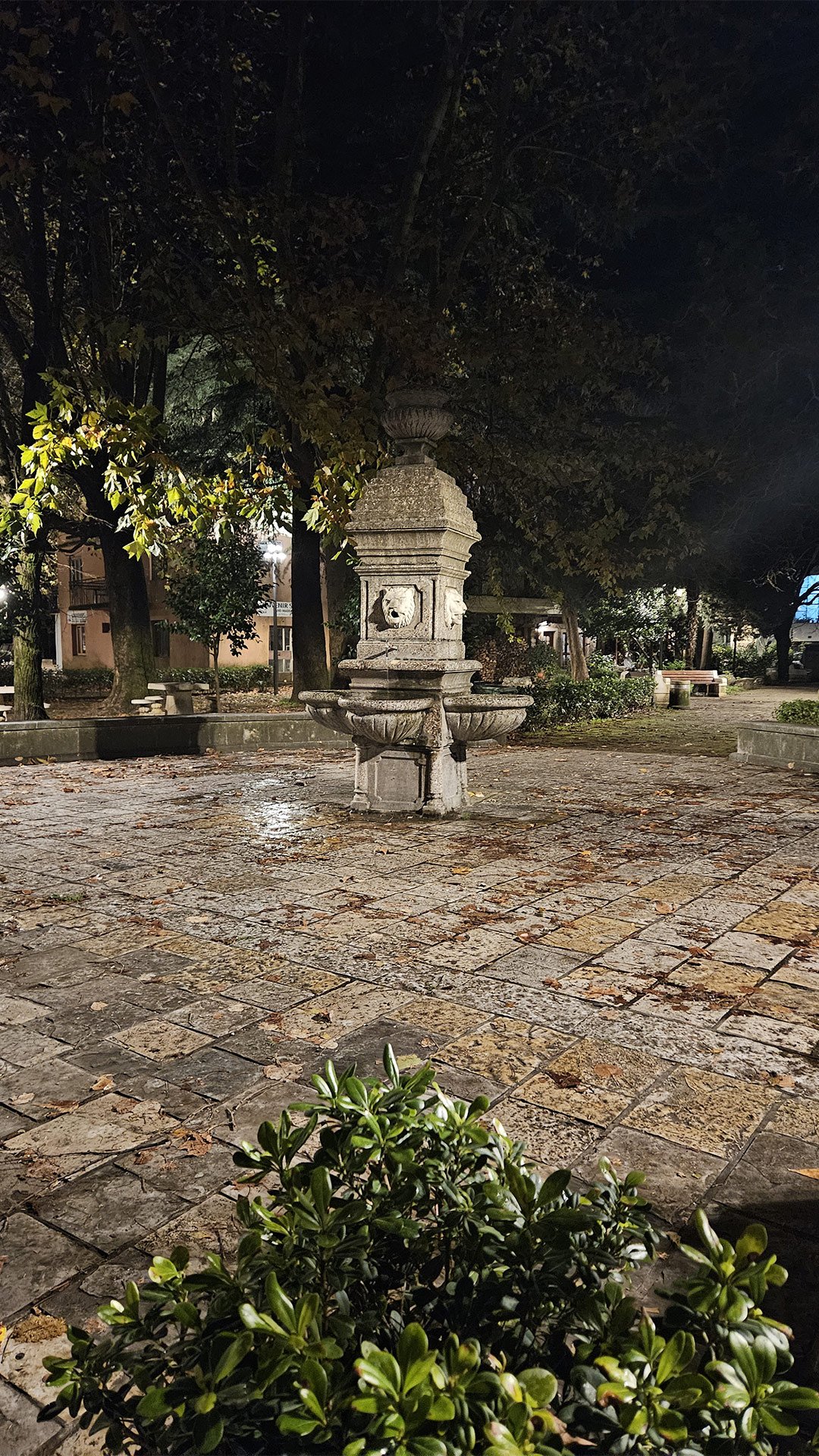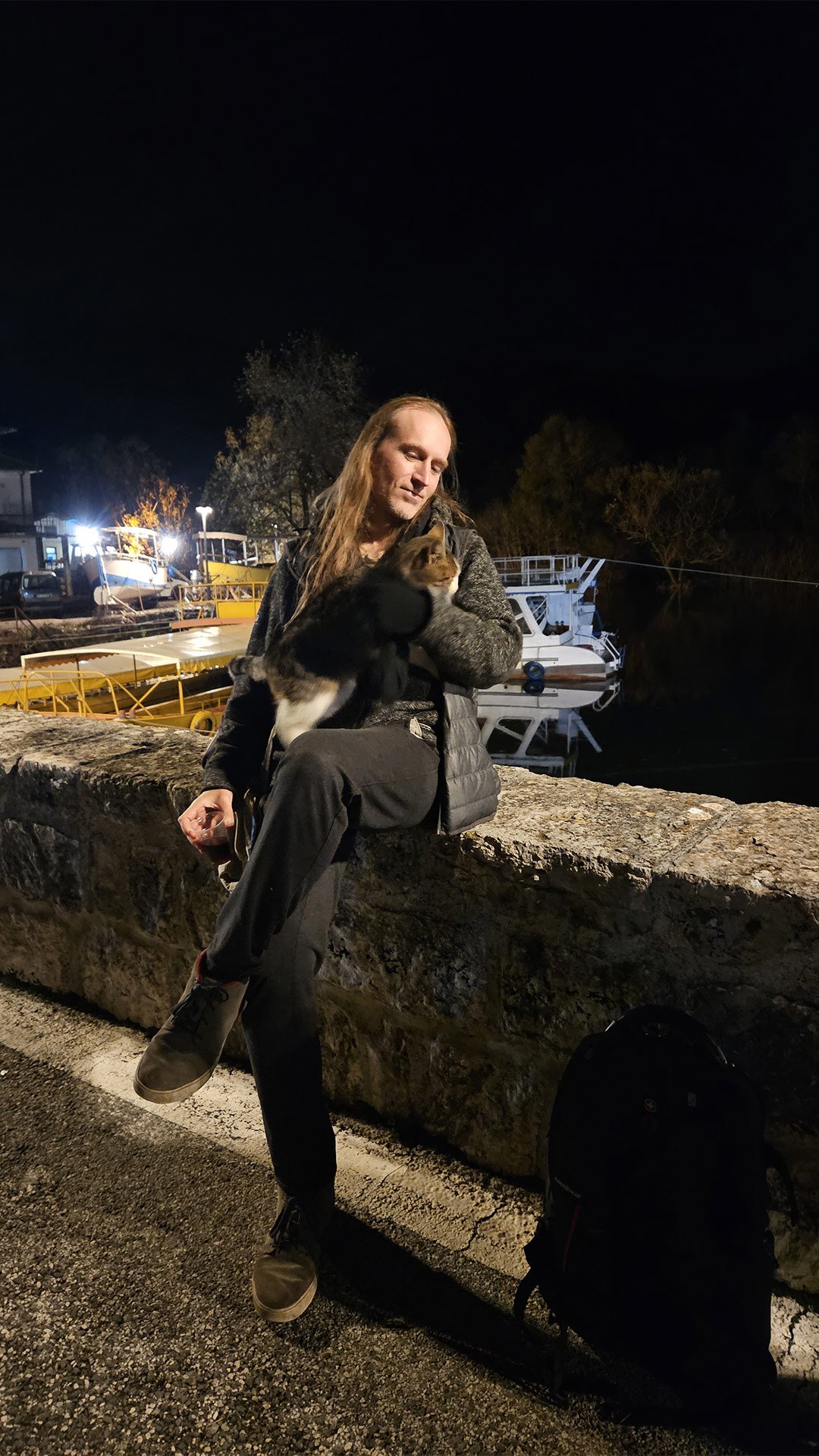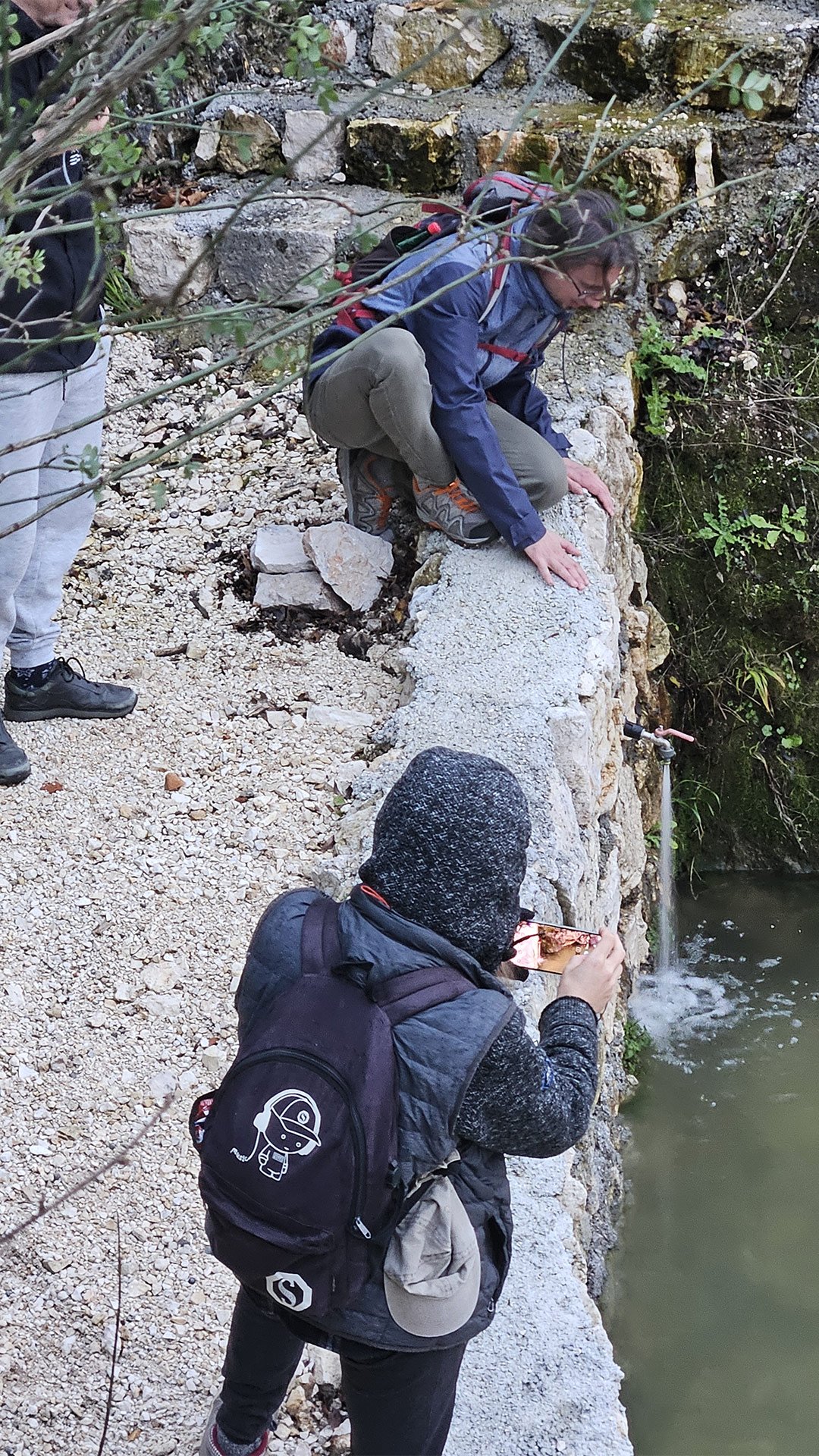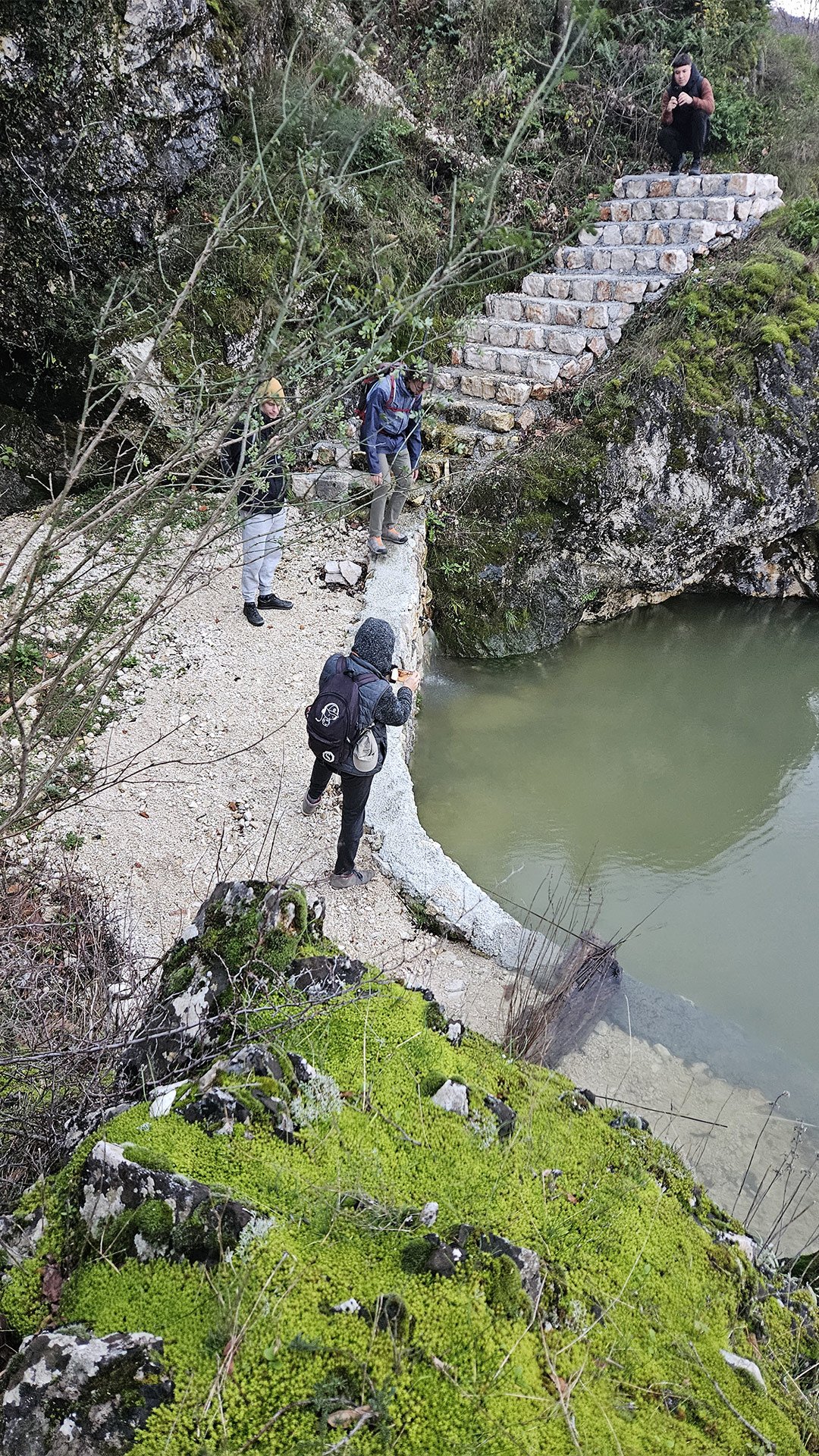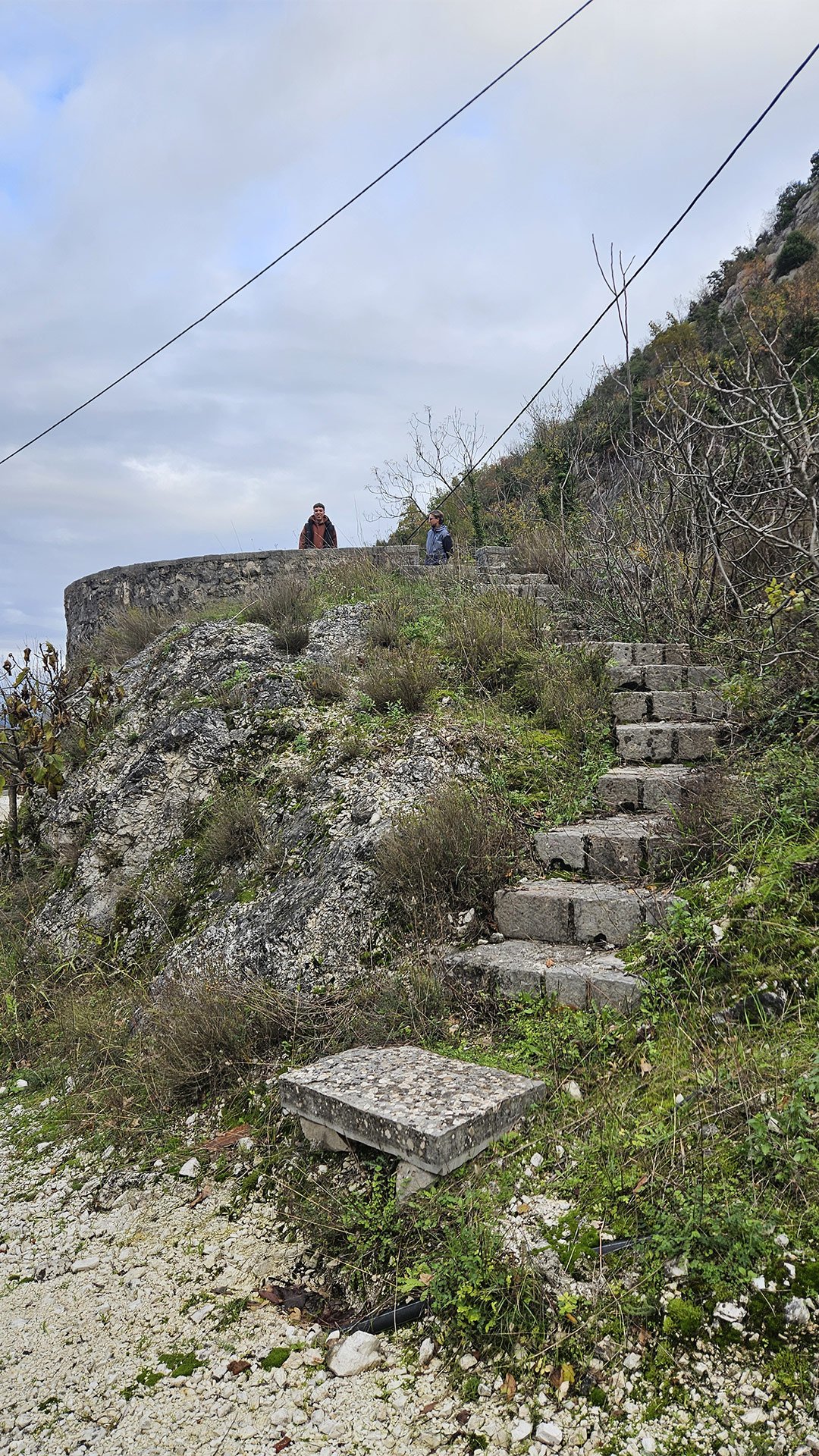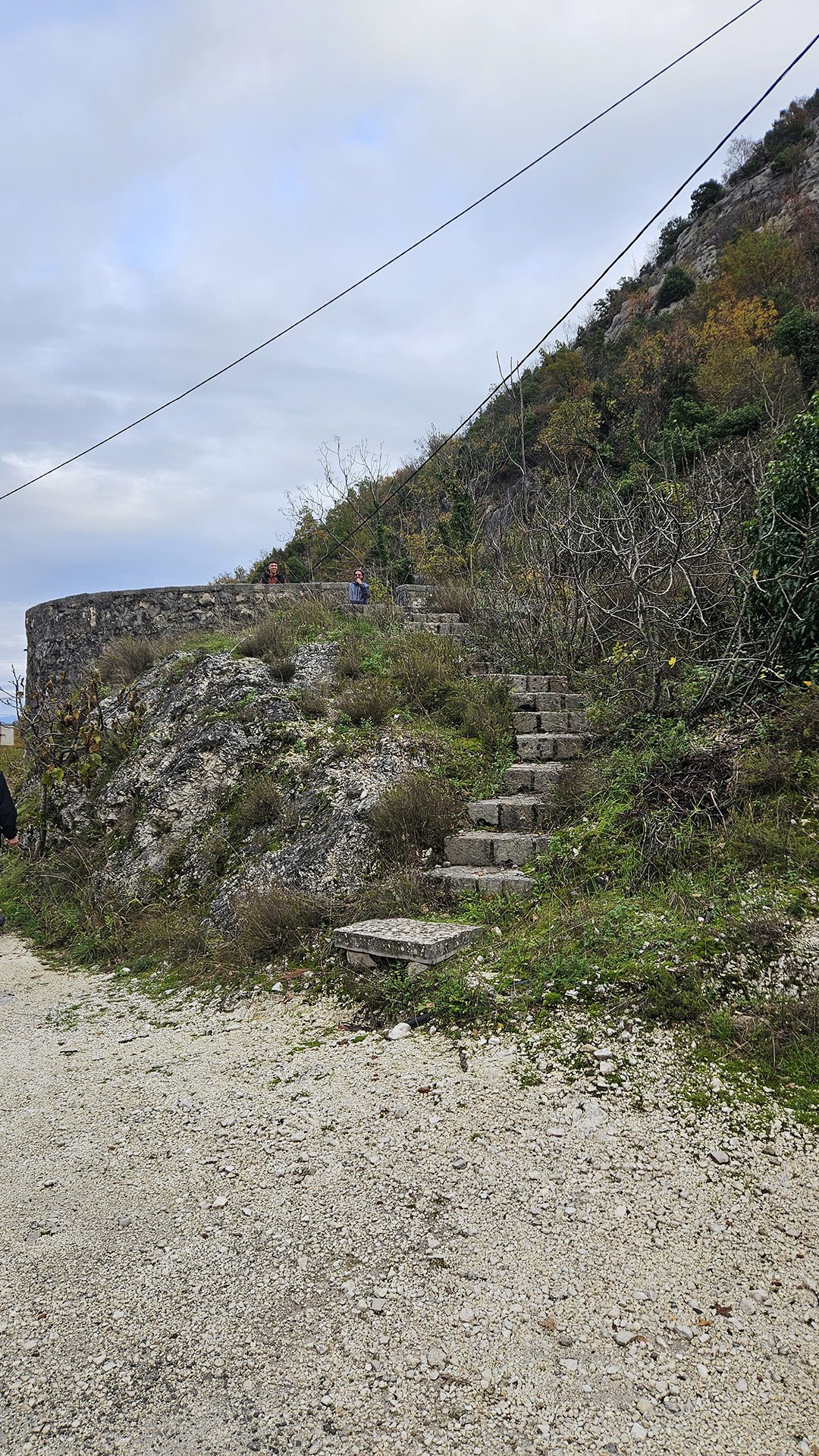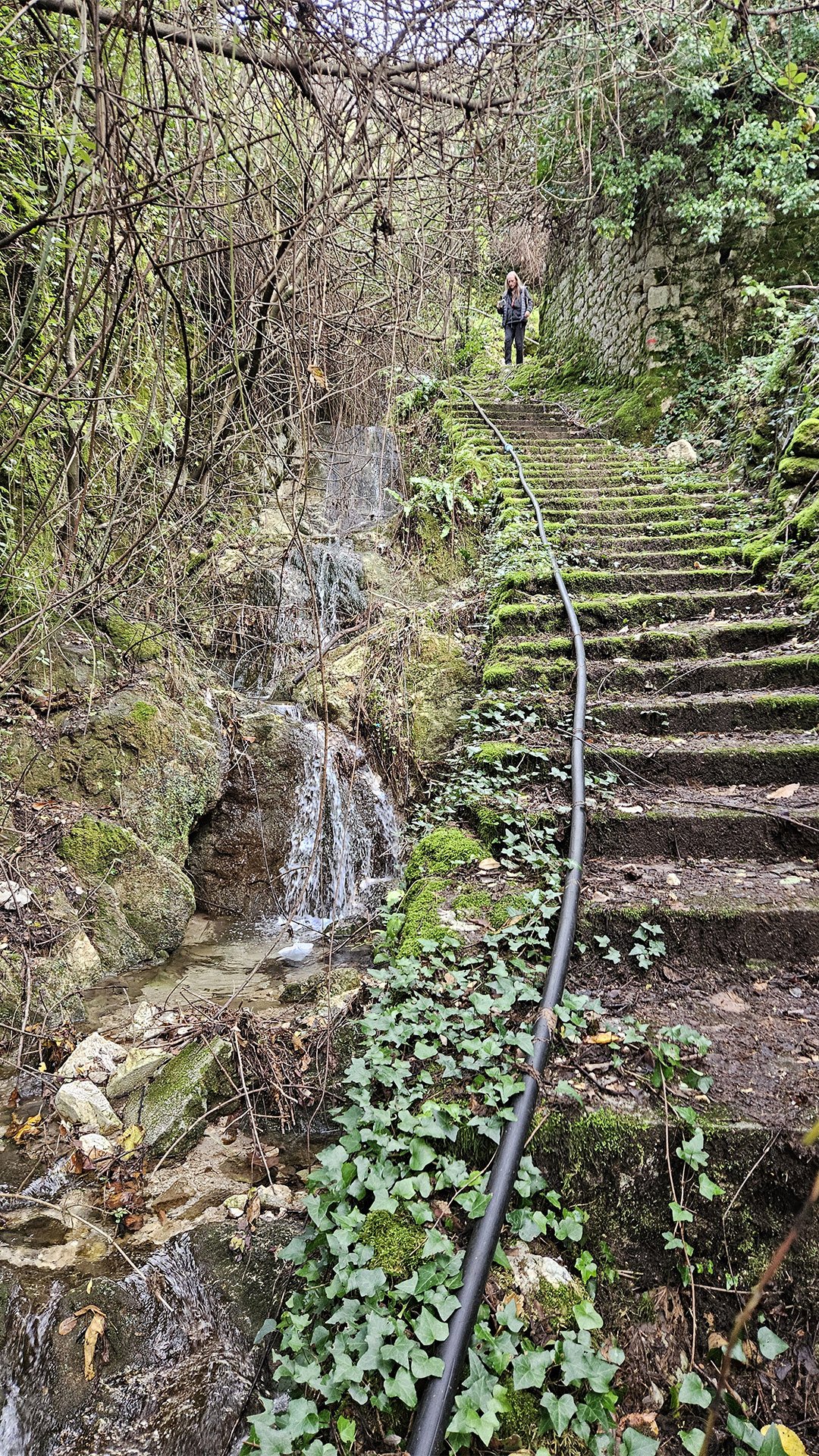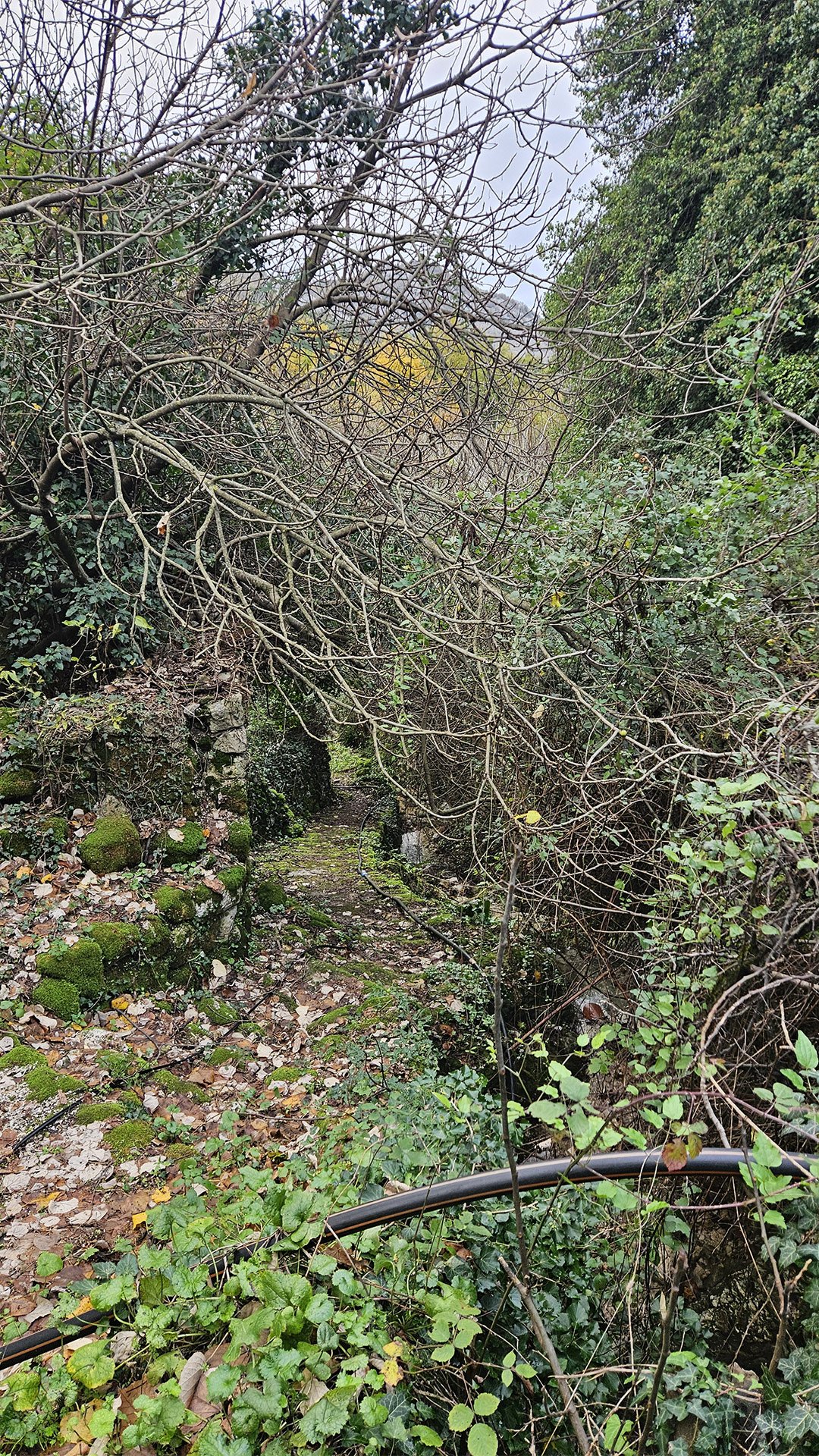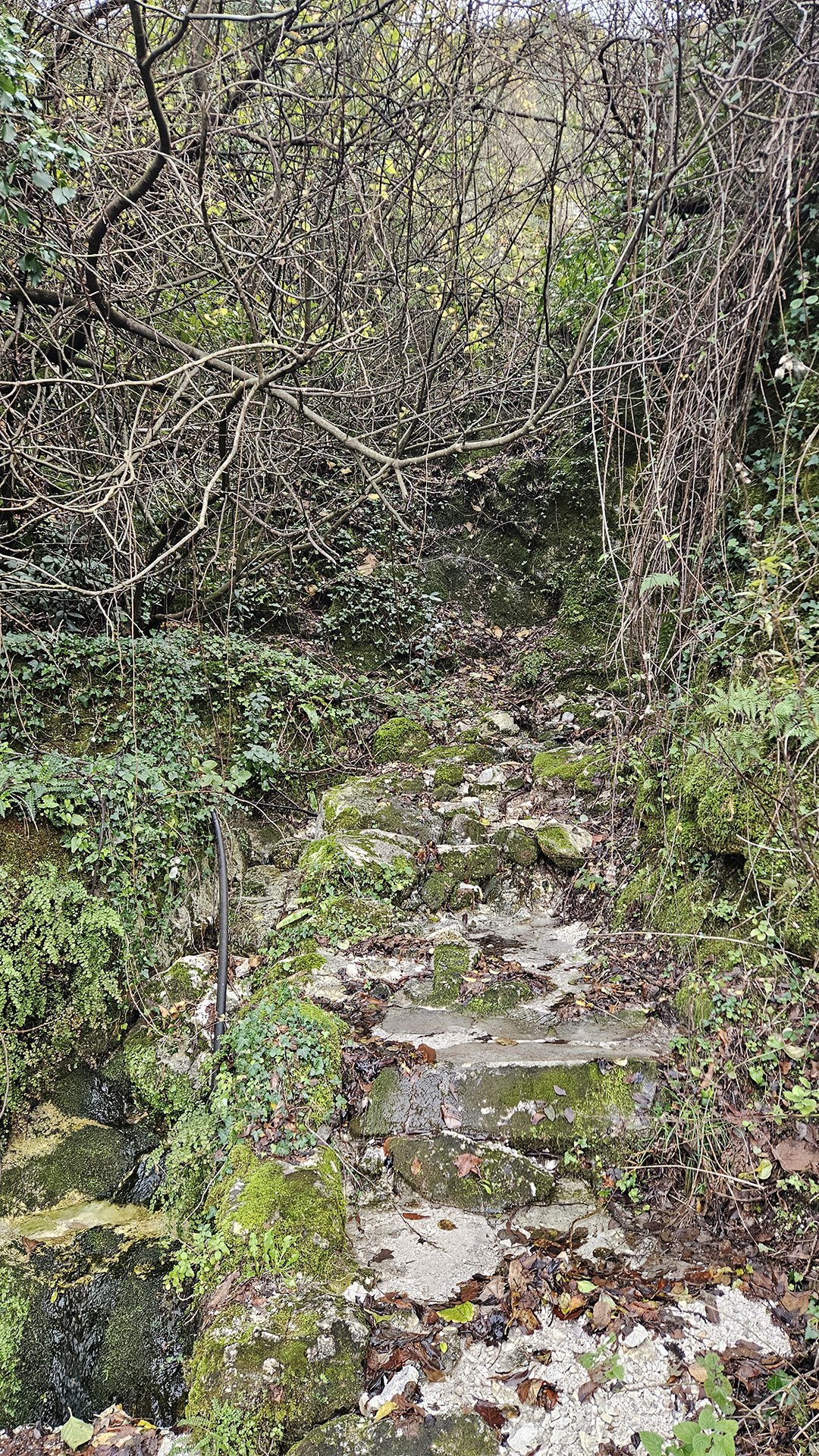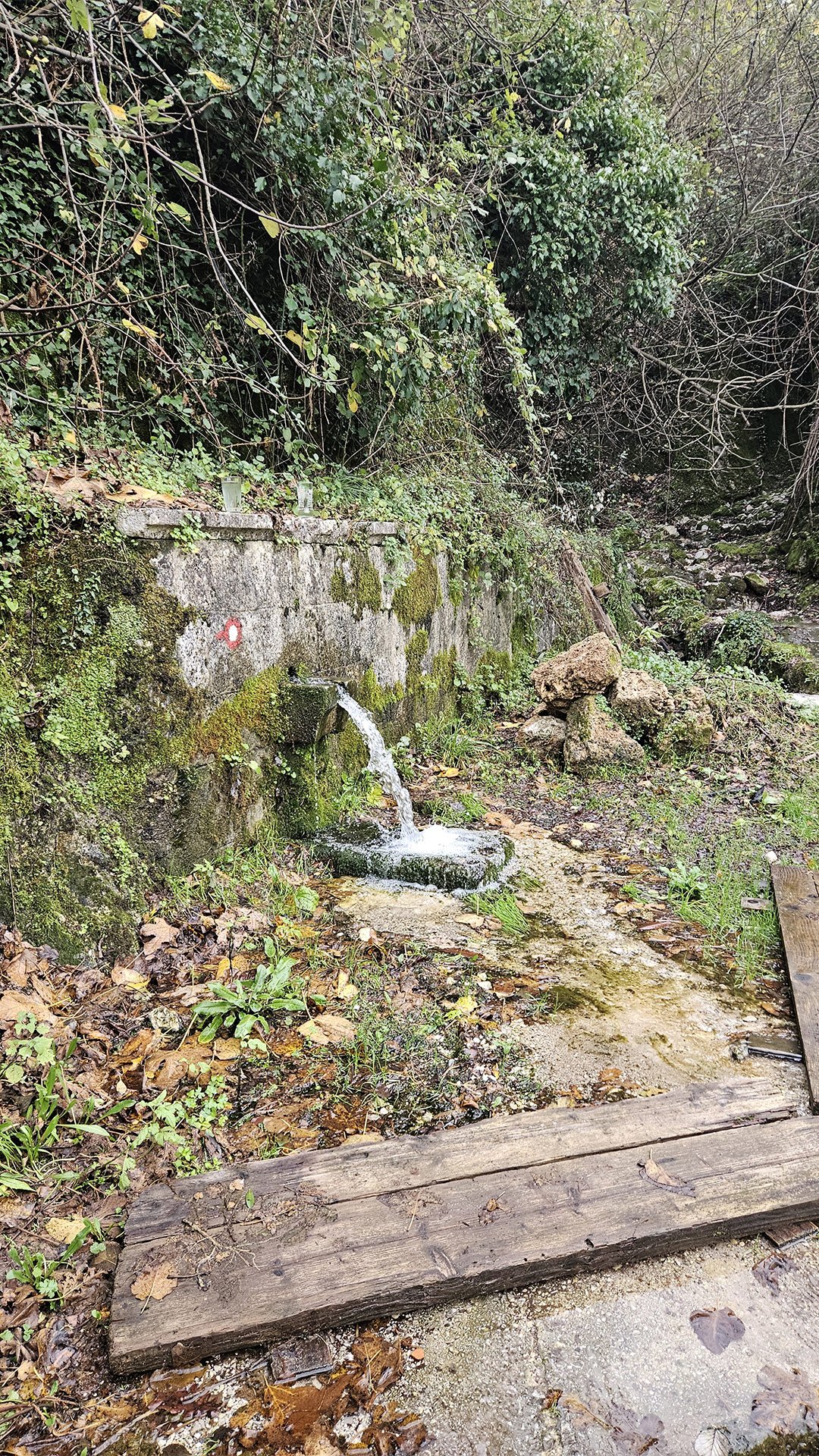

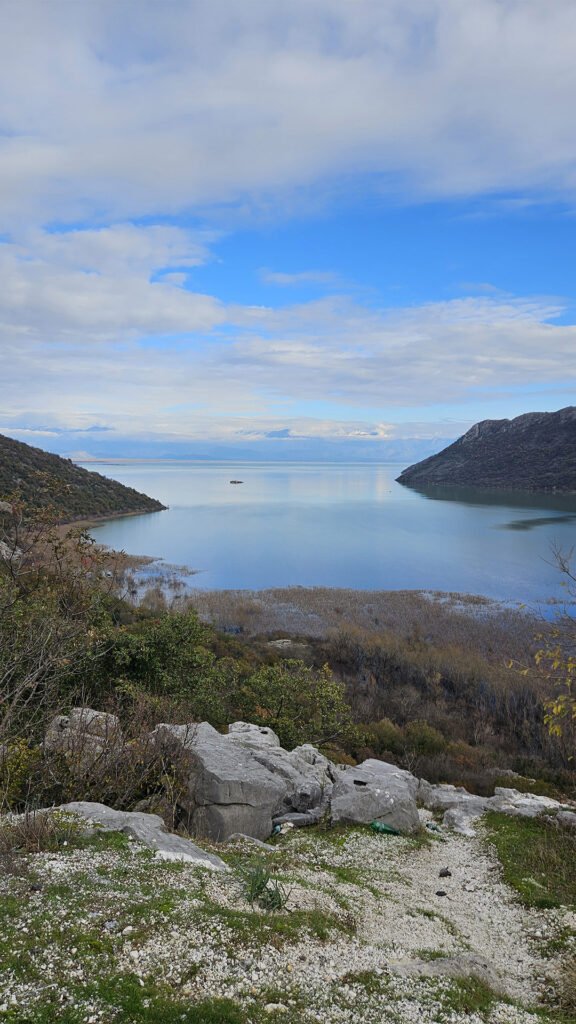
Lake Skadar isn’t “just another pretty place,” but a world unto itself: labyrinths of reeds, bays with water lilies, ancient villages nestled in vineyards, and hilltop fortresses. Our Starlight group chose the classic route along the Montenegrin side of the lake: stop at Virpazar, climb to the Besac Fortress, and then go further and deeper to Godinje, where stone houses literally merge into a single, vibrant neighborhood.
Virpazar: the gateway to the lake and a hub of ancient routes
Today, Virpazar is perceived as a tourist “pier” on the lake—it’s the most convenient starting point for boat trips through the canals and backwaters. Historically, however, it was an important transport and trade hub in the Crmnica region, a fact emphasized by local descriptions of the settlement’s cultural and historical complex.
A key milestone in Virpazar’s history is the Bar–Virpazar railway. Opened on November 2, 1908, the line became the first railway built in the then Principality of Montenegro, linking the port of Bar on the Adriatic with the port of Virpazar on Lake Skadar.
The narrow-gauge line was later replaced by a standard-gauge line (and the original line was discontinued), but the very idea of ”linking sea and lake” largely made Virpazar what it remains today: a meeting point of roads, water, and trade.
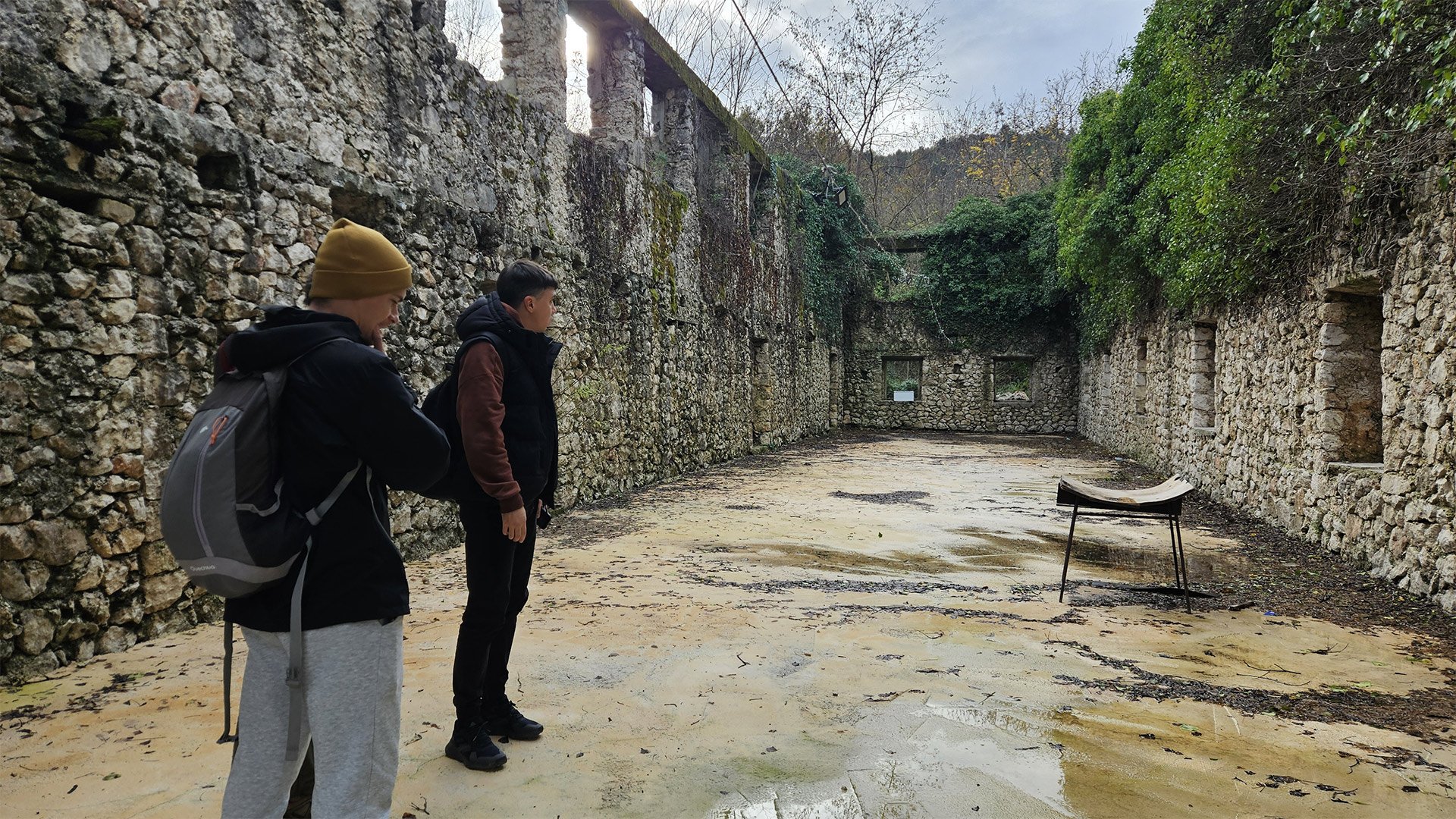
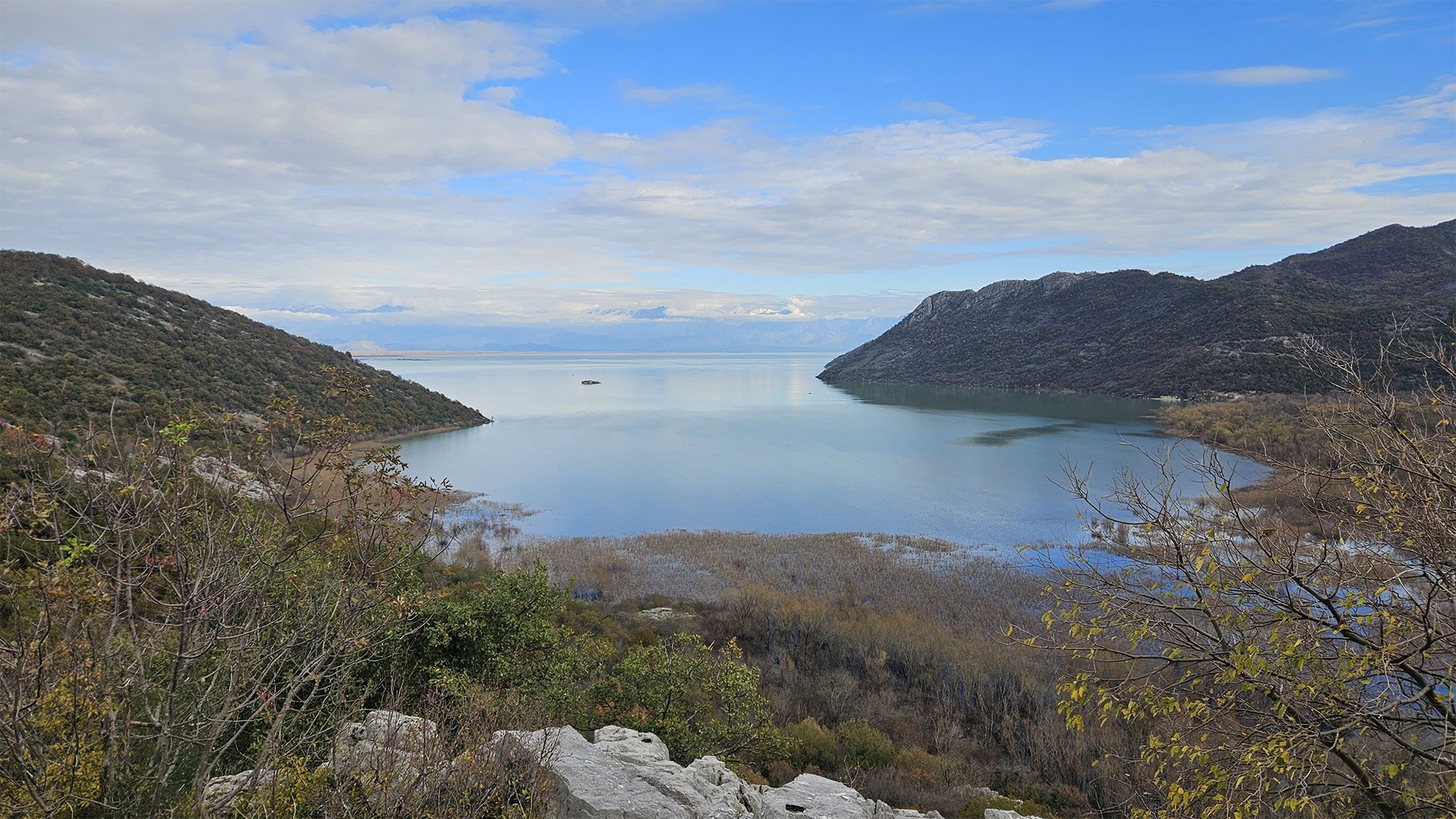
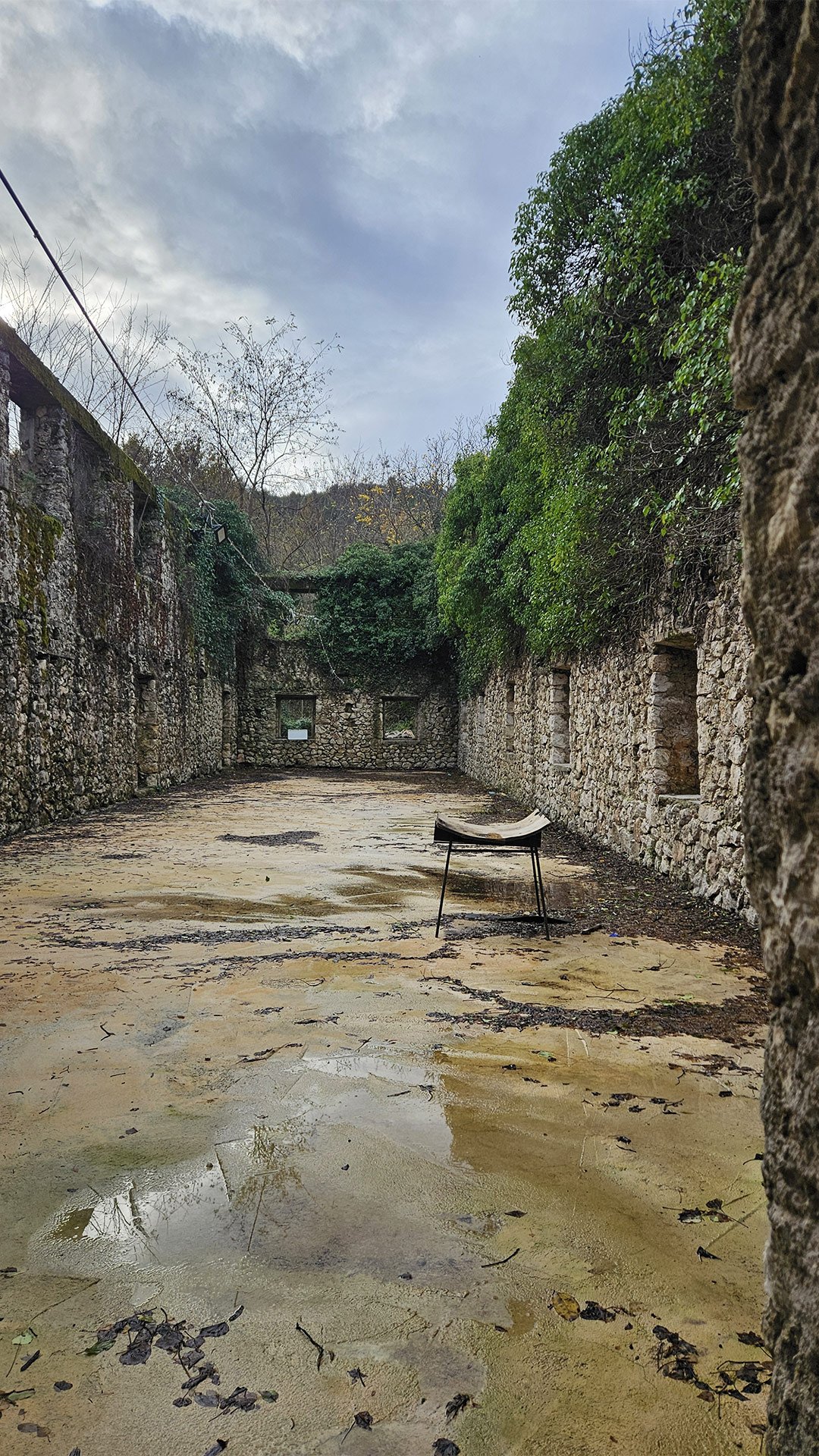
A special attraction is the Besac fortress above the settlement. According to historical sources, it was built by the Ottomans after the fall of Donja Zeta in 1478; Later, the fortress changed hands and gradually lost its military significance, but the view from here still explains the strategic position of the site—you control both the Crmnica field and the approaches to the lake.
And in Virpazar itself, elements of the historical architecture have been preserved; for example, the old bridge dates back to the 19th century.
Godinije: a stone village of wine, passages, and memory
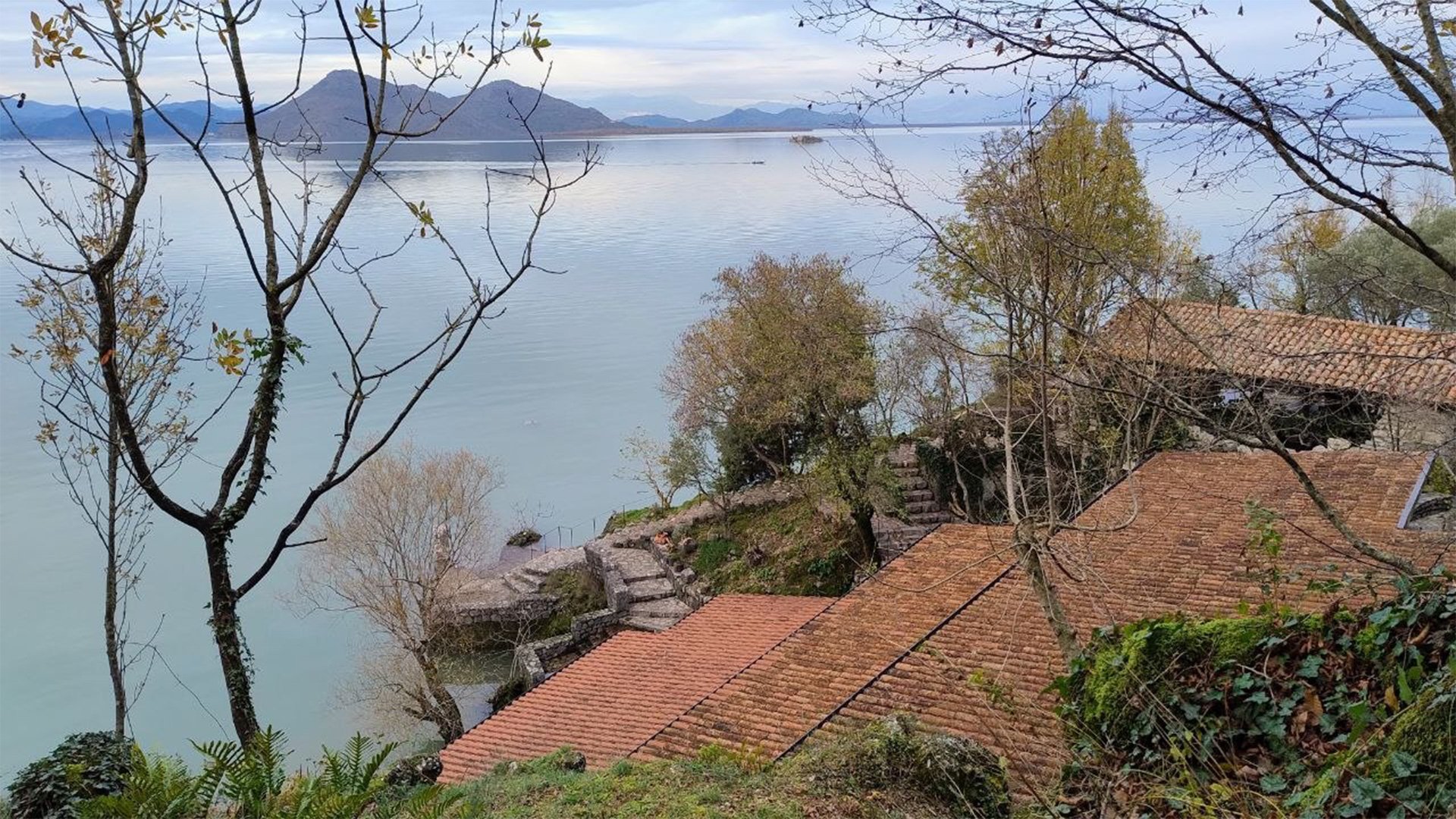
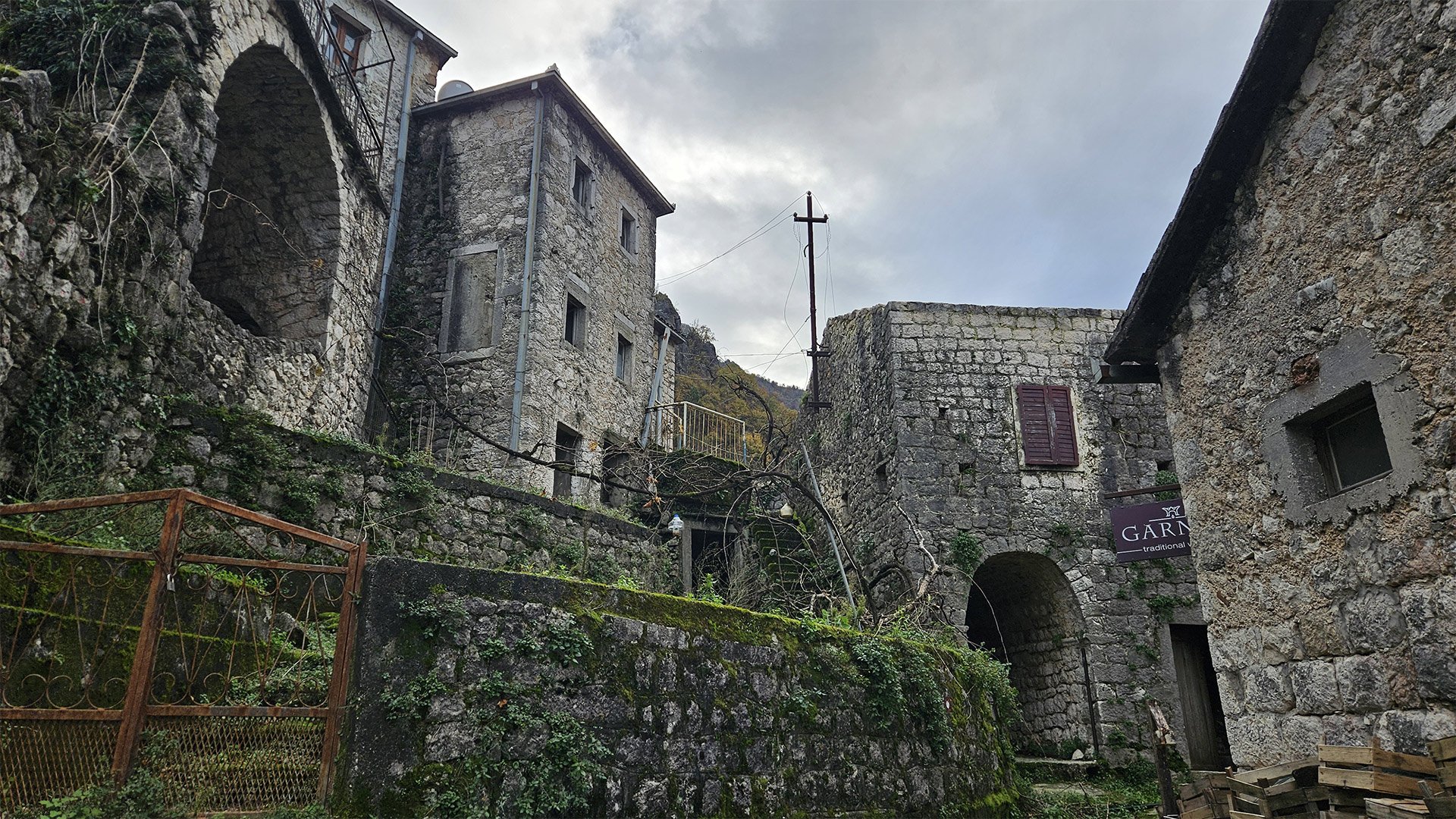
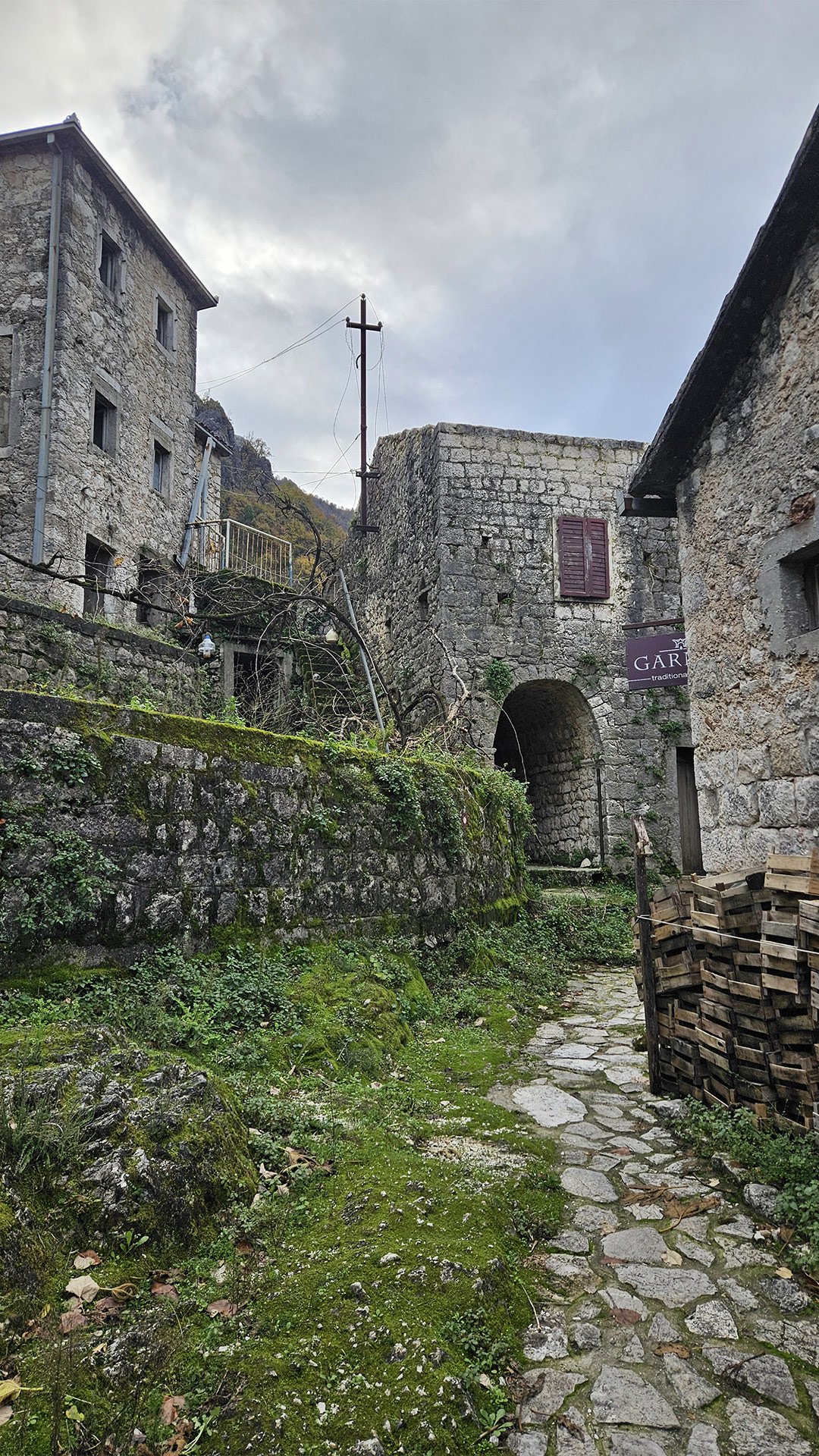
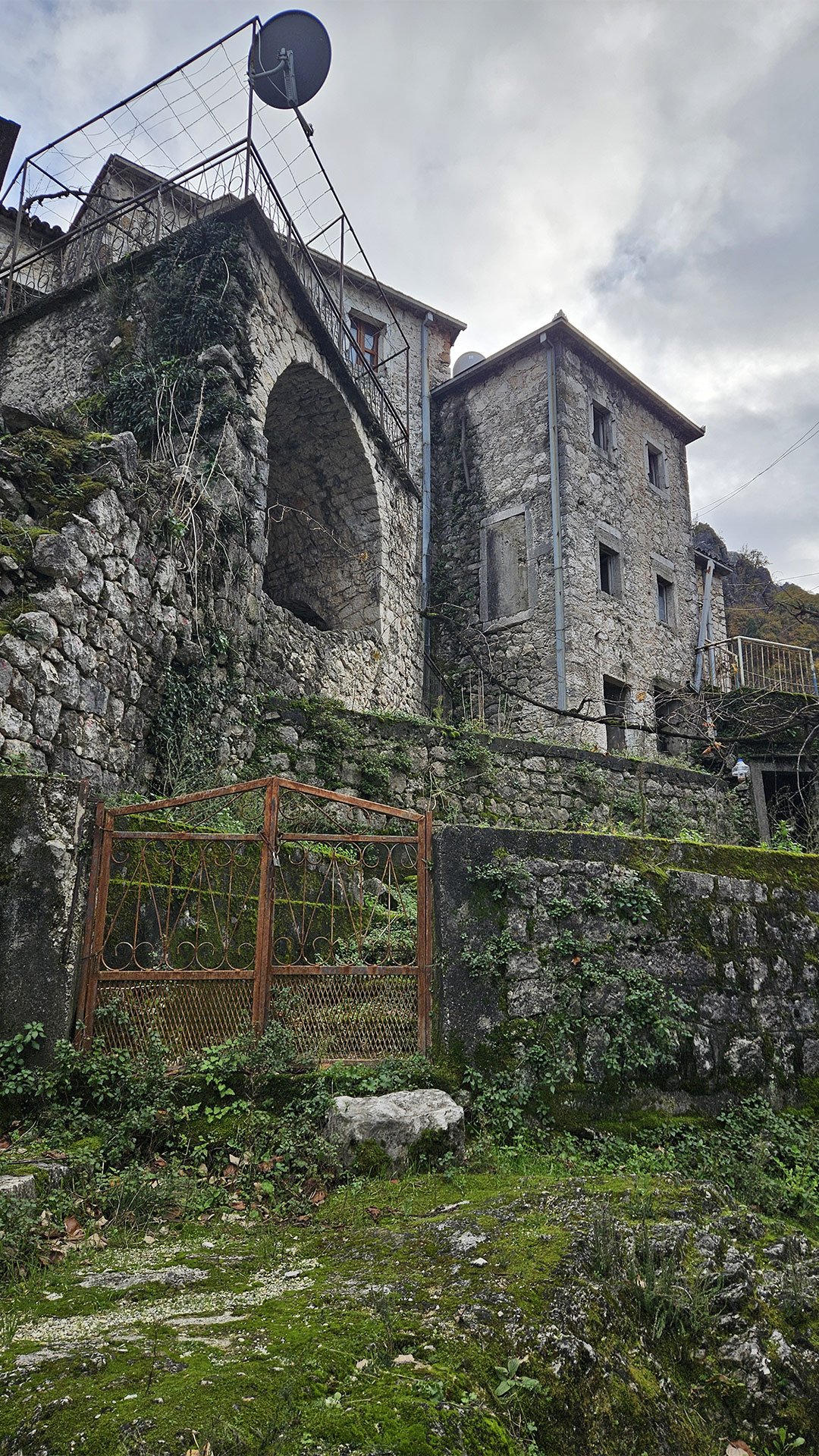
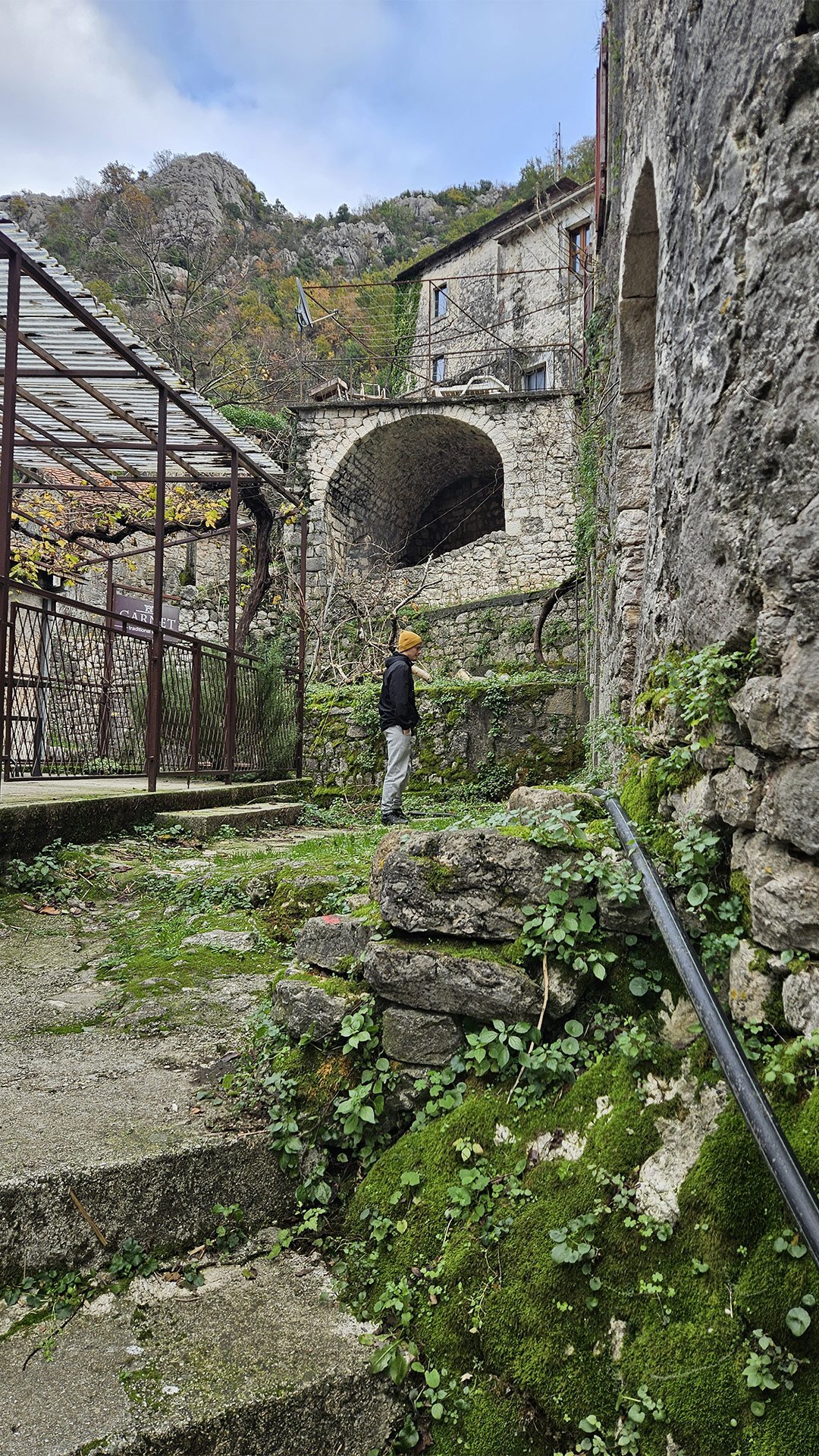
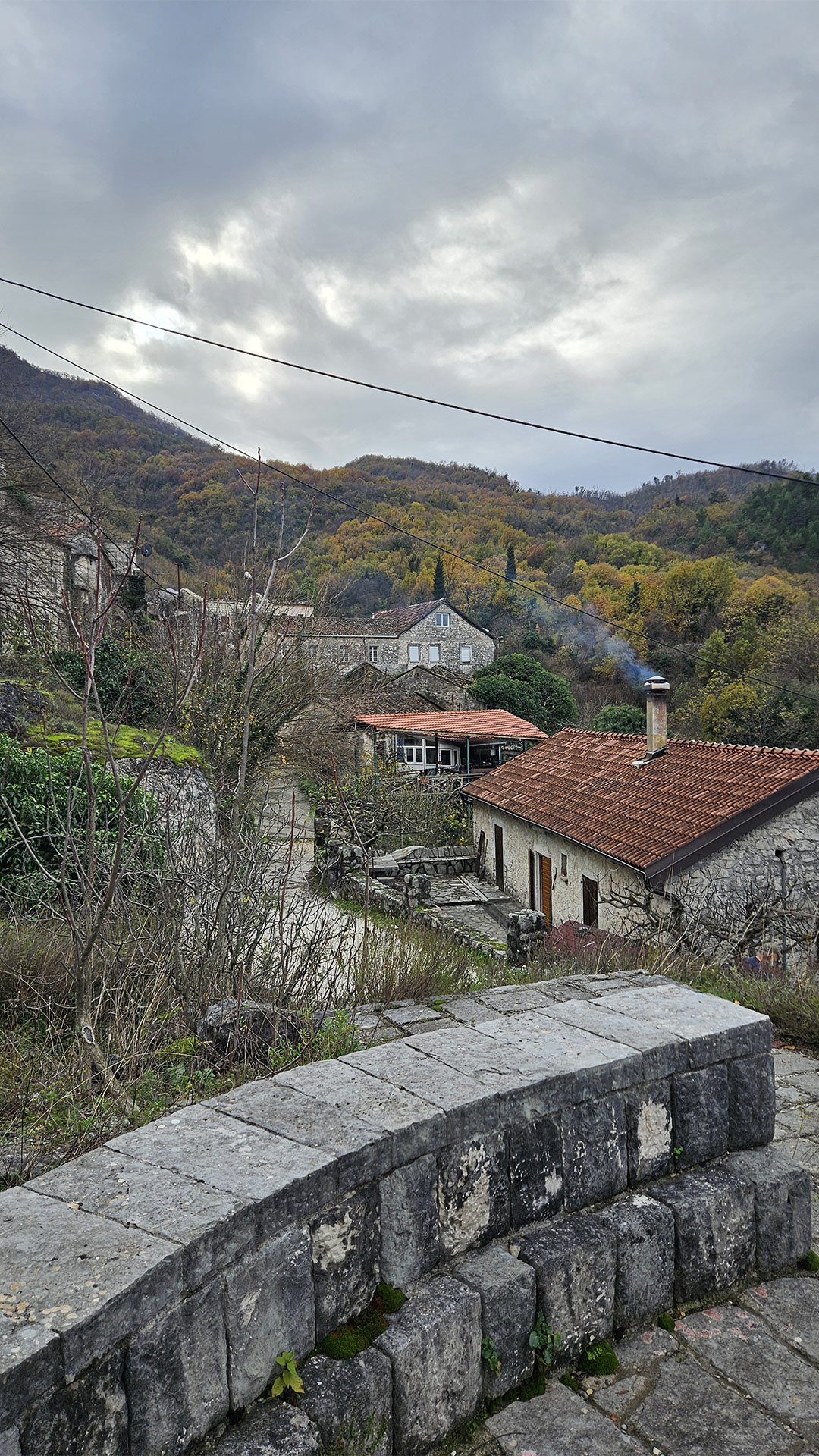
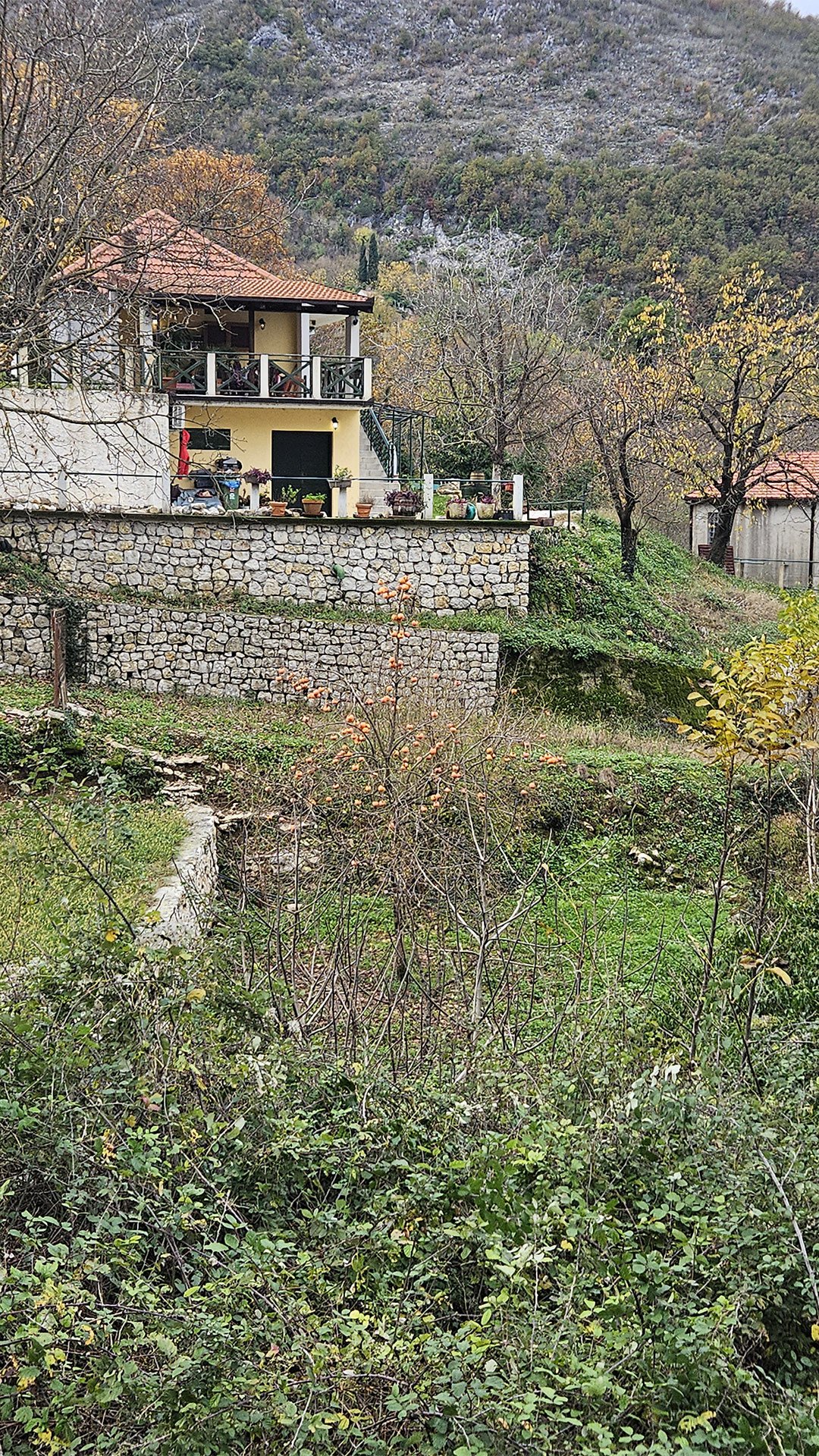
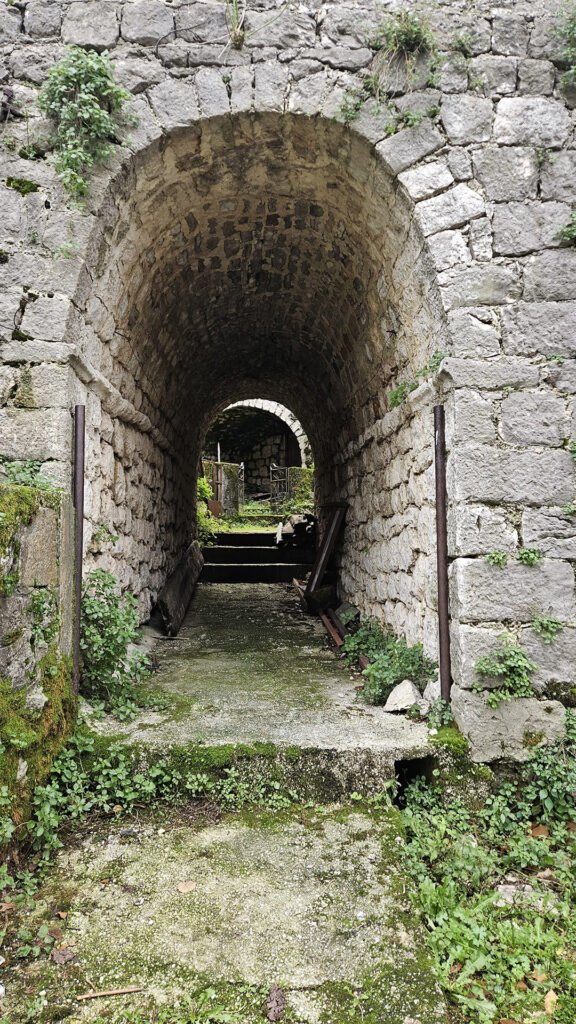
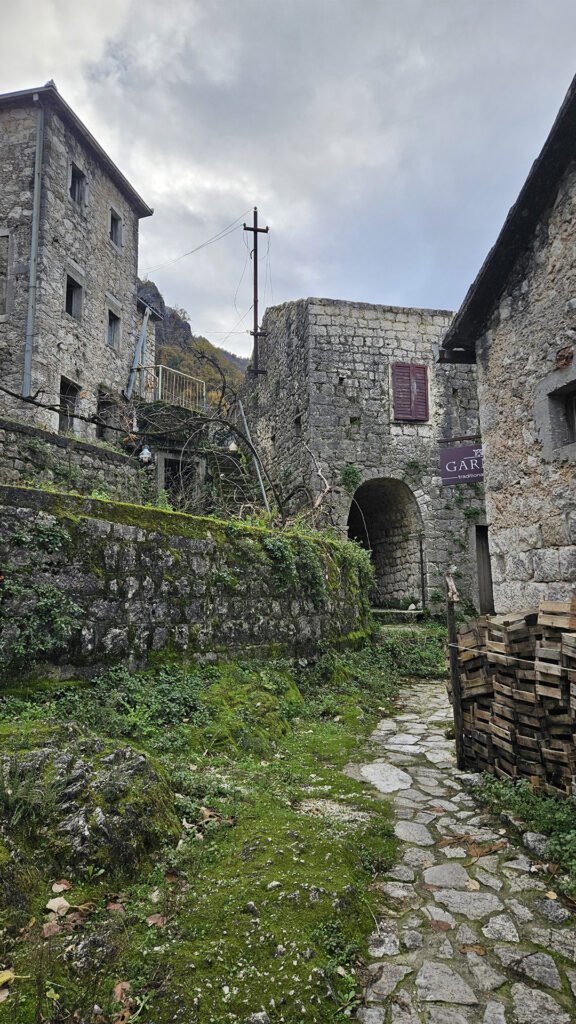
If Virpazar is movement, then Godinije is a stop and silence. The village stands above the shore, among the slopes of Crmnica, and is known for its well-preserved traditional rural architectural complex: stone houses with arches and “konobas” (wine/utility rooms), a compact medieval neighborhood, and traces of defensive logic (thick walls, loopholes).
According to the Bar Region Tourism Organization, the first written mentions of Godinije date back to the 13th century; Traces of the Balšić dynasty (15th century) are also noted, and the Crmnica winemaking tradition in this area is described as very long-standing (counting back hundreds of years).
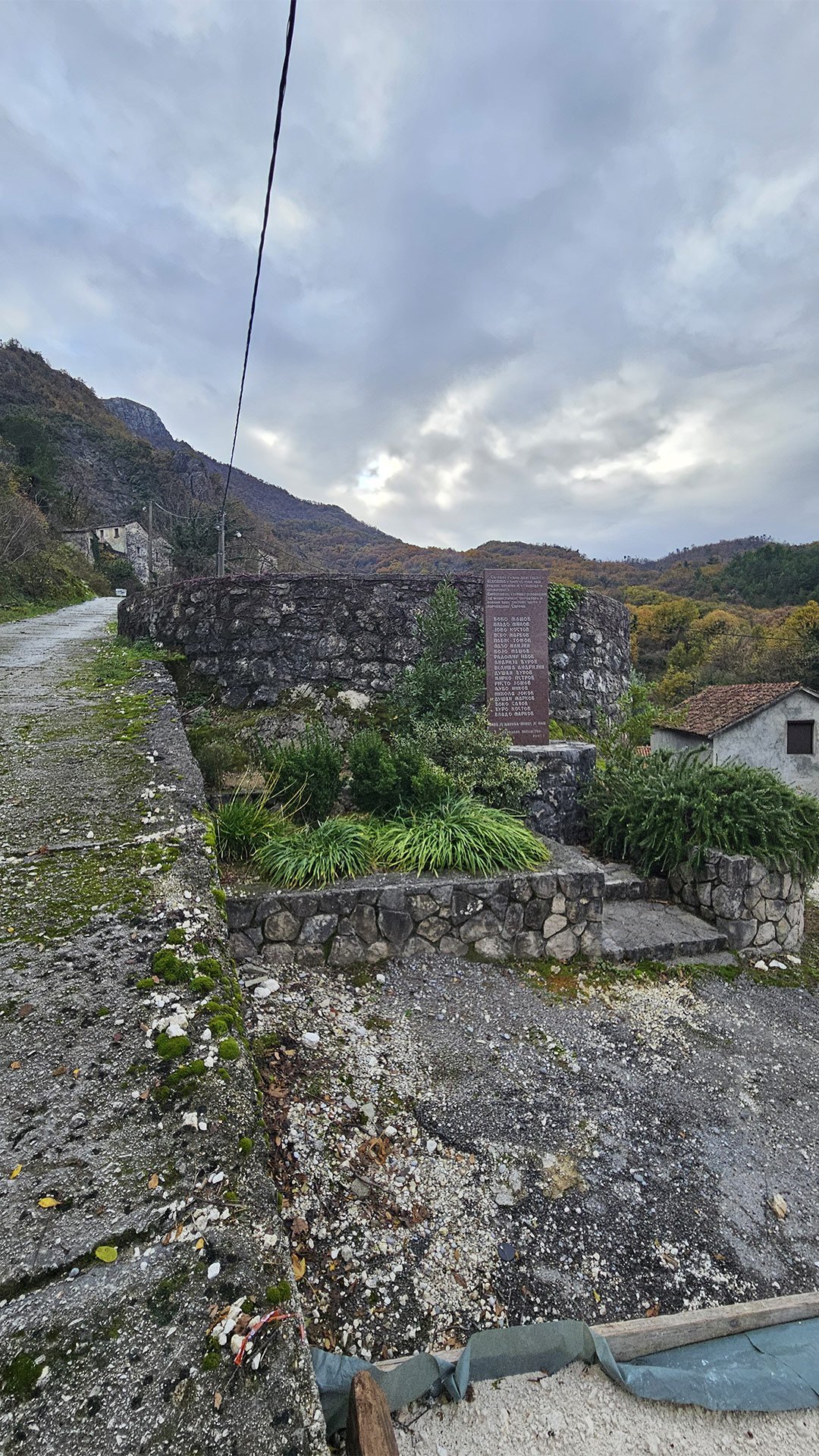
Important modern status: a specialized publication about the village notes that the cultural and historical area (in particular, the Lekovići house complex in Godiće) has been designated an immovable cultural site of national significance and is protected as a rural settlement.
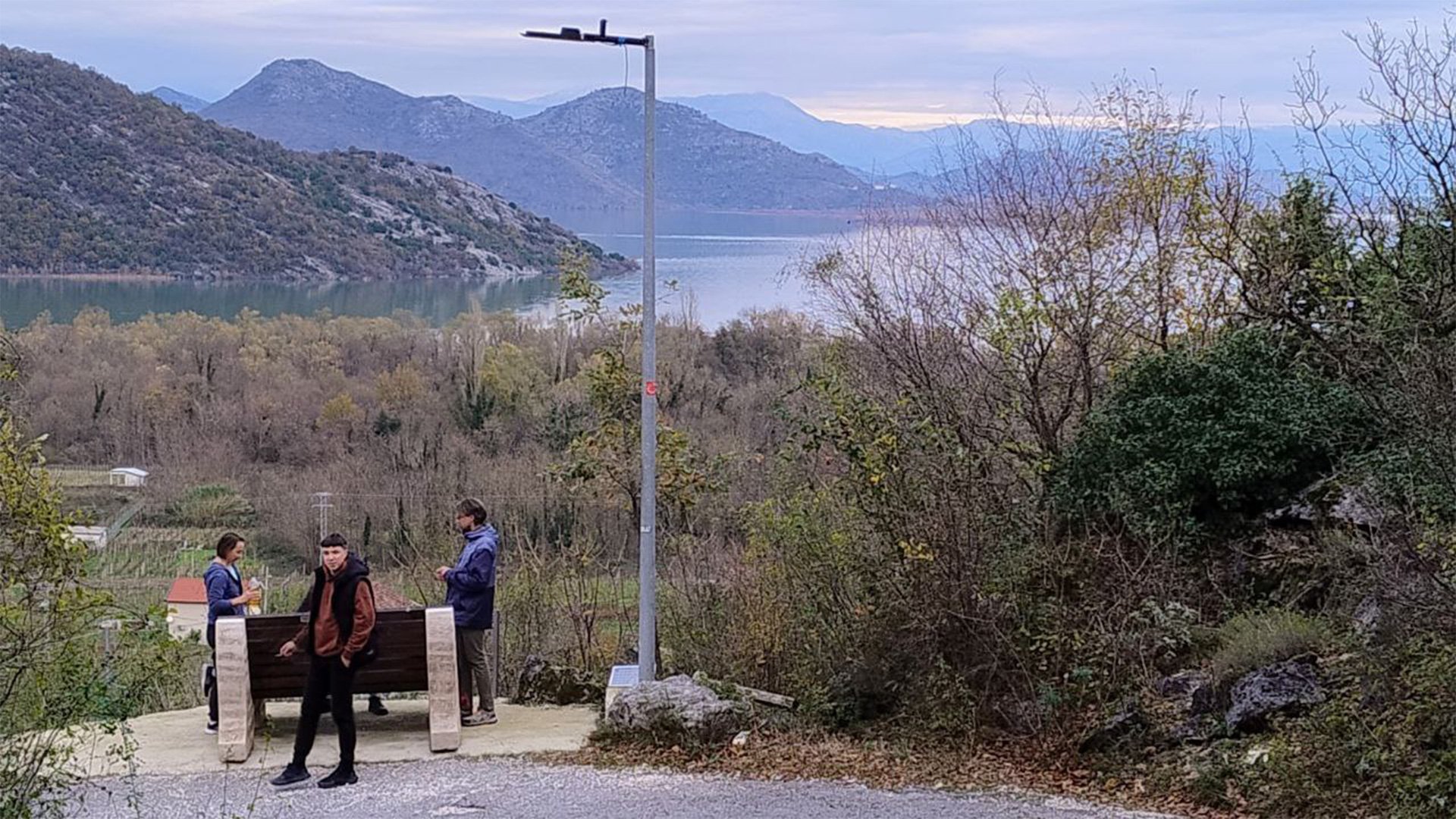
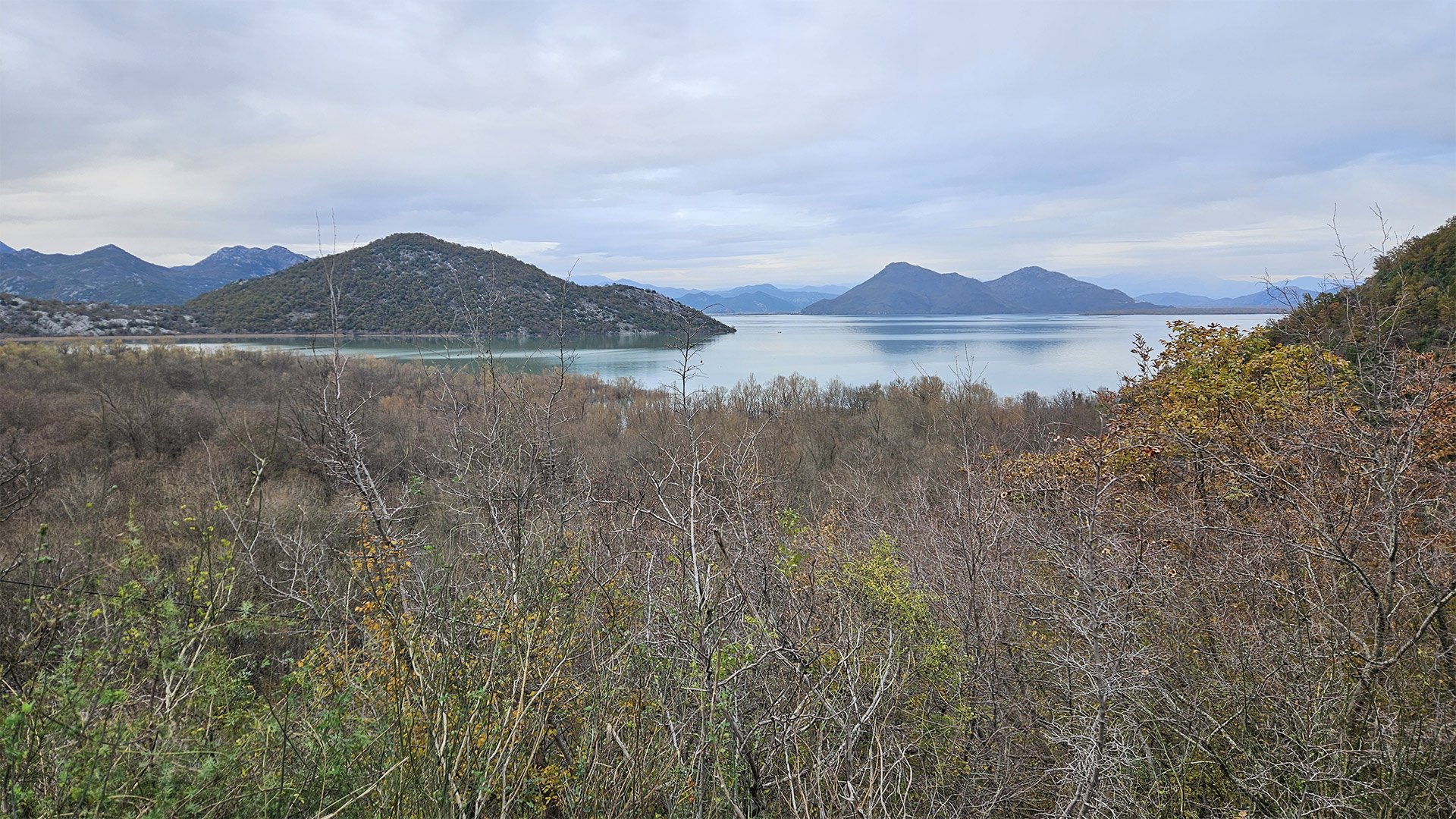
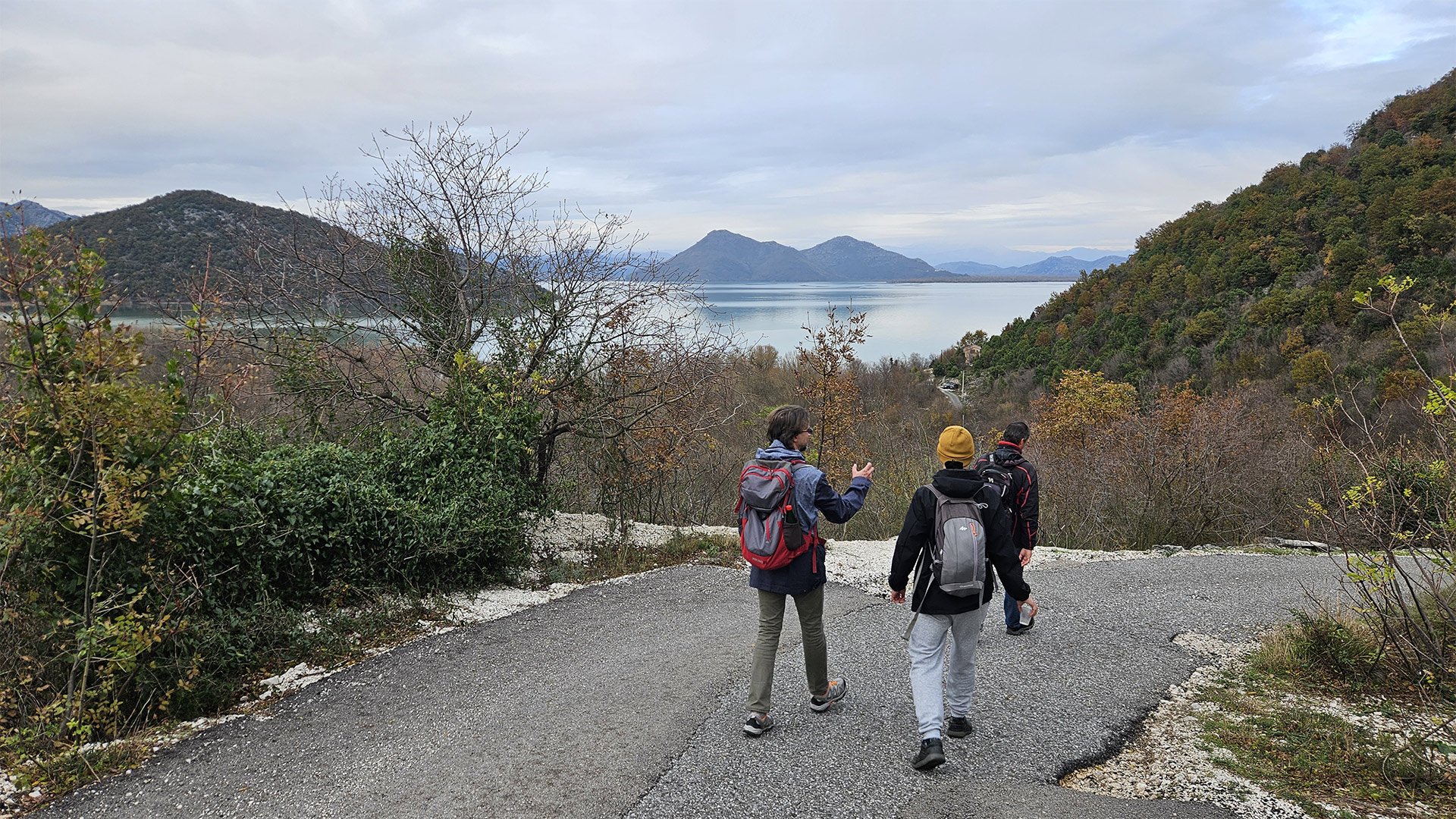
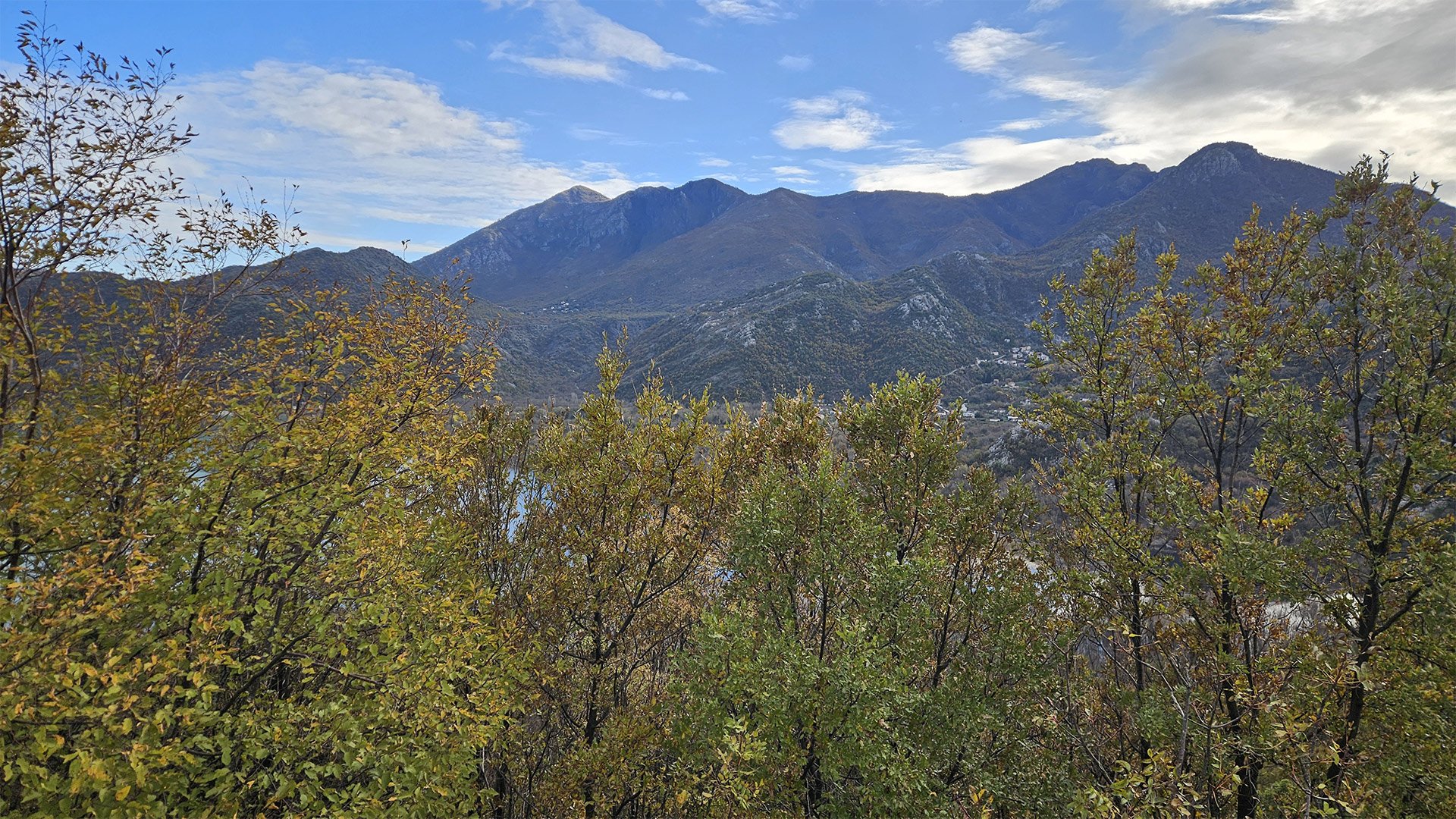
This is where the Starlight route usually slows down: a stroll through the narrow passages between the houses, a tasting of local wine, and a view from above of the lake’s bays and islands—that very “leisurely” Skadar that many miss, staying only at the docks.
When the lake rises: seasonal fluctuations and flooding
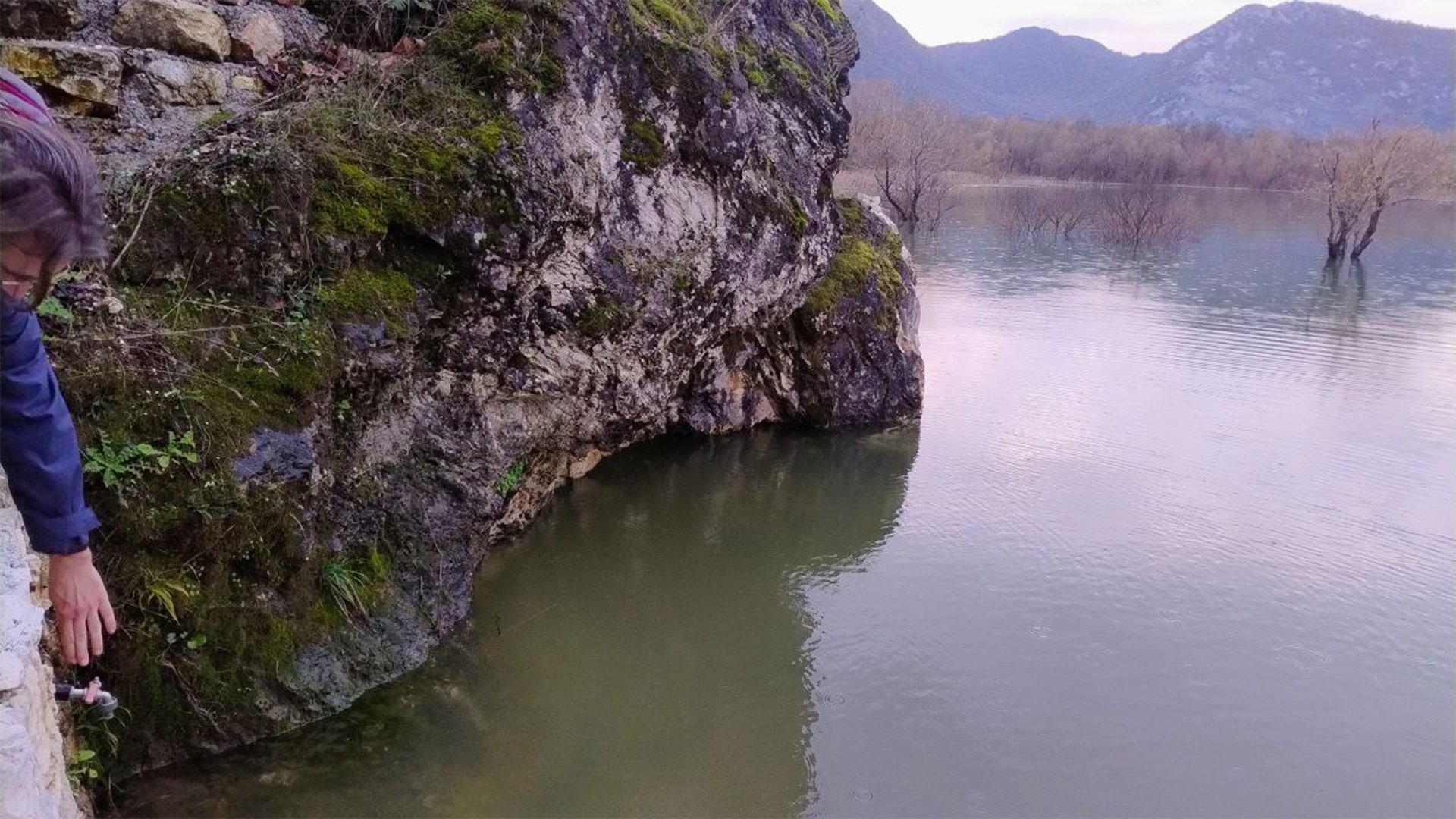
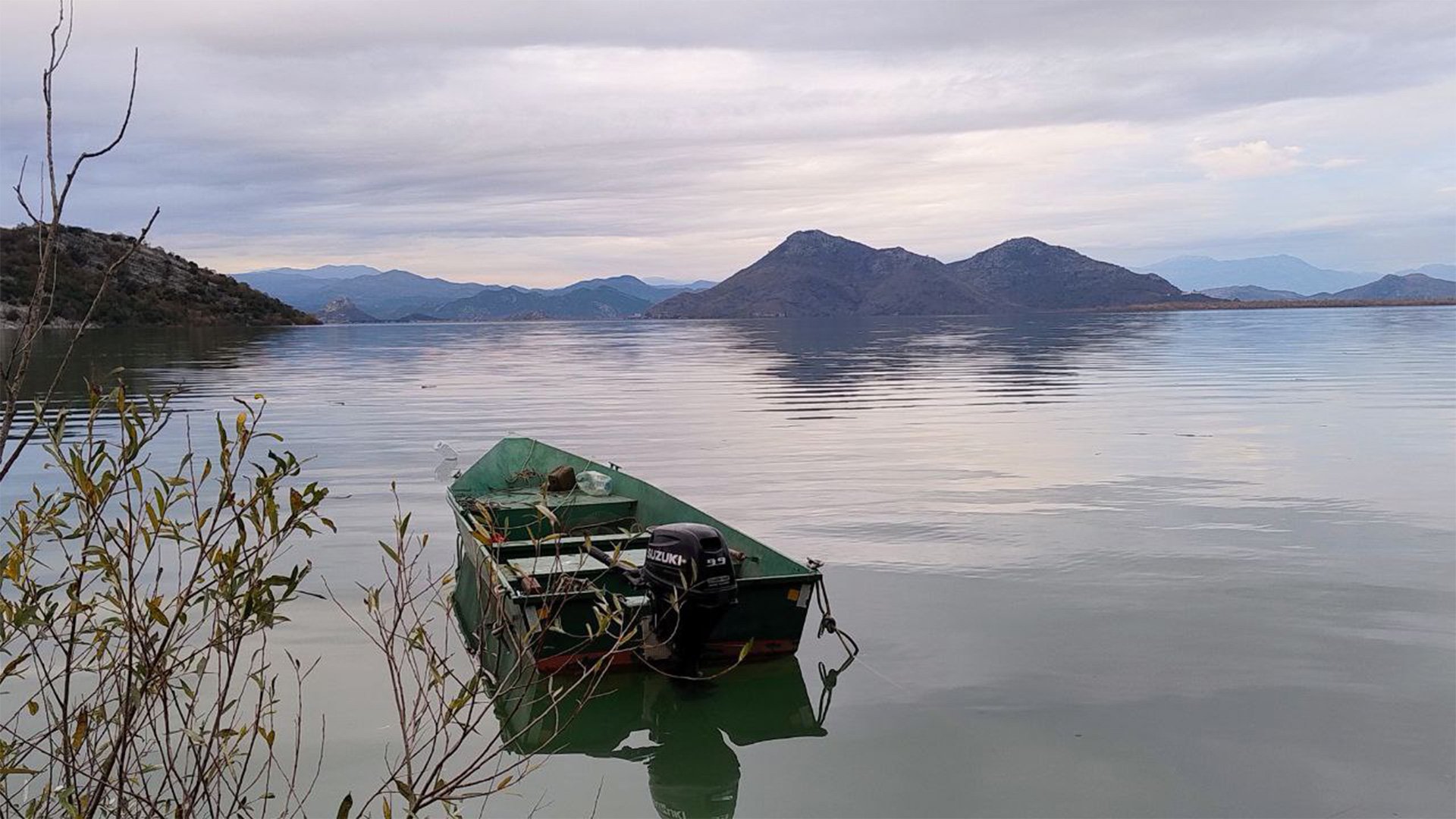
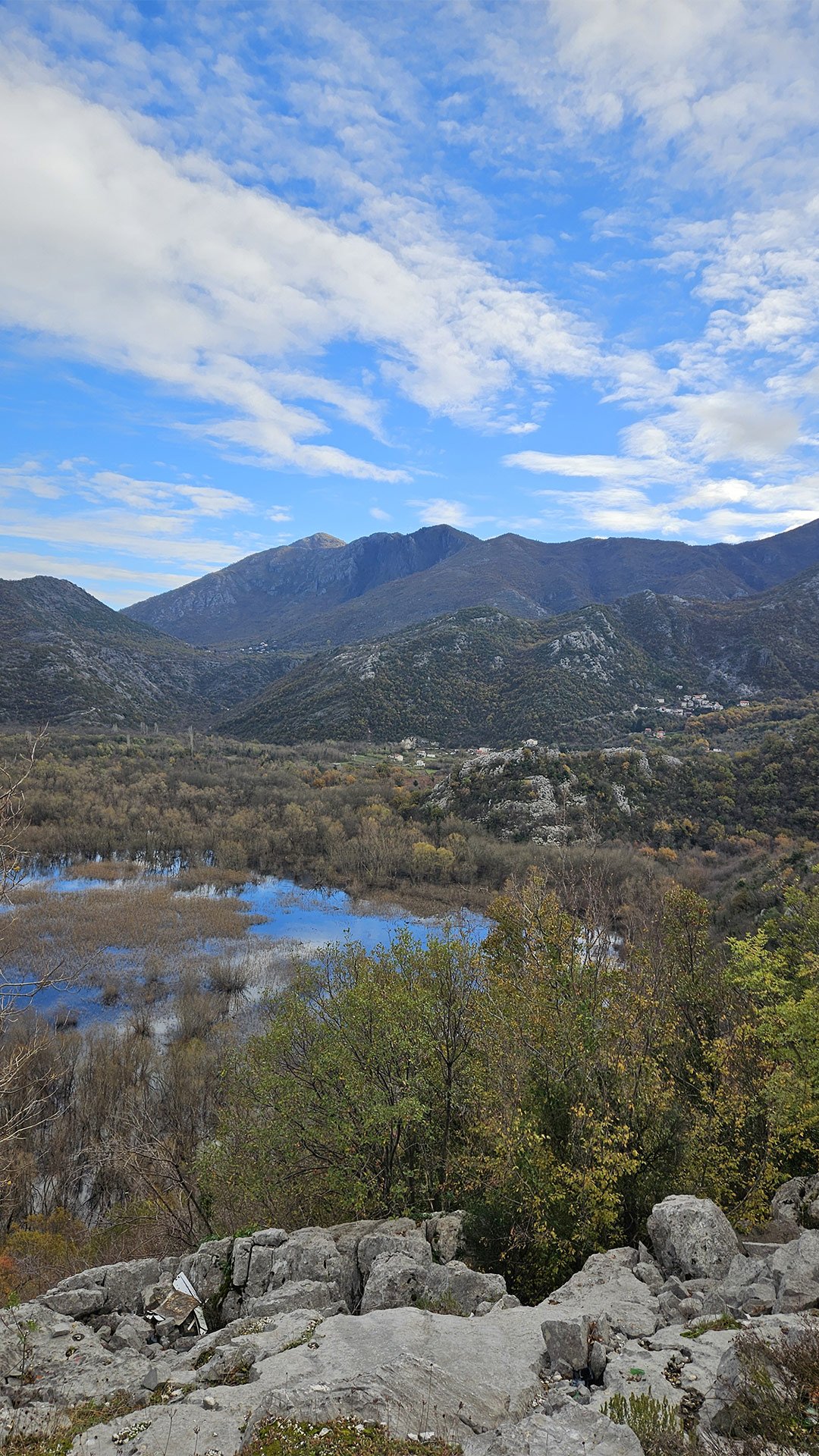
Lake Skadar “breathes” seasonally. According to the official tourist description of the national park, the water surface area is approximately 370 km² in summer and up to 540 km² in winter.
The reason is clear: winter and spring precipitation (as well as tributaries) raise the water level, and water occupies the low-lying areas around the lake.
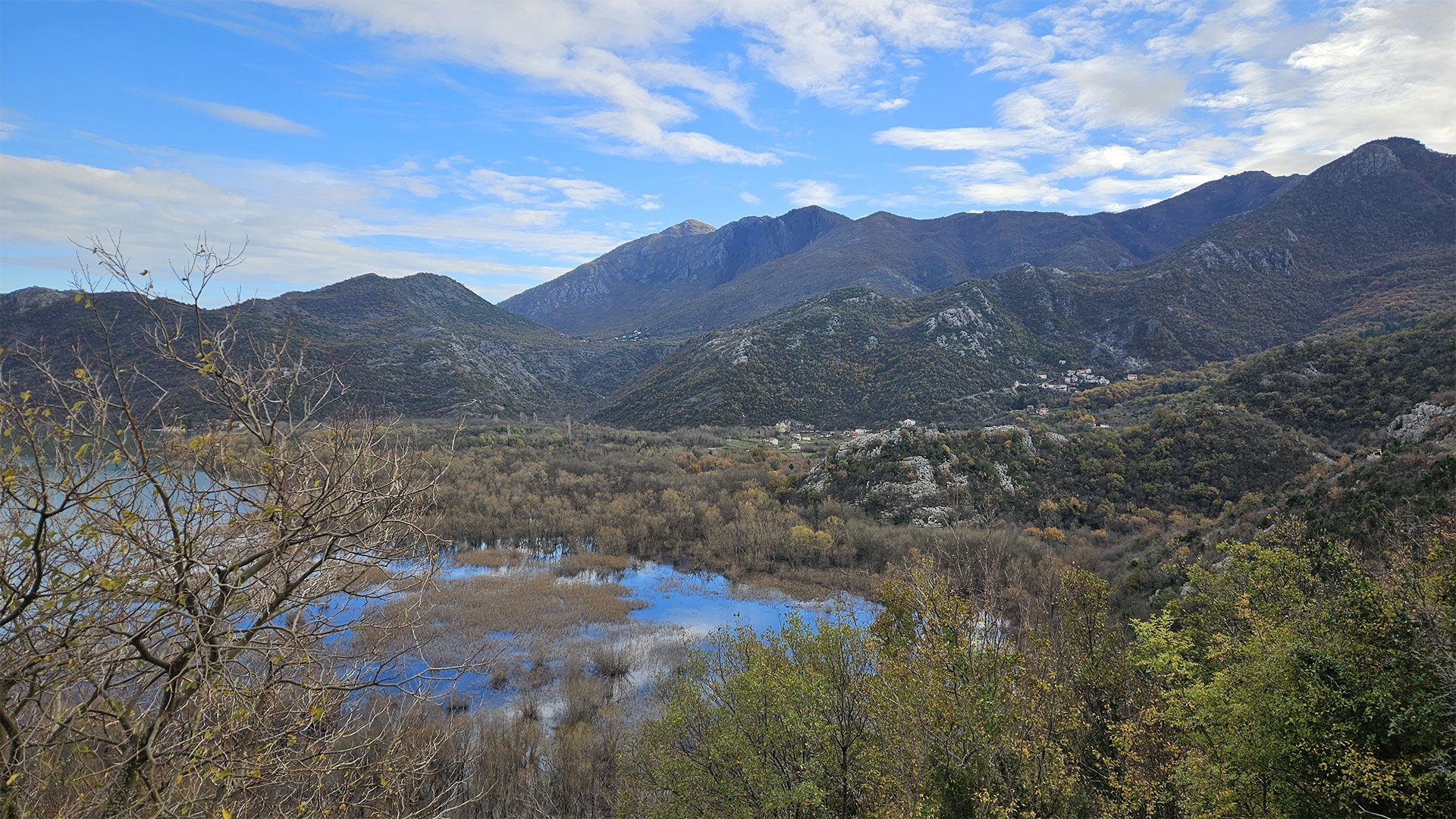
The most vulnerable areas are the gently sloping northern and northwestern shores with floodplains and reed beds: information materials about the park emphasize that the low valley in the northern part of the lake is often flooded.
Ramsar documents for the Shkodër/Skadar system also directly indicate flooding of the areas around the lake.
And this isn’t just a “theory”: floods and rising waters in the Shkodër Lowland area are also analyzed in scientific papers mapping seasonal flooding.
What this means for travelers:
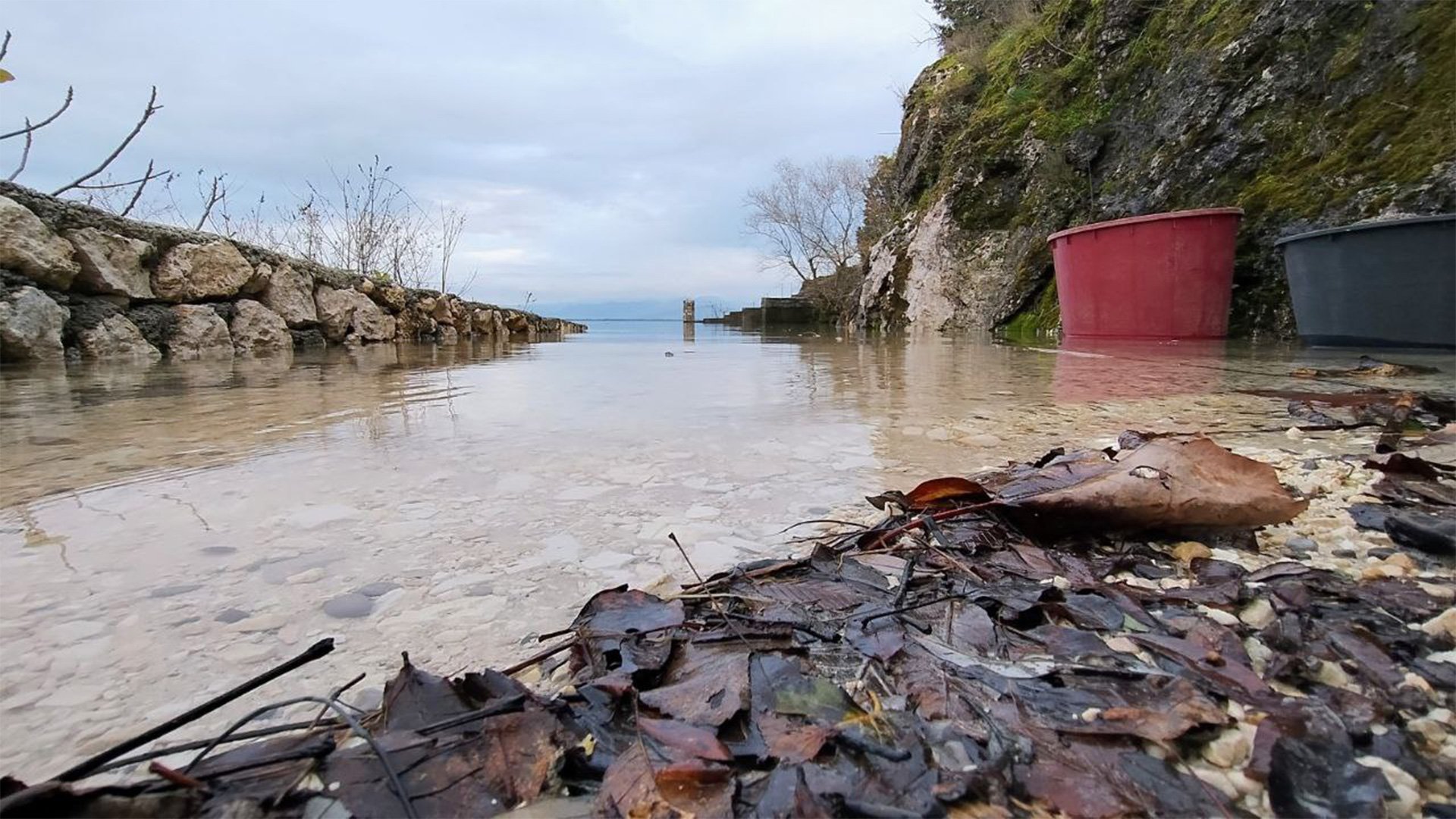
- During periods of heavy rainfall, water can enter coastal lowlands, affecting yards, outbuildings, and access roads to some villages;
- It’s best to plan routes with extra time and check traffic conditions, especially if you’re driving to “quiet” coastal areas.
Beaches on Lake Skadar: Where to swim in fresh water
Skadar is a freshwater lake, and swimming here is a special treat in summer: the water is usually warm, and the scenery is anything but seaside.
Among the most famous beaches on the Montenegrin side, the most popular are:
Murići Beach (Donji Murići) – it’s said to be the largest sandy beach on the shores of Lake Skadar; its length is reported to be approximately 560 meters.
This is a good option if you’re looking for a truly “beach day” (sunbathing, wading in the sand, and a leisurely swim).
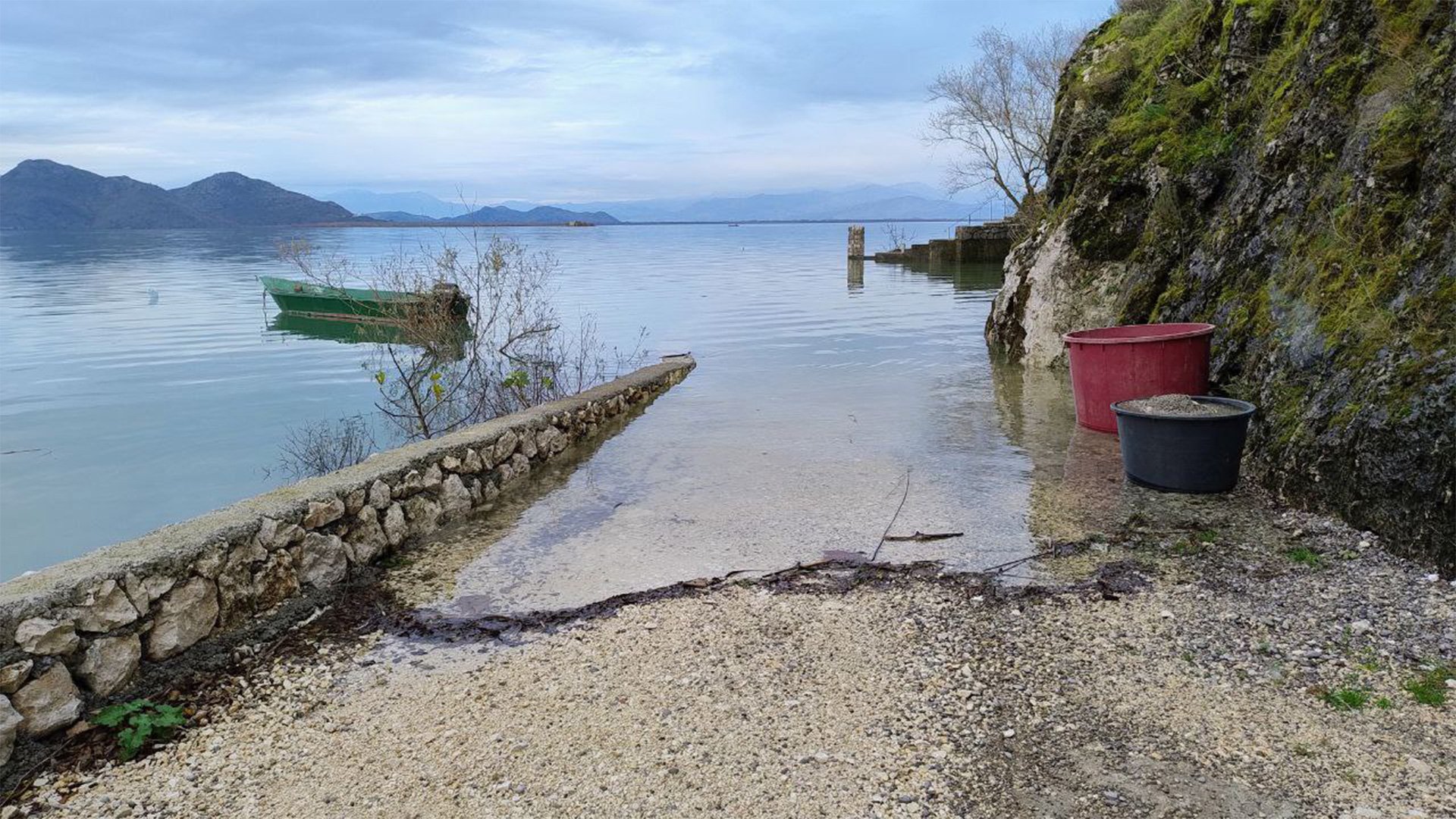
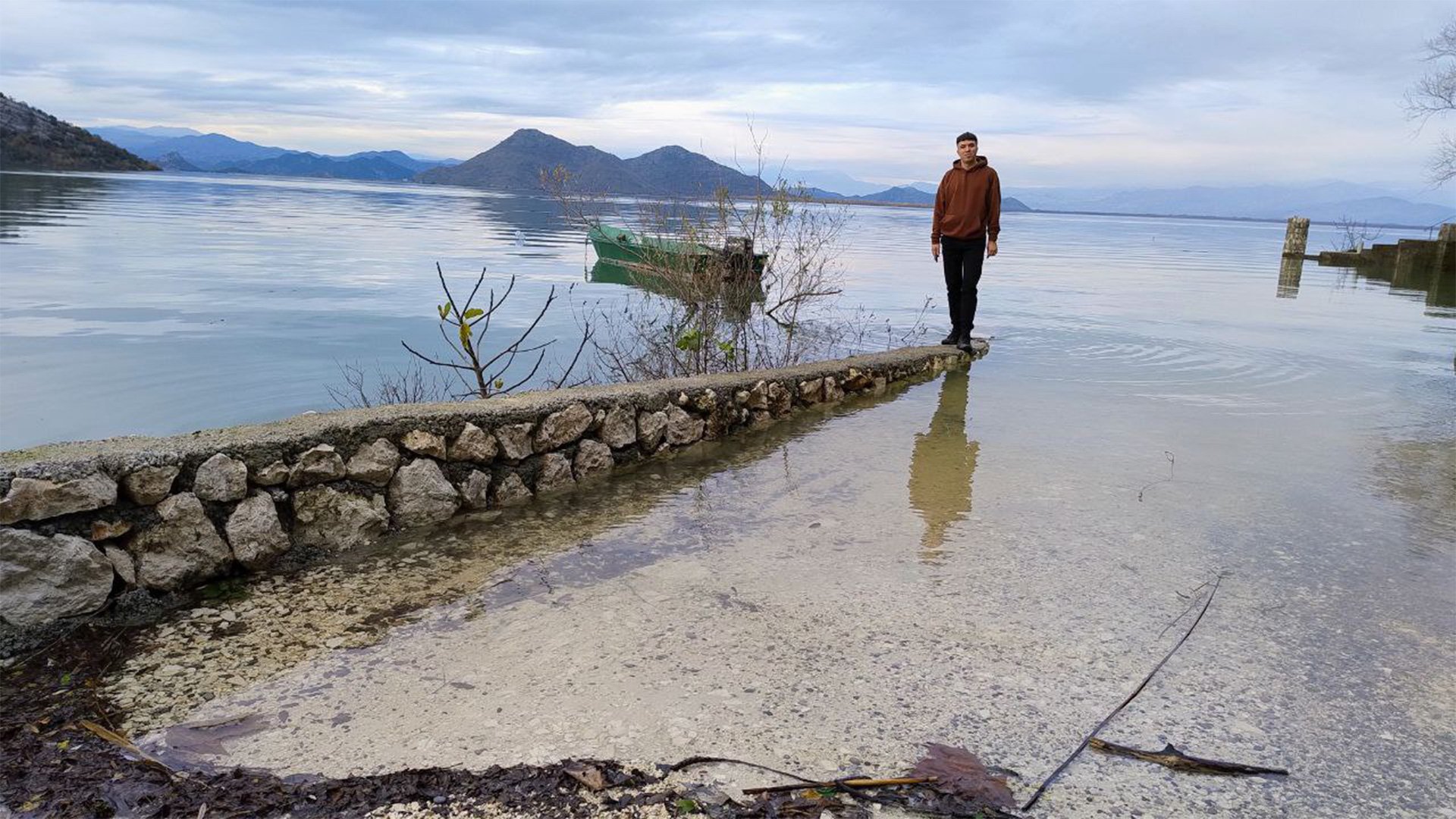
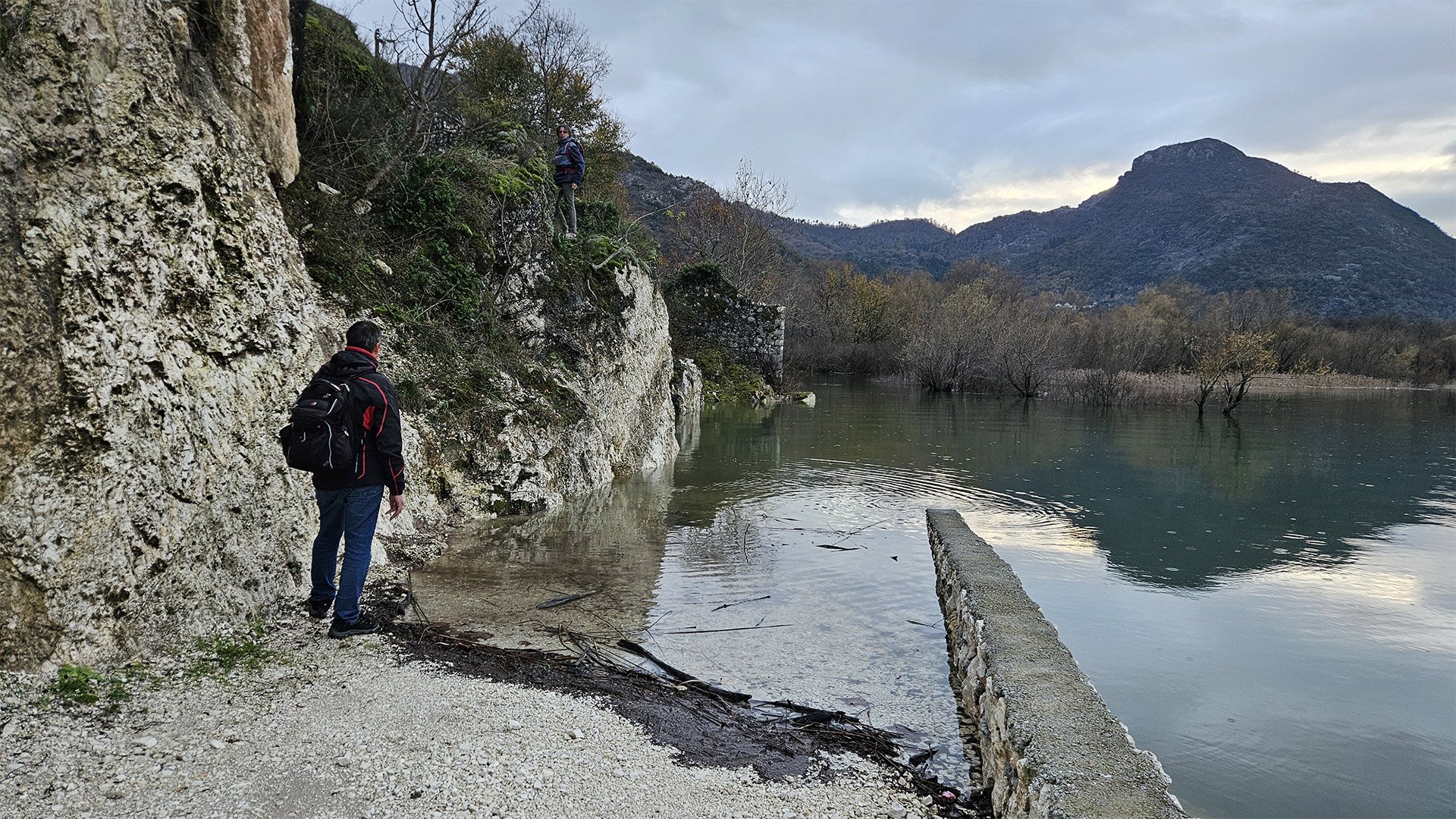
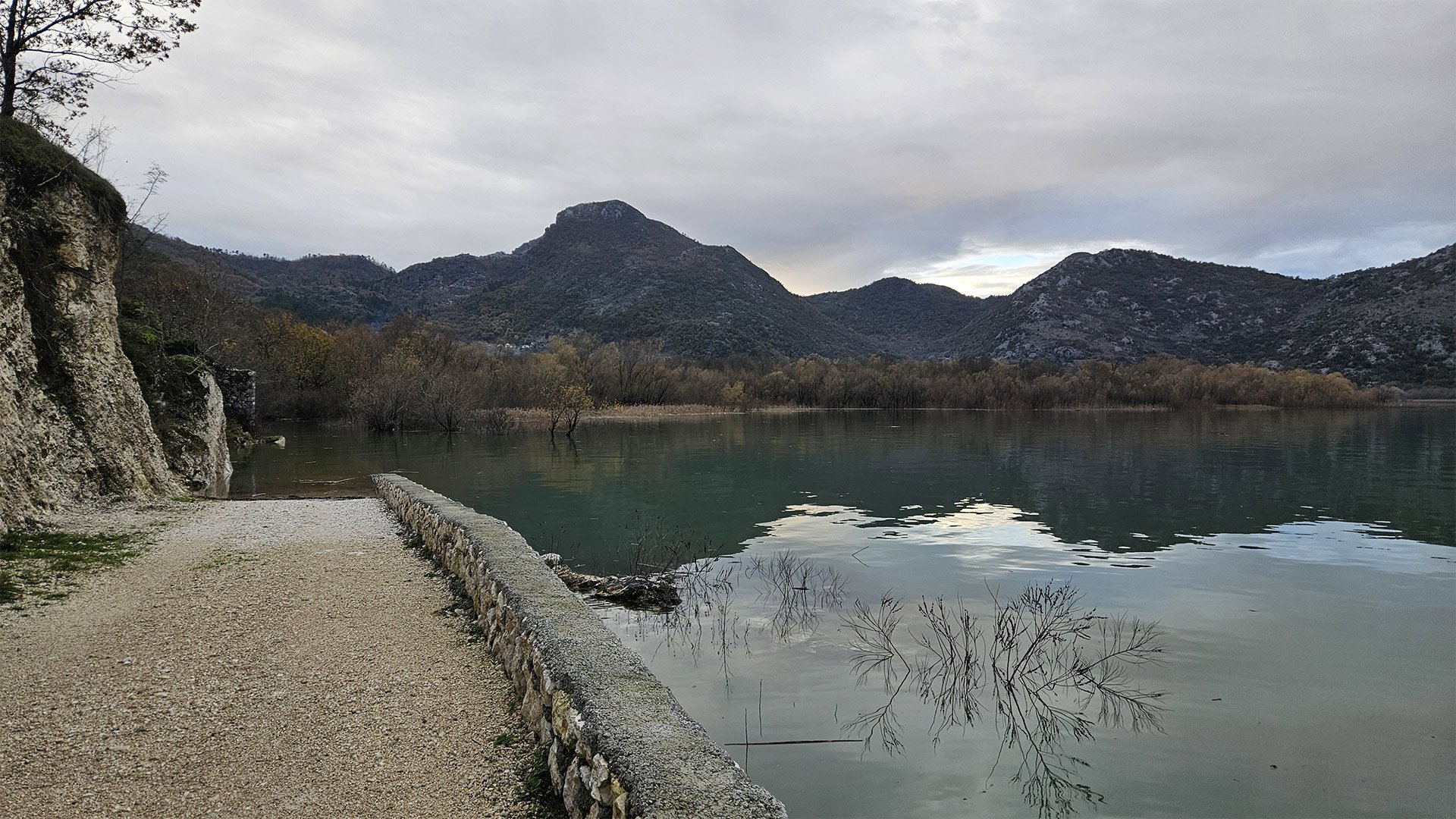
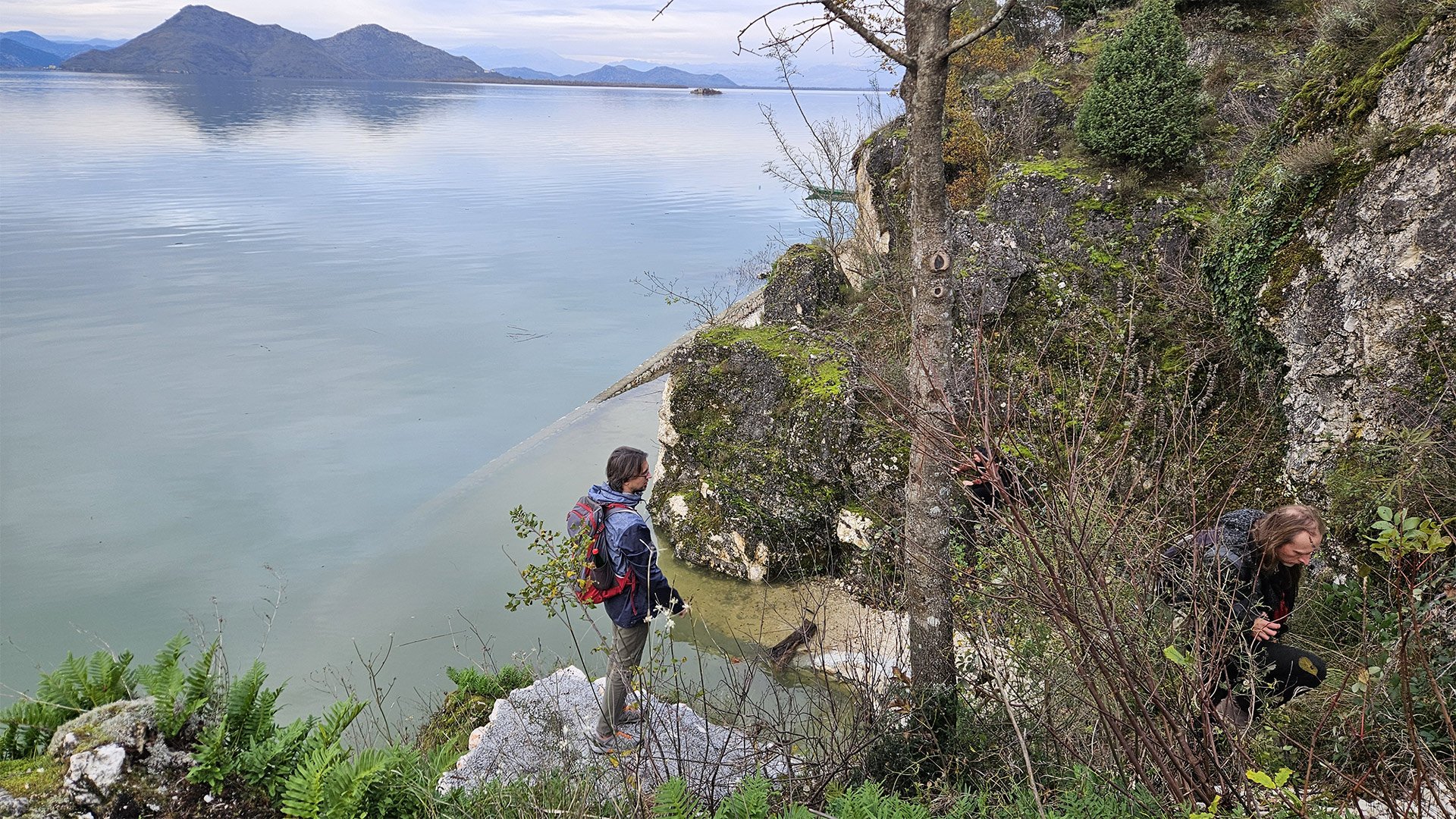
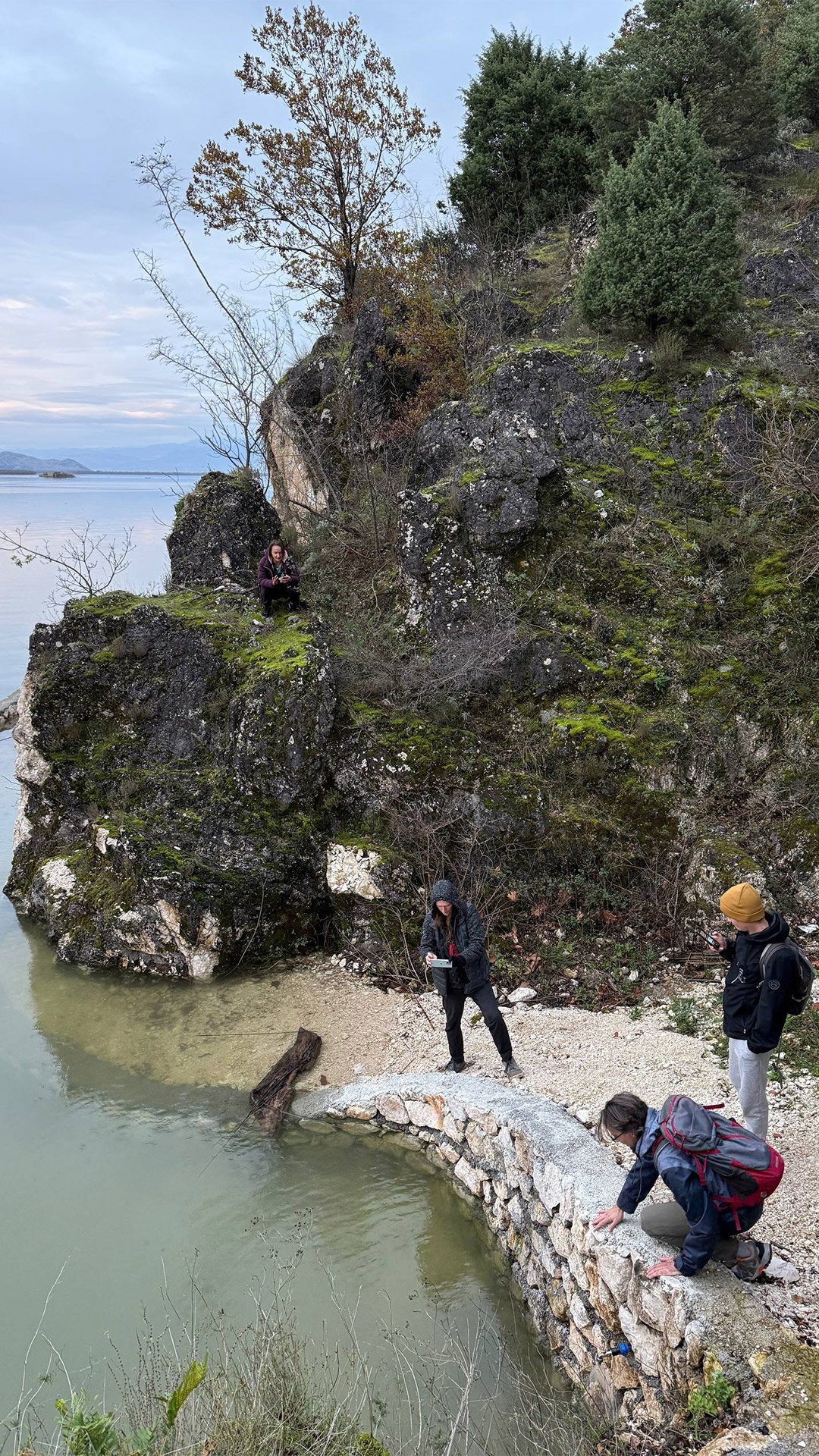
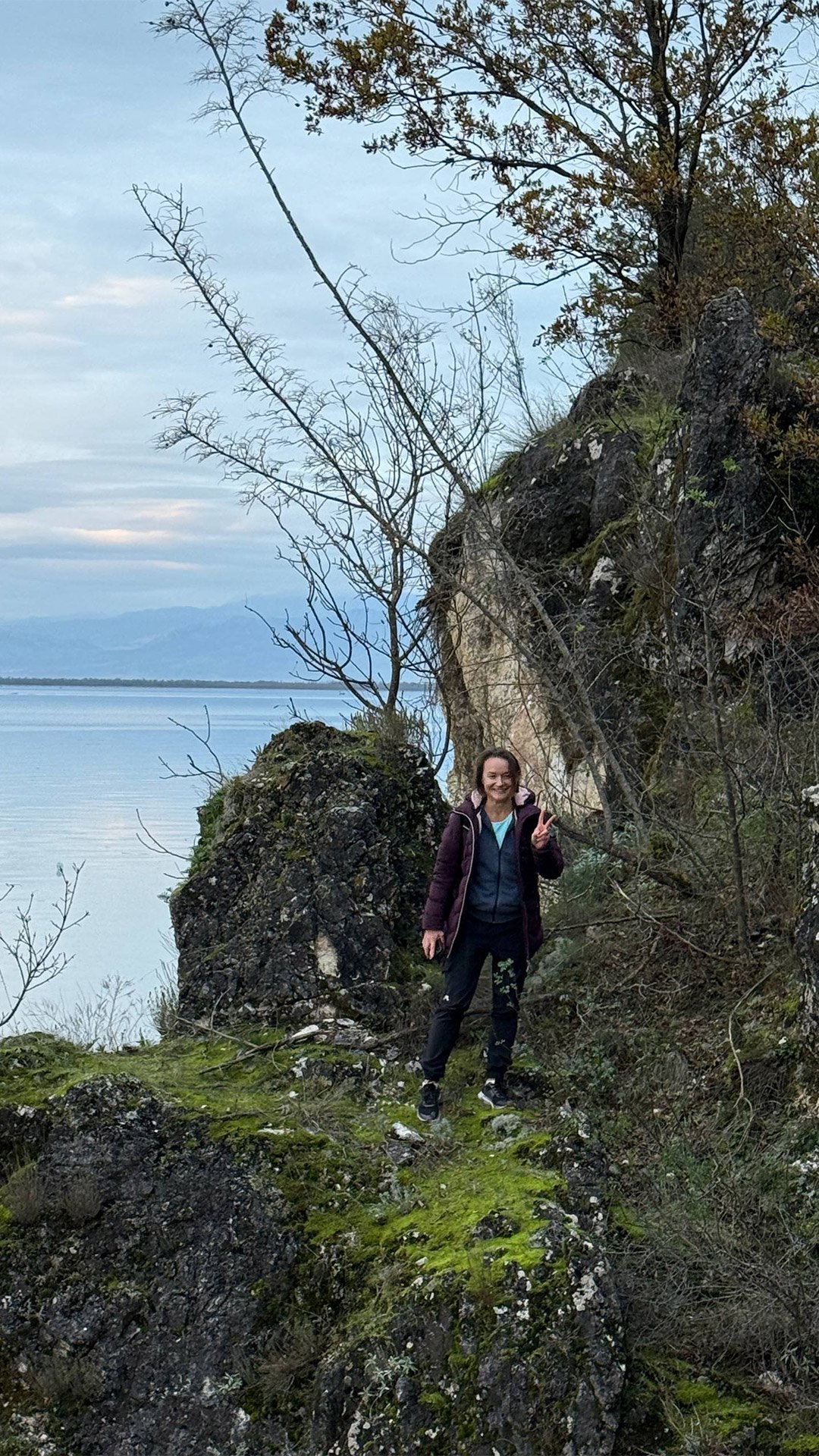
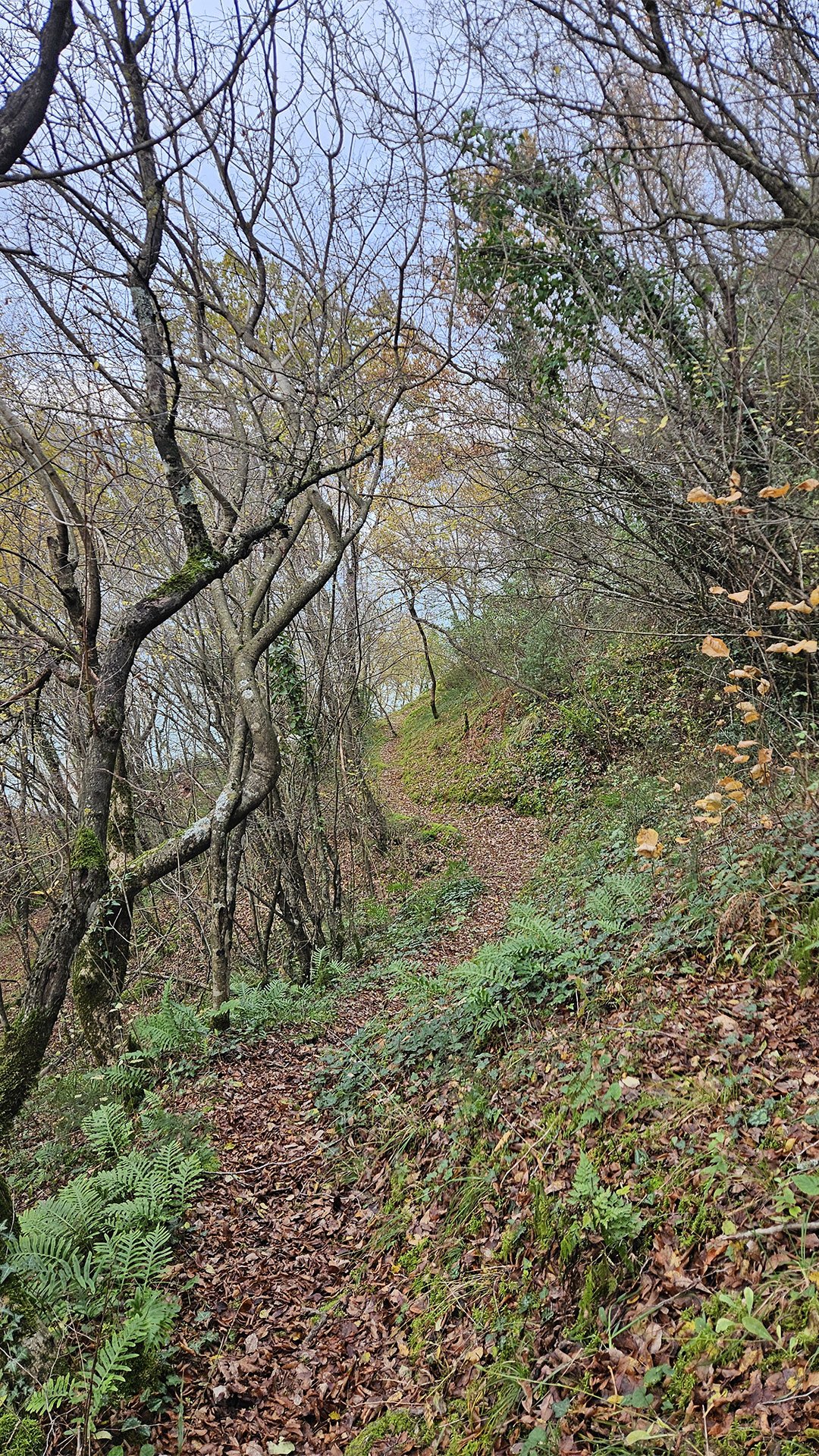
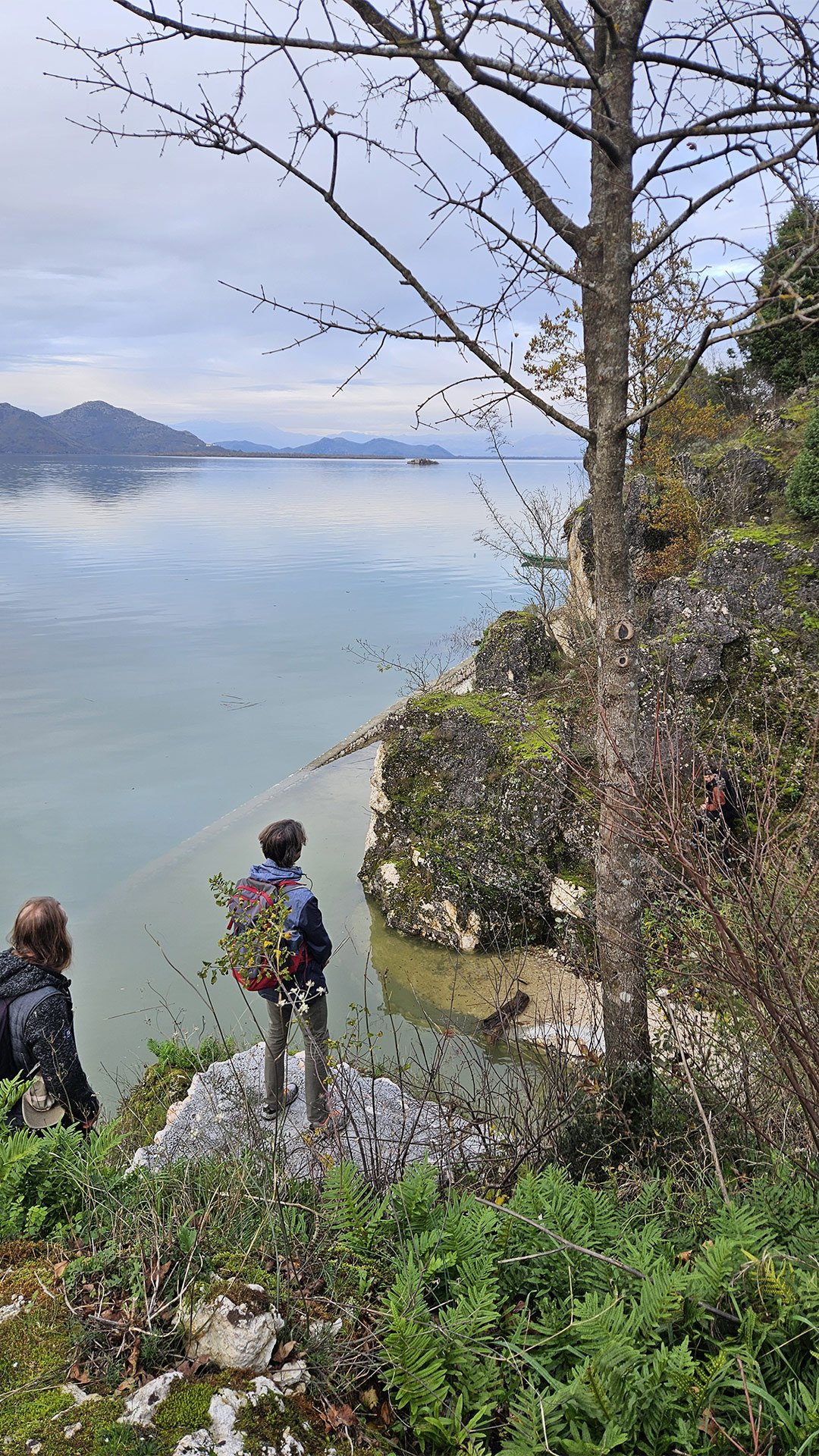
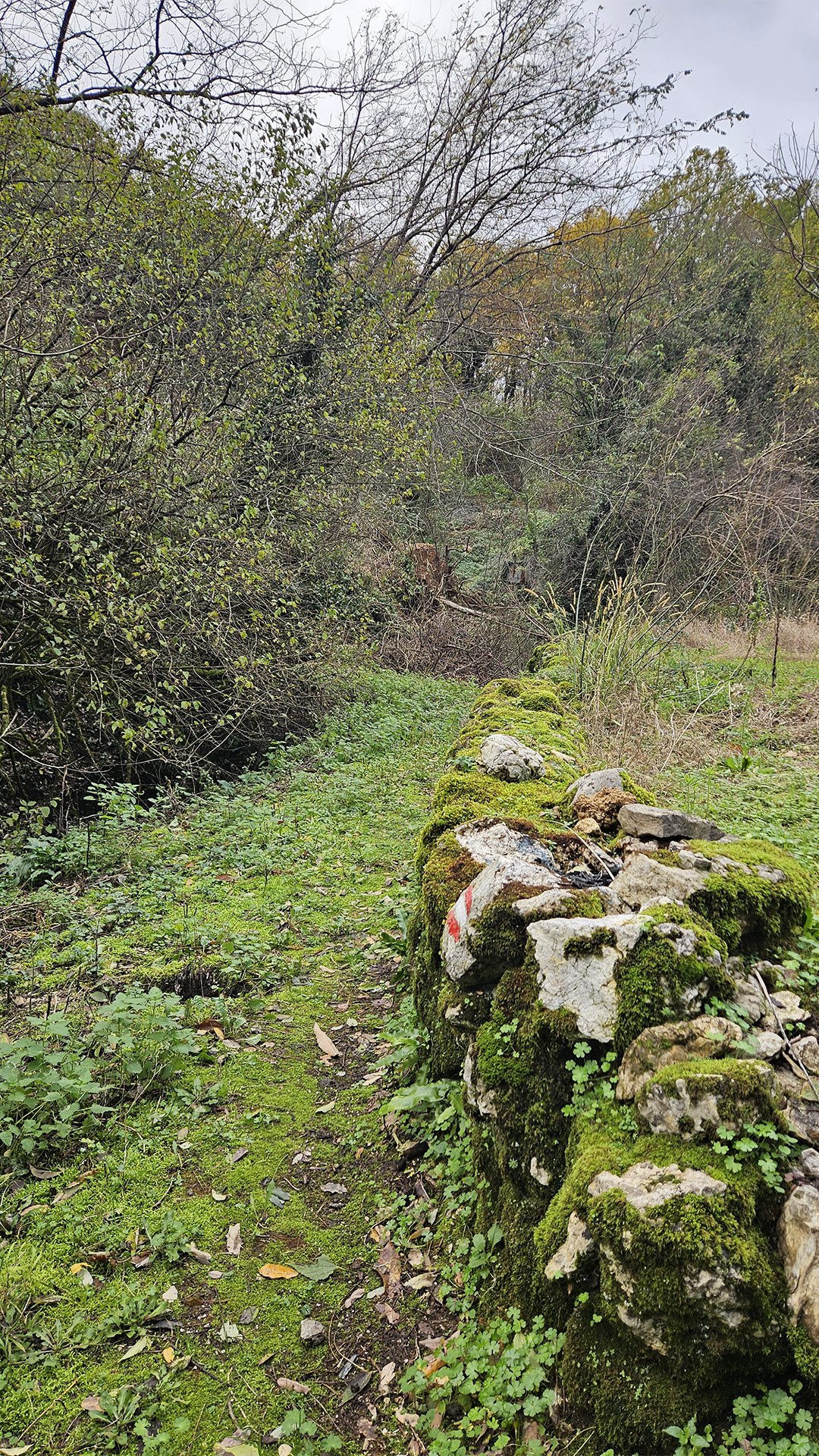
Pješačac Beach is a small sandy area of approximately 500 m² below the village of Godije. An important detail: there’s no access by car; you have to walk along a trail; however, the reward is a more secluded atmosphere and a view of Grmožur Island.
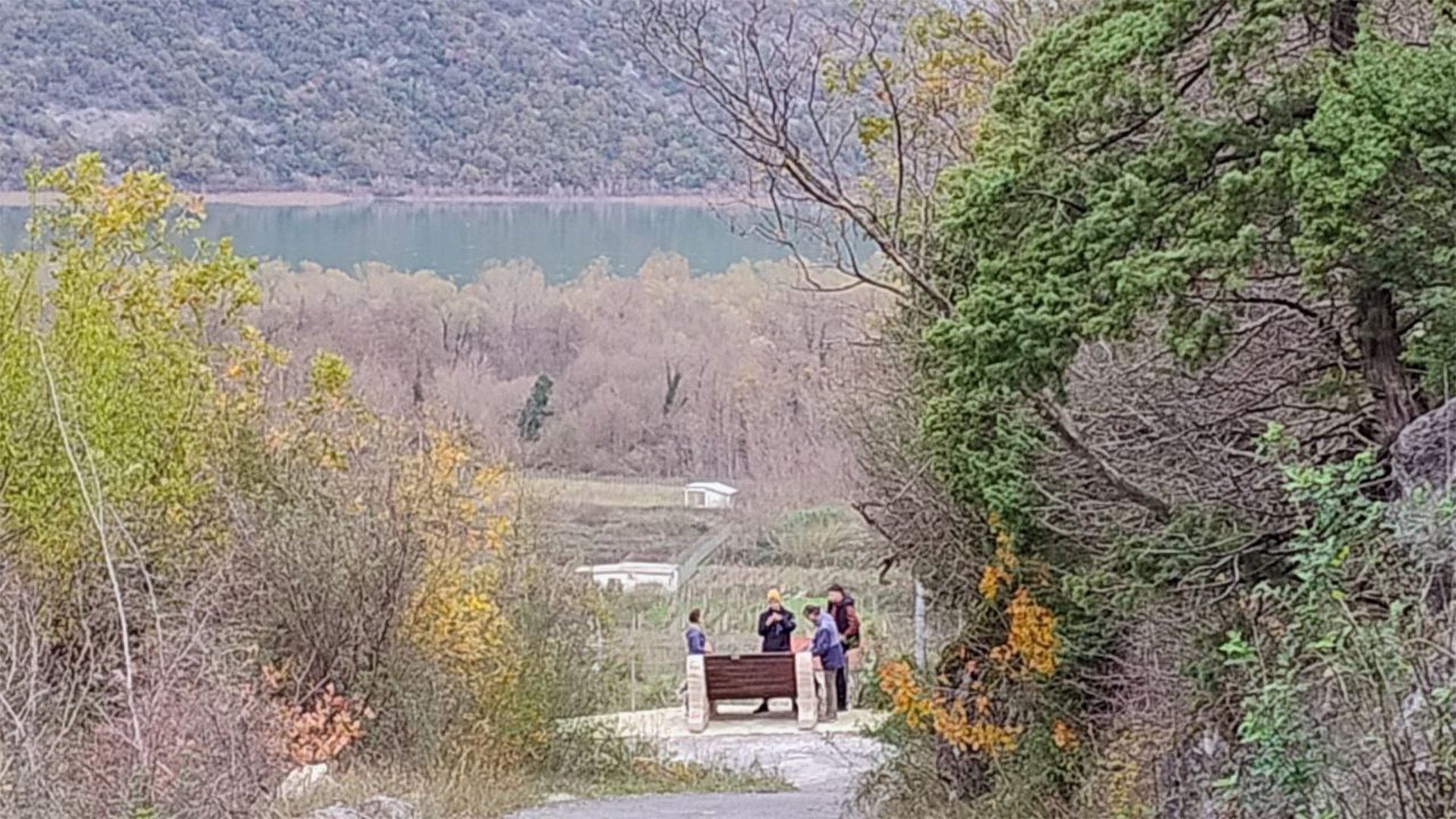
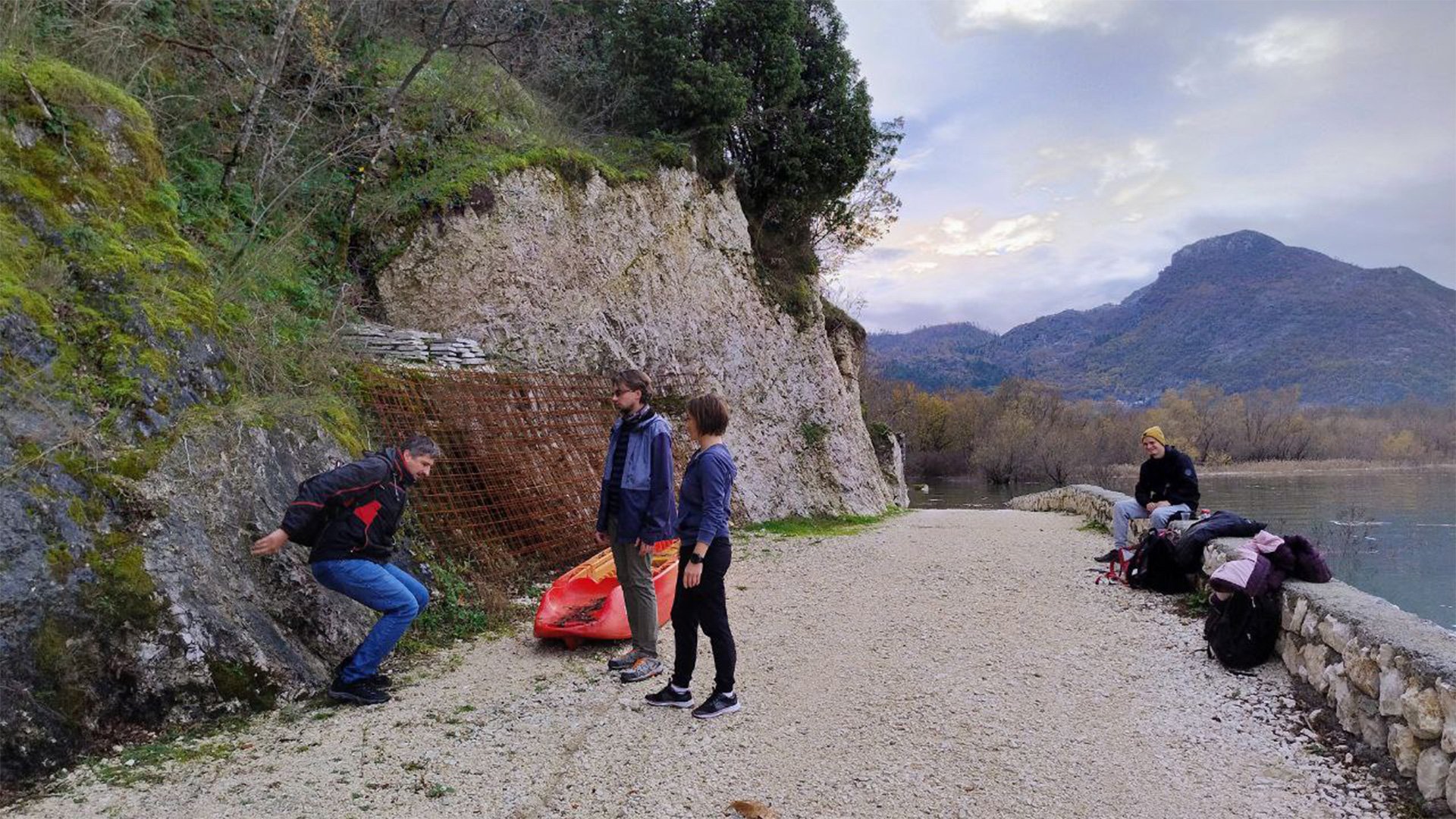
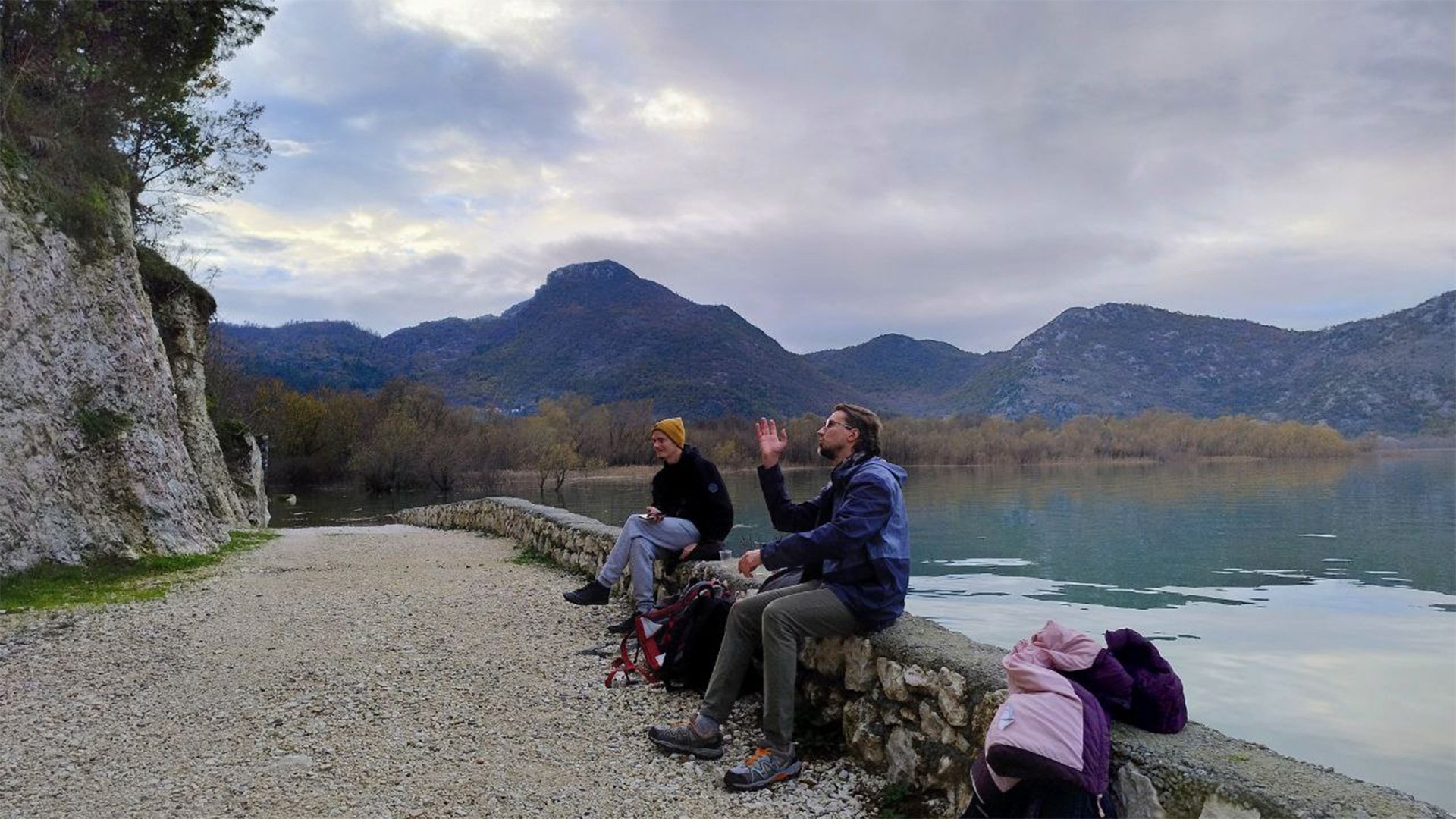
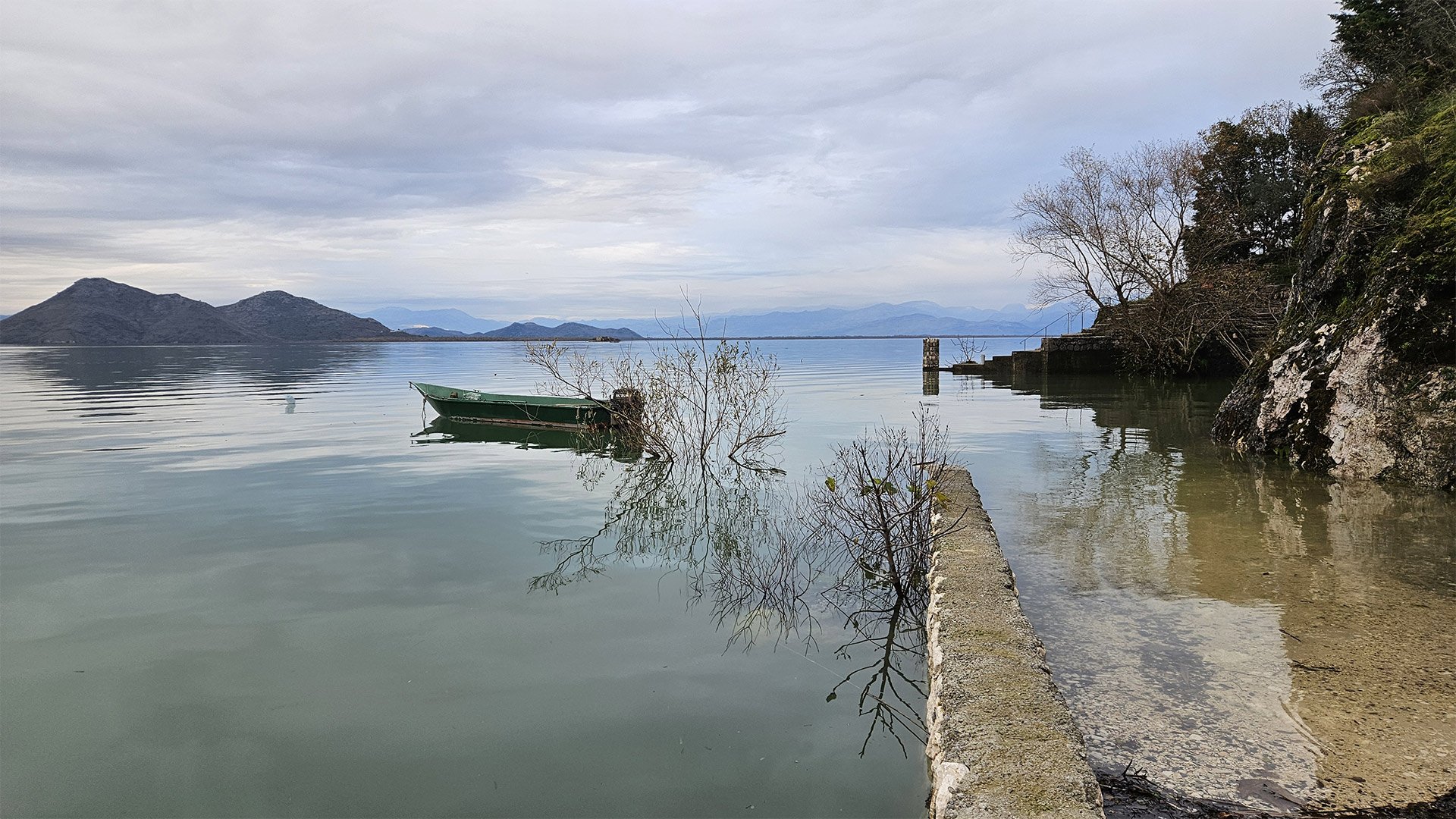
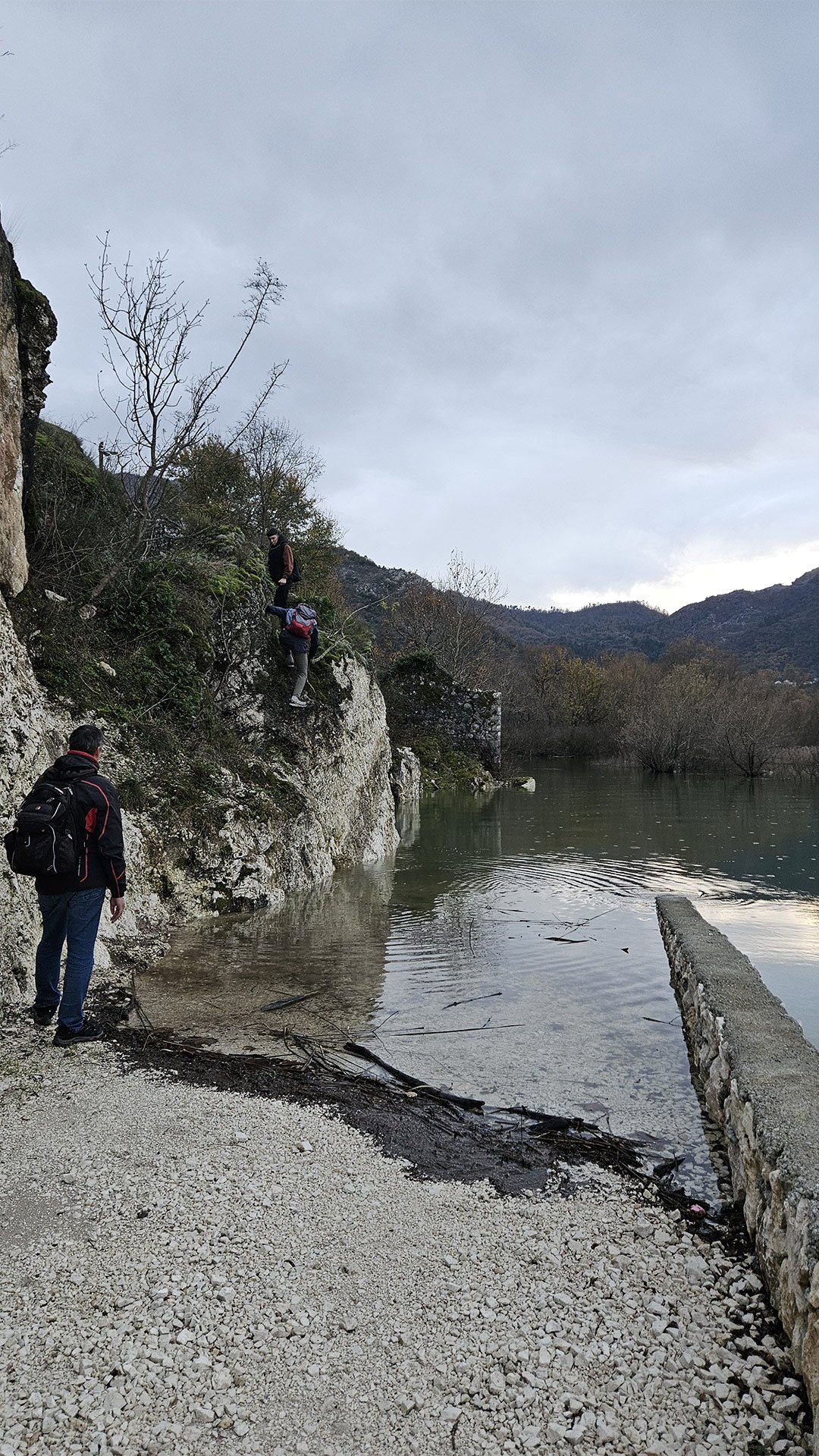
This time, the beach was flooded due to heavy rainfall which took place shortly before our trip.
But you can see what the beach looks like in the summer by reading our article at the link https://starlight-club.com/lake-skadar-virpazar-godinje-wine-trails-and-secluded-pjesacac/
Flora and Fauna: Why Skadar is a “Living Nature Reserve”
The Montenegrin part of the lake has been a national park since 1983.
Furthermore, Lake Skadar is included in the Ramsar List of Wetlands of International Importance.
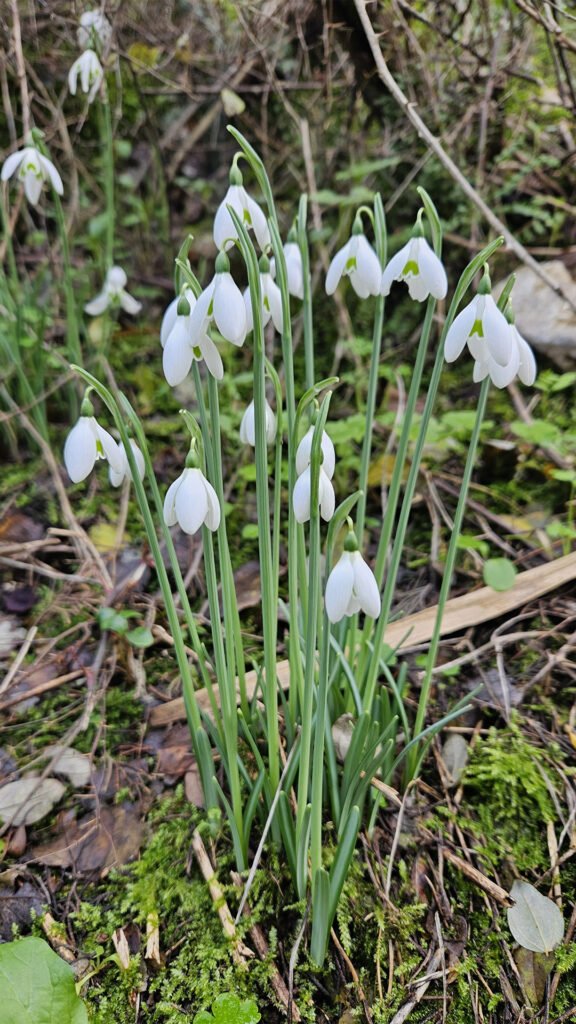
Vegetation. The coastal zone is characterized by thickets of reeds and other wetland communities; the Ramsar descriptions specifically mention communities with reeds/sedges and willows.
In summer, “fields” of water lilies and other aquatic vegetation appear in many areas – this is one of the lake’s visual symbols.
Birds. Skadar is known as a major ornithological area. A regional publication estimates 281 recorded bird species and mentions the lake as a significant wintering site (with very large concentrations of waterfowl in some years).
Significant species regularly include the Dalmatian pelican and the little cormorant (pygmy cormorant).
Fish and other animals. The lake is noted for its rich ichthyofauna (including dozens of species), and typical commercial/well-known species include carp, bleak, and eel.
The presence of the Eurasian otter (Lutra lutra) is also noted in the region as an important representative of the local aquatic ecosystems.