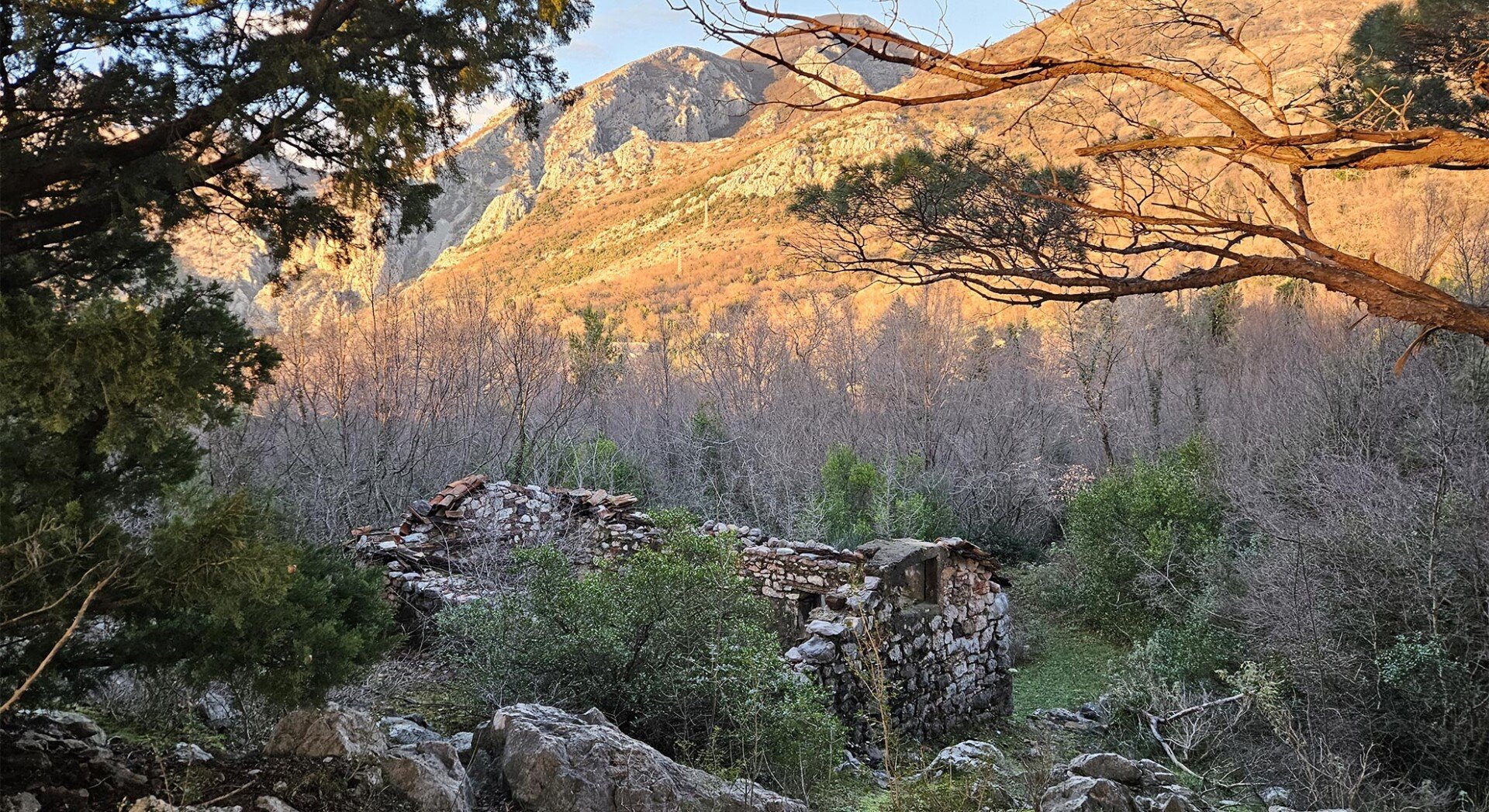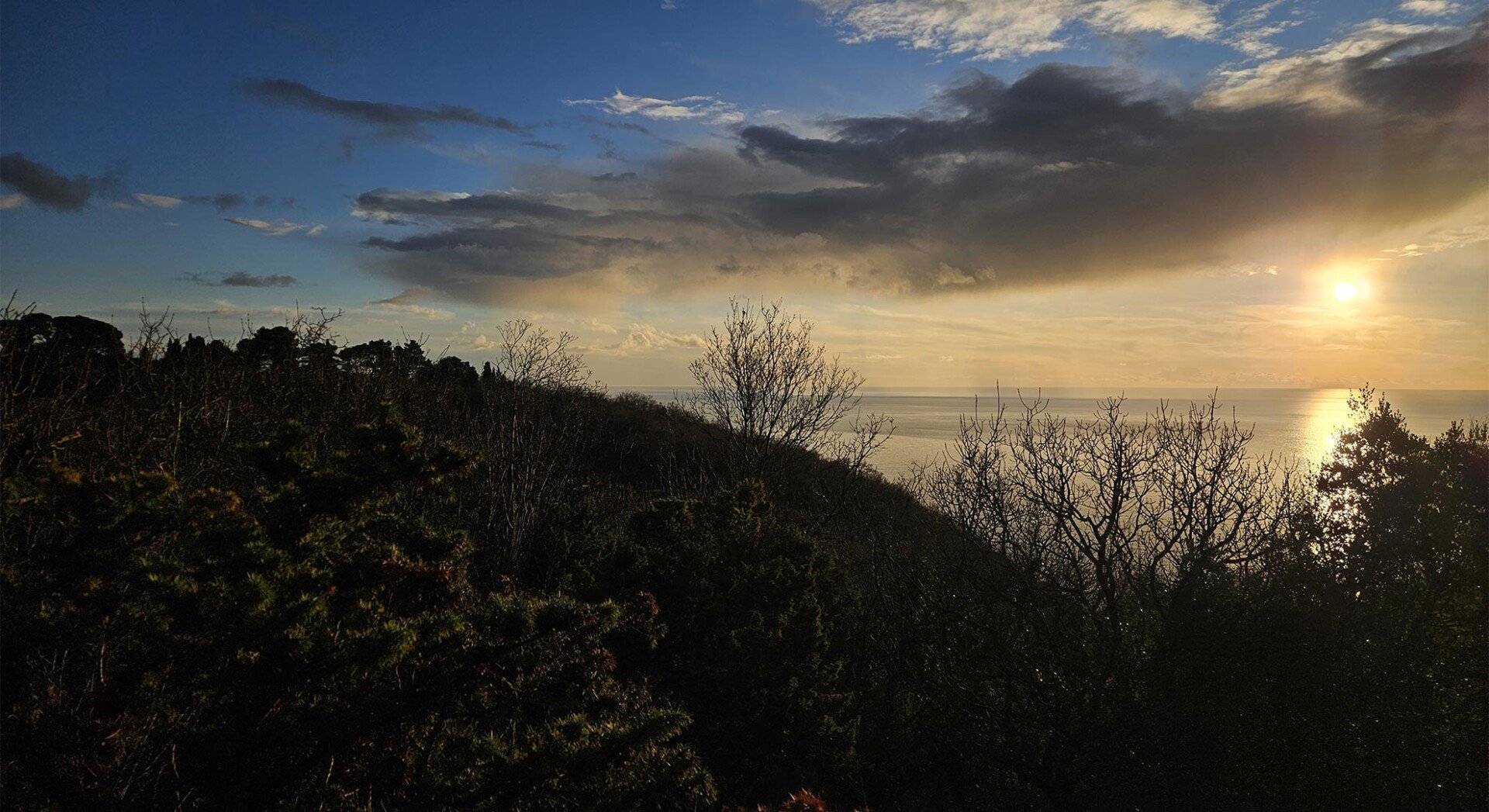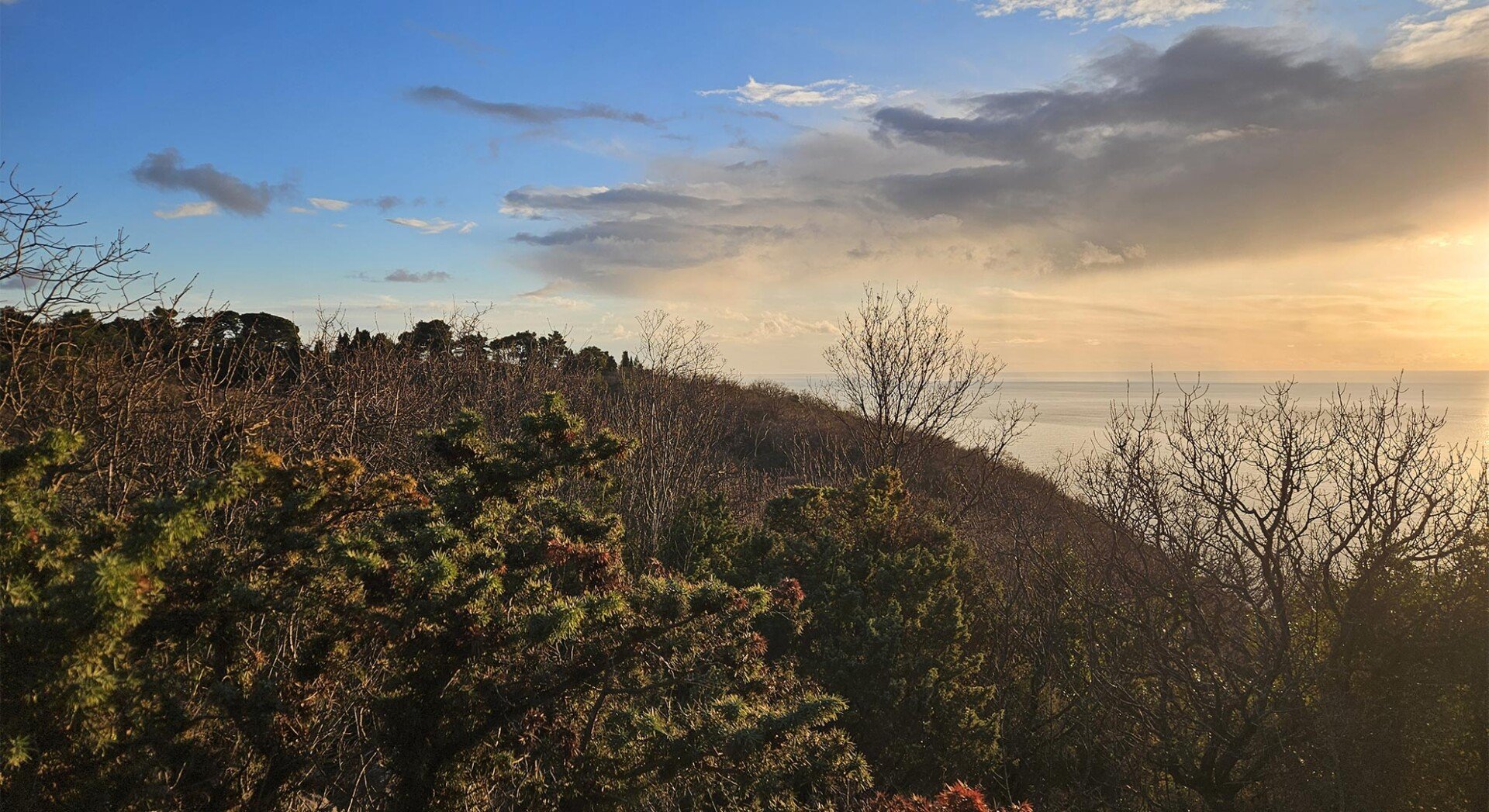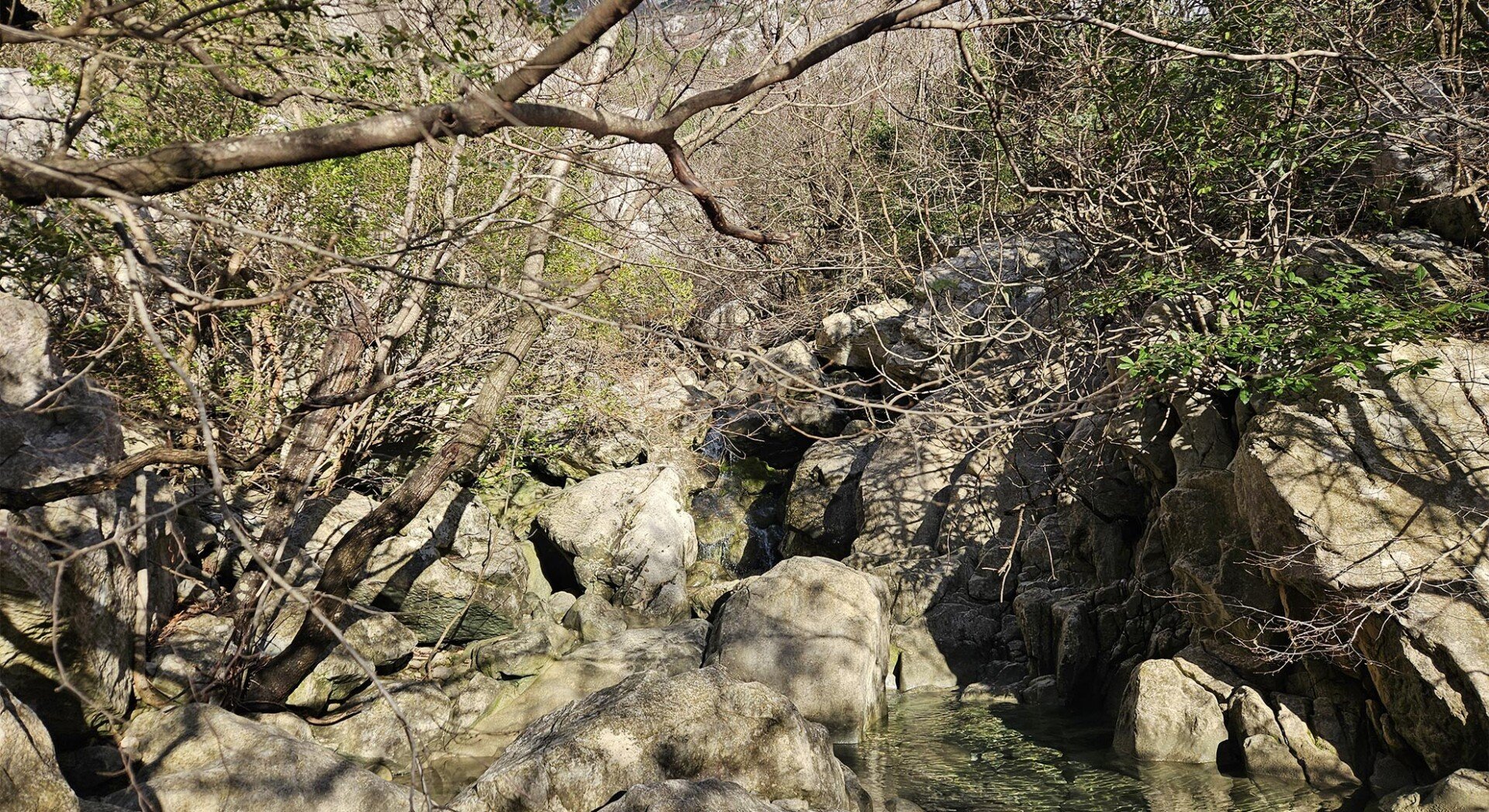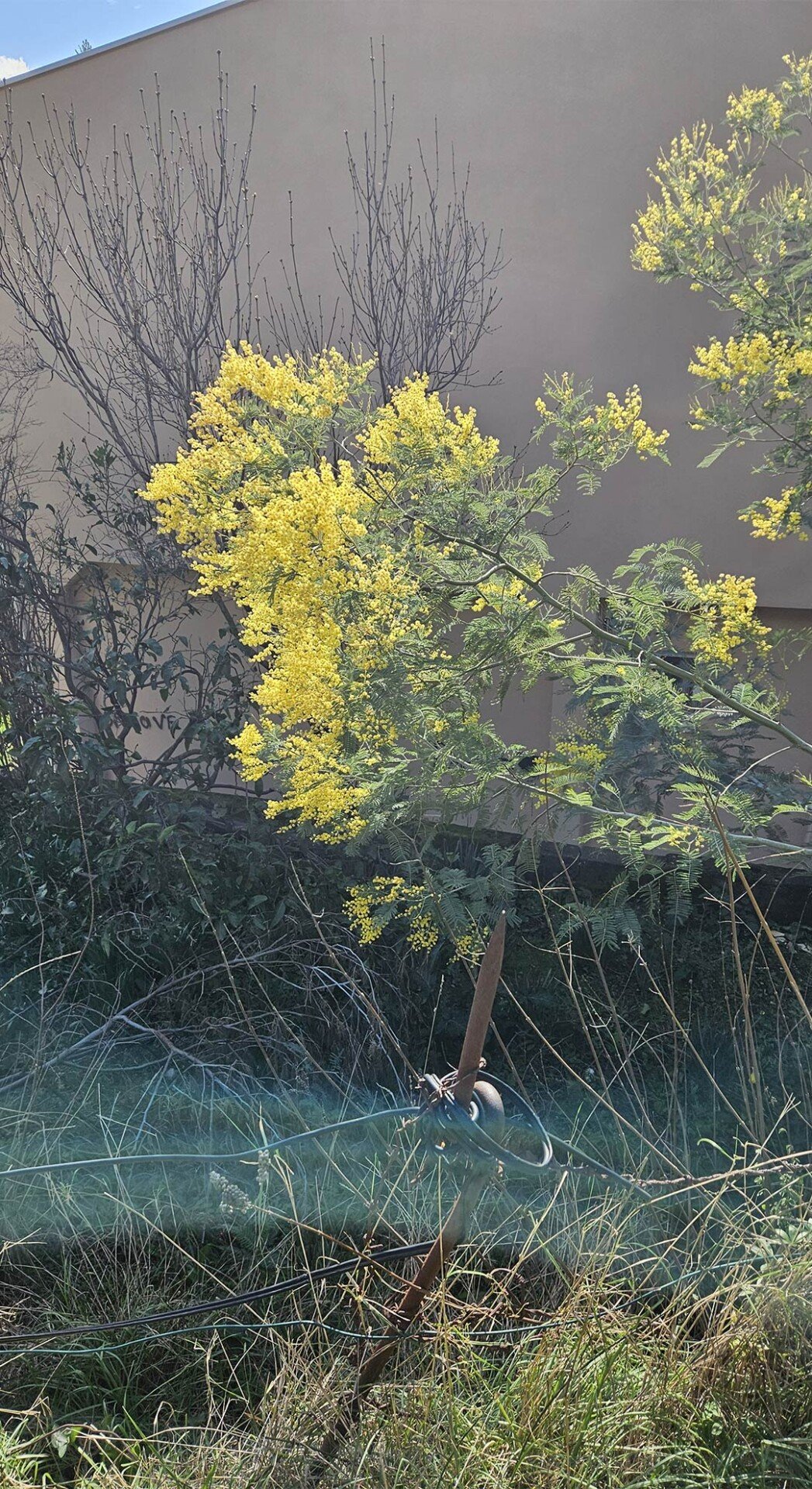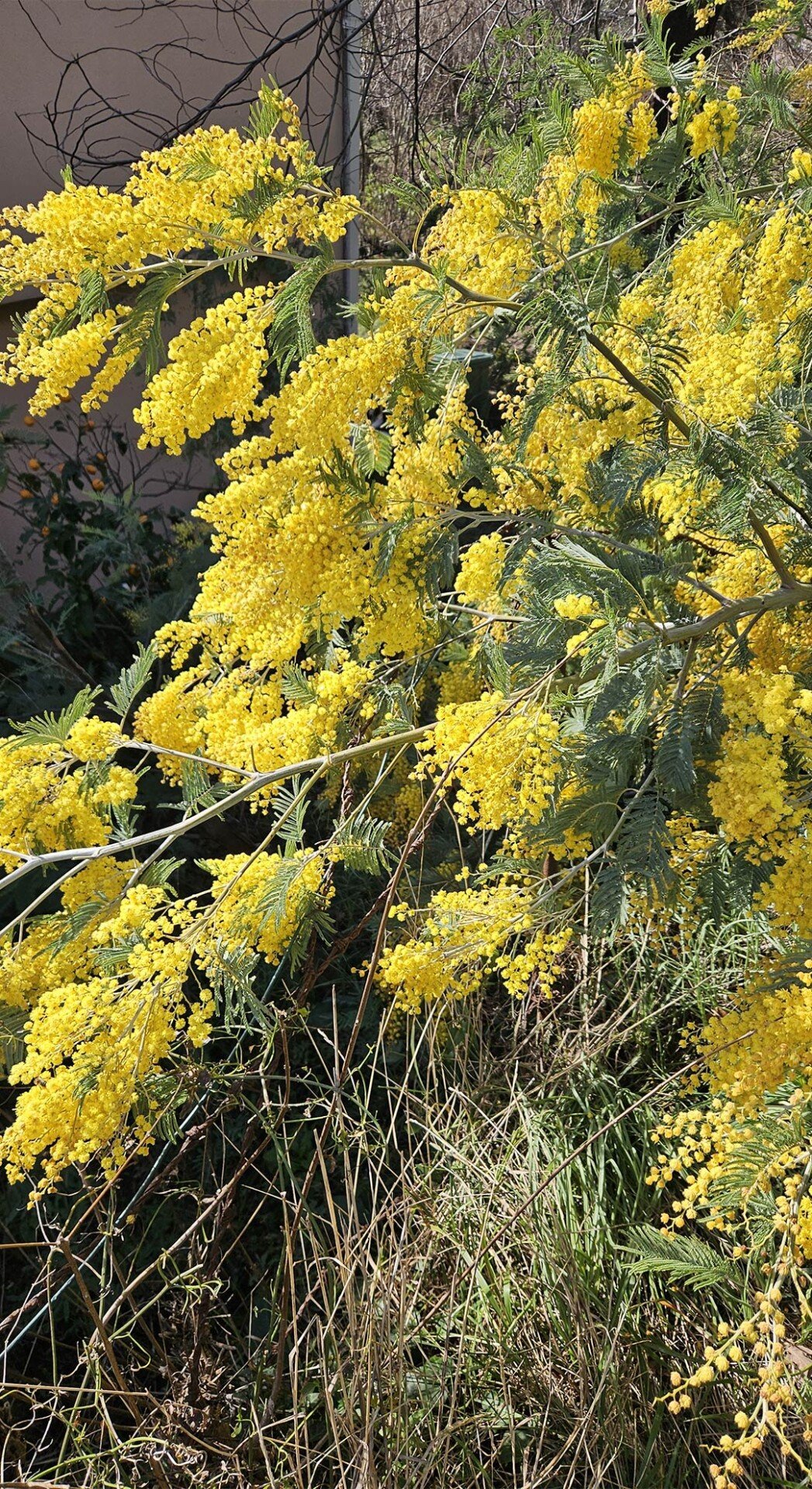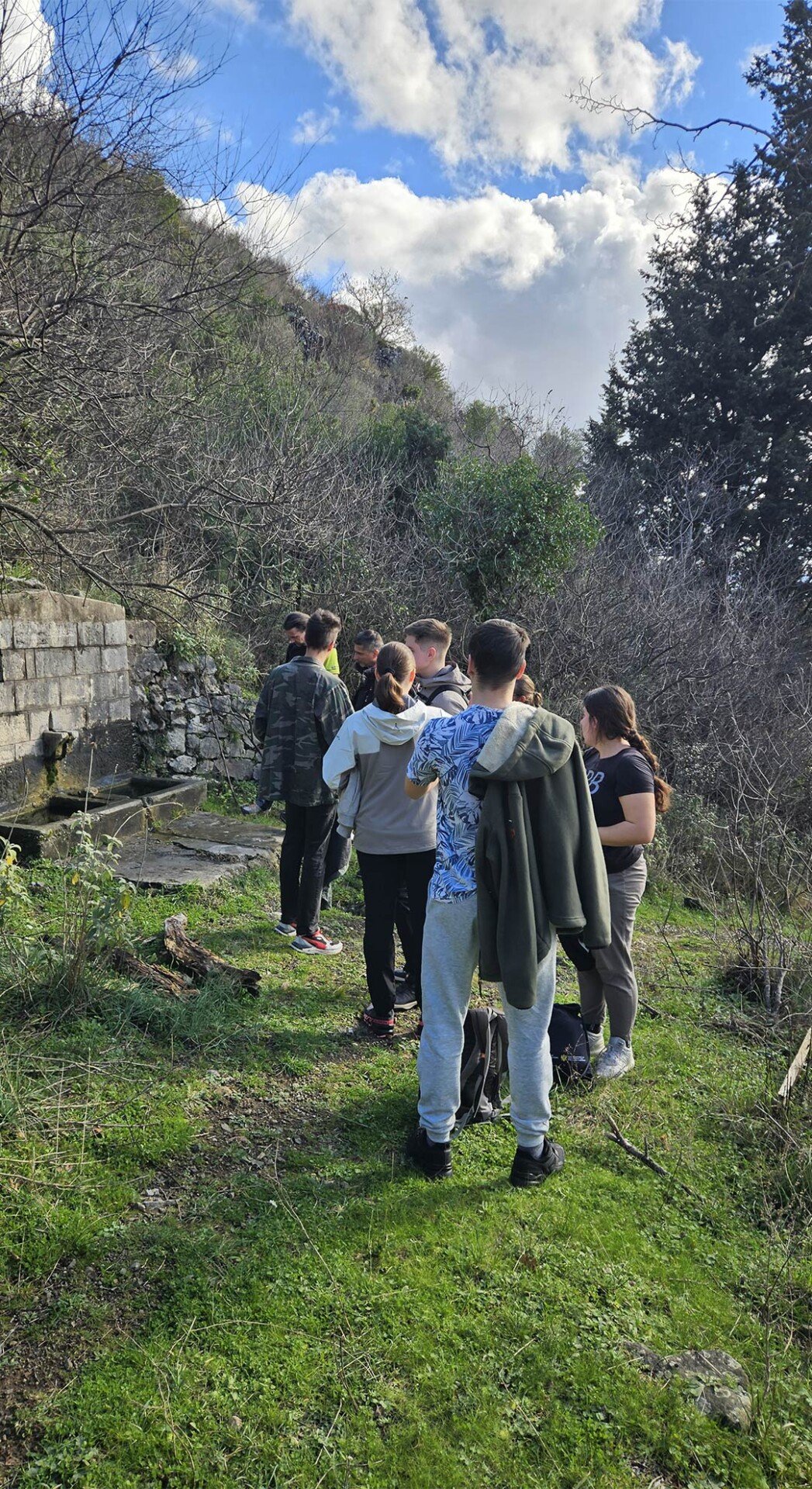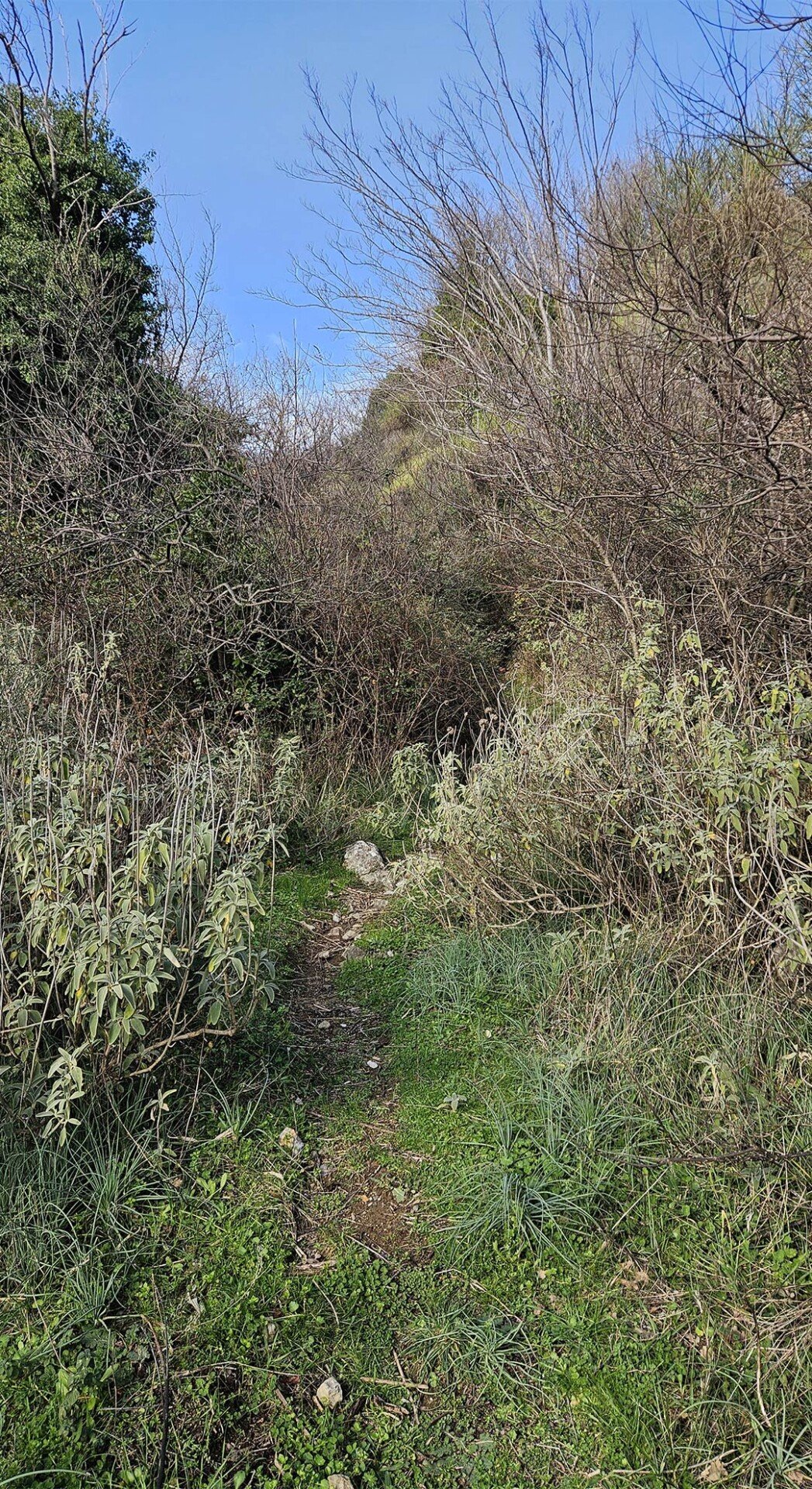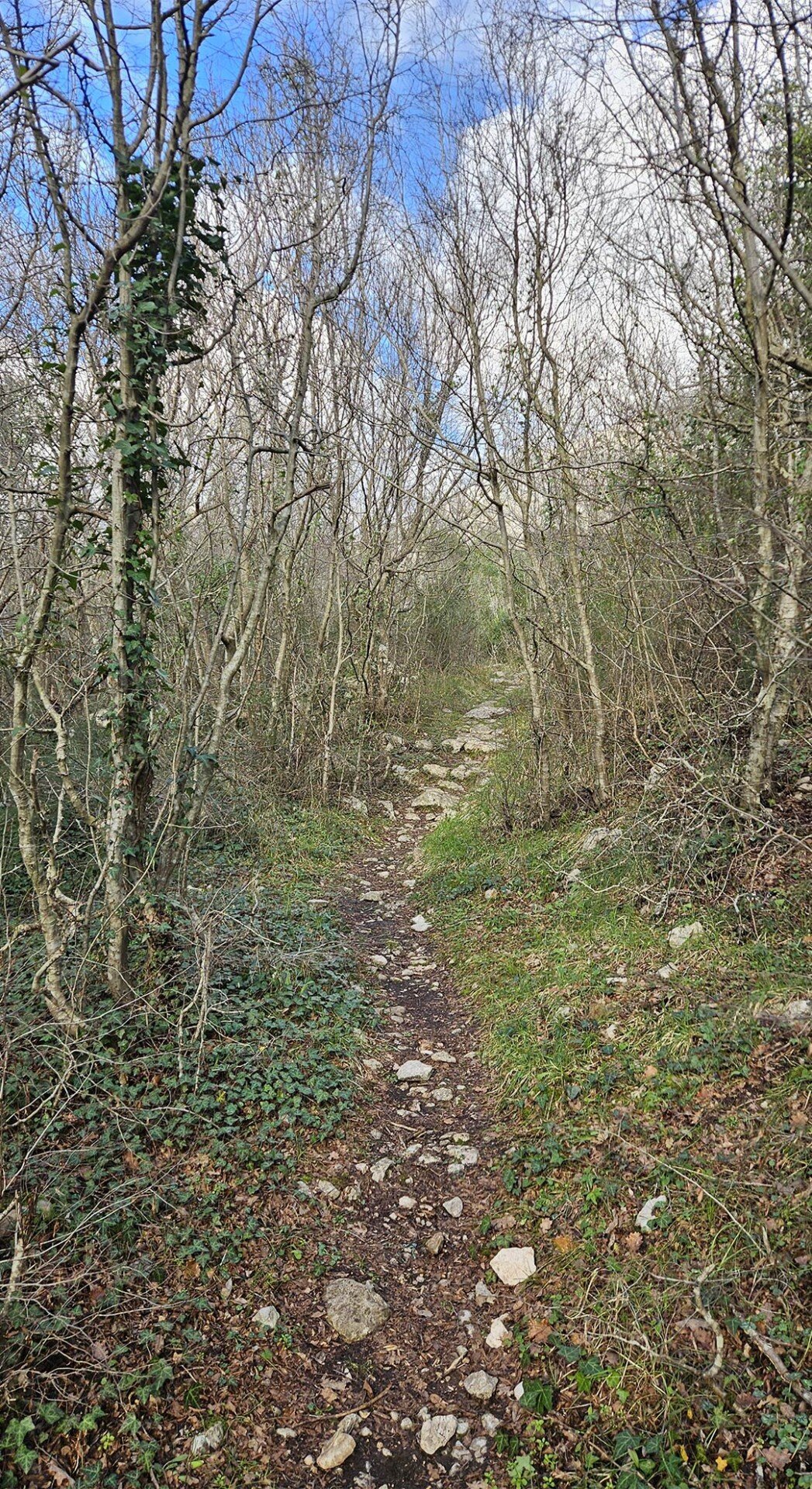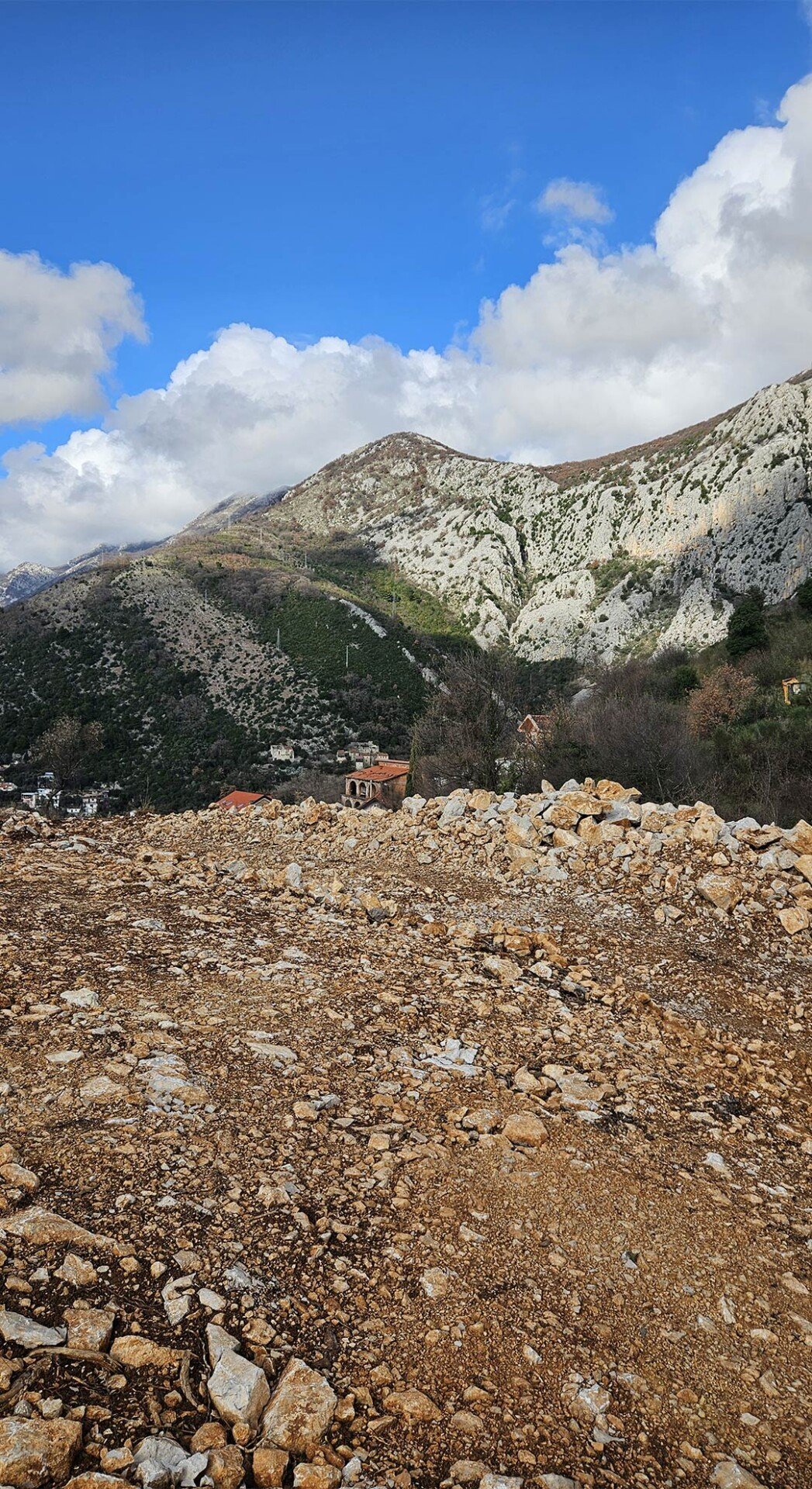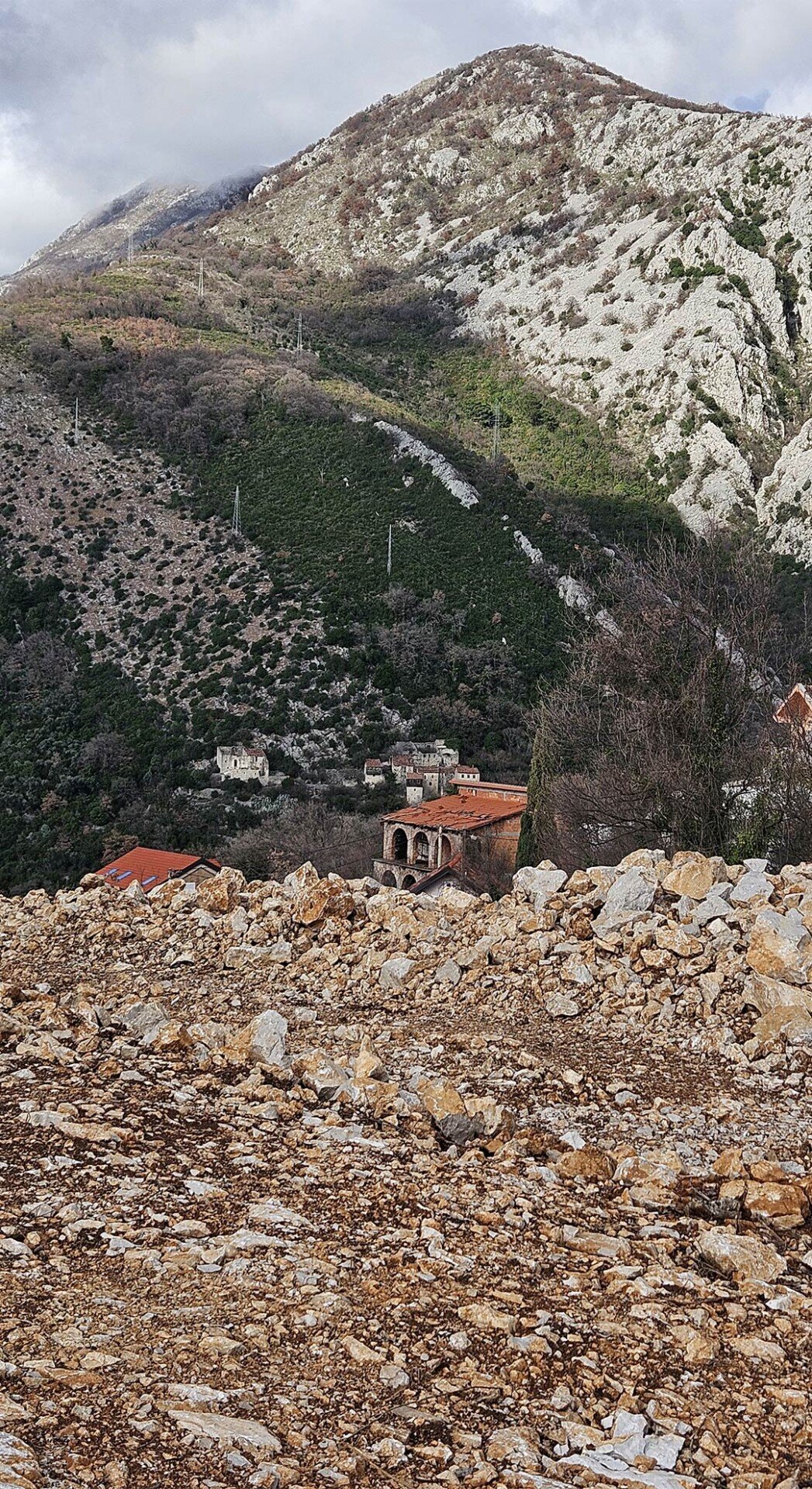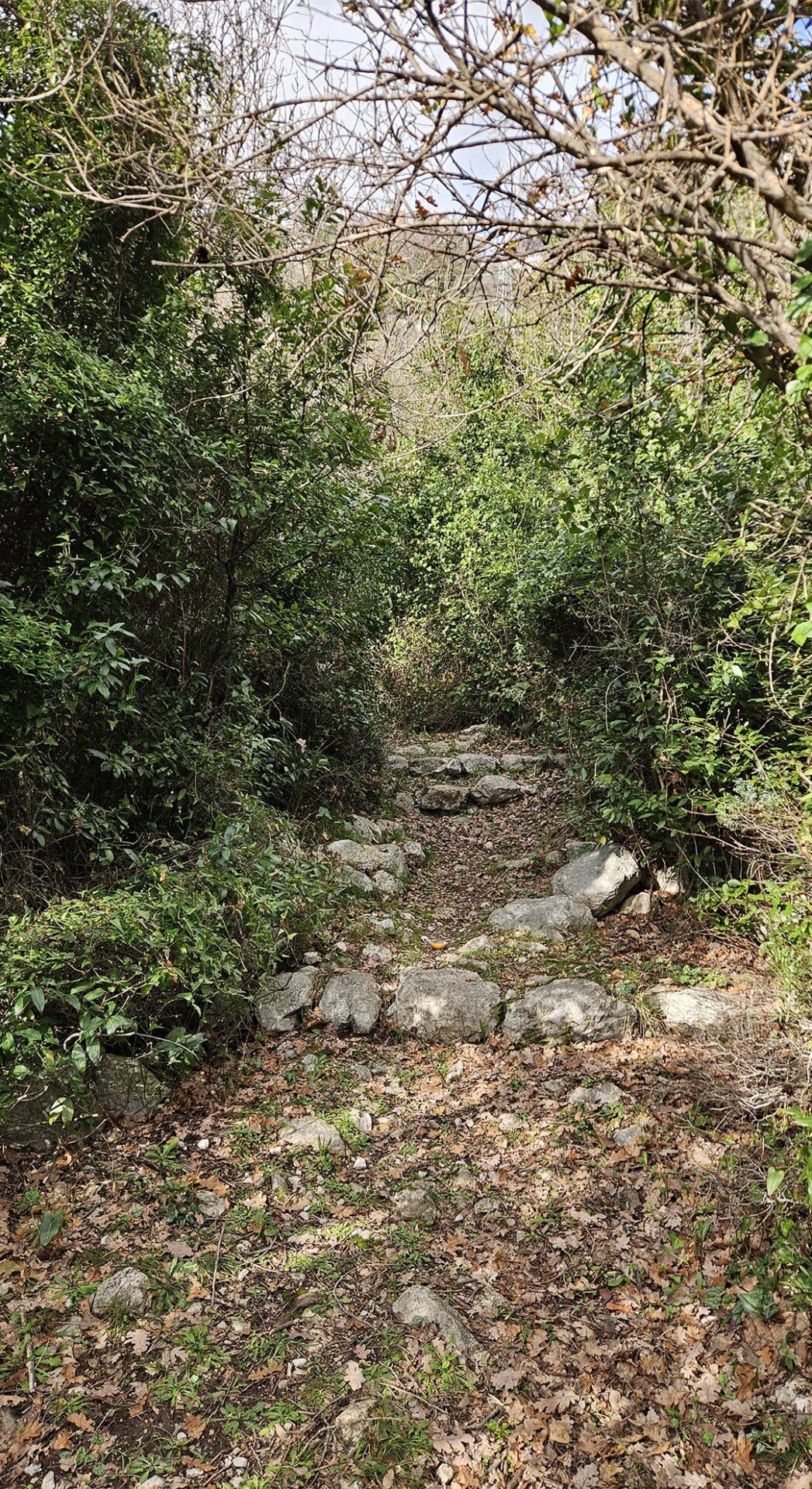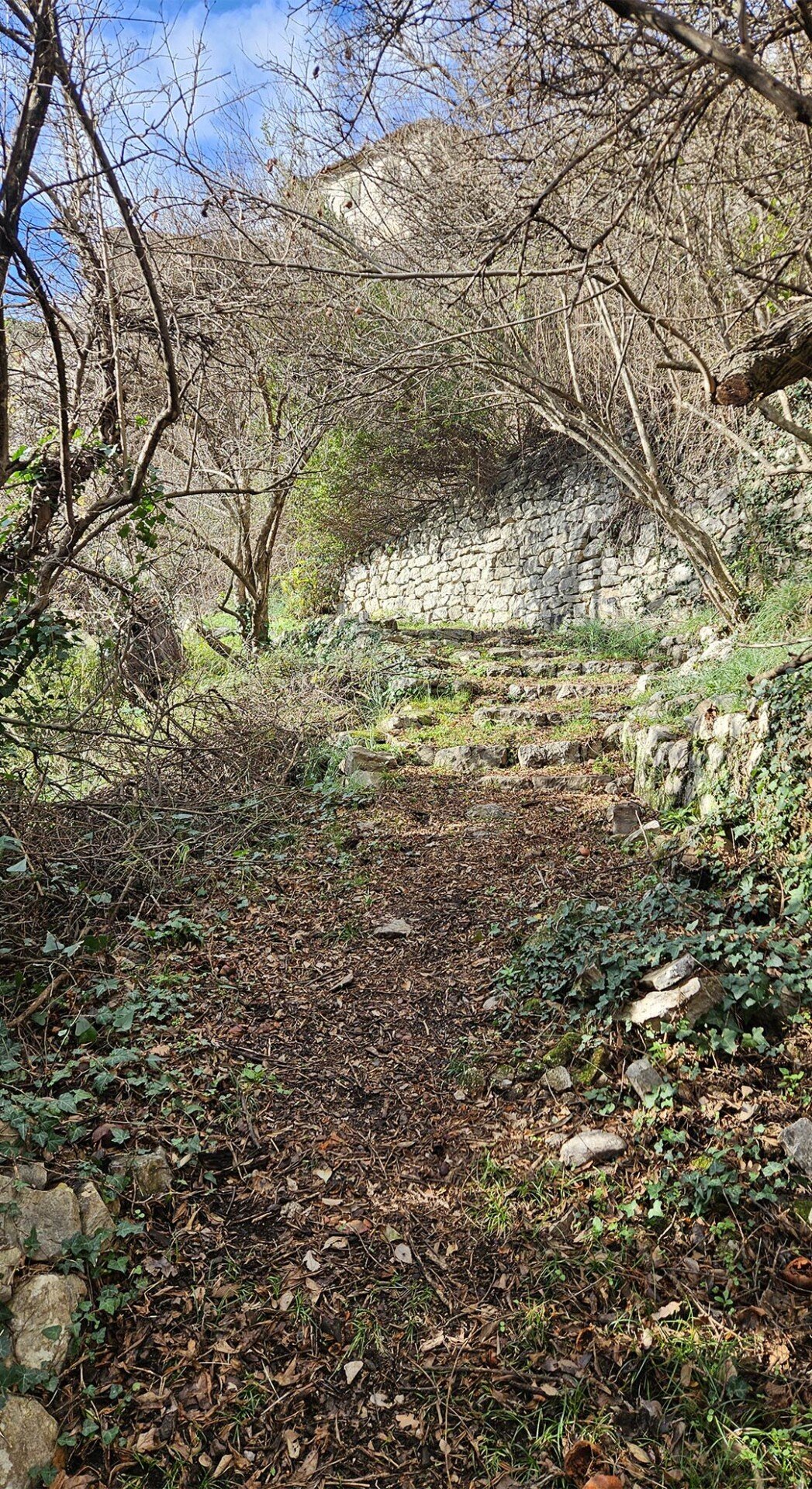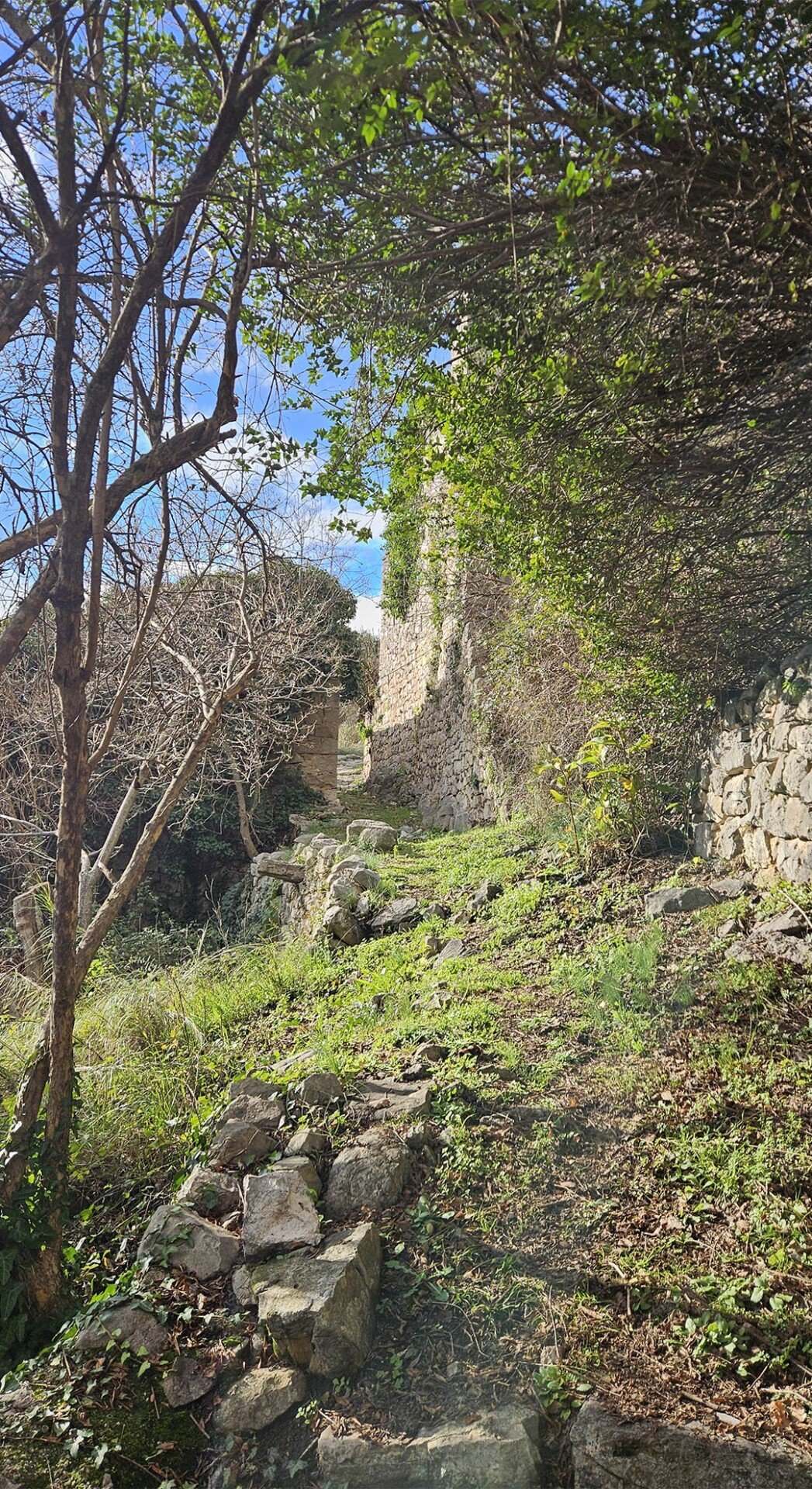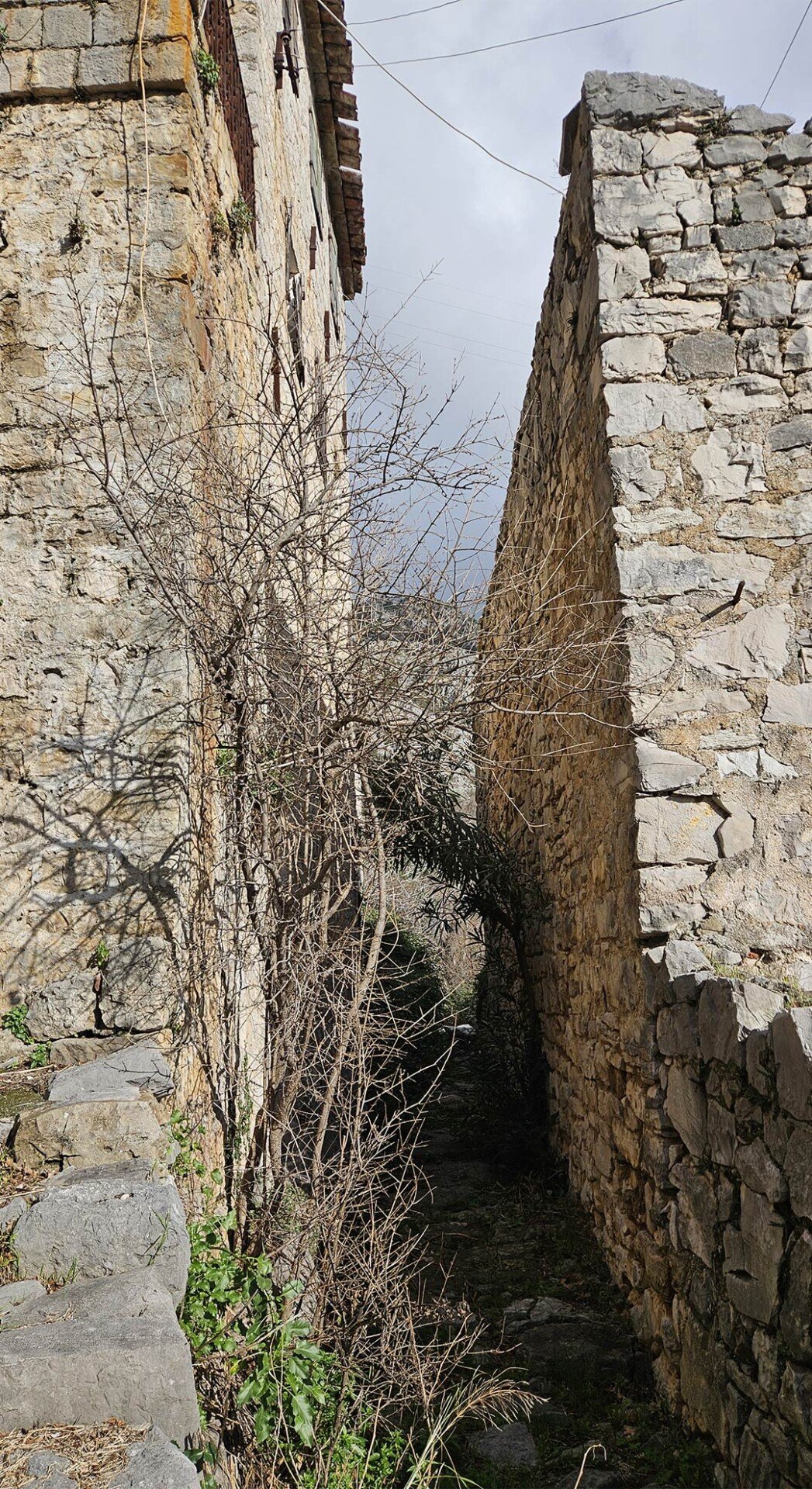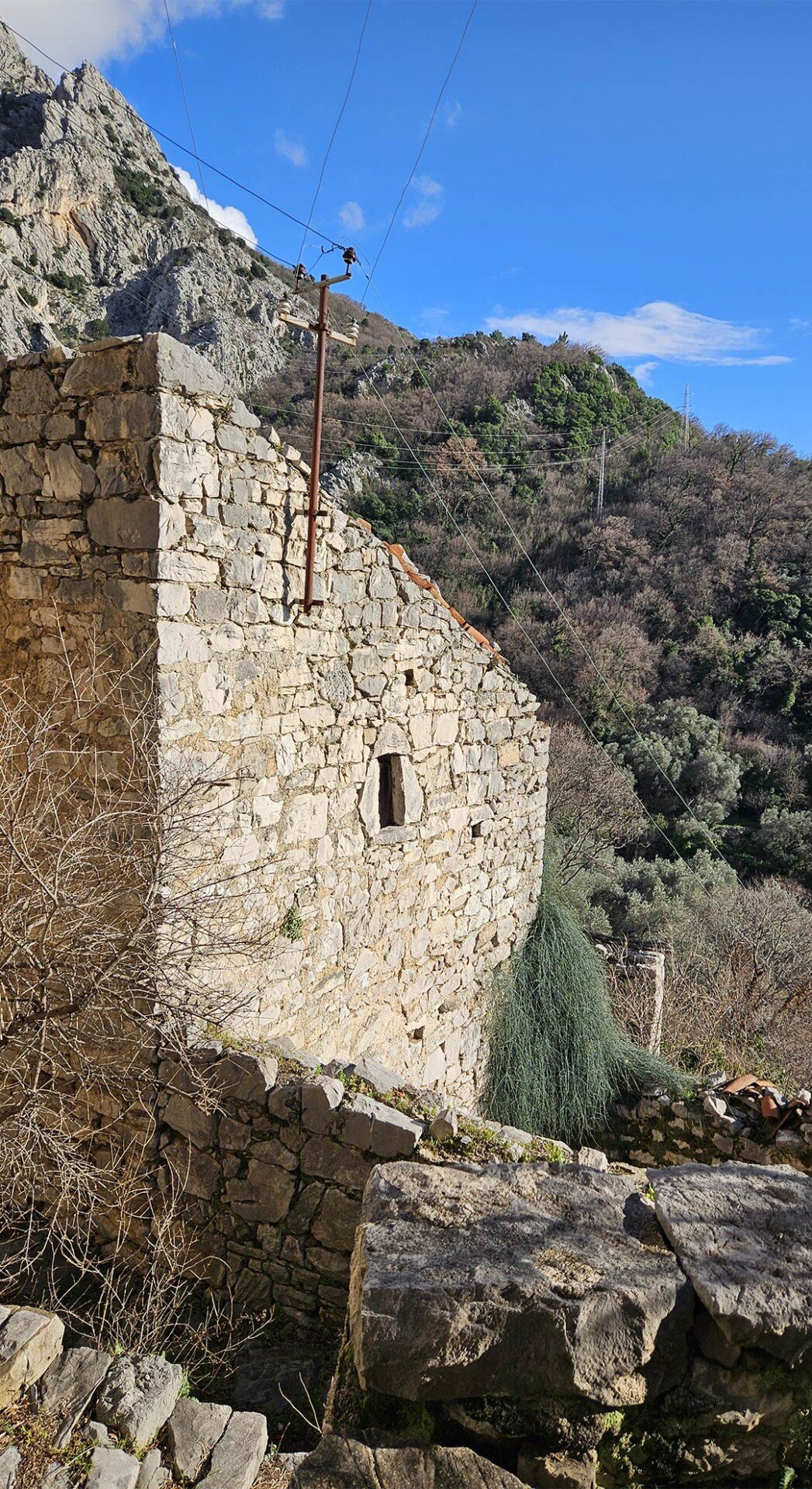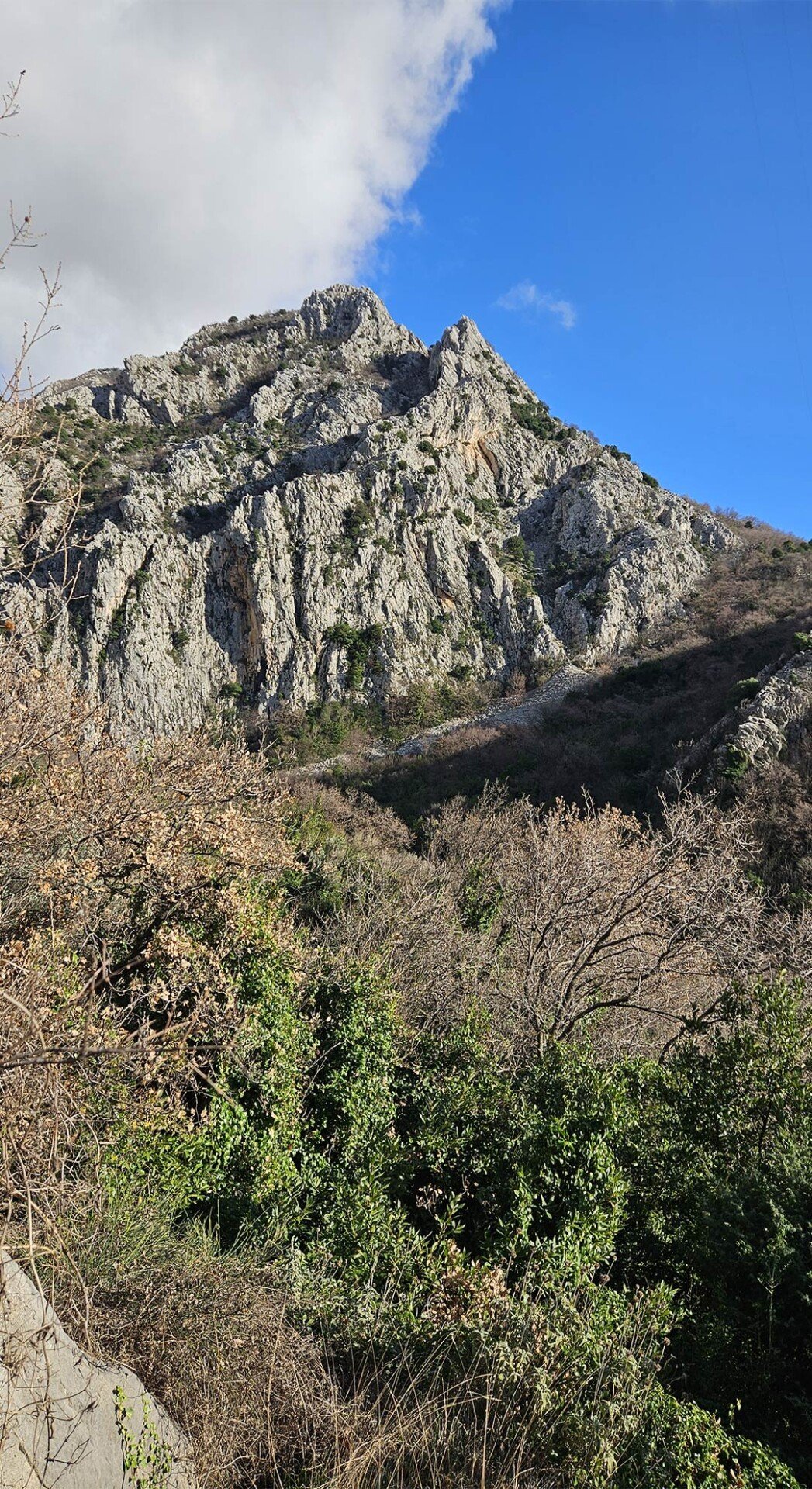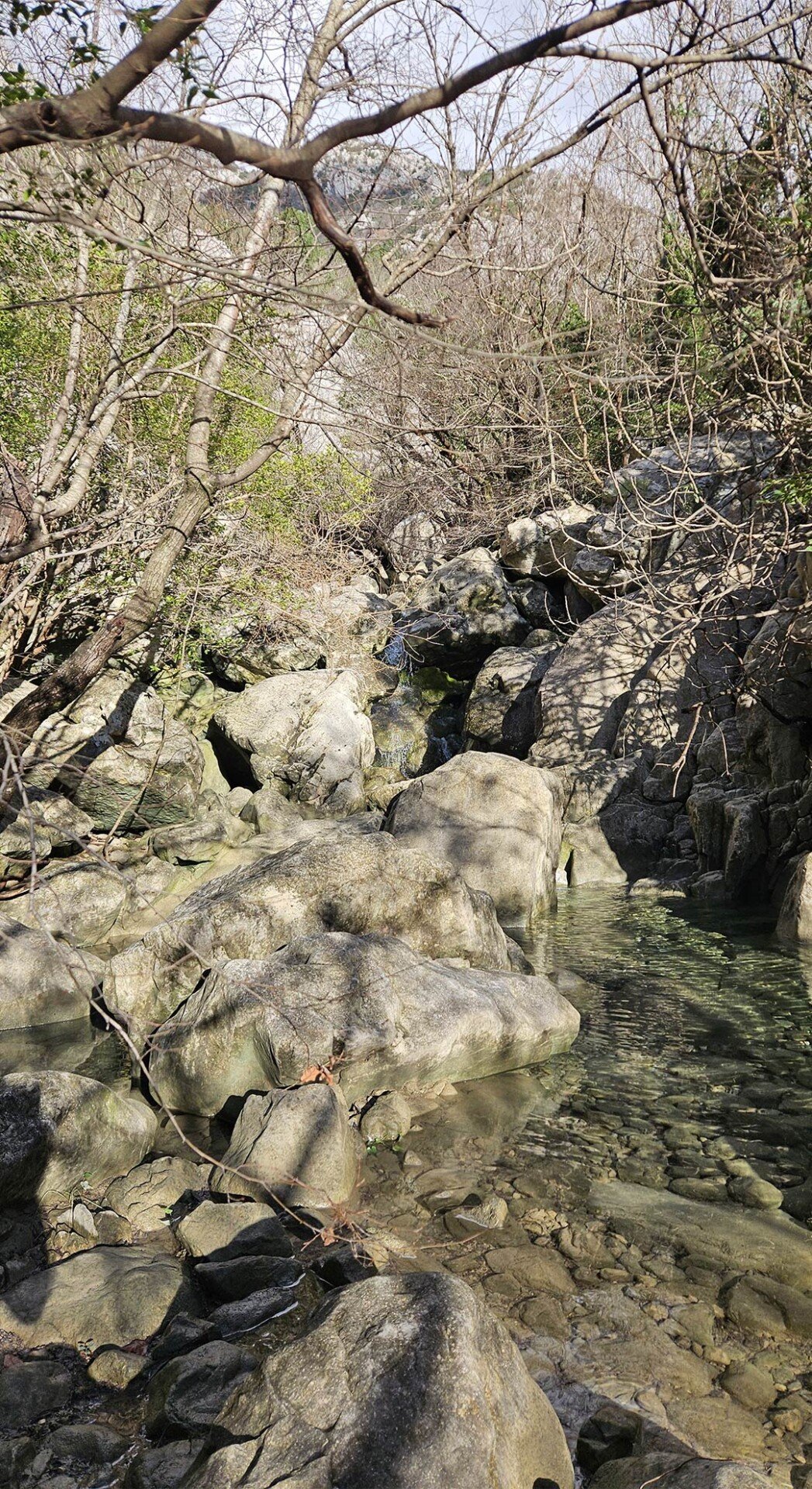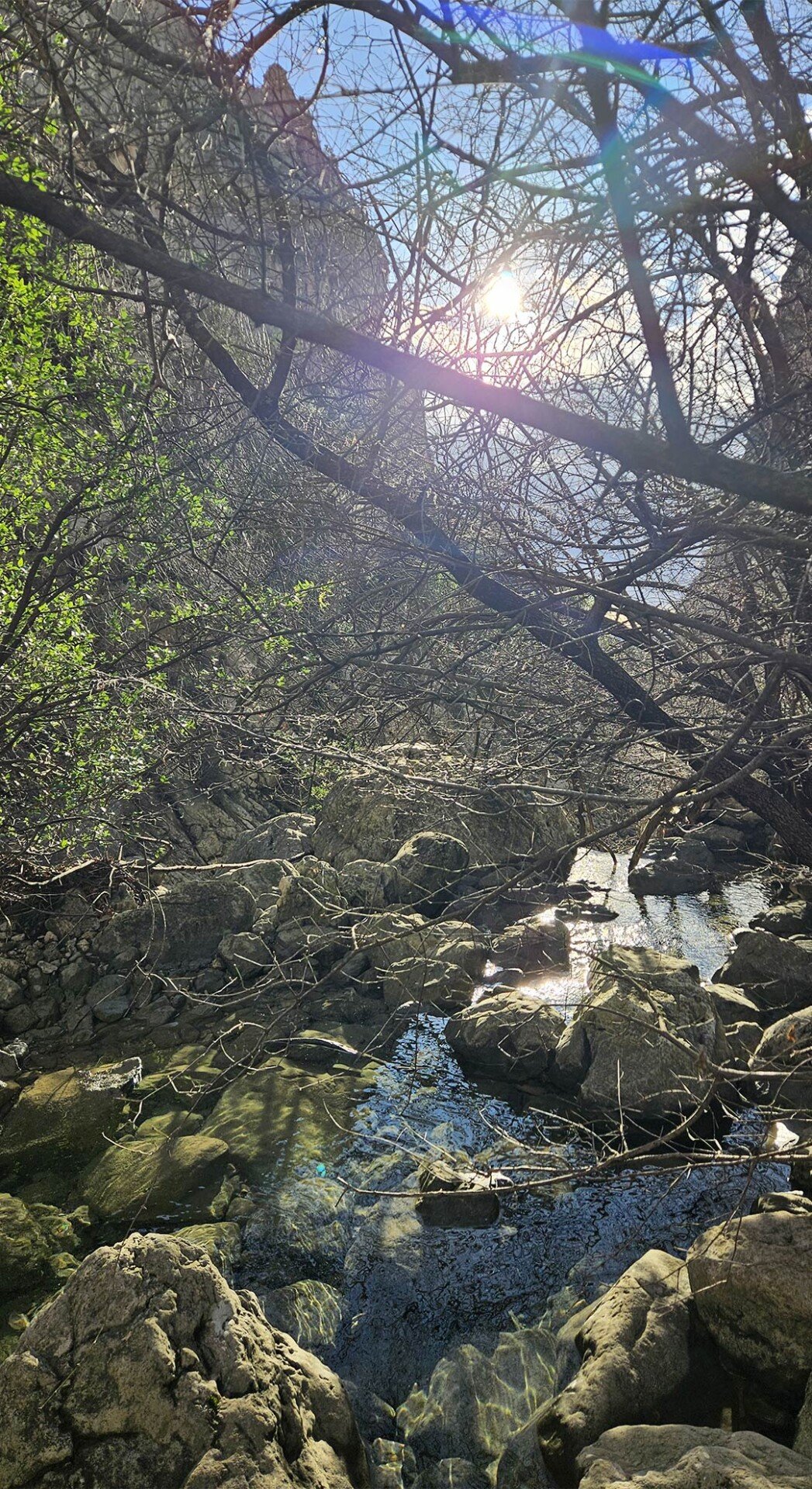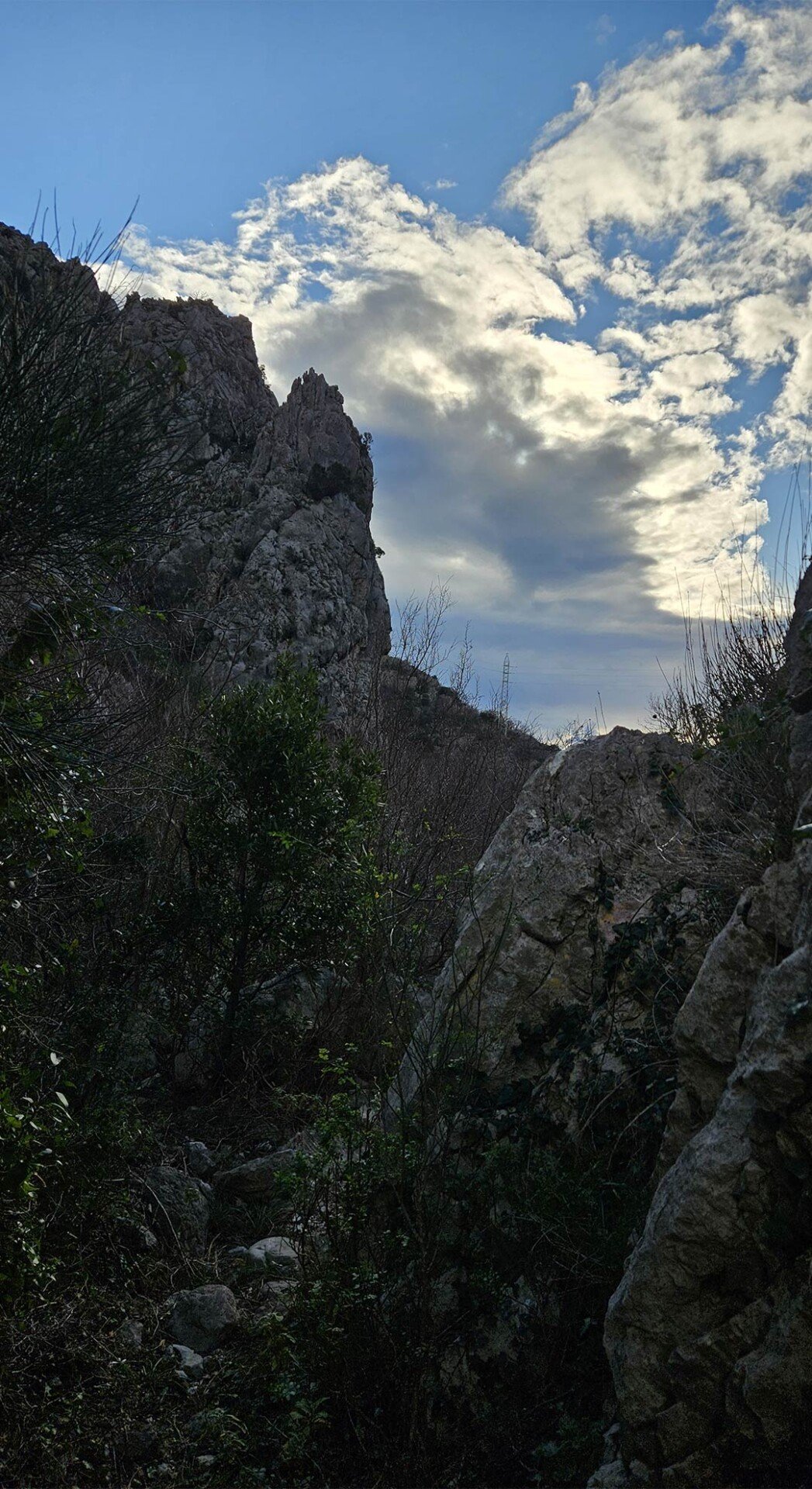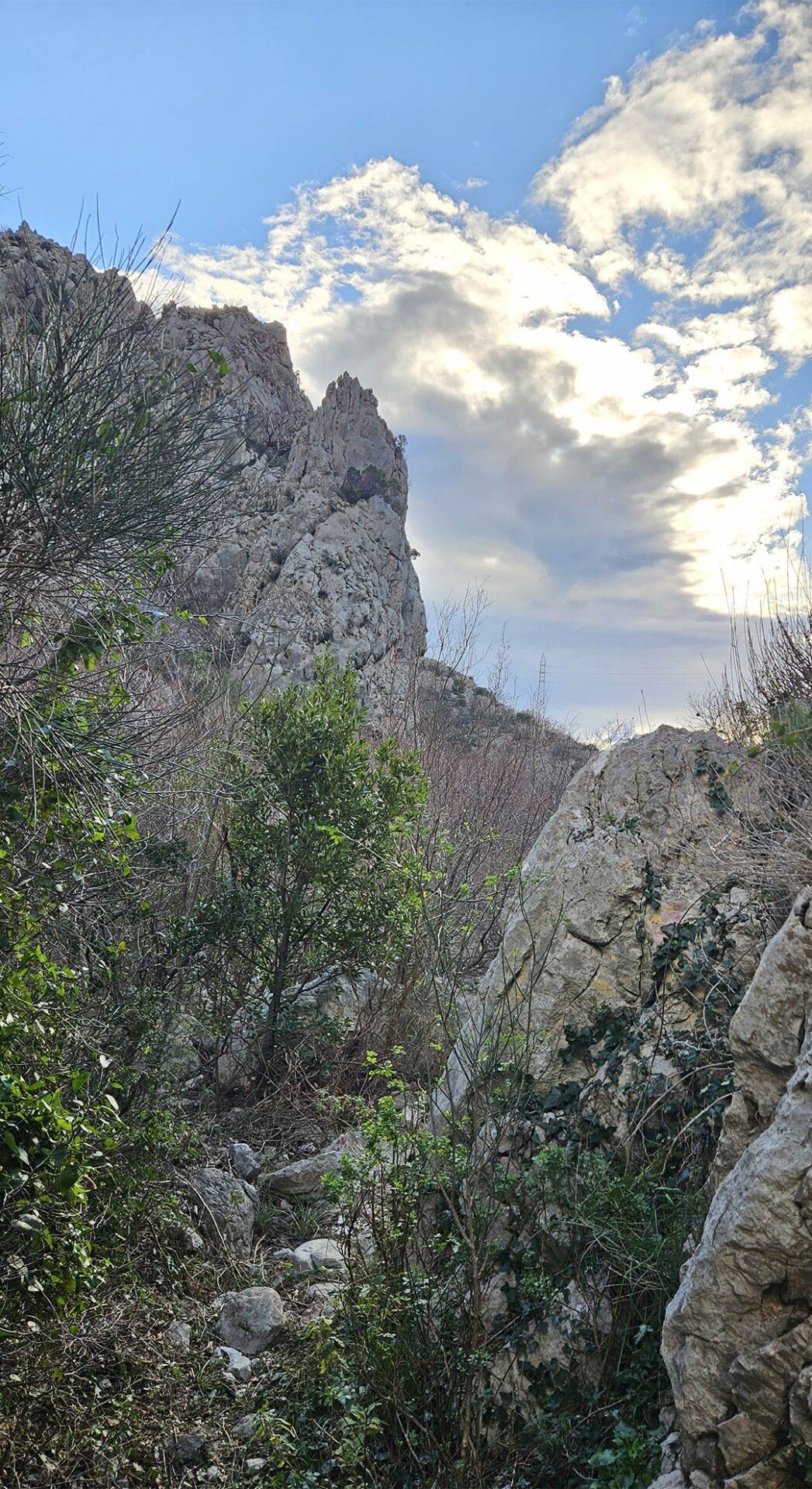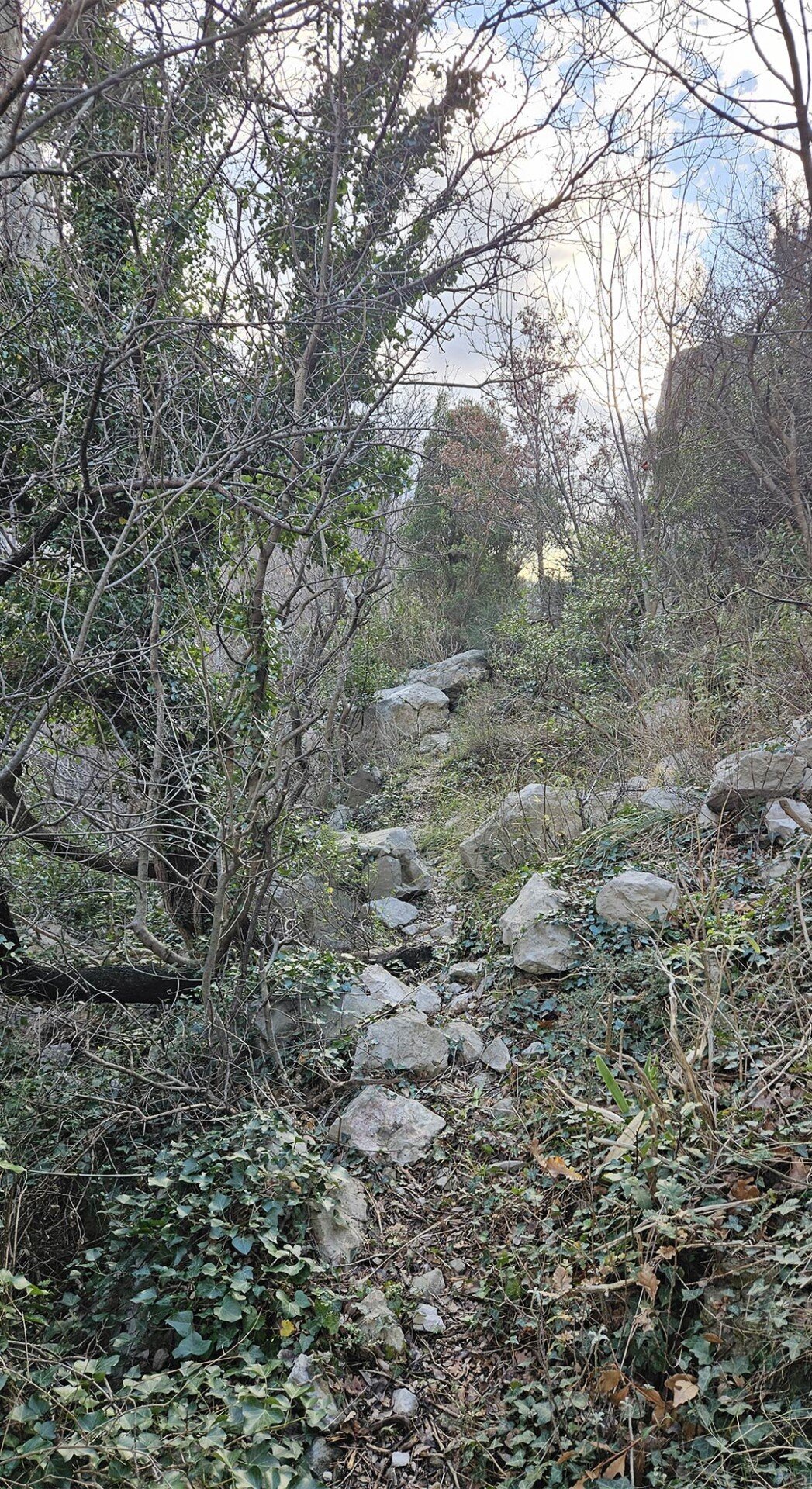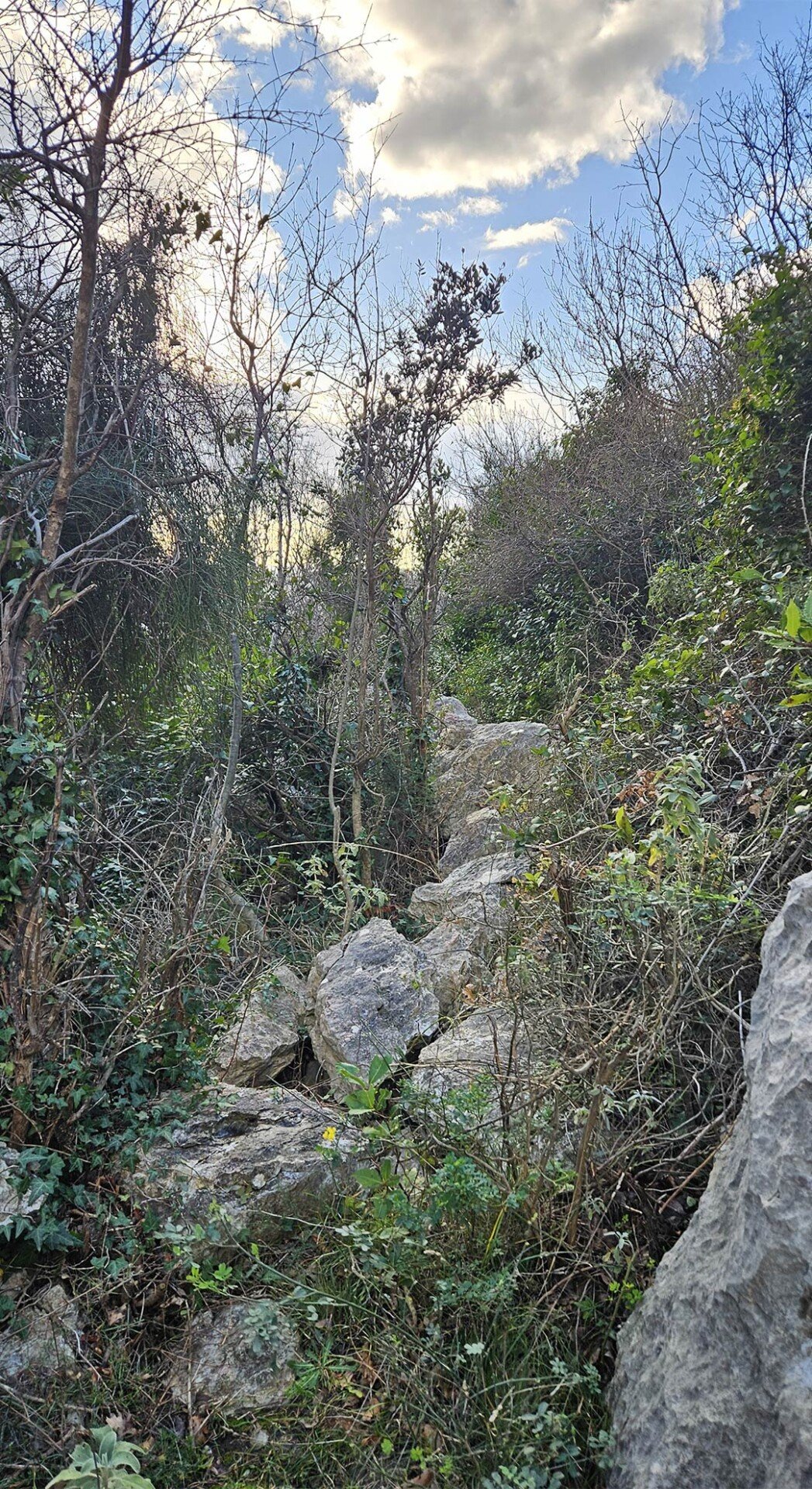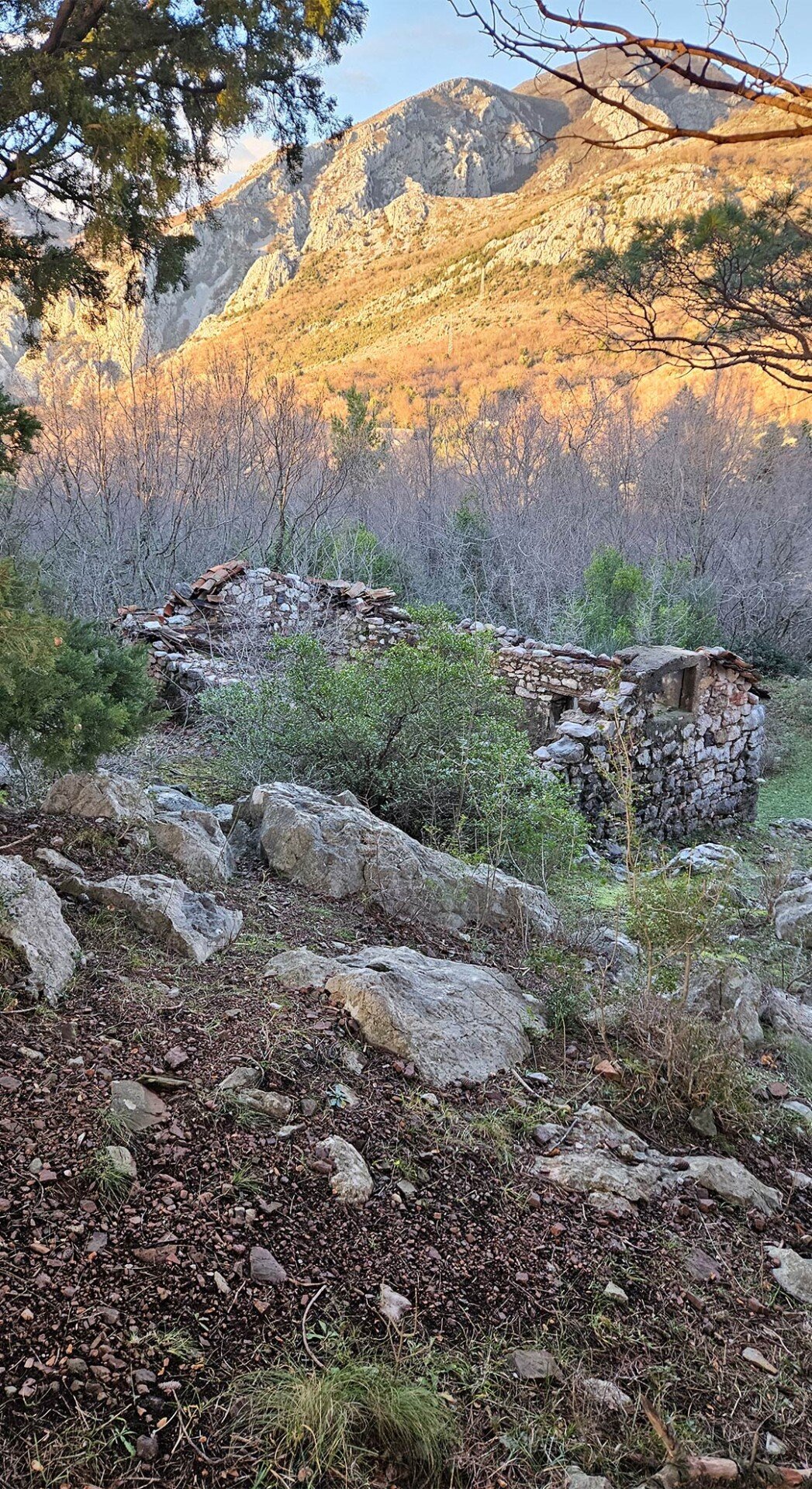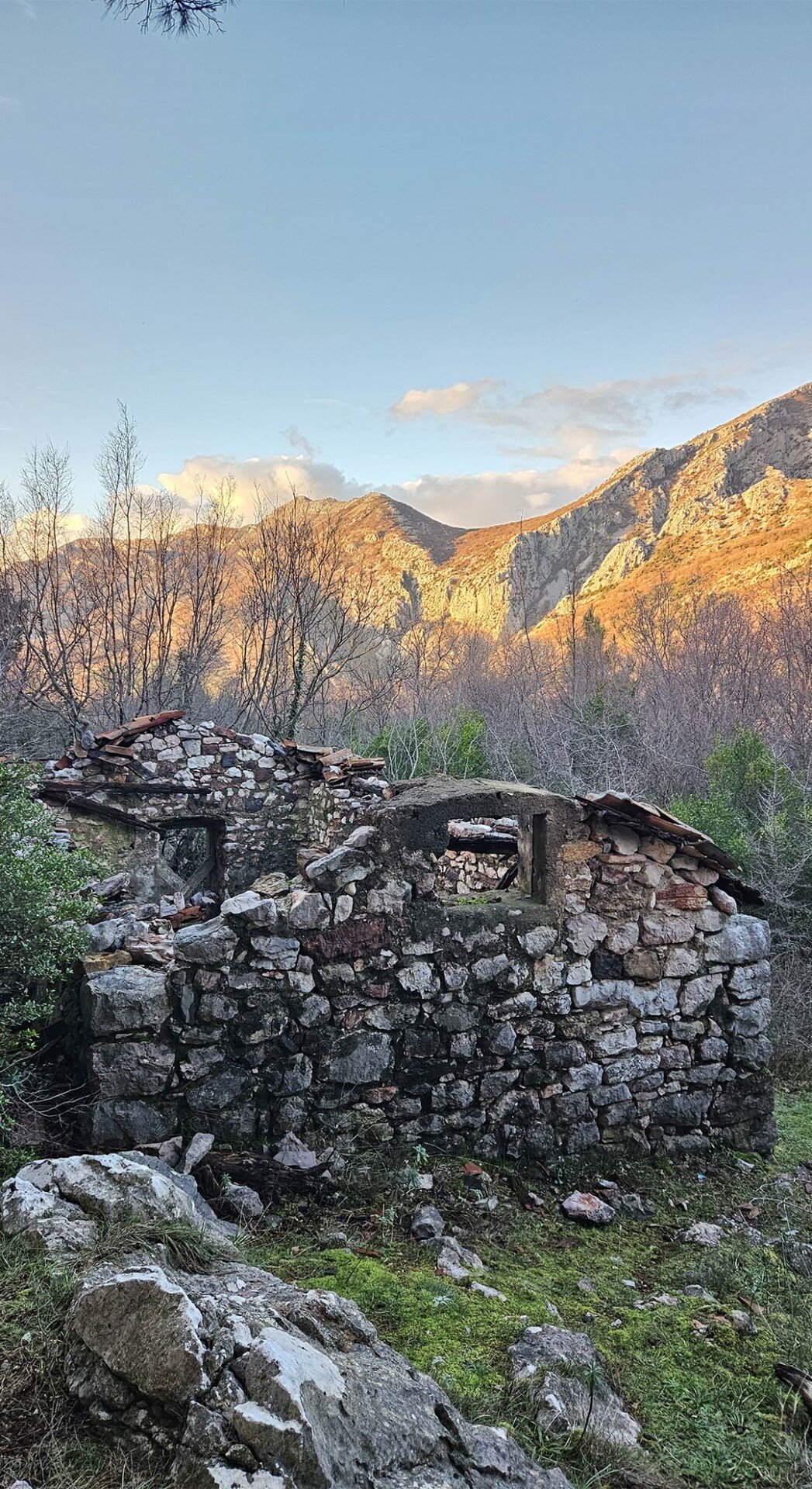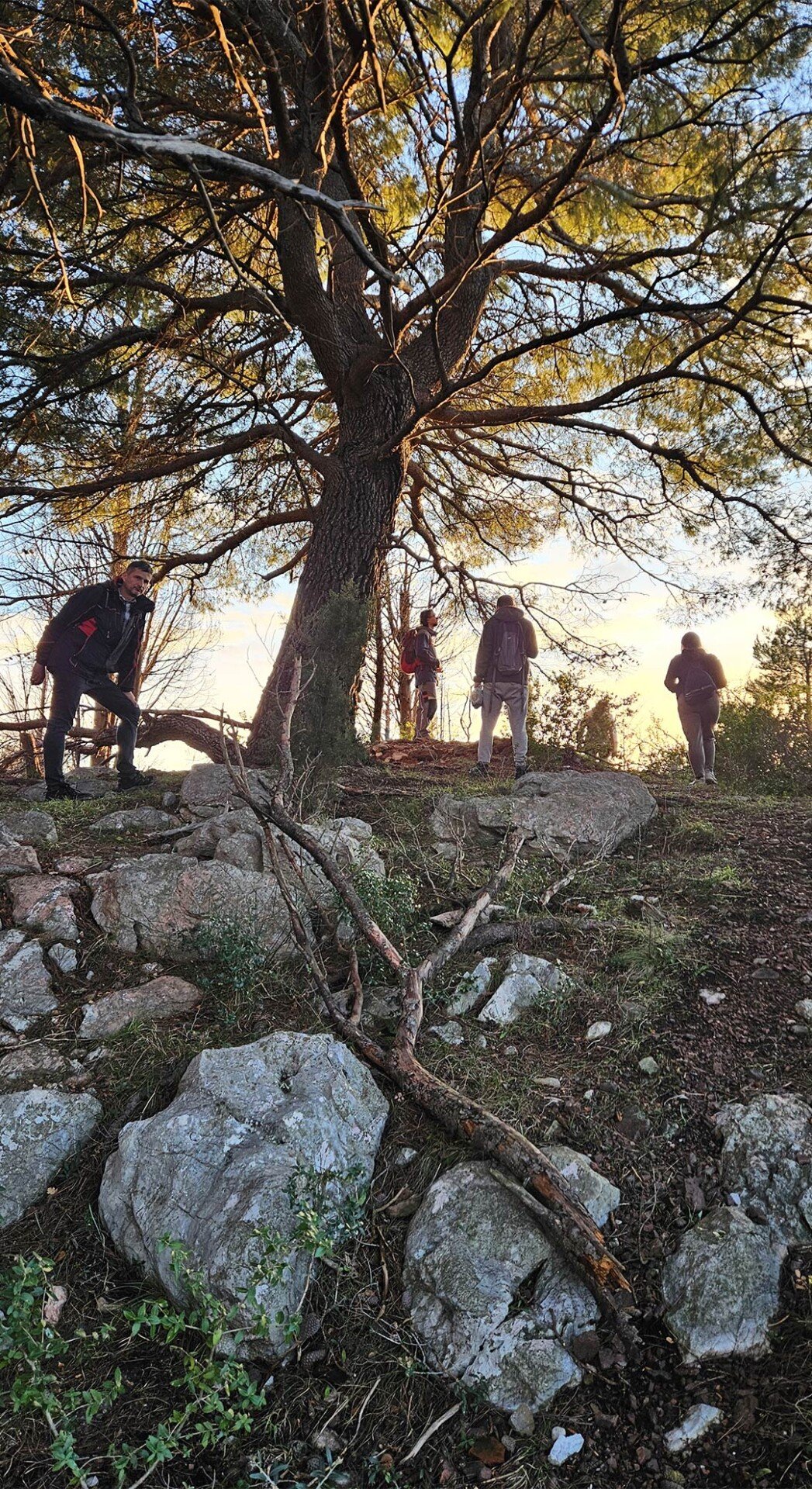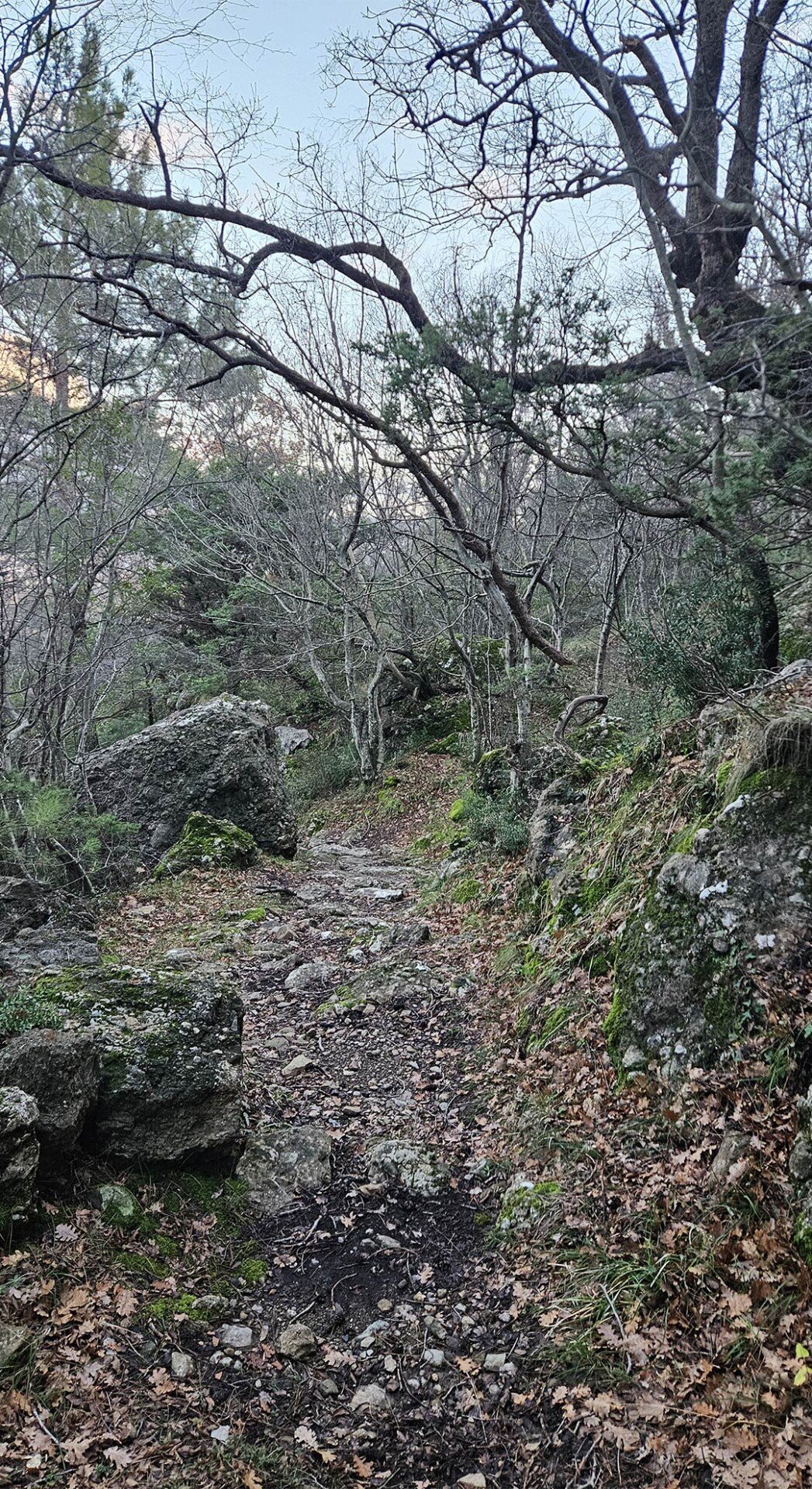


StarLight Group Hike from Bar to Gornja Brca / Stara Brca
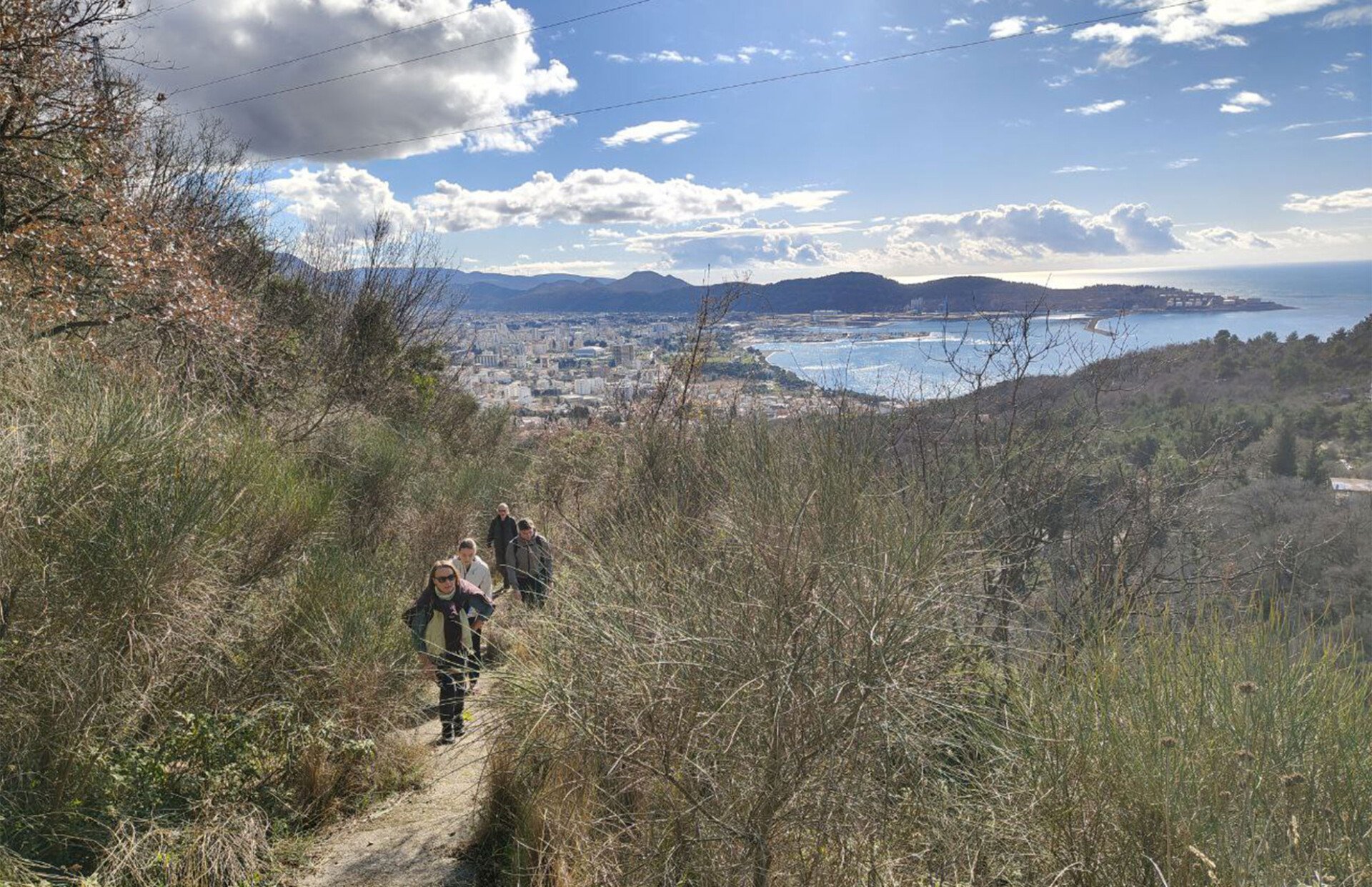
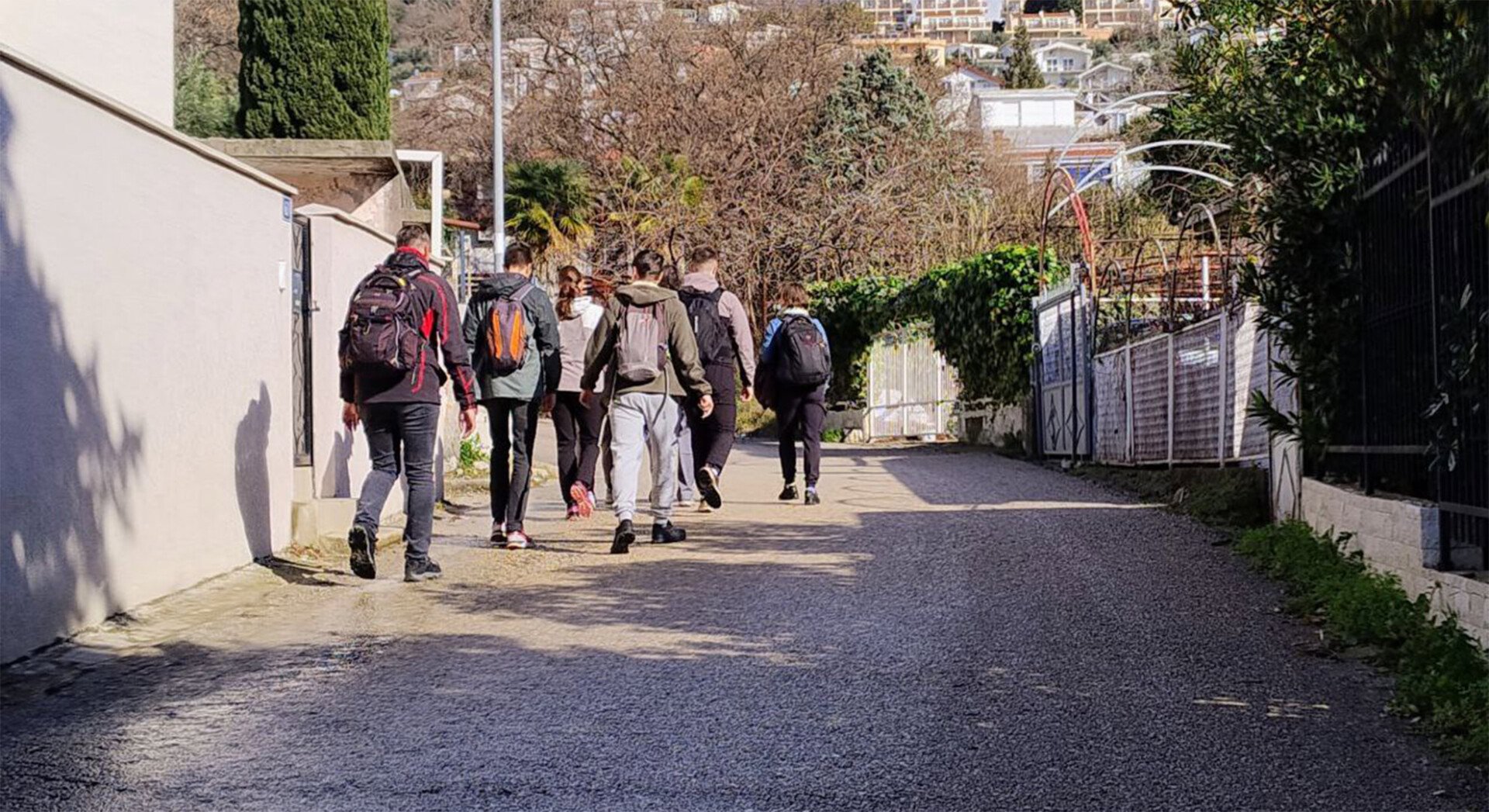
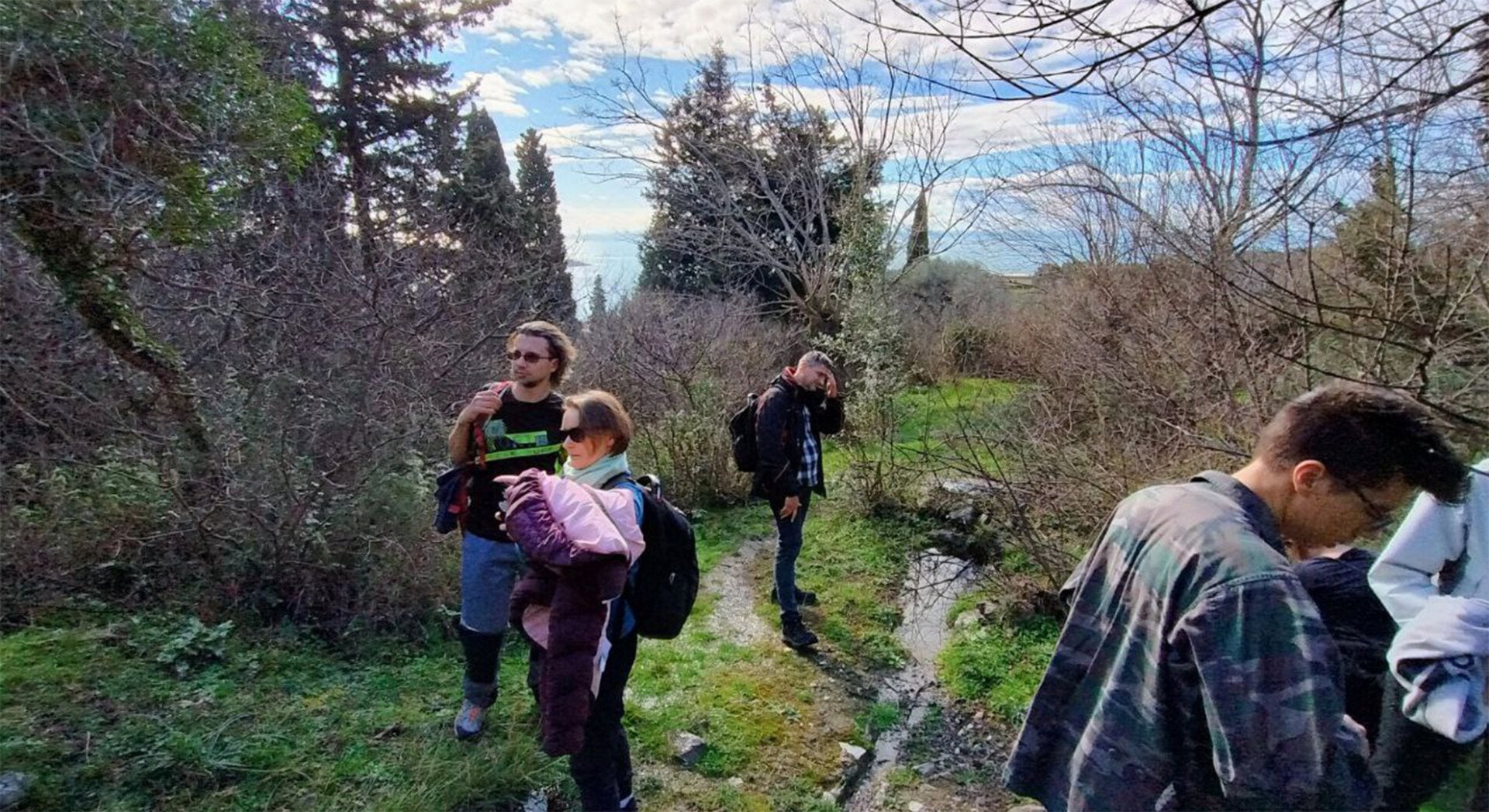
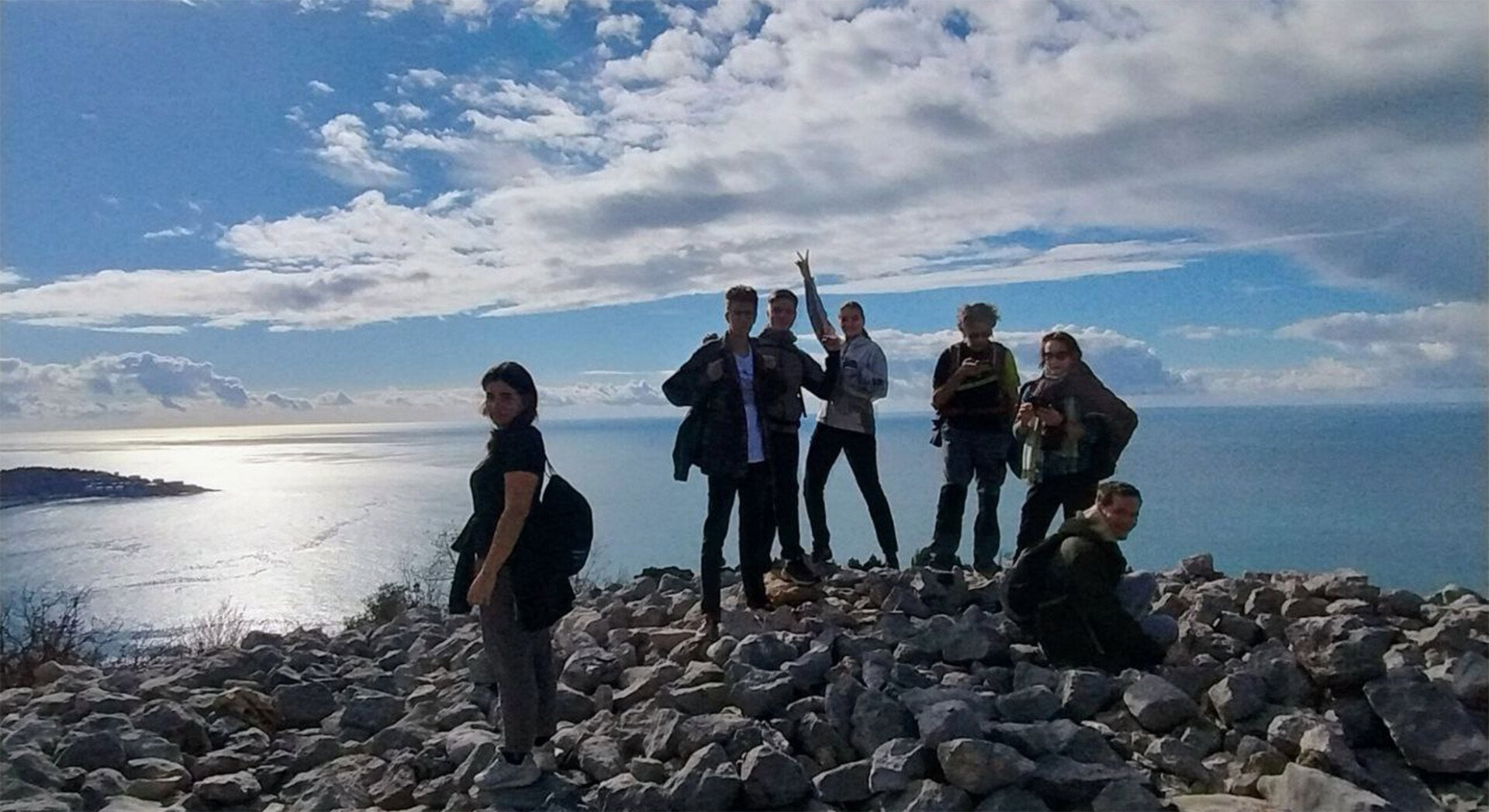
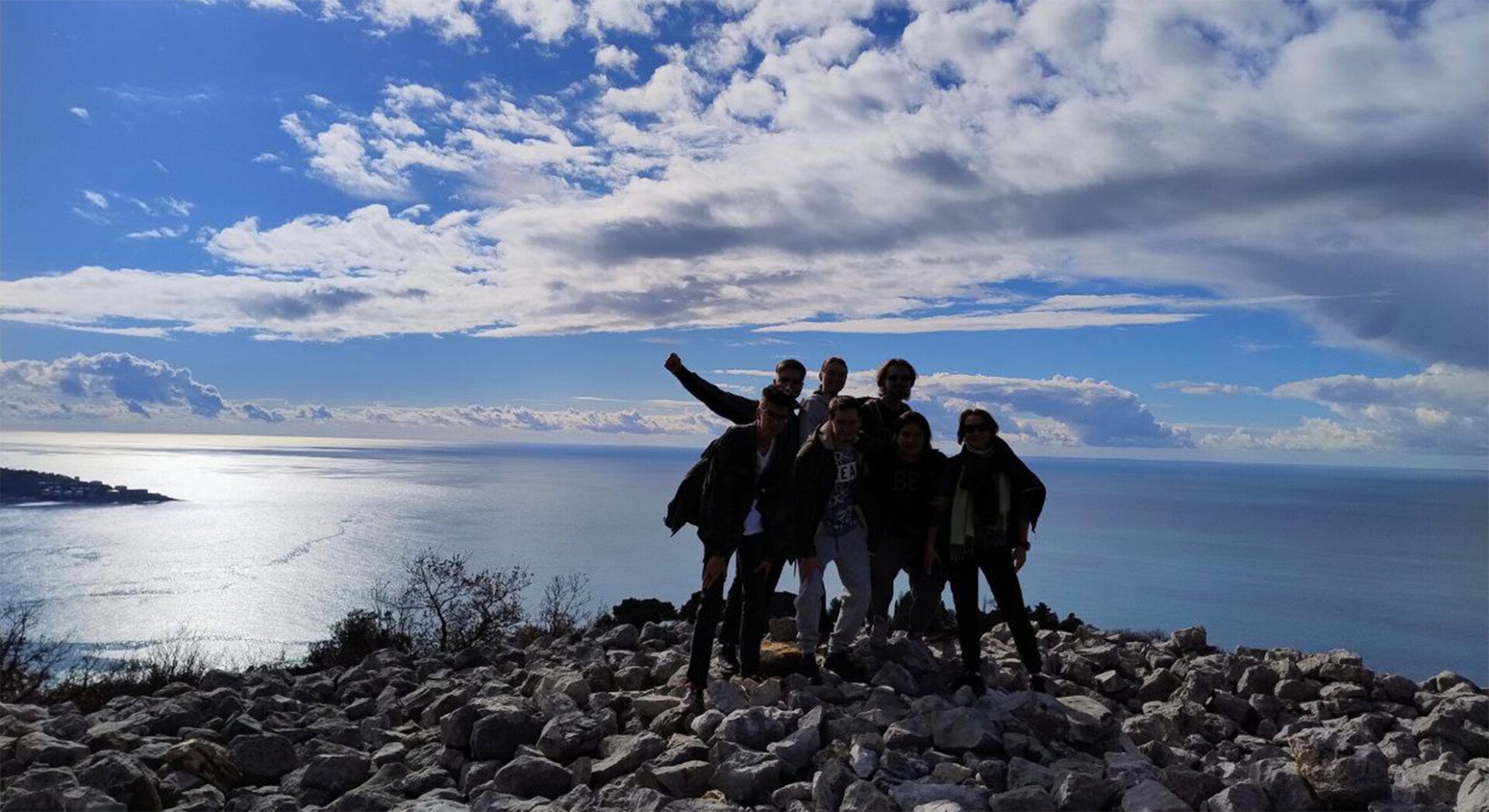
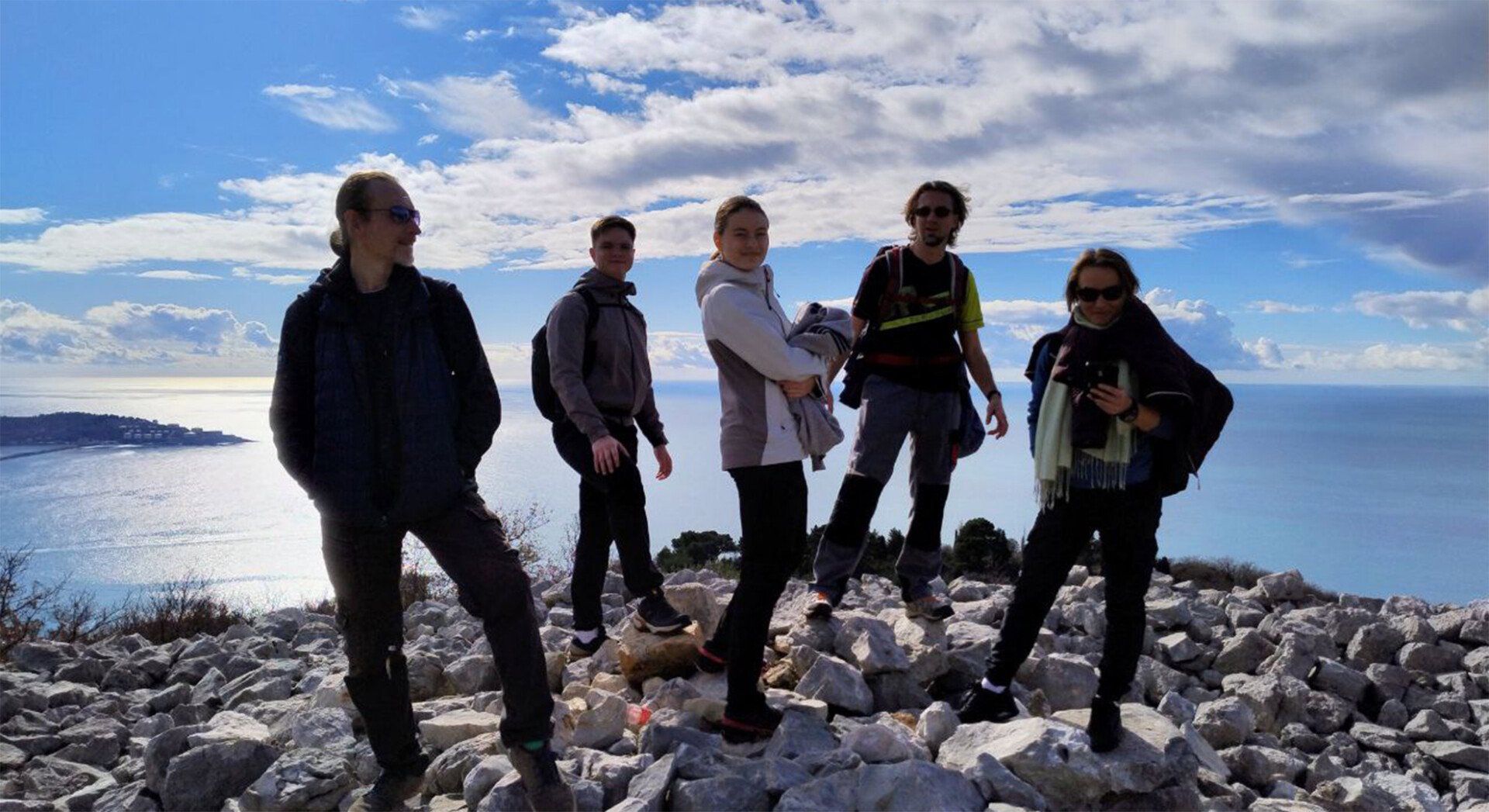
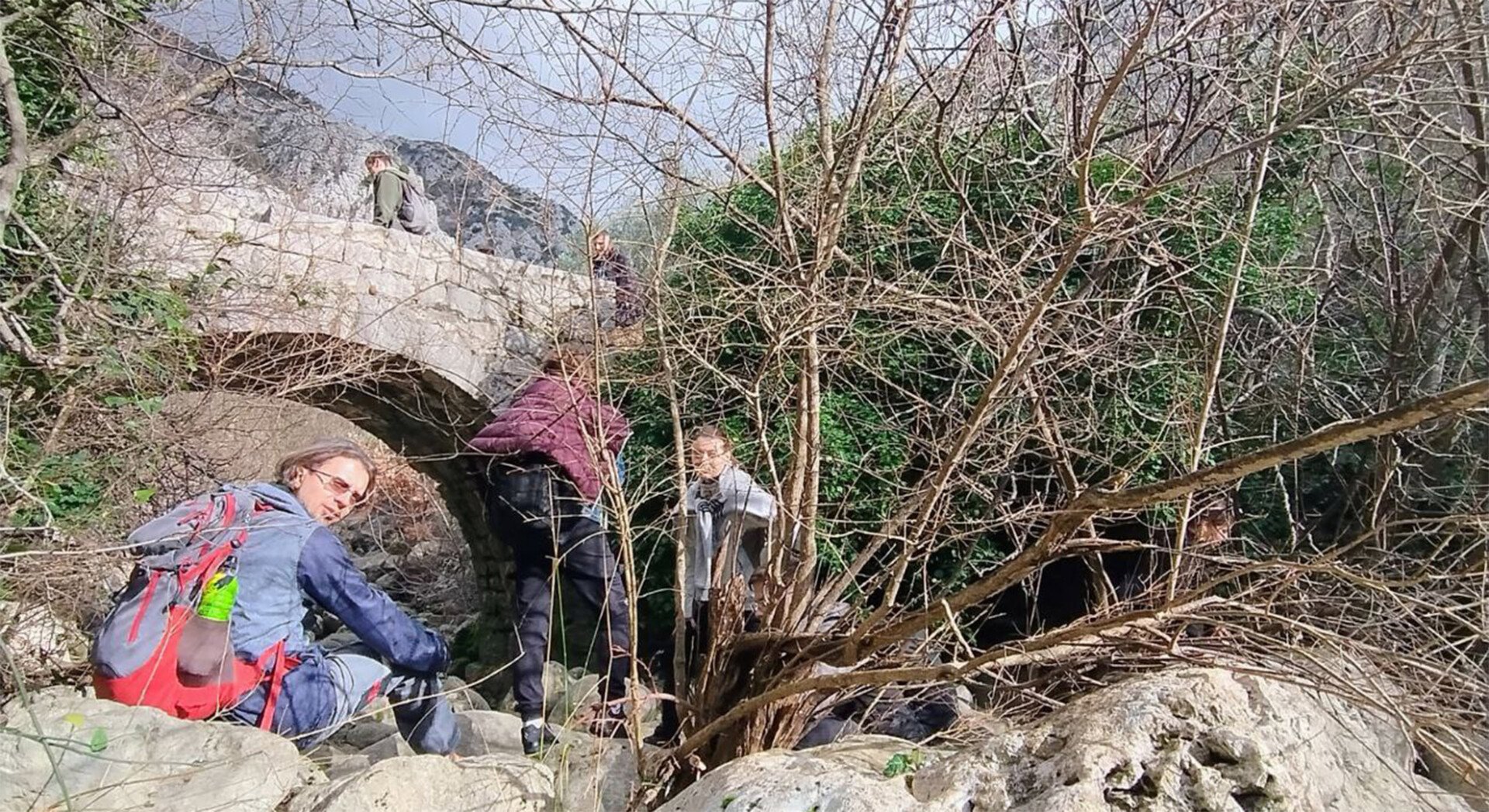
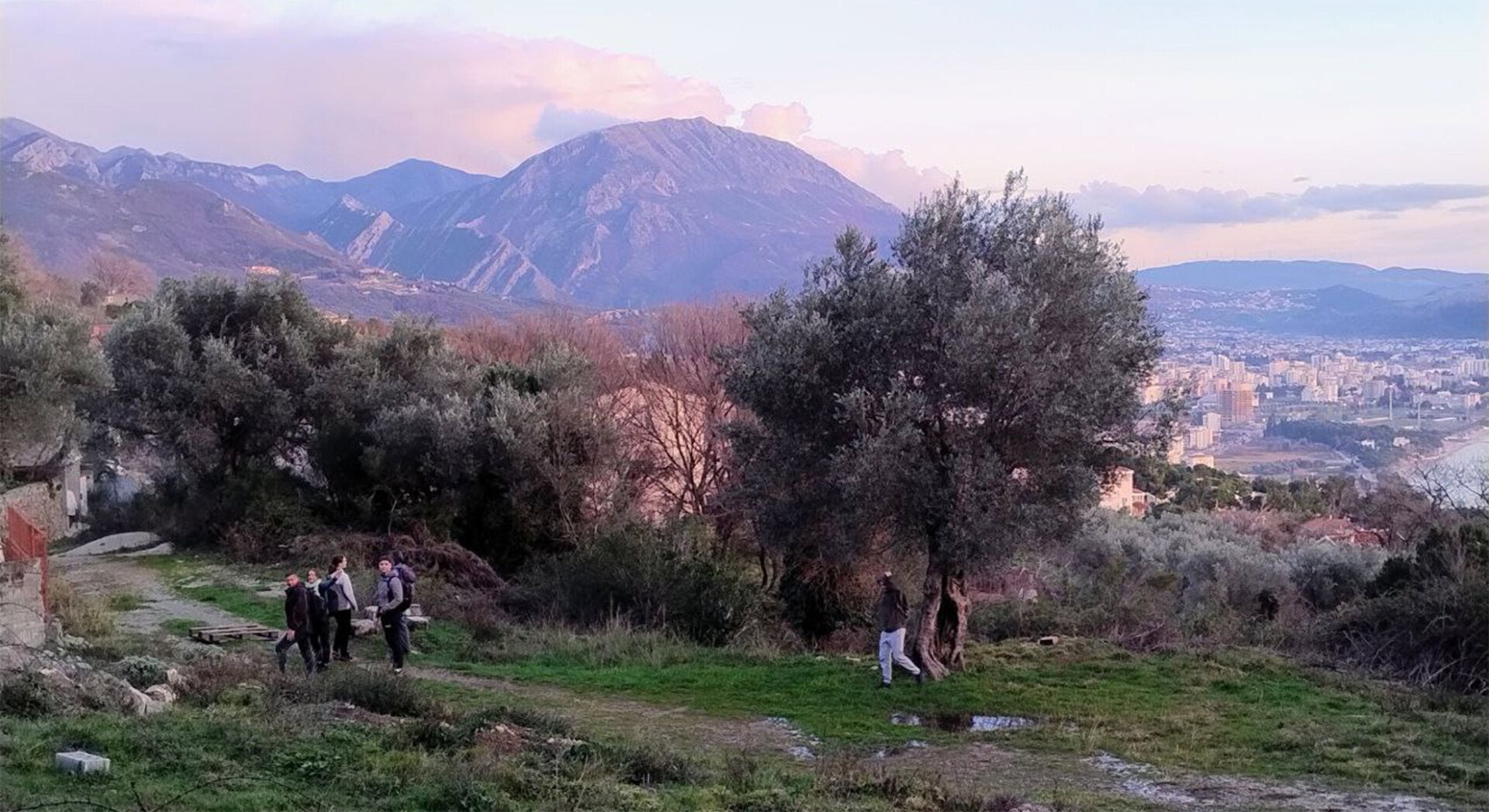
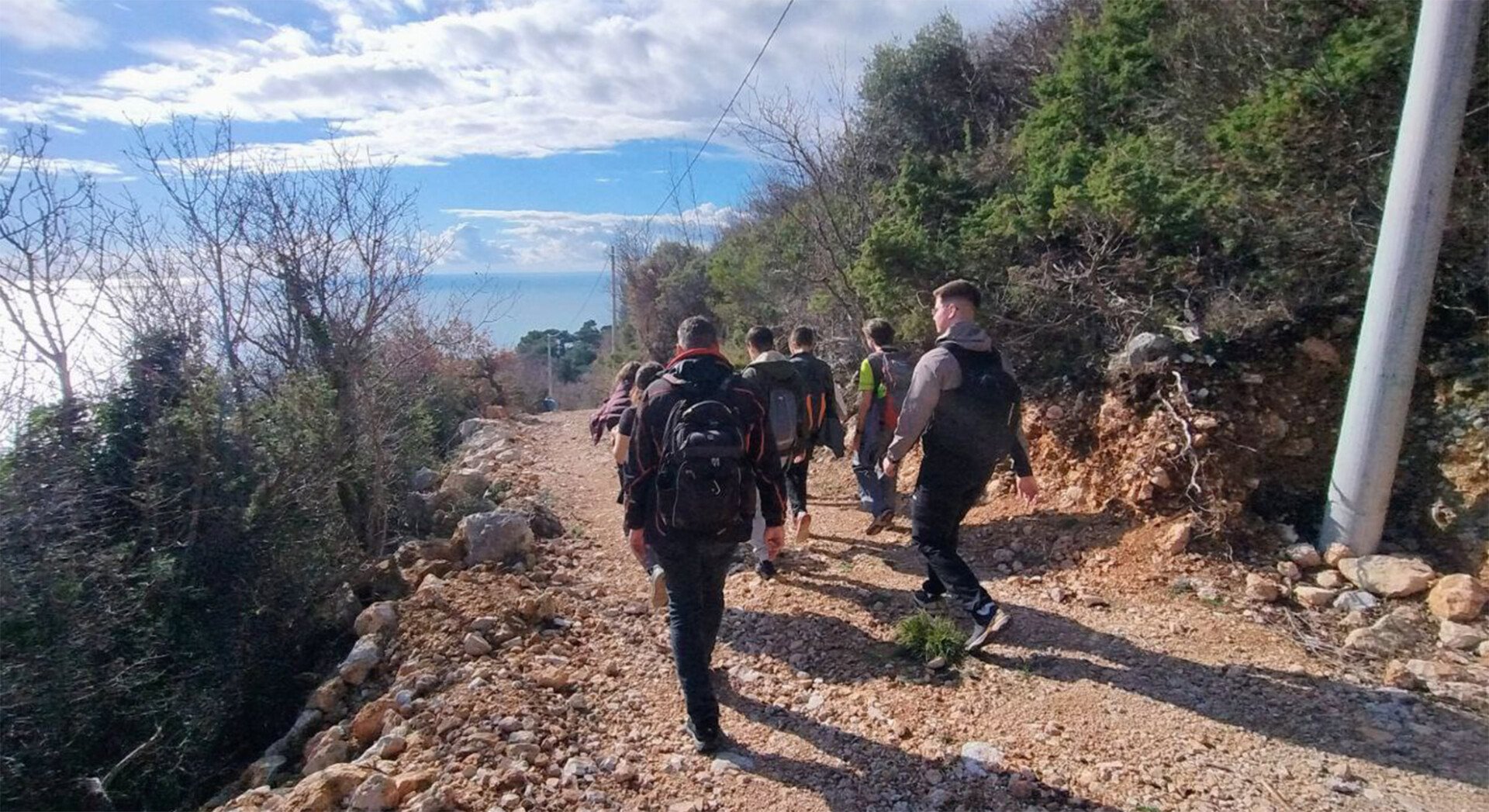
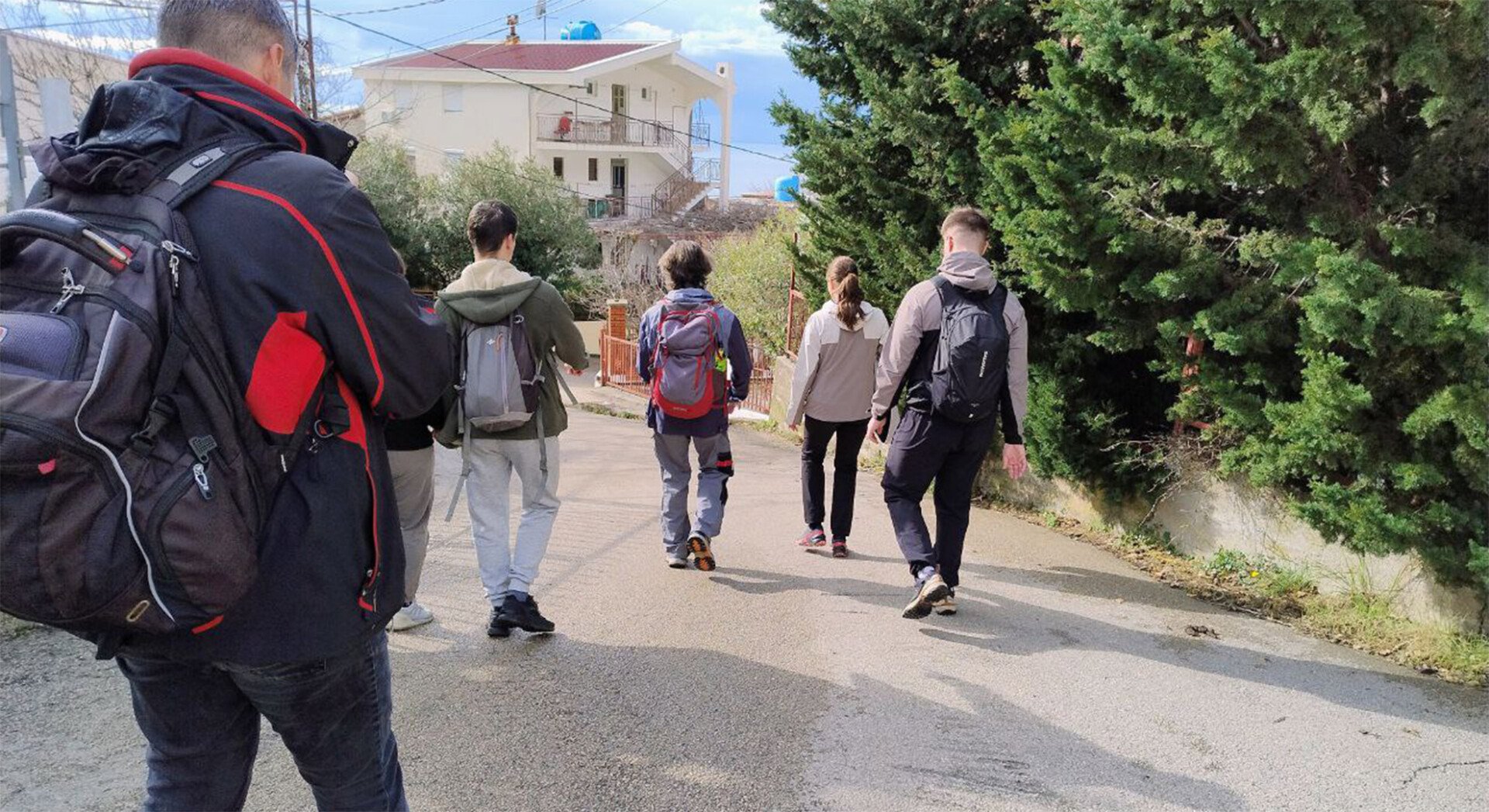
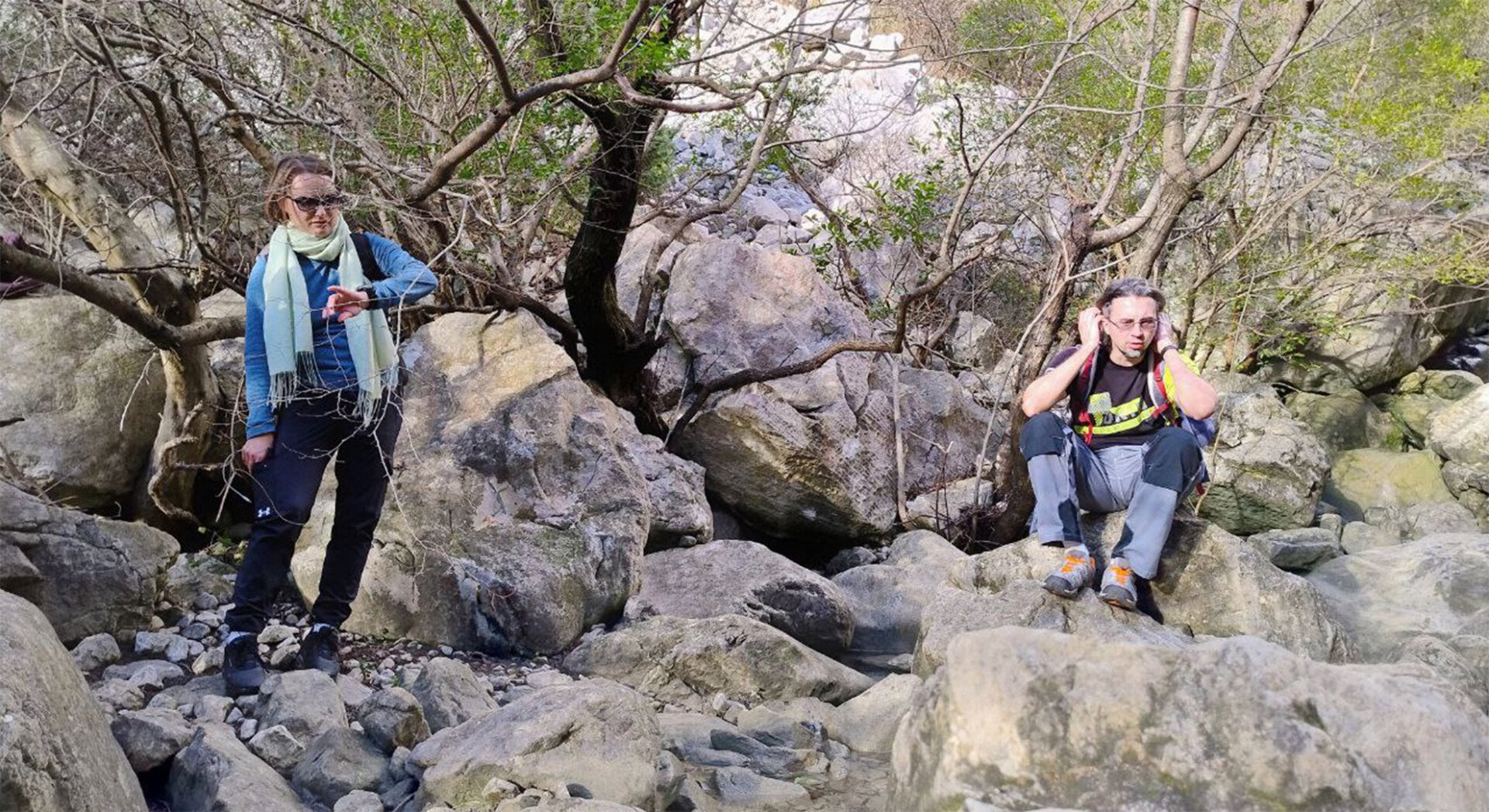
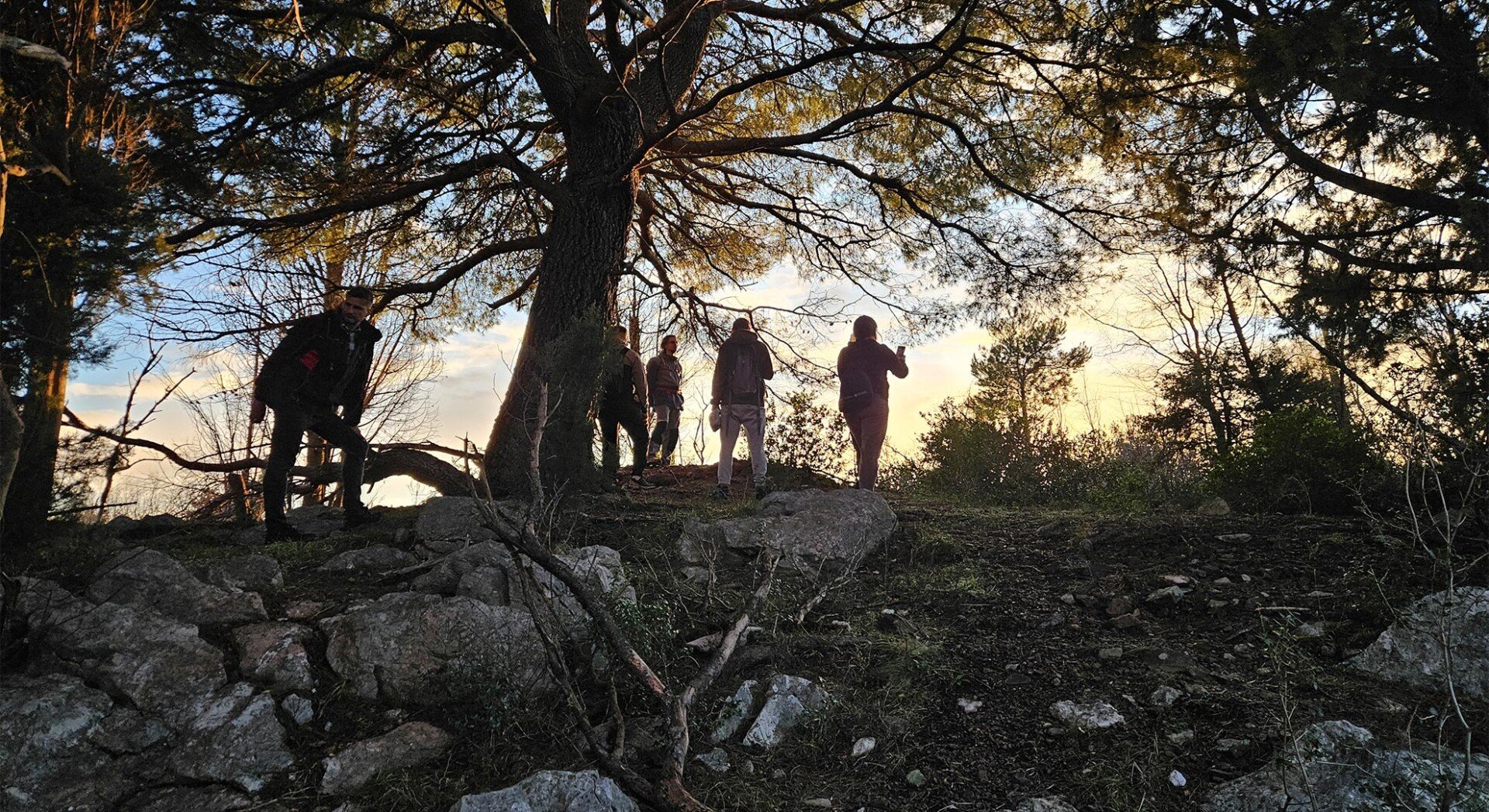
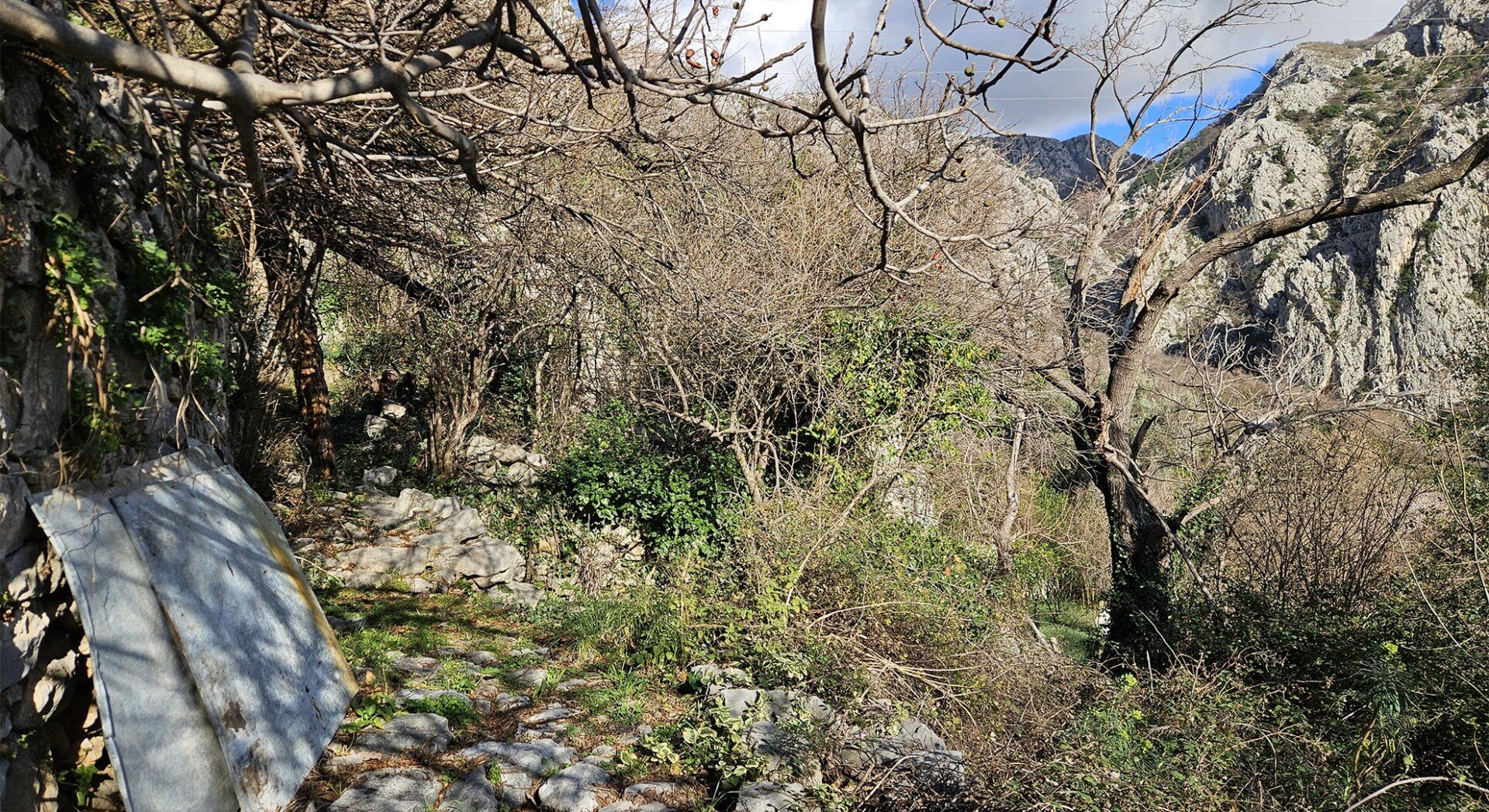
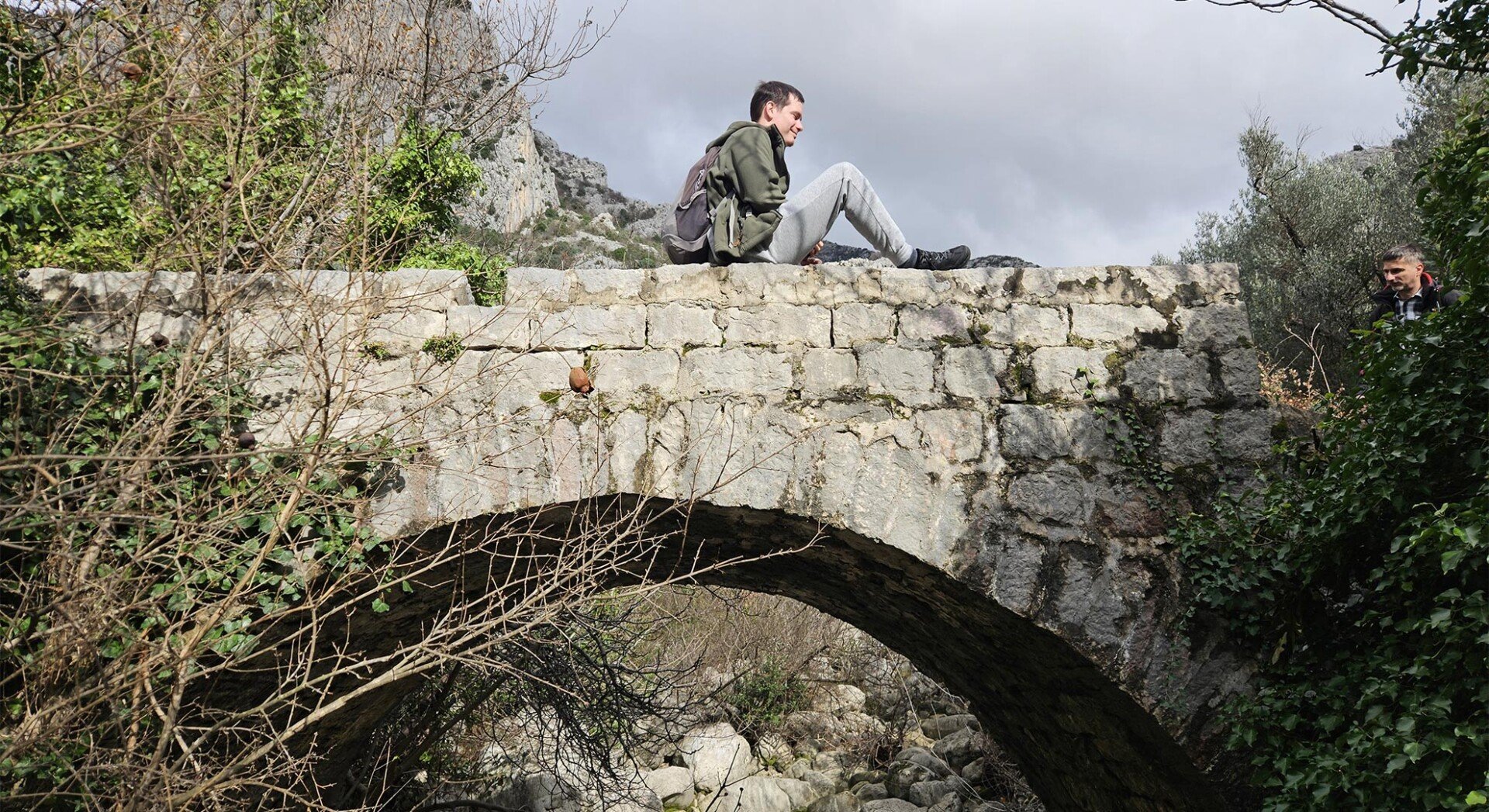
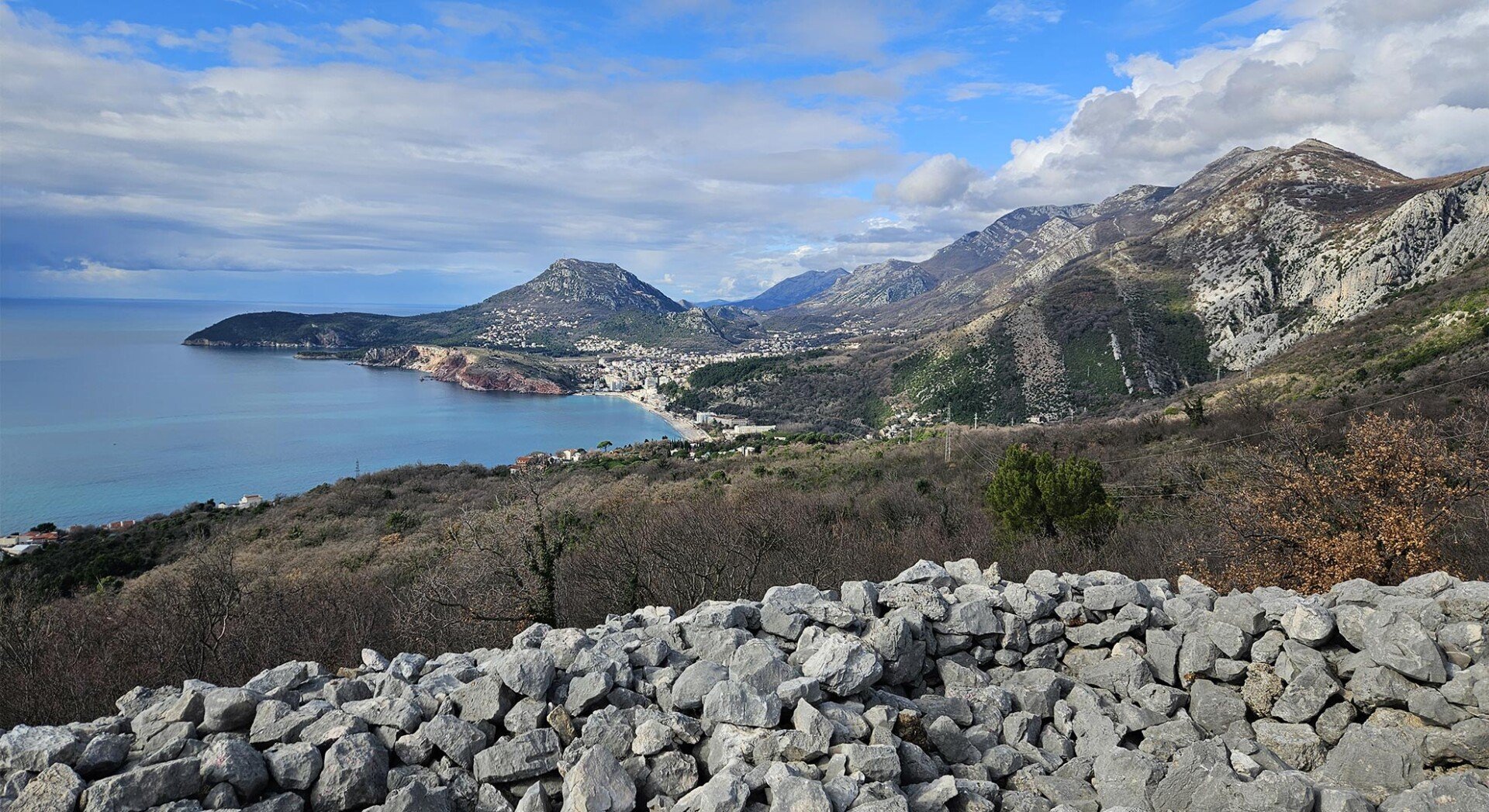
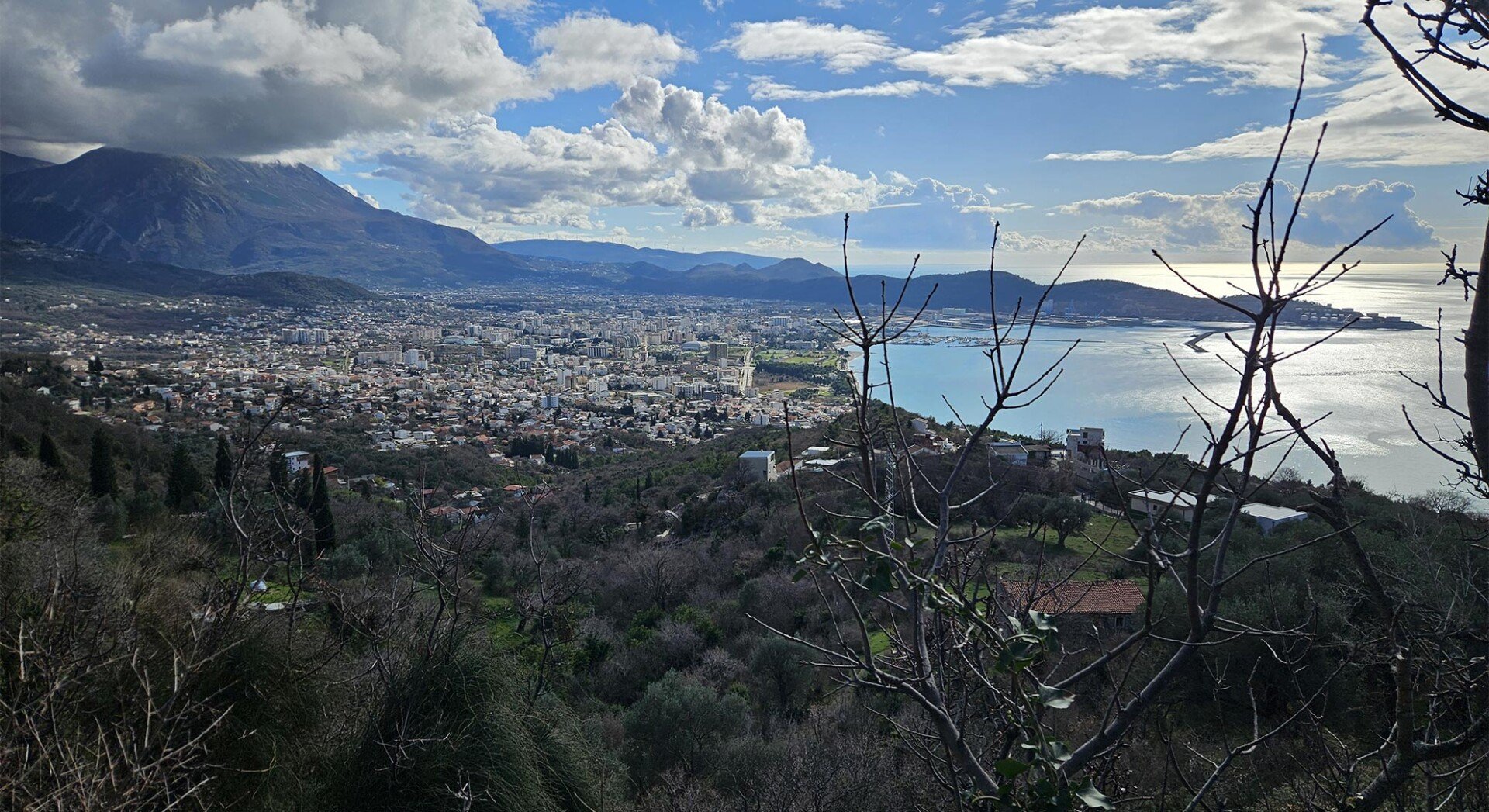
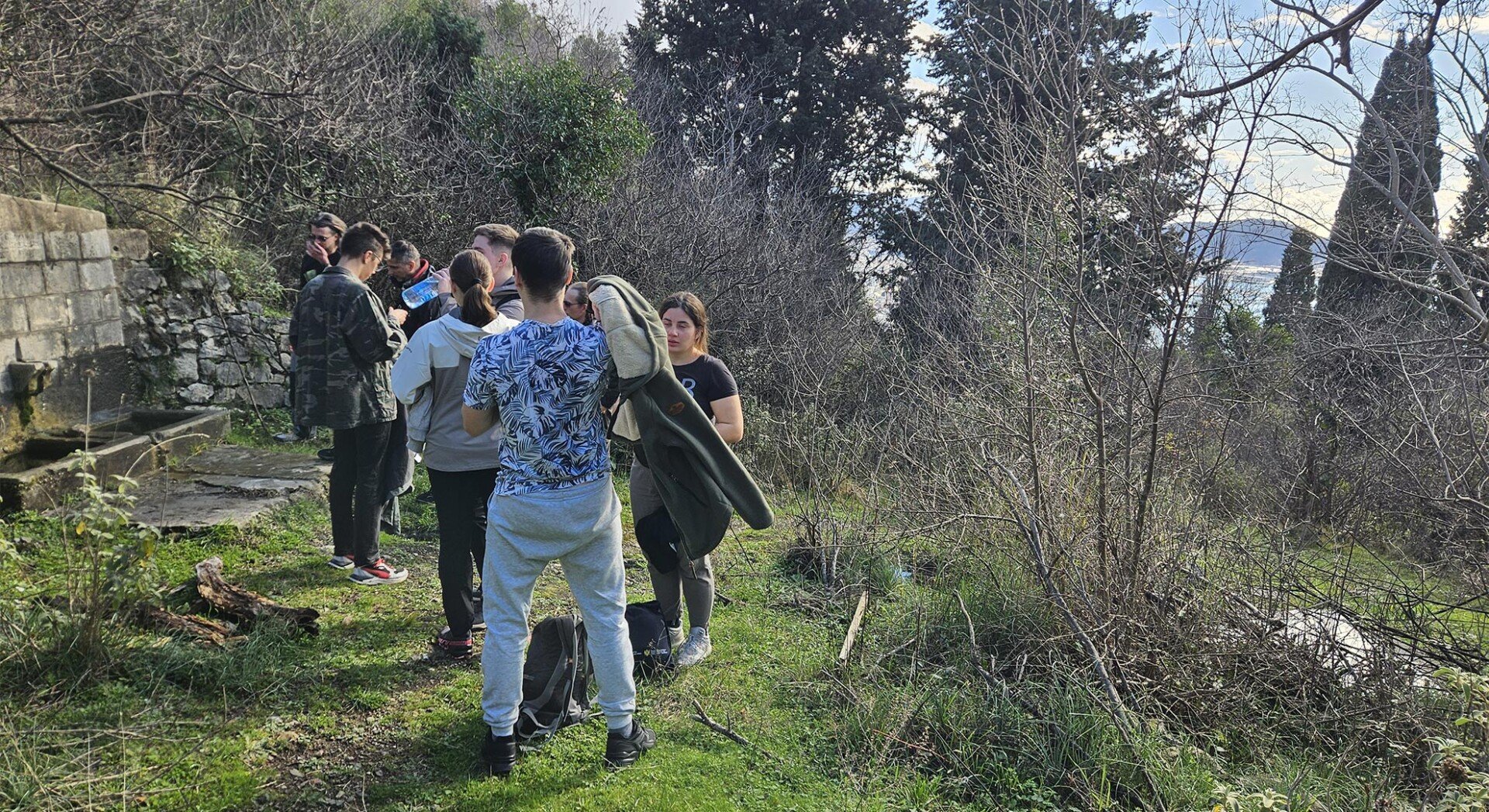
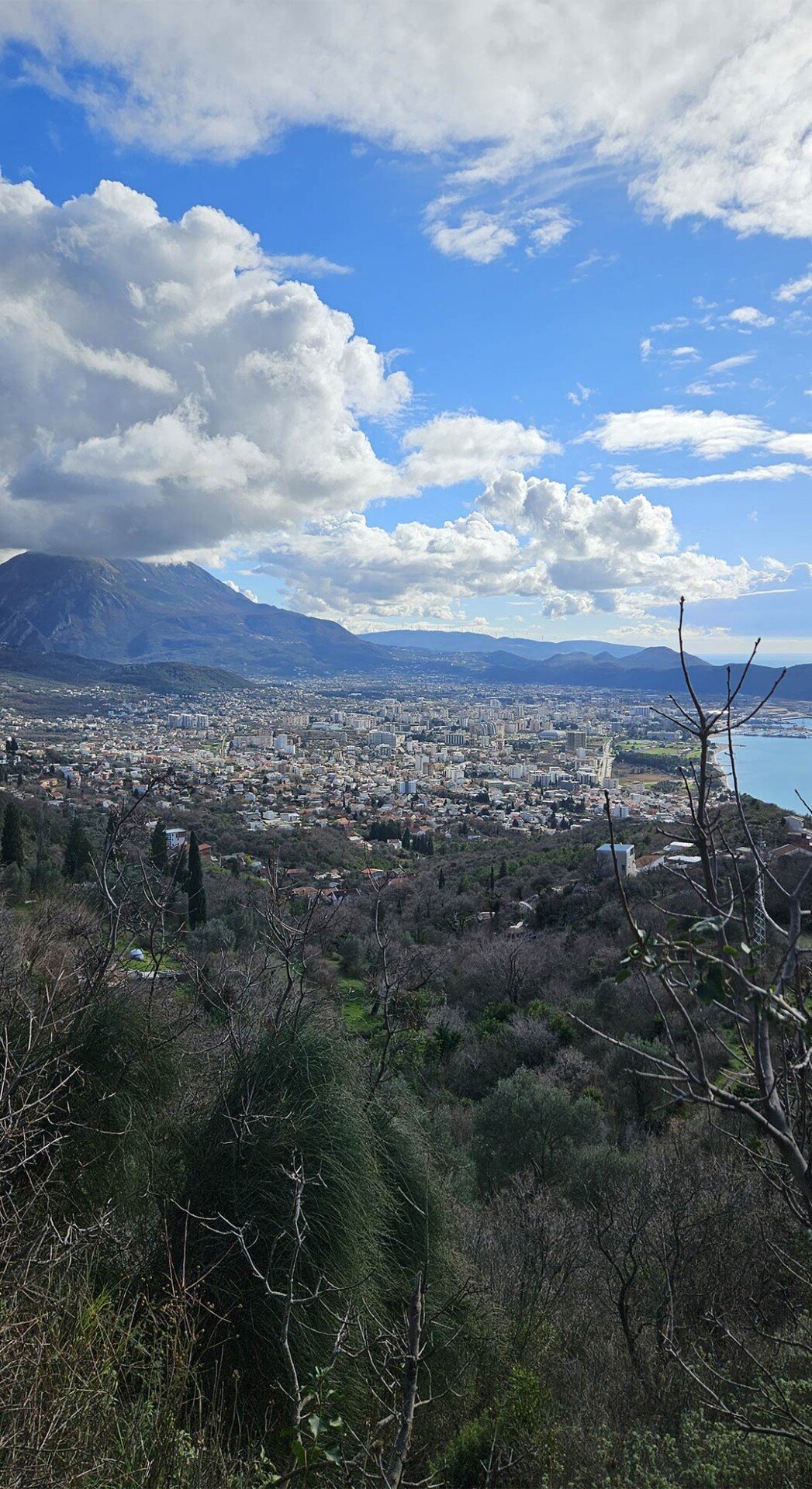
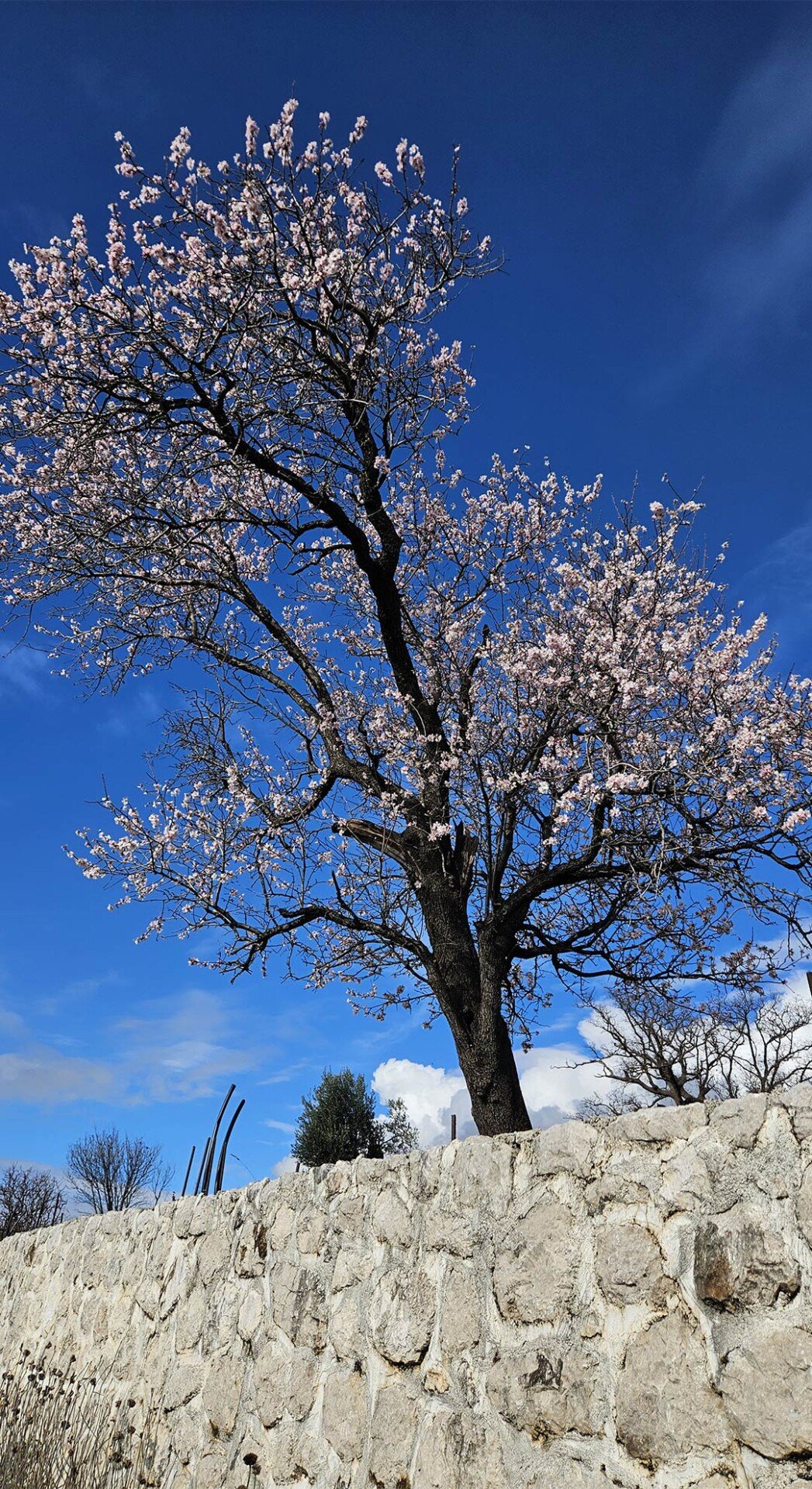
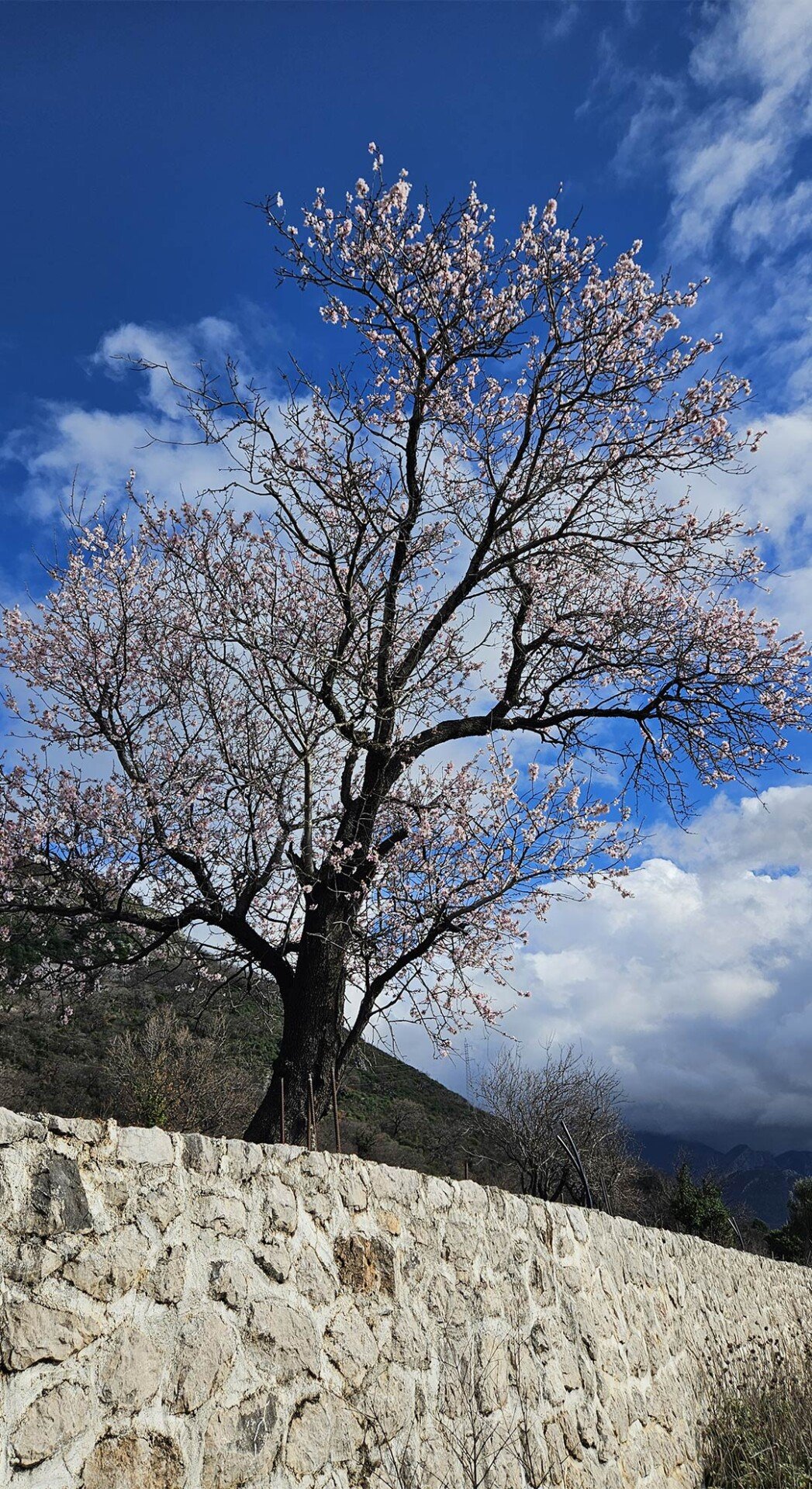
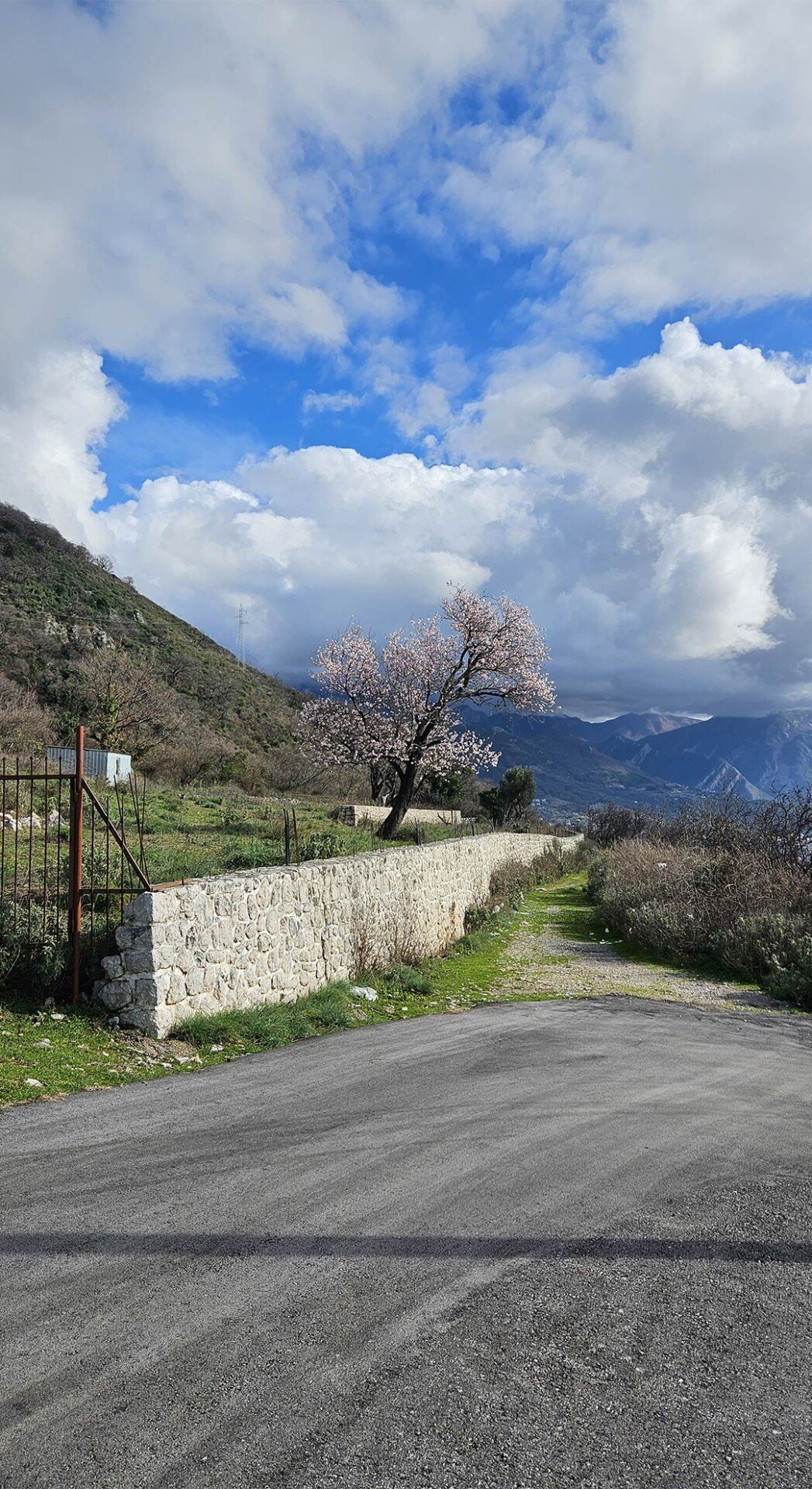
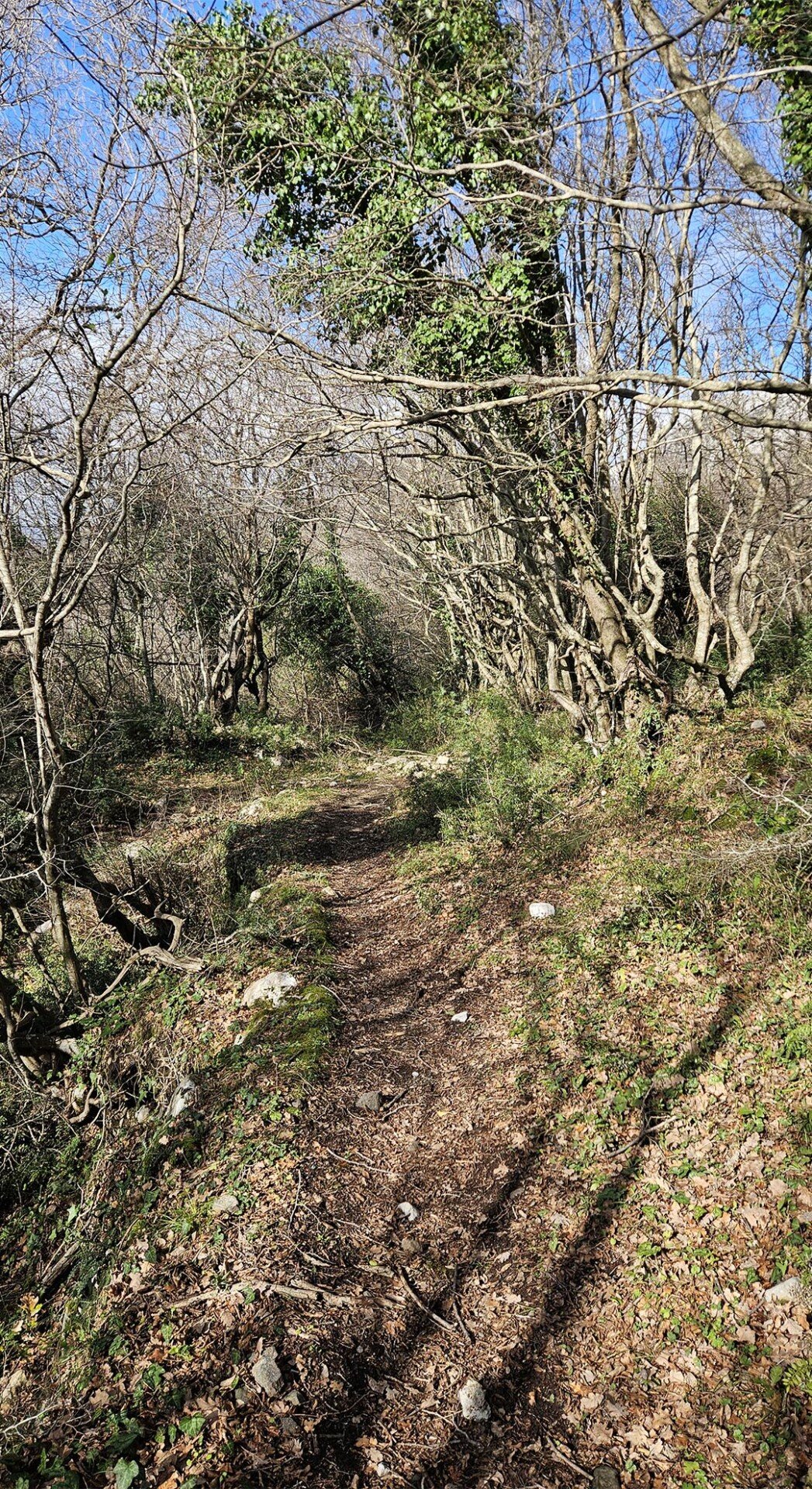
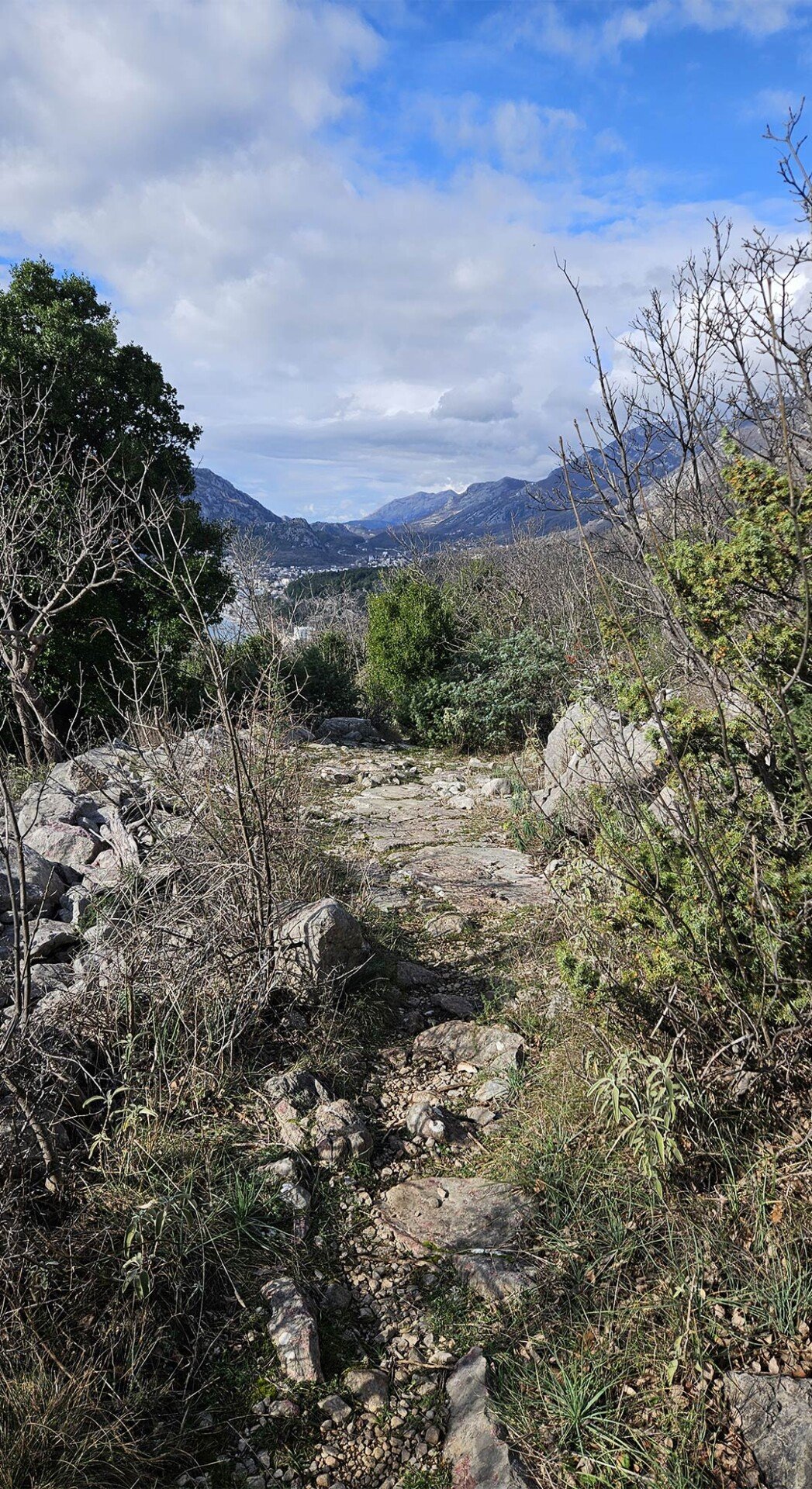
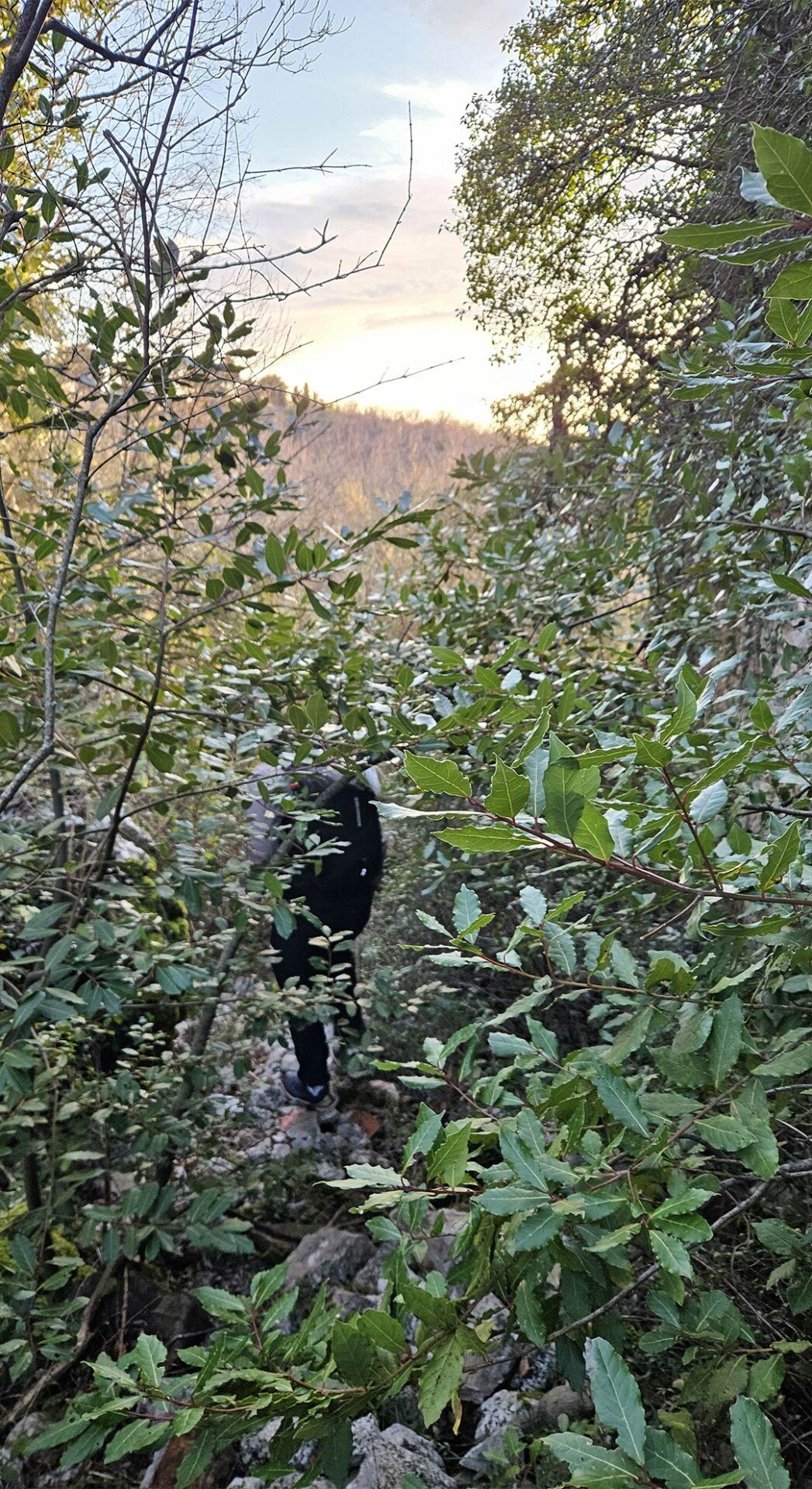
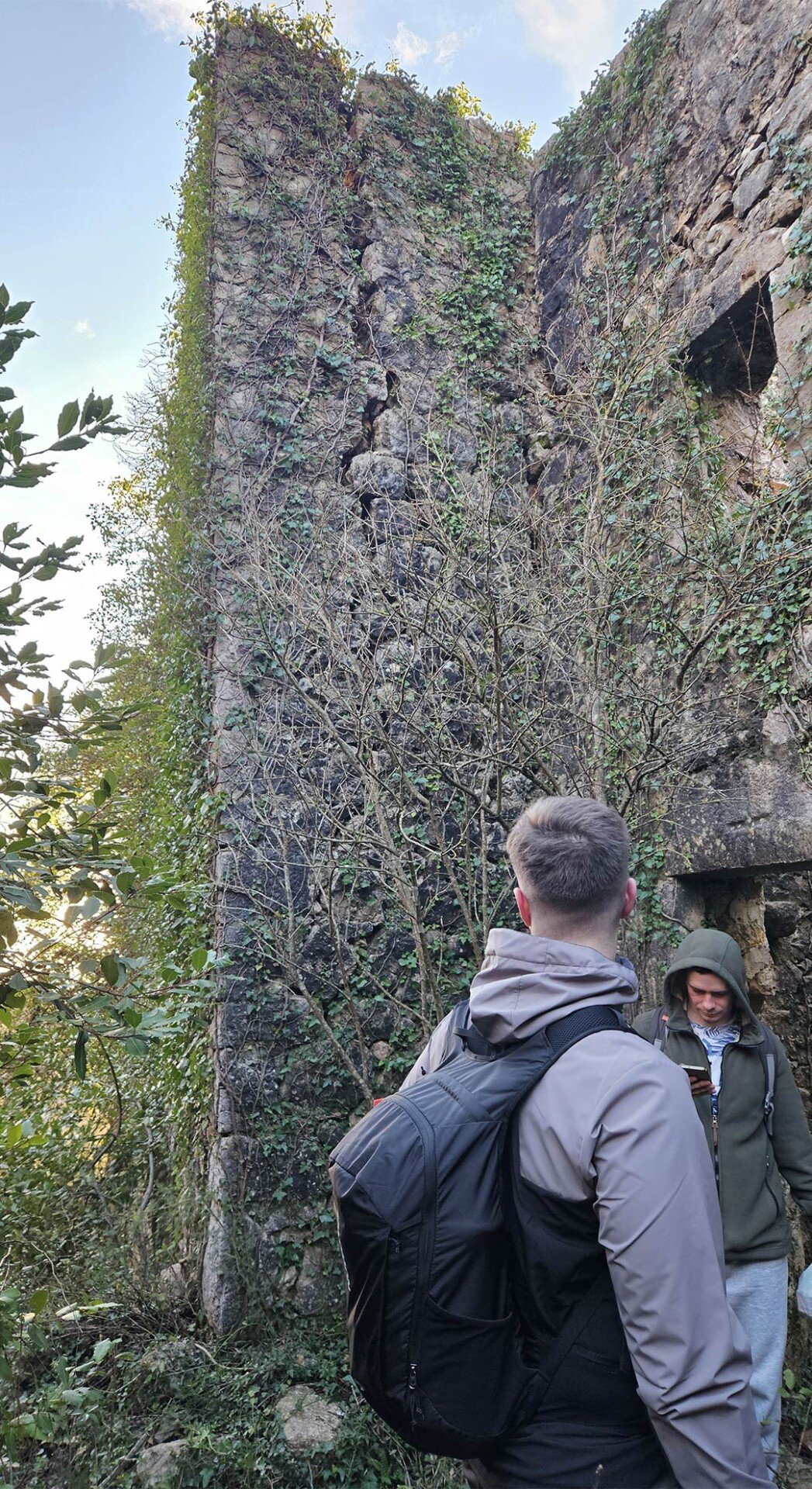
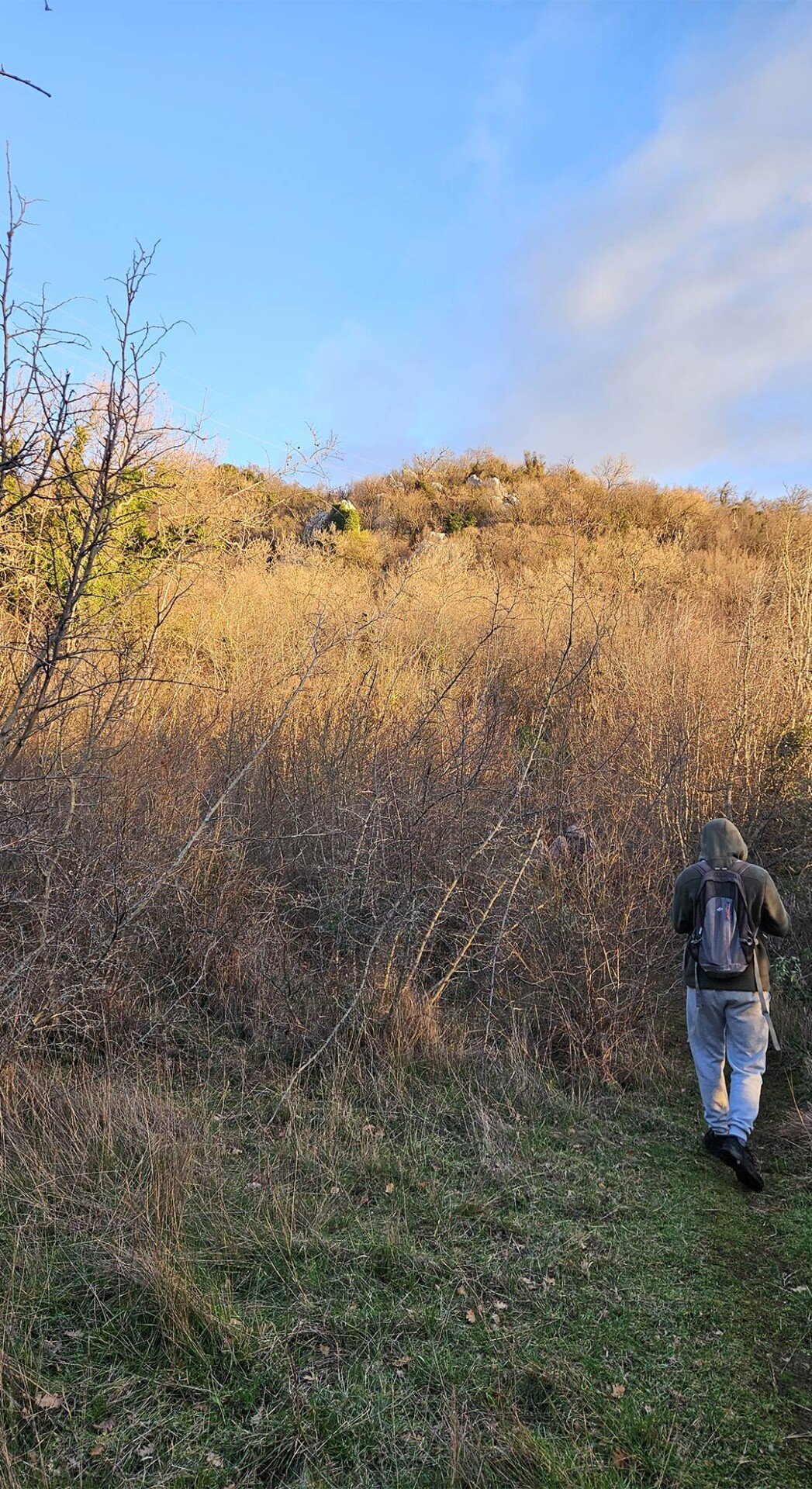
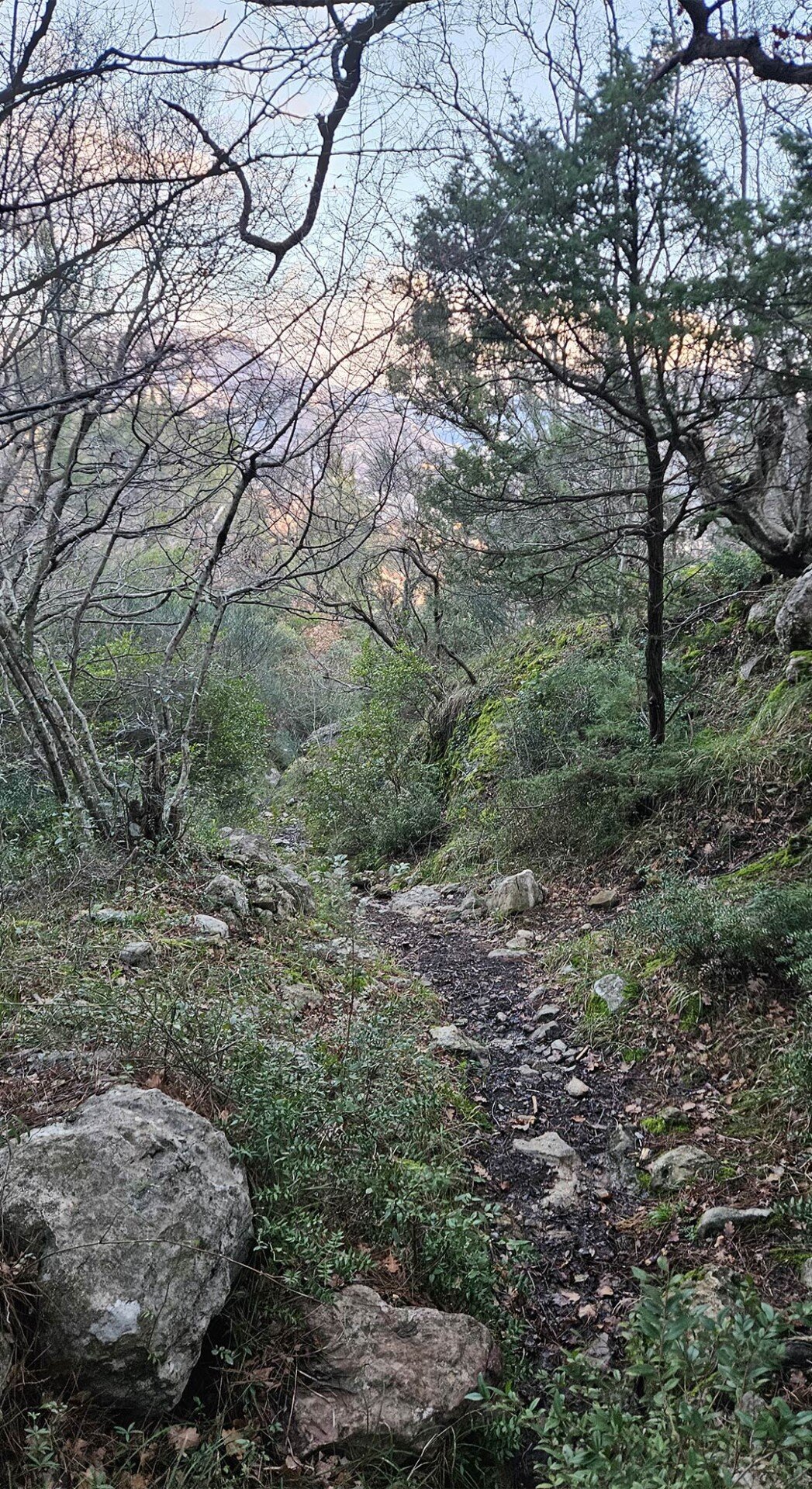
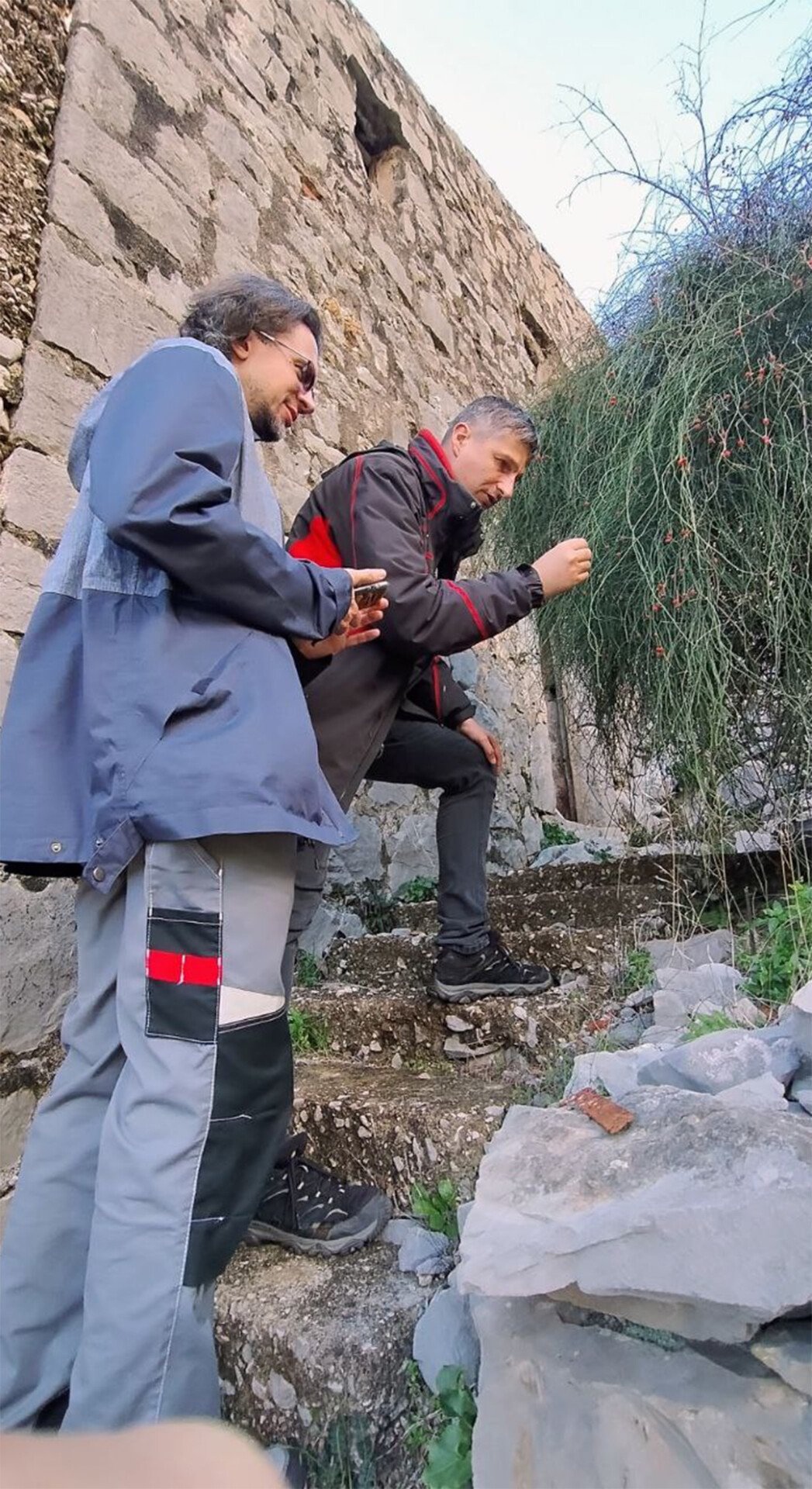
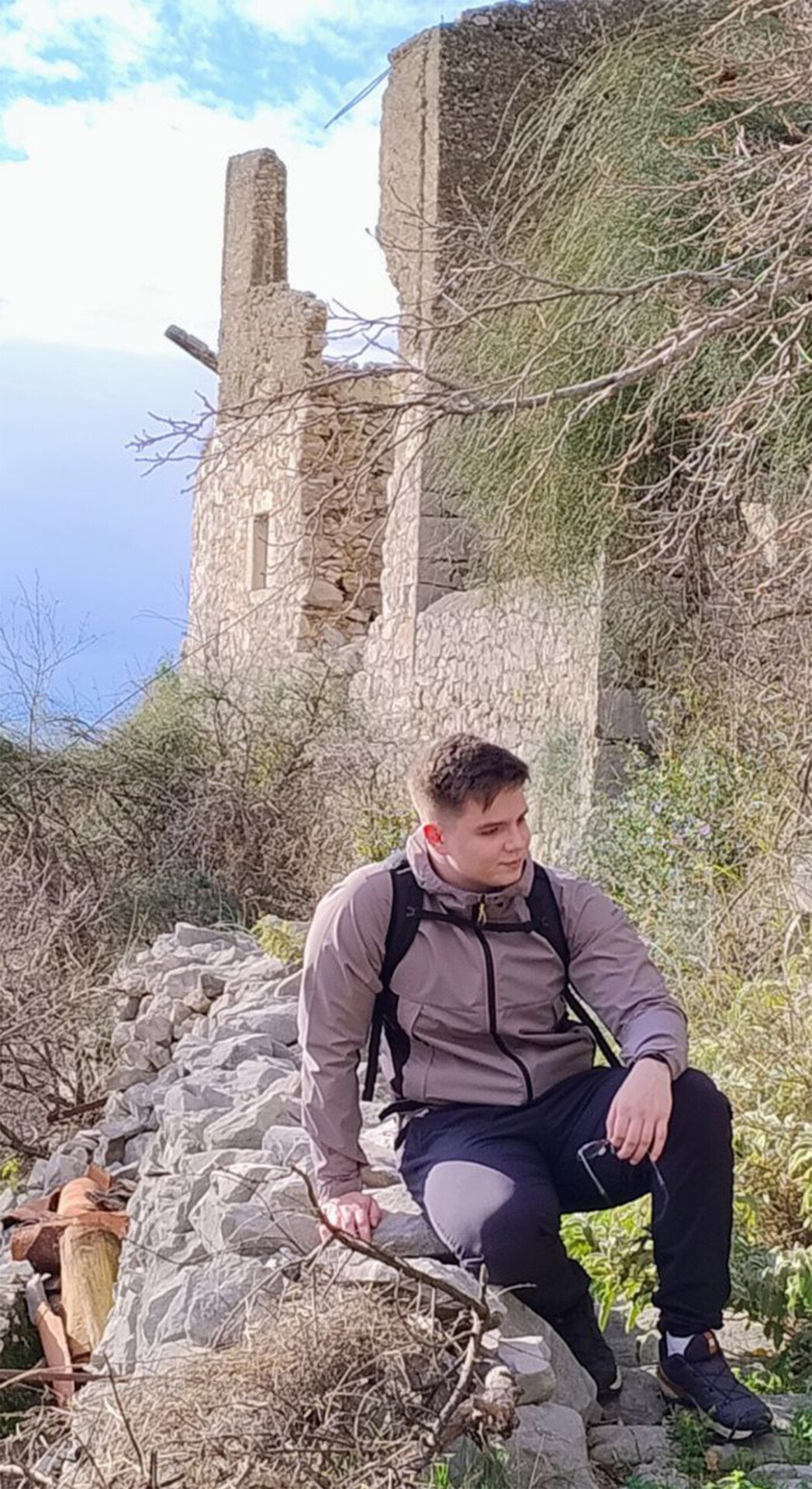
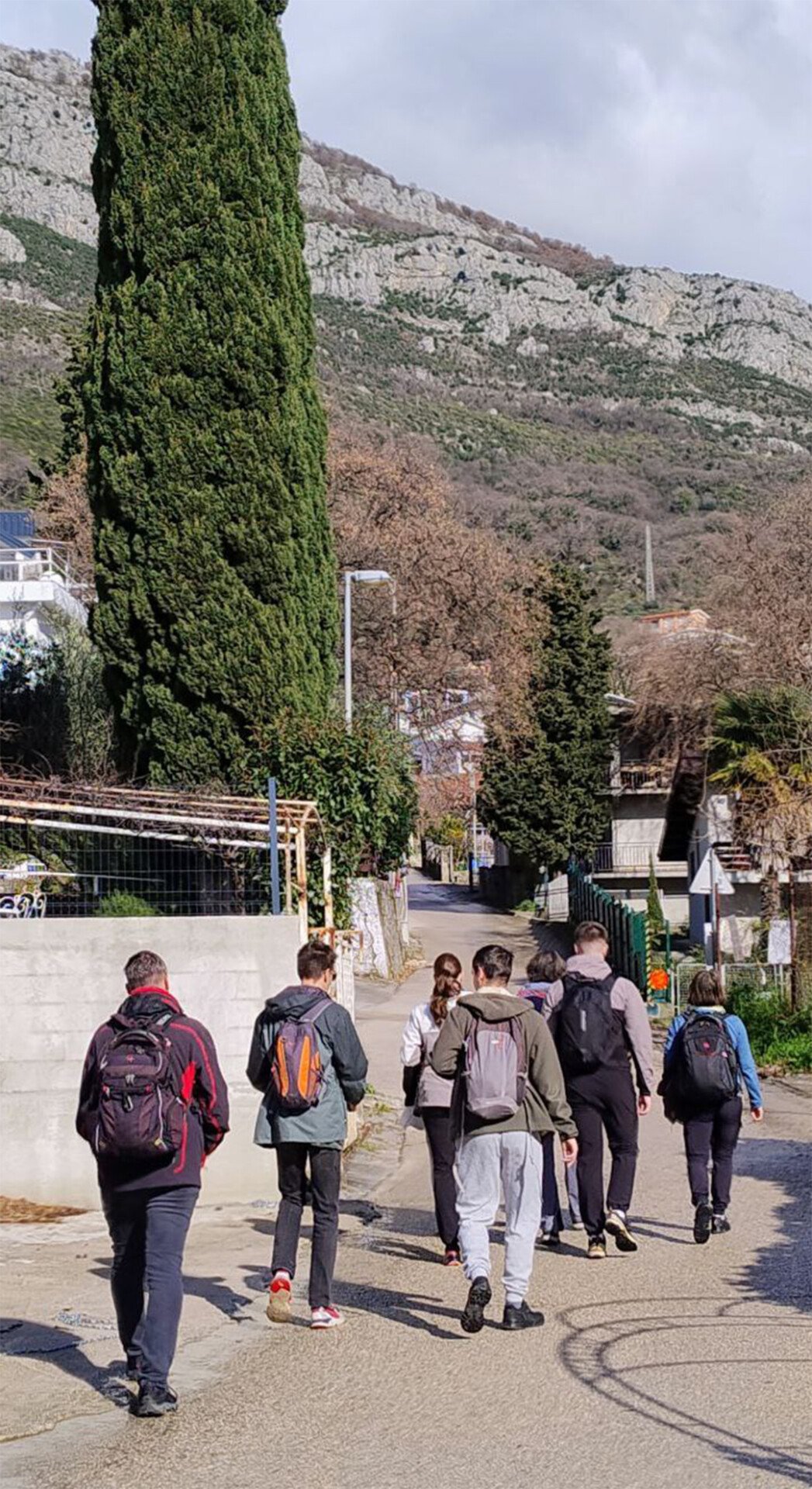
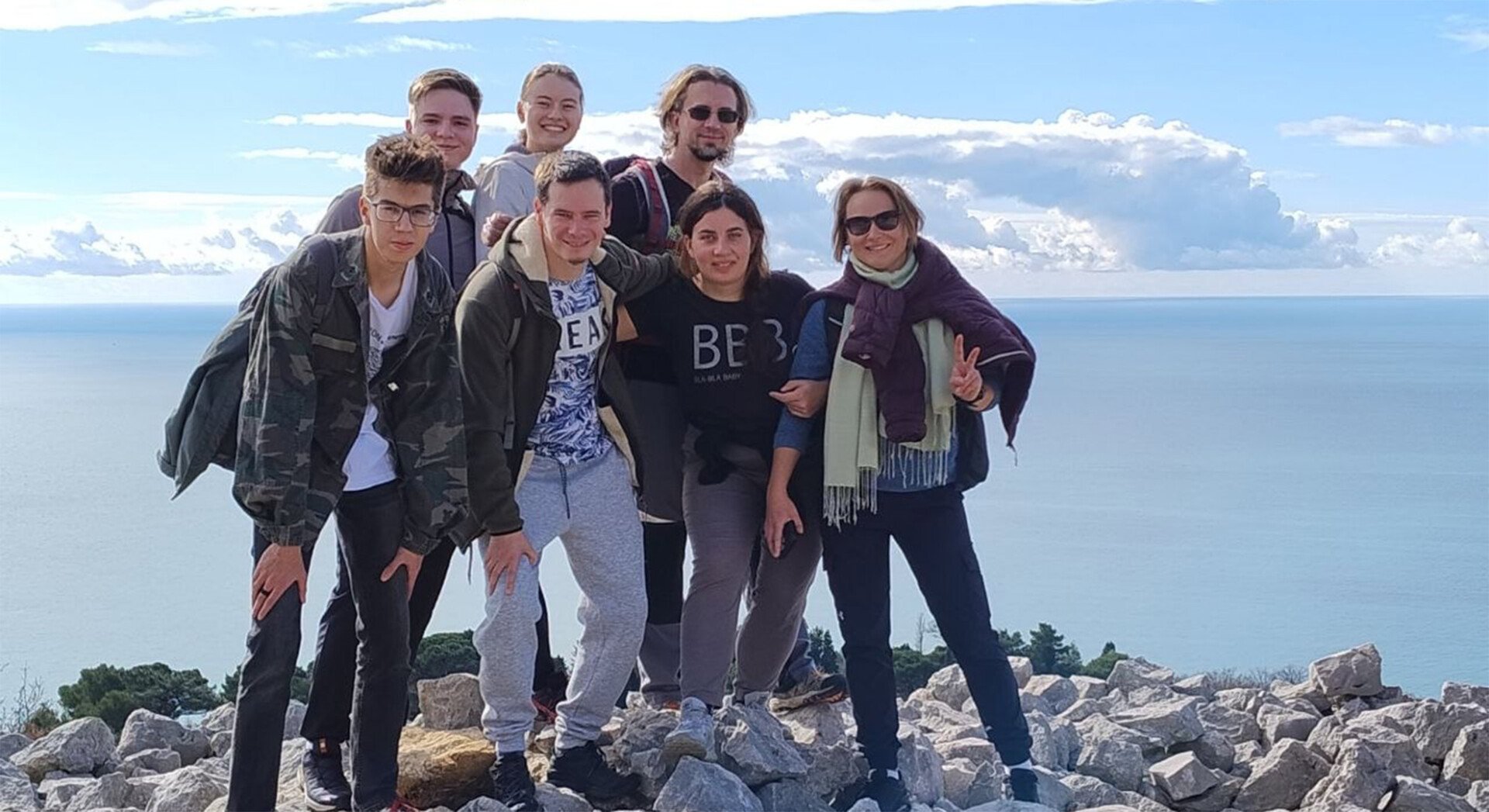
Once again, we hiked one of our favorite trails near Bar. This time, our group included newcomers.
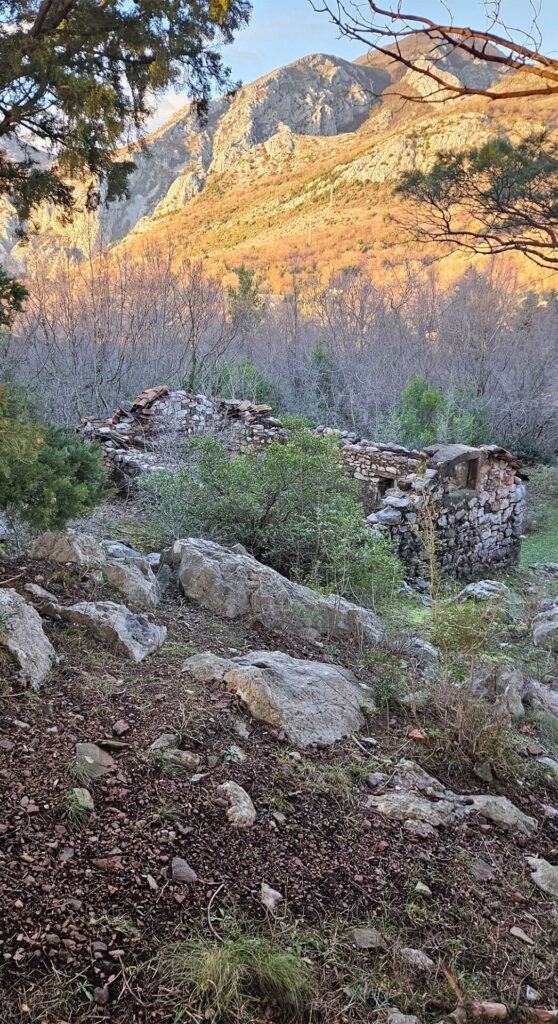
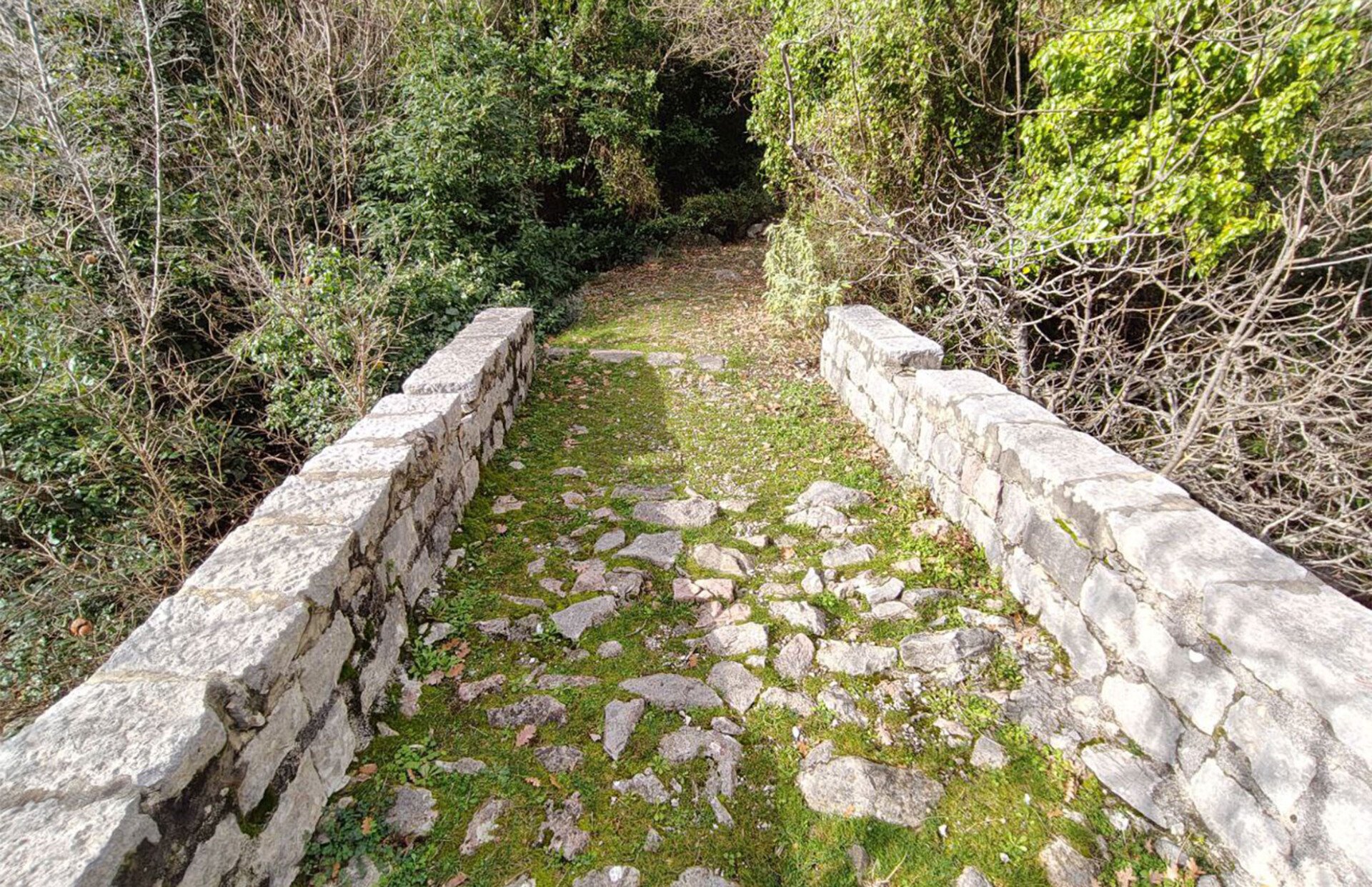
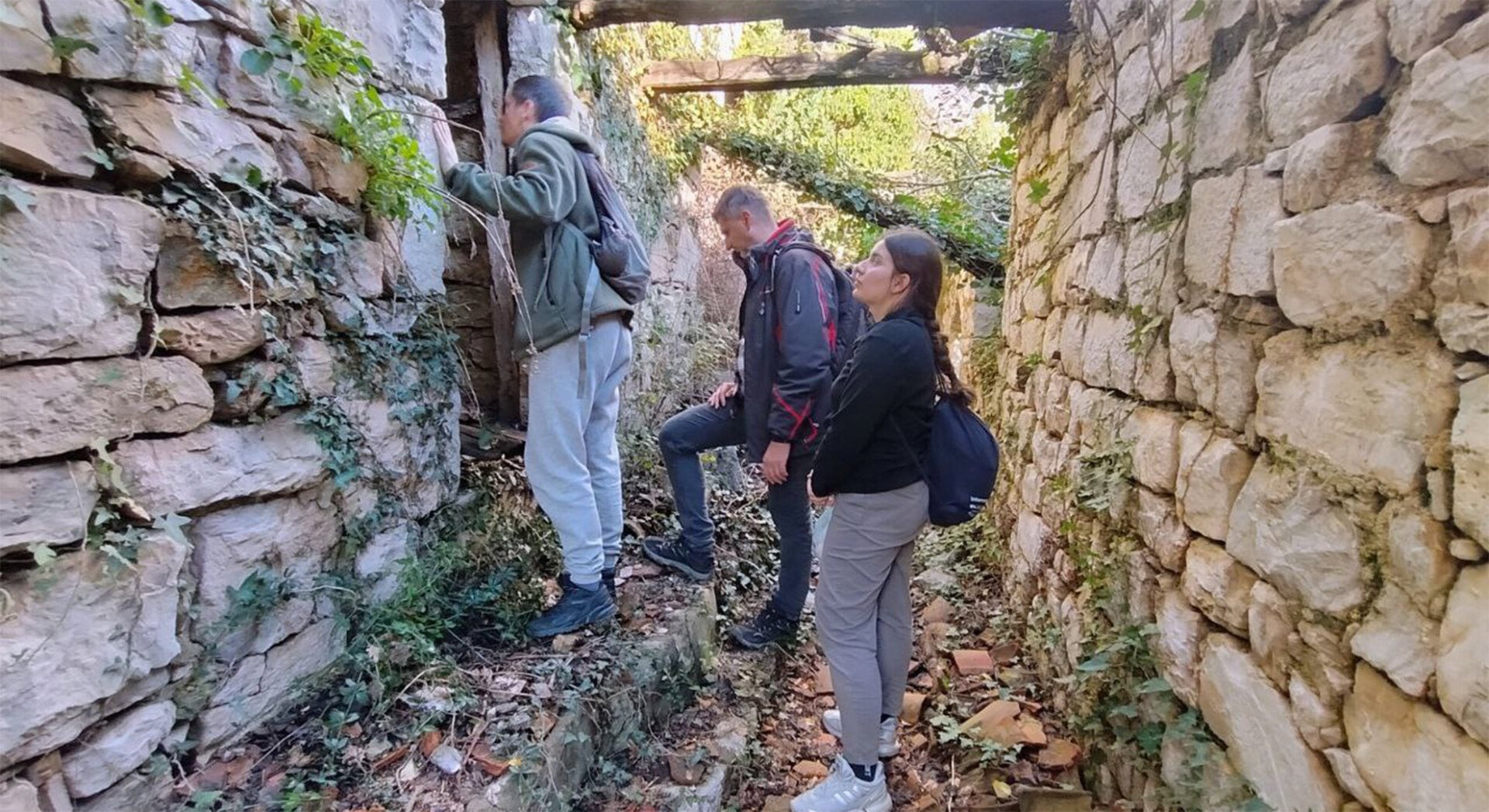
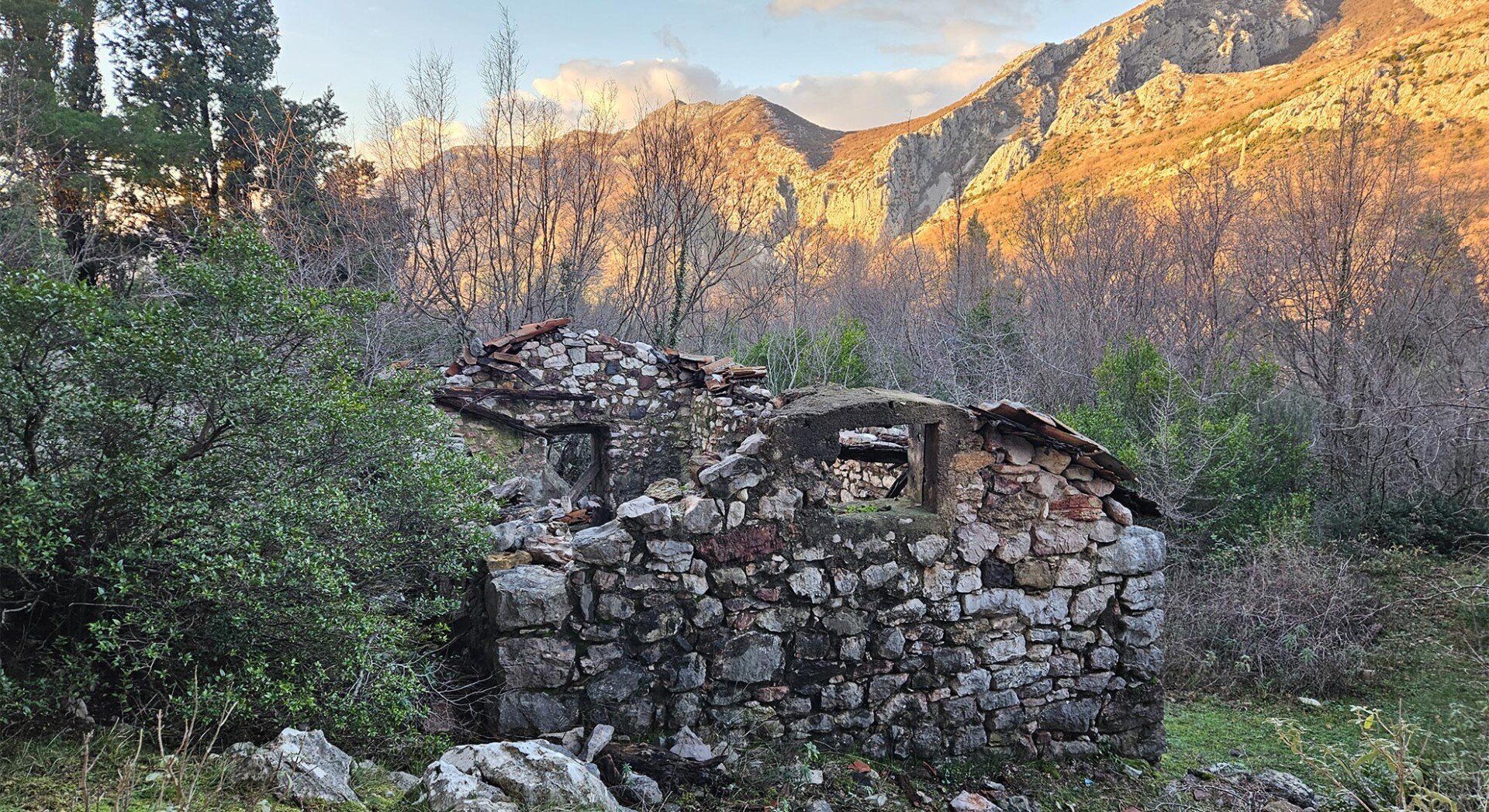
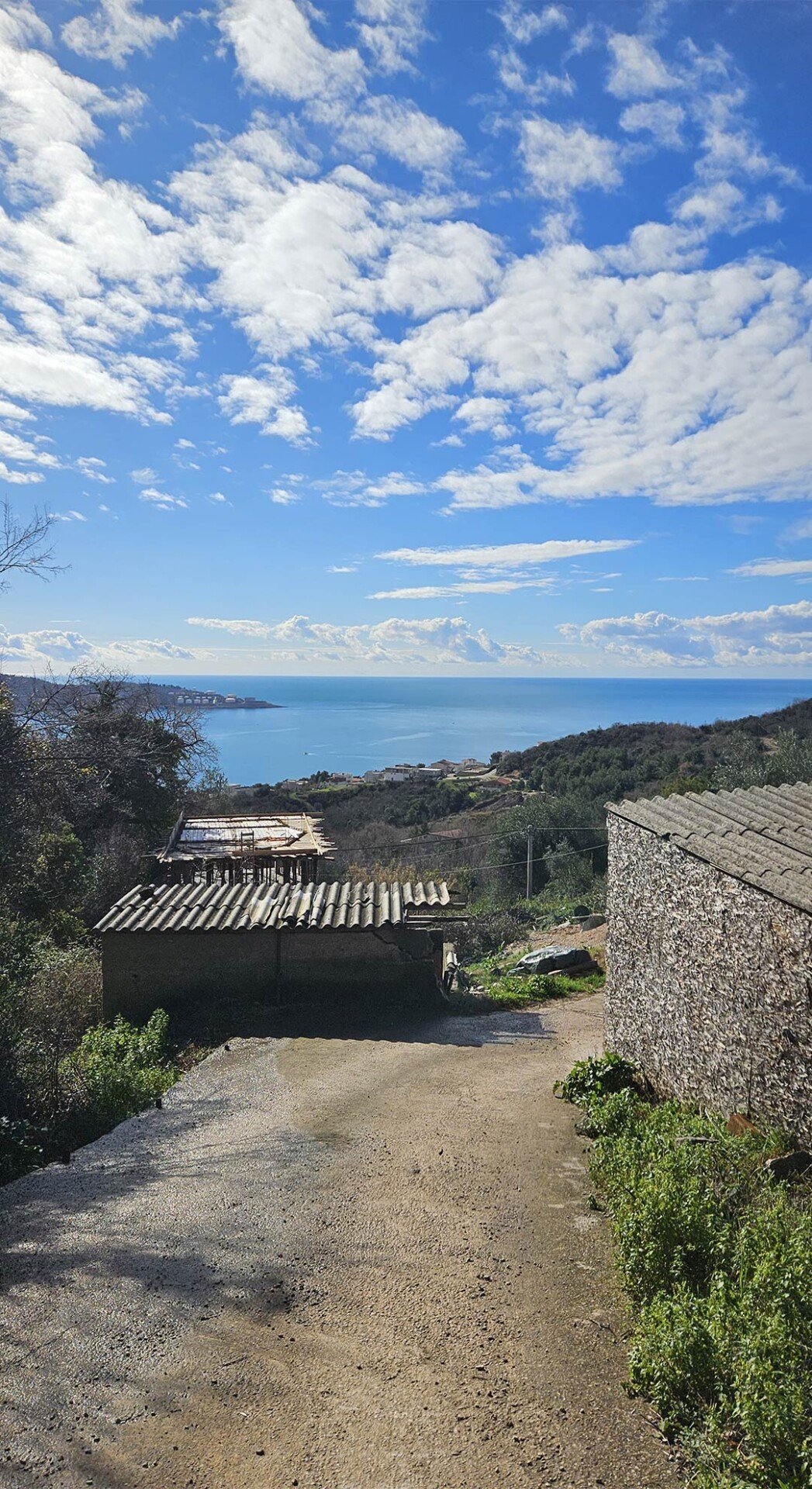
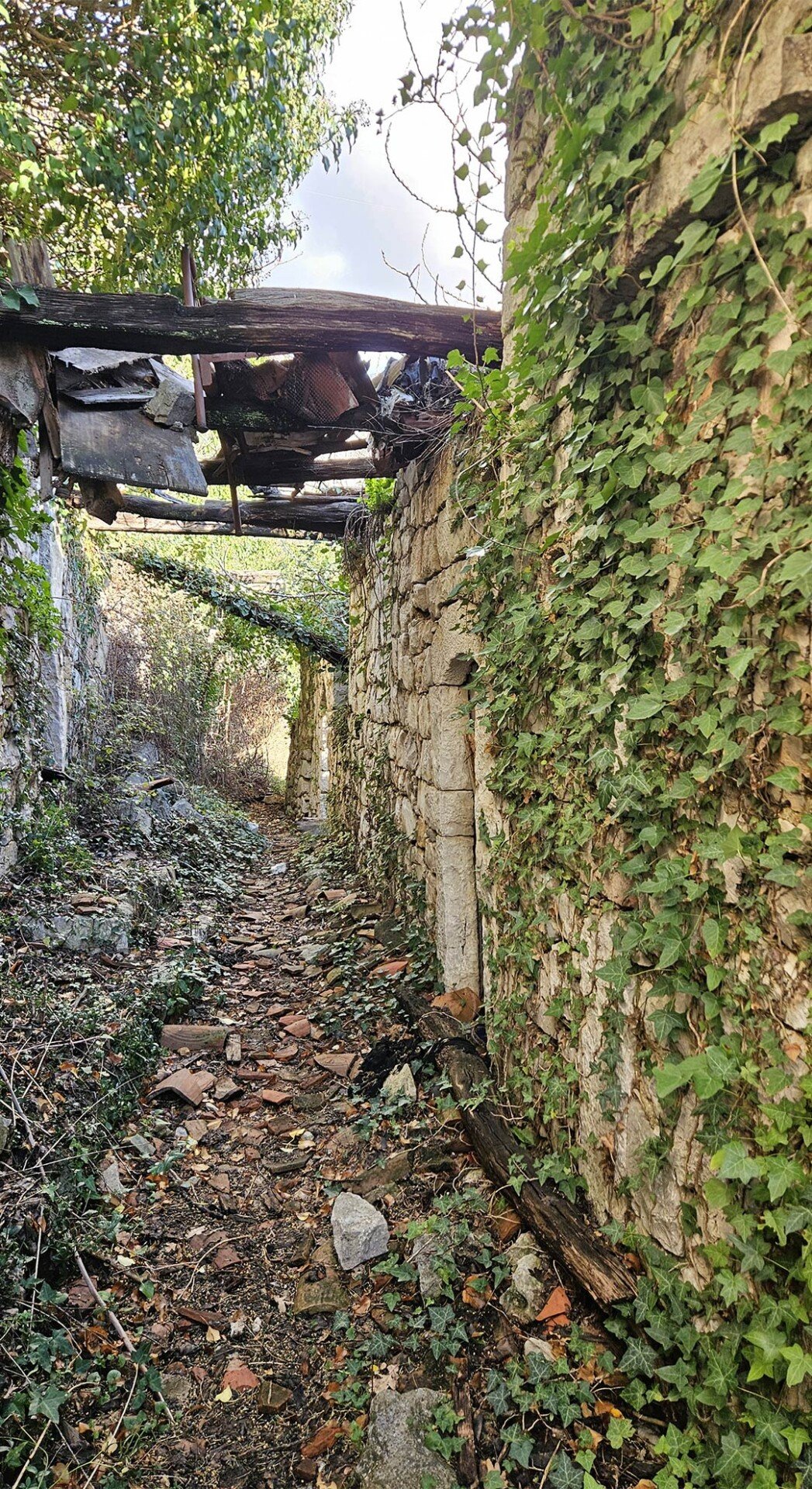
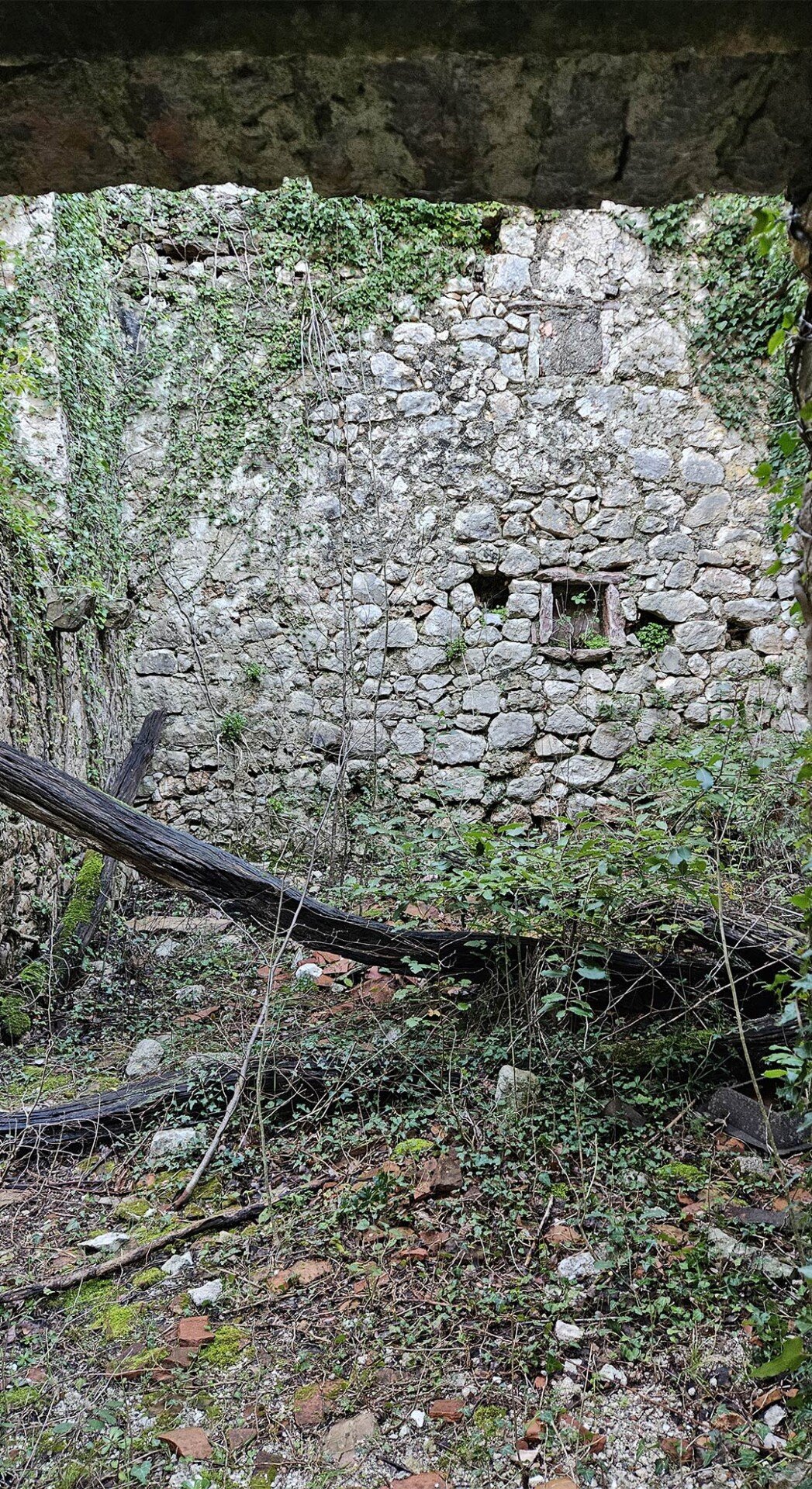
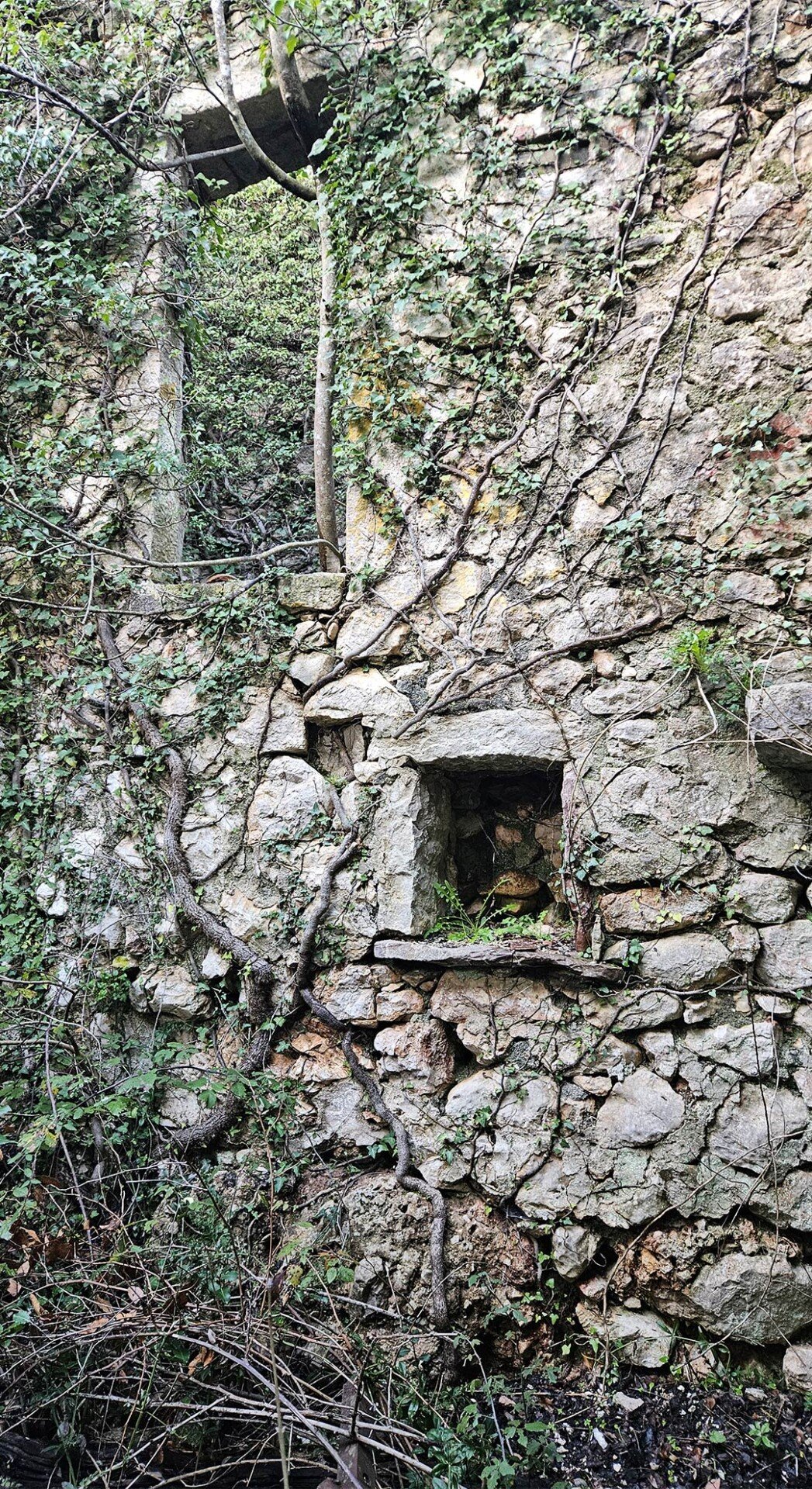
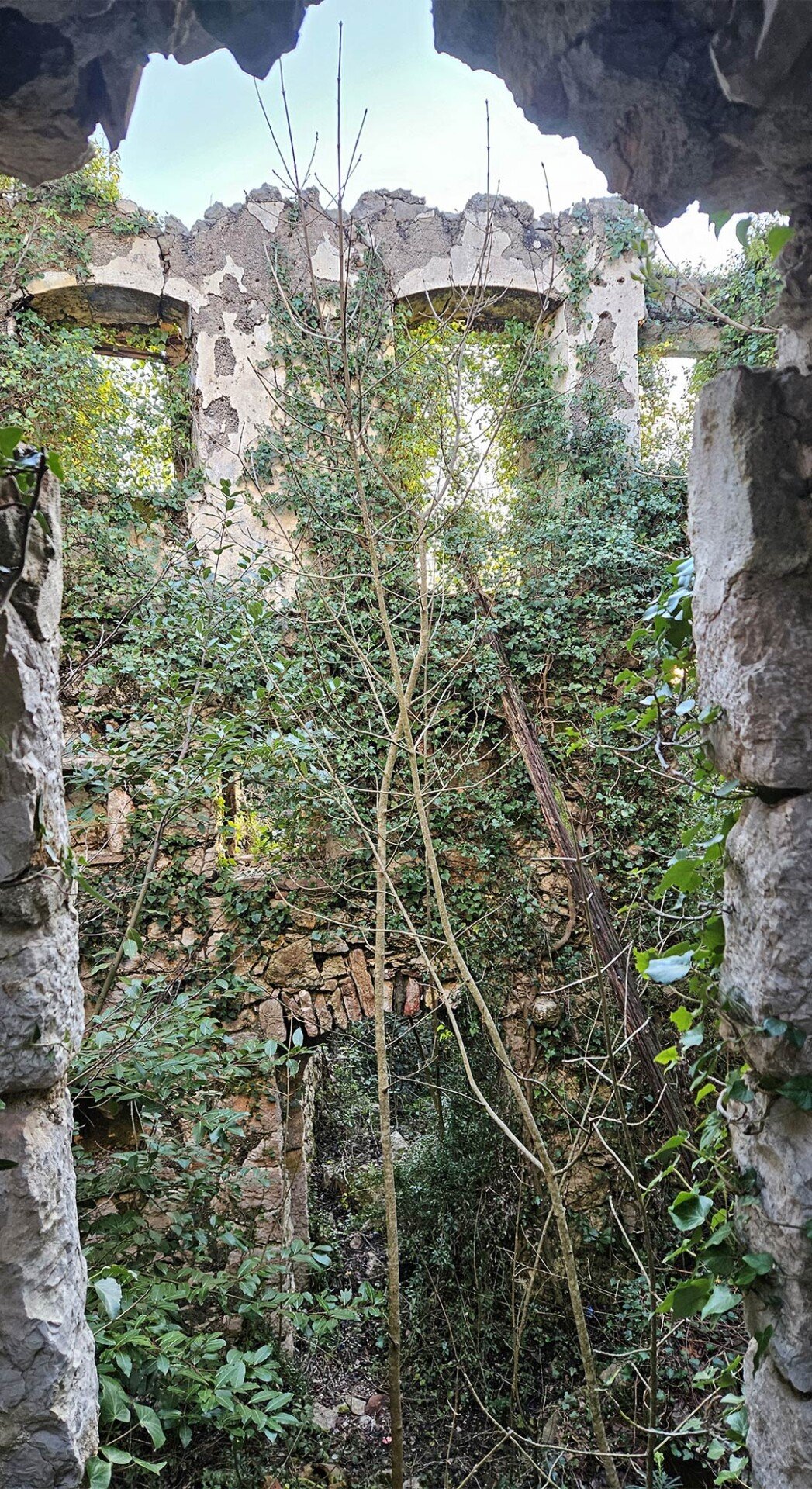
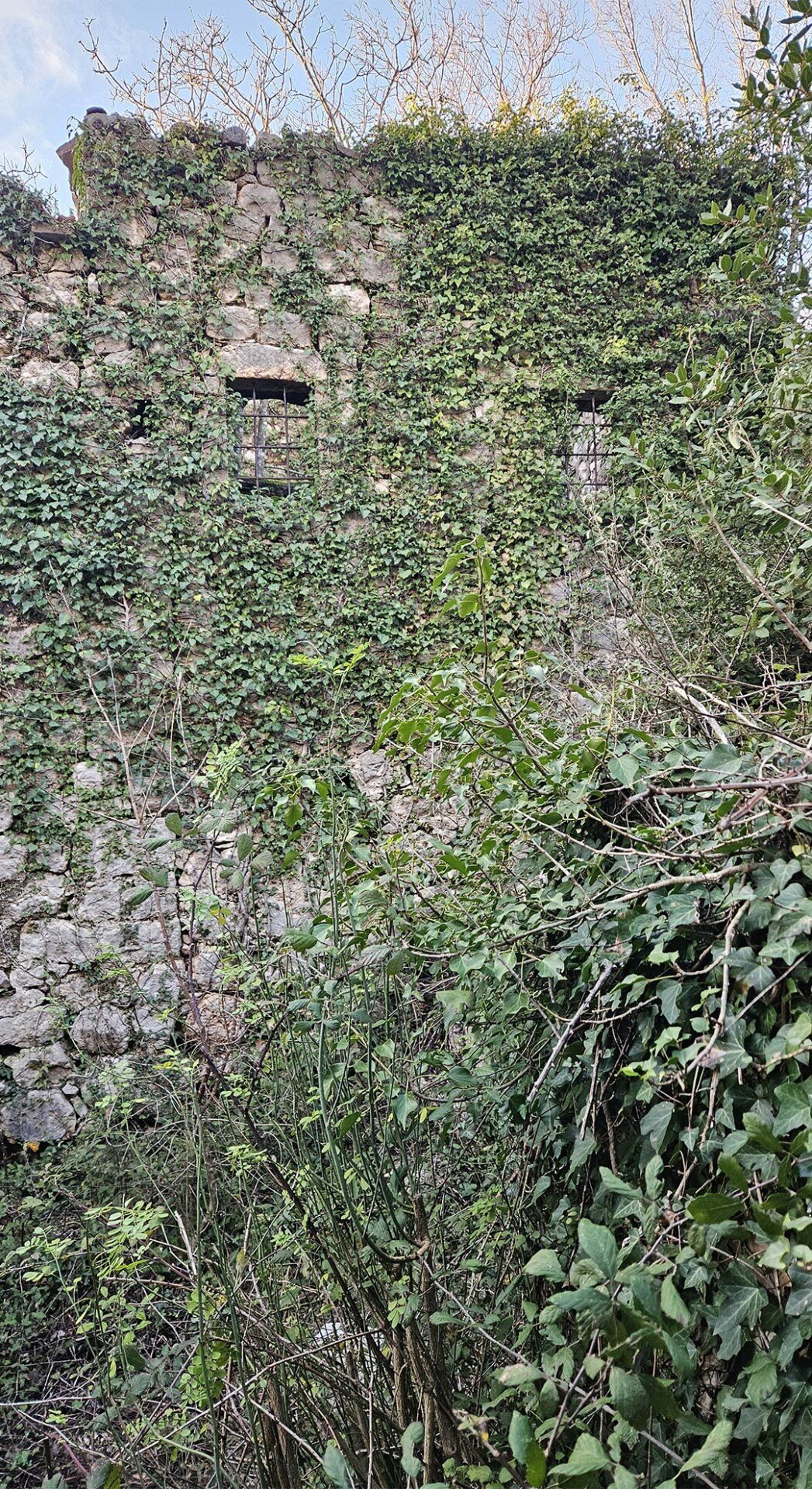
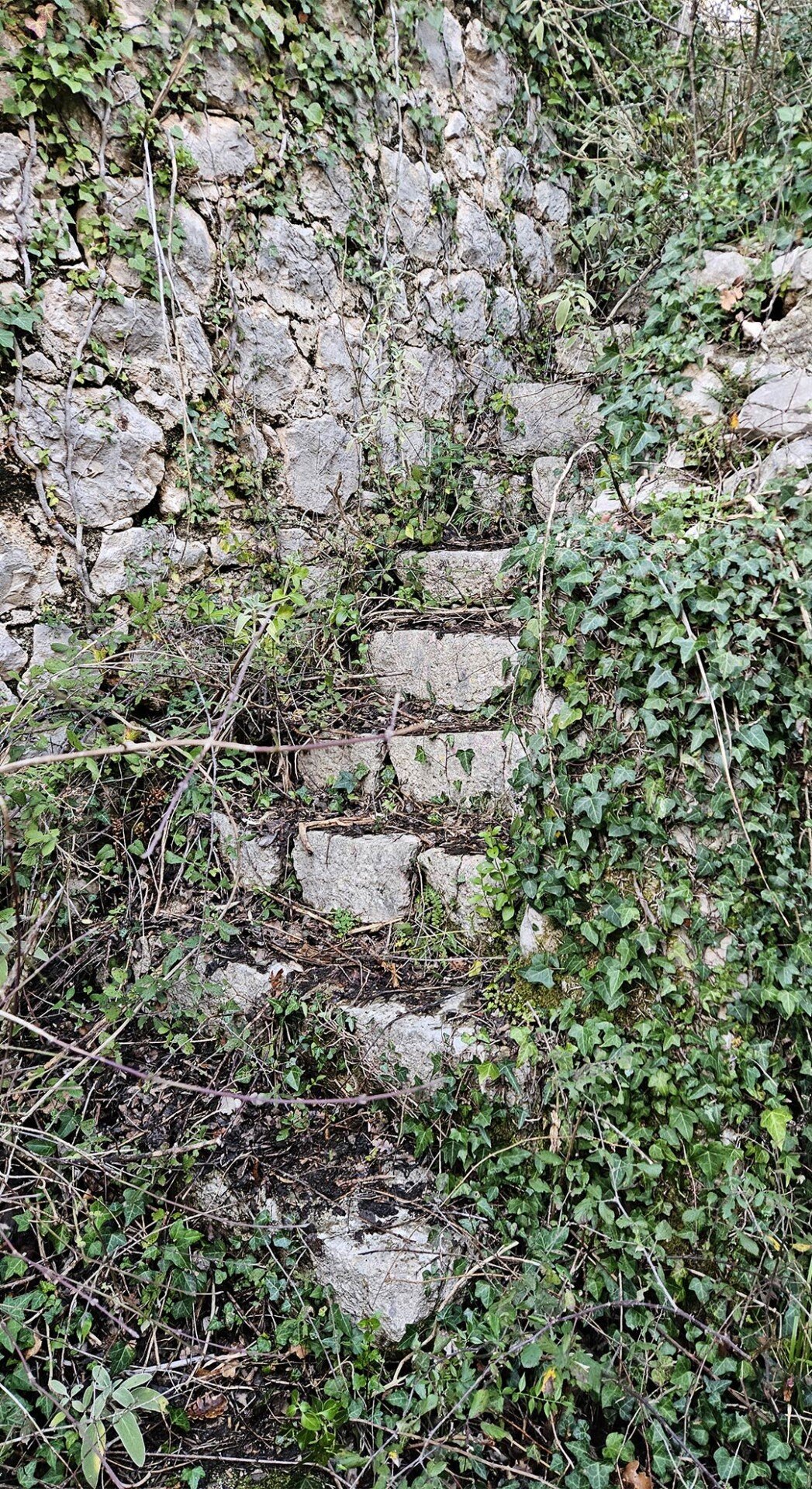
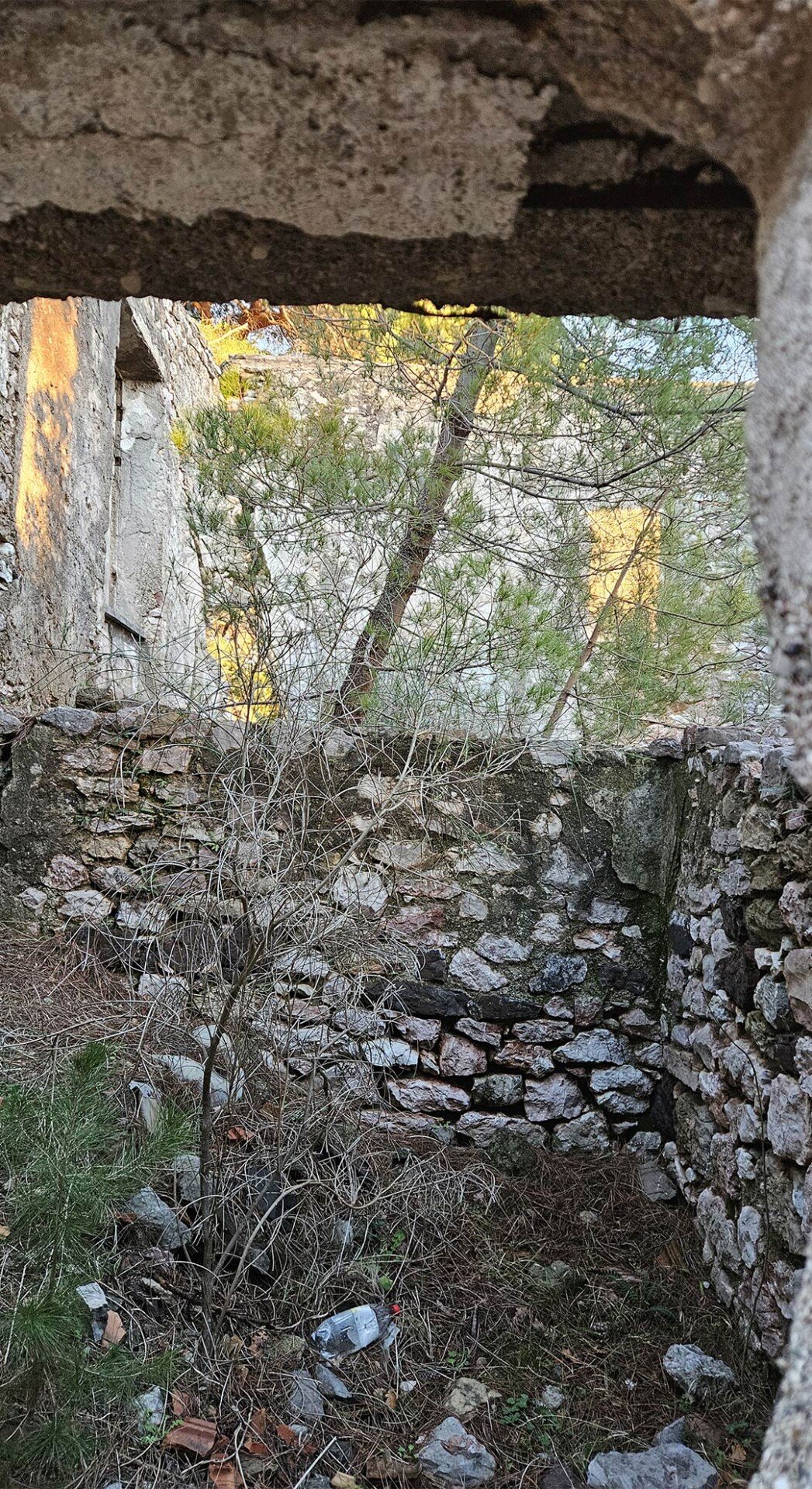
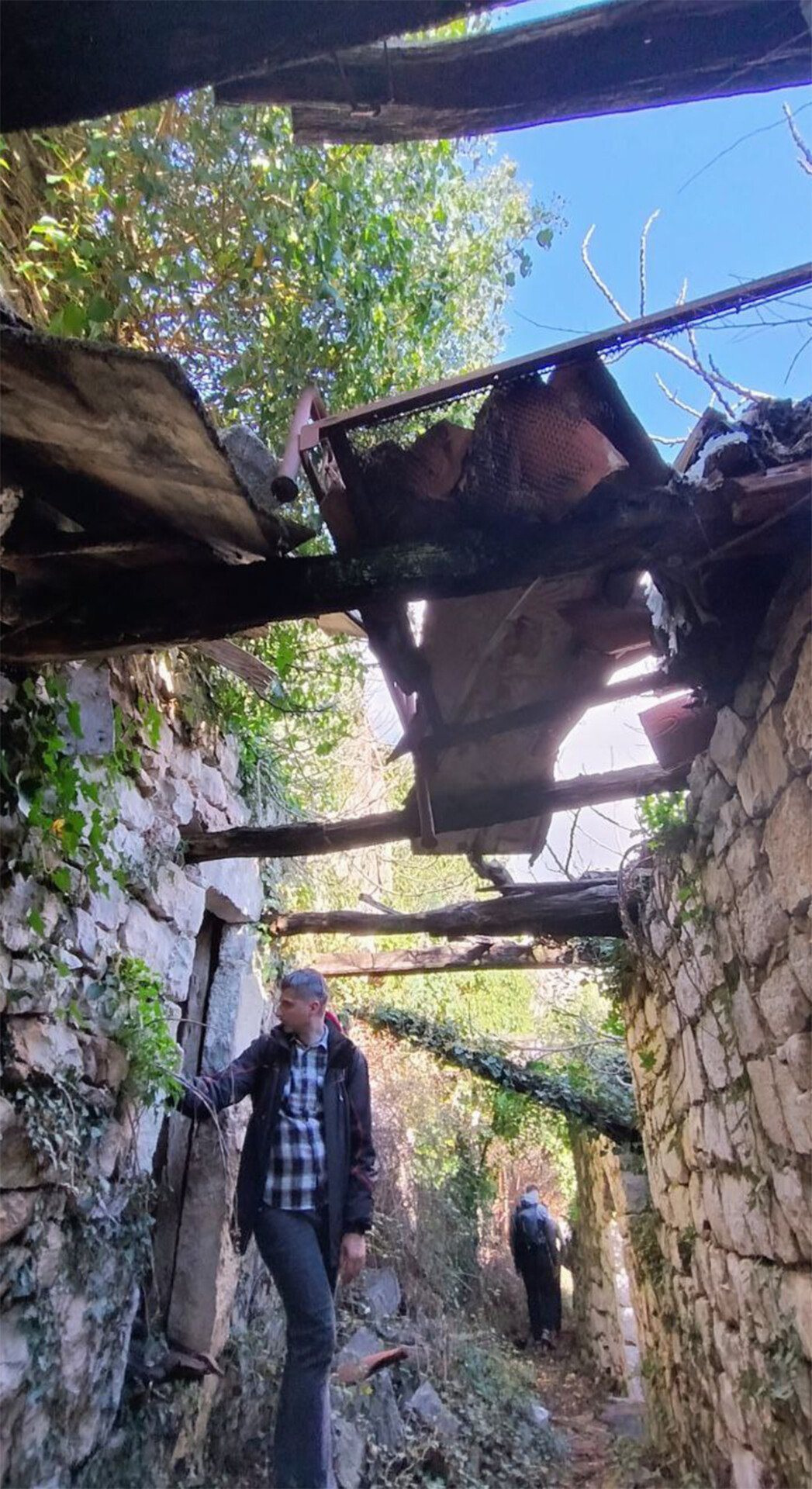
The hike from Bar toward Gornja Brca / Stara Brca is valuable not only for the sea views and the tranquility of the ancient slopes, but also because it leads to an area that Bar municipal documents explicitly designate as a cultural landscape: official documents mention “Selo Gornja Brca, Sutomore,” and the planning document calls Gornja Brca a particularly interesting village above Sutomore, with old historical buildings. In the strategic impact assessment notice of PUP Bar, Gornja Brca is listed as “Kulturni pejzaži Selo Gornja Brca, Sutomore.” The same guidelines stipulate that such rural historic complexes must preserve the traditional type of houses with outbuildings, terraced plots, olive groves, vineyards, old roads, and retaining walls, while traditional architectural ensembles must be restored using traditional materials and old crafts.
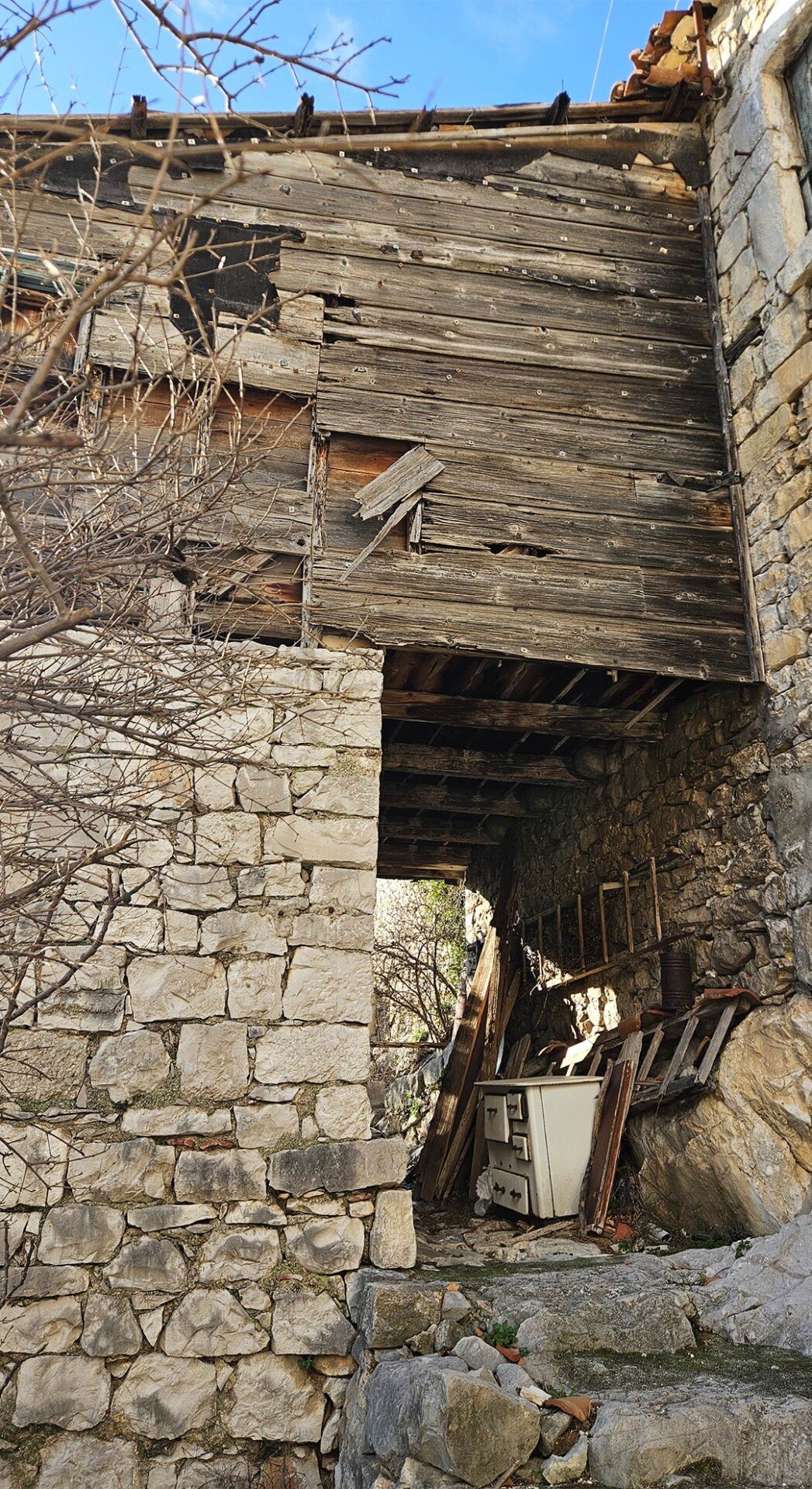
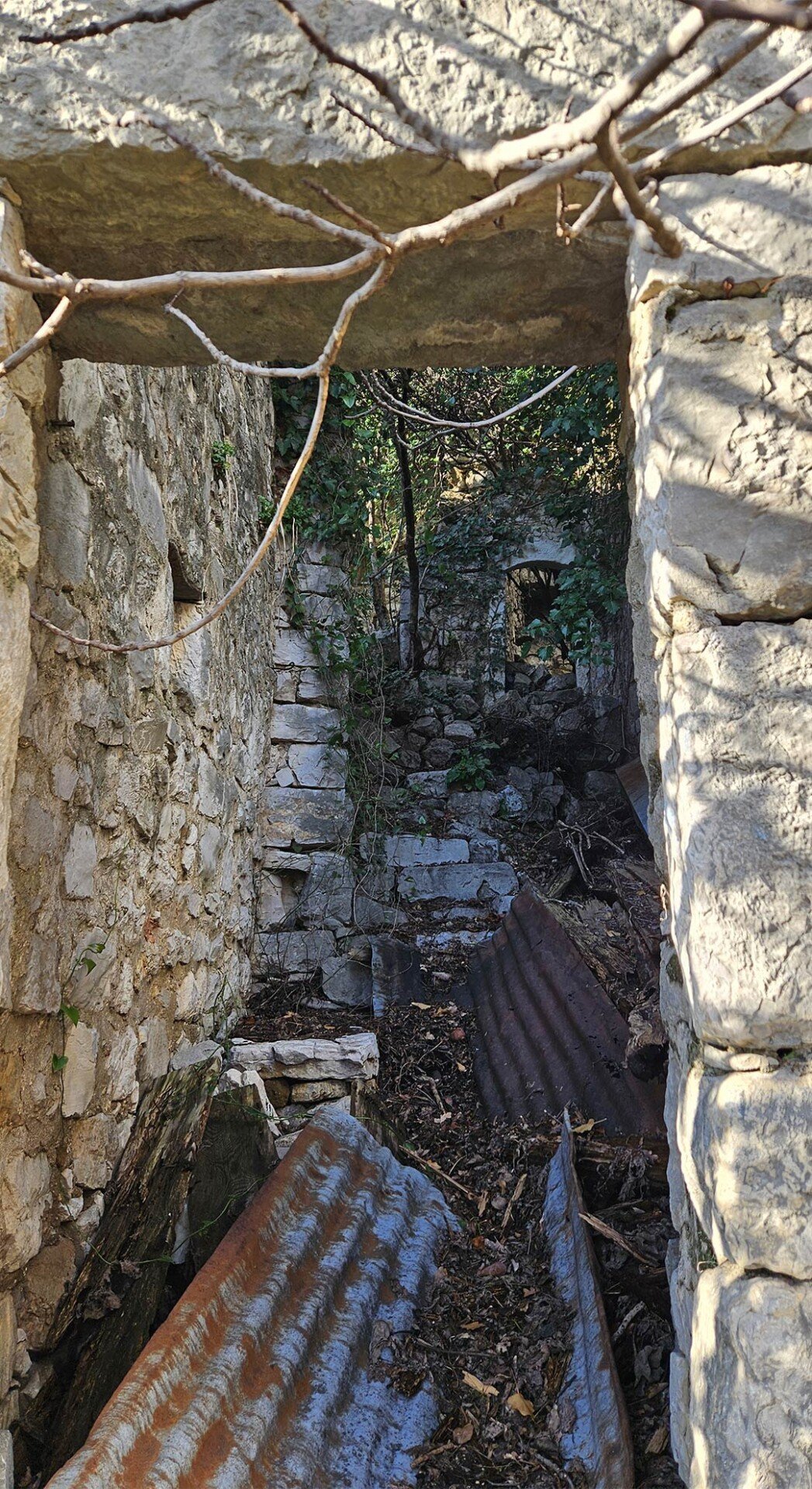
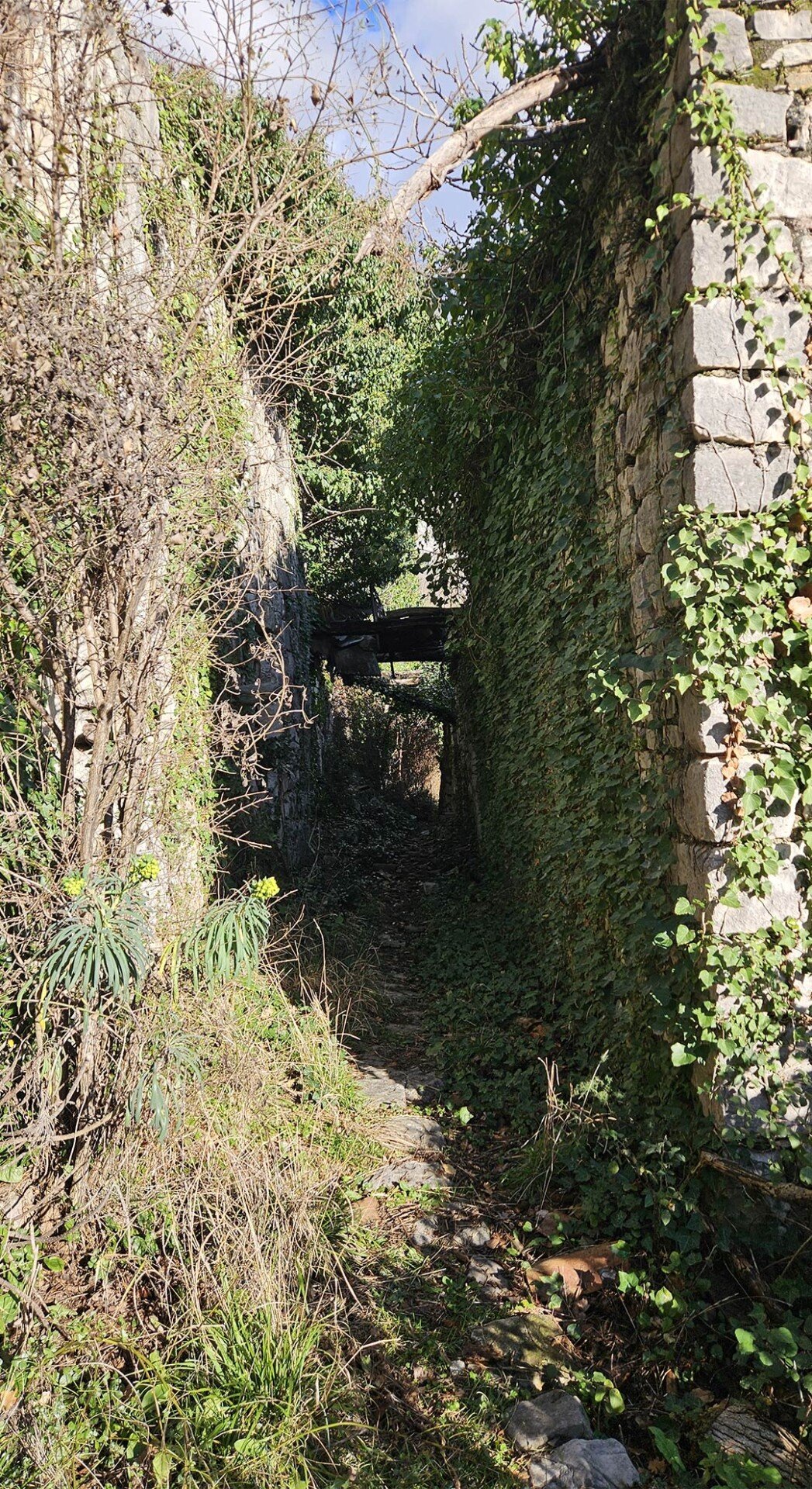
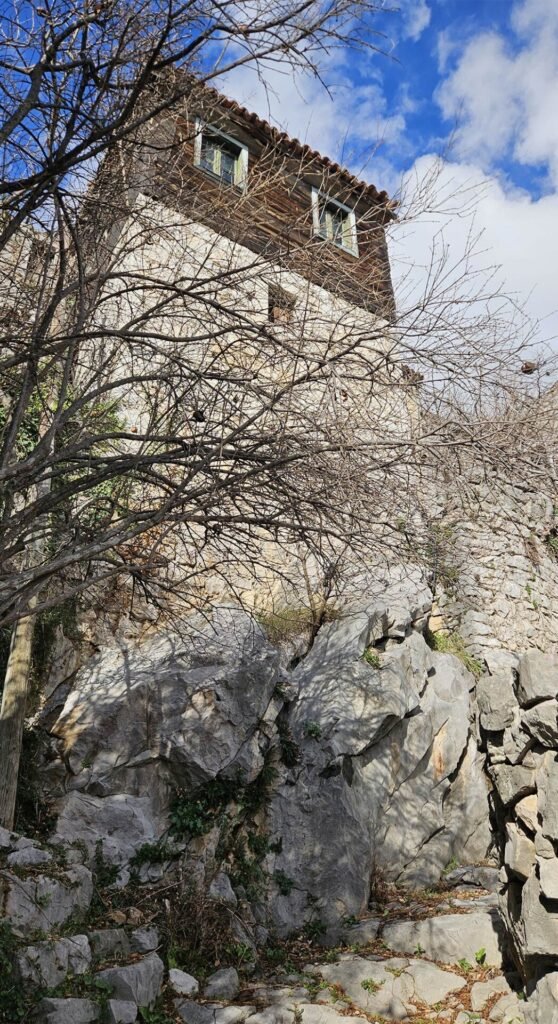
According to records from the local administration of Bar, Gornja Brca is a “biser tradicionalne arhitekture” with such local elements as skalare, wooden superstructures on stone houses, narrow streets, and covered passages. This public description of the place clearly explains why the planning documents treat the village not as a simple group of houses, but as a holistic cultural and landscape environment.
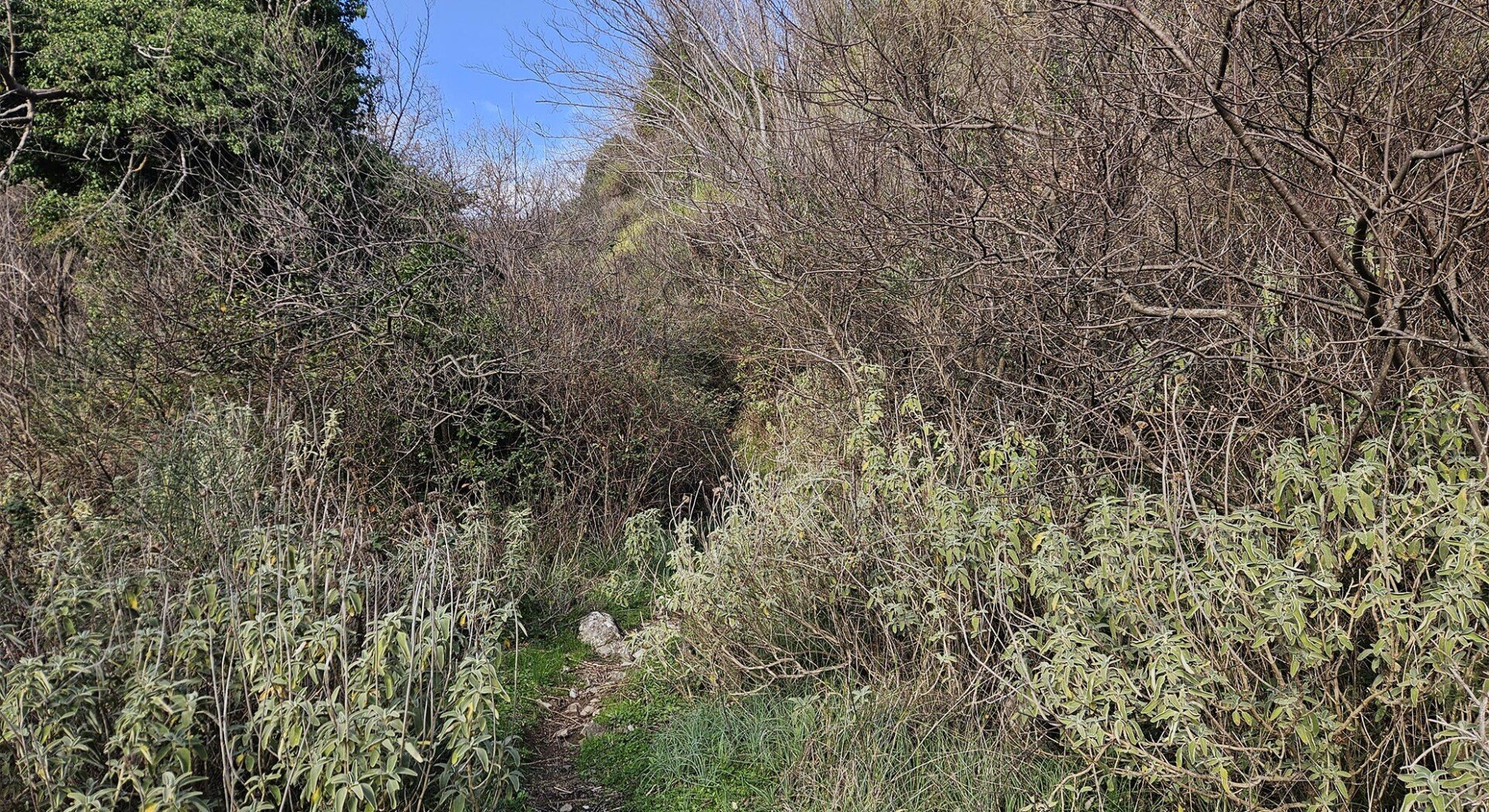
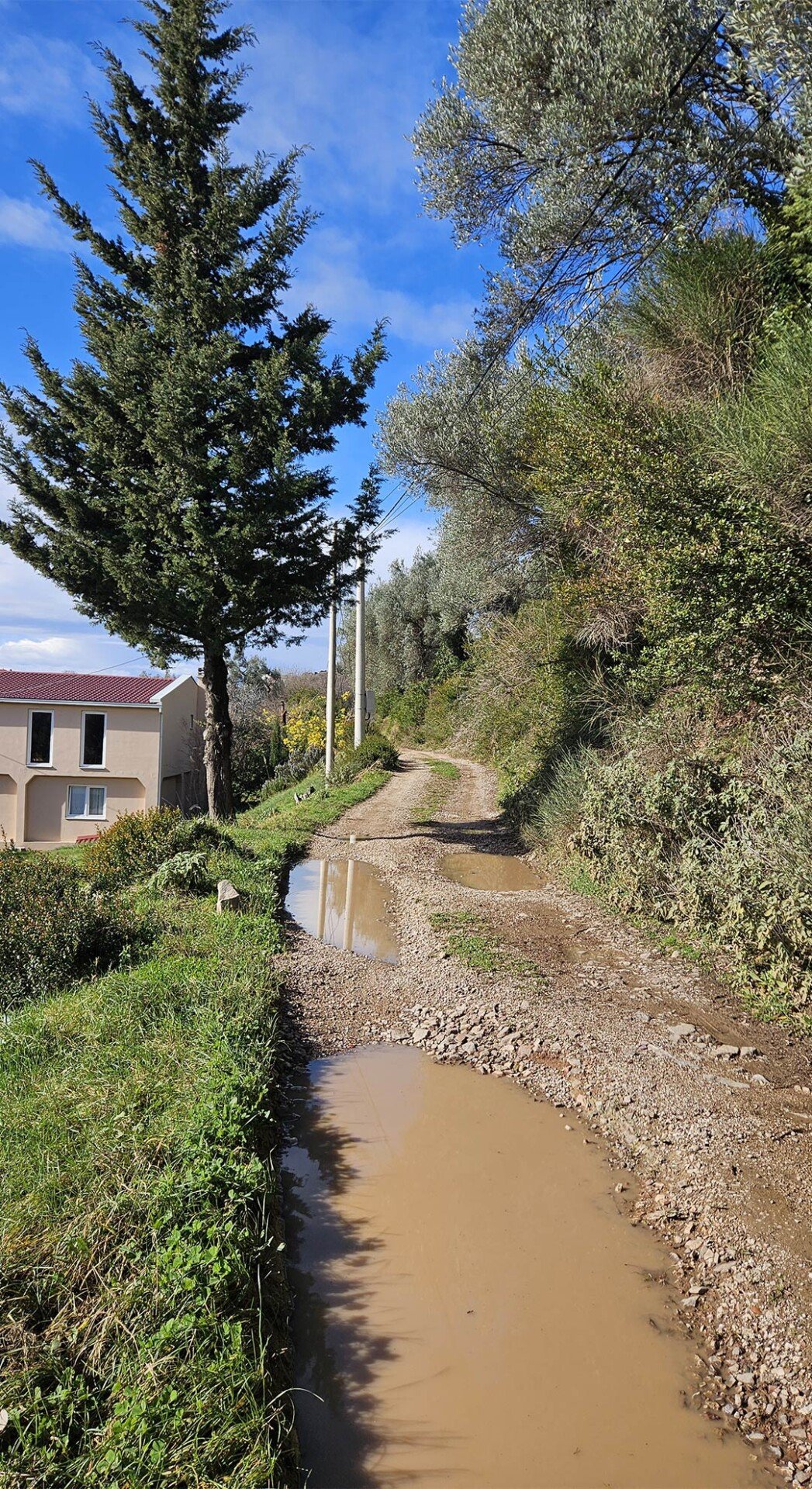
Therefore, the road here is perceived not as a simple exit out of town, but as a path into an environment where nature and ancient architecture have long since merged into one.
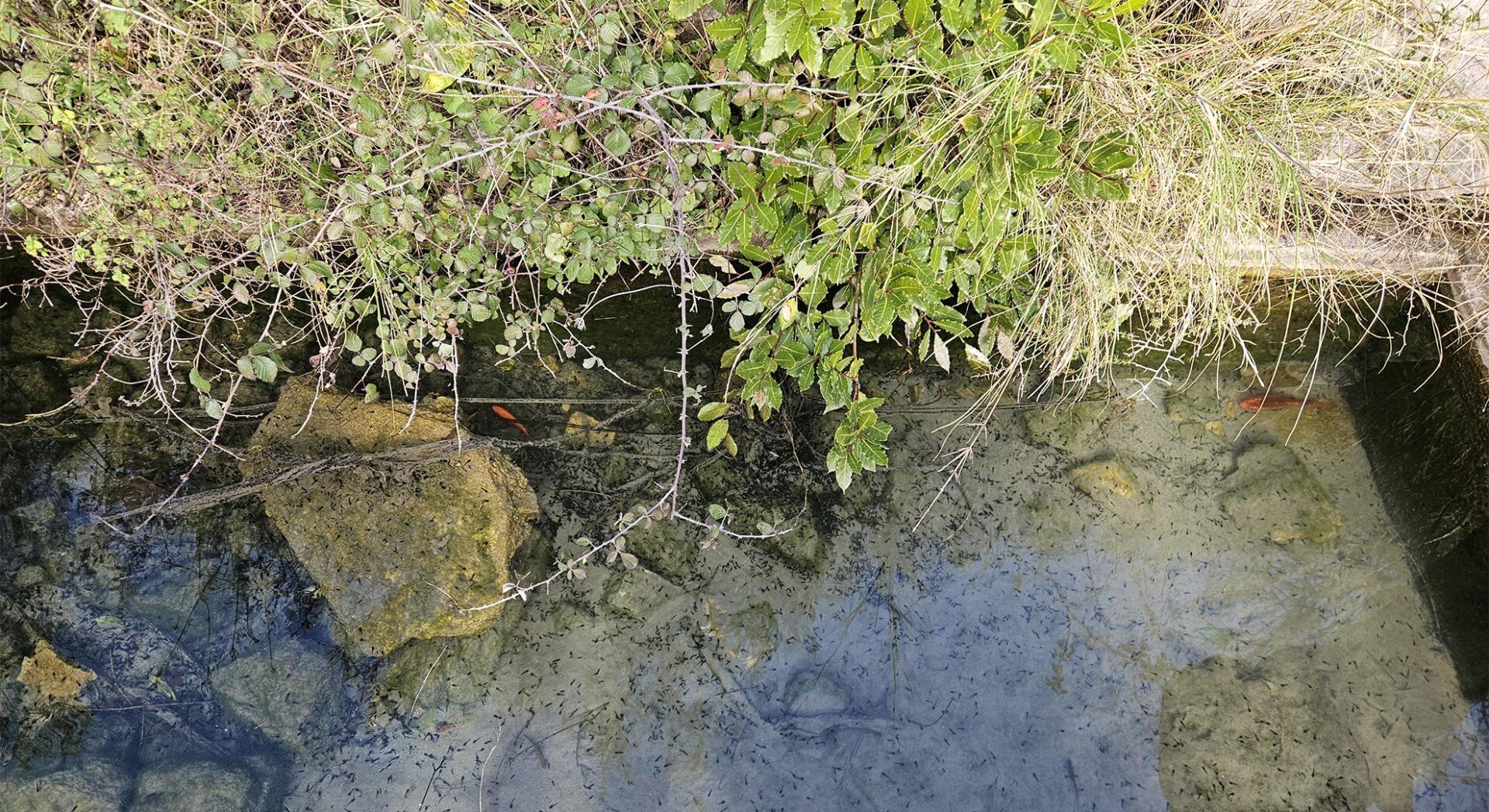
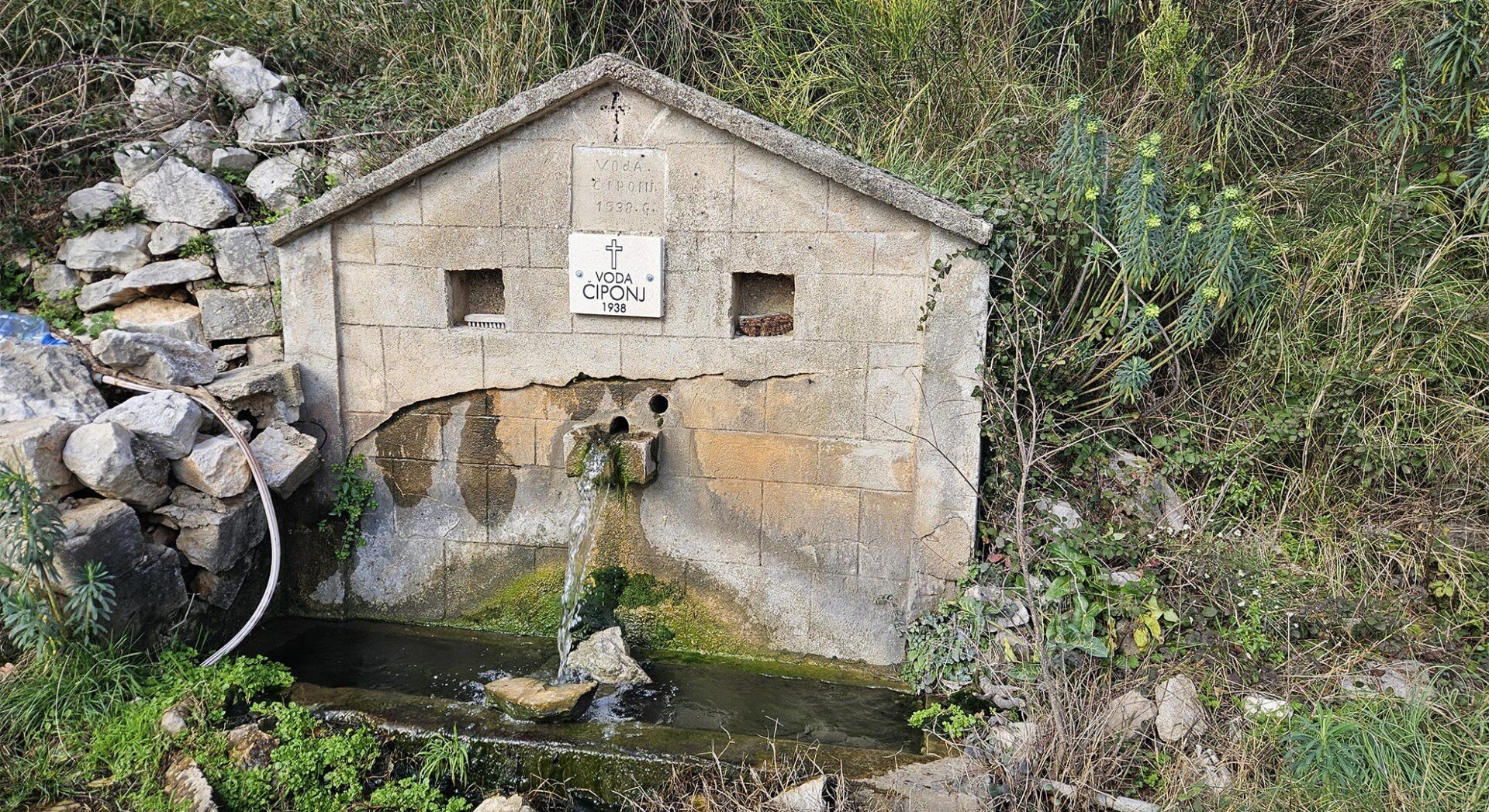
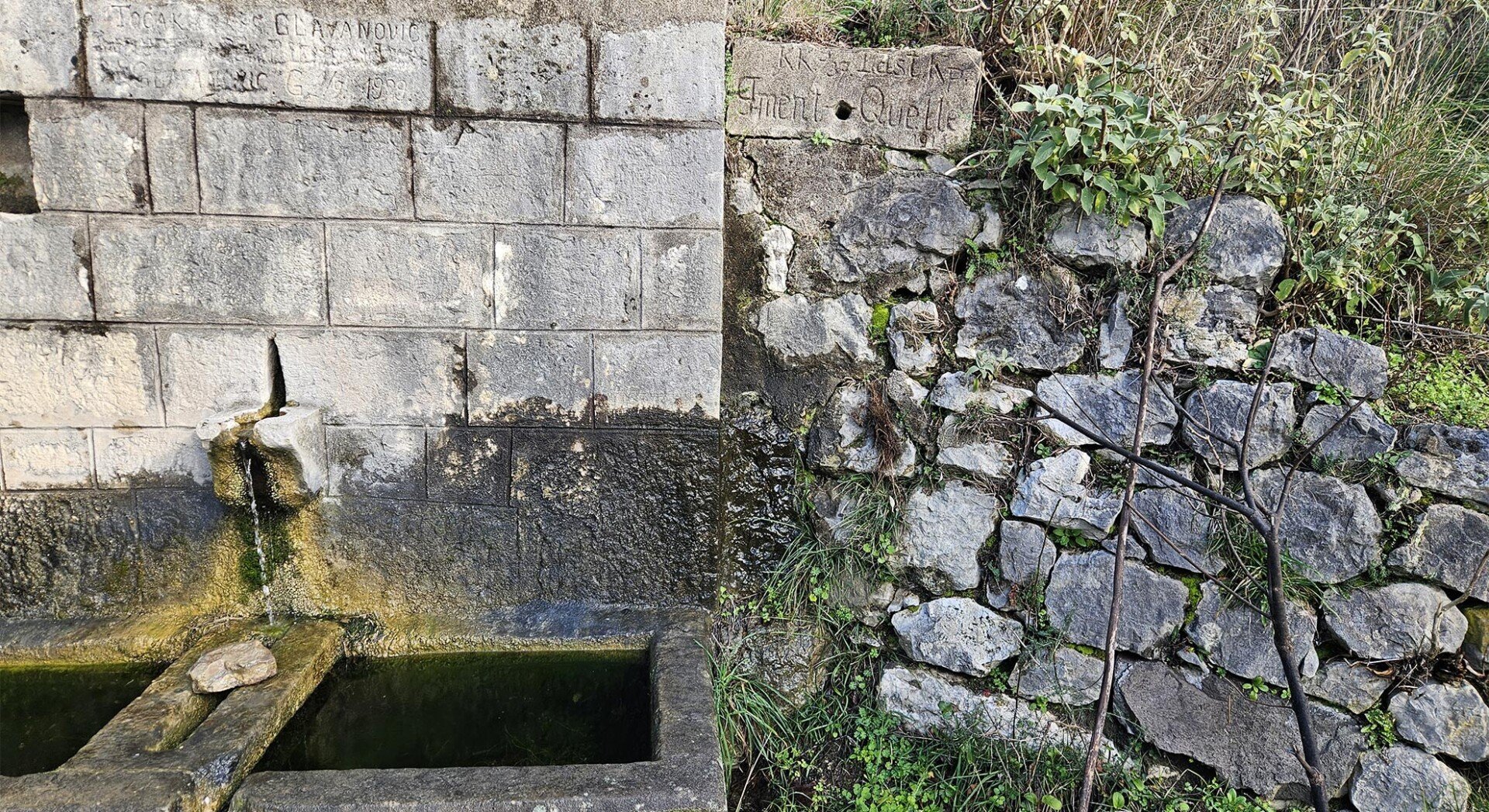
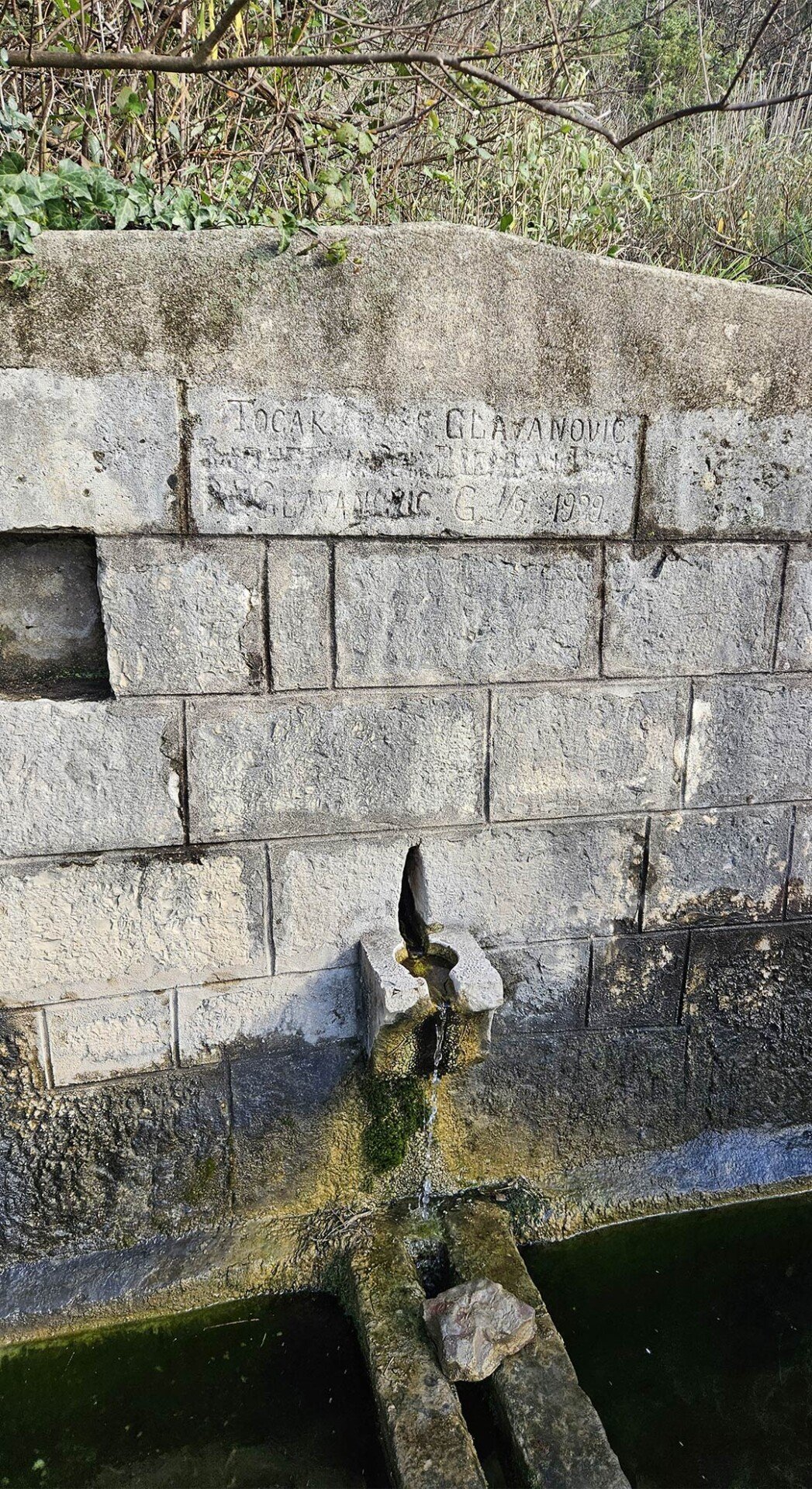
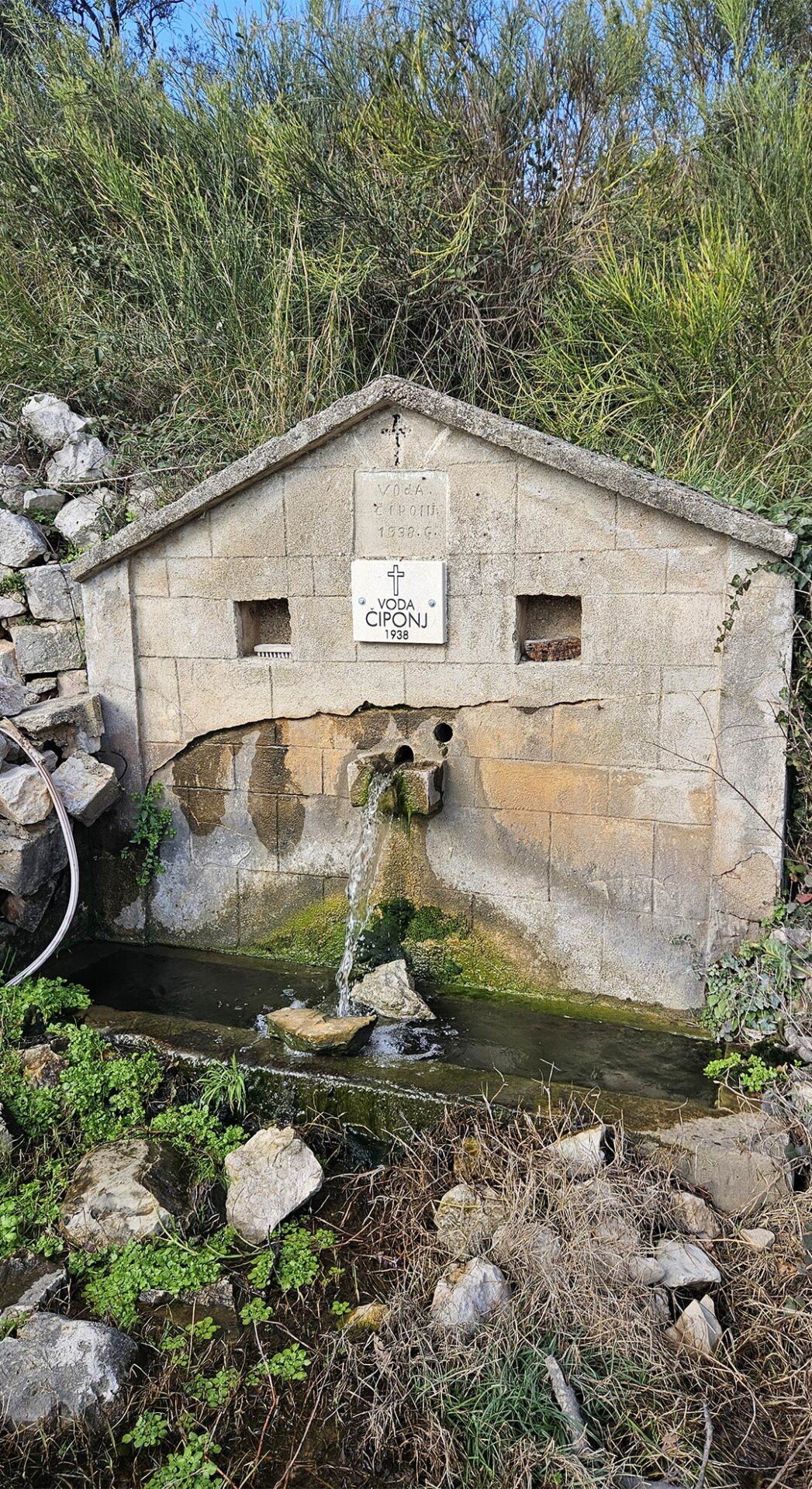
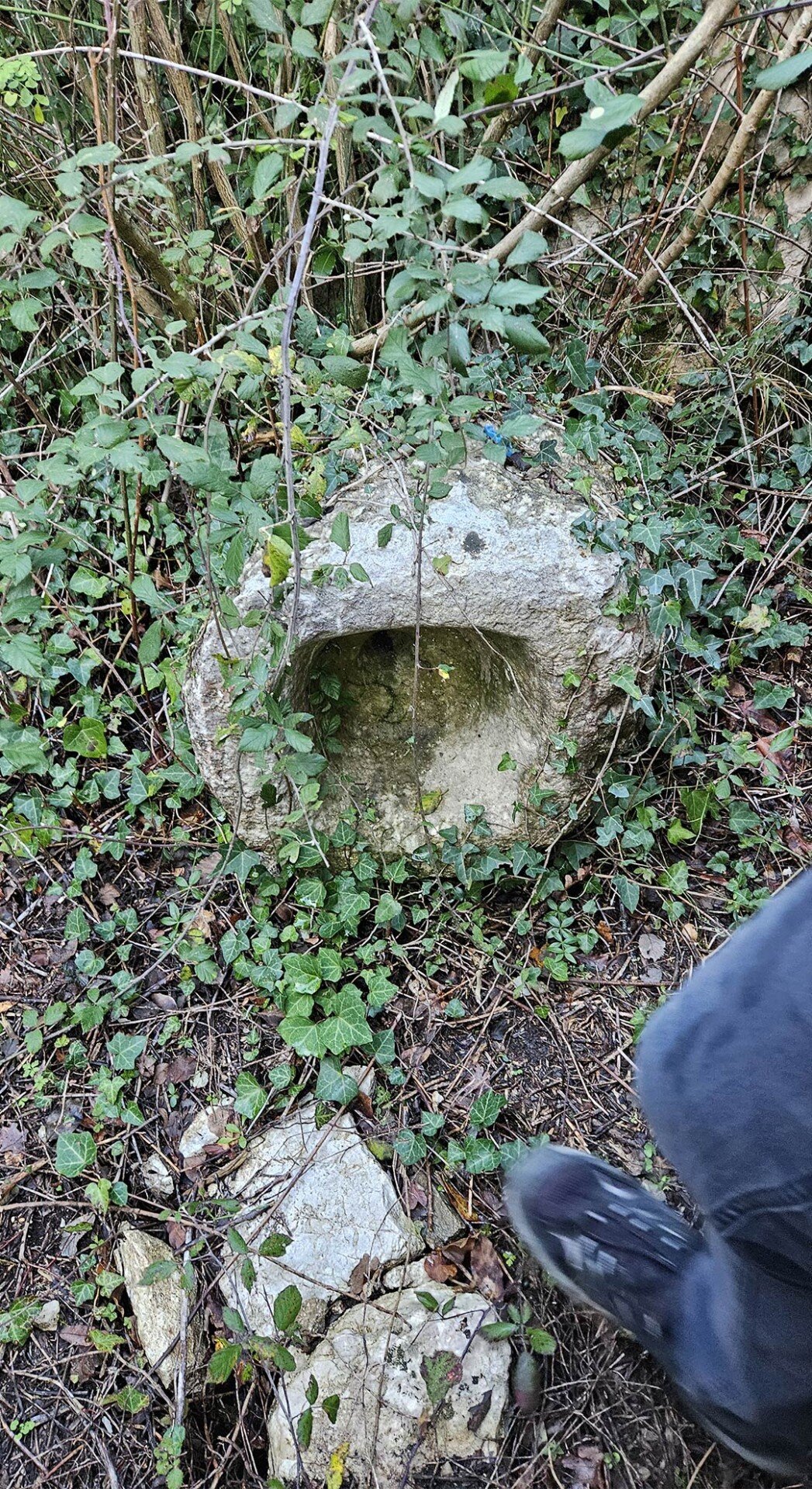
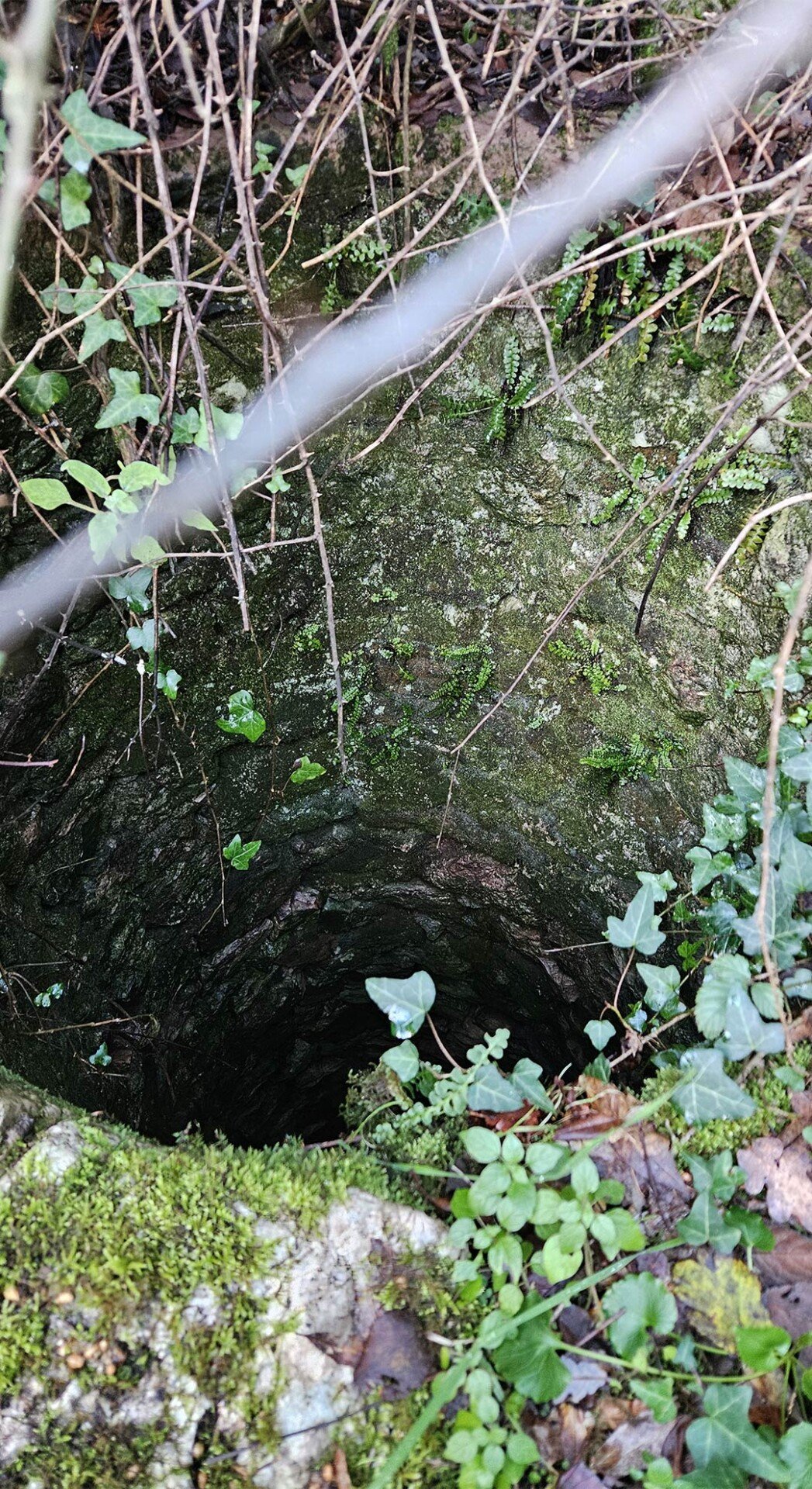
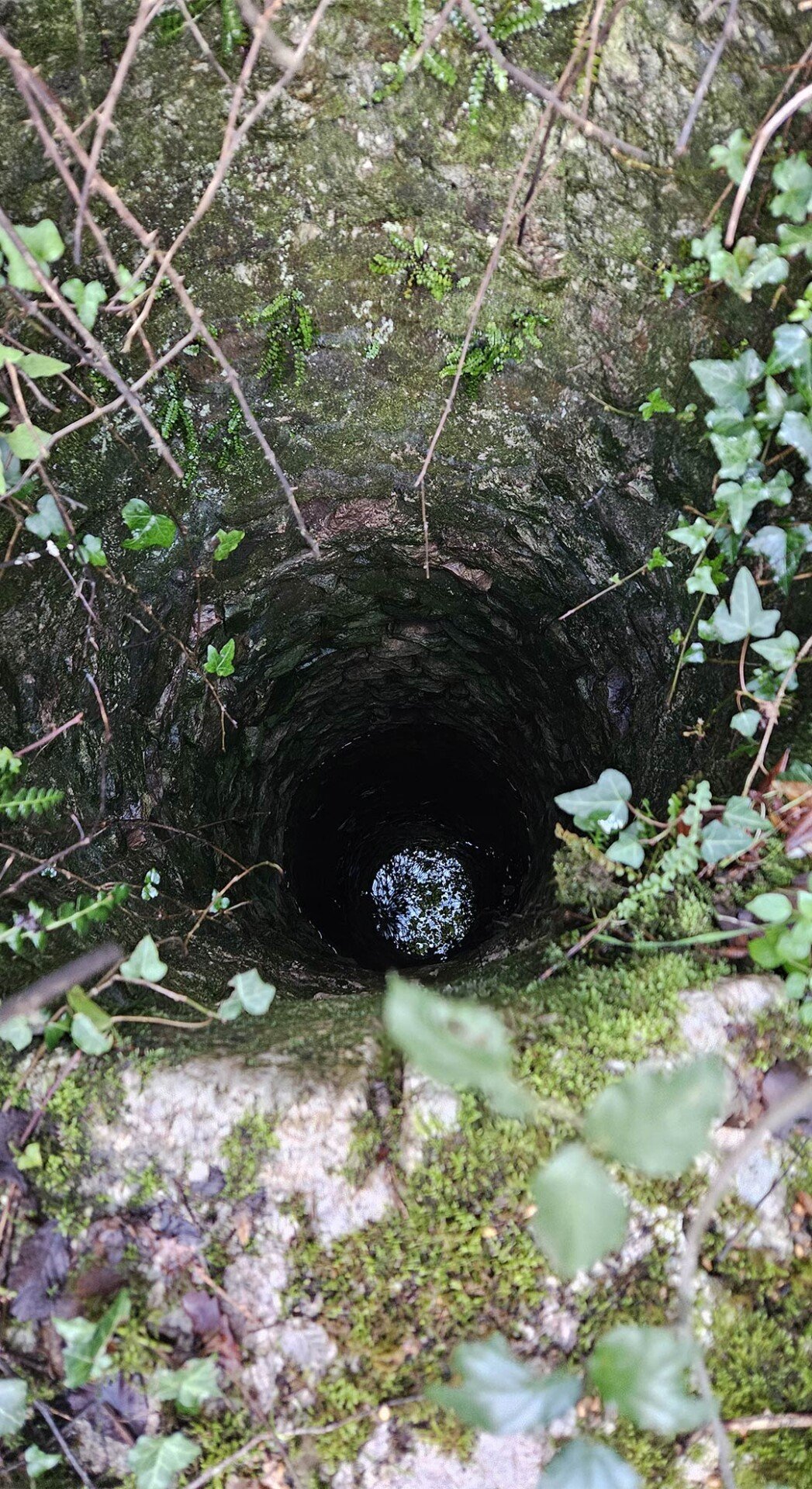
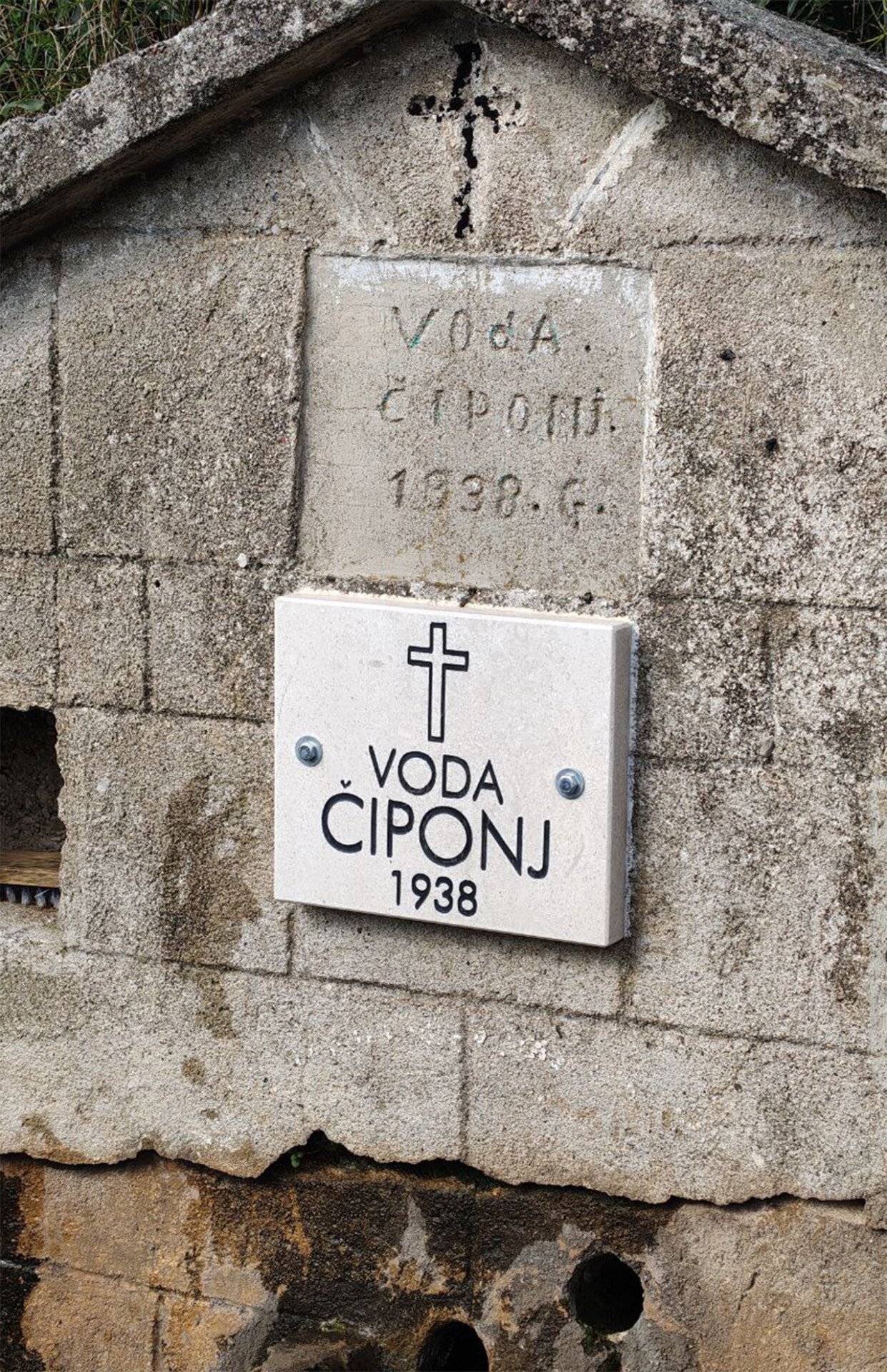
One of the first signs of this route is the “Voda Chipoi 1938” izvor. We were unable to find reliable historical publications that would allow us to confidently describe its origin or the history of its construction. The only reliable confirmation is that this feature is marked in open cartographic databases as a spring named Voda Čiponj 1938, in the Šušanj/Brci area, near the Church of St. Petka and Vela Mogila. Therefore, in this article, it is correct to refer to it as an actual water feature along the route.
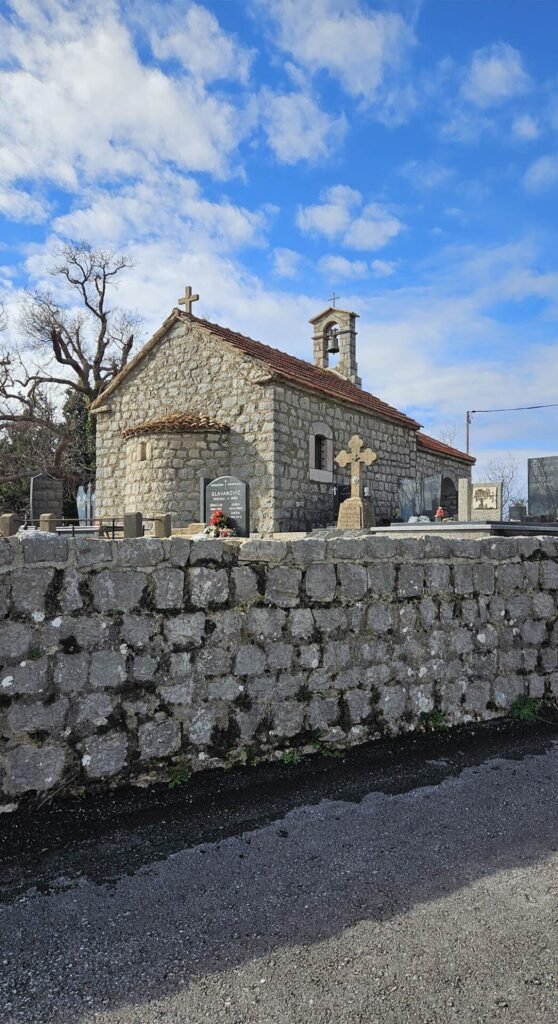
The route then leads to the Church of St. Petka in Spičko Polje—one of the most distinctive sacred sites in this part of the coast. The official statement from the Metropolitan of Montenegro and the Littoral states that the church was built around 1280 and is traditionally associated with King Milutin. It also notes that a Catholic altar was later added, giving the church a double-altar structure. This also fits in well with local historical tradition: Bar researcher Vladimir Lukšić writes that in Spič, Saint Petka/Saint Veneranda has been venerated for centuries by both Catholics and Orthodox, and in reports from the 17th and 18th centuries, the church was already mentioned as a site with two altars. For a hiker, this isn’t just an ancient church on a hill, but a monument to the centuries-long coexistence of Christian communities in one space.
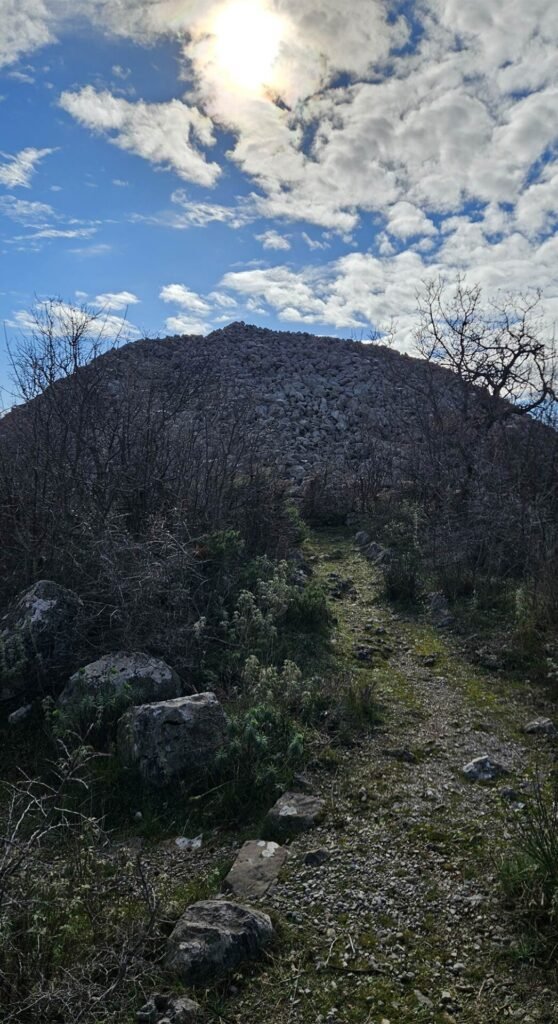
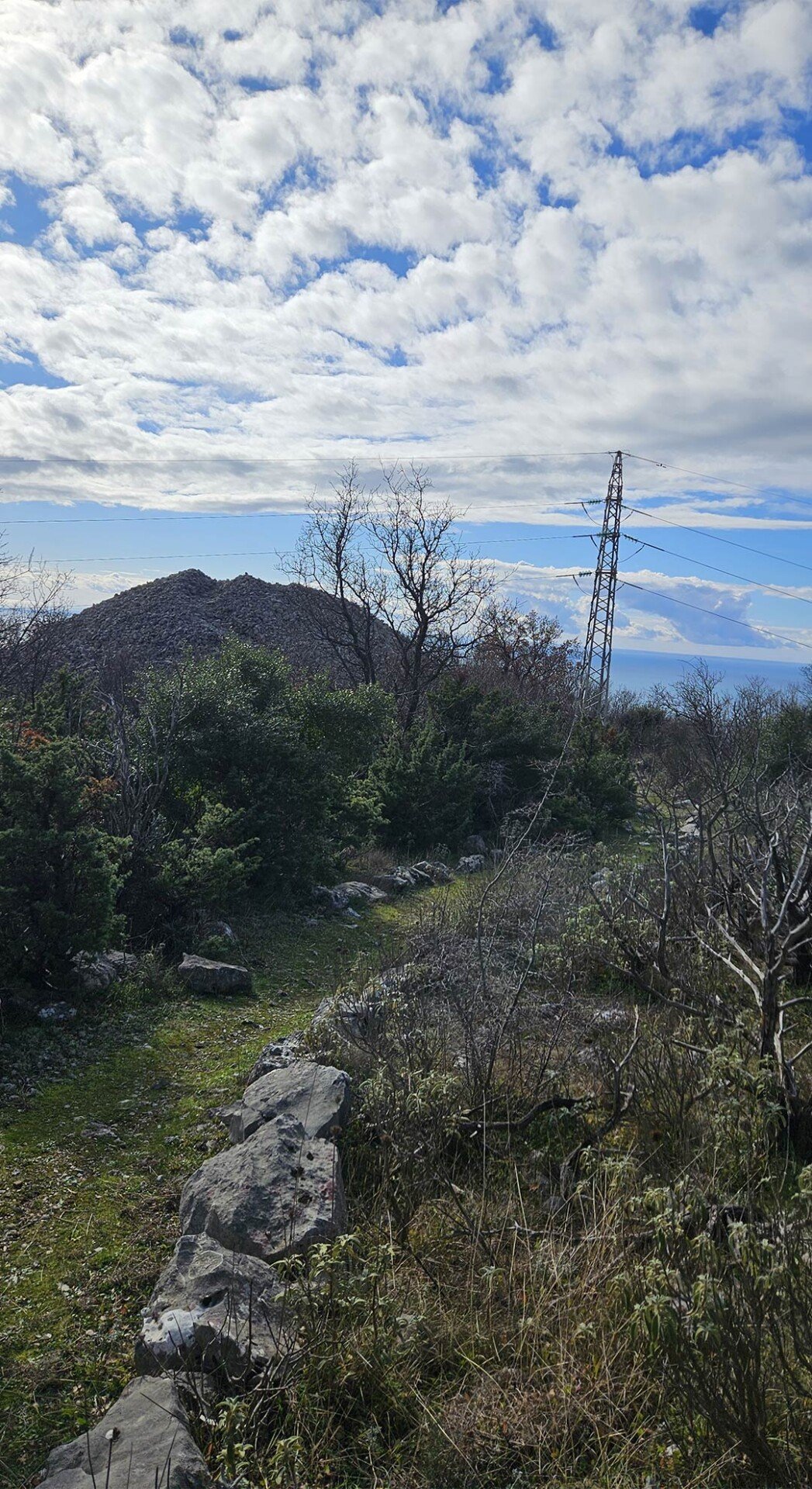
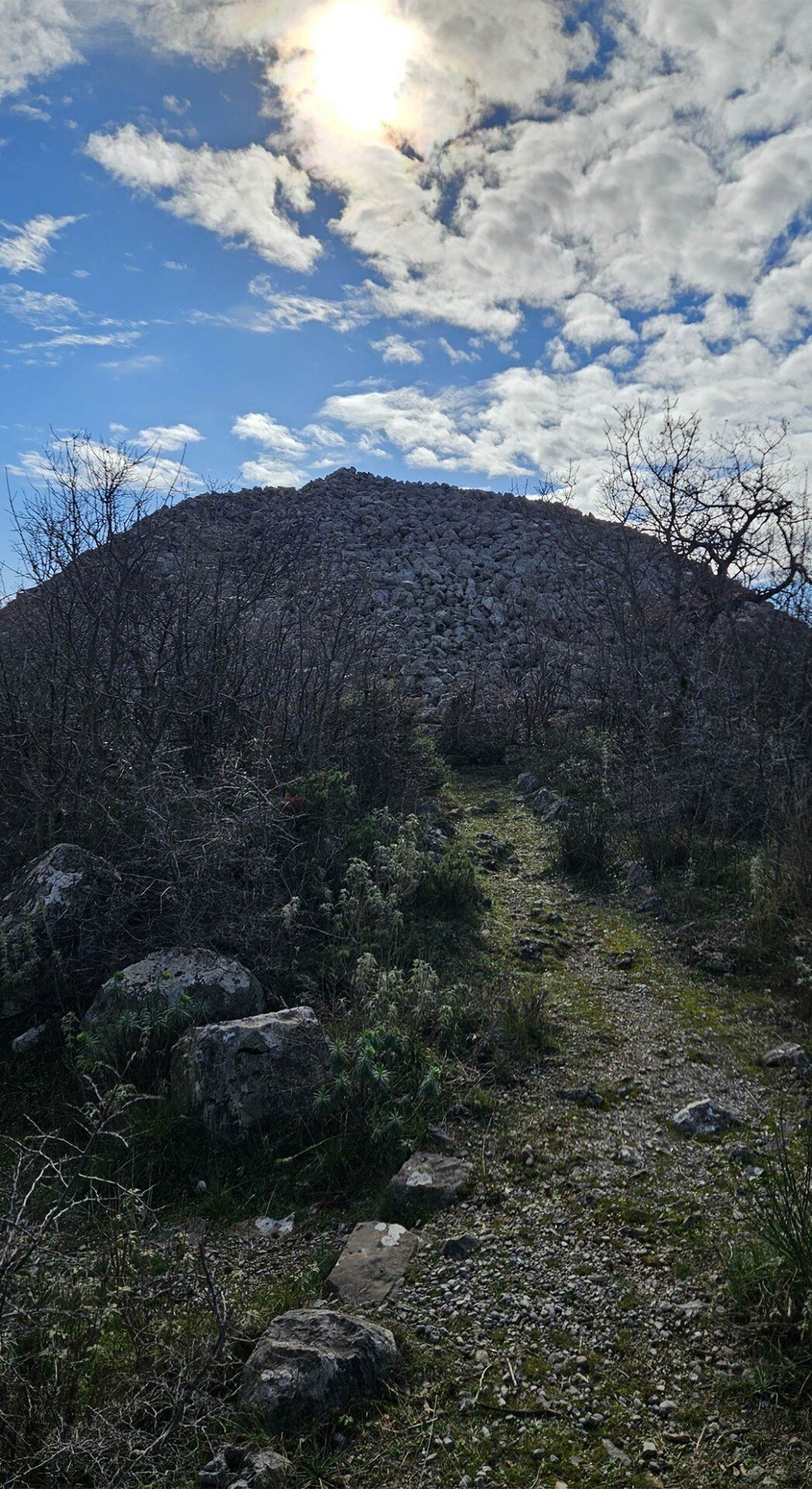
The sense of depth of this place is even stronger at Veli Mogily. In Bar’s official planning documents, it is designated as a prehistoric necropolis/Illyrian burial site and is also separately listed among the archaeological sites of Šušanj. The Bar Tourism Organization describes Veli Mogily as a conical stone mound: its base is round, approximately 28 meters in diameter, and its height is slightly over seven meters. What we see here is not just a vantage point overlooking the sea, but a rare instance where an archaeological site remains a prominent dominant feature of the landscape, literally shaping the silhouette of the entire surrounding area.
At the same time, Velija Mogila is not only a monument of deep antiquity, but also part of a living local tradition. Local sources record that on Catholic Spasovdan (Spasovdan), believers, after the service in the Church of St. Petka, go to Velija Mogila in a procession and, according to custom, bring a stone for each family member. This detail is particularly important for understanding the route: the church and the grave do not exist in isolation here, but are connected by a shared ritual and historical space.
That is why the StarLight group’s hike from Bar to Gornja Brca / Stara Brca can be called a route through several eras at once. The “Water Chipoi 1938” tour recalls the modest but vital infrastructure of old roads; the Church of St. Petka speaks of centuries-old religious memory and the juxtaposition of traditions; Veli Mogila takes you even deeper—into the prehistoric layers of this land. On a relatively short path, it brings together what makes the hike worthwhile: not a collection of landmarks, but a holistic landscape where stone, faith, water, and history continue to converse with one another.
More interesting information. Source: https://dd-sha2.blogspot.com/2015/12/blog-post.html
The history of the construction of the first church on the site of the Church of St. Petka in the village of Gorna Šušanj is lost in the Middle Ages. The current church was built in the 16th century. In 1610, it was consecrated by Kotor Archbishop Marin Biči, who wrote that the village itself consisted of 80 houses, and all the inhabitants were Catholic. In 1671, Bar Archbishop Andrea Zmajević visited the area. The church, as well as the monastery of the Virgin Mary on Cape Ratac, had been destroyed by this time. In Šušanj, Zmajević counted 46 houses and 157 residents. In 1719, the Church of St. Petka was mentioned in a letter to the Vatican by Archbishop of Zadar (former Archbishop of Bar), Vičko Zmajević. He thanked the Holy See for the assistance provided to the parishioners in Šušanj.
It is possible that the church was originally dedicated to St. Anna. But in 1610, it was consecrated in honor of St. Petka – Paraskeva of Rome – Veneranda. Šušanj itself also changed its name. During the time of the Biči-Zmajević family, the village was called Sušanj. Here again, we encounter a toponym derived from the name of a saint, which are quite common in Primorje. Su-shan – St. Anna, Sus-asht – St. Anastasia, Suto-more – St. Mary, Suto-rman – St. Roman, etc.
The church in Gornja Shushani is a single-nave rectangular building. It belongs to the same era and architectural style as the churches of St. Tekla and St. Petka in Sutomore, and is almost identical in size. A belfry with a single bell opening is installed above the western wall. The only difference between the Shushani Petka church and the church itself is the open porch attached to the western side.
From the road to the Church of St. Petka and from the church itself, one can see a very unusual burial mound (tumulus), called Velja Mogila. A path leads from the church to the mound.
The mound is 28 meters in diameter and over 7 meters high from the base. The tumulus has a nearly perfect conical shape with a truncated top. The slope is lined with improvised steps made of flat, large stone blocks.
Information about this site is scant and contradictory. I’ve seen reports online that the burial mound appeared in this area as early as the Neolithic. I think this is utter nonsense. Another opinion is that this heap of stones is of Illyrian origin.
I found just a few words about the emergence of burial mounds in Primorye in the 7th century AD in the work of historian Sergei Alekseev, “Slavic Europe in the 5th-8th Centuries”:
A characteristic feature of Serbian culture was the prevalence of so-called gromils—low, burial mound-like structures made of earth and stones. These gromils contain animal bones, pottery, less commonly other objects, and sometimes, very rarely, human remains. The description of the finds suggests not burial monuments, but rather some specific pagan sacrificial ritual.
Perhaps this explains the origin of Velja Mogila in Shushani.
A service is held at this pagan site every year on Christmas Day. A small altar is erected at the very top of the hill. Each worshipper must bring a stone.